Ivory Decorative Pillows
Ivory Decorative Pillows
-

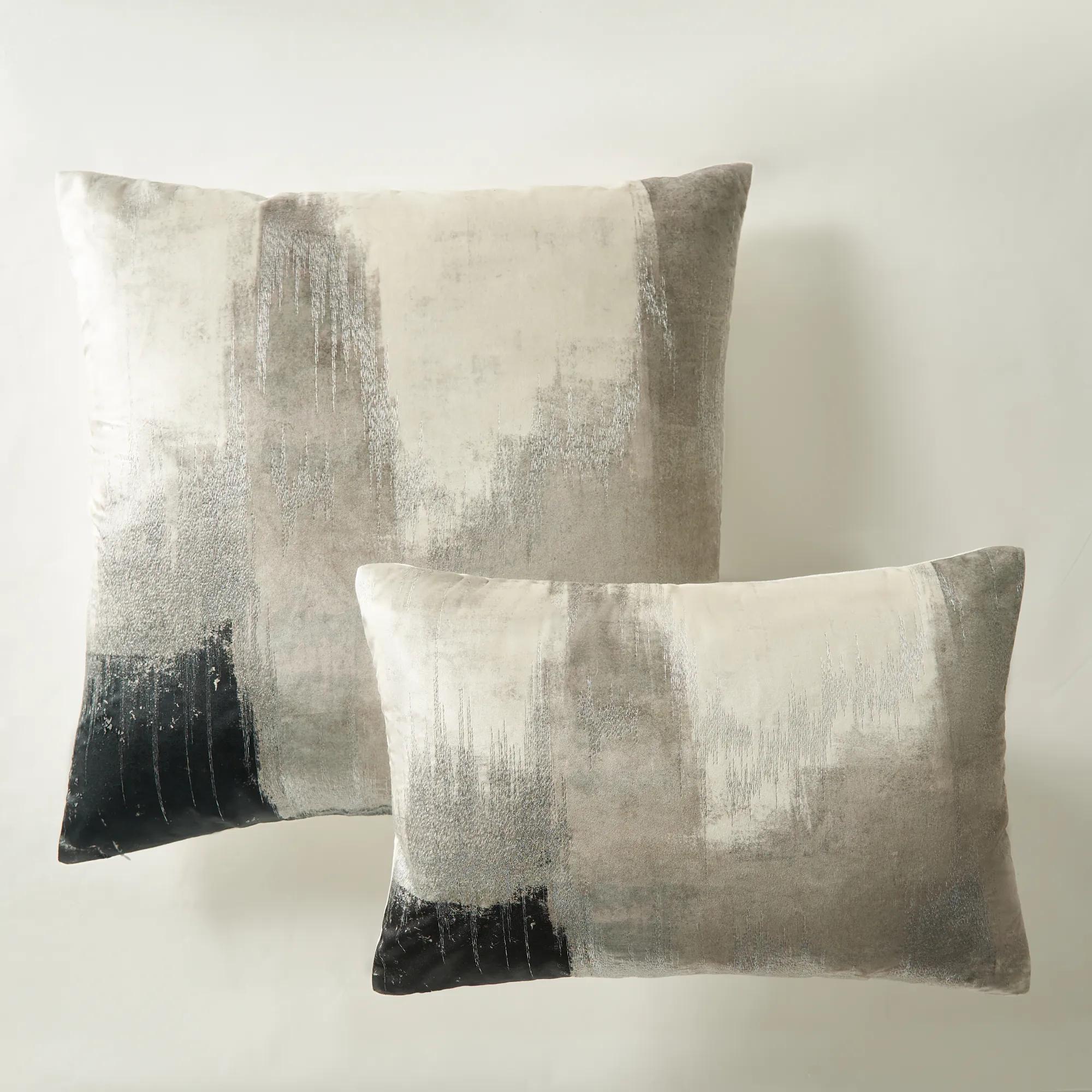
 Nova Beaded Ivory/Gold/Black Velvet Pillow 20" x 20"$89
An ivory velvet pillow with bold black and gold swirls, gold bead accents, and feather-down comfort.
Add To Cart -

 Minka Jacquard Ivory Pillow 22" x 22"$89
A highly textured ivory chevron pillow with a removable cover and plush feather down insert.
Add To Cart -
 Channel Ivory Faux Fur Pillow 20" x 20"$79
An ivory faux fur pillow with a plush feather down insert and a removable velvet-backed cover.
Add To Cart -
 Corseca Pillow 24" - Ivory$79.95
A plush ivory faux fur pillow crafted from silky acrylic and polyester with a removable insert.
Add To Cart -

 Shay Ivory Faux Fur Round Pillow 18"D$59
An ultra-plush ivory faux fur pillow with a feather-down insert and soft, cloud-like texture.
Add To Cart -

 Haven Beaded Pillow 22"$129
An ivory velvet pillow adorned with tonal bead embellishments for a touch of refined luxury.
Add To Cart -

 Nomi Beaded Embroidered White/Champagne Velvet Pillow 20" x 20"$119
A white and champagne velvet pillow adorned with intricate beadwork and embroidery for glamorous texture.
Add To Cart -
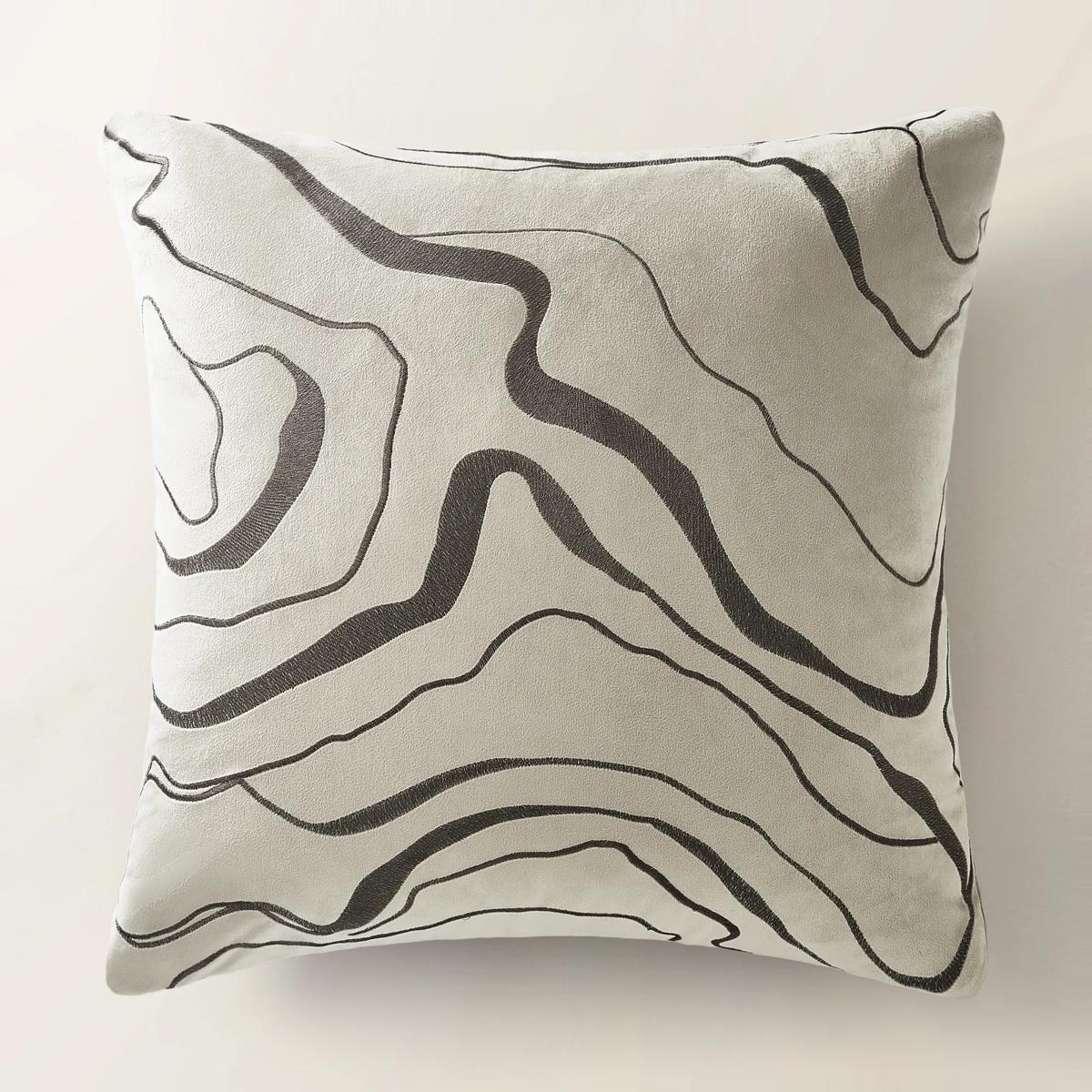
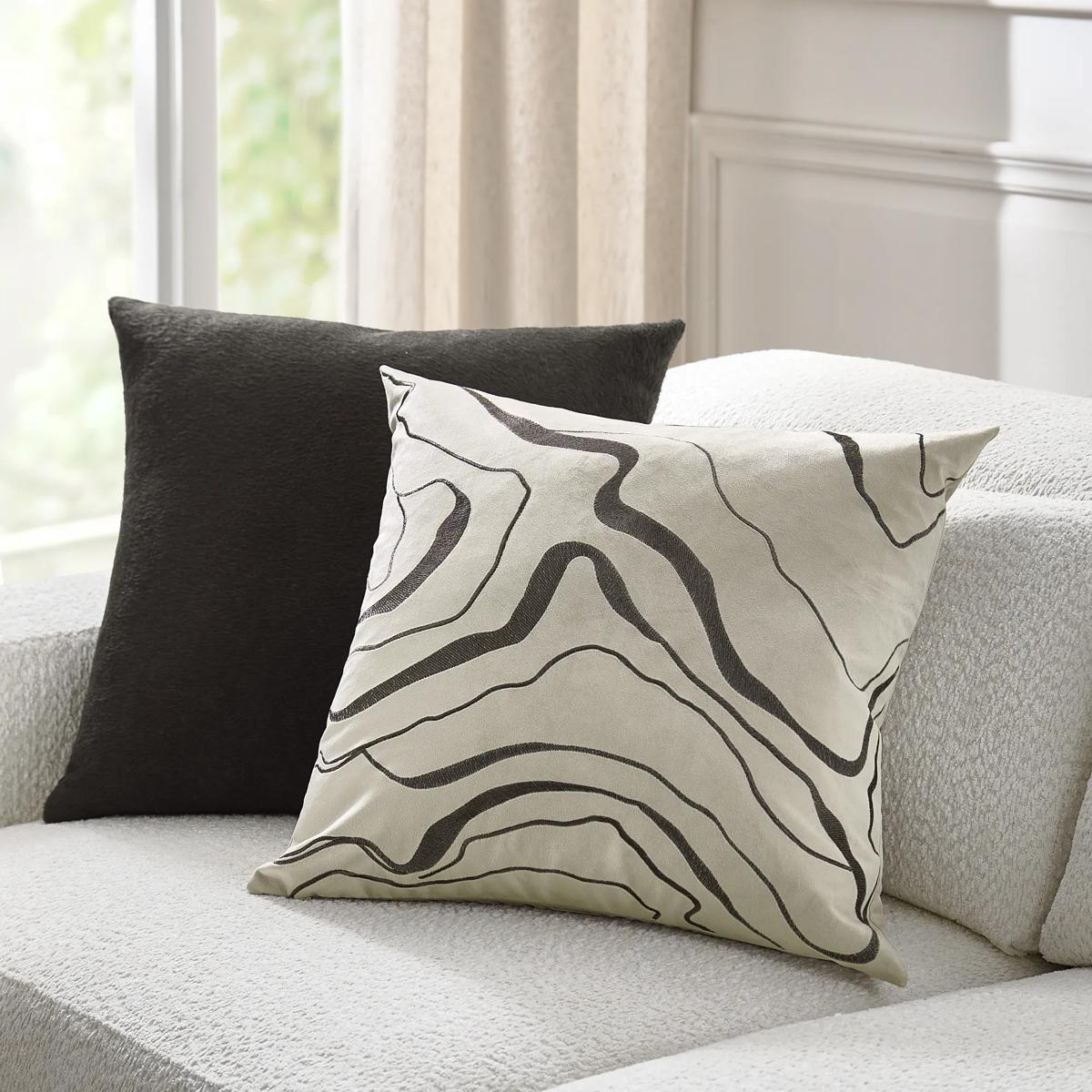 Encina Embroidered Silver/Ivory Velvet Pillow 22" x 22"$89
A sculptural velvet pillow in silver and ivory with metallic embroidery and a plush feather-down insert.
Add To Cart -
 Cadence Pillow 22"$99
An ivory and beige velvet pillow featuring a graceful swirl pattern and plush feather-down insert.
Add To Cart -
 Embroidered Dot Pillow 22"$79
An ivory velvet pillow featuring embroidered black dots and soft gold accents for a touch of shimmer.
Add To Cart -
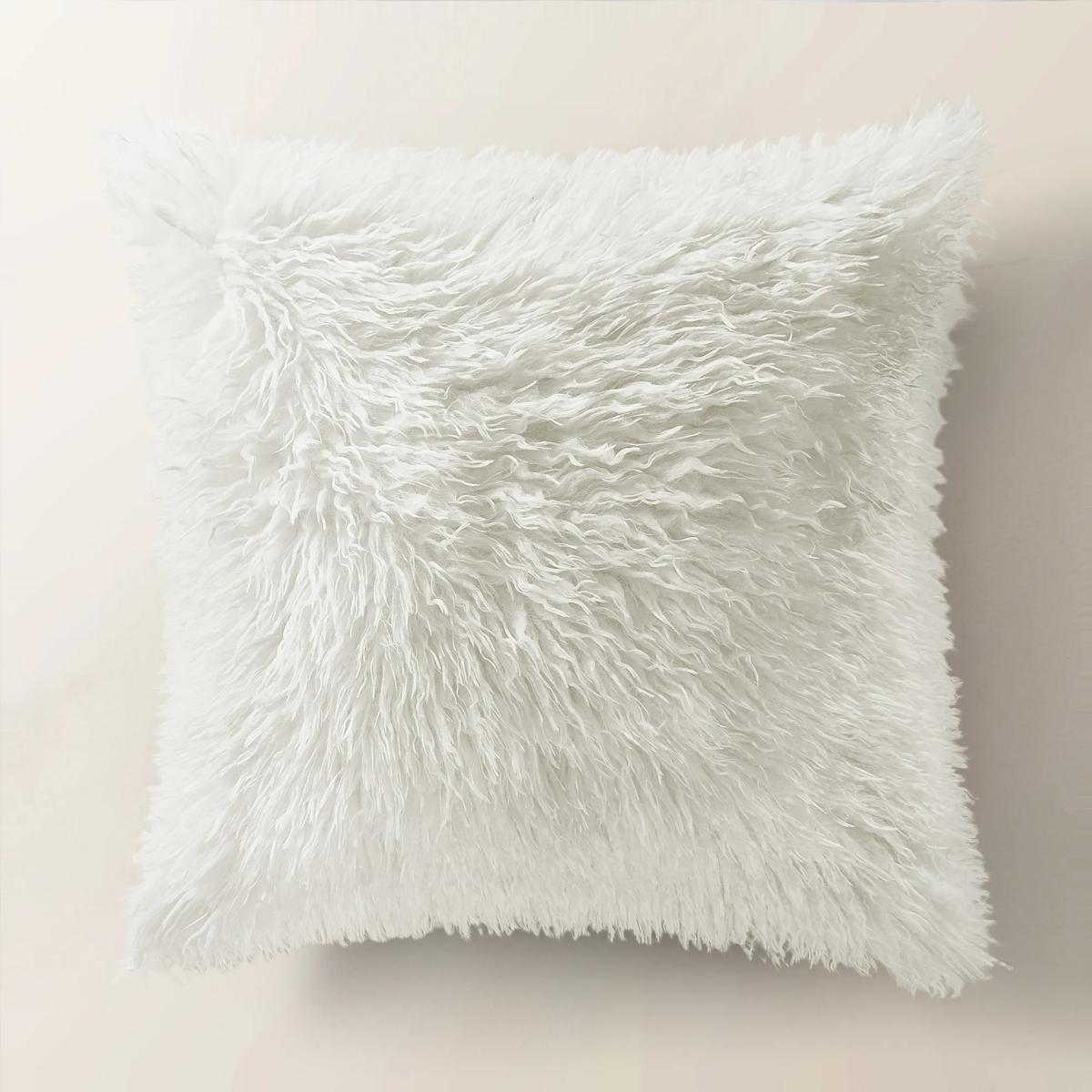
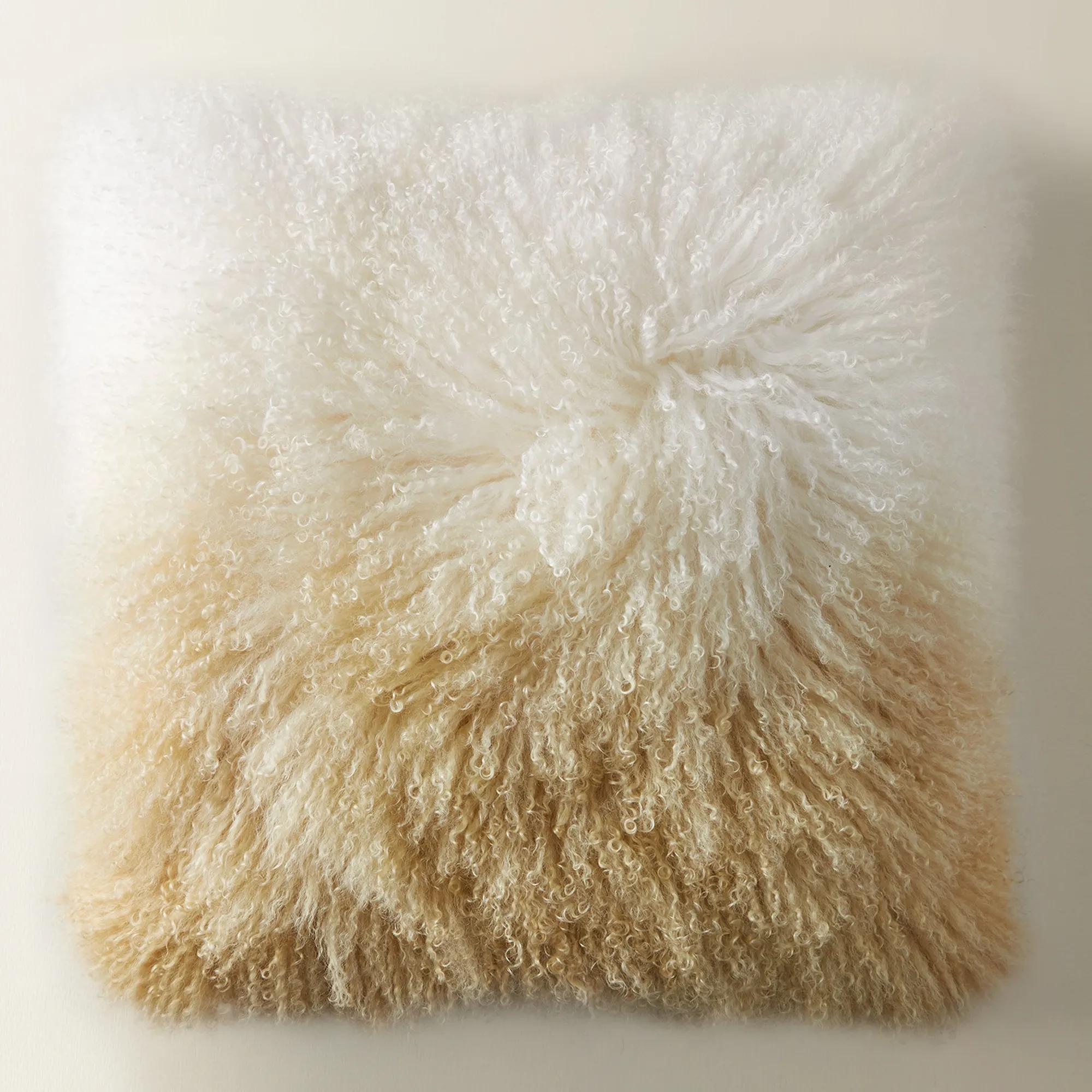
 Micah Faux Mongolian Pillow 22" - Ivory$89
A plush ivory pillow featuring faux Mongolian fur and a feather down insert for luxurious texture.
Add To Cart -

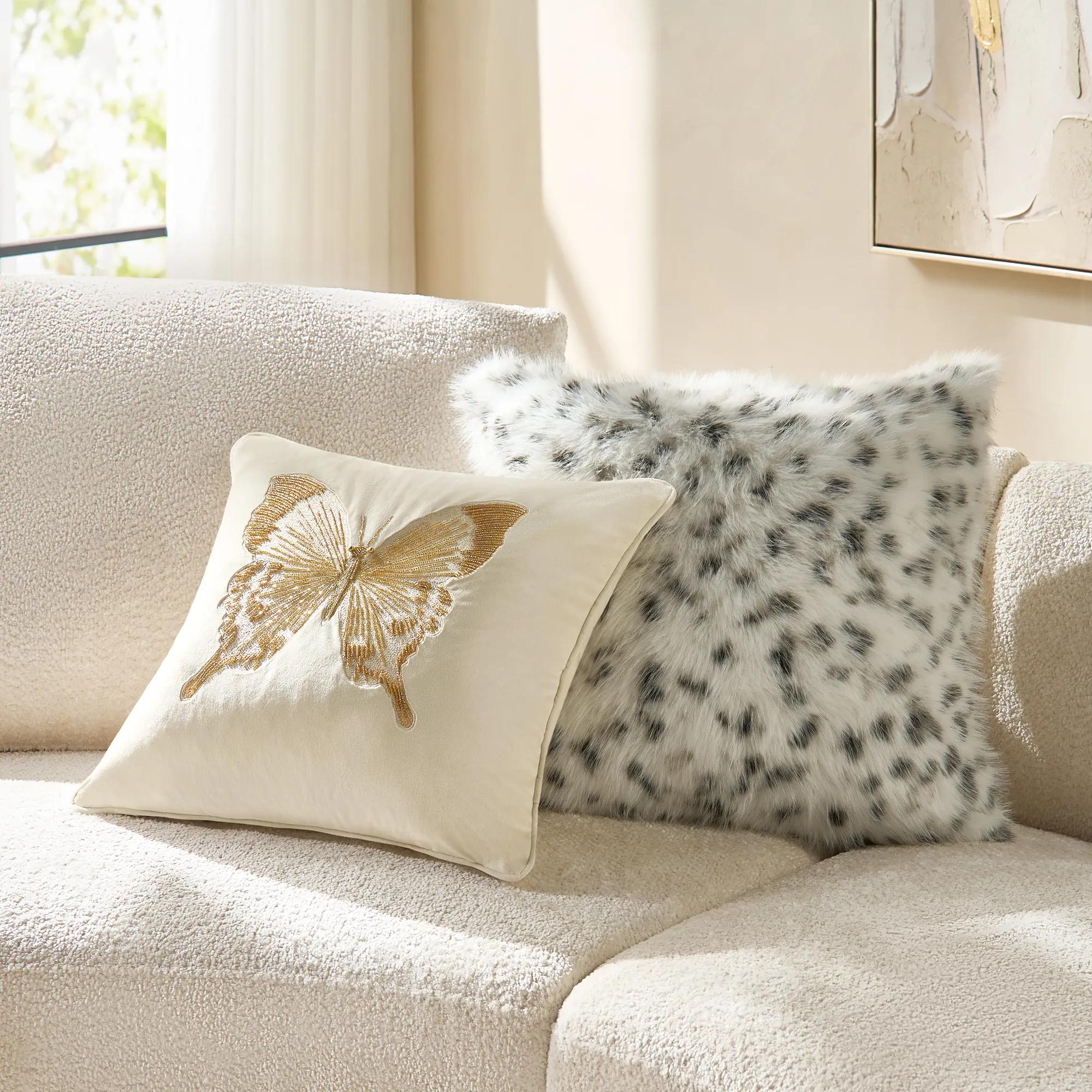 Bella Butterfly Beaded Embroidered Ivory/Gold Pillow 20" x 20"$99
A soft ivory velvet pillow featuring gold beaded butterfly embroidery and a plush feather-down insert.
Add To Cart -
 Tigre Pillow 22"$99
A modern ivory satin pillow with bold black stitching, offering a chic twist on animal-inspired design.
Add To Cart -

 Nouvel Ivory/Gold Velvet Pillow 22" x 22"$79
A metallic printed ivory and gold velvet pillow offering plush feather-down comfort and radiant modern glam.
Add To Cart -

 Z Carved Faux Fur Pillow 22“- Ivory$89
An ultra-soft ivory faux fur pillow with a sculptural carved design and silky velvet backing.
Add To Cart -
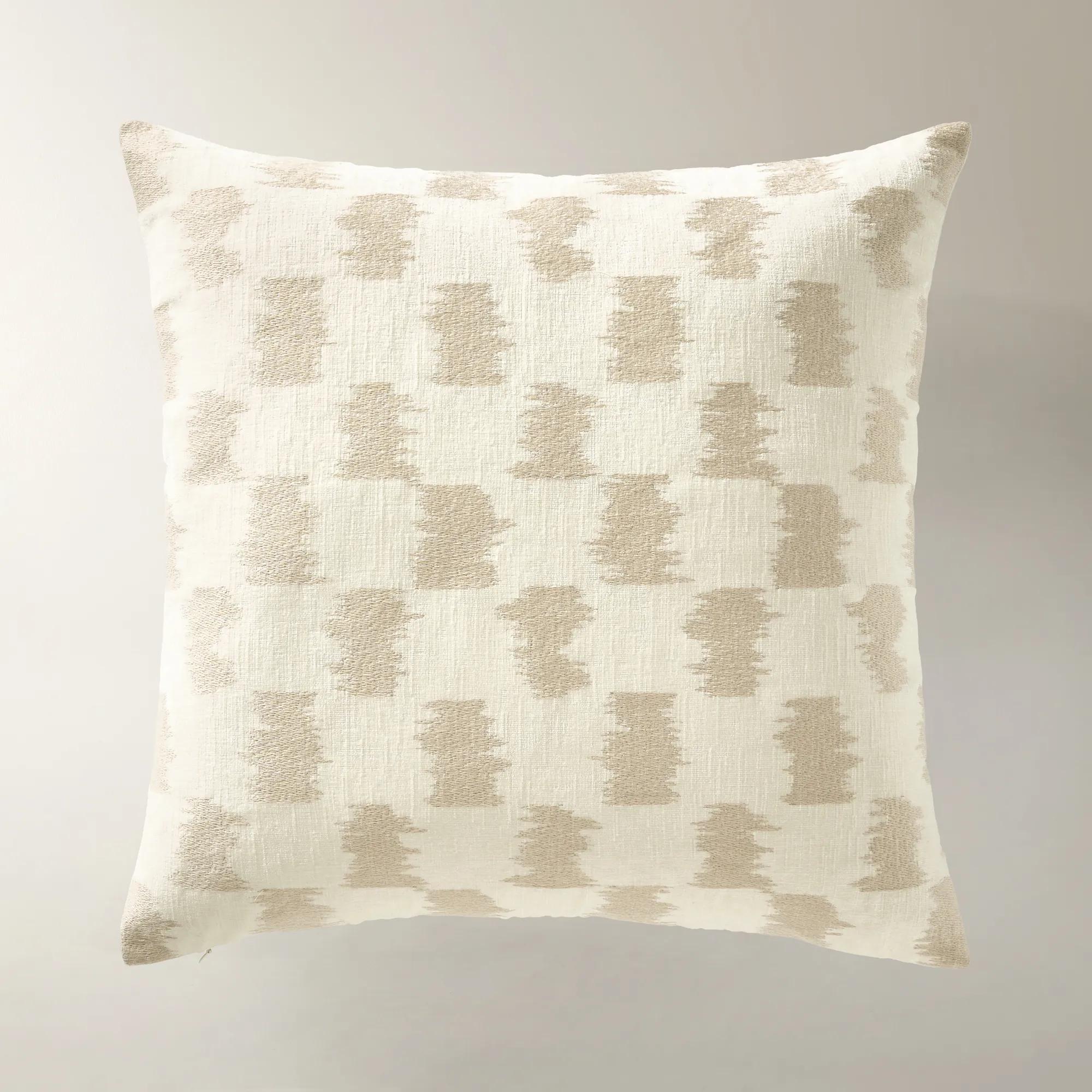
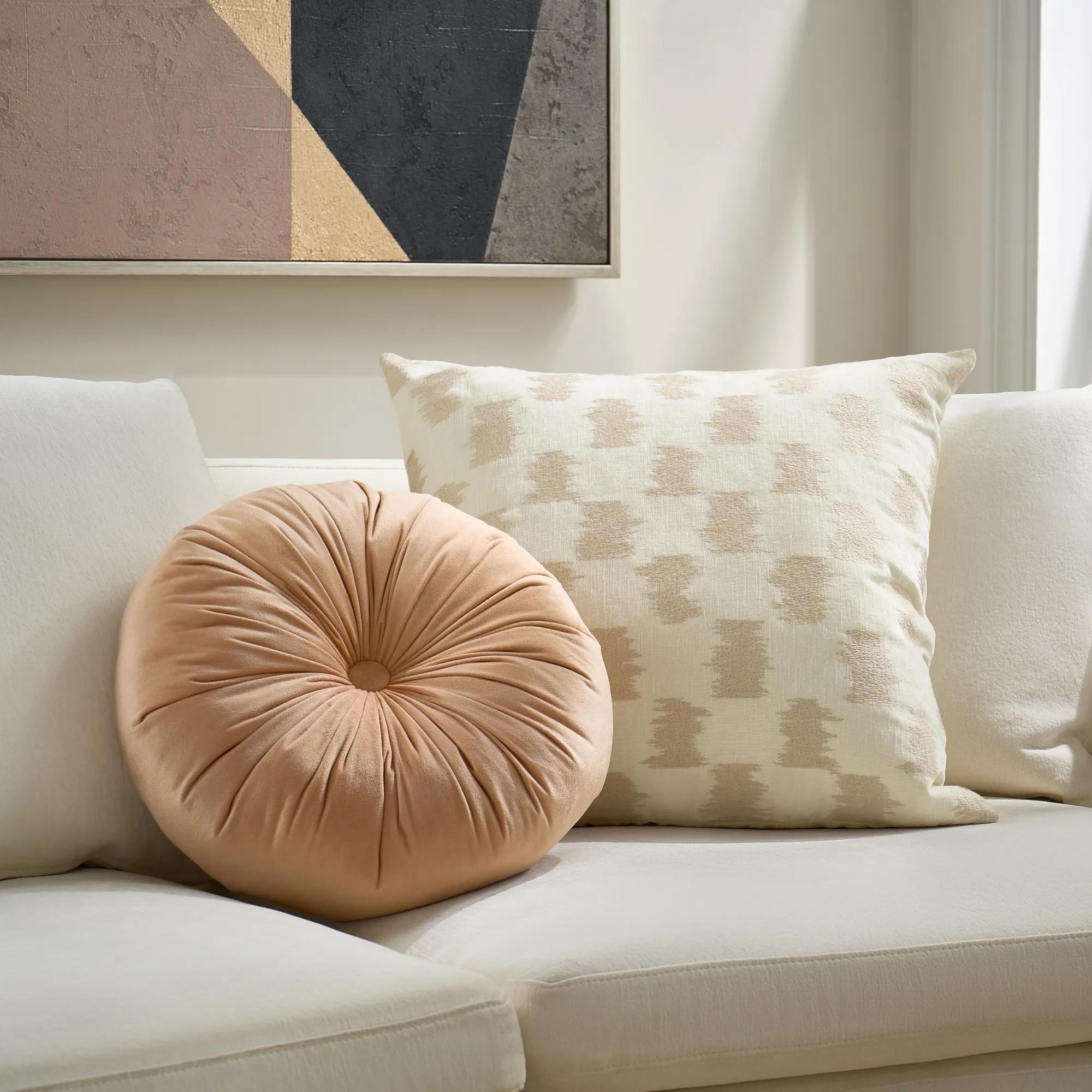 Scacco Check Embroidered Taupe/Ivory Pillow 22" x 22"$89
A taupe and ivory velvet pillow featuring an embroidered geometric checker pattern and feather-down insert.
Add To Cart -
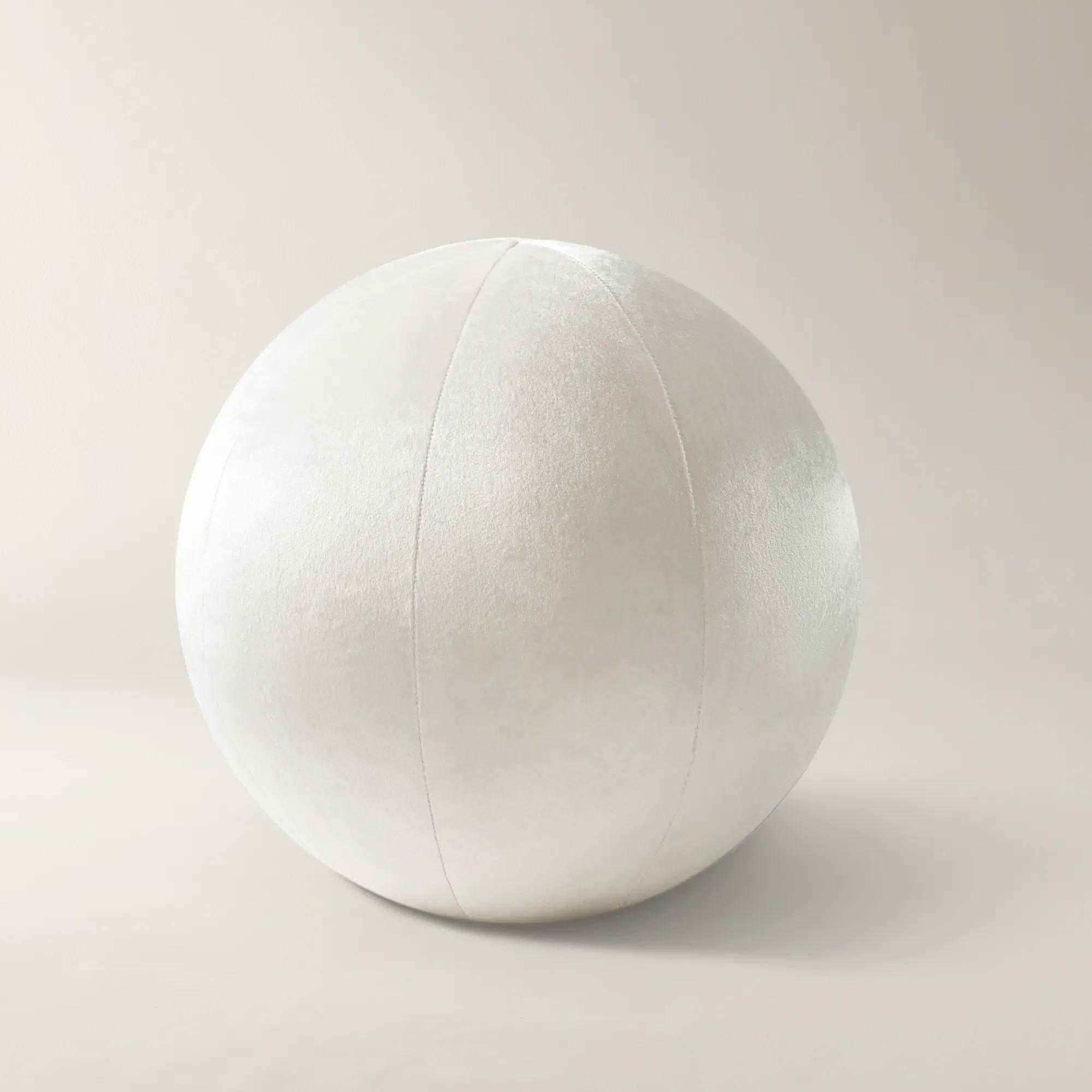
 Veda Ivory Velvet Ball Pillow 12"D$69
A sculptural ivory sphere pillow crafted from lustrous velvet for a cozy, modern accent.
Add To Cart -

 Frond Soft Nude Beaded Embroidered Velvet Pillow 20" x 20"$149
A soft nude velvet pillow featuring intricate beaded embroidery for a refined, textural accent.
Add To Cart -
 Nouvel Ivory/Gold Velvet Ball Pillow 12"D$79
A sculptural sphere pillow in ivory and gold metallic velvet, adding playful texture and shimmering contrast.
Add To Cart -

 Solenne Embroidered Pillow 22" - Ivory/Charcoal$89
An ivory and charcoal embroidered pillow adding sophisticated texture to contemporary spaces.
Add To Cart -
 Shay Ivory Faux Fur Pillow 22" x 22"$89
An ultra-plush ivory faux fur pillow with a feather down insert for luxurious softness and texture.
Add To Cart -
 Abelia Pillow 22" - Ivory/Black$79
An ivory and black pillow featuring intricate botanical stitch embroidery on soft polyester with a feather-down insert.
Add To Cart -
 Namir Leopard Beaded Embroidered Ivory/Gold Velvet Pillow 22" x 22"$129
An ivory velvet pillow featuring an embroidered leopard face and a plush feather-down insert.
Add To Cart -
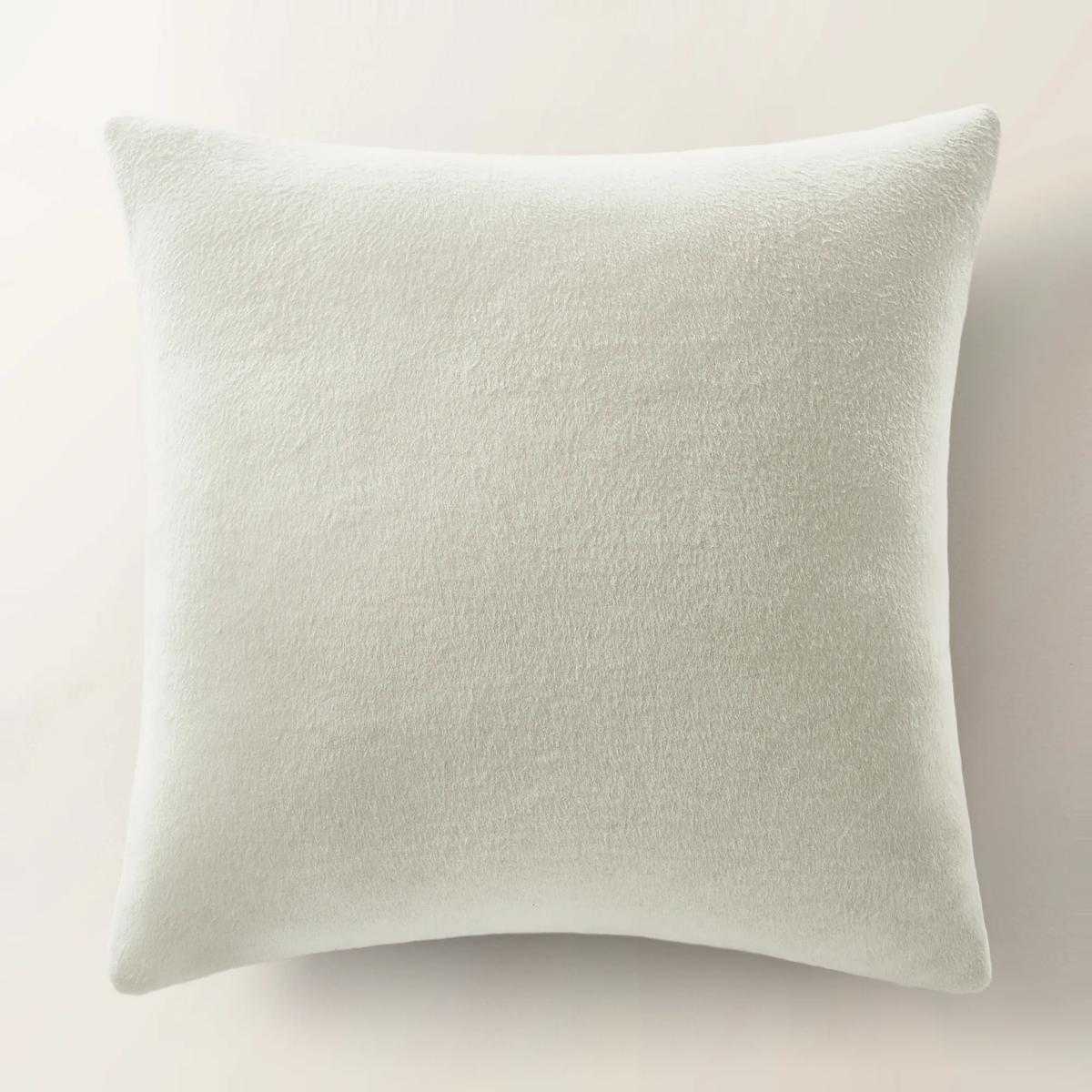 Maeve Felted Wool Pillow 22"- White$99
A plush ivory pillow featuring a felted wool blend and feather down insert for modern, serene comfort.
Add To Cart

Ivory Decorative Pillows
Explore ivory decorative pillows to bring a soft neutral accent to your sofa, bed, or accent chair. Ivory throw pillows offer a warm alternative to crisp white, creating an elegant backdrop for bold color or a layered neutral palette. Consider scale and contrast as you choose pillows to balance statement furniture and give your arrangement a composed, expressive finish.
Ivory decorative pillows bring luminosity to a room without the sharp contrast of bright white. Their appeal lies in the subtlety of the shade: a creamy surface can soften dark upholstery, draw out the warmth of a wood frame, or give a jewel-toned sofa a beautifully composed finishing touch. Against charcoal velvet, ivory feels graphic and deliberate; beside champagne, taupe, or pale gold, it creates a layered palette with depth rather than a single wash of neutral color. Even an all-ivory arrangement can feel richly expressive when the surfaces differ. A smooth pillow beside a nubby woven design creates contrast through texture, while raised embroidery introduces shadows and detail that become more noticeable up close. The effect is especially compelling in rooms with sculptural furniture or large-scale art, where a restrained color allows the shape and finish of each piece to stand out. Ivory shades can lean yellow, beige, or softly gray, so their relationship to the surrounding upholstery matters. A warm cream may look sumptuous against cognac leather but appear distinctly golden beside a cool white duvet. Viewing the color in the room’s natural and artificial light helps reveal those nuances. Fabric contributes just as much to the mood. Velvet has a plush surface that shifts with the direction of its pile, linen offers visible texture and a relaxed drape, and cotton can provide a soft, matte counterpoint to gleaming accents. Bouclé and dimensional weaves make the pale shade feel sculptural, while satin-like finishes catch the light with a more polished presence. For a fabric-focused expression of this palette, Ivory Polyester Decorative Pillows connects the luminous color with a material that can take on many textures, from smooth and lustrous to intricately woven. Fiber content alone does not determine softness or performance; construction, finish, and embellishment all influence how a pillow feels and wears. That balance of color and surface gives ivory its versatility, allowing it to read as quietly tailored, lavishly textured, or boldly glamorous within the same room.
Scale and shape give ivory accent pillows their presence, turning a pale accent into an intentional part of the furniture arrangement. A generous square pillow can anchor the corner of a deep sofa, while a smaller square or elongated lumbar adds definition without concealing the upholstery beneath it. On a compact accent chair, a single well-proportioned pillow often makes a stronger impression than several competing shapes. Its edges should sit comfortably within the chair’s silhouette, leaving enough space for someone to settle in without moving an entire arrangement. A broad sectional can accommodate larger pillows and more substantial layering, particularly when they are grouped at corners rather than distributed evenly across every seat. Pairing two related ivory textures creates rhythm; introducing one embroidered or beaded accent gives the eye a focal point. Symmetry lends a formal, composed feeling, while an uneven grouping can complement a more sculptural setting. In the bedroom, ivory decorative pillows can connect the bedding to an upholstered headboard, echo the pale veining of a stone bedside table, or soften the contrast of a dark bed frame. Larger squares placed behind a lumbar create depth, though the arrangement should remain easy to remove when the bed is in use. Dimensions deserve attention beyond the width of the cover. A thick, firmly filled pillow projects farther into the seat than a softer one of the same size, and a shallow chair may feel crowded even when the pillow looks proportionate from across the room. Insert construction also shapes the result. Feather and down blends often offer a yielding feel and can be reshaped, while fiber-filled inserts may provide a fuller silhouette with less settling, depending on their construction. Anyone sensitive to feathers may prefer an appropriate alternative fill. For removable covers, checking the recommended insert dimensions helps achieve the intended fullness without straining seams or closures. Decorative pillows are finishing accents rather than substitutes for supportive seating or bed pillows; the most satisfying arrangements balance a striking silhouette with space to sit, recline, and enjoy the room.
The enduring beauty of an ivory throw pillow depends on matching its construction to the way the room is lived in. A densely woven cover with sound stitching is a practical consideration for a frequently used sofa, while delicate fringe, intricate beadwork, or raised appliqué may be better suited to a bedroom accent or a chair that receives gentler use. These details bring artistry to pale fabric, but they can also catch on jewelry, clothing fasteners, or pets’ claws. Removable covers can make care more manageable, although a zipper does not automatically mean a cover is machine washable. The care label should govern cleaning, particularly when a pillow combines different fibers, decorative trim, or a structured backing. Some designs tolerate laundering, others call for spot cleaning, and certain finishes require professional care. On ivory fabric, residue from an unsuitable cleaner can be nearly as conspicuous as the original mark, making a discreet test especially important when the care instructions allow spot treatment. Blotting a spill gently rather than rubbing helps limit its spread and avoids unnecessary abrasion. Routine dust removal, using a method appropriate to the fabric, can keep textured surfaces from looking dull; embellished areas need a lighter touch than a plain woven cover. Rotating pillows between seating positions and reshaping inserts as needed can also help distribute everyday wear. Prolonged direct sunlight may alter some fabrics or trims, so placement deserves consideration in a brightly lit room. For homes with children or pets, the ease of cleaning and resilience of the weave may matter more than intricate surface decoration. Ivory pillows also make thoughtful housewarming or wedding gifts when the recipient’s furnishings and preferences are known. Their versatile color can complement many interiors, but dimensions, texture, and care needs still make the choice personal. Whether resting against a richly colored sofa or completing a tonal bedroom, an ivory pillow earns its place through the interplay of softness, proportion, and detail—a luminous accent with enough character to hold its own.
FAQs
Ivory decorative pillows bring a luminous layer to a room, softening bold furnishings without diminishing their drama. Their warm, creamy tone creates an elegant backdrop for expressive patterns, sculptural accents, and richly layered decor.
Ivory throw pillows offer a refined contrast to black, charcoal, and deep navy, while emerald and burgundy create a richly saturated pairing. For a more tonal composition, layer ivory with champagne, taupe, and warm white, then introduce metallic accents for a touch of radiance.
Use ivory decorative pillows as a quiet counterpoint to expressive prints. Choose patterns that repeat an ivory tone to connect the arrangement, then combine distinct motifs, such as a crisp geometric and a fluid abstract. A shared palette keeps the composition intentional while allowing each pattern its moment.
Let surface detail create the drama. When selecting ivory pillows, look for contrasts between smooth finishes, dimensional textures, and intricate embellishments rather than relying on color alone. Subtle shifts from creamy ivory to warm white lend depth to the arrangement, especially against a boldly colored sofa or layered bedding.
Keep ivory decorative pillows as the luminous foundation of your arrangement and change the accents around them. Pair them with soft botanical hues in spring, ocean-inspired blues in summer, and burnished earth tones in fall. For the holiday season, introduce jewel tones and gleaming decorative accents for a celebratory finish.