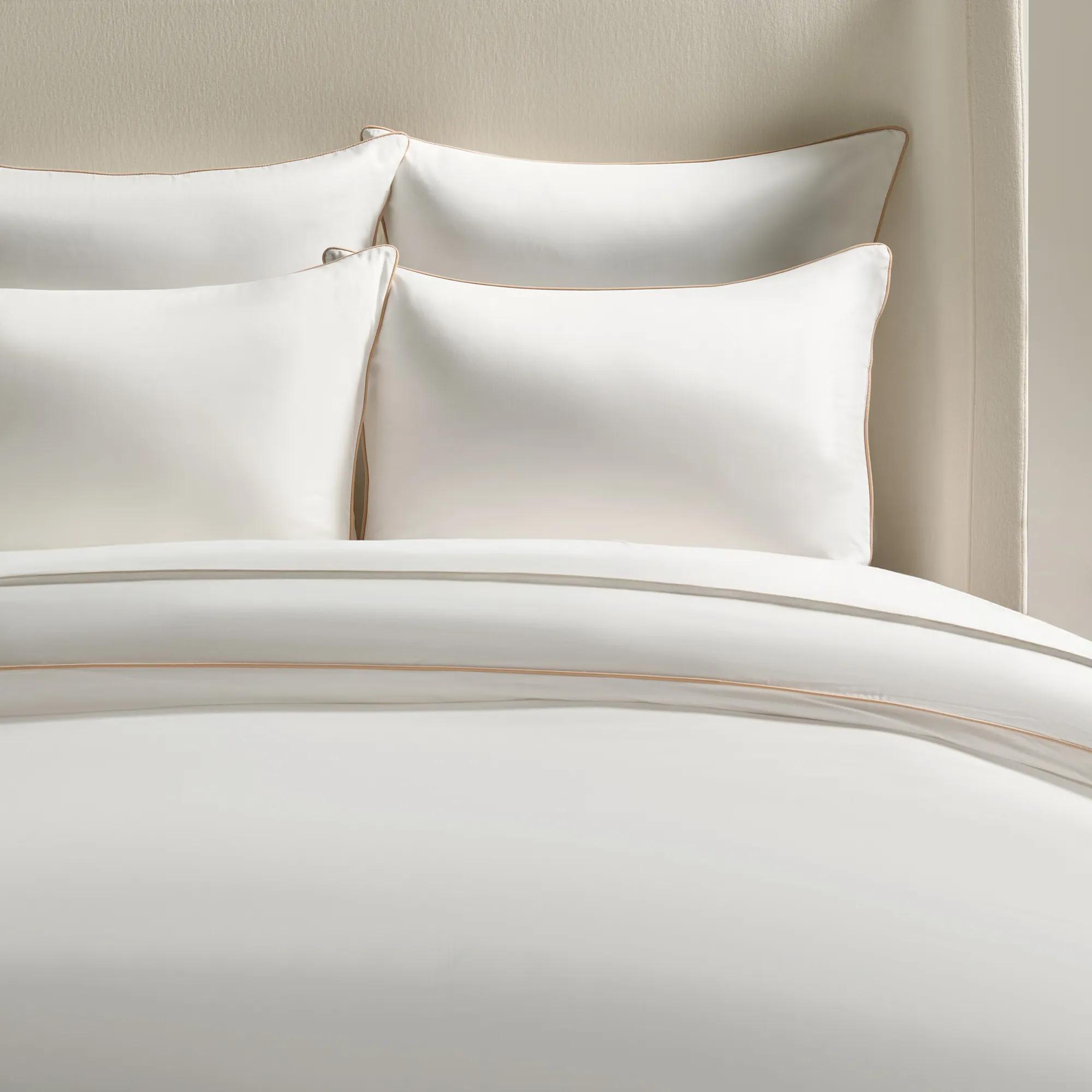
Ivory Bedding For Summer
Ivory Bedding For Summer
-
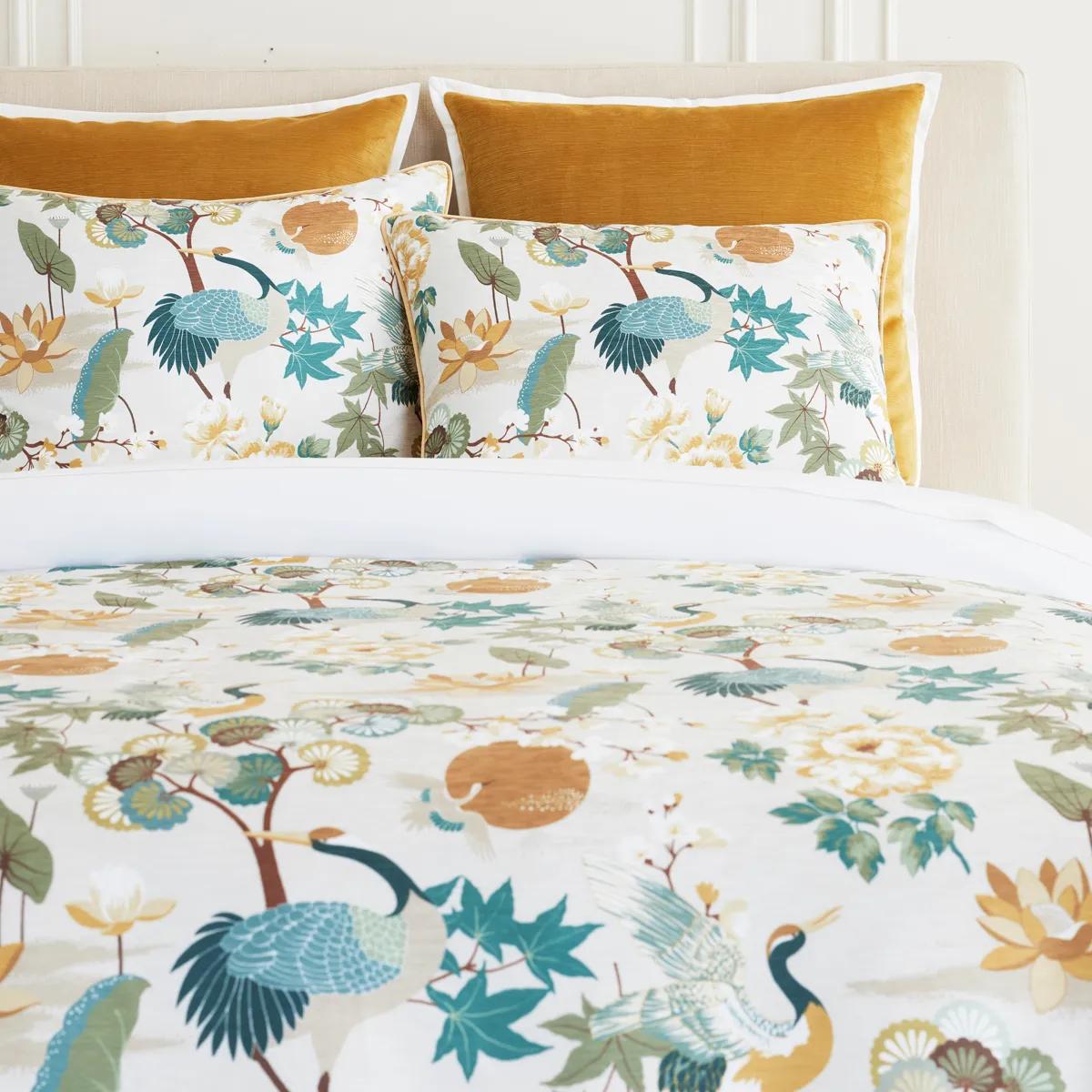
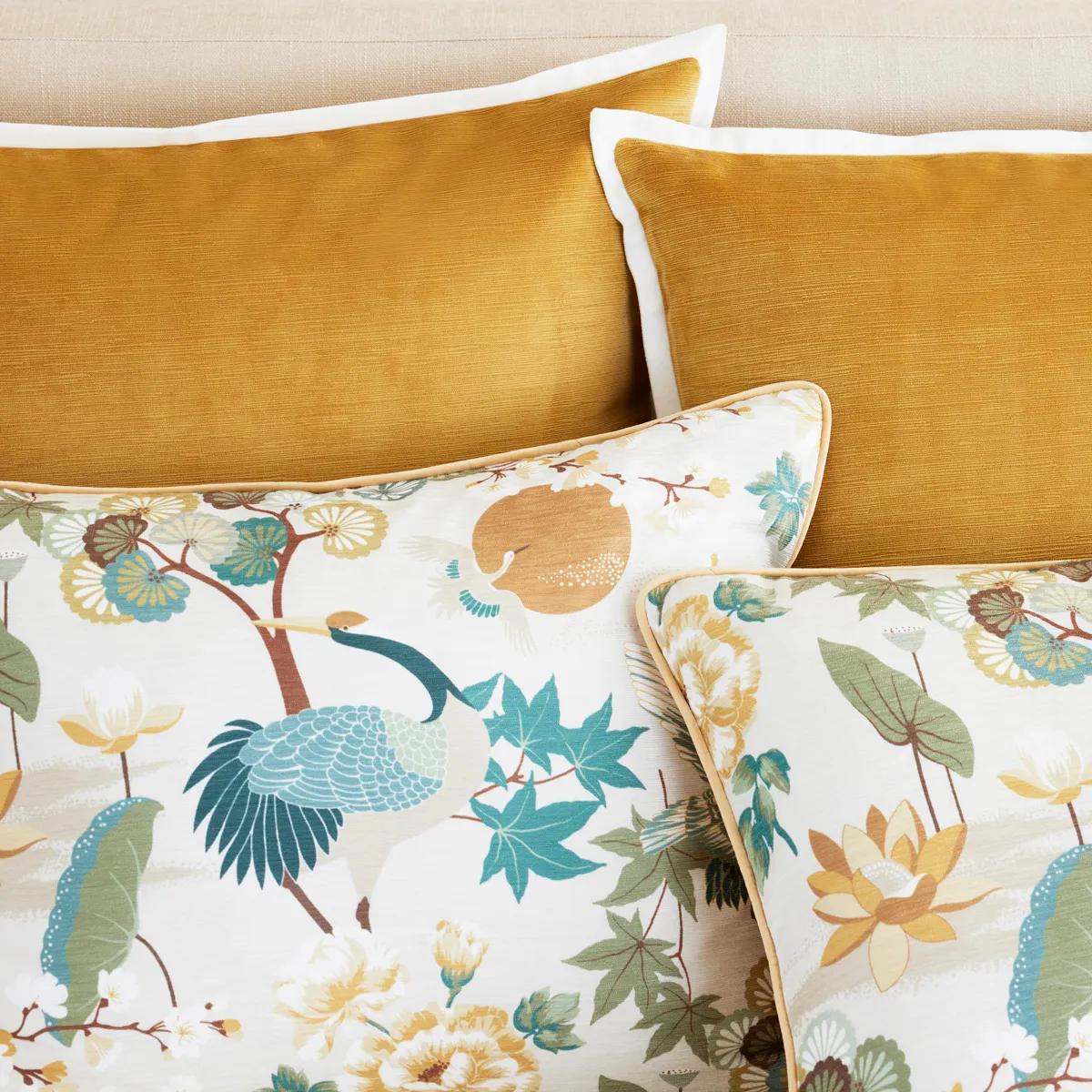 Sandhill Ivory/Multi Color Printed Bedding Set$639
An ivory bedding collection featuring earthy tones, gold velvet accents, and a soft cotton-polyester blend.
Add To Cart -
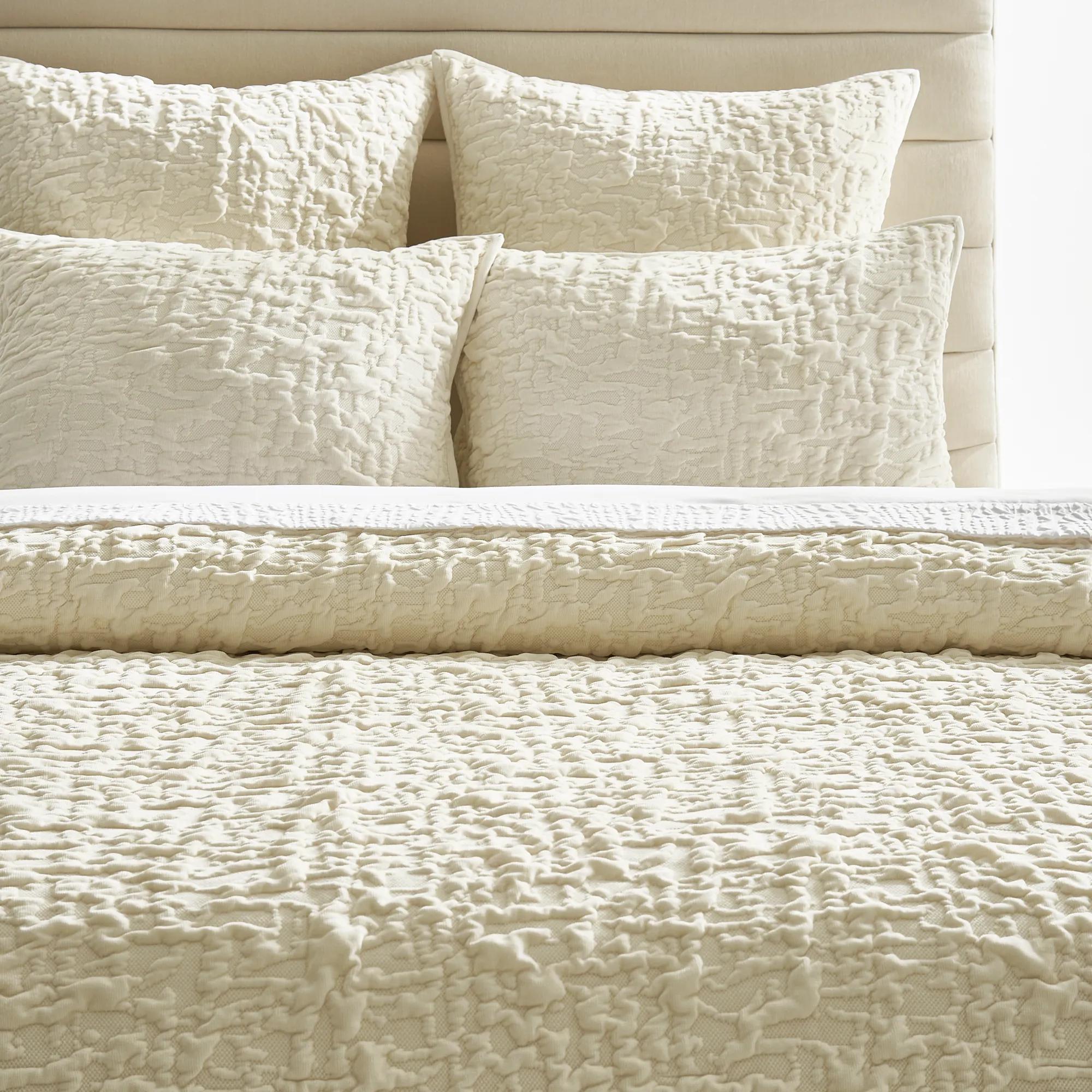
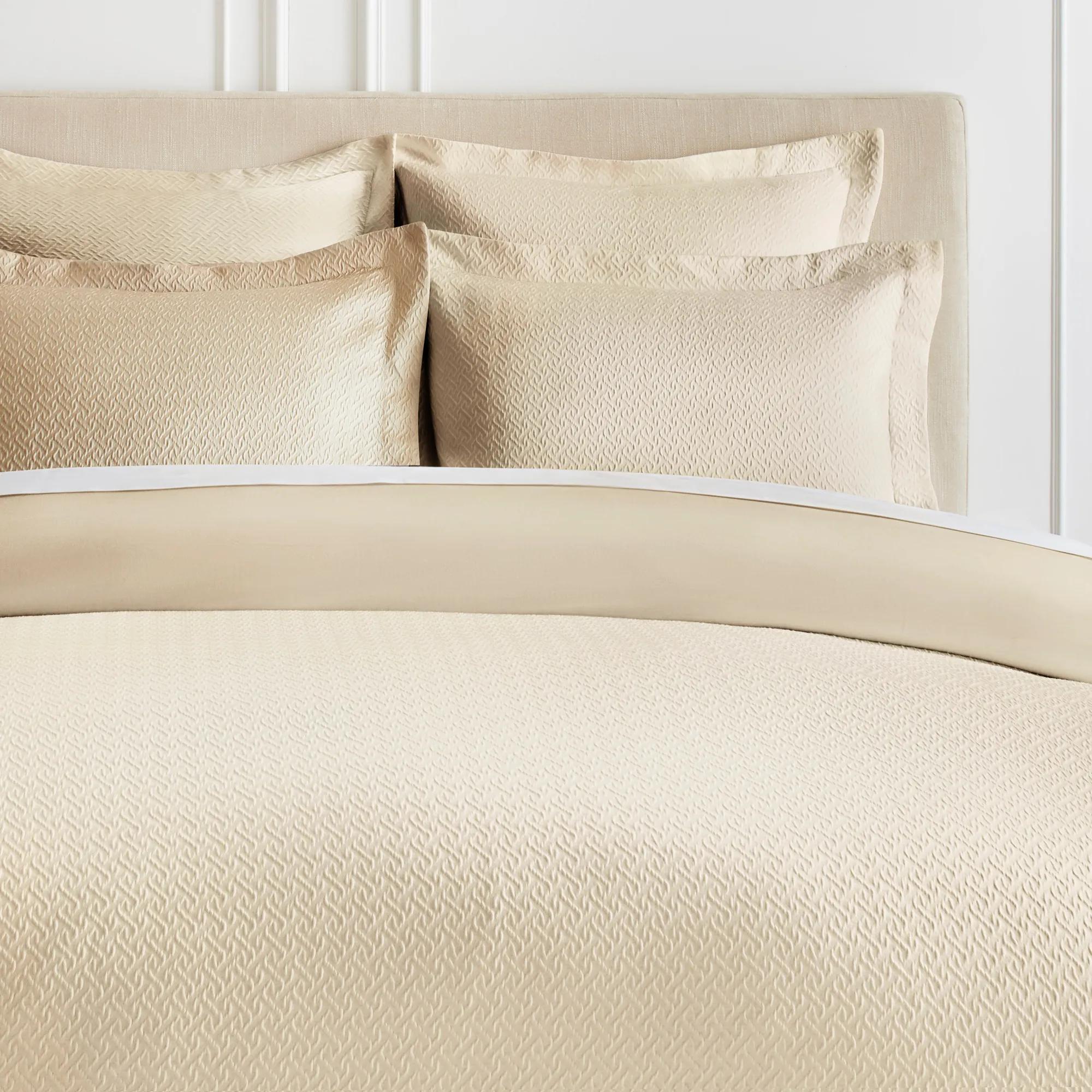
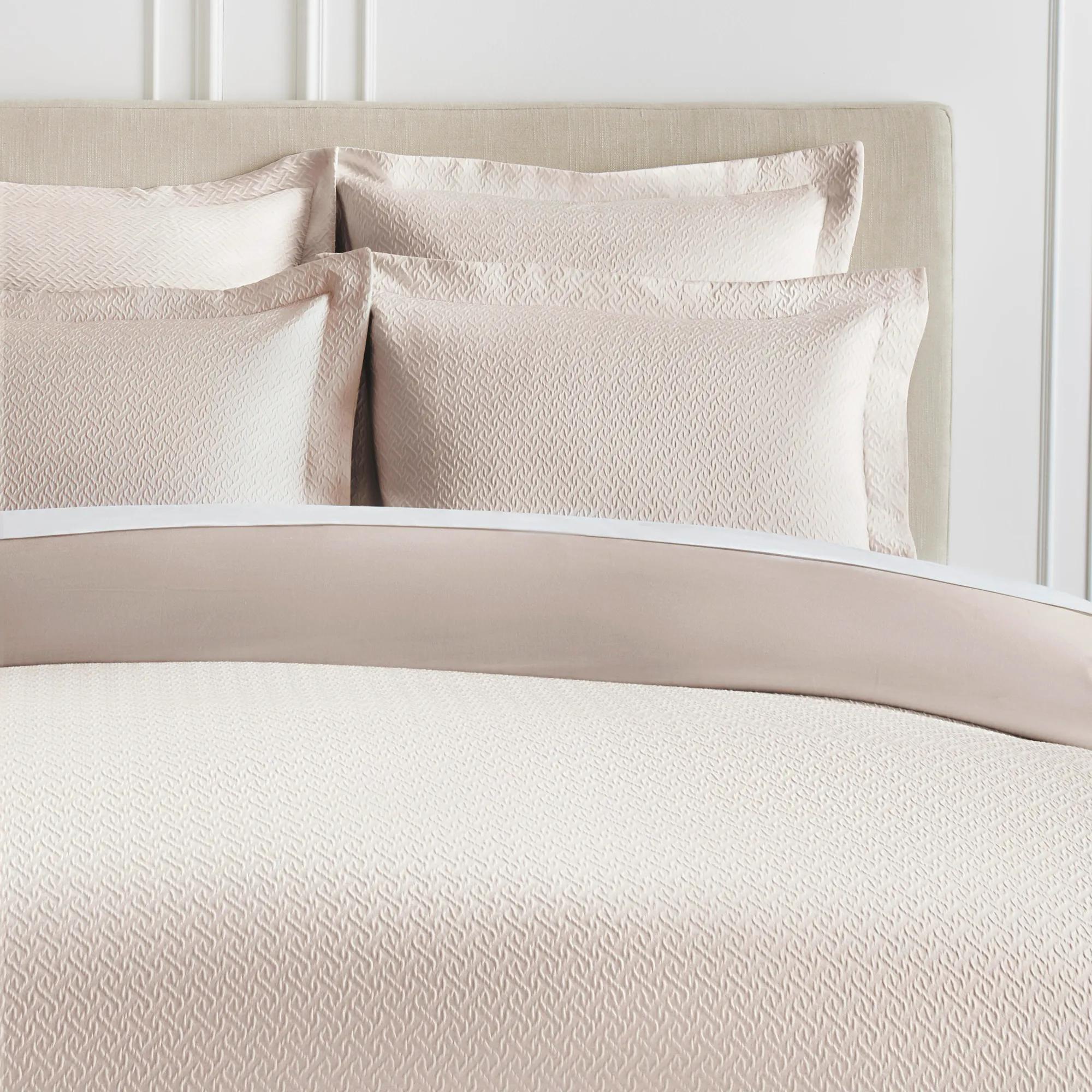
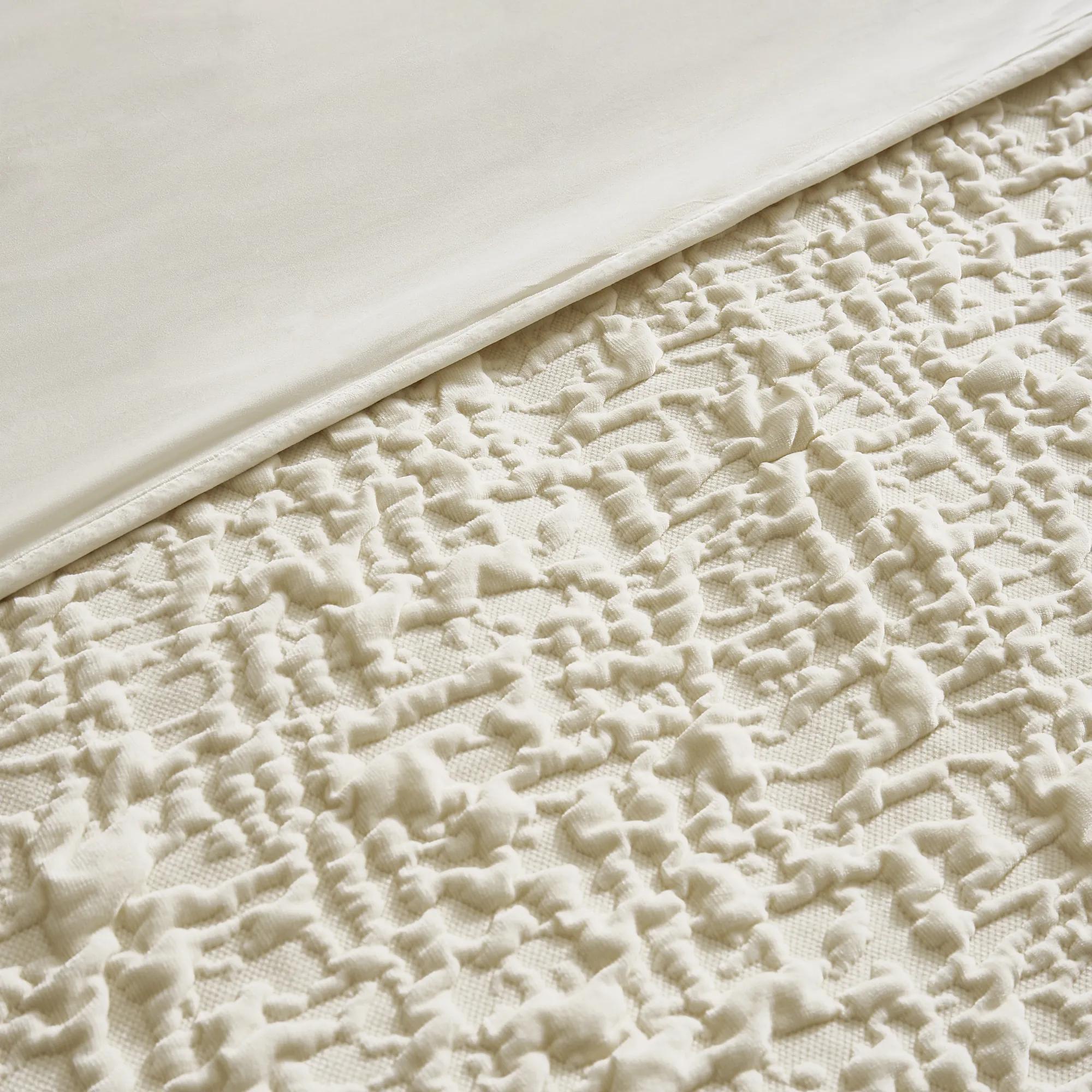 Madera Ivory Textured Velvet Bedding Set$249
A plush ivory velvet coverlet set with crushed embroidered texture and breathable cotton backing for serene style.
Add To Cart -
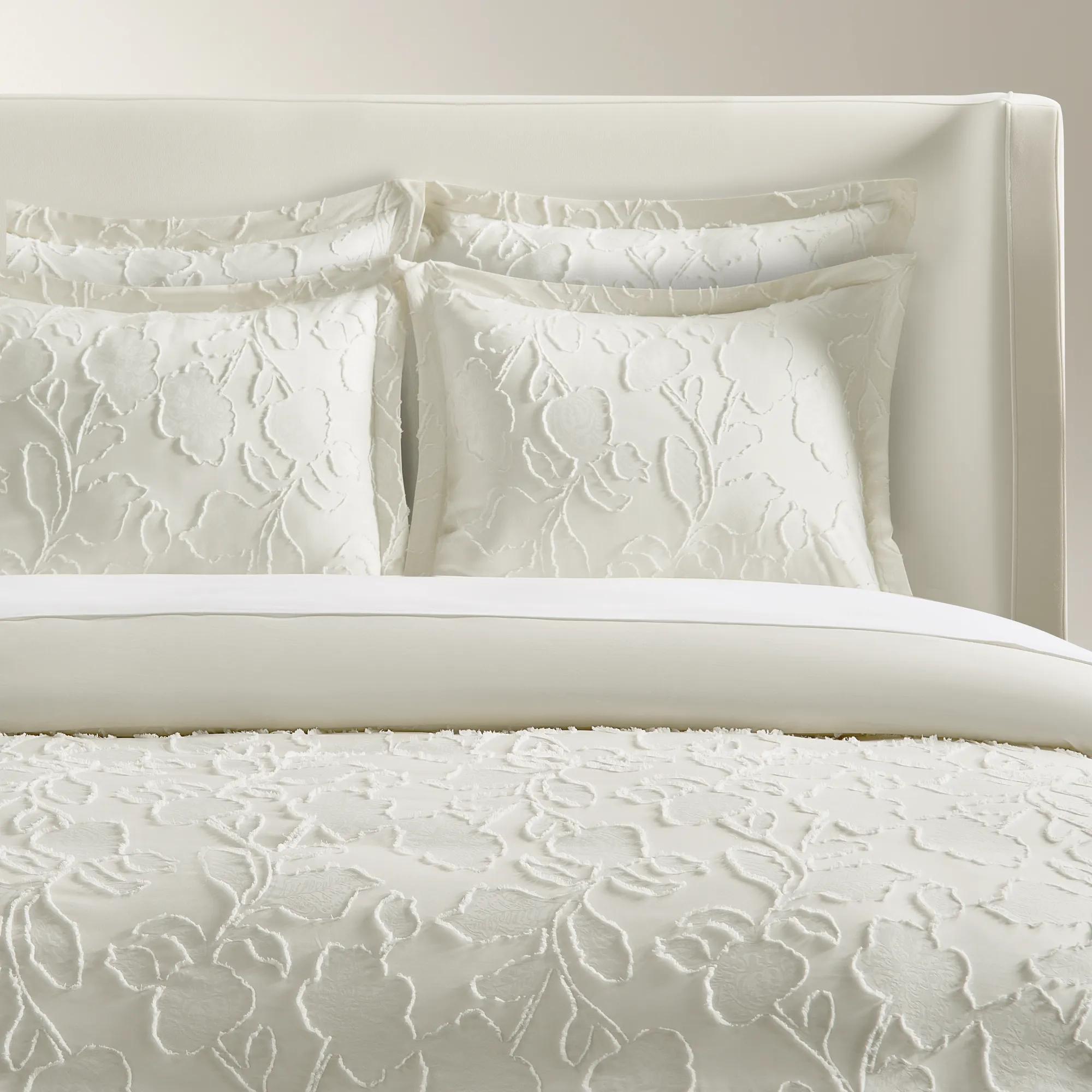
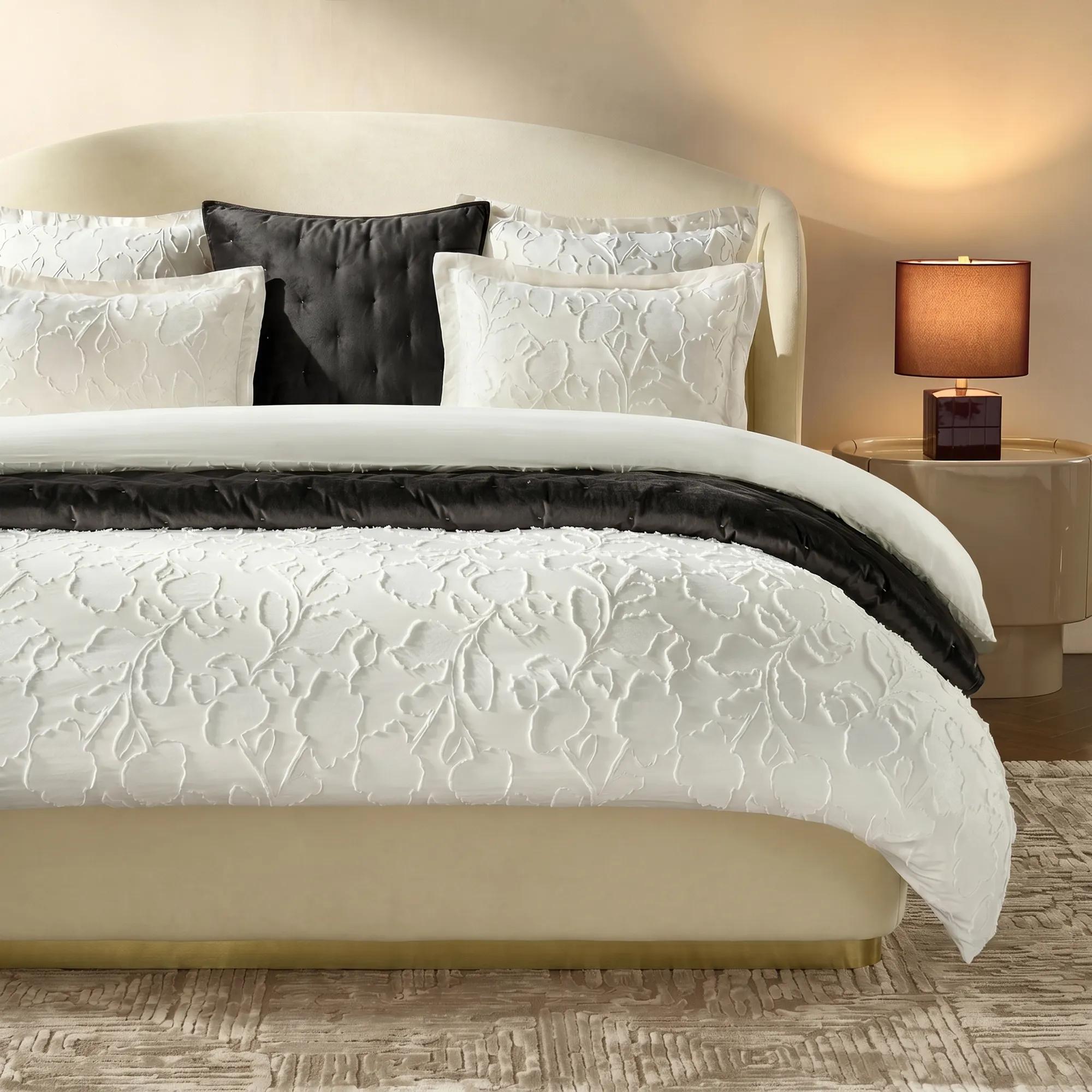 Cosette Ivory Cotton Floral Jacquard Bedding Set$249
A warm ivory bedding set featuring a tonal floral jacquard, eyelash fringe, and soft cotton backing.
Add To Cart -
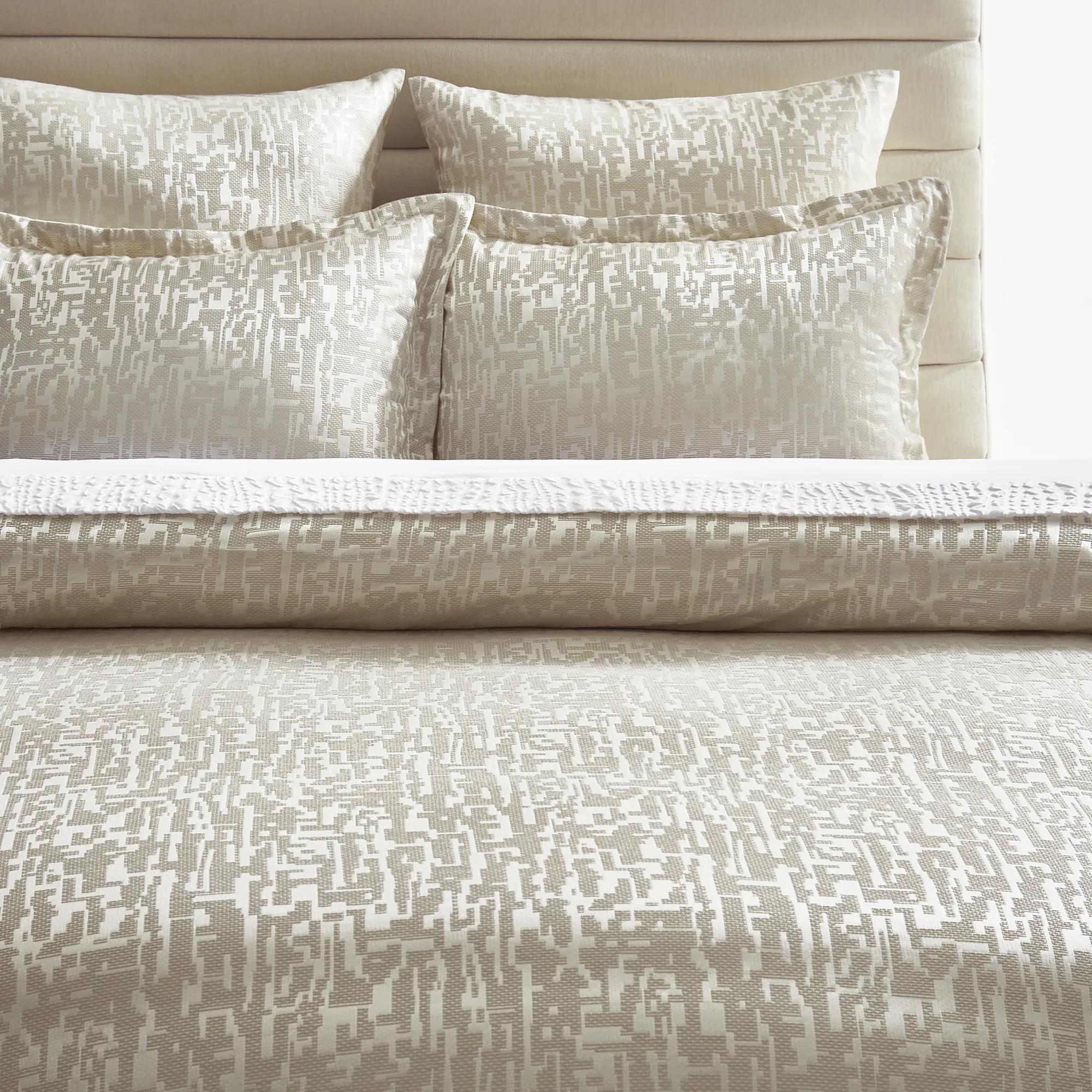
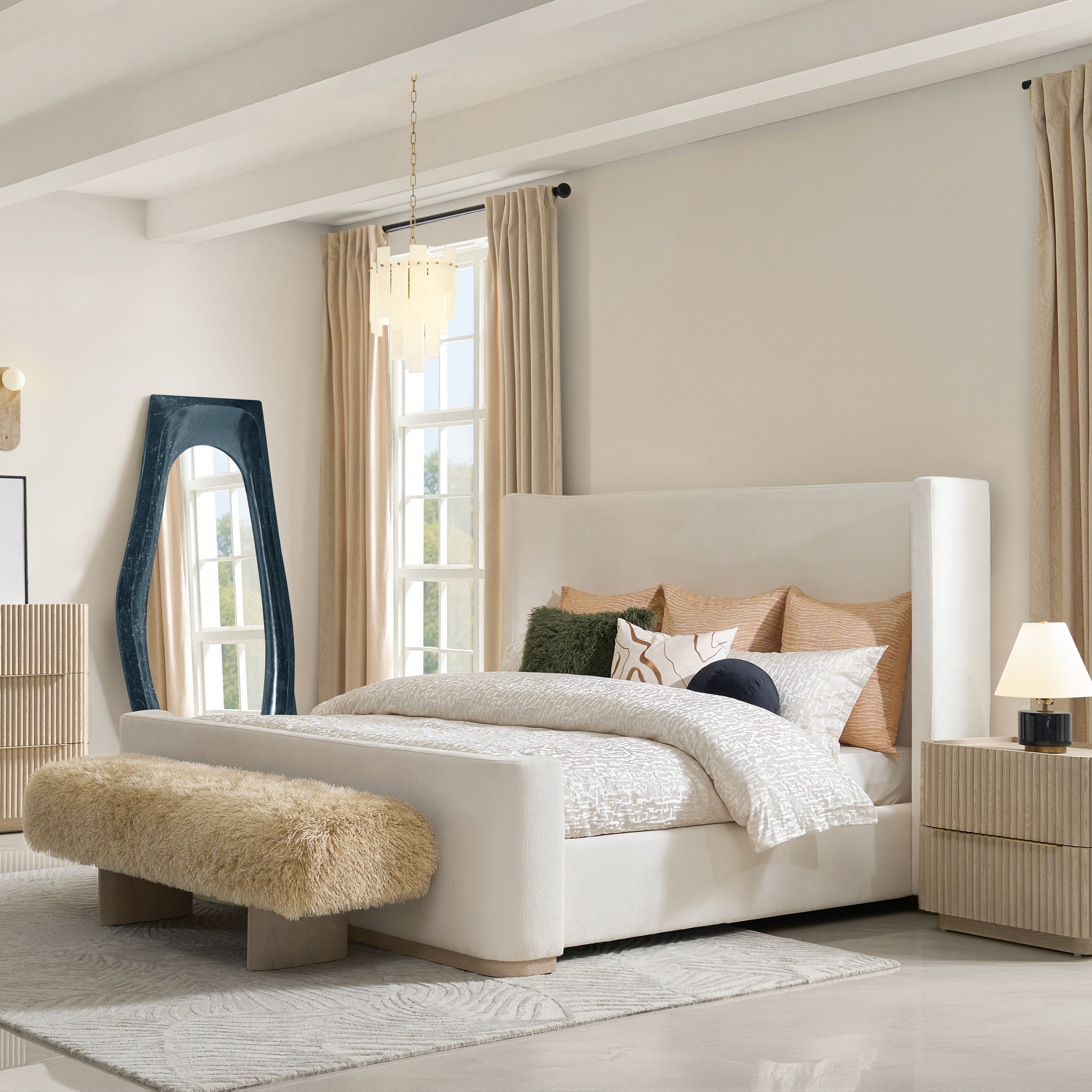 Podva Embroidered Pearl/Ivory Bedding Set$249
A satin and cotton bedding set in pearl and ivory, featuring modern embroidery and crisp flange edges.
Add To Cart -
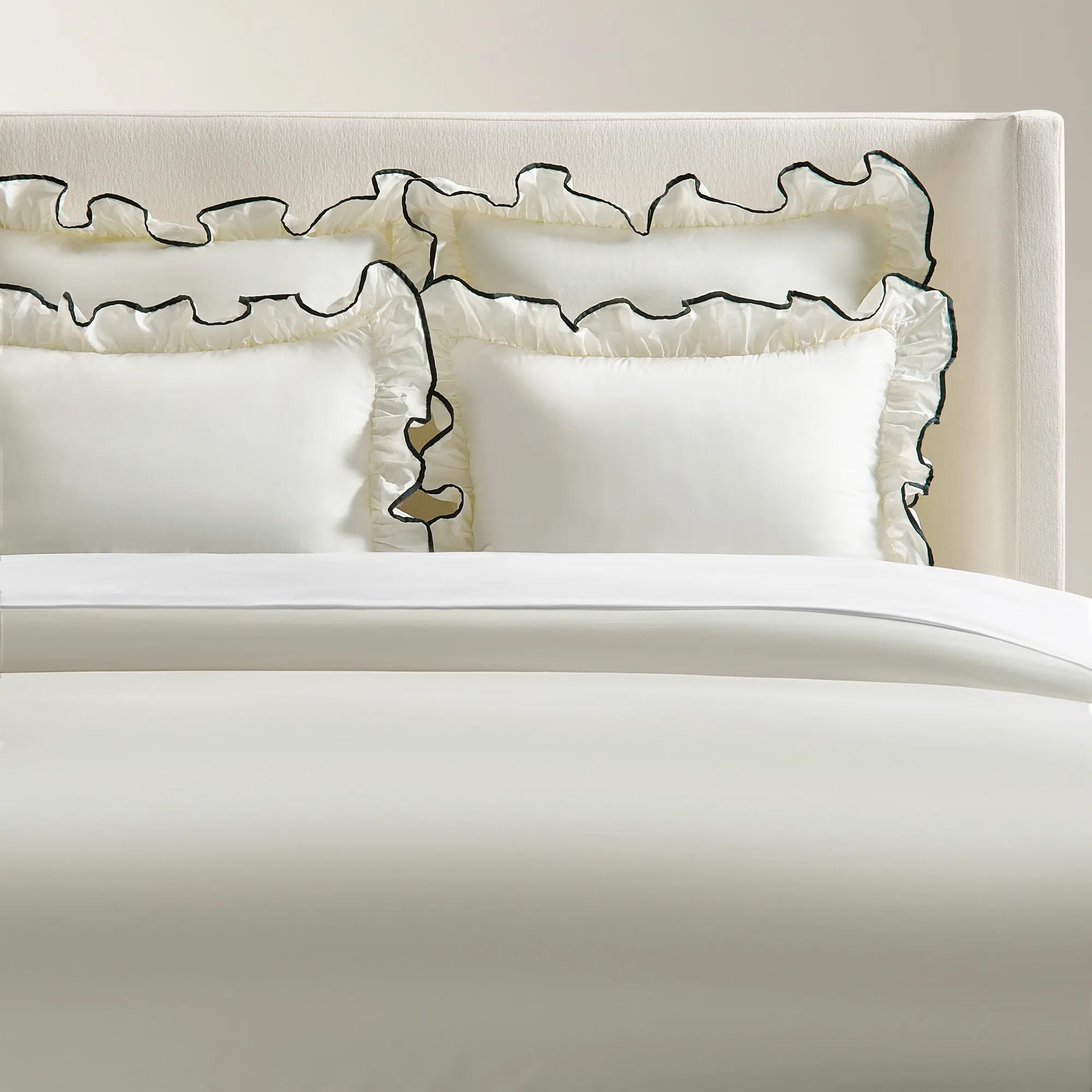
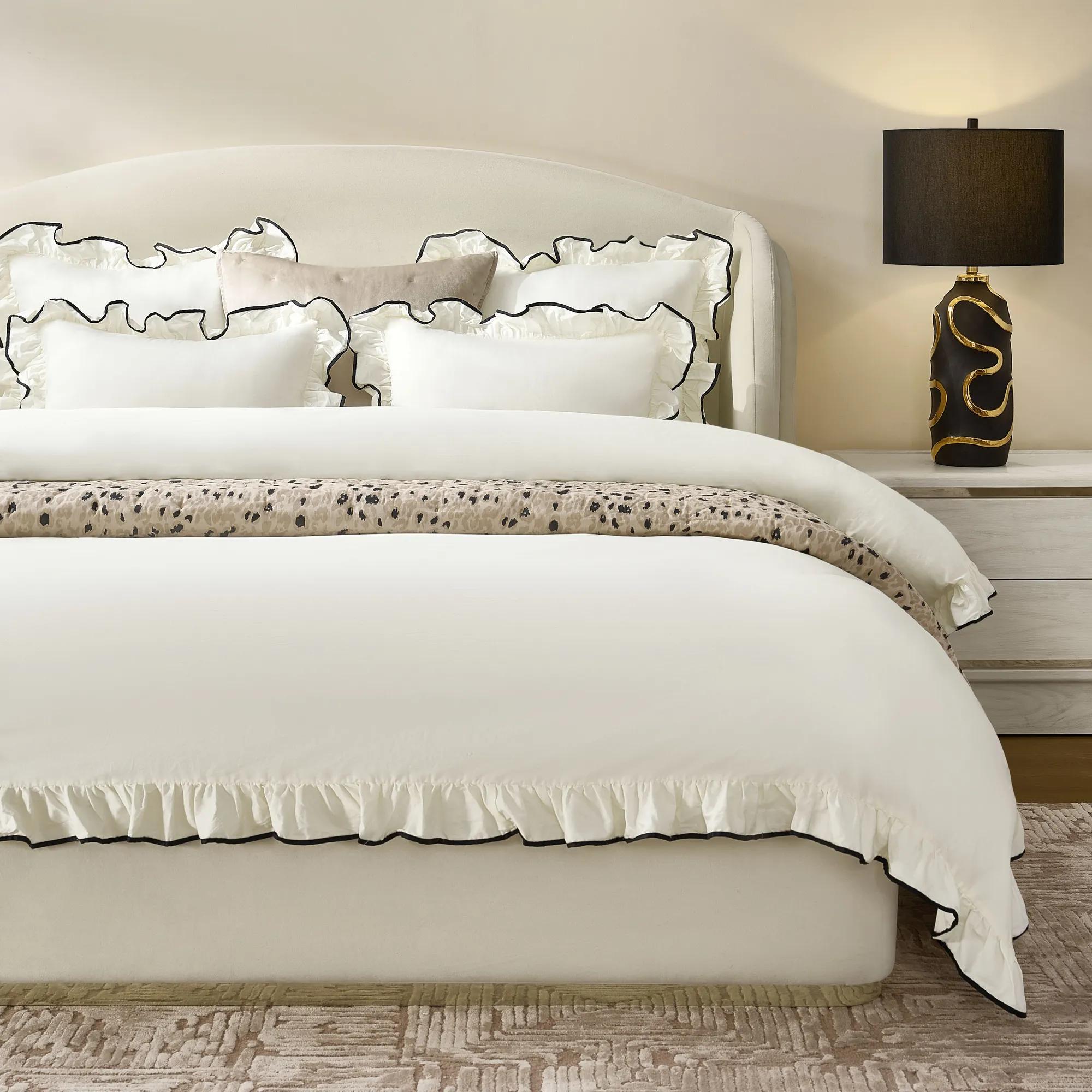 Vittoria Ivory/Black Cotton Percale Ruffle Bedding Set$79
An ivory cotton percale bedding set with dramatic black ruffle trim for a crisp, Deco-inspired look.
Add To Cart -
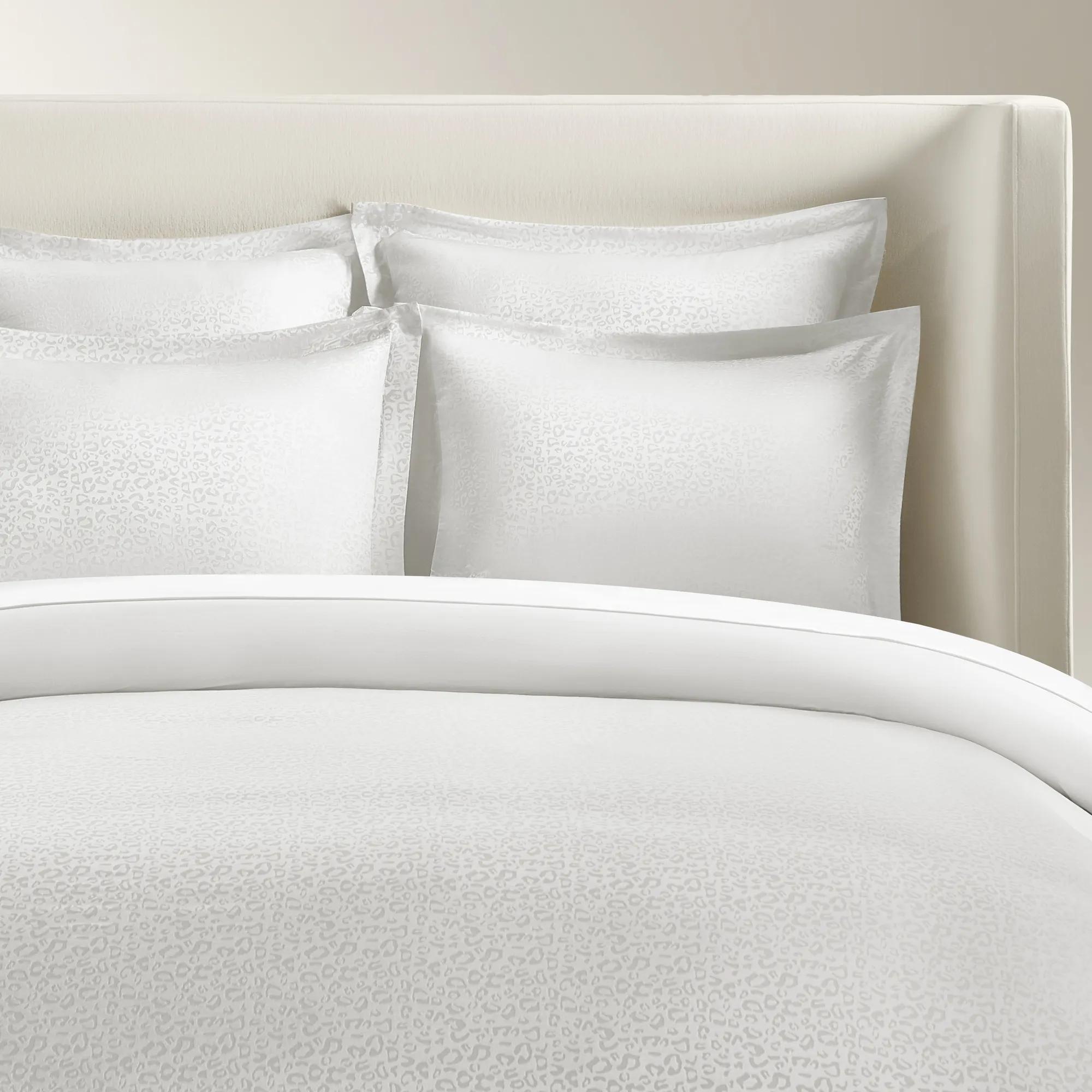
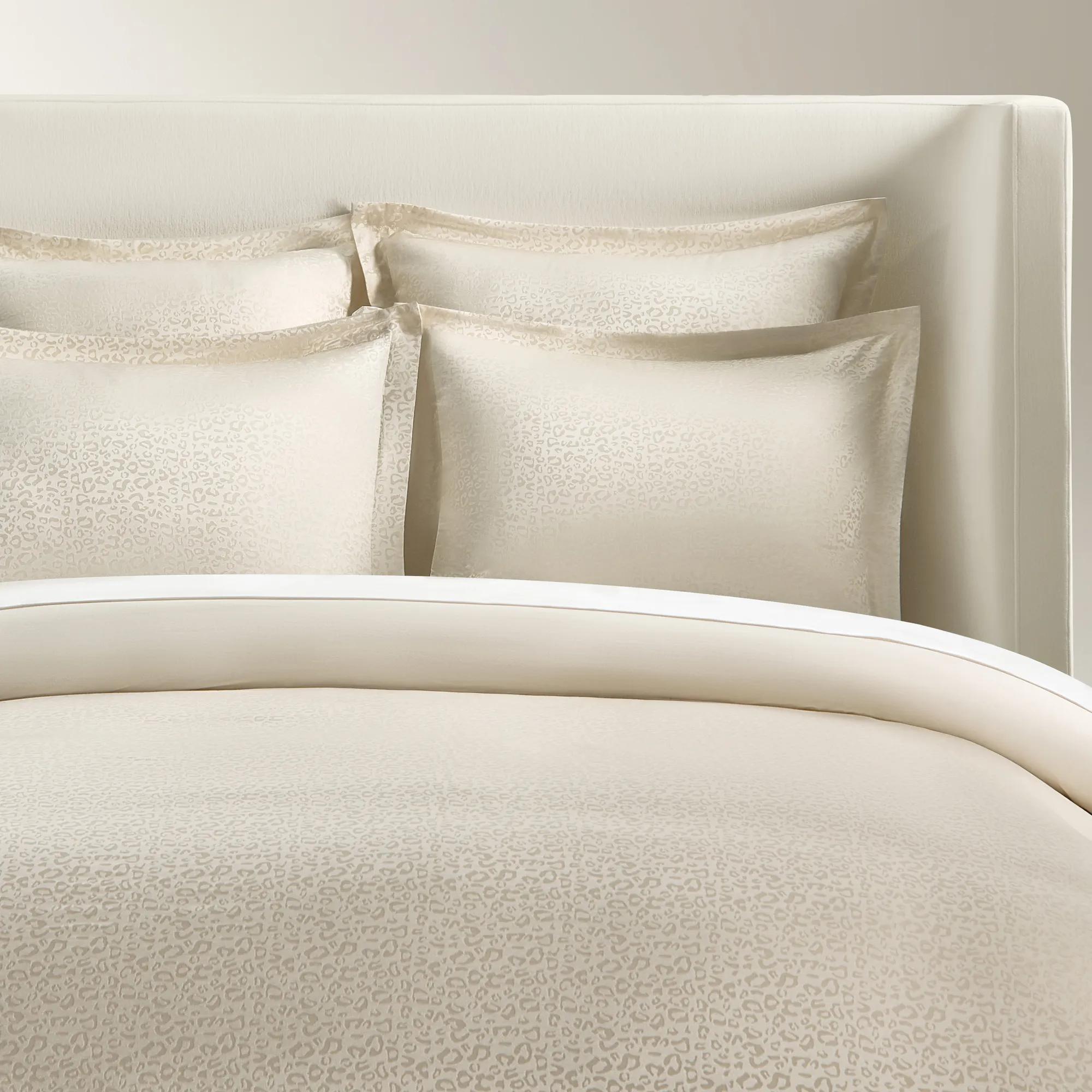
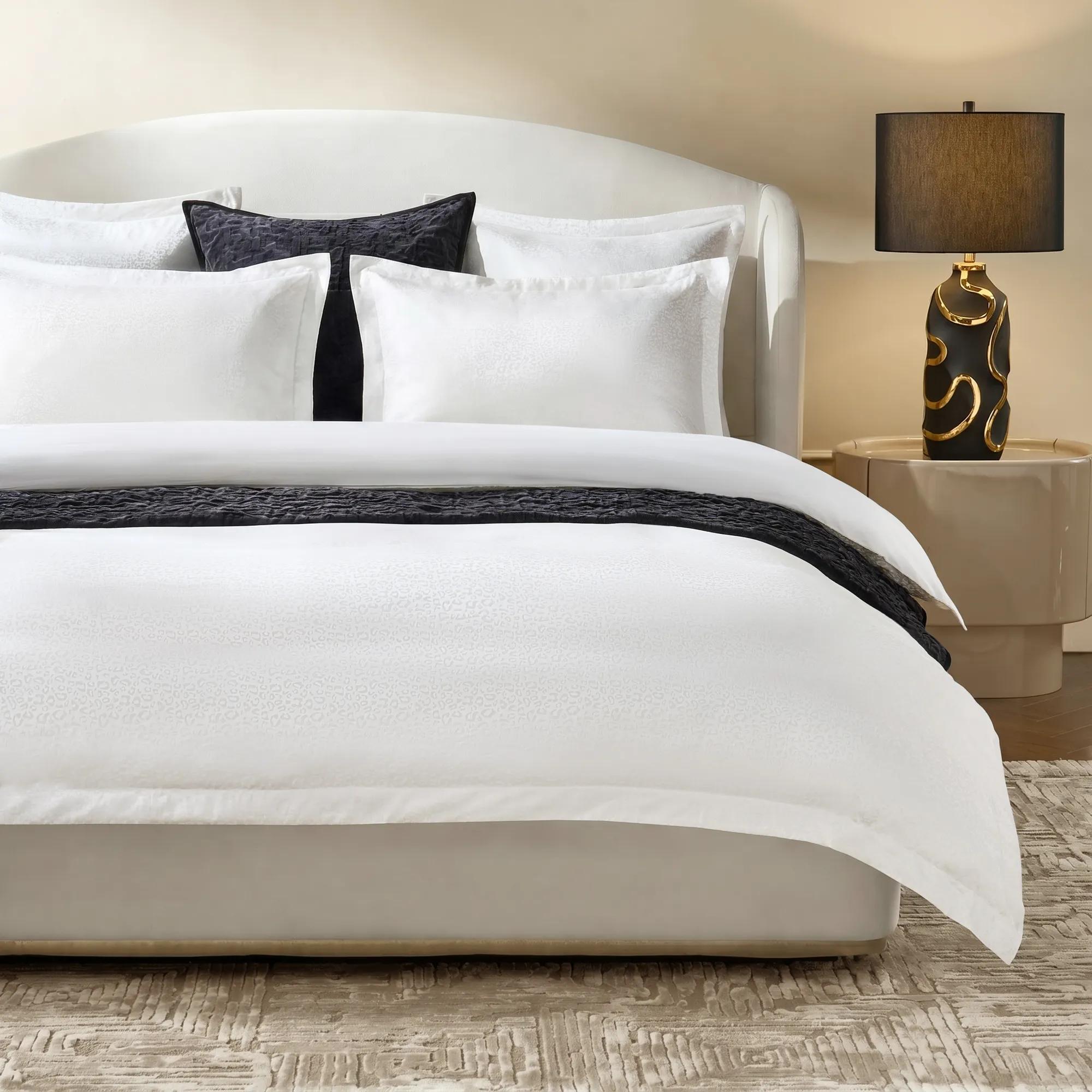 Abi Leopard Cloud White Tencel Bedding Set$249
A cloud white bedding set featuring a tonal leopard print in a smooth Tencel blend with cotton reverse.
Add To Cart -
.jpeg?w=1200&h=1200)
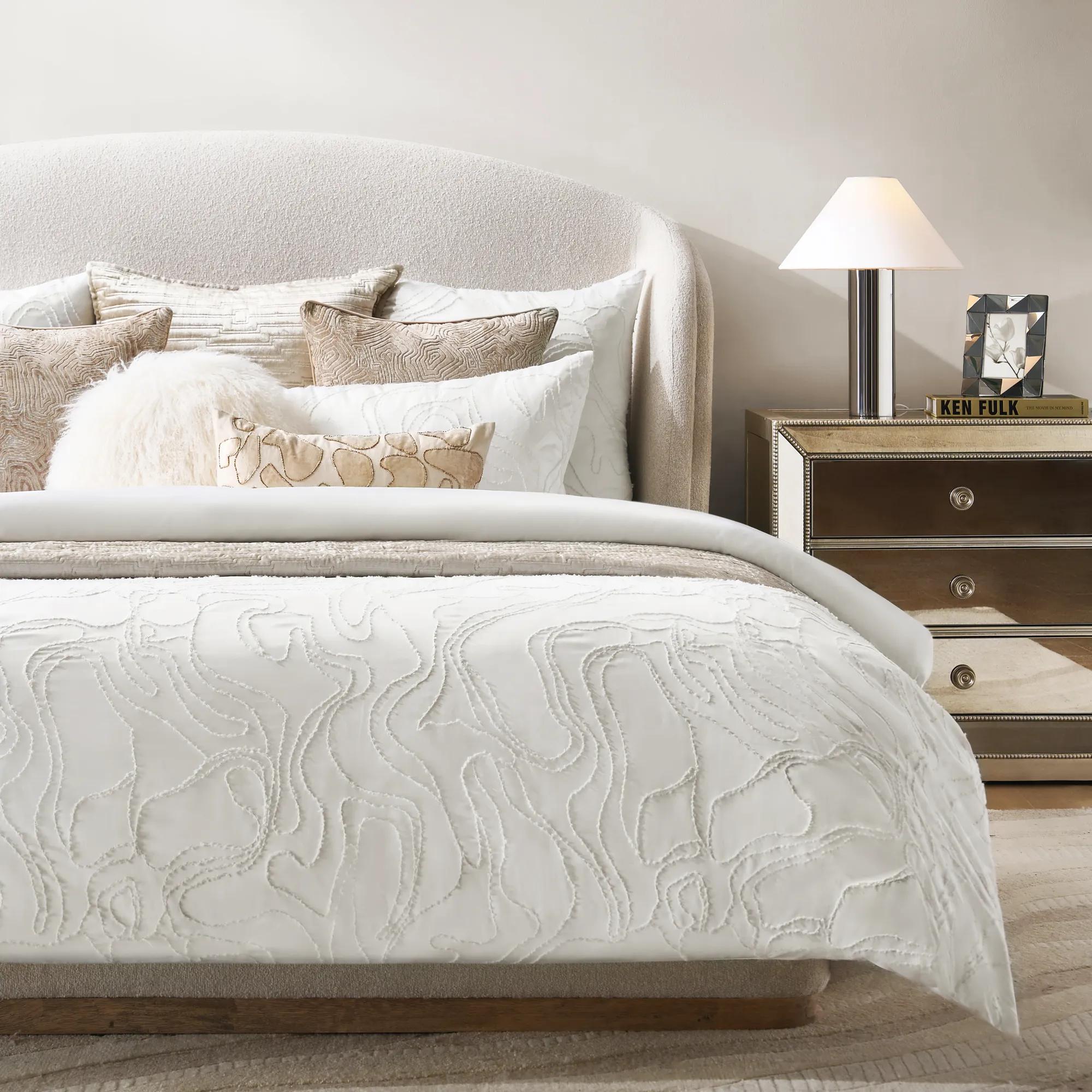 Noa Embroidered Pearl White Bedding Set$229
A luminous pearl satin bedding set featuring an embroidered swirl pattern for a touch of sophisticated elegance.
Add To Cart -
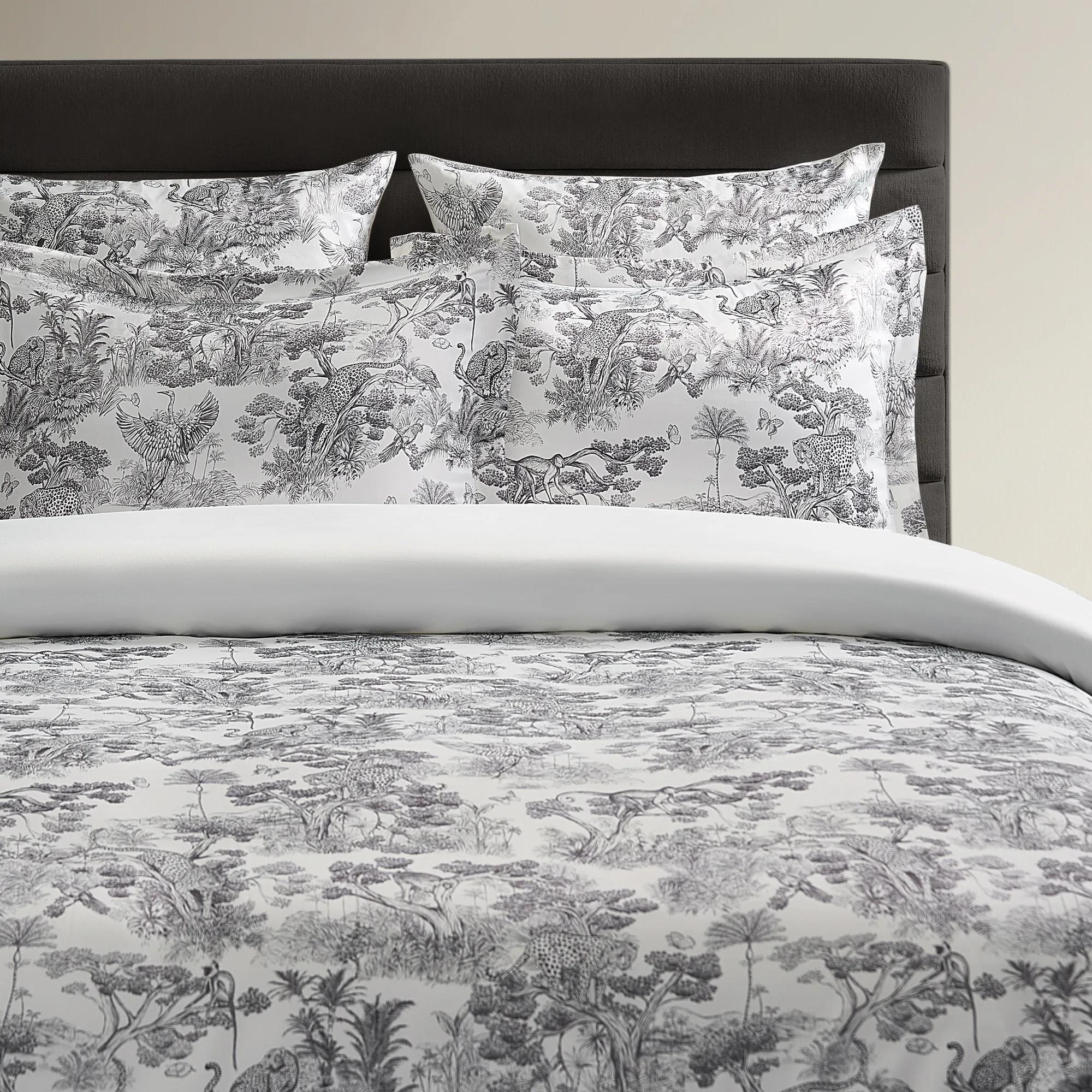
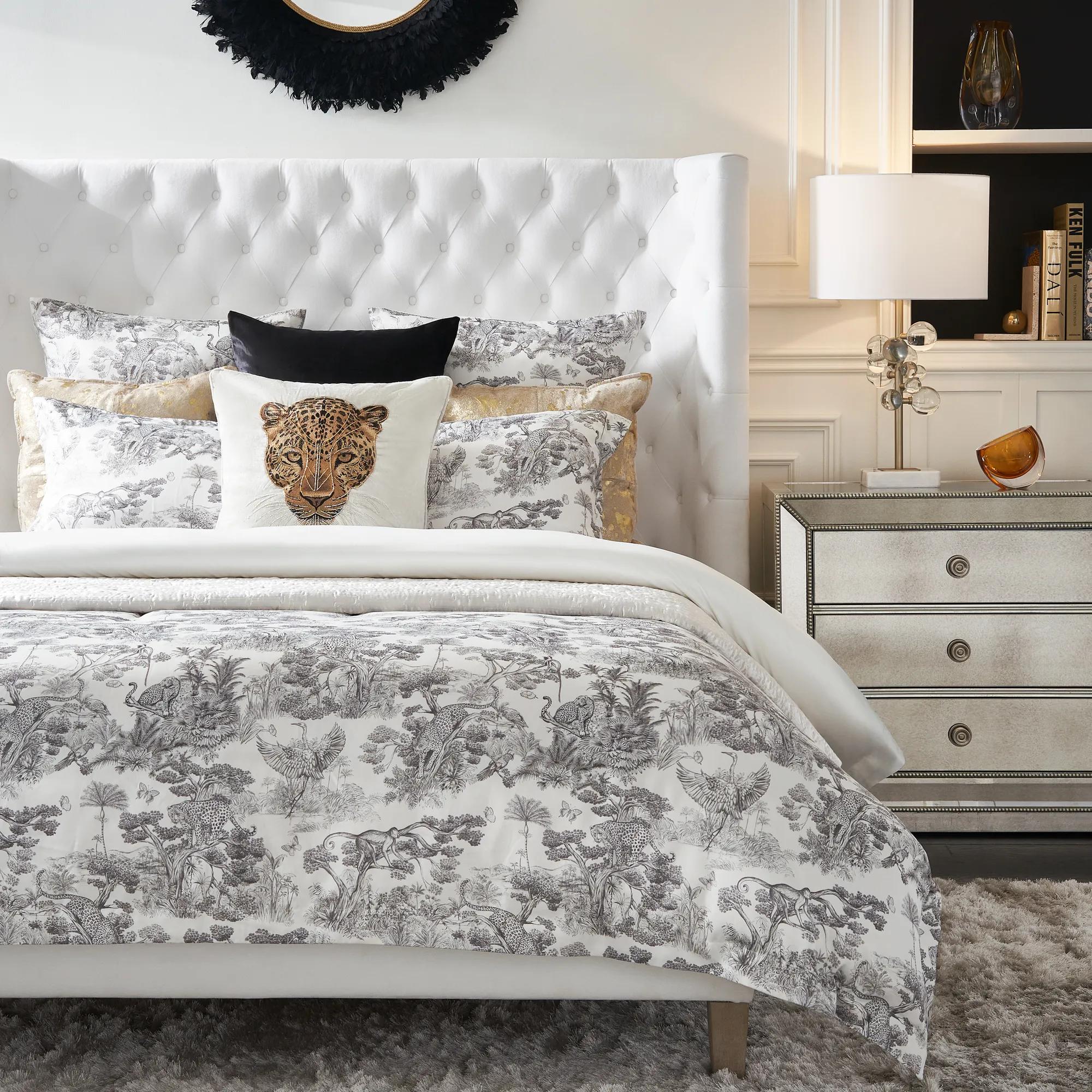 Jungle Toile Bedding Set - Ivory/Black$59
An elegant ivory and black satin bedding set featuring a delicate jungle print and refined flange edging.
Add To Cart -
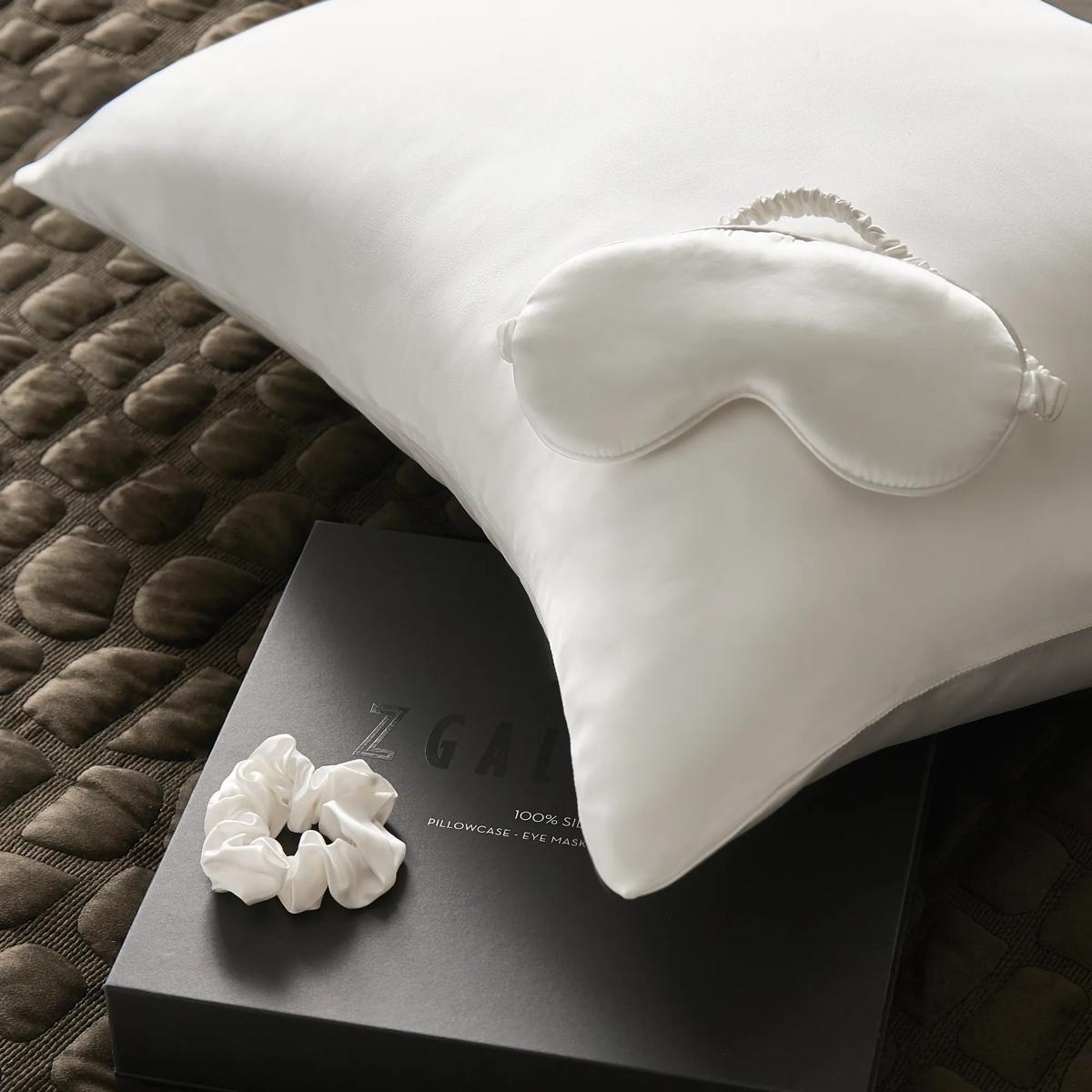 Silk Pillowcase & Mask Set Ivory$149
An elegant ivory sleep set crafted from 100% Mulberry silk, including pillowcase, eye mask, and scrunchie.
Add To Cart -
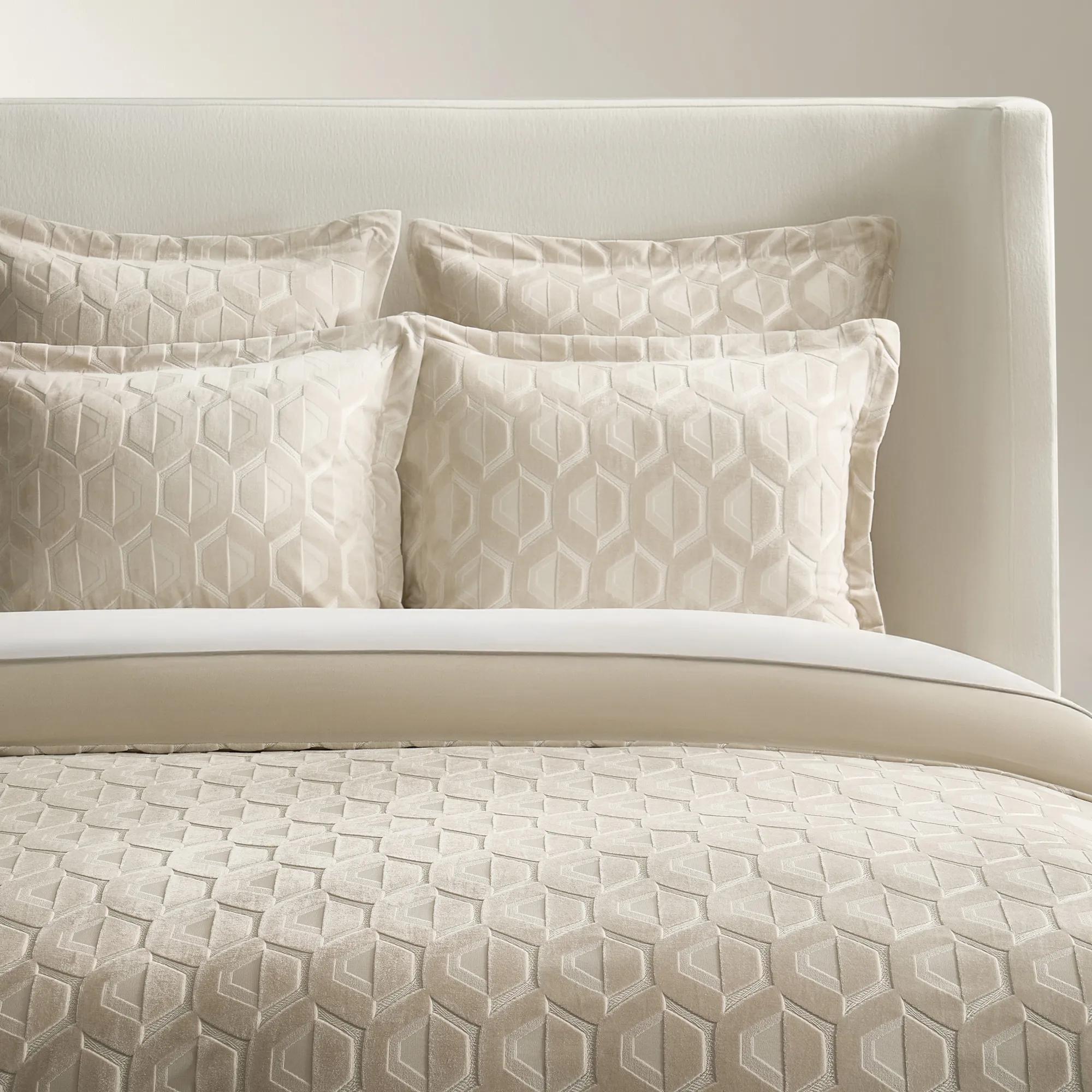 Cielo Alabaster White Geometric Cut Velvet Bedding Set$229
A luxurious alabaster-white bedding set featuring geometric cut velvet texture for sophisticated, layered styling.
Add To Cart -
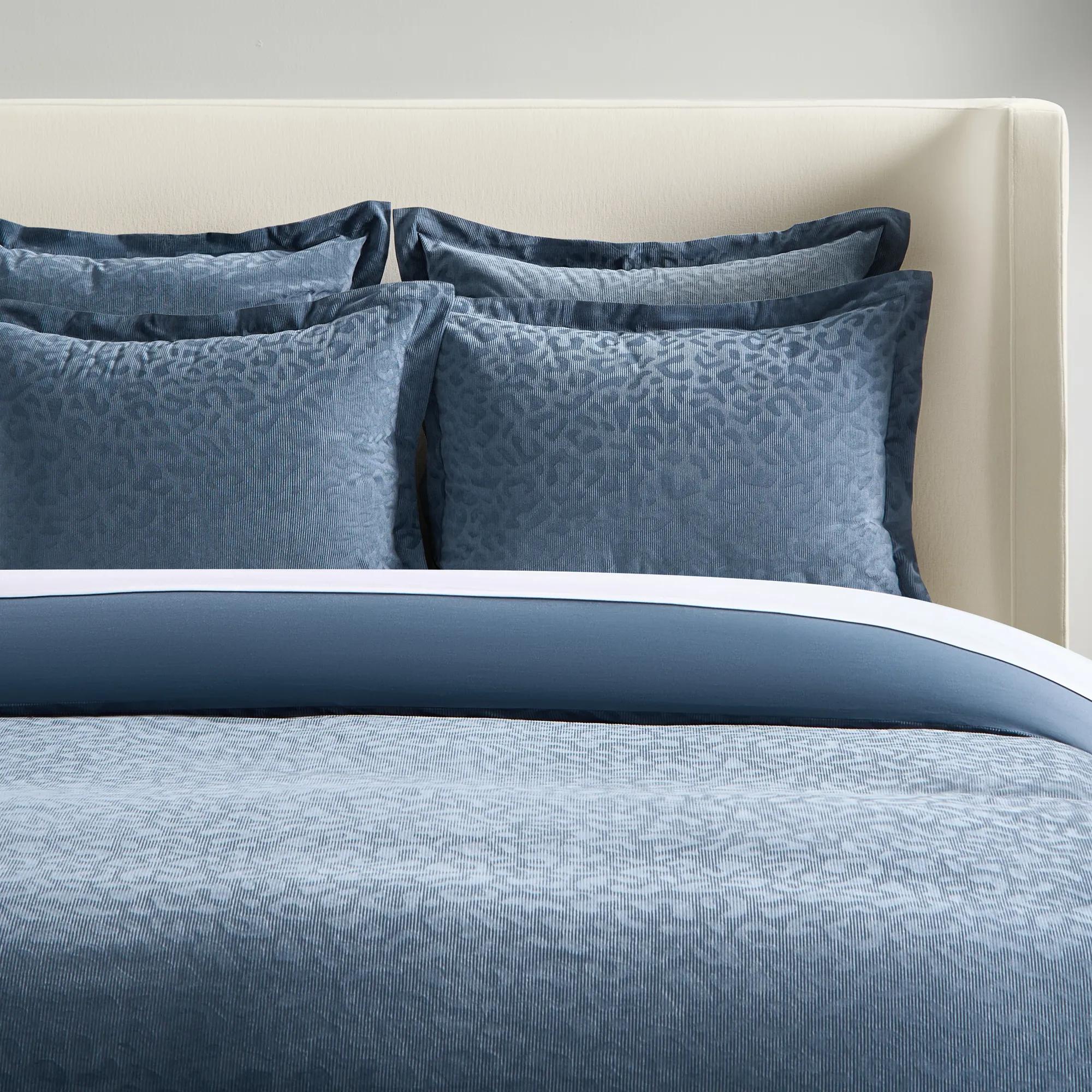
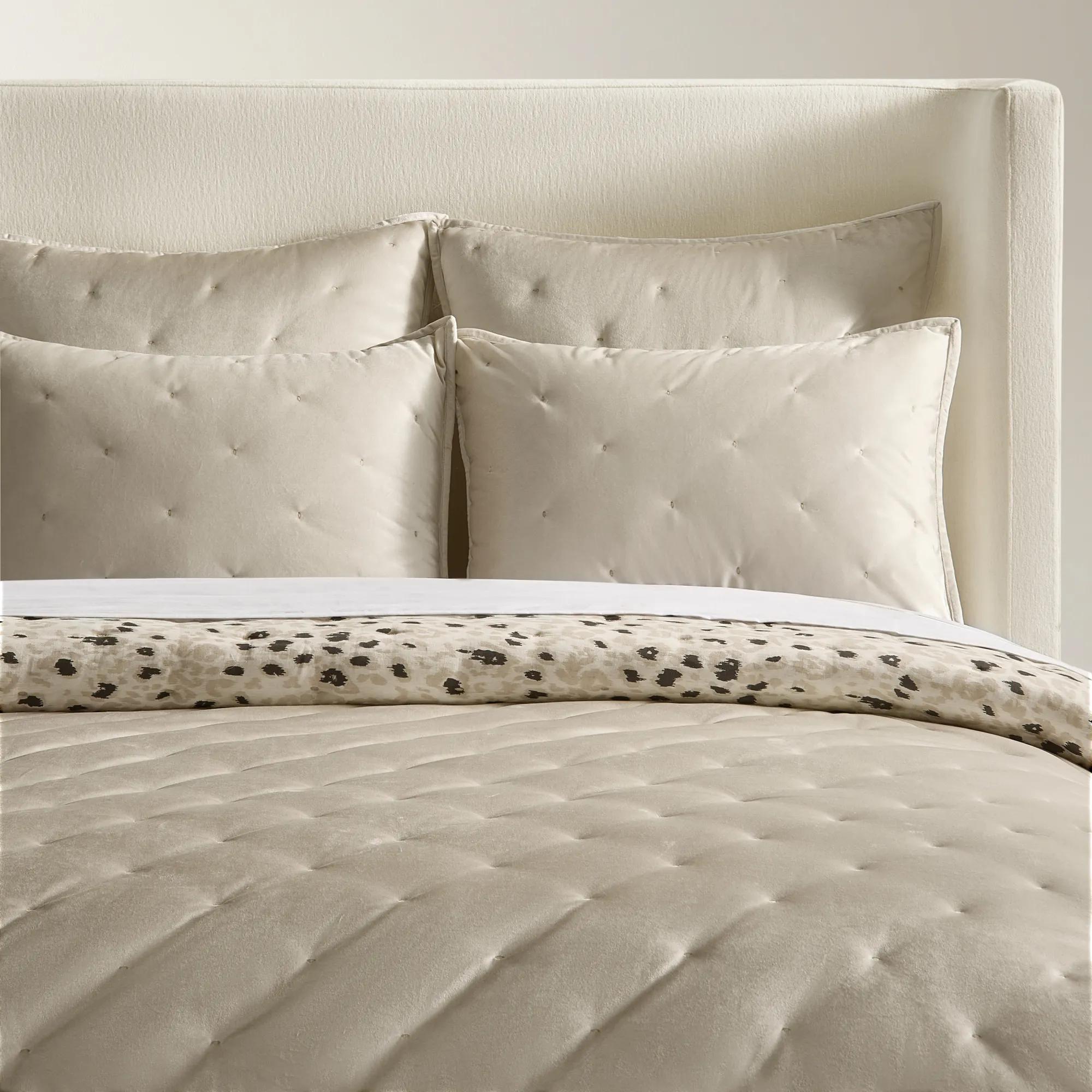 Nemera Alabaster/Leopard Reversible Velvet & Cotton Linen Quilt Set$89
A reversible quilt set featuring plush alabaster velvet on one side and bold leopard print cotton-linen on the other.
Add To Cart

Ivory Bedding For Summer
Ivory bedding for summer transforms the ordinary bedroom into a sanctuary of serene sophistication, where creamy hues invite the lightest touch of luxury. Each layer whispers cool elegance, bringing an air of effortlessness that’s both refreshing and refined. Whether draped across a grand four-poster or cascading over a modern platform, ivory bedding infuses your retreat with luminous tranquility—perfect for sun-drenched mornings and balmy, starlit nights. Embrace the season’s softer side and let your space radiate with the timeless allure of ivory bedding for summer.
Ivory bedding for summer brings a luminous, softly layered look to the bedroom, with lightweight fabrics that make a beautifully dressed bed feel inviting rather than weighty. Cotton percale, linen, cotton voile, and airy gauze are useful materials to consider for summer bedding because their fiber and fabric structures can support airflow without requiring a substantial layer. The most comfortable choice depends on the weave, overall weight, and any filling—not simply the color or thread count. Ivory supplies the visual warmth: gentler than brilliant white, richer than a stark neutral, and expressive enough to hold its own against a sculptural headboard or an oversized abstract canvas. Across sheets, pillowcases, quilts, coverlets, and duvet covers, this nuanced shade creates a cohesive foundation while allowing texture to become the focal point. A crisp percale sheet beneath a softly rippled coverlet offers a deliberate contrast; relaxed linen paired with smooth pillowcases creates a quieter kind of opulence. For someone who sleeps warm, a breathable sheet and a lightly constructed coverlet may provide enough coverage, while a sleeper who prefers more insulation in an air-conditioned bedroom may appreciate a lightweight quilt. A duvet cover offers another approach, with the insert determining much of the finished layer’s warmth and loft. These distinctions matter more than a bed’s visual fullness: generous folds can look sumptuous without requiring dense fabrics or heavy fill. Summer bedding in ivory also suits guest bedrooms, where a restrained palette feels welcoming and gives decorative accents room to command attention. Against dark wood, ivory looks radiant; beside brushed brass, it takes on a golden softness; with pale upholstery, it creates a tonal composition that feels considered from the first glance. The result is a bedroom with presence, built around tactile comfort and a shade that allows both subtle detail and bold design to flourish.
Fabric gives ivory summer bedding its character, and seemingly similar pieces can feel very different against the skin. Cotton percale has a plain weave and a typically crisp, matte finish, making it appealing to sleepers who enjoy the fresh feel of a smooth sheet without a pronounced sheen. Cotton sateen generally feels silkier and looks more lustrous, though a dense construction can feel warmer than a lighter percale. Thread count alone does not establish softness, breathability, or quality; fiber quality, yarn, weave, and finishing all contribute to the experience. Linen has a distinctive, lightly irregular texture and a relaxed drape that brings depth to an all-ivory bed. It absorbs moisture and generally becomes softer with repeated laundering, although its natural creasing remains part of its appeal. Cotton voile offers a delicate, airy hand, while gauze creates dimension through its loose, softly crinkled construction. When either fabric forms the outer layer of a quilt, the filling and the number of layers still influence warmth. A breathable shell does not automatically make a heavily filled piece suitable for a warm sleeper. Similarly, a duvet cover is not a substitute for evaluating the weight and composition of the insert inside it. For a bed that needs an elegant daytime finish but minimal nighttime coverage, a lightweight coverlet can supply texture and drape, then fold neatly at the foot when not needed. Fit deserves equal attention. Fitted-sheet pocket depth should accommodate the mattress and any topper, while quilt and coverlet dimensions determine whether the sides fall just below the mattress or extend farther toward the bed frame. On a tall upholstered bed, a longer drop can emphasize the silhouette; on a lower platform, a more tailored proportion keeps the composition clean. Duvet covers should match their inserts closely, and interior ties, when present, help limit shifting. Pillowcases and shams also serve different purposes: pillowcases are intended for regular sleeping, while decorative shams provide a finished frame for the arrangement. Those practical details allow an expressive bed to remain comfortable in everyday use.
The beauty of an ivory palette lies in the small differences it reveals. Creamy undertones, subtle stitching, a narrow flange, or the shadow cast by a quilted surface can give a monochromatic bed remarkable dimension. Pairing ivory quilts or coverlets with crisp white sheets creates a gentle contrast that looks intentional, especially when the white appears again in artwork, curtains, or a bedside accessory. Champagne, sand, and pale taupe deepen the tonal effect, while a single ink-blue or charcoal accent introduces a more dramatic edge. For additional expressions of this versatile palette, Ivory Bedding For Stylish Bedrooms connects the softness of ivory with a broader range of bedroom looks. Undertones are worth considering alongside existing furnishings: a creamy ivory may look richer next to cool gray upholstery and more subdued beside warm beige. Daylight and lamplight can also change how the shade reads, so coordinated layers need not be identical to feel harmonious. Lasting appeal depends on care as much as styling. The sewn-in care label should determine washing temperature, drying method, and whether a piece requires professional cleaning. For washable bedding, allowing enough room in the machine helps fabric move freely, while thoroughly drying each layer before storage helps prevent musty odors. Prompt attention to spills and skin-care residue can help preserve the clarity of a pale textile; any stain treatment should be appropriate for the fabric and tested discreetly first. Excessive heat and unsuitable bleaching products can damage fibers or alter the finish, making gentle, label-directed care especially important. Secure seams, even stitching, and well-finished closures are useful construction details to examine, and rotating sheet sets distributes the demands of frequent laundering. Ivory summer bedding makes a thoughtful wedding or housewarming gift when the recipient’s bed size, care preferences, and preferred sleeping feel are known. Whether dressing a primary suite or preparing a guest room for an extended visit, these layers offer something more personal than a neutral backdrop: an interplay of light, texture, and comfort that gives the bed its own distinctive presence.
FAQs
Ivory bedding is ideal for summer because its light, reflective hue creates a cool, airy ambiance, while natural fabrics like linen and percale cotton offer exceptional breathability and moisture-wicking comfort. This combination keeps your bedroom feeling fresh, serene, and luxuriously inviting even during warm weather.
To achieve a sophisticated summer look, layer ivory bedding with textured throws, tonal neutrals, or accent pillows in gold, blush, or soft gray. The versatility of ivory allows you to mix in metallic details, sculptural décor, or even bold art pieces for a look that feels both curated and effortlessly chic.
For hot climates, seek out ivory bedding made from linen, percale cotton, or Tencel. These natural fibers are celebrated for their breathability, moisture-wicking properties, and soft touch. Linen in particular grows softer with each wash, making it a perennial favorite for sultry summer nights.
Absolutely. Ivory is a versatile, neutral foundation that complements both muted palettes and vibrant hues. It pairs beautifully with metallics, deep jewel tones, or nature-inspired shades, and can be layered with patterned throws or accent pillows to create visual interest without overwhelming the space.
To add texture and dimension, incorporate elements like jacquard weaves, subtle embroidery, or a touch of ivory velvet bedding. Layering lightweight quilts or coverlets and adding decorative pillows with tactile details can create a rich, inviting look that feels both luxurious and seasonally appropriate.
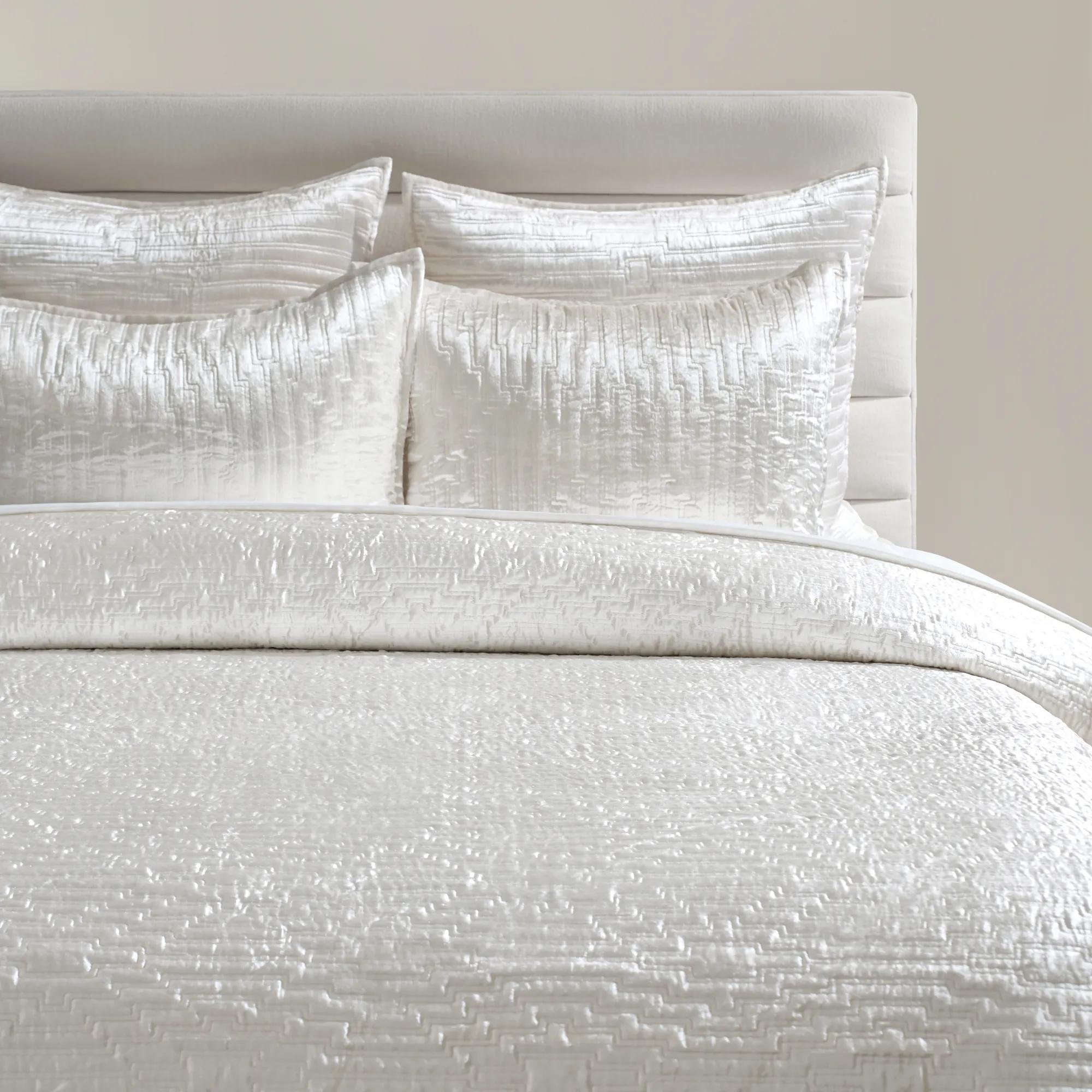
.jpg?w=2100&h=2100)
GRY.jpeg?w=3261&h=3261)