Interior Design For Bedrooms
Interior Design For Bedrooms
-
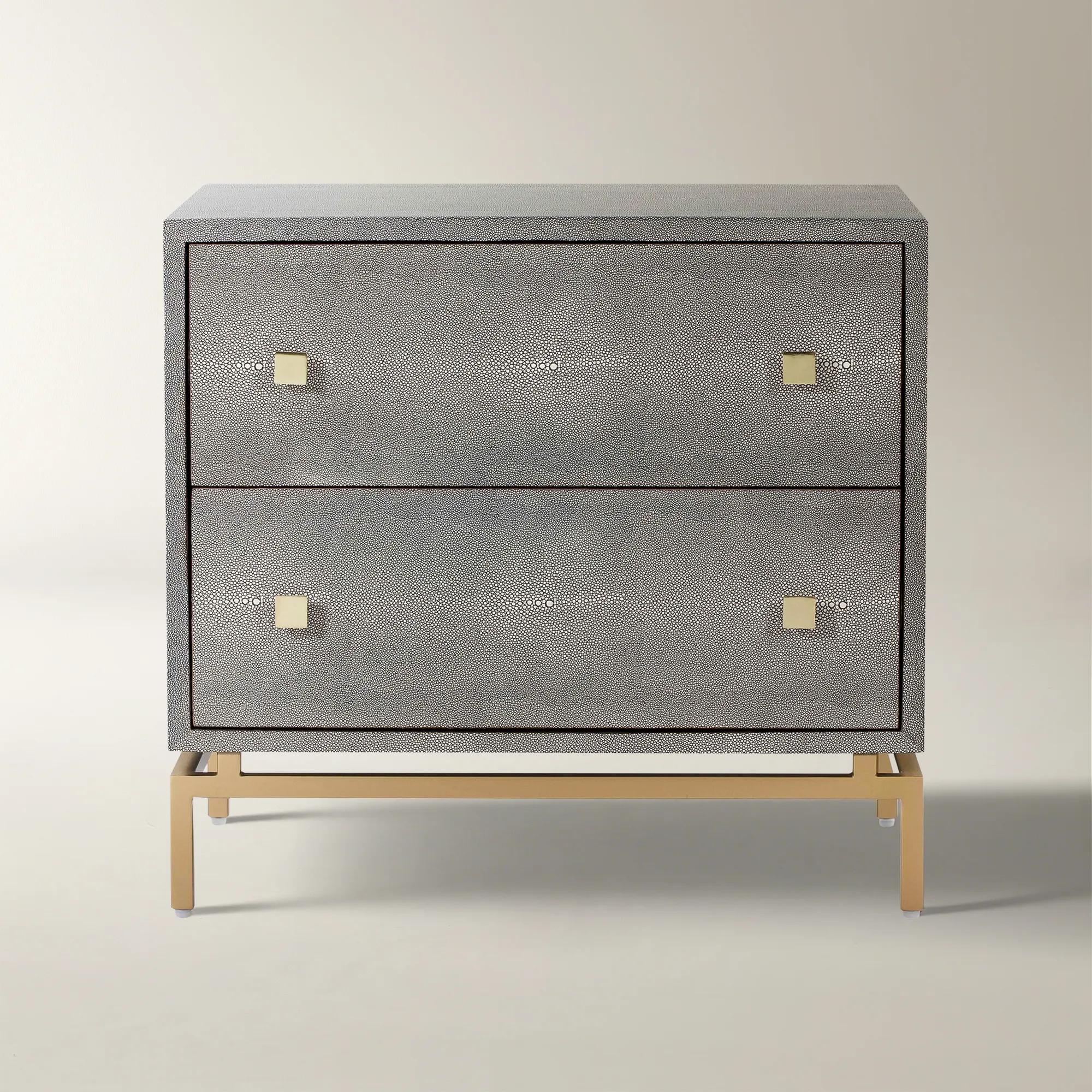
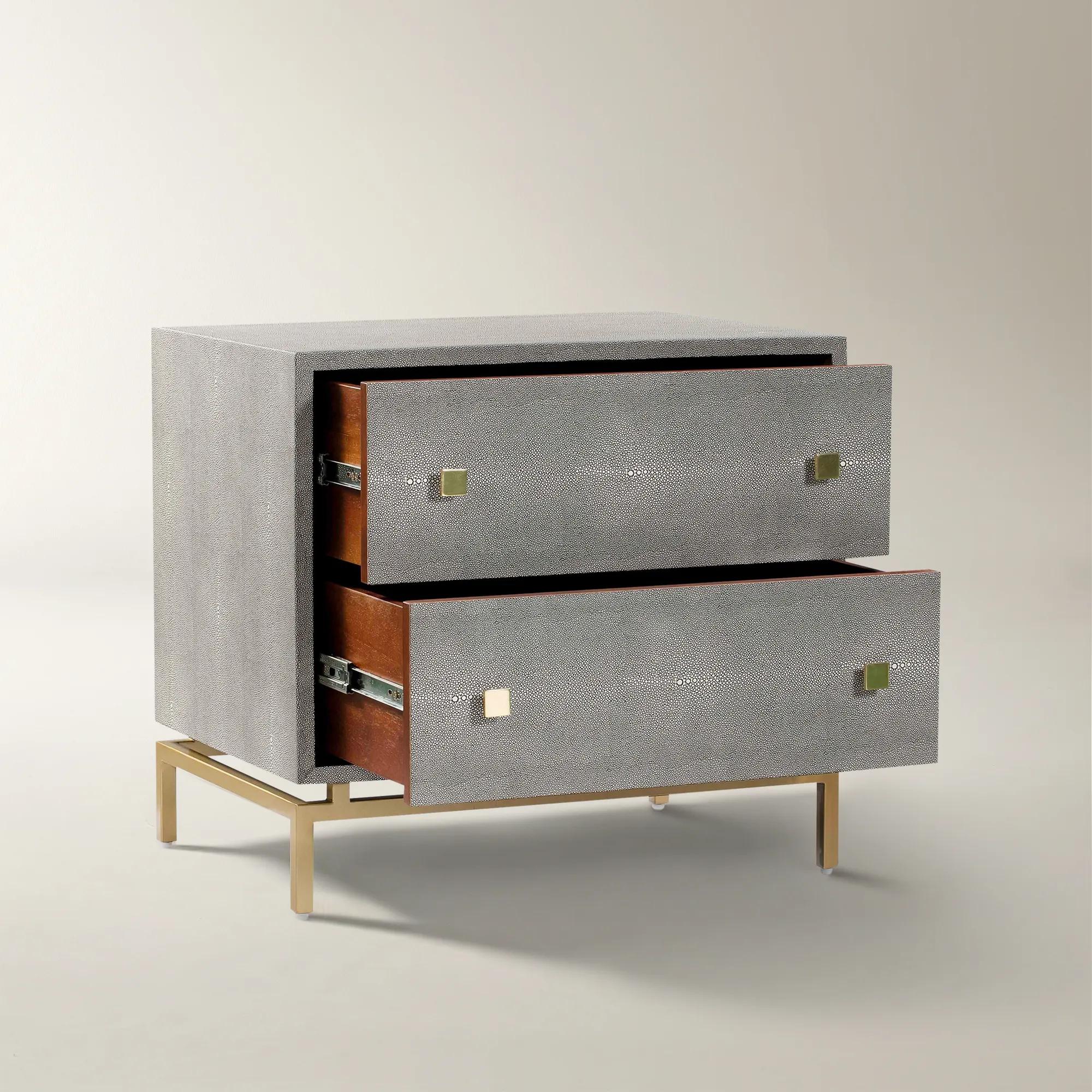 Misha Grey Shagreen 2-Drawer Nightstand (25")$749
A modern nightstand featuring faux shagreen texture, brass-finished base, and two cherry wood-lined drawers.
Add To Cart -
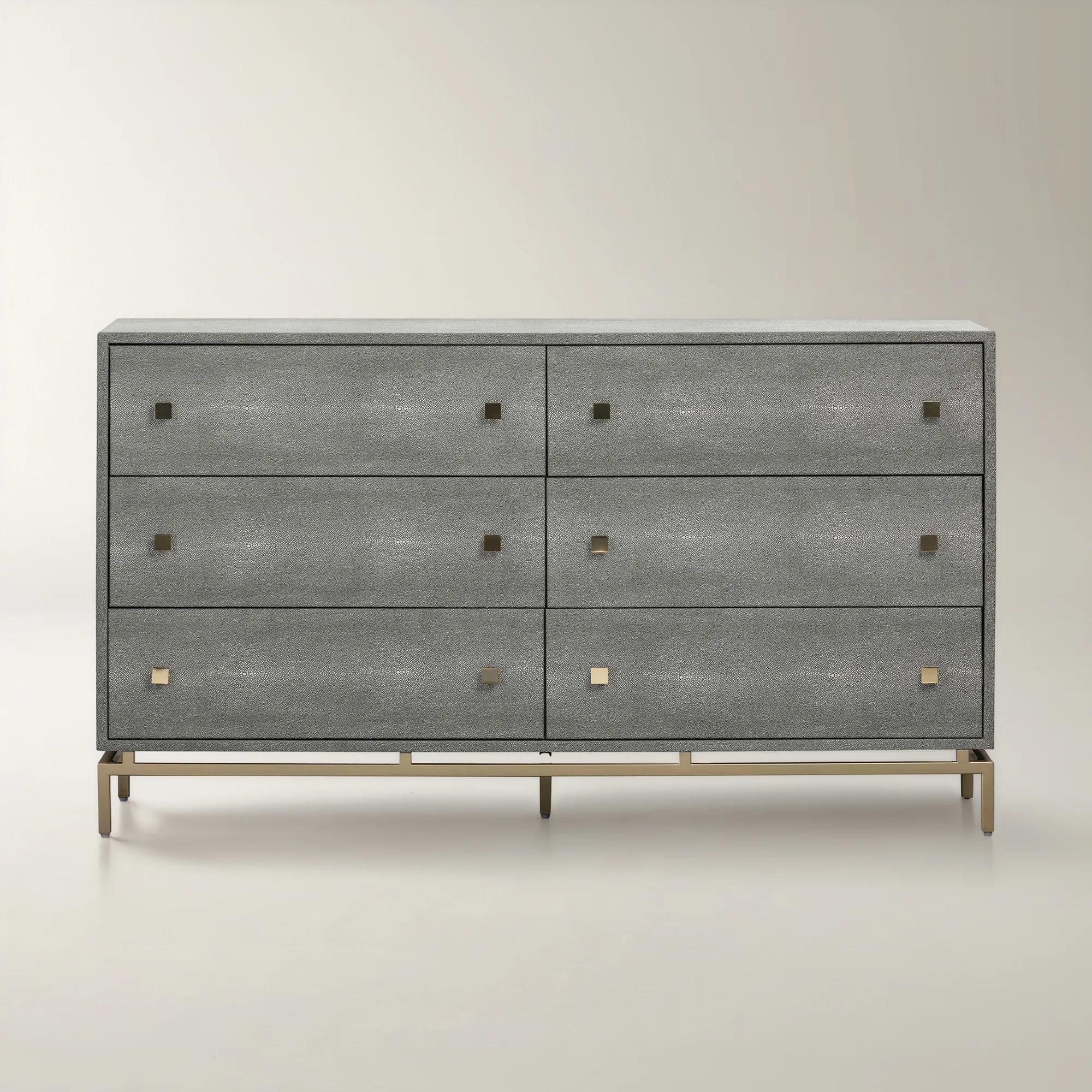
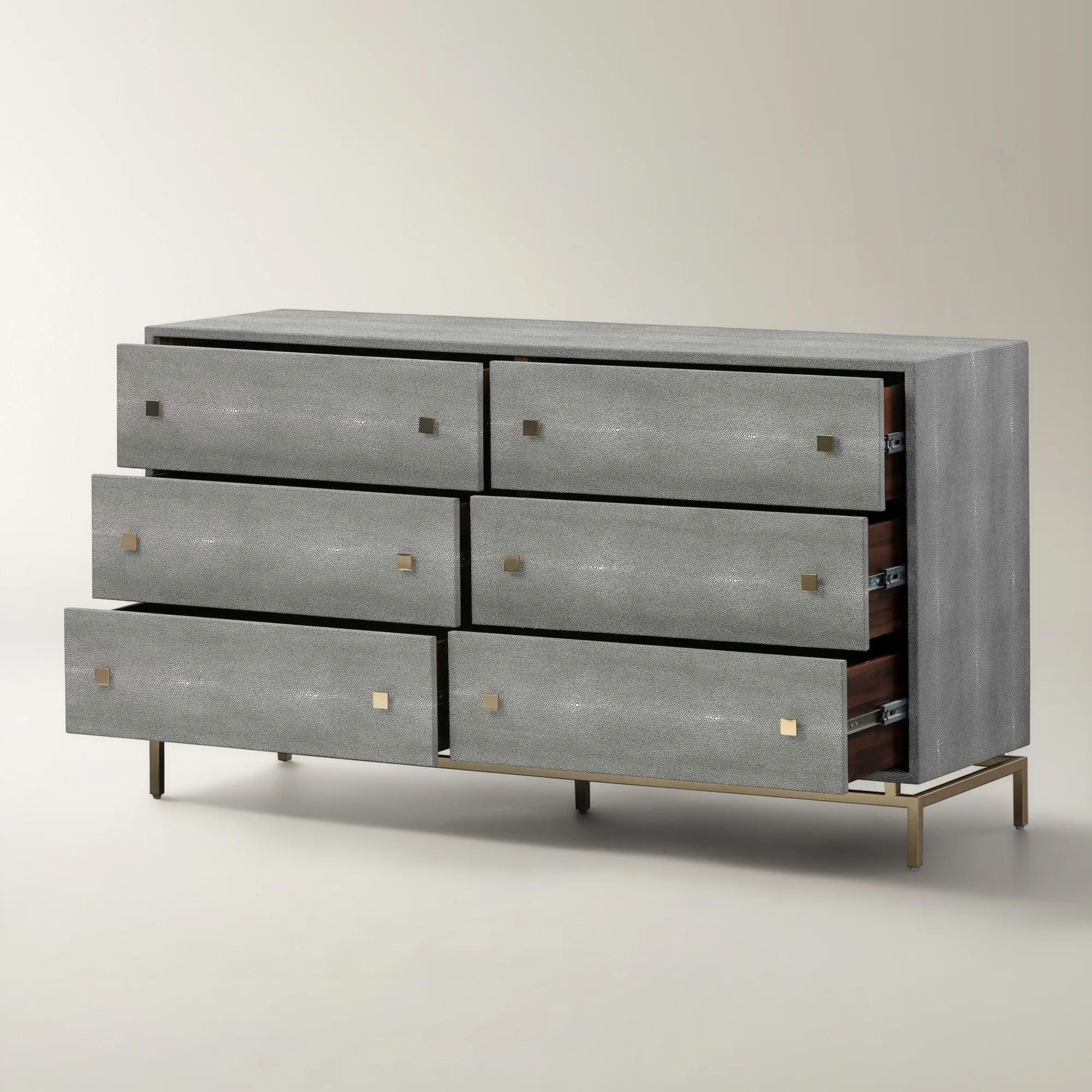 Misha Grey Shagreen 6-Drawer Dresser (57")$2249
A modern dresser featuring faux shagreen texture, brass-finished base, and six drawers with cherry wood interiors.
Add To Cart -
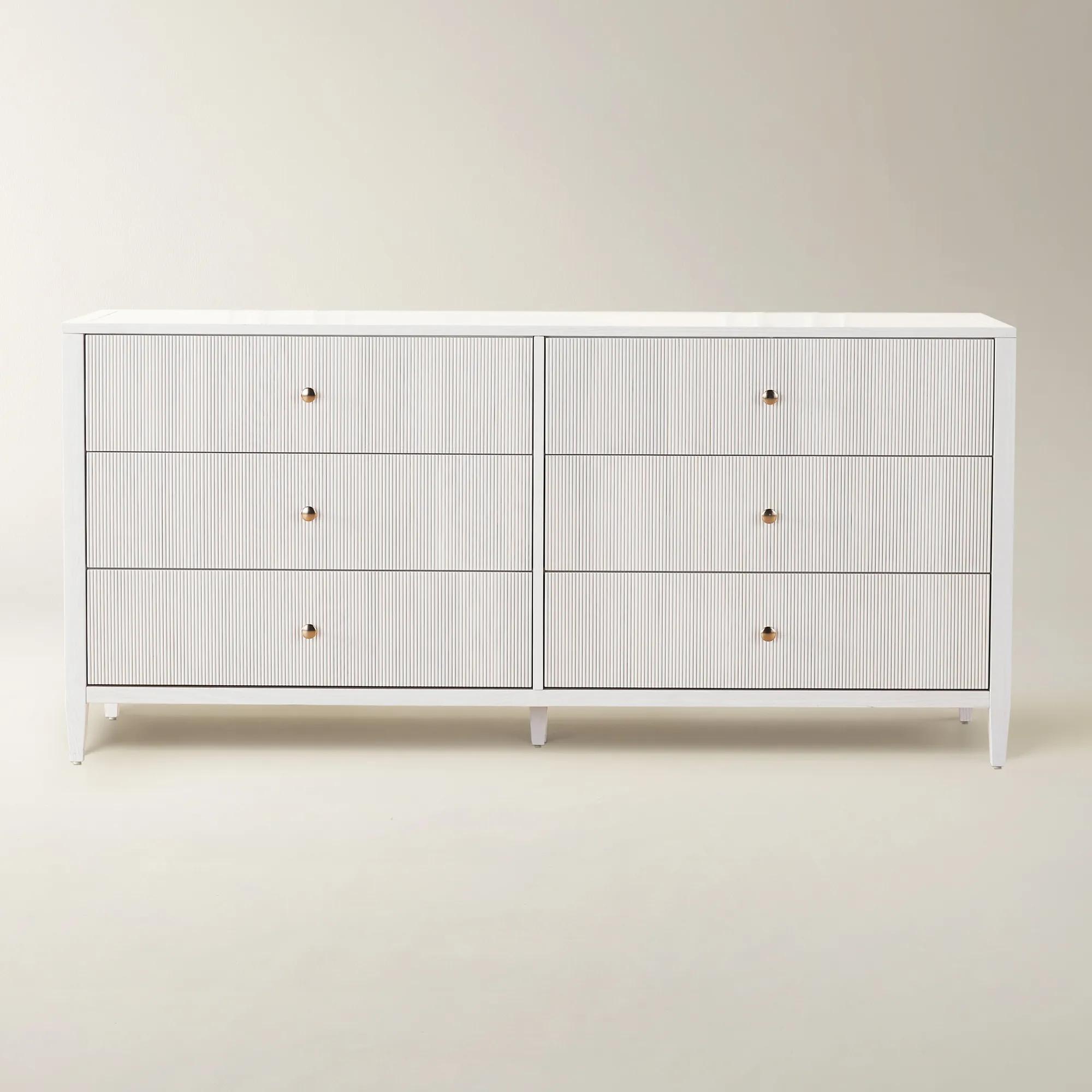
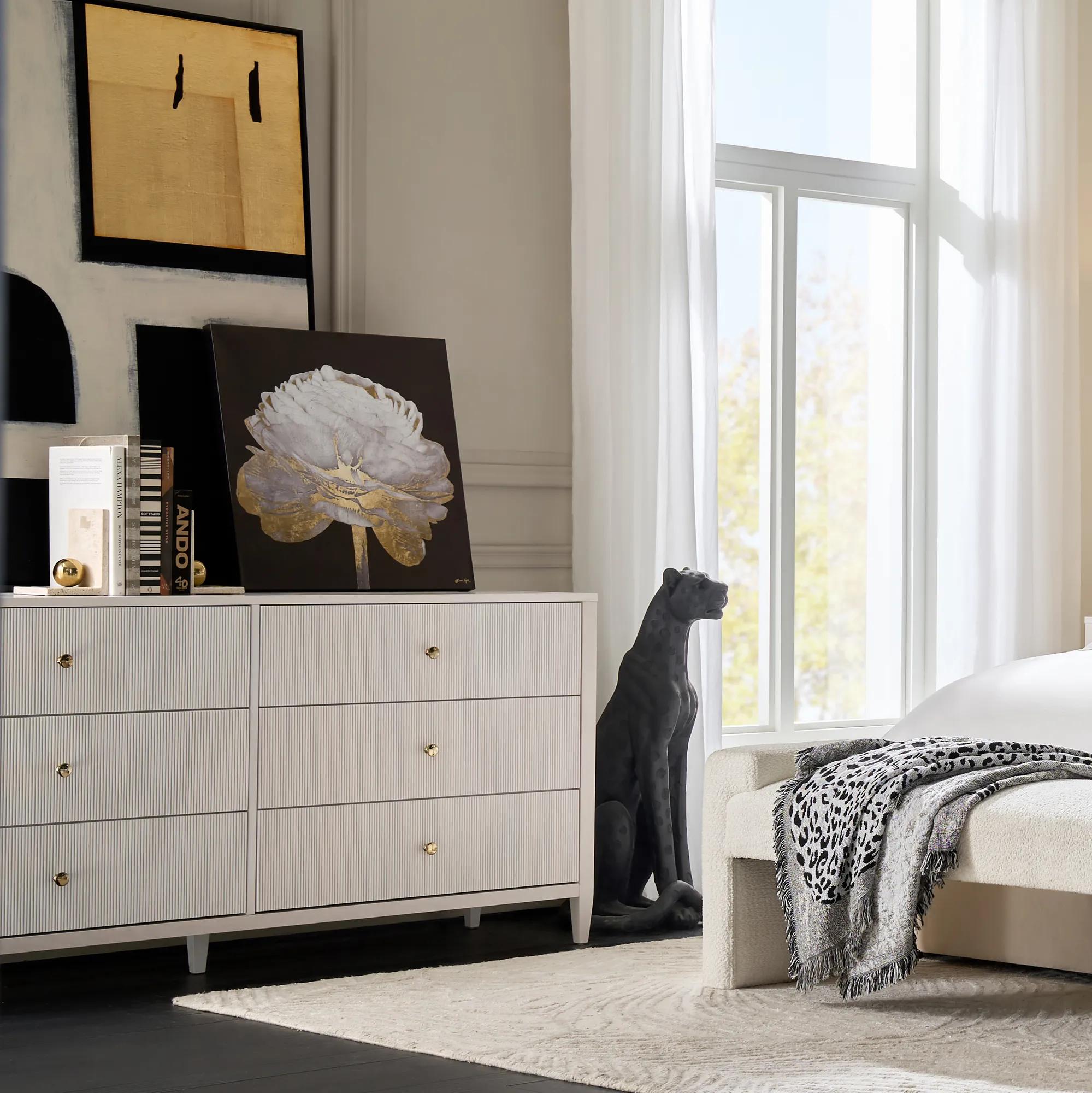 Viola Reeded White Ash Wood 6-Drawer Dresser (70")$1899
A modern dresser in bone white ash wood with reeded fronts and brass hardware for a luxe touch.
Add To Cart -
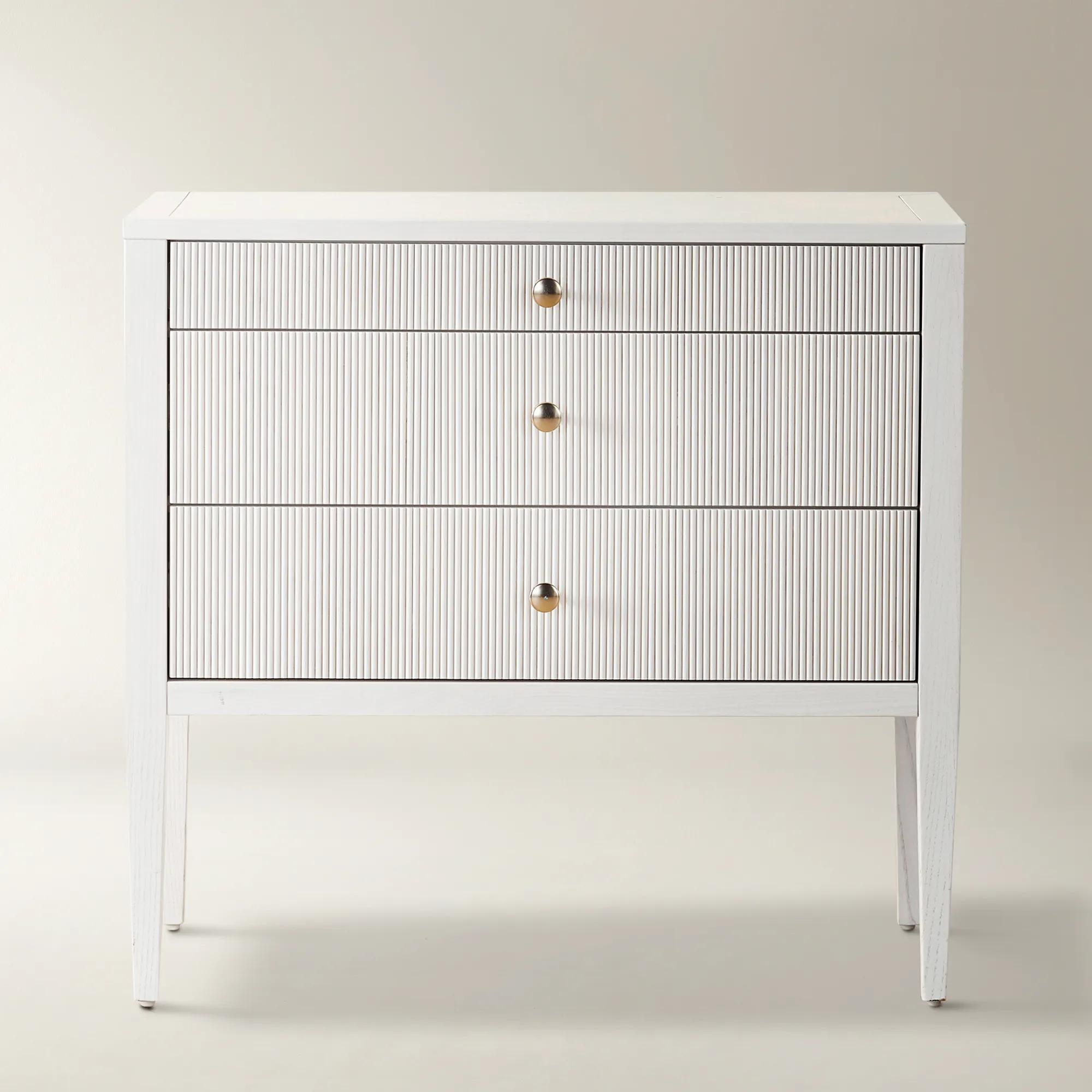 Viola Reeded White Ash Wood 3-Drawer Nightstand (31")$899
A modern nightstand in bone white ash wood with reeded drawers and brass hardware for a luxe touch.
Add To Cart -
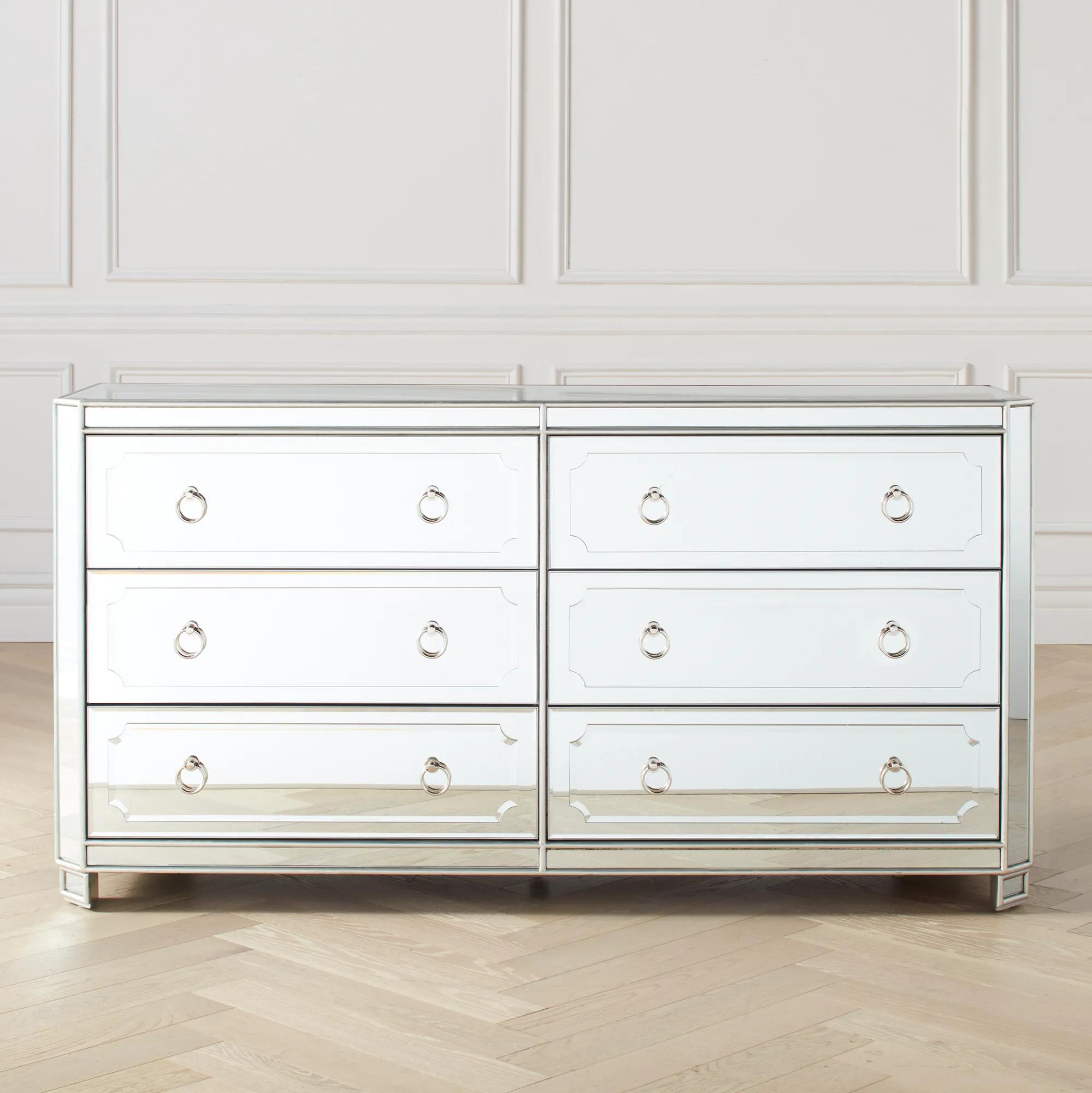
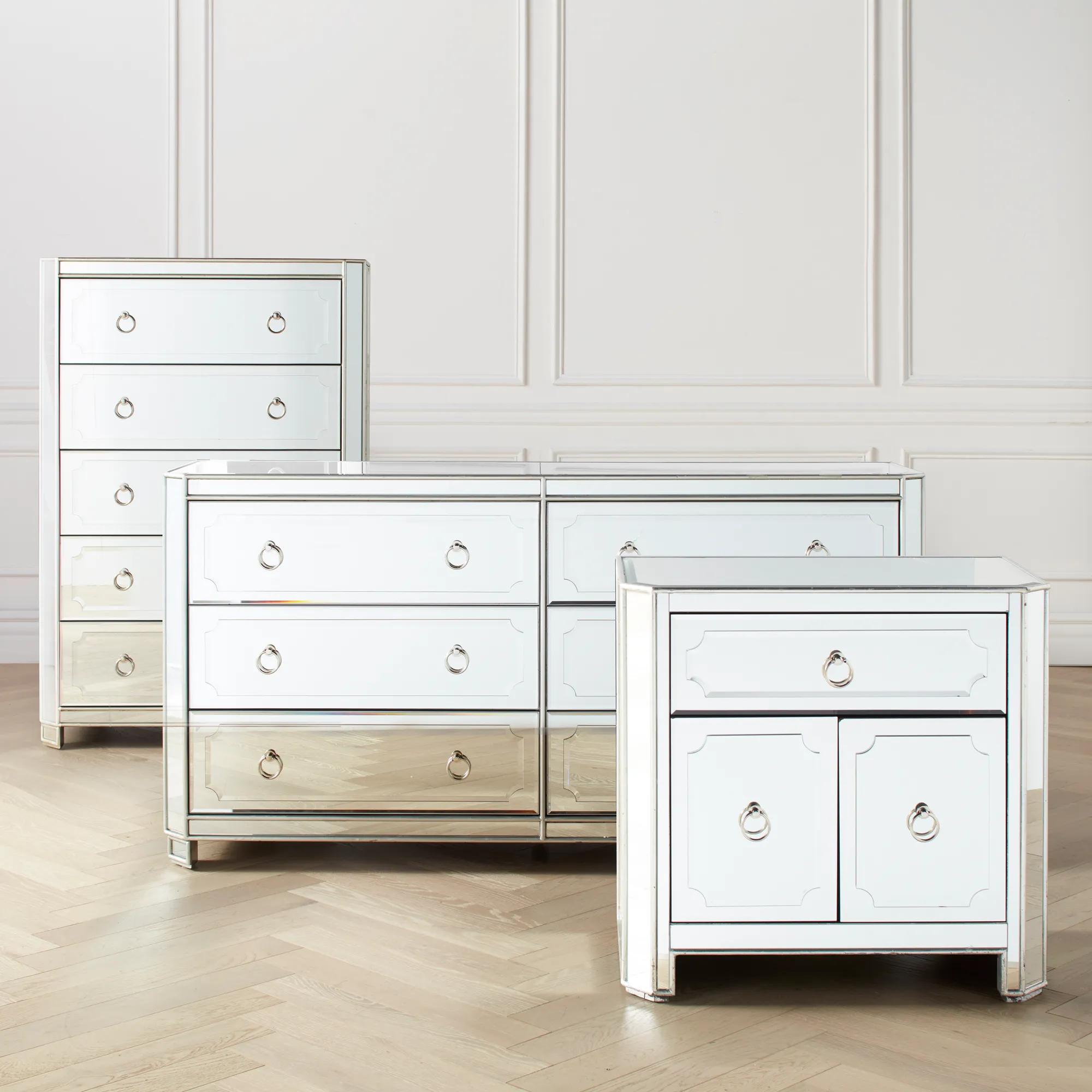 Simplicity Mirrored Silver 6-Drawer Dresser (66")$2299
A glamorous chest featuring beveled mirrored panels, hand-applied silver-leaf trim, and polished nickel hardware.
Add To Cart -
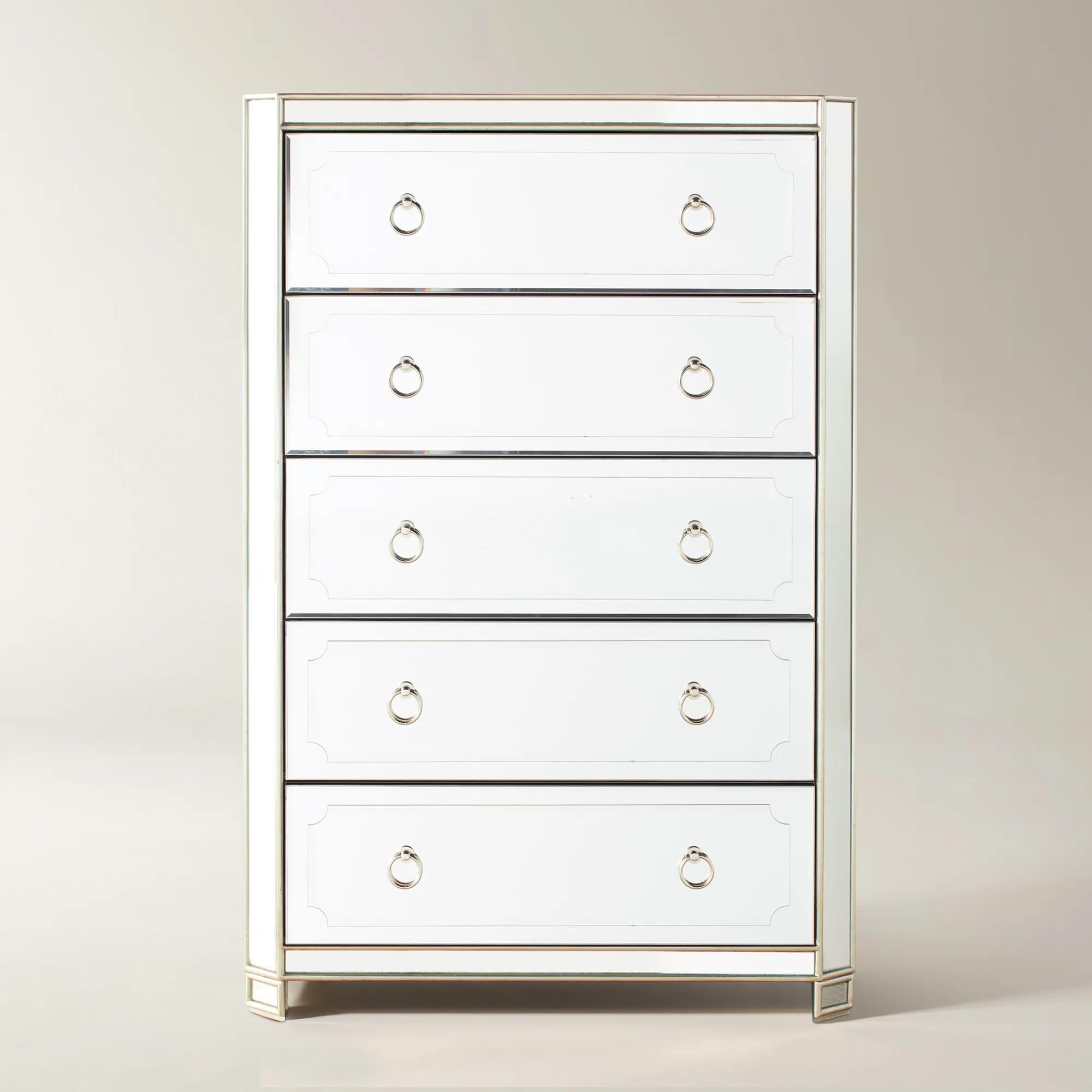 Simplicity Mirrored Silver 5-Drawer Tall Dresser (36")$1999
A glamorous tall chest featuring beveled mirrored panels, hand-applied silver-leaf trim, and polished nickel hardware.
Add To Cart -
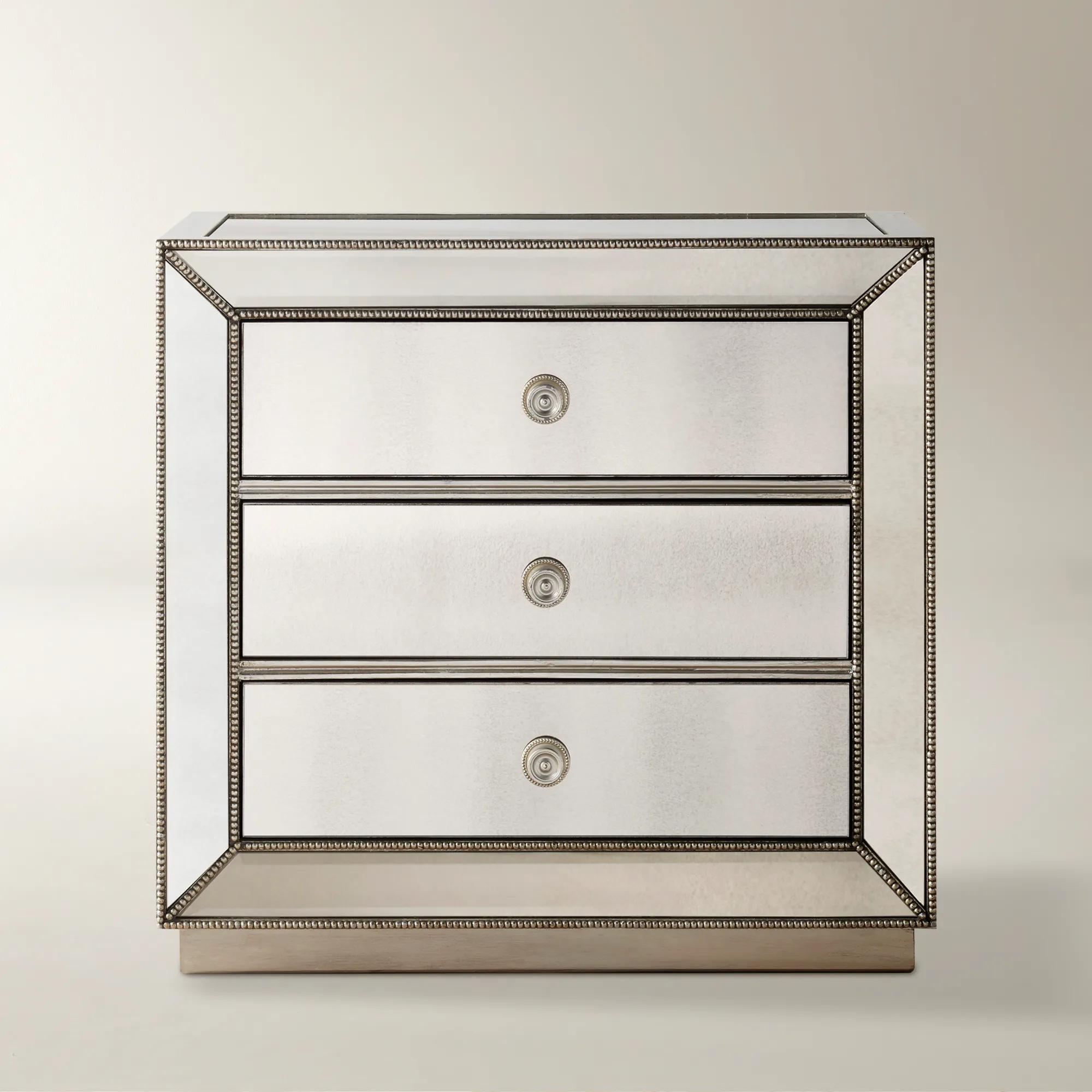
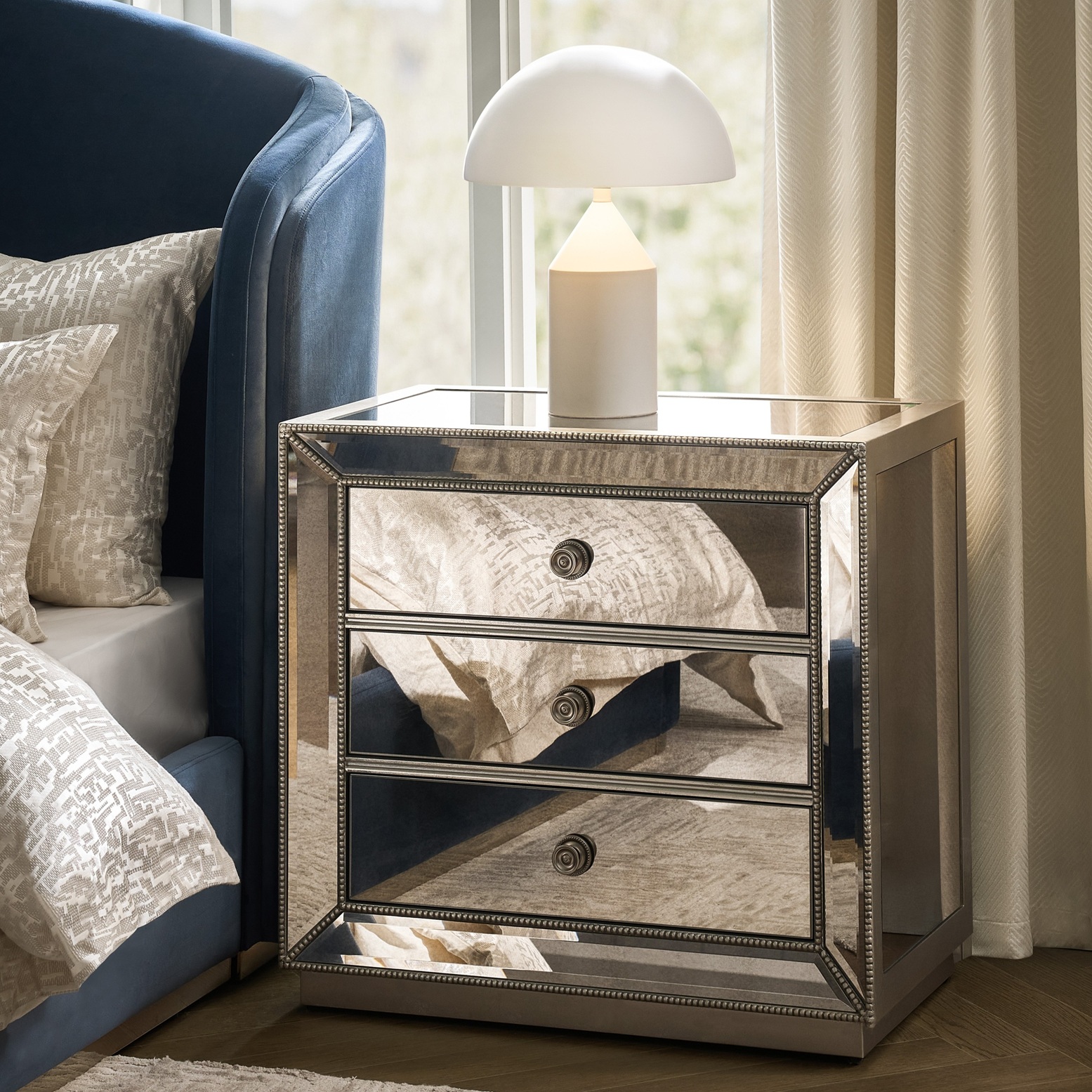 Omni Mirrored Silver 3-Drawer Nightstand (32")$1299
A glamorous chest featuring antiqued mirrored panels, hand-applied silver-leaf finish, and beaded trim.
Add To Cart -
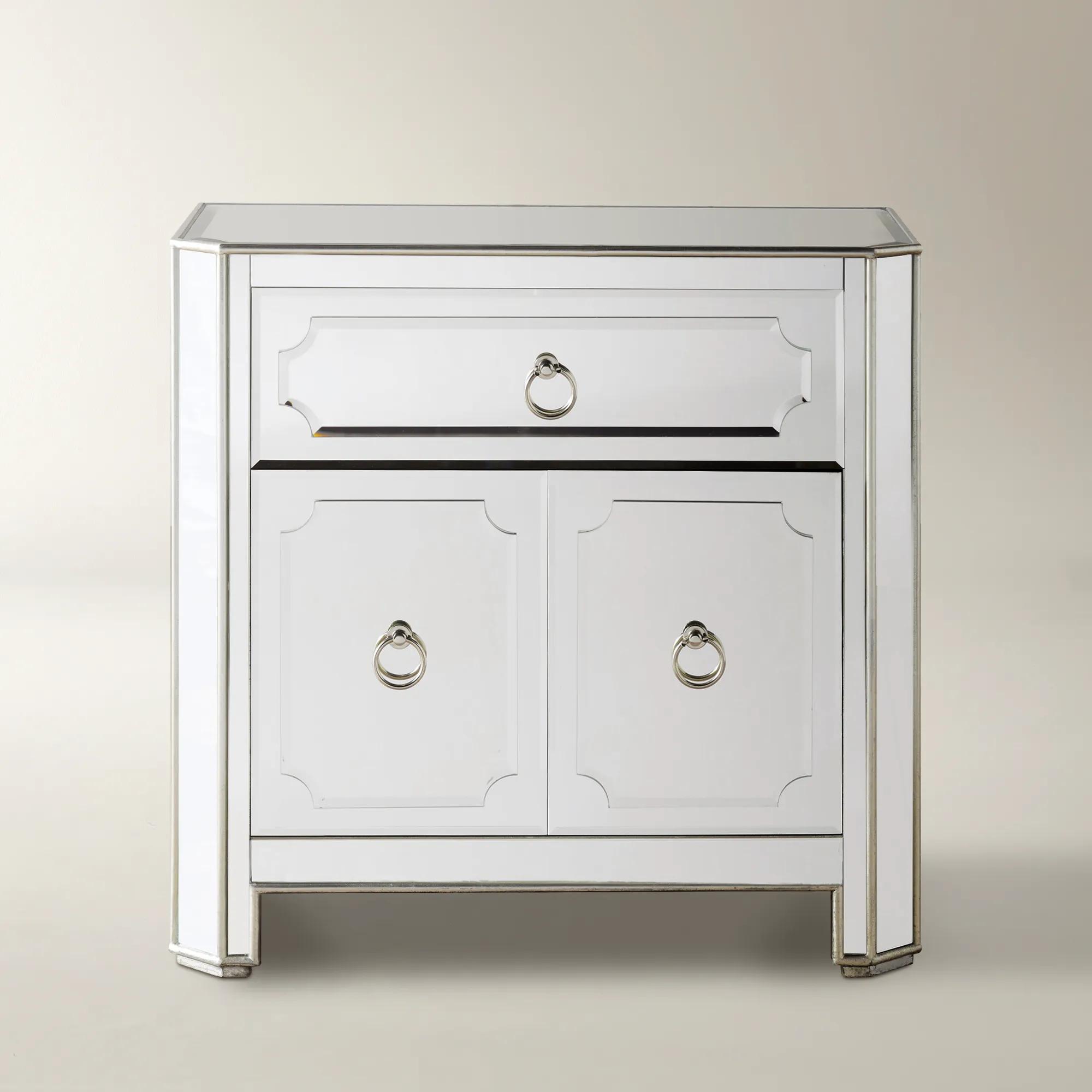
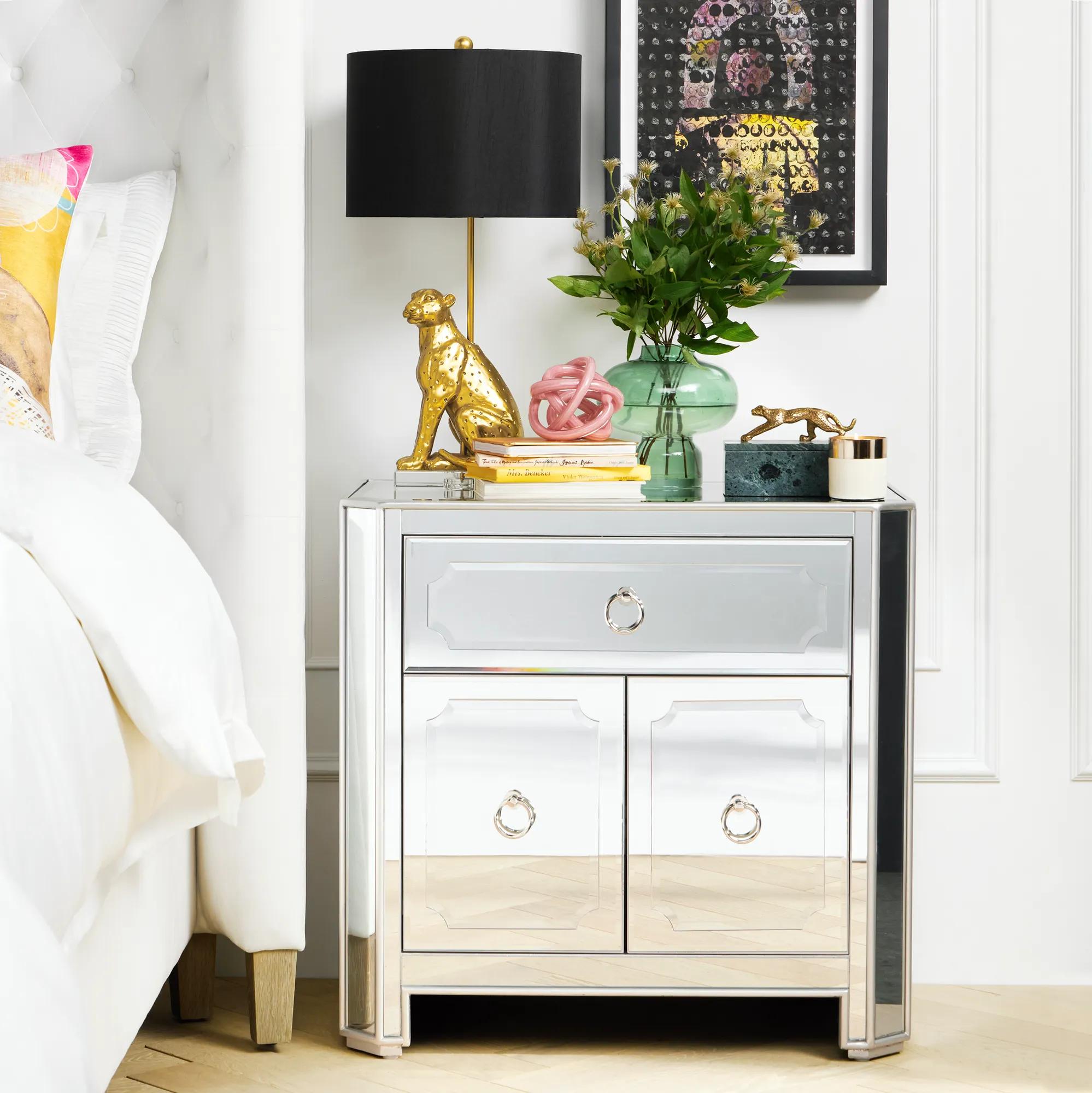 Simplicity Mirrored Silver 1-Drawer Nightstand (30")$899
A glamorous nightstand featuring beveled mirrored panels, hand-applied silver-leaf trim, and polished nickel hardware.
Add To Cart -
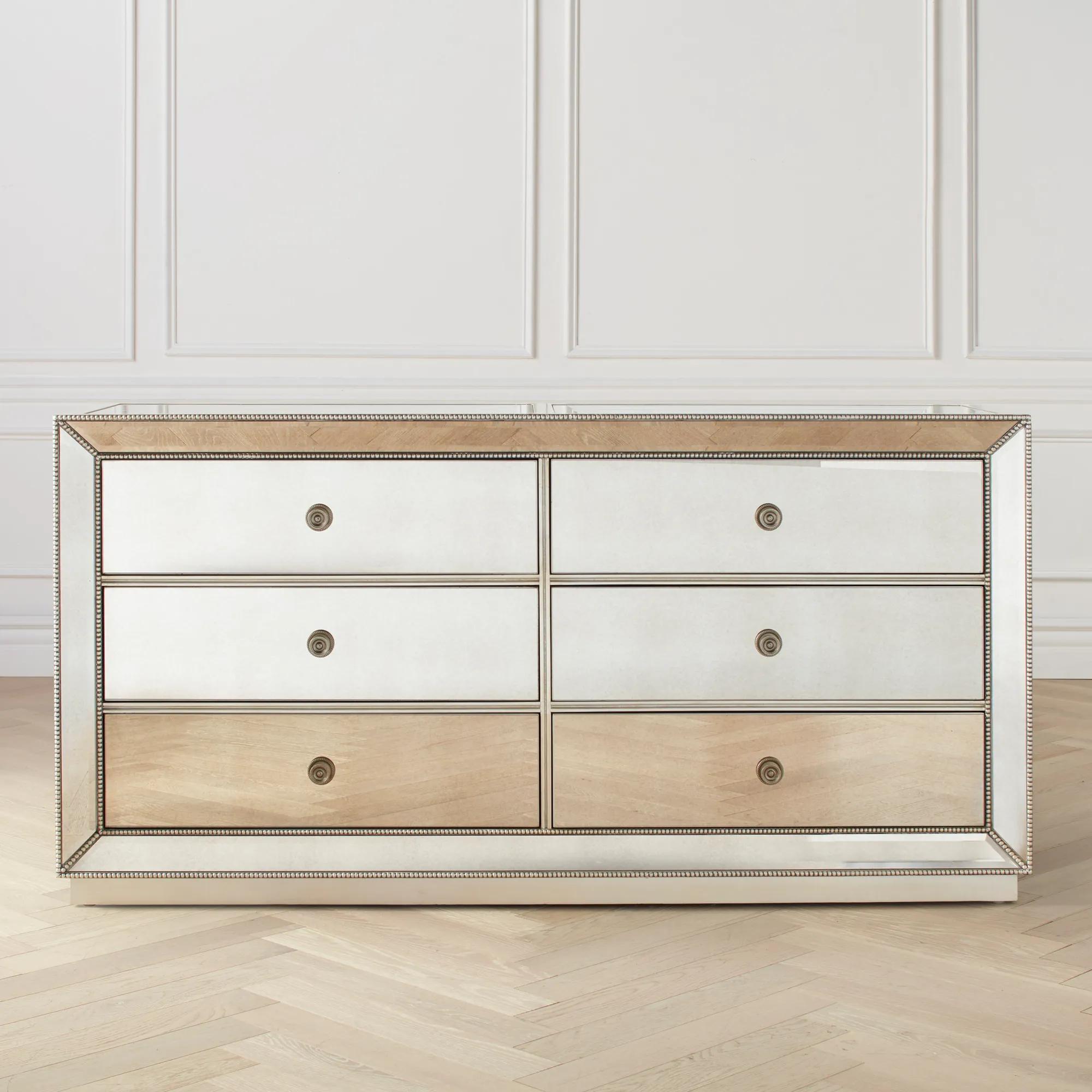 Omni Mirrored Silver 6-Drawer Dresser (72")$2599
A hand-applied silver-leaf chest with antiqued mirrored panels and beaded trim for dramatic bedroom shine.
Add To Cart -
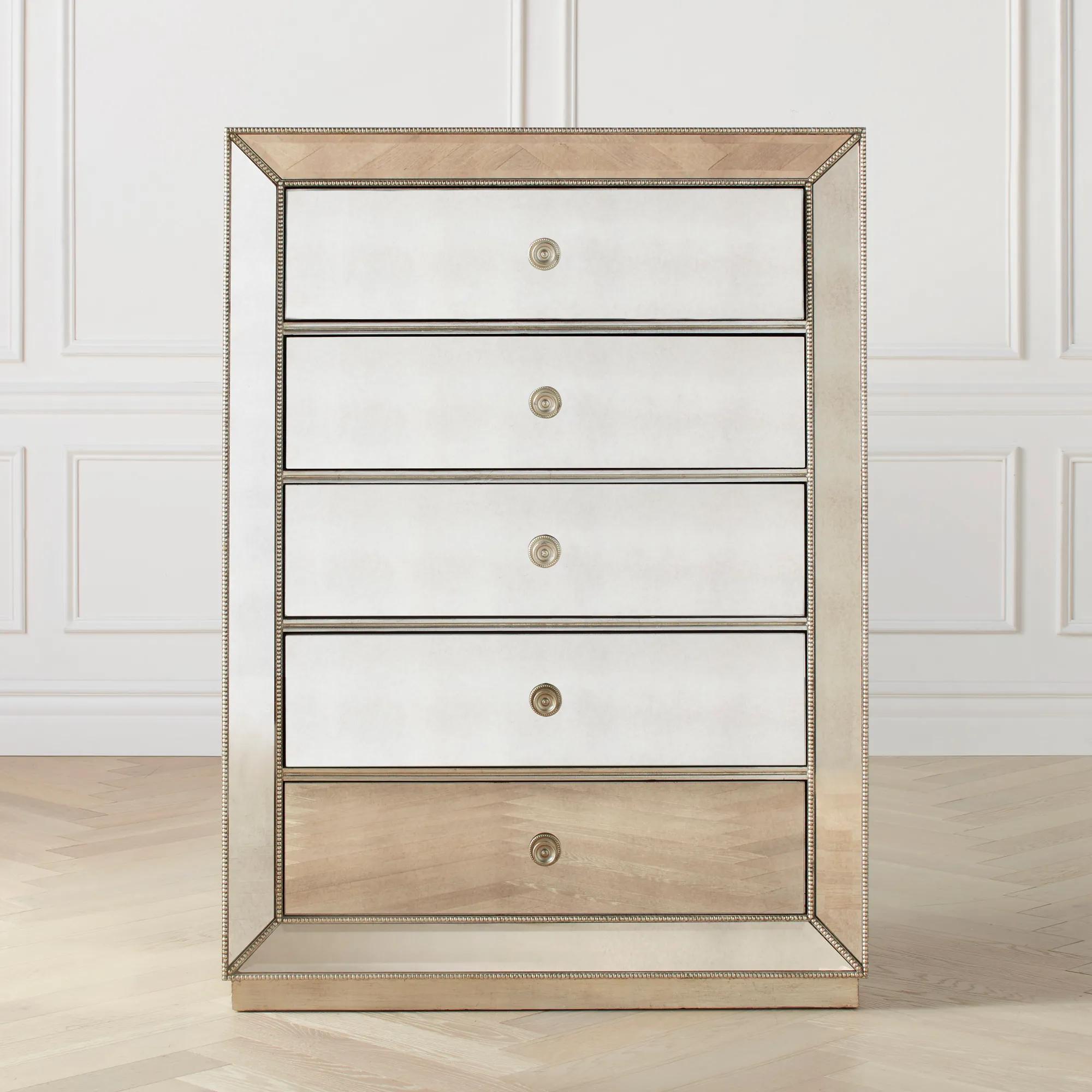
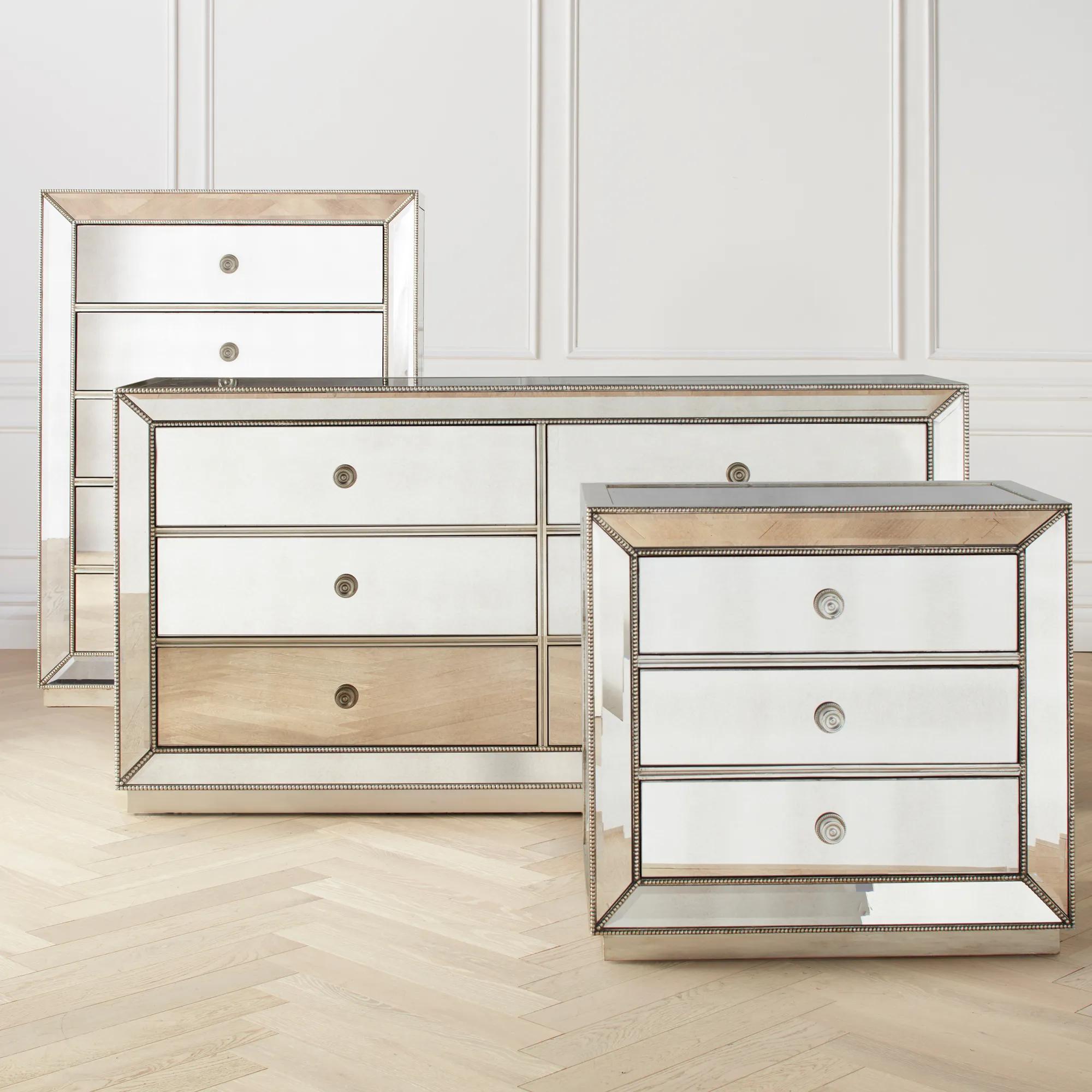 Omni Mirrored Silver 5-Drawer Tall Dresser (40")$2199
A dramatic chest featuring antiqued mirrored panels, hand-applied silver-leaf finish, and kiln-dried hardwood construction.
Add To Cart -
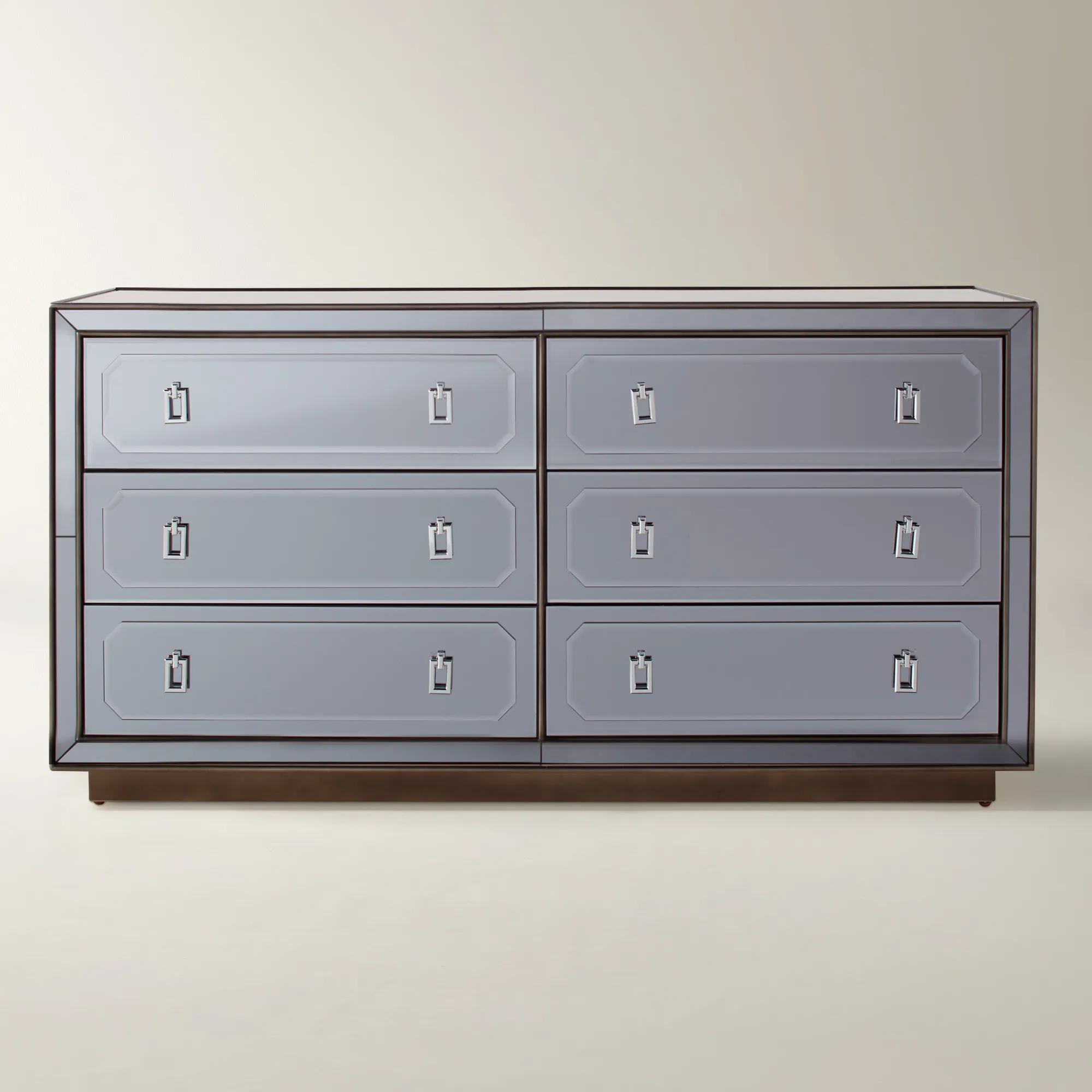 Maddox Mirrored Grey 6-Drawer Dresser (66")$2299
A modern dresser featuring beveled mirror paneling, graphite finish, and polished nickel hardware for sleek sophistication.
Add To Cart -
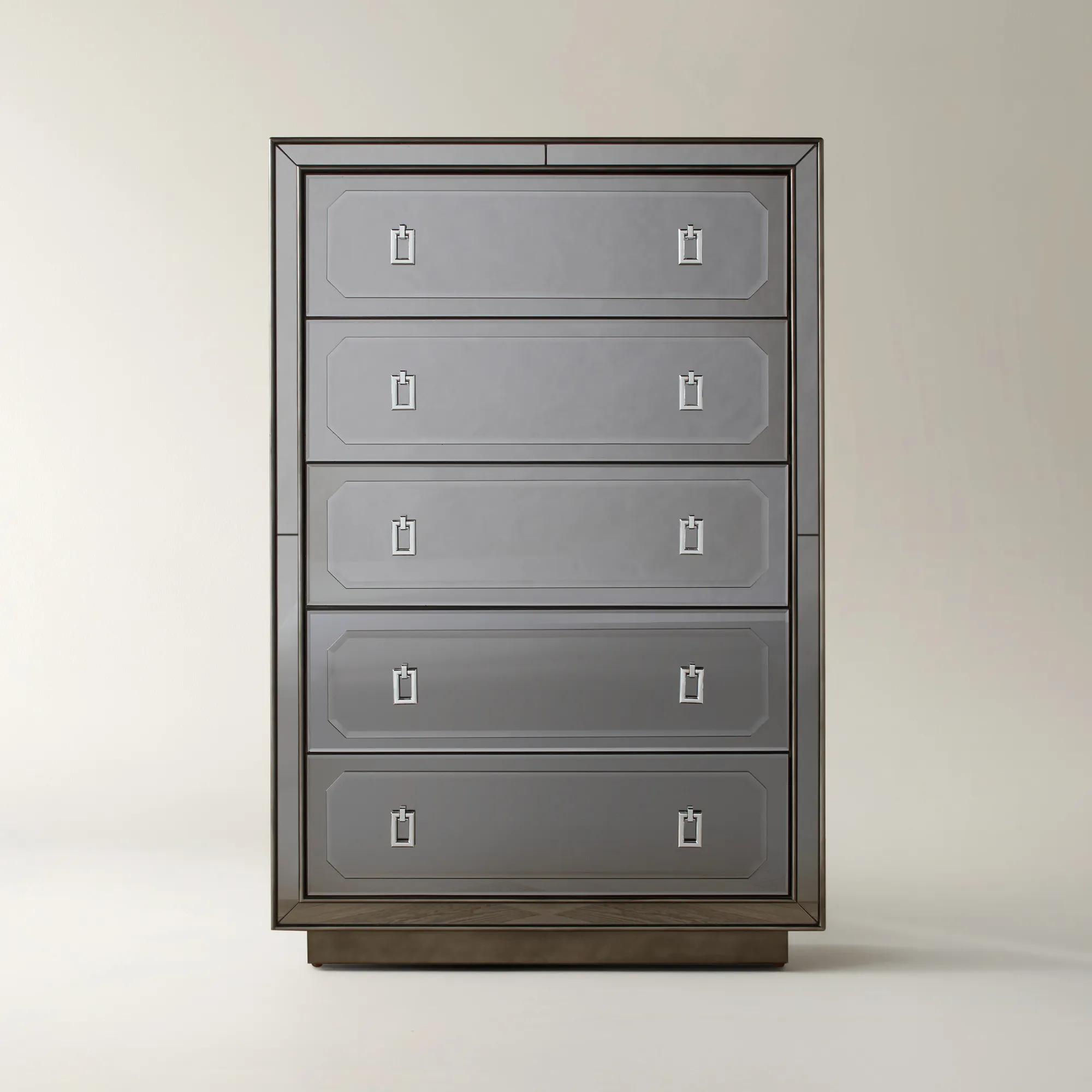 Maddox Mirrored Grey 5-Drawer Tall Dresser (36")$2099
A modern chest featuring beveled mirror panels, graphite finish, and polished nickel hardware for sleek sophistication.
Add To Cart -
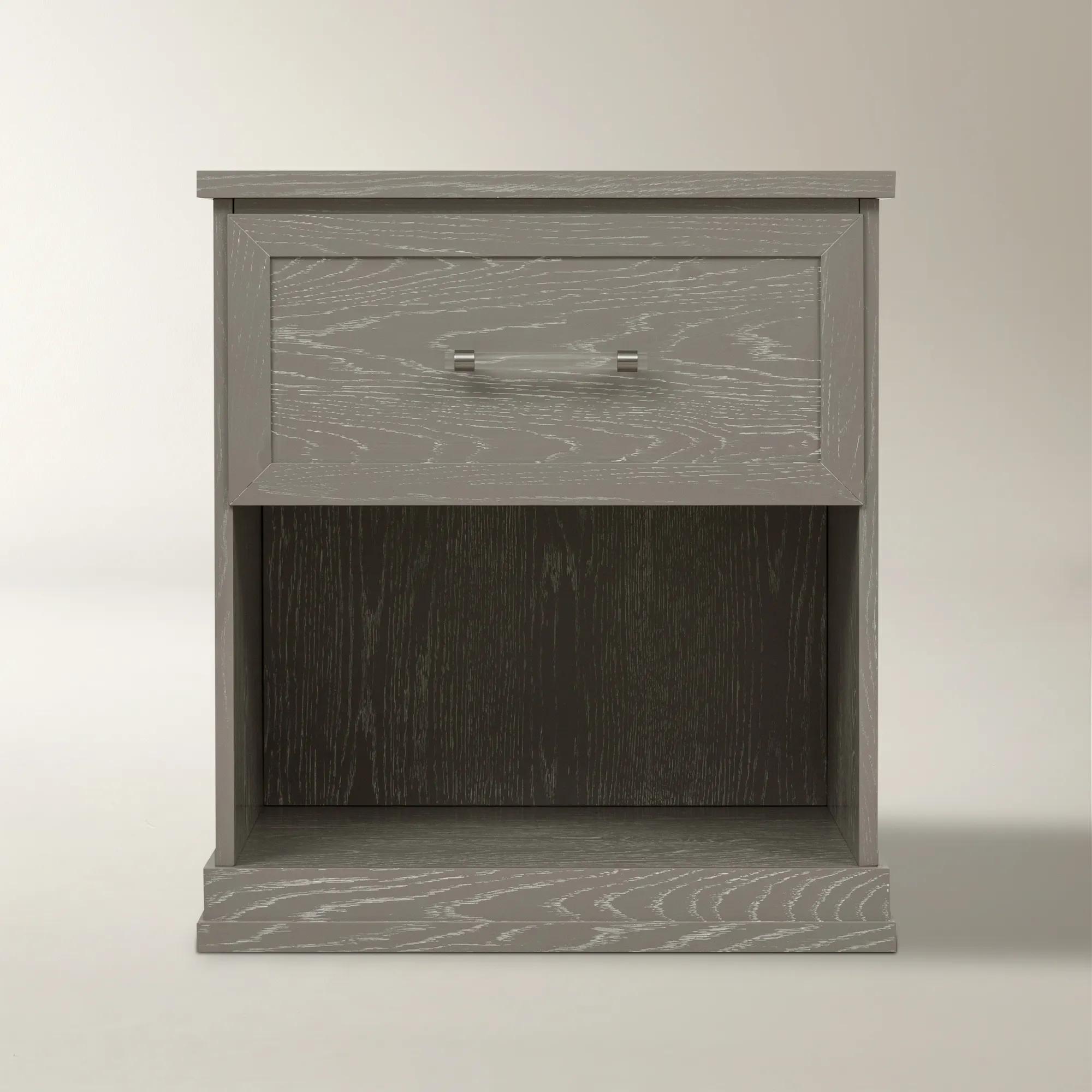
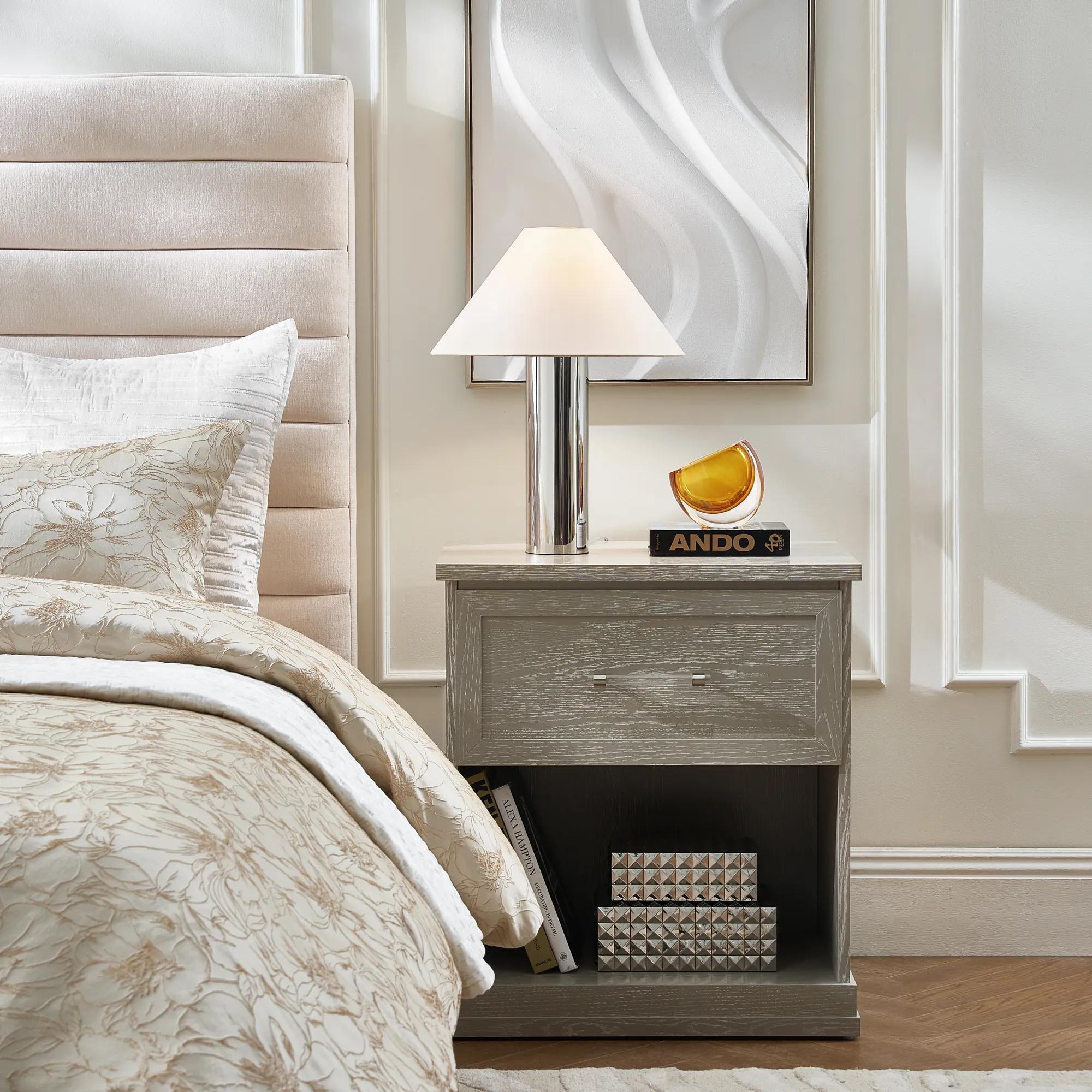 Arwin Grey Oak 1-Drawer Nightstand (26")$699
A contemporary grey hardwood veneer nightstand featuring acrylic and brushed silver handles with soft-closing drawers.
Add To Cart -
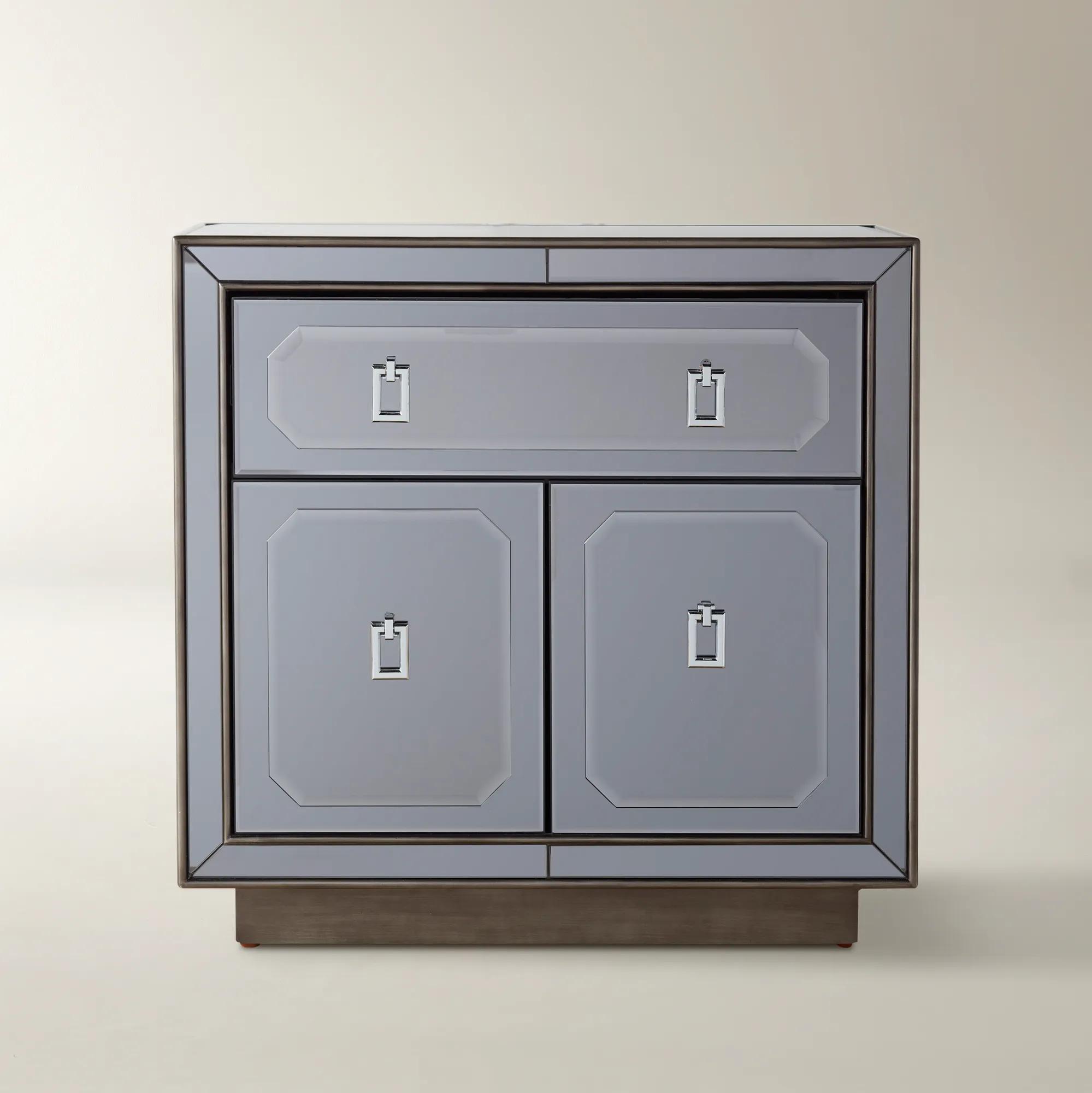
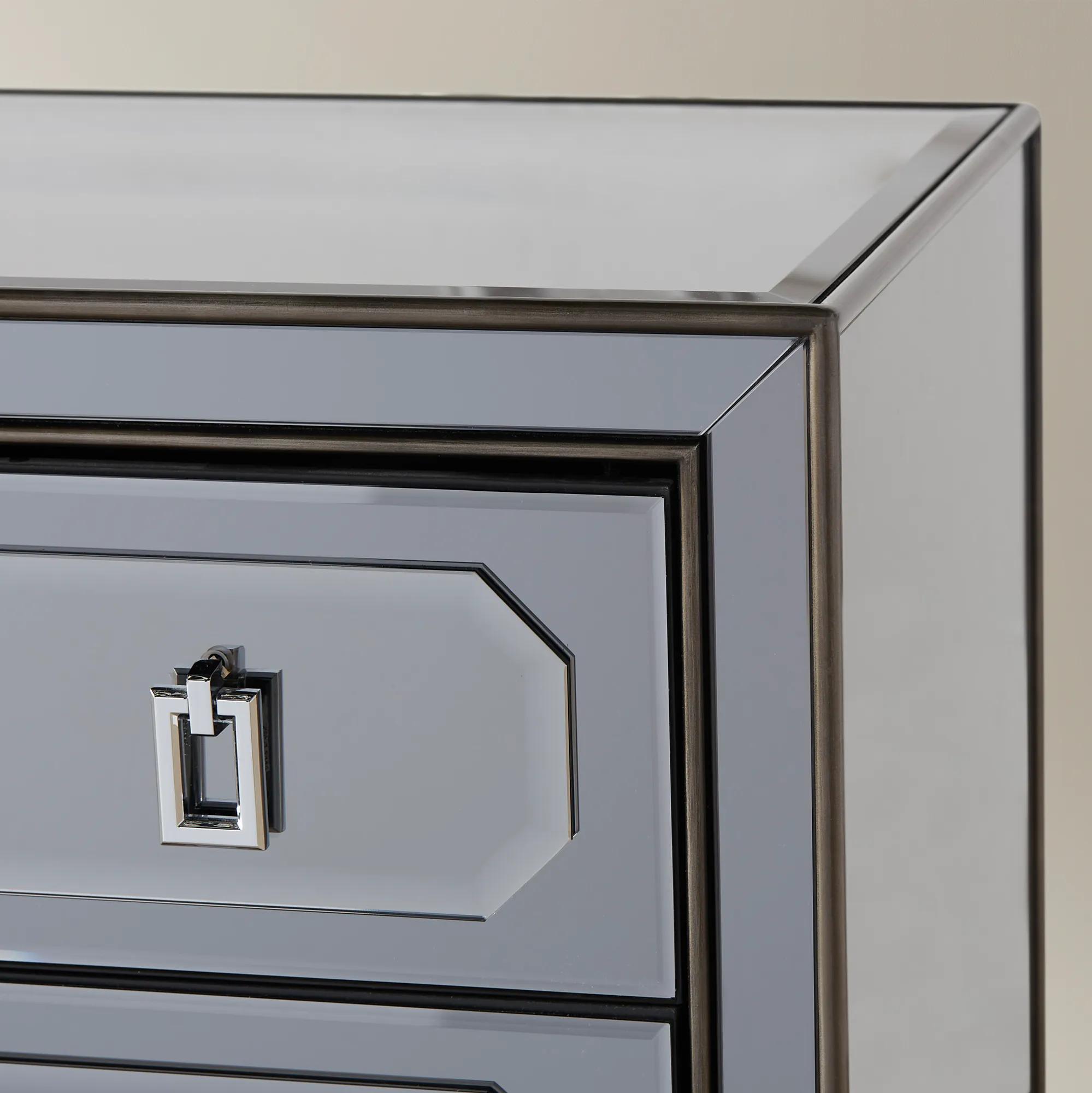 Maddox Mirrored Grey 1-Drawer Nightstand (30")$1099
A modern nightstand featuring beveled mirror paneling, graphite finish, and polished nickel hardware for a luxe touch.
Add To Cart -
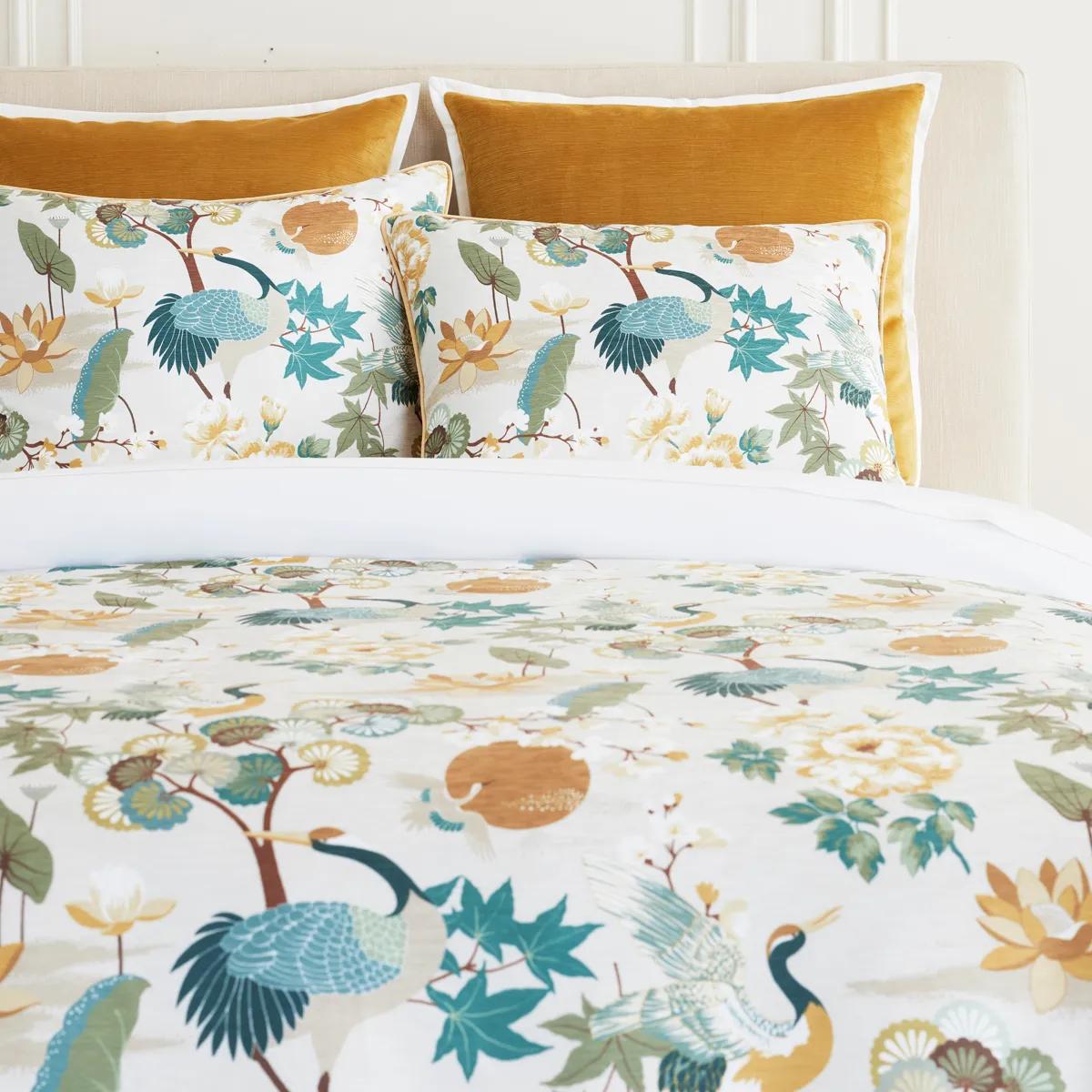
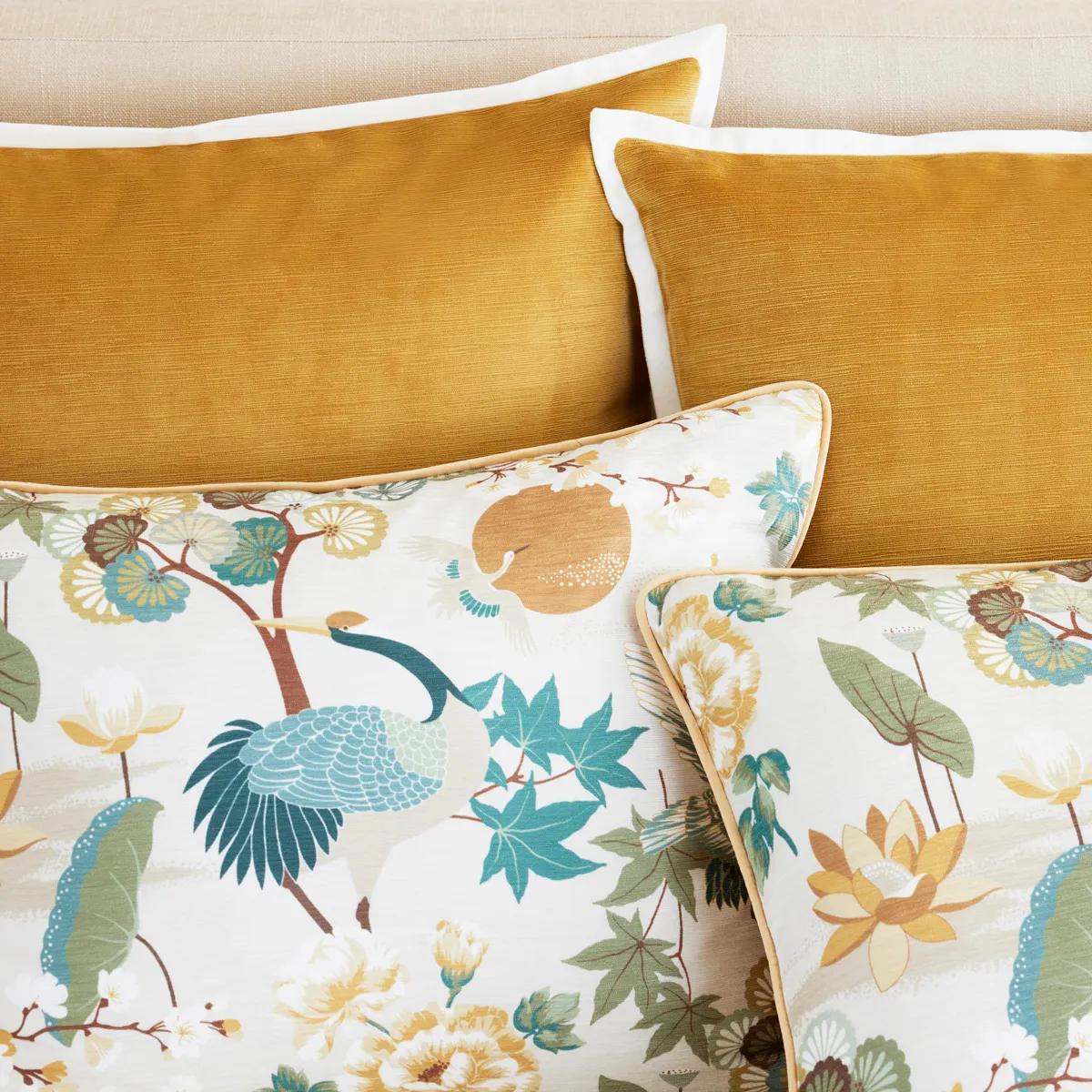 Sandhill Ivory/Multi Color Printed Bedding Set$639
An ivory bedding collection featuring earthy tones, gold velvet accents, and a soft cotton-polyester blend.
Add To Cart -
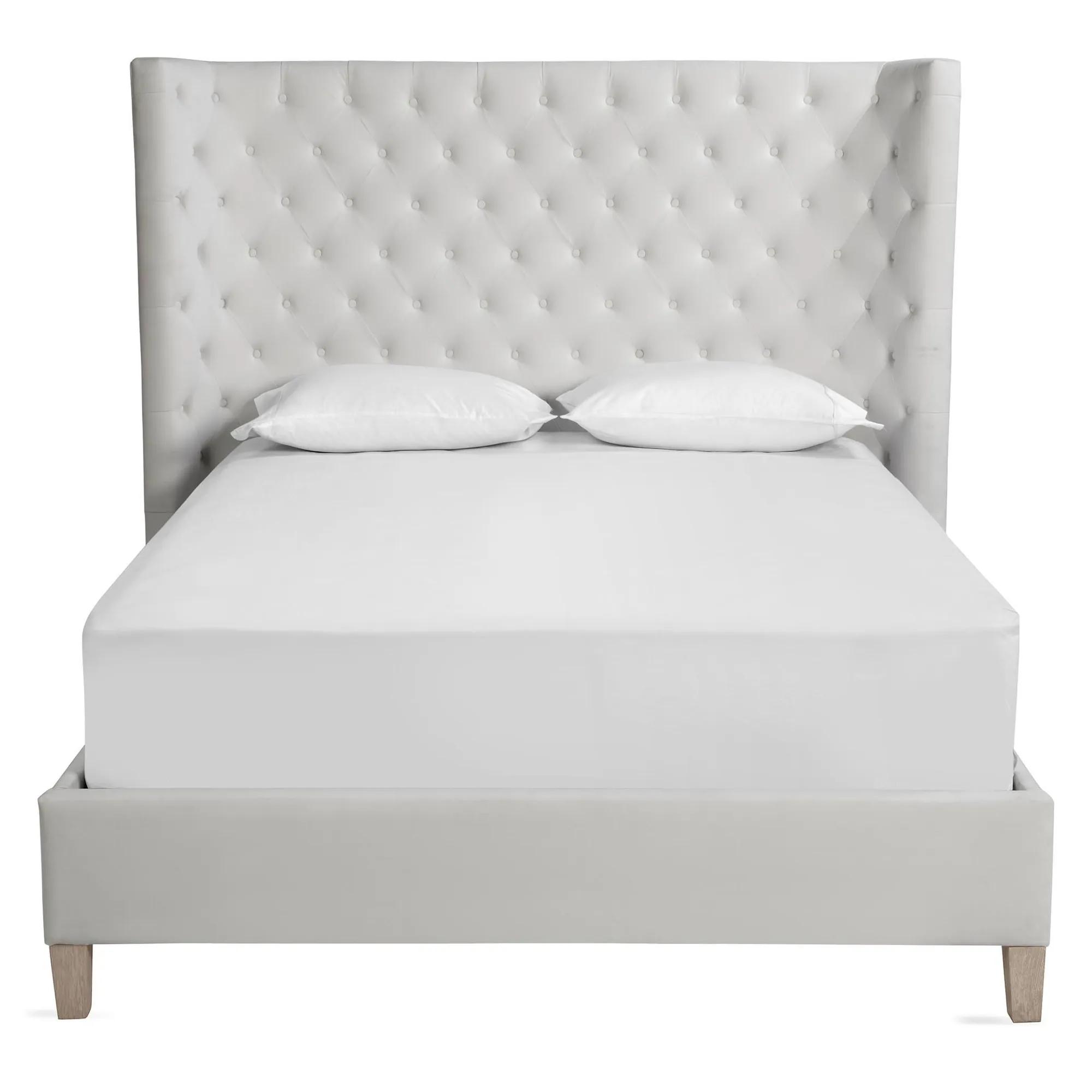
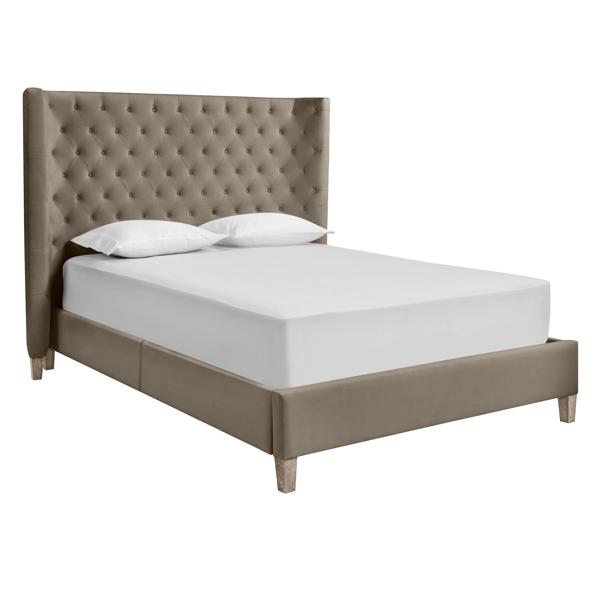 Jen Storage Bed$3449
A glamorous platform bed with a curved wingback headboard, hand-tufted velvet upholstery, and four storage drawers.
Add To Cart -
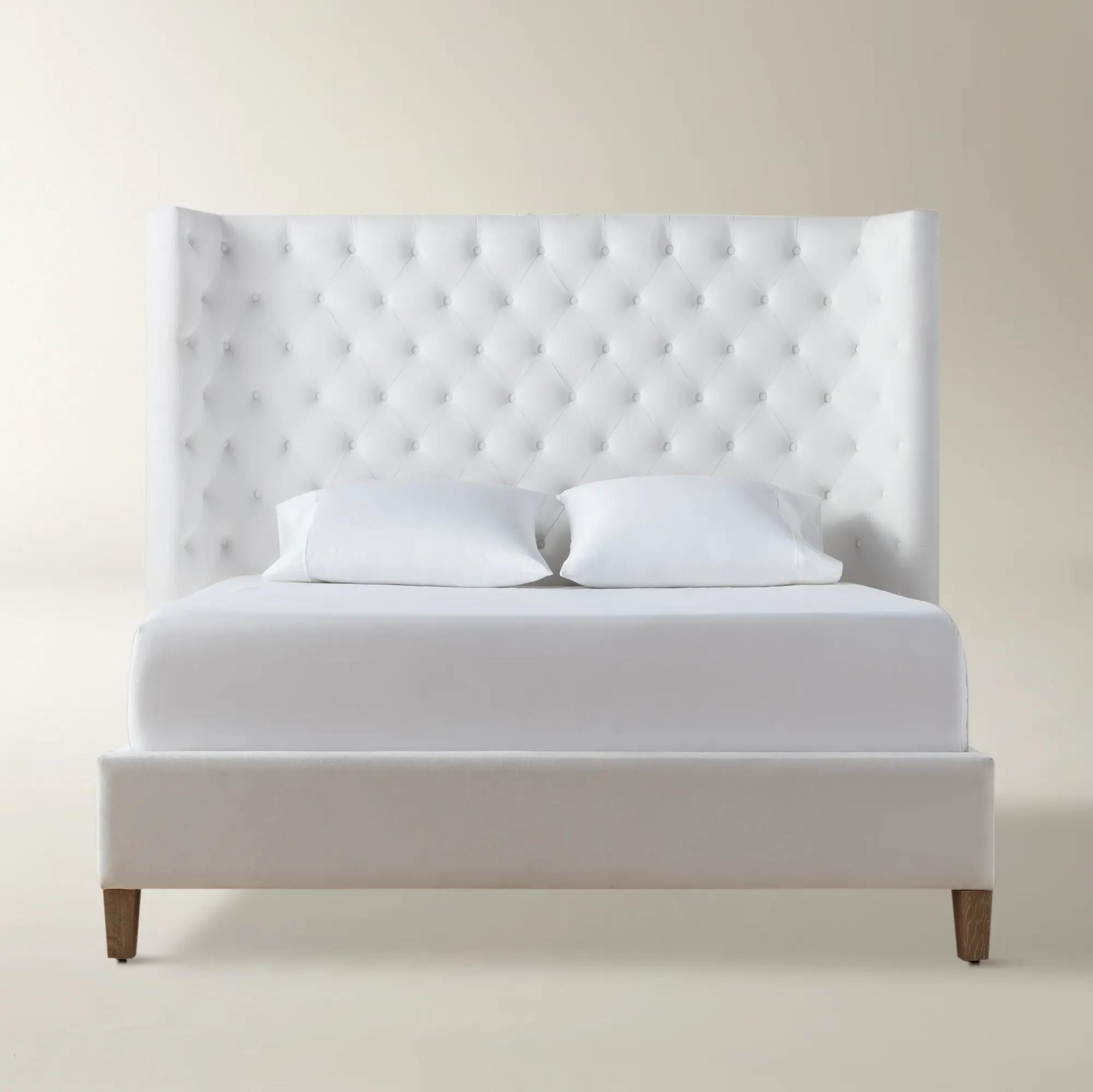 Jen Bed$1899
A glamorous wingback bed with hand-applied diamond button tufting and plush white velvet upholstery.
Add To Cart -
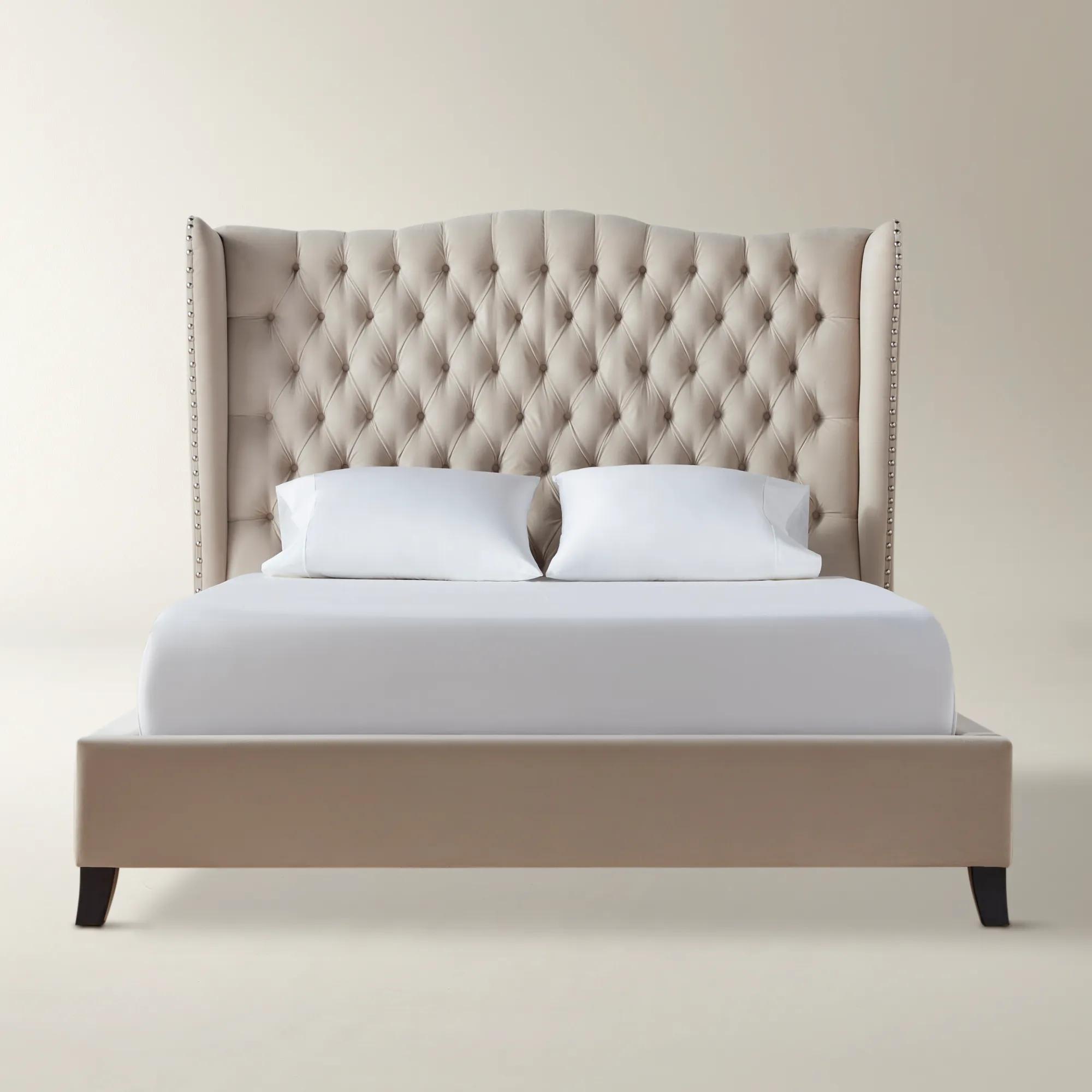
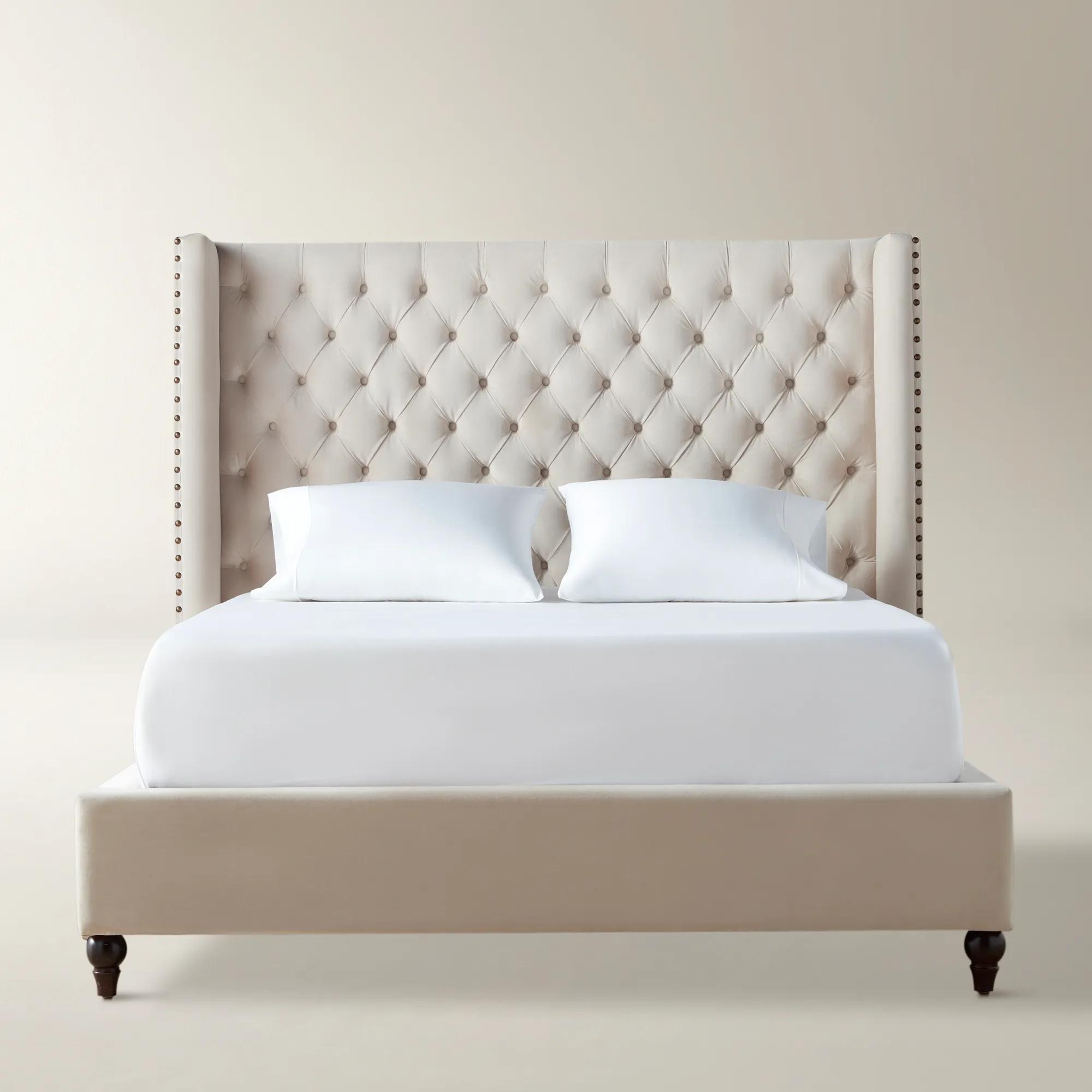
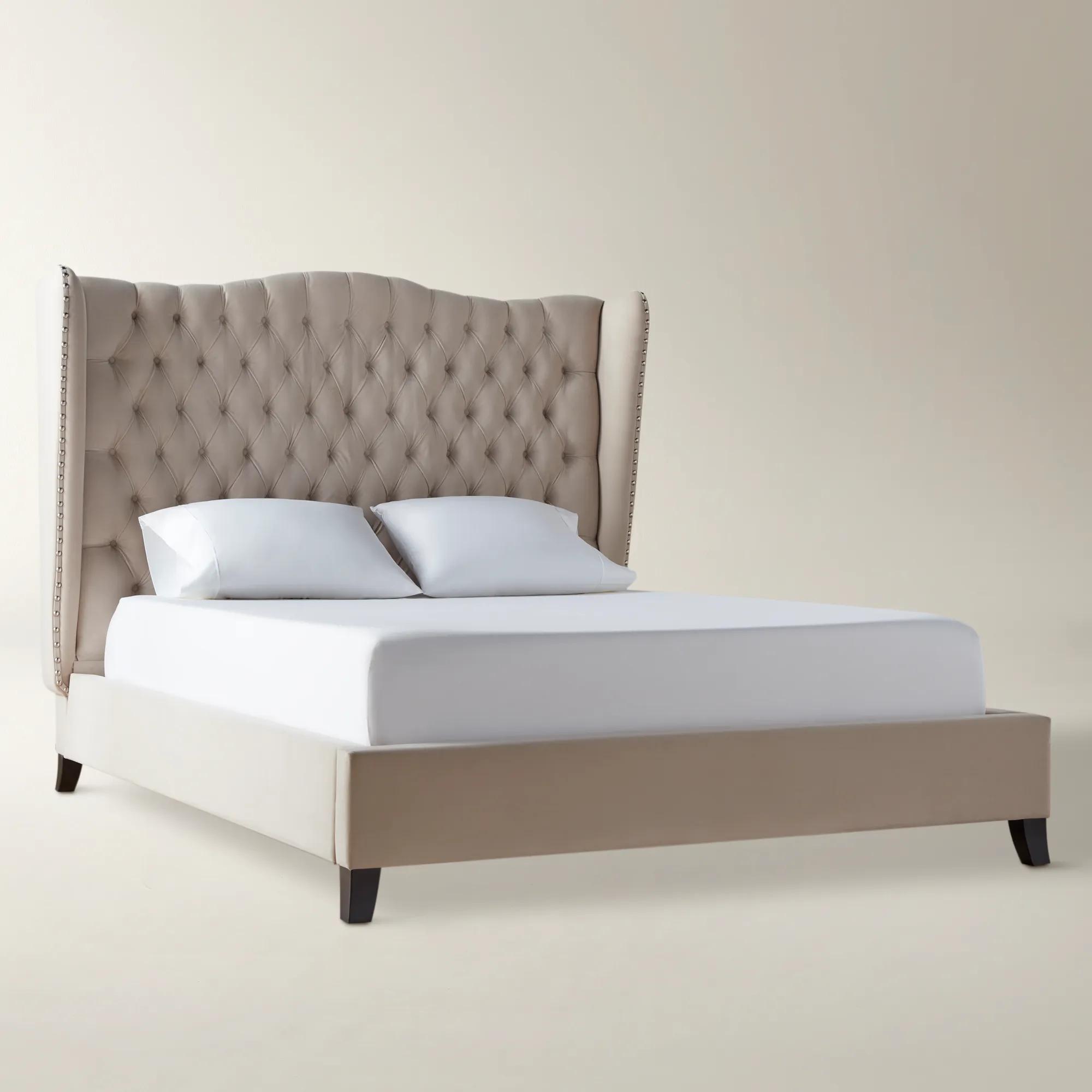 Jameson Bed$1699
A plush velvet bed with a camelback silhouette, hand-applied tufting, and decorative brushed silver nailheads.
Add To Cart -
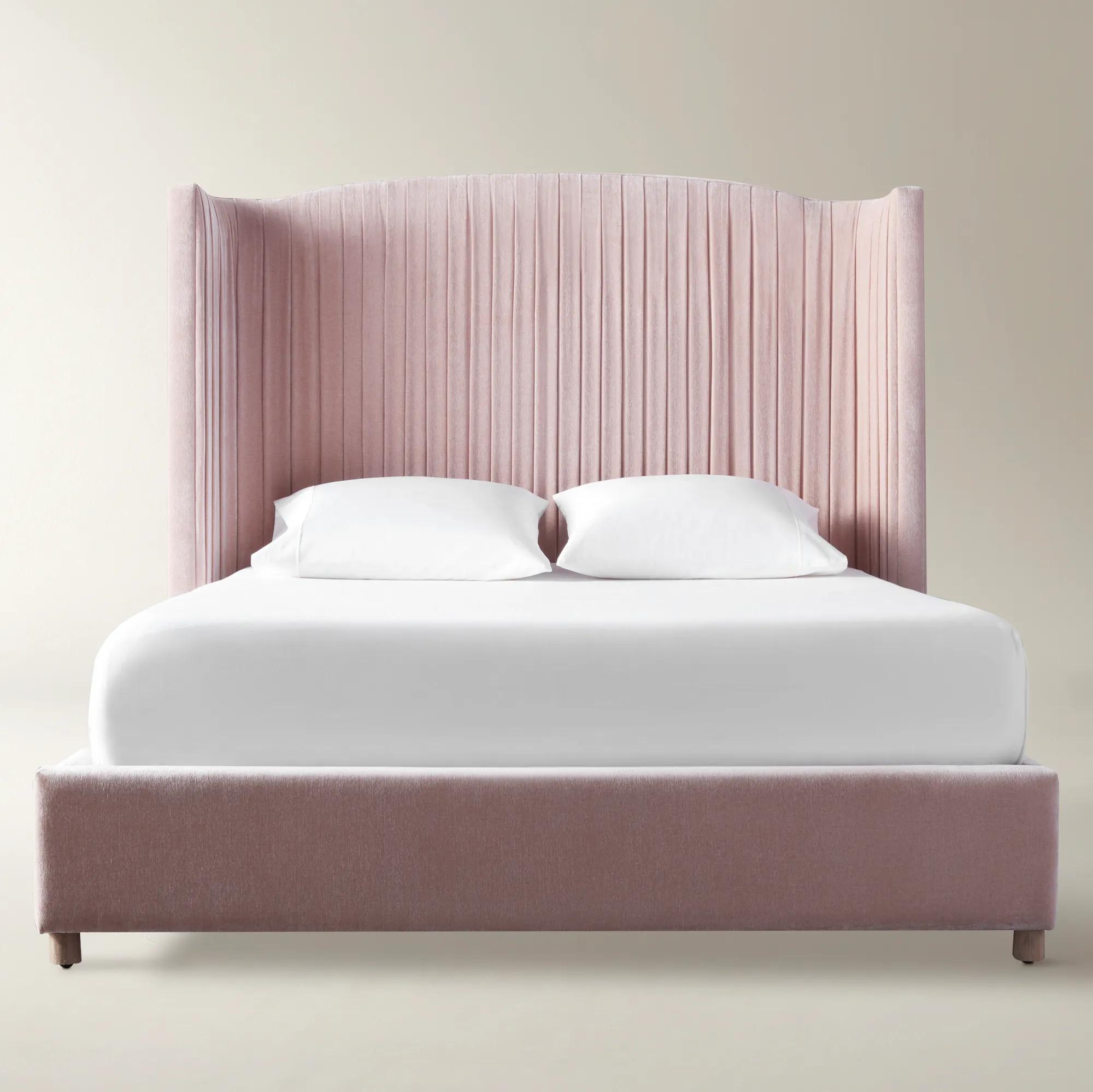
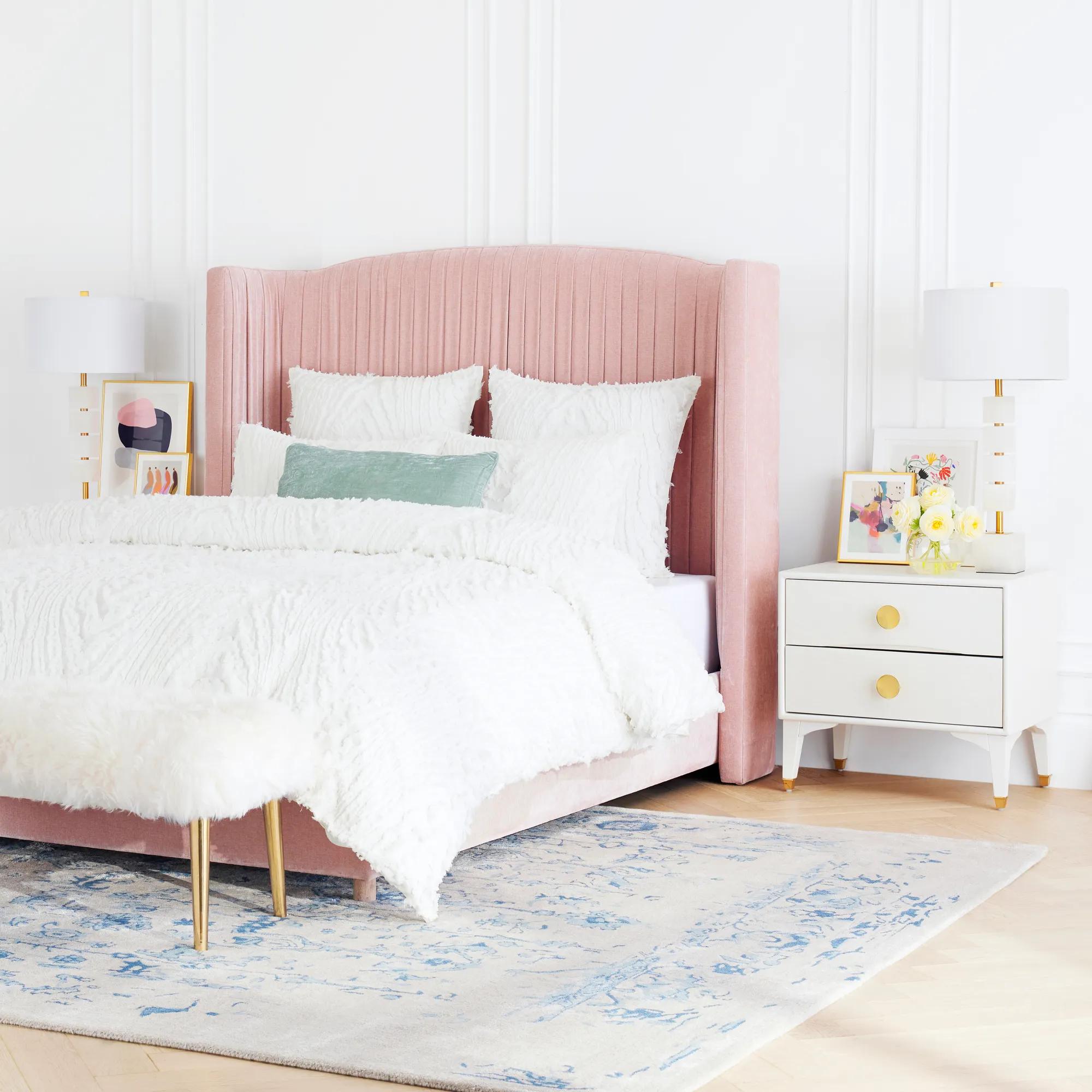 Larissa Platform Bed$2449
An elegantly curved wingback bed with hand-pleated Kenley Chenille Quartz upholstery and kiln-dried hardwood frame.
Add To Cart -
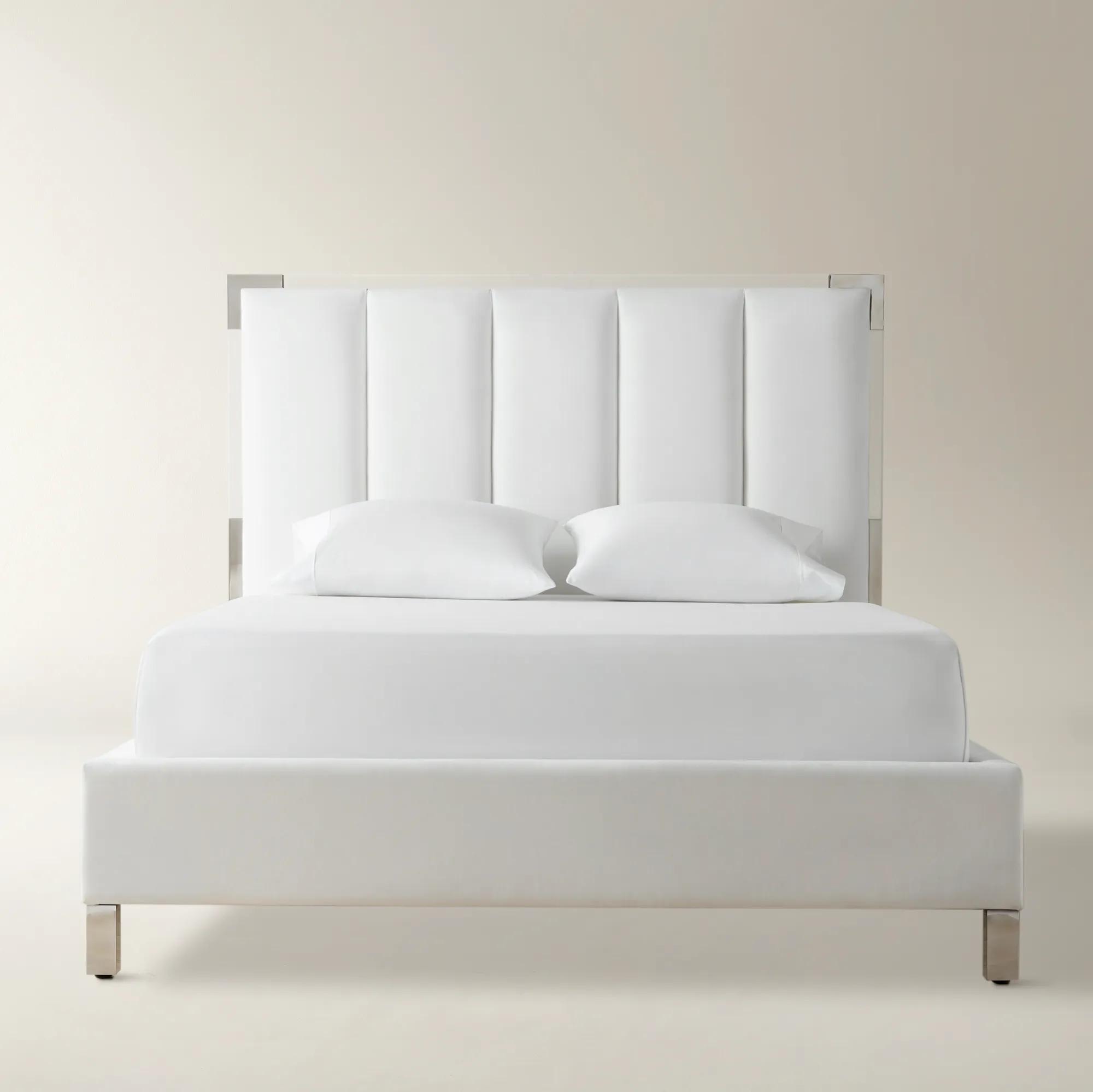
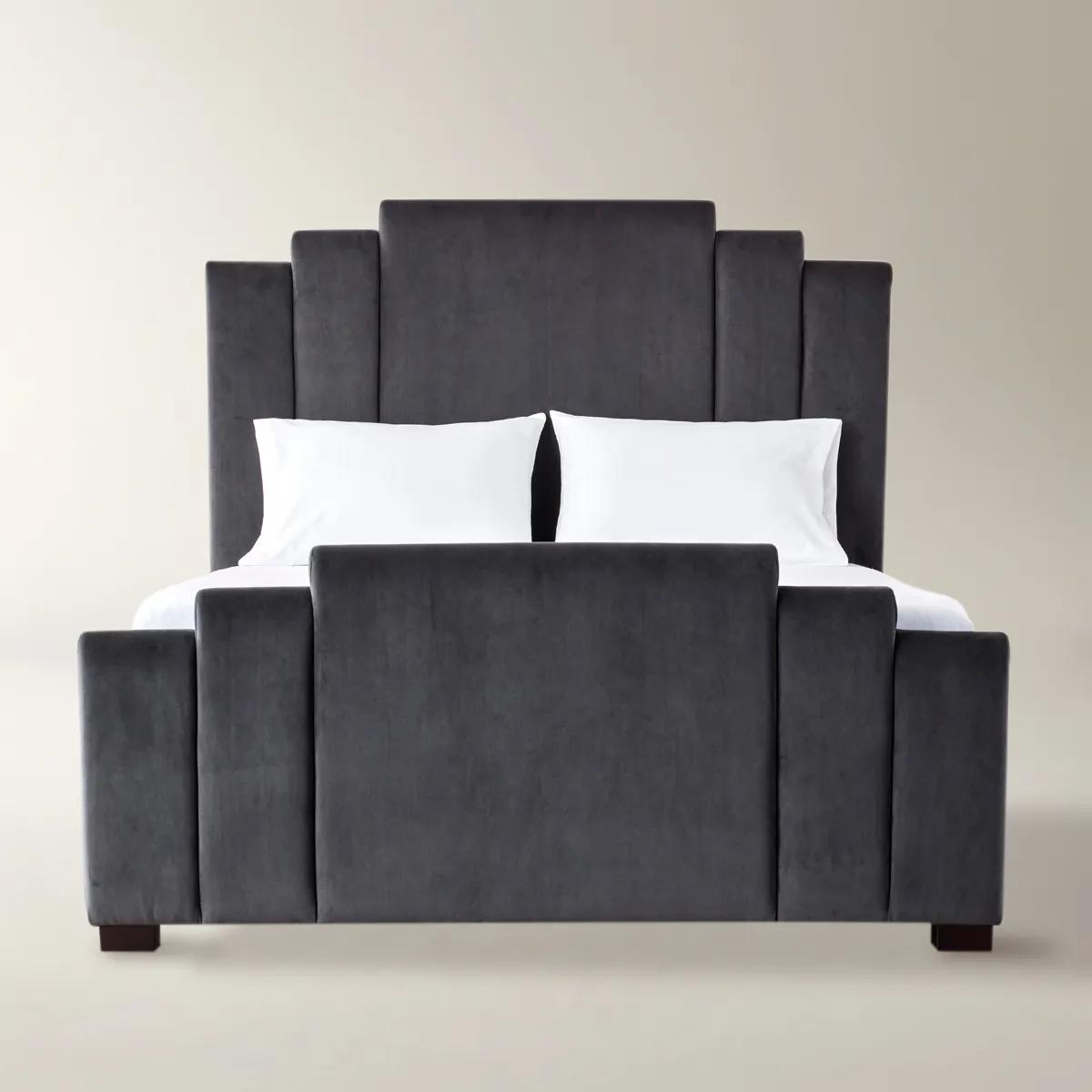 Marlow Bed$2549
A dramatic bed handcrafted from kiln-dried hardwood and plush gunmetal velvet with dimensional channel detailing.
Add To Cart -
.jpg?w=1200&h=1200)
 Tenley Bed$2299
Tenley Bed$2299A modern bed with a kiln-dried hardwood frame and plush, high-density foam headboard in oyster linen.
Add To Cart -
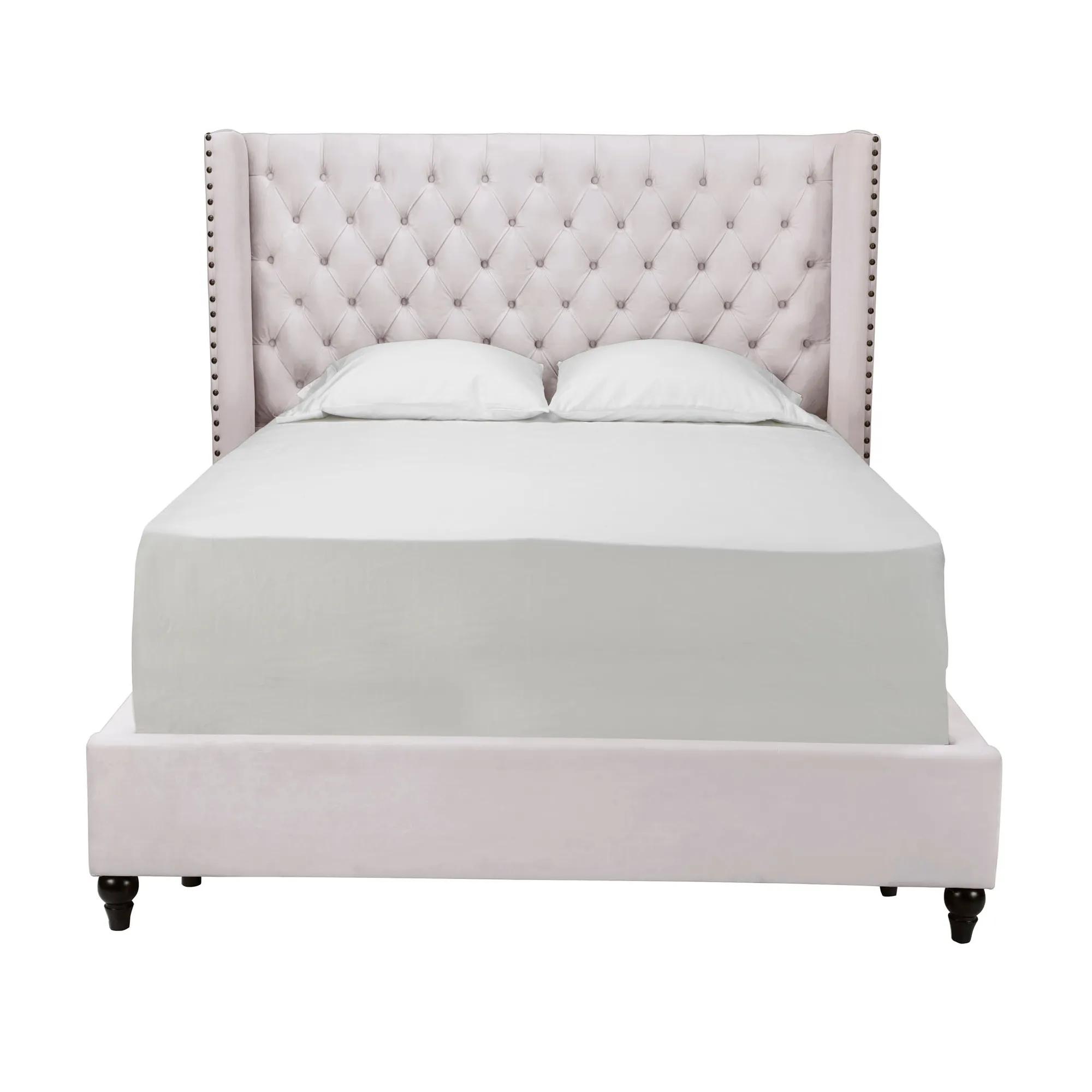
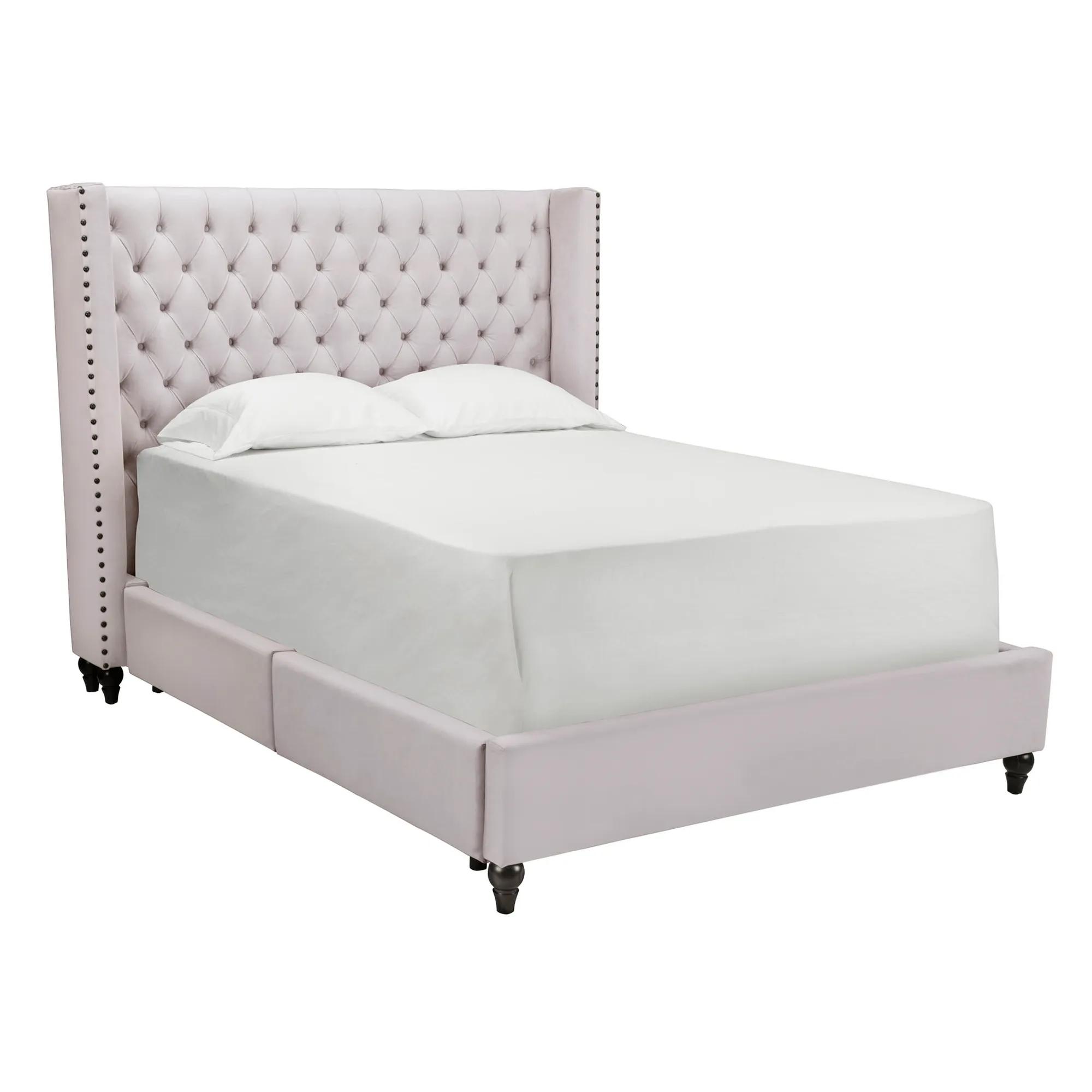 Roberto Storage Bed$3249
A handcrafted velvet-upholstered storage bed featuring diamond tufting, turned legs, and hand-applied antique brass nailheads.
Add To Cart -
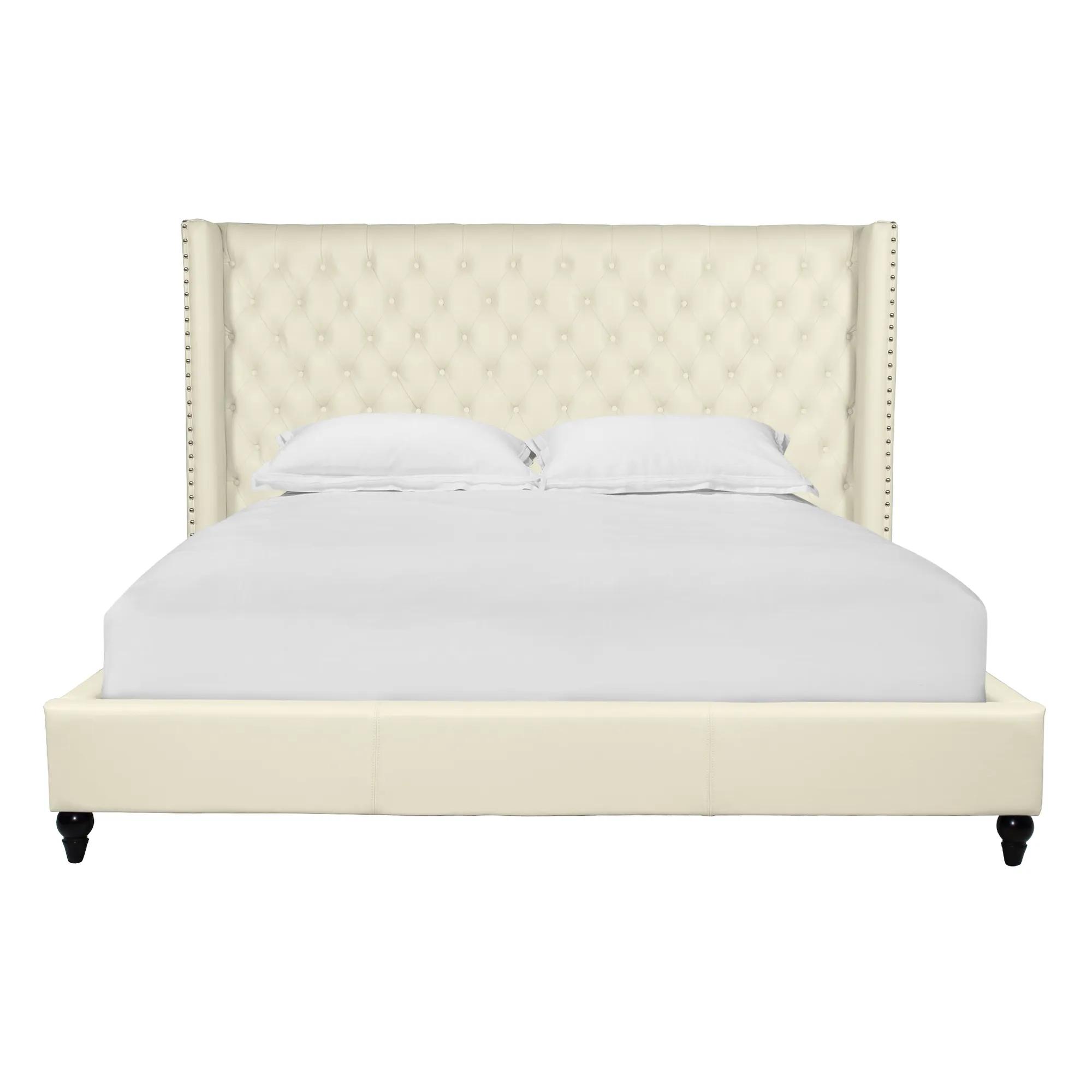
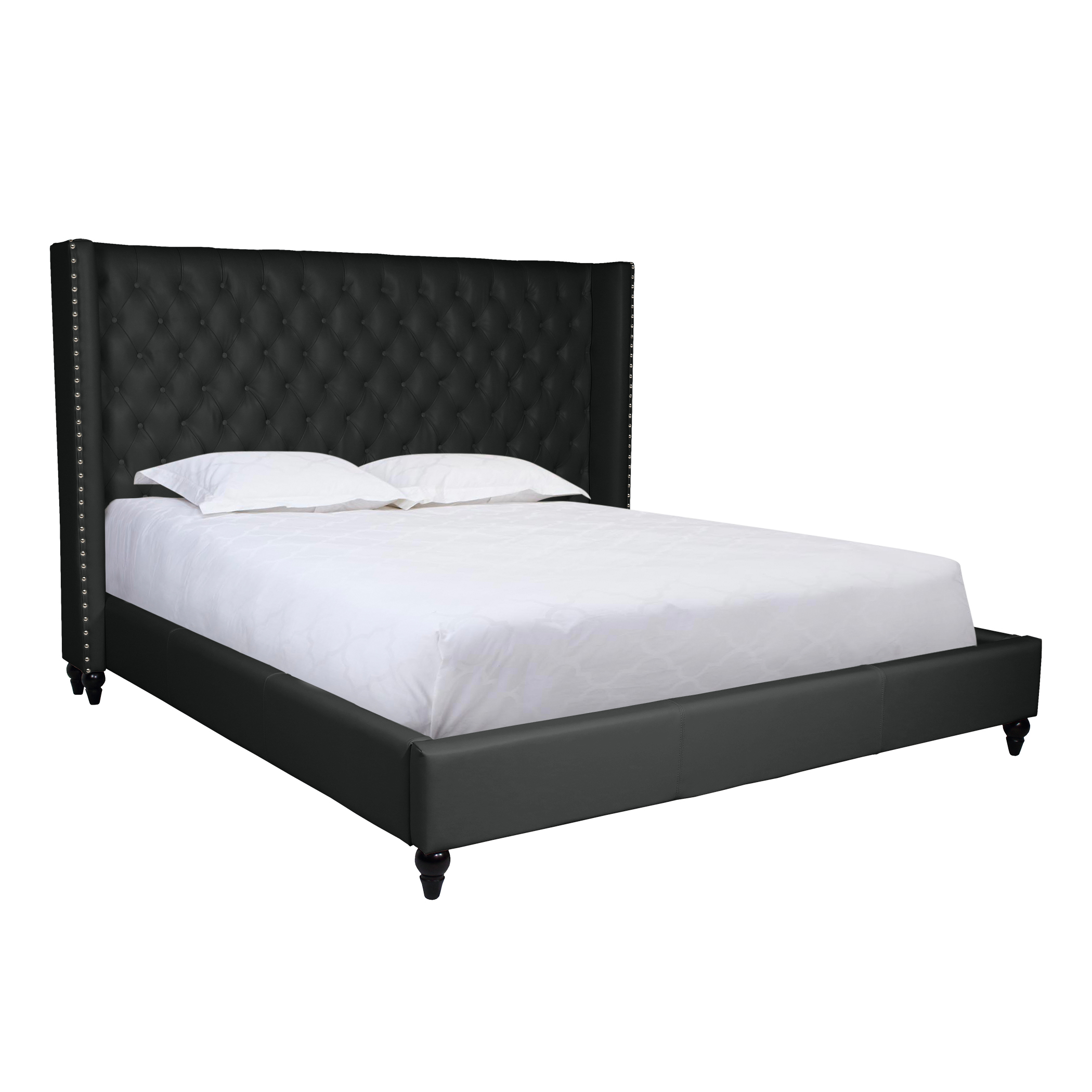 Roberto Leather Bed$3449
A stately bed featuring diamond tufting, top grain leather upholstery, and hand-applied bright nickel nailheads.
Add To Cart -
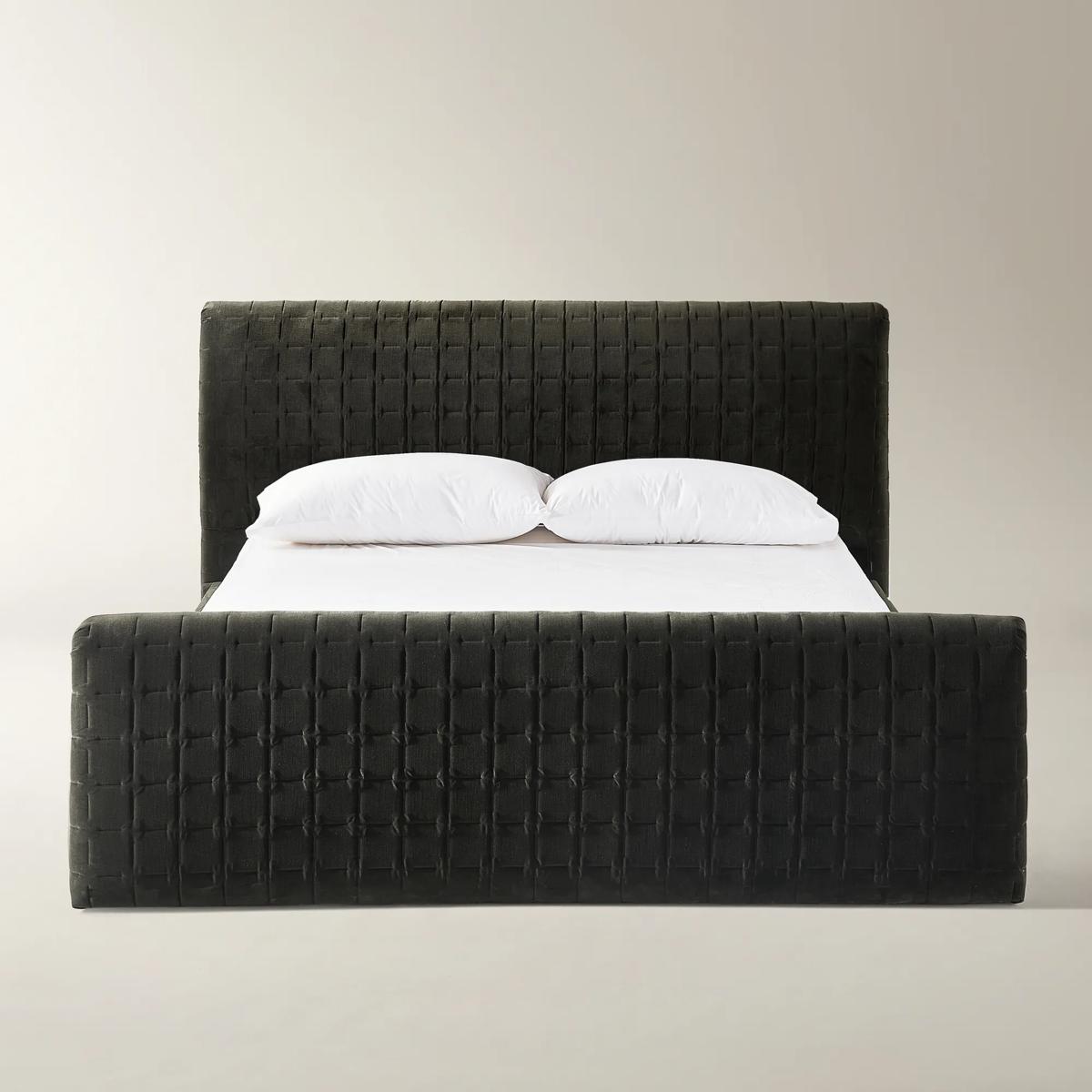 Vanta Charcoal Velvet Upholstered King Platform Bed$2399
A charcoal velvet bed with hand-tufted checker quilting and stainless steel inlays for modern sophistication.
Add To Cart

Interior Design For Bedrooms
Interior Design for Bedrooms is an invitation to transform your most intimate sanctuary into a masterpiece of personal expression. Here, every detail is curated to conjure a mood—sumptuous textures, radiant finishes, and sculptural forms blend in harmony to create a haven that feels both indulgent and inspiring. Whether you crave the allure of dramatic contrasts or the serenity of soft layers, discover how artistry and imagination can turn your bedroom into a scene-stealing retreat where every moment is elevated, every night feels enchanted, and your unique vision takes center stage.
Interior design for bedrooms brings together furniture, lighting, bedding, rugs, and decorative accents to create a space that feels deeply personal and beautifully composed. The bed usually establishes the room’s focal point, with its shape, upholstery, and scale setting the direction for everything around it. A tall, channel-tufted headboard lends architectural drama, while a softly curved silhouette introduces a more enveloping mood. Upholstered surfaces offer a comfortable backdrop for reading; wood brings distinctive grain and visual warmth; metal details can add a crisp, jewelry-like finish. Positioning the bed against a substantial wall, often opposite the entrance when the layout allows, gives that focal point room to register without interrupting access to windows, closets, or adjoining spaces. Proportion matters as much as presence. A generous headboard needs enough surrounding wall space to feel intentional, and a bed frame should be measured by its full exterior dimensions rather than mattress size alone. In compact bedrooms, slender bedside tables and furniture with visible legs can preserve a sense of openness without sacrificing character. In larger rooms, substantial nightstands, a broad dresser, or an upholstered bench can balance the bed’s visual weight. Allowing at least 24 inches of clear passage around the bed where feasible, and preferably more along frequently used routes, helps a glamorous room remain comfortable to navigate. Drawers and doors need their own opening clearance, especially where a dresser faces the foot of the bed. A bedside surface close to the height of the mattress makes a reading lamp, water glass, or book easier to reach. For a cohesive foundation, Furniture for Designer Bedrooms connects the room’s larger silhouettes with the daily rituals they support. Coordinated proportions create continuity, but every finish need not match: a restrained mix of upholstery, wood, and luminous accents often feels more collected than a room built around identical surfaces.
Color and texture give bedroom furnishings their emotional range. Soft ivory, warm gray, taupe, and muted beige provide a versatile background, allowing sculptural shapes and rich fabrics to command attention without overwhelming the room. Those quieter tones can still feel richly expressive: ivory bedding against a textured headboard, a smoky mirror above a dresser, and a deep charcoal accent create contrast through depth rather than an abundance of color. Jewel tones bring a different kind of intimacy, especially when concentrated in velvet pillows, an upholstered seat, or a sweeping piece of artwork. Bedding is both a visual centerpiece and a surface used every day, so its fiber content, weave, feel, and care requirements deserve equal attention. Cotton offers a broad range of textures, from crisp percale to smoother sateen, while linen has a relaxed surface that softens with use. Velvet adds plushness and a subtle change in tone as light moves across its pile. A layered bed feels most considered when each element has a purpose: sheets for next-to-skin comfort, a coverlet or duvet for the desired weight, and a few decorative pillows that can be set aside easily at bedtime. Confirm mattress depth when selecting fitted bedding, and consider the finished drop of a coverlet on a taller bed frame. Beneath the furniture, an area rug anchors the composition and gives bare feet a softer landing. An 8-by-10-foot rug is a common starting point for a queen bed, while a 9-by-12-foot rug often works with a king; room dimensions, bed-frame width, and placement determine the best fit. Ideally, the rug extends beyond both sides and the foot rather than disappearing beneath the mattress. Wool offers resilience and rich texture, while synthetic fibers may provide practical stain resistance depending on their construction. A suitable rug pad helps limit shifting and protect compatible flooring. For a bedroom shared with pets or children, low-pile rugs and textiles with clear cleaning instructions can make an expressive scheme easier to maintain.
Lighting and finishing details turn a furnished bedroom into a setting with atmosphere. Layered bedroom lighting combines ambient illumination with focused task light and softer decorative accents, so the room does not depend on a single bright overhead fixture. A ceiling light establishes the overall glow; bedside lamps or wall sconces bring illumination closer to a book; dimmable fixtures allow a gentler effect when compatible bulbs and controls are used. Lamp height and shade shape matter beside the bed: the light should reach the reading area without leaving an exposed bulb directly in the seated line of sight. Reflective finishes can amplify that glow, but mirror placement deserves consideration so it does not bounce a harsh light source toward the pillows. Floor-length curtains give windows a tailored frame, and blackout-lined panels can help reduce unwanted exterior light when fitted to cover the opening with adequate overlap. Keeping fabric clear of vents and following fixture clearance requirements preserves function behind the polished effect. Decorative objects feel more distinctive when given breathing room: a sculptural vase, a framed photograph, or a shallow tray can establish a bedside vignette while leaving space for essentials. Artwork above a headboard should relate to its width and be securely mounted, with enough separation to avoid a crowded arrangement. Storage also contributes to the room’s composure. Drawers contain small necessities, while a bench or accent chair offers a place to pause, dress, or set down a folded throw without covering the bed. These furnishings suit primary suites, guest bedrooms, and personal retreats, with washable bedding and accessible bedside lighting especially useful for overnight visitors. Decorative pillows, throws, and picture frames can also make thoughtful housewarming gifts when chosen around the recipient’s palette and care preferences. Long-term beauty rests on appropriate maintenance: blot spills promptly, use cleaners approved for the material, protect wood from moisture, and follow upholstery care labels rather than assuming every fabric tolerates water. Secure dressers and other applicable furniture according to manufacturer instructions. With those practical details resolved, expressive bedroom decor has the freedom to feel sumptuous, assured, and entirely personal.
FAQs
To achieve a cohesive bedroom aesthetic, start by selecting a central statement piece—such as a dramatic bed frame or an artful dresser—and build around it with complementary textures and finishes. Use a unifying color palette and layer in accents like sculptural mirrors, luxe bedding, and coordinated nightstands to create a harmonious, designer-inspired retreat.
Incorporate opulent materials like velvet, mirrored glass, and metallic accents to instantly elevate your bedroom’s ambiance. Consider plush area rugs, crystal lighting, and bold artwork to infuse the space with drama and sophistication. Thoughtful details—such as tufted upholstery and hand-finished surfaces—bring an unmistakable sense of luxury to any bedroom.
Absolutely. Z Gallerie bedroom furniture offers versatile pieces that work beautifully in both master suites and guest rooms. For guest spaces, focus on comfort and welcoming touches—like a chic accent chair, layered bedding, and elegant storage solutions—to make visitors feel pampered and inspired.
Strategically placed lighting can transform the atmosphere of your bedroom. Opt for statement chandeliers or pendant lights to create a focal point, and pair them with bedside lamps or sconces for ambient, layered illumination. Dimmable options allow you to tailor the mood—from invigorating morning light to a soft, golden evening glow.
Accessorize with intention by selecting pieces that reflect your personality and elevate the room’s artistry. Consider decorative trays, bold vases, and curated artwork to add character. Layering sumptuous throws and pillows, along with displaying personal mementos or books, brings warmth and individuality to your designer bedroom.