Indoor Marble Coffee Tables
Indoor Marble Coffee Tables
-
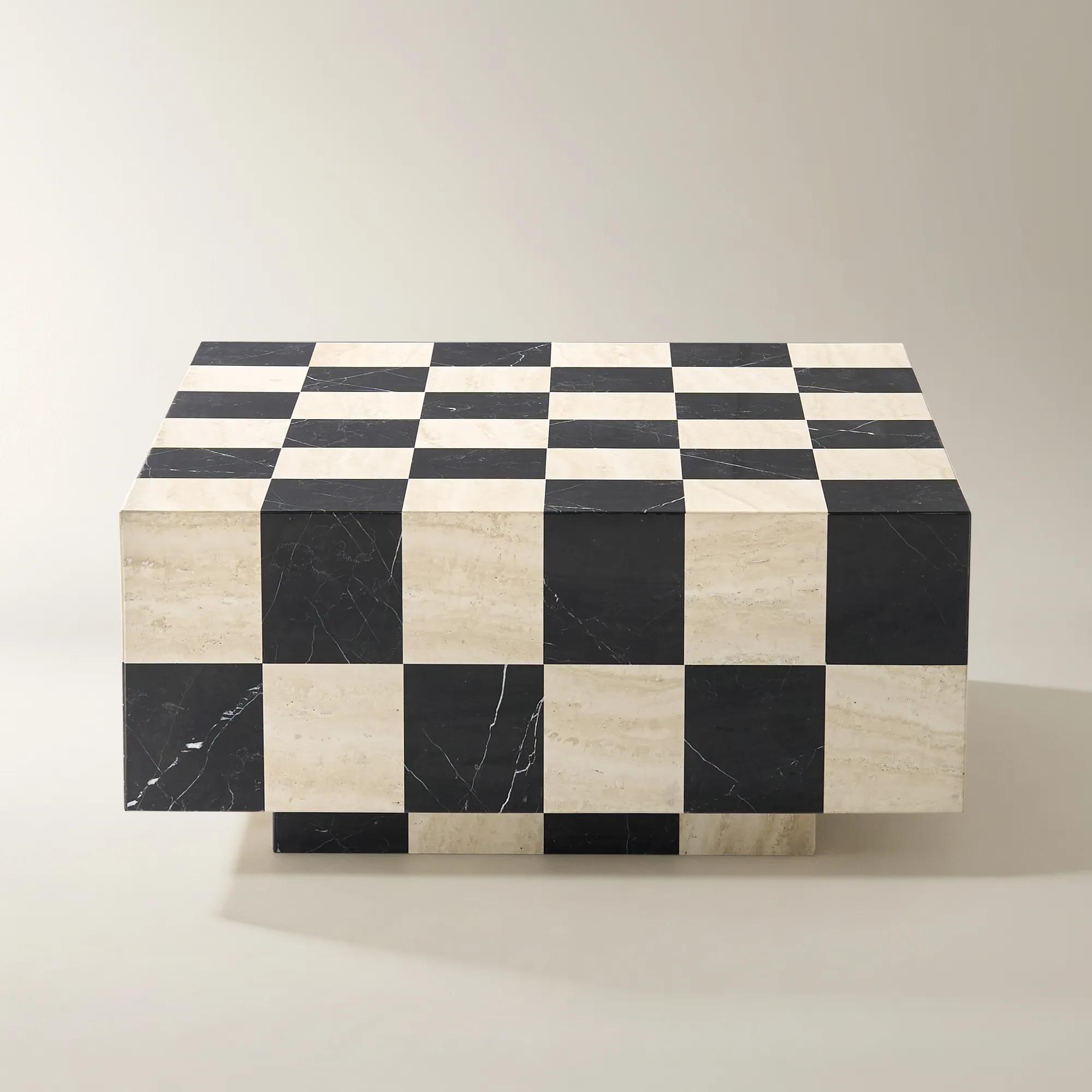
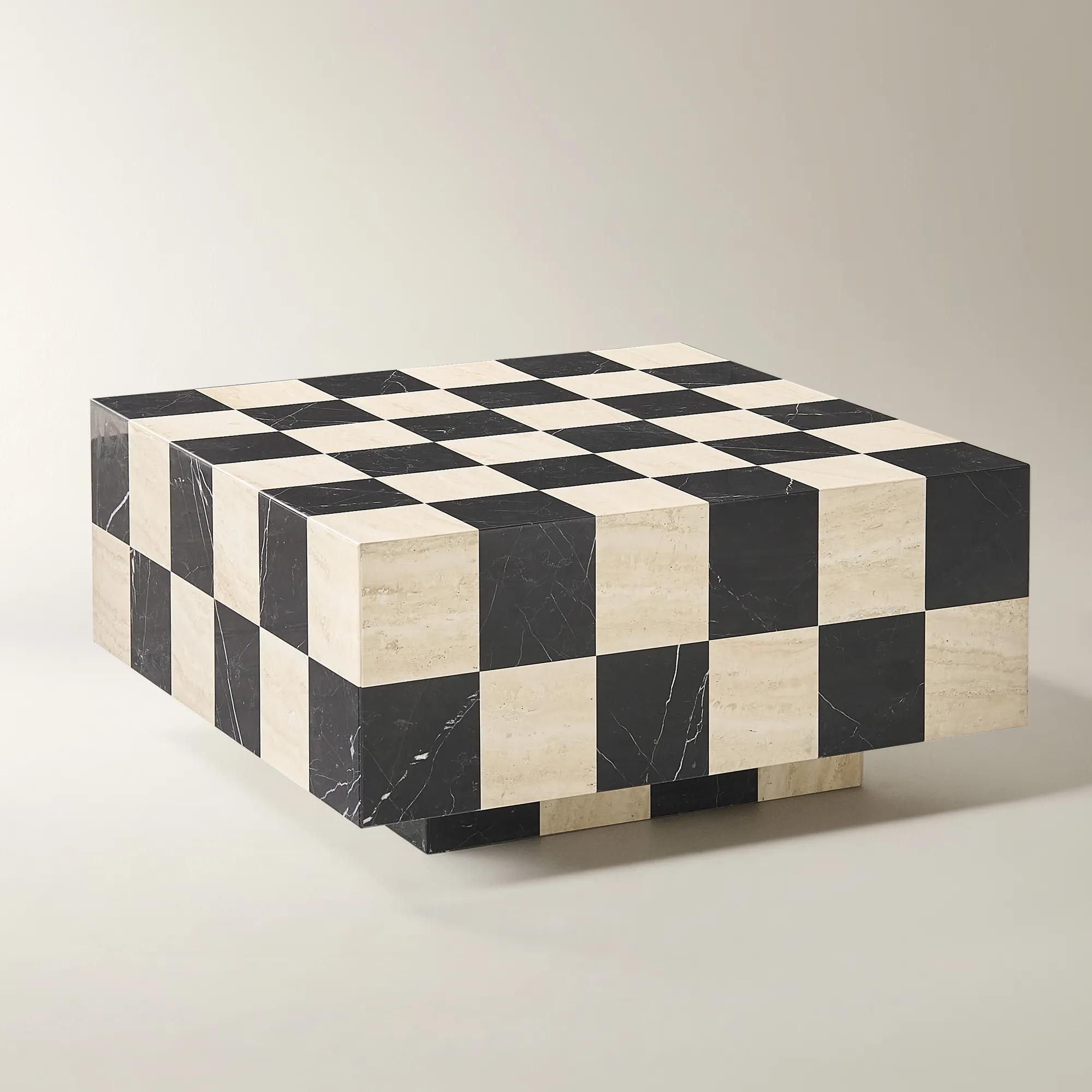 Chessa Square Chequered Marble Coffee Table (31.9")$1699
A striking coffee table featuring a dimensional black marble and travertine checkerboard mosaic with polished finish.
Add To Cart -
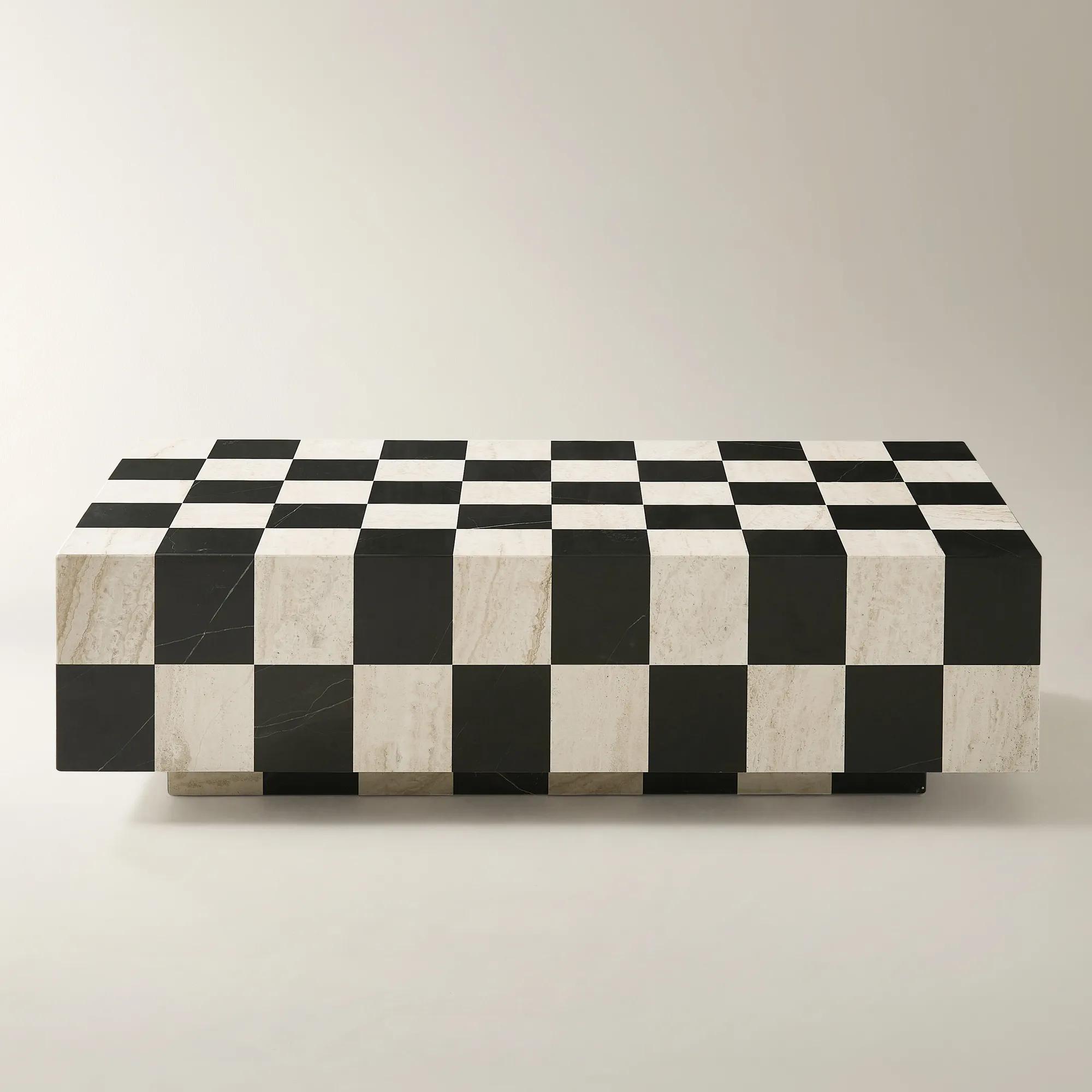 Chessa Rectangular Chequered Marble Coffee Table (53.1")$2399
A sculptural coffee table featuring polished black marble and travertine checkerboard mosaic with a monolithic silhouette.
Add To Cart -
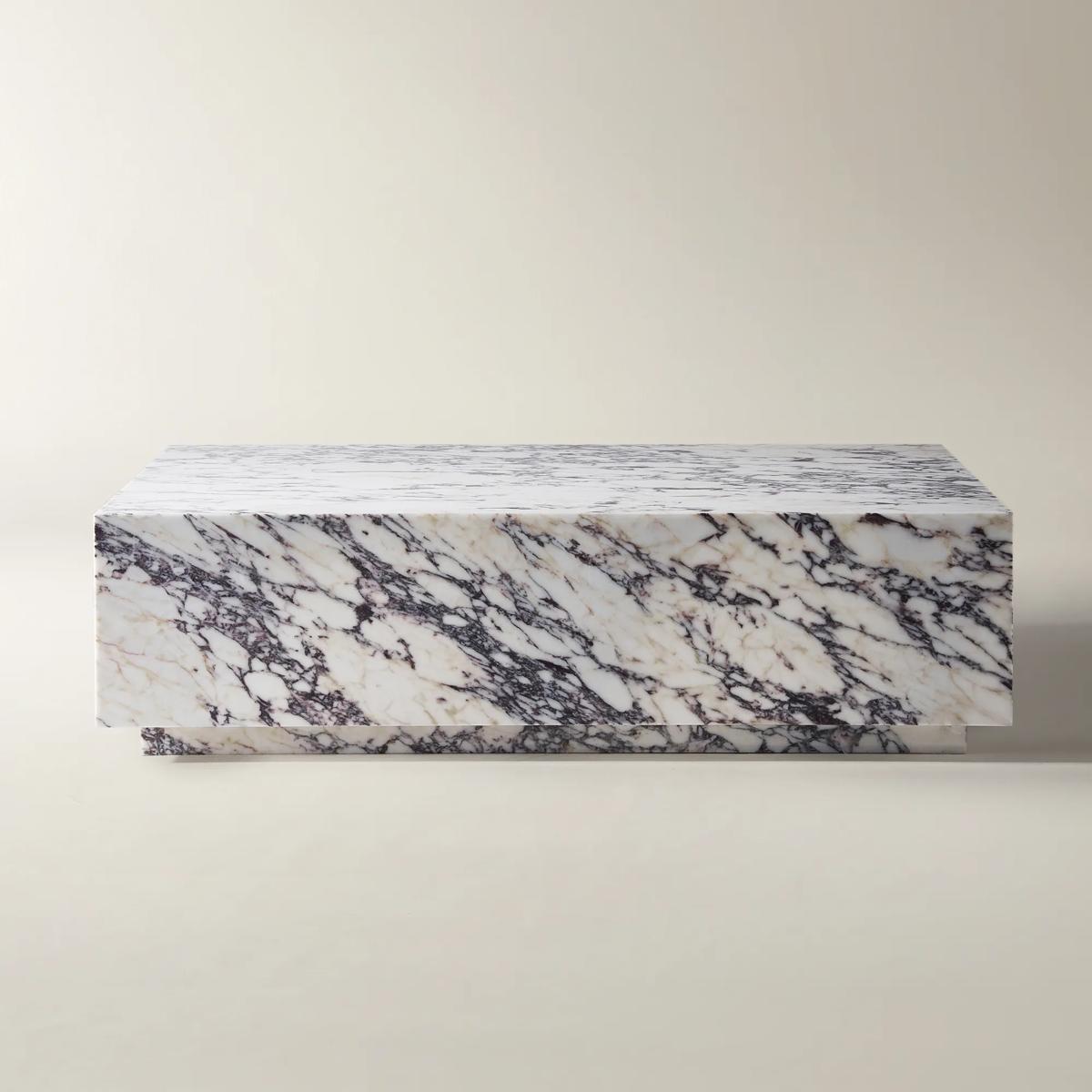
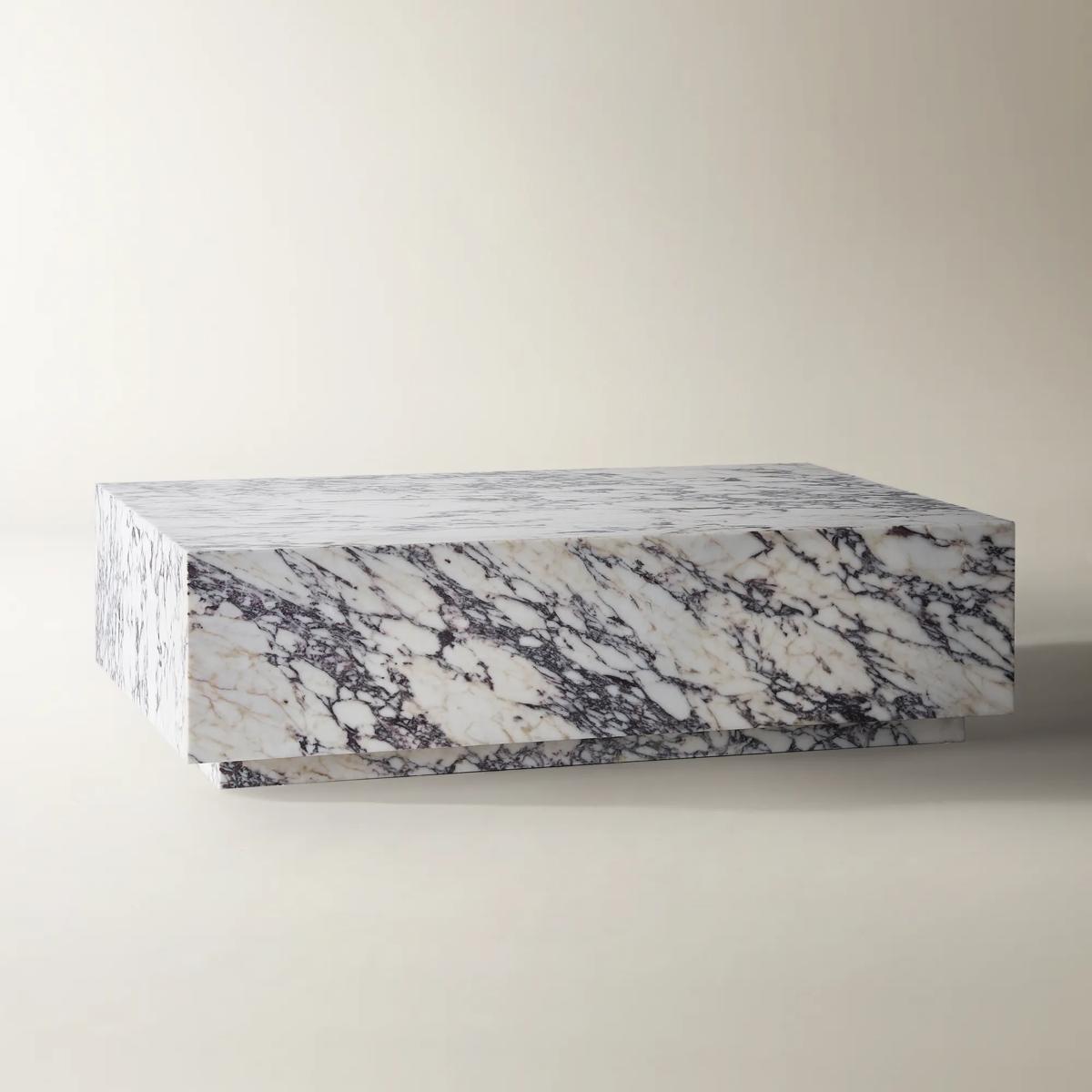 Vanta Rectangular Viola Calacatta Marble Coffee Table (54")$3699
A sculptural coffee table in Calacatta Viola marble, featuring an aluminum core and recessed plinth base.
Add To Cart -
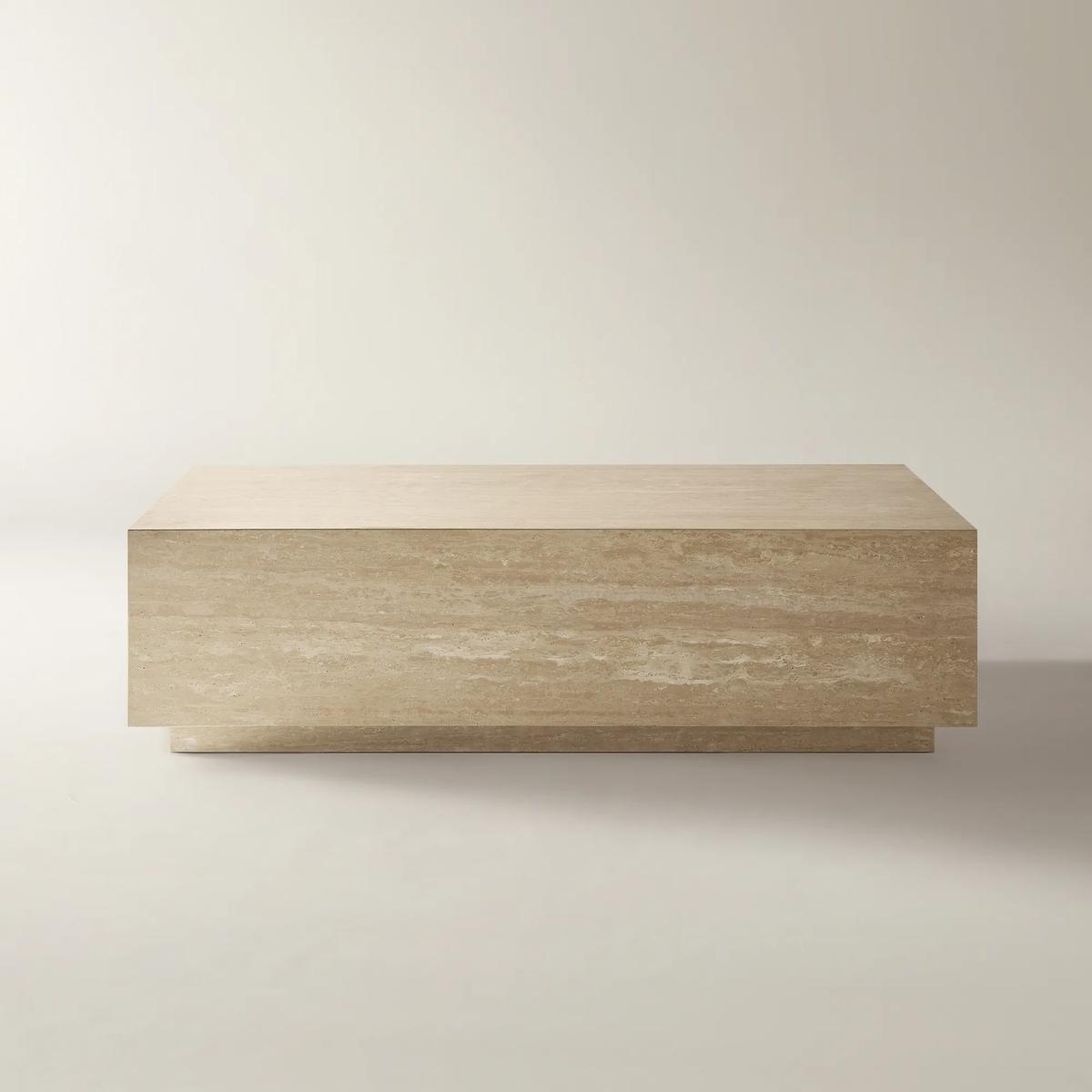
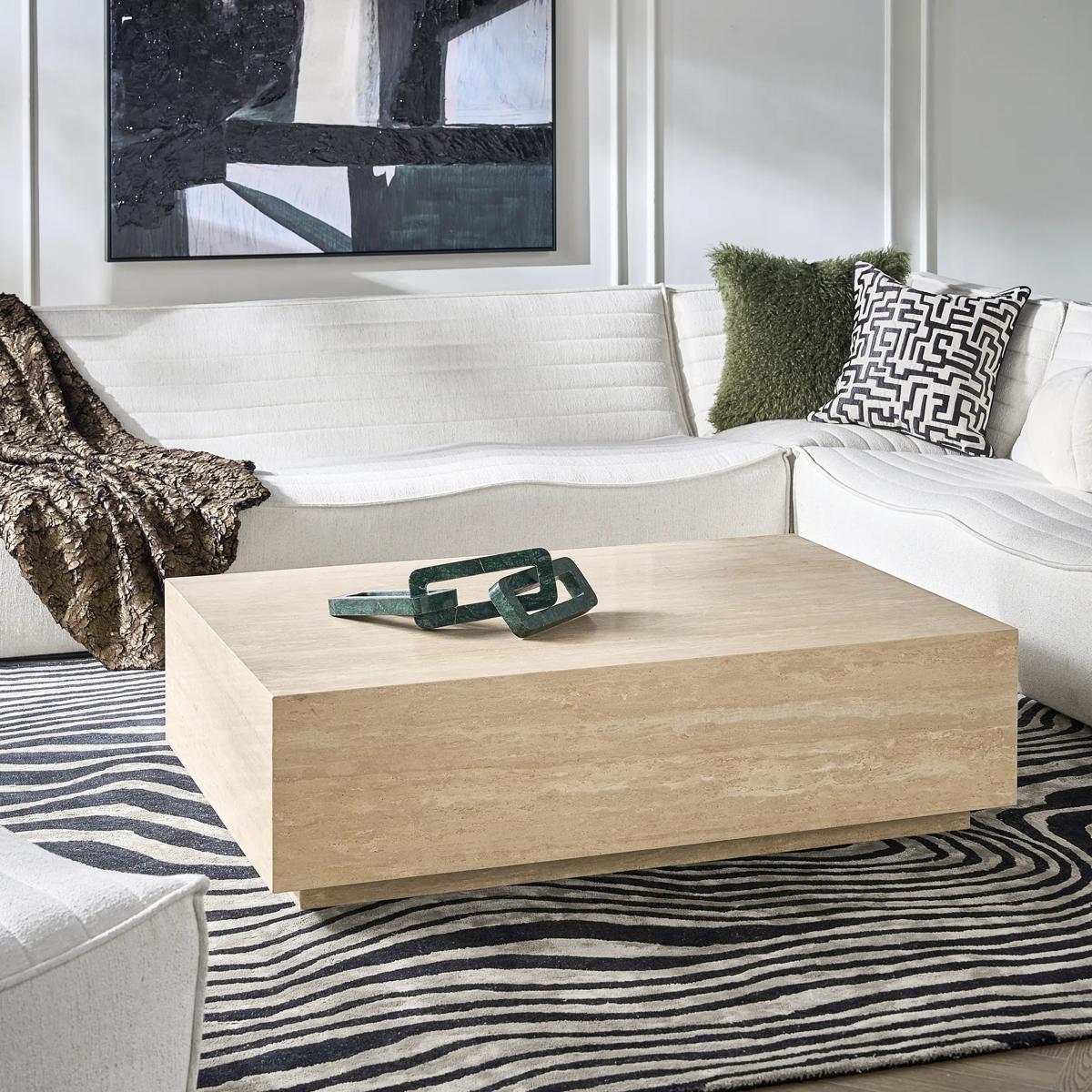 Vanta Rectangular Travertine Coffee Table (54")$2599
A sculptural travertine coffee table with an aluminum honeycomb core and recessed plinth base.
Add To Cart -

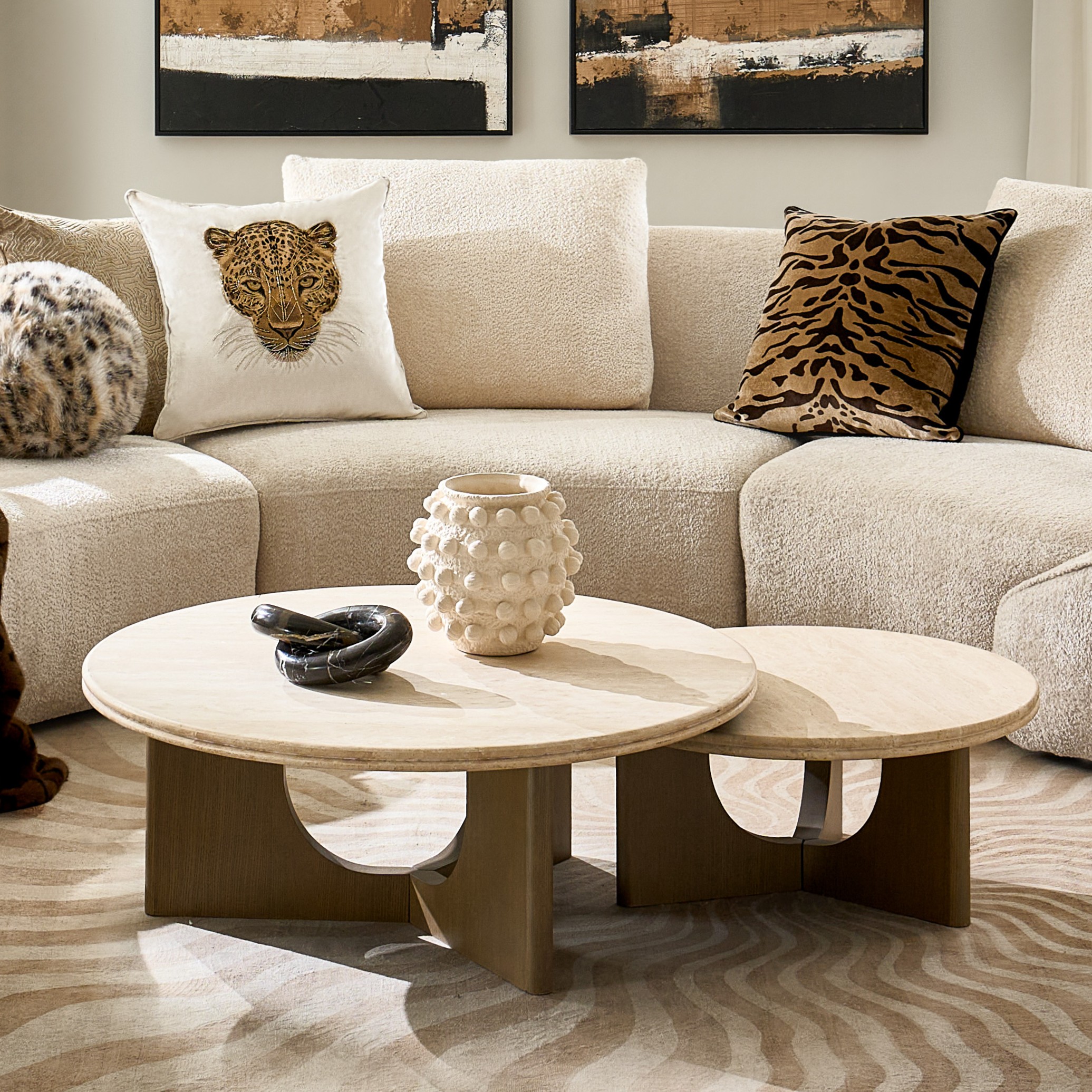 Bond Round Travertine and Wood Coffee Table (29.25")$699
A genuine travertine stone coffee table with warm ivory-gold tones atop a solid natural ash base.
Add To Cart -
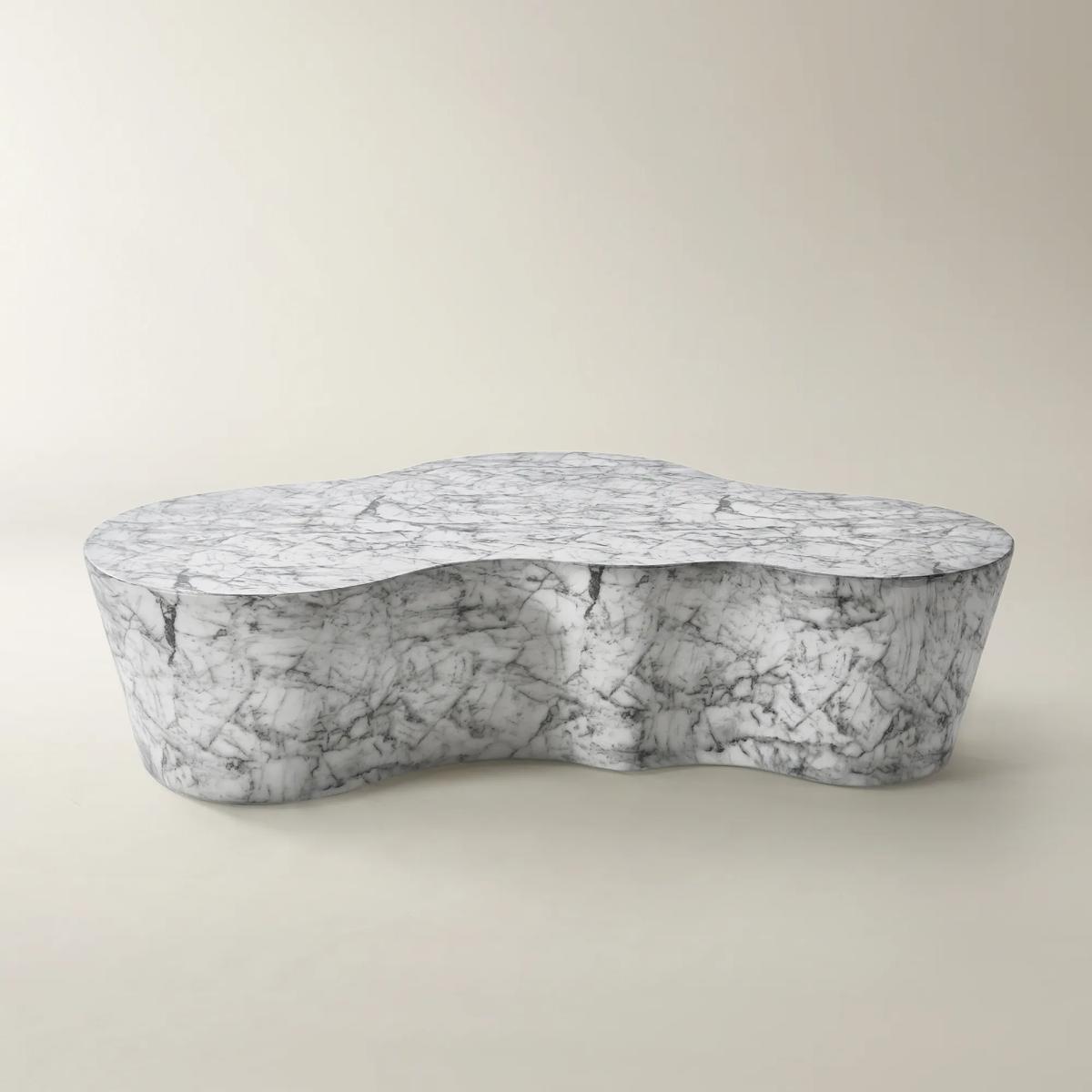
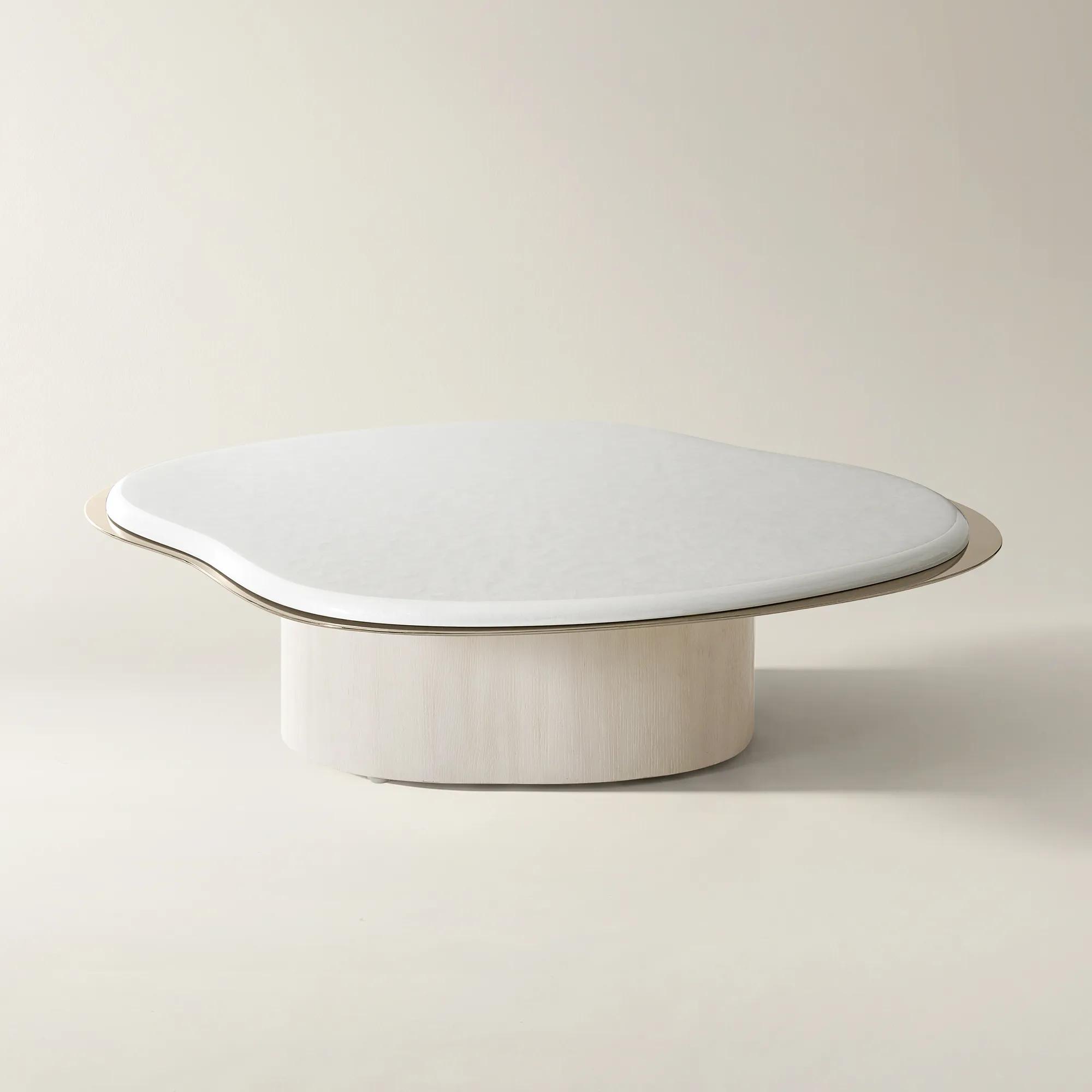
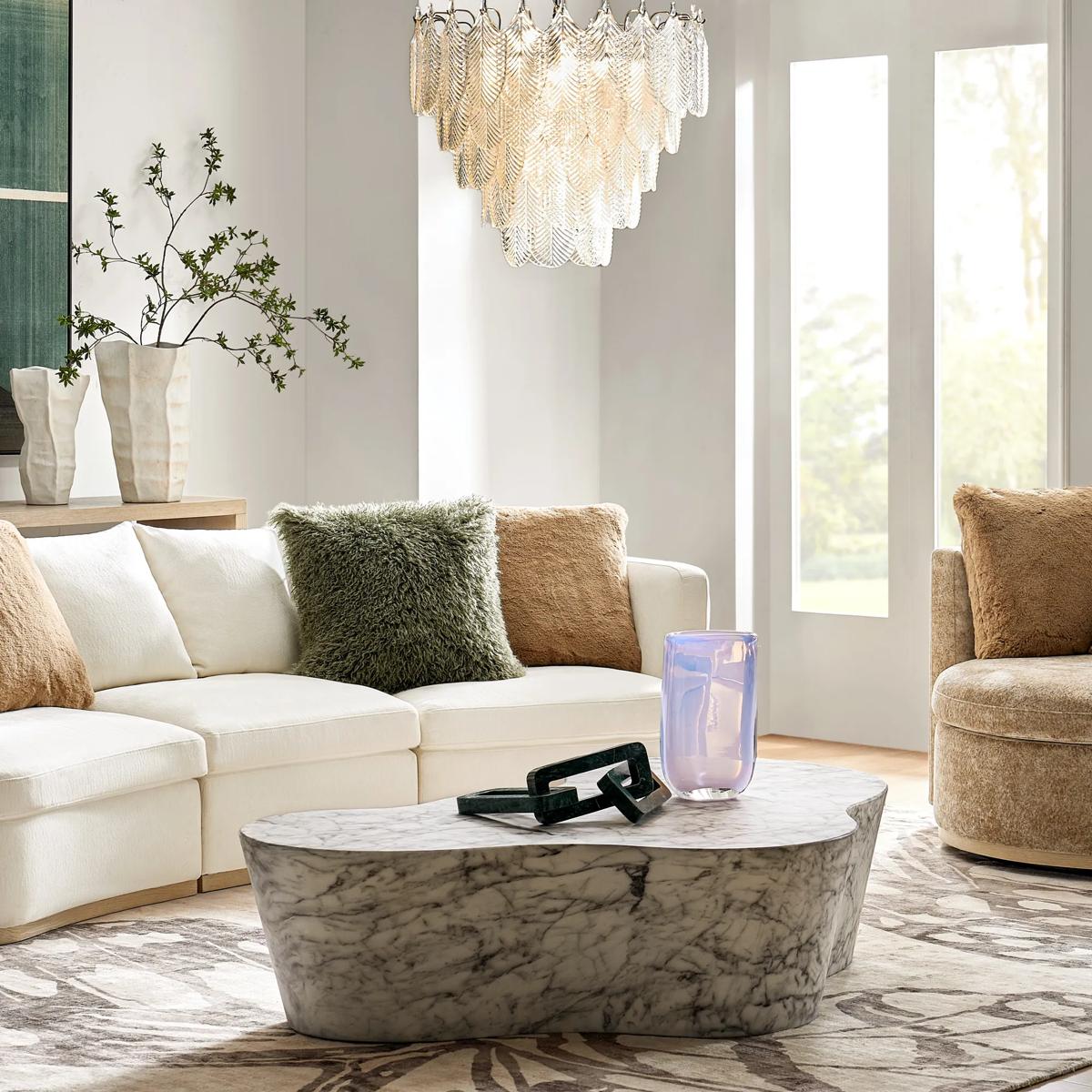 Petra White Concrete Indoor/Outdoor Coffee Table (59.4")$1099
A sculptural white concrete coffee table with cloud-like contours and marble-look veining, suitable indoors or outdoors.
Add To Cart -
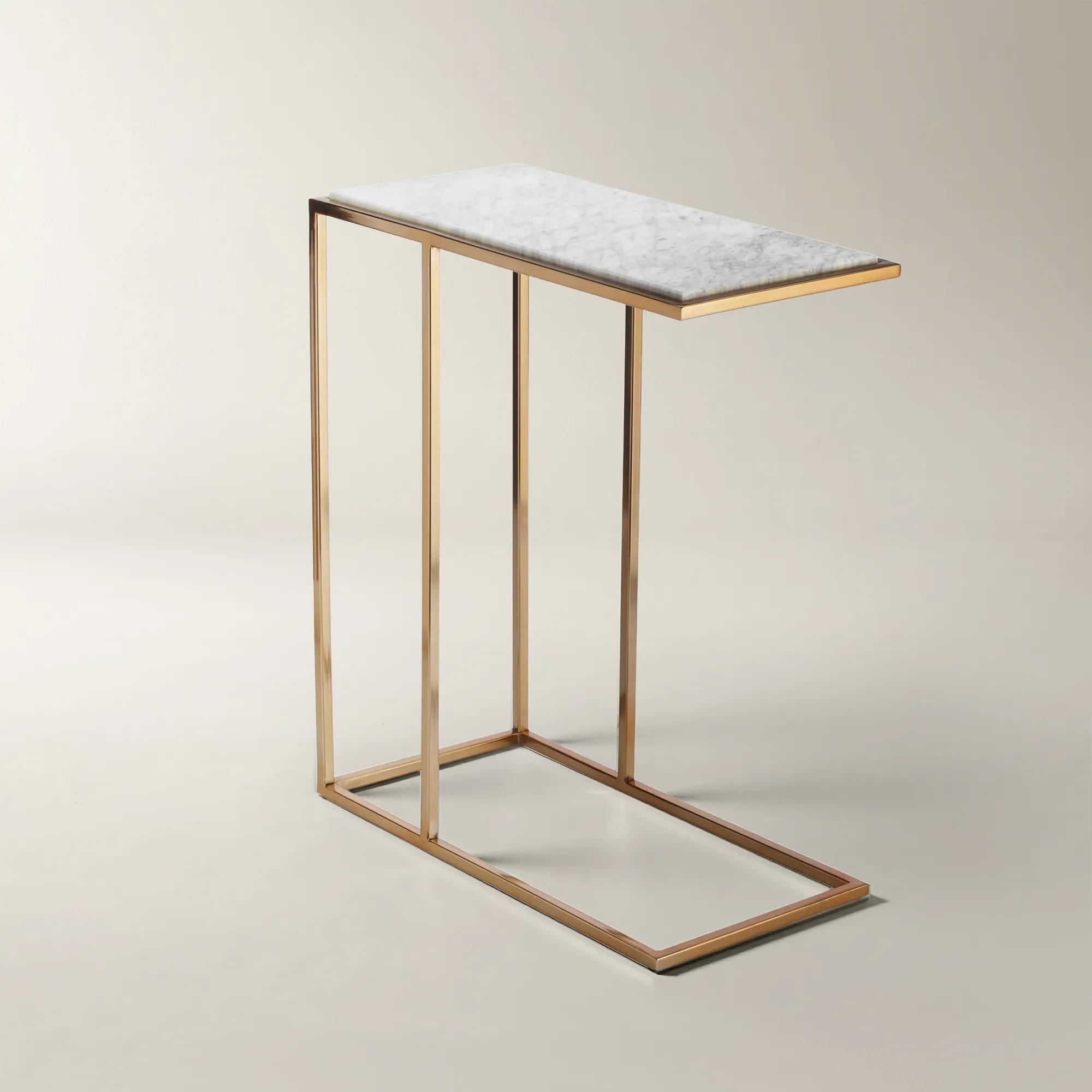
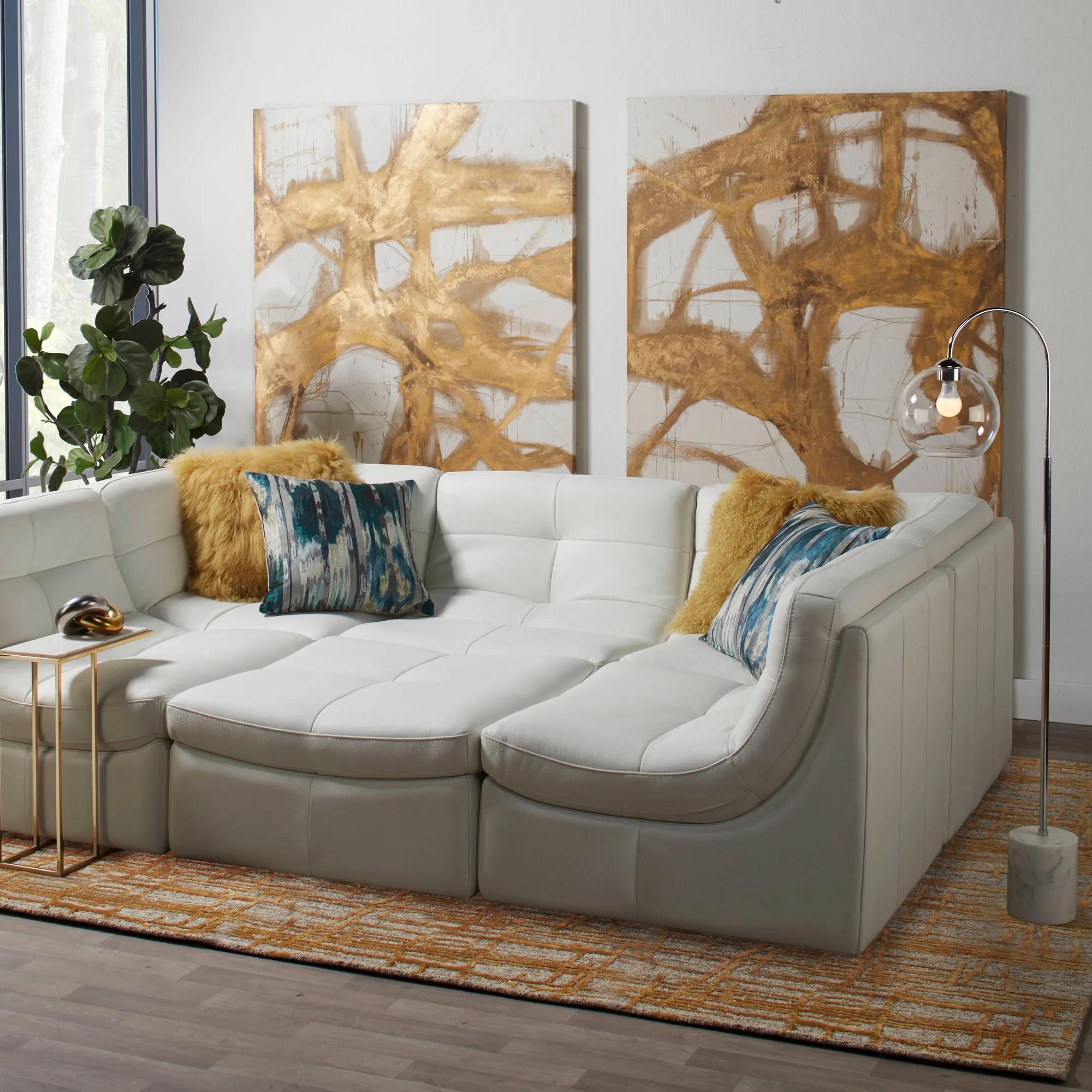 Lawton Rectangular Gold Stainless steel Accent Table With Marble Top (19.75")$259
A space-saving table featuring a white marble top and gold-finished stainless steel base.
Add To Cart -
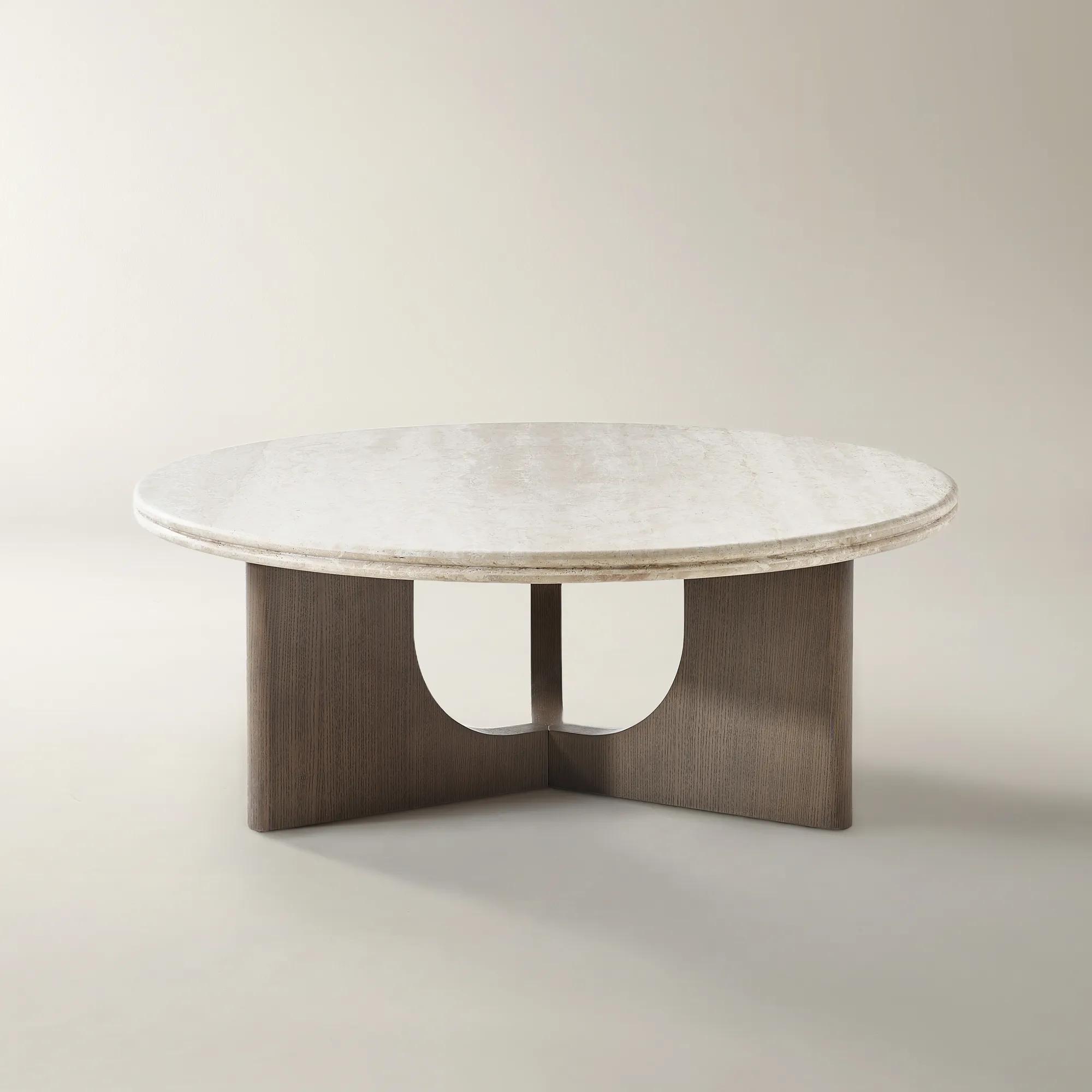 Bond Round Travertine and Wood Coffee Table (41")$1399
A round coffee table featuring a genuine travertine stone top and natural ash wood panel base with arches.
Add To Cart -
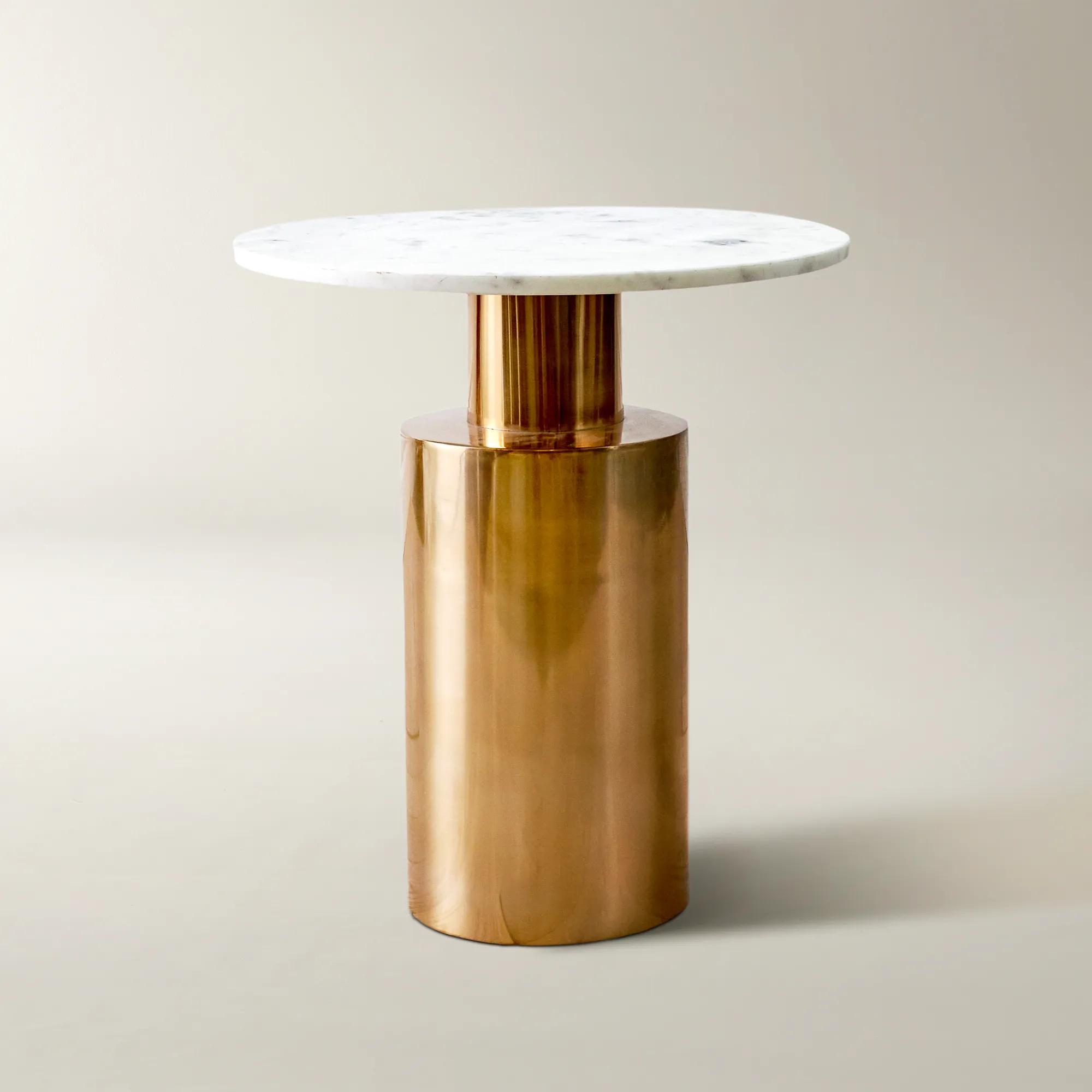 Capri Round White Marble Accent Table (16")$299
A striking accent table featuring a white marble top and gold-finished stainless steel base.
Add To Cart -
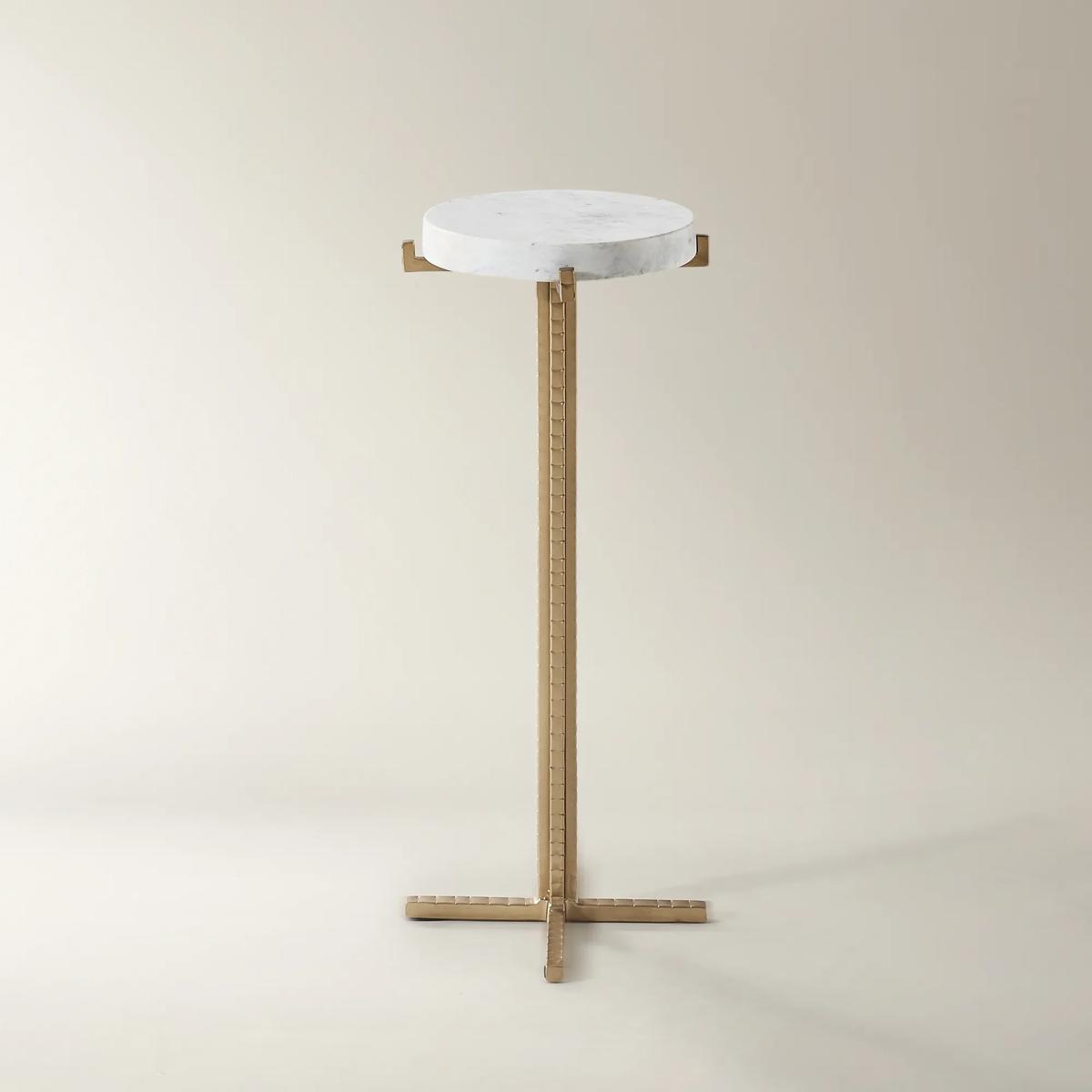 Anya Round White Marble Side Table (10")$199
A sculptural side table featuring a genuine white marble top and gold-finished metal pedestal base.
Add To Cart

Indoor Marble Coffee Tables
Indoor Marble Coffee Tables are the epitome of refined drama—each one a sculptural centerpiece that transforms living spaces into galleries of modern elegance. With surfaces that gleam beneath the light and veins that trace stories in stone, these tables invite both conversation and admiration. Whether anchoring a grand salon or elevating an intimate nook, their presence is unmistakable: bold, sophisticated, and endlessly expressive. Let your living room become a stage for artistry and allure with the timeless allure of marble at its heart.
Indoor marble coffee tables bring natural stone, sculptural form, and everyday function to the center of a living room. Defined by their expressive surfaces, they give a seating arrangement a focal point that feels architectural without sacrificing intimacy. Pale marble with delicate gray veining can introduce a luminous contrast beside a deeply upholstered sofa, while darker stone with sweeping mineral patterns creates a more dramatic composition. Each piece of natural marble has its own variations in color and movement, so the surface becomes part of the room’s artistic character rather than a uniform backdrop. Common silhouettes include round, oval, square, and rectangular tables, with bases ranging from slender metal frames to substantial pedestals and geometric supports. A polished finish reflects light and emphasizes the stone’s pattern; a honed finish offers a softer, matte appearance with a quieter play of light. Neither finish makes marble impervious to wear, but each creates a distinct visual mood. Construction matters as much as appearance: a solid marble top, marble veneer over a supporting core, and an engineered marble surface are different materials with different weights and maintenance requirements. Marble-look glass, ceramic, and other printed surfaces can echo the aesthetic, but they should not be confused with natural stone. Material descriptions help establish what the tabletop and base are actually made from, particularly when a design combines multiple components. Metal supports can introduce a gleaming accent, wood can lend warmth, and a stone pedestal can give the entire table a monolithic presence. These contrasts are especially compelling in rooms layered with velvet, textured upholstery, reflective accessories, or richly patterned rugs. The beauty lies in the balance: marble has enough visual distinction to anchor a bold interior, yet its organic markings also work within a restrained palette. For interiors that celebrate expressive materials, an indoor marble coffee table offers a functional surface with the presence of a collected object.
Proportion determines how gracefully that presence fits into daily life. A coffee table generally looks balanced when its length is approximately one-half to two-thirds the length of the sofa, although sectional layouts and unusually deep seating may call for a different relationship. A tabletop near the height of the seat cushions, or about one to two inches lower, usually keeps drinks and reading material comfortably within reach. Around 14 to 18 inches between the table and seating is a common starting point, with additional space where people regularly pass through. These measurements are useful reference points rather than rigid rules; the room’s circulation and the scale of its furniture remain essential. A generous rectangular surface can suit a long sofa and provide room for a tray, a stack of art books, and refreshments during conversation. A round or oval marble coffee table softens an arrangement with strong angles and can make movement around a compact seating group feel less constrained. Curved edges also eliminate sharp corners, though any heavy stone furniture still requires consideration in homes with young children. Square forms can create a confident center within a broad sectional arrangement, while an open base preserves sightlines and reveals more of a decorative rug. Pedestal designs emphasize volume and can establish a more substantial visual anchor. The base deserves attention beyond its silhouette: its footprint affects legroom, access from adjacent chairs, and how easily someone can reach the tabletop. In smaller rooms, a lighter visual profile can keep the composition from feeling crowded without reducing the material’s impact. In larger spaces, a more substantial table can hold its own beside oversized upholstery. Intended use matters, too. A surface primarily styled with objects has different demands from one used for frequent entertaining, children’s activities, or casual meals. The most satisfying proportions leave space for both beautiful arrangements and the ordinary gestures that make a living room inviting.
Marble’s lasting appeal comes with a need for thoughtful care. Natural marble is a porous, calcium-based stone that can absorb spills and react to acidic substances, including citrus juice, wine, and vinegar. Staining and etching are different concerns: a stain changes the stone’s color, while etching alters the surface finish and may appear as a dull mark. A penetrating sealer can help reduce absorption when appropriate for the material, but it does not make marble stainproof or prevent acid etching. Sealing needs vary by stone, finish, and use, so the manufacturer’s care instructions should determine both the product and schedule. For everyday upkeep, a soft cloth and a cleaner specifically approved for marble help preserve the surface without unnecessary abrasion. Spills are best blotted promptly rather than spread across the stone, and coasters, trays, and protective pads create a discreet buffer beneath drinks and decorative objects. Hot serving pieces belong on suitable trivets, not directly on the tabletop. Abrasive powders, acidic household cleaners, and harsh chemicals can compromise the finish; even a familiar all-purpose spray may be unsuitable. Marble is substantial and durable in ordinary use, but edges can chip and stone can crack under impact or concentrated weight. A coffee table is not intended to serve as a seat or step, and its weight makes careful placement especially important. Protective feet suited to the flooring can help prevent scratches, while moving should follow the maker’s instructions rather than involve dragging the table by its top. With that practical foundation in place, the surrounding composition can remain expressive. A few objects at varied heights let the veining stay visible instead of concealing it beneath accessories. In an open-plan home, indoor marble dining tables can extend the material story into an adjoining space without requiring identical shapes or finishes. Repeating a metal accent, a stone undertone, or a curved silhouette creates continuity with room for individuality. The result is a living area grounded in natural artistry, where a hardworking centerpiece also brings depth, polish, and unmistakable character.
FAQs
Marble coffee tables bring an unmistakable sense of luxury and artistry to any room. Each piece showcases unique veining and natural patterns, ensuring no two tables are ever alike. The cool, polished surface reflects light beautifully, making it a focal point that elevates both modern and classic interiors. Marble’s timeless elegance and tactile appeal create an inviting, gallery-like atmosphere in your living space.
Marble’s versatility makes it a perfect canvas for seasonal styling. In winter, pair it with metallic trays, velvet accents, and candles to evoke warmth and coziness. Spring invites vibrant blooms in sculptural vases, while summer calls for breezy linens and coastal-inspired accessories. In autumn, layer with richly textured throws and harvest-inspired décor. Marble’s neutral palette allows your creativity to shine year-round.
Absolutely. A marble coffee table is a thoughtful and memorable gift for milestones like weddings, anniversaries, or housewarmings. Its enduring beauty and craftsmanship make it a cherished addition to any home, symbolizing both sophistication and lasting value. Gifting marble is a gesture that celebrates artistry and the recipient’s unique sense of style.
Marble coffee tables are chameleons of interior design, seamlessly adapting to a variety of aesthetics. In a minimalist setting, their clean lines and subtle veining provide understated elegance. For maximalist or glam spaces, marble pairs beautifully with bold colors, metallic finishes, and plush textiles. Whether your style is contemporary, traditional, or eclectic, marble brings a sense of cohesion and refinement.
A marble coffee table is a versatile stage for self-expression. Use it to display art books, curated collections, or treasured keepsakes. It can anchor a dramatic floral arrangement or serve as a platform for sculptural decor. Some even use marble tables as impromptu workspaces or as a chic spot for afternoon tea, transforming everyday routines into moments of indulgence.