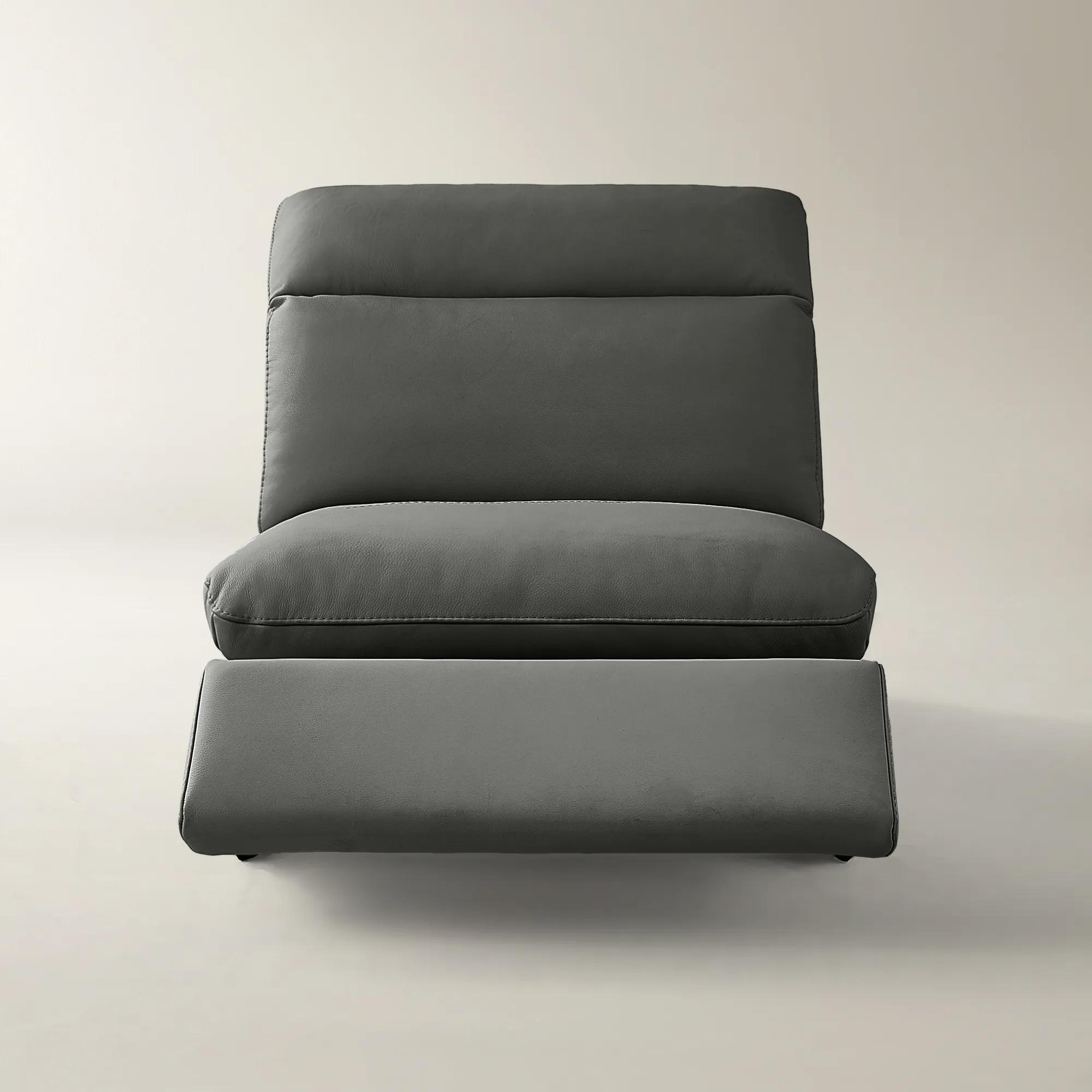
High Quality Chenille Sofas
High Quality Chenille Sofas
-
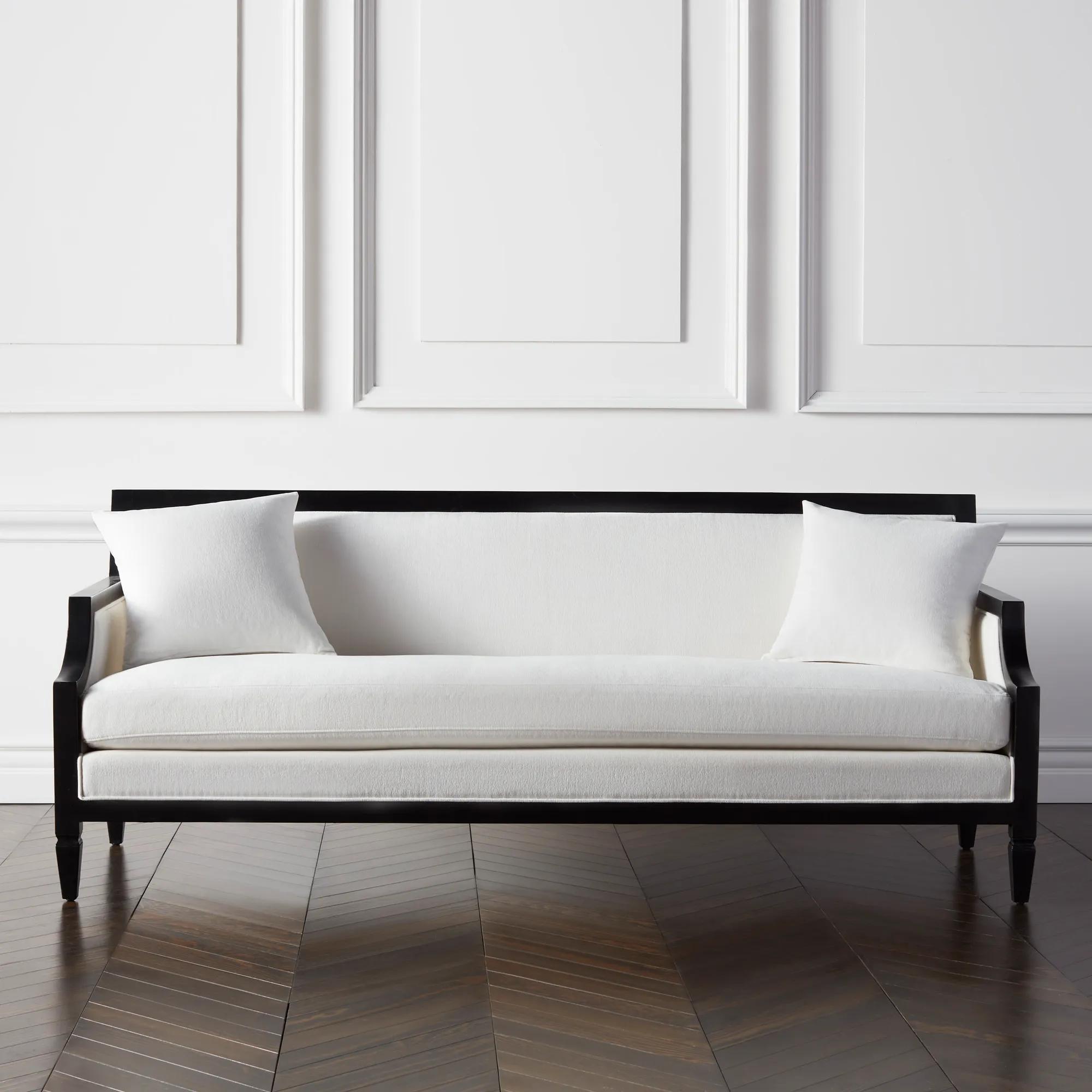
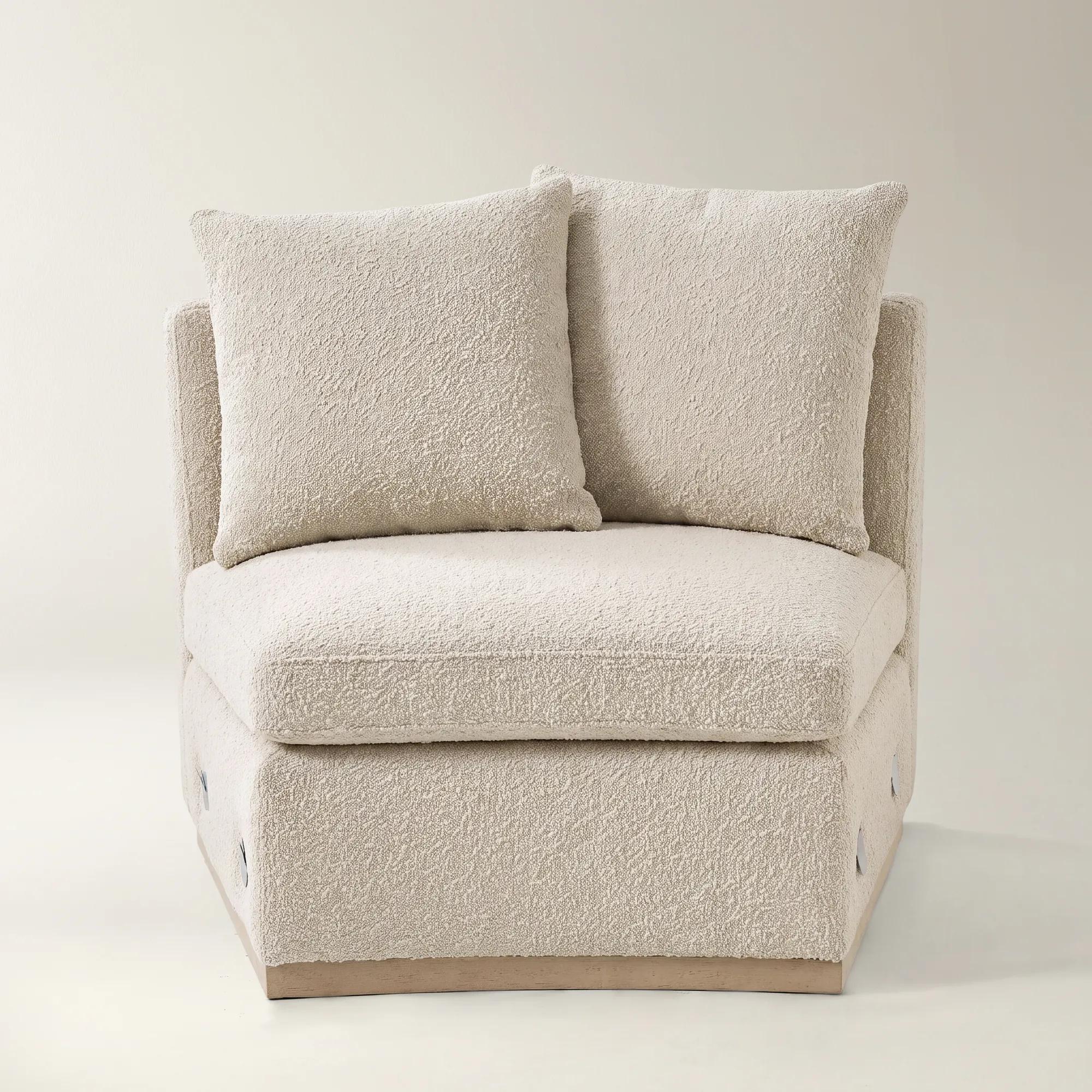
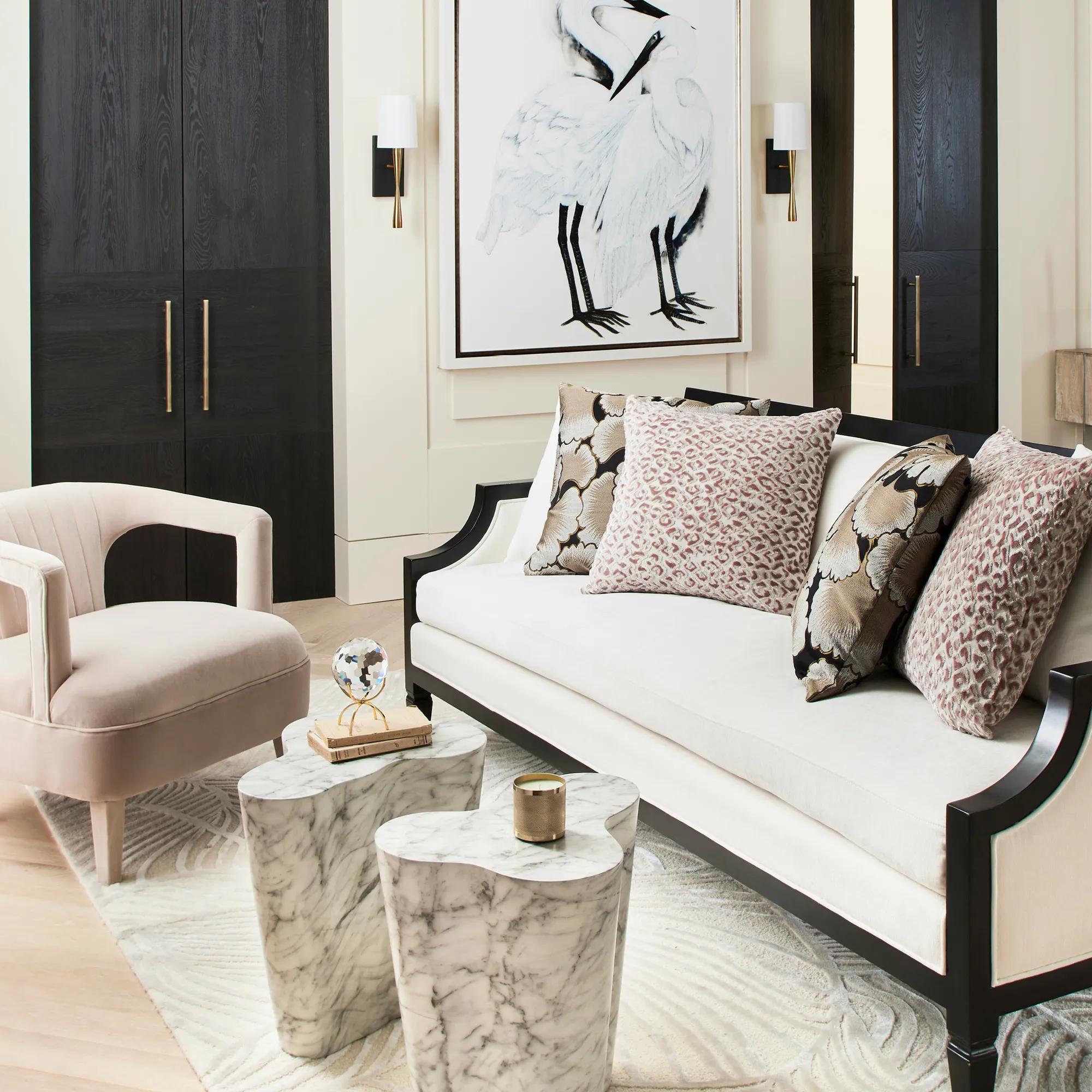 Kayla Sofa$2349
A timeless sofa featuring plush Kenley Chenille Snow upholstery, notched arms, and a matte black wood frame.
Add To Cart -
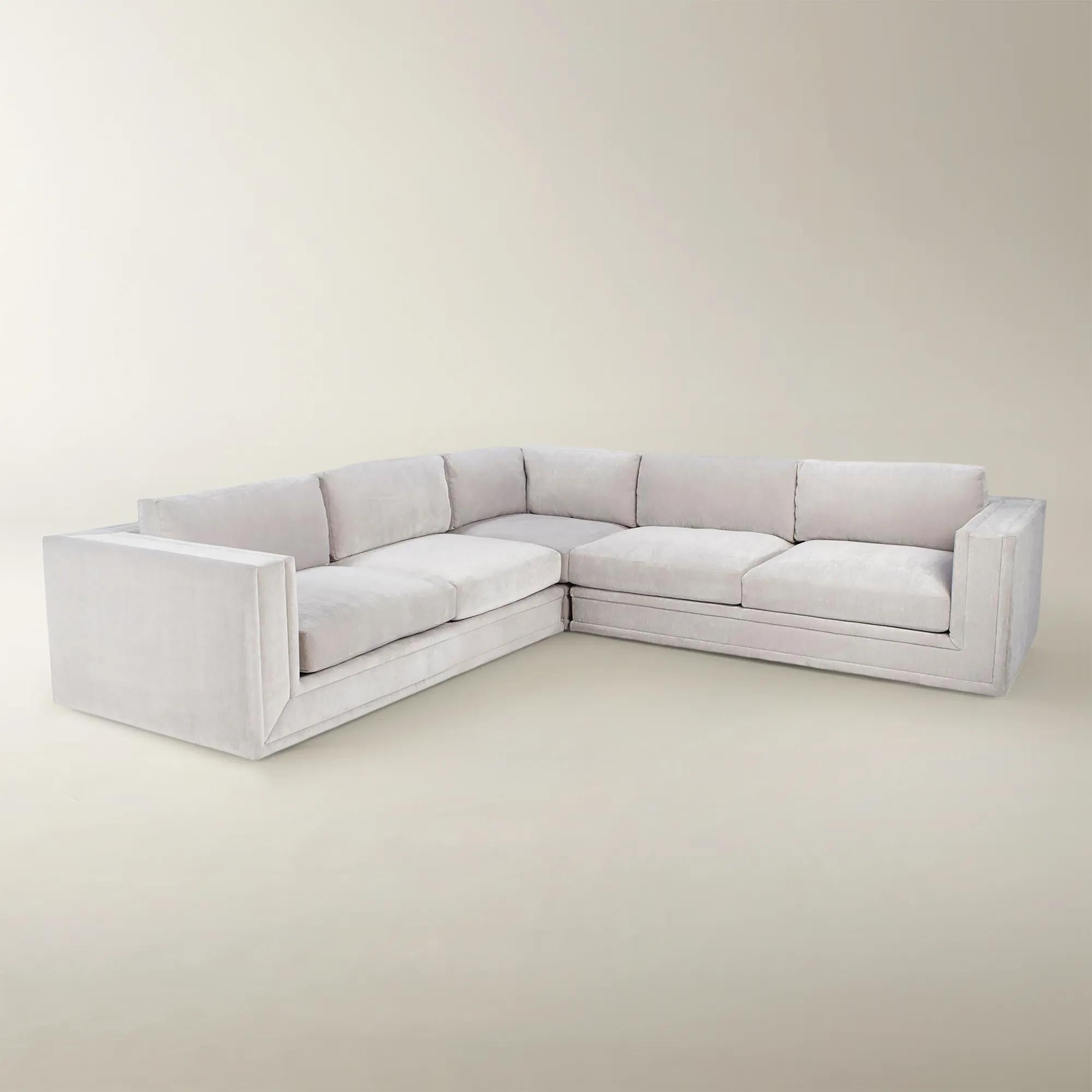 Luka 3-Piece Polar Chenille Sectional Sofa$4999
A modern corner sectional featuring deep seating, high-density foam cushions, and hand-upholstered opulent chenille fabric.
Add To Cart -
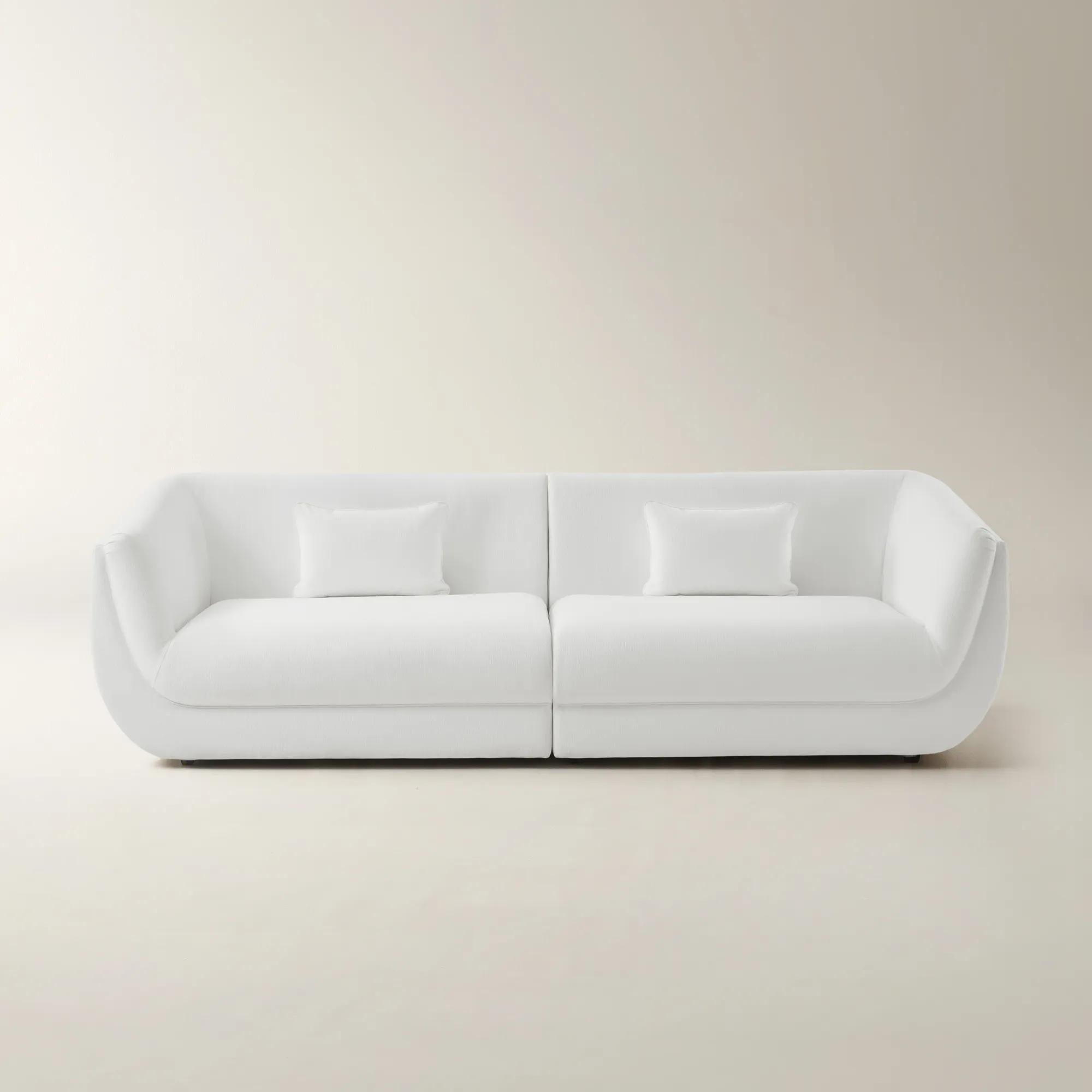
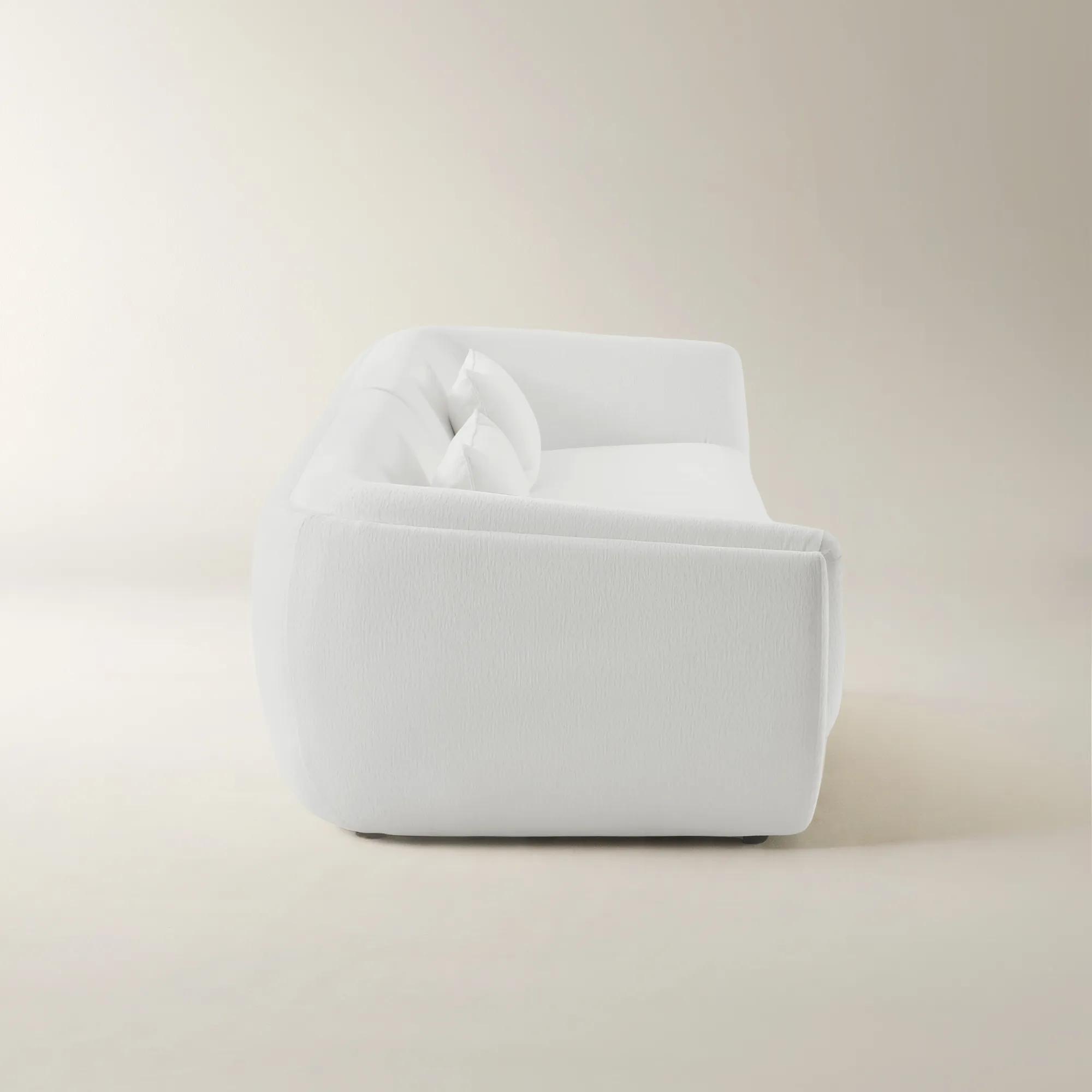 Curvia 2-Piece White Performance Chenille Indoor/Outdoor Sectional Sofa$2599
A sculptural white sectional sofa upholstered in performance chenille for luxurious indoor or outdoor lounging.
Add To Cart -
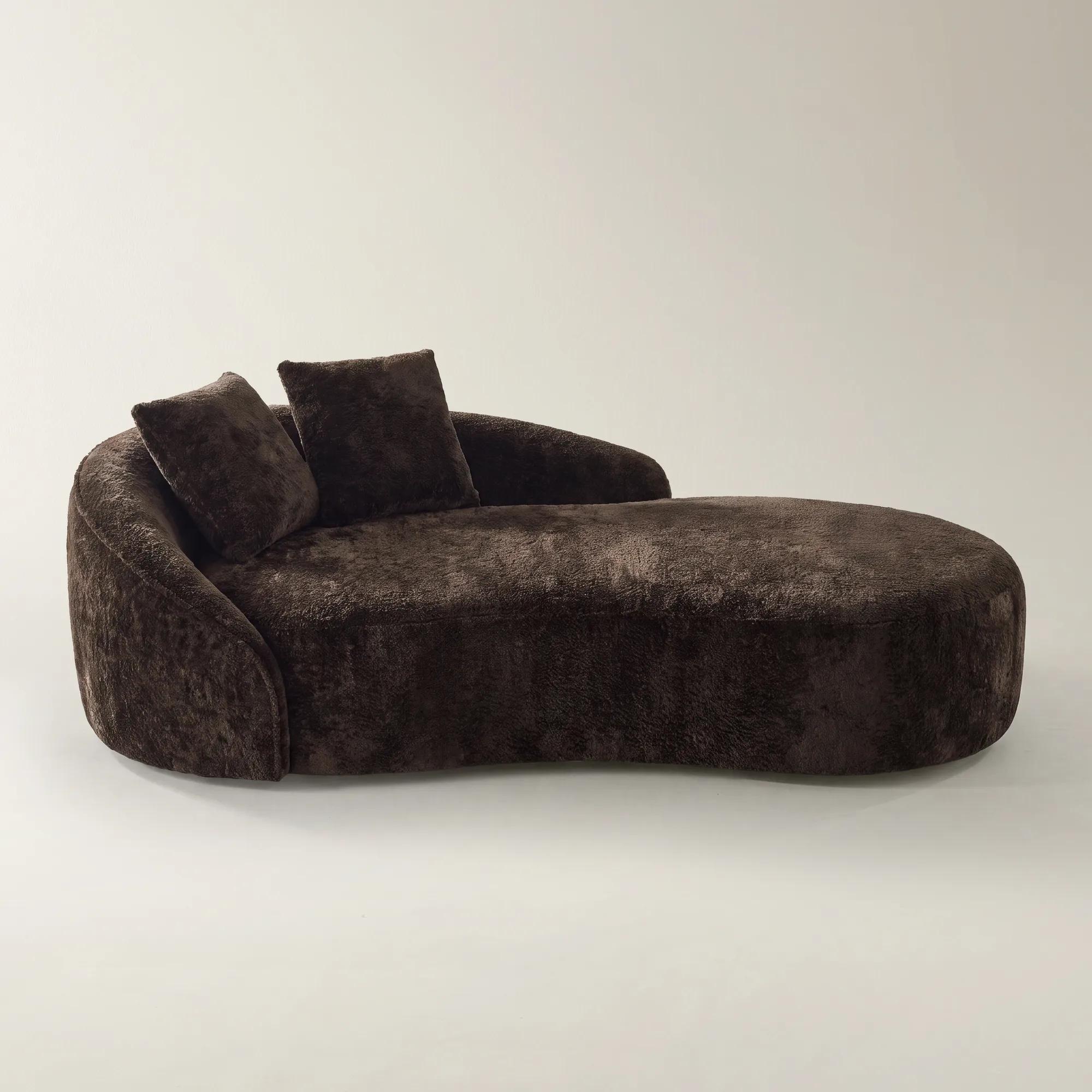
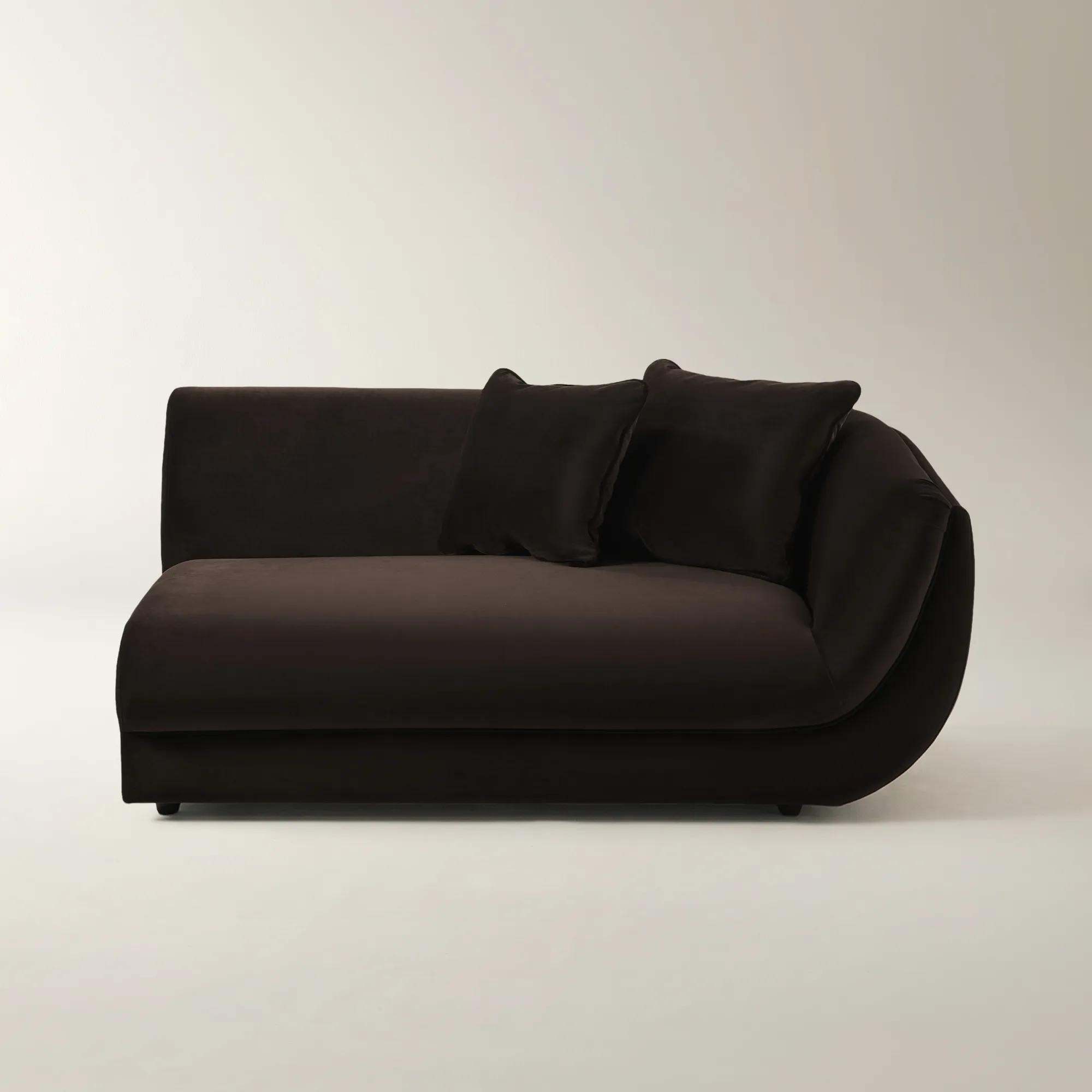
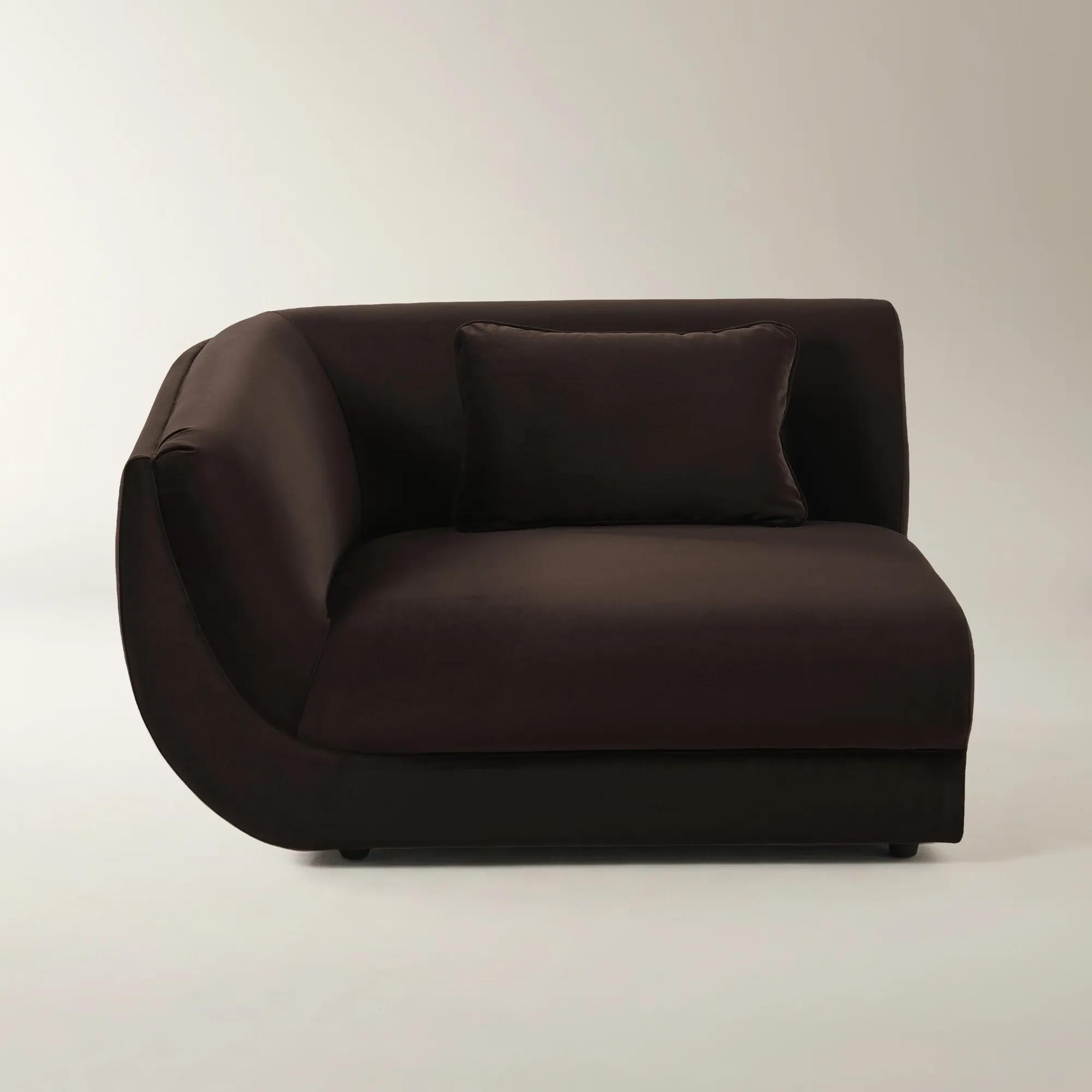
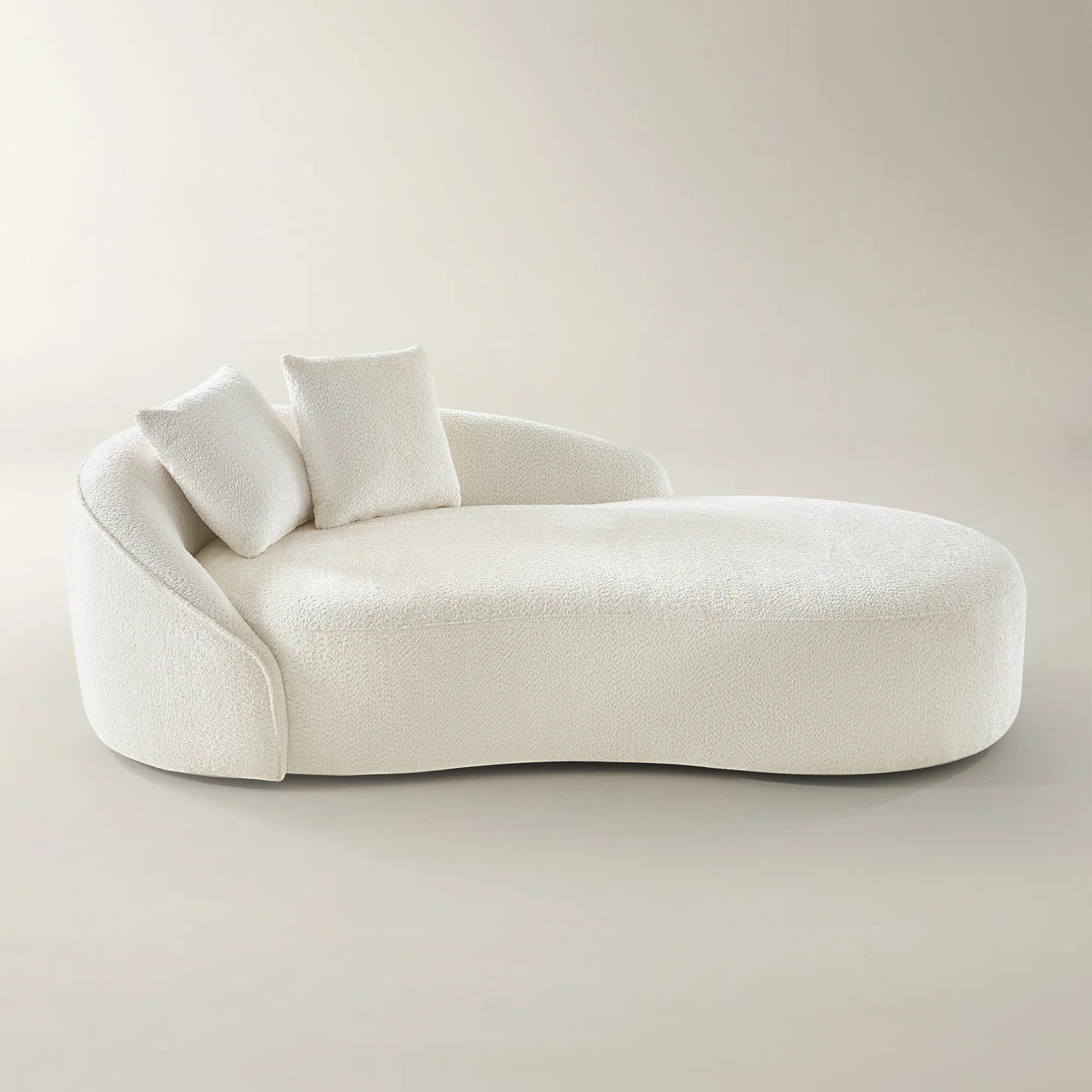 Irene Dark Chocolate Chenille Chaise$1699
A sculptural chaise in dark chocolate chenille with high-resiliency foam cushions and artisan hand-finished upholstery.
Add To Cart -
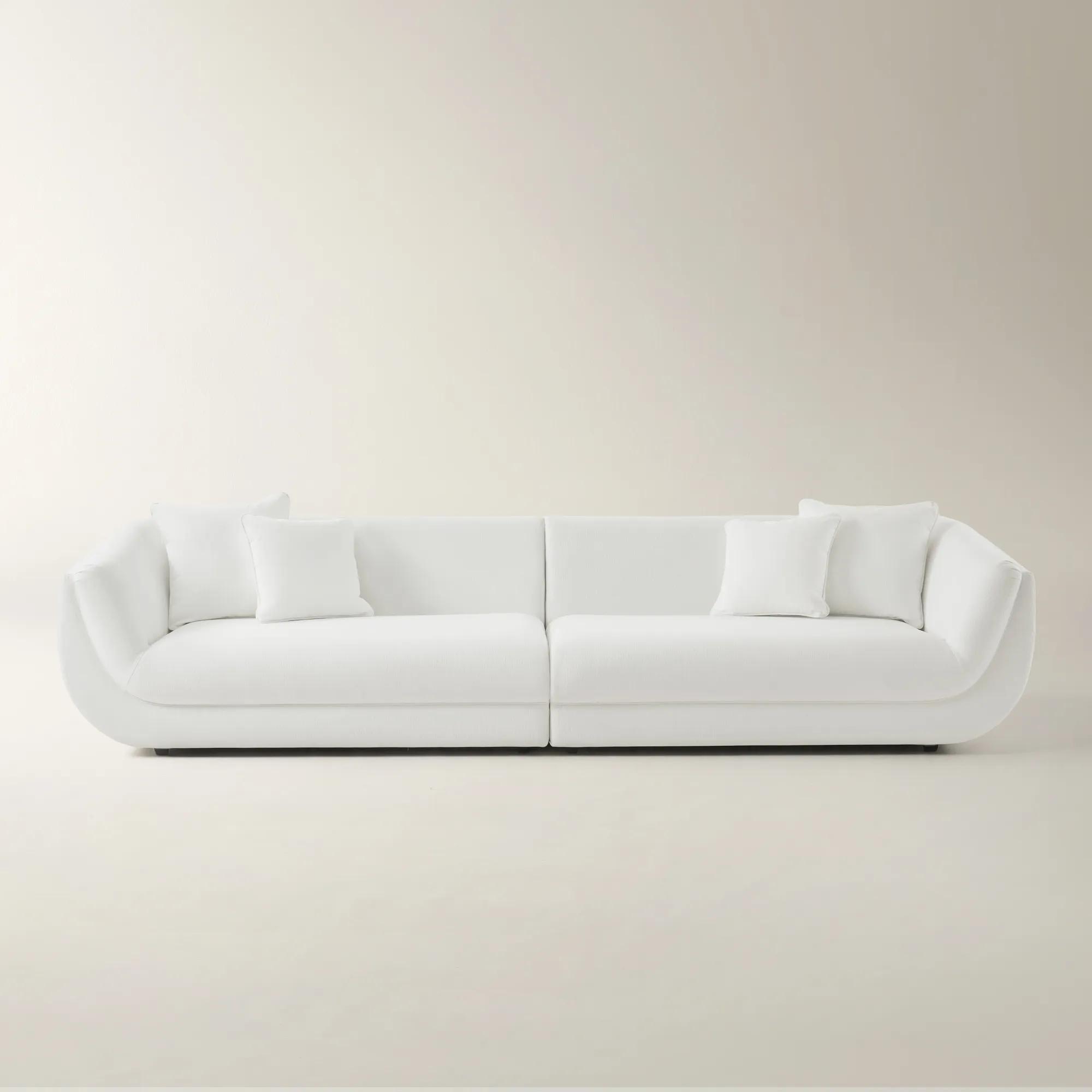
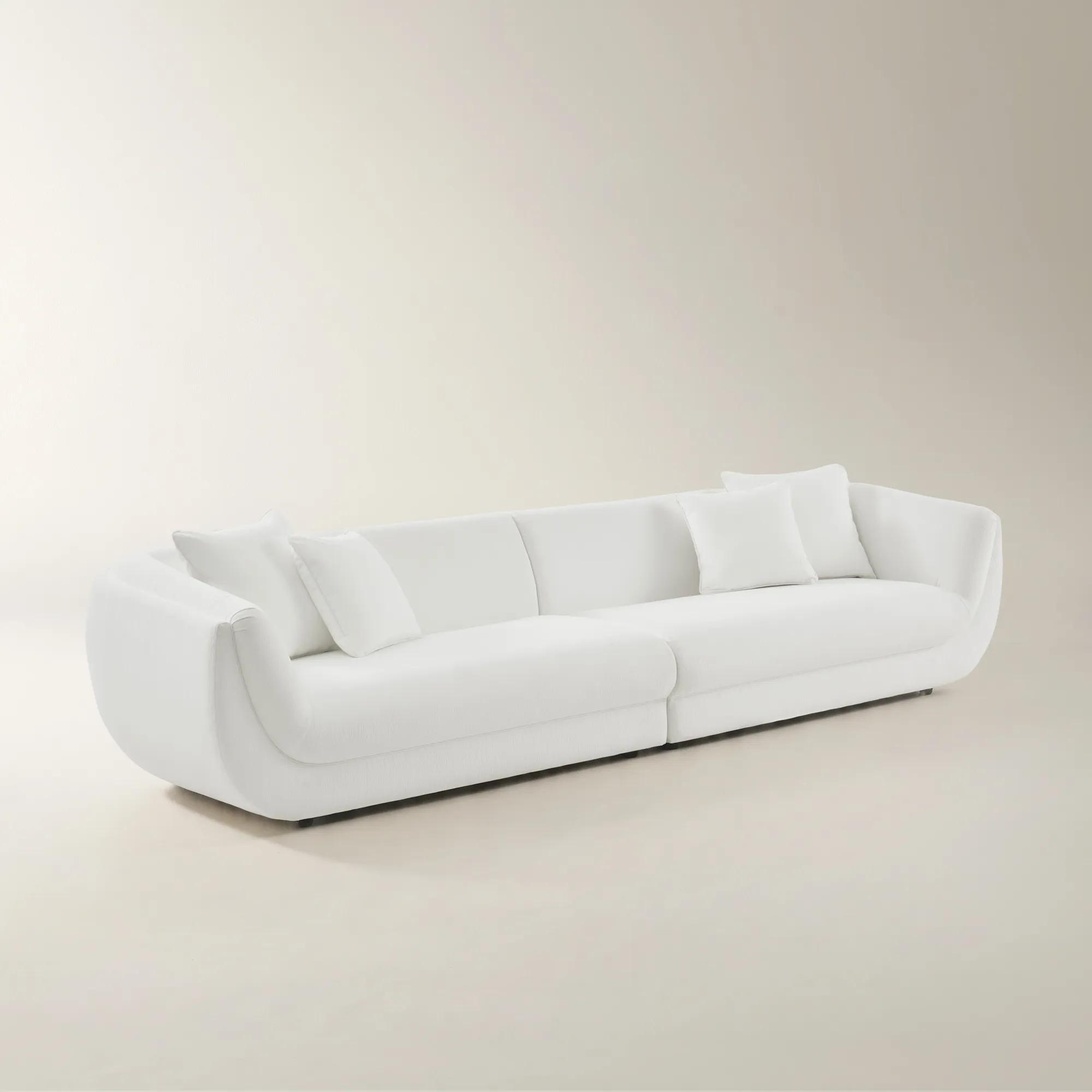 Curvia 2-Piece White Performance Chenille Indoor/Outdoor Grand Sectional Sofa$2799
A sculptural white sectional wrapped in performance chenille, designed for luxurious indoor or outdoor lounging.
Add To Cart -
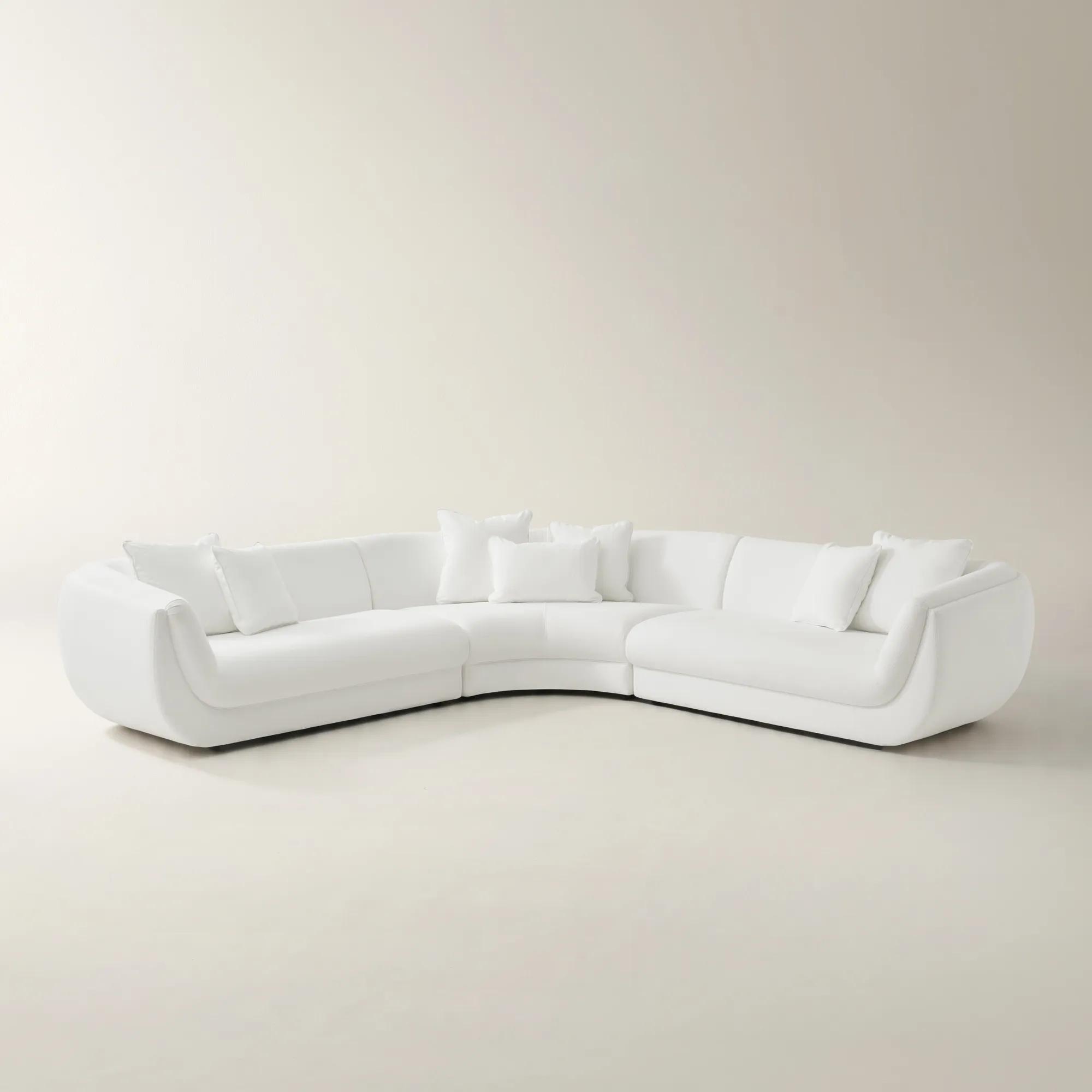 Curvia 3-Piece White Performance Chenille Indoor/Outdoor Sectional Sofa$4299
A sculptural white sectional sofa wrapped in performance chenille for luxurious indoor and outdoor lounging.
Add To Cart -
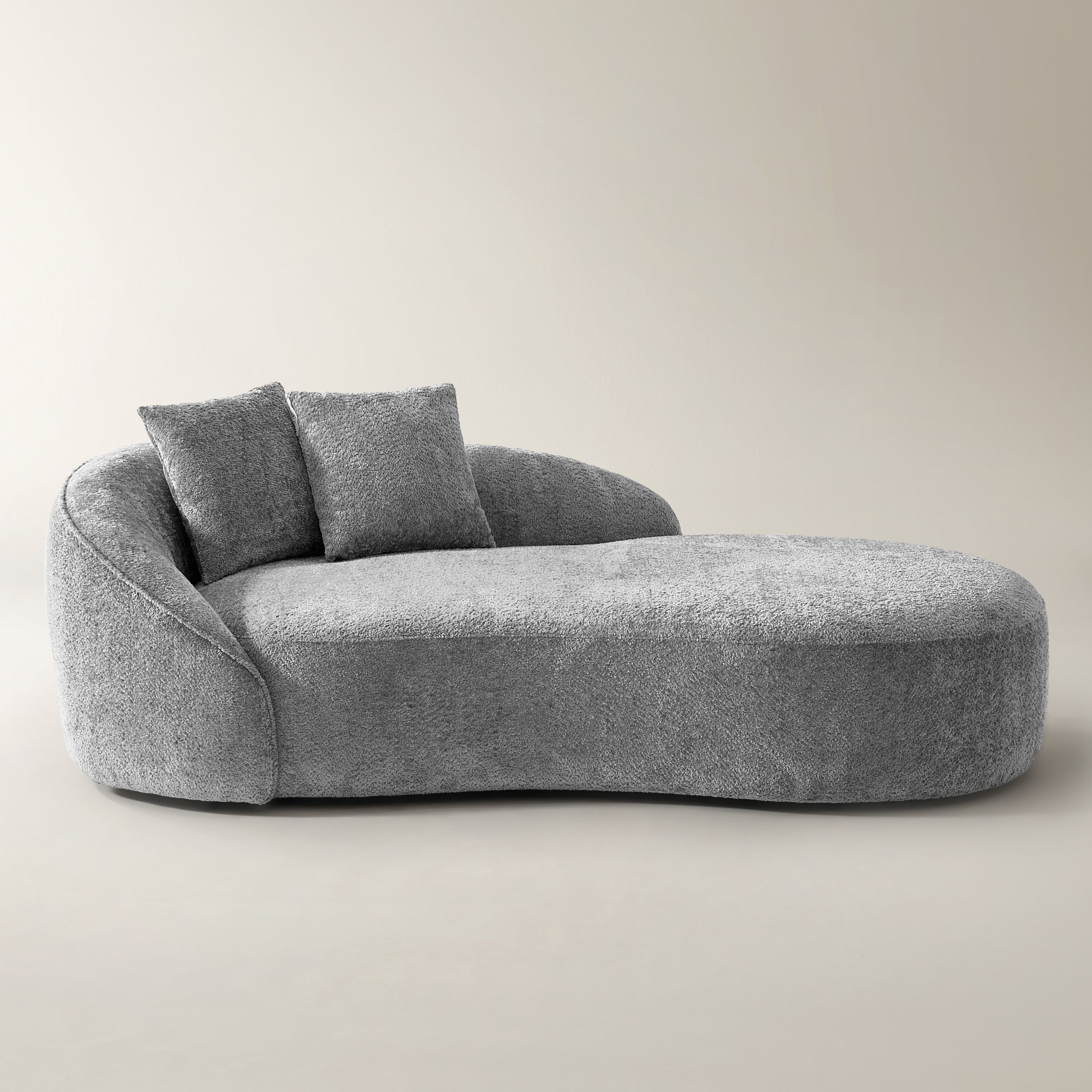 Irene Grey Chenille Chaise$1699
A sculptural chaise in light gray chenille with high-resiliency foam cushions and artisan hand-finished details.
Add To Cart -
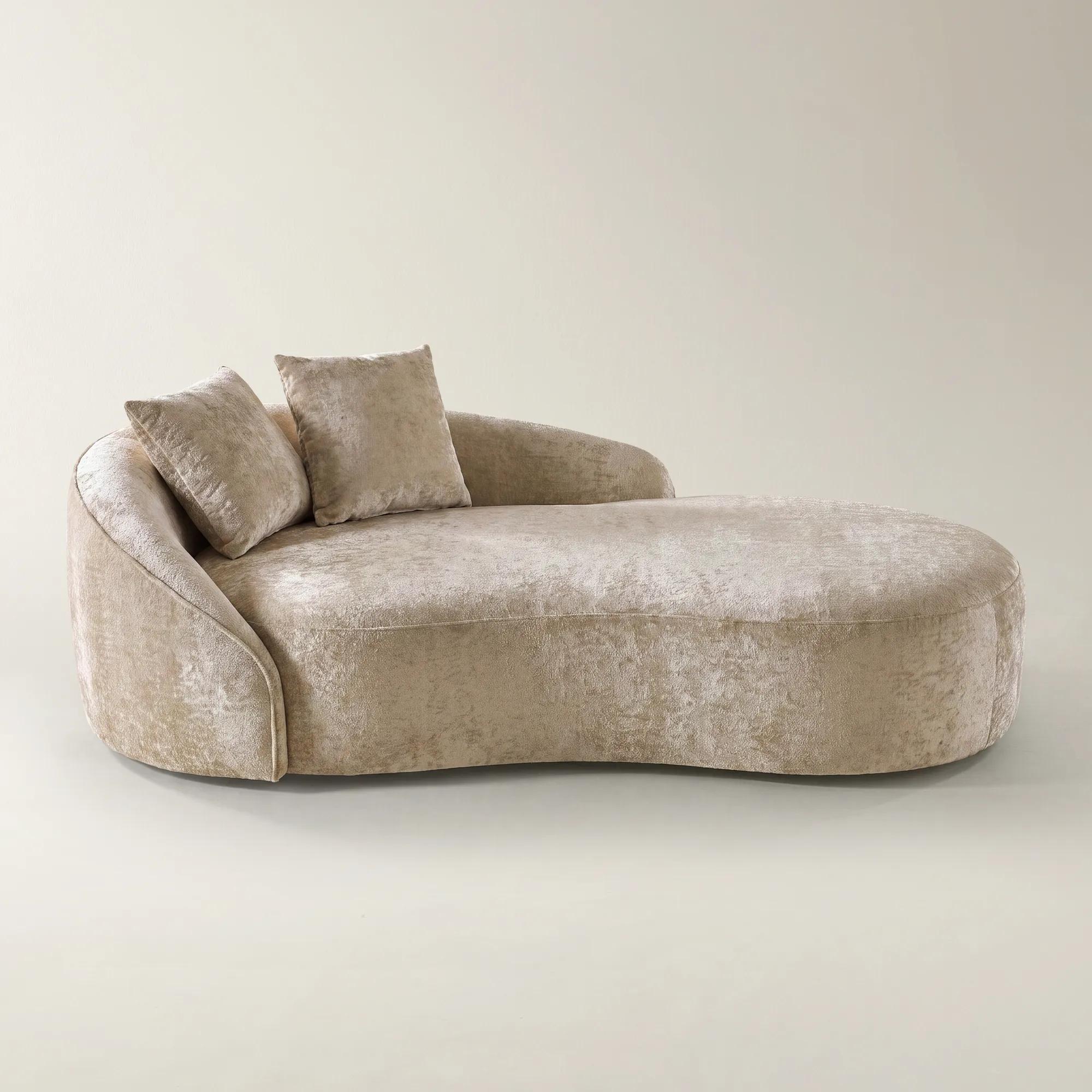 Irene Light Brown Chenille Chaise$1699
A sculptural light brown chenille chaise featuring hand-finished upholstery and high-resiliency foam cushions for lasting comfort.
Add To Cart -
Irene Utopia Sand Chenille Chaise$1699
A sculptural chaise in creamy Utopia Sand chenille, featuring plush foam cushions and artisan hand-finished details.
Add To Cart -
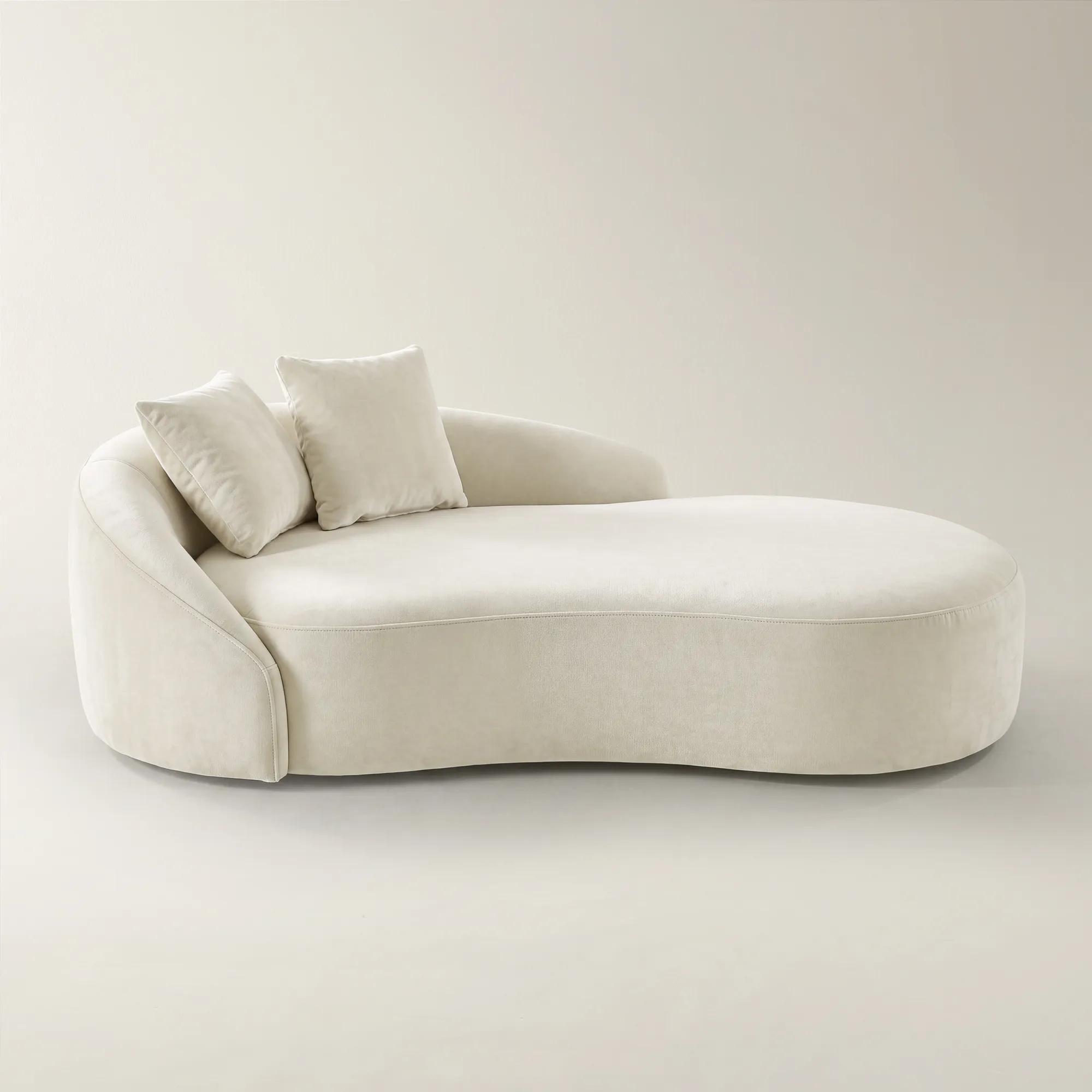 Irene Ivory Performance Chenille Chaise$1799
A sculptural ivory chenille chaise featuring hand-finished upholstery, high-resiliency foam, and performance fabric.
Add To Cart -
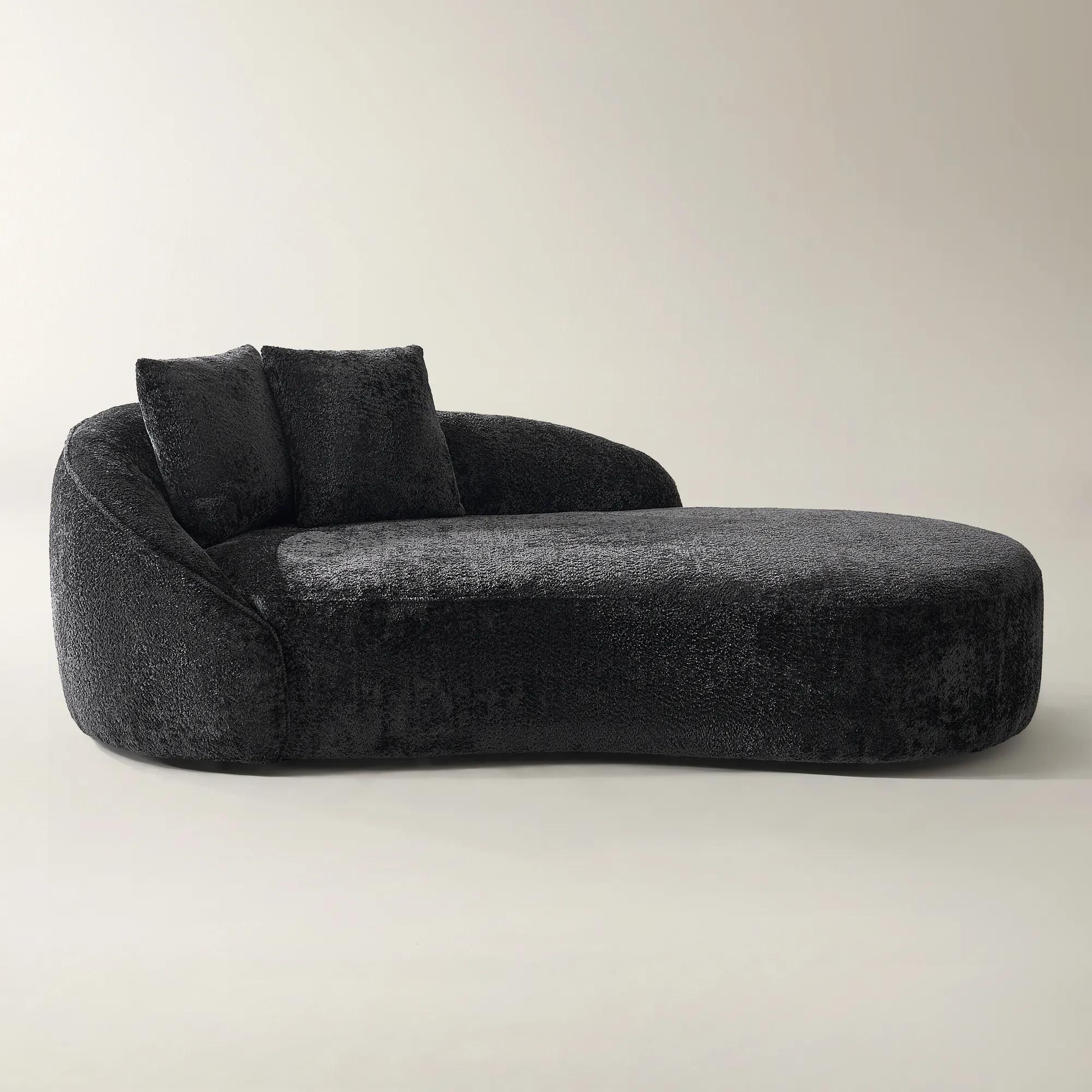 Irene Black Chenille Chaise$1699
A sculptural chaise in charcoal chenille with high-resiliency foam cushions and artisan hand-finished details.
Add To Cart -
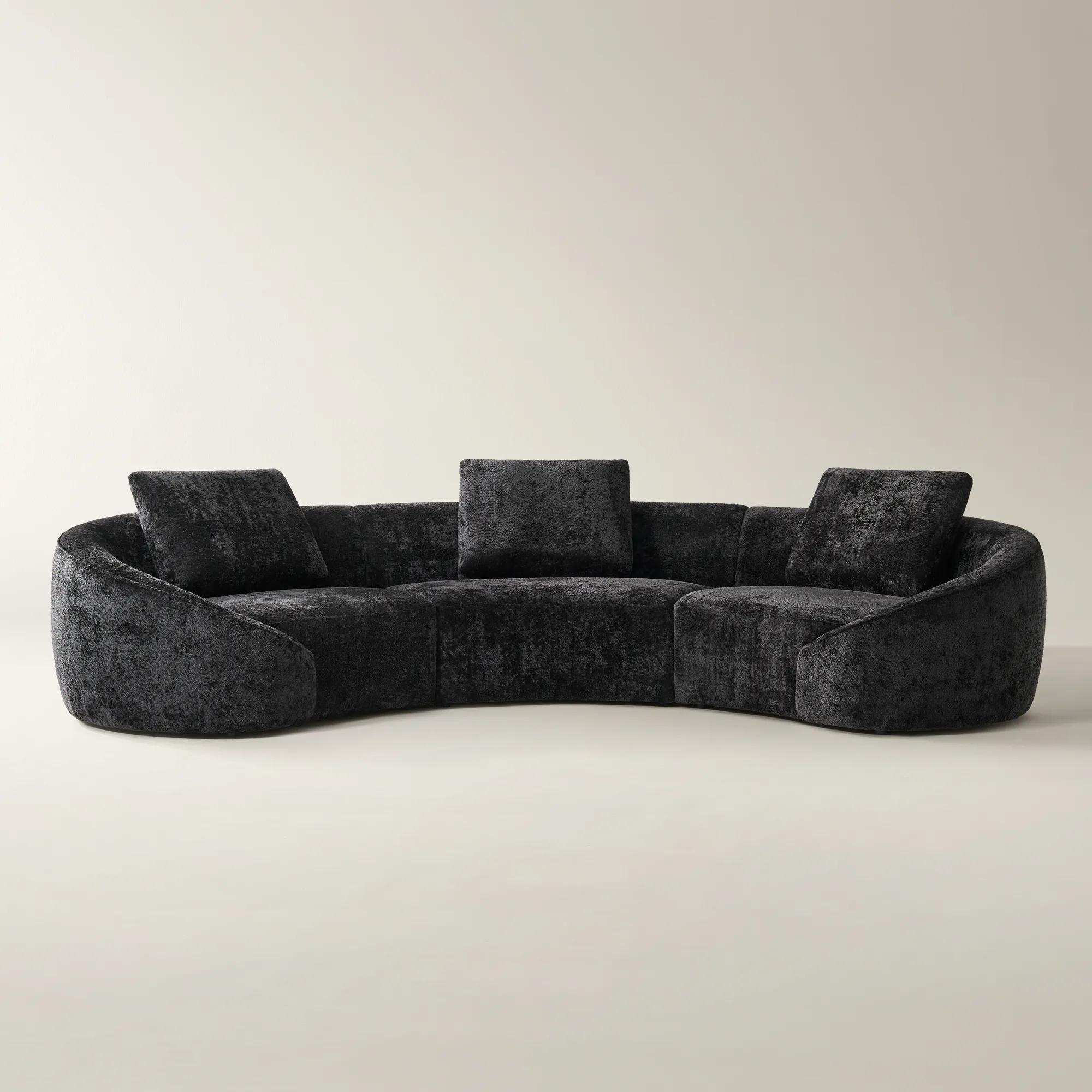 Irene 3-Piece Black Chenille Sectional$3599
A modern curved sectional upholstered in plush utopia sand chenille with high-density foam cushioning for comfort.
Add To Cart -
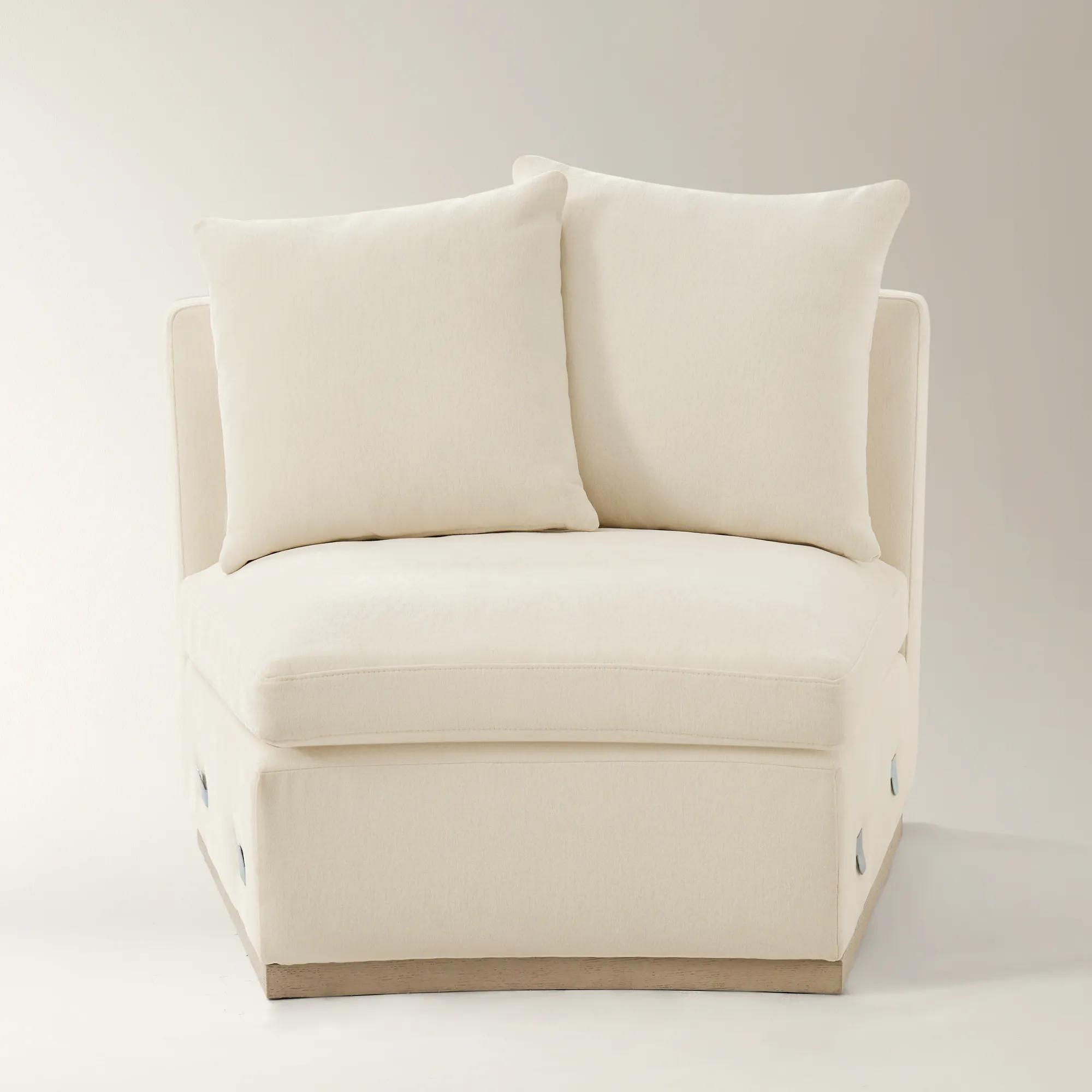
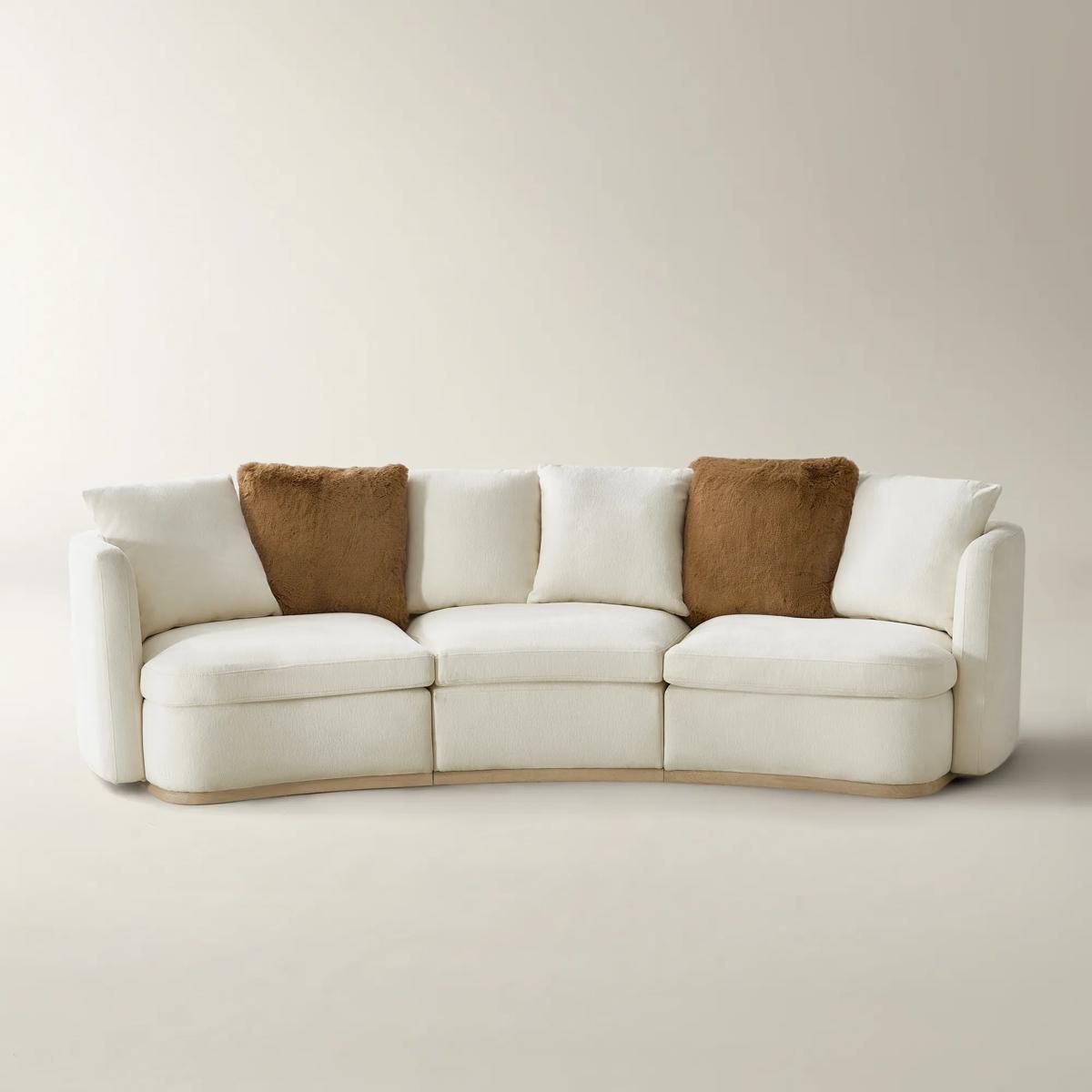 Stria 3-Piece Ivory Chenille Sectional Sofa$3099
An ivory chenille sofa featuring a sculptural curved design, triple-layer cushioning, and a kiln-dried oak frame.
Add To Cart -
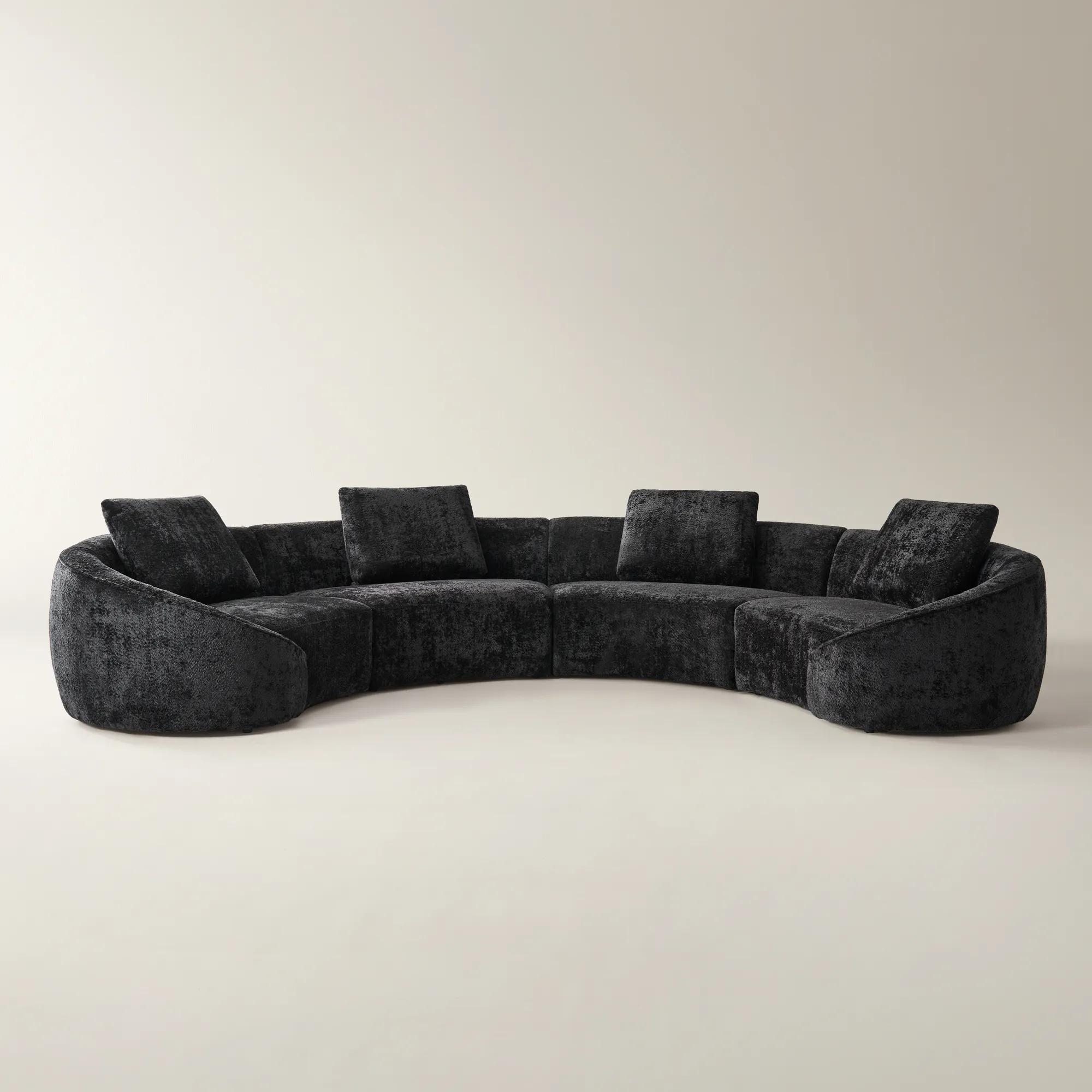 Irene 4-Piece Black Chenille Sectional$4599
A modern curved sectional upholstered in plush utopia sand chenille with high-density foam cushioning for comfort.
Add To Cart -
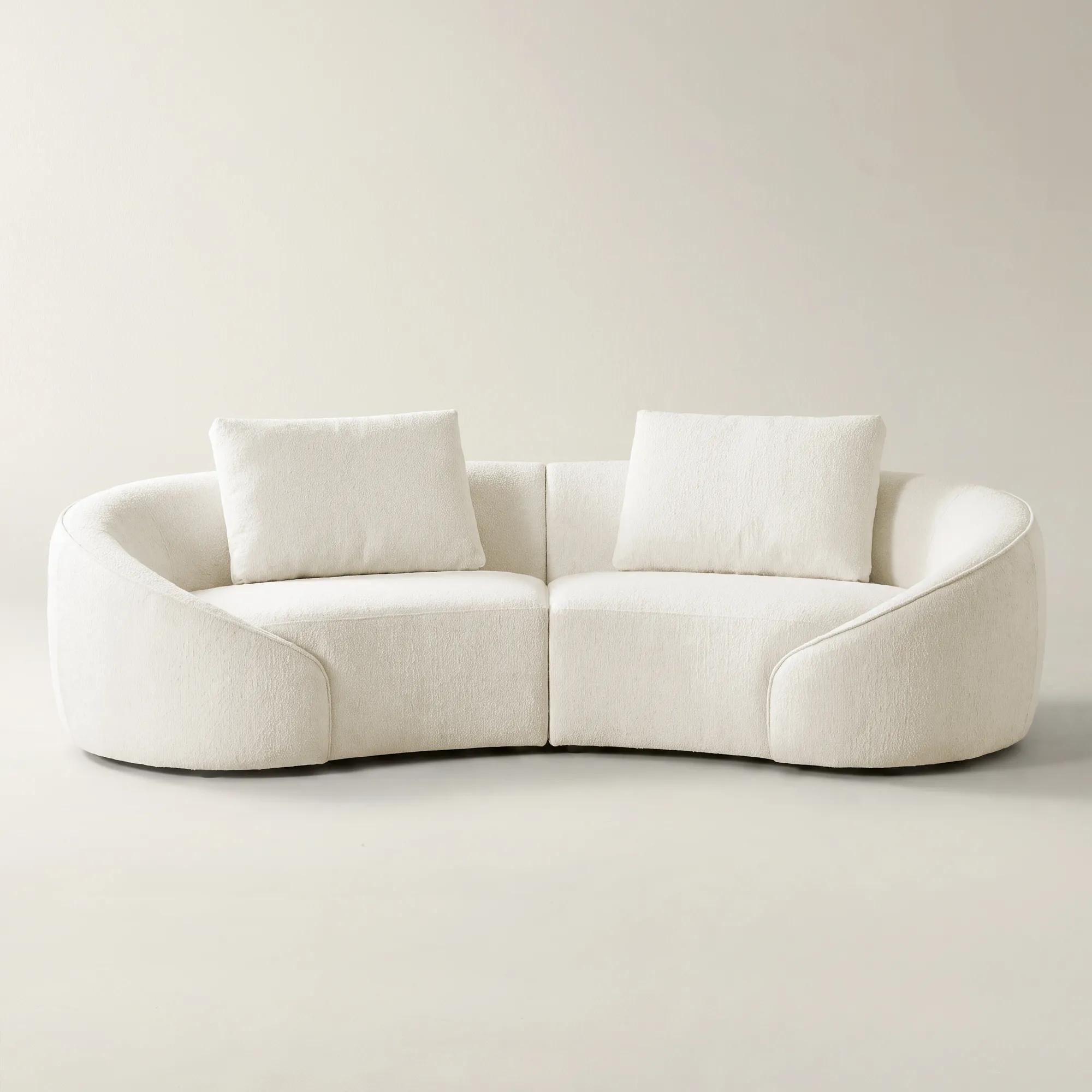
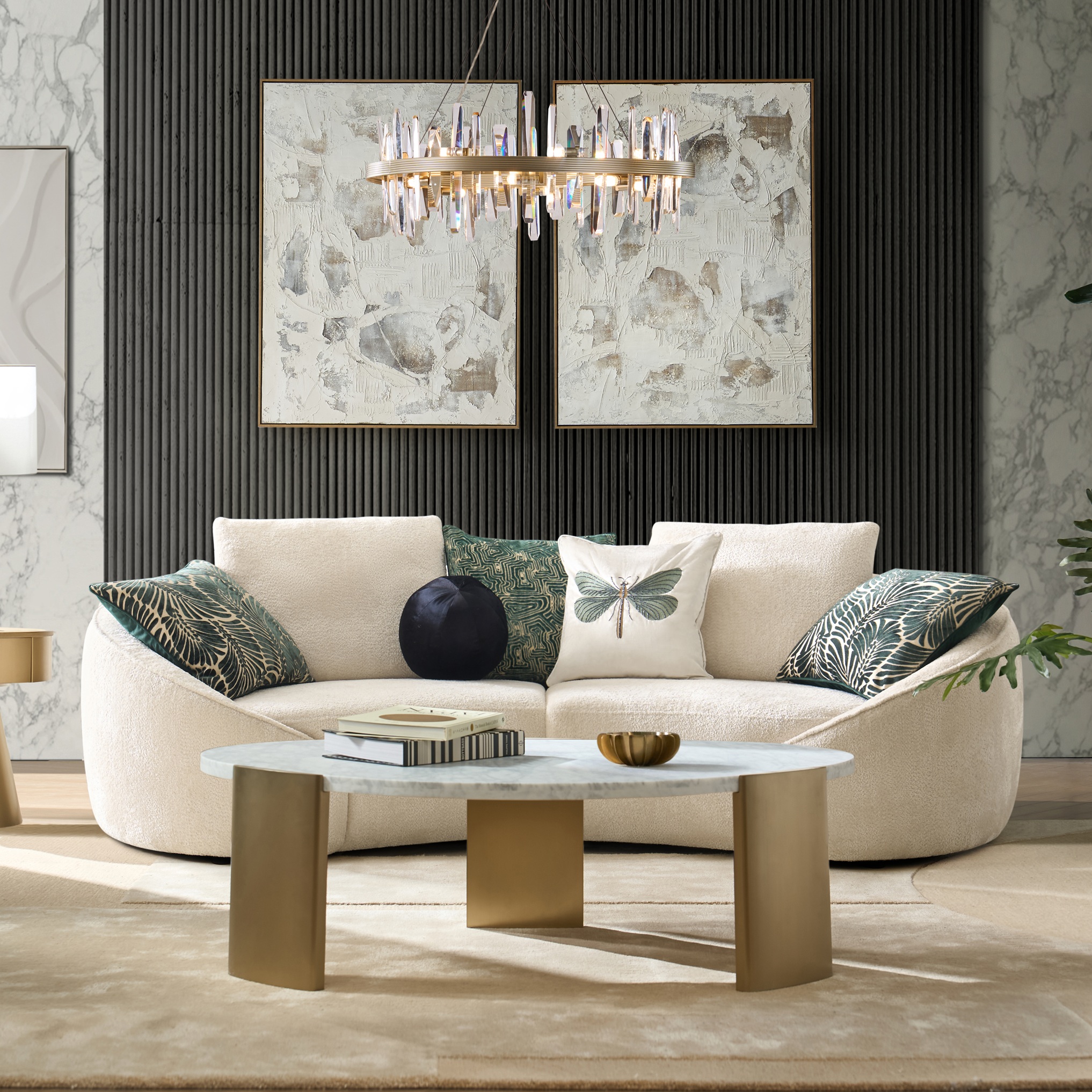 Irene 2-Piece Ivory Performance Chenille Sectional Sofa$2699
A sculptural ivory chenille sectional featuring performance upholstery, high-resiliency foam cushions, and artisan detailing.
Add To Cart -
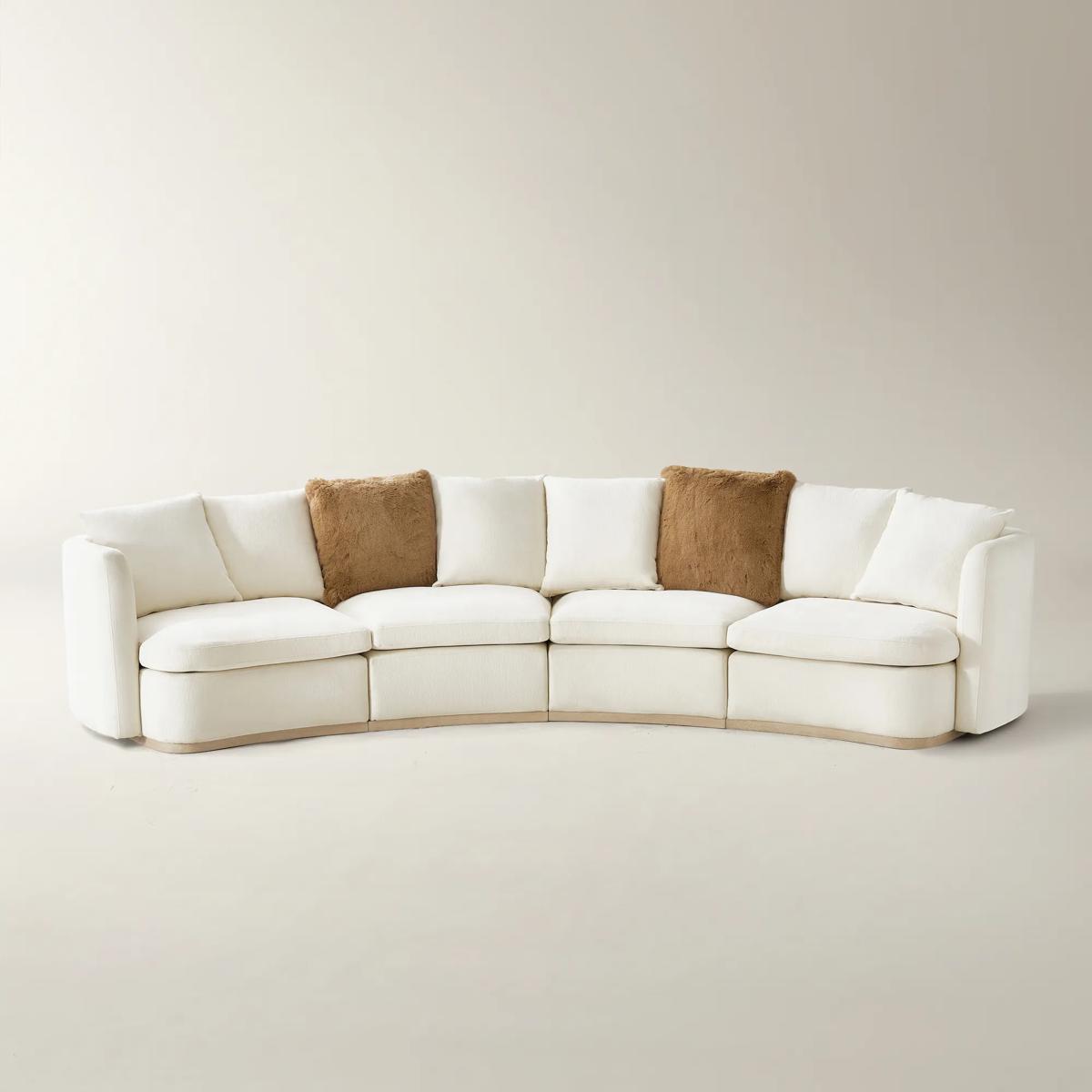
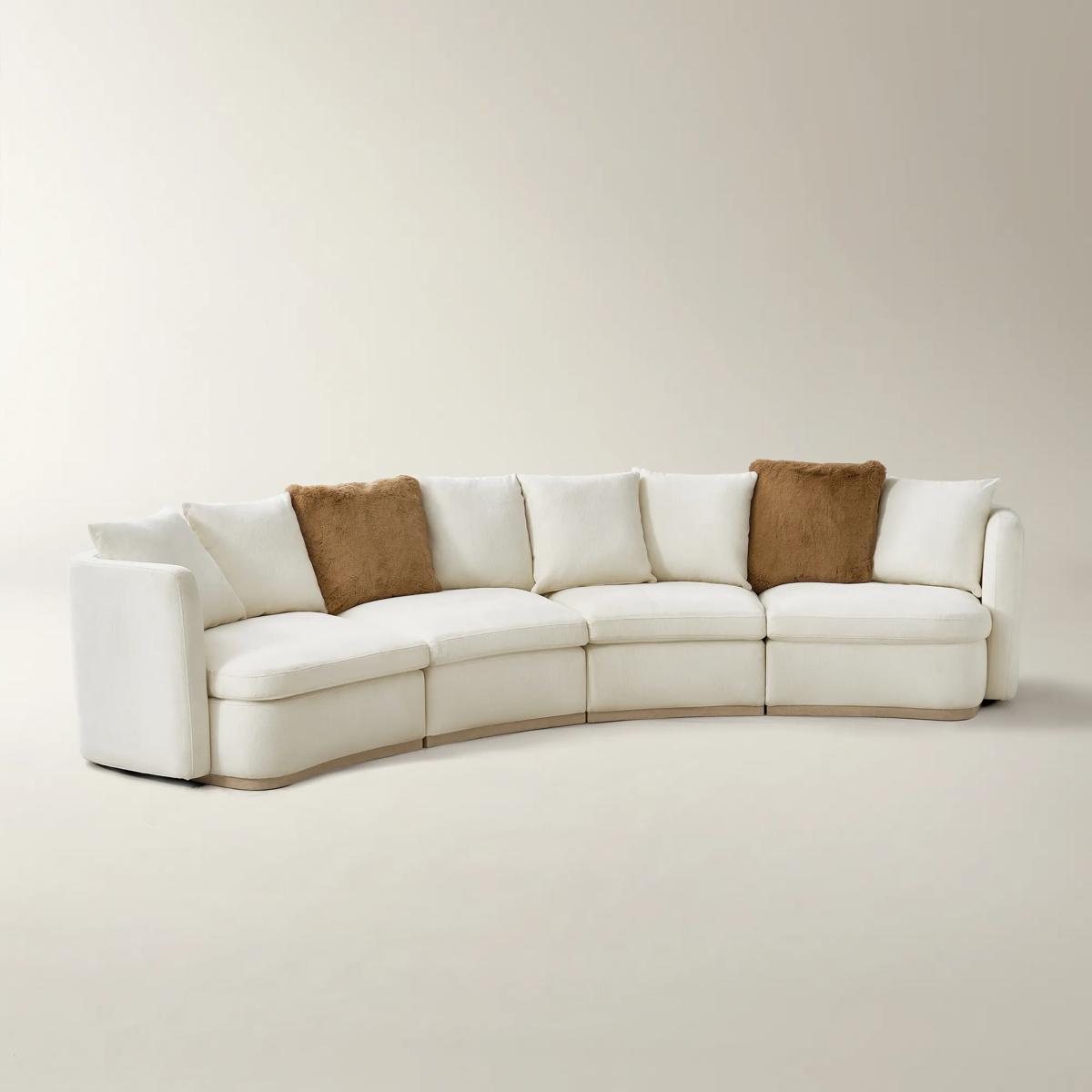 Stria 4-Piece Ivory Chenille Sectional Sofa$4099
An elegantly curved ivory chenille sectional with triple-layer cushioning and a kiln-dried solid oak frame.
Add To Cart -
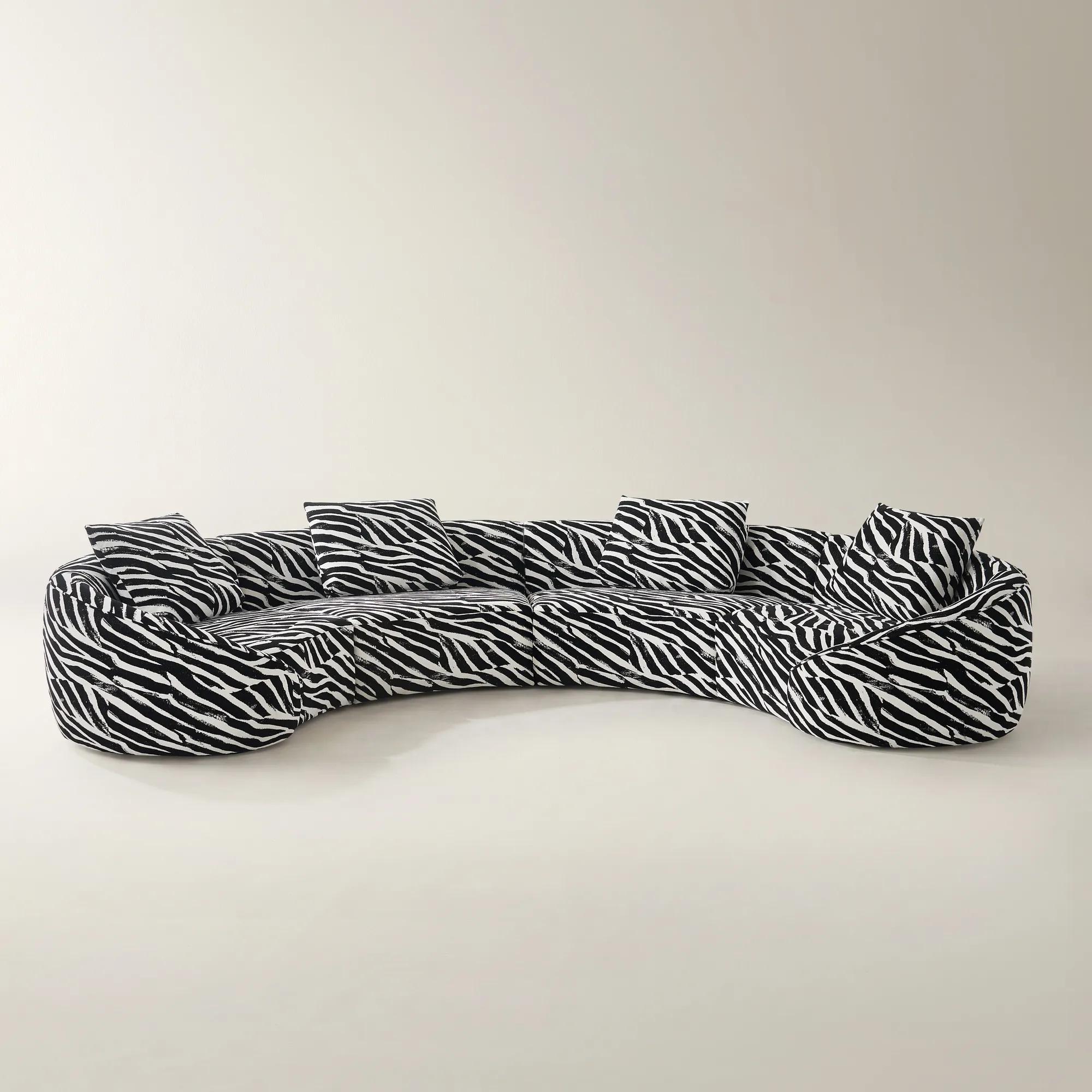 Irene 4-Piece White/Black Performance Chenille Sectional Sofa$4799
A sculptural sectional wrapped in white and black performance chenille with high-resiliency foam cushions.
Add To Cart -
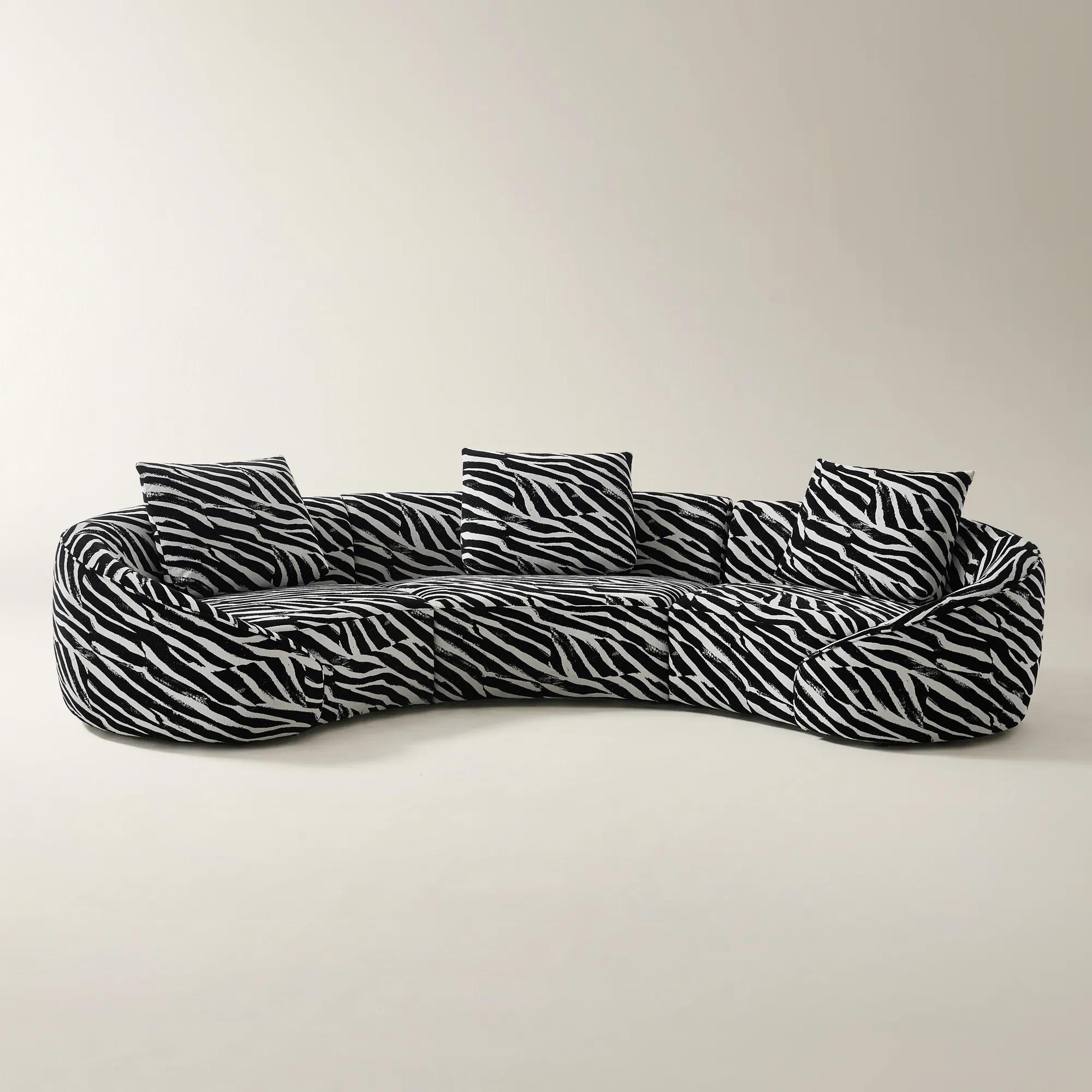
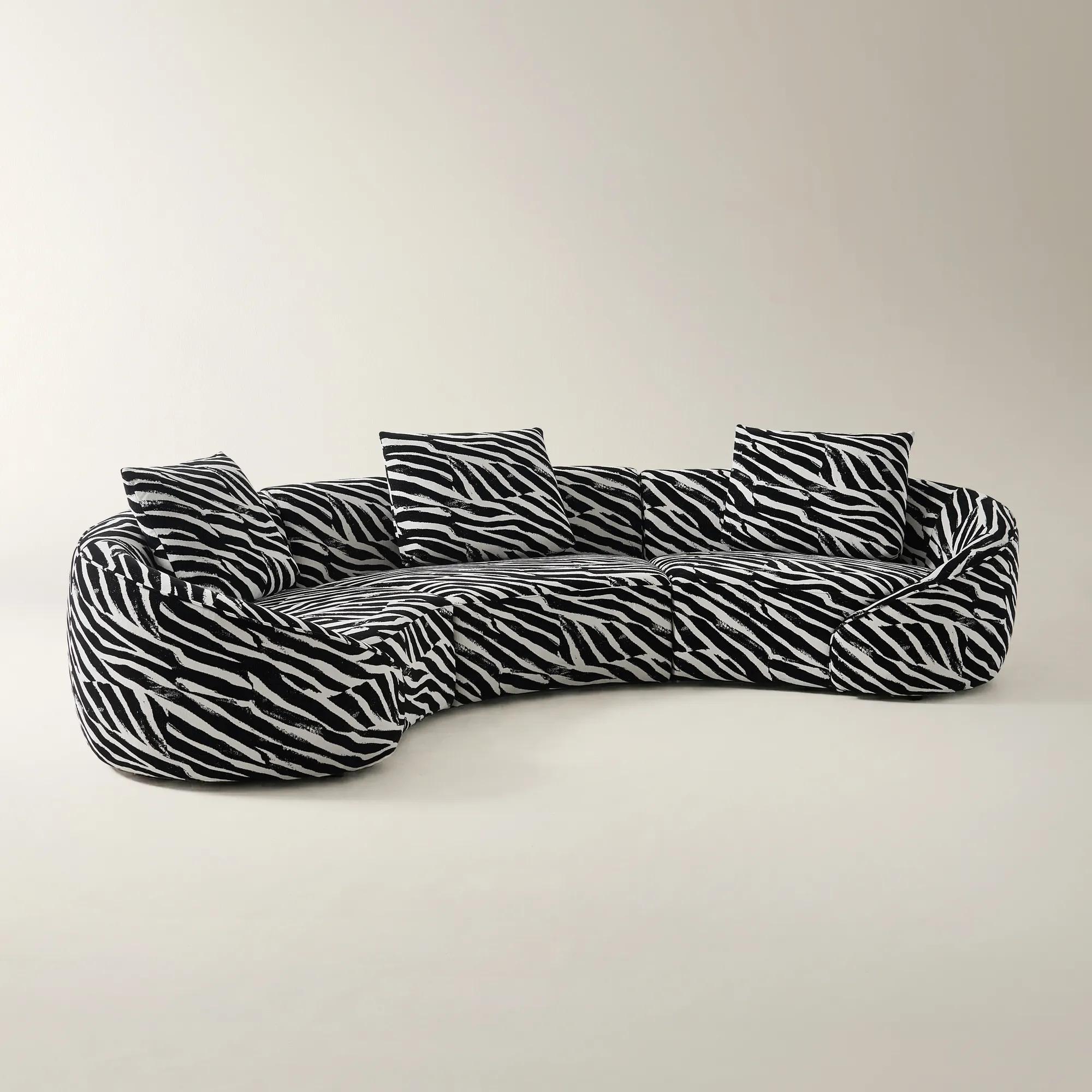 Irene 3-Piece White/Black Performance Chenille Sectional Sofa$3799
A sculptural sectional in black and white performance chenille, featuring hand-finished upholstery and enduring comfort.
Add To Cart -
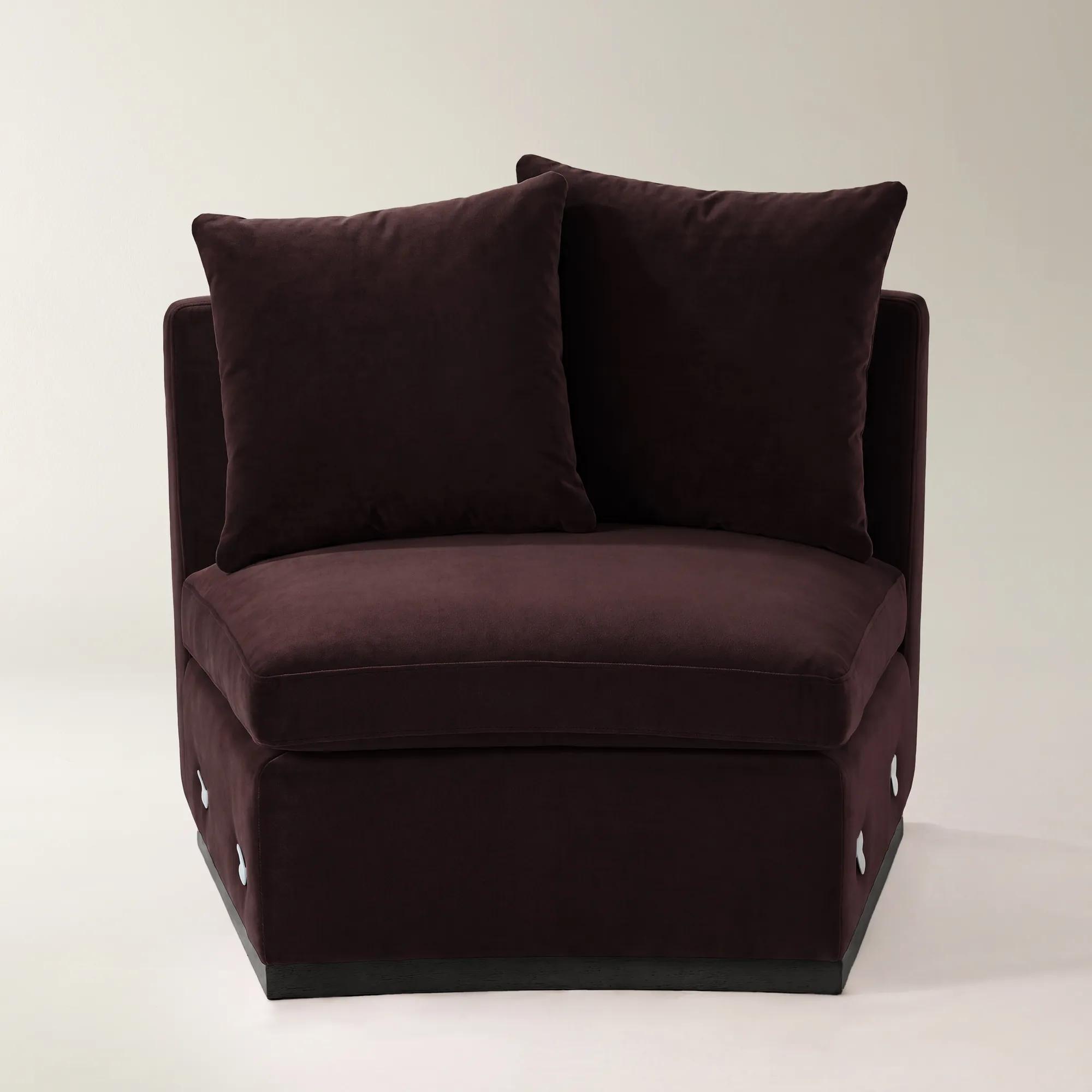
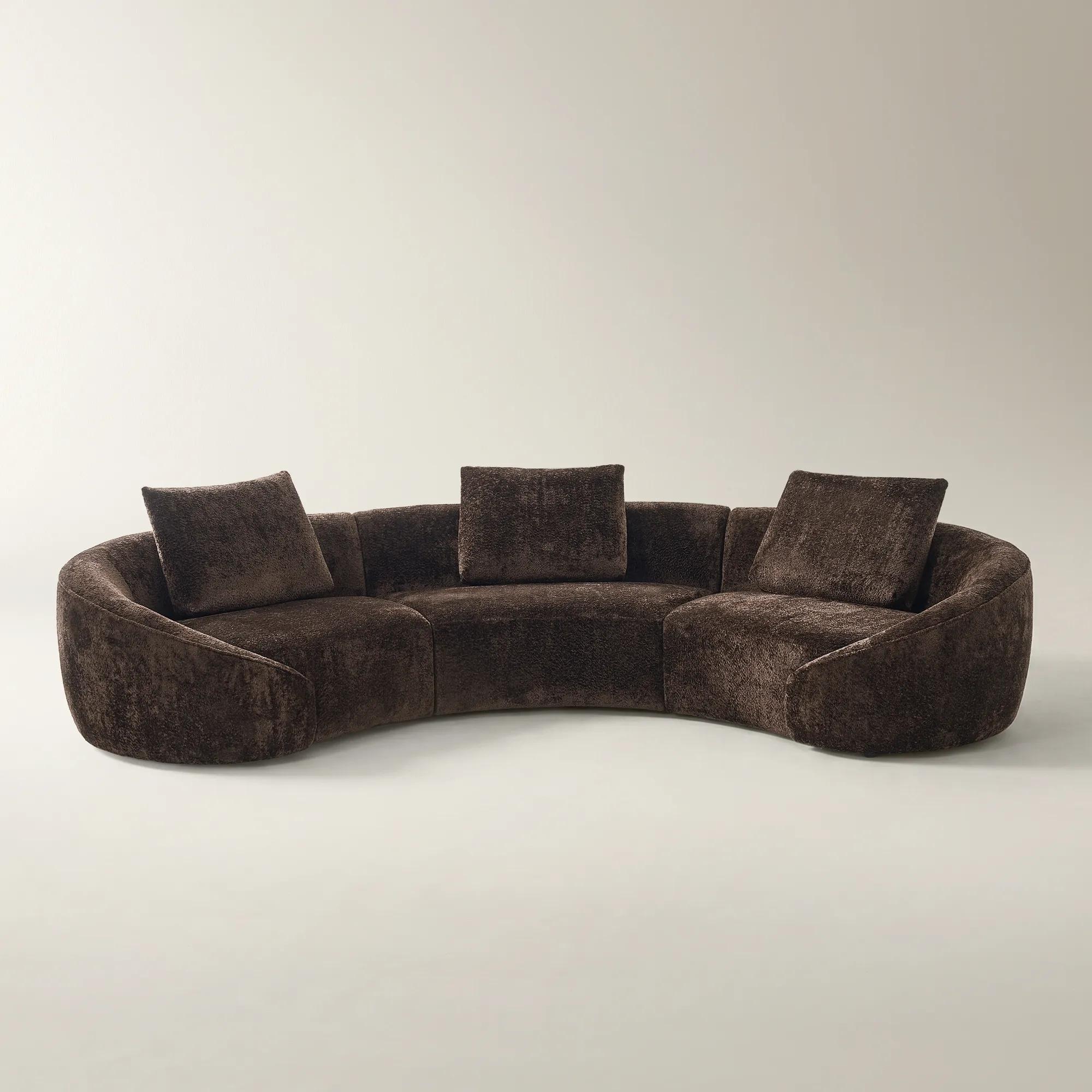 Irene 3-Piece Dark Chocolate Chenille Sectional Sofa$3599
A sculptural, hand-finished sectional wrapped in dark chocolate chenille with plush foam cushions and accent pillows.
Add To Cart -
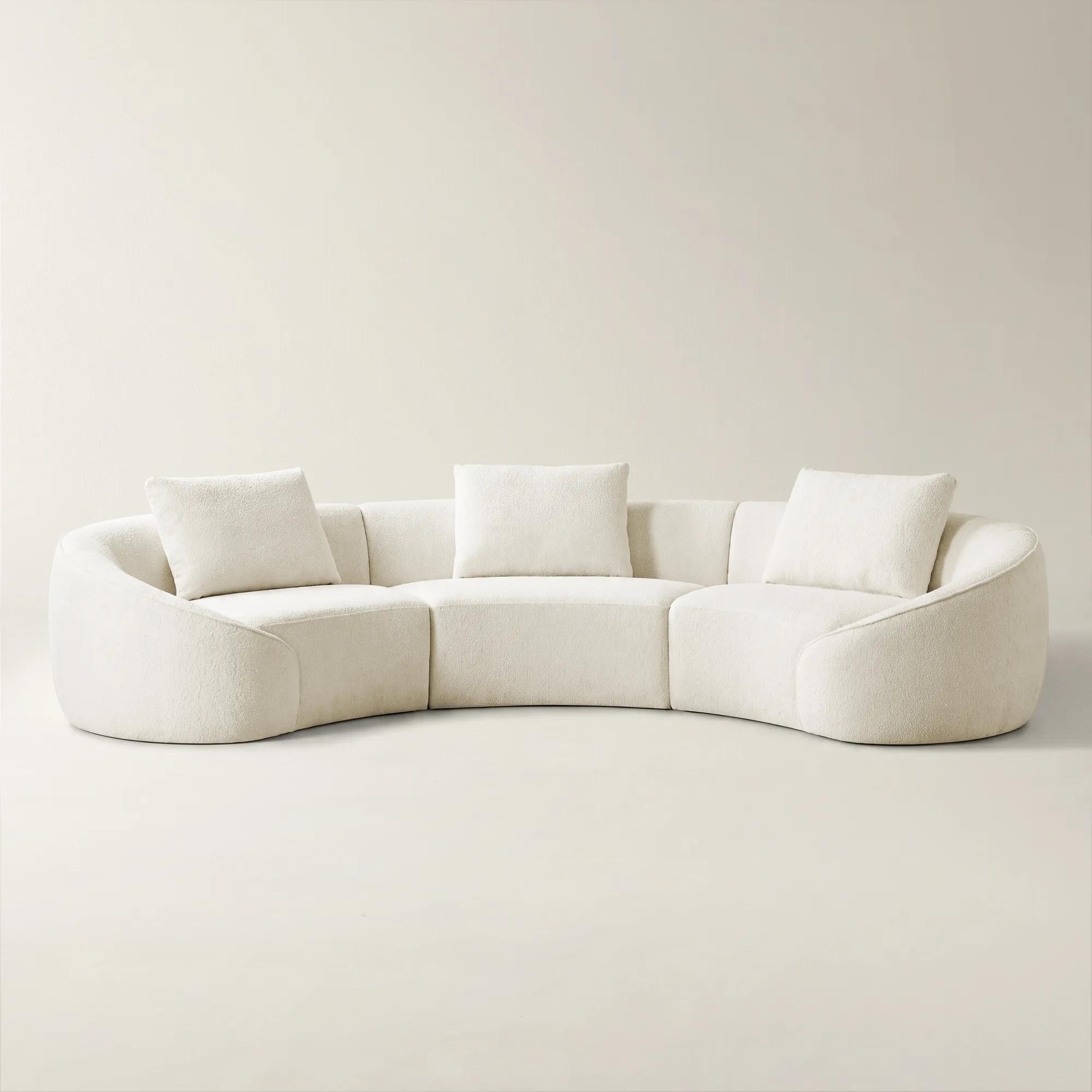
-7622206680239983900.webp?w=1200&h=1200) Irene 3-Piece Ivory Performance Chenille Sectional Sofa$3799
Irene 3-Piece Ivory Performance Chenille Sectional Sofa$3799An inviting ivory chenille sectional featuring sculptural curves, performance upholstery, and high-resiliency foam cushions.
Add To Cart -
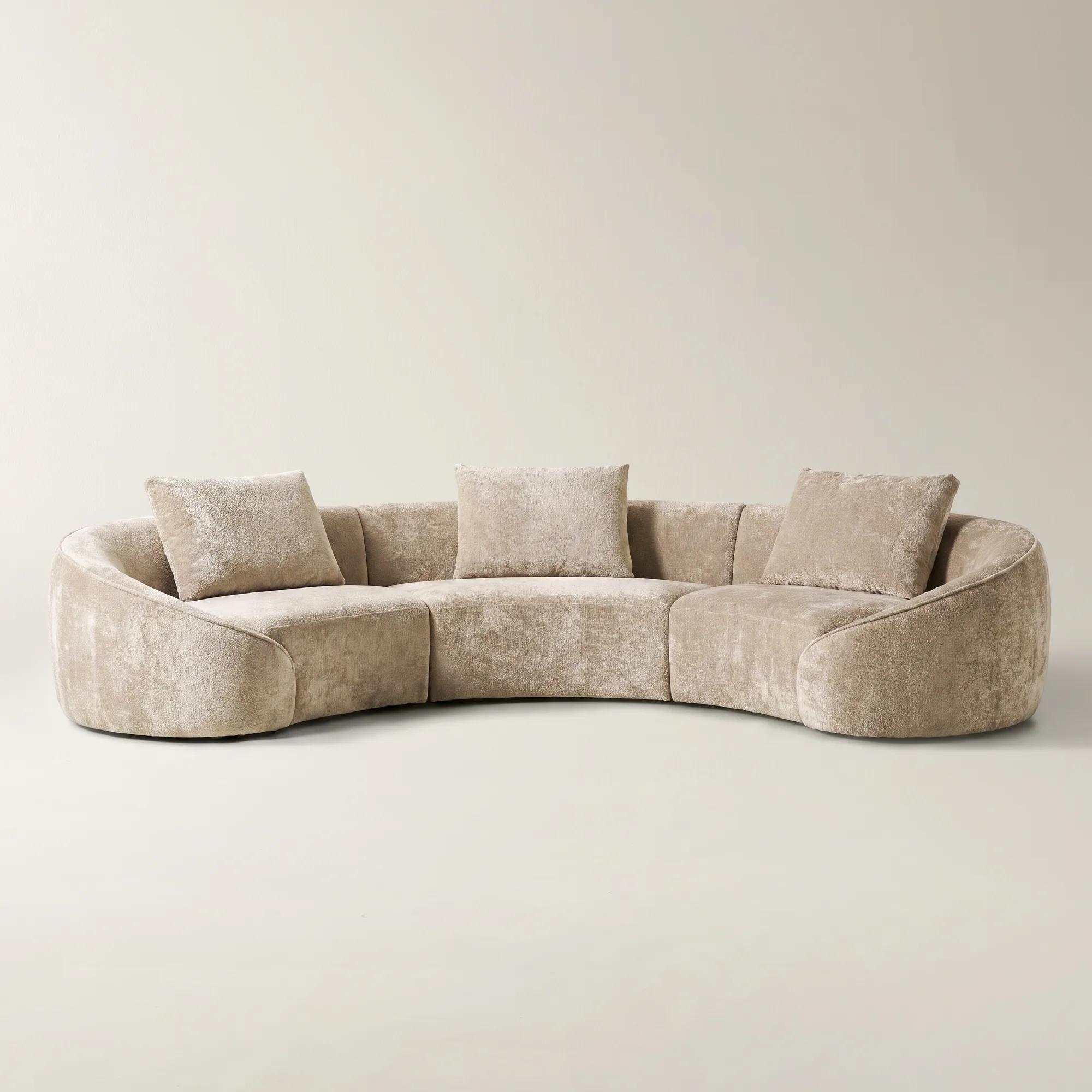 Irene 3-Piece Light Brown Chenille Sectional Sofa$3599
A sculptural light brown chenille sectional featuring high-resiliency foam cushions and artisan hand-finished upholstery.
Add To Cart -
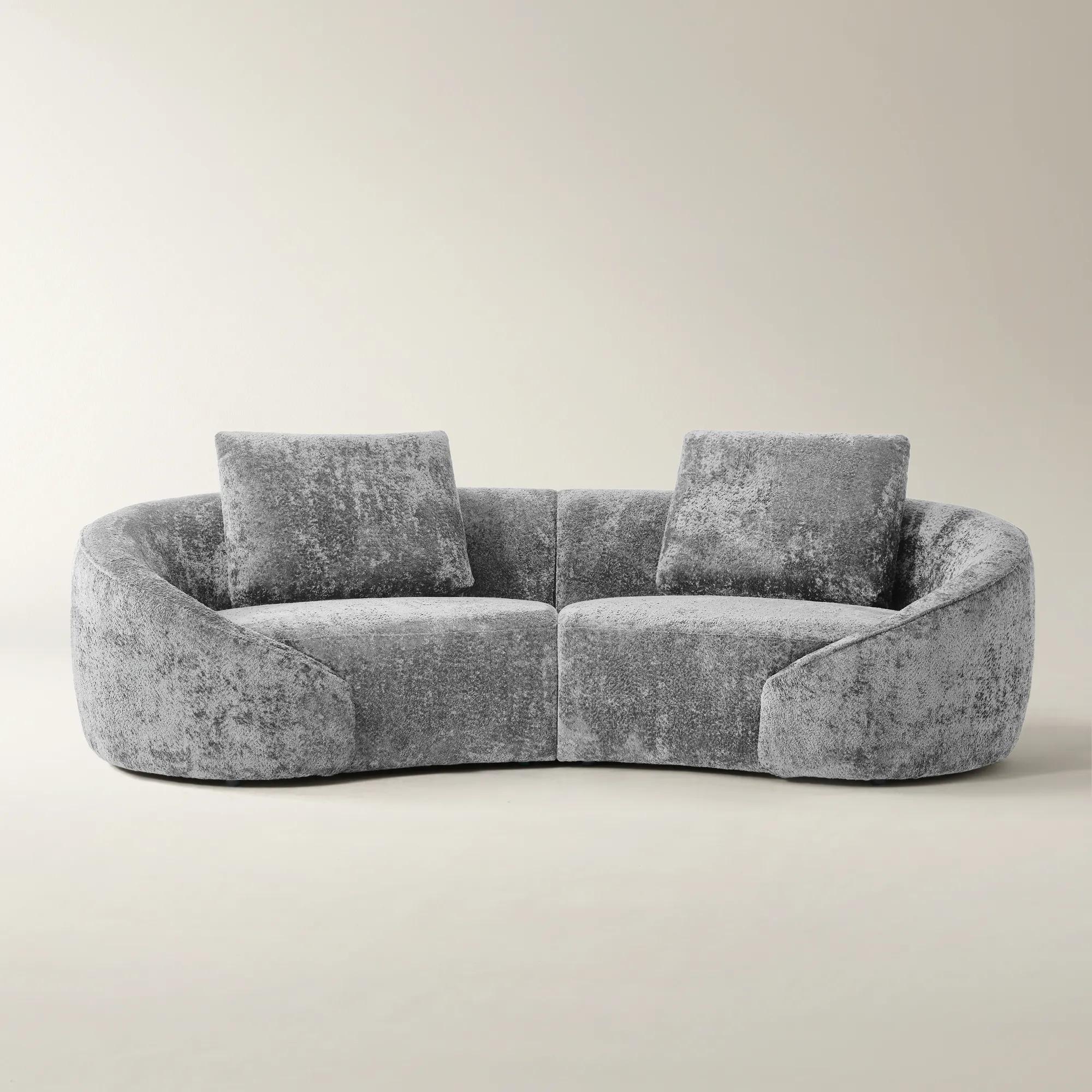 Irene 2-Piece Grey Chenille Sectional$2499
A modern curved sectional upholstered in plush Utopia Sand chenille with high-density foam cushioning for comfort.
Add To Cart -
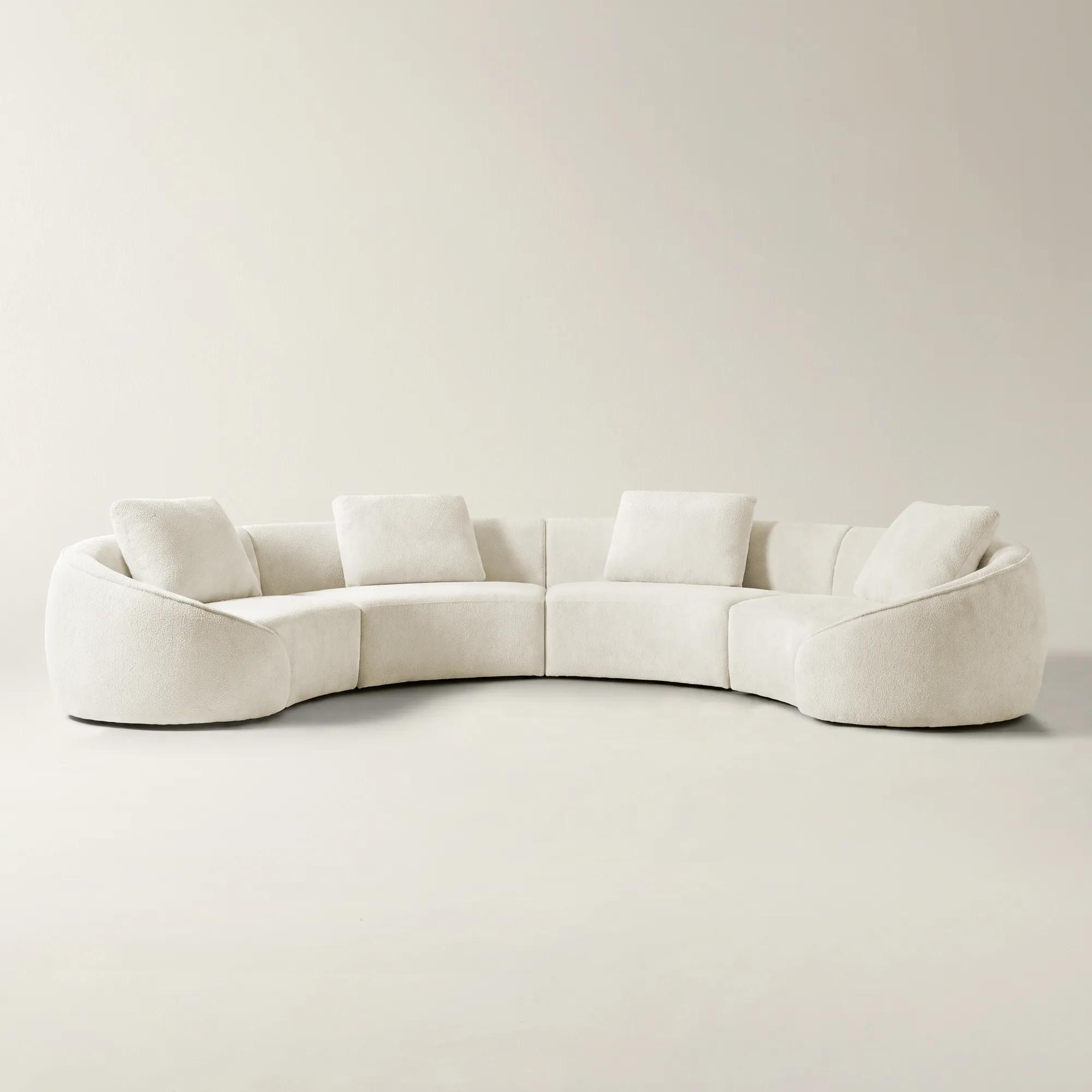
-3.png?w=1200&h=1200) Irene 4-Piece Ivory Performance Chenille Sectional Sofa$4799
Irene 4-Piece Ivory Performance Chenille Sectional Sofa$4799An inviting ivory chenille sectional featuring sculptural curves, performance upholstery, and artisan-crafted detailing.
Add To Cart -
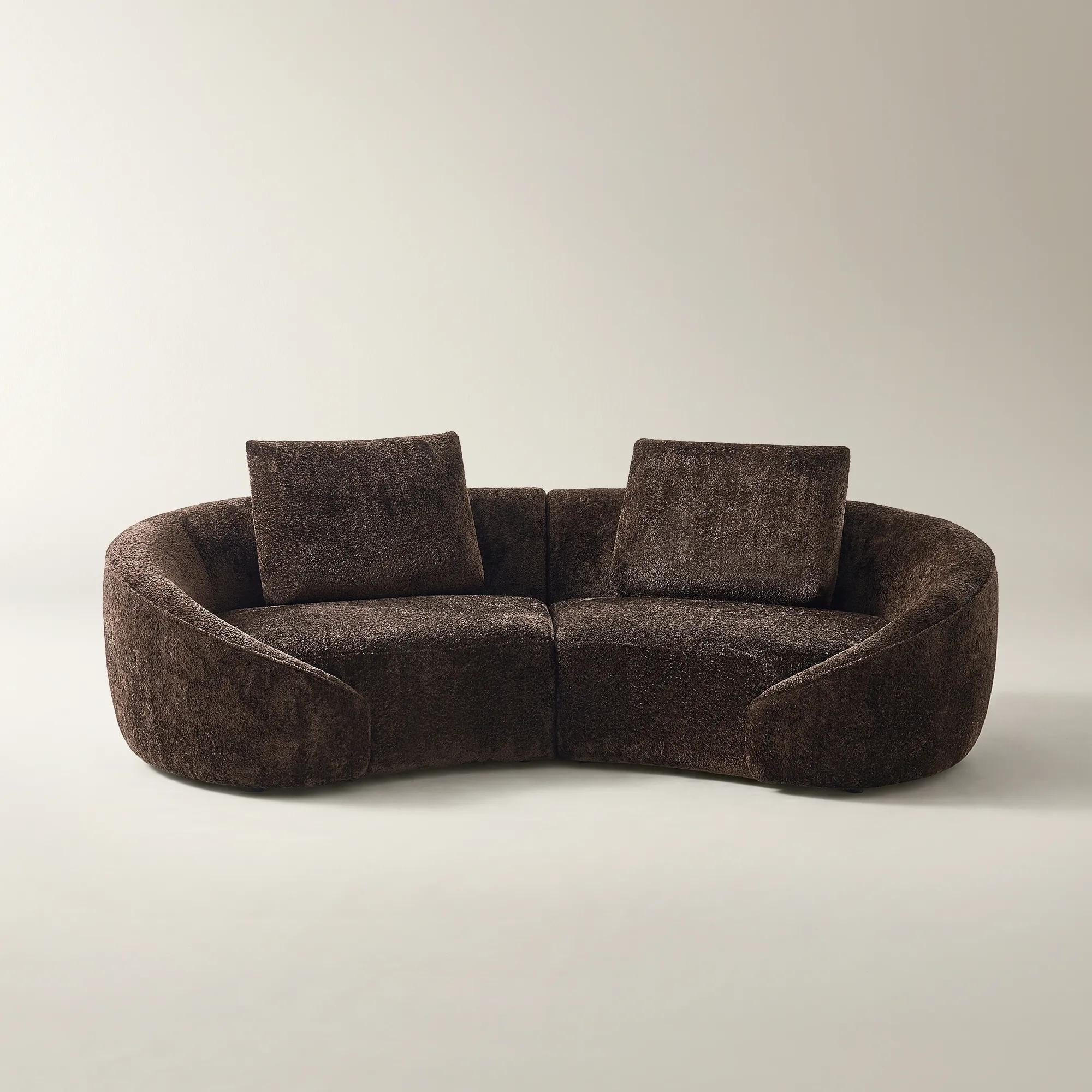 Irene 2-Piece Dark Chocolate Chenille Sectional Sofa$2499
A sculptural, hand-finished sectional wrapped in plush dark chocolate chenille with high-resiliency foam cushions.
Add To Cart

High Quality Chenille Sofas
High quality chenille sofas invite you to sink into a world of sumptuous comfort and artistic allure. With their irresistibly soft texture and subtle sheen, these pieces transform any living space into a sanctuary of style and sophistication. Each silhouette is designed to captivate—whether you’re drawn to sculptural curves or bold, tailored lines, chenille’s luxe presence elevates every gathering and quiet moment alike. Indulge in seating that doesn’t just furnish your home, but defines it—where every detail whispers elegance and every cushion promises an invitation to linger.
High-quality chenille sofas bring a distinctive richness to a living room: softly dimensional upholstery, color with depth, and a tactile finish that makes a generous seat feel even more inviting. Chenille takes its character from yarn with short fibers held between core strands, creating a plush, fuzzy surface rather than a flat fabric face. That construction gives the upholstery its signature softness and subtle shifts in appearance as the pile catches the light. Across a broad sofa back or a sculpted arm, the effect is quietly dramatic, with highlights and shadows revealing the shape beneath the fabric. Chenille can contain polyester, cotton, rayon, acrylic, or blended fibers, so its name describes the yarn’s structure rather than one particular material. Fiber content, weave density, finishing, and the construction beneath the upholstery all influence how a chenille sofa feels and performs. Polyester-rich blends can offer resilience and practical care characteristics, while cotton-containing blends may appeal for their hand and texture; neither composition alone guarantees quality. A substantial, closely woven upholstery fabric with securely held pile is generally a stronger starting point than a loose fabric that catches easily. Equally important is a silhouette that gives the texture room to express itself. A low-profile sofa with broad arms creates an expansive, grounded presence, while a tailored shape with slender legs allows the same sumptuous fabric to feel more architectural. Pale neutrals emphasize the play of light across the pile, saturated hues create a enveloping focal point, and midtone shades can make everyday marks less conspicuous, depending on the fabric. In a room with gleaming metal, polished stone, or glass accents, chenille introduces softness without diminishing the drama. For a complementary expression of this textured look, Elegant Chenille Sofas offers another perspective on seating with a refined presence. The appeal extends beyond appearance: chenille suits spaces where conversation, reading, and relaxed entertaining deserve seating that feels as considered as the surrounding art.
The quality of a chenille sofa depends as much on its foundation as on the first touch of its upholstery. Well-constructed hardwood or furniture-grade engineered wood frames, reinforced joints, and thoughtfully installed suspension help a sofa maintain its shape under repeated use. A frame material by itself tells only part of the story; joinery, bracing, and the overall design matter too. Seat cushions contribute another layer of distinction. Higher-density foam can support shape retention, while fiber or feather-and-down wraps may add a softer surface feel, with different requirements for fluffing and maintenance. Foam density is not the same as firmness, so a cushion can feel yielding while still having a supportive core. For households that gather on the sofa every evening, consistent support and cushions that recover after use deserve close attention. Fabric durability also involves more than a reassuringly plush hand. Abrasion-test results, when provided, can help compare resistance to rubbing, but test methods differ, and a rub count does not predict a precise number of years of service. Pilling resistance, seam strength, colorfastness, and susceptibility to snagging are separate considerations. A tight weave can help reduce catching, though exposed pile may still be vulnerable to pet claws or sharp accessories. Performance finishes can add stain resistance when explicitly specified, but chenille is not inherently stain-proof, waterproof, or suitable for every cleaning method. These distinctions matter in a family room where snacks, frequent visitors, and pets are part of daily life. Scale is just as consequential. Overall width determines whether the sofa fits the wall, while depth affects circulation and the relationship to a coffee table. Seat depth and seat height determine how the sofa accommodates different bodies: deeper seating favors reclining and curling up, while a shallower seat may better support an upright conversation posture. Someone who prefers easier sitting and standing may appreciate a higher, firmer seat with supportive arms. Measuring doorways, hall turns, staircases, and elevator openings protects the intended room arrangement from an avoidable delivery obstacle.
Chenille sofas feel most successful when their proportions and care requirements match the way a room is actually lived in. In an apartment, a tailored profile can deliver rich texture without overwhelming the floor plan; in a larger living area, a more expansive shape can anchor a conversation setting and visually balance substantial artwork. The useful measurement is not simply the sofa’s total width but the seating space between its arms, especially when several adults will share it. Broad arms have sculptural appeal, yet they can occupy inches that might otherwise become sitting space. Allowing comfortable passage around the seating preserves the room’s sense of ease, while leaving the upholstery clear of rough adjacent surfaces helps prevent unnecessary friction. Thoughtful care protects the fabric’s distinctive finish. Routine vacuuming with an appropriate upholstery attachment and gentle suction helps remove dust and grit before they settle into the pile. Removable cushions may benefit from rotation or flipping when their construction and the manufacturer’s directions allow it; fixed cushions and one-sided designs need a different approach. A removable cover is not automatically machine washable. The upholstery care label remains the authority: W generally indicates water-based cleaning products, S indicates solvent-based products, W/S permits either category, and X calls for vacuuming or light brushing rather than liquid cleaners. Any approved cleaner should first be tested in an inconspicuous area. Spills are best addressed promptly by blotting with a clean, absorbent cloth rather than rubbing, which can spread the spill and disturb the surface. Saturating chenille can affect its appearance or underlying materials, and professional upholstery cleaning may be appropriate for persistent soil. Prolonged direct sunlight can fade upholstery, while repeated contact in the same position may flatten or redirect the pile, creating visible shading that does not necessarily indicate structural damage. With suitable construction, realistic expectations, and attentive care, a high-quality chenille sofa can remain a compelling centerpiece through years of ordinary rituals and memorable gatherings. Its lasting appeal lies in that balance: expressive texture, substantial comfort, and a silhouette that gives the entire room a more composed, luxurious character.
FAQs
Chenille sofas are celebrated for their plush, velvety texture and subtle sheen, which instantly elevate the ambiance of any room. The fabric's rich, dimensional surface creates a sense of warmth and opulence, making it a favorite for those who appreciate both comfort and artistry in their interiors. Its tactile appeal invites relaxation, while its sophisticated look brings a touch of drama and elegance to modern living spaces.
To preserve the beauty of your chenille sofa, gently vacuum it with a soft brush attachment to remove dust and debris. Avoid exposing the fabric to direct sunlight, as this can cause fading over time. For spills or stains, blot gently and consider professional upholstery cleaning to maintain the fabric's integrity and luster. Regular care ensures your sofa remains a stunning centerpiece for years to come.
Chenille’s inviting texture can attract pet hair and is susceptible to snags from sharp claws, so it’s best suited for homes where pets are well-groomed and their nails are kept trimmed. If you share your space with furry companions, regular maintenance and mindful use will help keep your chenille sofa looking its best.
Chenille sofas are remarkably versatile and complement a wide range of design aesthetics. Their luxurious texture and understated sheen make them a natural fit for glamorous, contemporary, and eclectic interiors. Whether paired with metallic accents, bold artwork, or layered textiles, chenille sofas can anchor a space with both comfort and visual intrigue.
A kiln-dried hardwood frame, such as oak or maple, provides exceptional strength and durability, resisting warping and maintaining the sofa’s shape over time. This solid foundation ensures that the plush comfort and beauty of the chenille upholstery are supported by lasting craftsmanship, making it a wise investment for those who value both style and substance.