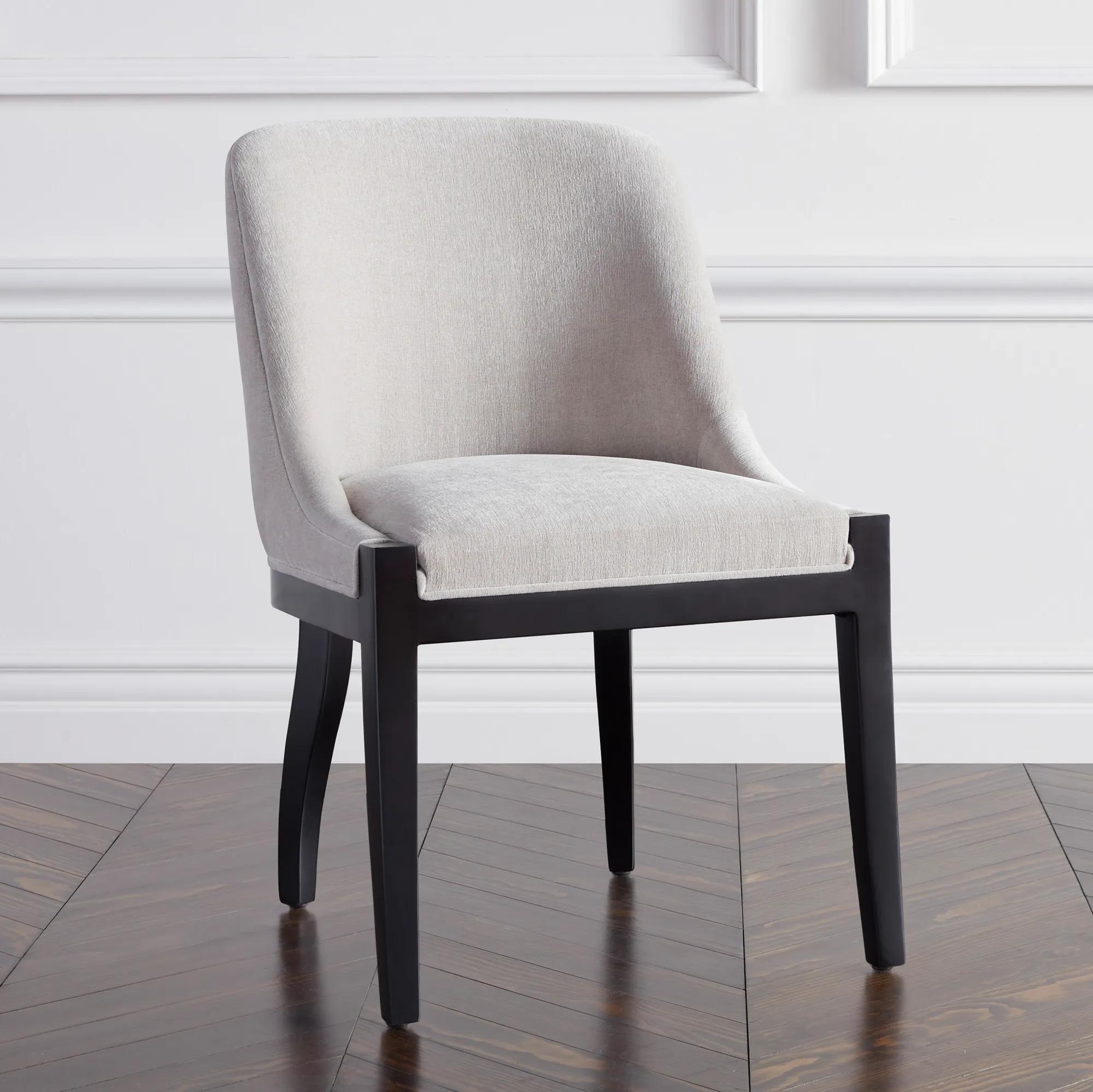
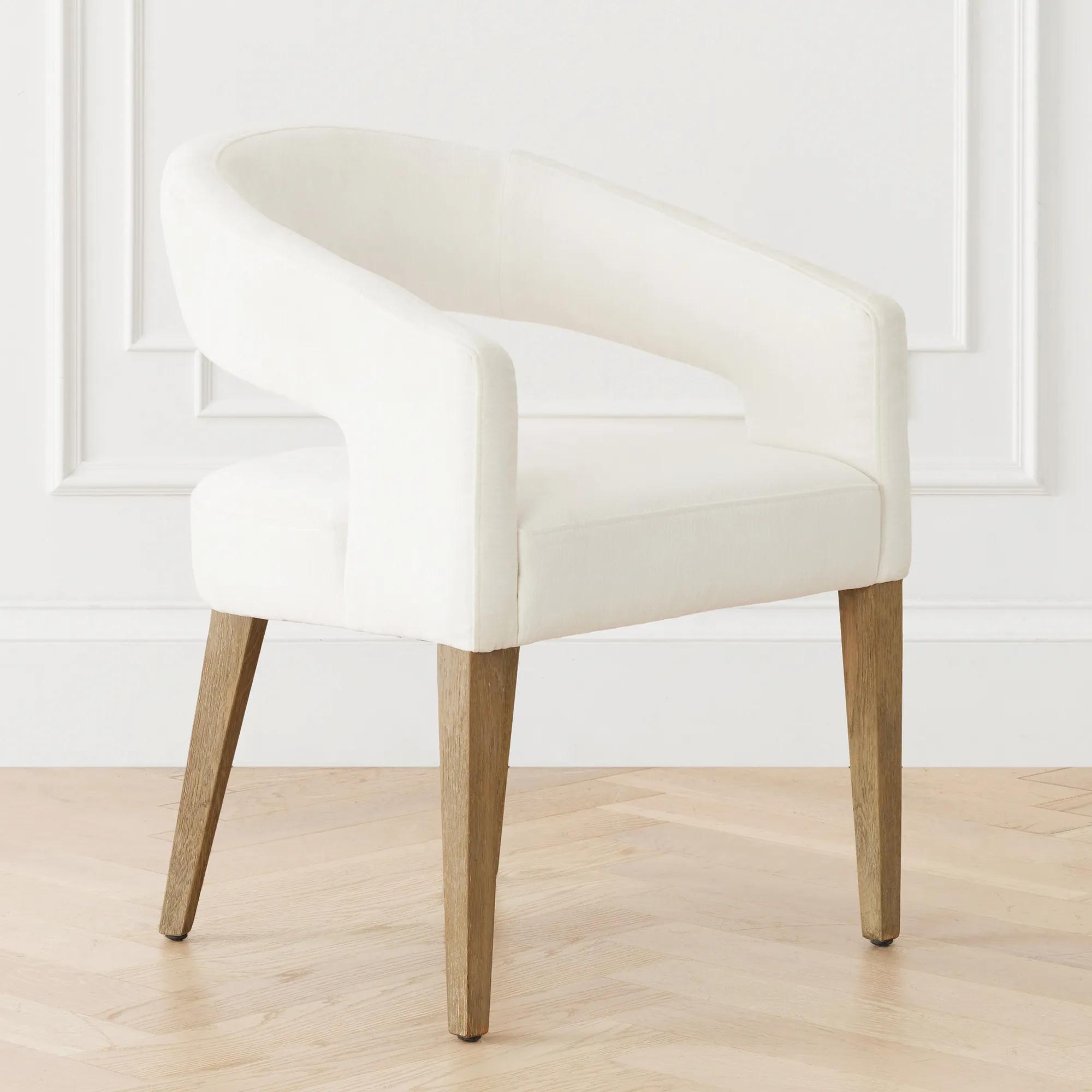
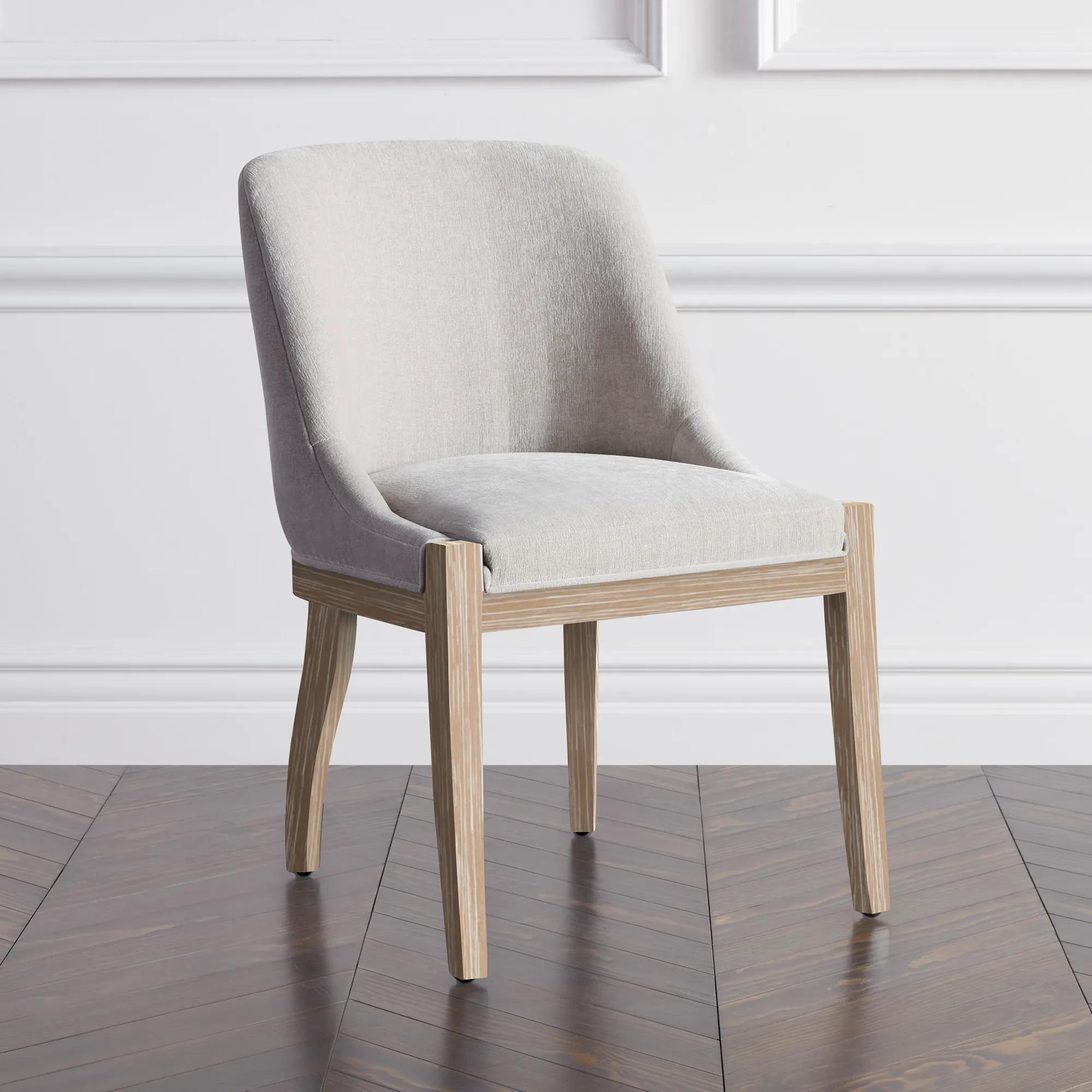
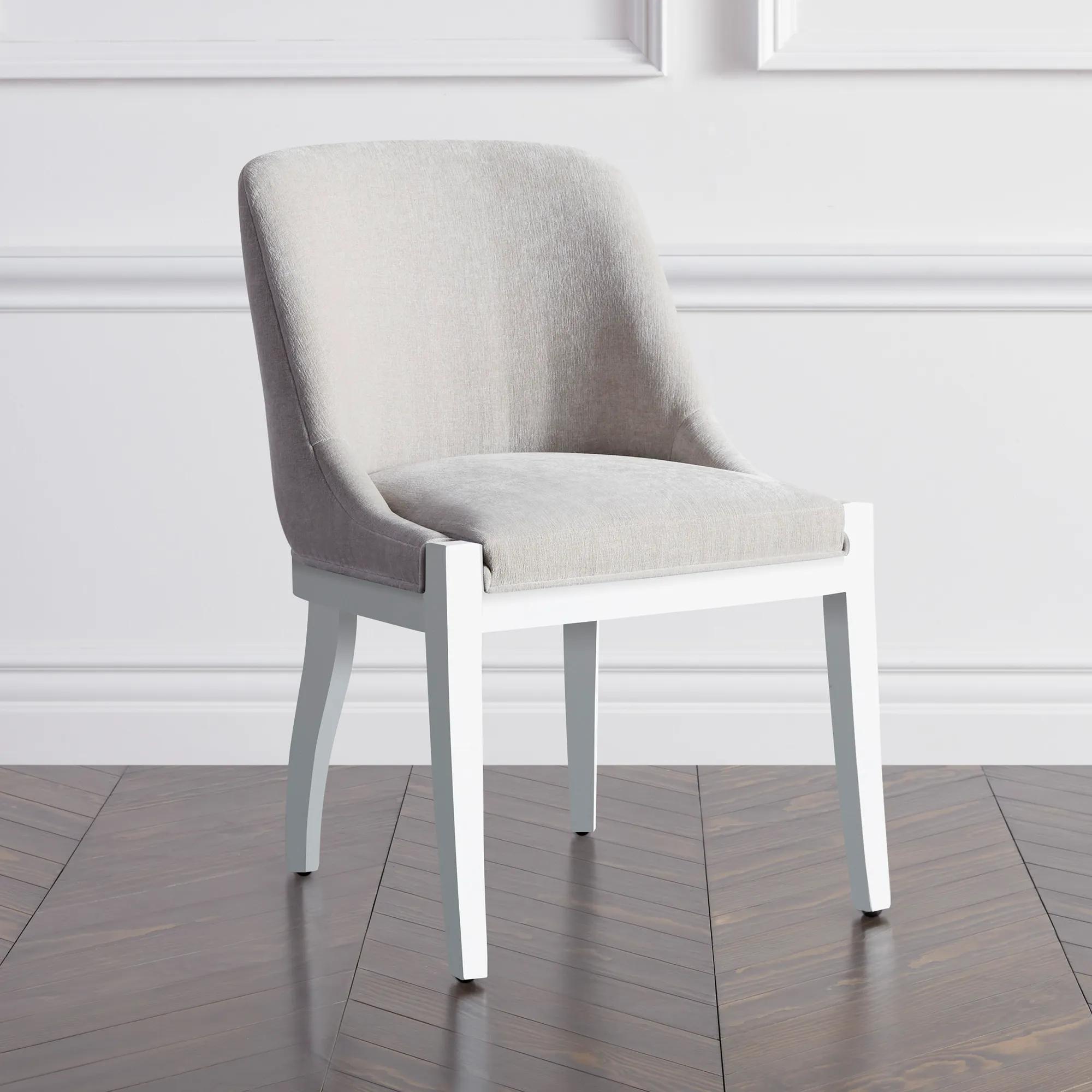
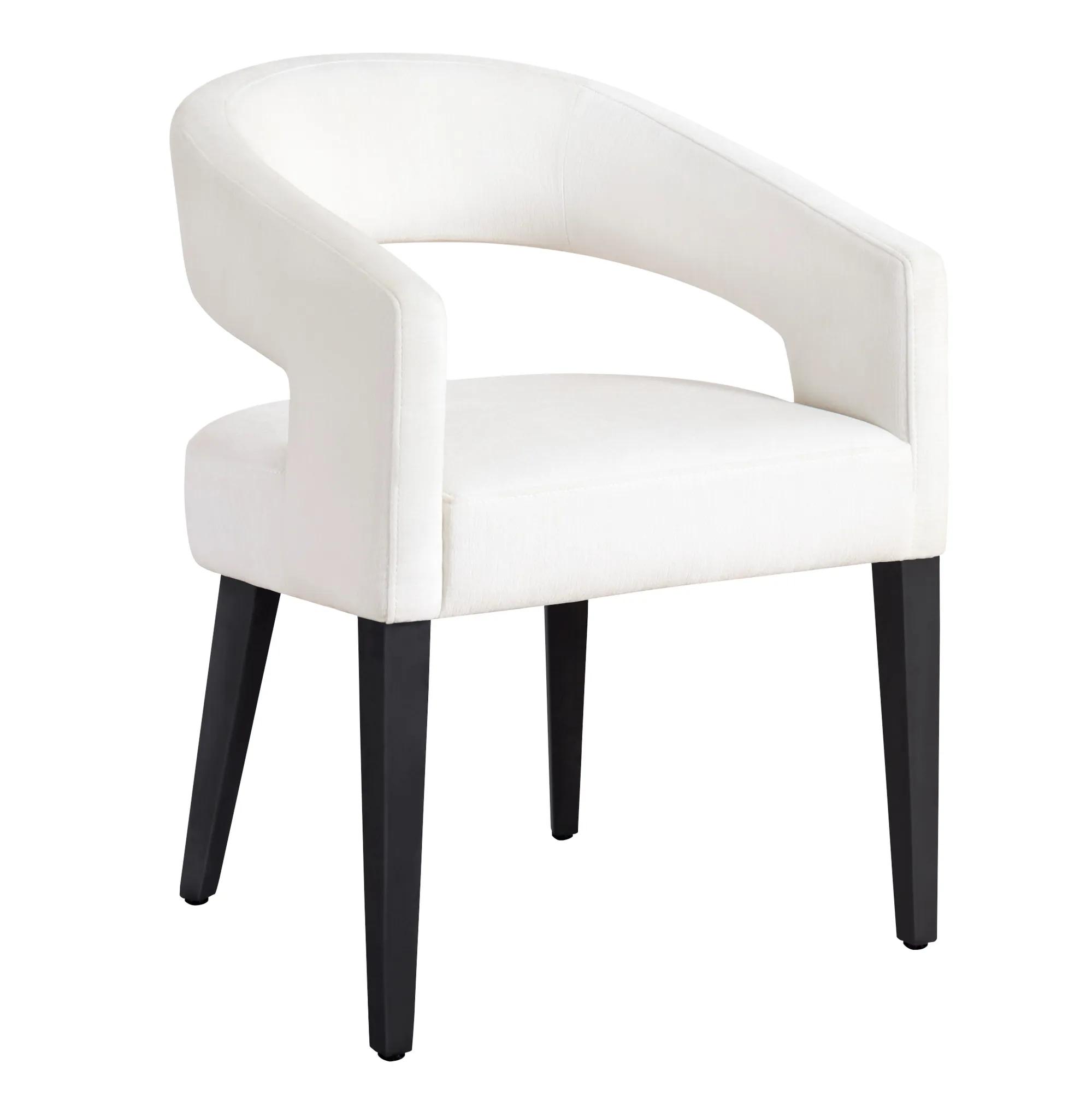
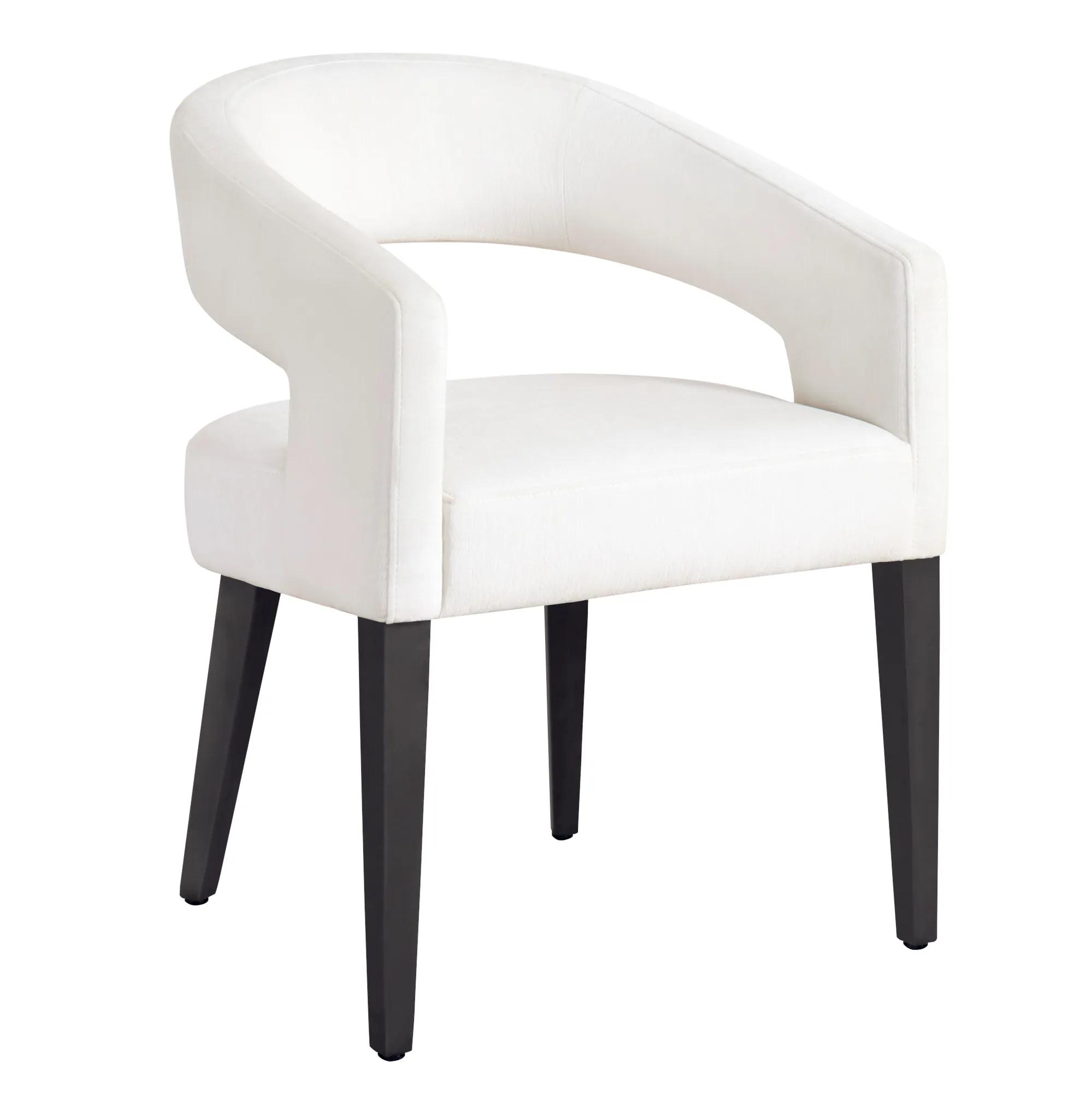
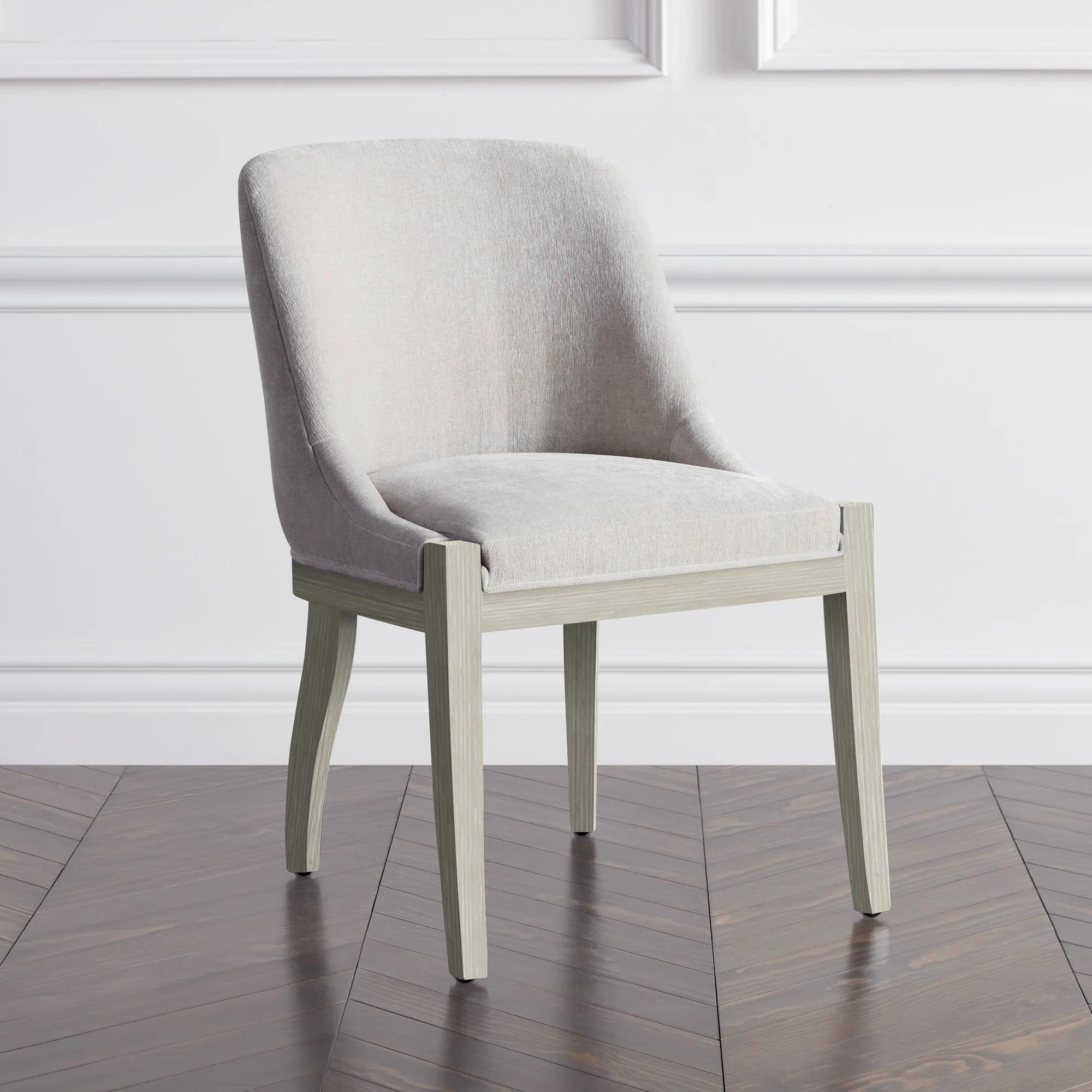
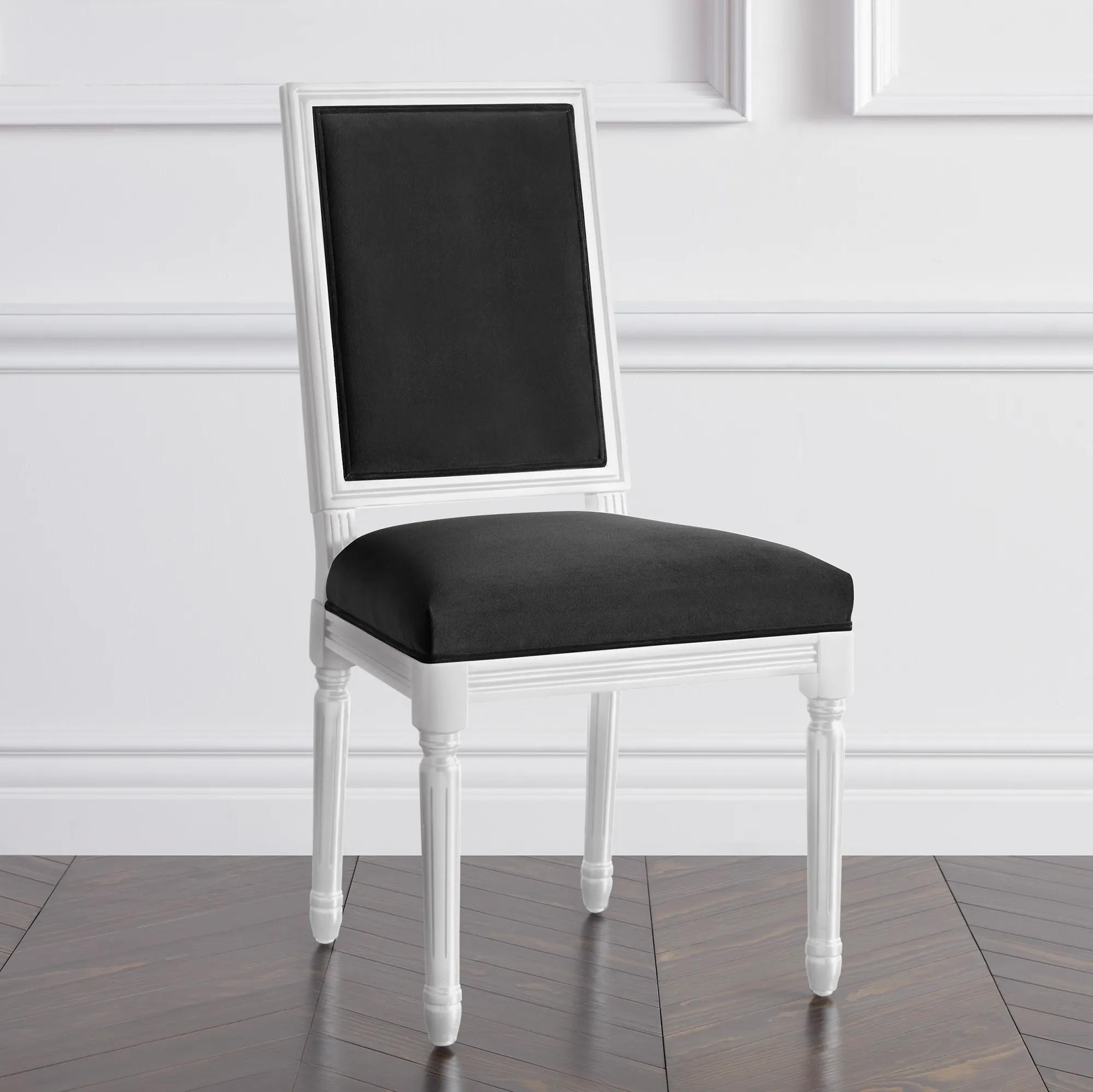
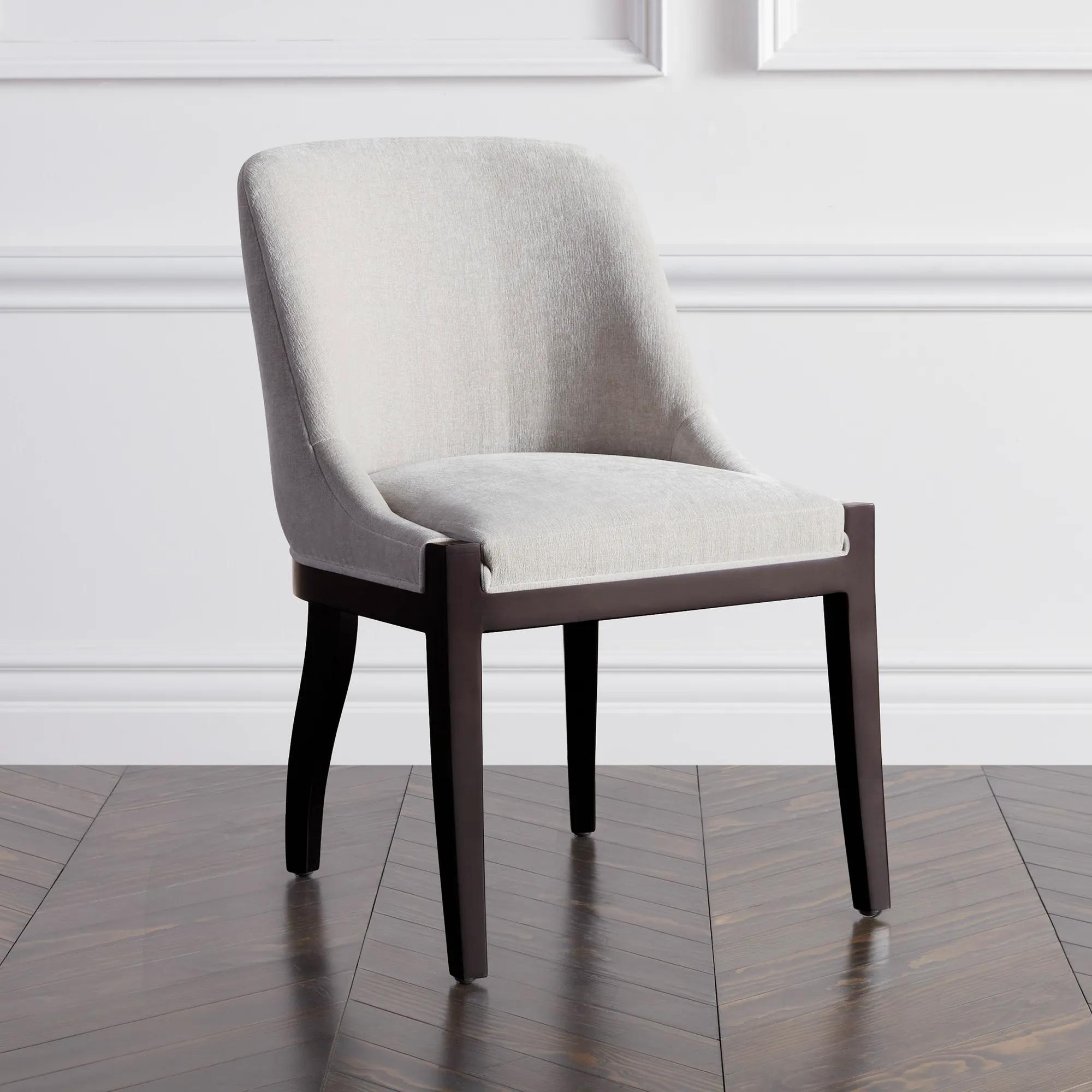
Hardwood Frame Velvet Stools
Hardwood Frame Velvet Stools
-
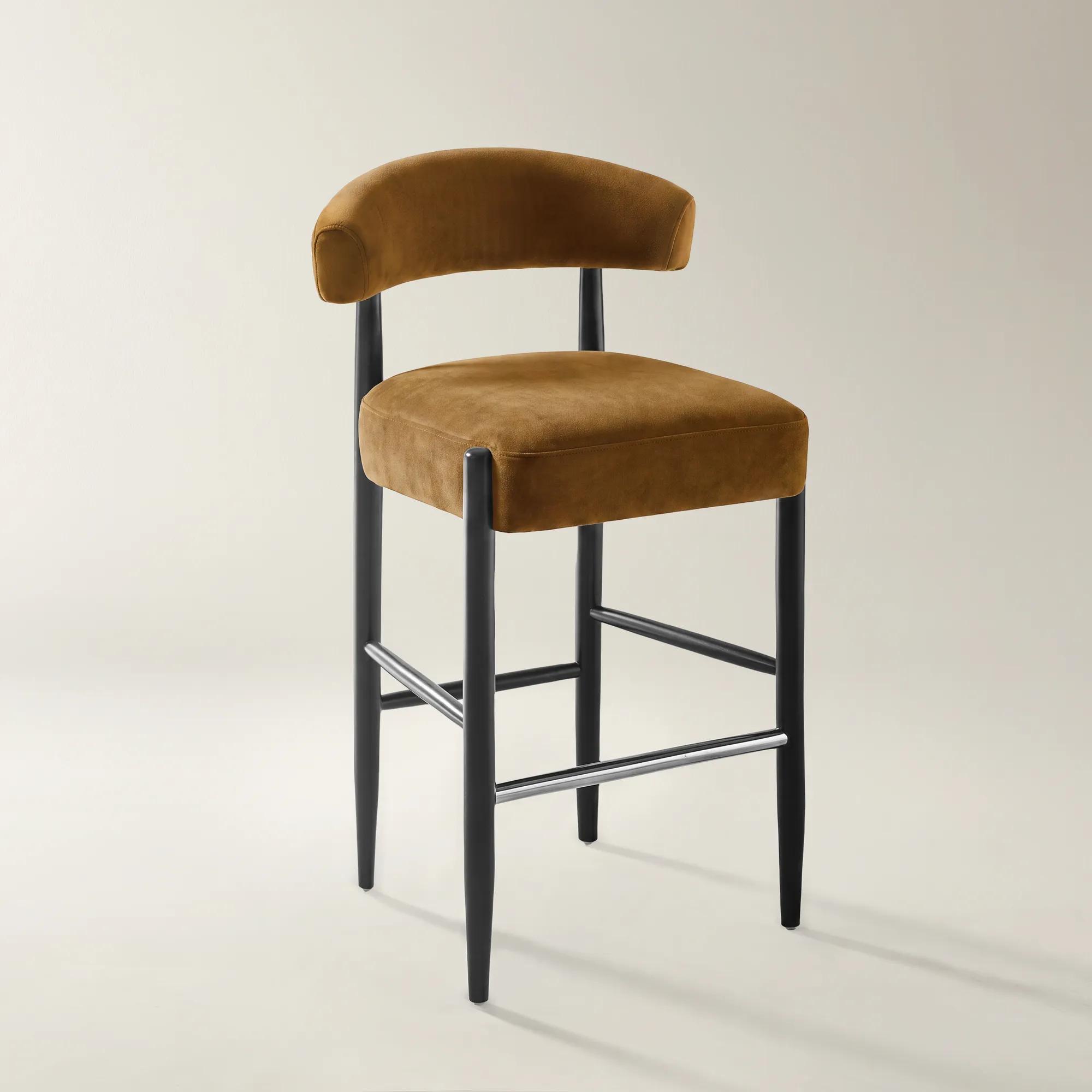 Anna Roasted Pecan Velvet Bar/Counter Stool$399
A roasted pecan velvet stool with a sculpted padded seat and solid rubberwood legs, fully assembled.
Add To Cart -
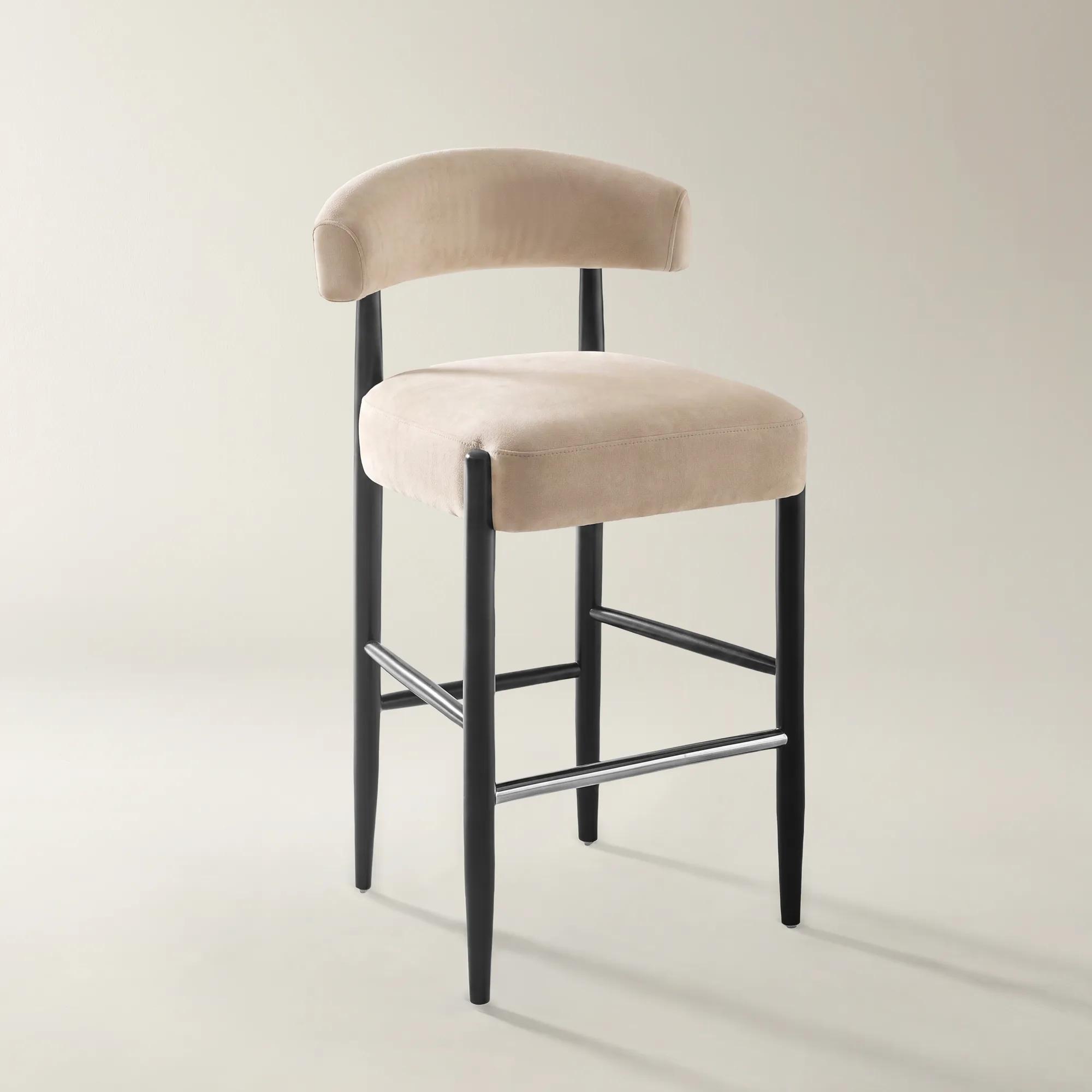 Anna Simply Taupe Velvet Bar/Counter Stool$399
A taupe velvet stool featuring sculpted support, a generously padded seat, and tapered solid rubberwood legs.
Add To Cart -
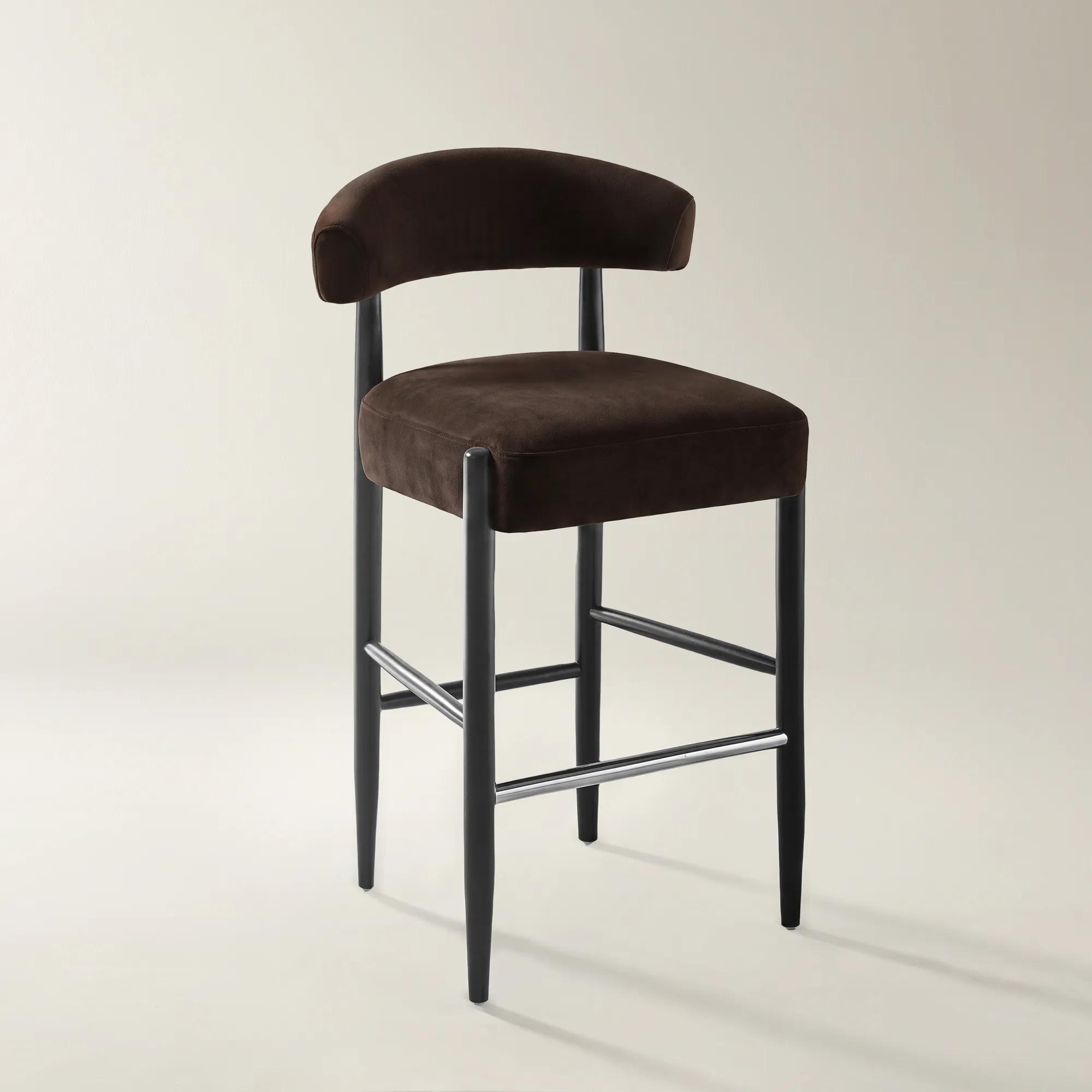 Anna Dark Chocolate Velvet Bar/Counter Stool$399
A dark chocolate velvet stool featuring sculpted support, high-density cushioning, and tapered solid-rubberwood legs.
Add To Cart -
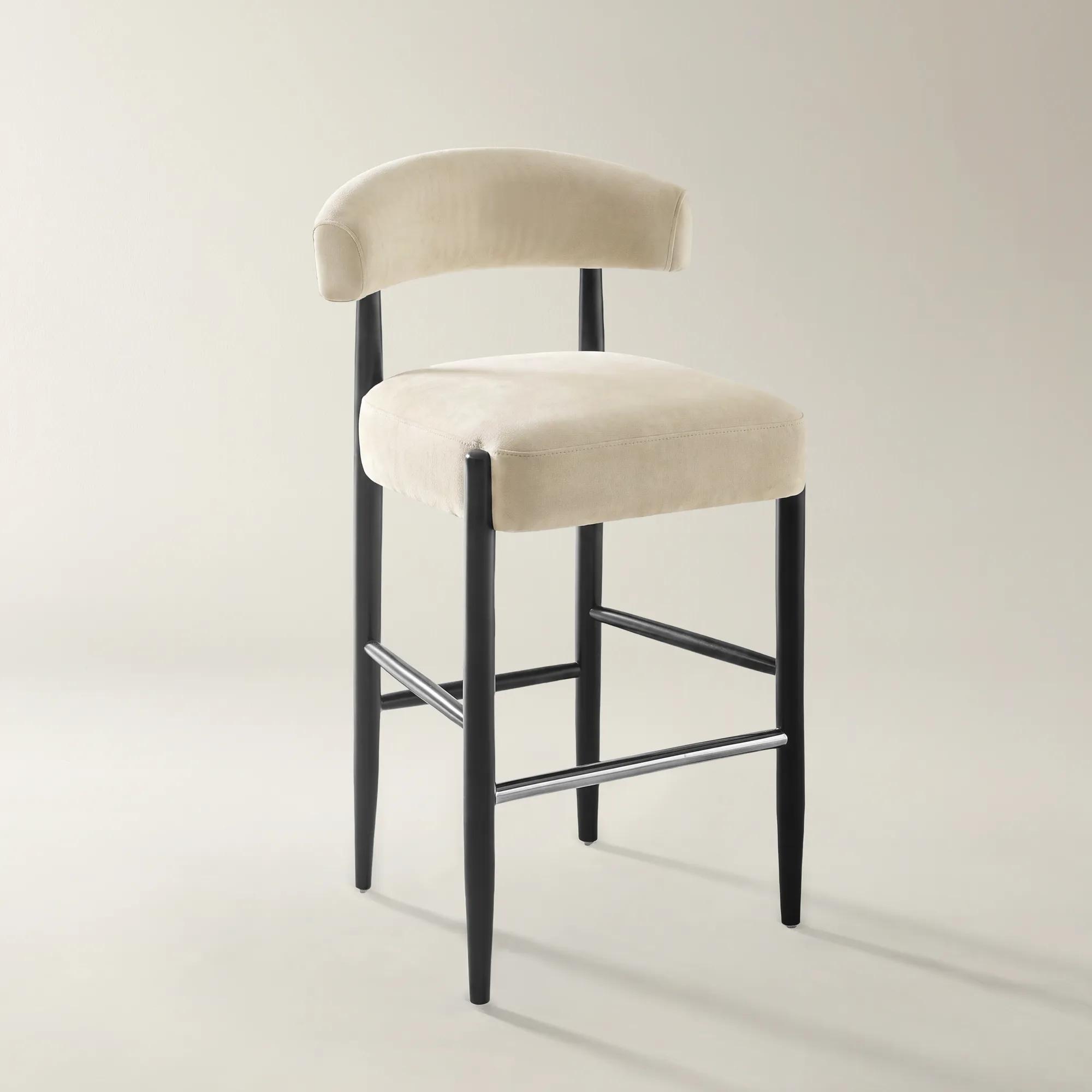 Anna Oatmeal Velvet Bar/Counter Stool$399
A refined oatmeal velvet stool with a sculpted padded seat and solid rubberwood legs.
Add To Cart -
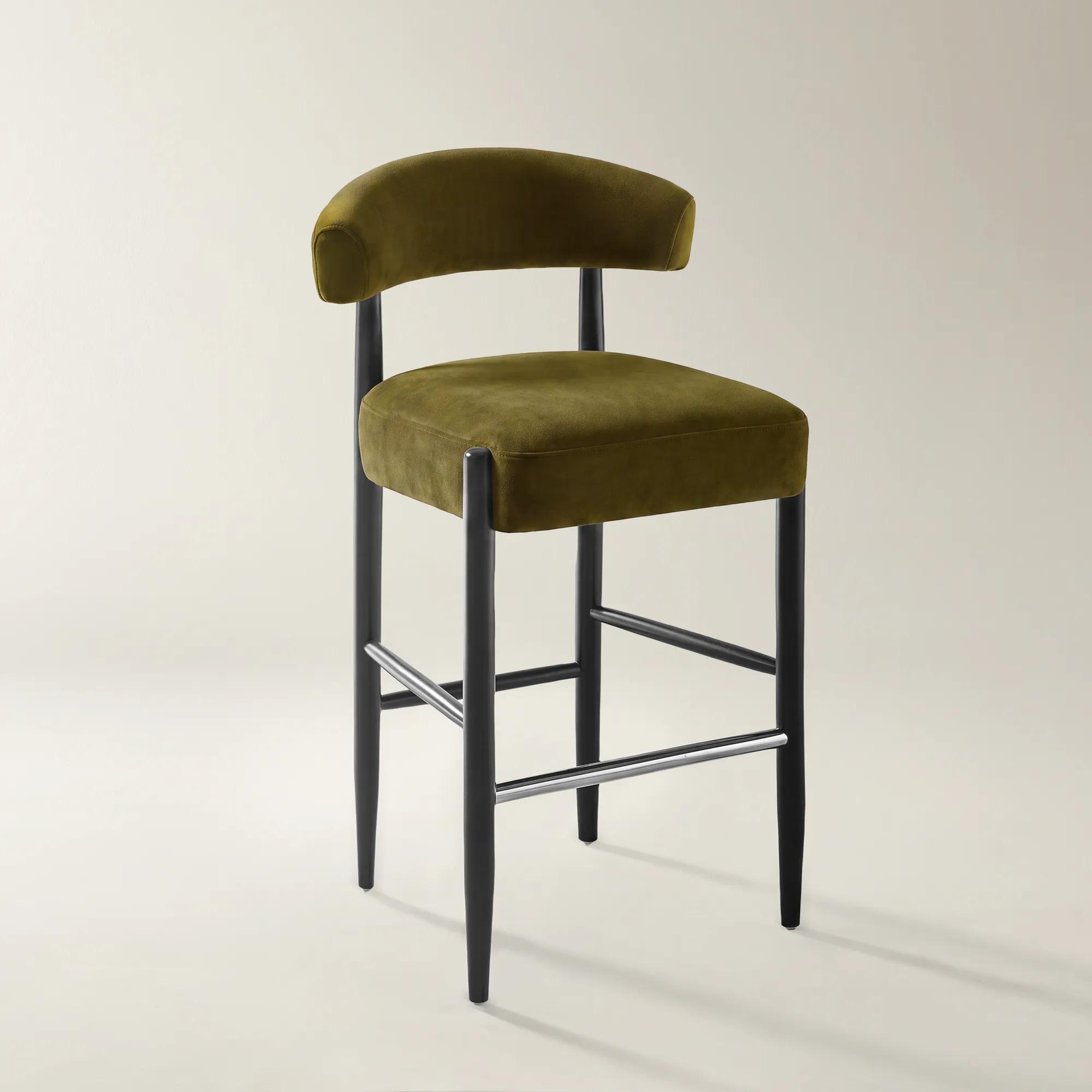 Anna Deep Olive Velvet Bar/Counter Stool$399
A deep olive velvet stool with sculpted support, padded comfort, and tapered solid rubberwood legs.
Add To Cart -
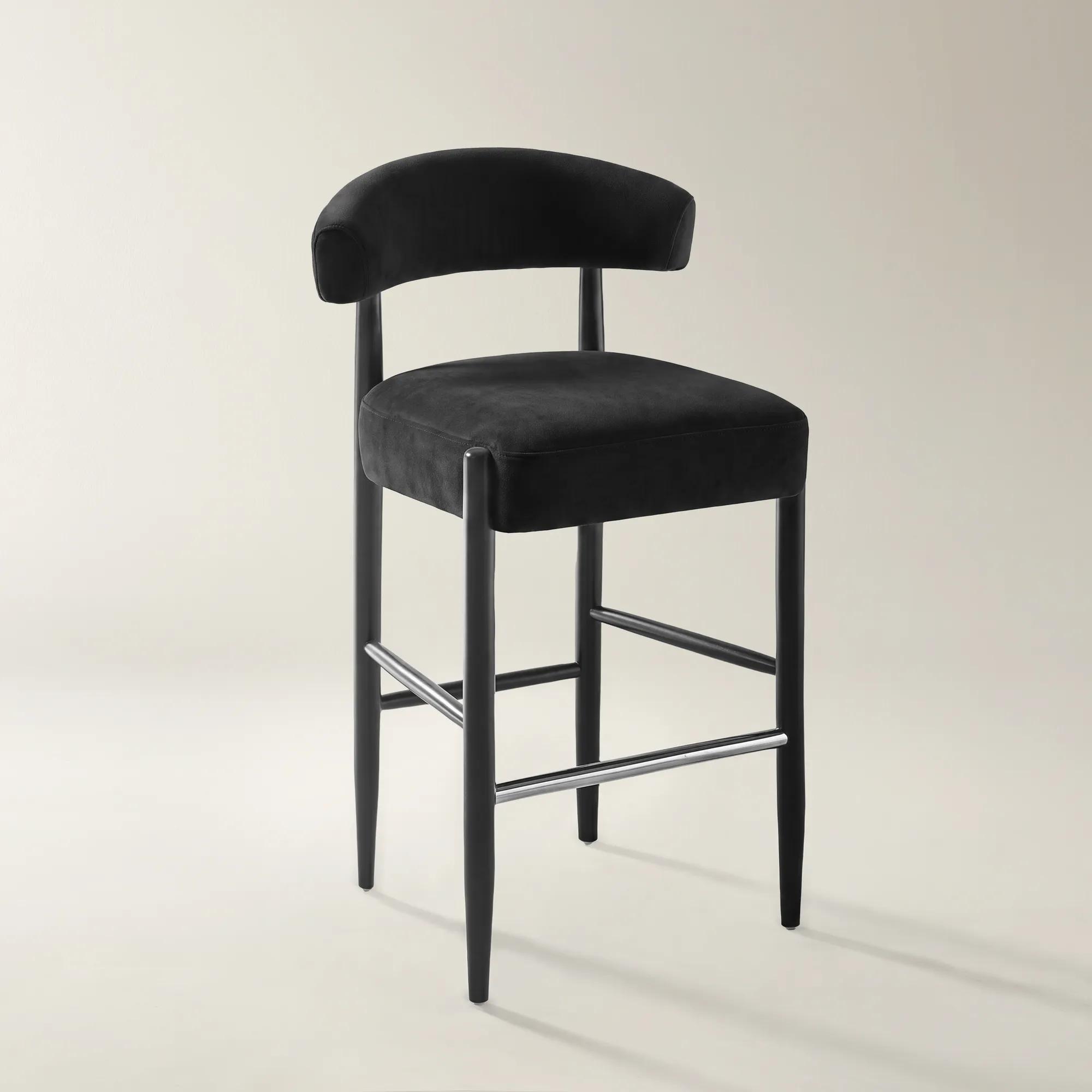 Anna Charcoal Velvet Bar/Counter Stool$399
A charcoal velvet stool featuring a sculpted padded seat, tailored upholstery, and tapered solid-rubberwood legs.
Add To Cart -
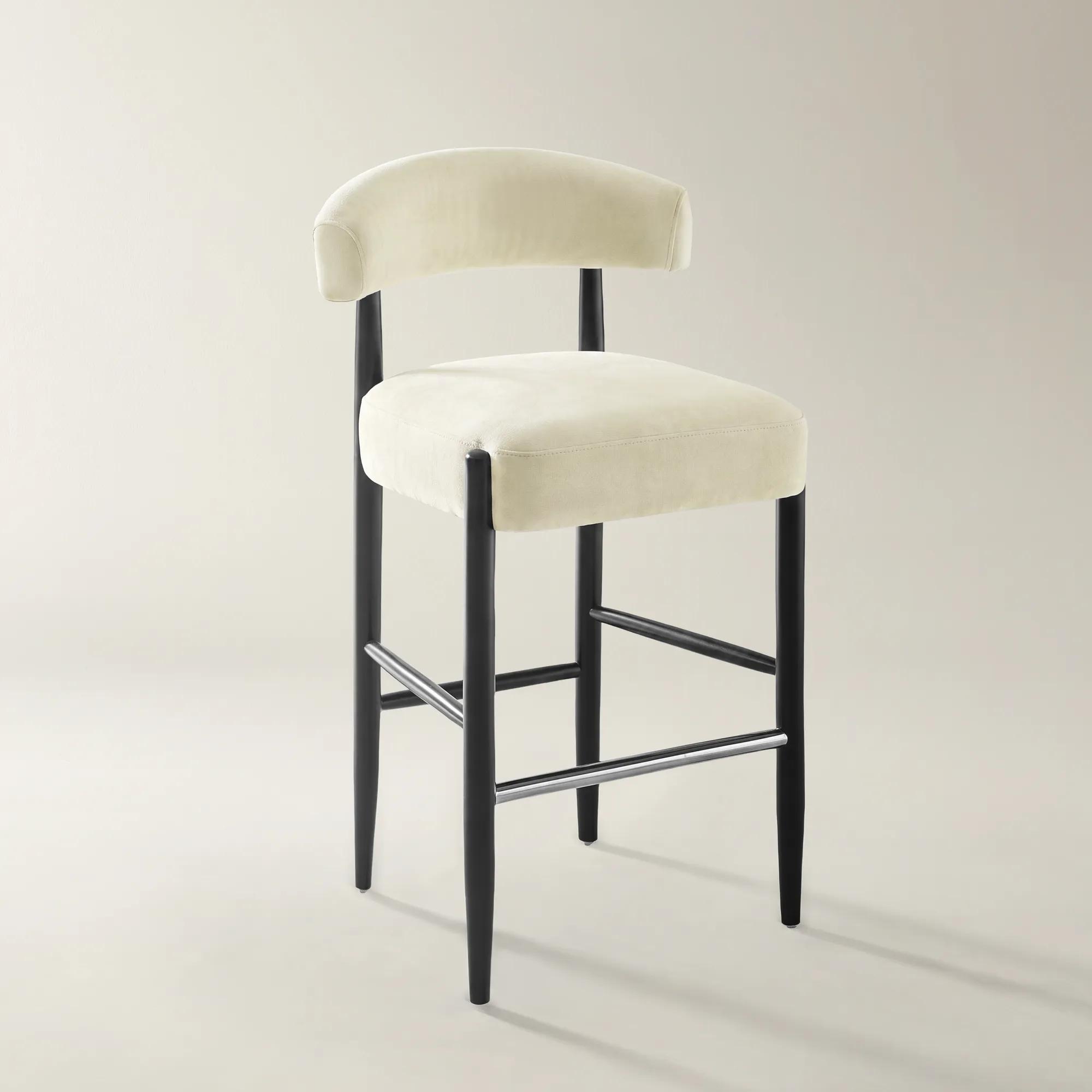 Anna Cloud Velvet Bar/Counter Stool$399
A tailored velvet stool with sculpted support, padded comfort, and solid rubberwood legs.
Add To Cart -
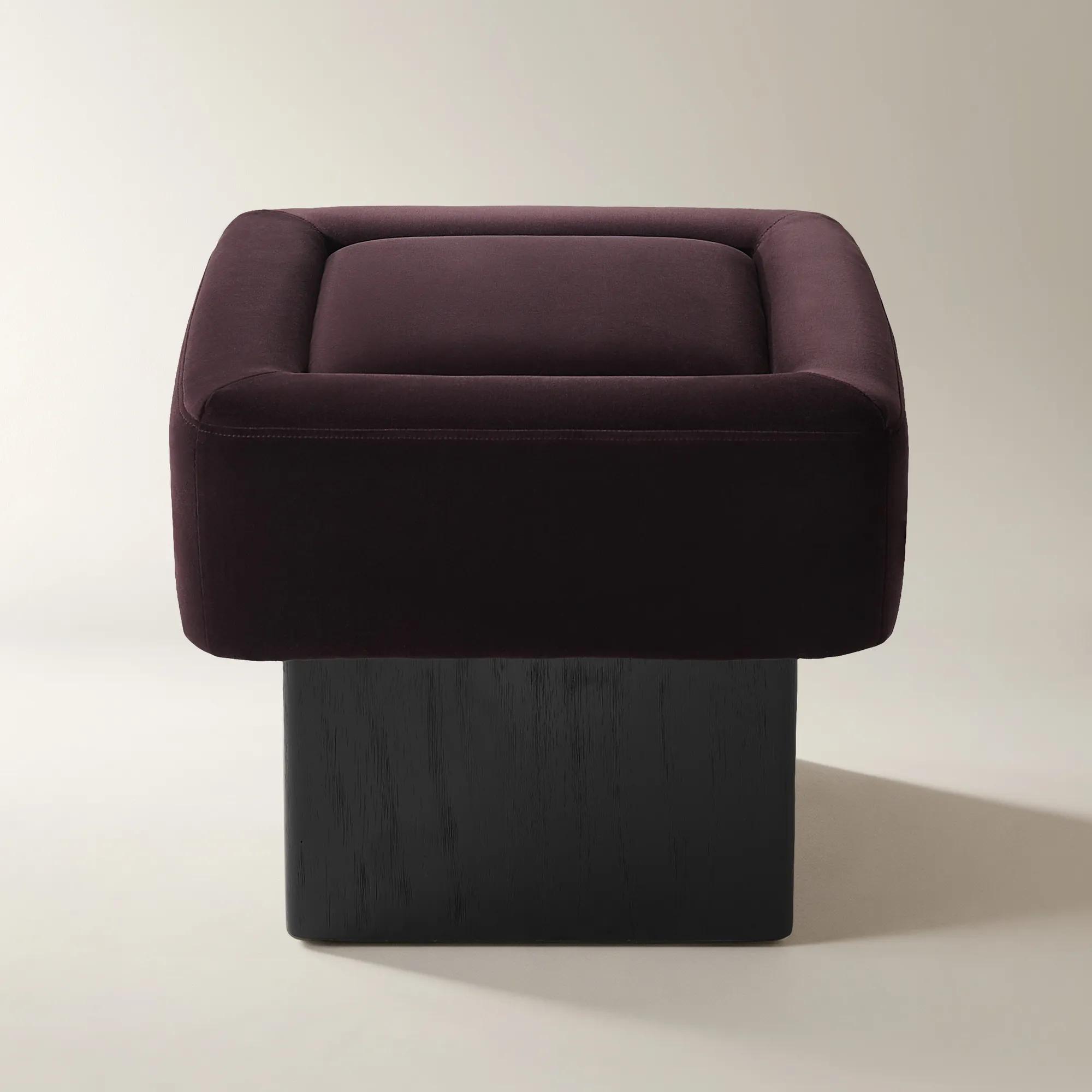 Reims Fig Velvet Stool$399
A plush fig-colored velvet stool featuring a sculpted cushion and a solid rubberwood base for modern contrast.
Add To Cart -
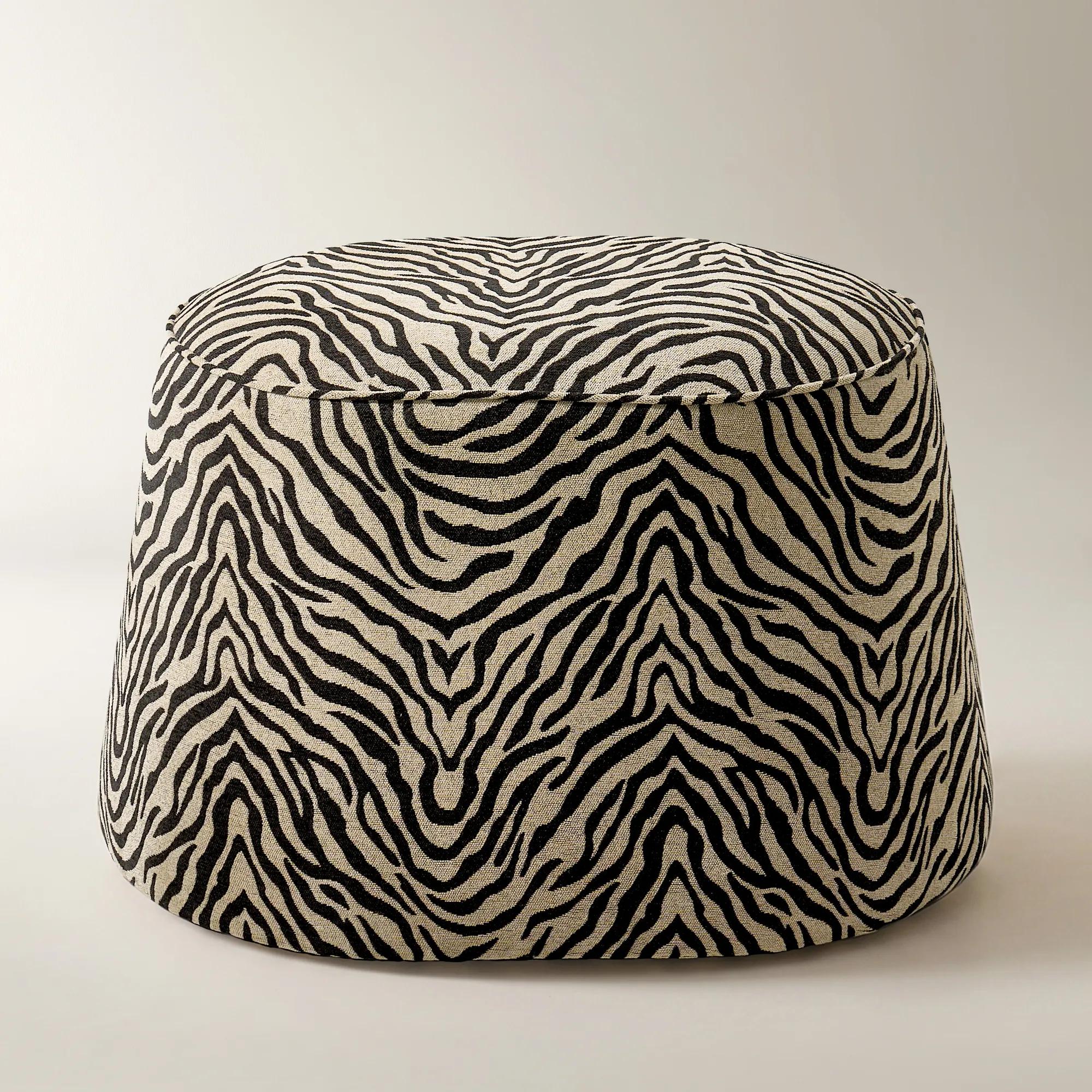 Avery Zebra Performance Chenille Stool$399
A sculpted drum-shaped accent stool upholstered in zebra-patterned performance chenille for bold, modern style.
Add To Cart -
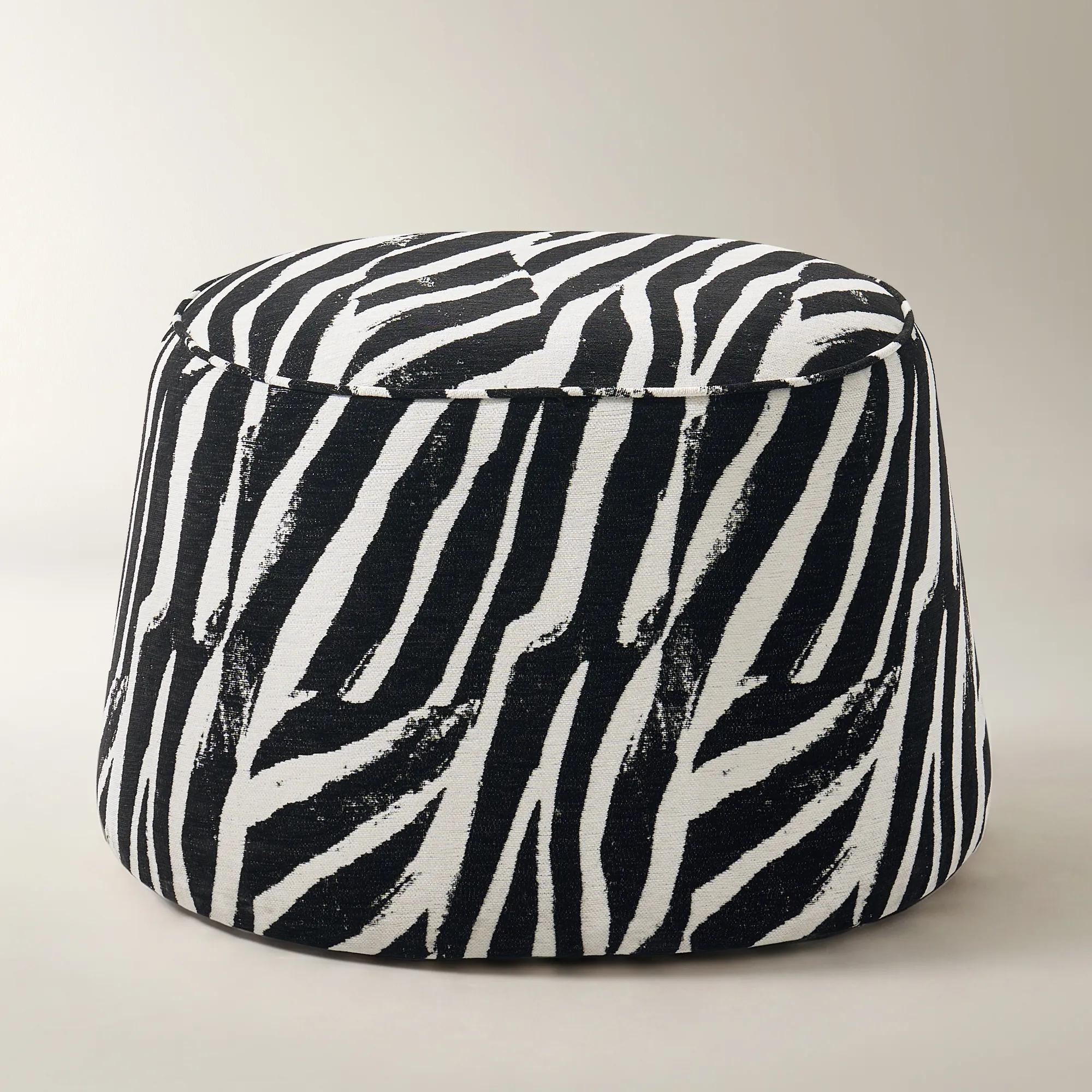 Avery White/Black Performance Chenille Stool$399
A sculpted drum accent stool in black and white performance chenille with an animal-inspired pattern.
Add To Cart -
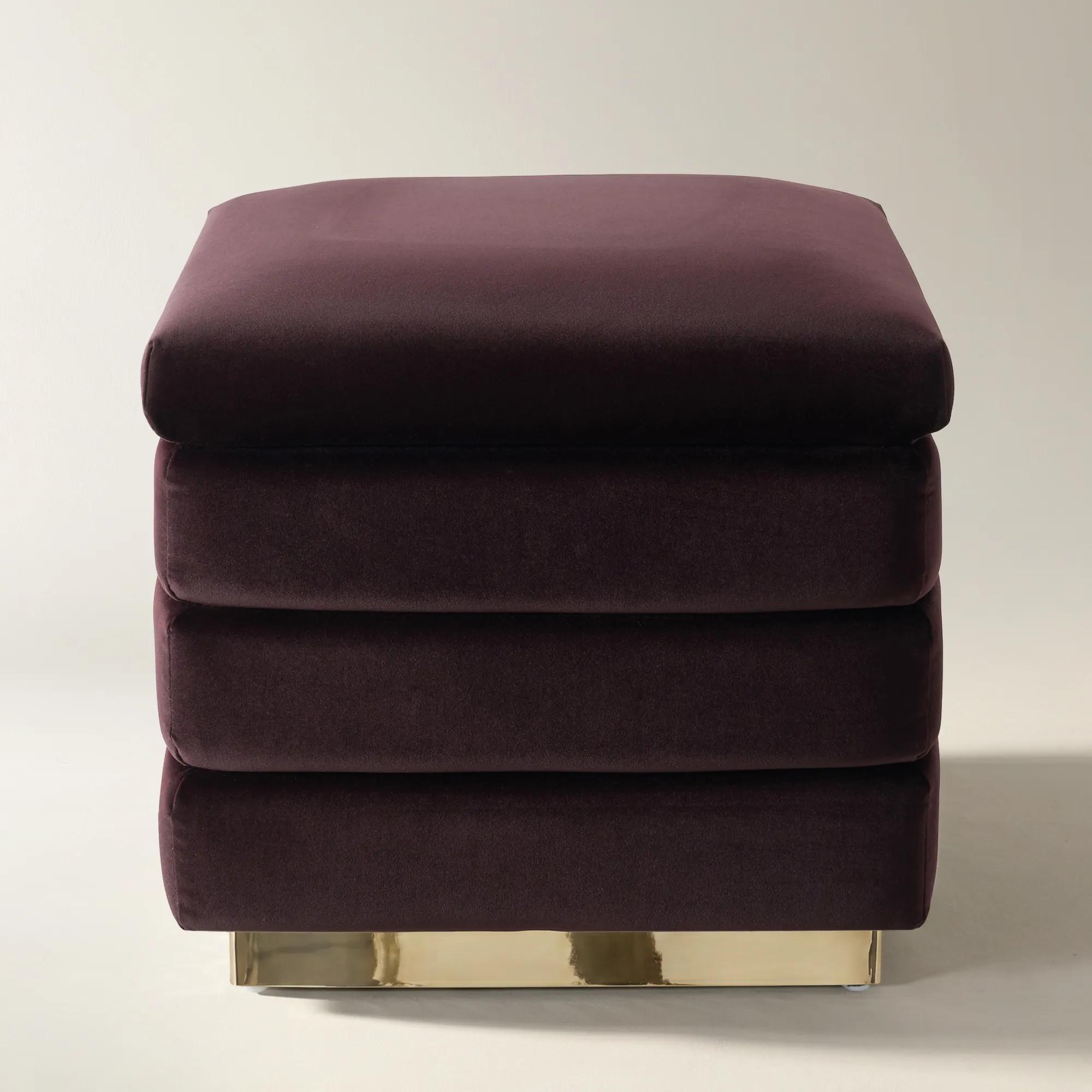
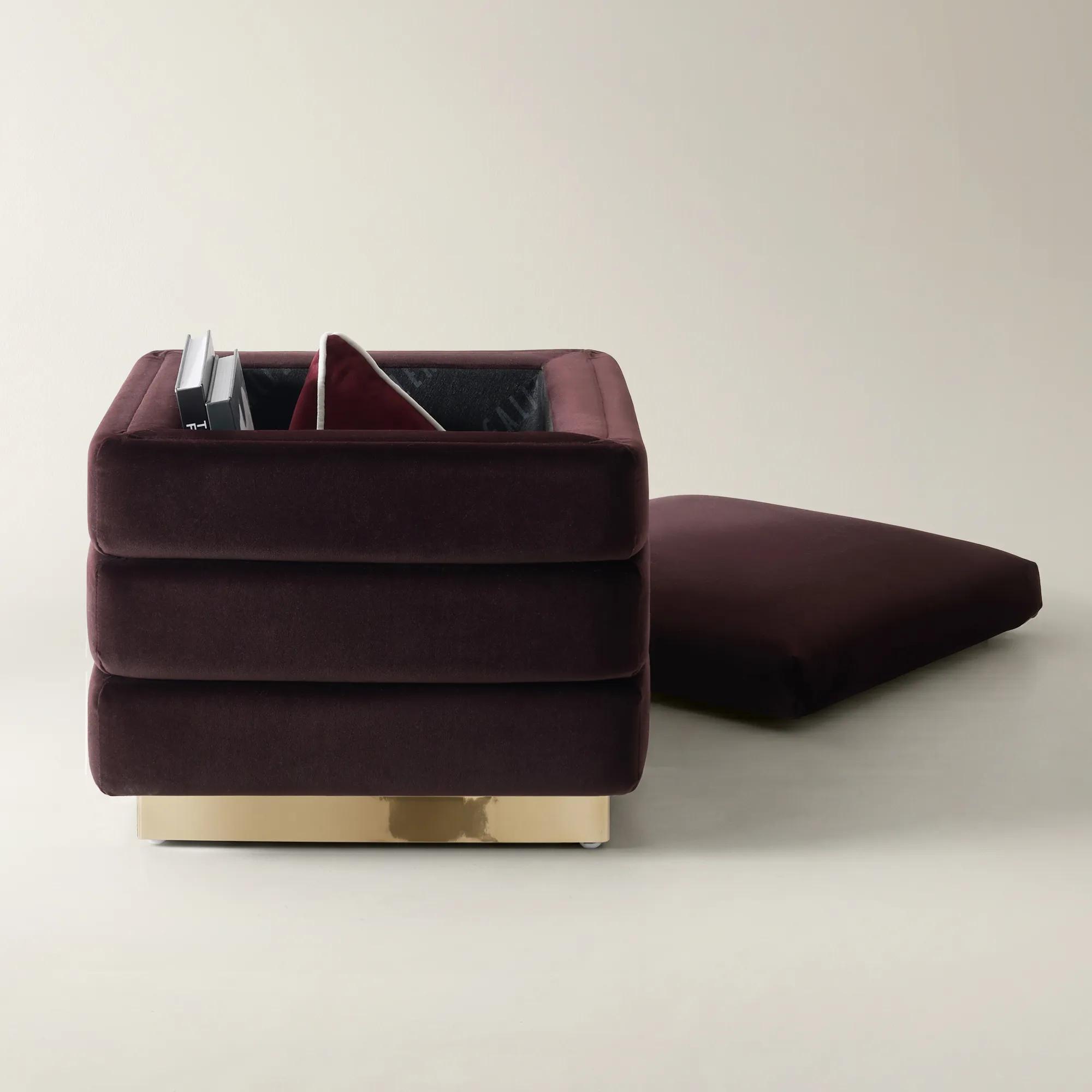 Gable Fig Chenille Storage Stool$399
A plush fig chenille stool with hidden storage, velvet upholstery, and a polished gold stainless steel base.
Add To Cart -
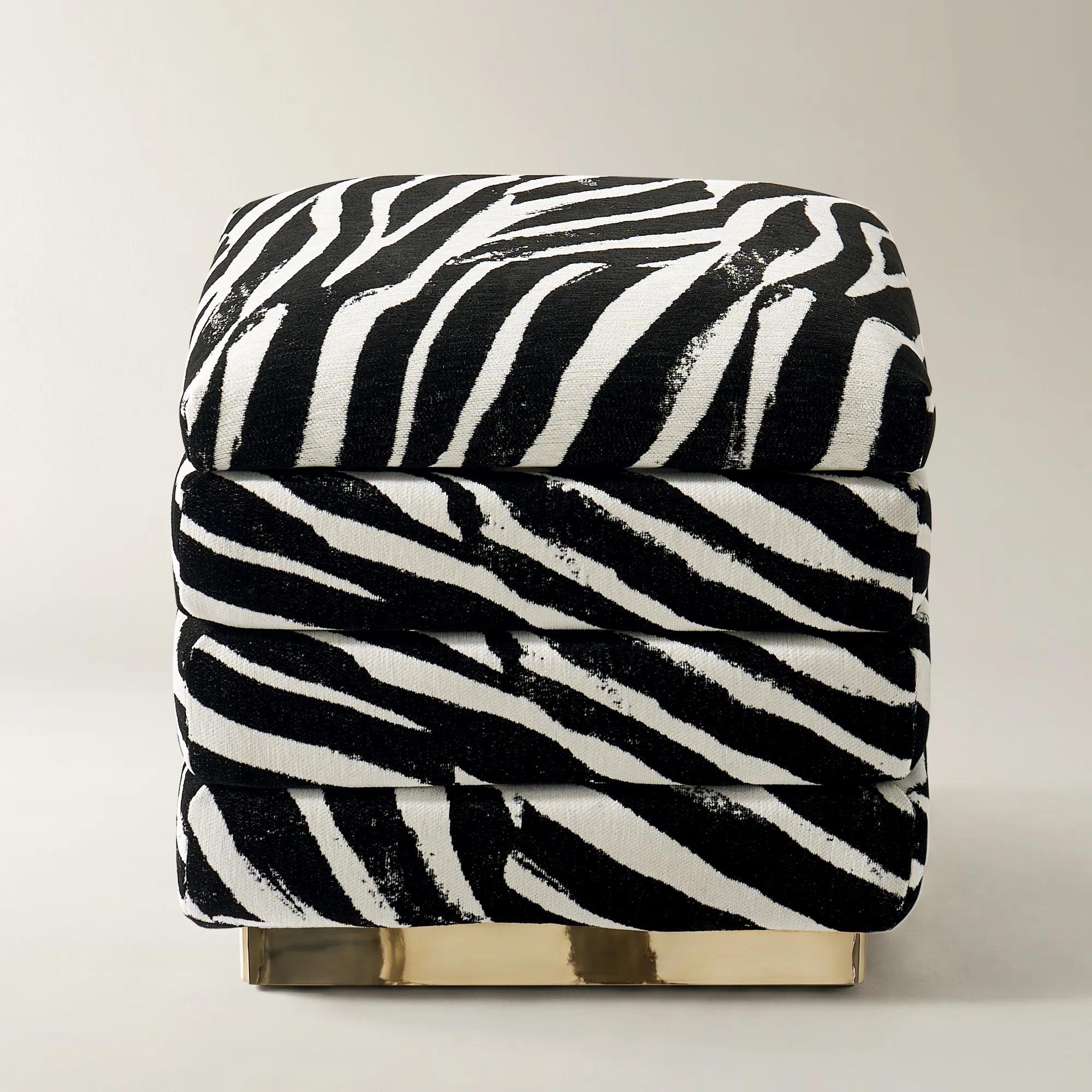
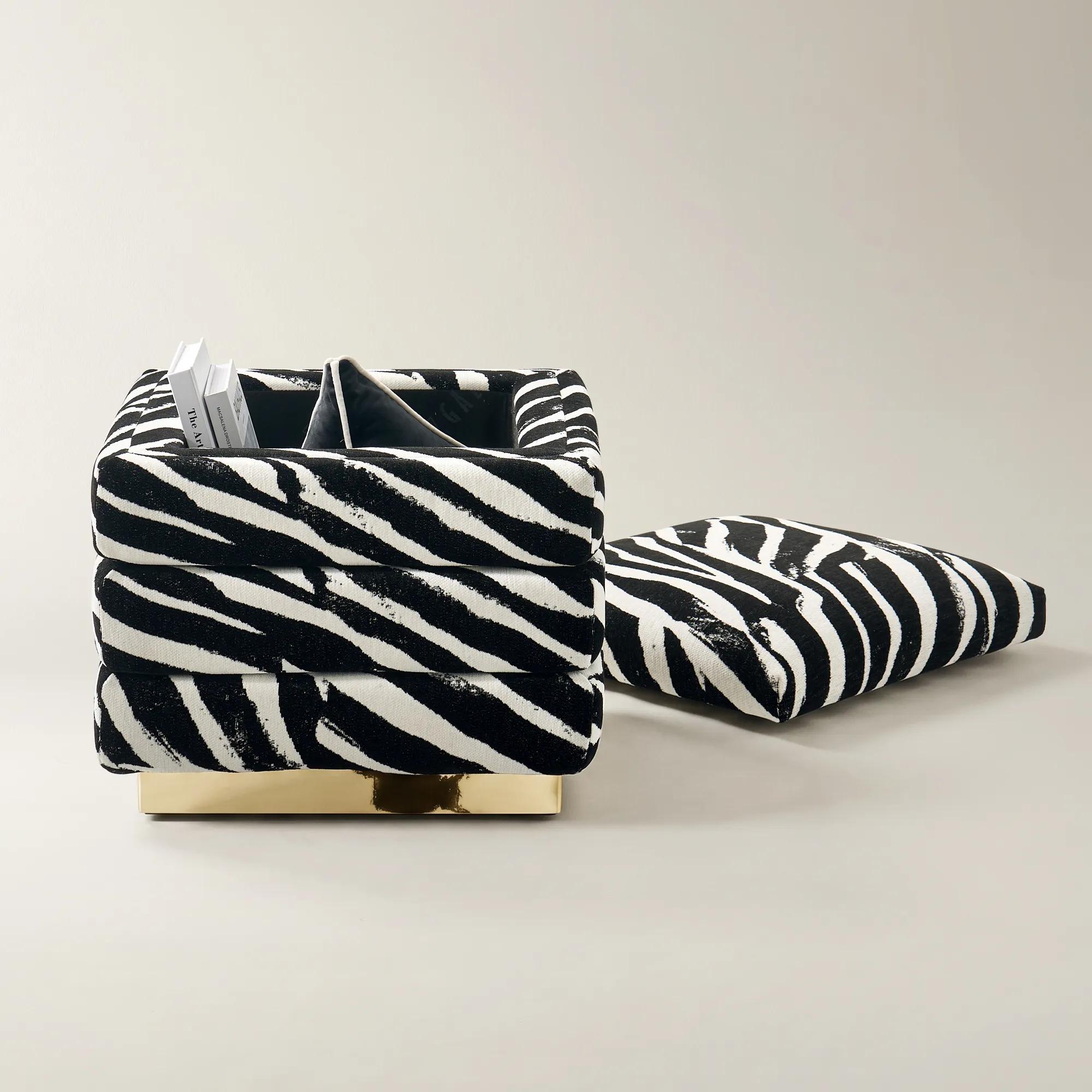 Gable White/Black Performance Chenille Stool$399
A plush white and black chenille stool with hidden storage and a polished gold stainless steel base.
Add To Cart -
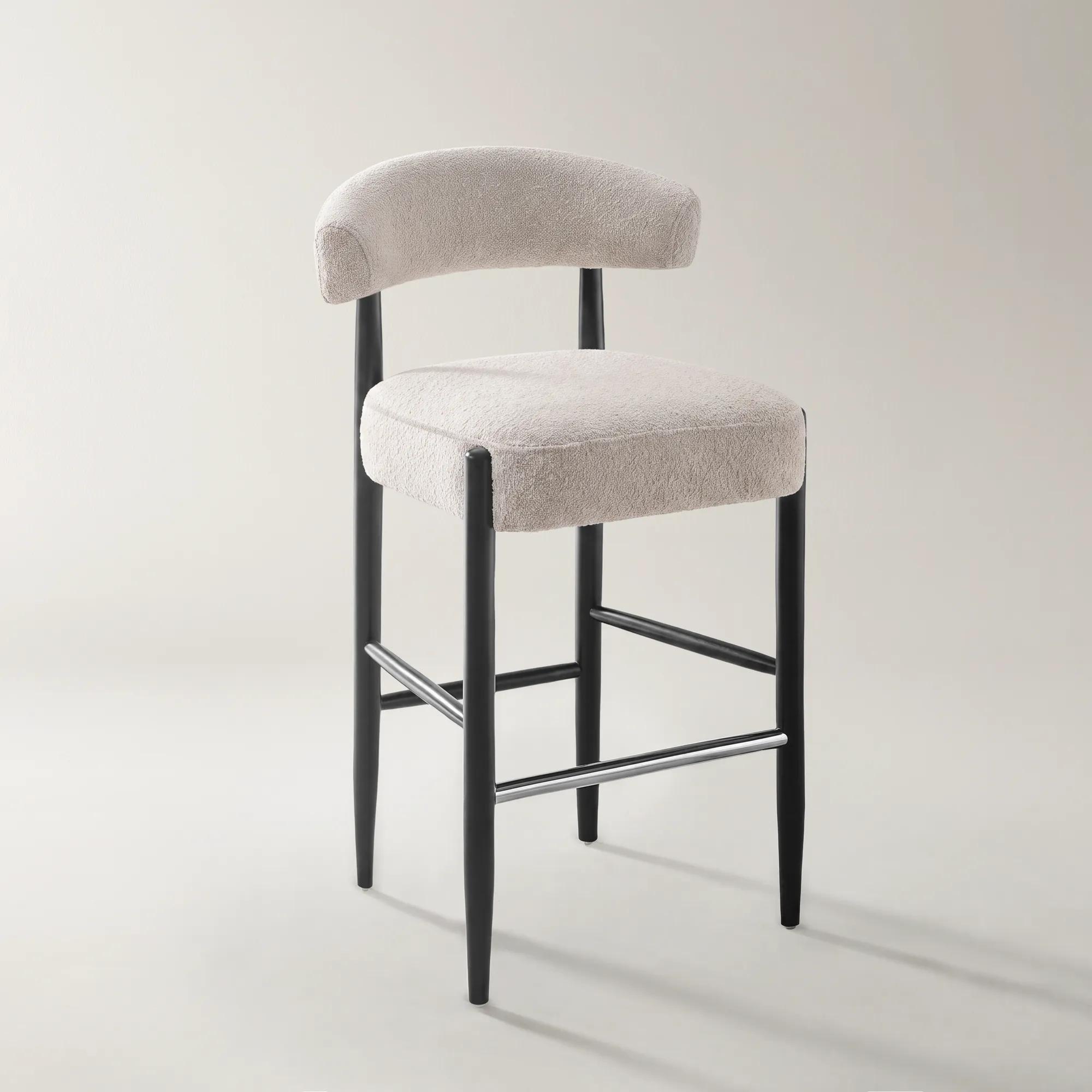 Anna Ivory Performance Boucle Bar/Counter Stool$399
A sculpted ivory performance-bouclé stool with padded support and tapered solid-rubberwood legs for elevated entertaining.
Add To Cart -
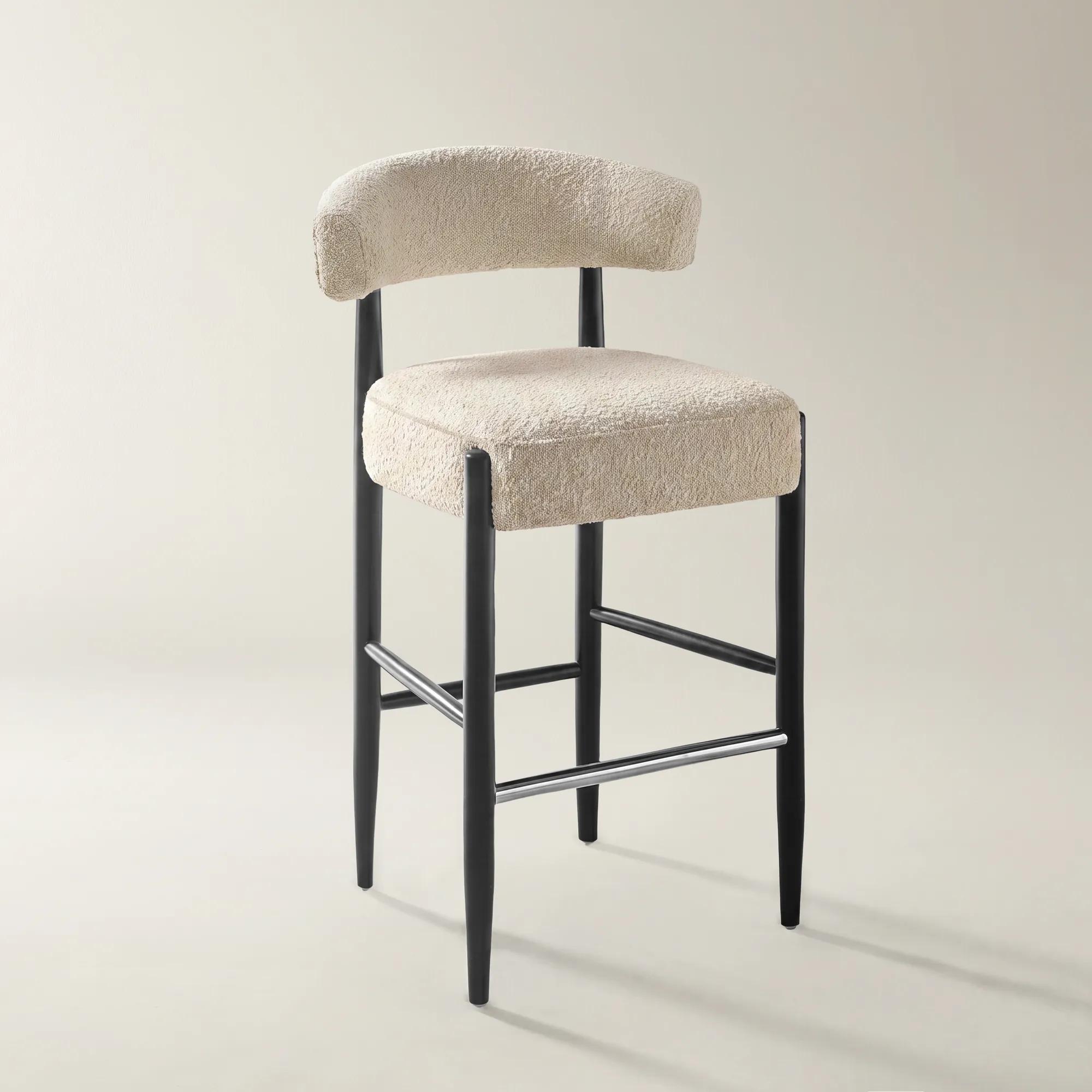 Anna Ivory Performance Boucle Bar/Counter Stool$399
A sculpted ivory performance-bouclé stool with padded support, tailored upholstery, and tapered solid-rubberwood legs.
Add To Cart -
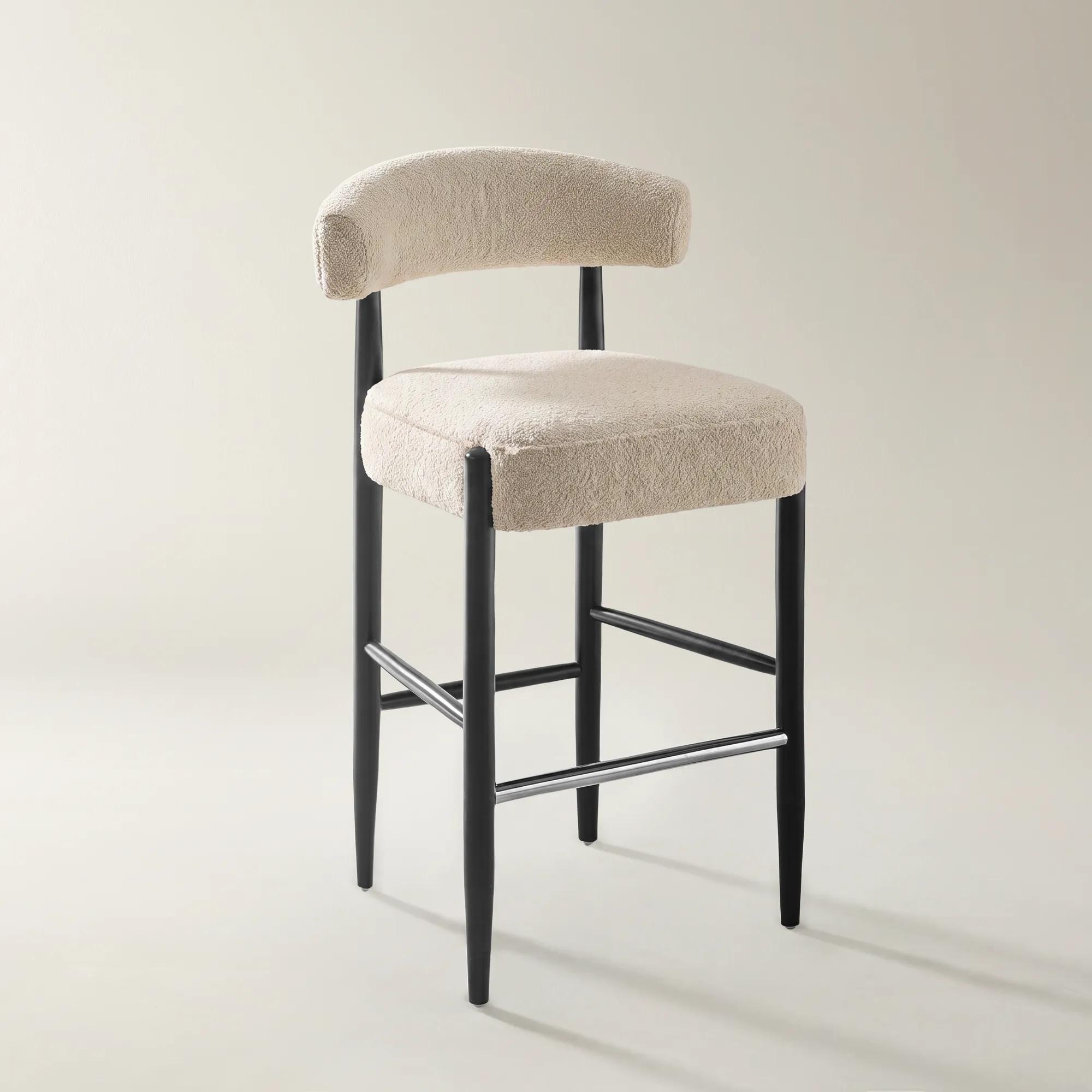 Anna Utopia Sand Chenille Bar/Counter Stool$399
A sand chenille stool with a sculpted padded seat, tailored upholstery, and tapered solid rubberwood legs.
Add To Cart -
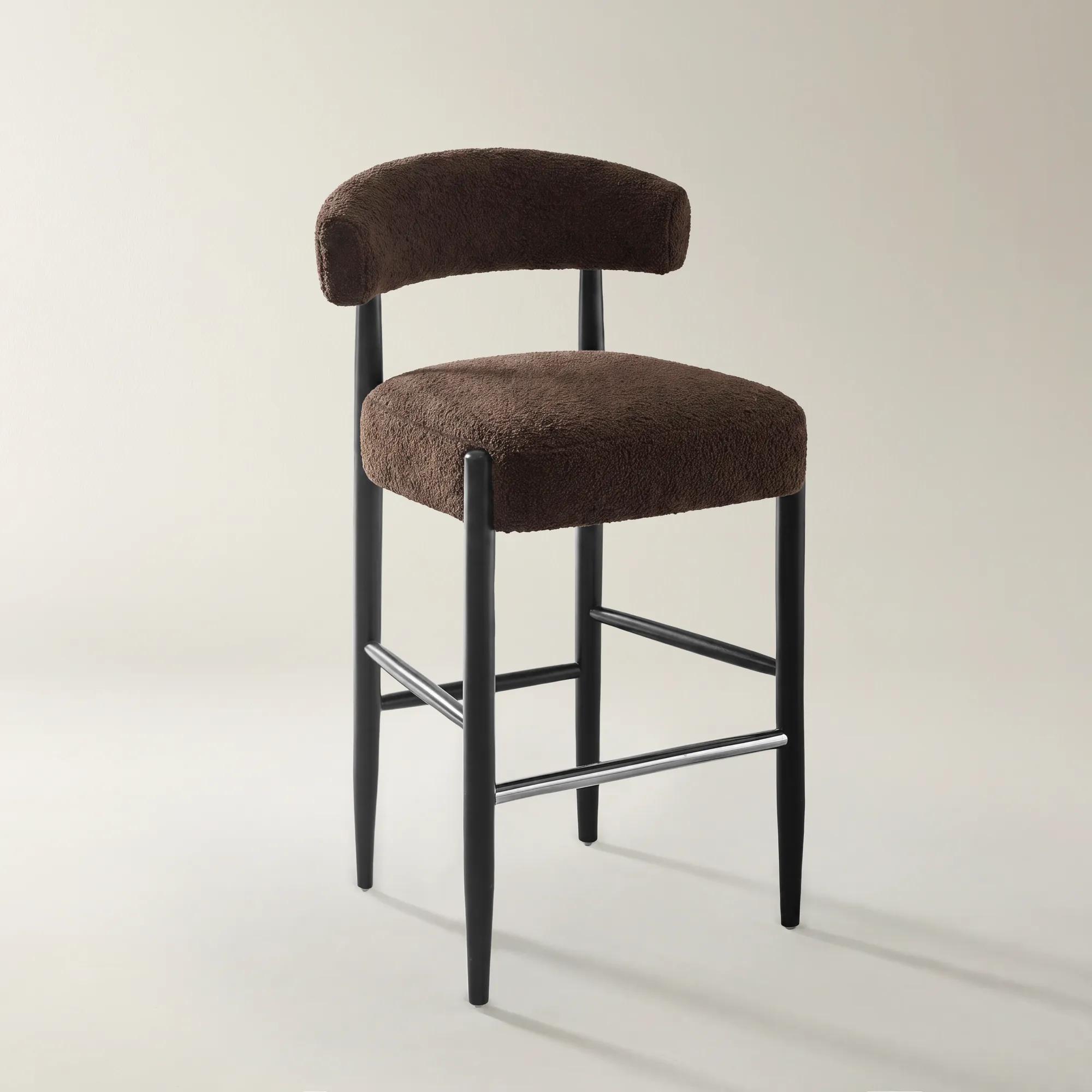 Anna Dark Chocolate Chenille Bar/Counter Stool$399
A dark chocolate chenille stool with sculpted support, padded comfort, and tapered solid rubberwood legs.
Add To Cart -
 Fleece Fluted Gray Velvet Stool (15.55'')$229
A plush grey velvet stool with a unique ribbed texture, perfect for versatile, cozy seating or decor.
Add To Cart -

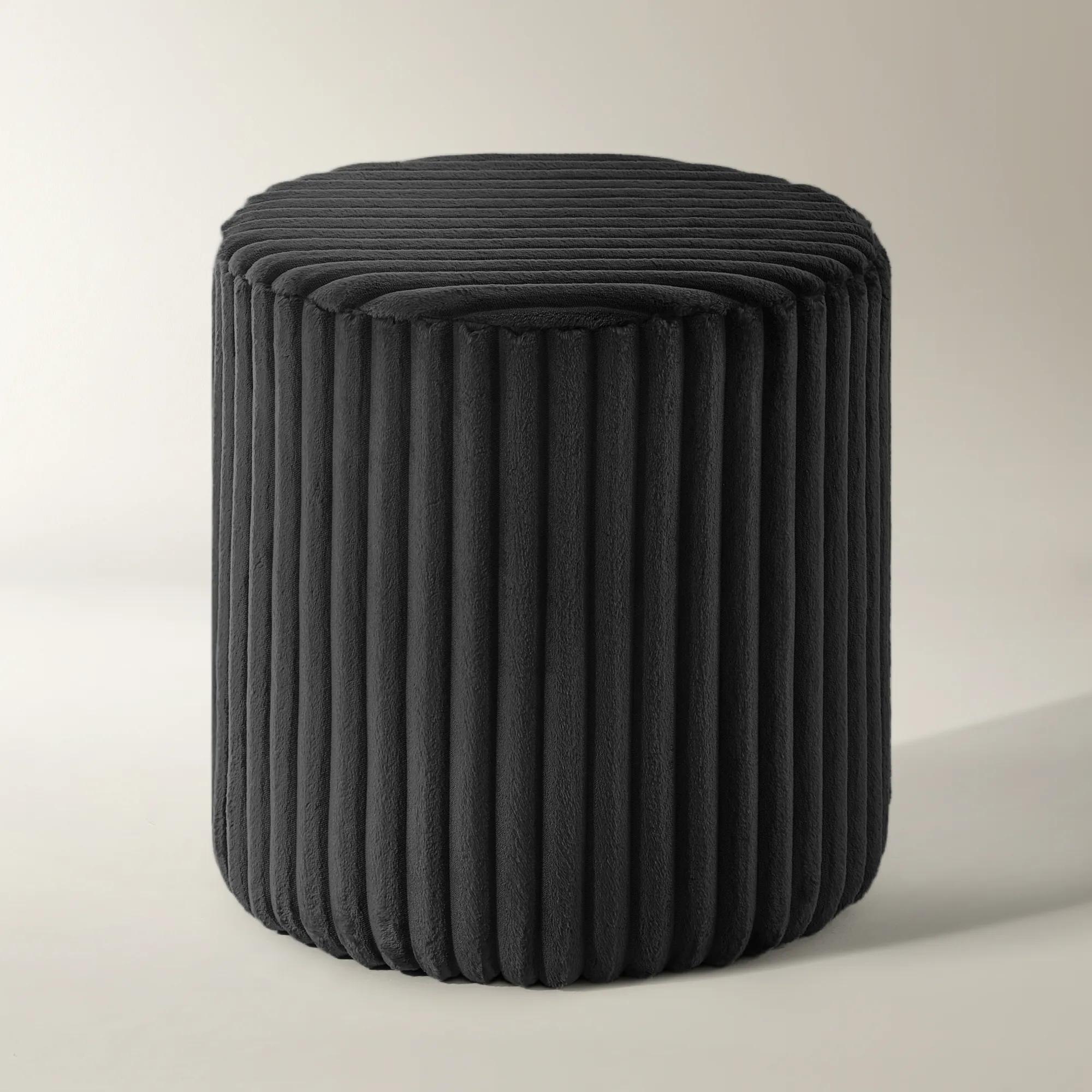 Fleece Fluted Black Velvet Stool (15.55'')$229
A plush black ribbed velvet stool offering versatile seating and cozy texture for any modern space.
Add To Cart -
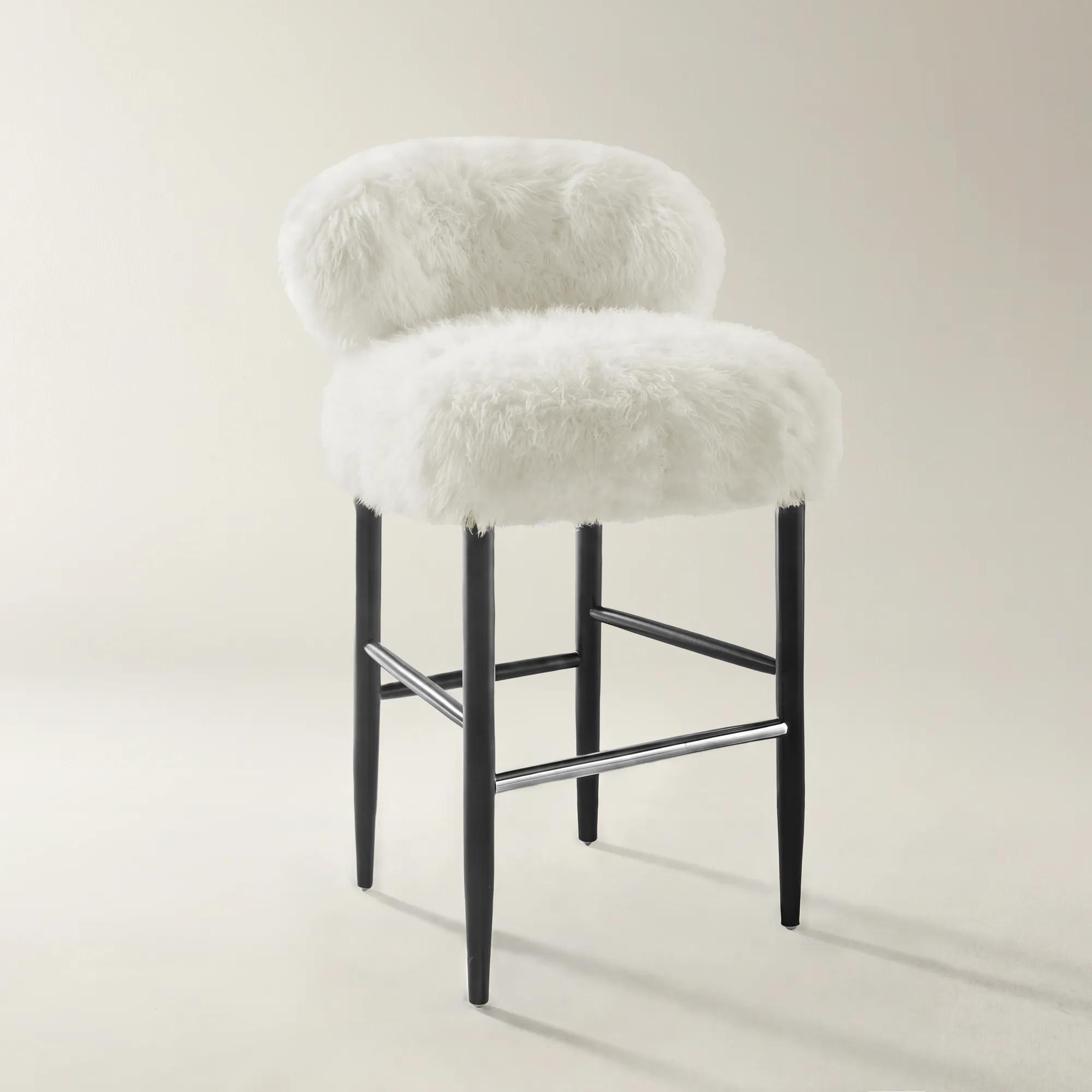 Anna Ivory Faux Fur Bar/Counter Stool$499
An ivory faux-fur stool with a sculpted padded seat and tapered solid rubberwood legs.
Add To Cart -
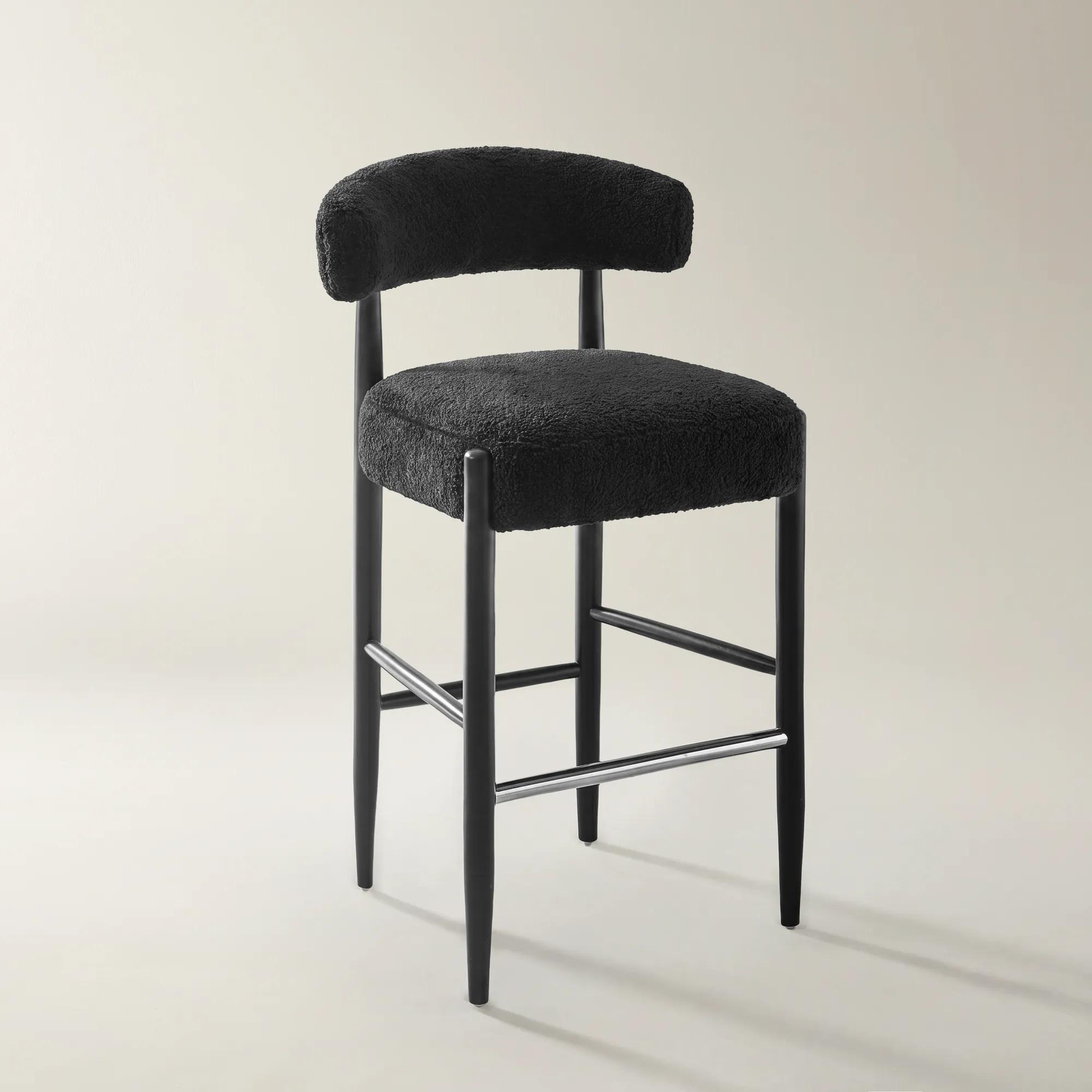 Anna Black Chenille Bar/Counter Stool$399
A charcoal chenille stool featuring sculpted support, high-density cushioning, and tapered solid rubberwood legs.
Add To Cart -

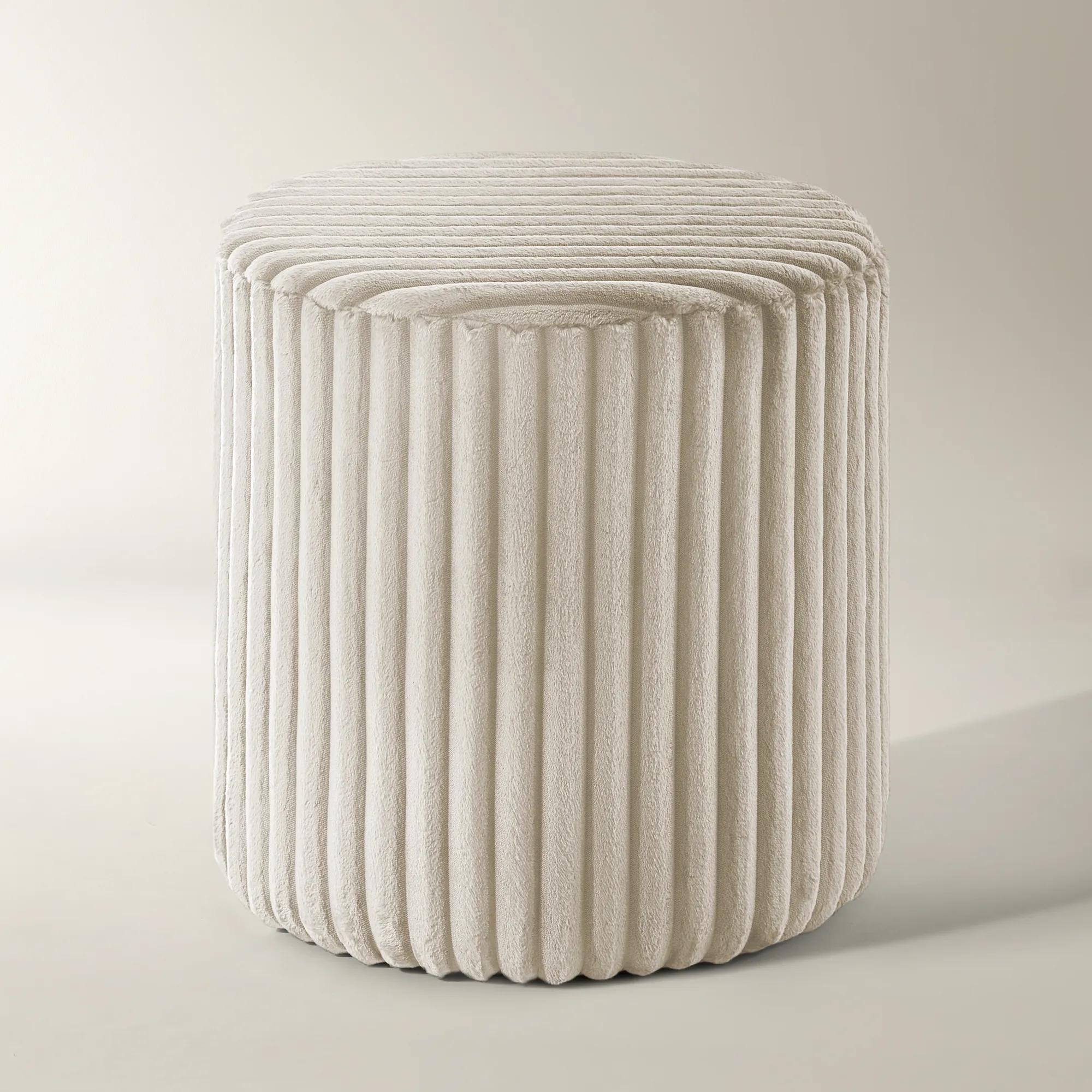 Fleece Fluted Ivory Velvet Stool (15.55'')$229
An ivory ribbed velvet stool offering cozy softness and versatile use as seating, footrest, or accent table.
Add To Cart -
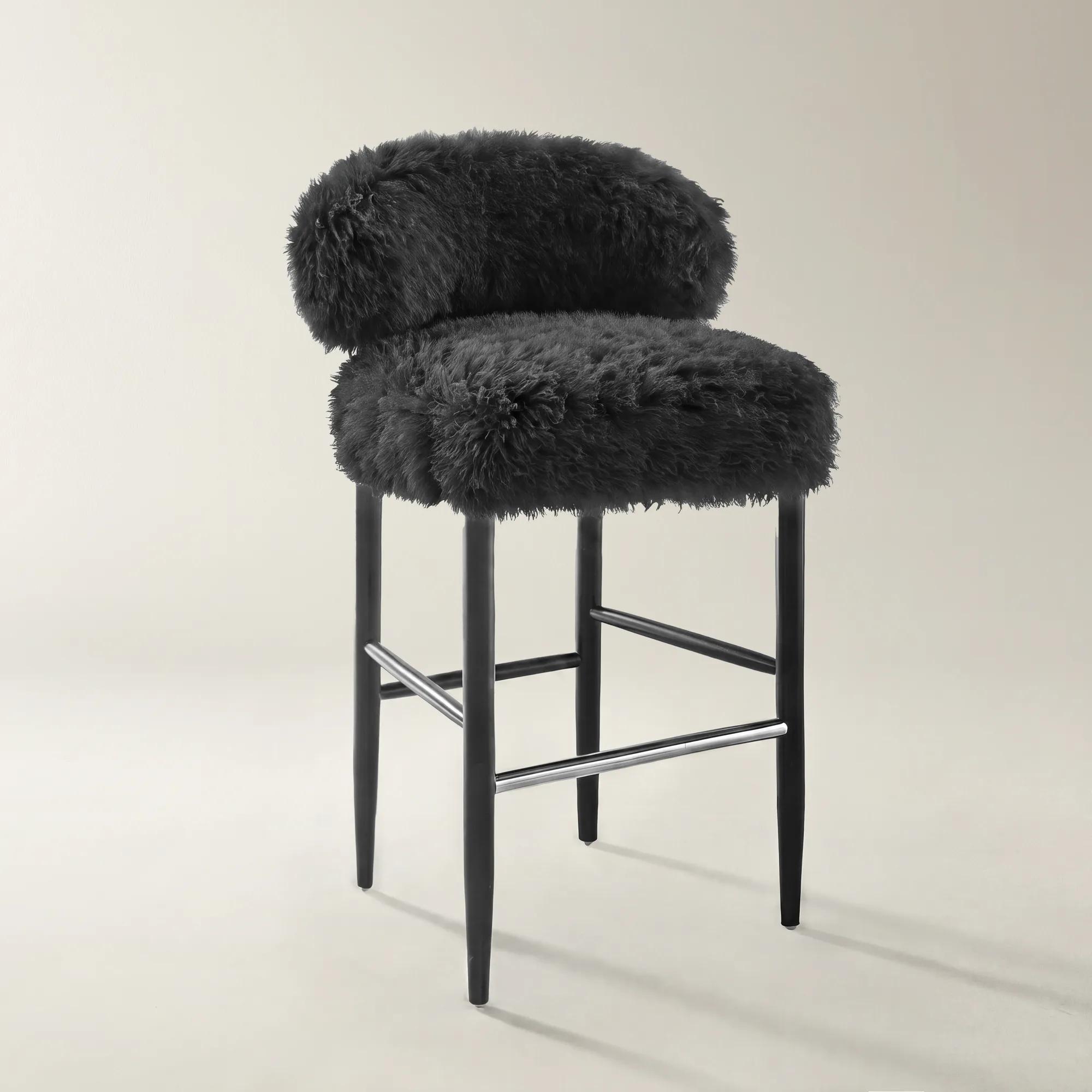 Anna Black Faux Fur Bar/Counter Stool$499
A black faux fur stool with sculpted support, padded seating, and solid rubberwood legs.
Add To Cart -
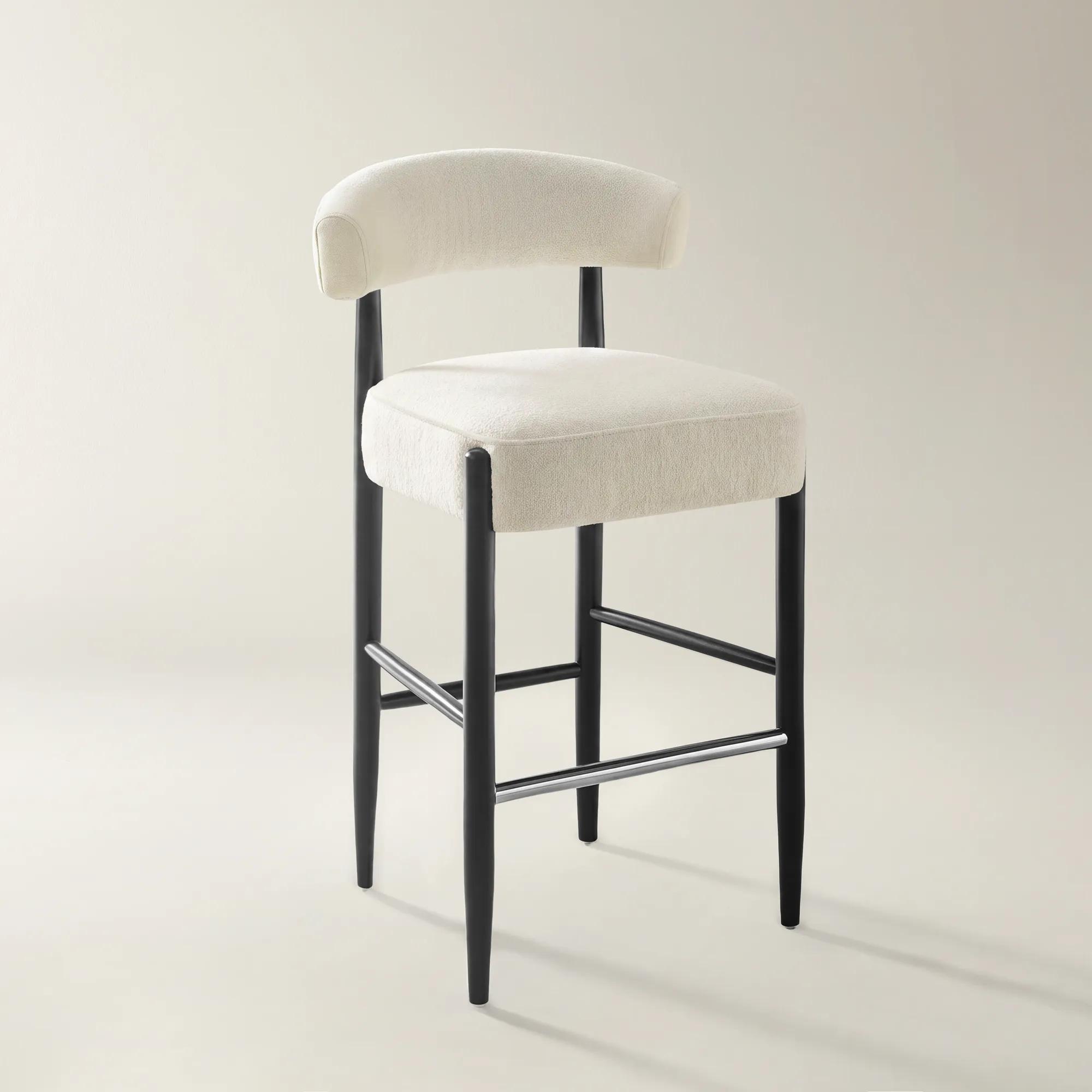 Anna Ivory Performance Chenille Bar/Counter Stool$399
A sculpted ivory performance chenille stool with plush padding and tapered solid rubberwood legs.
Add To Cart -
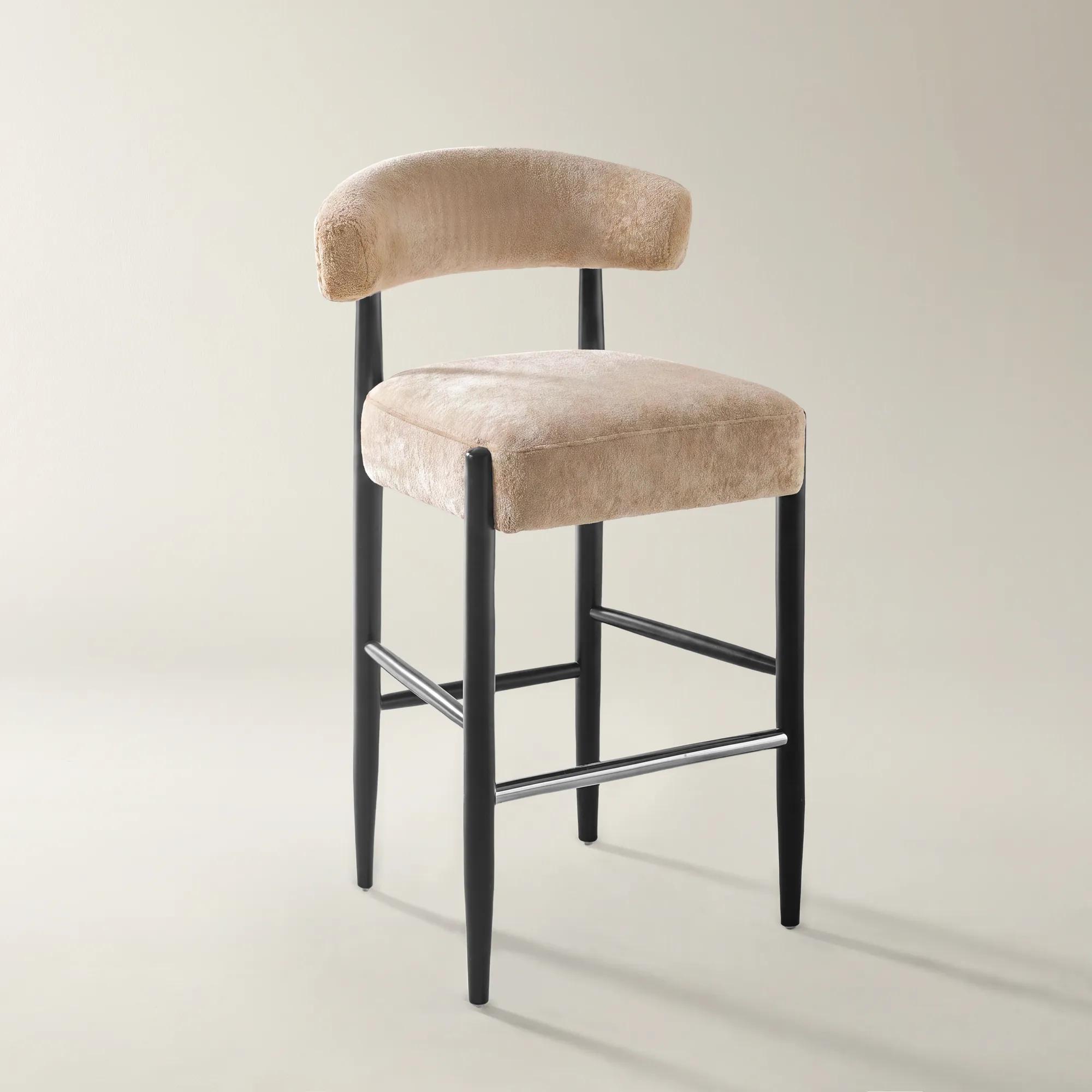 Anna Light Brown Chenille Bar/Counter Stool$399
A brown chenille stool featuring a sculpted back, padded seat, and tapered solid-rubberwood legs.
Add To Cart

Hardwood Frame Velvet Stools
Hardwood frame velvet stools are the secret ingredient for rooms that demand attention and reward the senses. Each piece is a masterstroke—where rich, sculptural wood meets the plush decadence of velvet, creating a perch as artful as it is inviting. Imagine these stools gracing your bar or vanity, their sumptuous silhouettes elevating every gathering and quiet moment alike. With hardwood frame velvet stools, your space becomes a stage for sophisticated drama, where every detail whispers luxury and every seat promises an experience beyond the ordinary.
Hardwood frame velvet stools bring together a supportive wood structure and plush upholstered seating, giving kitchen islands, breakfast counters, and home bars a distinctly dressed-up presence. The appeal lies in contrast: the frame lends definition and substance, while velvet softens the silhouette with color that shifts subtly as light moves across its pile. In an open kitchen, a row of velvet counter stools can draw the eye toward a stone island without competing with its veining. Along a home bar, velvet bar stools introduce the intimacy of a lounge, especially beside smoked glass, warm wood, or gleaming metal accents. Hardwood frames may use woods such as birch, beech, or rubberwood, although the exact construction deserves attention: a hardwood internal seat frame does not necessarily mean every leg, rail, or exposed component is solid hardwood. Engineered wood components are also distinct from solid wood, so material descriptions offer a more useful picture than appearance alone. Well-fitted joints, appropriate reinforcement, and a stable base all contribute to the way a stool feels beneath the upholstery. Velvet, meanwhile, describes a fabric construction rather than a single fiber. Cotton, polyester, and blended velvets can differ in sheen, softness, and maintenance requirements, with some fabrics offering documented performance features for more demanding settings. A matte velvet brings depth to an understated palette; a more lustrous finish catches lamplight and makes a curved back feel almost sculptural. Deep blue, forest green, and wine tones create a richly layered atmosphere, while ivory, taupe, and silver-gray velvet allow shape and texture to command attention. Exposed wood in a dark finish can sharpen that contrast, while lighter wood lends warmth without diminishing the fabric’s elegance. The result is seating that feels intentional from every angle, including the view from an adjoining living room, where the backs of stools often become a prominent part of the room’s composition.
Fit gives that visual statement its ease. Counter-height velvet stools typically have seats approximately 24 to 26 inches from the floor and suit counters around 34 to 36 inches high. Bar-height velvet stools commonly have seats around 28 to 30 inches high for surfaces approximately 40 to 42 inches tall. These are general pairings rather than guarantees; the actual seat height, surface height, and clearance beneath an apron or support rail determine whether a stool fits comfortably. Roughly 10 to 12 inches between the seat and the countertop is a useful starting point, with additional attention to anything underneath that reduces thigh room. Seat width matters just as much when several stools share an island. Allowing approximately 6 inches between the edges of adjacent seats helps prevent a crowded arrangement, though wider spacing may be preferable for arms, swivel movement, or a generous place setting. A backless hardwood frame velvet stool maintains an open sightline and may tuck beneath an overhang when its full dimensions permit. That lighter visual profile works beautifully where an island faces a living area or where seating needs to recede after breakfast. A stool with a supportive back creates a more enveloping experience for lingering over dessert, reviewing a recipe, or keeping the cook company. Arms can add another layer of comfort, but their height needs to clear the counter if the stool will slide underneath. Footrests give elevated seating an essential point of support; their placement and construction should feel appropriate for the intended user. Cushioned seats vary, too, from tailored and relatively firm to fuller profiles with a softer initial feel. For a dining area within the same sightline, Hardwood Frame Upholstered Chairs can extend the emphasis on expressive upholstery and structured wood without requiring every seat to match. Repeating a wood tone, curved outline, or fabric undertone creates continuity while leaving room for contrast. The most compelling arrangement feels composed, not duplicated, with enough breathing room for guests to settle in and move comfortably.
Everyday durability depends on the complete stool, not simply the presence of hardwood or velvet. Frame joinery, upholstery quality, cushioning, hardware, and intended use all influence long-term performance. A sturdy-feeling hardwood frame should sit level without rocking, and any stated weight capacity or assembly requirements deserve consideration before the stool becomes part of a busy household. For frequent meals, family gatherings, or a counter that doubles as a conversation space, upholstery with clearly specified abrasion resistance and stain-related performance can offer practical reassurance. Performance claims should be checked against the individual fabric’s specifications; velvet is not inherently stain-proof, waterproof, or resistant to pet claws. Its pile also has a natural direction, which can produce lighter and darker areas after sitting or brushing against the seat. This shading is part of velvet’s character, although persistent crushing or marking may require care recommended by the manufacturer. Gentle vacuuming with an appropriate upholstery attachment helps remove crumbs and dust before they settle into the fabric. Spills call for prompt blotting with a clean, absorbent cloth rather than rubbing, followed by the cleaning method specified on the upholstery label. Water, solvents, steam, and vigorous brushing are not interchangeable treatments, and an unsuitable method can leave rings or alter the pile. Exposed wood benefits from a soft cloth and cleaning products appropriate to its finish, while felt pads or suitable floor protectors can help limit scuffs beneath the legs. Positioning velvet seating away from prolonged direct sunlight and strong heat sources can also help preserve its appearance. These stools are generally intended for indoor use, where their tactile finish can enrich both lively entertaining and quieter routines. For design-minded hosts, couples furnishing a shared home, or anyone turning a kitchen counter into a more inviting gathering place, the combination offers a satisfying balance of substance and allure. During the cooler months, velvet looks especially atmospheric against candlelight and layered table settings, yet its depth remains compelling throughout the year. Even a simple morning coffee takes on a more considered setting when the seat beneath it brings texture, proportion, and a confident stroke of color.
FAQs
Hardwood frame velvet stools combine the enduring strength and artistry of finely crafted woodwork with the sumptuous texture and sheen of velvet upholstery. This pairing creates a look that is both timeless and bold, elevating any space with a sense of opulence and expressive style that stands apart from more conventional seating options.
These stools serve as statement pieces that instantly draw the eye and infuse a room with drama and elegance. The rich texture of velvet paired with the sculptural presence of hardwood adds depth and warmth, making spaces feel more inviting and thoughtfully curated—perfect for both everyday living and special occasions.
Absolutely. Whether your aesthetic leans toward modern glam, classic sophistication, or eclectic artistry, the versatility of velvet and hardwood allows these stools to complement a wide range of interiors. Choose bold jewel tones for a luxe, contemporary feel, or opt for softer hues and natural woods to harmonize with transitional and traditional spaces.
These stools make exceptional gifts for design enthusiasts, new homeowners, newlyweds, or anyone who values artistry and comfort in their living spaces. Their distinctive look and tactile appeal offer a memorable gesture that elevates daily rituals and celebrates the recipient’s unique sense of style.
Beyond kitchen counters and bar areas, these stools can be styled as accent seating in a bedroom, dramatic additions to an entryway, or even as luxe vanity stools. Pair them with a bold area rug or a gleaming side table to create a captivating vignette that reflects your personality and design vision.