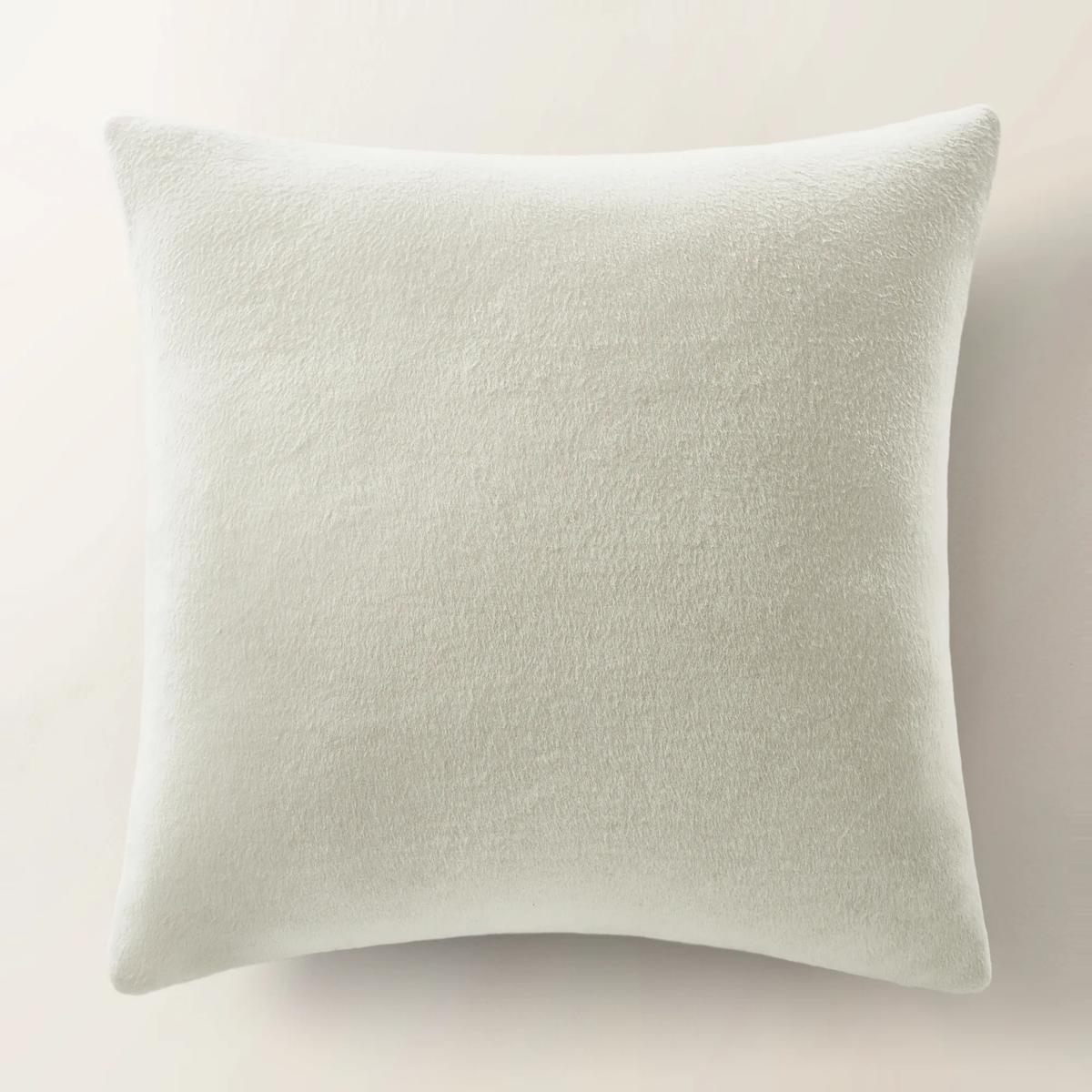
Grey Decorative Cushions
Grey Decorative Cushions
-
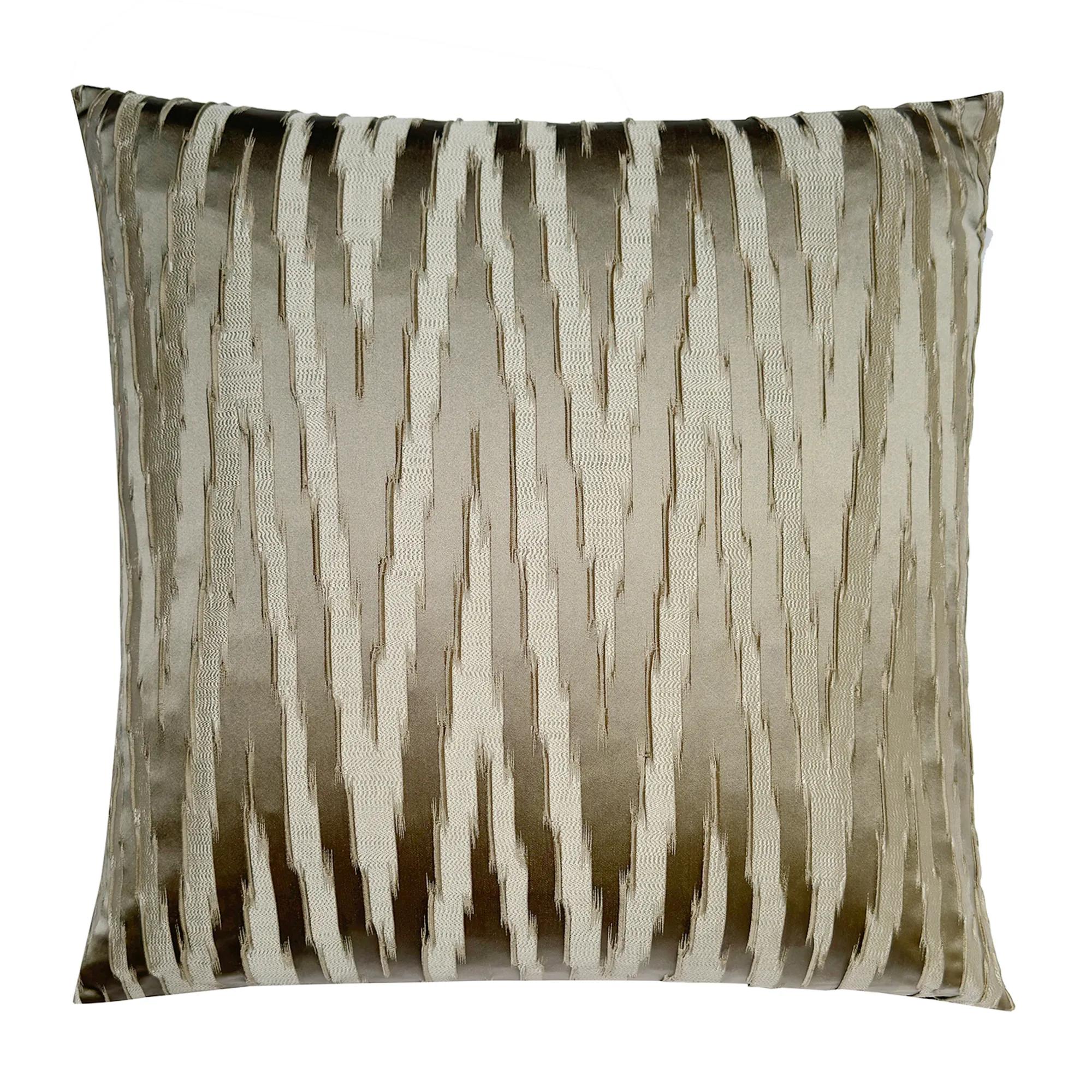
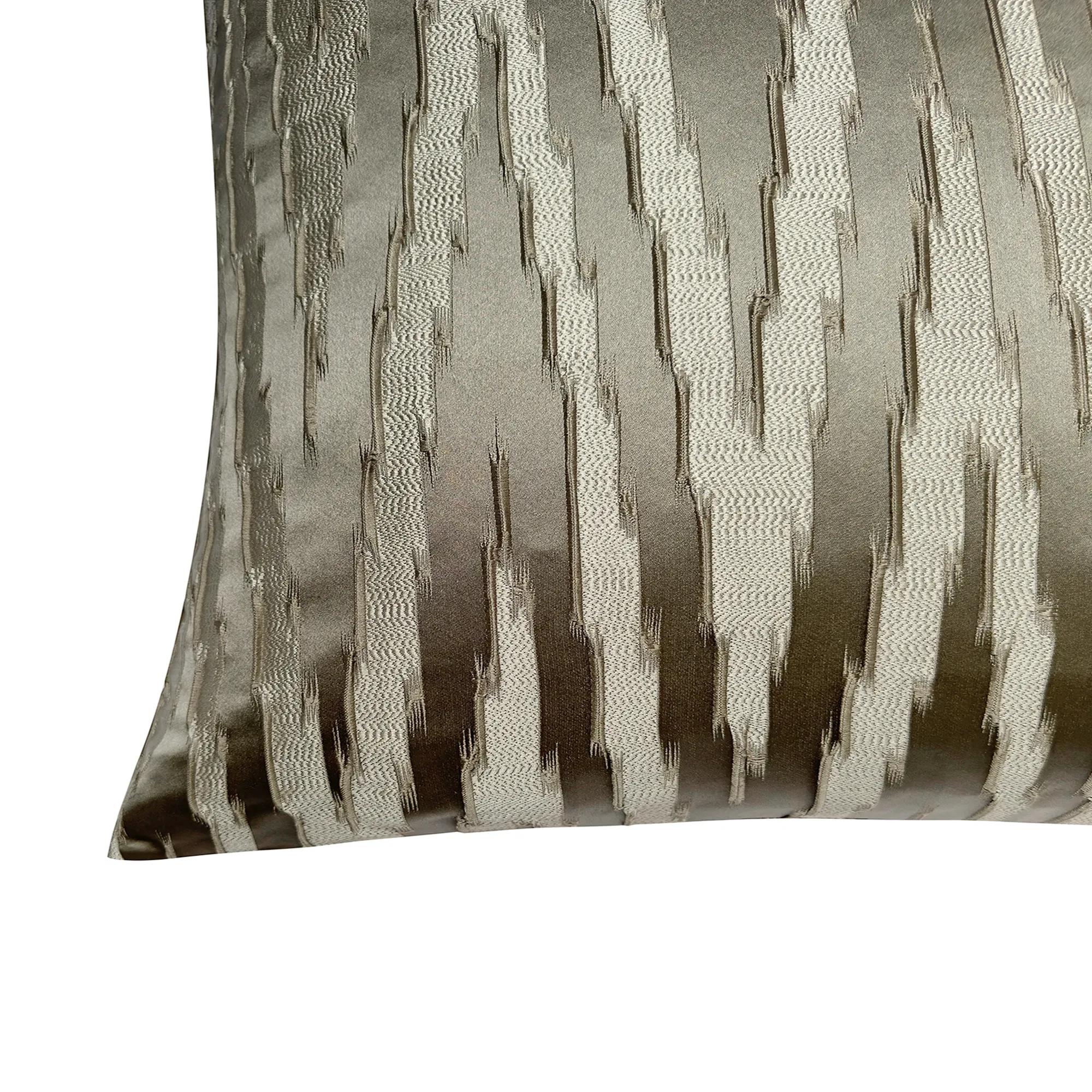 Minka Jacquard Charcoal Pillow 22" x 22"$89
A handmade charcoal pillow featuring a textured chevron jacquard design and plush feather down insert.
Add To Cart -
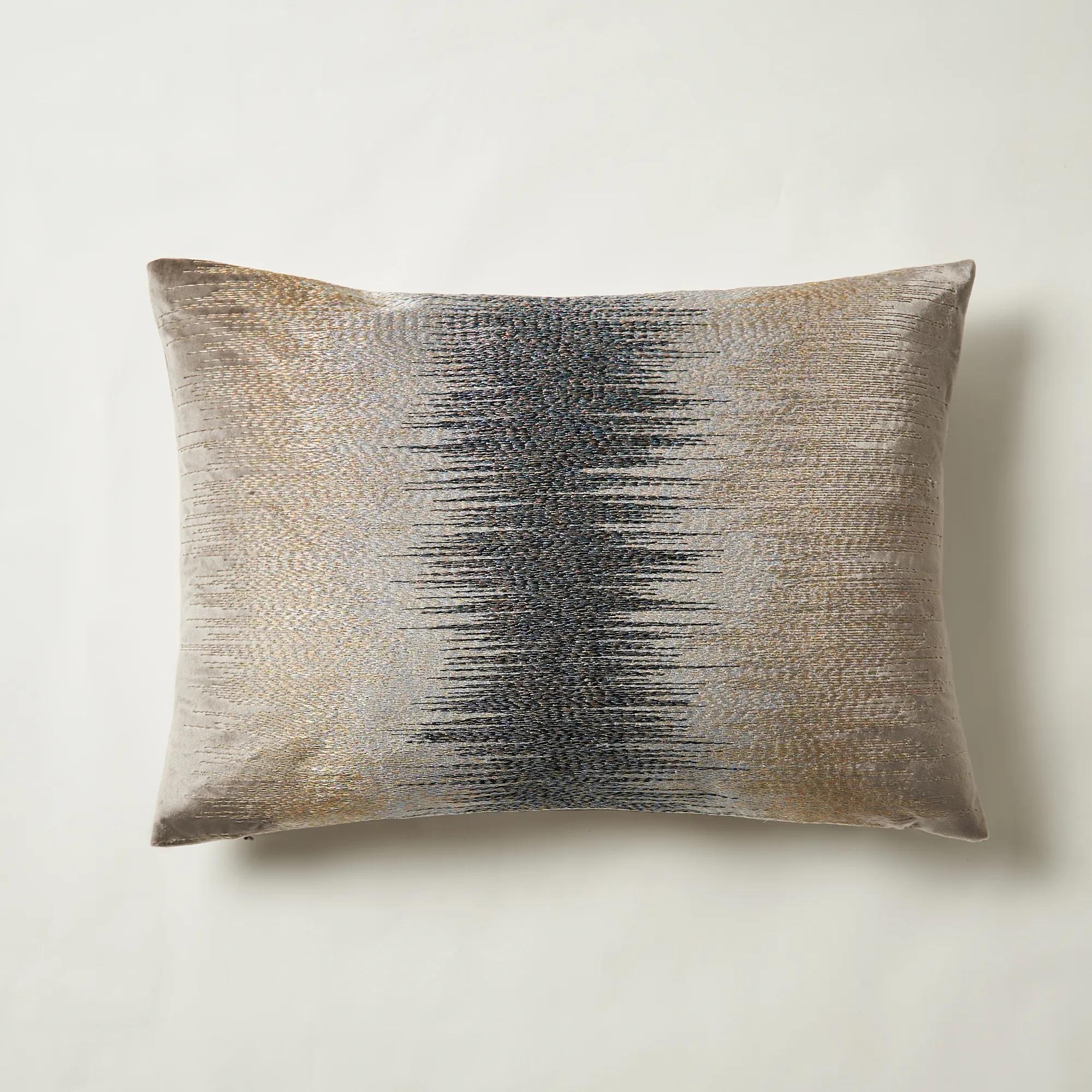
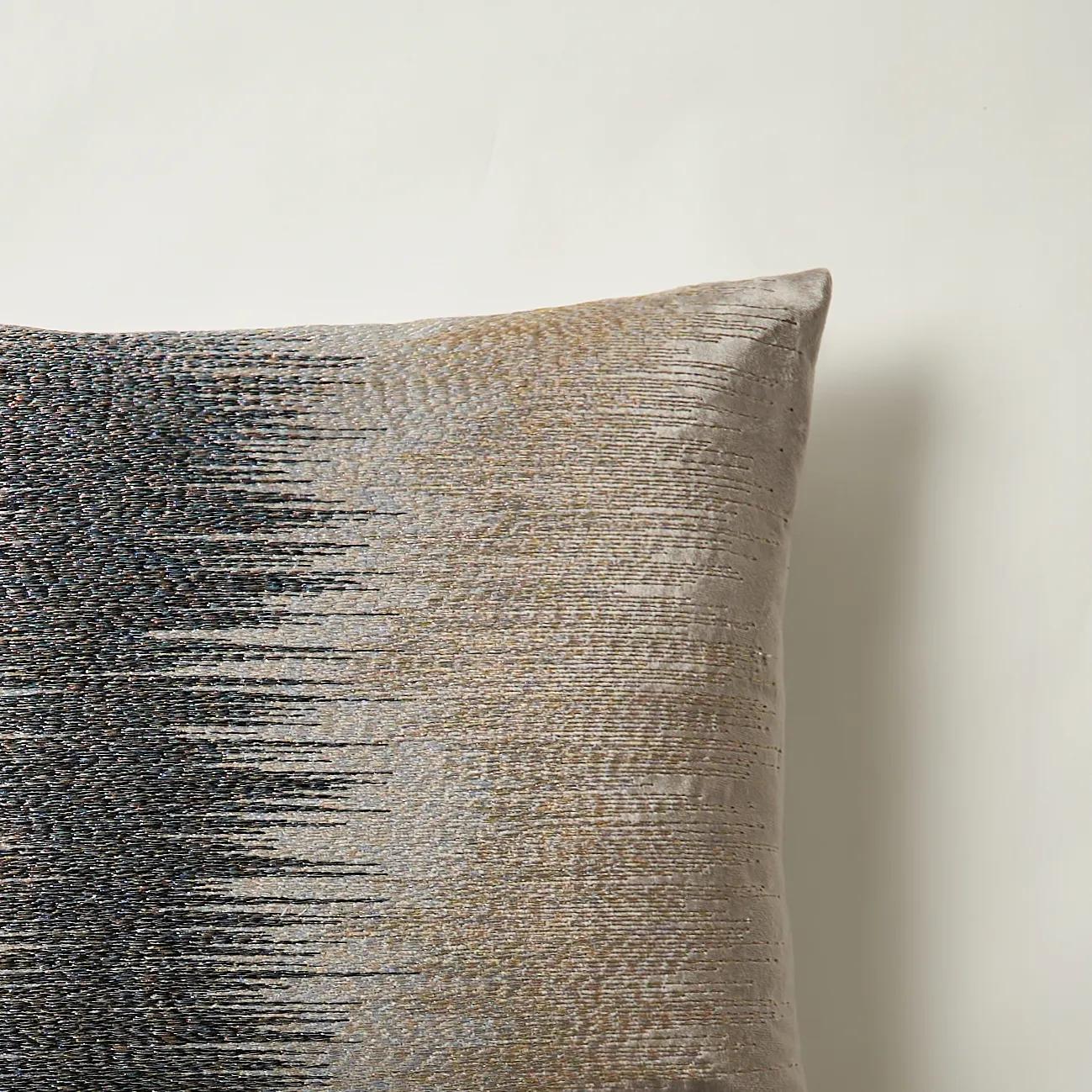 Leon Metallic Embroidered Grey/Charcoal/Silver Velvet Lumbar Pillow 14" x 20"$59
A soft grey, black, and silver velvet pillow featuring gradient metallic embroidery and a plush feather-down insert.
Add To Cart -
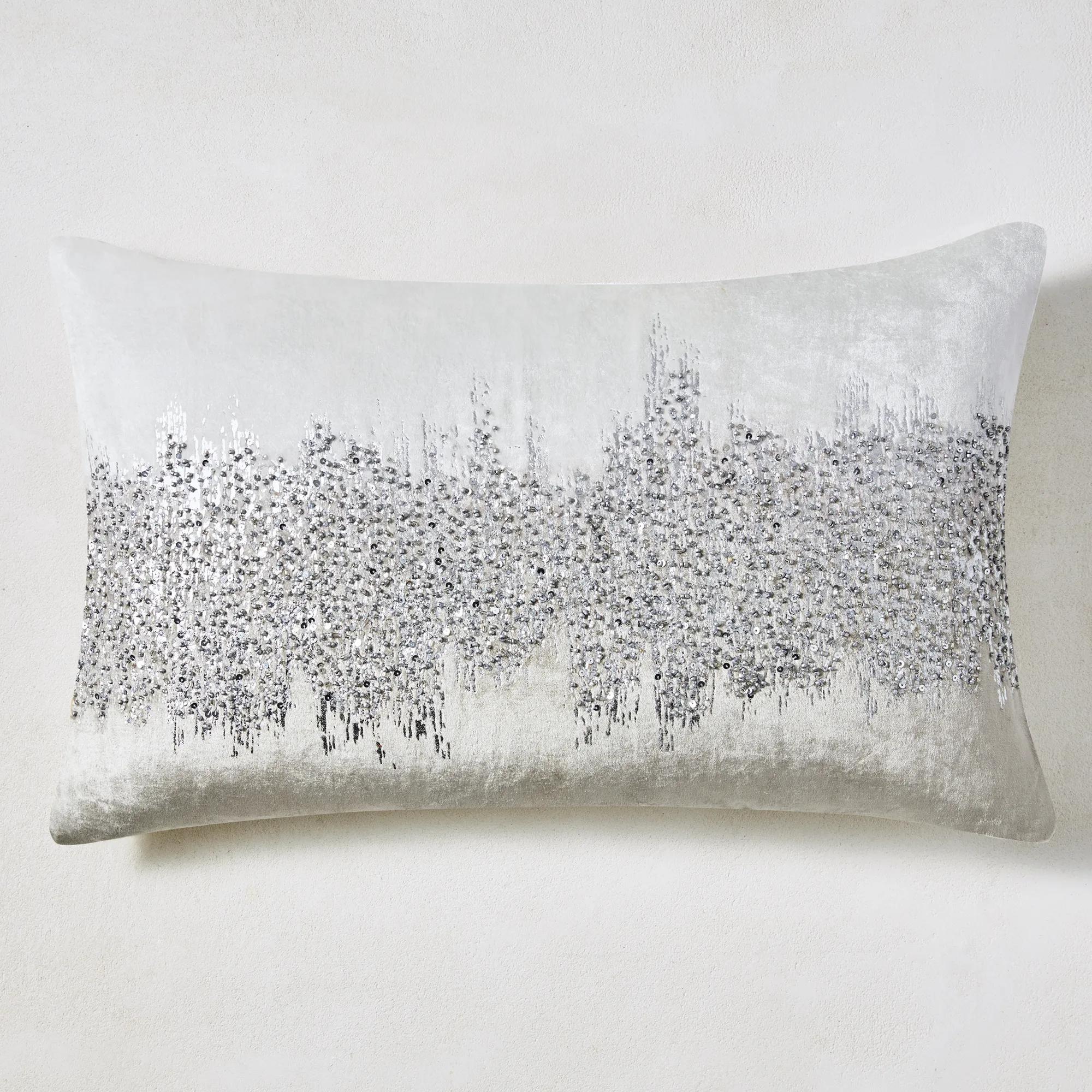 Joie De Vivre Lumbar Pillow 16" x 26" - Grey$99
A hand-dyed grey velvet lumbar pillow featuring metallic foil print and shimmering hand-beaded glass accents.
Add To Cart -
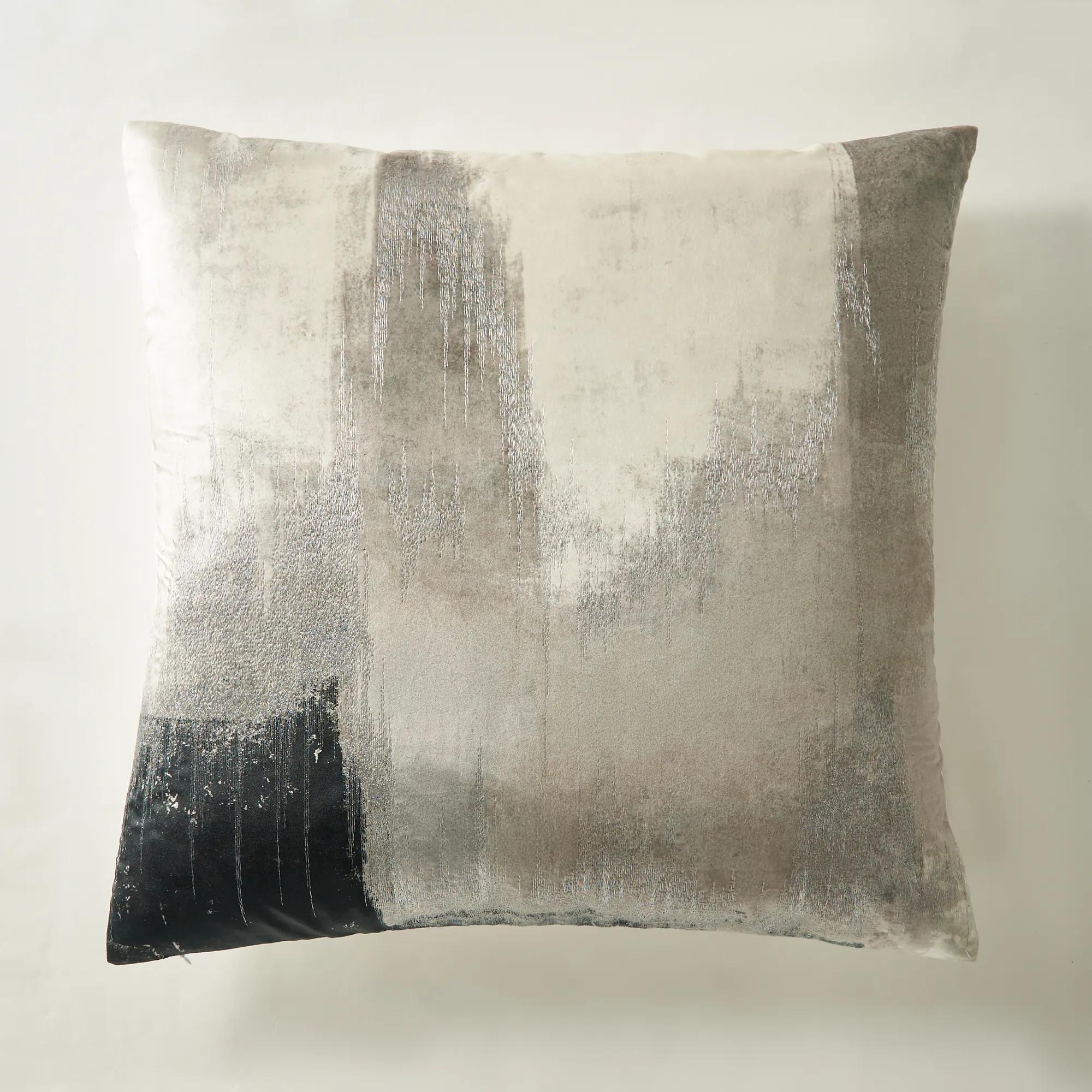
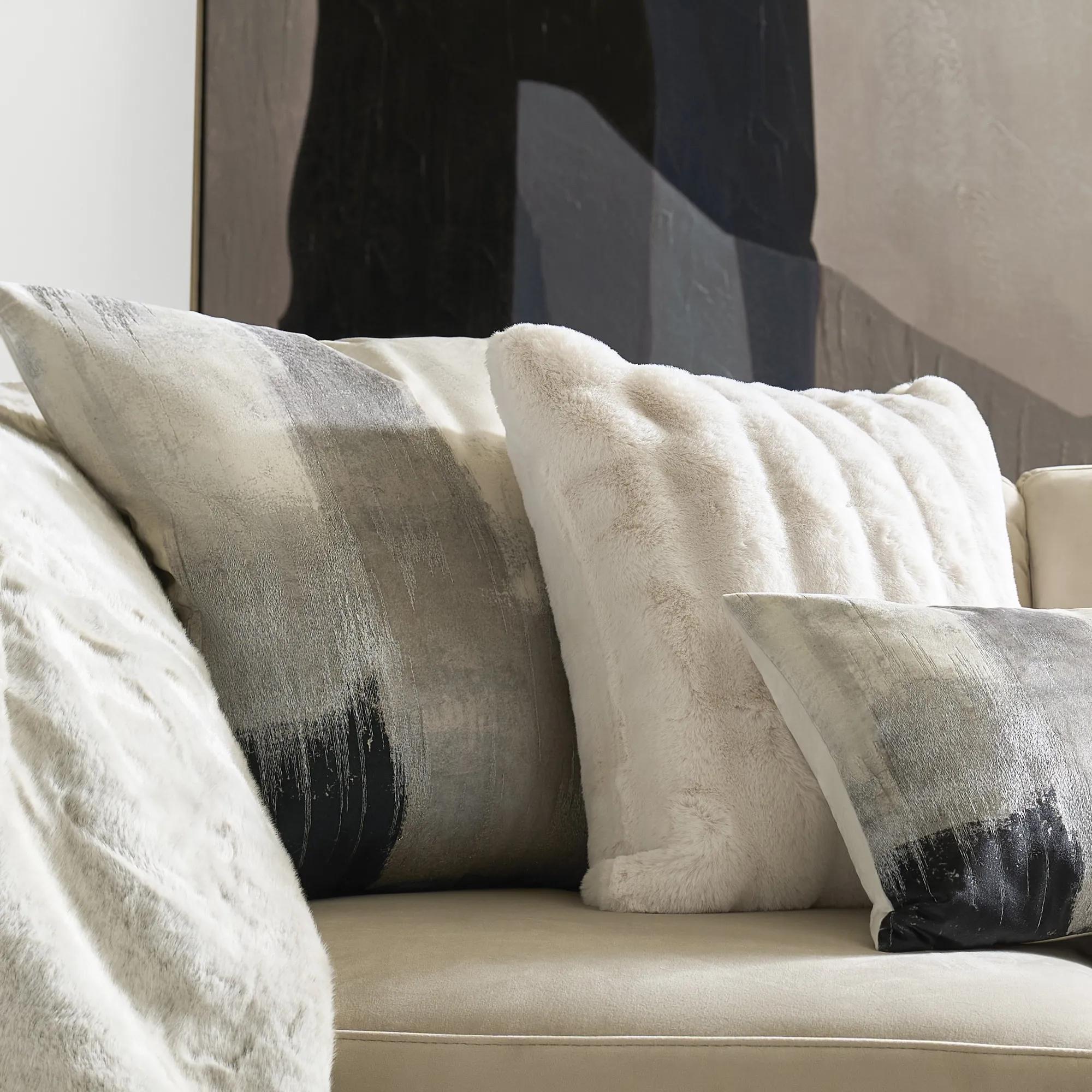 Nya Grey/Black Embroidered Velvet Pillow 24" x 24"$79
A plush black and grey velvet pillow featuring metallic silver embroidery and a feather-down insert.
Add To Cart -
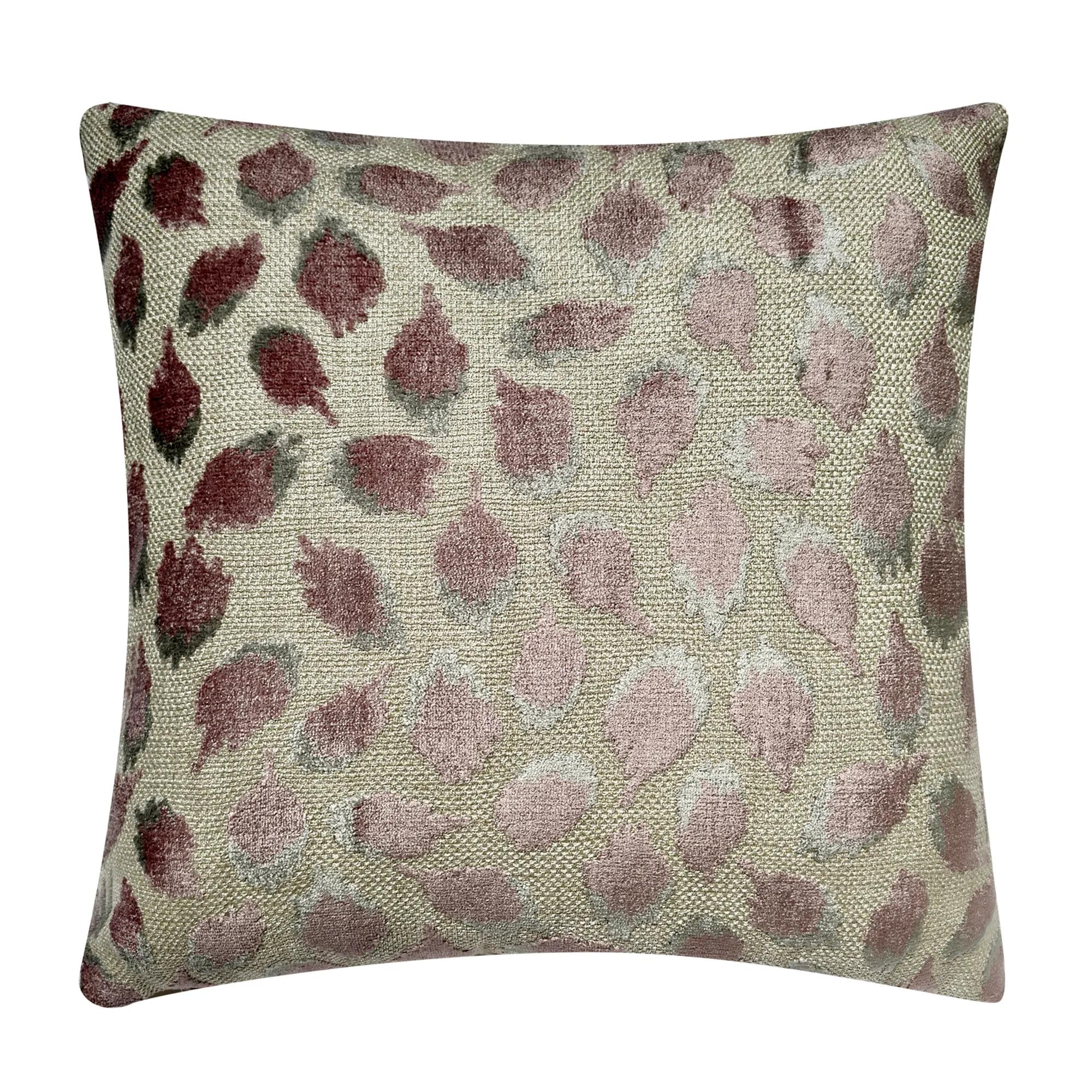
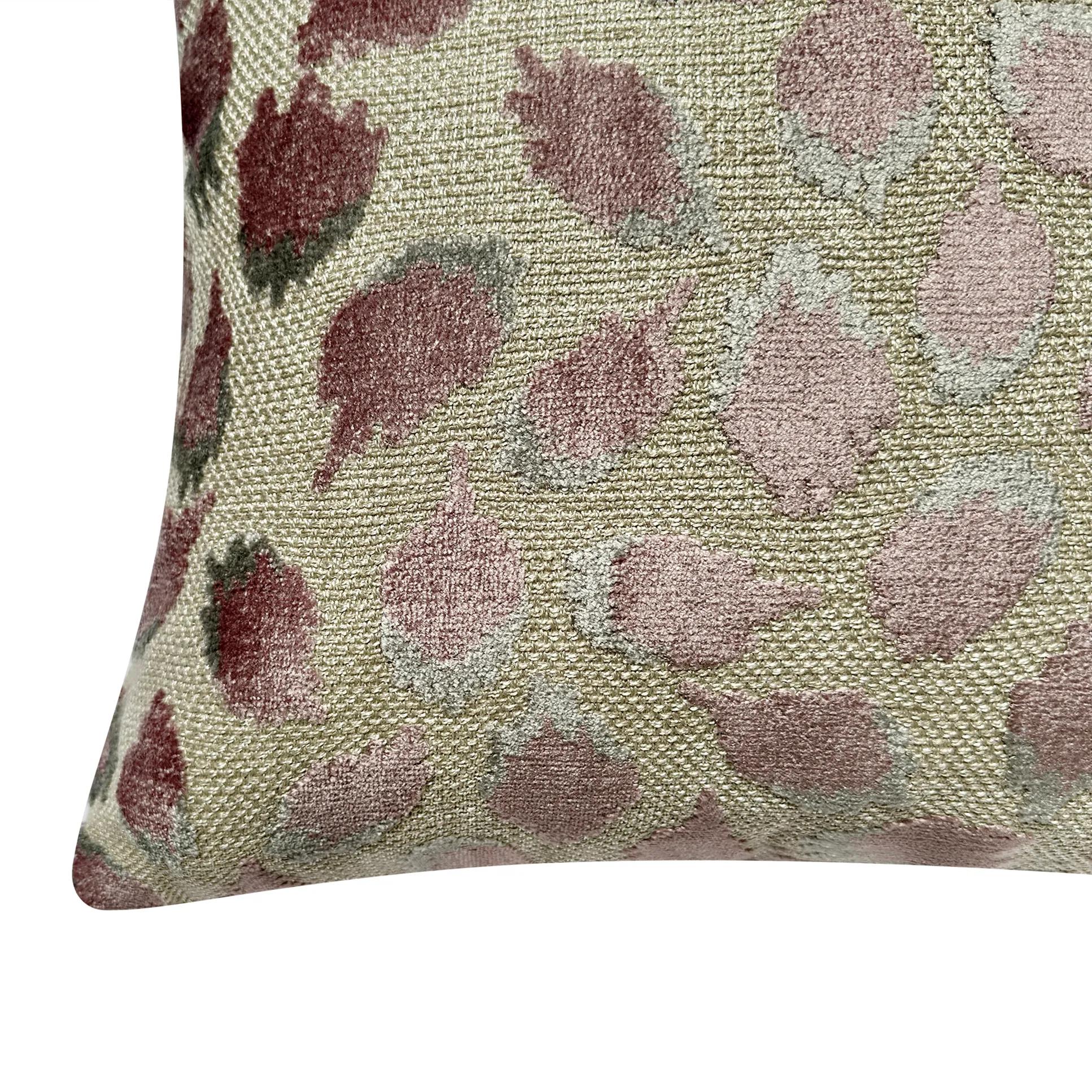 Gianna Pink/Grey Velvet Pillow 22" x 22"$129
A plush feather-down pillow featuring a textured pink and grey abstract leopard design with a removable cover.
Add To Cart -
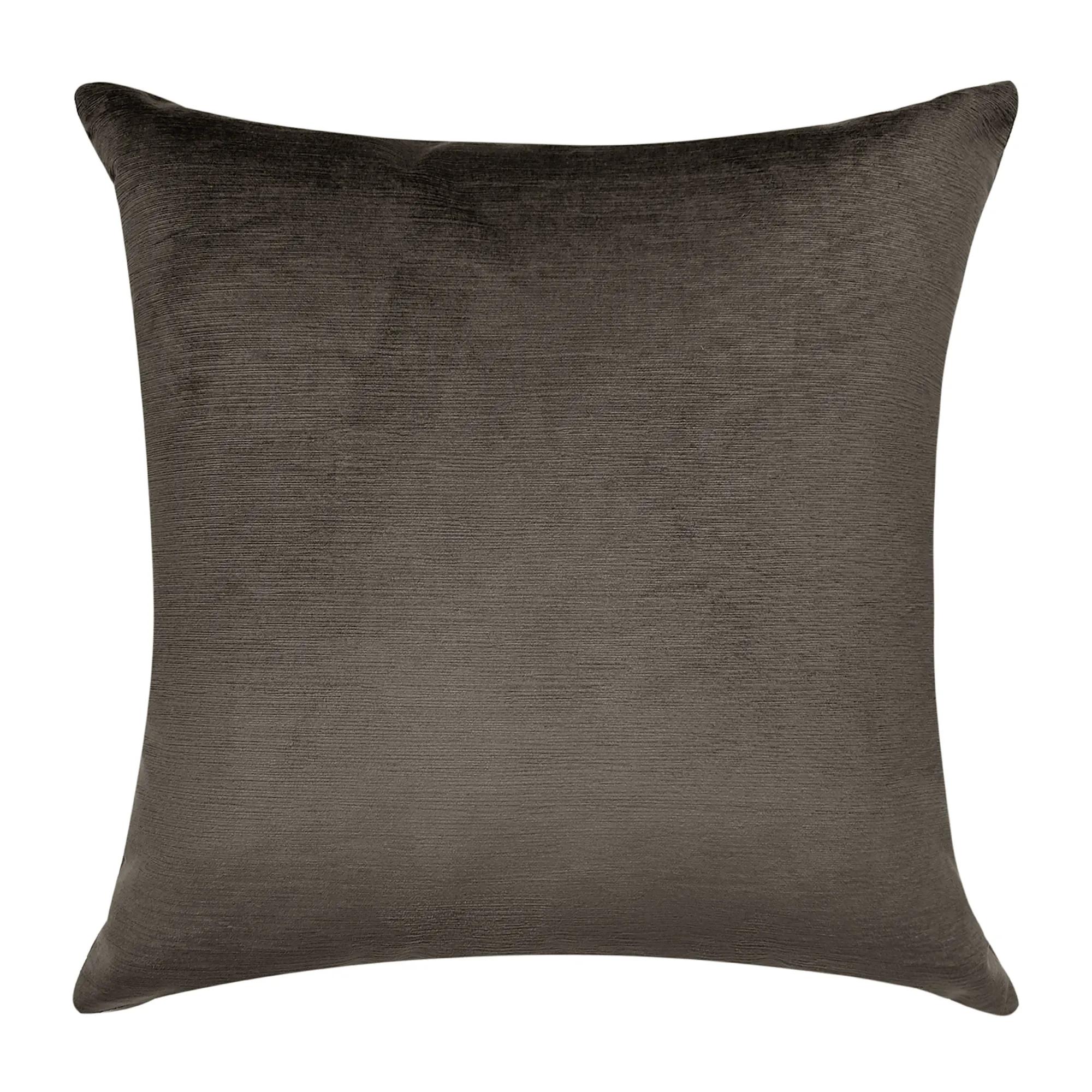
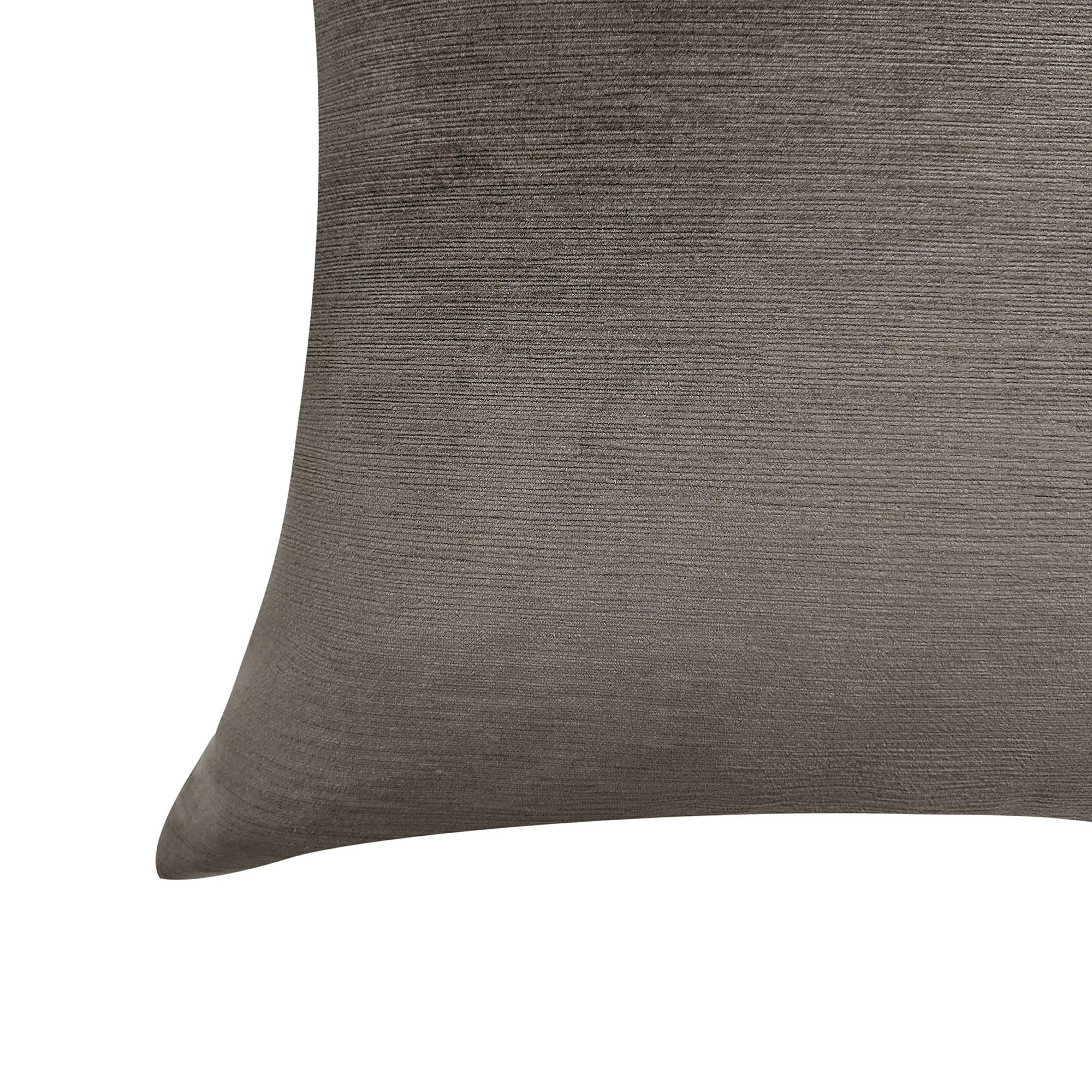 Solid Otter Grey Velvet Pillow 20" x 20"$79
A plush feather-down pillow in otter grey striated velvet with a removable, textured polyester cover.
Add To Cart -

 Porter Grey Cut Velvet Pillow 24" x 24"$99
A plush grey velvet pillow with a feather insert, inspired by Art Deco style for added luxury.
Add To Cart -
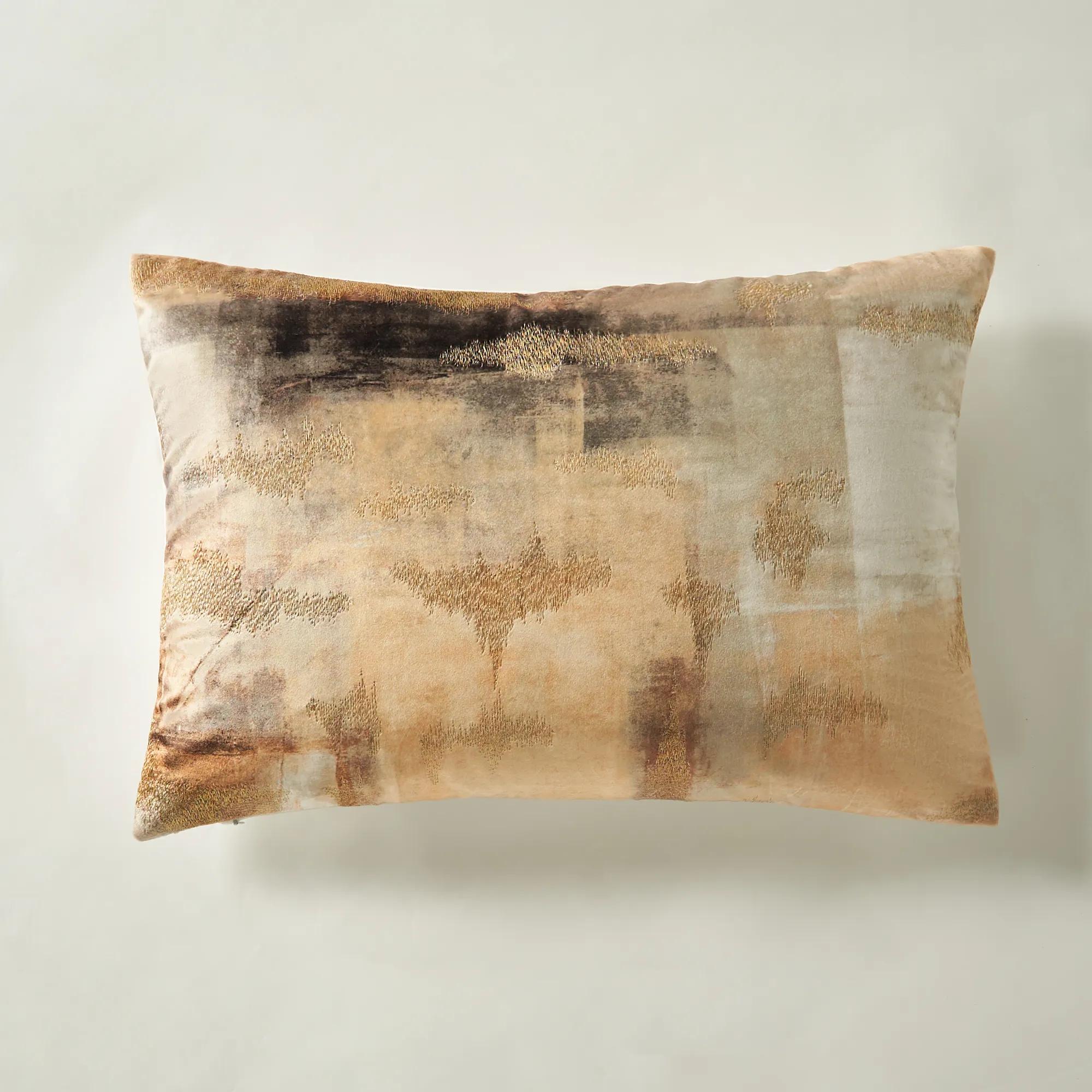
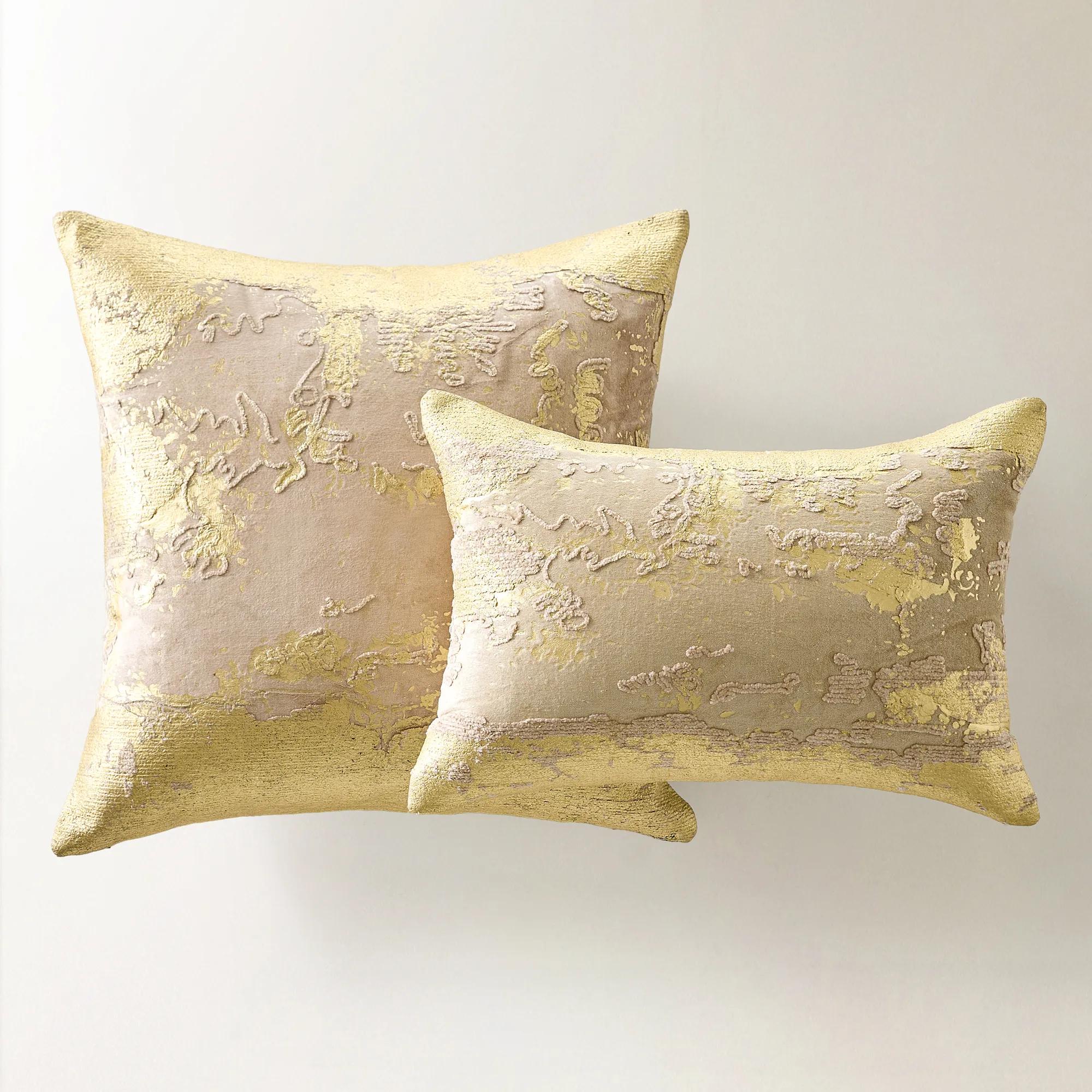
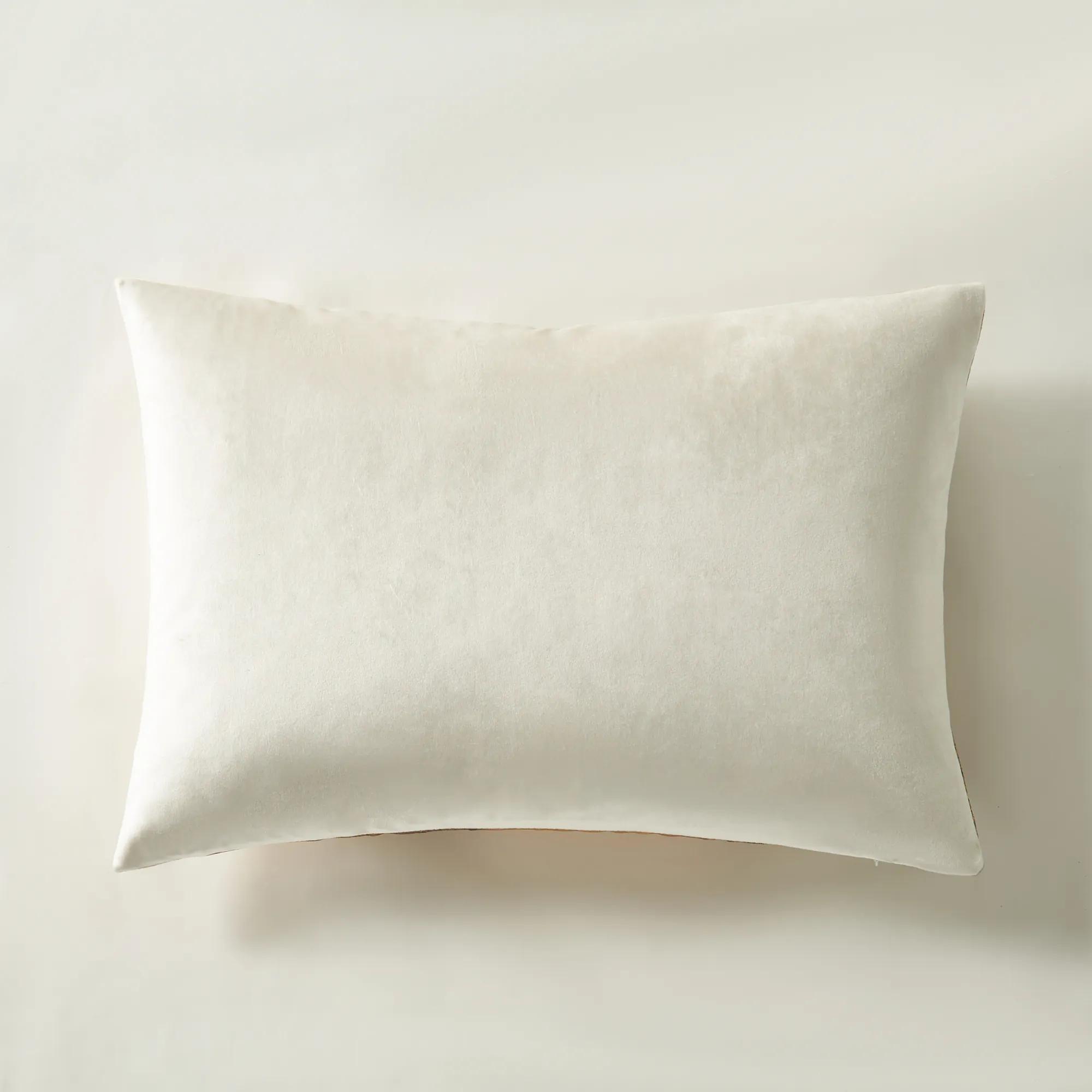 Riya Abstract Gold Embroidered Velvet Lumbar Pillow 14" x 20"$69
A plush ivory, gold, and grey velvet pillow featuring metallic embroidery and a feather-down insert.
Add To Cart -
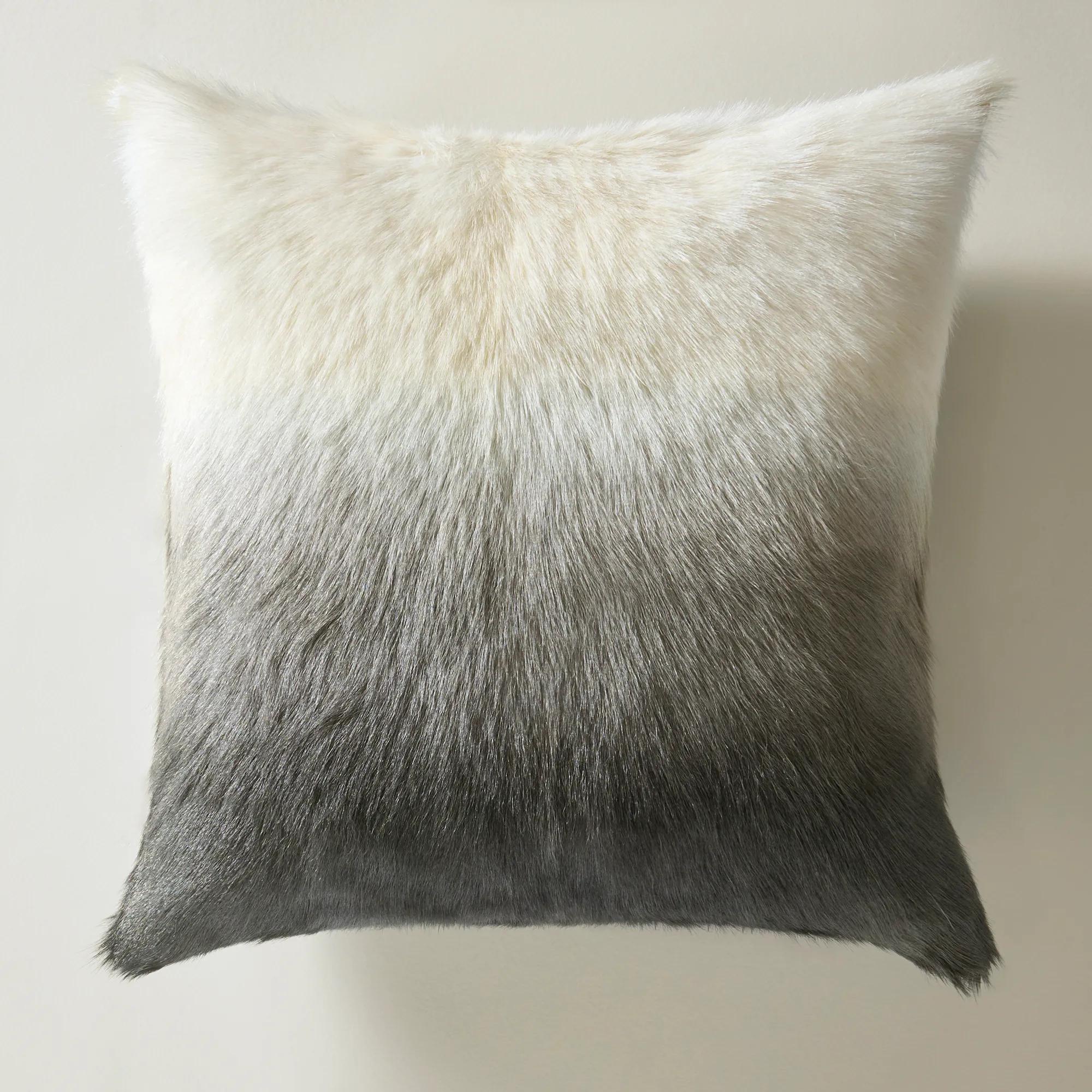
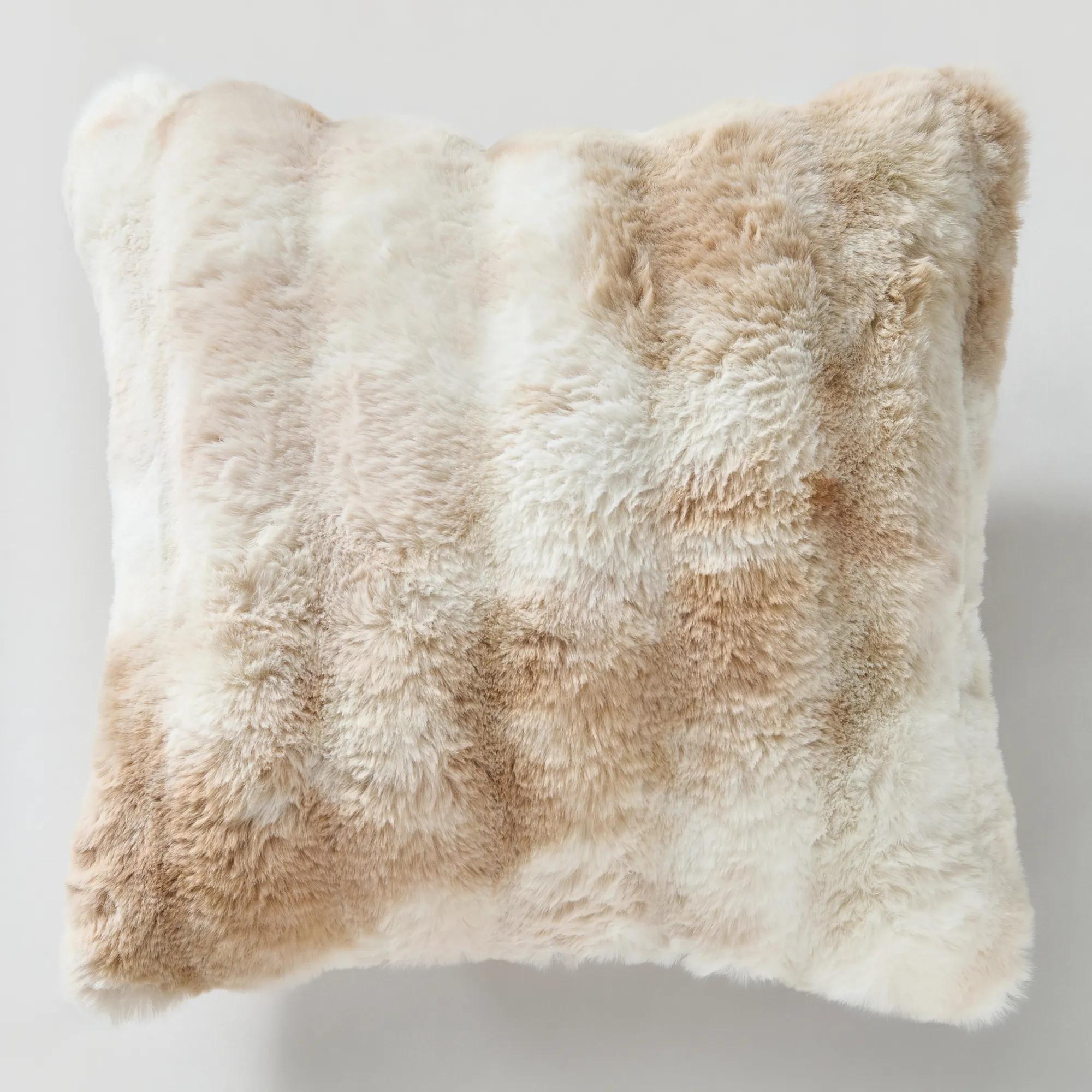
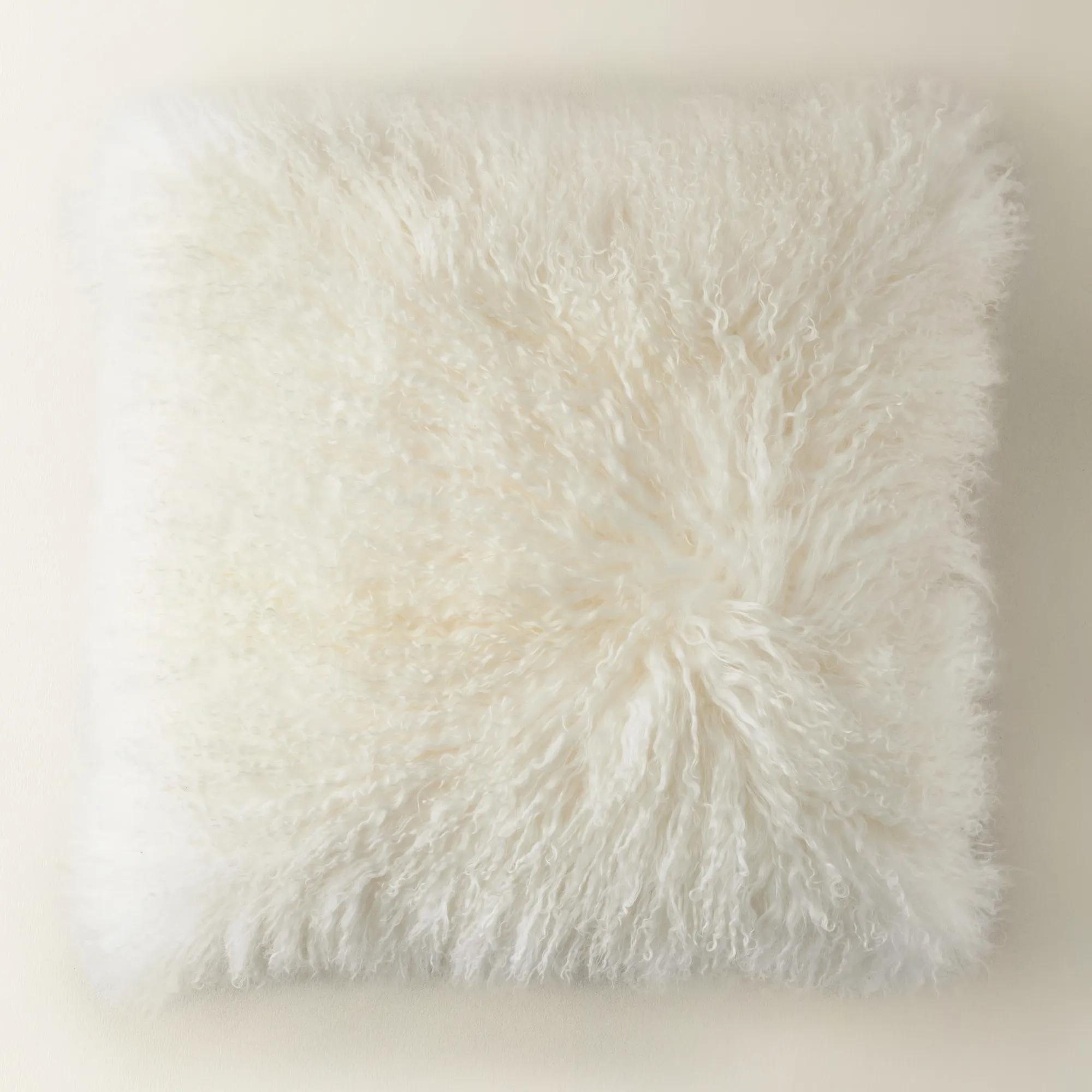
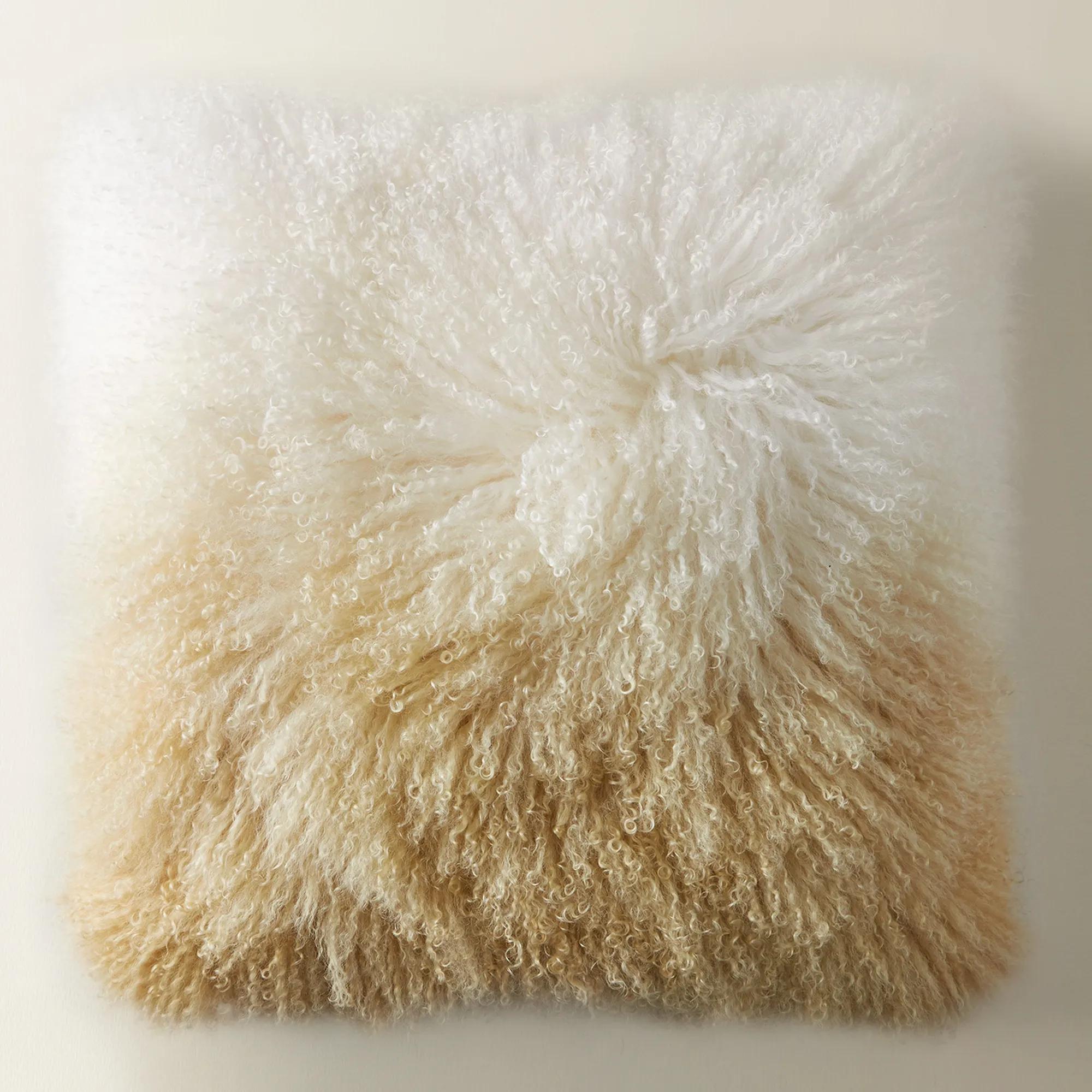
 Ombre Fur Pillow 22"$149
A luxurious goat fur pillow in a subtle grey ombre with a faux suede back and feather-down insert.
Add To Cart -
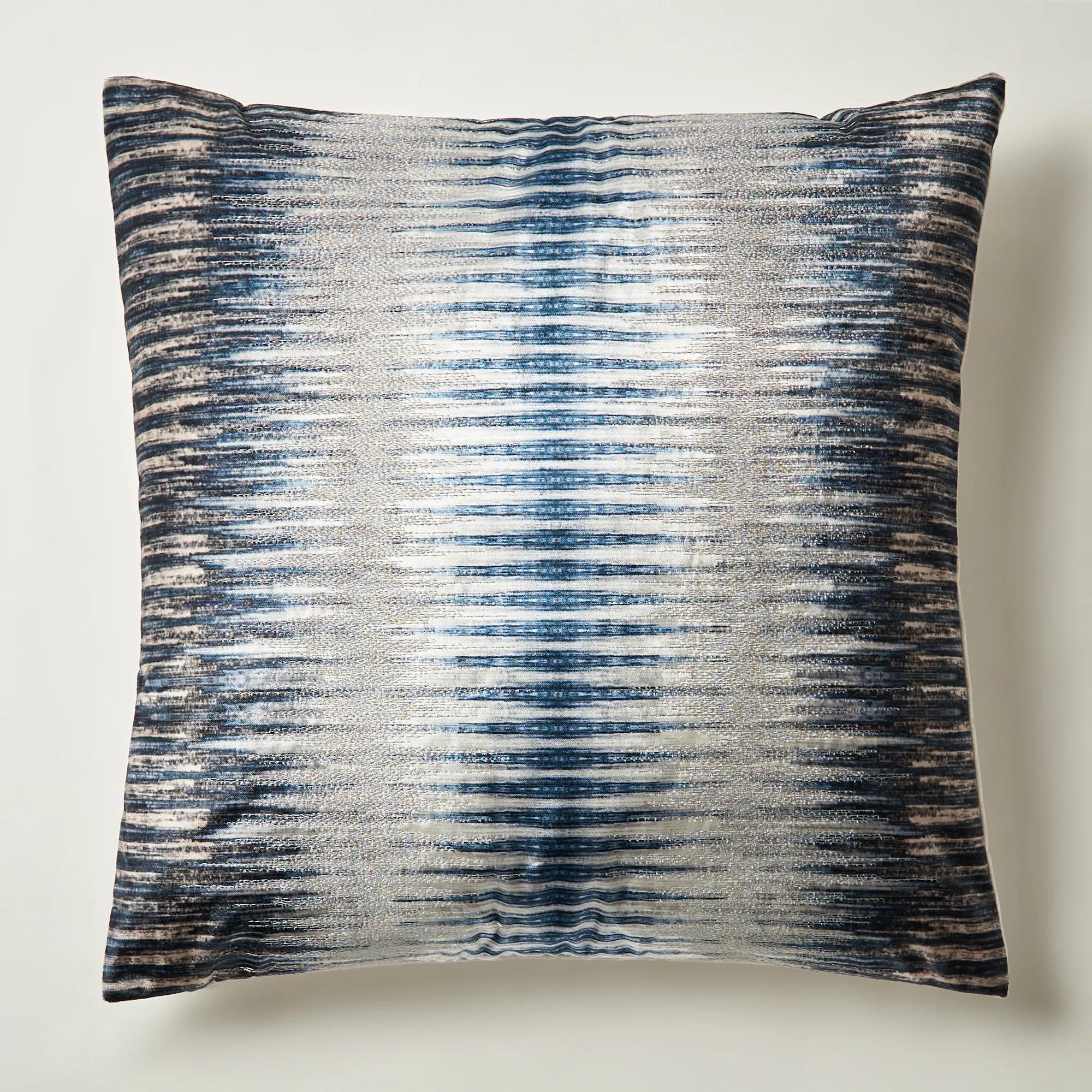 Zaid Embroidered Metallic Blue Velvet Pillow 22" x 22"$89
A plush velvet pillow in grey, blue, and silver with gradient metallic embroidery and feather-down insert.
Add To Cart -
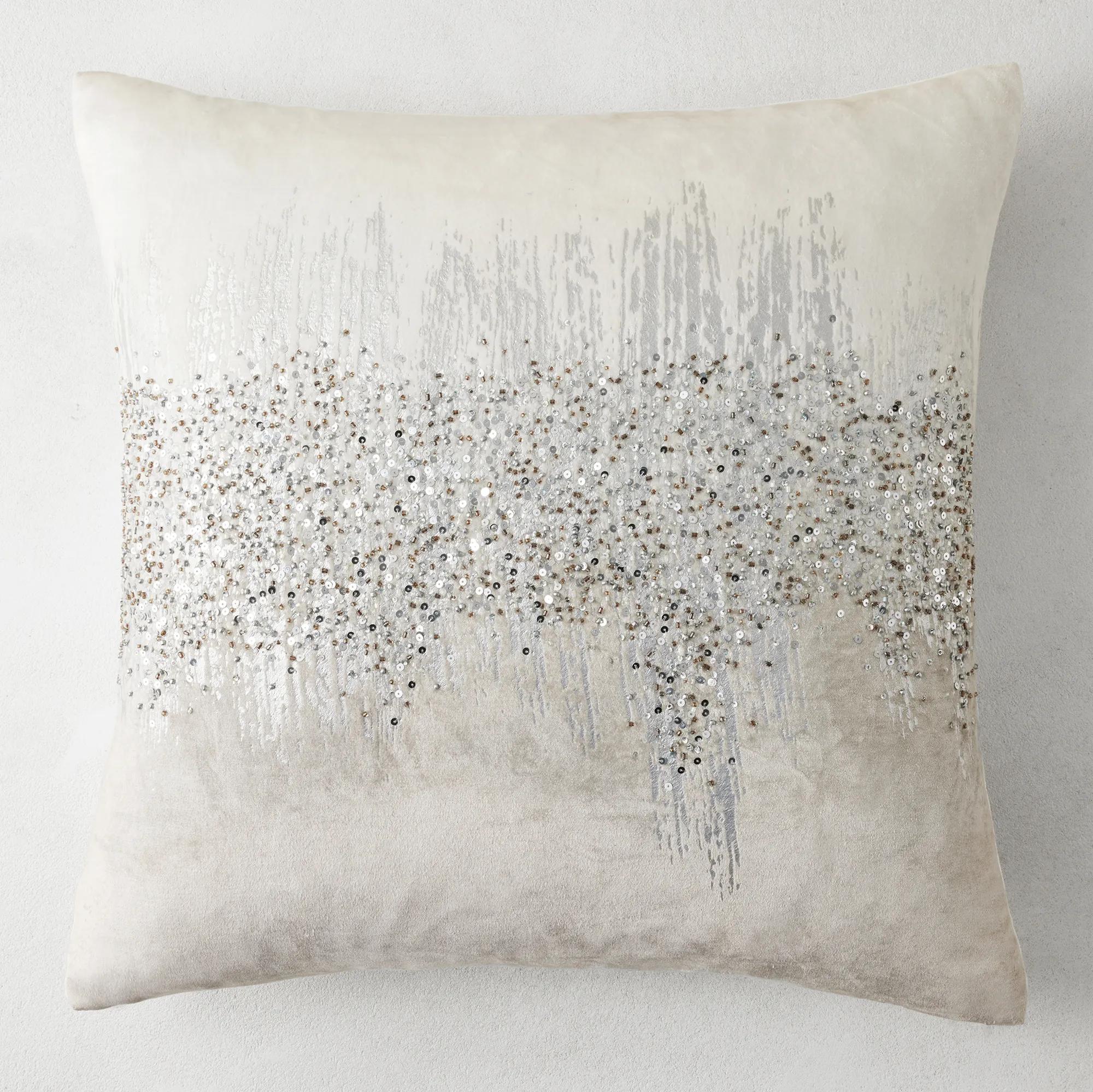
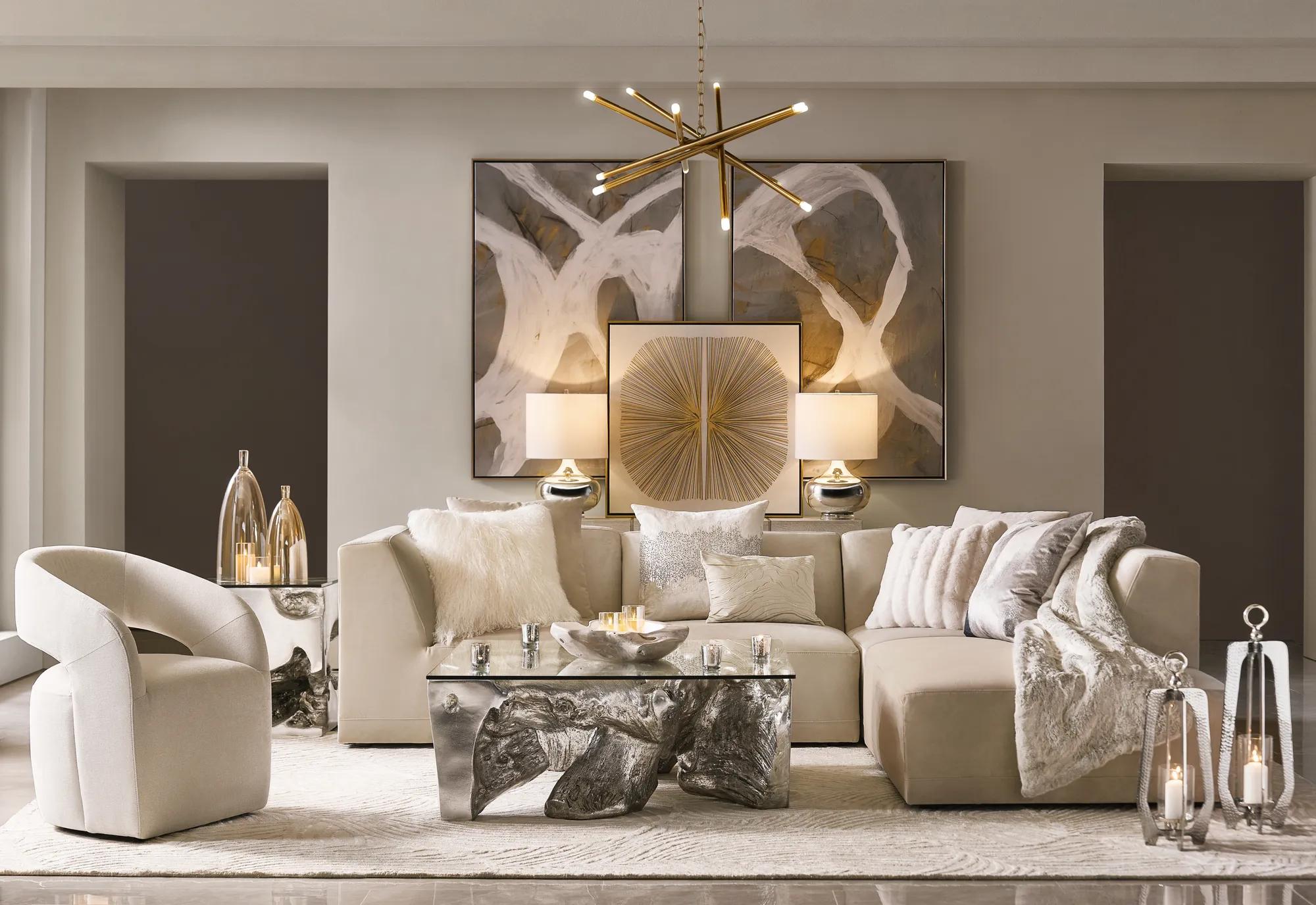 Joie De Vivre Pillow 22" - Grey$99.95
A hand-dyed grey velvet pillow featuring a shimmering metallic foil print and intricate hand-beaded details.
Add To Cart -
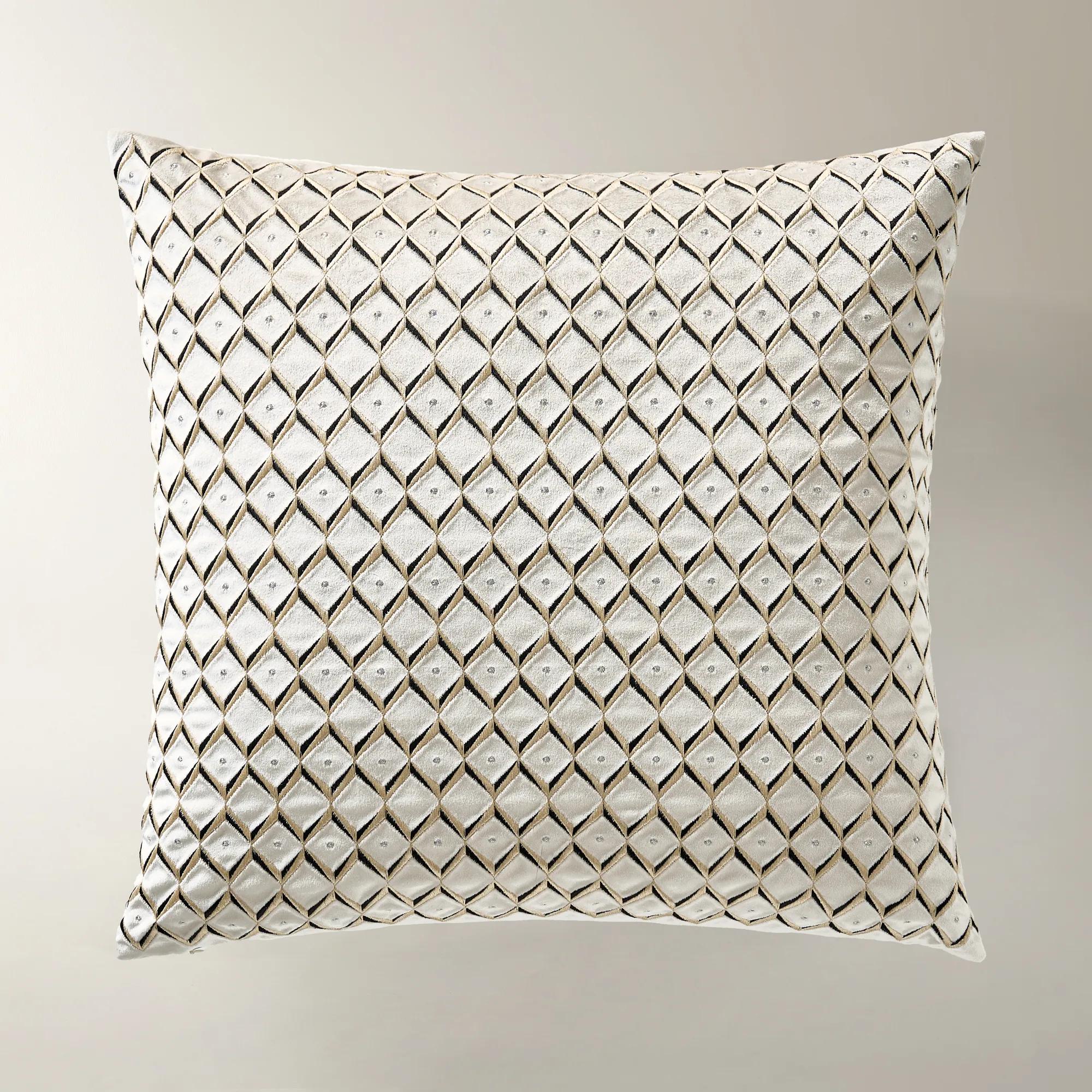 Boucard Diamond Check Embroidered Alabaster Pillow 22" x 22"$119
A luminous alabaster velvet pillow featuring metallic champagne and black diamond embroidery with a feather-down insert.
Add To Cart -
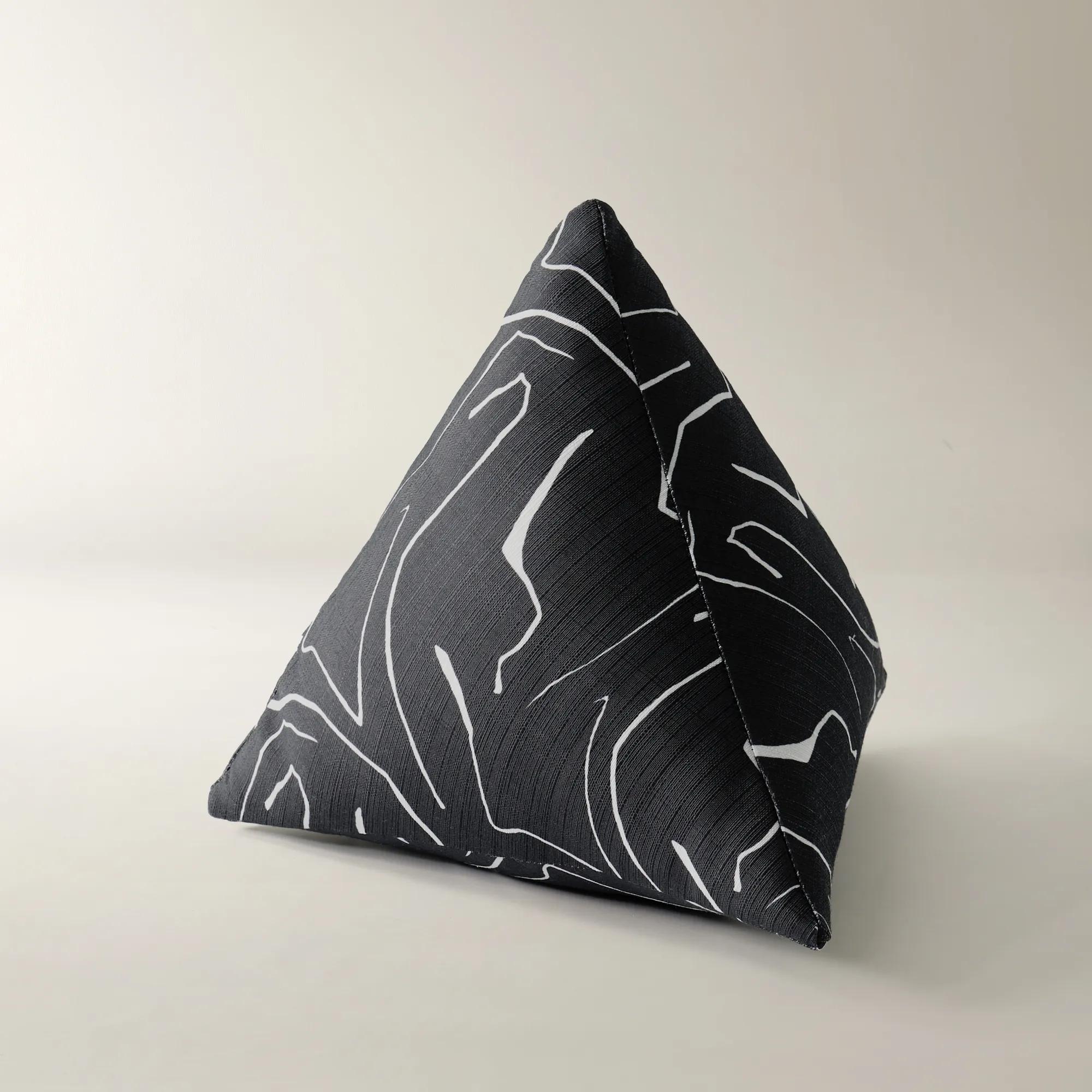
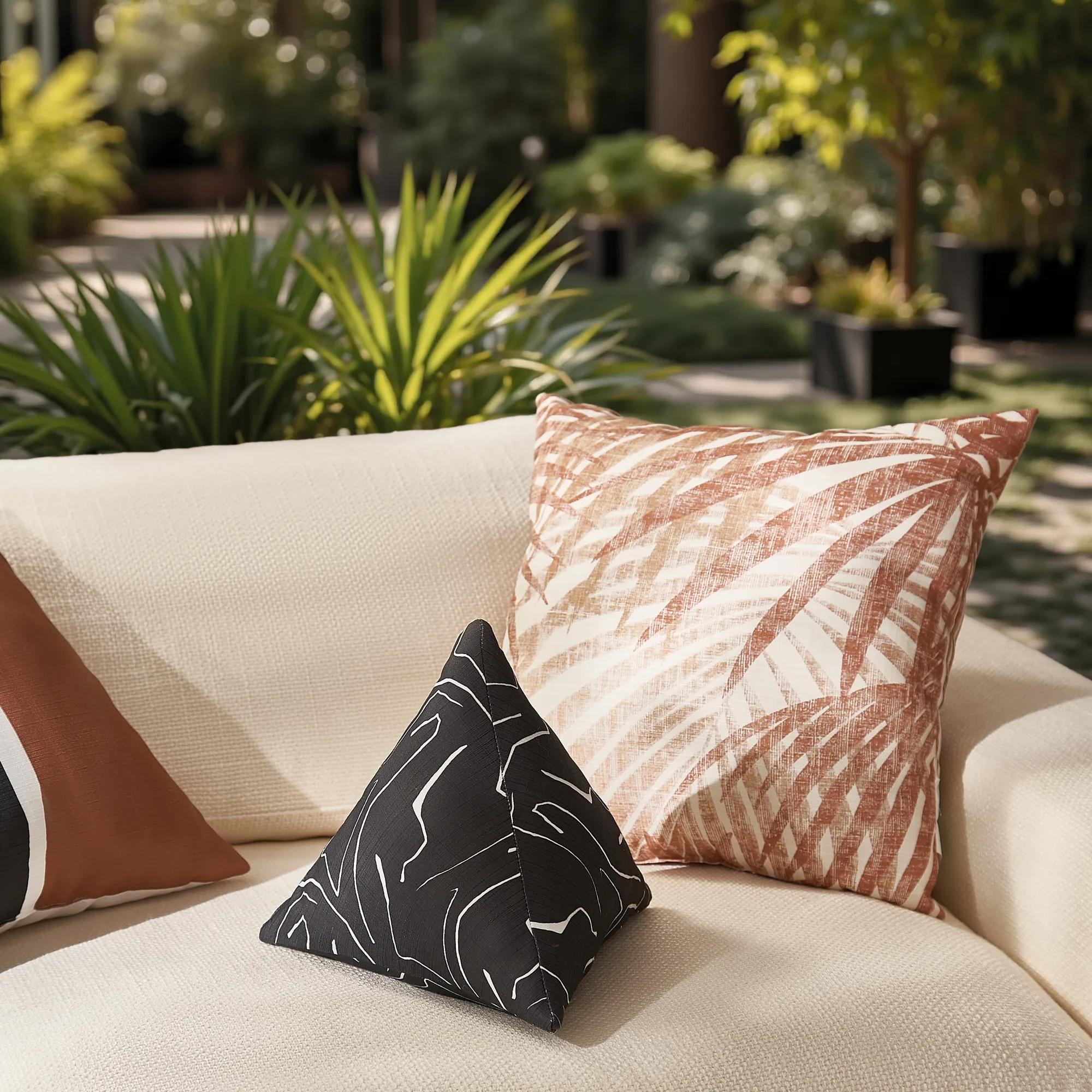 Triangle Outdoor Pillow 13"$59
A modern black and gray triangular outdoor pillow adding graphic style to patios and lounges.
Add To Cart -
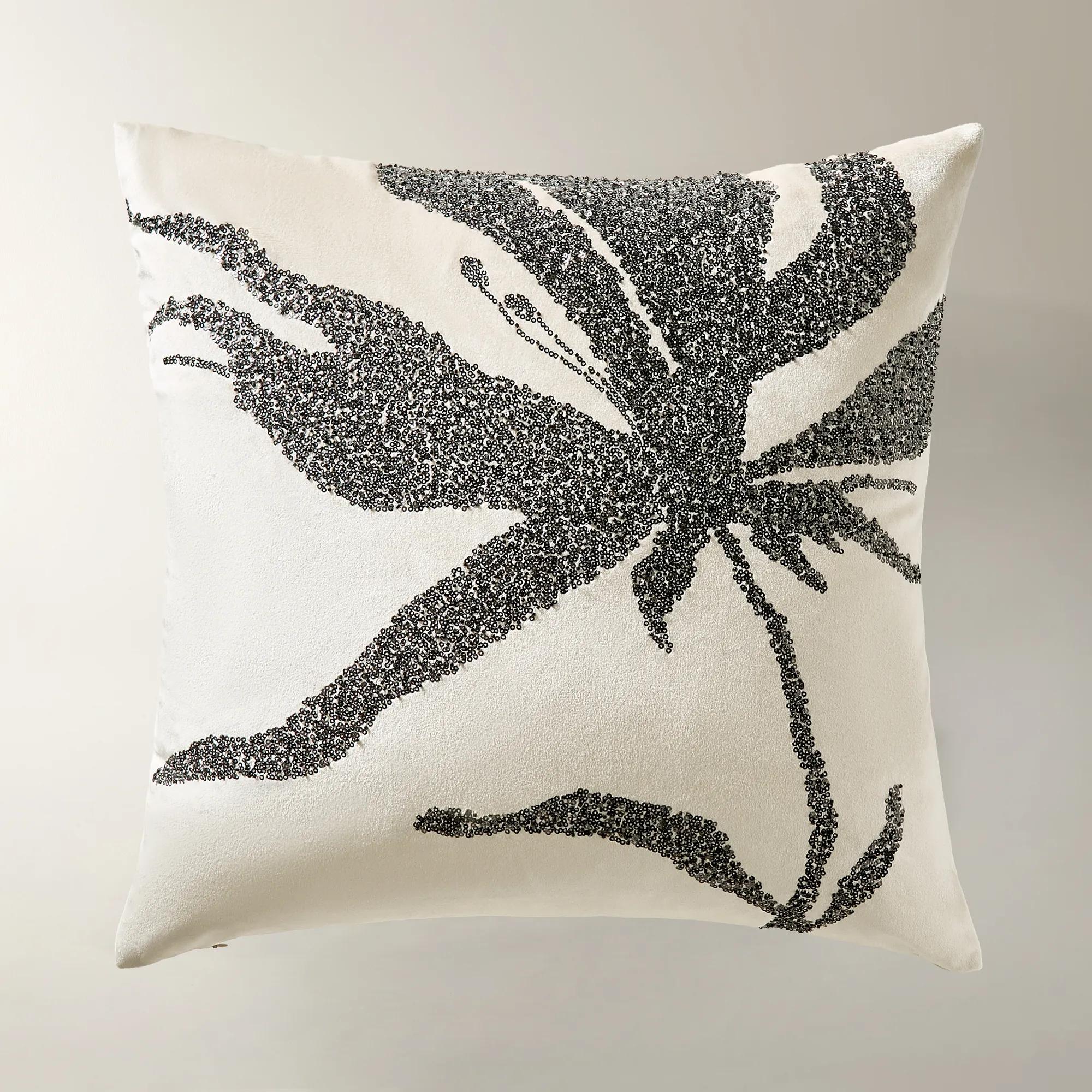 Leita Embellished Graphite/Cloud White Velvet Pillow 20" x 20"$129
A cloud velvet pillow featuring metallic sequin and bead floral embroidery in graphite with a feather-down insert.
Add To Cart -
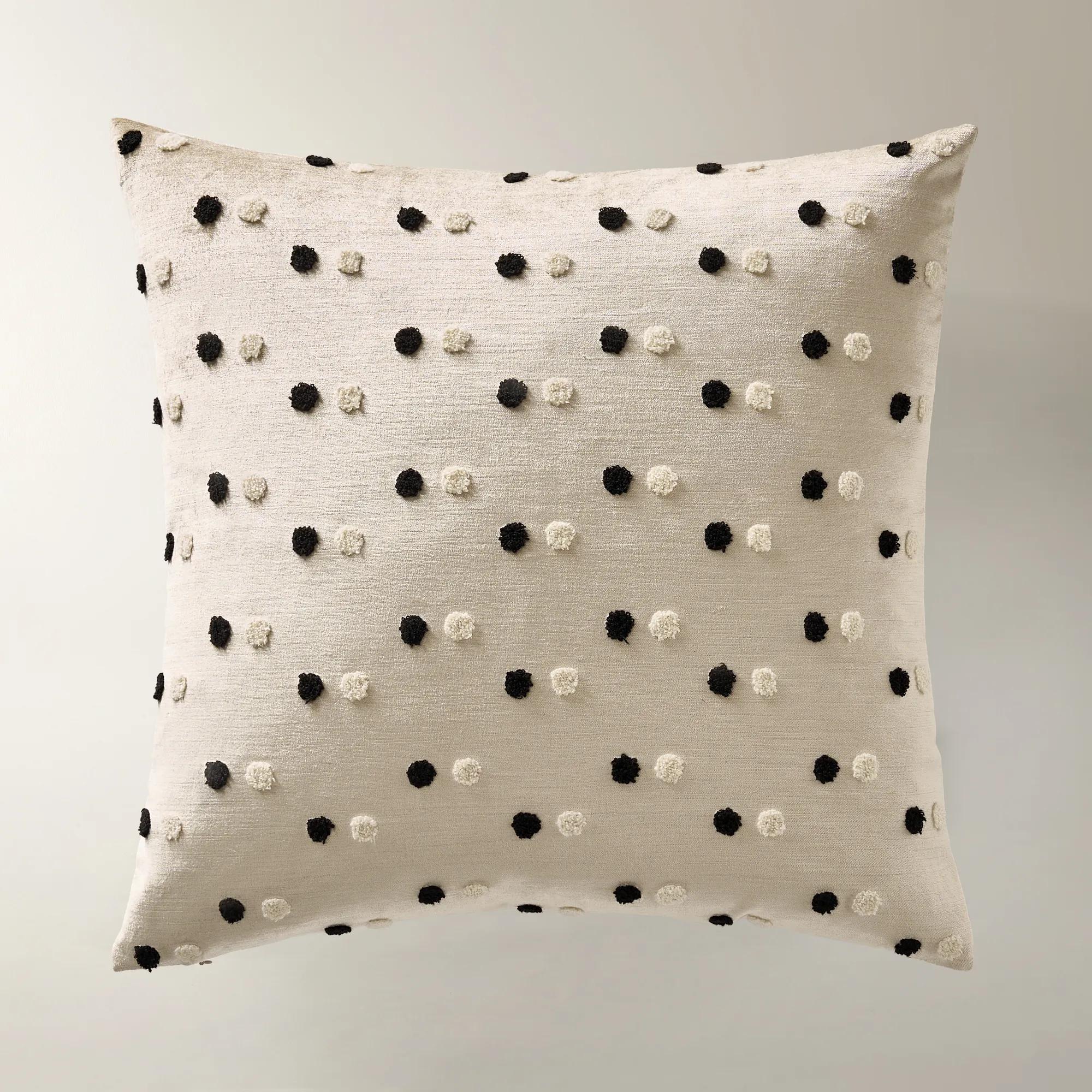
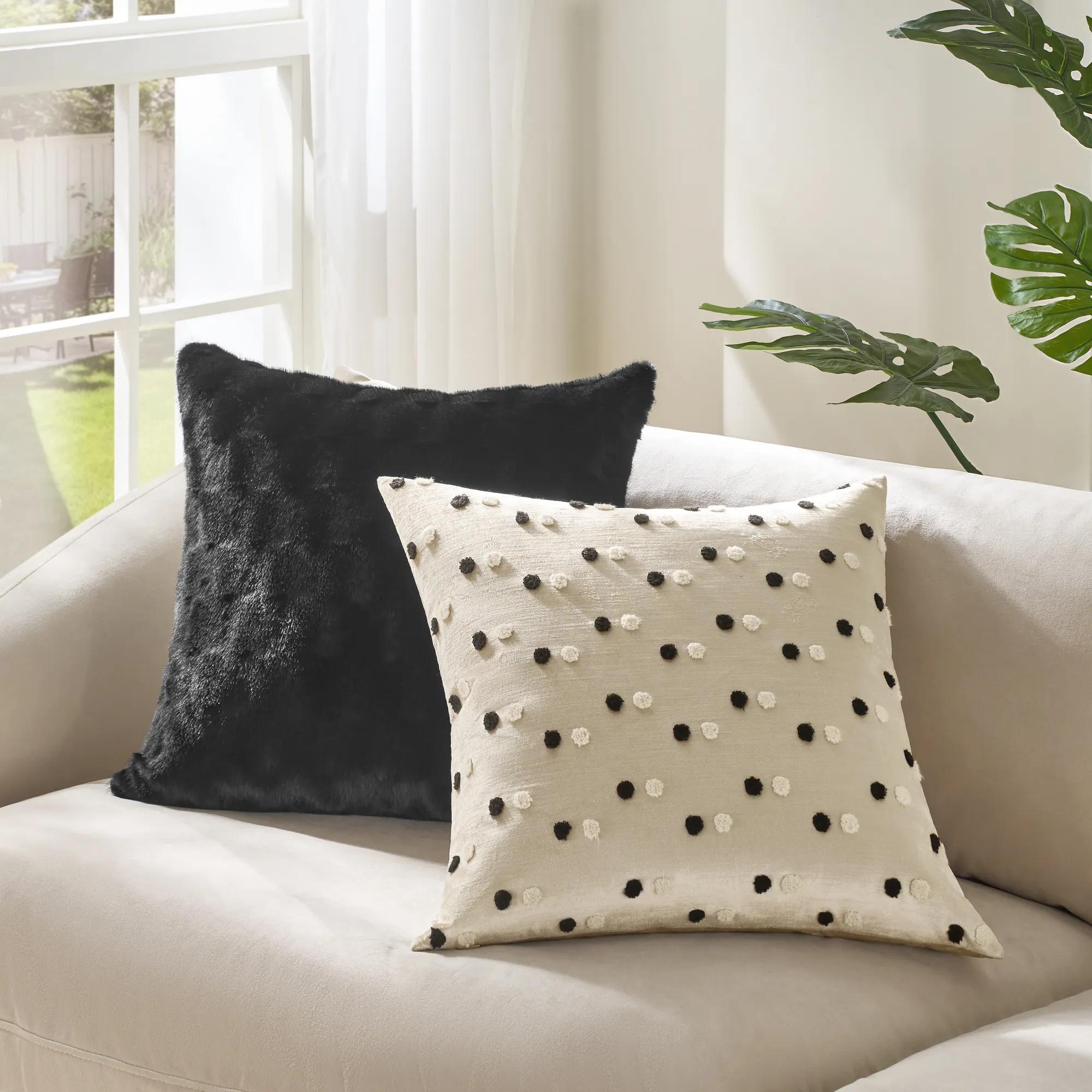 Dionne Polka Dot Embroidered Platinum Taupe Velvet Pillow 22" x 22"$99
A platinum taupe velvet pillow featuring embroidered ivory and black polka dots with a feather-down insert.
Add To Cart -
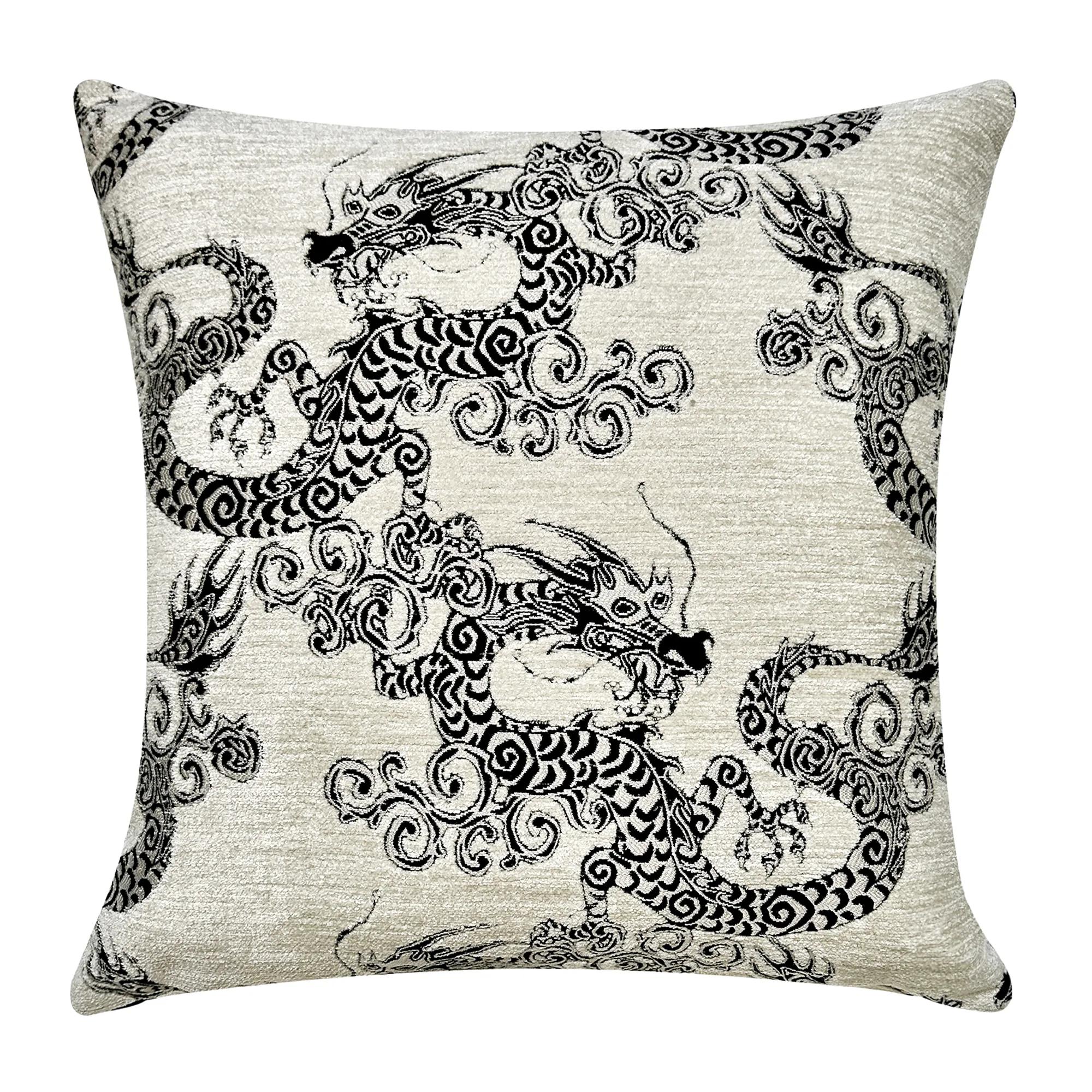
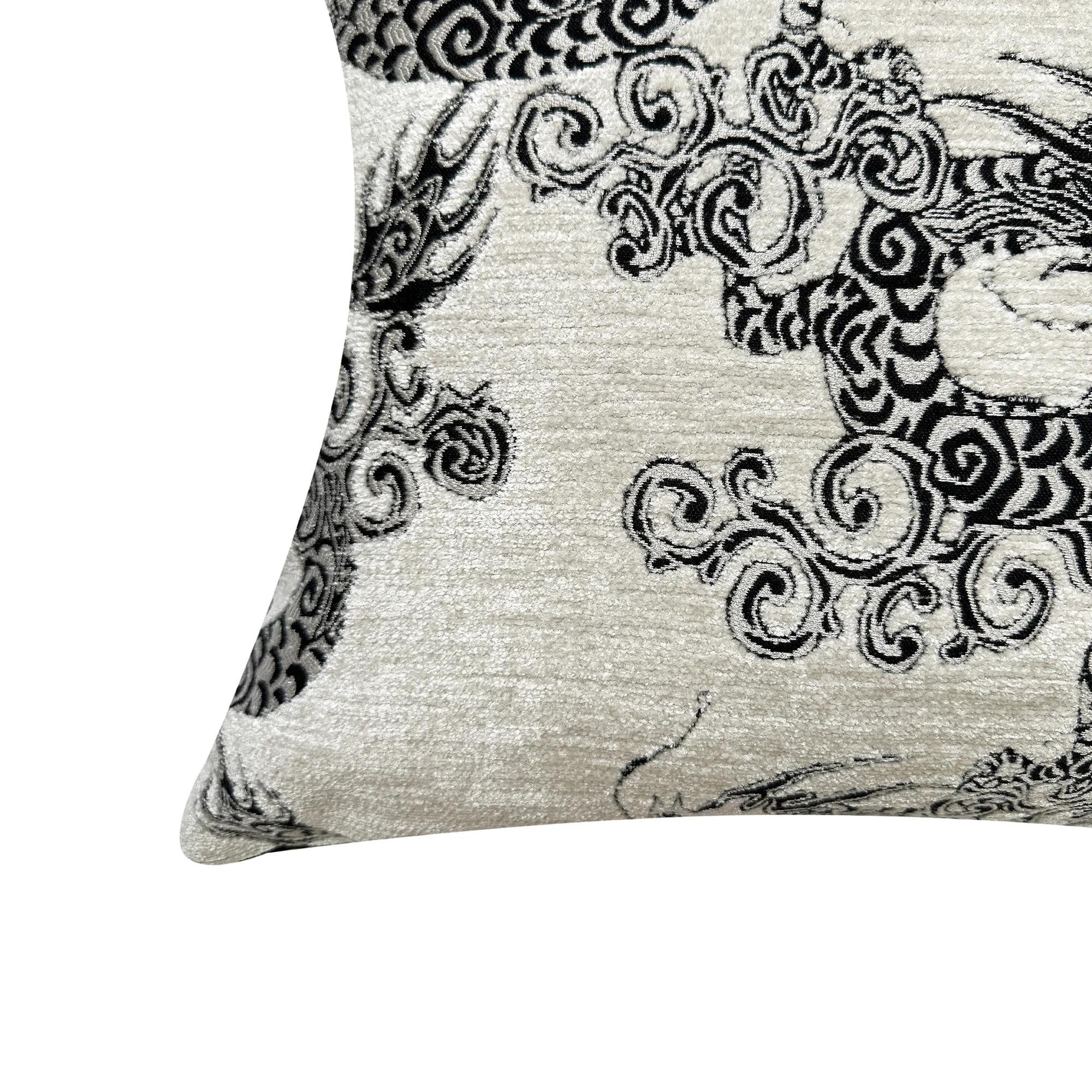 Dragonette White Jacquard Chenille Pillow 20" x 20"$119
A luxurious jacquard chenille pillow featuring a black and white dragon motif and plush feather down insert.
Add To Cart -
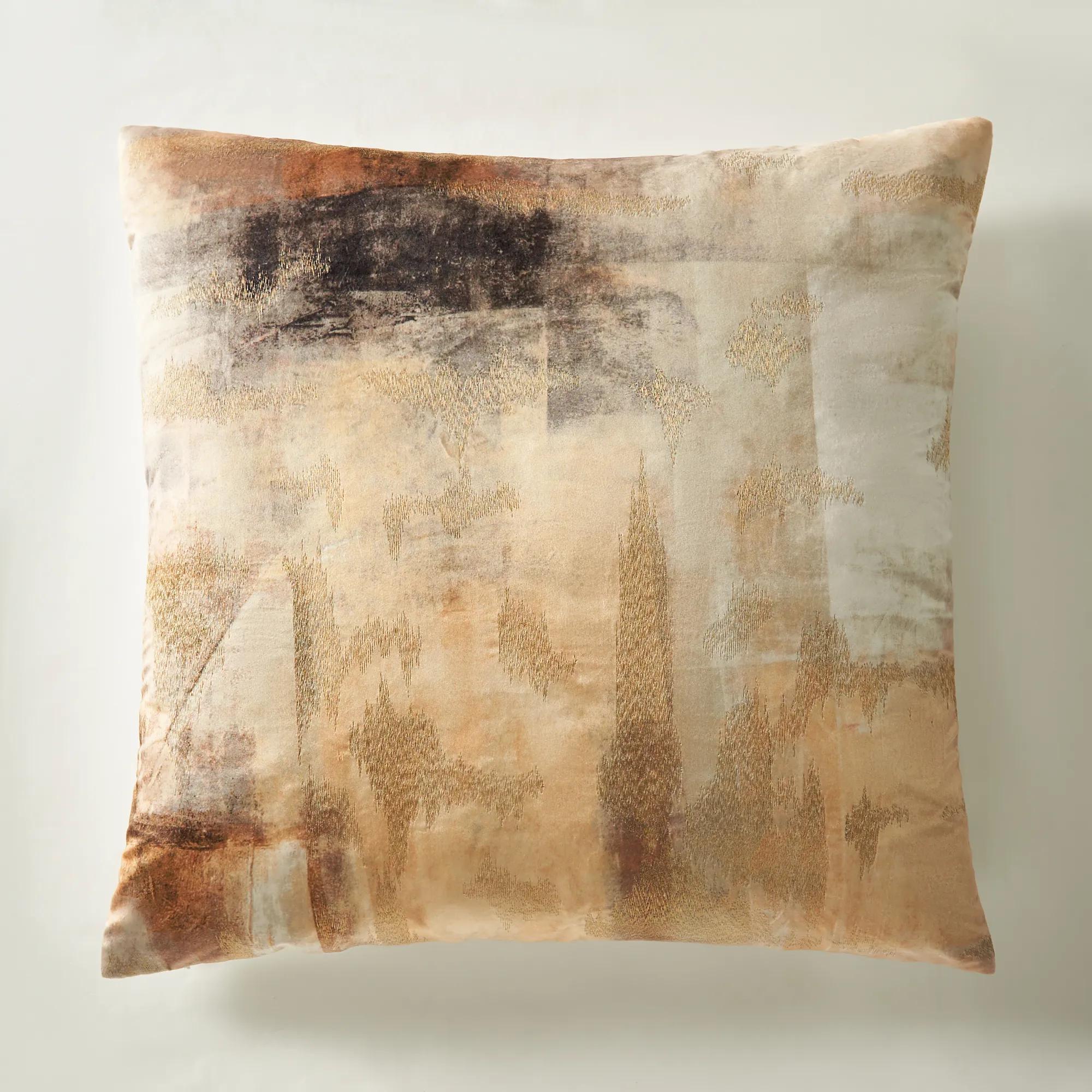
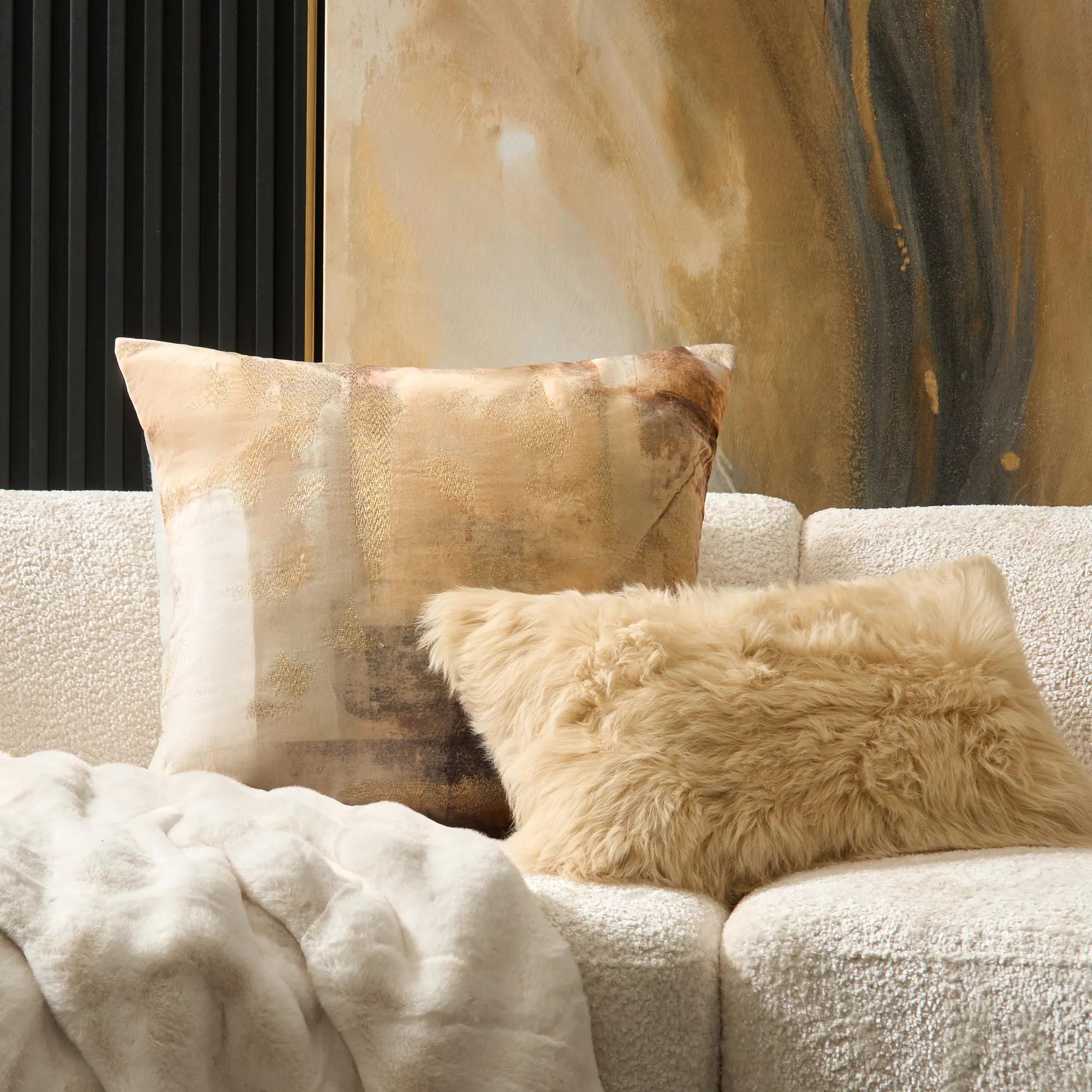 Riya Abstract Gold Embroidered Velvet Pillow 24" x 24"$79
A plush ivory, gold, and grey velvet pillow with metallic embroidery and a feather down insert.
Add To Cart -
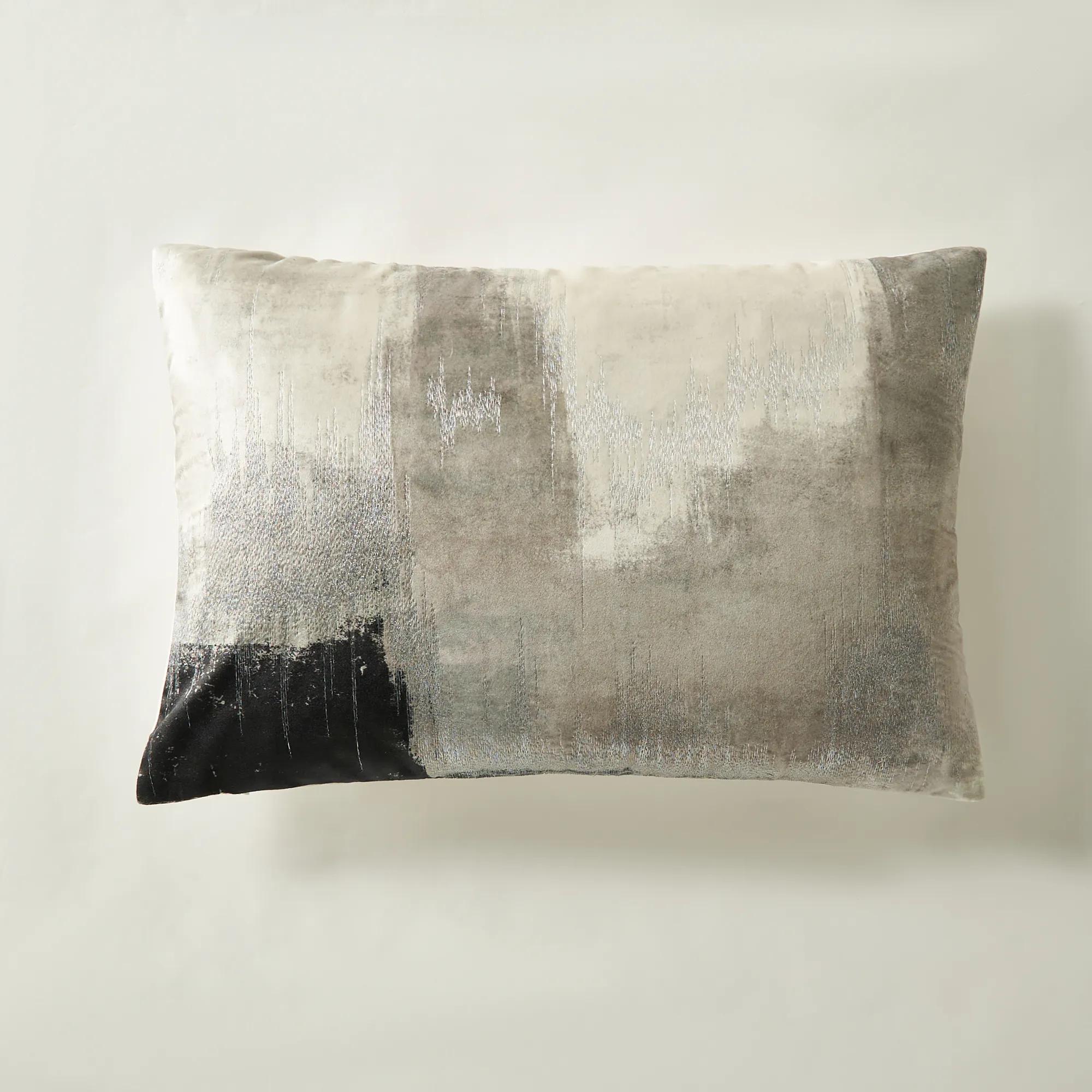 Nya Grey/Black Embroidered Velvet Lumbar Pillow 14" x 20"$69
A plush black and grey velvet lumbar pillow with metallic silver embroidery and a feather-down insert.
Add To Cart -
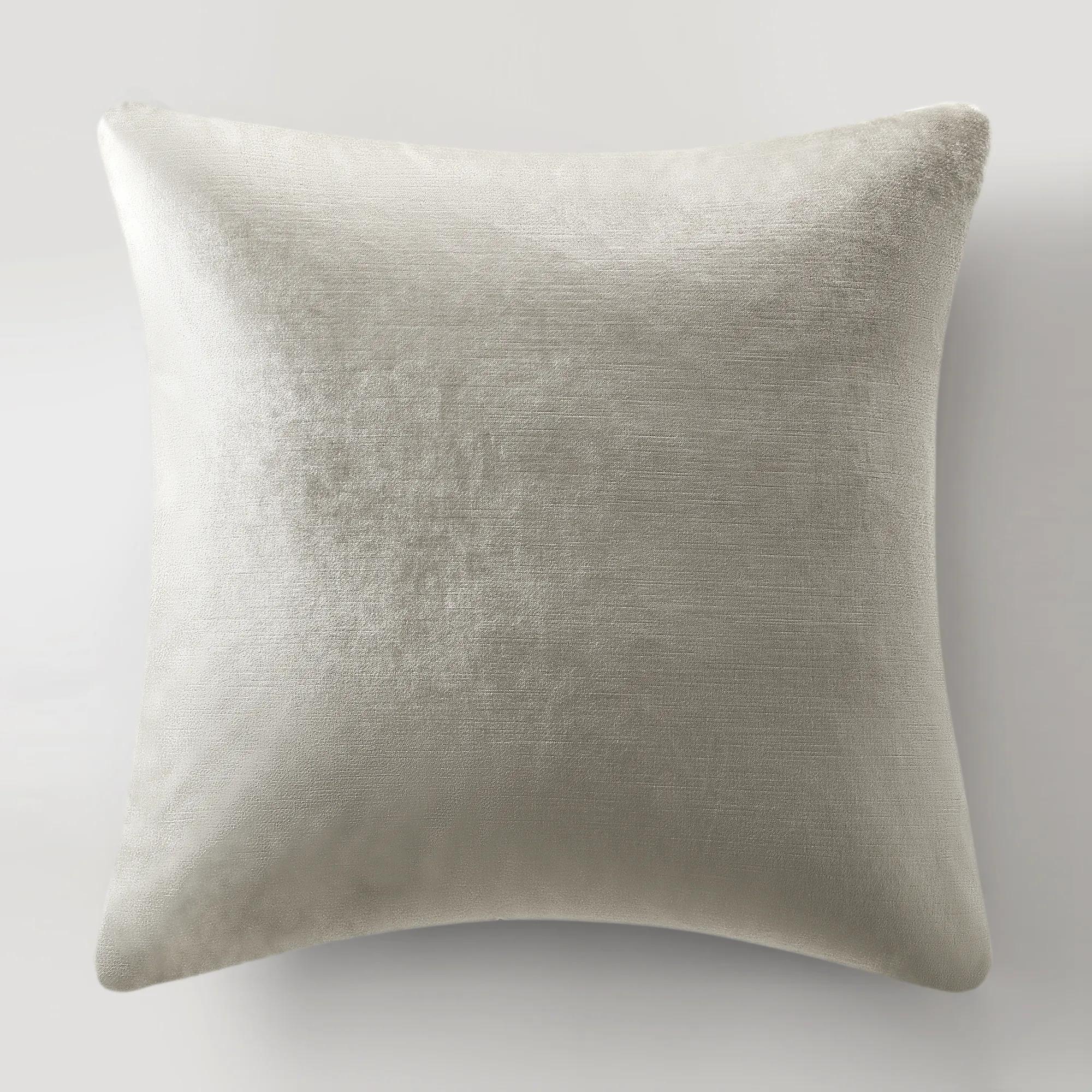
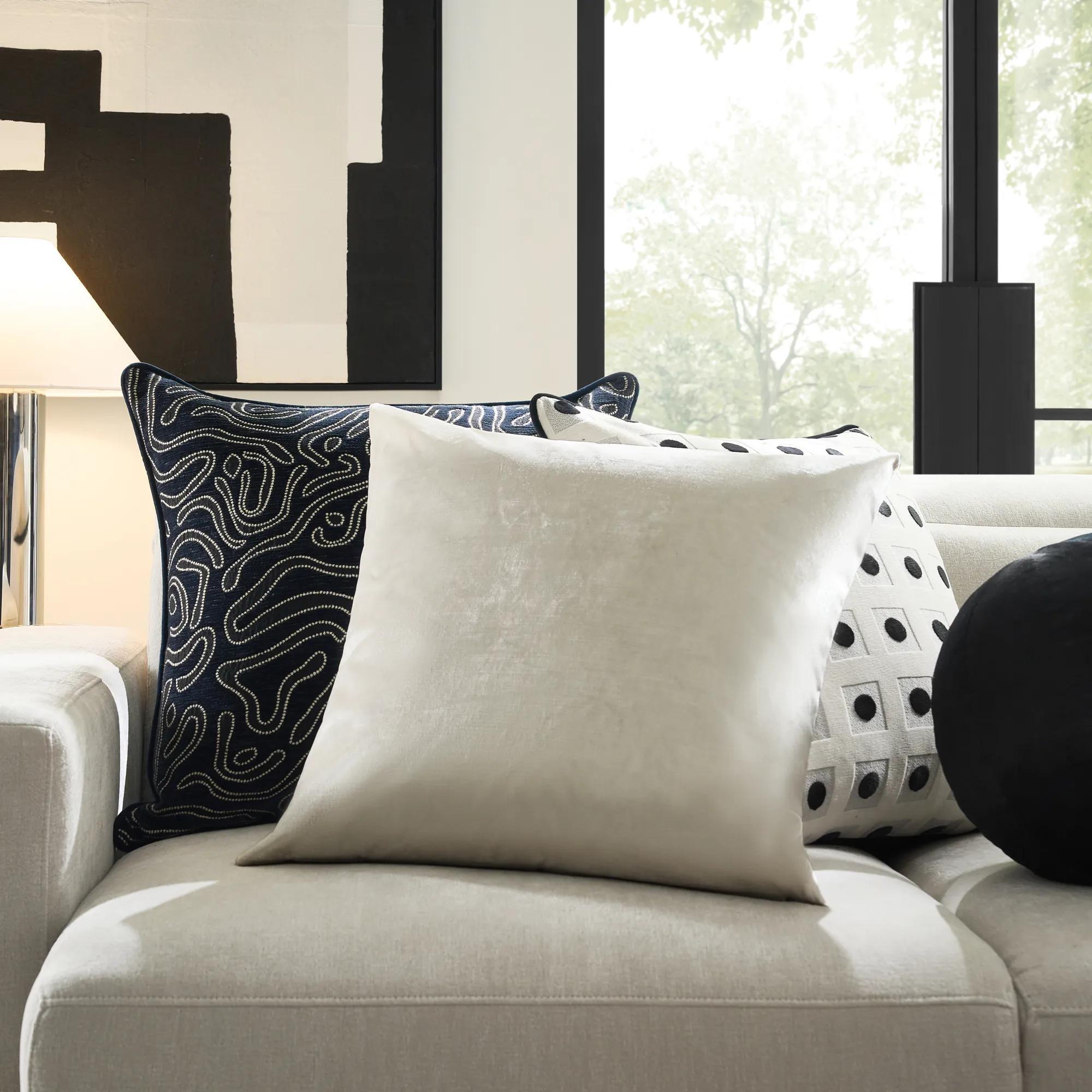 Glisten Velvet Pillow 22" - Silver$79
A lustrous silver velvet pillow with knife-edge detailing and a plush, light-reflecting texture.
Add To Cart -
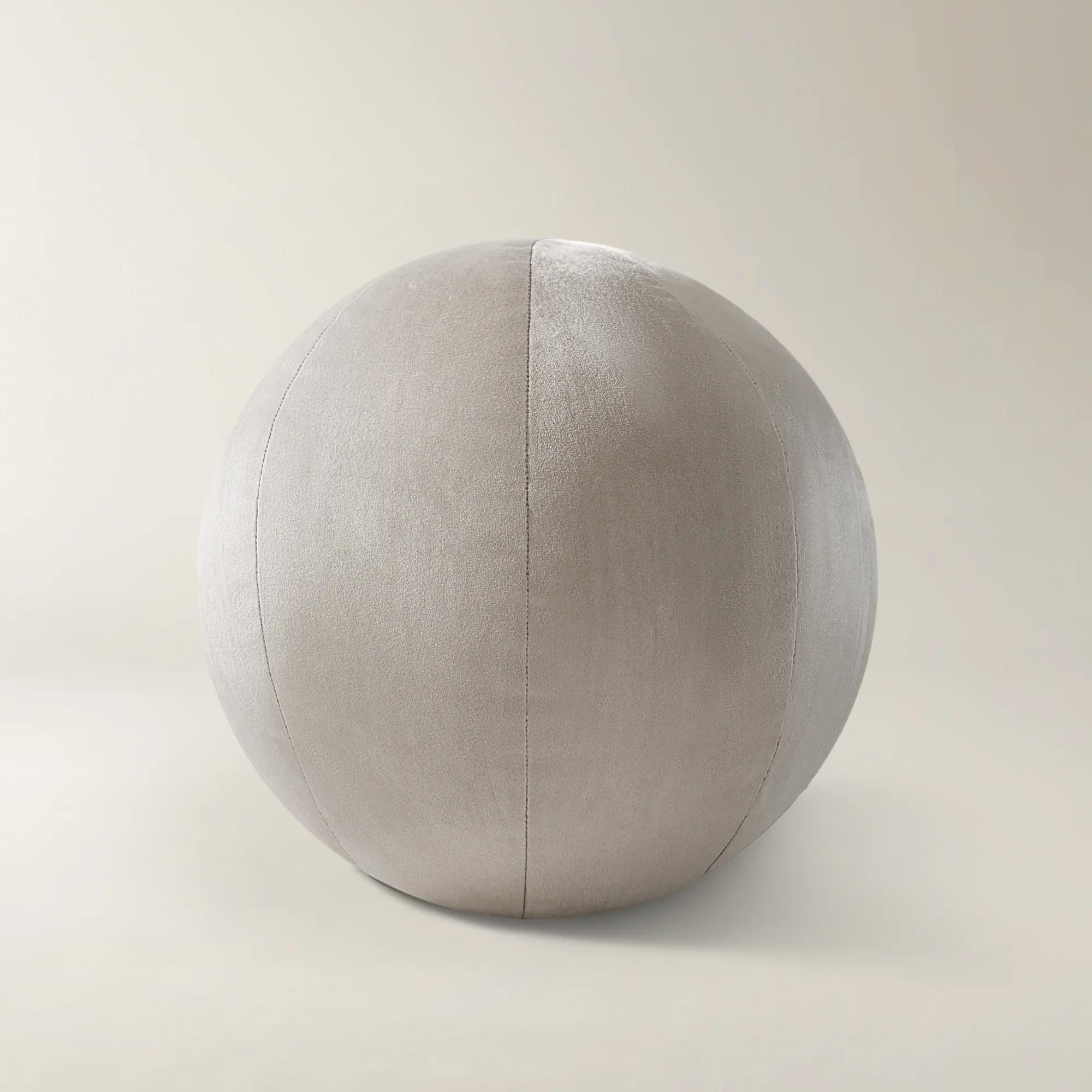
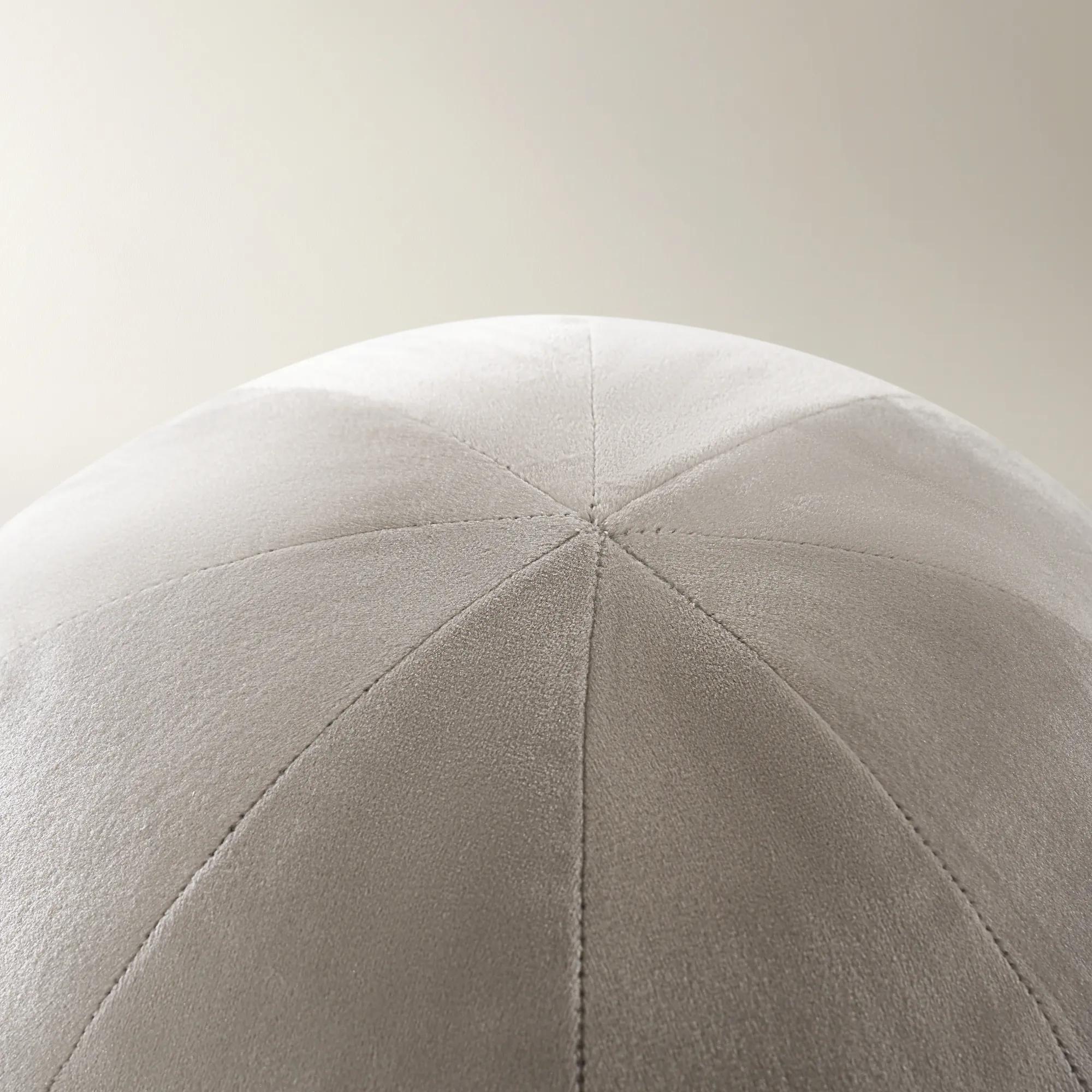 Velvet Ball Pillow 12" - Silver$69
A sculptural silver pillow crafted from lustrous velvet for a bold, cozy accent in any space.
Add To Cart -
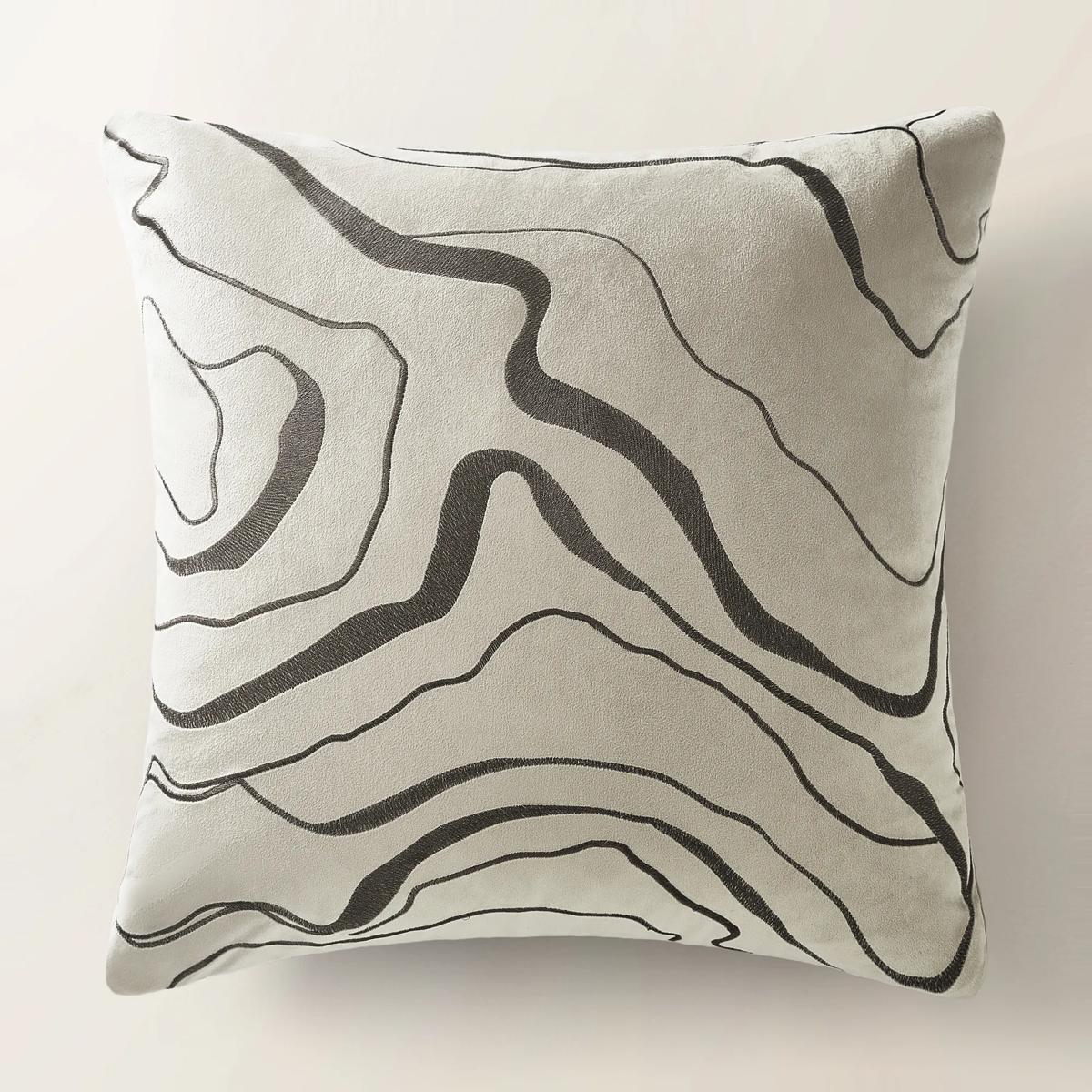
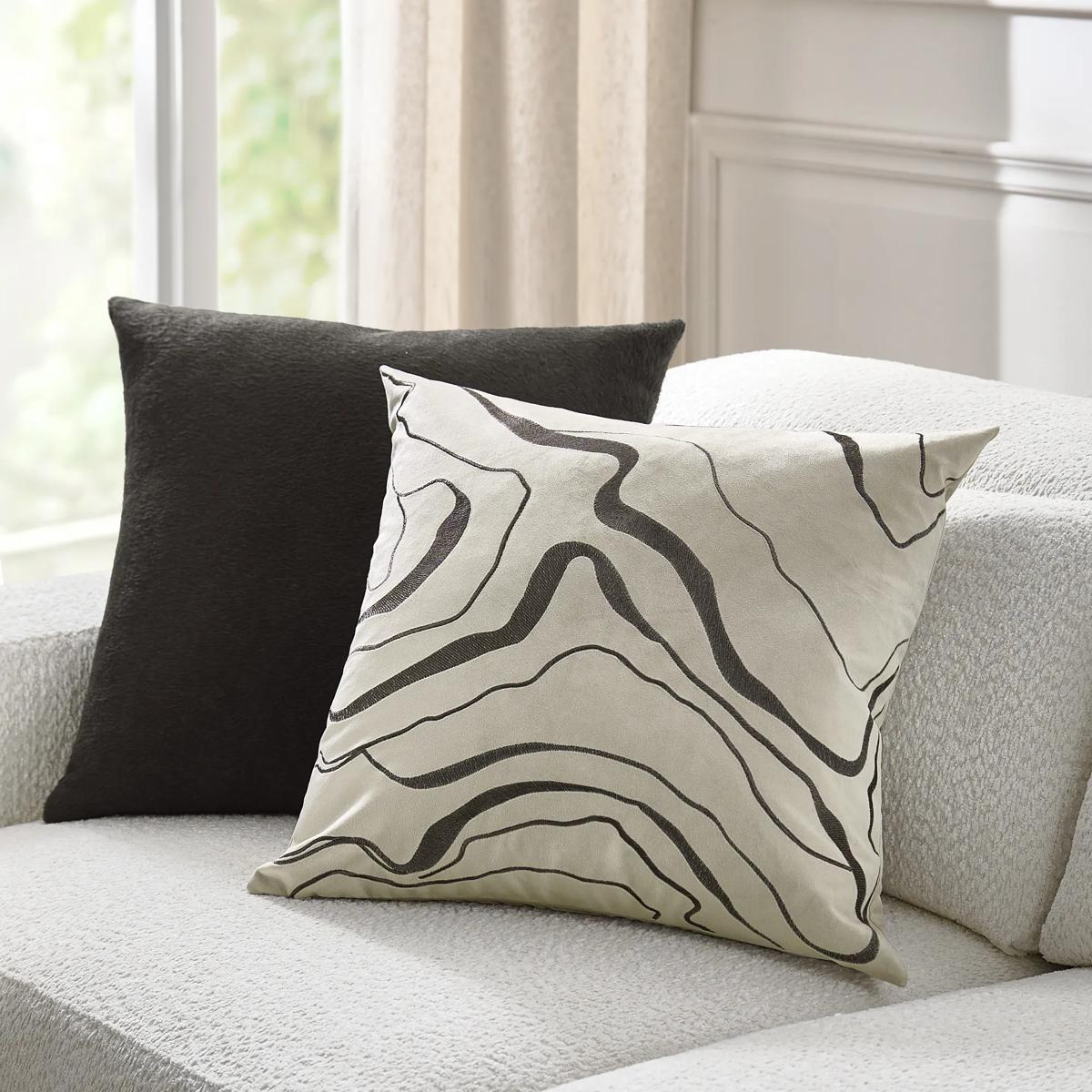 Encina Embroidered Silver/Ivory Velvet Pillow 22" x 22"$89
A sculptural velvet pillow in silver and ivory with metallic embroidery and a plush feather-down insert.
Add To Cart -
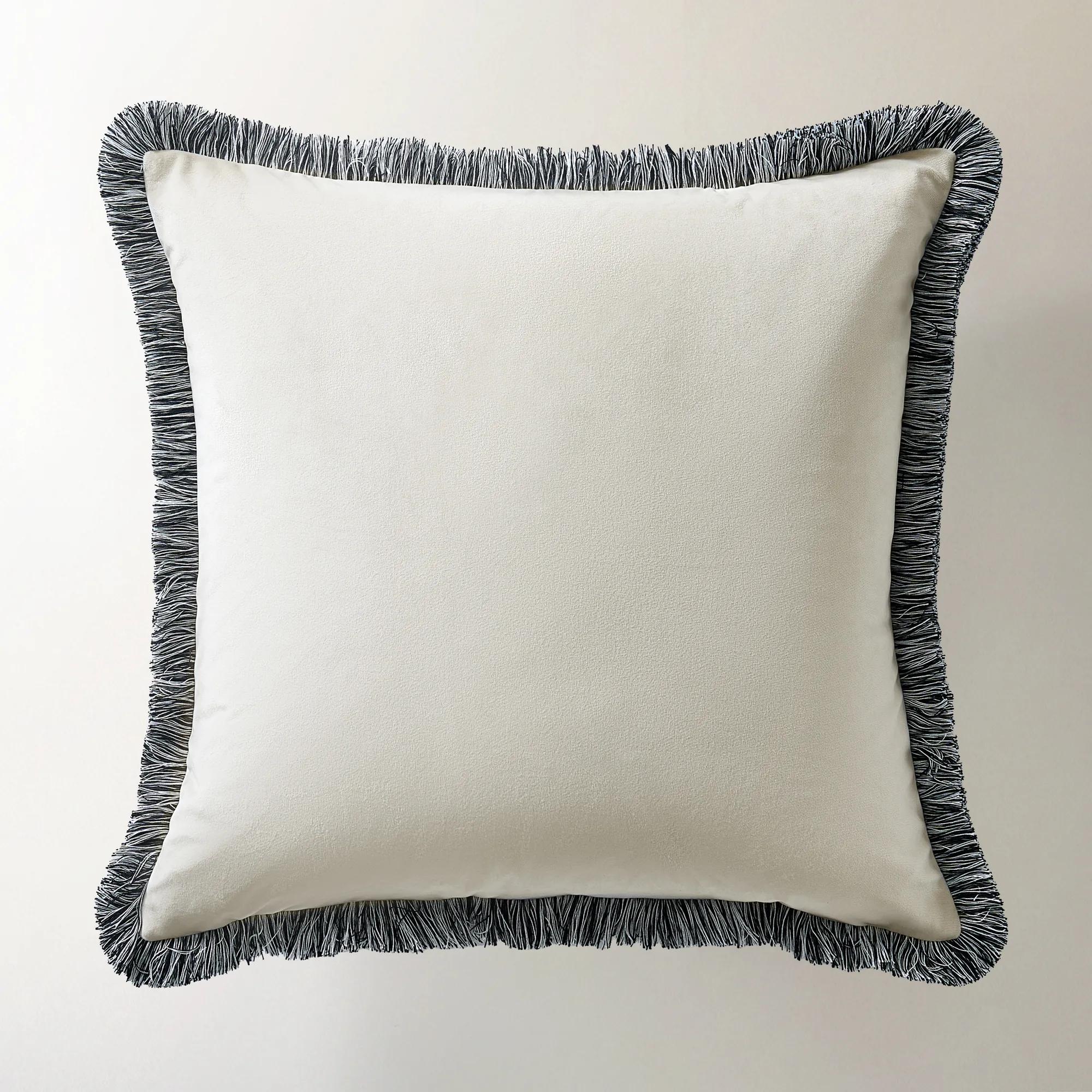
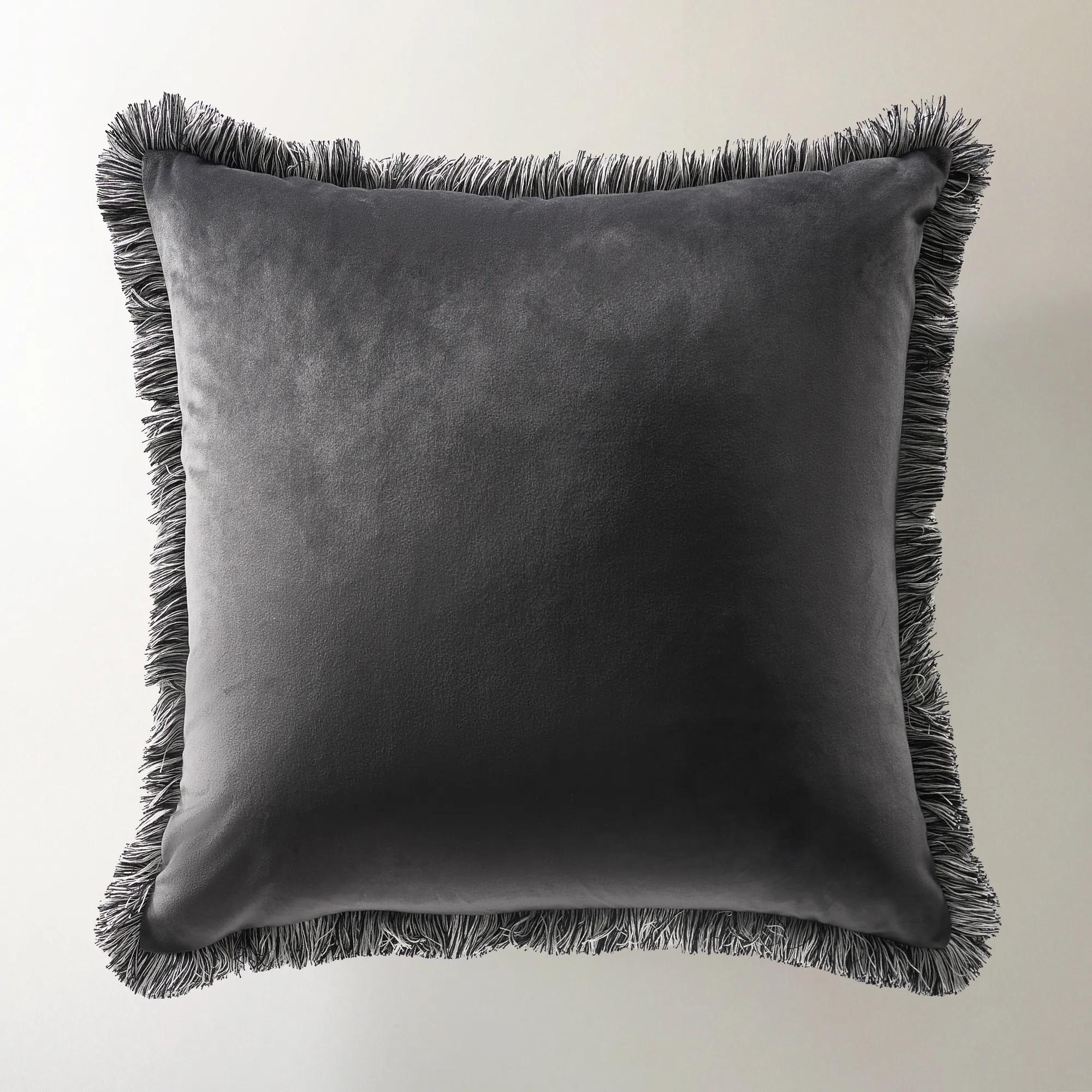 Freja Dark Charcoal Fringe Pillow 22" x 22"$99
A dark charcoal accent pillow with decorative fringe, perfect for adding texture to modern interiors.
Add To Cart -
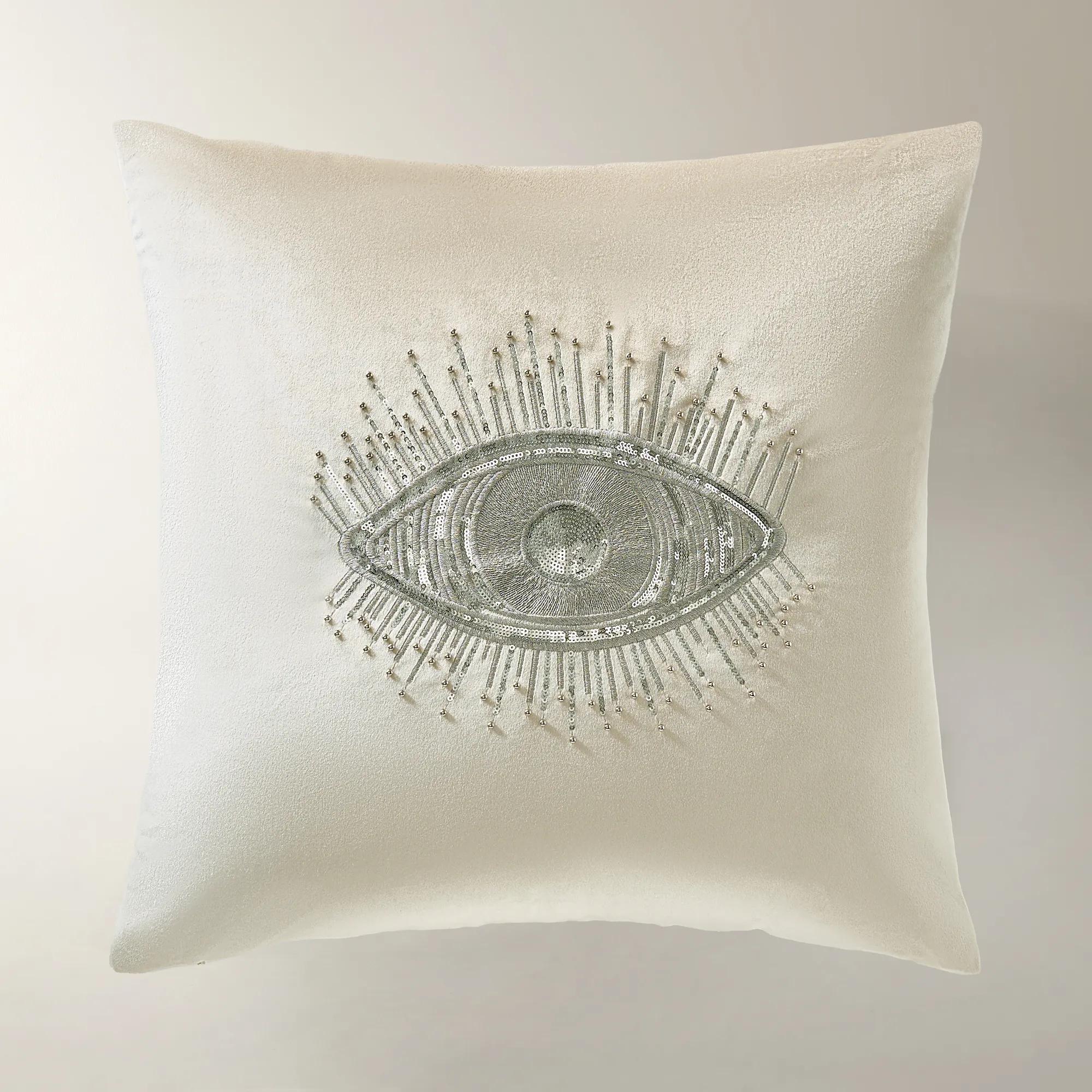 Glam Eye Beaded Embroidered Alabaster Velvet Pillow 20" x 20"$119
An alabaster velvet pillow featuring tonal beaded eye embroidery and a plush feather-down insert.
Add To Cart -
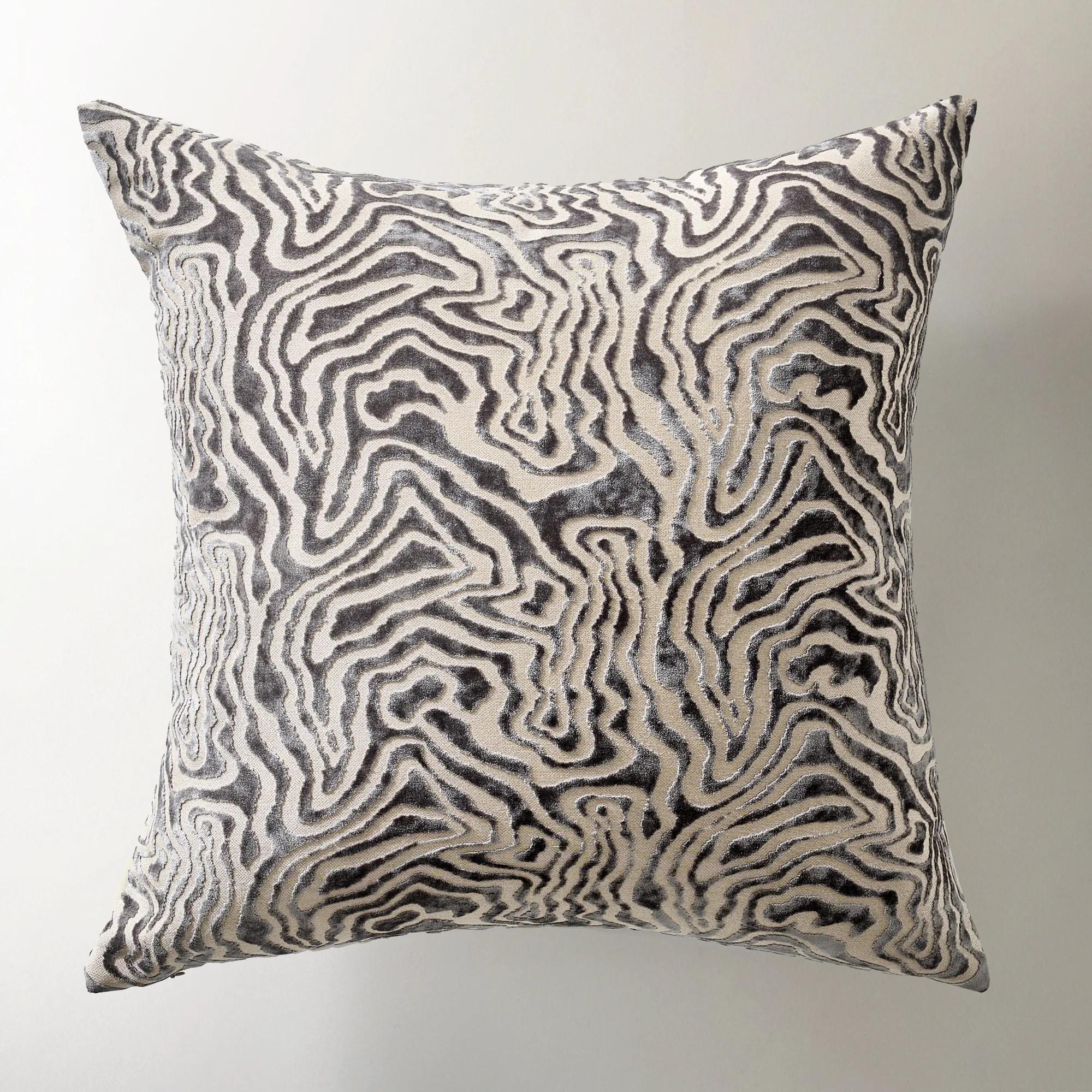
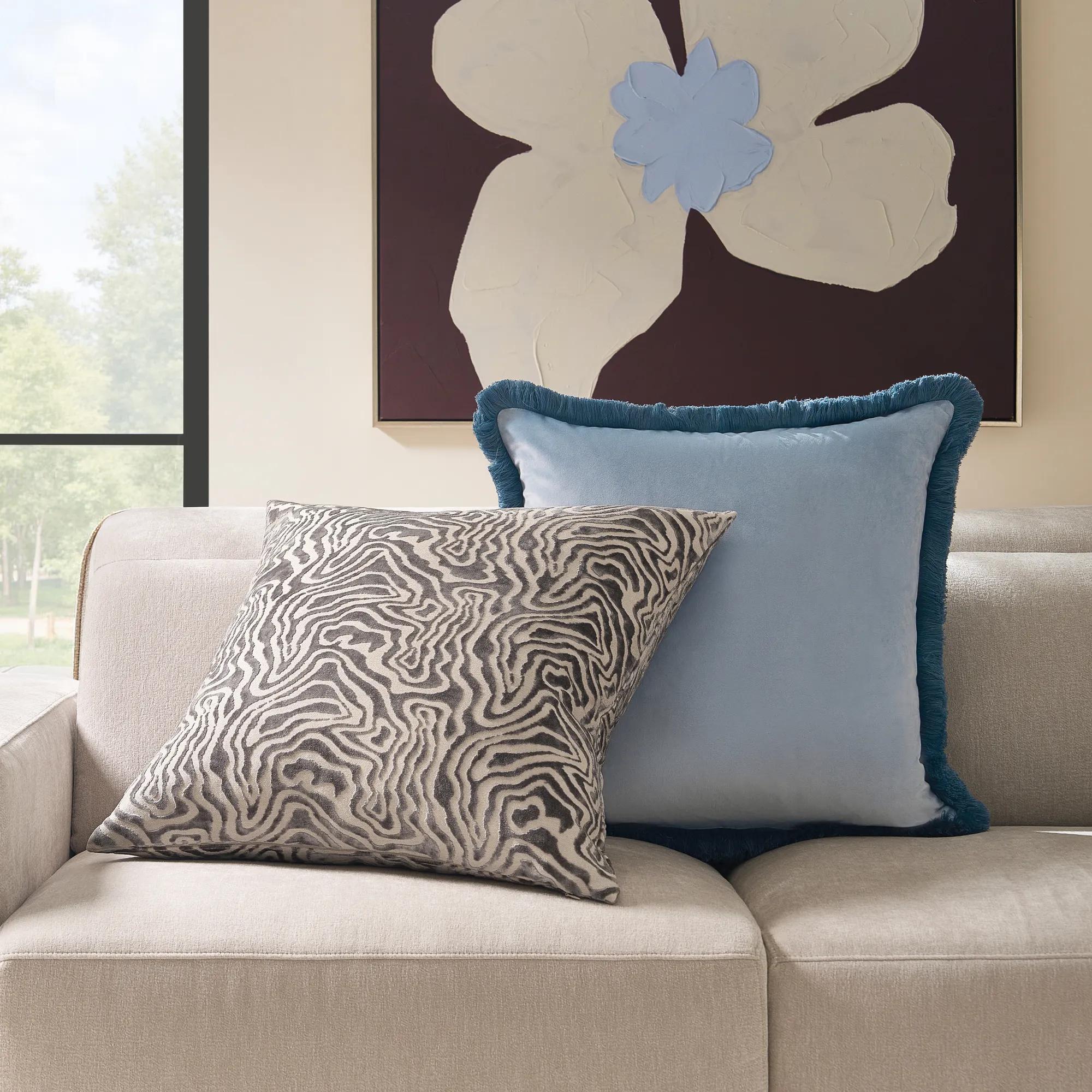 Echo Smoked Pearl Cut Velvet Pillow 24" x 24"$99
A sculpted cut velvet pillow in smoked pearl grey with a feather-down insert and hidden zipper.
Add To Cart

Grey Decorative Cushions
Grey Decorative Cushions invite a mood of effortless sophistication, transforming any space into a sanctuary of style and serenity. With their versatile palette—ranging from silvery whispers to dramatic charcoal—they become the artistic punctuation in your living room tableau or bedroom retreat. Layered against lush textiles or gleaming metallics, these cushions evoke both modern elegance and timeless drama, elevating every moment with their understated allure. Discover how Grey Decorative Cushions can turn your home into a canvas of texture, depth, and expressive comfort.
Grey decorative cushions bring depth, softness, and a distinctly tailored finish to sofas, accent chairs, benches, and beds. Their appeal lies in the remarkable range within a seemingly restrained color: pale silver feels luminous, dove gray creates a gentle backdrop, and deep charcoal gives upholstery a striking sense of definition. Often called gray throw pillows or accent pillows, these decorative layers are designed to enrich a room’s palette and add comfort rather than replace fitted seat cushions. The effect can be quietly polished or wonderfully dramatic, depending on the fabric, proportions, and surrounding finishes. On an ivory sofa, charcoal cushions draw a crisp silhouette; against black upholstery, silvery tones introduce light and contrast. A gray-on-gray arrangement can be equally expressive when the shades vary enough to reveal each cushion’s shape. Undertone matters as much as depth of color. Blue-leaning grays complement crisp whites, navy, and chrome, while warmer grays with beige or taupe undertones sit beautifully beside natural wood, camel upholstery, and brushed brass. Charcoal can read warm or cool, so its relationship to nearby fabrics is more useful than the color name alone. Viewed beside the sofa fabric in the room’s own lighting, a gray textile reveals nuances that may be less apparent on a screen. For interiors with statement artwork or patterned rugs, gray cushions offer a composed connection between bolder elements without disappearing into the background. They can echo a smoky brushstroke in a painting, pick up the veining in a stone tabletop, or soften the gleam of a mirrored console nearby. Pairings with blush feel nuanced and romantic; emerald and aubergine introduce saturated richness; black and white bring graphic precision. This versatility makes gray especially compelling for people who enjoy expressive interiors but want their upholstered pieces to support more than one decorative direction. A beautifully chosen cushion gives familiar furniture a different presence without asking the entire room to change.
Texture is where gray decorative cushions develop their most tactile character. Velvet lends the color dimension through its pile, catching light on one side and appearing deeper on another. The result is a sumptuous surface that feels particularly striking against smooth leather or tightly woven upholstery. Linen and linen-blend covers introduce a more visibly woven finish, while cotton can offer a softer, more understated counterpoint to lustrous accents. Faux fur adds plush volume, bouclé creates a curled, sculptural surface, and embroidery brings pattern into relief. Jacquard fabrics incorporate their designs into the weave, giving tonal motifs presence without relying on sharp color contrast. These materials do not need to compete: smooth velvet beside a nubby weave can make both surfaces look more deliberate. A combination of pale gray, charcoal, and a single accent color also creates distinction while keeping the composition cohesive. Scale determines how comfortably that composition sits on the furniture. Common square throw-pillow sizes include 18, 20, and 22 inches, though the best proportions depend on the depth of the seat and height of the back. Larger cushions can hold their own on a generous sectional, while a compact armchair often needs only one modest square or rectangular lumbar pillow. On a shallow sofa, an abundance of oversized pillows can leave too little room to sit; a more selective arrangement preserves both comfort and visual impact. Rectangular cushions add a horizontal line among squares and can offer gentle support behind the lower back, depending on their fill and firmness. For beds, grey decorative bed pillows carry the same tonal richness into layered bedding, where substantial back pillows and a smaller foreground accent create depth against a headboard. Decorative cushions are finishing layers rather than substitutes for sleeping pillows. Their intended placement helps determine the right details: dimensional beading may look exquisite on a bed or occasional chair, while an unembellished textile is often more comfortable on a sofa used for daily lounging.
Construction and care help preserve the beauty that first draws the eye. A cushion’s cover provides its visible character, but the insert determines much of its fullness, weight, and feel. Feather-and-down blends generally offer a yielding shape that can be fluffed and reshaped, while polyester fills vary from soft and compressible to more structured. Preferences around animal-derived materials, sensitivities, and desired firmness can all influence the choice. Some decorative cushions include an insert, while others are covers only, making dimensions and component details important considerations. Insert sizing should follow the cover’s specifications: a slightly larger insert may create a fuller appearance in some square covers, but overfilling can strain seams, distort embroidery, or make a zipper difficult to close. Secure stitching, neatly finished edges, and a well-fitted closure contribute to a polished result. Piping emphasizes a cushion’s outline, while a concealed zipper leaves the fabric uninterrupted and may allow the cover to be removed for care. Removability does not automatically mean machine washability; velvet, delicate trims, metallic threads, and mixed-material designs may require spot cleaning or professional attention according to the care label. Gentle vacuuming with an appropriate upholstery attachment can help lift surface dust when the fabric permits it, and spills are best addressed promptly using the recommended method rather than vigorous rubbing. Rotating cushions between frequently used seats and fluffing suitable inserts helps distribute wear and maintain their shape. In homes with children or pets, tightly woven surfaces and minimal loose embellishment may be more practical than long pile, fringe, or intricate beadwork, though durability always depends on the specific fabric and construction. Indoor decorative cushions also should not be assumed suitable for patios unless explicitly made for outdoor use. For a housewarming or a thoughtfully chosen home gift, gray offers broad decorating possibilities, especially when the recipient’s upholstery, preferred textures, and care habits are known. Whether framing an elegant sitting room or bringing a plush finishing touch to a reading chair, the most satisfying cushions balance visual drama with the way a home is actually lived in.
FAQs
Grey decorative cushions are remarkably versatile and complement a wide range of interior styles. They add understated glamour to modern and contemporary spaces, bring balance to eclectic or maximalist rooms, and offer a calming influence in Scandinavian or minimalist settings. Their neutral palette allows them to seamlessly integrate with metallics, jewel tones, and natural textures alike, making them a favorite choice for both bold and subtle design schemes.
Incorporate grey decorative cushions in sumptuous fabrics like velvet, faux fur, or chenille to evoke a sense of cozy luxury during the winter months. Layering different shades of grey, from pale silver to deep charcoal, adds depth and visual interest. Pair them with metallic accents or rich jewel tones to create a festive yet sophisticated atmosphere that feels perfect for holiday gatherings or quiet evenings by the fire.
Absolutely—grey decorative cushions make an elegant and thoughtful gift for a variety of occasions. Their timeless appeal suits many tastes and home décor styles, while their neutral color ensures they’ll complement most palettes. A beautifully textured grey cushion can elevate a friend’s living room, add comfort to a new homeowner’s space, or serve as a chic accent in a guest room.
Grey serves as a sophisticated anchor for more vibrant hues and bold patterns. Pair grey cushions with metallics for a glamorous touch, or with blush, navy, or emerald for a dramatic contrast. Don’t be afraid to layer in patterned cushions—geometrics, florals, or abstract designs—using grey as a grounding element that ties everything together. Varying textures also enhances the overall effect, creating a look that feels curated and intentional.
Popular materials for grey decorative cushions include plush velvet for a sense of opulence, linen for a relaxed yet refined look, and bouclé or chenille for tactile richness. Silk and satin options add a hint of shimmer, while faux fur cushions provide inviting warmth—especially appealing during the colder months. Mixing materials within your cushion arrangement can transform a simple sofa or bed into a luxurious, multi-dimensional focal point.