Grey Bedding For Seasonal Updates
Grey Bedding For Seasonal Updates
-

 Fan Velvet Quilt Set - Smoke Grey$229
A plush smoke grey velvet quilt set featuring a sculptural fan pattern and polished piped edges.
Add To Cart -
 Glam Grey Shiny Viscose Velvet Quilt Bedding Set$89
A lustrous grey velvet bedding collection featuring modern quilted stitching and refined piped edges.
Add To Cart -

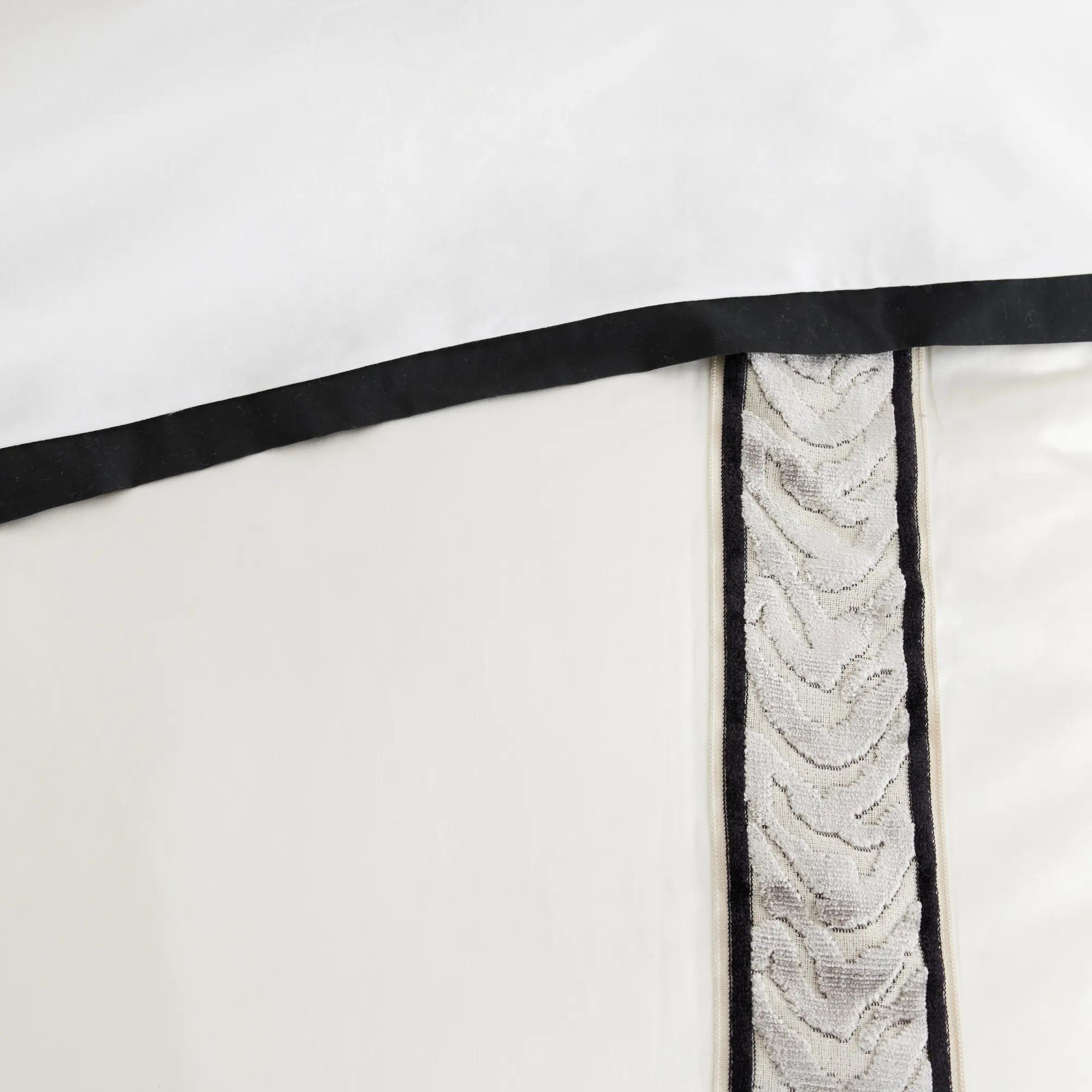 Gianna Grey/Black/White Animal Print Cut Velvet Appliqué Border Bedding Set$119
A luxurious grey and black bedding collection featuring a cut velvet tiger-stripe appliqué border for bold elegance.
Add To Cart -
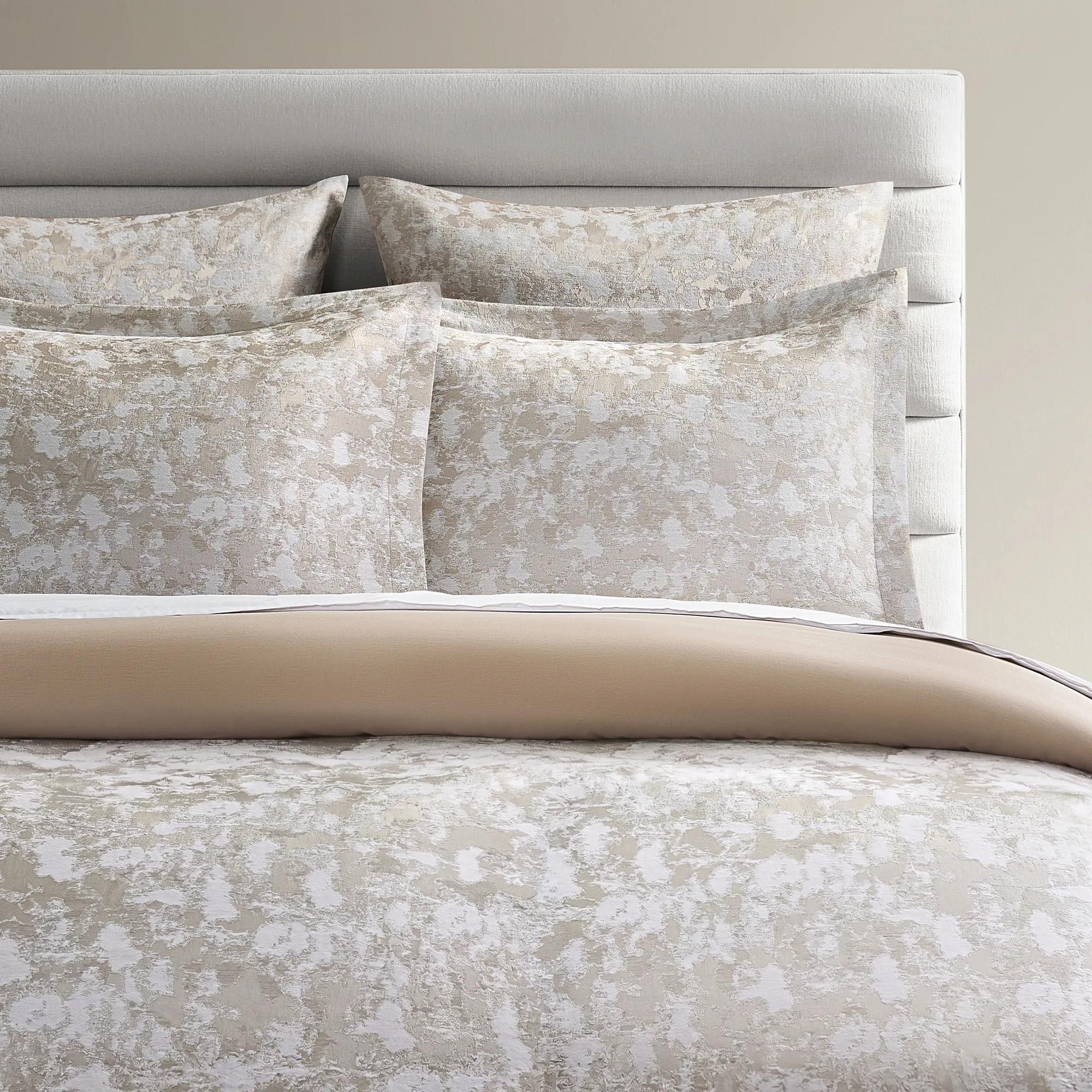 Nimbus Jacquard Metallic Champagne and Silver Bedding Set$49
A cloud-inspired bedding set in champagne and silver metallic jacquard with a soft marbled shimmer.
Add To Cart -
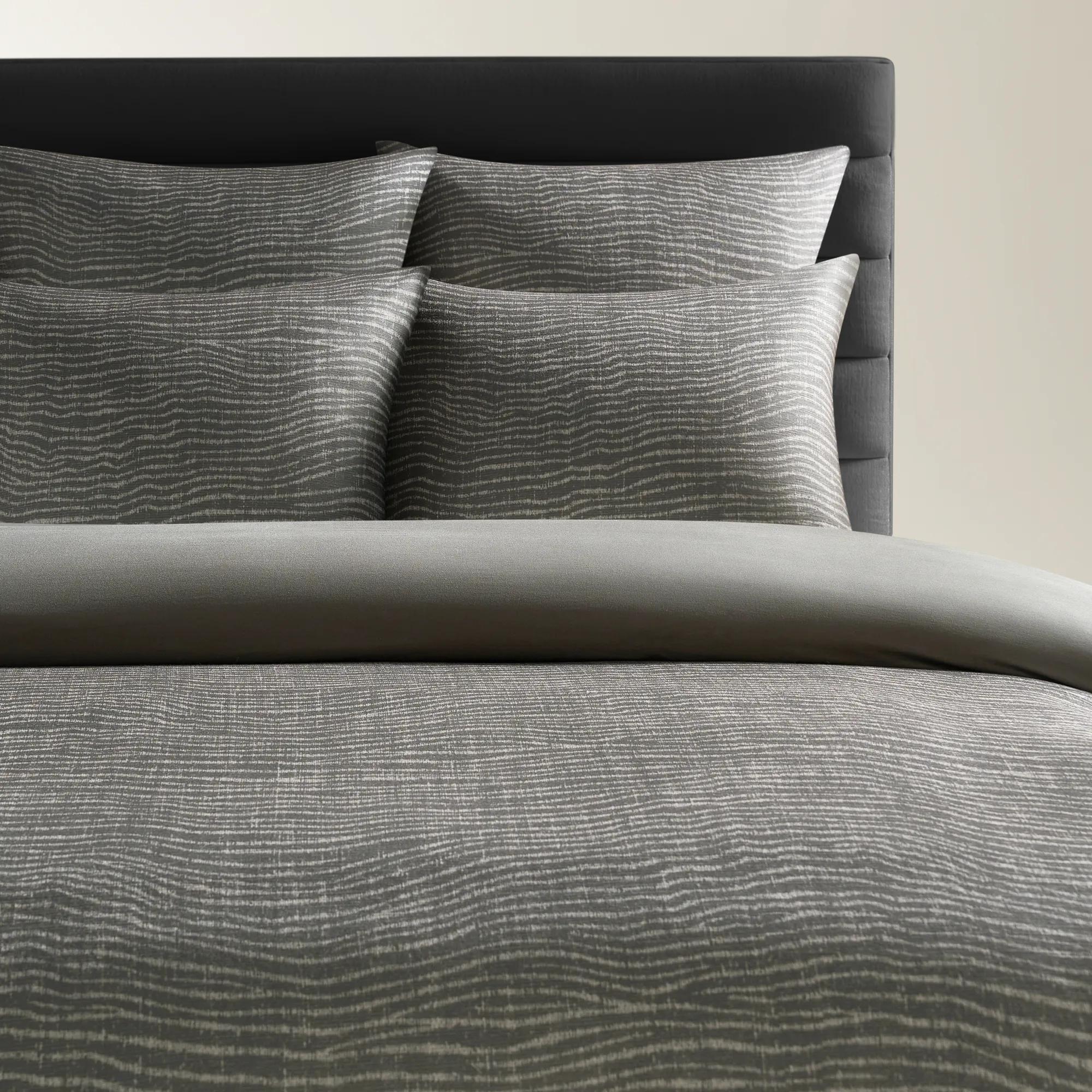 Sahara Bedding Set - Charcoal$199
A soft jacquard bedding set in calming charcoal with a subtle wave-inspired zebra print and refined details.
Add To Cart -
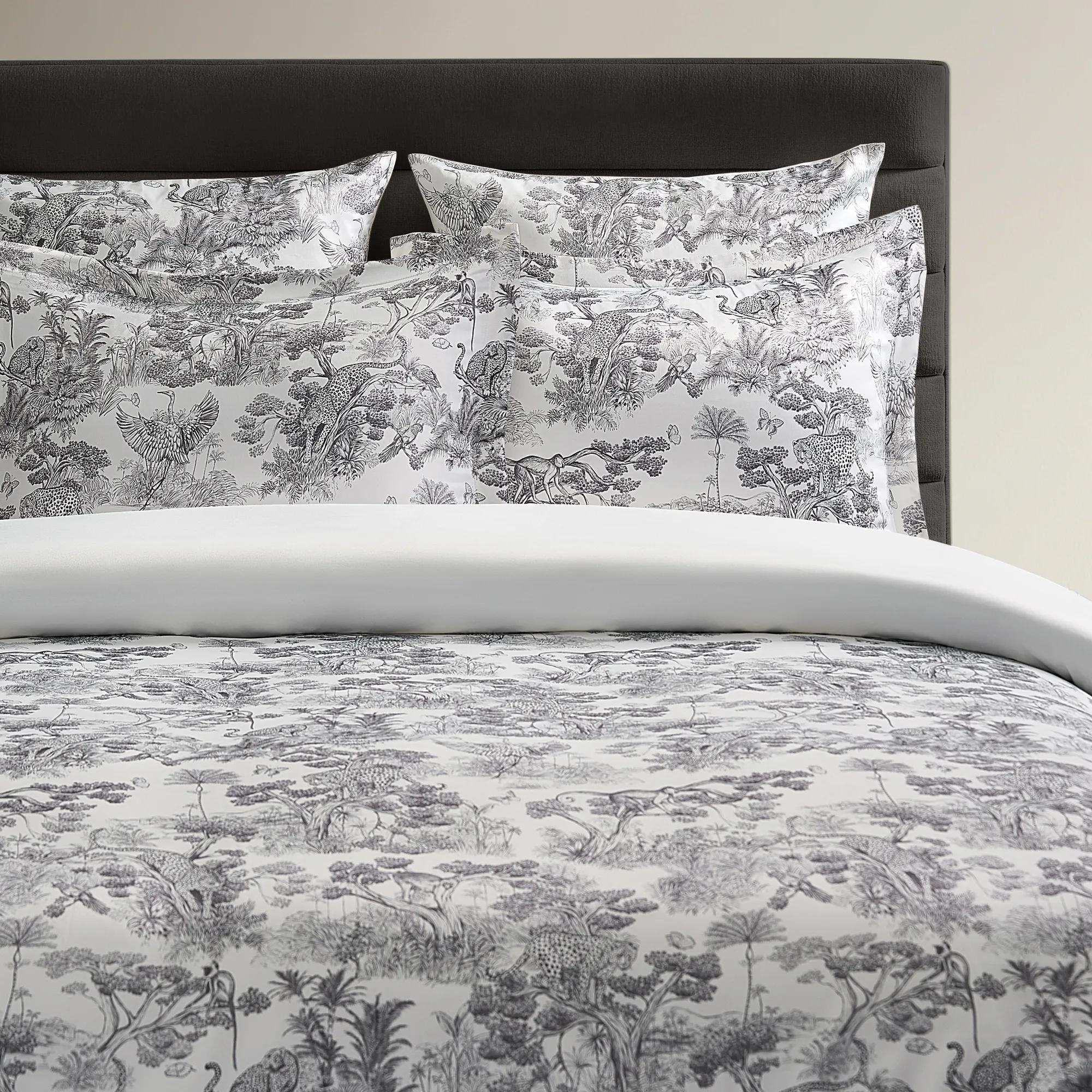
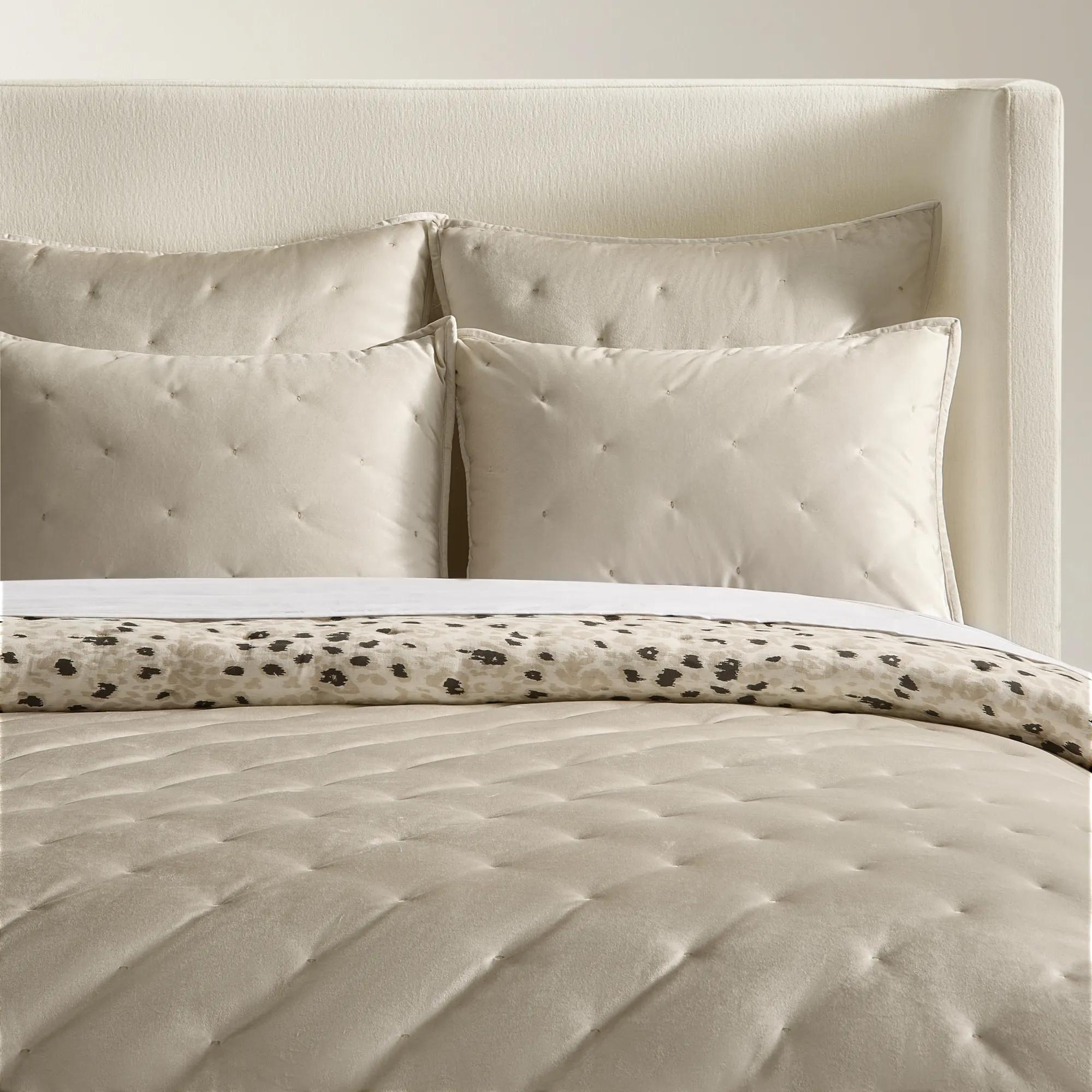 Nemera Alabaster/Leopard Reversible Velvet & Cotton Linen Quilt Set$349
A reversible quilt set featuring plush alabaster velvet on one side and bold leopard print cotton-linen on the other.
Add To Cart -
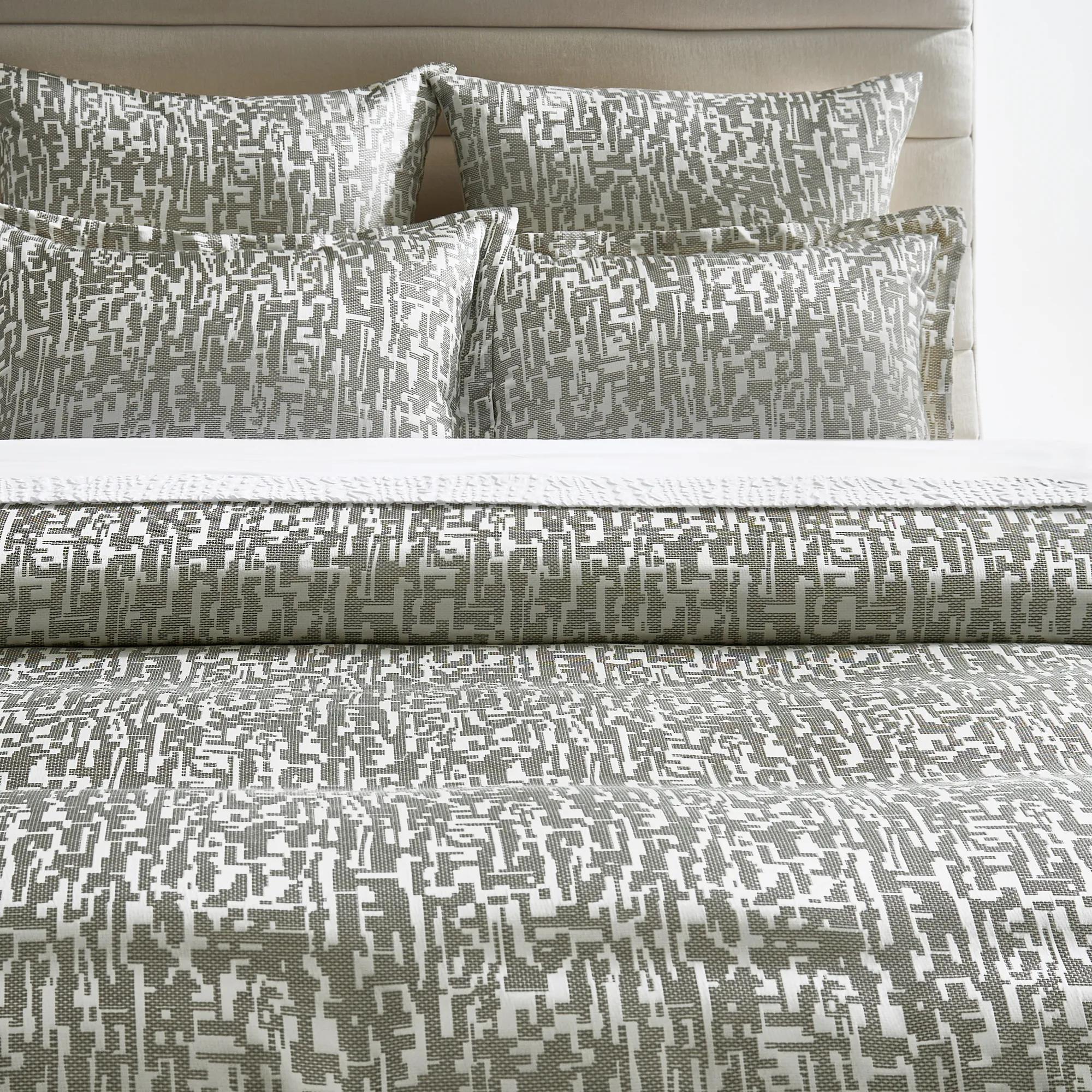
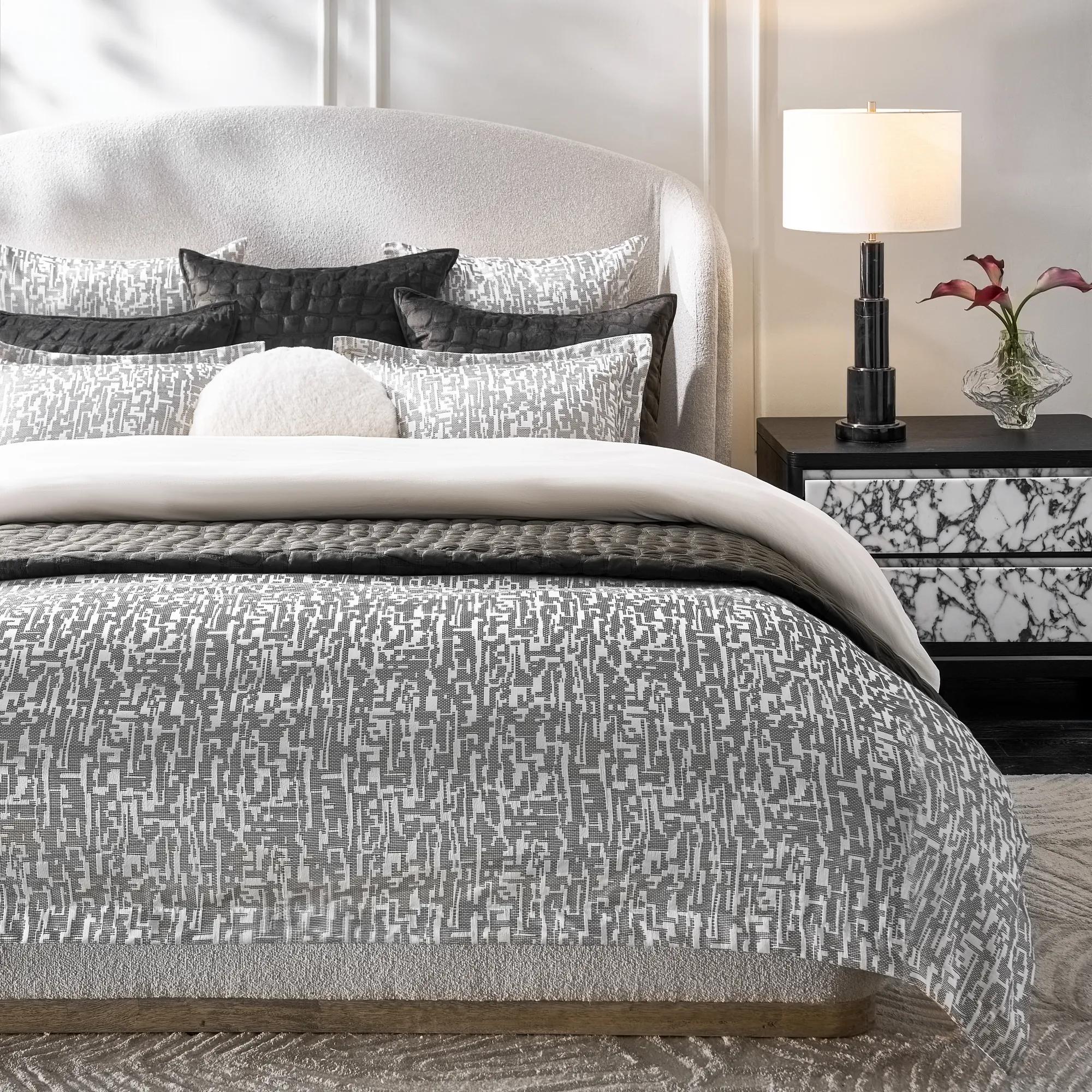 Podva Embroidered Bedding Set - Pearl/ Charcoal$279
A smooth satin bedding set in pearl and charcoal, featuring abstract embroidery and tailored flange edges.
Add To Cart -
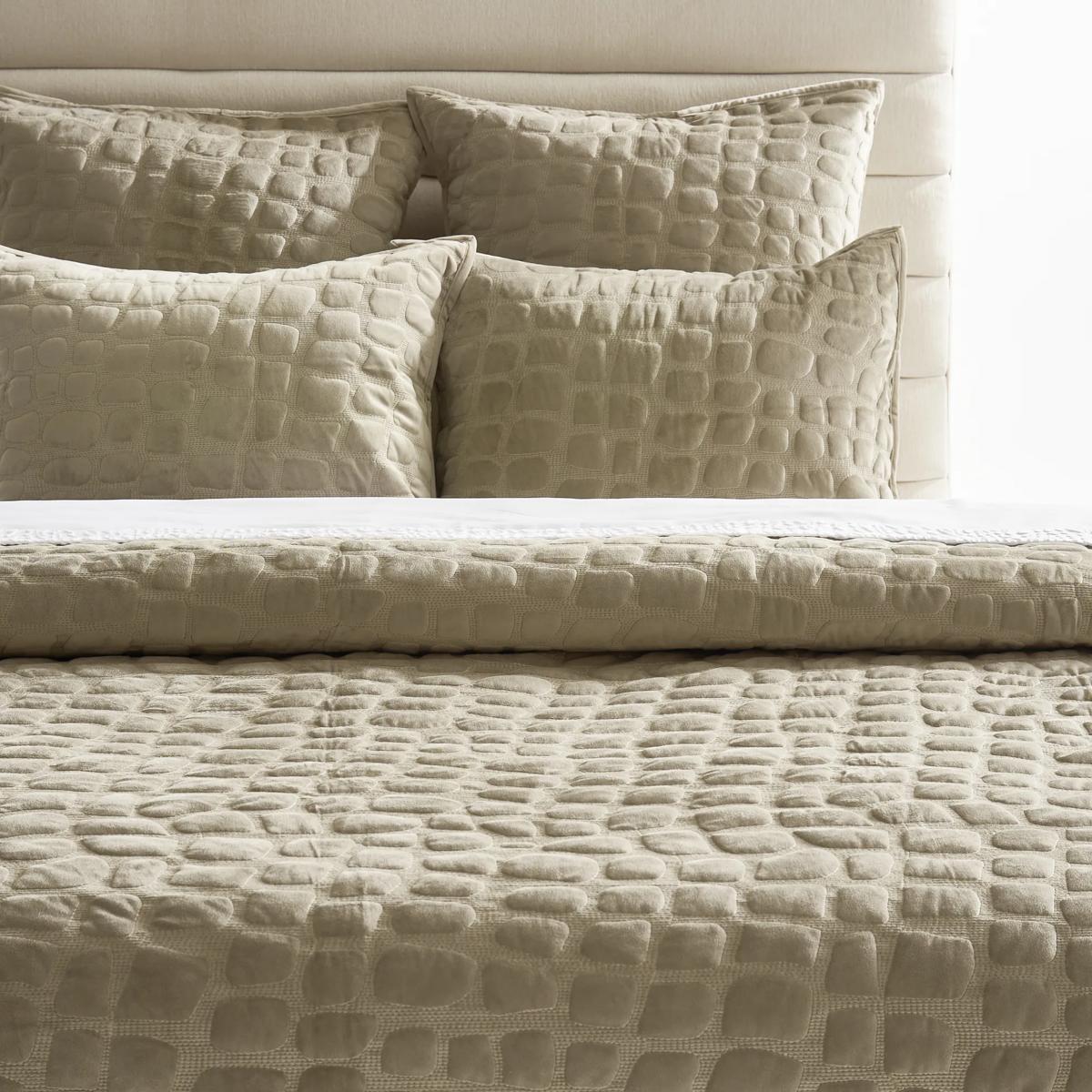
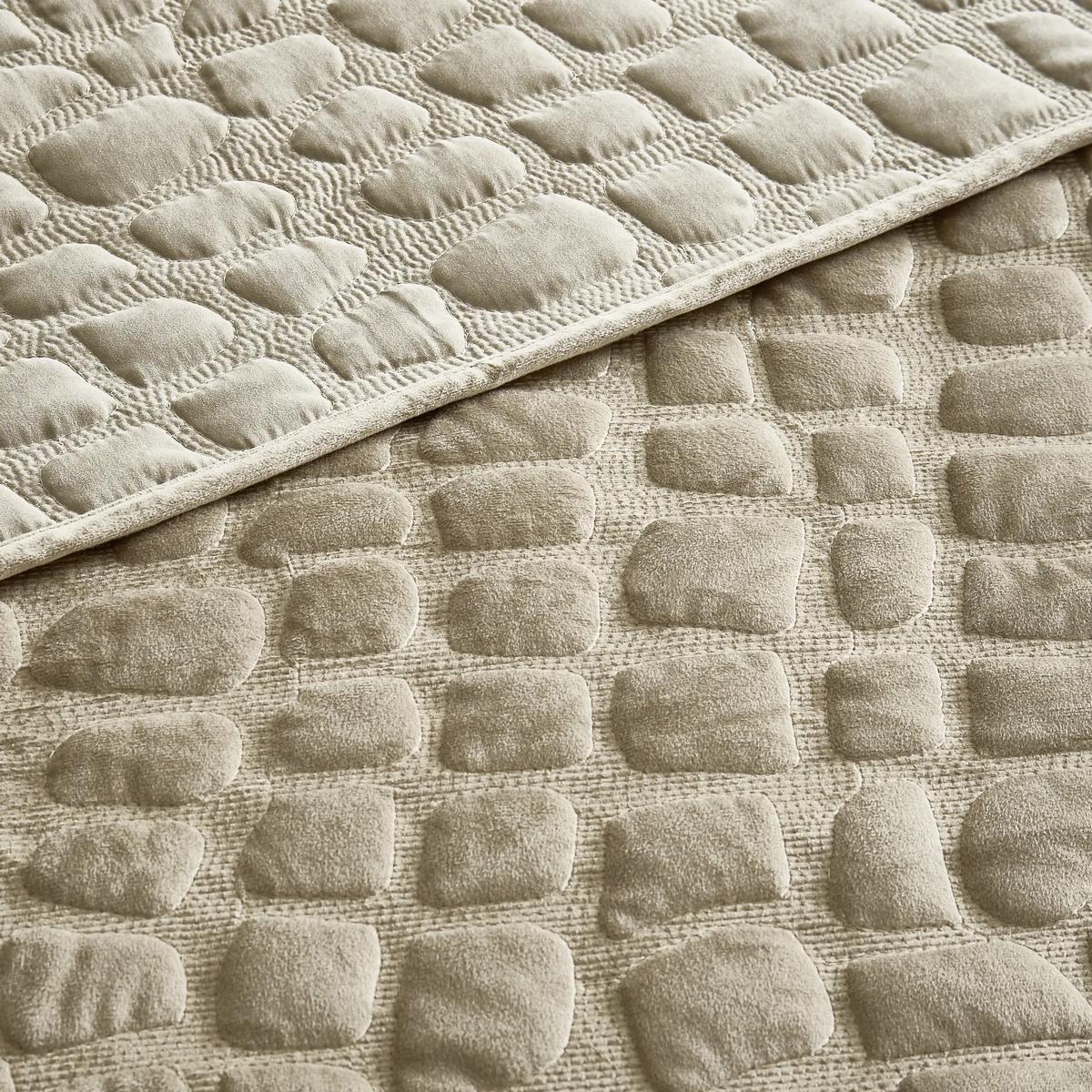 Valen Velvet Quilt Set - Sand$199
A plush sand velvet quilt set featuring a croc-inspired pattern and refined piped edges.
Add To Cart -
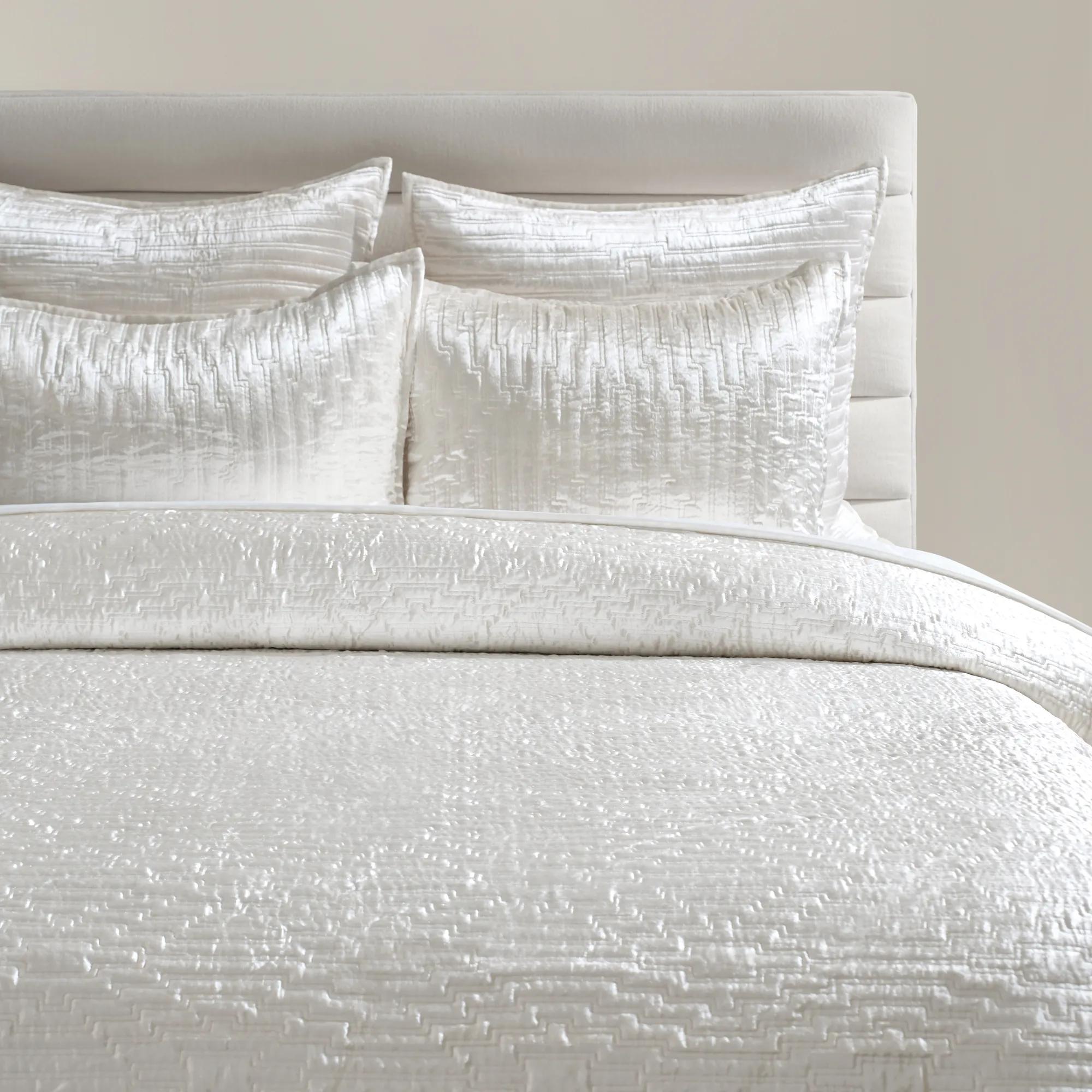
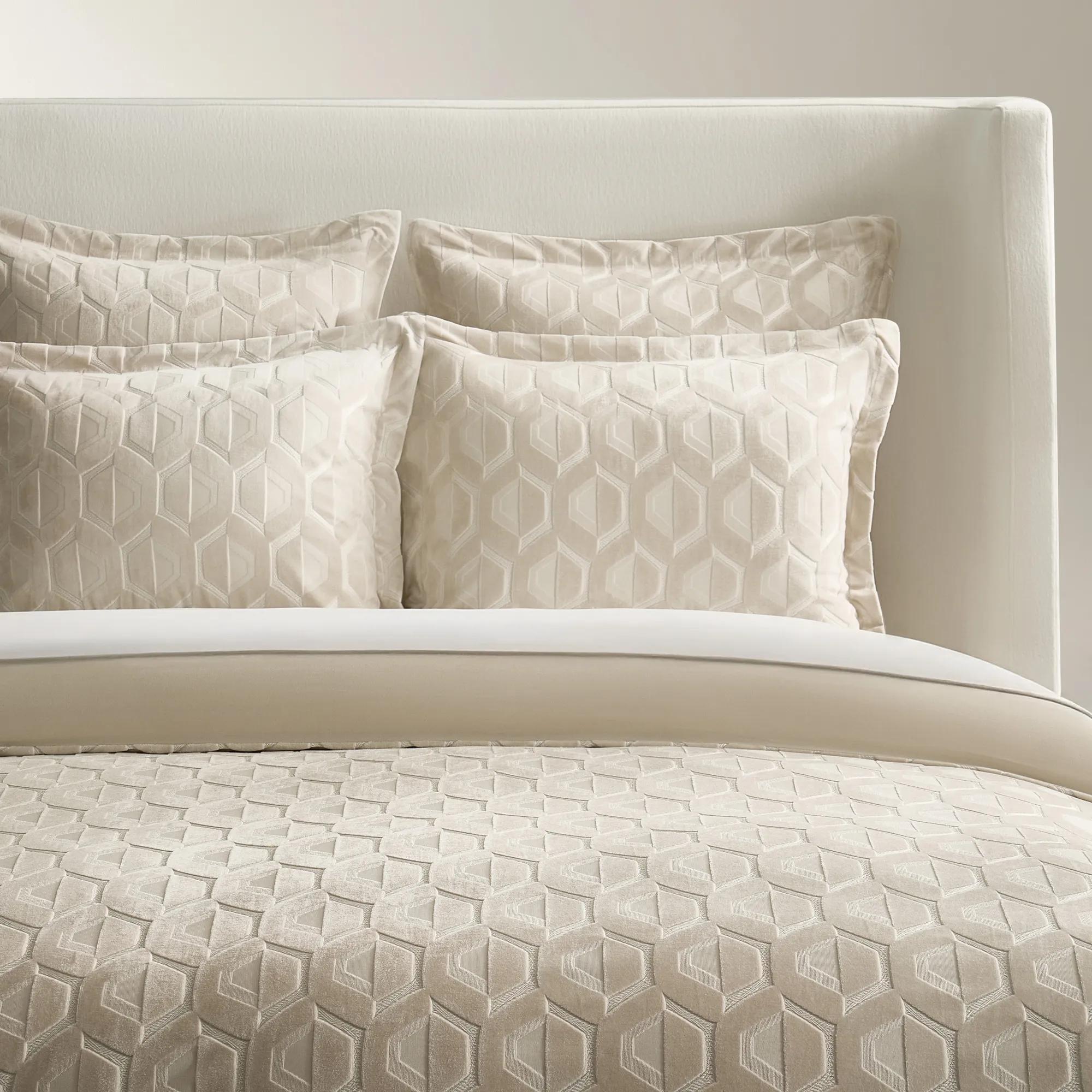 Cielo Alabaster White Geometric Cut Velvet Bedding Set$229
A luxurious alabaster-white bedding set featuring geometric cut velvet texture for sophisticated, layered styling.
Add To Cart -
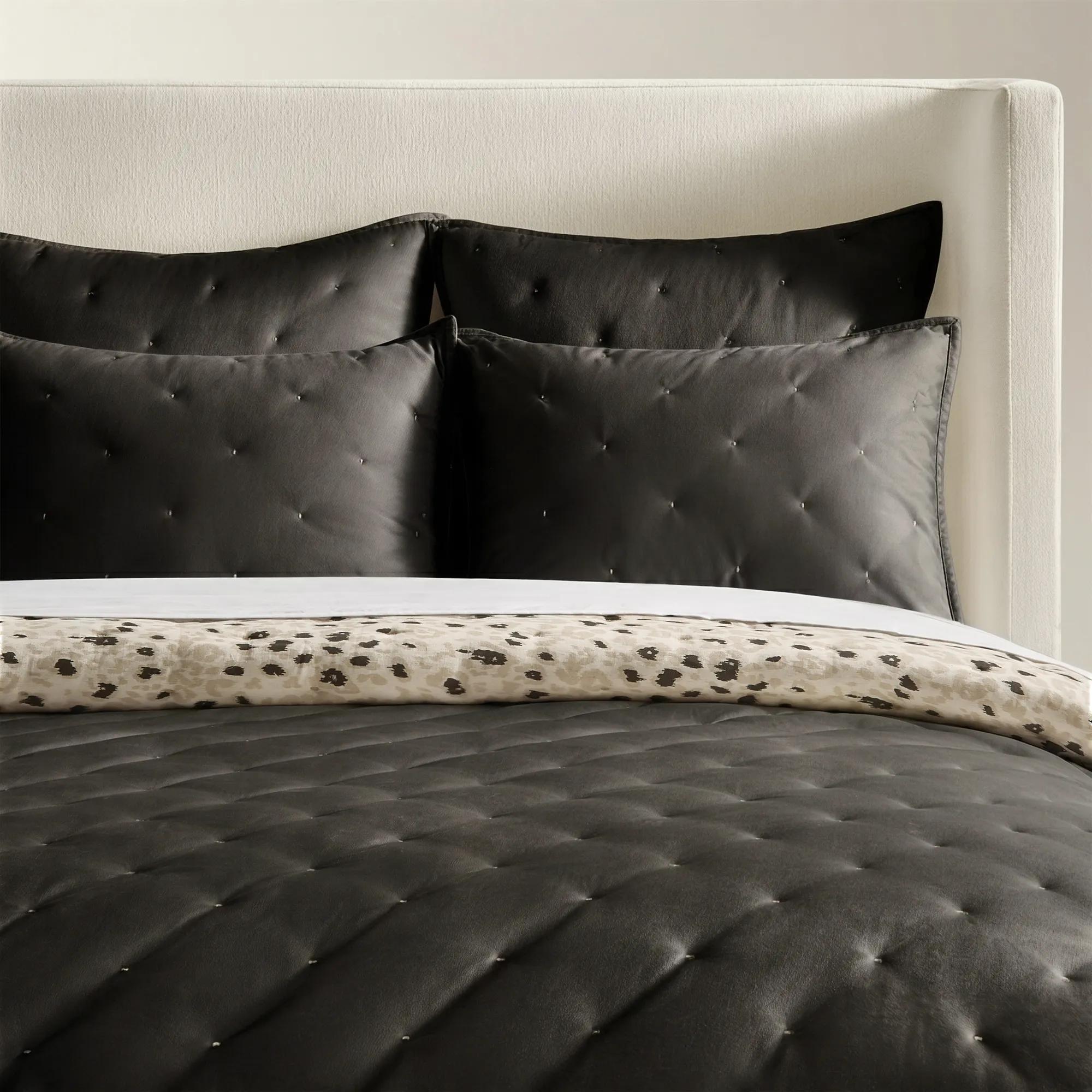
 Nemera Graphite/Leopard Reversible Velvet & Cotton Linen Quilt Set$89
A reversible quilt set featuring plush graphite velvet on one side and bold leopard print cotton-linen on the other.
Add To Cart -
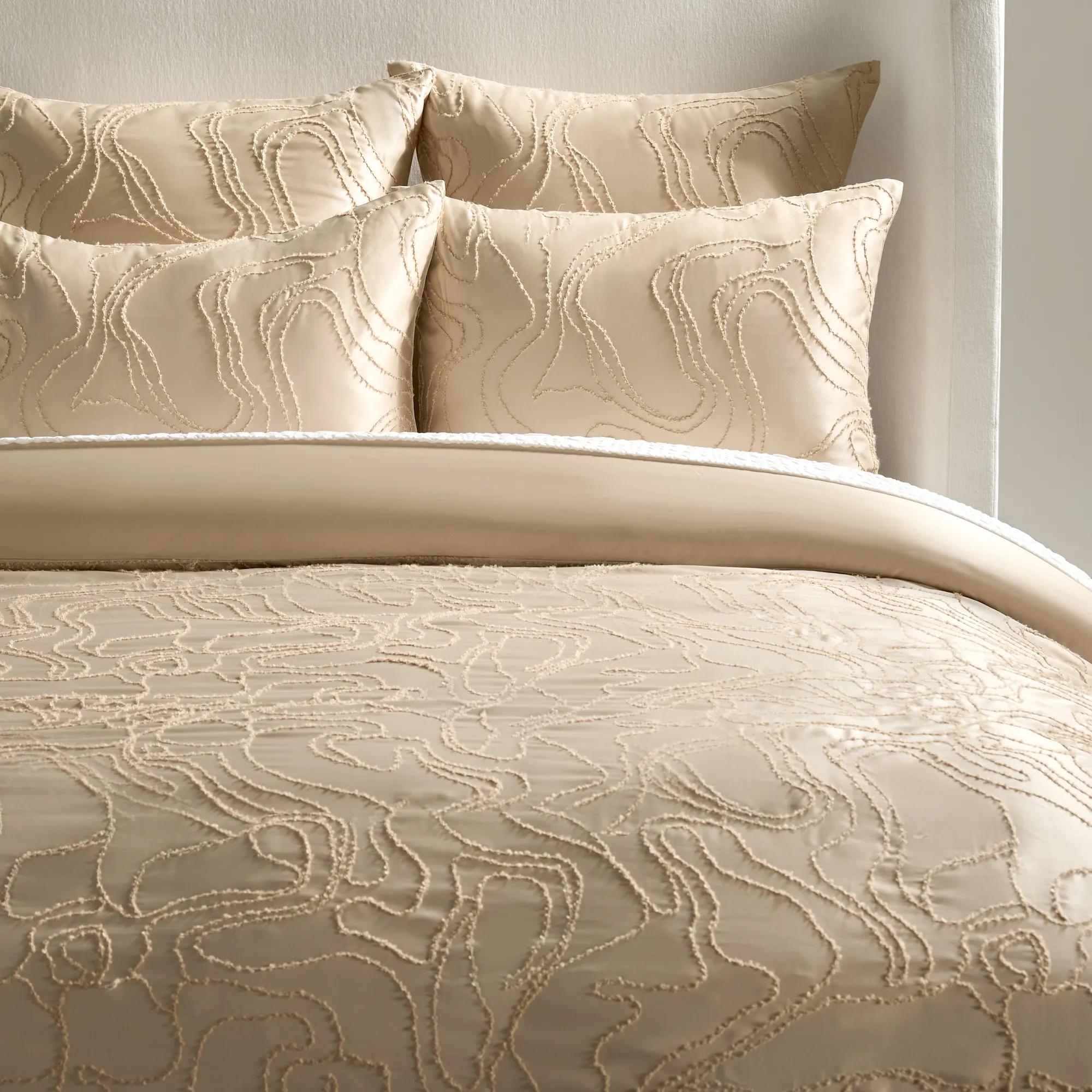 Noa Embroidered Champagne Beige Bedding Set$249
A champagne beige bedding set featuring elegant embroidered detailing for a refined bedroom aesthetic.
Add To Cart -
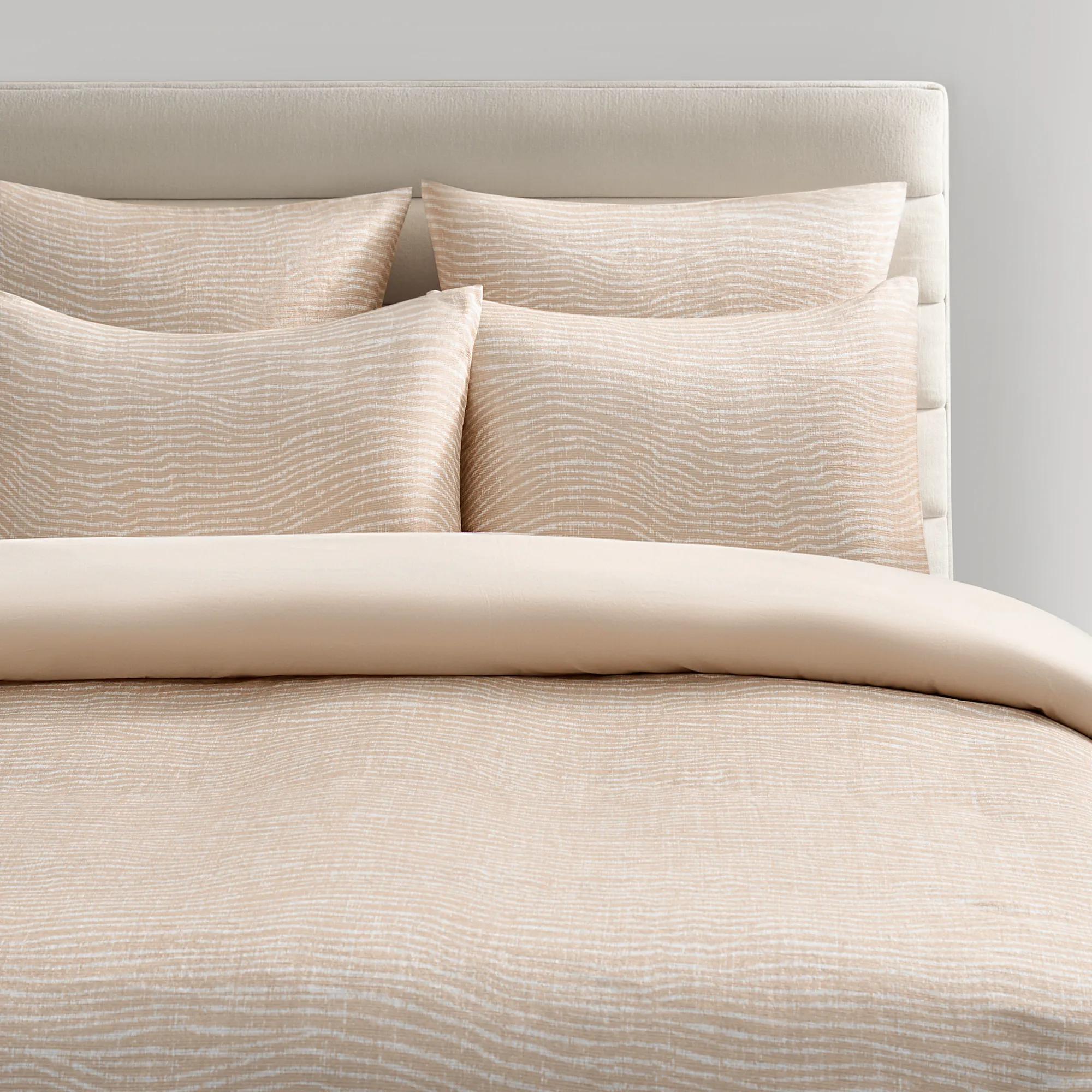 Sahara Bedding Set - Tan/Cream$199
A soft jacquard bedding set in tan and cream with a subtle wave-inspired zebra print and button closure.
Add To Cart -
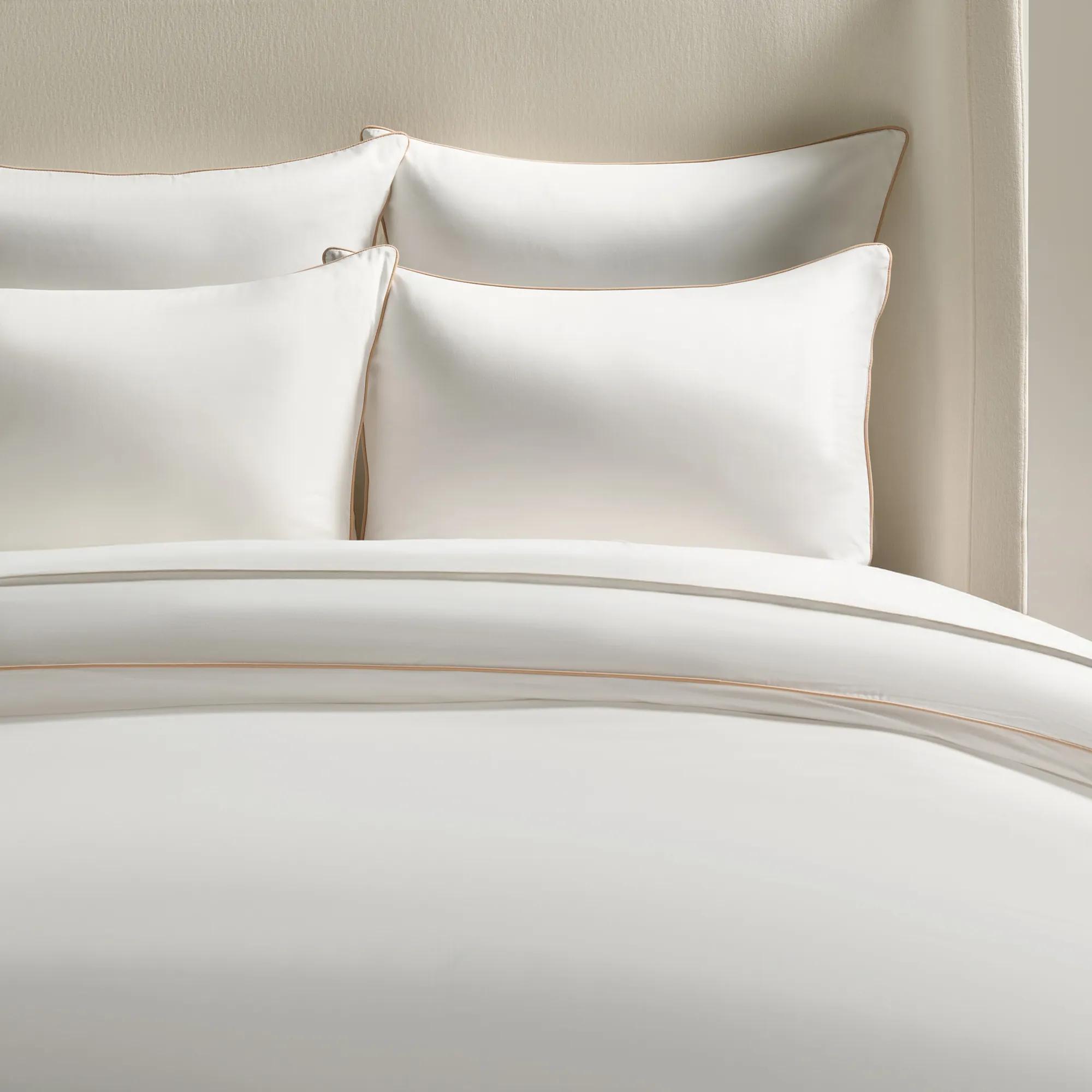
 Sarla Contrast Cotton Percale Bedding Set - White/Tan$199
A crisp cotton percale bedding set featuring white and tan contrast detailing.
Add To Cart -
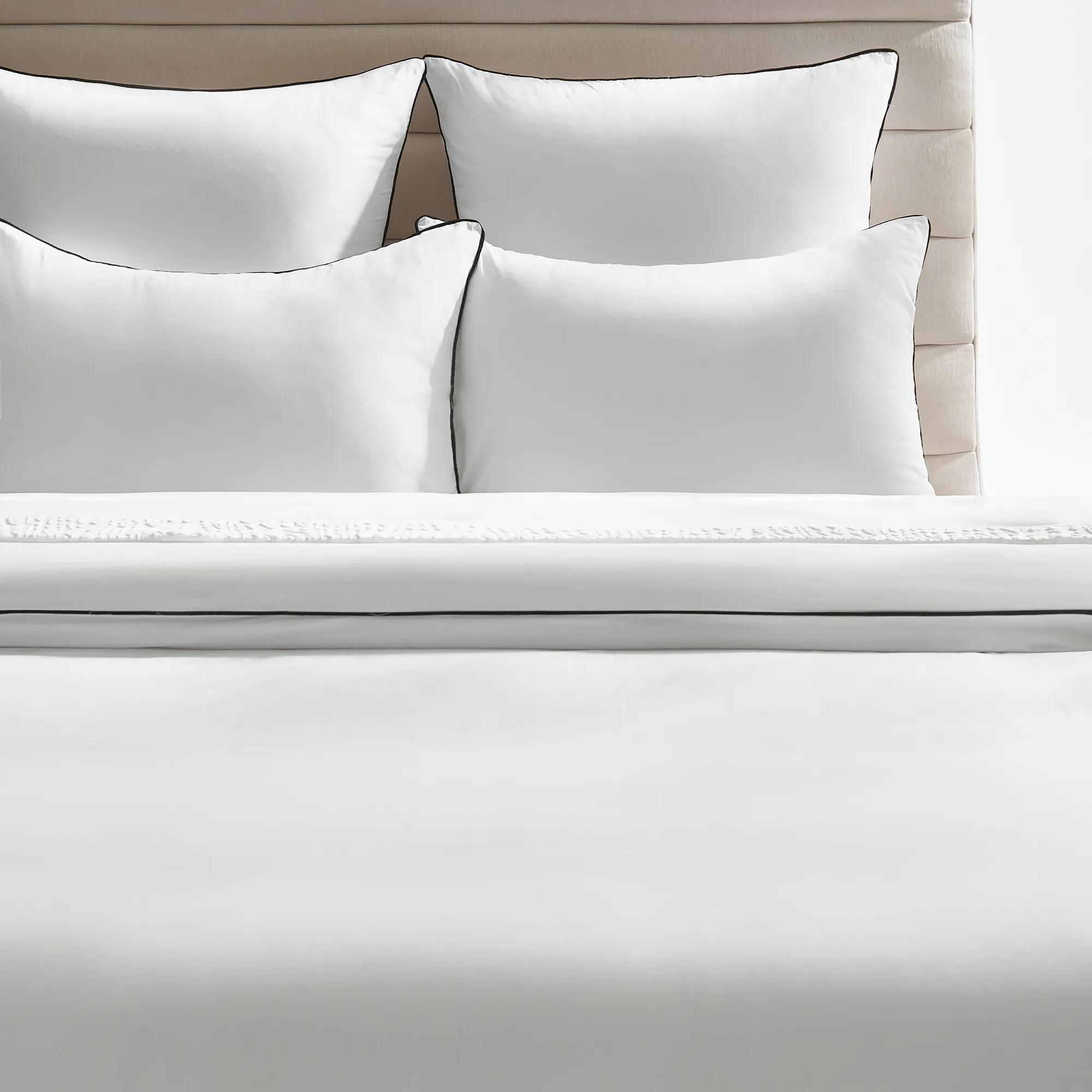 Sarla Contrast Cotton Percale Bedding Set - White/Black$59
A crisp white cotton percale bedding set featuring modern black piping for a refined, graphic contrast.
Add To Cart -
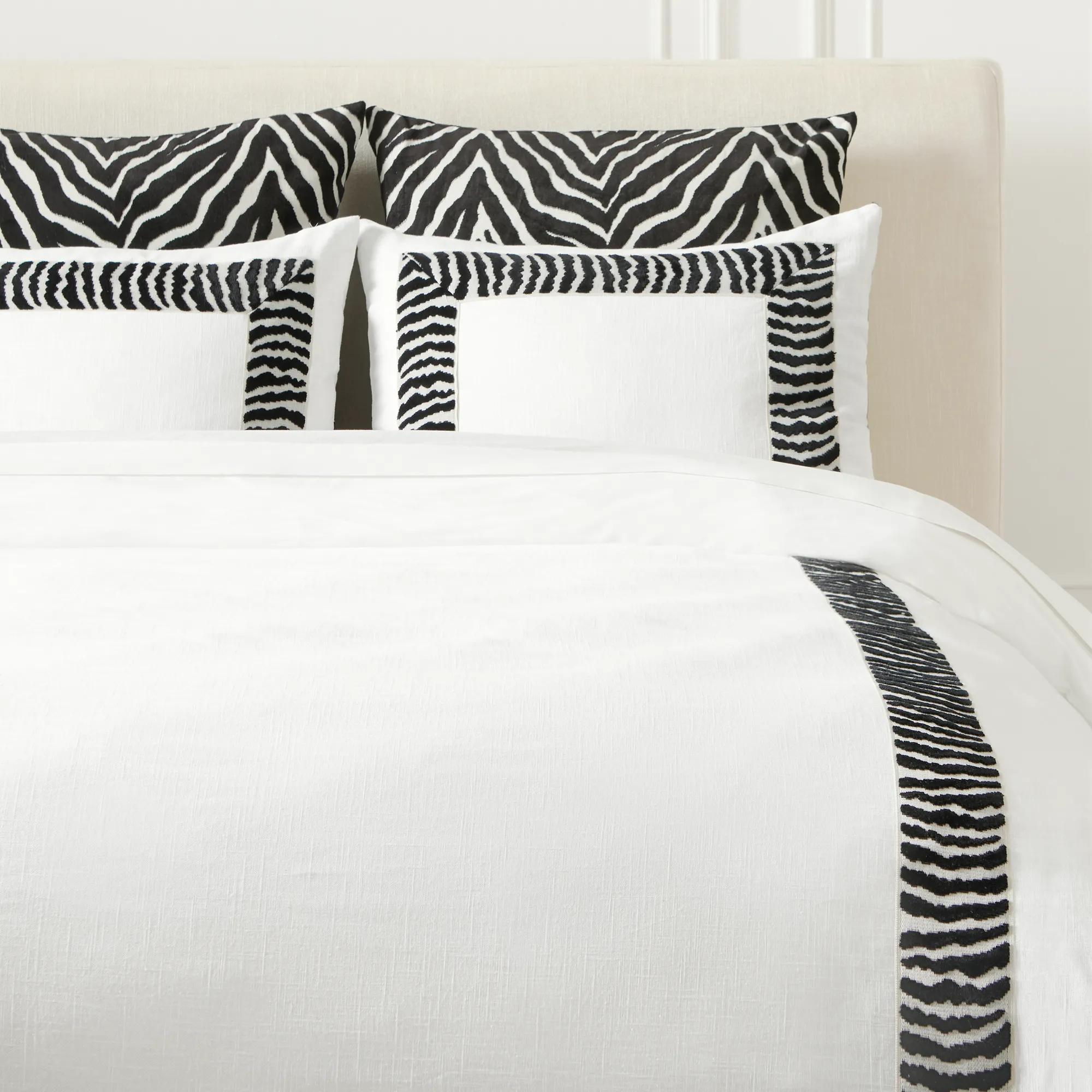
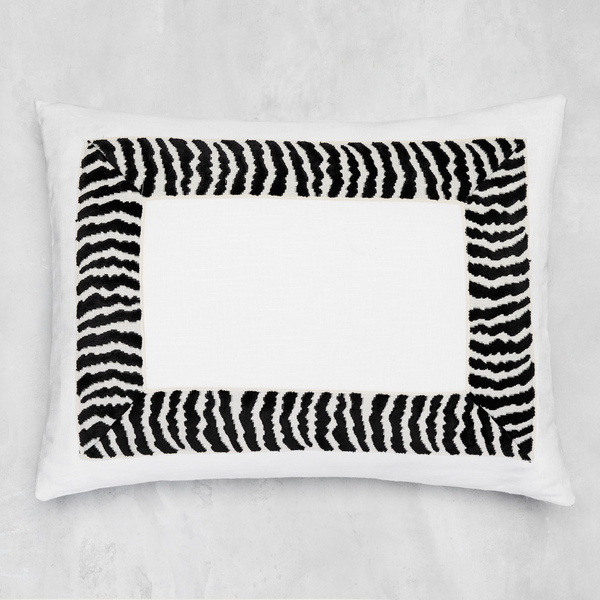 Nikki Chu Hasina Animal Print Black/White Velvet Appliqué Border Bedding Set$289
A bold black animal print borders ivory slubbed linen bedding for a textured, modern statement.
Add To Cart -
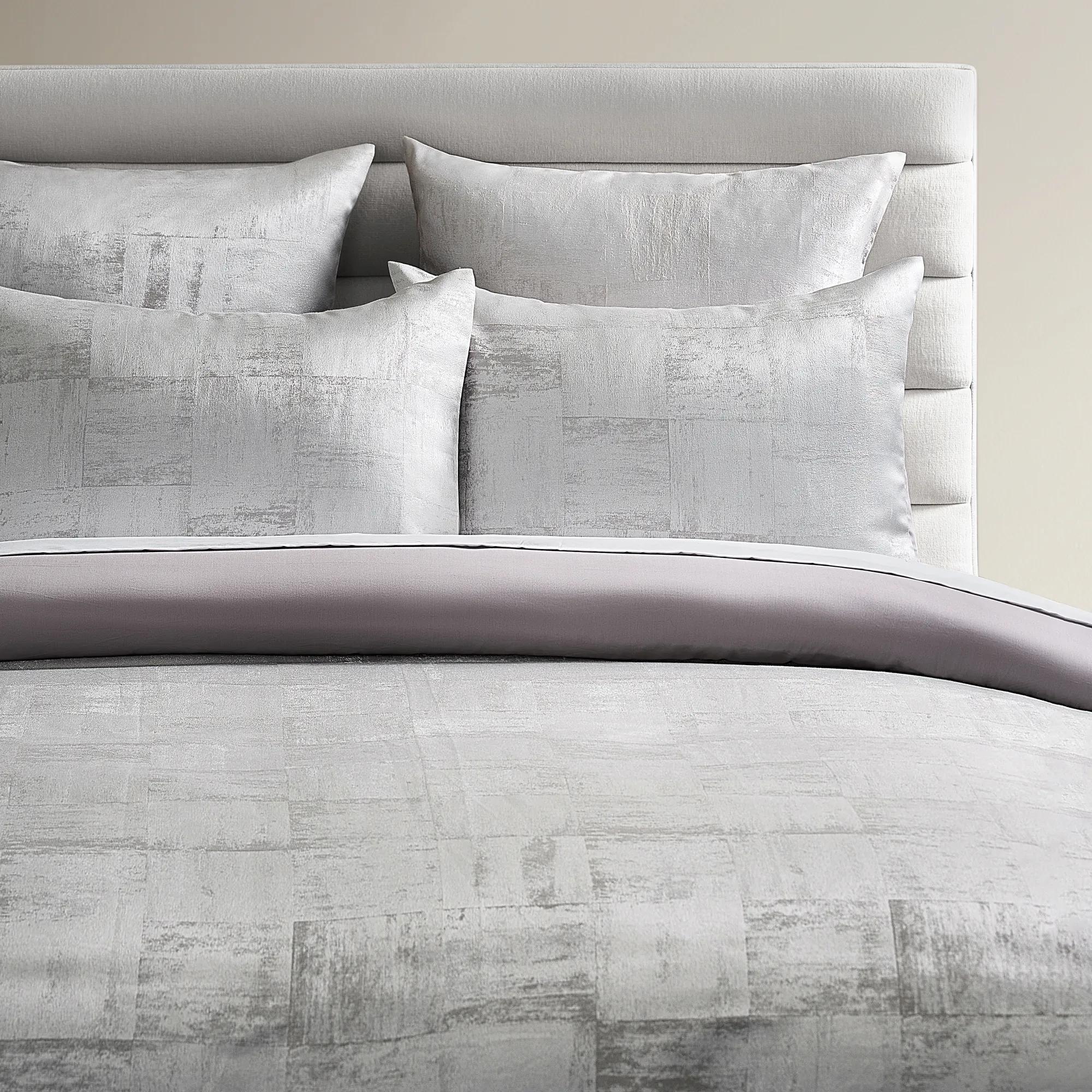 Auden Bedding Set - Platinum$49
A platinum jacquard bedding set featuring a subtle block pattern and refined, modern detailing.
Add To Cart

Grey Bedding For Seasonal Updates
Grey bedding for seasonal updates transforms the ordinary into an experience of effortless elegance. With its nuanced palette—ranging from whisper-soft dove to smoldering charcoal—grey bedding offers a canvas that adapts gracefully to every season’s mood. Layer textures, play with tones, and invite a sense of calm sophistication into your sanctuary. Whether you seek to refresh your space for spring’s awakening or cocoon in sumptuous comfort as autumn arrives, grey bedding for seasonal updates invites endless possibilities, ensuring your bedroom remains as captivating as the changing light outside.
Gray bedding for seasonal updates provides a versatile neutral foundation that can be refreshed with different accent colors, textures, and layer weights without replacing the entire bed ensemble. Its appeal lies in that range: pale silver feels luminous against crisp white, warm stone softens dark wood, and charcoal lends architectural depth to an upholstered bed. The effect can be serene or richly theatrical, depending on the surrounding finishes. A softly patterned duvet cover introduces movement without overwhelming the room, while a solid coverlet gives sculptural pillows and sumptuous throws space to command attention. Undertones matter as much as shade. Grays with beige or taupe undertones sit beautifully beside ivory, brass, and walnut; blue-based grays create a cooler, more tailored impression alongside polished chrome, white lacquer, and smoky glass. Keeping the main bedding within one undertone family gives seasonal accents a deliberate, collected appearance. For a late-fall setting, muted plum, tobacco, or burnished gold can add richness to a gray bed without obscuring its quiet sophistication. A winter arrangement might lean into pearl, deep blue, or layers of charcoal, with plush surfaces creating depth even when the palette remains restrained. Seasonal bedding does not need a different pattern for every occasion. A subtle jacquard, narrow stripe, or dimensional stitched surface can remain the visual anchor while a folded blanket changes the room’s emphasis. In a bedroom with expressive artwork or dramatic wallpaper, gray offers a composed counterpoint rather than another competing focal point. In a more restrained space, contrasting finishes—a smooth duvet, a textured coverlet, and a softly lustrous accent—give the bed presence. The most convincing combinations allow each surface to remain visible: a turned-back duvet reveals the sheets, a quilt creates a defined middle layer, and a throw adds a final sweep of texture across the foot. That balance makes a seasonal refresh feel considered rather than crowded.
Material and construction determine how gray bedding performs beyond its first impression. Cotton is a familiar choice for sheets and duvet covers because it can offer breathability and a comfortable feel against the skin, although weave, fabric weight, and finishing all influence the experience. Percale generally has a crisp, matte character, while sateen offers a smoother drape and subtle sheen that complements a more glamorous bedroom. Linen brings visible texture and a relaxed fall that becomes part of the design, making it especially appealing when a perfectly pressed appearance is not the goal. Velvet and other plush decorative fabrics contribute richness to accent layers, but their care requirements may differ from those of everyday sheets. Fiber content alone does not establish warmth: the weight of a quilt, the fill and construction of an insert, and the number of layers all matter. For two sleepers with different comfort preferences, a breathable sheet foundation with separately adjustable blankets can be more practical than one heavy top layer. Fit deserves the same attention as fabric. Fitted sheets should accommodate both the mattress dimensions and its full depth, including any topper, while duvet covers should closely match their inserts to minimize empty corners and uneven bunching. Queen, king, and California king measurements are not interchangeable, and finished bedding dimensions can vary. The desired drape also affects the choice: a generously sized coverlet can create an enveloping silhouette, while a more tailored drop keeps an upholstered frame visible. For bedding that sees frequent use, neatly finished seams, secure closures, and fabric suited to the intended laundering routine support lasting appeal. Care labels remain the authority for washing, drying, and professional cleaning. Avoiding excessive heat when the instructions call for lower temperatures, treating marks promptly with fabric-appropriate methods, and storing clean layers in a dry space help preserve their appearance. A subtle gray pattern or heathered surface may make minor creasing less conspicuous, but it does not replace regular care. Bedding feels most luxurious when its maintenance fits naturally into daily life.
Seasonal gray bedding serves both the primary bedroom and guest spaces, with different layering choices shaping how each room feels and functions. In a primary suite, the strongest foundation is often the fabric that feels best night after night, framed by decorative layers that can change without disturbing that comfort. A charcoal duvet with pearl sheets, for example, creates a pronounced contrast that needs little embellishment beyond one richly textured throw. A pale gray quilt against warm ivory feels softer and more luminous, particularly beside a tall upholstered headboard or mirrored nightstands. In a guest bedroom, versatile layers let visitors adjust their own comfort, and an extra blanket within reach is more useful than a bed overwhelmed by decorative cushions. For a room that also serves another purpose, a substantial coverlet can give the bed a composed daytime appearance while keeping the sleeping layers protected beneath it. Gray bedding can also make a thoughtful housewarming or wedding gift when the recipient’s bed size, fabric preferences, and care habits are known; its neutral character leaves room for personal artwork, furniture, and accent colors. The distinction between a thoughtful refresh and a collection of unrelated accents often comes down to repetition. A warm metallic tone echoed in a pillow detail and a bedside lamp, or a dark accent repeated in the throw and artwork, gives the room cohesion. For a more dramatic expression of this neutral layering approach, Black Bedding For Seasonal Refresh brings a deeper tonal direction into consideration, especially for spaces with pale walls or luminous finishes. Gray remains particularly adaptable because it bridges those contrasts without demanding an entirely new room. A lighter cover can replace a weightier layer when less insulation is preferred, while richer textures can return whenever a more enveloping bed feels inviting. With compatible proportions, considered fabrics, and a clear palette, seasonal changes become expressions of personal style rather than a cycle of complete replacement.
FAQs
For seasonal transitions, grey bedding in materials like velvet, linen, and high-quality cotton offers both style and comfort. Velvet brings warmth and a luxurious sheen for winter months, while linen and cotton provide breathability and a crisp, inviting feel as the weather warms. Mixing textures—such as pairing a velvet quilt with a lightweight cotton sheet—creates a layered, designer look that adapts beautifully from one season to the next.
Grey bedding serves as a versatile base that can be transformed with thoughtful accents. In colder months, layer on chunky knit throws and faux fur pillows in darker greys or jewel tones for a cozy, enveloping vibe. As spring and summer approach, swap in lighter throws, airy linens, and accent pillows in soft pastels or vibrant hues. This approach allows you to refresh your space with minimal effort while maintaining a cohesive, sophisticated look.
Absolutely. Grey bedding is an elegant and universally appealing choice for both master and guest bedrooms. Its timeless palette creates a welcoming atmosphere, making guests feel instantly at ease, while its adaptability allows for easy updates with the addition of seasonal decor or accent pieces. Whether your guest suite is designed for relaxation or drama, grey bedding sets the perfect tone.
Grey bedding is remarkably versatile and complements a spectrum of decor styles. In modern interiors, it pairs beautifully with sleek metallics or bold geometric patterns. In more traditional settings, it grounds ornate headboards, classic wood finishes, and vintage-inspired accessories. The key is in the layering—mixing textures, patterns, and accent colors to reflect your personal aesthetic while letting the elegance of grey shine through.
Grey bedding provides a sophisticated backdrop for playful color accents. Try adding decorative pillows in rich jewel tones, a statement throw in mustard or blush, or artwork that incorporates bold colors. Even a single, vibrant vase or lamp can introduce a pop of personality. Grey’s neutrality ensures that these colorful touches always feel intentional and elevated, allowing you to refresh your space with each new season or mood.