Grey Bedding For Home Staging
Grey Bedding For Home Staging
-
.jpg?w=1200&h=1200)
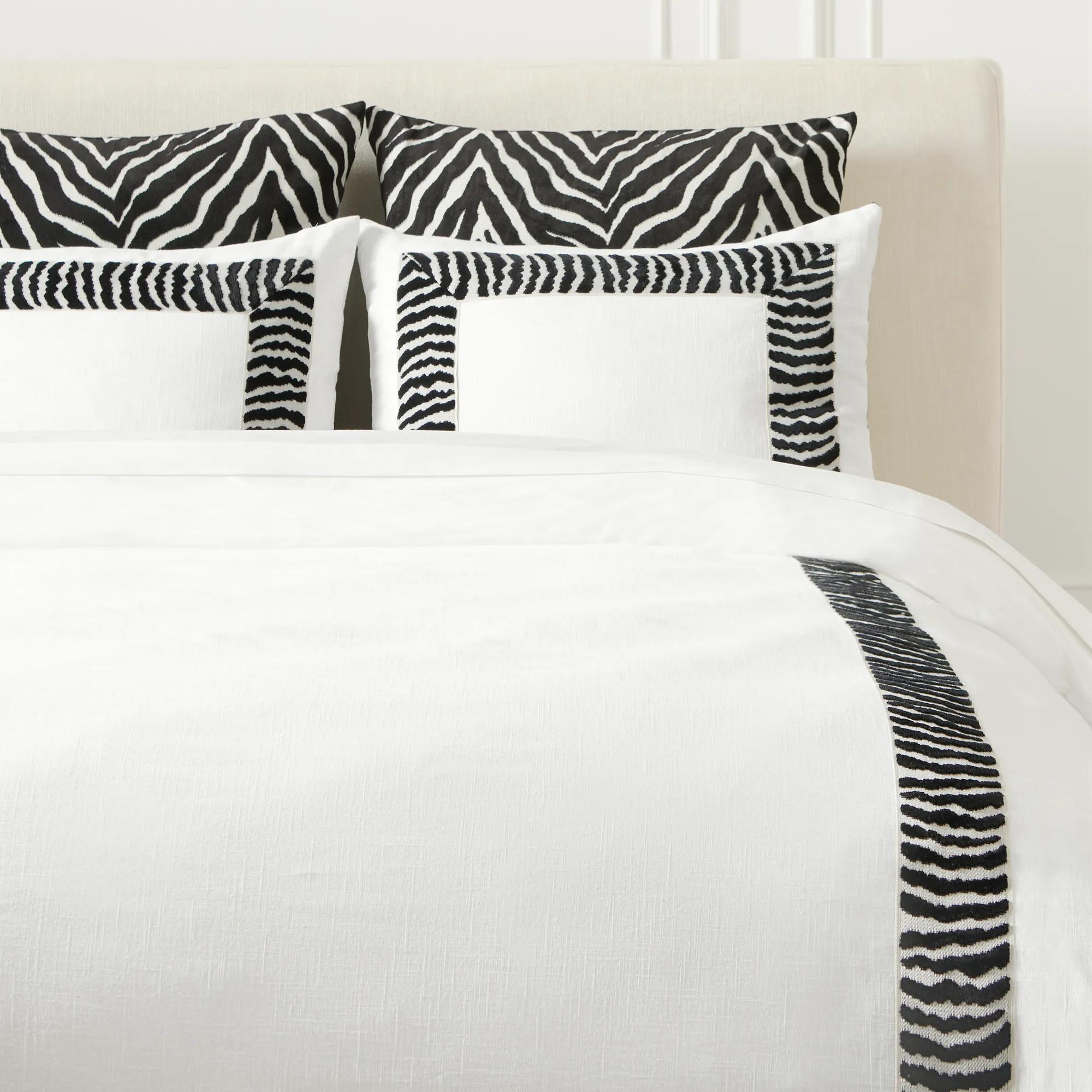
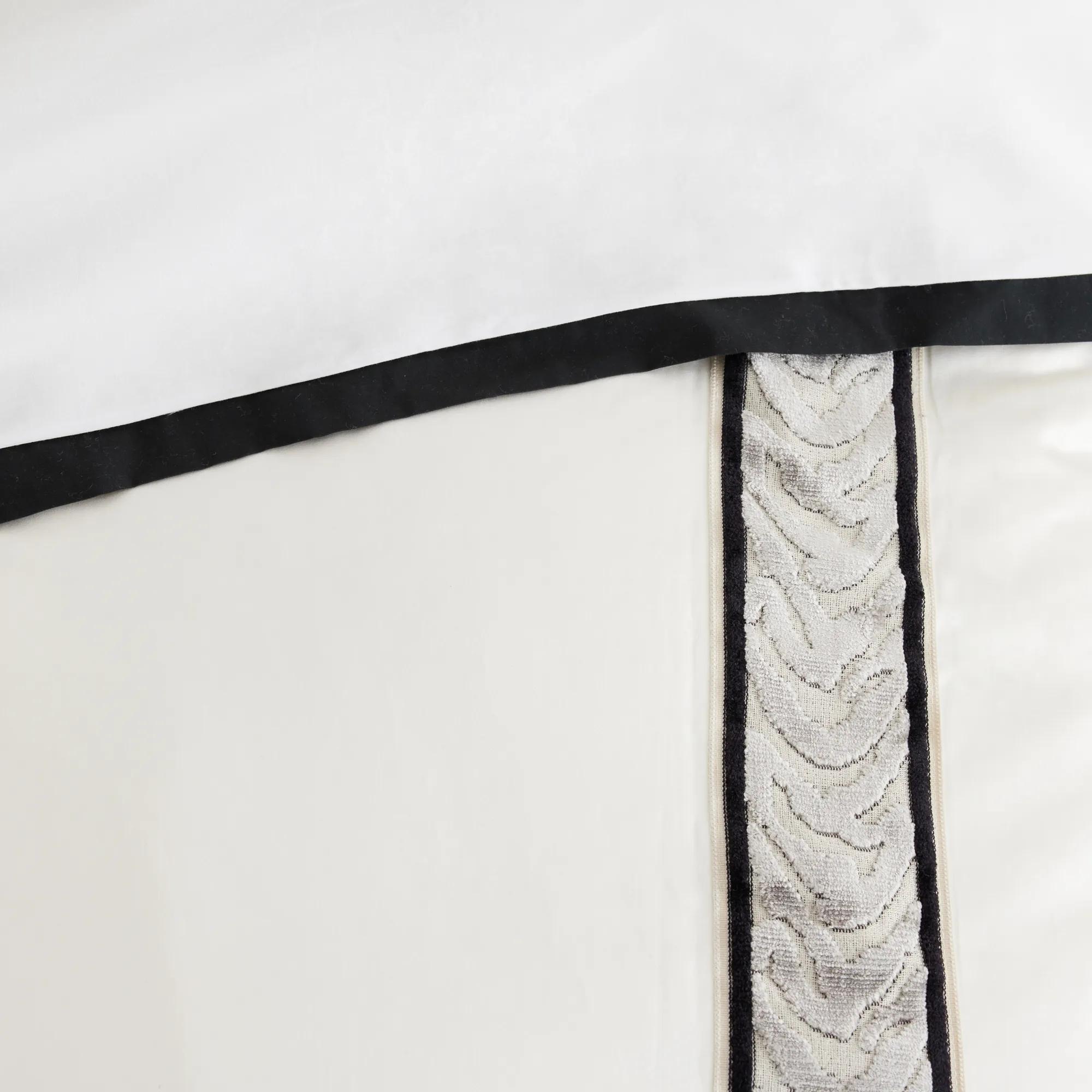 Gianna Grey/Black/White Animal Print Cut Velvet Appliqué Border Bedding Set$799
A luxurious grey and black bedding collection featuring a cut velvet tiger-stripe appliqué border for bold style.
Add To Cart -
.jpeg?w=1200&h=1200) Glam Grey Shiny Viscose Velvet Quilt Bedding Set$89
Glam Grey Shiny Viscose Velvet Quilt Bedding Set$89A lustrous grey velvet bedding collection featuring modern quilted stitching and refined piped edges.
Add To Cart -
GRY.jpeg?w=1200&h=1200)
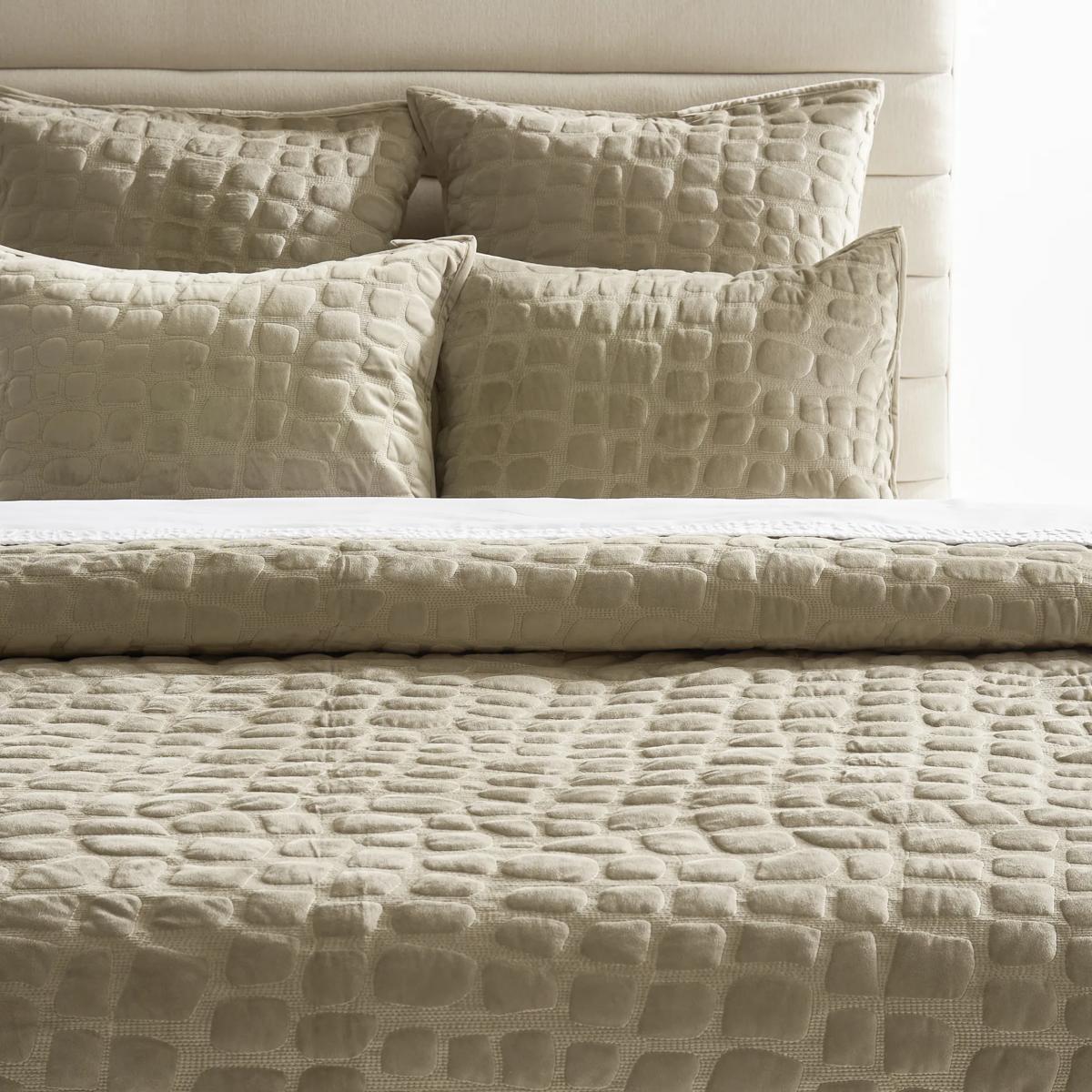
 Fan Velvet Quilt Set - Smoke Grey$69
A luxurious smoke grey velvet quilt set featuring a sculptural fan pattern and polished piped edges.
Add To Cart -
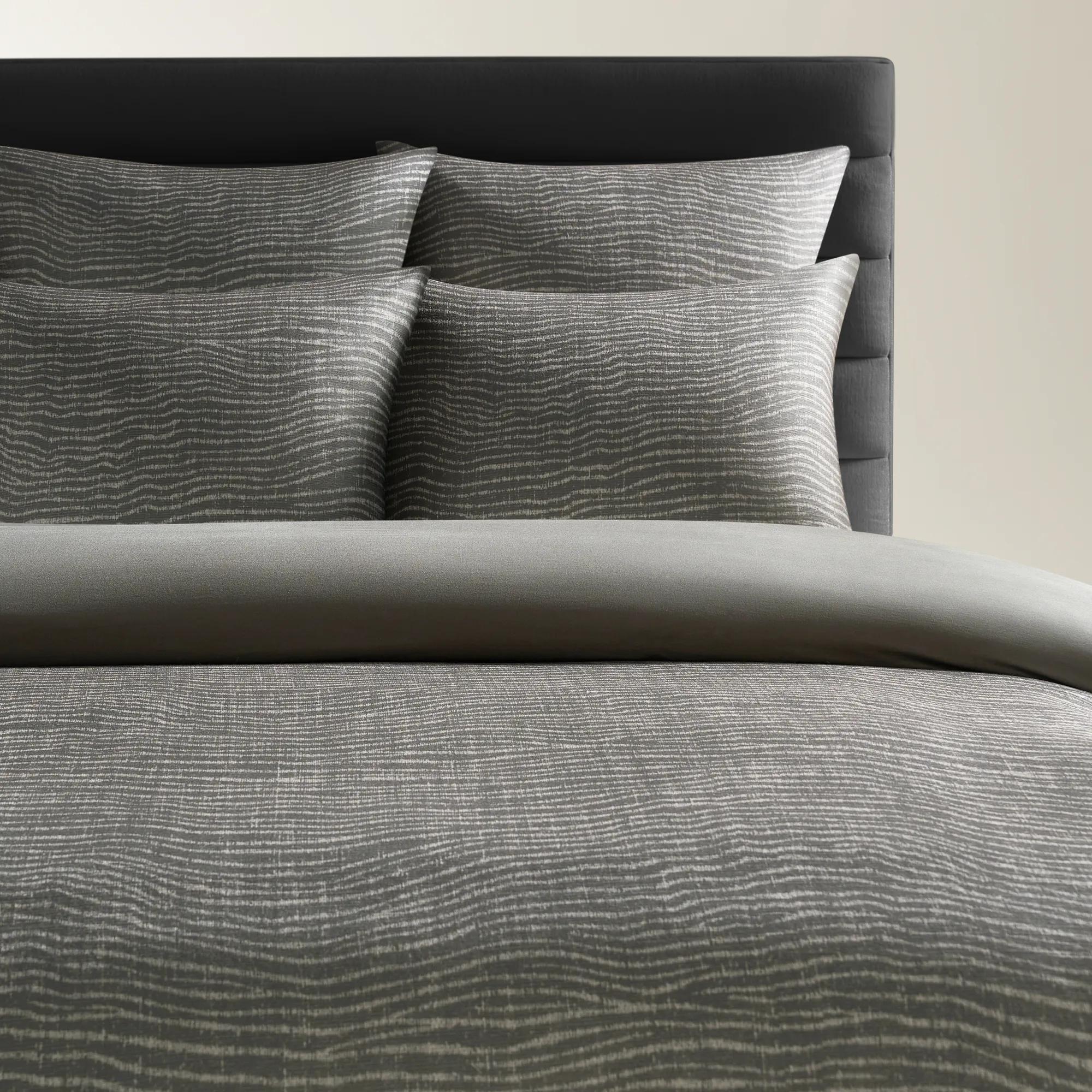 Sahara Bedding Set - Charcoal$59
A soft jacquard bedding set in calming charcoal with a subtle wave-inspired zebra print and refined details.
Add To Cart -
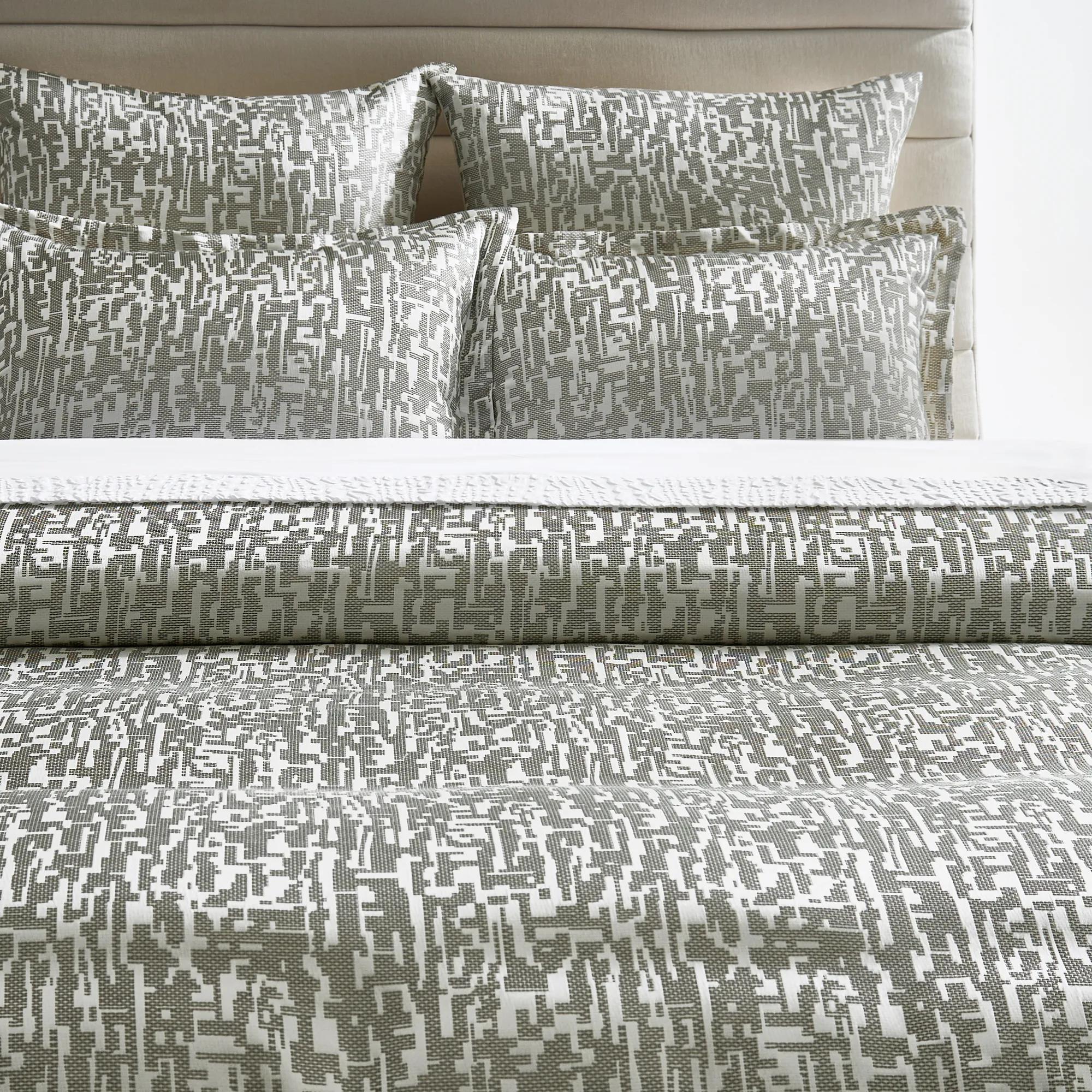
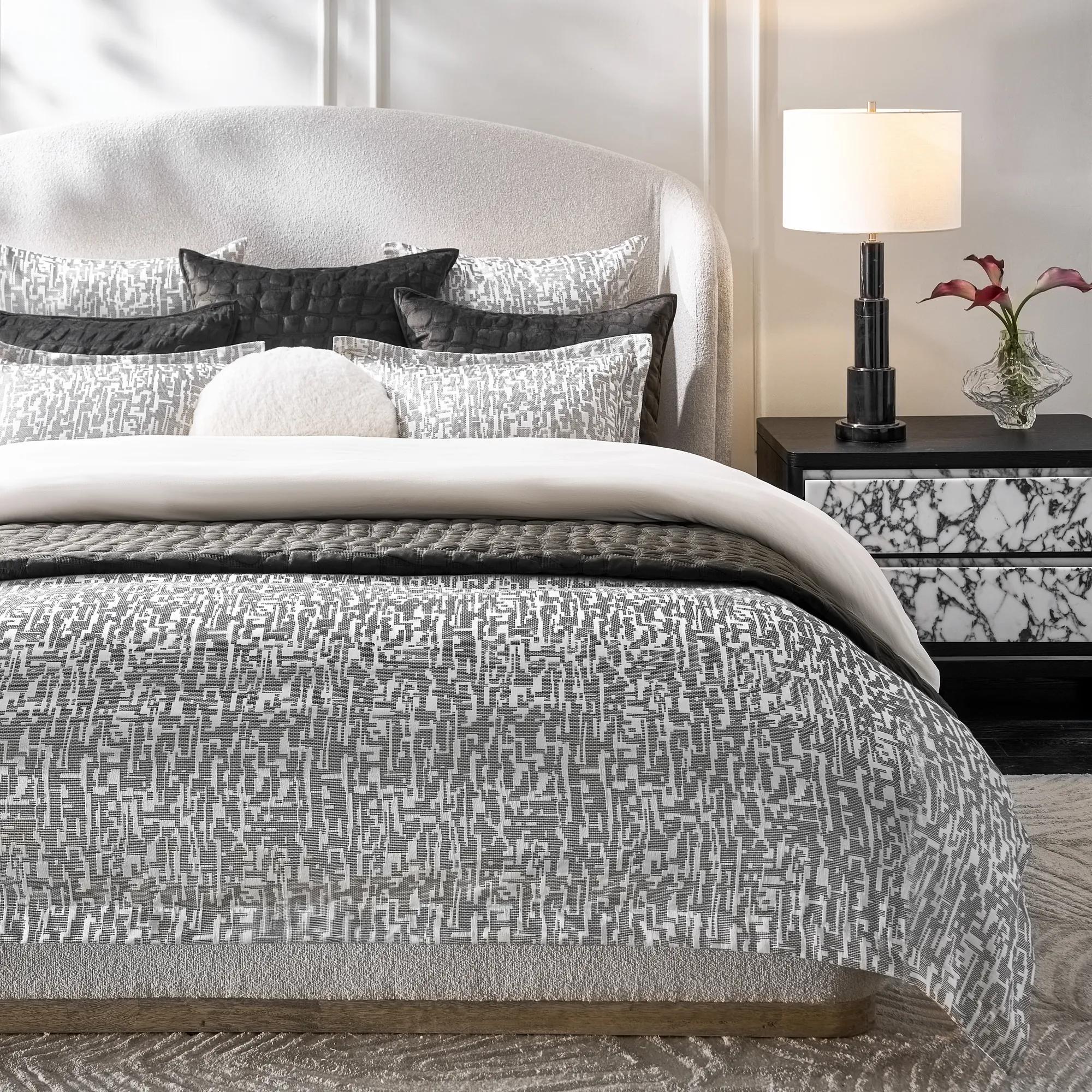 Podva Embroidered Bedding Set - Pearl/ Charcoal$279
A smooth satin bedding set in pearl and charcoal, featuring abstract embroidery and tailored flange edges.
Add To Cart -
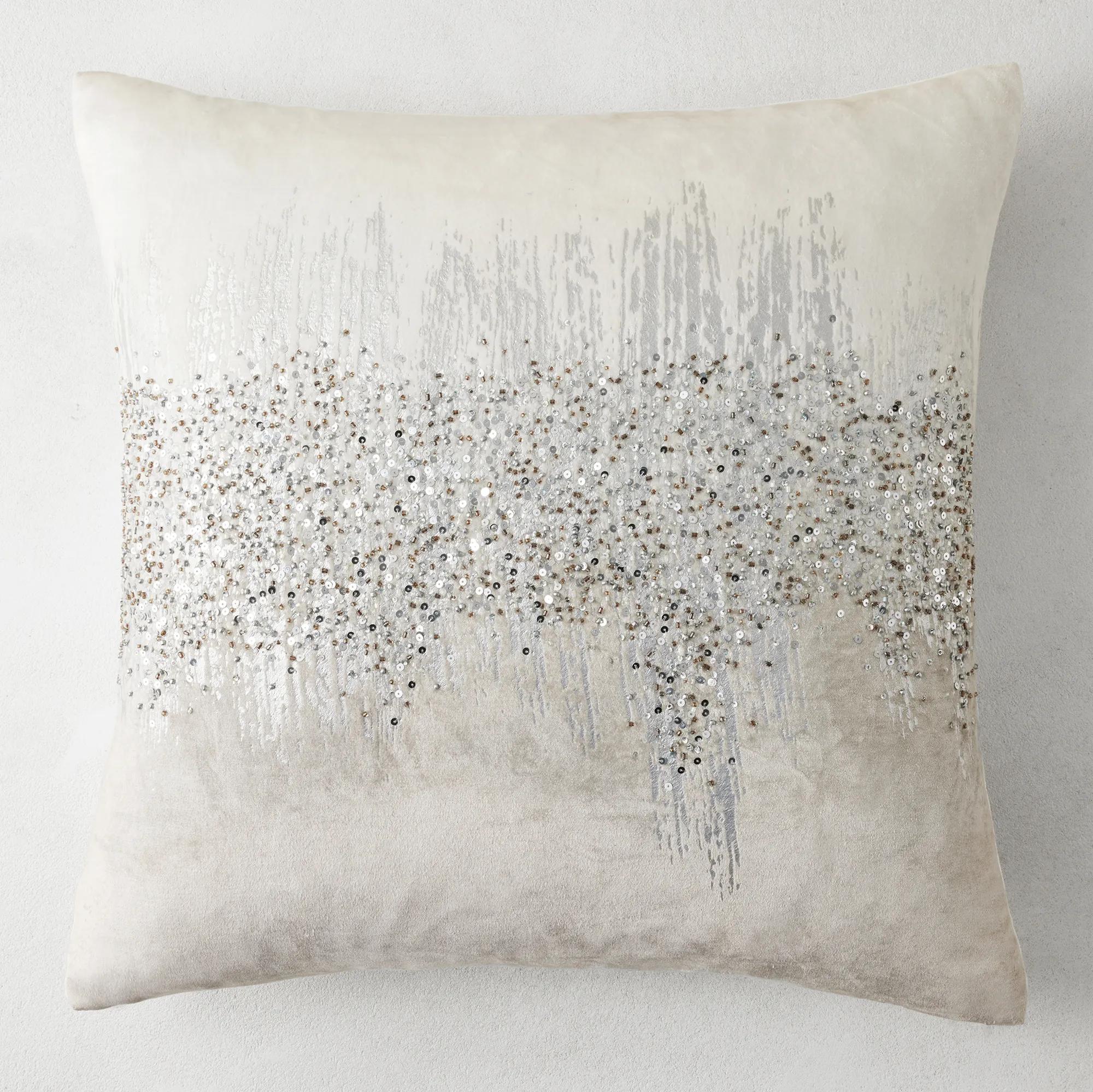
 Joie De Vivre Pillow 22" - Grey$99.95
A hand-dyed grey velvet pillow featuring a shimmering metallic foil print and intricate hand-beaded details.
Add To Cart -
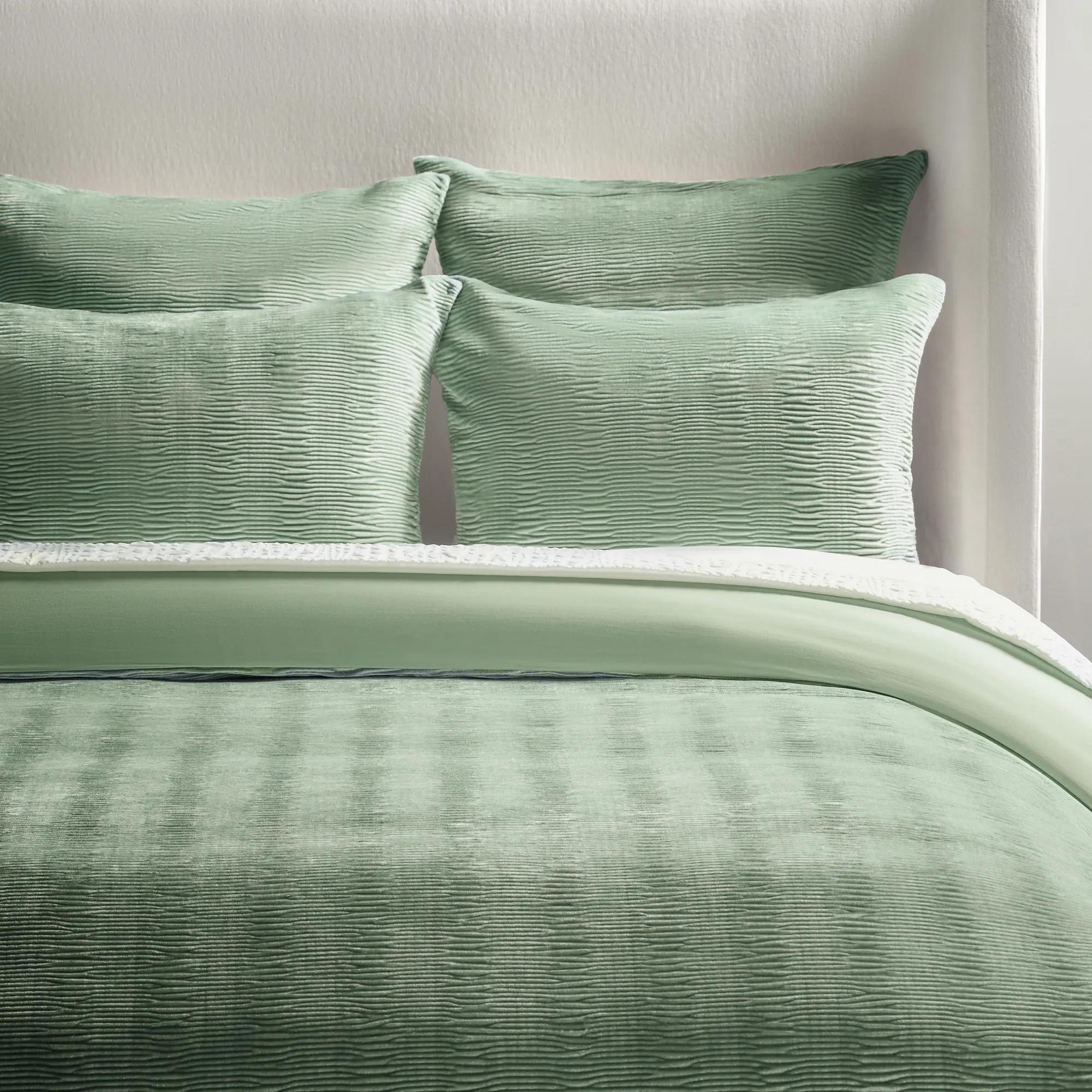
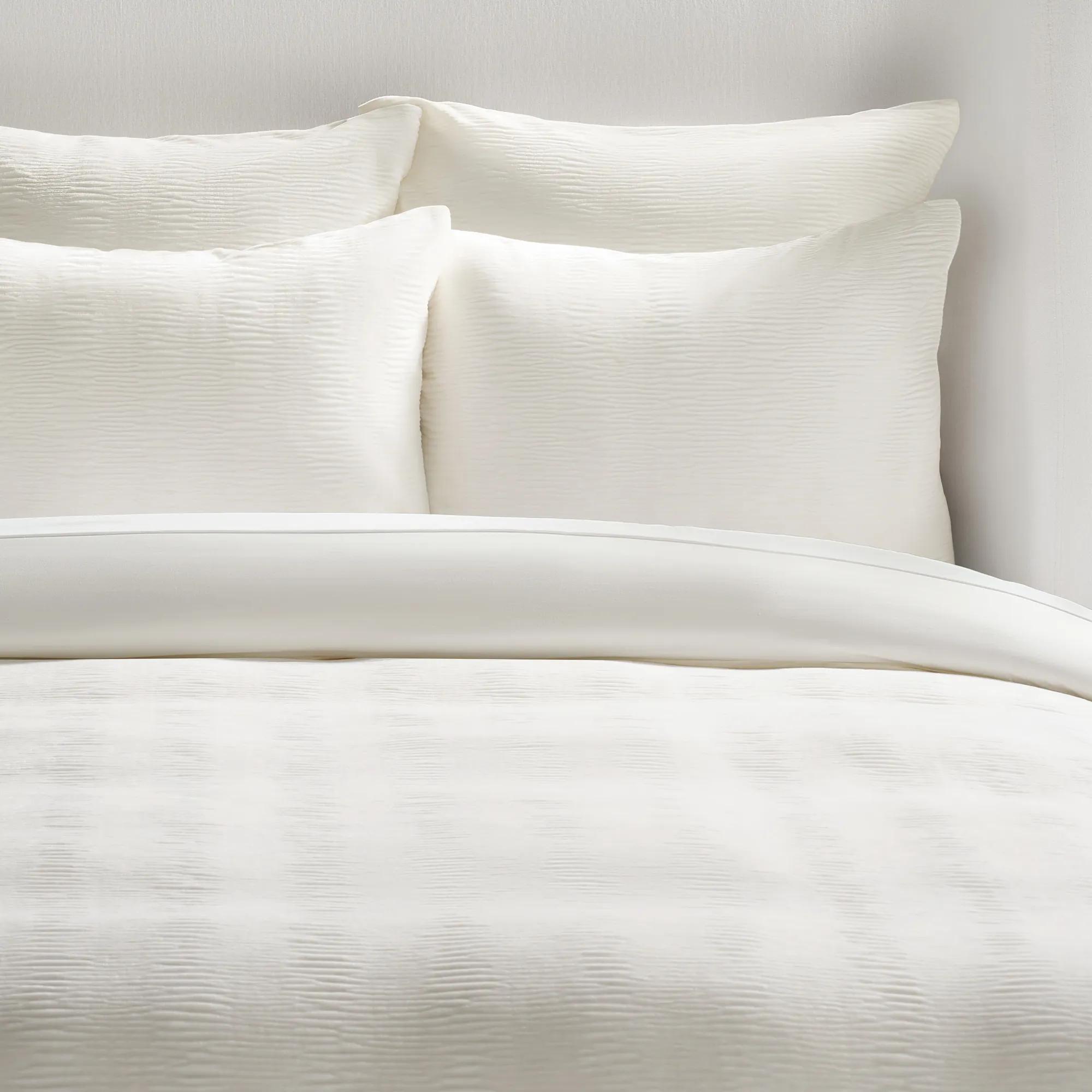 Vera Cloud White Soft Pleated Velvet Bedding Set$69
A cloud-white velvet bedding set featuring soft pleating for an elegant, textured bedroom finish.
Add To Cart -
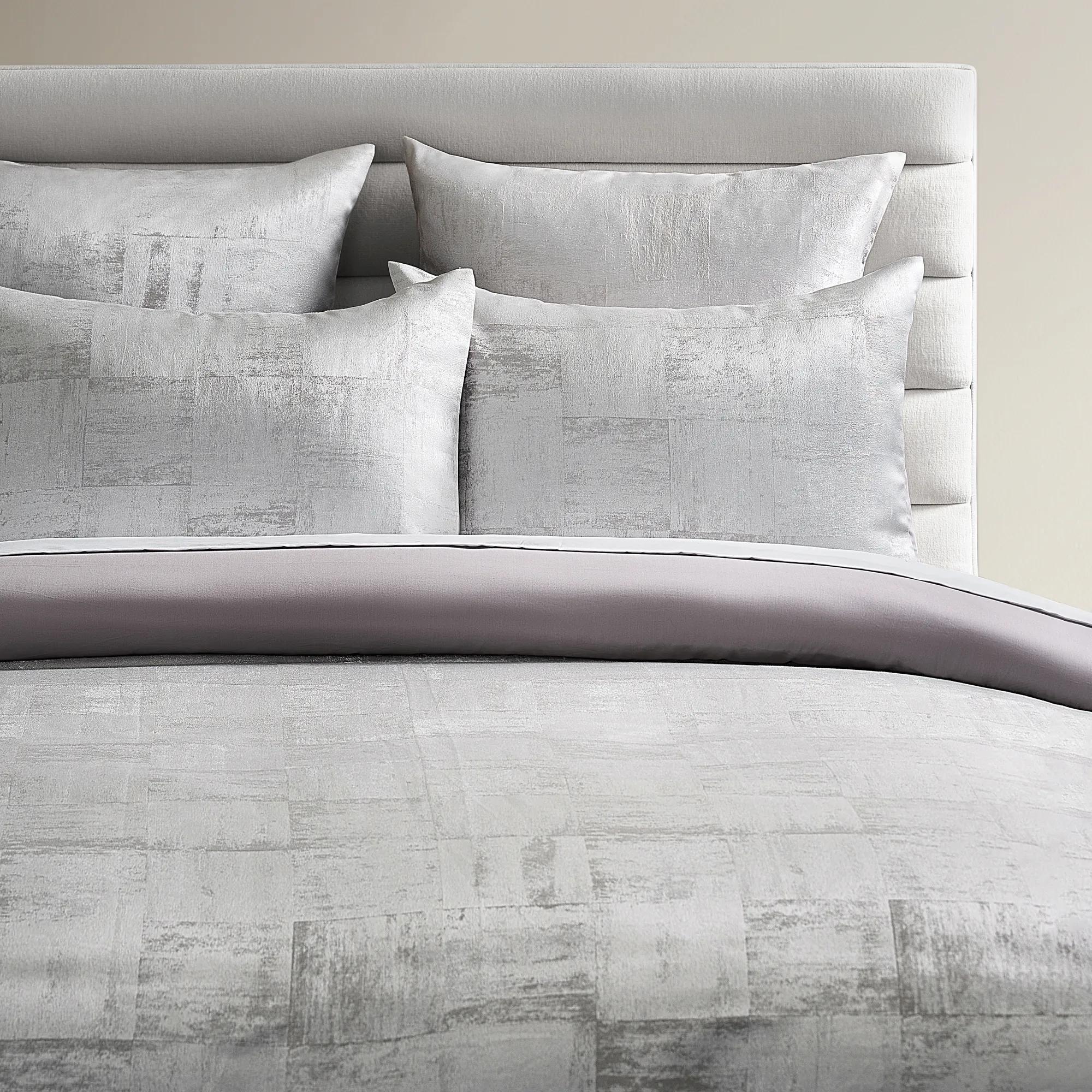 Auden Bedding Set - Platinum$229
A platinum jacquard bedding set featuring a subtle block pattern, knife-edge detail, and polished button closures.
Add To Cart -
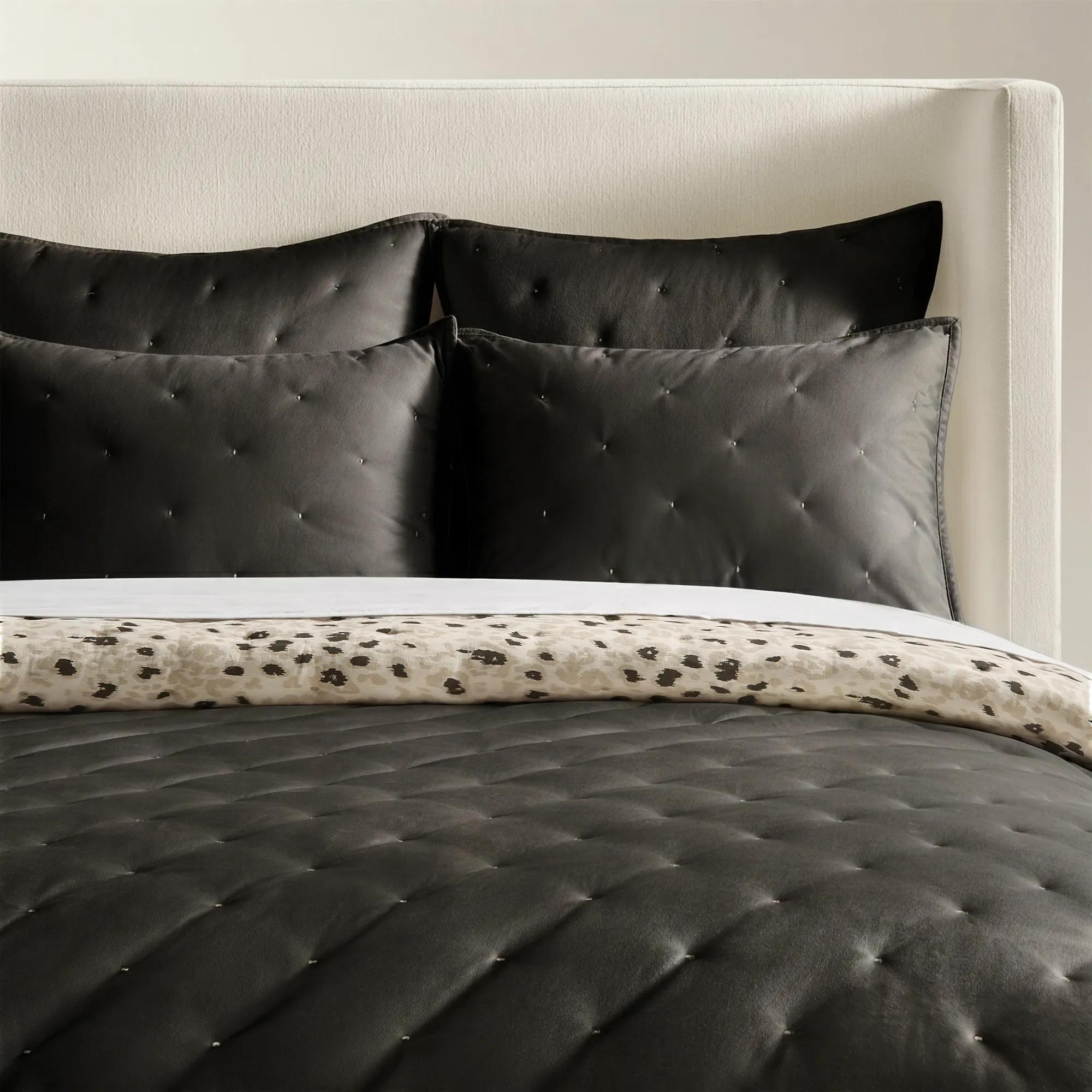
 Nemera Graphite/Leopard Reversible Velvet & Cotton Linen Quilt Set$349
A reversible quilt set featuring plush graphite velvet on one side and bold leopard print cotton-linen on the other.
Add To Cart

Grey Bedding For Home Staging
Grey bedding for home staging transforms any bedroom into a vision of sophisticated serenity, setting the stage for unforgettable first impressions. With its versatile palette and subtle allure, grey bedding creates an inviting backdrop that highlights architectural details and elevates every accent in the room. Whether draped across a grand master suite or styled in a cozy guest retreat, these pieces whisper elegance and refinement—inviting potential buyers to imagine their own story unfolding within your walls. Discover how grey bedding for home staging becomes the ultimate canvas for modern luxury, where every layer adds depth, drama, and irresistible appeal.
Grey bedding for home staging gives a bedroom a composed, sophisticated foundation, allowing the architecture, furnishings, and sense of space to share the spotlight. Its appeal lies in that balance: expressive enough to make the bed feel beautifully dressed, yet restrained enough for prospective buyers to imagine a life beyond the photograph. Soft silver, pale dove, and light-to-medium grey tones can keep the largest textile surface in the room visually airy, particularly when paired with ivory walls or a generously upholstered headboard. Deep charcoal introduces a more dramatic outline, but broad expanses of it may read as heavy in a small bedroom or a listing image with limited light. A charcoal accent against a lighter grey base offers definition without letting the bed dominate the composition. Undertones matter just as much as depth. A grey with a subtle beige cast sits comfortably beside warm wood and cream upholstery, while a cooler silver can echo polished metal, glass, and crisp white finishes. Neither direction is universally better; the most convincing result feels connected to the room rather than placed over it. In a bedroom with honey-toned floors, for example, a softly heathered grey can bridge the warmth underfoot and the lighter walls above. Against a dark upholstered headboard, pale bedding creates a distinct, inviting silhouette. Solid colors and understated patterns generally provide a quieter photographic backdrop than large, high-contrast prints, leaving attention on the bedroom’s proportions and focal points. Fine stripes, tonal geometry, and softly raised designs can introduce artistry without breaking that calm. For homeowners preparing a property for sale, professional stagers composing multiple bedrooms, or real estate professionals refining a listing’s presentation, grey offers a flexible palette with genuine decorative presence. The goal is not a room stripped of personality, but one with an edited point of view: a graceful bed, deliberate contrast, and enough visual breathing room for the setting to feel expansive rather than crowded.
Texture gives that neutral palette its depth, transforming a simple grey surface into a bed with dimension and quiet drama. Smooth cotton beside a softly quilted layer creates a different impression from a lustrous sateen finish framed by velvet accents; both can feel luxurious when their surfaces complement rather than compete with one another. Cotton percale typically has a crisp, matte character that suits a tailored presentation, while cotton sateen brings a smoother hand and subtle sheen. Linen offers visible texture and a relaxed drape, although its natural creasing creates a less formal effect than a precisely smoothed bed. Blended fabrics may offer easier wrinkle management, depending on their composition and finish, making the care label more useful than appearance alone when comparing materials. Velvet supplies a plush focal note, especially in smaller accents where its changing pile can catch the light without turning the entire bed into a reflective surface. For listing photography, a mix of mostly matte fabrics with selective luster often creates more balanced definition than several gleaming layers together. The distinction becomes visible in details: a stitched coverlet casts delicate shadows, a woven throw softens a sharp mattress edge, and a pair of structured shams gives the headboard a finished frame. Grey does not need to stand alone, either. Ivory can lift the arrangement, muted blue can deepen it, and a restrained touch of sage can connect the bed to a painted wall or nearby artwork. Brass finishes elsewhere in the room bring warmth without requiring every textile to carry another color. These combinations suit a staged primary suite, a polished guest bedroom, or a compact secondary bedroom that needs a clear sense of purpose. The bed remains the visual anchor, with accents supporting its silhouette rather than concealing it. A similar approach carries into everyday decorating through Grey Bedding For Stylish Bedrooms, where tonal layering can express a more personal mood. In a staged setting, a few distinct textures usually communicate more intention than a tall assortment of decorative cushions that obscures the sleeping surface.
Proportion and upkeep give grey bedding its finished presence long after the first arrangement. Mattress dimensions, mattress depth, and the height of the bed frame all influence how a cover falls, so a size designation alone does not tell the whole story. A deep mattress may need a more generous drop to conceal its sides, while a low platform frame often looks more deliberate with a shorter, controlled overhang that preserves the furniture’s profile. Bedding that pools on the floor can blur a sculptural base and gather dust; a cover stretched too tightly across the top may expose distracting edges. Fitted sheets should accommodate the mattress depth, and duvet covers should correspond closely to their inserts for an evenly filled appearance. Interior ties or other securing features, where present, help limit shifting between adjustments. Pillow sizing deserves the same attention: properly matched inserts fill sham corners, while a proportionate arrangement leaves the headboard visible and keeps a smaller bed from appearing overwhelmed. For an occupied home that must be ready for showings, washable fabrics and manageable layers make it easier to restore that composed look after ordinary use. Care requirements vary by fiber, weave, fill, and embellishment; machine washing, tumble drying, bleaching, or ironing should never be assumed suitable without checking the manufacturer’s instructions. Raised stitching, decorative trims, and plush surfaces may call for gentler handling than a smooth, unembellished fabric. Durable construction matters particularly when bedding will be folded, transported, and restyled across several properties. Even seams, secure closures, and well-finished edges are useful details to assess, alongside any stated care guidance. A restrained palette also makes it easier to coordinate fresh linens without recreating the entire room, although greys from different fabrics can reveal different undertones when placed together. Viewing the layers on the bed under the room’s own lighting helps expose those differences before photography. Straightened hems, evenly distributed fill, and a carefully folded top layer make texture and tailoring visible from the doorway. With those details resolved, grey bedding becomes more than a neutral backdrop: it gives the bedroom a polished, inviting identity while allowing the home itself to remain the lasting impression.
FAQs
Grey bedding creates an elegant, neutral backdrop that appeals to a wide range of tastes and instantly elevates the perceived value of a space. Its versatile palette makes rooms feel larger and more inviting, while allowing accent pieces and architectural features to shine. Grey also pairs beautifully with a variety of textures and colors, making it a timeless choice for staging any style of bedroom.
Layering is key to transforming a grey bedding ensemble from understated to unforgettable. Combine different shades of grey with crisp white sheets, plush throws, and accent pillows in metallics or deep jewel tones. Incorporating textures like velvet, faux fur, or quilted patterns will add depth and dimension, creating a look that feels both sophisticated and welcoming.
Absolutely. Grey bedding is a year-round classic, but it is especially inviting during winter months. Its soothing tones evoke a sense of calm and comfort, while heavier fabrics like velvet or flannel add warmth and coziness. In summer, lighter greys and breathable materials maintain a fresh, airy feel.
Grey bedding makes a thoughtful and versatile gift for anyone who appreciates refined style and comfort. It’s ideal for new homeowners, newlyweds, college students setting up their first apartment, or anyone looking to refresh their bedroom décor. Its neutral elegance ensures it will seamlessly complement a variety of personal styles and color palettes.
Start by choosing a primary shade of grey for your main bedding pieces, then build around it with complementary accents. Incorporate crisp white sheets for contrast, layer in textured throws or quilts, and add decorative pillows in metallics or soft pastels. Finish the look with thoughtfully chosen accessories, such as a statement headboard or art, to tie the entire space together.
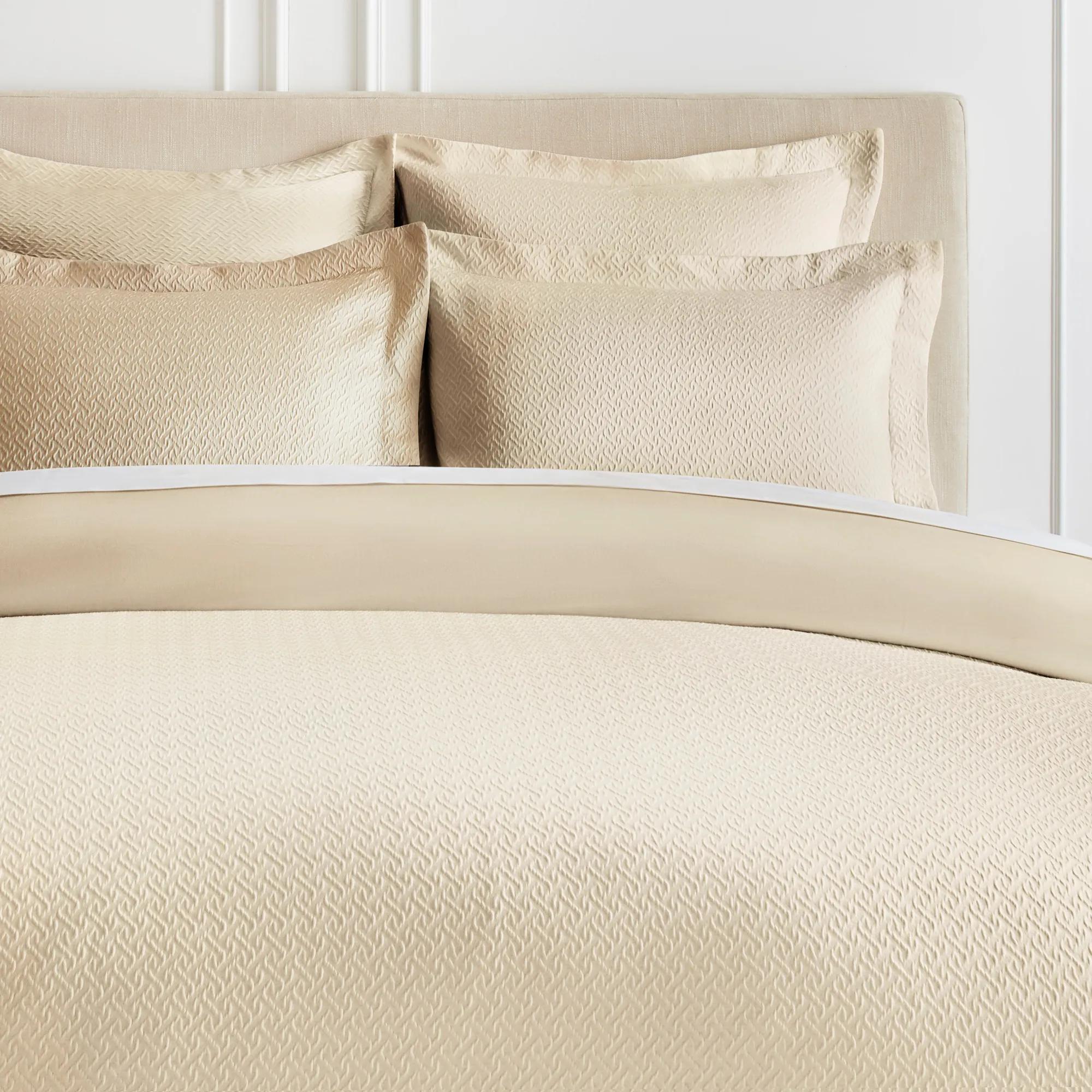
GRY.jpeg?w=3261&h=3261)
.jpg?w=2100&h=2100)