Gold Bed Textiles
Gold Bed Textiles
-
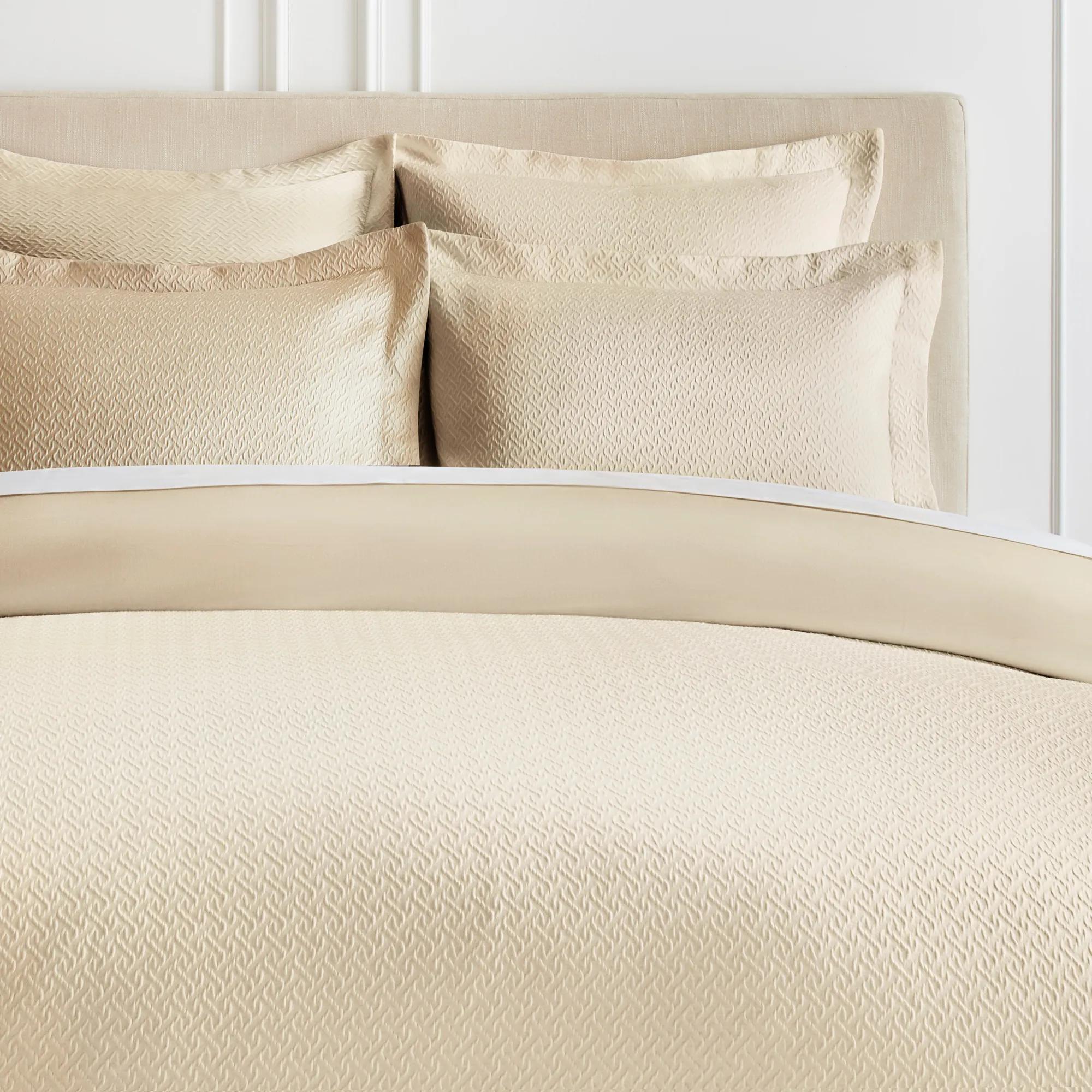
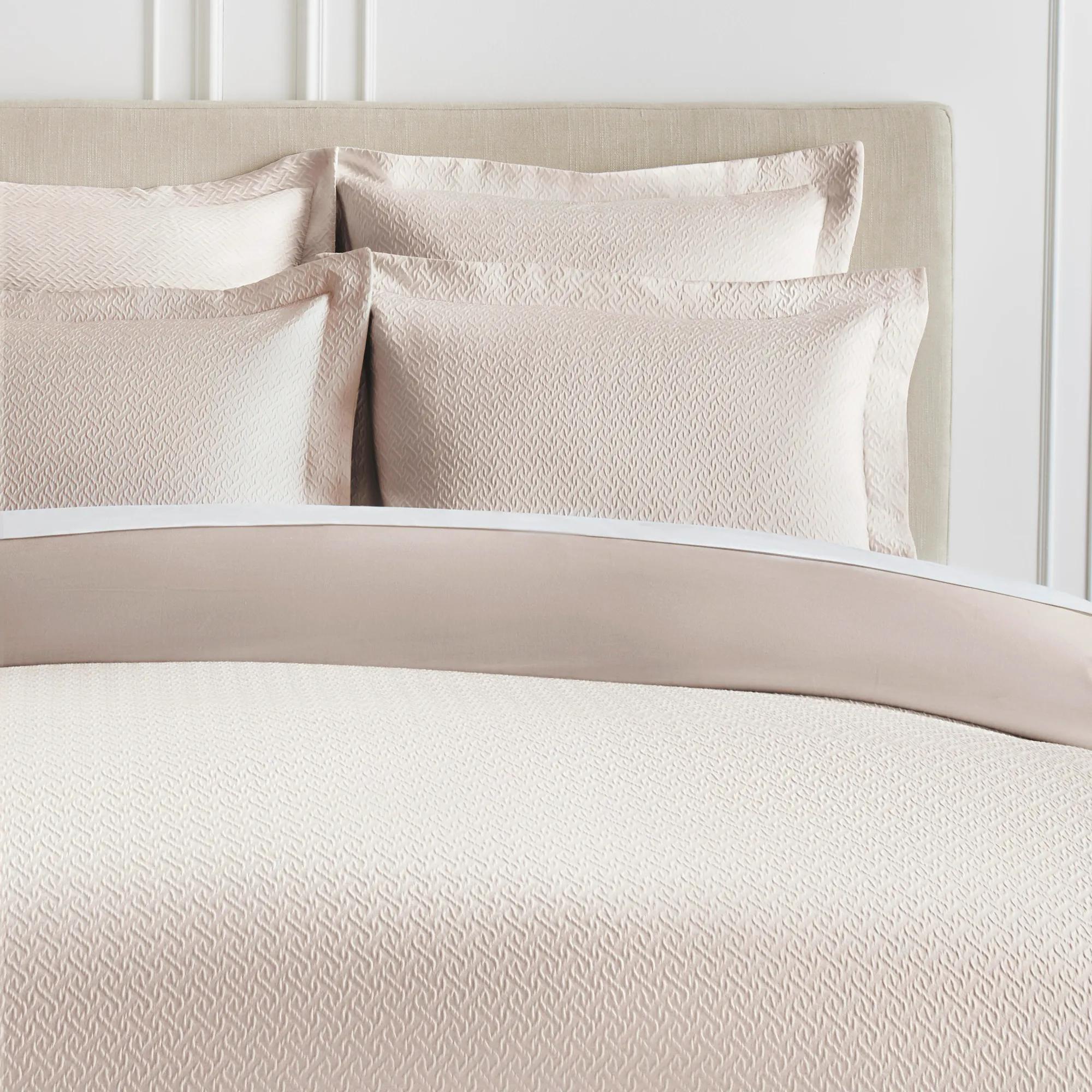
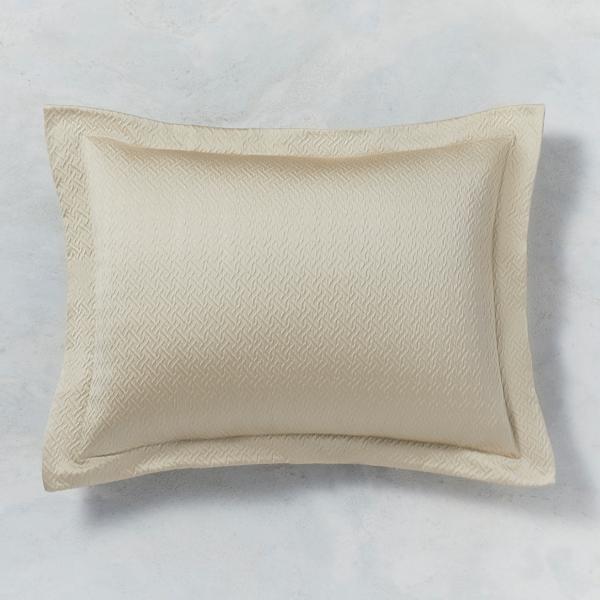 Marlowe Jacquard Gold Bedding Set$129
A jacquard-woven bedding collection in gold, offering subtle texture and year-round comfort.
Add To Cart -
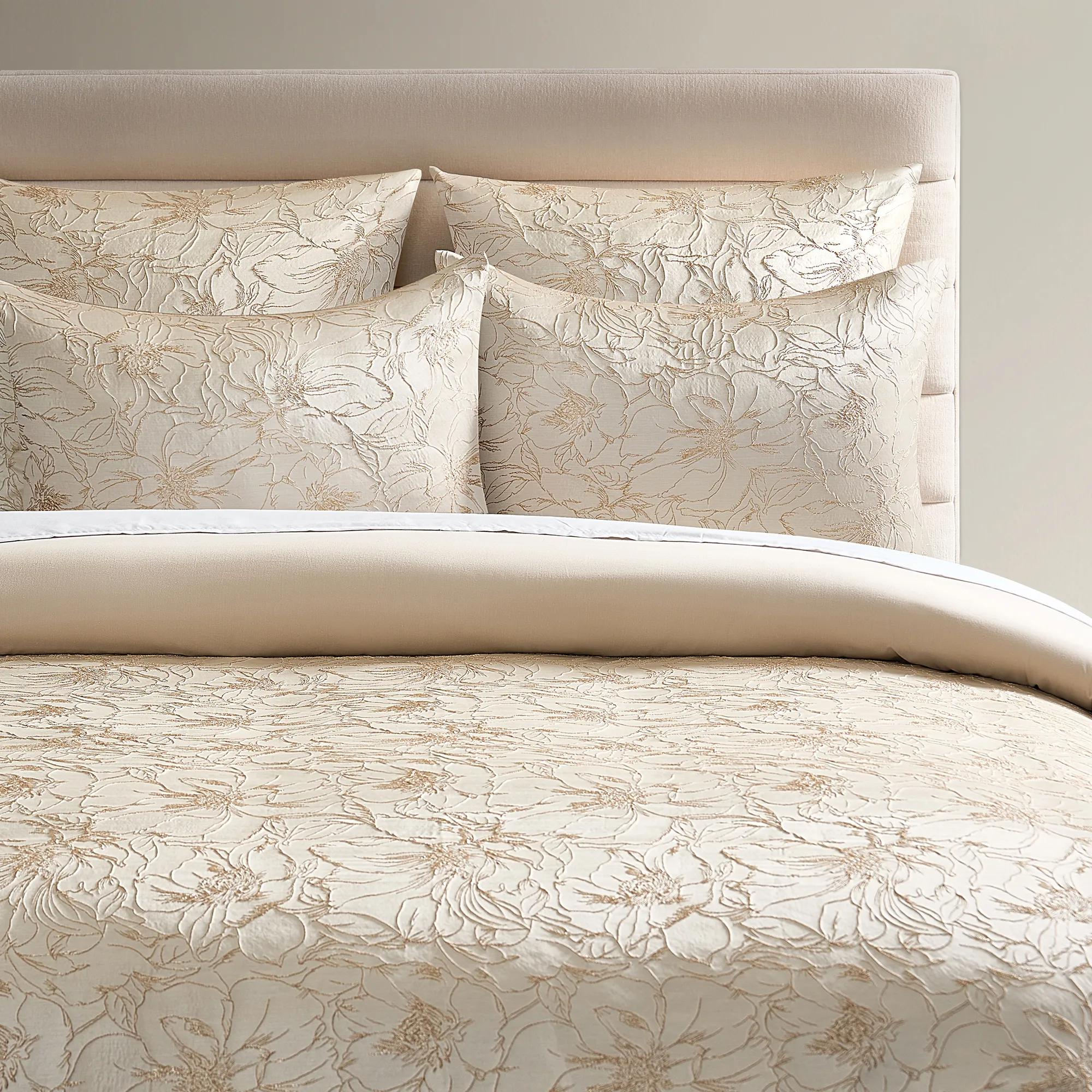 Mimoza Floral Jacquard Champagne Gold Bedding Set$229
A luminous champagne gold jacquard bedding set with delicate floral embroidery and polished knife-edge details.
Add To Cart -
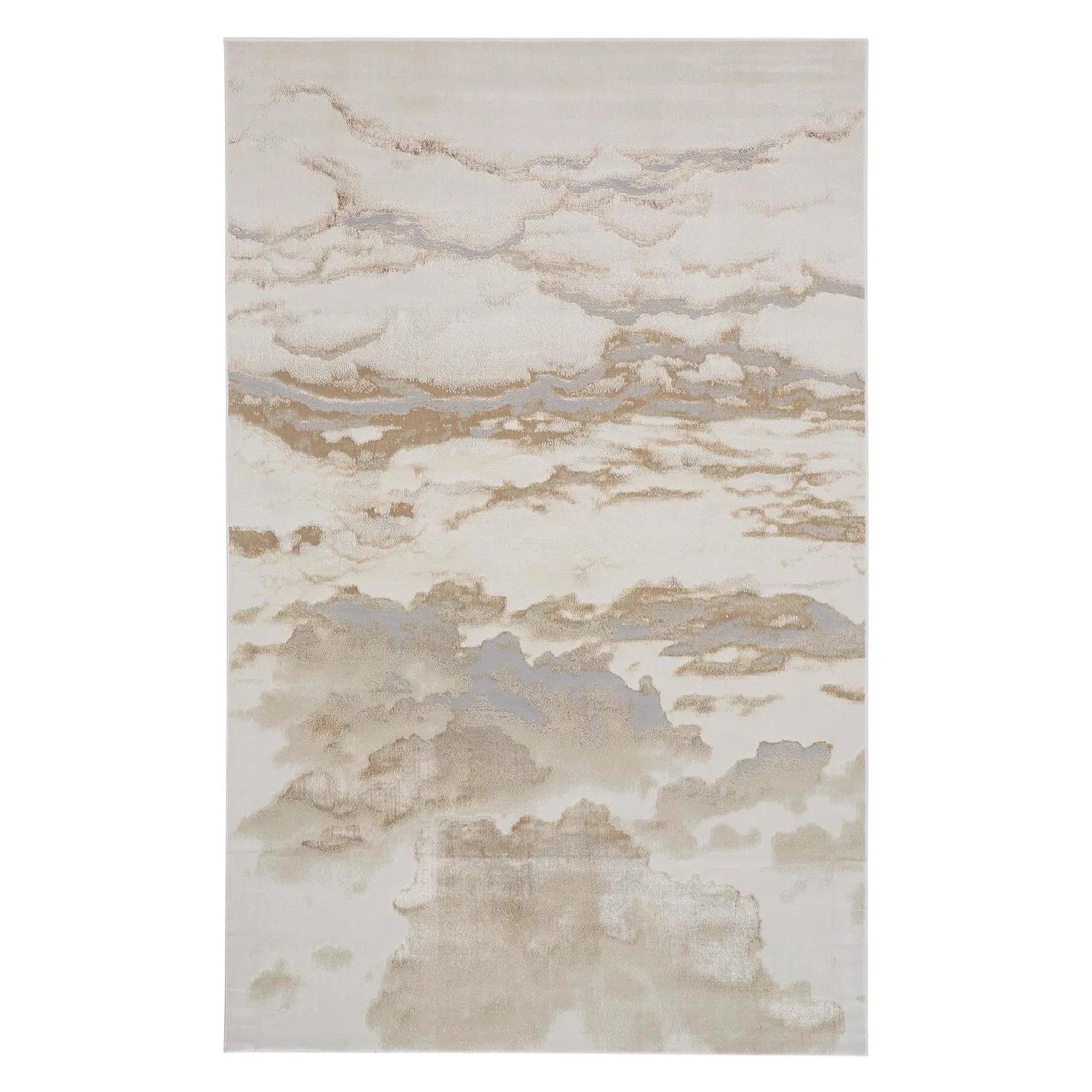
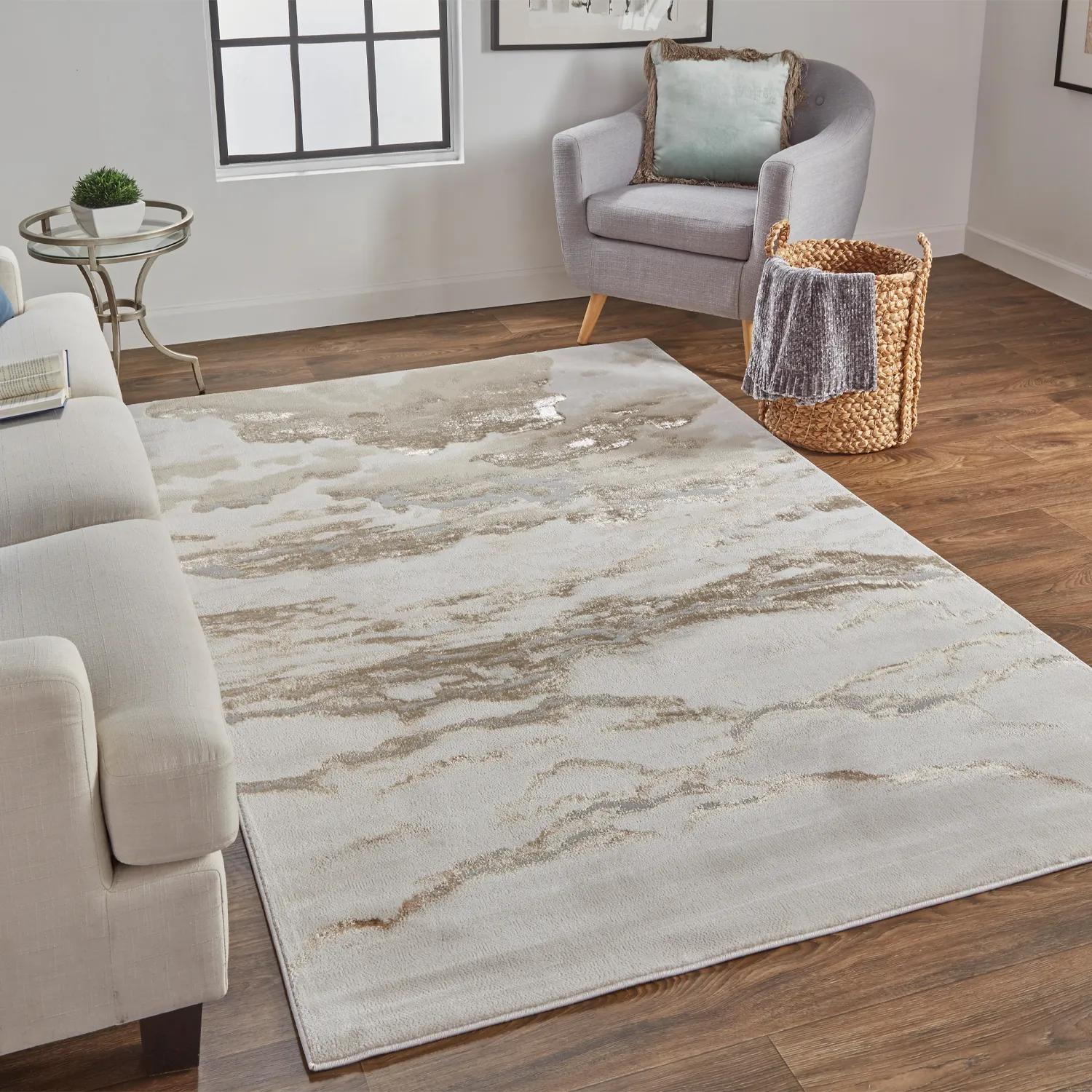 Tide Power-Loomed Beige/Gold/Ivory Rug$449
A machine-made rug in beige and gold, crafted from ultra-soft polyester and polypropylene for elegant appeal.
Add To Cart -
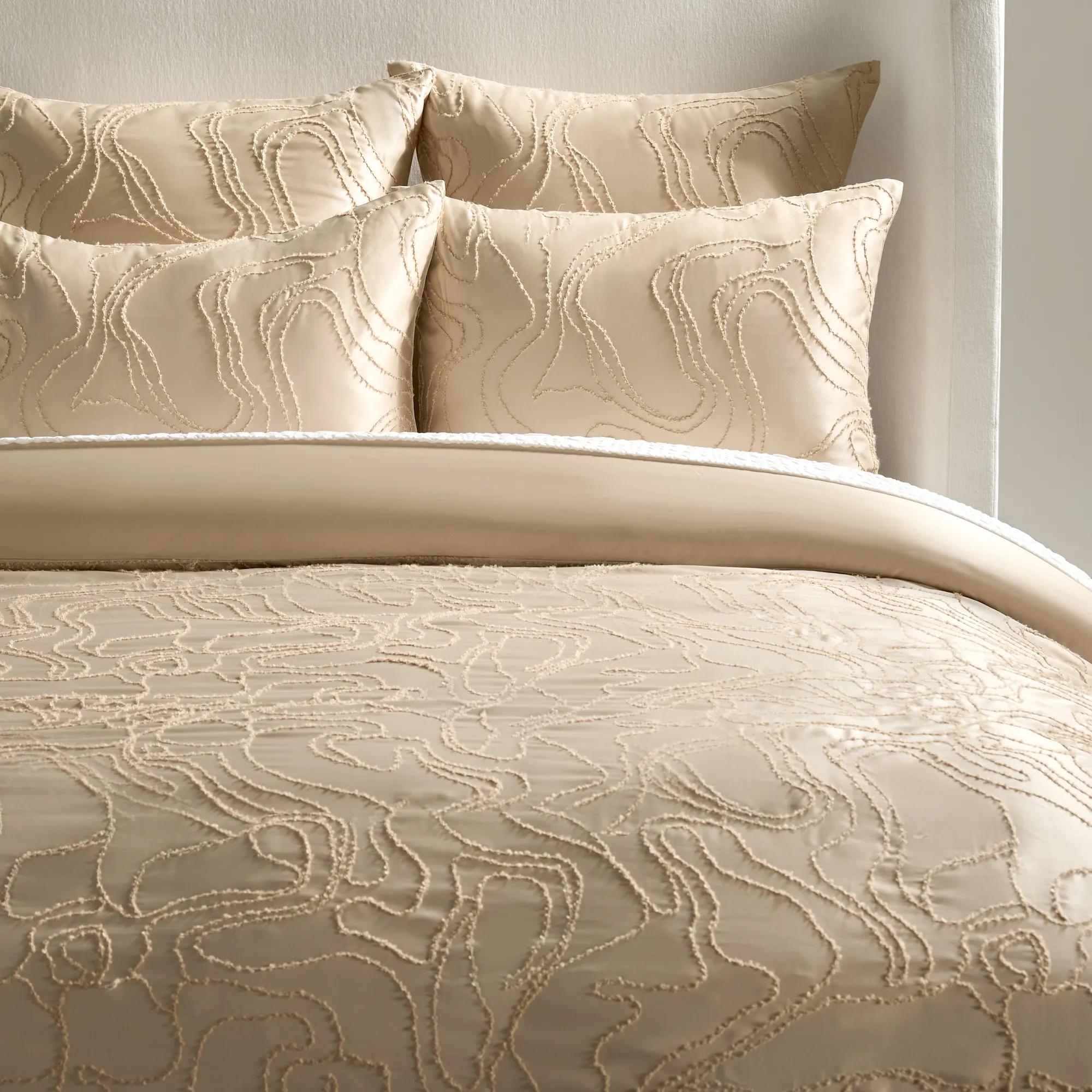 Noa Embroidered Champagne Beige Bedding Set$249
A champagne beige bedding set featuring elegant embroidered detailing for a refined bedroom aesthetic.
Add To Cart

Gold Bed Textiles
Gold bed textiles are the ultimate invitation to indulge in decadence, transforming your bedroom into a sanctuary of splendor and warmth. With every fold and shimmer, these luminous layers cast a radiant glow—evoking the gilded glamour of a grand suite or the soft embrace of morning sunlight. Whether draped across a tufted headboard or cascading over crisp linens, gold bed textiles ignite the senses and elevate your retreat to an artful escape. Let each detail speak to your love of drama and design; here, every night is touched by luxury, and every morning begins in brilliance.
Gold bed textiles bring warmth, depth, and a luminous focal point to the bedroom, turning a broad expanse of fabric into an expressive part of the room’s design. The category encompasses bedding layers such as sheets, pillowcases, duvet covers, comforters, quilts, coverlets, shams, and decorative throws in shades ranging from pale champagne to antique gold and rich honey. Gold describes the color rather than a particular fiber or finish: a matte cotton textile can feel quietly sumptuous, while a lustrous weave or metallic accent creates a more theatrical effect. That distinction gives gold bedding remarkable range. Against an ivory upholstered headboard, muted gold layers establish a soft, enveloping mood; alongside dark wood, black accents, or deep blue walls, the same color takes on greater intensity. Cream and warm beige draw out its mellow undertones, while charcoal and cool gray create a more defined contrast. For a bedroom with patterned wallpaper or large-scale artwork, a solid gold coverlet can anchor the composition without competing for attention. In a more restrained setting, dimensional quilting, woven damask, or embroidered borders can supply the artistry. The most compelling combinations leave room for those details to register: smooth sheets beneath a textured top layer, generous pillows framed by tailored shams, and a throw that introduces a deeper note of bronze or ocher. Explore Luxe Gold Bedding for a related expression of this richly layered palette. Whether the intention is a dramatic primary suite or a guest bedroom with a gracious, considered finish, gold can function as either the leading color or a deliberate accent. Its appearance also shifts with the room’s light. Natural daylight may reveal subtle yellow or brown undertones, while warm bedside lighting can deepen the sense of glow, making both fabric texture and color temperature worth considering. A champagne-toned layer feels especially airy beside white linen; a burnished shade has the visual weight to hold its own against sculptural furniture and richly colored upholstery.
Material and construction shape how gold bedding feels as much as how it looks. Cotton is often chosen for its breathability and familiar softness, but the weave makes a meaningful difference. Cotton percale has a typically crisp, matte character that suits sleepers who prefer a fresh, less lustrous surface. Cotton sateen generally feels smoother and displays a gentle sheen, allowing a gold tone to catch the light without relying on metallic thread. Sateen is a weave, not a fiber, so the fiber-content label remains important when comparing textiles. Linen brings a more relaxed texture, with natural irregularity and a drape that softens through use and proper care; in a muted gold shade, it offers an earthy counterpoint to polished furnishings. Silk lends fluidity and luster but often calls for more delicate handling. Polyester microfiber can offer a smooth feel and resistance to wrinkling, although warmth and moisture comfort vary with construction. Velvet and velvet blends introduce plush pile and shifting highlights, making them particularly expressive on decorative pillows, throws, and top-of-bed accents. Metallic yarns, sequins, and elaborate embroidery create another kind of brilliance, but their texture may be better suited to decorative layers than surfaces that rest directly against the skin. For everyday comfort, separate the role of the sleeping layers from the role of the finishing layers: breathable sheets can sit beneath a richly textured coverlet, with embellished cushions removed at bedtime. During the cooler months, a quilt or throw adds adjustable warmth without requiring every layer to be heavy. A comforter’s warmth depends on its fill, fill weight, and construction rather than its gold outer fabric, and a duvet cover is a removable shell rather than an insulating insert on its own. These distinctions matter in shared bedrooms, where one sleeper may want an extra layer while another prefers a lighter covering. Texture, weight, and softness should support the nightly experience as beautifully as the color supports the room.
A polished bed begins with proportions that suit the mattress, the frame, and the preferred amount of drape. Twin, full, queen, king, and California king labels provide a starting point, but listed dimensions offer a more reliable comparison, particularly for top layers whose measurements can vary. Standard king and California king mattresses differ in width and length, so those designations should not be treated as interchangeable. Fitted sheets need sufficient pocket depth for the mattress and any topper; a sheet that fits the mattress alone may pull at the corners once an additional comfort layer is added. For duvet covers, compare the cover’s dimensions with the insert and consider whether interior ties and a secure closure will help keep the finished bed evenly filled. A coverlet that barely clears a deep mattress creates a different silhouette from one that falls generously over the sides, while a bedspread intended for a longer drop needs to account for the bed’s height. Pillowcase and sham measurements deserve the same attention, especially when combining sleeping pillows with larger decorative forms. Care requirements are equally important for textiles that move between daily use and frequent laundering. Follow each care label, since washable cotton, velvet, silk, and embellished fabrics may require very different treatment. Where machine washing is permitted, appropriate cycles, compatible colors, and the recommended drying temperature help protect the fabric’s finish and fit. Excessive heat or unsuitable bleach can damage some fibers, dyes, or decorative details. Embroidered surfaces and metallic accents may also be vulnerable to snagging, a practical consideration in homes with pets or when bedding meets jewelry and other sharp edges. Durability depends on fiber quality, construction, finishing, and care, not thread count alone. Secure seams, well-finished edges, and care instructions that suit the household’s routine are useful considerations for frequently used bedding. Gold textiles can also make a thoughtful housewarming or wedding gift when the recipient’s palette and preferences are known. A decorative throw allows more flexibility than fitted bedding, which requires exact sizing. From a softly gleaming guest bed to a deeply layered personal retreat, the lasting appeal lies in color with presence, fabric with character, and comfort that belongs in everyday life.
FAQs
Gold bed textiles bring a sense of luxury and drama to a wide range of interior styles. They are especially striking in glamorous, art deco, and modern classic spaces, but also add warmth and sophistication to contemporary, eclectic, or bohemian bedrooms. The versatility of gold allows it to serve as a bold focal point or a subtle accent, depending on how it’s layered and paired with other colors and textures.
For a cohesive and elevated look, start with a gold-accented duvet or coverlet as your foundation. Layer in complementary textures—such as velvet shams, silk throws, or metallic-embroidered pillows—to create depth and visual interest. Pair gold with neutral tones like ivory or charcoal for a sophisticated palette, or introduce jewel tones for added drama. The key is to balance sheen and softness, ensuring each piece enhances the overall composition.
Absolutely. Gold bed textiles are remarkably versatile and can be styled to suit every season. In autumn and winter, they add warmth and richness to the bedroom, while in spring and summer, lighter gold fabrics paired with crisp linens evoke a sense of airiness and elegance. The reflective quality of gold also adapts beautifully to changing natural light, making it a timeless choice throughout the year.
Gold bed textiles make a thoughtful and memorable gift for anyone who enjoys expressive design and luxurious living. They are particularly well-suited for newlyweds, recent homeowners, or anyone celebrating a special milestone. Whether given for a housewarming, anniversary, or holiday, gold bedding offers both beauty and comfort—an invitation to indulge in everyday elegance.
Gold bed textiles infuse the bedroom with a sense of glamour and warmth. Their luminous tones catch and reflect light, creating a glowing, inviting ambiance. Whether used as a bold statement or a delicate accent, gold evokes a mood of celebration and artistry, transforming the bedroom into a personal retreat that feels both indulgent and welcoming.