Gold Accent Living Room Decor
Gold Accent Living Room Decor
-
 Etched in Gold$229
A hand-carved gold copper artwork set in a sleek black alloy frame for modern contrast.
Add To Cart -
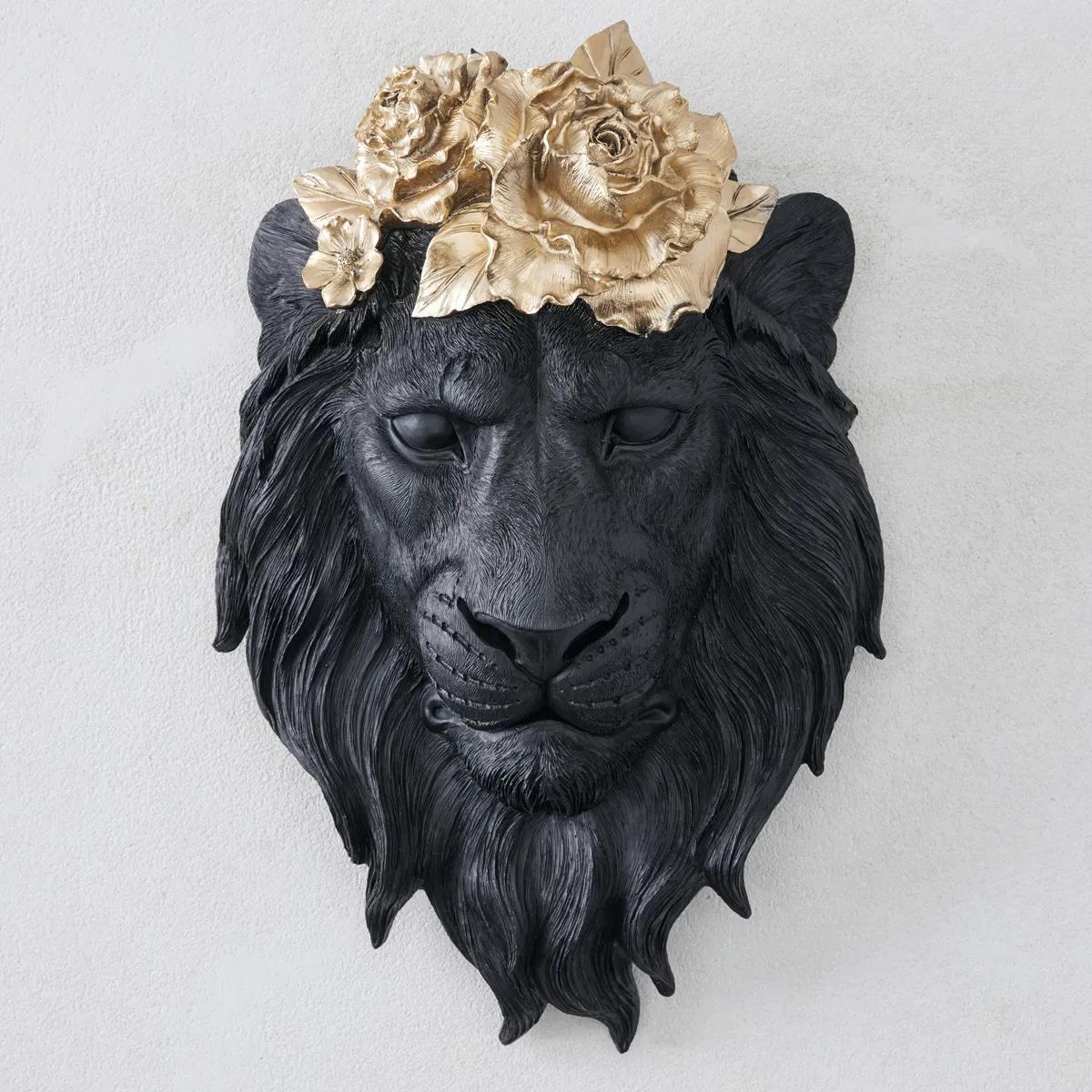 Leon Coronado Black And Gold Wall Plaque 10" x 15"$59
A dramatic matte black lion wall plaque crowned with ornate metallic gold, crafted from lightweight resin.
Add To Cart -
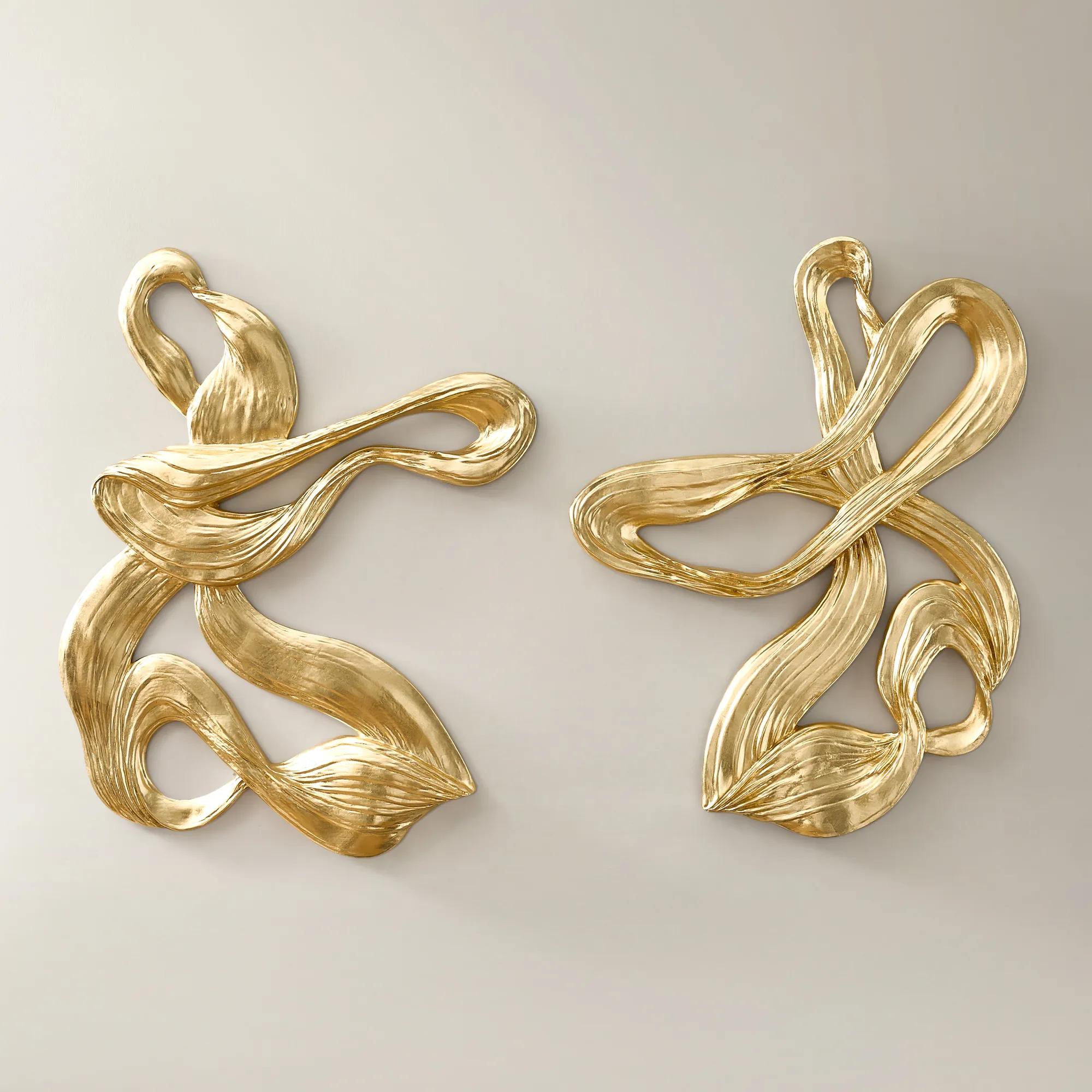
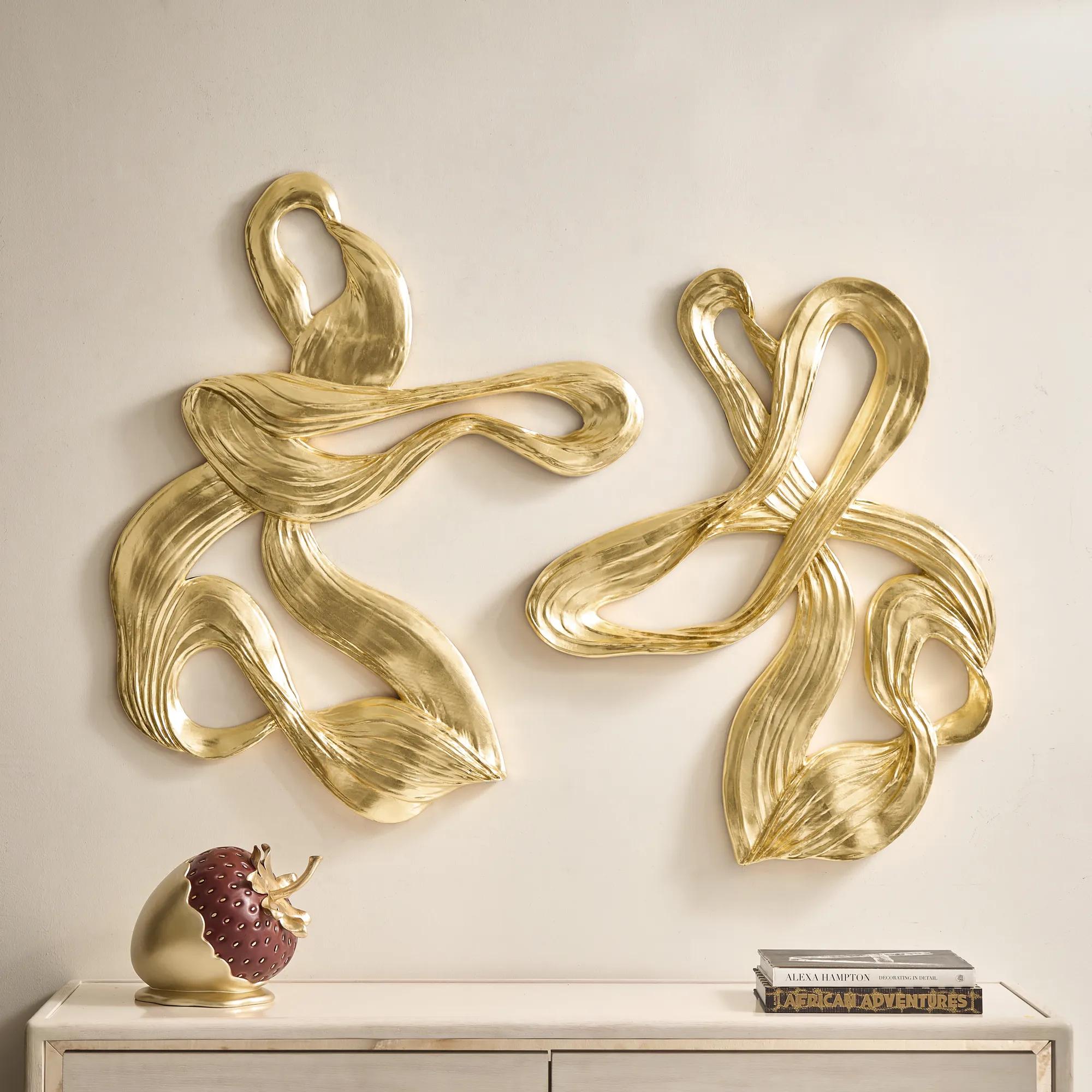 Vela Gold Leaf Sculpted Resin Wall Decor 30.5" x 39.25" Set of 2$699
A set of two resin wall sculptures featuring abstract loop designs and soft gold leafing for modern elegance.
Add To Cart -
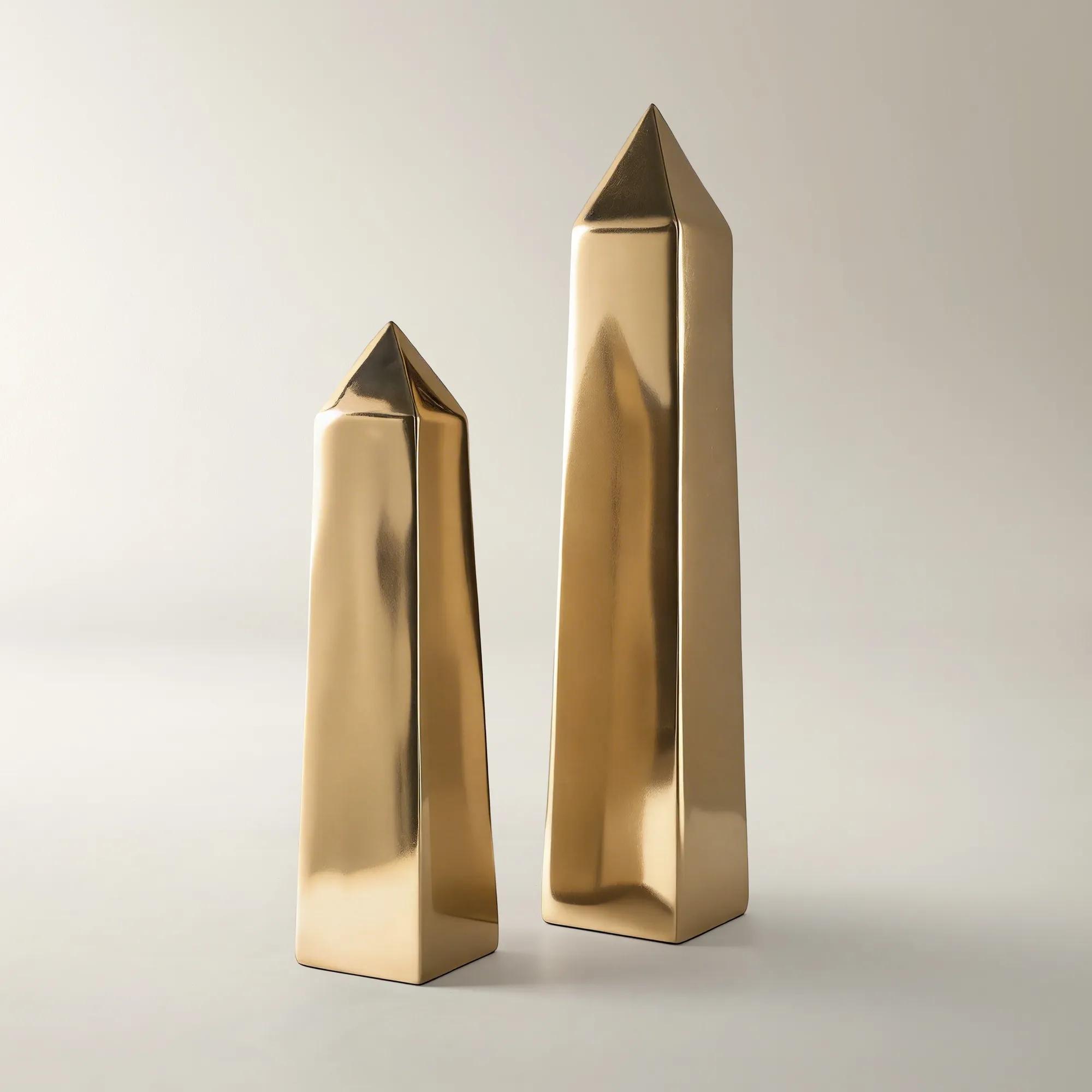
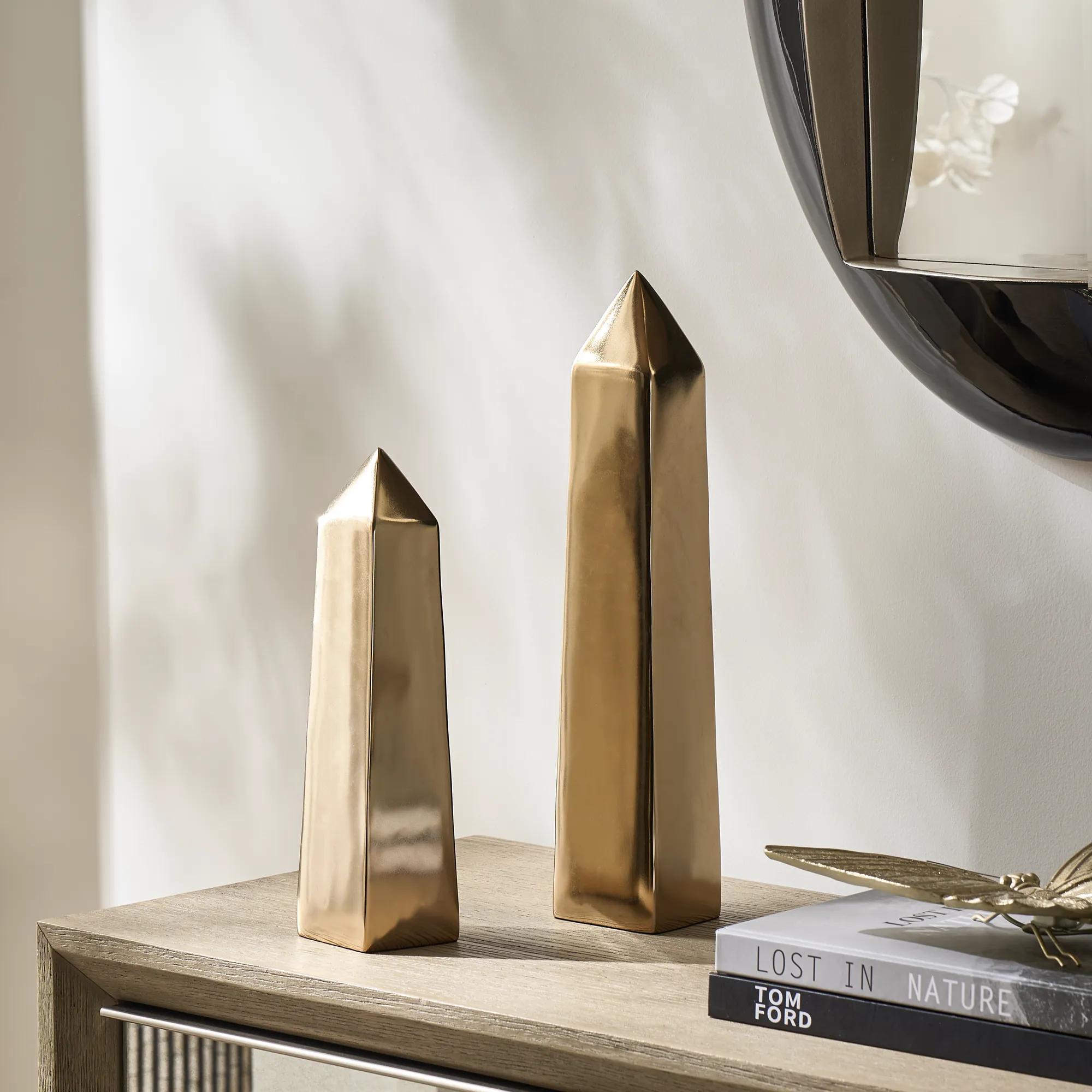 Golden Aluminum Obelisks$59
A sculptural aluminum accent in a soft gold finish that adds modern glamour and architectural drama.
Add To Cart -
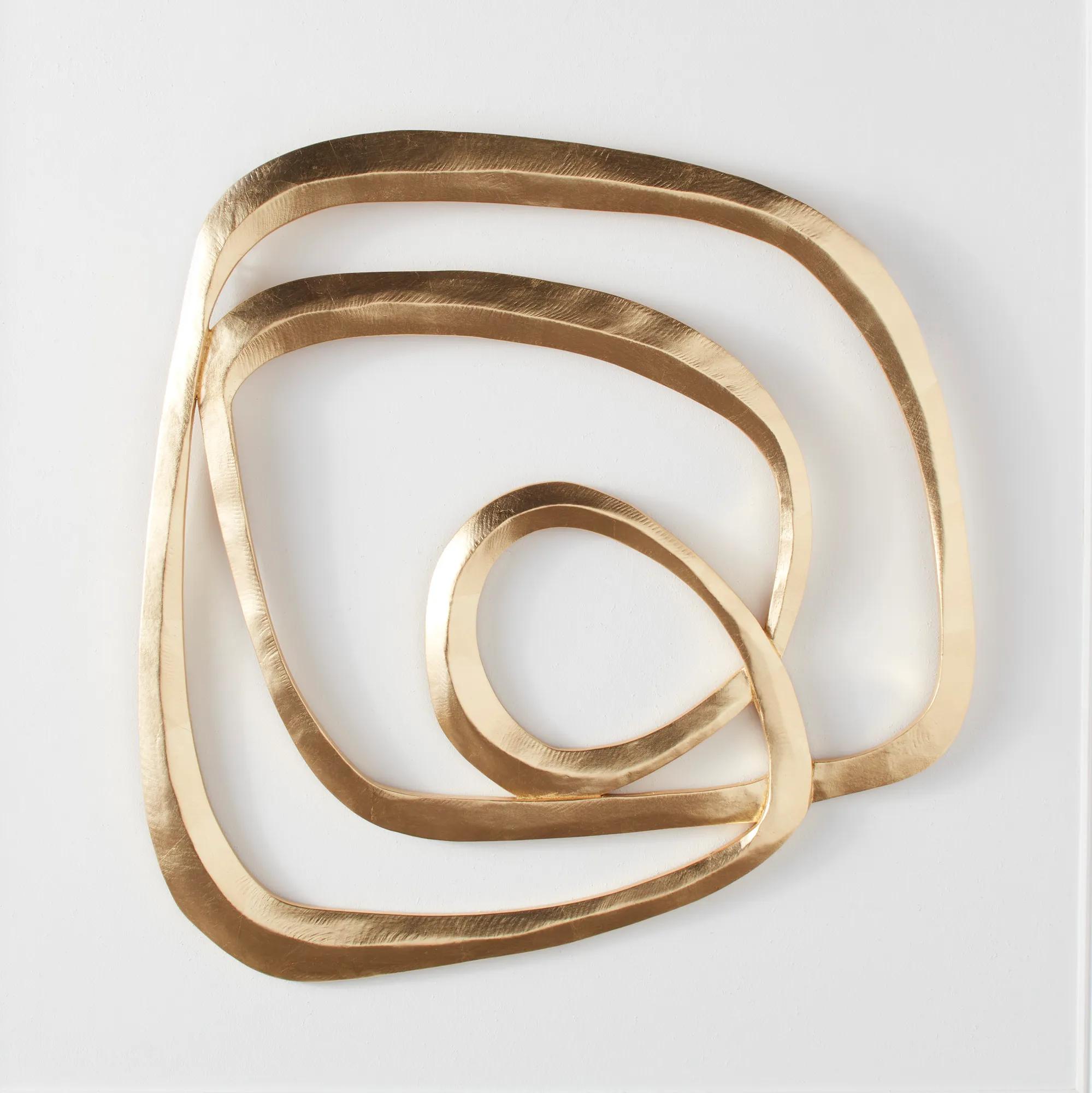 Infinity Gold Leaf Wood Wall Decor I 31.5" x 31.5"$299
A swirling wooden wall sculpture featuring a striking metallic gold finish for a bold decorative statement.
Add To Cart -
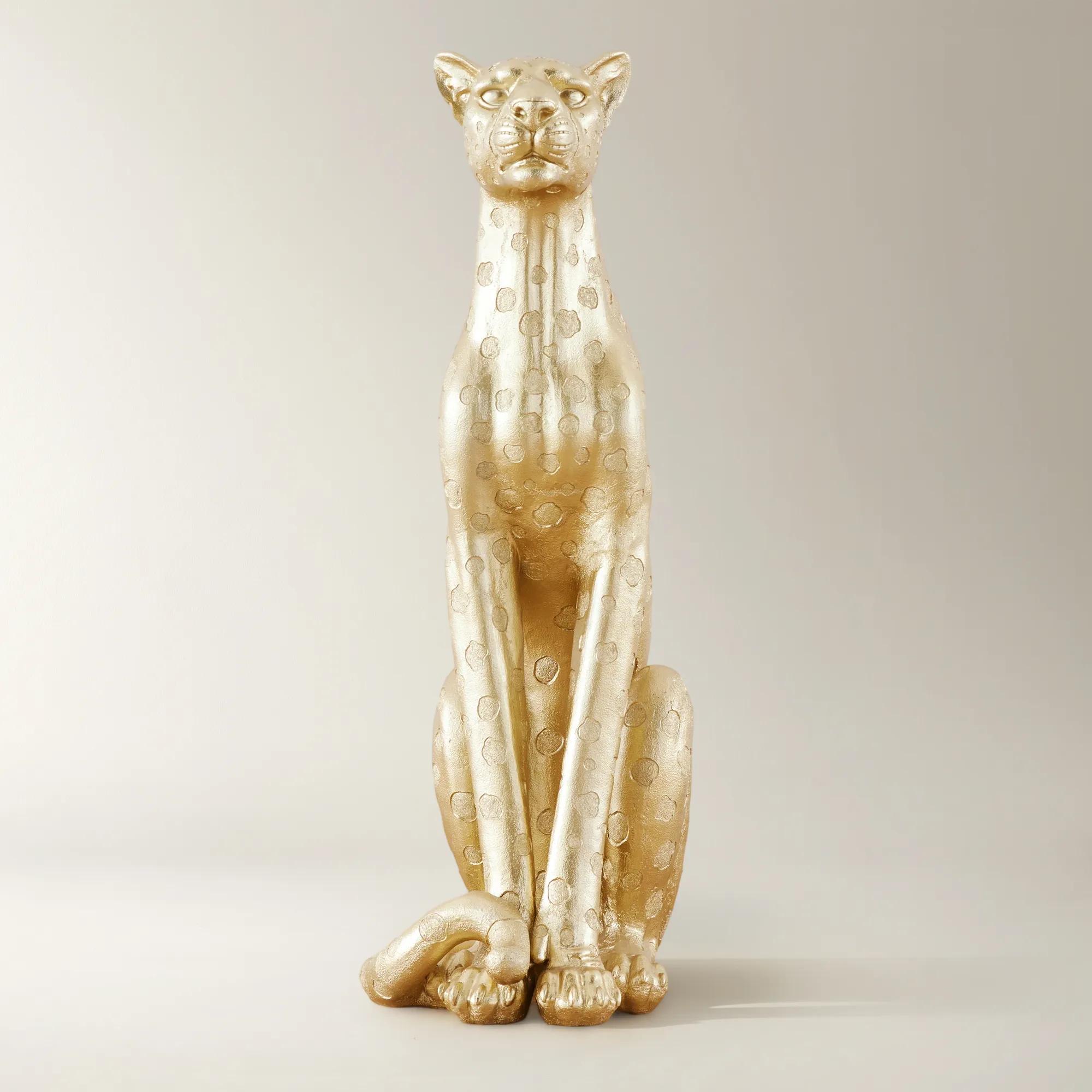 Leopardo Gold Resin Decorative Object 35"$329
A striking gold resin leopard statue that adds a touch of regal elegance to any space.
Add To Cart -

 Miami Gold Ceramic High Gloss Vase 11.75"$69
A contemporary gold ceramic vase designed for decorative use as a sculptural accent or with foliage.
Add To Cart -
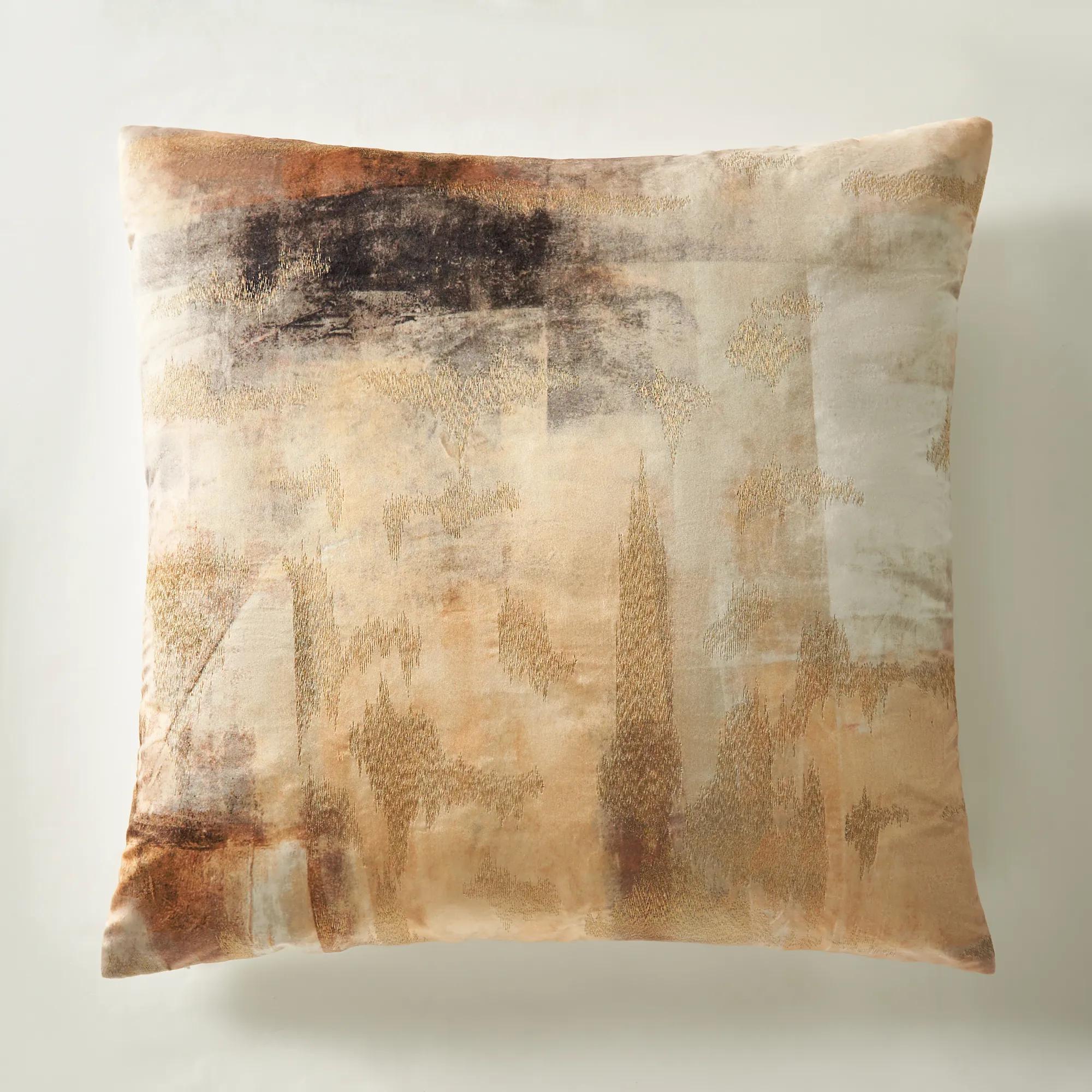
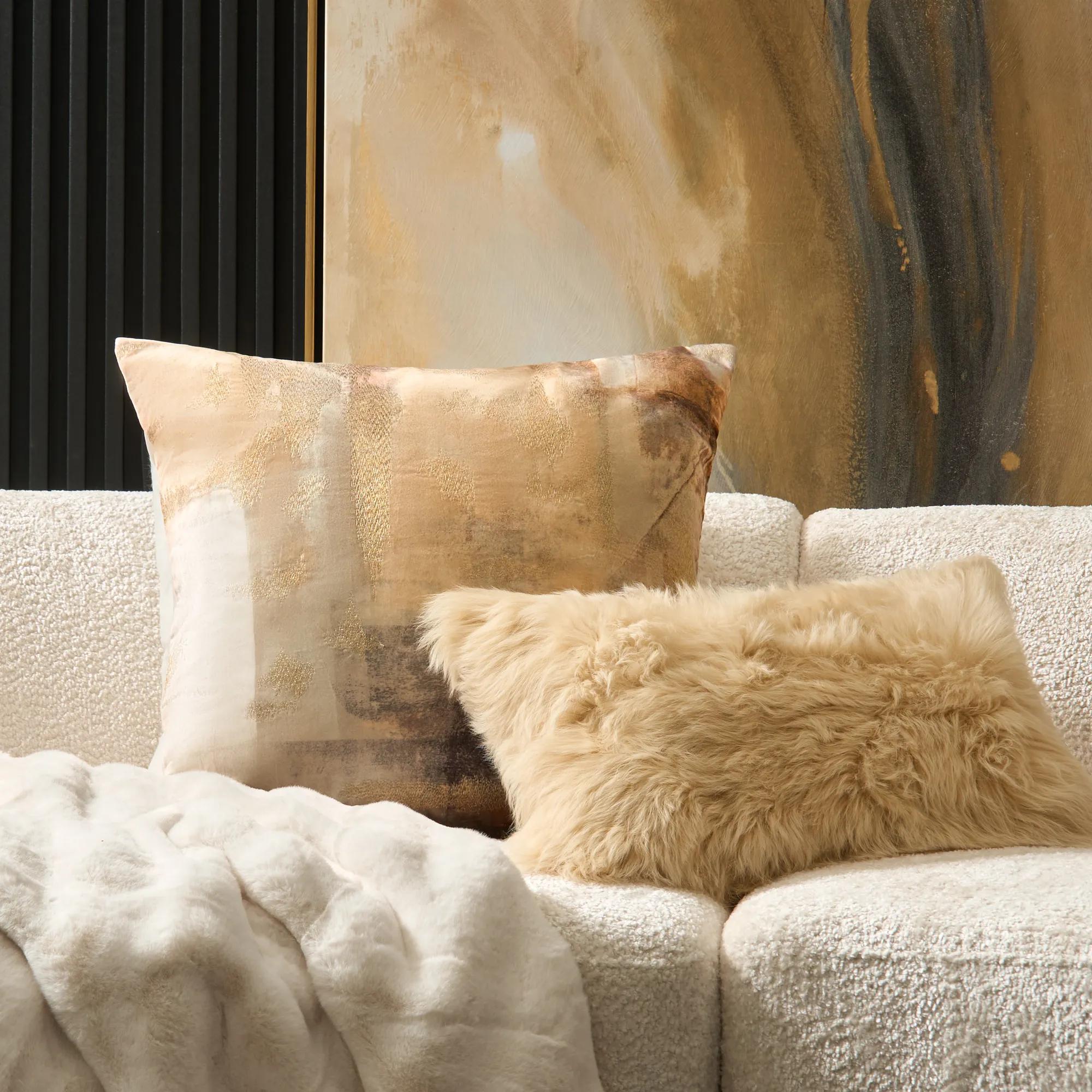 Riya Abstract Gold Embroidered Velvet Pillow 24" x 24"$79
A plush ivory, gold, and grey velvet pillow with metallic embroidery and a feather down insert.
Add To Cart -
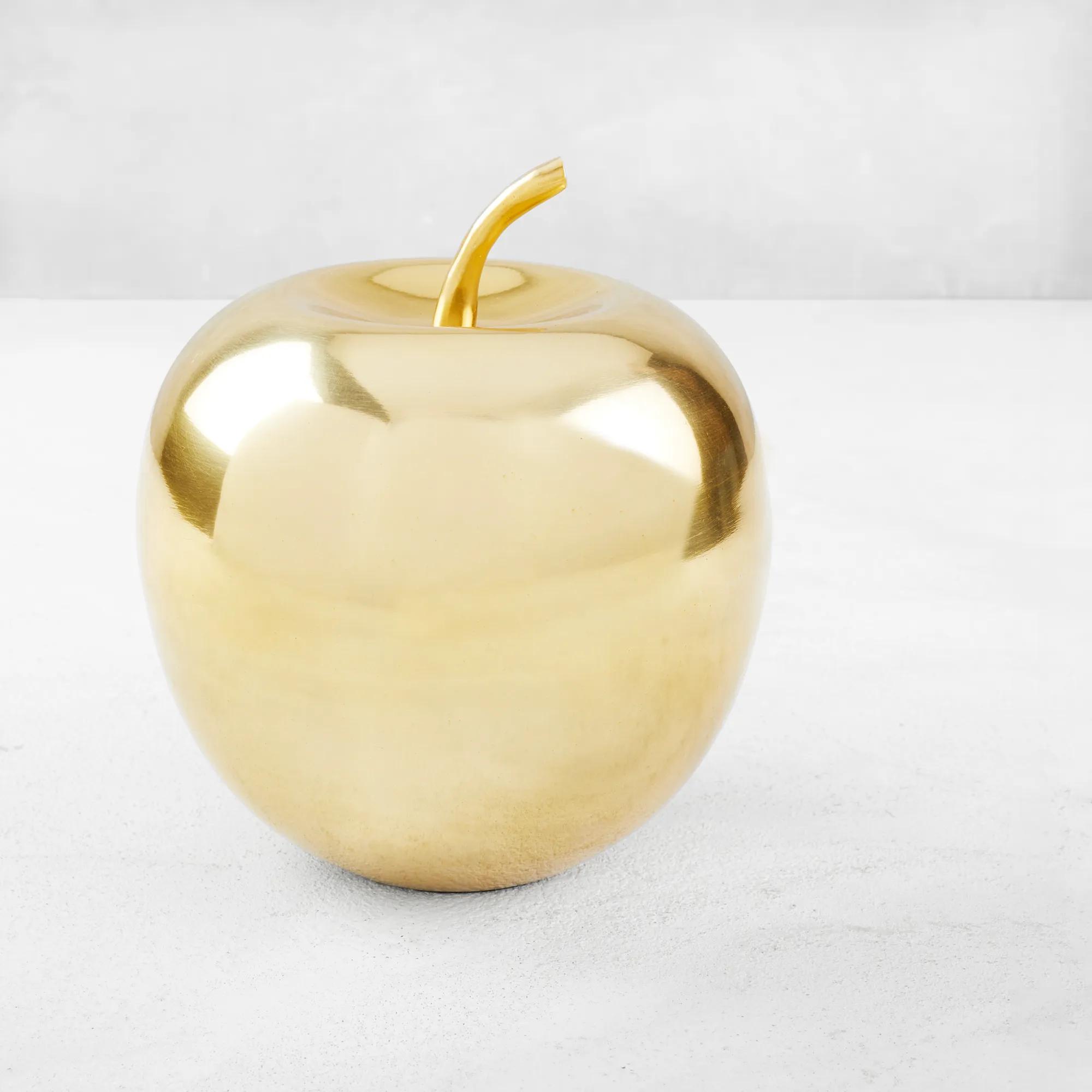
 Gold Oversized Apple Aluminum Decorative Object 7.5"$69
A glamorous gold aluminum apple that adds a sophisticated statement to any décor.
Add To Cart -
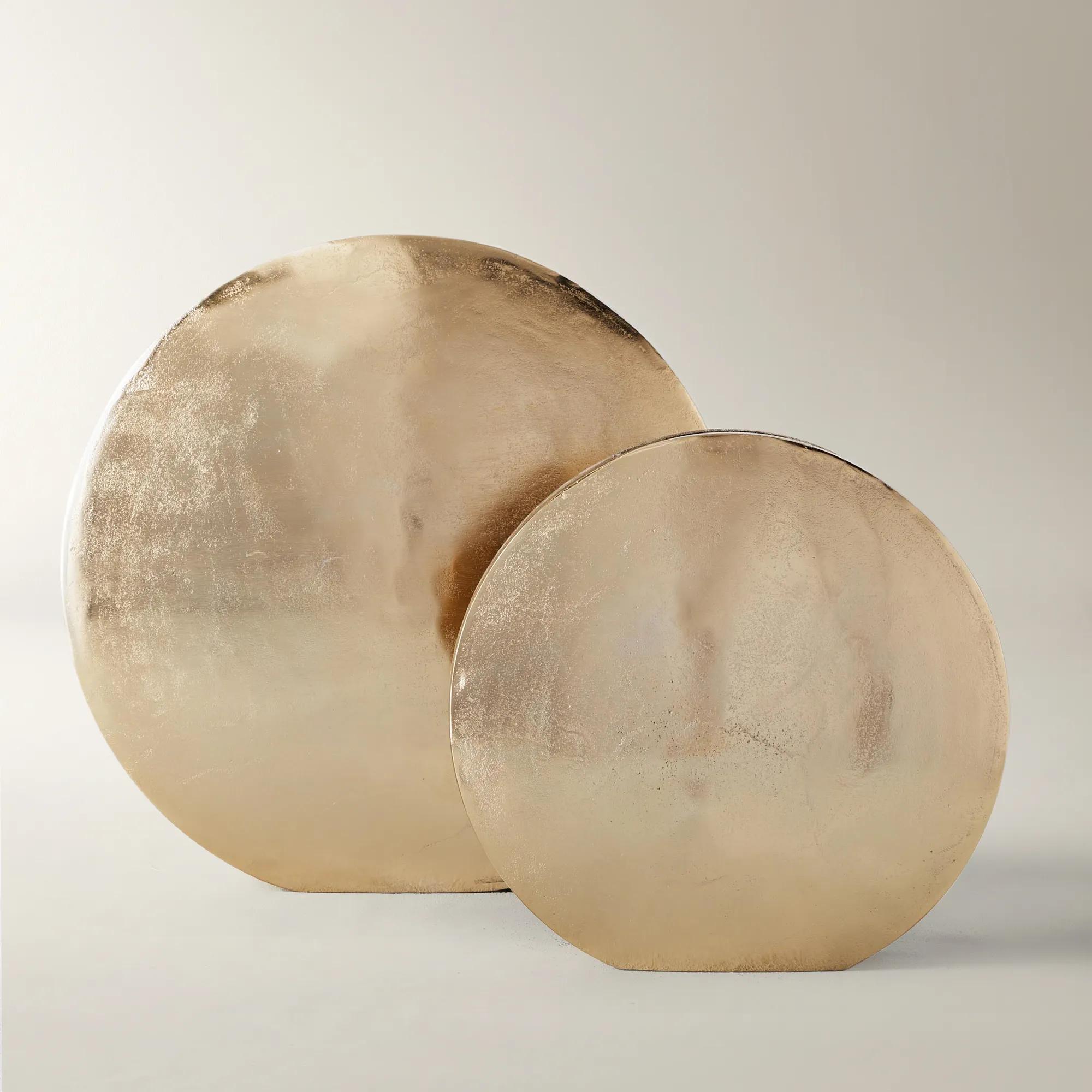
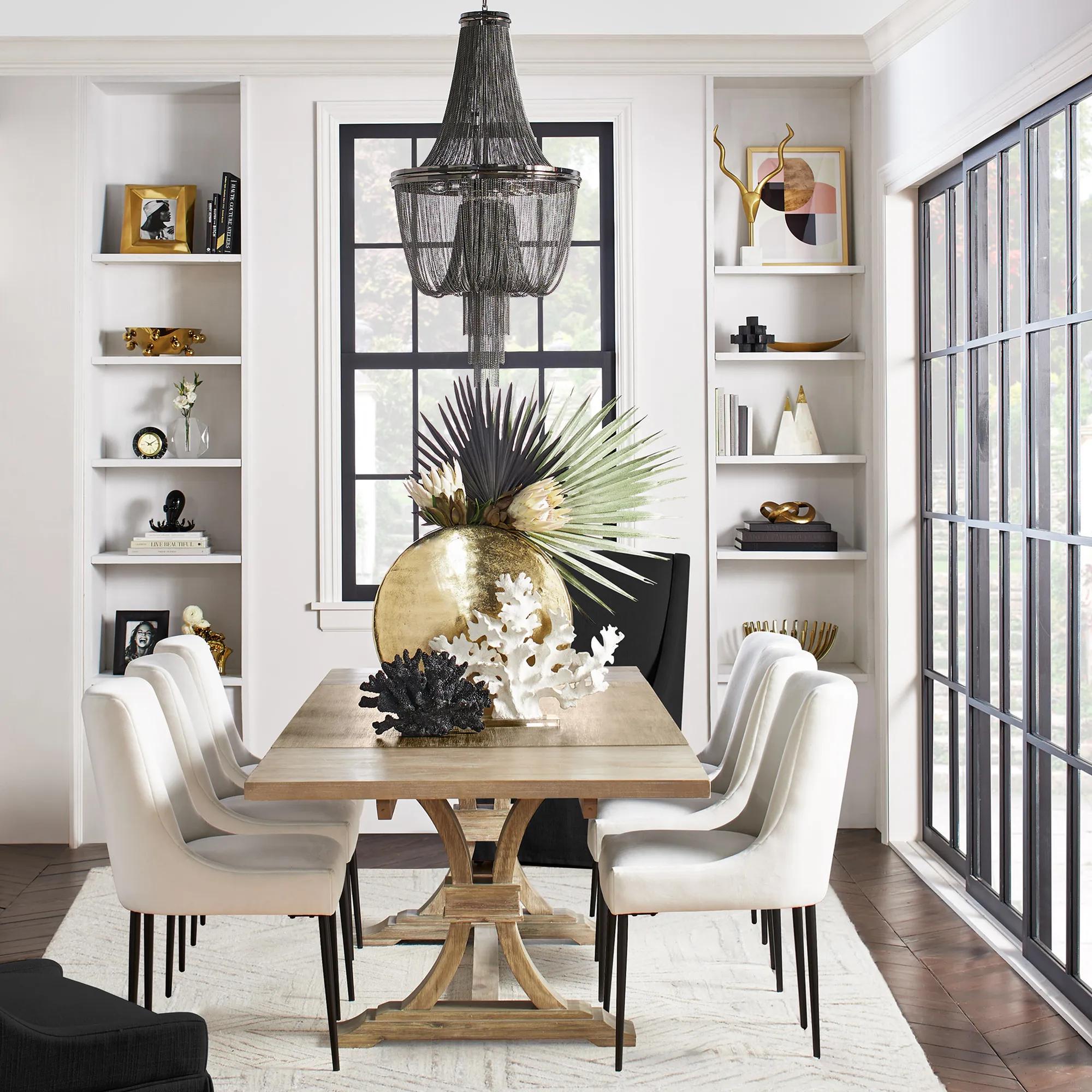 Greer Gold Aluminum Vases$149
A striking gold aluminum disc vase perfect for showcasing dried florals or as a decorative accent.
Add To Cart -
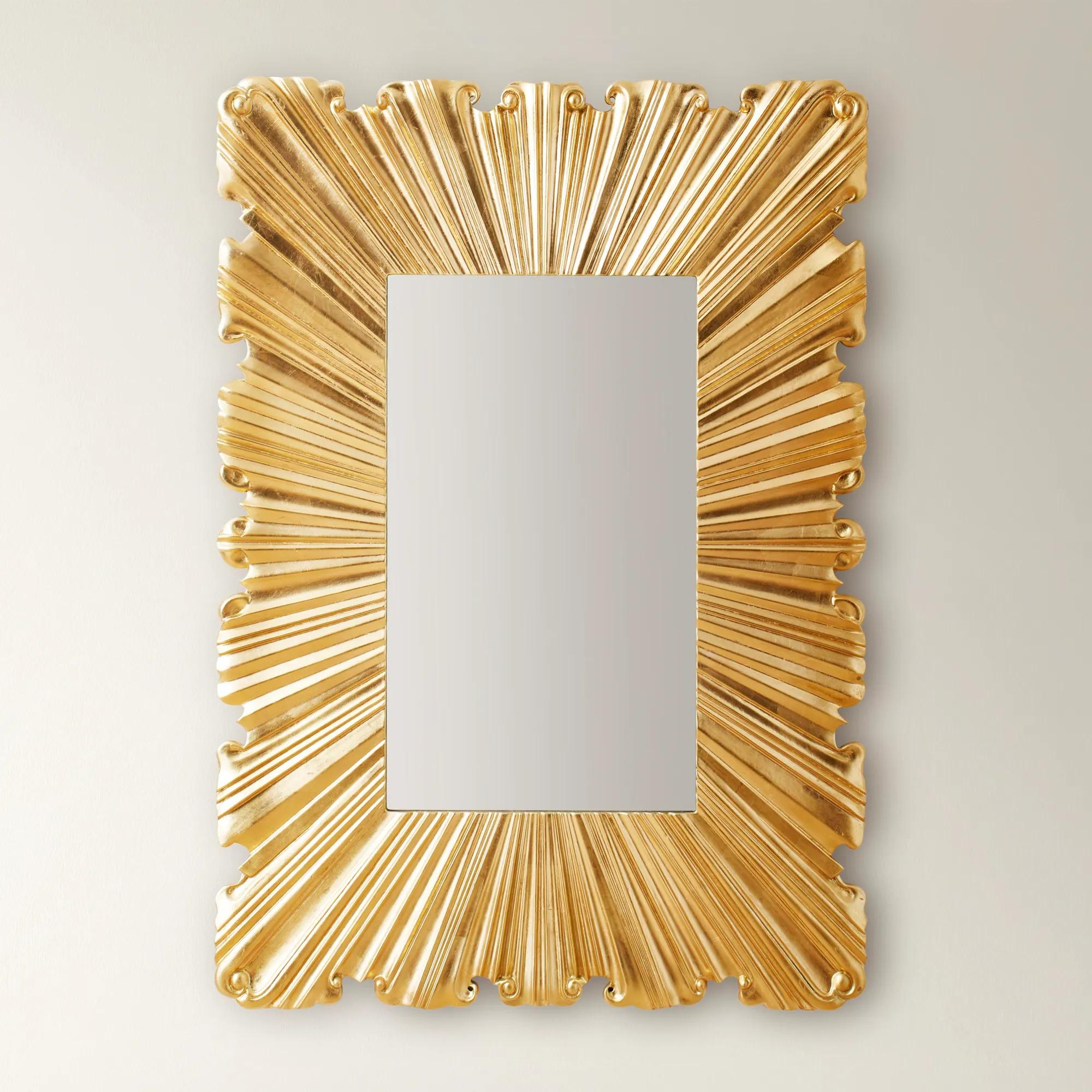 Metropolitan Gold Leaf Resin Rectangular Wall Mirror 27.5" x 39.5"$459
A sculptural wall mirror featuring a gold-finished polyurethane frame for a modern, elegant accent.
Add To Cart -
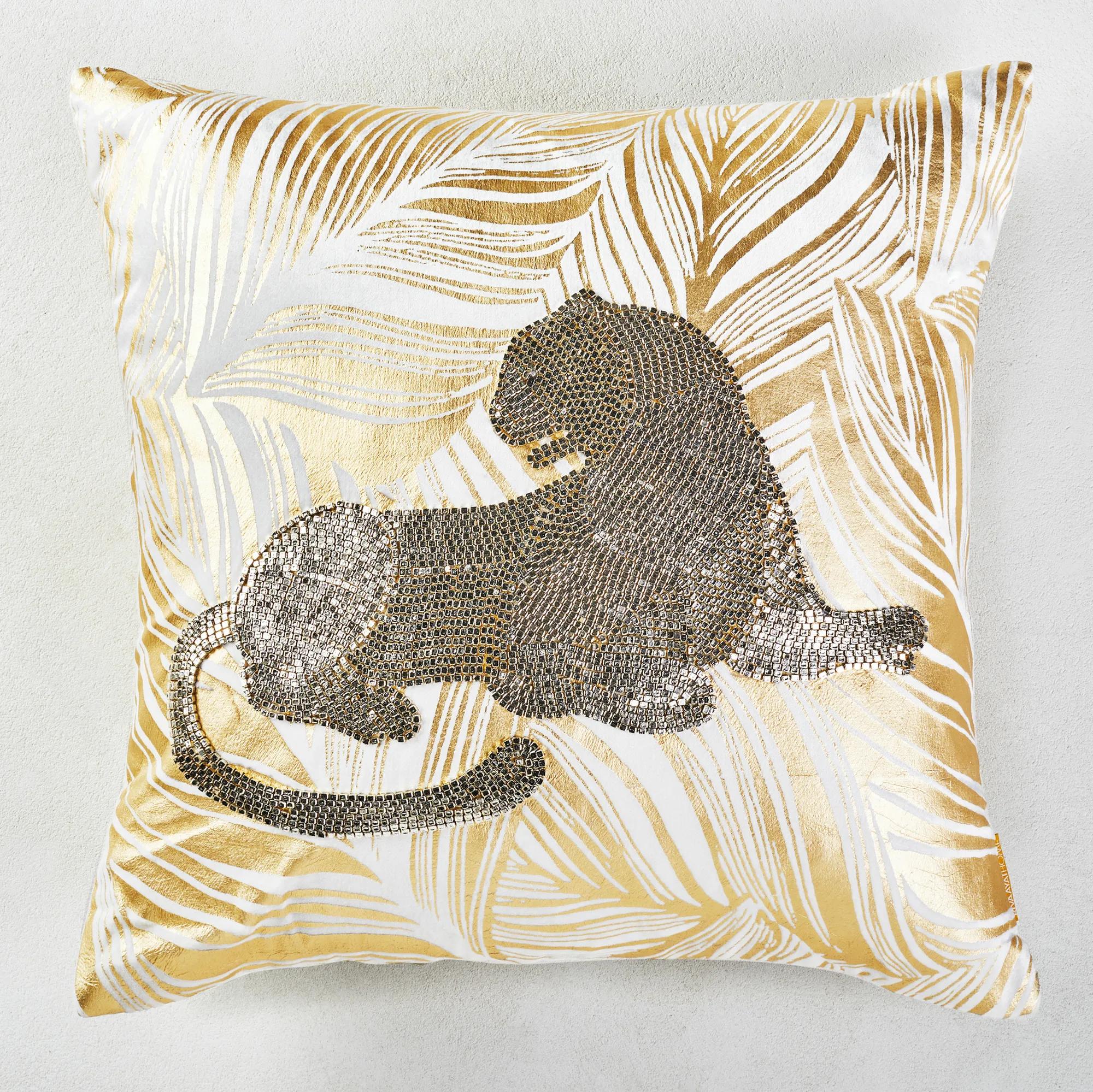 Mosaic Jaguar Pillow 20" - Gold$89
A gold and champagne pillow featuring hand-beaded jaguar detailing on a velvety cotton and polyester blend.
Add To Cart -
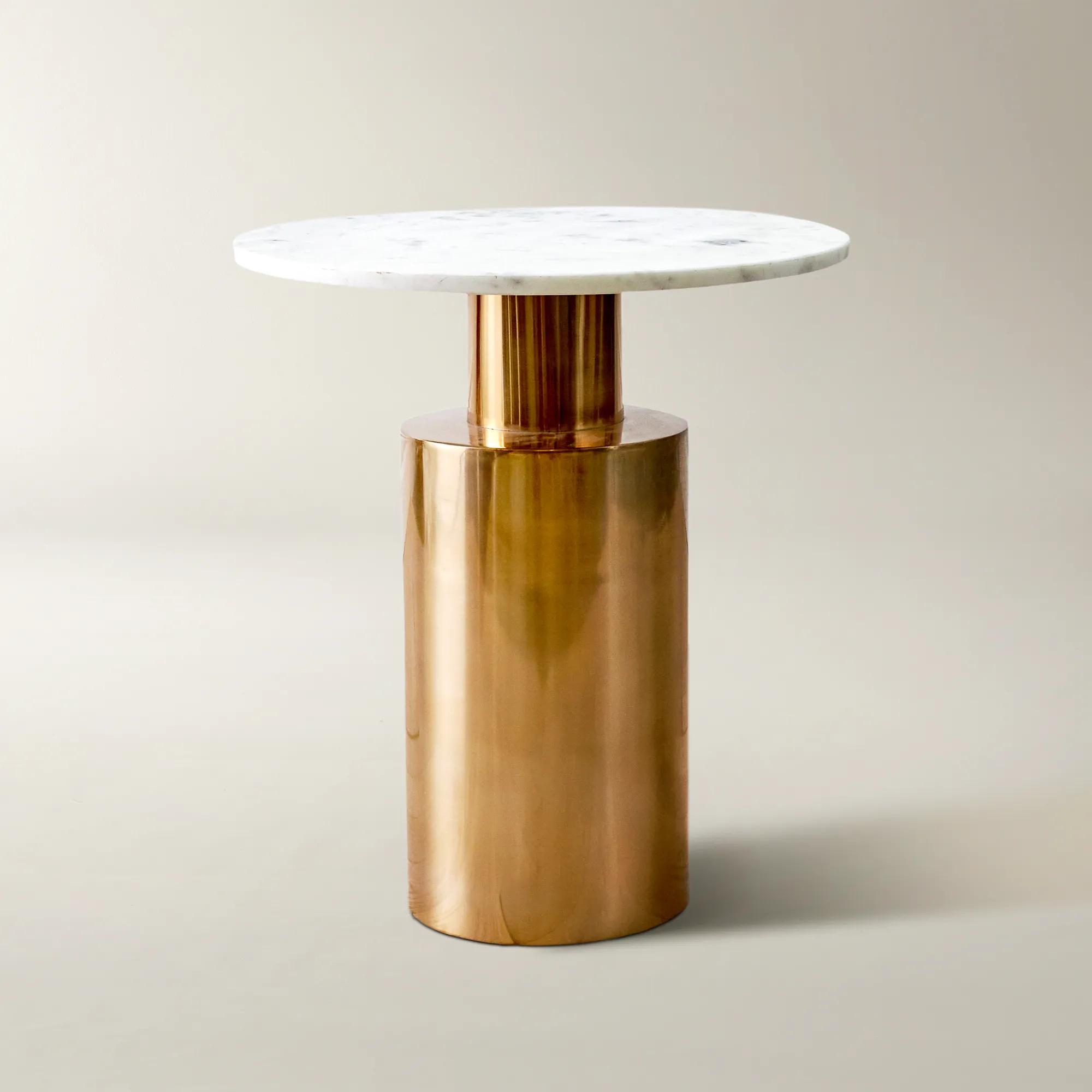 Capri Round White Marble Accent Table (16")$299
A striking accent table featuring a white marble top and gold-finished stainless steel base.
Add To Cart -

 Oversized Cherries Black And Gold Resin Aluminum Decorative Object 17"$150
A striking gold and black aluminum accent piece that adds glamour and sophistication to any décor.
Add To Cart -
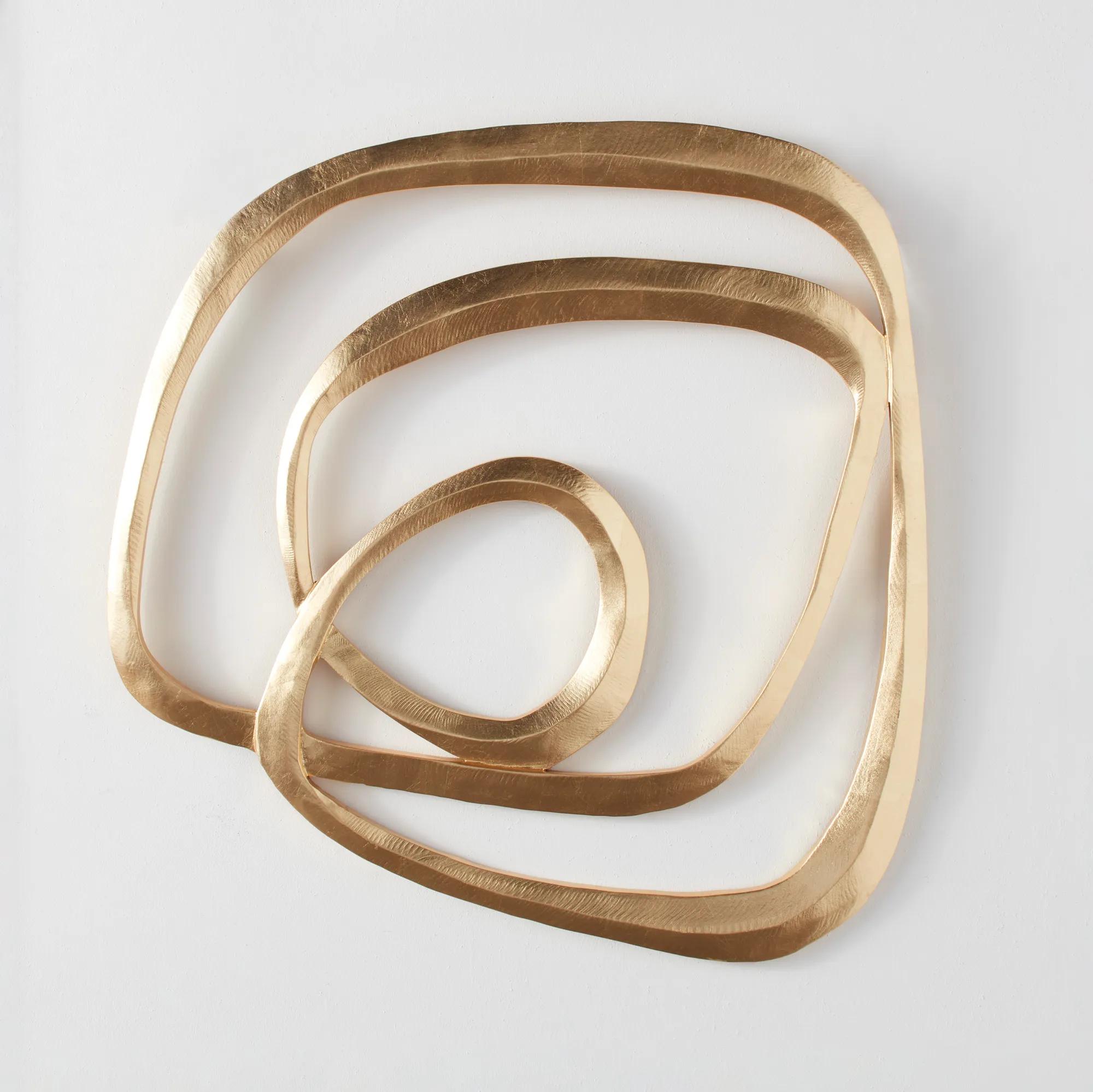 Infinity Gold Leaf Wood Wall Decor II 31.5" x 31.5"$299
A swirling wooden wall sculpture featuring a striking metallic gold finish for a modern statement.
Add To Cart -
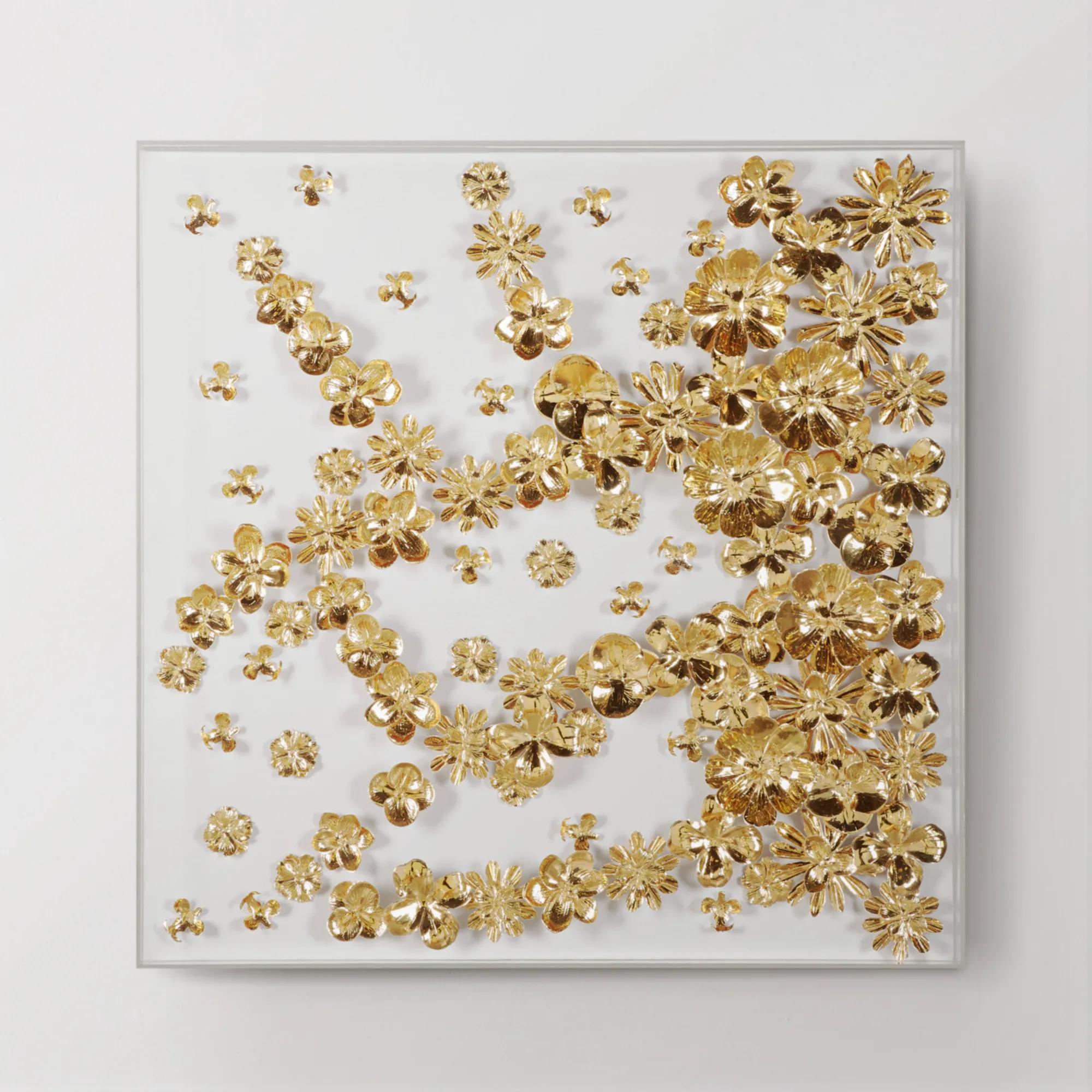
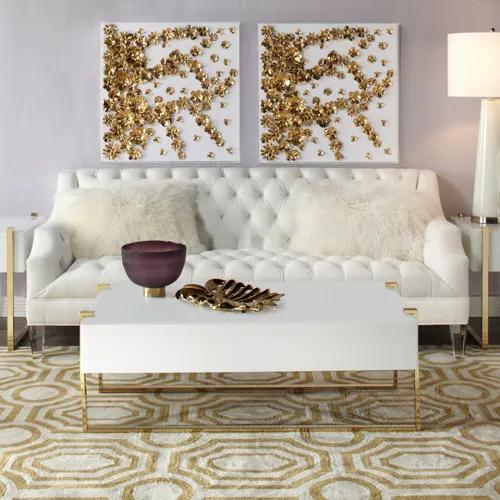 Gold Flora Handmade Foil Wall Decor in Acrylic 31" x 31"$499
A glam botanical wall art featuring handmade gold foil paper flowers on a white linen background.
Add To Cart -
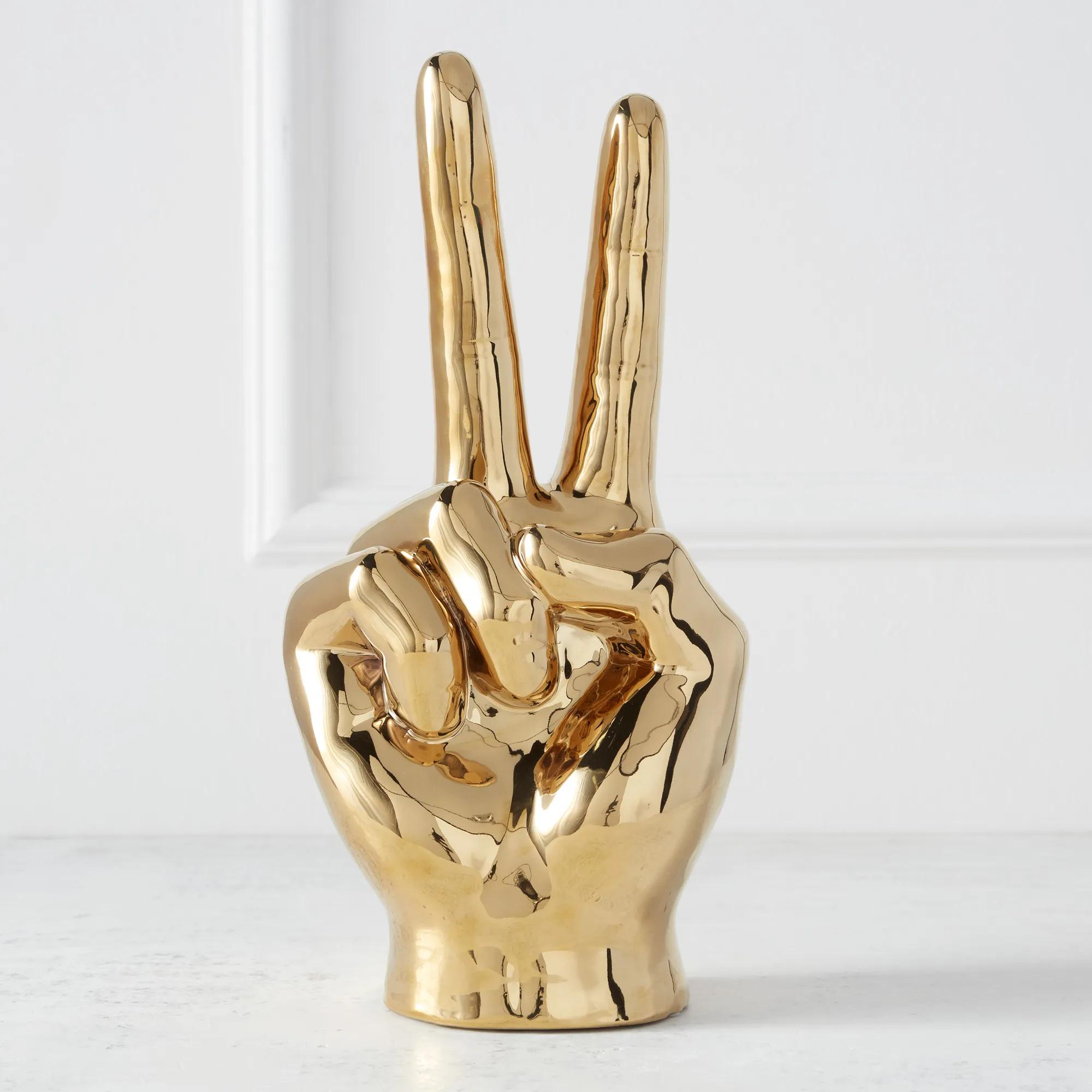 Peace Sign Gold Hand Ceramic Decorative Object 14"$49
A metallic gold ceramic hand sculpture perfect for displaying jewelry or as a decorative accent.
Add To Cart -
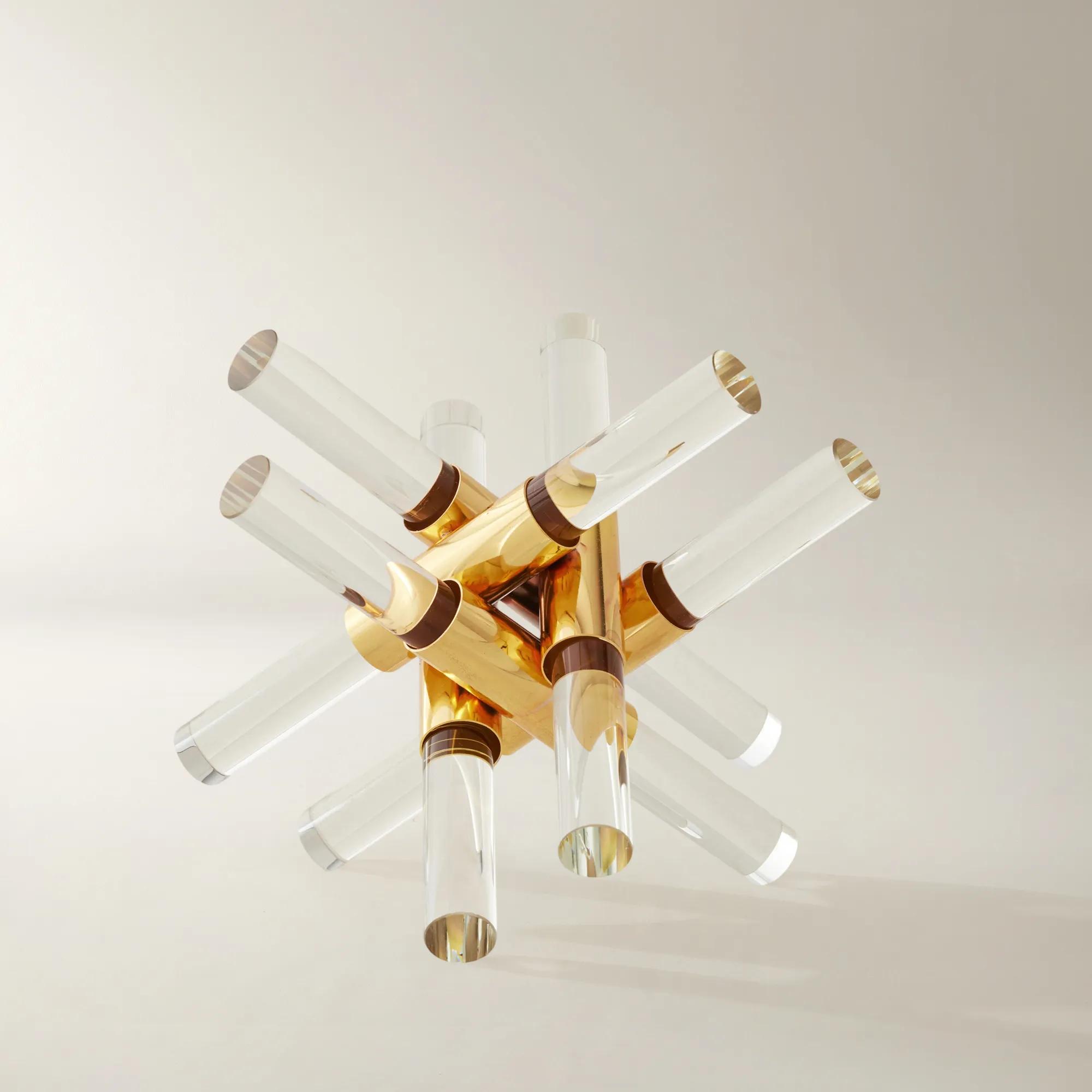
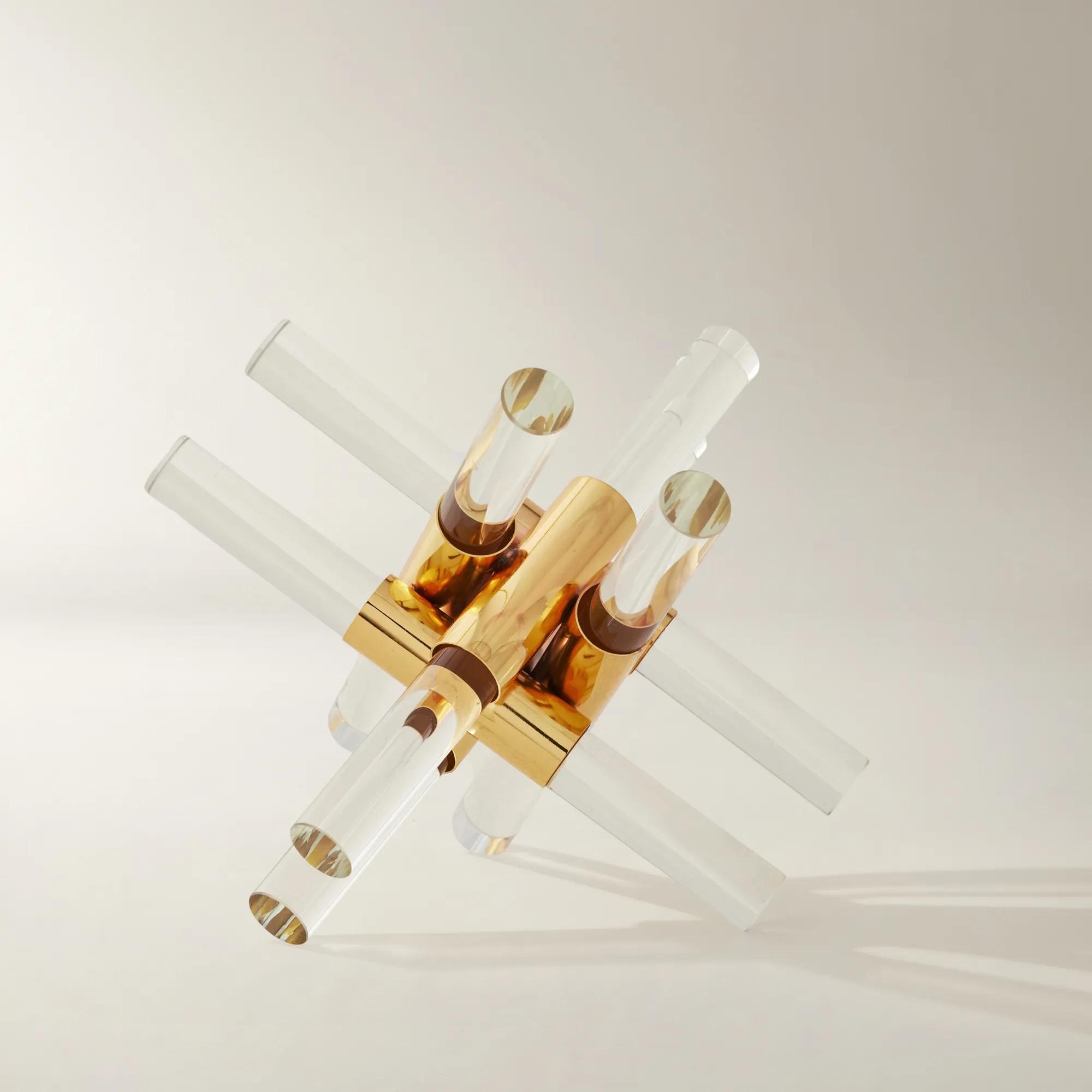 Crystal Glass And Gold Metal Decorative Object 8"$59
A striking decorative accent featuring clear glass rods and gold metal detailing for modern elegance.
Add To Cart -
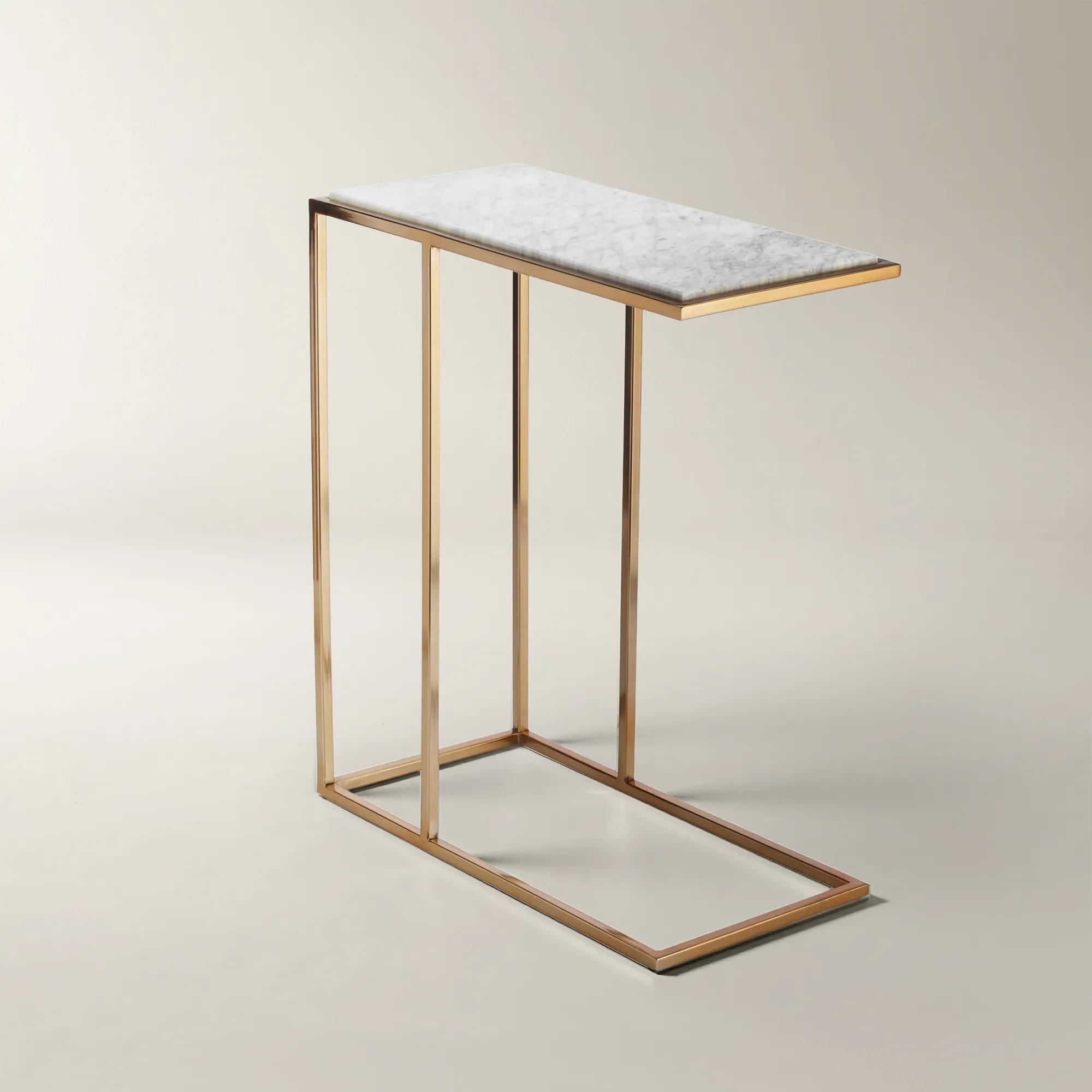
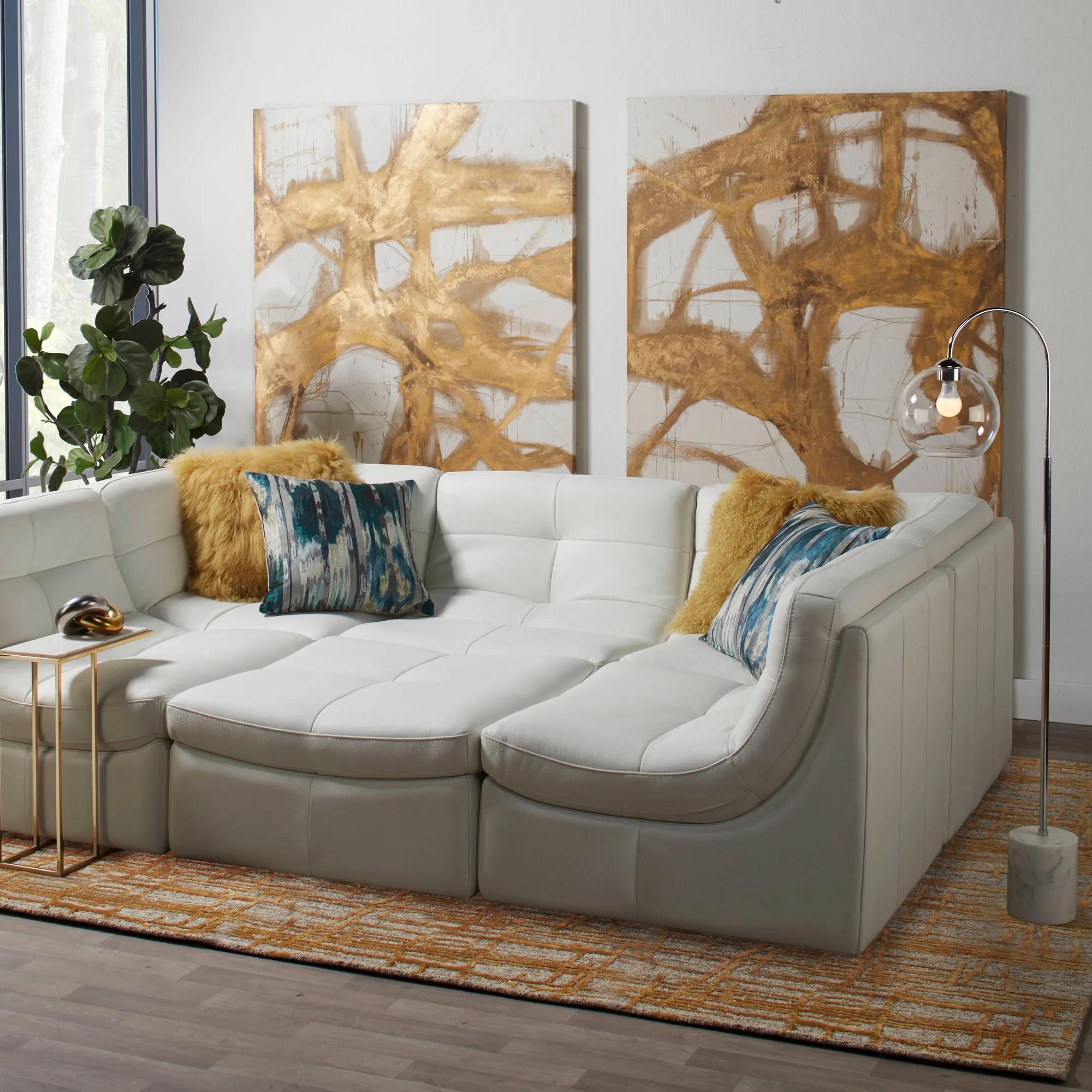 Lawton Rectangular Gold Stainless steel Accent Table With Marble Top (19.75")$259
A space-saving table featuring a white marble top and gold-finished stainless steel base.
Add To Cart -

 Glitz Gold Velvet Pillow 20" x 20"$109
A shimmering gold foil print pillow on plush velvet with a removable cover and feather down insert.
Add To Cart -

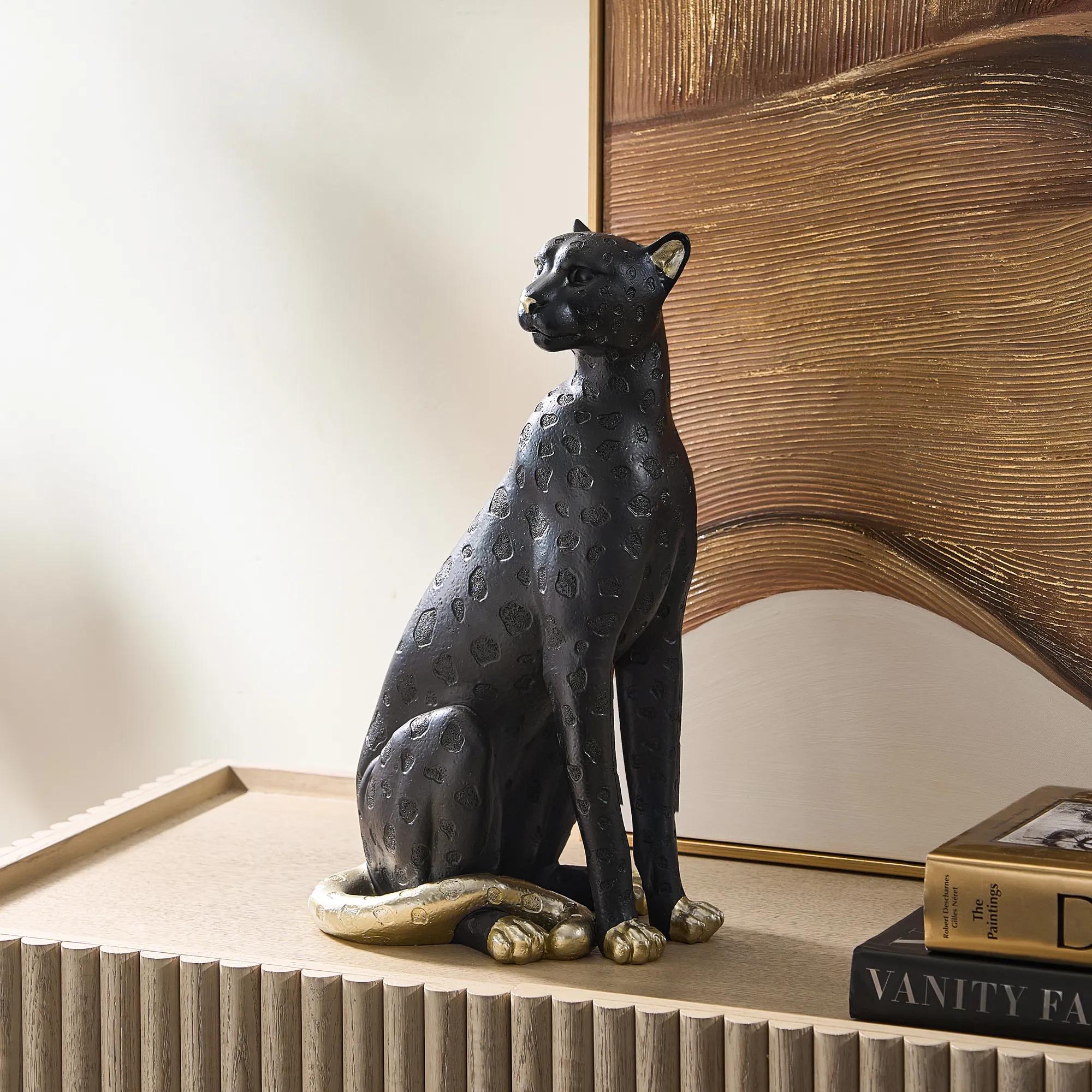 Midnight Leo Black And Gold Resin Object 17.75"$149
A sculpted black resin leopard with gilded gold accents adds bold, artistic glamour to any space.
Add To Cart -
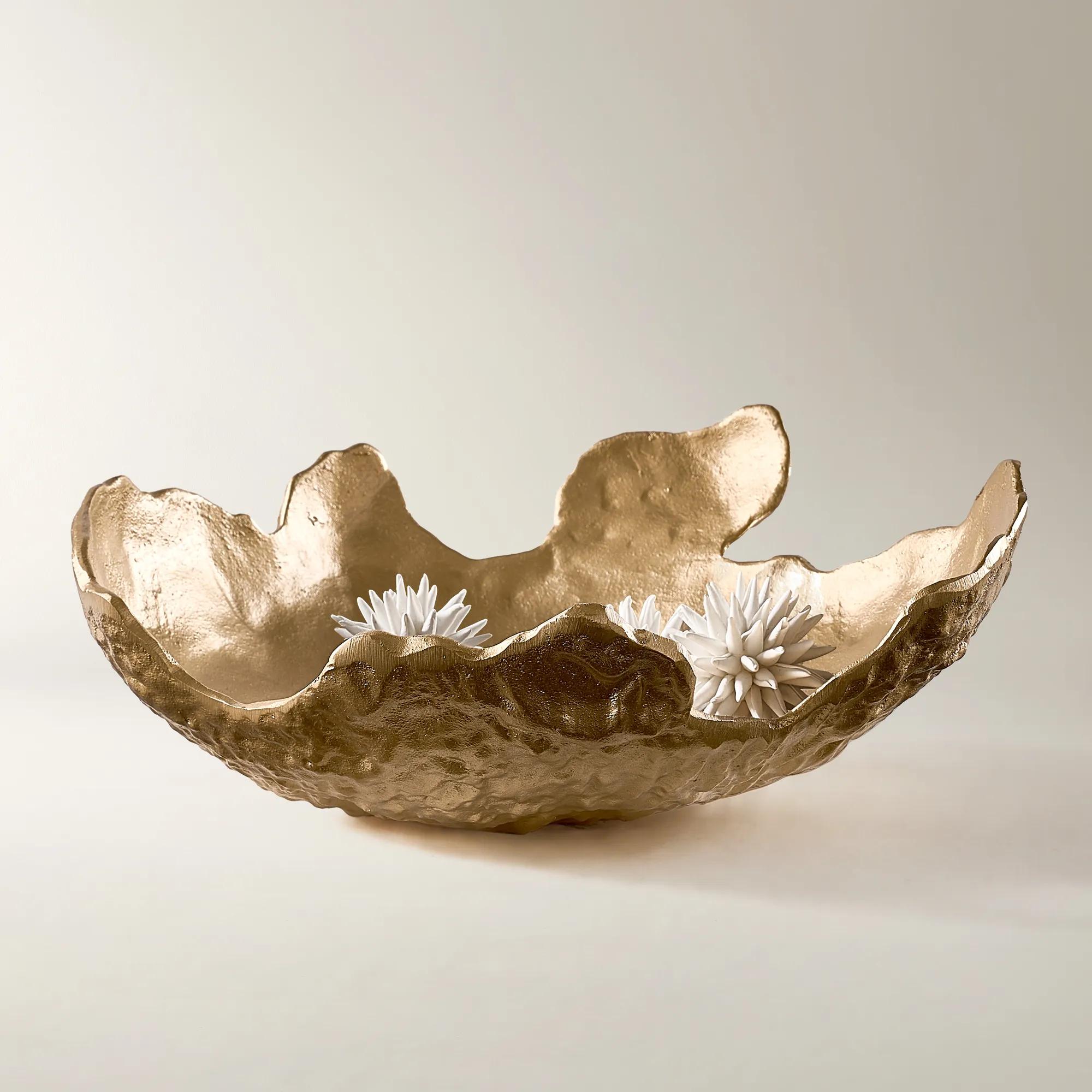 Crush Gold Aluminum Decorative Bowl 16" x 5.75"$169
A sculptural aluminum bowl with a soft gold finish and organic, crushed silhouette for modern decor.
Add To Cart -
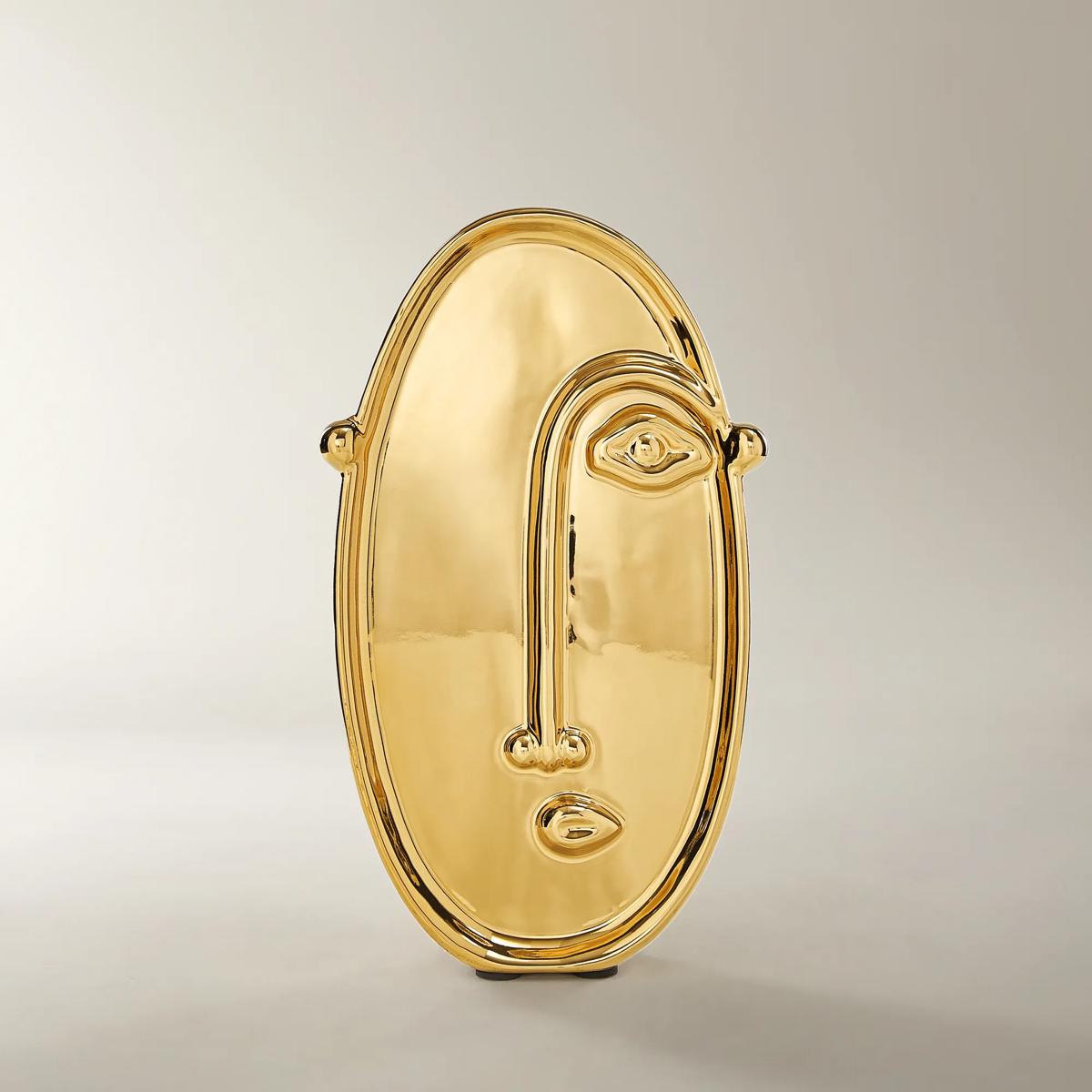
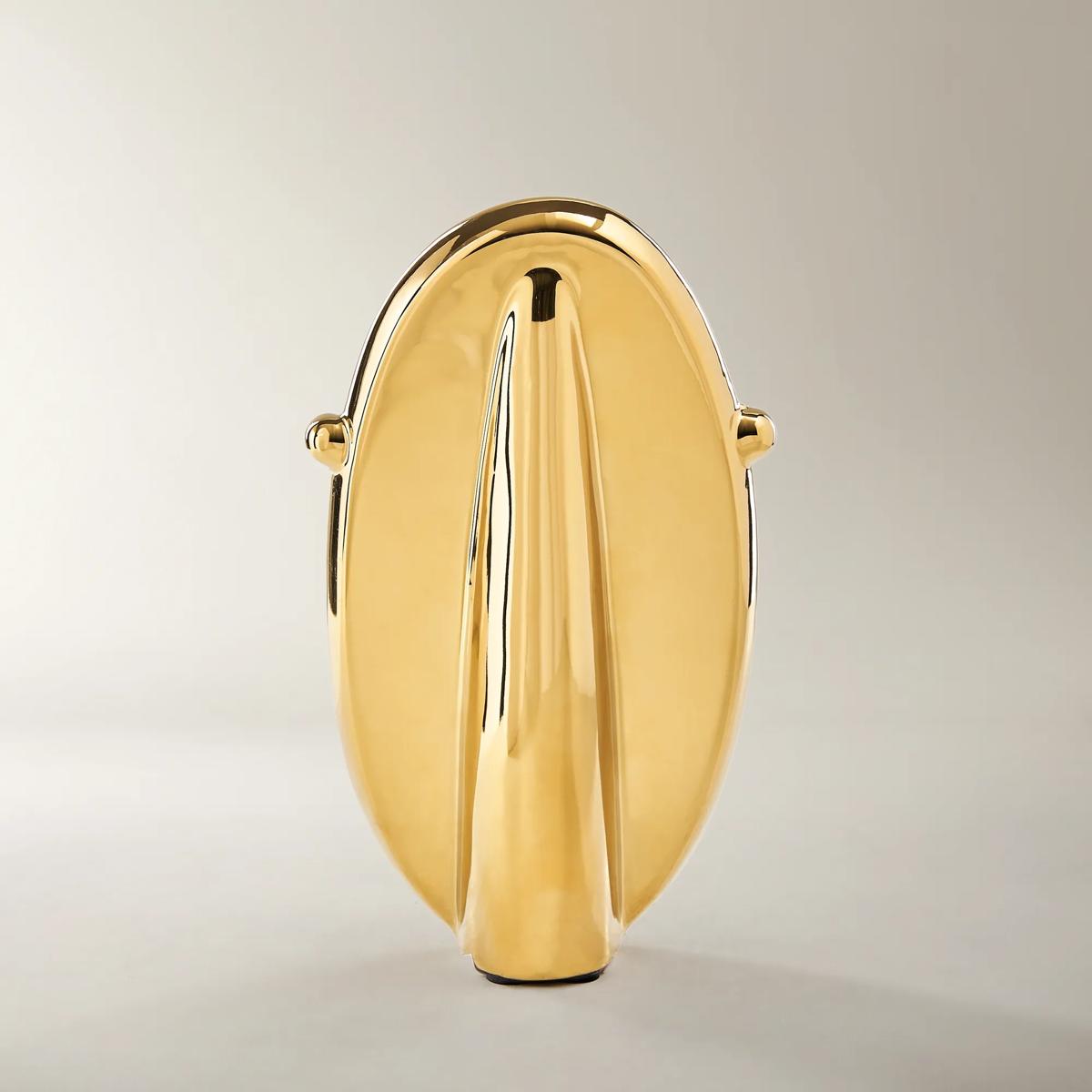 Golden Eye Ceramic Decorative Object 8"$39
A radiant gold ceramic sculpture featuring abstract, elongated facial details for a bold, modern accent.
Add To Cart -
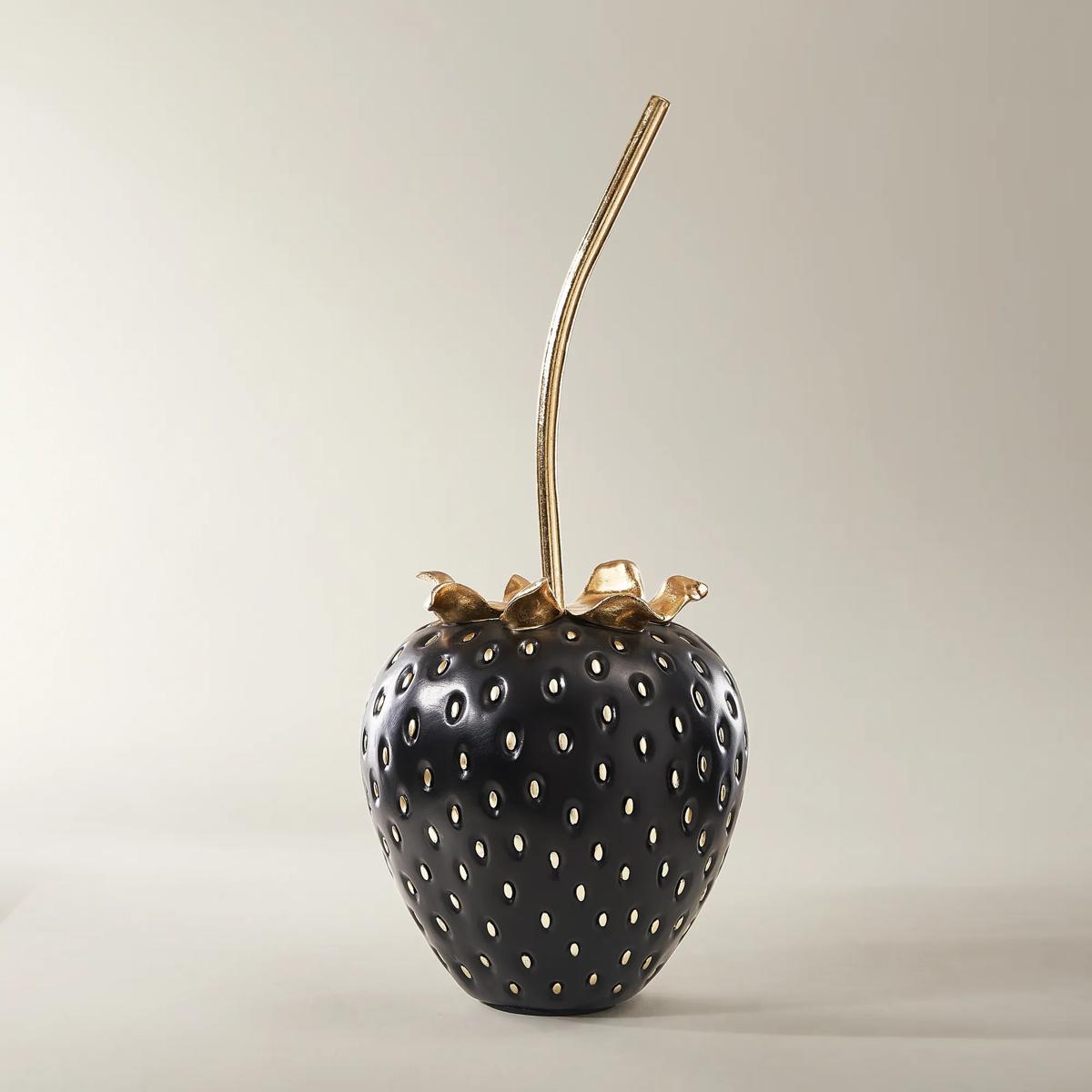 Grand Strawberry Gold And Black Resin Decorative Object 20.25"$129
A bold resin decorative accent in black and gold, adding whimsical elegance to any modern space.
Add To Cart

Gold Accent Living Room Decor
Explore gold accent living room decor to bring warmth, metallic contrast, and a sense of drama to your space. Gold-toned decorative accents can tie together an existing palette or create a striking focal point against deep hues. Choose pieces that complement your room’s proportions, varying scale and placement for a layered, expressive arrangement.
Gold accent living room decor brings warmth, reflected light, and a sense of luxury to a gathering space through metallic finishes, gilded details, and golden textiles. Its appeal lies in contrast: a slender gold frame against a charcoal wall, a gleaming surface beside richly grained wood, or a sculptural accent that catches the light above a matte console. Rather than requiring an entirely metallic room, gold creates emphasis, drawing attention to the shapes, textures, and personal details that give an interior its character. Against ivory, cream, and taupe, it feels luminous and composed; paired with black, it becomes sharper and more dramatic. Emerald, sapphire, and aubergine lend gold a jewel-like richness, while blush and muted earth tones reveal its softer side. The finish itself shapes the atmosphere. Polished gold delivers crisp reflections and a more glamorous presence, brushed gold offers a quieter glow, and antiqued finishes introduce depth through variations in tone. These distinctions matter when decorative accents sit near one another: similar undertones can create a cohesive arrangement without making every surface identical. Gold-toned lighting, framed mirrors, decorative vessels, and textile details each contribute differently, allowing the metallic note to travel through the room at several heights. A mirror can visually expand a compact seating area by reflecting an open view, while a low decorative arrangement brings definition to a generous coffee table without interrupting conversation. Gold also works beautifully alongside clear glass, pale stone, velvet, and woven fabrics, giving smooth surfaces something tactile to play against. For interiors with expressive artwork or patterned upholstery, a few deliberate metallic accents provide a connecting thread rather than another competing motif. The result can feel richly layered without becoming visually crowded, with gold acting as a highlight that gives familiar furnishings a more distinctive presence. Even a restrained arrangement gains dimension when a reflective edge sits beside something soft, dark, or beautifully textured.
Materials and construction determine how gold accents look, feel, and wear in everyday living. Gold-colored decor is often made from brass, aluminum, steel, resin, glass, or ceramic, with its appearance created through plating, paint, metallic glaze, leaf, or another applied finish. A gold tone does not necessarily indicate solid brass or actual gold content, and different underlying materials offer different benefits. Metal can provide crisp edges and structural strength; resin allows intricate sculptural forms; glass introduces transparency and reflection; ceramic brings shape and surface variation. Natural stone paired with a gold-toned base or detail adds visual weight and organic movement, although veining and color will vary. Durability depends on the construction, coating, and intended use rather than the metallic color alone. An accent designed primarily for display may require different handling than a surface intended to hold frequently used belongings. In a busy living room, stable bases, smooth edges, and well-secured components deserve as much attention as a striking silhouette. Care is equally finish-specific. A soft, dry cloth is often suitable for routine dusting, but manufacturer instructions should govern cleaning, particularly for plated, lacquered, painted, or leafed surfaces. Abrasive pads and harsh cleaners may scratch or dull metallic coatings, and brass polish intended for bare brass may damage a protective lacquer or another decorative finish. Fingerprints can be more noticeable on mirror-bright surfaces, while brushed or textured finishes tend to scatter reflections and soften their appearance. Coasters and protective pads help separate decorative surfaces from moisture, heat, and scratches, provided they are compatible with the material. Gold-toned textiles have their own considerations: metallic threads, embroidery, beading, and delicate trims may call for spot cleaning or professional care rather than machine washing. Understanding these differences supports a living room that feels indulgent yet remains suited to actual use, from quiet evenings on the sofa to gatherings where drinks, conversation, and movement fill the space.
Scale gives gold its presence without allowing it to overwhelm the room. A substantial accent can anchor a broad mantel or an expansive console, while smaller forms feel more intentional when grouped with enough open space to distinguish their silhouettes. On a coffee table, lower profiles preserve sightlines between seats and leave room for the practical rituals of entertaining. Beside a sofa, the height and footprint of an accent should relate to the arm, nearby lighting, and walking space rather than its appearance in isolation. Wall decor benefits from the same attention to proportion: a delicate frame may disappear above a large sectional, while an oversized reflective piece can dominate a narrow wall. Light changes the effect throughout the day, with polished surfaces reflecting nearby windows and lamps and satin finishes producing a gentler shimmer. Placement away from direct glare keeps that brilliance comfortable, especially near a television or a favorite reading seat. For spaces with a contemporary point of view, Modern Gold Living Room Decor offers a complementary direction, pairing metallic warmth with clean lines and sculptural form. More layered interiors can carry gold through ornate detailing, textured upholstery, and collected objects, with repetition providing coherence across different styles. Gold need not exclude other metals; a dominant finish with a smaller supporting note of blackened metal, chrome, or silver can feel deliberate when shapes and proportions remain harmonious. These accents suit hosts who enjoy a polished setting, design enthusiasts drawn to expressive details, and anyone seeking to give established furnishings a fresh focal point. A decorative gold accent can also make a thoughtful housewarming or wedding gift when its scale, care needs, and character align with the recipient’s home. The most compelling choices leave room for personality: a treasured photograph, a favorite book, or an unexpected piece of art, framed by a golden detail that makes the surrounding composition feel considered.
FAQs
Use gold accents to draw the eye through your living room, repeating the finish across a few intentional moments. A decorative tray, an art frame, or a sculptural object can introduce a luminous note. Balance reflective details with quieter surfaces so the room feels richly composed rather than overly embellished.
Gold brings warmth to ivory, cream, and taupe, creating an inviting backdrop with a luxurious finish. For more drama, pair gold accents with deep navy, emerald, or charcoal. Black creates a striking graphic contrast, while blush lends a softer mood. Choose a focused palette that lets the golden details shine.
Yes—mixing metallic finishes can give a living room a collected, expressive character. Let gold lead, then introduce silver-toned or dark metallic accents as a deliberate contrast. Repeat each finish in separate details, and connect them through shared shapes or lines to create a polished visual rhythm.
Gold accents bring warmth and artistry to modern living rooms, especially through clean silhouettes and sculptural forms. For a more glamorous interpretation, explore decorative flourishes and reflective finishes. The surrounding furnishings set the direction: gold can read as a crisp architectural detail or a lavish finishing touch.
Contrast gives gold its expressive power. Plush textiles, softly textured upholstery, and matte surfaces temper its gleam while adding depth to the room. Pair these tactile elements with a few reflective accents for a layered composition that feels sumptuous, inviting, and full of personality.