Gifts For Succulent Enthusiasts
Gifts For Succulent Enthusiasts
-
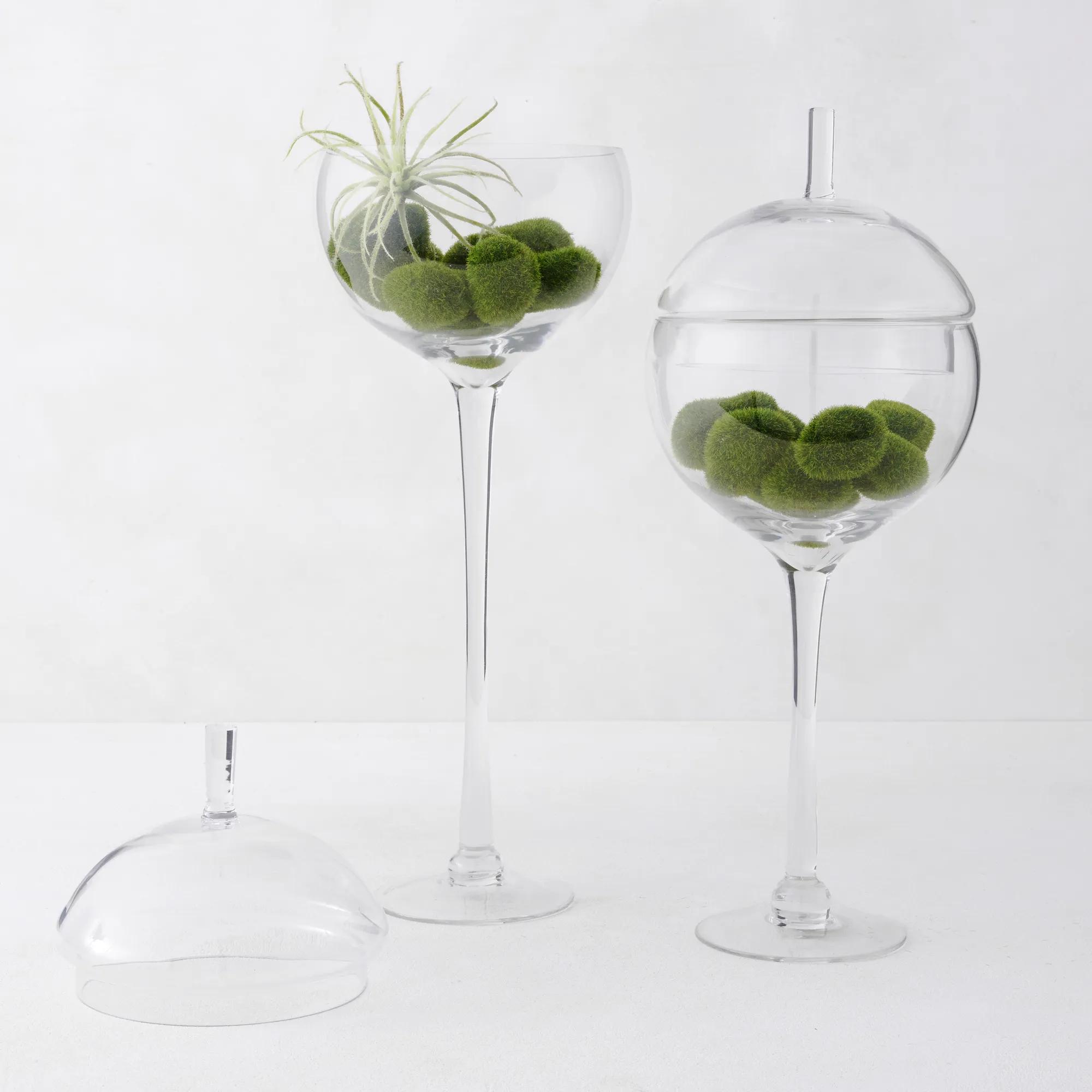 Jules Glass Decorative Canisters$89
A mouthblown glass terrarium perfect for showcasing decorative objects or cherished keepsakes.
Add To Cart -
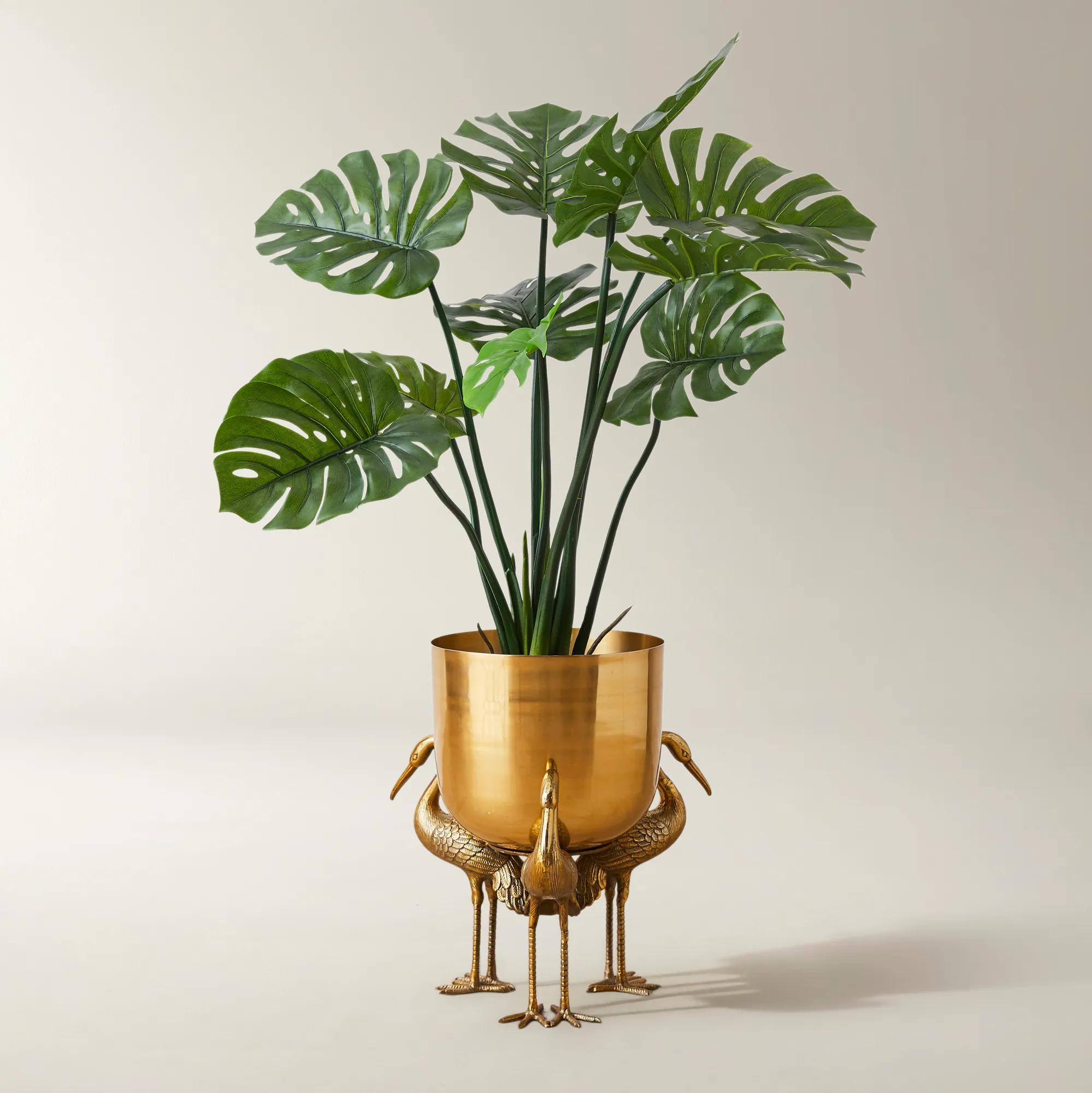
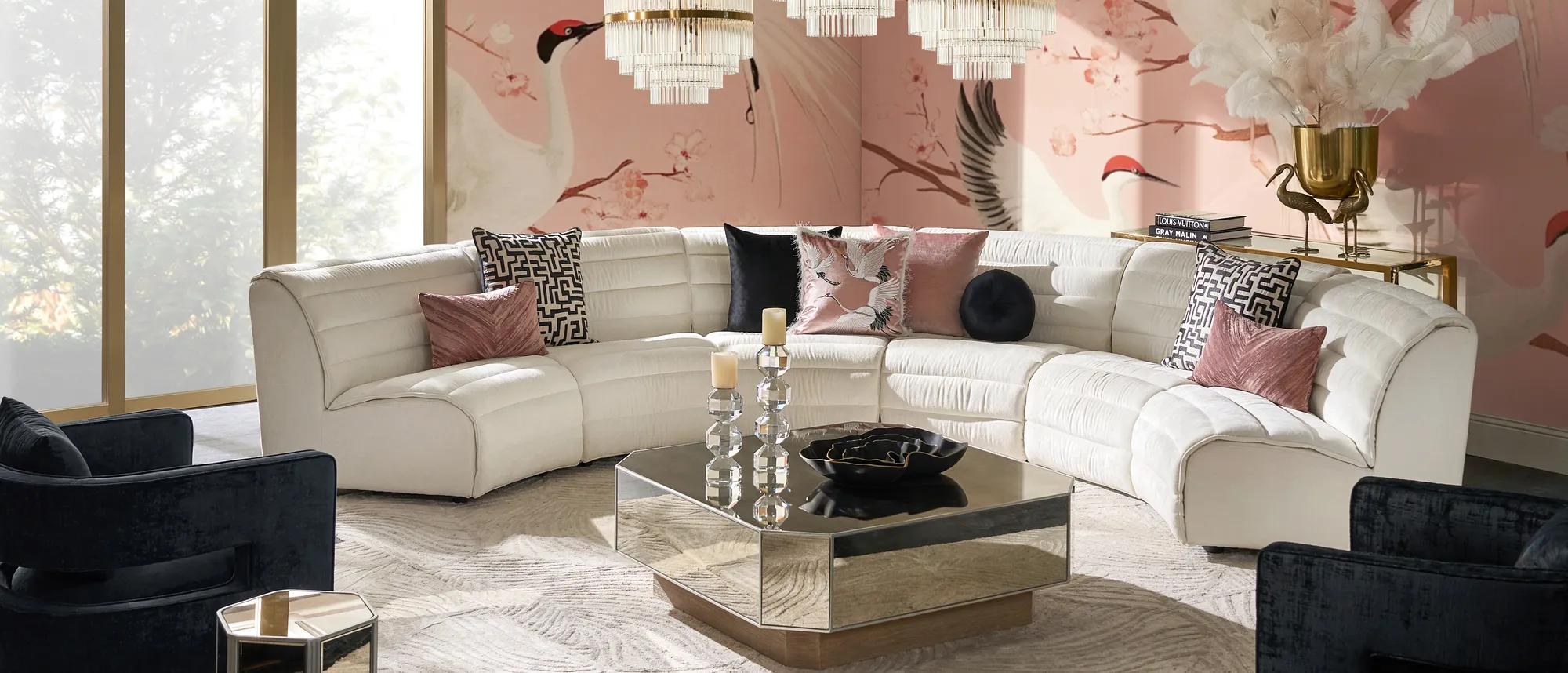 Crane Planter$359
A whimsical aluminum planter perched on three cranes and finished in gleaming gold.
Add To Cart -
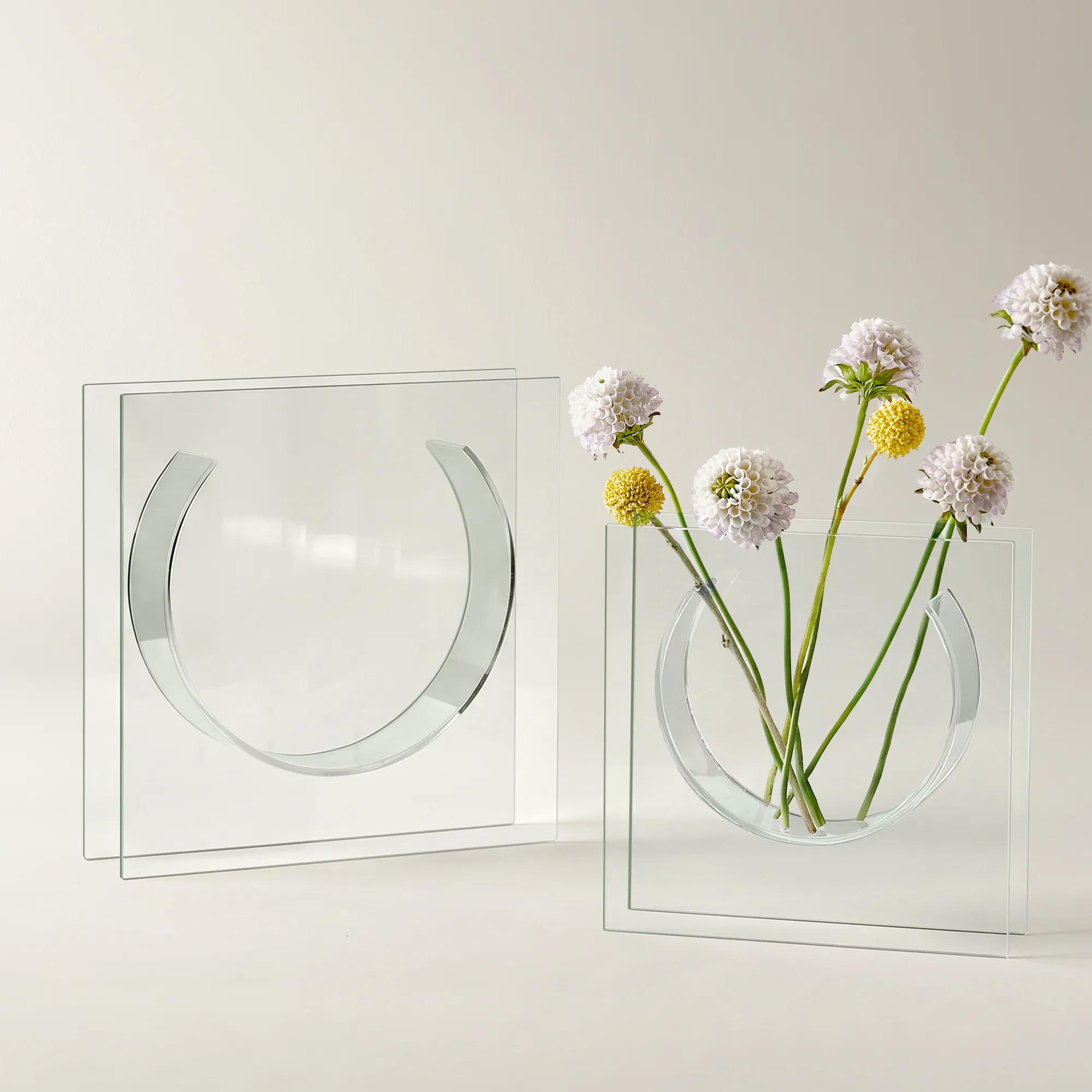
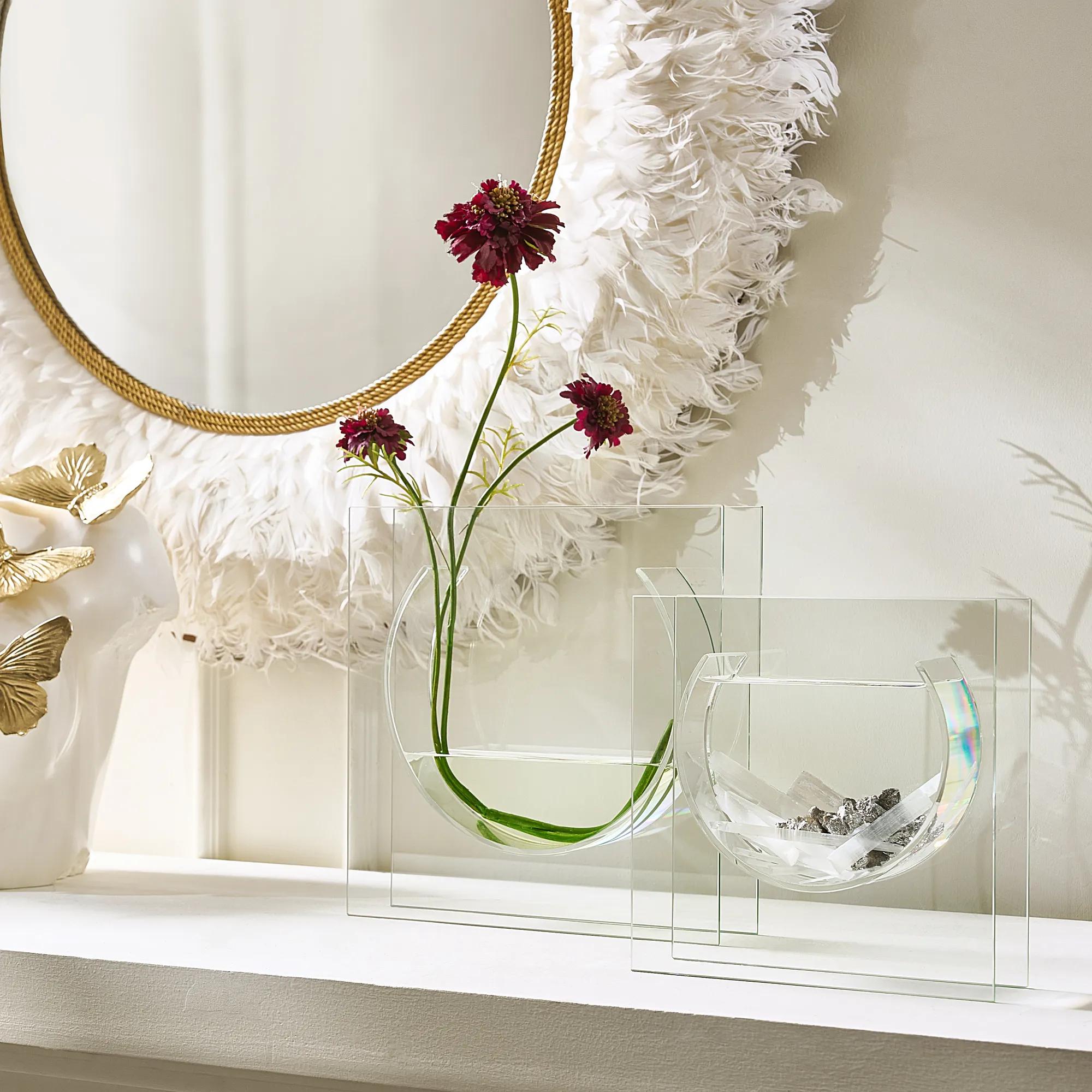 Solaris Clear Glass Vases$39
A bold modern vase crafted from clear glass with an elliptical bowl between two sleek glass panels.
Add To Cart -
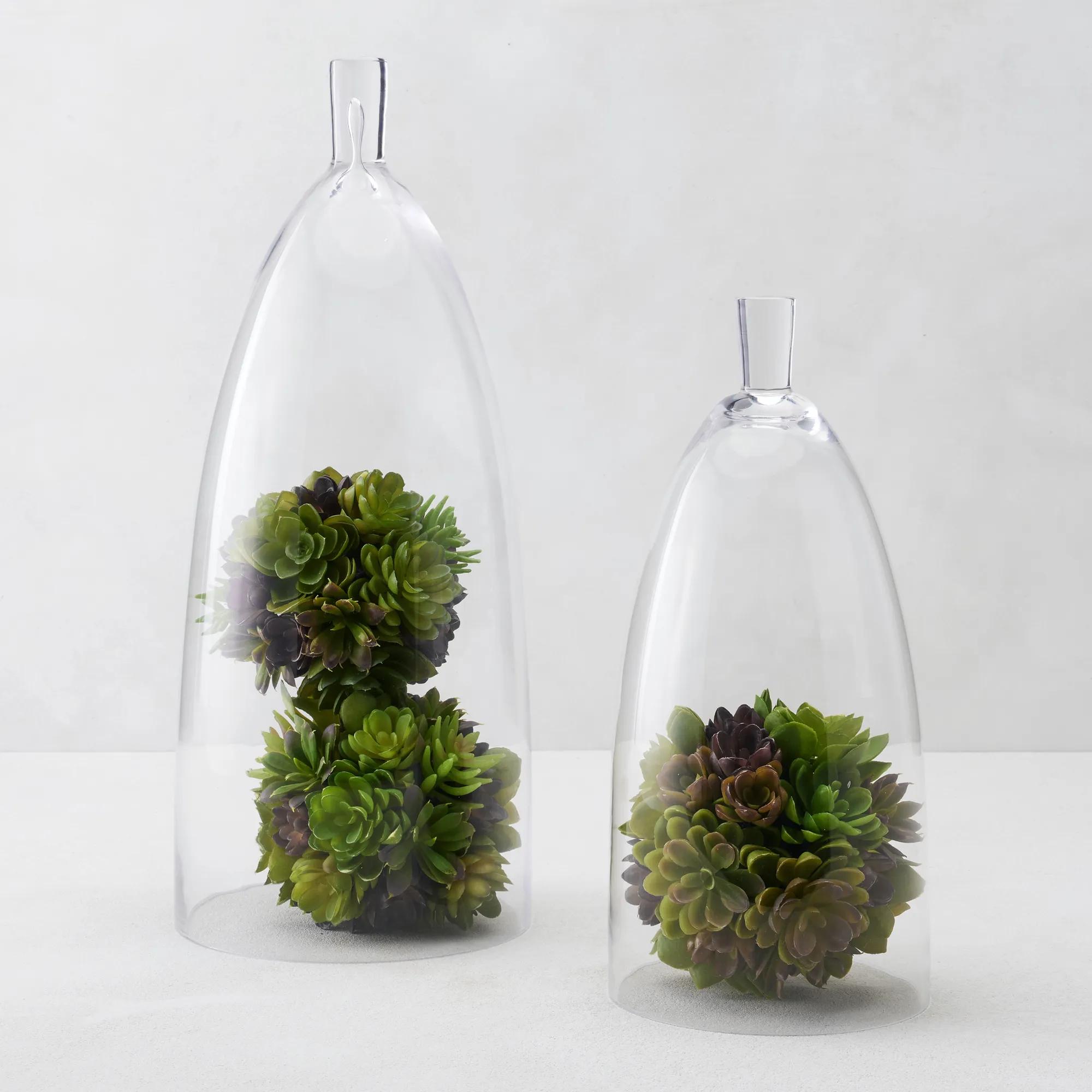 Jules Glass Decorative Cloches$59
A mouthblown glass terrarium perfect for showcasing cherished objects as unique decorative art.
Add To Cart -
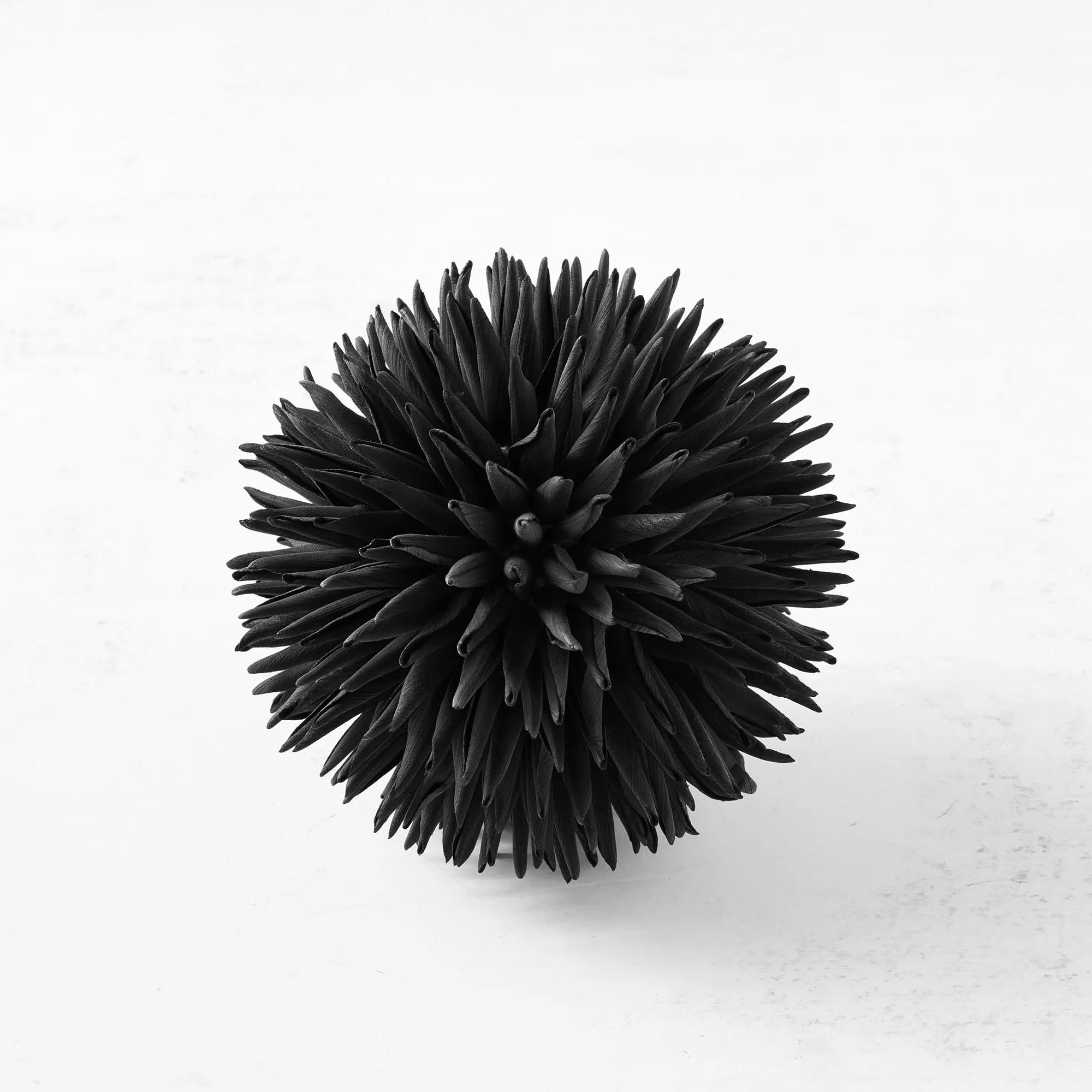 Faux Black Allium Sphere 7" Set of 3$59
A set of three lifelike black faux allium spheres crafted from foam for effortless, year-round decor.
Add To Cart -
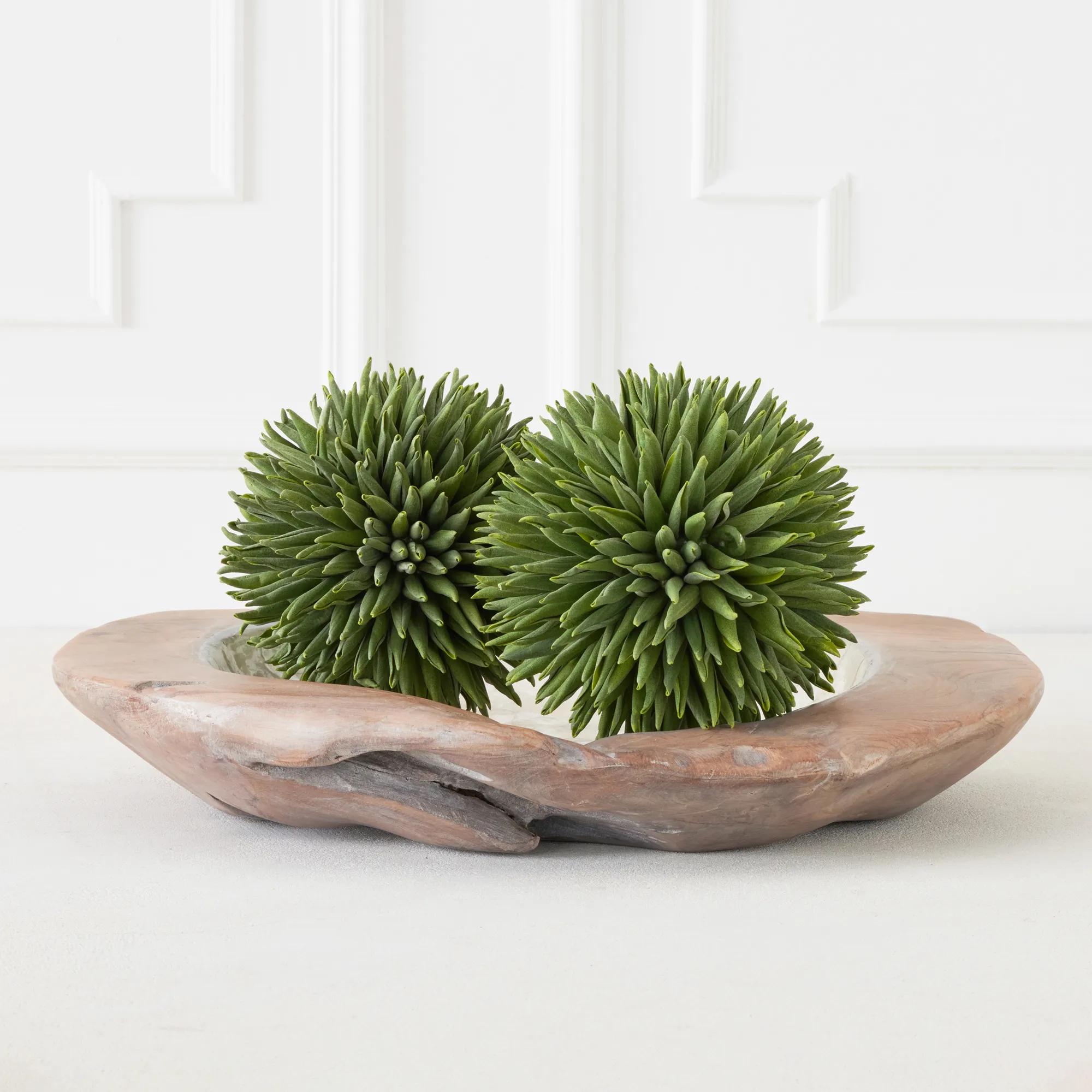 Faux Green Allium Sphere 7" Set of 3$59
A set of three lifelike foam green faux floral spheres that stay vibrant without water or sunlight.
Add To Cart -
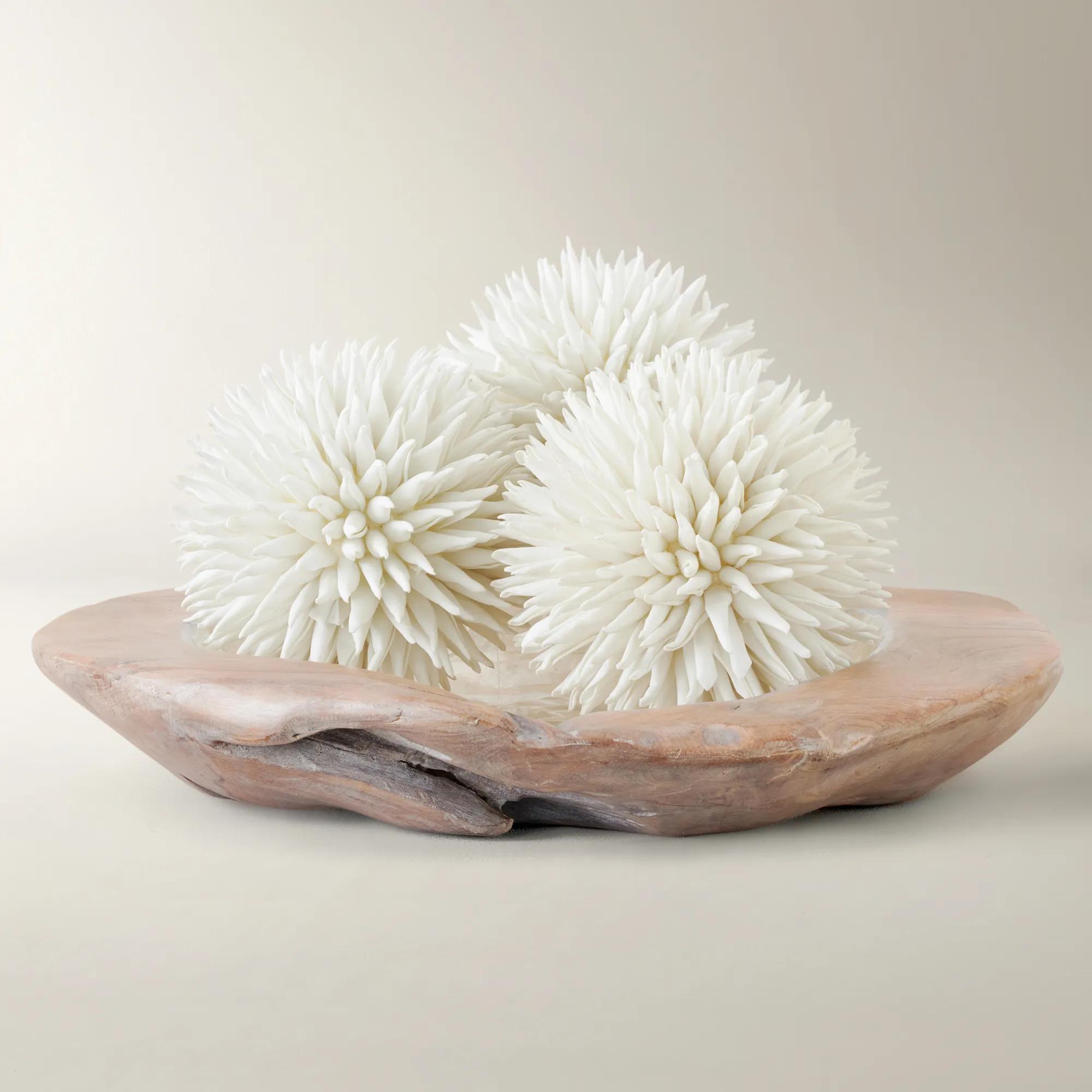
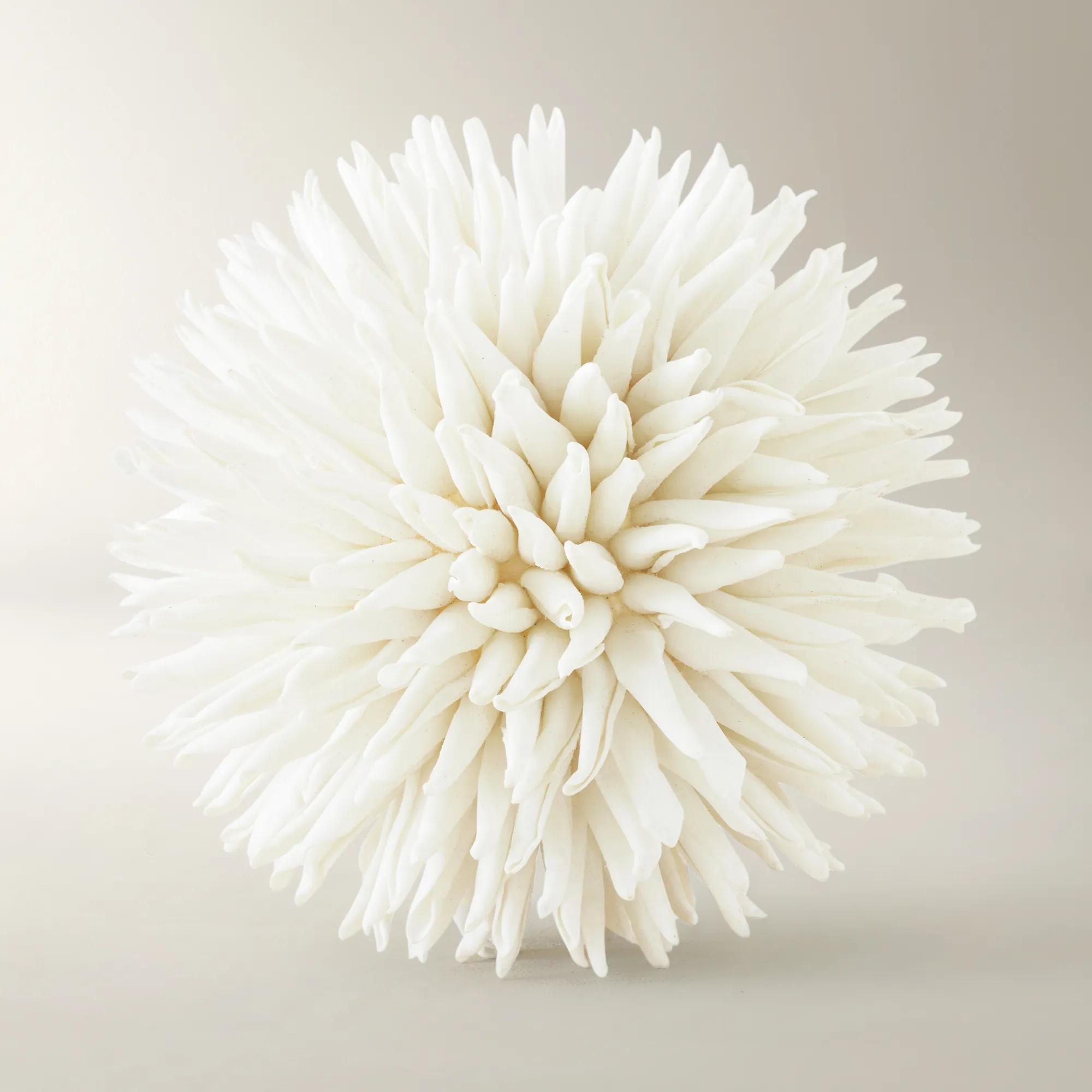 Faux White Allium Sphere 7" Set of 3$59
A set of three foam white faux floral spheres that stay vibrant year-round without water or sunlight.
Add To Cart -
 Luca Champagne Resin Planter 35.75"$299
A champagne-finish resin planter bringing sculptural elegance to modern indoor or outdoor décor.
Add To Cart -
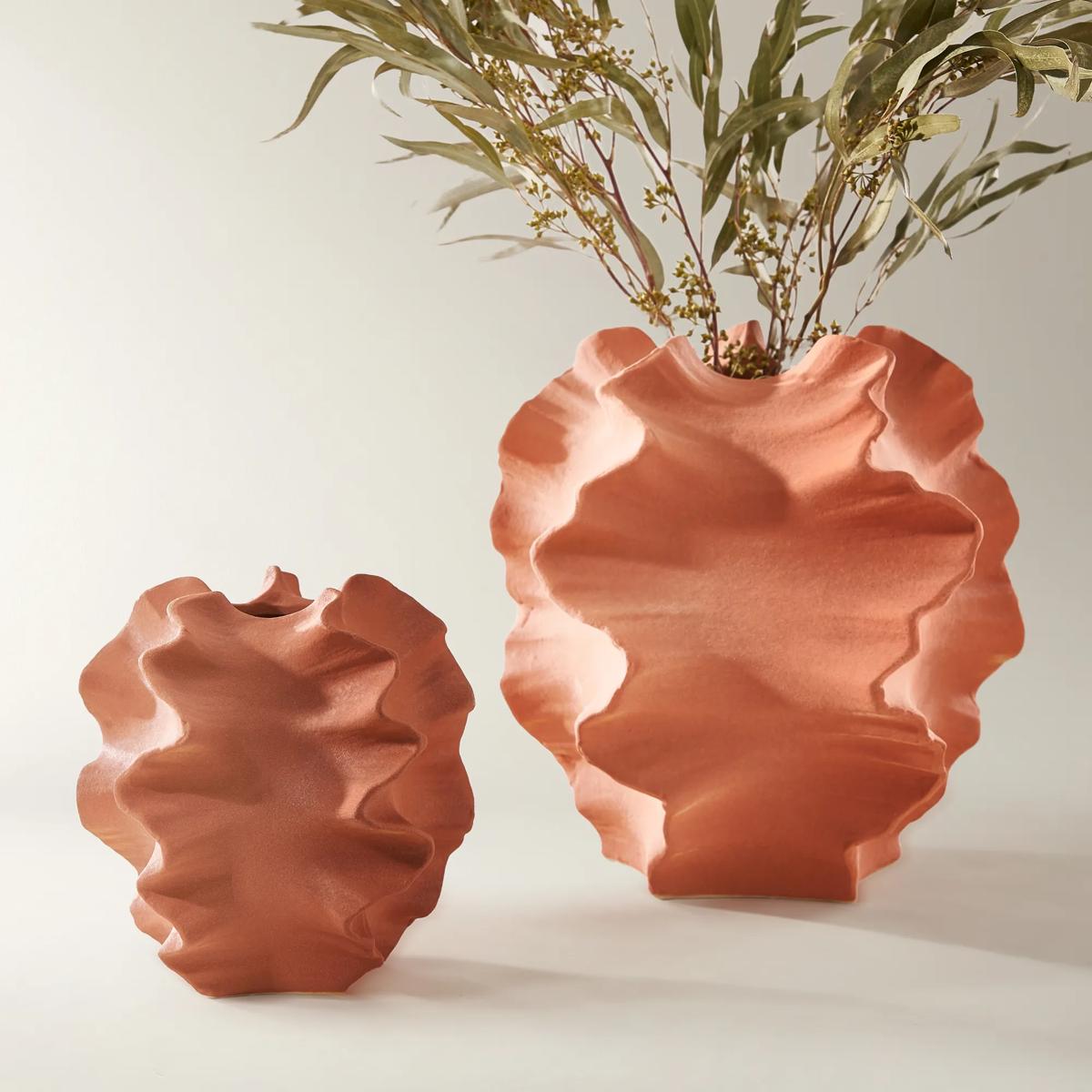
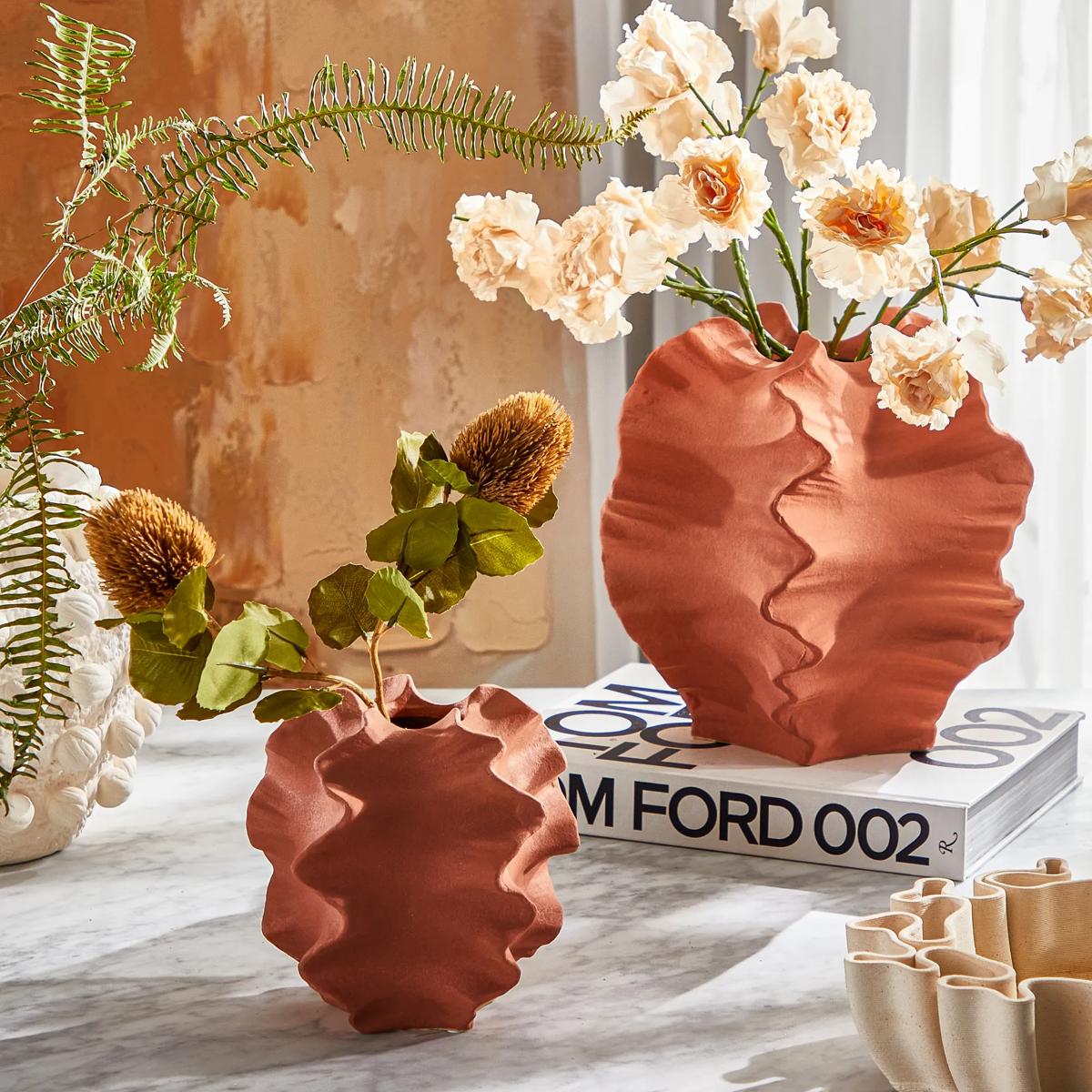 Morra Terracotta Sculptural Vases$99
A sculptural terracotta stoneware vase with rippling contours and a matte, earthy finish.
Add To Cart -
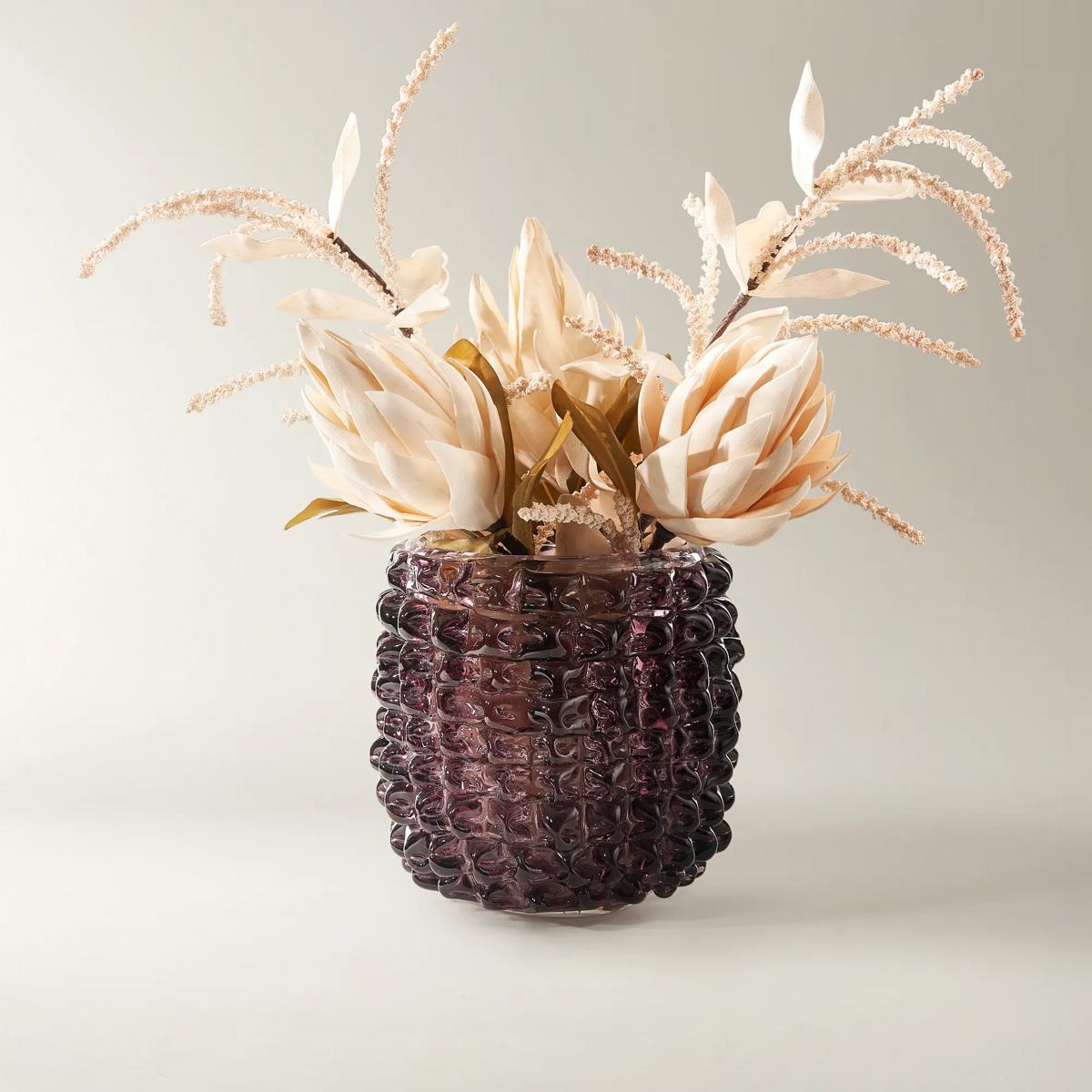 Laurel Glass Vase - Small Amethyst$349
A hand-blown amethyst glass vase featuring a bubbled, light-catching surface for sculptural elegance.
Add To Cart -
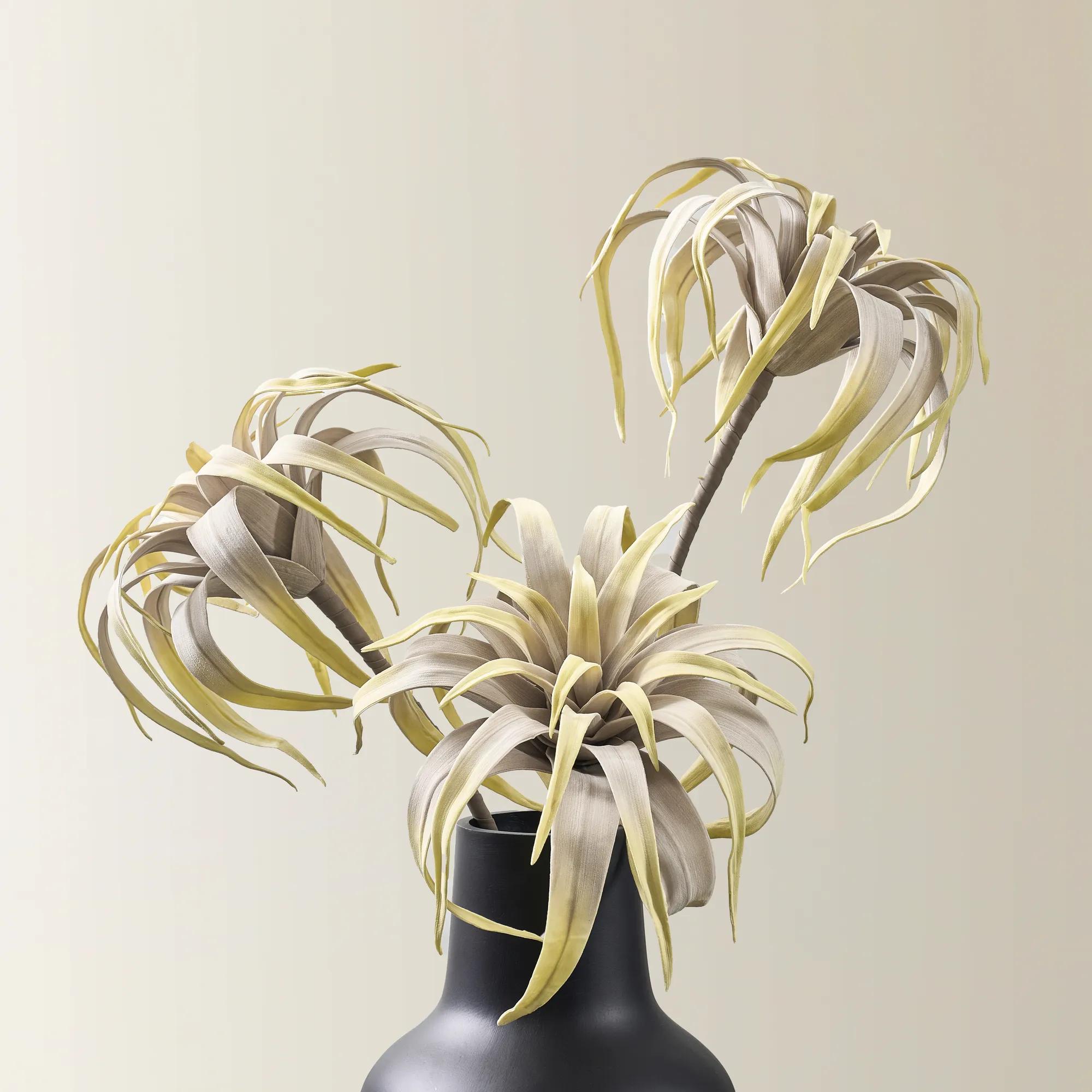 Faux Dusty Blush Large Airplant Stem 35.5" Set of 3$49
A set of three sculptural faux airplant stems in soft dusty blush foam for modern decorative arrangements.
Add To Cart

Gifts For Succulent Enthusiasts
Find gifts for succulent enthusiasts who love sculptural shapes, expressive spaces, and a touch of greenery. Explore the selection with your recipient’s decorating style in mind, choosing a gift that celebrates their eye for distinctive design—whether for a birthday, a housewarming, or an unexpected gesture.
Gifts for succulent enthusiasts celebrate a distinctive kind of beauty: fleshy leaves arranged like rosettes, branching silhouettes with sculptural presence, and shades of green that range from silvery sage to deep jade. That fascination extends beyond the plants themselves to the vessels, botanical accents, and decorative details that make a collection feel personal. A succulent lover may appreciate the quiet geometry of a single specimen just as much as the drama of an abundant arrangement, making scale and presentation meaningful parts of the gift. Decorative planters, sculptural containers, and succulent-inspired accents bring that botanical character into a room without requiring an entire garden. A glossy ceramic surface can sharpen the contrast against softly textured foliage, while a subtly irregular finish gives a display an artisanal quality. Metallic accents introduce a gleaming counterpoint to organic forms; clear glass emphasizes shape and layering; stone brings visual weight to a delicate arrangement. These material differences influence more than appearance. A substantial vessel can lend stability to a taller display, while a compact container suits a desk, narrow console, or bedside surface where every inch matters. The most compelling gifts feel connected to the recipient’s surroundings rather than simply decorated with a plant motif. For someone who favors dramatic interiors, a bold silhouette or reflective finish can make a modest botanical display feel commanding. For a collector drawn to natural textures, a tactile surface and restrained palette let the leaf structure take center stage. Proportion deserves equal attention: a broad arrangement needs breathing room, while a petite accent can add definition beside a stack of books or a framed photograph. Succulent-themed home decor offers that balance of personal interest and expressive design, turning an affection for unusual plants into a considered detail that belongs in the recipient’s everyday environment. Even without knowing a favorite species, a gift can reflect the qualities that make succulents so captivating: distinctive form, subtle color, and an almost architectural sense of order.
Beautiful presentation matters most when it supports the intended use. For gifts meant to hold living succulents, the distinction between a decorative outer vessel and a functional planting container is essential. Many succulents benefit from drainage and a growing medium that releases excess moisture readily, so an ornamental container without a drainage opening is often better used as a cachepot around a separate nursery pot. That arrangement allows the inner pot to be removed for watering and drained before returning to its decorative setting. A layer of stones at the bottom does not replace a drainage hole, and standing water can damage roots even when the surface looks dry. Size also affects fit: a container should accommodate the existing root ball without surrounding a small plant with an unnecessarily large volume of damp soil. For a recipient with an established collection, a vessel that matches the scale of plants already on display may be more useful than an oversized statement piece. Materials bring their own considerations. Unglazed terracotta is porous and allows moisture to evaporate through its walls, while glazed ceramic generally retains moisture longer. Glass and metal containers need particular attention to drainage and should not be assumed suitable for direct planting. Heavier materials feel substantial but require a secure surface; ceramic and glass can chip or crack if knocked against hard edges. Protective pads or a suitable tray can help shield furniture, although neither should be treated as a guarantee against moisture damage. Decorative botanical reproductions offer a different appeal, preserving the layered silhouette of succulents without watering or soil. They can suit an interior shelf or a workspace where light is insufficient for a living plant. Realistic proportions, nuanced coloration, and varied leaf textures contribute to a convincing display, especially when the arrangement leaves space around each form rather than crowding every stem together. Care should follow the material’s instructions: a soft cloth or gentle dusting may be appropriate for decorative surfaces, while abrasive cleaners, soaking, or vigorous scrubbing can damage delicate finishes. Indoor decorative accents should remain indoors unless their specifications expressly support outdoor use.
The recipient’s habits often reveal which kind of succulent gift will feel most considered. An experienced plant collector may value a vessel with practical proportions and a distinctive finish, allowing a treasured specimen to become the focal point of a tabletop. Someone who enjoys botanical styling but prefers less upkeep may be drawn to a decorative arrangement or artwork that captures the same sculptural language. For a friend furnishing a first apartment, a compact botanical accent can bring character to a bookshelf without claiming much space; for a host who enjoys a beautifully composed table, a low-profile arrangement can add texture while preserving clear sightlines across the setting. Offices call for similar restraint in scale, with enough room left for daily work and no fragile elements extending into a busy pathway. In households with children or pets, placement deserves extra thought. Some living succulent varieties can be harmful if ingested, so botanical identification and recipient-specific safety checks matter; decorative pieces should also be positioned where they are unlikely to be pulled down or broken. Color creates another opportunity to make the gift personal. Sage foliage against ivory ceramic feels luminous and composed, while deeper greens paired with charcoal or bronze create a richer, more dramatic vignette. A polished accent can echo the finish of nearby lighting, and a textured vessel can soften the contrast between glass, metal, and upholstery. The connection need not be exact to feel intentional. A single shared tone or finish often gives a botanical gift a natural place in an existing room. For recipients whose affection extends from sculptural greenery to expressive blossoms, Gifts For Floral Lovers offers a complementary botanical direction. Birthdays, housewarmings, thank-you gestures, and personal milestones all lend themselves to gifts that recognize an individual’s taste rather than relying on a generic decorative theme. Succulent-inspired pieces are especially expressive when their shape, material, and purpose align: a gift with enough presence to draw the eye, enough practicality to be enjoyed, and enough individuality to feel chosen for the person receiving it.
FAQs
Look for gifts that celebrate a succulent lover’s eye for sculptural form and expressive detail. Decorative planters, botanical artwork, and plant-inspired accents are thoughtful directions to explore. Choose a piece that complements their decorating style, turning a love of greenery into a distinctive design moment.
Let their interiors guide your choice. A striking silhouette brings drama to a curated display, while a richly textured finish adds depth to a tonal room. For live succulents, consider a planter with drainage or a decorative vessel that can hold a separate nursery pot.
Faux succulents can appeal to enthusiasts who admire botanical shapes as much as living collections. Look for nuanced color and artfully formed leaves that echo the character of real plants. They offer another way to weave greenery into a bookshelf arrangement, desk vignette, or richly layered interior.
Botanical artwork, a decorative display tray, or a plant journal can honor the recipient’s passion from a fresh perspective. Artwork carries botanical inspiration onto the walls, while a tray gives a collection a deliberate visual frame. A journal offers a personal place to record plant names, observations, and styling ideas.
Build the gift around a detail that feels unmistakably theirs: a favorite color, a love of sculptural objects, or a signature botanical motif. Pair a complementary decorative accent with a handwritten note explaining your choice. That considered connection makes the gift feel like an expression of their style.