Gifts For People With Expensive Taste
Gifts For People With Expensive Taste
-
 Glisten Dusty Rose Velvet Pillow 22" x 22"$79
A lustrous dusty rose velvet pillow with a plush texture and sleek knife-edge detailing.
Add To Cart -
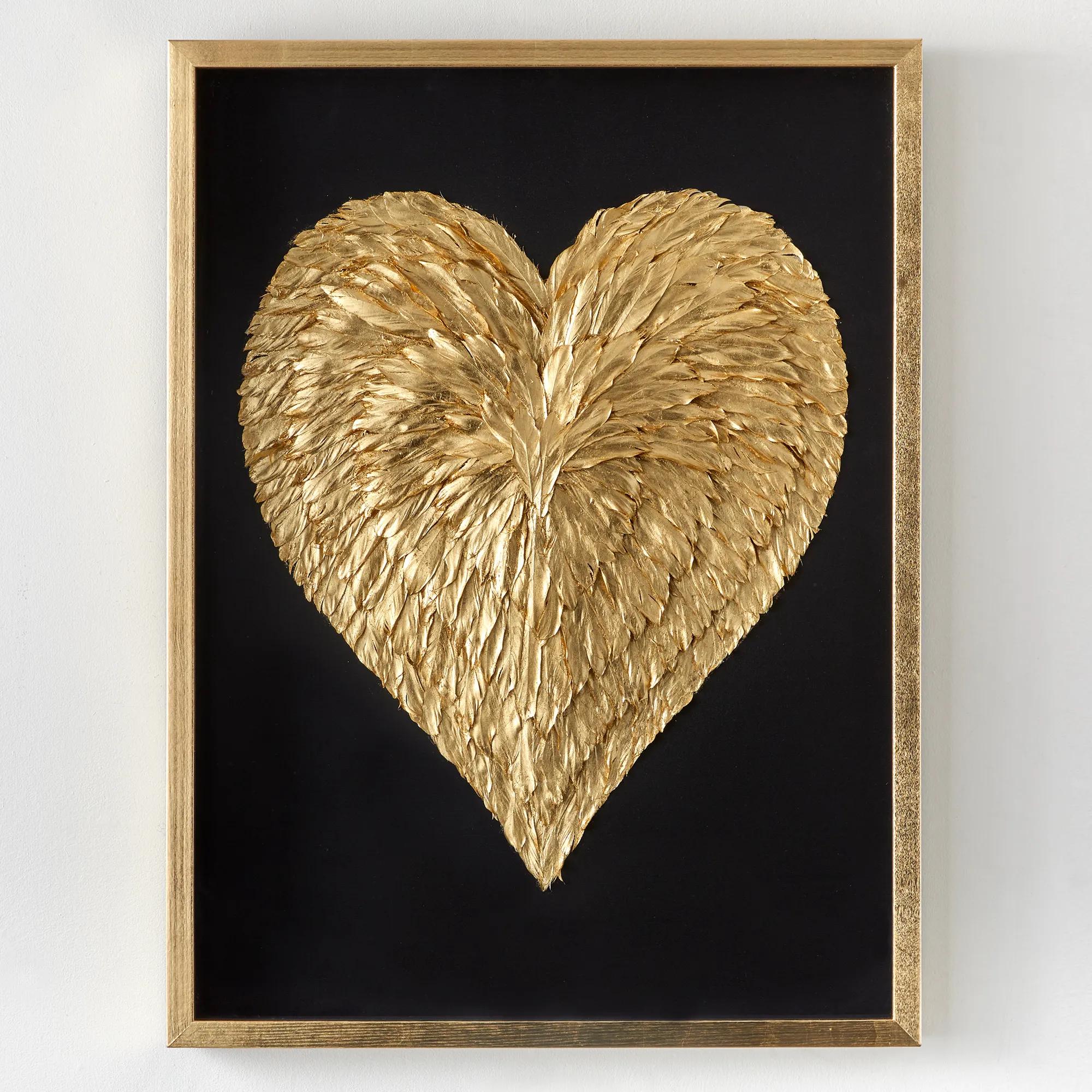 Heart Of Gold Feather Shadowbox 29.5" x 39.5"$449
A hand-painted feather artwork set on black fabric and framed in a gold shadowbox display.
Add To Cart -

 Nova Beaded Ivory/Gold/Black Velvet Pillow 20" x 20"$89
An ivory velvet pillow with bold black and gold swirls, gold bead accents, and feather-down comfort.
Add To Cart -
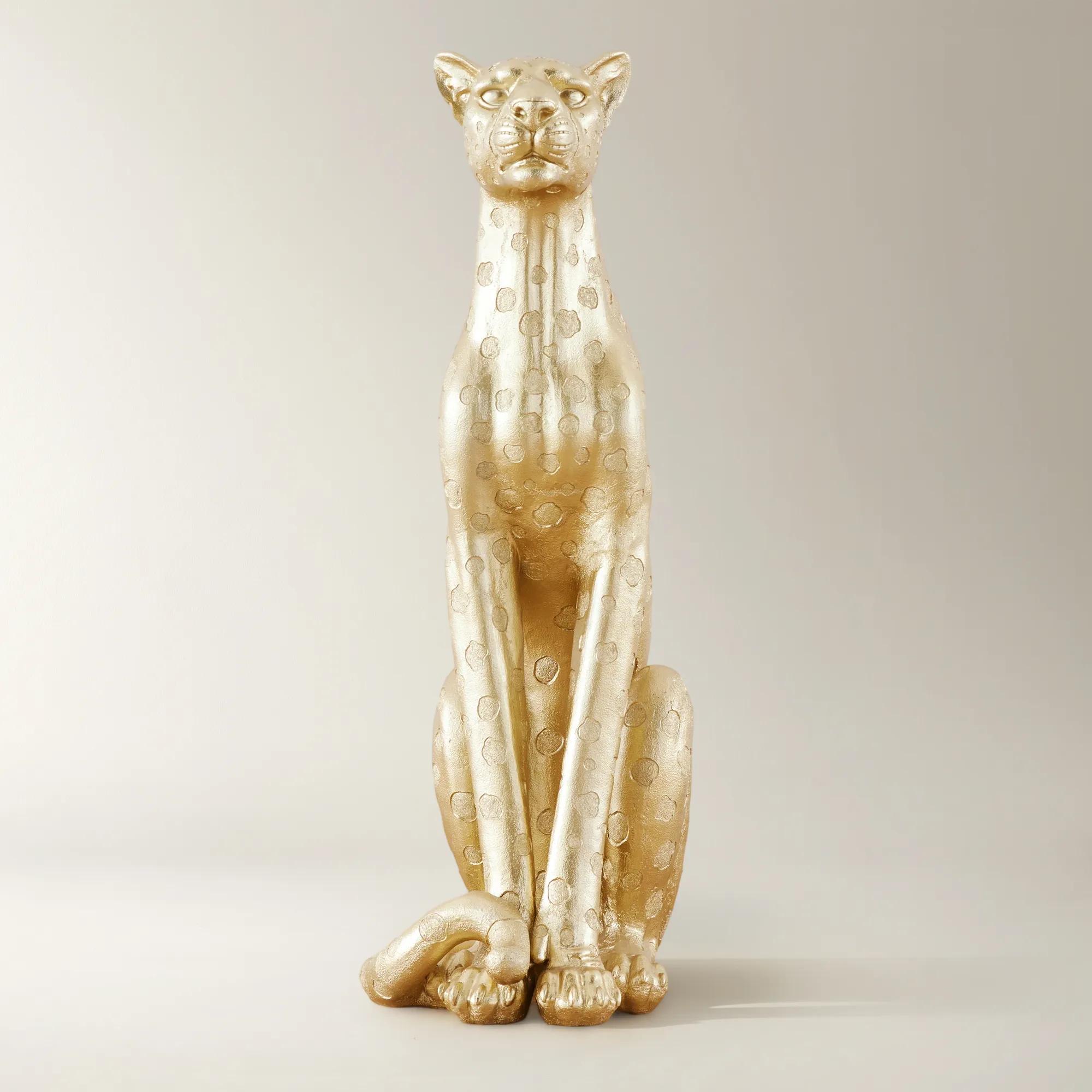 Leopardo Gold Resin Decorative Object 35"$329
A striking gold resin leopard statue that adds a touch of regal elegance to any space.
Add To Cart -

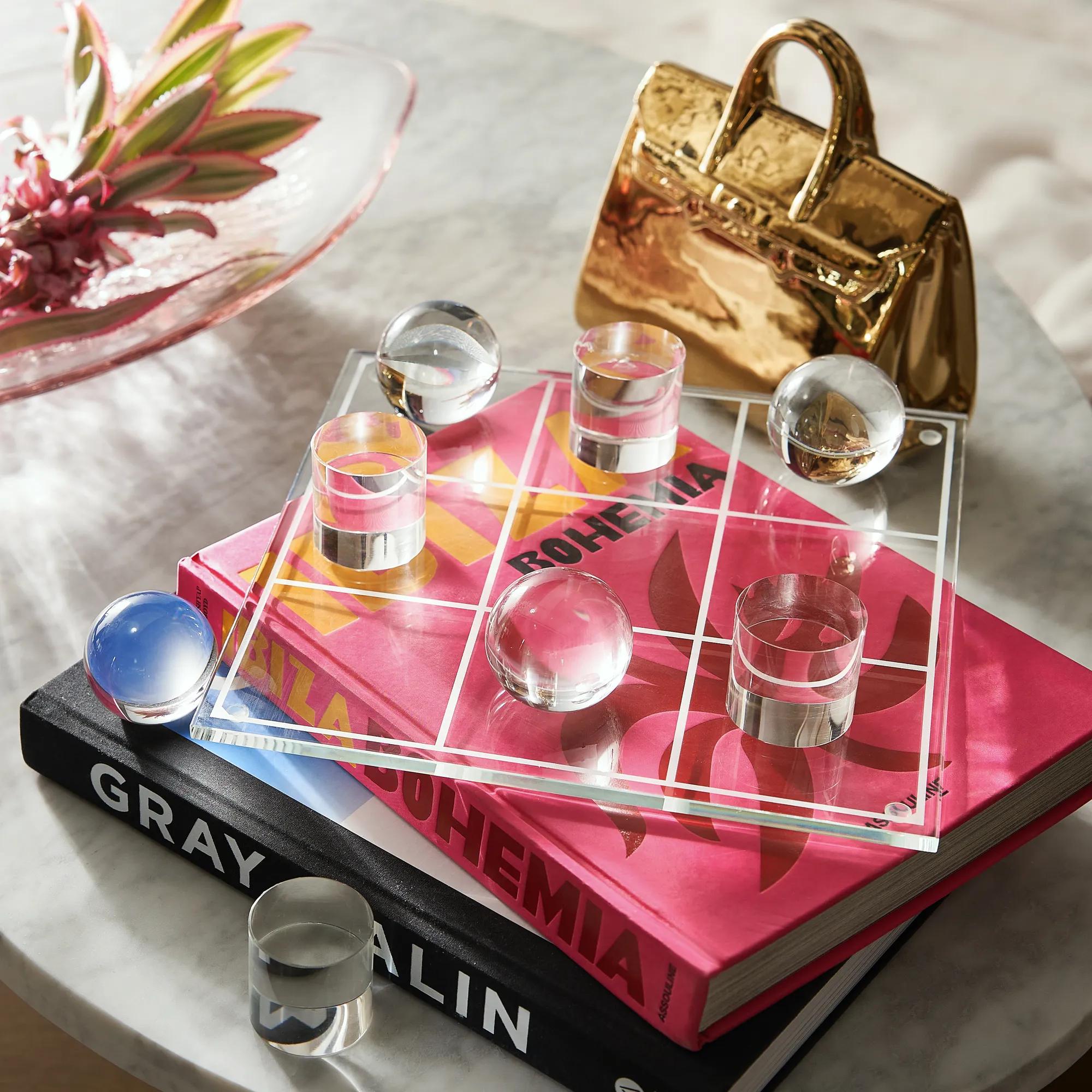 Handbag Gold Ceramic High Gloss Coin Bank Small$39
A stylish gold ceramic coin bank designed to resemble a chic handbag for decorative savings.
Add To Cart -
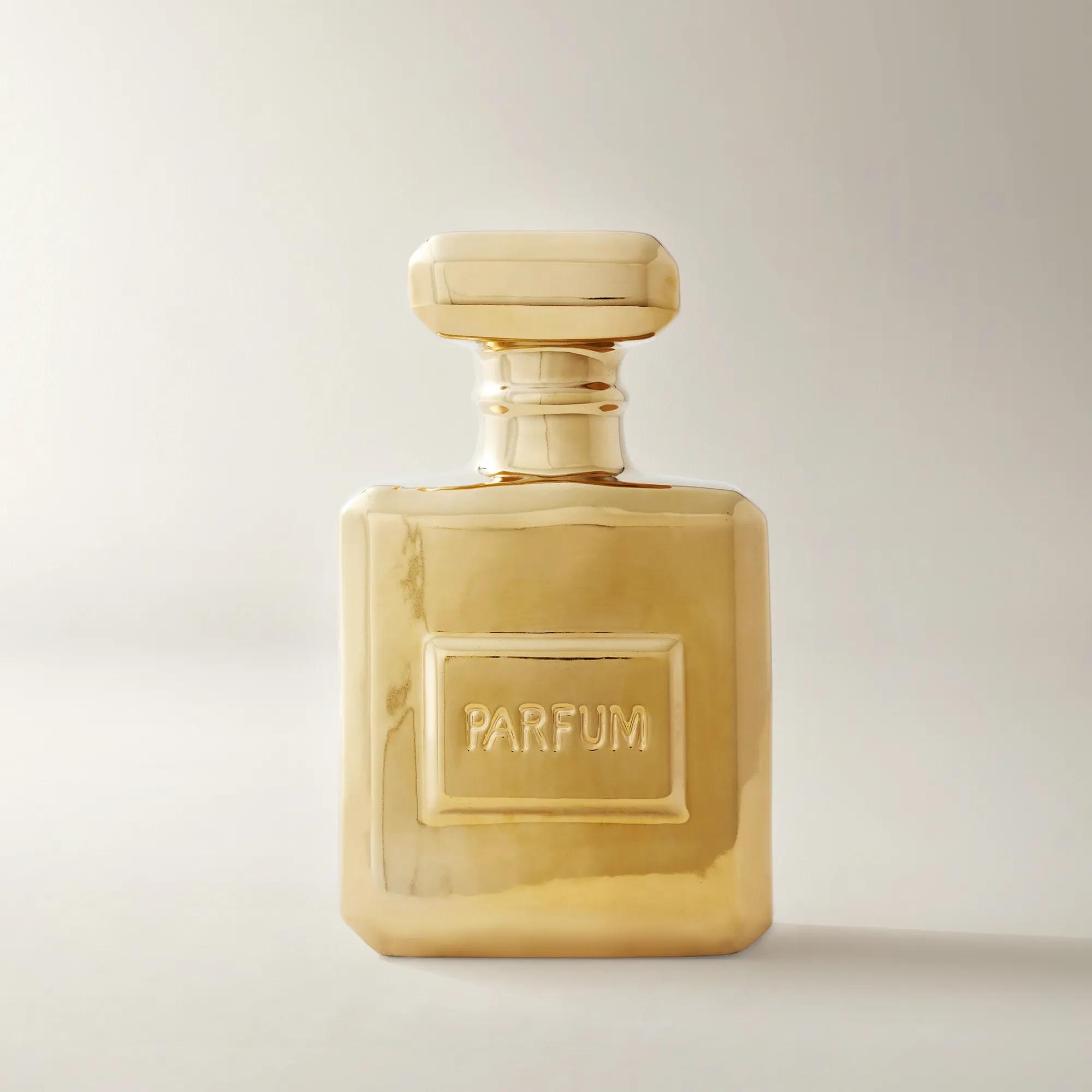 Parfum Bottle Gold Ceramic High Gloss Coin Bank$39
A chic ceramic coin bank in a metallic gold finish, styled like an elegant perfume bottle.
Add To Cart -
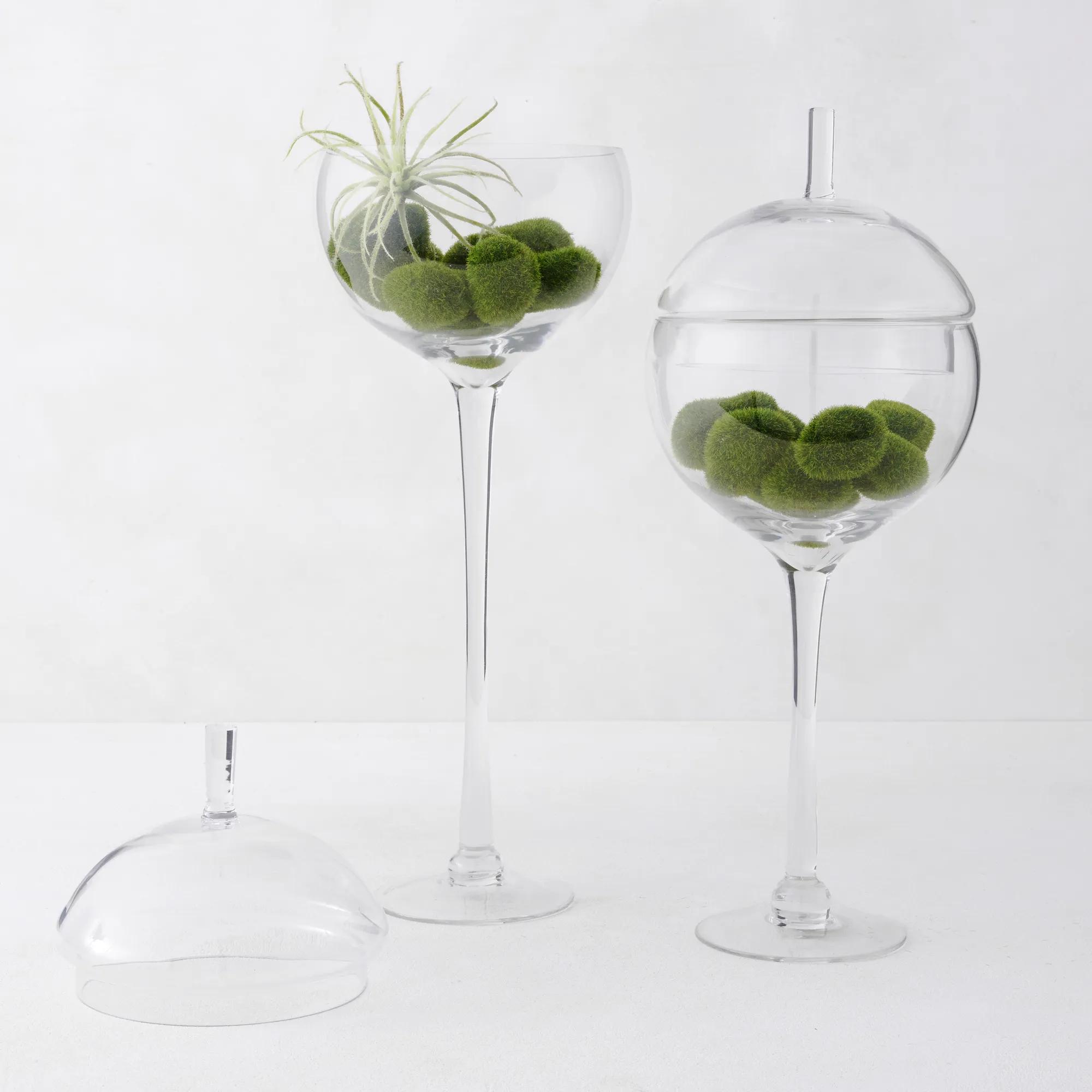 Jules Glass Decorative Canisters$89
A mouthblown glass terrarium perfect for showcasing decorative objects or cherished keepsakes.
Add To Cart -
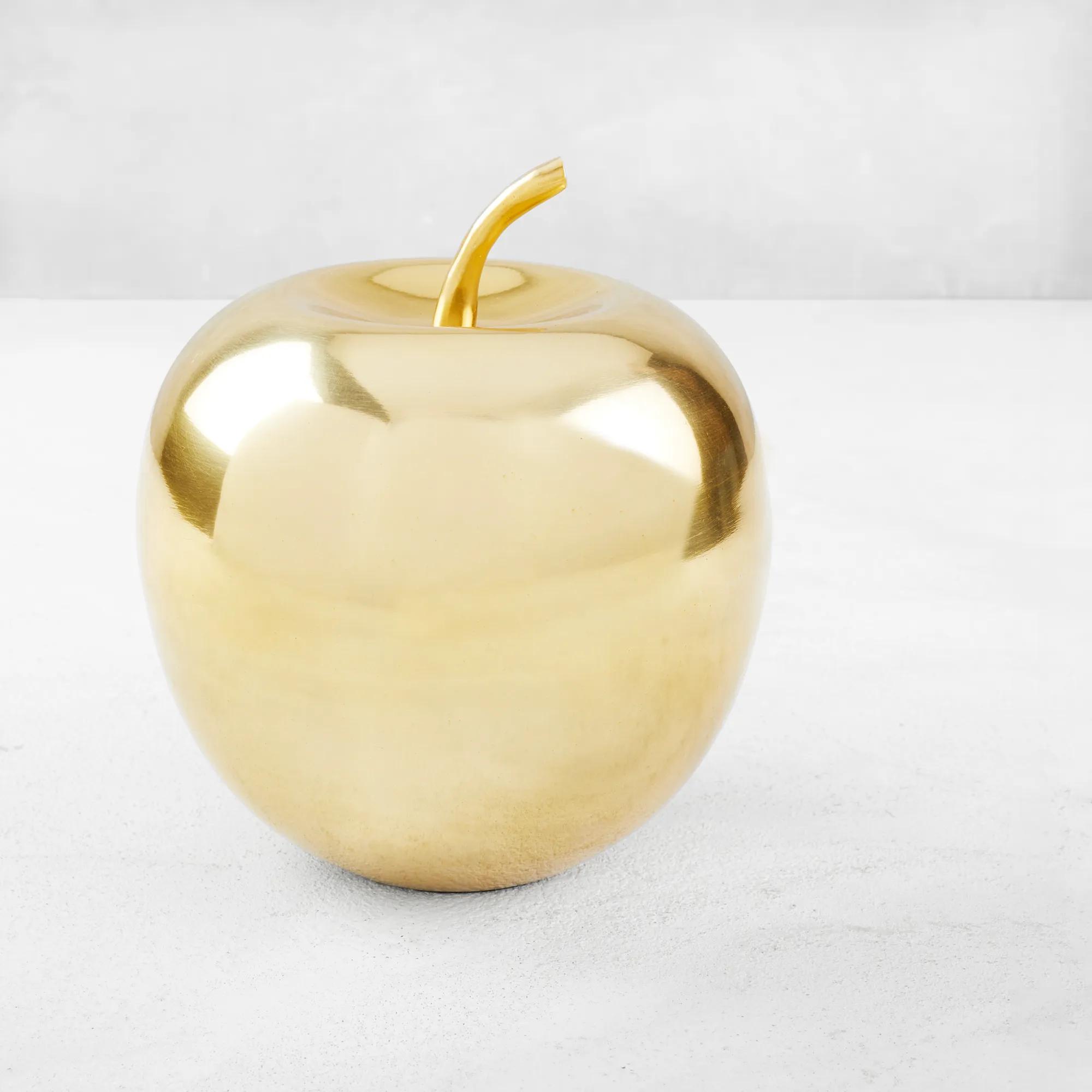
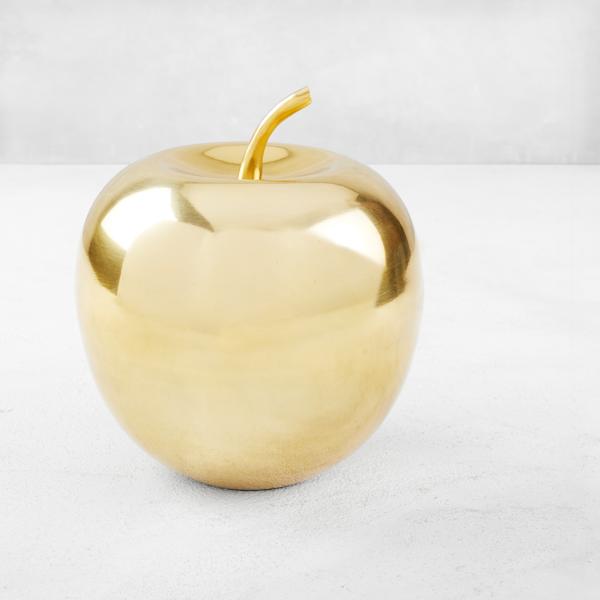 Gold Oversized Apple Aluminum Decorative Object 7.5"$69
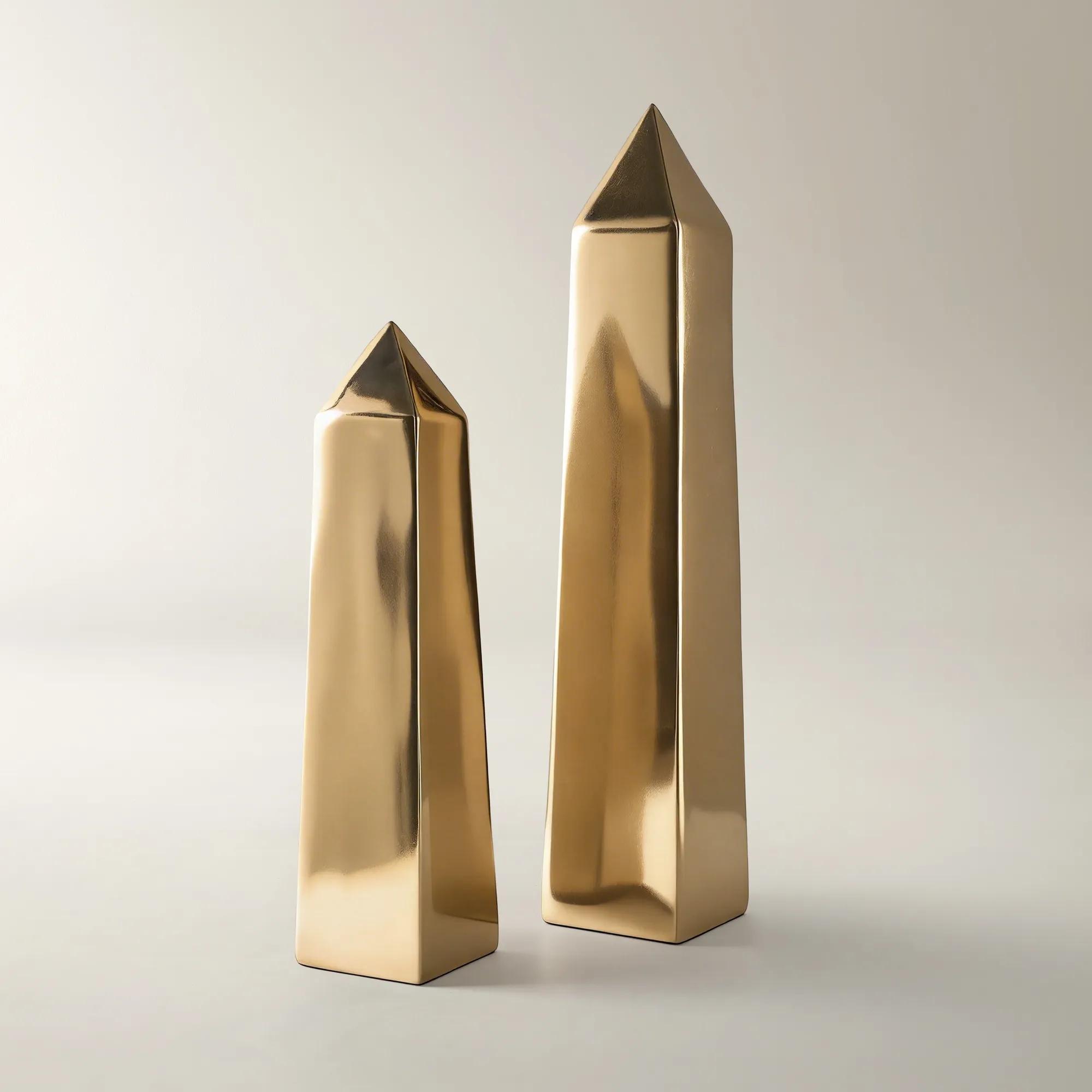
A glamorous gold aluminum apple that adds a sophisticated statement to any décor.
Add To Cart -
 Metallic Panther Print Ivory/Gold Velvet Pillow 20" x 20"$109
A handmade ivory velvet pillow featuring a gold foil panther print for a touch of opulent glamour.
Add To Cart -
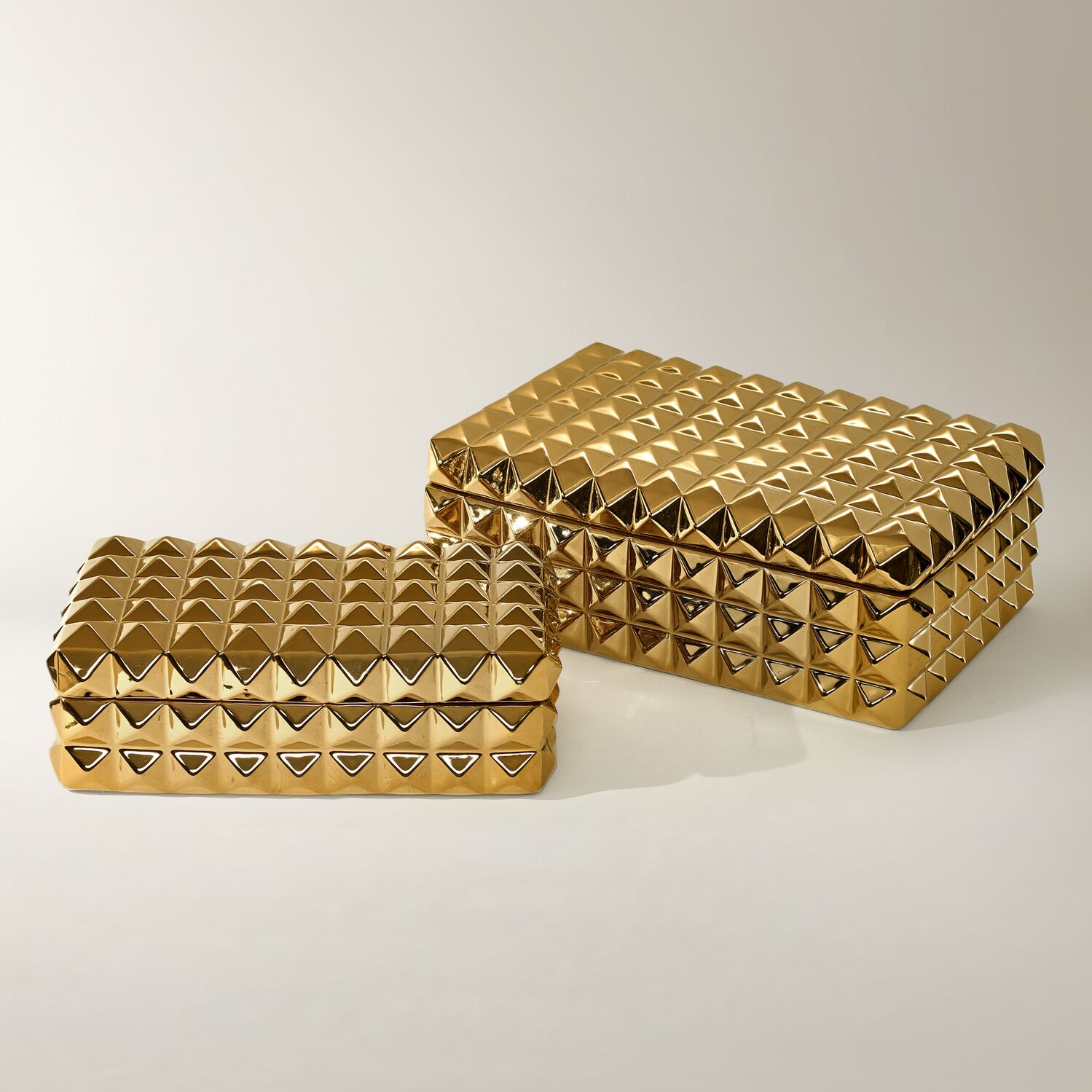 Studded Gold Ceramic Box Large$79
A chic gold-finished box with a studded design, perfect for dressers, vanities, or consoles.
Add To Cart -
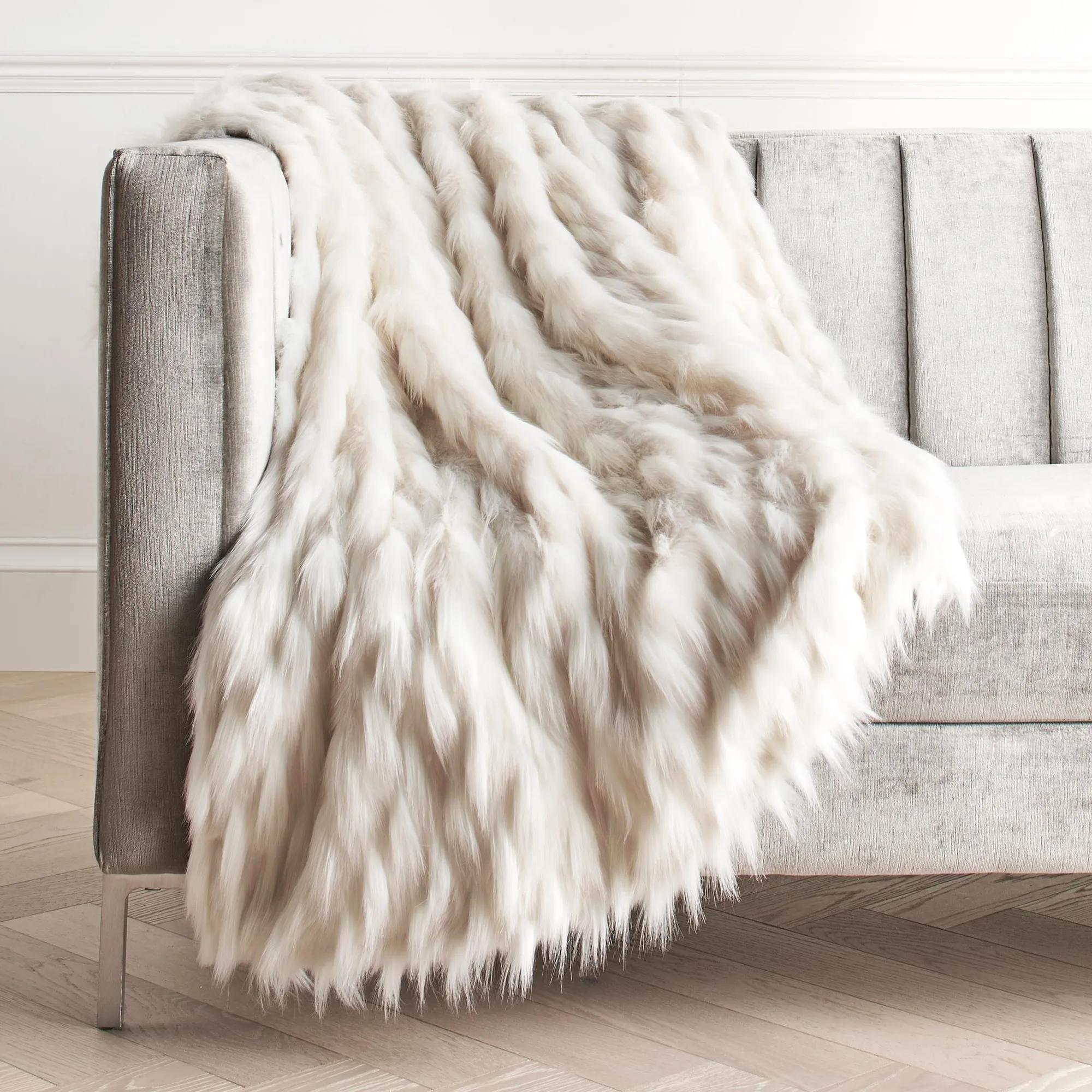 Corseca Throw - Ivory$129.95
An ultra-soft ivory faux-fur throw with silky acrylic front and luxurious velvet reverse for cozy warmth.
Add To Cart -
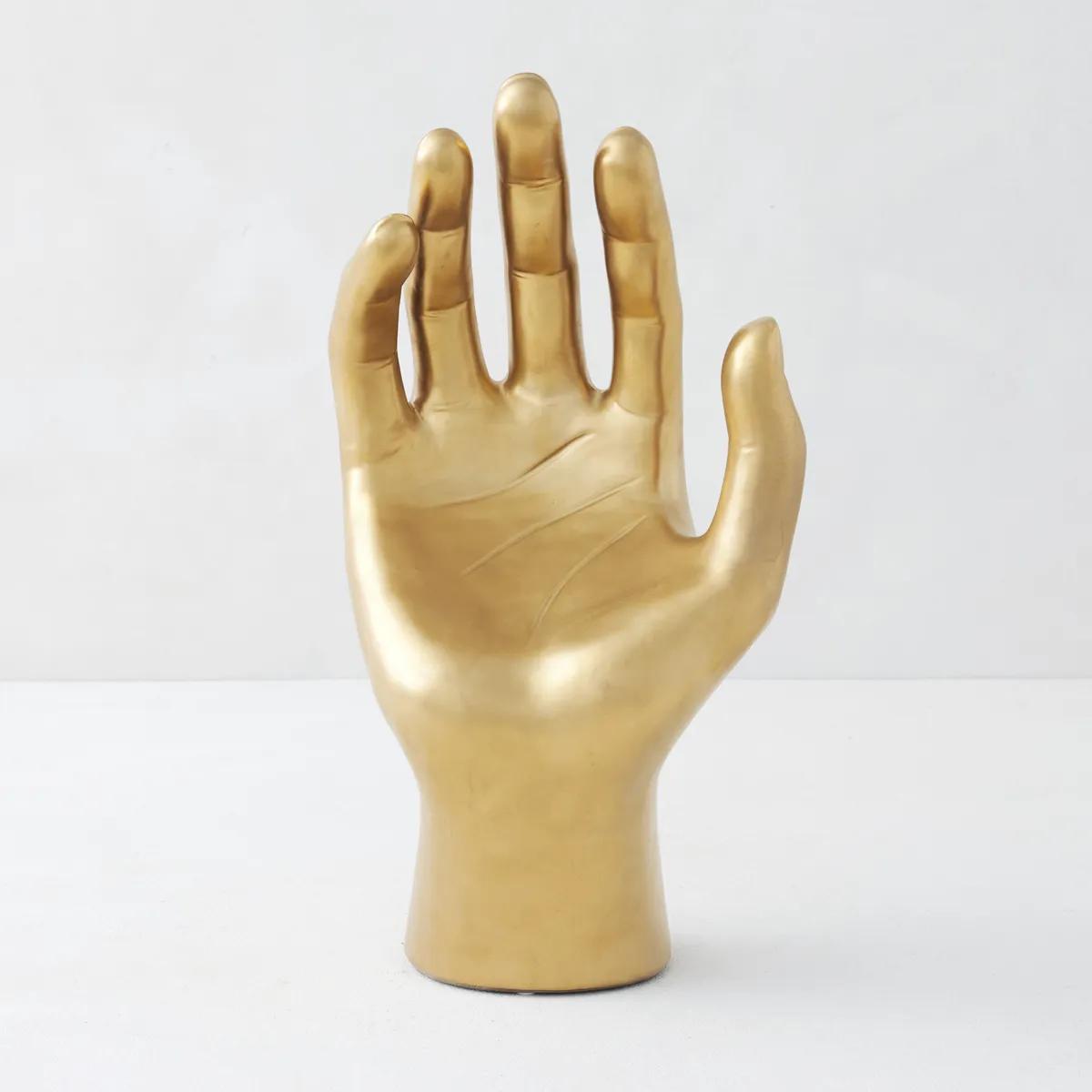
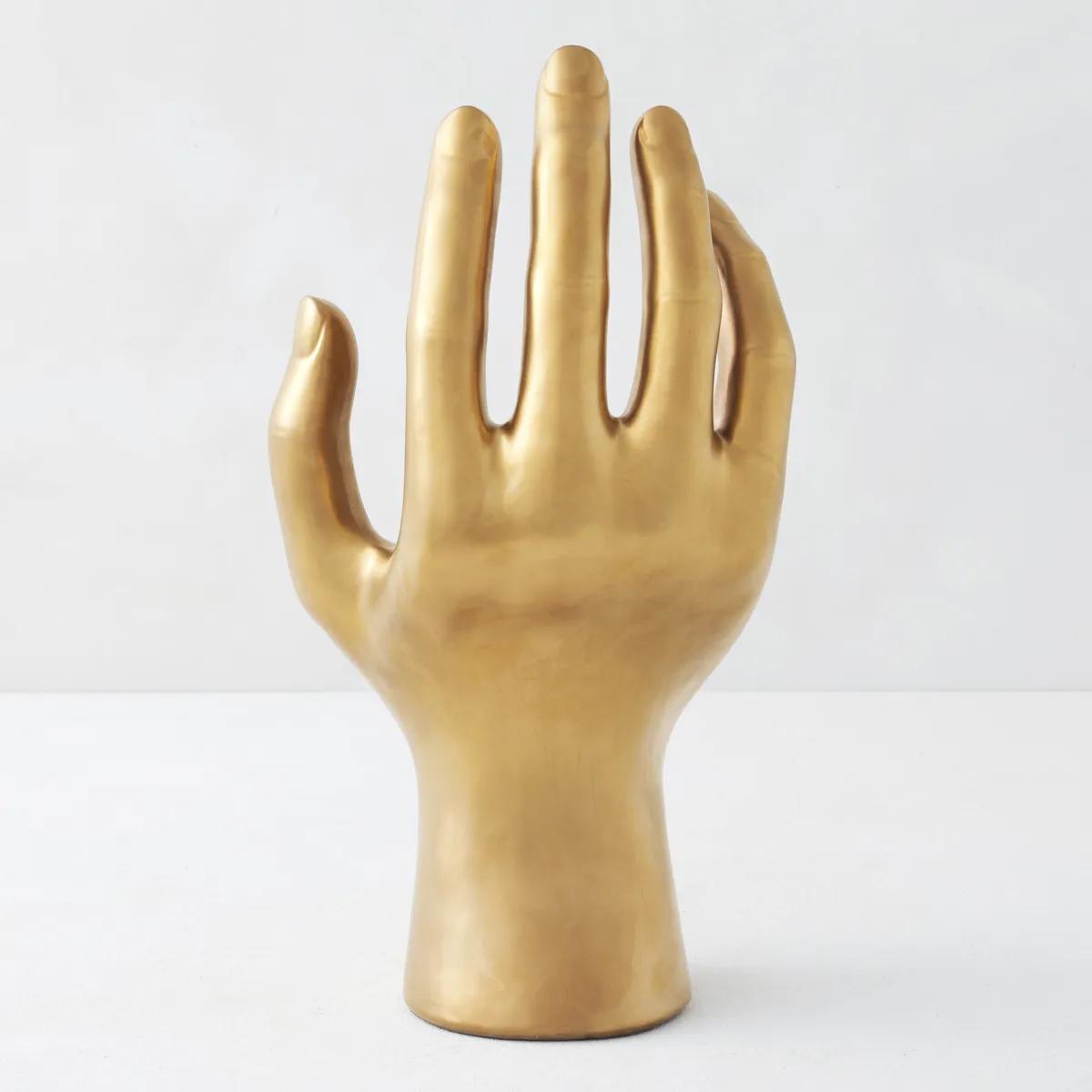 Ceramic Hand Metallic Gold Decorative Object 17.75"$69
A striking ceramic sculpture with a metallic gold finish, perfect for displaying jewelry or as decor.
Add To Cart -
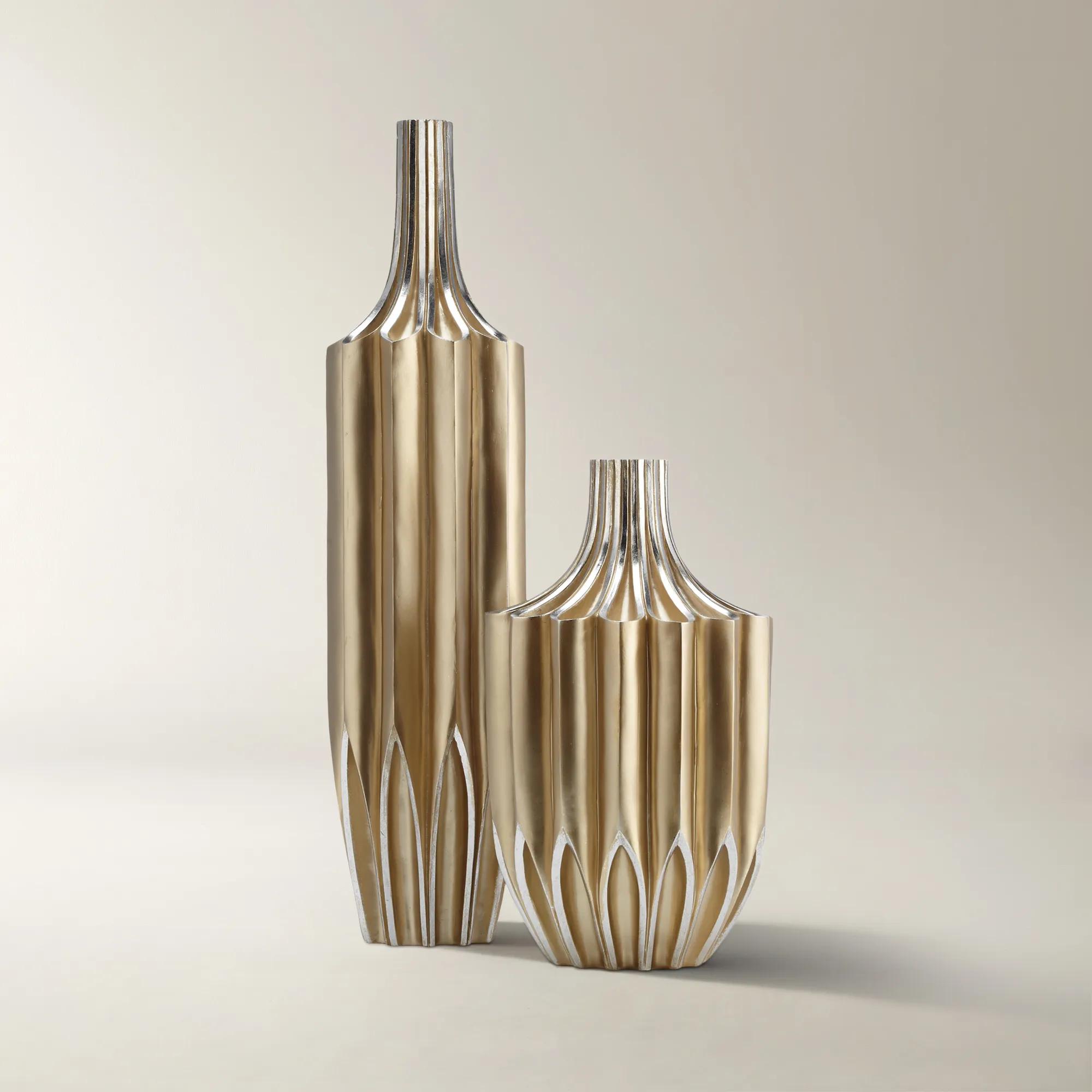
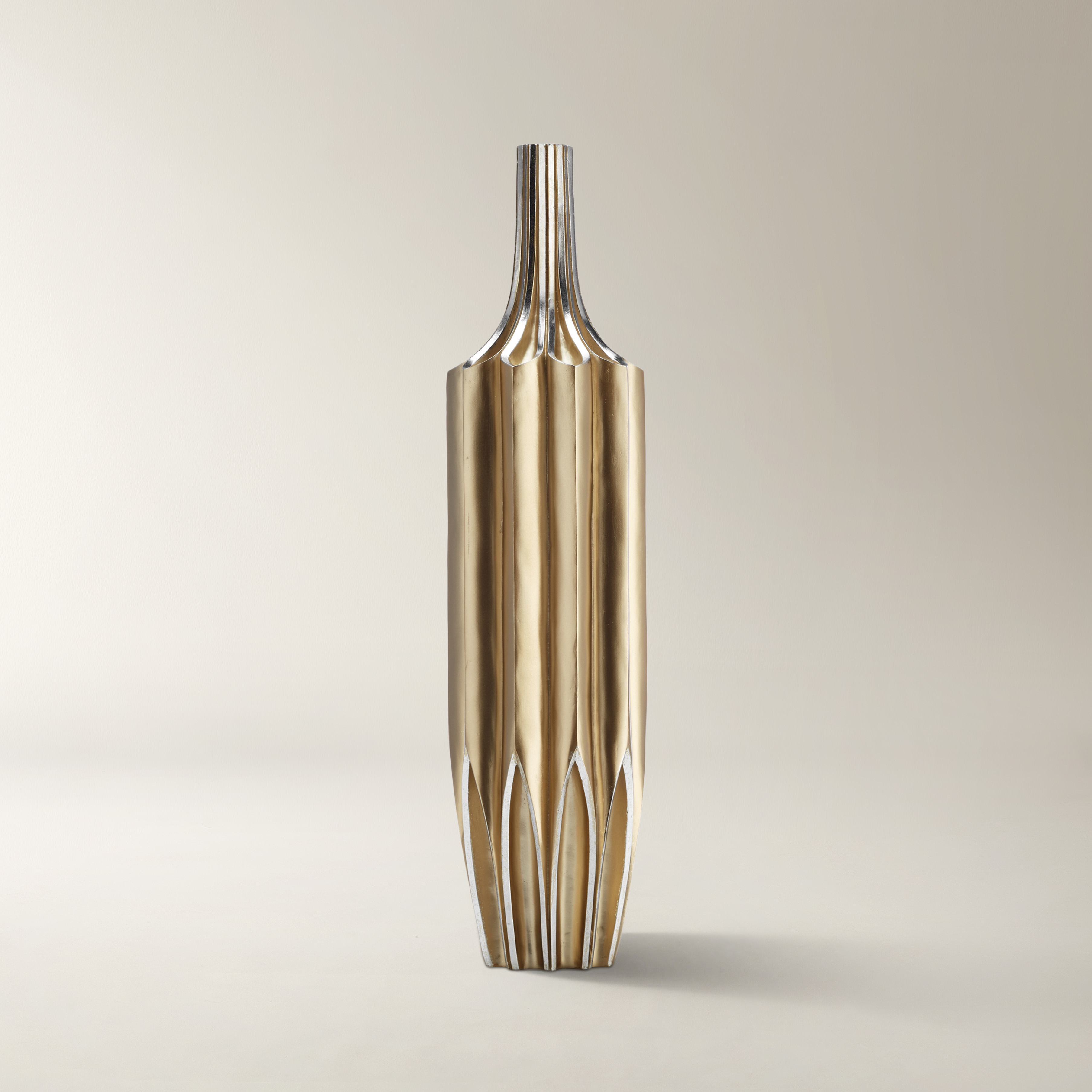 Savannah Gold Resin Vases$69
A sophisticated polyresin vase featuring sleek vertical curves and a modern, inward-flaring design.
Add To Cart -
 Acrylic Chess Set$439
A modern chess set featuring a sleek acrylic board and smooth brass pieces for stylish gameplay.
Add To Cart -

 Oversized Cherries Black And Gold Resin Aluminum Decorative Object 17"$150
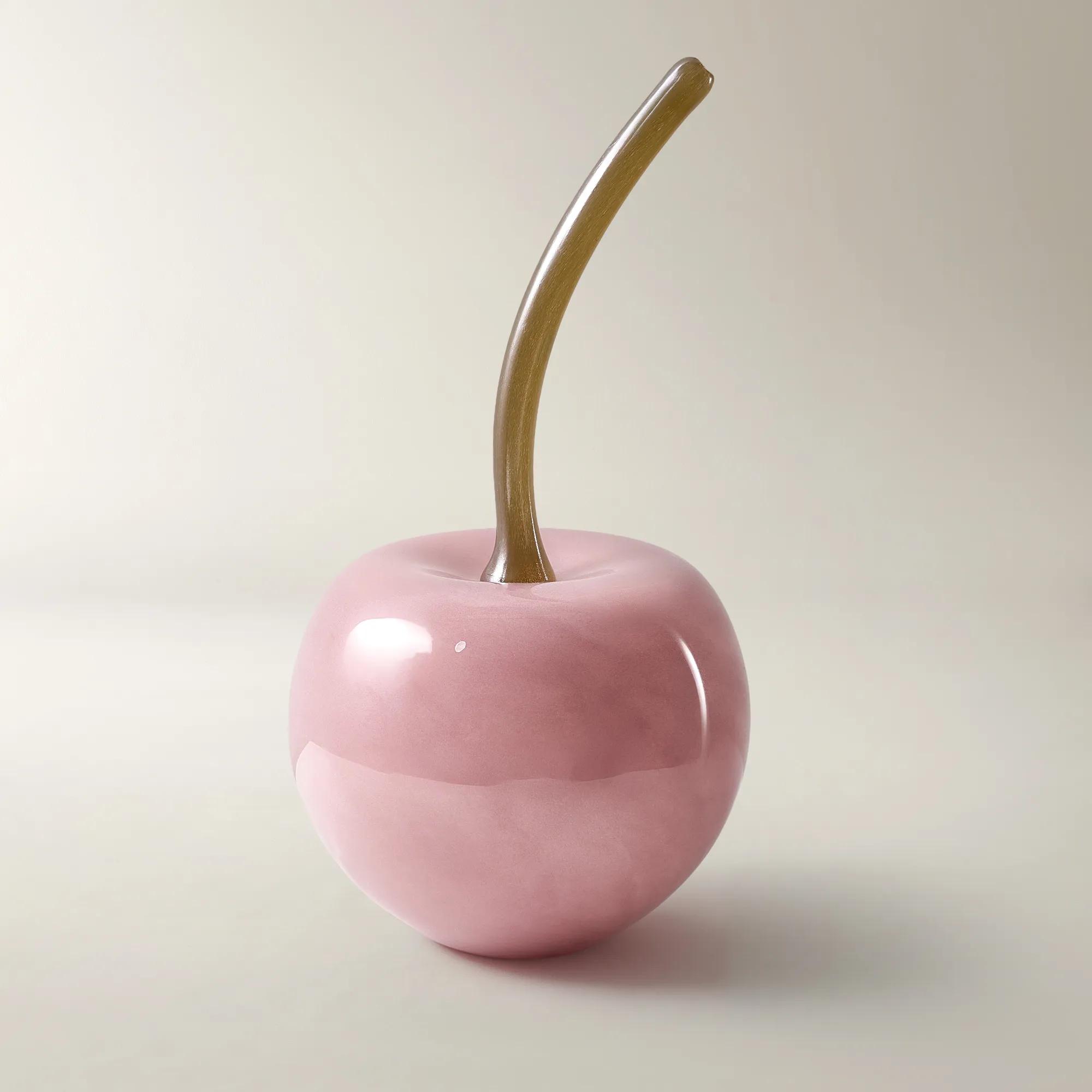
A striking gold and black aluminum accent piece that adds glamour and sophistication to any décor.
Add To Cart -
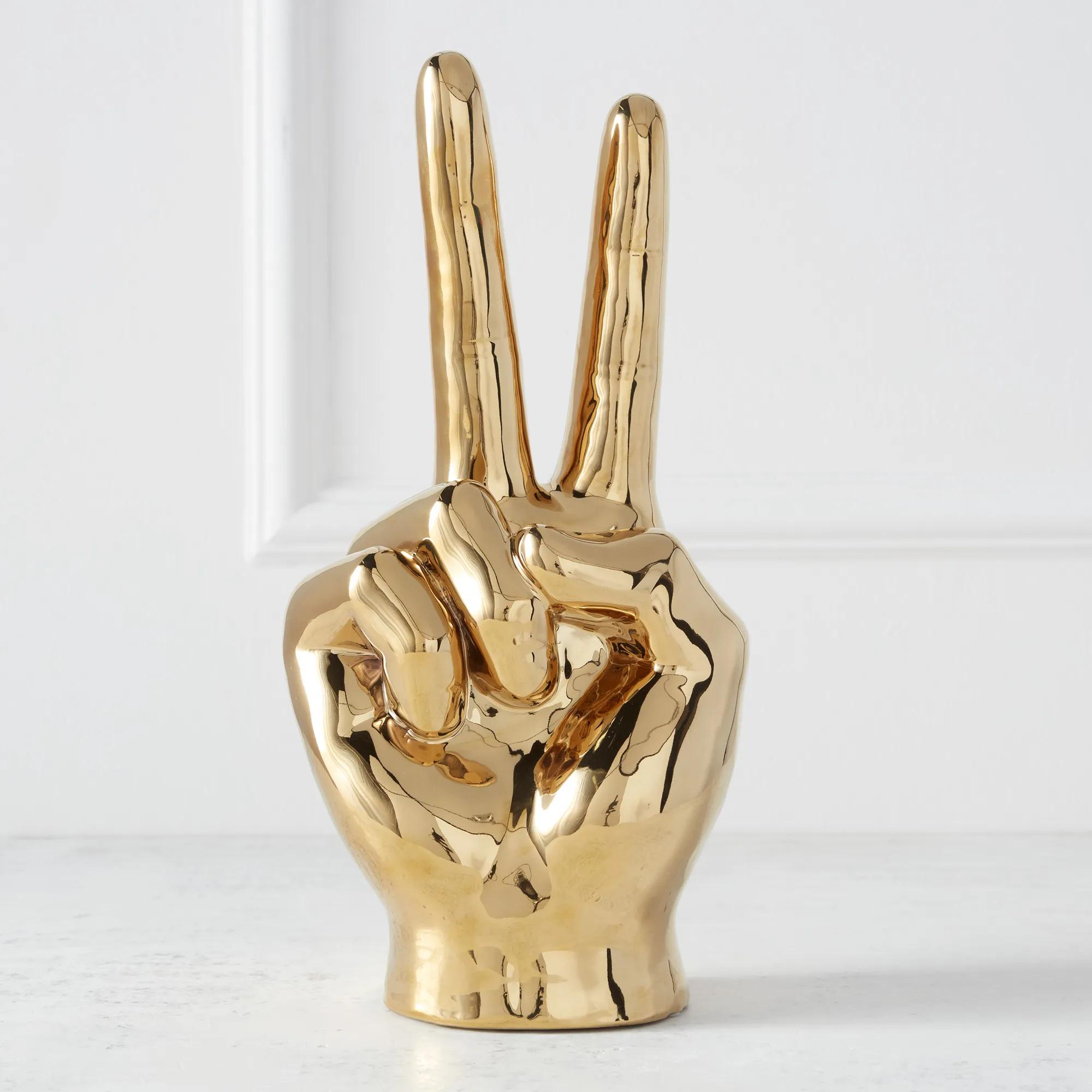 Peace Sign Gold Hand Ceramic Decorative Object 14"$49
A metallic gold ceramic hand sculpture perfect for displaying jewelry or as a decorative accent.
Add To Cart -

 Glitz Gold Velvet Pillow 20" x 20"$109
A shimmering gold foil print pillow on plush velvet with a removable cover and feather down insert.
Add To Cart -

 Josie Soft Gold Shot Glass Gift Set$89
A soft gold glass and alloy shot glass set featuring sculptural wavy loop details and elegant gift-boxed presentation.
Add To Cart -
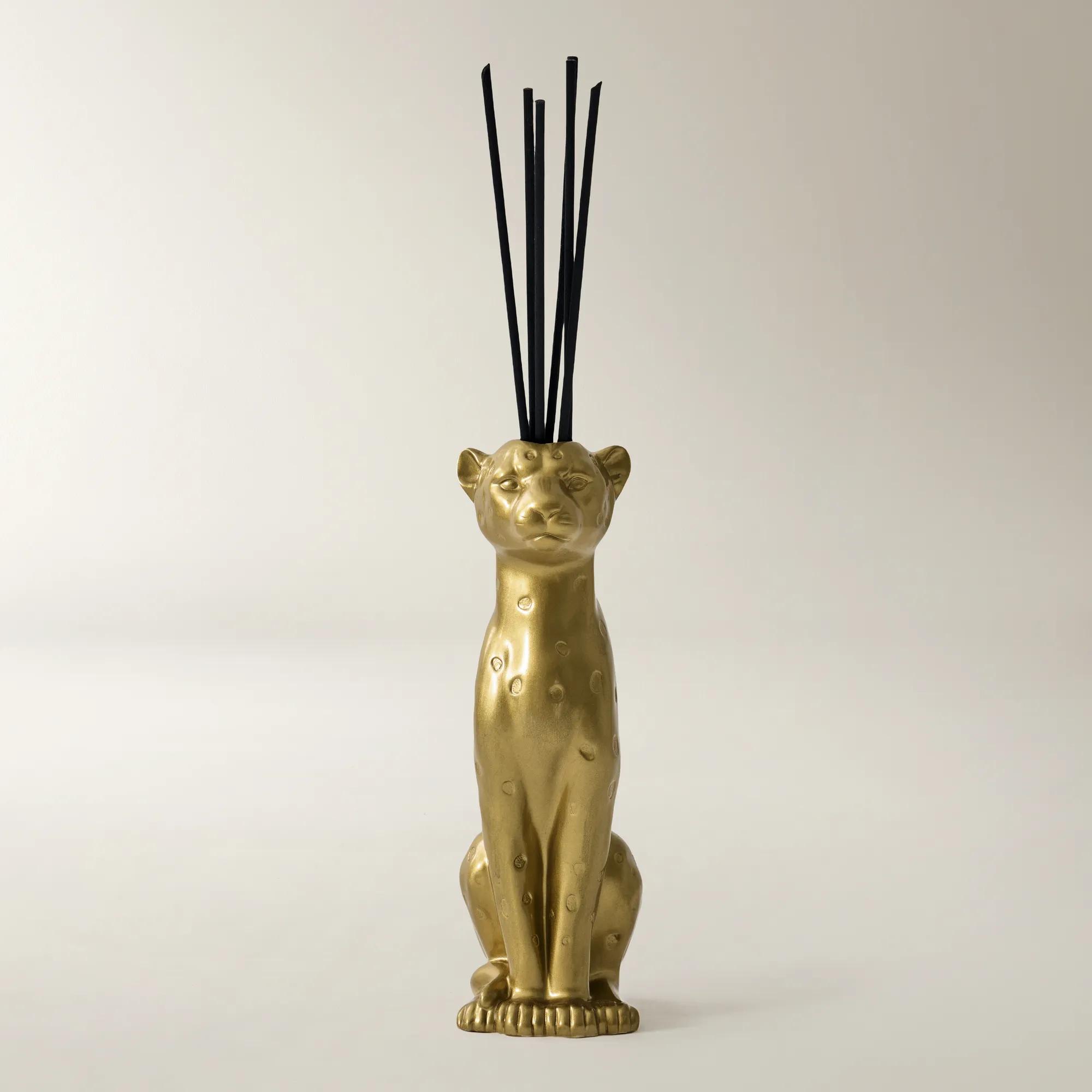
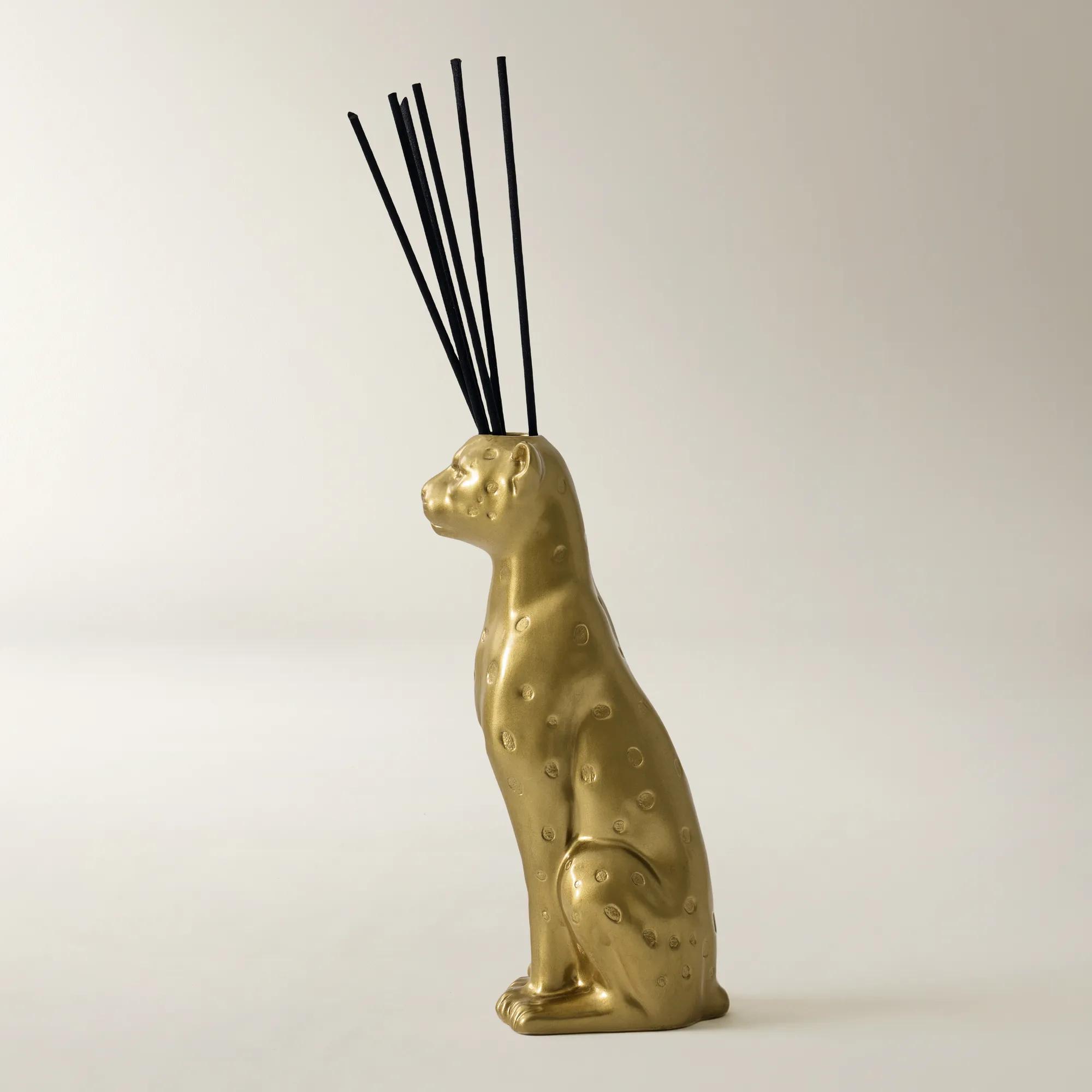 Leo Soft Gold Ceramic Diffuser Gift Set$99
A sculptural porcelain reed diffuser in soft gold, featuring sandalwood and amberwood notes for warm, radiant fragrance.
Add To Cart -

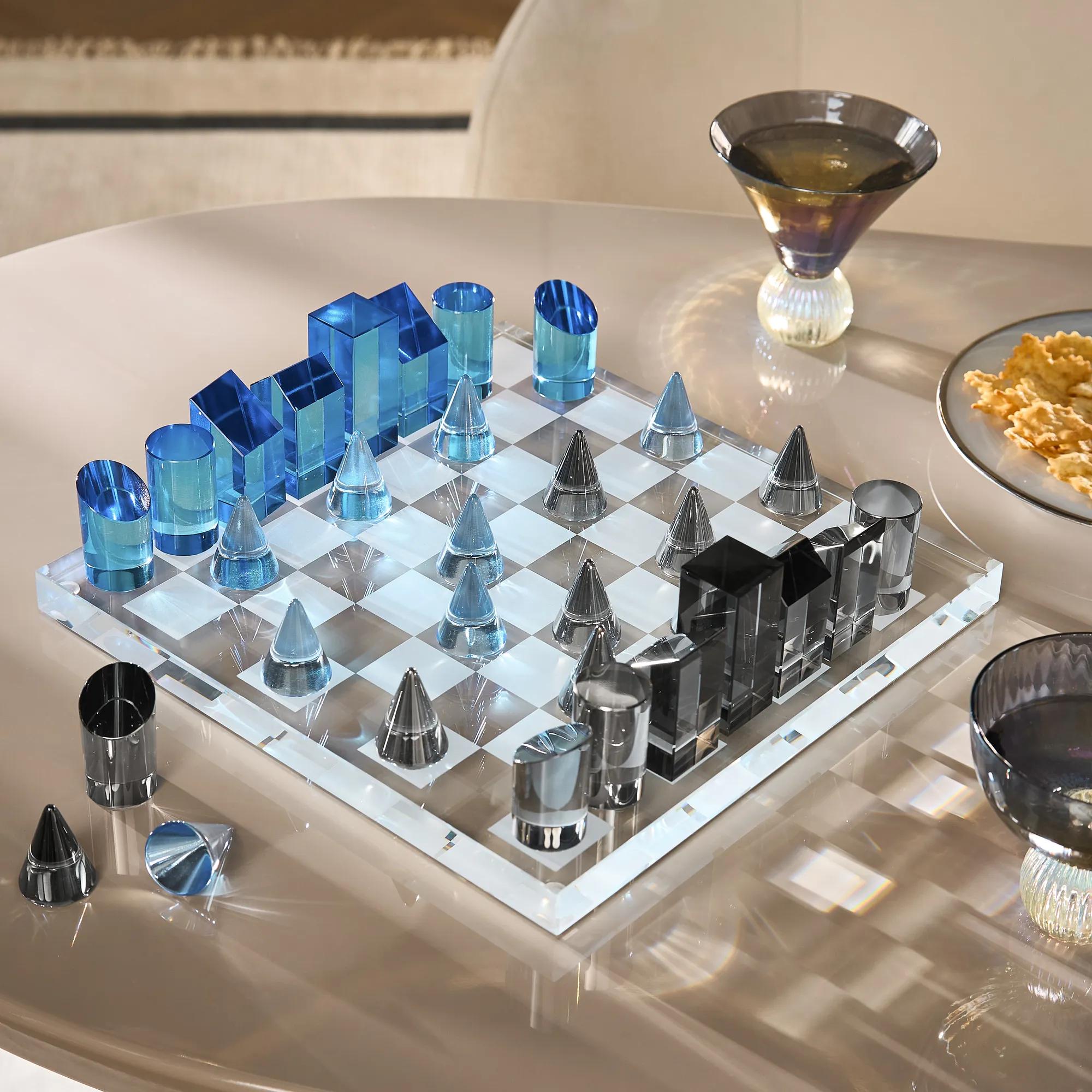 Blue Grey Crystal Glass Chess Set$299
A sophisticated blue and grey crystal glass chess set for stylish entertaining.
Add To Cart -
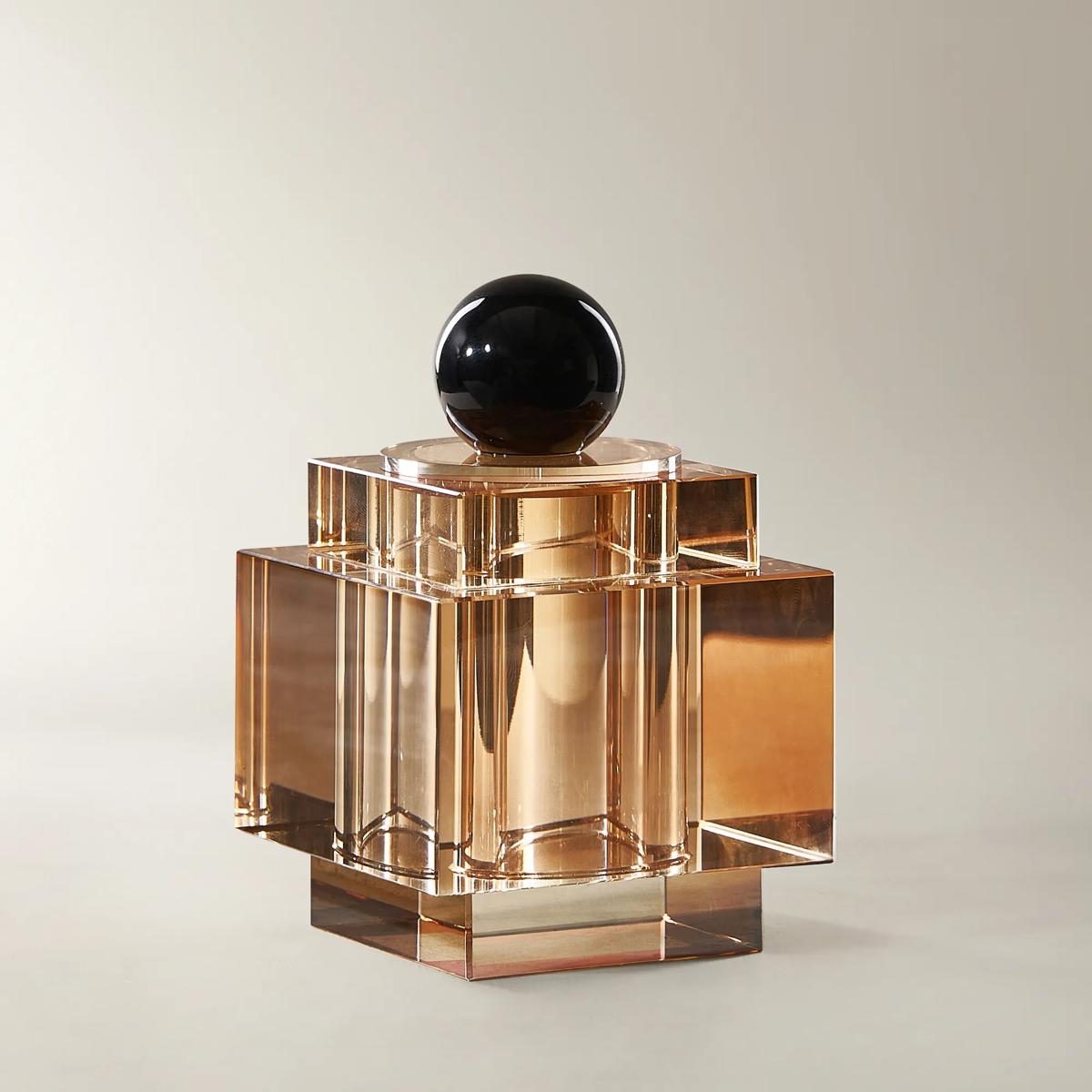
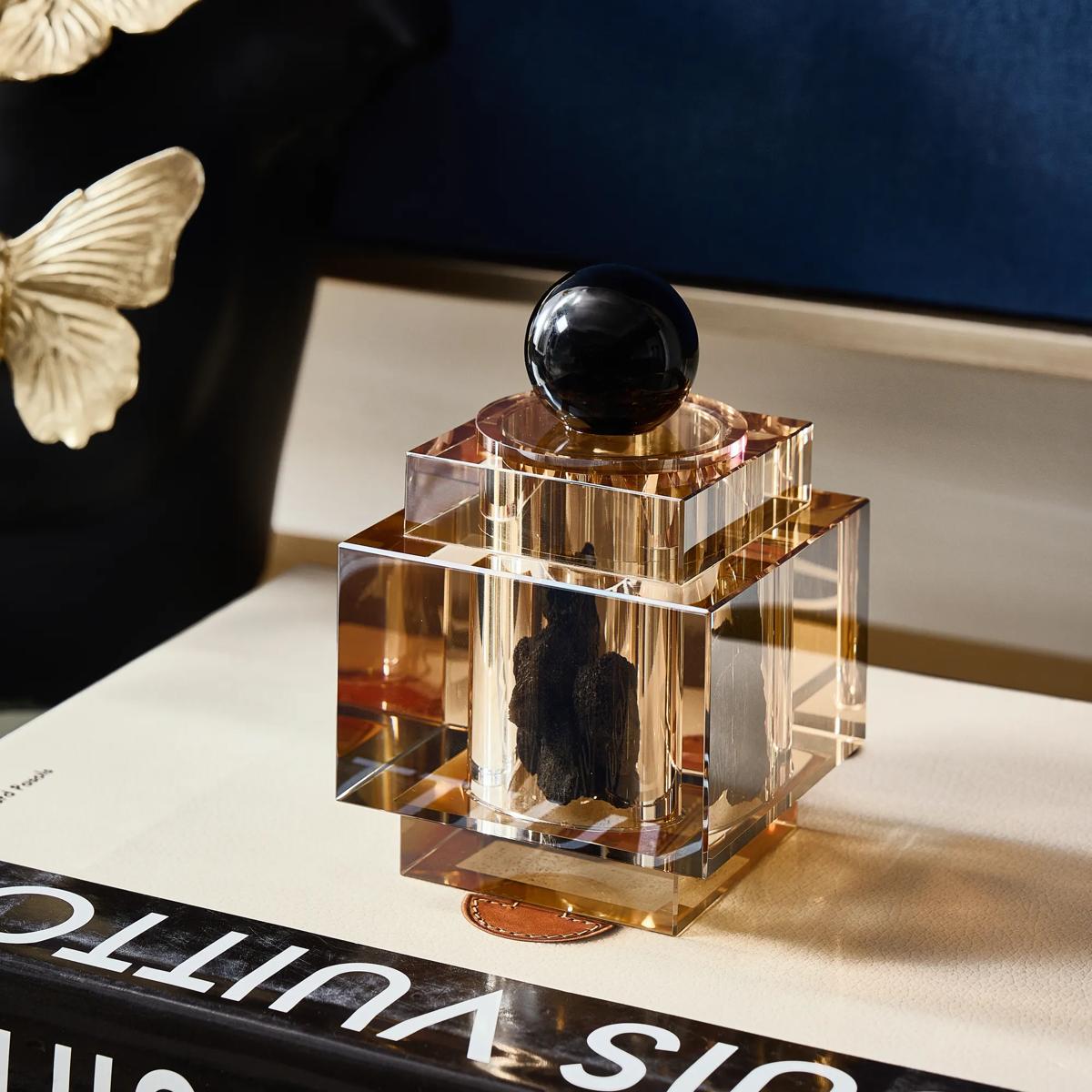 Deco Amber Crystal Glass Perfume Bottle$89
A faceted amber crystal glass accent topped with a glossy black sphere for vintage-inspired glamour.
Add To Cart -
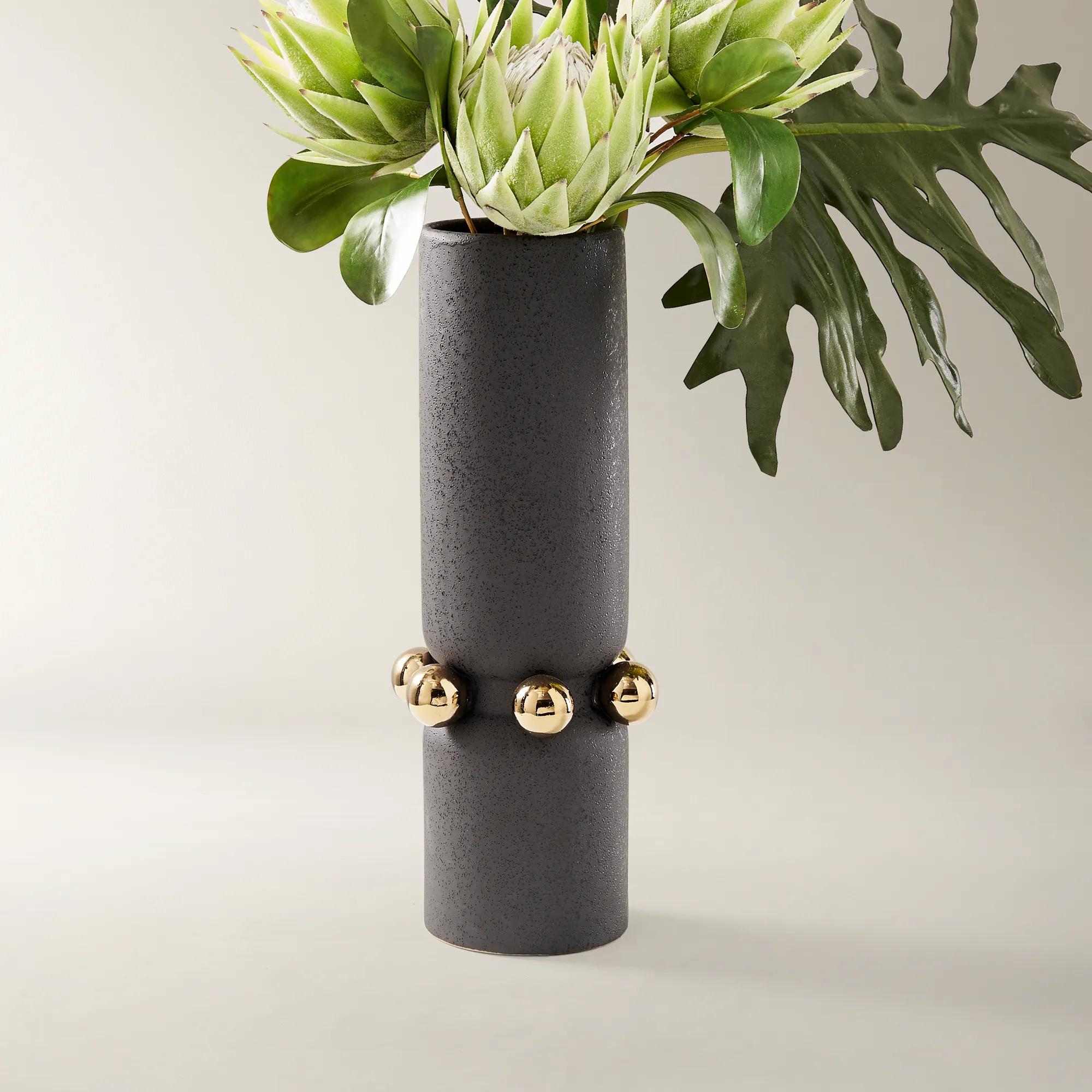 Zerra Vase$99
A ceramic vase featuring a striking matte black and shimmering gold contrast for bold, glamorous decor.
Add To Cart -

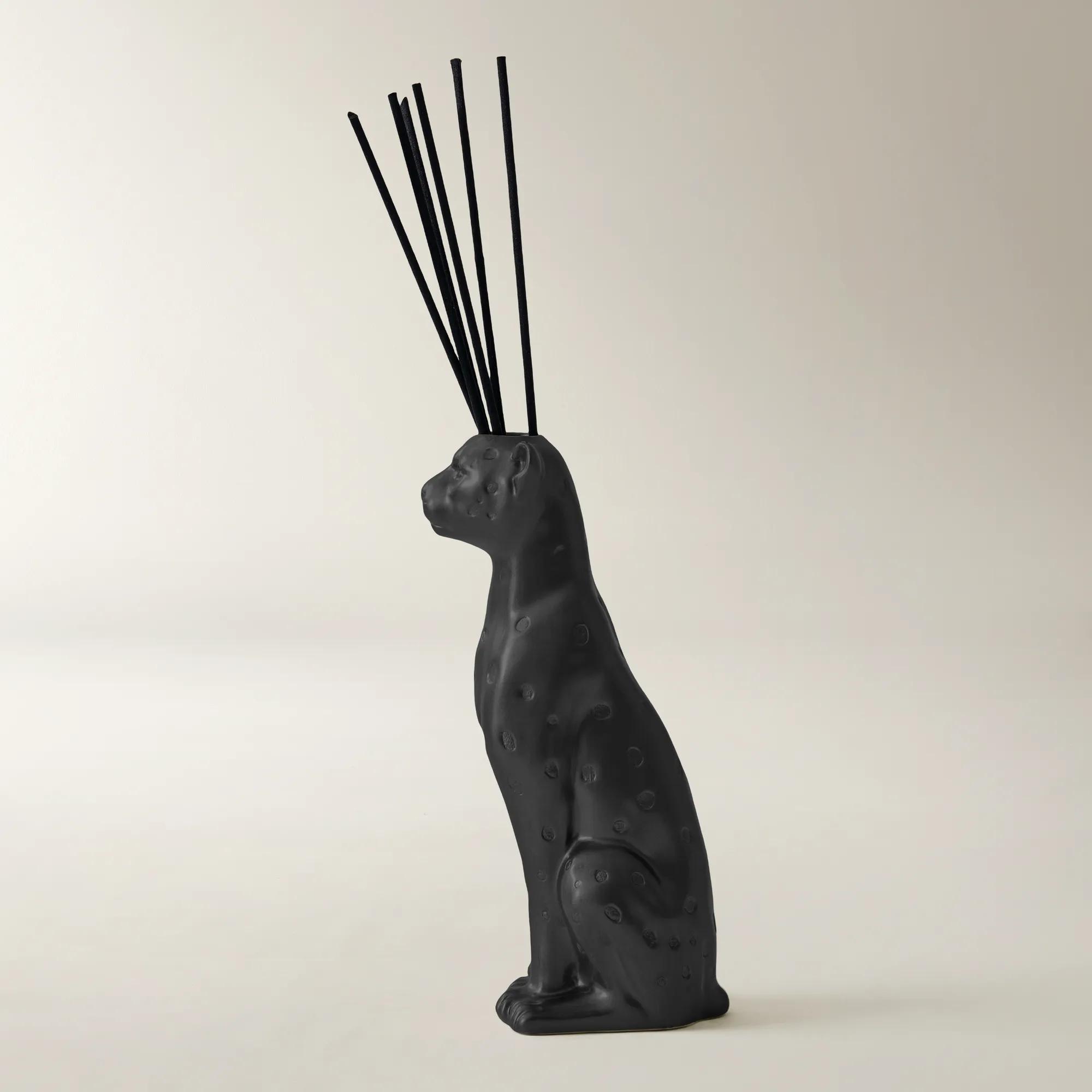 Leo Charcoal Ceramic Diffuser Gift Set$99
A charcoal porcelain reed diffuser featuring a warm, rich Santal Obscur scent and sculptural leopard design.
Add To Cart -
 Handbag Silver Ceramic High Gloss Coin Bank Small$39
A glossy silver ceramic coin bank shaped like a designer handbag for a whimsical decorative accent.
Add To Cart

Gifts For People With Expensive Taste
Find gifts for people with expensive taste that reflect their love of expressive interiors. Explore this home-focused selection with the recipient’s signature colors, favorite design details, and appetite for drama in mind. The most thoughtful choice complements their personal style rather than relying on extravagance alone.
Gifts for people with expensive taste are most compelling when distinctive design, beautiful materials, and thoughtful usefulness come together. The strongest choices feel personal: a sculptural accent that echoes a favorite work of art, richly textured textiles that complement a carefully composed room, or entertaining pieces that make a familiar ritual feel more ceremonial. An eye for luxury often reveals itself in small details—the weight of an object in the hand, the precision of an edge, the way a finish catches light without overwhelming its surroundings. For a recipient who treats home as a form of self-expression, a successful gift acknowledges those details rather than simply adding another object to a shelf. Their existing interiors offer valuable clues. Polished surfaces and dramatic contrasts suggest an appreciation for gleaming finishes and architectural shapes; layered fabrics and tonal arrangements may point toward tactile richness and subtle variations in color. Someone drawn to expressive rooms might welcome an unexpected silhouette, while a collector with a tightly edited interior may appreciate one exceptional accent with a clear sense of purpose. Neither approach requires a room to be restrained. Luxury can be exuberant, with luminous glass, dimensional texture, and bold proportions creating a setting full of personality. The distinction is intention: each element should have a reason to belong. Decorative gifts are especially meaningful for housewarmings, anniversaries, milestone birthdays, and celebrations of a new chapter because they become part of the recipient’s daily surroundings. A piece placed beside a reading chair or incorporated into a dining room arrangement can recall the occasion long after the celebration. For the devoted host, the design enthusiast, or the person whose home always feels beautifully considered, the most memorable gift respects an established aesthetic while introducing a fresh note of surprise. It should feel discovered for that person, not selected from a generic idea of what luxury ought to look like.
Materials give luxury home gifts much of their character, but the finish, construction, and intended use deserve equal attention. Glass can bring clarity and lightness to a densely layered arrangement, while faceted surfaces create a more jewel-like play of reflections. Ceramic offers a different kind of presence, from smooth glazed surfaces to dimensional textures that invite a closer look. Natural stone can introduce expressive veining and substantial weight, with variations that make each piece visually individual. Those variations are part of the material’s appeal rather than an expectation of perfectly repeated pattern. Metal accents range from softly brushed to highly reflective, and each finish changes how an object relates to nearby lighting, artwork, and furniture. A mirror finish adds brilliance; a brushed surface offers a more diffused sheen. In textiles, the depth of the pile, the quality of the seams, and the relationship between the decorative face and its backing all influence how refined a piece feels in use. Velvet, for example, can appear lighter or darker as its pile changes direction, giving a single color remarkable dimension. Material names alone, however, do not establish suitability for every setting. Decorative vessels should not be assumed watertight, and pieces intended for display are not automatically appropriate for serving food. Manufacturer guidance should determine food contact, cleaning methods, and placement. Care is also part of a thoughtful gift choice. Delicate finishes may call for gentle dusting rather than abrasive cleaners, while certain stones can be vulnerable to acidic spills. Textile care varies by fiber, construction, and embellishment, making the care label more reliable than a general rule about the fabric’s appearance. The underside matters, too: a substantial decorative object needs an appropriate surface and, where recommended, protective pads to help prevent scratches. Durability is best understood in relation to use. A finely detailed accent displayed on a protected shelf faces different demands from serveware handled frequently or a textile used on a favorite chair. Matching the material to the recipient’s habits allows beauty to remain part of everyday life rather than something kept perpetually out of reach.
Scale and placement make the difference between a striking gift and one that feels difficult to accommodate. A generous silhouette can command a broad console, yet the same dimensions may crowd a narrow entry table. Height matters as much as width, especially beneath artwork, inside shelving, or on a dining surface where conversation should remain effortless. For decorative textiles, fit includes both physical dimensions and visual proportion: an accent should relate comfortably to the furniture rather than disappear against it or overwhelm its lines. Color is equally personal. Repeating an existing metal tone or drawing out a secondary shade from artwork often creates a more natural connection than introducing an entirely unrelated palette. Deliberate contrast can be equally compelling when it reflects the recipient’s taste—a dark, sculptural form against pale upholstery, for instance, or a luminous surface beside richly grained wood. The recipient’s routines help establish the right level of presence. Someone who entertains frequently may appreciate pieces that move gracefully between display and use, while an art-minded collector may value an object primarily for its form. A household with young children, active pets, or frequently rearranged rooms may be better suited to stable shapes and less delicate detailing, without sacrificing expressive design. Scent, pronounced color, and highly specific motifs require a more intimate understanding of personal preferences than broadly compatible textures or finishes. For celebrations centered on festive giving, High End Holiday Gifts offers another setting for the same thoughtful attention to personal style. Whatever the occasion, the lasting appeal lies in recognition: the gift reflects how the recipient lives, what they notice, and the atmosphere they enjoy creating. A beautifully chosen home accent can sharpen a room’s composition, lend ceremony to a daily habit, or introduce an unexpected interplay of texture and light. That balance of visual drama and genuine belonging is what makes a gift worthy of someone with a discerning eye.
FAQs
Look for home decor with an artistic point of view: sculptural objects, expressive wall art, or decorative trays with distinctive detailing. A memorable gift feels deliberately chosen, reflecting the recipient’s appreciation for beautiful interiors rather than relying on a recognizable label.
Take inspiration from the colors, finishes, and silhouettes they already love. For someone drawn to glamorous interiors, consider luminous accents and dramatic forms; for an art enthusiast, explore abstract compositions or sculptural decor. Choose something that echoes their aesthetic while introducing an unexpected detail.
Decorative trays, artful serving pieces, and distinctive tabletop accents appeal to hosts who consider presentation part of the occasion. Look for expressive shapes and thoughtful detailing that bring a sense of ceremony to gathering, from an intimate dinner to a celebratory evening.
Connect your selection to a favorite color, an artistic interest, or a shared memory. A decorative object with a fluid silhouette might recall a coastal escape, while expressive artwork can speak to their creative spirit. Include a handwritten note explaining the connection to give the gesture a personal story.
Choose a fresh perspective rather than another familiar possession. An intriguing decorative object, an art book tied to a particular passion, or an unexpected accent for a favorite vignette can delight a discerning collector. Prioritize individuality and a clear connection to their interests.