Furniture For Large Living Rooms
Furniture For Large Living Rooms
-
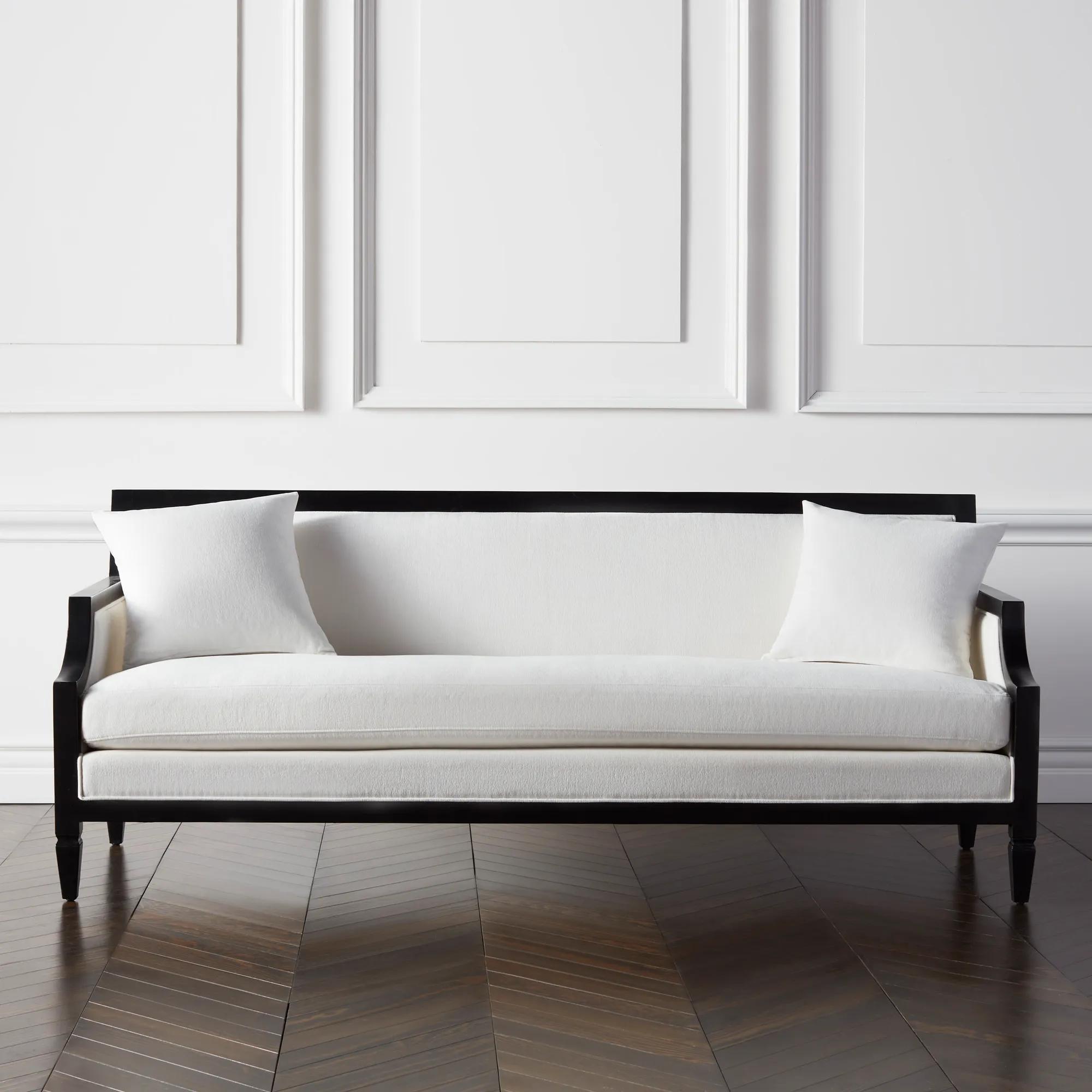
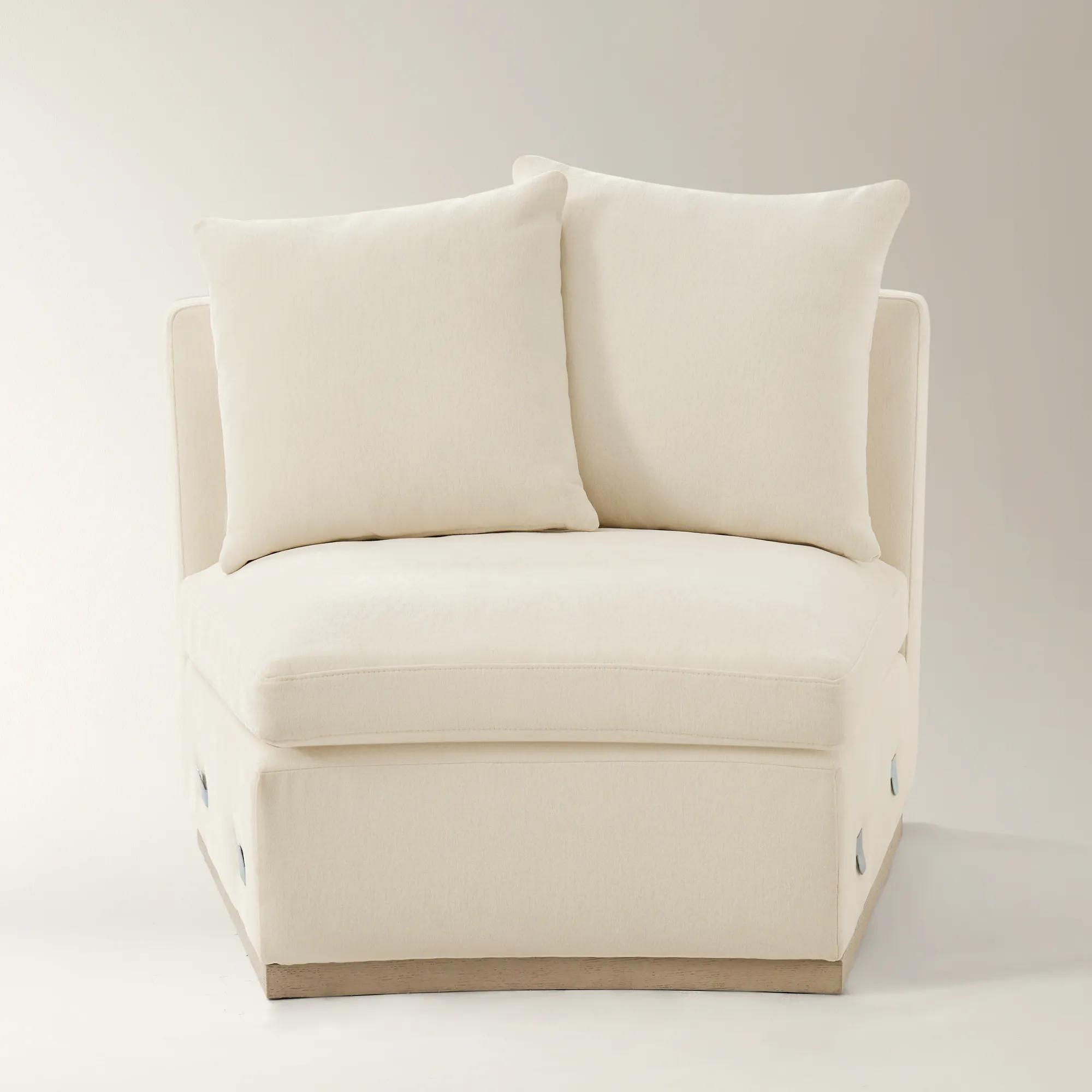
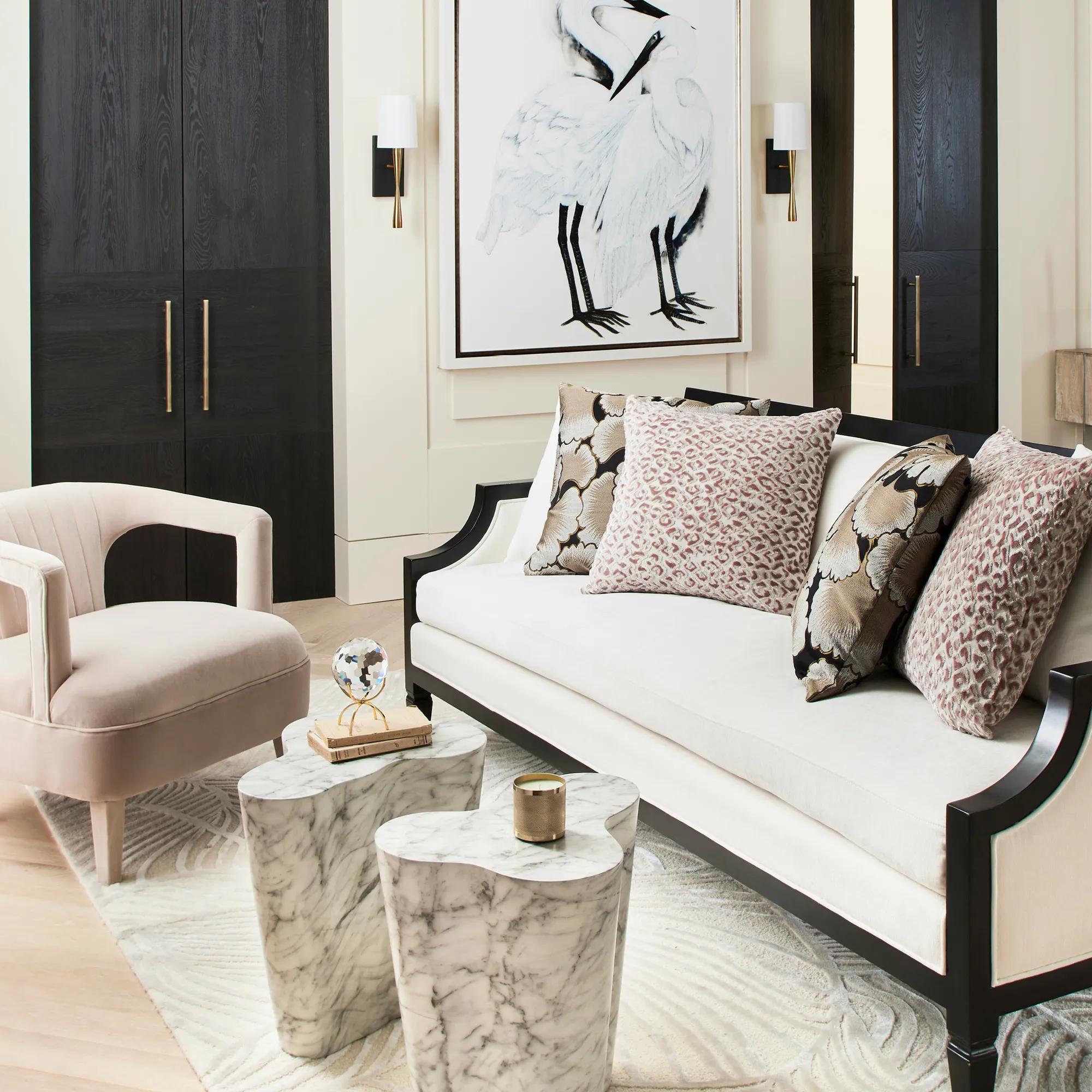 Kayla Sofa$2499
A plush, modern sofa featuring notched arms, matte black wood frame, and soft chenille upholstery.
Add To Cart -
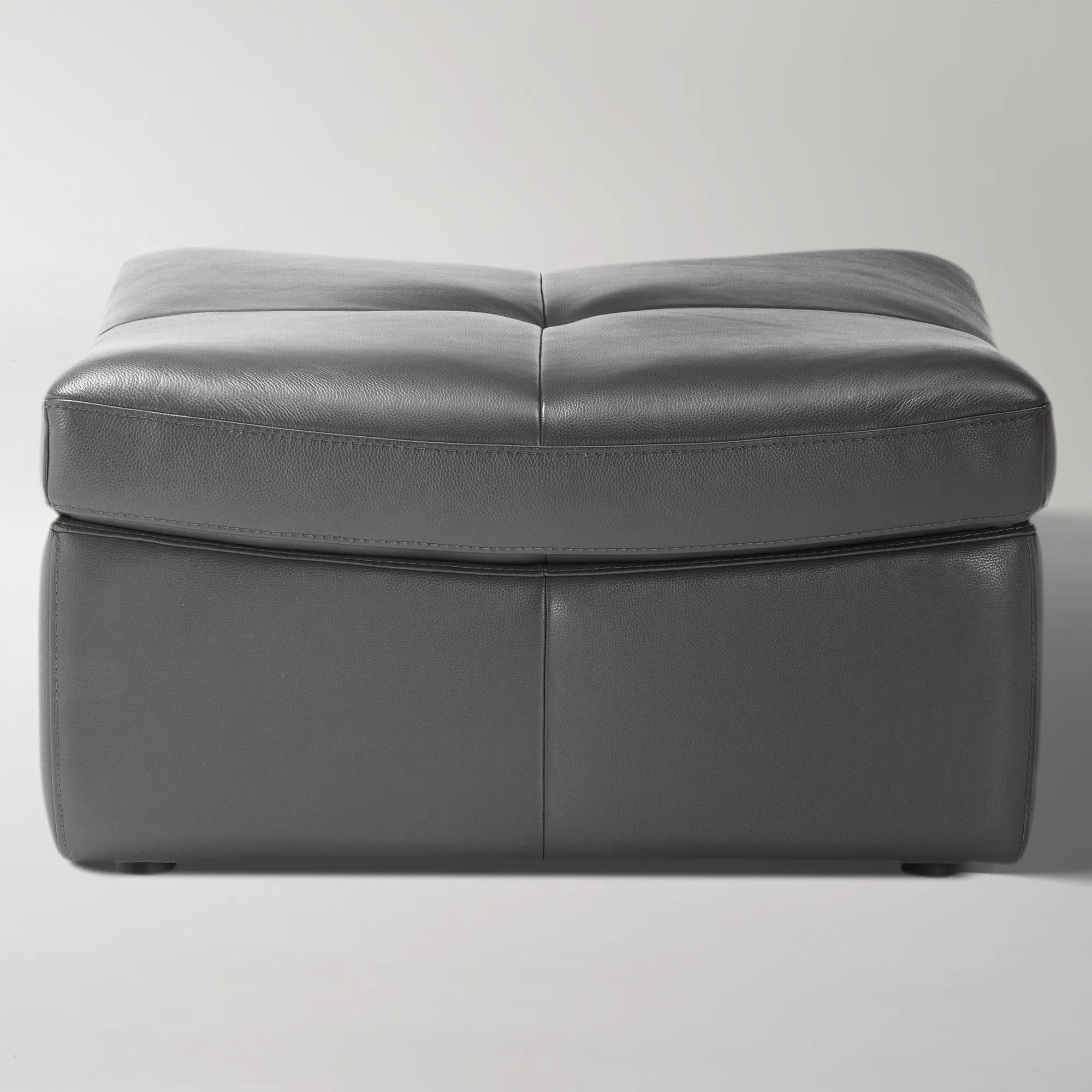 Convo Charcoal Leather Ottoman$849
A modular sectional in charcoal semi-aniline leather with kiln-dried hardwood frames and gently curved seats.
Add To Cart -
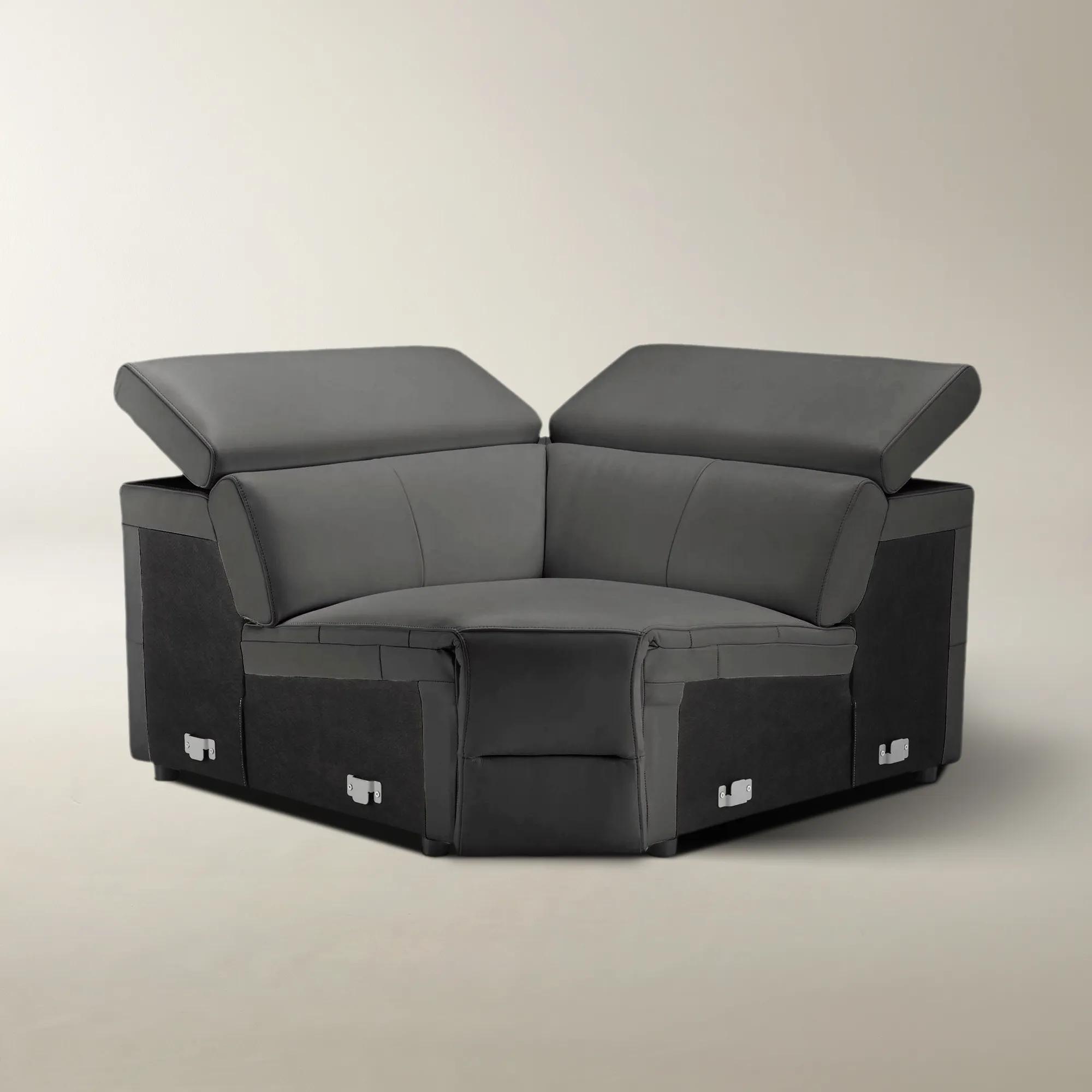
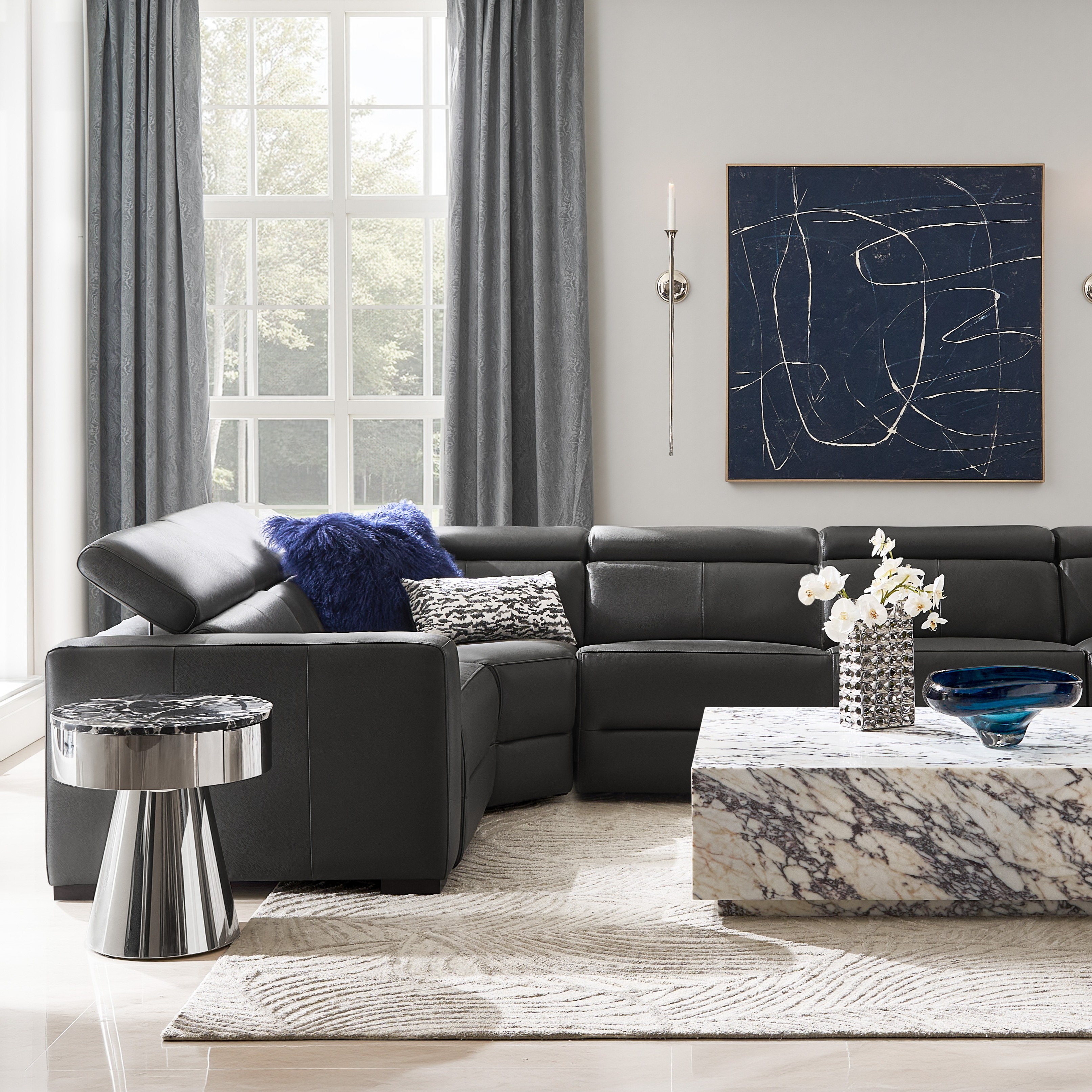 Verona Charcoal Leather Corner Chair With Power$1499
A modern charcoal sectional upholstered in supple semi-aniline leather with adjustable headrests and optional power recline.
Add To Cart -
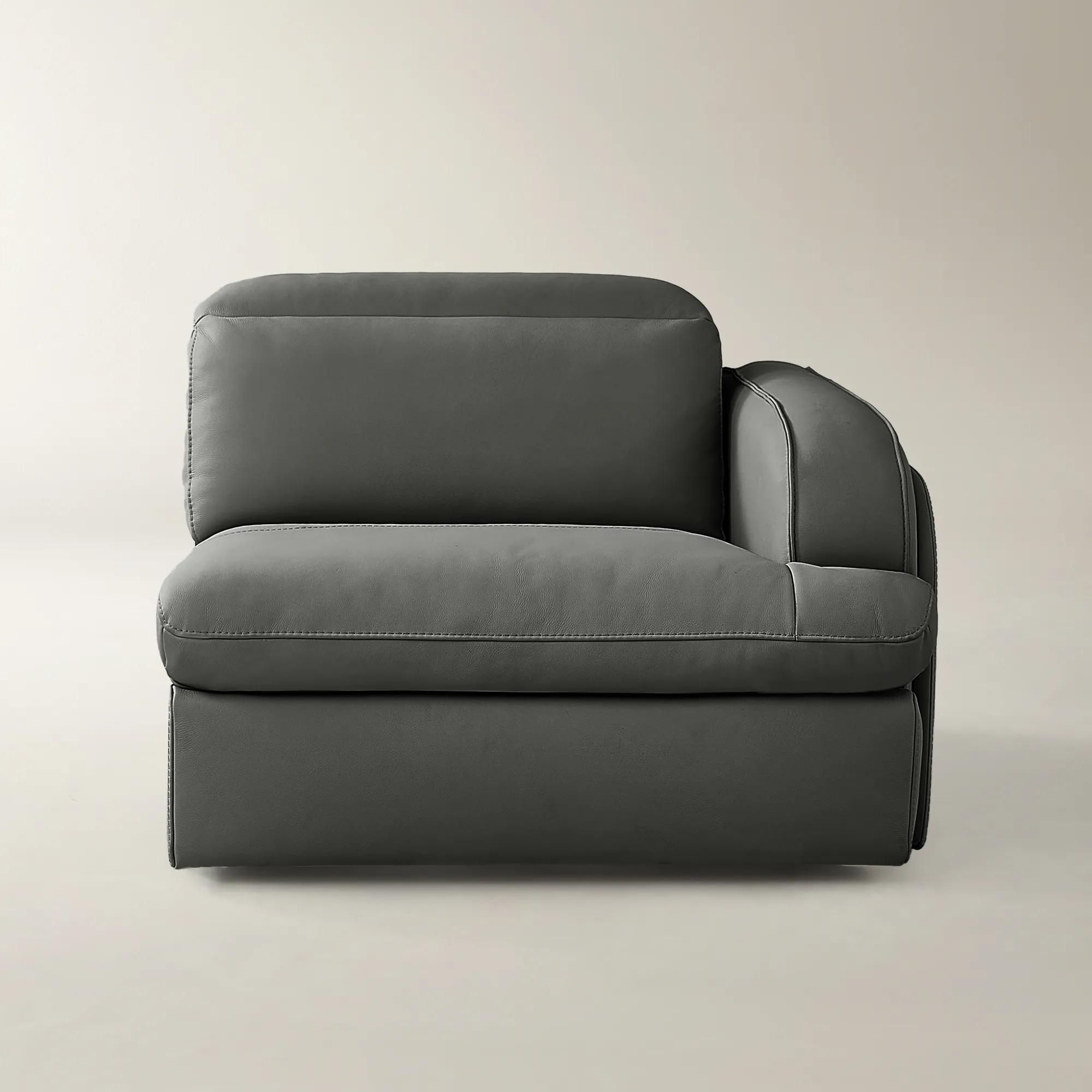
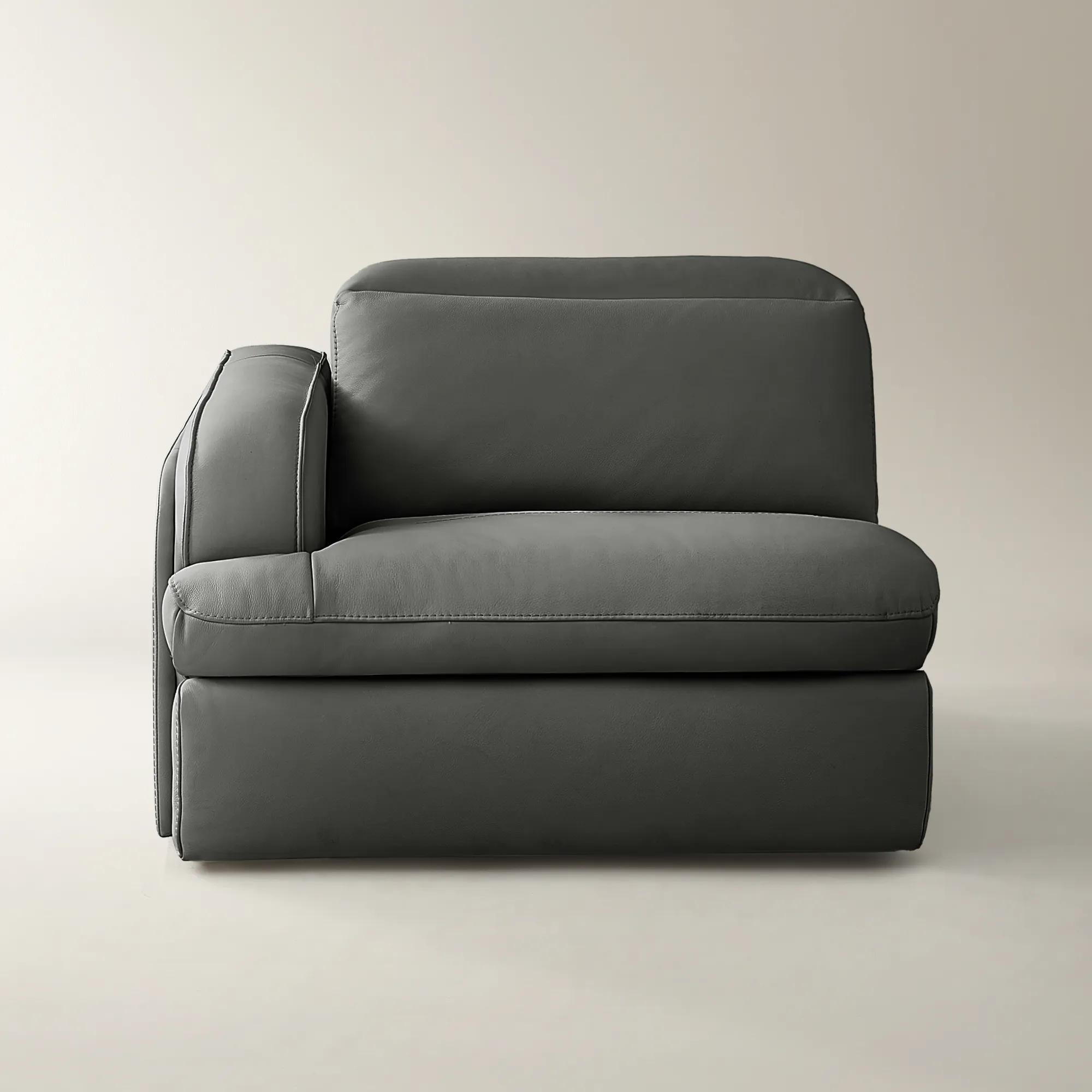
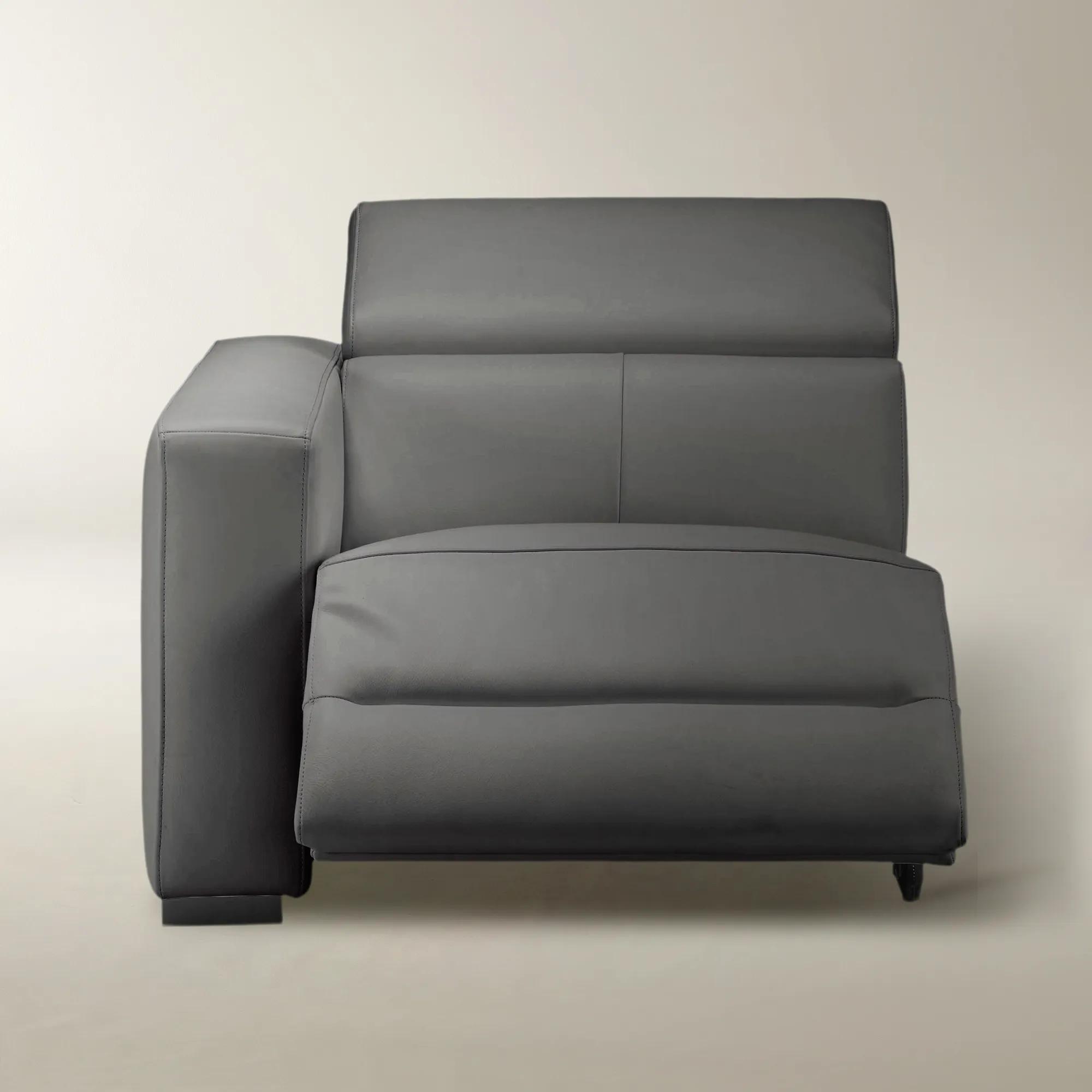 Verona Reclining Charcoal Leather Left Arm Chair With Power$1499
A charcoal semi-aniline leather sectional with adjustable headrests, power-reclining seats, and kiln-dried hardwood frame.
Add To Cart -
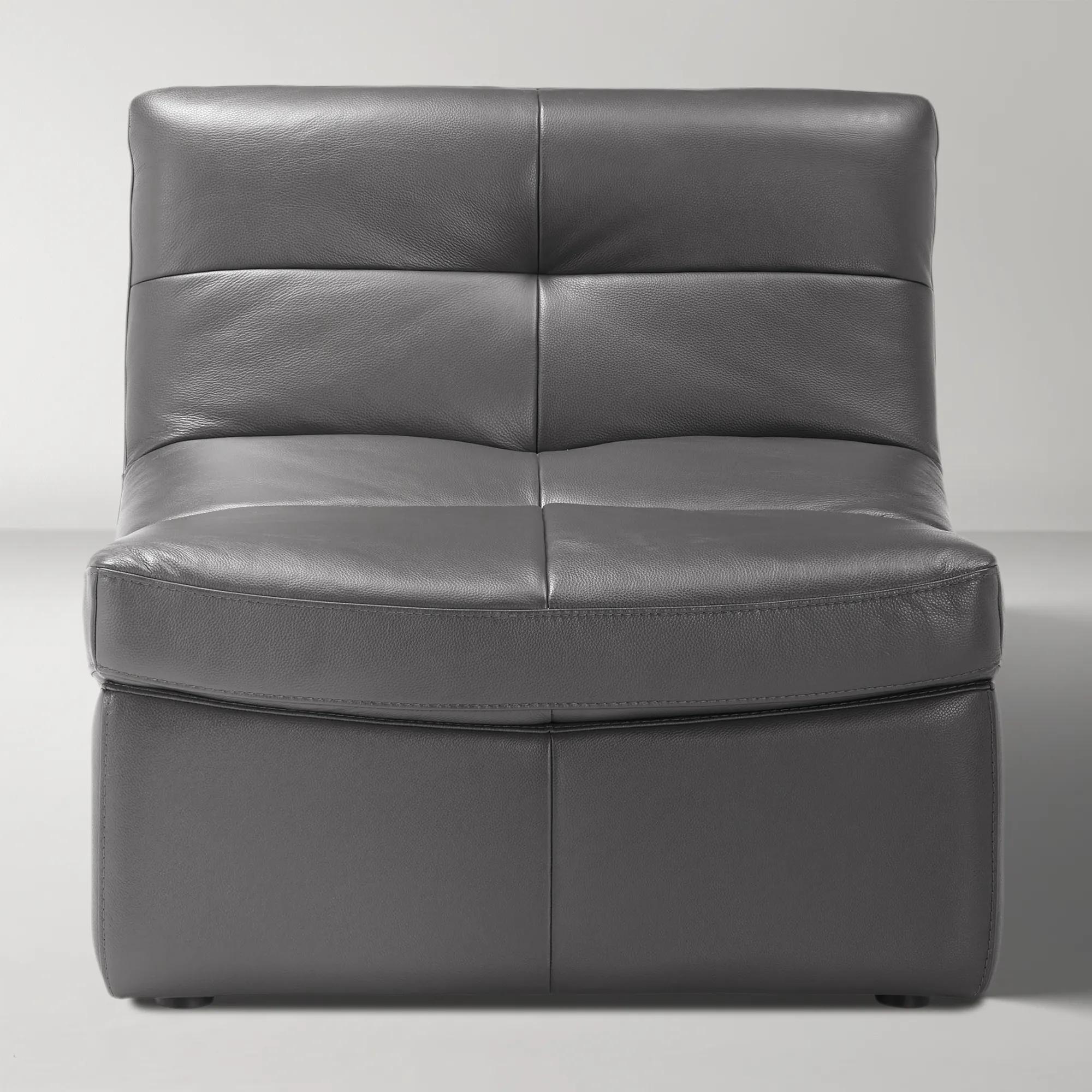
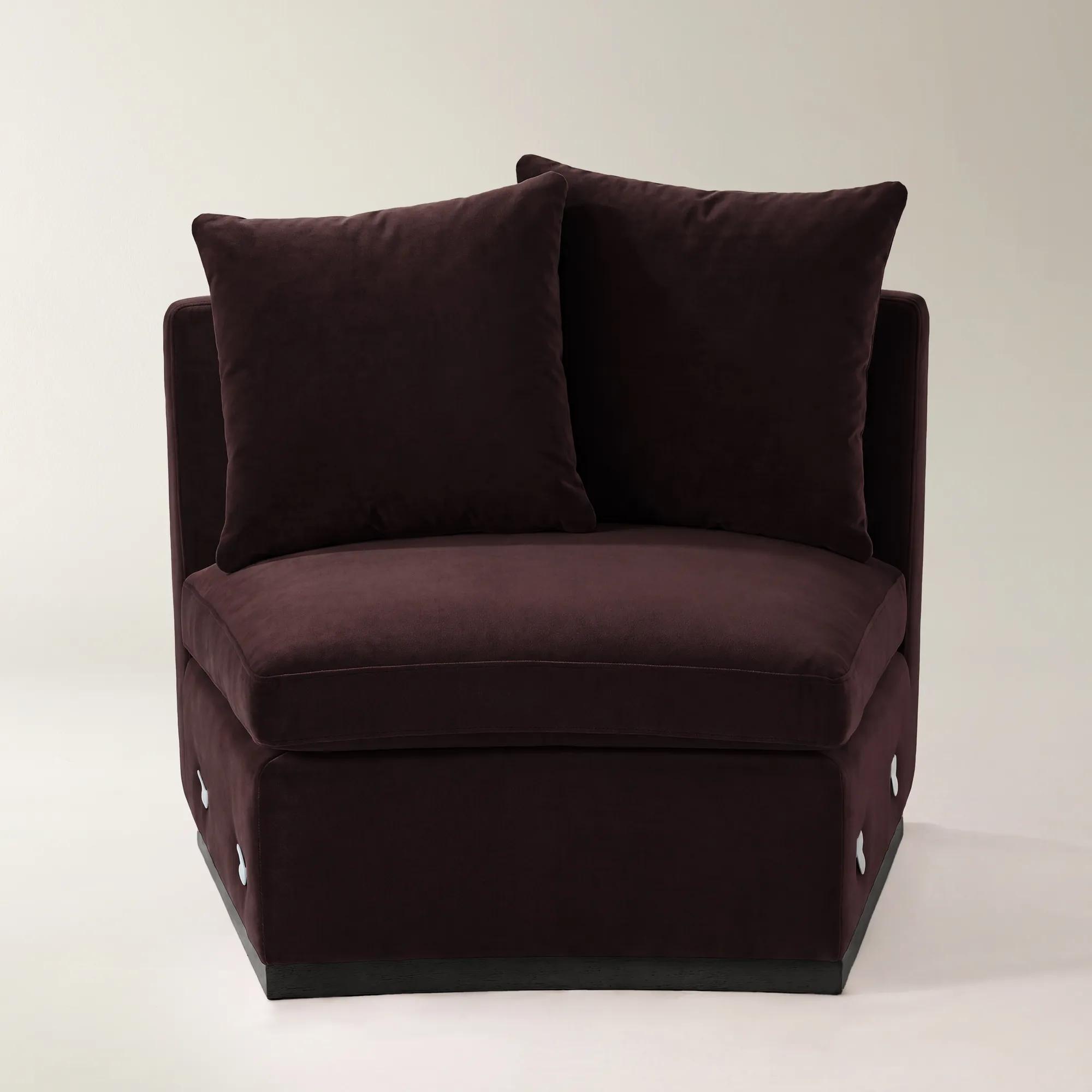
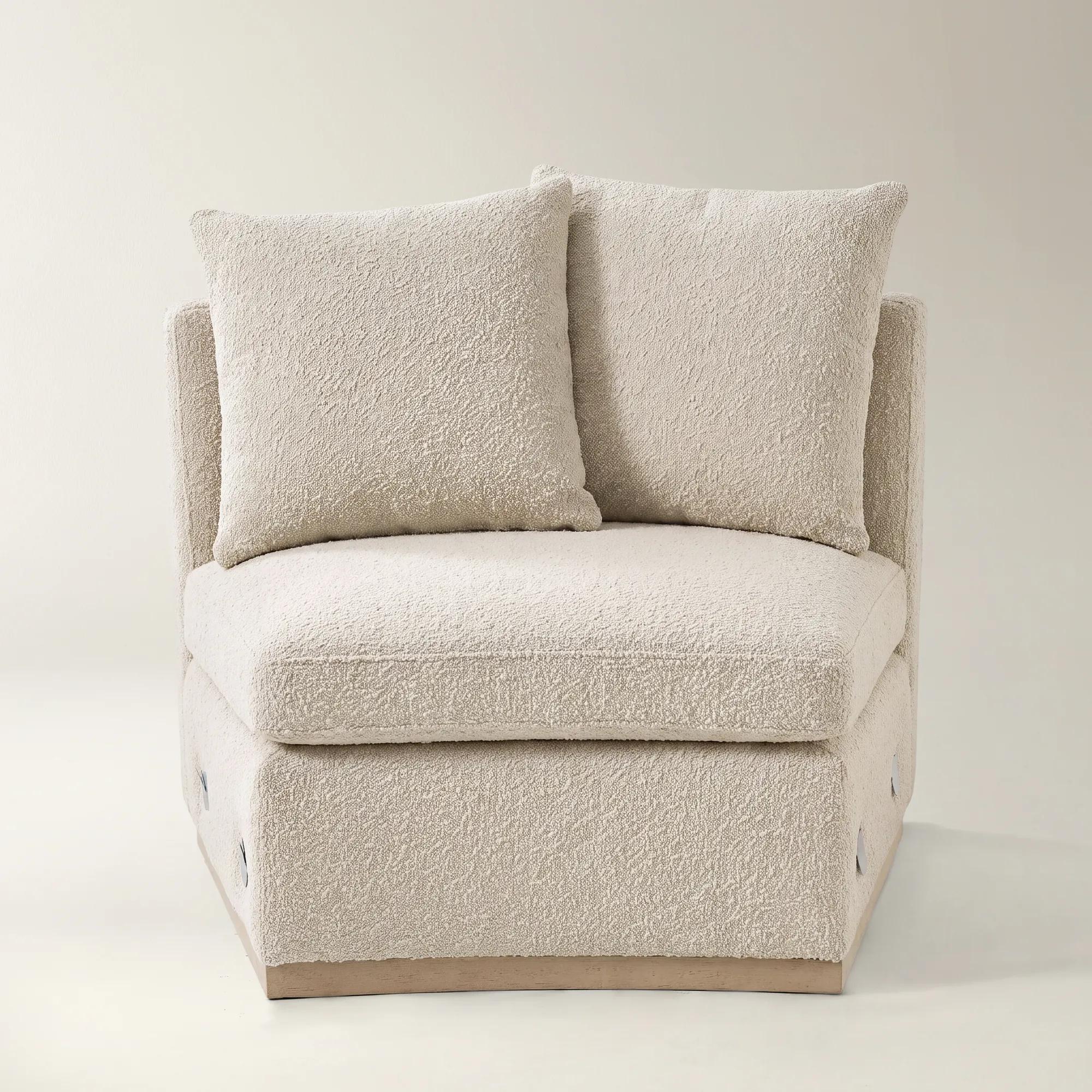
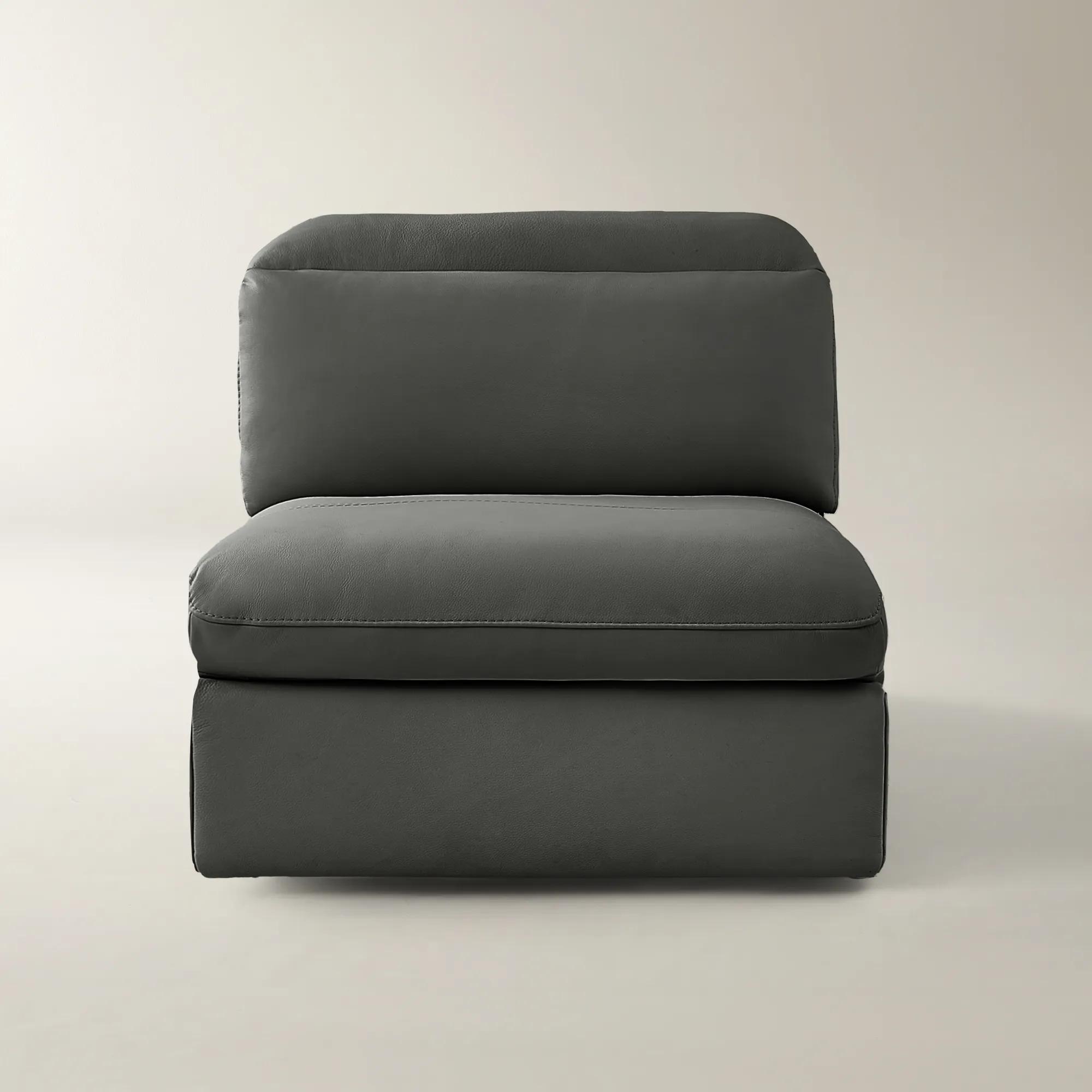
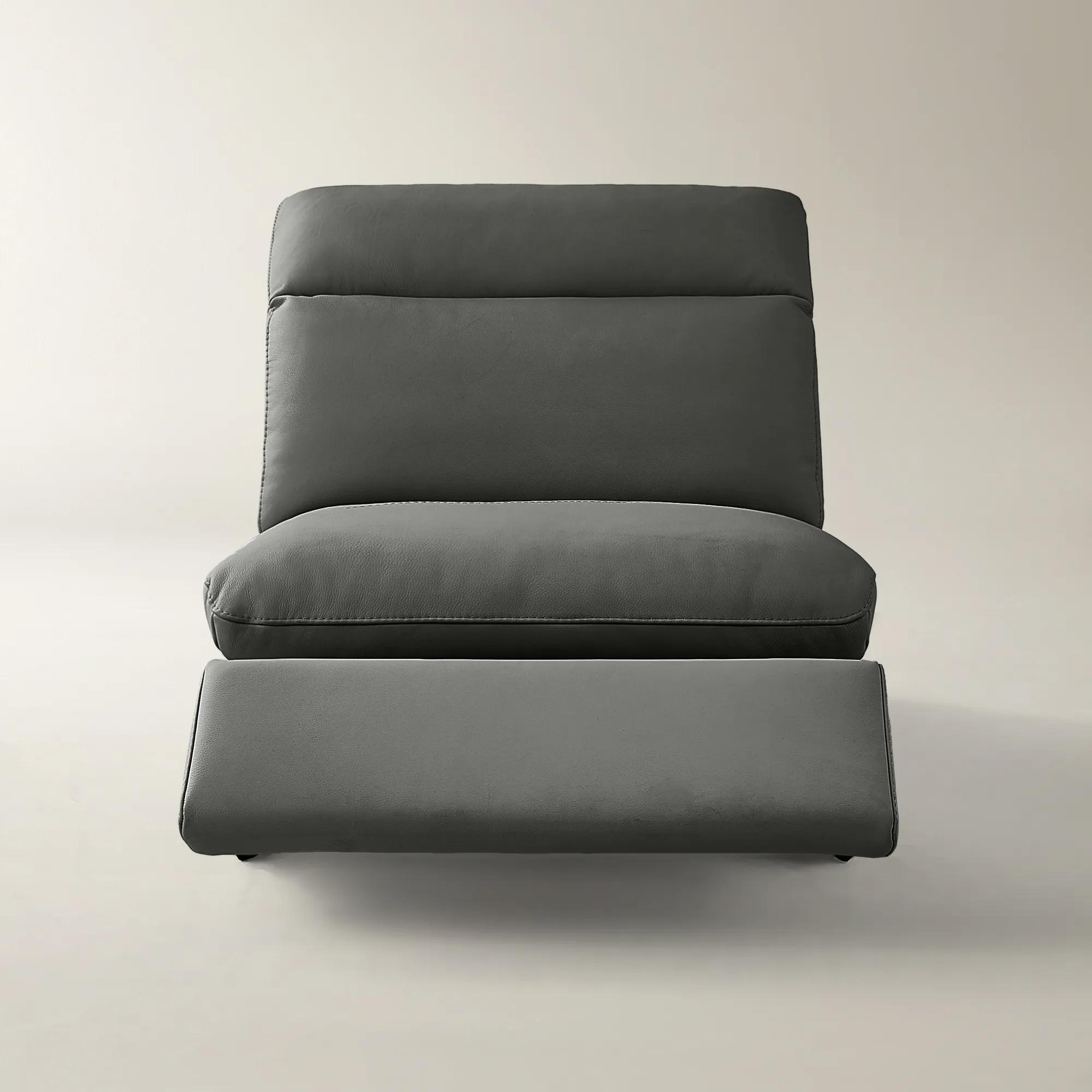
.jpg?w=1200&h=1200) Convo Charcoal Leather Armless Chair$1199
Convo Charcoal Leather Armless Chair$1199A modular sectional with kiln-dried hardwood frame and charcoal semi-aniline leather upholstery for modern versatility.
Add To Cart -
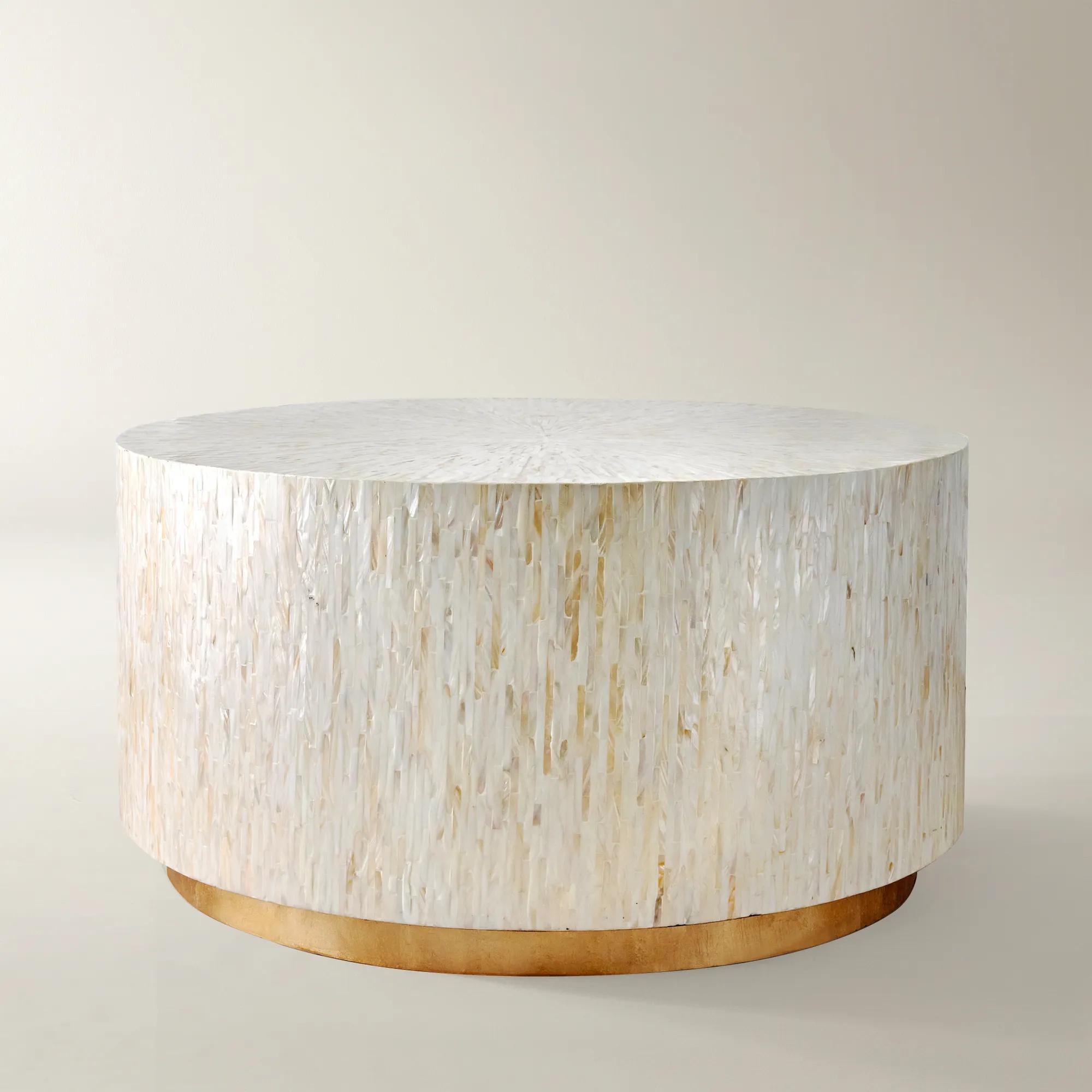
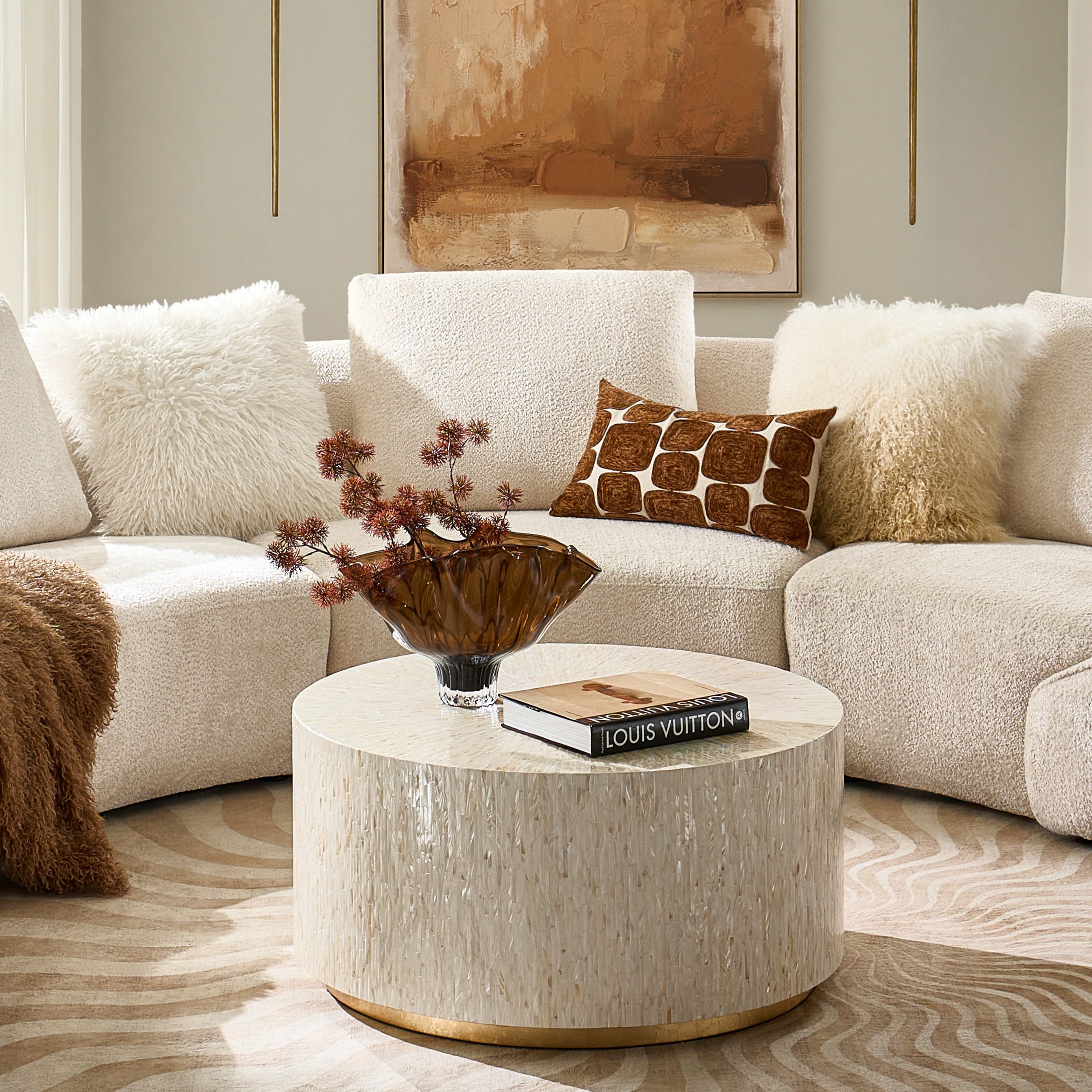 Alexandria Round Mosaic Platinum Coffee Table (36")$799
A luminous ivory coffee table featuring hand-applied mother-of-pearl mosaic and a gold leaf-accented base.
Add To Cart -
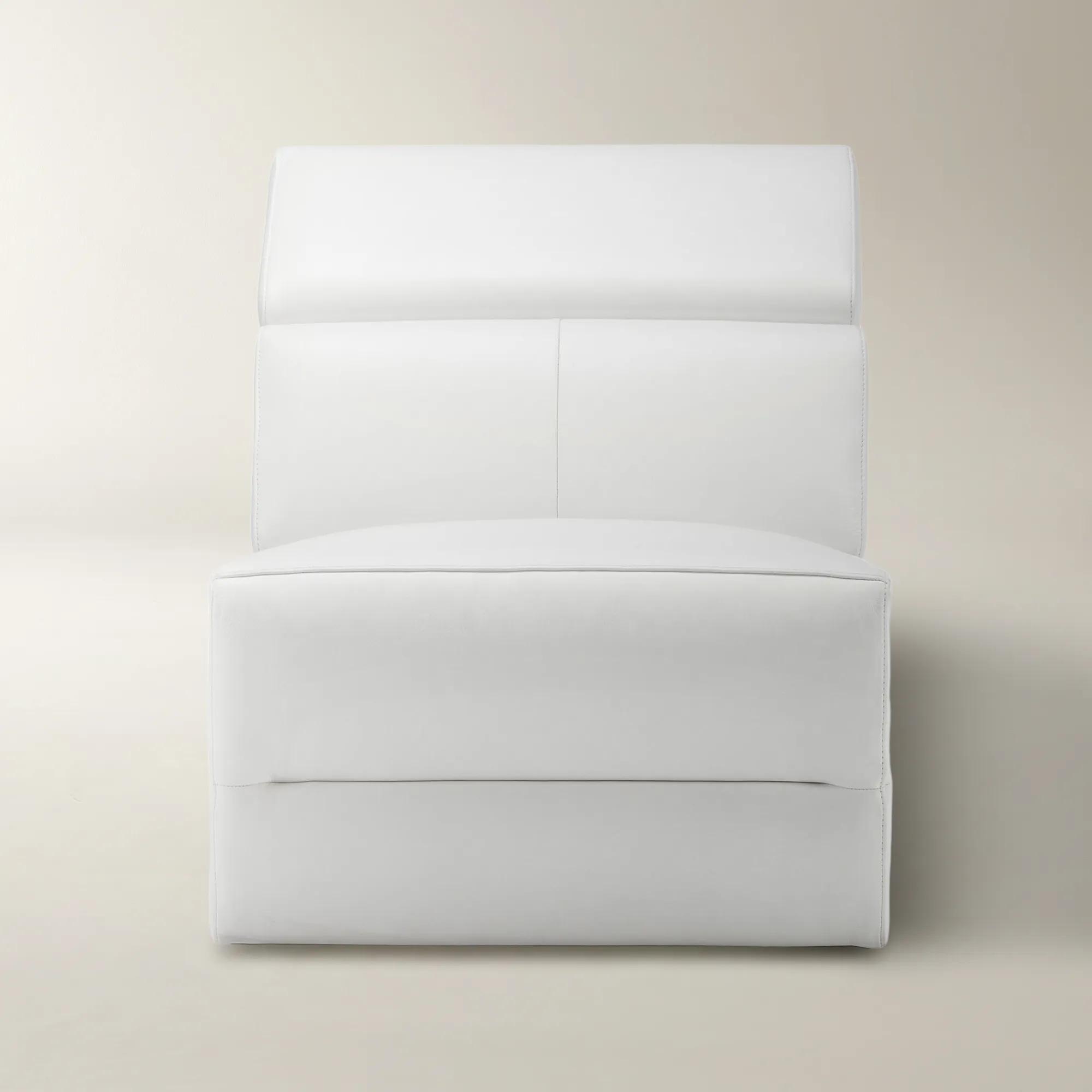
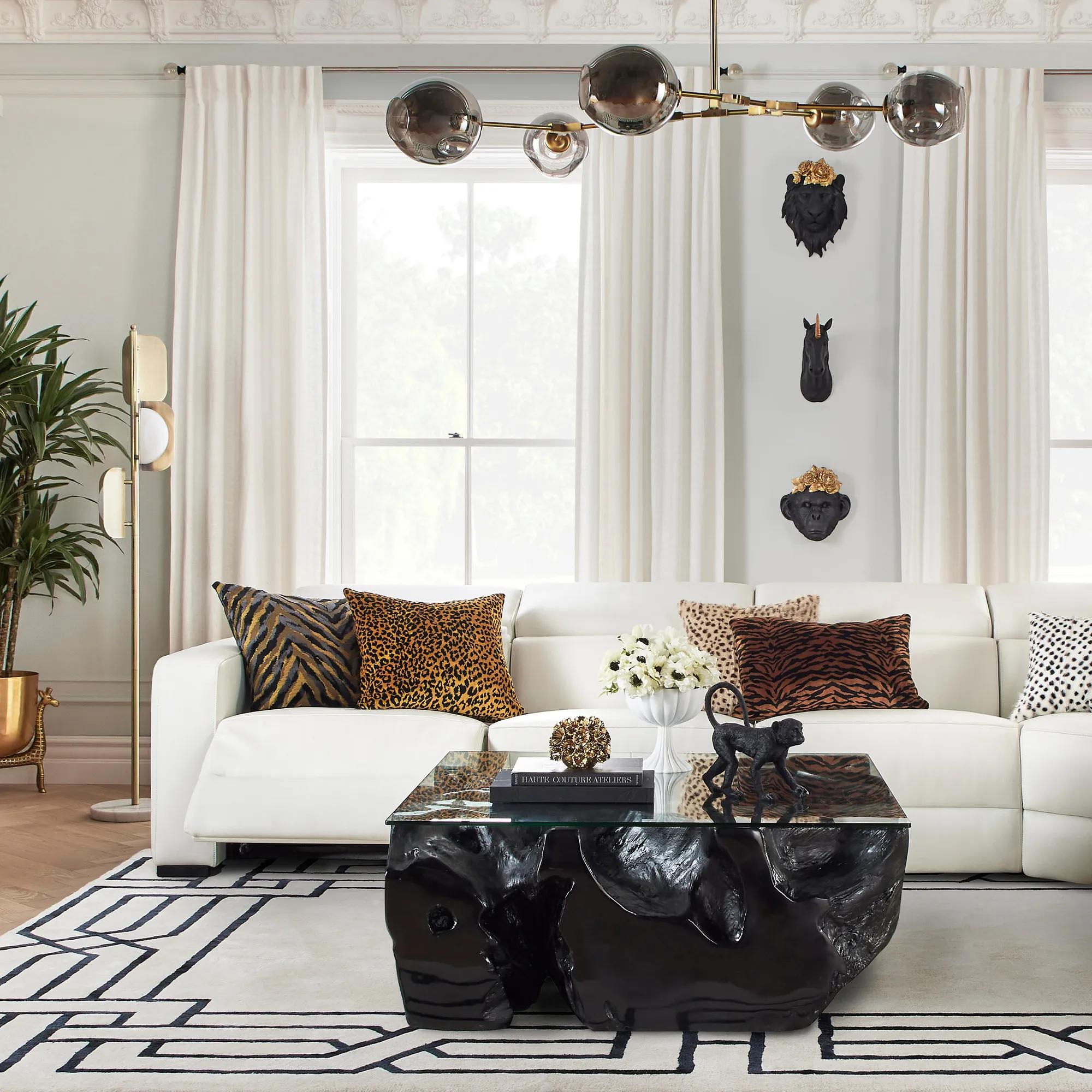 Verona White Leather Armless Chair$1099
A modern sectional upholstered in supple white semi-aniline leather with adjustable headrests and power-reclining options.
Add To Cart -
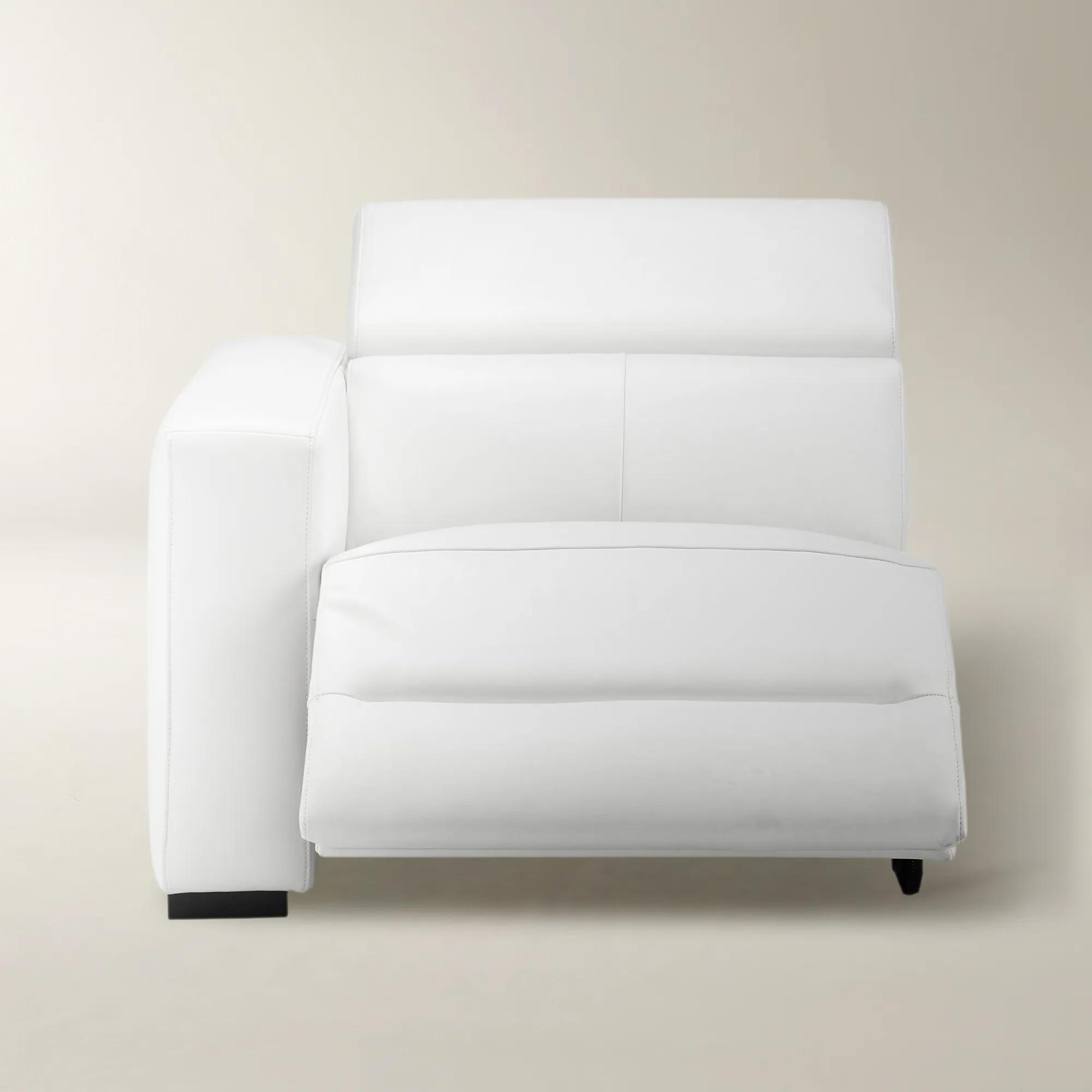 Verona Reclining White Leather Left Arm Chair With Power$1499
A modern white sectional upholstered in supple semi-aniline leather with adjustable headrests and power-reclining seats.
Add To Cart -
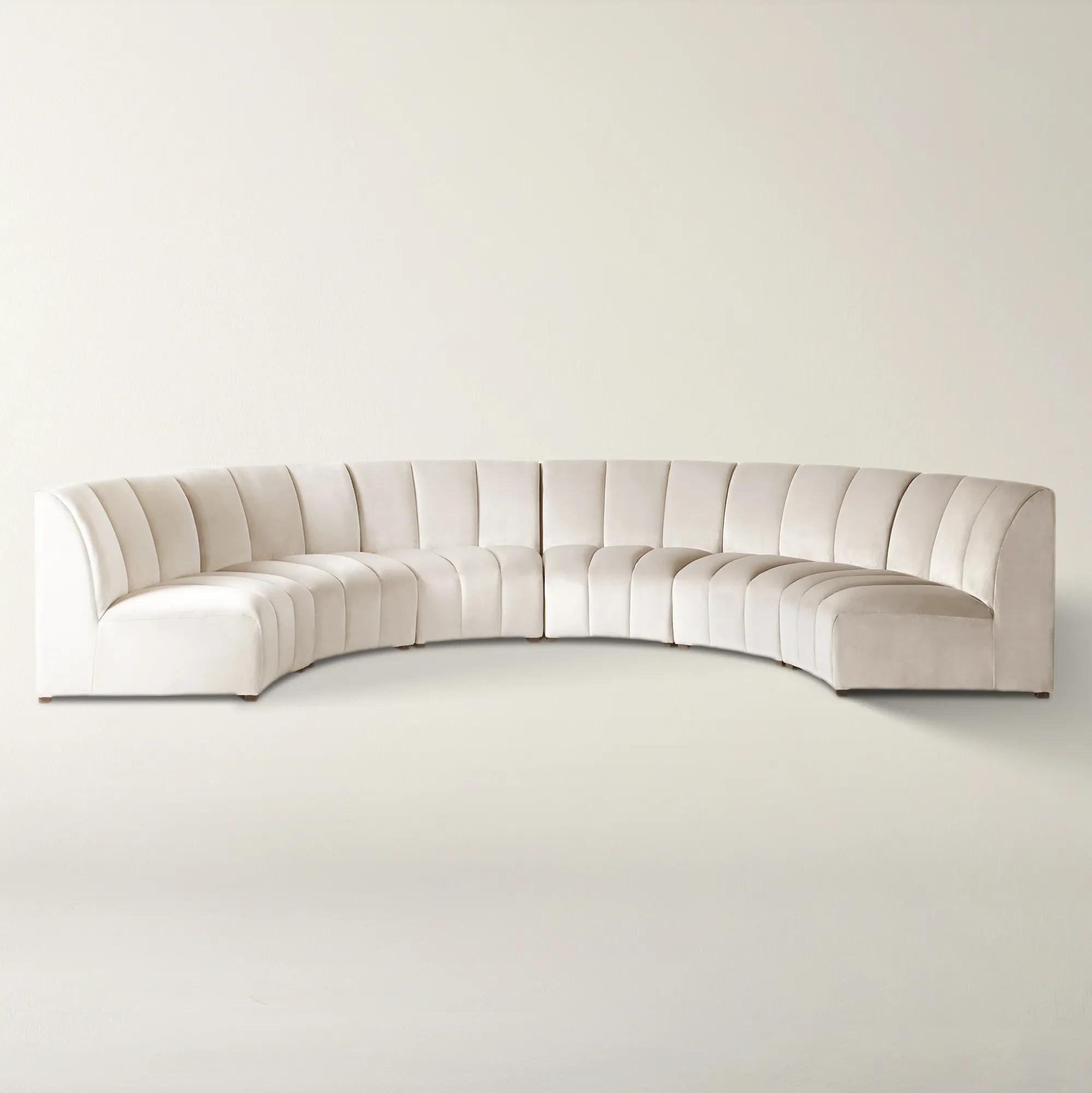 Jayce 6-Piece Channel-Tufted Ivory Velvet Sectional Sofa$5499
A modern curved sectional in stain-resistant Velvet Ivory with deep channel tufting and plush, structured cushions.
Add To Cart -
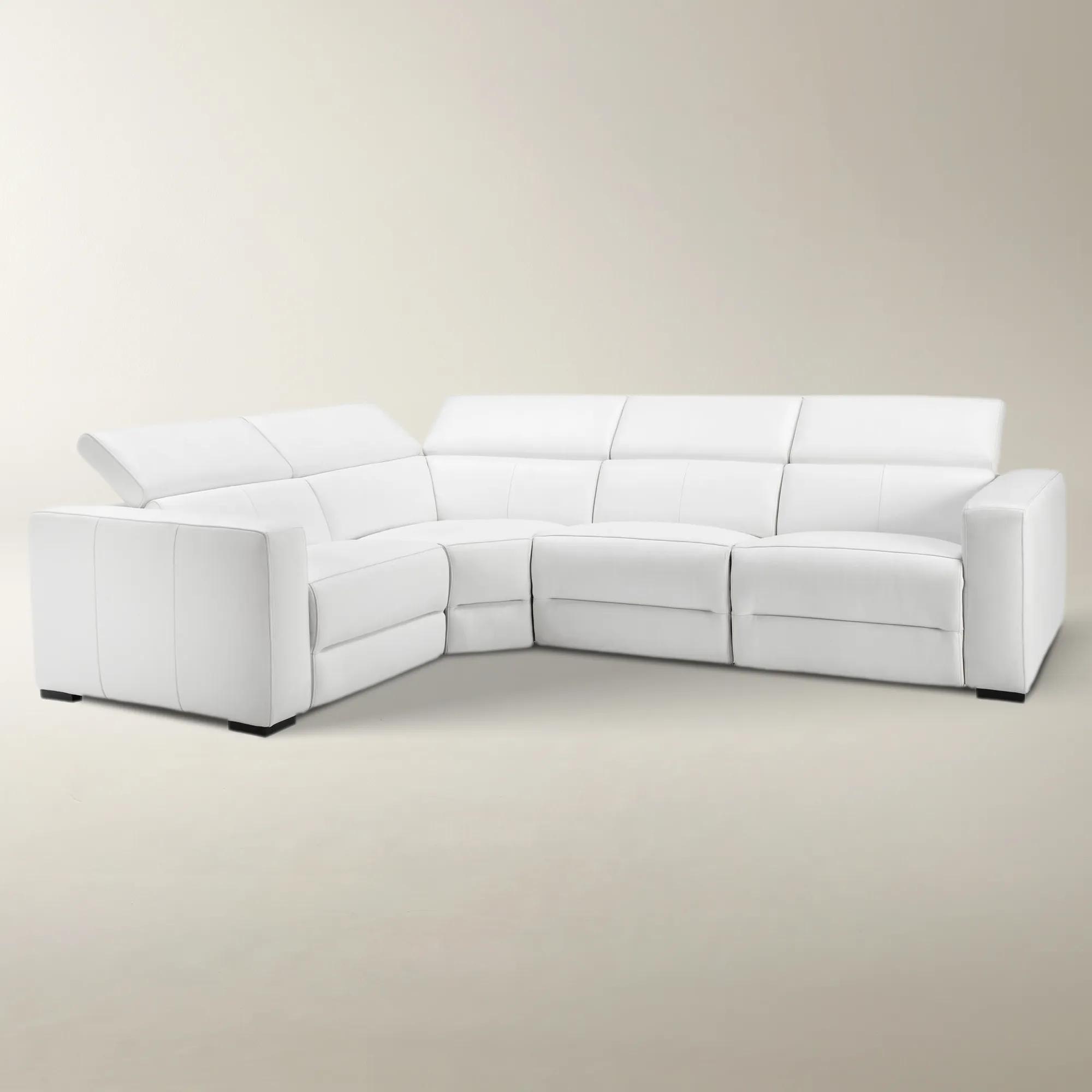 Verona 4-Piece L-Shaped Reclining White Leather Sectional Sofa With Left-Arm$5499
A modern sectional upholstered in supple white semi-aniline leather with adjustable headrests and power-reclining seats.
Add To Cart -
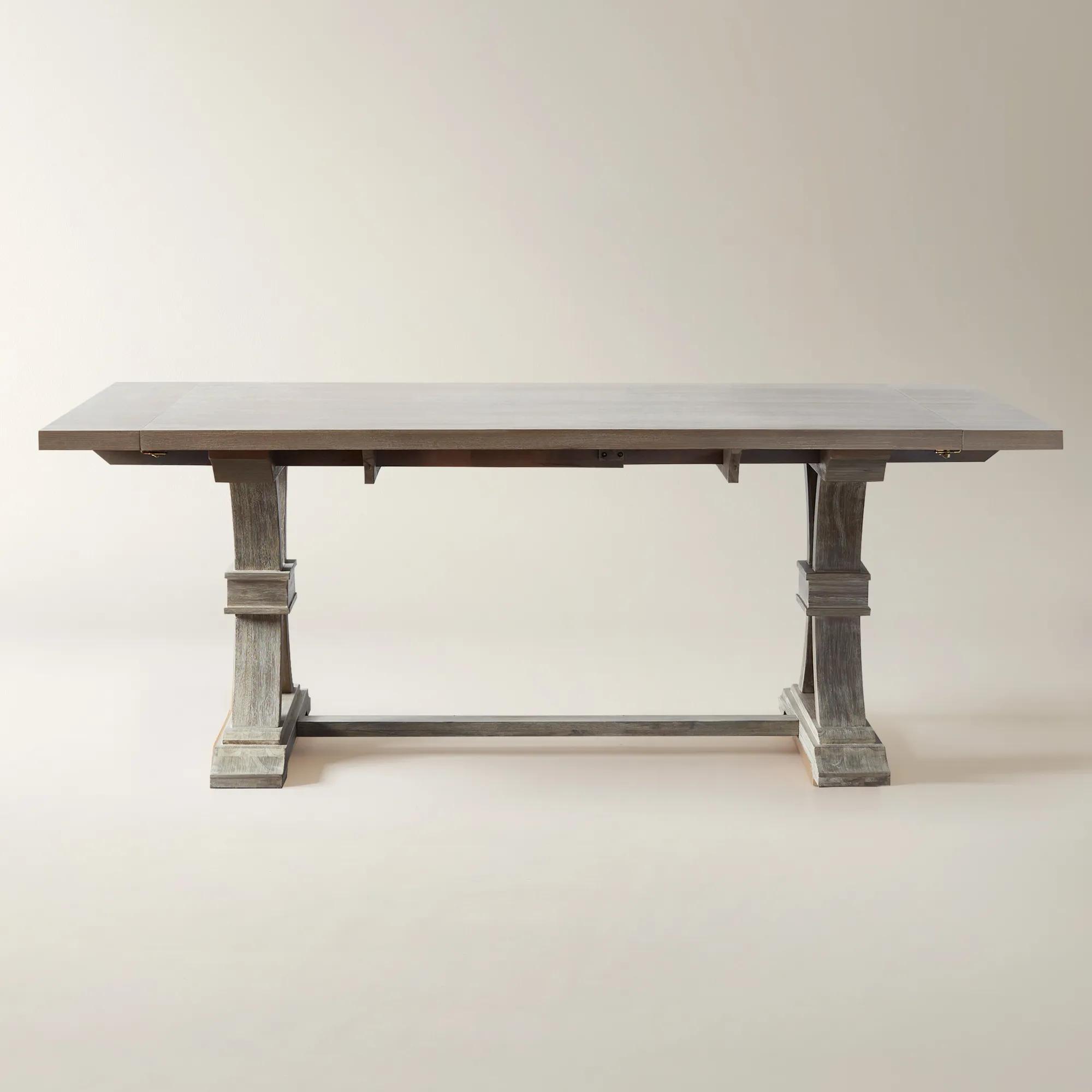 Archer Rectangular Grey Acacia Wood Extending Dining Table (78" - 110")$2499
A weathered grey acacia wood dining table with removable leaves and a kiln-dried hardwood frame.
Add To Cart -
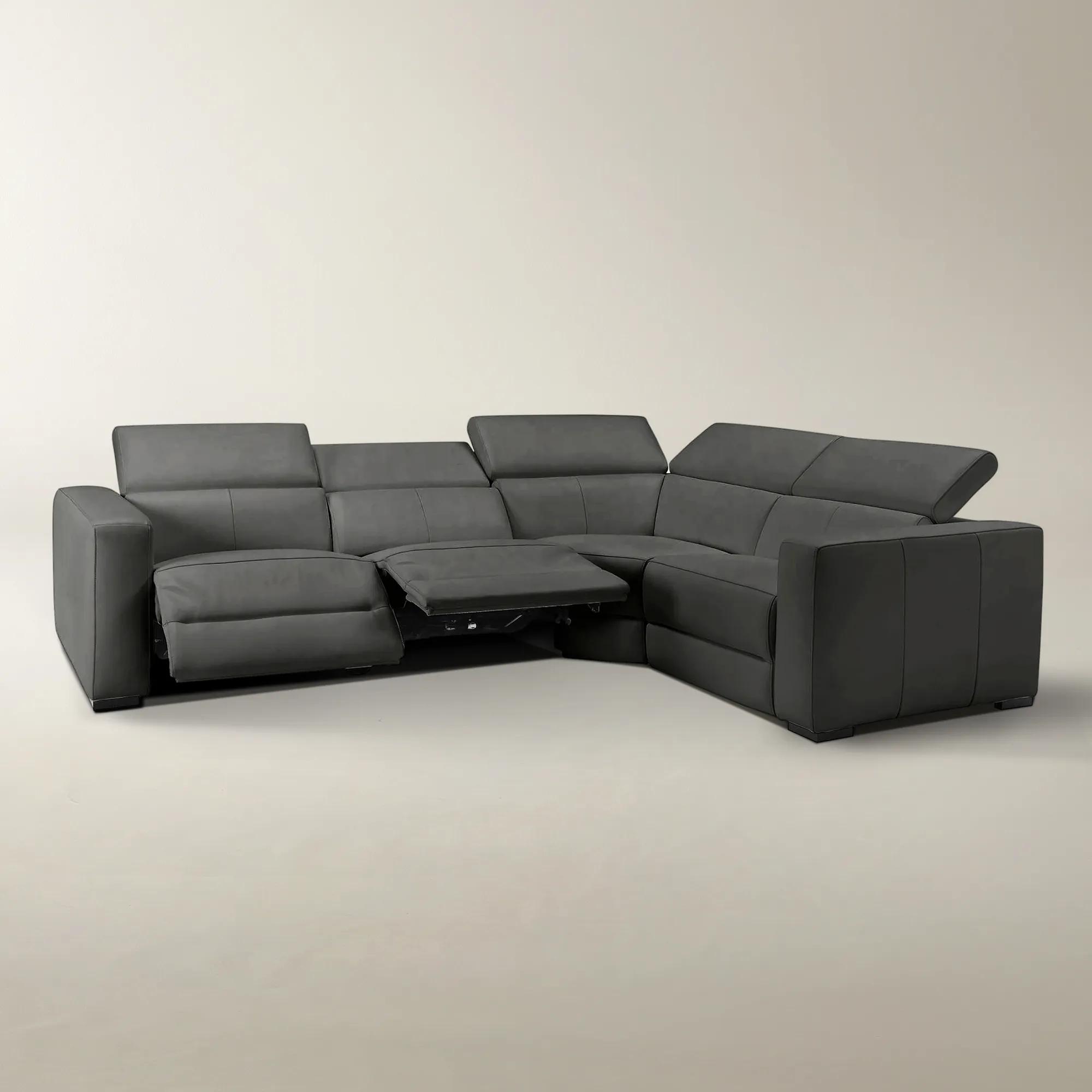
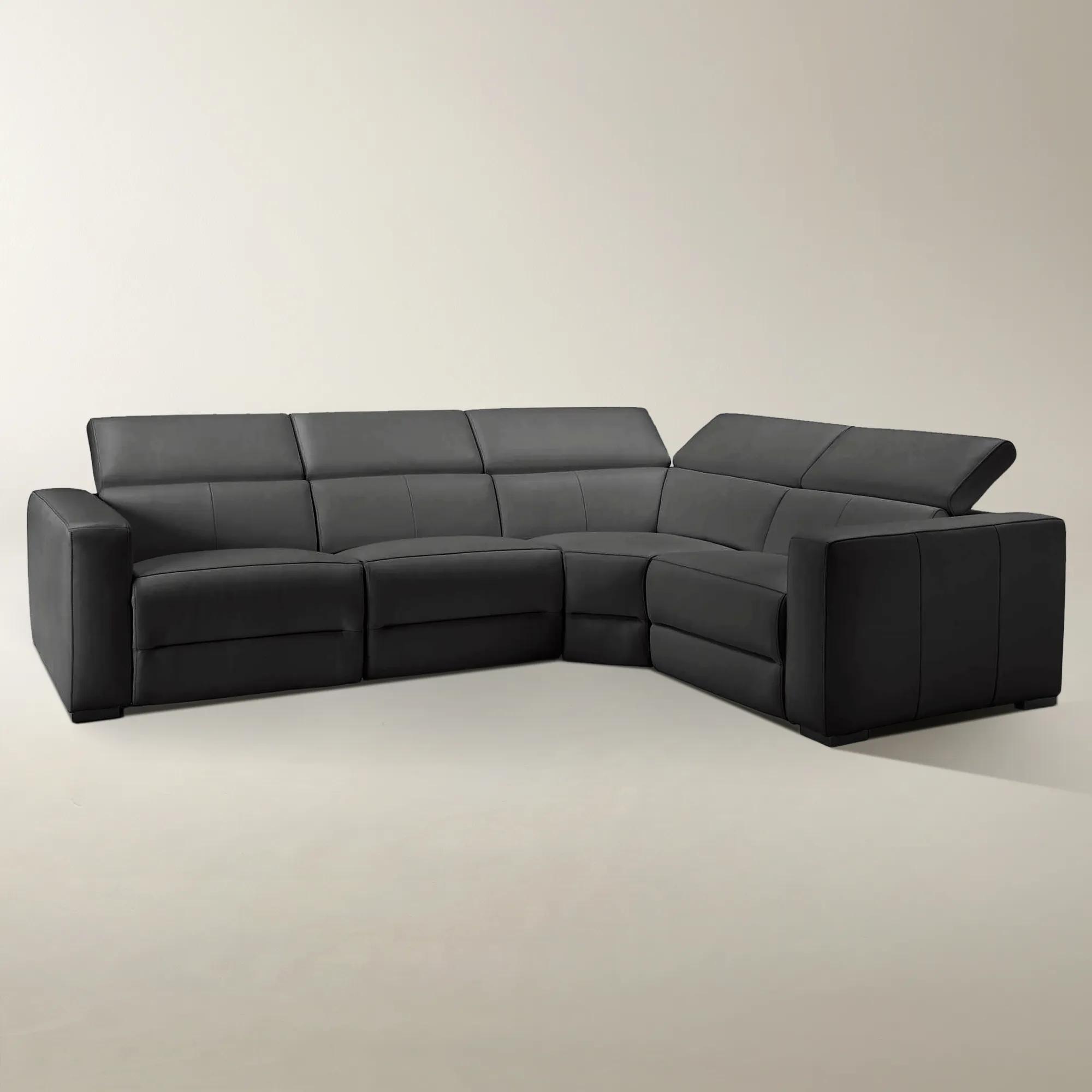 Verona 4-Piece L-Shaped Reclining Charcoal Leather Sectional Sofa With Right-Arm$5499
A charcoal semi-aniline leather sectional featuring adjustable headrests, power-reclining seats, and kiln-dried hardwood frame.
Add To Cart -
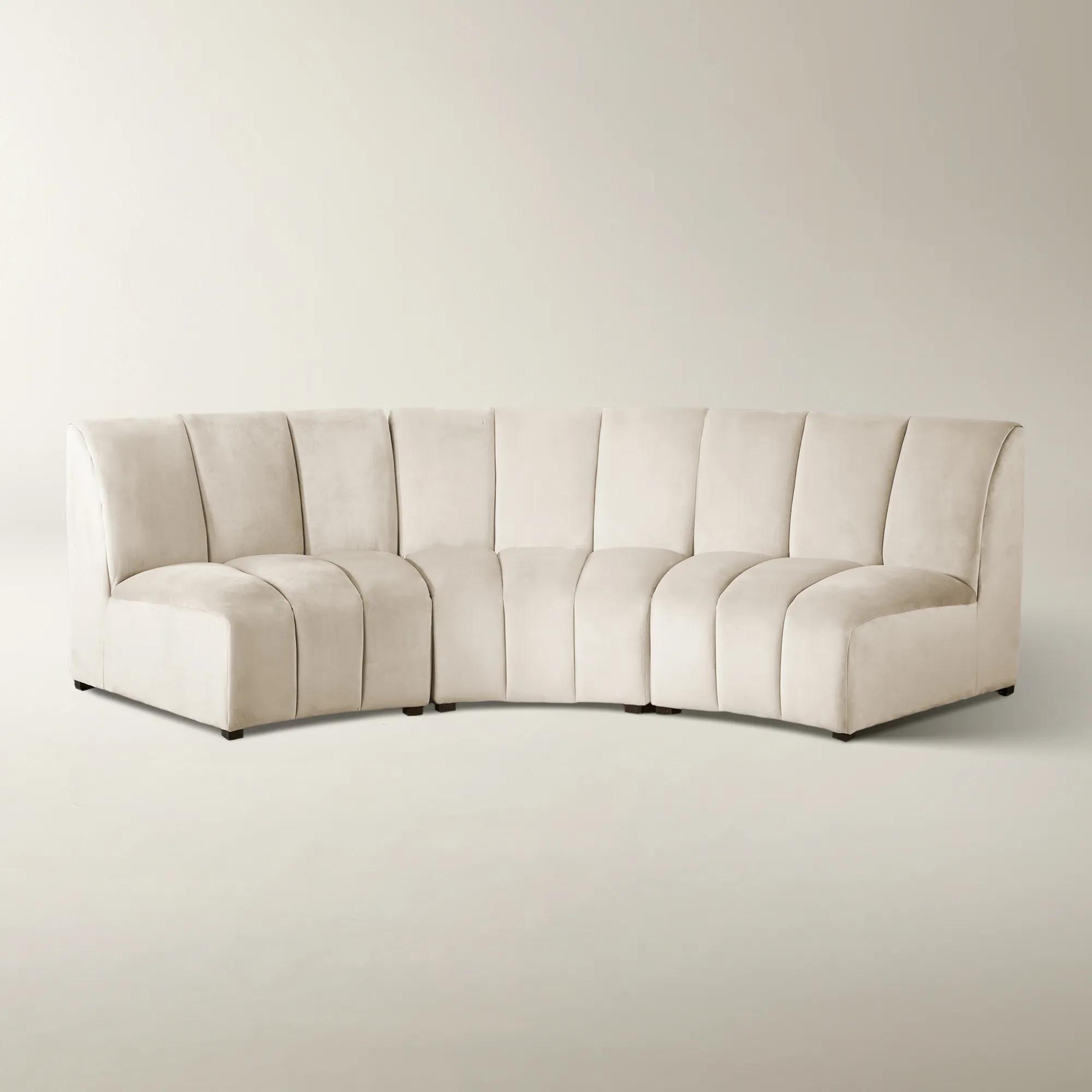
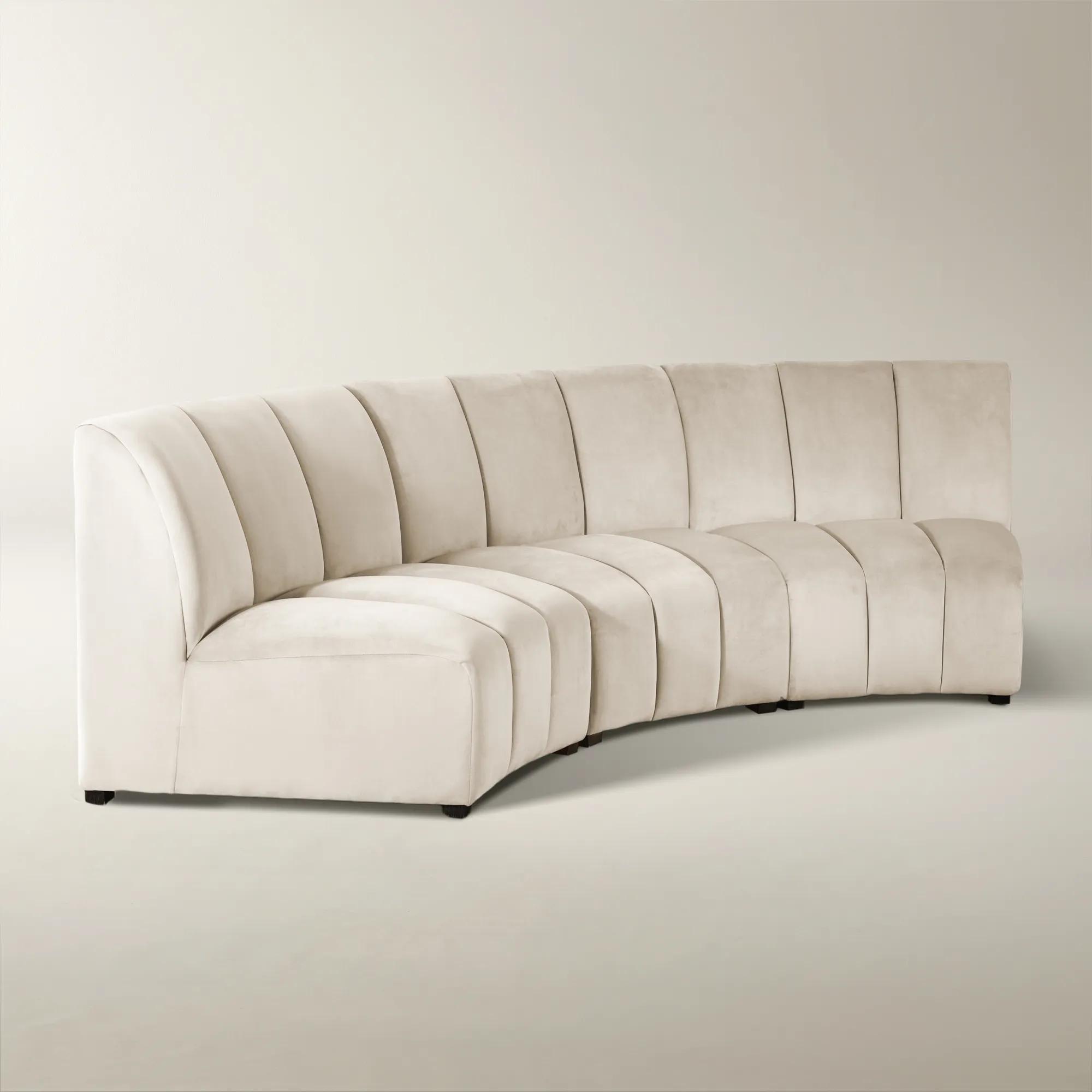 Jayce 3-Piece Channel-Tufted Ivory Velvet Sectional Sofa$2799
A modern curved sectional in stain-resistant Velvet Ivory with deep channel tufting and plush, structured cushions.
Add To Cart -
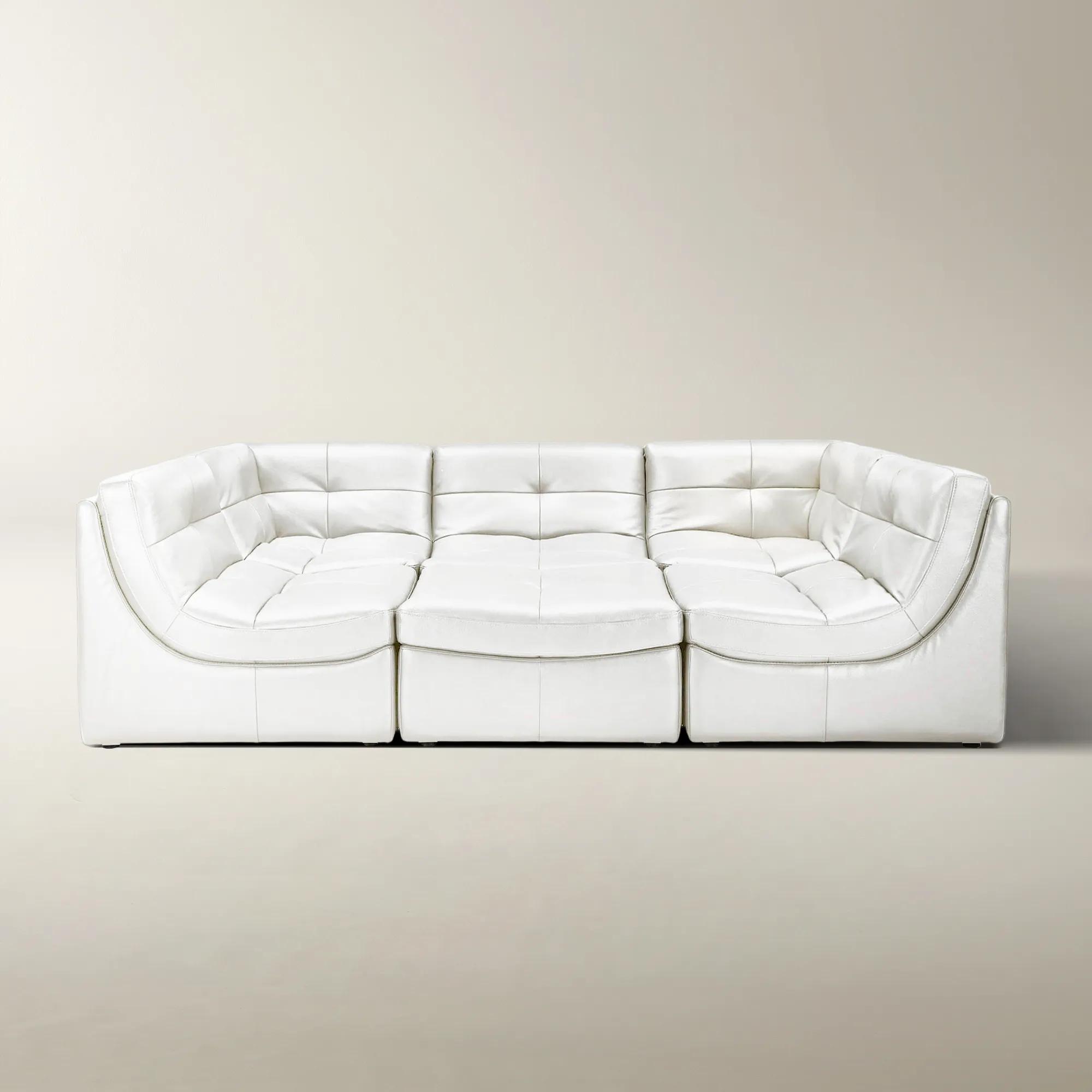 Convo 6-Piece White Leather Sectional Sofa$7249
A modular charcoal leather sectional with kiln-dried hardwood frame and gently curved, blind-tufted seats.
Add To Cart -
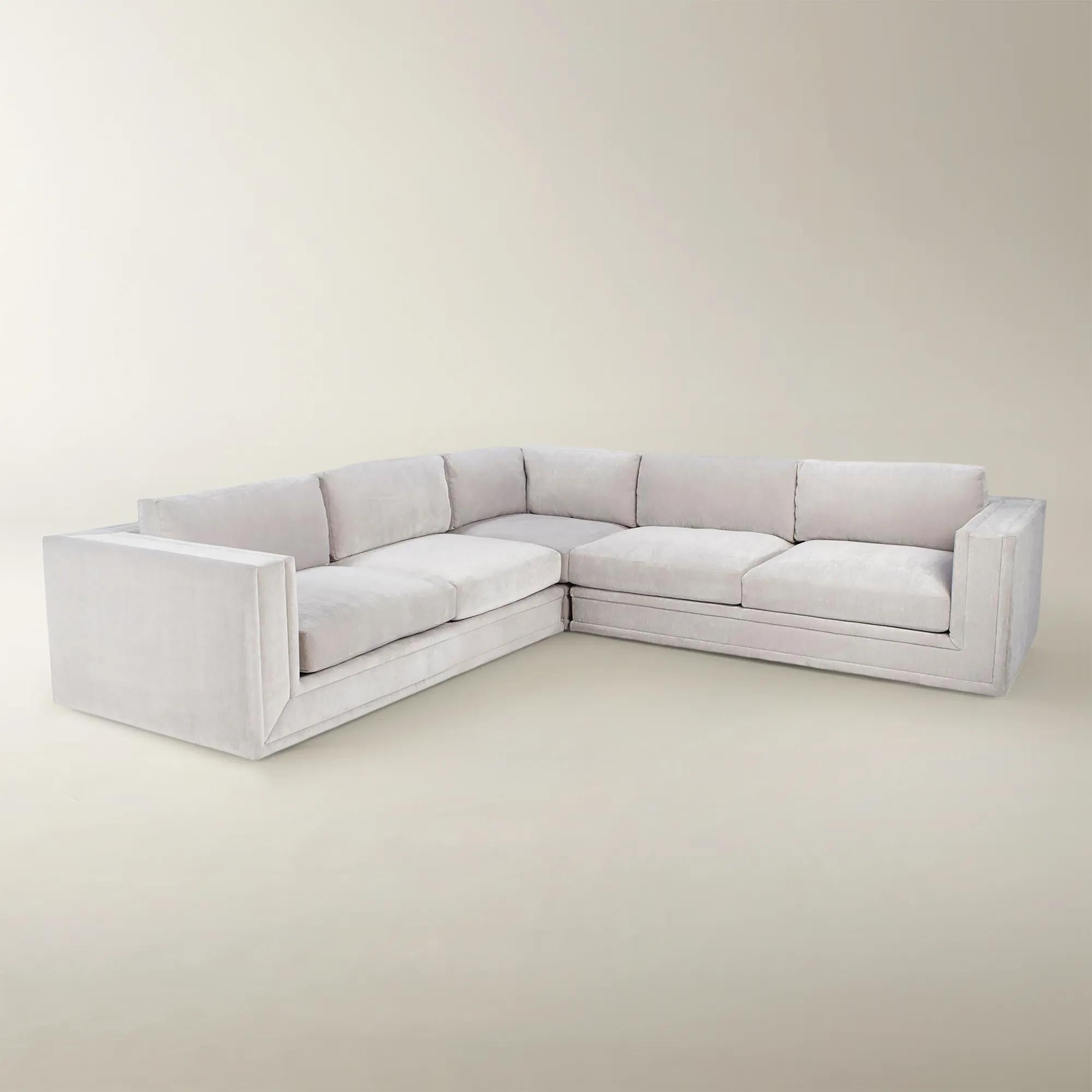 Luka 3-Piece Polar Chenille Sectional Sofa$4999
A modern corner sectional featuring deep seating, high-density foam cushions, and hand-upholstered opulent chenille fabric.
Add To Cart -
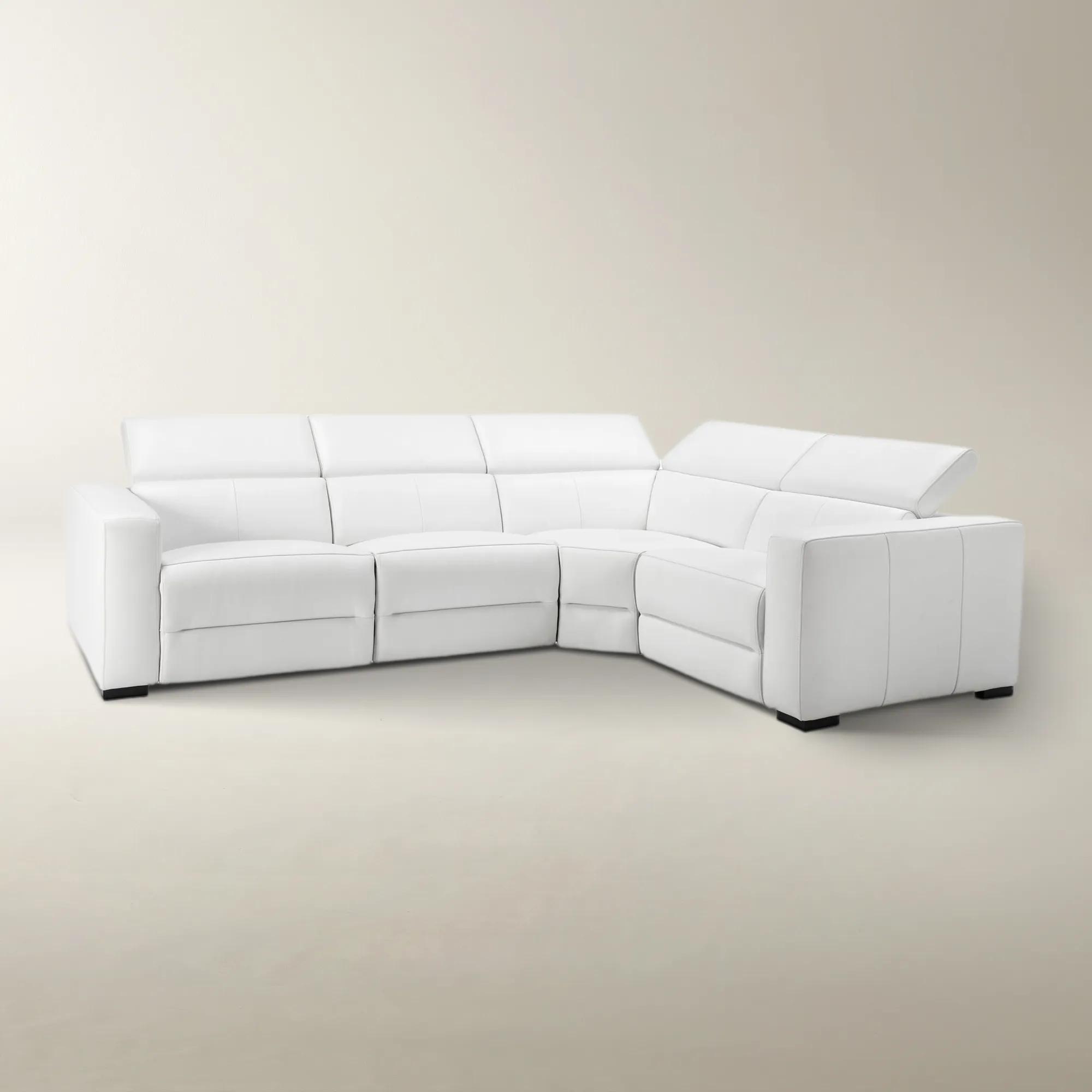
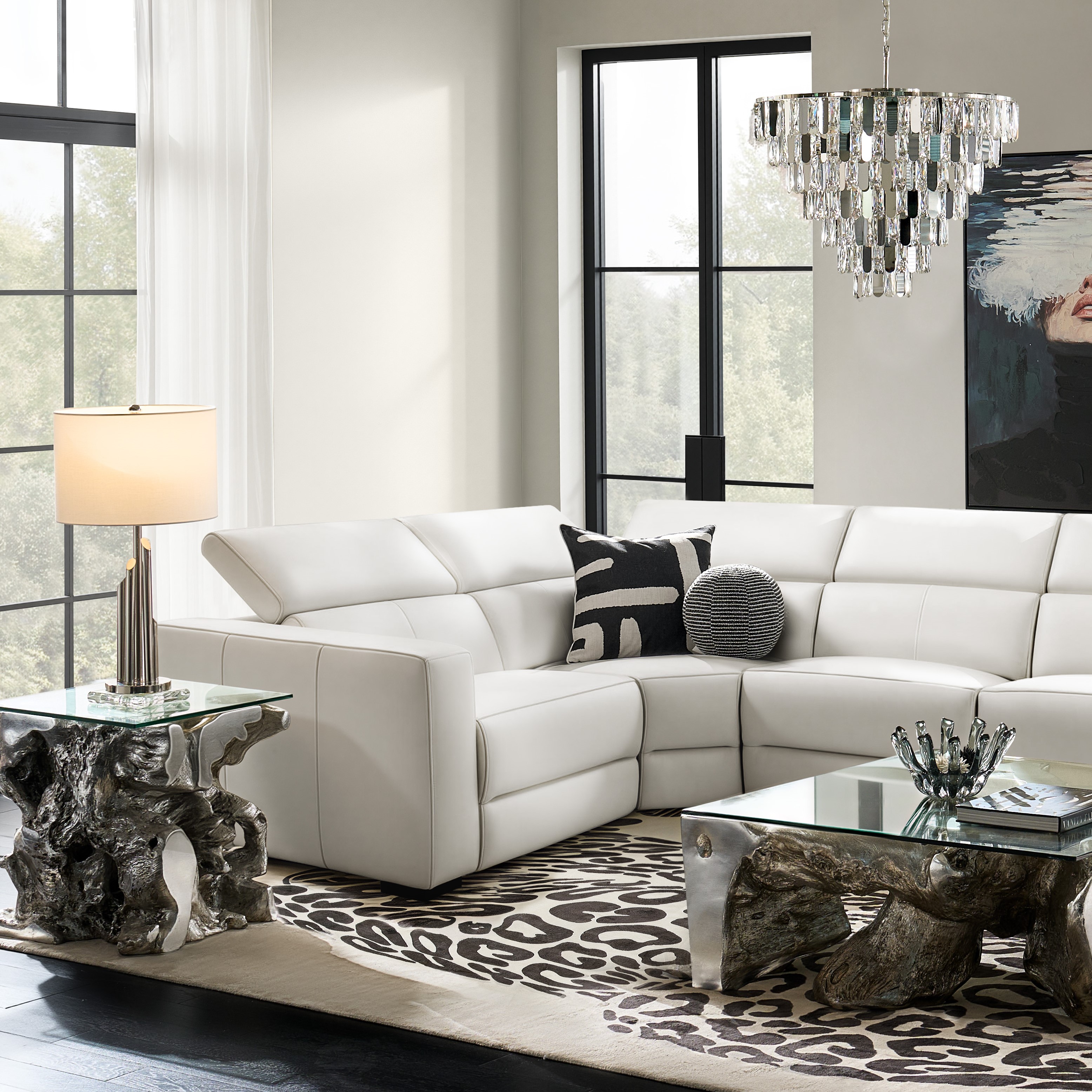 Verona 4-Piece L-Shaped Reclining White Leather Sectional Sofa With Right-Arm$5499
A modern sectional upholstered in supple white semi-aniline leather with adjustable headrests and power-reclining seats.
Add To Cart -
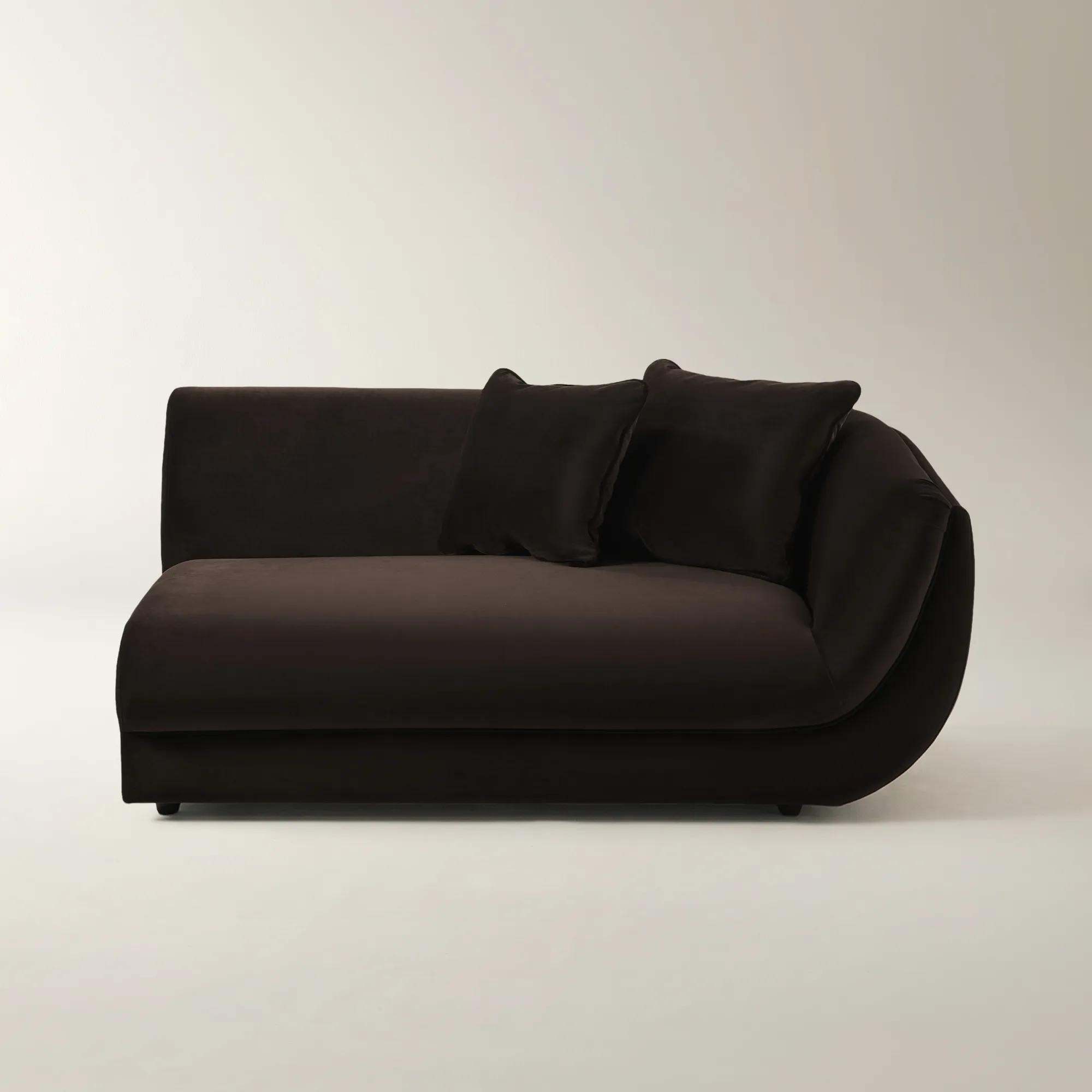
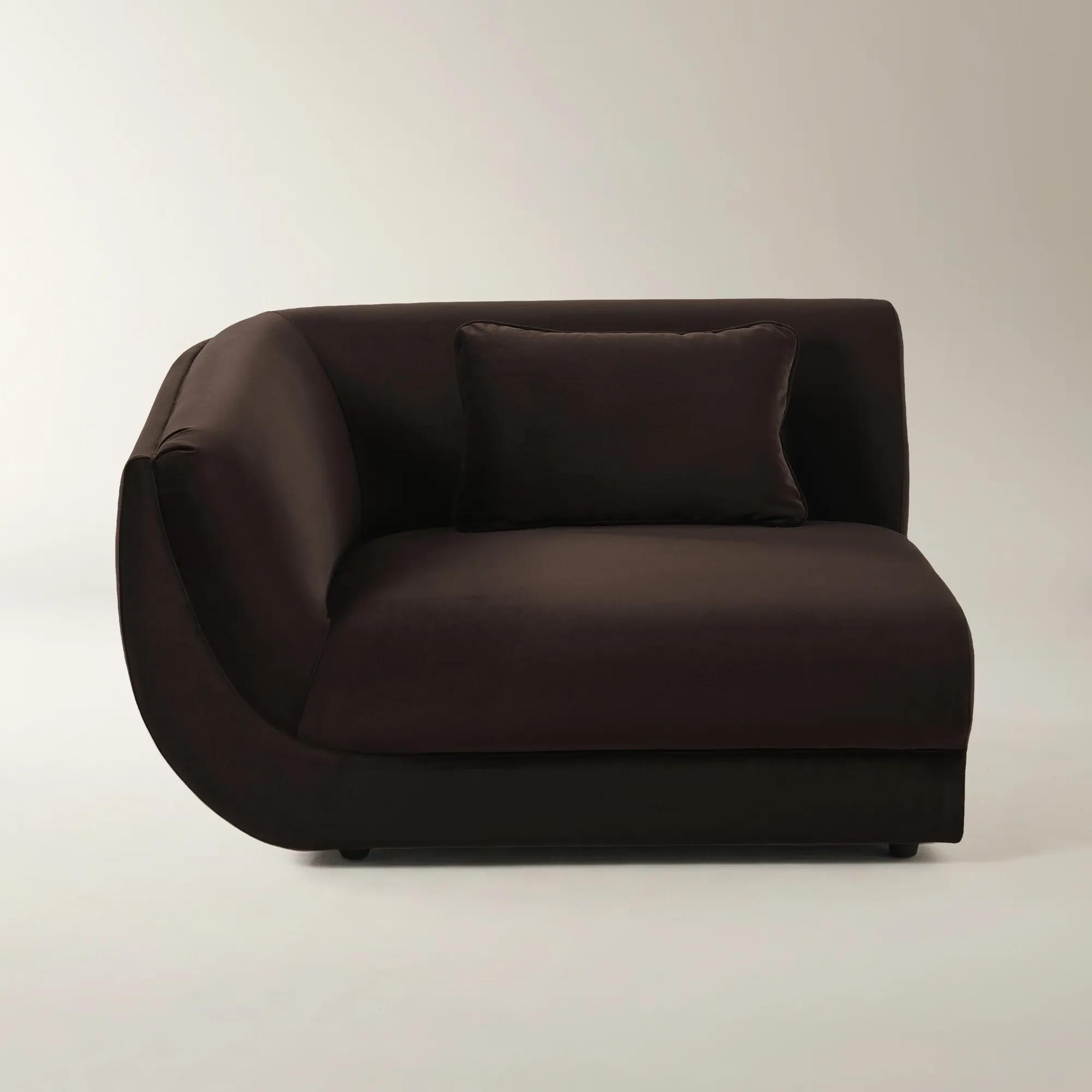
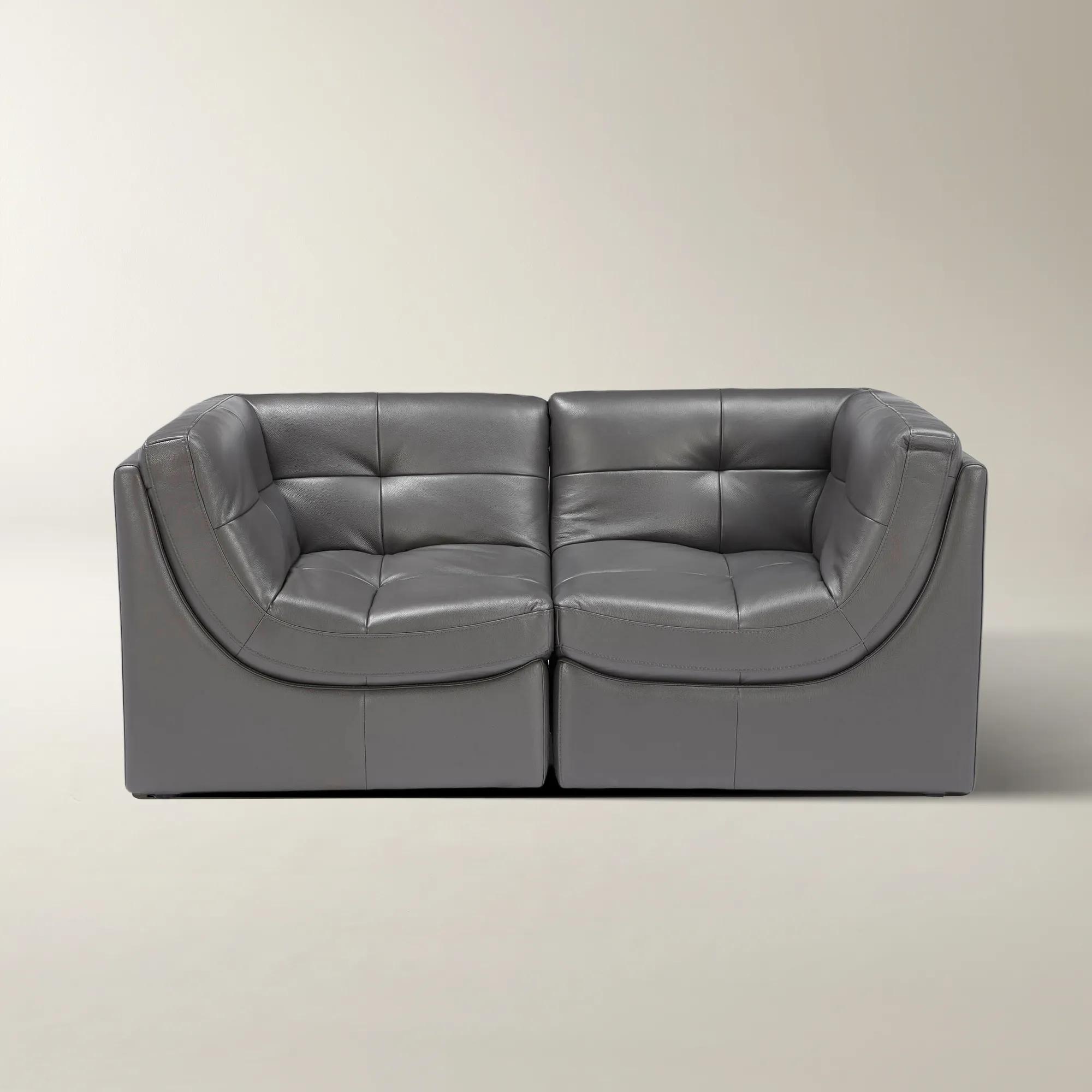 Convo 2-Piece Charcoal Leather Sectional Sofa$2799
A modular charcoal leather sofa with kiln-dried hardwood frame and blind-tufted, semi-aniline upholstery.
Add To Cart -
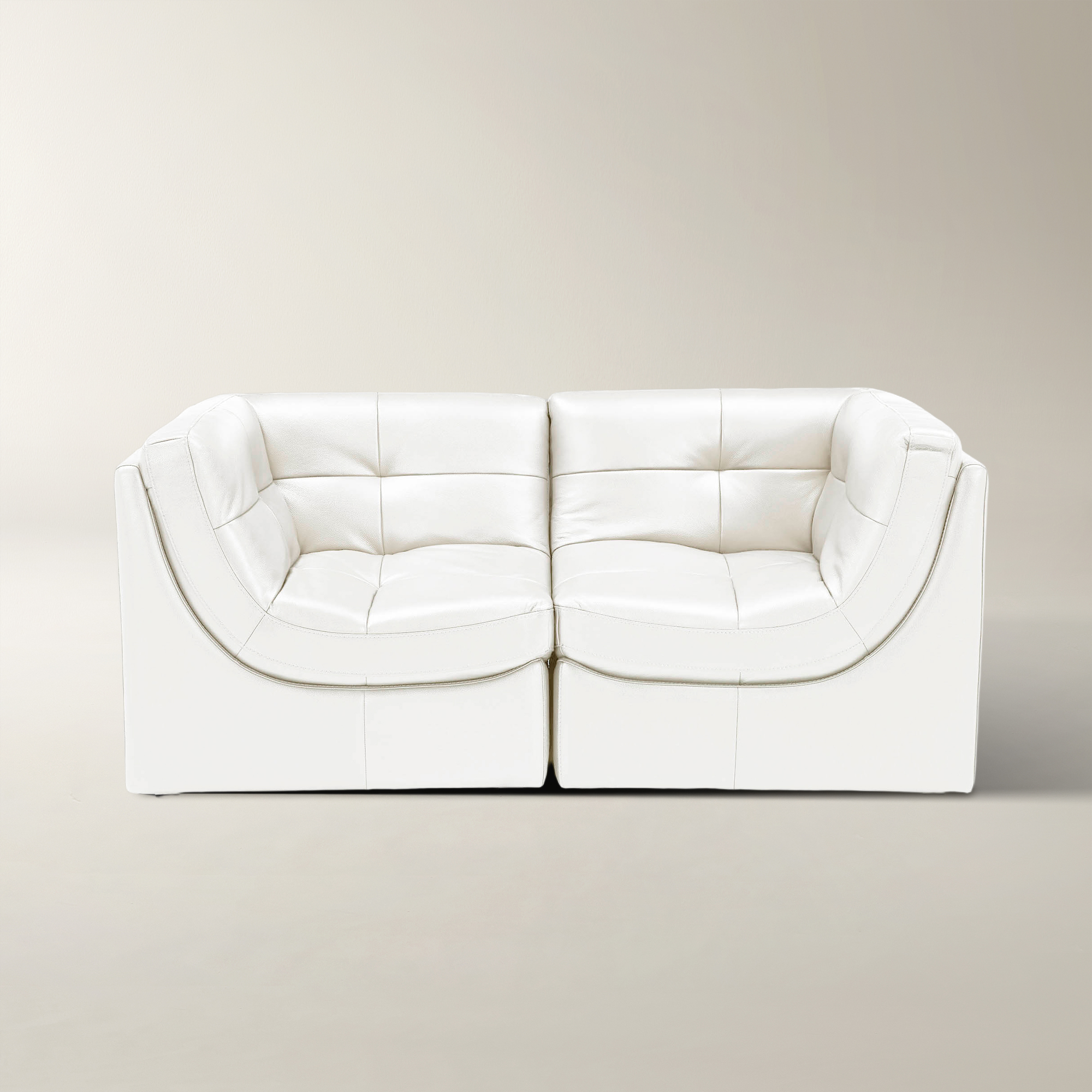 Convo 2-Piece White Leather Sectional Sofa$2799
A modular charcoal leather sofa with kiln-dried hardwood frame and blind-tufted, semi-aniline upholstery.
Add To Cart -
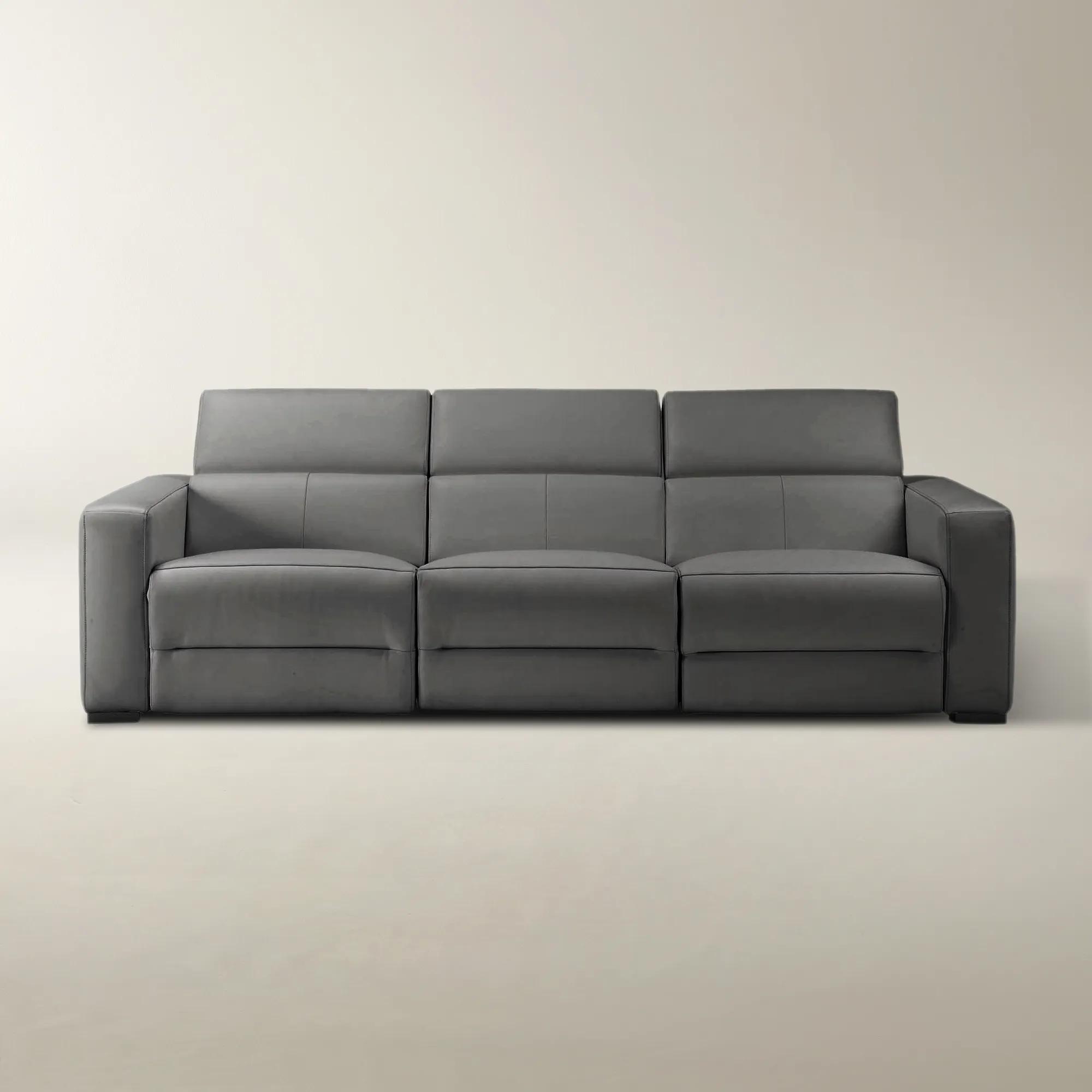 Verona 3-Piece Charcoal Leather Sectional Sofa$4199
A charcoal semi-aniline leather sectional featuring adjustable headrests, kiln-dried hardwood frame, and optional power recline.
Add To Cart -
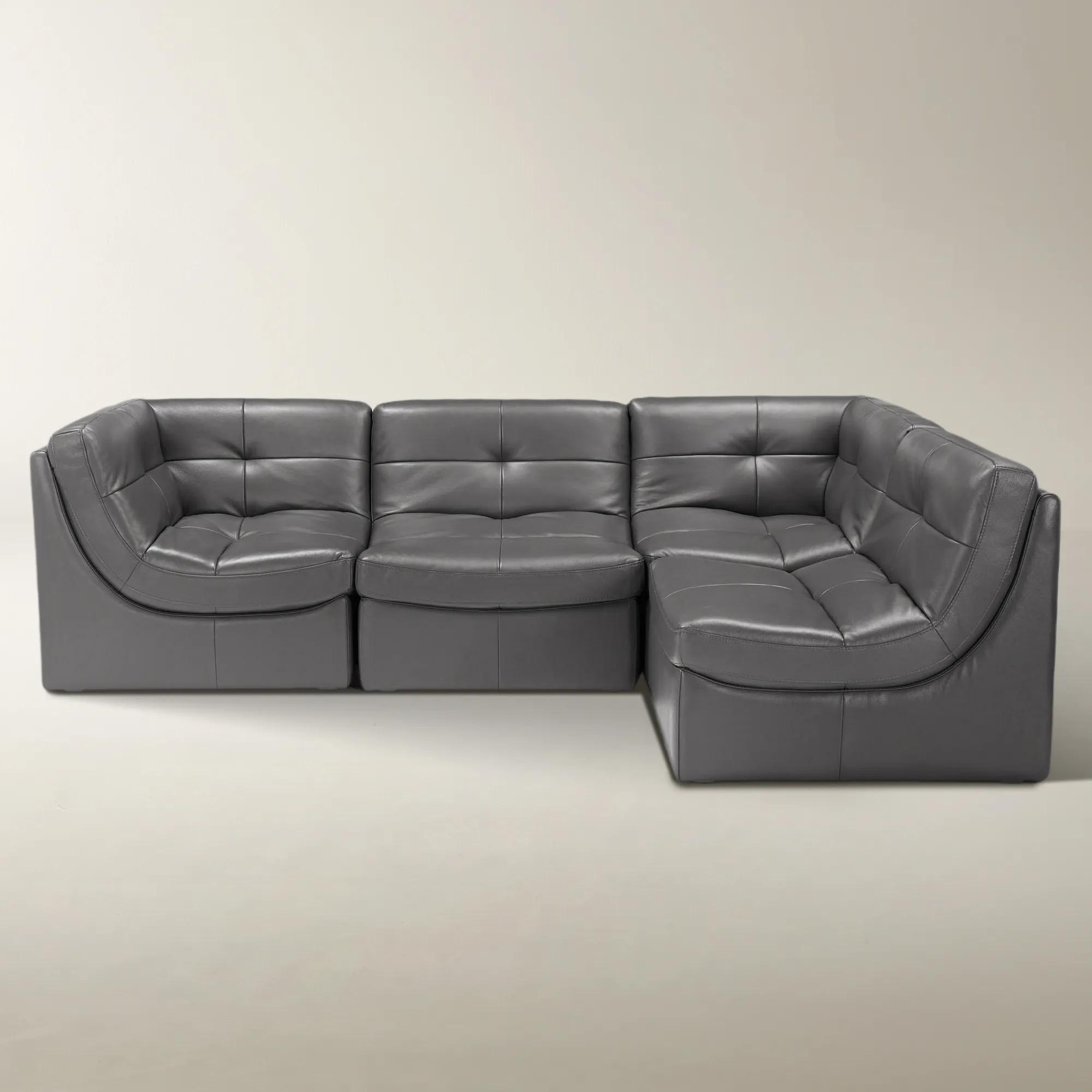 Convo 4-Piece L-Shaped Charcoal Leather Sectional Sofa With Armless Chair$5199
A modular charcoal leather sectional with kiln-dried hardwood frame and gently curved, blind-tufted seats.
Add To Cart -
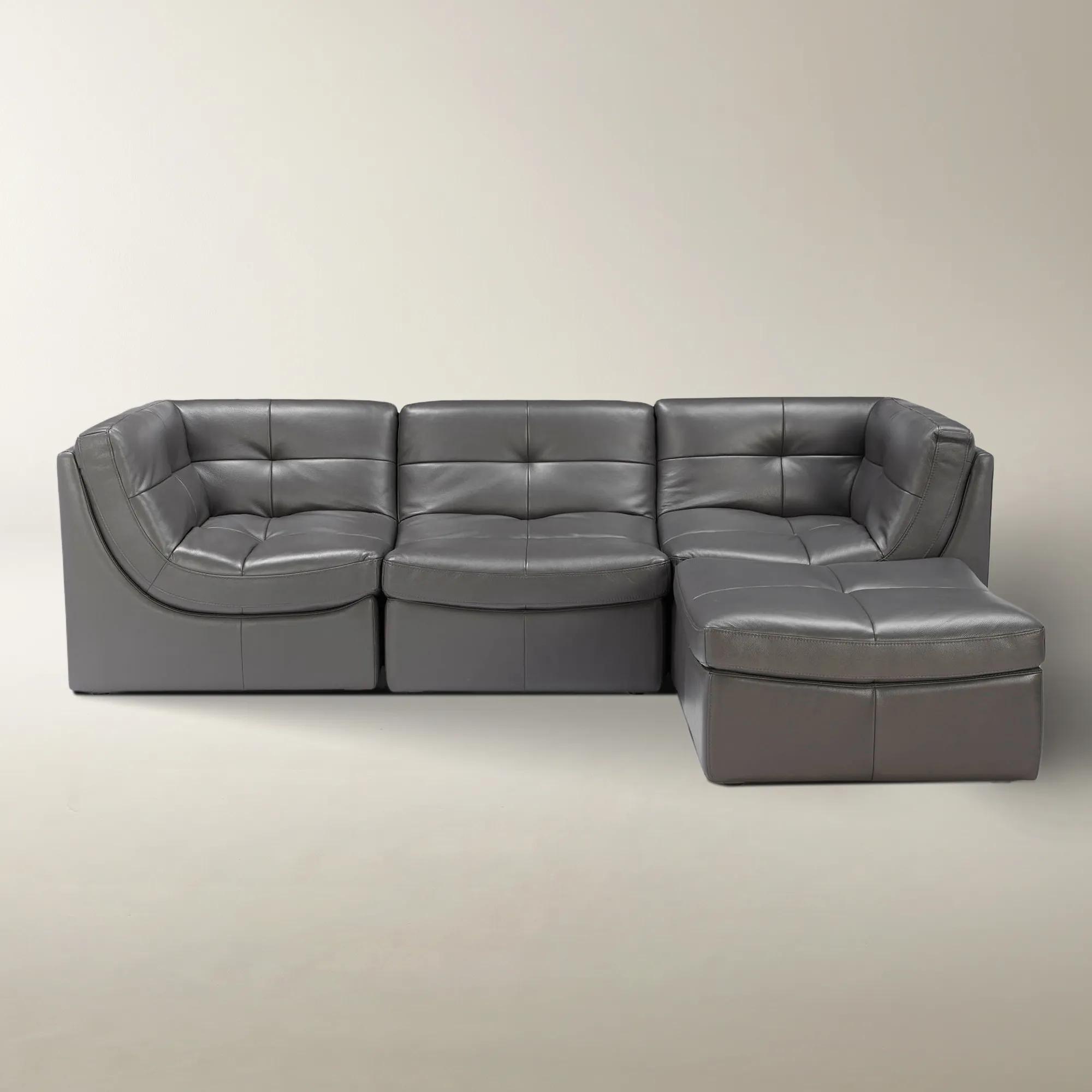 Convo 4-Piece L-Shaped Charcoal Leather Sectional Sofa With Ottoman$4849
A modular charcoal leather sectional with kiln-dried hardwood frame and gently curved, blind-tufted seats.
Add To Cart -
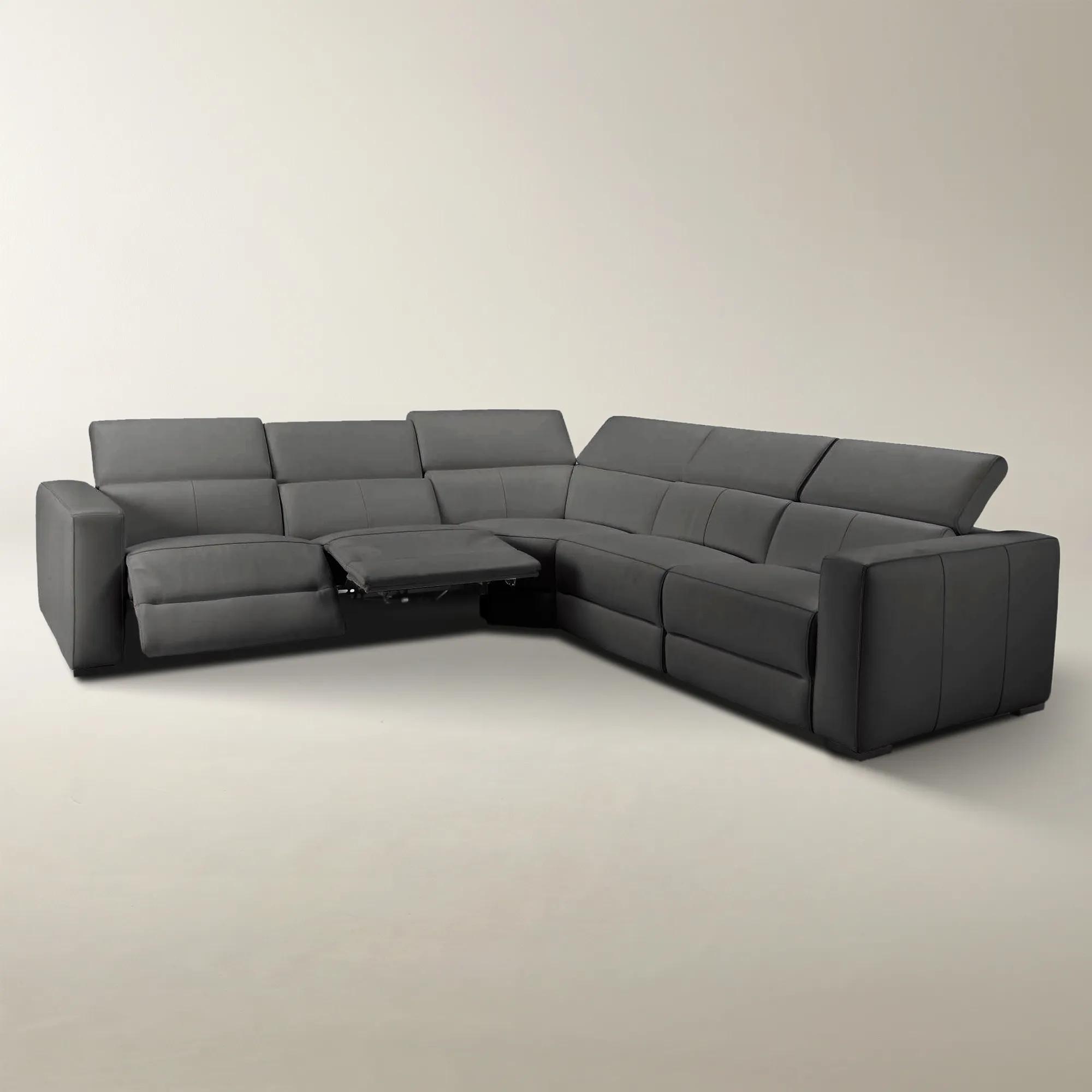 Verona 5-Piece Reclining Charcoal Leather Sectional Sofa$6799
A charcoal semi-aniline leather sectional featuring adjustable headrests, kiln-dried hardwood frame, and optional power recline.
Add To Cart -
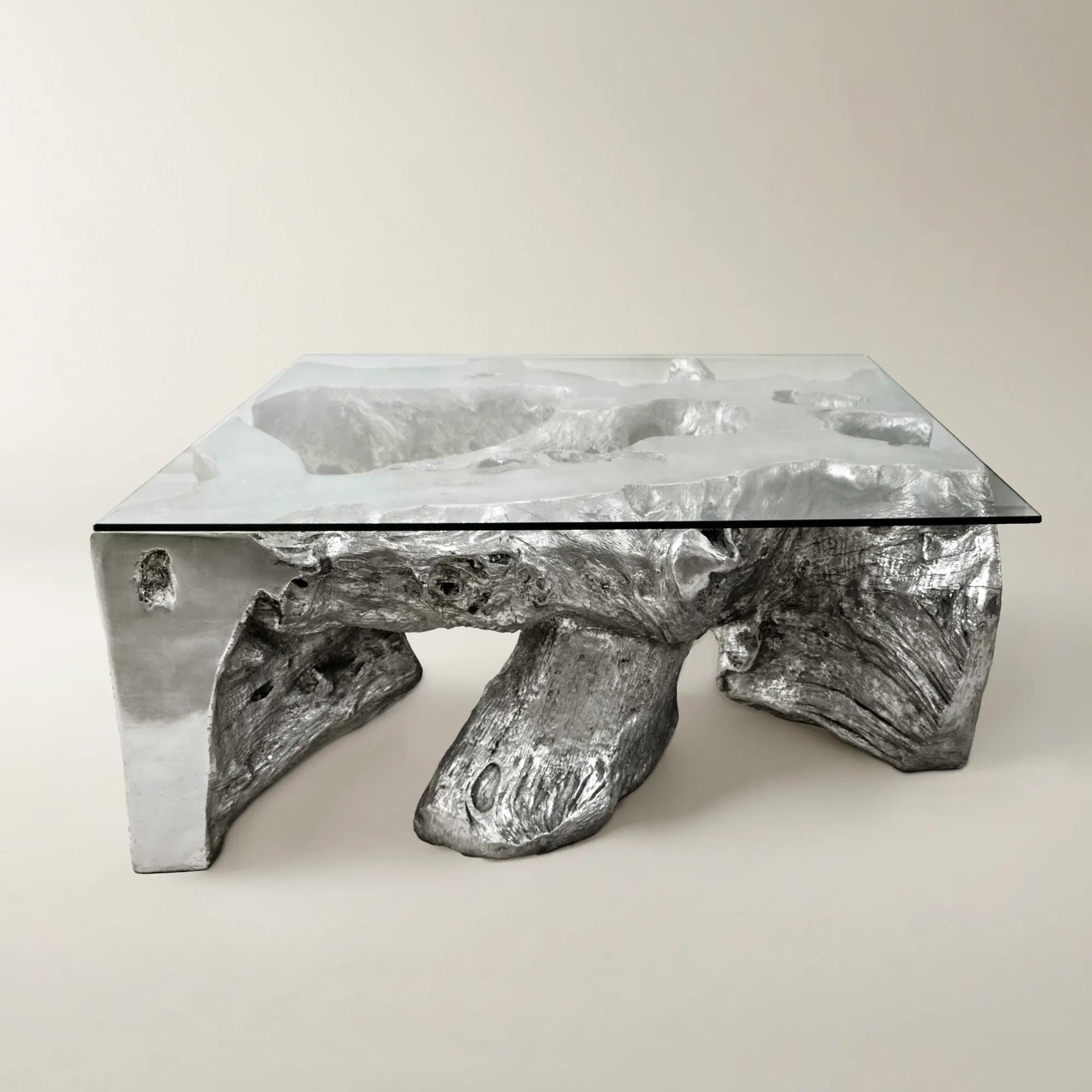 Sequoia Silver Resin Coffee Table With Glass Top (44")$2299
A sculptural coffee table featuring a hand-applied silver leaf resin base and a tempered glass top.
Add To Cart -
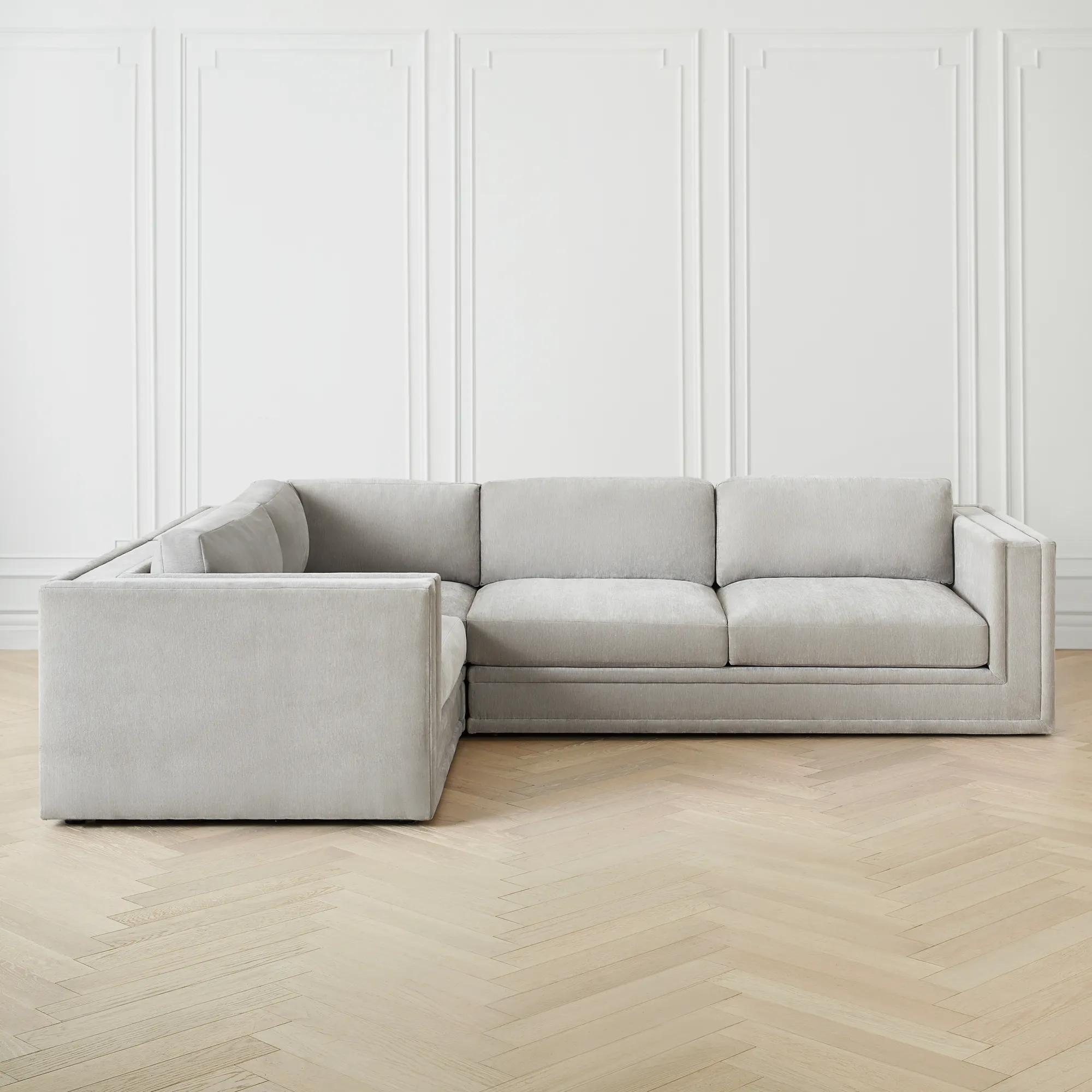 Luka Sectional - 3 PC$4599
A modern sectional featuring deep seating, high-density foam cushions, and hand-upholstered velvet in pearl.
Add To Cart

Furniture For Large Living Rooms
Step into grandeur with furniture for large living rooms—where scale meets sophistication and every piece is an invitation to live boldly. Here, expansive spaces become the ultimate canvas for self-expression, layered with statement silhouettes and sumptuous textures that command attention. Whether you dream of plush seating that encourages lavish gatherings or sculptural accents that anchor your aesthetic, discover how dramatic proportions and expressive design can transform your living room into a showcase of artistry. Elevate the everyday; let your space tell a story as captivating as you are.
Furniture for large living rooms brings generous proportions, expressive silhouettes, and a sense of intimacy to expansive spaces. Oversized sofas, substantial sectionals, deep accent chairs, and broad coffee tables give an open floor plan a clear center of gravity, making the room feel composed rather than sparsely furnished. The most successful arrangement is not necessarily the one with the most furniture; it is the one that balances scale with the way people gather. A sweeping sectional can anchor a room devoted to shared movie nights and relaxed conversation, while two facing sofas create a more symmetrical setting for entertaining. Curved seating lends softness to angular architecture, and a pair of sculptural chairs can bring definition to a wide, open edge without closing it off. Floating seating away from the walls helps establish a distinct conversation area, especially when the room connects to a kitchen or dining space. Finished upholstery on the backs of sofas and chairs becomes particularly important in these layouts, where furniture is viewed from several directions. A generously sized rug beneath the seating group visually gathers the pieces, while a console behind a sofa adds a polished boundary and a surface for lighting. Large rooms also accommodate more than one mood: a central lounge for company, a quieter chair-and-ottoman pairing near a window, or a small conversation setting beside a bookcase. These secondary groupings give unused corners a purpose without requiring every inch to be filled. Consistent upholstery tones, complementary wood finishes, or repeated metallic accents help separate areas feel connected. For households that entertain often, a mix of sofas and individual seats offers guests a choice between settling in together and enjoying a little personal space. For everyday lounging, generous seat depth and an ottoman within reach can make a grand room feel wonderfully inviting. The effect is luxurious but personal, with enough visual presence to meet the architecture and enough breathing room to let each silhouette register.
Proportion gives large living room furniture its presence, but materials provide the character that makes a space memorable. Velvet upholstery introduces a light-catching surface with subtle shifts in tone, lending even a substantial sofa an almost sculptural dimension. Chenille offers a plush, textured appearance, while woven fabrics can bring depth to a restrained palette without relying on bold pattern. Leather adds a different kind of richness, with care needs and changes in appearance that depend on its finish. Against soft upholstery, wood tables introduce warmth and visible grain, metal bases create crisp definition, and glass surfaces preserve sightlines through a densely furnished seating arrangement. Stone tops contribute natural pattern and visual weight, although their sealing and maintenance requirements vary by material. These contrasts keep an expansive room from feeling repetitive: a sumptuous sectional feels more distinctive beside a sleek table, and a richly grained cabinet can lend balance to gleaming accents. For a complementary seating layer, Large Modern Living Room Chairs bring generous scale to conversation areas, reading corners, and the open space opposite a sofa. Chair dimensions deserve as much attention as their profile. A broad frame does not always mean a broad seat, and deep cushions may feel luxurious to someone who curls up to read yet less supportive to someone who prefers sitting upright with feet on the floor. Seat height, back angle, arm placement, and cushion firmness all influence daily comfort. Tables should relate to that seated experience, with surfaces close enough for a drink or book and sufficient clearance for comfortable movement. As a general planning reference, roughly 14 to 18 inches between a sofa and coffee table often allows easy reach, while main walkways typically benefit from about 30 to 36 inches of clearance, with more room where accessibility or household routines require it. A large footprint alone does not call for oversized everything. Substantial anchor pieces paired with a few lighter profiles create a more nuanced composition, allowing bold furniture to command attention without making the room feel crowded.
Long-term satisfaction with furniture for a spacious living room depends on fit, construction, and care as much as appearance. Overall dimensions matter, but so do the routes furniture must travel before it reaches its place. Doorways, stair turns, elevators, hallways, and ceiling clearances can determine whether a generously proportioned sofa is practical for the home. Modular seating may offer flexibility for delivery and future arrangements, though individual section dimensions, connection hardware, and the manufacturer's assembly instructions still need consideration. Within the room, a chaise or recliner needs space for its full intended use, not simply its upright footprint. Storage cabinets require clearance for doors and drawers, and media furniture should accommodate equipment dimensions, ventilation, and cord access. These details support the quiet ease behind an elegant room: a cabinet that conceals games and throws, an open route between seating areas, or a side table that serves a favorite chair without interrupting circulation. Durability is best evaluated through stated frame materials, joint construction, suspension, cushion composition, and intended-use guidance rather than appearance alone. Performance upholstery can be useful in frequently used gathering spaces, but resistance to stains, abrasion, or fading varies, so individual fabric specifications matter. Routine care should follow the manufacturer's directions and upholstery cleaning code. Gentle vacuuming with an appropriate attachment can help remove surface debris; spills generally warrant prompt blotting rather than rubbing, with treatment guided by the material's care instructions. Cushion rotation, where recommended and possible, can help distribute wear, while prolonged direct sunlight may alter some fabrics and finishes. Wood, metal, glass, and stone surfaces each call for compatible cleaning methods, and coasters help protect frequently used tabletops. For busy households, avid hosts, and anyone who sees the living room as both a gathering place and a personal retreat, these practical qualities give dramatic design staying power. Generous furniture earns its place when it supports the full rhythm of the room, from an evening spent stretched across a sofa to a lively gathering where every guest has somewhere comfortable to settle.
FAQs
To create distinct zones in a large living room, arrange furniture in groupings that encourage conversation and activity. Float sofas and chairs away from the walls to define cozy enclaves, use area rugs to visually anchor each space, and incorporate accent tables or bookcases as subtle room dividers. This approach transforms a vast room into a dynamic, multi-functional environment where each vignette has its own unique mood and purpose.
Spacious living rooms invite a mix of materials that add depth and drama. Luxe upholstery such as velvet or chenille brings warmth and tactile richness, while glass, marble, and metallic finishes introduce gleam and contrast. Incorporating wood or lacquered surfaces can ground the space, and plush area rugs layer in comfort. The interplay of textures and finishes ensures the room feels curated and inviting.
Select accent pieces that both complement your main furniture and stand out as works of art. Look for sculptural side tables, bold lighting fixtures, and statement chairs that reflect your personal style. These pieces should add visual intrigue and serve a functional purpose, whether as conversation starters, reading nooks, or platforms for displaying treasured objects.
Lighting is essential in shaping the mood and highlighting the artistry of your furnishings. Layer overhead chandeliers or pendants with floor and table lamps to bathe the space in a warm, inviting glow. Strategic lighting can define zones, showcase statement pieces, and create a sense of intimacy—even in the most expansive rooms.
Absolutely—grand furniture pieces make extraordinary gifts for those celebrating milestones such as a new home, wedding, or anniversary. Gifting a statement chair or a striking coffee table is a way to help loved ones express their style and elevate their living space, creating moments and memories that last well beyond the season.