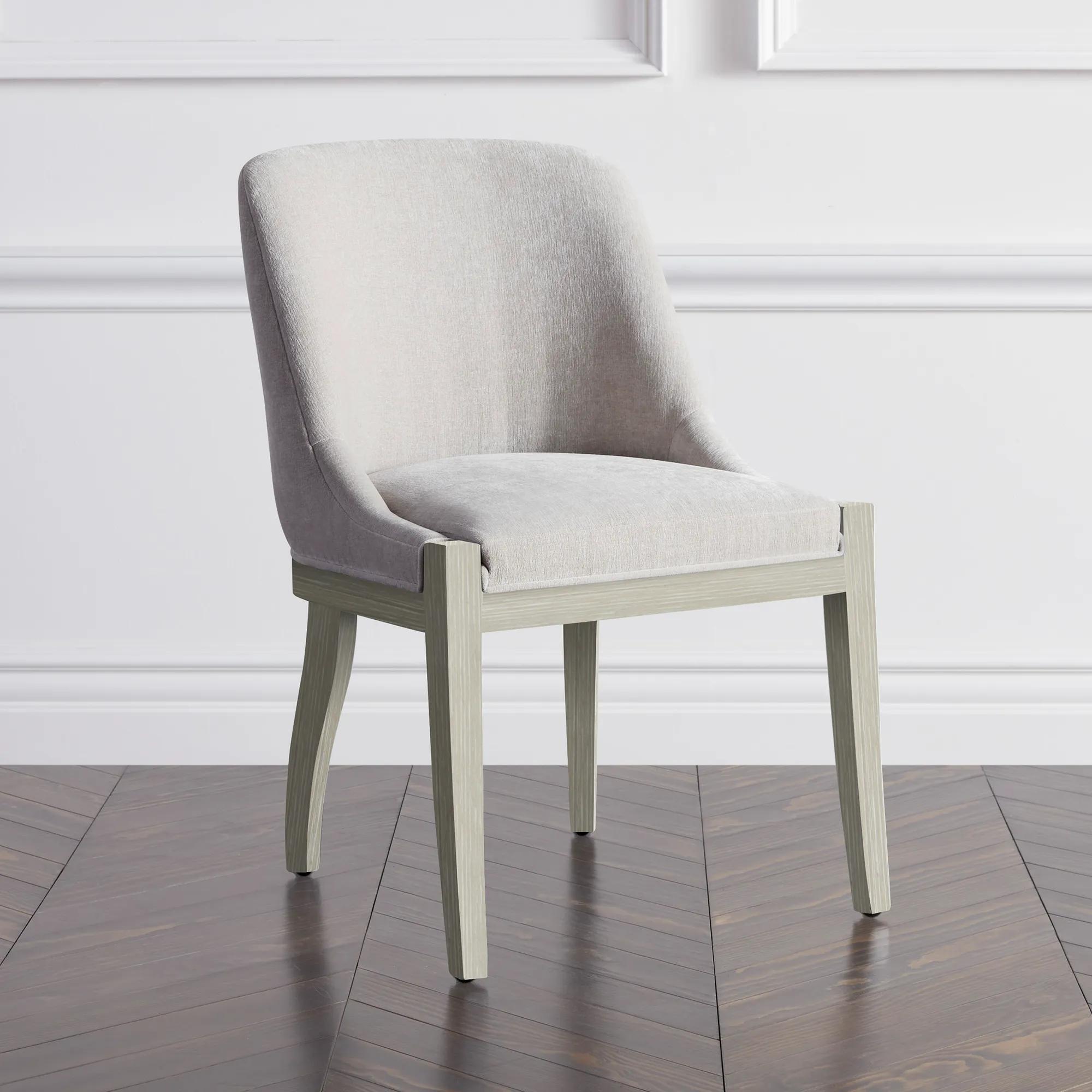
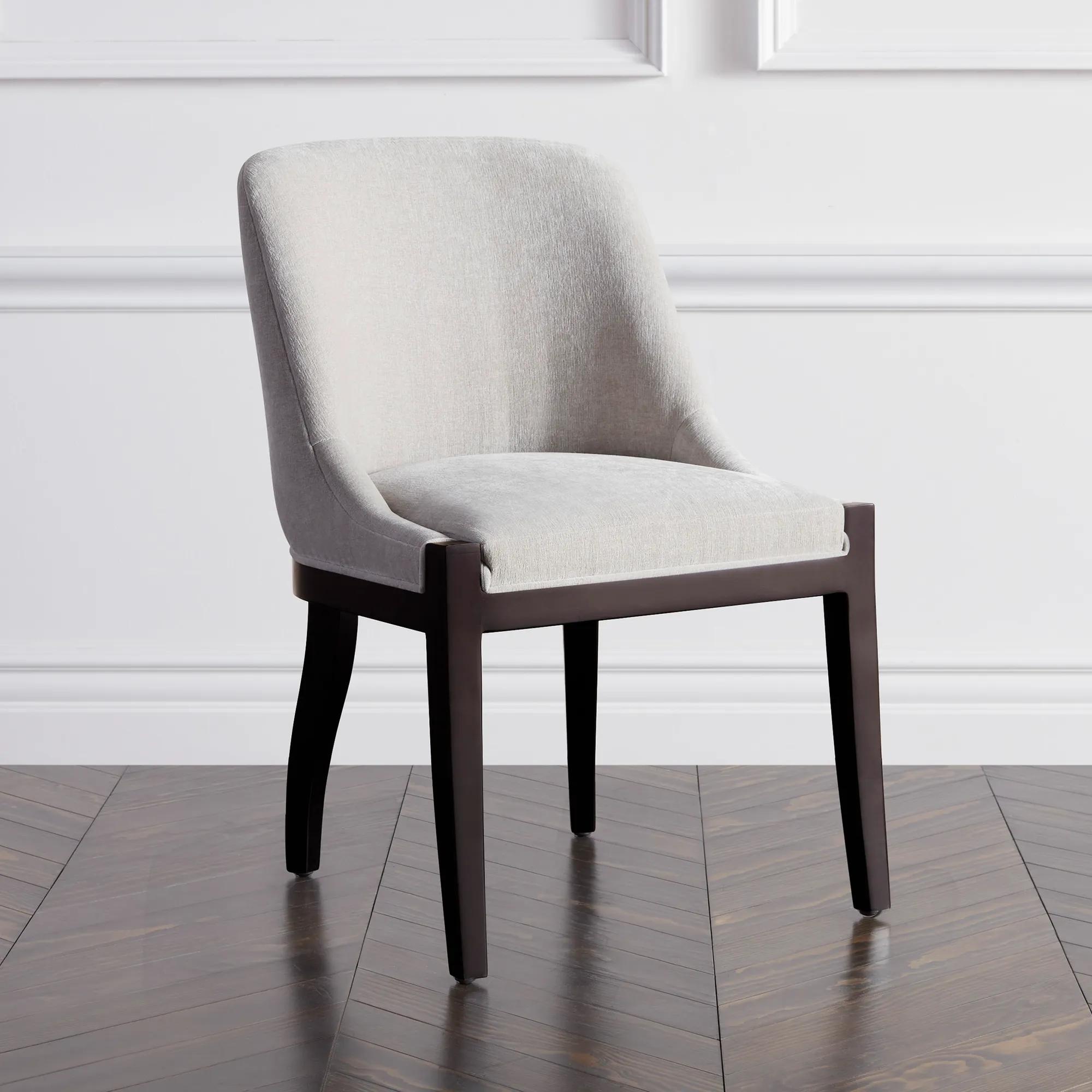
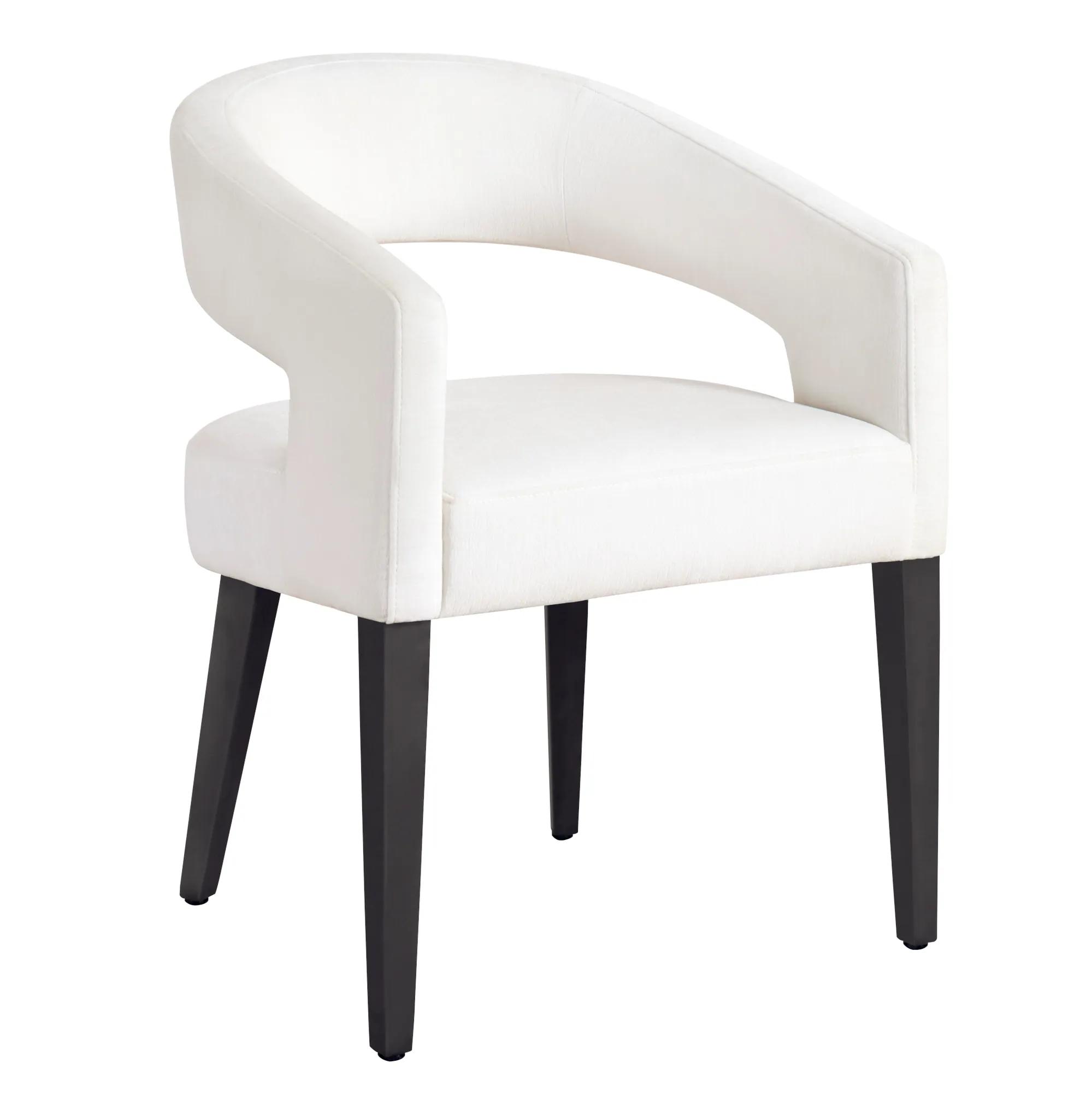
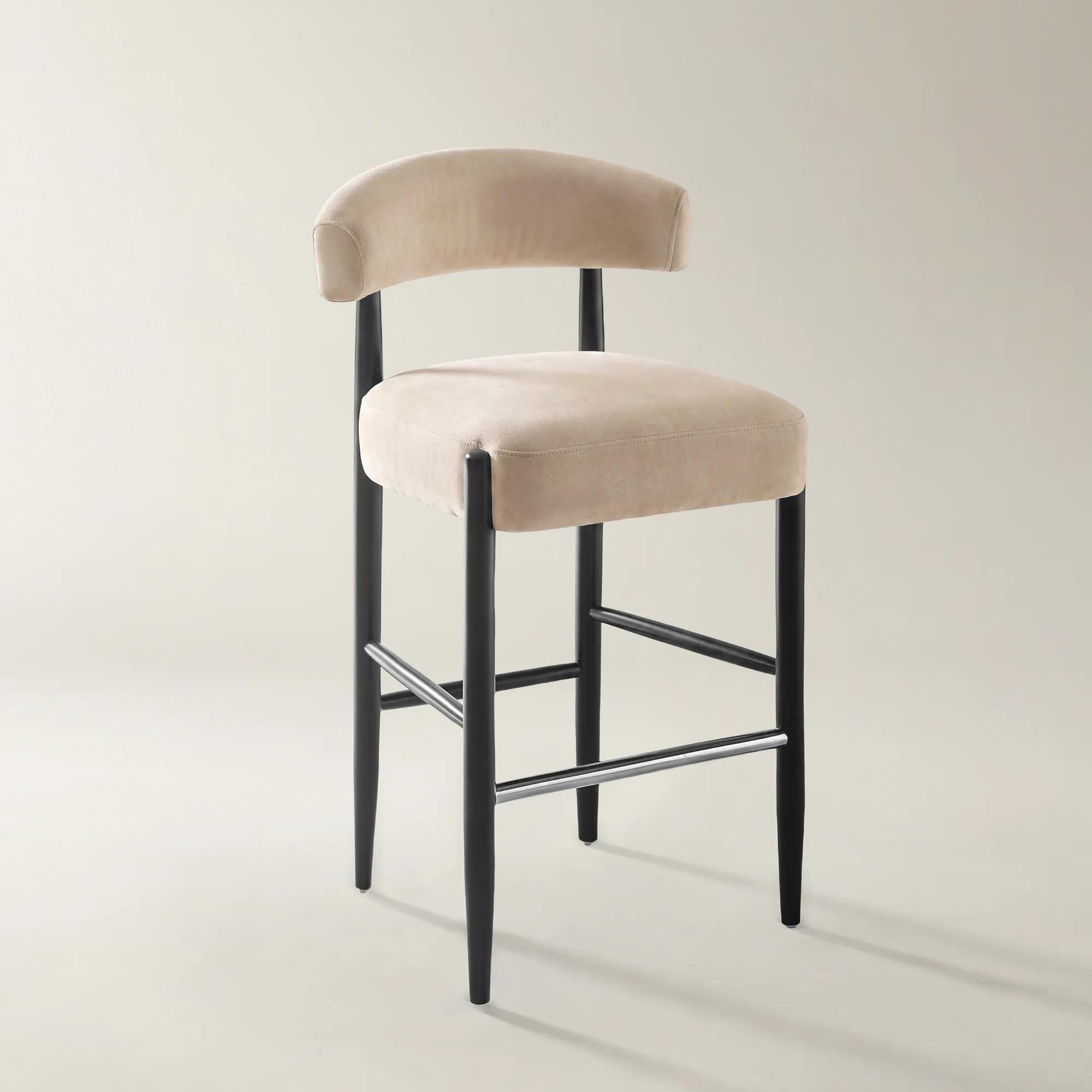
Fabric Upholstered Armchairs
Fabric Upholstered Armchairs
-
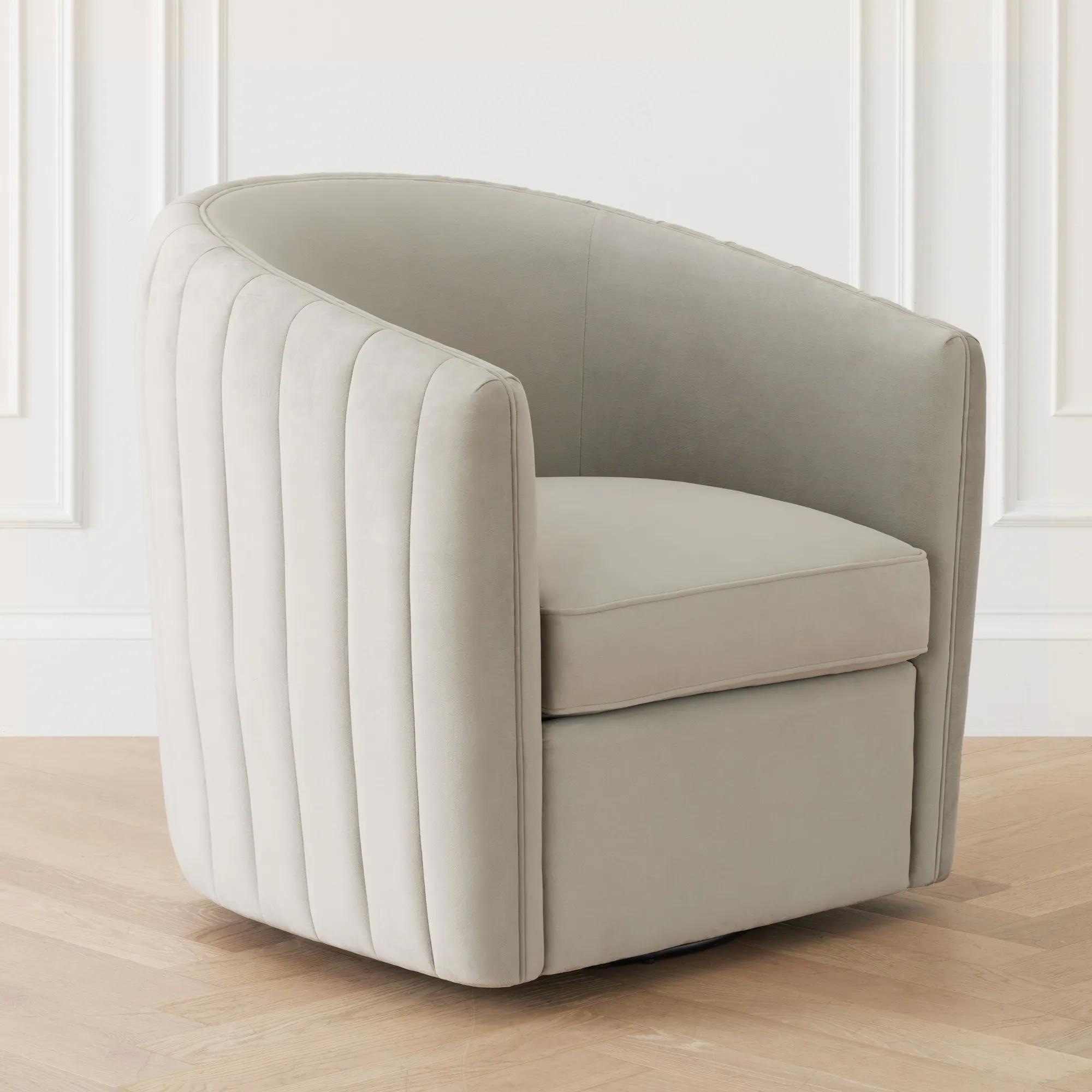
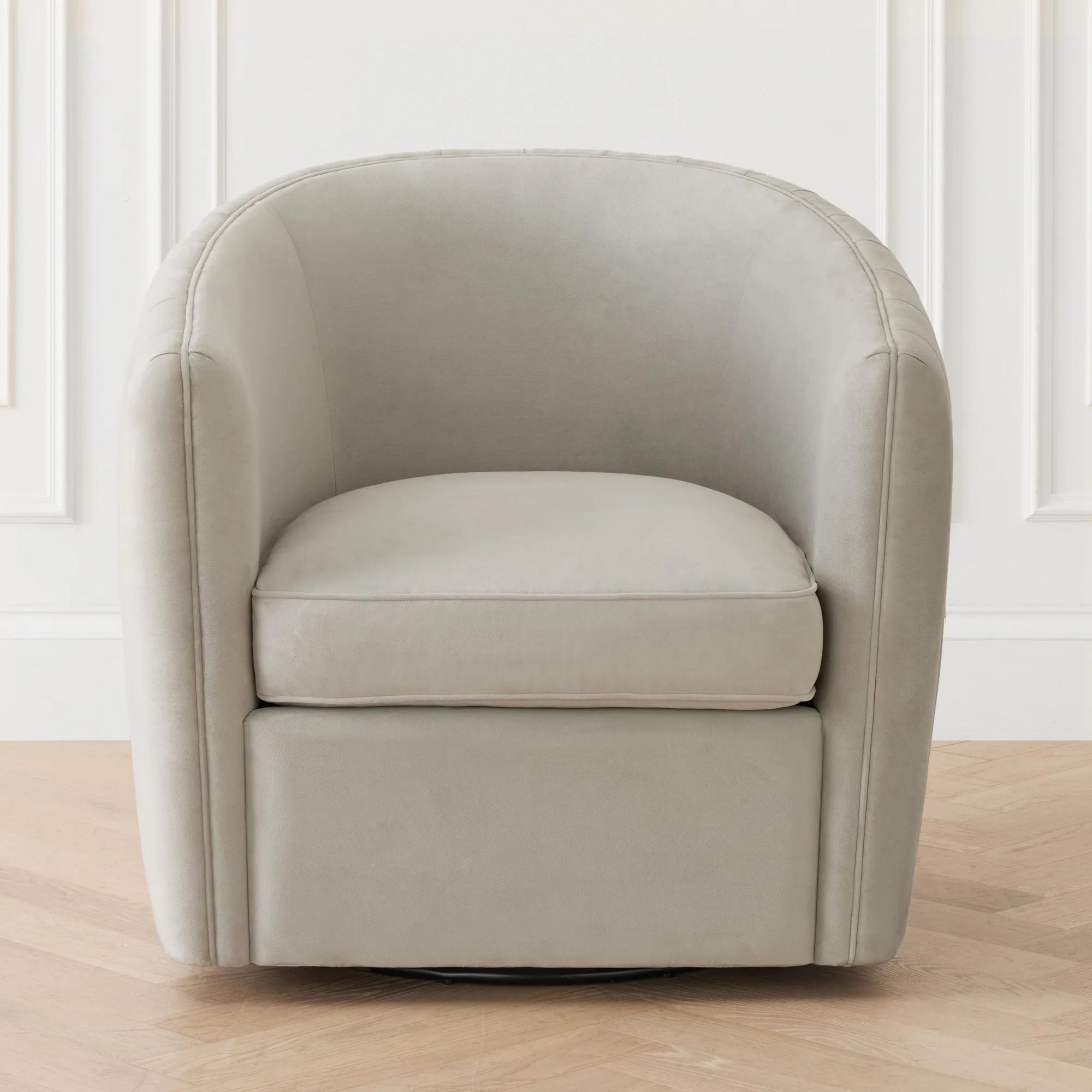 Aria Channeled Swivel Chair$1199
A modern barrel chair in kiln-dried hardwood with channeled velvet upholstery and a smooth swivel base.
Add To Cart -
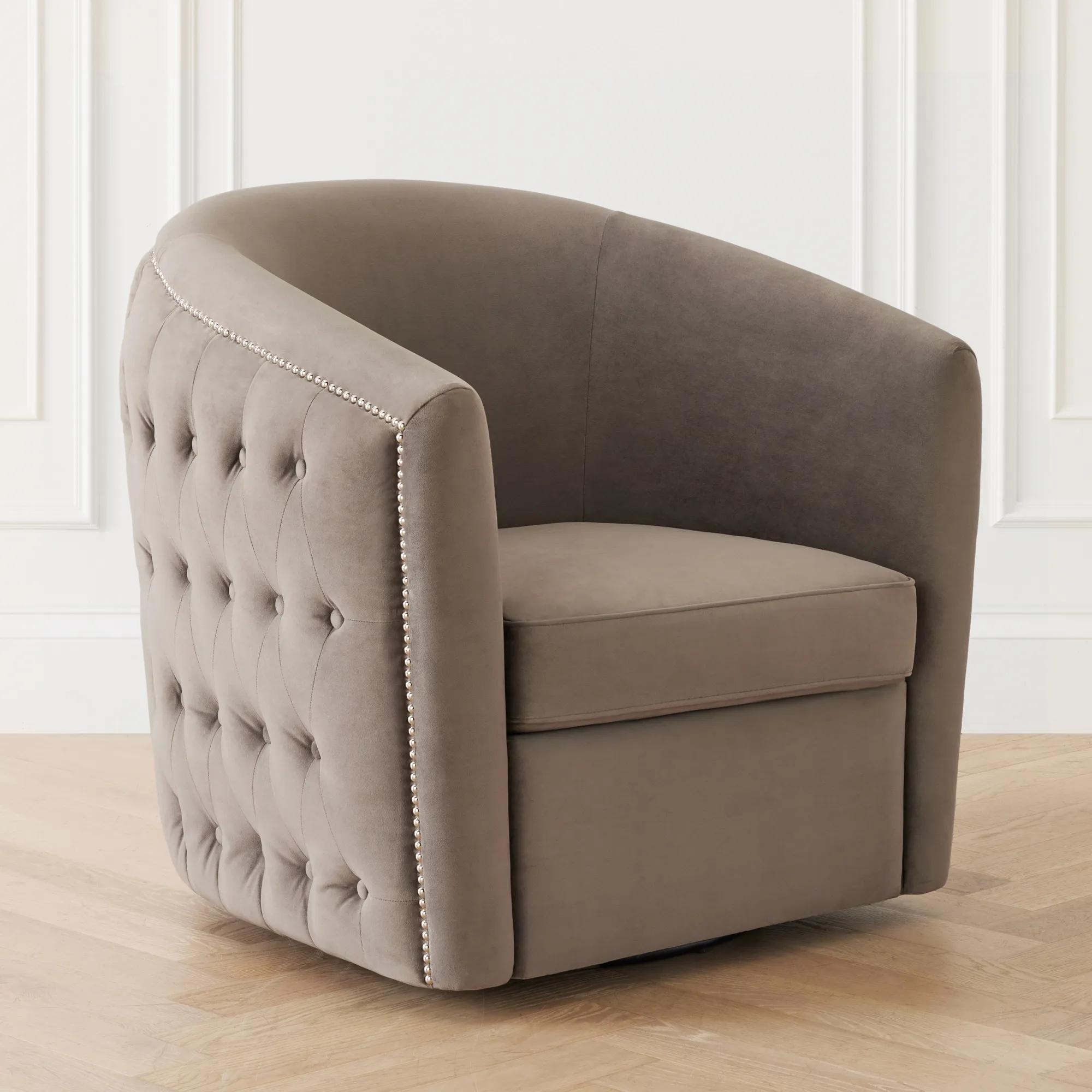
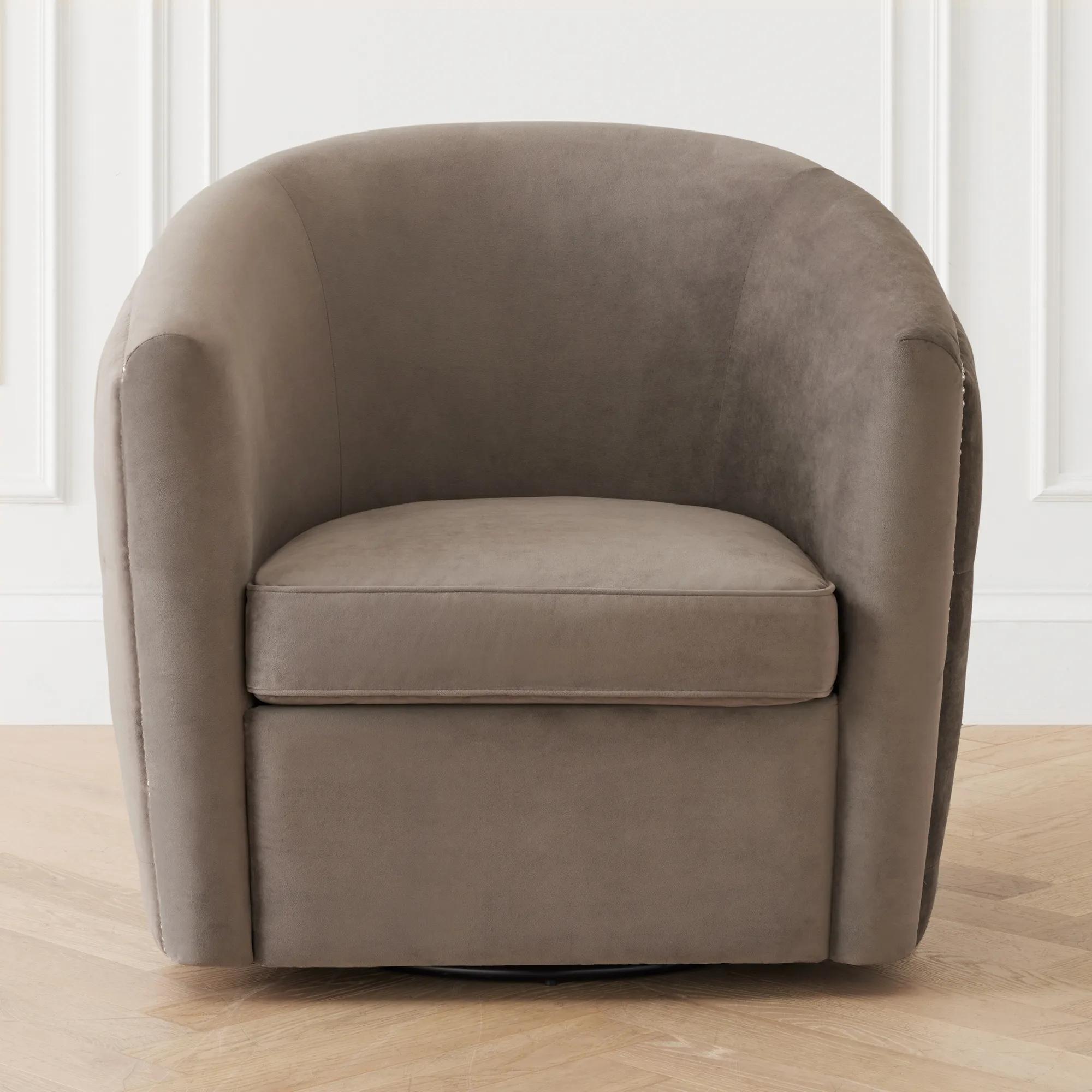 Aria Tufted Swivel Chair$1299
A barrel-style swivel chair in kiln-dried hardwood, shown in Bella Velvet Otter with bright nickel nailheads.
Add To Cart -

 Aria Pleated Swivel Chair$1799
A modern barrel chair in kiln-dried hardwood and pleated velvet, featuring a smooth swivel mechanism.
Add To Cart -
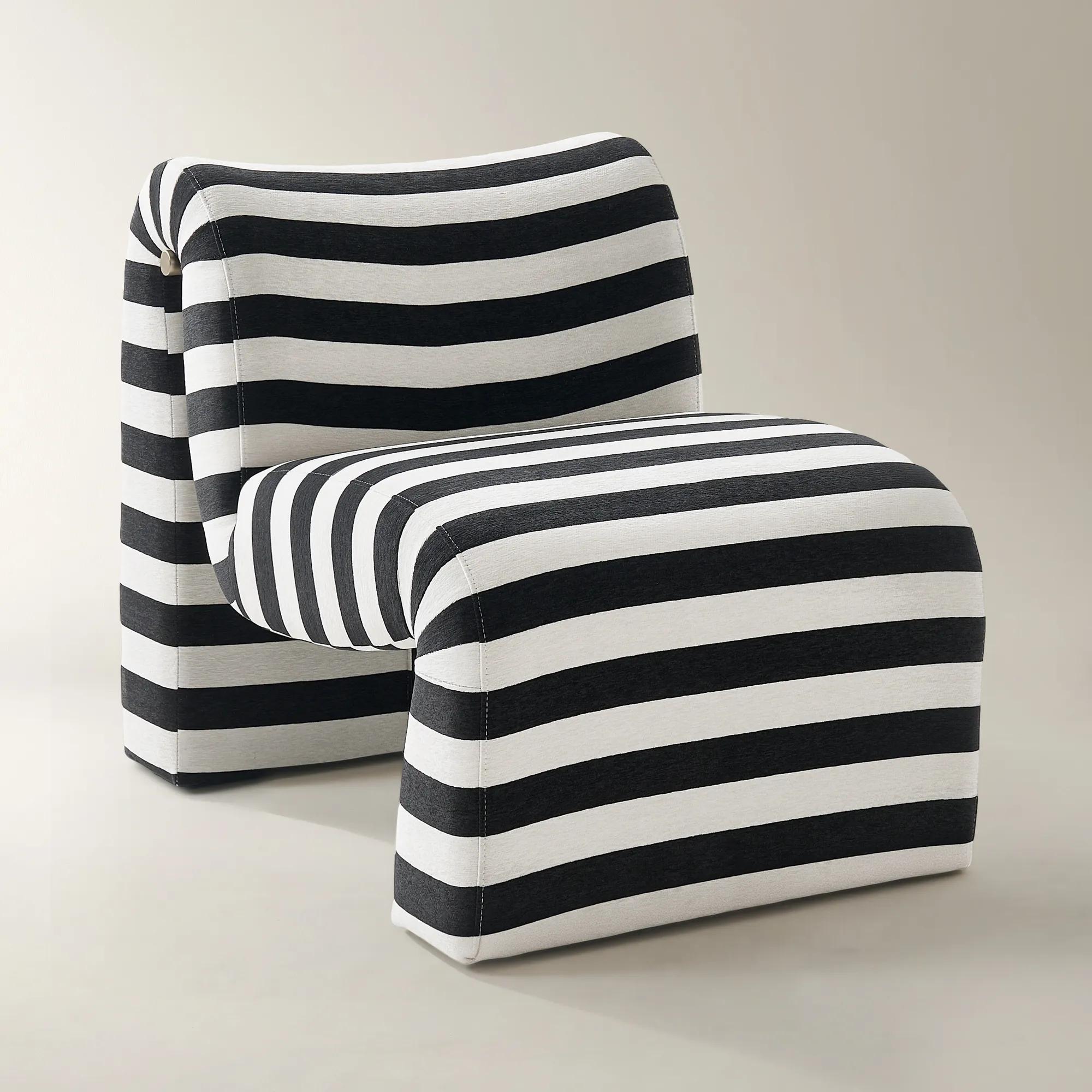 Cora Stripe Chenille Accent Chair$899
A bold black-and-white striped accent chair featuring water-repellent chenille and a gold stainless-steel inlay.
Add To Cart -
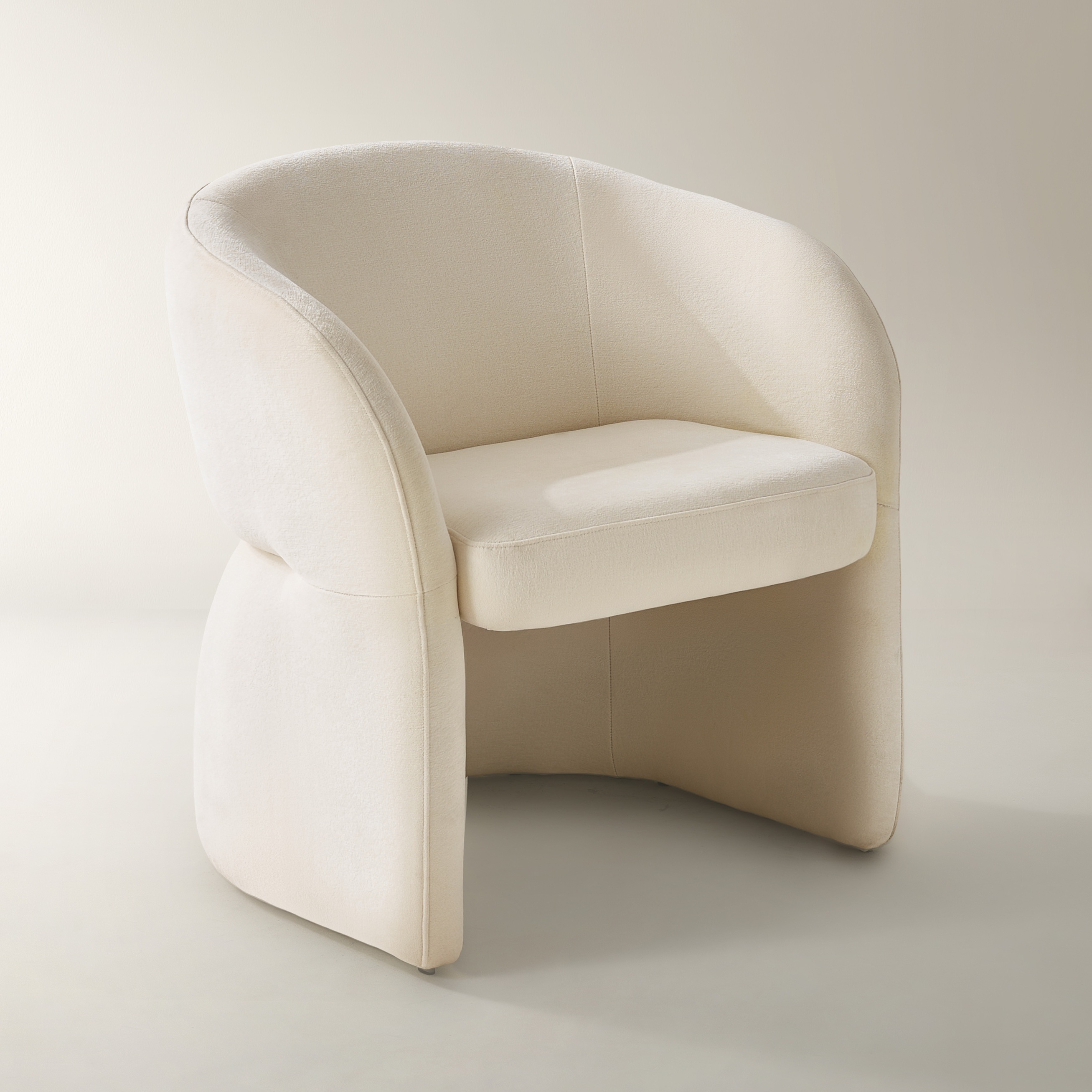
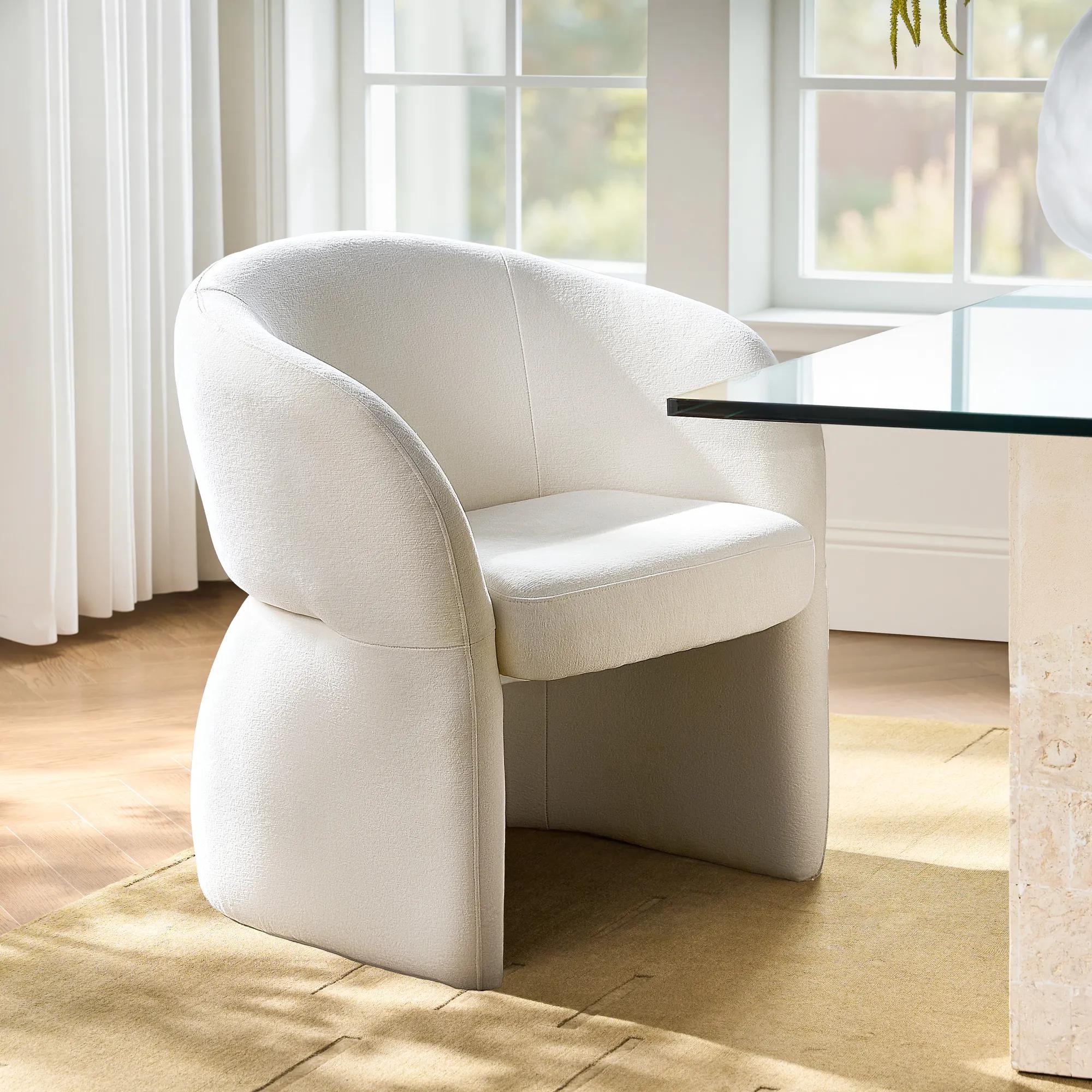 Sierra Oatmeal Velvet Dining Chair$499
An elegant accent chair in oatmeal velvet with gracefully arched arms, curved back, and plush cushioning.
Add To Cart -
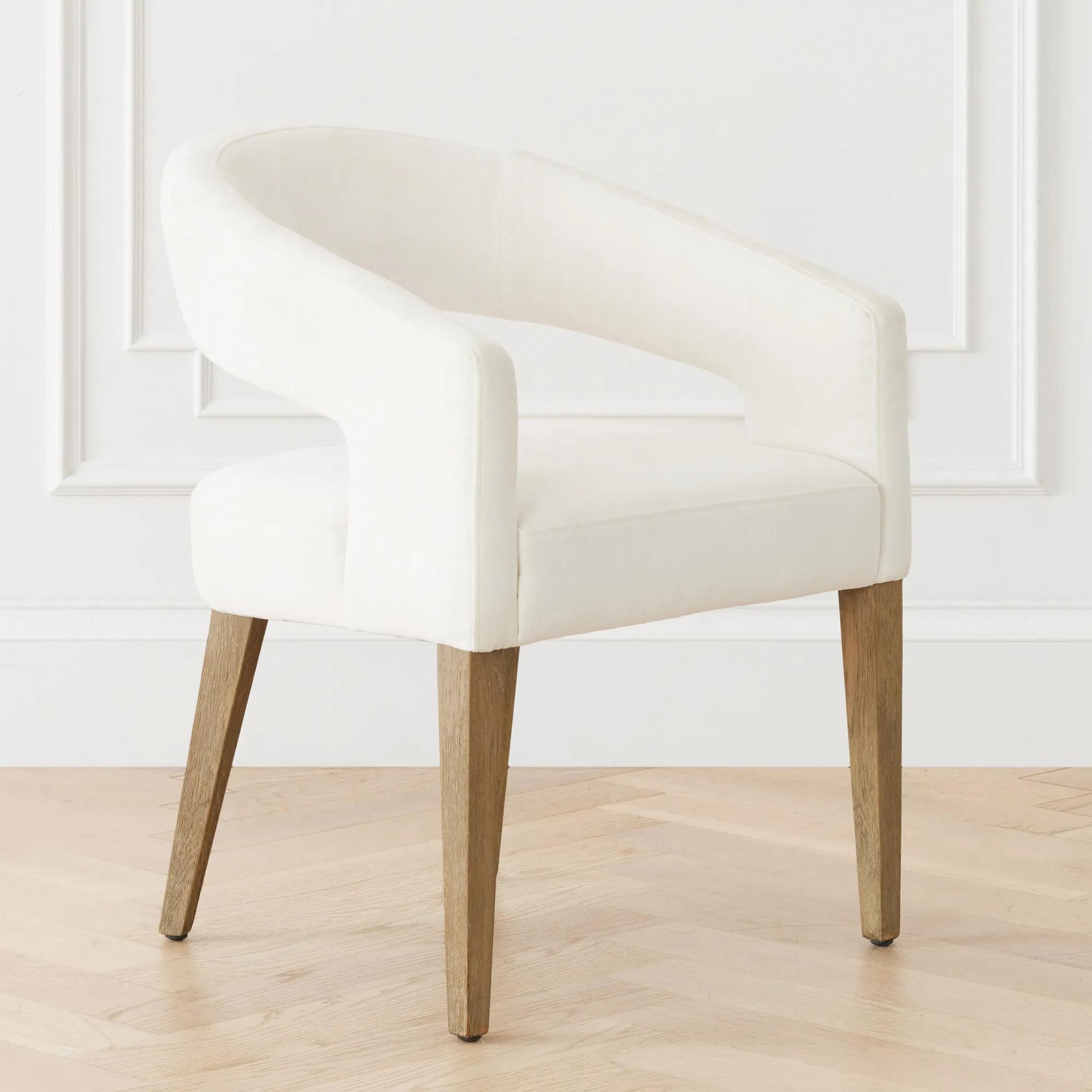
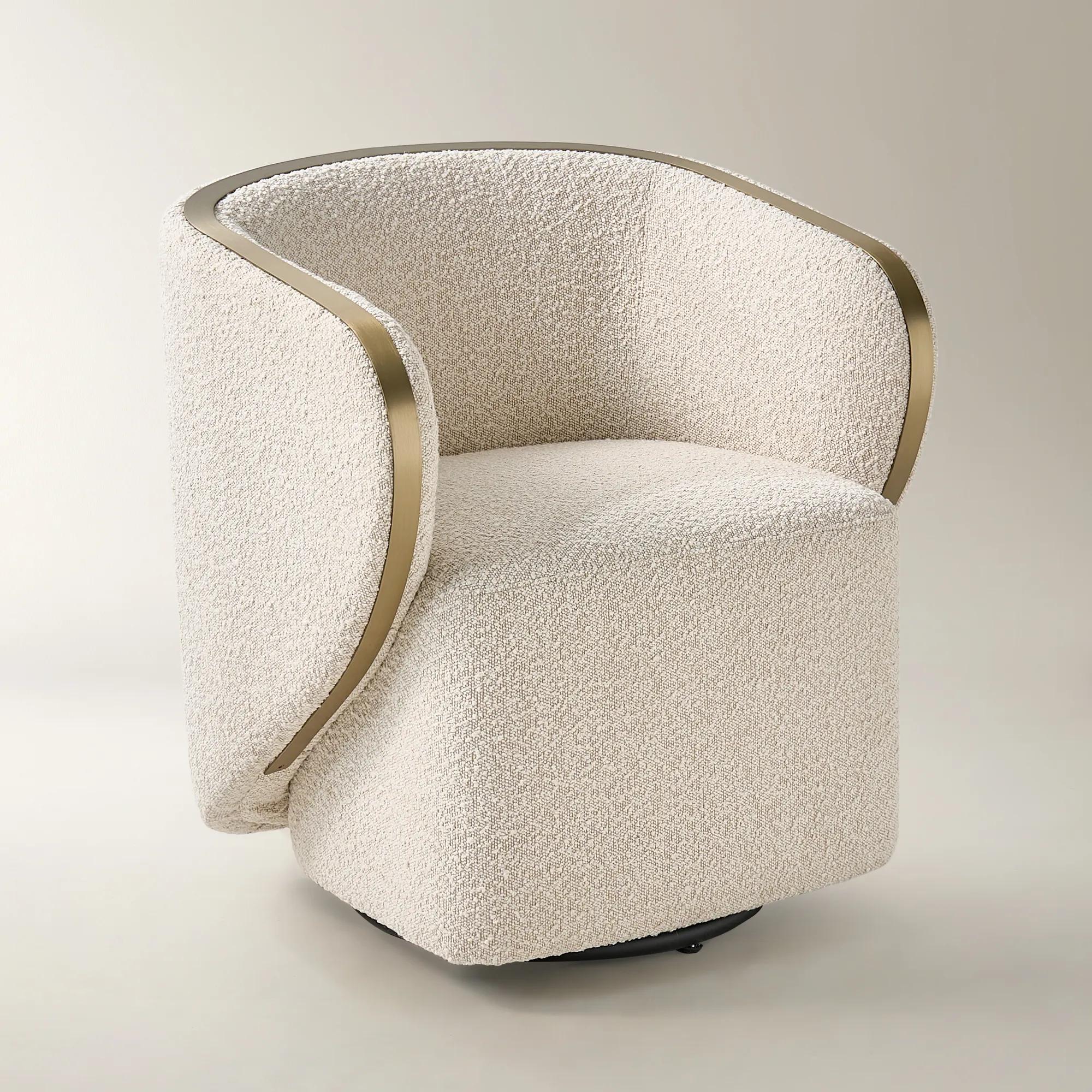 Nova Ivory Performance Boucle Swivel Dining Chair$599
An ivory boucle swivel chair featuring a sculptural wraparound silhouette and elegant metallic trim accents.
Add To Cart -
-6.jpg?w=1200&h=1200) Stria Roasted Pecan Velvet Swivel Dining Chair With Oak Base$599
Stria Roasted Pecan Velvet Swivel Dining Chair With Oak Base$599A khaki chenille swivel armchair with a handcrafted solid oak base and plush, modern comfort.
Add To Cart -
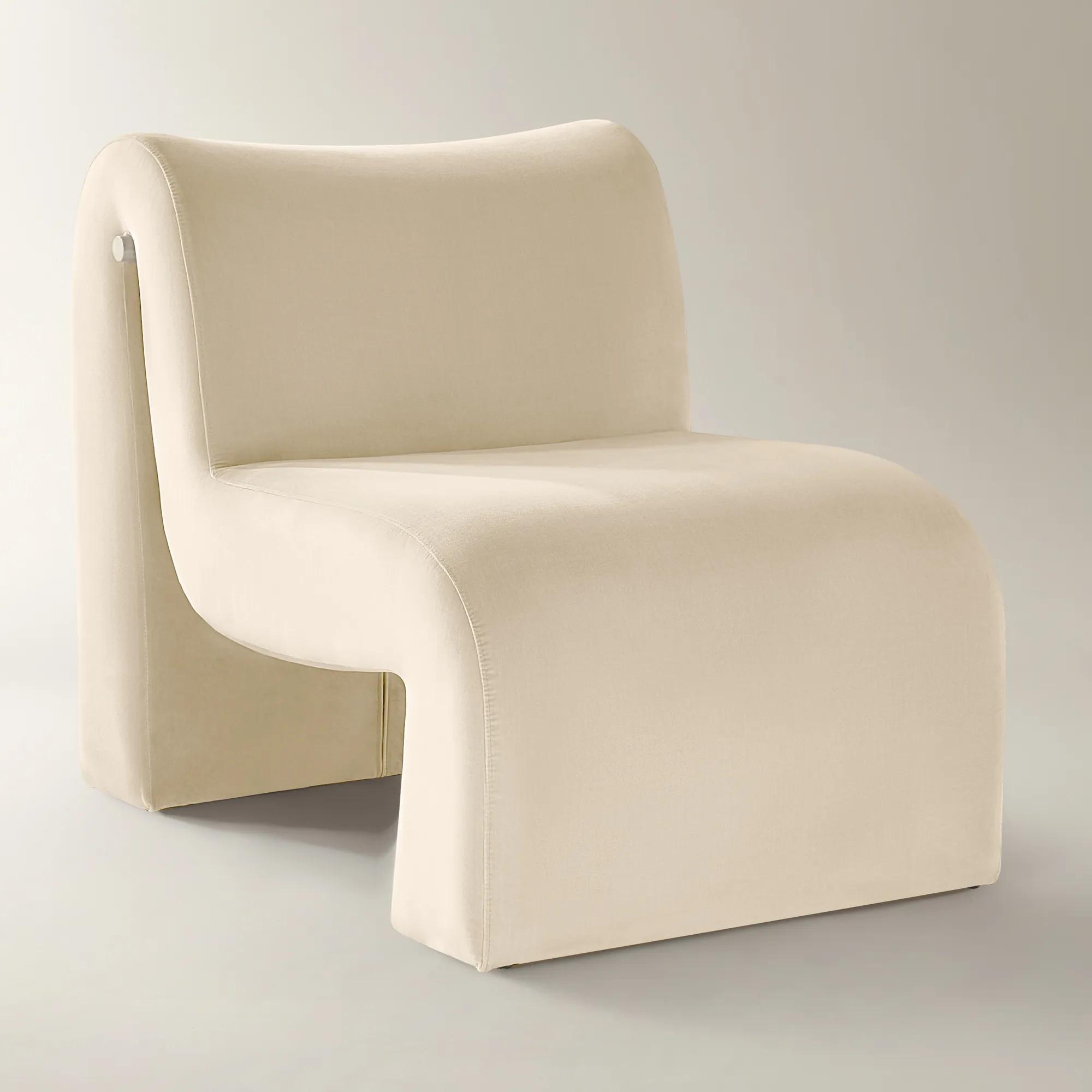 Cora Ivory Velvet Accent Chair$899
A sculpted ivory velvet chair featuring a continuous curved silhouette and a gold stainless-steel accent.
Add To Cart -
.jpg?w=1200&h=1200)
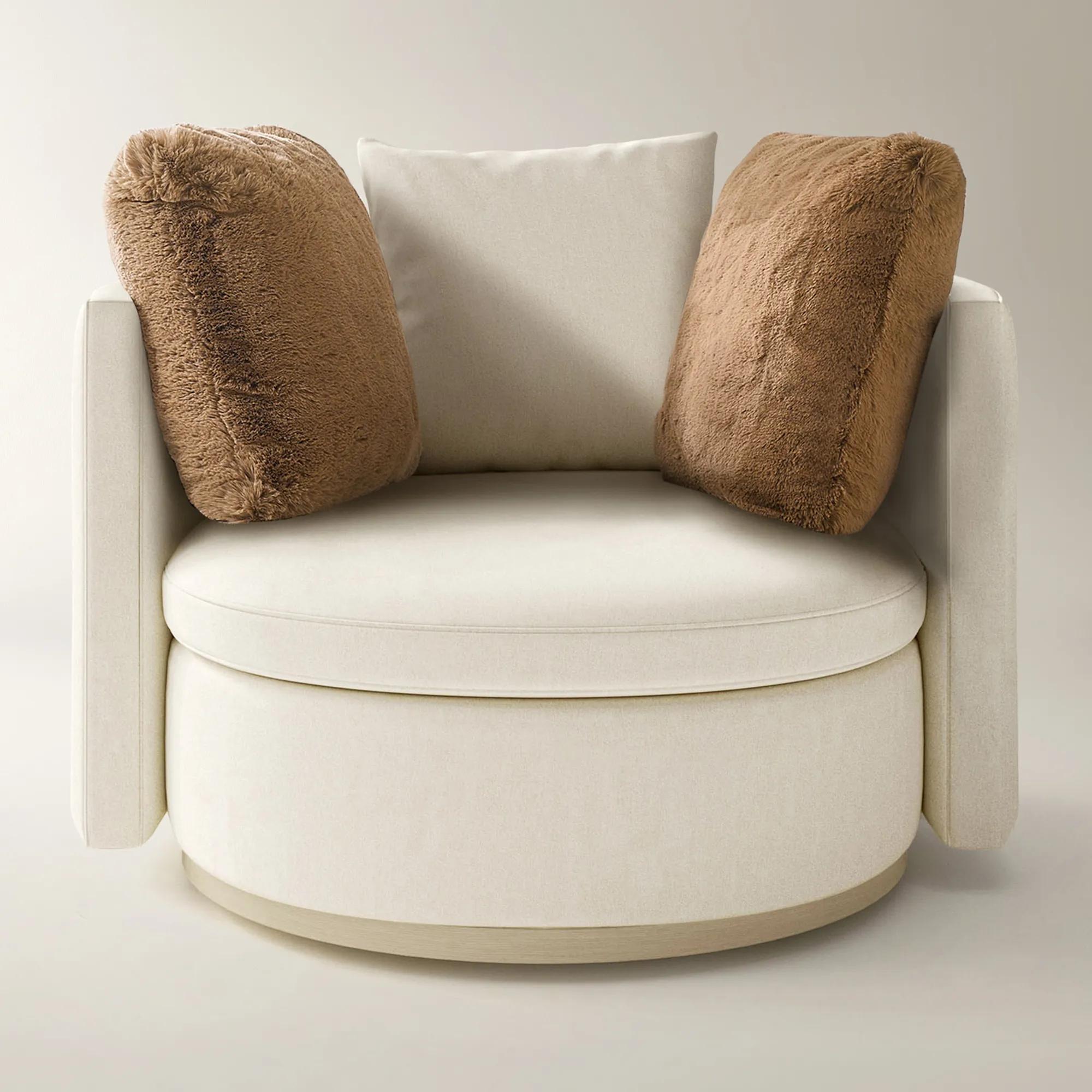 Stria Ivory Chenille Swivel Accent Chair$1399
An ivory chenille accent chair with triple-layer cushioning, ergonomic curves, and a smooth 360-degree swivel.
Add To Cart -
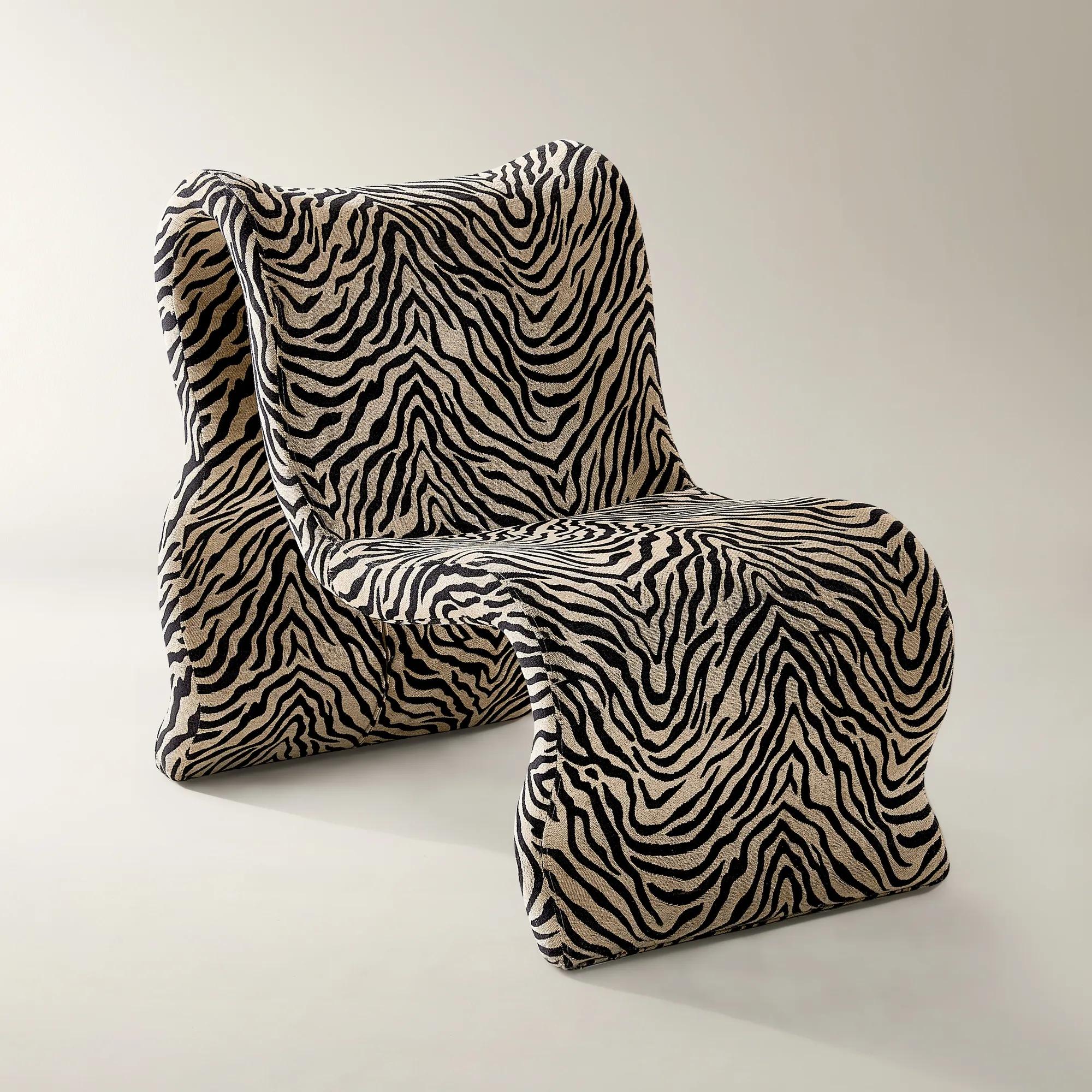
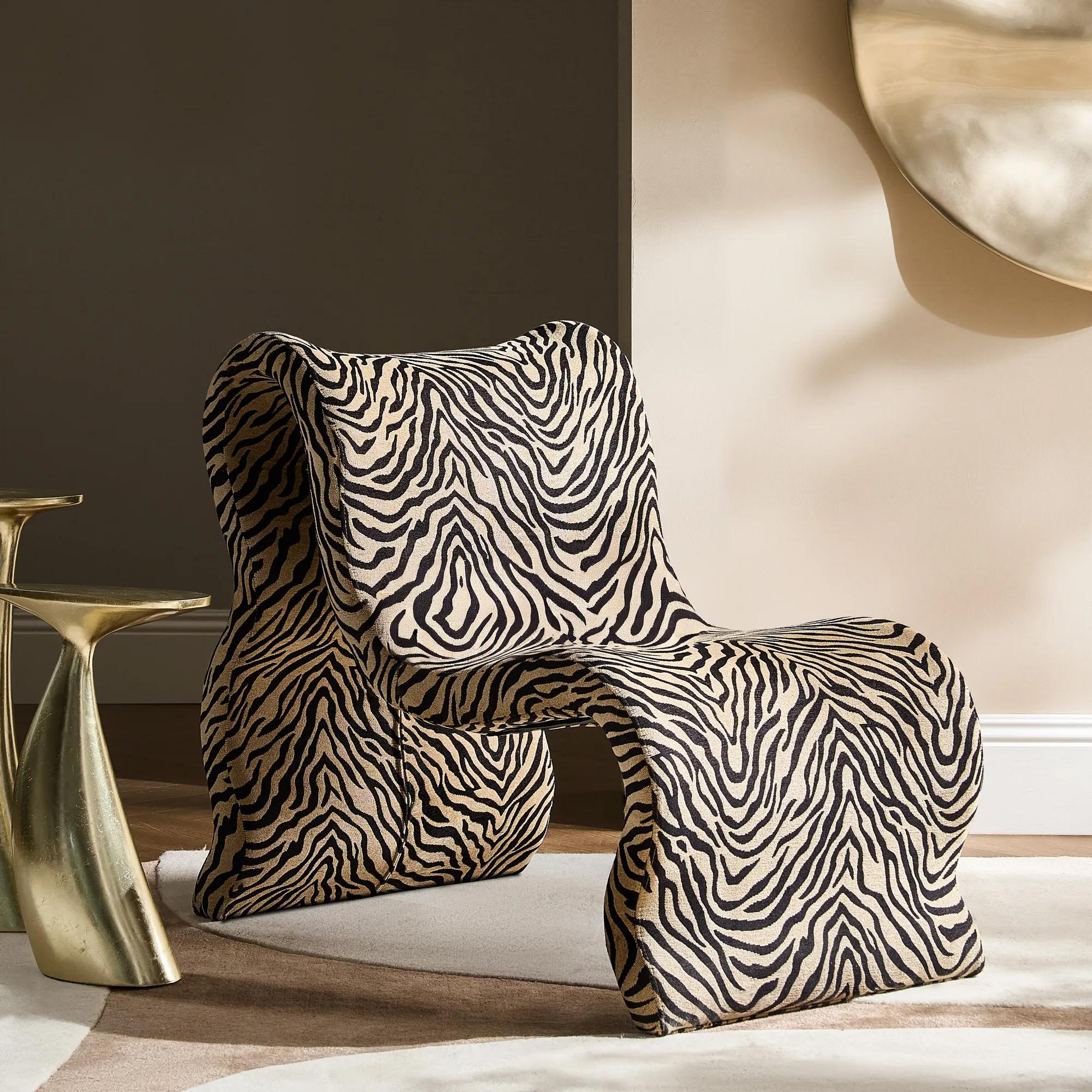 Romy Zebra Chenille Accent Chair$999
A sculptural accent chair featuring bold zebra-print chenille upholstery and a continuous wave-like silhouette.
Add To Cart -
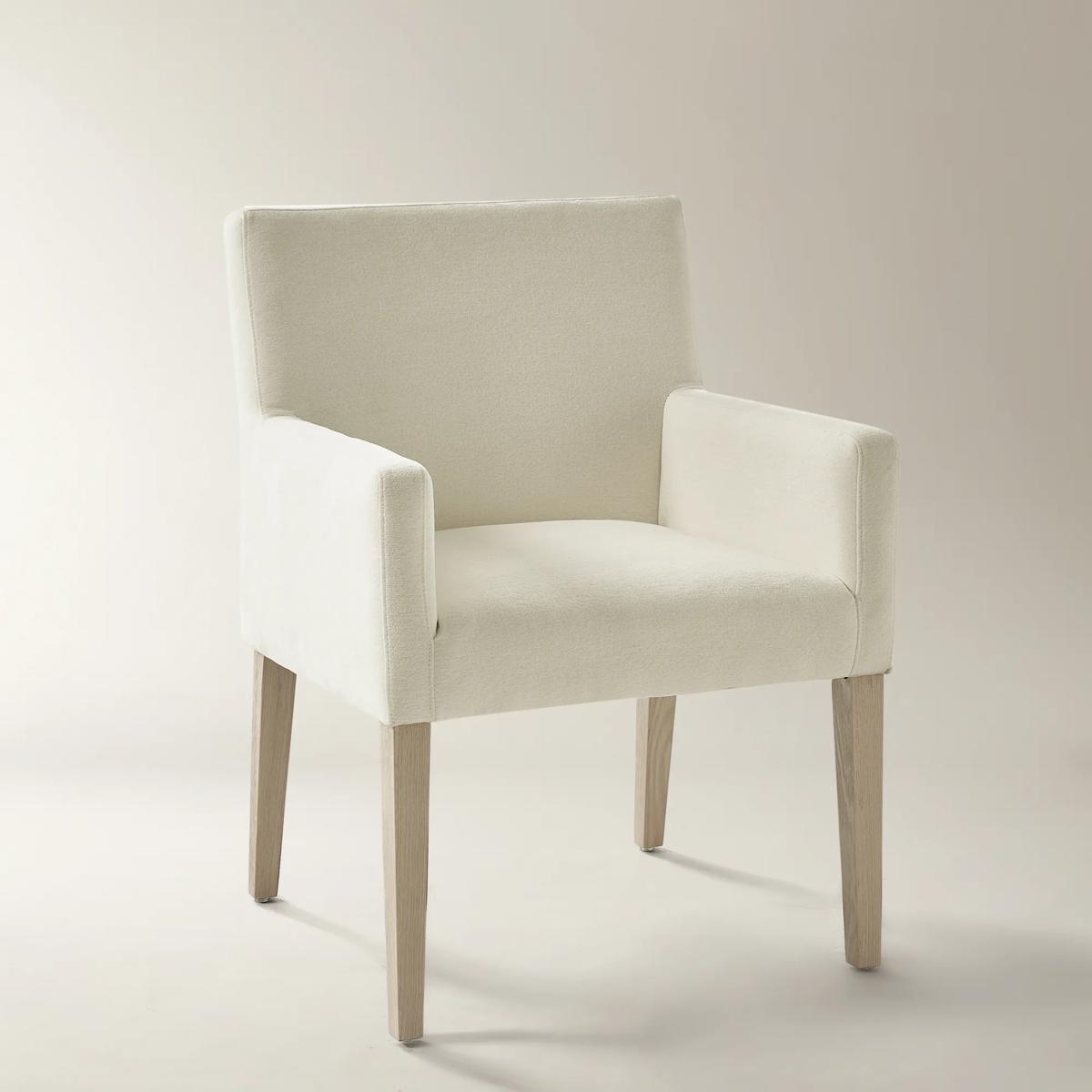
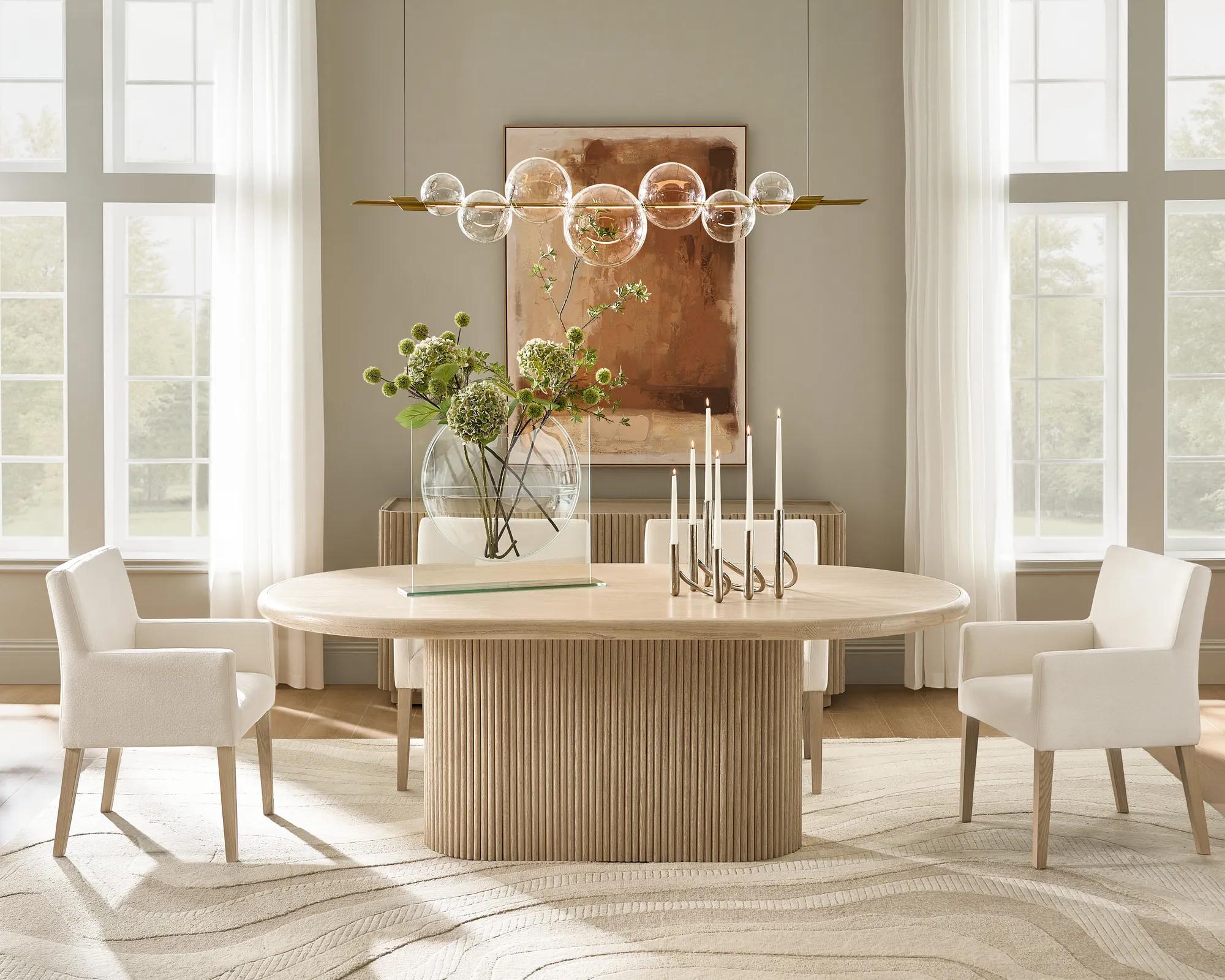 Stria Ivory Chenille Dining Chair Set Of 2$599
A pair of ivory chenille arm chairs with natural oak legs, offering plush comfort and modern elegance.
Add To Cart -
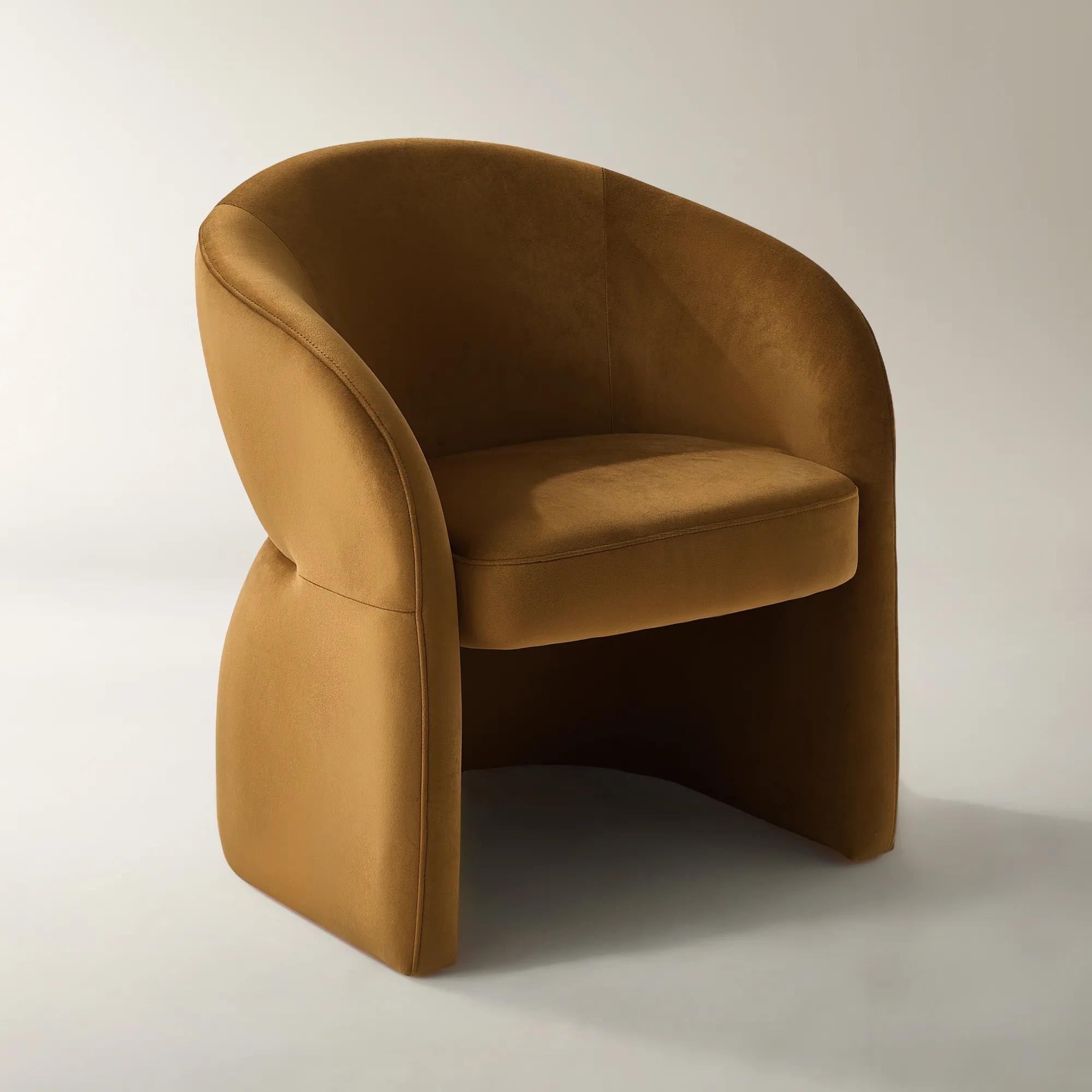
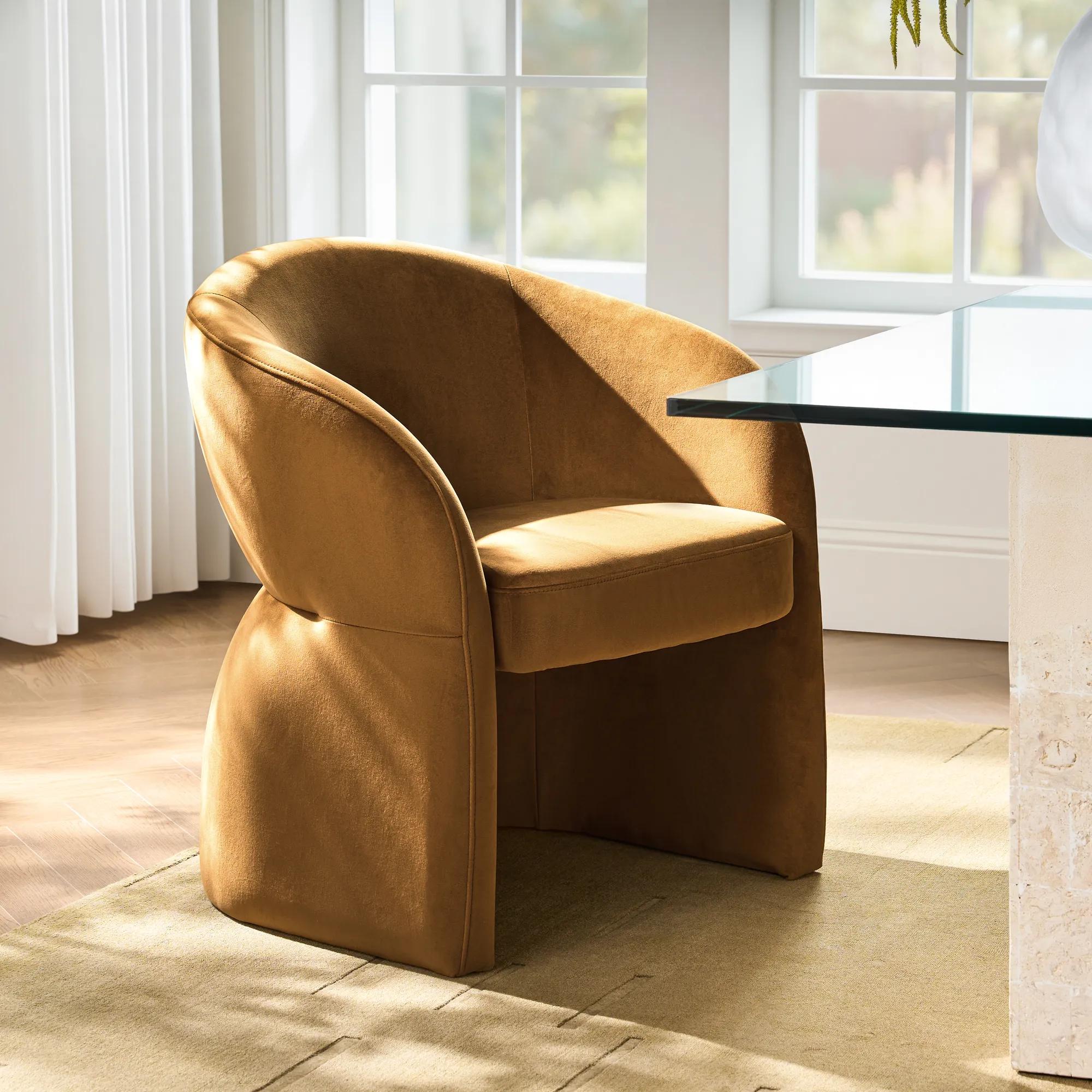 Sierra Roasted Pecan Velvet Dining Chair$499
A sculptural accent chair in roasted pecan velvet with arched arms, curved back, and plush cushioning.
Add To Cart -
.jpg?w=1200&h=1200) Stria Ivory Chenille Swivel Dining Chair With Oak Base$599
Stria Ivory Chenille Swivel Dining Chair With Oak Base$599An inviting ivory chenille arm chair with a solid oak swivel base and hand-crafted details.
Add To Cart -
.jpg?w=1200&h=1200)
 Stria Green Chenille Swivel Dining Chair With Oak Base$599
Stria Green Chenille Swivel Dining Chair With Oak Base$599A green chenille arm chair with a solid oak swivel base, offering cozy comfort and modern versatility.
Add To Cart -
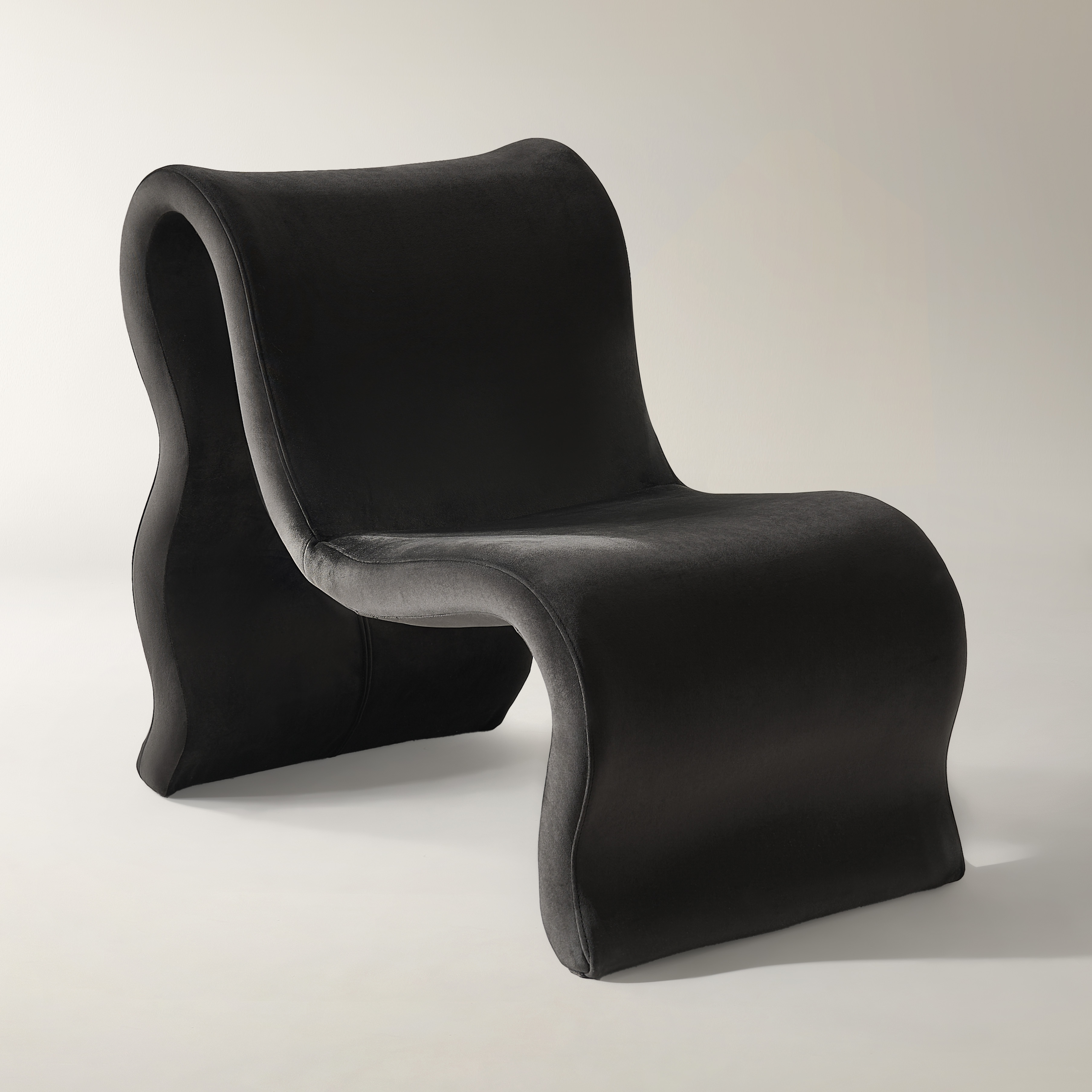 Romy Charcoal Velvet Accent Chair$999
A sculptural accent chair in charcoal velvet with a wave-like silhouette and full foam construction.
Add To Cart -
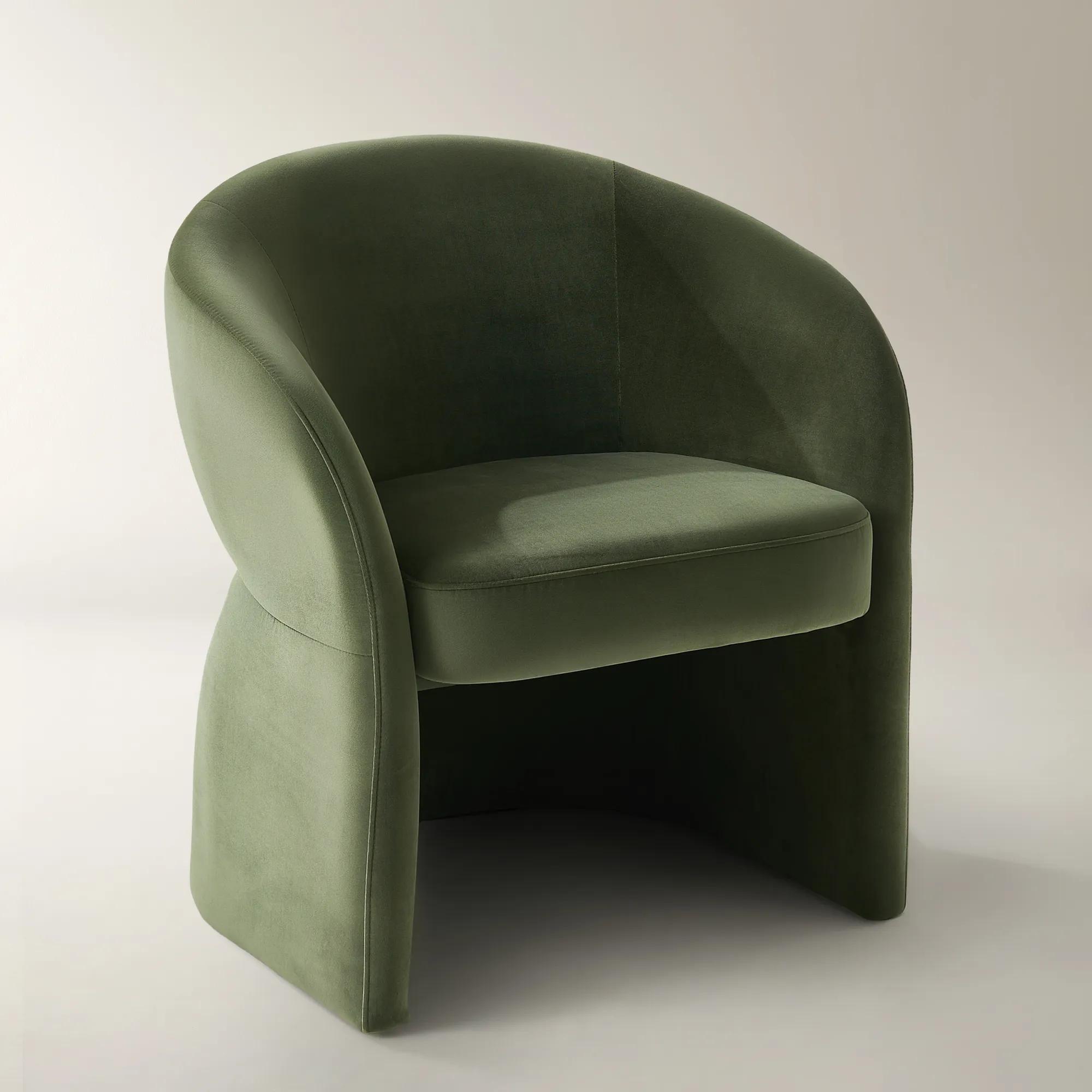
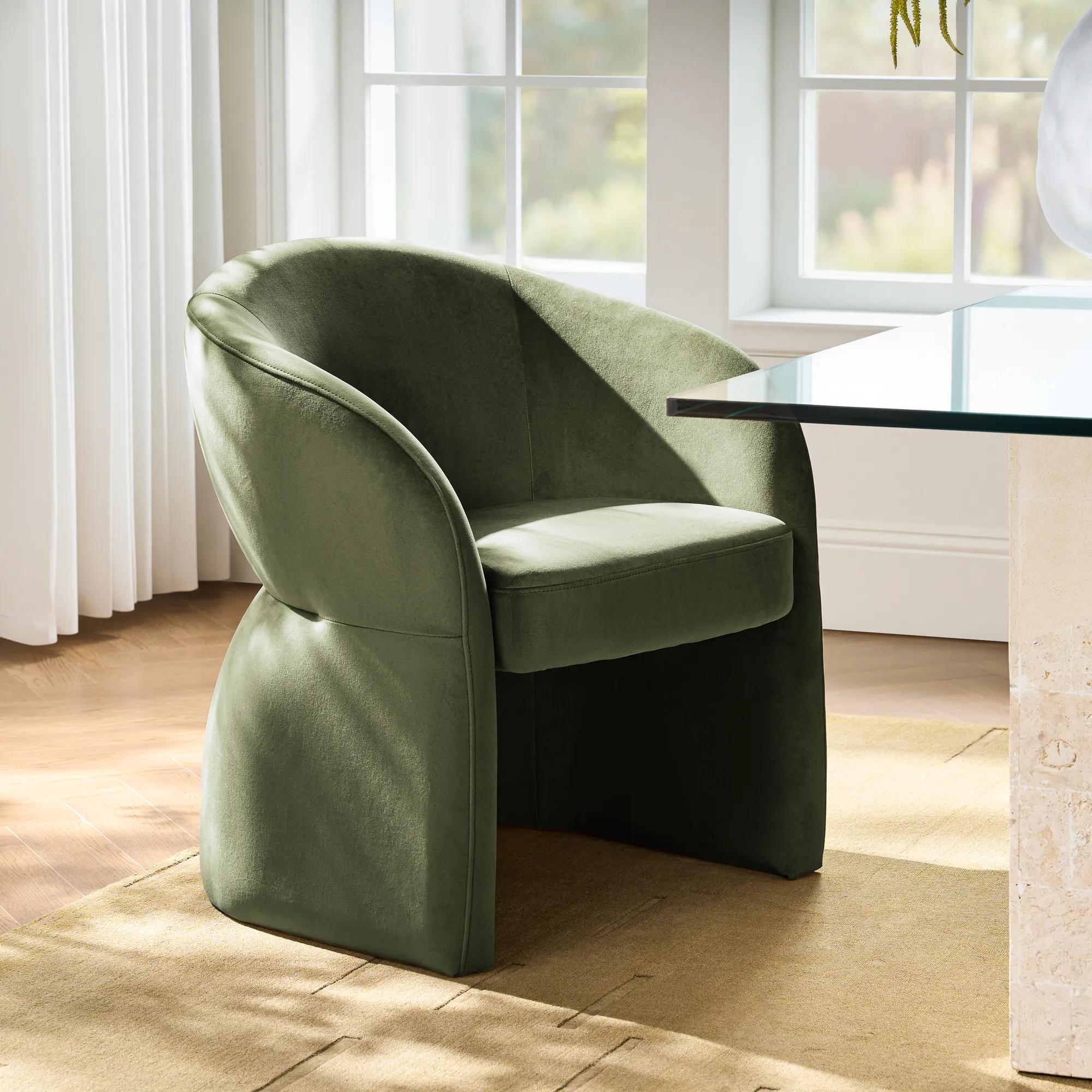 Sierra Jade Green Velvet Dining Chair$499
A sculptural accent chair in jade green velvet with gracefully arched arms and plush, supportive cushioning.
Add To Cart -
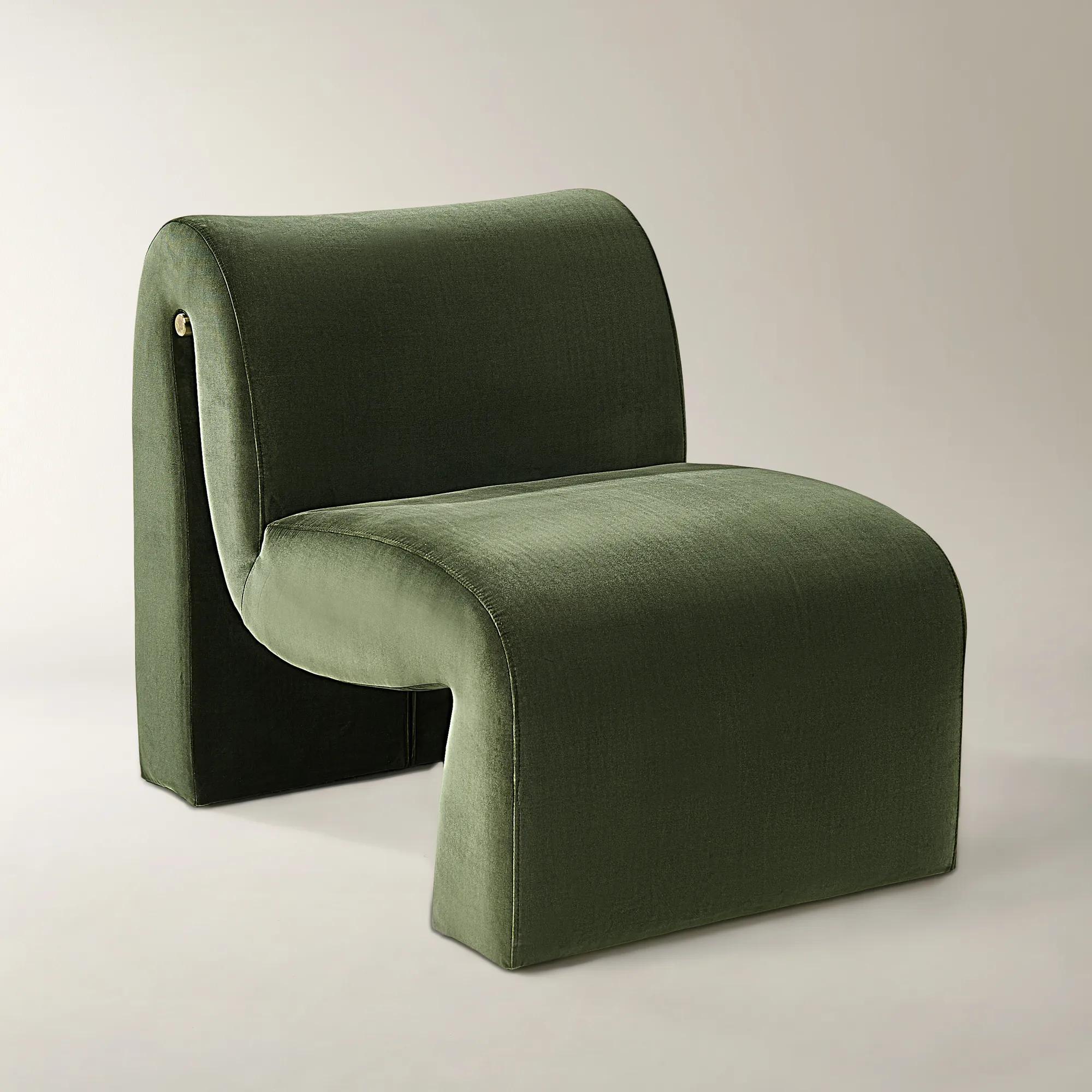
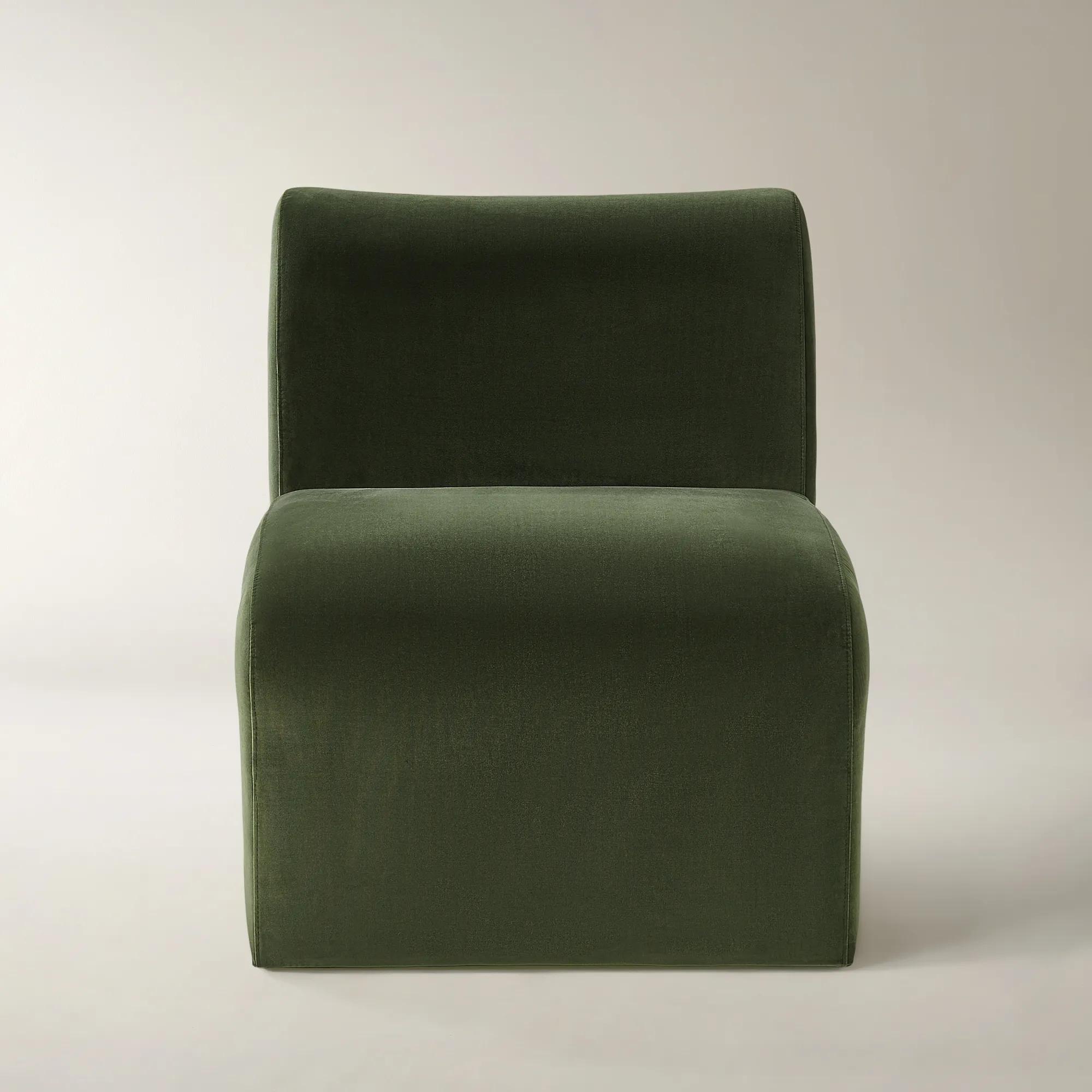 Cora Jade Green Velvet Accent Chair$899
A sculpted accent chair in jade green velvet with a gold stainless-steel inlay for refined glamour.
Add To Cart -
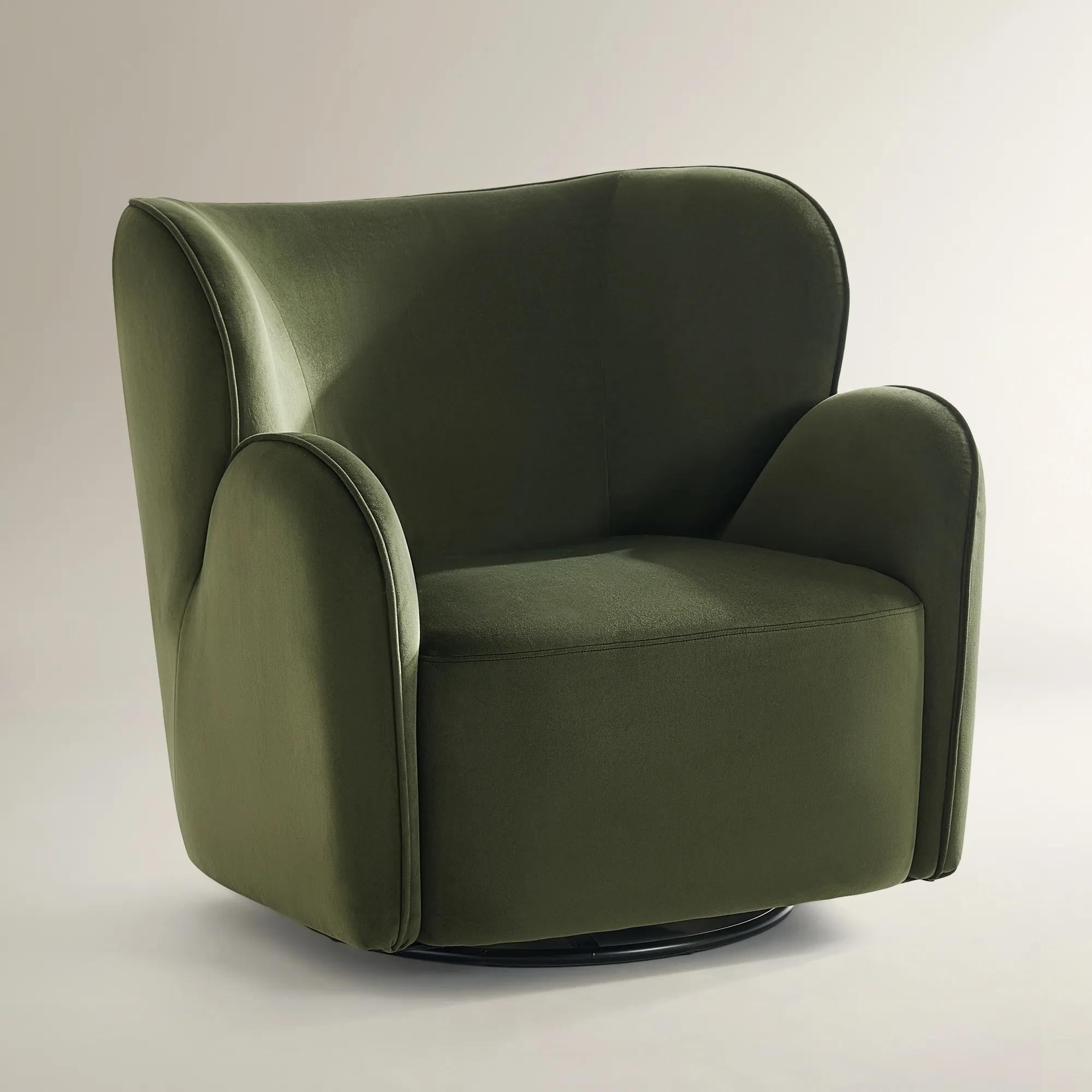
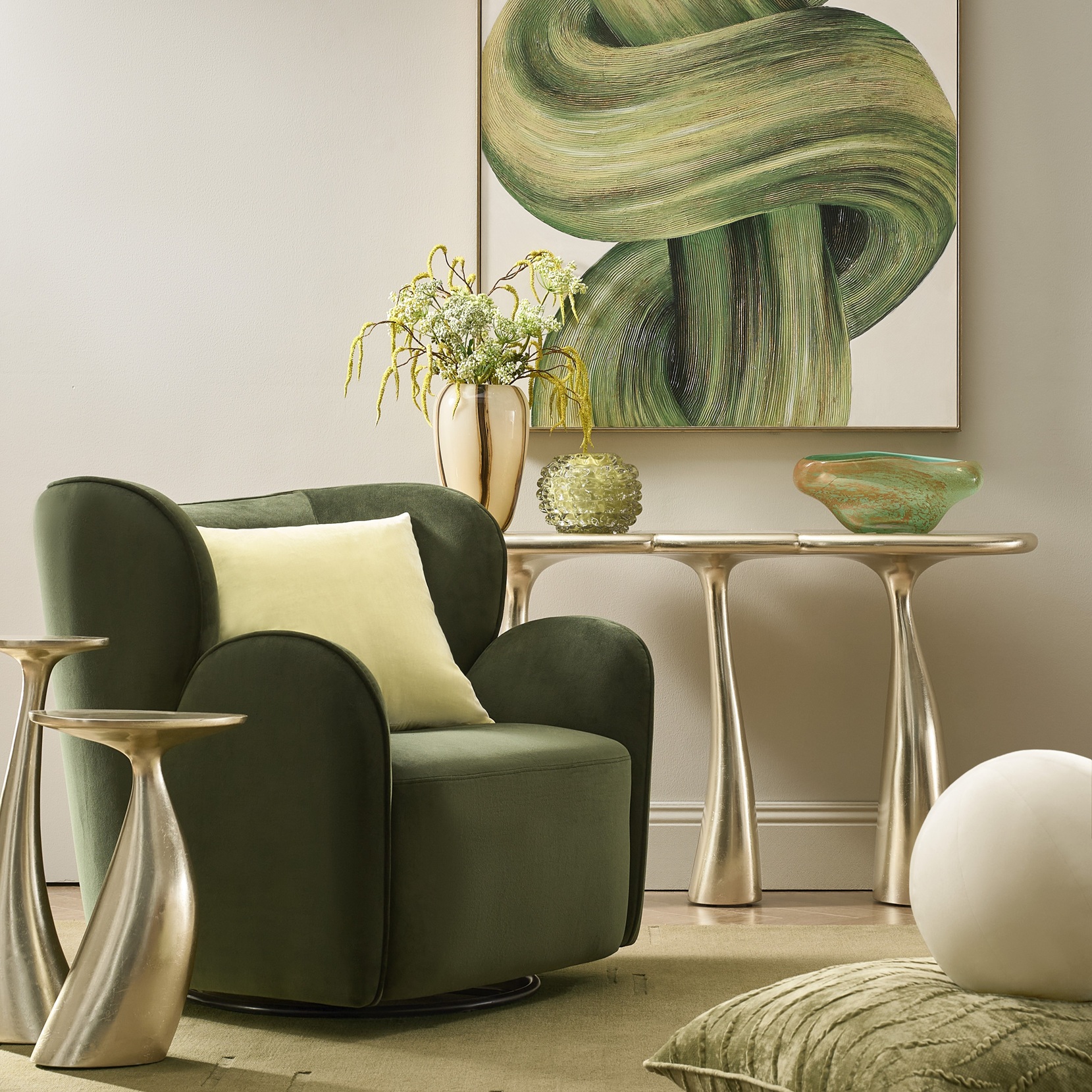 Ceres Jade Green Velvet Swivel Accent Chair$799
A plush jade green velvet chair with a curved silhouette, 360° swivel, and supportive foam cushioning.
Add To Cart -
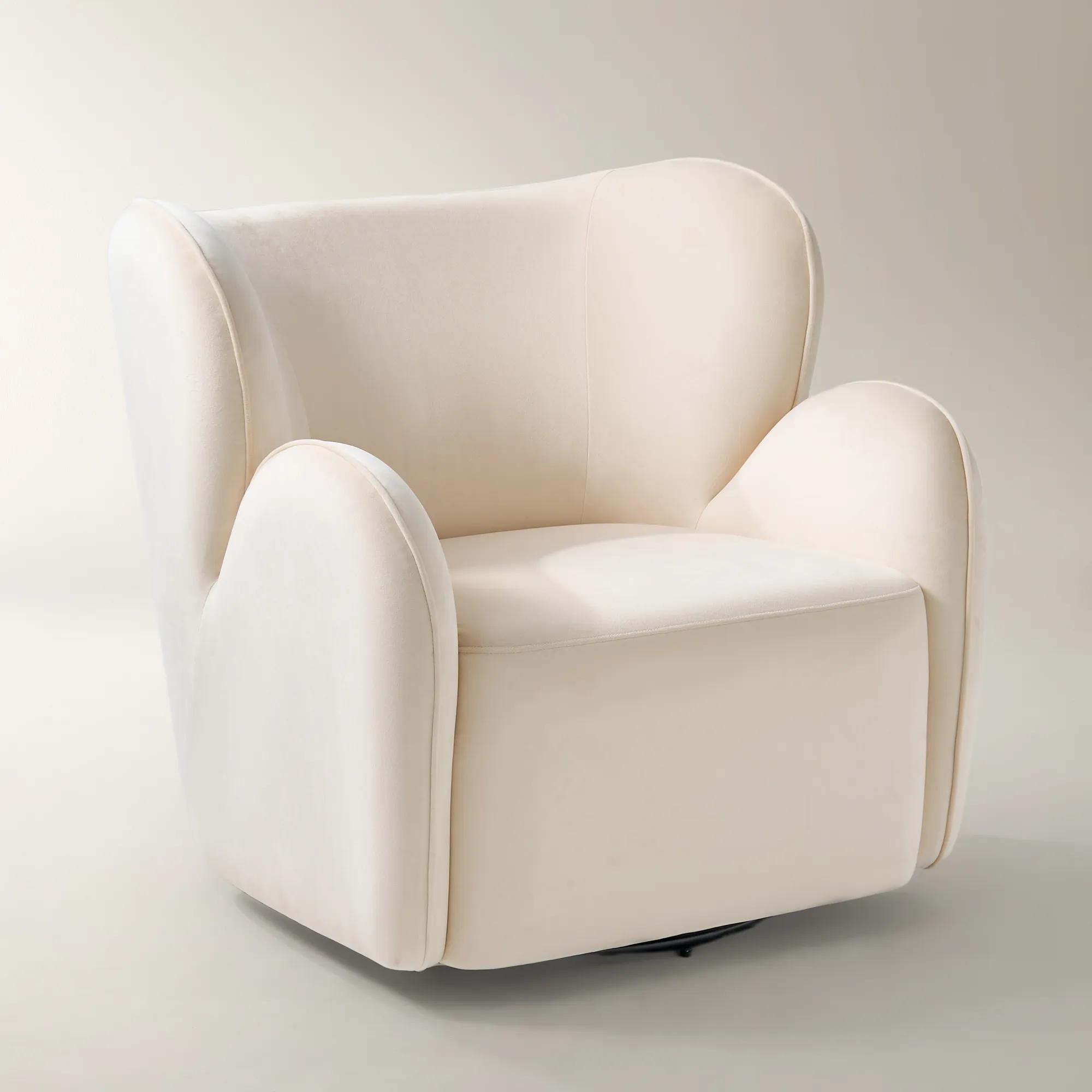
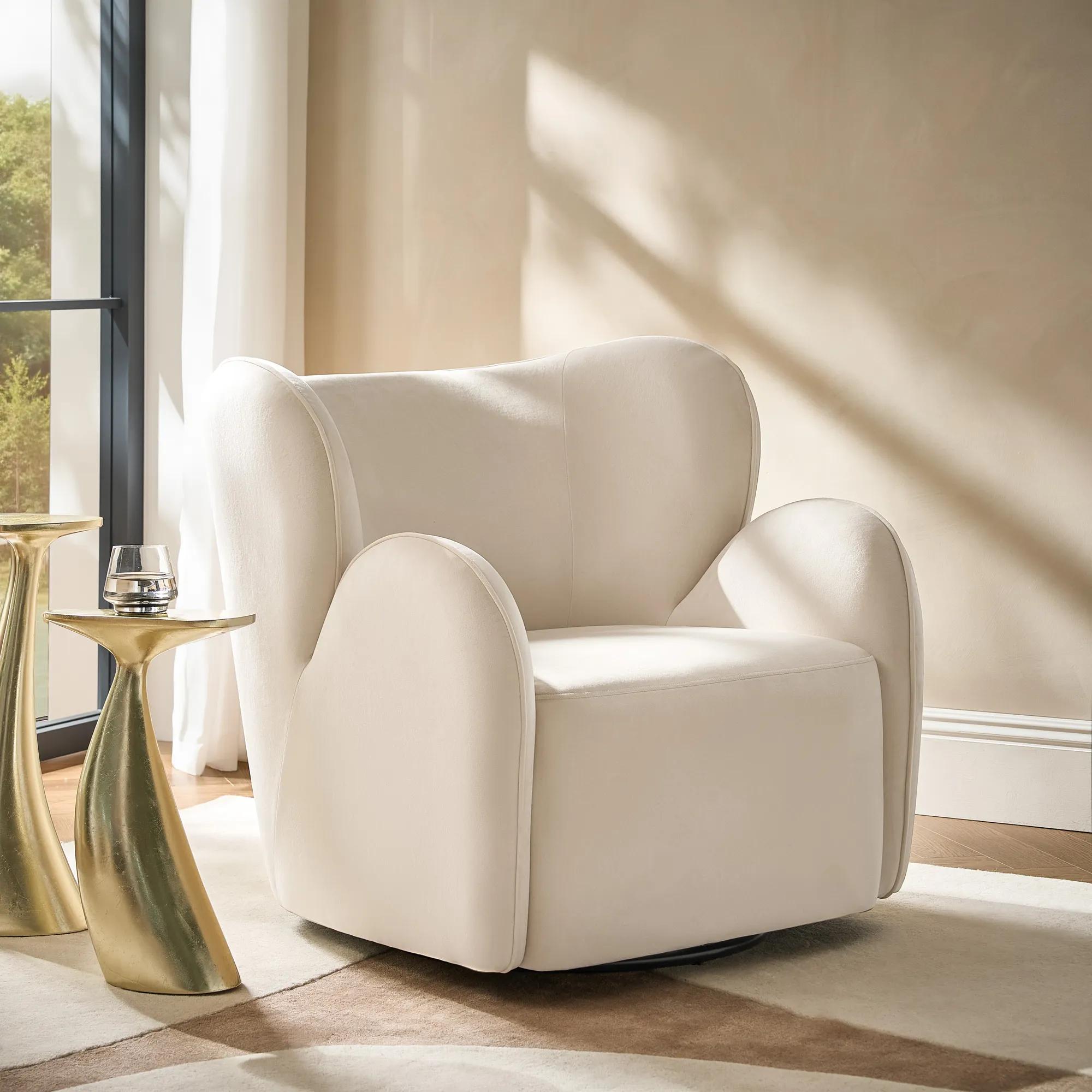 Ceres Ivory Velvet Swivel Accent Chair$799
An ivory velvet accent chair featuring a curved silhouette, 360° swivel, and plush, supportive cushioning.
Add To Cart -
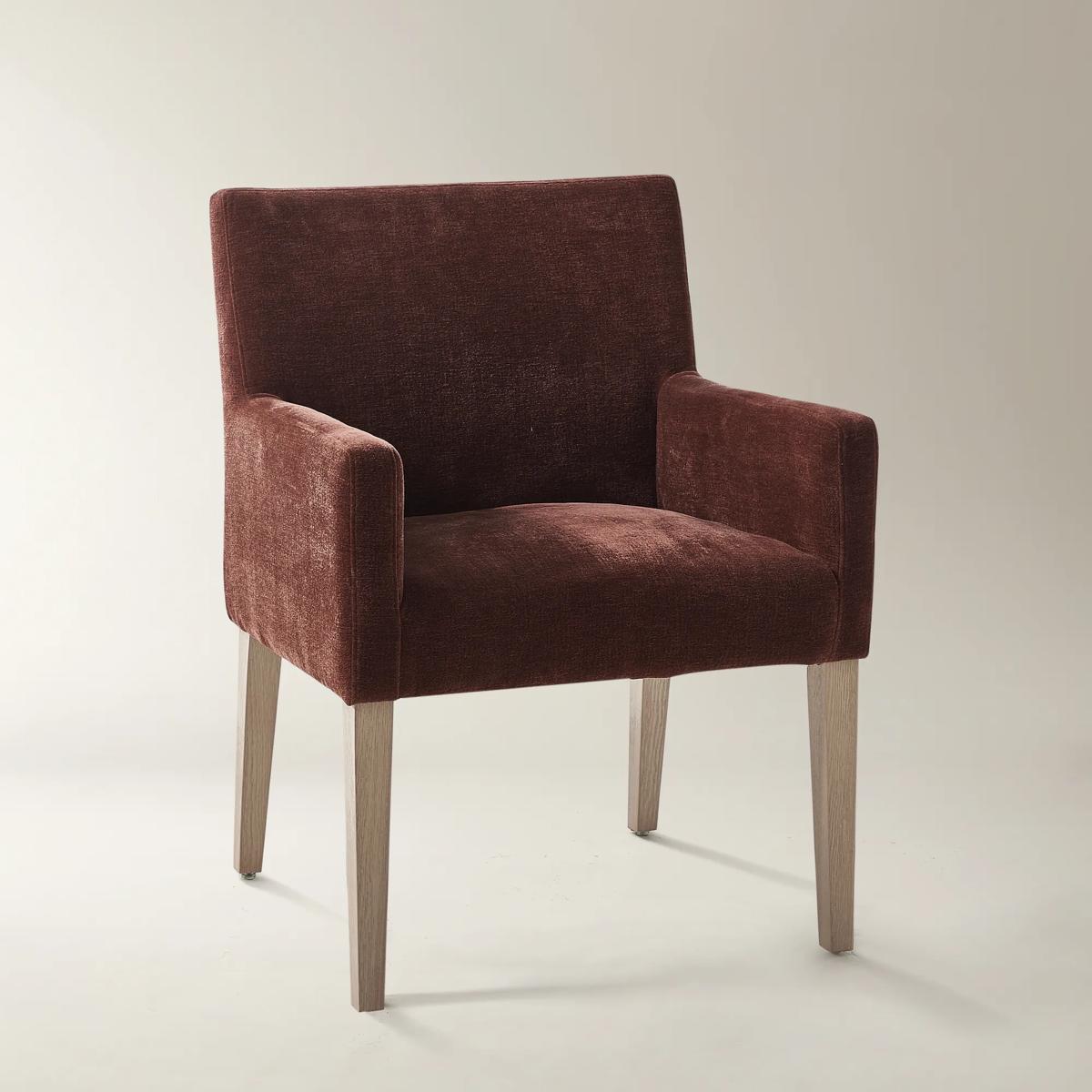
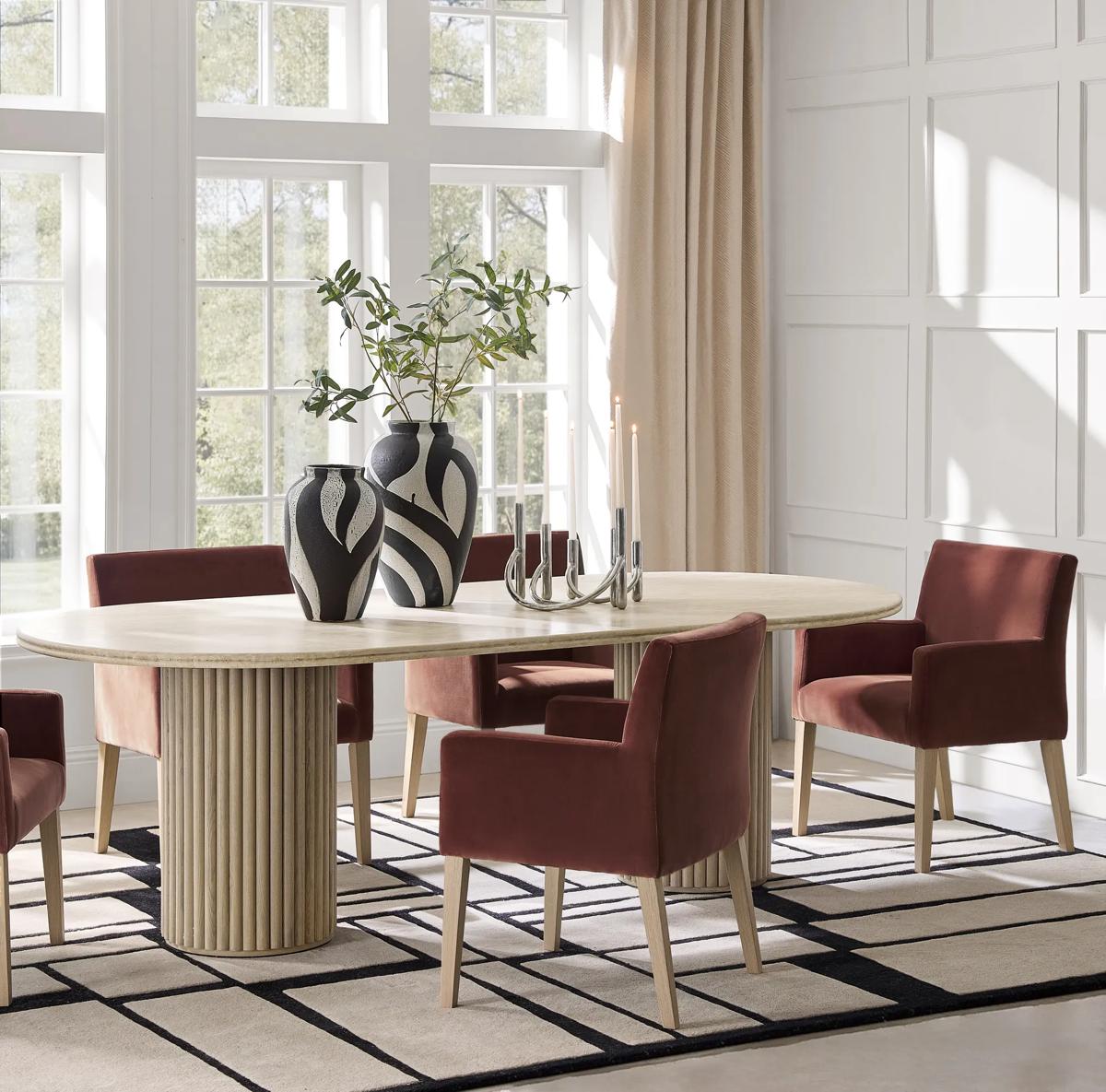 Stria Rust Velvet Dining Chair Set Of 2$599
A set of two arm chairs featuring cognac chenille upholstery and handcrafted solid oak legs for timeless style.
Add To Cart -
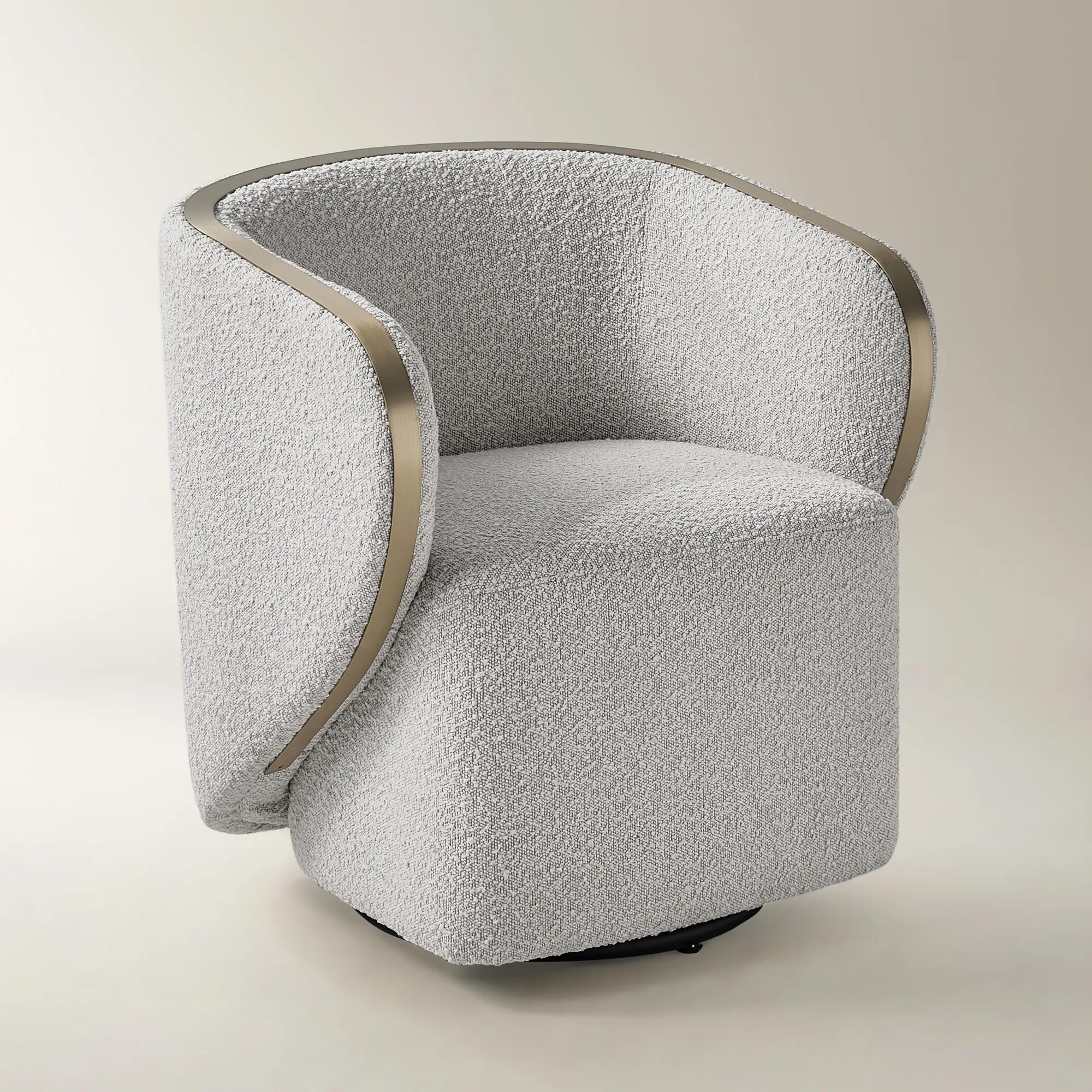 Nova Light Grey Performance Boucle Swivel Dining Chair$599
A sculptural light grey chair in water-repellent boucle with metallic trim and a smooth 360° swivel base.
Add To Cart -
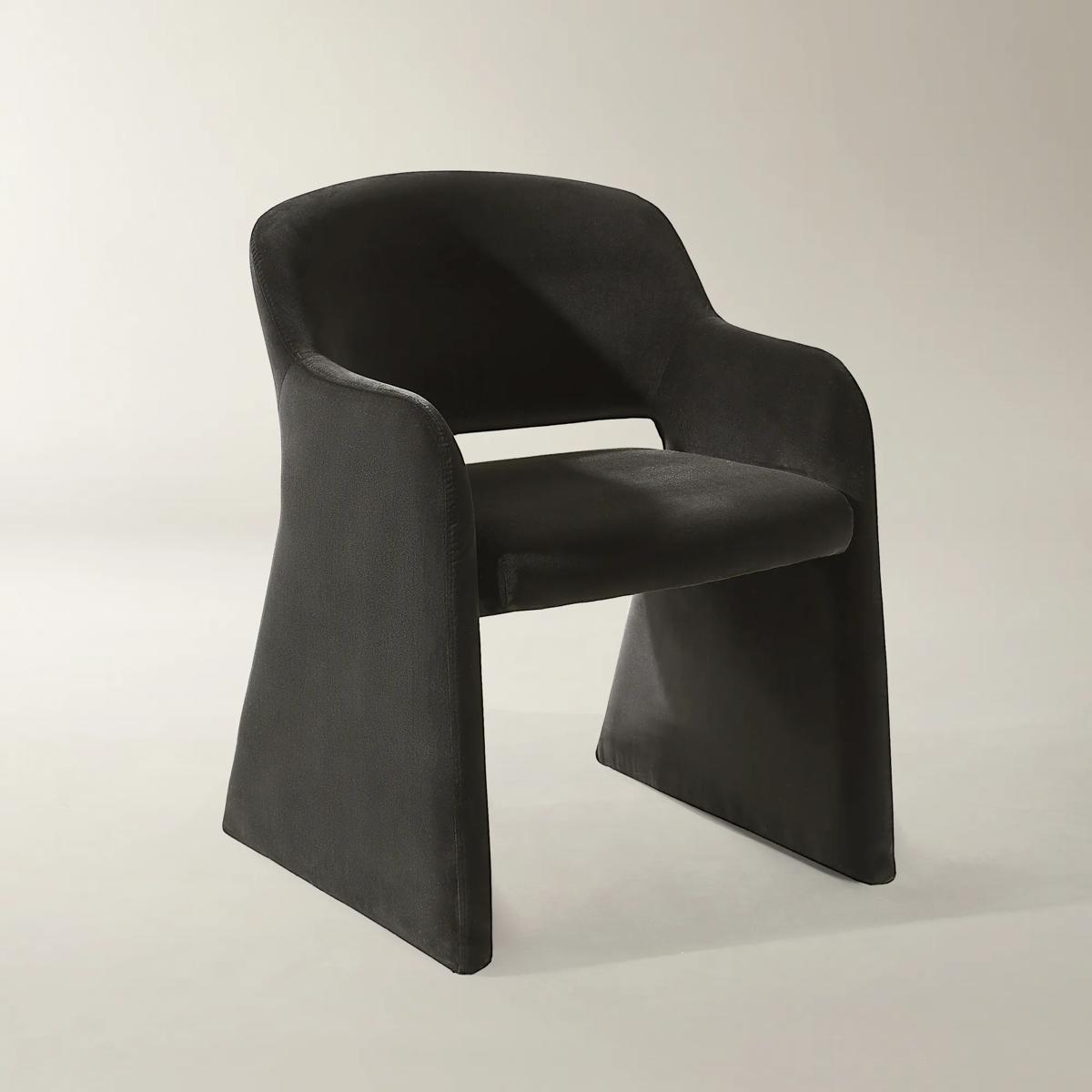 Elara Charcoal Velvet Dining Chair$399
A charcoal velvet armchair with sinuous curves, supportive embrace, and hand-crafted, reinforced construction.
Add To Cart -
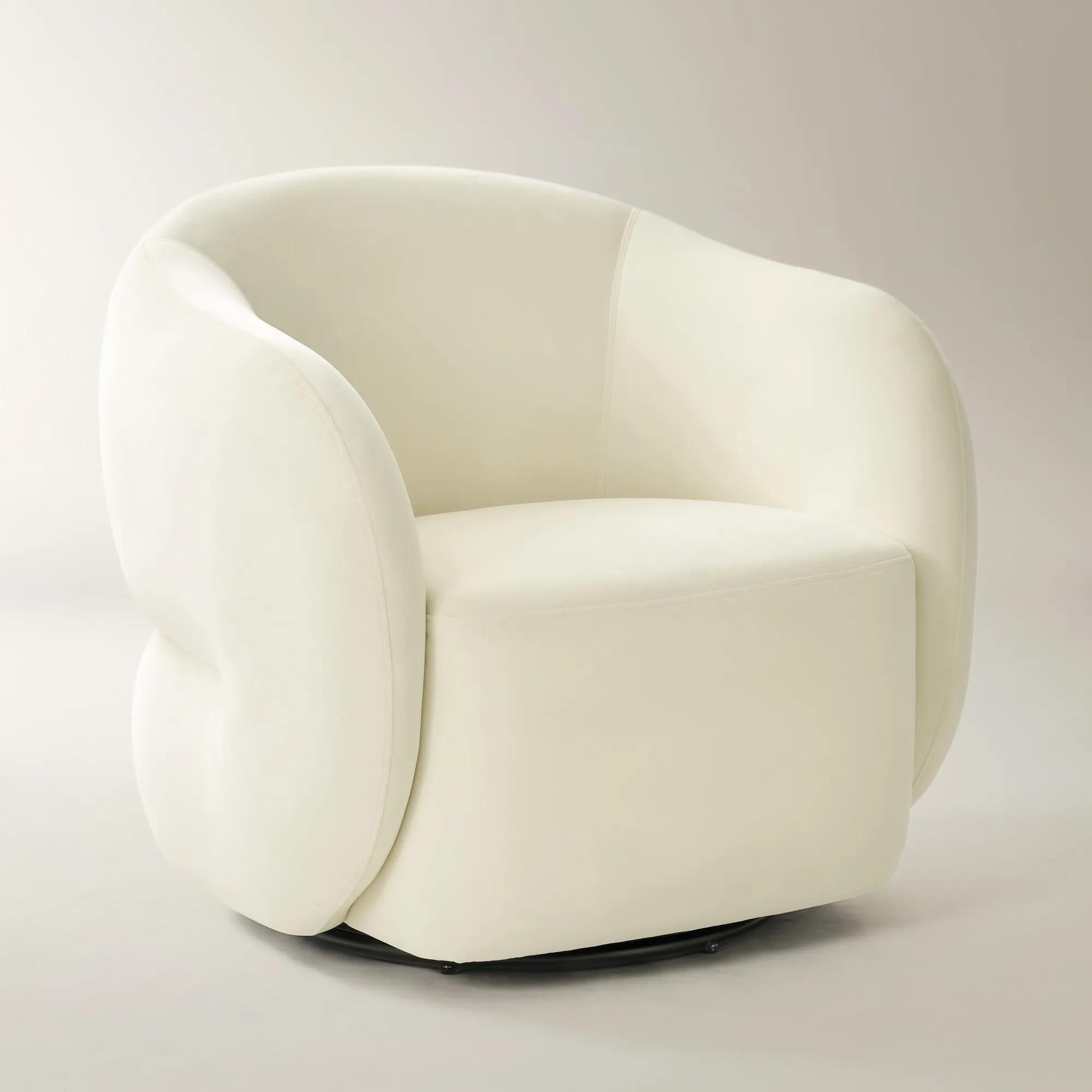
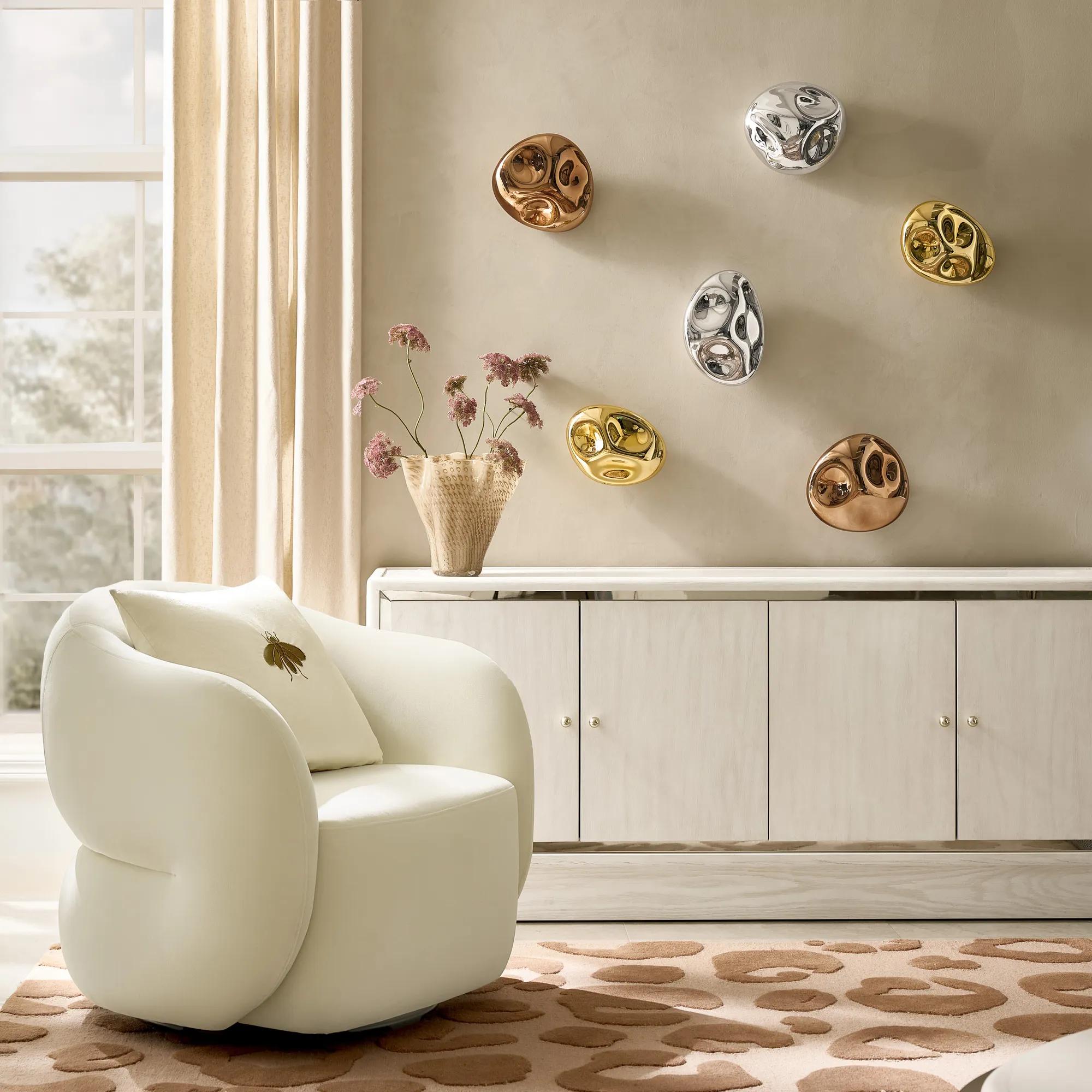 Sierra Cloud Velvet Swivel Accent Chair$799
A plush velvet accent chair featuring a wraparound back, fluid curves, and smooth 360° swivel base.
Add To Cart -
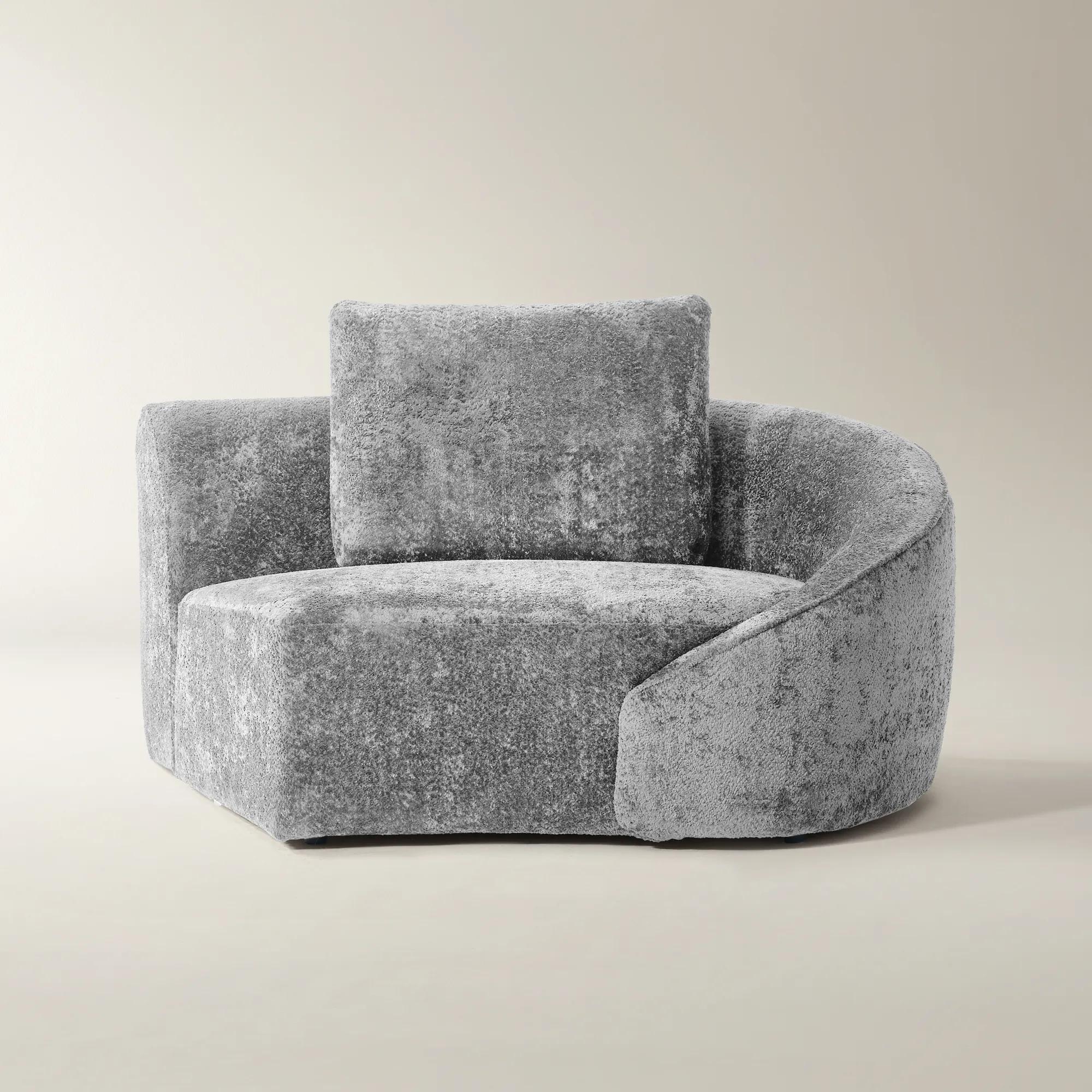 Irene Grey Chenille Right-Arm Chair$1299
A customizable seating collection featuring left arm, right arm, and armless chair components for versatile arrangements.
Add To Cart

Fabric Upholstered Armchairs
Fabric Upholstered Armchairs invite you to indulge in the art of lounging, transforming everyday seating into a statement of style and comfort. Each piece is an invitation to sink into sumptuous texture, where sculptural silhouettes and rich textiles converge to create a moment of pure elegance. Whether poised as a solo accent or gathered in conversation, these armchairs infuse your space with expressive personality—layering color, pattern, and tactile allure for a look that’s unapologetically bold. Let your living room become a gallery of self-expression, where every curve and cushion tells your story.
Fabric upholstered armchairs are padded chairs with armrests and fabric-covered seating surfaces, bringing comfort, texture, and a distinctive silhouette to living rooms, bedrooms, and conversation areas. Unlike armless accent seating, their framed profile creates a more enclosed place to settle in, whether for an evening of reading or a lingering conversation. Their character comes from the interplay of upholstery, proportion, and detail: a curved back wrapped in velvet feels sumptuous and sculptural, while a tailored woven fabric gives a broad, generous seat a more architectural presence. Arm styles influence the effect just as strongly. Slim track arms create a crisp outline, rolled arms introduce graceful curves, and gently flared arms lend movement without elaborate ornament. Fabric transforms each of these shapes. Velvet catches light across its pile, revealing subtle shifts in color that make a jewel-toned chair feel especially expressive. Linen and linen blends offer visible texture and a softly relaxed surface, while bouclé brings dimension through its looped yarns. Tightly woven upholstery can provide a smoother, more tailored appearance; patterned fabric introduces another layer of artistry, from precise geometry to fluid, painterly motifs. Fiber content, weave, and finish all influence how upholstery feels and wears, so fabric names alone do not tell the entire story. Color also establishes the chair’s role in a room. Ivory or warm taupe can soften a setting filled with gleaming metal and glass, while sapphire, emerald, or deep charcoal gives a quiet corner visual weight. A pair of matching armchairs can frame a cocktail table with poised symmetry, while a single contrasting chair creates an intentional focal point beside a sofa. For a broader view of decorative seating shapes, Fabric Upholstered Accent Chairs offer another perspective on the relationship between upholstery and silhouette. An armchair can serve as accent seating, but its defining feature remains the arms that shape both its look and the experience of sitting.
The most inviting upholstered armchair feels as considered in use as it looks from across the room. Overall width and depth determine its footprint, but interior seat dimensions reveal more about personal comfort. Broad arms may create an impressive profile while leaving a comparatively narrow sitting area; slender arms can preserve usable seat space within a smaller outline. A deep seat suits someone who enjoys curling up, while a shallower seat may better accommodate an upright posture with feet resting on the floor. Seat height, cushion firmness, and back angle work together, and no single combination suits every person. Someone who reads for long stretches may appreciate a supportive back and armrests positioned comfortably beneath the forearms. For someone who finds low seating difficult to rise from, a higher, firmer seat and sturdy arms may be more suitable. In a living room used for entertaining, chairs angled toward the sofa encourage conversation without forcing guests to turn away from the group. In a bedroom, a more compact profile can create a dressing or reading corner without overwhelming the bed. Measurements should account for nearby doors, drawer clearance, and walking paths, along with the route through hallways and entrances during delivery. Swivel designs, where specified, need room to rotate without striking a table or wall. Construction deserves equal attention because upholstery is only the visible layer. The frame, joints, suspension, and cushion fill determine how the chair supports weight and responds to repeated use. Hardwood or engineered-wood frames may be used in upholstered seating; material labels are most useful alongside details about joinery and reinforcement. Foam cushions offer structure, while fiber or feather-blend wraps can create a softer surface and may require more reshaping. Removable cushions can make maintenance easier, though they should only be flipped or rotated when their construction permits it. Weight-capacity information, assembly requirements, and the manufacturer’s intended use provide more reliable guidance than appearance alone, particularly for seating that will become part of a daily routine.
Fabric choice becomes especially personal in a chair that hosts morning reading, visiting friends, or a favorite pet. Durability depends on more than whether the upholstery is natural or synthetic: yarn quality, weave density, surface texture, and the finished construction all matter. Cotton and linen can bring appealing softness and texture, while polyester and other synthetic fibers are often blended into upholstery for particular performance characteristics. Performance fabric is a broad designation rather than a promise of identical results, so stated stain resistance, cleaning instructions, and abrasion-test information deserve a close look. No fabric should be assumed to be stainproof or impervious to claws. In homes with pets, loosely looped or open weaves may be more vulnerable to snagging, and upholstery color can make shed hair more or less noticeable. A richly textured surface may disguise small visual variations, but it can also require careful vacuuming to remove particles caught in the weave. Consistent, gentle care helps preserve an armchair’s tailored appearance. A soft upholstery attachment can lift dust before it settles into the fabric, while prompt blotting with a clean, absorbent cloth helps contain spills without spreading them through rubbing. The manufacturer’s cleaning code should govern treatment: W generally indicates water-based cleaning products, S calls for solvent-based products, WS permits either approved type, and X calls for vacuuming or brushing rather than liquid cleaners. A removable cover is not necessarily machine washable, and any permitted cleaning solution should first be tested in an inconspicuous area. Velvet may show pressure marks or changes in pile direction, which can alter its appearance without indicating a stain; care should follow the specific fabric instructions. Placement away from prolonged direct sunlight can help limit fading. These considerations leave ample room for expression. An upholstered armchair can be the sumptuous counterpoint to a sleek console, the grounding element beneath an oversized artwork, or the seat guests instinctively choose. When its scale, fabric, and support suit the people using it, its beauty becomes part of everyday life rather than something admired only from a distance.
FAQs
Velvet, linen, chenille, and performance blends are among the most coveted choices for fabric armchairs. Velvet offers a rich, tactile sheen perfect for glamorous spaces, while linen brings an airy, relaxed sophistication. Chenille is beloved for its soft, inviting texture, and performance fabrics are ideal for those seeking durability without sacrificing style.
A fabric upholstered armchair can be styled as a statement piece or as part of a layered seating arrangement. Place it beside a dramatic floor lamp for a cozy reading corner, or pair it with a metallic side table and a bold throw pillow to create a luxe vignette. Mixing textures and finishes around the chair enhances its visual impact and brings the room’s story to life.
Absolutely. Designer upholstered armchairs make exceptional gifts for housewarmings, weddings, anniversaries, or milestone celebrations. They serve as both a functional treasure and a lasting symbol of comfort and style—perfect for anyone who appreciates expressive interiors and thoughtful craftsmanship.
To keep your fabric armchair looking its best, vacuum regularly using an upholstery attachment, promptly blot any spills, and rotate cushions to ensure even wear. For velvet or delicate fabrics, a soft brush can revive the nap and maintain its sumptuous texture. Always follow the manufacturer’s care instructions for specific cleaning recommendations.
Selecting a color or pattern depends on your room’s palette and the mood you wish to create. Bold hues and dramatic prints can become a room’s focal point, while neutral tones blend seamlessly with existing decor. Consider layering with throws or accent pillows for added dimension and to easily refresh the look as seasons and trends evolve.