Exclusive Designer Chandeliers
Exclusive Designer Chandeliers
-
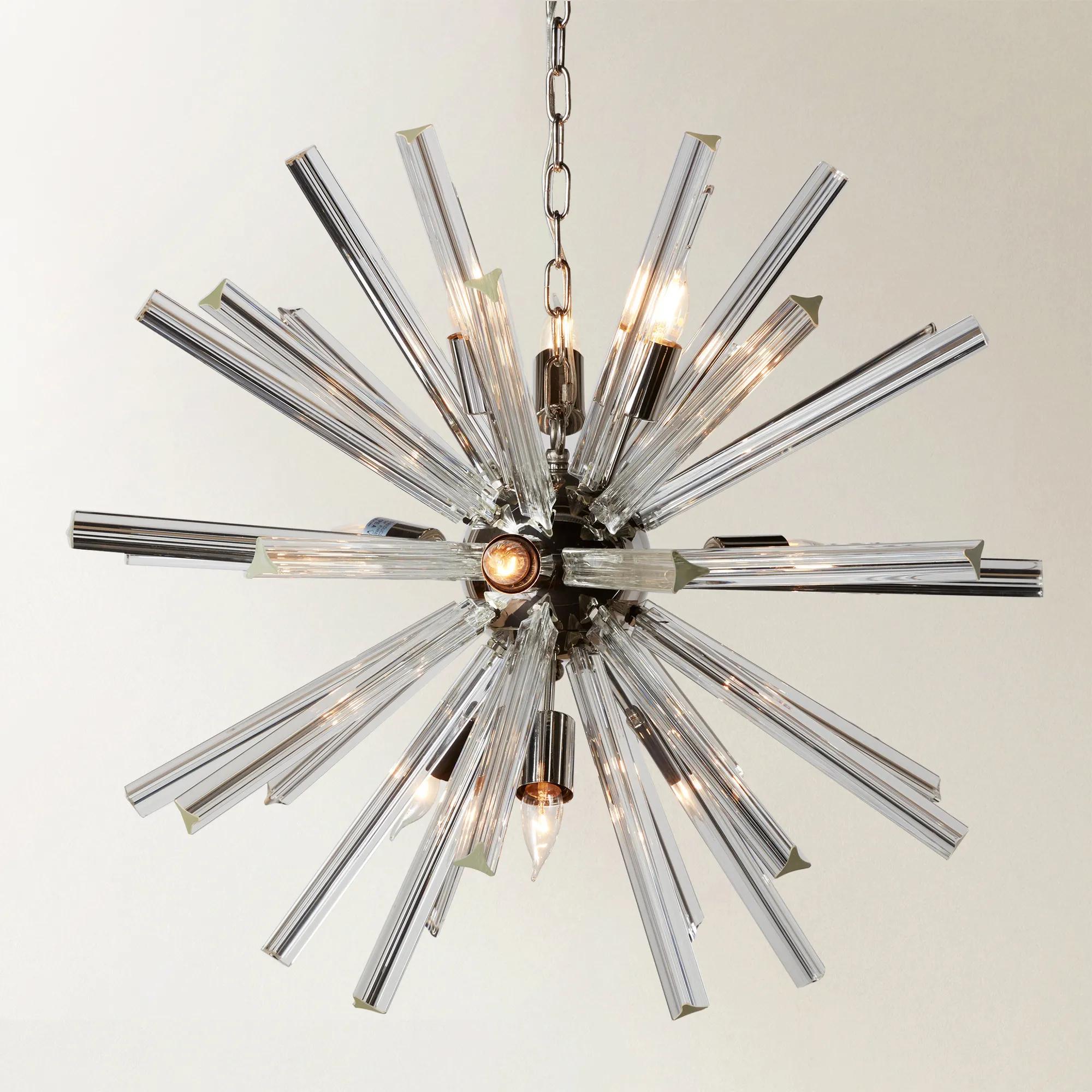
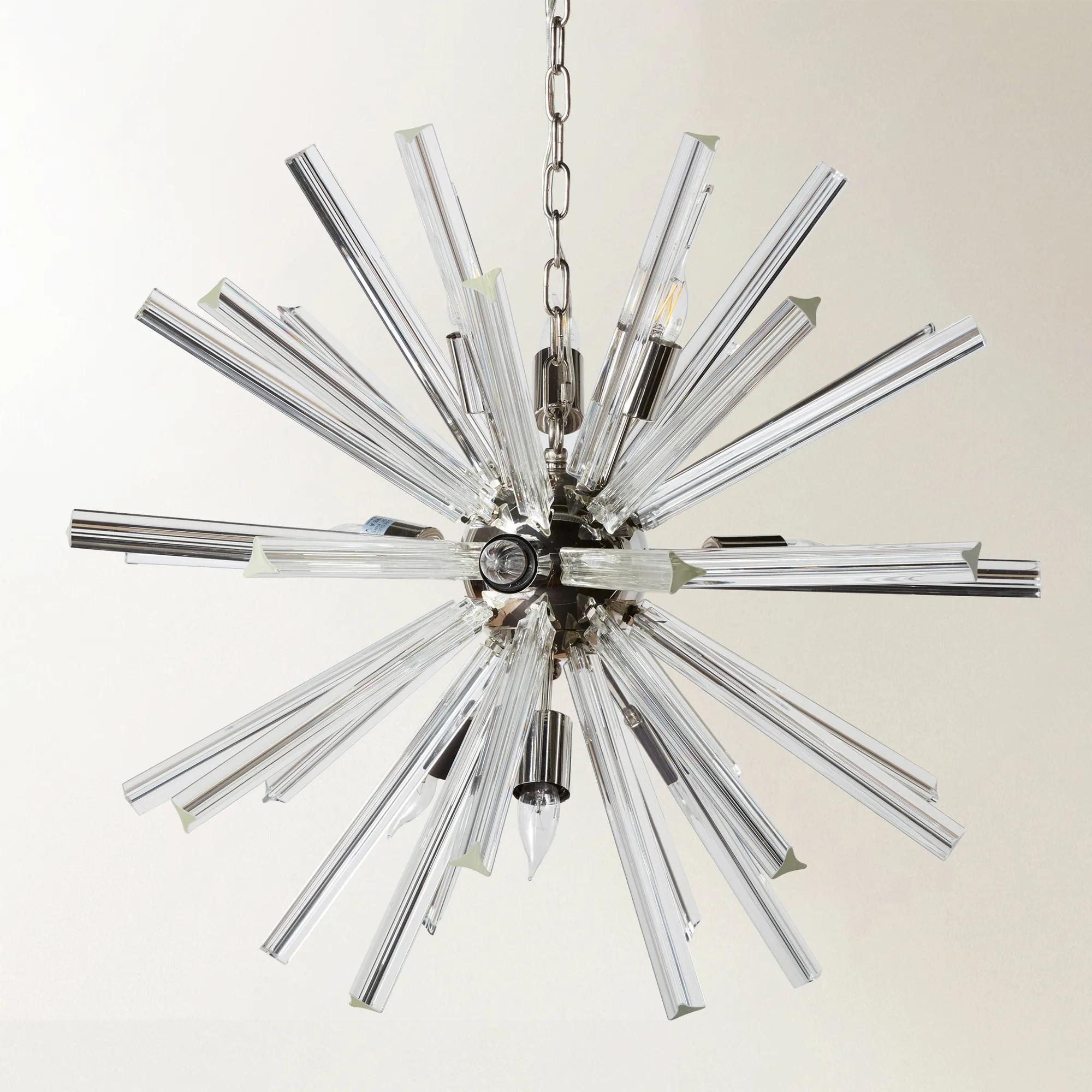 Axis Sputnik Clear Faceted Glass Chandelier 29.5"D$599
A modern chandelier featuring solid triangular glass spokes and iron accents for striking light reflection.
Add To Cart -
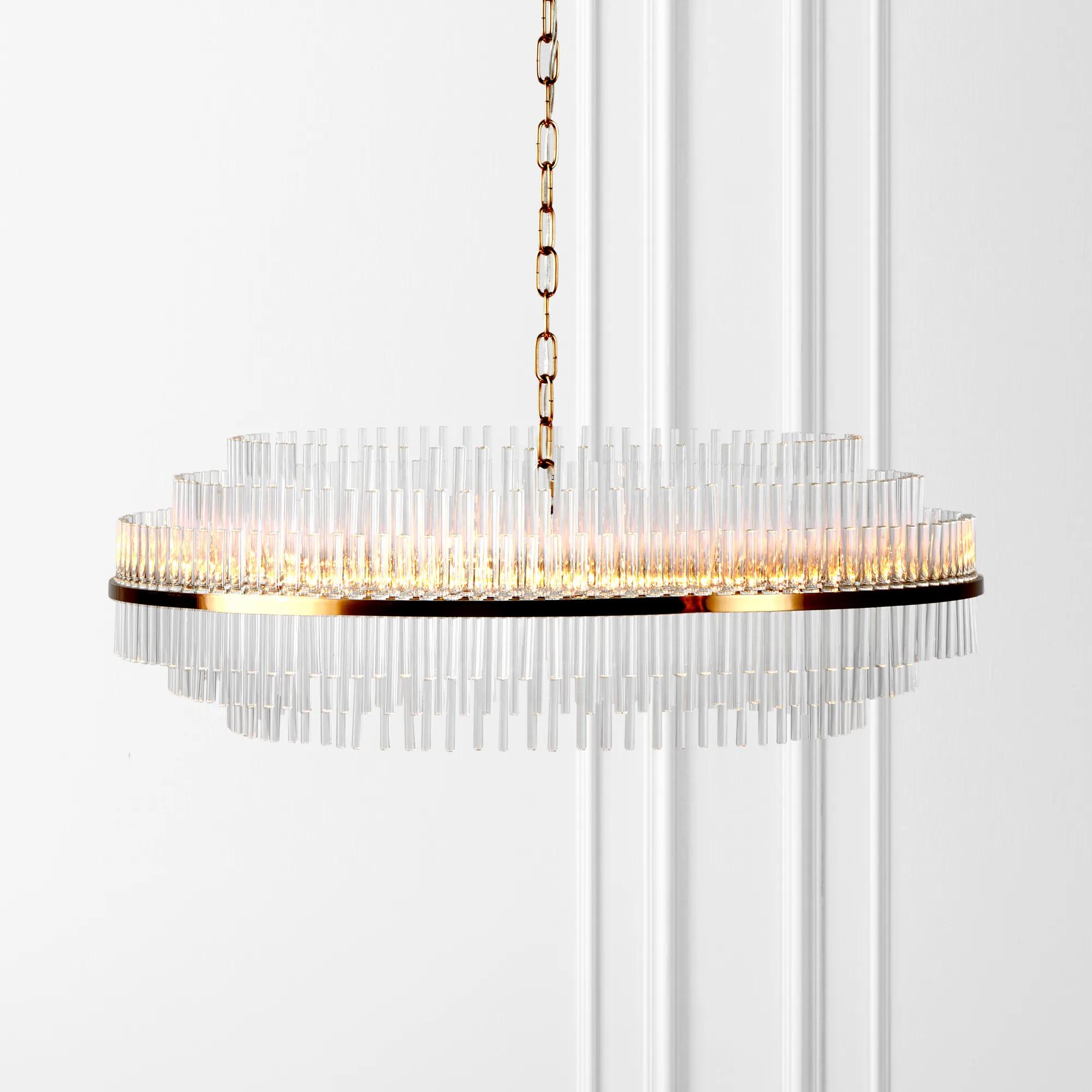
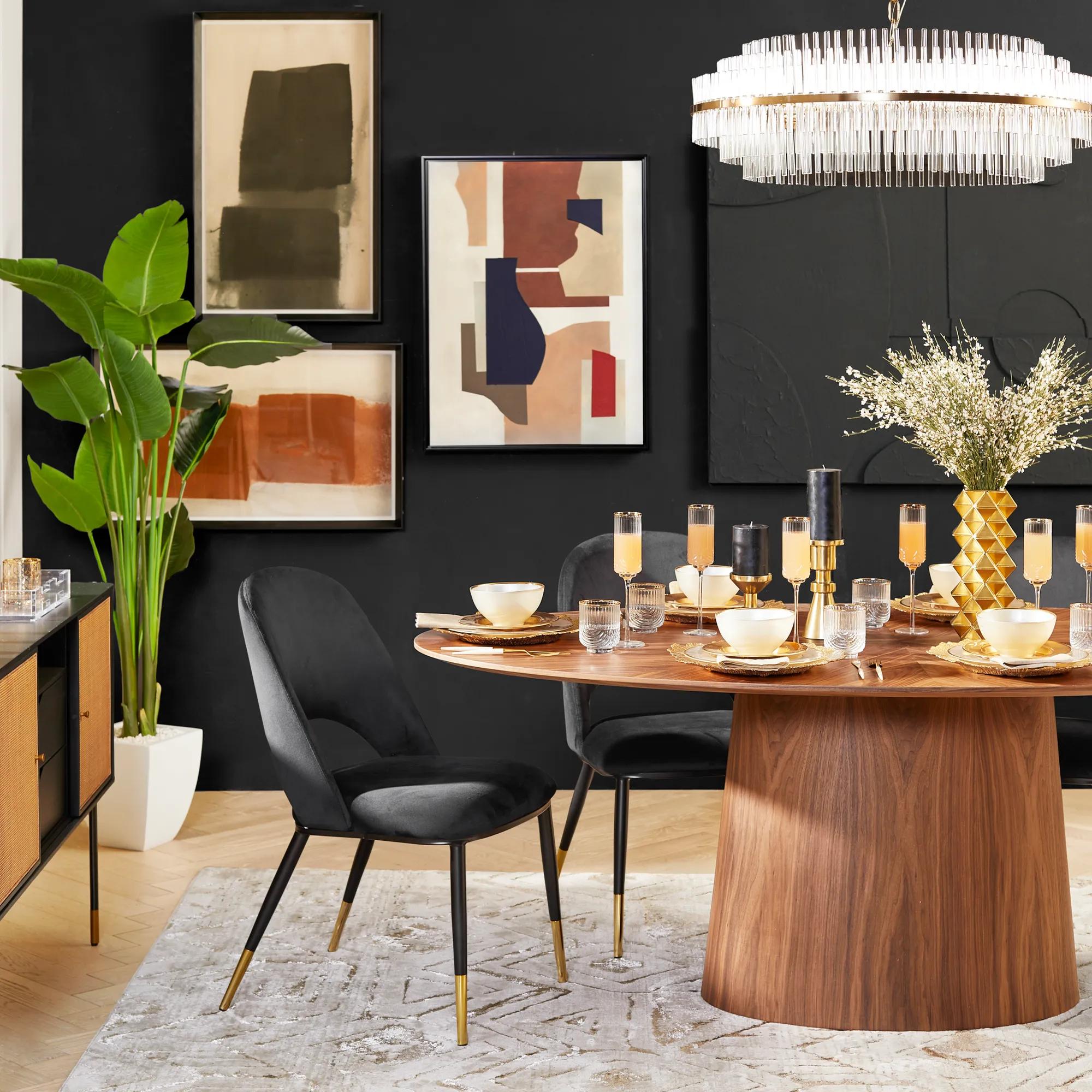 Renata Clear Glass Rod Chandelier 31"W x 10"H$799
A glamorous chandelier featuring glass rods and a brushed brass iron frame for a striking modern look.
Add To Cart -
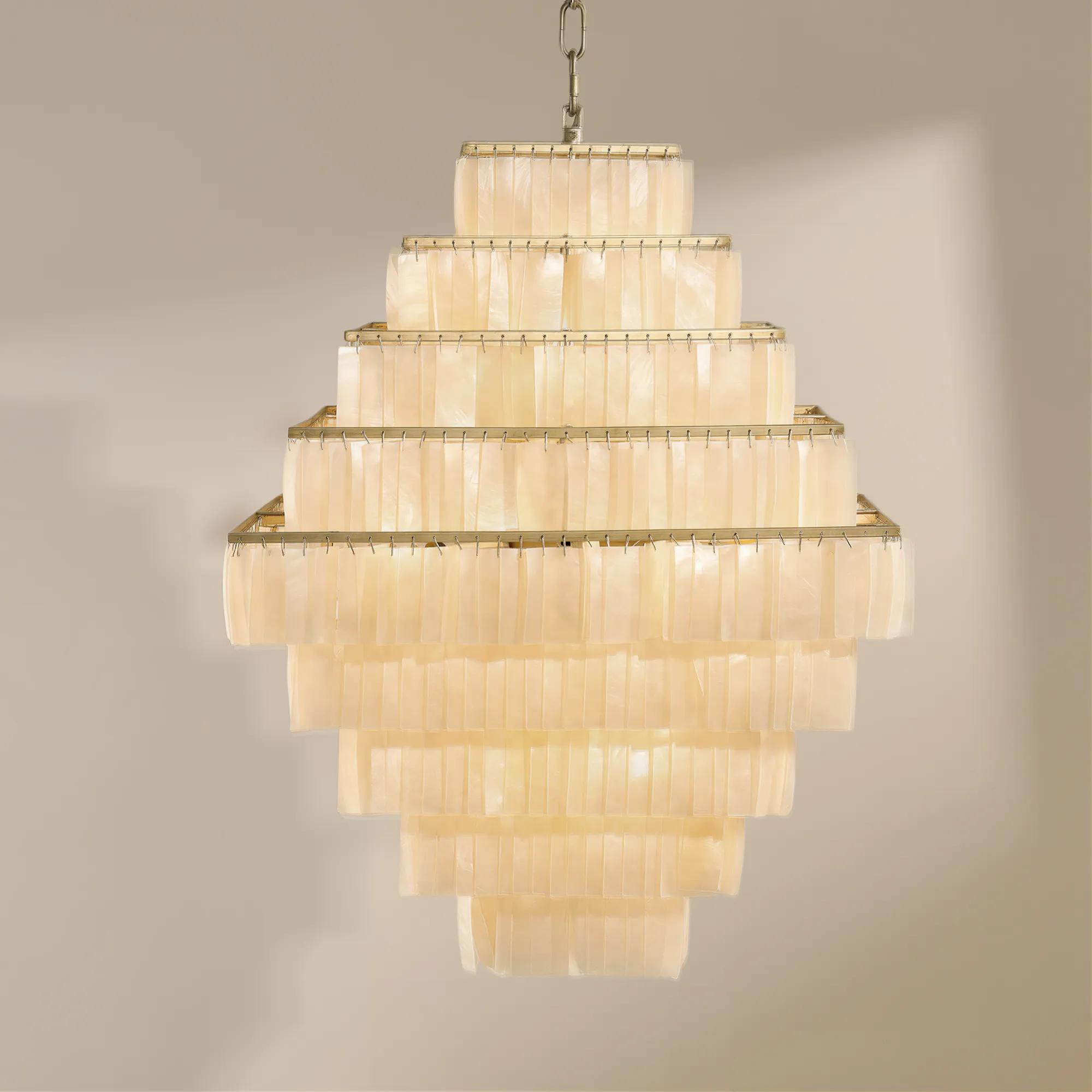 Soleil Capiz Shell Chandelier 25"$999
A luminous chandelier crafted from 700 hand-strung capiz shells and a champagne-finished iron frame.
Add To Cart -

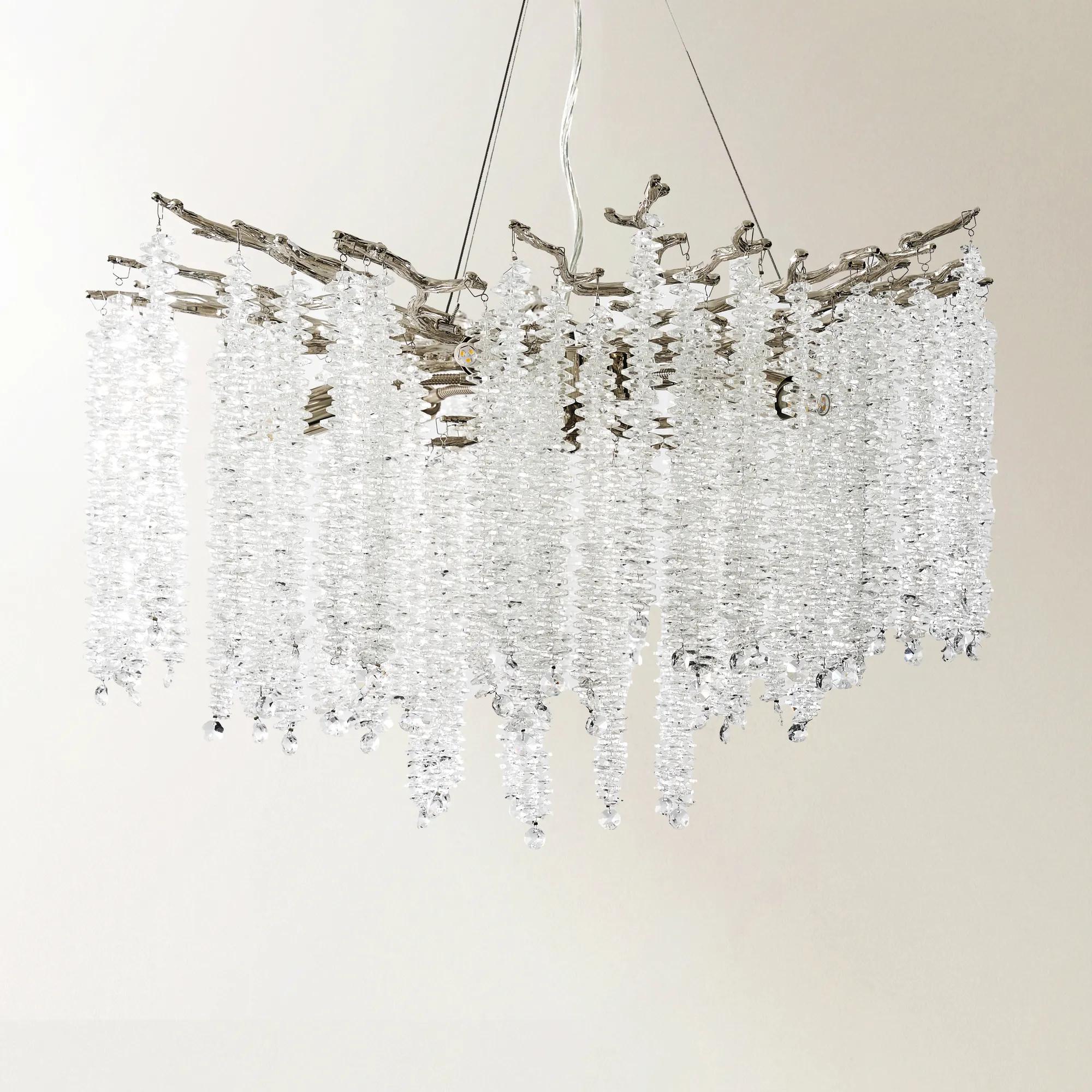 Cassia Clear Cut Crystal Chandelier 23.75"W x 13.75"H$599
A cascading waterfall of clear crystal beads and a nickel frame create a dazzling, contemporary lighting statement.
Add To Cart -
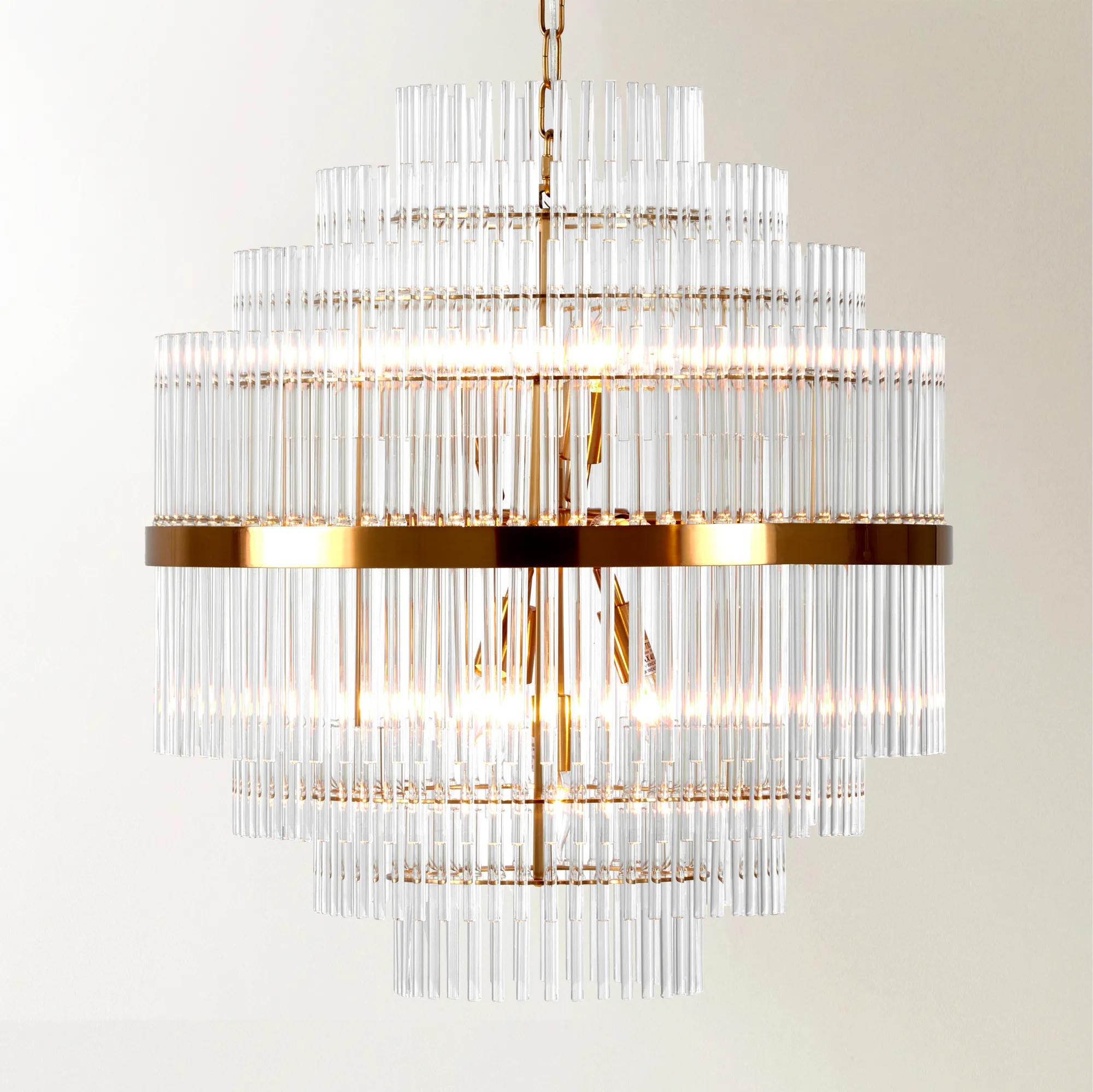
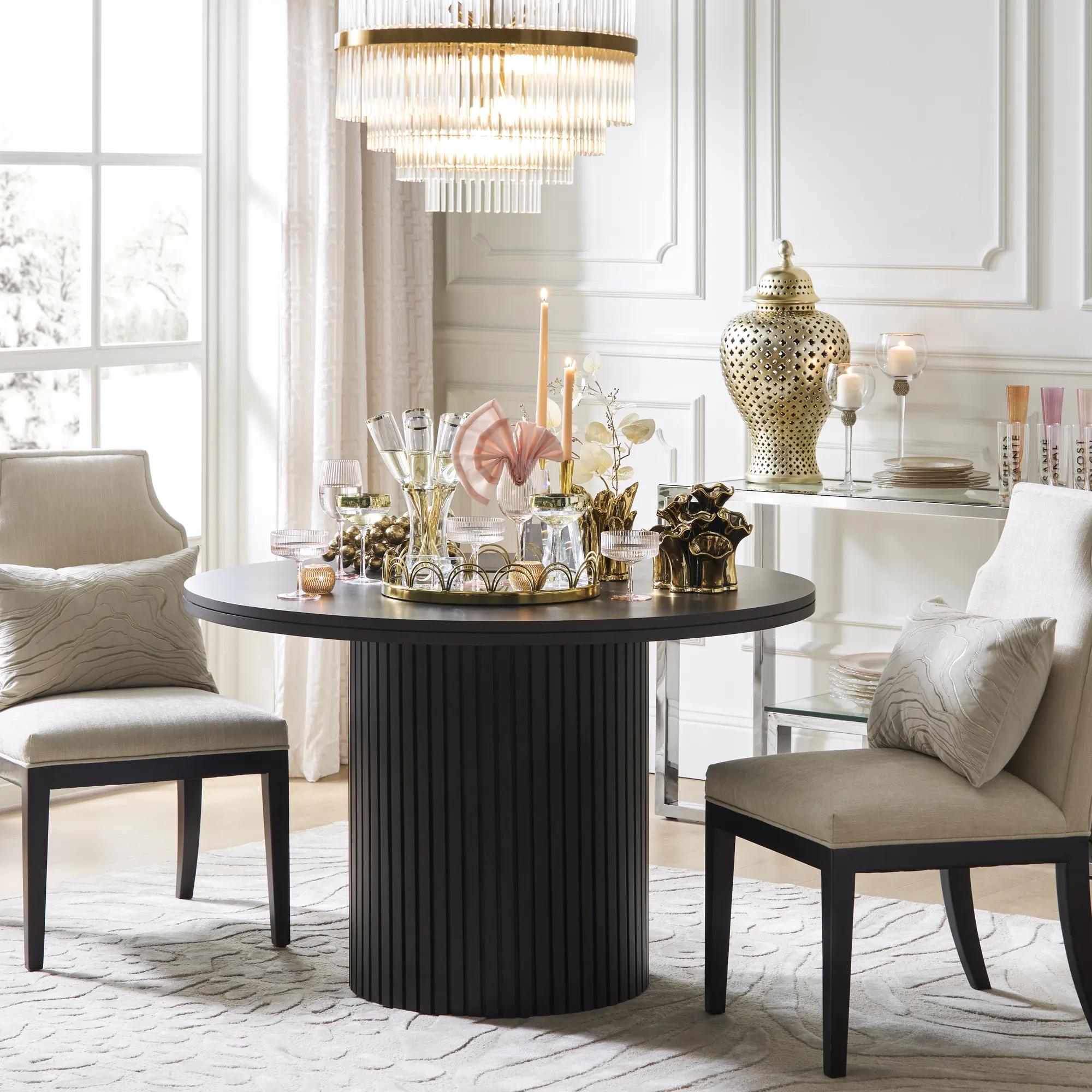 Renata Clear Glass Rod Grand Chandelier 23.6"D x 26.3"H$999
A dramatic chandelier featuring dozens of glass rods and a polished gold iron frame for sophisticated elegance.
Add To Cart -
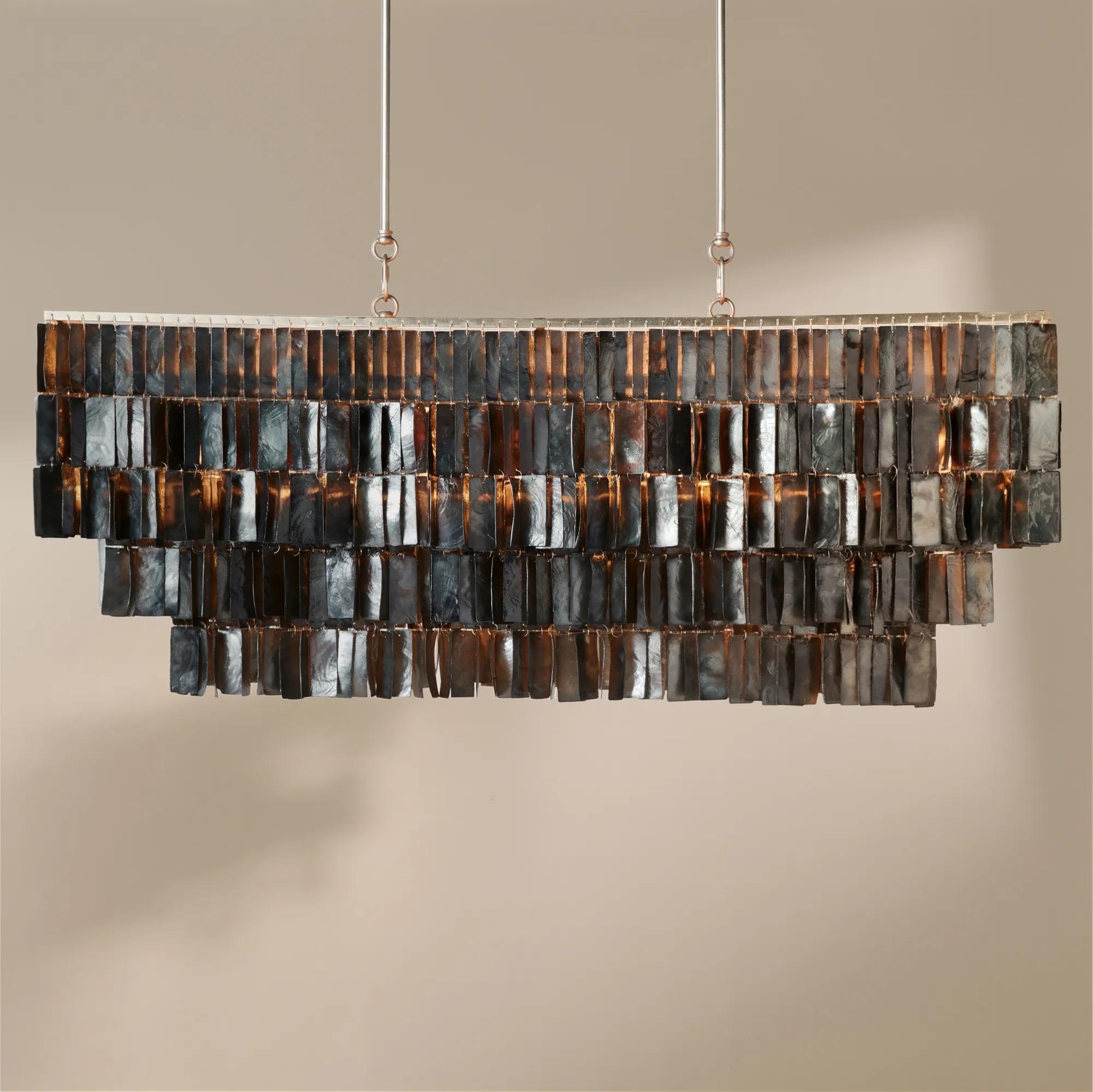
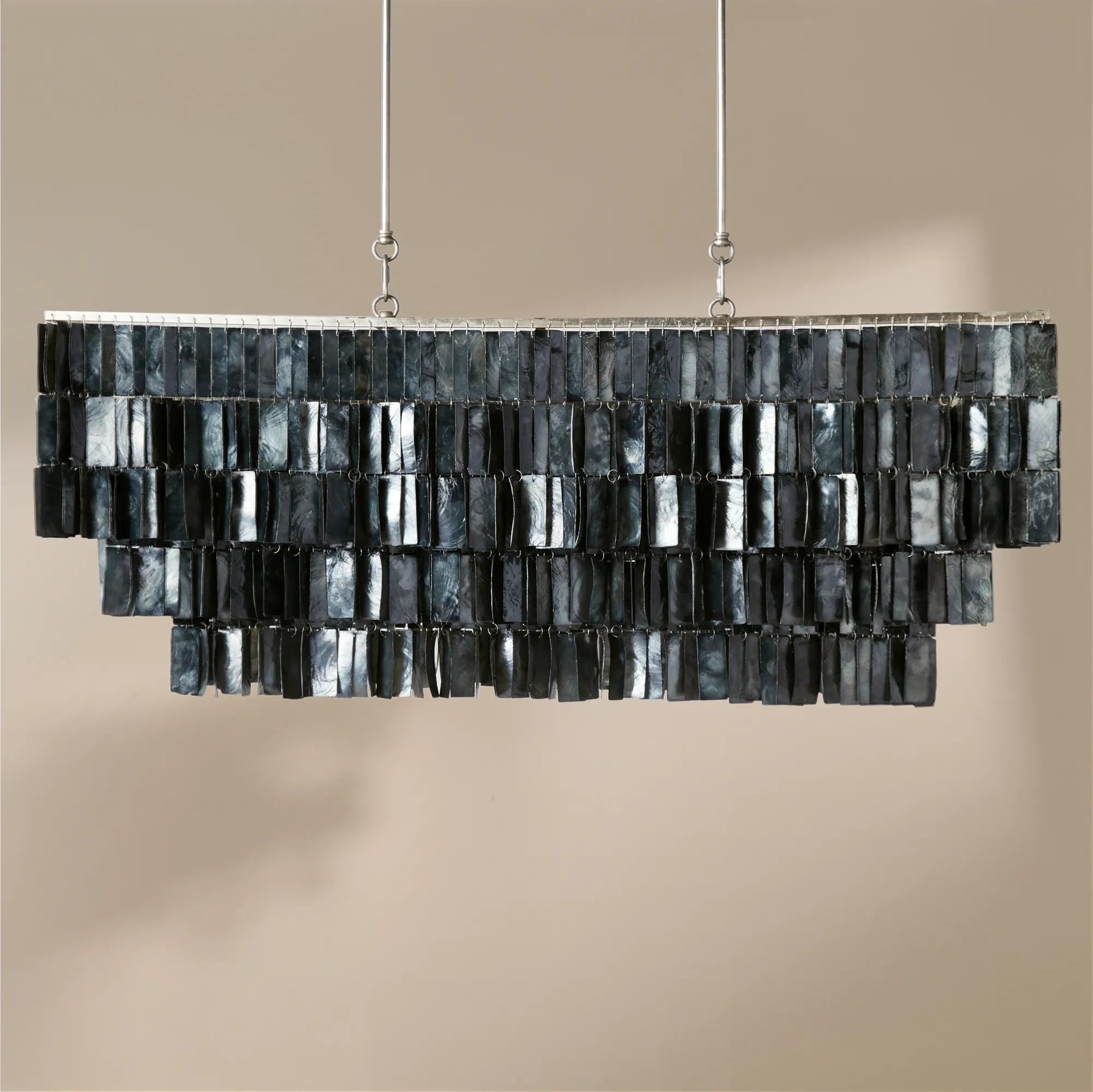 Capiz Shell Graphite Chandelier 39"$849
A sculptural chandelier layering charcoal capiz shells with a champagne-finished iron frame and dimmable candelabra lighting.
Add To Cart -
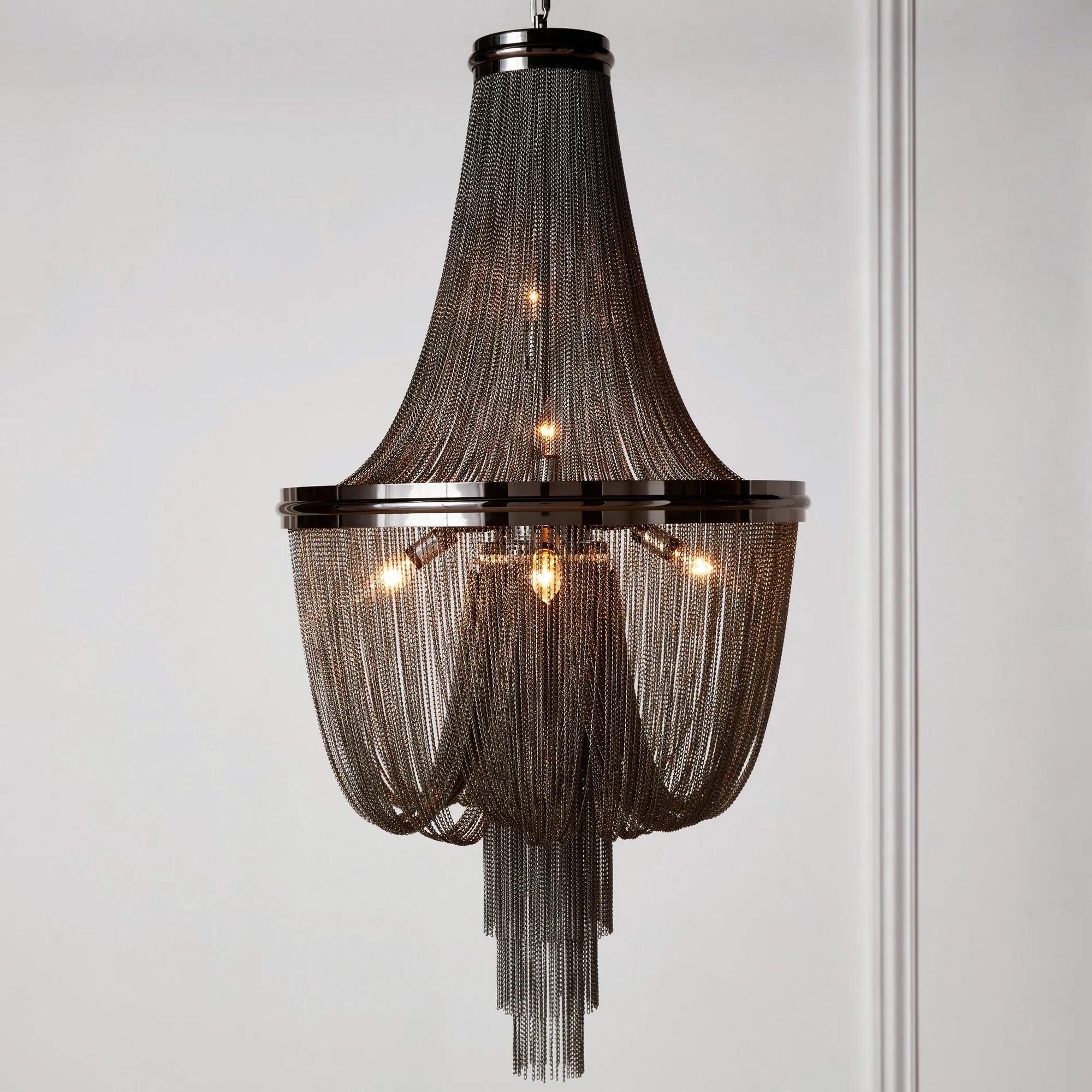 Rue Graphite Metal Tassel Chain Chandelier 41"$799
A striking chandelier featuring draped metal microchains and a polished graphite iron frame for modern elegance.
Add To Cart -
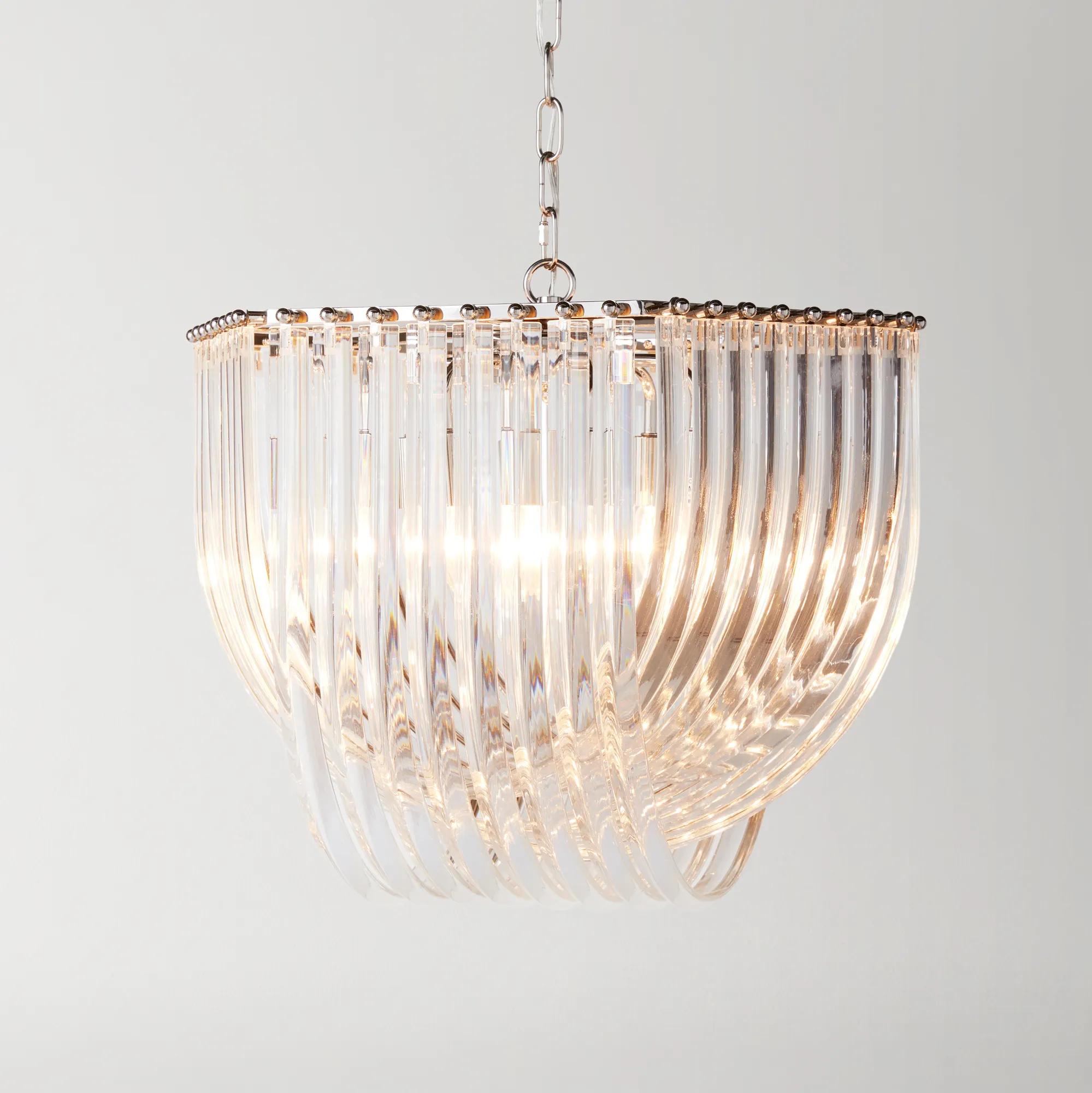 Laval Clear Curved Glass Chandelier 21"D x 18"H$799
A deco-inspired chandelier with crystal-clear curved glass and a polished nickel frame for ambient lighting.
Add To Cart -
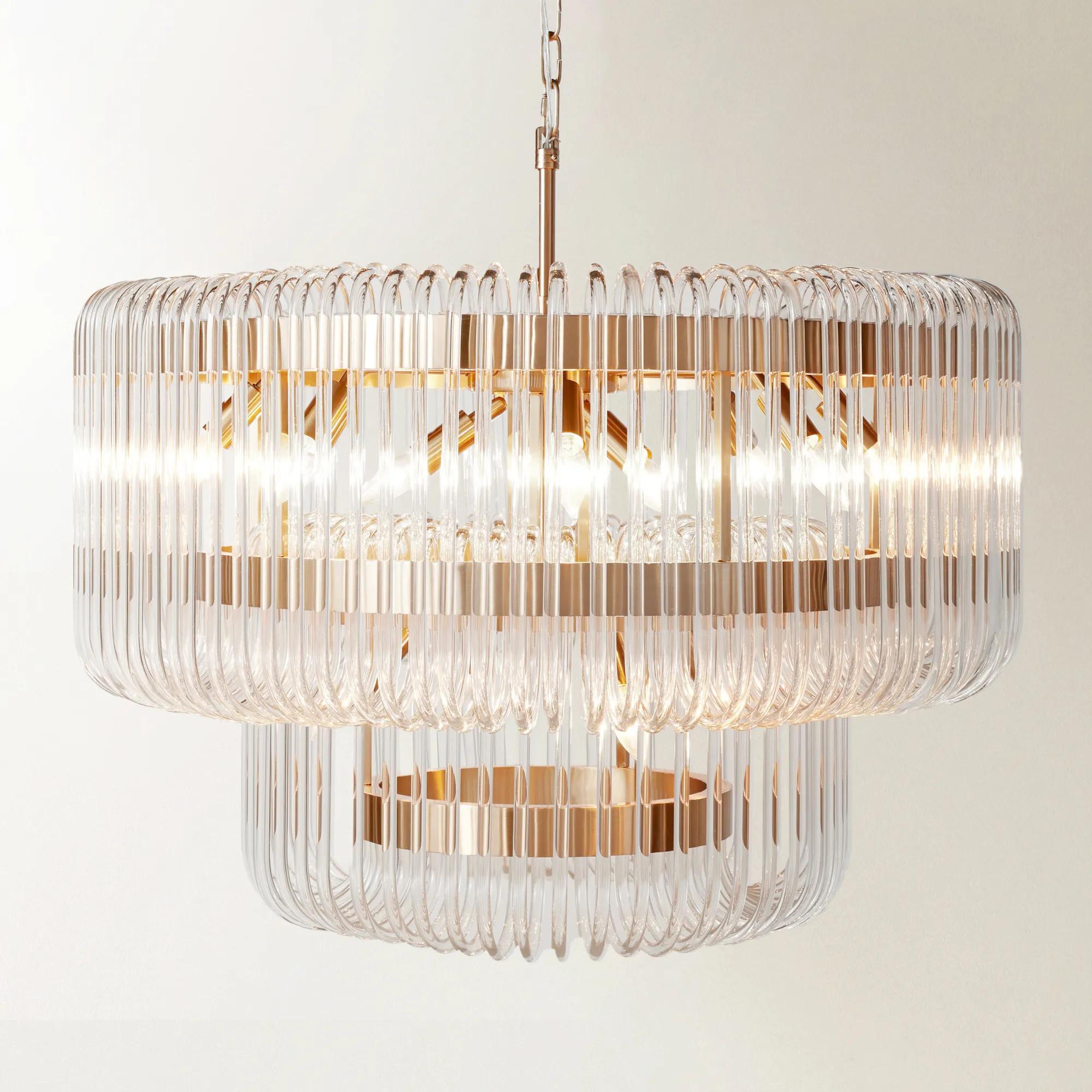 Allure Clear Curved Glass Chandelier 31.5"D x 27.75"H$1499
A dramatic chandelier featuring over 150 clear blown glass rods and brushed brass-finished iron rings.
Add To Cart -
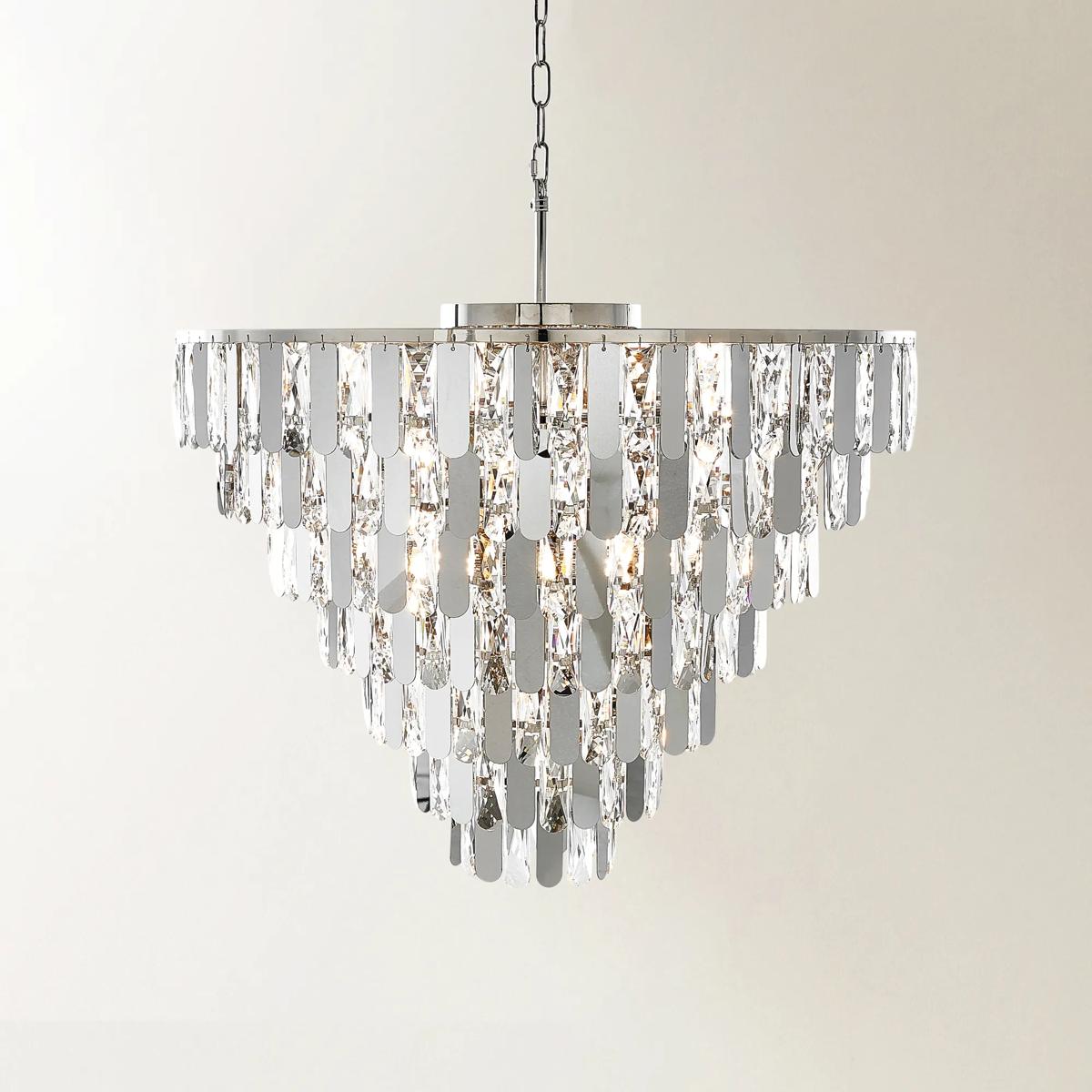
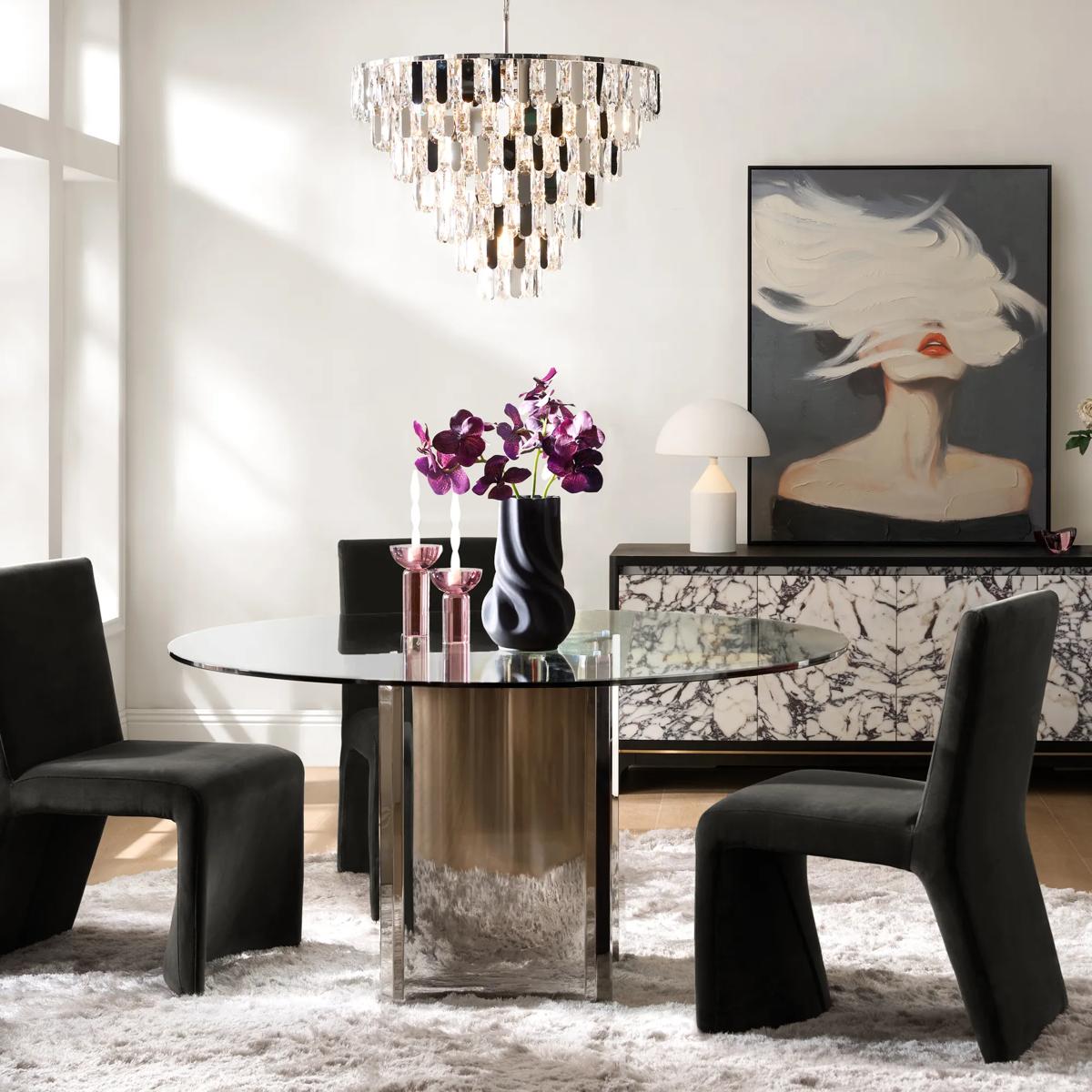 Avenue Crystal Chandelier 28.5"$999
A tiered chandelier crafted from eco-friendly K9 crystal and polished nickel for radiant, modern elegance.
Add To Cart -
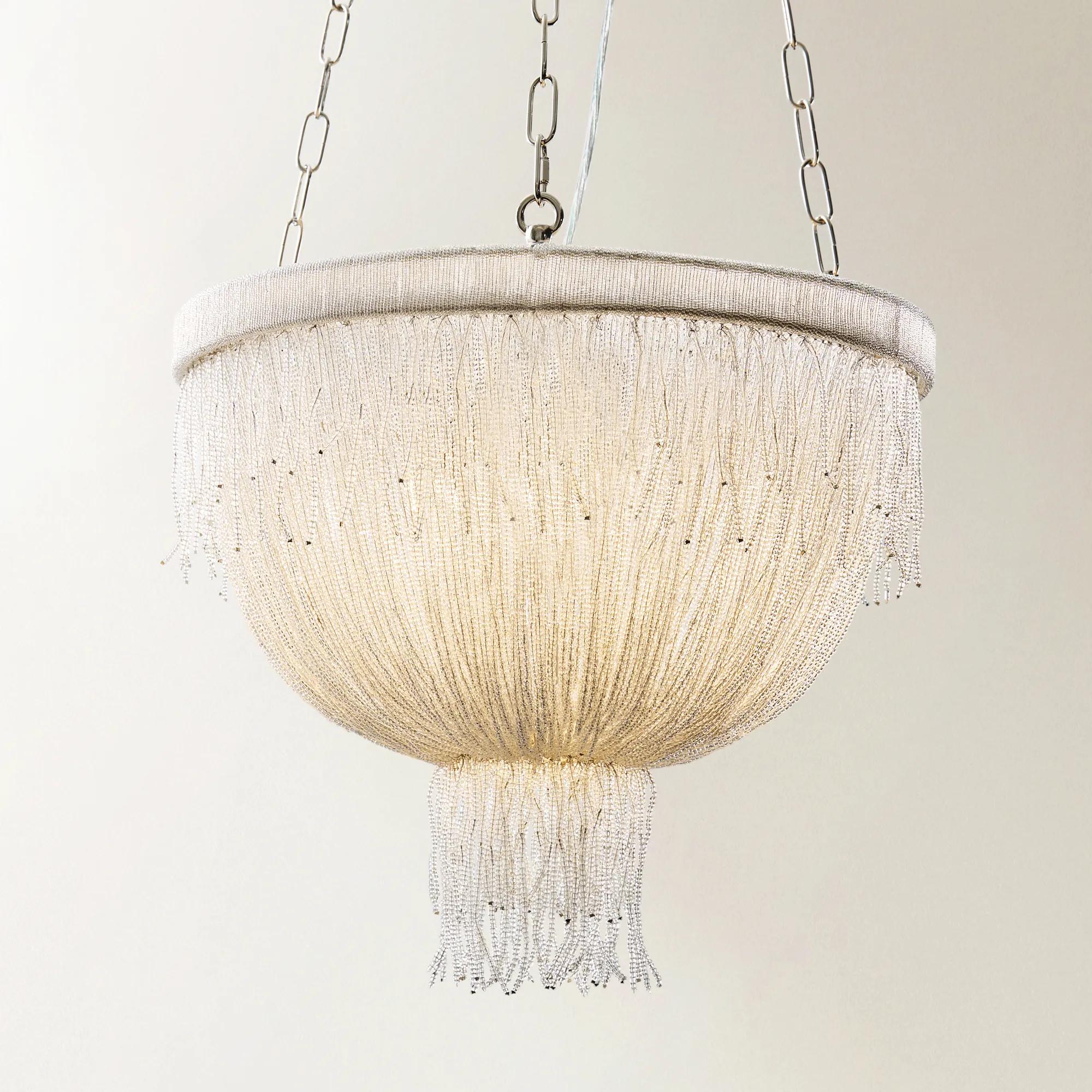 Selene Chandelier$899
A dazzling chandelier featuring cascading clear glass beads and a sleek nickel-finished iron frame.
Add To Cart -

 Luxe Spiral Chandelier - Nickel/Clear$999
A dazzling spiral chandelier featuring clear K9 crystal and a polished nickel frame for timeless glamour.
Add To Cart -
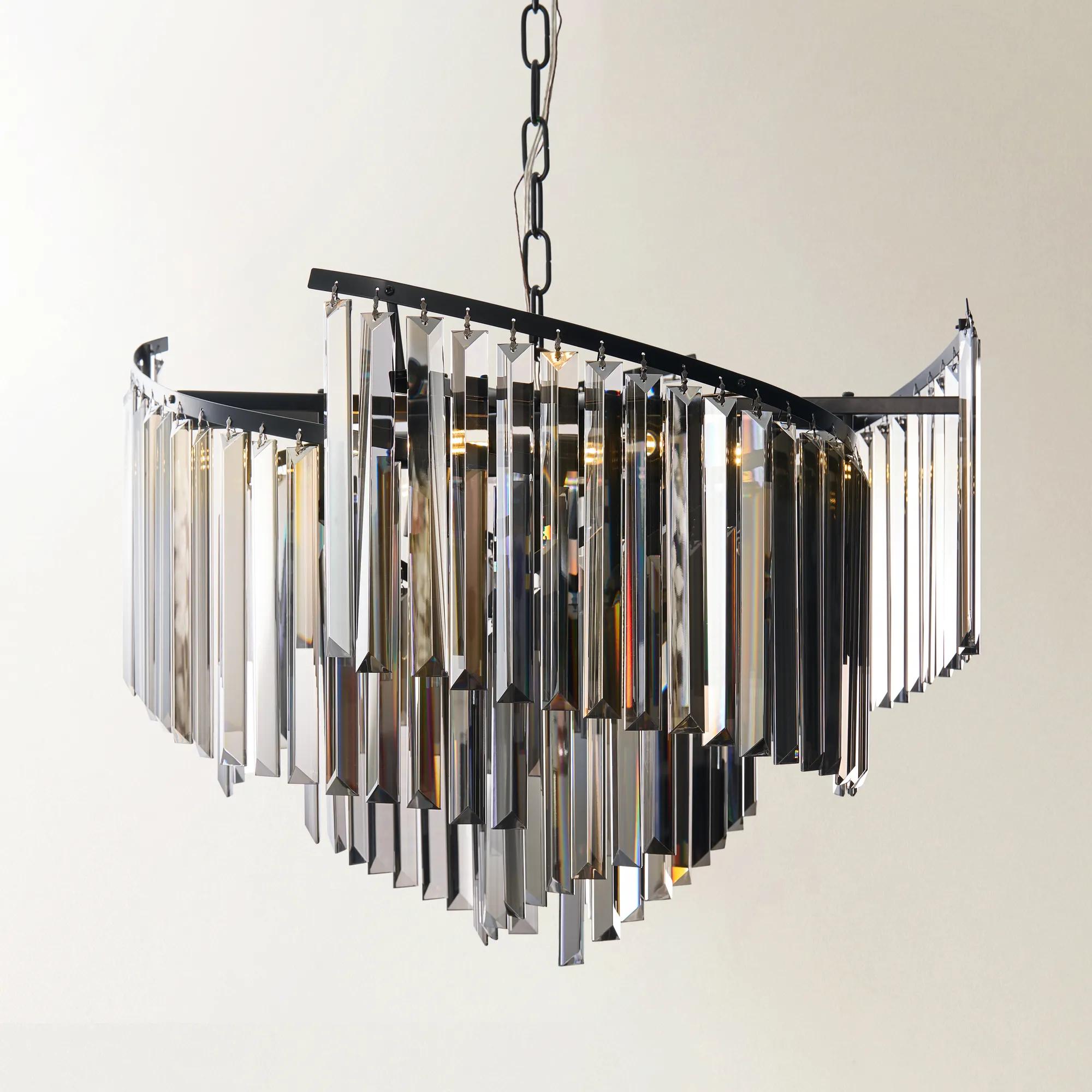 Luxe Spiral Chandelier - Graphite$999
A dramatic chandelier featuring graphite K9 crystals and a matte black iron frame for striking illumination.
Add To Cart -
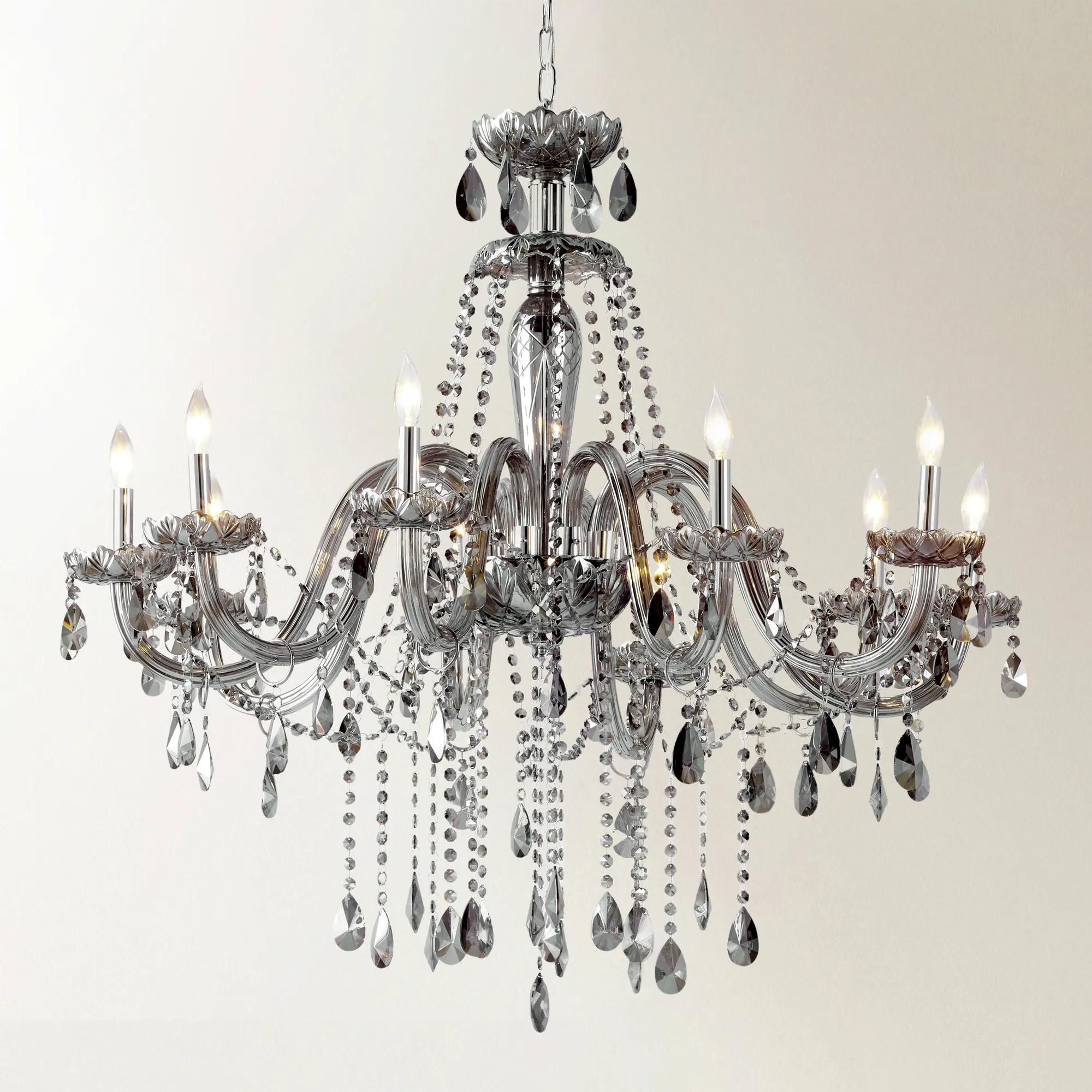
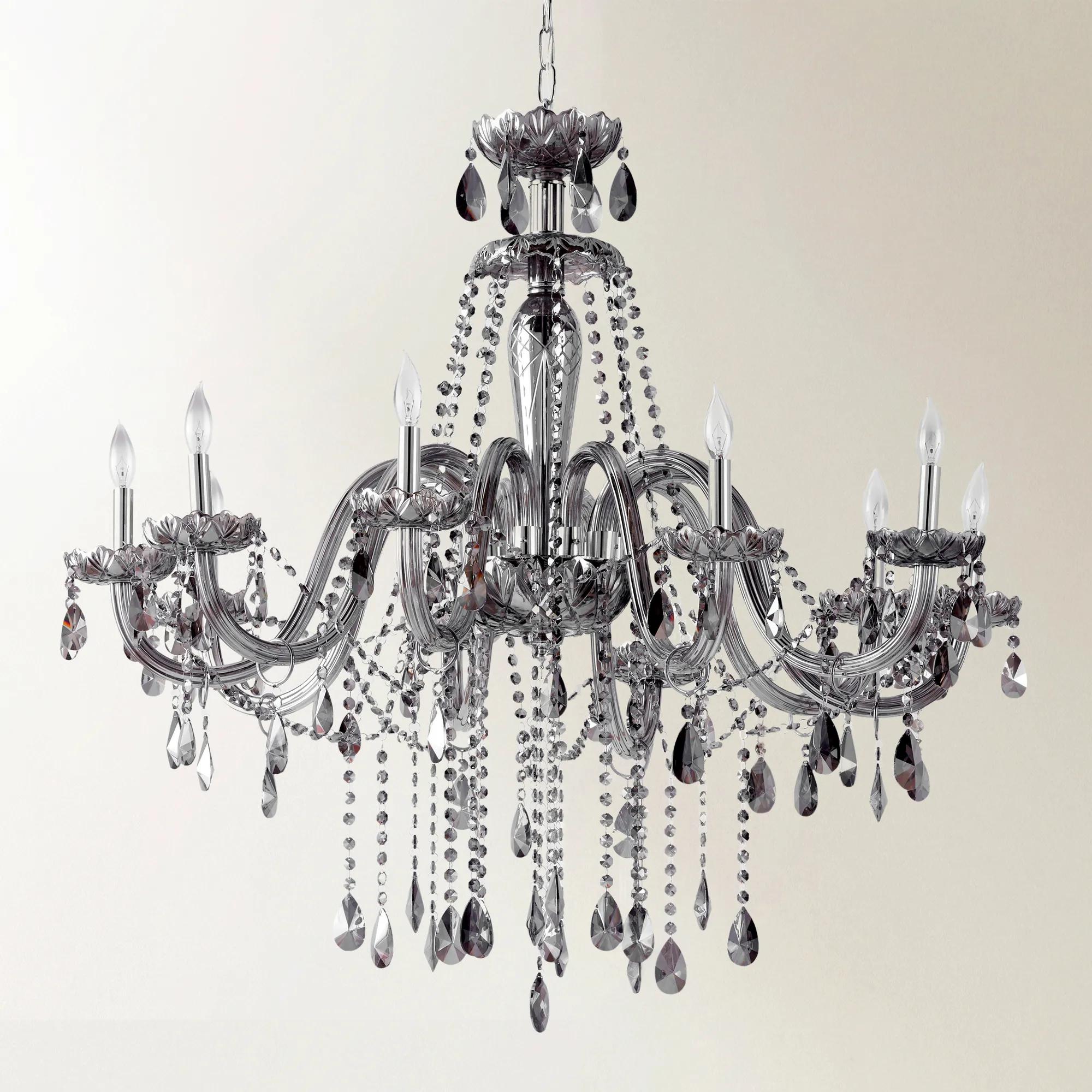 Omni Chandelier 38.5" - Graphite$999
A dazzling chandelier featuring graphite faceted crystals and ten fluted glass arms with nickel hardware.
Add To Cart -
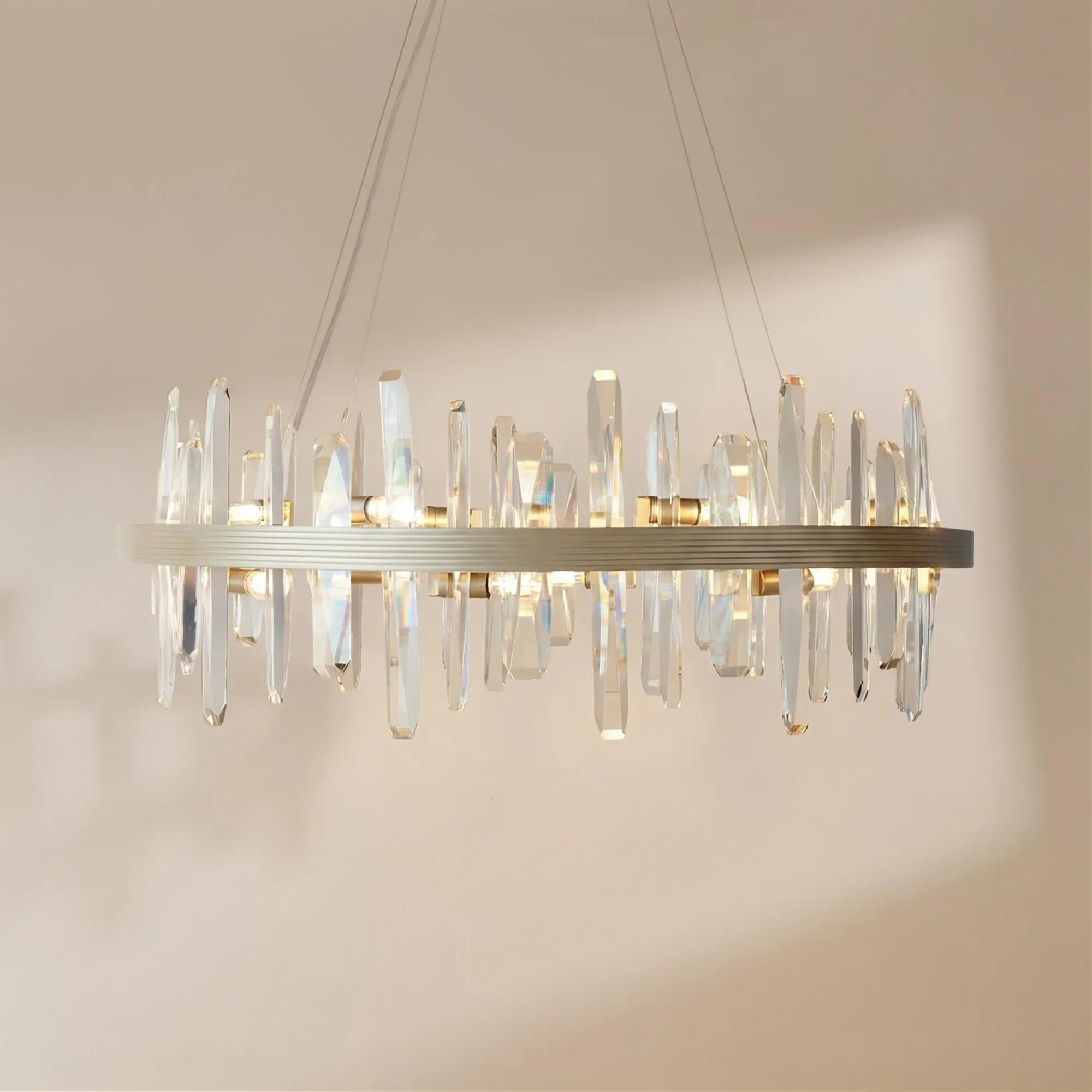
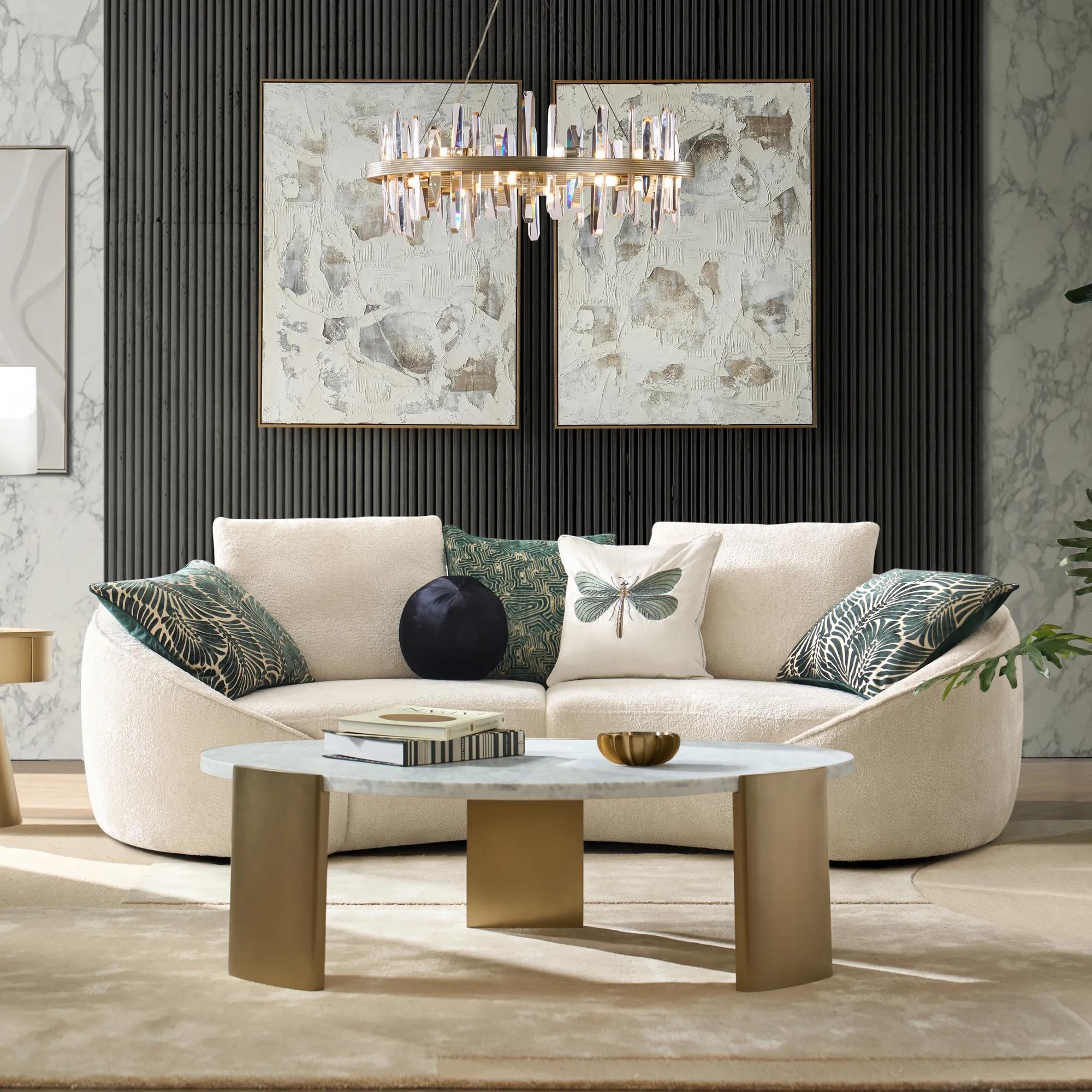 Lumi Clear Beveled Glass Chandelier 31.5"W$929
A deco-inspired chandelier with beveled glass daggers and a champagne-finished iron frame for radiant illumination.
Add To Cart -
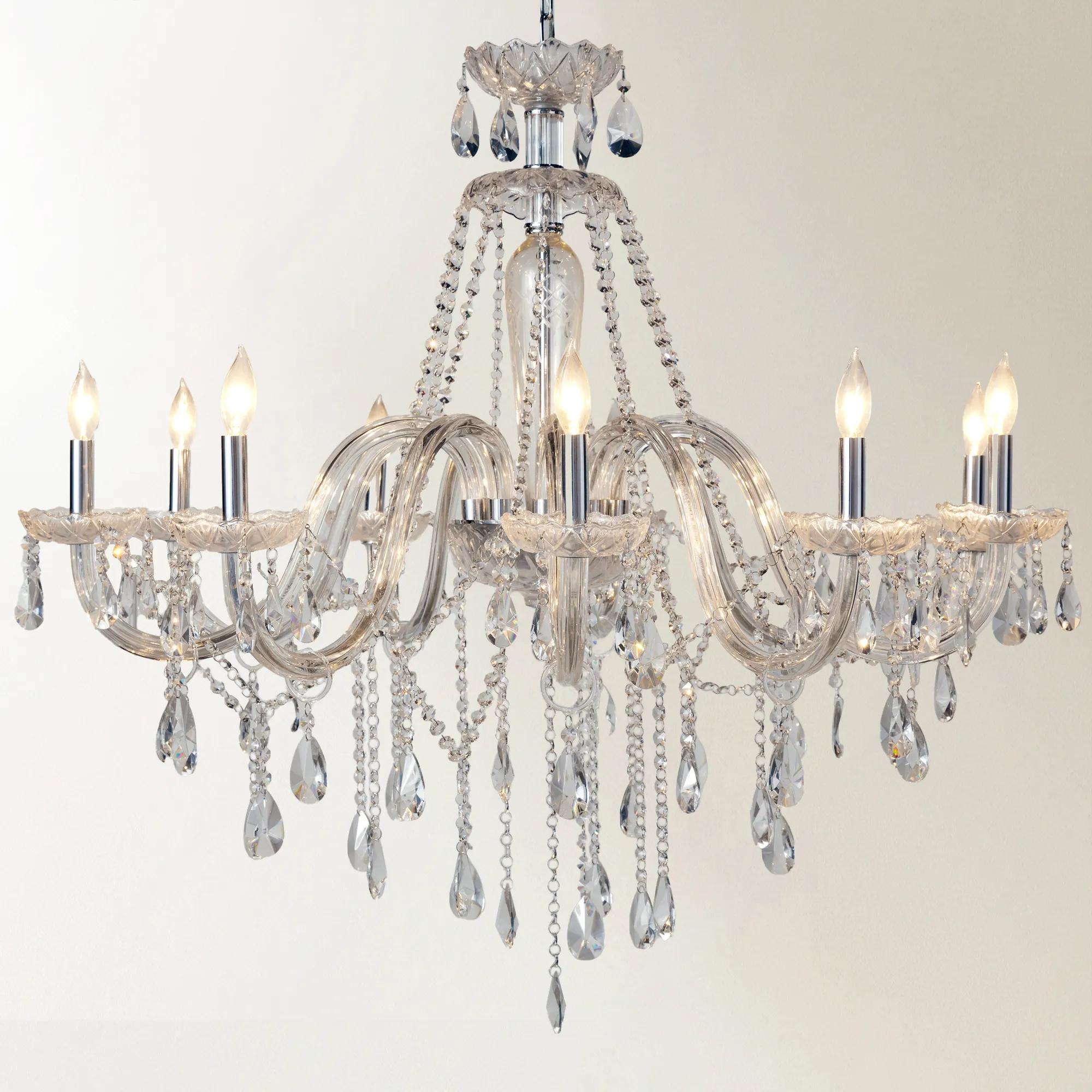
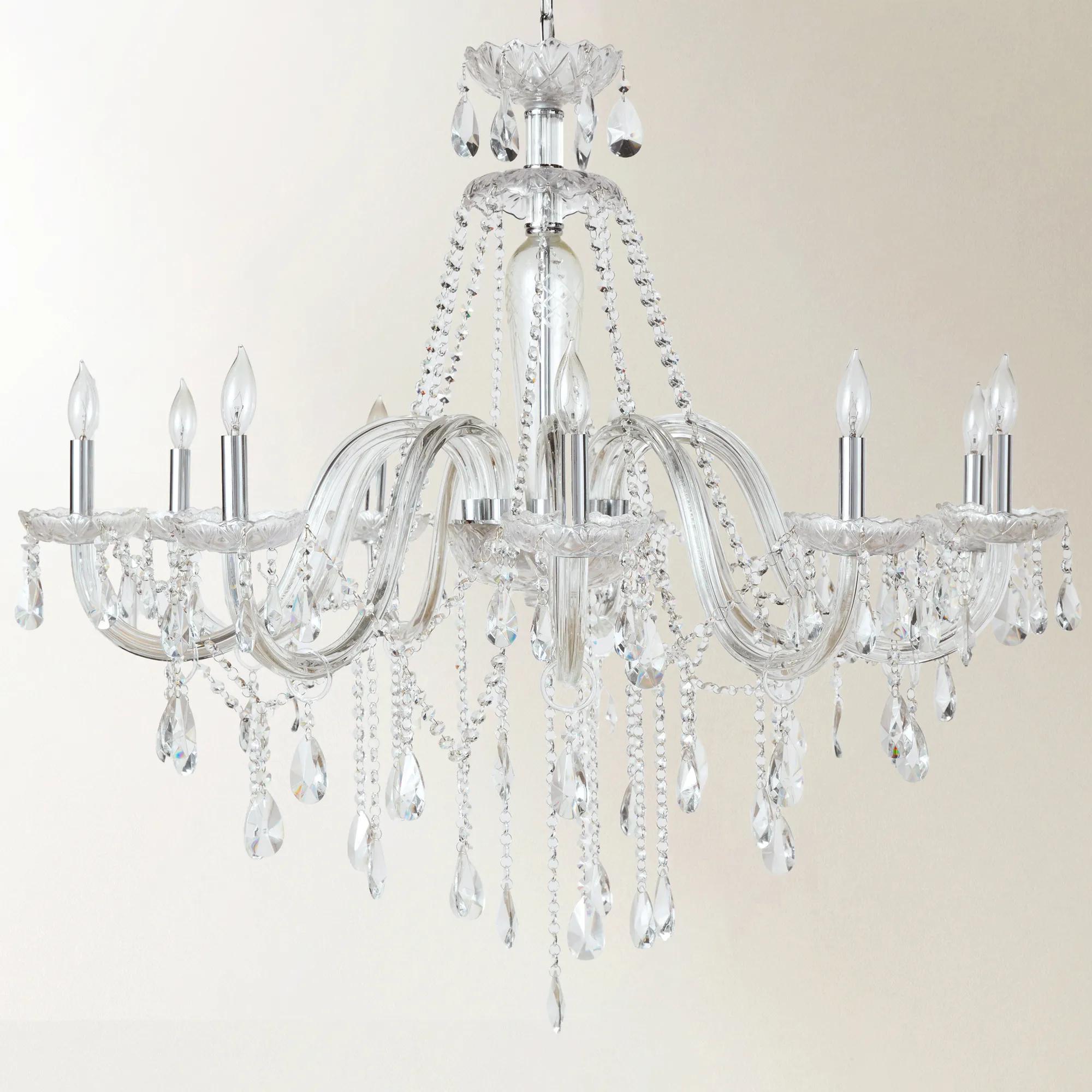 Omni Chandelier 38.5" - Clear$999
A dazzling chandelier featuring hundreds of clear faceted crystals and ten fluted glass arms with nickel hardware.
Add To Cart -
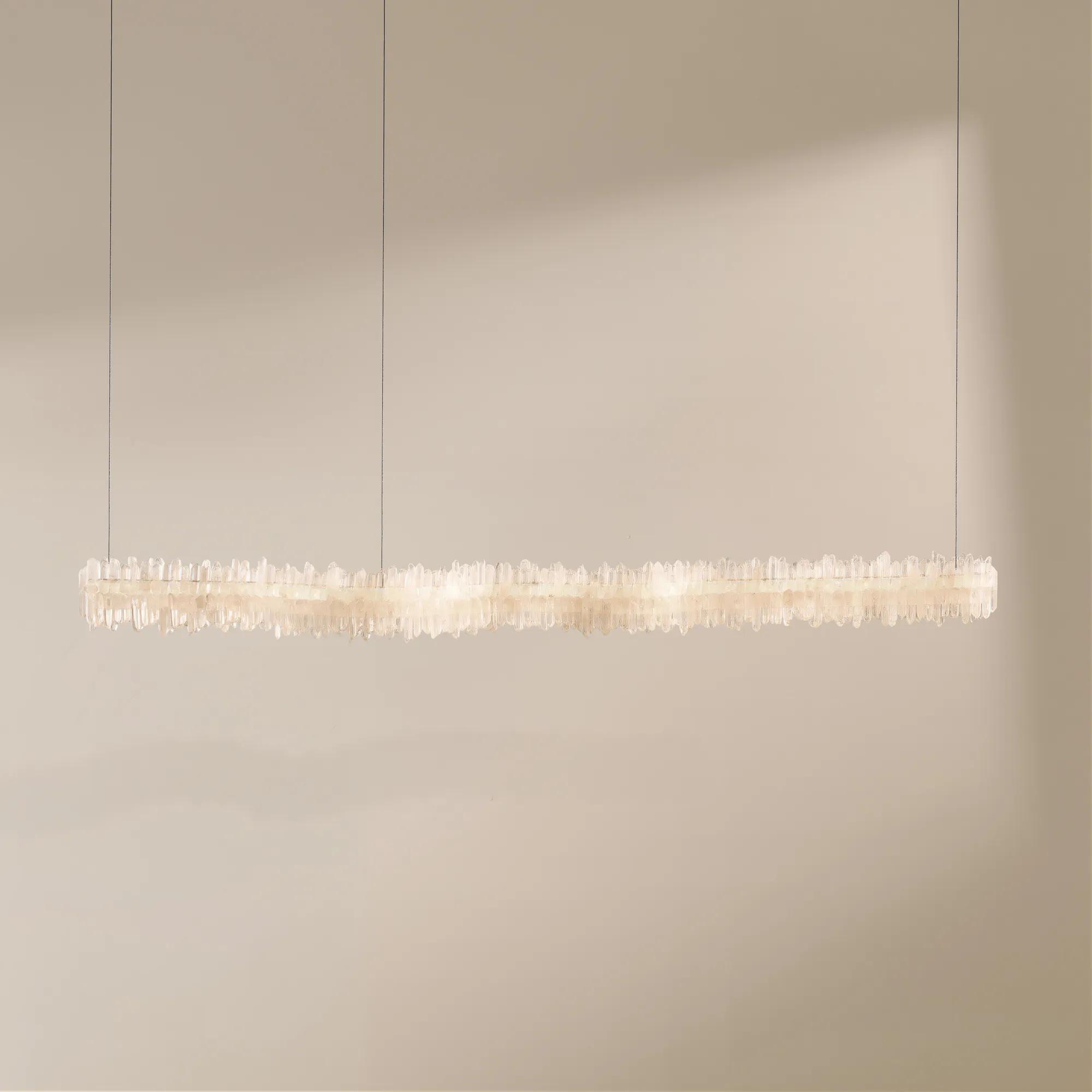 Stella Quartz Crystal LED Chandelier 47.25"$1899
A linear chandelier featuring raw quartz crystals and a rose gold frame with integrated warm LED lighting.
Add To Cart -
 Glacier Clear and Frosted Glass Chandelier 24"$899
A modern chandelier crafted from clear and frosted glass creates an elegant, luminous centerpiece.
Add To Cart -

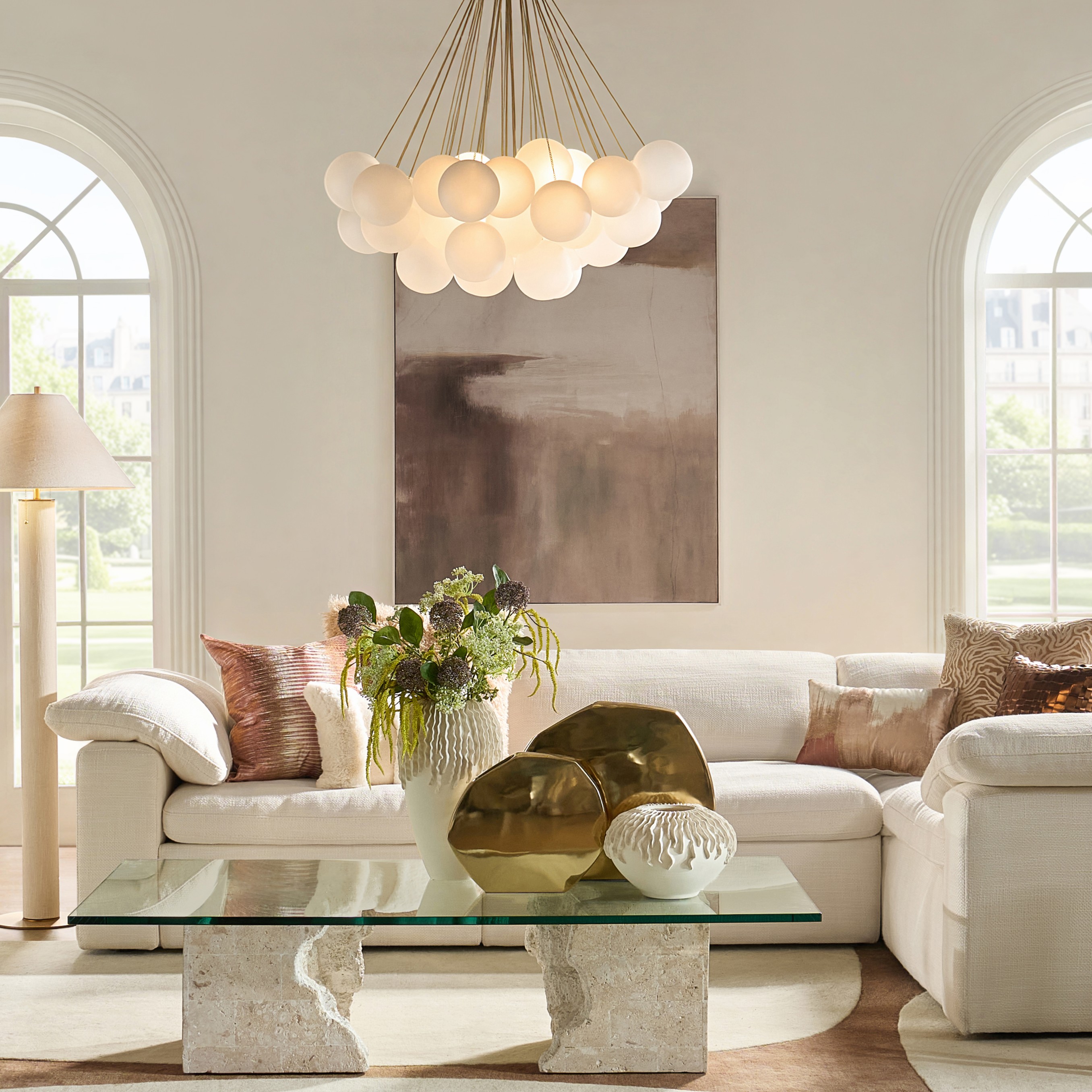 Sanela Frosted Glass Globe Chandelier 39.5"$899
A sculptural chandelier featuring frosted glass globes and an antique brass iron frame for diffused illumination.
Add To Cart -
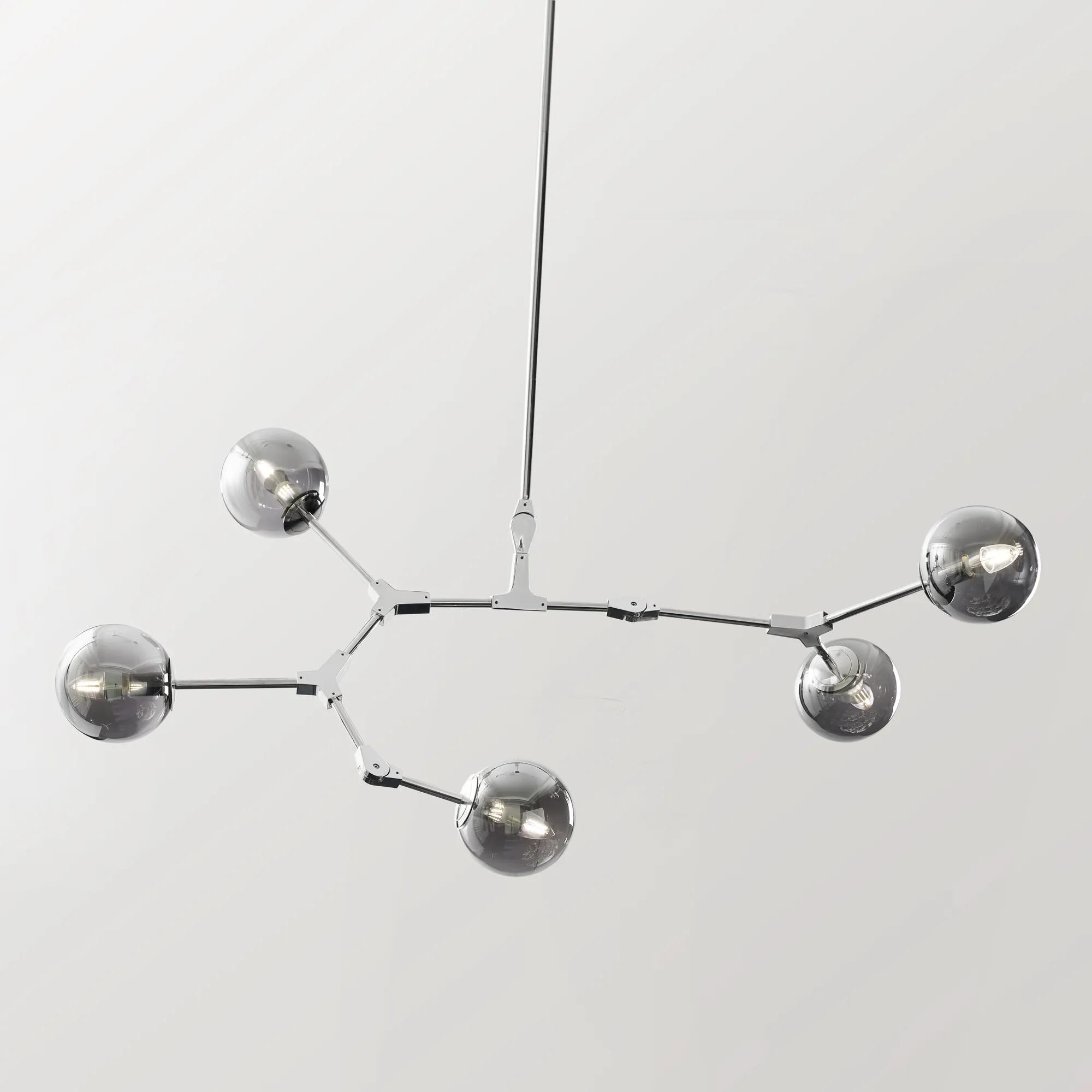
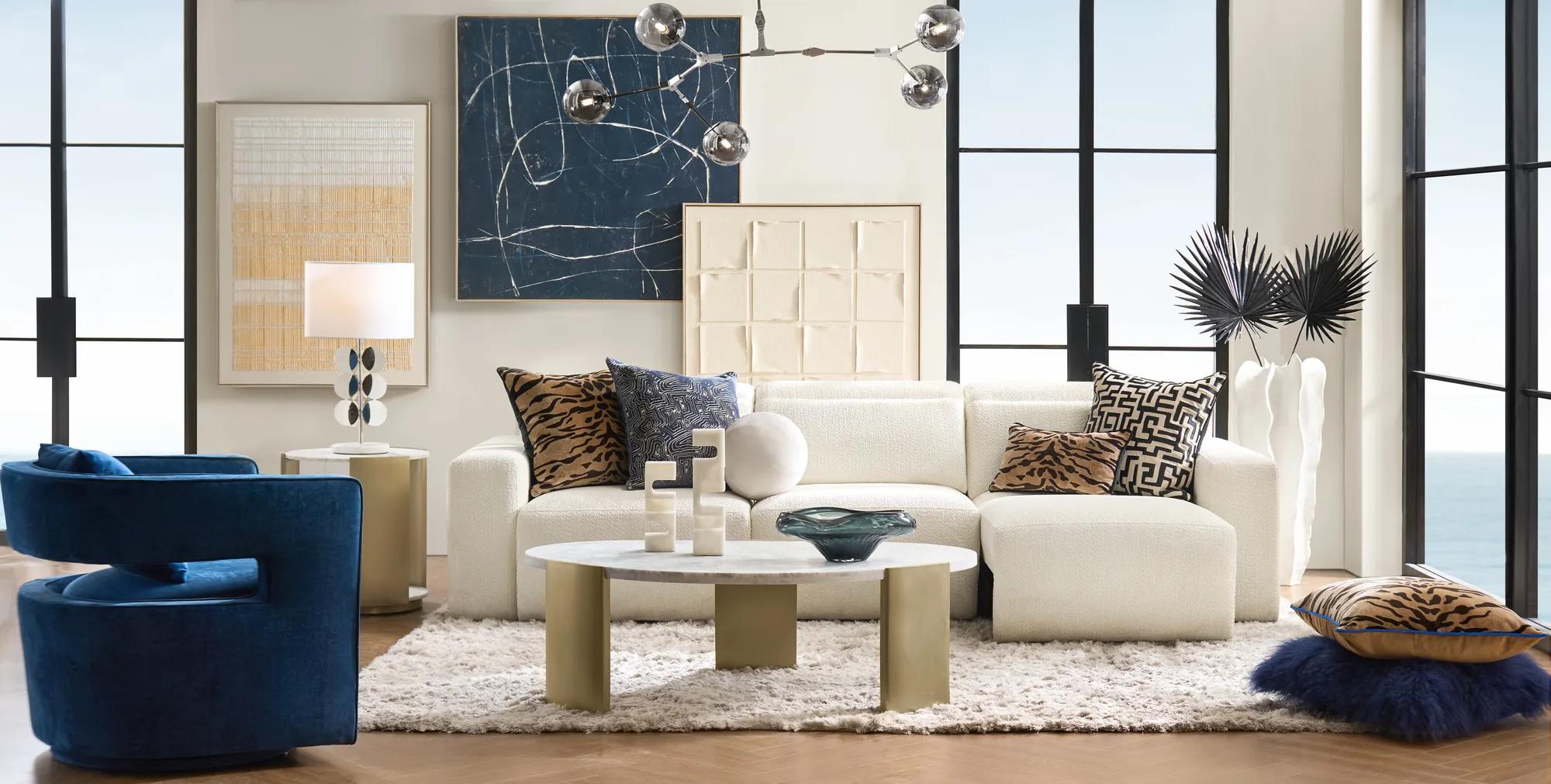 Axel Chandelier$499
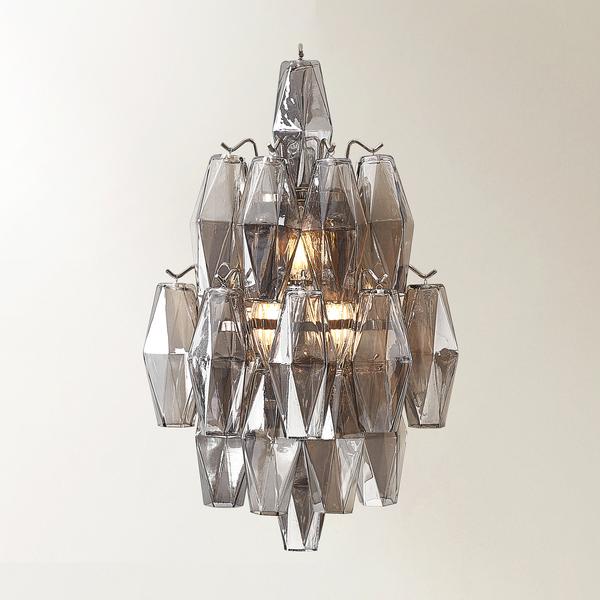
A modern chandelier featuring polished nickel arms and smoked glass bulbs for striking, contemporary illumination.
Add To Cart -
 Sawin Chandelier$699
A sculptural brass-plated steel chandelier with frosted acrylic diffusers for a soft, ambient glow.
Add To Cart -
 Willa Natural Alabaster Chandelier 13"D x 17"H$599
An artful chandelier featuring hand-cut alabaster panels and a brushed brass frame for a diffused, elegant glow.
Add To Cart -
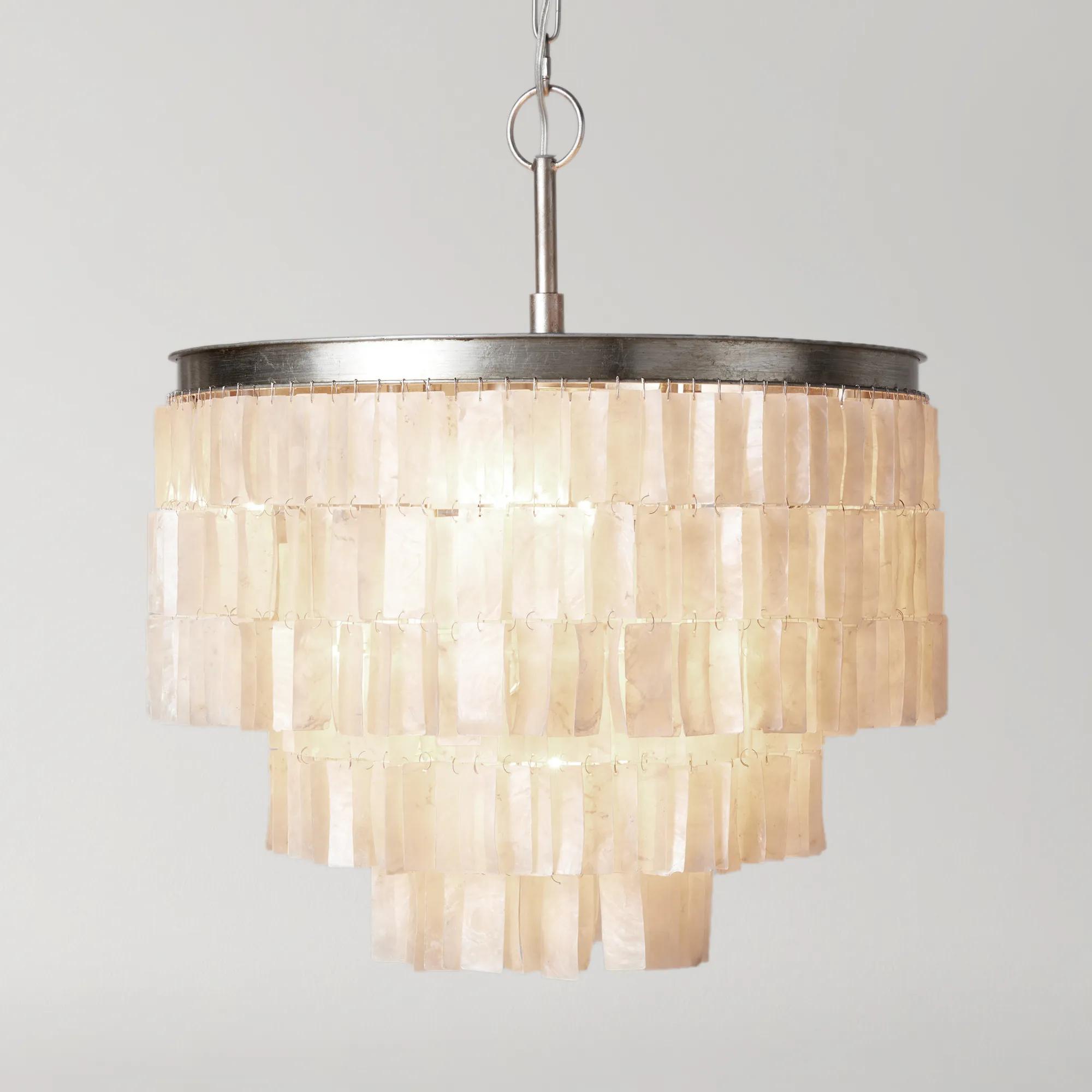
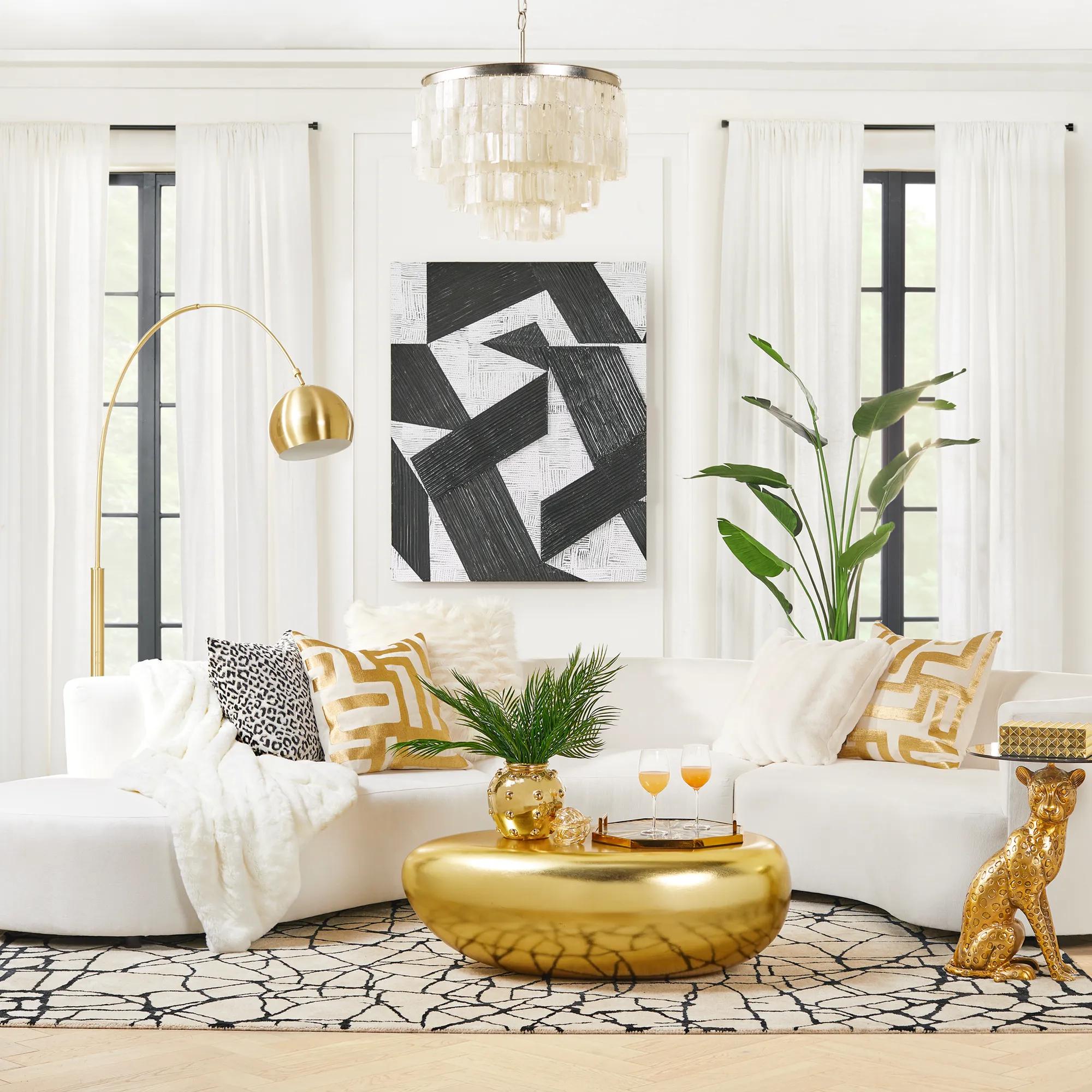 Capiz Chandelier$699
A cascading chandelier featuring over six hundred natural Capiz shells on a nickel-plated iron frame.
Add To Cart -
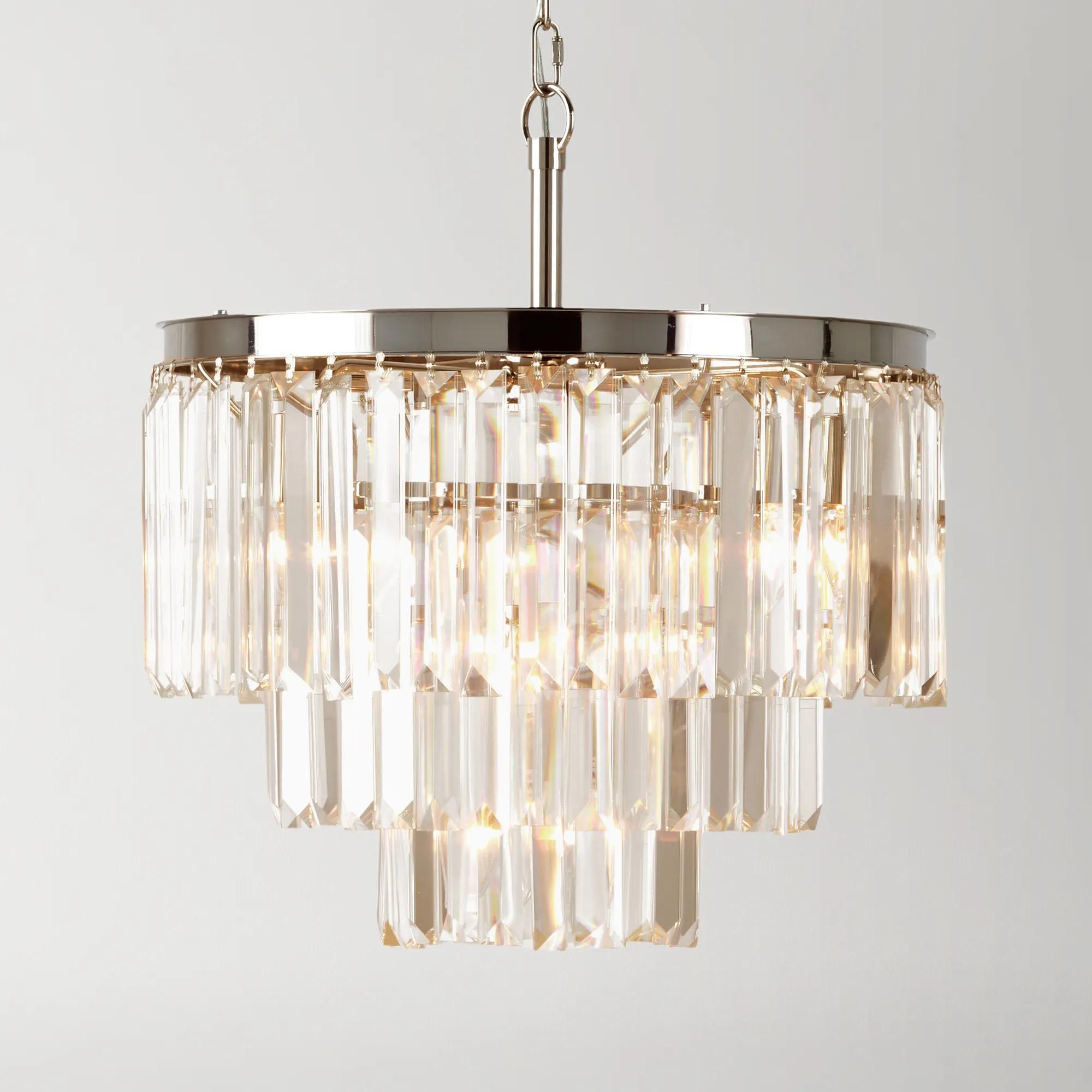 Luxe Chandelier$799
A glamorous chandelier featuring a nickel-plated iron frame and three tiers of faceted crystal accents.
Add To Cart

Exclusive Designer Chandeliers
Step into a world where artistry meets illumination—where exclusive designer chandeliers become the crowning jewels of your home. Each piece is a masterstroke, designed to dazzle and delight, casting light that dances across walls and ceilings with theatrical flair. These luminous sculptures transform ordinary rooms into extraordinary experiences, infusing every gathering with an air of opulence and intrigue. For those who crave drama, detail, and unapologetic glamour, exclusive designer chandeliers are more than lighting—they are the exclamation point on your personal style story.
Exclusive designer chandeliers bring sculptural form, expressive materials, and considered illumination together in a single architectural statement. Their appeal extends beyond brightness: a chandelier establishes a room’s focal point, draws attention to its proportions, and gives the surrounding furnishings a distinctive point of view. Crystal arrangements scatter highlights across nearby surfaces, branching metal arms create a sense of movement, and luminous glass globes introduce softness within a bold silhouette. These different expressions allow designer chandeliers to complement interiors ranging from richly layered glamour to polished contemporary spaces. In a dining room, a suspended composition can frame the table like a piece of overhead sculpture; in an entryway, a tiered fixture can give an otherwise open volume a compelling center. Materials shape that impression as much as silhouette. Clear crystal offers brilliance and prismatic detail, while clear glass can create an airier presence with visible bulbs becoming part of the composition. Frosted or opal glass diffuses light, softening its appearance rather than emphasizing individual points of sparkle. Metal contributes structure and definition, with brass, steel, and other materials taking on different characters through their finishes. Polished nickel and chrome create crisp reflections; gold-toned and aged brass finishes lend richness; matte black outlines a form with graphic contrast. A finish describes appearance rather than the underlying metal, making the listed construction details important when considering weight, maintenance, and long-term use. The most compelling combinations give each material room to register: slender metallic branches supporting luminous globes, for example, or a restrained frame carrying an abundant cascade of crystal. For interiors that favor intricate strands and a jewelry-like presence, Exclusive Crystal Bead Chandeliers offer a related expression of decorative lighting. Whether the effect is finely detailed or boldly architectural, the relationship between frame, light source, and ornament determines how a chandelier feels both illuminated and at rest. Daylight matters, too, revealing the contours, textures, and reflective surfaces that make the fixture an enduring part of the room.
Proportion gives that visual drama its confidence. Linear chandeliers echo the length of rectangular dining tables and kitchen islands, while round, globe, and halo silhouettes create a natural dialogue with circular tables or centered seating arrangements. Tiered and multi-drop designs make use of vertical space in tall foyers and open stairwells, where a shallow fixture may appear disconnected from the architecture. In rooms with lower ceilings, a wider, shallower silhouette can deliver presence without depending on a long suspension. Fixture dimensions deserve attention beyond the decorative body: minimum and maximum hanging heights, canopy size, adjustable rods or chain, and compatibility with sloped ceilings all influence the final fit. Above a dining table, a chandelier often looks balanced when its width is approximately one-half to two-thirds of the table’s width, leaving a visible border around the fixture. A 36-inch-wide table, for example, may suit a chandelier around 24 inches wide, depending on the openness of its design and the surrounding room. A common starting point for hanging height is 30 to 36 inches between the tabletop and the bottom of the fixture in a room with an 8-foot ceiling; taller ceilings and unusually large fixtures may call for adjustments. Over an open walking area, approximately 7 feet of clearance beneath the fixture is a typical minimum starting point, with installation requirements and local codes taking priority. These proportions also affect everyday comfort. Dinner guests should be able to see one another without a low cluster of ornaments interrupting the view, and an entry chandelier should welcome movement rather than crowd it. Light quality completes the experience. Warm-white light around 2700K to 3000K generally complements intimate dining and living spaces, while the shade material, bulb placement, and total light output determine whether the effect feels diffused or sparkling. Compatible dimming allows the same fixture to support a lively gathering and a quieter evening, though LED bulbs, integrated LEDs, and dimmer controls must be matched according to manufacturer specifications. Layered with sconces or lamps, a chandelier can command attention without carrying every lighting task alone.
Exclusive designer chandeliers reward attention to construction and care as well as appearance. A substantial frame, secure decorative attachments, and a finish appropriate to the setting help support lasting performance, but visual weight does not necessarily indicate physical weight or durability. A delicate-looking crystal composition may require significant structural support, while an expansive metal silhouette may be comparatively light. Listed fixture weight, mounting requirements, electrical specifications, and manufacturer instructions provide the practical foundation for a successful installation. A qualified electrician can confirm that the ceiling box and any additional support are suitable, particularly for heavy fixtures, high ceilings, or installations above staircases. Intended location matters just as much: indoor lighting should not be assumed suitable for moisture-prone rooms or outdoor areas unless its rating explicitly permits that use. Maintenance is most manageable when considered alongside placement. An elaborate chandelier suspended over a two-story foyer creates an extraordinary impression, but safe access for cleaning and light-source replacement deserves planning before installation. With power switched off and the fixture fully cool, routine dusting with a soft, dry microfiber cloth can help preserve clarity and sheen; deeper cleaning should follow the manufacturer’s directions for each material and finish. Abrasives and unapproved cleaners can damage protective coatings, while spraying liquid directly onto a fixture risks contact with electrical components. Crystal drops and glass elements also need gentle handling without pulling on their supports. Replaceable bulbs and integrated LED systems have different maintenance needs, so checking the specified bulb type or service requirements helps establish realistic expectations. Beyond these details, the strongest choice connects to the way a room is lived in. A sculptural chandelier can give a bedroom the polish of a private suite, bring focus to a living room conversation area, or make a dining space feel deliberately composed even before the table is set. Repeating a metal tone from nearby hardware can create continuity, while contrasting a gleaming fixture with textured upholstery adds depth. The result is lighting with presence: an expressive finishing element that brings architecture, furnishings, and daily rituals into sharper focus.
FAQs
A designer chandelier stands apart through its artistry, craftsmanship, and attention to detail. Unlike standard lighting, these pieces are often handcrafted with luxurious materials such as hand-blown glass, crystal beads, or polished metals. Each chandelier is designed to be a statement piece, transforming a space with sculptural beauty and a sense of drama that elevates the entire room.
A chandelier does more than provide illumination—it sets the tone for the entire space. The interplay of light, shadow, and reflective surfaces creates an atmosphere of warmth and sophistication. Whether you seek an intimate, cozy glow or a dazzling, celebratory ambiance, the right chandelier can evoke a mood that complements your personal style and the function of the room.
Exclusive designer chandeliers appeal to individuals who value expressive interiors and artistic self-expression. Homeowners with a flair for dramatic design, boutique owners seeking a luxurious customer experience, and hosts who love to entertain all gravitate towards these striking fixtures. They are also a thoughtful gift for milestone celebrations, symbolizing elegance and lasting beauty.
Absolutely—designer chandeliers can elevate any room in your home or business. From bedrooms and dressing rooms to home offices, high-end fashion boutiques, and even luxurious bathrooms, these fixtures bring a sense of grandeur and cohesion wherever they are placed. Their versatility lies in their ability to adapt to both classic and contemporary settings.
Materials define the character and visual impact of a chandelier. Crystal beads create a sense of opulence and sparkle, perfect for glamorous settings. Custom glass offers a modern, sculptural feel, while metals—ranging from gold to matte black—add a layer of sophistication and edge. The choice of material allows you to tailor the chandelier’s personality to your unique vision for the space.