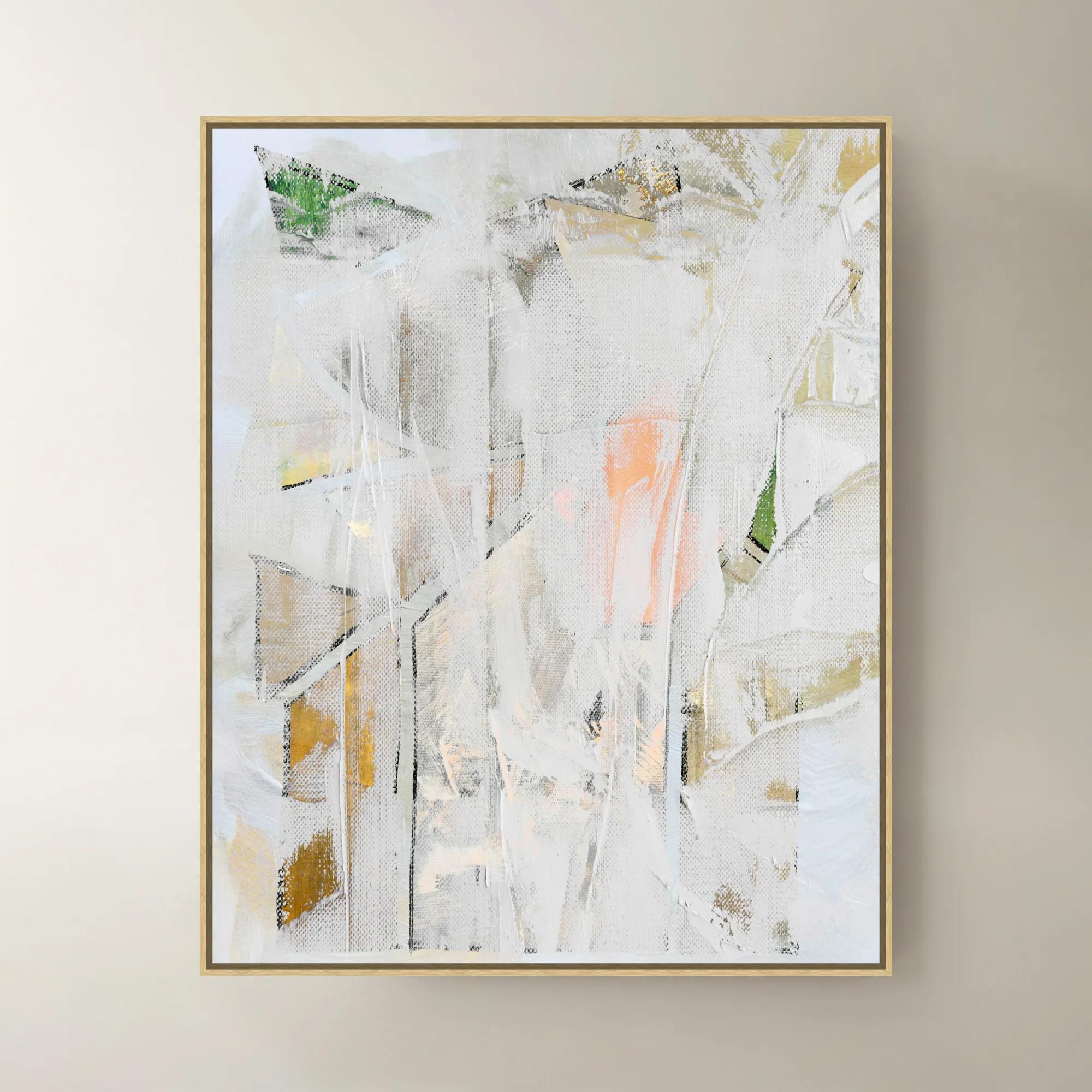
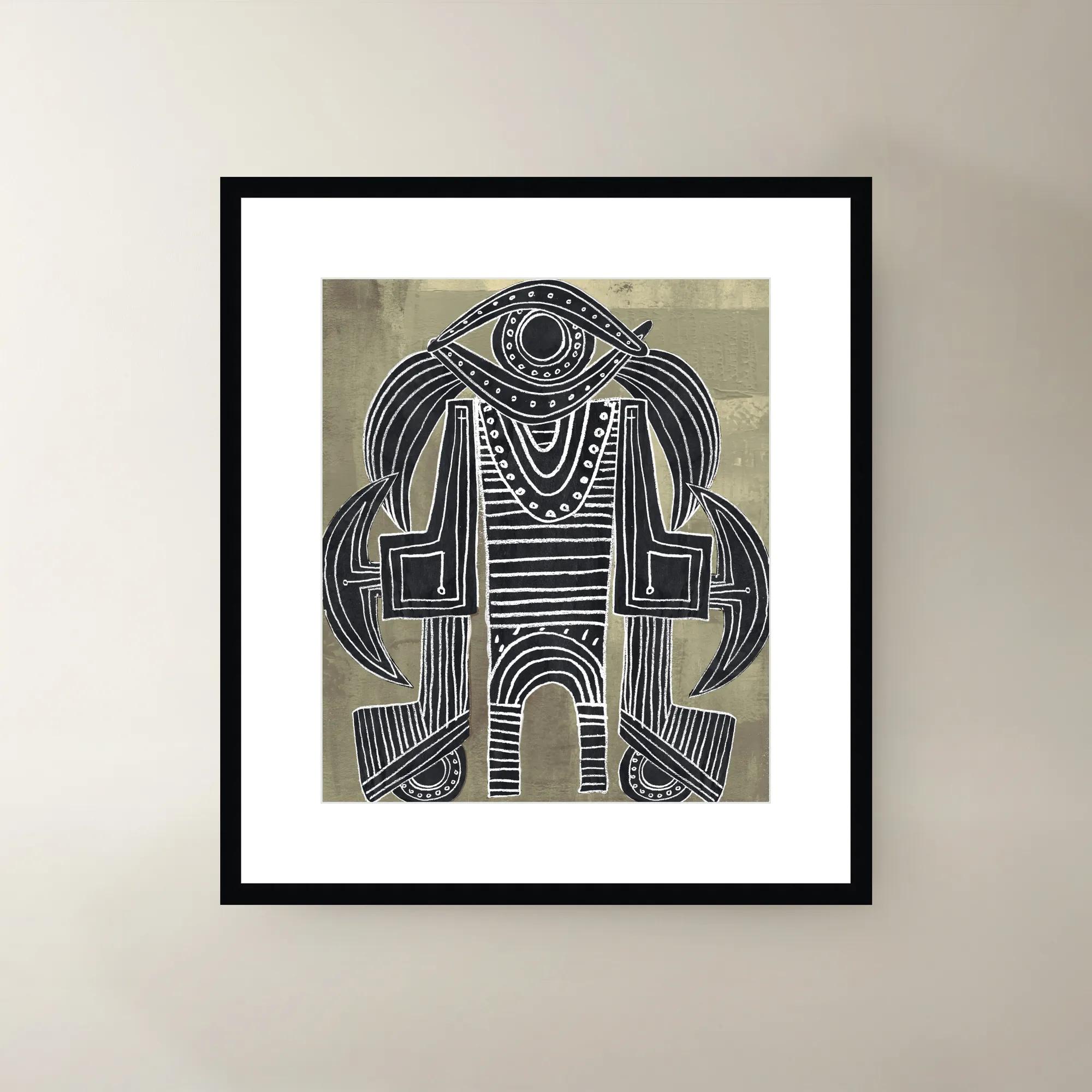
Ephemeral Abstract Wall Art Pieces
Ephemeral Abstract Wall Art Pieces
-
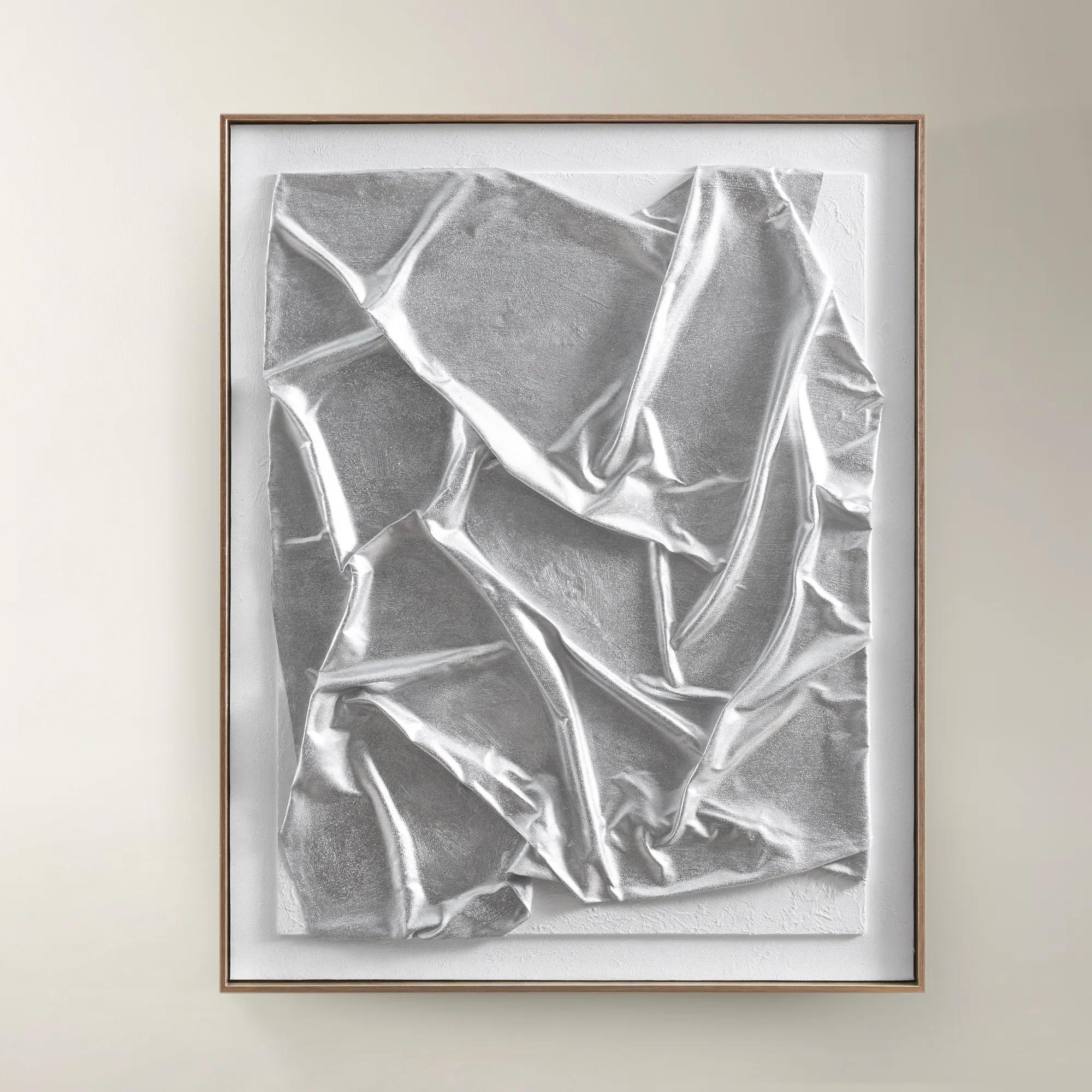 In the Mood Framed Painted Wall Art 31.5" x 39.5"$199
A hand-painted abstract canvas in shimmering silver tones, set in a warm champagne floater frame.
Add To Cart -
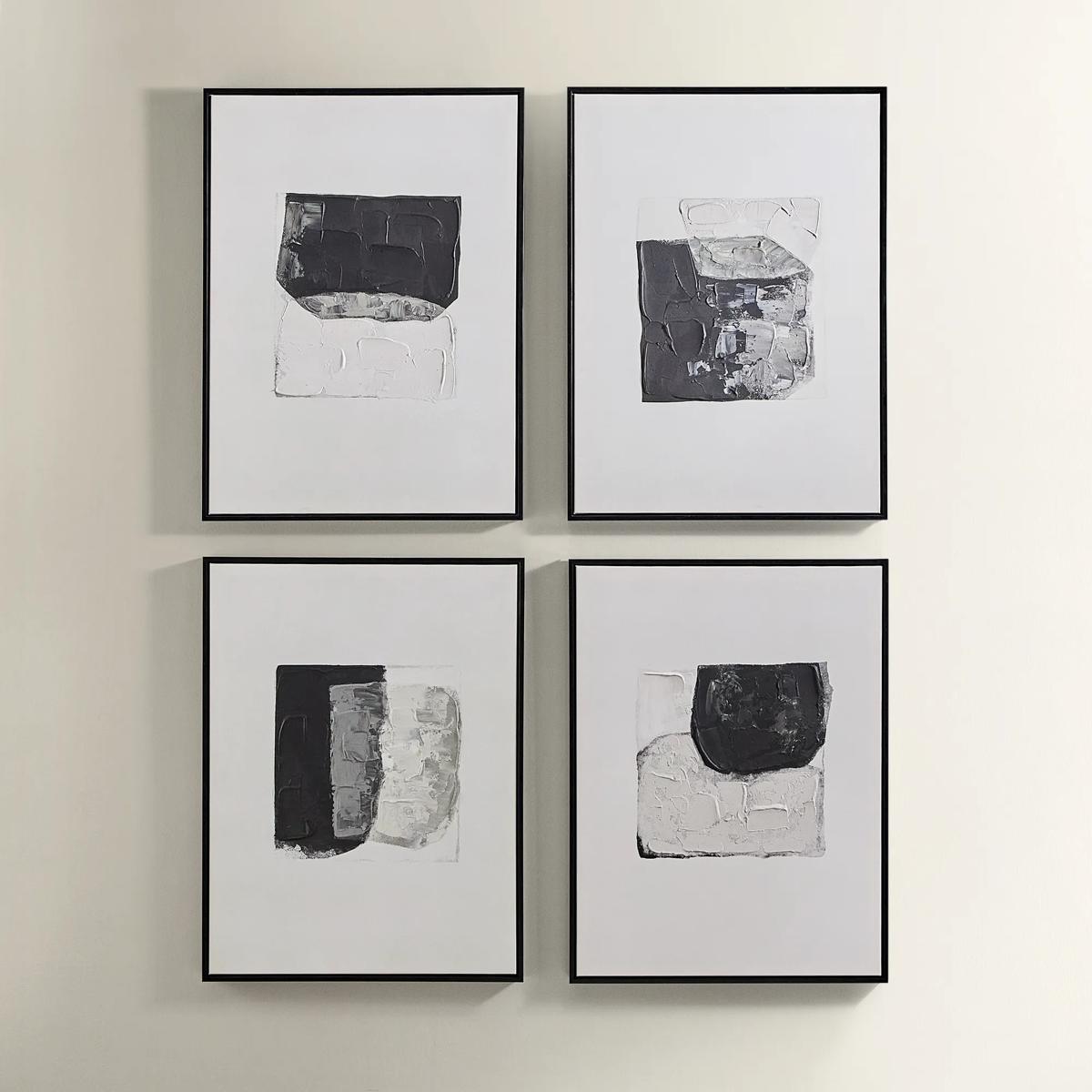
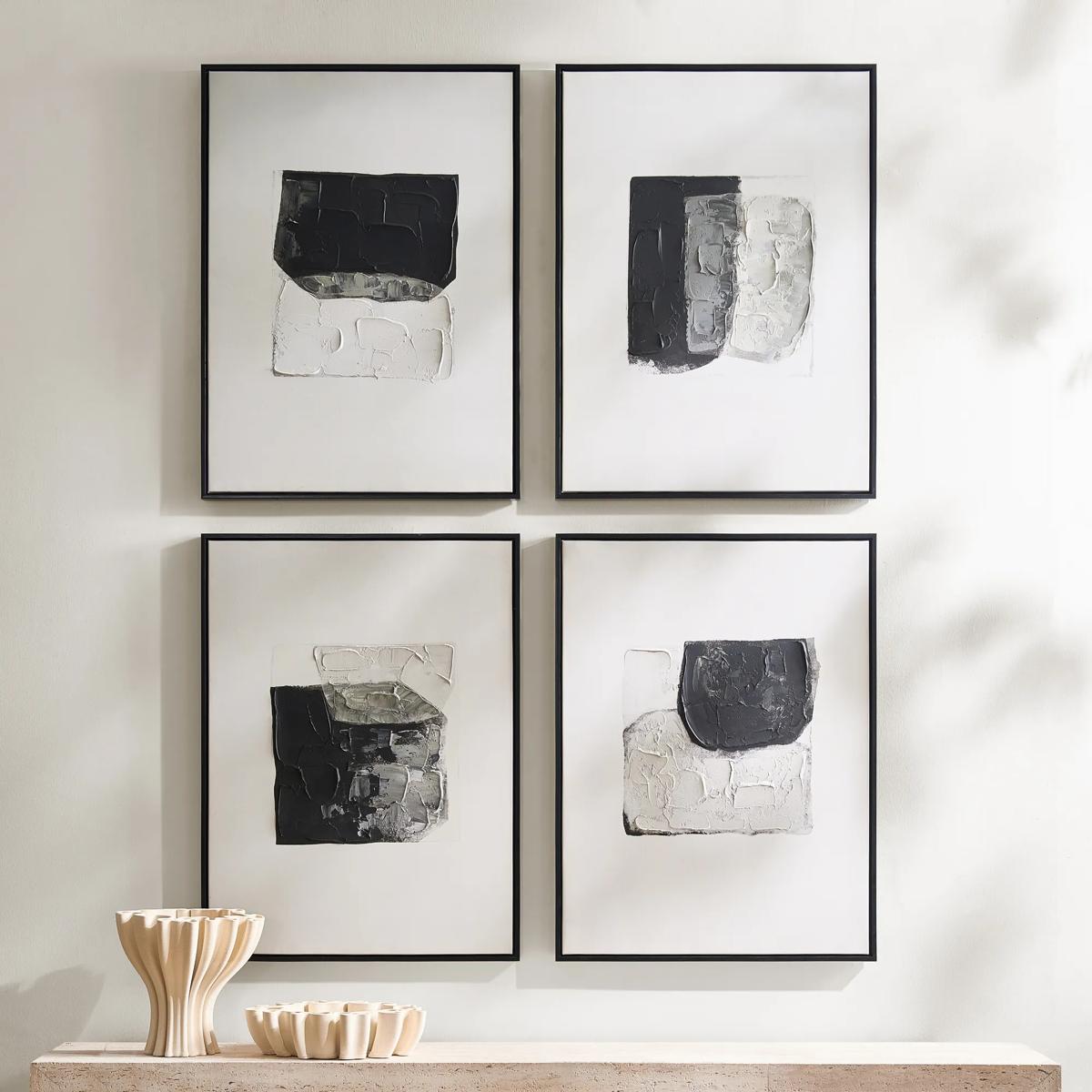 Shadows Framed Painted Wall Art Set of 4$299
A set of four hand-painted abstract canvases featuring black, white, and gold accents in black frames.
Add To Cart -
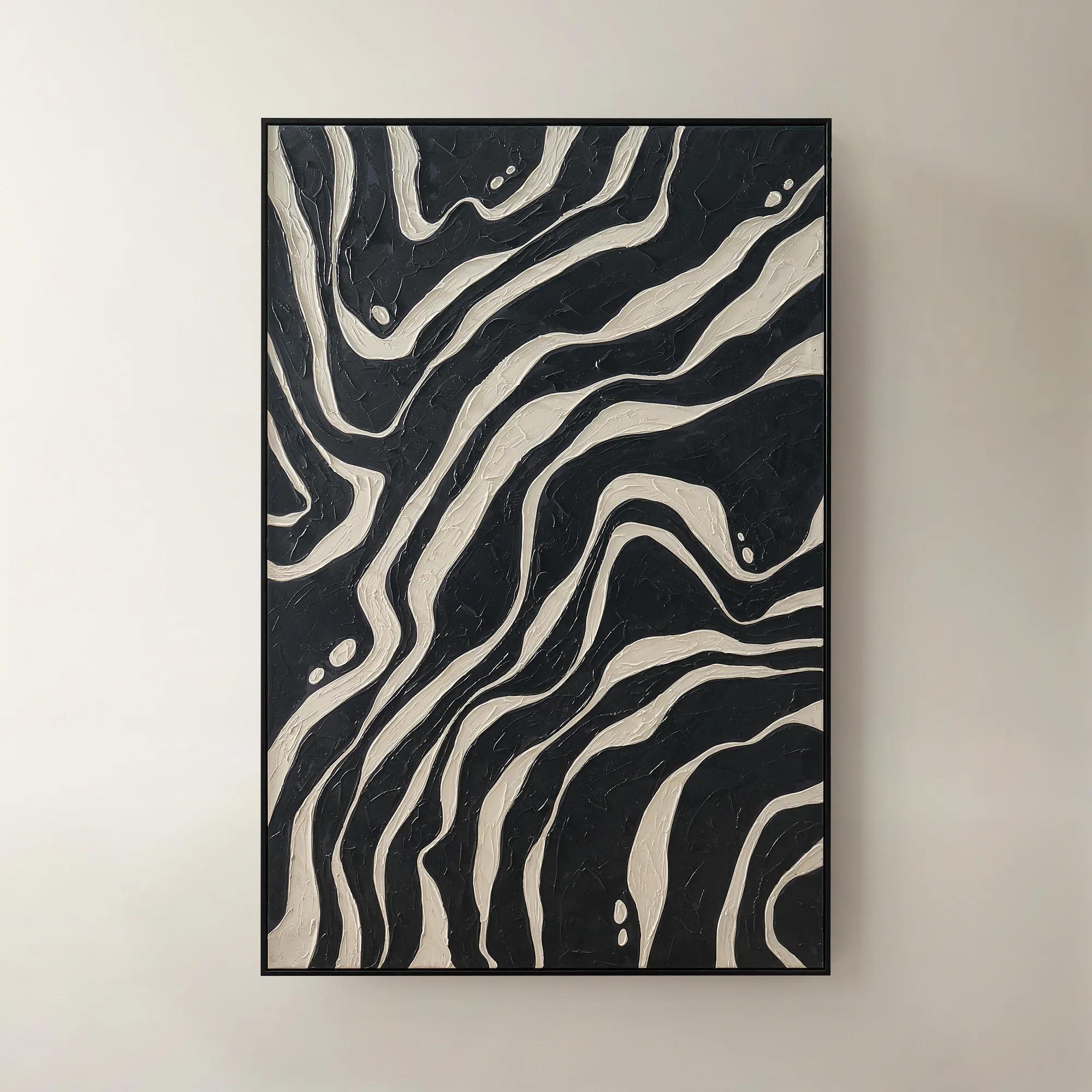
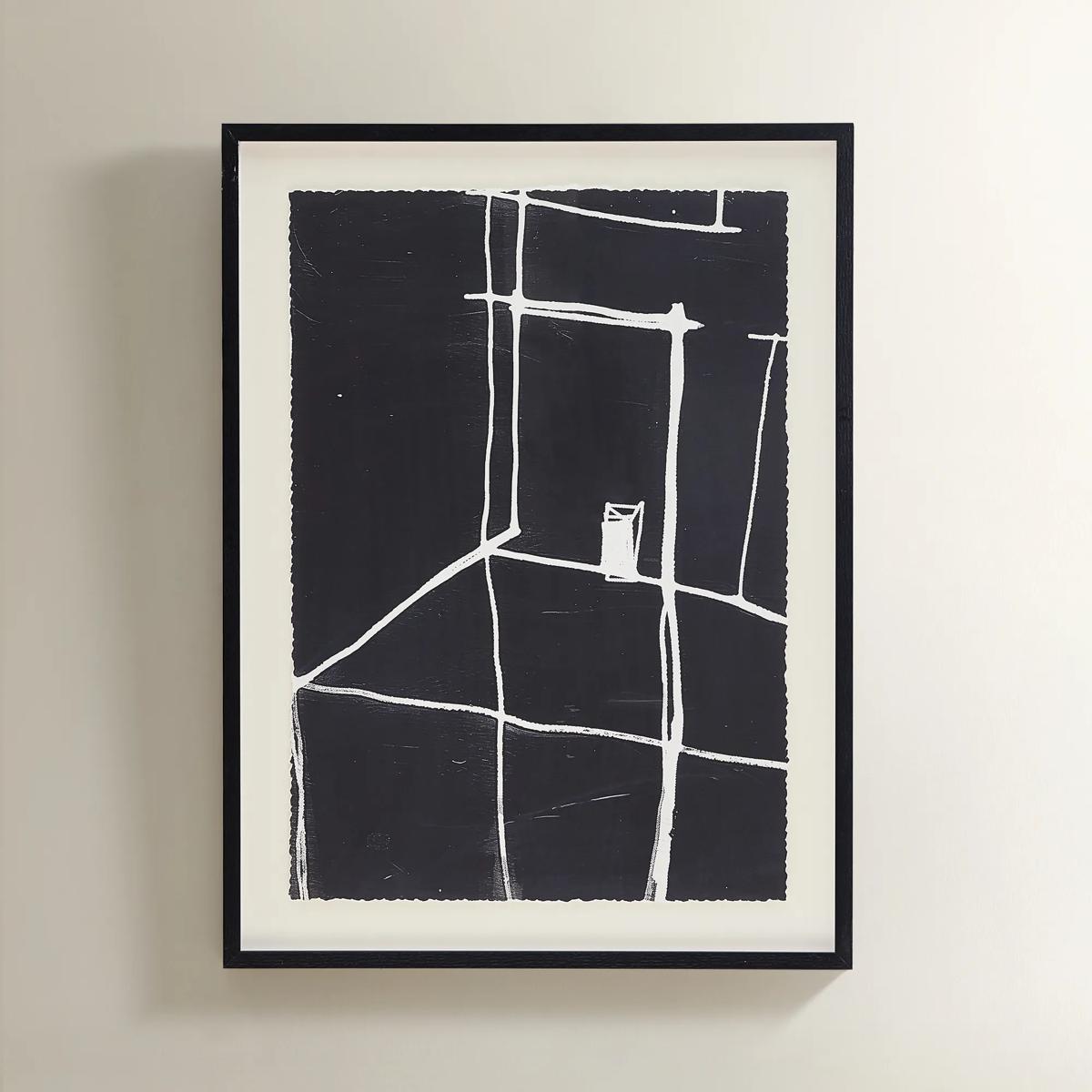 Solitude Art$269
A minimalist black-and-white abstract print featuring bold white lines in a sleek black polyresin frame.
Add To Cart -
-0.jpeg?w=1200&h=1200)
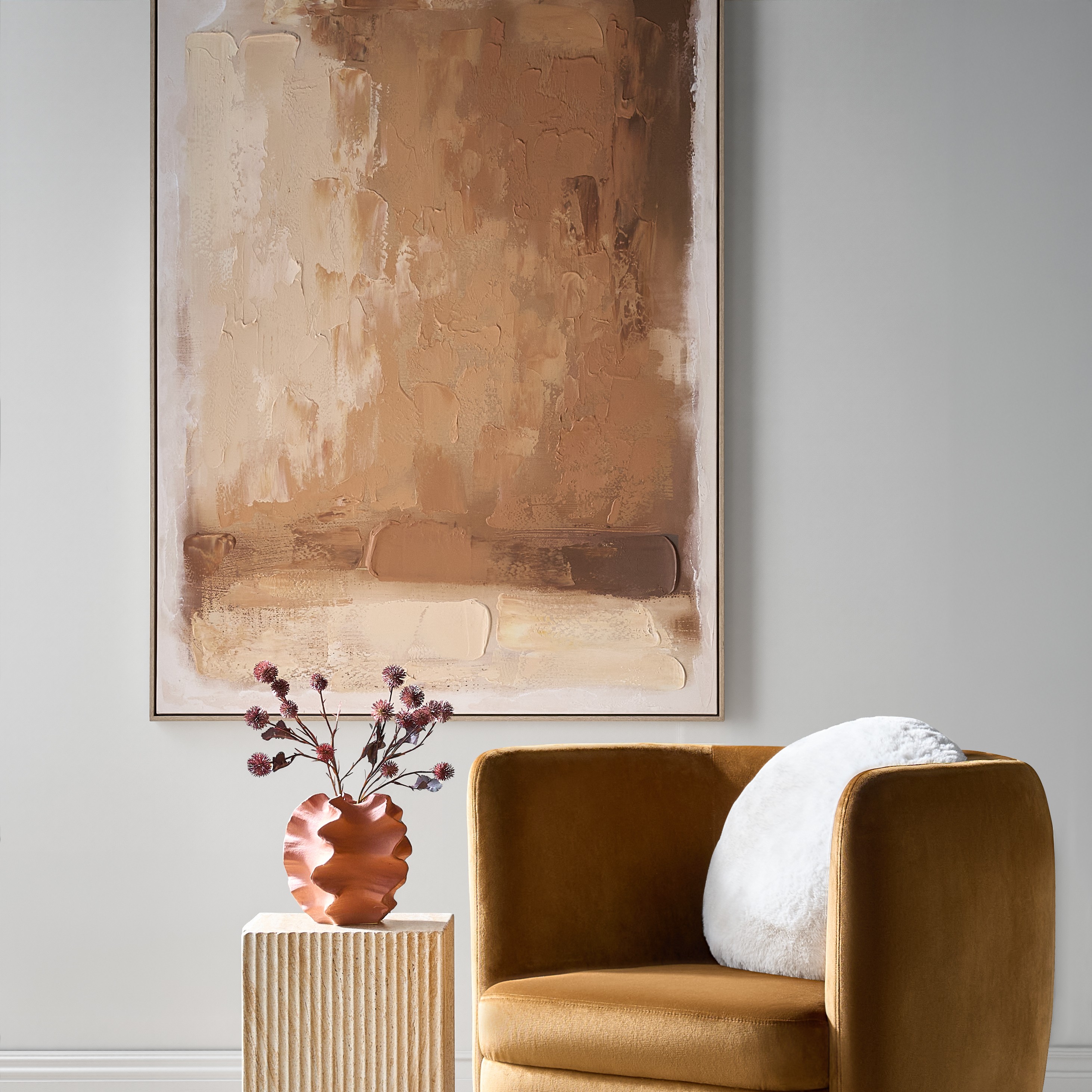 Ember Glow Framed Painted Wall Art 39.25" x 55"$499
A hand-painted abstract canvas blending ochre, terracotta, and golden clay hues in a light natural frame.
Add To Cart -
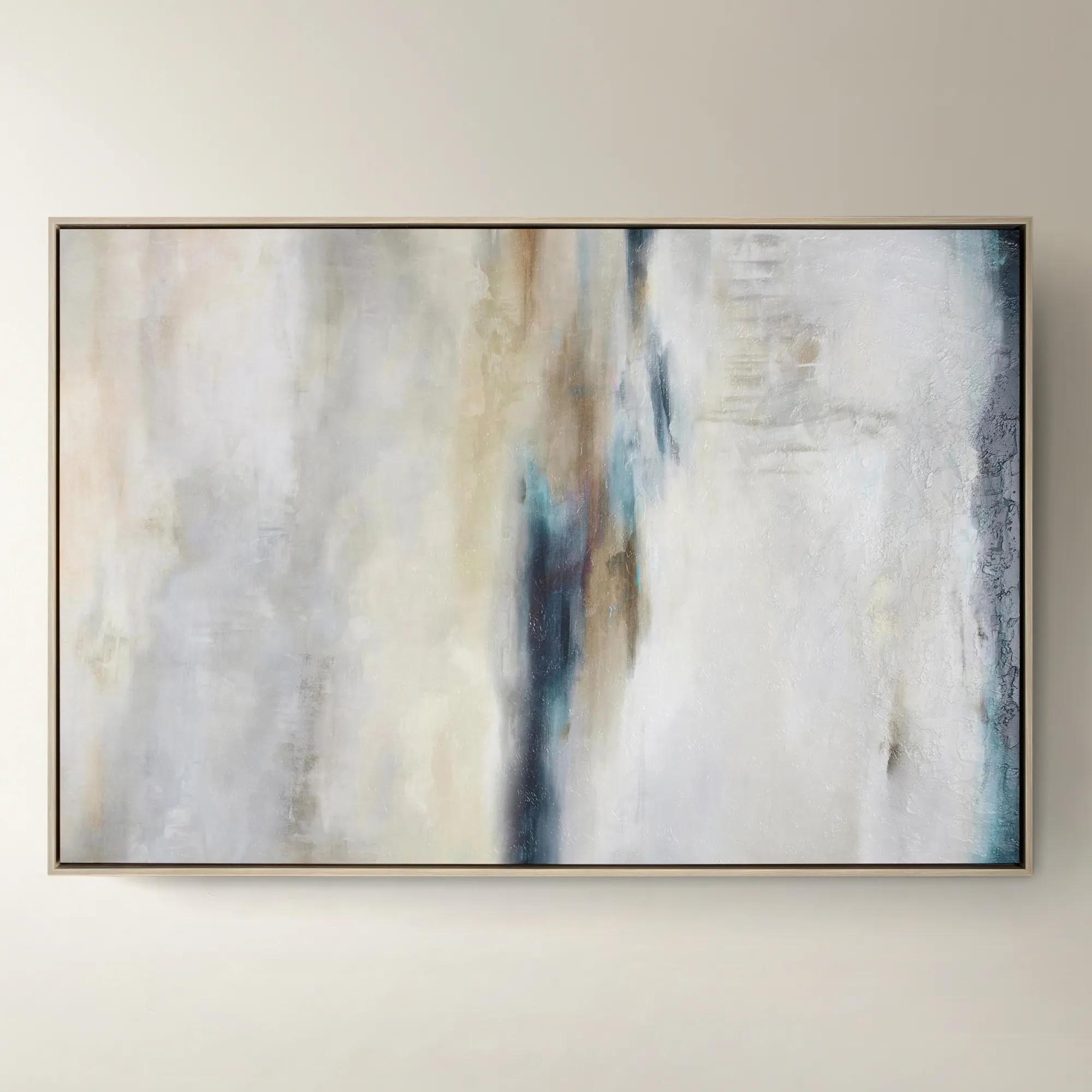
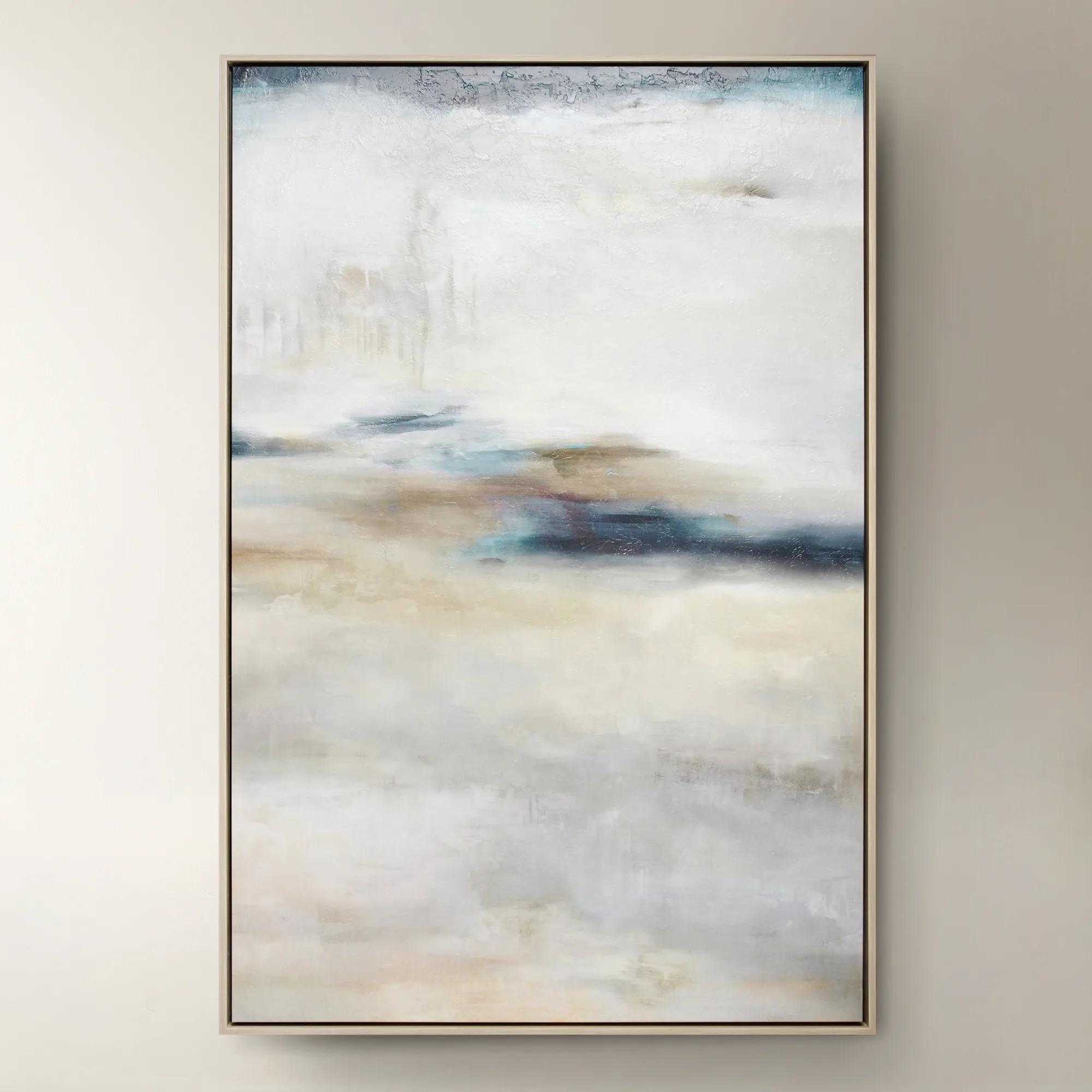 Forward Looking$1299
A softly layered abstract canvas print with a gel finish, set in a natural-hued floater frame.
Add To Cart -
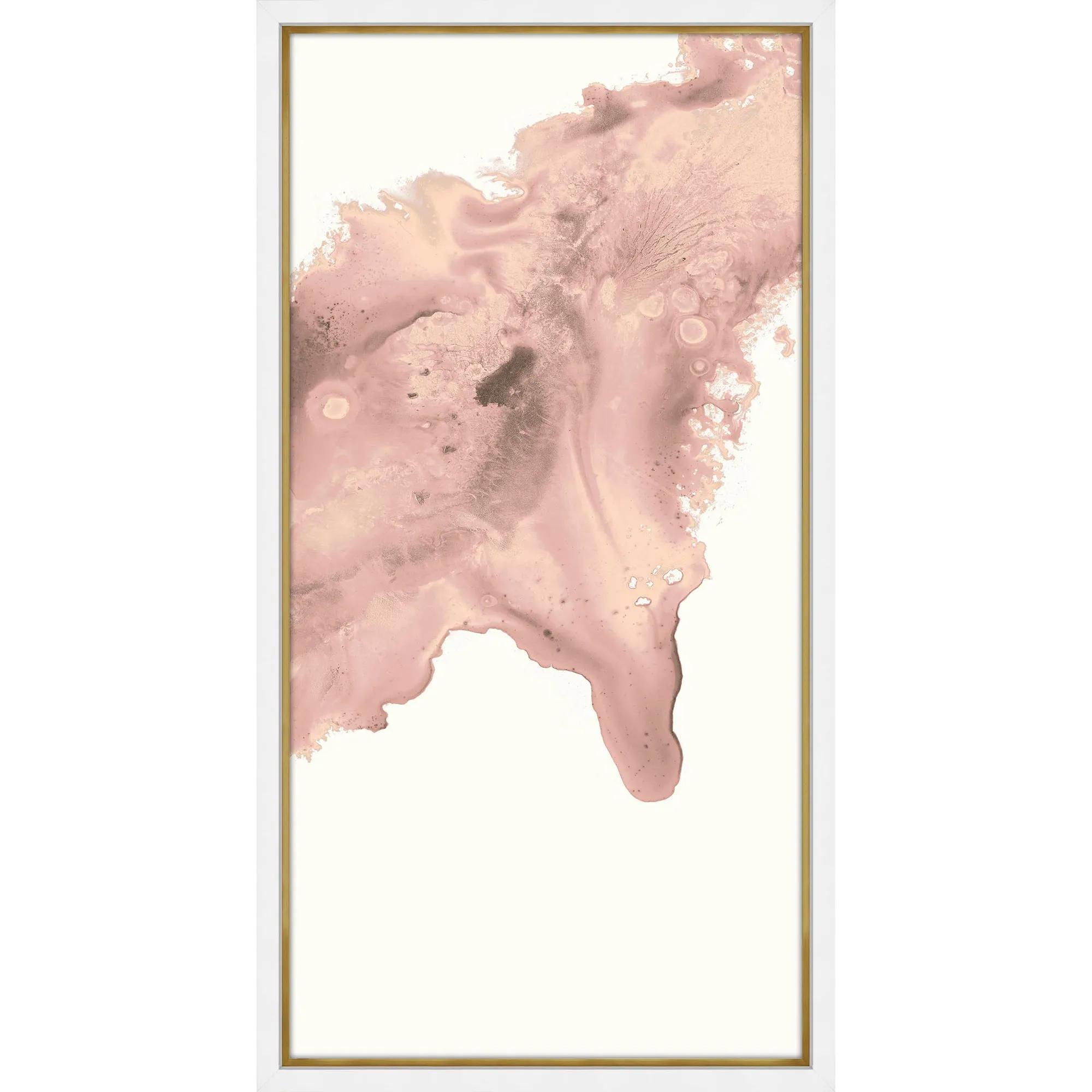
 Blush Conduit 2 Framed Wall Art 24" x 48"$849
A striking abstract print on pearl paper, elegantly framed in gold and matte white for modern appeal.
Add To Cart -
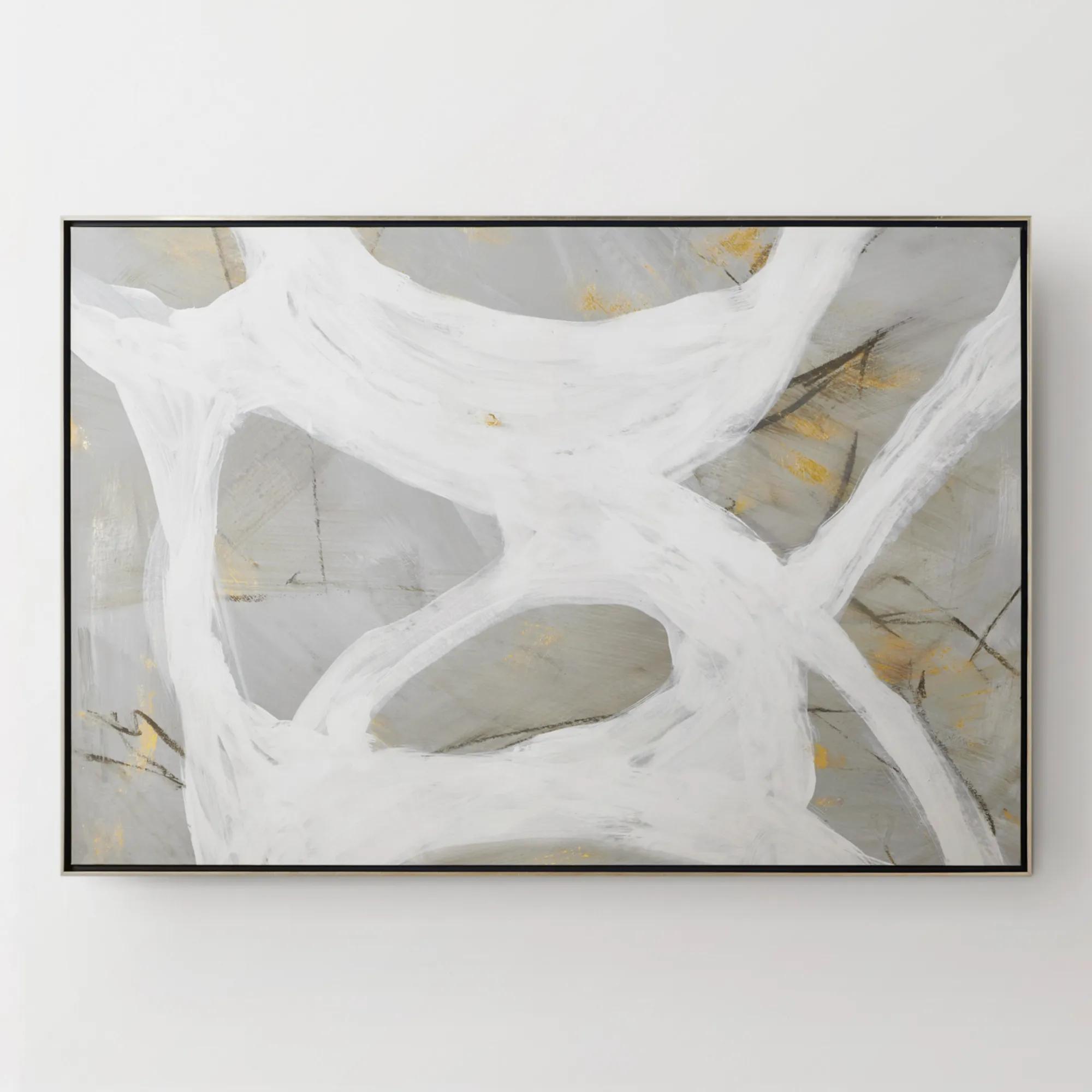
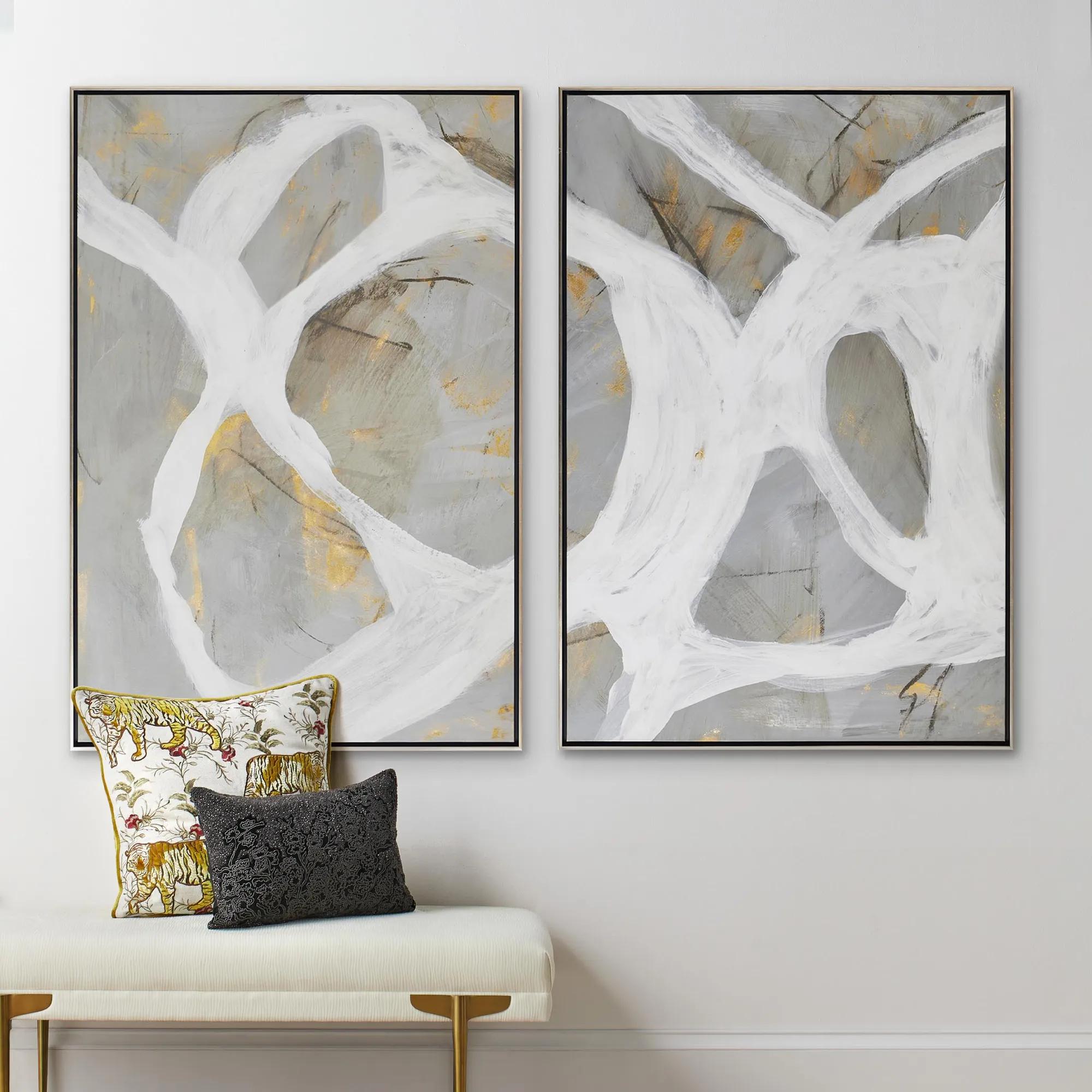 Les Series Framed Painted Wall Art II 61" x 41"$1099
An abstract canvas artwork featuring bold brushstrokes, hand-applied gold accents, and a silver floater frame.
Add To Cart -
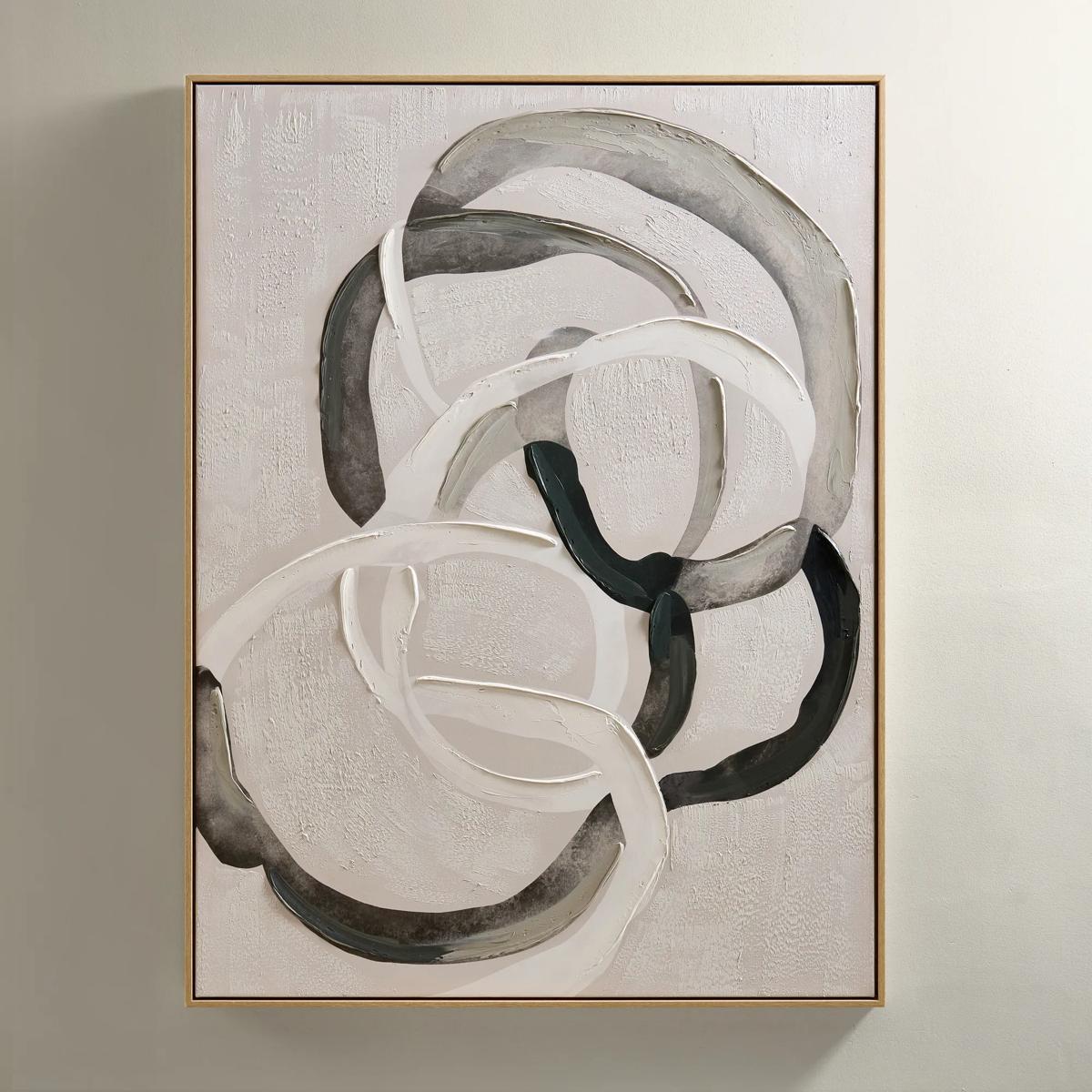
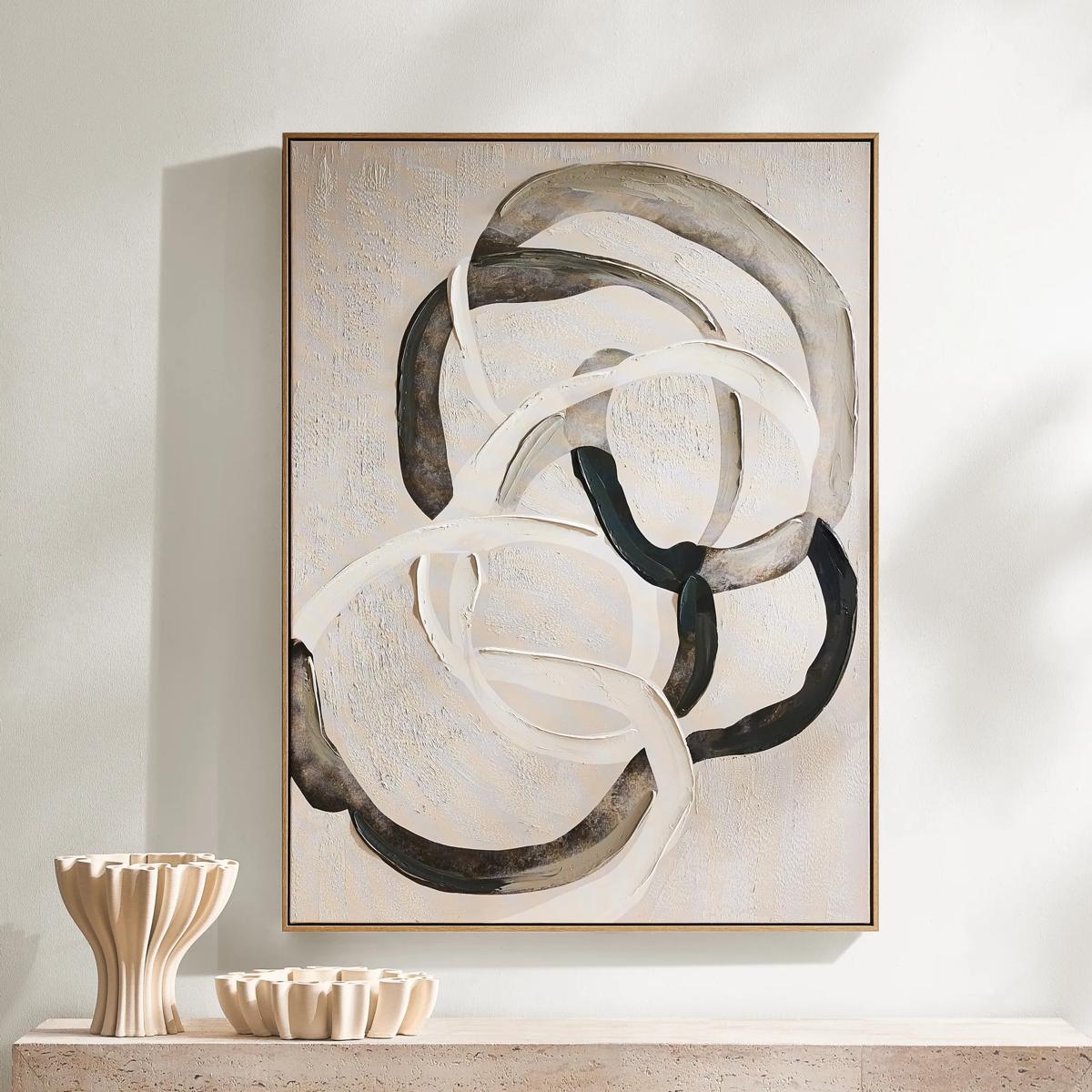 Round About Framed Painted Wall Art 35.25" x 47.25"$349
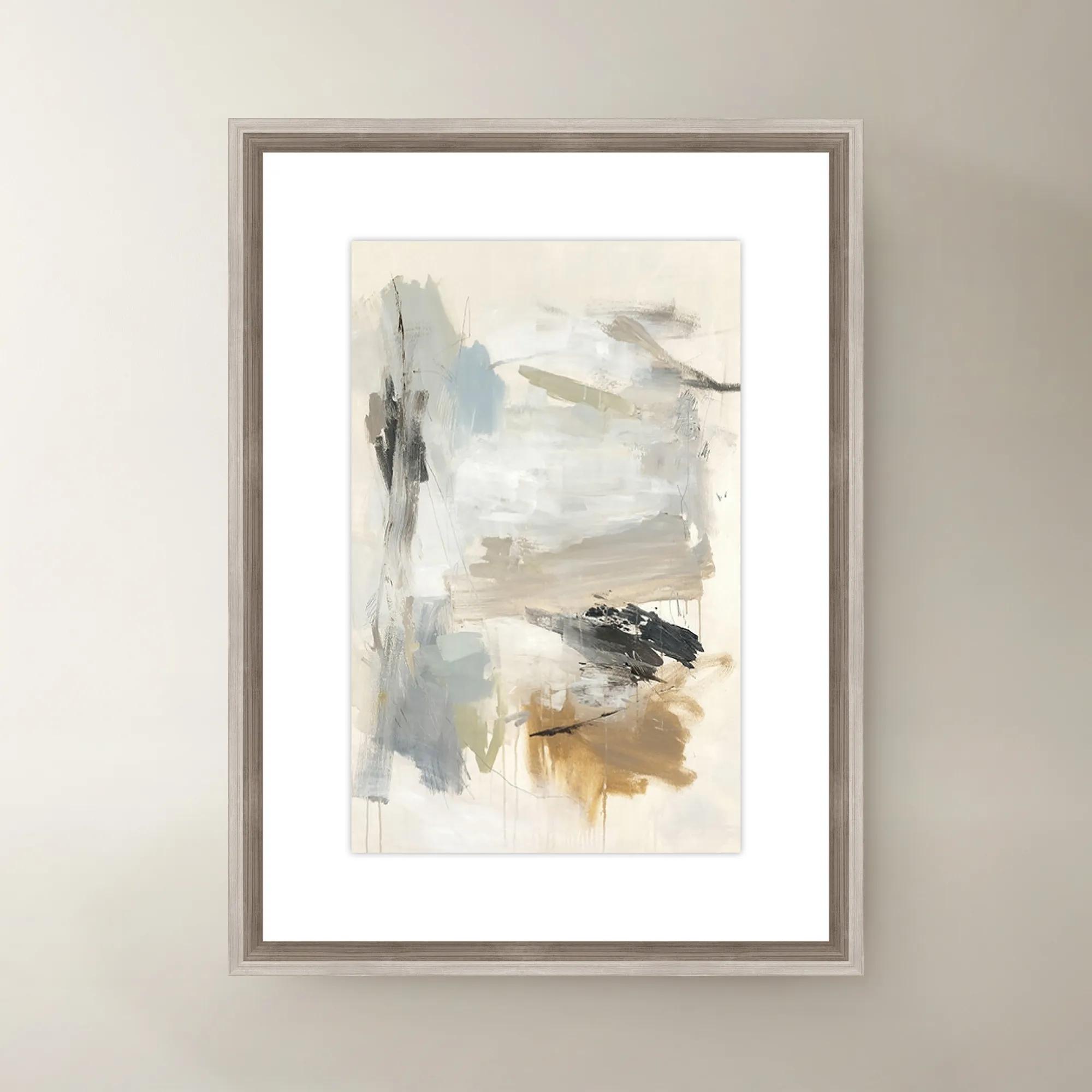
An abstract hand-painted canvas with tonal whites, charcoals, and taupes in a light wood floater frame.
Add To Cart -
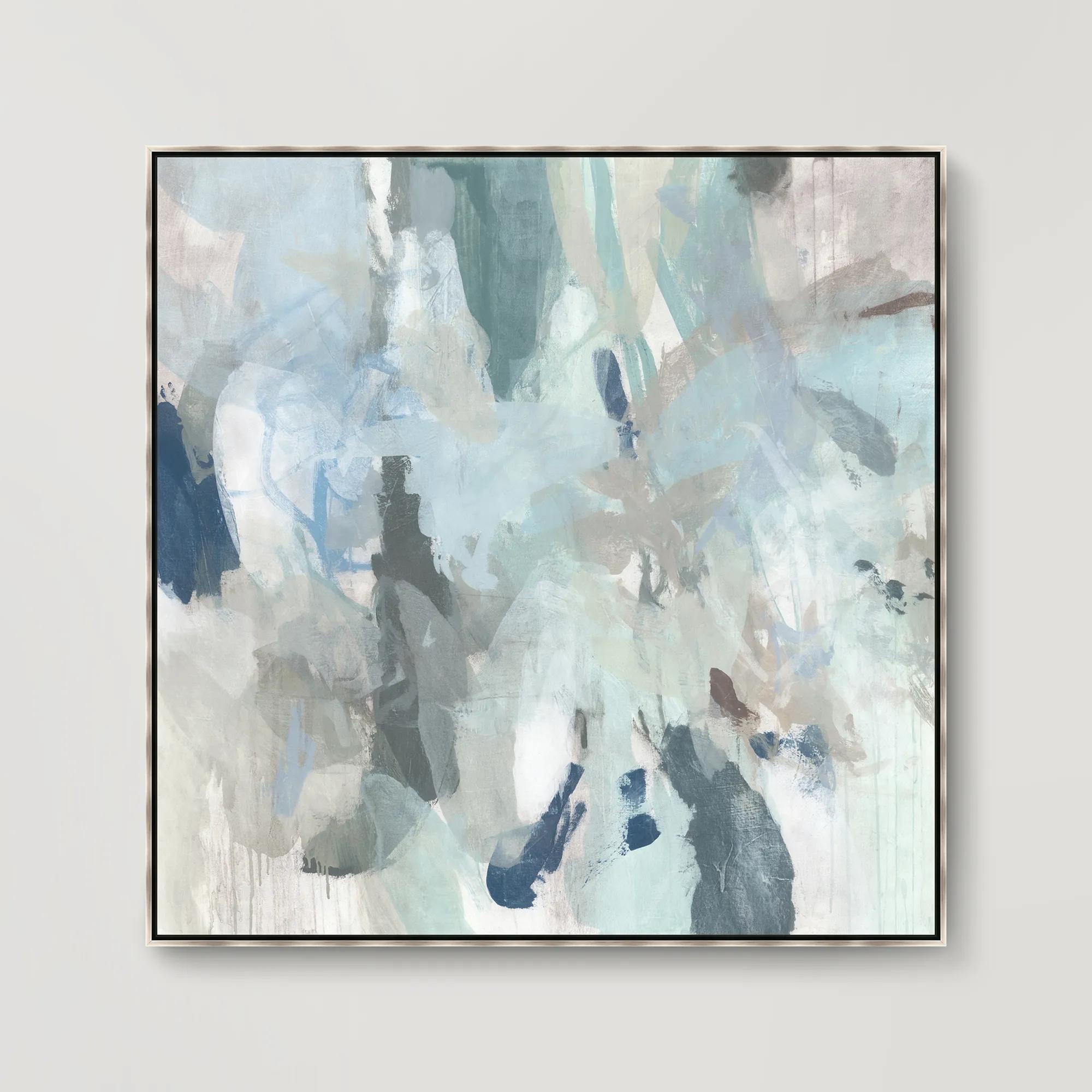
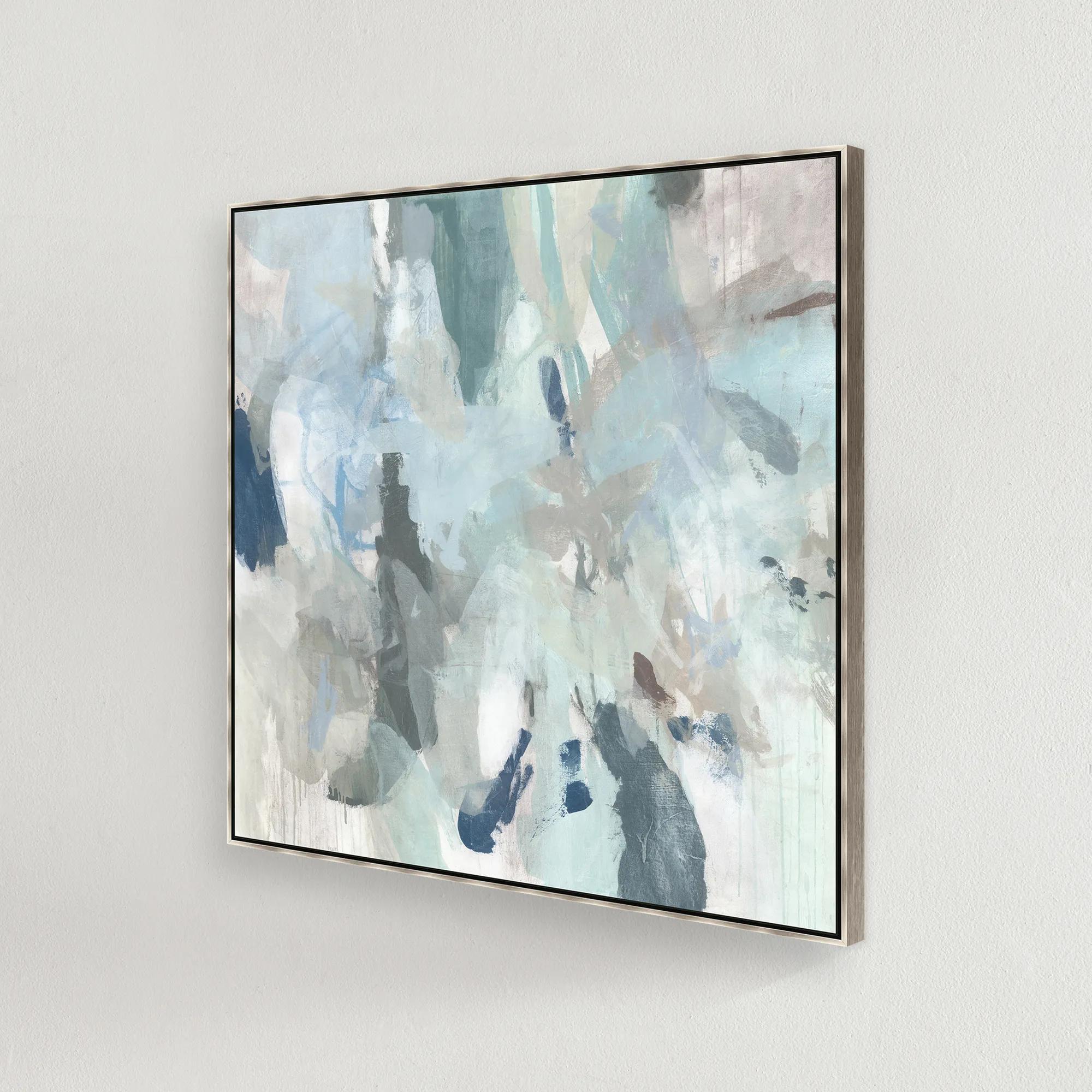 Sage Honey Dew I Framed Wall Art 41.5" x 41.5"$749
A gallery-wrapped abstract canvas featuring hand-applied gel finish in a silver floater frame.
Add To Cart -
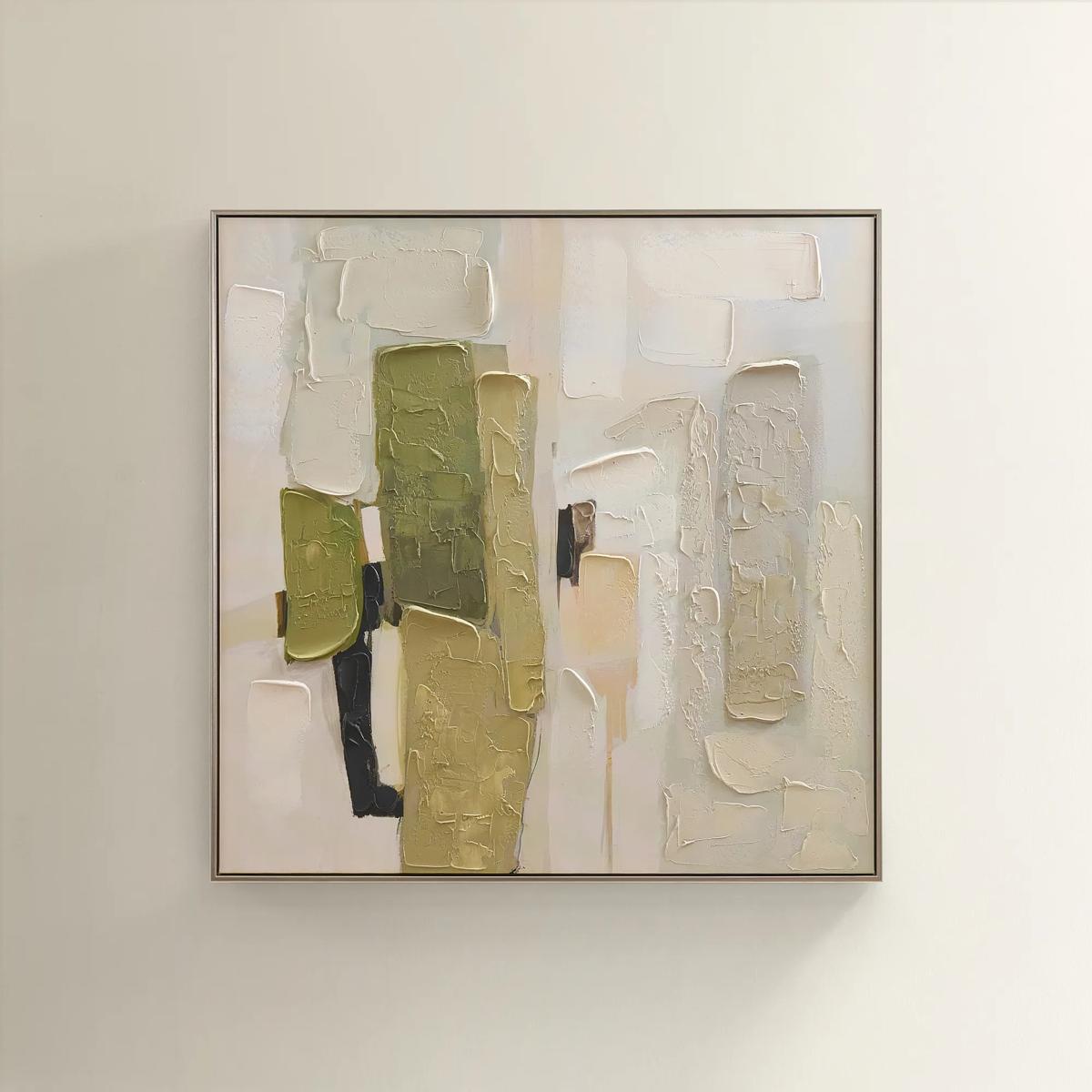 Verde Crush Framed Painted Wall Art 39.25" x 39.25"$349
A hand-painted abstract canvas featuring rich green tones, layered neutrals, and a champagne floater frame.
Add To Cart -
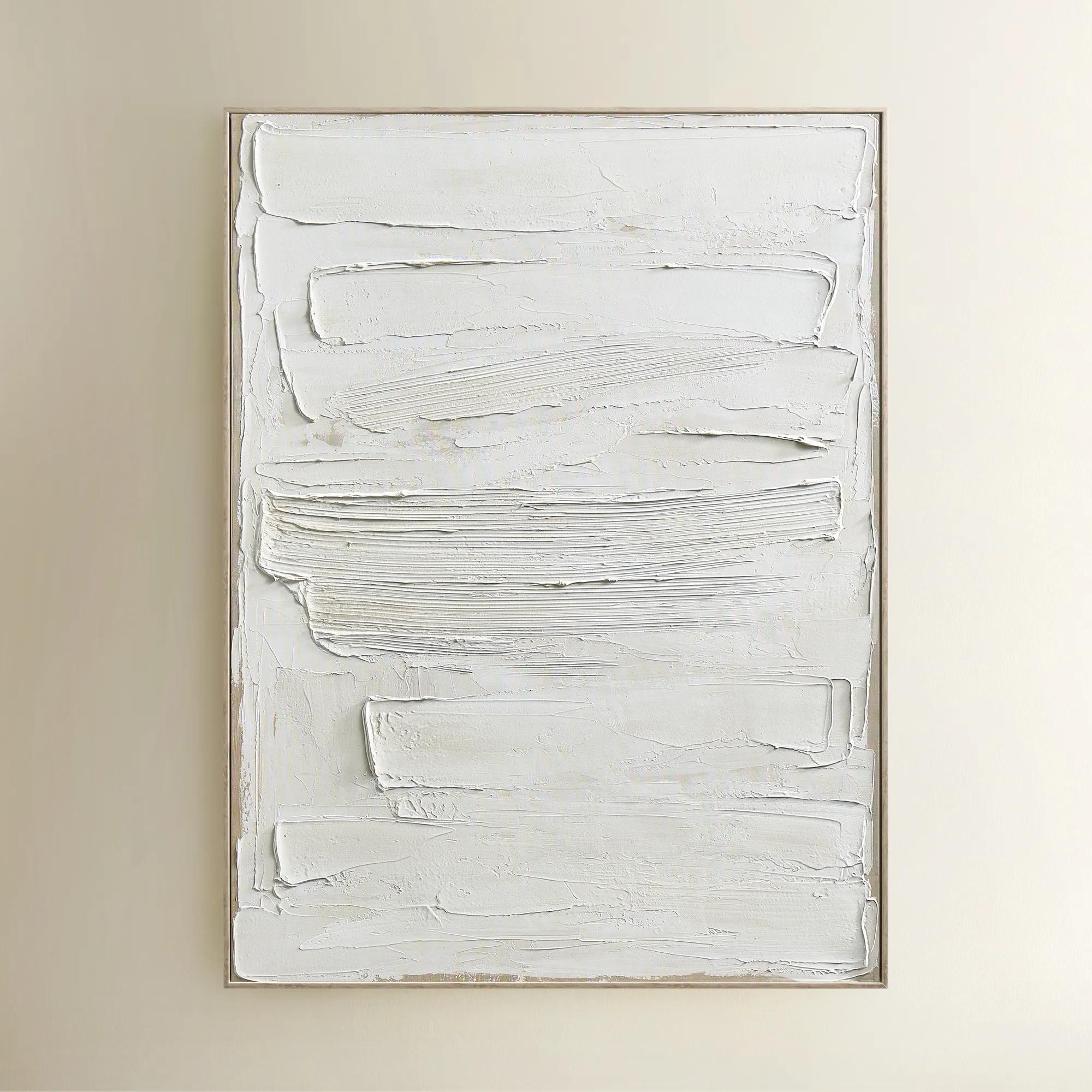
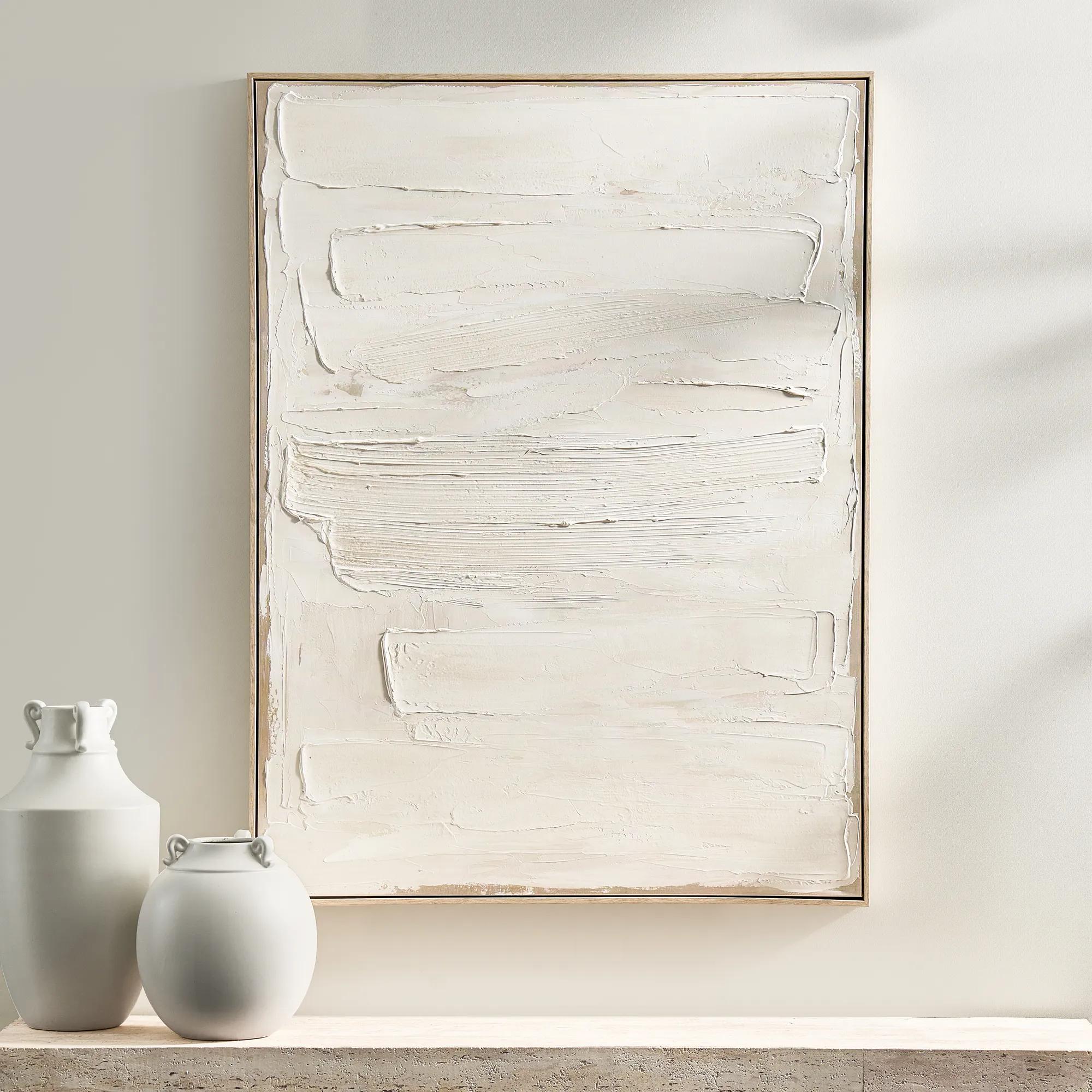 Monotype Canvas 1$399
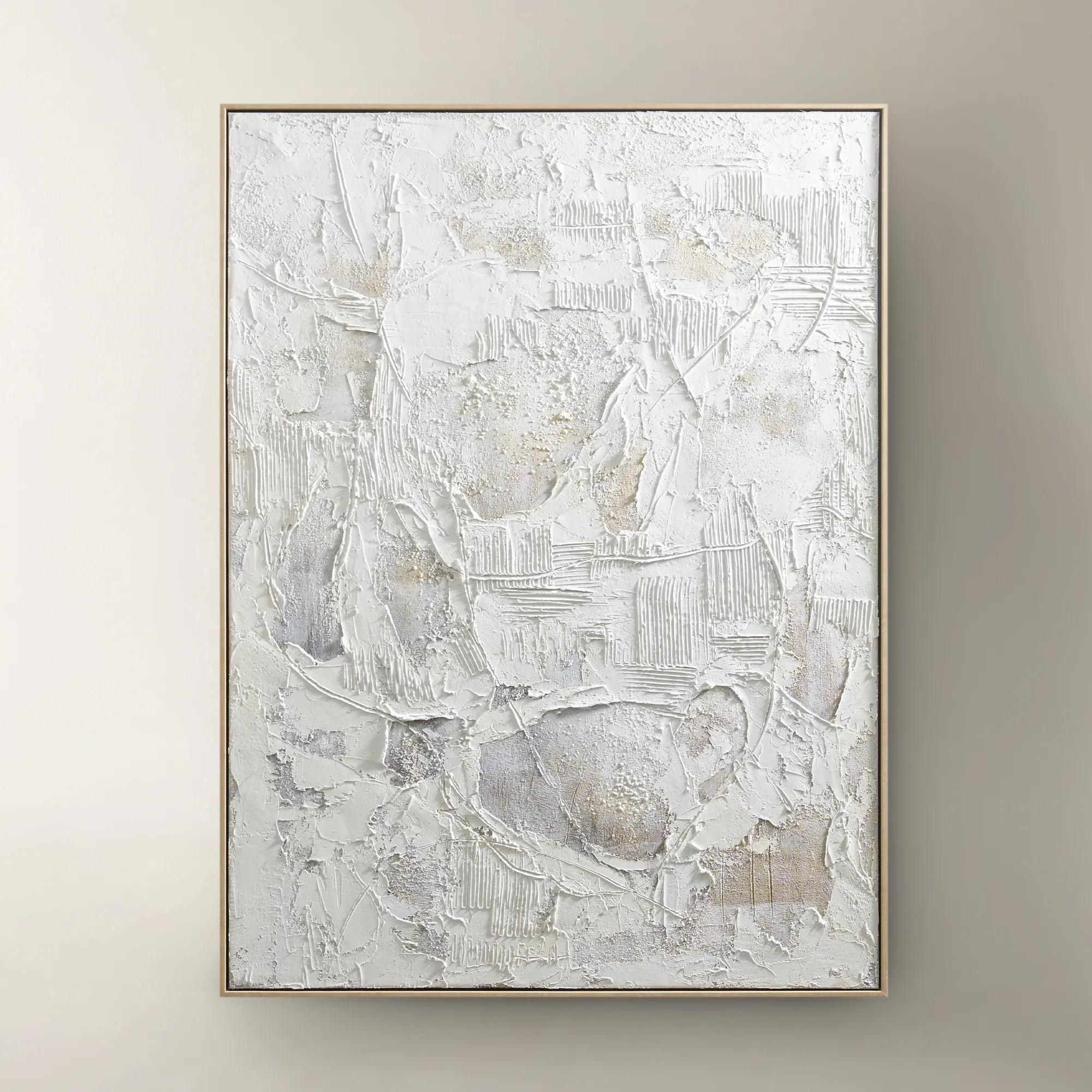
A hand-painted abstract canvas featuring layered white tones and textured paint in a whitewashed wood frame.
Add To Cart -
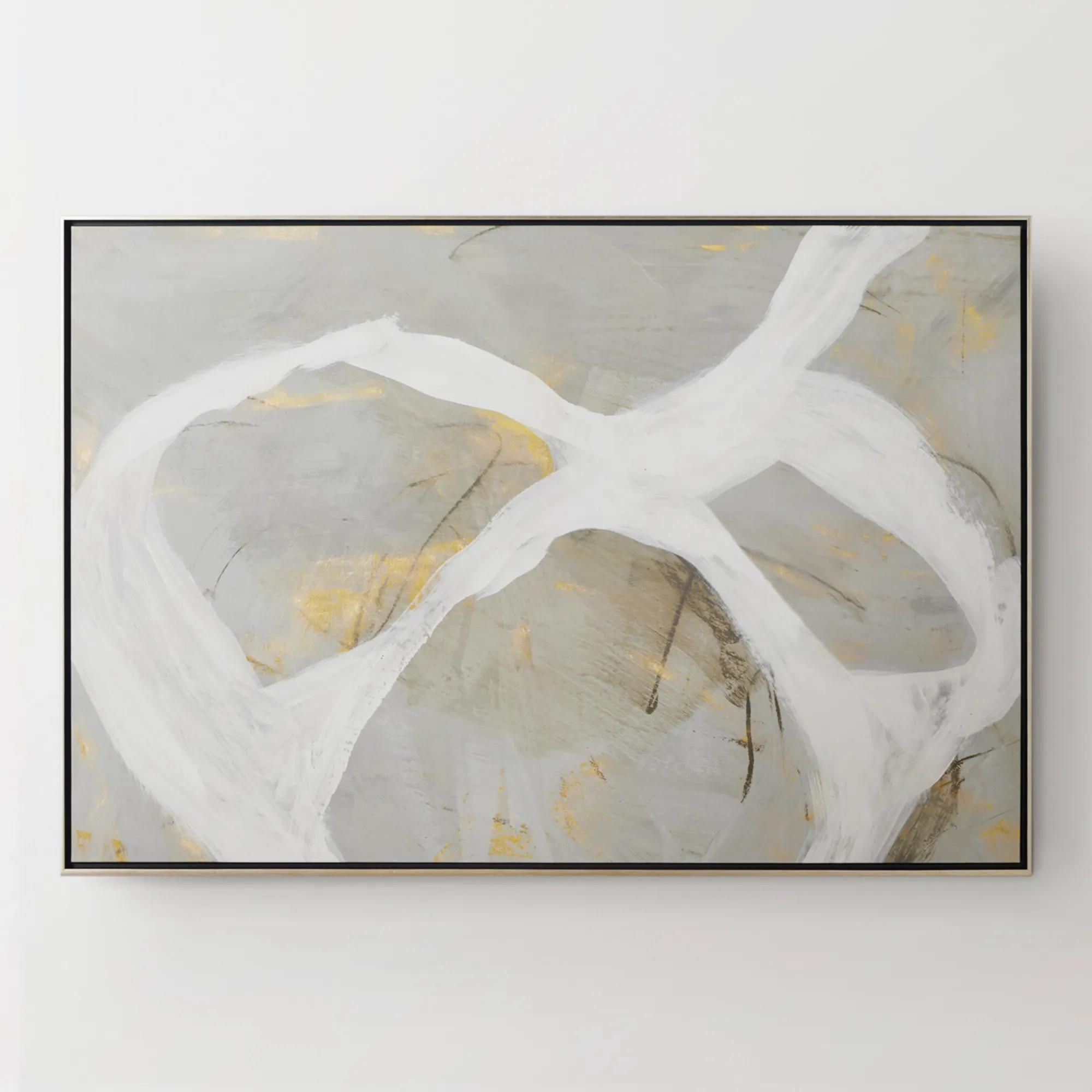
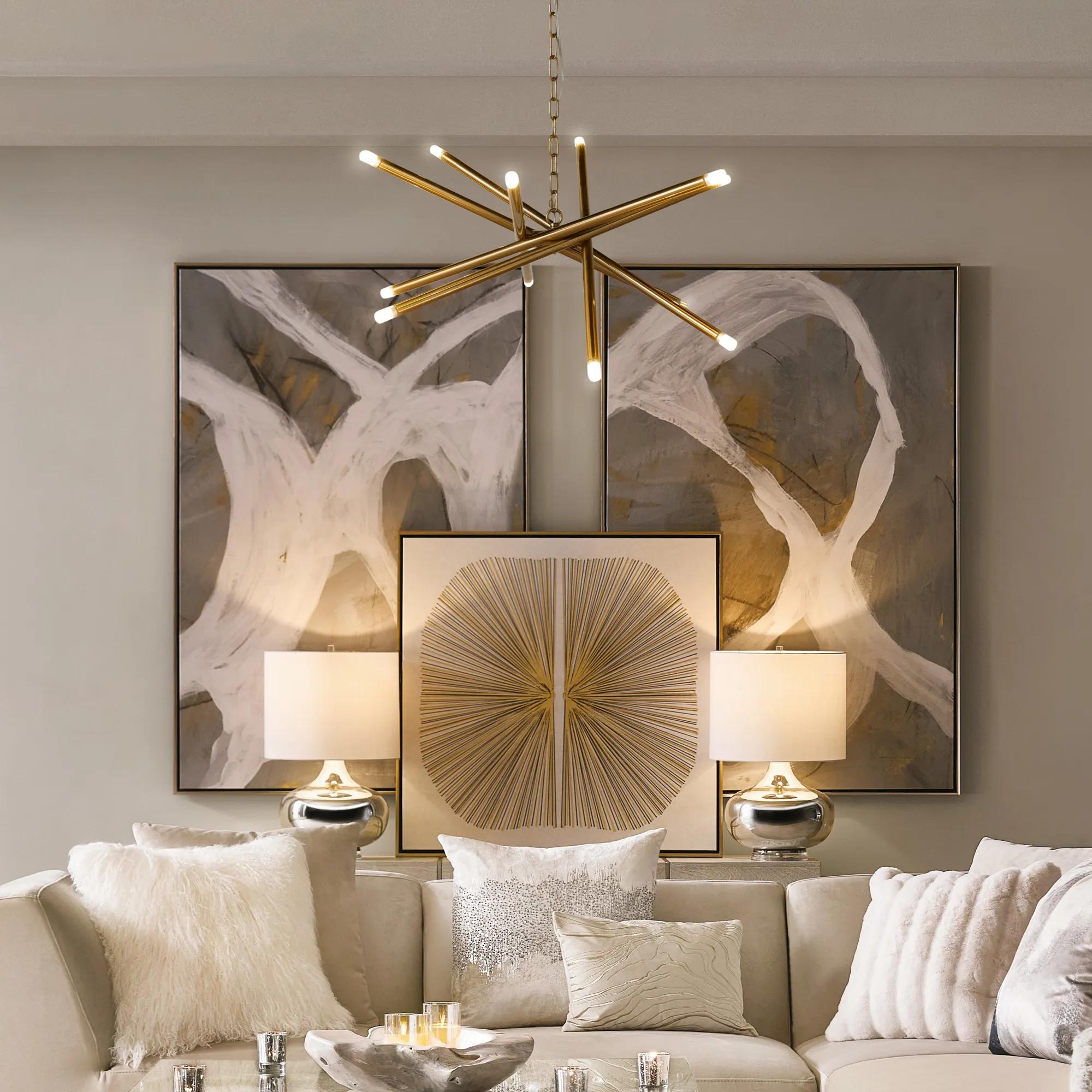 Les Series Framed Painted Wall Art I 61" x 41"$1099
An abstract canvas artwork featuring bold brushstrokes, hand-applied gold accents, and a silver floater frame.
Add To Cart -
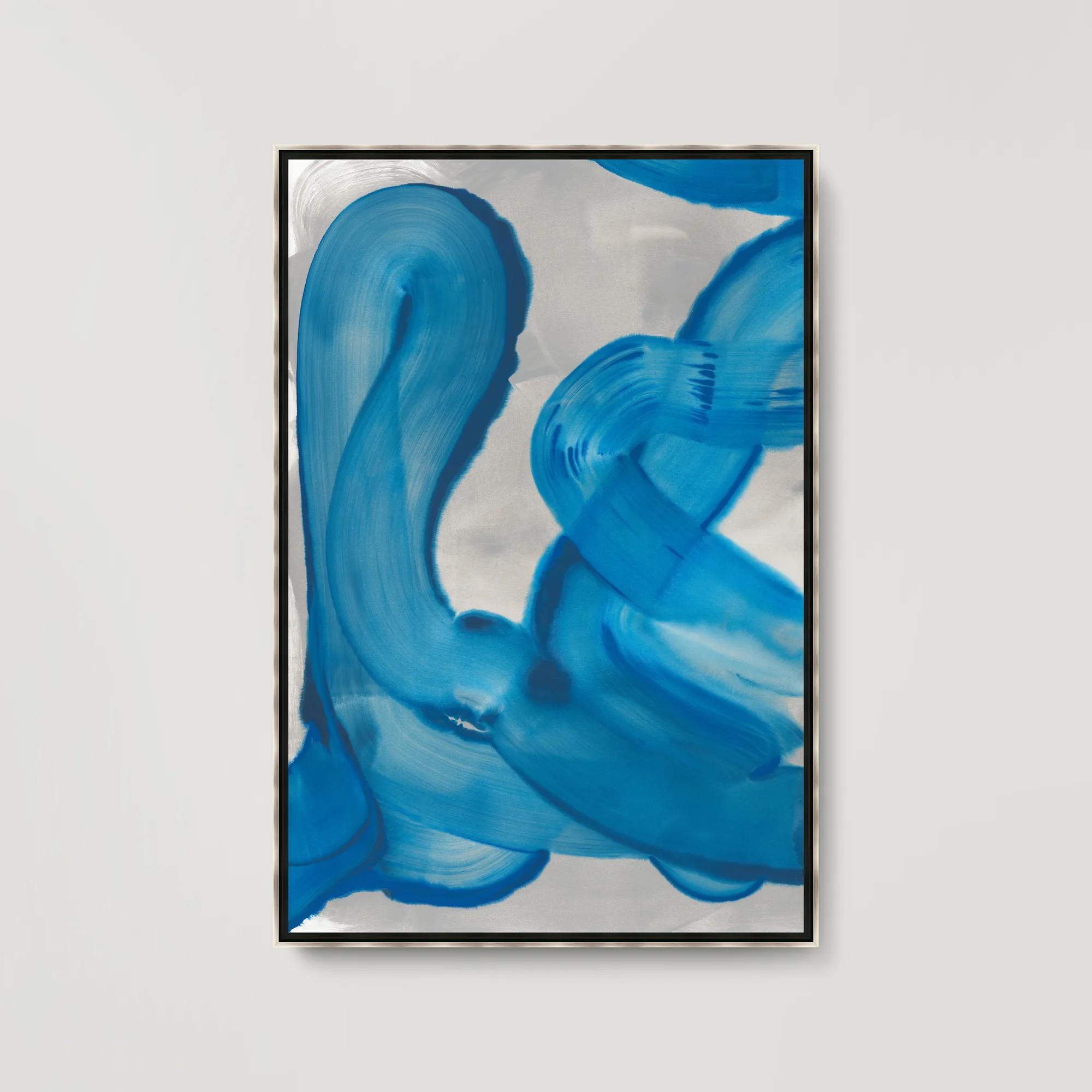 Royal Waves I Framed Wall Art 31.5" x 46.5"$699
A gallery-wrapped abstract canvas featuring hand-applied brush gel and set in a sleek silver floater frame.
Add To Cart -
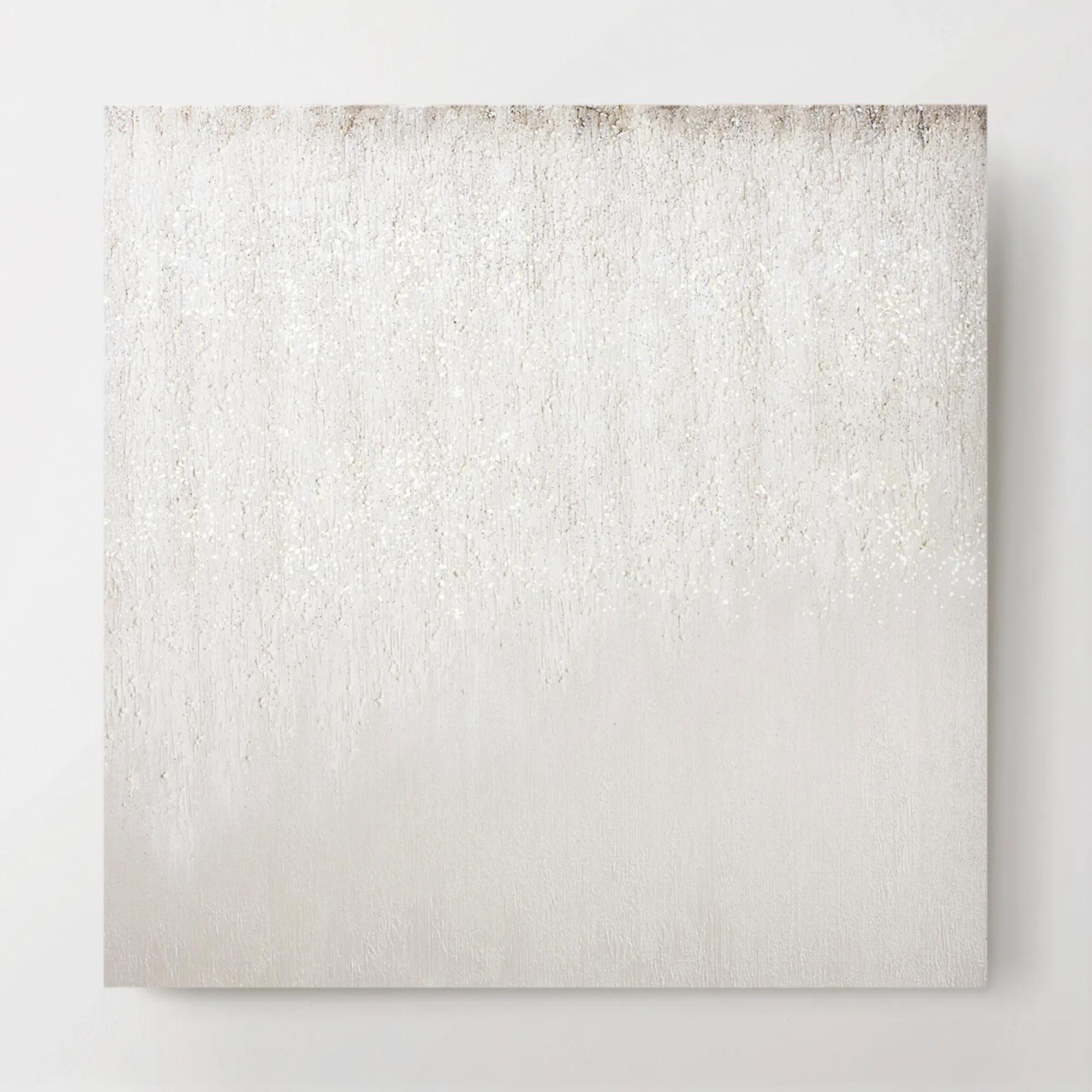 Je T'aime Glitter Painted Wall Art 30" x 30"$499
A hand-painted canvas artwork featuring ethereal hazy brushstrokes and subtle glitter embellishments.
Add To Cart -
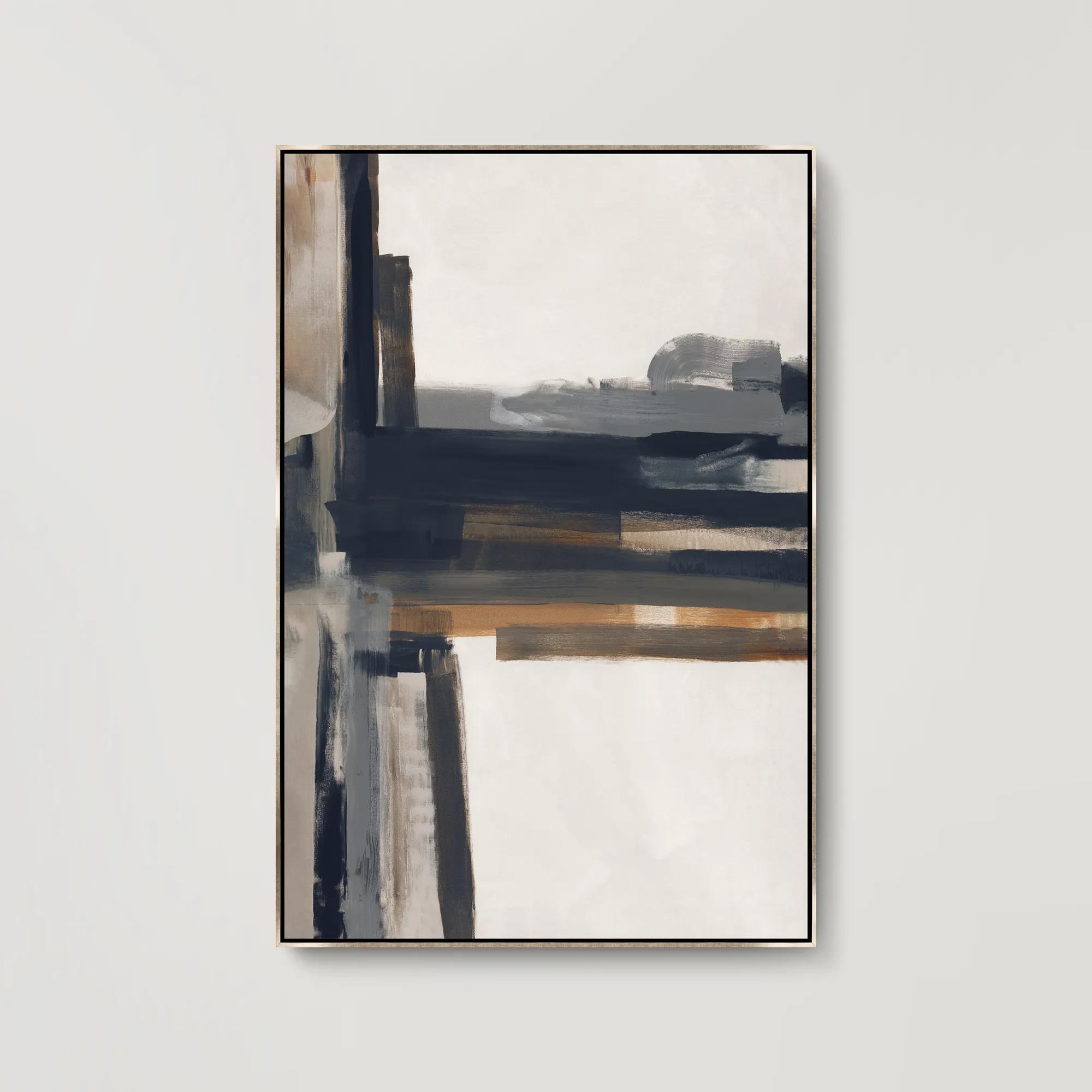
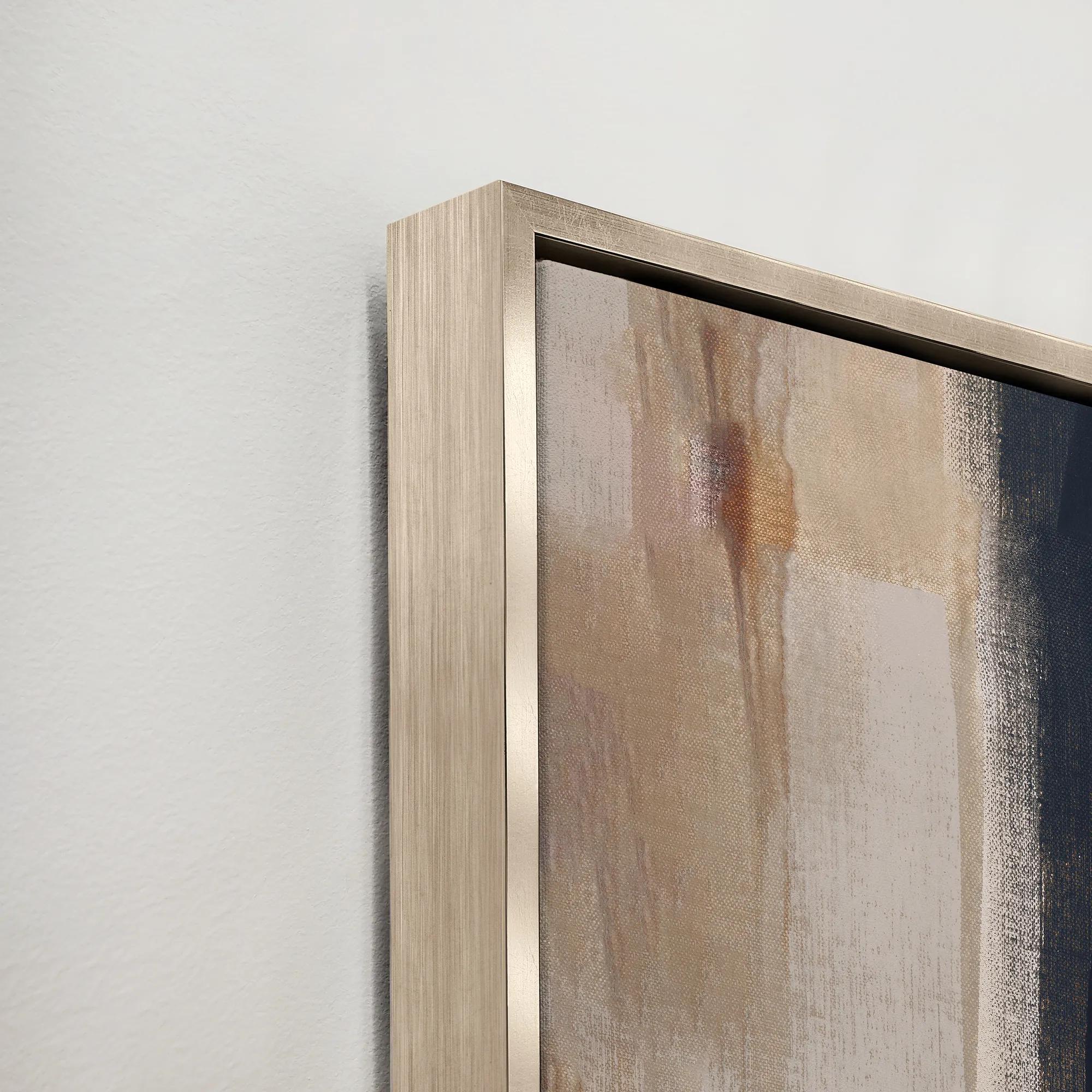 Imposing Construct I Framed Wall Art 41.5" x 61.5"$949
A gallery-wrapped abstract canvas featuring hand-applied brush gel and set in a sleek silver floater frame.
Add To Cart -
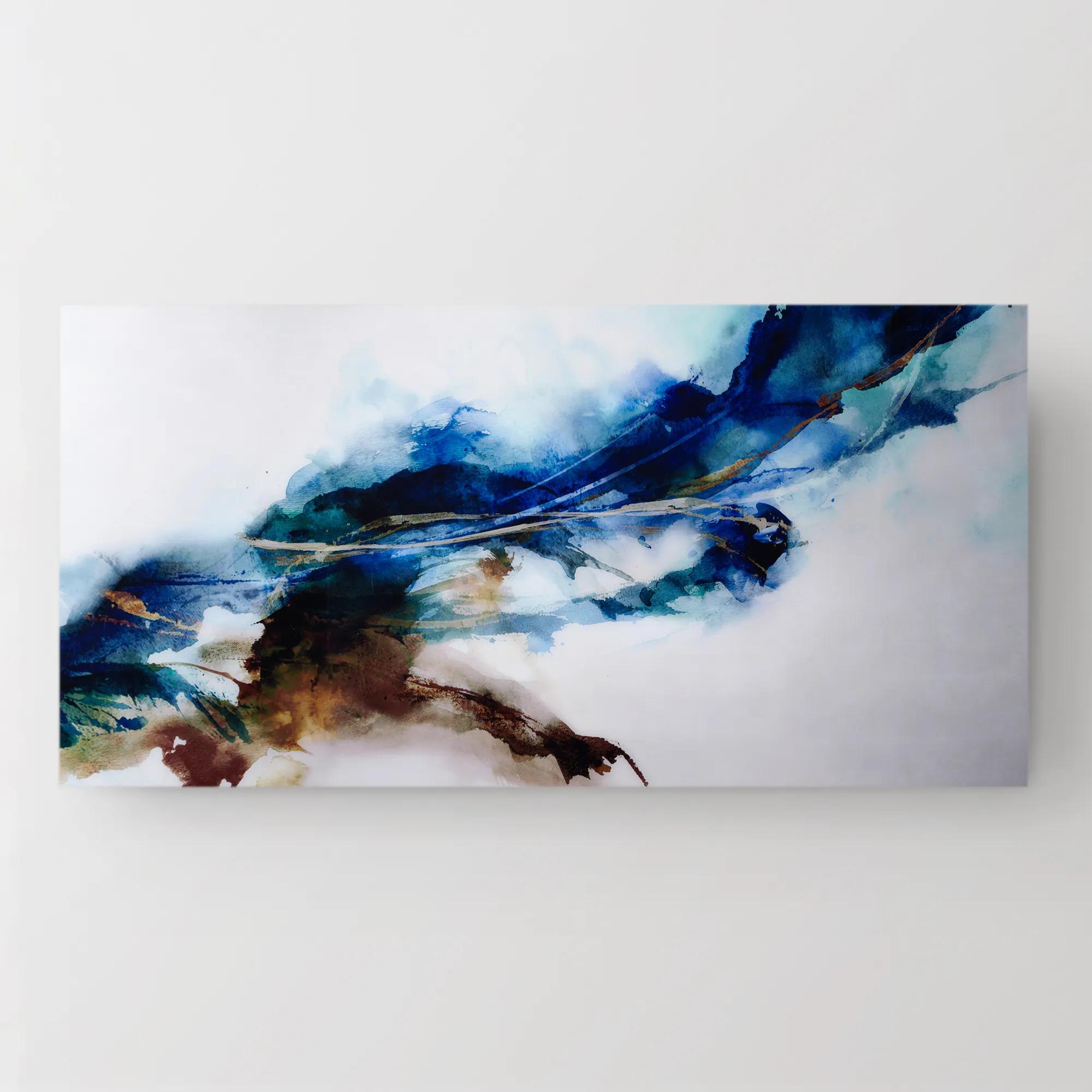 Cerulean Movement Acrylic Art 72" x 36"$1299
A vibrant abstract artwork printed on high-gloss acrylic, infusing your space with dynamic energy and movement.
Add To Cart -
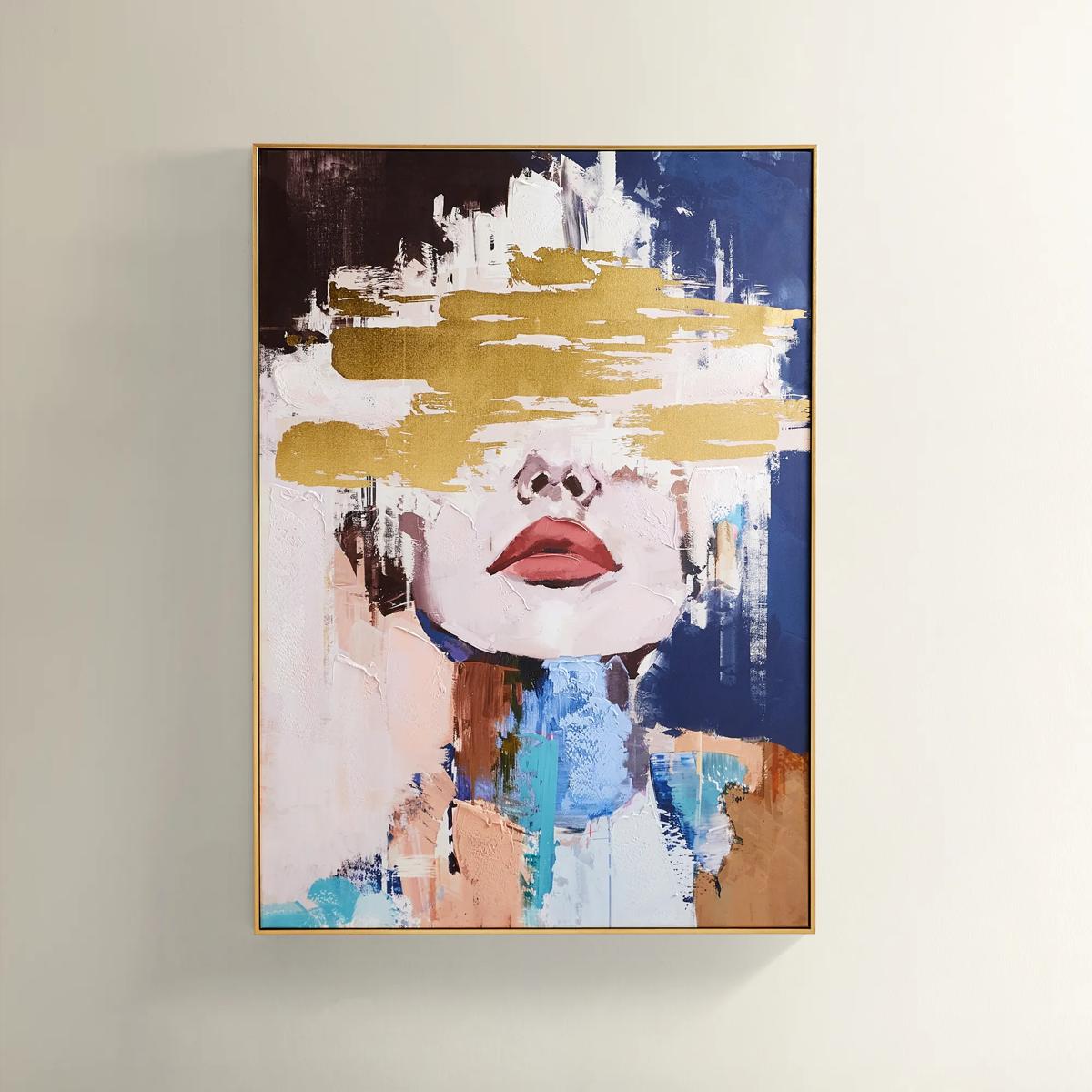
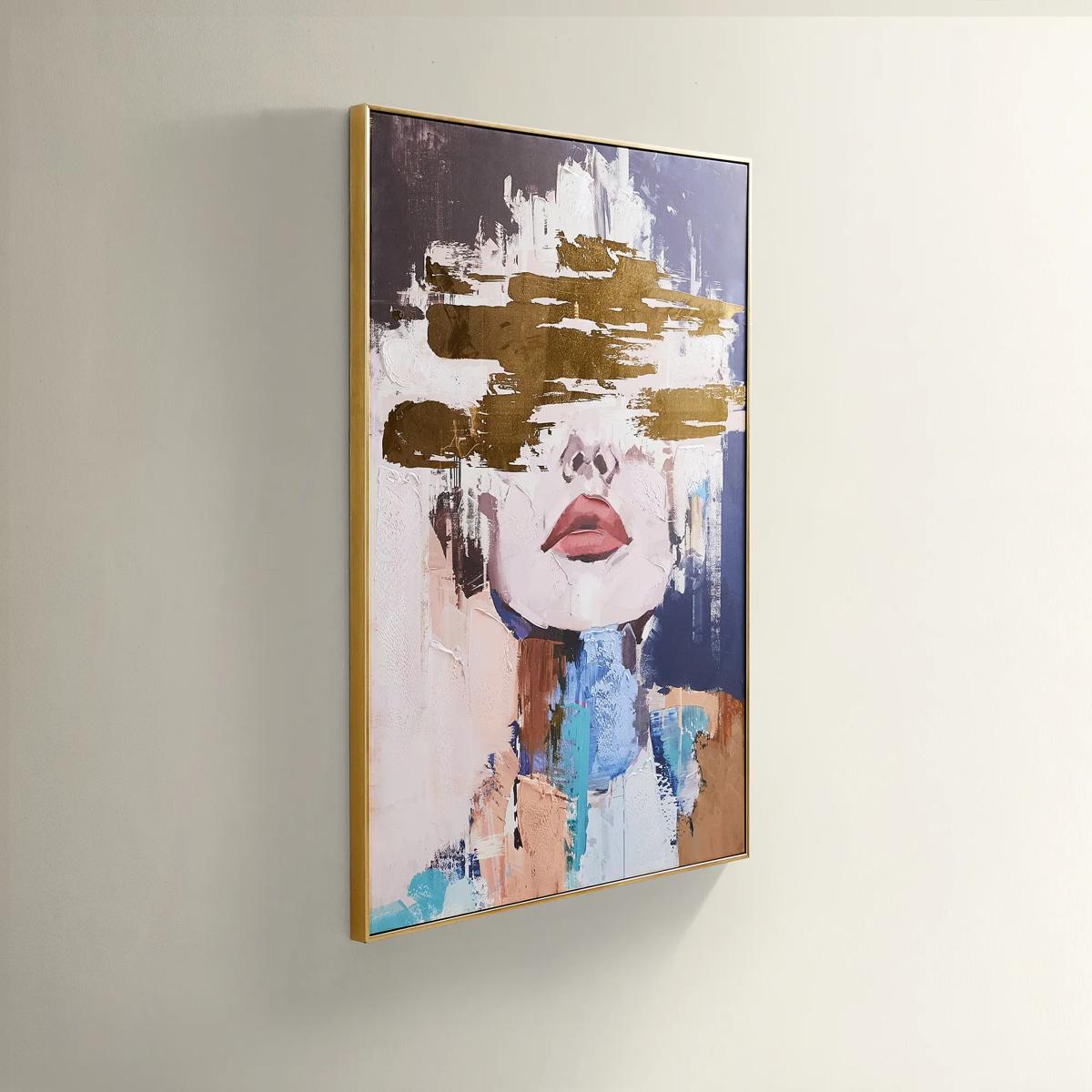 Waiting in Color Gold Foil Painted Wall Art 39.25" x 55"$499
A hand-painted abstract portrait in vivid blue, blush, and gold foil, framed in luxe gold.
Add To Cart -
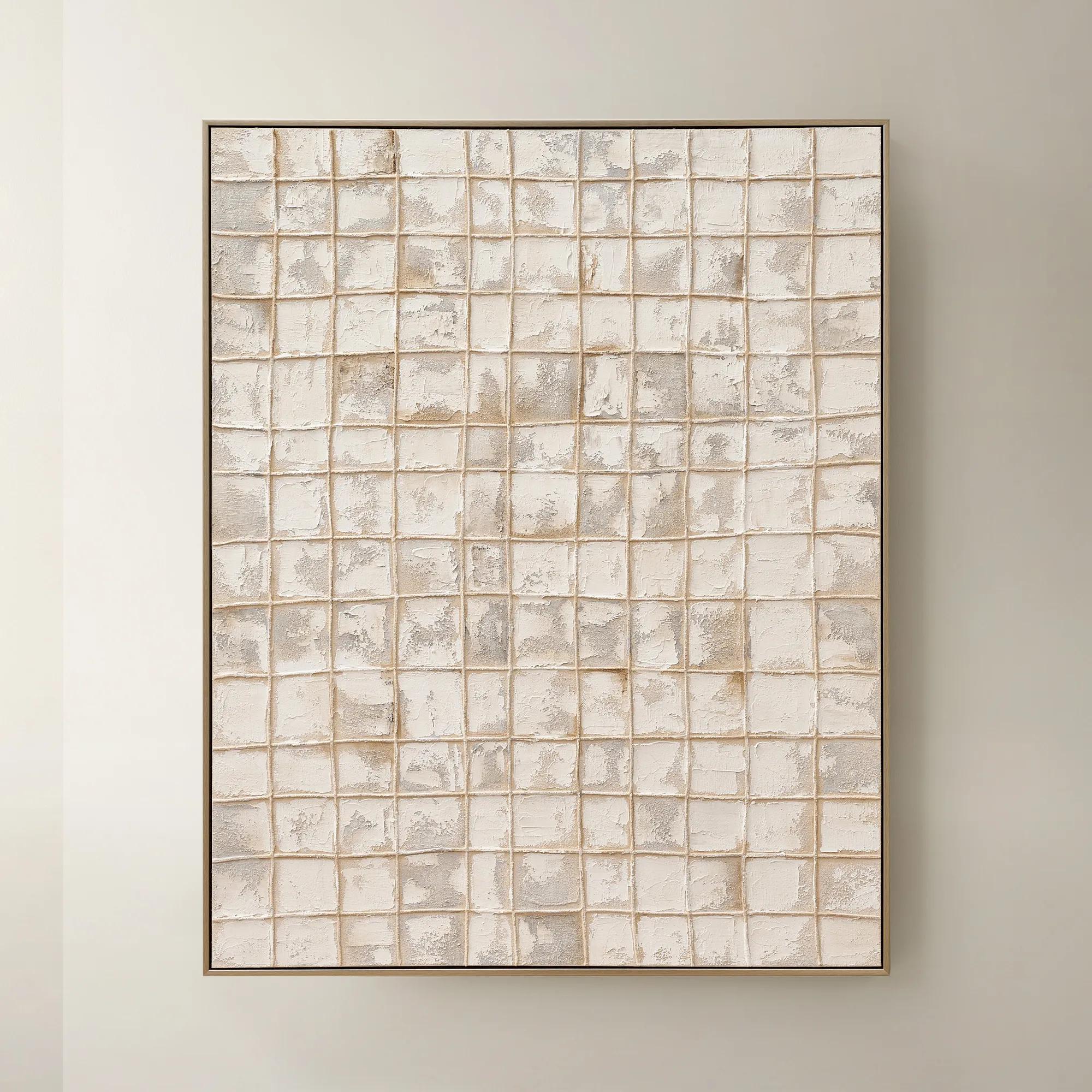
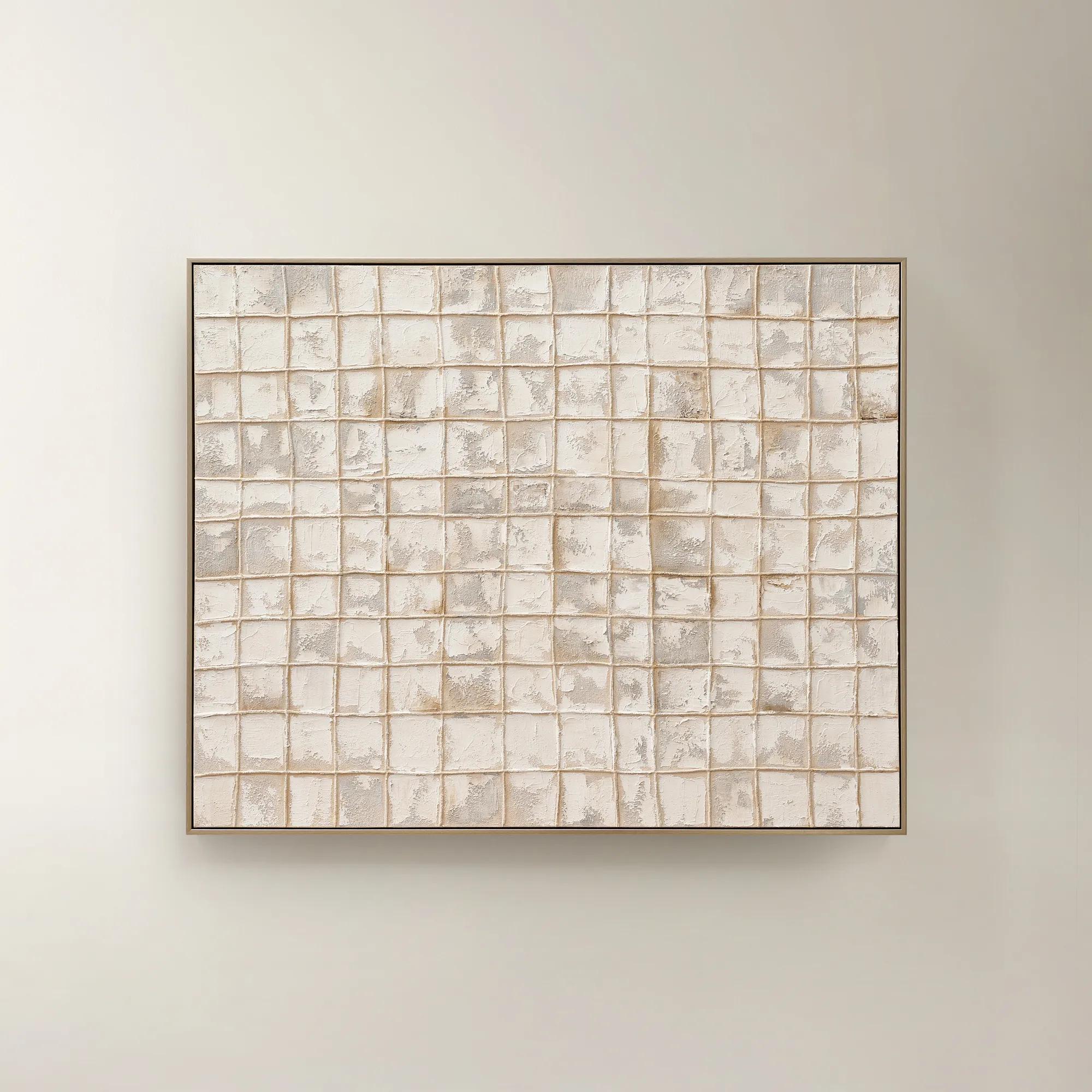 Painted Echos Framed Gold Leaf Wall Art 60" x 48"$699
A hand-painted abstract canvas with gold leaf accents and a champagne frame for modern, versatile display.
Add To Cart -
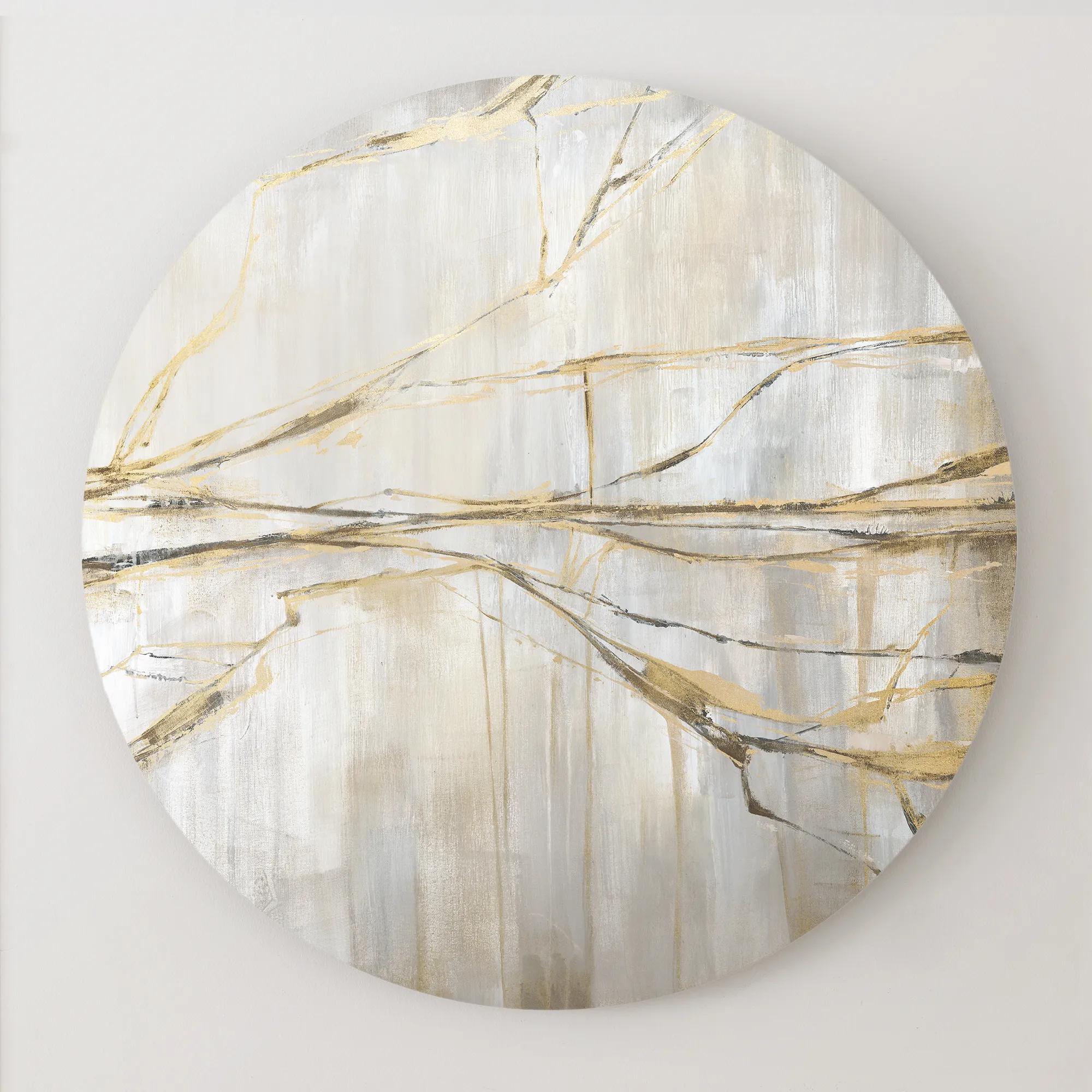
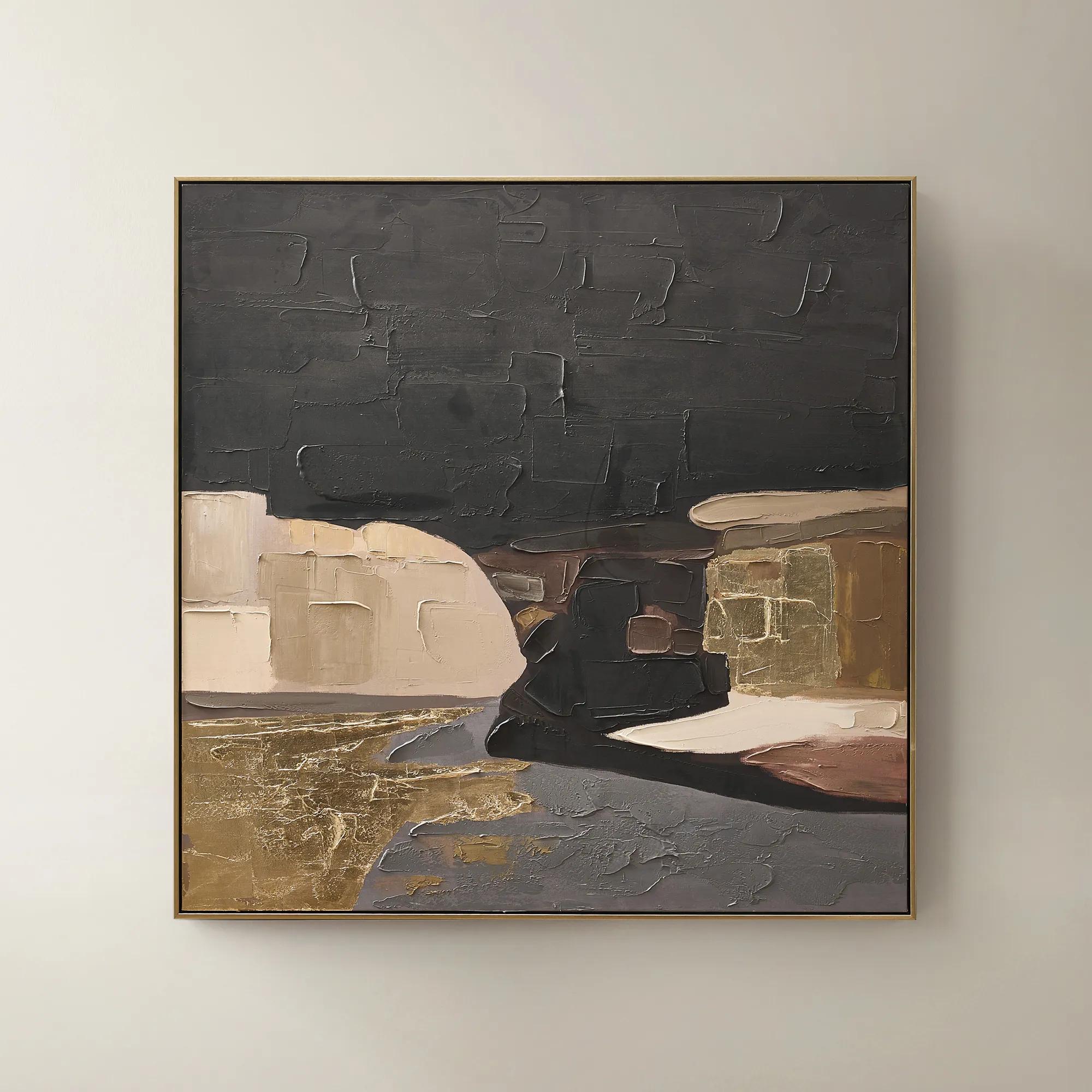 Obscured Light Framed Gold Leaf Painted Wall Art 48" x 48"$499
A hand-painted canvas with gold leaf accents and a black-gold frame in dramatic neutral tones.
Add To Cart -
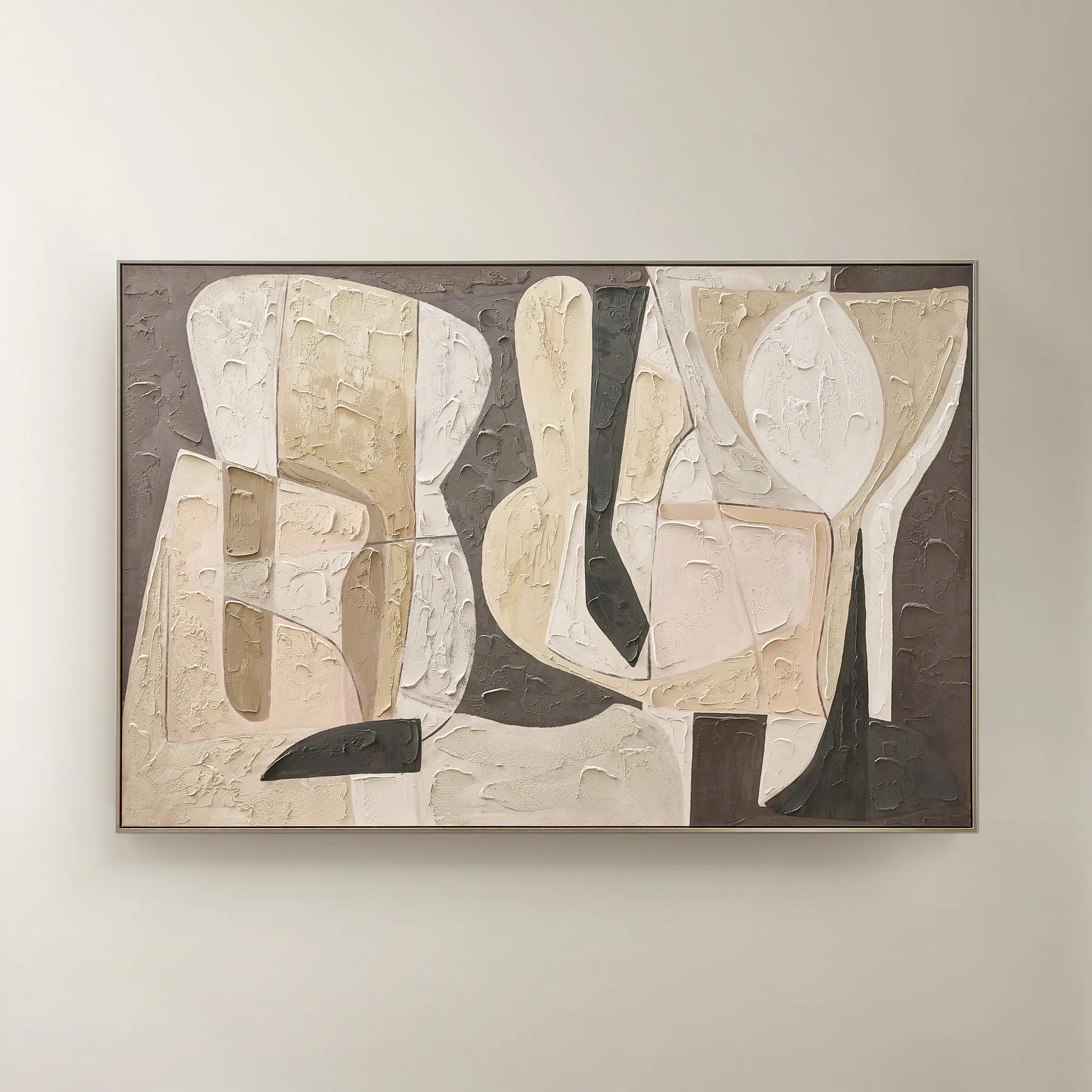 Wishful Thinking Framed Painted Wall Art 72" x 48"$599
A hand-painted abstract canvas featuring bold geometric forms and warm smoked plum, apricot, and tawny hues.
Add To Cart -
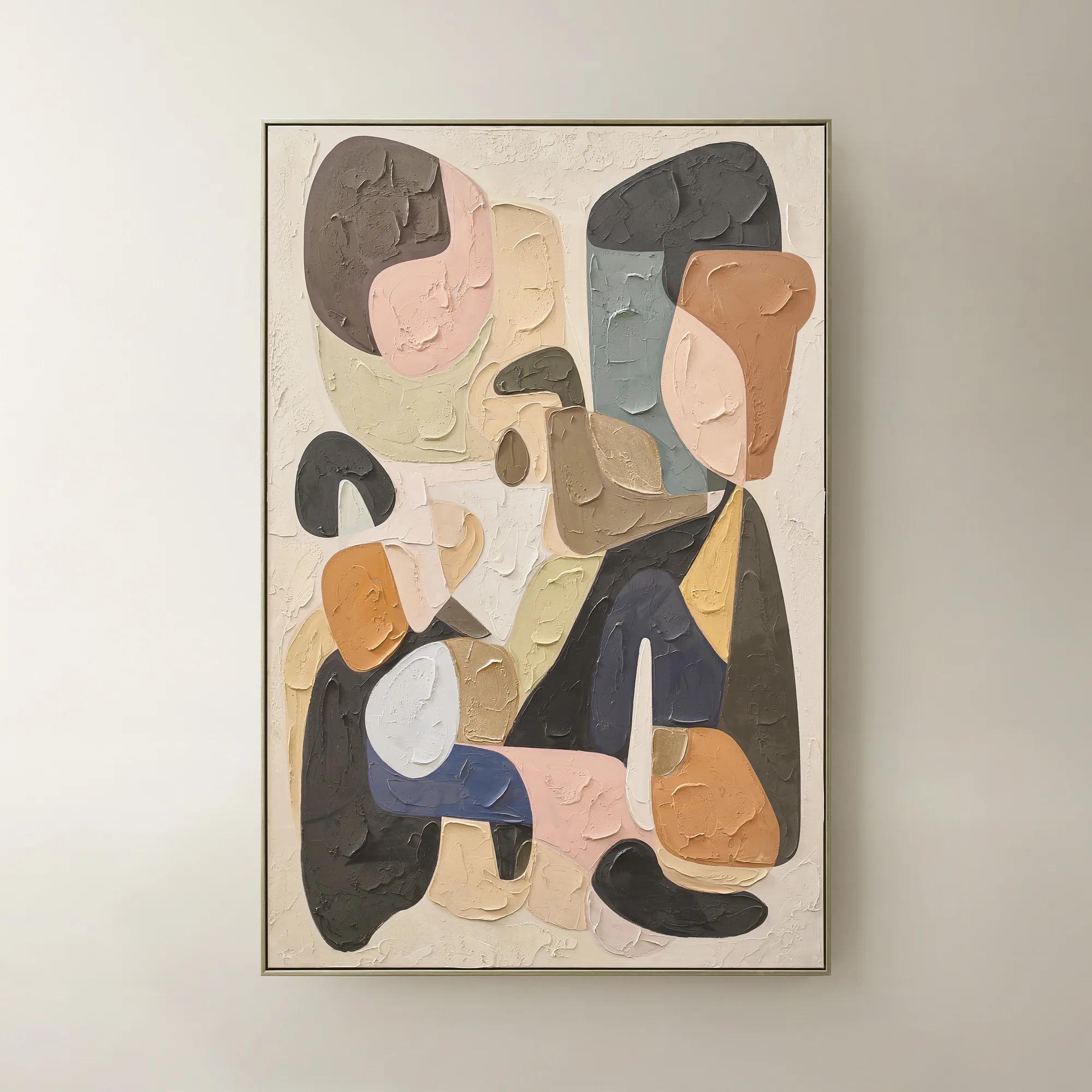 Chromatic Bloom Framed Painted Wall Art 40" x 60"$519
A hand-painted abstract canvas featuring a vibrant multi-color palette and shimmering champagne detailing.
Add To Cart -
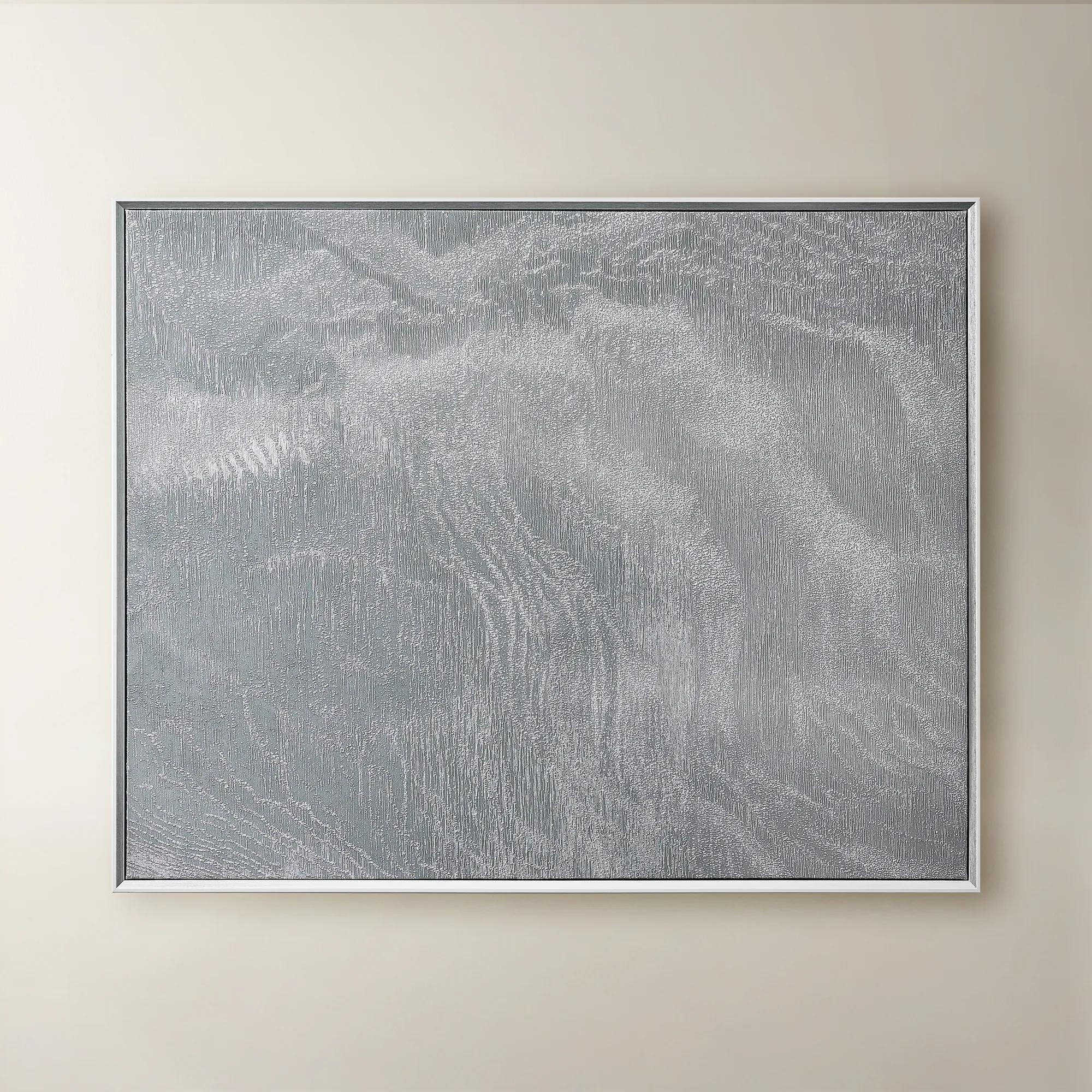 Slow Blue Morning Framed Silver Foil Wall Art 48" x 60"$599
A serene powder blue abstract canvas with silver foil accents, framed in silver and white for modern elegance.
Add To Cart -
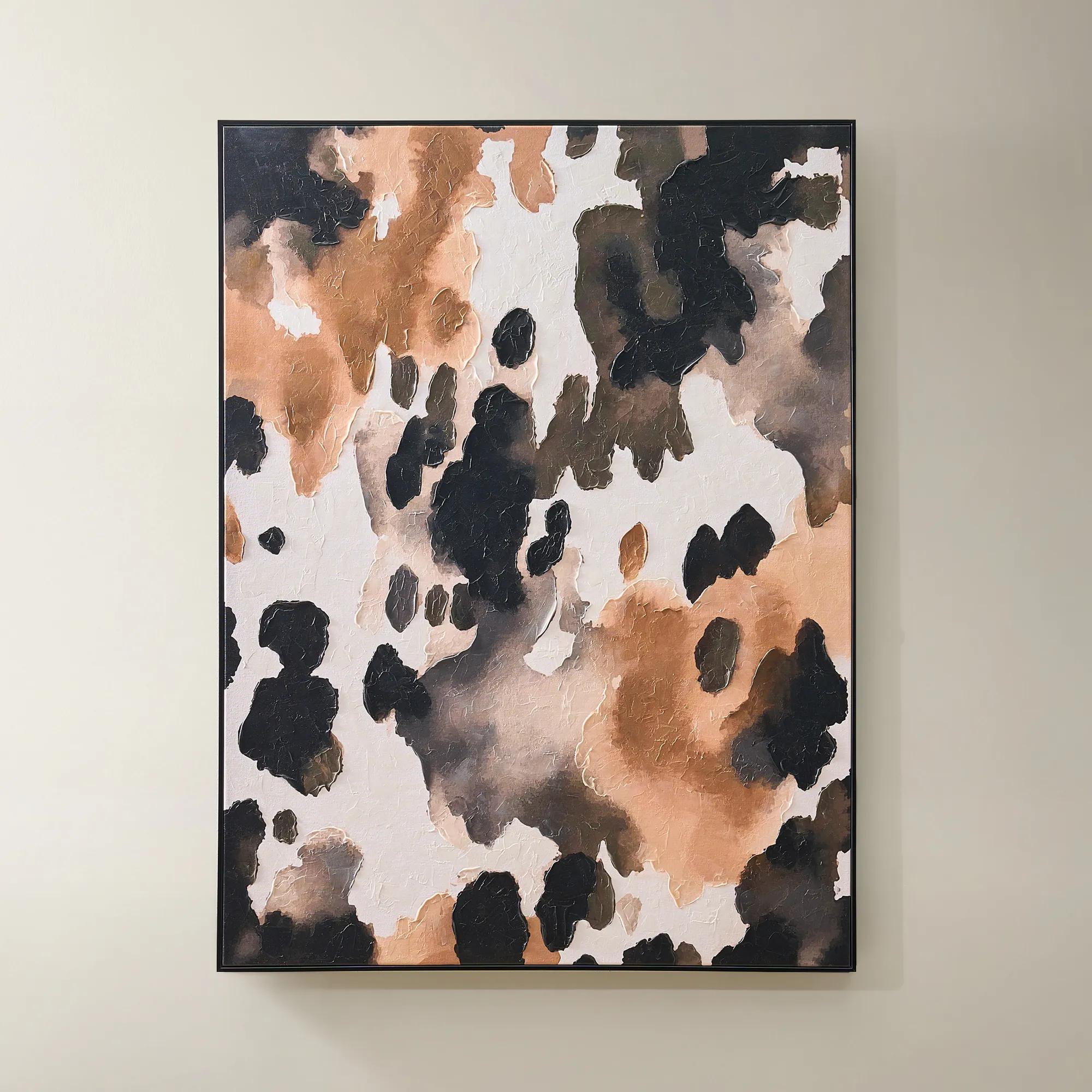
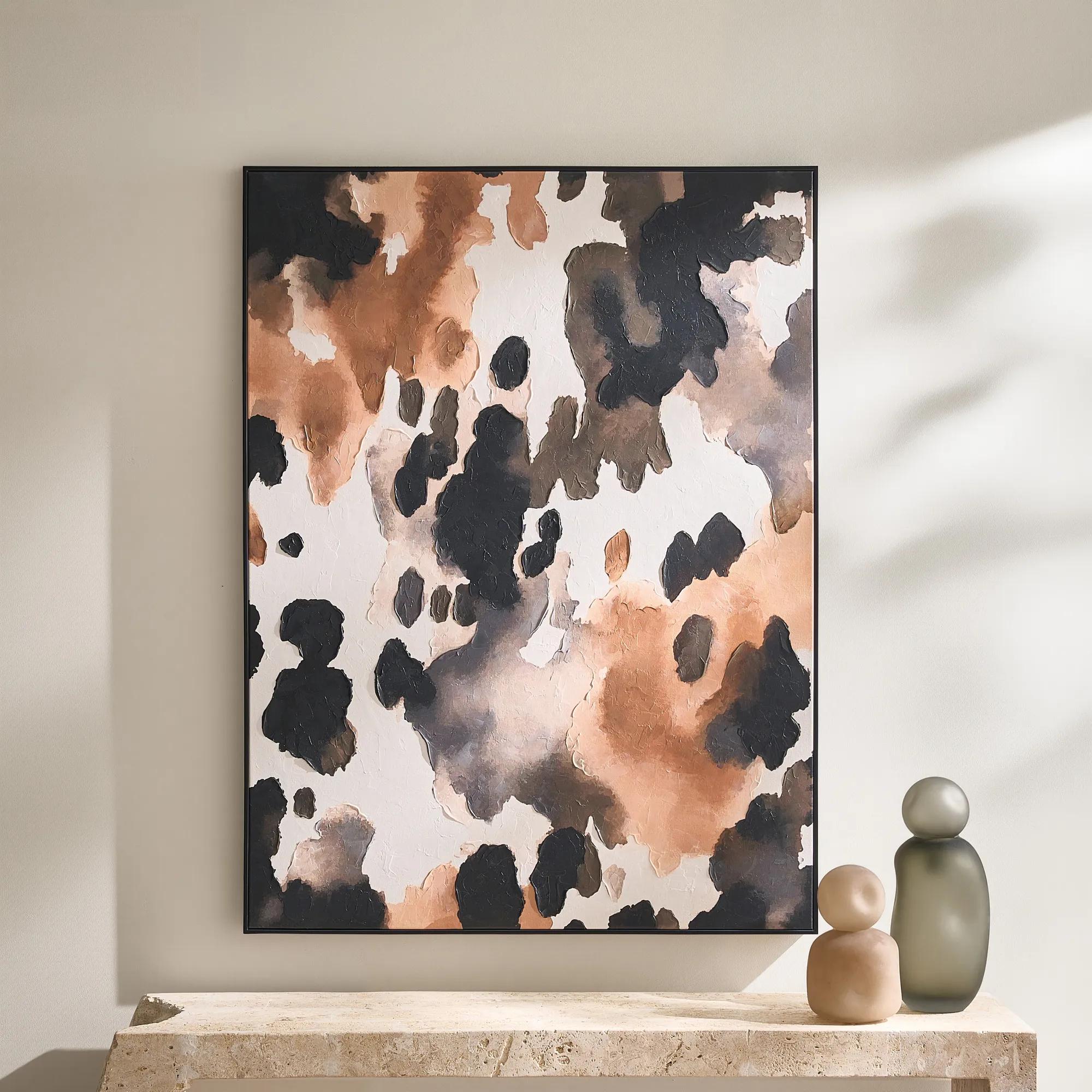 Wilder Framed Painted Wall Art 36" x 48"$499
An abstract hand-painted canvas featuring inky black, taupe, ivory, and coral hues in a sleek black frame.
Add To Cart -
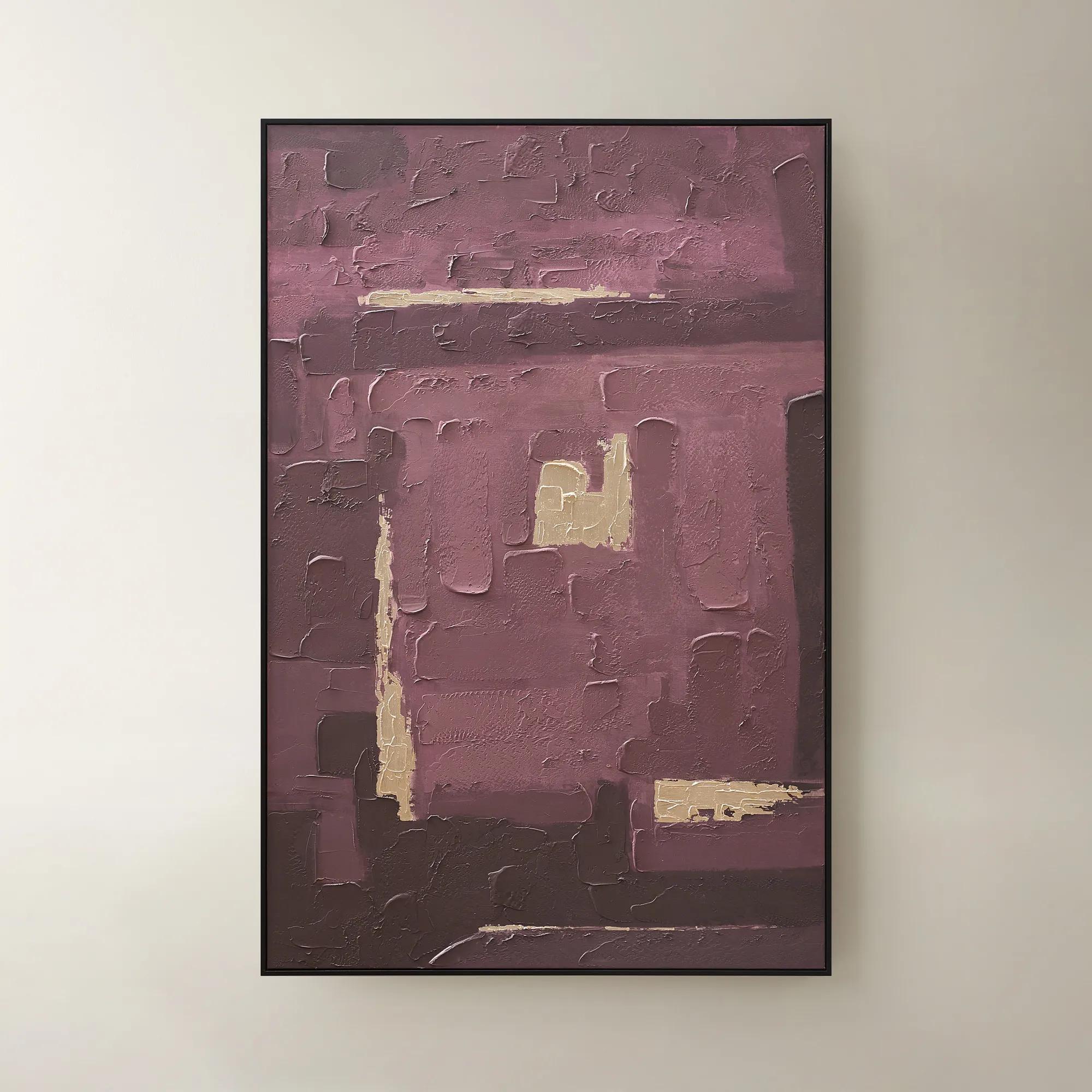
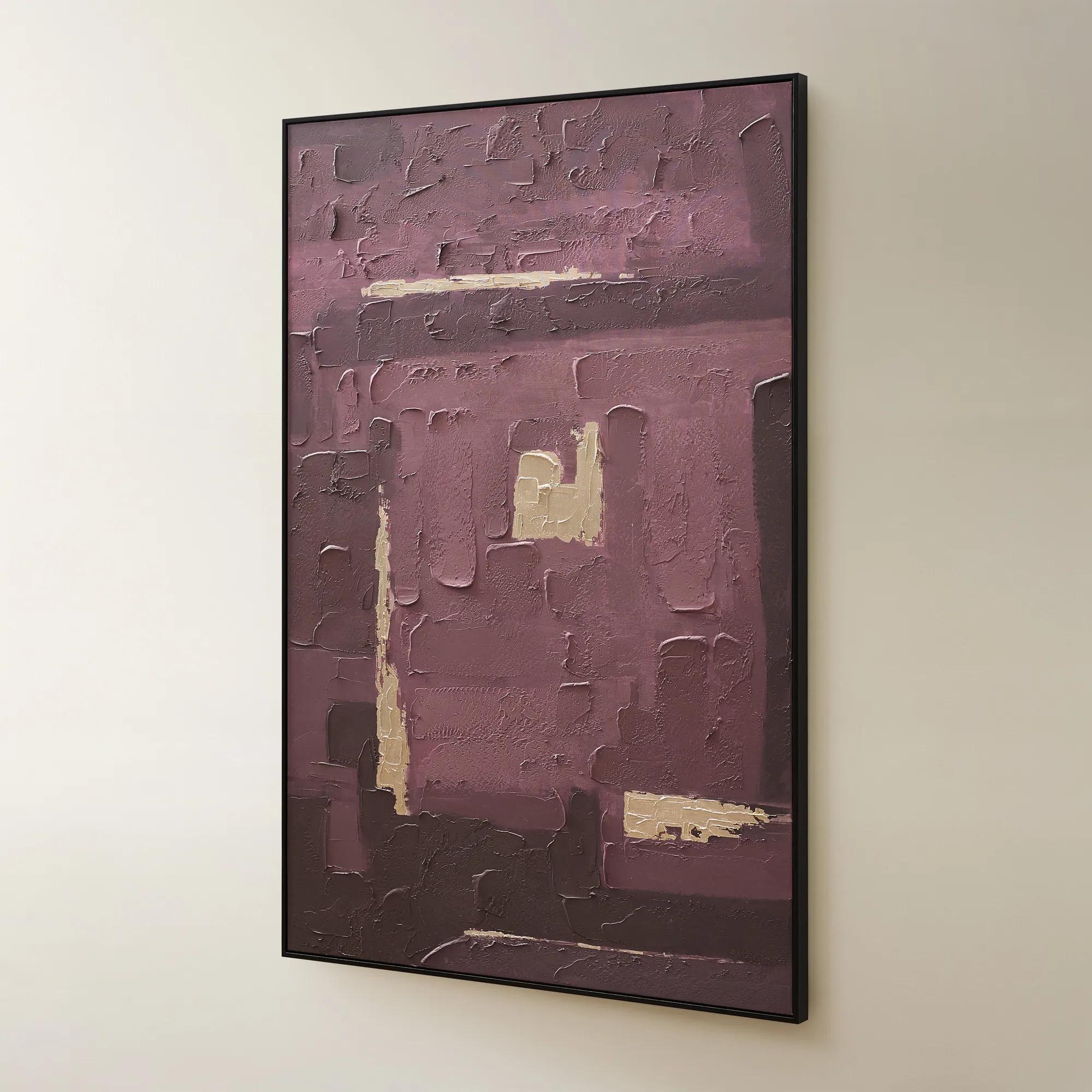 Fallback Framed Painted Wall Art 60" x 40"$499
A hand-painted abstract canvas in rich fig hues with champagne accents, set in a sleek black frame.
Add To Cart

Ephemeral Abstract Wall Art Pieces
Ephemeral abstract wall art pieces invite a sense of intrigue and movement into any space, transforming blank walls into curated galleries of emotion and imagination. Each work is a fleeting moment captured in color and form—an exquisite whisper of artistry that lingers long after the first glance. These expressive creations blur the boundaries between dream and reality, casting an aura of sophistication and wonder throughout your home. With ephemeral abstract wall art pieces, every room becomes a canvas for your boldest visions, elevating ordinary interiors into extraordinary statements of personal style.
Ephemeral abstract wall art pieces capture the impression of a passing moment through fluid forms, translucent color, softened edges, and gestures that seem suspended in motion. Rather than depicting a recognizable subject, these works invite the eye to linger on the interplay between pigment, space, and movement. The word “ephemeral” describes their fleeting visual mood, not an expectation that the artwork itself is temporary. A pale wash dissolving into ivory, an inky line drifting across an open field, or a sweep of blue interrupted by charcoal can give a room a sense of quiet drama without sacrificing presence. This approach to abstract wall decor suits interiors where atmosphere matters as much as color coordination: a bedroom layered with sumptuous textiles, a dining room anchored by a sculptural table, or a living room where polished accents call for a softer visual counterpoint. Common formats include canvas prints, framed works on paper, and coordinated multi-panel compositions, each offering a different relationship between the image and its surroundings. Canvas brings a subtle woven texture to diffuse passages of color, while paper can lend delicate marks and generous white space a particularly refined presentation. A frame gives the composition a defined architectural edge; a gallery-wrapped canvas lets the image take a more uninterrupted role on the wall, depending on how its sides are finished. Muted gray, blue, cream, and black are natural companions to this aesthetic, though expressive abstract art can also introduce blush, green, or richer jewel tones. The defining quality is less a particular palette than a feeling of transition, with forms that appear to emerge, overlap, and recede. For someone drawn to expressive interiors but not to literal imagery, ephemeral abstraction offers an artful middle ground: visually engaging, open to interpretation, and capable of setting the emotional register of an entire room.
Scale gives that delicate visual language its authority. A large abstract wall art composition above a sofa can establish a generous focal point, allowing even restrained colors to feel immersive. Smaller framed pieces bring intimacy to a reading corner, dressing area, or narrow stretch of wall, where their subtleties can be appreciated at close range. Above substantial furniture, artwork spanning roughly two-thirds to three-quarters of the furniture’s width often creates a balanced relationship; this is a starting proportion rather than a fixed rule, and the frame counts toward the total width. Leave enough space between the artwork and the furniture for each silhouette to remain distinct, while keeping them close enough to read as a considered grouping. For a diptych or triptych, measure the full arrangement, including the gaps between panels, before choosing its location. Those intervals become part of the composition, especially when a sweeping gesture or band of color continues across separate canvases. Orientation changes the mood, too. A horizontal work can echo the low profile of a console, while a vertical piece draws attention upward beside an upholstered chair or within a tall entryway. Color is most compelling when it creates a conversation rather than an exact match. A trace of smoky violet in the artwork might relate to a velvet cushion; a charcoal accent can connect with dark metal furniture legs without repeating every finish in the room. Against richly patterned upholstery, an abstract composition with open space gives the eye somewhere to settle. On a broad, unadorned wall, layered marks and deeper contrast can supply the detail that the architecture leaves open. Lighting also shapes the experience: soft, indirect illumination reveals tonal transitions, while reflections on glazing may obscure them from certain seats. For an adjacent room or a collected arrangement that calls for more pronounced material texture, Abstract Wooden Wall Art Pieces offer a complementary direction, pairing the freedom of abstraction with the visual character of wood. Together, different surfaces can create depth without requiring every artwork to share the same medium or frame.
Materials and construction determine how convincingly an ephemeral image holds its nuance over time. When considering a canvas print, look to the stated canvas composition, printing method, stretcher construction, and edge treatment rather than assuming that all canvas artwork has the same finish. A printed suggestion of brushwork is different from an applied paint texture; both can be beautiful, but they offer distinct experiences when viewed nearby. Giclée refers to an inkjet printing process often used for fine art reproductions, yet the term alone does not establish archival quality. Ink stability, the substrate, and display conditions all contribute to longevity. For framed paper artwork, acid-free matting and appropriate backing can help protect the sheet, while glazing adds a barrier against dust and incidental contact. Glass and acrylic differ in weight and handling needs, and any UV-filtering protection should be confirmed in the product specifications rather than inferred from appearance. Most decorative wall art is intended for indoor display, away from direct sunlight, persistent moisture, and cooking residue unless explicitly rated otherwise. A position directly above a sink or near a frequently used stovetop can expose delicate surfaces to conditions better avoided. Routine care should remain gentle: follow the stated care instructions, use a clean, soft duster when appropriate, and never apply cleaning liquid directly to a canvas or framed assembly. Glazing requires a method suited to its material, particularly acrylic, which can scratch with abrasive cloths or cleaners. Secure installation matters equally, with hardware and wall anchors matched to the artwork’s weight and the wall’s construction. These practical details preserve the pleasure of the piece, allowing its subtle color and expressive movement to remain the focus. Ephemeral abstract artwork can also make a thoughtful housewarming, wedding, or milestone gift for someone whose taste favors atmospheric color and contemporary design. Familiarity with the recipient’s room dimensions, preferred palette, and framing style makes the gesture more personal. Whether chosen for a private retreat or a room designed for gathering, the most resonant piece brings a distinctive feeling to the space: a graceful interruption, a measured flourish, or a bold passage of color that makes the surrounding furnishings feel newly composed.
FAQs
Ephemeral abstract wall art is distinguished by its ability to evoke a sense of transience, emotion, and movement. These pieces often feature fluid brushstrokes, layered textures, and a dreamlike quality that suggests fleeting moments or moods. Unlike more literal or representational art, ephemeral abstracts invite personal interpretation and create an atmosphere of intrigue and sophistication.
Ephemeral abstract wall art adds a layer of modern artistry and visual interest to traditional or eclectic spaces. Pair a luminous, abstract piece with classic furnishings to create a striking contrast, or use it as a focal point among a gallery wall of mixed styles. The fluid forms and soft palettes of ephemeral abstracts can soften ornate details, while bolder compositions can energize and unify a diverse mix of decor.
Ephemeral abstract wall art makes a thoughtful gift for anyone who values creativity, self-expression, and the transformative power of art. Ideal recipients include new homeowners, art enthusiasts, or loved ones celebrating milestones such as weddings or anniversaries. These pieces are especially cherished by those who enjoy curating their living spaces with pieces that spark conversation and inspiration.
For maximum impact, display ephemeral abstract wall art in a location where natural or accent lighting can highlight its textures and colors. Consider placing a large piece above a sofa, mantel, or bed to anchor the room, or create a curated arrangement of smaller works along a hallway or staircase. Complement the art with tactile furnishings and reflective surfaces to enhance its ethereal qualities.
Ephemeral abstract wall art has the power to transform the atmosphere of any space. Soft, misty compositions can instill serenity and calm, making them ideal for bedrooms or reading nooks. In contrast, vibrant, expressive pieces can inject energy and drama into living or dining areas. The ever-changing interplay of color, light, and form in ephemeral abstracts invites ongoing discovery and emotional resonance.