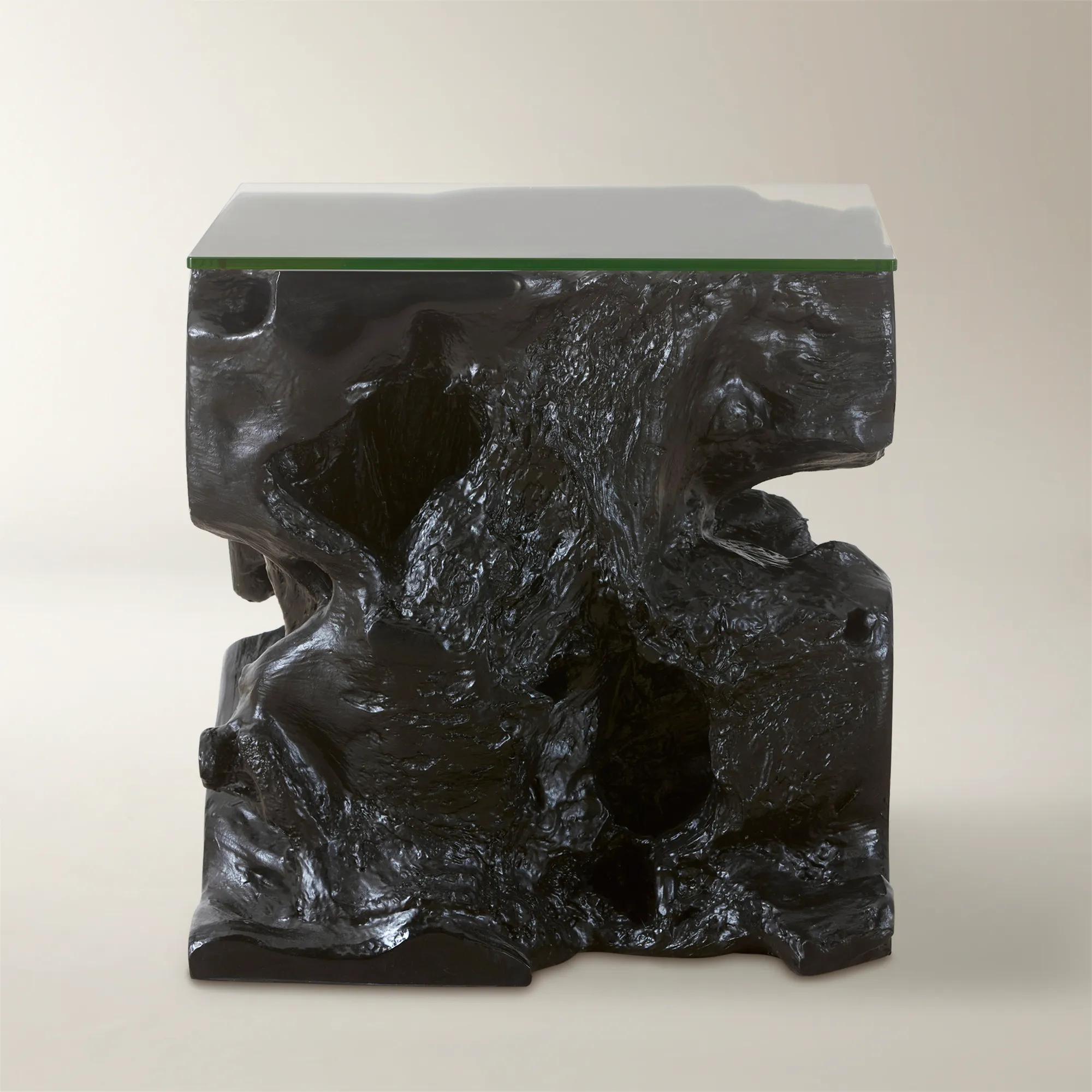
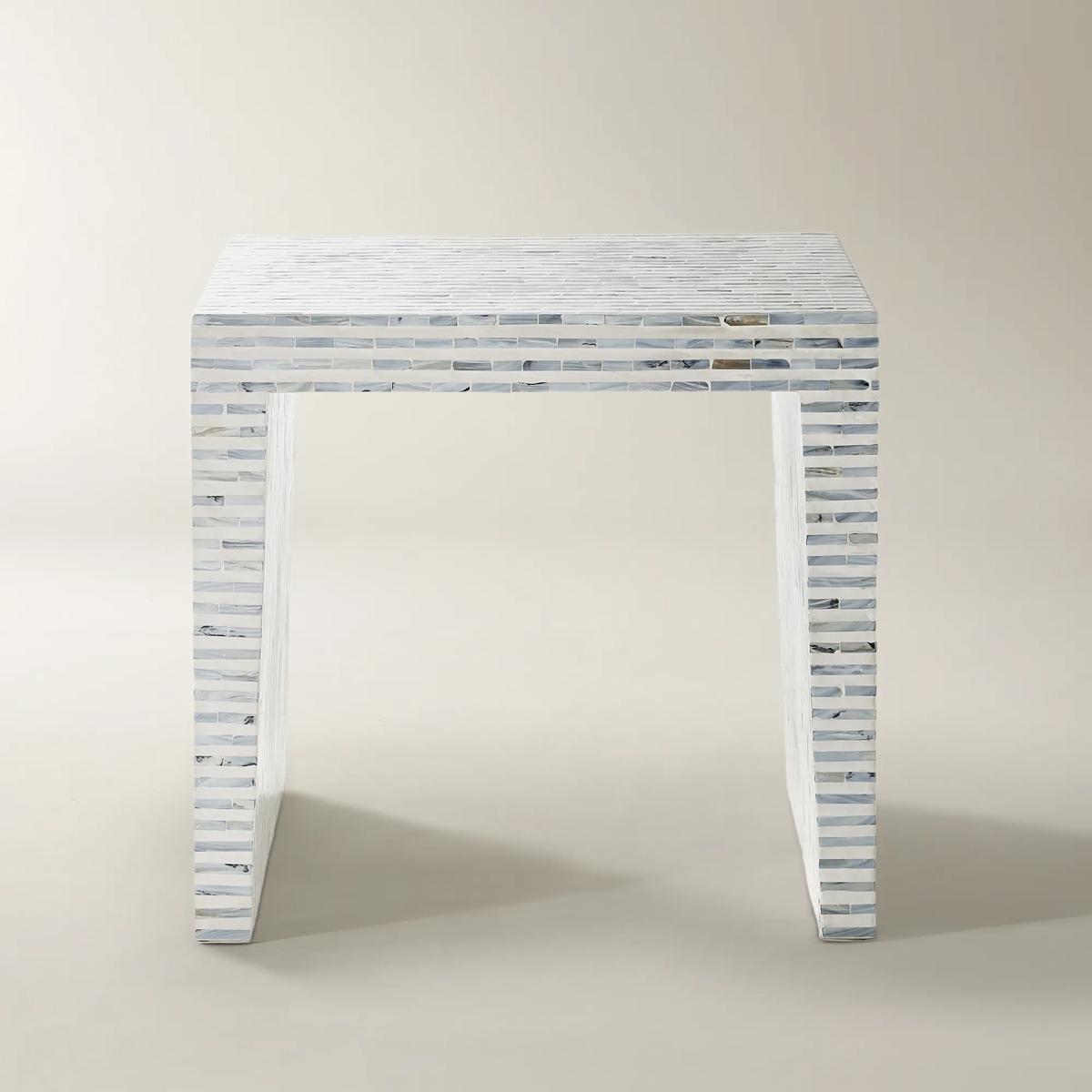
Elegant Marble Top Side Tables
Elegant Marble Top Side Tables
-
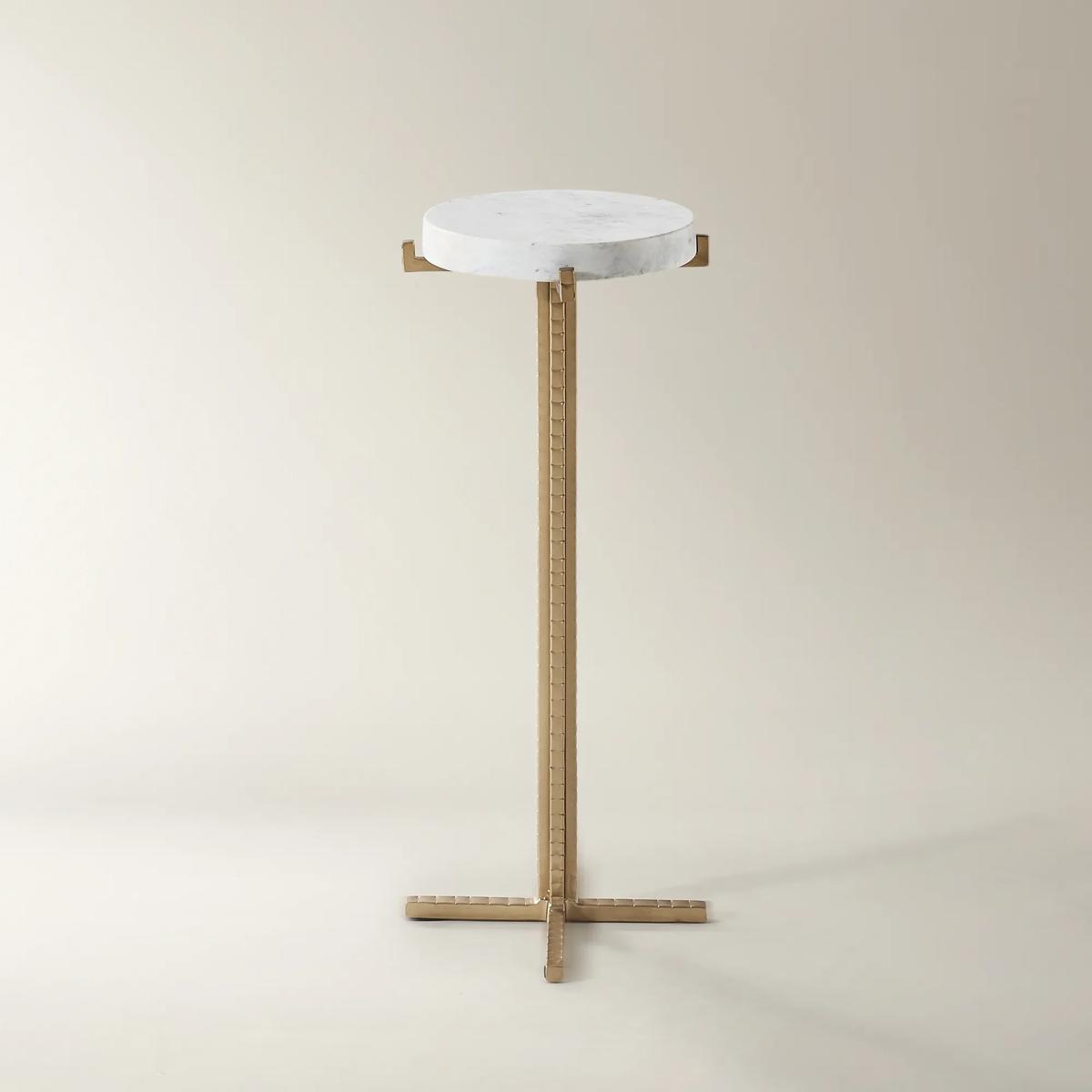 Anya Round White Marble Side Table (10")$199
A sculptural side table featuring a genuine white marble top and gold-finished metal pedestal base.
Add To Cart -
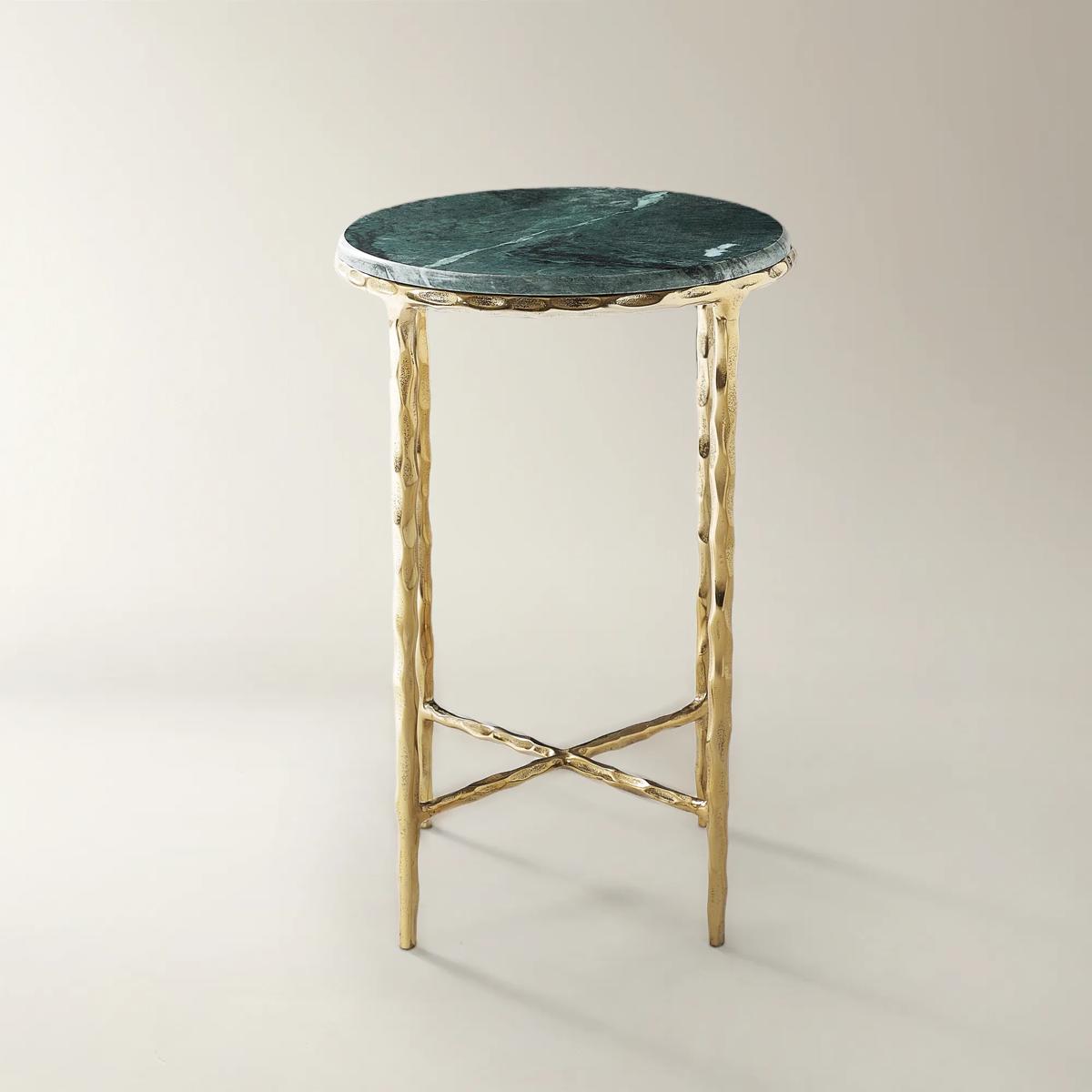
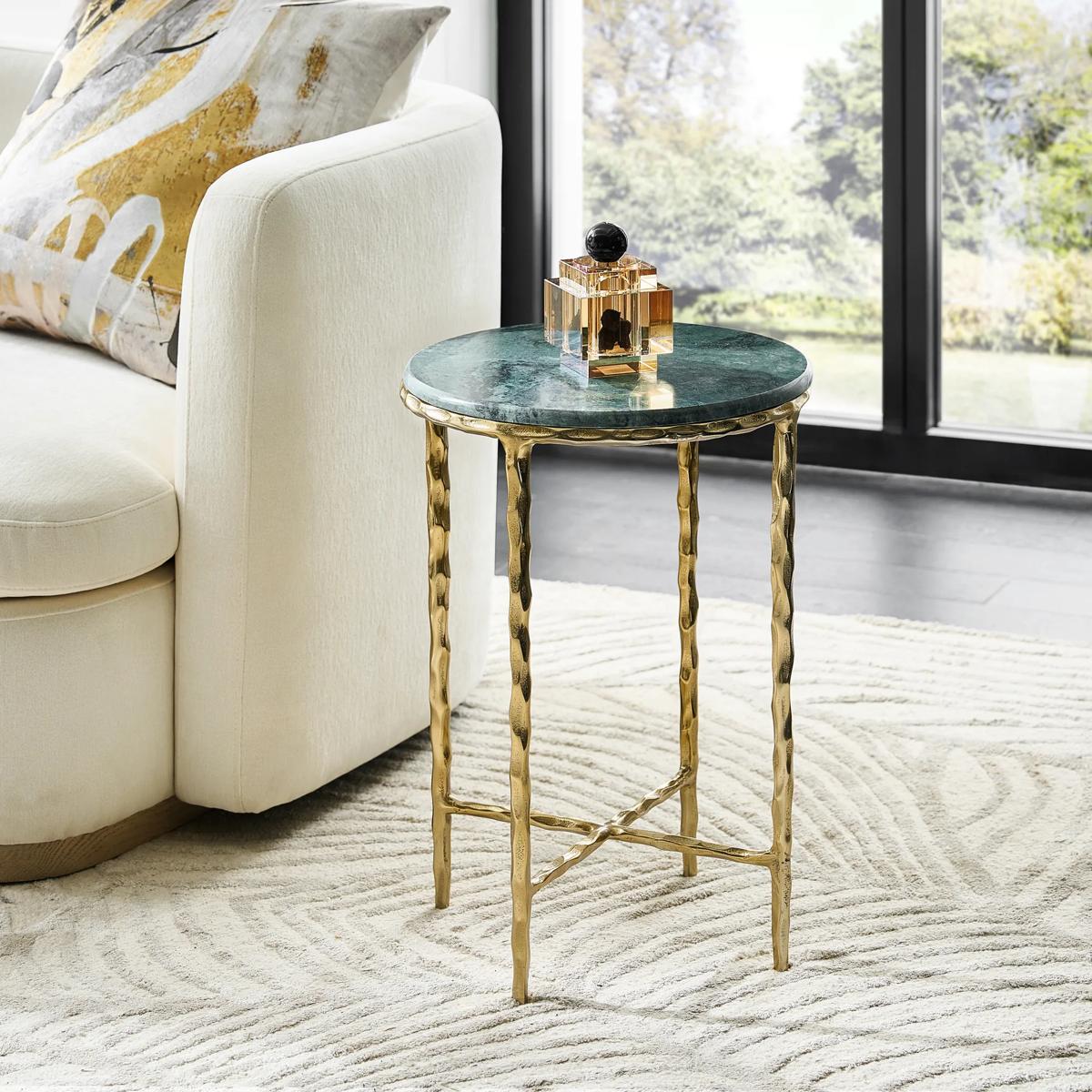 Juliet Round Green Marble Side Table (15")$269
A striking side table featuring a deep green Indian marble top and a hand-hammered metal base.
Add To Cart -
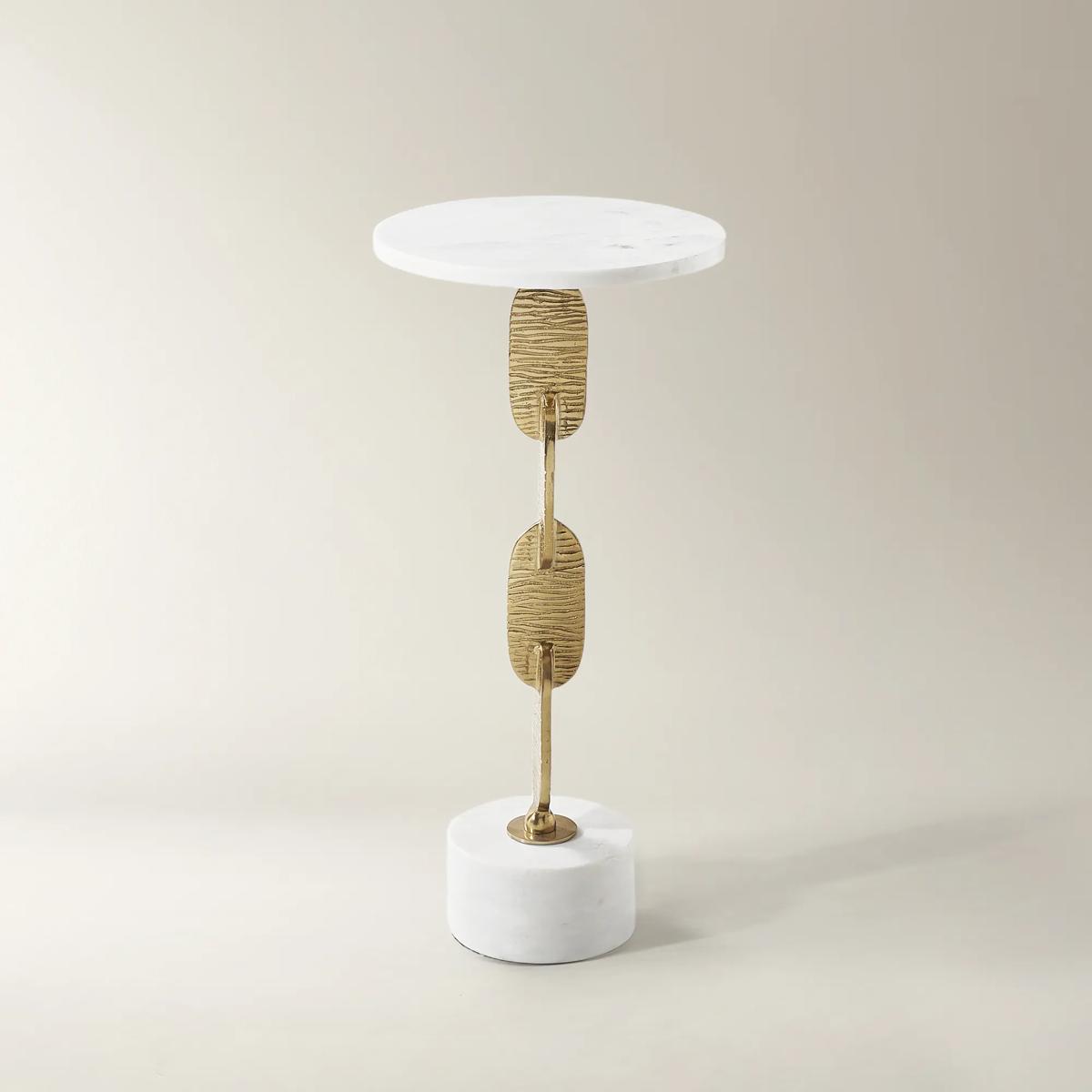
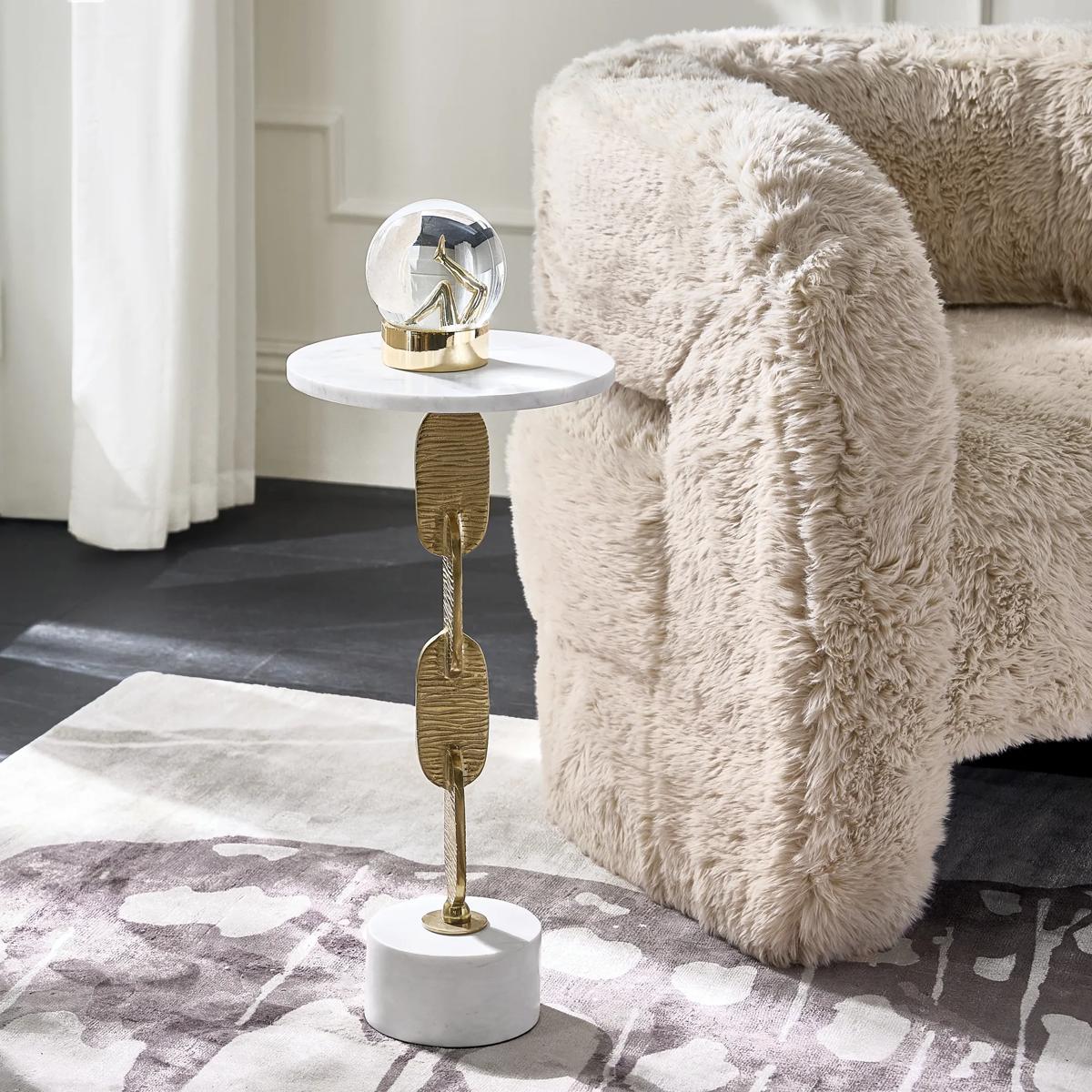 Luna Round White Marble Side Table (11.25")$199
A sculptural side table featuring a genuine white marble top and an open gold-finished metal frame.
Add To Cart -

 Flare Round White Marble End Table (21.5")$799
A sophisticated end table featuring a natural white marble top and polished stainless steel base.
Add To Cart -
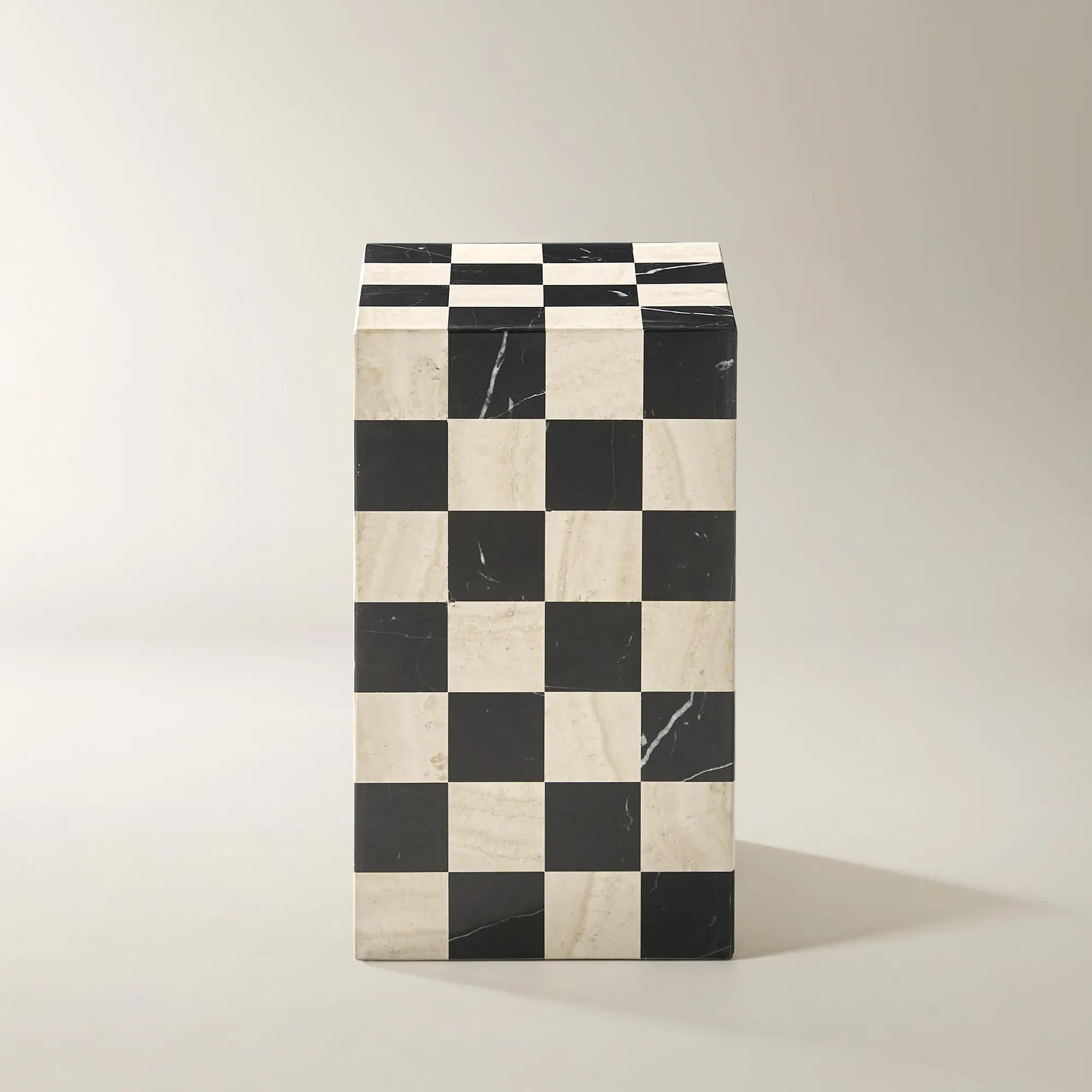 Chessa Square Chequered Marble End Table (12")$999
A sculptural end table featuring a bold black marble and travertine checkerboard mosaic design.
Add To Cart -
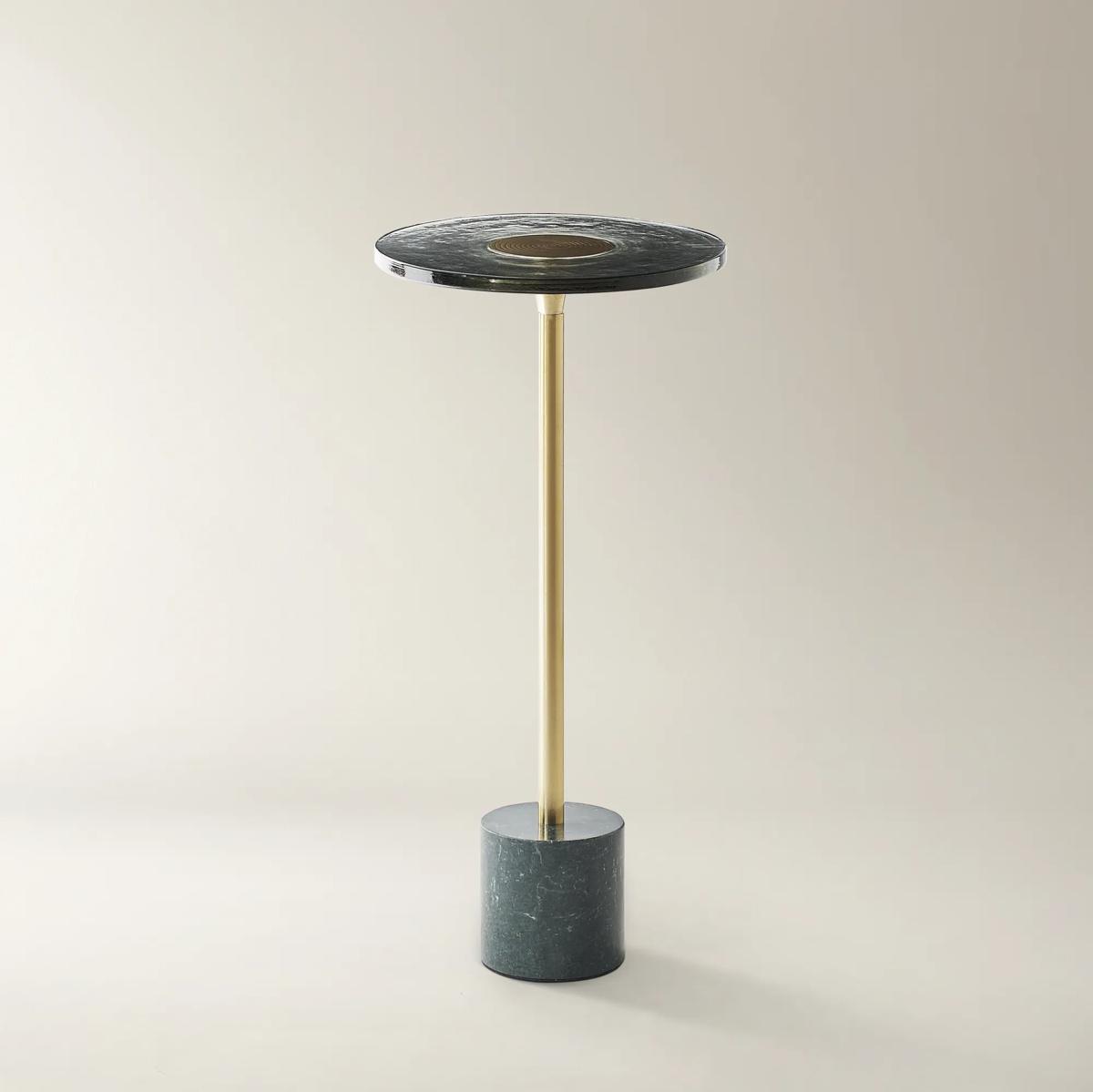
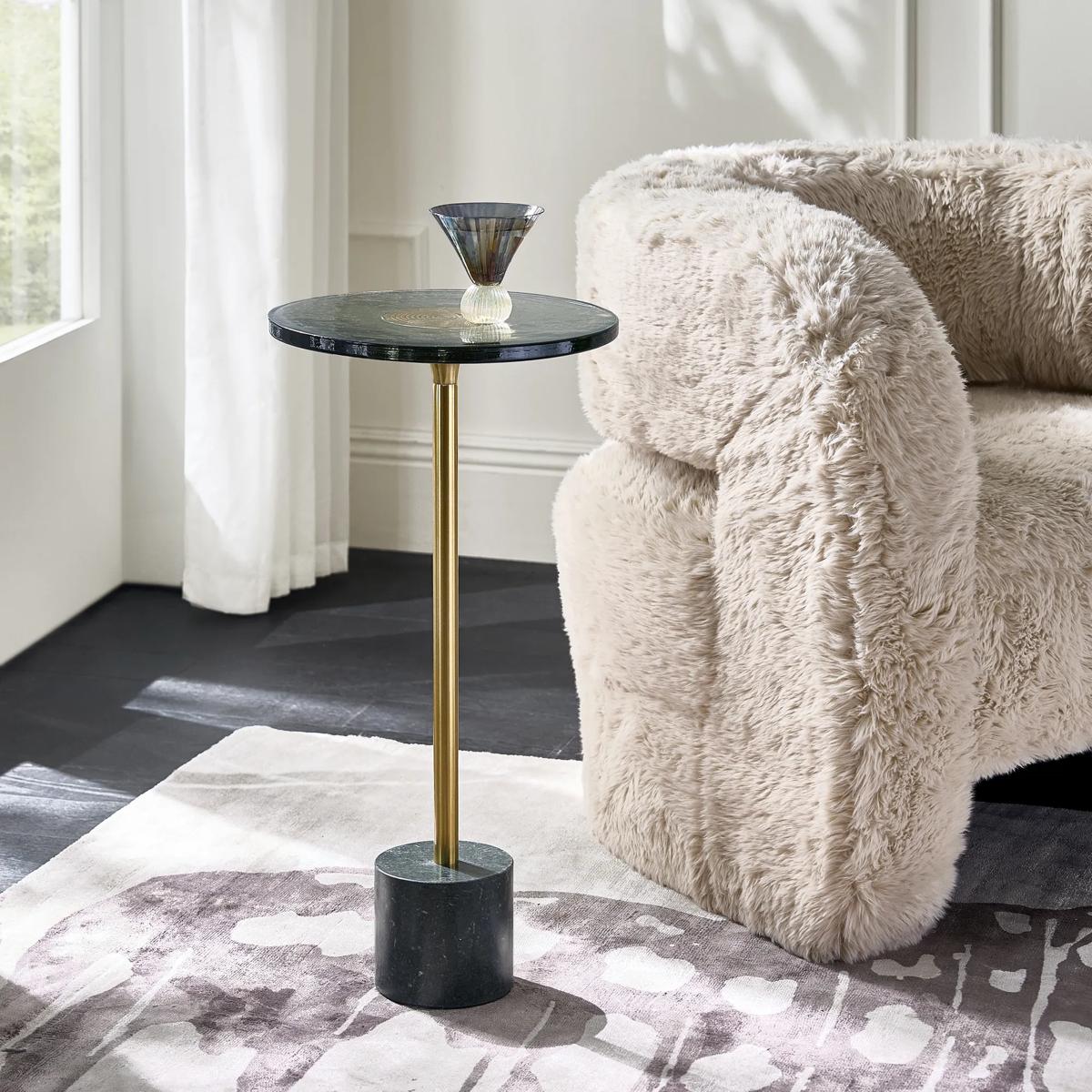 Seraphy Round Green Metal Side Table With Glass Top (13.75")$179
A modern side table featuring a green cast glass top, brass-finished post, and Indian green marble base.
Add To Cart -
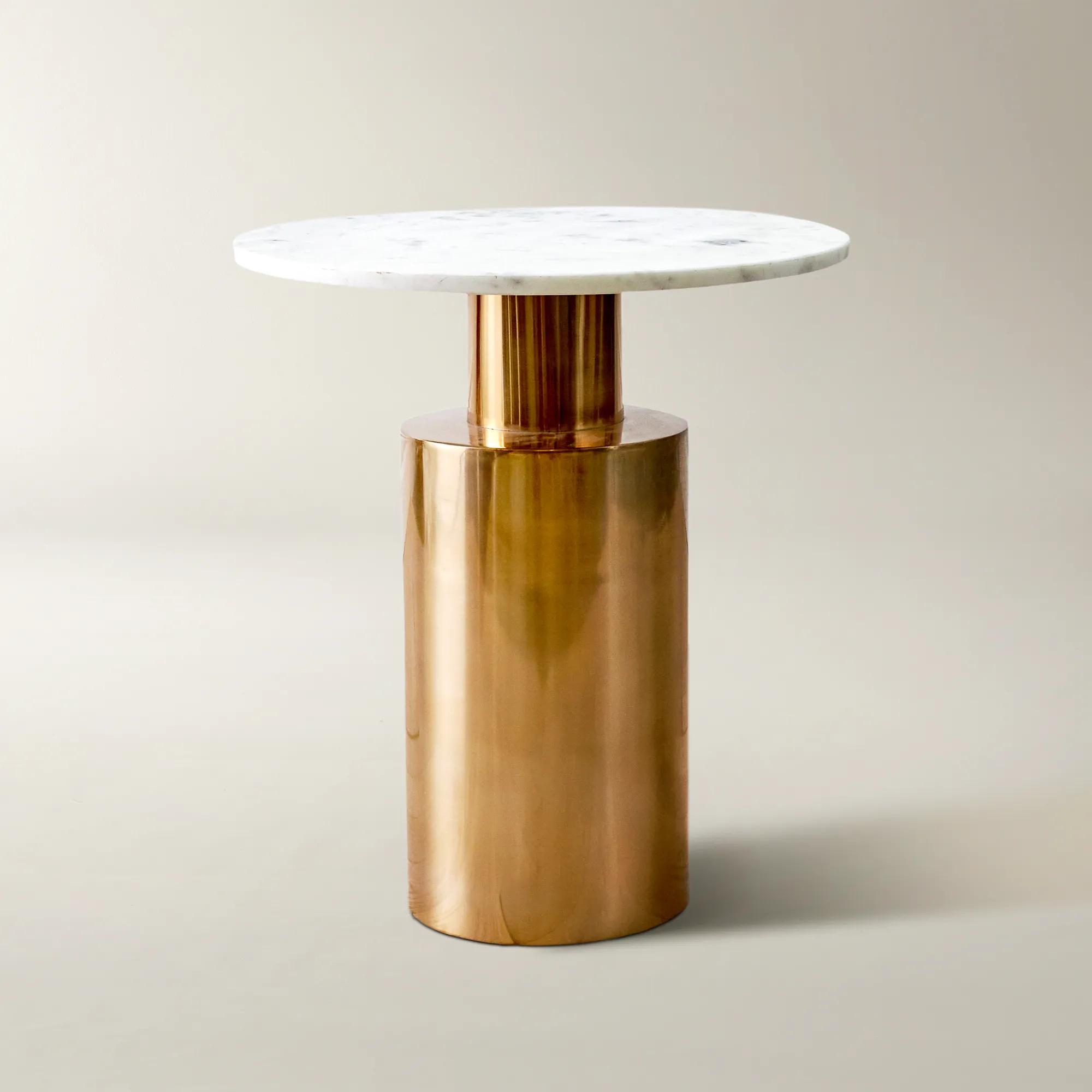 Capri Round White Marble Accent Table (16")$299
A striking accent table featuring a white marble top and gold-finished stainless steel base.
Add To Cart -
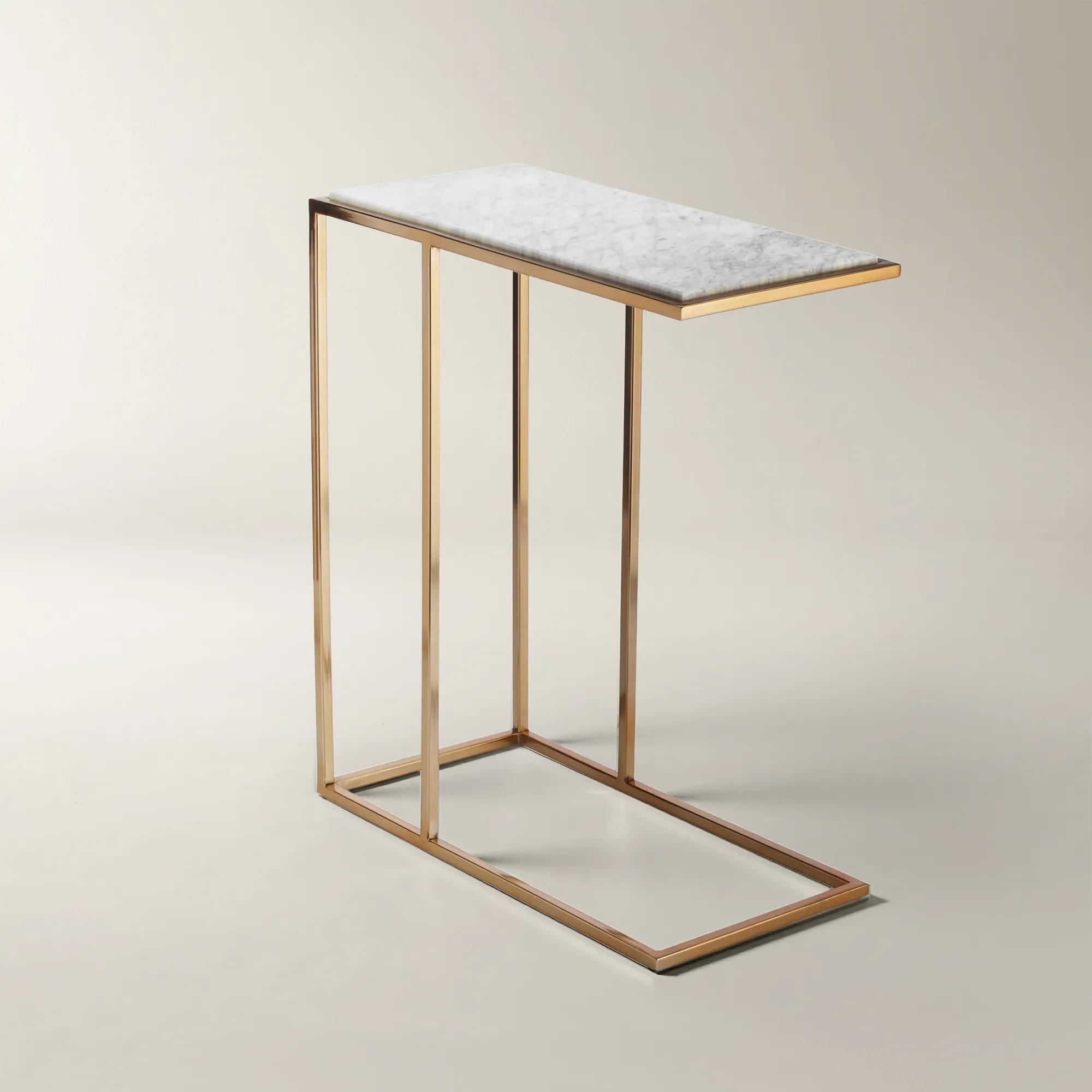
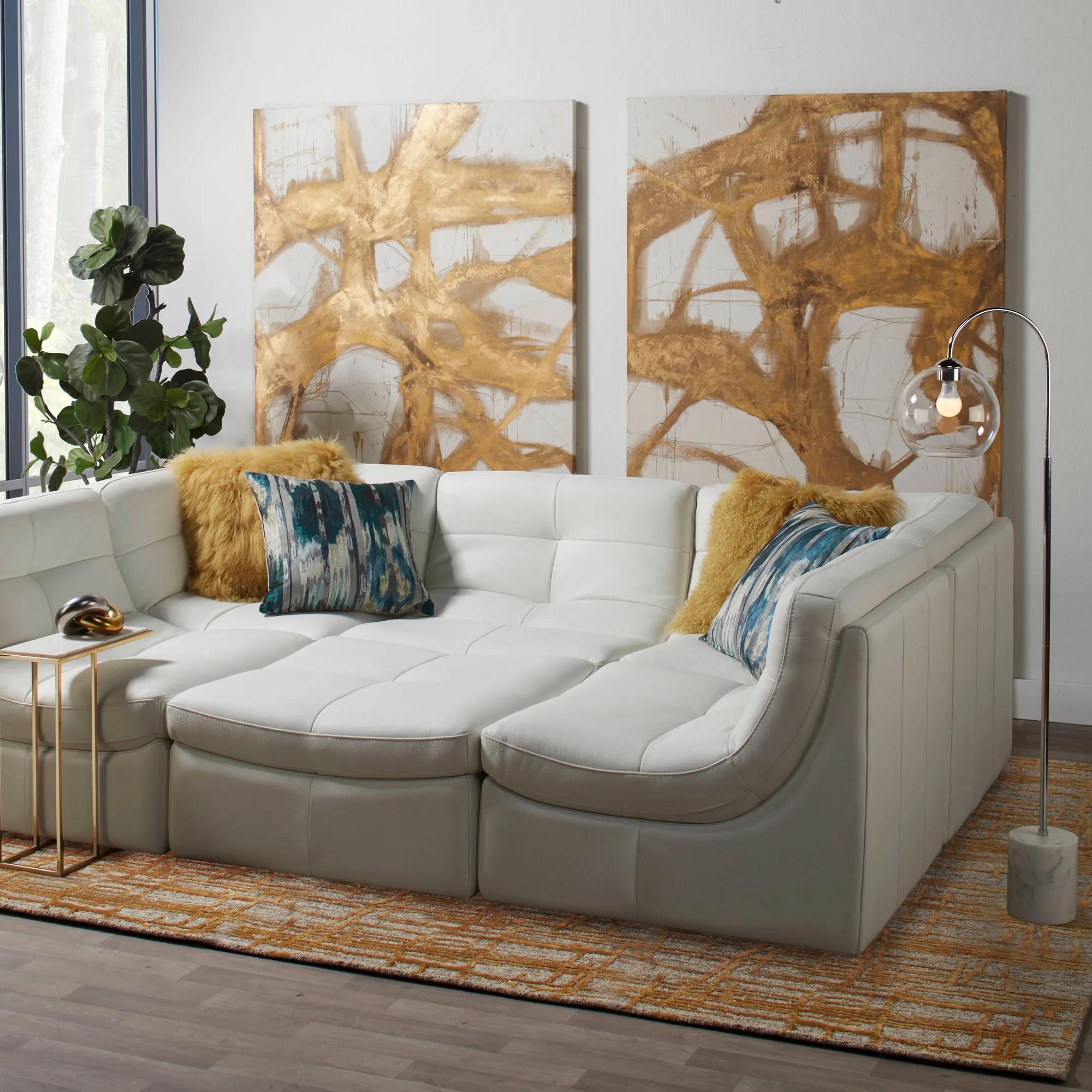 Lawton Rectangular Gold Stainless steel Accent Table With Marble Top (19.75")$259
A space-saving table featuring a white marble top and gold-finished stainless steel base.
Add To Cart -
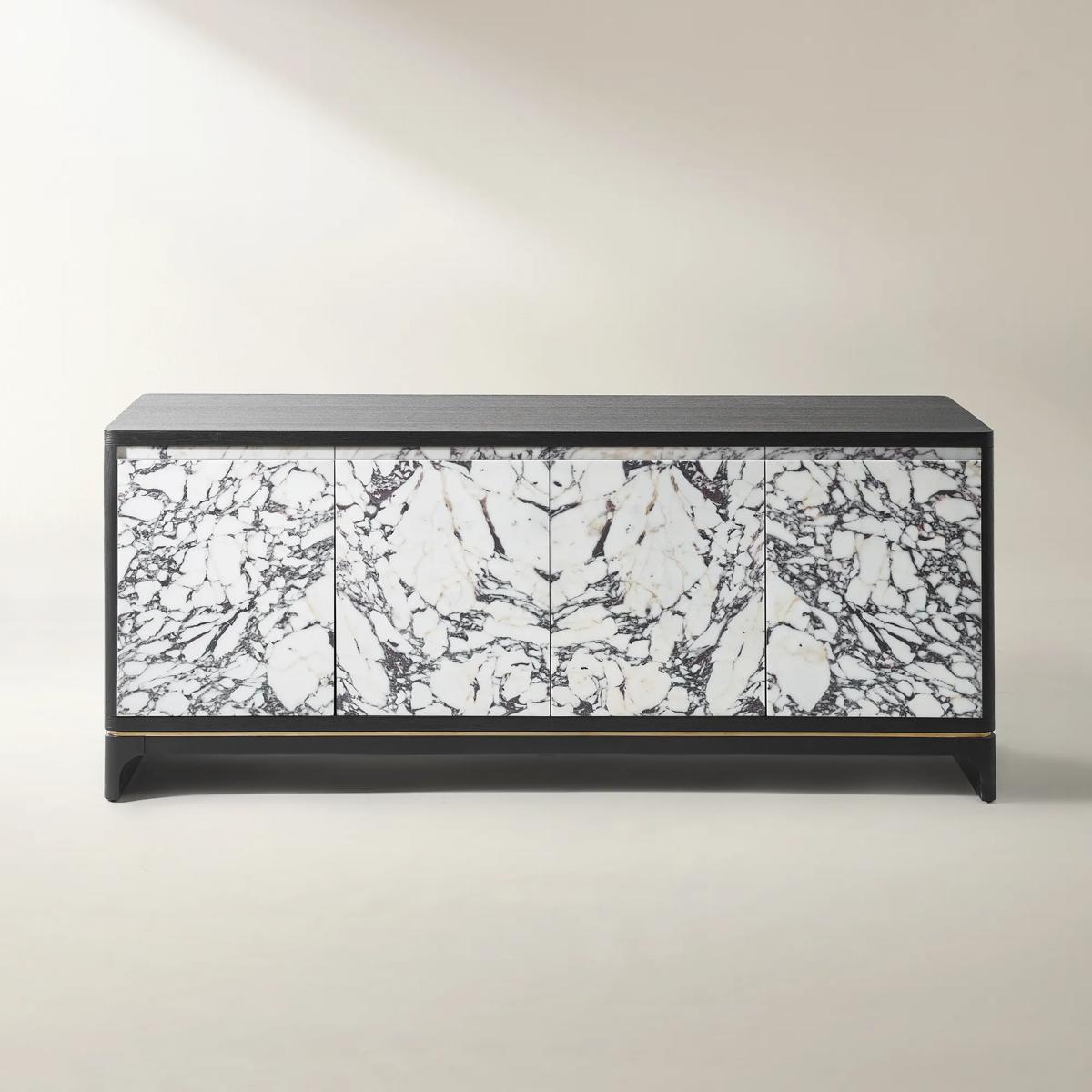
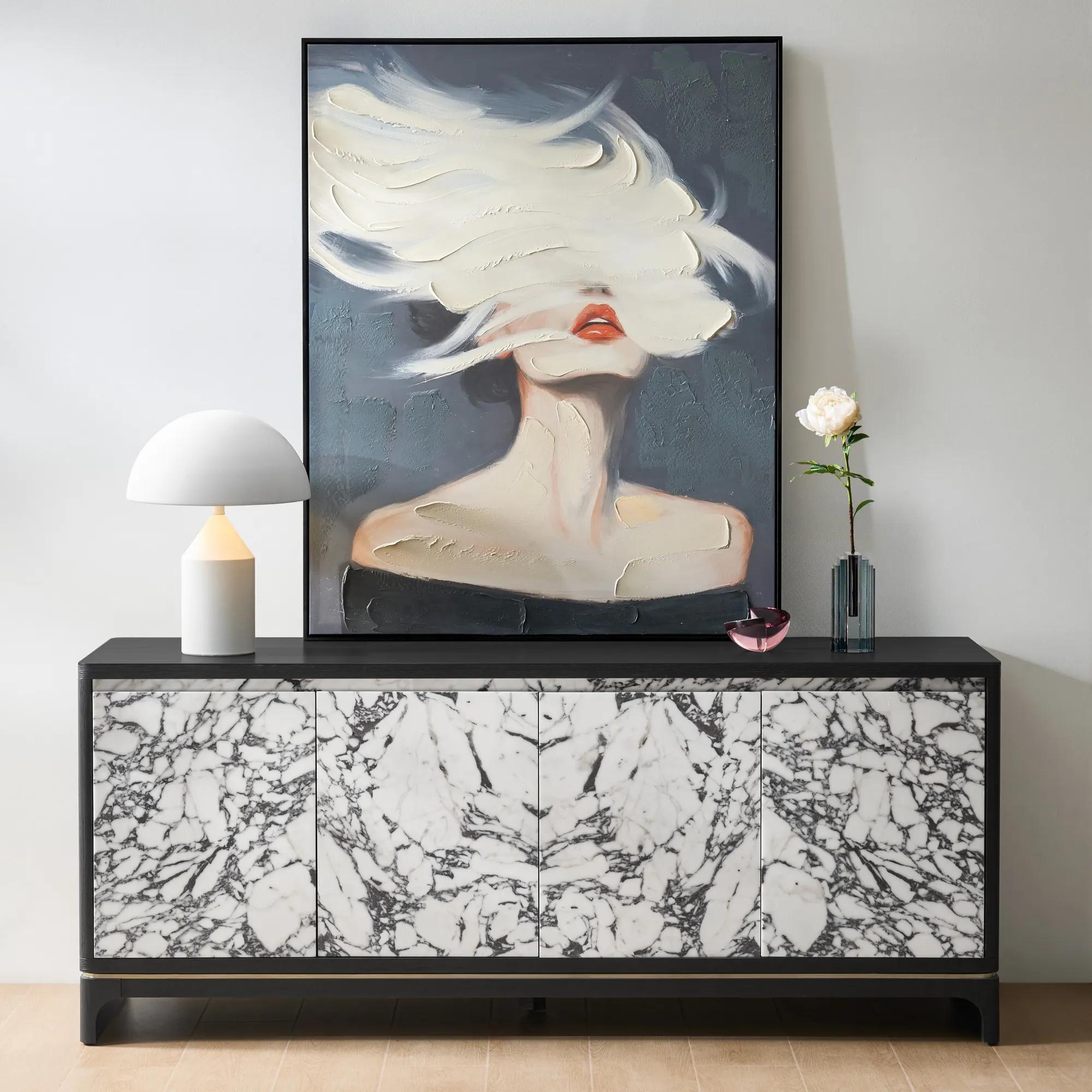 Vanta Black Oak And Calacatta Marble Buffet (72")$2699
A striking matte black oak sideboard featuring genuine Calacatta Viola marble fronts with dramatic violet veining.
Add To Cart -
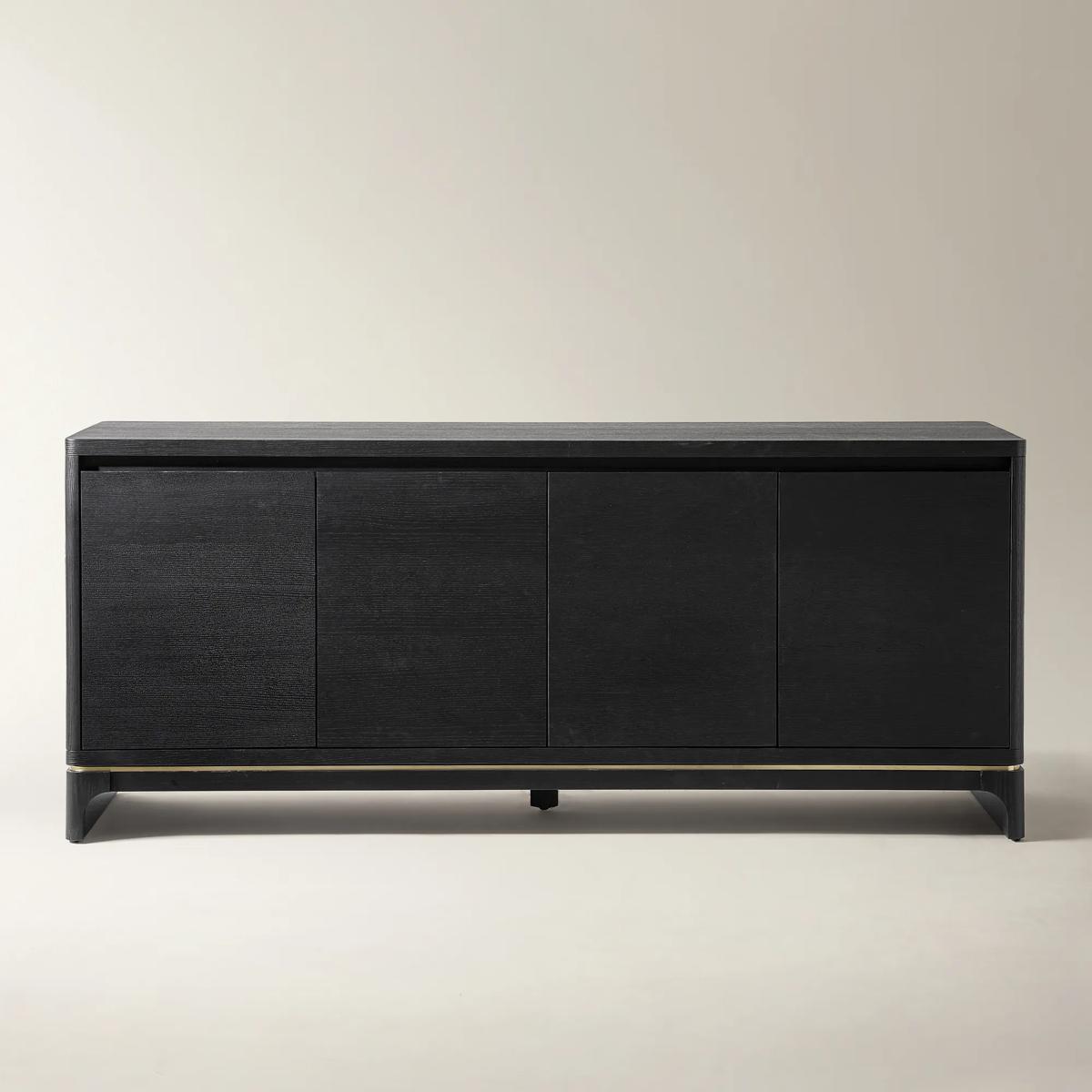
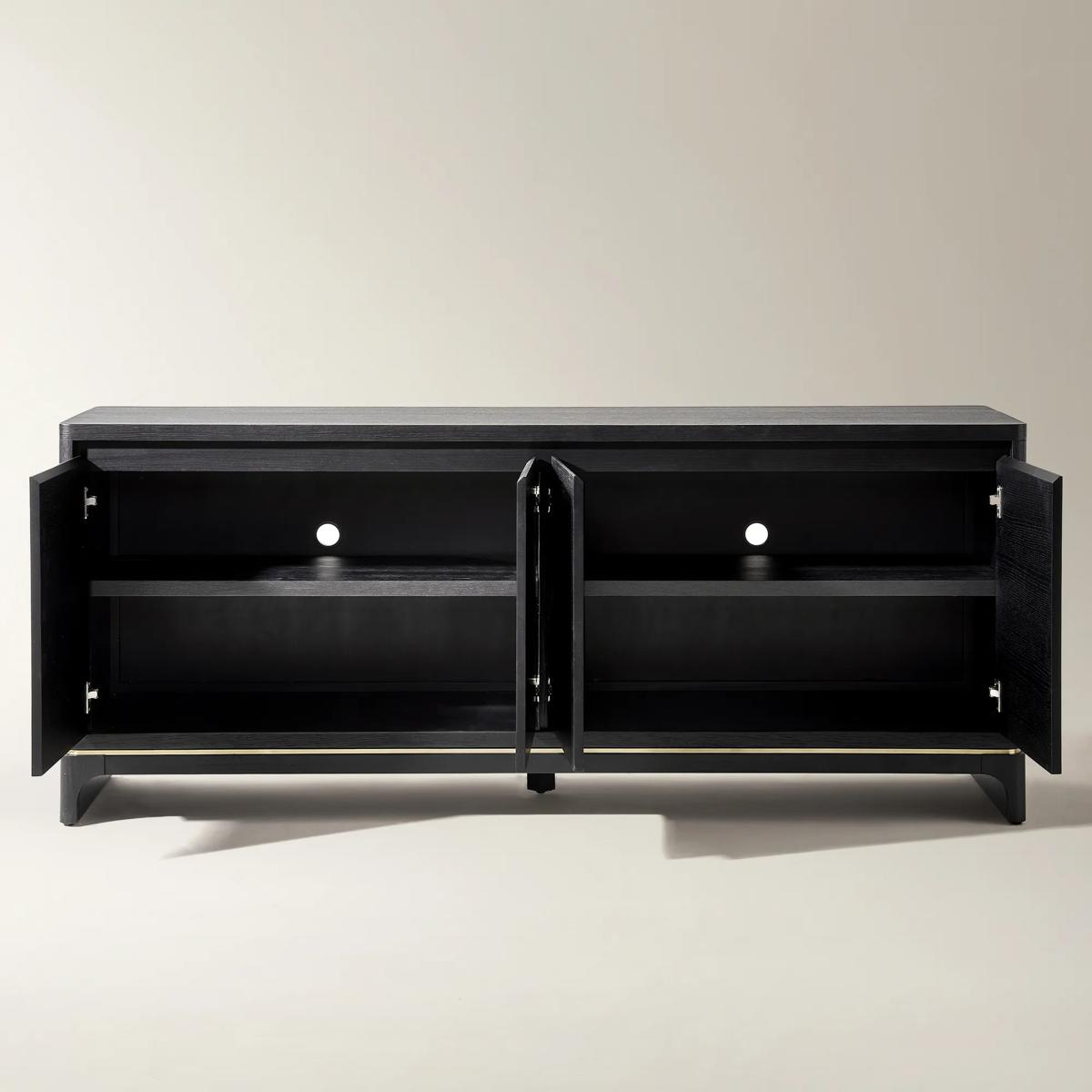 Vanta Black Oak Buffet (72")$1999
A matte black oak sideboard with gold stainless steel trim and concealed pulls for modern, elegant storage.
Add To Cart -
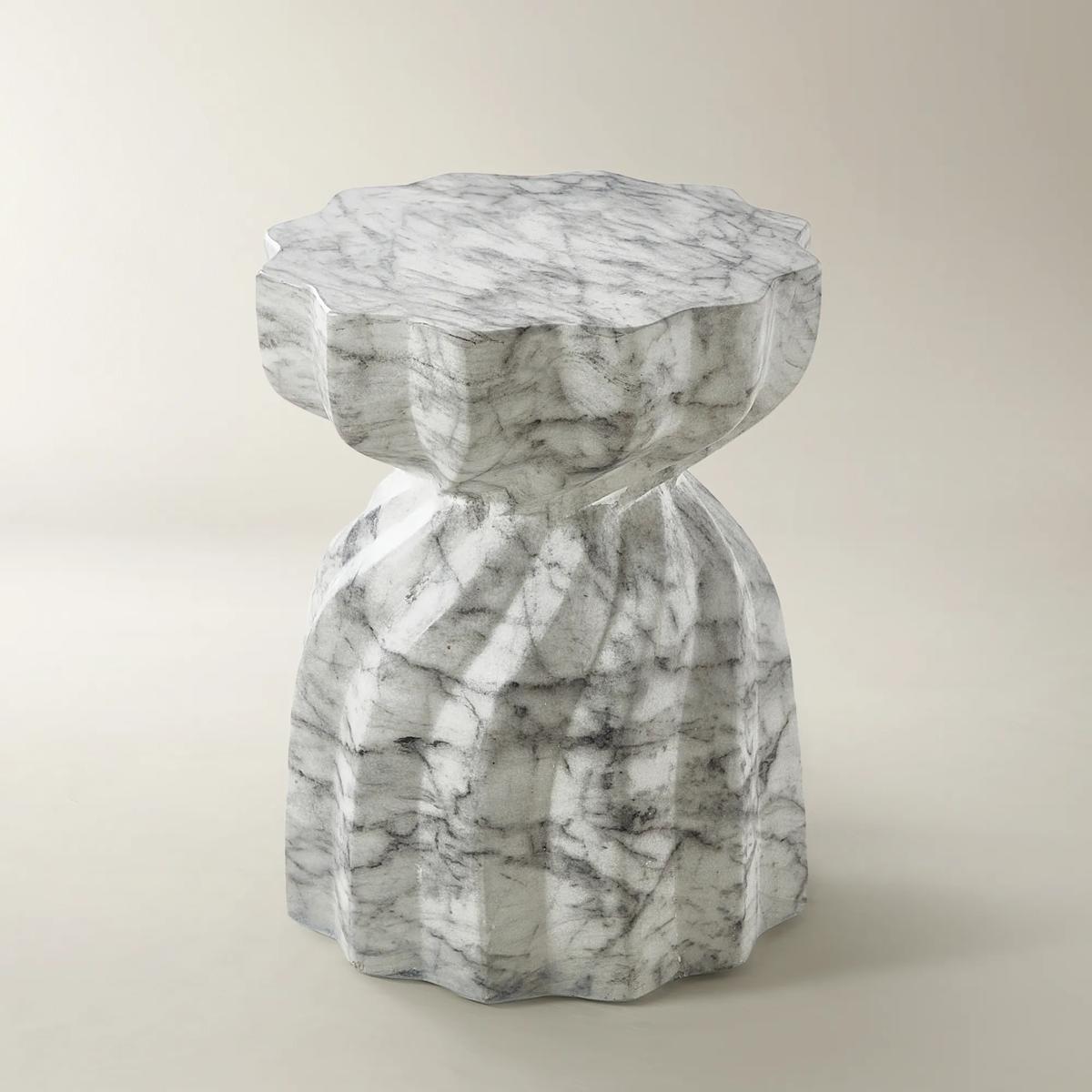
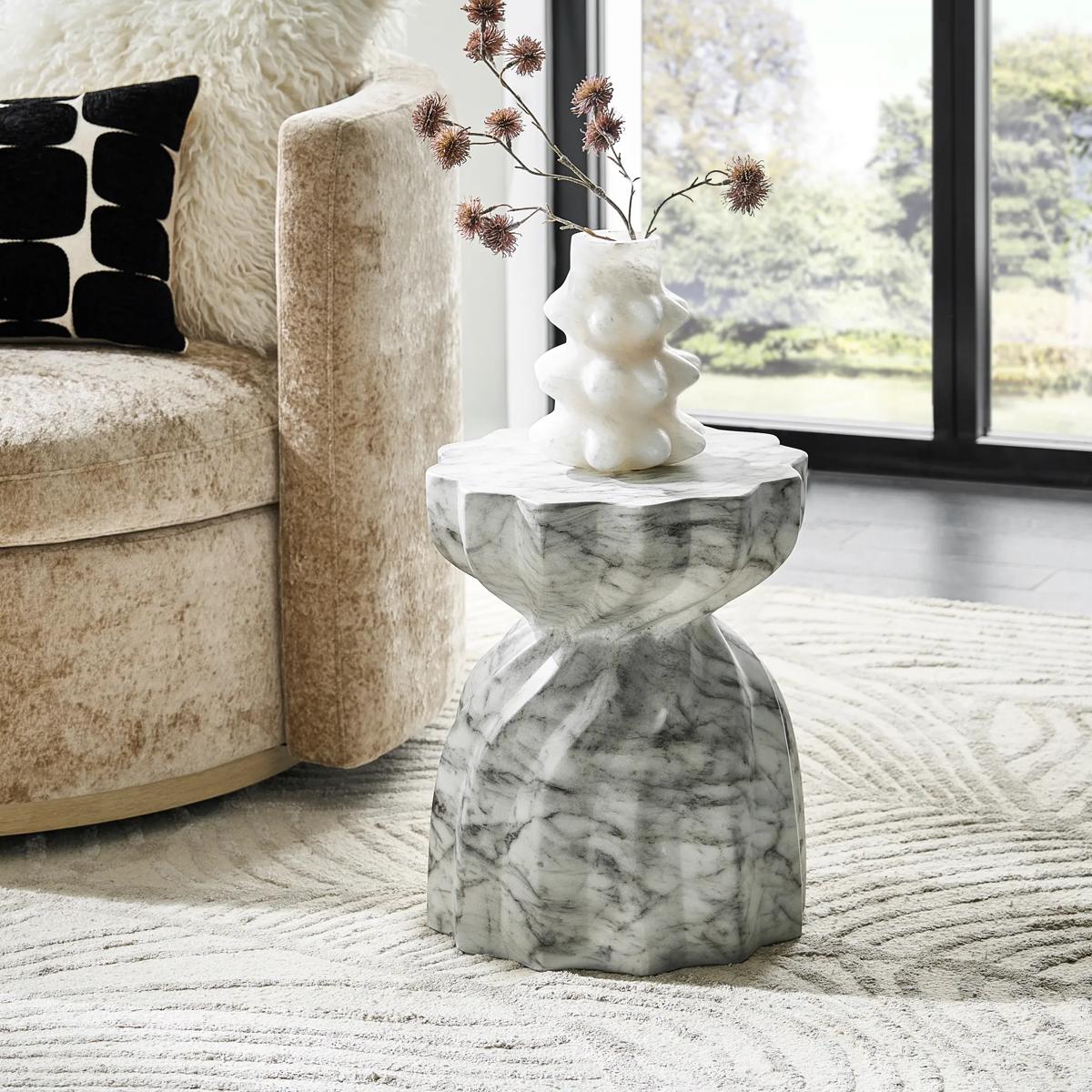 Lithia Scalloped White Concrete Indoor/Outdoor Side Table (15")$349
A white concrete side table with a scalloped silhouette and marble-look finish for indoor-outdoor living.
Add To Cart -
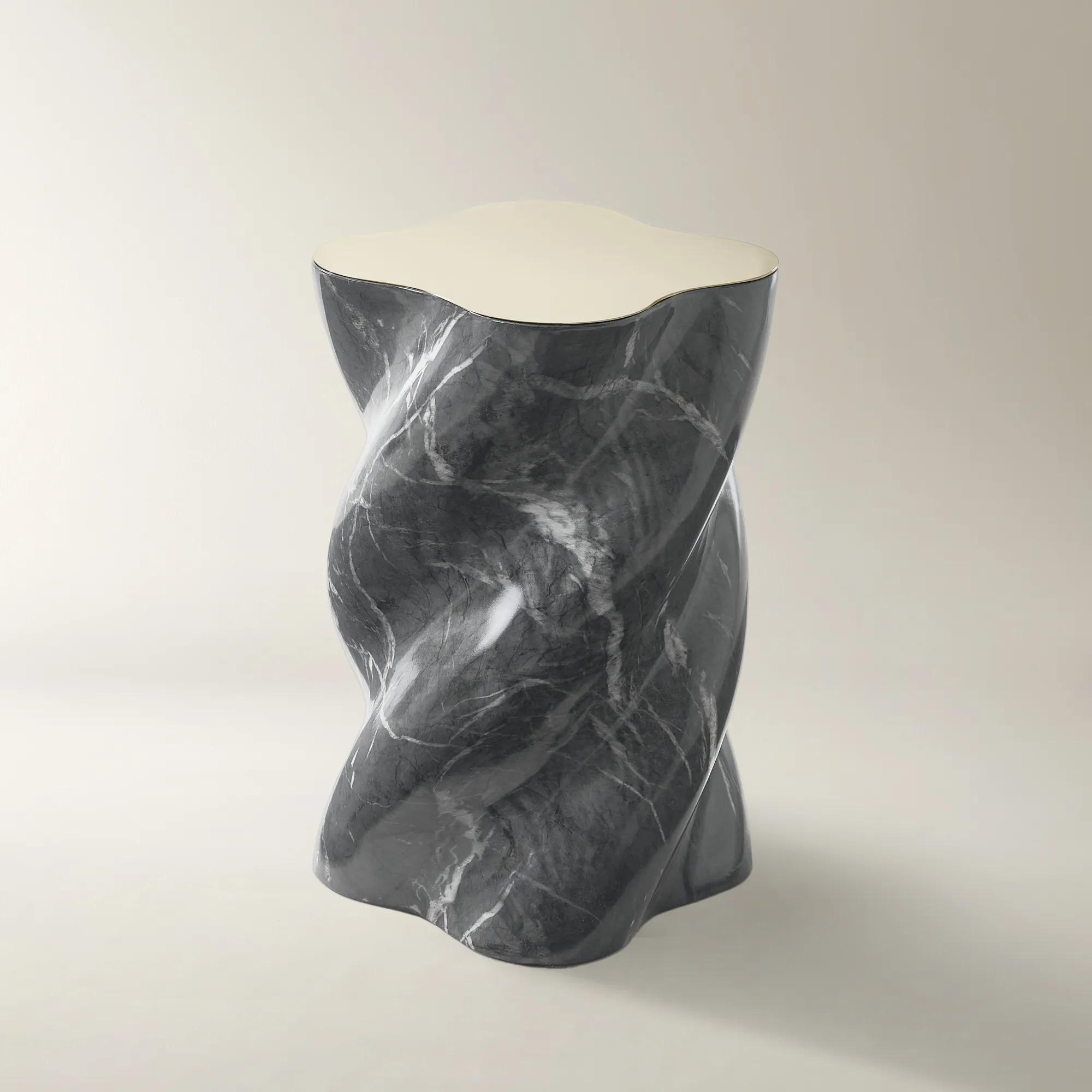 Vega Bvlgary Black Concrete Indoor/Outdoor Side Table With Stainless Steel Top (13.8")$459
A black concrete side table with a sculptural pedestal, removable stainless-steel top, and marble-inspired finish.
Add To Cart -
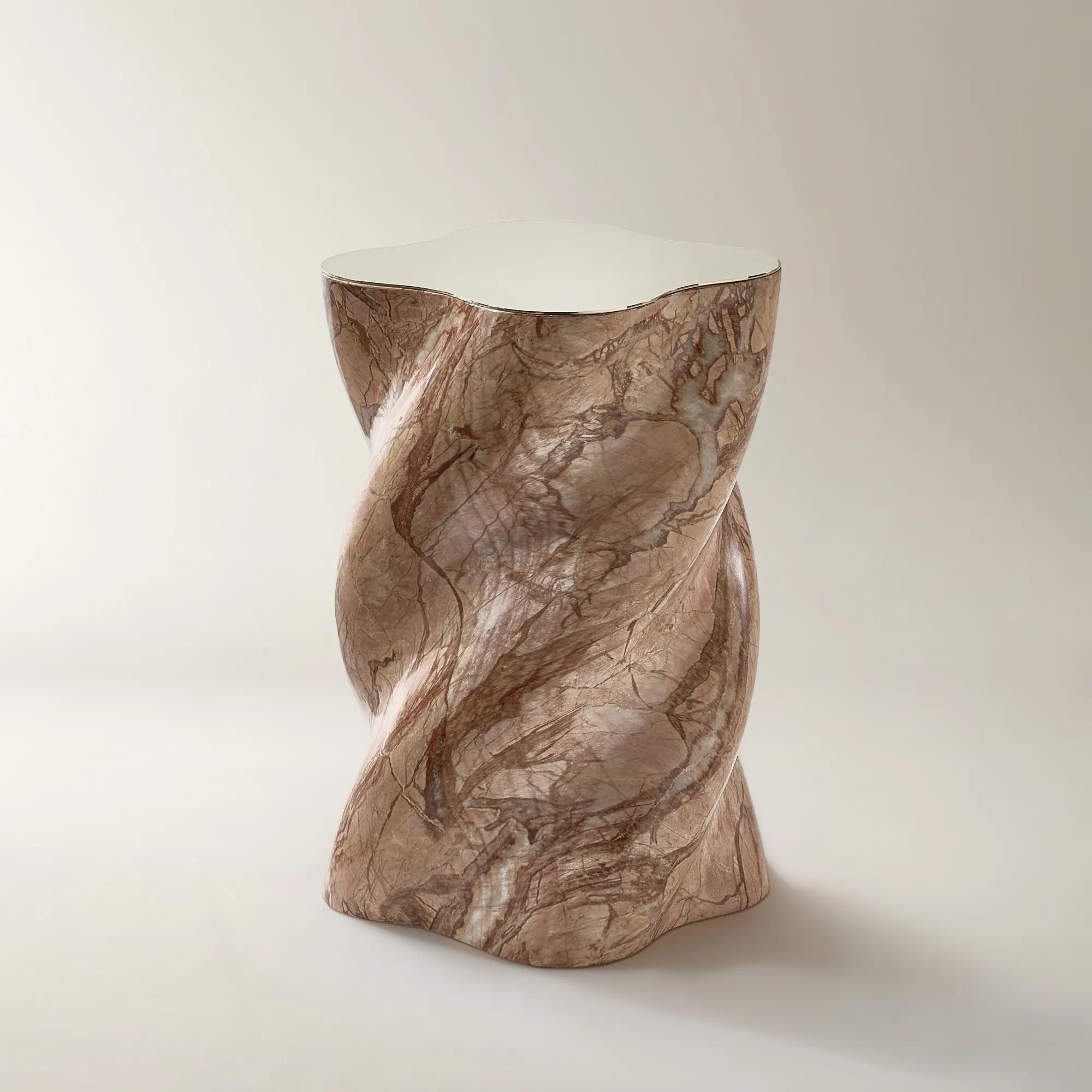
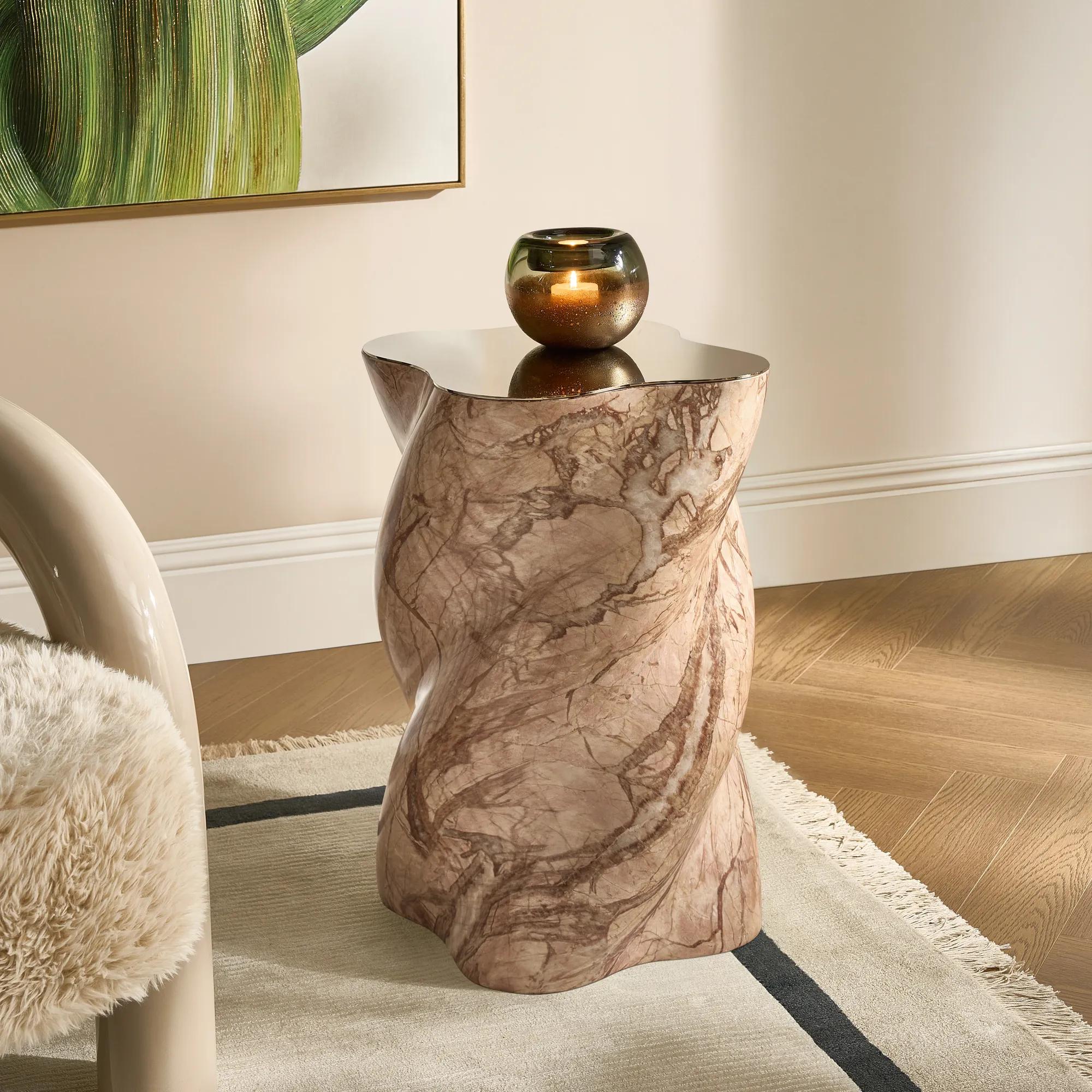 Vega Concrete Indoor/Outdoor Side Table With Stainless Steel Top (13.8")$459
A black, orange, or green concrete side table with removable stainless-steel top and marble-inspired veining.
Add To Cart -
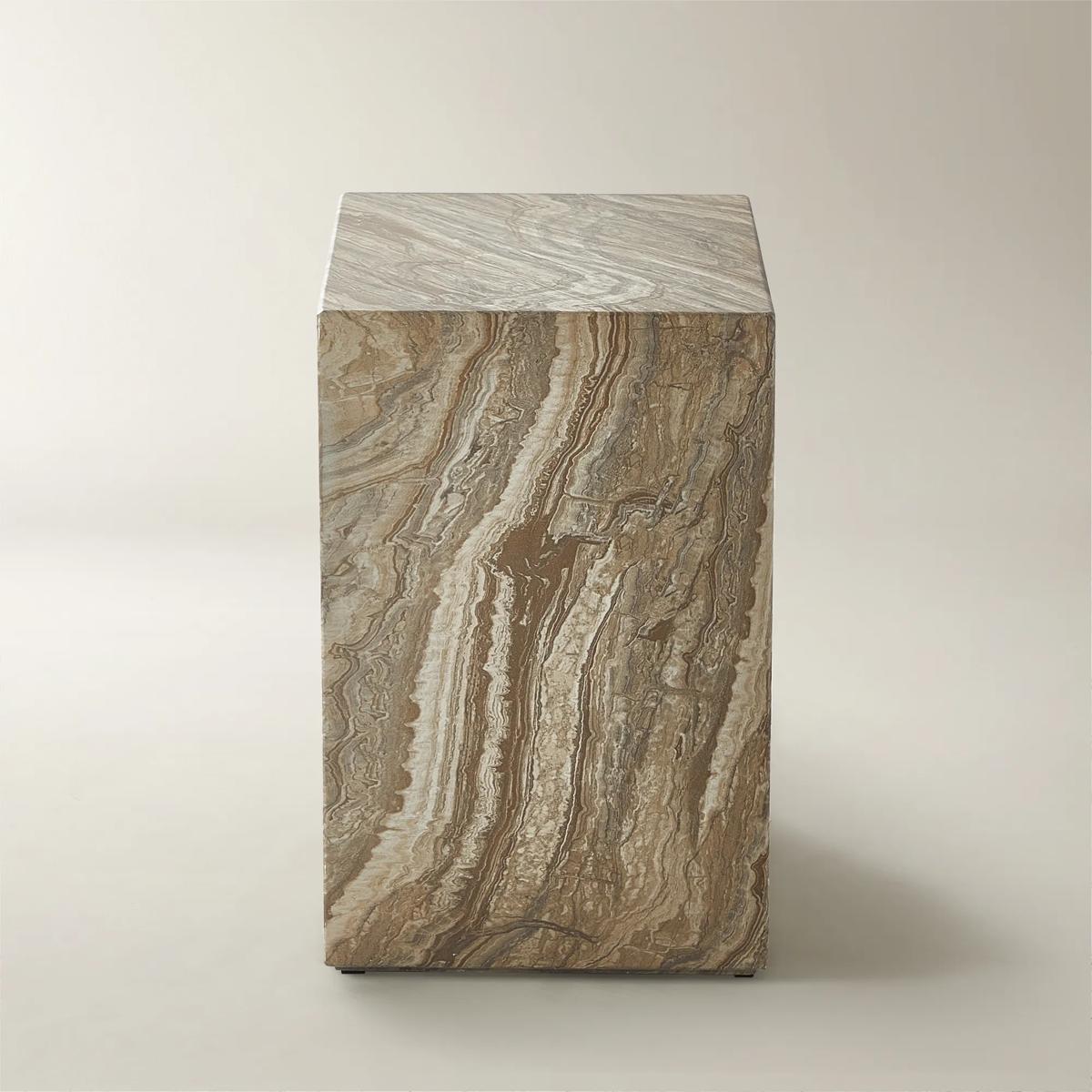
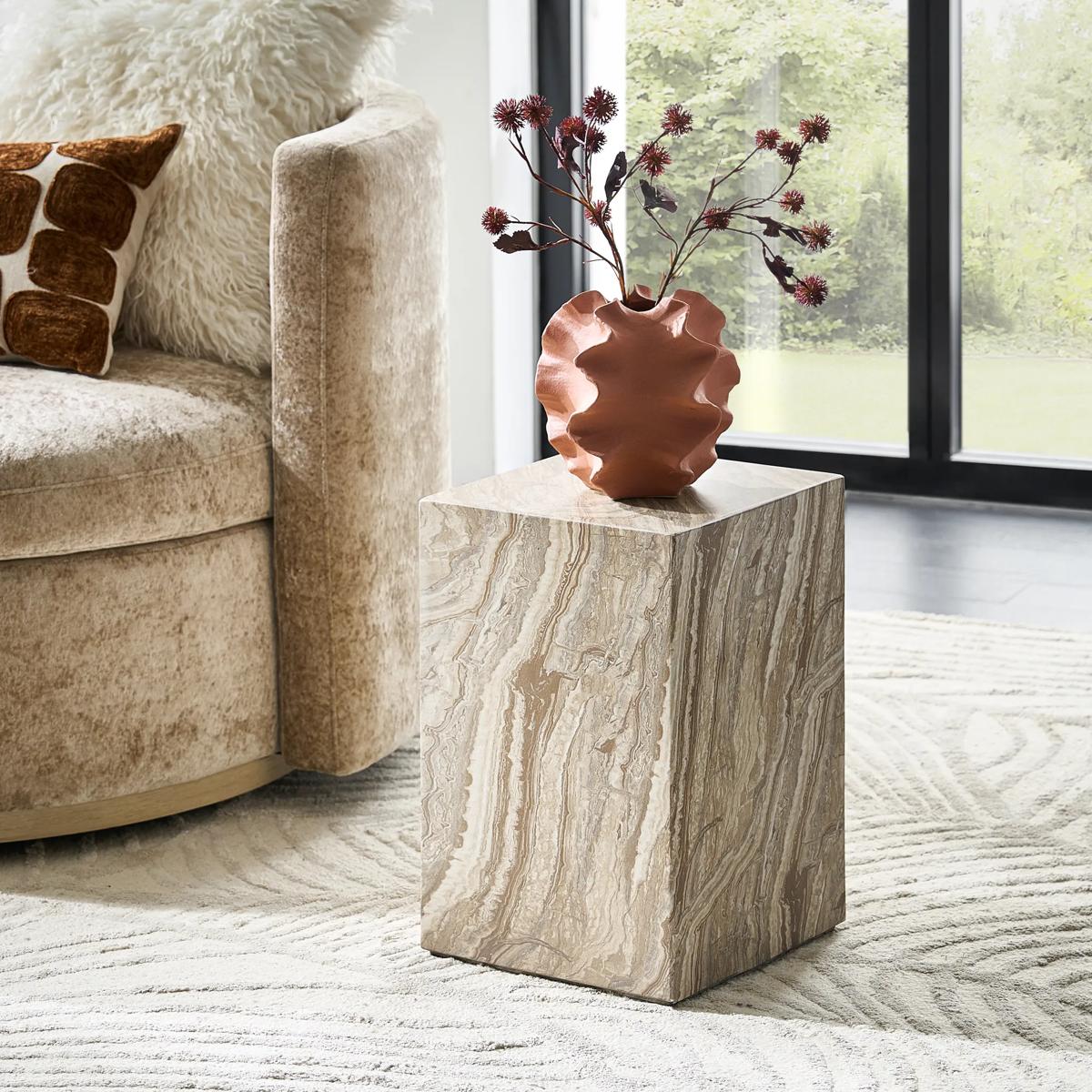 Strata Square Brown Concrete Indoor/Outdoor Side Table (11.8")$299
A brown concrete side table with a sculptural cuboid profile and marble-look finish, indoors or outdoors.
Add To Cart -
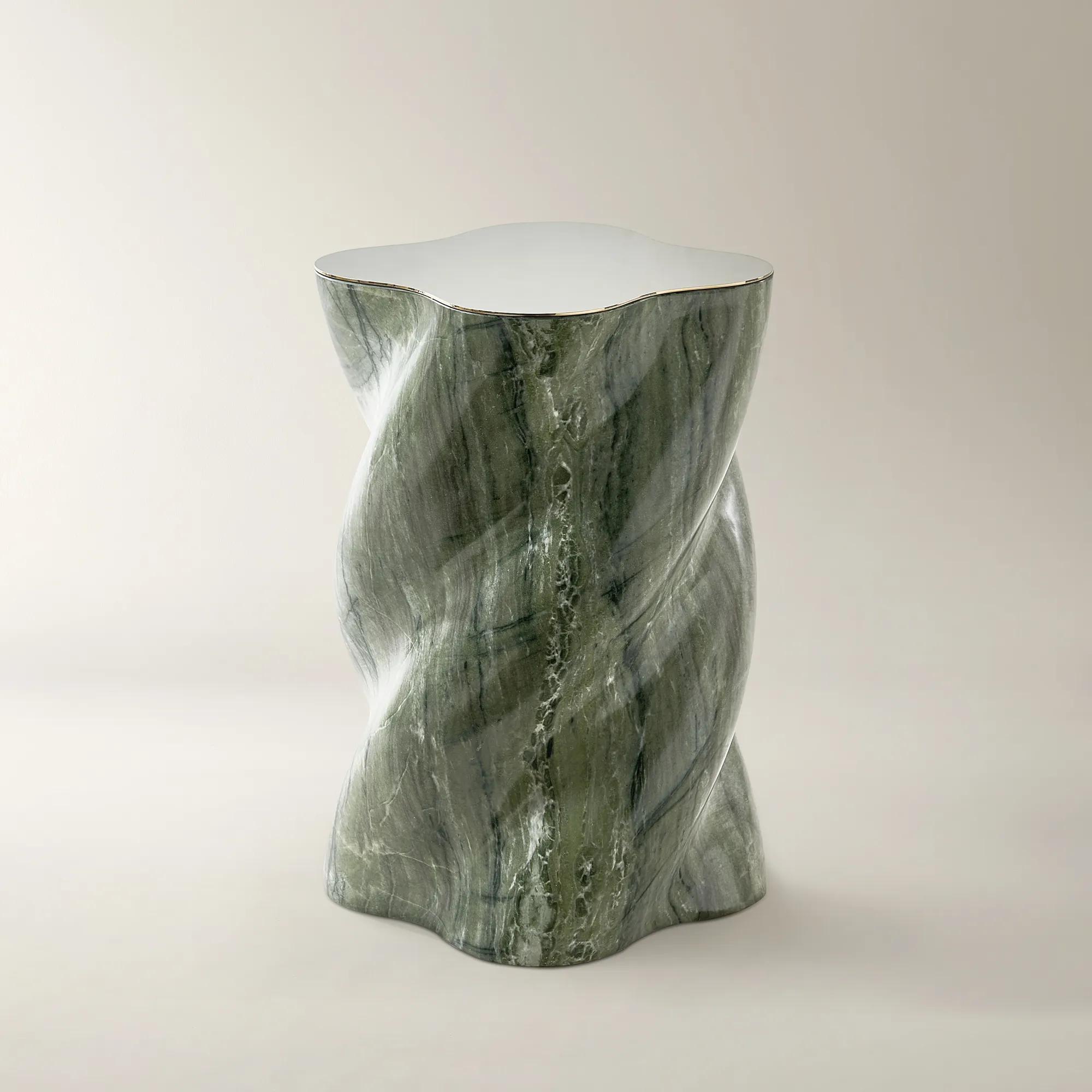 Vega Malachite Green Concrete Indoor/Outdoor Side Table With Stainless Steel Top (13.8")$459
A green concrete side table with a sculptural pedestal, marble-inspired finish, and removable stainless-steel top.
Add To Cart -

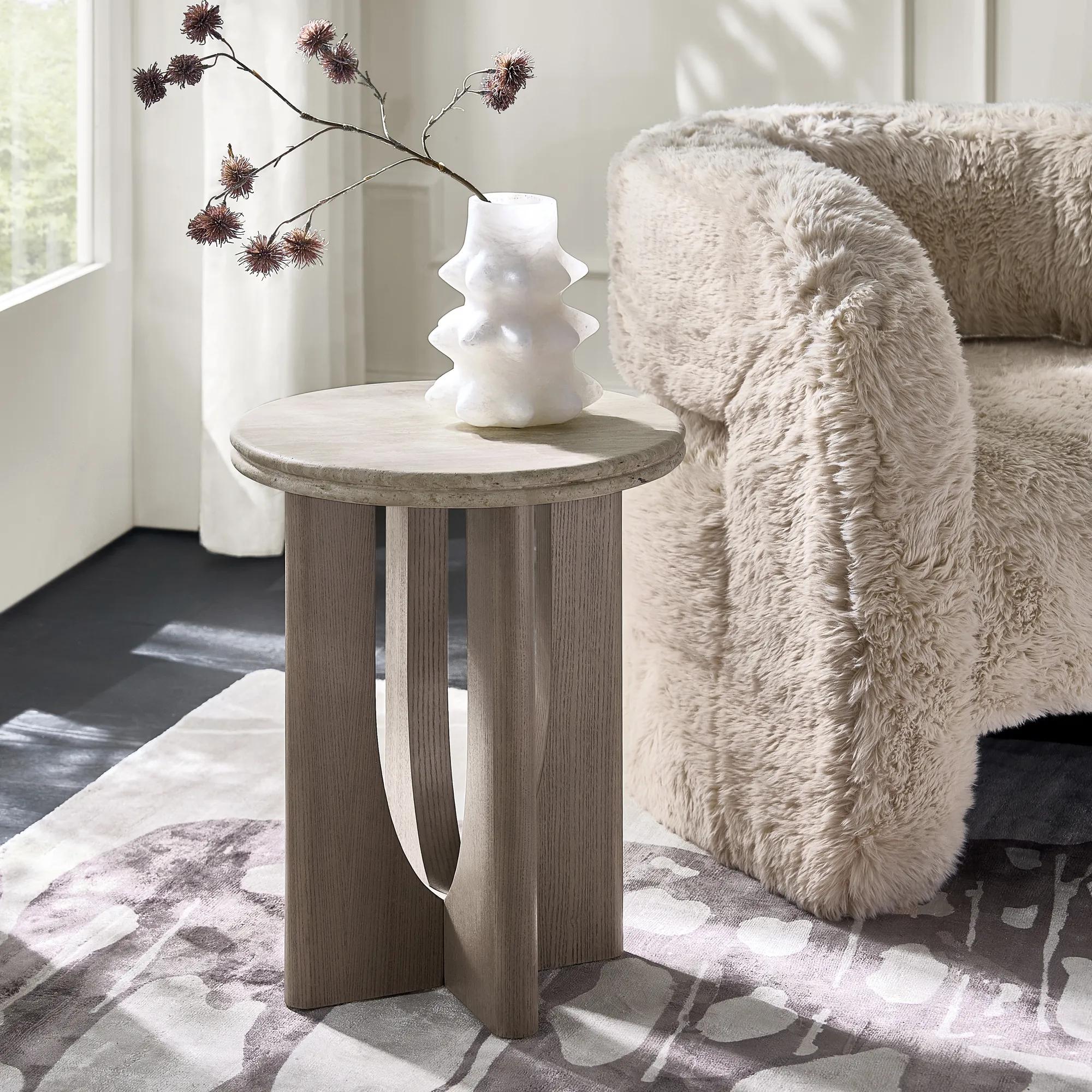 Bond Round Travertine and Wood End Table (17.25")$459
A sculptural end table featuring a genuine ivory travertine top and a solid ash wood base.
Add To Cart -
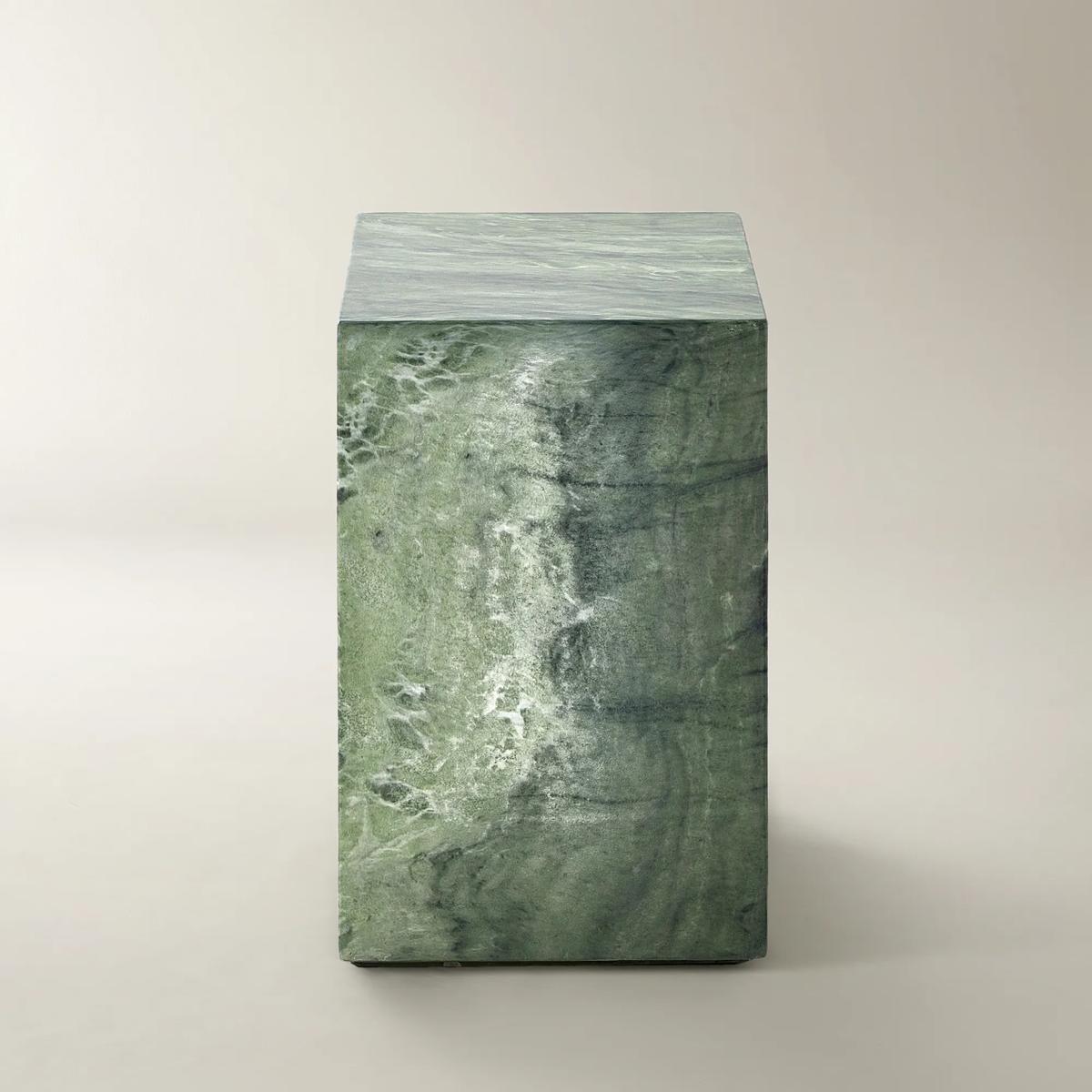
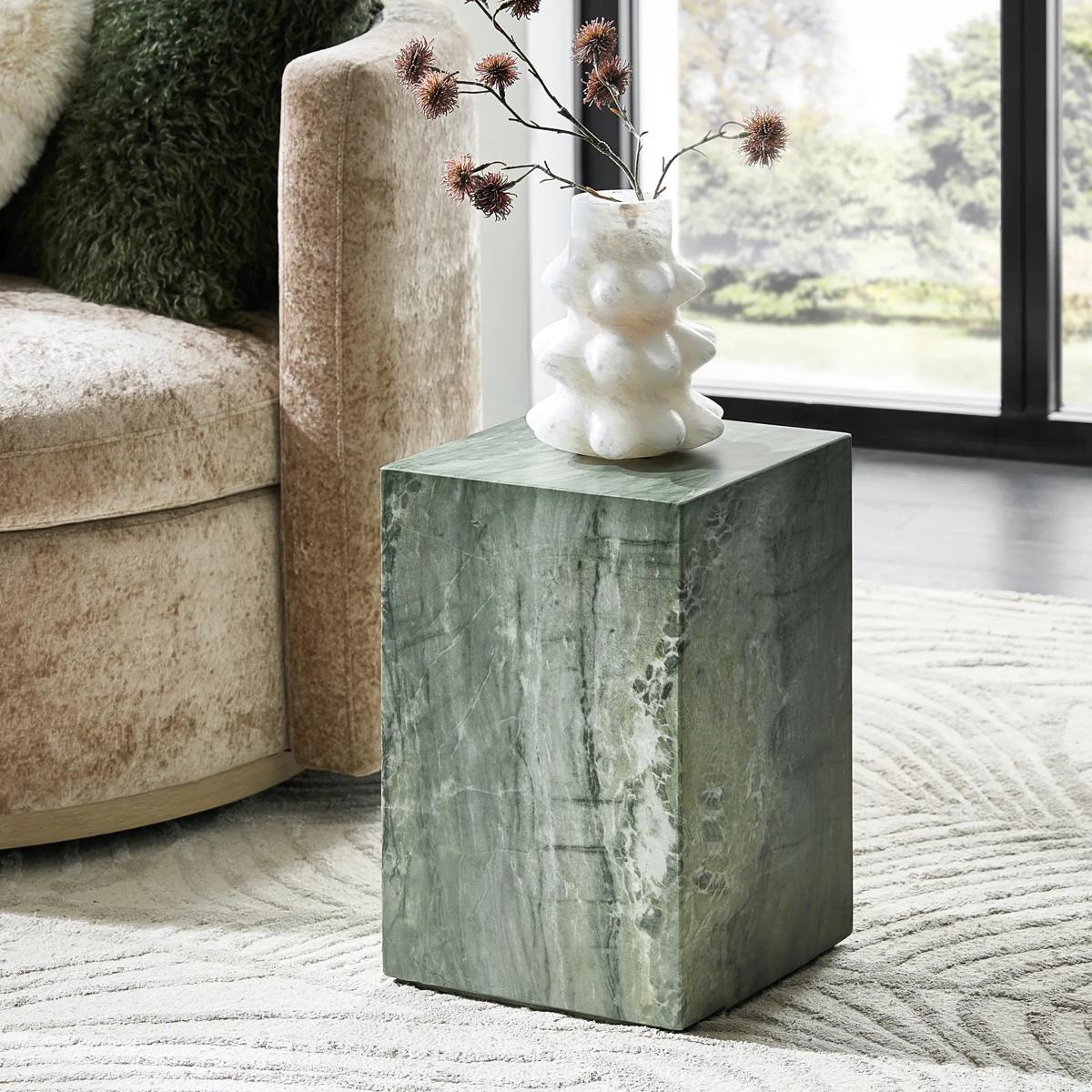 Strata Square Green Concrete Indoor/Outdoor Side Table (11.8")$299
A green concrete side table with marble-look veining and a sculptural cuboid form for indoor use.
Add To Cart -
 Strata Round Green Concrete Indoor/Outdoor Side Table (15")$349
A green concrete side table with rounded geometry and a marble-look finish for indoor-outdoor use.
Add To Cart -
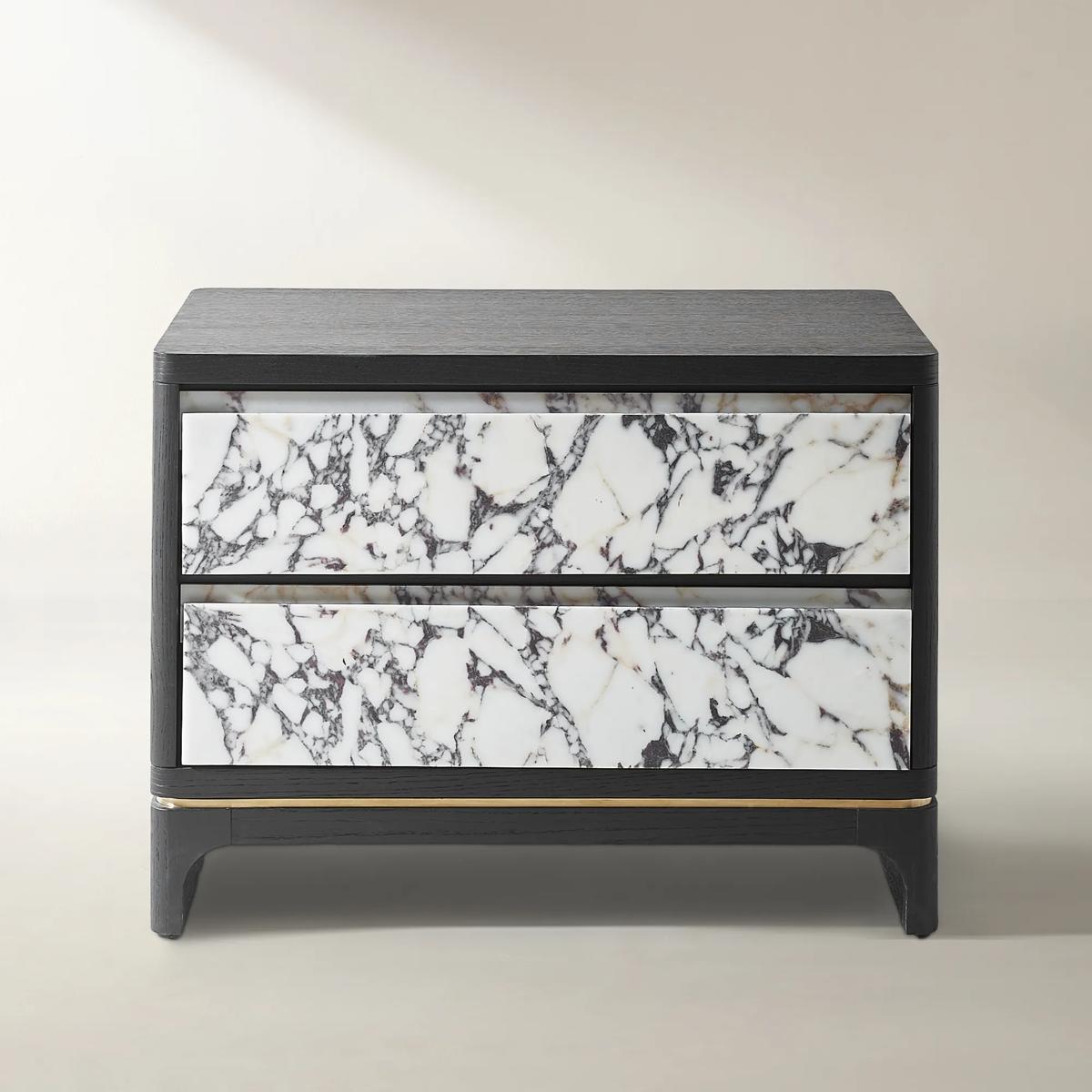 Vanta Black Oak And Calacatta Marble 2-Drawer Nightstand (32")$1099
A striking nightstand featuring genuine Calacatta Viola marble fronts and matte black oak veneer for bold elegance.
Add To Cart -
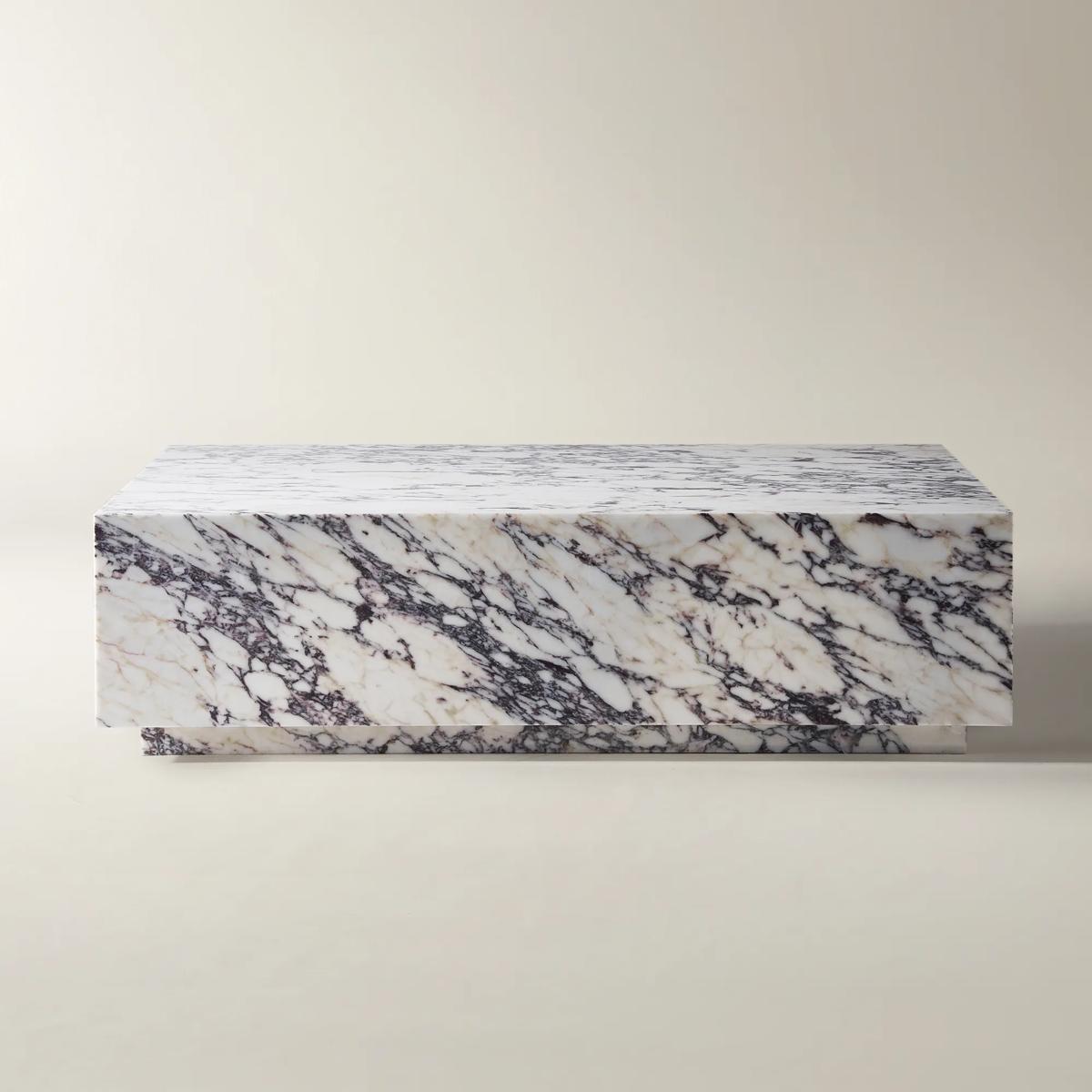
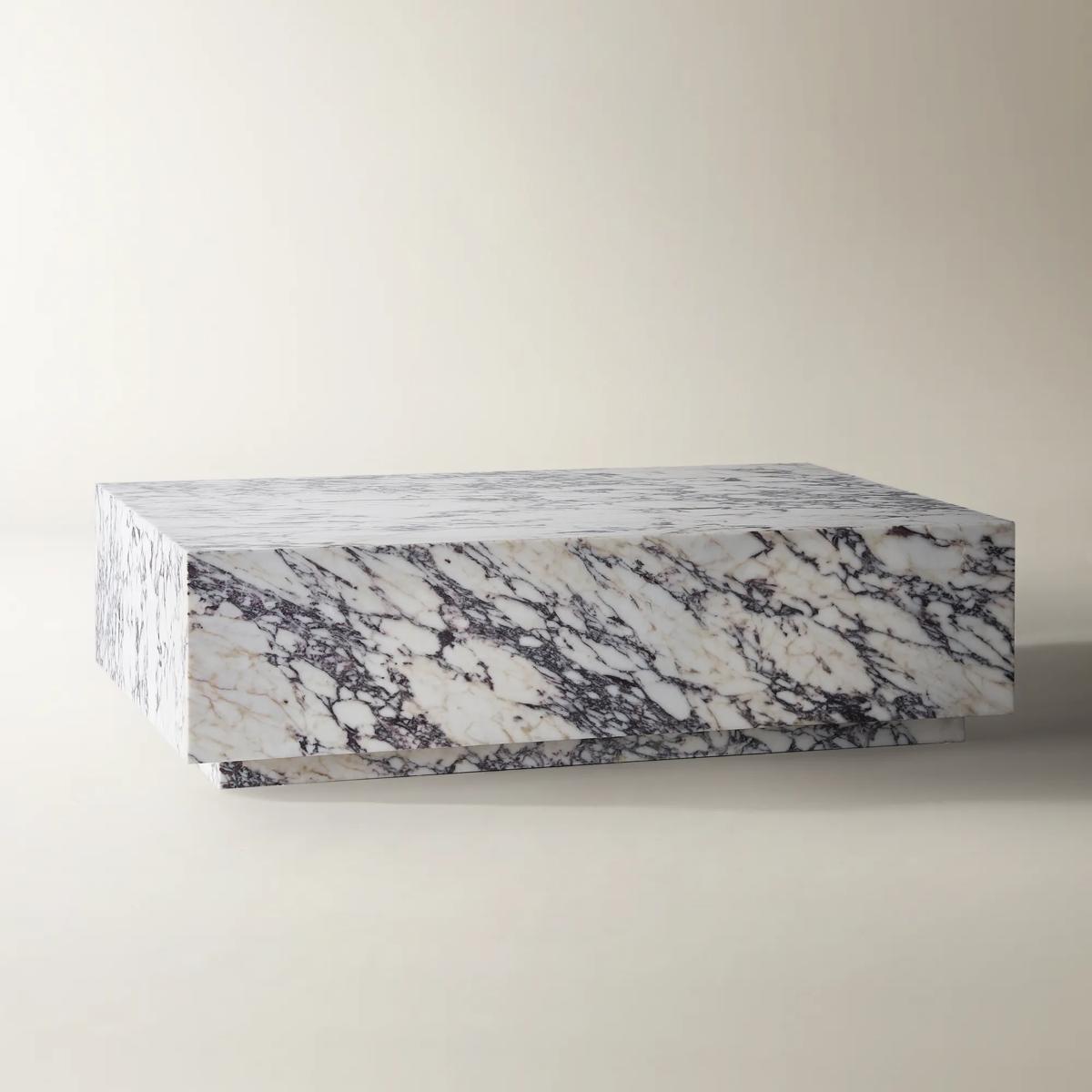 Vanta Rectangular Viola Calacatta Marble Coffee Table (54")$3699
A sculptural coffee table in Calacatta Viola marble, featuring an aluminum core and recessed plinth base.
Add To Cart

Elegant Marble Top Side Tables
Elevate your sanctuary with elegant marble top side tables—where artistry meets allure in every curve and contour. These striking pieces transform the ordinary into the extraordinary, infusing your living space with a sense of grandeur and timeless sophistication. Each table is a celebration of contrast: the cool, luminous surface of marble poised atop sculptural bases, ready to anchor your favorite vignette or spark conversation. Whether set beside a sumptuous velvet sofa or gracing an intimate reading nook, elegant marble top side tables invite you to indulge in a world where luxury is always within reach and every detail speaks volumes.
Elegant marble-top side tables pair the expressive beauty of natural stone with a supportive metal, wood, or stone base, bringing both a useful surface and an architectural accent to a room. Their appeal begins with the marble itself: delicate veining, cloudlike shifts in color, and mineral markings give each natural stone surface its own composition. A pale top with soft gray movement can illuminate a seating arrangement, while darker marble with dramatic veining creates a more commanding presence beside light upholstery. Because natural variation is part of the material, the pattern and tone may differ from one table to another, even within the same design. That individuality makes marble especially compelling in interiors built around collected art, sculptural furniture, and richly layered textiles. The base determines how that beauty carries through the room. Slender metal supports introduce an airy silhouette beneath the visual weight of stone; warm wood adds depth and a more grounded character; a substantial pedestal emphasizes the table’s sculptural form. Brass-toned finishes lend a golden accent, polished silver tones create crisp contrast, and dark metal outlines the stone with graphic precision. Surface finish matters just as much. Polished marble catches light and accentuates its markings, while honed marble has a matte appearance that feels quieter without losing its richness. Material descriptions deserve attention, since solid marble, genuine marble veneer over a supporting core, and marble-look surfaces differ in construction and care requirements. Edge profiles also influence the overall impression: a slim edge feels tailored, while a thicker top gives a compact table greater visual presence. Against velvet, boucle, leather, or woven upholstery, marble contributes a smooth counterpoint that makes the surrounding textures more expressive. These contrasts allow a side table to serve as a distinct design gesture without competing with the larger furniture around it.
A marble-top side table earns its place through proportion as well as presence. Beside a sofa or lounge chair, the surface should sit close to arm height so a glass, book, or reading lamp remains comfortably within reach. A deeply cushioned sofa may need a different table height than an upright accent chair, making the actual seat and arm measurements more useful than appearance alone. The tabletop should offer enough room for its intended purpose without crowding the seating arrangement. A lamp and a drink need more surface area than a single decorative bowl, and a generously scaled shade can overwhelm a narrow top even when its base fits. Round marble side tables soften arrangements dominated by straight lines and can ease movement beside a chair, though the entire base still needs adequate clearance. Square and rectangular shapes establish a more tailored rhythm beside a sofa or between a pair of seats. In a compact living room, a slender base preserves sightlines; in a larger space, a substantial silhouette can hold its own against broad upholstery and oversized artwork. Open bases may allow a more flexible placement, while broad pedestal bases offer a strong visual anchor but occupy more floor space. Stone contributes weight, so construction, secure attachment, and a stable footprint deserve as much attention as the finish. A marble top alone does not guarantee resistance to tipping, particularly where children or pets move through the room. Intended load limits also matter when placing a substantial lamp or decorative object. Beyond the living room, these tables can bring a polished accent to a reading corner, a spacious bedroom, or a quiet conversation area. A pair can establish balance on opposite sides of a sofa, while one distinctive table beside a favorite chair creates a more personal composition. Where a lamp is part of the arrangement, access to an outlet and a discreet cord path help preserve the clean lines that make the setting feel considered.
Marble’s lasting beauty depends on treating it as natural stone rather than an impervious surface. It can provide enduring service, but it remains porous and can scratch, stain, or develop etching from acidic substances. A cocktail with citrus, a splash of wine, or a vase resting on trapped moisture can leave a mark if the surface is unprotected. Coasters, trays, and protective pads make everyday use more graceful, giving frequently handled objects a defined place while reducing direct contact with the stone. Felt beneath decorative accessories helps protect against scratches, and a waterproof liner beneath a planter keeps watering mishaps away from the tabletop. Spills should be blotted promptly rather than left to settle. For routine cleaning, a soft cloth and a manufacturer-recommended, pH-neutral stone cleaner are generally appropriate; abrasive pads, vinegar, lemon-based cleaners, and harsh chemicals can damage the finish. Sealing requirements vary with the marble and its treatment, so care instructions should determine whether and when resealing is needed. A sealer can help reduce absorption, but it does not make marble stainproof or prevent acid etching. Metal and wood bases may require different cleaning methods, making the full construction relevant to ongoing care. The appeal of Premium Marble Side Tables lies in this balance of expressive material and considered function: a useful furnishing becomes a small-scale focal point. For someone establishing a first thoughtfully furnished home or celebrating a new residence, a marble side table can also be a meaningful gift when room dimensions and personal style are known. Its impact does not require elaborate styling. A shaded lamp can draw attention to the veining; a low ceramic vessel can echo the curve of a round top; a single art book can introduce color without concealing the stone. Leaving some marble visible allows its natural pattern to remain part of the composition. Beside a sumptuous chair or at the edge of a carefully layered sofa, that open expanse of stone brings a confident, luminous finish to the room.
FAQs
Elegant marble top side tables are remarkably versatile, complementing a variety of interior styles. Their natural stone surfaces and artful bases pair beautifully with modern, traditional, mid-century, and even industrial aesthetics. The key is to let the marble’s unique veining and color palette guide your choices—white marble with gold accents exudes classic glamour, while black or green marble can lend a bold, contemporary edge.
A marble top corner table is perfect for those often-overlooked spaces that crave a touch of sophistication. Tuck one beside a plush armchair to create an intimate reading nook, or use it to display a striking lamp, a curated stack of art books, or a sculptural vase. The natural beauty of marble draws the eye, turning even the smallest corner into a moment of elegance.
Absolutely. Marble top side tables make exceptional gifts for weddings, anniversaries, housewarmings, or milestone celebrations. Their timeless appeal and unique character ensure they will be cherished for years to come, making them a thoughtful and luxurious gesture for anyone who appreciates artistry and refined design.
To create a striking vignette, pair your marble top side table with metallic accents, lush botanicals, or statement lighting. Layering textures—such as a velvet chair nearby or a silk rug beneath—further enhances the marble’s natural drama. For a collected look, mix decorative objects of varying heights and materials to play off the table’s sculptural presence.
Each marble top side table is truly one-of-a-kind, thanks to the organic veining and subtle color shifts inherent to the stone. These natural variations ensure your table is a singular work of art, offering a sense of exclusivity and character that manufactured surfaces simply cannot replicate.