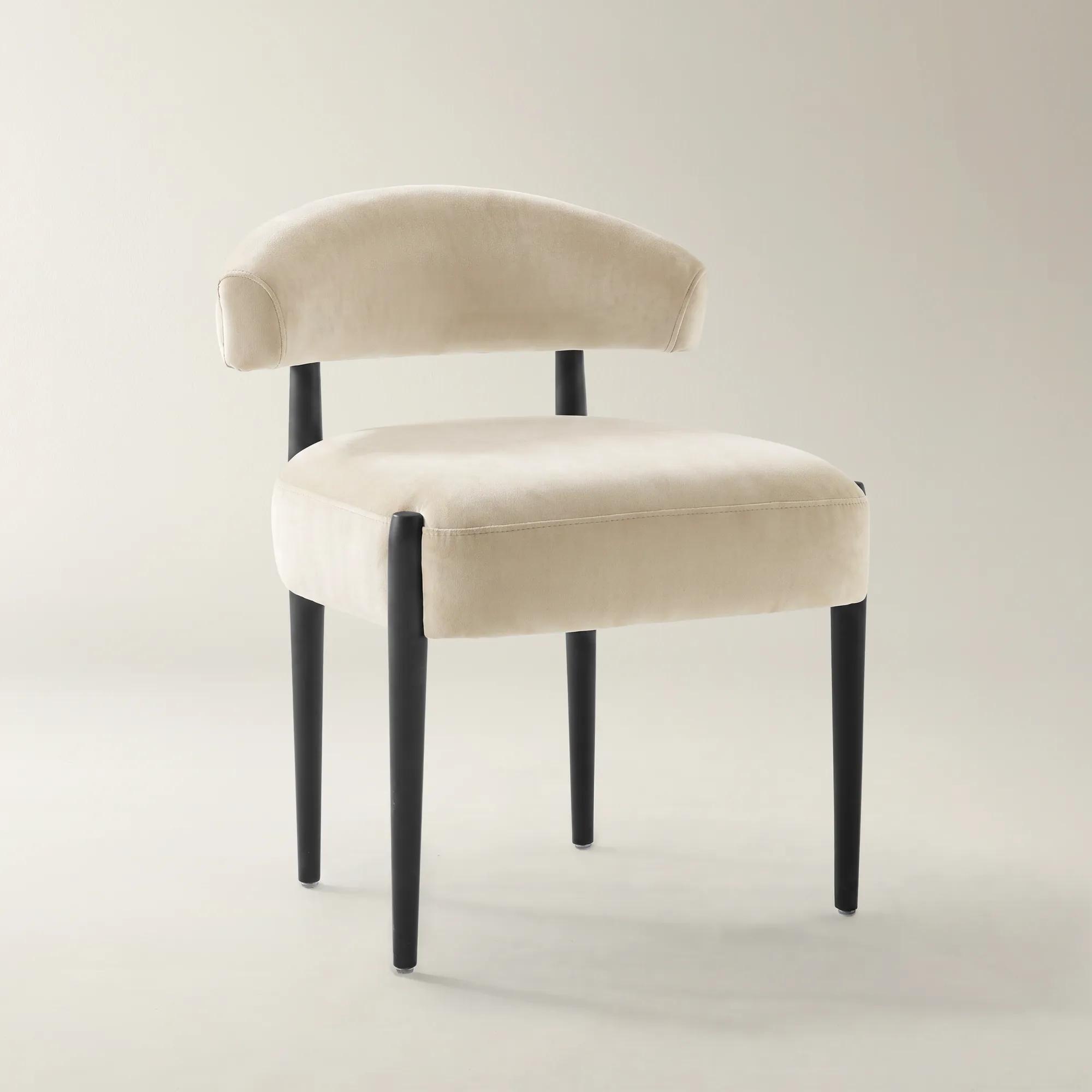
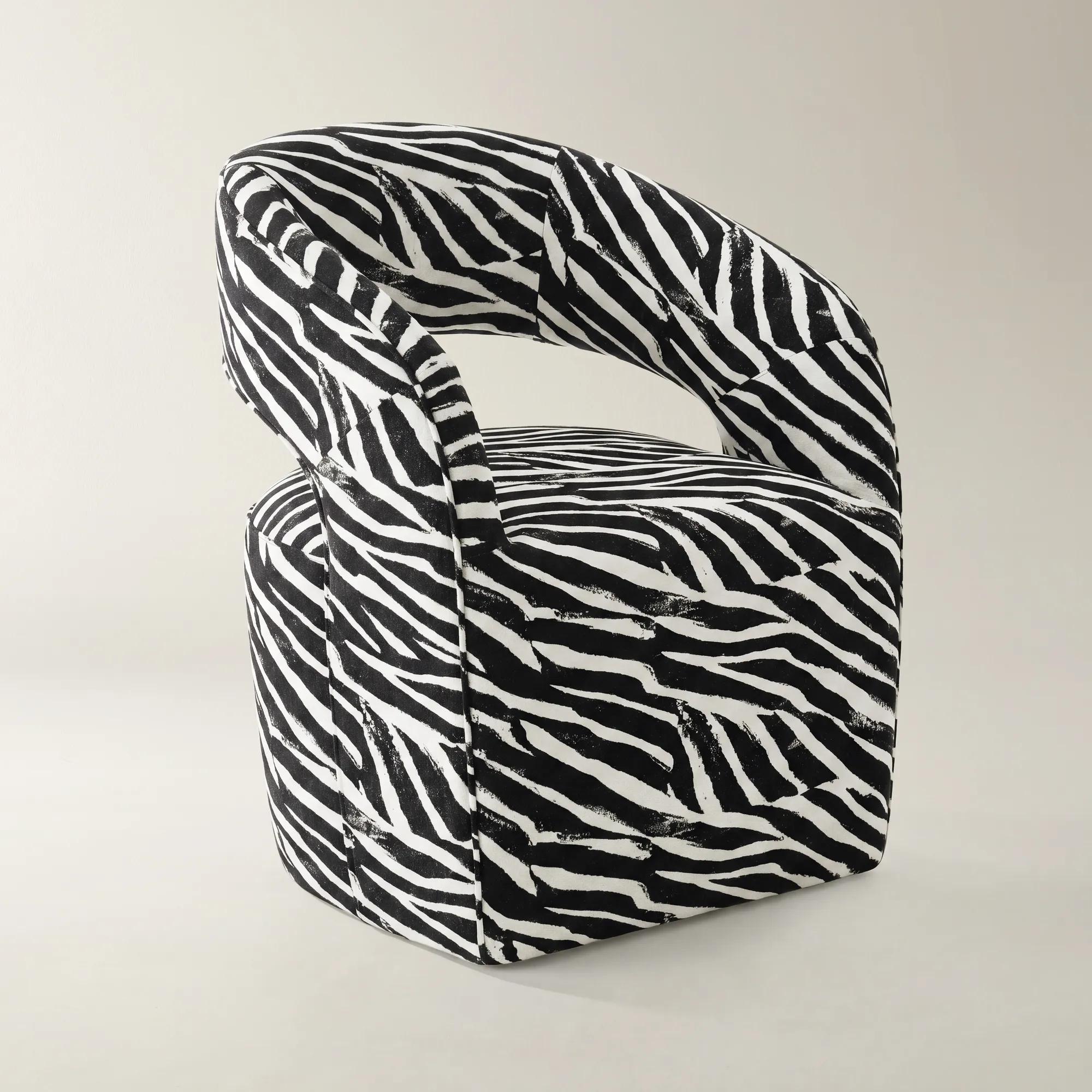
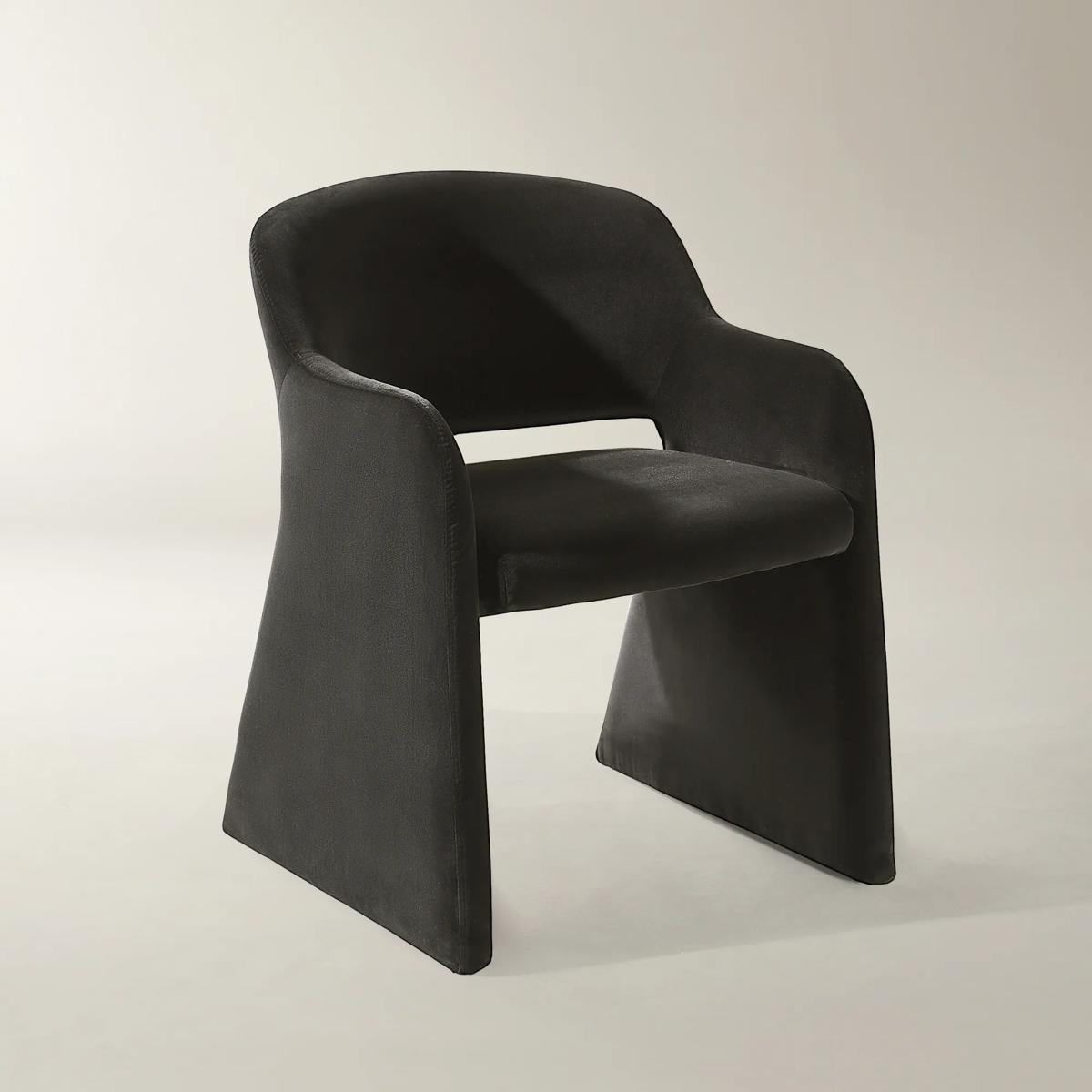
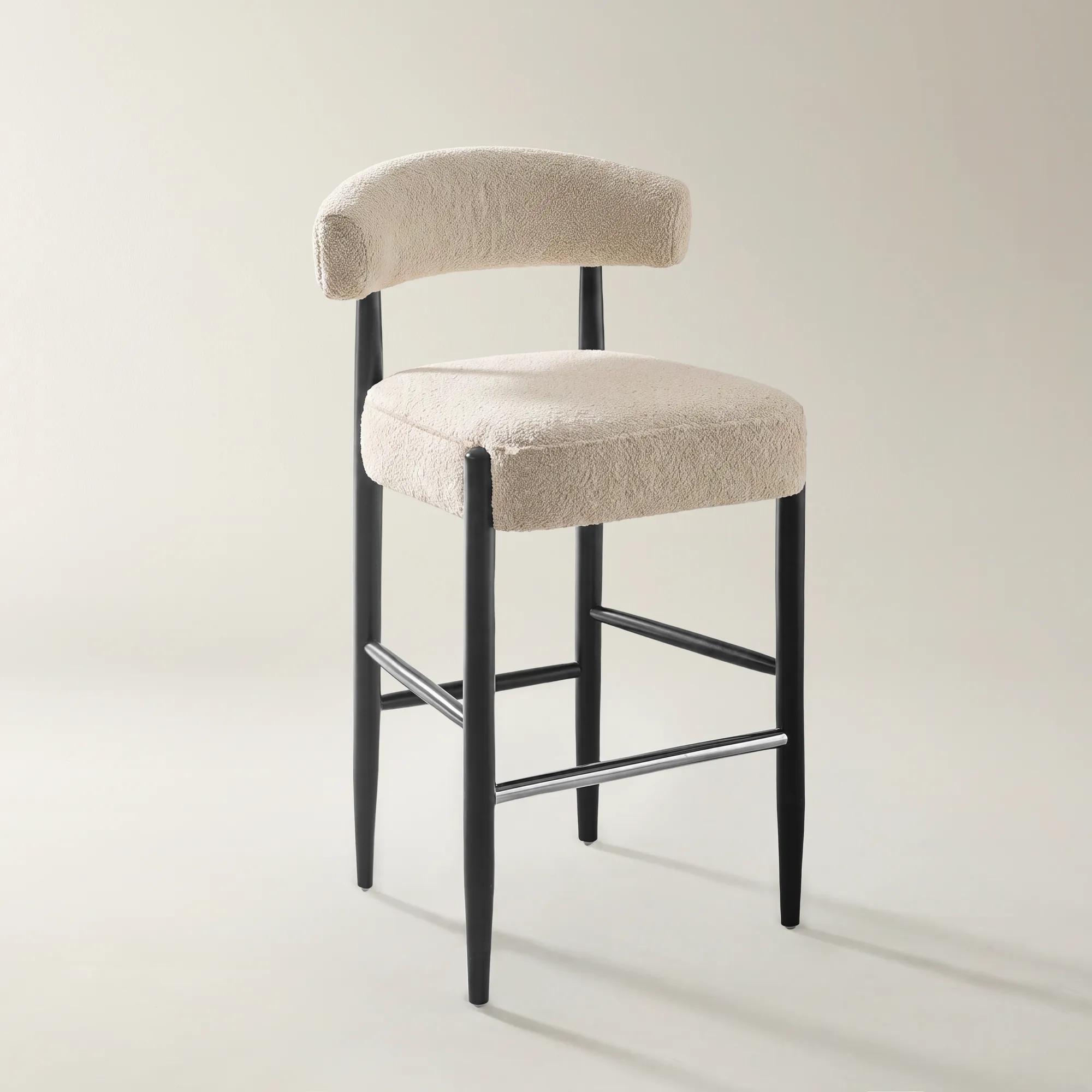
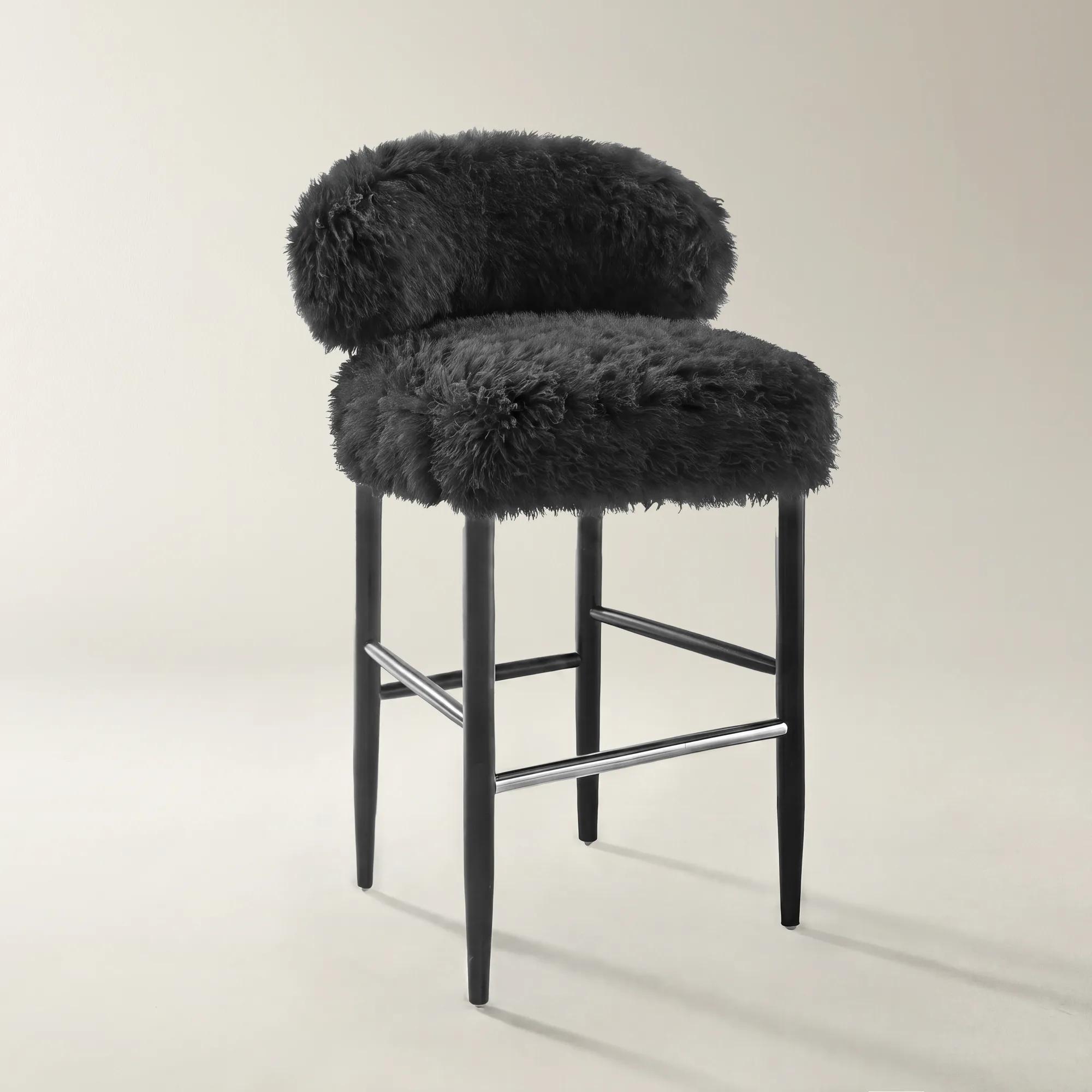
Elegant High Back Dining Chairs
Elegant High Back Dining Chairs
-
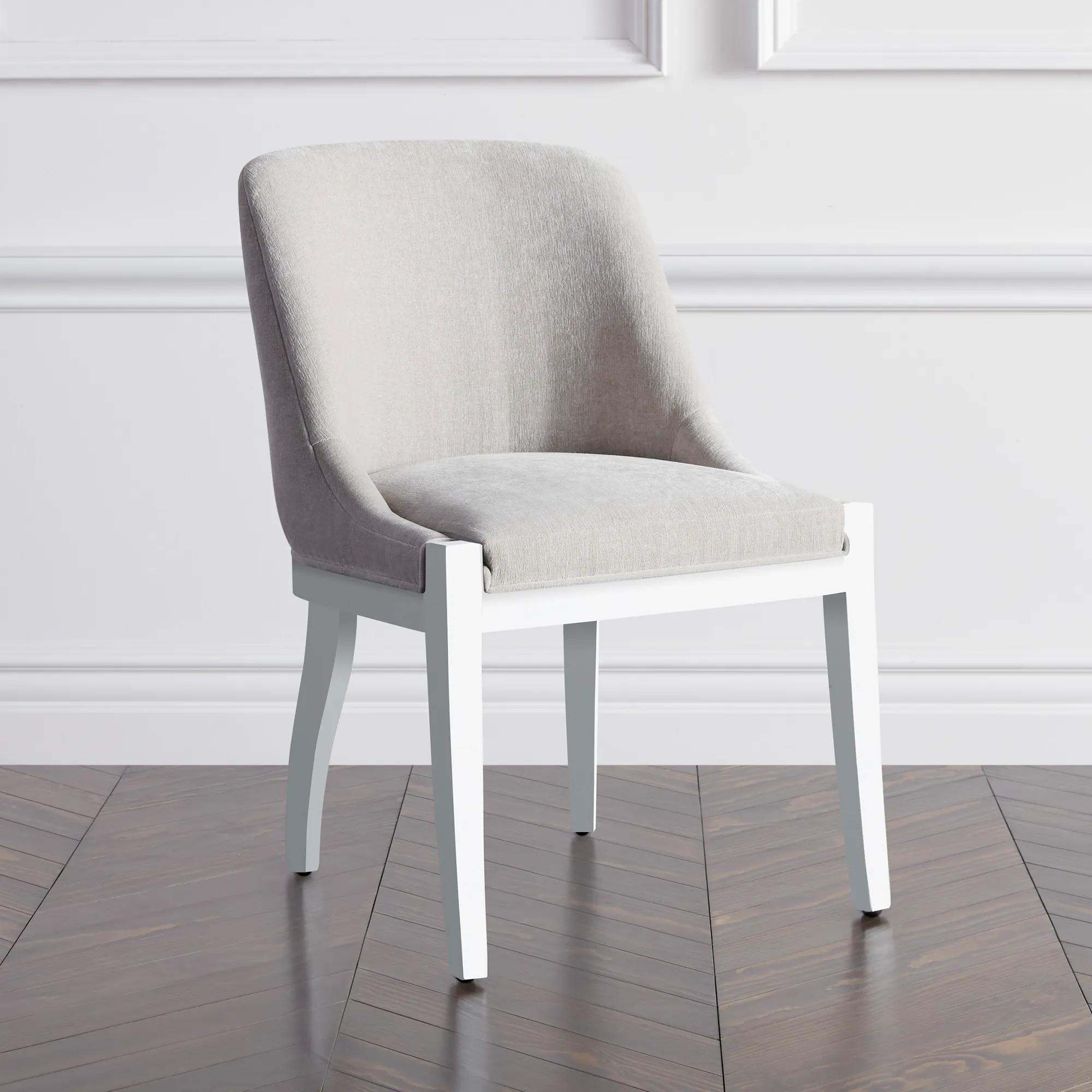
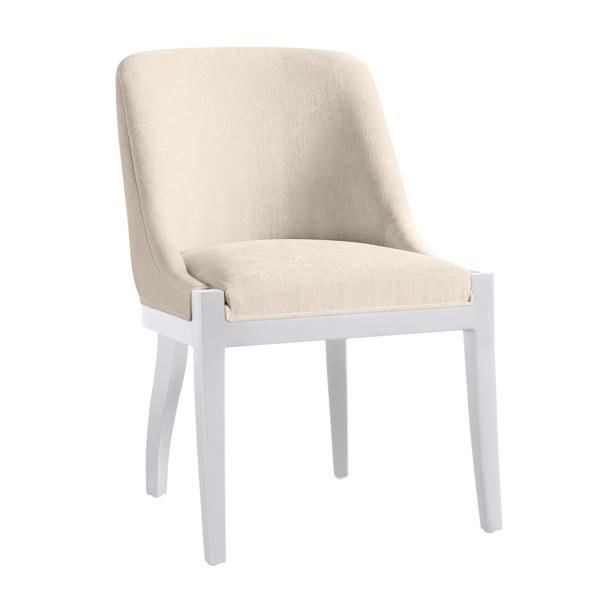 Lily Dining Chair - High Gloss White$649
A modern dining chair featuring kiln-dried hardwood, high-gloss white legs, and neatly tailored upholstery.
Add To Cart -
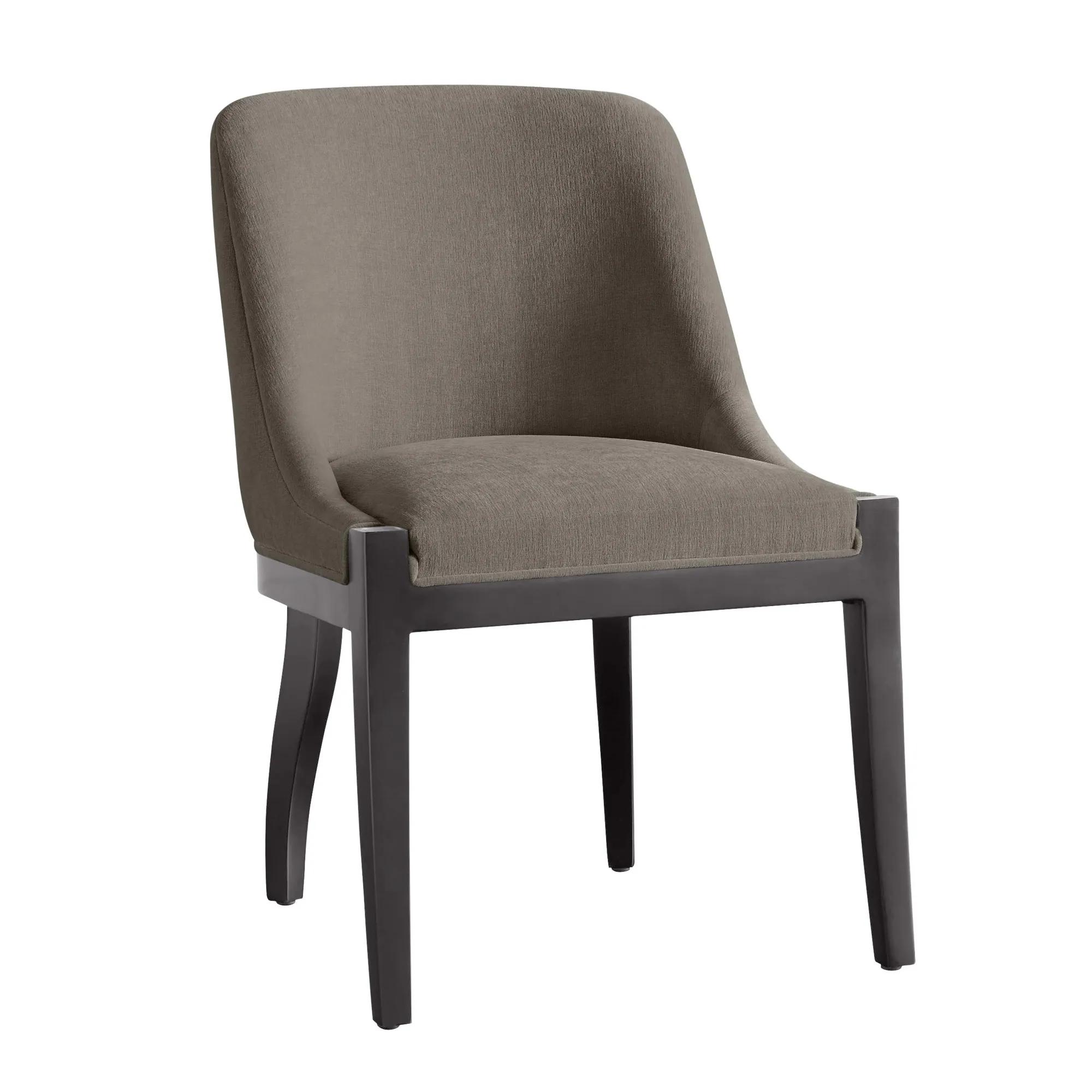
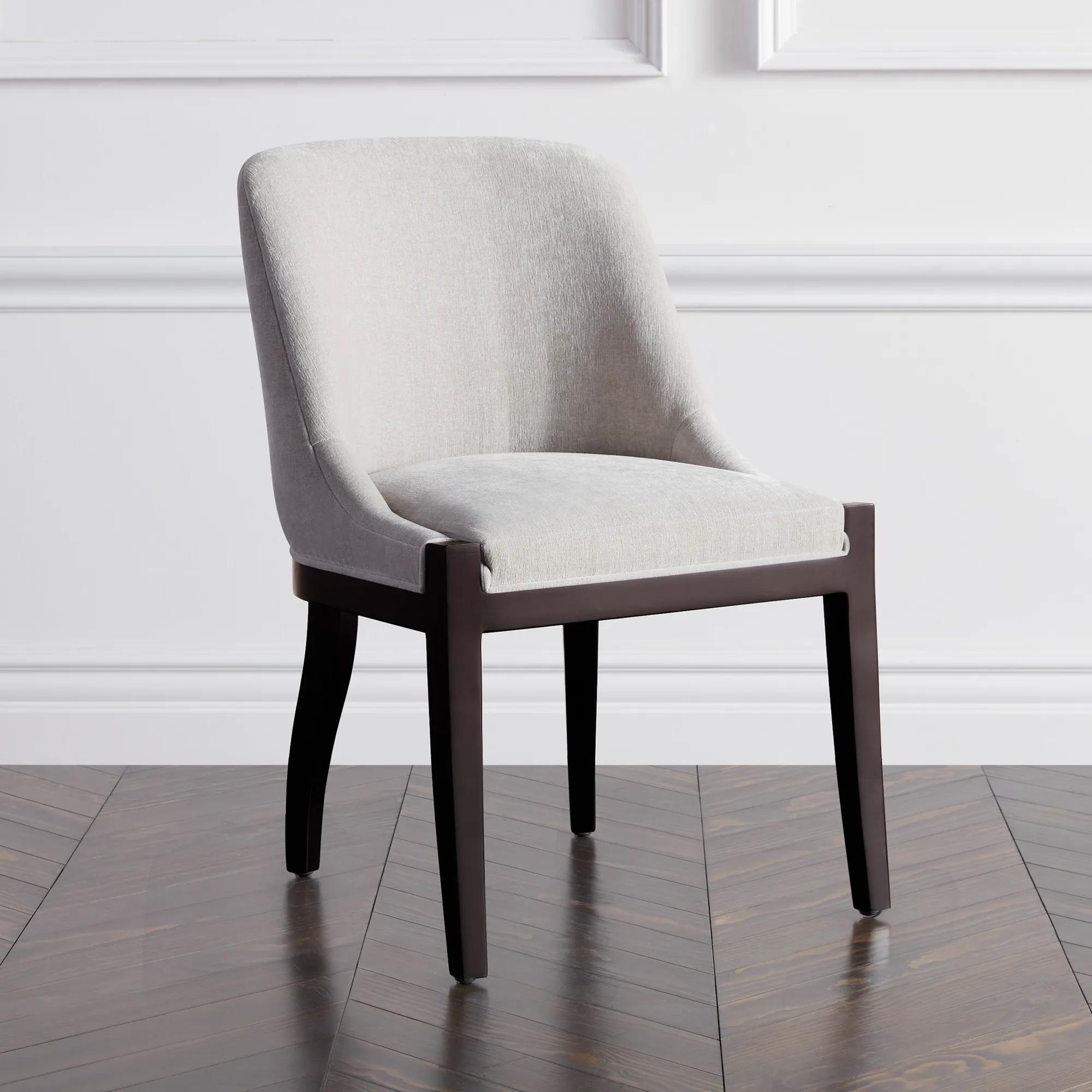 Lily Dining Chair - Espresso$649
A modern dining chair featuring espresso-finished hardwood, curvaceous silhouette, and plush tailored upholstery.
Add To Cart -
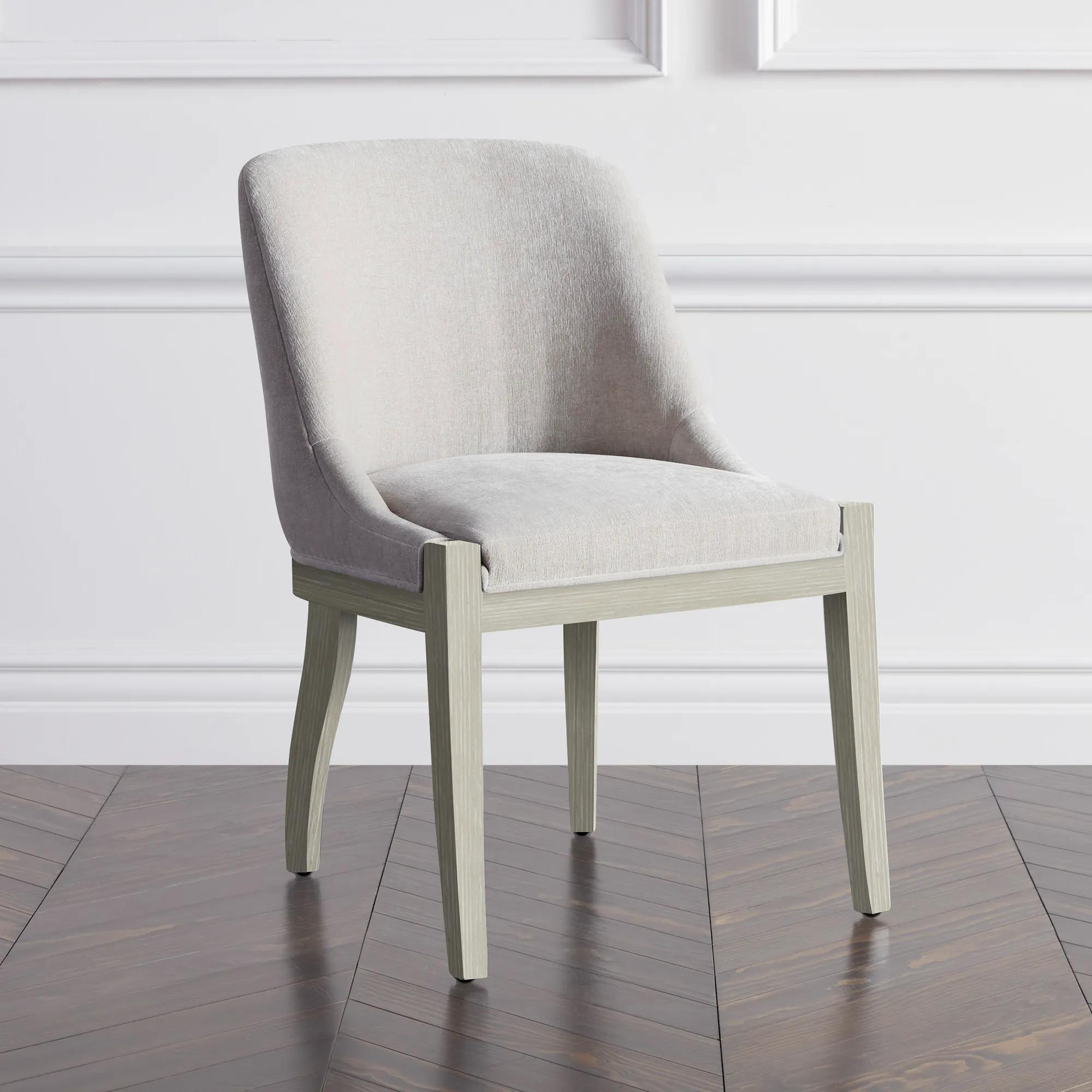 Lily Dining Chair - Natural Grey$649
A modern dining chair featuring kiln-dried hardwood, natural grey upholstery, and cushioned foam-and-fiber comfort.
Add To Cart -
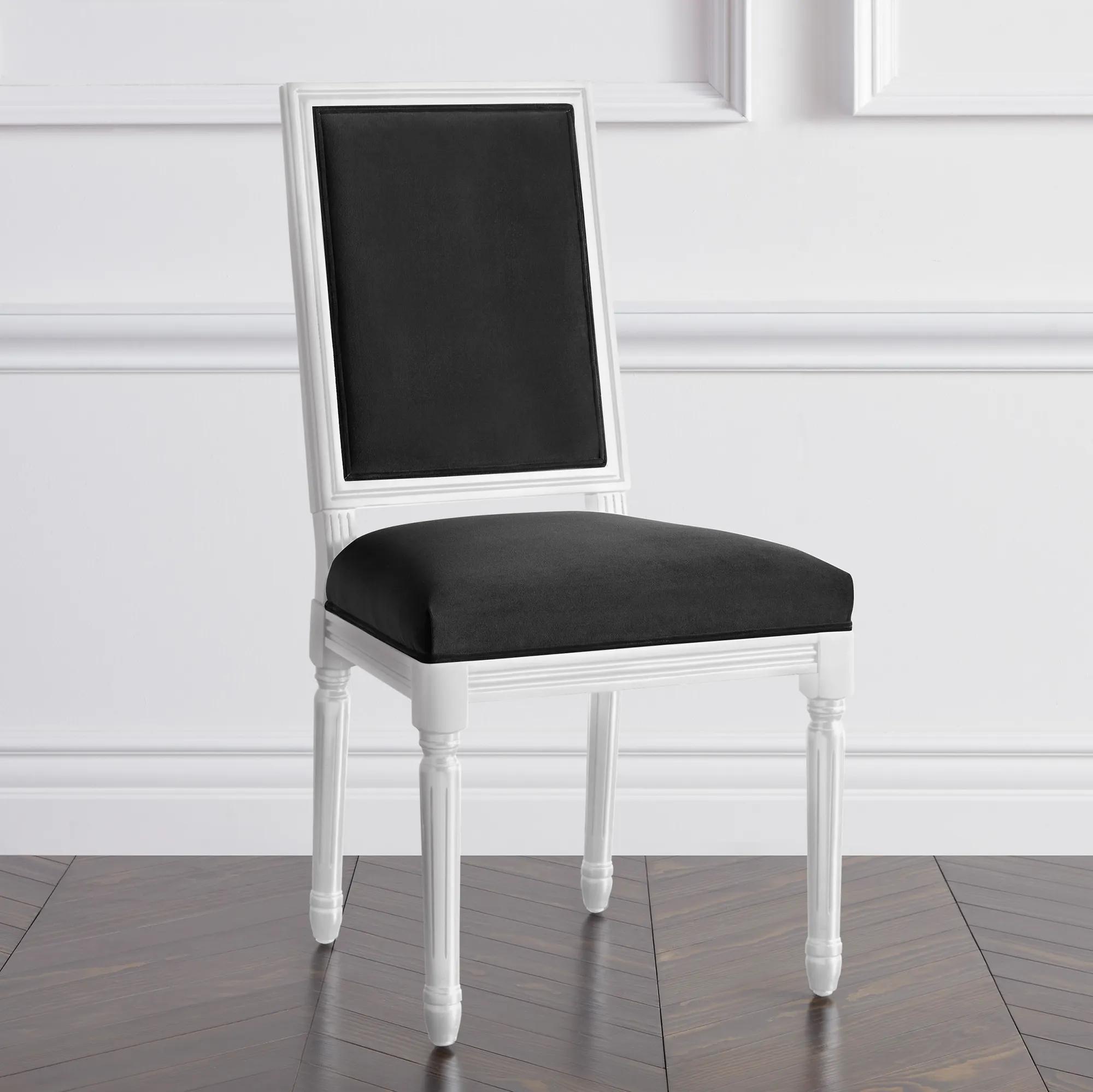
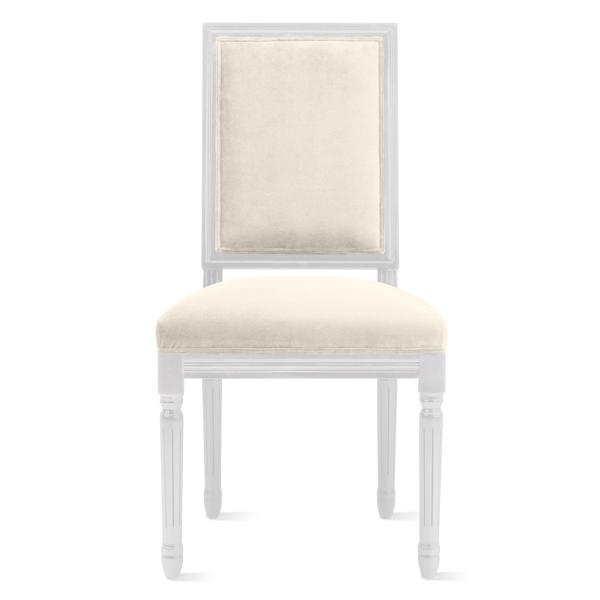 Callan Dining Chair - High Gloss White$699
A handcrafted dining chair featuring high-gloss white finish, kiln-dried hardwood frame, and plush velvet upholstery.
Add To Cart -
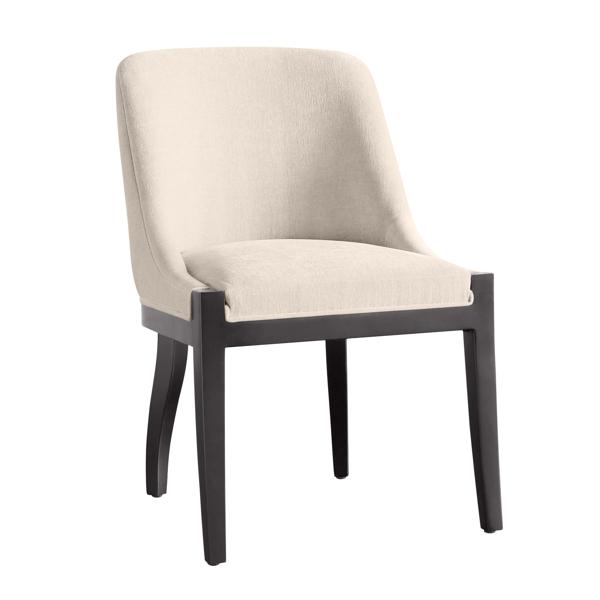 Lily Dining Chair - Espresso$749
A modern dining chair with espresso-finished hardwood frame and plush, tailored upholstery for lasting comfort.
Add To Cart -
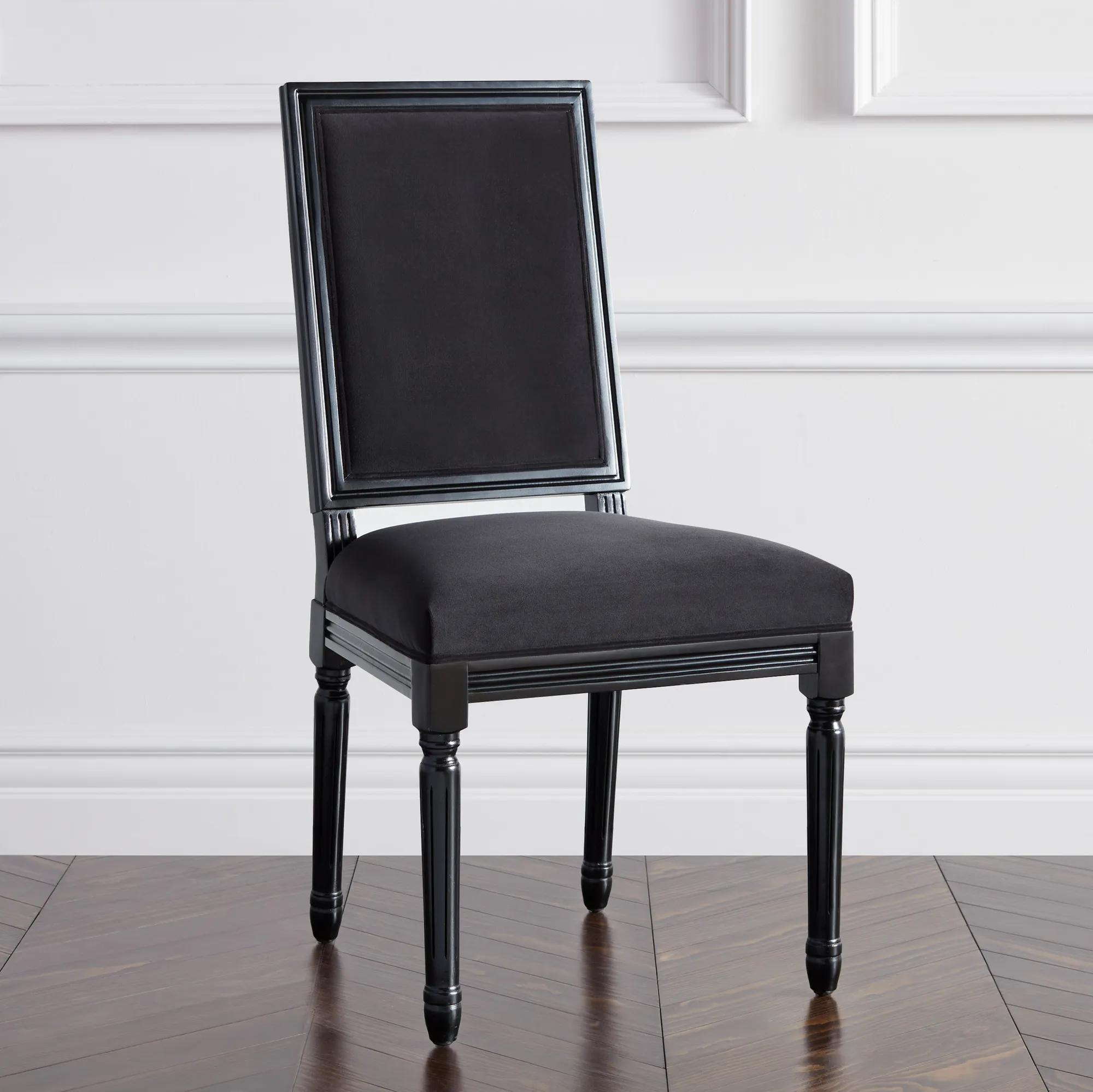
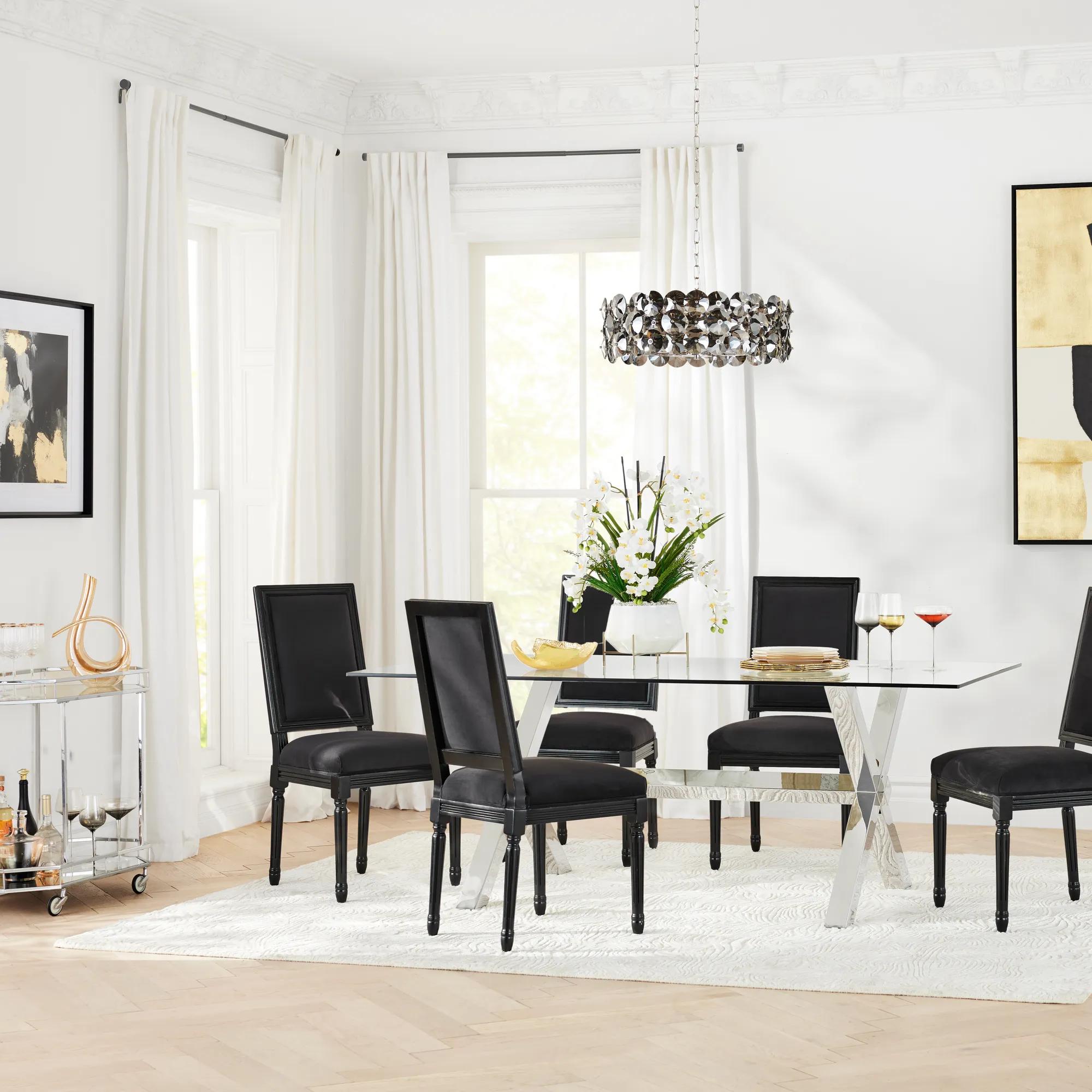 Callan Dining Chair - High Gloss Black$699
A handcrafted dining chair featuring high-gloss black Bella Velvet upholstery, fluted legs, and a squared back.
Add To Cart -
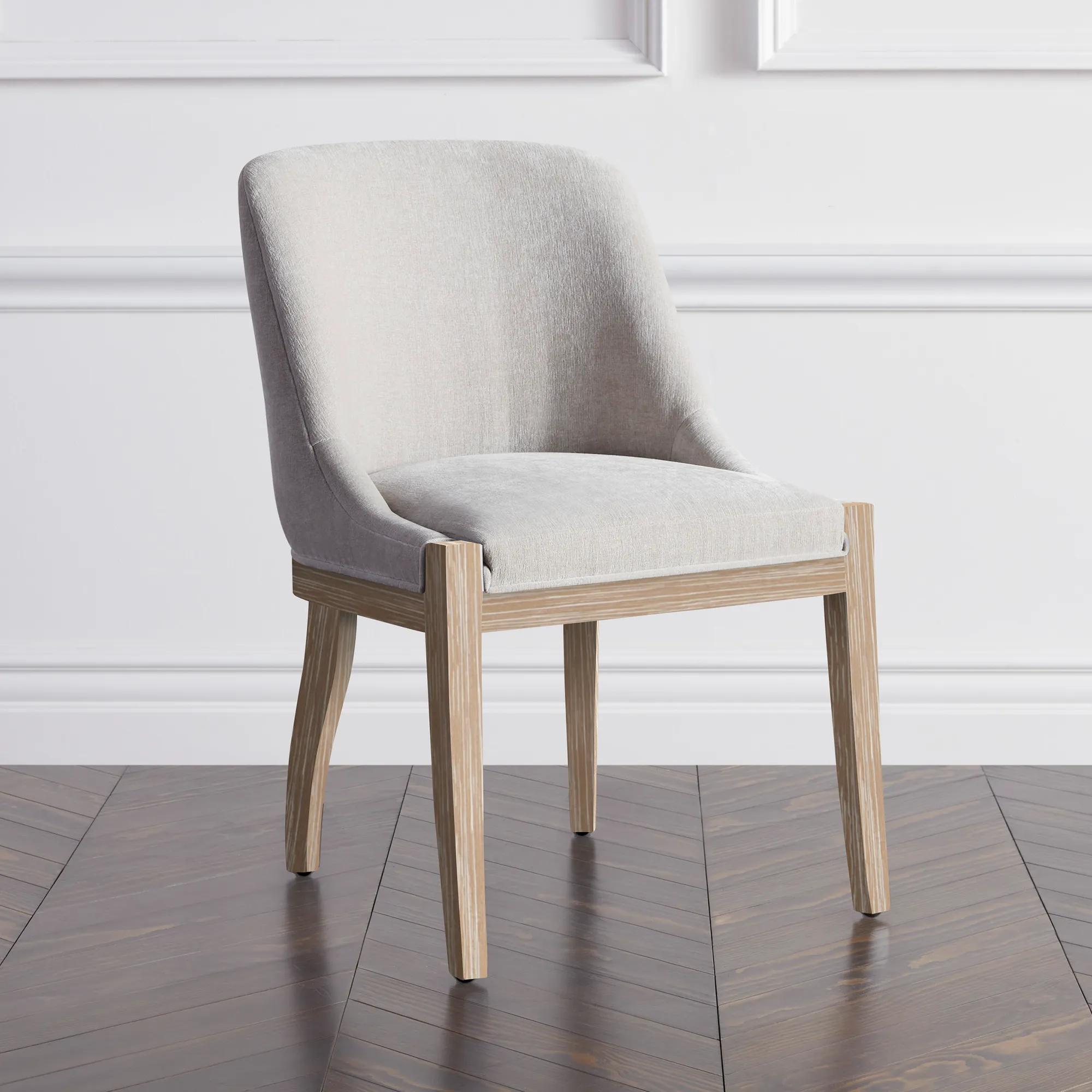
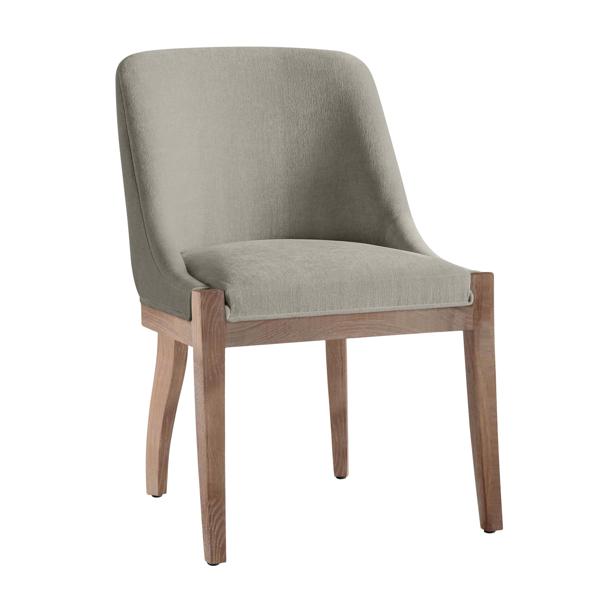 Lily Dining Chair - Wash Oak$749
A modern dining chair featuring a kiln-dried hardwood frame, wash oak legs, and tailored chenille upholstery.
Add To Cart -
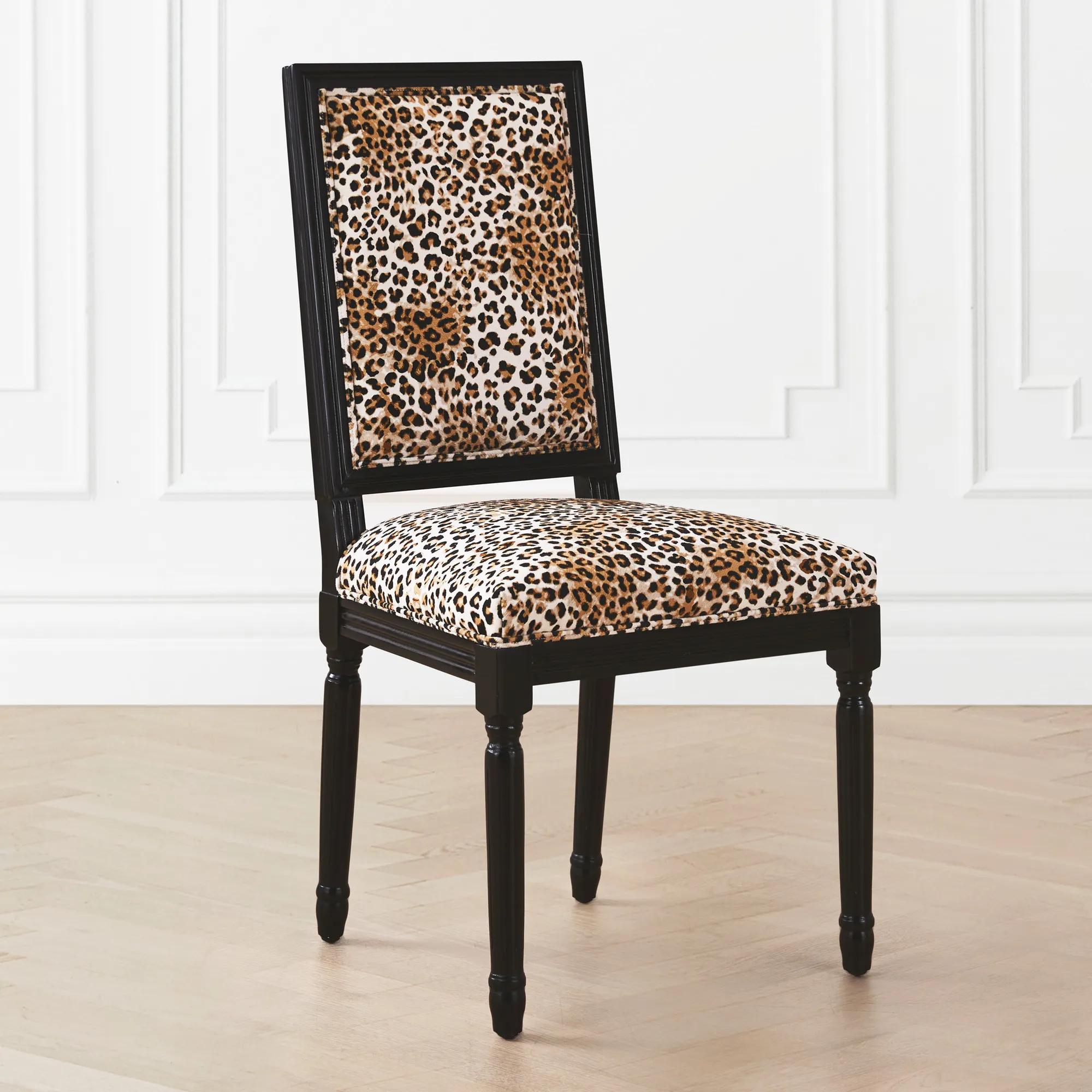
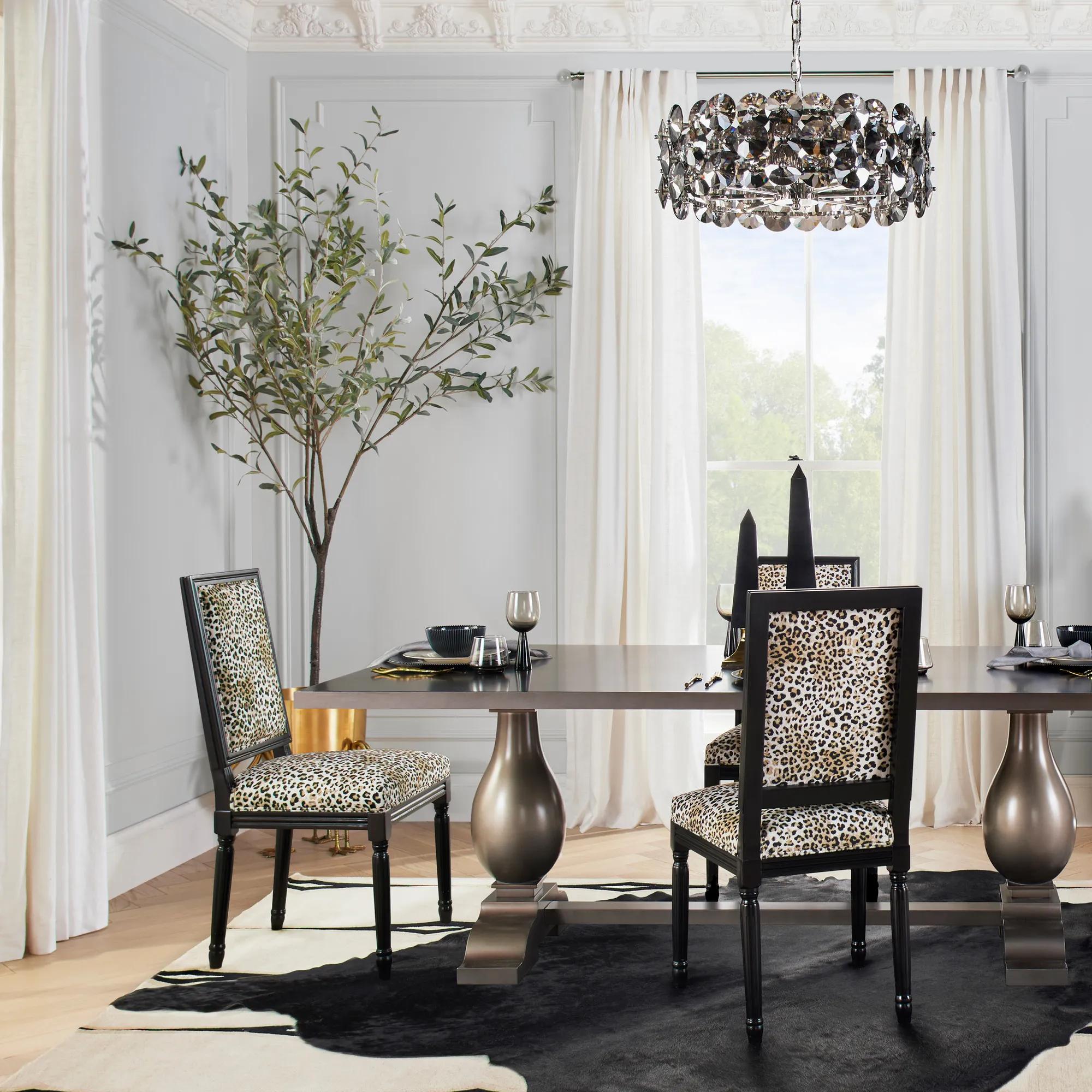 Callan Dining Chair$599
A handcrafted modern chair featuring classic upholstery, squared back, fluted legs, and high-gloss finish.
Add To Cart -
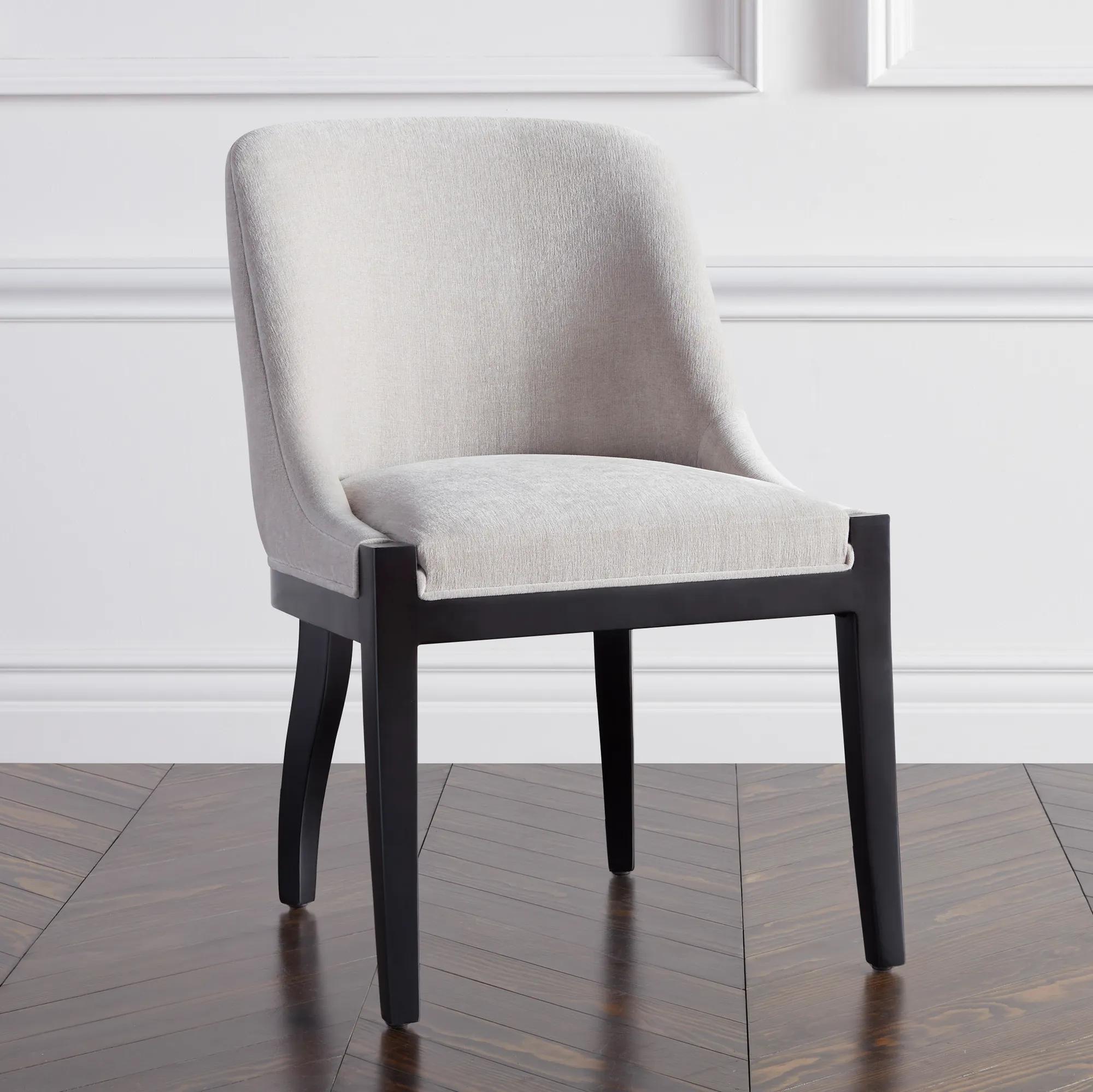 Lily Dining Chair - Matte Black$599
A modern dining chair with a kiln-dried hardwood frame, matte black legs, and plush tailored upholstery.
Add To Cart -
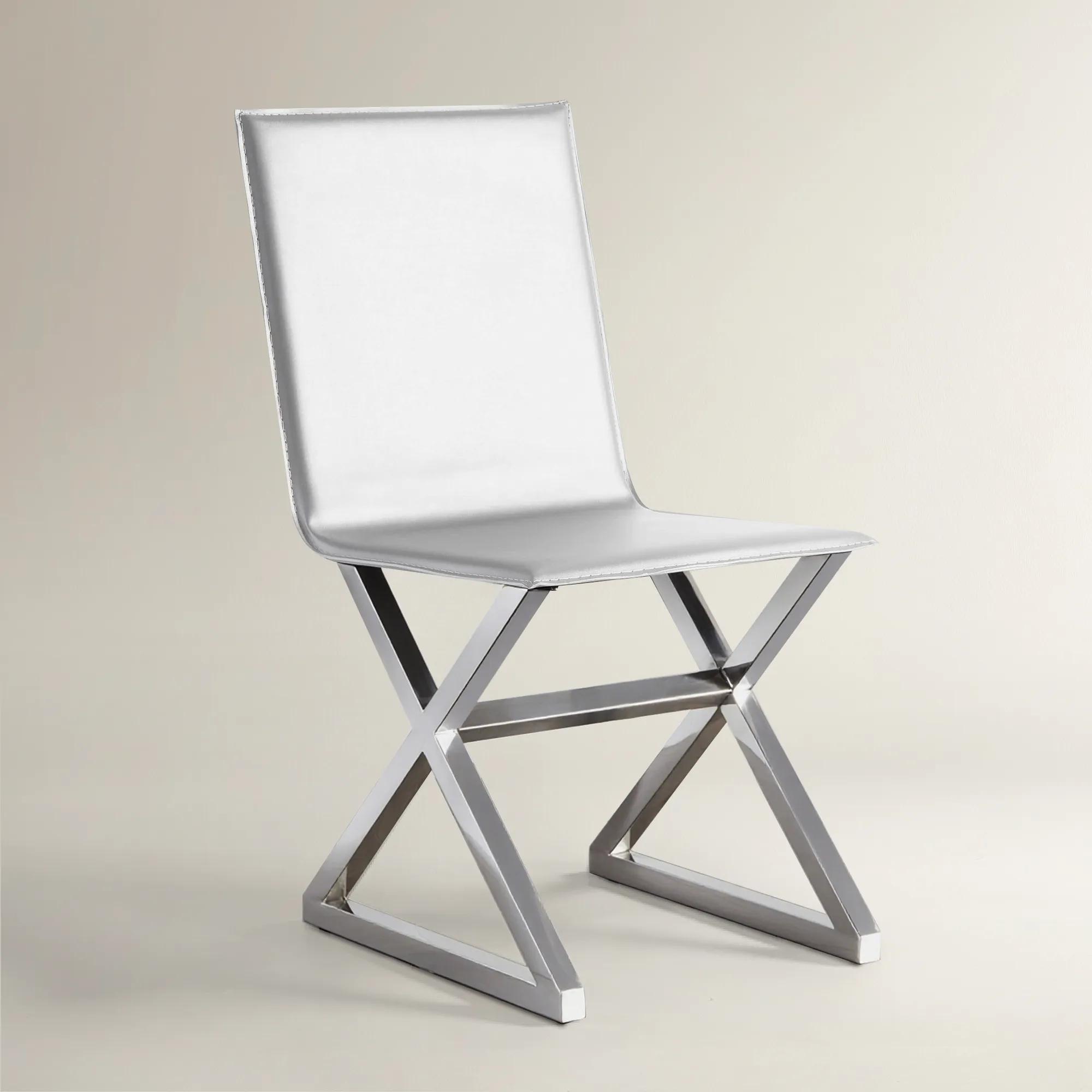
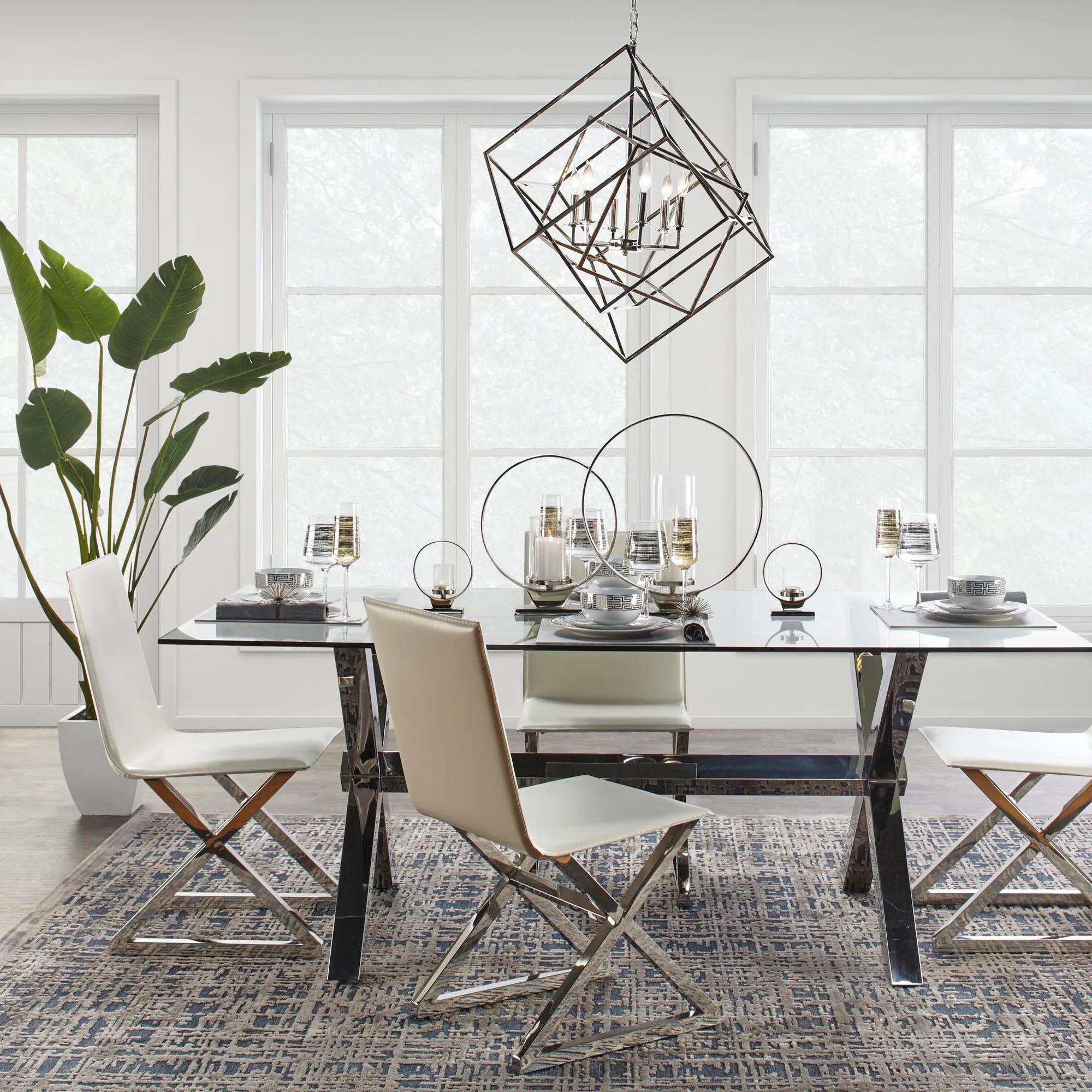 Axis Dining Chair - Set of 2$399
A contemporary chair set featuring white bonded leather upholstery and a polished stainless steel base.
Add To Cart -
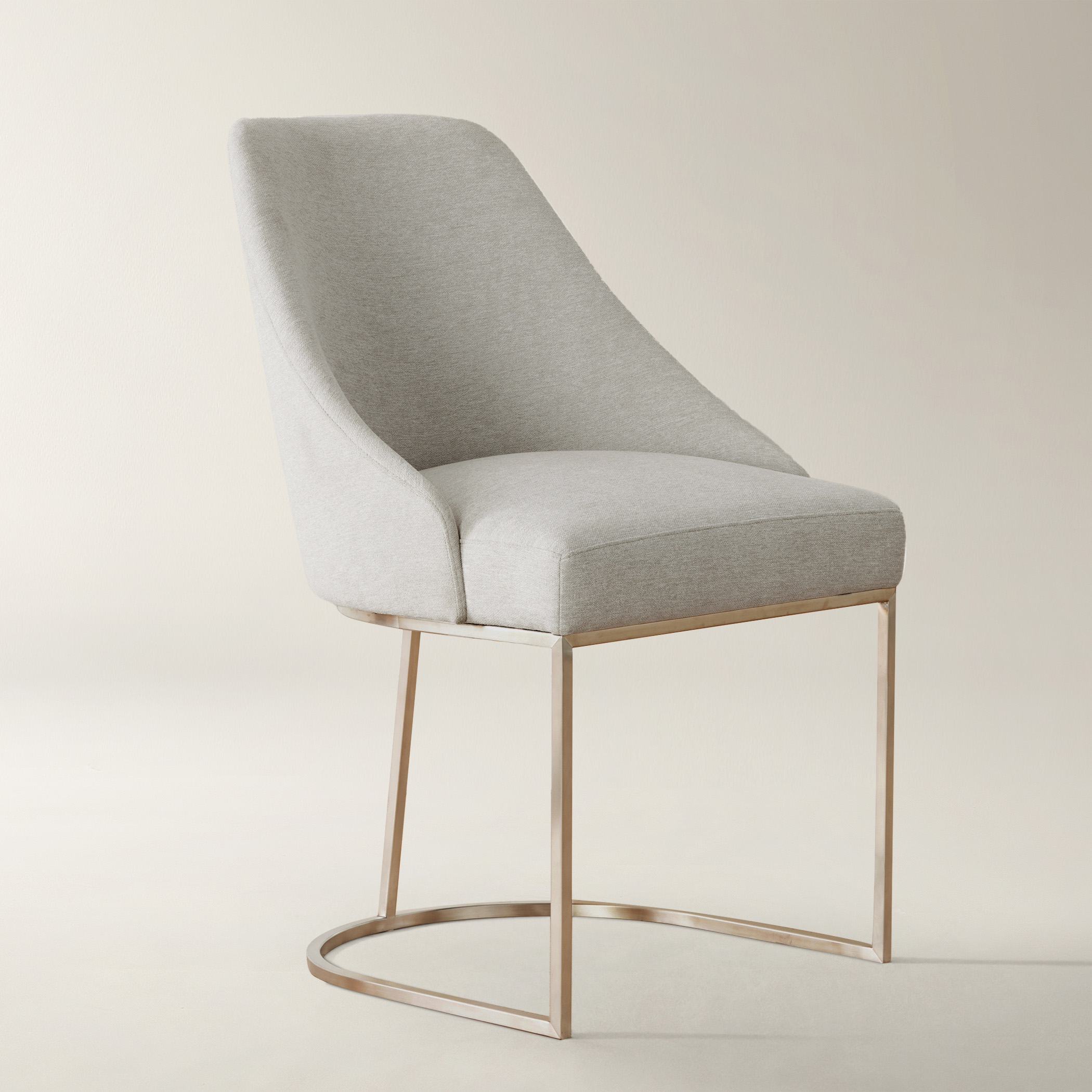
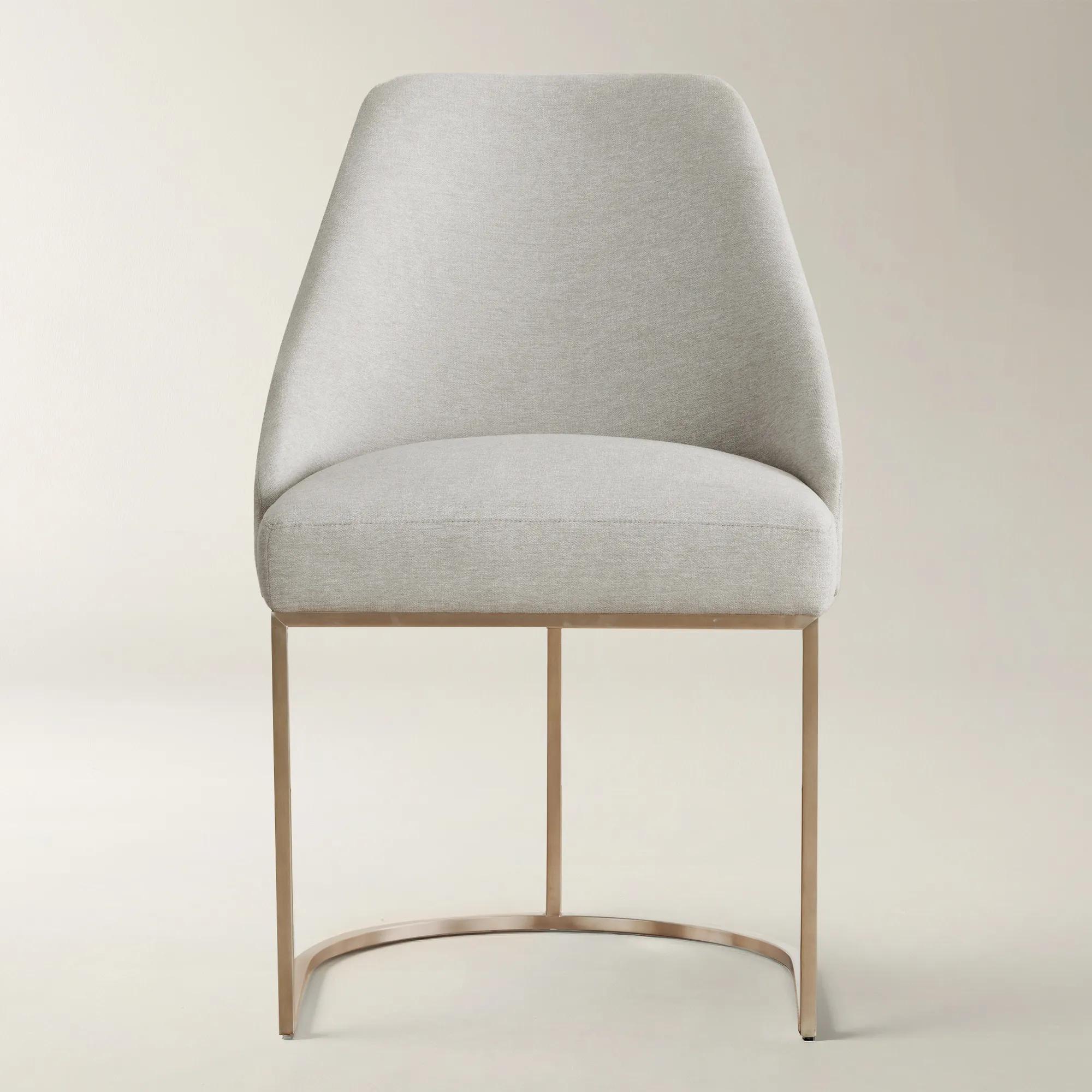 Rowan Ivory Fabric Dining Chair$599
A modern chair featuring brushed stainless steel legs and stain-resistant, water-repellent Roxboro Frost fabric.
Add To Cart -
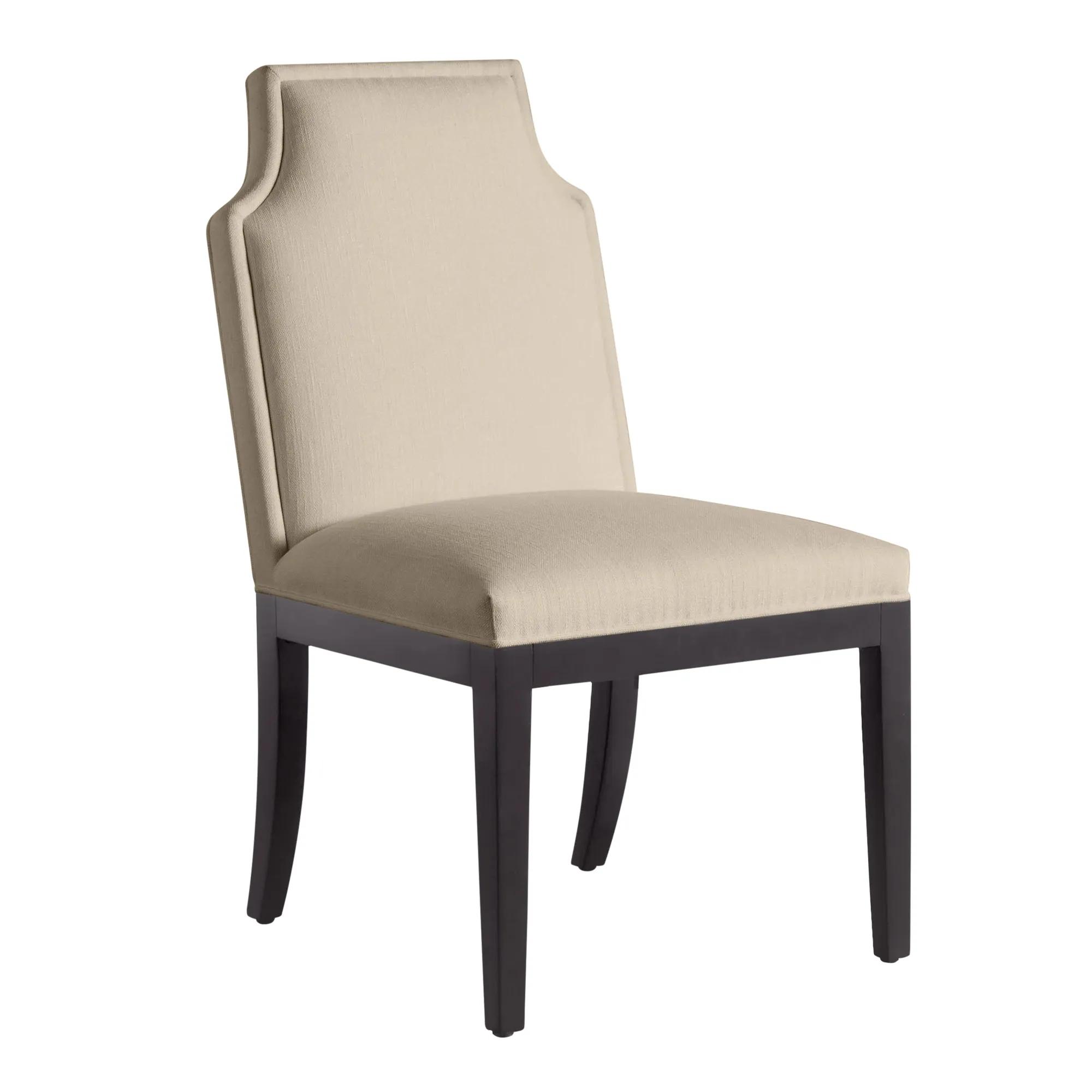
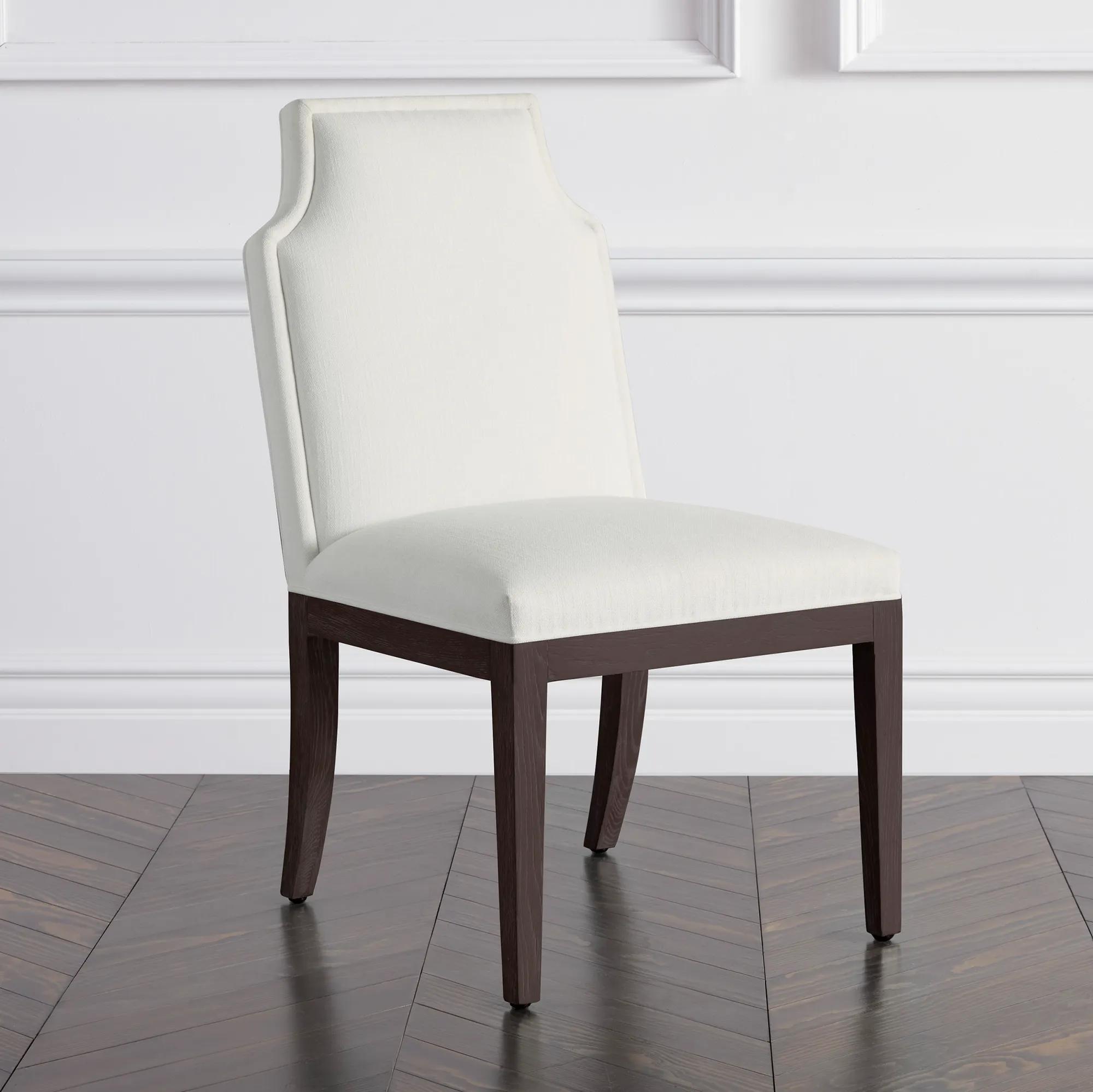 Jasmine Dining Chair - Espresso$649
A chic dining chair featuring a notched back, espresso legs, and plush upholstery for lasting comfort.
Add To Cart -
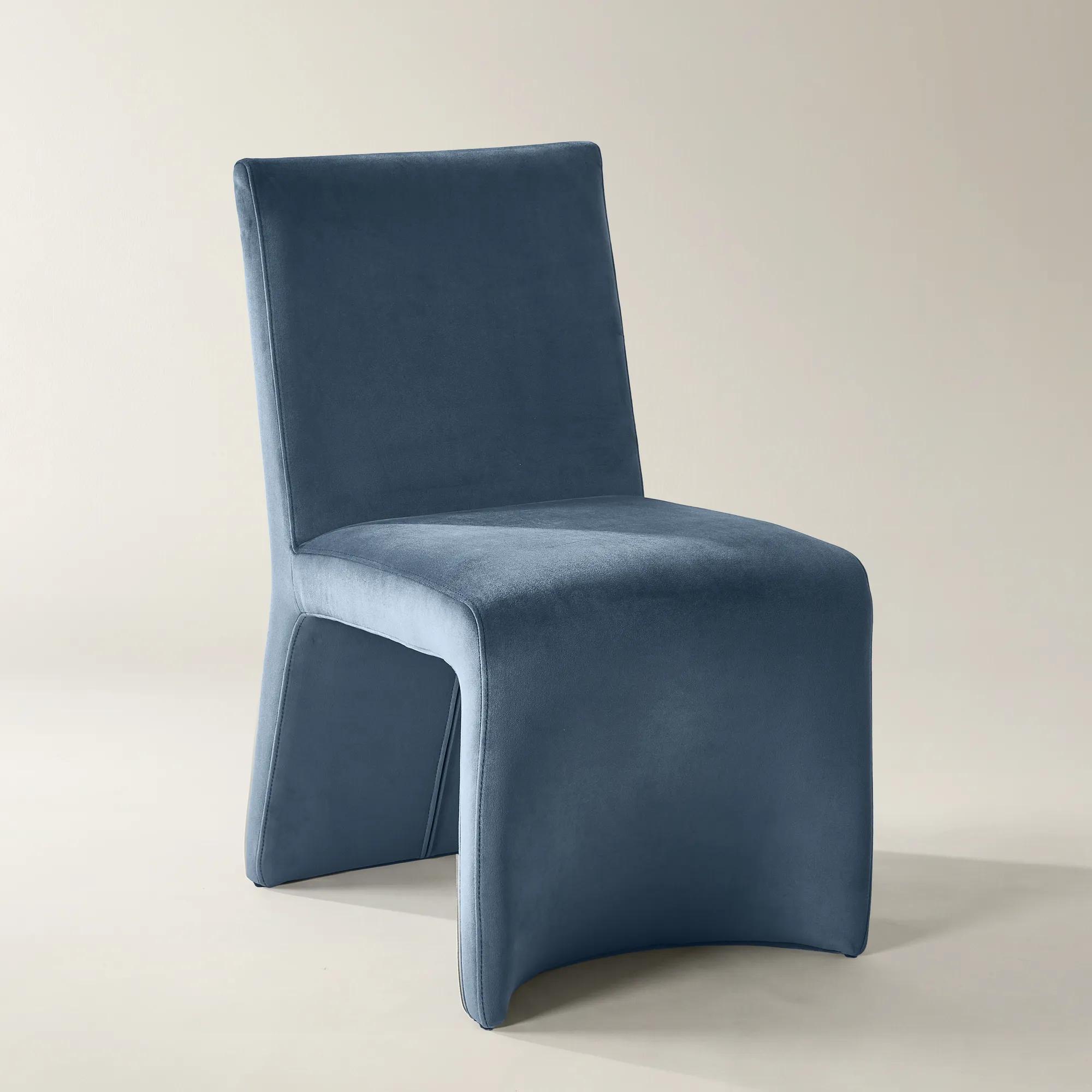 Elara Dusty Blue Velvet Dining Chair Set Of 2$799
A set of two dining chairs featuring plush dusty blue velvet upholstery and a seamless, artful silhouette.
Add To Cart -
 Elara Burnt Umber Velvet Dining Chair Set Of 2$799
A pair of brown velvet chairs with sinuous curves, ergonomic support, and hand-crafted, sculptural design.
Add To Cart -
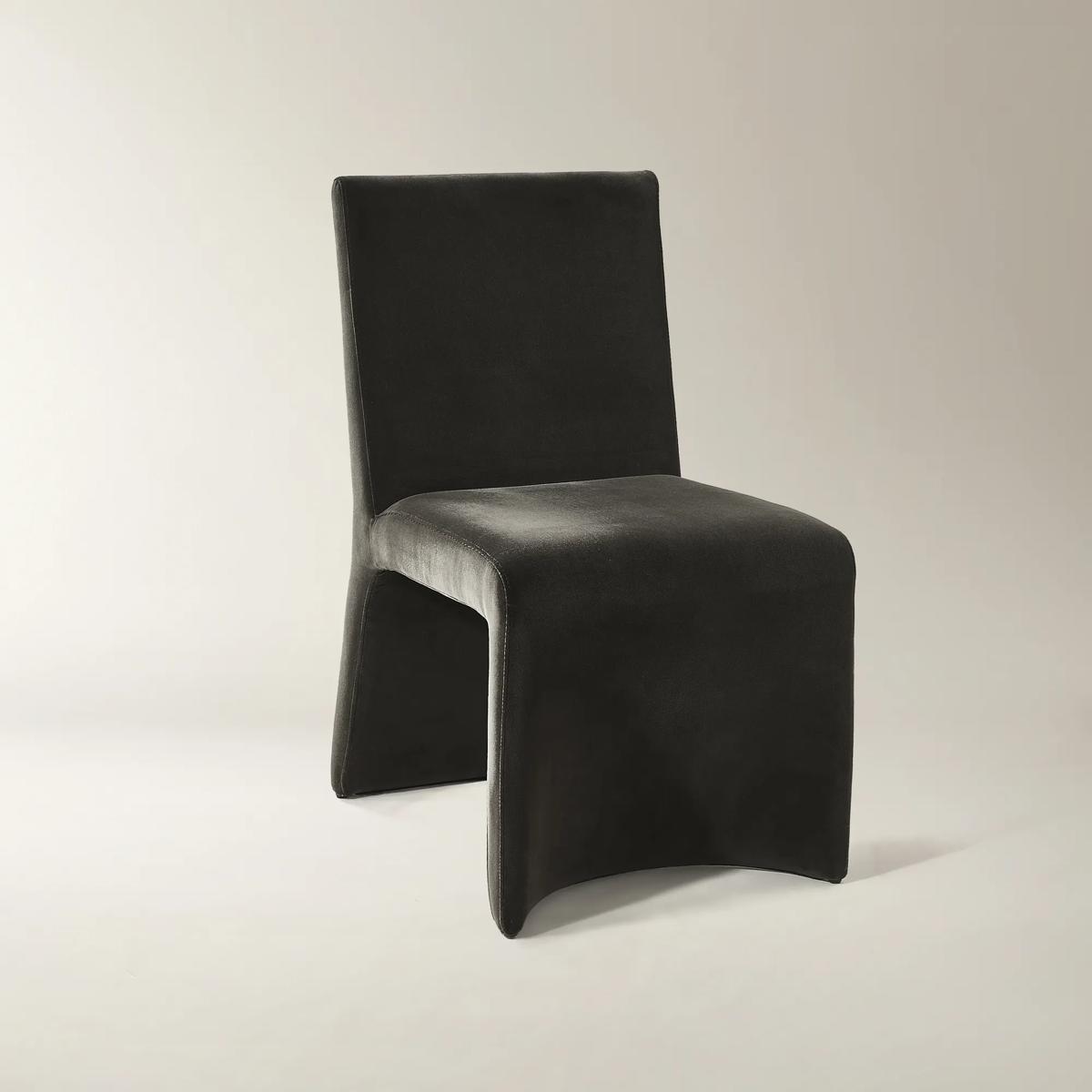
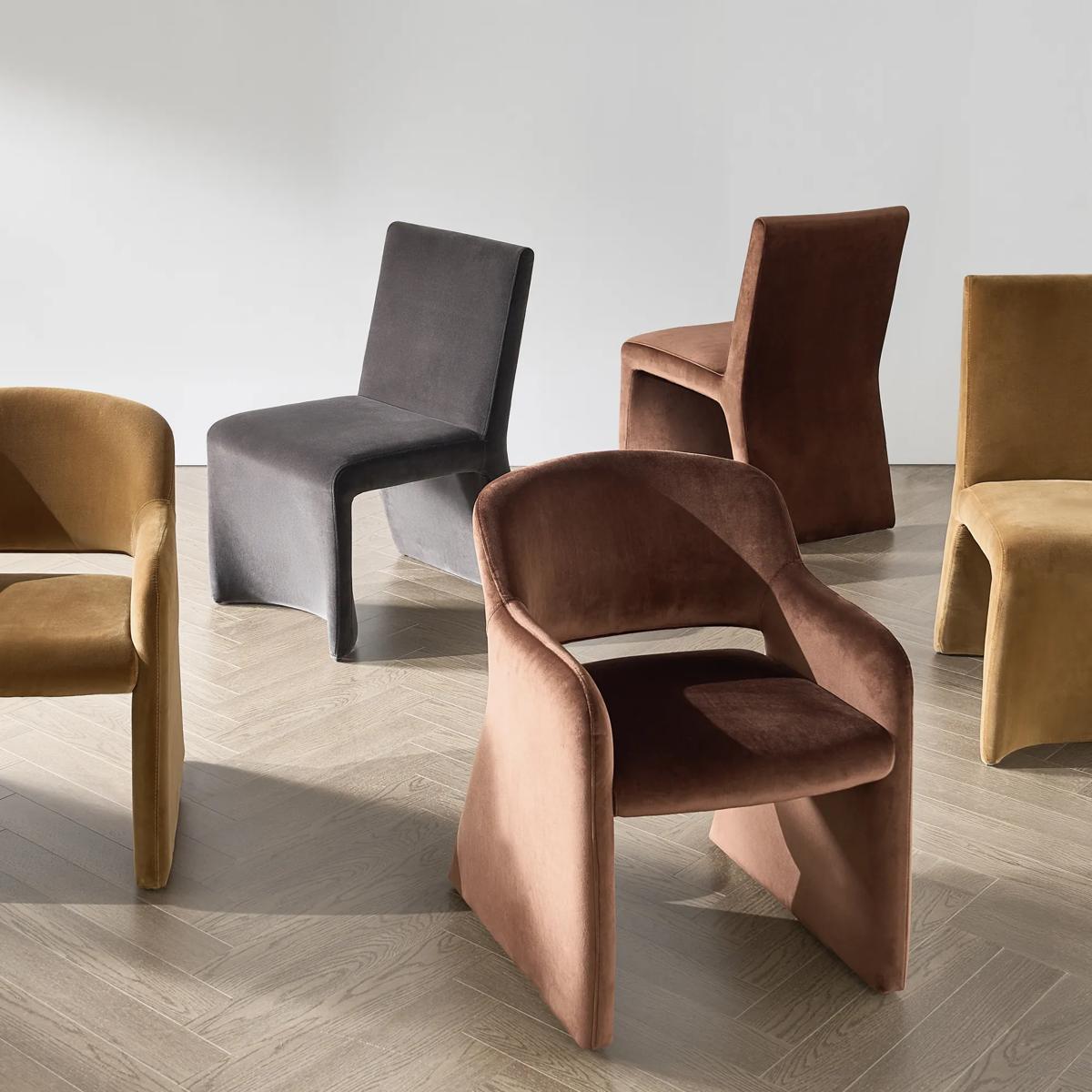 Elara Charcoal Velvet Dining Chair Set Of 2$799
A pair of charcoal velvet dining chairs featuring curved ergonomic silhouettes, plush upholstery, and hand-crafted details.
Add To Cart -
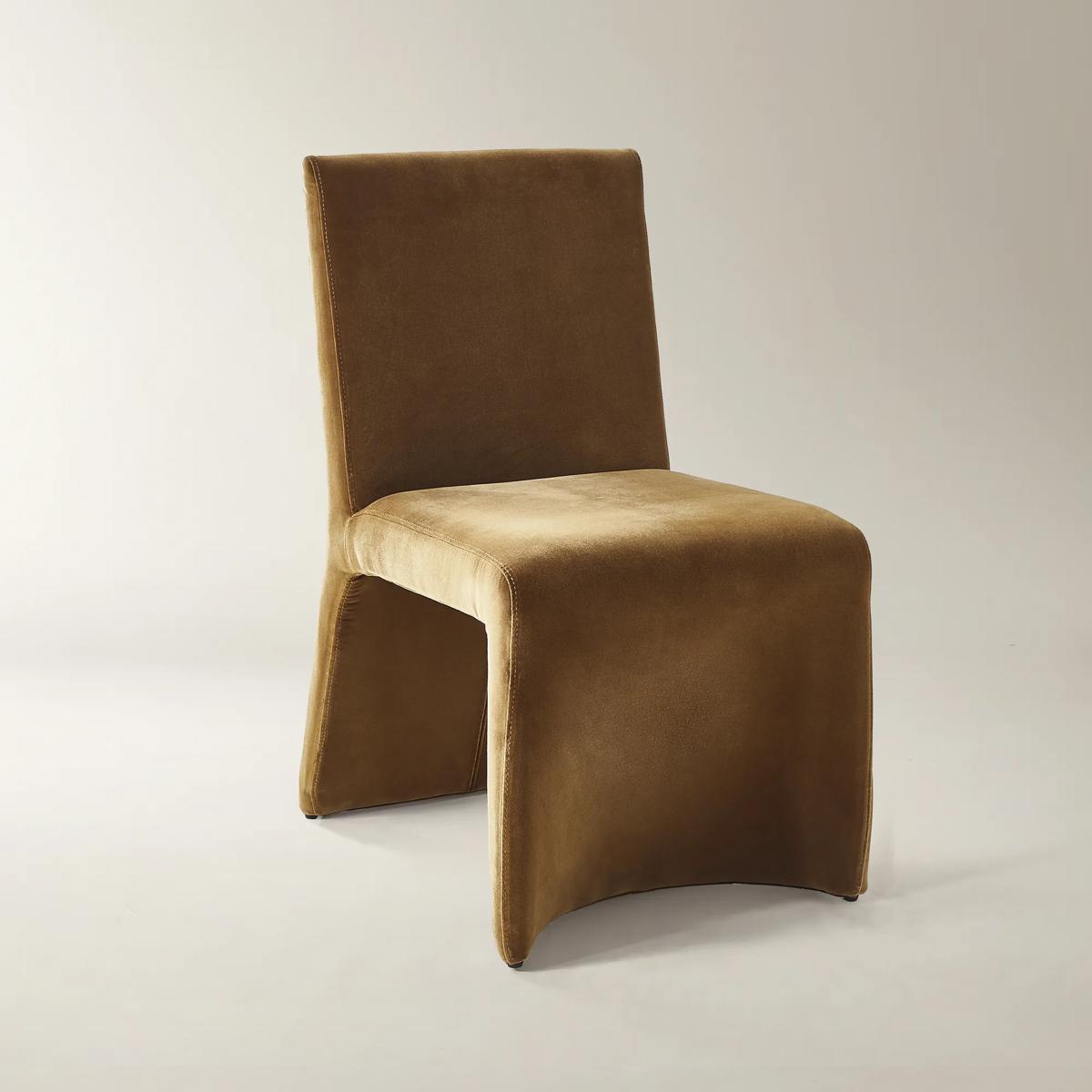 Elara Roasted Pecan Velvet Dining Chair Set Of 2$799
A pair of mustard velvet dining chairs featuring curved ergonomic silhouettes and hand-upholstered, reinforced construction.
Add To Cart -
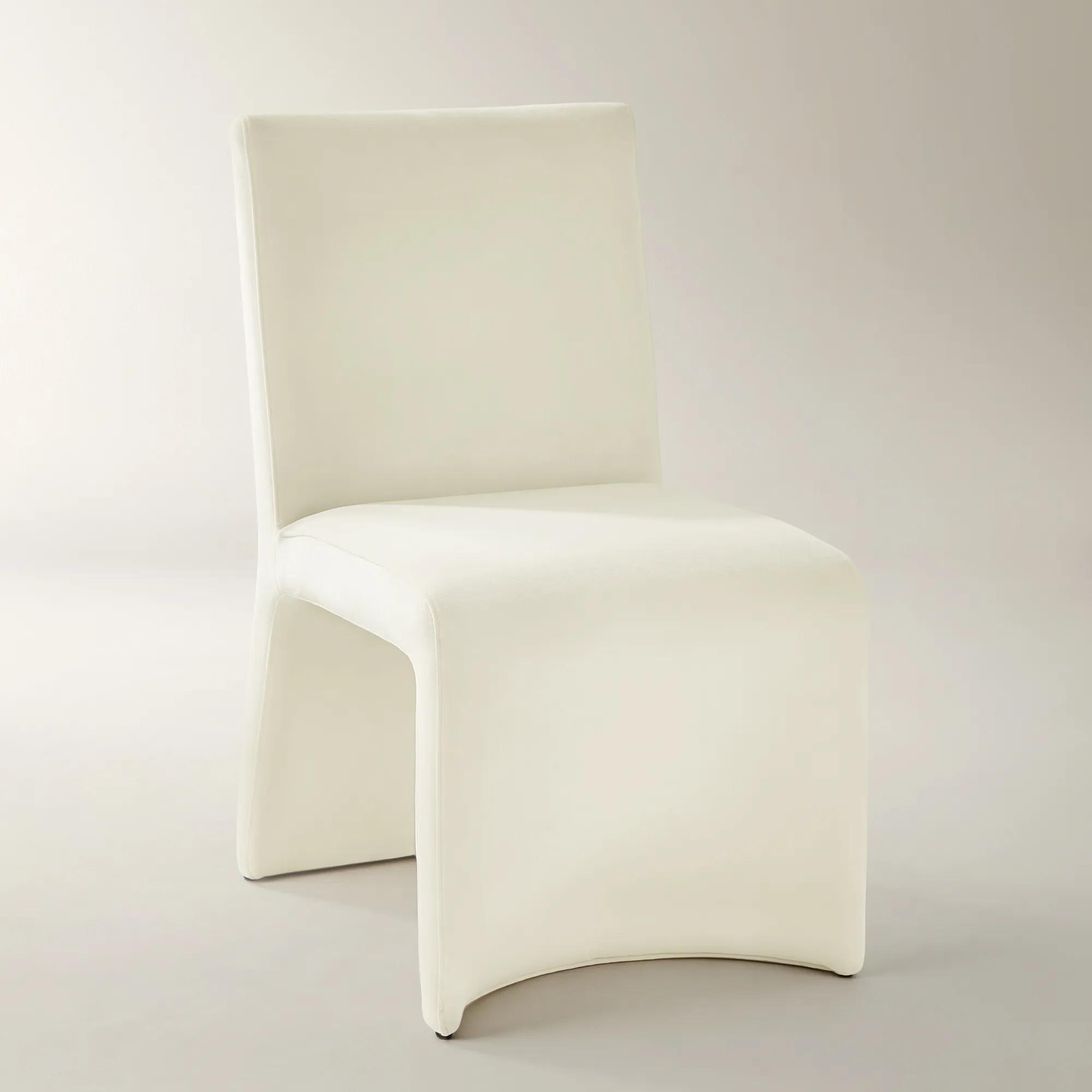 Elara Cloud Velvet Dining Chair Set Of 2$799
A set of two dining chairs featuring plush velvet upholstery, a seamless curved silhouette, and a sturdy steel frame.
Add To Cart

Elegant High Back Dining Chairs
Explore elegant high back dining chairs with tall silhouettes that give your dining table a dramatic frame. Consider seat height, chair width, and overall scale to find dining room seating that complements your table, allows comfortable spacing for guests, and brings a sense of occasion to everyday gatherings.
Elegant high back dining chairs give the dining room a distinctive architectural presence, framing the table with tall silhouettes, rich textures, and beautifully considered detail. Their defining feature is a backrest that rises well above the seat, creating a more enveloping profile than a low-back chair. Depending on its shape and proportions, that extended back can offer contact across more of the upper back, though comfort ultimately depends on the seat depth, cushioning, back angle, and the person seated. The effect is both practical and expressive: a place to settle into conversation and a striking outline that remains visible when the table is dressed for dinner. Upholstered high back dining chairs introduce softness around stone, glass, or wood tables, while exposed frames lend definition and reveal the beauty of the chair’s structure. Velvet catches light with a subtle change in tone, bringing depth to jewel colors and a luminous finish to ivory or champagne hues. Woven upholstery creates a quieter surface, allowing curved shoulders, tailored seams, or a sculpted back to become the focal point. A wingback silhouette feels especially enveloping at the head of a table; a slim, tapered back creates height with less visual weight. Button tufting brings dimension, nailhead trim traces a crisp outline, and a gently arched crest adds movement without requiring elaborate ornament. These details feel most intentional when they echo another element in the room, such as the curve of a chandelier or the warm metallic edge of a mirror. Matching chairs establish a composed rhythm, while a pair of more dramatic host chairs can give the arrangement a distinctive hierarchy. For a dining room that opens into a living area, the view from behind deserves equal attention. A beautifully finished chair back becomes part of the larger interior, contributing texture and proportion even when no one is seated.
Scale determines whether that dramatic silhouette feels graceful or crowded. High back dining chairs need to suit the table’s height, the room’s circulation, and the way meals unfold. Many standard dining tables stand approximately 28 to 30 inches tall, and dining chair seats commonly fall around 18 to 20 inches, but individual dimensions matter more than category labels. Allowing roughly 10 to 12 inches between the seat and tabletop is a useful starting point; a deep apron beneath the table can reduce usable space for knees and thighs. Upholstered seats may also compress under weight, changing the seated position slightly. Armchairs require another measurement: the arms should clear the underside of the table if the chairs are meant to tuck in. Around the tabletop, approximately 24 inches per place setting offers a starting point, with more room needed for broad seats, substantial arms, or a generous dining arrangement. Behind the chairs, about 36 inches from the table edge to a wall or obstacle generally allows space to pull out and sit down; a frequently used passage benefits from additional clearance. In a compact dining area, a slender high back and open legs can preserve sightlines while still delivering presence. In a larger room, fuller upholstery and wider proportions can hold their own beside an expansive table or statement lighting. For households that linger over meals, consider Comfortable High Back Dining Chairs with attention to seat depth, back contour, and cushioning rather than height alone. A seat that is too deep can leave a shorter person without comfortable back contact, while a narrow seat may feel restrictive to a taller or broader guest. Armless side chairs make it easier to enter and leave the table, while arms can provide a welcome resting place during long conversations. The most successful arrangement supports everyday breakfasts as naturally as a beautifully hosted dinner.
Materials and construction give elegant dining chairs their lasting character, especially in a room that sees daily use. Wood frames can bring warmth and expressive grain, while metal frames introduce a sharper line and complement reflective accents. Neither material alone guarantees durability; sound joinery, stable legs, secure upholstery, and construction suited to the intended use all matter. A well-balanced chair should rest evenly on a level floor without rocking, and its frame should feel steady as someone sits down or rises. Upholstery deserves equally close attention. Velvet offers sumptuous depth but may show pressure marks or changes in the direction of its pile, a characteristic that affects its appearance rather than necessarily indicating damage. Textured woven fabrics can soften the room visually, though open weaves may be less forgiving around pet claws or frequent snags. Leather has a distinctive surface and develops character with use, but cleaning requirements vary by finish. Performance fabrics may offer stain resistance or easier maintenance, yet the specific care instructions remain essential; a performance designation does not mean every spill or cleaning method is harmless. For homes with children, frequent guests, or a dining table that doubles as a place for homework, upholstery with clear cleaning guidance can make daily care more manageable. Blot spills promptly rather than rubbing, vacuum upholstered surfaces gently with an appropriate attachment, and follow the manufacturer’s directions before applying any cleaner. Test approved treatments in an inconspicuous area, and avoid saturating fabric or seams. Wood and metal finishes also benefit from gentle care instead of abrasive products. Protective glides suited to the flooring help reduce scratches and make chairs easier to move without dragging. Keep upholstery away from prolonged direct sunlight when possible to limit uneven fading, and check fasteners periodically if the construction allows. With proportions that suit the table and materials that suit the household, high back dining chairs become more than a formal gesture. They create a setting with presence, inviting guests to settle in while giving the room an unmistakably expressive point of view.
FAQs
Elegant high back dining chairs bring a poised, architectural presence to the dining room. Their elongated silhouettes create visual drama, while details such as tailored upholstery, graceful curves, or decorative trim can add refinement. Choose a design that echoes your room’s aesthetic, from sculptural modern glamour to richly layered sophistication.
A streamlined dining table lets expressive chair silhouettes command attention, while a table with a sculptural base creates a more artful composition. For a cohesive pairing, repeat a design detail—such as a curved line or angular profile—rather than matching every element.
Yes. Place high back dining chairs at the heads of the table for a dramatic focal point, then introduce a different silhouette along the sides. A shared color, upholstery treatment, or decorative detail gives the arrangement a deliberate rhythm without sacrificing its expressive character.
Look for details that give the chair’s silhouette definition. Tufting can introduce dimensional texture, channeling creates a tailored rhythm, and a smooth upholstered back offers a clean canvas for a striking color. Let one detail lead so the overall composition feels polished rather than overly embellished.
Treat the chairs as part of the room’s visual composition. Draw an accent color into artwork or table linens, balance expressive silhouettes with a restrained tablescape, and add lighting that enriches the atmosphere. A few intentional connections create a dining room with depth, drama, and a distinct point of view.