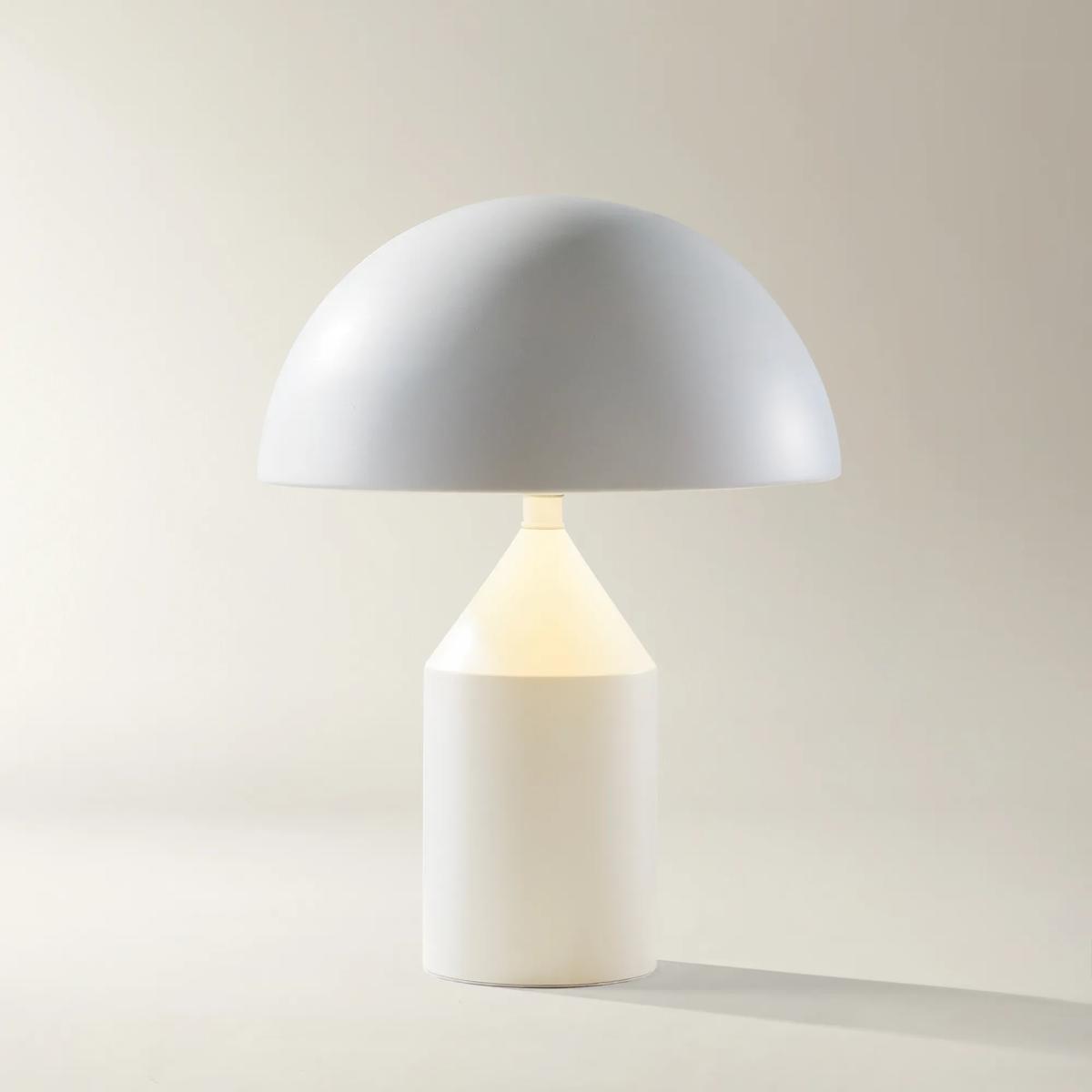
Elegant Crystal Chandeliers With Prismatic Droplets
Elegant Crystal Chandeliers With Prismatic Droplets
-
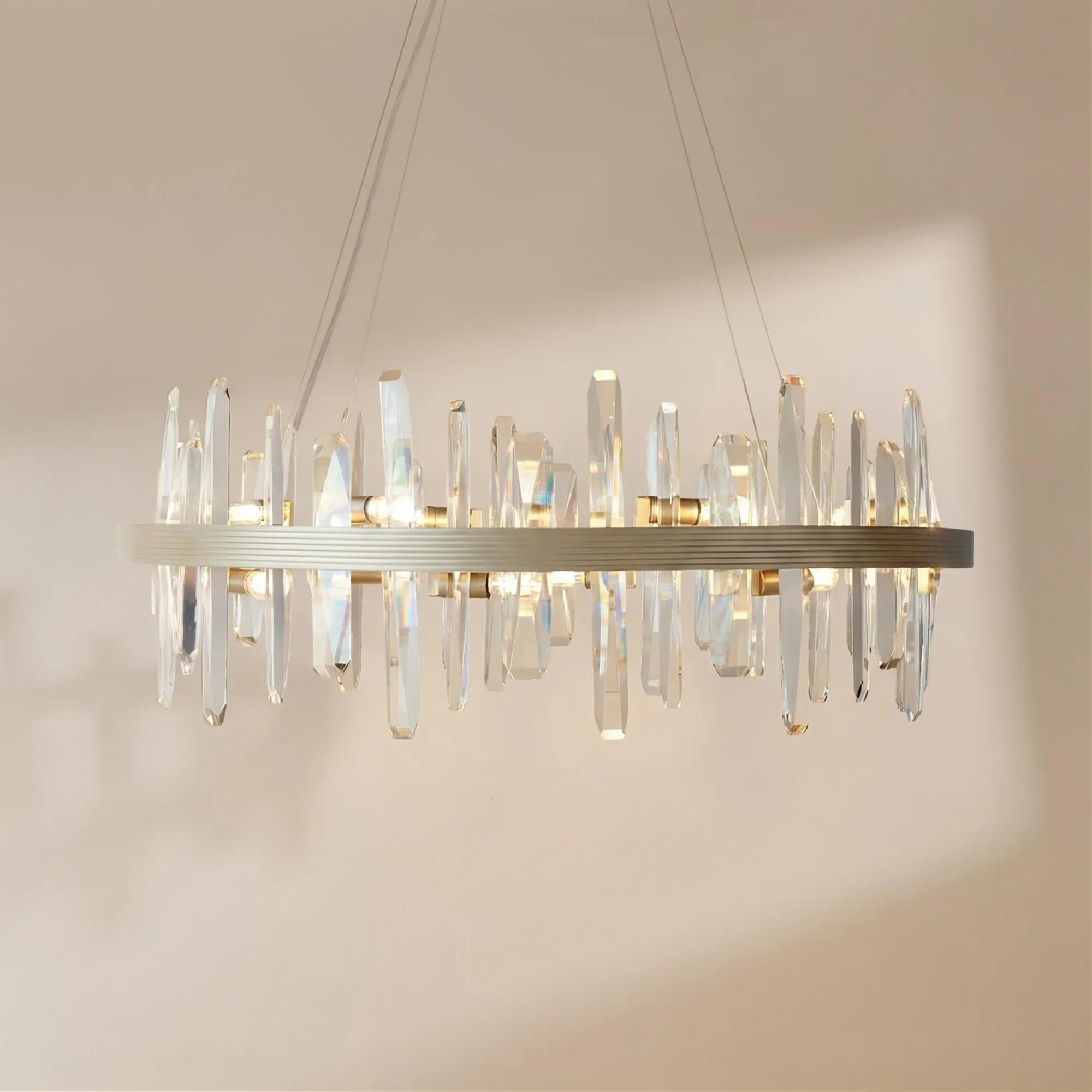
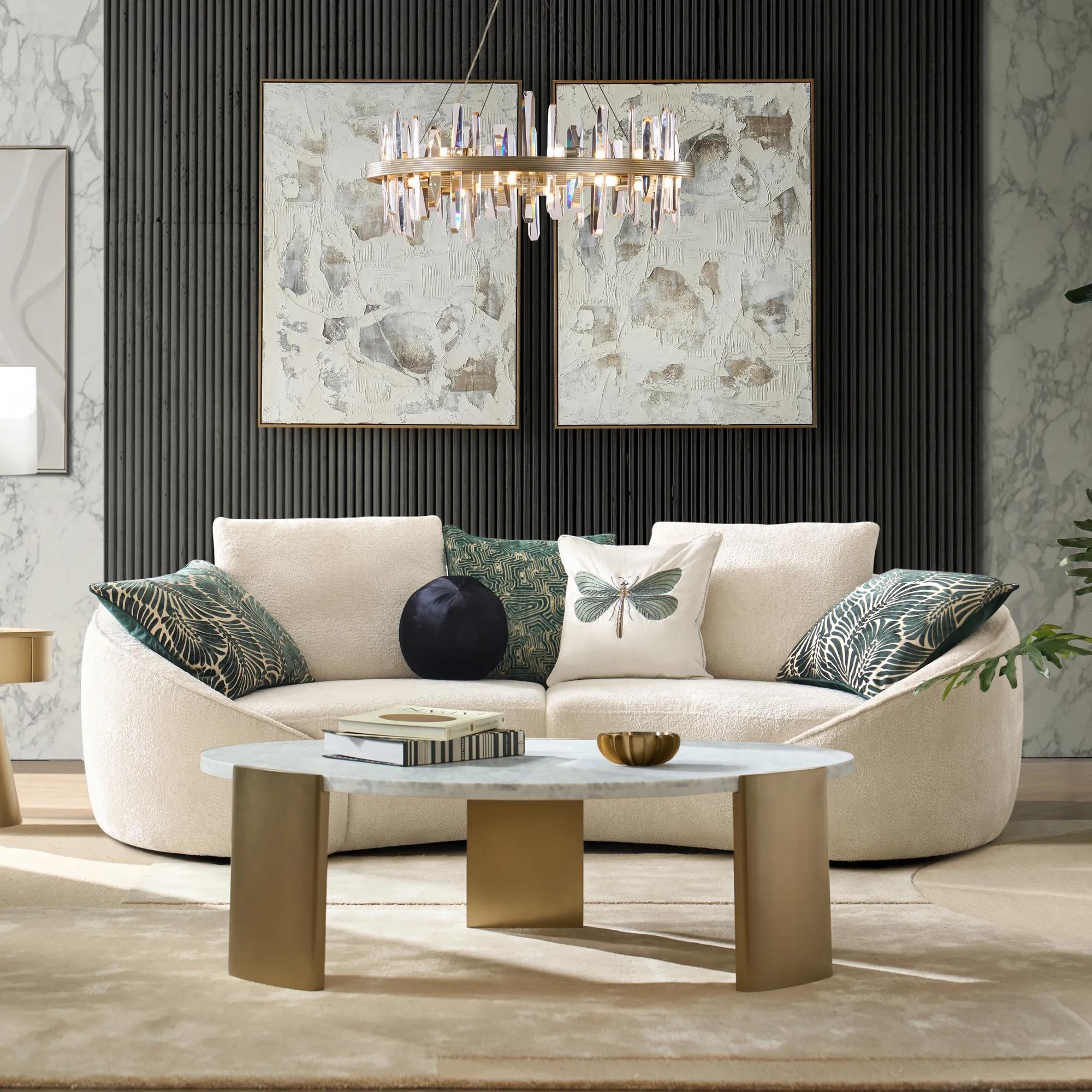 Lumi Clear Beveled Glass Chandelier 31.5"W$929
A deco-inspired chandelier with beveled glass daggers and a champagne-finished iron frame for radiant illumination.
Add To Cart -

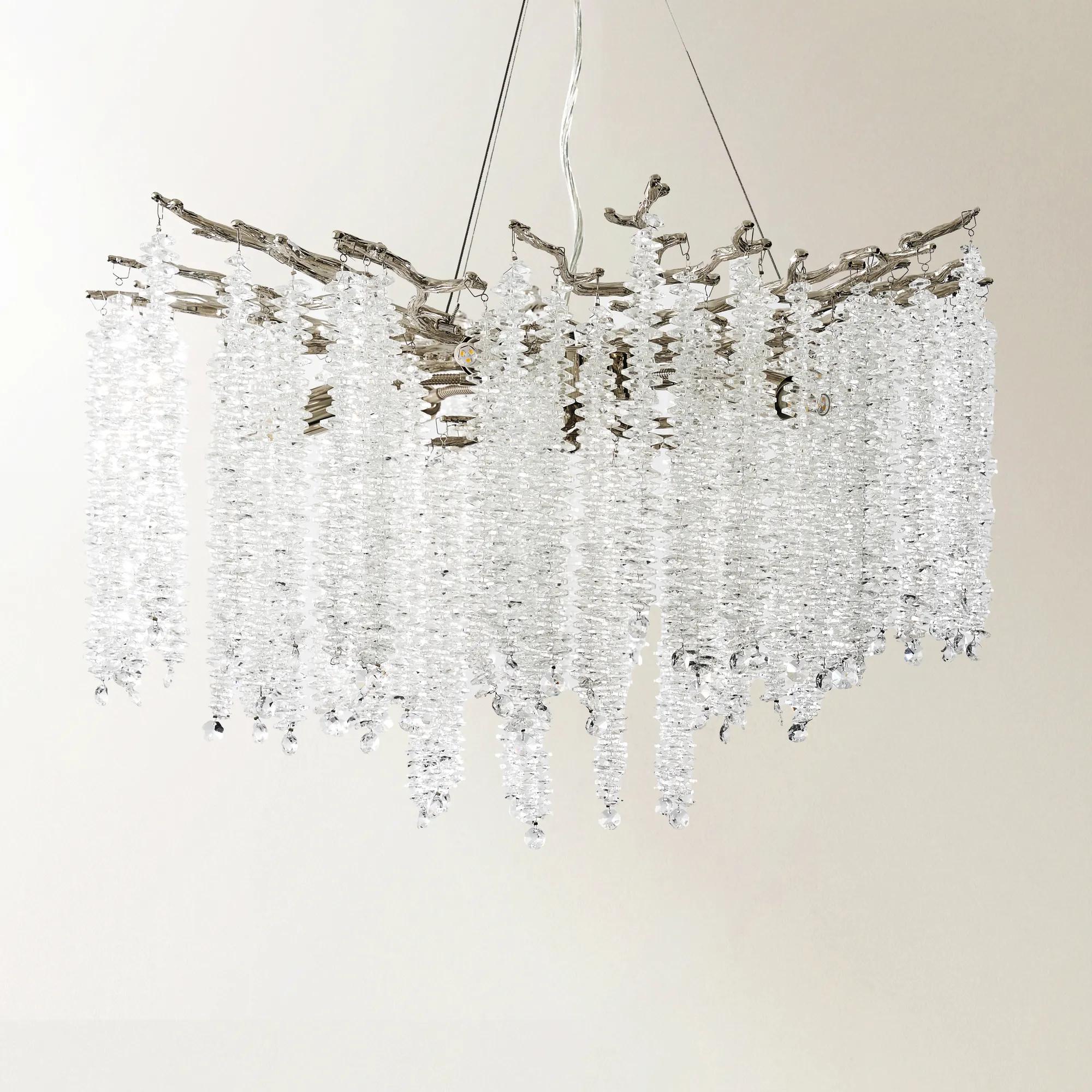 Cassia Clear Cut Crystal Chandelier 23.75"W x 13.75"H$599
A cascading waterfall of clear crystal beads and a nickel frame create a dazzling, contemporary lighting statement.
Add To Cart -
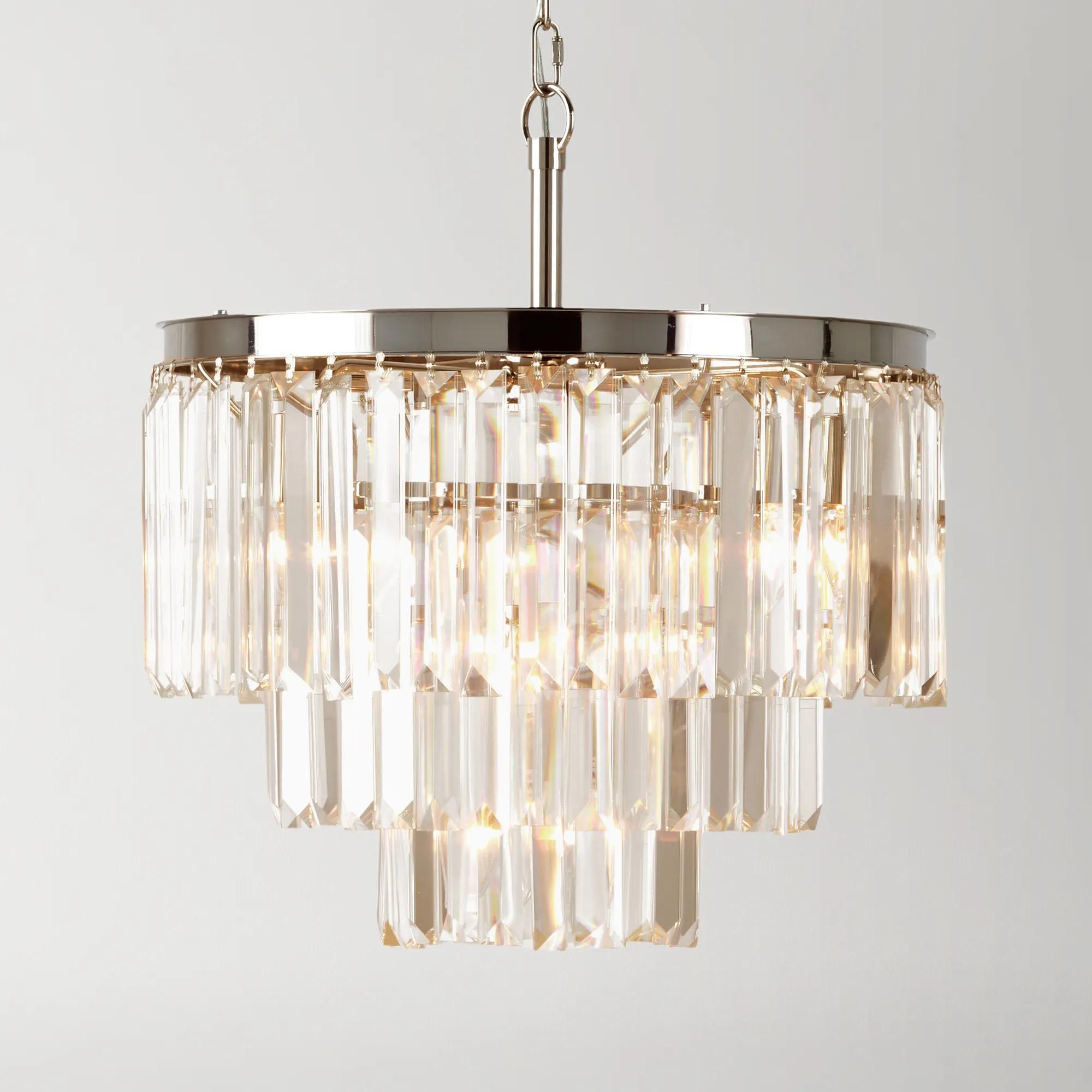 Luxe Chandelier$799
A glamorous chandelier featuring a nickel-plated iron frame and three tiers of faceted crystal accents.
Add To Cart -
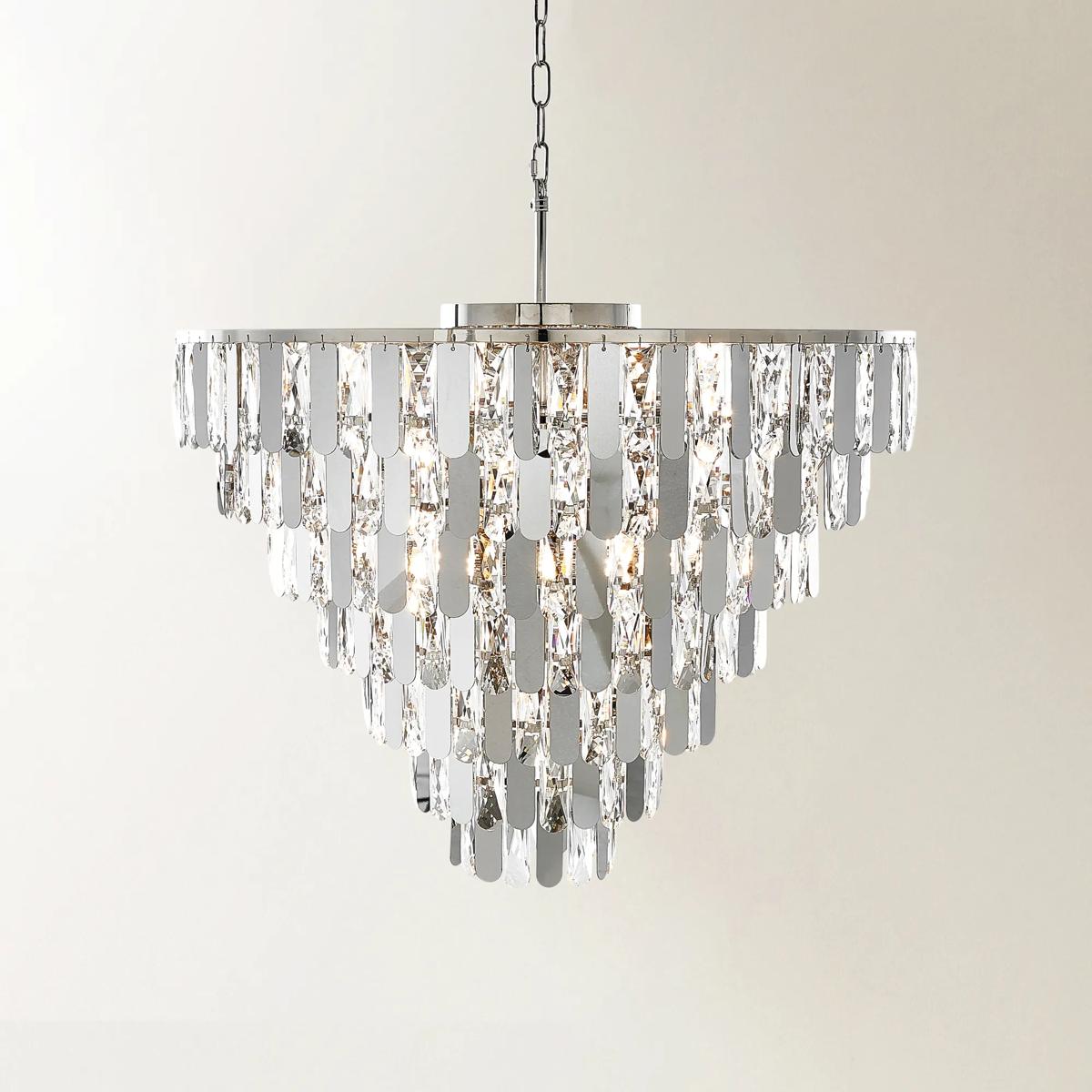
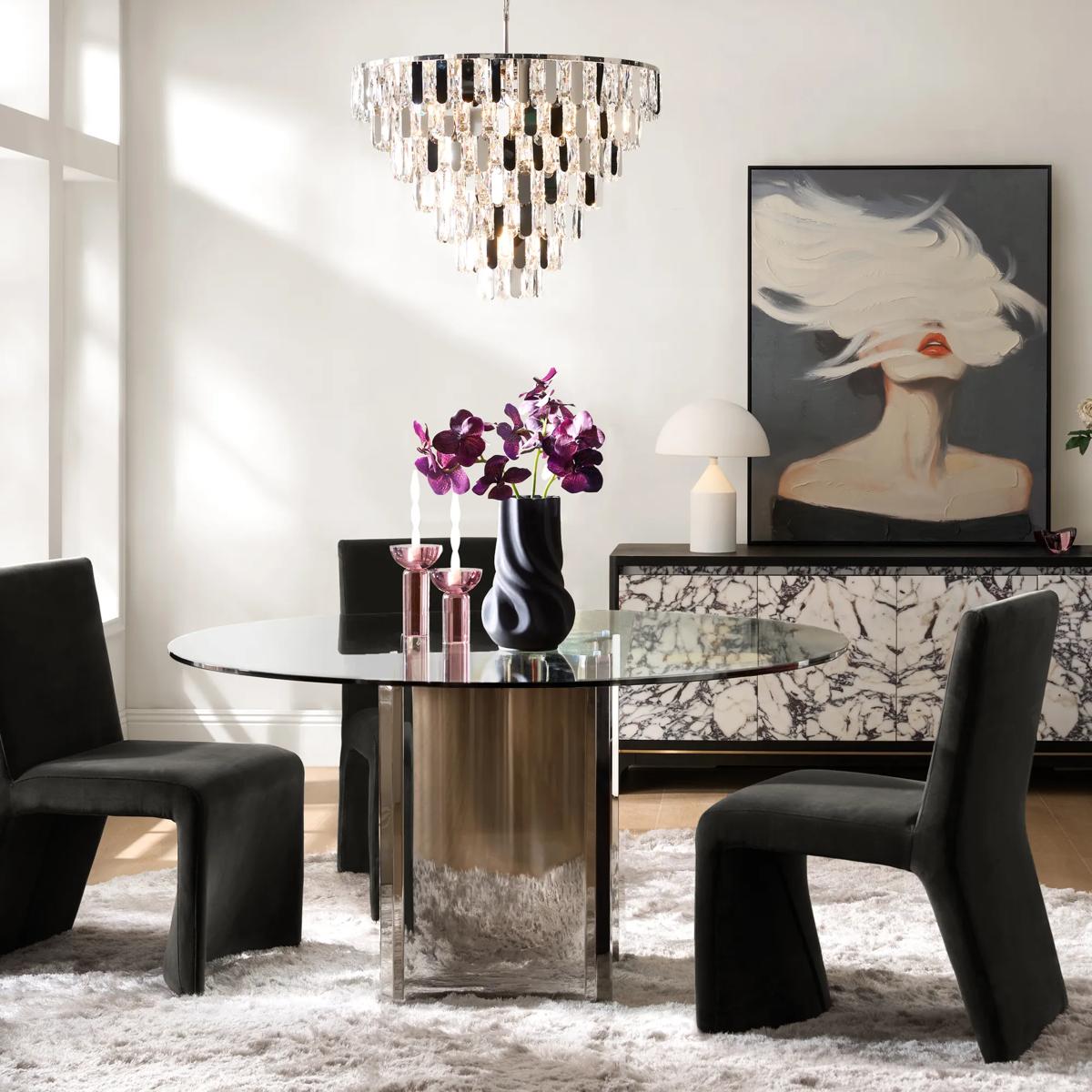 Avenue Crystal Chandelier 28.5"$999
A tiered chandelier crafted from eco-friendly K9 crystal and polished nickel for radiant, modern elegance.
Add To Cart -
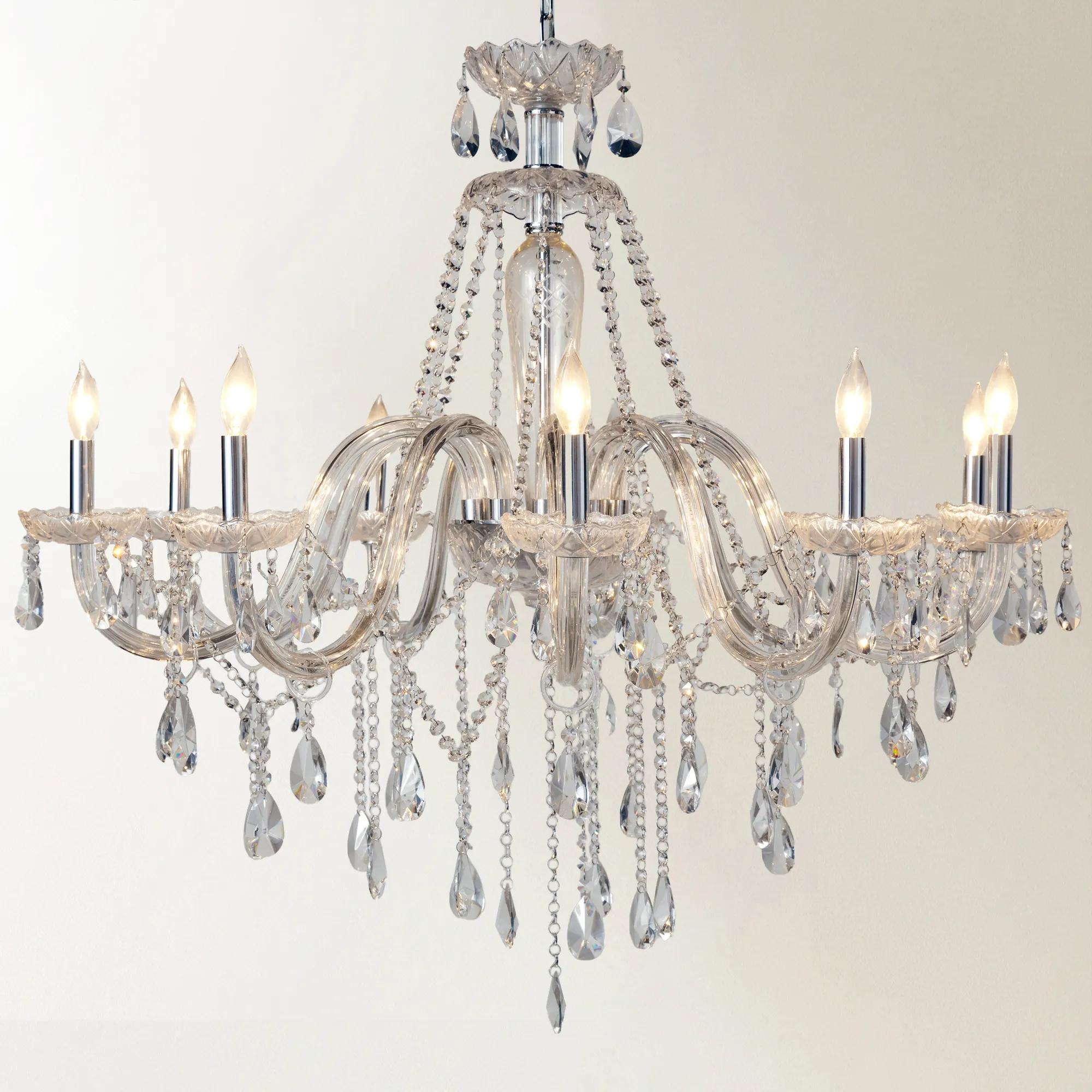
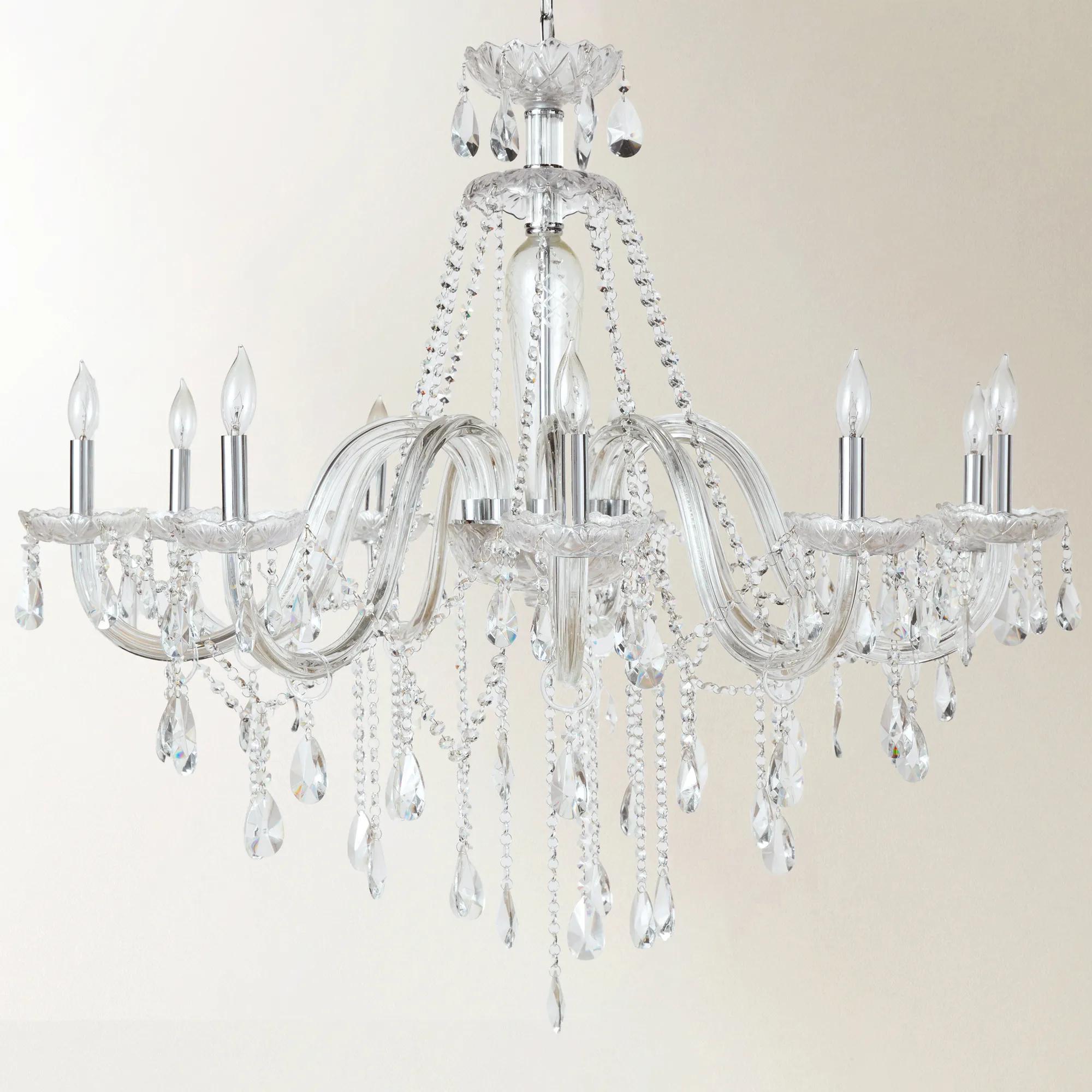 Omni Chandelier 38.5" - Clear$999
A dazzling chandelier featuring hundreds of clear faceted crystals and ten fluted glass arms with nickel hardware.
Add To Cart -

 Luxe Spiral Chandelier - Nickel/Clear$999
A dazzling spiral chandelier featuring clear K9 crystal and a polished nickel frame for timeless glamour.
Add To Cart -
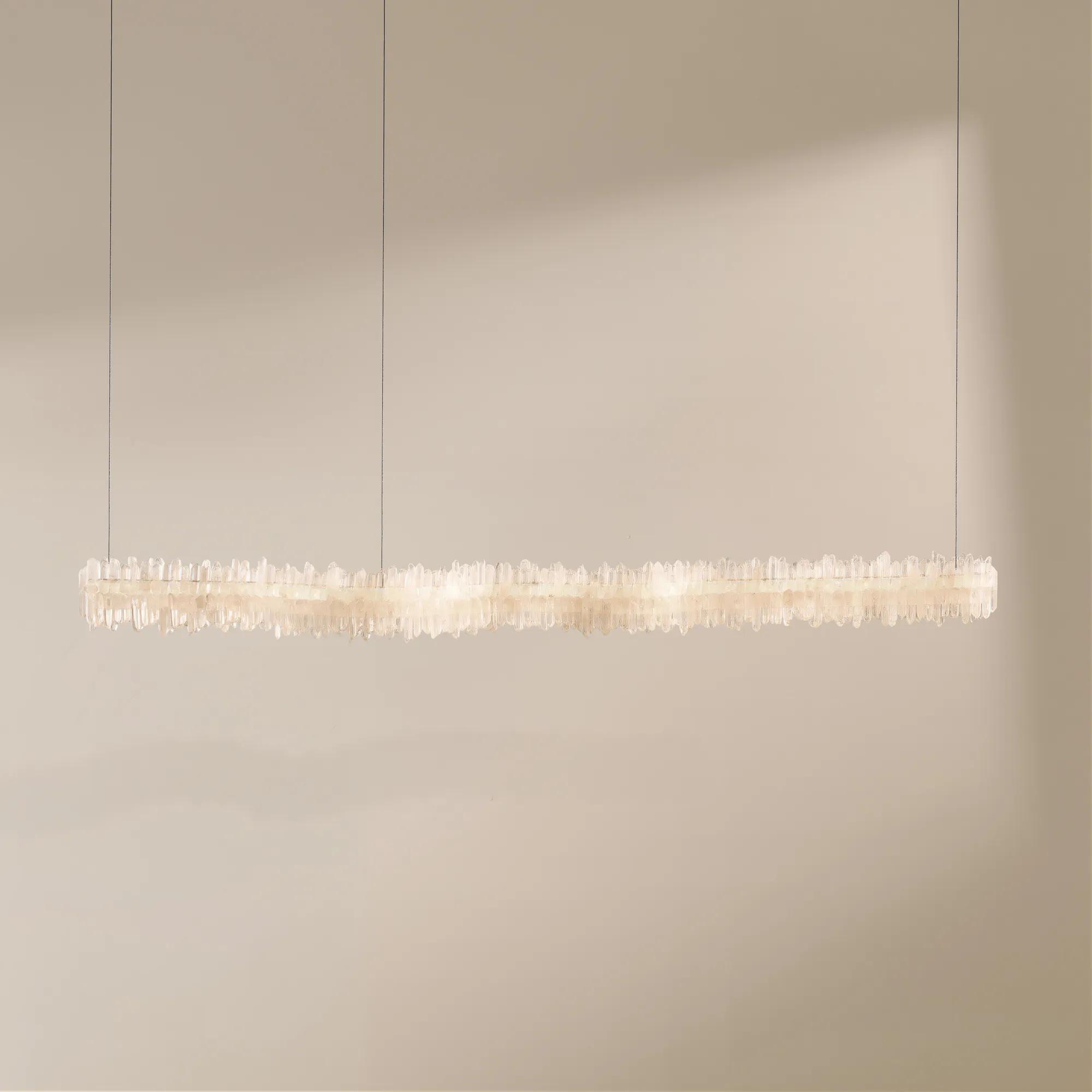 Stella Quartz Crystal LED Chandelier 47.25"$1899
A linear chandelier featuring raw quartz crystals and a rose gold frame with integrated warm LED lighting.
Add To Cart -

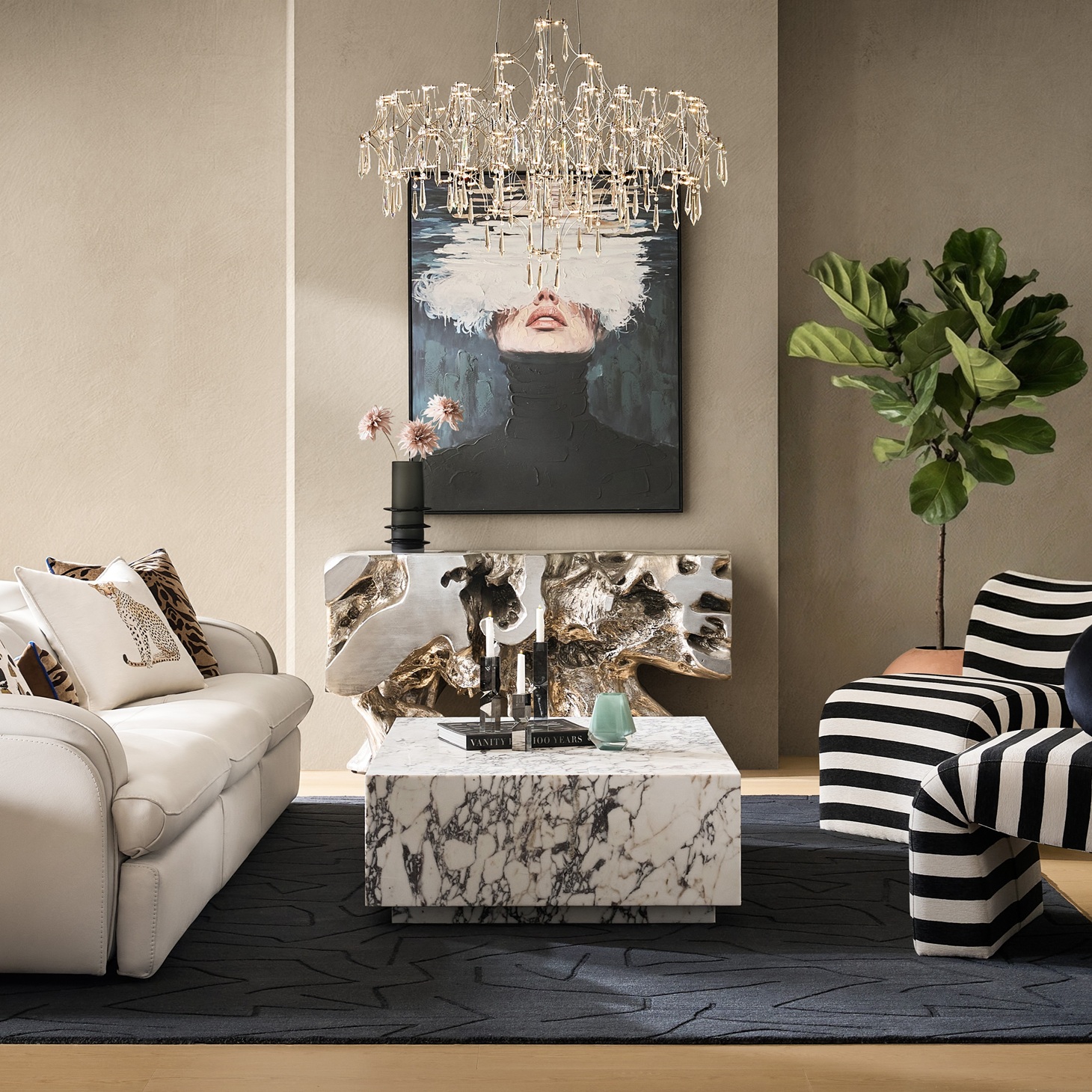 Moderne Grande LED Crystal Chandelier 35.75"W x 28.5"H$1899
A modern crystal chandelier featuring integrated LED lighting and an elegant, glamorous design.
Add To Cart -
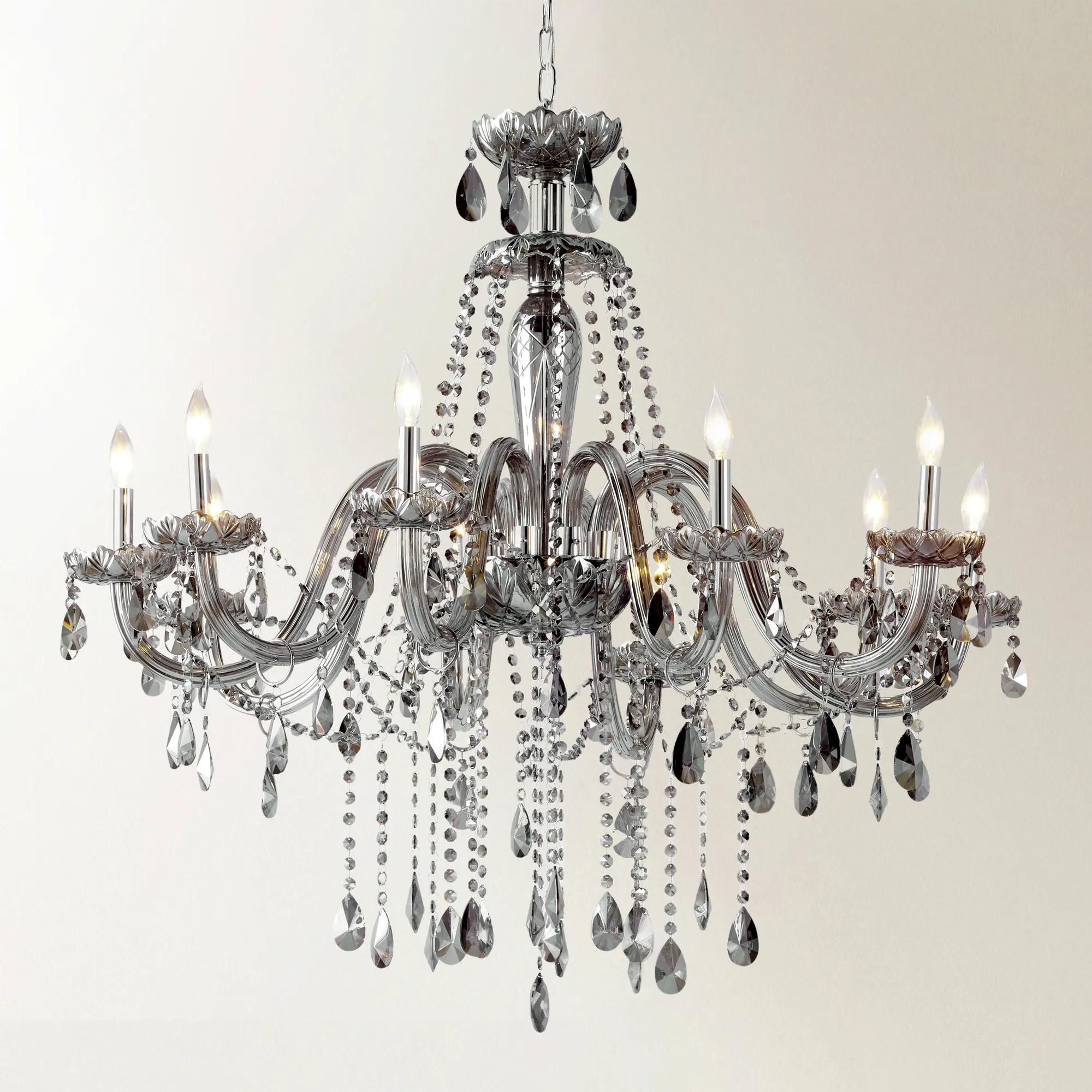
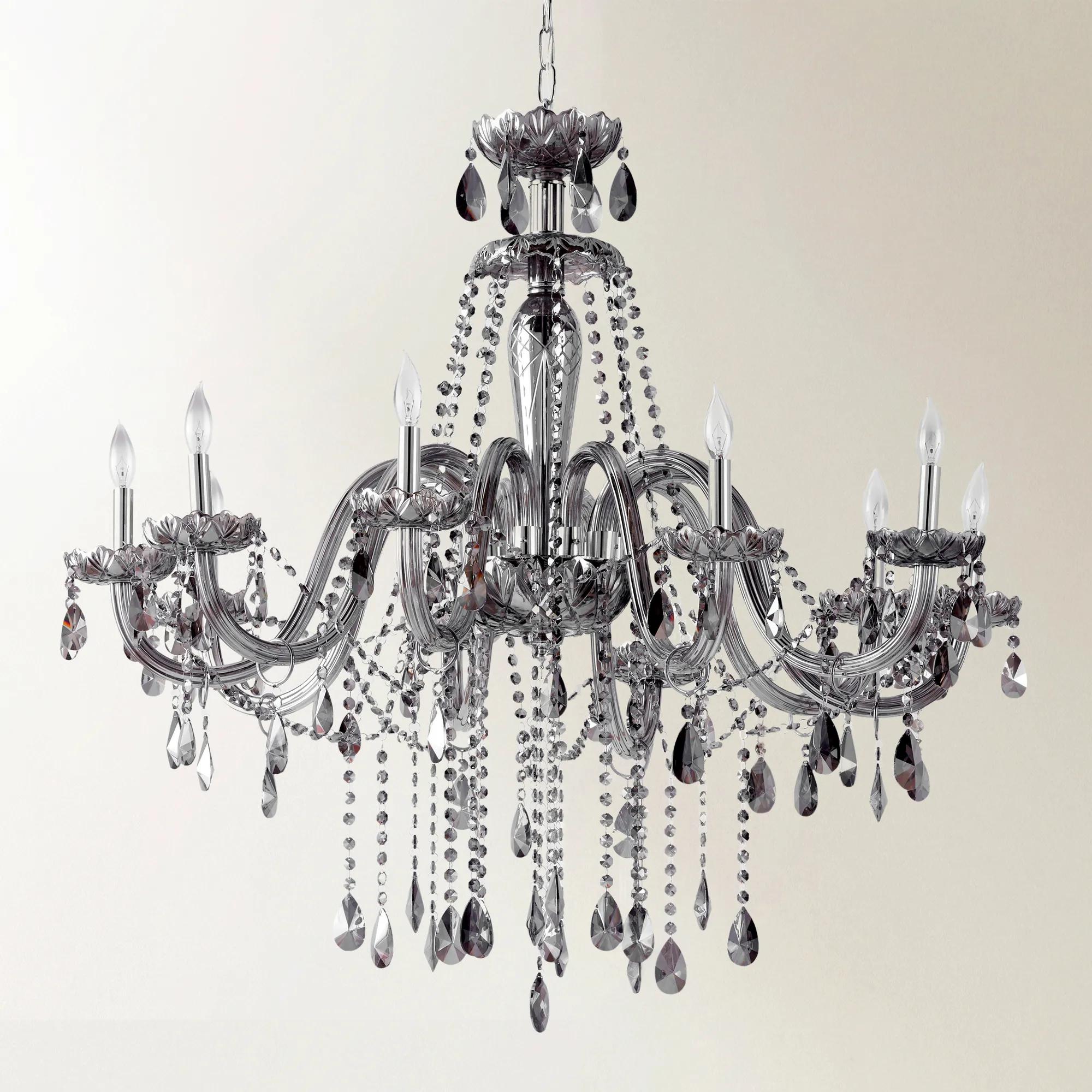 Omni Chandelier 38.5" - Graphite$999
A dazzling chandelier featuring graphite faceted crystals and ten fluted glass arms with nickel hardware.
Add To Cart -

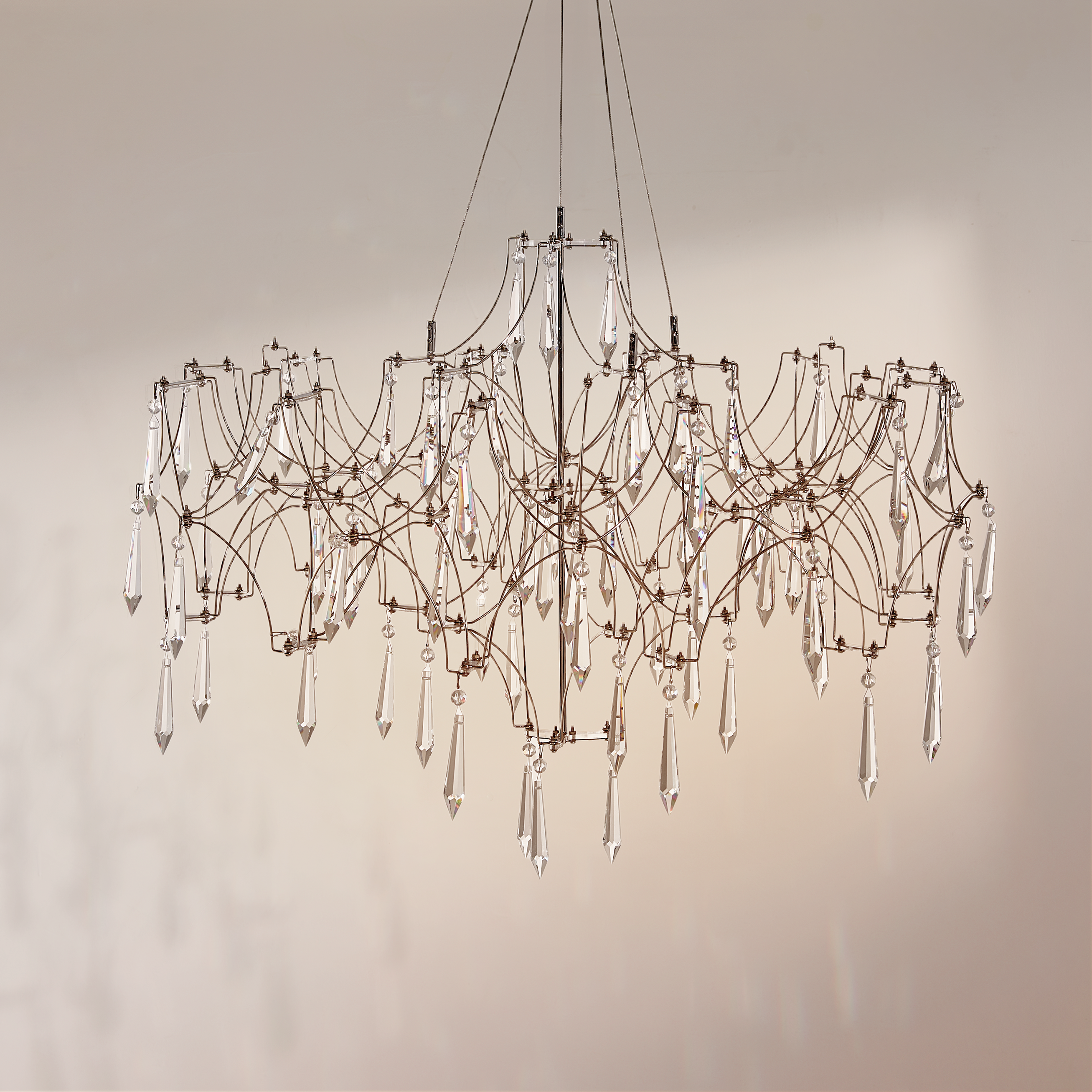 Moderne LED Clear Crystal Chandelier 24.5"W x 19.75"H$899
A faceted clear K9 crystal chandelier with polished nickel wiring and integrated warm LED illumination.
Add To Cart -
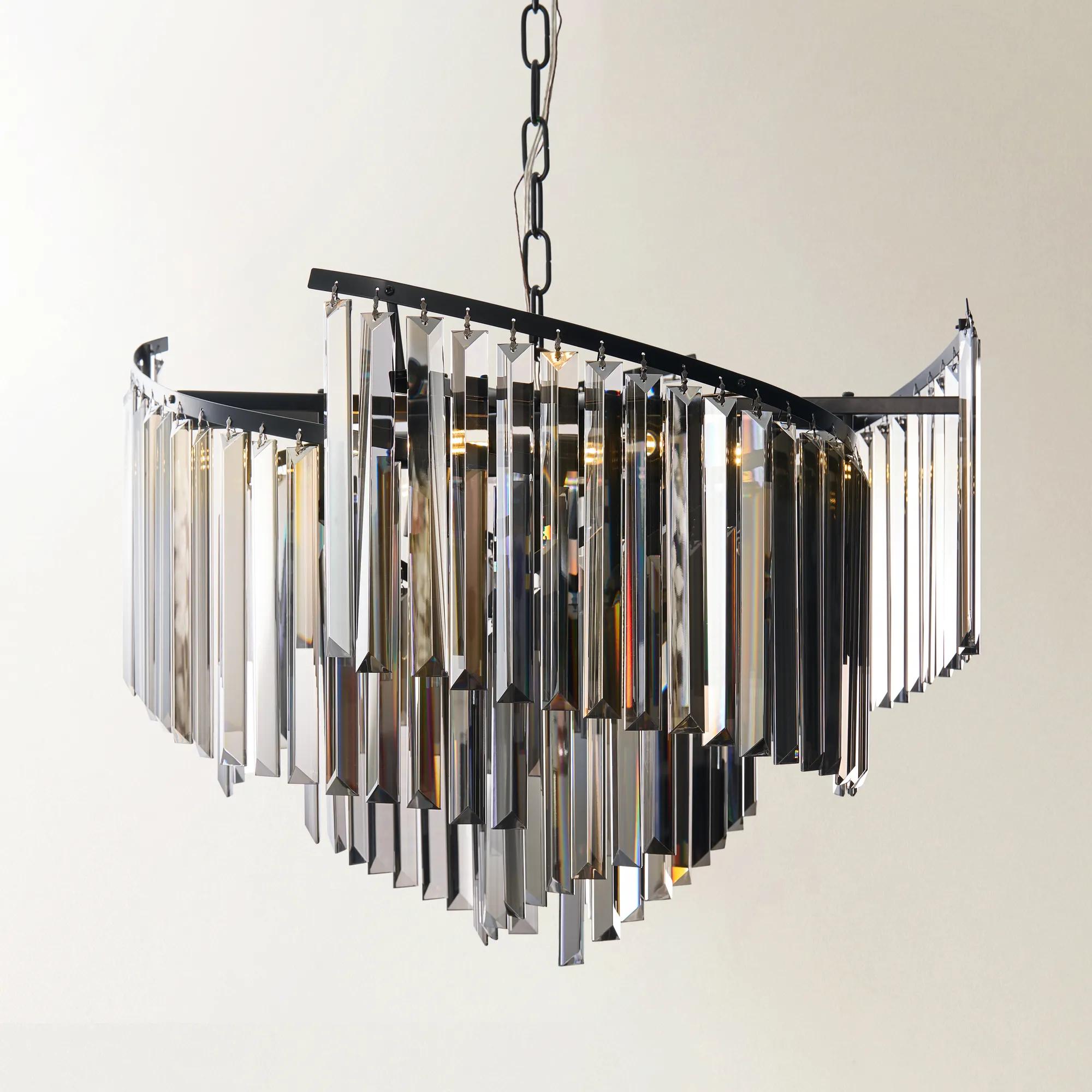 Luxe Spiral Chandelier - Graphite$999
A dramatic chandelier featuring graphite K9 crystals and a matte black iron frame for striking illumination.
Add To Cart -
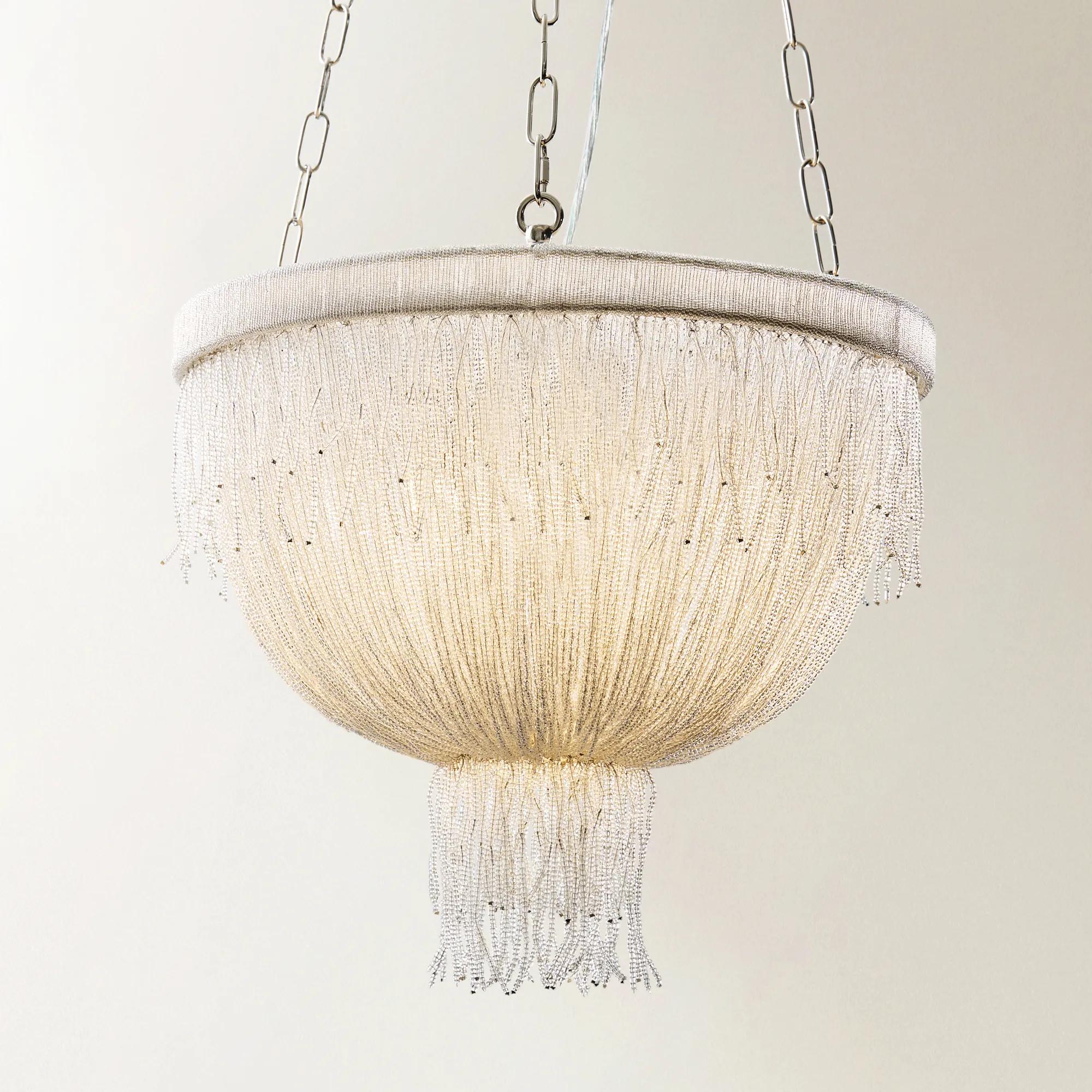 Selene Chandelier$899
A dazzling chandelier featuring cascading clear glass beads and a sleek nickel-finished iron frame.
Add To Cart -
 Glacier Clear and Frosted Glass Chandelier 24"$899
A modern chandelier crafted from clear and frosted glass creates an elegant, luminous centerpiece.
Add To Cart

Elegant Crystal Chandeliers With Prismatic Droplets
Dazzle your senses and transform your space into a gallery of light with elegant crystal chandeliers with prismatic droplets—where every facet catches the eye and refracts pure glamour. These sculptural masterpieces are more than illumination; they are an invitation to indulge in opulence, casting a dance of shimmering reflections across your interiors. Whether suspended above a grand dining table or gracing an entryway, each chandelier becomes the centerpiece of your story, infusing every moment with drama, sophistication, and the unmistakable allure of artistry in motion.
Elegant crystal chandeliers with prismatic droplets bring movement, dimension, and luminous detail to a room. Their defining feature is an arrangement of faceted crystal or glass pendants that reflect and refract light, creating bright points of sparkle and, under suitable lighting conditions, subtle flashes of rainbow color. Unlike smooth glass drops, prismatic droplets have angled surfaces that redirect light in multiple directions, making the fixture appear different as someone moves through the space. A teardrop catches illumination along its tapered edges; an elongated prism creates a sharper, more architectural gleam. Together, these elements give a chandelier its visual rhythm, whether the silhouette is composed of restrained tiers or an expansive cascade. Crystal chandelier designs range from classic arms dressed with pendants to streamlined rings, sculptural branches, and waterfall arrangements that suspend droplets at varying heights. Spiral compositions draw the eye upward through a stairwell, while branching forms introduce an organic gesture above a dining table. Materials influence both the appearance and the character of the light. Cut crystal can offer precisely defined facets, while K9 optical glass, often described as optical crystal, is valued for its clarity and ability to form crisp, light-catching prisms. The degree of sparkle depends on the material, facet quality, cleanliness, and placement of the light sources rather than the word “crystal” alone. Clear droplets emphasize transparency and brilliance; tinted glass introduces a more deliberate note of color. Metal frames provide structure and contrast, with polished gold-tone finishes lending richness, brass tones adding depth, and chrome or nickel creating a cooler, mirror-like effect. Some frames achieve their finish through electroplating, while others use different surface treatments, so the stated material and finish deserve attention. A slender frame allows the droplets to seem suspended in air; a more substantial framework gives the composition a pronounced sculptural presence. The result is lighting that contributes as much to the room’s identity when unlit as it does when illuminated.
Proportion gives this drama its poise. In a dining room, a chandelier should feel connected to the table beneath it rather than floating independently in the surrounding space. A fixture approximately one-half to two-thirds of the table’s width can provide a useful starting point, although its shape, visual density, and the room’s dimensions matter just as much. A transparent cascade may carry generous scale without appearing heavy, while a densely dressed crystal chandelier can command attention within a smaller footprint. Over a dining table, a bottom edge about 30 to 36 inches above the tabletop is a common starting range, subject to ceiling height, sightlines, and the fixture’s specifications. The aim is to frame conversation without obscuring faces or bringing delicate droplets too close to everyday activity. Entryways and stairwells offer a different opportunity: longer suspensions and graduated drops can express the height of the architecture, provided there is appropriate clearance above floors, landings, and doors. In rooms with lower ceilings, shallower silhouettes preserve the same prismatic effect without overwhelming the space. The sculptural profiles of Modern Prismatic Crystal Chandeliers complement interiors where clean architectural lines leave room for expressive detail. Above a pedestal table, a circular arrangement can echo the furniture’s geometry; above a long rectangular table, a linear composition distributes visual interest across the setting. Placement also affects the experience of the light. Near a window, clear facets may catch daylight and cast brief spectral accents, though rainbow effects depend on the angle and intensity of the incoming light. After dark, compatible dimming allows the fixture to shift from bright ambient illumination to a softer glow for entertaining. Warm-white lamps around 2700K to 3000K generally create an inviting atmosphere, while light output, bulb shape, and exposed versus concealed sources influence brightness and glare. Bulb type, maximum wattage, and dimmer compatibility should always follow the fixture’s specifications. Crystal chandeliers can be substantial in weight, making suitable structural support and professional electrical installation important considerations, especially for large cascades or installations above stairs.
A prismatic chandelier is most compelling when the surrounding room gives its details space to register. Against a deep wall color, clear droplets become luminous punctuation; against pale walls, the same fixture reads as an airy arrangement of light and shadow. Velvet upholstery offers a sumptuous contrast to crisp facets, while a marble tabletop introduces another polished surface without duplicating the chandelier’s intricate texture. A mirror can extend the visual effect, but its position matters: reflecting the composition is desirable, while reflecting exposed bulbs directly into seated sightlines can create discomfort. Layered lighting keeps the atmosphere balanced. Wall sconces, shaded lamps, or discreet task lighting can support reading and other activities while allowing the chandelier to remain the room’s expressive centerpiece. This makes crystal lighting particularly appealing to hosts who want a dining space to feel considered, homeowners defining an entryway, and design enthusiasts drawn to decorative objects with architectural presence. It can also be a meaningful housewarming or milestone gift when the recipient’s preferences, room dimensions, and installation arrangements are known. Lasting beauty depends on thoughtful care as well as thoughtful placement. Dust softens the brilliance of faceted surfaces, so gentle cleaning helps preserve the intended sparkle. With the power switched off and the fixture cool, a soft, lint-free cloth can remove light dust; deeper cleaning should follow the manufacturer’s instructions for the crystal, metal finish, and electrical components. Avoid spraying liquid directly onto the fixture, using abrasive cleaners, or pulling on suspended droplets. Supporting each pendant during cleaning helps protect its attachment, and professional maintenance may be the safer choice for high or difficult-to-reach installations. Glass and crystal resist ordinary surface wear but remain vulnerable to impact, while metal finishes can be damaged by unsuitable chemicals or excessive moisture. Fixtures should be used only in locations covered by their stated rating, particularly where humidity is present. With appropriate installation and care, elegant crystal chandeliers retain their defining appeal: a composition of gleaming facets, graceful suspension, and light that gives a familiar room an unmistakable sense of occasion.
FAQs
A crystal droplet chandelier stands apart through its use of meticulously cut crystal droplets, which capture and refract light to create captivating prismatic effects. These droplets lend the chandelier a sense of movement and opulence, transforming any room into a luminous showcase of artistry and glamour.
A crystal droplets chandelier elevates the ambiance by scattering light in a dazzling array of colors and patterns, infusing spaces with warmth, drama, and sophistication. Whether hung above a dining table or in an entryway, it becomes an instant focal point that inspires conversation and admiration.
Absolutely. The timeless allure of crystal droplets for chandeliers makes them versatile enough to complement both classic and contemporary spaces. Traditional interiors benefit from the grandeur and intricate detailing, while modern settings are enlivened by sleek silhouettes and bold, prismatic designs.
Prismatic chandeliers are typically crafted from high-quality materials such as genuine leaded crystal, polished metal, and sometimes hand-blown glass. The choice of crystal is especially important, as it ensures maximum brilliance and clarity, resulting in the signature shimmering effect that defines these fixtures.
Yes, gifting a crystal droplet chandelier is a remarkable way to mark milestones such as weddings, anniversaries, or housewarmings. Its enduring beauty and transformative presence make it a cherished heirloom, symbolizing celebration and the creation of unforgettable memories within the home.