Durable Hardwood Frame Loveseats
Durable Hardwood Frame Loveseats
-
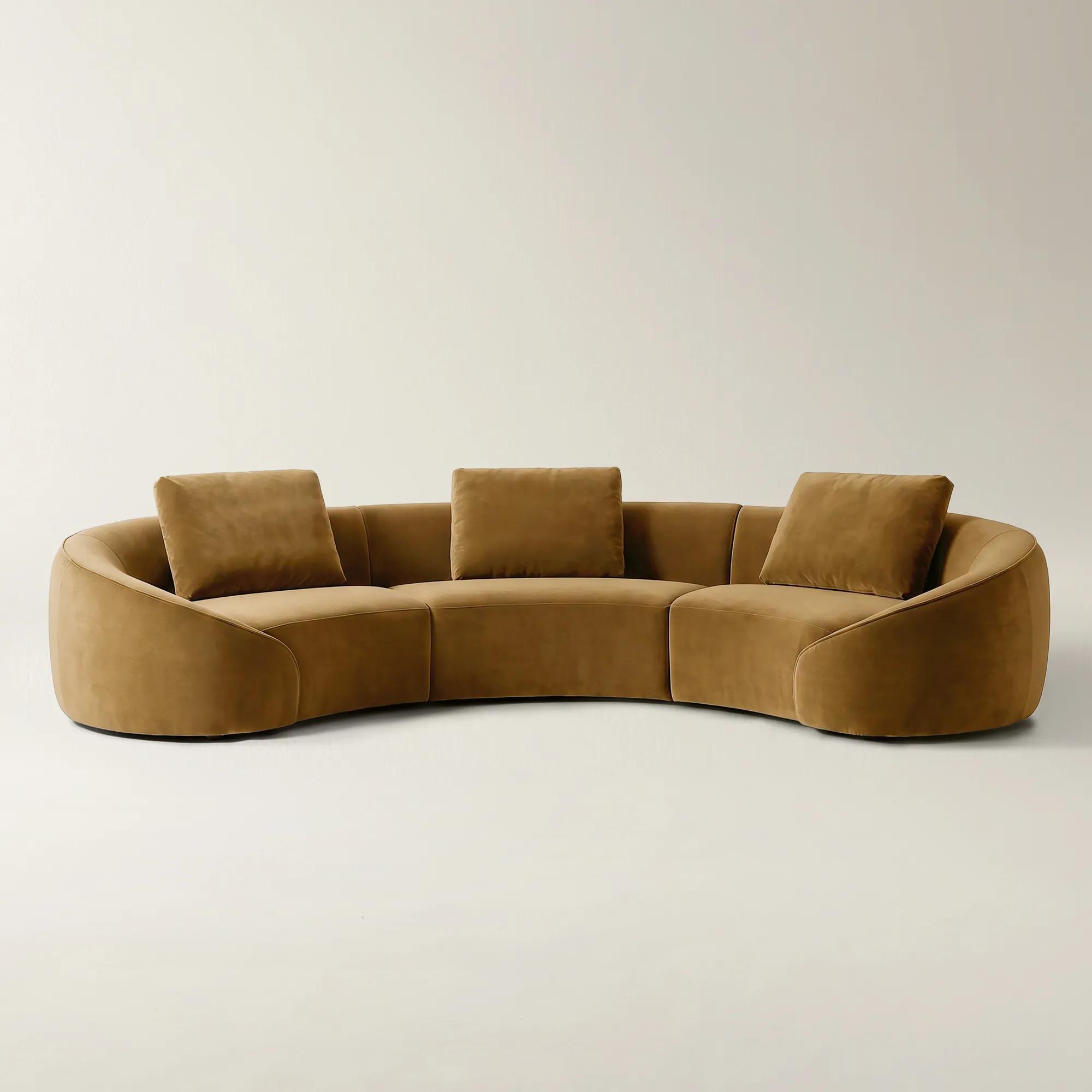
 Livia Taupe Outdoor Armless Loveseat$5899
A taupe outdoor loveseat offering stylish, comfortable seating for modern living spaces.
Add To Cart -
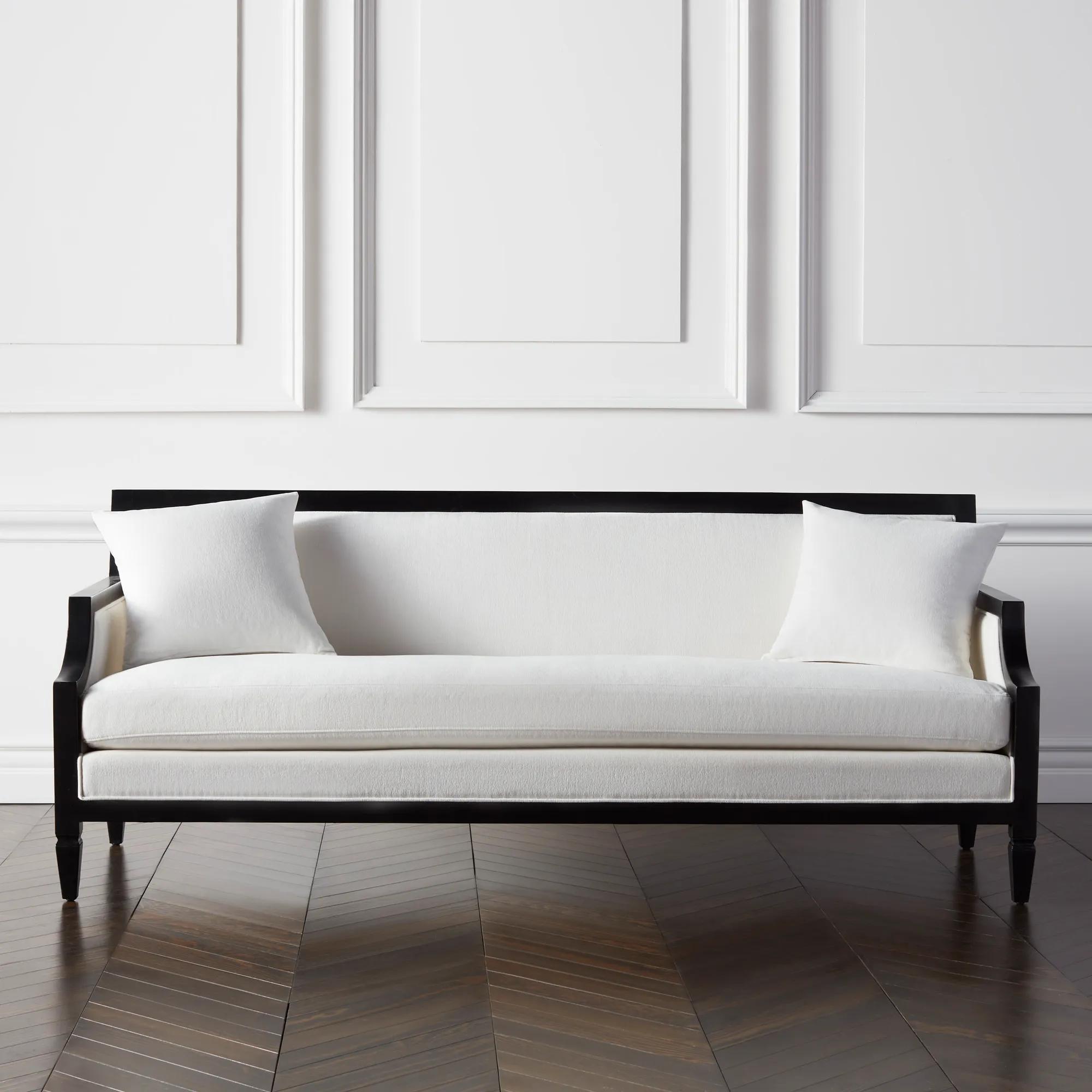
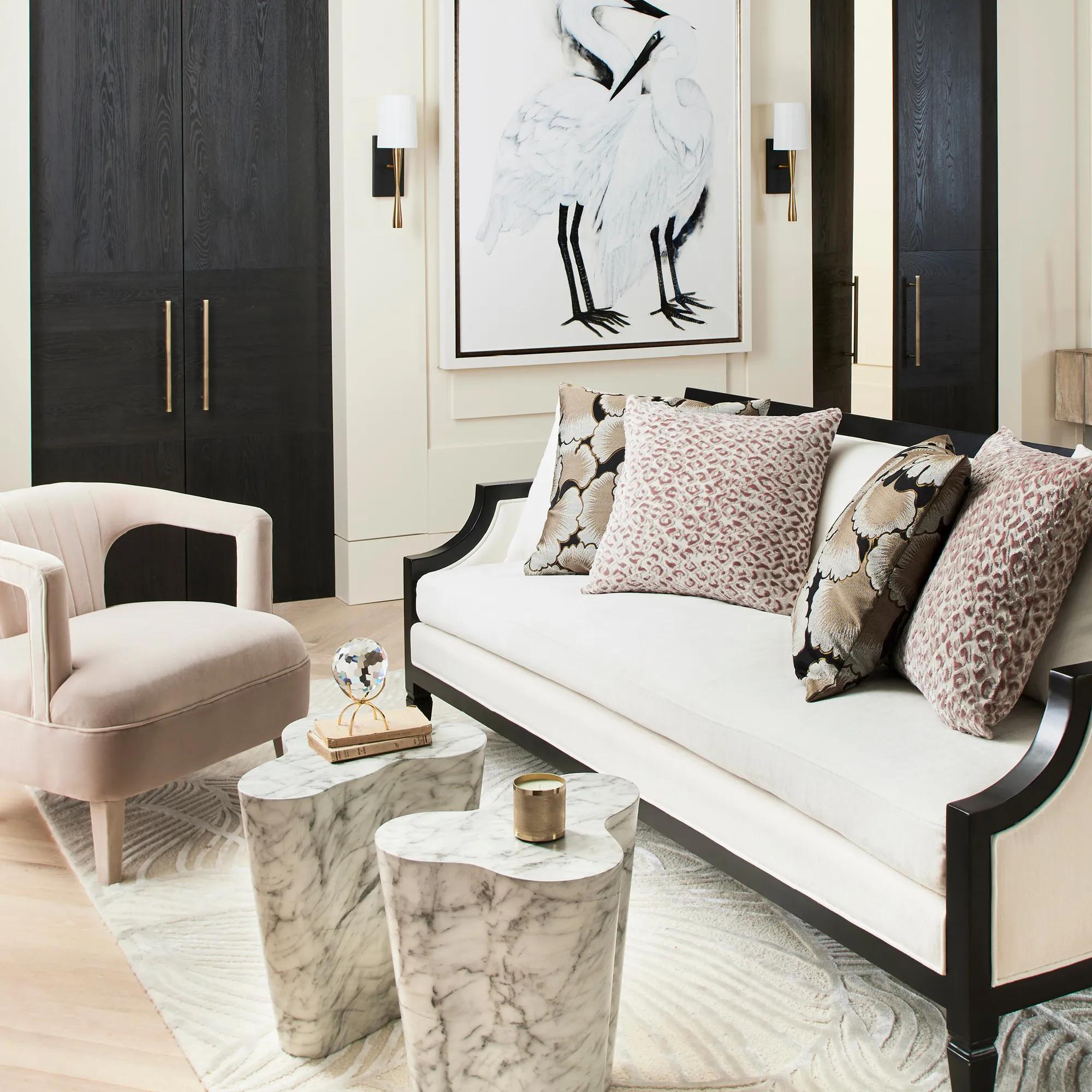 Kayla Sofa$3149
A plush, modern sofa featuring notched arms, matte black wood frame, and Kenley Chenille Snow upholstery.
Add To Cart -
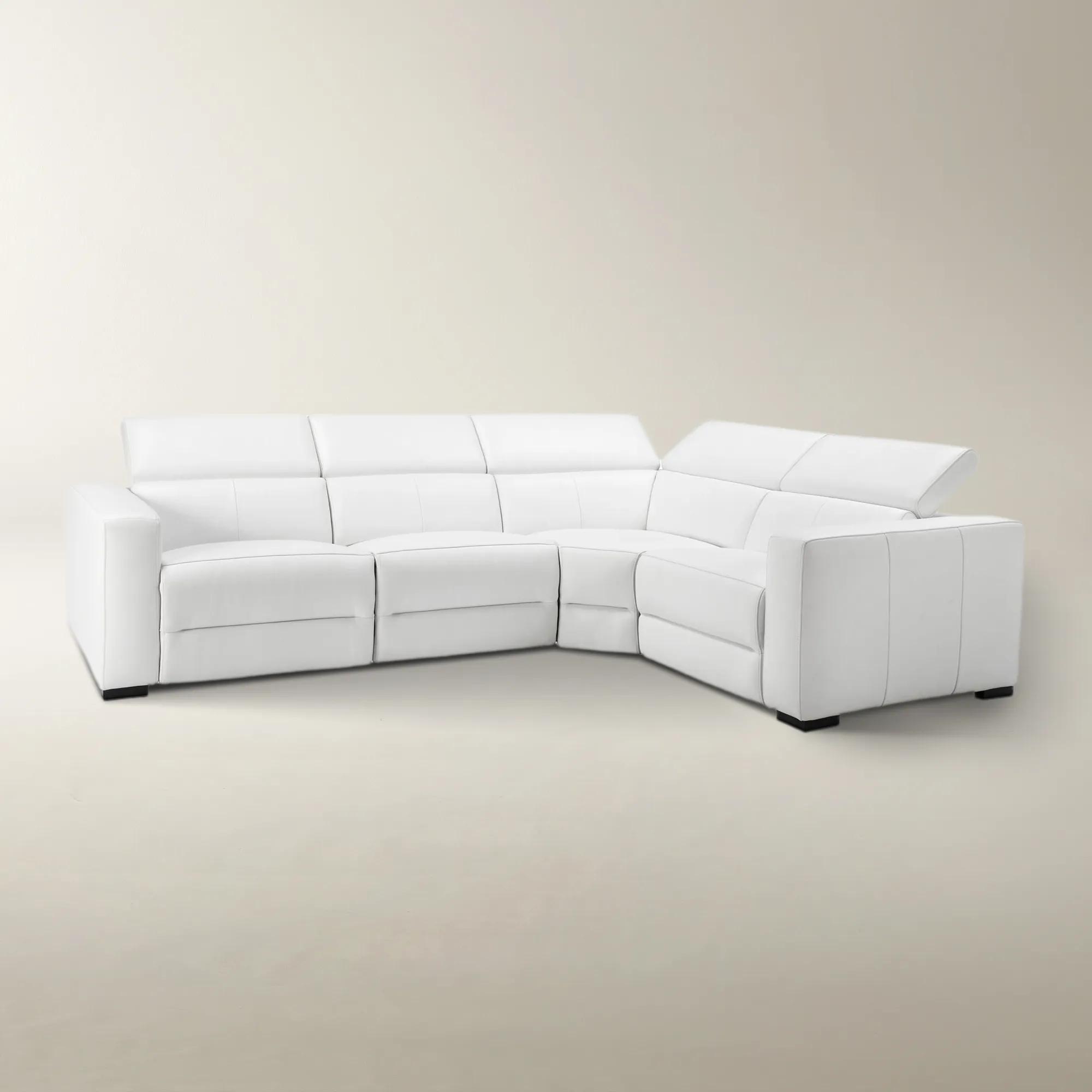
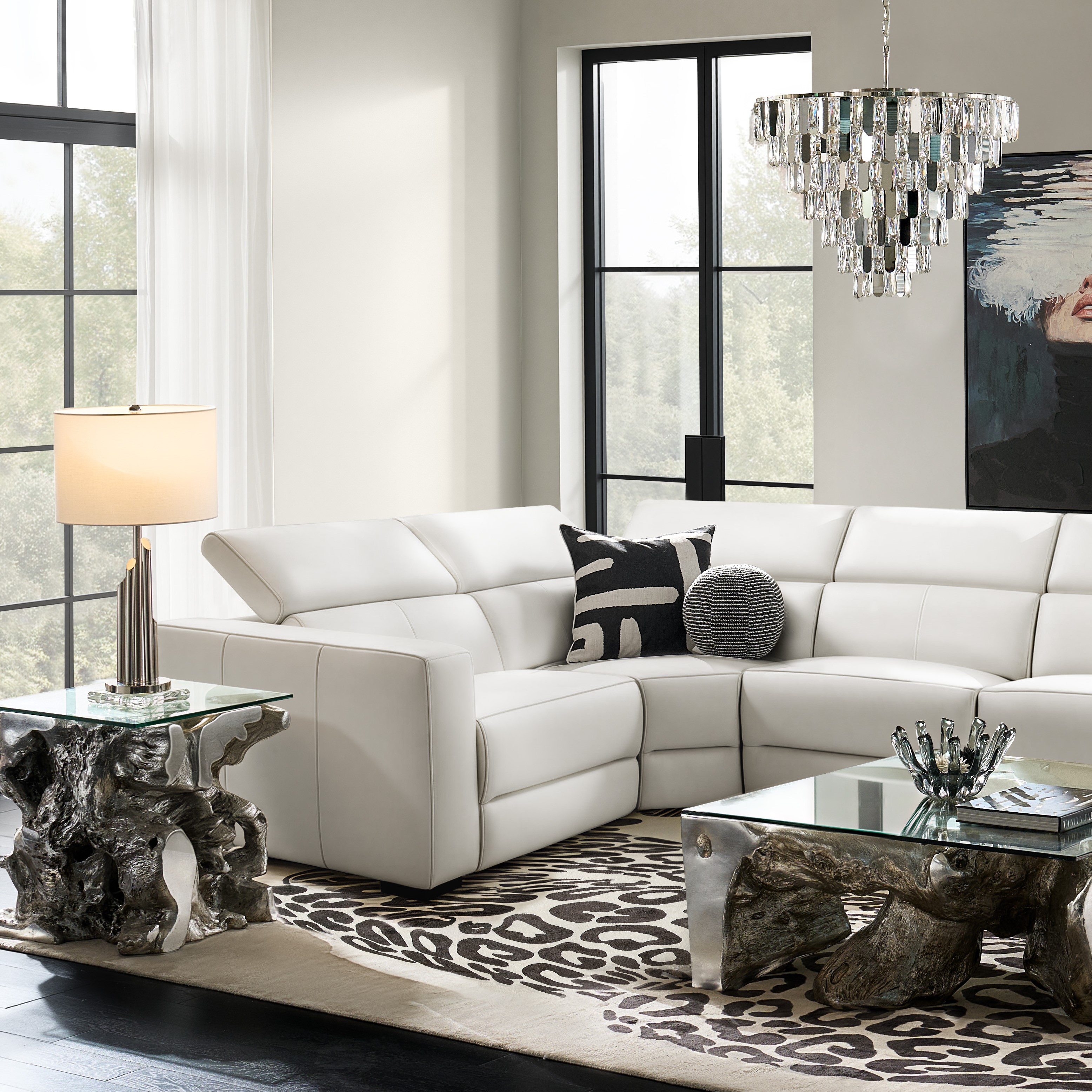 Verona 4-Piece L-Shaped Reclining White Leather Sectional Sofa With Right-Arm$5899
A modern sectional upholstered in supple white semi-aniline leather with adjustable headrests and power-reclining seats.
Add To Cart -
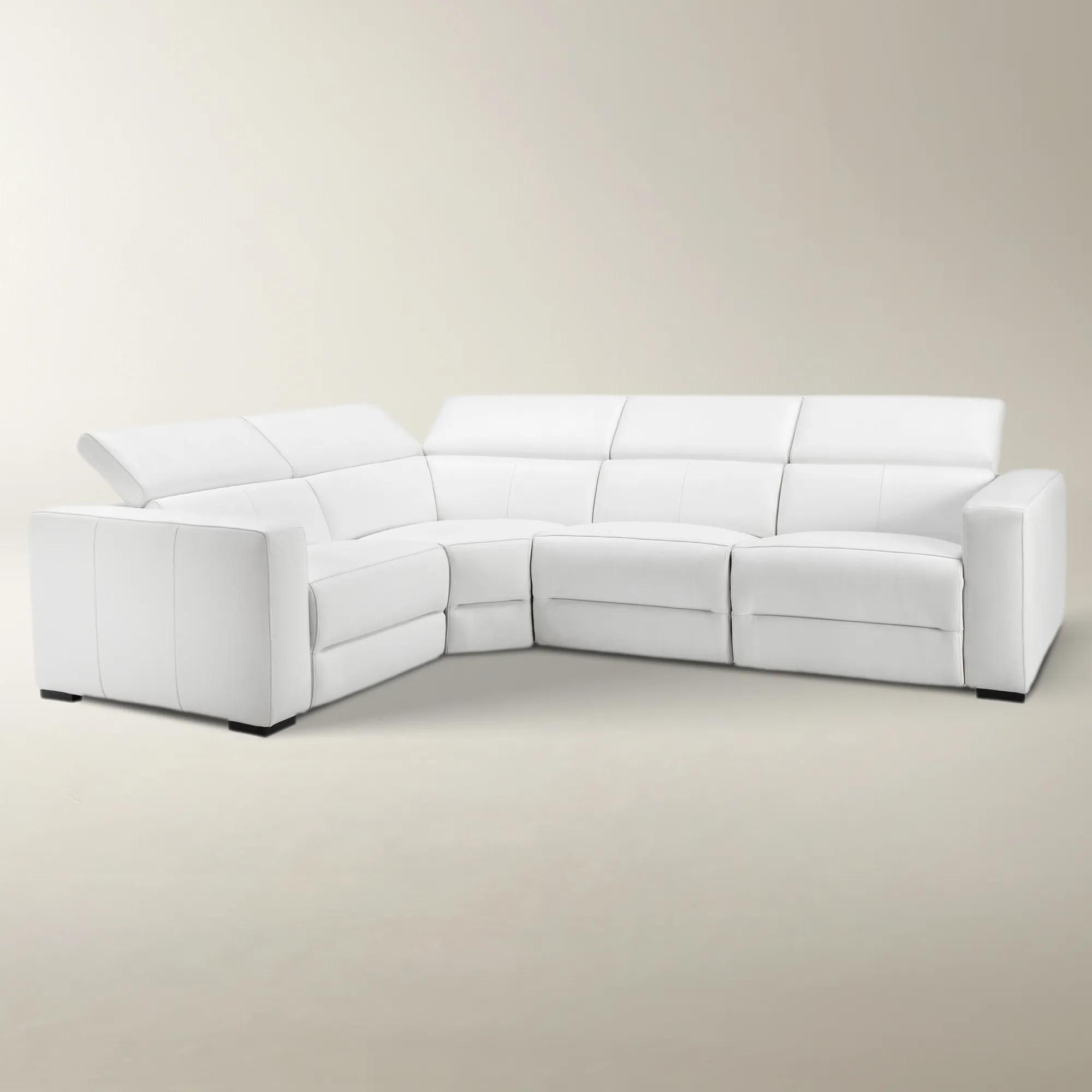 Verona 4-Piece L-Shaped Reclining White Leather Sectional Sofa With Left-Arm$5899
A modern sectional upholstered in supple white semi-aniline leather with adjustable headrests and power-reclining seats.
Add To Cart -
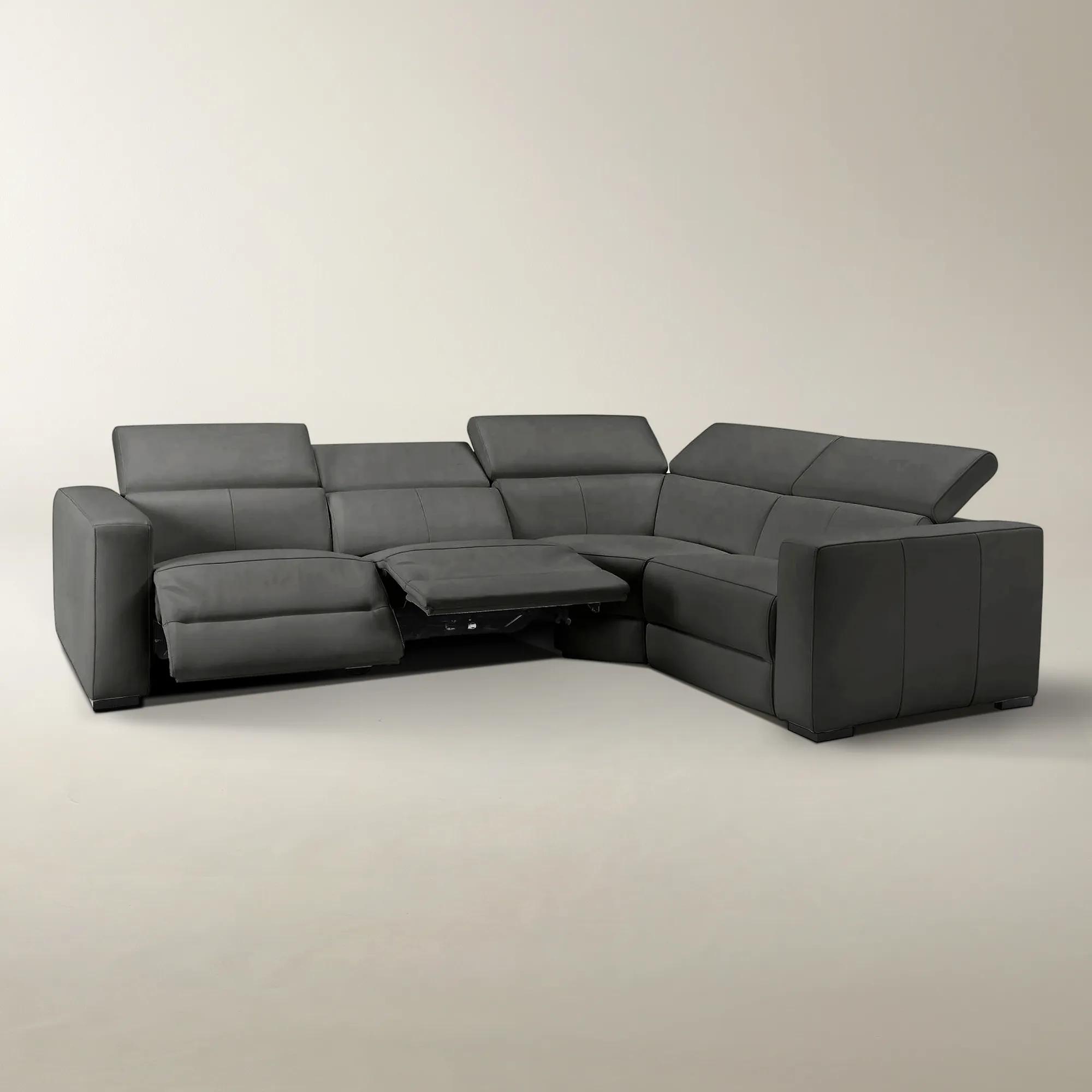
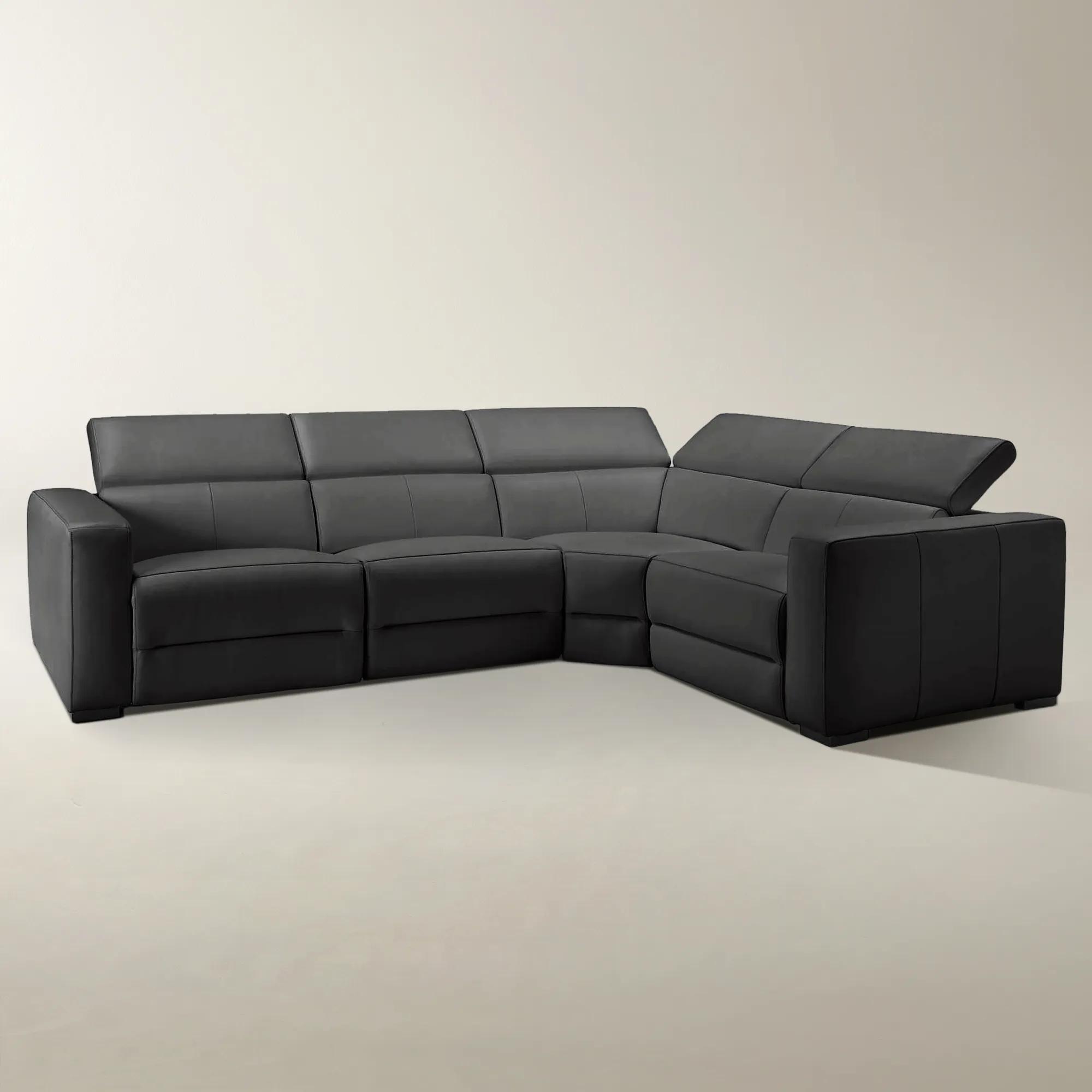 Verona 4-Piece L-Shaped Reclining Charcoal Leather Sectional Sofa With Right-Arm$5899
A charcoal semi-aniline leather sectional featuring adjustable headrests, power-reclining seats, and kiln-dried hardwood frame.
Add To Cart -
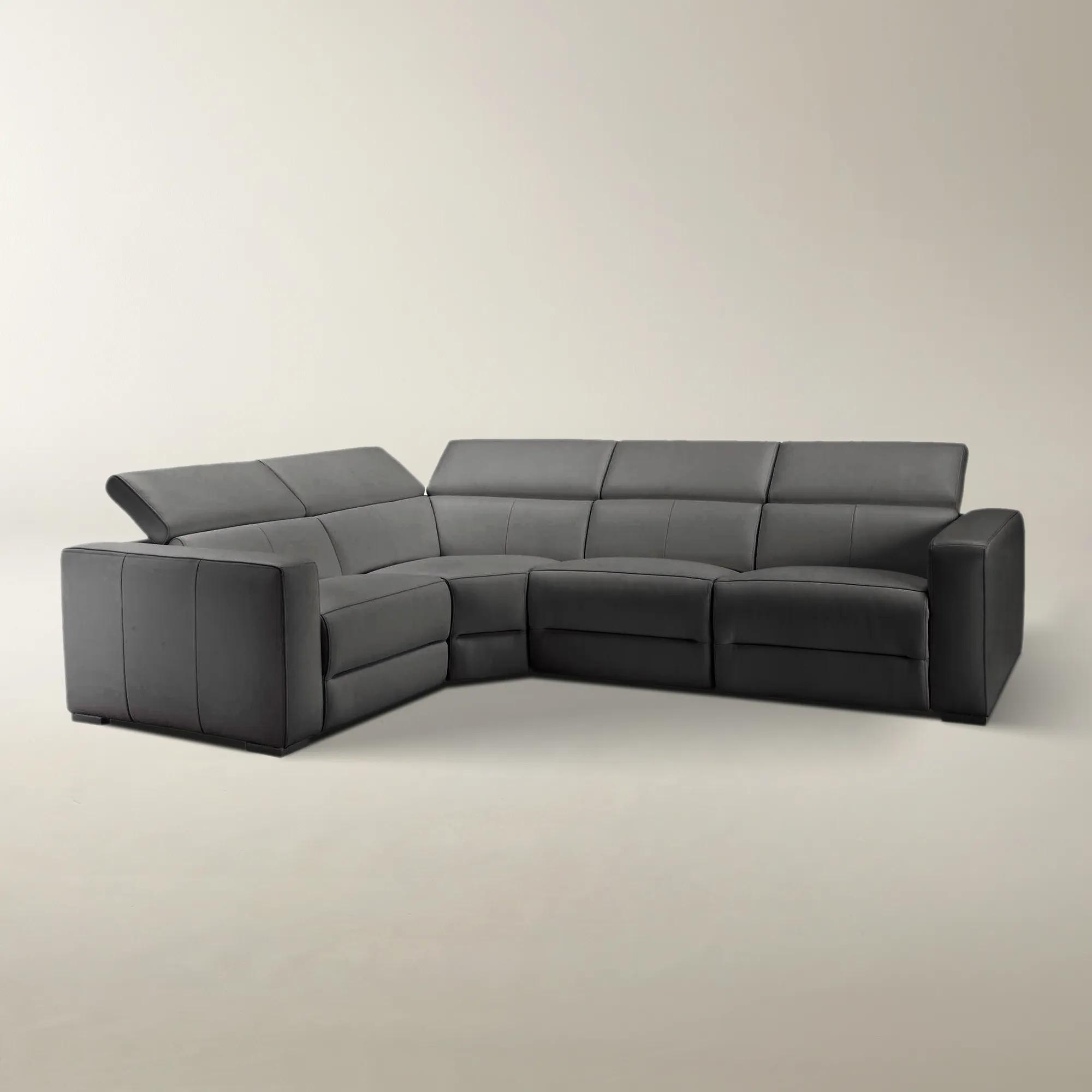 Verona 4-Piece L-Shaped Reclining Charcoal Leather Sectional Sofa With Left-Arm$5899
A charcoal semi-aniline leather sectional featuring adjustable headrests and optional power-reclining seats for comfort.
Add To Cart -
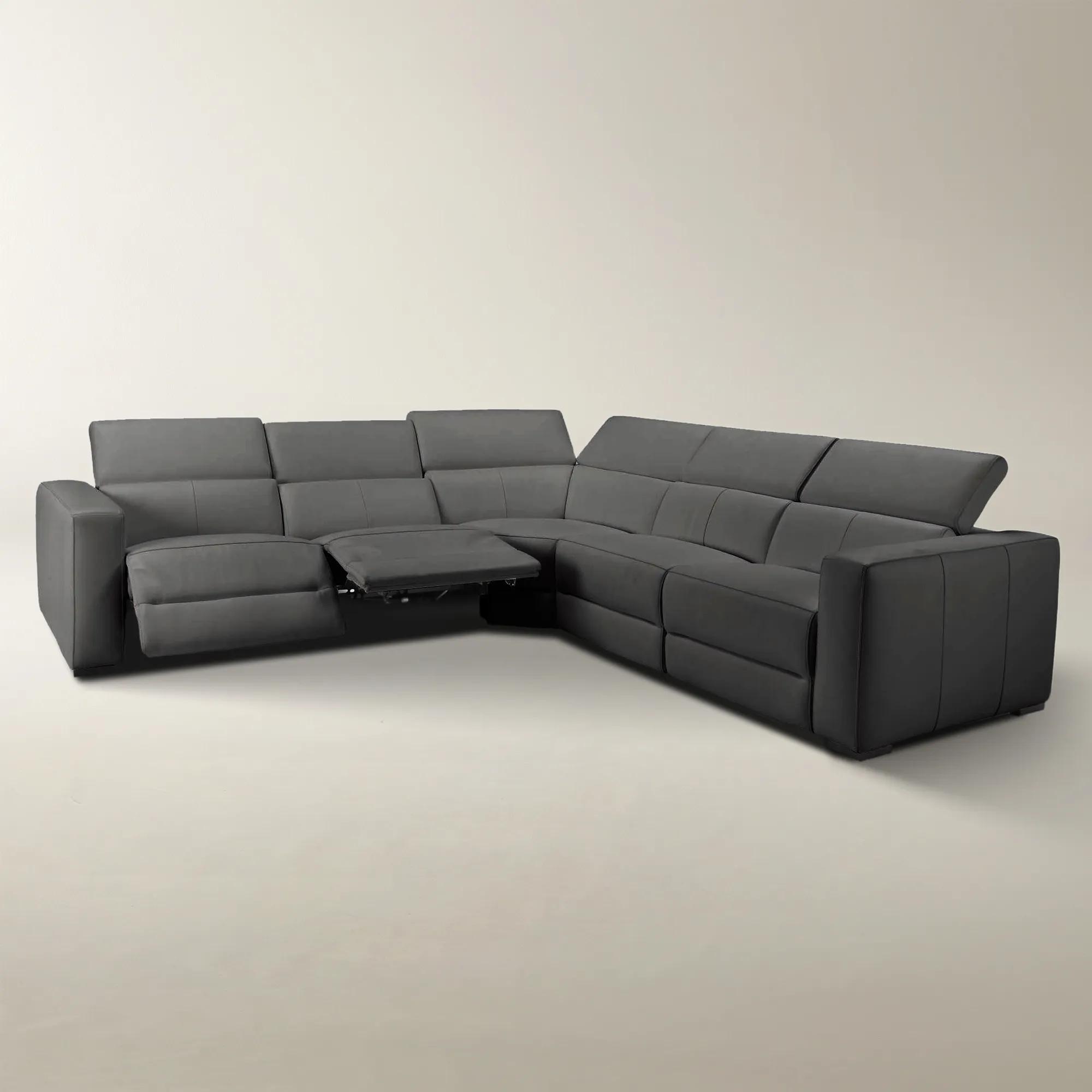 Verona 5-Piece Reclining Charcoal Leather Sectional Sofa$7199
A charcoal semi-aniline leather sectional featuring adjustable headrests, kiln-dried hardwood frame, and optional power recline.
Add To Cart -
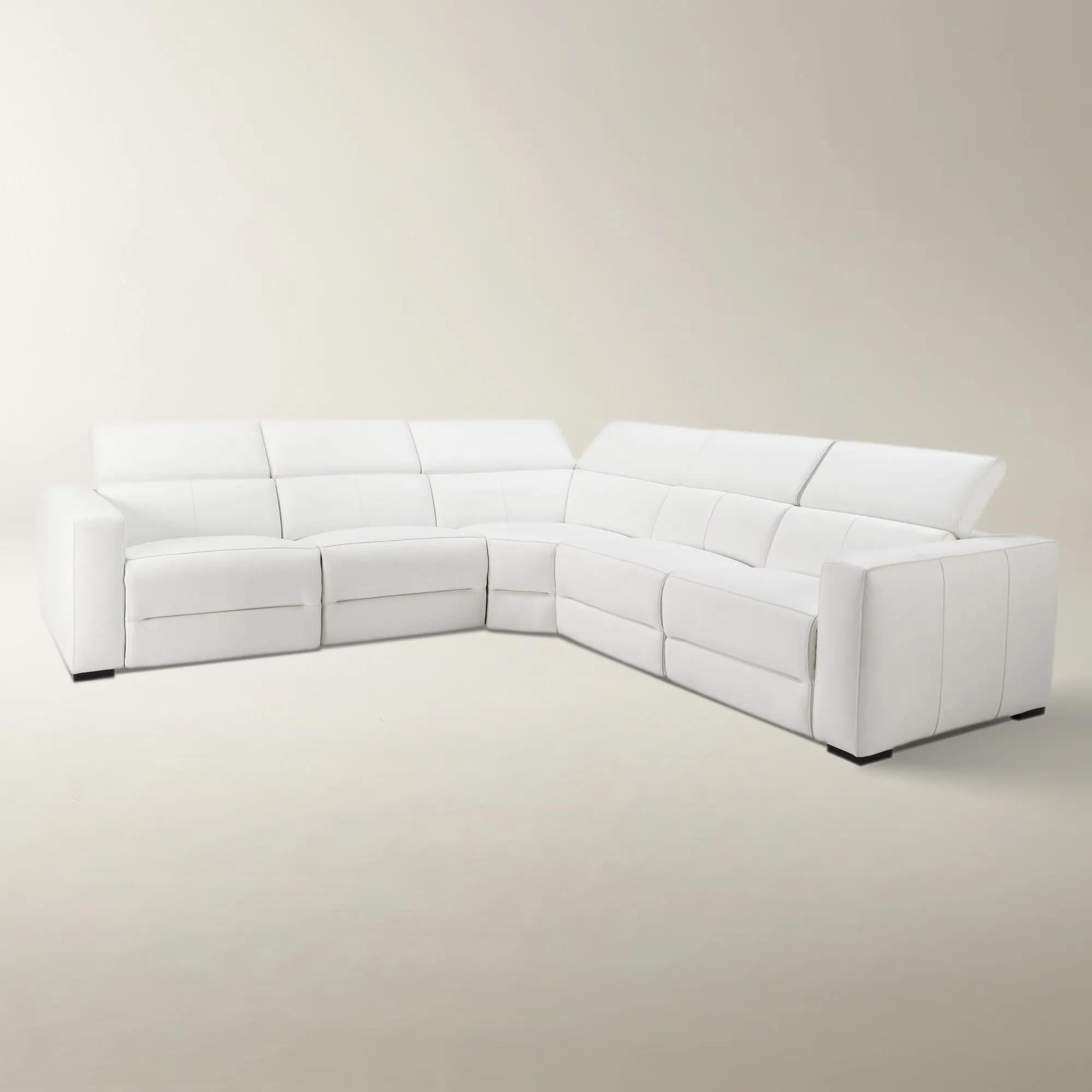 Verona 5-Piece Reclining White Leather Sectional Sofa$7199
A modern sectional upholstered in supple white semi-aniline leather with adjustable headrests and power-reclining seats.
Add To Cart -
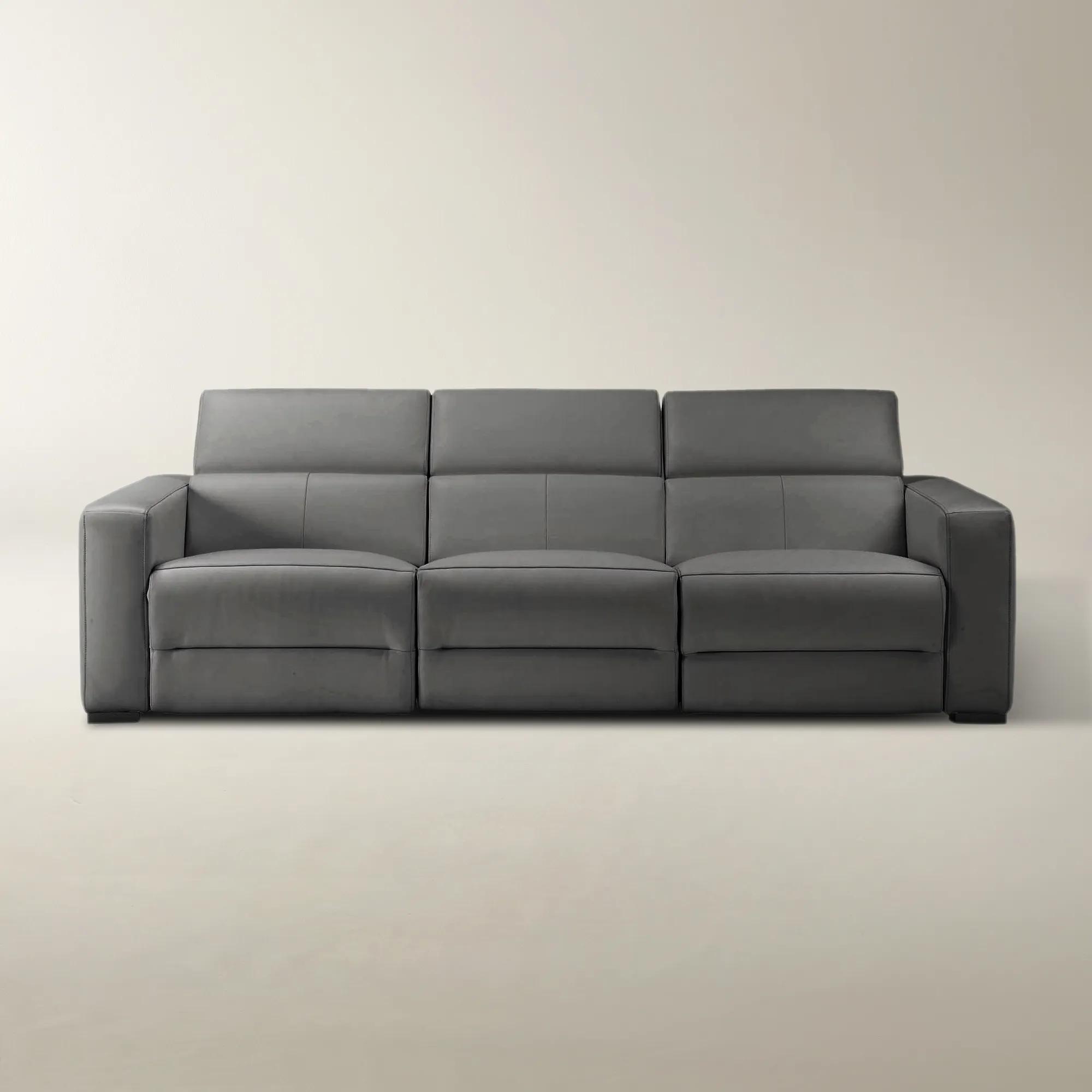 Verona 3-Piece Charcoal Leather Sectional Sofa$4399
A charcoal semi-aniline leather sectional featuring adjustable headrests, kiln-dried hardwood frame, and optional power recline.
Add To Cart -
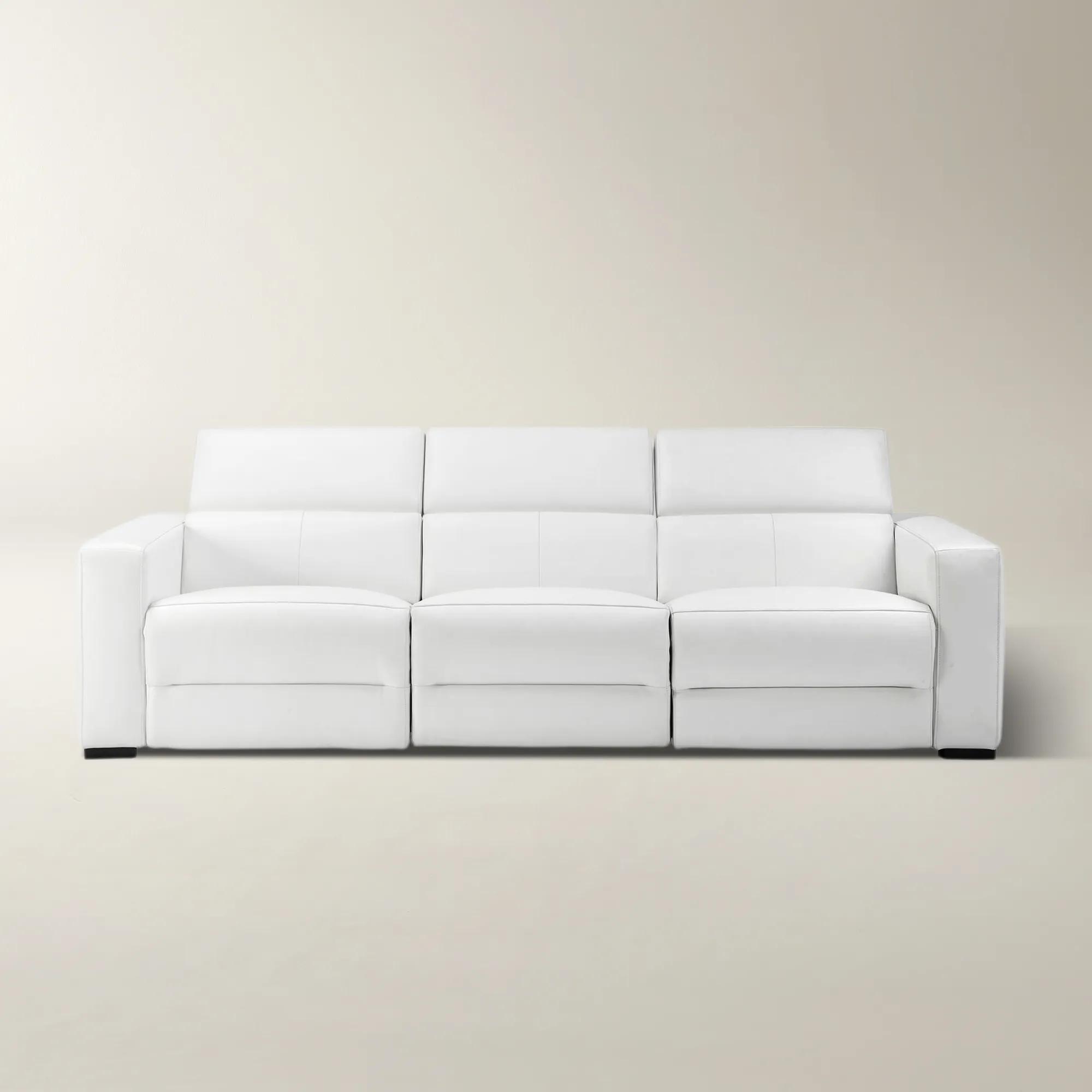 Verona 3-Piece White Leather Sectional Sofa$4399
A modern white sectional upholstered in supple semi-aniline leather with adjustable headrests and power-reclining seats.
Add To Cart -
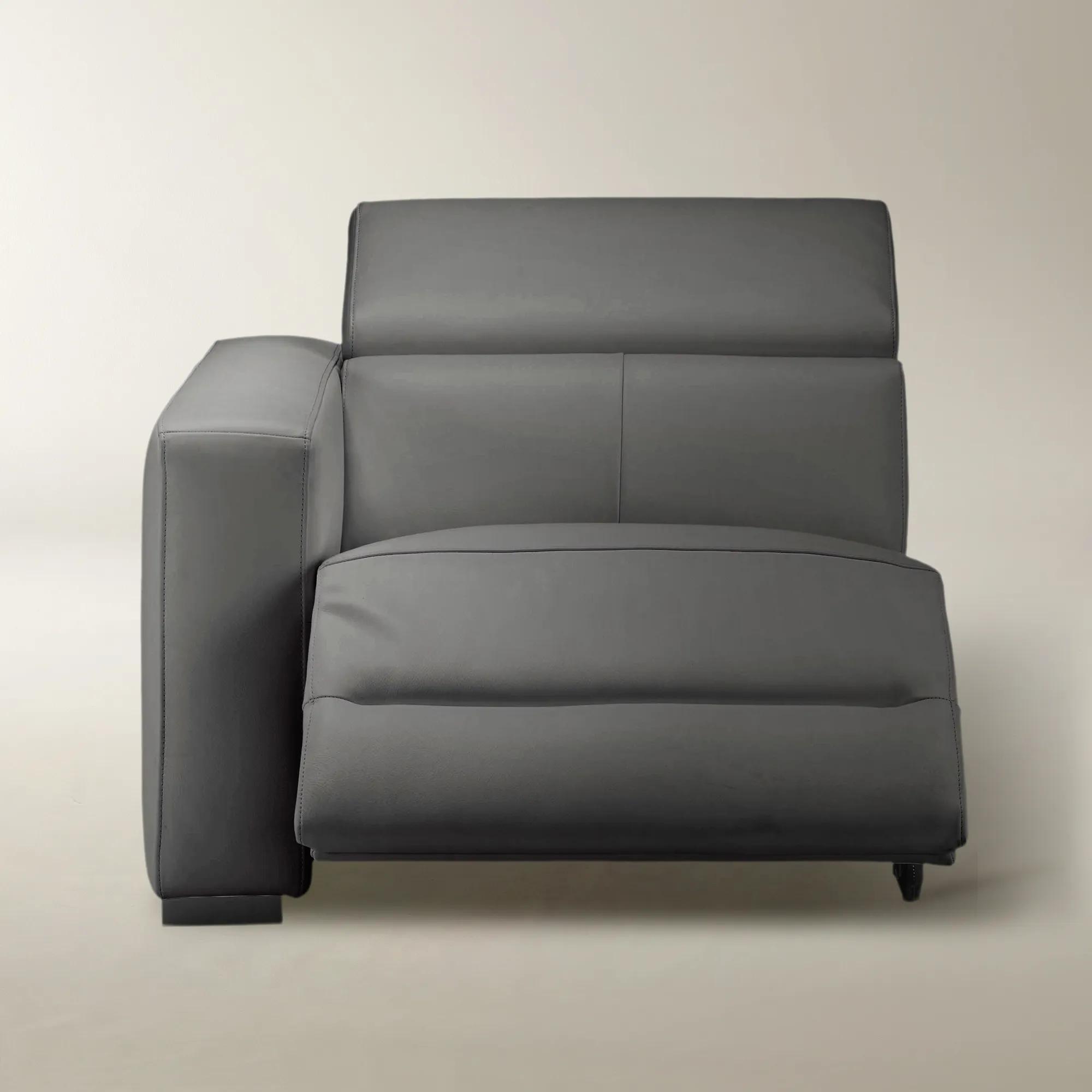
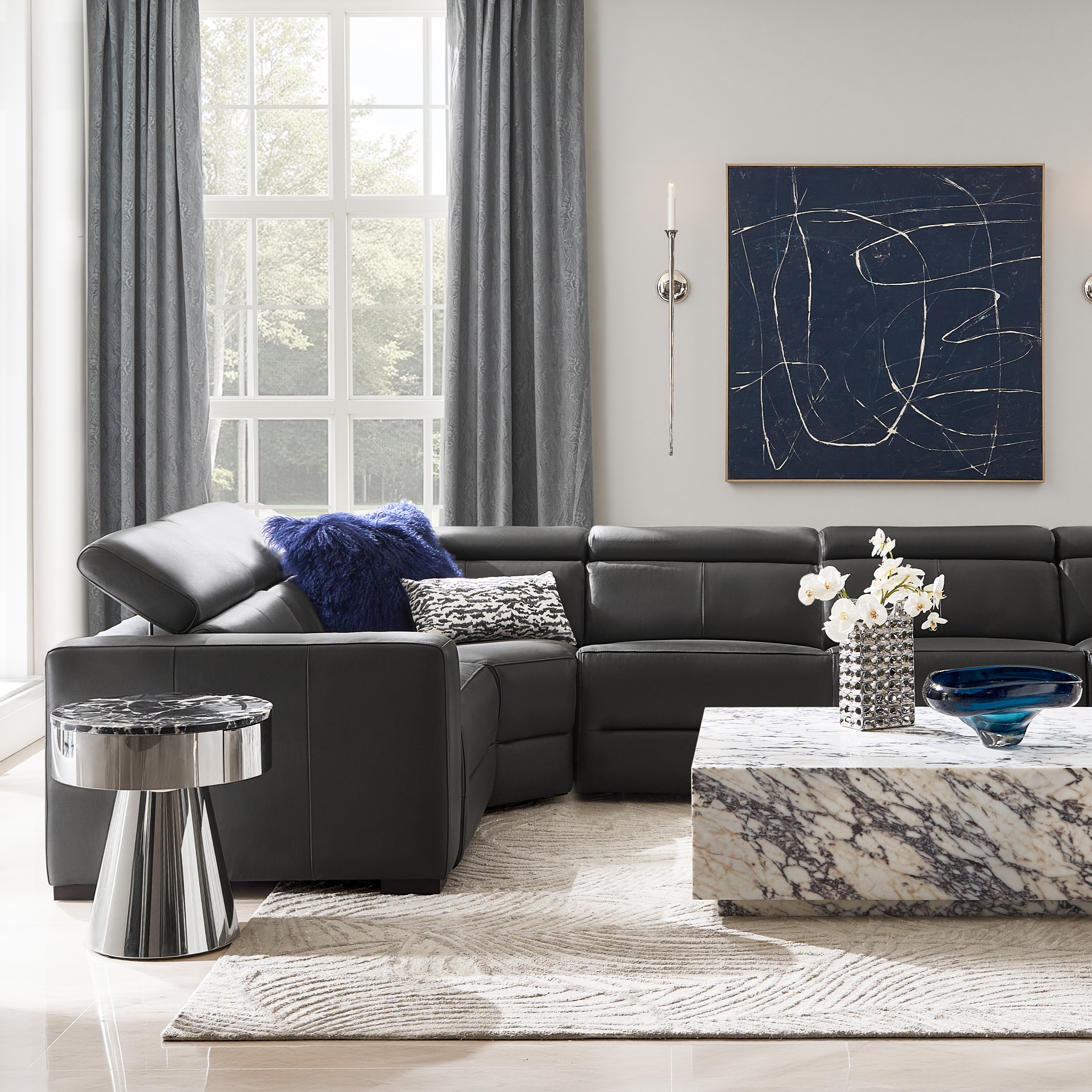 Verona Reclining Charcoal Leather Left Arm Chair With Power$1599
A charcoal semi-aniline leather sectional with adjustable headrests, power-reclining seats, and kiln-dried hardwood frame.
Add To Cart -
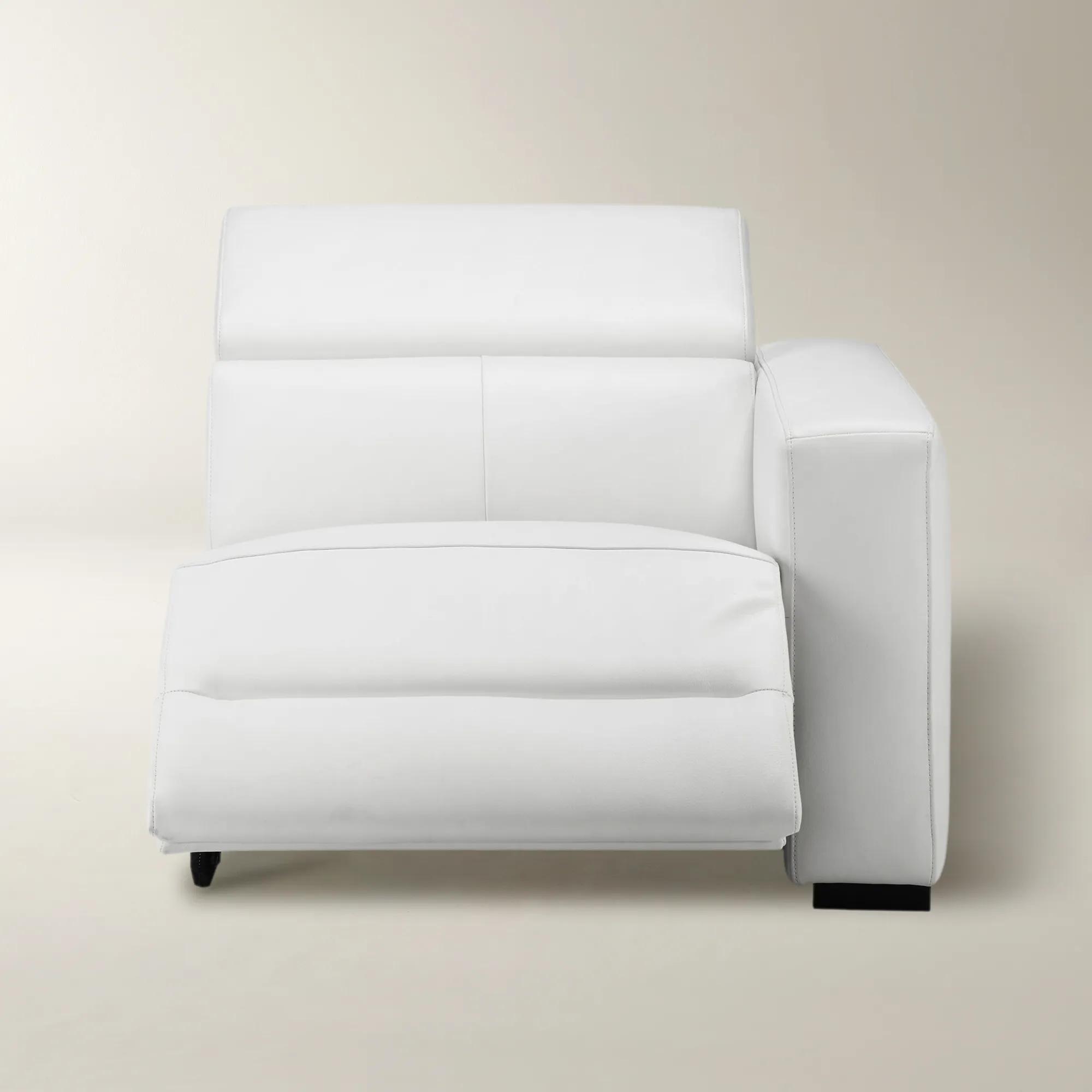
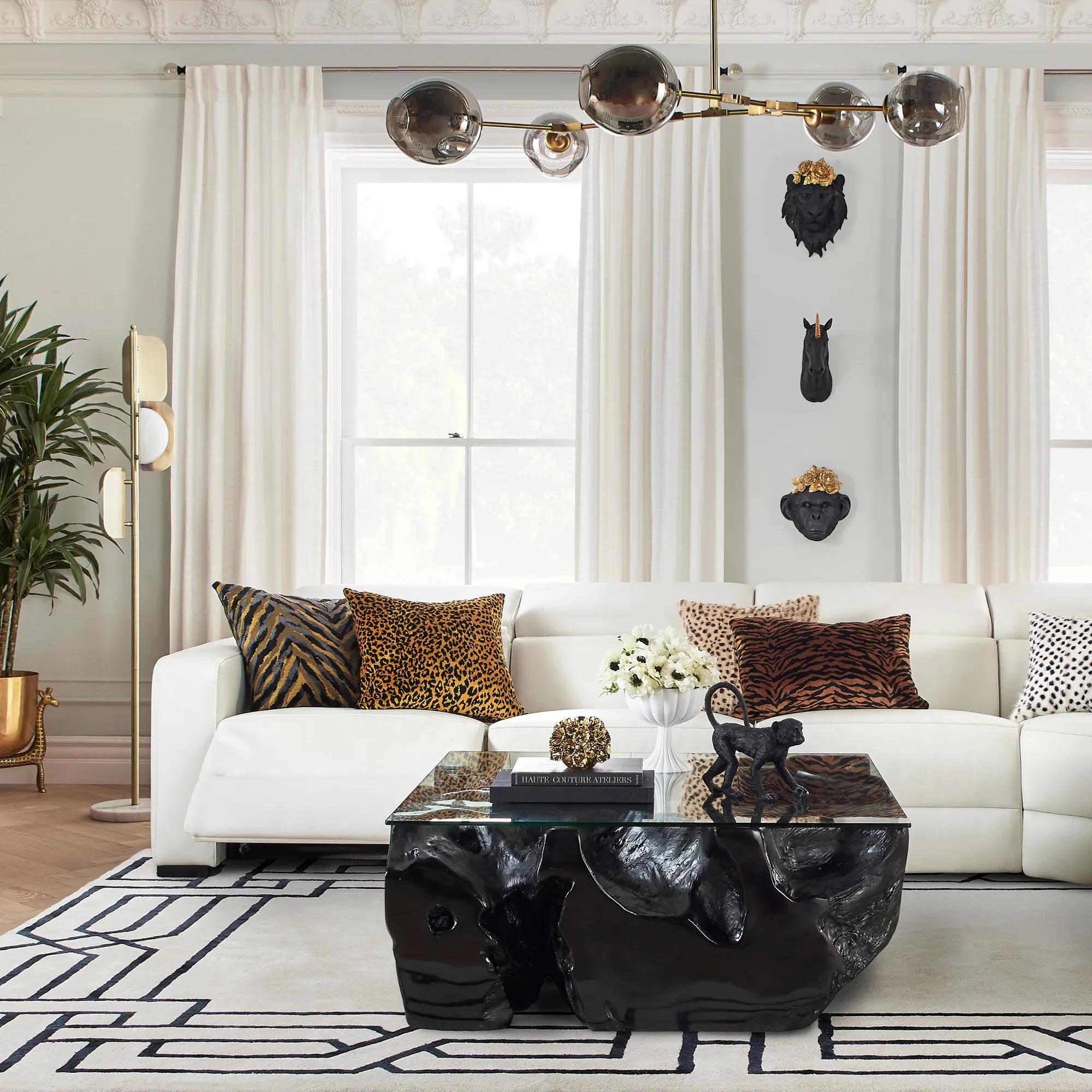 Verona Reclining White Leather Right Arm Chair With Power$1599
A modern white sectional upholstered in supple semi-aniline leather with adjustable headrests and power-reclining options.
Add To Cart -
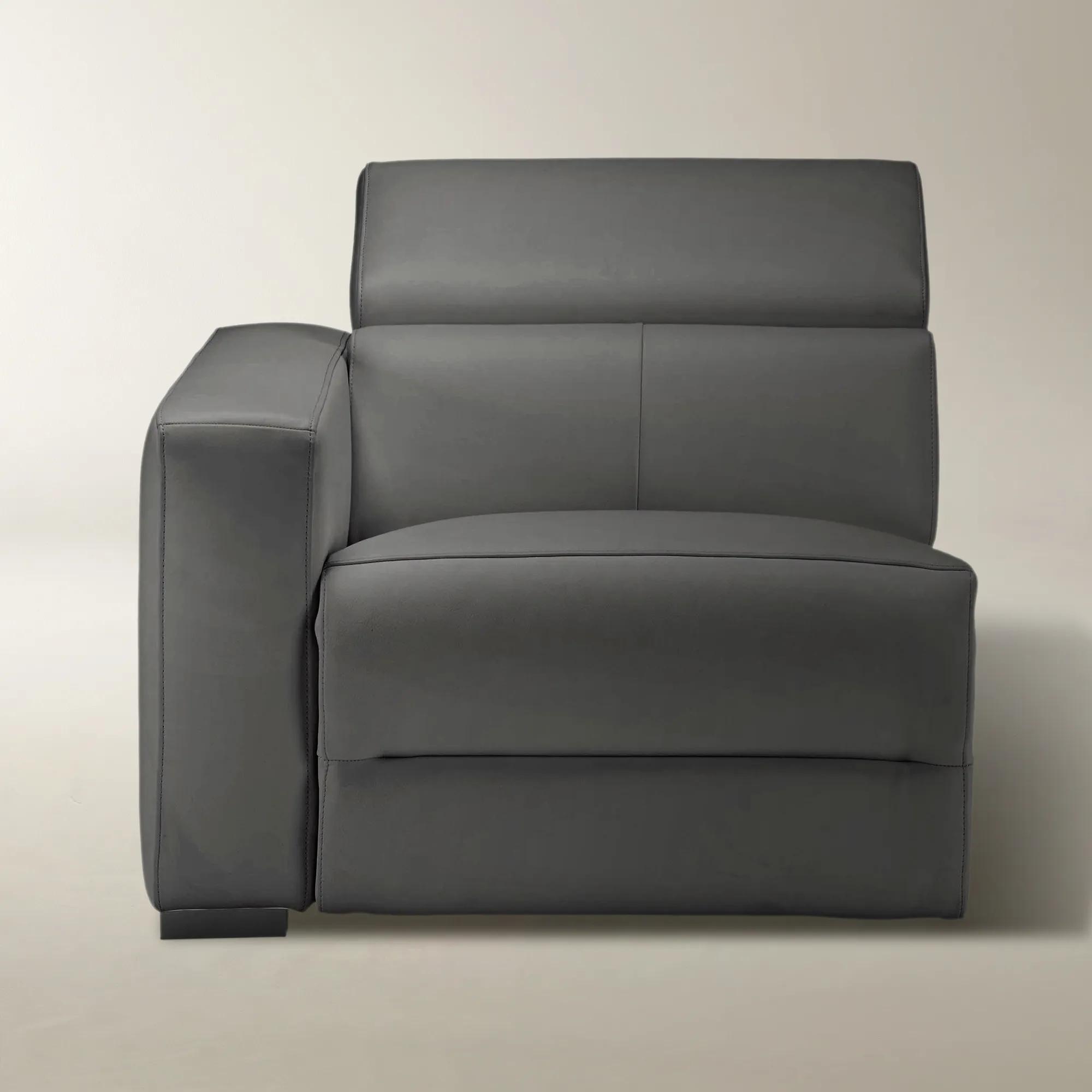 Verona Charcoal Leather Left Arm Chair$1399
A charcoal semi-aniline leather sectional with adjustable headrests, power-reclining seats, and kiln-dried hardwood frame.
Add To Cart -
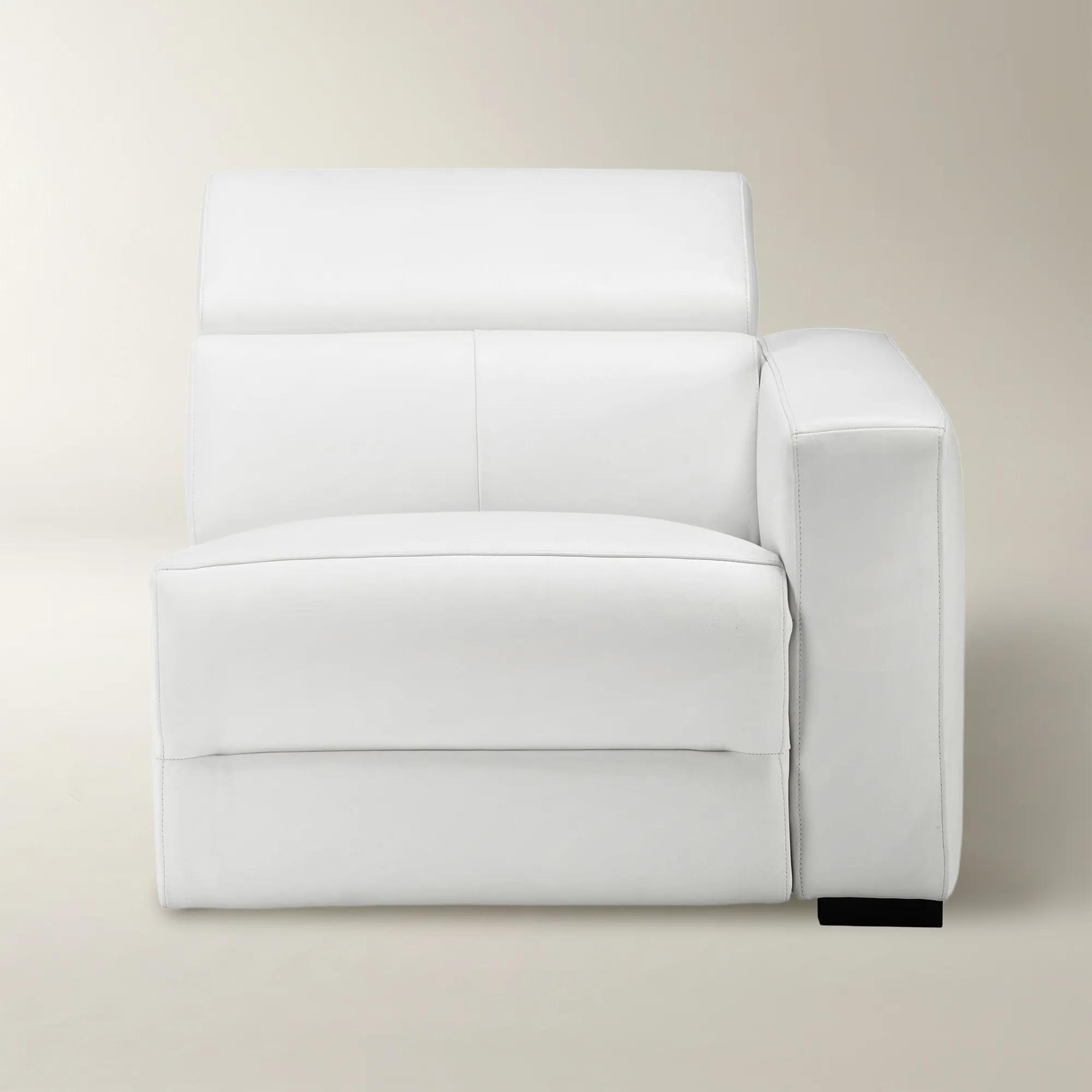 Verona White Leather Right Arm Chair$1399
A modern white sectional upholstered in supple semi-aniline leather with adjustable headrests and power-reclining options.
Add To Cart -
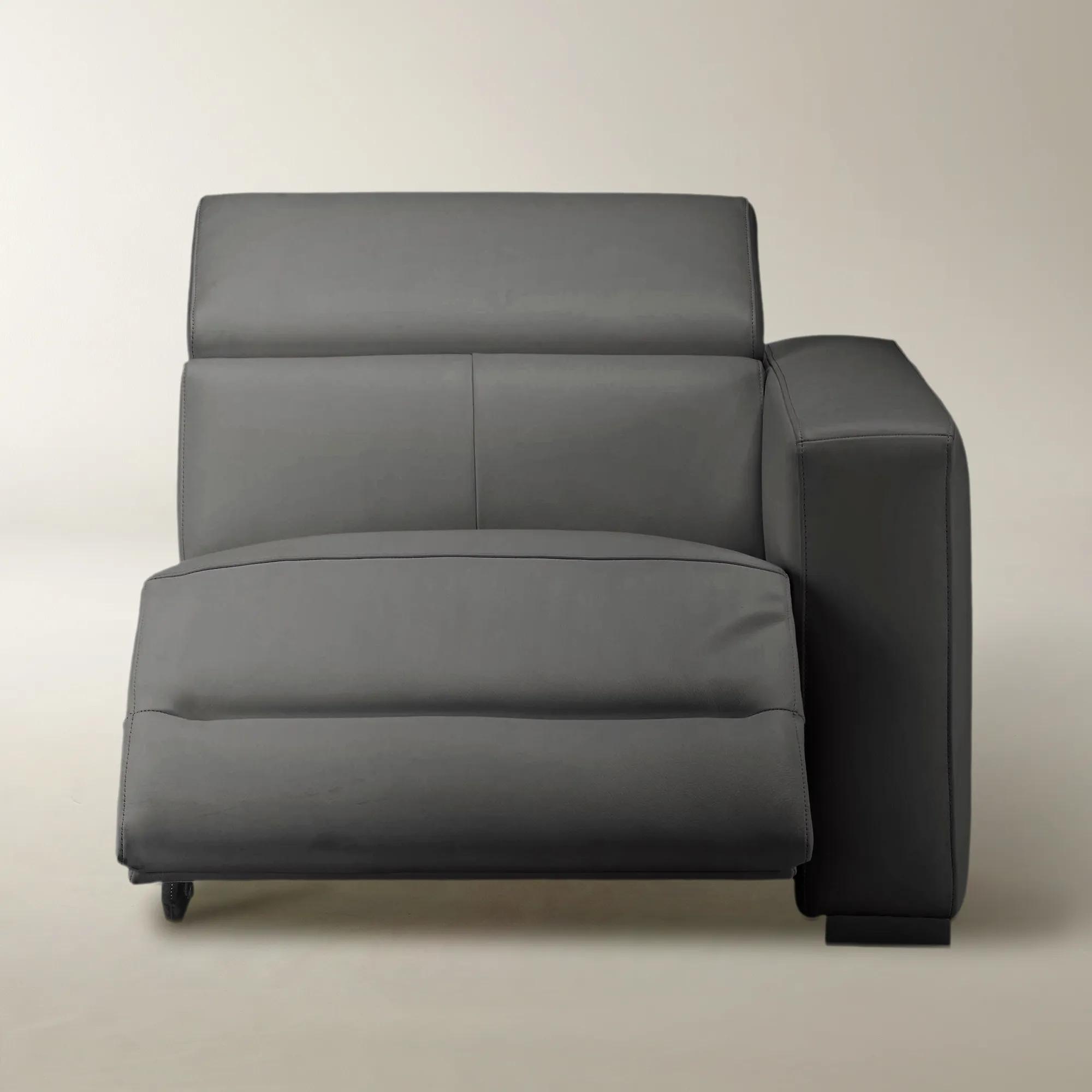 Verona Reclining Charcoal Leather Right Arm Chair With Power$1599
A charcoal semi-aniline leather sectional with adjustable headrests and optional power-reclining seats for comfort.
Add To Cart -
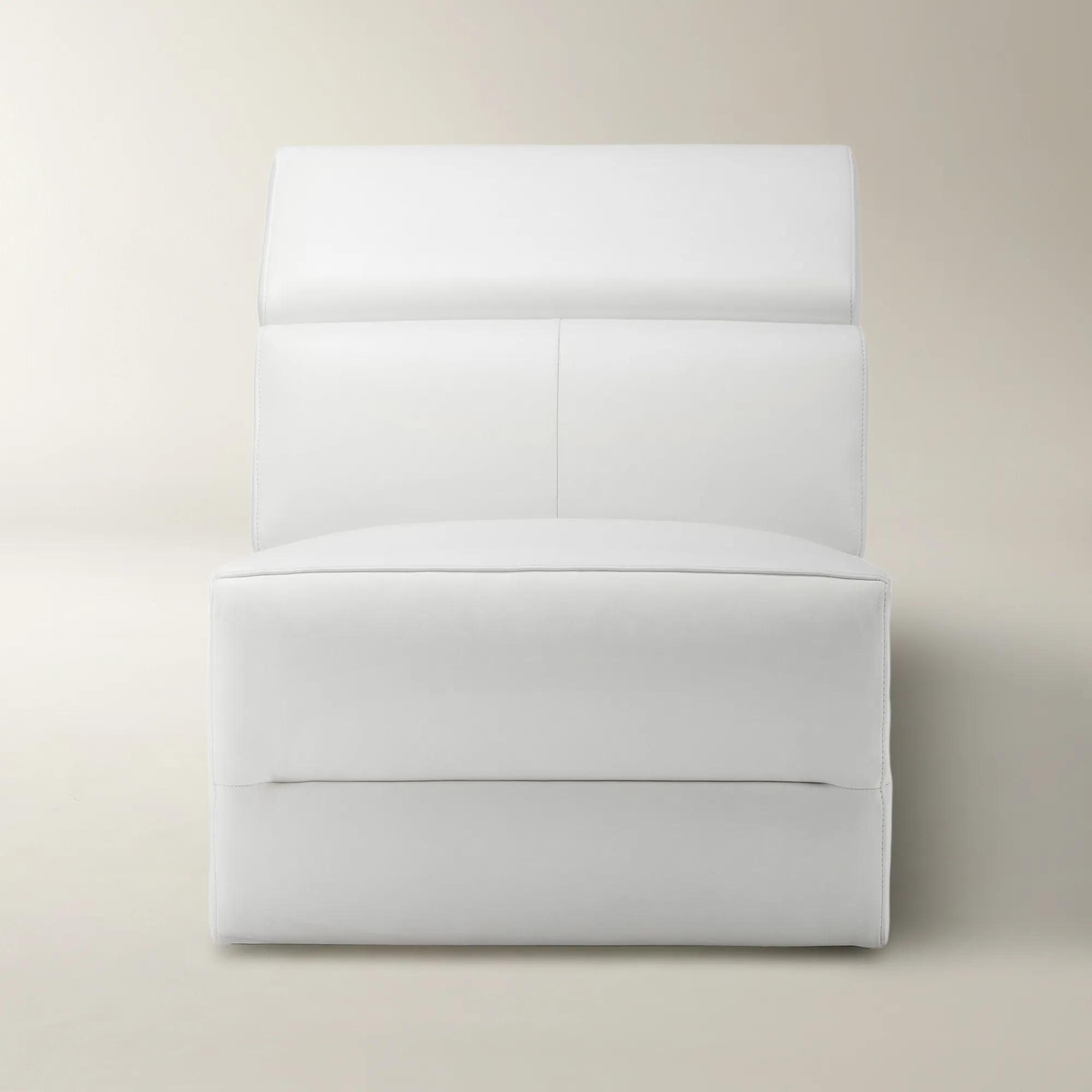 Verona White Leather Armless Chair$1099
A modern sectional upholstered in supple white semi-aniline leather with adjustable headrests and power-reclining options.
Add To Cart -
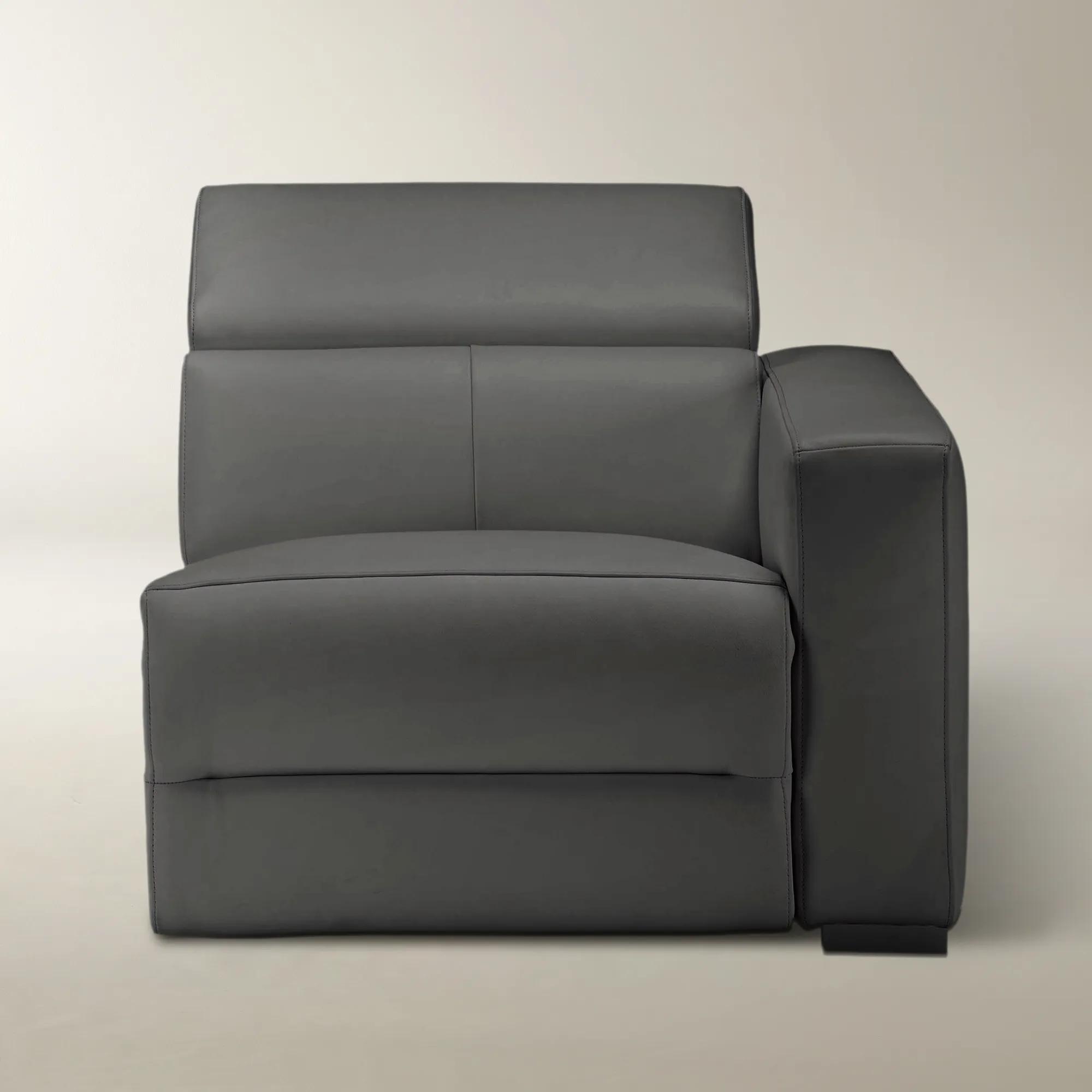 Verona Charcoal Leather Right Arm Chair$1399
A modern charcoal sectional upholstered in supple semi-aniline leather with adjustable headrests and optional power recline.
Add To Cart -
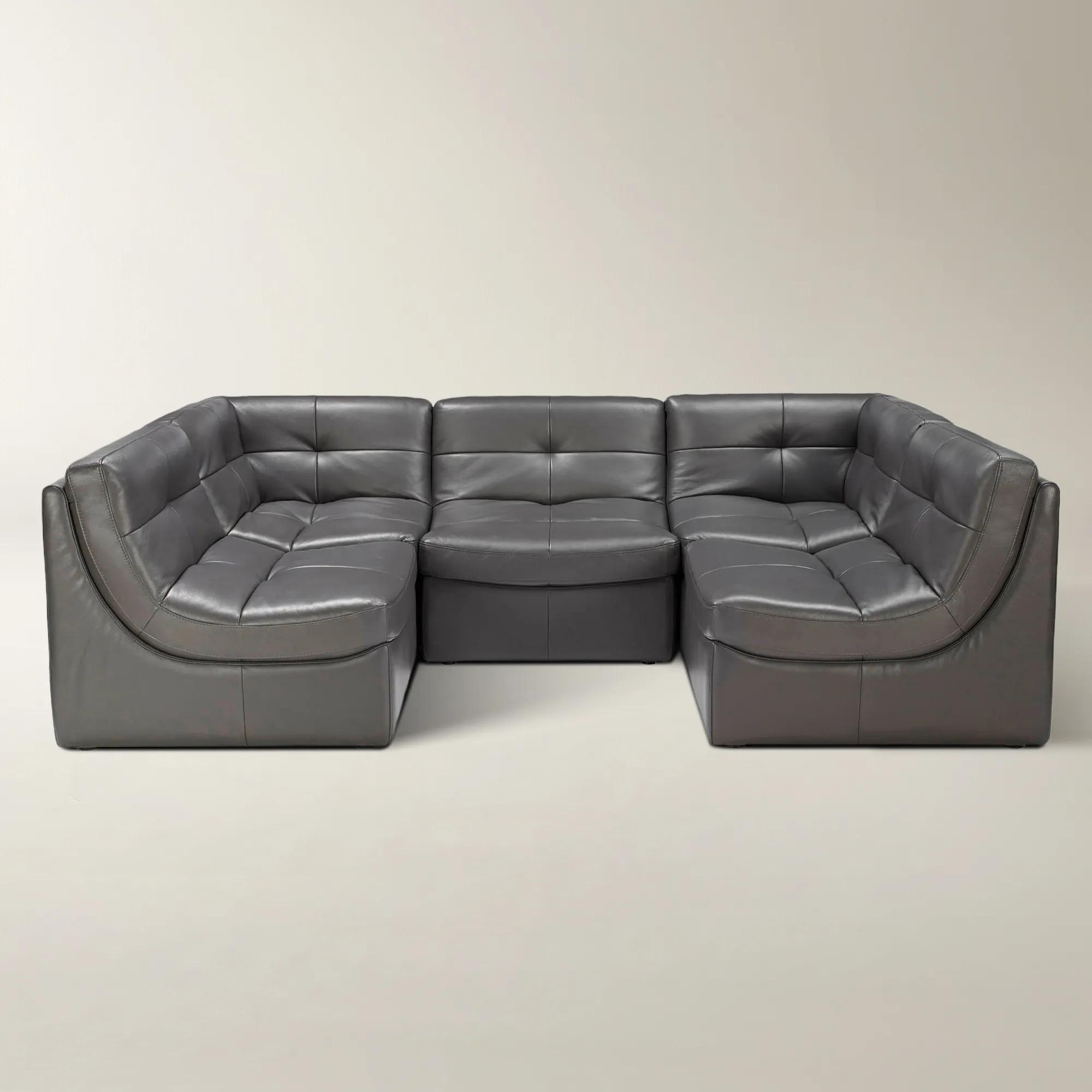
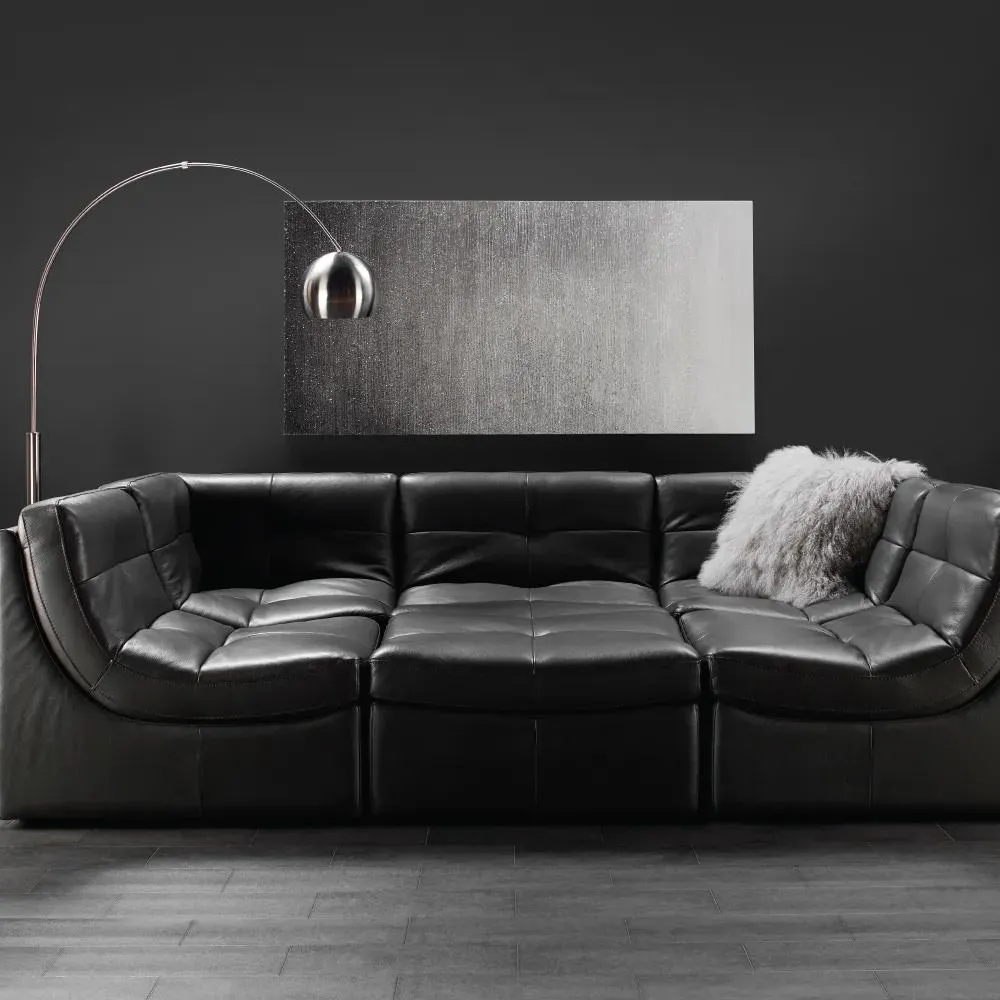 Convo 5-Piece U- Shaped Charcoal Leather Sectional Sofa$6399
A modular charcoal leather sectional with kiln-dried hardwood frame and blind-tufted, semi-aniline upholstery.
Add To Cart -
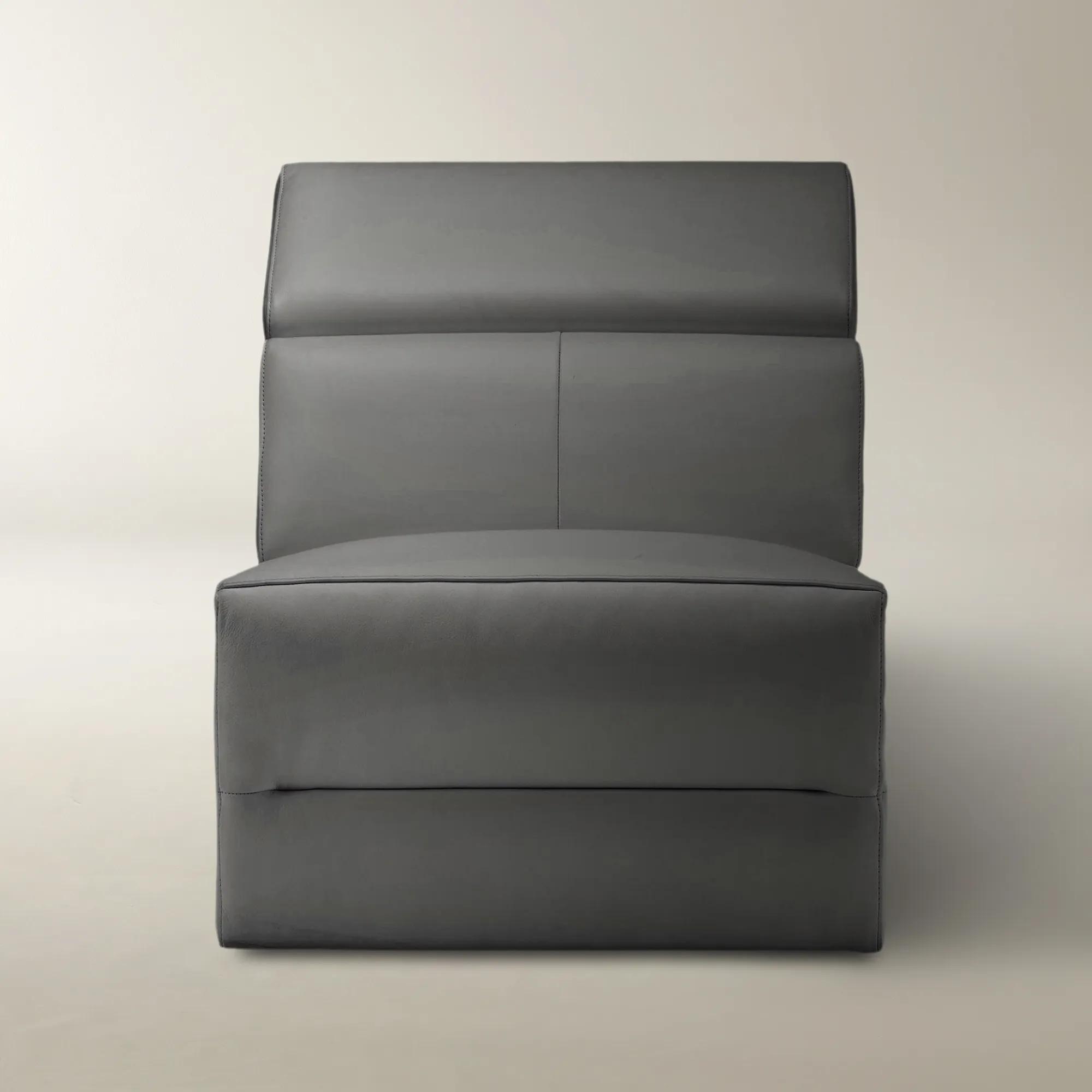 Verona Charcoal Leather Armless Chair$1099
A charcoal semi-aniline leather sectional featuring adjustable headrests and optional power-reclining seats for comfort.
Add To Cart -
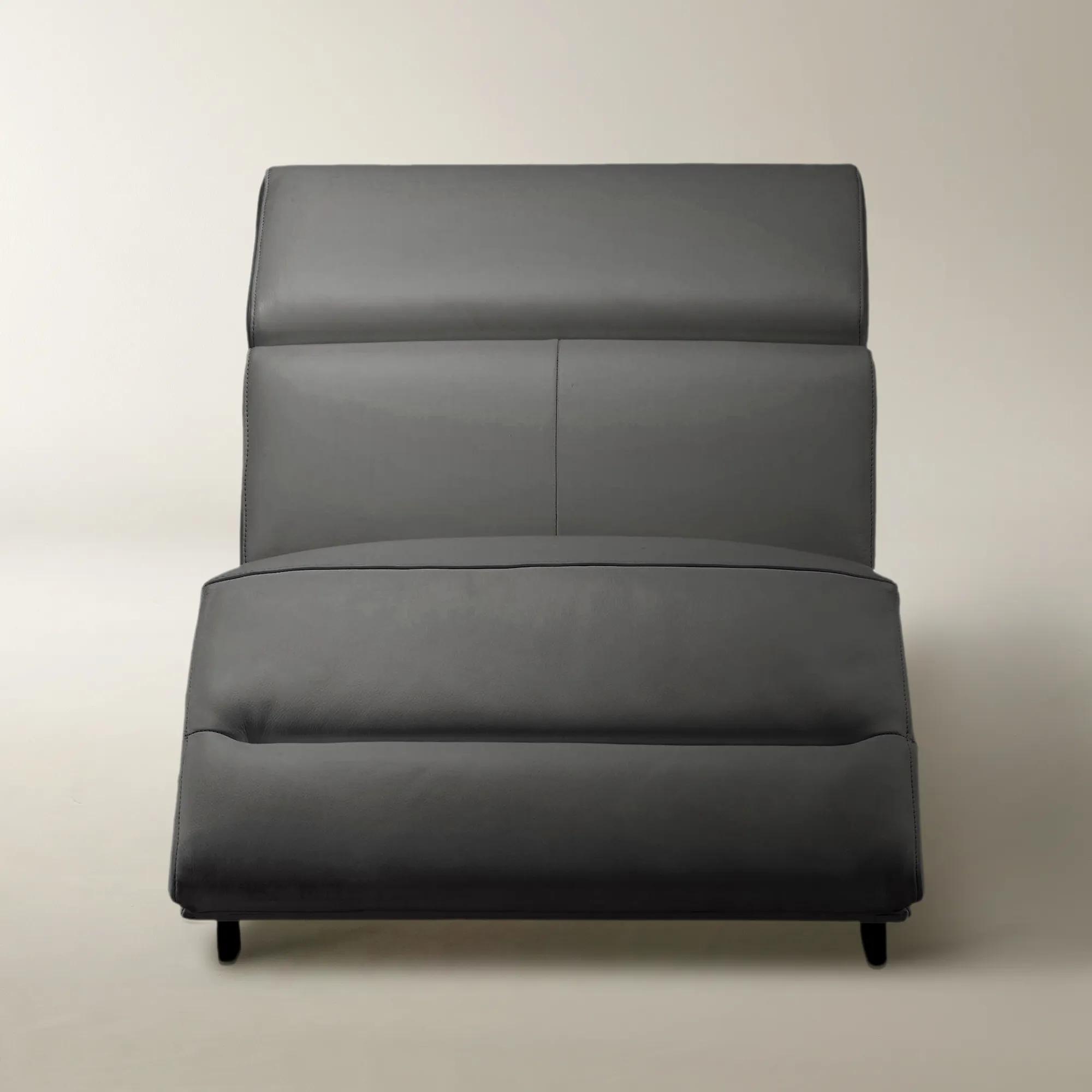 Verona Reclining Charcoal Leather Armless Chair With Power$1299
A charcoal semi-aniline leather sectional with adjustable headrests, power-reclining seats, and kiln-dried hardwood frame.
Add To Cart -
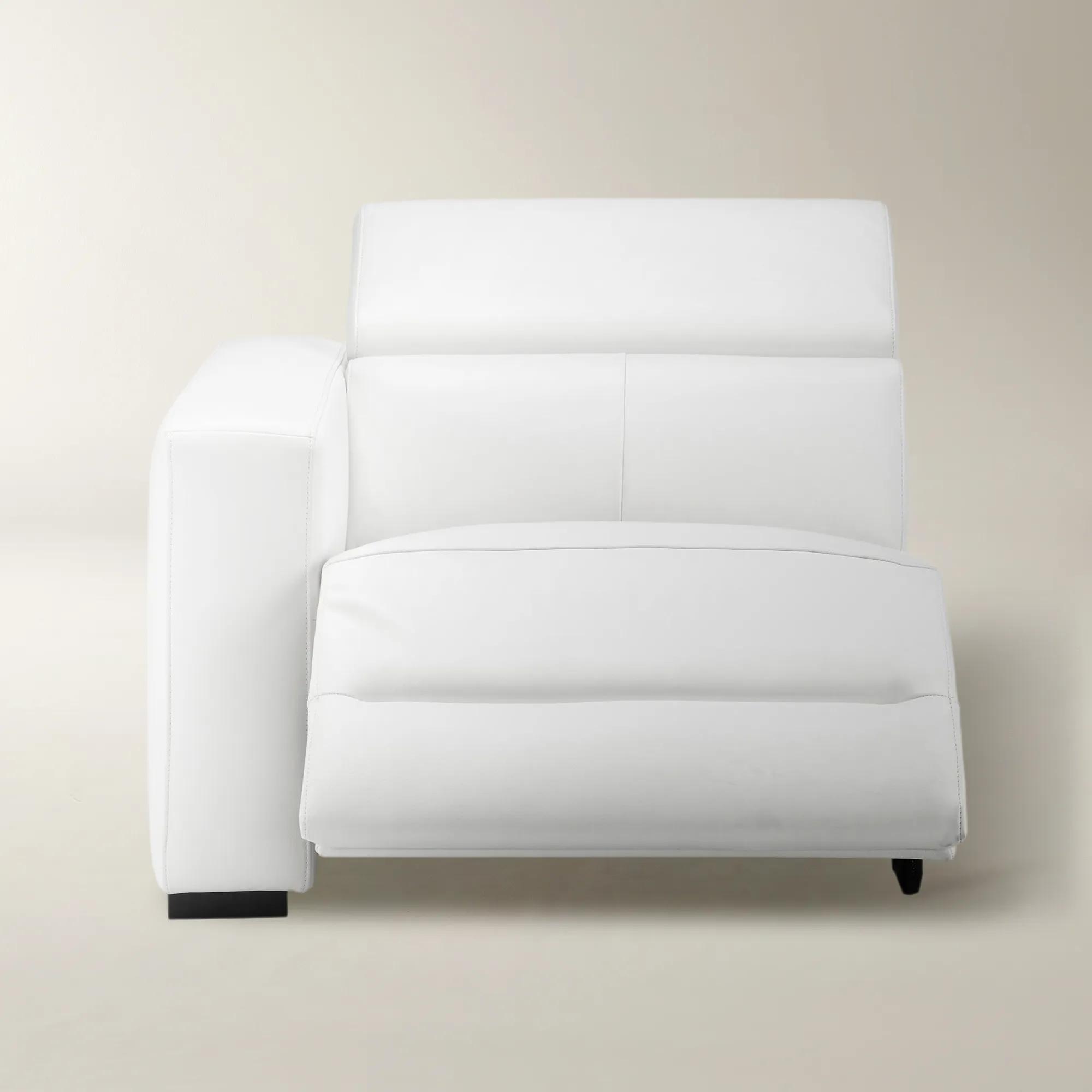 Verona Reclining White Leather Left Arm Chair With Power$1599
A modern white sectional upholstered in supple semi-aniline leather with adjustable headrests and power-reclining seats.
Add To Cart -
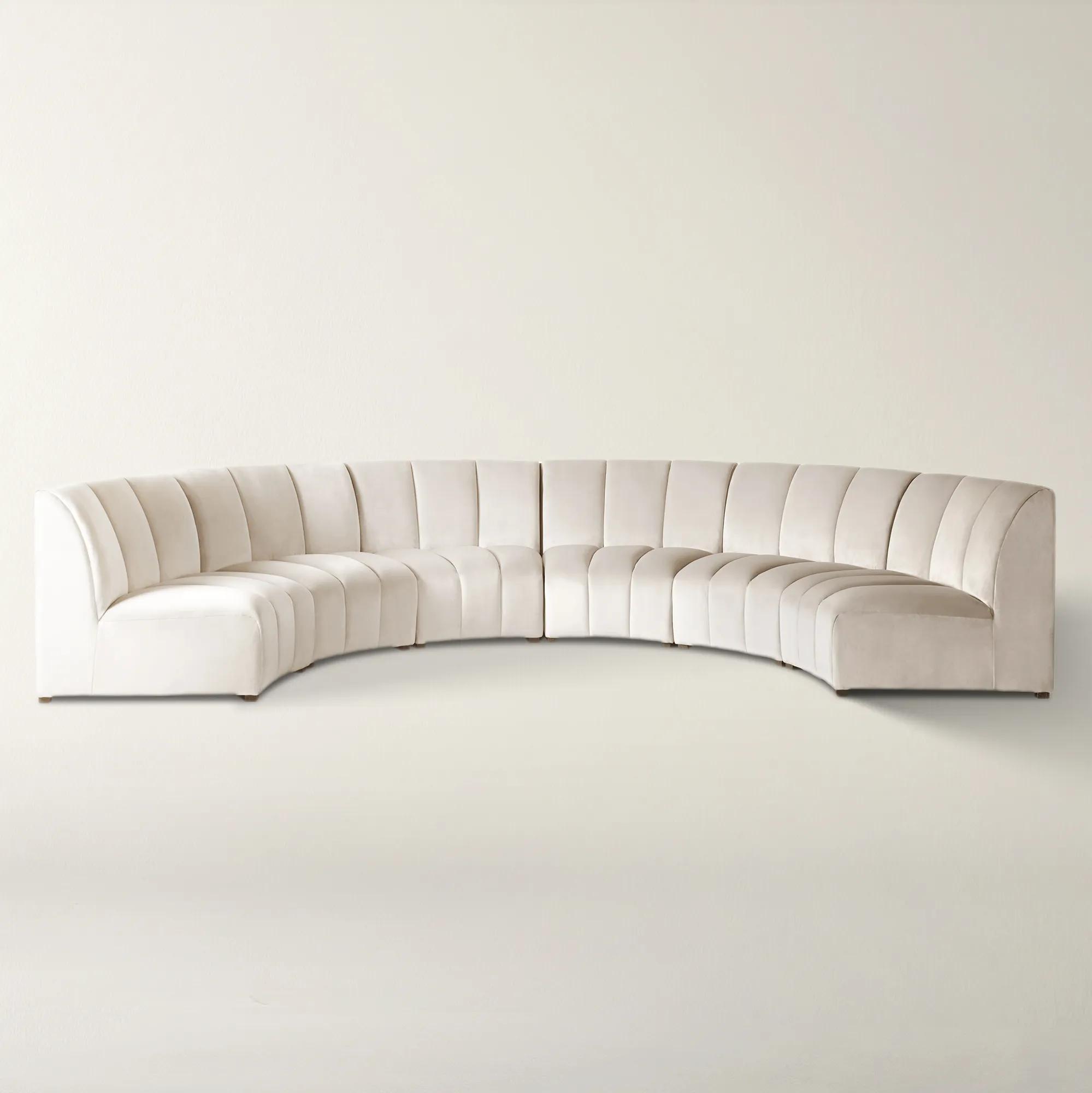 Jayce 6-Piece Channel-Tufted Ivory Velvet Sectional Sofa$5499
A modern curved sectional in stain-resistant Velvet Ivory with deep channel tufting and plush, structured cushions.
Add To Cart -
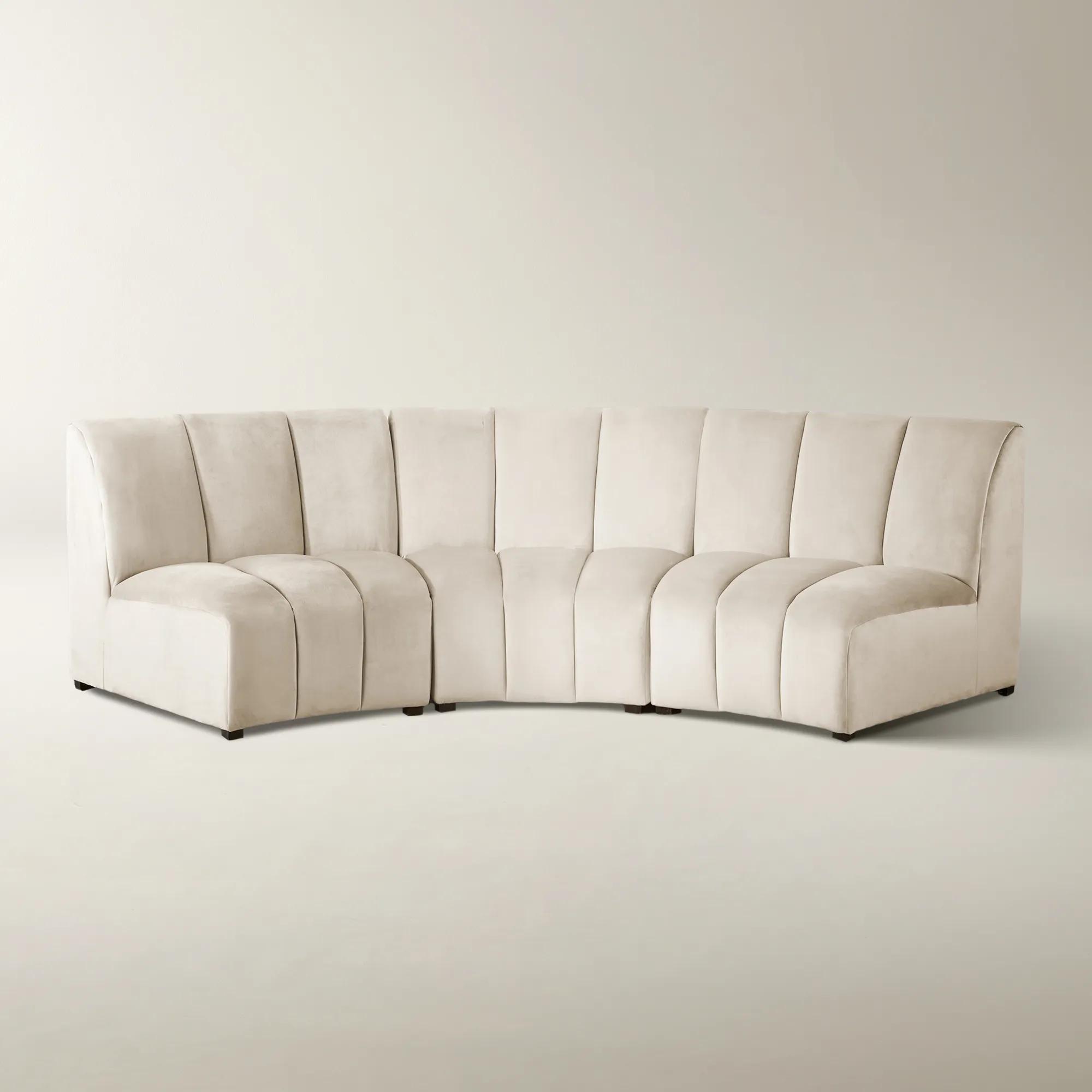
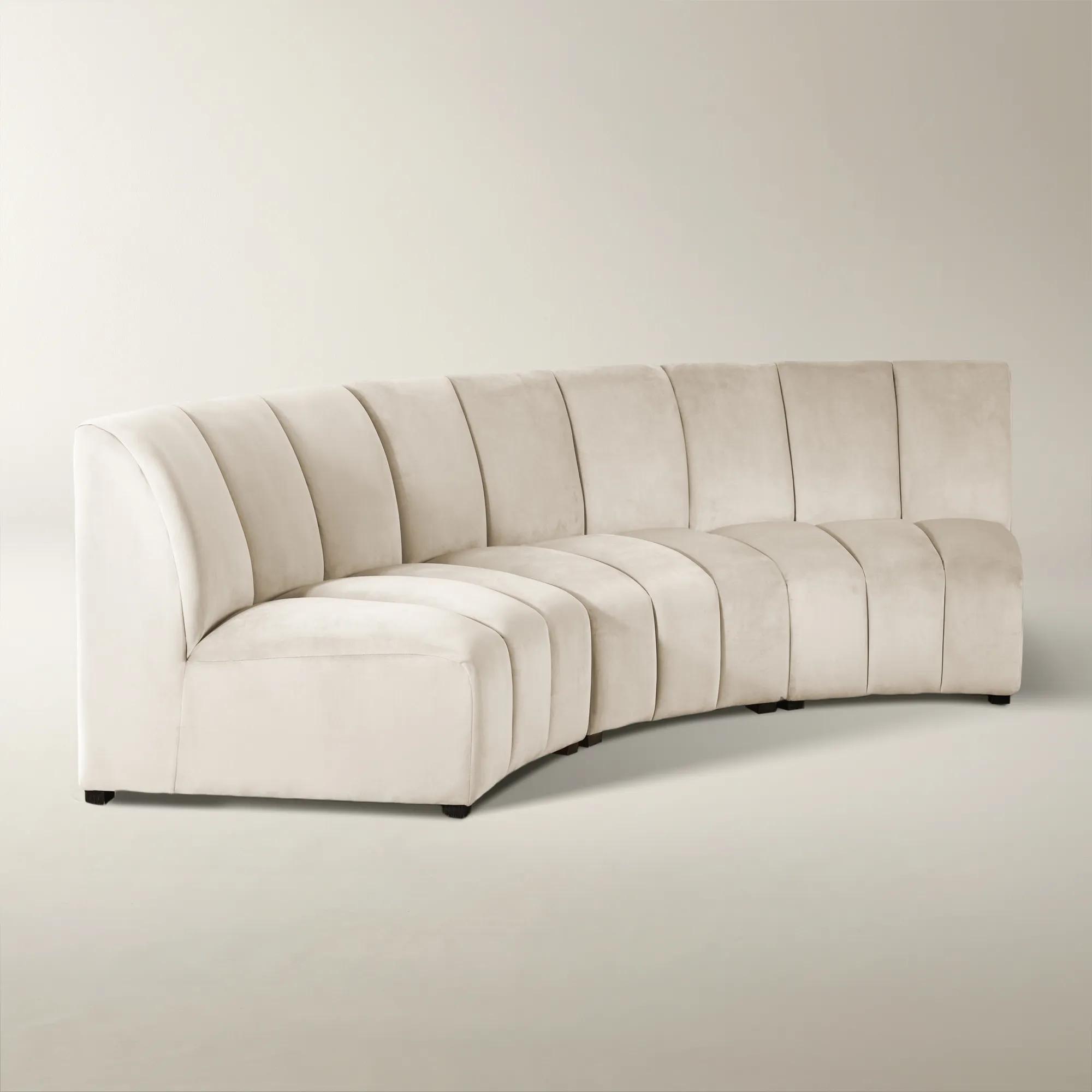 Jayce 3-Piece Channel-Tufted Ivory Velvet Sectional Sofa$2799
A modern curved sectional in stain-resistant Velvet Ivory with deep channel tufting and plush, structured cushions.
Add To Cart -
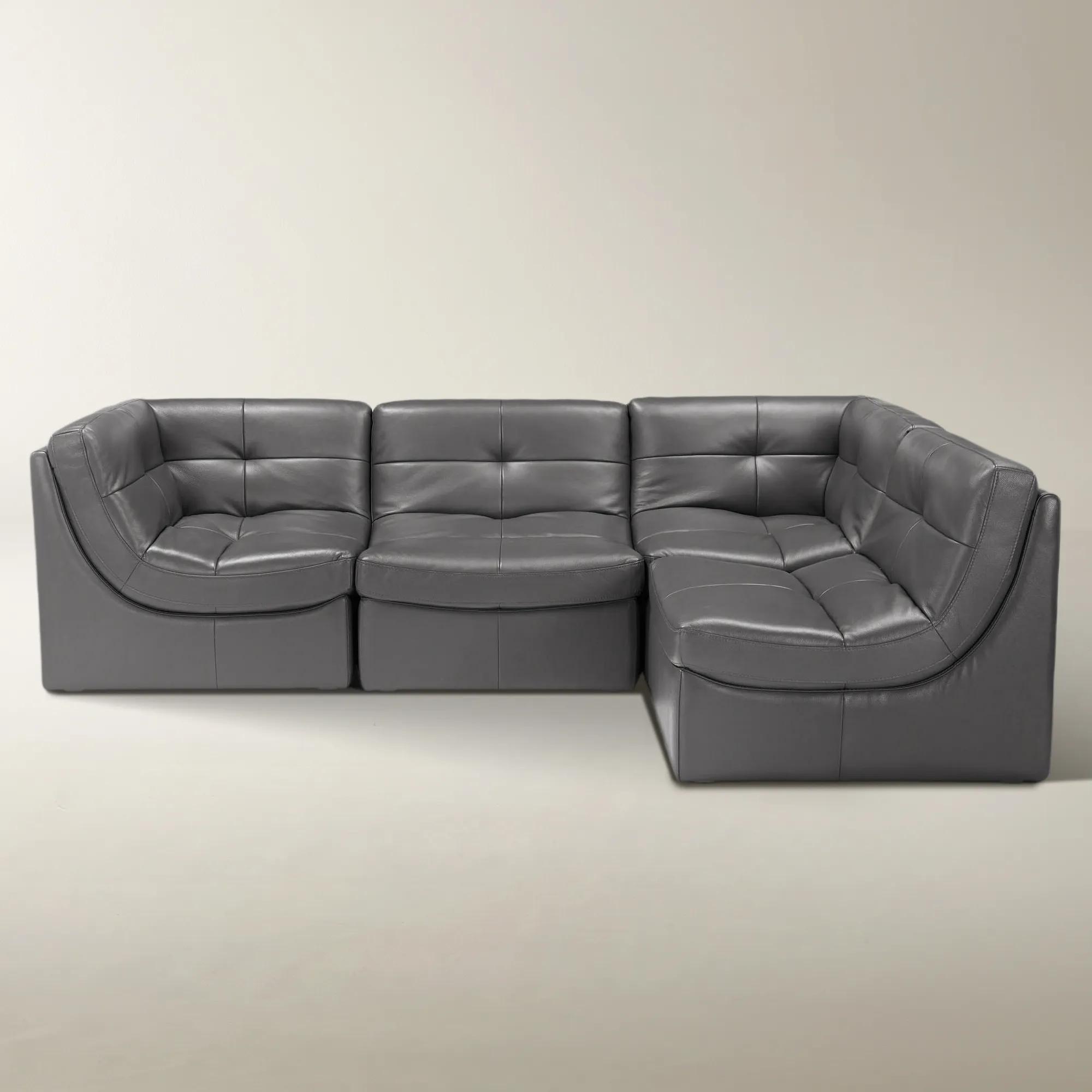
 Convo 4-Piece L-Shaped Charcoal Leather Sectional Sofa With Armless Chair$5199
A modular charcoal leather sectional with kiln-dried hardwood frame and gently curved, blind-tufted seats.
Add To Cart

Durable Hardwood Frame Loveseats
Elevate your living space with durable hardwood frame loveseats that marry enduring strength with unapologetic style. Each piece is a testament to refined craftsmanship, designed to anchor your room with both substance and sophistication. Imagine plush upholstery embracing sculptural silhouettes, all supported by the quiet confidence of solid hardwood—a foundation for everyday luxury and expressive living. Let your seating become the centerpiece of conversation, a bold statement in comfort and artistry that transforms any room into an unforgettable retreat.
Durable hardwood frame loveseats pair a substantial wood foundation with the intimate proportions of two-person seating, bringing lasting structure to a beautifully composed room. Beneath the upholstery, the frame establishes the shape, supports the seating system, and helps the piece remain stable through everyday use. Hardwoods such as maple, oak, and birch are common furniture-frame materials, although wood species alone does not determine quality. Lumber grade, drying, joint construction, and the way the frame works with its suspension all influence durability. Kiln-dried hardwood has had its moisture content reduced under controlled conditions, helping limit the movement that can contribute to warping or loosened joints. Reinforced corners, securely fitted dowels, or mortise-and-tenon joinery can strengthen the connections where seating places repeated stress. Glue, screws, and corner blocks may work together to reinforce those connections; the complete construction matters more than any single detail. Upholstery and decorative legs can conceal much of this craftsmanship, making the stated frame materials and construction details especially useful when comparing loveseats. A hardwood finish on an exposed leg does not necessarily mean the internal frame uses the same material. Likewise, a hardwood frame is one component of a durable seat, not a guarantee against cushion wear, fabric abrasion, or damage from misuse. A well-supported suspension system and cushions suited to frequent use help translate that hidden strength into a comfortable place to settle. There is no universal lifespan for a hardwood frame loveseat: workmanship, household activity, maintenance, and upholstery performance all shape how gracefully it ages. The appeal is a foundation worthy of the expressive exterior, whether that exterior is sculpted and softly curved or crisply tailored with architectural arms. For a living room that hosts lingering conversations, an apartment that needs substantial seating without the footprint of a full-size sofa, or a sitting area designed for quiet retreat, the right loveseat combines visual presence with a reassuring sense of support.
Scale gives that presence its purpose. Many loveseats measure approximately 48 to 72 inches wide, but dimensions vary, and overall width tells only part of the story. Broad, sculptural arms can create a dramatic silhouette while leaving less room between them; slender arms can preserve more usable seating within a similar footprint. Seat depth and height deserve equal attention. A deeper seat encourages reclining and relaxed lounging, while a shallower seat can make upright conversation feel more natural, particularly for someone whose feet do not comfortably reach the floor on oversized upholstery. Back height, cushion softness, and arm placement also affect how the seat feels during a long evening. In a narrow living room, a tailored loveseat can face a pair of accent chairs without overwhelming the arrangement. At the foot of a spacious bed, a lower-profile design can establish a separate sitting area, provided circulation remains comfortable. Measuring the intended location, doorways, hallways, and stair turns helps ensure that a compelling silhouette also works within the home. Painter’s tape on the floor can make the footprint tangible before a room is rearranged. Upholstery then sets the mood: velvet lends depth and a light-catching surface, textured weaves bring dimension, and leather develops character according to its finish and care requirements. For households with children, pets, or frequent guests, documented performance characteristics are more useful than a fabric’s appearance alone. Stain resistance, abrasion resistance, and cleaning requirements describe different qualities; none makes upholstery indestructible. A tightly woven textile may reduce opportunities for claws to catch, but no fabric is universally pet-proof. Cushion construction deserves the same consideration. Resilient foam can provide structured support, while fiber or feather-blend wraps can soften the surface and may require regular reshaping. Foam density is not the same as firmness, so a firm-feeling cushion is not automatically the more durable choice. Together, these details allow a compact seat to feel deliberate, indulgent, and genuinely suited to the people who use it.
Thoughtful care protects both the polished impression and the structure beneath it. Regular vacuuming with an appropriate upholstery attachment removes dust and grit that can work into fabric, especially along seams, beneath cushions, and where the arms meet the seat. Removable cushions should be rotated or flipped only when their construction and the manufacturer’s instructions allow it; some have a designated top surface or a fixed orientation. Cushions with loose fill benefit from gentle reshaping to restore their loft and maintain an inviting silhouette. Spills call for prompt blotting with a clean, absorbent cloth rather than vigorous rubbing, followed by the cleaning method specified for that upholstery. Water-based cleaners are not suitable for every textile, and removable cushion covers are not necessarily machine washable. Testing an approved cleaning product in an inconspicuous area helps reduce the risk of discoloration or texture changes. Leather requires care matched to its particular finish, rather than a general household cleaner. Placement matters as well: prolonged direct sunlight can fade upholstery and alter exposed wood, while nearby heat sources can dry materials unevenly. Visible wood details generally benefit from gentle dusting and prompt removal of moisture, with any additional treatment guided by the finish instructions. When rearranging the room, lifting according to the furniture’s handling guidance is preferable to dragging, which can strain legs and frame connections. Everyday habits matter, too; arms and backs are not substitutes for seats, even on a substantial hardwood frame. These small distinctions help preserve the loveseat’s balance of comfort, shape, and support. For a larger seating arrangement, coordinating a loveseat with Durable Hardwood Living Room Sofas can create continuity without requiring every piece to match. Shared proportions, complementary upholstery, or a repeated wood tone can connect the room while leaving space for individual expression. A richly textured loveseat beside a sculptural table, an artful lamp, and a generously scaled rug becomes more than additional seating: it establishes an intimate destination within the room, grounded in sound construction and finished with unmistakable character.
FAQs
A hardwood frame loveseat is crafted from dense, kiln-dried woods such as oak, maple, or ash, resulting in exceptional durability and longevity. Unlike loveseats made from softwoods or engineered materials, a hardwood sofa frame resists warping, sagging, and everyday wear, while offering a substantial, luxurious feel and timeless visual appeal.
The construction of a loveseat wood frame plays a pivotal role in its lifespan. Kiln-dried hardwoods paired with reinforced joints—such as corner blocks, dowels, or metal brackets—create a sturdy foundation that can withstand years of use. This meticulous craftsmanship ensures the frame remains stable and supportive, preserving both comfort and beauty over time.
A hardwood frame loveseat is ideal for those who appreciate expressive design and enduring quality. It’s a perfect fit for style connoisseurs, busy households, or anyone who entertains often. Additionally, it makes a thoughtful gift for newlyweds, new homeowners, or design enthusiasts who value furniture that tells a story and stands the test of time.
To maintain the beauty of a wooden frame loveseat, dust the exposed wood regularly with a soft, dry cloth and avoid placing it in direct sunlight to prevent fading. Use coasters or trays to protect the arms from spills, and periodically check that the joints remain tight. With gentle care, the lustrous finish and structural integrity will endure for years.
A loveseat wood frame introduces warmth, texture, and a sense of artistry to any space. The natural grain and rich tones of hardwood create a striking focal point, complementing both dramatic and understated décor. Whether set against velvet upholstery or paired with metallic accents, the wooden frame infuses the room with sophistication and character.