Durable Hand Tied Spring Sofas
Durable Hand Tied Spring Sofas
-
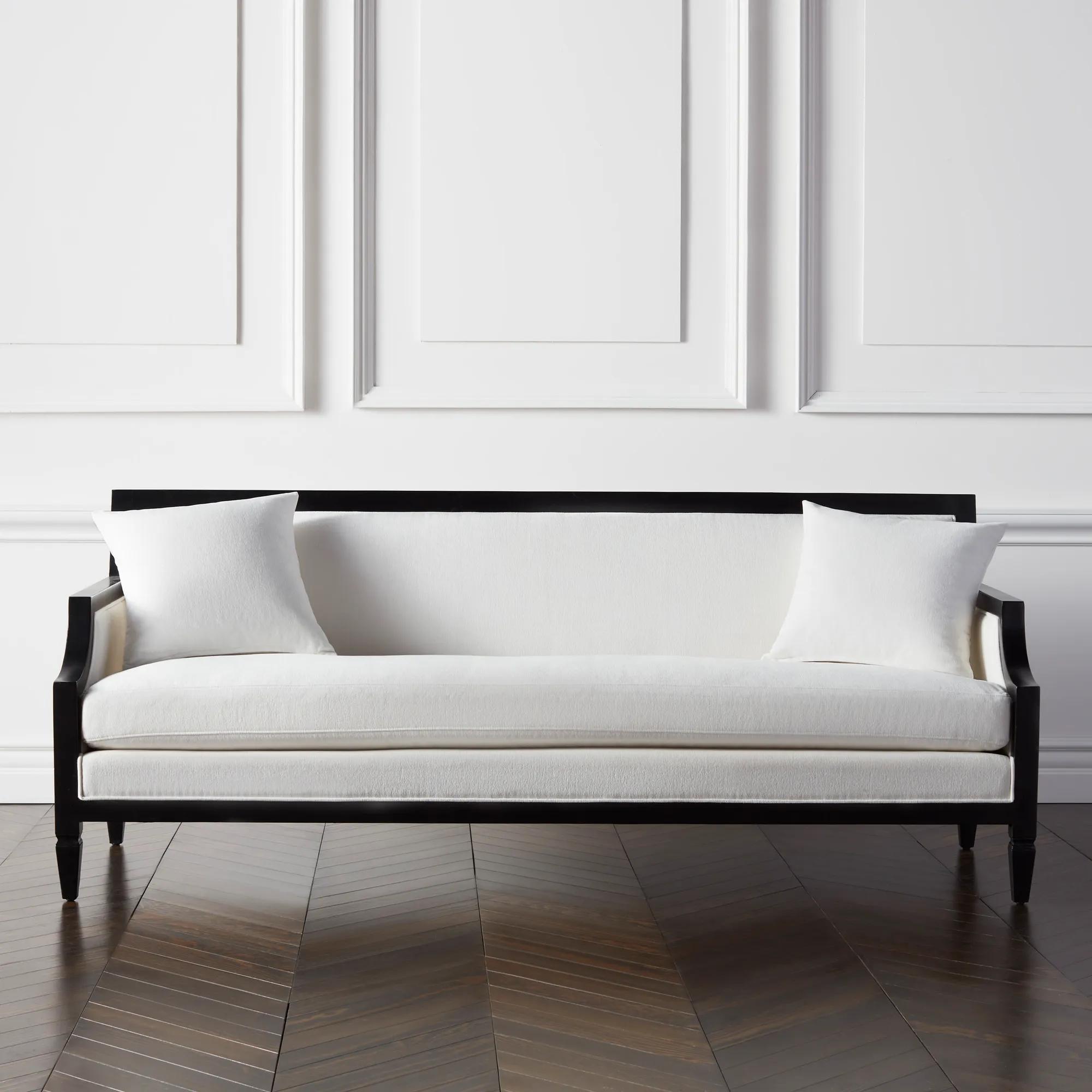
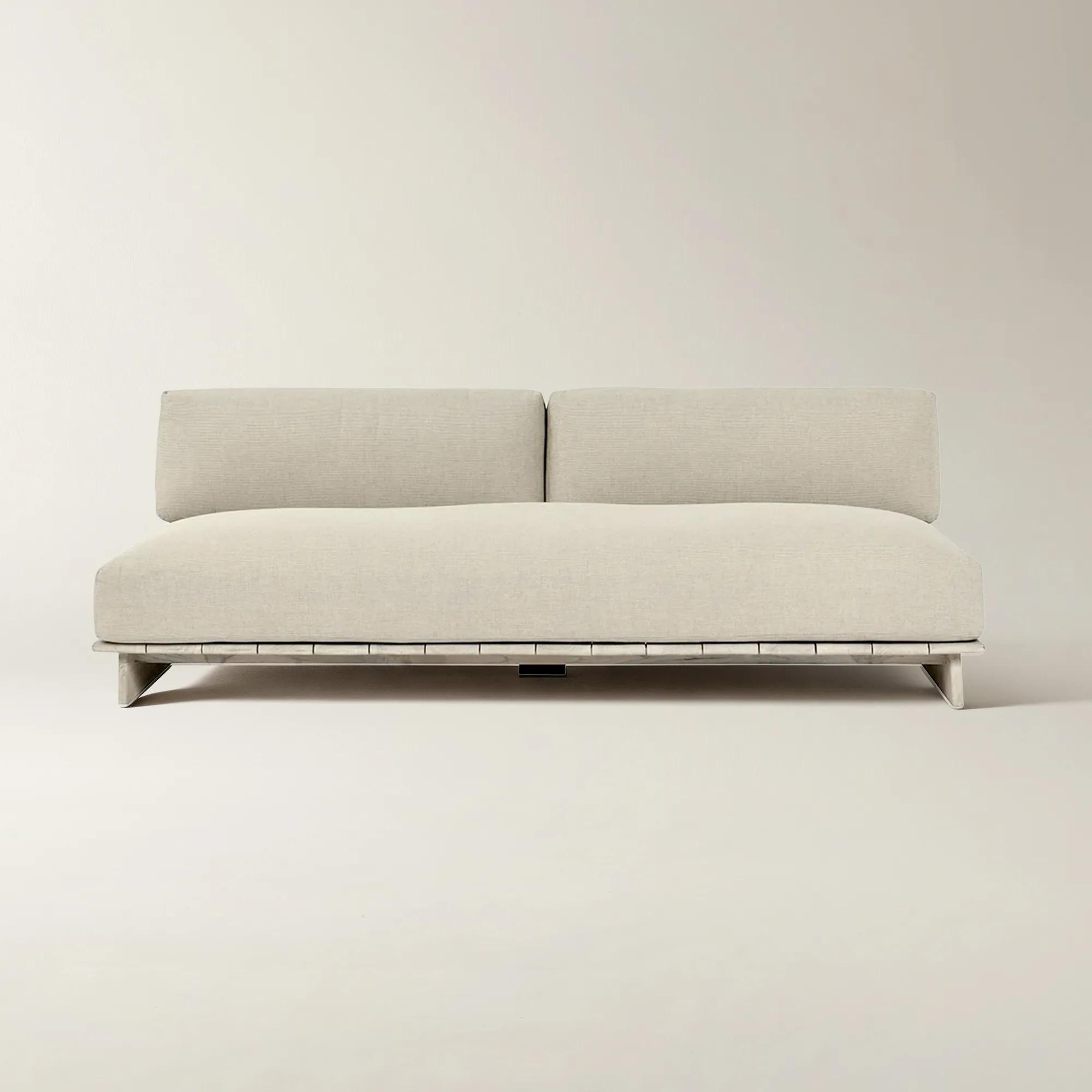
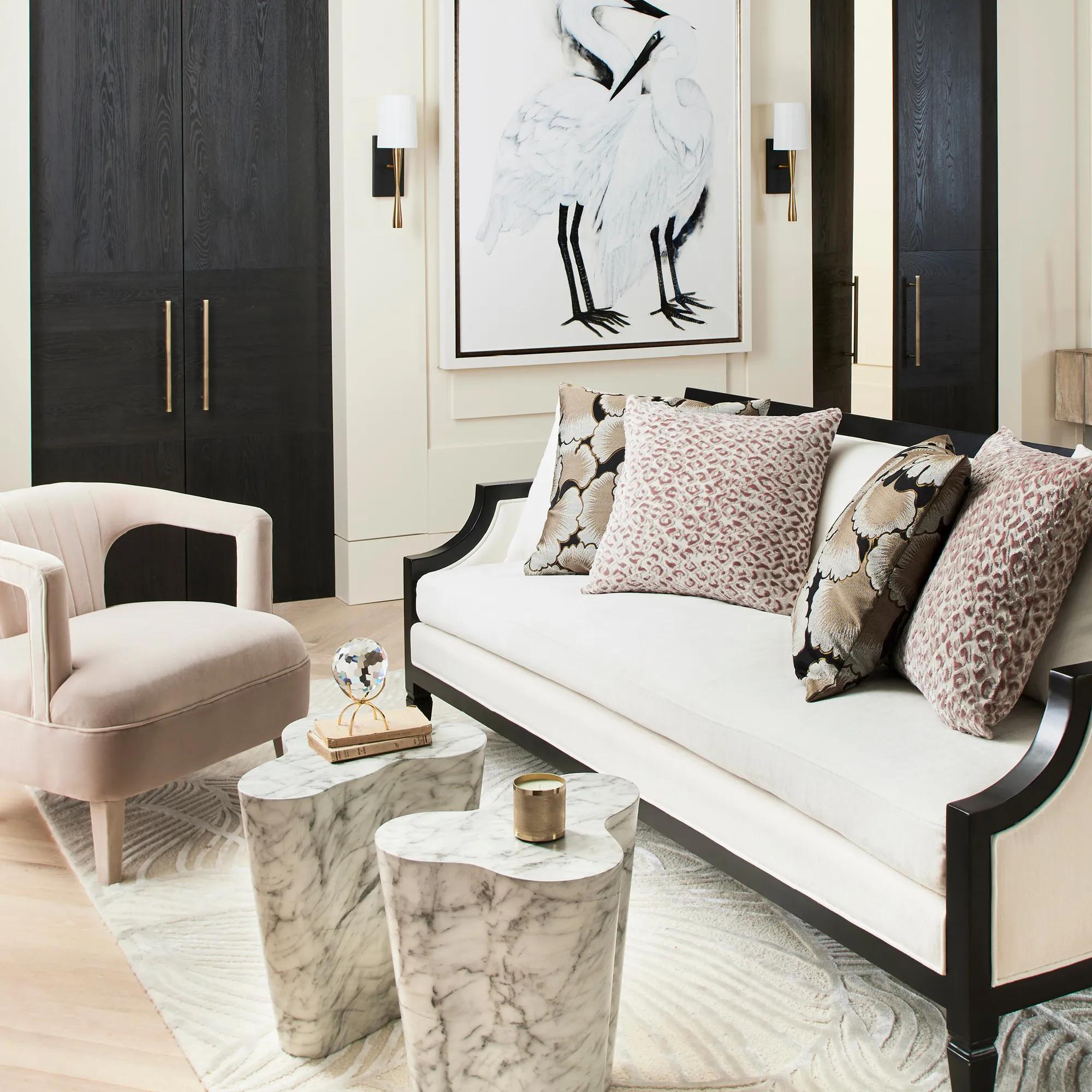 Kayla Sofa$2349
A timeless sofa featuring plush Kenley Chenille Snow upholstery, notched arms, and a matte black wood frame.
Add To Cart -
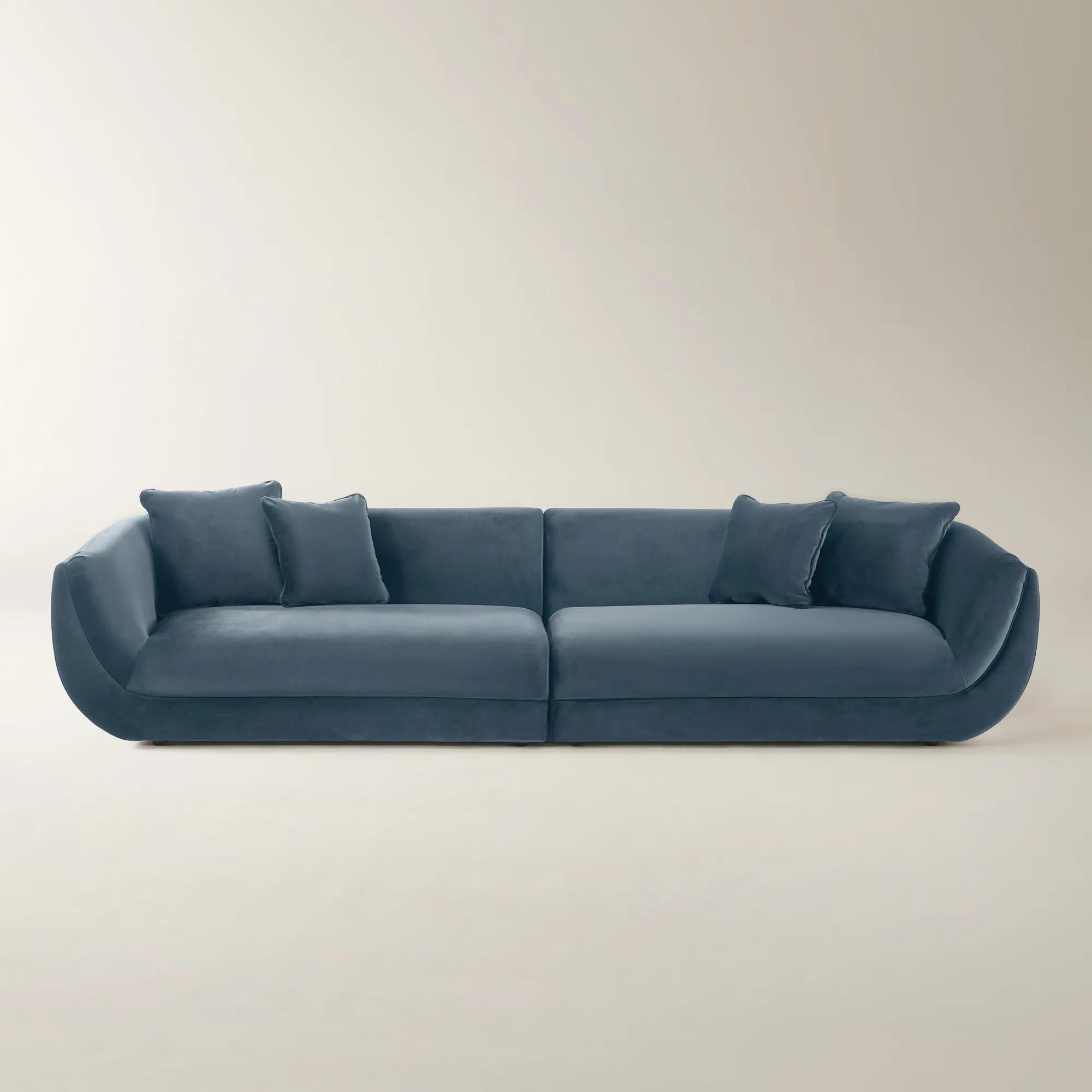
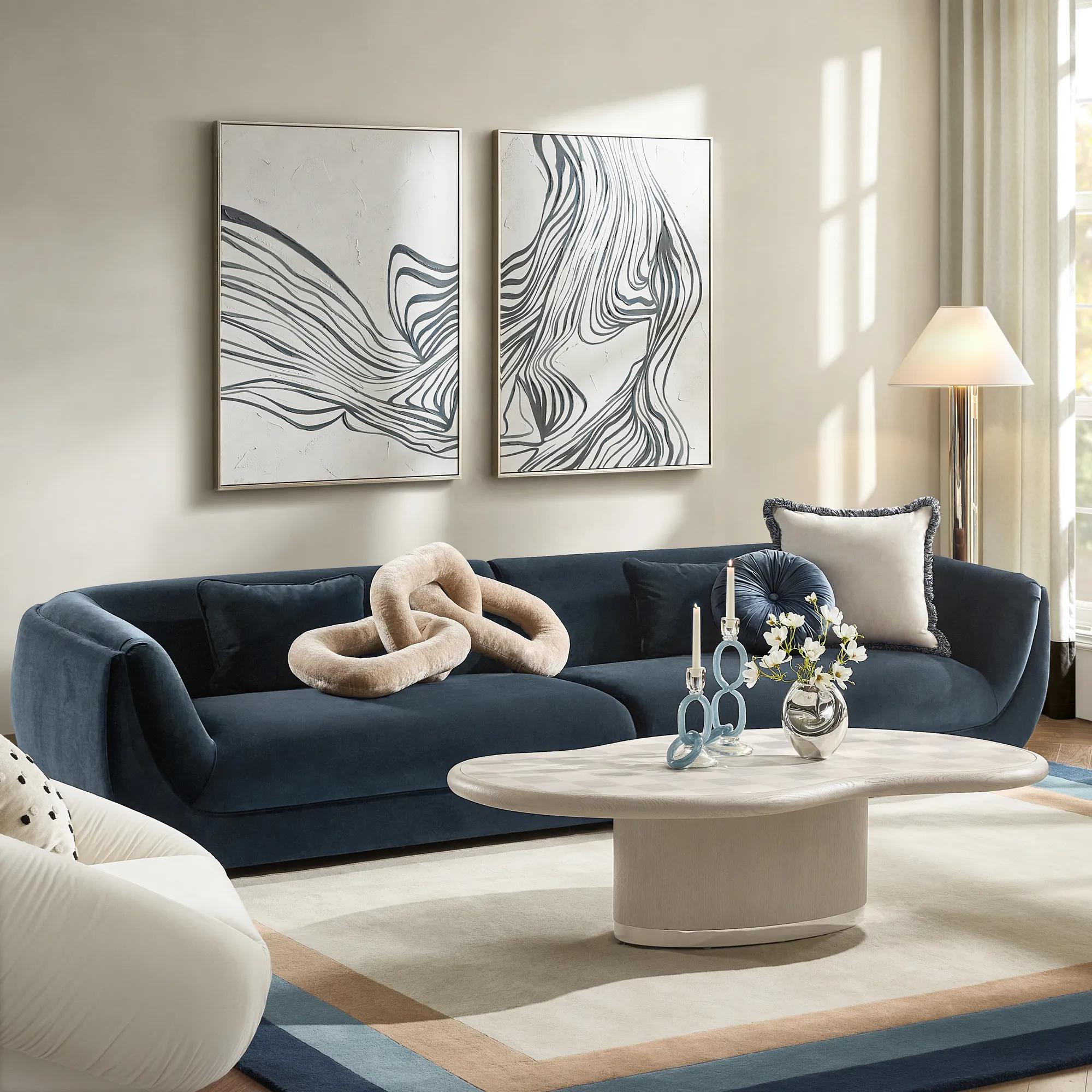 Curvia 2-Piece Dusty Blue Velvet Grand Sectional Sofa$2899
A plush, modular sectional wrapped in dusty blue velvet with sculptural curves and deep, lounge-worthy comfort.
Add To Cart -
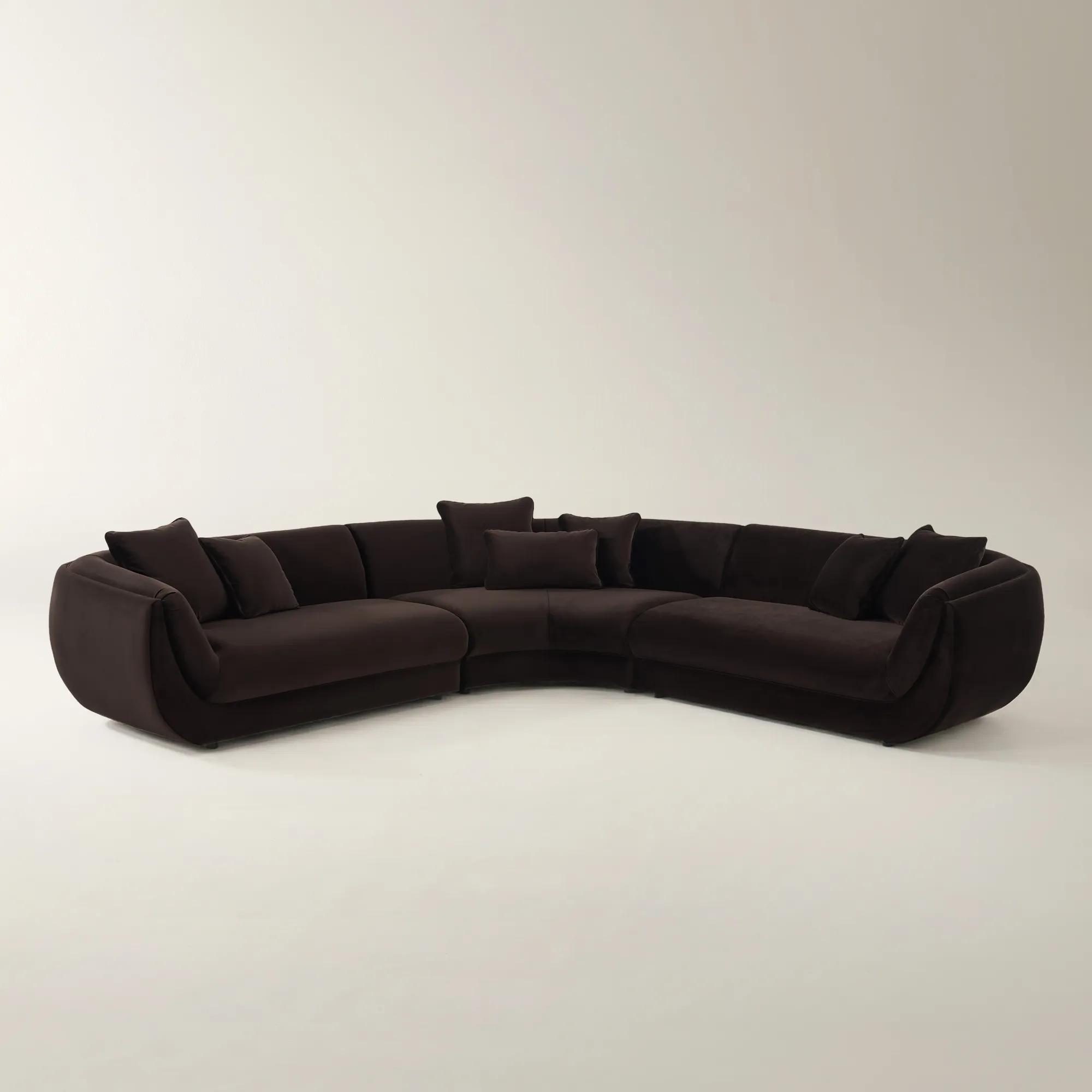
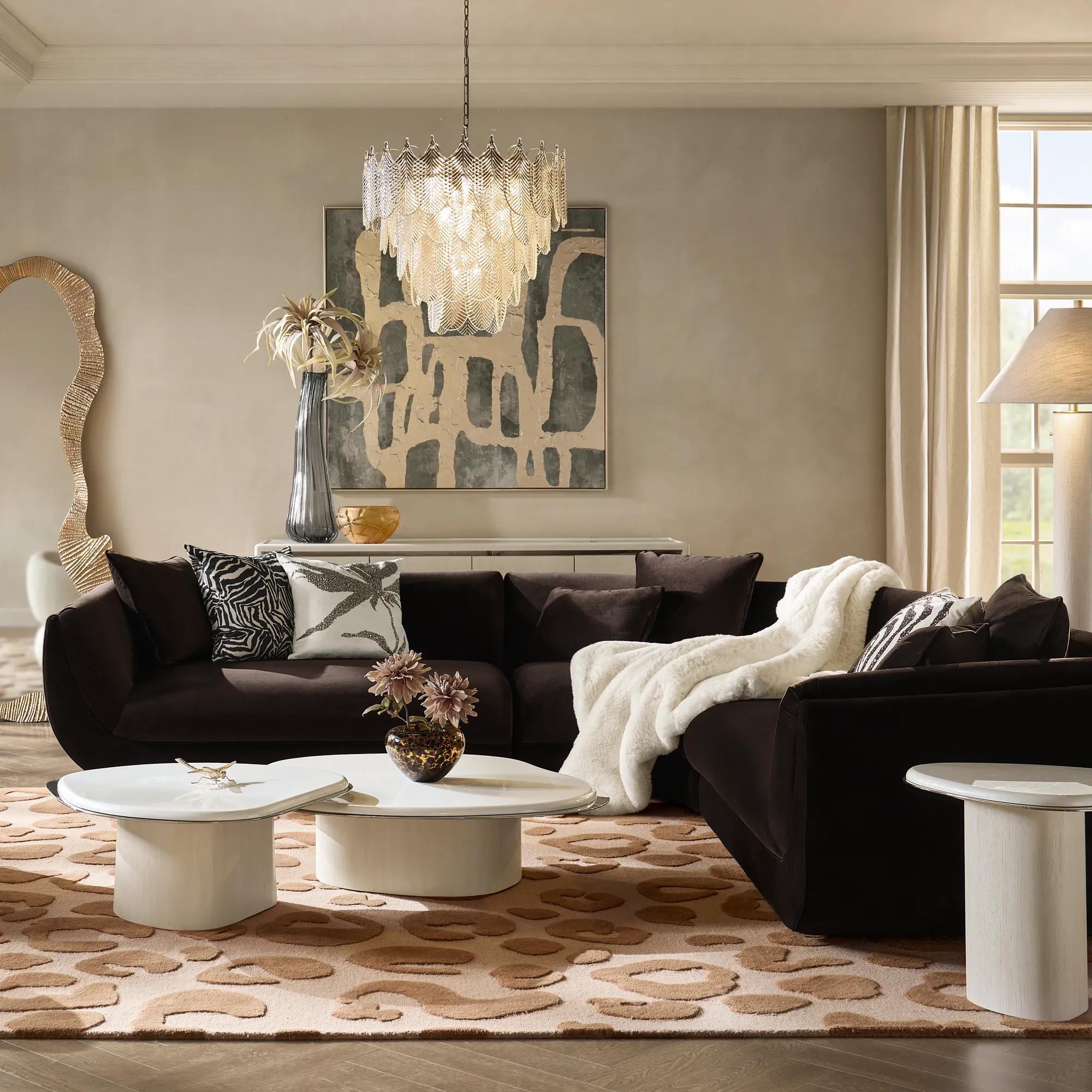 Curvia 3-Piece Dark Chocolate Velvet Sectional Sofa$4599
A modular sectional wrapped in dark chocolate velvet, featuring sculptural curves and deep, plush lounge seating.
Add To Cart -

 Curvia 2-Piece Dark Chocolate Velvet Sectional Sofa$2699
A sculptural sectional wrapped in dark chocolate velvet with plush cushioning and modular, lounge-ready design.
Add To Cart -
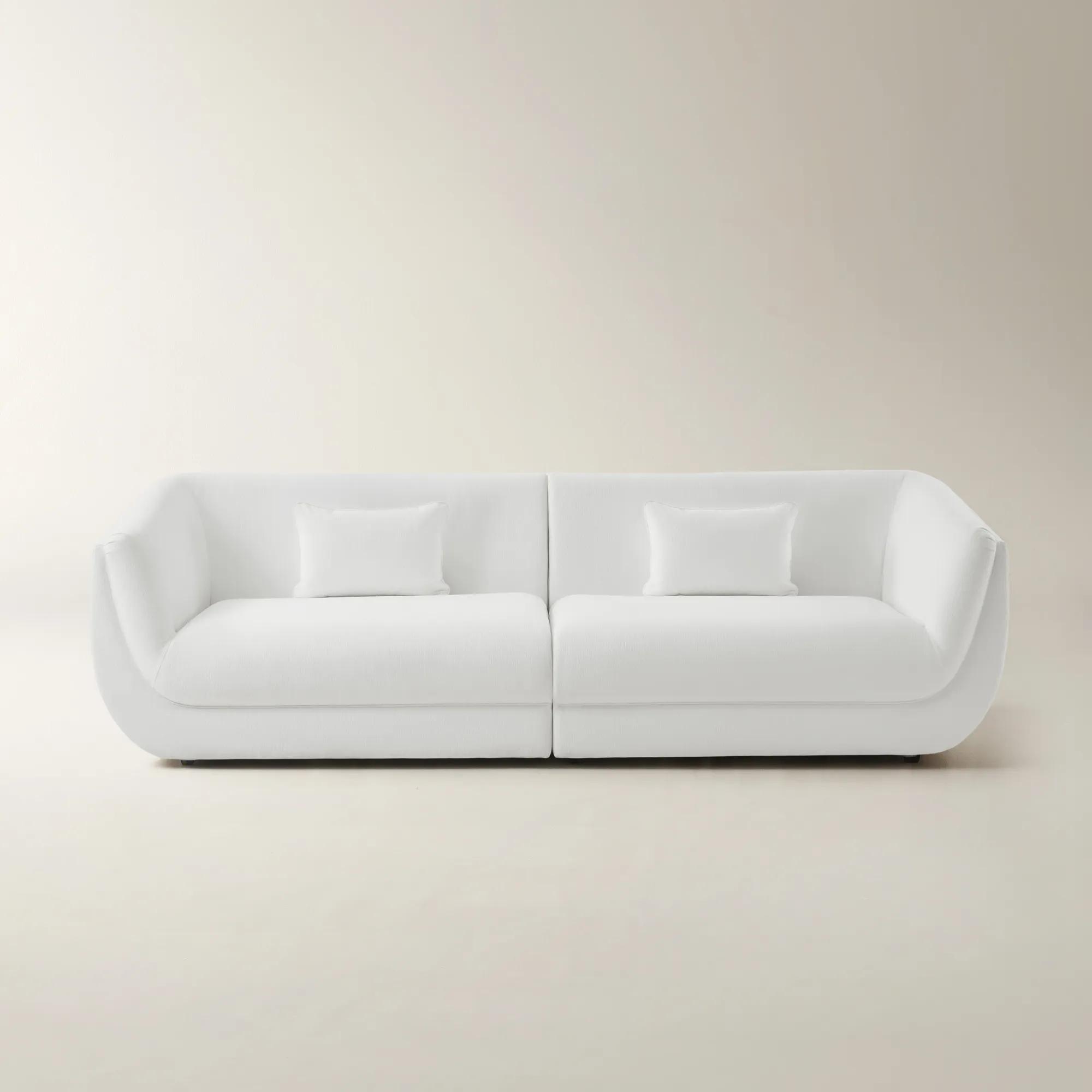
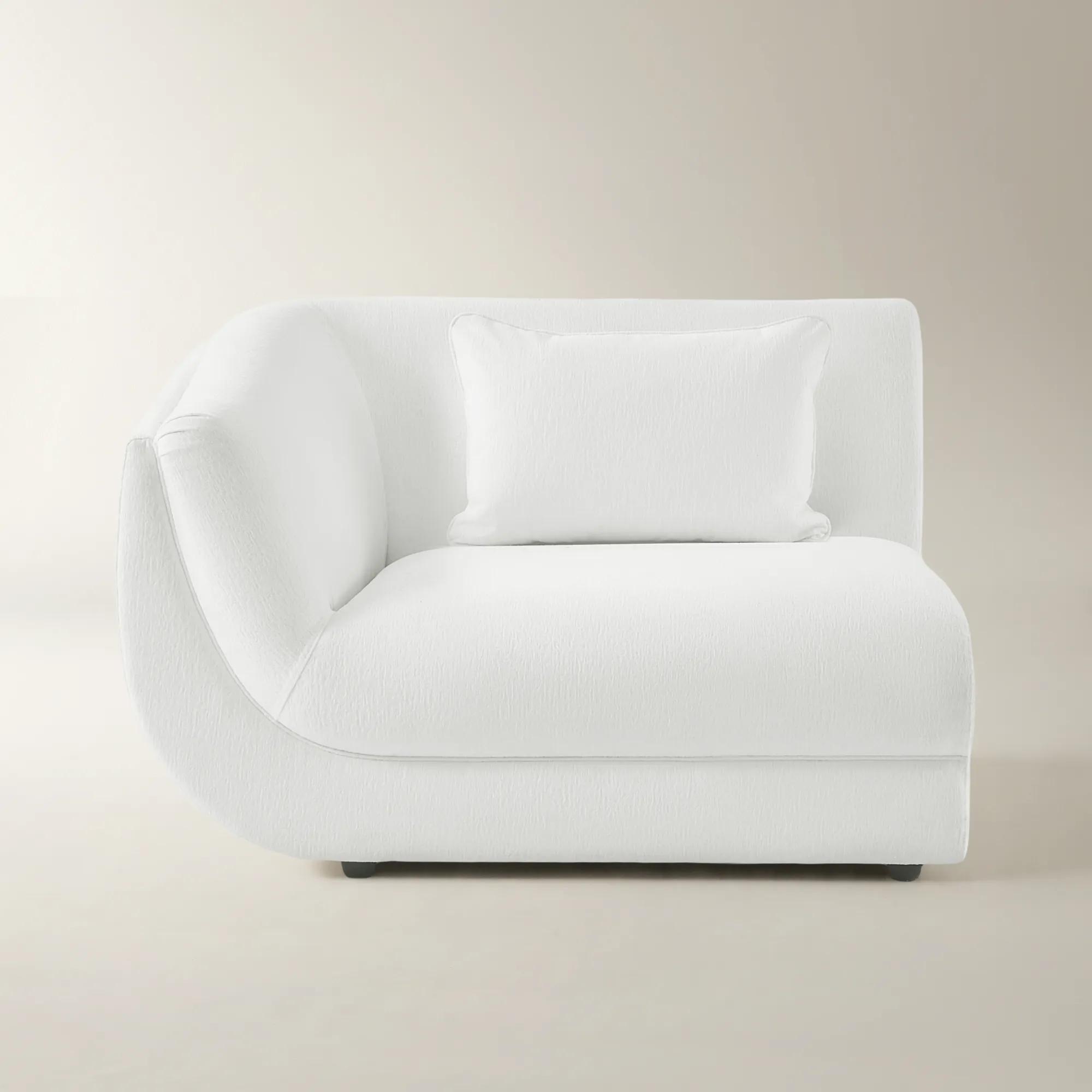
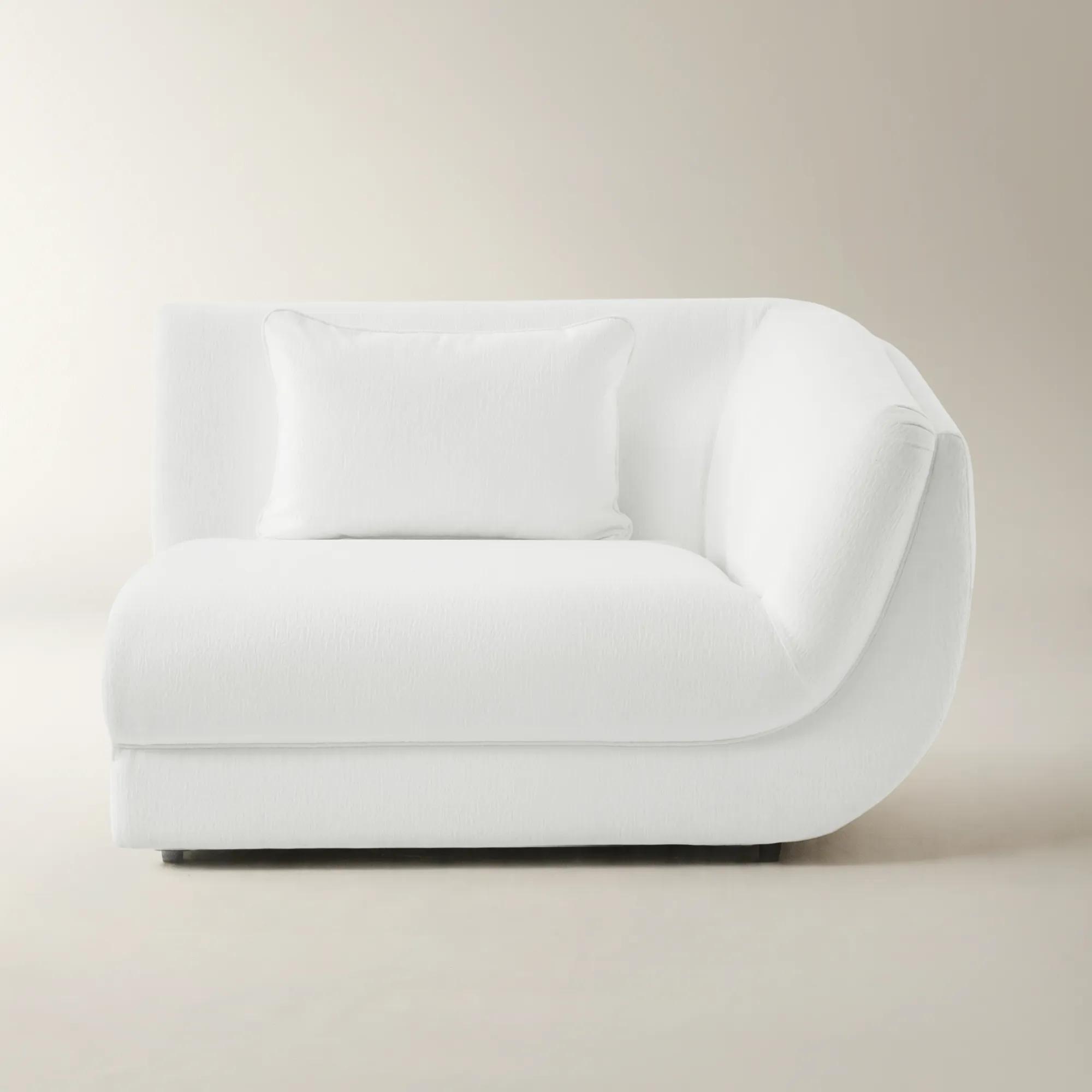
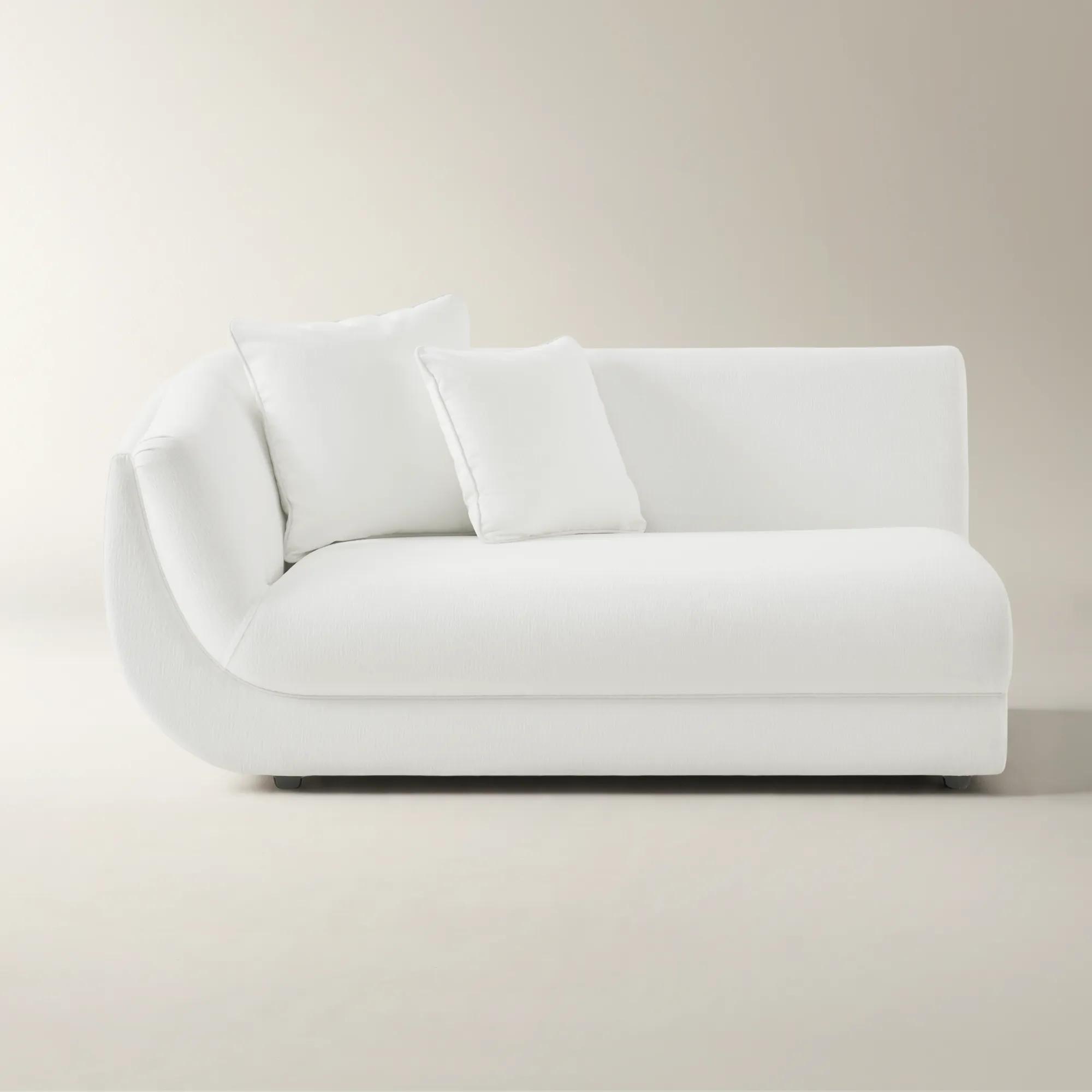
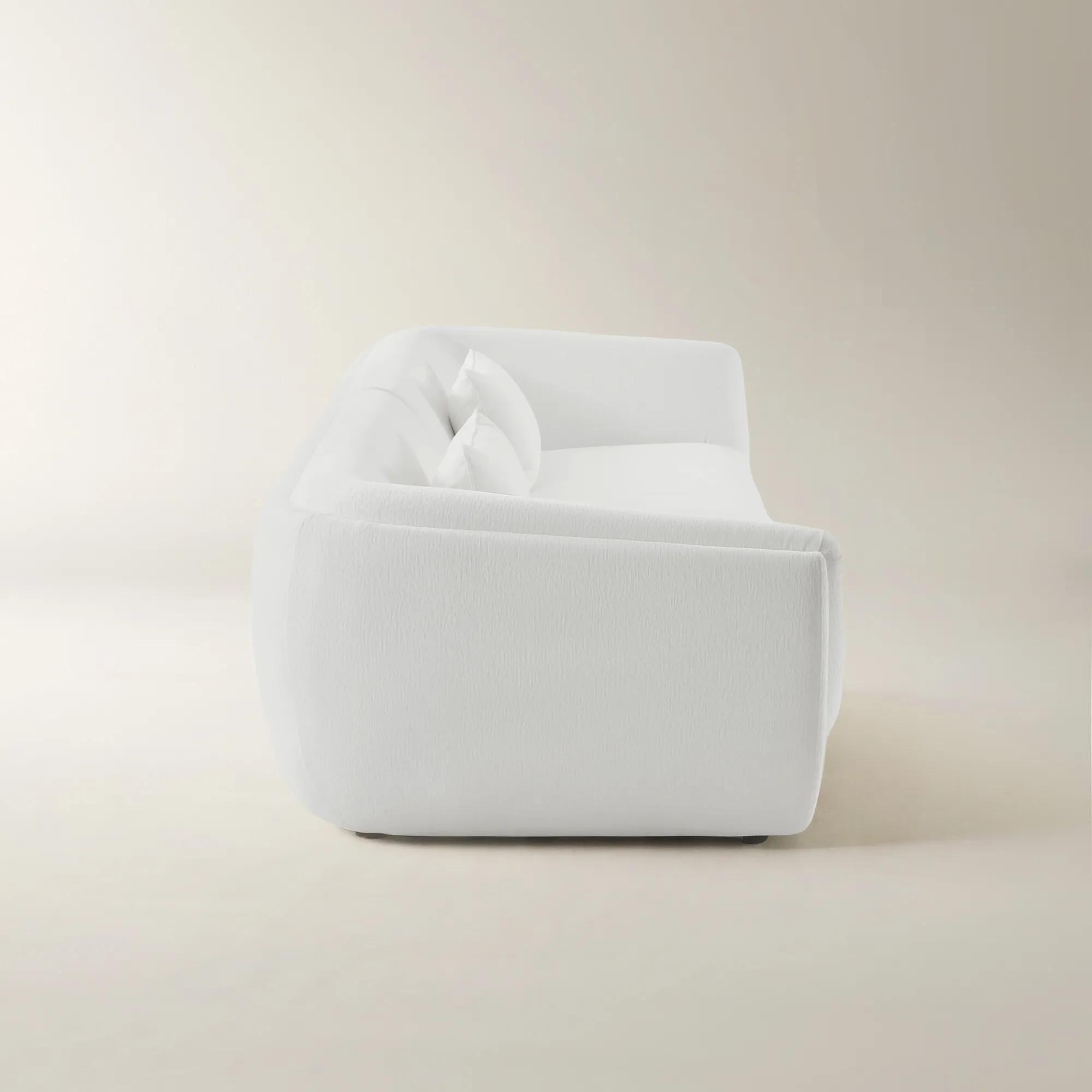 Curvia 2-Piece White Performance Chenille Indoor/Outdoor Sectional Sofa$2799
A sculptural white sectional sofa upholstered in performance chenille for luxurious indoor or outdoor lounging.
Add To Cart -

 Curvia 2-Piece Dark Chocolate Velvet Grand Sectional Sofa$2899
A modular sectional wrapped in dark chocolate velvet, featuring sculptural curves and deep, plush lounge seating.
Add To Cart -
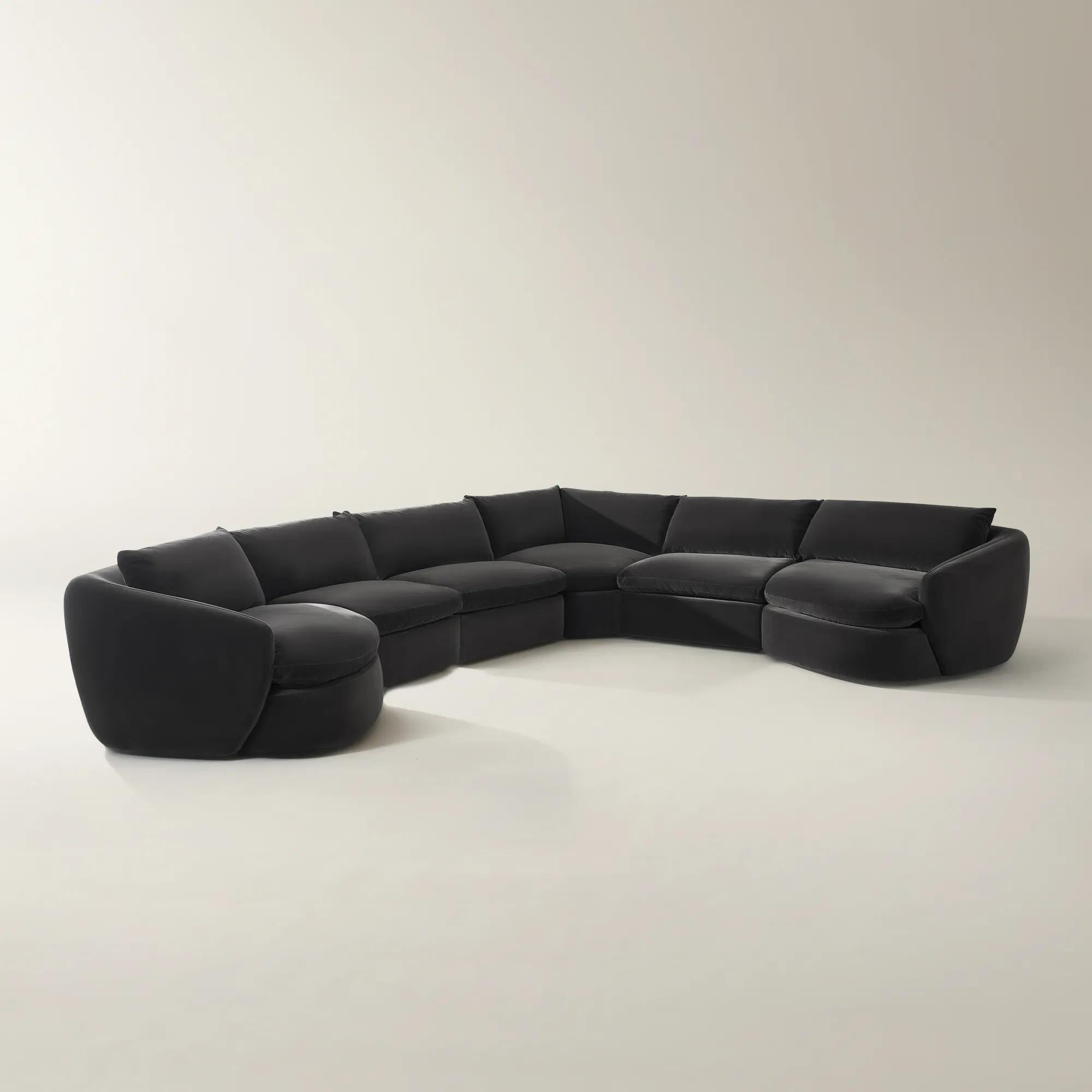
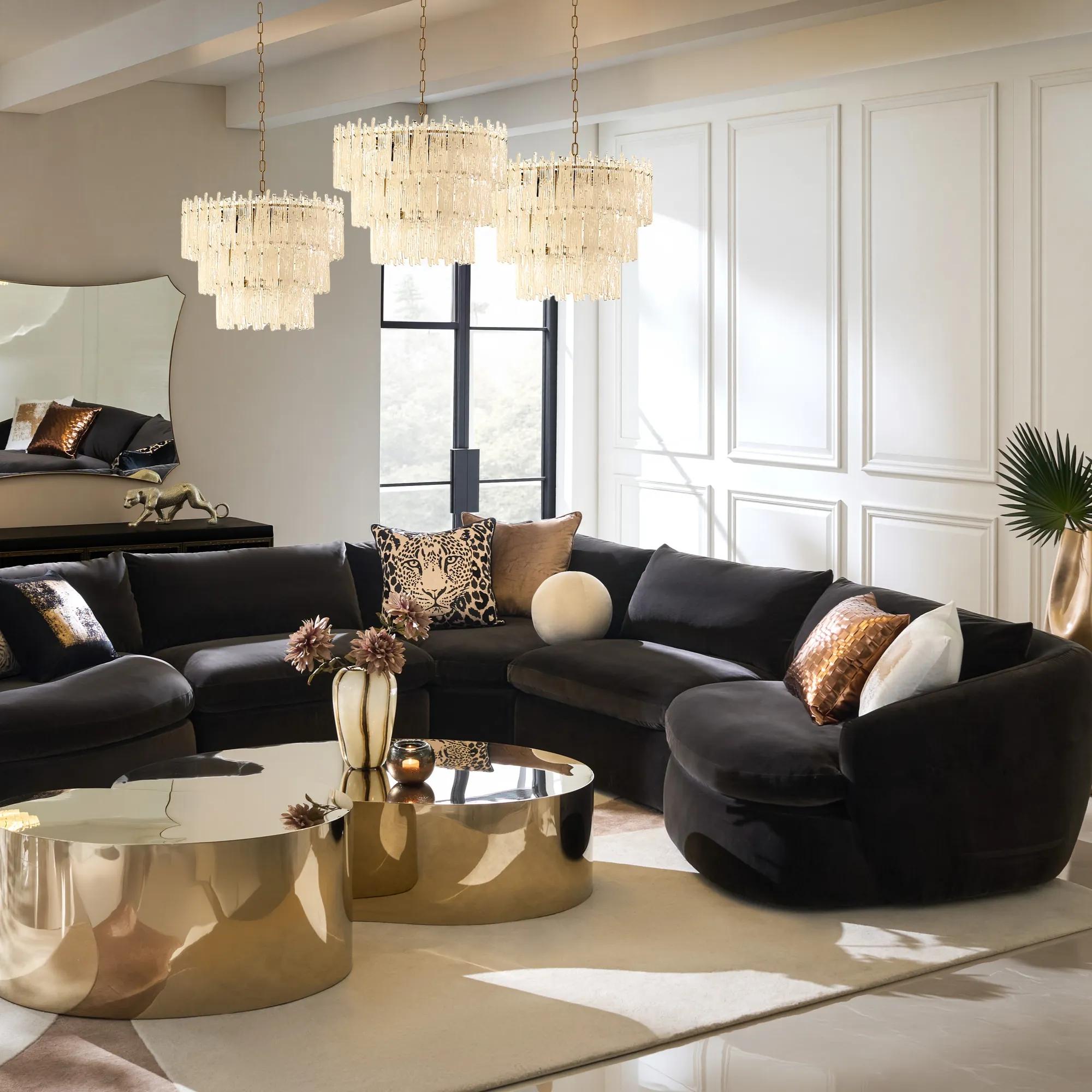 Sabrina 6-Piece Charcoal Velvet Sectional$6999
A modular L-shaped sectional in charcoal velvet with plush feather-blend cushions and a softly curved silhouette.
Add To Cart -
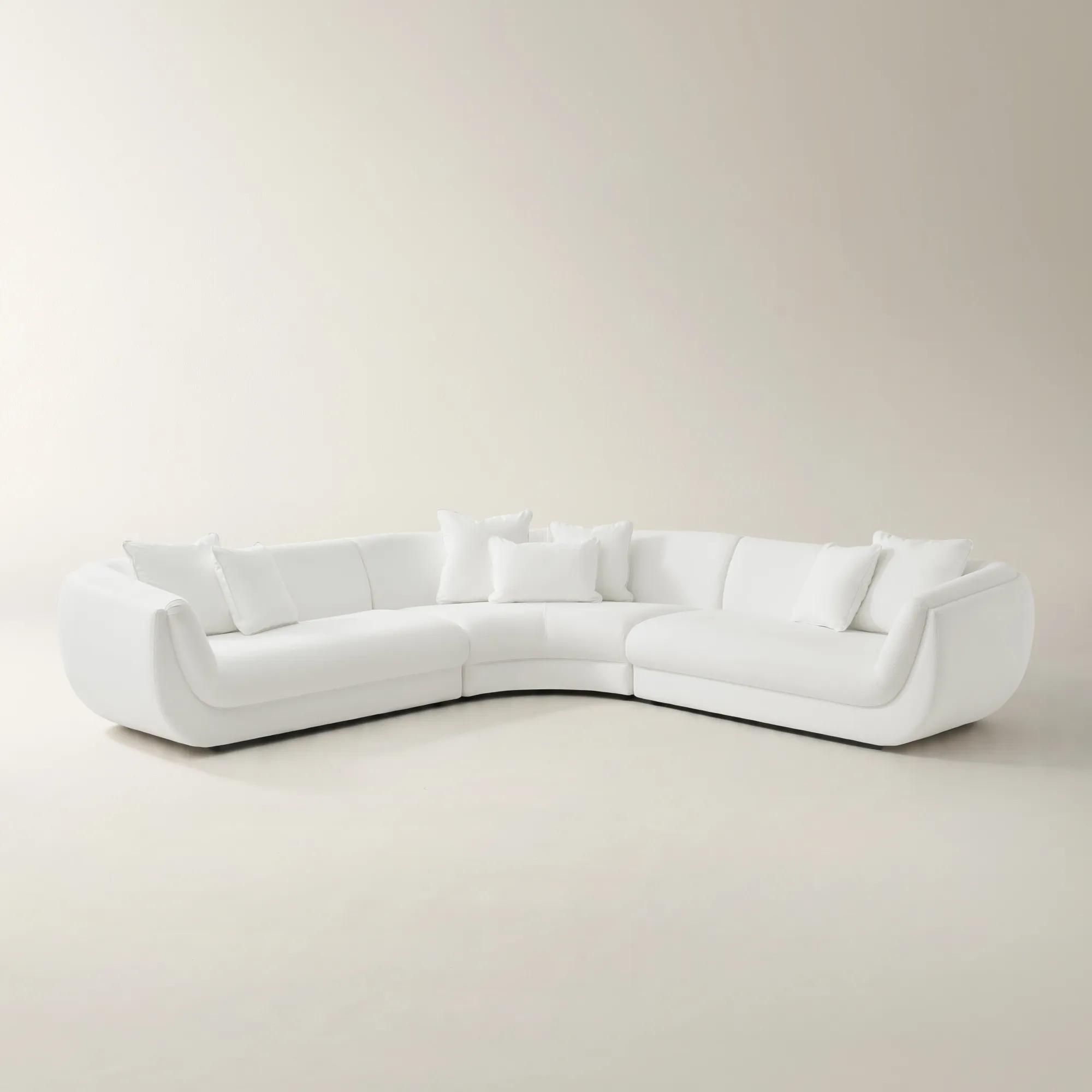 Curvia 3-Piece White Performance Chenille Indoor/Outdoor Sectional Sofa$4599
A sculptural white sectional sofa wrapped in performance chenille for luxurious indoor and outdoor lounging.
Add To Cart -
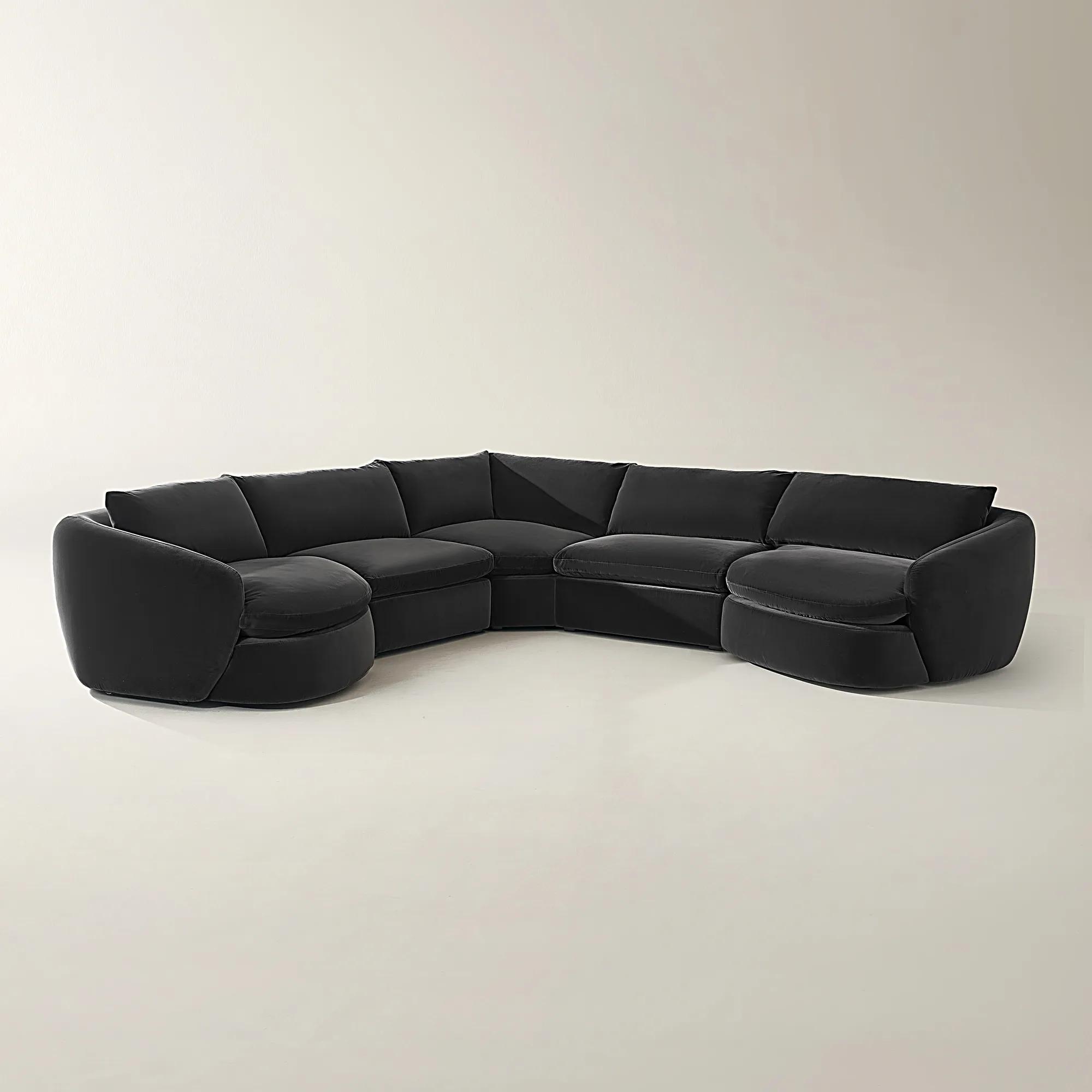 Sabrina 5-Piece Charcoal Velvet Sectional$5999
A modular charcoal velvet sectional with plush feather-blend cushions and a softly curved, modern silhouette.
Add To Cart -
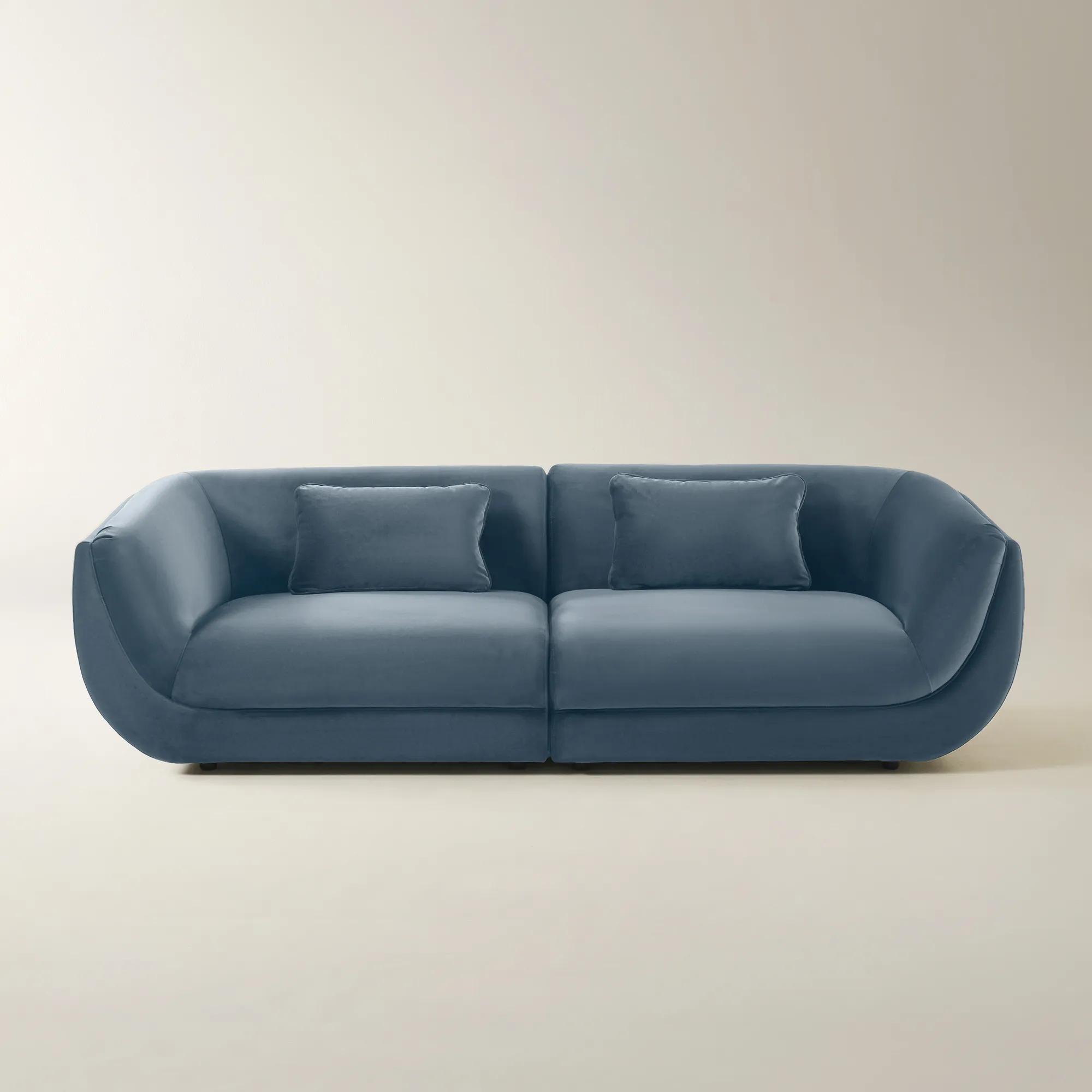 Curvia 2-Piece Dusty Blue Velvet Sectional Sofa$2699
A modular sectional wrapped in plush dusty blue velvet with sculptural curves and deep, lounge-worthy comfort.
Add To Cart -

 Reina 3-Piece Tufted Oatmeal Velvet Sectional Sofa$2499
A plush oatmeal velvet sectional featuring channel tufting, deep seating, and an architectural winged silhouette.
Add To Cart -

 Sabrina 5-Piece Oatmeal Velvet Sectional$5999
An inviting L-shaped sectional in soft oatmeal velvet with plush feather-blend cushions and modular design.
Add To Cart -
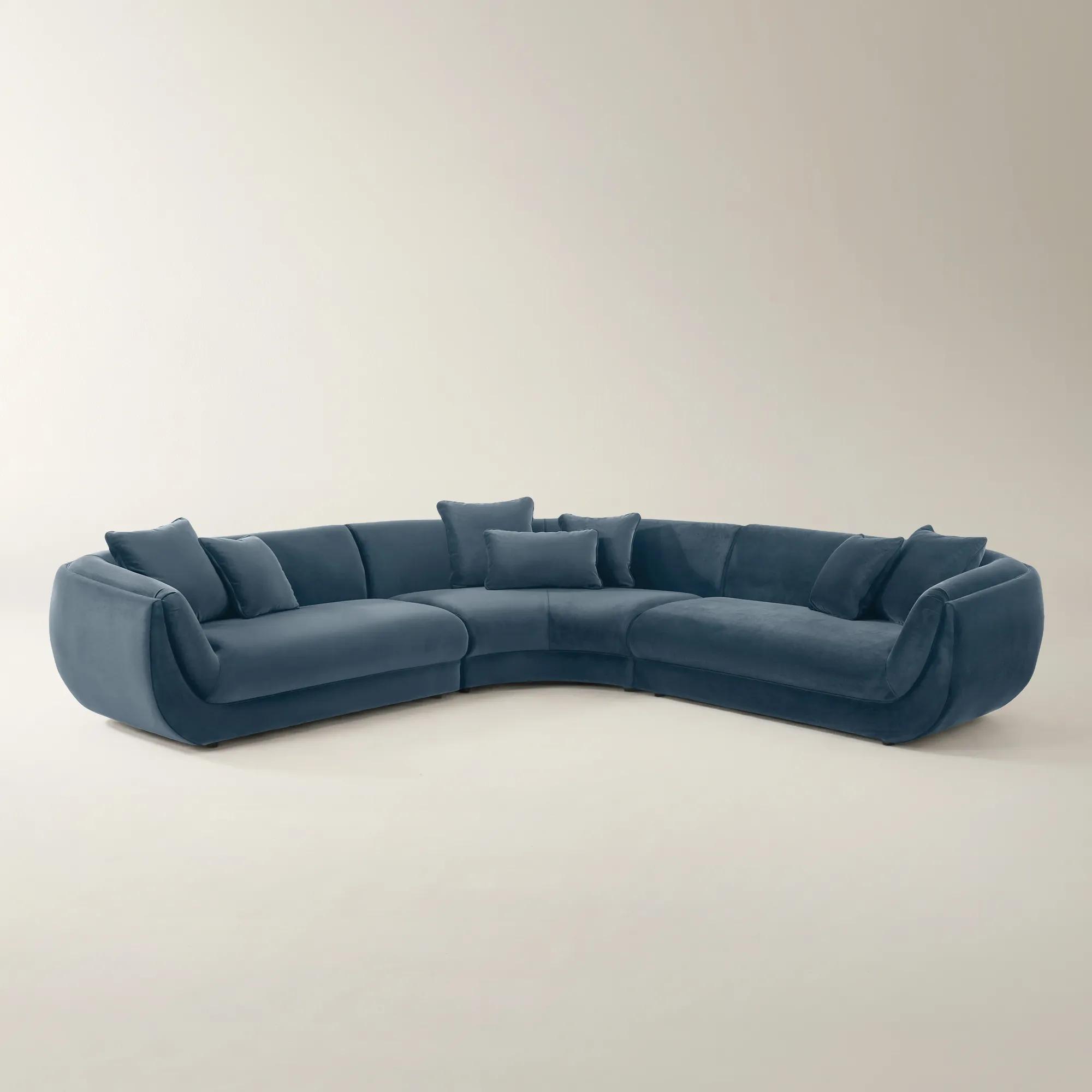
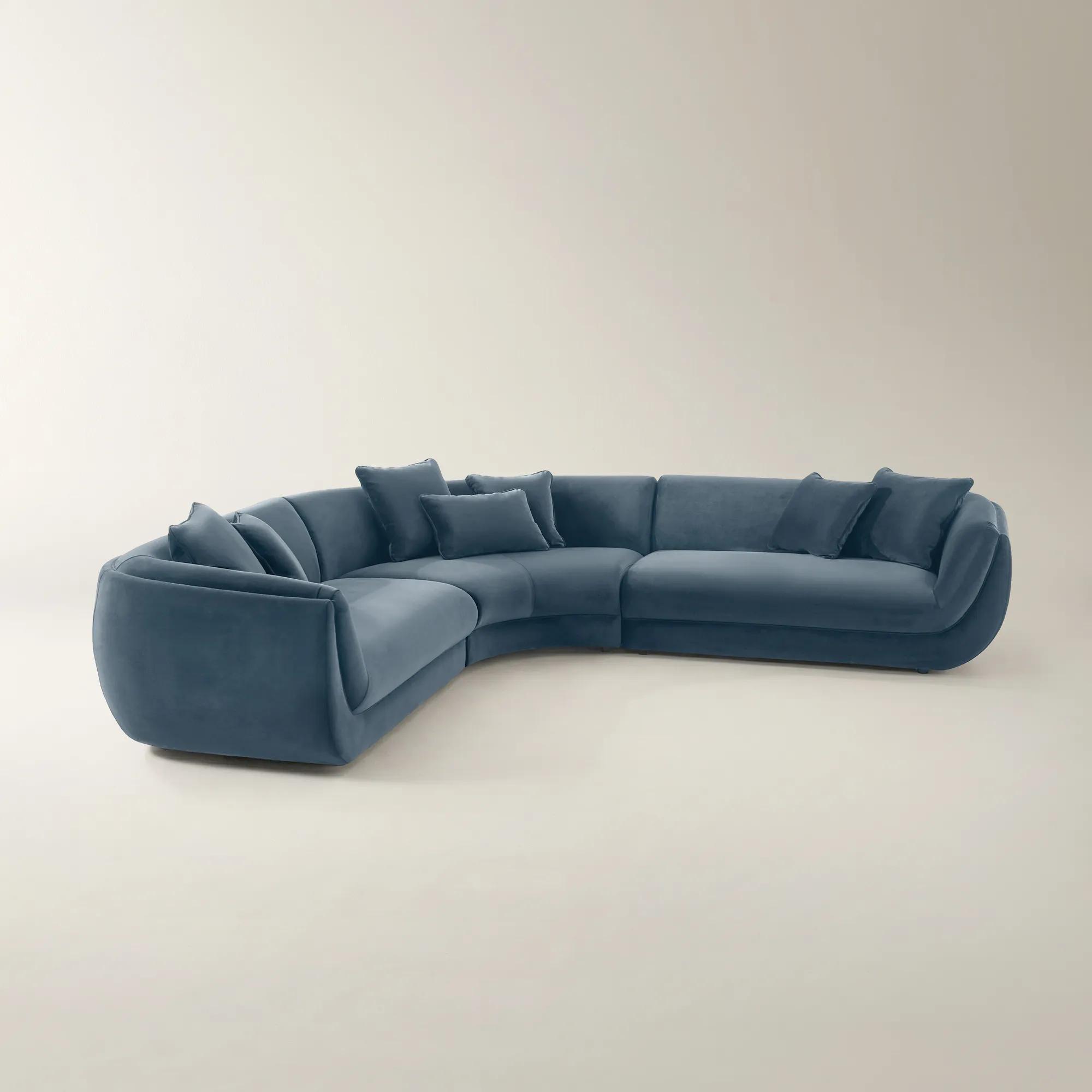 Curvia 3-Piece Dusty Blue Velvet Sectional Sofa$4599
A modular sectional wrapped in plush dusty blue velvet with deep lounge seating and sculptural curves.
Add To Cart -
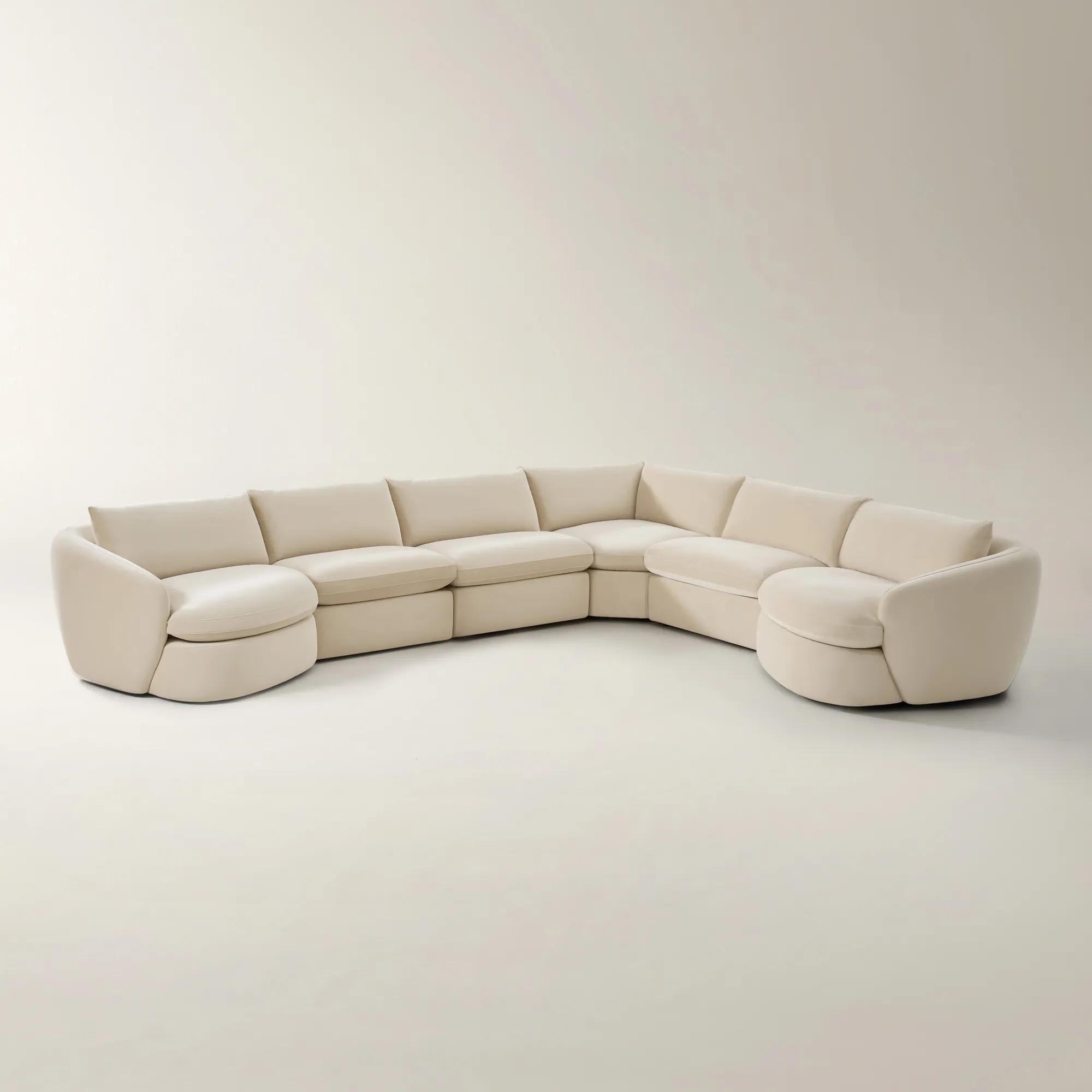 Sabrina 6-Piece Oatmeal Velvet Sectional$6999
An inviting L-shaped sectional in soft oatmeal velvet with plush feather-blend cushions and modular design.
Add To Cart -
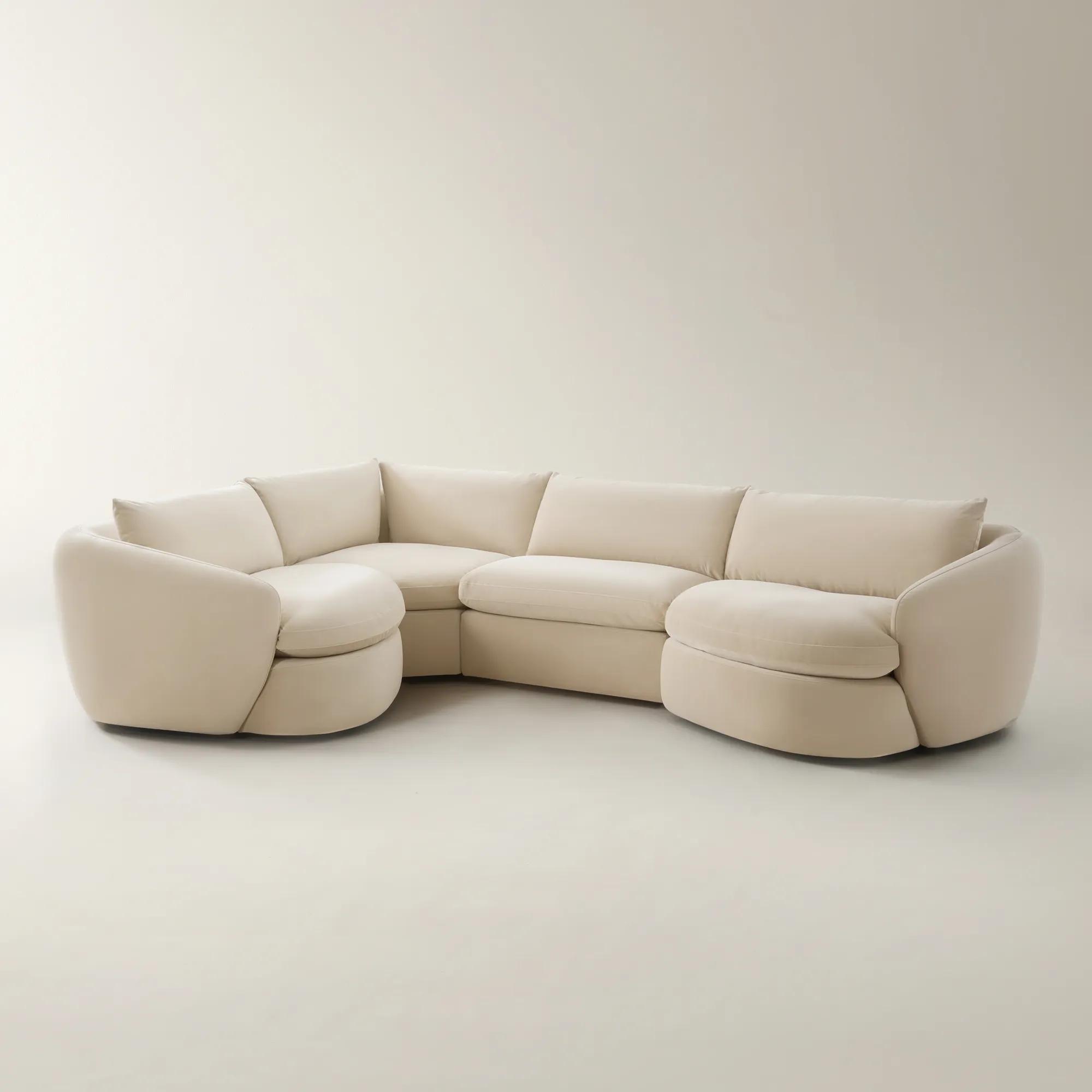 Sabrina 4-Piece Oatmeal Velvet Sectional With Left-Arm Chair$4999
An inviting L-shaped sectional in soft oatmeal velvet with feather-blend cushions and a modular, curved silhouette.
Add To Cart -
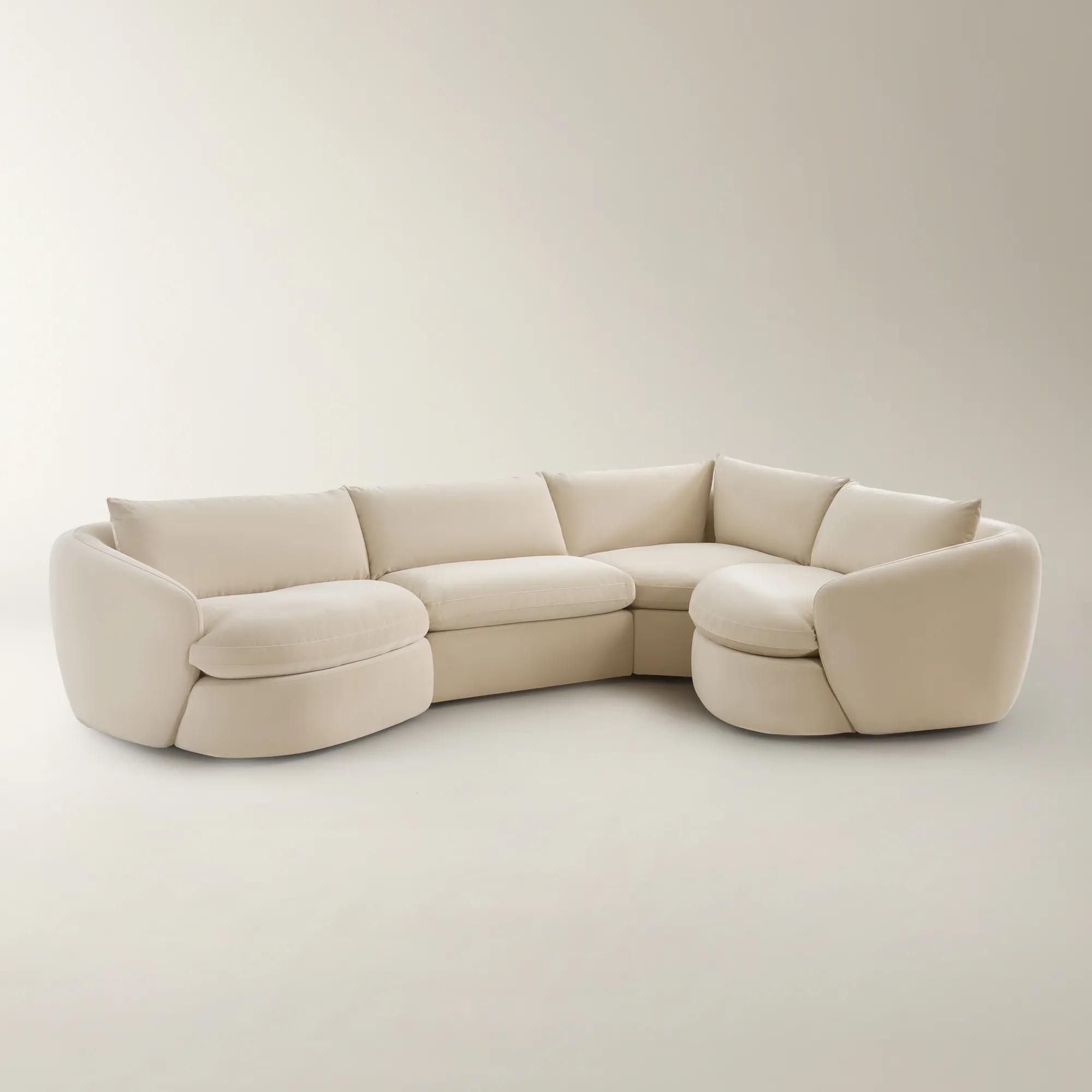 Sabrina 4-Piece Oatmeal Velvet Sectional With Right-Arm Chair$4999
An inviting L-shaped sectional in soft oatmeal velvet with plush feather-blend cushions and modular design.
Add To Cart -
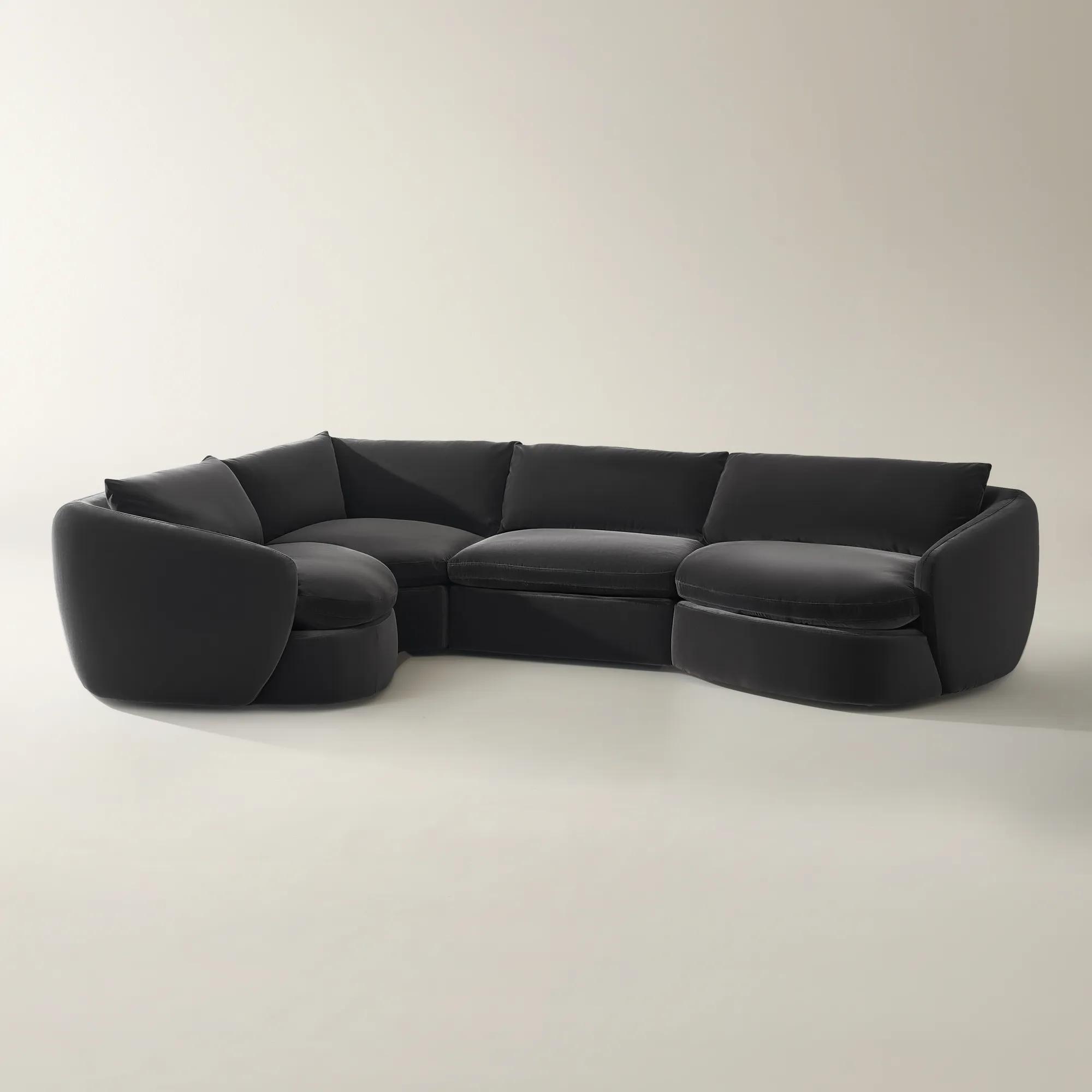 Sabrina 4-Piece Charcoal Velvet Sectional With Left-Arm Chair$4999
A modular charcoal velvet sectional with plush feather-blend cushions and a softly curved, modern silhouette.
Add To Cart -
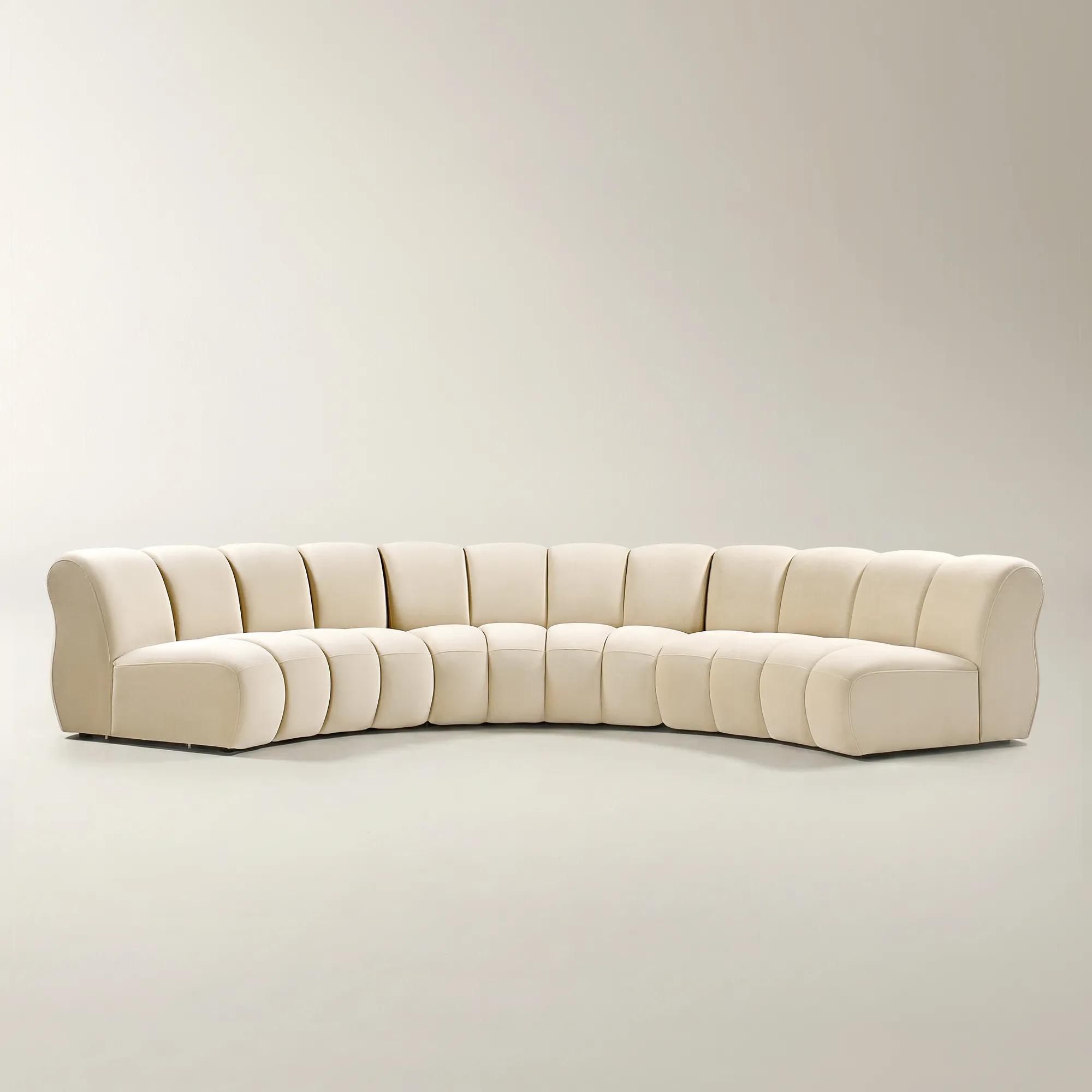
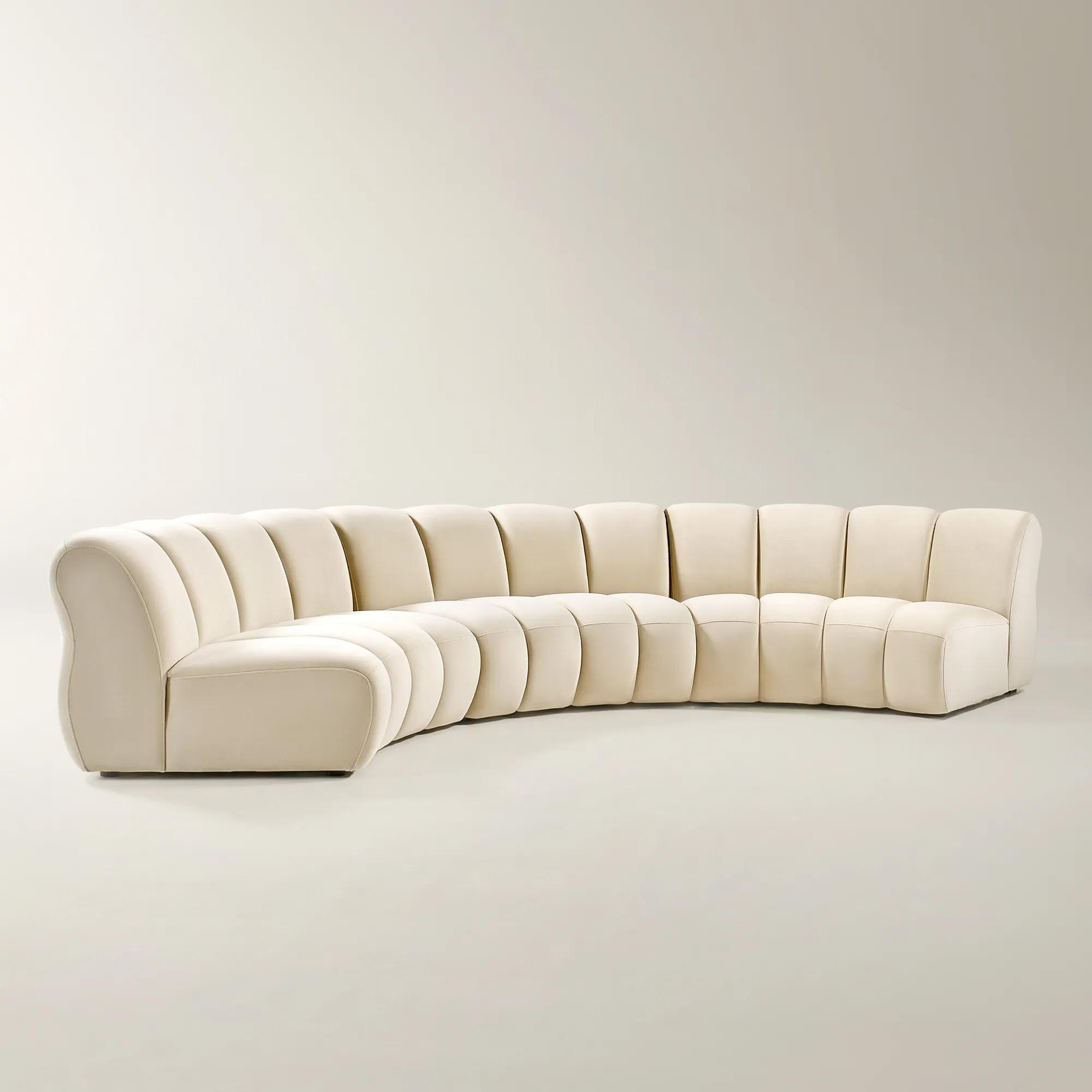 Jocelyn 3-Piece Channel-Tufted Oatmeal Velvet Sectional Sofa$4099
An oatmeal velvet sectional featuring deep channel tufting, sculptural curves, and modular, kiln-dried wood construction.
Add To Cart -
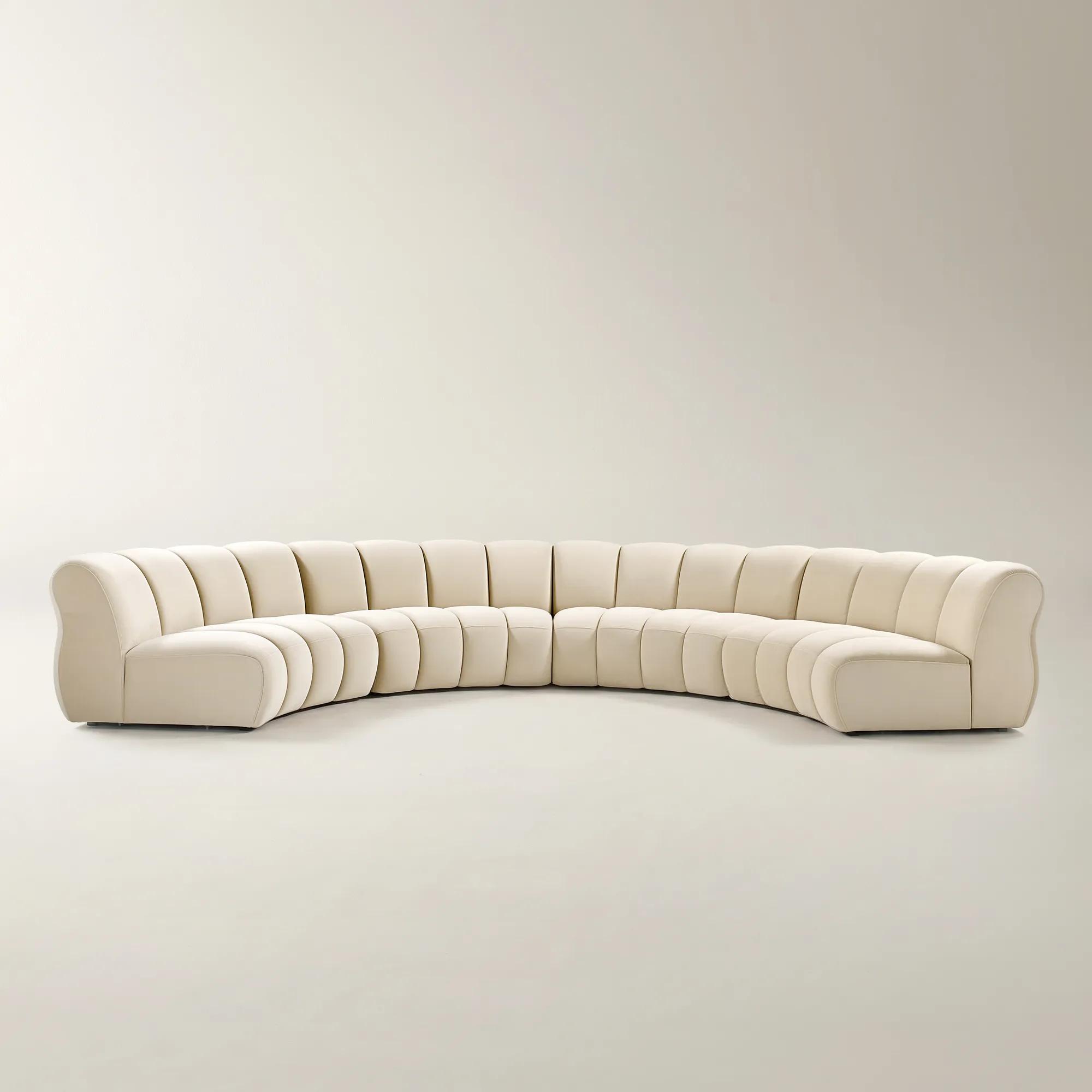
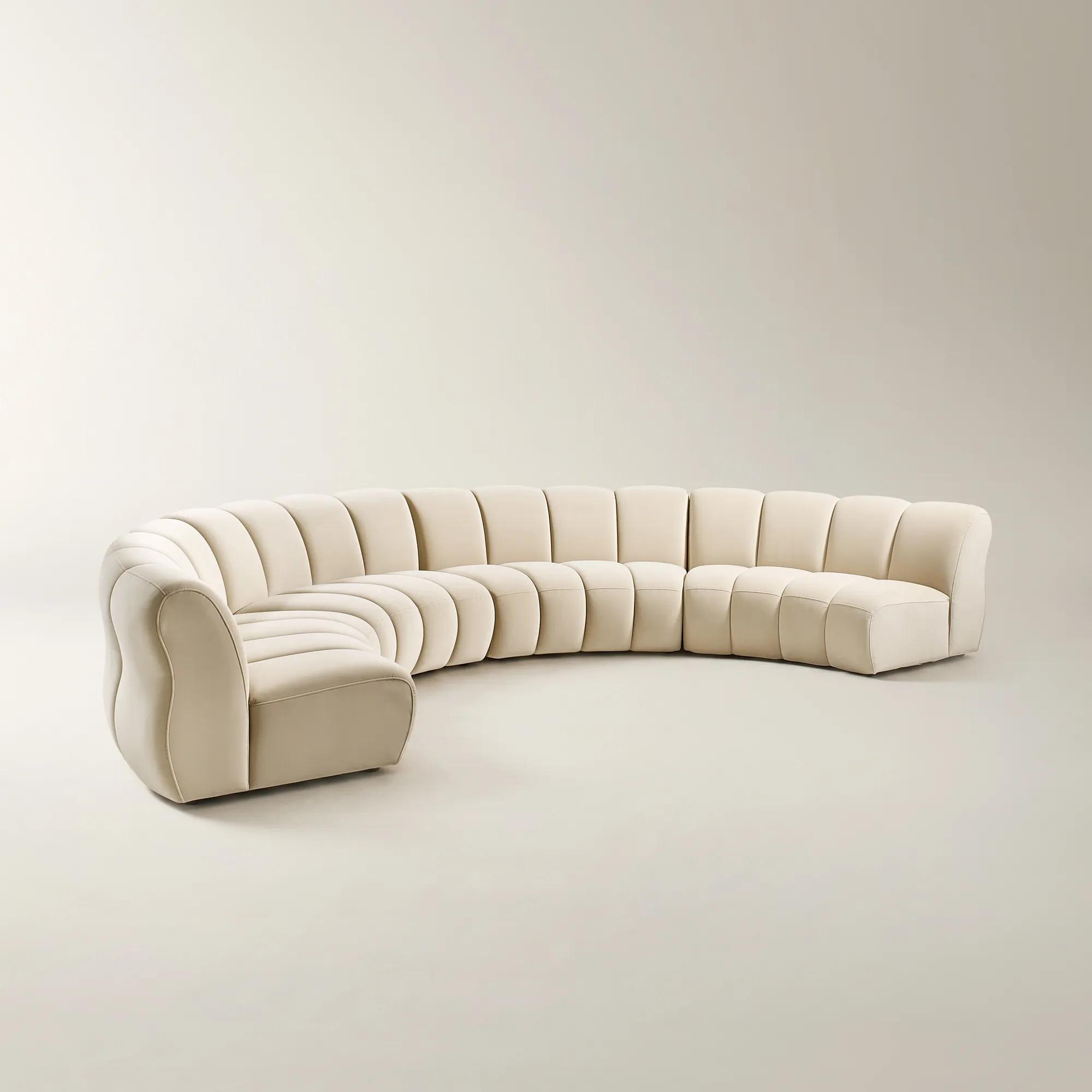 Jocelyn 4-Piece Channel-Tufted Oatmeal Velvet Sectional Sofa$4999
An oatmeal velvet sectional with deep channel tufting, curved silhouette, and modular design for versatile lounging.
Add To Cart -
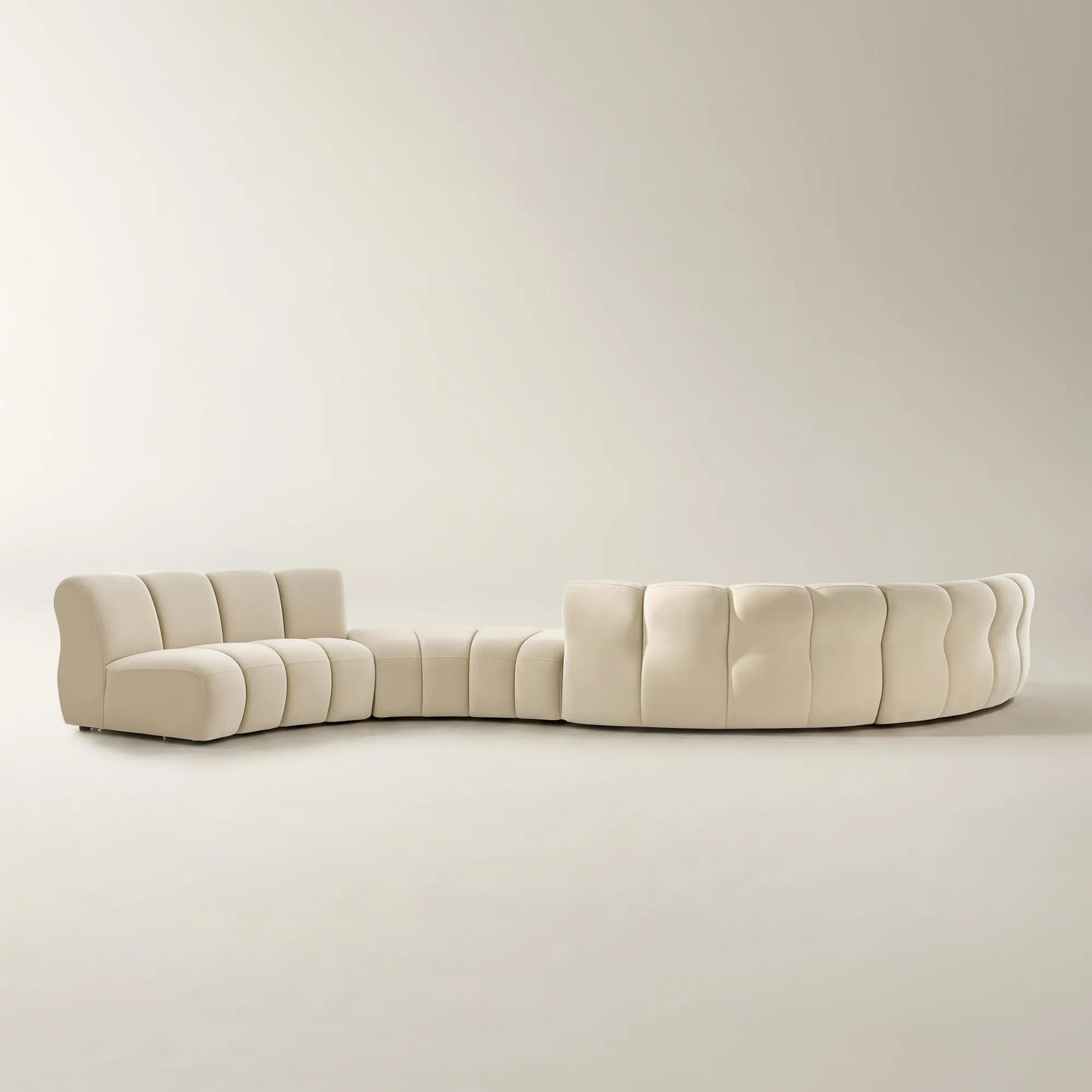 Jocelyn 4-Piece Channel-Tufted Oatmeal Velvet Sectional Sofa With Ottoman$4999
An oatmeal velvet sectional with deep channel tufting, curved silhouette, and modular design for flexible arrangements.
Add To Cart -
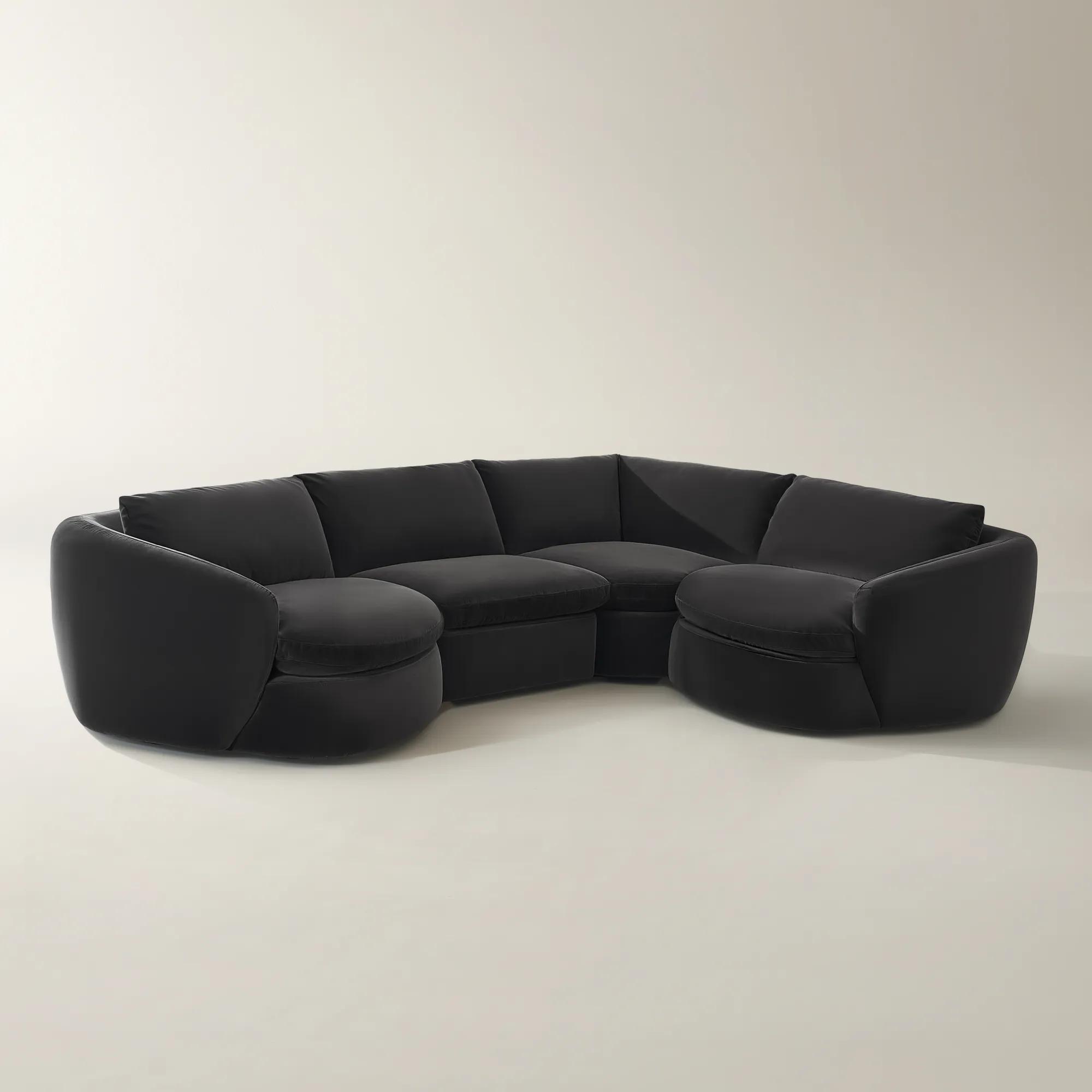 Sabrina 4-Piece Charcoal Velvet Sectional With Right-Arm Chair$4999
A modular charcoal velvet sectional with plush feather-blend cushions and a softly curved, modern silhouette.
Add To Cart -
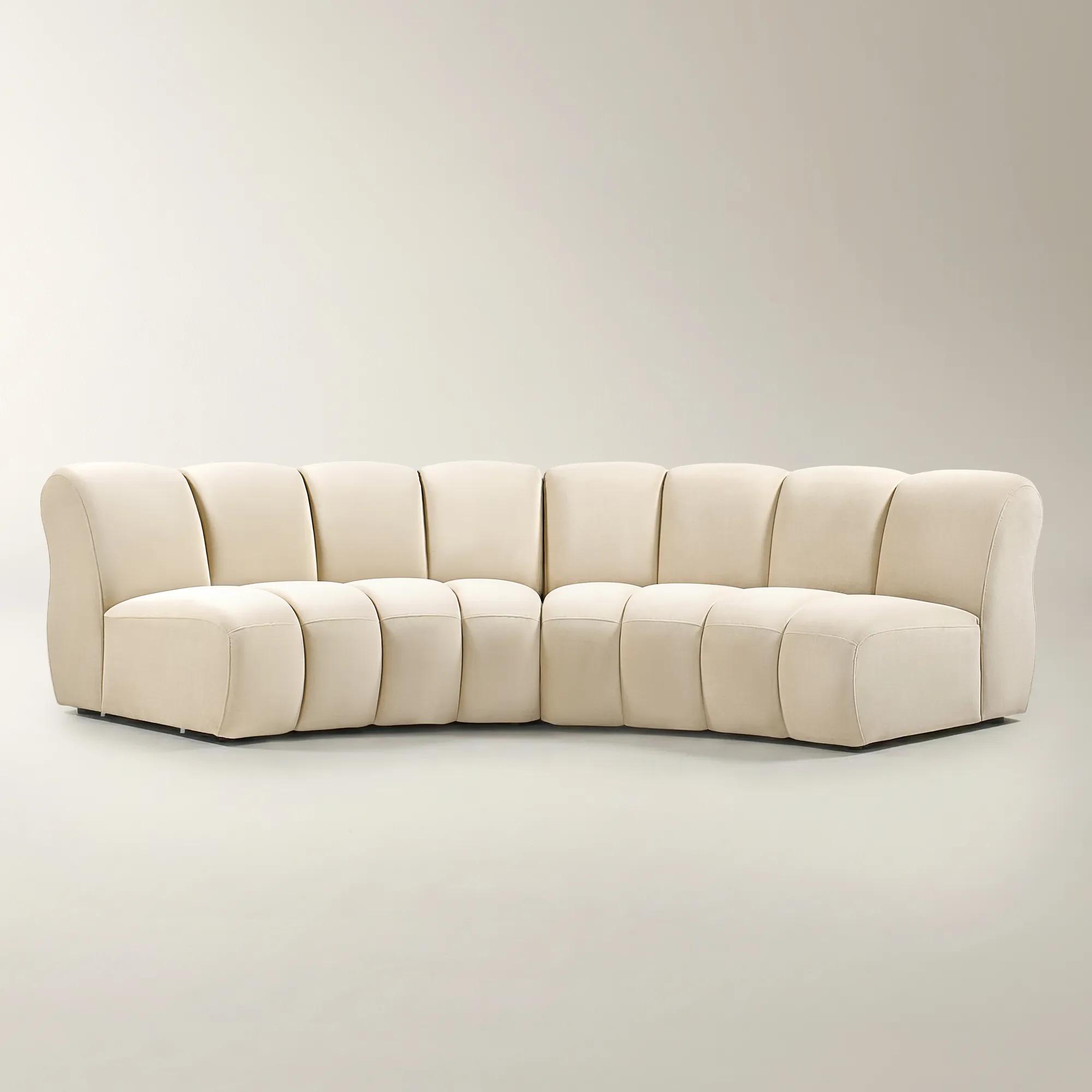
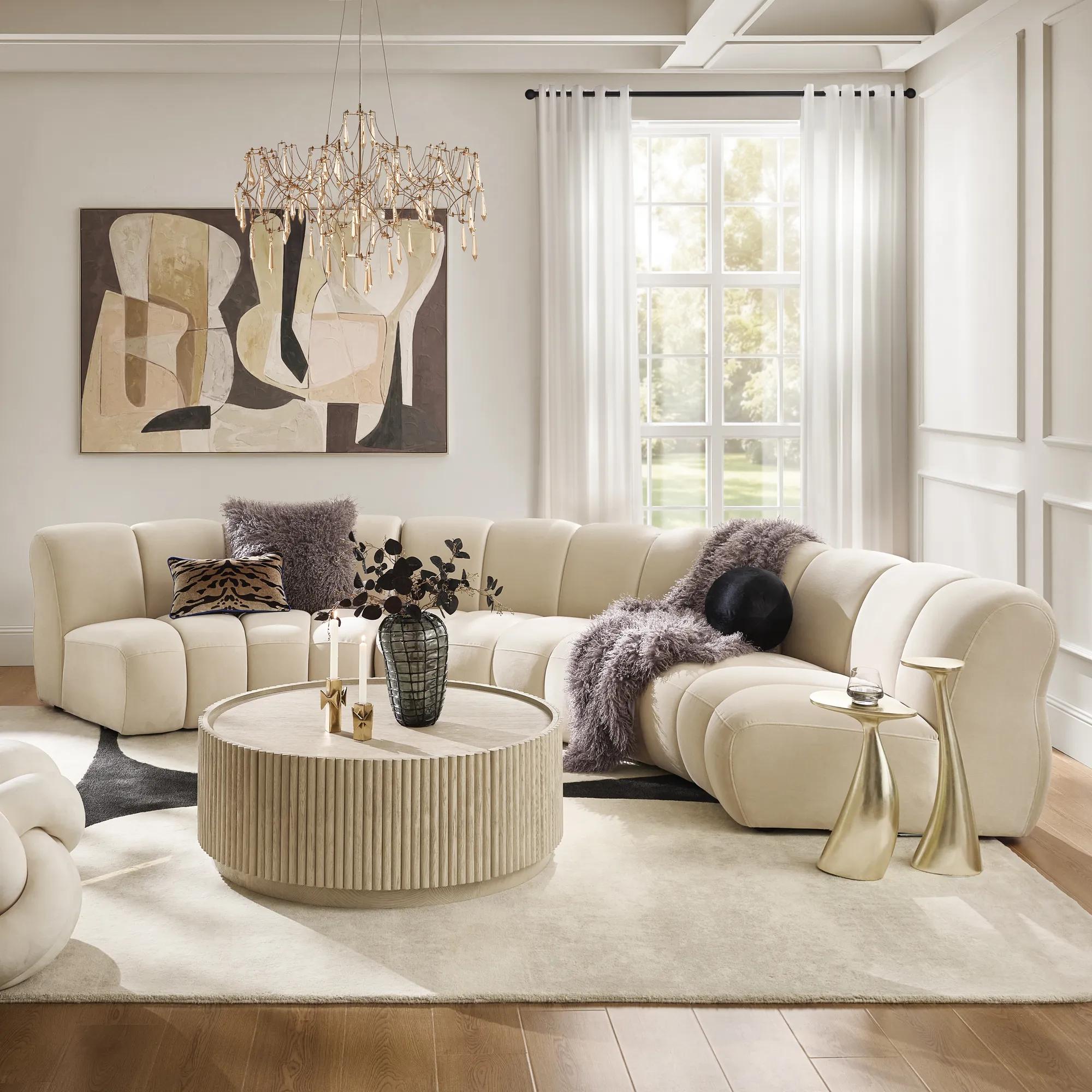 Jocelyn 2-Piece Channel-Tufted Oatmeal Velvet Sectional Sofa$2699
A sculptural oatmeal velvet sectional with deep channel tufting, curved silhouette, and modular, conversation-friendly design.
Add To Cart -
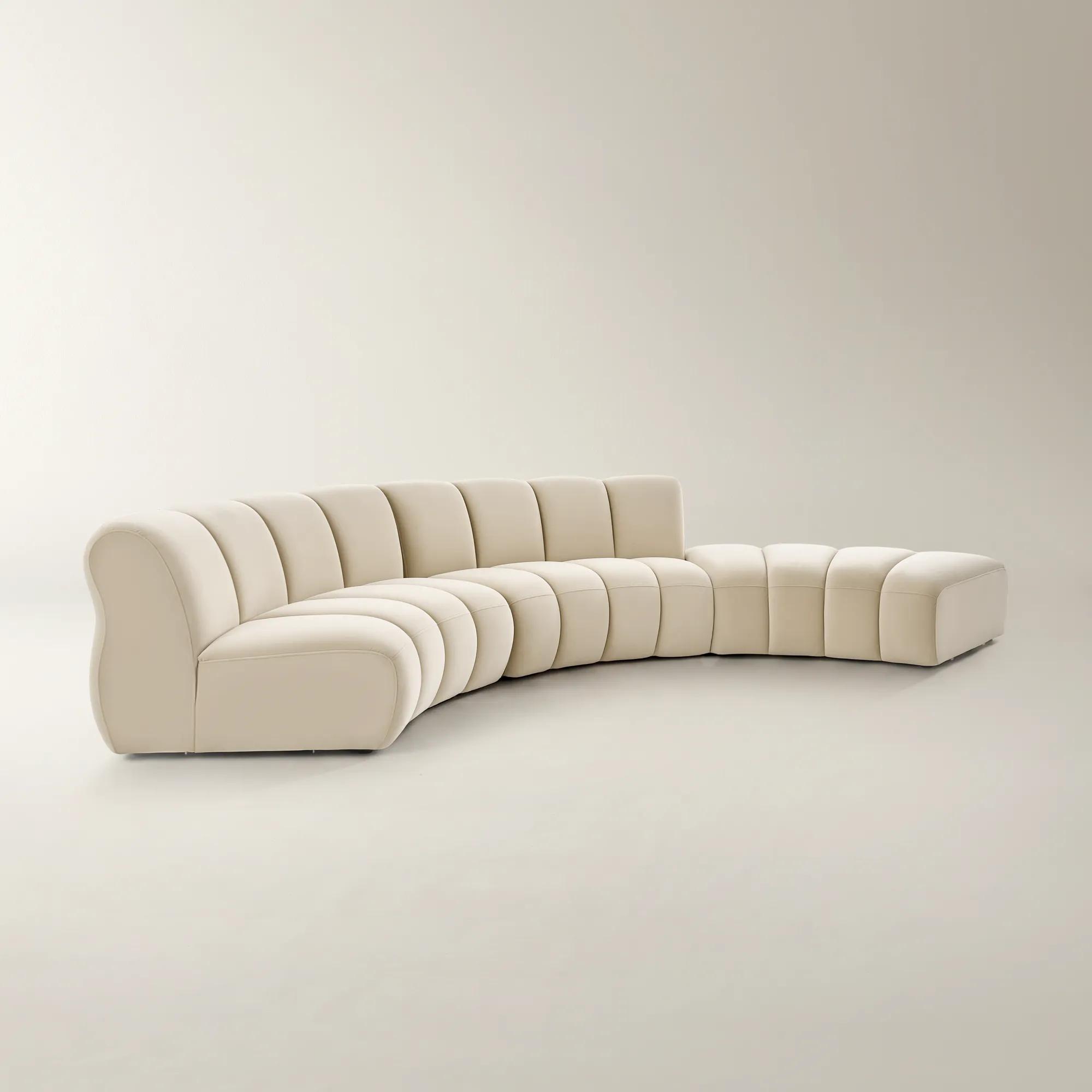 Jocelyn 3-Piece Channel-Tufted Oatmeal Velvet Sectional Sofa With Ottoman$3699
An oatmeal velvet sectional with deep channel tufting, curved silhouette, and modular design for versatile lounging.
Add To Cart -
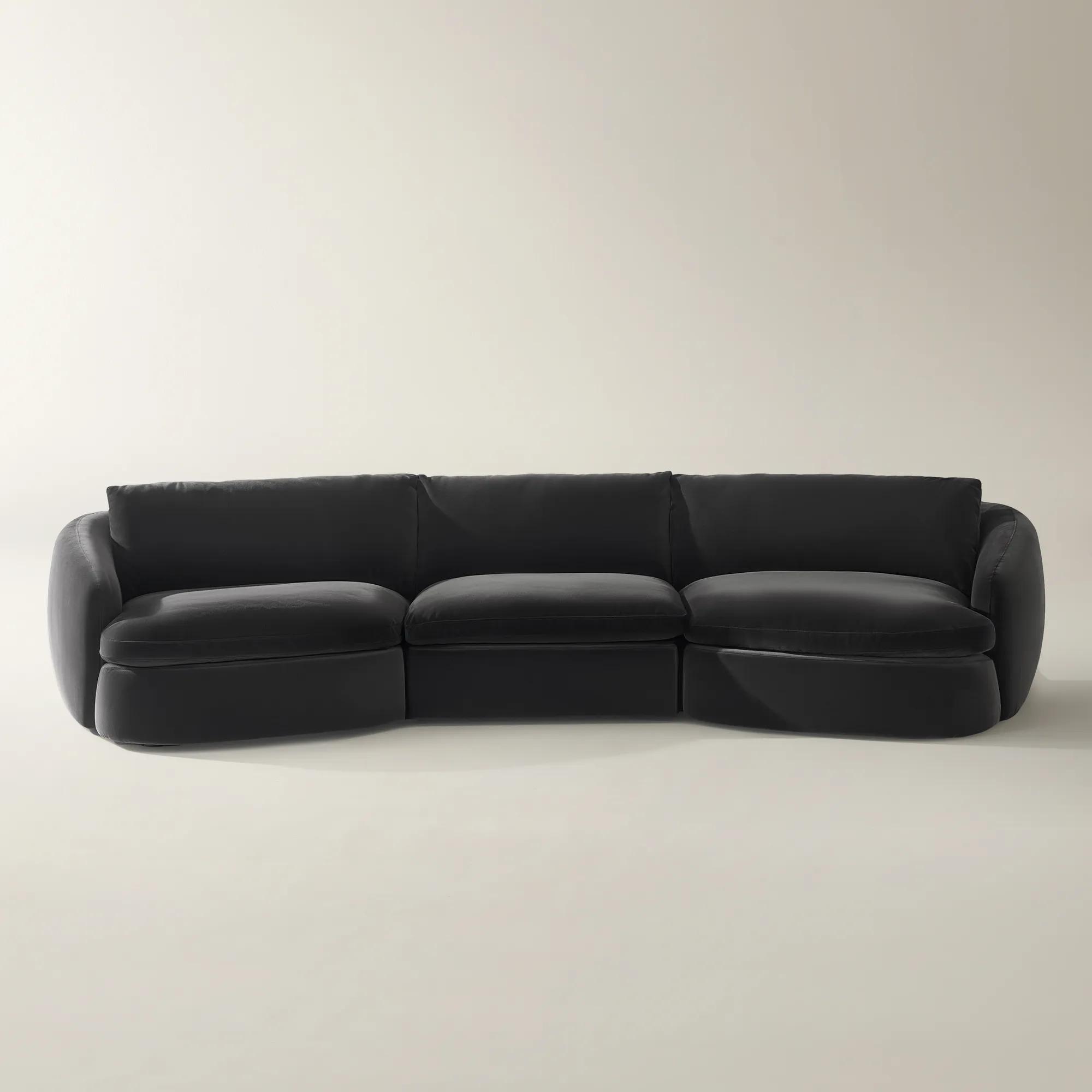 Sabrina 3-Piece Charcoal Velvet Sectional$3699
A charcoal velvet modular sofa featuring a curved silhouette, feather-blend cushions, and hand-built craftsmanship.
Add To Cart

Durable Hand Tied Spring Sofas
Elevate your living space with the enduring artistry of durable hand tied spring sofas—a testament to timeless craftsmanship and uncompromising comfort. Each piece is meticulously designed to transform any room into a sanctuary of style, where sumptuous seating meets sculptural elegance. The intricate construction beneath every plush cushion promises not just support, but a legacy of luxury that stands up to daily living while dazzling the senses. Discover how durable hand tied spring sofas become the heart of your home: bold, beautiful, and built for a lifetime of dramatic moments.
Durable hand-tied spring sofas bring lasting support to one of a room’s most expressive pieces: the upholstered silhouette that anchors conversation, frames a seating arrangement, and invites a lingering pause. Beneath sculpted arms, sumptuous cushions, and beautifully tailored fabric, a hand-tied suspension connects individual coil springs with strong twine to create a coordinated, flexible support system. In traditional eight-way hand-tied construction, springs are secured from front to back, side to side, and diagonally, typically over a supportive webbed base. These connections help the springs work together under weight while controlling excessive movement, creating an even foundation beneath the seat cushions. The appeal is both practical and deeply tactile: a sofa can feel yielding without feeling unsupported, lending substance to its visual drama. Eight-way hand-tied springs are a respected upholstery technique, but the label alone does not establish a sofa’s durability or guarantee that cushions will never sag. Spring quality, tie placement, webbing, frame construction, cushion materials, and everyday use all influence how the seat performs over time. Hand-tied construction also does not automatically mean eight-way construction; product specifications should identify the suspension method rather than leave it to an evocative description. For a living room that hosts lively conversation or a sitting room devoted to reading and unwinding, this hidden craftsmanship can be an appealing complement to a striking exterior. A sweeping back or crisply outlined arm deserves a foundation with equal attention to detail. The suspension provides the underlying support, while the cushions determine much of the immediate softness and contour felt when sitting. That distinction matters when comparing a plush, enveloping seat with a more upright, composed one. Neither sensation proves better construction on its own. A thoughtfully built sofa brings its components into balance, allowing comfort, proportion, and upholstery to contribute to the same experience rather than relying on a single celebrated feature.
The strongest foundation for a hand-tied spring sofa begins with a well-constructed frame. Properly dried hardwood components, suitable furniture-grade engineered wood, reinforced joints, and secure corner blocking can all contribute to structural stability; wood species or the phrase “solid wood” tells only part of that story. Kiln drying reduces moisture in lumber before construction, helping limit later movement, while precise joinery helps a frame withstand the repeated stresses of sitting and rising. Comparing these details alongside durable frame upholstered sofas keeps attention on the structure beneath the upholstery, where much of a sofa’s longevity begins. Above that structure, cushion composition shapes both comfort and upkeep. High-density foam can provide resilient support, though density and firmness are different properties: a dense cushion is not necessarily a hard cushion. Foam wrapped in fiber or a feather-and-down blend can soften the initial feel, while cushions containing an inner spring unit offer another construction approach. Looser fills generally require more fluffing and redistribution to maintain an inviting profile. Upholstery then supplies the room’s visual and tactile character. Velvet lends depth to saturated color, a textured weave introduces dimension to a neutral palette, and leather can develop a distinctive patina with use. For a frequently used family seating area, documented abrasion performance, cleaning requirements, and resistance to pilling or snagging deserve attention alongside color and texture. Performance fabric treatments vary, and stain resistance does not make a material stainproof. Likewise, solution-dyed fibers may offer useful colorfastness, but overall wear depends on fiber type, weave, and construction. Leather’s protective finish affects its care needs and appearance as much as its designation; richly natural surfaces may reveal marks more readily than more protected finishes. In a home shared with pets, an open weave or pronounced loop can be vulnerable to catching claws. A tightly constructed textile with appropriate care instructions may suit that setting more comfortably, without sacrificing the layered, expressive look of a beautifully furnished room.
Scale turns sound construction into a sofa that feels at home. Overall width establishes presence, but seat depth, seat height, arm height, and back support determine how naturally the piece accommodates daily life. A deep seat creates a generous setting for reclining, while a shallower seat may make it easier to sit upright with feet resting on the floor. For someone who prefers firmer support when standing, cushion compression matters as much as the listed seat height. Wide arms create a bold architectural outline, yet they also reduce usable seating within a given overall width. Measuring the actual sitting area helps distinguish a sofa suited to two people stretching out from one intended for several guests seated side by side. The surrounding space deserves equal consideration: doors must open freely, walkways should remain comfortable, and a coffee table should feel within reach without crowding the knees. Delivery measurements should include door openings, hallway turns, stairways, and elevator dimensions, not just the final placement. Once positioned, a durable hand-tied sofa benefits from care that respects every layer of its construction. Regular vacuuming with an appropriate upholstery attachment helps remove abrasive grit before it settles into seams and fabric. Rotating or reversing cushions, where their design allows, distributes wear, while gently reshaping loose fills restores their tailored volume. Spills call for prompt blotting rather than rubbing, followed by the manufacturer’s cleaning instructions; upholstery cleaning codes determine whether water-based products, solvents, or professional attention are appropriate. Leather requires products suited to its particular finish, not an all-purpose household cleaner. Placement away from sustained direct sunlight and heat sources can help protect upholstery and frame materials. Even a substantial suspension is designed for seated weight, not repeated jumping or concentrated pressure on the arms. With considered use and consistent care, hand-tied spring sofas can serve as enduring foundations for rooms with personality—supporting everyday rituals beneath the lustrous fabric, sculptural contours, and carefully chosen details that make a space unmistakably personal.
FAQs
A hand tied spring sofa is crafted using a meticulous technique where skilled artisans individually tie each spring to the frame in eight different directions. This creates a supportive, resilient foundation that distributes weight evenly and enhances the sofa’s comfort and longevity. The result is a seating experience that feels both luxurious and enduring, setting it apart from mass-produced alternatives.
A hand tied spring sofa makes an extraordinary gift for those who value artistry, comfort, and timeless design. It’s a thoughtful choice for newlyweds establishing their first home, parents celebrating a milestone anniversary, or anyone who delights in entertaining guests and curating a distinctive living space.
The hand tied spring technique provides a uniquely responsive and supportive seat. Each spring works in harmony to adapt to your movements, offering a plush yet stable feel that doesn’t sag over time. This method ensures consistent comfort and a tailored seating experience, even after years of daily use.
Hand tied spring sofas are beautifully complemented by a range of upholstery options. Velvet adds a touch of dramatic glamour and tactile richness, while linen or textured weaves offer understated sophistication. The robust construction of these sofas supports both bold and classic fabric choices, allowing you to personalize your space with confidence.
A hand tied spring sofa serves as both a visual centerpiece and a hub of comfort. Its refined silhouette and artisanal details set an elevated tone, while the resilient springs invite relaxation and conversation. Whether anchoring a grand living room or adding polish to a cozy den, these sofas transform everyday moments into luxurious experiences.