Durable Fabric Sofas
Durable Fabric Sofas
-
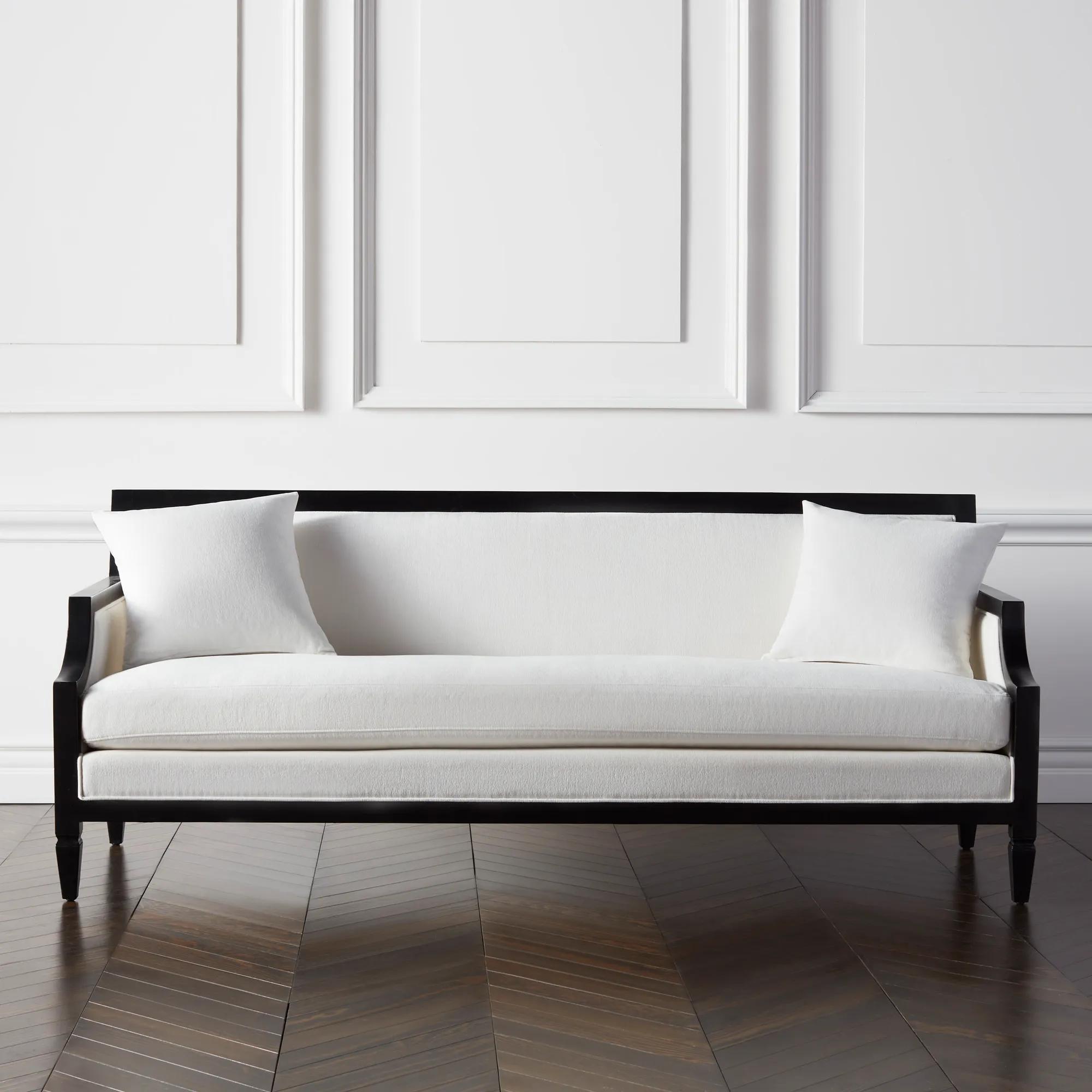
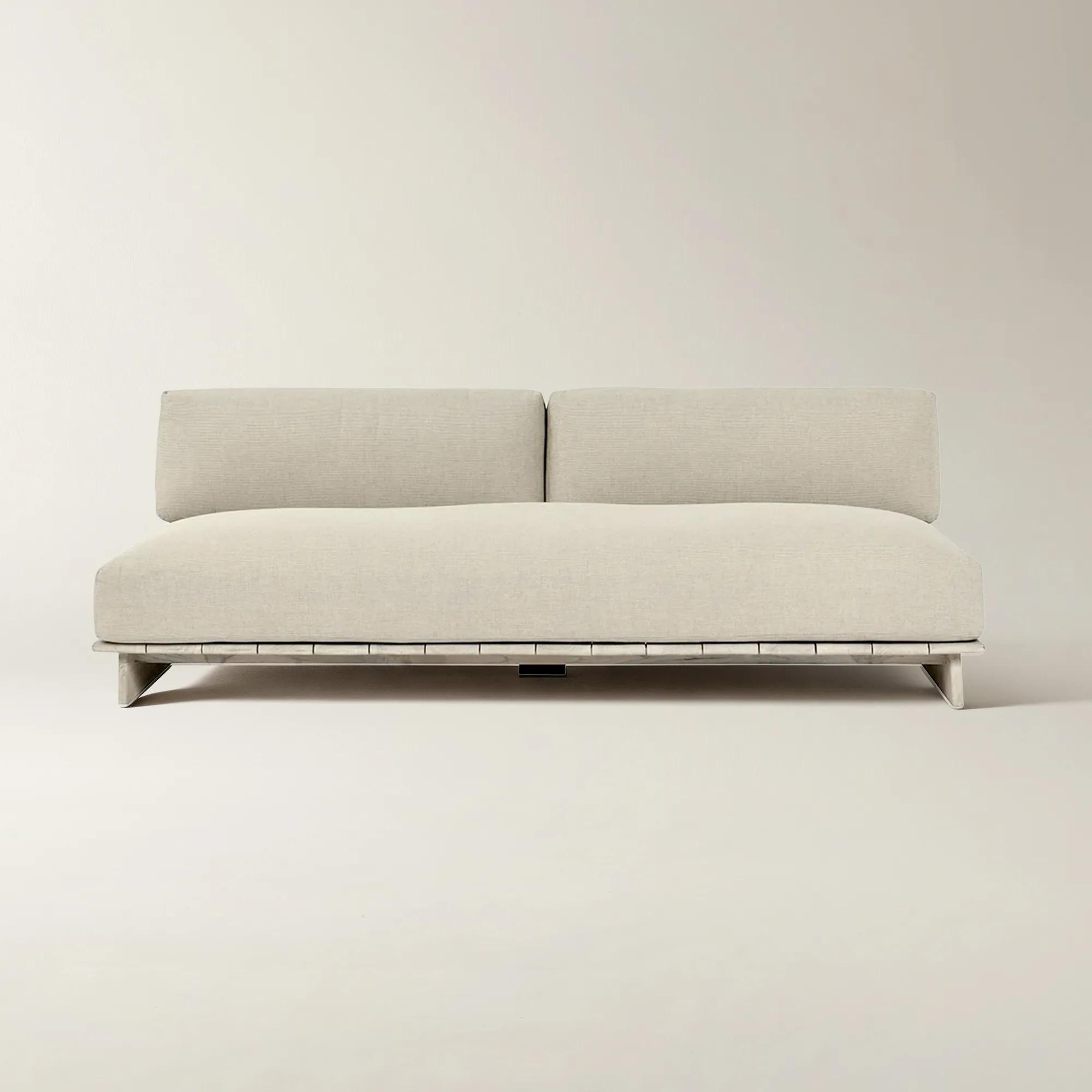
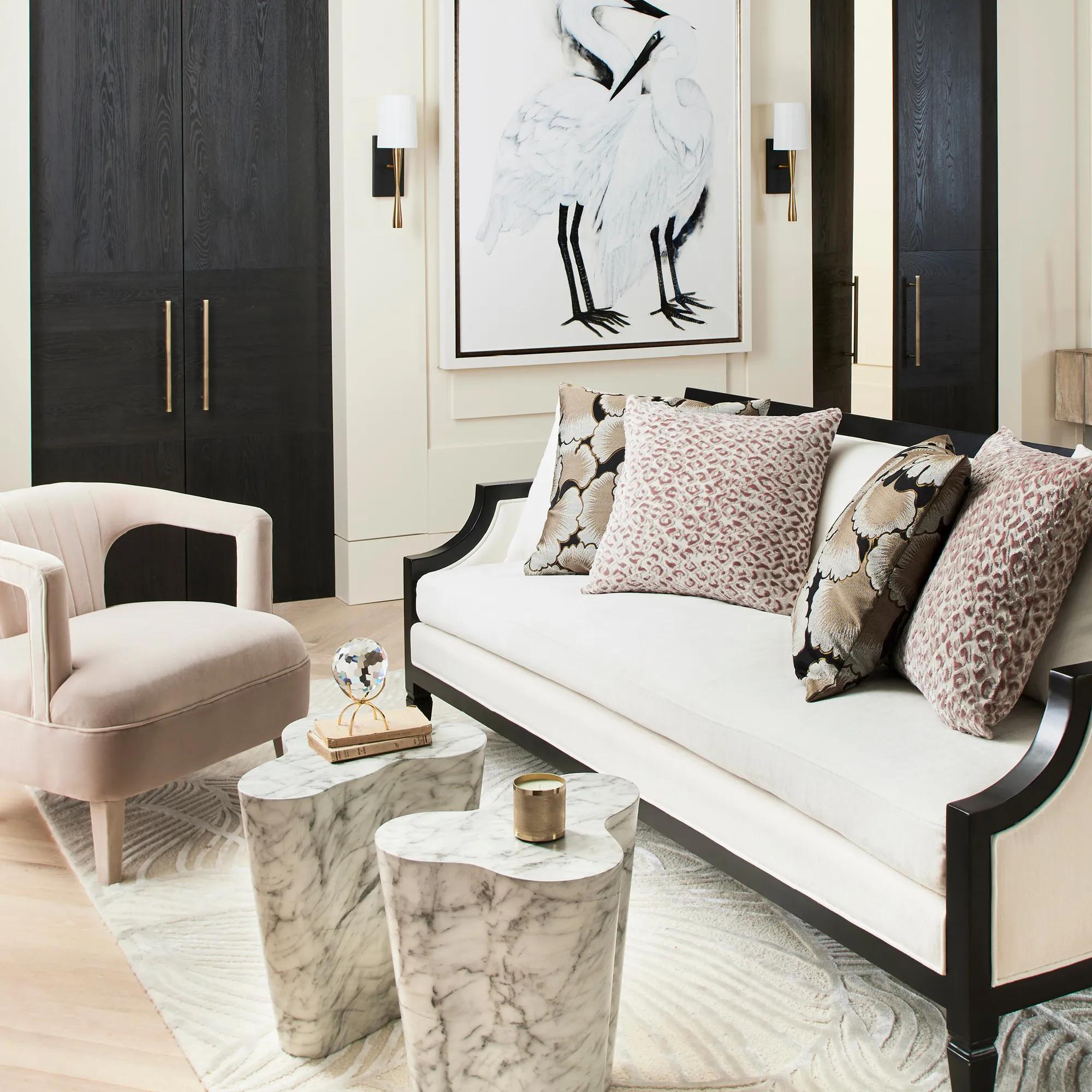 Kayla Sofa$3149
A plush, modern sofa featuring notched arms, matte black wood frame, and Kenley Chenille Snow upholstery.
Add To Cart -
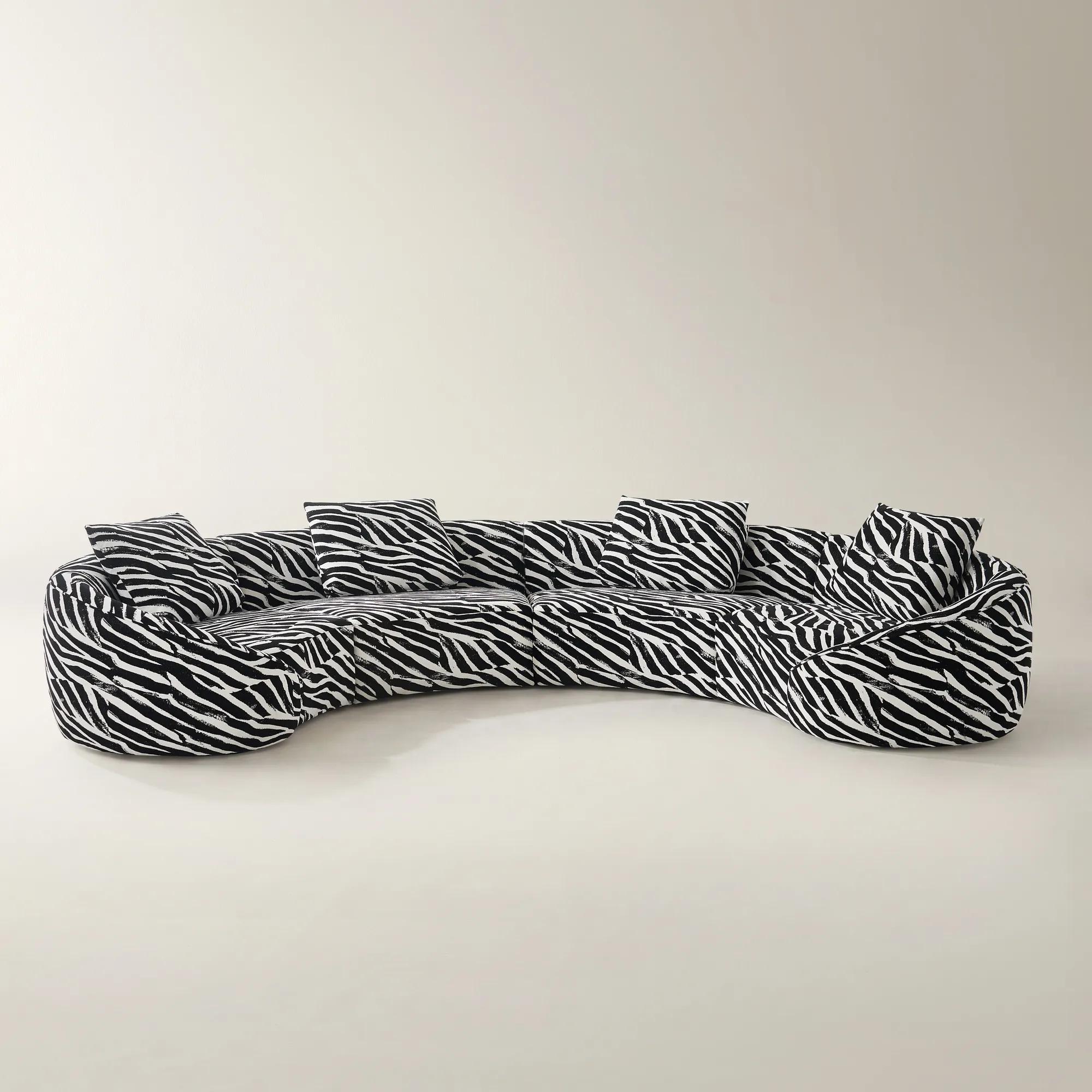 Irene 4-Piece White/Black Performance Chenille Sectional Sofa$4999
A sculptural sectional wrapped in white and black performance chenille with high-resiliency foam cushions.
Add To Cart -
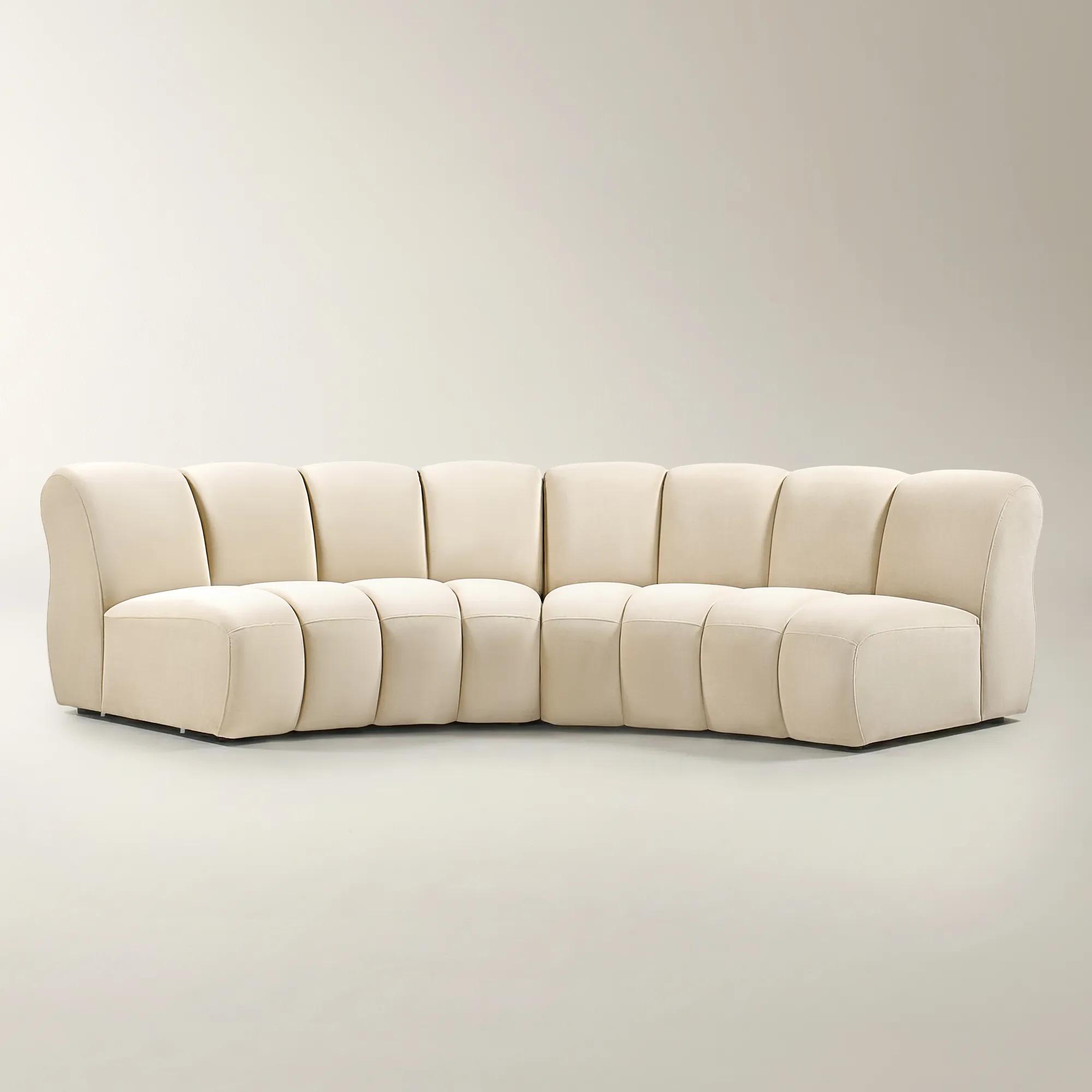
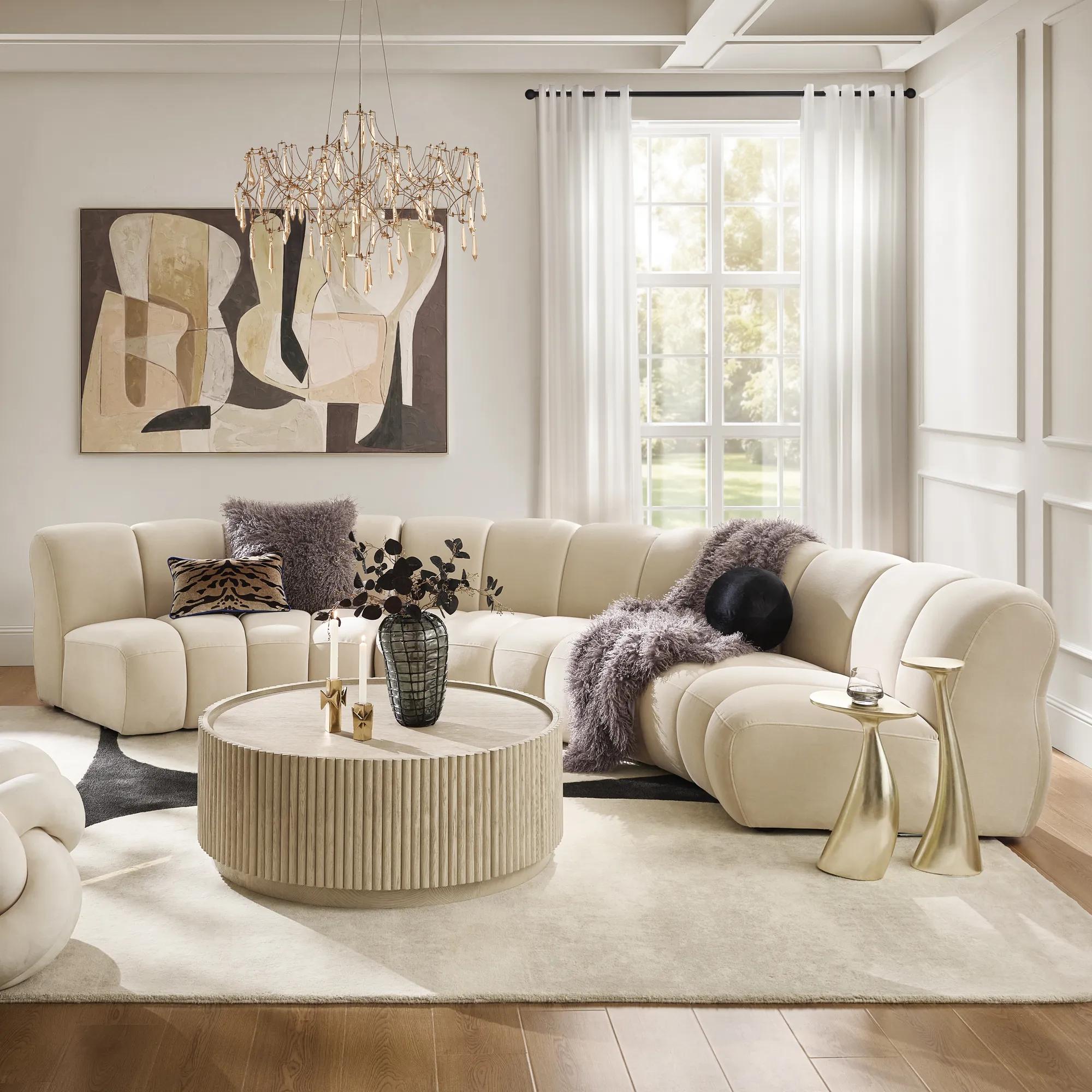 Jocelyn 2-Piece Channel-Tufted Oatmeal Velvet Sectional Sofa$2699
A sculptural oatmeal velvet sectional with deep channel tufting, curved silhouette, and modular, conversation-friendly design.
Add To Cart -
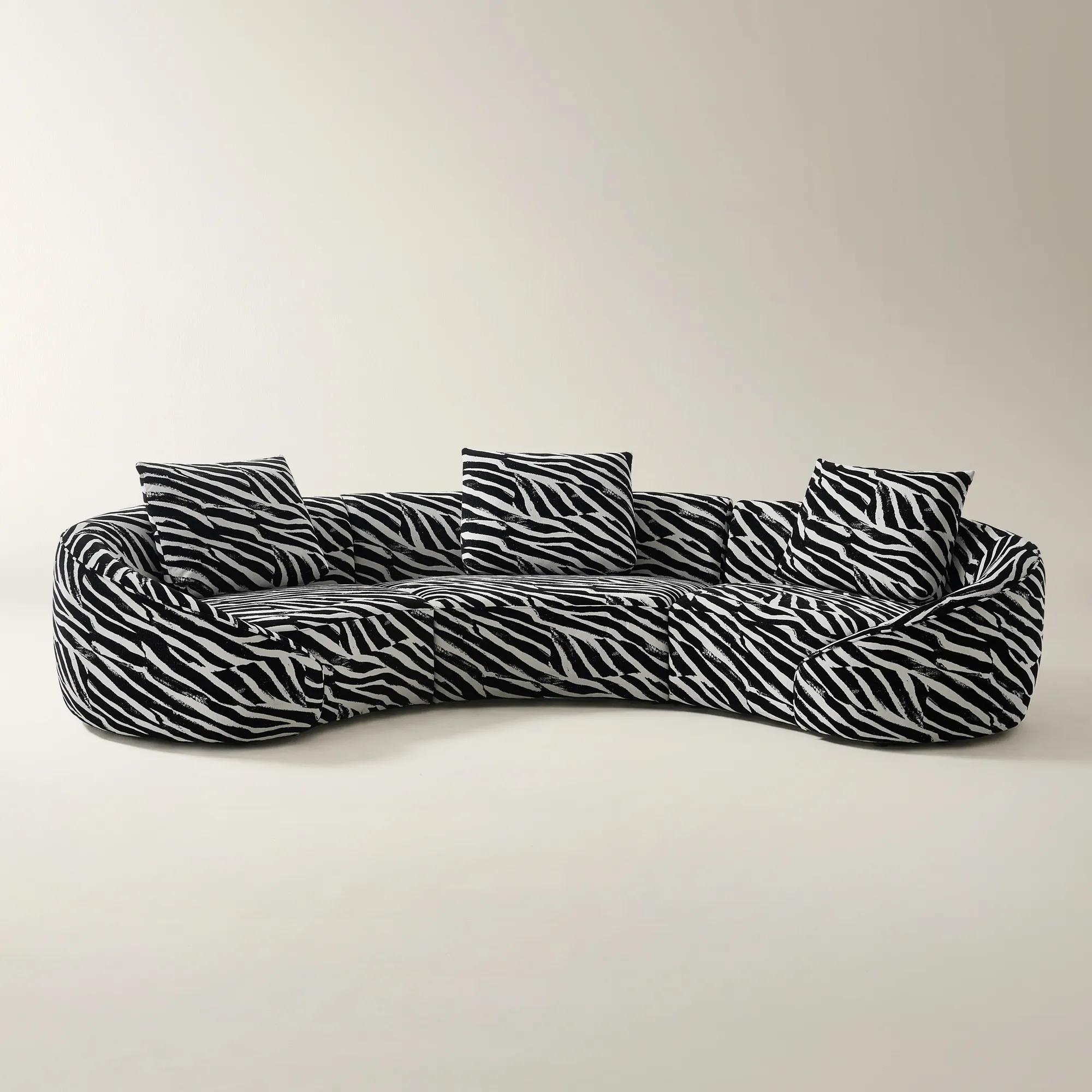
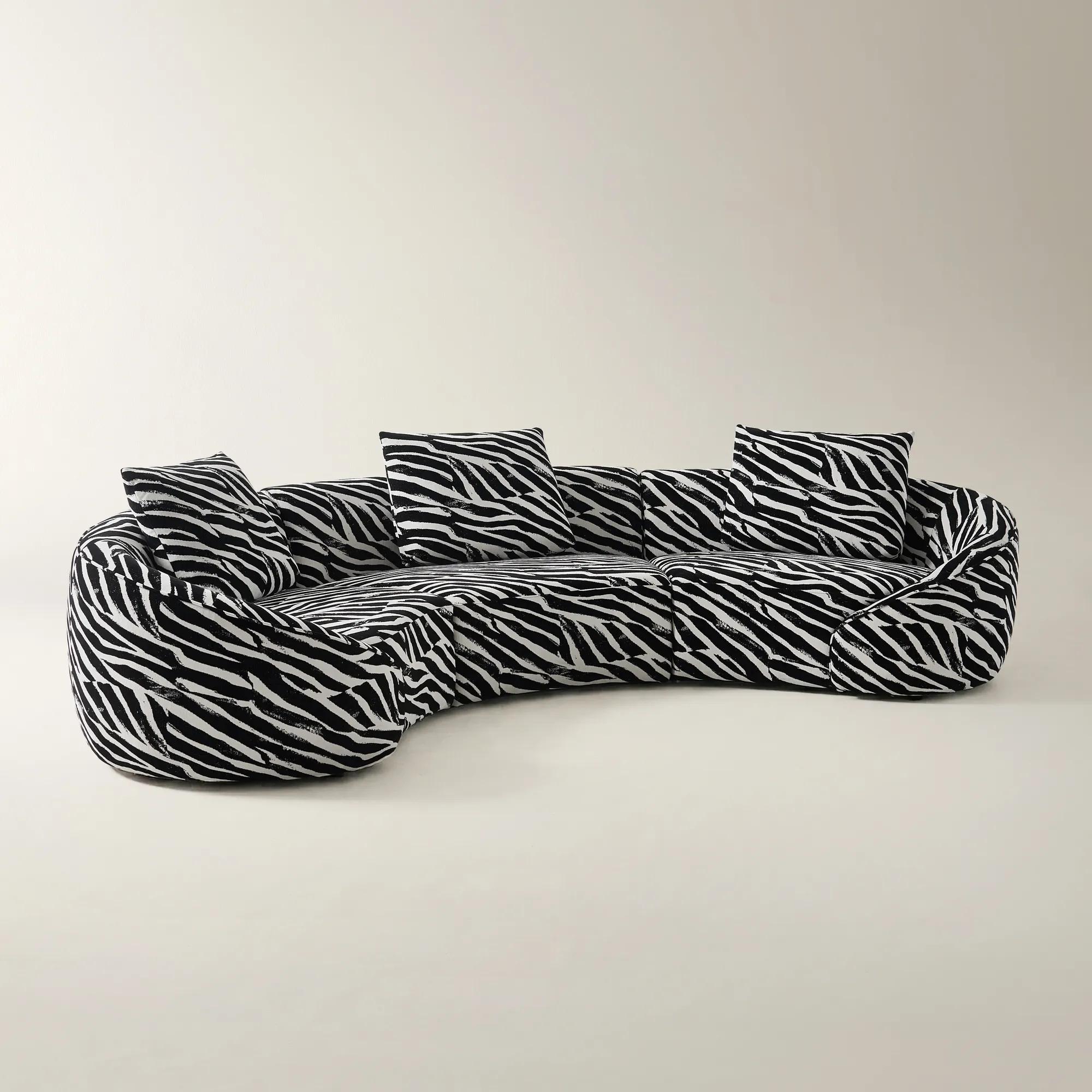 Irene 3-Piece White/Black Performance Chenille Sectional Sofa$3899
A sculptural sectional in black and white performance chenille, featuring hand-finished upholstery and enduring comfort.
Add To Cart -

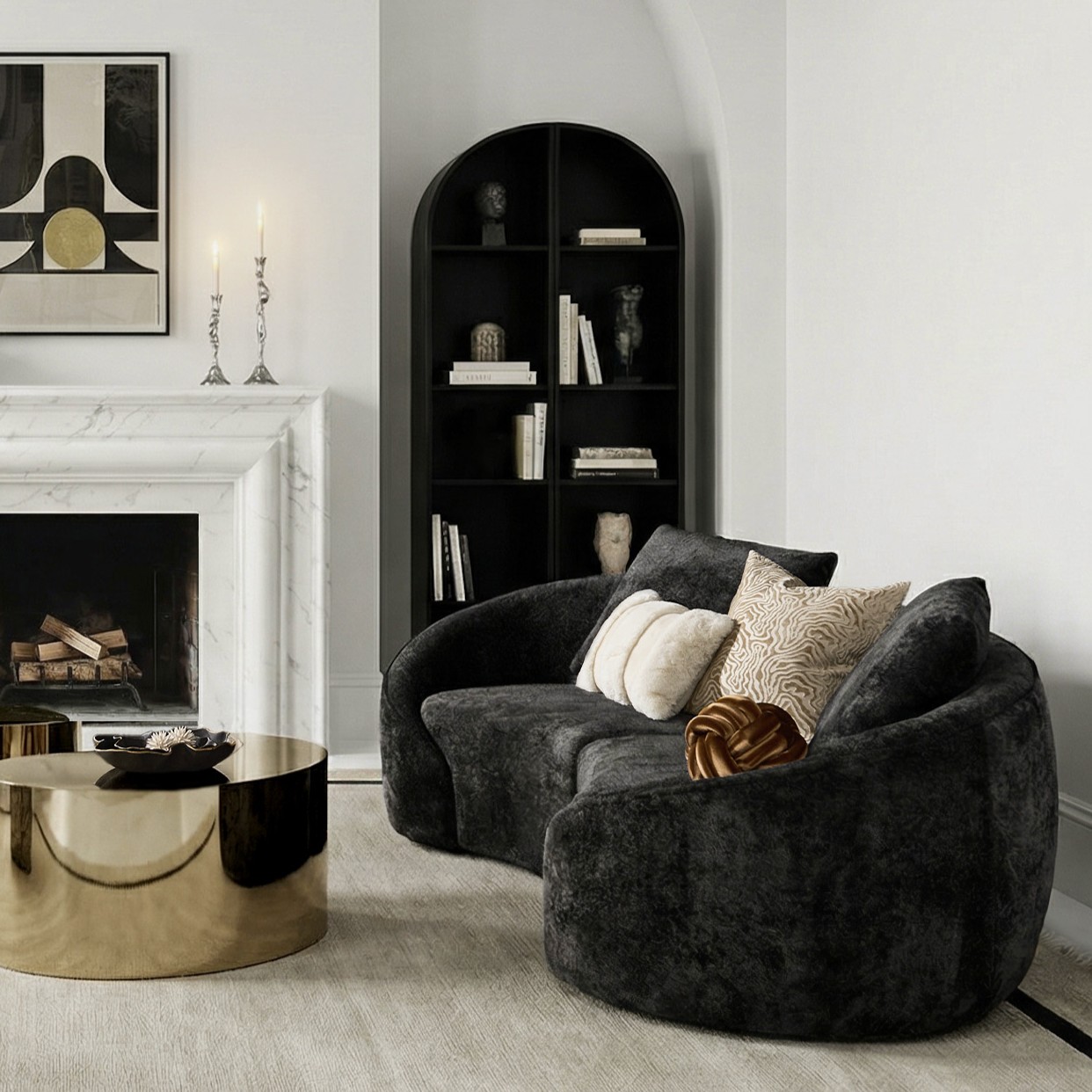 Irene 2-Piece Black Chenille Sectional$2699
A modern curved sectional upholstered in plush utopia sand chenille with high-density foam cushioning for comfort.
Add To Cart -
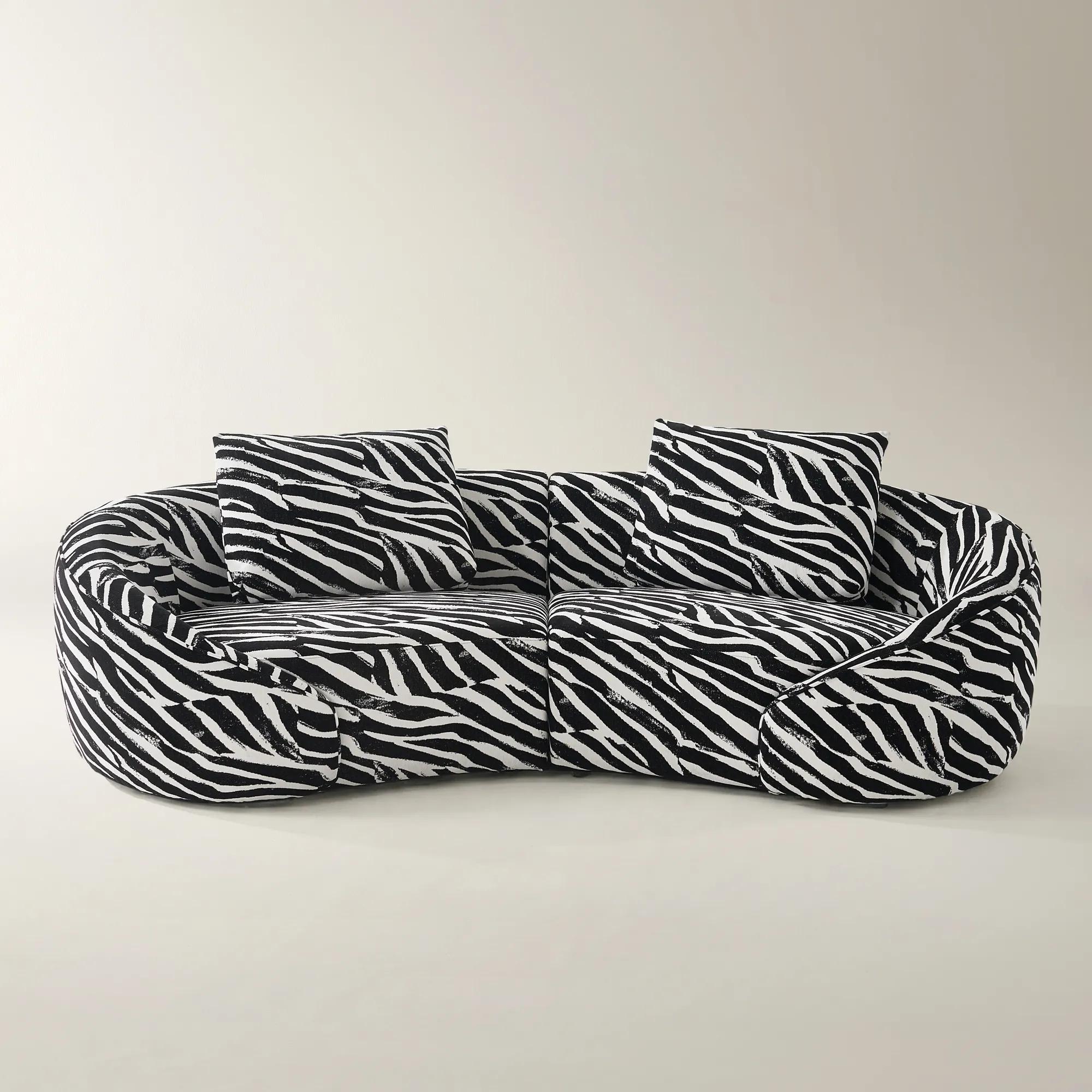 Irene 2-Piece White/Black Performance Chenille Sectional Sofa$2699
A sculptural white and black sectional wrapped in performance chenille with high-resiliency foam cushions and artisan detailing.
Add To Cart -
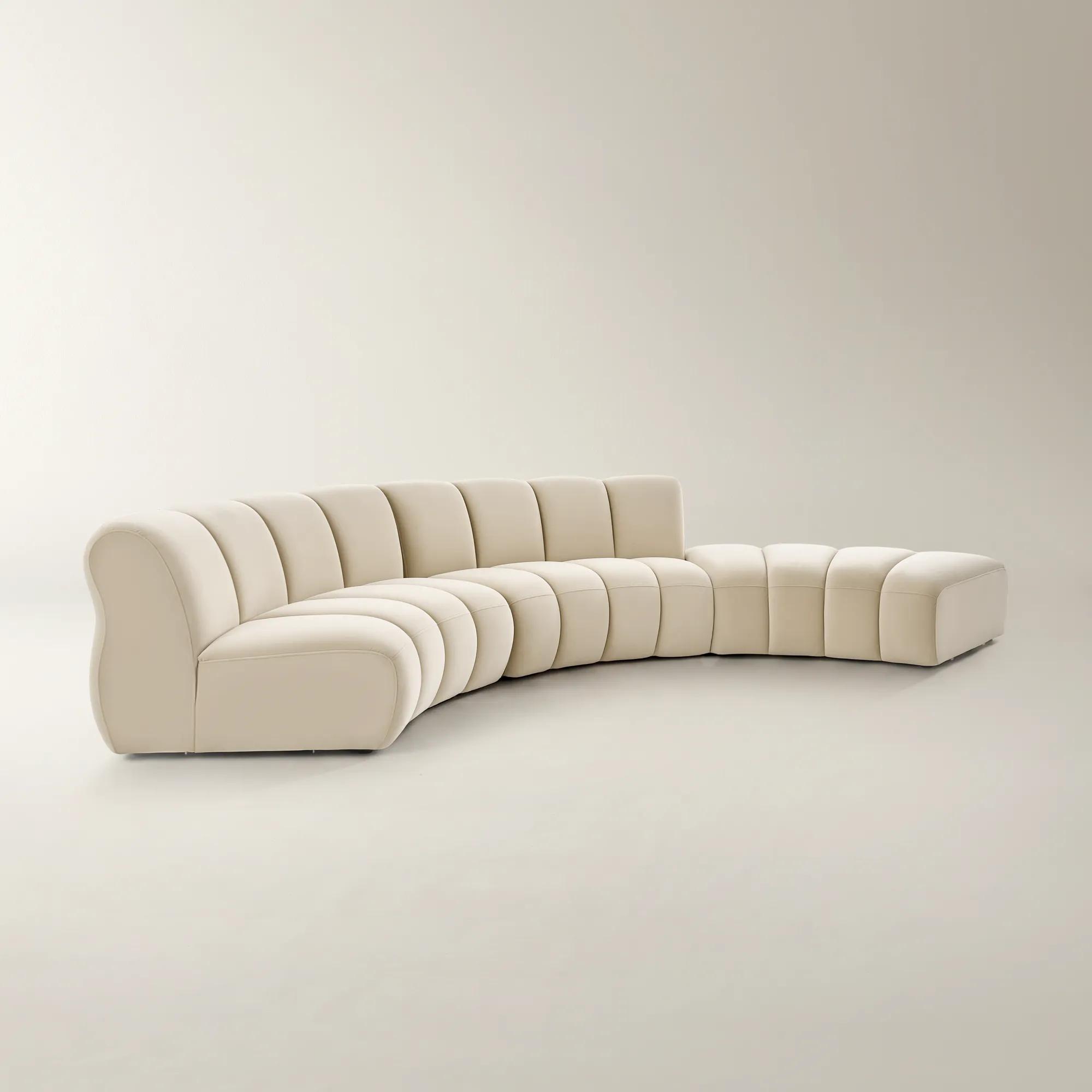 Jocelyn 3-Piece Channel-Tufted Oatmeal Velvet Sectional Sofa With Ottoman$3699
An oatmeal velvet sectional with deep channel tufting, curved silhouette, and modular design for versatile lounging.
Add To Cart -
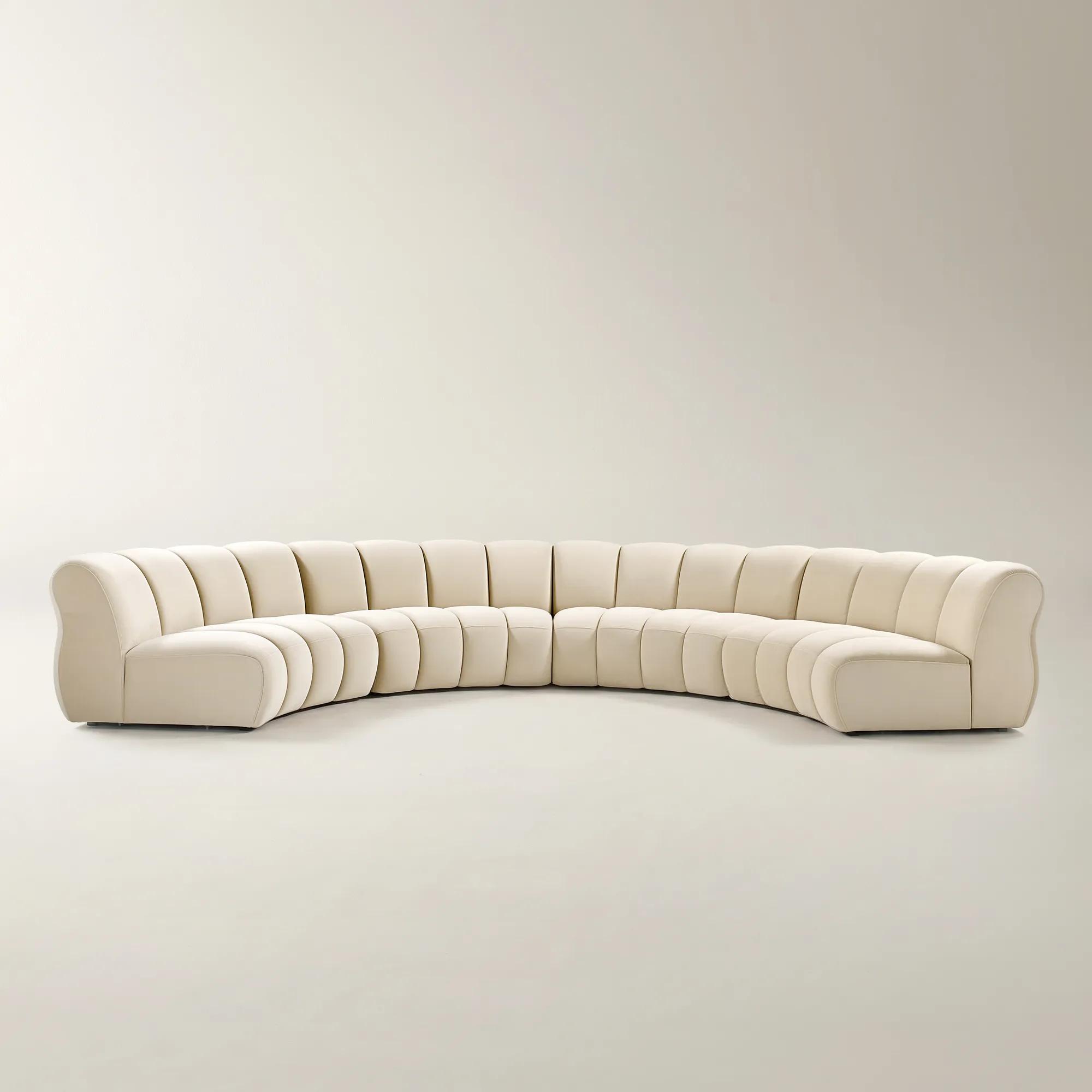
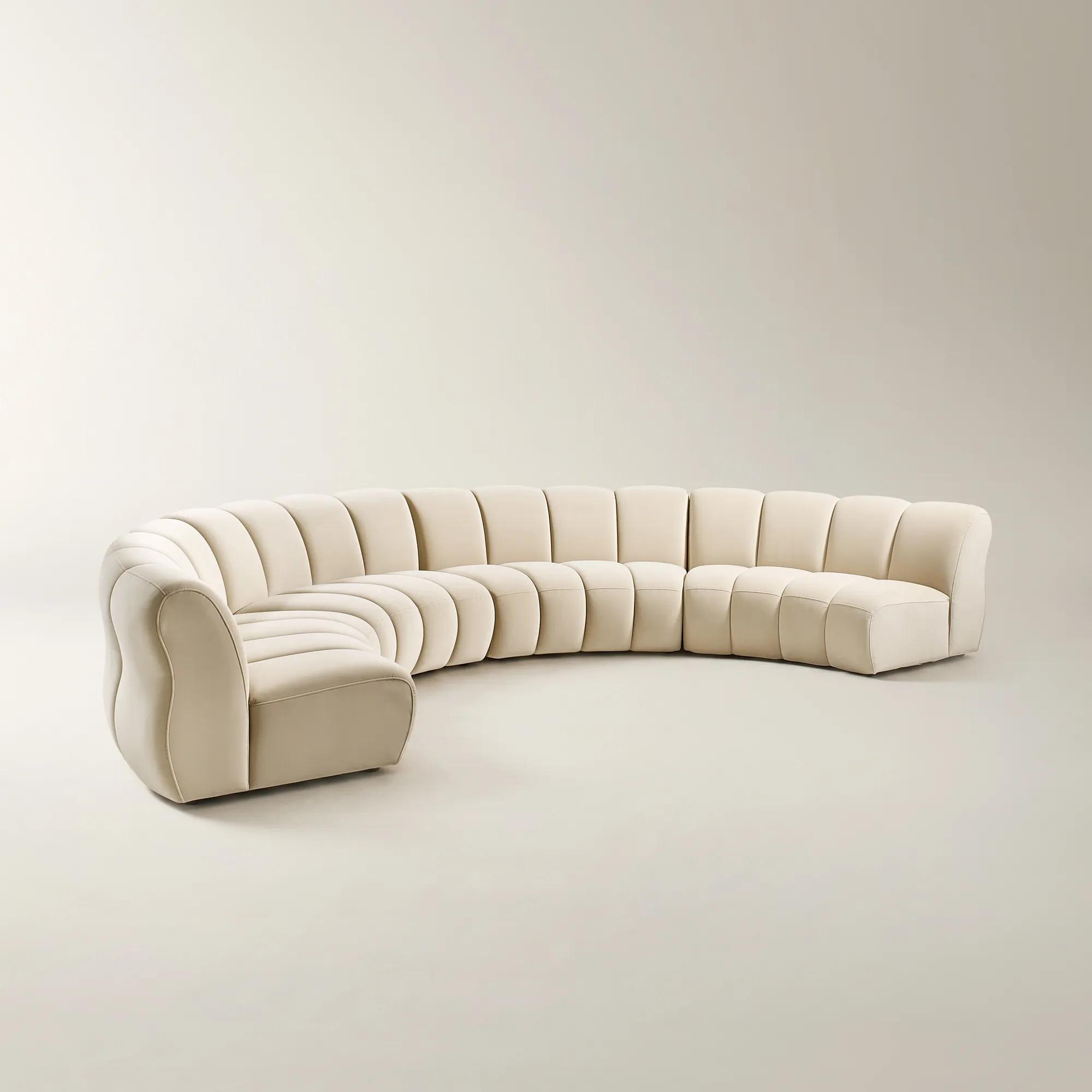 Jocelyn 4-Piece Channel-Tufted Oatmeal Velvet Sectional Sofa$4999
An oatmeal velvet sectional with deep channel tufting, curved silhouette, and modular design for versatile lounging.
Add To Cart -
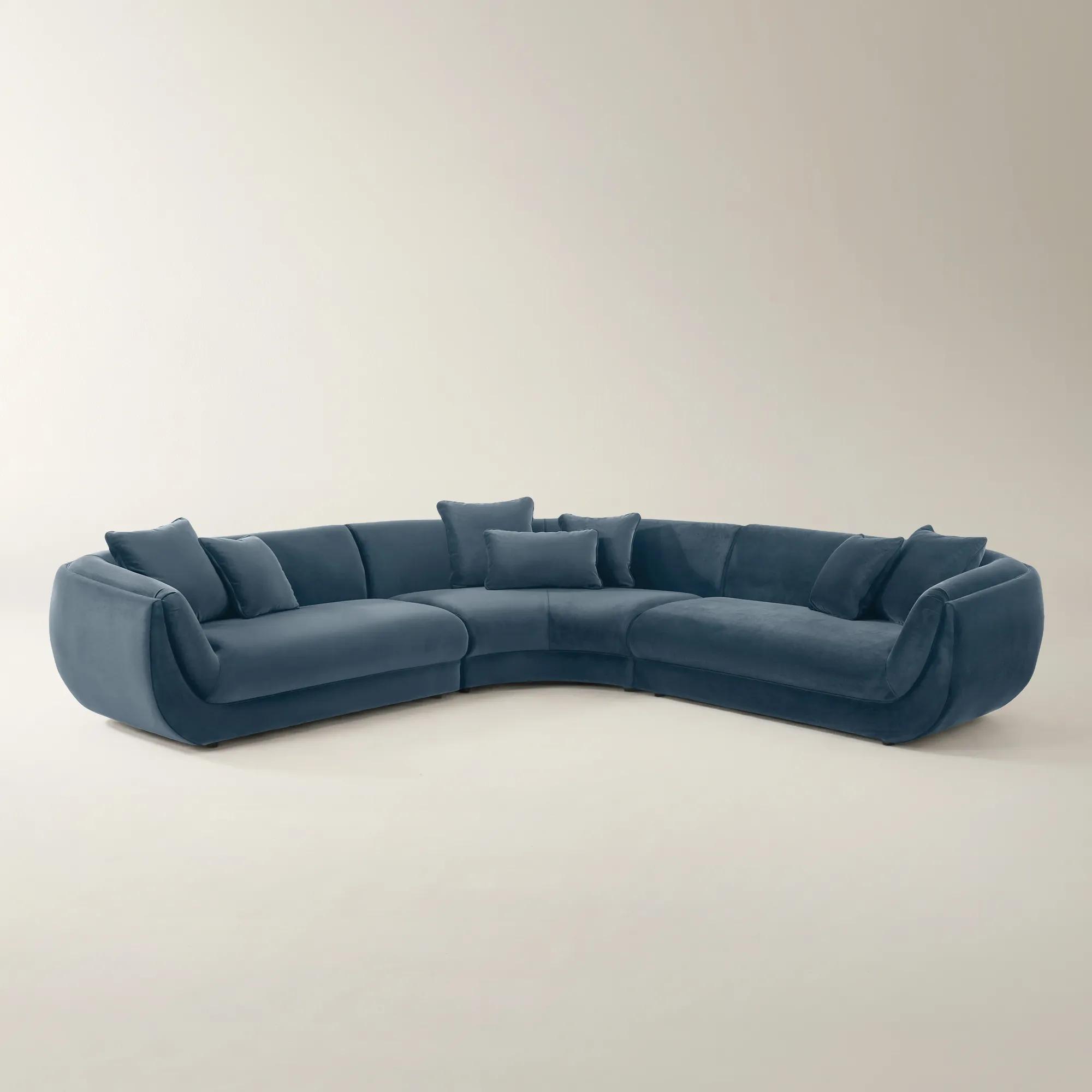
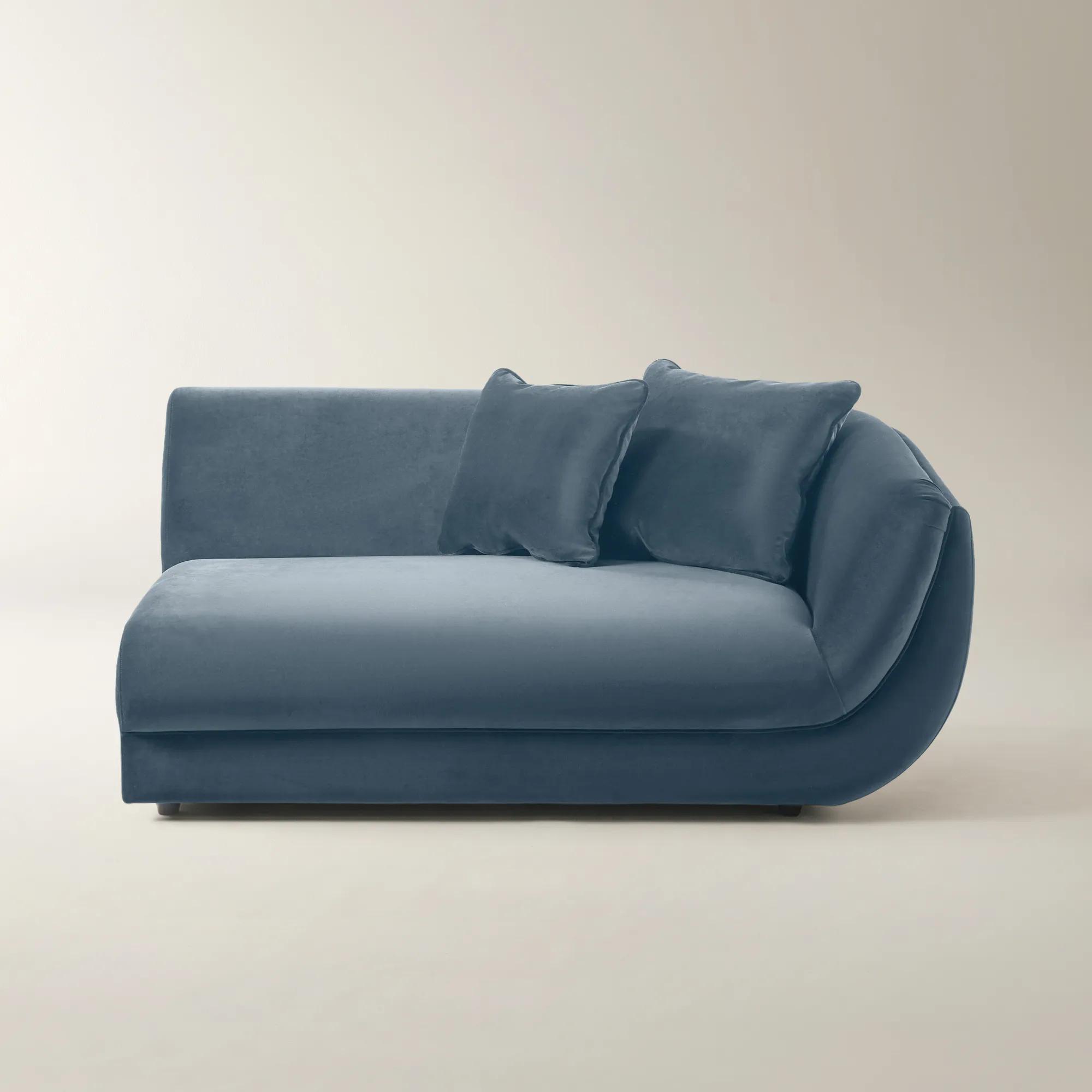
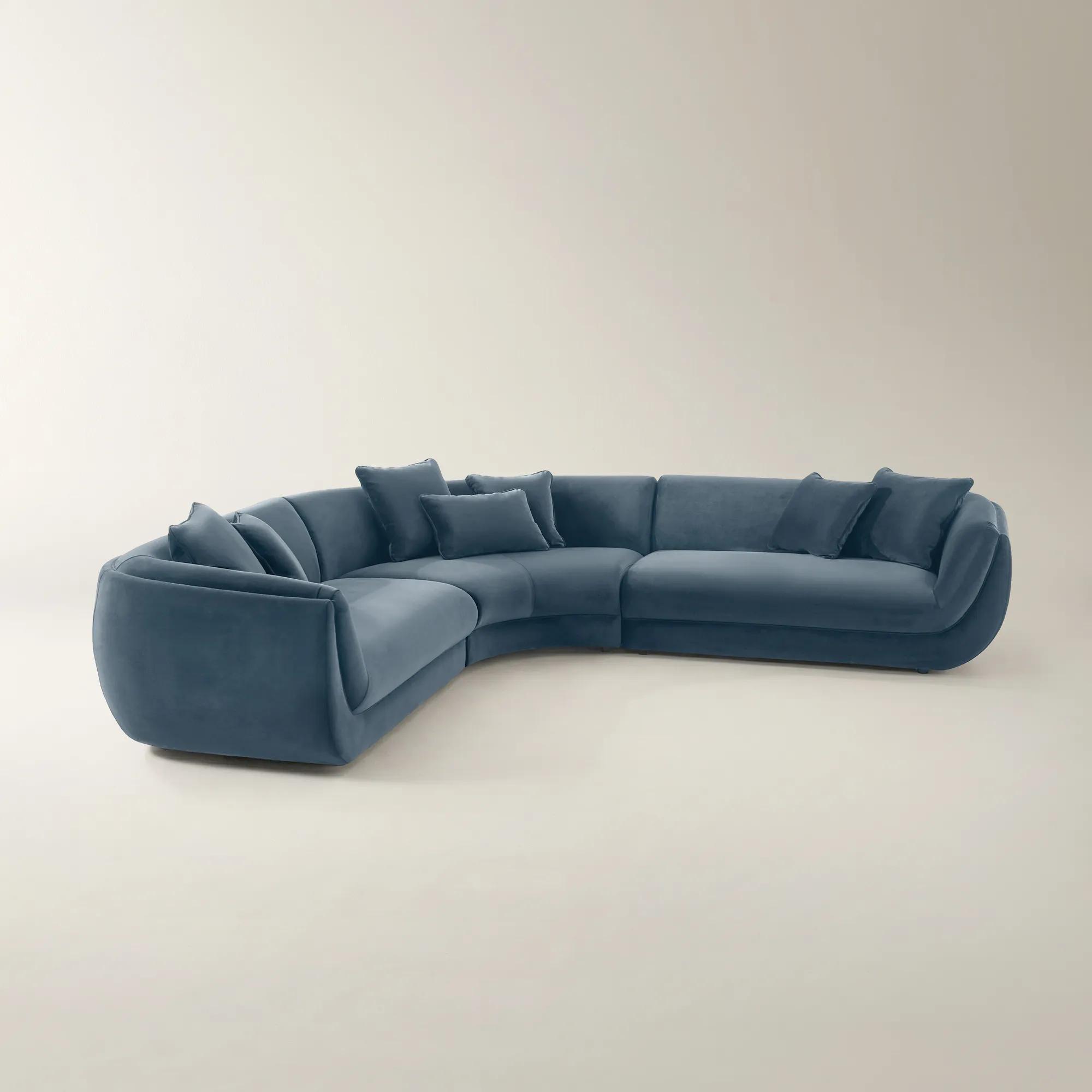 Curvia 3-Piece Dusty Blue Velvet Sectional Sofa$4599
A modular sectional wrapped in plush dusty blue velvet with deep lounge seating and sculptural curves.
Add To Cart -
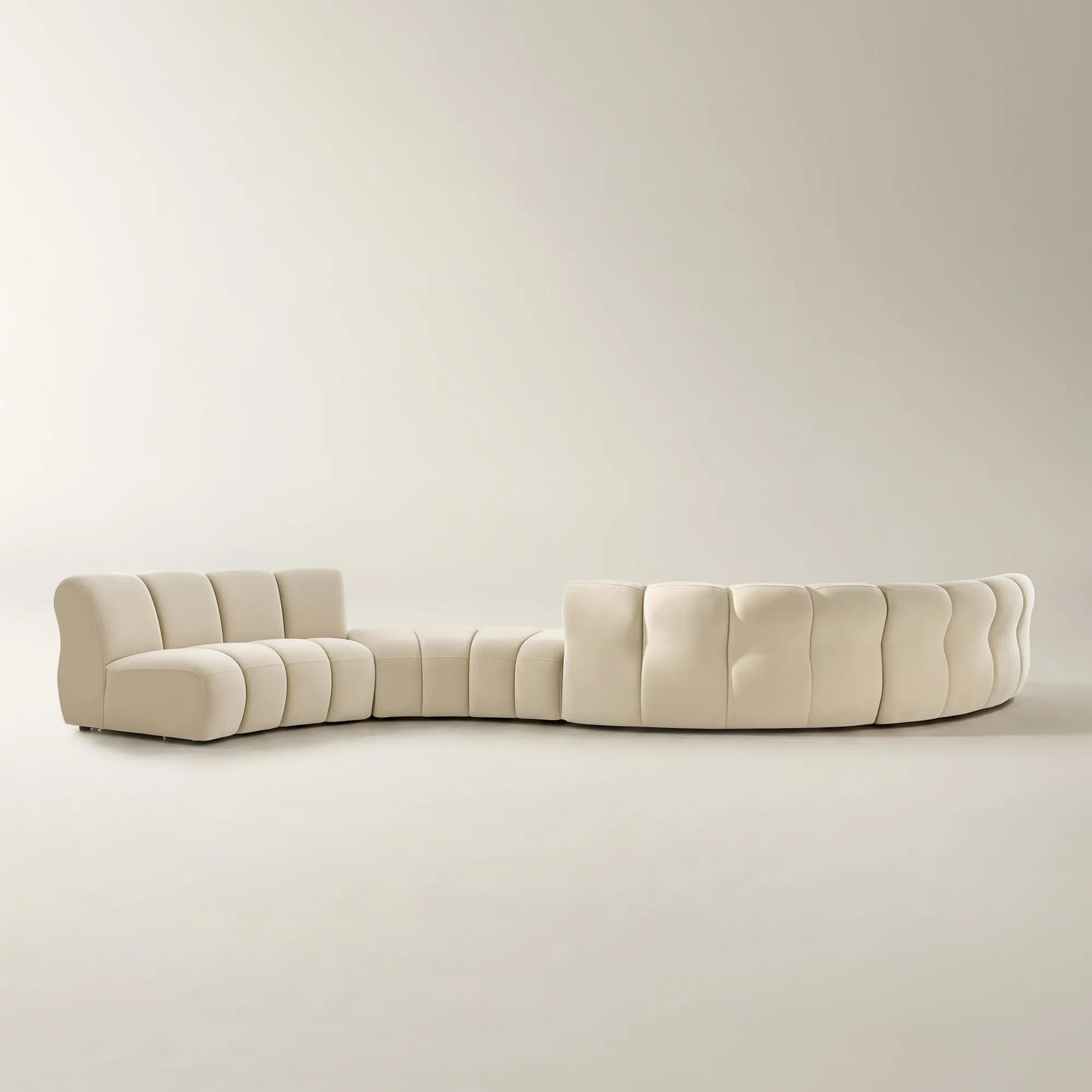 Jocelyn 4-Piece Channel-Tufted Oatmeal Velvet Sectional Sofa With Ottoman$4999
An oatmeal velvet sectional with deep channel tufting, curved silhouette, and modular design for flexible arrangements.
Add To Cart -
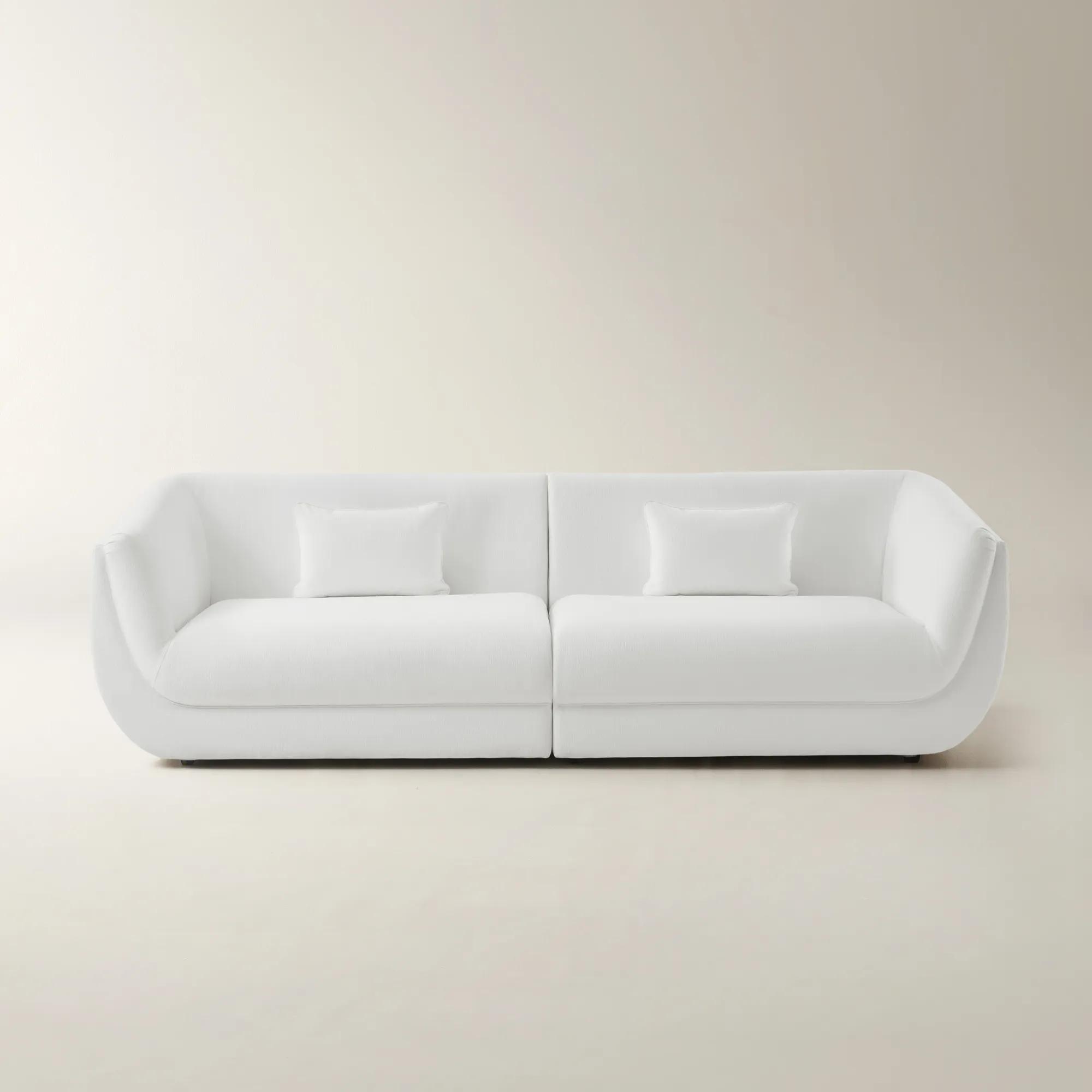
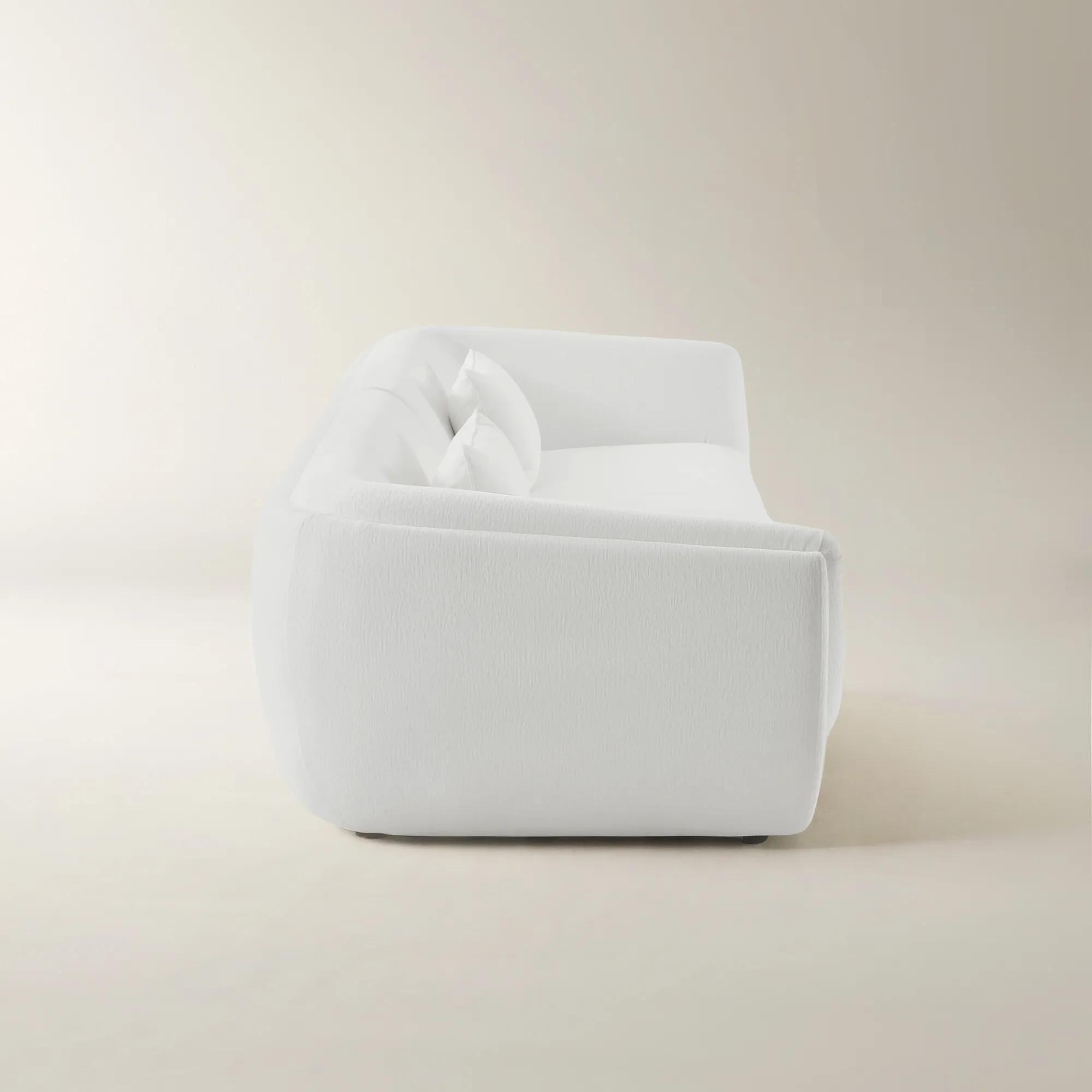 Curvia 2-Piece White Performance Chenille Indoor/Outdoor Sectional Sofa$2799
A sculptural white sectional sofa upholstered in performance chenille for luxurious indoor or outdoor lounging.
Add To Cart -
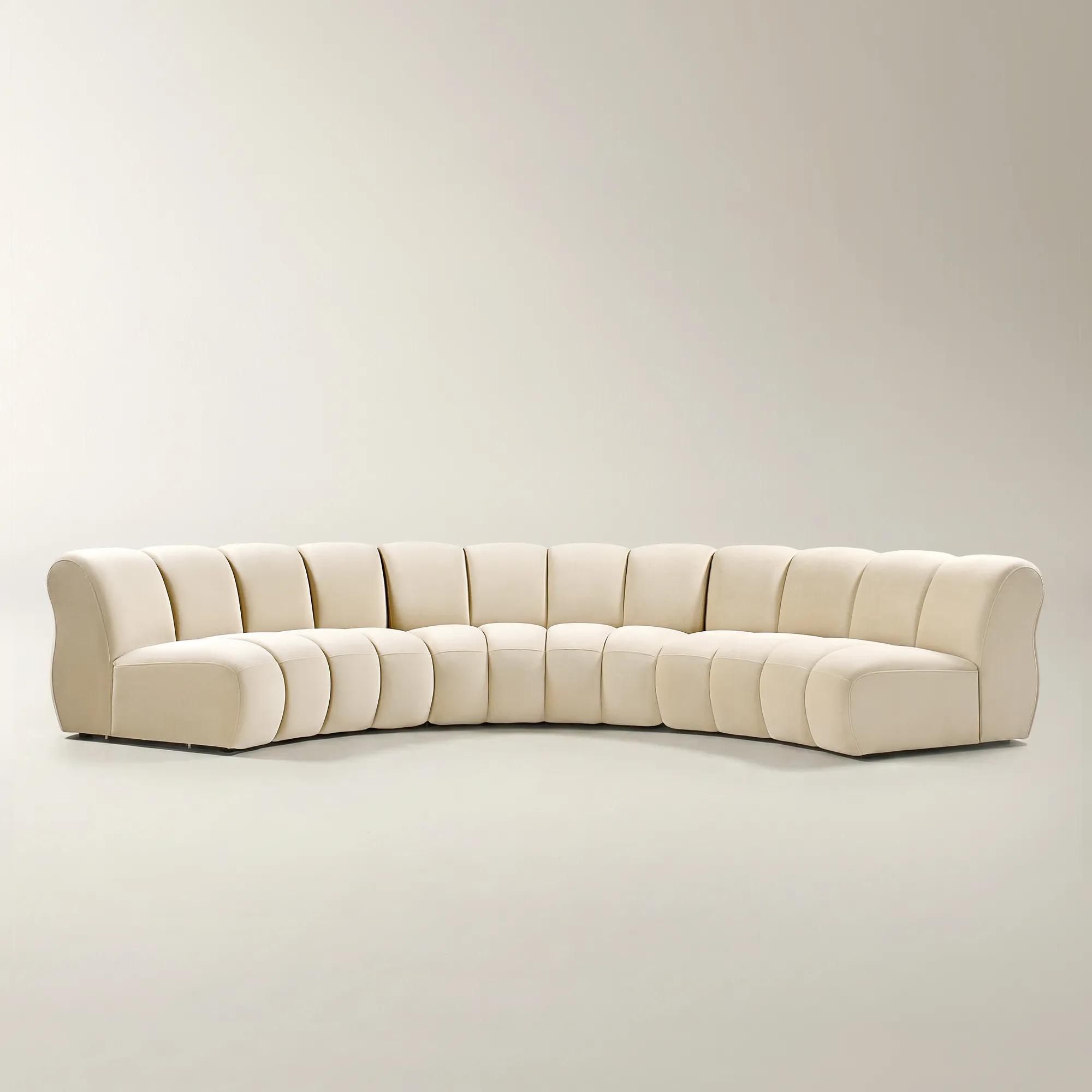
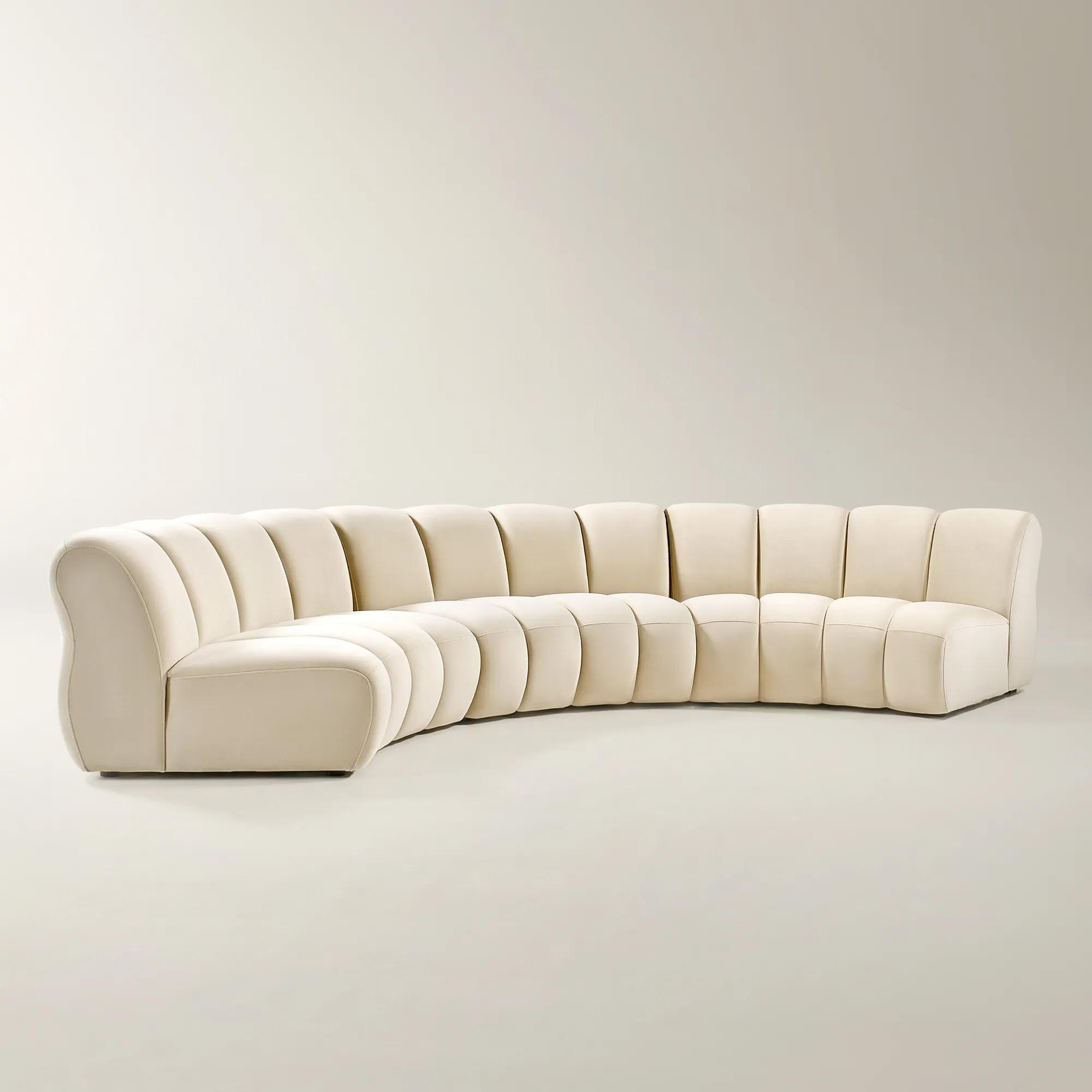 Jocelyn 3-Piece Channel-Tufted Oatmeal Velvet Sectional Sofa$4099
An oatmeal velvet sectional featuring deep channel tufting, sculptural curves, and modular, kiln-dried wood construction.
Add To Cart -
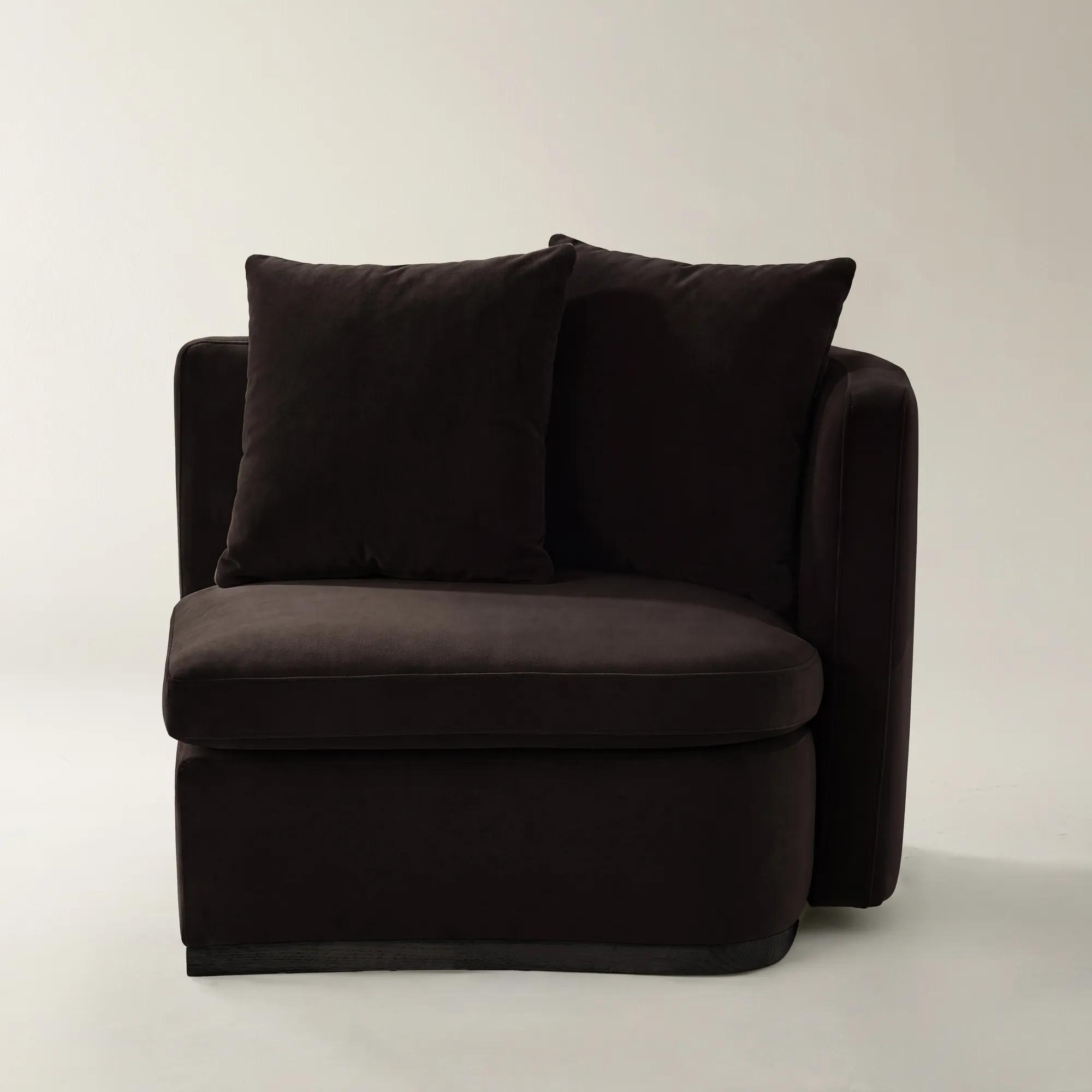
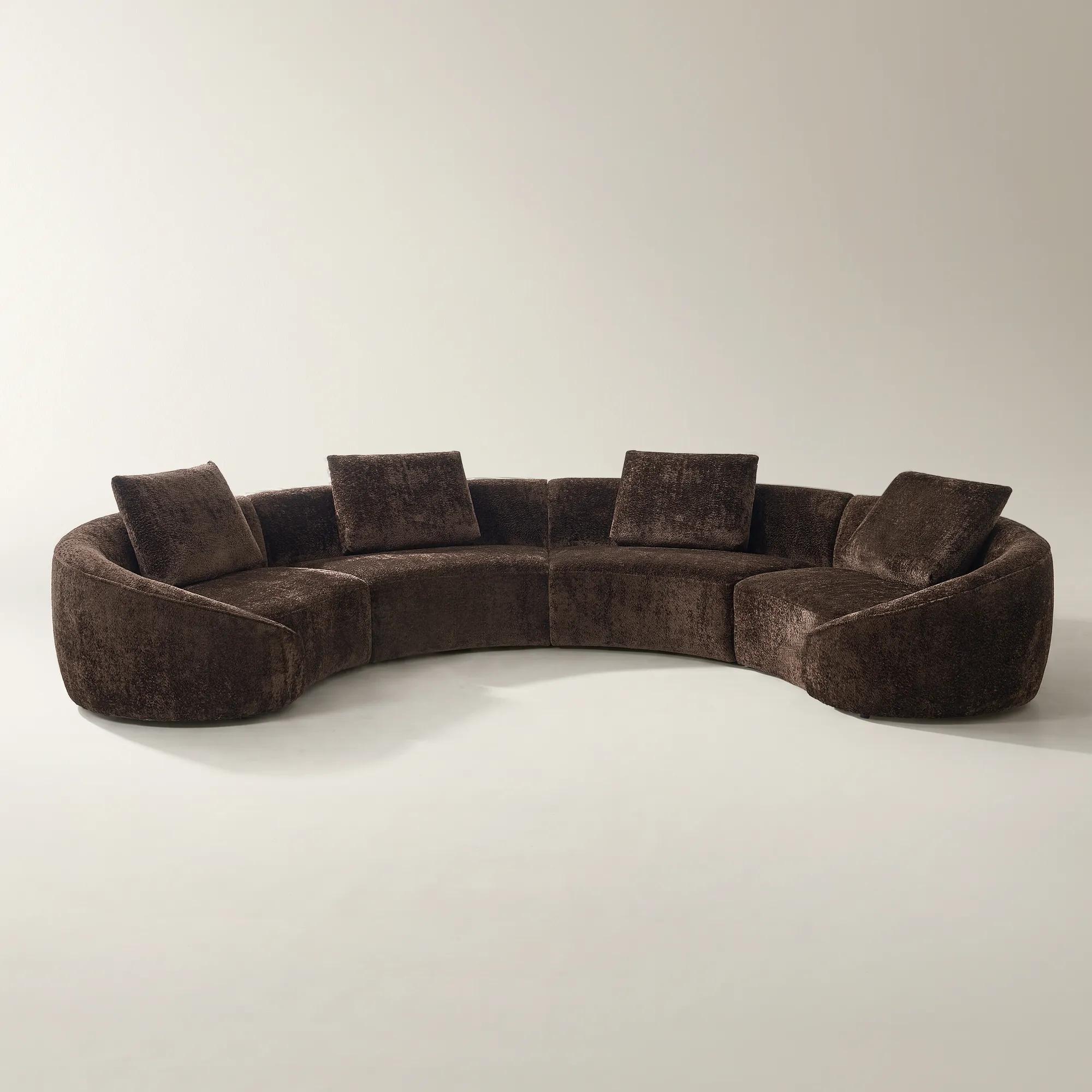 Irene 4-Piece Dark Chocolate Chenille Sectional Sofa$4999
A sculptural, hand-finished sectional wrapped in plush dark chocolate chenille with resilient foam cushions.
Add To Cart -
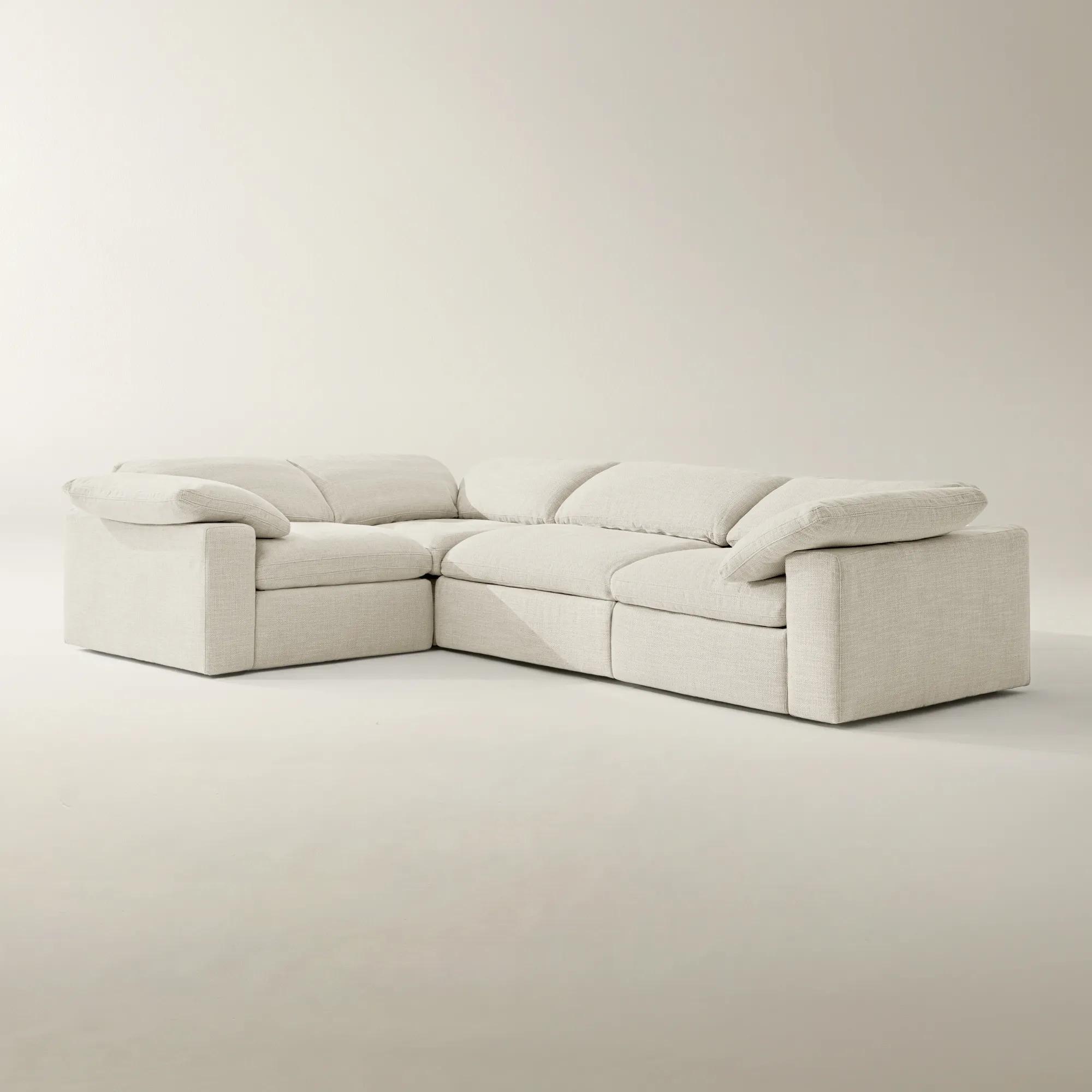
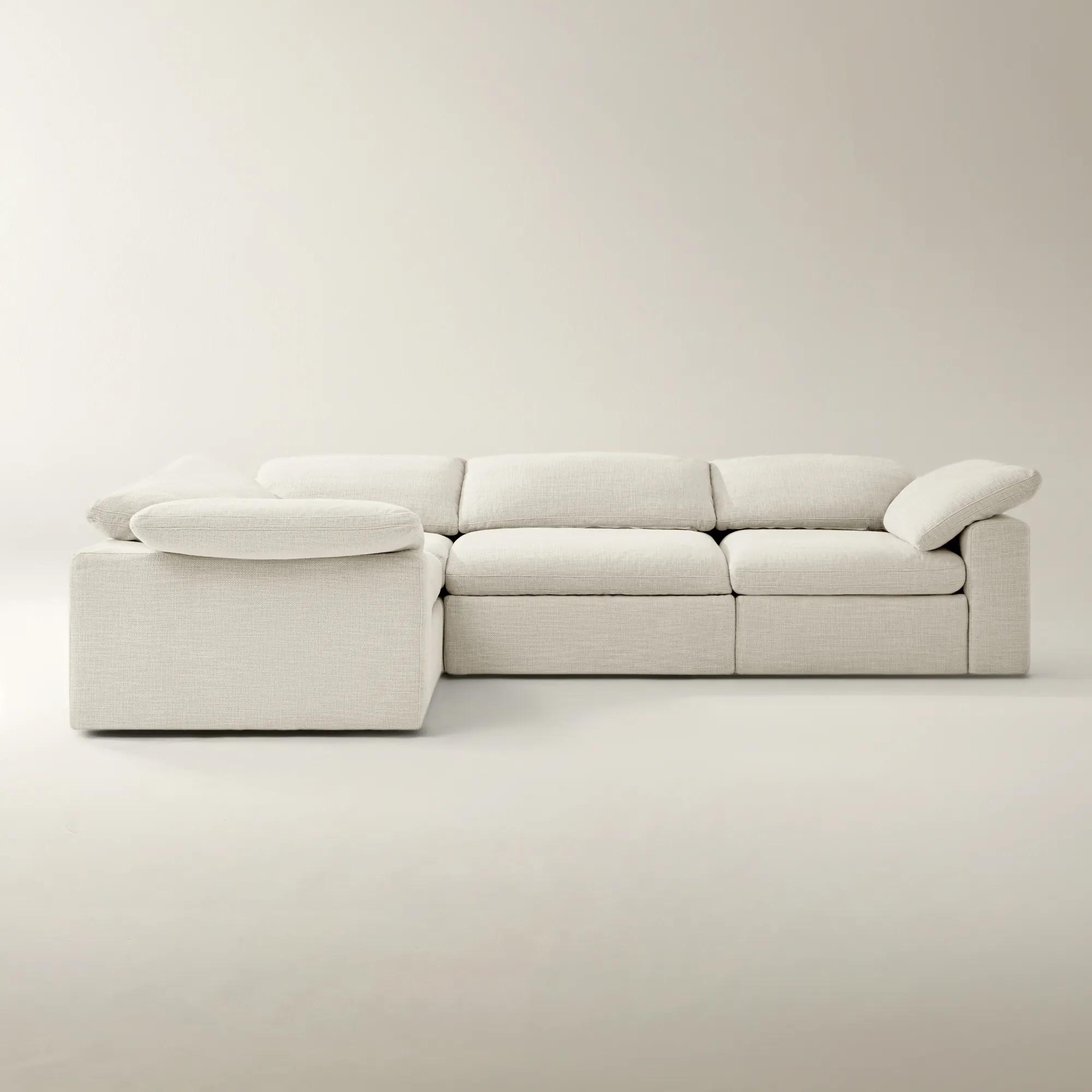 Milo 4-Piece L-Shaped Reclining Ivory Performance Fabric Sectional Sofa With Left-Arm Chair$4399
A modular L-shaped sectional sofa in ivory performance fabric with plush cushioning and independent power reclining.
Add To Cart -
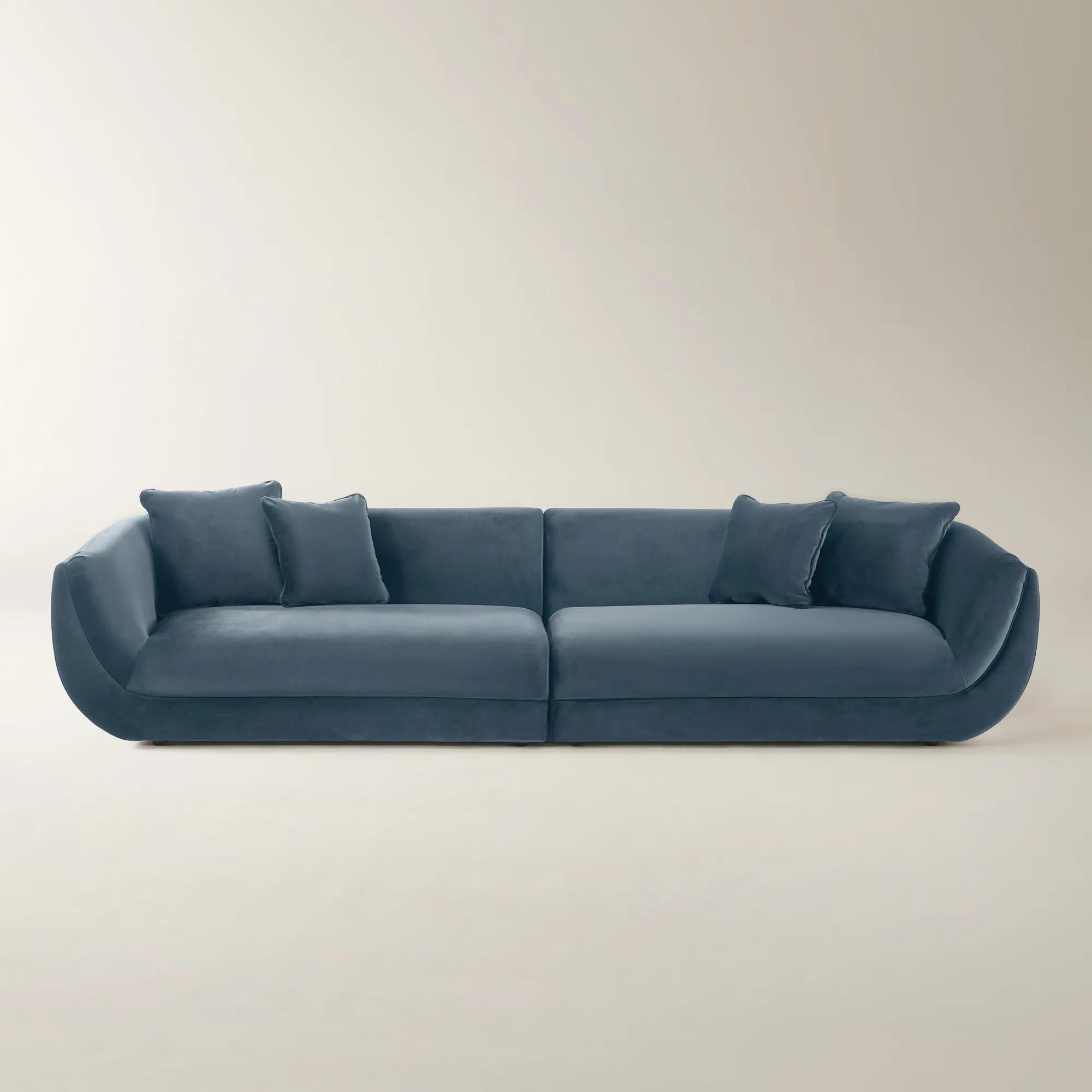
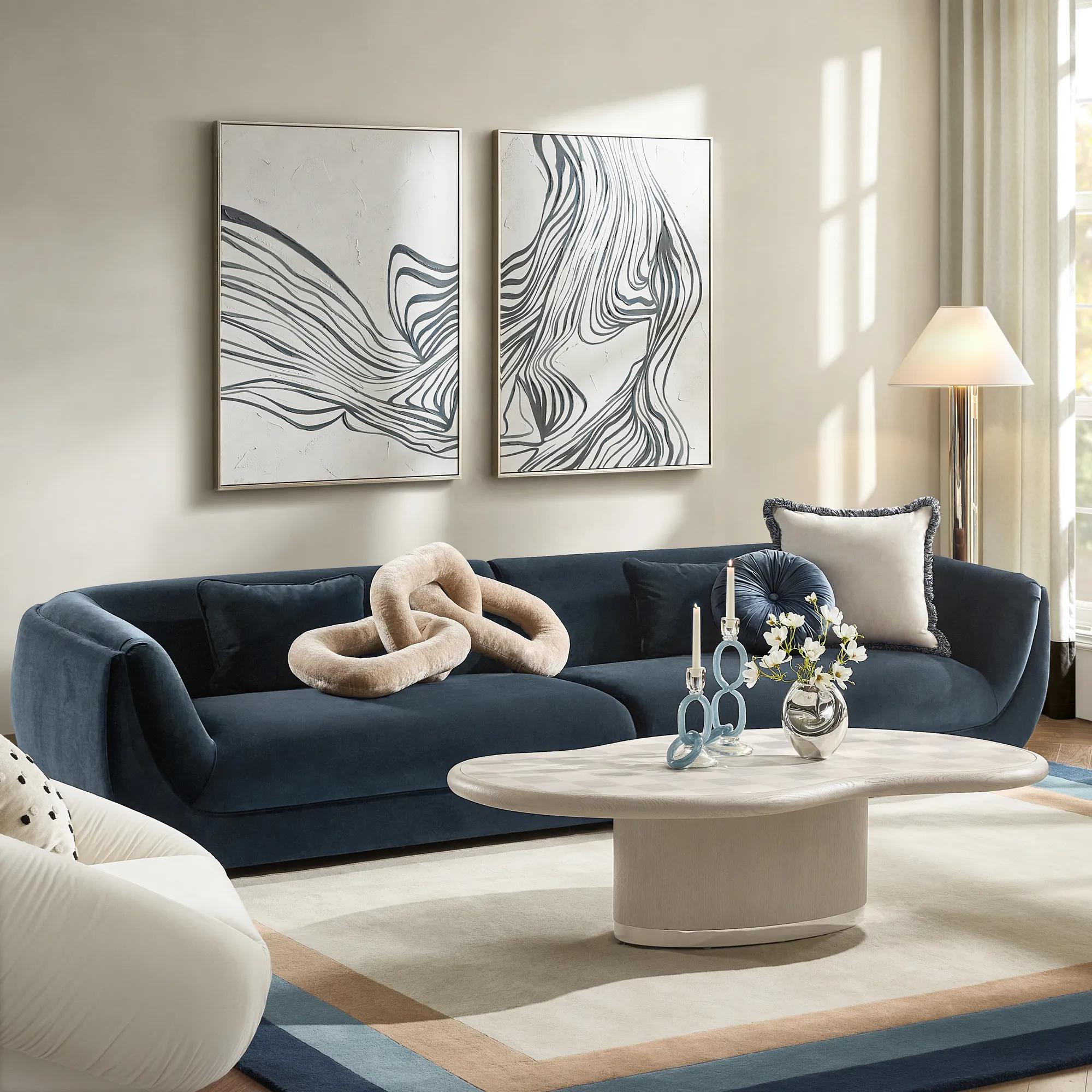 Curvia 2-Piece Dusty Blue Velvet Grand Sectional Sofa$2899
A plush, modular sectional wrapped in dusty blue velvet with sculptural curves and deep, lounge-worthy comfort.
Add To Cart -

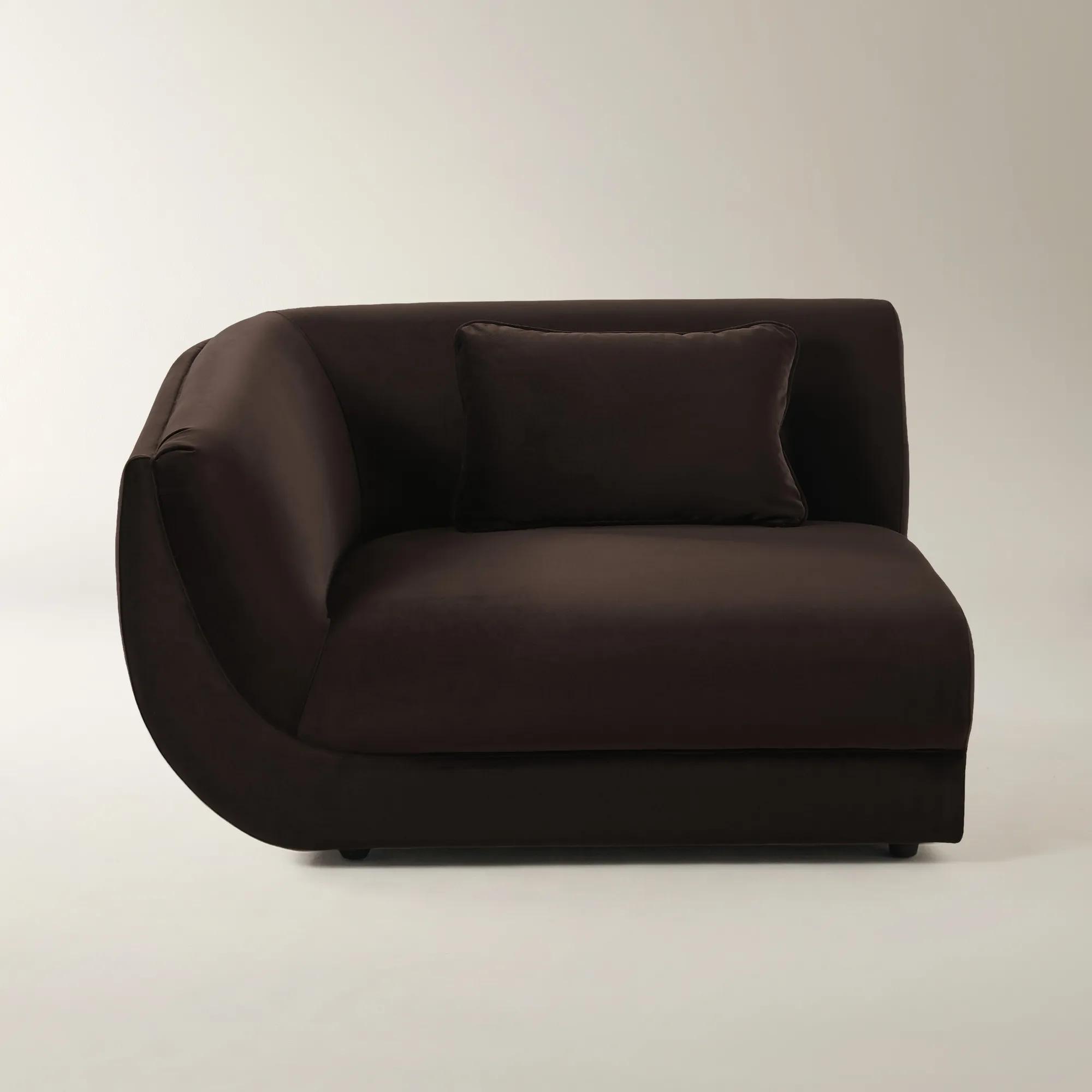
 Curvia 2-Piece Dark Chocolate Velvet Grand Sectional Sofa$2899
A modular sectional wrapped in dark chocolate velvet, featuring sculptural curves and deep, plush lounge seating.
Add To Cart -
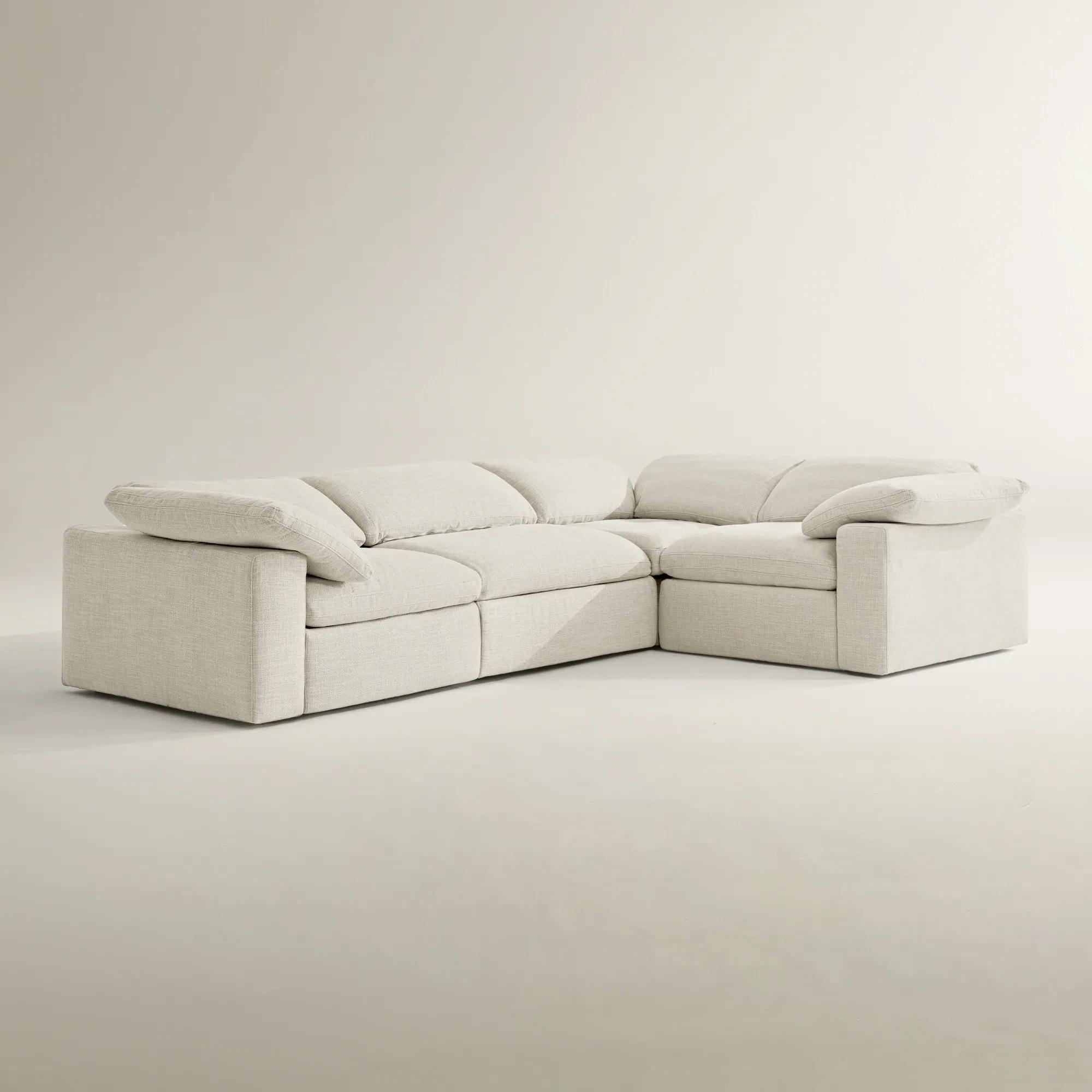
 Milo 4-Piece L-Shaped Reclining Ivory Performance Fabric Sectional Sofa With Right-Arm Chair$4399
A four-piece L-shaped sectional sofa in ivory performance fabric with power reclining and plush feather-blend cushions.
Add To Cart -
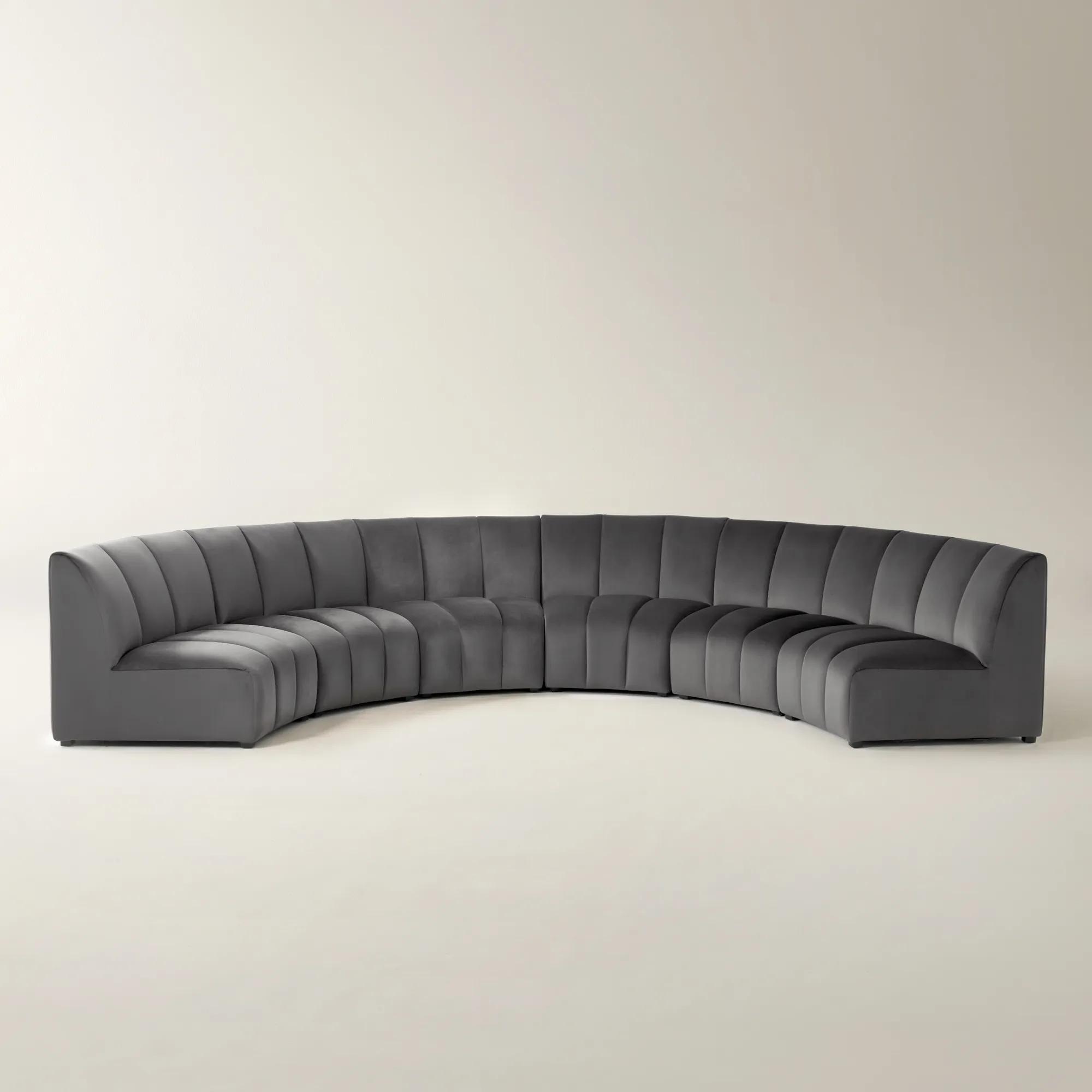 Jayce 6-Piece Channel-Tufted Smoked Pearl Velvet Sectional Sofa$5499
A modern curved sectional in silver grey velvet with deep channel tufting and plush, high-density cushions.
Add To Cart -
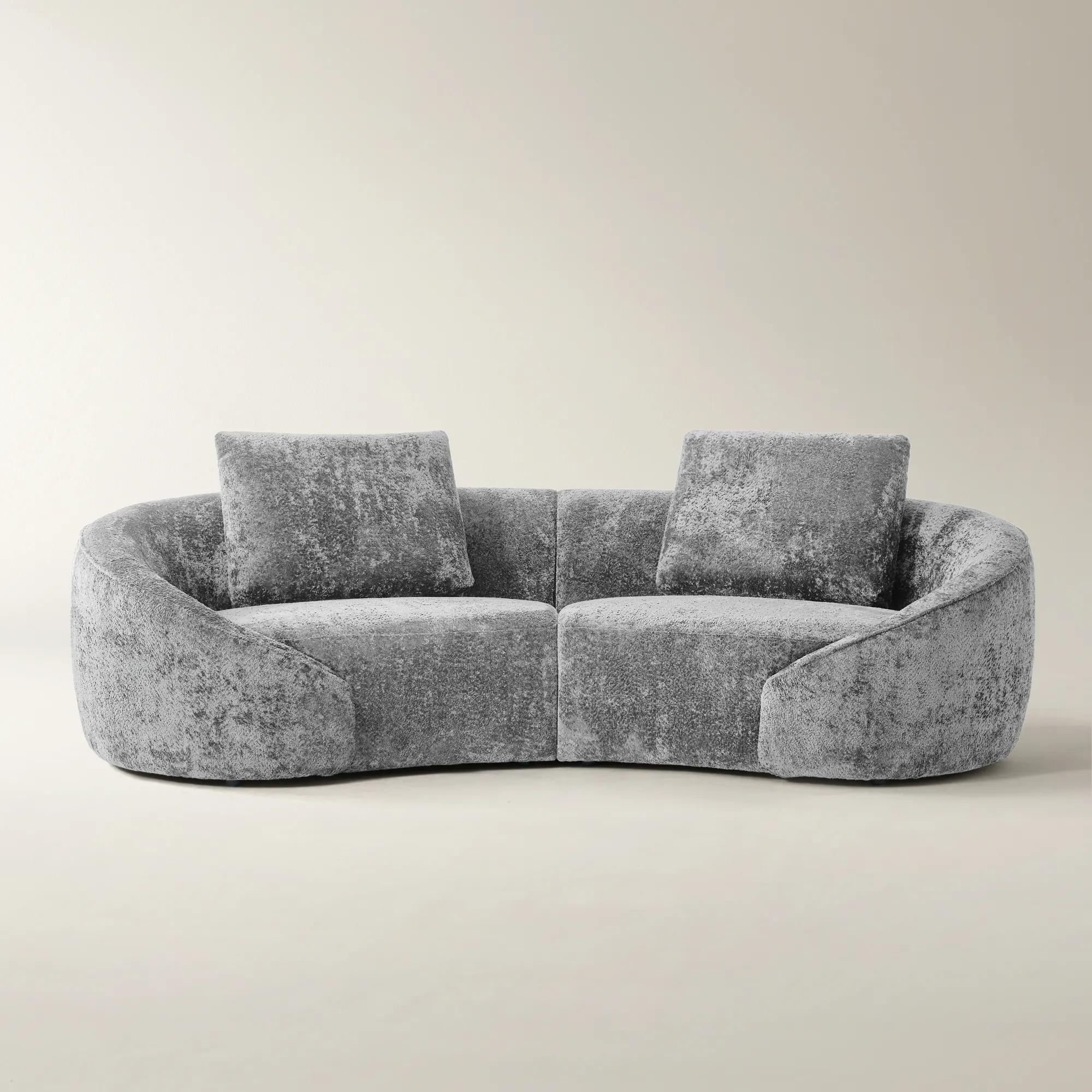 Irene 2-Piece Grey Chenille Sectional$2699
A modern curved sectional upholstered in plush Utopia Sand chenille with high-density foam cushioning for comfort.
Add To Cart -
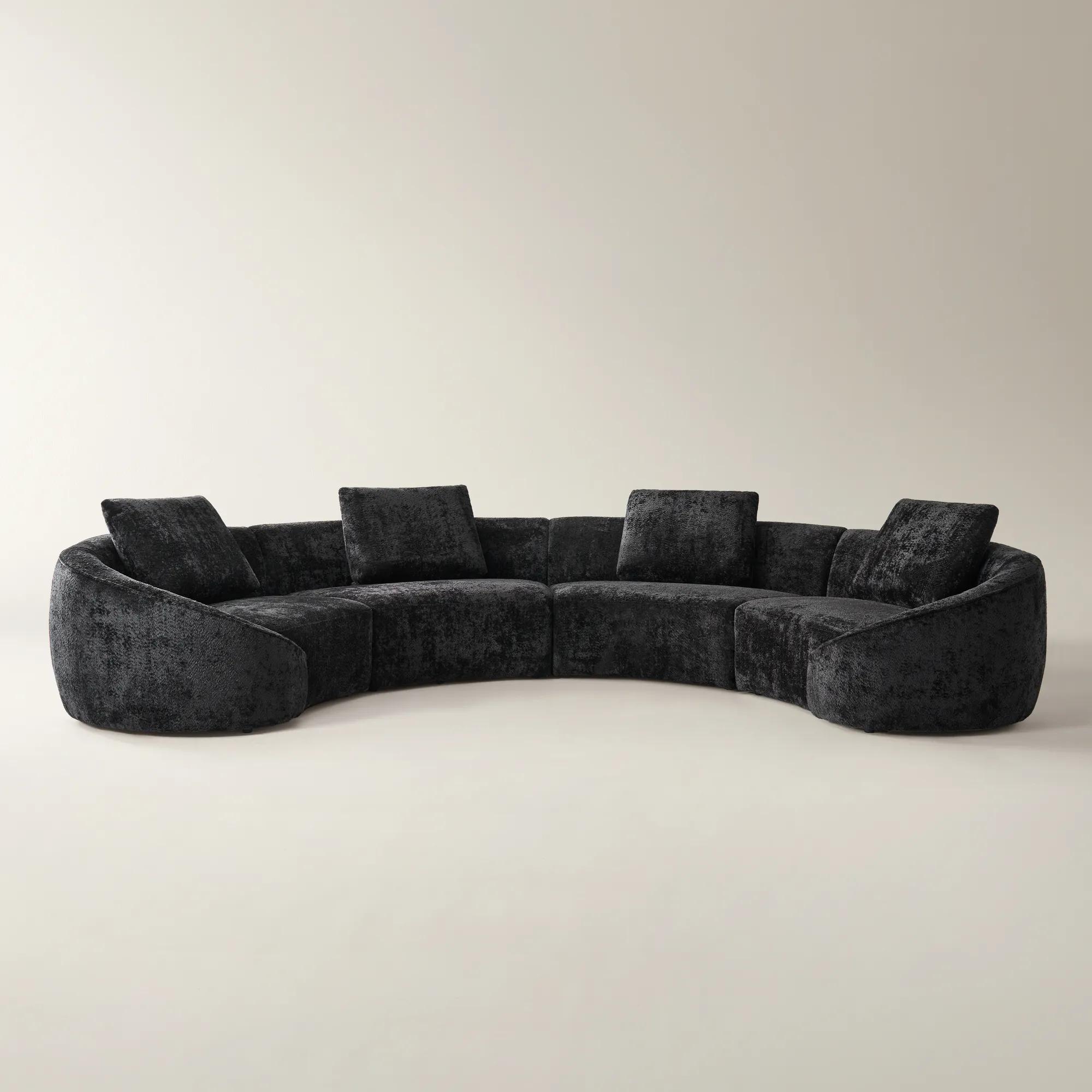 Irene 4-Piece Black Chenille Sectional$4999
A modern curved sectional upholstered in plush utopia sand chenille with high-density foam cushioning for comfort.
Add To Cart -
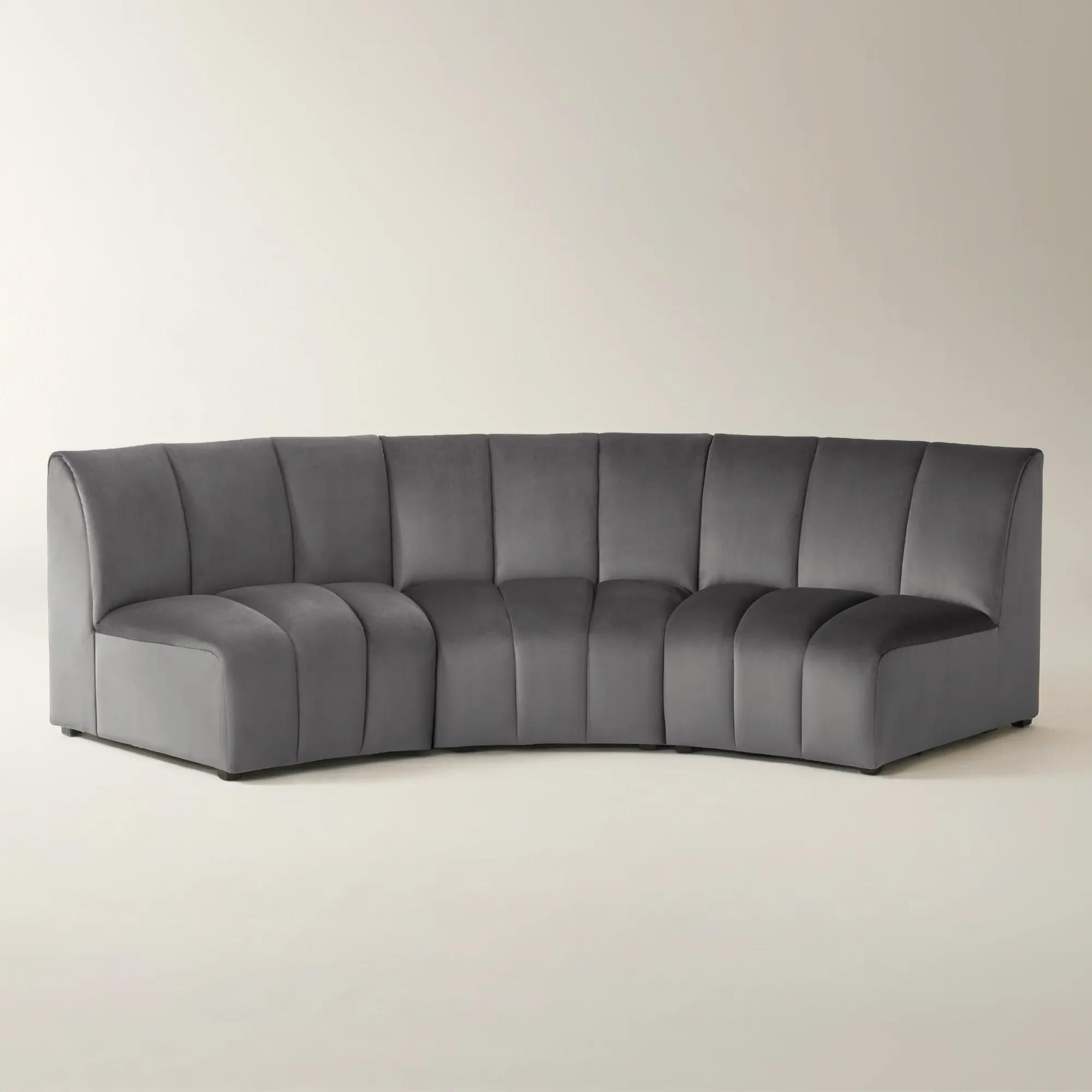 Jayce 3-Piece Channel-Tufted Smoked Pearl Velvet Sectional Sofa$2799
A modern curved sectional in silver grey velvet with deep channel tufting and plush, high-density foam cushions.
Add To Cart -
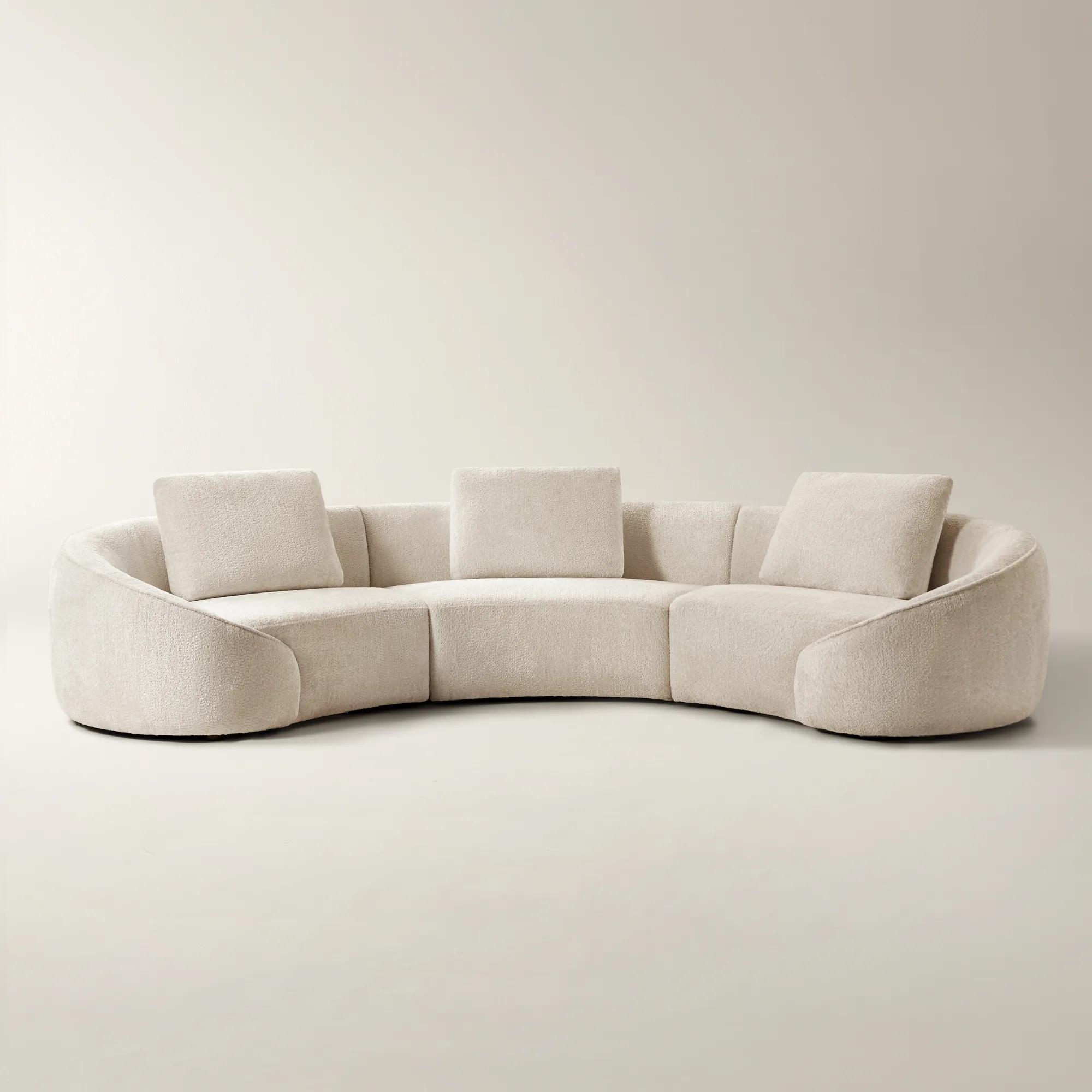 Irene 3-Piece Utopia Sand Chenille Sectional$3899
A modern curved sectional upholstered in plush Utopia Sand chenille with high-density foam cushioning for comfort.
Add To Cart -
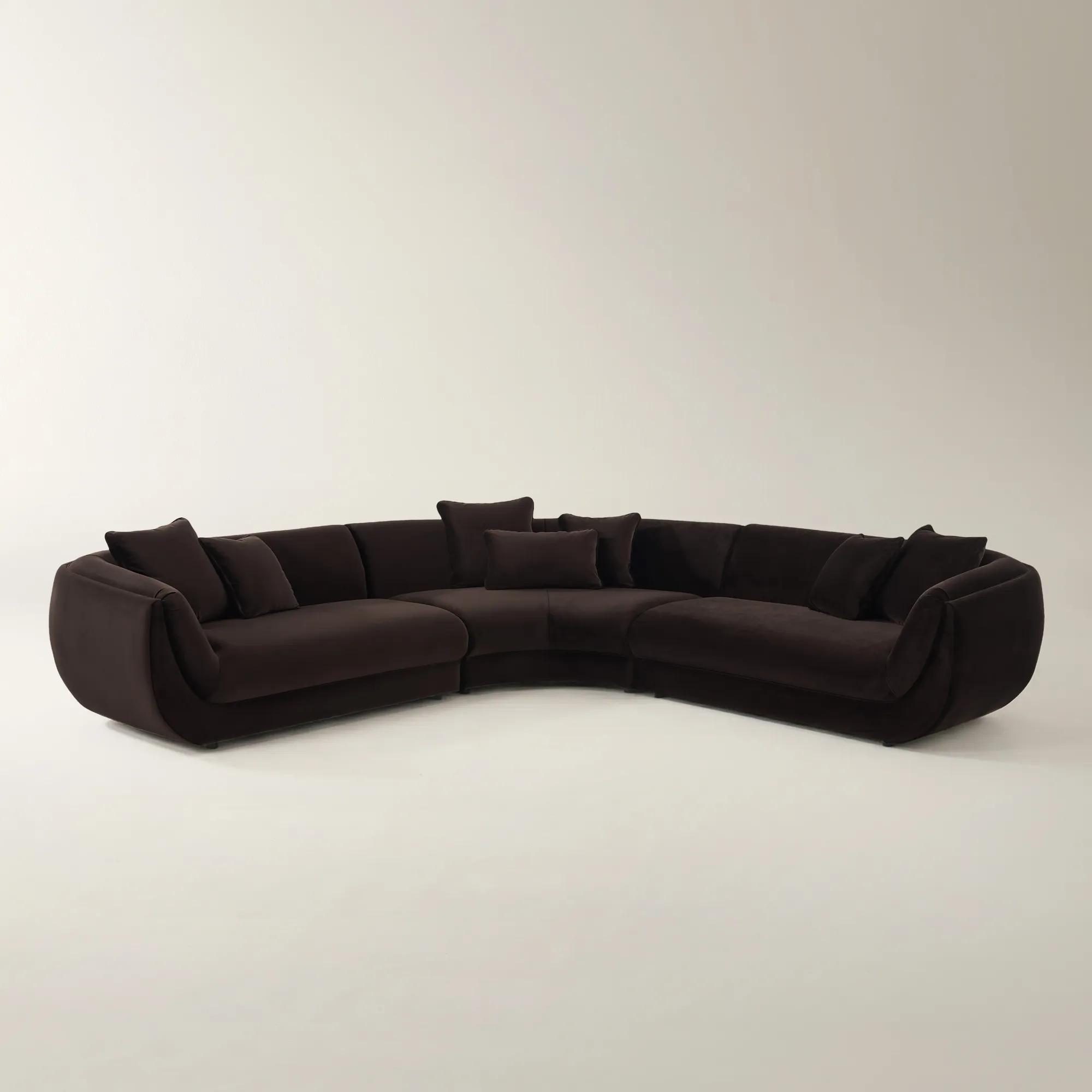
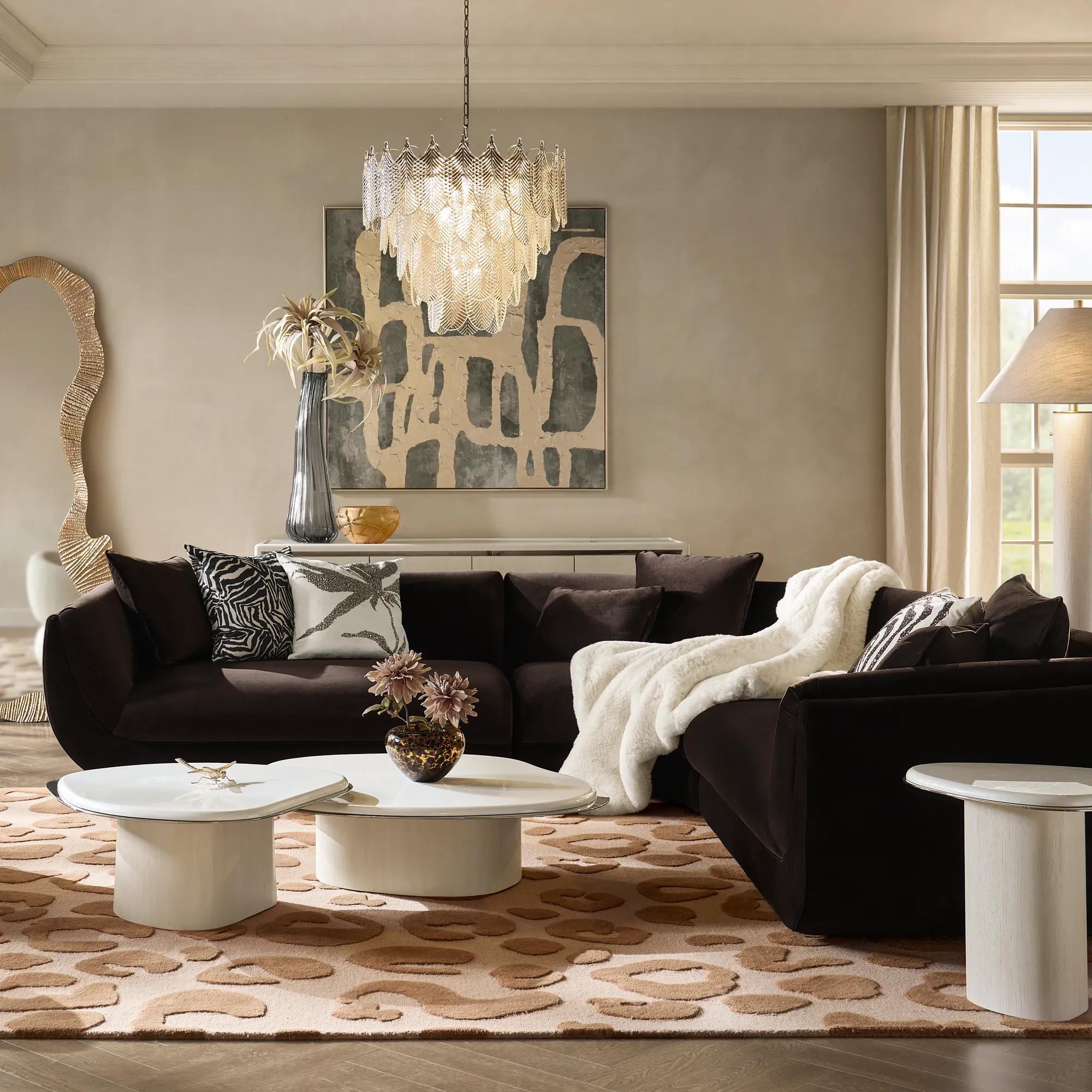 Curvia 3-Piece Dark Chocolate Velvet Sectional Sofa$4599
A modular sectional wrapped in dark chocolate velvet, featuring sculptural curves and deep, plush lounge seating.
Add To Cart -
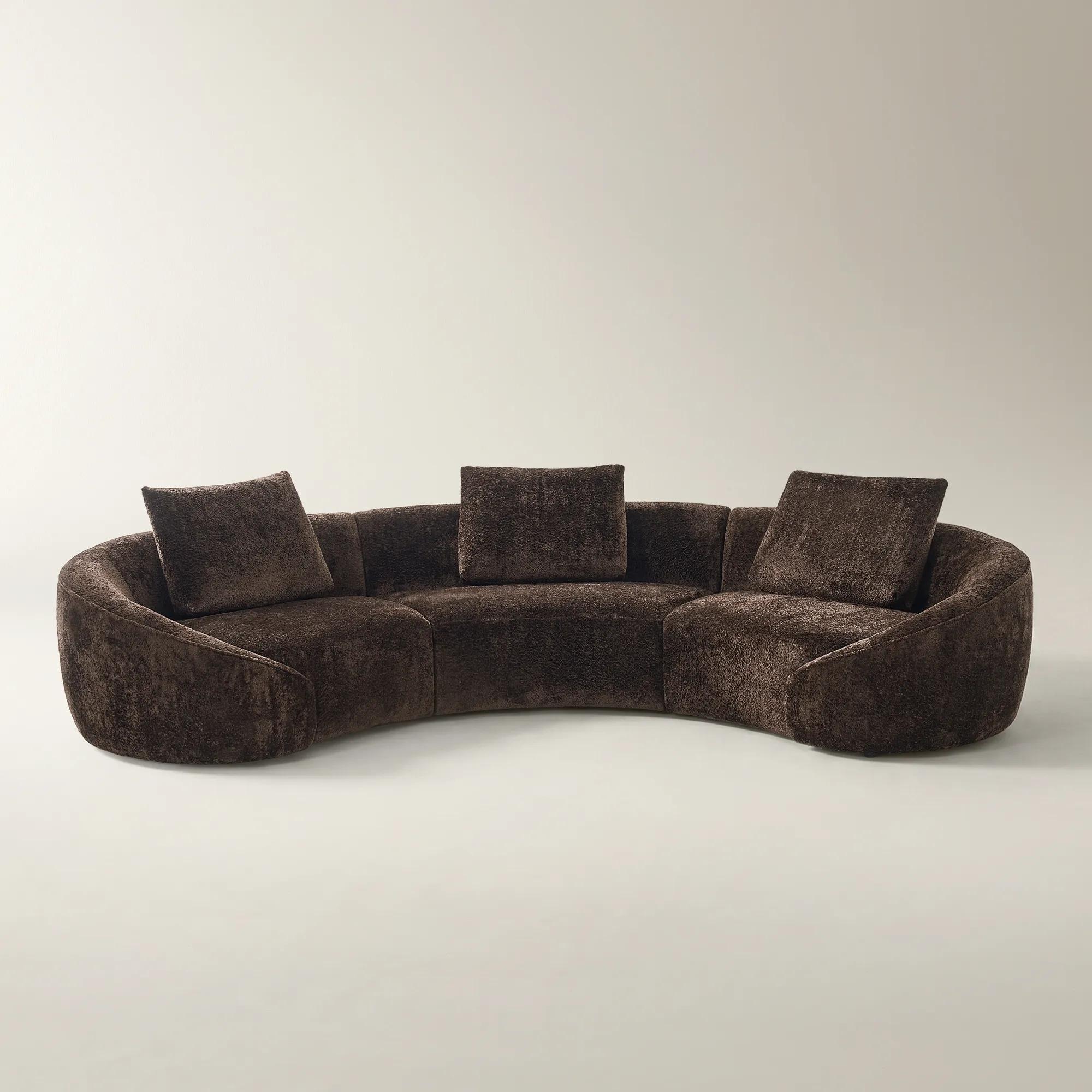 Irene 3-Piece Dark Chocolate Chenille Sectional Sofa$3899
A sculptural, hand-finished sectional wrapped in dark chocolate chenille with plush foam cushions and accent pillows.
Add To Cart

Durable Fabric Sofas
Explore durable fabric sofas that balance everyday practicality with a polished, expressive look. As you compare upholstered seating, consider dimensions, seating capacity, and fabric care requirements alongside each sofa’s silhouette to find a piece that fits your routine and anchors your living room’s design.
Durable fabric sofas give a living room its most inviting centerpiece: generous comfort, expressive texture, and upholstery chosen to withstand the rhythm of everyday life. Tightly woven polyester, microfiber, and upholstery-rated solution-dyed acrylic are practical options for frequently used seating, while performance fabrics may offer additional resistance to spills, staining, or fading, depending on their construction and treatment. The most durable choice depends on more than a fiber name. Weave density, abrasion resistance, seam strength, and the quality of the upholstery backing all influence how gracefully a sofa handles repeated use. A close, smooth weave generally leaves fewer openings for jewelry, clothing hardware, or pet claws to catch, making it worth considering for a household where the sofa rarely sits empty. Microfiber has a fine, soft surface that can deliver a tailored appearance without the pronounced loops found in some textured fabrics. Solution-dyed acrylic carries color throughout the fiber rather than only on its surface, helping it resist fading in bright interiors, though care requirements still vary. For those drawn to a richer finish, durable velvet living room sofas pair a luminous pile with the visual depth that makes upholstery feel especially sumptuous. Velvet’s durability depends on its fiber content and construction; dense performance versions can suit active living rooms, while more delicate varieties may be better reserved for lighter use. Light and touch naturally shift the appearance of the pile, creating shading that is not necessarily a sign of damage. When abrasion-test results are provided, compare fabrics tested by the same method, and consider those results alongside pilling resistance, cleaning instructions, and intended use. A high abrasion rating alone does not establish that a fabric is stainproof, snagproof, or suitable for every household. The goal is upholstery that delivers lasting beauty without demanding that daily life happen somewhere else. A softly heathered surface can lend depth while making minor marks less conspicuous, and a saturated solid can create a dramatic focal point when its care requirements match the room’s activity.
The structure beneath the fabric deserves equal attention, because enduring comfort begins well below the surface. Kiln-dried hardwood frames, secure joinery, reinforced corners, and a supportive suspension are useful features to look for when evaluating a sofa intended for regular use. Cushion construction shapes both the sit and the silhouette: resilient foam can create a more defined profile, while fiber or feather blends may offer a softer, more relaxed feel and require more frequent reshaping. Removable or reversible cushions, when included, can make it easier to distribute wear, although removable upholstery should never be assumed to be machine washable. Scale matters just as much as substance. A deep seat invites lounging and stretching out, while a shallower seat can feel more supportive for upright conversation or for someone whose feet do not comfortably reach the floor on oversized seating. Consider seat height, arm height, and back support in relation to the people who will use the sofa most often. In a shared family room, generous seating can accommodate movie nights and casual gatherings; in a formal living area, a crisp silhouette can frame conversation without sacrificing comfort. Measure the sofa’s overall width and depth, then account for doorways, stair turns, elevators, and the path into the room. Leave comfortable circulation around nearby tables so the arrangement feels composed rather than crowded. Visually, durable upholstery can be every bit as expressive as more delicate textiles. An ivory sofa with sculptural arms creates a luminous foundation for metallic accents, while charcoal or ink-blue fabric gives mirrored surfaces and polished finishes a striking counterpoint. Pale upholstery may show transferred dye and everyday marks more readily, even when treated for stain resistance; darker fabrics can reveal lint or pet hair. Midtone shades and subtle tonal variation often offer a balanced approach. For homes with pets, smooth, tightly constructed fabric may be preferable to loose weaves or prominent loops, but no upholstery is immune to scratching. Pairing the right surface with the right silhouette creates a room that feels intentionally designed for its occupants.
Thoughtful care helps durable fabric sofas retain their texture, shape, and presence over time. Regular vacuuming with an appropriate upholstery attachment removes crumbs, dust, and grit before they settle into seams or rub against fibers. Follow the manufacturer’s directions for brushing, cushion rotation, and reshaping, especially with velvet or other fabrics whose surface changes with the direction of the pile. Attend to spills promptly by blotting with a clean, absorbent cloth rather than scrubbing, which can spread a stain or distort the fabric. Cleaning codes provide important boundaries: W generally indicates water-based cleaning products, S indicates solvent-based products, W/S allows either type as directed, and X calls for vacuuming or light brushing rather than liquid cleaners. Those codes do not replace the sofa’s specific care instructions, and a removable cover is not permission to put it in a washing machine. Test an approved cleaner in an inconspicuous area before treating a visible spot, and avoid saturating upholstery, since excess moisture can affect the cushioning beneath it. Professional upholstery cleaning may be appropriate for persistent marks or broader maintenance, depending on the material. Positioning also contributes to longevity. Prolonged direct sunlight can alter some fabrics, and repeated friction from a favorite seat, a pet’s resting place, or an abrasive throw can create uneven wear. Rotate cushions when their design permits, and use a washable throw in a frequently occupied spot without assuming the sofa itself needs to remain covered. For households with children, pets, or frequent visitors, easy-to-follow care requirements can be as valuable as a luxurious hand. Stain-resistant fabric offers useful protection, not a guarantee against every spill, and performance treatments may have specific maintenance requirements. Durable upholstery works best when its capabilities align with actual habits: conversation over coffee, an afternoon with a book, or a full evening of entertaining. With considered materials, supportive construction, and consistent care, a fabric sofa can remain both a hardworking seat and the room’s most compelling gesture.
FAQs
Look beyond color to the sofa’s silhouette and upholstery texture. Clean lines create a polished foundation for modern interiors, while curved profiles lend a softer, sculptural presence. Choose a fabric finish that echoes your room’s mood, whether richly textured and expressive or smooth and tailored.
Ivory, charcoal, and warm taupe create an elegant canvas for metallic accents and expressive artwork. For a more theatrical mood, consider jewel-toned upholstery paired with restrained accents. Let the sofa anchor your palette, then repeat its undertones in pillows, rugs, or decorative objects.
Texture gives upholstery its visual rhythm. Pronounced weaves introduce depth and a tactile presence, while smoother surfaces emphasize the sofa’s shape and tailoring. Contrast the fabric with gleaming metal, glass, or richly grained wood to create a room with layered character.
Solid upholstery lets sculptural lines and decorative accents take the spotlight. Patterned upholstery makes the sofa a more expressive focal point. For a cohesive composition, balance an intricate fabric with quieter surrounding pieces, or enliven a solid sofa with artful pillows and a distinctive rug.
Create connection without matching every detail. Pair the sofa with accent chairs that share a color undertone or echo its curves, then introduce contrasting textures through pillows and throws. A sculptural table, luminous lighting, and a striking piece of art give the arrangement a confident, collected finish.