Deep Pile Living Room Rugs
Deep Pile Living Room Rugs
-
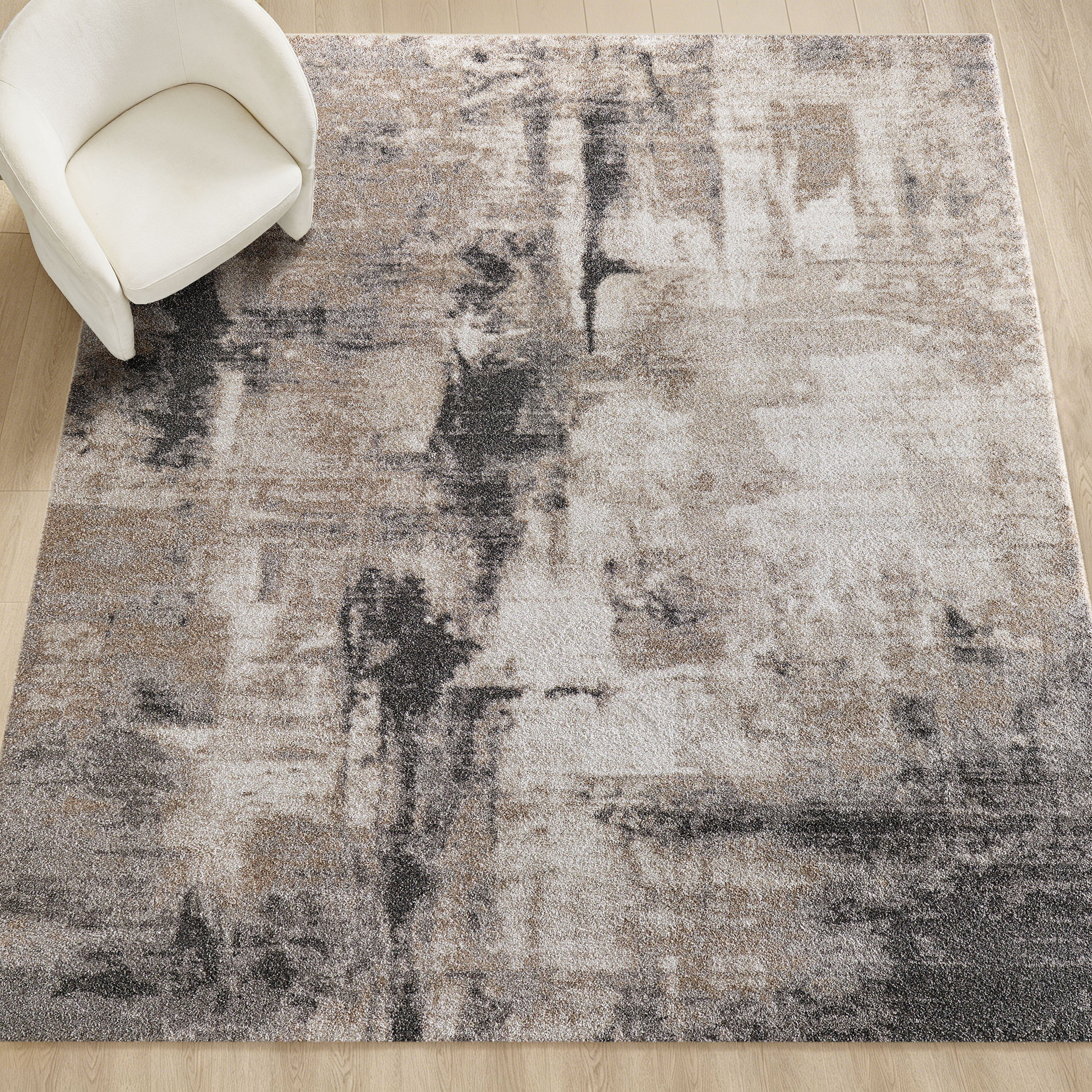
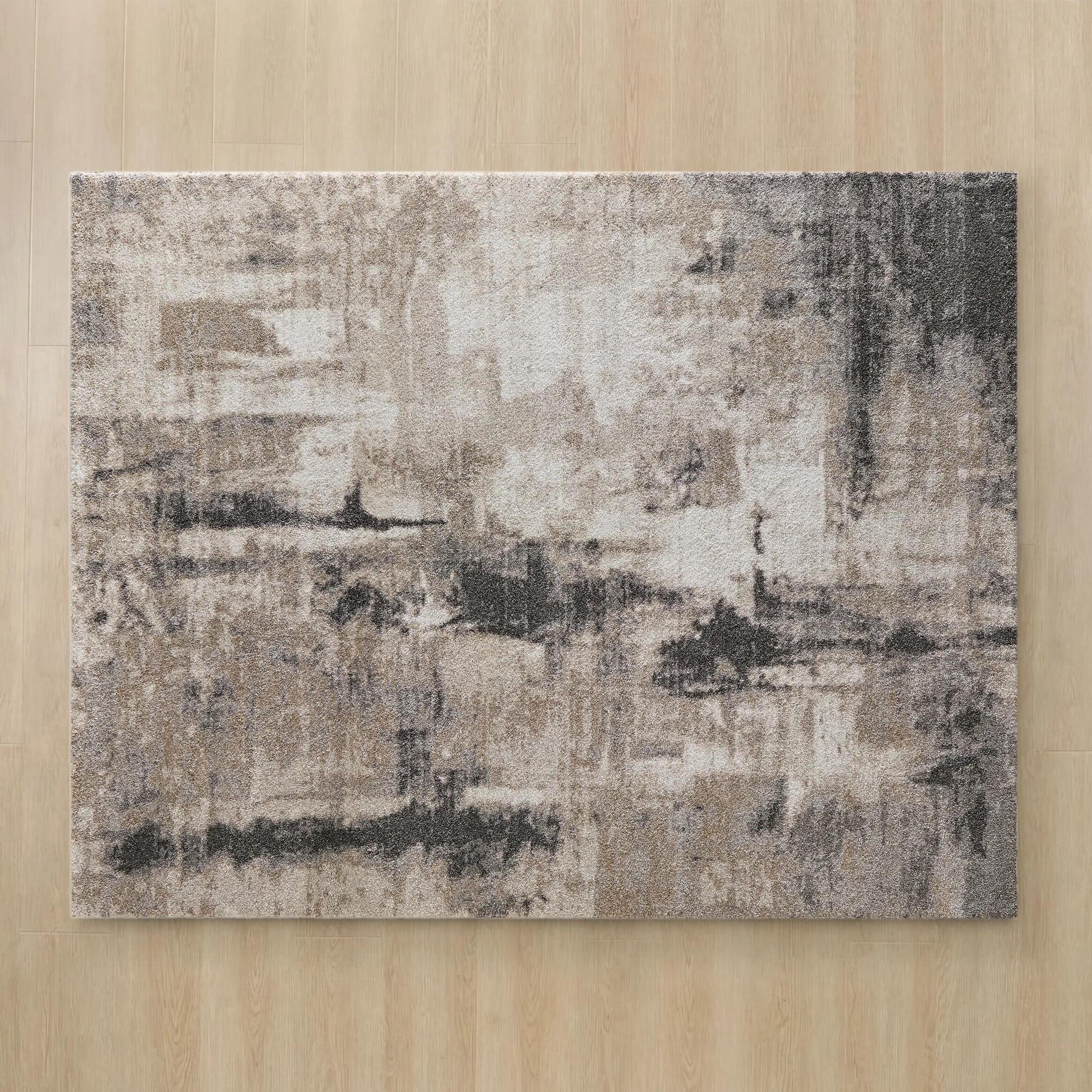 Atlas Abstract Grey/Taupe/Ivory/Charcoal Performance Power Loomed Rug$849
An abstract rug in grey, taupe, ivory, and charcoal with a plush, durable, and easy-care pile.
Add To Cart -
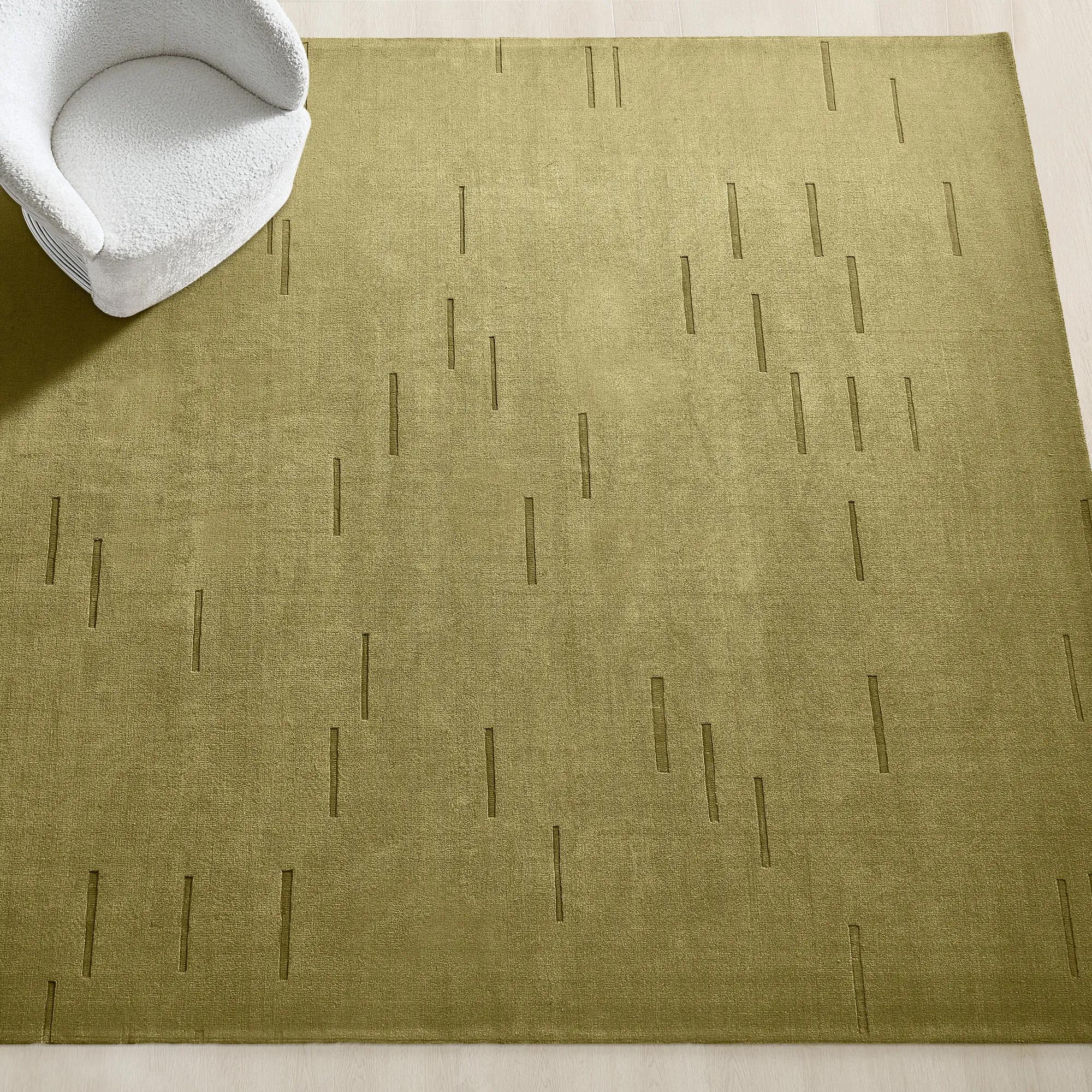
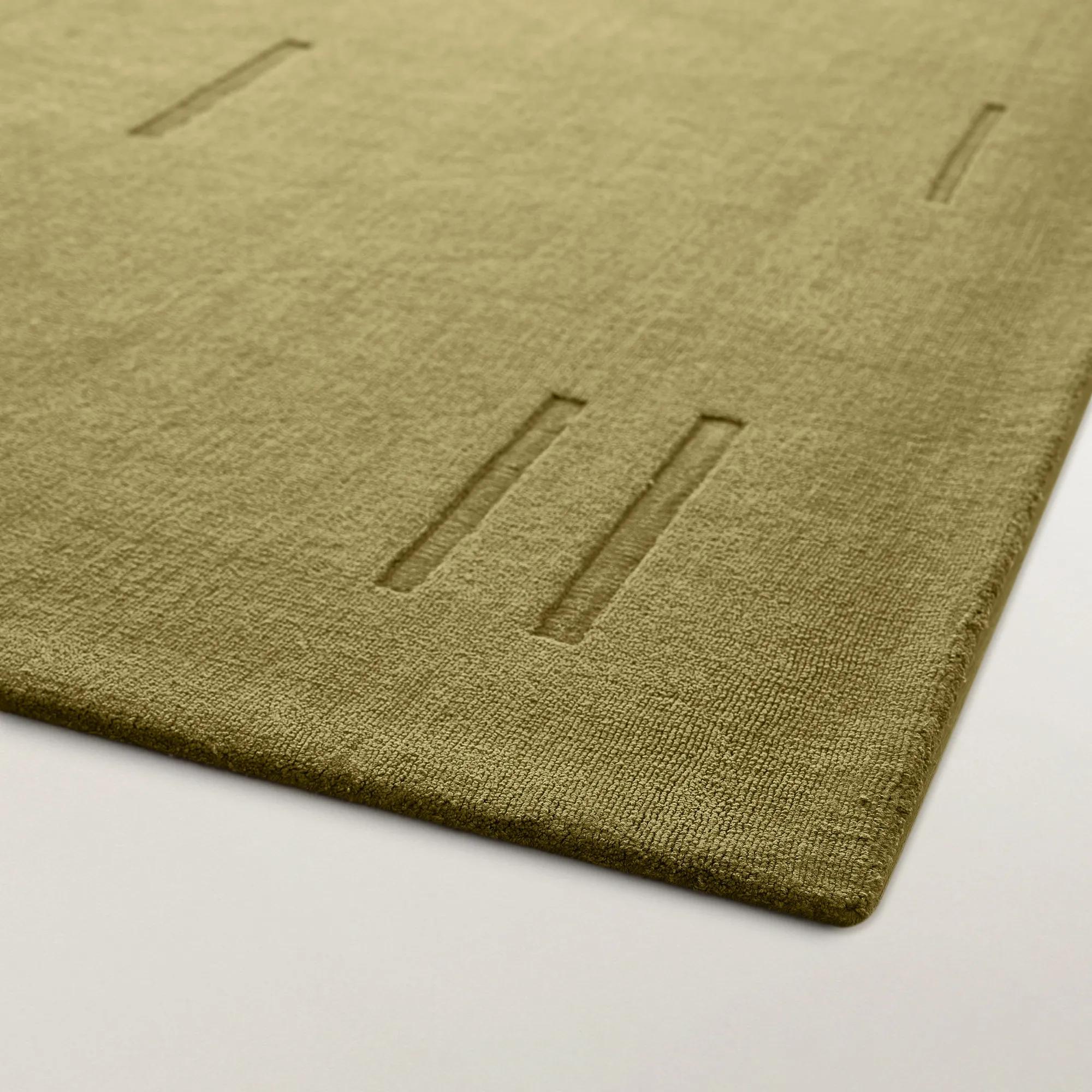 Lamita Muted Olive Green Wool Blend Rug$1299
A muted olive green wool-blend rug adding soft texture and understated warmth to modern interiors.
Add To Cart -
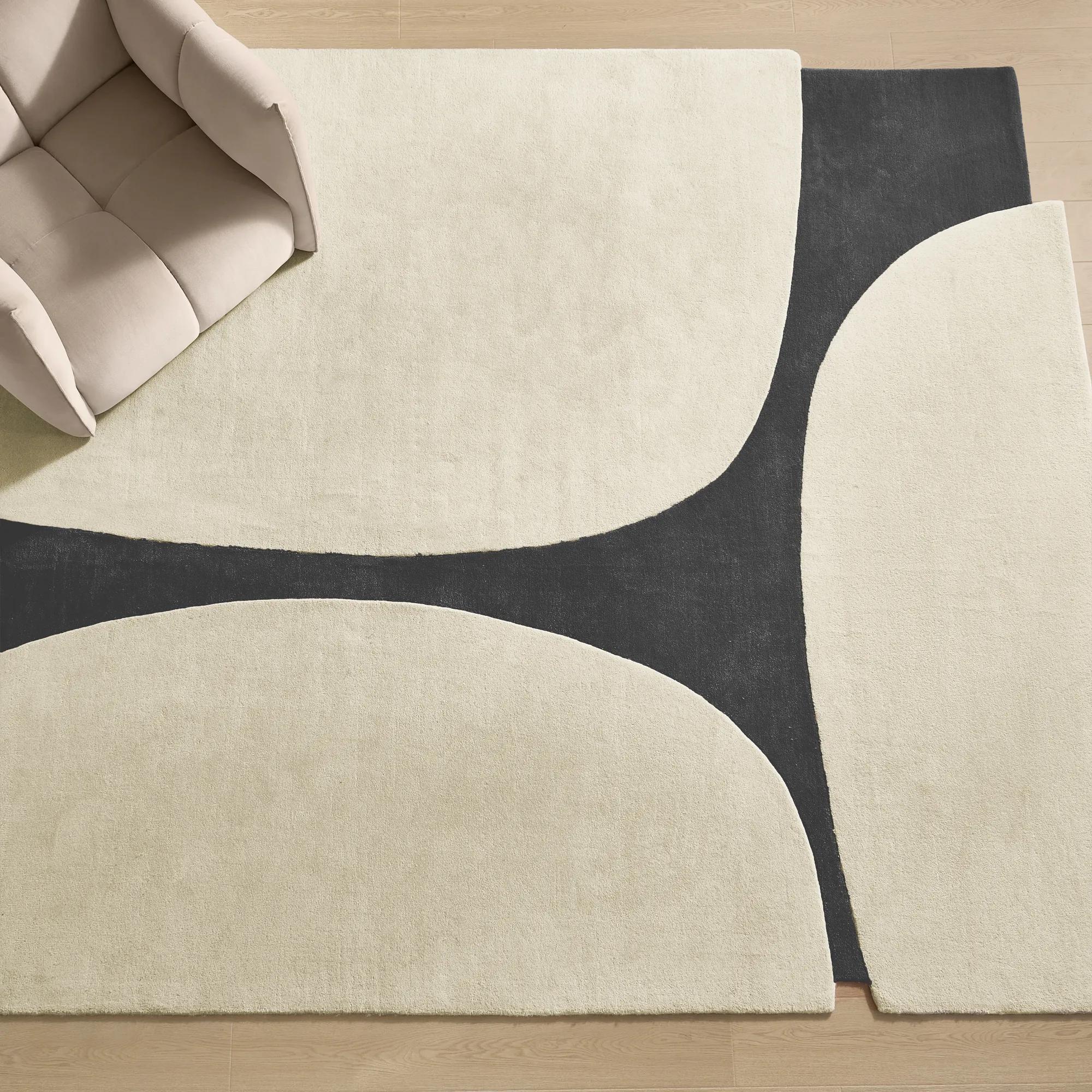 Contour Hand-Tufted Ivory/Charcoal Wool & Viscose Rugs$1499
An artfully shaped hand-tufted rug featuring high-low texture in warm ivory and charcoal wool-viscose blend.
Add To Cart -
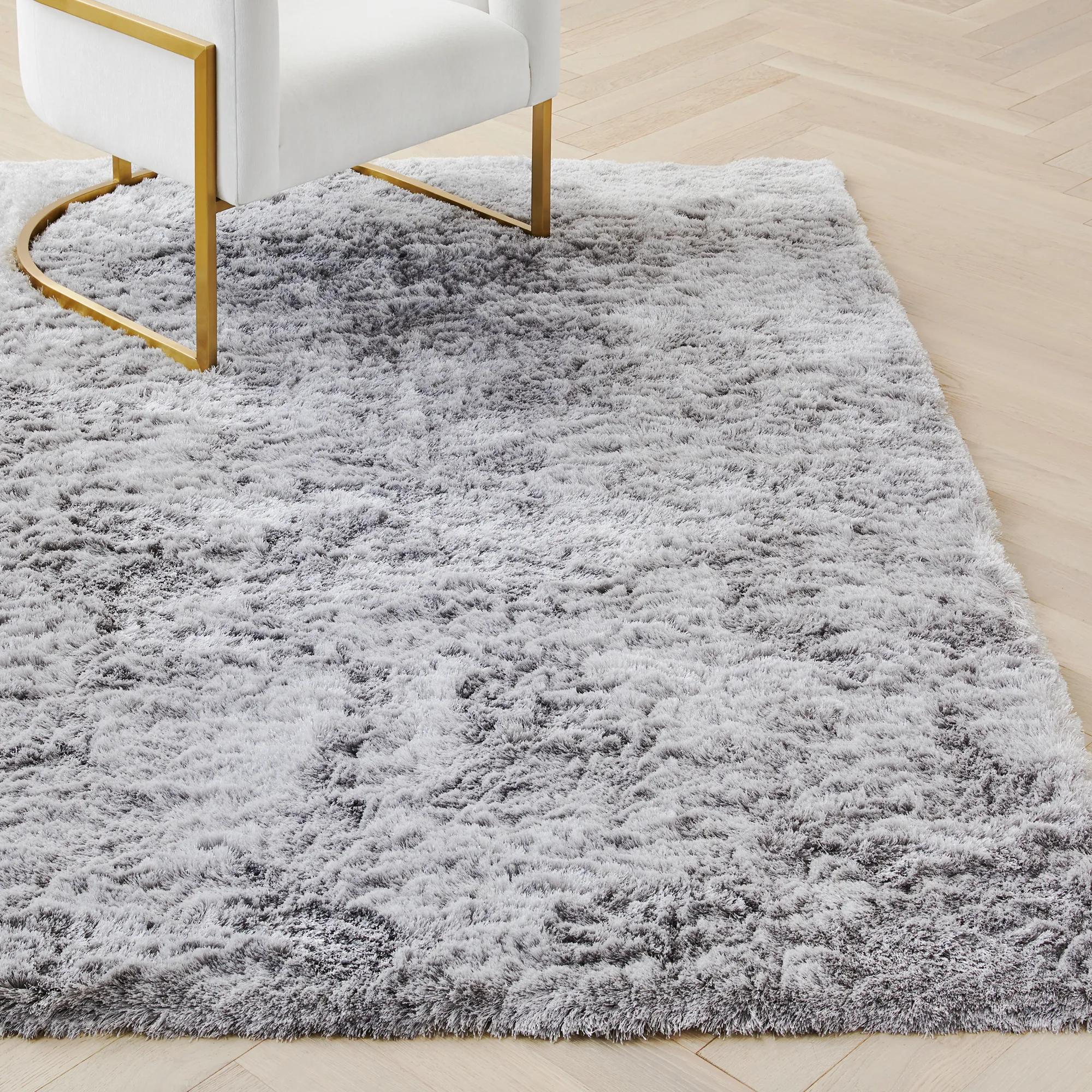 Indochine Shag Platinum Rug$399
A platinum-toned shag rug with a subtle sheen and plush 1.5" polyester pile for luxurious texture.
Add To Cart -
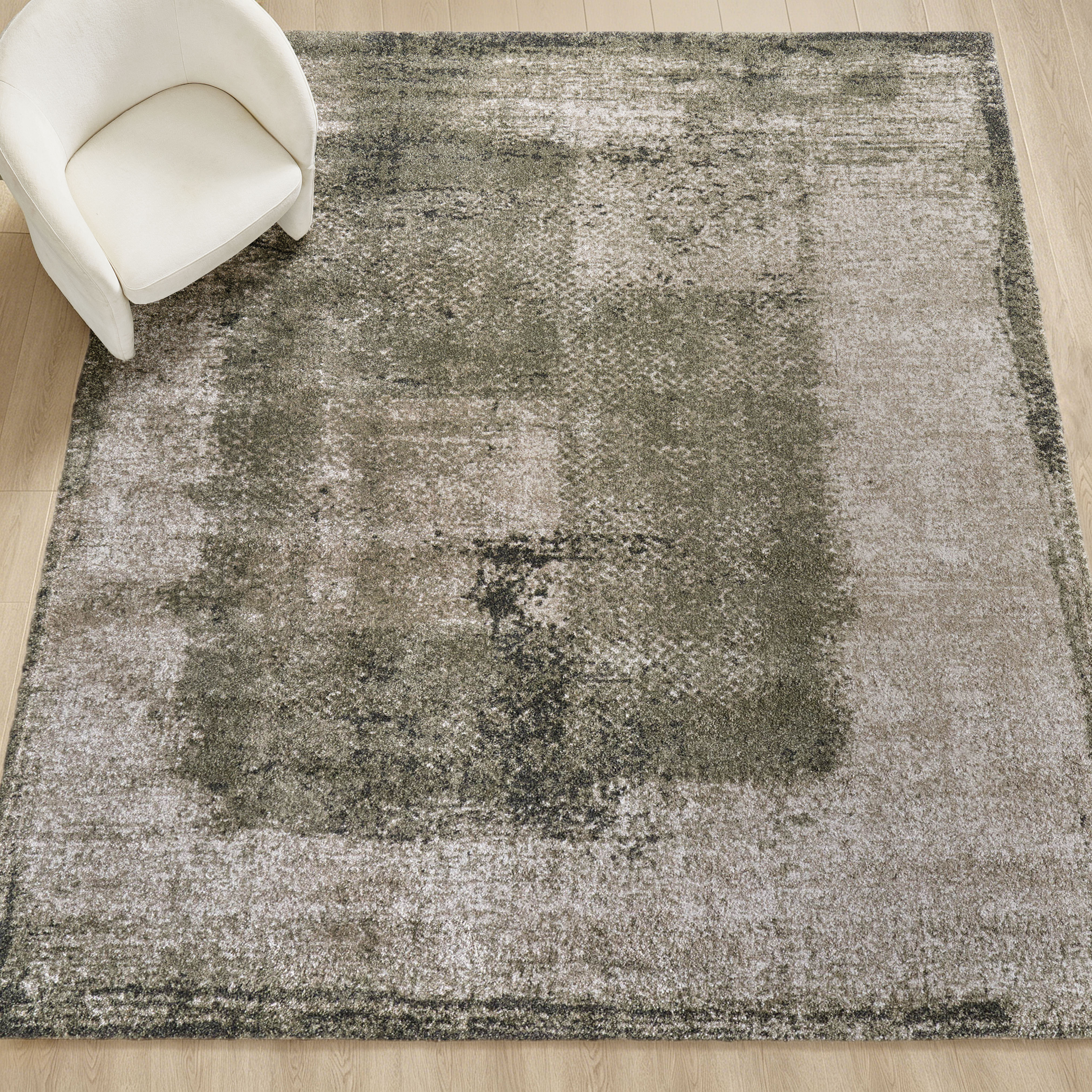
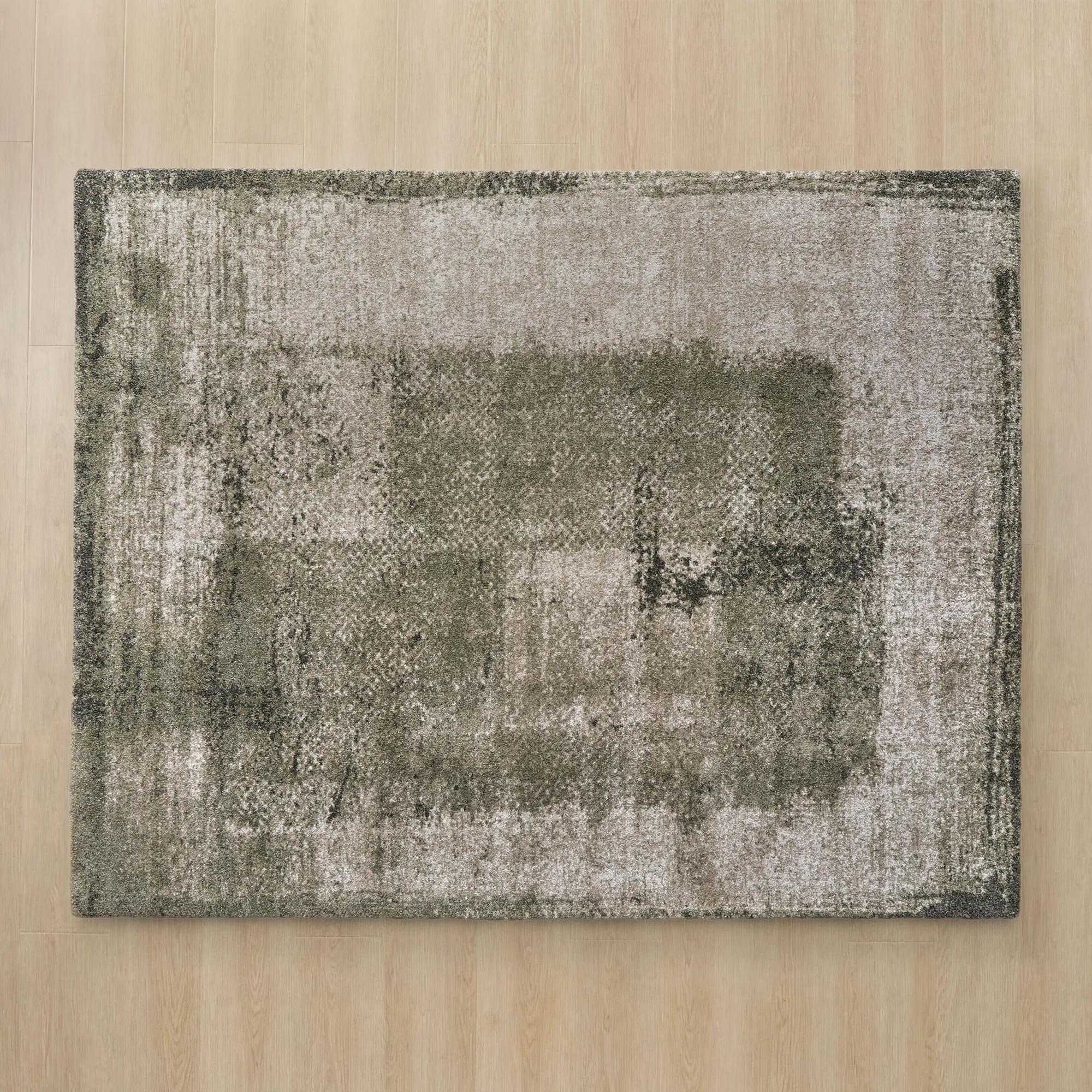 Irving Abstract Moss Green/Beige/Grey Performance Power Loomed Rug$849
An abstract rug in moss green, beige, and grey with plush, durable power-loomed polypropylene and polyester.
Add To Cart -
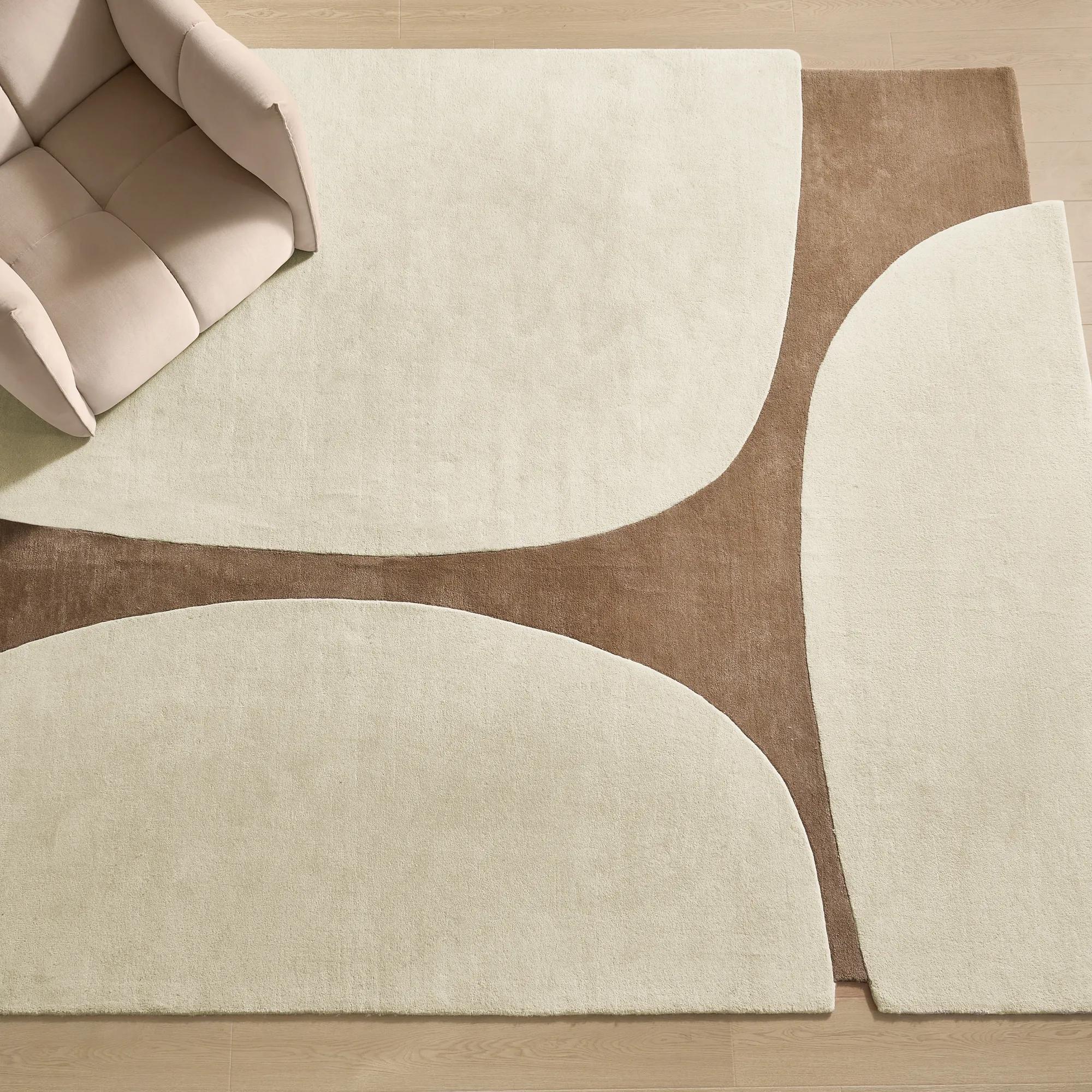
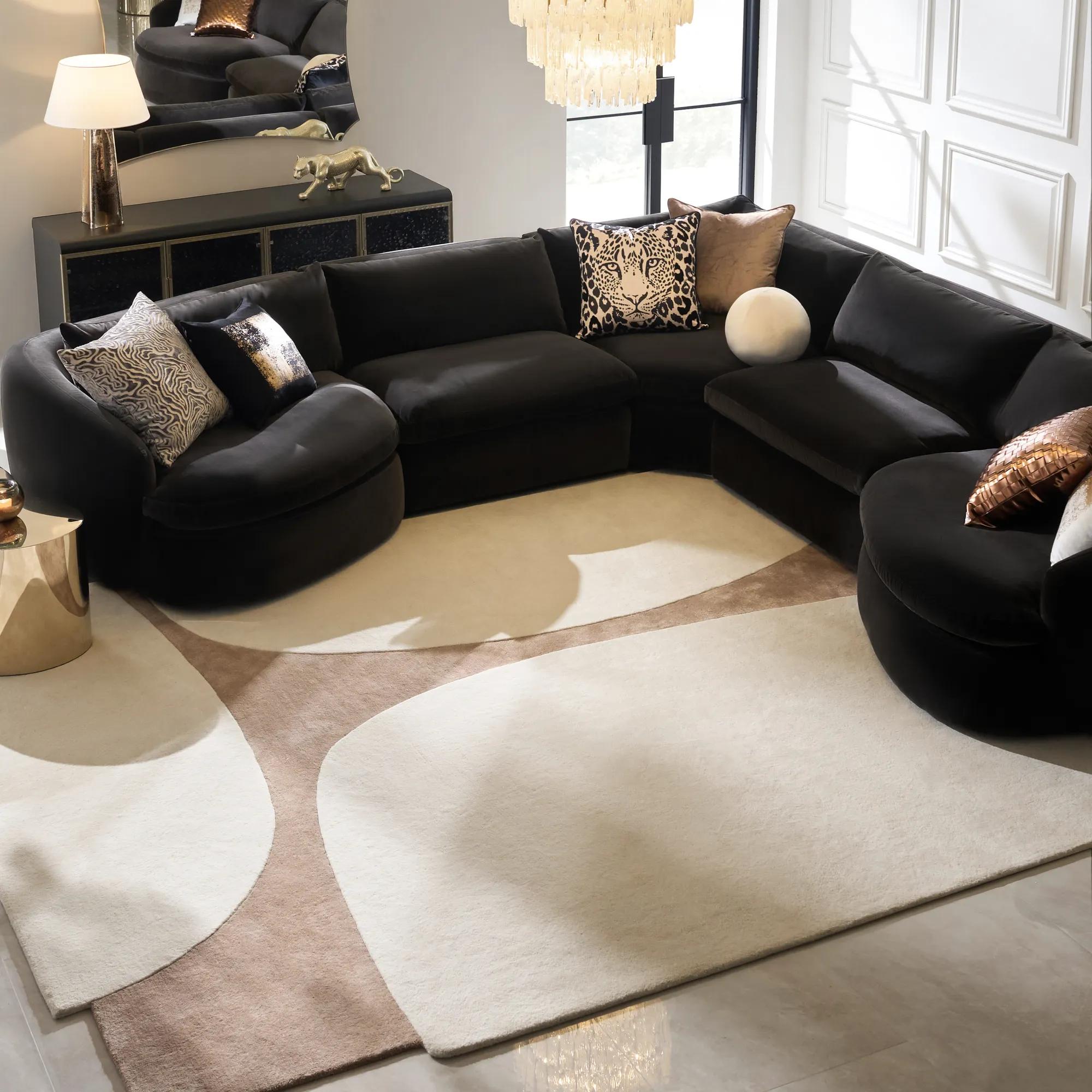 Contour Hand-Tufted Ivory/Ginger Root Wool Blend Rug$499
A hand-tufted wool rug blending ivory and ginger root tones for textured, modern warmth.
Add To Cart -
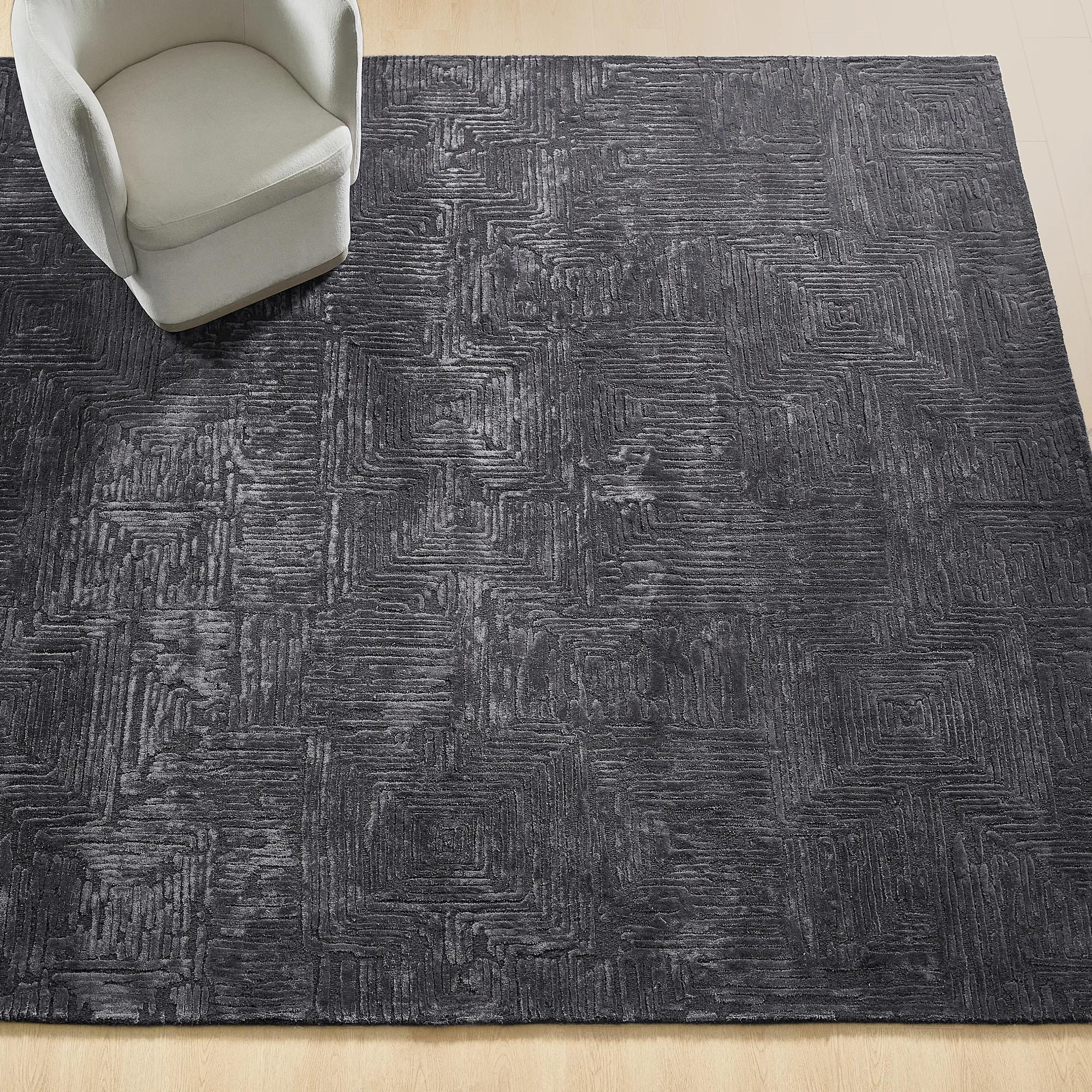
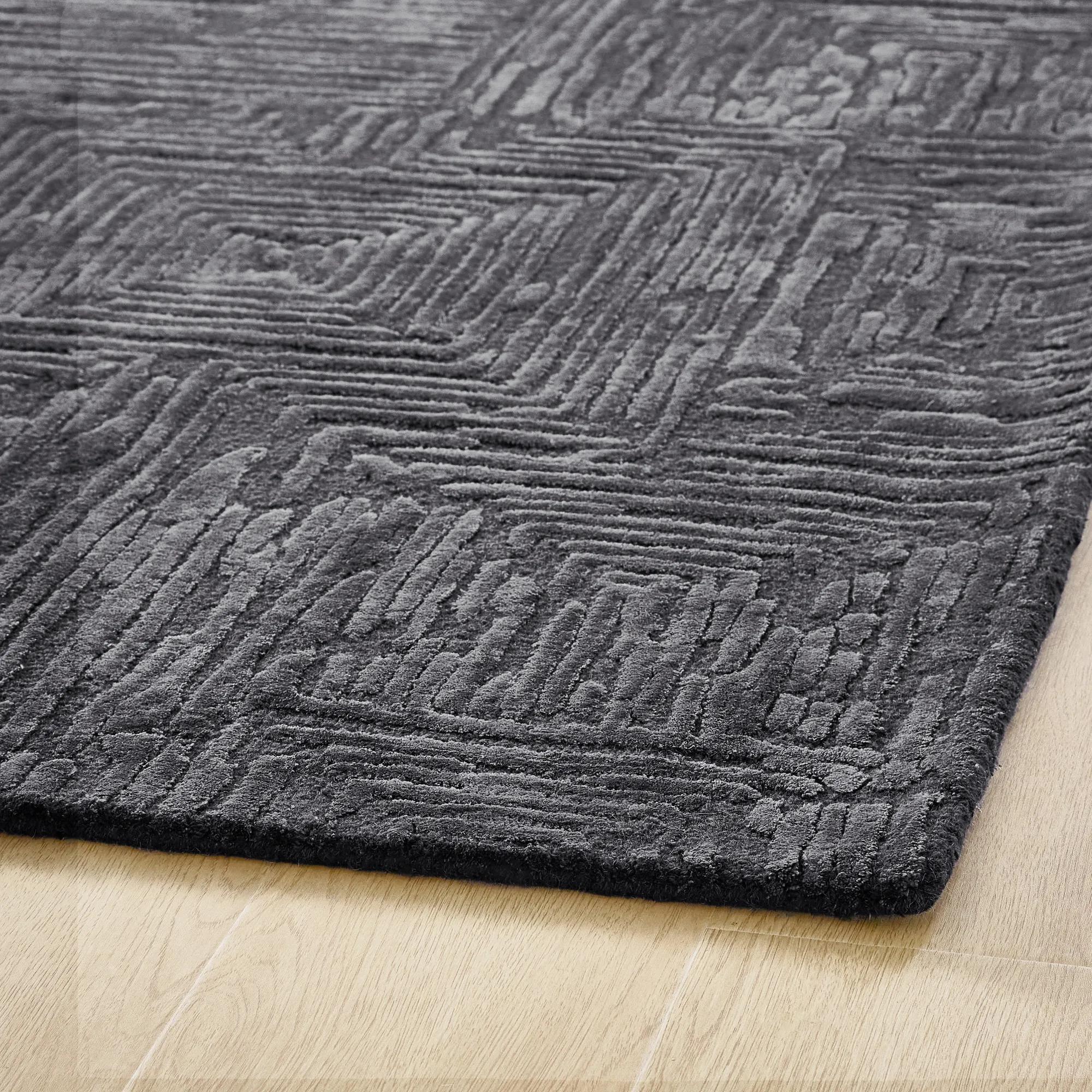 Andra Charcoal Hand-Tufted Wool Blend Dimensional Rug$1499
A hand-tufted viscose-wool rug in rich charcoal with a sculptural, dimensional pattern and plush texture.
Add To Cart -
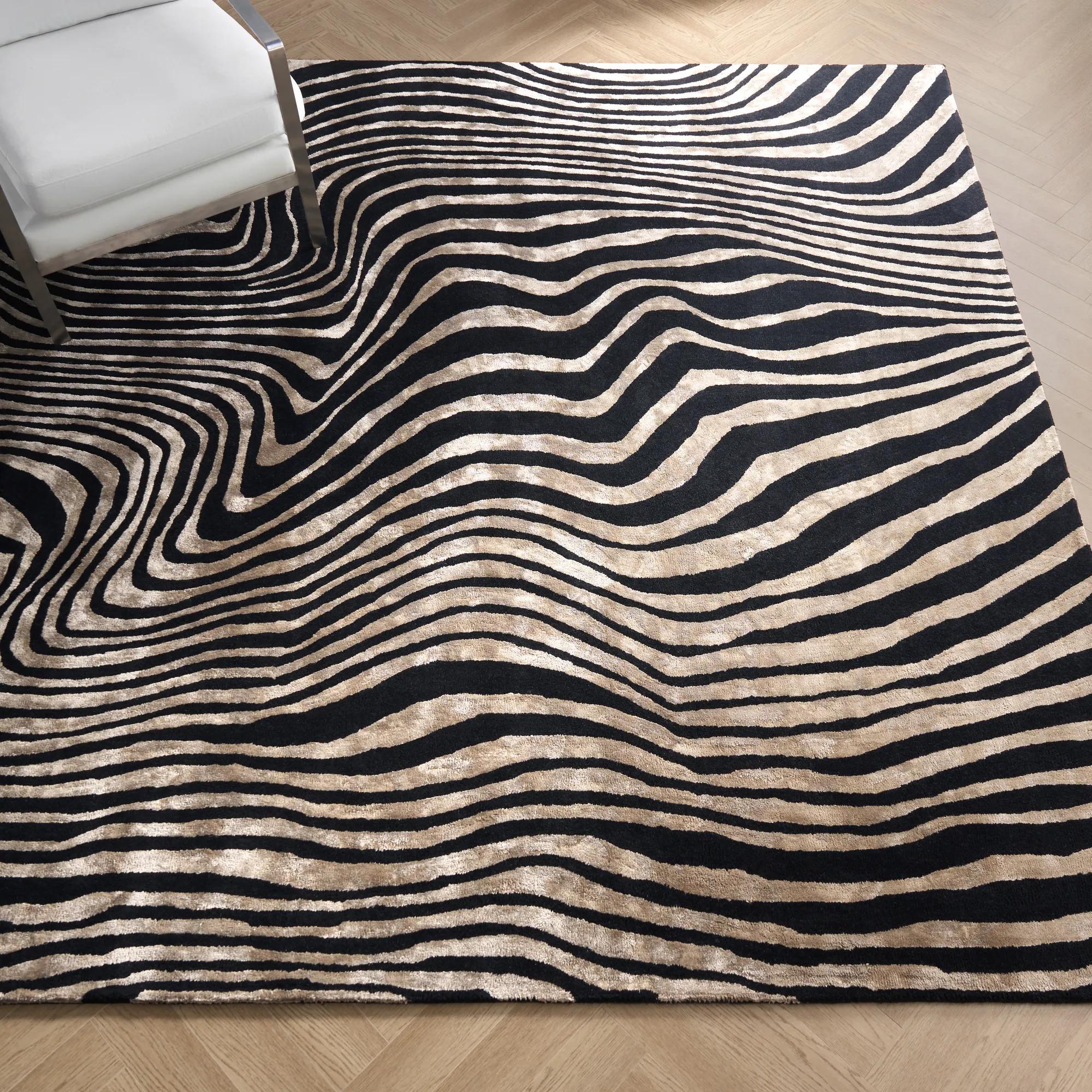
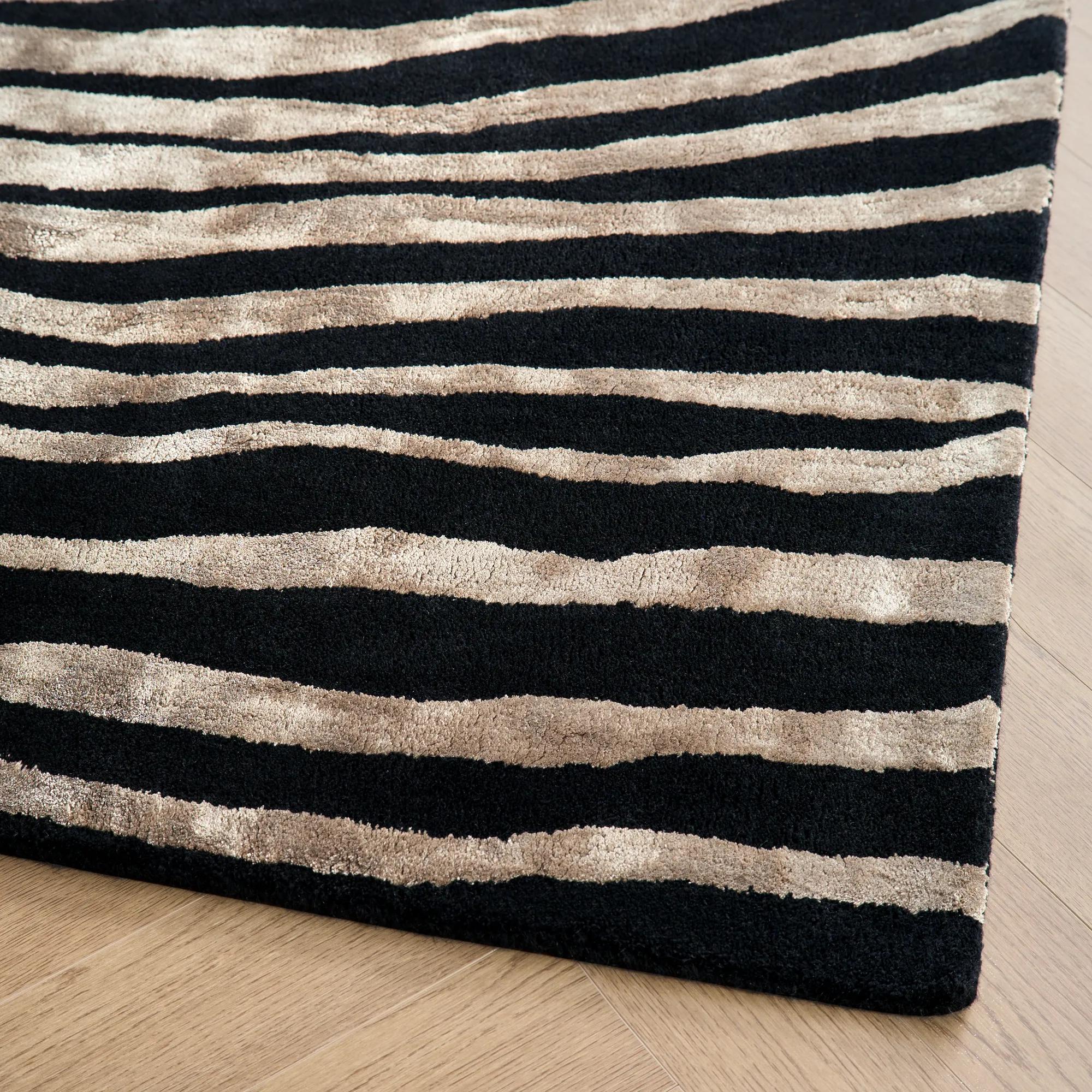 Abstract Zebra Hand-Tufted Black/Taupe Wool Blend Rug$599
An artisan hand-tufted rug in black and taupe wool-viscose, featuring a striking abstract zebra pattern.
Add To Cart -
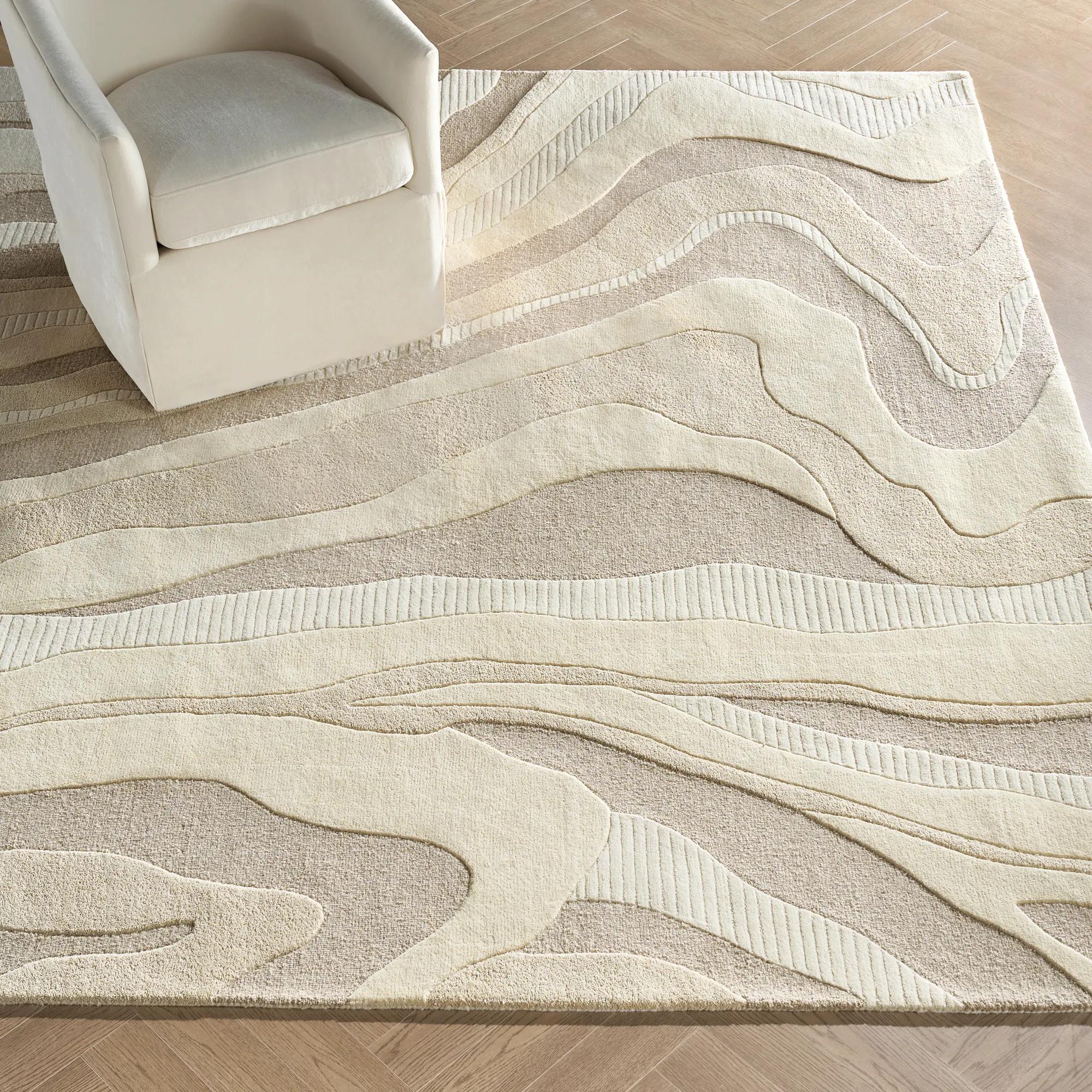 Kadence Hand-Tufted Ivory/Tan Wool Rug$499
A hand-tufted wool rug featuring a multi-textured swirl design in ivory and tan for elegant depth.
Add To Cart -
 Fiona Hand-Tufted Ivory/Beige/Black Border Fringe Rug$1099
A hand-tufted ivory, beige, and black rug featuring a framed border and decorative fringe.
Add To Cart -
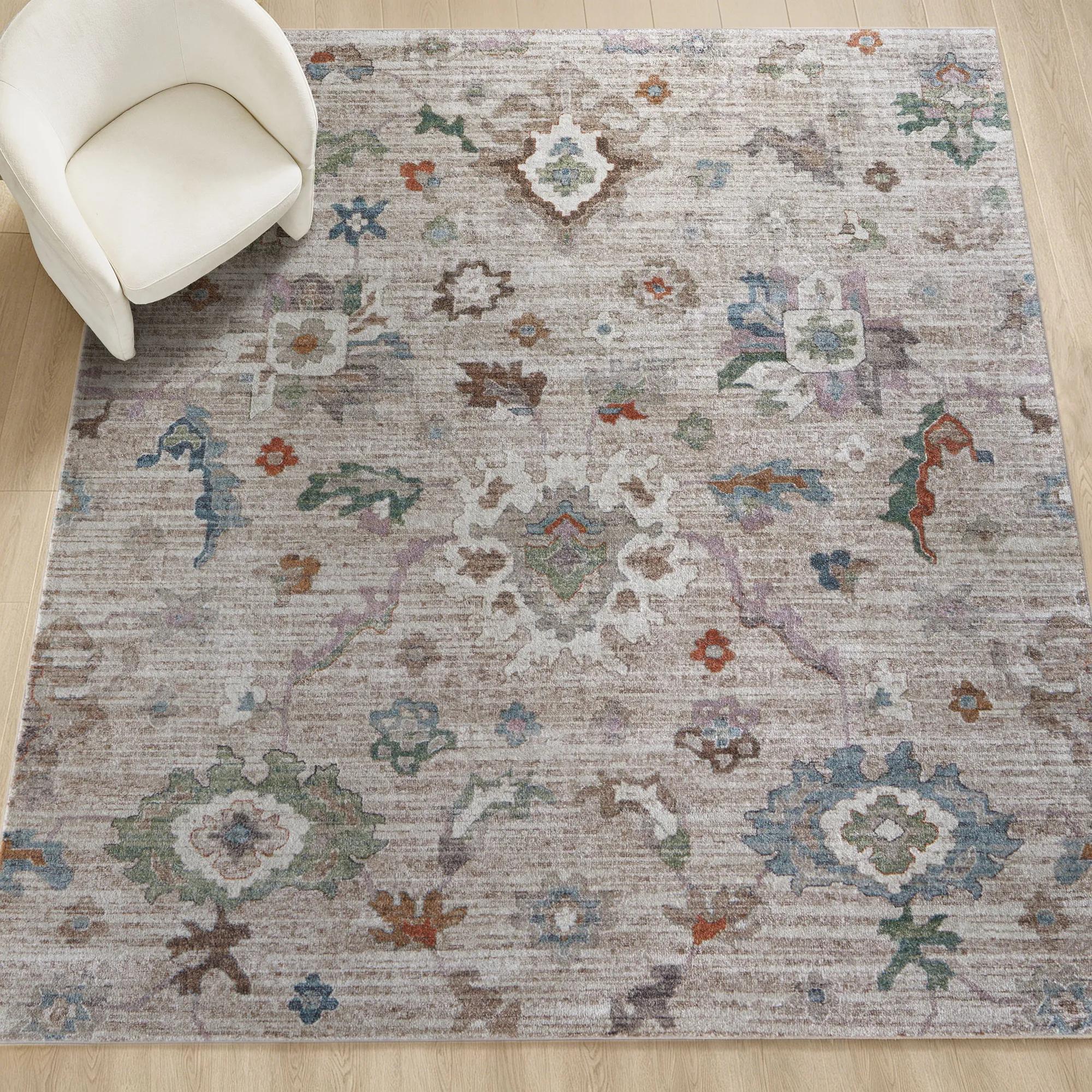
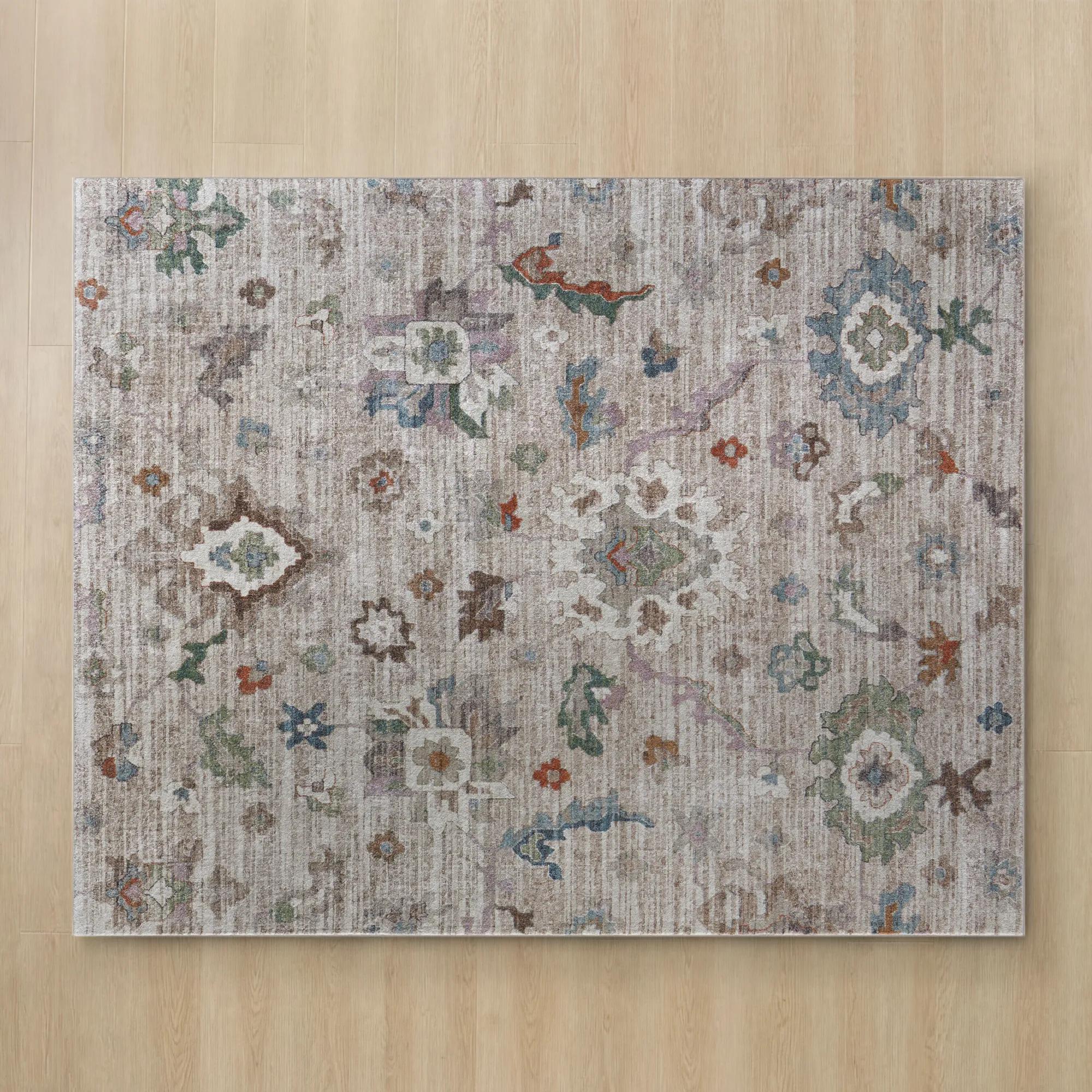 Ariella Floral Taupe/Ivory/Beige/Blue/Green Performance Power Loomed Rug$1399
A Persian-inspired rug in taupe, ivory, beige, blue, and green with a plush, power-loomed polypropylene pile.
Add To Cart -
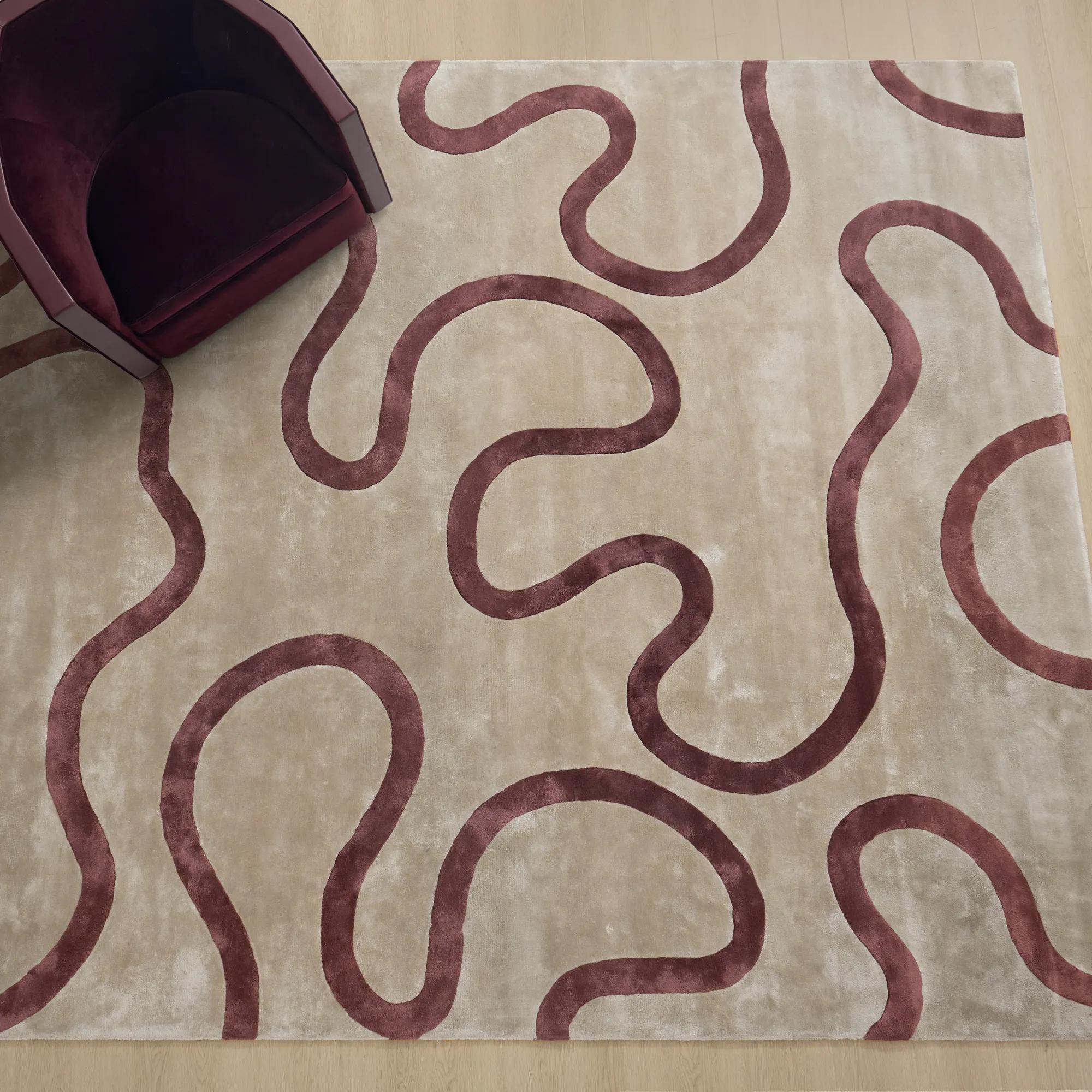 Seraphine Hand-Tufted Fig/Taupe Viscose Loop Rugs$1199
A hand-tufted wool rug featuring bold fig and taupe loops for playful movement and Deco-inspired style.
Add To Cart -
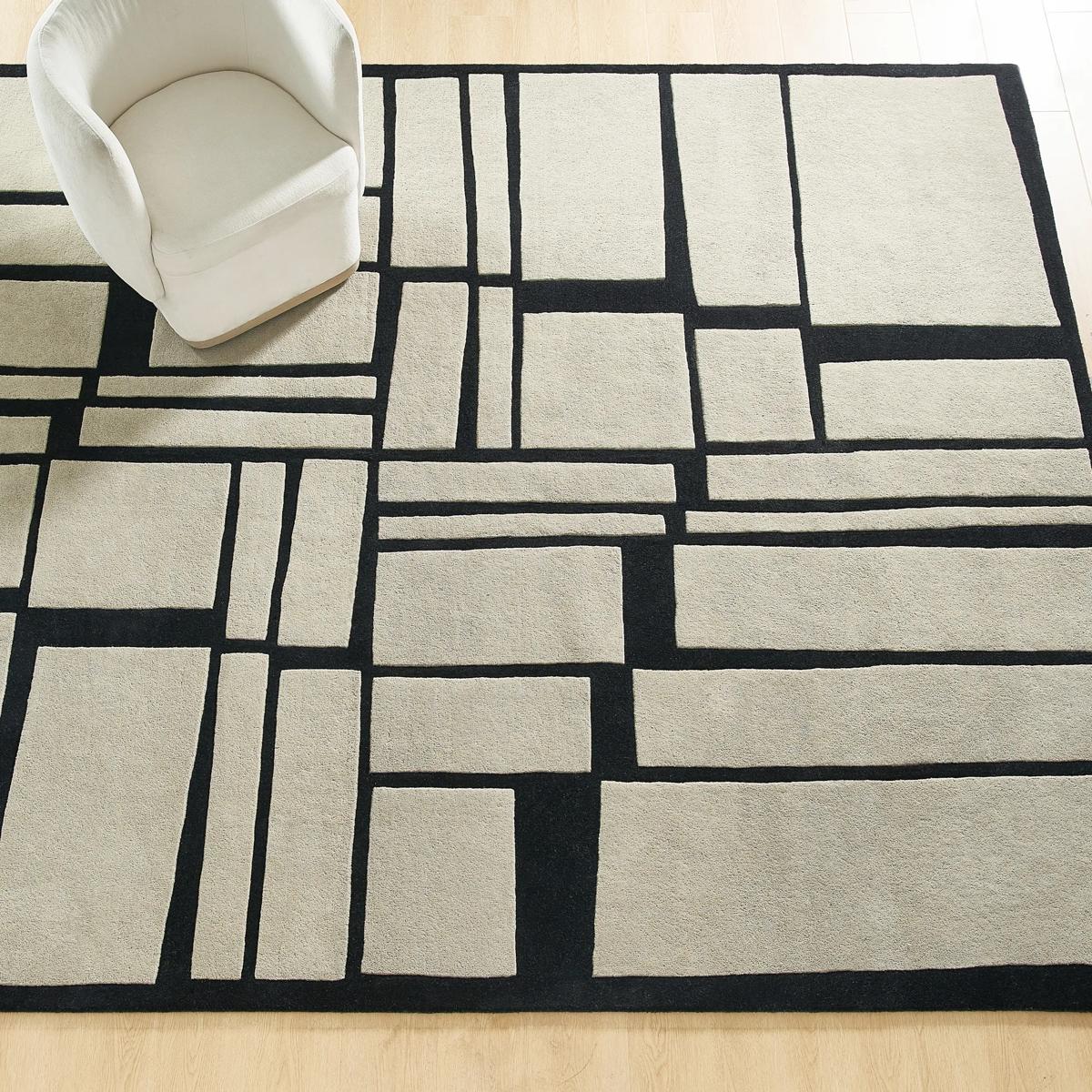 Novak Hand-Tufted Natural/Black Wool Rug$449
A hand-tufted wool rug featuring a bold black and natural grid design for modern visual impact.
Add To Cart -
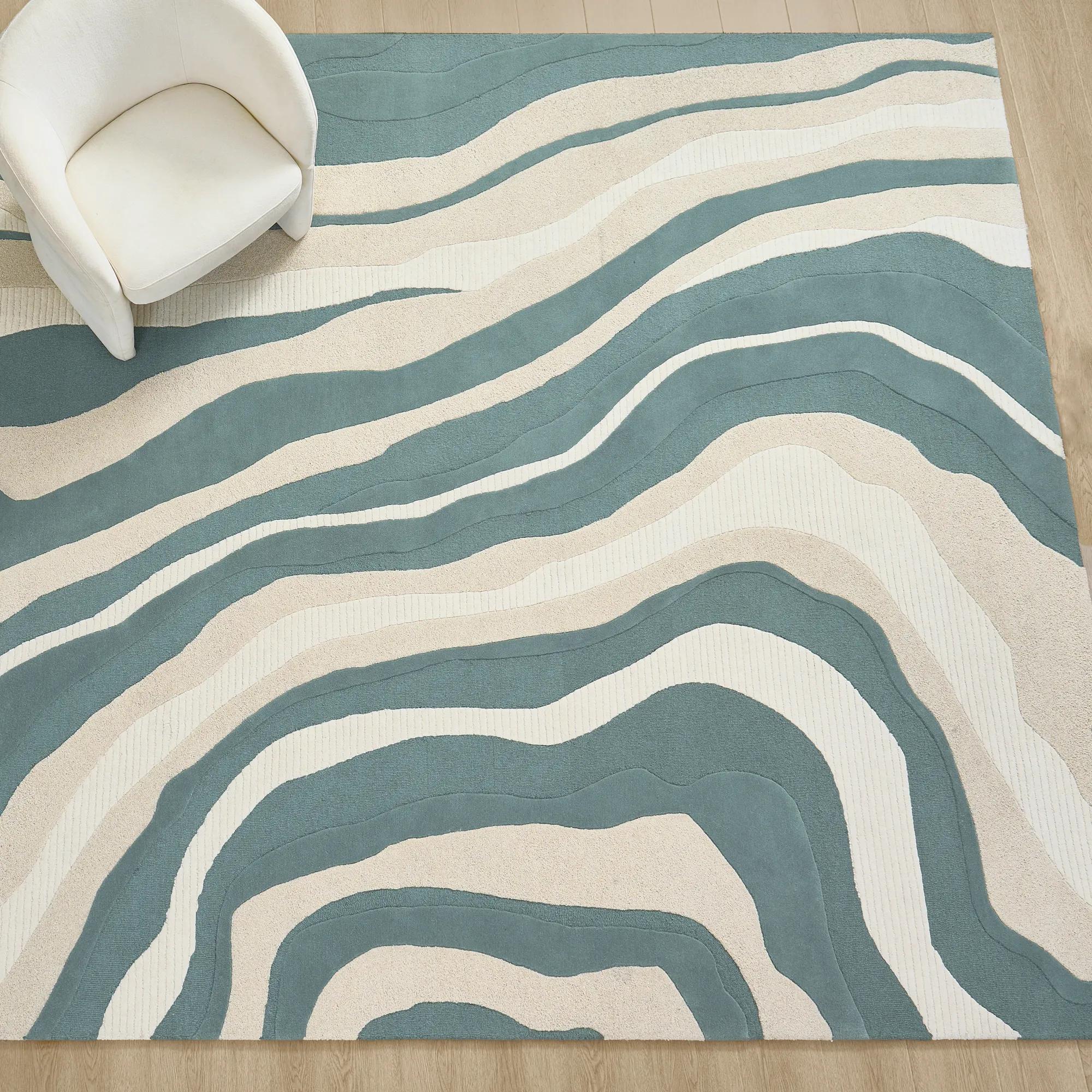 Kadence Hand-Tufted Sage Green/Ivory Wool Rugs$1499
A hand-tufted wool rug in deep sage green and ivory with a sculptural high-low abstract wave pattern.
Add To Cart -
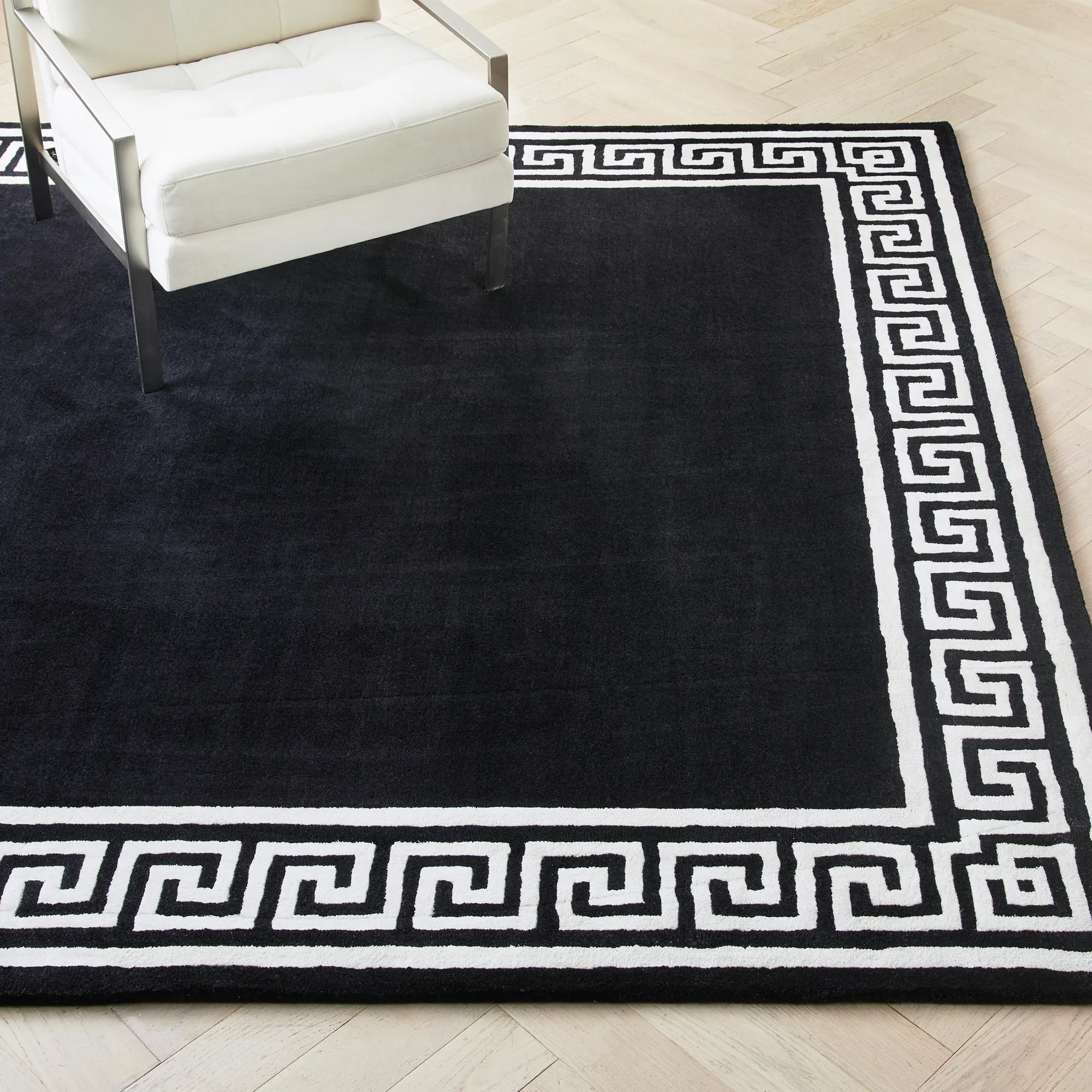
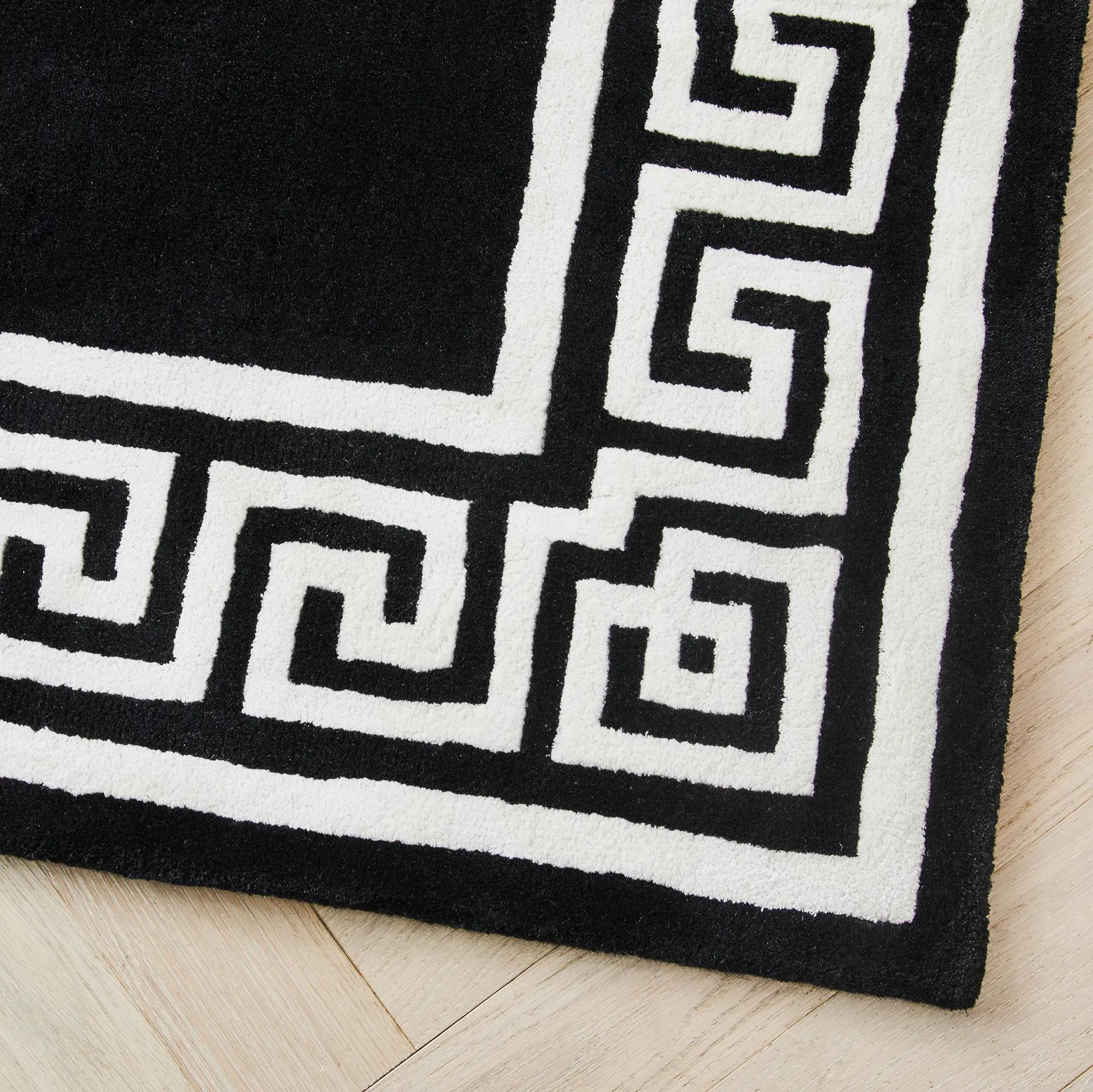 Greek Key Rug - Black/Ivory$1799
A hand-tufted black and ivory rug featuring a classic Greek key pattern in wool and viscose.
Add To Cart -
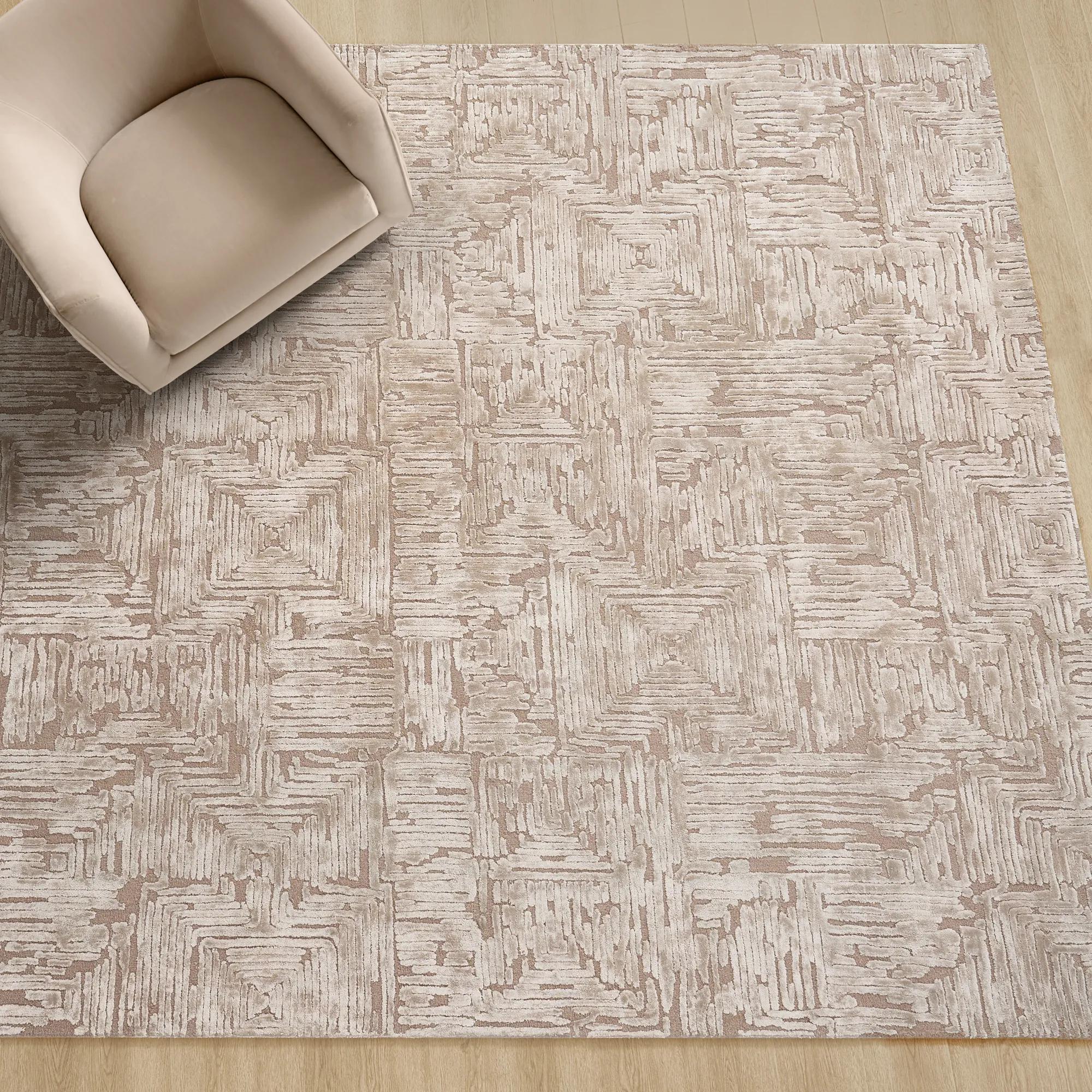
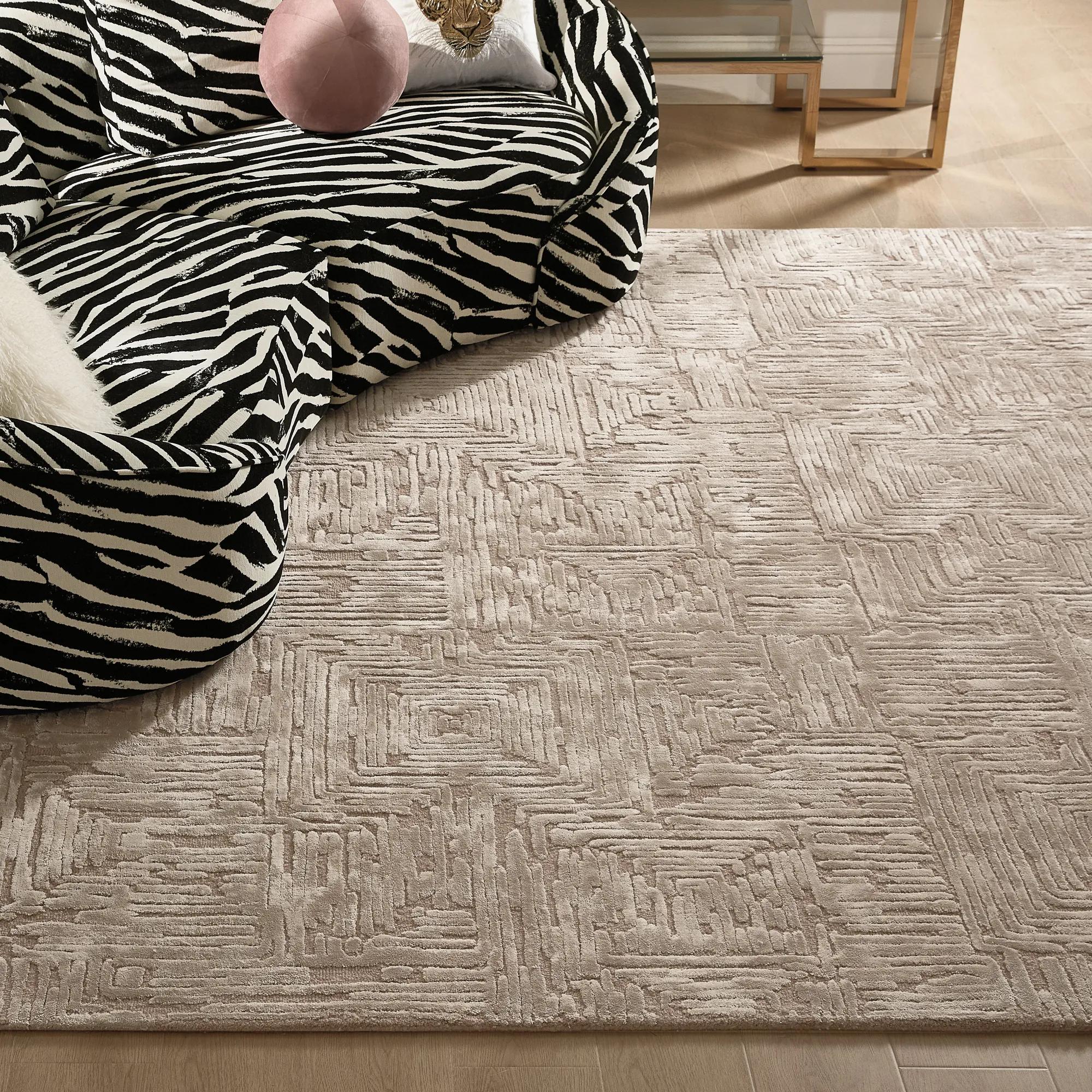 Andra Hand-Tufted Mocha Rose Viscose & Wool Dimensional Rugs$999
A hand-tufted viscose and wool rug in mocha rose, featuring a dimensional high-low geometric pattern.
Add To Cart -
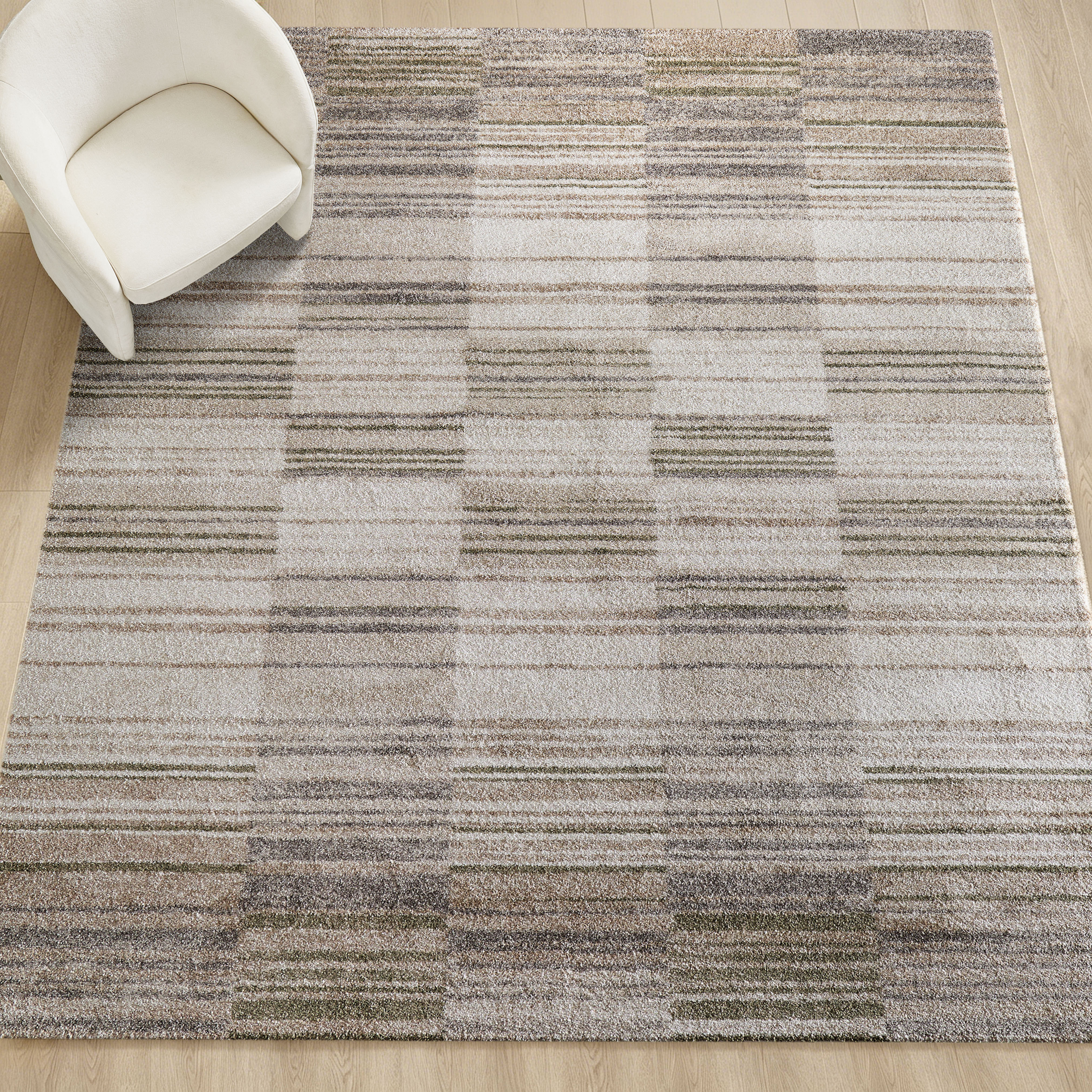
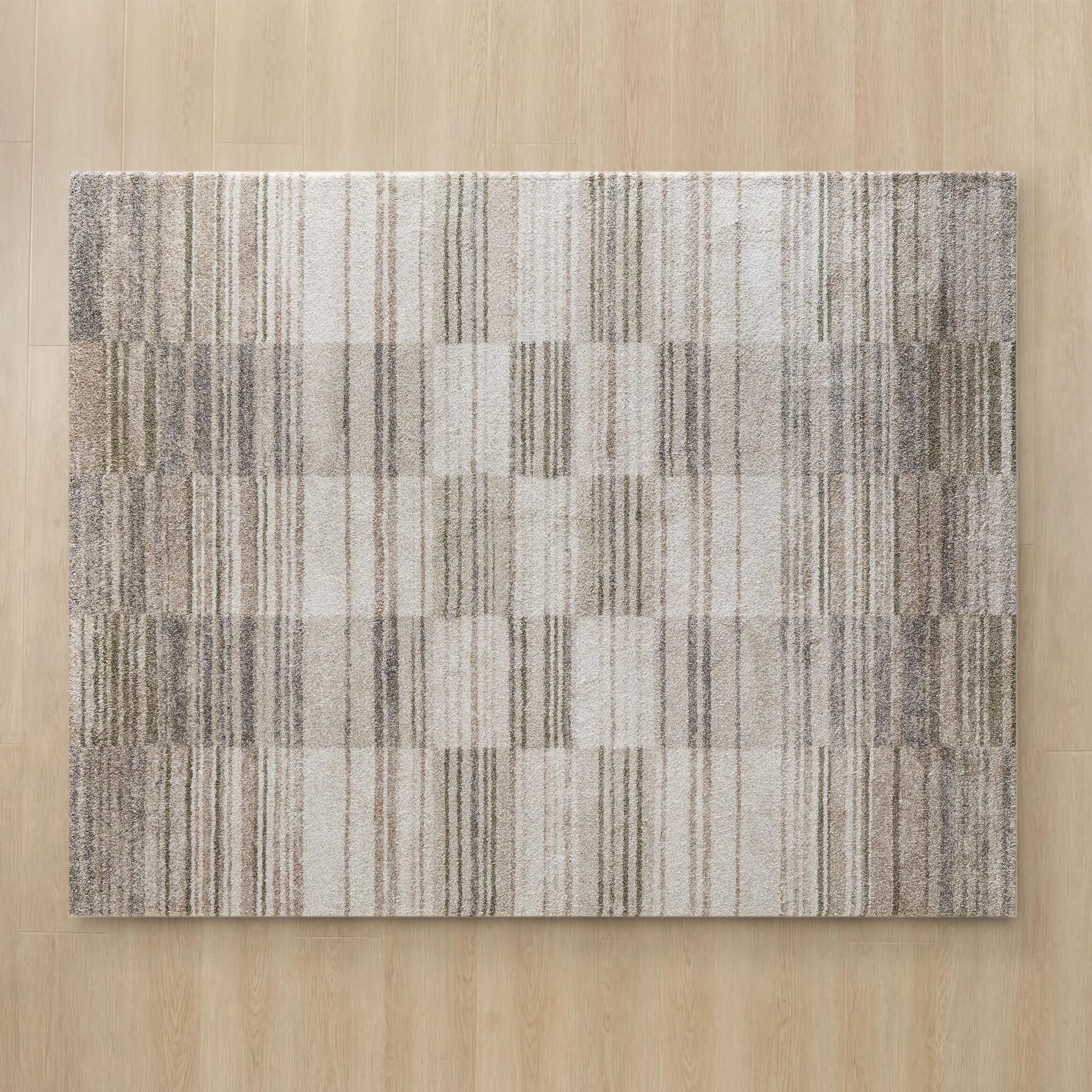 Checka Grey/Tan/Ivory/Soft Green Performance Power Loomed Rug$399
A plush, power-loomed rug featuring a soft check pattern in grey, tan, ivory, and green.
Add To Cart -
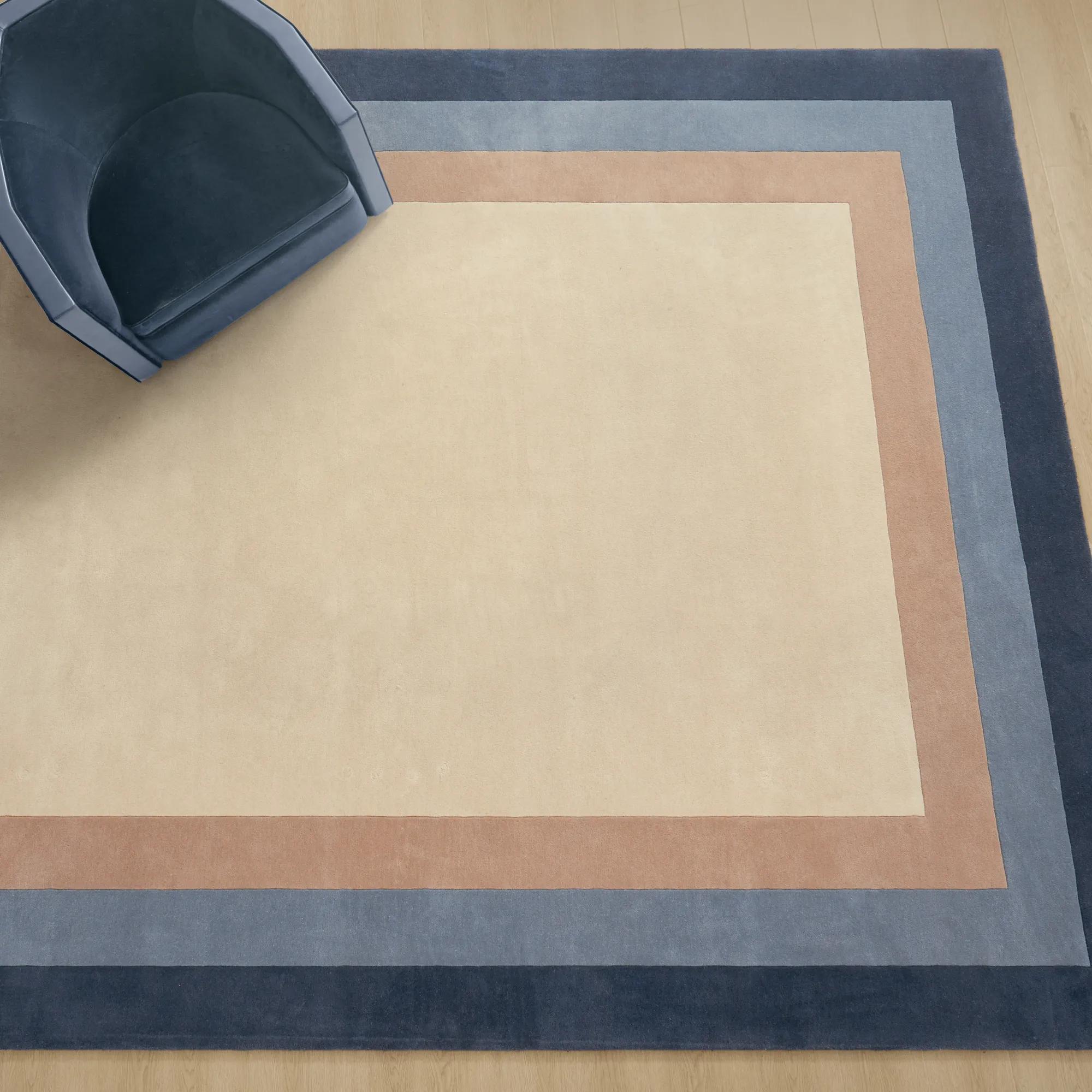 Bastien Hand-Tufted Blue/Taupe/Ivory Wool Border Rugs$1499
A hand-tufted wool rug featuring a bold color-blocked border in dusty blue, taupe, and ivory tones.
Add To Cart -
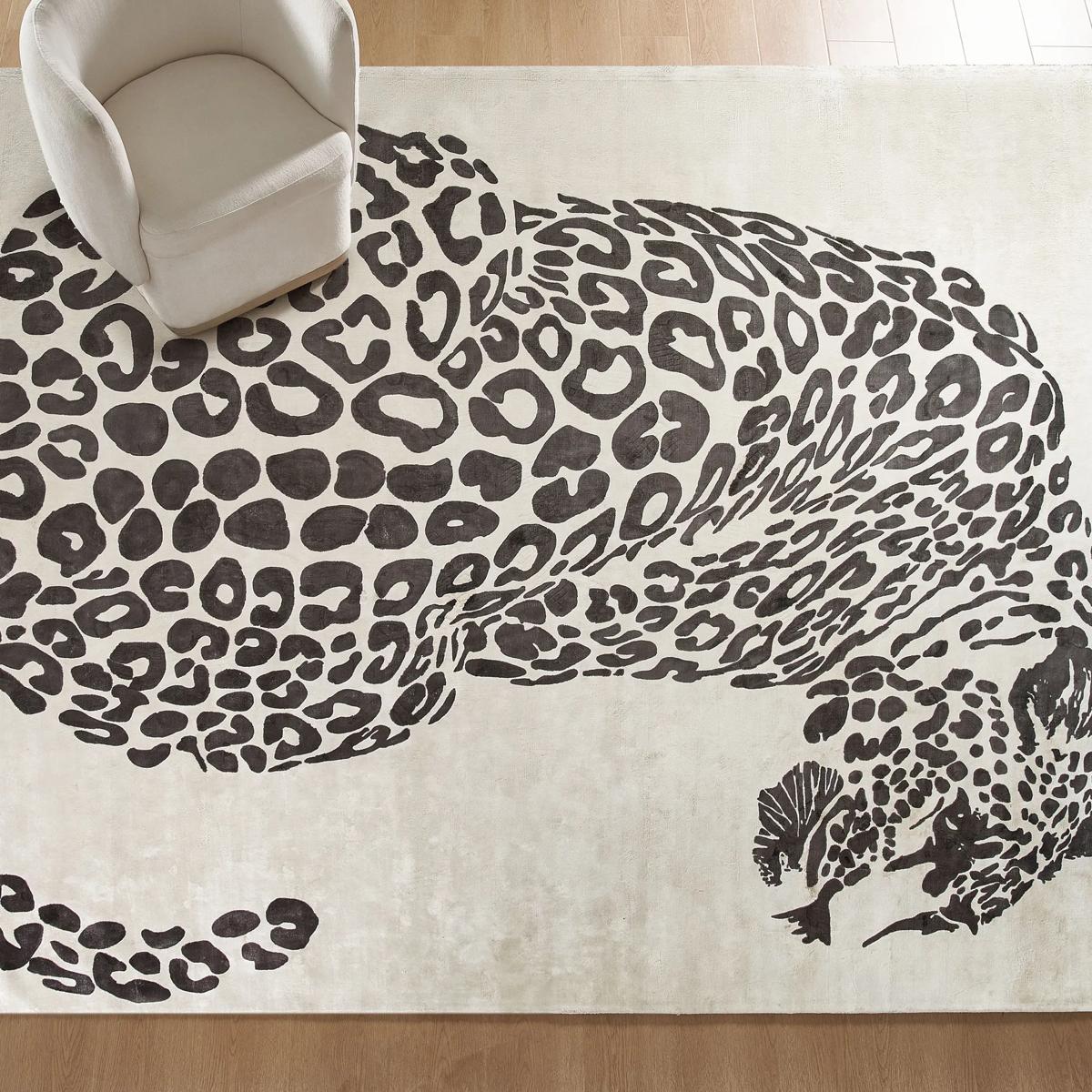 Pardus Leopard Hand-Loomed Ivory/Black Rug$499
An artful ivory and black viscose rug featuring a bold leopard motif and a smooth, silky texture.
Add To Cart -
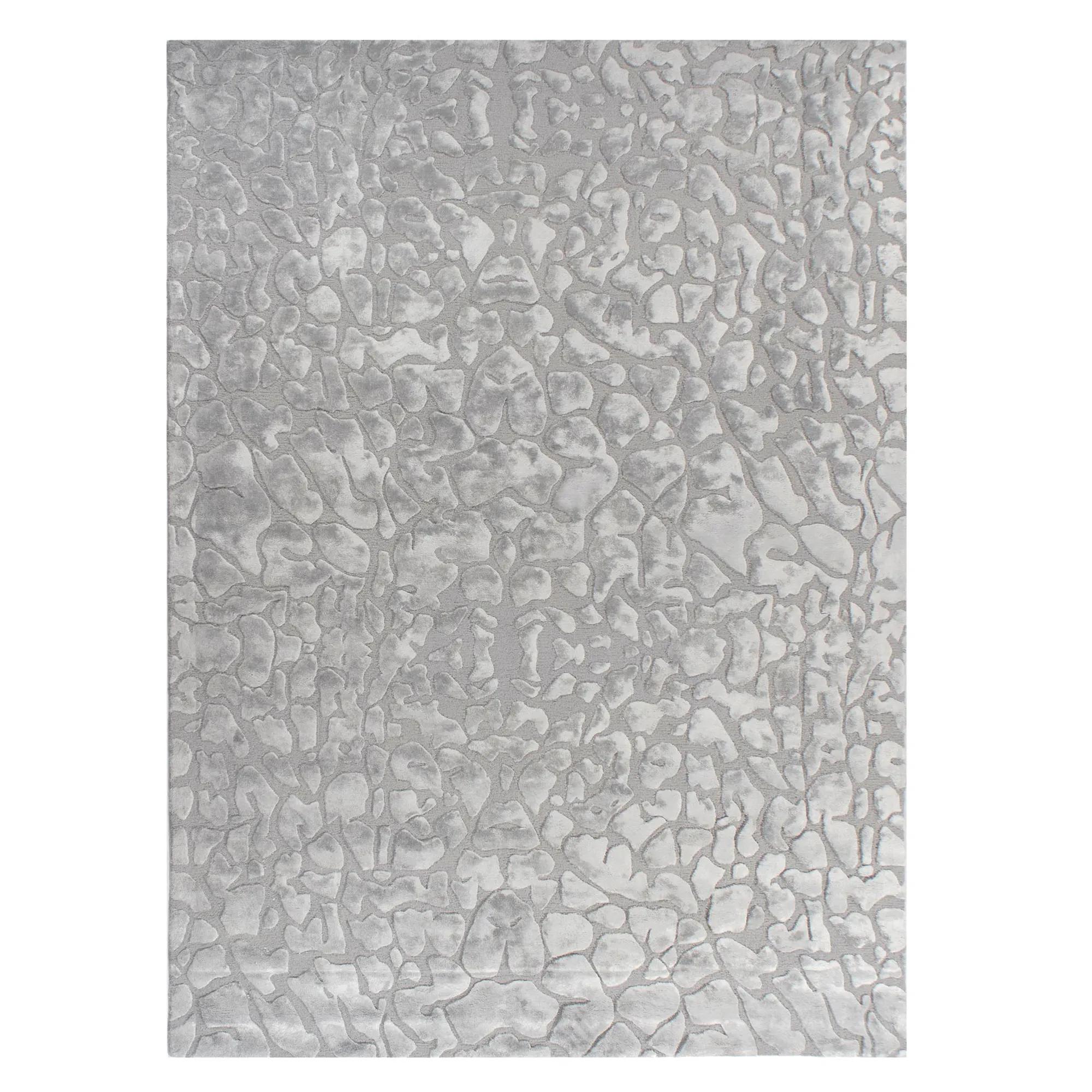
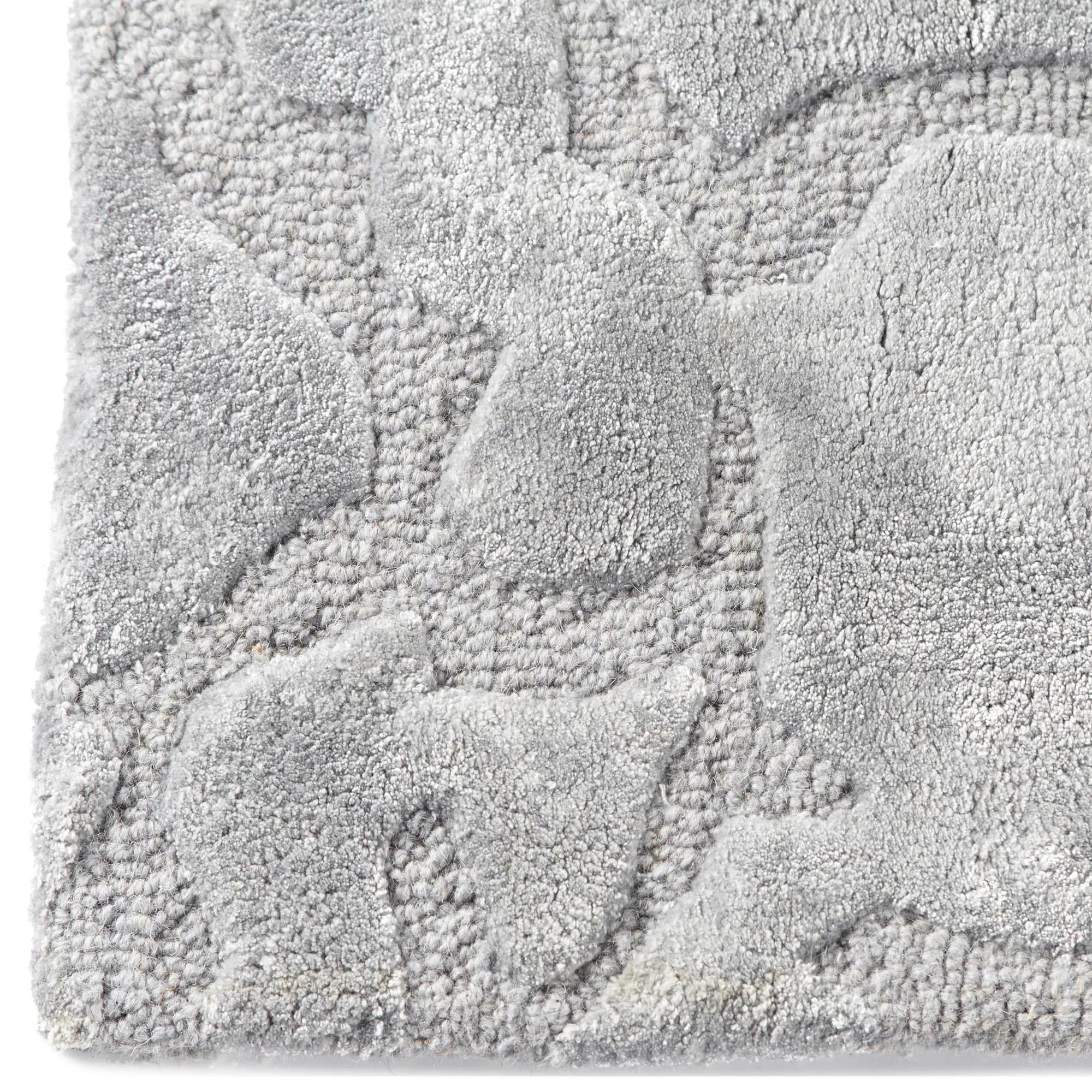 Nola Hand-Tufted Cool Grey Wool Blend Rug$849
A hand-tufted silver rug with contrasting pile heights, crafted from wool and viscose for plush texture.
Add To Cart -
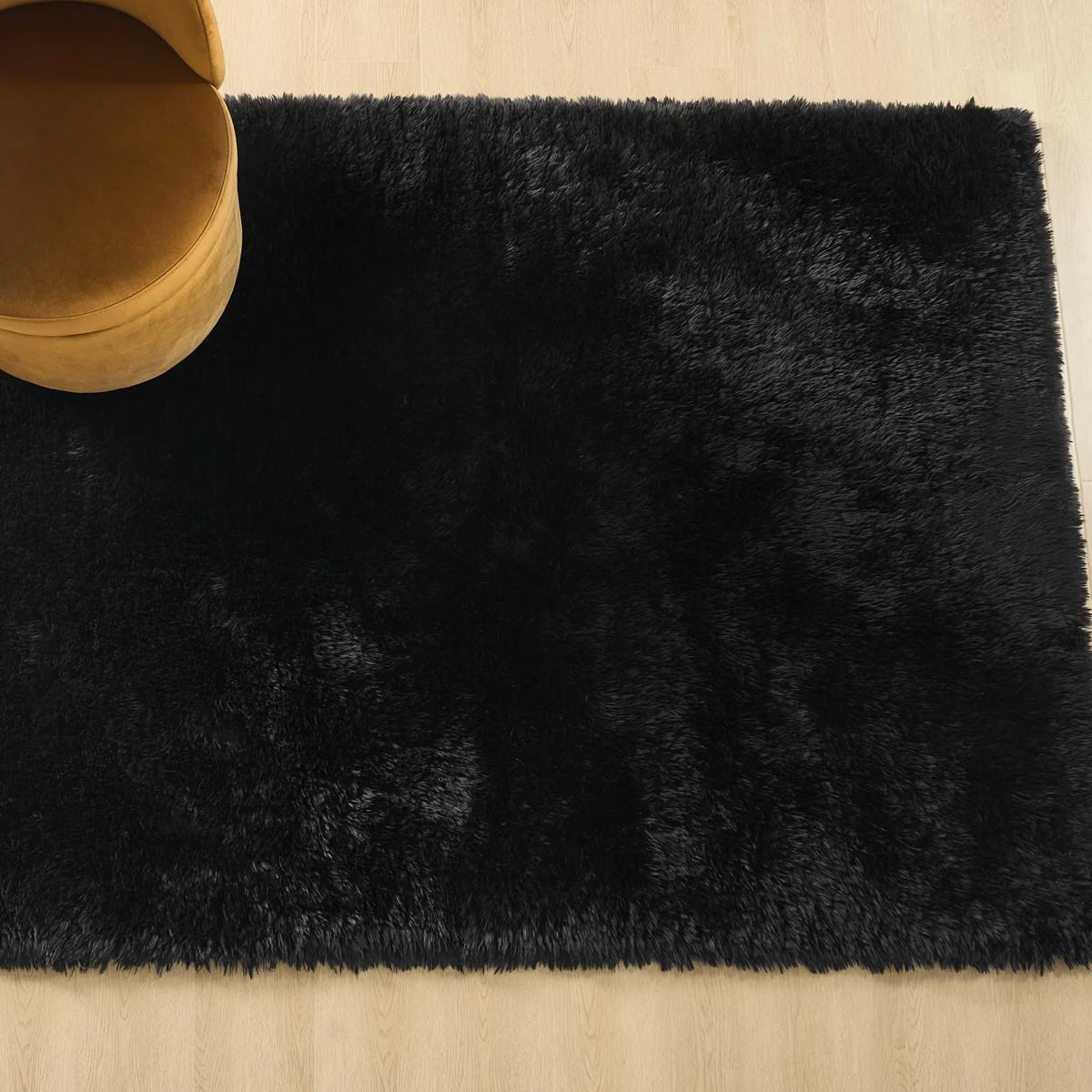
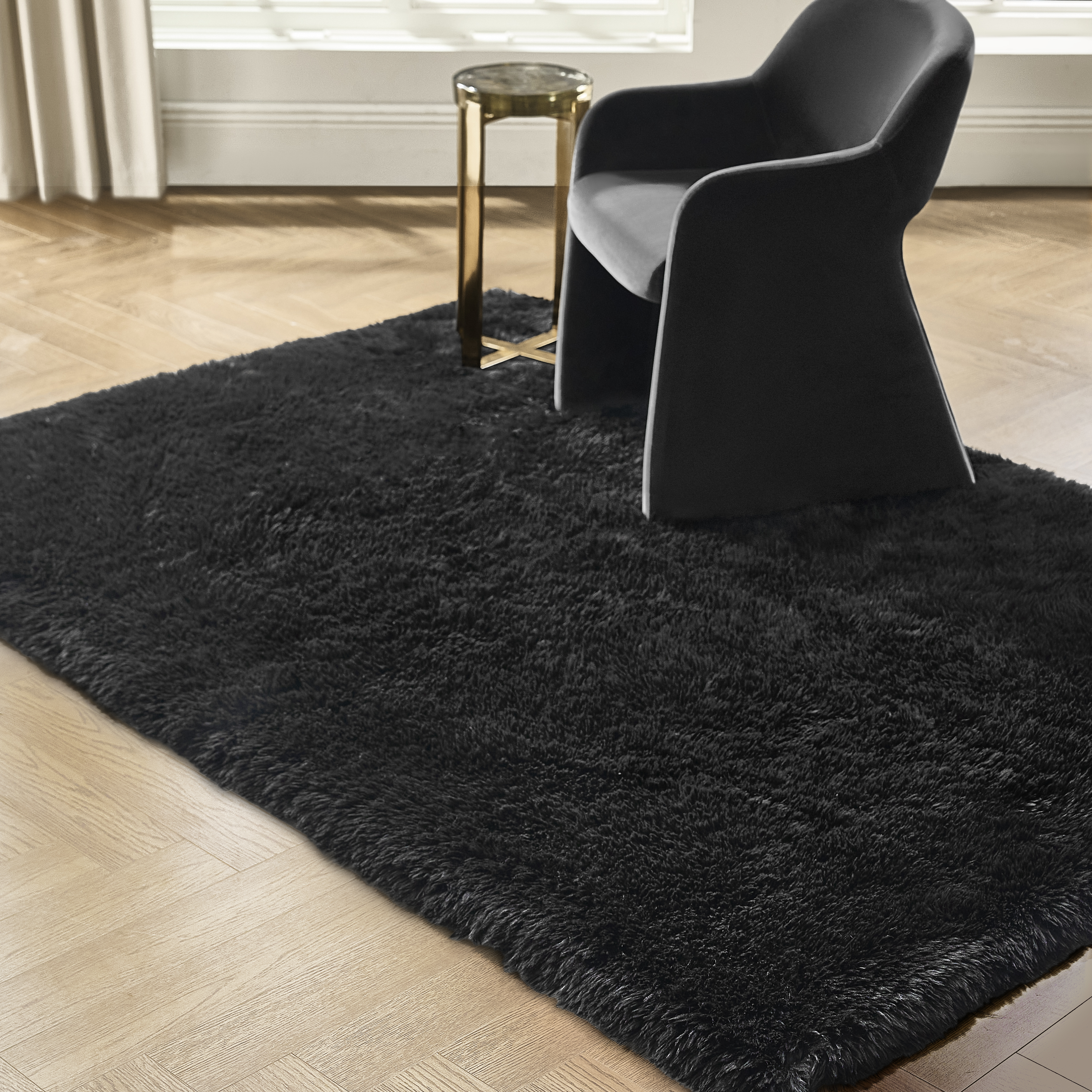 Lustre Shag Rug - Black$299
A plush, ultra-soft high-pile rug in deep black polyester with a non-slip backing for modern elegance.
Add To Cart -
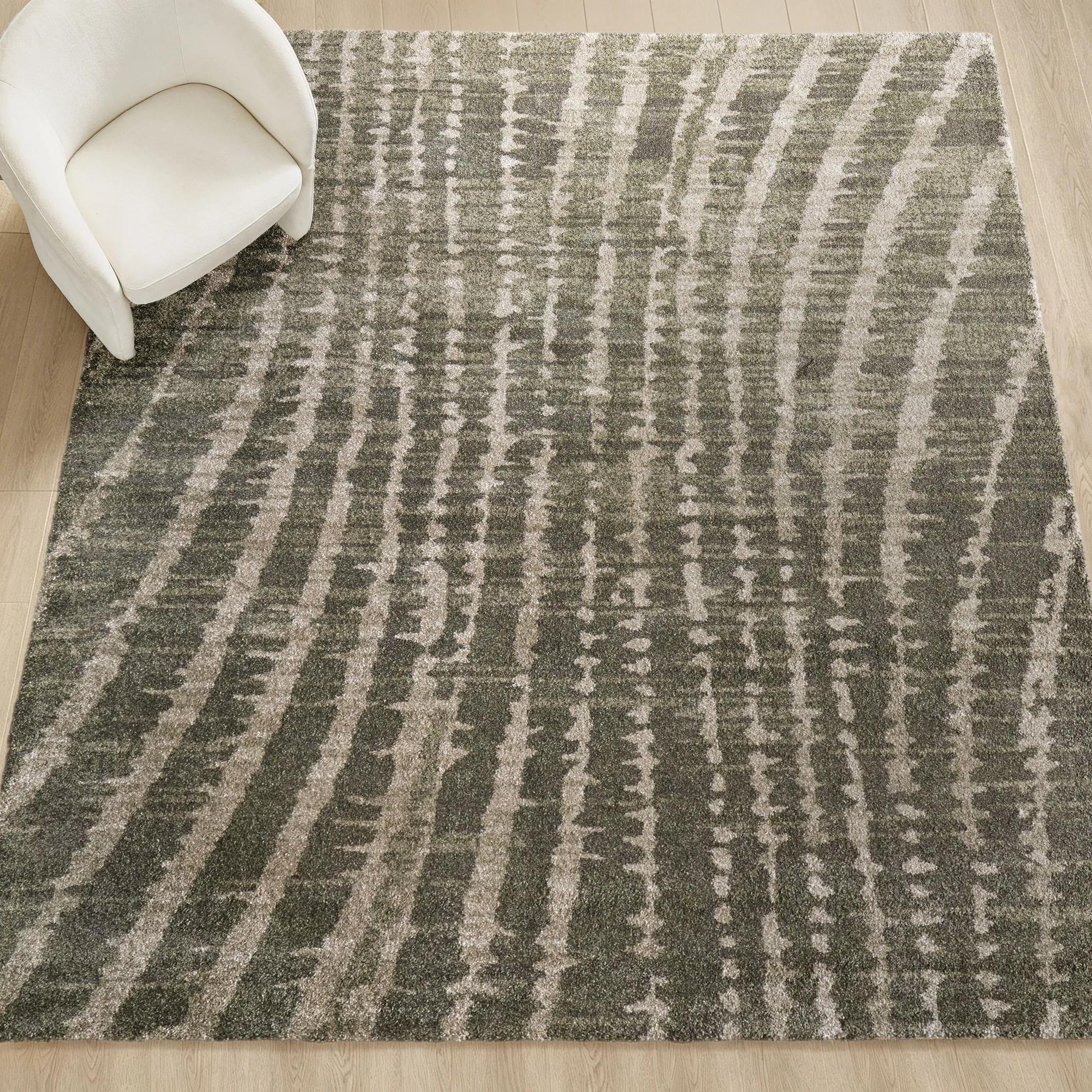
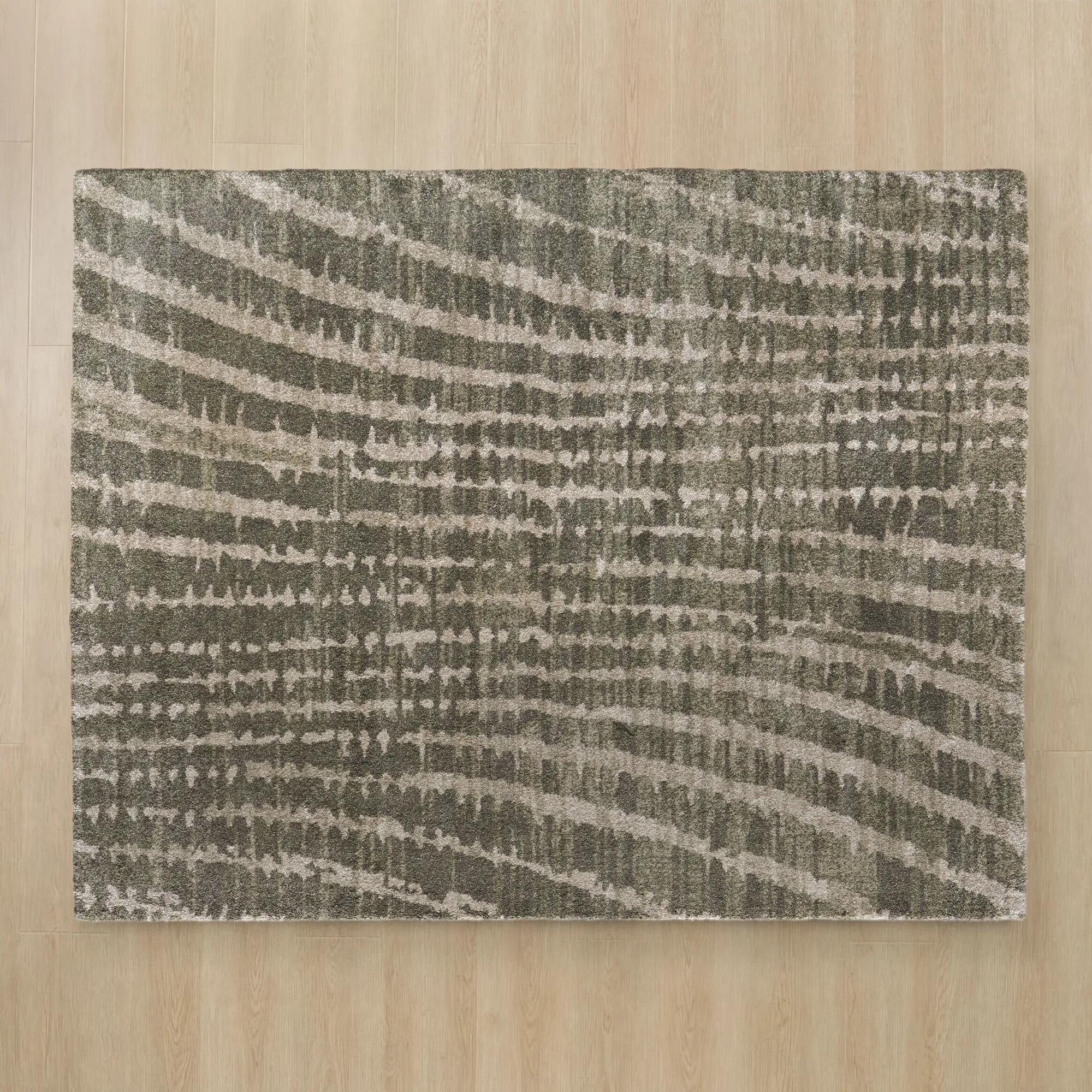 Tempo Green/Grey/Beige Performance Power Loomed Rug$399
An abstract charcoal grey and beige rug with plush cut pile and durable, stain-resistant polypropylene-polyester blend.
Add To Cart -
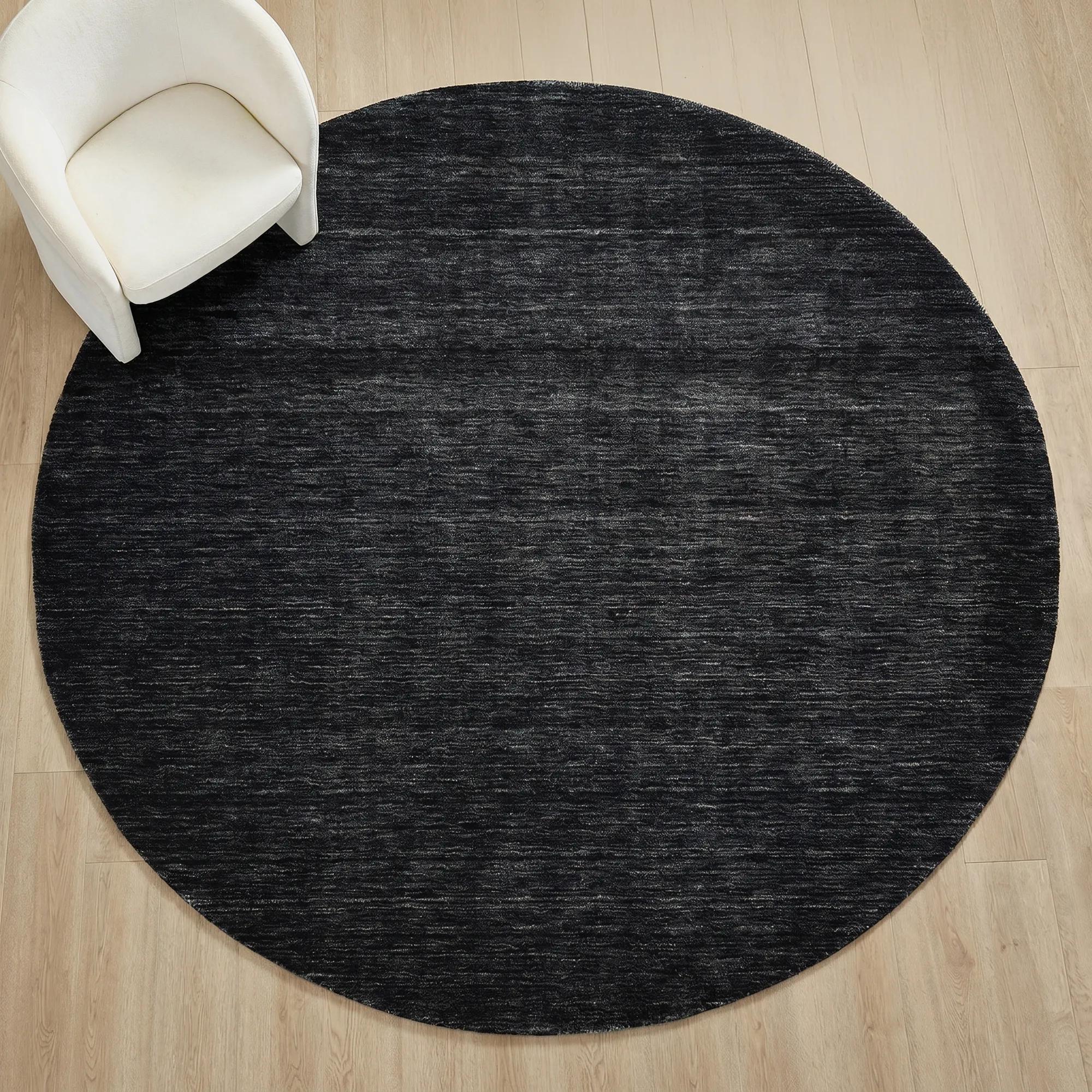 Juni Hand Woven Heathered Black Rug$799
A handwoven round wool rug in heathered black, offering durable texture and moody, contemporary style.
Add To Cart -
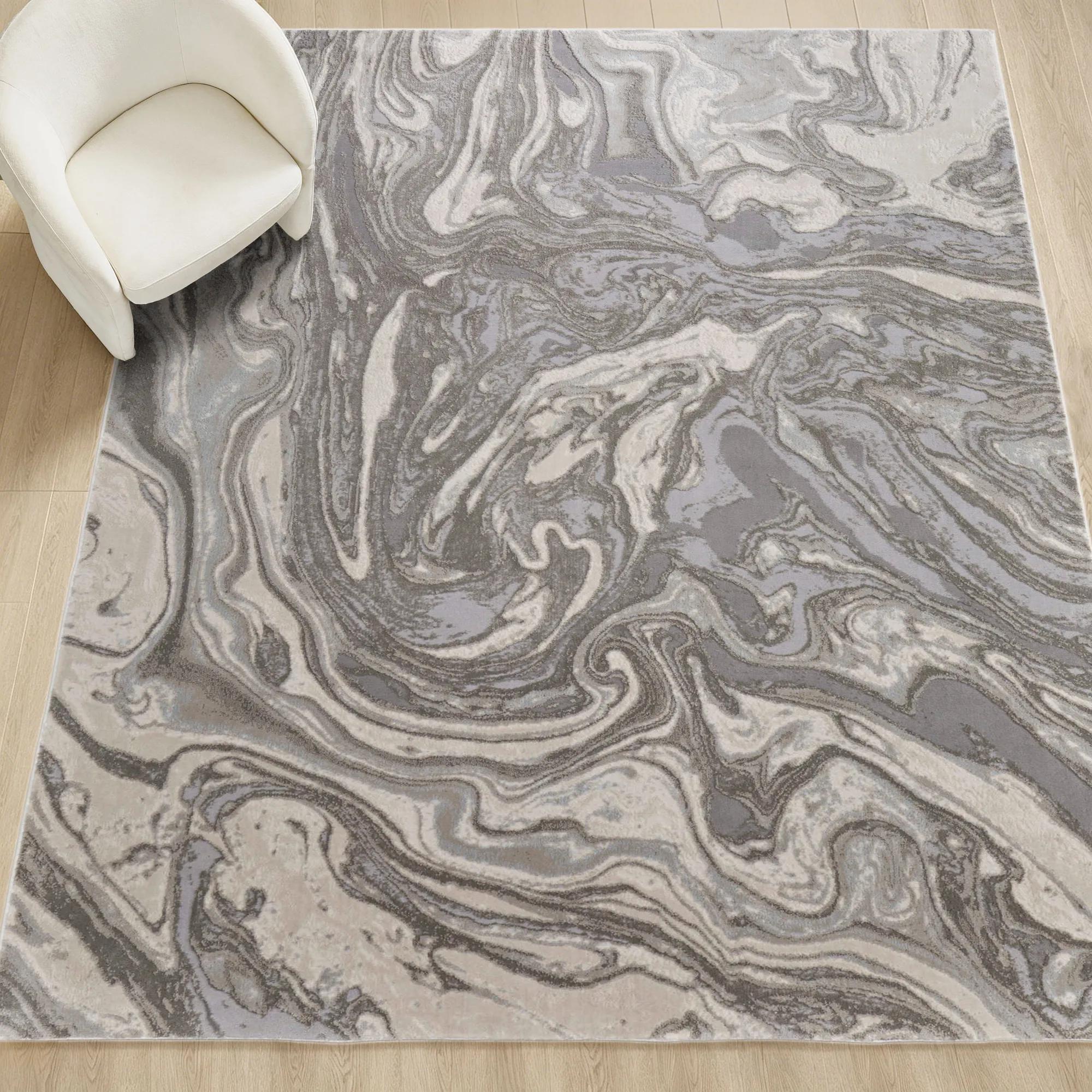
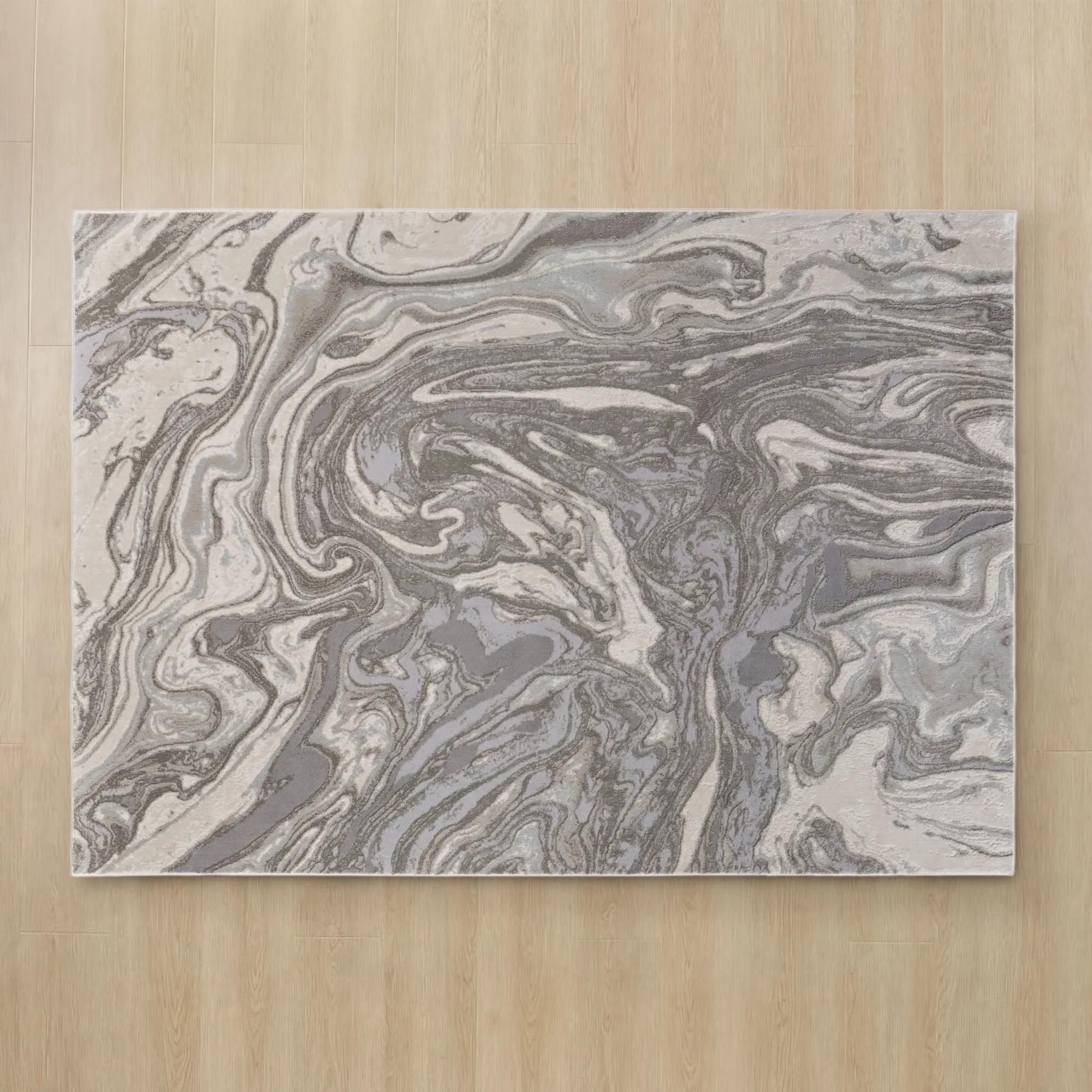 Marbre Marbled Grey/Taupe/Powder Blue Performance Power Loomed Rug$1499
A softly marbled rug in grey, taupe, and powder blue with a textured, stain-resistant performance blend.
Add To Cart

Deep Pile Living Room Rugs
Deep pile living room rugs bring plush comfort underfoot and rich texture to your seating area. Explore high-pile styles that give the room a sumptuous foundation, considering rug dimensions, furniture placement, and care requirements to find a design that suits both your space and the way you live.
Deep pile living room rugs feature long, raised fibers, typically about 1/2 inch or more in height, that create a plush surface underfoot and bring dimensional texture to a seating area. Often described as high-pile rugs, they range from softly tufted designs with a dense, cushioned feel to shag styles with longer, more visibly separated strands. Pile height describes the length of those fibers; density describes how closely they are packed. Both influence how a rug feels, looks, and responds to everyday use, so a taller pile does not automatically mean a thicker or more resilient construction. In a living room, this generous texture gives sleek furniture a sumptuous counterpoint: a glass coffee table reveals the sculptural surface beneath it, polished metal legs gleam against its softness, and a tailored sofa gains a more inviting setting. Ivory and cream emphasize the shadows between fibers, creating depth without demanding a strong color contrast. Silver, charcoal, and taupe can lend a more atmospheric foundation, while saturated tones turn the floor into an expressive part of the room. Depending on the fiber and finish, the surface may appear matte and enveloping or catch the light with a subtle luster. Even a solid-colored rug can have considerable visual movement as its pile changes direction. Deep pile is especially suited to living rooms centered on conversation, reading, and relaxed entertaining, where softness is part of the experience rather than simply an accent. It can also help soften the sound of footsteps and reduce some of the reflected noise associated with hard flooring, although the effect varies with the rug, pad, and room. For a more pronounced, free-flowing texture, Thick Pile Shag Rugs offer a related expression of this tactile look, with elongated fibers that give a seating arrangement a richly layered foundation.
Material and construction shape the character of a deep pile rug as much as color does. Wool has a naturally resilient crimp that helps its fibers recover after compression, along with a substantial feel that complements a beautifully furnished living space. Some shedding is normal with wool, particularly early in use, and the amount depends on fiber quality and construction. Polyester can deliver a soft hand and luminous color, while polypropylene is often selected for its resistance to moisture absorption and many common stains. Neither characteristic makes a rug stainproof, and oily spills can still be difficult to remove. Blended fibers may balance softness, sheen, and resilience; the listed composition and care requirements provide a clearer picture than appearance alone. Hand-tufted, woven, and machine-made constructions can differ in backing, fiber retention, and cleaning needs, so craftsmanship is best considered alongside the demands of the household. A deep pile rug beneath a seldom-used formal seating group faces different pressures from one in a family living room where children play, pets lounge, and the same path is crossed throughout the day. Dense, resilient pile can be useful in an active seating area, but longer fibers generally hold more debris and require more attentive care than a low-pile surface. Scale matters just as much. A rug should visually connect the furniture rather than sit like an isolated island beneath the coffee table. Placing at least the front legs of the sofa and adjacent chairs on the rug usually creates a cohesive arrangement; a larger rug can accommodate the entire grouping for a more expansive effect. Common dimensions such as 8 by 10 feet or 9 by 12 feet are useful starting points, but the furniture layout should determine the final fit. Where space permits, an even border of exposed flooring gives the composition definition. Door clearance, reclining mechanisms, and the stability of slender furniture legs also deserve attention, since a lofty surface changes how pieces sit and move.
The most satisfying deep pile living room rugs balance indulgent texture with care habits that suit the home. A compatible rug pad helps limit shifting, adds support, and protects the relationship between the rug backing and the floor beneath it. Its material should be approved for the flooring finish, and its dimensions should sit slightly inside the rug’s edges so it remains concealed. Because the rug already has considerable loft, an excessively thick pad may make the surface feel unstable rather than luxurious. Regular vacuuming removes dry grit before it settles deep into the pile, where it can contribute to fiber wear. The correct method depends on the care label: many long-pile rugs need suction-only cleaning or an appropriate attachment rather than a rotating brush, which can catch, pull, or distort the strands. Fringe and loose edges need particular care, and robotic vacuums may struggle with especially long fibers. Spills are best addressed promptly by blotting with a clean, absorbent cloth, working from the outside toward the center instead of rubbing the liquid farther into the rug. Any cleaning solution should be suitable for the fiber and tested in an inconspicuous area first. Saturating a rug can affect its backing or leave moisture trapped beneath the surface, making professional cleaning the better approach when the manufacturer recommends it. Periodic rotation distributes traffic and light exposure more evenly, while furniture cups or other suitable protectors can help spread the weight of heavy pieces. Homes with pets benefit from considering claw activity, shedding, and the ease of removing hair before committing to an especially long or loosely structured pile. These practical details preserve the appeal that makes the category distinctive: a richly textured surface that invites lingering, frames a beautifully composed seating area, and gives even the most architectural room a softer, more expressive dimension.
FAQs
Deep pile living room rugs feature longer fibers that create a plush surface with expressive texture. Their sumptuous look brings softness and visual depth to a seating arrangement, turning the floor into a richly layered part of the room’s design.
A deep pile rug creates a striking contrast with streamlined sofas, sculptural tables, and polished finishes. Let its plush texture soften crisp silhouettes, then echo that contrast through a mix of tailored upholstery and gleaming accents for a living room with dimension and drama.
Ivory, taupe, and soft gray let the texture take center stage, creating an elegant foundation for expressive furnishings. Richer hues introduce a moodier note. Draw inspiration from your artwork or upholstery, choosing a color that either connects the room’s palette or offers a deliberate contrast.
Balance a deep pile rug’s sumptuous surface with contrasting finishes such as smooth glass, polished metal, or richly grained wood. Velvet upholstery can amplify the opulence, while tailored woven accents introduce definition. The interplay gives each detail its own moment without making the room feel visually crowded.
Begin with the rug’s care label, since cleaning needs vary by fiber and construction. Vacuum using the recommended setting and attachments, and blot spills promptly rather than rubbing. For deeper cleaning, follow the manufacturer’s guidance to help preserve the rug’s distinctive texture and finish.