Decorative Sofa Pillows
Decorative Sofa Pillows
-
 Joie De Vivre Pillow 22" - Blush$99.95
A blush velvet pillow featuring a hand-dyed ombré effect, metallic foil print, and hand-beaded accents.
Add To Cart -
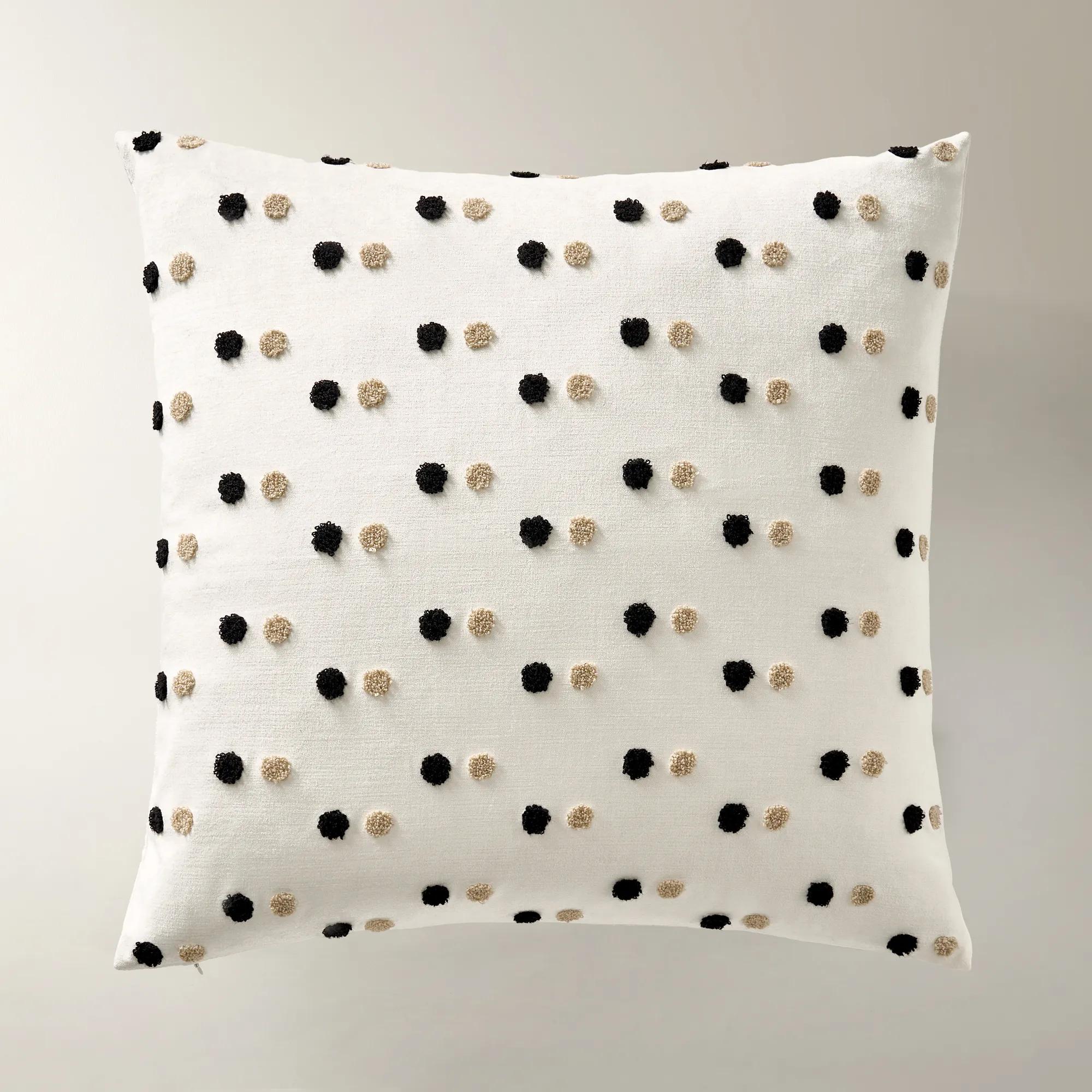
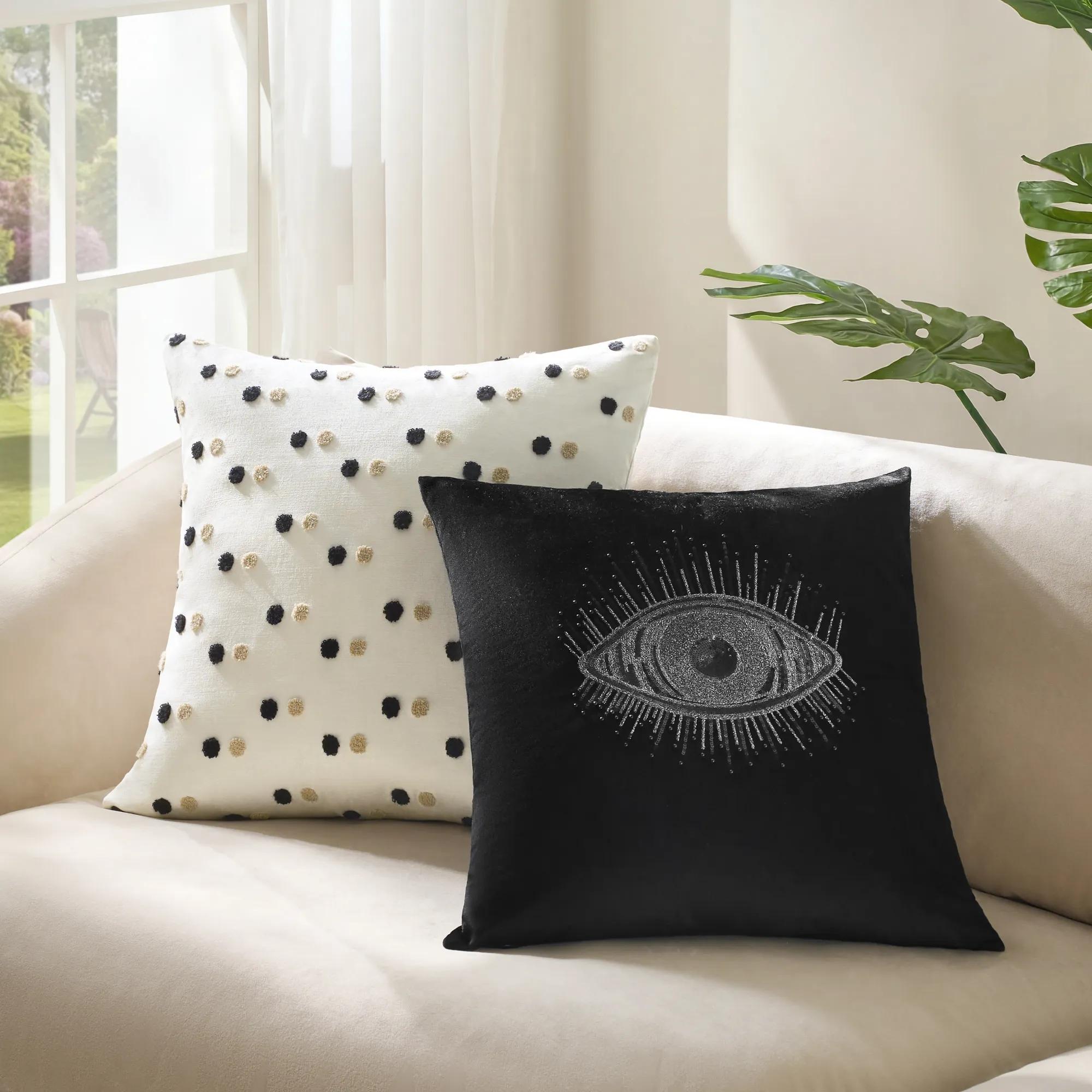 Dionne Polka Dot Embroidered Cloud White Velvet Pillow 22" x 22"$99
A cloud velvet pillow featuring embroidered taupe and black polka dots with a plush feather-down insert.
Add To Cart -
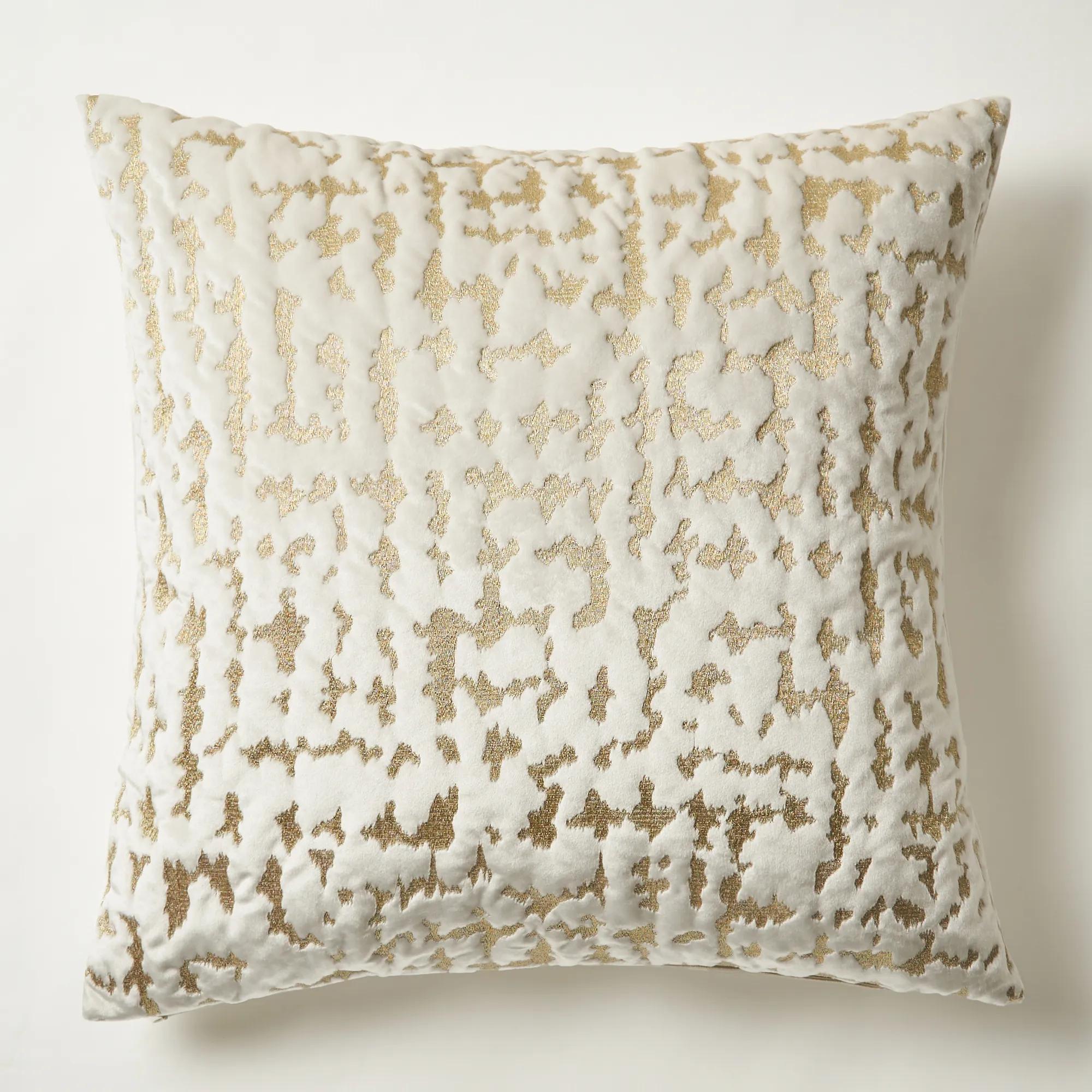
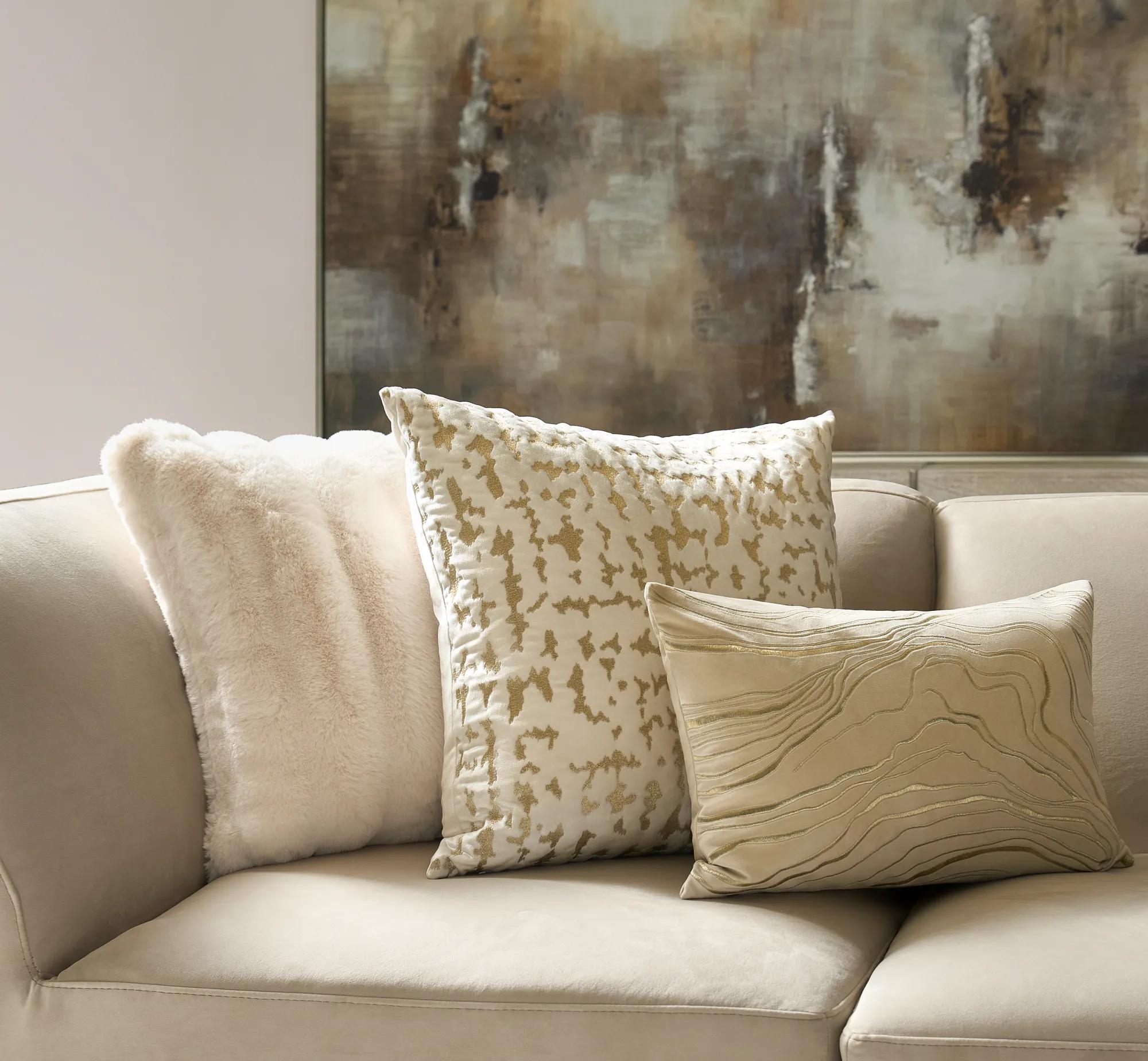 Solenne Embroidered Gold/Ivory Velvet Pillow 22" x 22"$89
An ivory velvet pillow with gold metallic 3D quilting and a plush feather down insert.
Add To Cart -
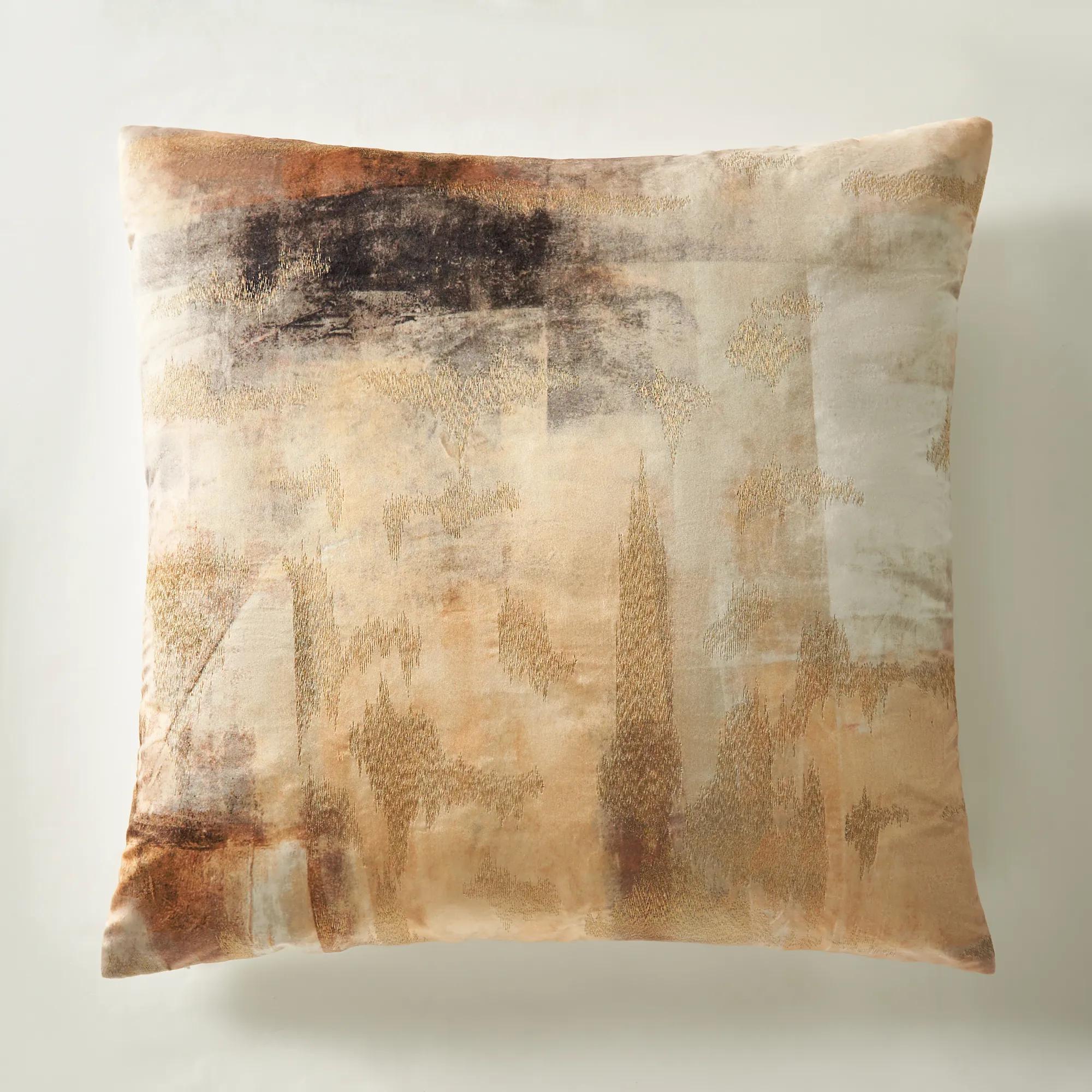
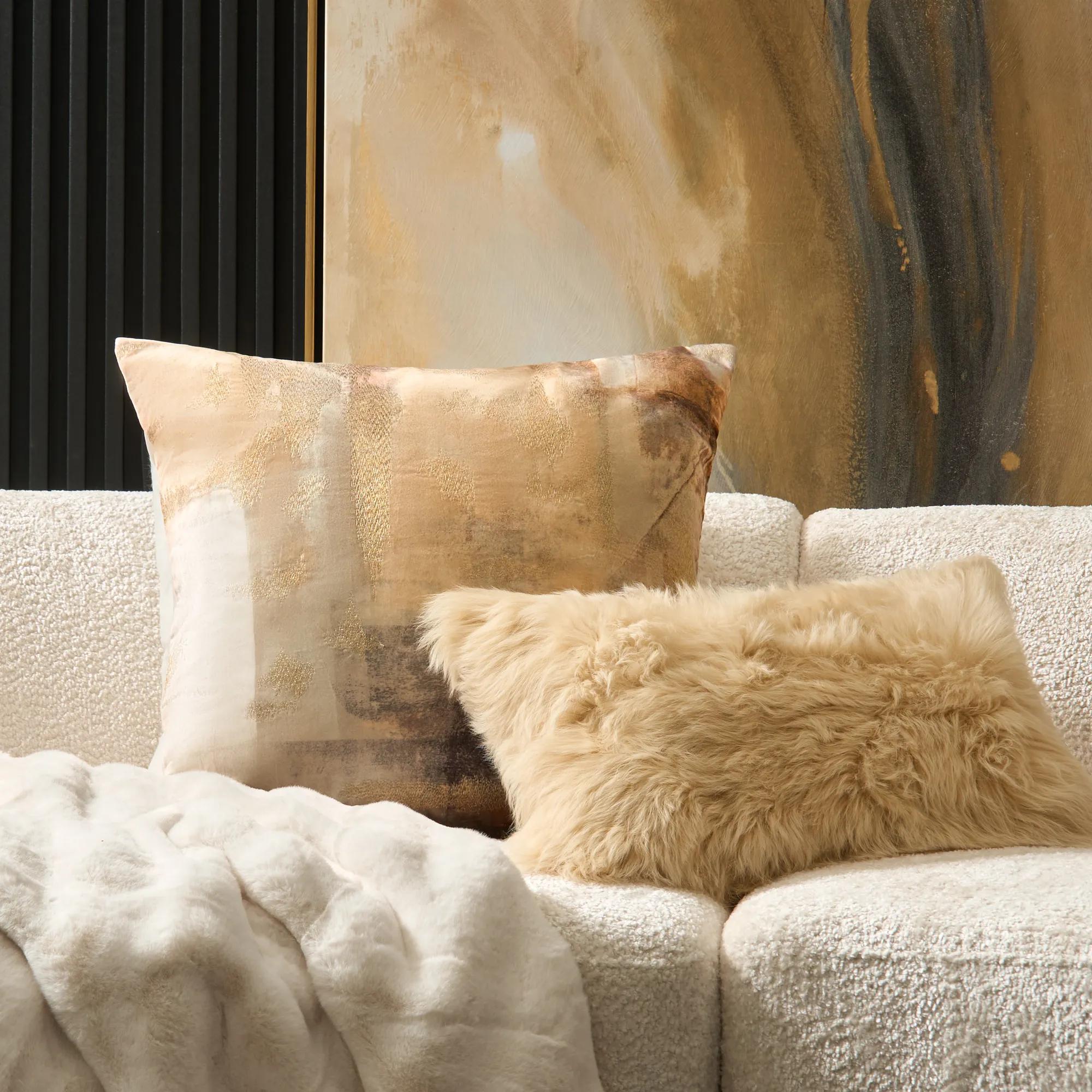 Riya Abstract Gold Embroidered Velvet Pillow 24" x 24"$79
A plush ivory, gold, and grey velvet pillow with metallic embroidery and a feather down insert.
Add To Cart -
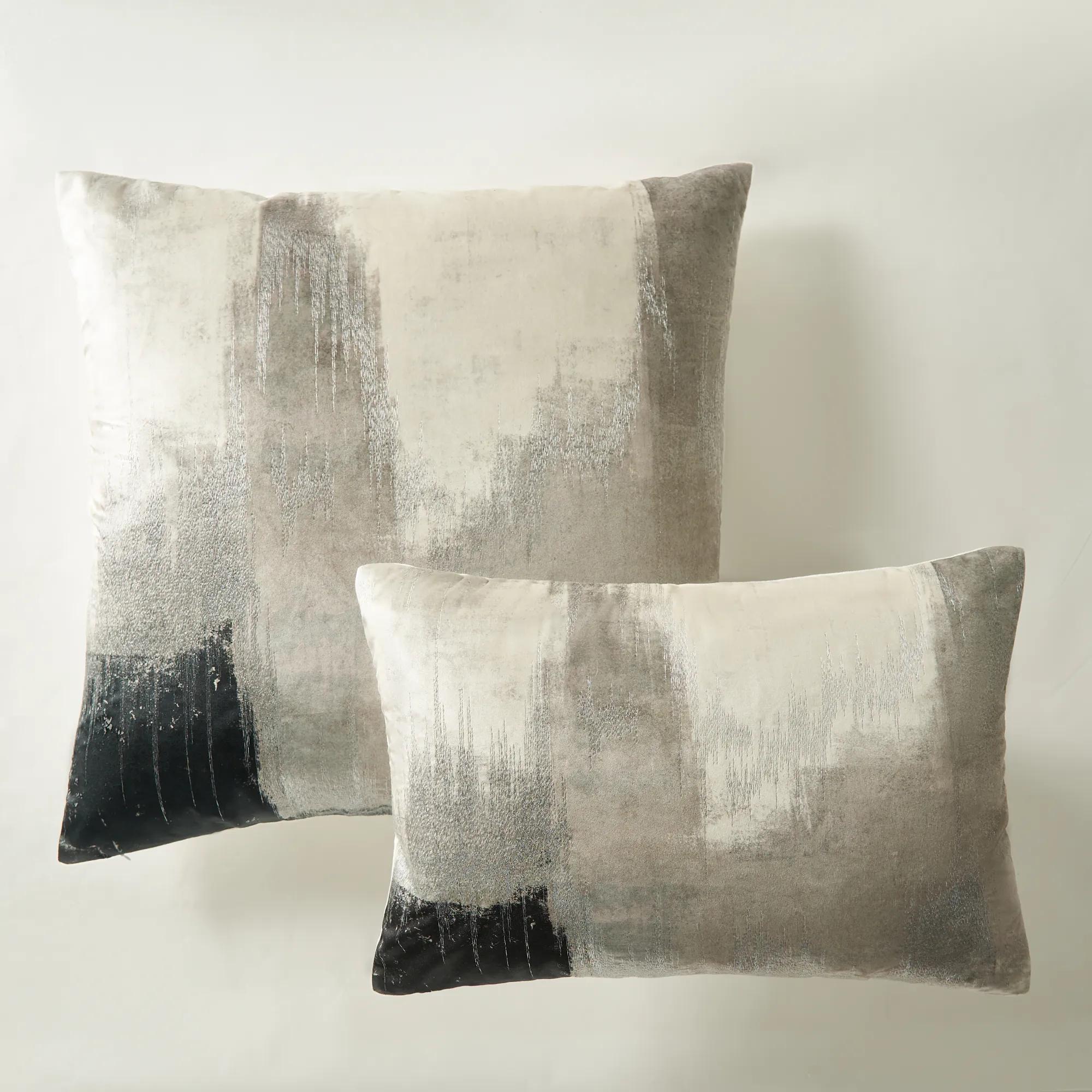
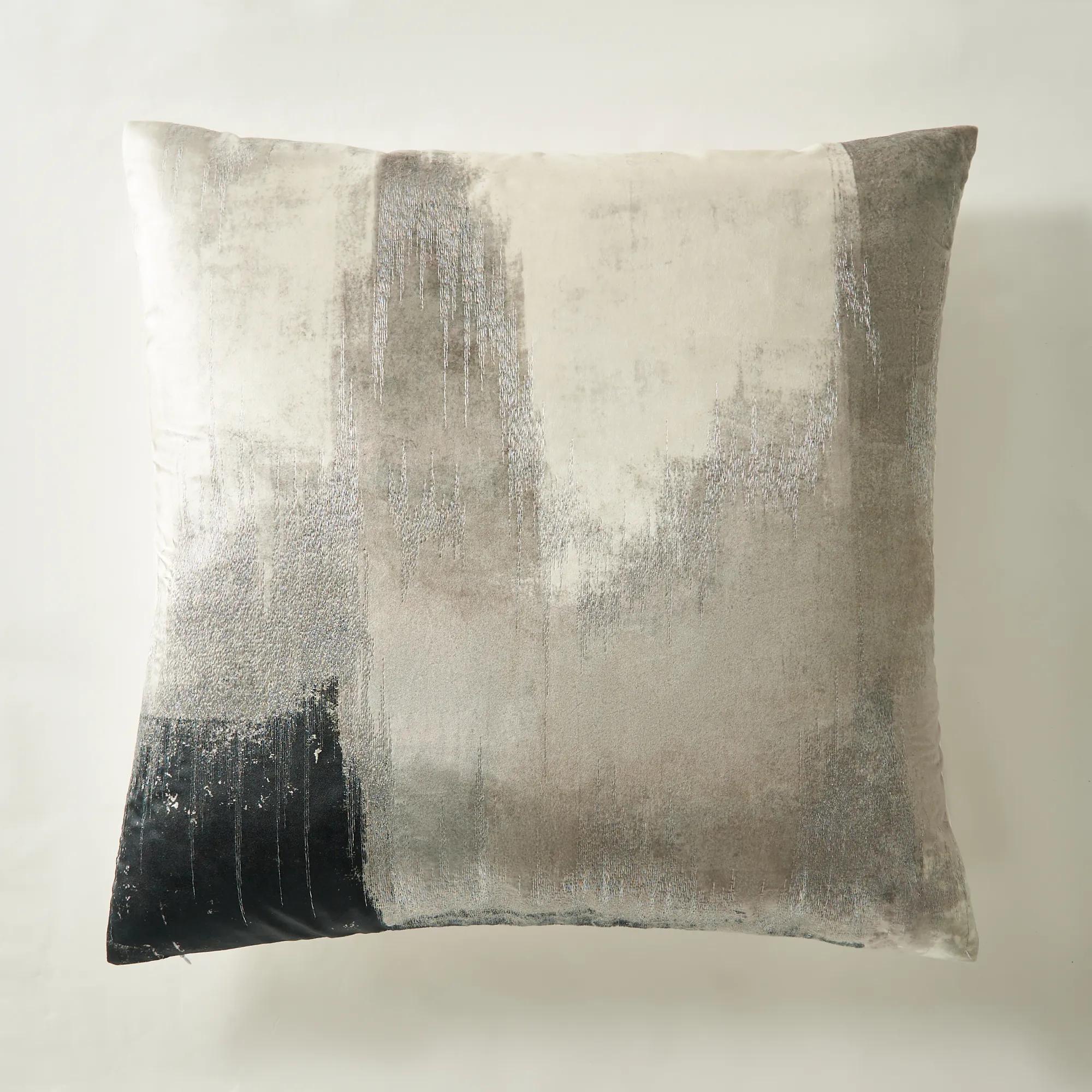 Nya Grey/Black Embroidered Velvet Pillow 24" x 24"$79
A plush black and grey velvet pillow featuring metallic silver embroidery and a feather-down insert.
Add To Cart -

 Channel Beige Faux Fur Pillow 20" x 20"$79
A plush beige faux fur pillow with a removable velvet back cover and feather down insert.
Add To Cart -
 Channel Ivory Faux Fur Pillow 20" x 20"$79
An ivory faux fur pillow with a plush feather down insert and a removable velvet-backed cover.
Add To Cart -

 Channel Platinum Faux Fur Pillow 20" x 20"$79
A platinum faux fur pillow with a feather-down insert and a removable velvet-backed cover.
Add To Cart -

 Channel Charcoal Faux Fur Pillow 20" x 20"$79
A charcoal faux fur pillow with a plush feather down insert and removable velvet-backed cover.
Add To Cart -

 Joie De Vivre Pillow 22" - Boysenberry$99.95
A hand-dyed boysenberry velvet pillow featuring metallic foil print and shimmering hand-beaded glass and sequin accents.
Add To Cart -
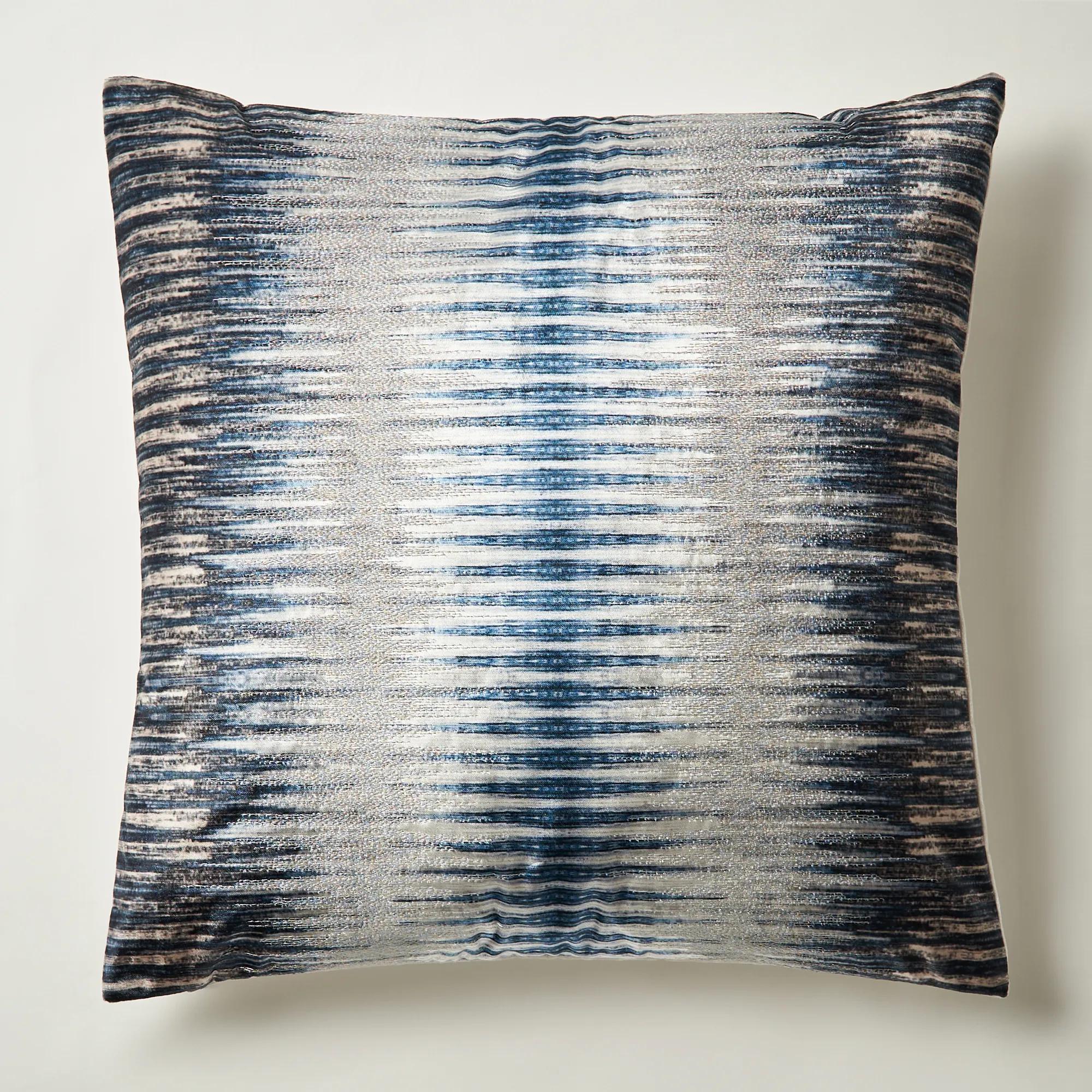 Zaid Embroidered Metallic Blue Velvet Pillow 22" x 22"$89
A plush velvet pillow in grey, blue, and silver with gradient metallic embroidery and feather-down insert.
Add To Cart -

 Joie De Vivre Pillow 22" - Aqua$99.95
An artisan-dyed aqua velvet pillow featuring a shimmering metallic foil print and hand-beaded glass accents.
Add To Cart -
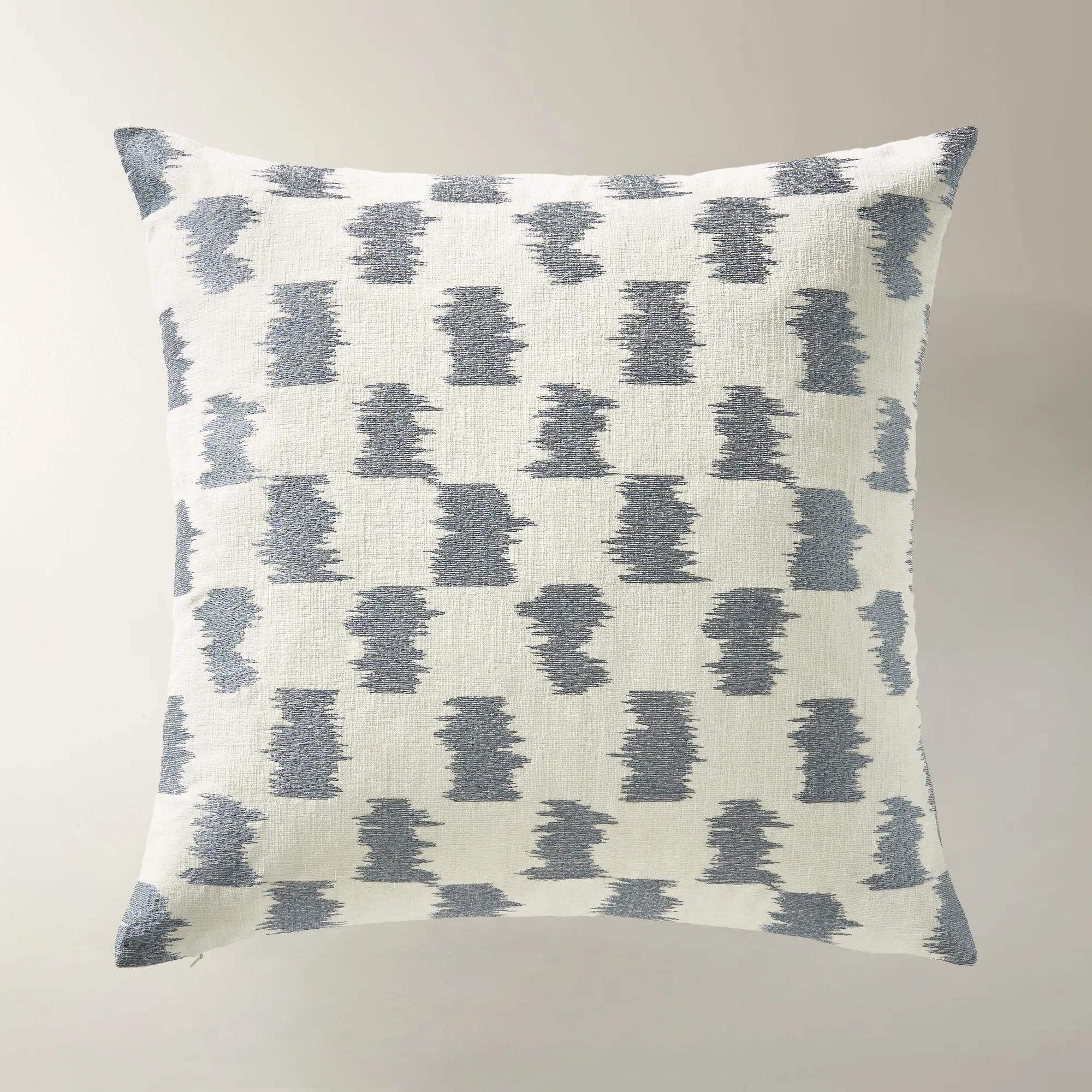 Scacco Check Embroidered Dusty Blue/Ivory Pillow 22" x 22"$89
A dusty blue and ivory velvet pillow featuring an embroidered checker pattern and plush feather-down insert.
Add To Cart -
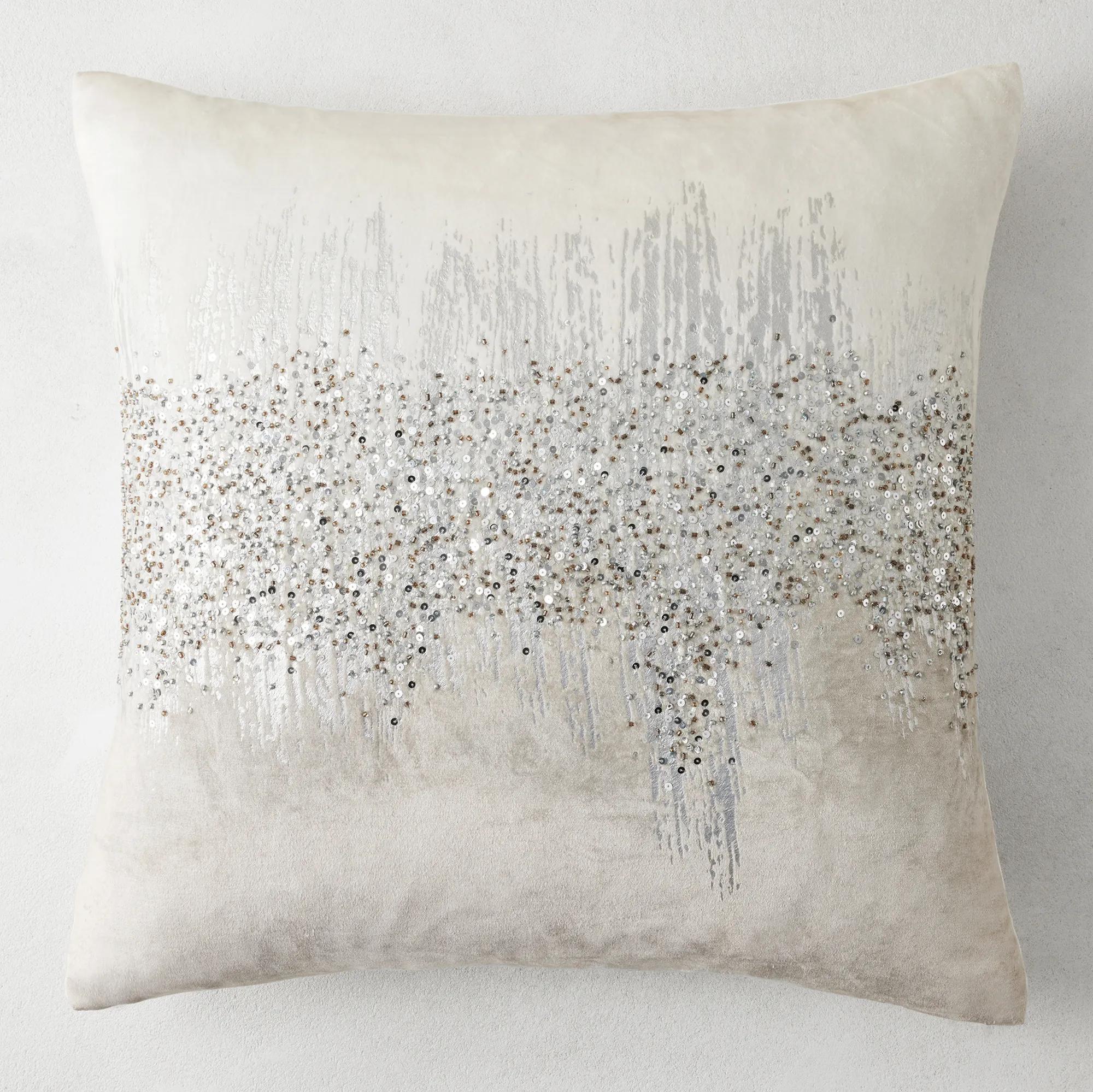
 Joie De Vivre Pillow 22" - Grey$99.95
A hand-dyed grey velvet pillow featuring a shimmering metallic foil print and intricate hand-beaded details.
Add To Cart -
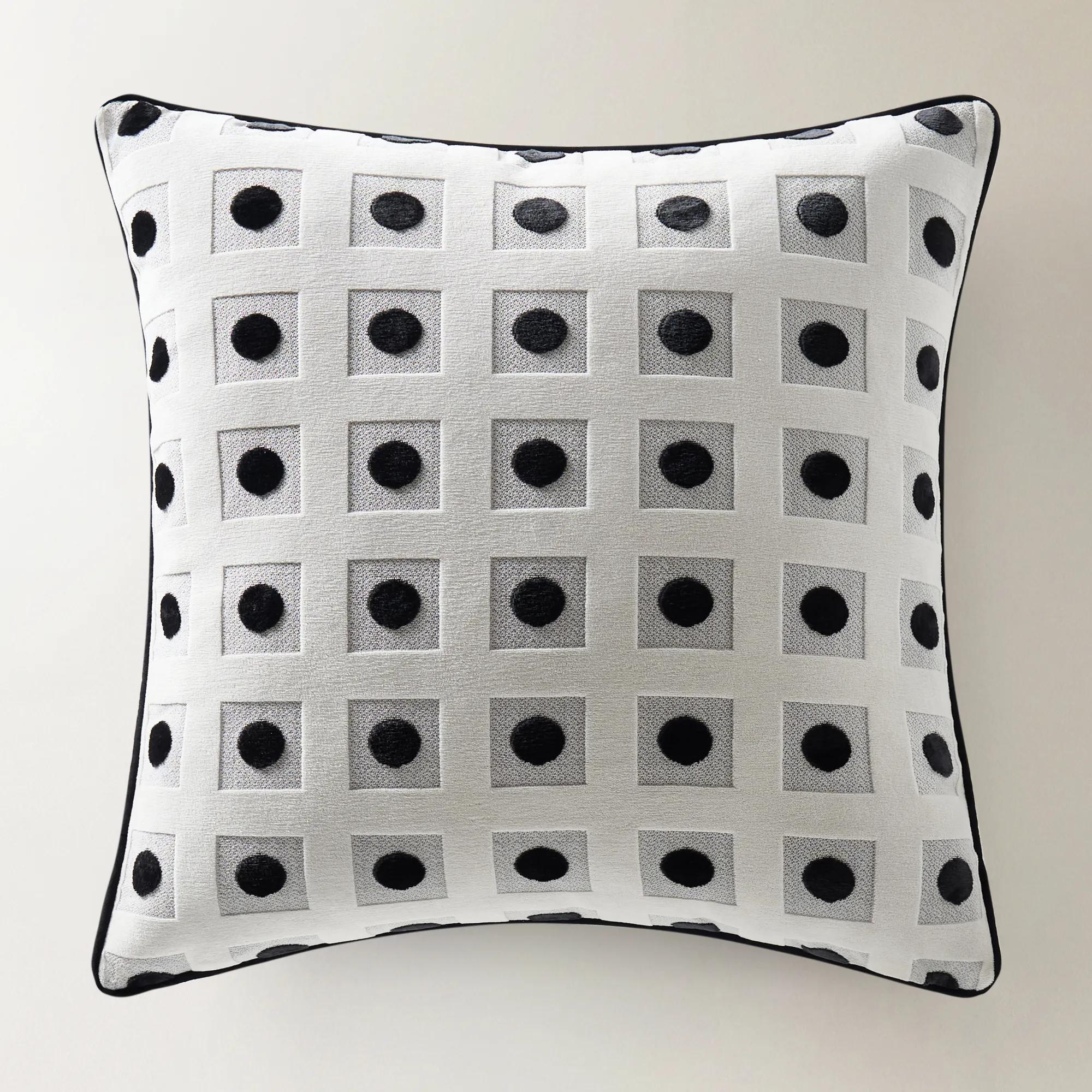
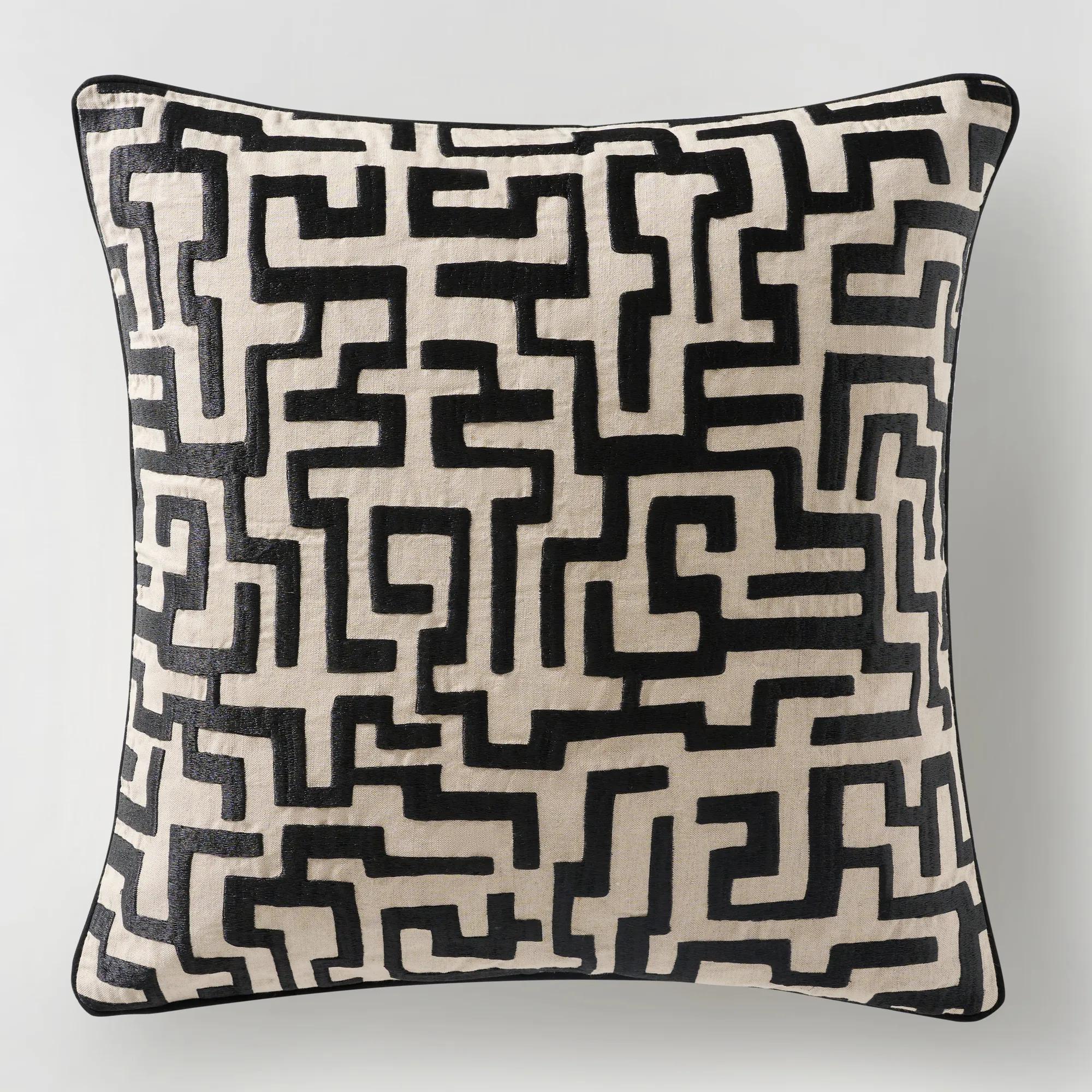
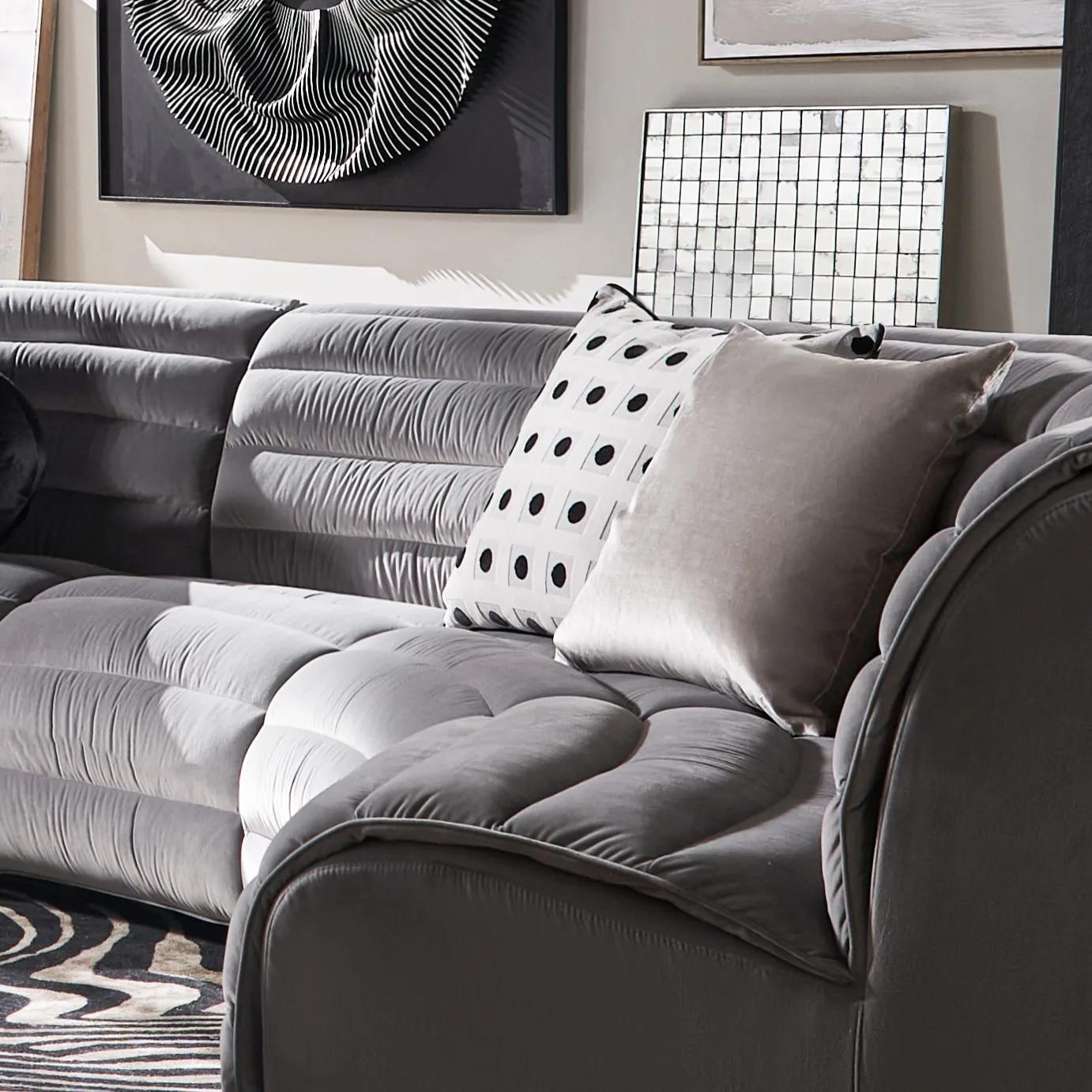 Geo Dot Cut Velvet White/Black Pillow 22" x 22"$89
A contemporary pillow featuring black and white cut velvet geometric patterns with sleek black piping.
Add To Cart -
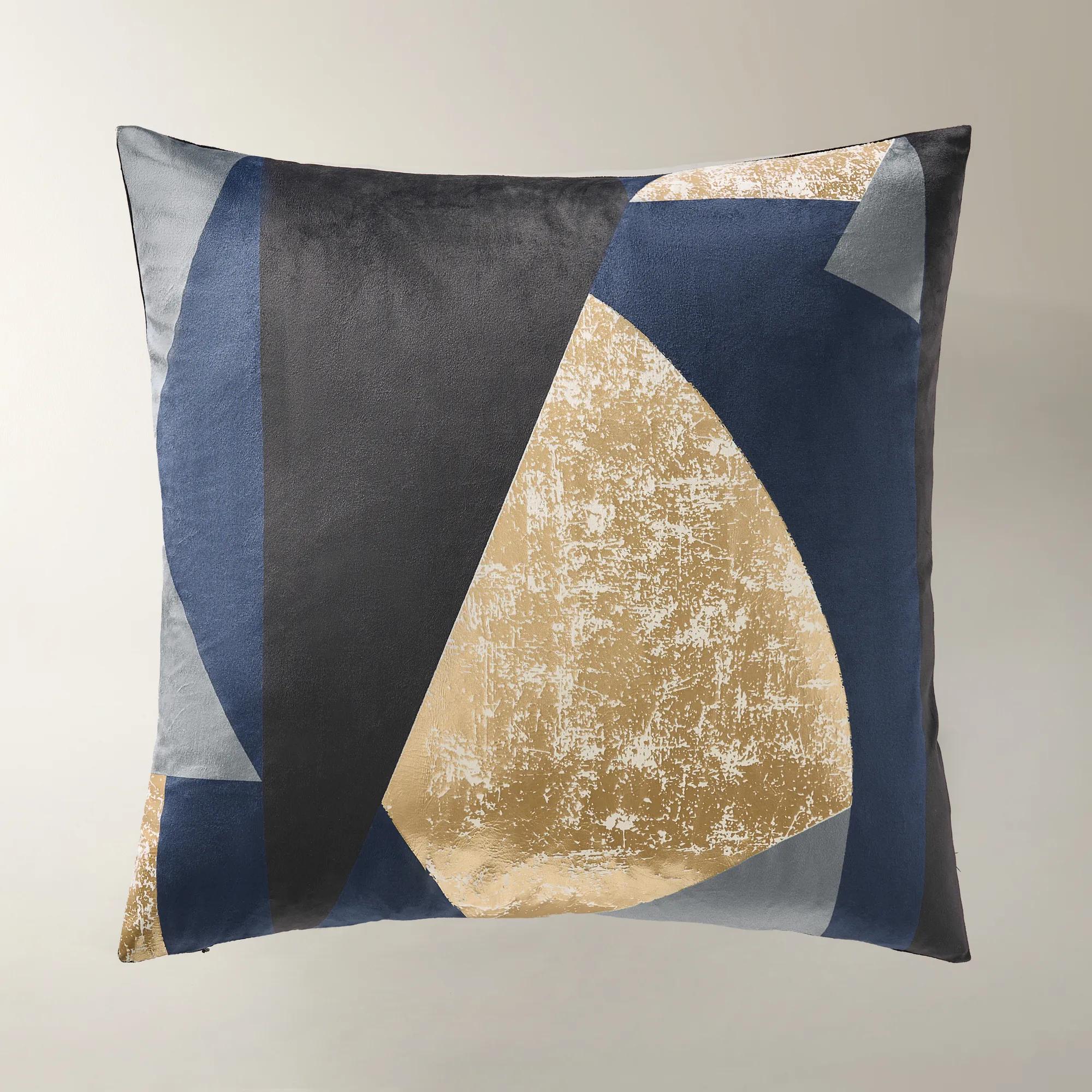 Niko Blue/Black/Gold Abstract Metallic Pillow 22" x 22"$89
A plush velvet pillow featuring abstract color blocking in dusty blue, black, teal, and metallic gold accents.
Add To Cart -

 Nya Mocha Mousse Embroidered Velvet Pillow 14" x 20"$69
A mocha-colored velvet pillow featuring elegant embroidered detailing and a sophisticated multicolor design.
Add To Cart -
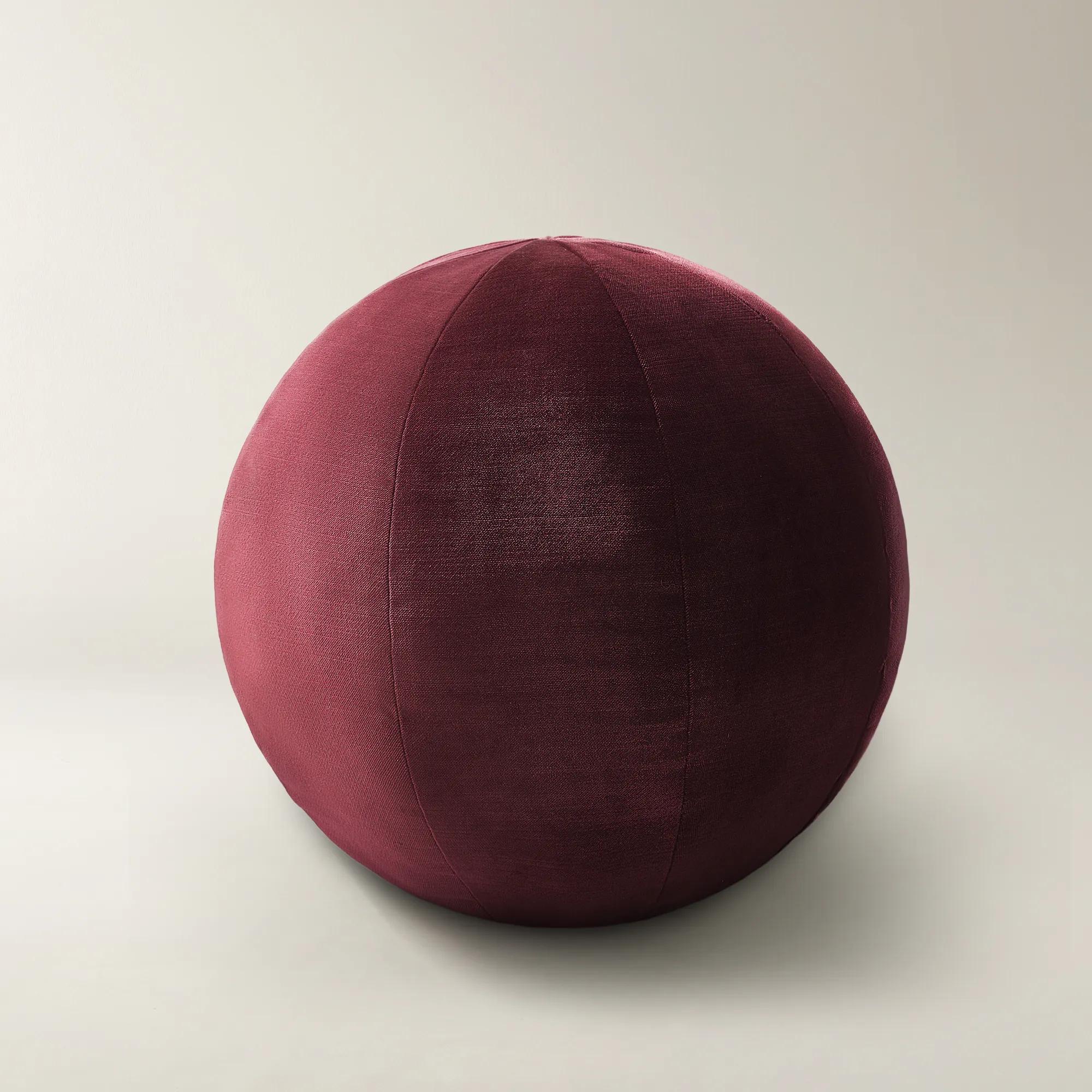
 Veda Burgundy Velvet Ball Pillow 12"D$69
A plush burgundy velvet pillow with a unique rounded silhouette for a bold, luxurious accent.
Add To Cart -
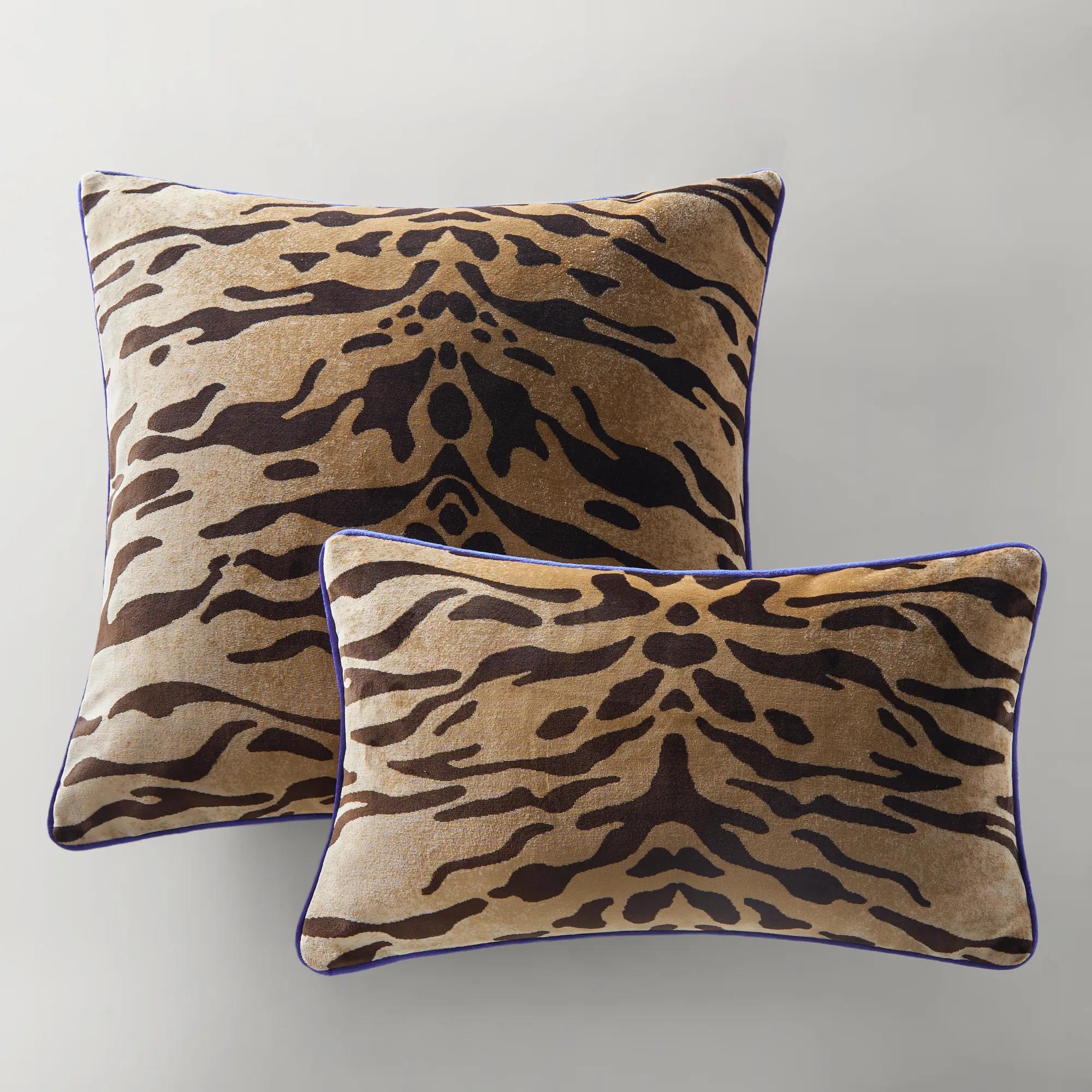
 Bronze Tiger Blue Piping Velvet Pillow 22" x 22"$79
A bold bronze velvet pillow accented with vibrant blue piping for a modern, sophisticated touch.
Add To Cart -
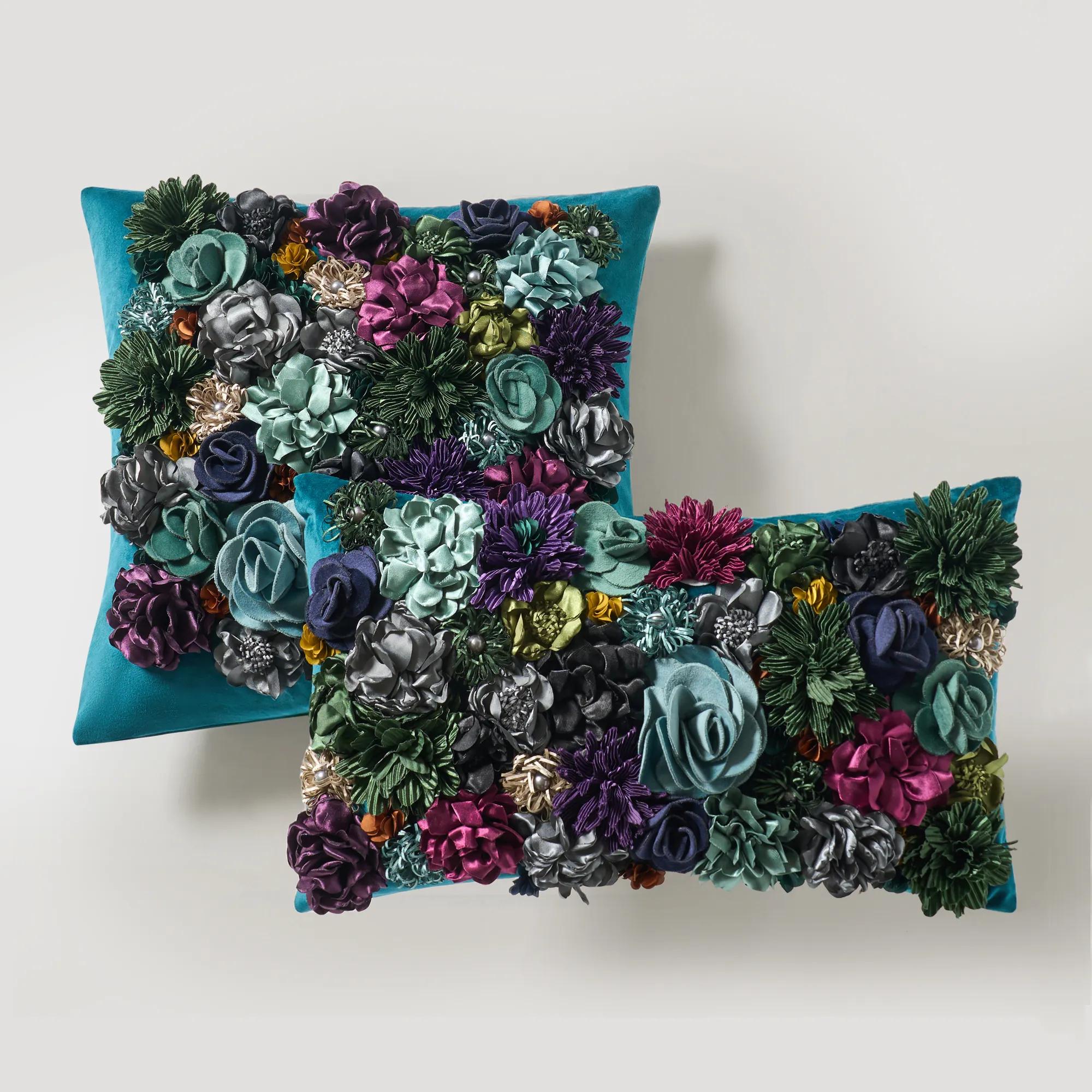
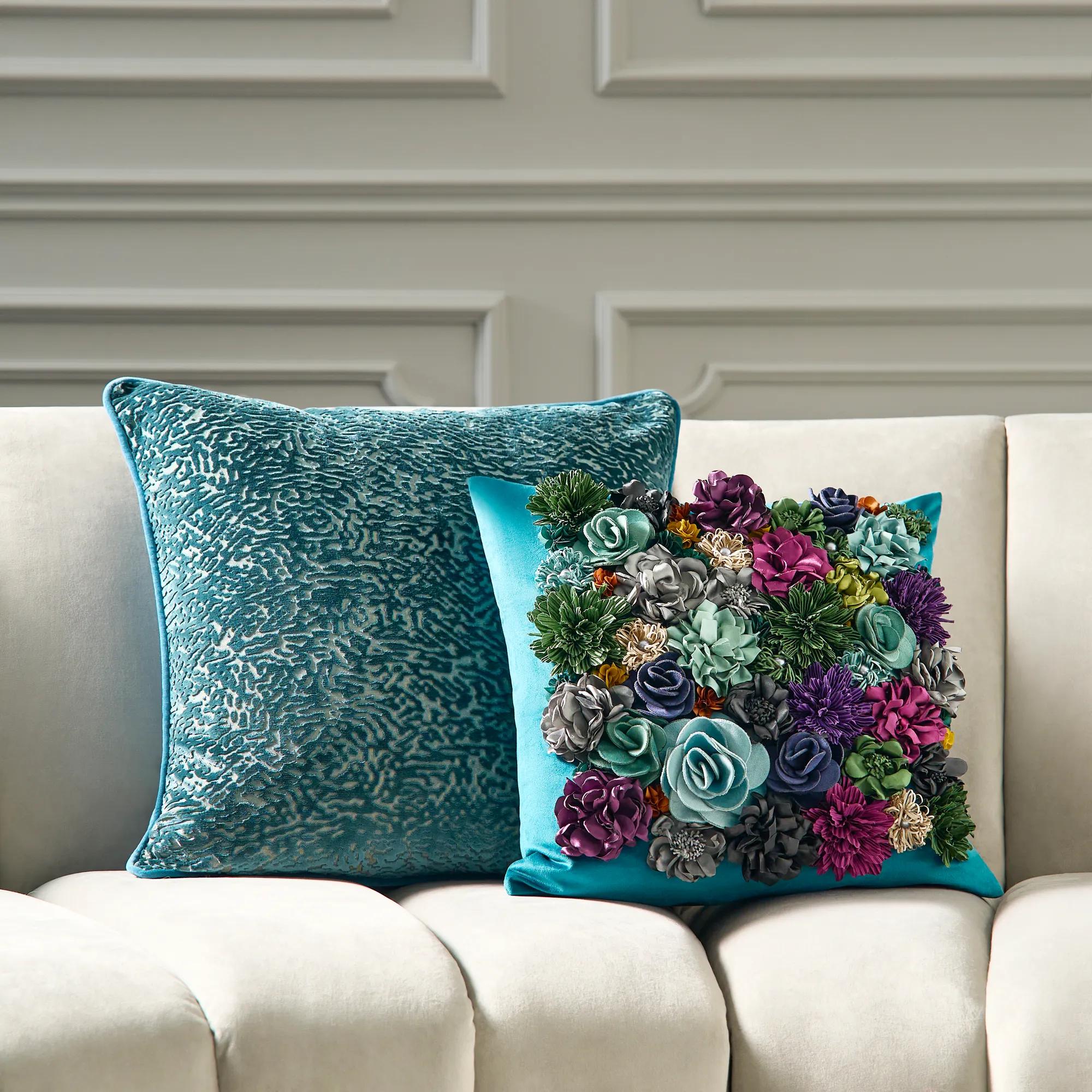 Posy Handcrafted 3D Floral Appliqué Multicolor Velvet Pillow 18" x 18"$149
A cerulean polyester velvet pillow adorned with dimensional floral blooms and a plush feather insert.
Add To Cart -
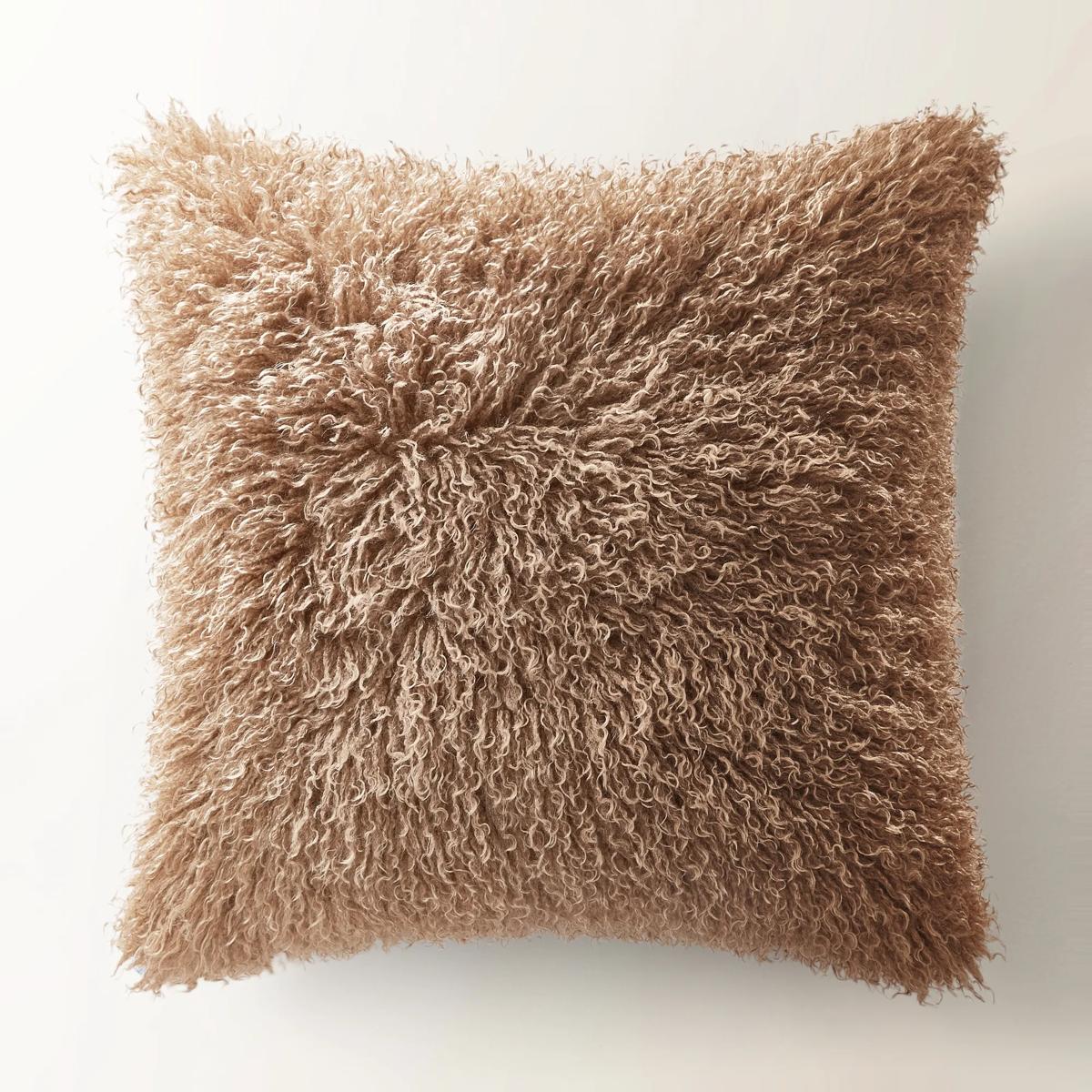
 Micah Mocha Faux Mongolian Fur Pillow 22" x 22"$89
A plush mocha brown pillow featuring faux Mongolian fur and a removable feather down insert for comfort.
Add To Cart -
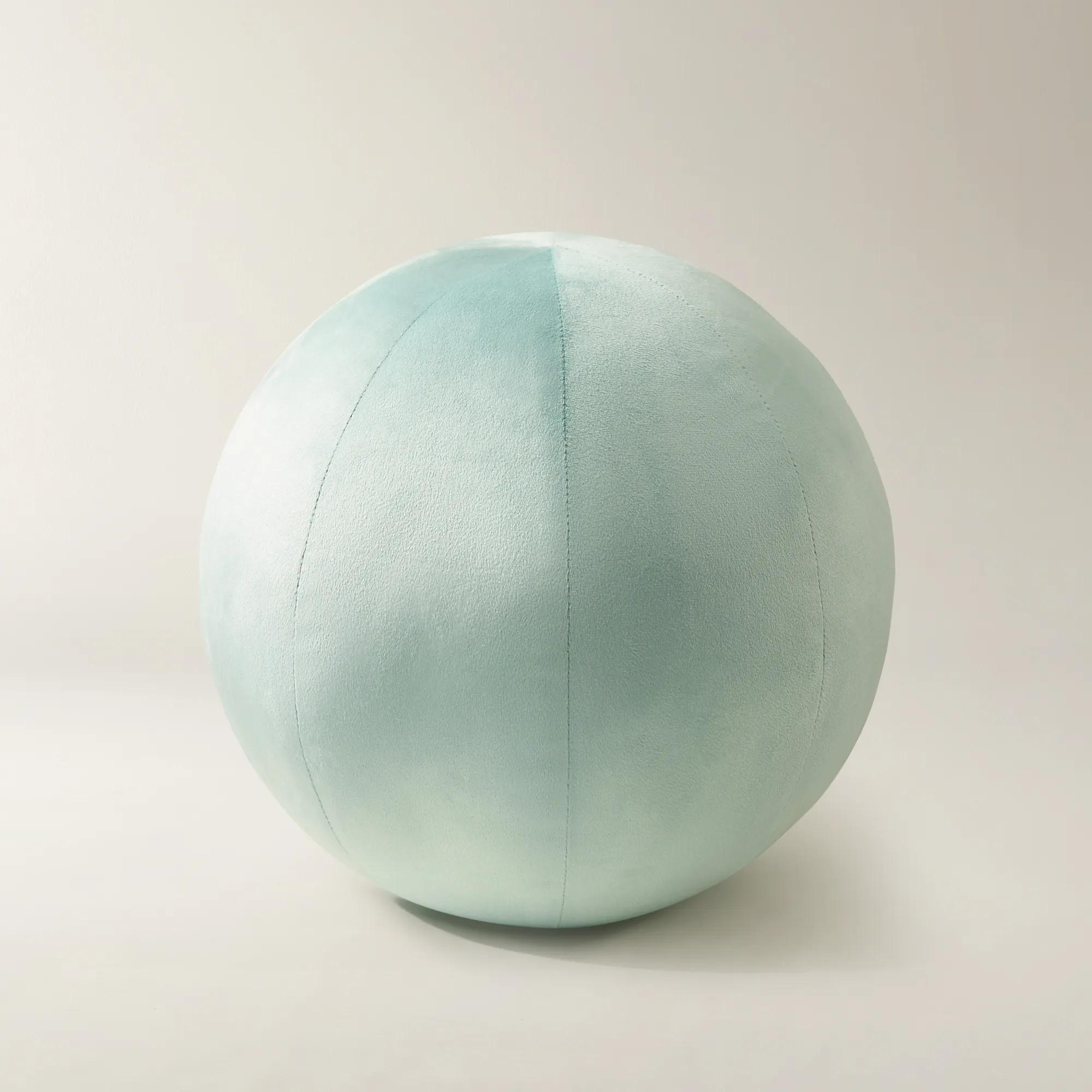
 Veda Eggshell Blue Velvet Ball Pillow 12"D$69
A sculptural eggshell blue velvet ball pillow with plush polyester filling adds playful, dimensional style to modern spaces.
Add To Cart -
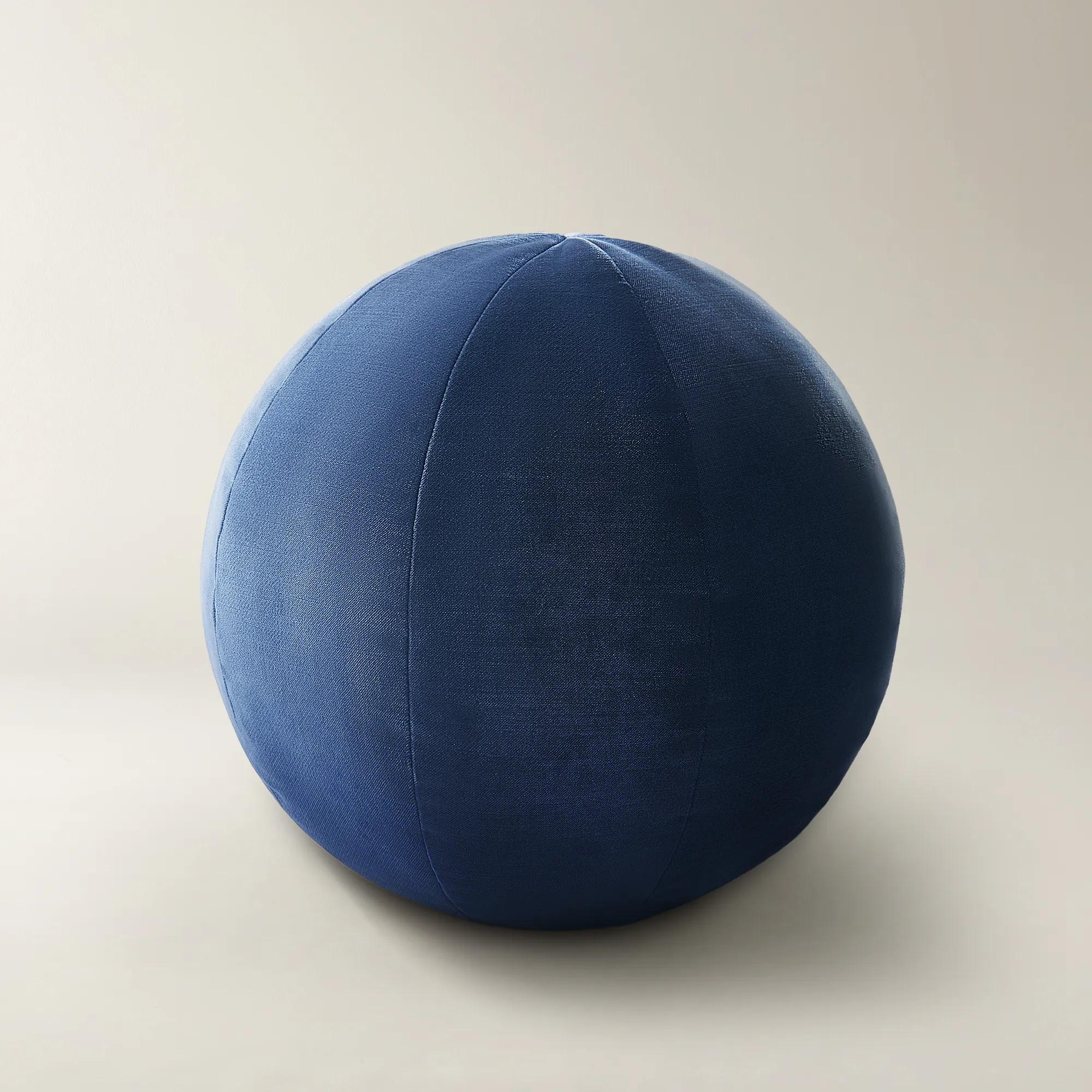 Veda Blue Velvet Ball Pillow 12"D$69
A vibrant blue velvet pillow with a sculptural round shape for striking, modern accent styling.
Add To Cart -
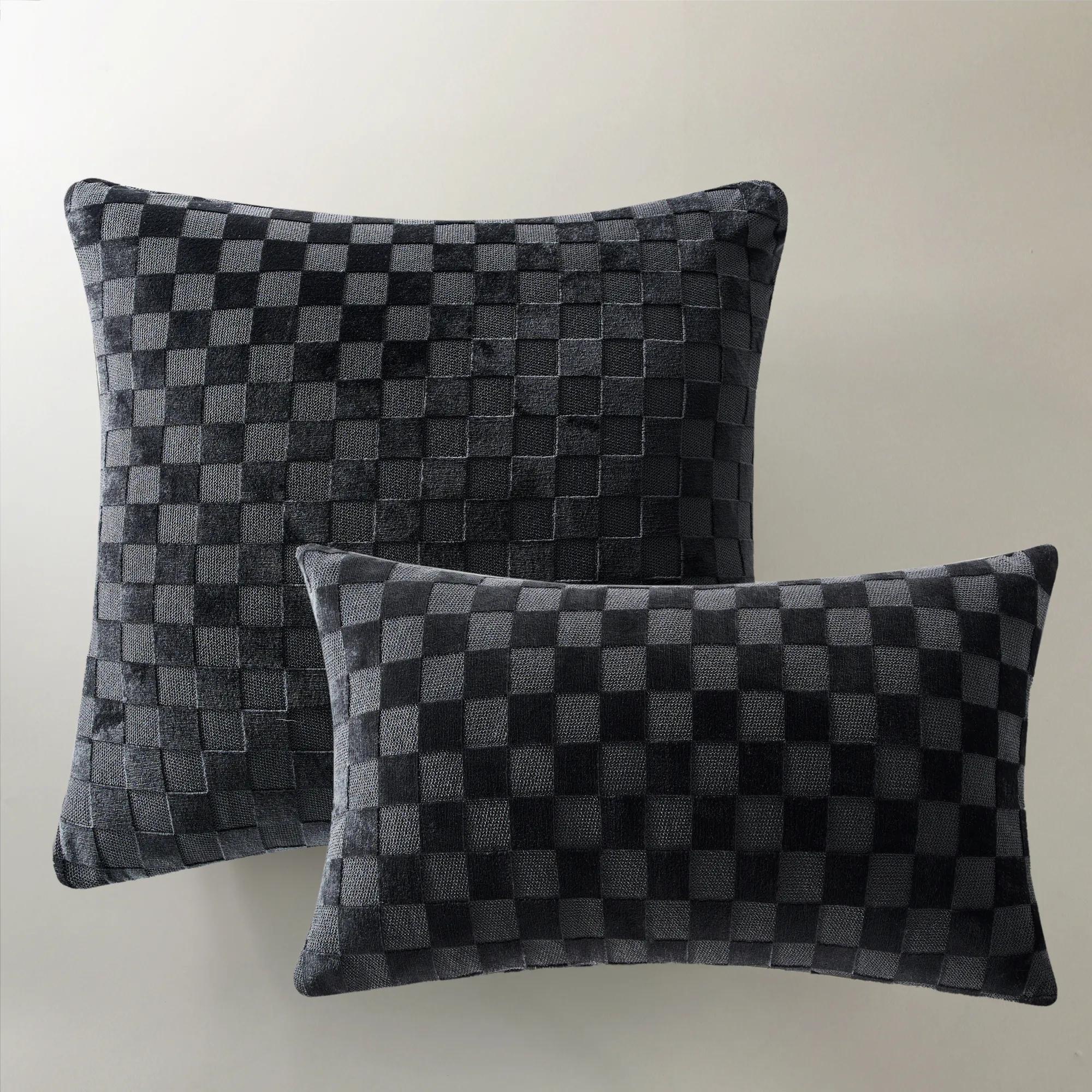 Checker Black Cut Velvet Pillow 22" x 22"$79
A sophisticated black cut velvet pillow featuring a geometric checkerboard pattern for subtle texture and depth.
Add To Cart

Decorative Sofa Pillows
Discover decorative sofa pillows that bring expressive detail to your seating, whether you’re adding a single accent or layering a dramatic arrangement. Explore throw pillows with an eye for color, texture, and proportion to complement your upholstery, create contrast, and give your sofa a more artfully composed look.
Decorative sofa pillows give a seating area dimension, softness, and a distinct point of view. More than finishing accents, they connect a sofa’s upholstery with the colors, textures, and decorative details throughout a room. A deep blue velvet pillow can echo the saturated tones of an abstract painting, while an ivory woven design lends definition to a pale sofa without breaking its serene palette. On dark upholstery, champagne, silver, or pearl-toned accents create luminous contrast; on lighter upholstery, rich jewel tones draw the eye and give the seating arrangement greater presence. Decorative couch pillows range from smooth, tailored designs to richly textured styles with embroidery, dimensional stitching, fringe, or beaded embellishments. Each surface changes the atmosphere: velvet brings depth and a sumptuous hand, linen introduces visible texture, and bouclé creates a sculptural effect through its looped yarns. Cotton offers a versatile surface that can feel crisp or soft depending on its weave and finish, while silk and silk-blend fabrics lend delicate luster and typically require more attentive care. These distinctions matter beyond appearance. A pillow meant to rest behind someone during an evening of conversation benefits from a comfortable face fabric, while an intricately embellished accent may be better suited to a less frequently used seat. Smooth velvet beside a substantial woven fabric creates contrast that feels considered rather than crowded. For a room with glossy tables, mirrored finishes, or metallic accessories, tactile pillows soften the visual composition and make the seating feel inviting. In a space already rich with pattern, a solid pillow with distinctive texture can provide a quieter interval without losing its expressive character. The most compelling combinations have a relationship to the room but do not duplicate every detail. A repeated color, a shared undertone, or a subtle echo of an artwork’s shape is often enough to make decorative throw pillows feel integral to the setting.
Scale gives decorative sofa pillows their architectural presence. Common square sizes include 18, 20, 22, and 24 inches, with the best fit depending on the sofa’s width, back height, seat depth, and how much room should remain for sitting. A substantial sofa can carry larger squares without the pillows appearing oversized, while a compact loveseat or shallow seat often benefits from a more restrained arrangement. Tall pillows may interrupt the clean profile of a low-backed sofa; smaller accents can preserve that silhouette while still adding texture and color. On a deep sectional, larger pillows placed near the corners can establish visual anchors, with smaller squares or rectangular shapes adding variation in front. An arrangement that looks generous should still allow guests to settle comfortably without moving an entire collection of cushions. Rectangular accents offer another proportion, bringing a horizontal line to the composition and fitting into spaces where an additional square might feel cumbersome. The elongated shapes found among Decorative Lumbar Pillows For Sofas can sit in front of larger pillows or stand alone at the center of a sofa for a focused statement. Although lumbar shapes may feel comfortable behind the lower back, decorative pillows are not substitutes for specialized ergonomic support. Color and pattern work alongside these proportions. Large-scale motifs give a pillow a bold presence from across the room, while smaller patterns reward a closer look. Pairing different pattern scales within a shared palette helps keep the arrangement coherent: a broad geometric design, a finely textured solid, and a narrow band of embroidery can coexist without competing for attention. Symmetrical placement lends a tailored, formal mood, while an uneven grouping can feel more expressive, especially on a sectional with different seating zones. Pillow edges contribute to the overall impression, too. Piping defines a crisp outline, flanges create a broader frame, and fringe introduces movement. These details are most effective when they complement the sofa rather than conceal its design, allowing a curved arm, sculptural back, or beautifully tailored cushion to remain part of the room’s composition.
Construction and fill determine how decorative sofa pillows feel, hold their shape, and respond to everyday use. Feather and down blends often have a yielding feel and can be fluffed into a relaxed silhouette, while polyester inserts offer a nonanimal alternative and vary in firmness and resilience. Foam or other structured fills may maintain a more defined shape, depending on the design. For removable pillow covers, the insert should fit the cover’s dimensions and construction. An insert 1 to 2 inches larger than a square cover can create a fuller appearance in some fabrics, but tightly woven, heavily embellished, or rectangular covers may require a different fit; the manufacturer’s sizing recommendations take priority. Overfilling can strain seams or zippers, while an undersized insert may leave corners looking empty. Secure stitching, neatly finished edges, and a well-constructed closure are useful details to consider for pillows that will be handled frequently. In households with children or pets, tightly woven surfaces and restrained embellishment may be more practical than loose loops, delicate fringe, or raised beadwork that can snag. Removable covers can make maintenance more manageable, but removability does not mean a cover is machine washable. Care depends on the fabric, dyes, backing, and decorative treatments, so the care label should guide cleaning. Some covers allow gentle laundering, others permit spot cleaning, and delicate designs may require professional cleaning. Velvet can develop pressure marks, linen may show natural creasing, and prolonged direct sunlight can affect the color of many textiles. Gentle handling, occasional reshaping, and prompt attention to spills help preserve the pillow’s appearance without unnecessary wear. For everyday lounging, touchable fabrics and dependable construction make the decorative layer feel as welcoming as it looks. For entertaining spaces, richer textures and artful embellishments lend a more dressed appearance. Decorative pillows can also make thoughtful housewarming or wedding gifts when the recipient’s sofa dimensions, preferred colors, and care preferences are known. A considered accent brings personality to a familiar seat, turning a useful piece of furniture into a more expressive part of the home.
FAQs
Create a richly layered composition with decorative sofa pillows in plush velvet, luminous satin, and artful embroidery. Establish a cohesive color palette, then introduce a striking pattern or metallic accent for drama. Let a few pillows command attention while quieter textures give the arrangement room to breathe.
A neutral sofa offers a beautiful canvas for expressive color. Emerald, sapphire, and burgundy bring jewel-toned intensity, while ivory, champagne, and silver create a luminous tonal composition. Echo hues from your artwork or rug to make the pillows feel woven into the room’s story.
Choose a shared color to connect different patterns, then vary their visual rhythm. Pair a bold geometric motif with fluid abstract artwork or delicate embroidered detail. Add a solid textured pillow to create a deliberate pause, allowing each pattern to feel distinctive without competing for attention.
Velvet brings sumptuous depth, while jacquard introduces intricate woven pattern. Faux fur lends plush dimension, and linen offers a textured contrast to more lustrous fabrics. Combining matte and gleaming finishes gives decorative throw pillows a layered, collected character.
Shift the room’s mood through color and texture while keeping a signature hue as your anchor. For spring and summer, explore airy fabrics, luminous neutrals, and painterly florals. In fall and winter, introduce velvet, richly woven details, and deeper tones for an enveloping, dramatic setting.