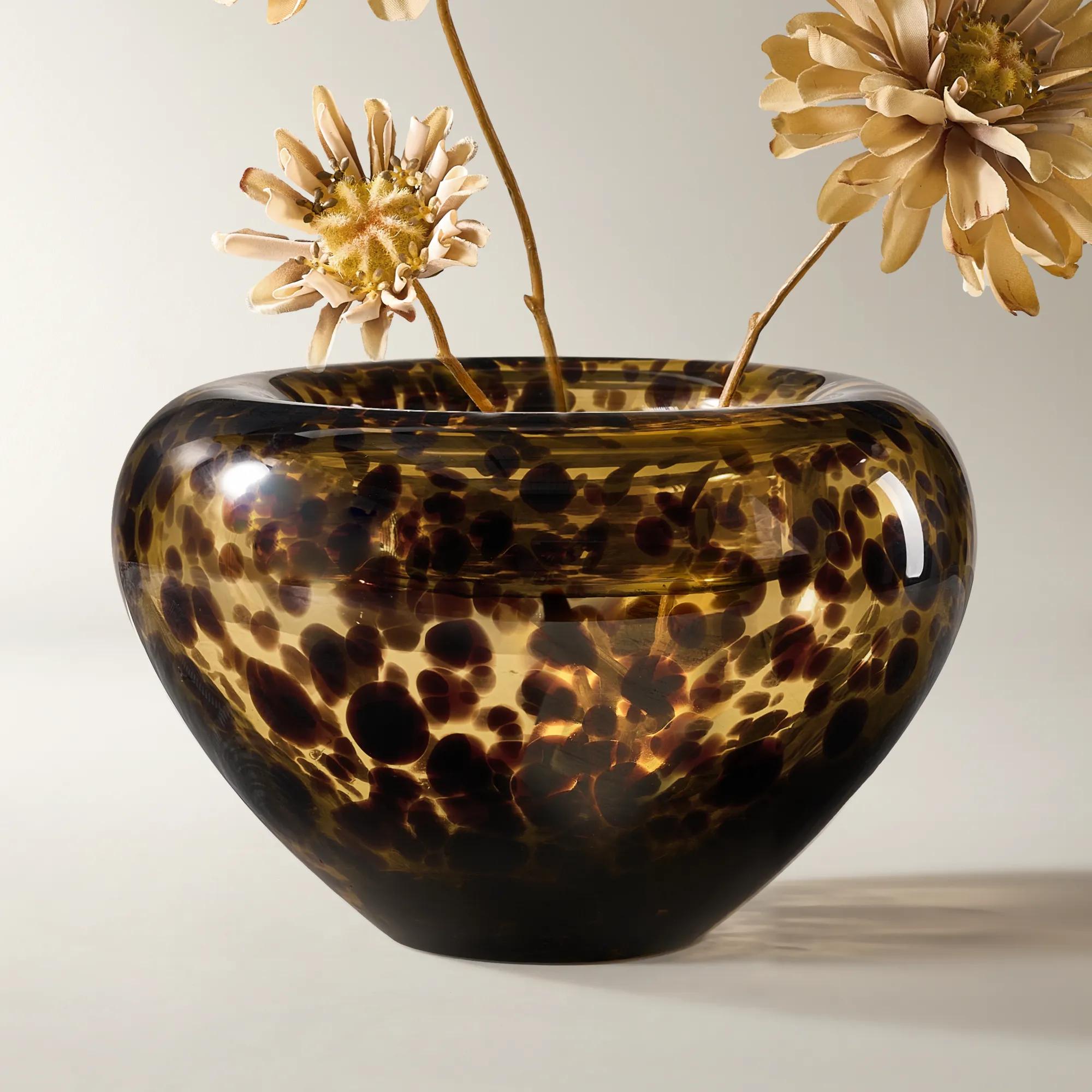
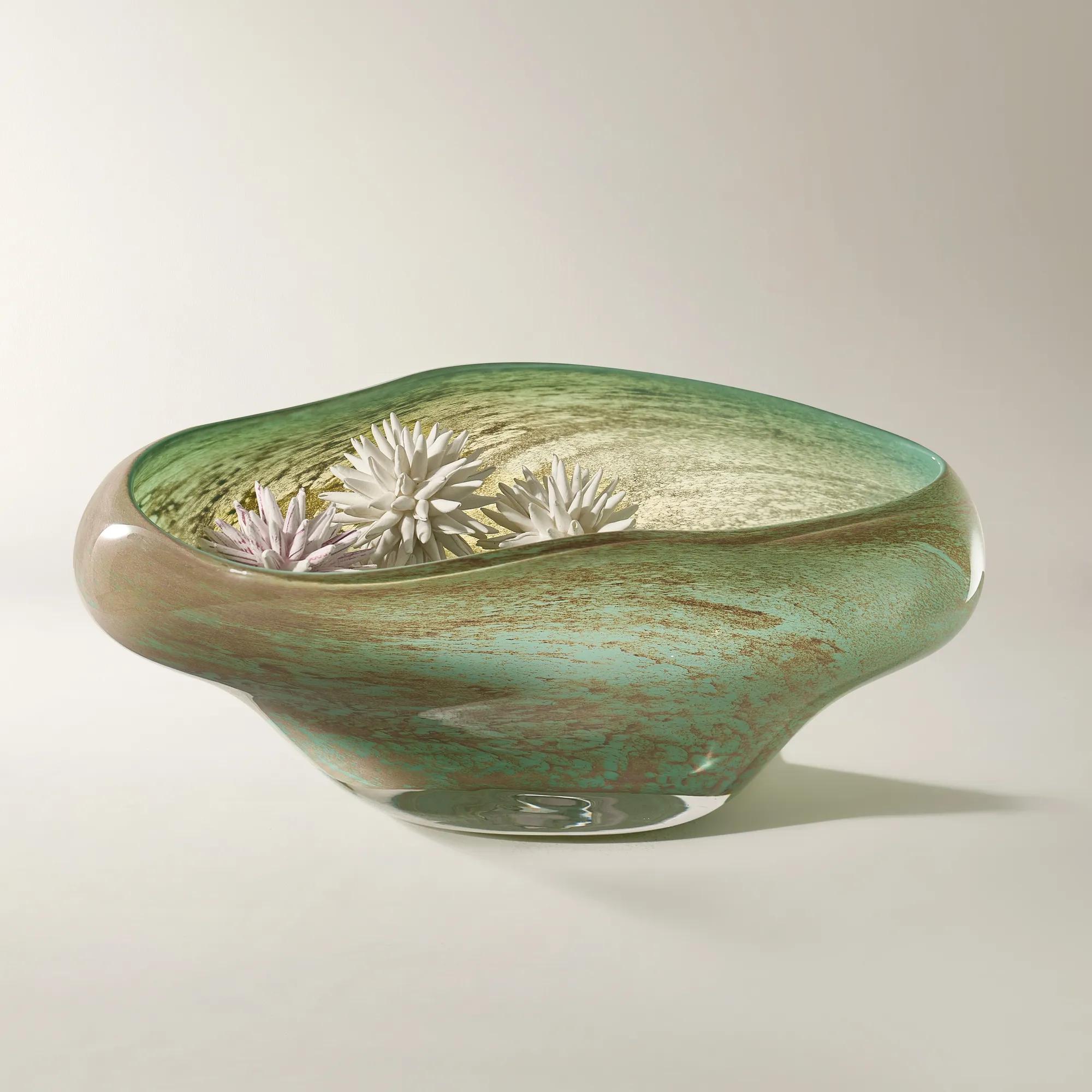
Decorative Bowls For Housewarming Gifts
Decorative Bowls For Housewarming Gifts
-
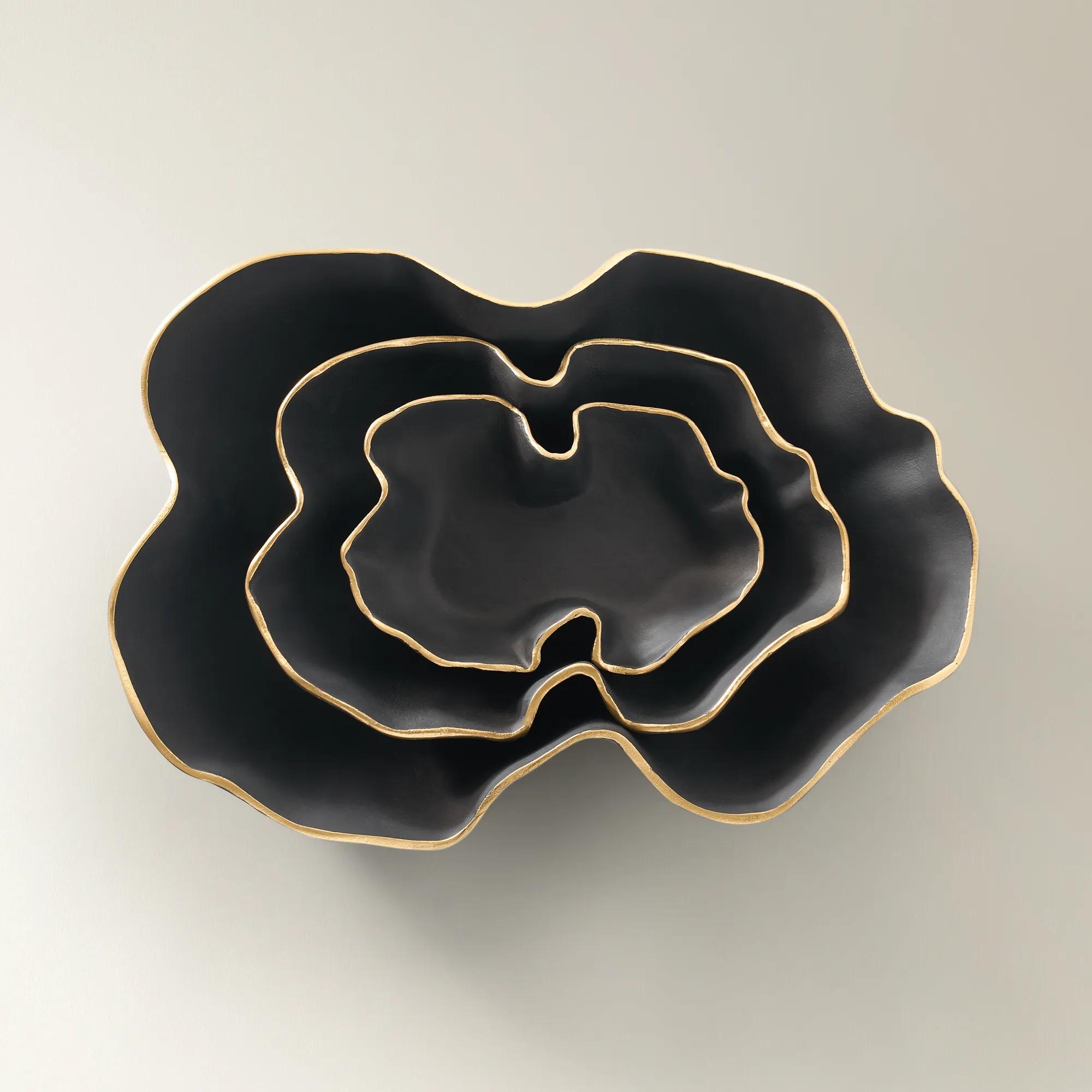 Lava Black Gold Aluminum Decorative Nesting Bowls$39
A deep black aluminum bowl with golden edges, featuring an organic, volcanic-inspired design for decorative display.
Add To Cart -
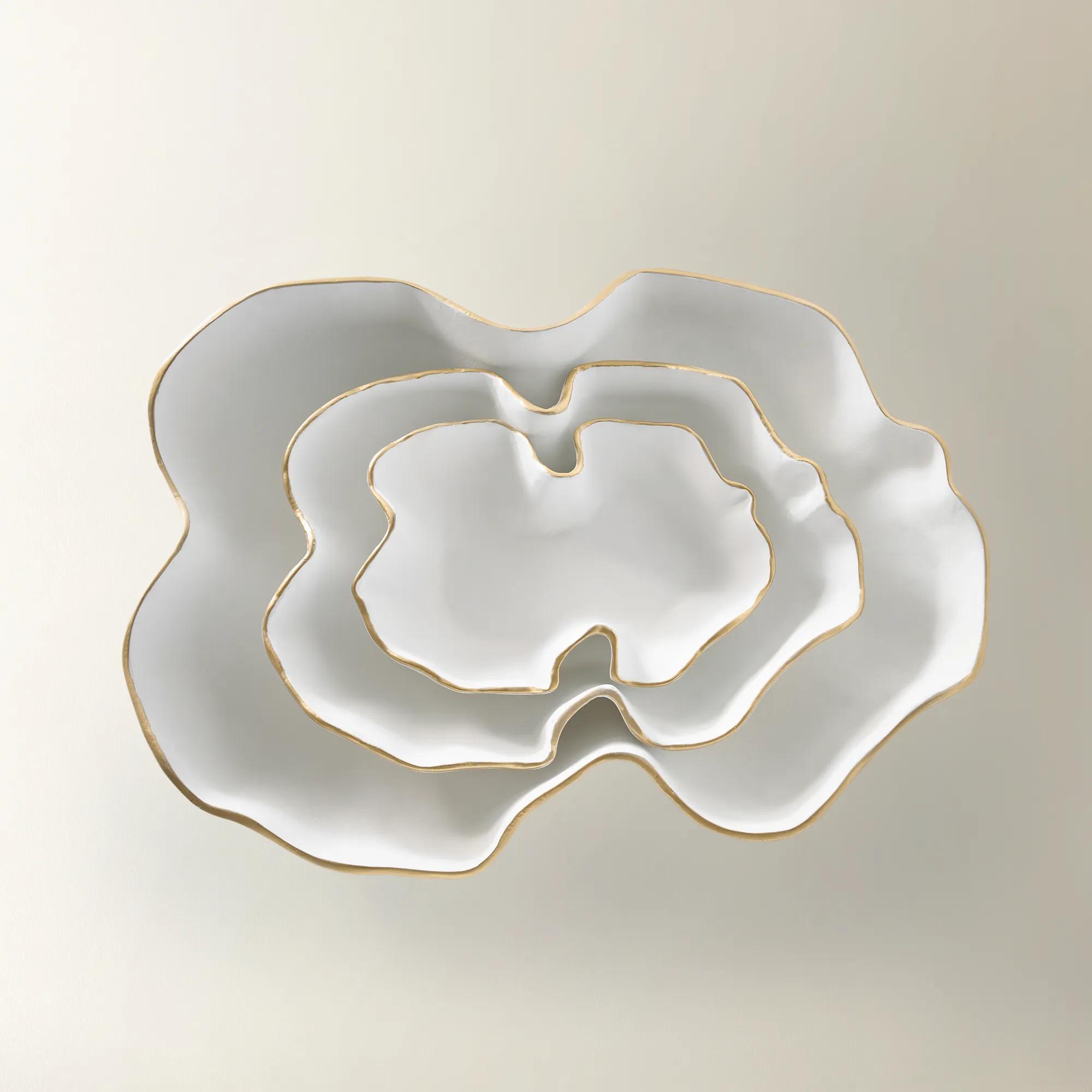 Lava White Gold Aluminum Decorative Nesting Bowls$39
A glossy white aluminum bowl with a golden rim, offering modern elegance for decorative display.
Add To Cart -
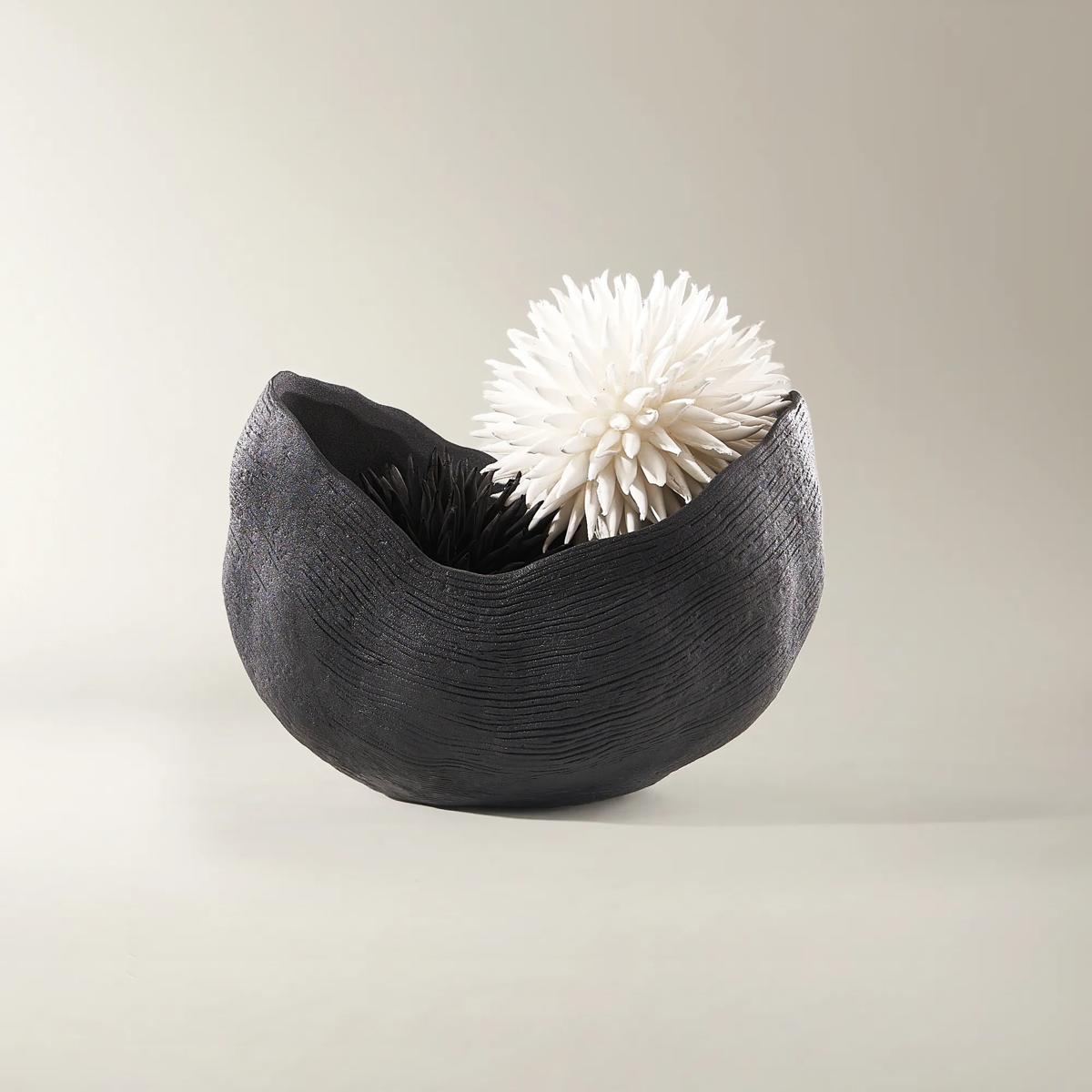 Baz Bowl - Black$119
A sculptural black porcelain bowl with a matte, ridged texture for bold, modern decor accents.
Add To Cart -
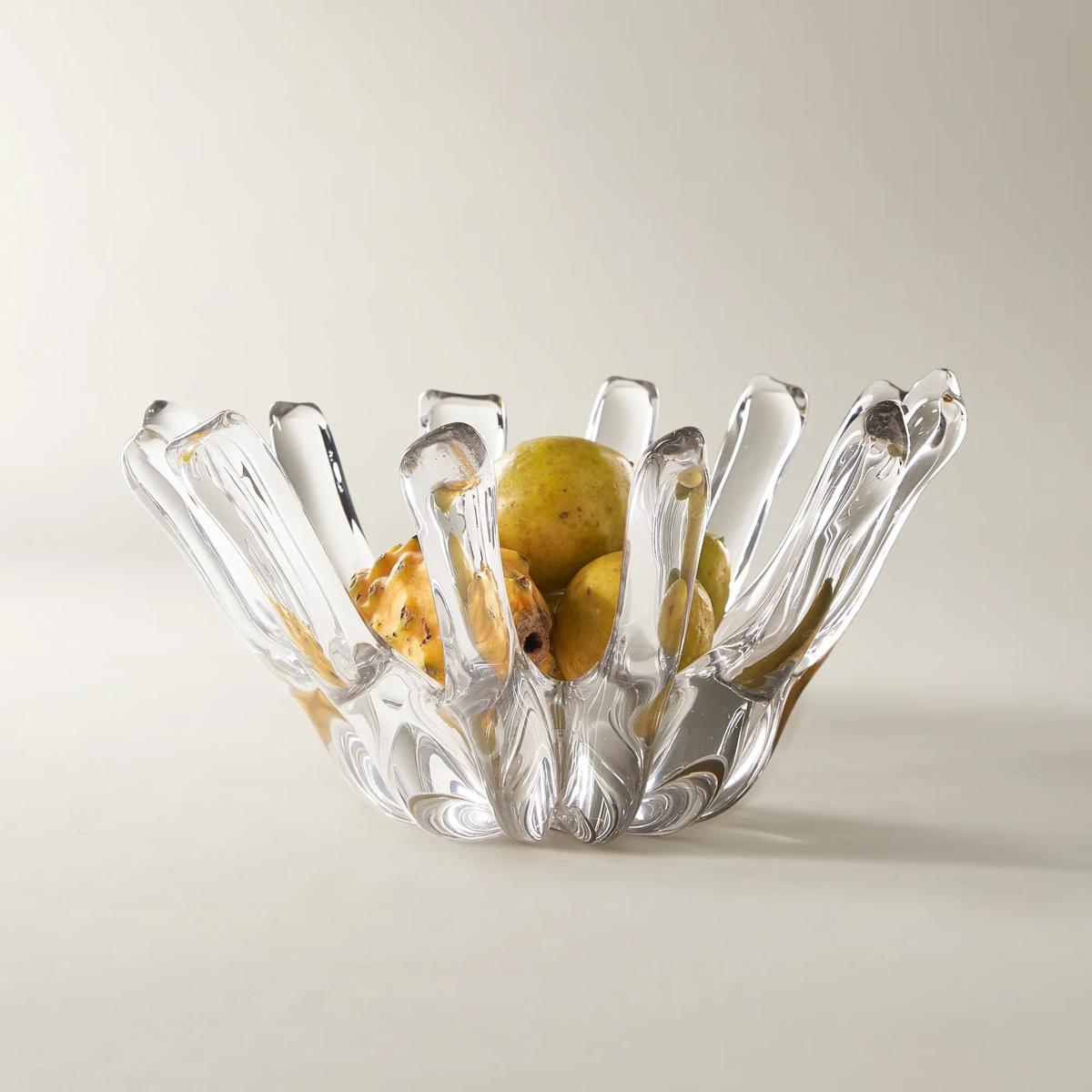
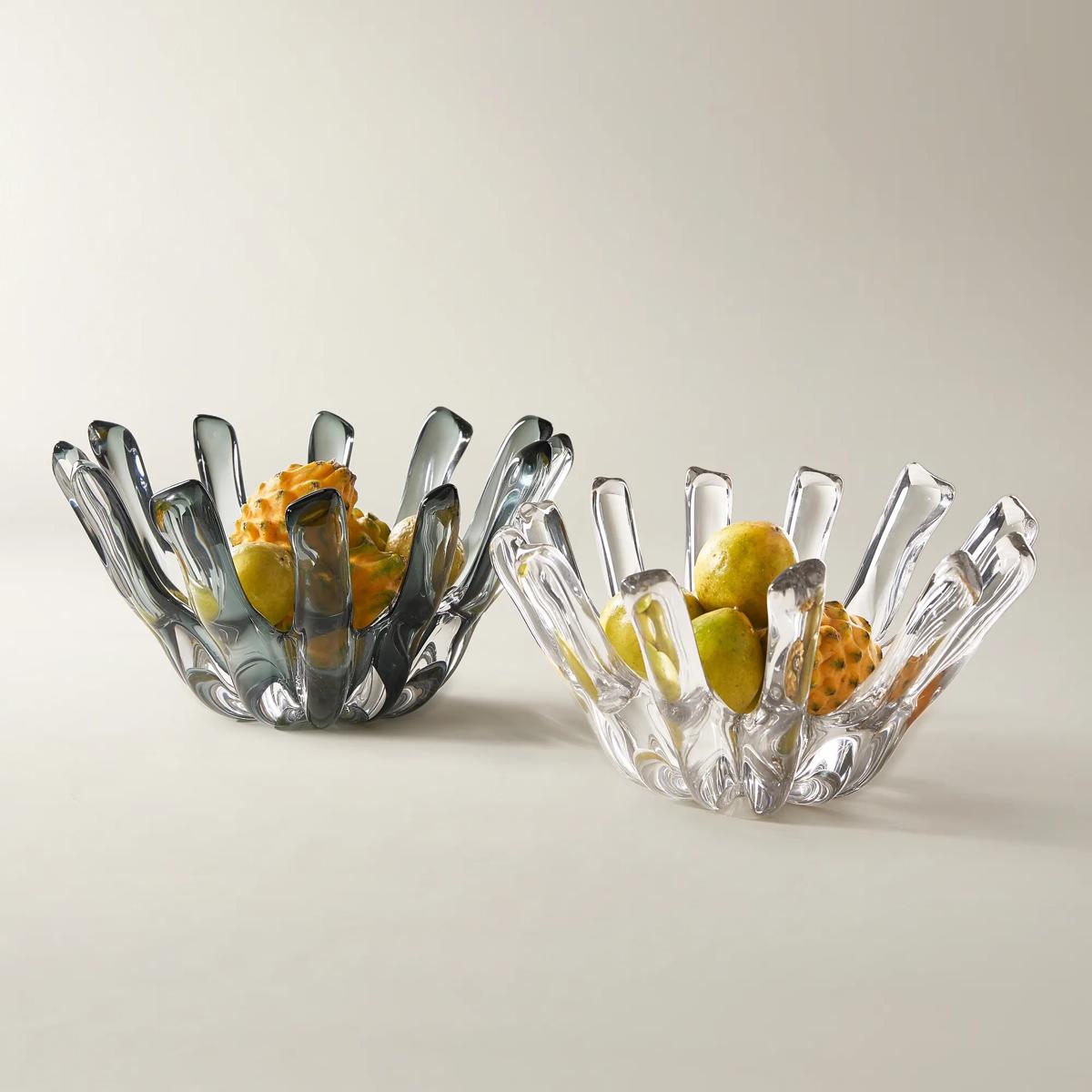 Bossa Clear Handblown Glass Decorative Bowl 13" x 7"$129
A hand-blown clear glass bowl featuring an expressive, sculptural form for modern decorative displays.
Add To Cart -
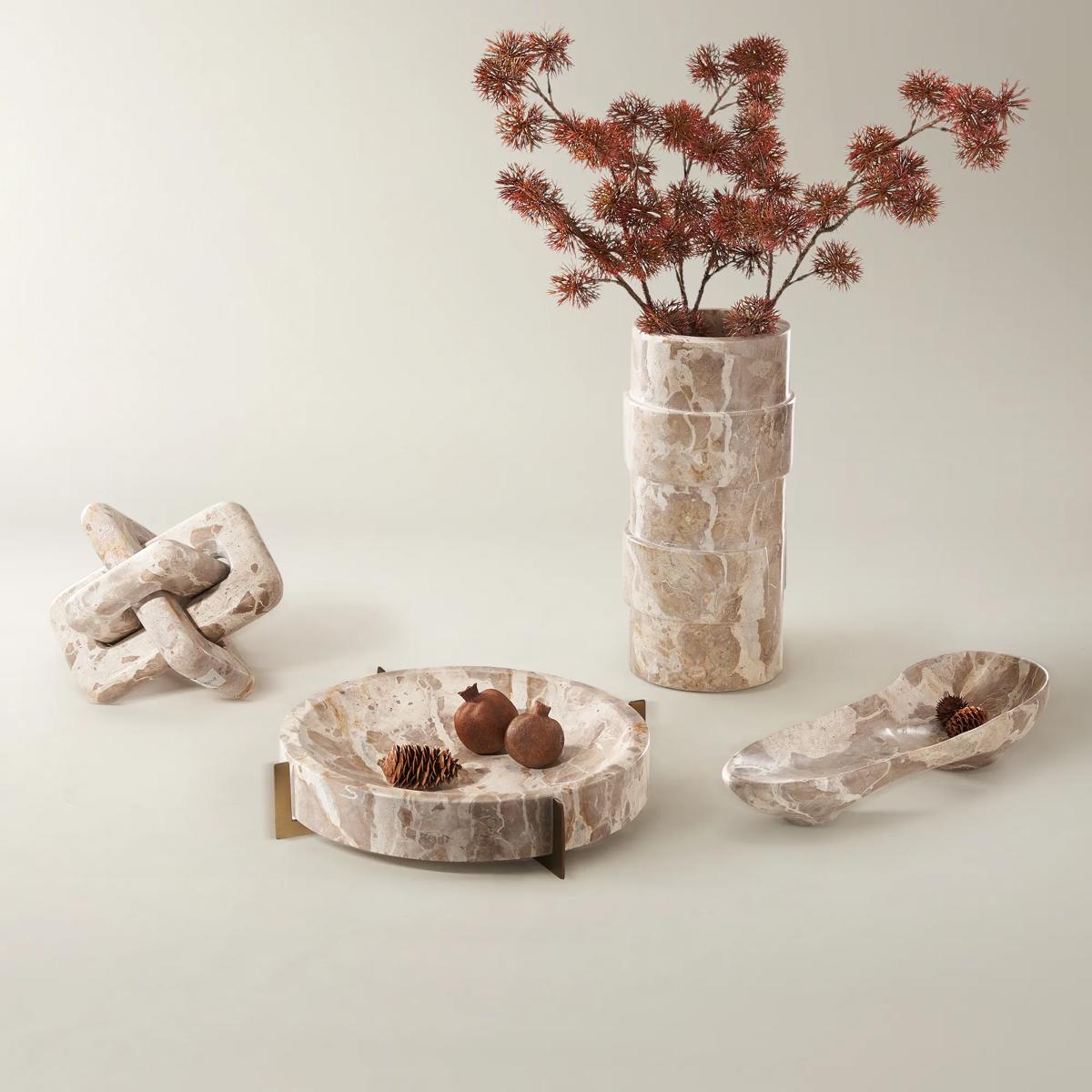
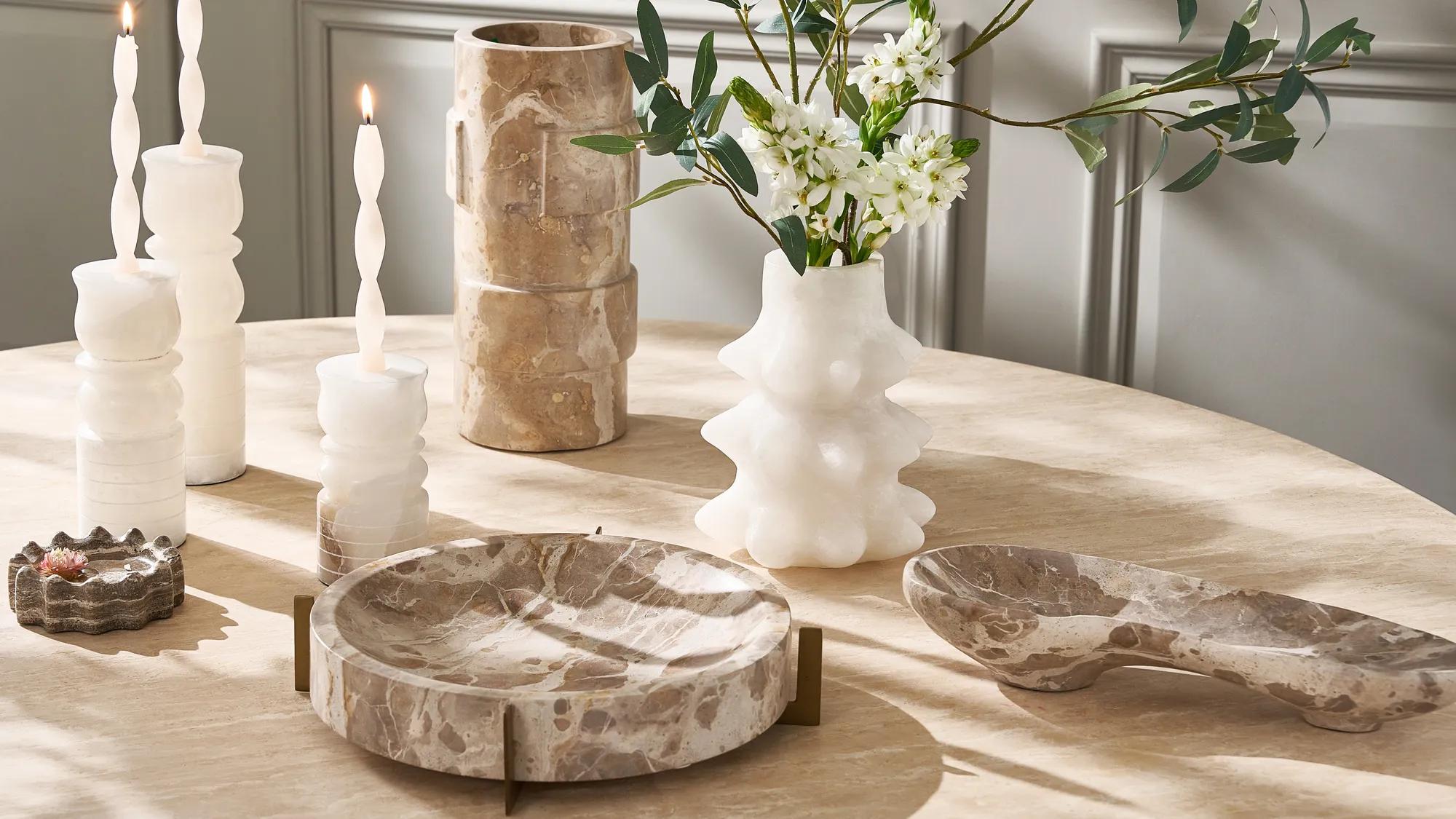 Neutral Marble Collection$109
A handcrafted marble decor collection featuring unique veining, natural neutral tones, and elegant metal accents.
Add To Cart -
.jpeg?w=1200&h=1200)
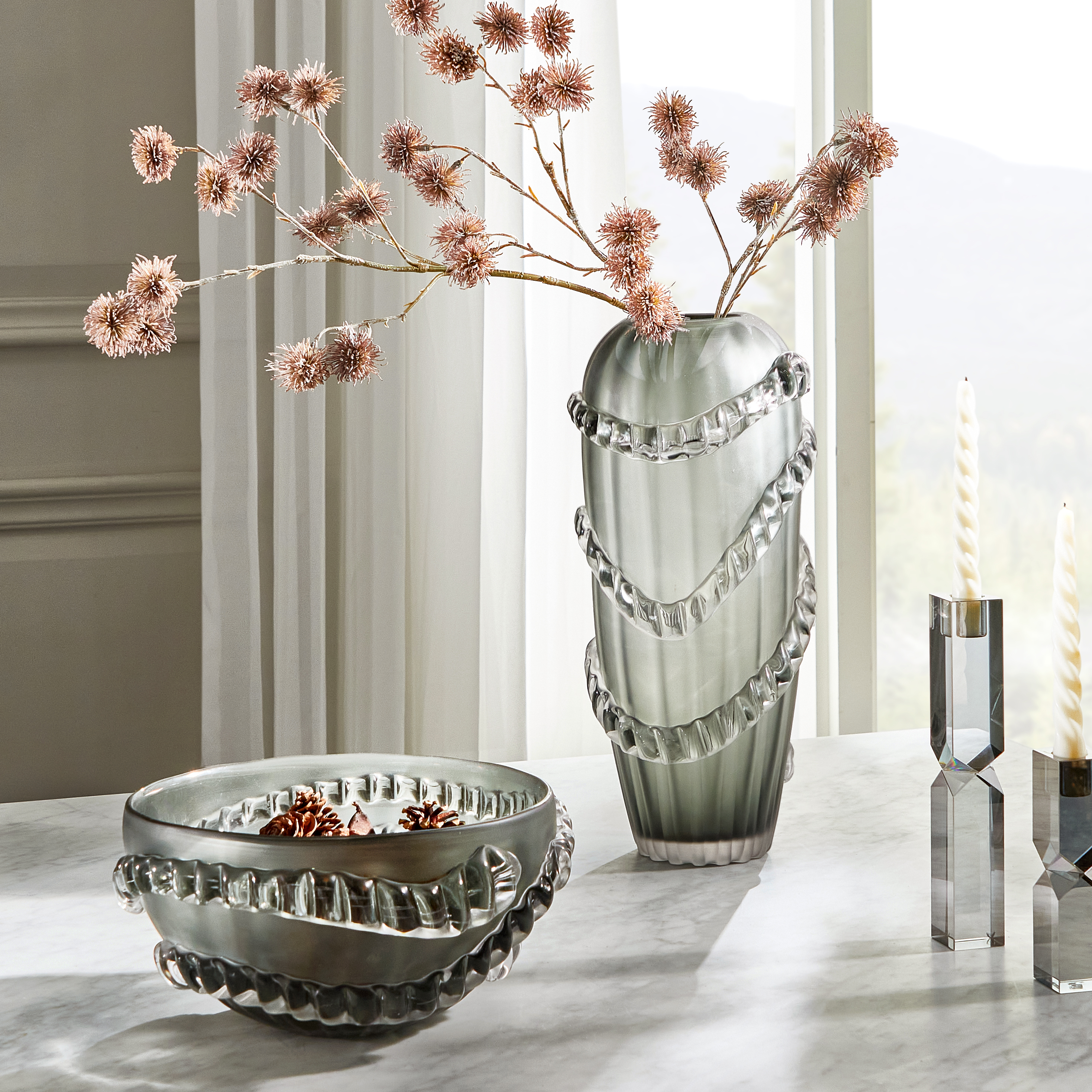 Helix Glass Collection$129
A hand-blown dark gray glass piece featuring fluted bodies and rippling sculptural ribbons for modern elegance.
Add To Cart -
.jpeg?w=1200&h=1200)
 Odessey Collection$99
Odessey Collection$99A shiny silver porcelain accent piece perfect for adding modern elegance to any decorative display.
Add To Cart -
.jpg?w=1200&h=1200) Calla Mouth Blown Blue Glass Decorative Bowl 15.35" x 5.7"$79
Calla Mouth Blown Blue Glass Decorative Bowl 15.35" x 5.7"$79A handblown blue glass bowl featuring unique curves and translucent artistry for striking decorative appeal.
Add To Cart -
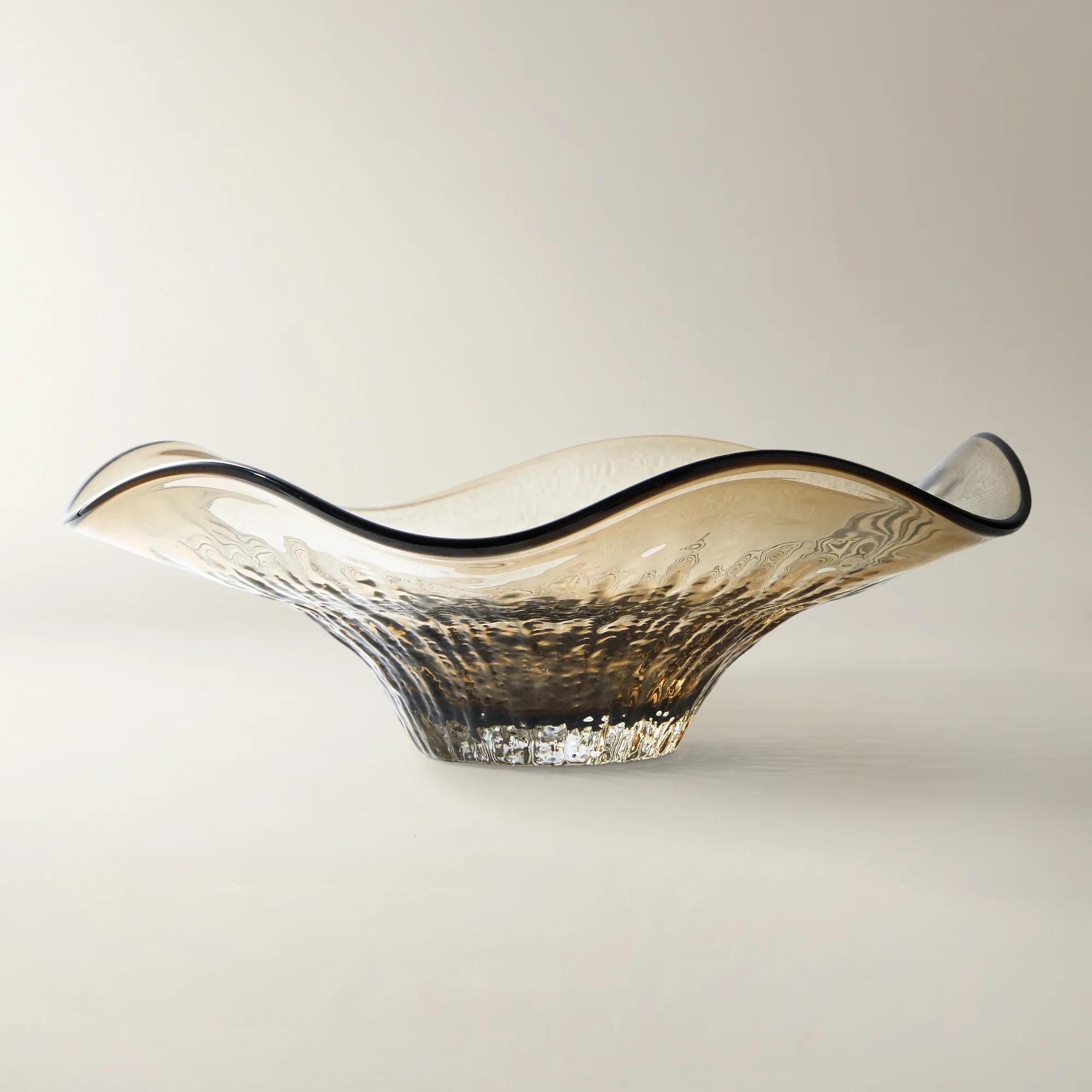 Corsi Brown Handblown Glass Decorative Bowl 15.35" x 5.1"$99
A hand-blown glass bowl in warm amber with organic shape and intricate textural details.
Add To Cart -
.jpeg?w=1200&h=1200) Odessey Collection$159
Odessey Collection$159A decorative porcelain accent in shiny gold, perfect for adding modern elegance to any space.
Add To Cart -
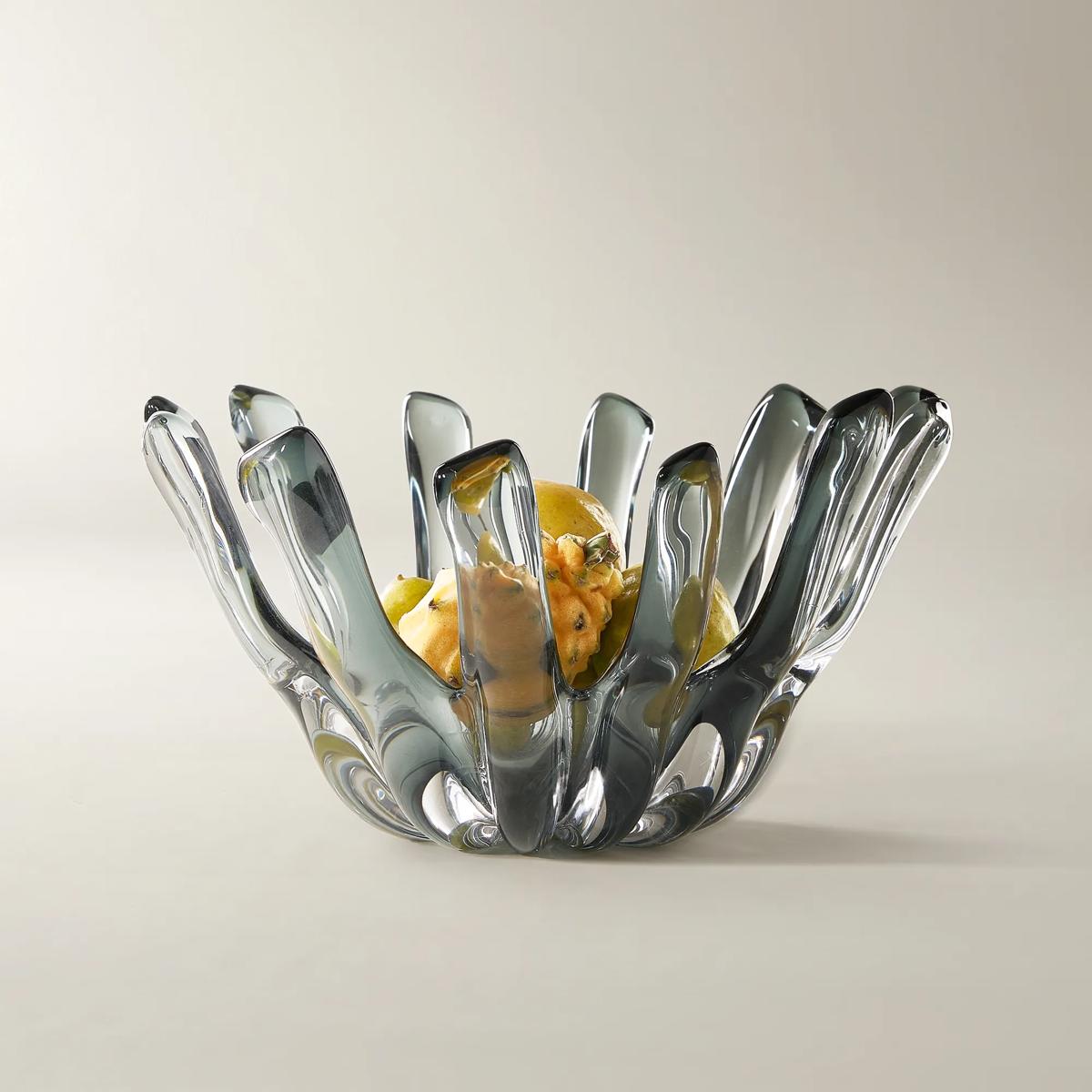 Bossa Smoke Handblown Glass Decorative Bowl 13" x 7"$129
A hand-blown smoky grey glass bowl featuring an expressive, sculptural design for modern decorative displays.
Add To Cart -
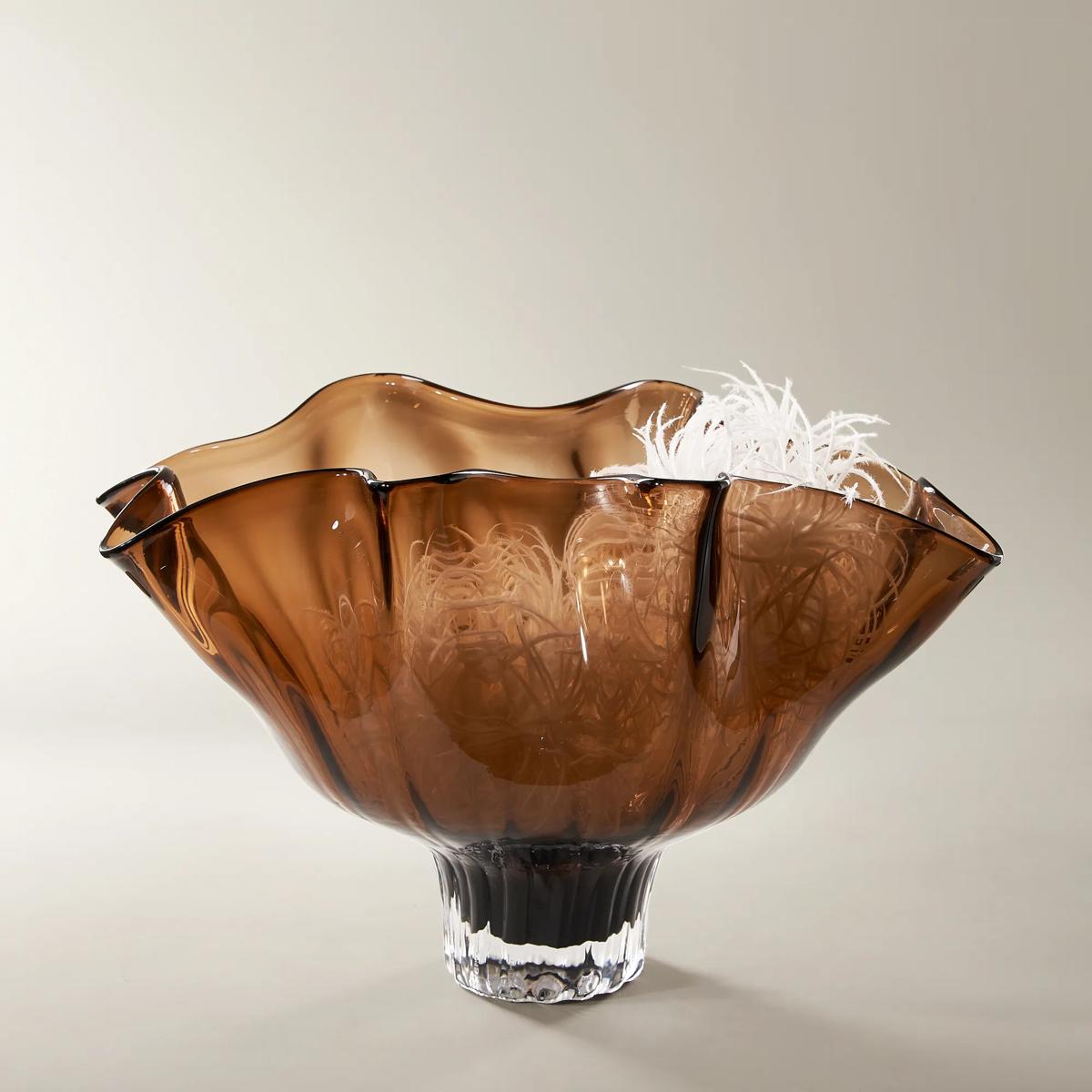
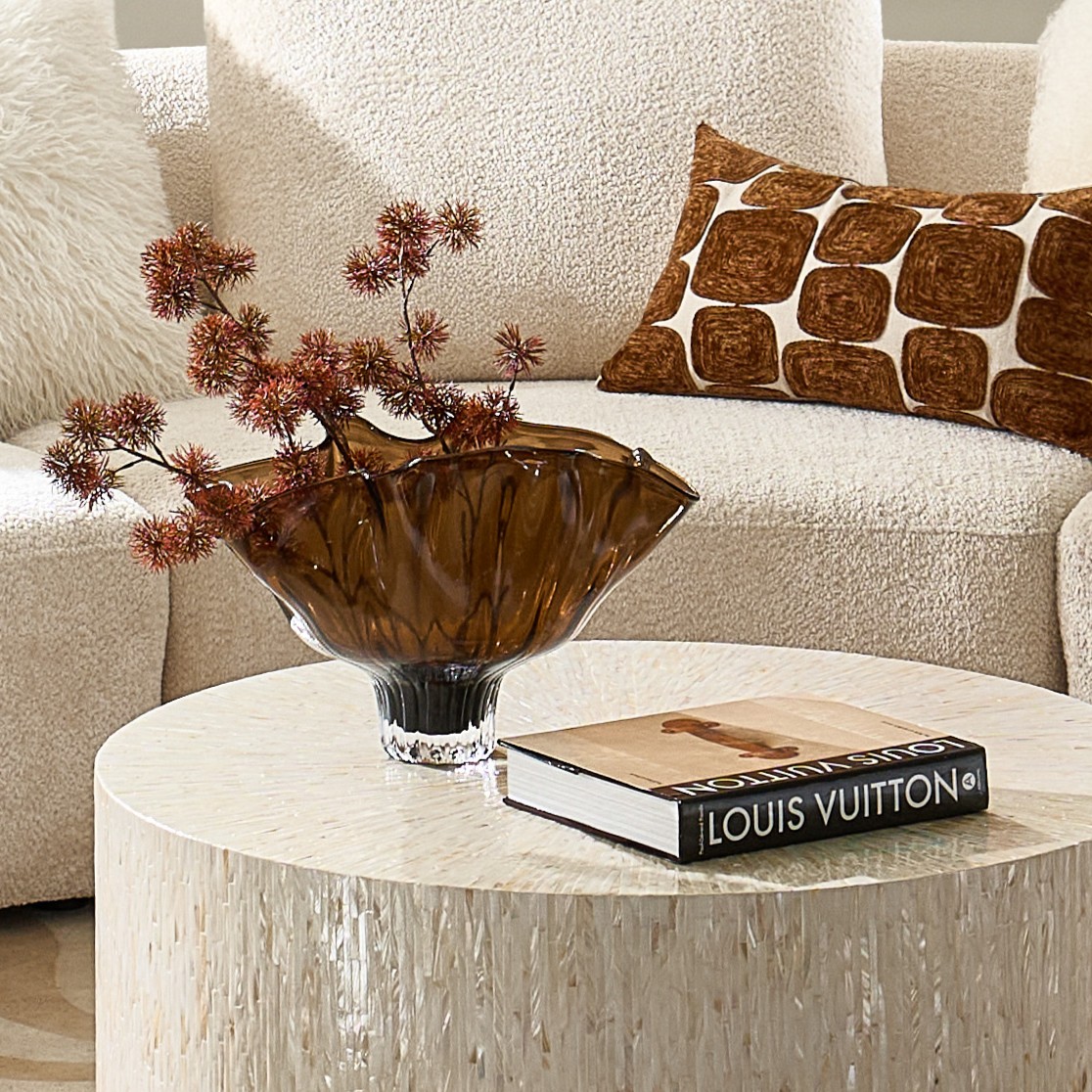 Coco Mouthblown Brown Glass Bowl 17" x 9.75"$139
A hand-blown brown glass bowl with an undulating rim and clear tapered base for sculptural elegance.
Add To Cart -
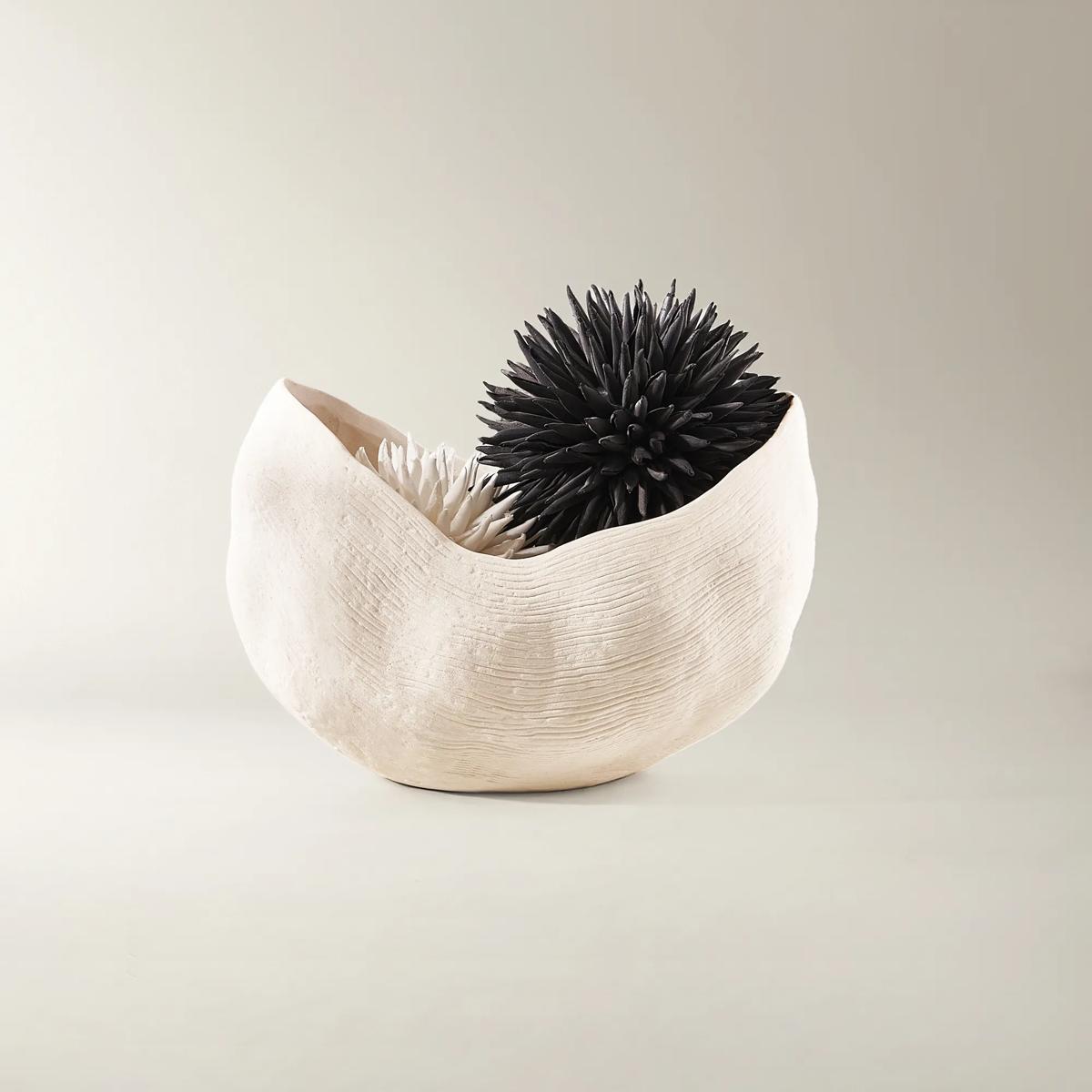 Baz Ivory Porcelain Bowl$119
A sculptural ivory porcelain bowl with a matte, textured finish and organic, free-flowing silhouette.
Add To Cart -
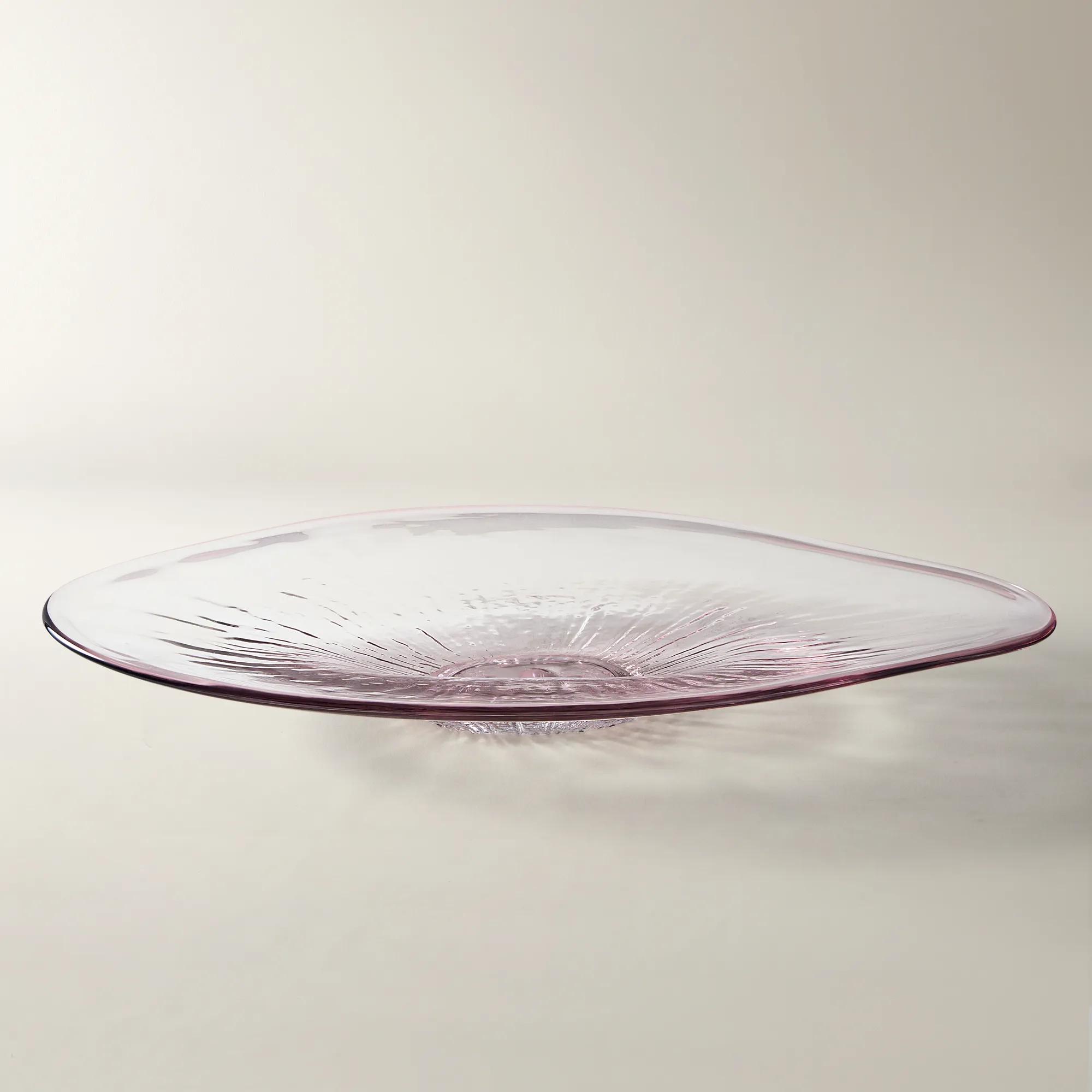 Cortina Decorative Bowl$129
A handblown glass bowl in an ethereal pink hue that brings artistic flair to modern interiors.
Add To Cart -
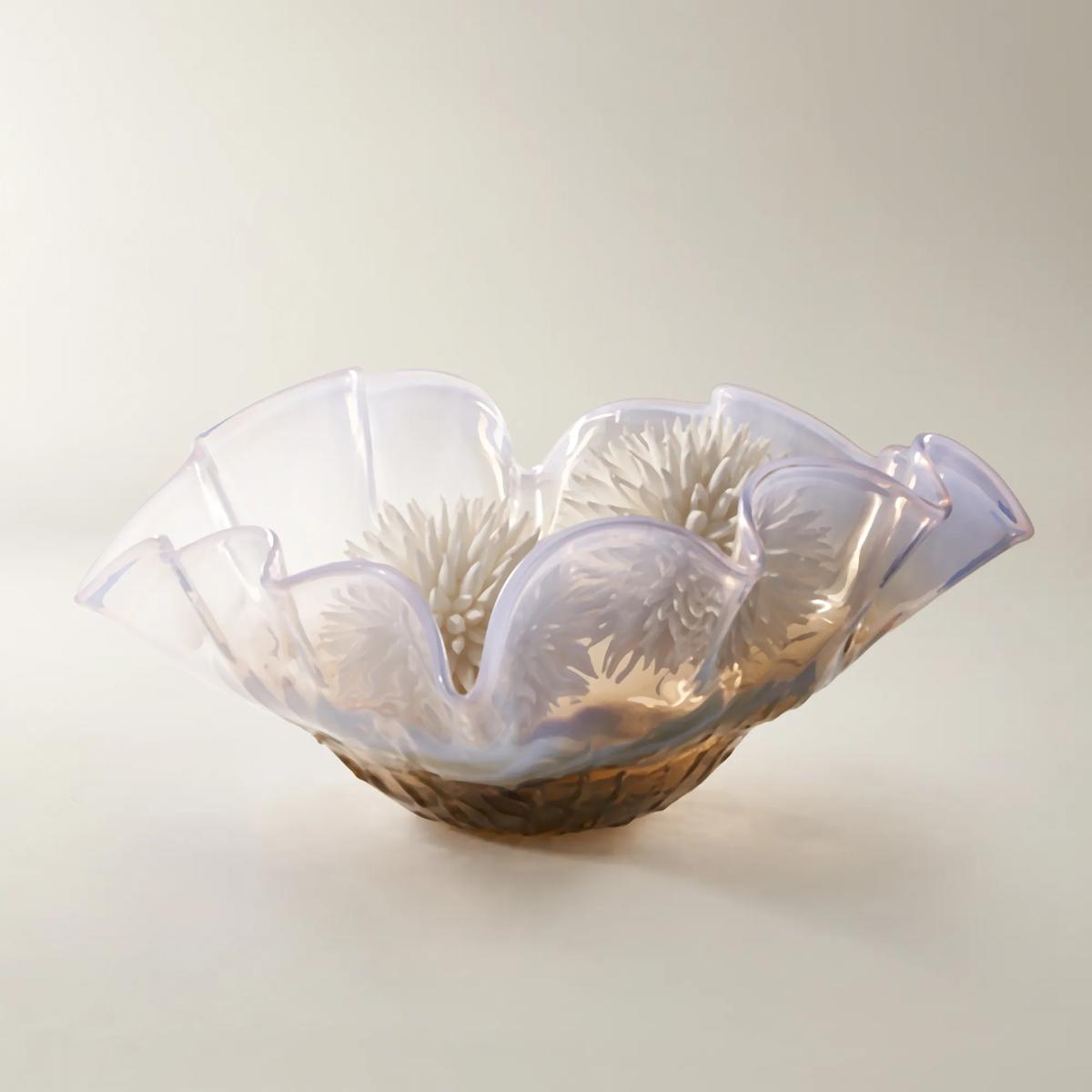
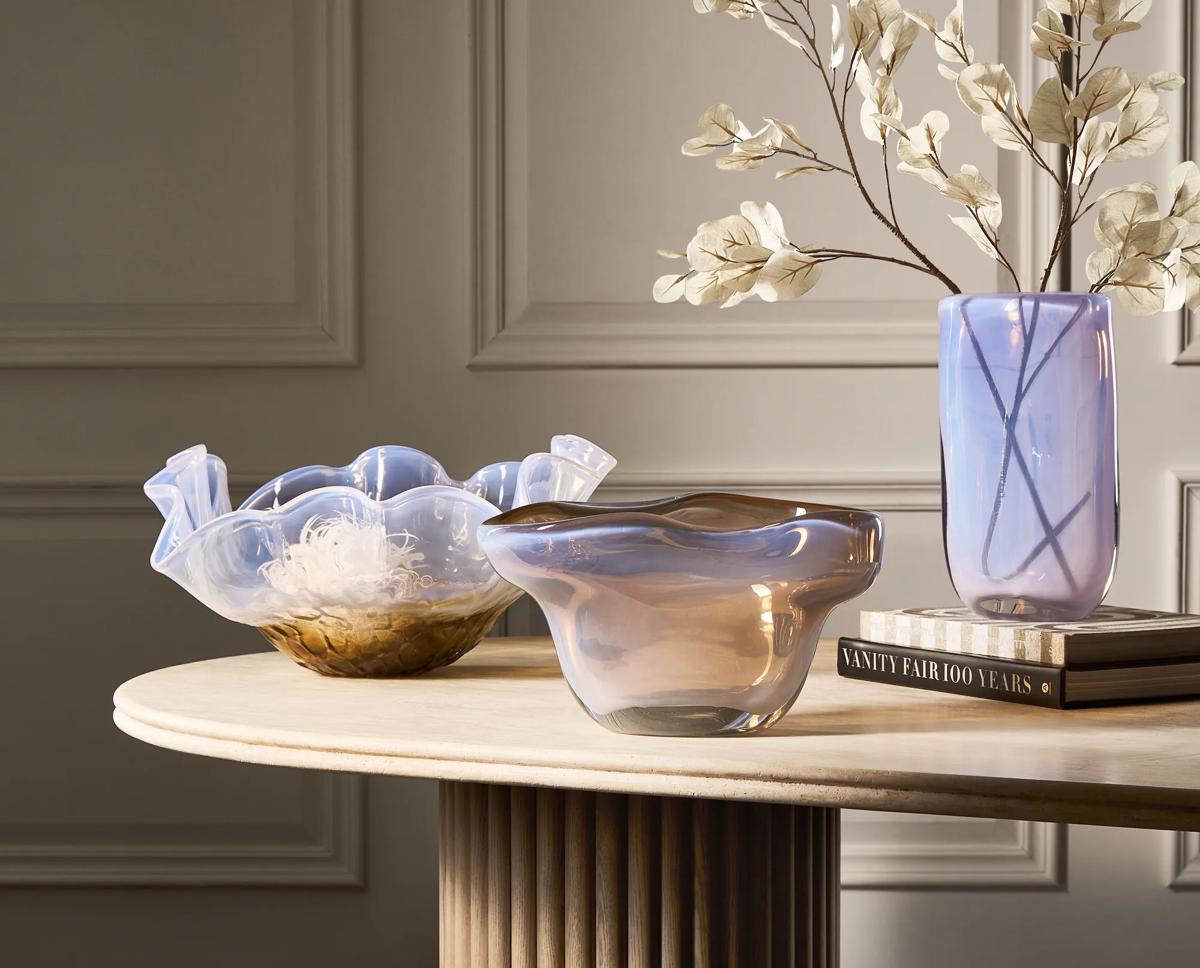 Glacier Glass Bowl$269
A hand-blown glass bowl featuring scalloped edges and swirling lavender and amber hues for artistic elegance.
Add To Cart -
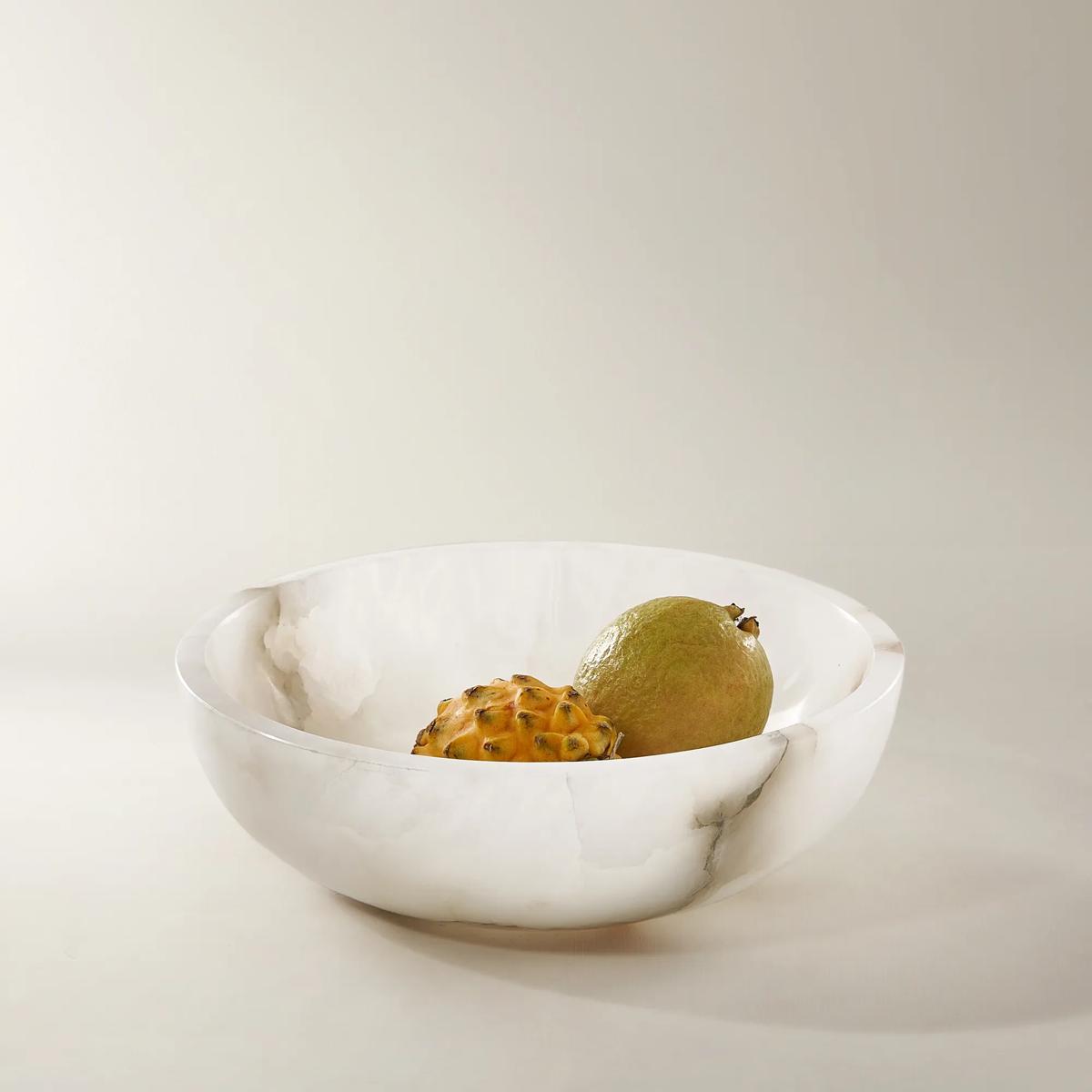 Alabaster Bowl$369
A hand-sculpted alabaster bowl featuring organic veining and soft, milky white translucence.
Add To Cart -
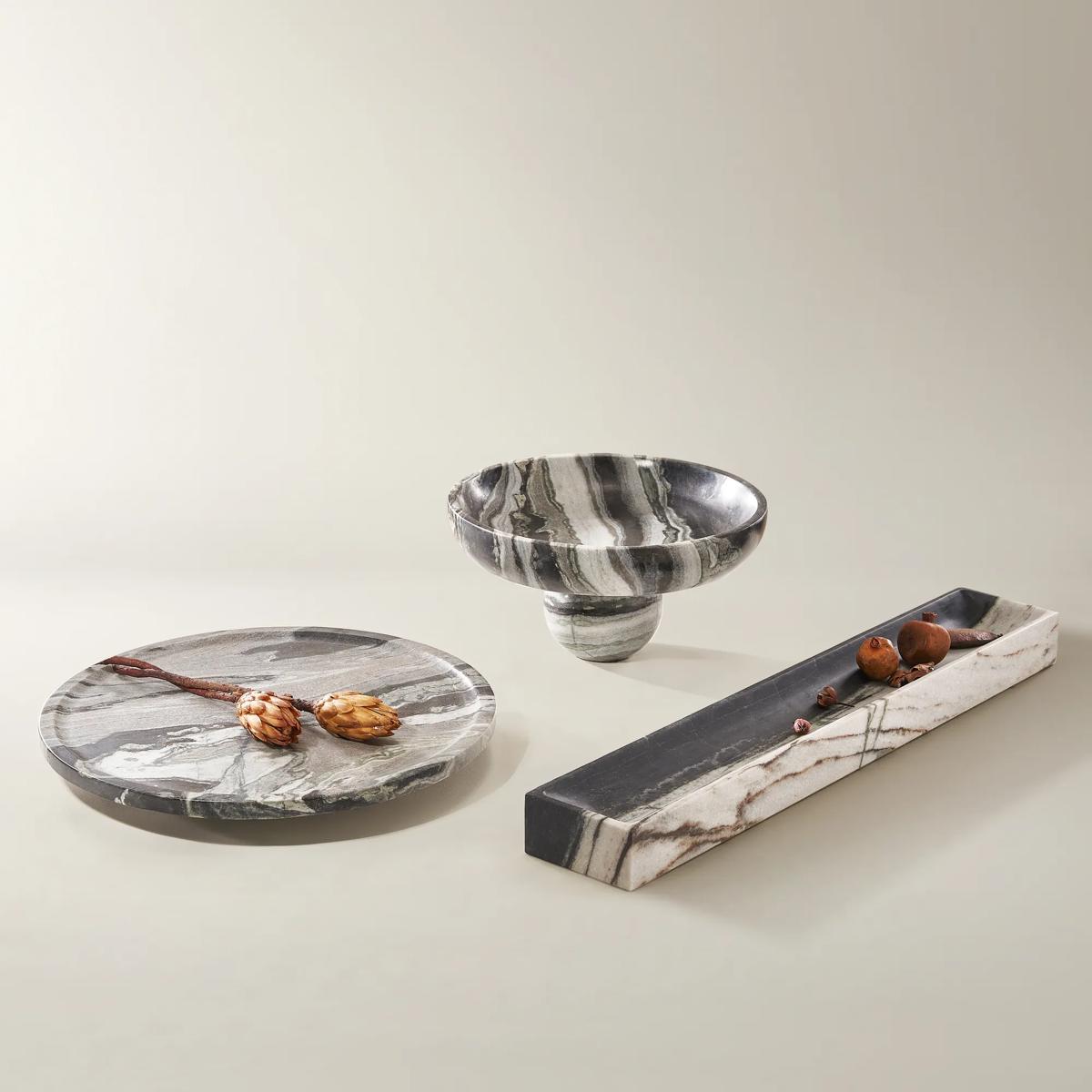
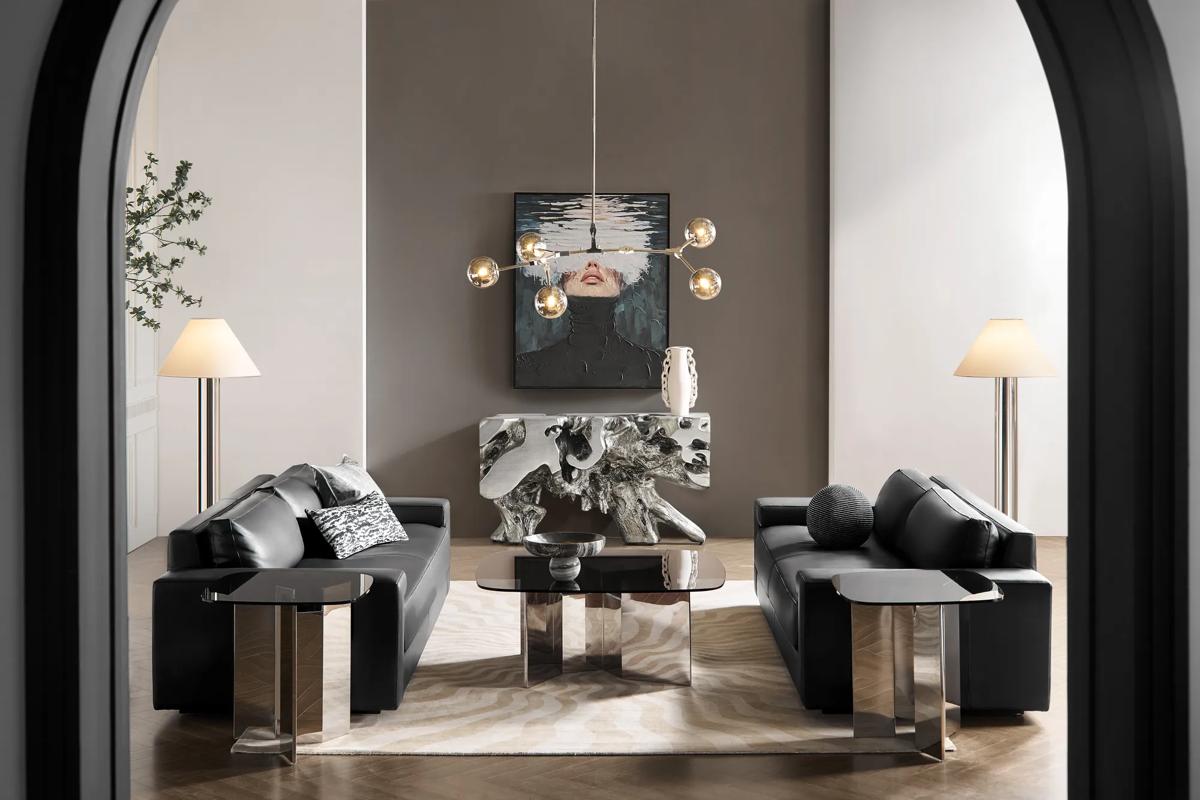 Luxe Marble Collection$149
A striking black marble decor collection featuring unique veining and elegant footed bowl, tray, and riser.
Add To Cart -
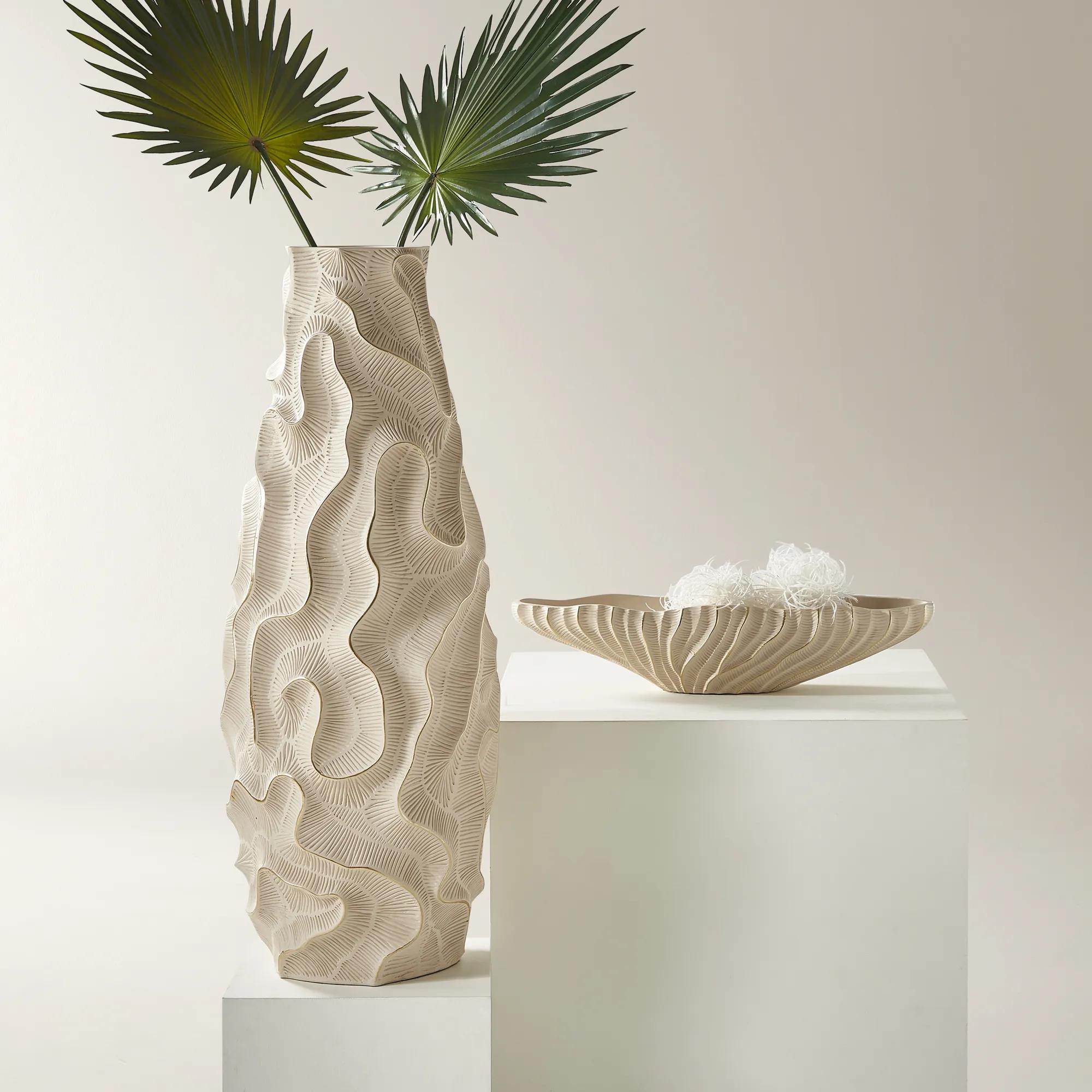
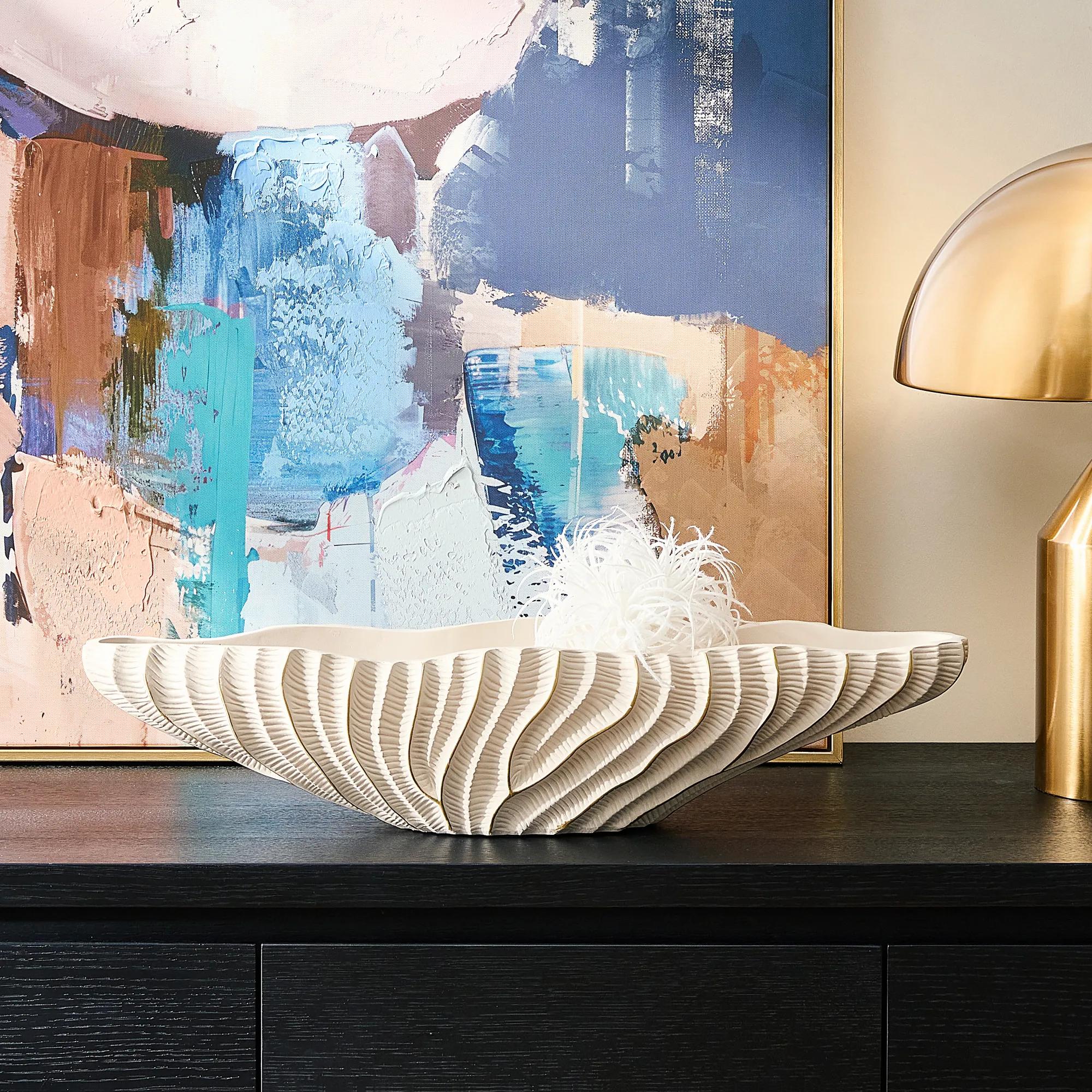 Rouche Ivory And Gold Etched Resin Floor Vase & Bowl$79
An ivory resin collection featuring sculptural, hand-etched textures and undulating organic contours.
Add To Cart -
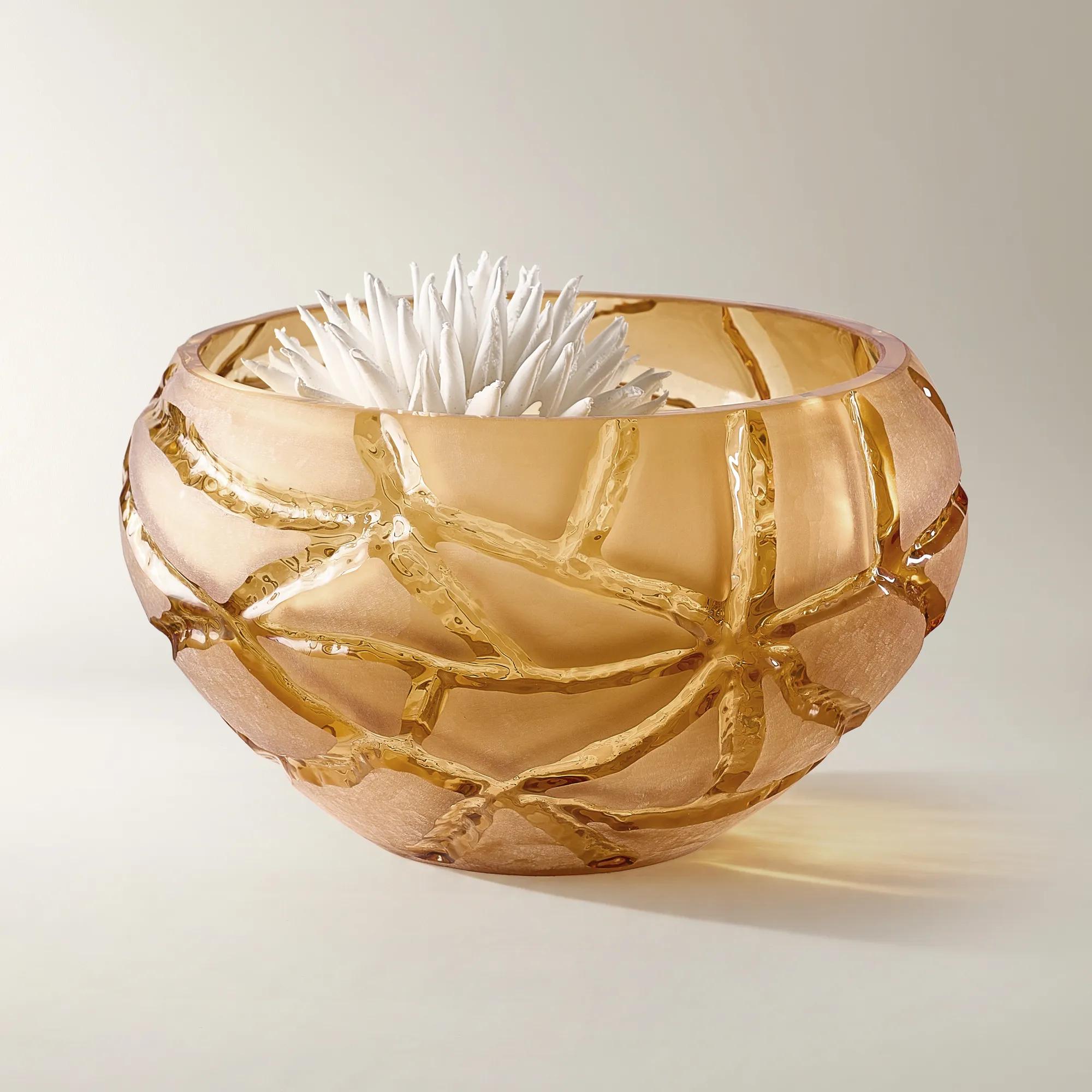 Rowen Mouth Blown Honey Gold Glass Decorative Bowl 11" x 6.25"$129
A handblown glass bowl in honey gold with a textured surface for a luminous, sculptural accent.
Add To Cart -
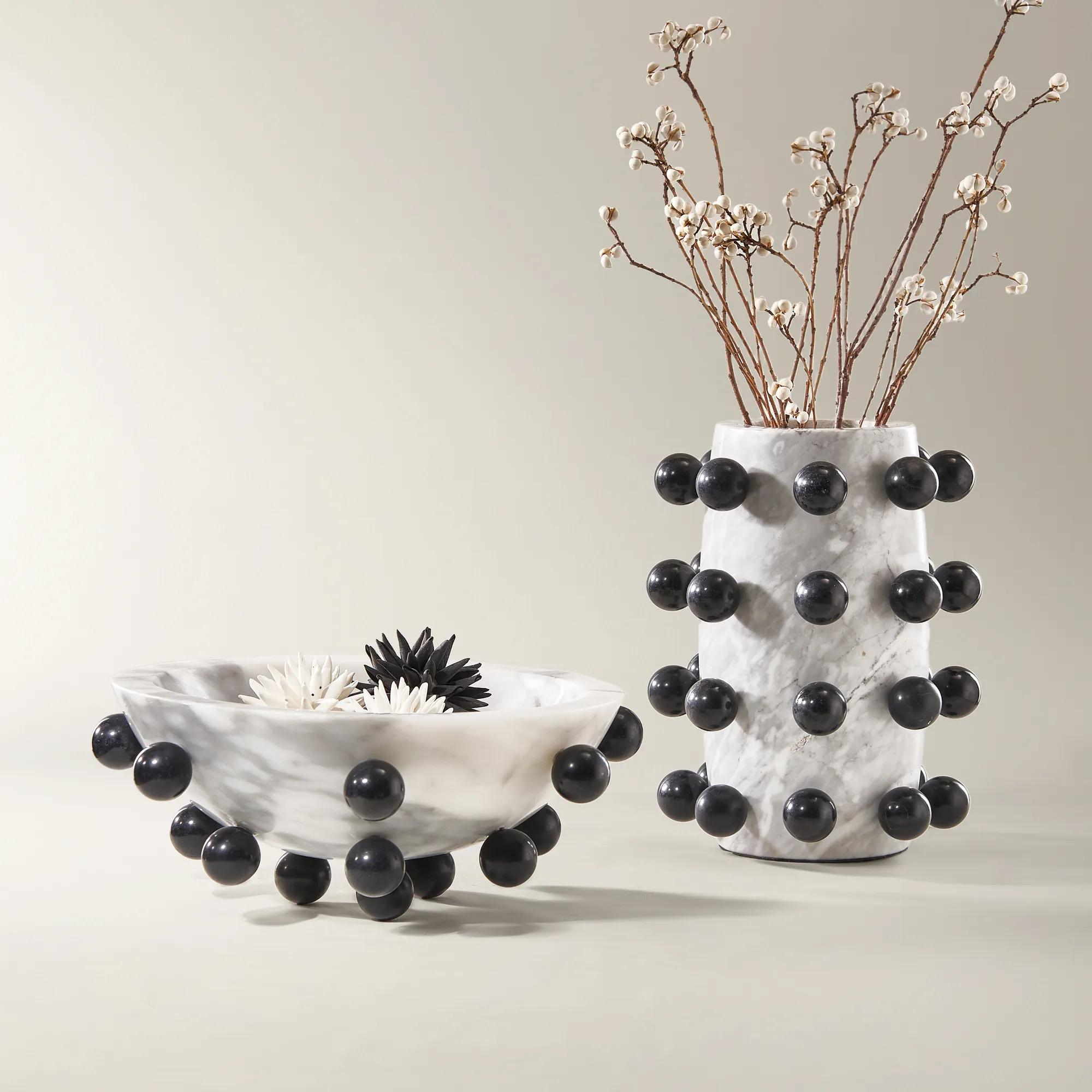 Borra Grey Black Marble Vase & Bowl$219
A sculptural grey marble accent featuring bold black orbs and unique natural veining for modern drama.
Add To Cart -
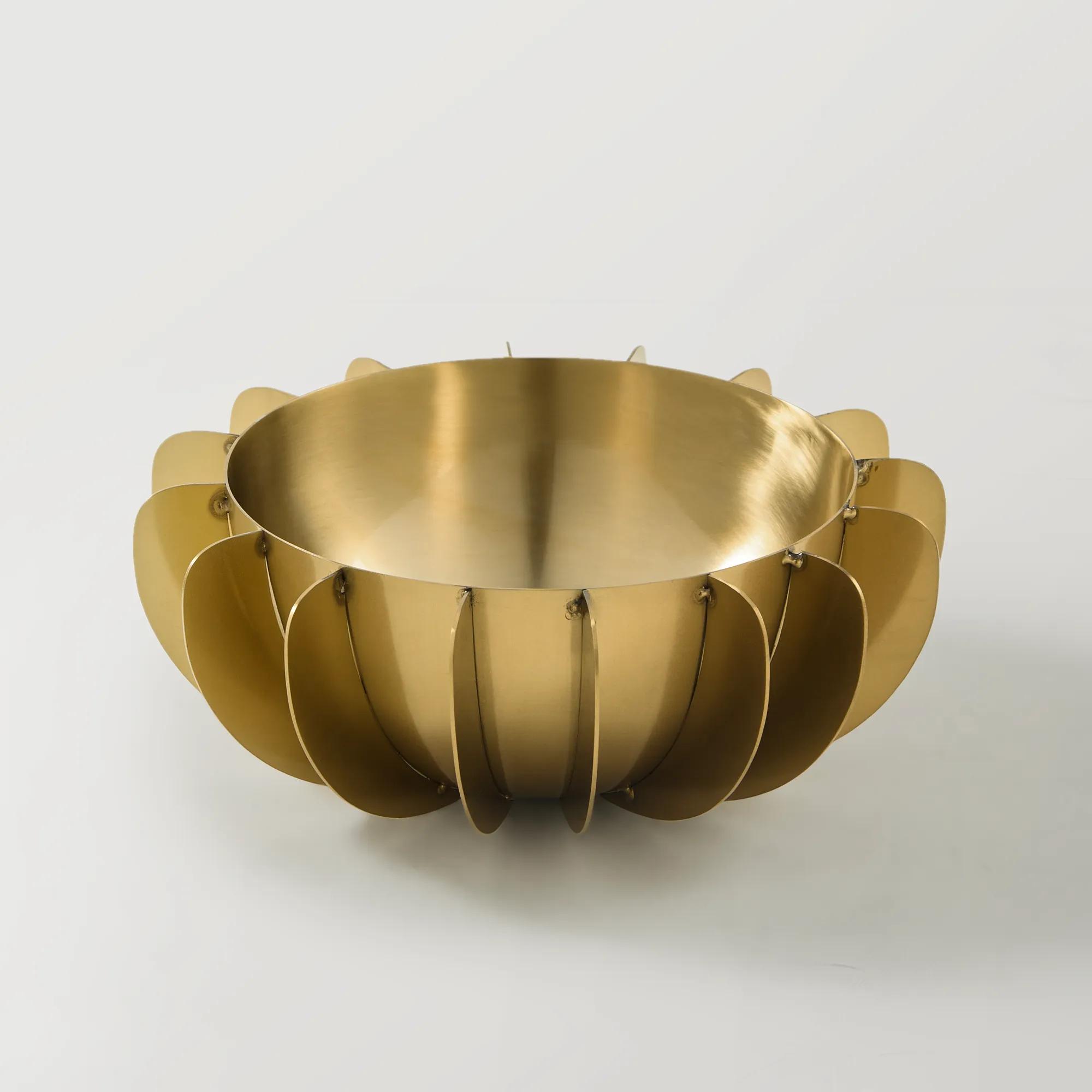
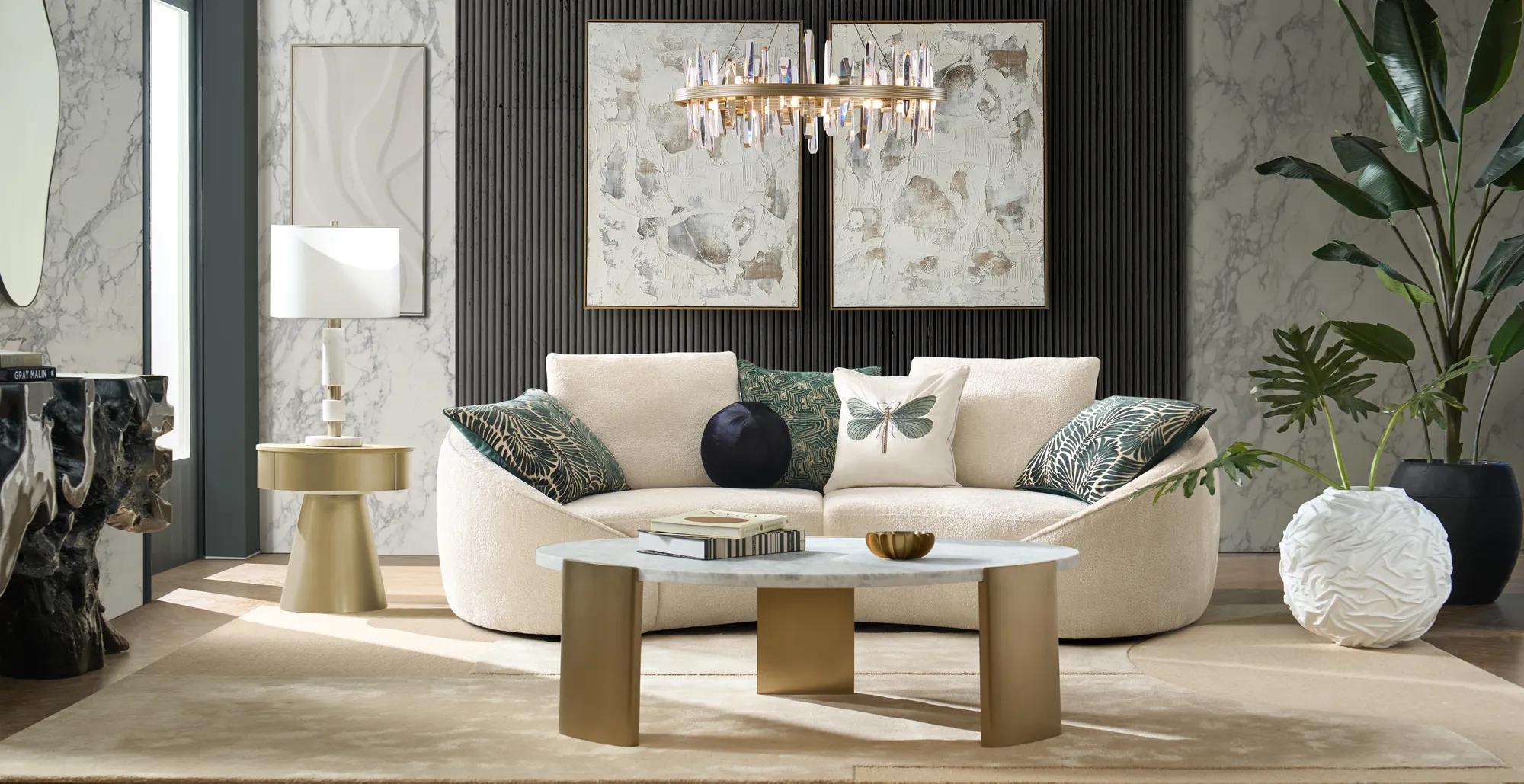 Mezza Collection$59
A gold-plated stainless steel decorative piece that brings timeless glamour and shine to your decor.
Add To Cart -
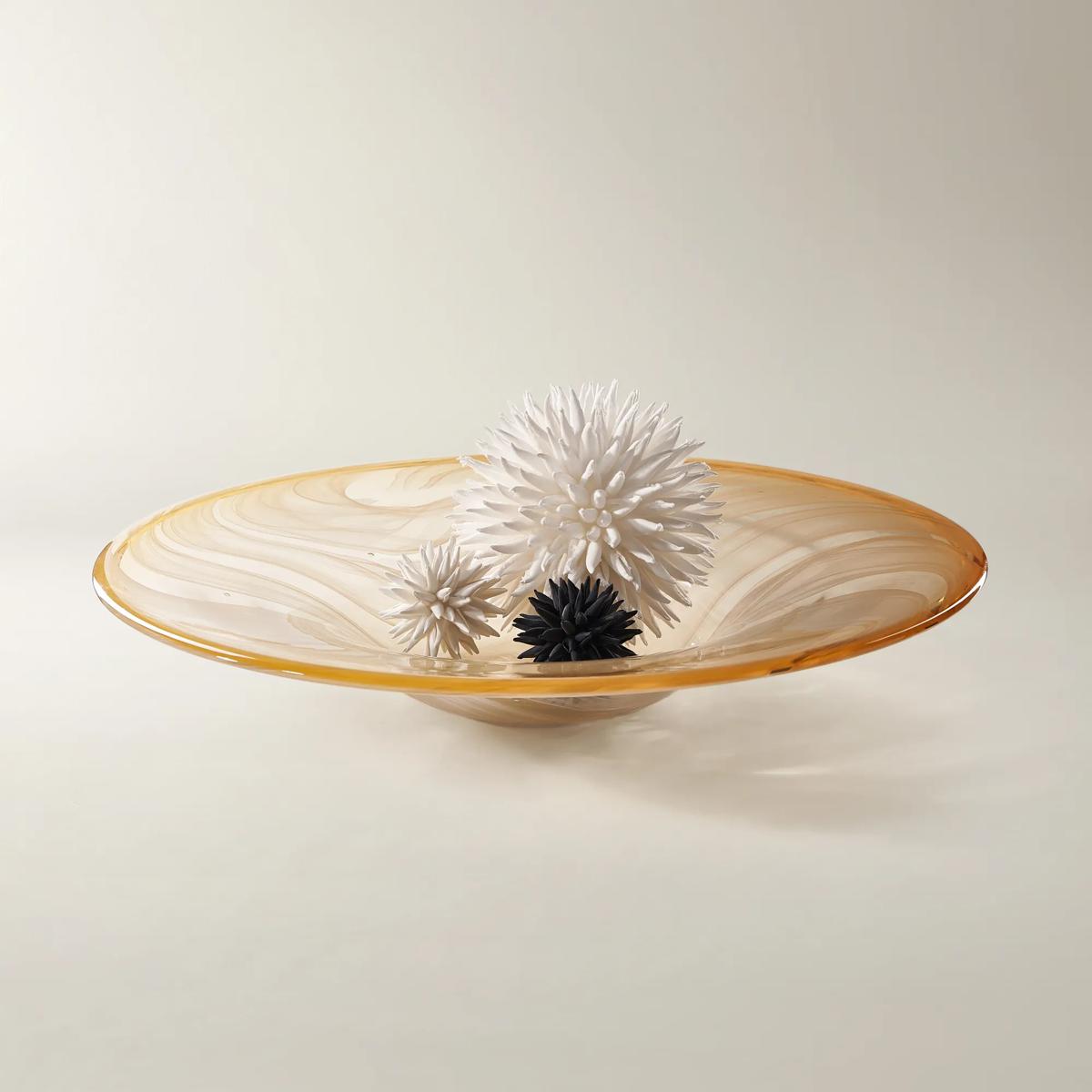
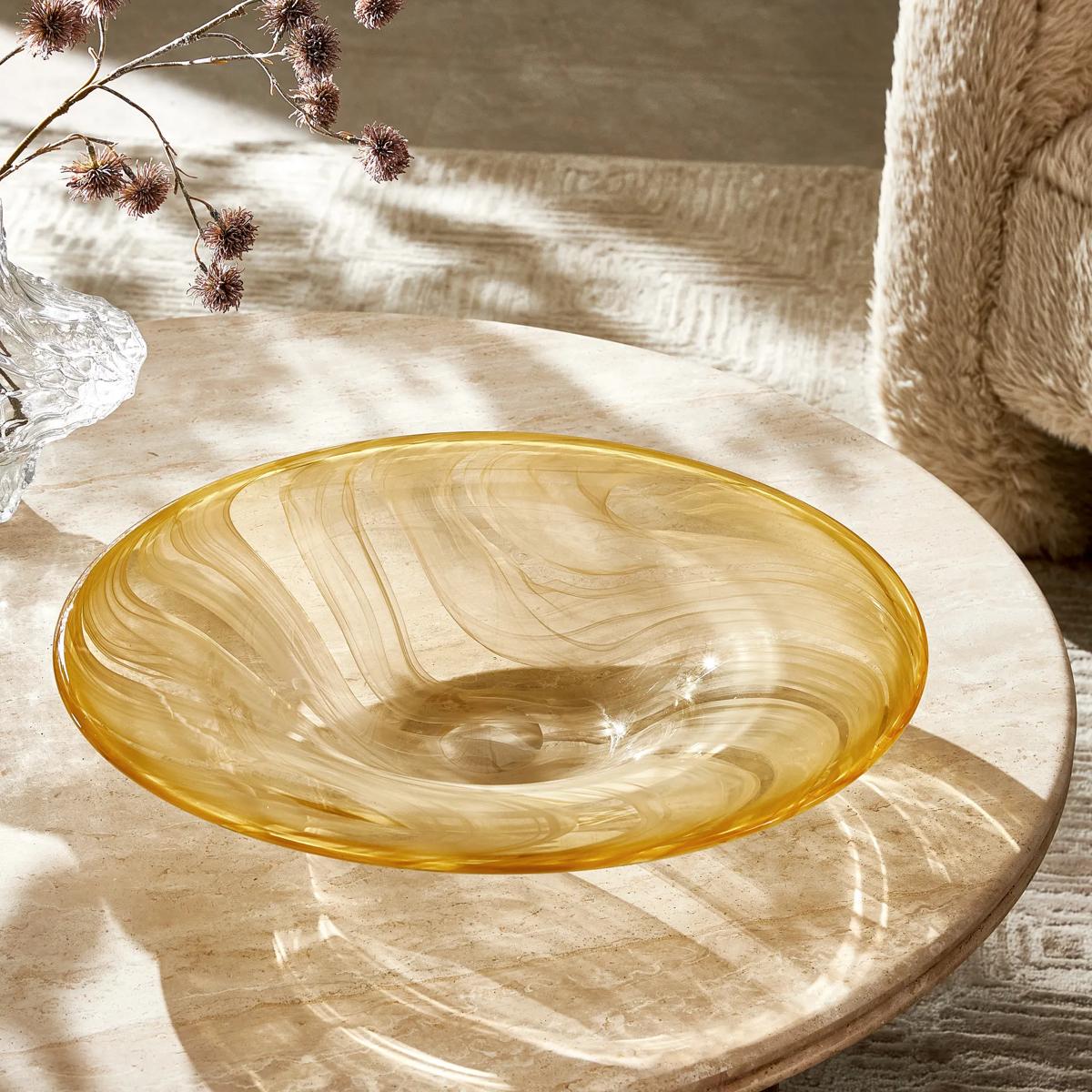 Paradis Glass Plate$239
A hand-blown amber glass plate featuring a swirling, organic design for a radiant decorative accent.
Add To Cart -
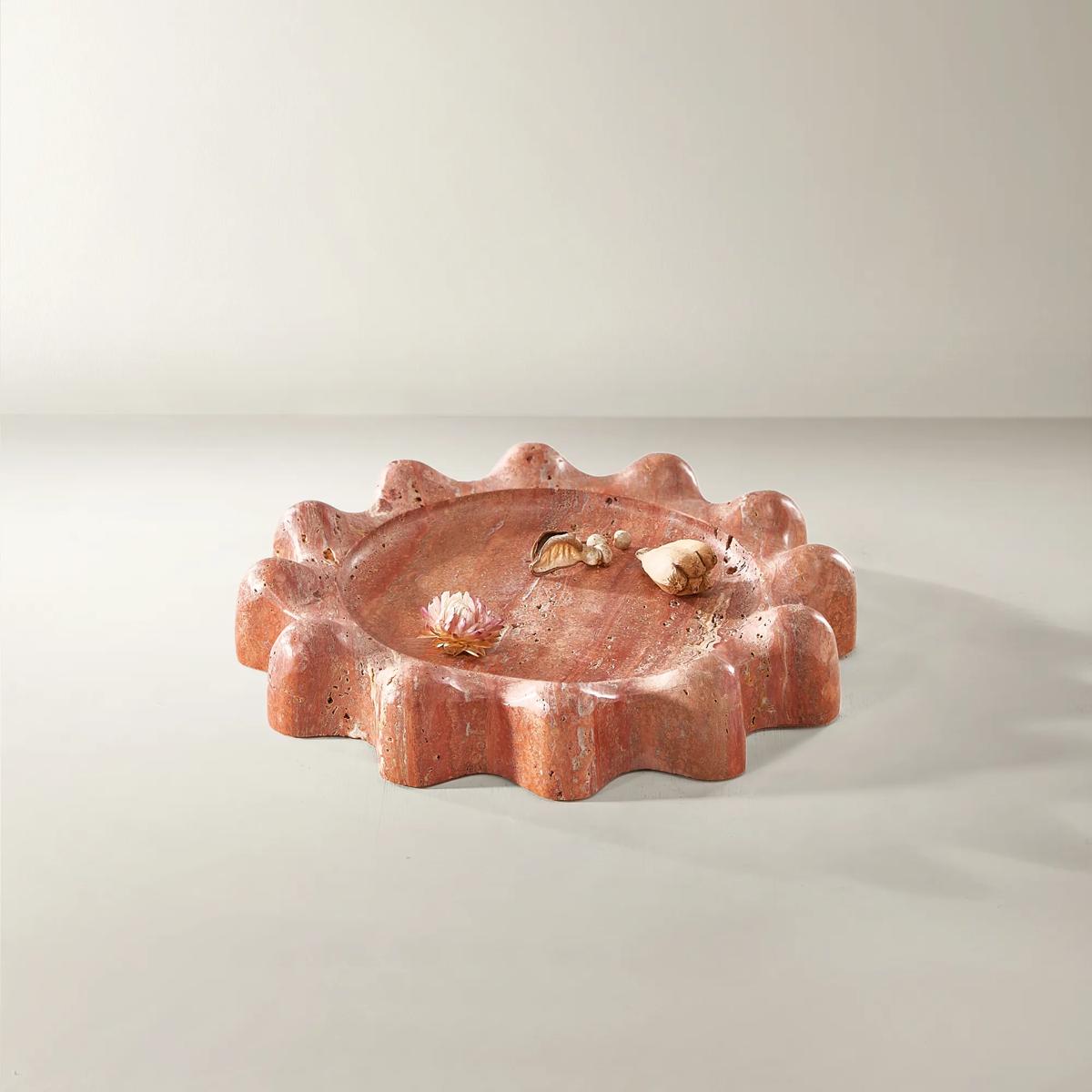 Flora Marble Catchall - Large$159
A hand-carved red travertine catchall with unique veining and undulating, flower-inspired edges.
Add To Cart -
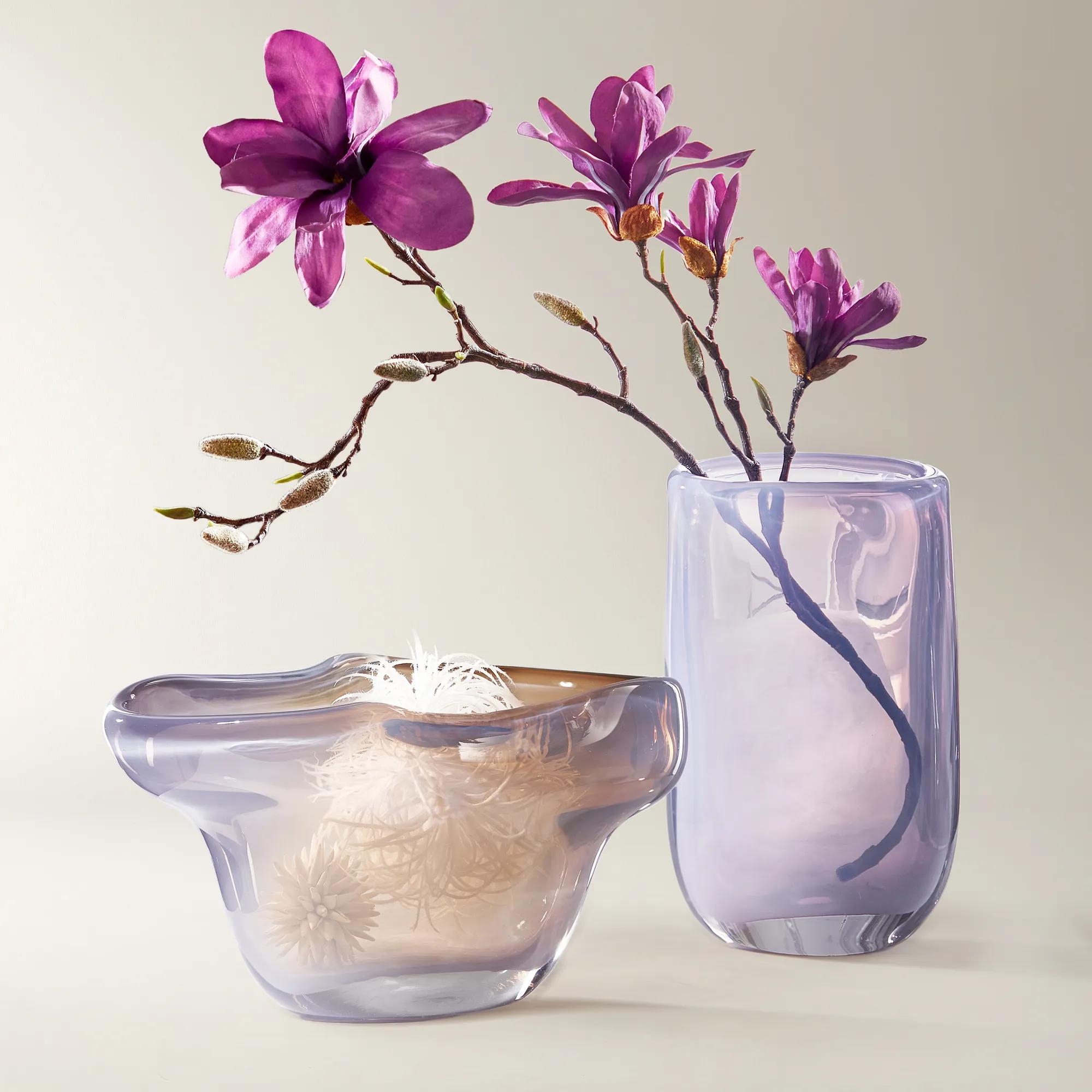
.jpeg?w=1200&h=1200) Aura Collection$189
Aura Collection$189A hand-blown glass accent in dreamy lavender, showcasing fluid curves and modern sculptural artistry.
Add To Cart

Decorative Bowls For Housewarming Gifts
Decorative Bowls for Housewarming Gifts transform the art of giving into a celebration of style and sentiment. Each piece is a statement—sculptural, striking, and designed to dazzle—inviting new beginnings with an air of curated sophistication. Whether gracing an entryway or anchoring a dining table, these bowls infuse every space with personality and panache. For those who believe that a home should shimmer with individuality, decorative bowls become more than gifts—they are radiant gestures of warmth and welcome, destined to be treasured long after the last toast is made.
Decorative bowls make elegant housewarming gifts because they pair sculptural beauty with a place for the small objects that give a home its personality. A luminous glass vessel can bring depth to a console, a textured ceramic bowl can soften the geometry of a coffee table, and a gleaming metallic finish can lend a dining room a distinctly glamorous focal point. Unlike a gift that requires wall space or a precise furniture arrangement, a decorative bowl can move from room to room as the recipient settles in. That flexibility makes it especially thoughtful for first-time homeowners, friends furnishing an apartment, couples combining their belongings, or hosts celebrating a new address. The most personal choices reflect how someone lives as much as how their rooms look. For a friend whose entryway is always beautifully composed, a shallow catchall offers a graceful landing place for keys. For someone who loves dramatic interiors, an oversized bowl with an expressive silhouette can hold its own beneath a large piece of art. A recipient who gravitates toward layered textures may appreciate a softly irregular ceramic surface or richly grained wood. Color also helps connect the gift to its surroundings: ivory and smoky gray can bridge several palettes, while deep jewel tones or radiant gold finishes create a more deliberate accent. Scale matters just as much as color. A petite bowl belongs comfortably on a narrow console or bedside table, whereas a broad, low vessel gives a generous coffee table a sense of proportion without interrupting conversation. The bowl’s full footprint, including flared edges or sculptural handles, should suit the surface beneath it. In a home still taking shape, a versatile silhouette leaves room for future changes; in a carefully furnished space, a distinctive finish can echo an existing lamp, mirror, or decorative object without looking overly matched. A well-chosen bowl feels considered rather than prescribed, offering the recipient an expressive piece they can make their own.
Materials give decorative bowls their character, shaping both their visual presence and their everyday care. Ceramic and earthenware bowls can bring substantial texture through ridged surfaces, sculpted edges, or contrasting glazes. Smooth porcelain often has a more refined appearance, while an unglazed exterior offers a tactile counterpoint to polished furniture. These materials can be lasting decorative accents with careful handling, although rims and raised details may chip if knocked against hard surfaces. Glass offers a different kind of drama: clear glass keeps a vignette visually open, colored glass introduces saturated depth, and textured glass catches light across its surface. Handblown pieces may show variations in shape or small bubbles that contribute to their individual character. Glass bowls benefit from a secure position away from crowded edges, particularly in homes with children or pets. Metal brings crisp definition and reflective contrast, whether its finish is polished, brushed, or softly aged. A metallic bowl can enliven dark wood or sit beautifully against a matte tabletop, but its care depends on the underlying material and any applied coating; abrasive cleaners may scratch the surface or damage a decorative finish. Wood lends warmth through visible grain and variations in tone, creating a rich balance beside glass, lacquer, or stone. Prolonged moisture, soaking, and direct heat can affect wood, so cleaning and conditioning should follow the maker’s directions. Stone bowls offer visual weight and distinctive veining, though their heft deserves consideration when placing them on delicate furniture or glass shelves. Protective felt pads can help safeguard surfaces where appropriate. Across materials, a soft cloth and gentle handling are often suitable for routine dusting, while washing methods should follow the care instructions. Intended use is equally important: a decorative bowl is not automatically a serving bowl. Fruit, snacks, or other unpackaged foods belong only in vessels explicitly identified as food-safe, and dishwasher or microwave use requires separate confirmation. Decorative coatings, porous surfaces, and ornamental construction may make a bowl suitable for display only. That distinction allows a gift to be appreciated for its beauty without creating uncertainty about how it should be used.
The appeal of a decorative bowl continues long after the housewarming gathering, as it becomes part of the recipient’s daily surroundings. On an entry console, a compact vessel can gather keys and other small essentials while leaving space for a lamp and a framed photograph. On a dresser, a smooth-interior bowl can hold a watch or sturdy accessories; delicate jewelry is better protected from rough textures and sharp edges. A broad bowl on a coffee table can stand alone as a sculptural accent, with its interior left visible rather than filled simply for the sake of styling. Beside a stack of art books, an asymmetrical form introduces movement; on a dining table, a low profile creates a centerpiece that preserves sightlines. Where a bowl is designed for decorative filling, a restrained arrangement of suitable objects can emphasize its shape without concealing the finish. Heavy contents should remain within the vessel’s intended capacity, and anything damp or abrasive should be kept away from vulnerable surfaces. These practical details are especially meaningful when selecting a gift for someone whose routines are familiar: the enthusiastic host may welcome a food-safe piece that moves between serving and display, while an art lover may prefer a vessel valued purely for its silhouette. For a recipient with limited space, one beautifully proportioned accent often has greater presence than a cluster of smaller accessories. Keeping the care information with the gift makes it easier to enjoy confidently, particularly when the material or finish requires special attention. Similar considerations apply to Decorative Bowls for Wedding Gifts, where expressive design can help mark the beginning of a shared home. For a housewarming, the sentiment is especially immediate: a beautiful object gives an unfamiliar room a point of connection. Whether its appeal comes from translucent color, a richly worked surface, or a bold sweep of polished metal, a decorative bowl offers more than ornament. It gives the recipient a small but distinctive way to claim their space, turning an everyday tabletop into a composition with personality.
FAQs
A decorative bowl is a timeless housewarming gift because it blends artistry with versatility, offering the recipient a beautiful accent that can be styled in countless ways throughout their new home. Its sculptural presence elevates any surface, whether used as a centerpiece, a catchall in the entryway, or a vessel for seasonal displays, making it a thoughtful gesture that welcomes warmth and individuality into a new space.
Decorative bowls adapt effortlessly to a range of design styles. For a modern, glamorous look, opt for metallic finishes or bold, geometric shapes. If the home leans bohemian or eclectic, textured ceramics or hand-blown glass add an artisanal touch. Layering bowls of different sizes, colors, or materials can create a dynamic vignette, while filling them with curated objects—like fruit, botanicals, or decorative spheres—lets the homeowner infuse their own personality.
Decorative bowls are perfect for new homeowners, newlyweds, or anyone embarking on a fresh start in a new space. They’re especially well-suited for those who appreciate unique design details and enjoy curating their surroundings. Hosts, entertainers, and creative spirits will find endless uses for a beautifully crafted bowl, from serving as a conversation-starting centerpiece to organizing everyday essentials with style.
While decorative bowls are designed to captivate visually, many also serve practical roles throughout the home. They can organize keys and mail in the entryway, present fruit or snacks in the kitchen, or hold jewelry and keepsakes in the bedroom. Their blend of form and function makes them a treasured addition to any home, offering both beauty and utility.
When selecting a decorative bowl as a gift, consider the recipient’s personal style, the color palette of their home, and the mood you wish to evoke. Look for distinctive details such as hand-applied finishes, unique silhouettes, or intricate patterns that reflect craftsmanship and artistry. A bowl that feels both expressive and versatile will become a cherished piece, seamlessly enhancing the recipient’s living space.
.jpeg?w=3739&h=3739)