Custom Upholstered Swivel Chairs
Custom Upholstered Swivel Chairs
-

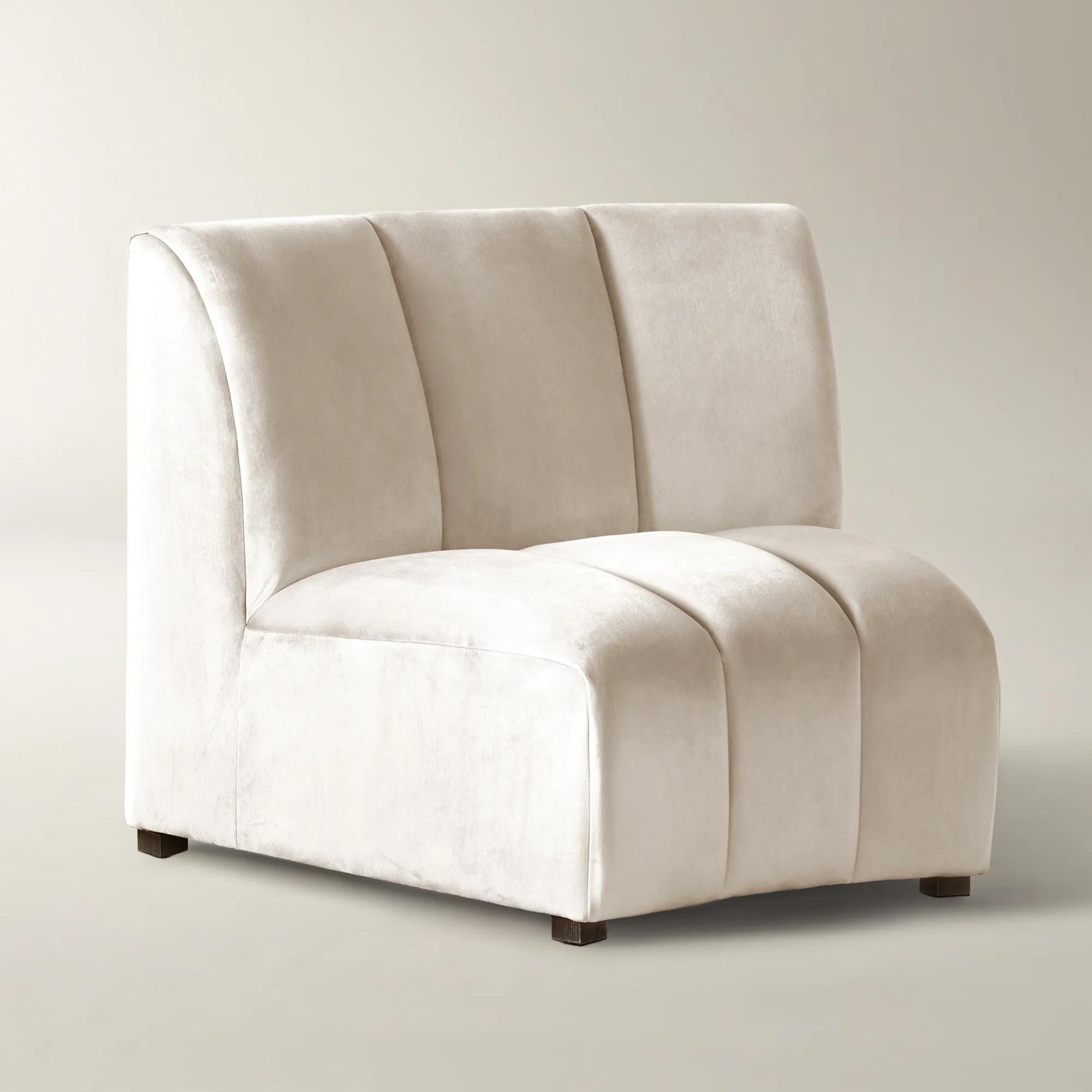
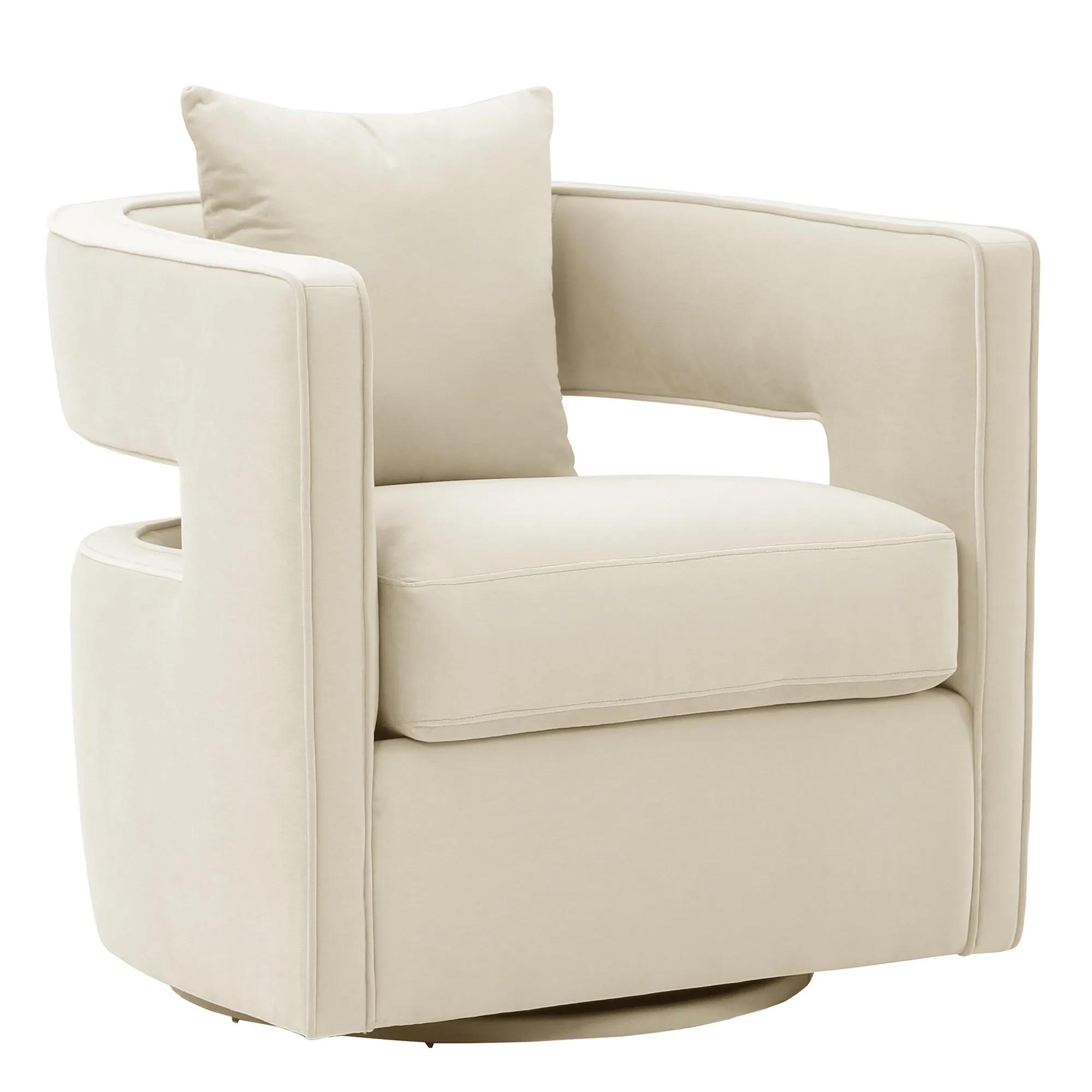
 Aria Pleated Swivel Chair$1349
A barrel-style swivel chair in kiln-dried hardwood, shown in Bella Velvet Pearl with pleated tailoring.
Add To Cart -
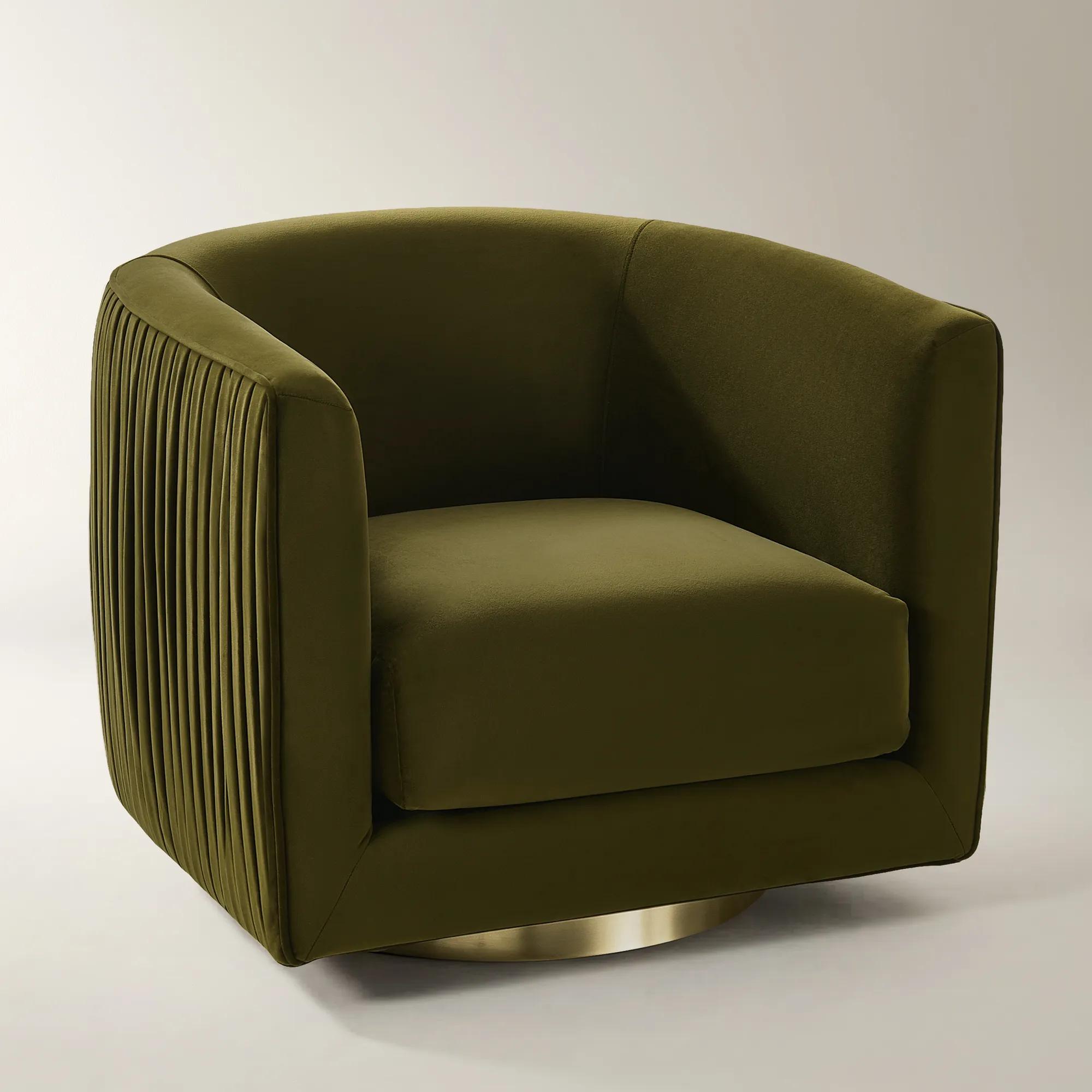
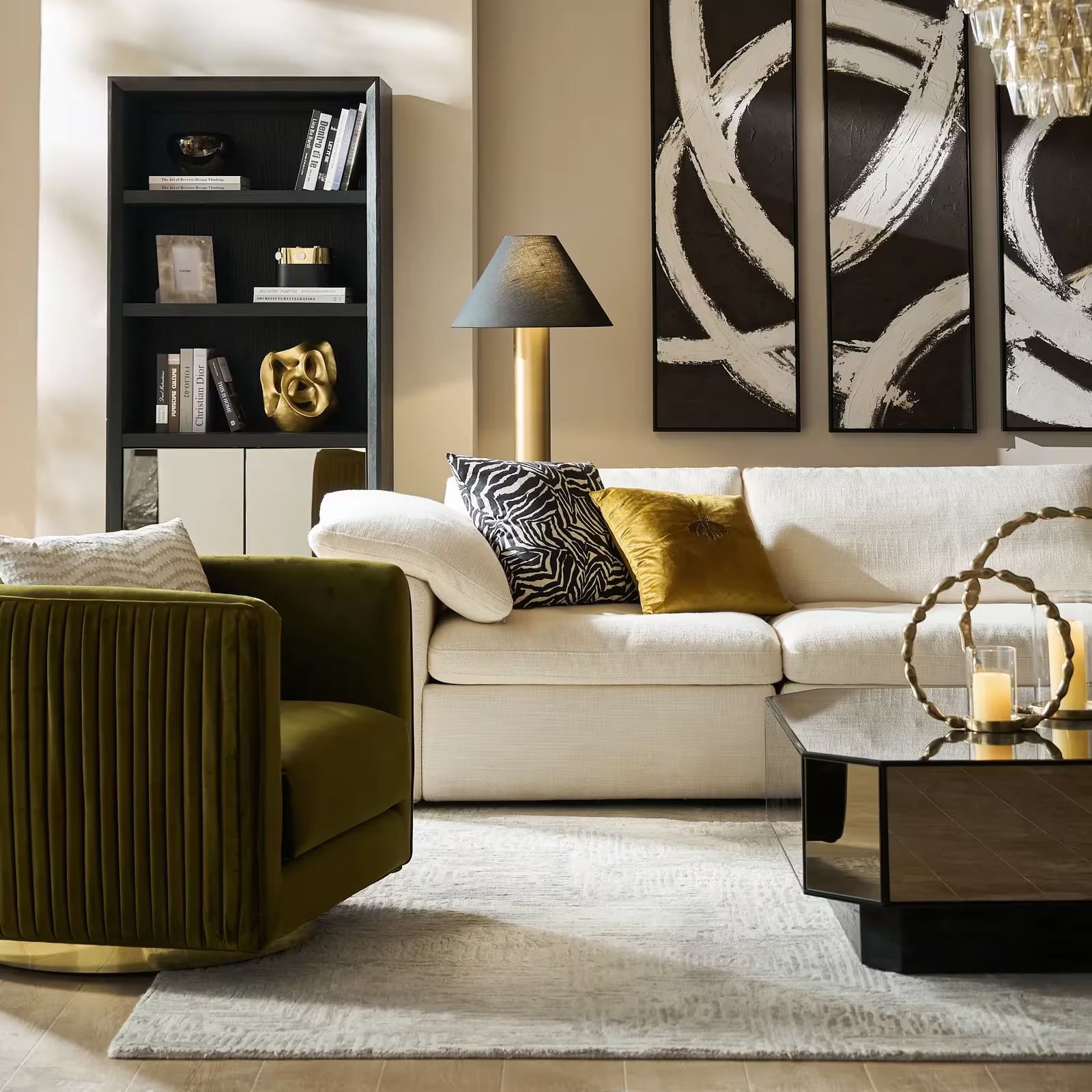 Lyssa Pleated Deep Olive Velvet Swivel Accent Chair$1099
A deep olive green velvet accent chair featuring pleated panels, smooth curves, and a 360-degree swivel base.
Add To Cart -
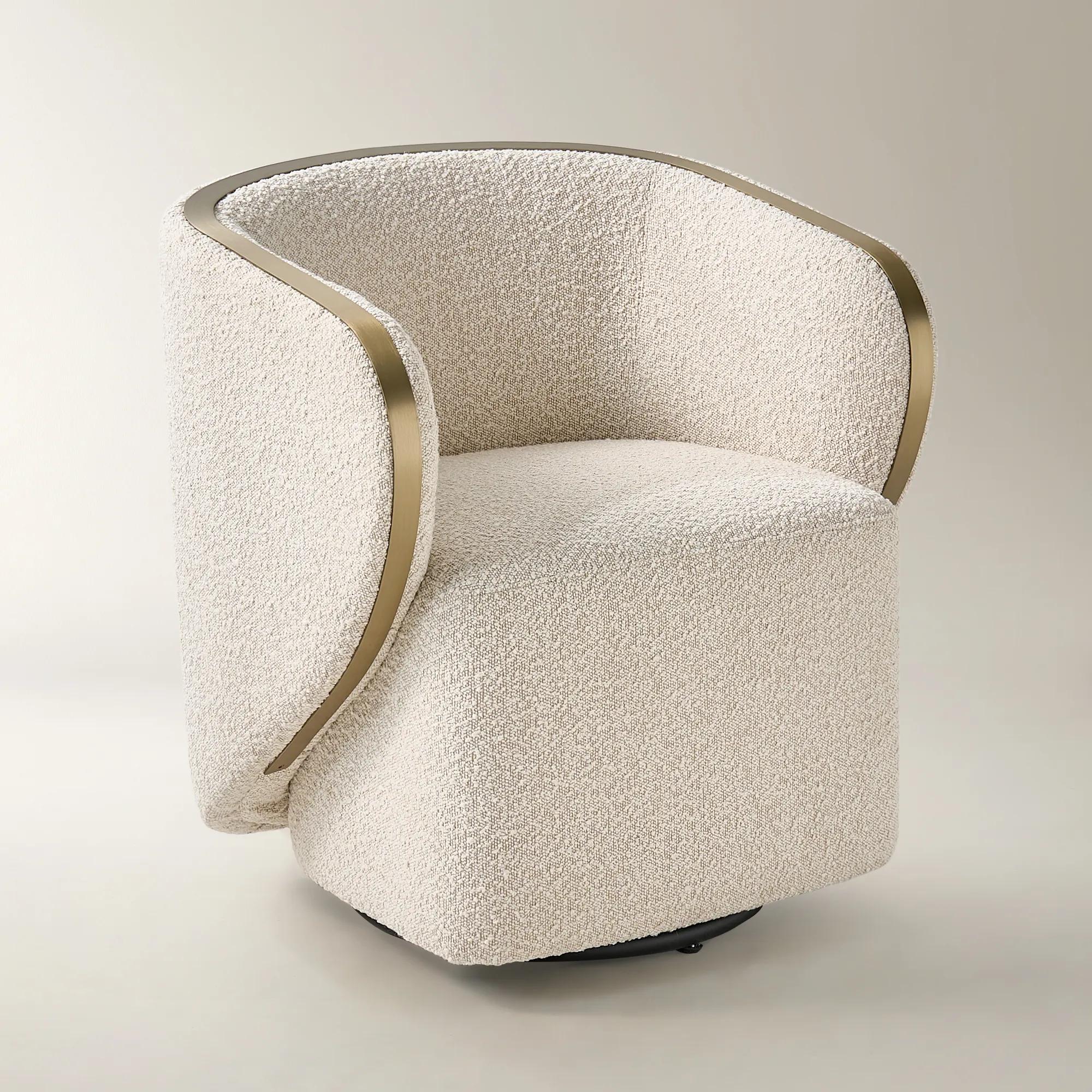 Nova Ivory Performance Boucle Swivel Dining Chair$699
An ivory boucle swivel chair featuring a sculptural wraparound silhouette and elegant metallic trim accents.
Add To Cart -
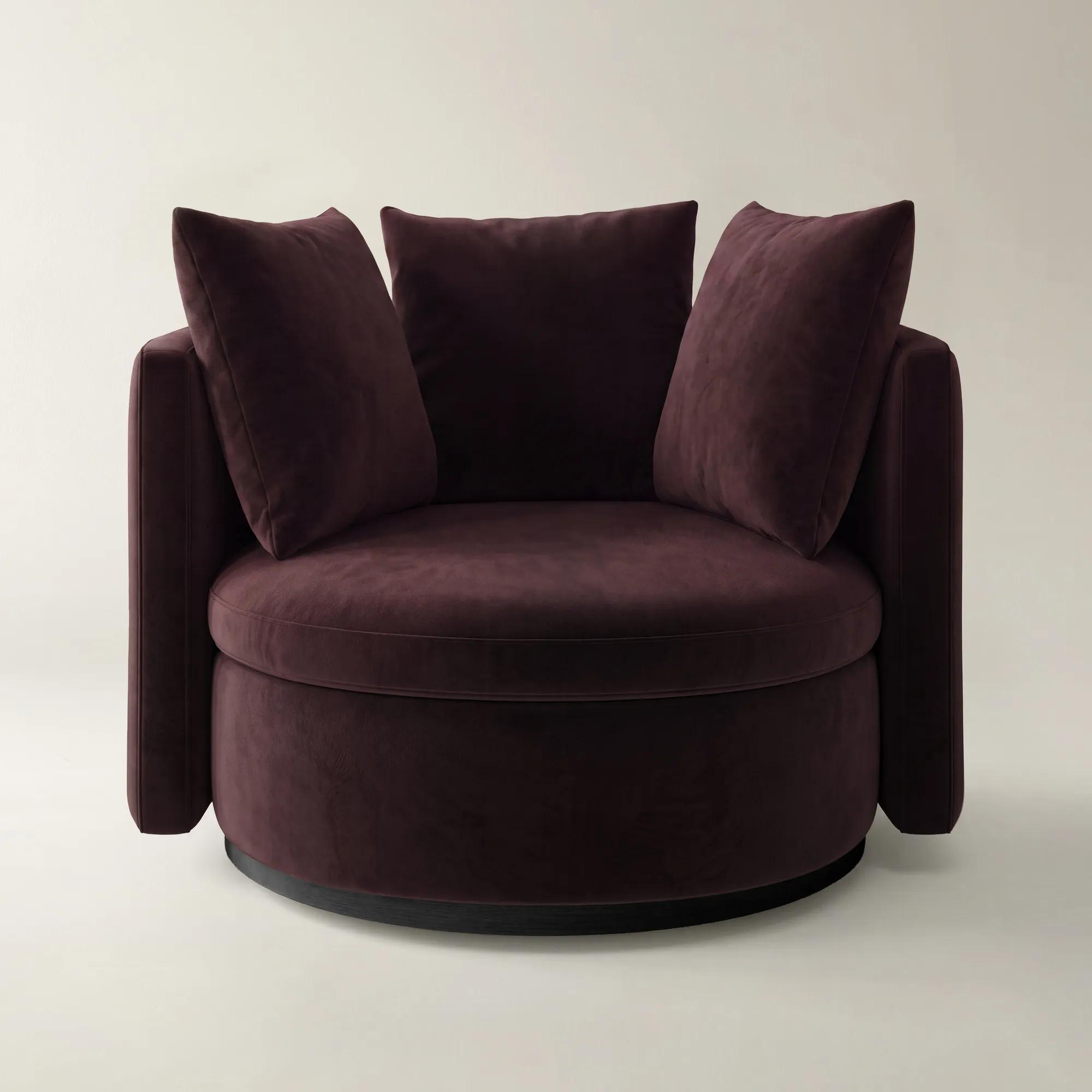
 Stria Fig Velvet Swivel Accent Chair$1499
A fig velvet chair with a sculptural wraparound silhouette, layered foam comfort, and concealed 360-degree swivel.
Add To Cart -
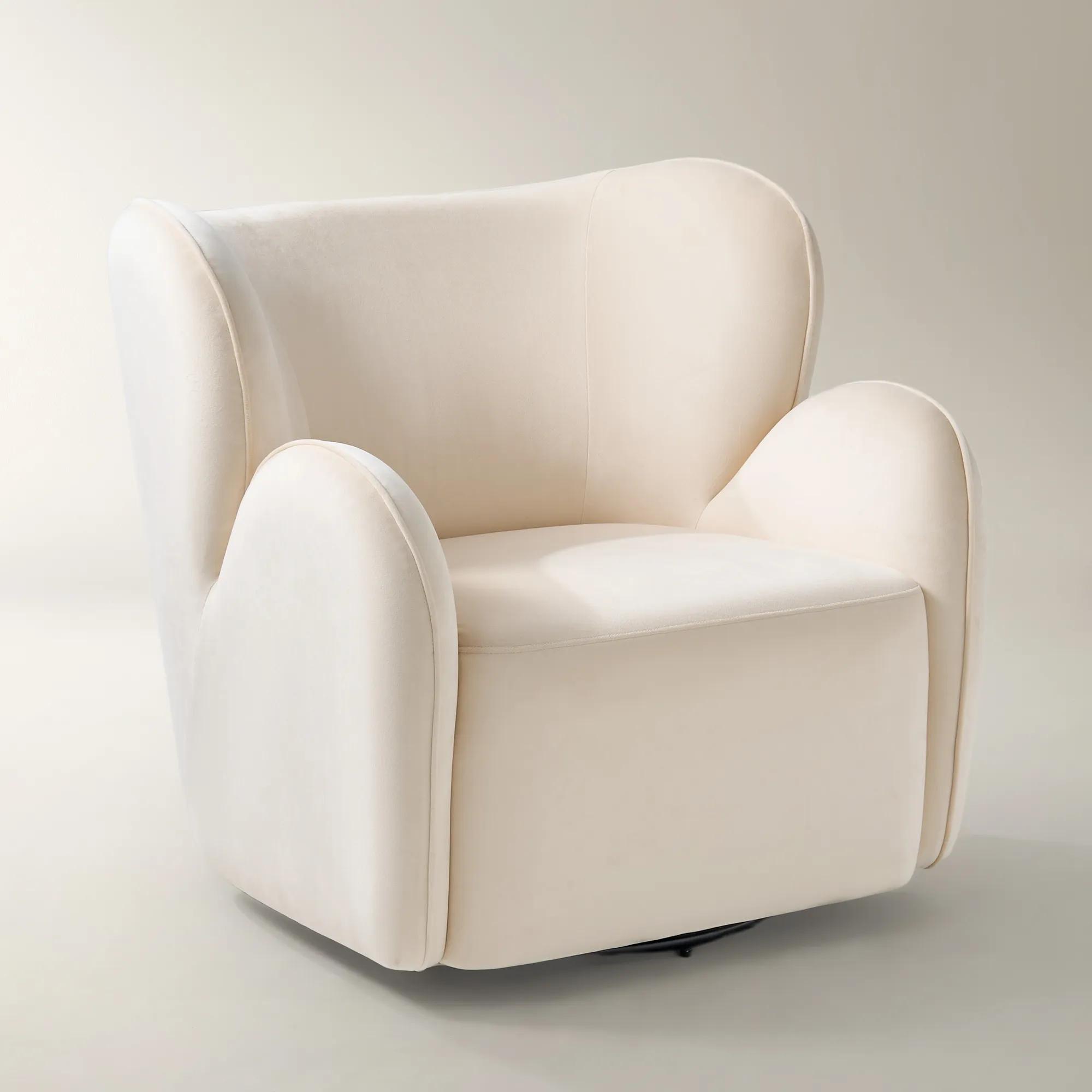
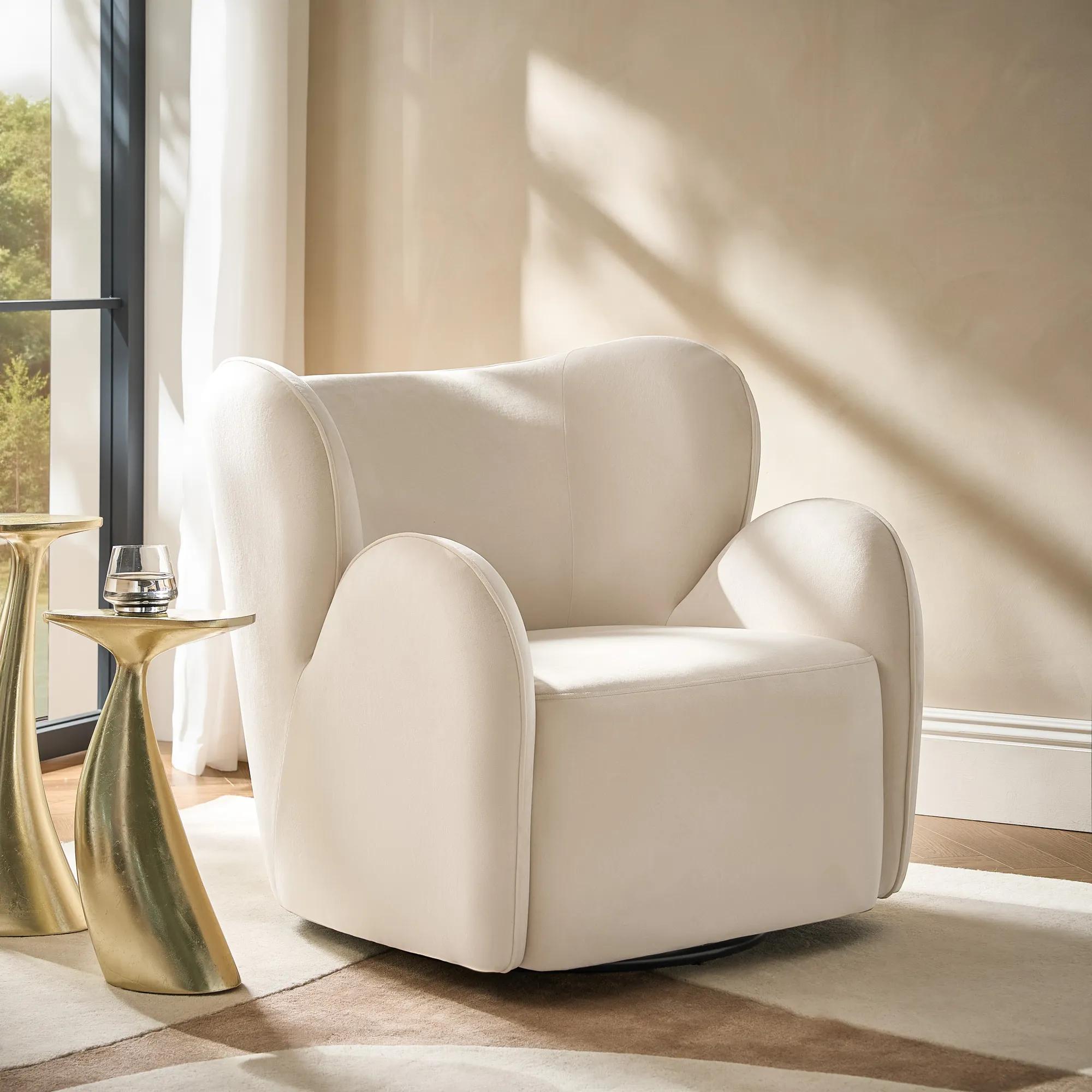 Ceres Ivory Velvet Swivel Accent Chair$799
An ivory velvet accent chair featuring a curved silhouette, 360° swivel, and plush, supportive cushioning.
Add To Cart -
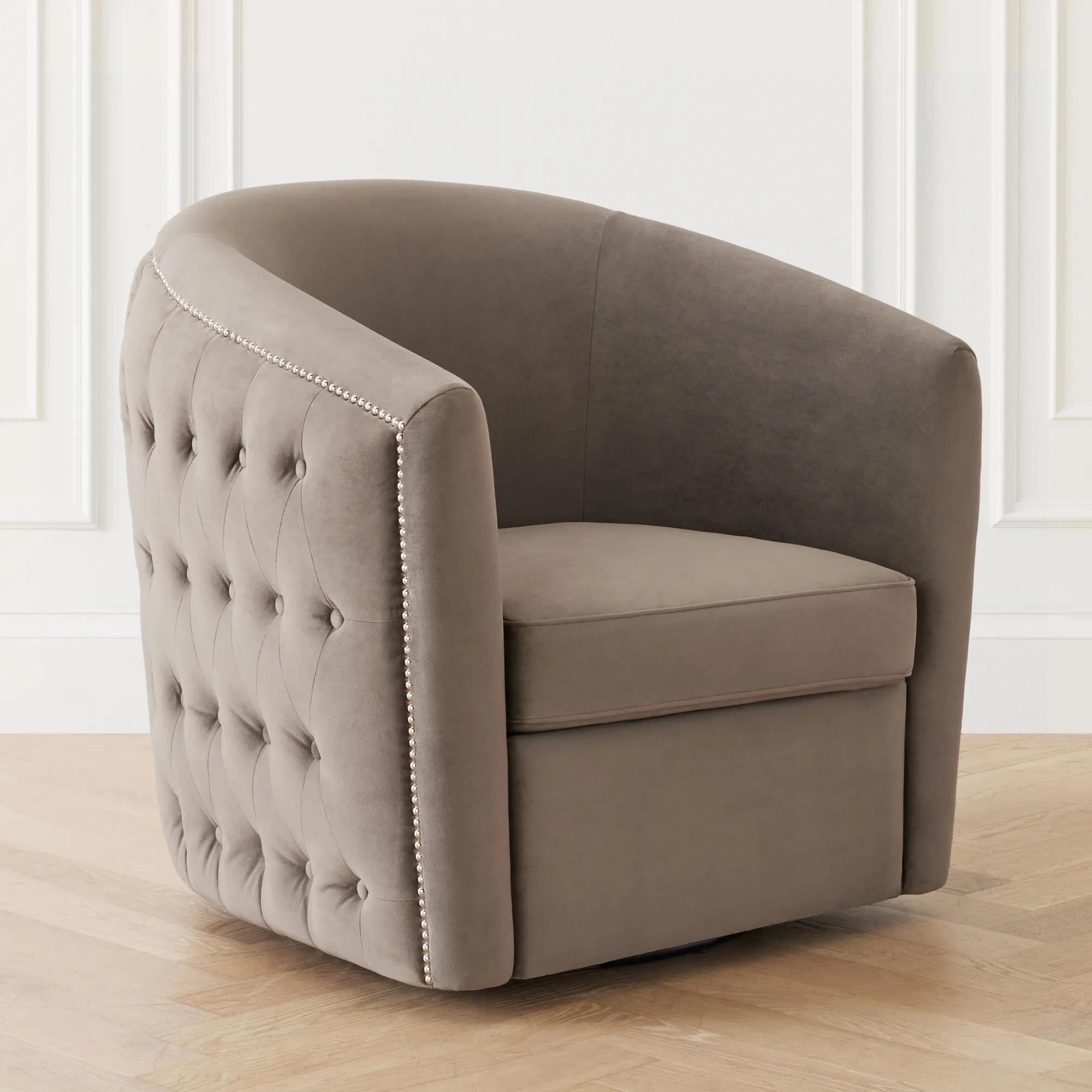
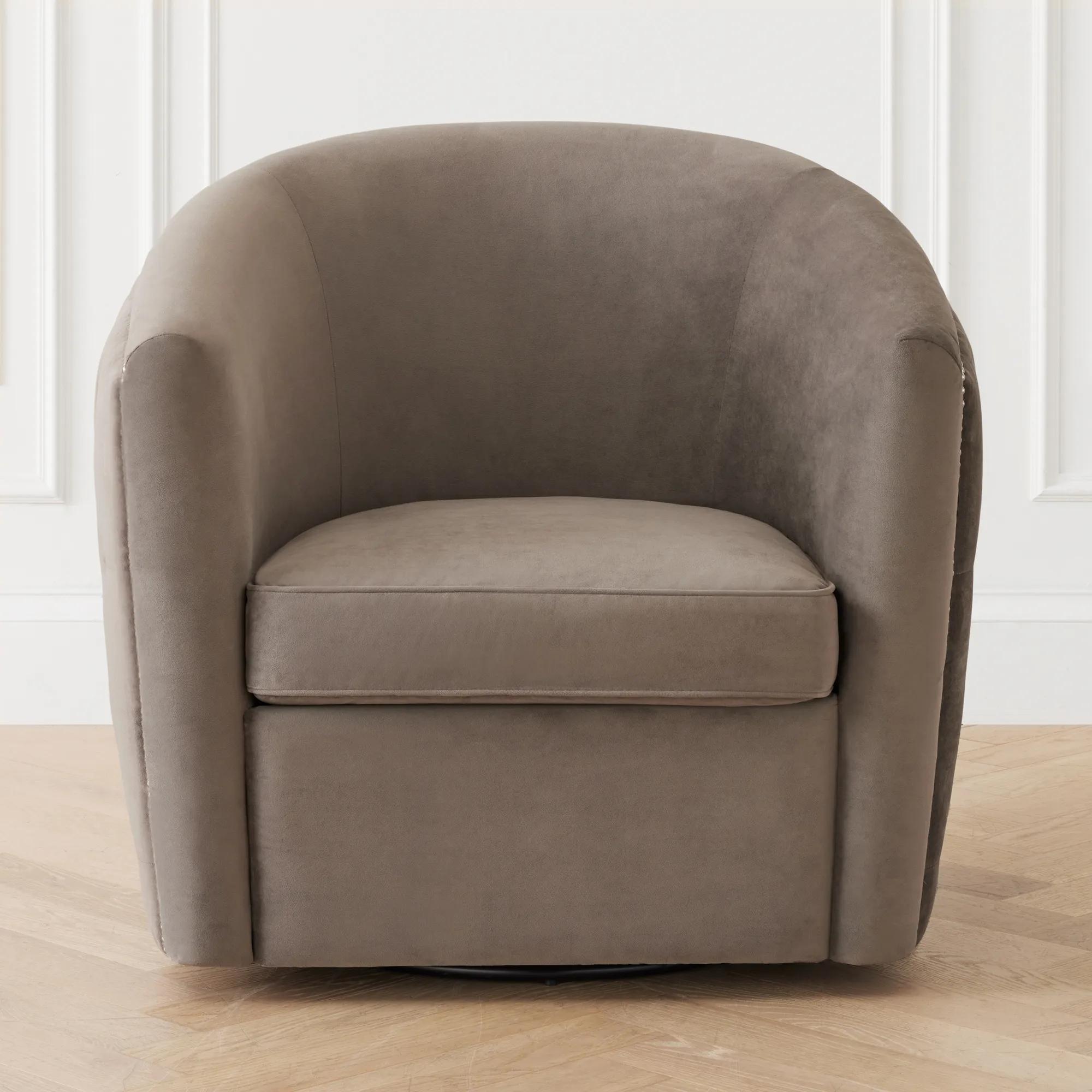 Aria Tufted Swivel Chair$1899
A barrel-style swivel chair in Bella Velvet Otter with tufted detailing and bright nickel nailhead trim.
Add To Cart -
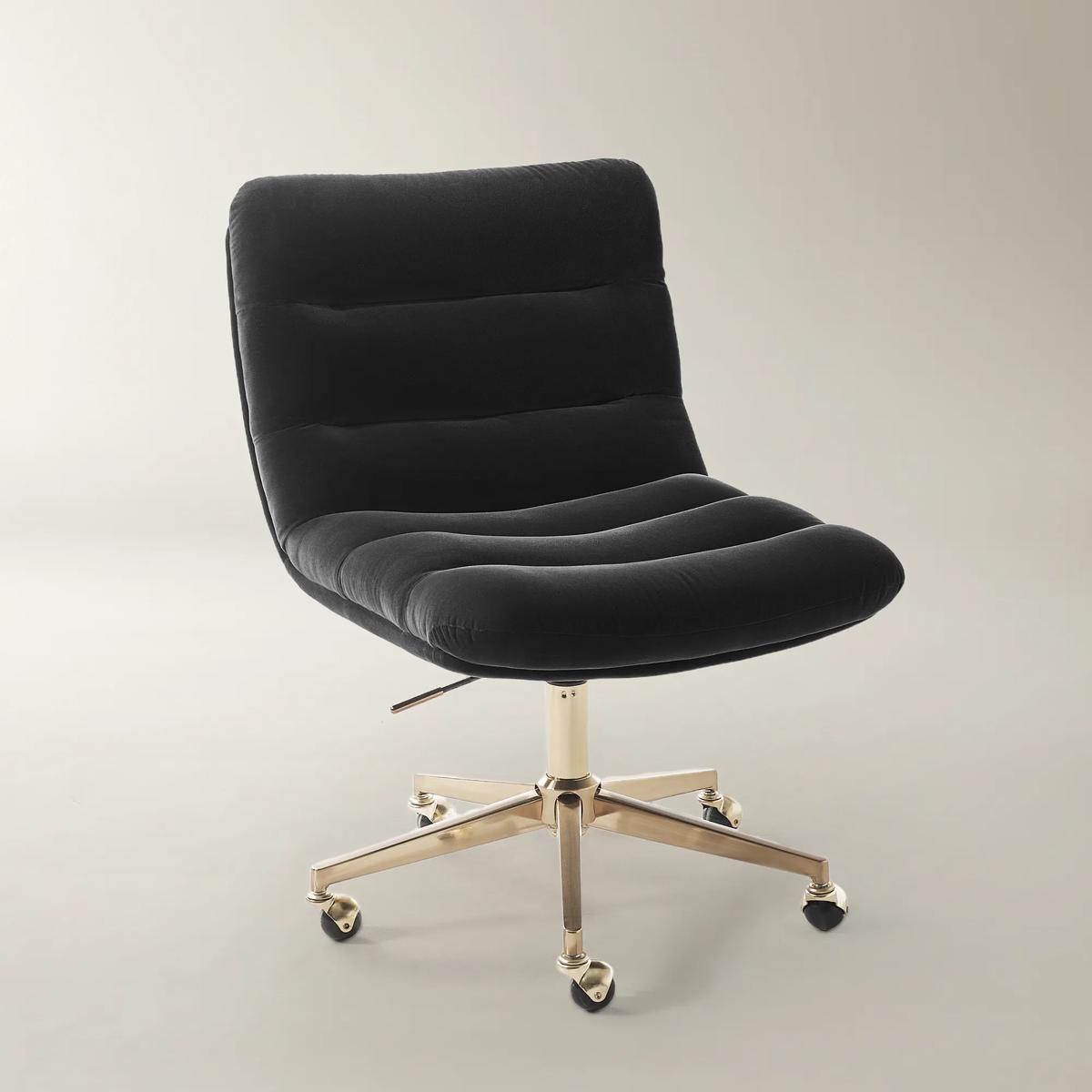 Serena Charcoal Velvet Swivel Desk Chair$399
A charcoal velvet office chair with plush foam cushioning, brass-plated metal base, and adjustable swivel design.
Add To Cart -
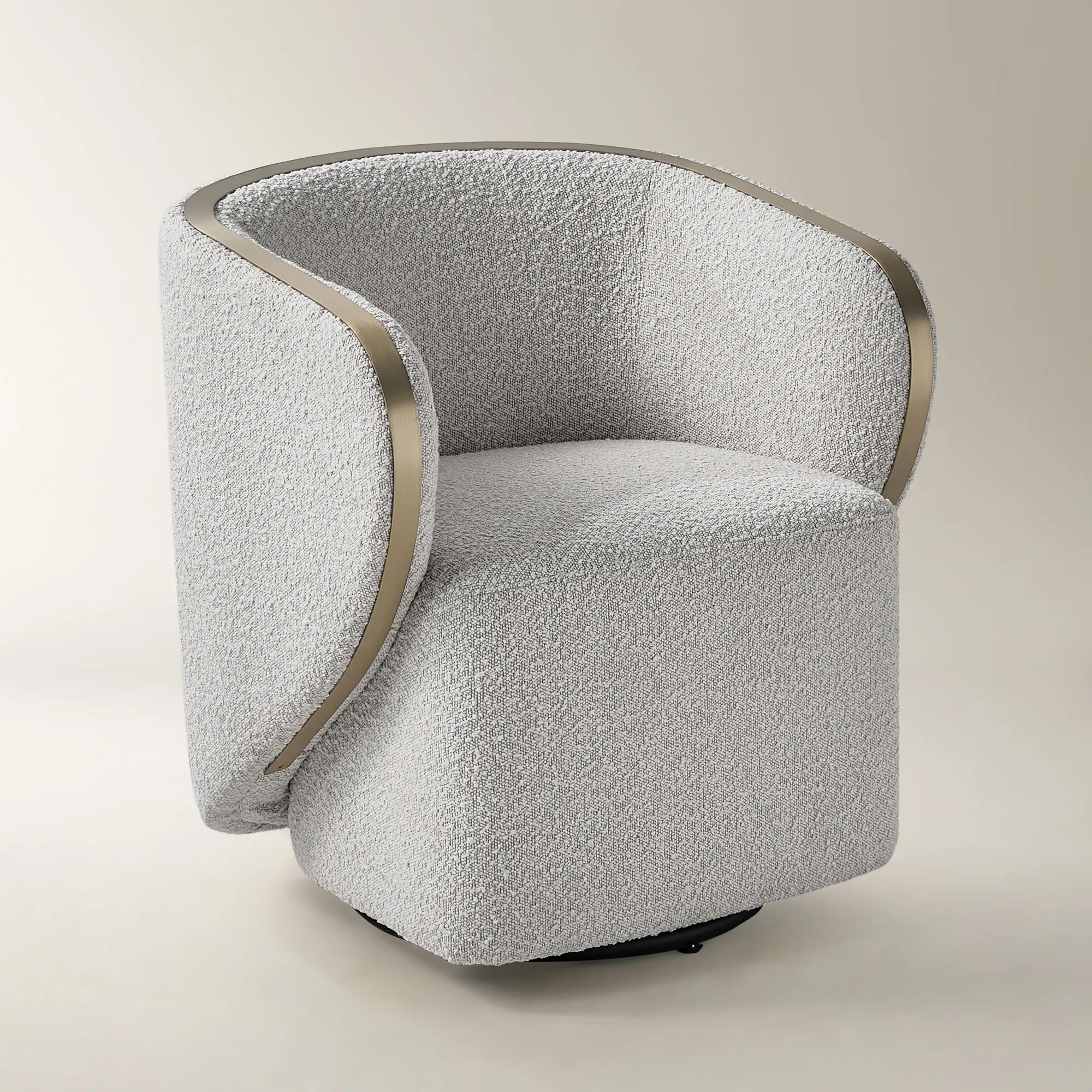 Nova Light Grey Performance Boucle Swivel Dining Chair$699
A sculptural light grey chair in water-repellent boucle with metallic trim and a smooth 360° swivel base.
Add To Cart -
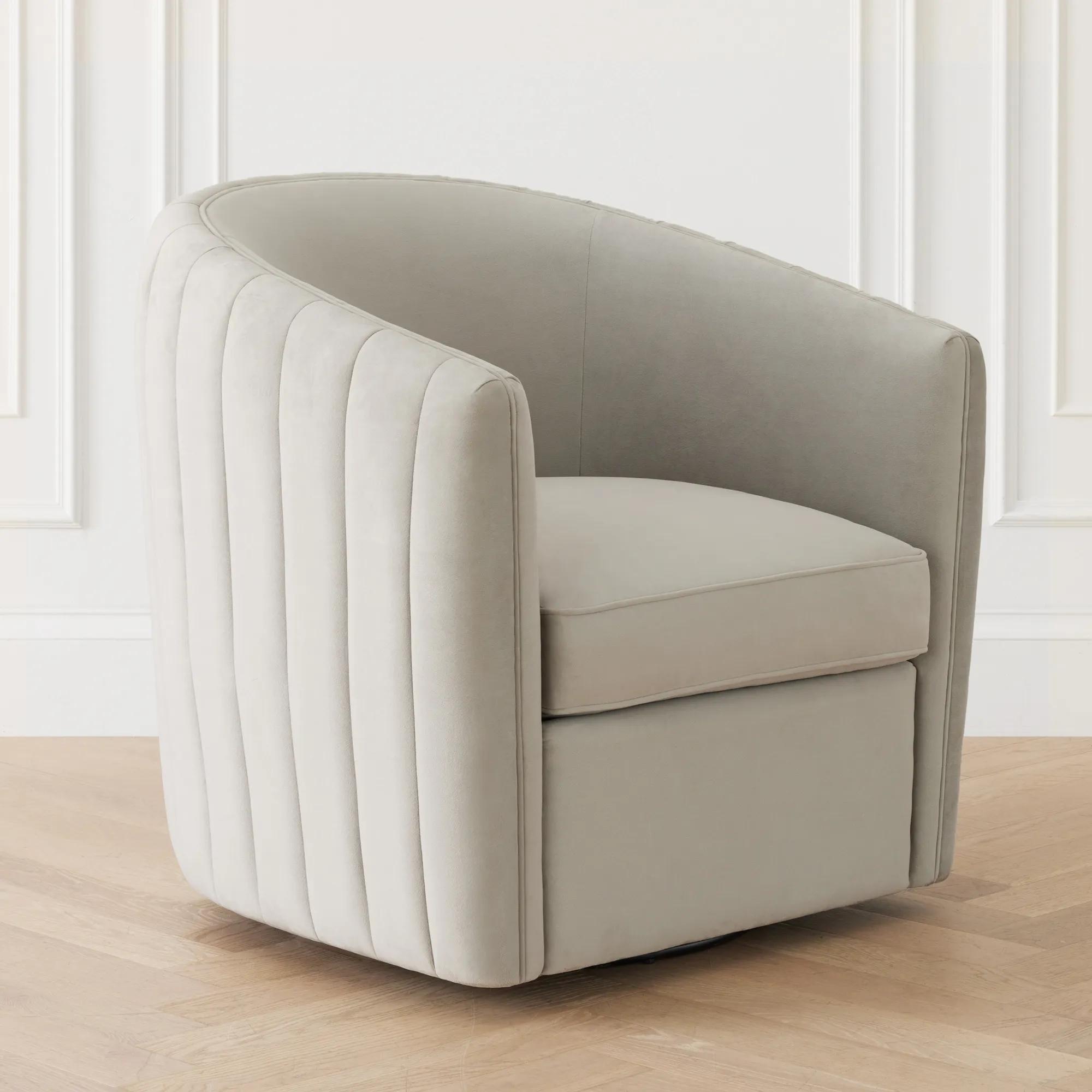
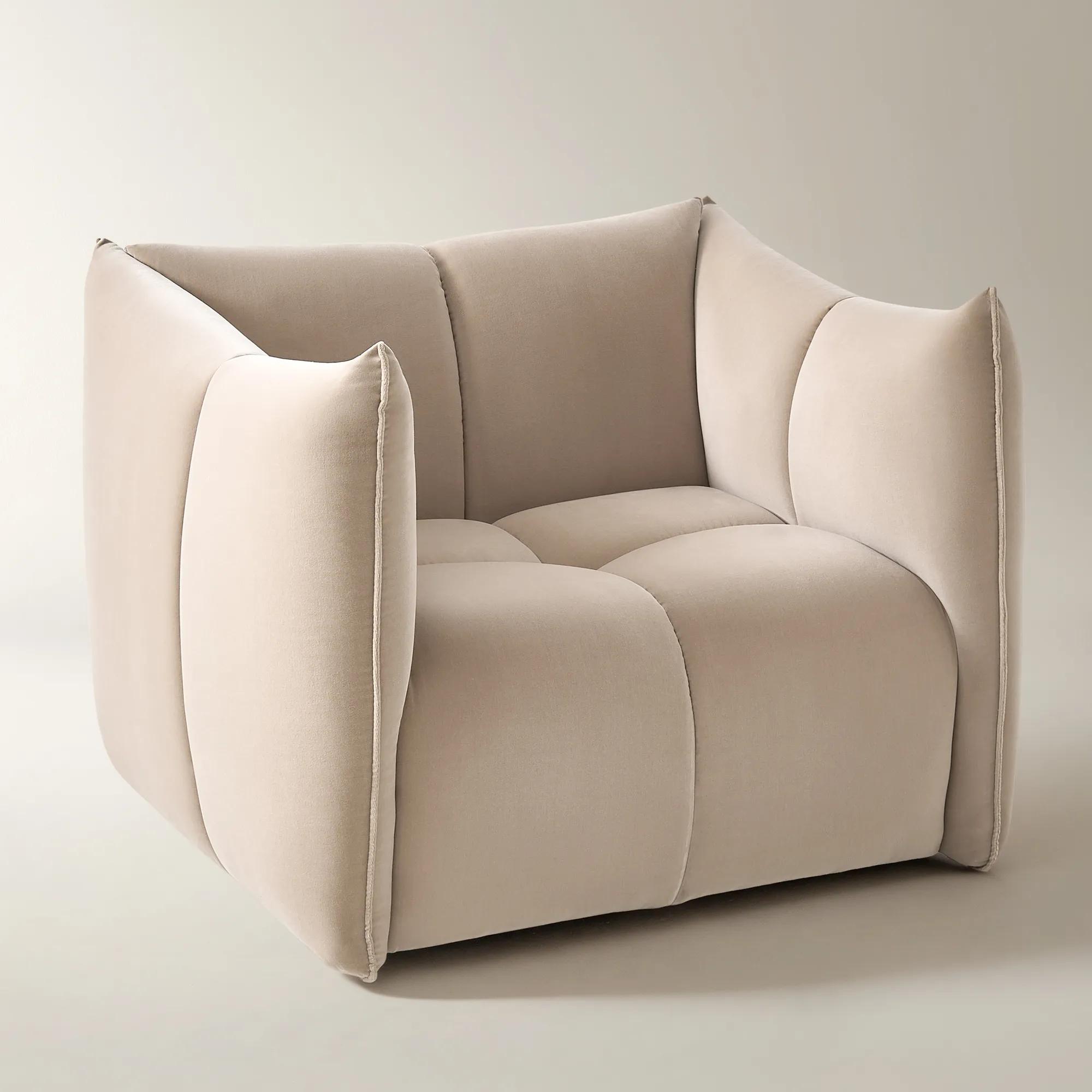 Reina Tufted Simply Taupe Velvet Swivel Chair$1099
A taupe velvet swivel chair with channel tufting, an architectural winged profile, and plush, sculpted comfort.
Add To Cart -
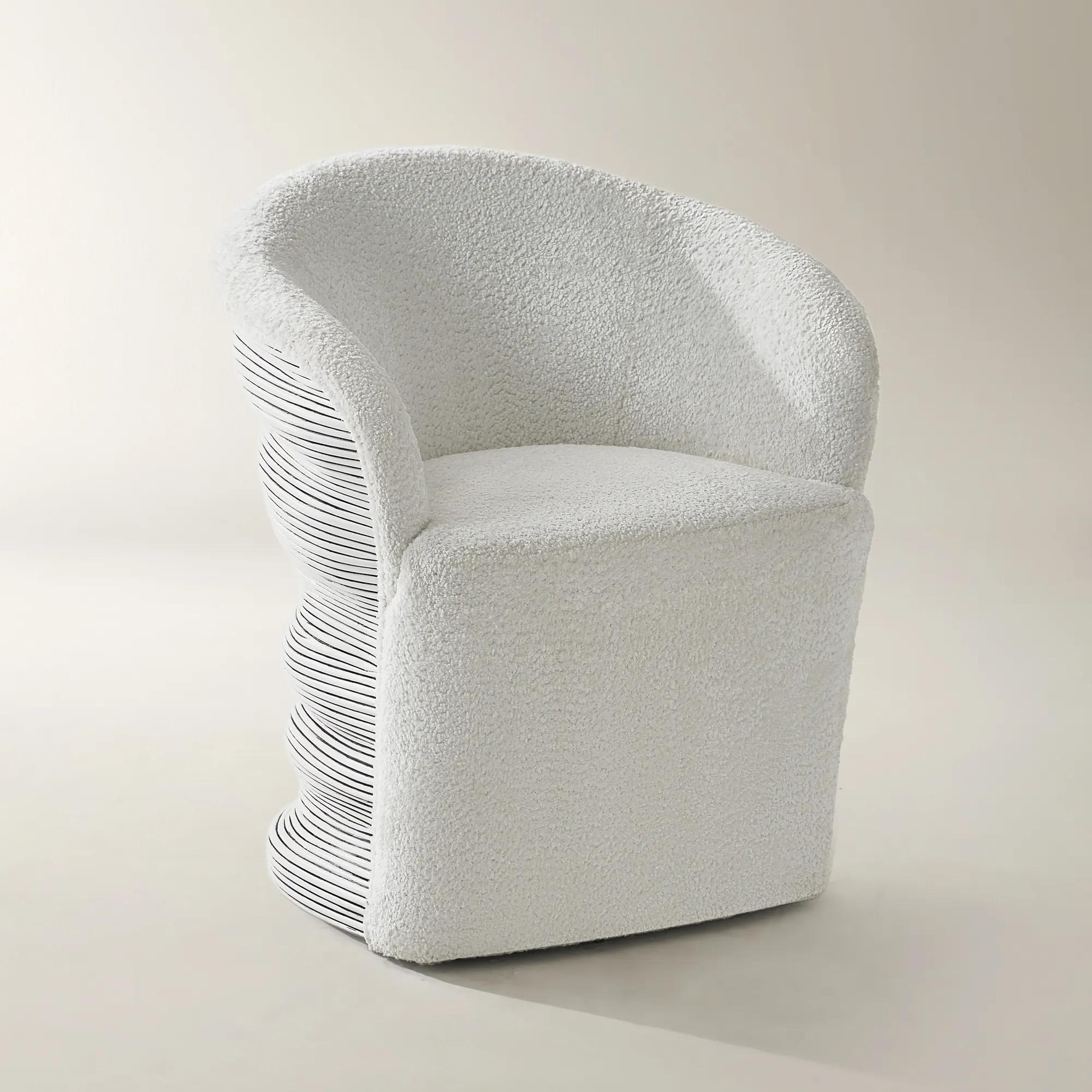
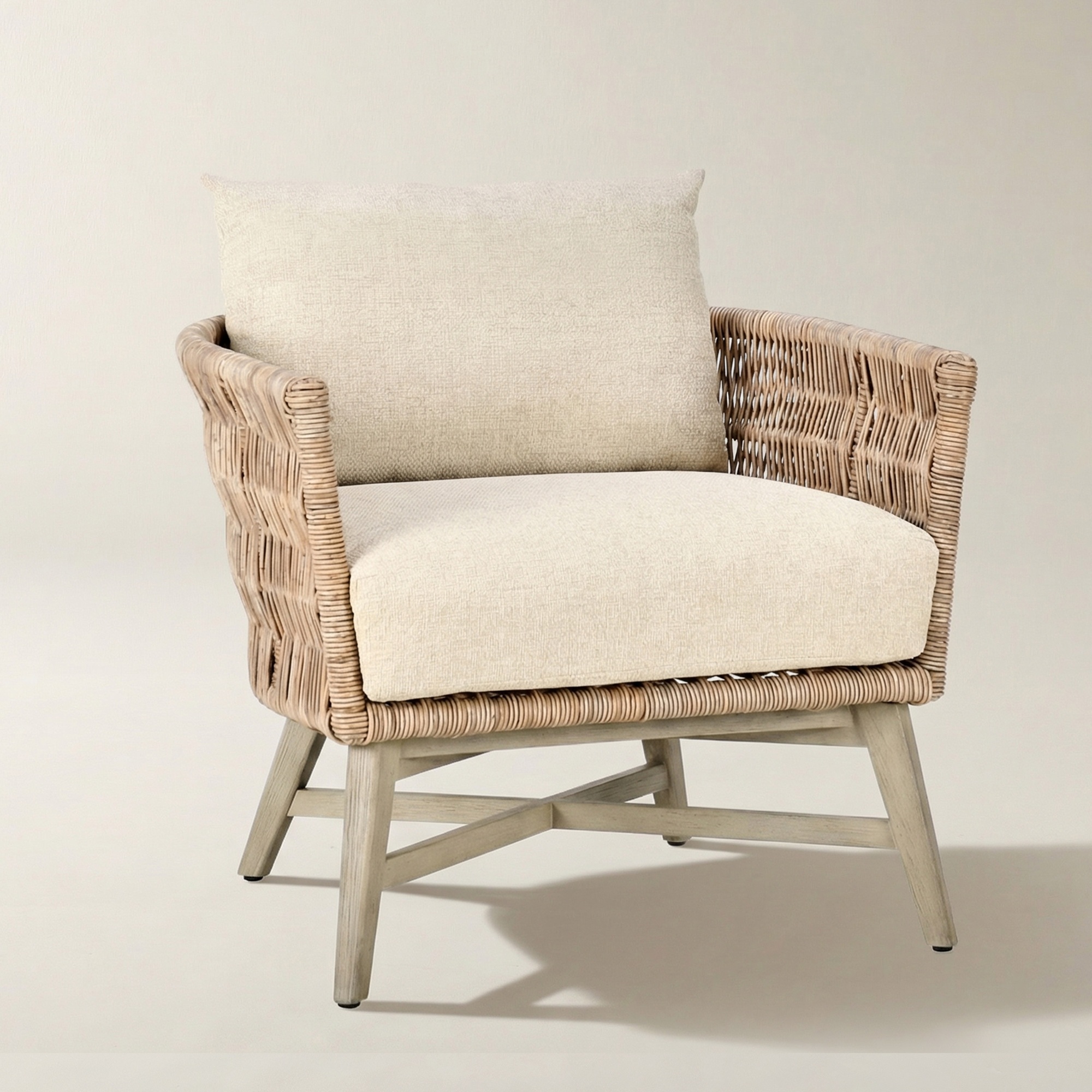
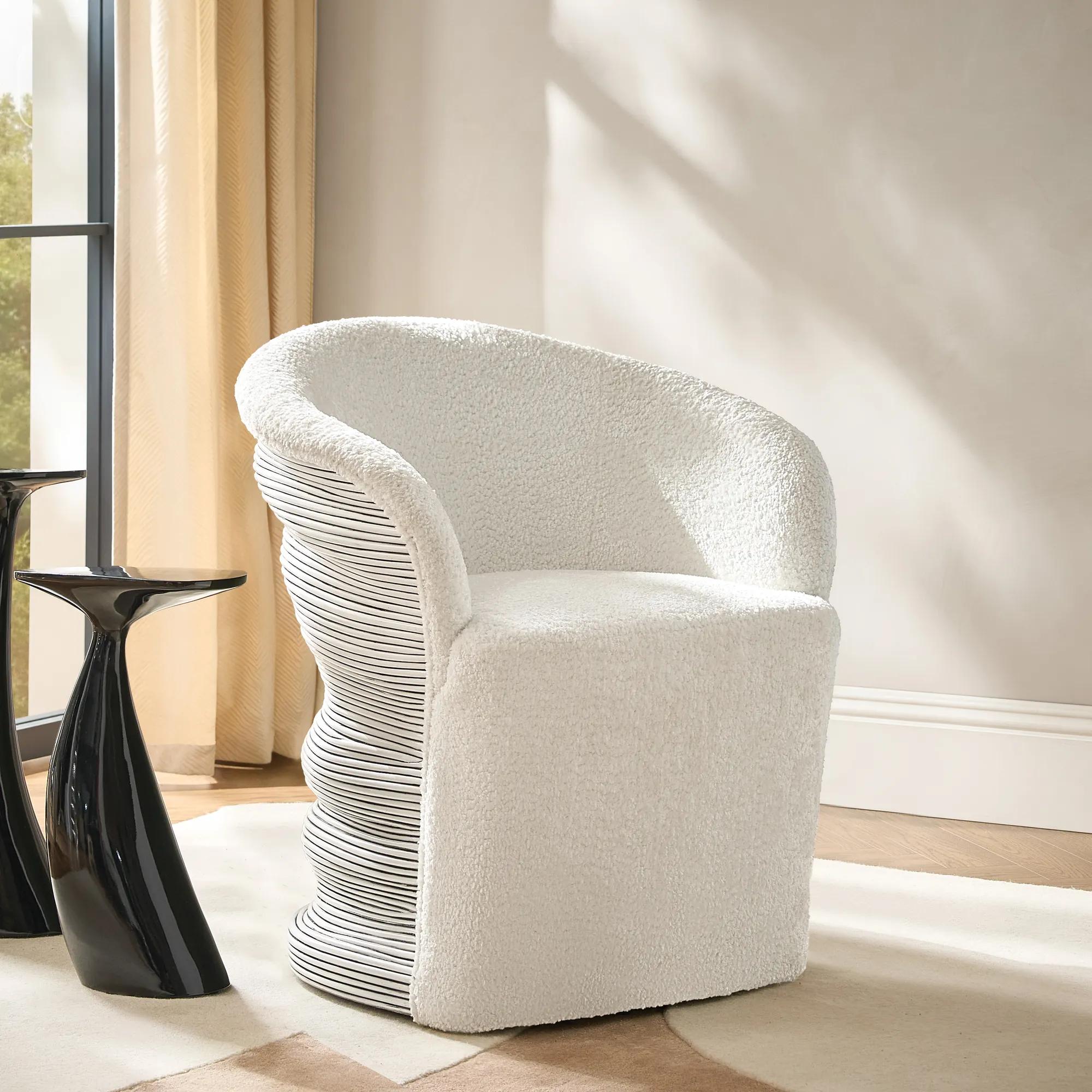 Cairo Rattan Ivory Chenille Dining Chair$999
An artisan-crafted swivel chair featuring handwoven natural rattan and plush ivory chenille upholstery for modern comfort.
Add To Cart -
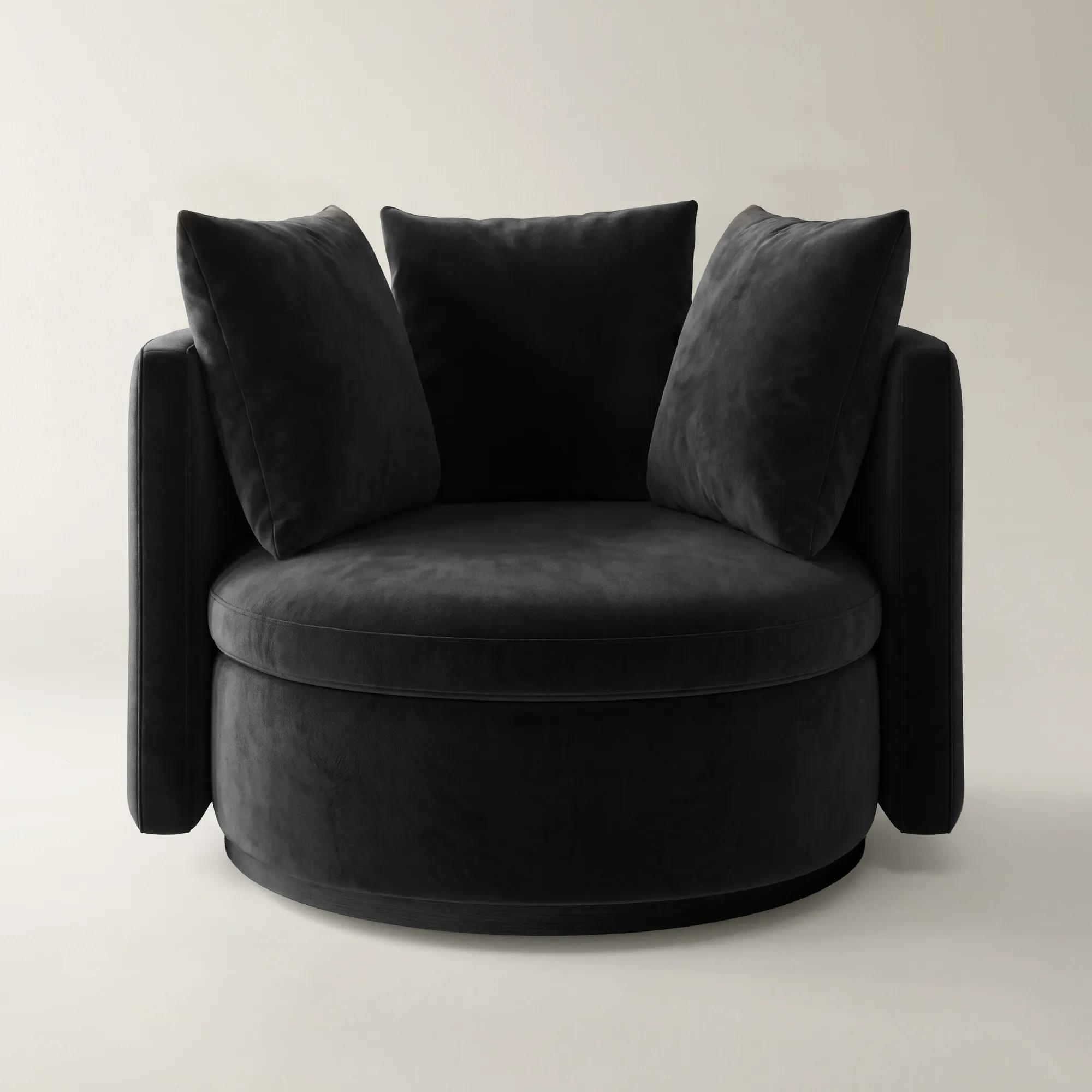
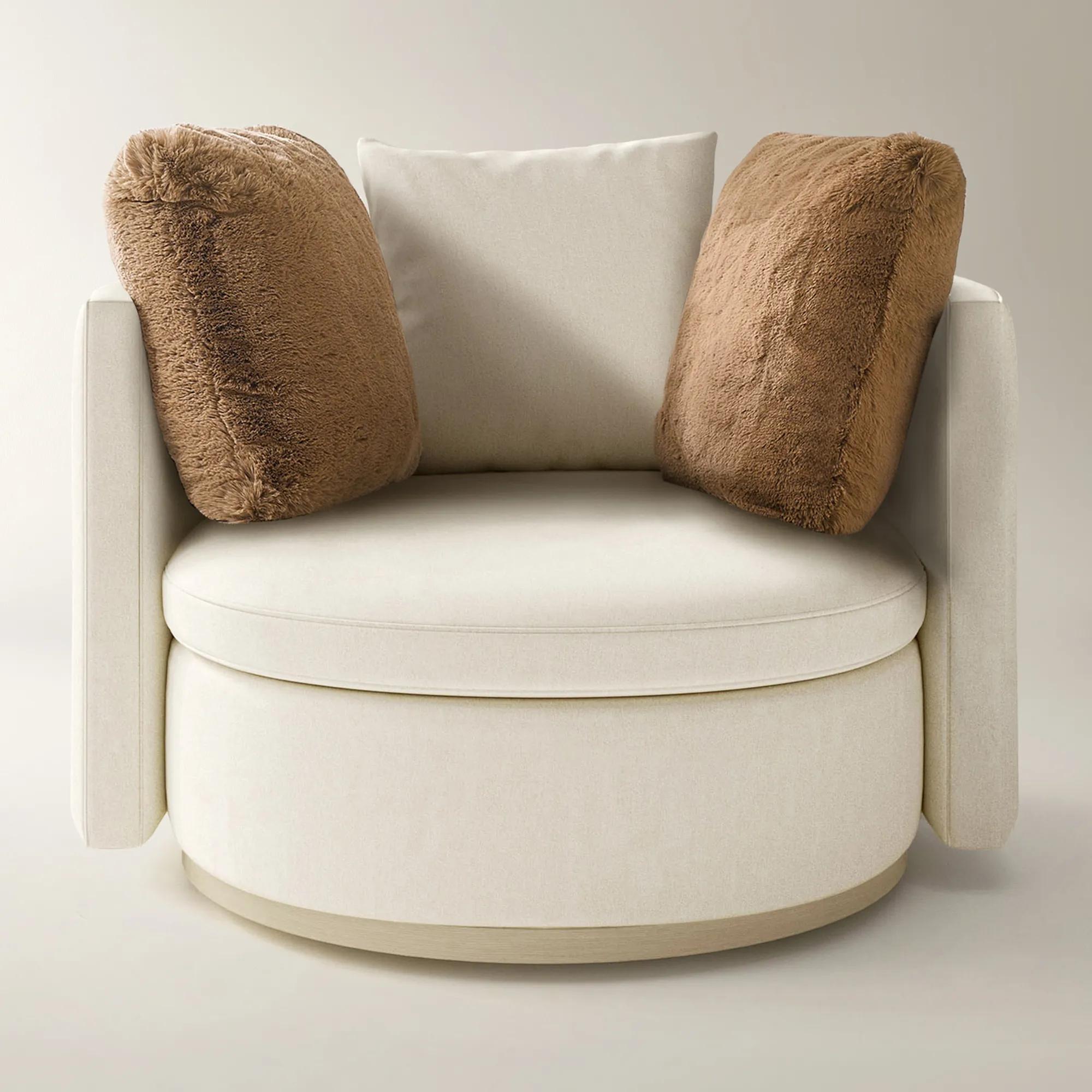 Stria Charcoal Velvet Swivel Accent Chair$1499
A sculptural charcoal velvet accent chair with enveloping curves, layered cushioning, and a concealed 360-degree swivel.
Add To Cart -
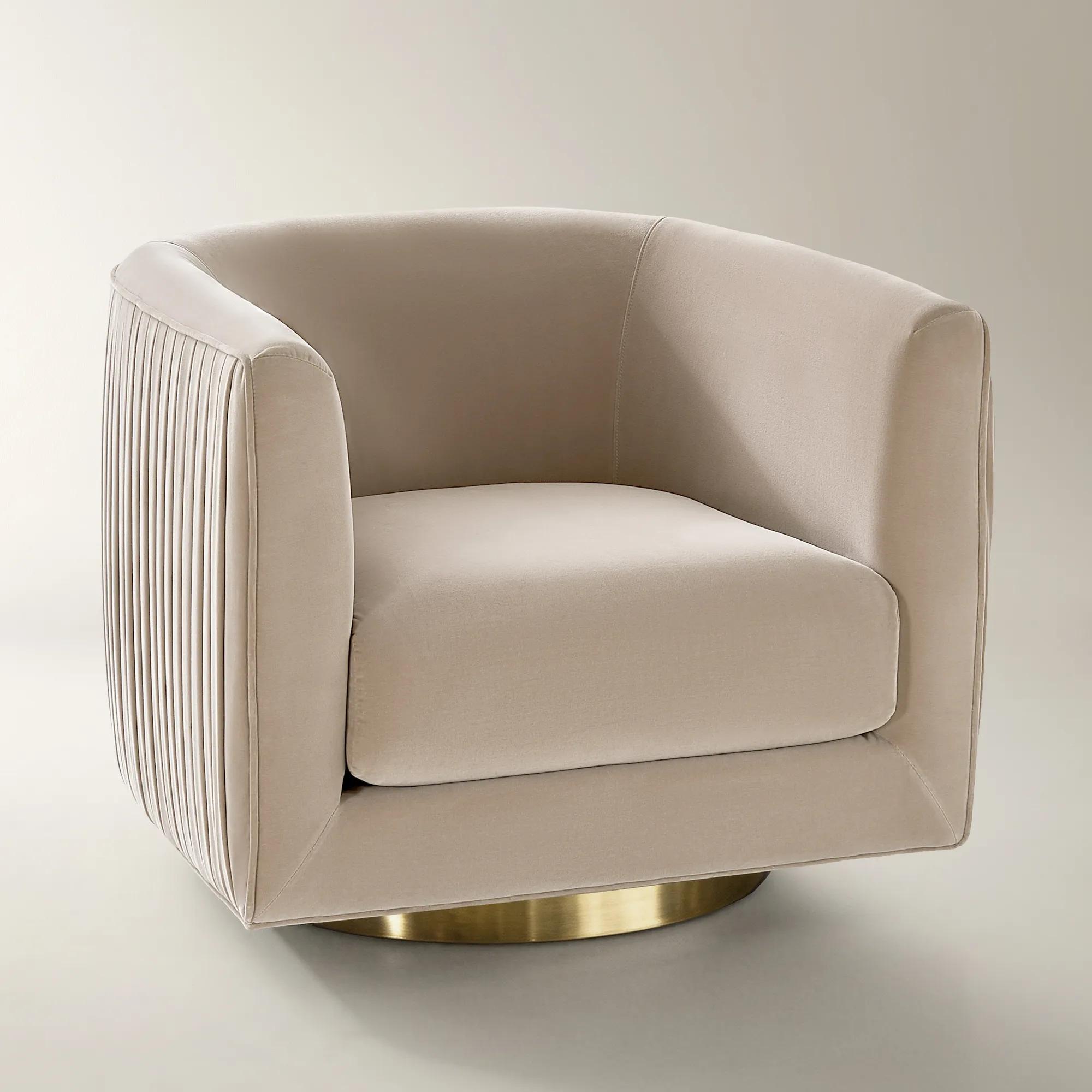 Lyssa Pleated Simply Taupe Velvet Swivel Accent Chair$1099
A softly curved taupe velvet accent chair featuring pleated detailing, 360° swivel, and a gold stainless steel base.
Add To Cart -
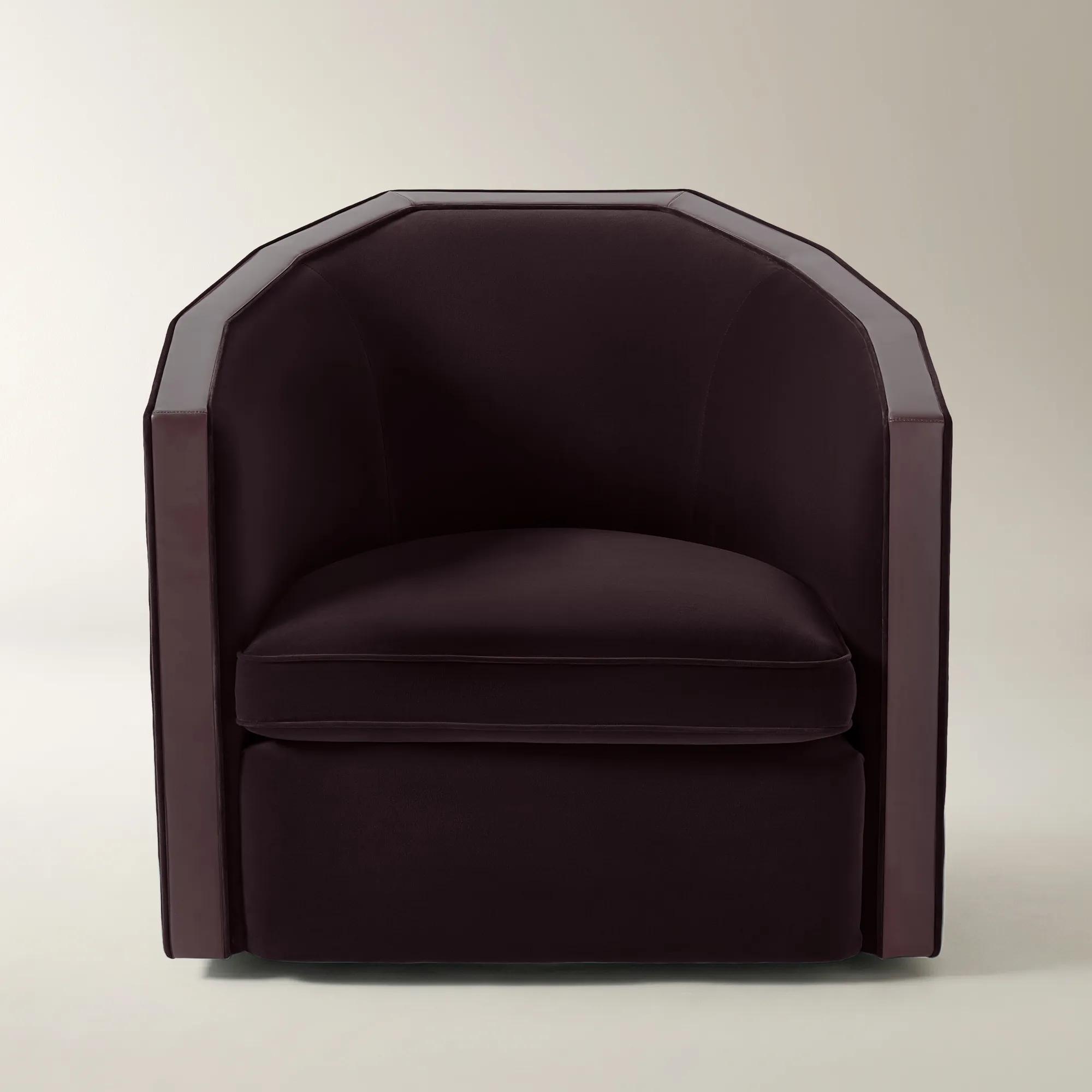
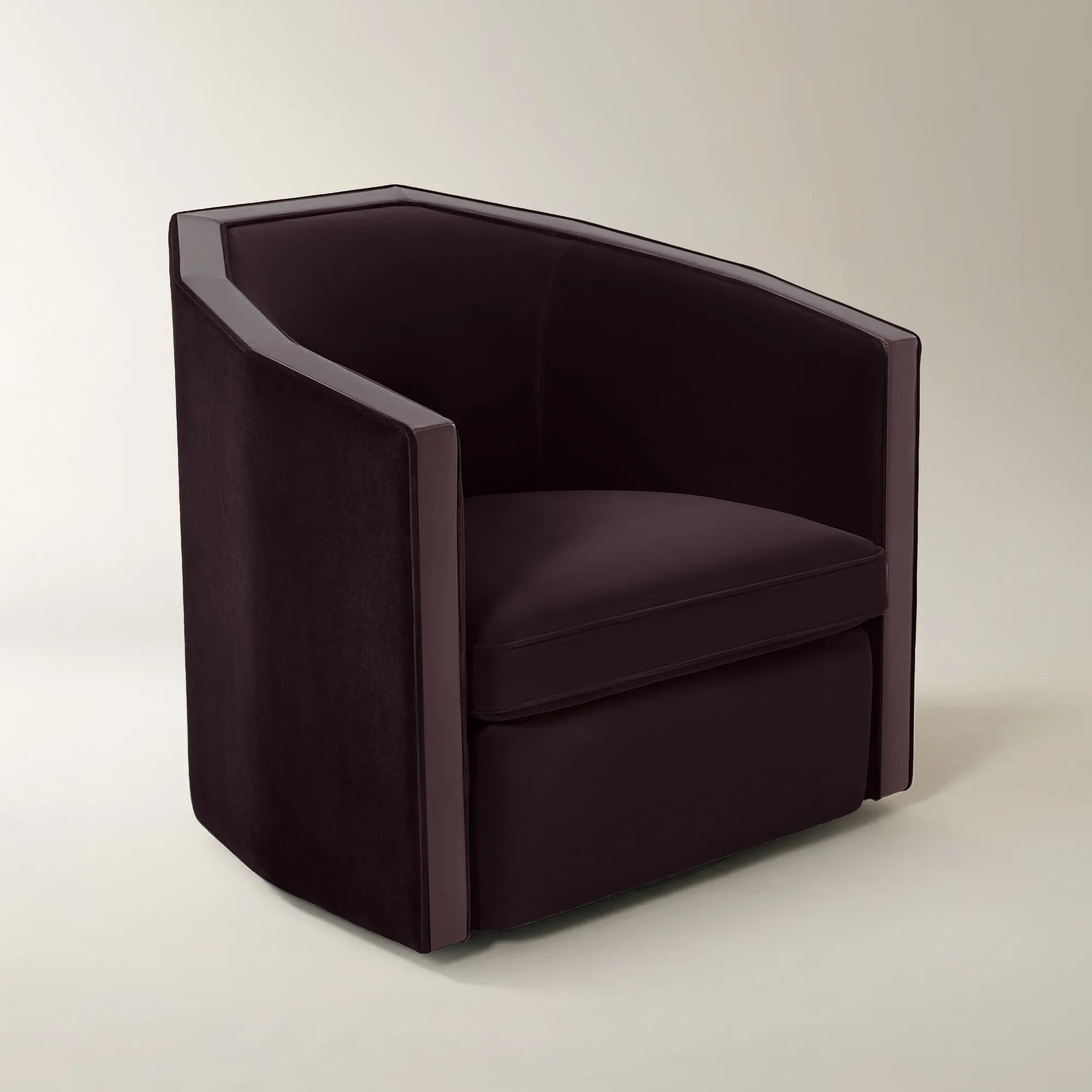 Vesper Fig Velvet With Leather Swivel Accent Chair$999
A modern accent chair featuring fig velvet upholstery, tonal leather trim, and a smooth 360° swivel base.
Add To Cart -
 Stria Ivory Chenille Swivel Dining Chair With Oak Base$699
A sculpted ivory chenille dining chair with a solid oak base and smooth 360-degree swivel.
Add To Cart -
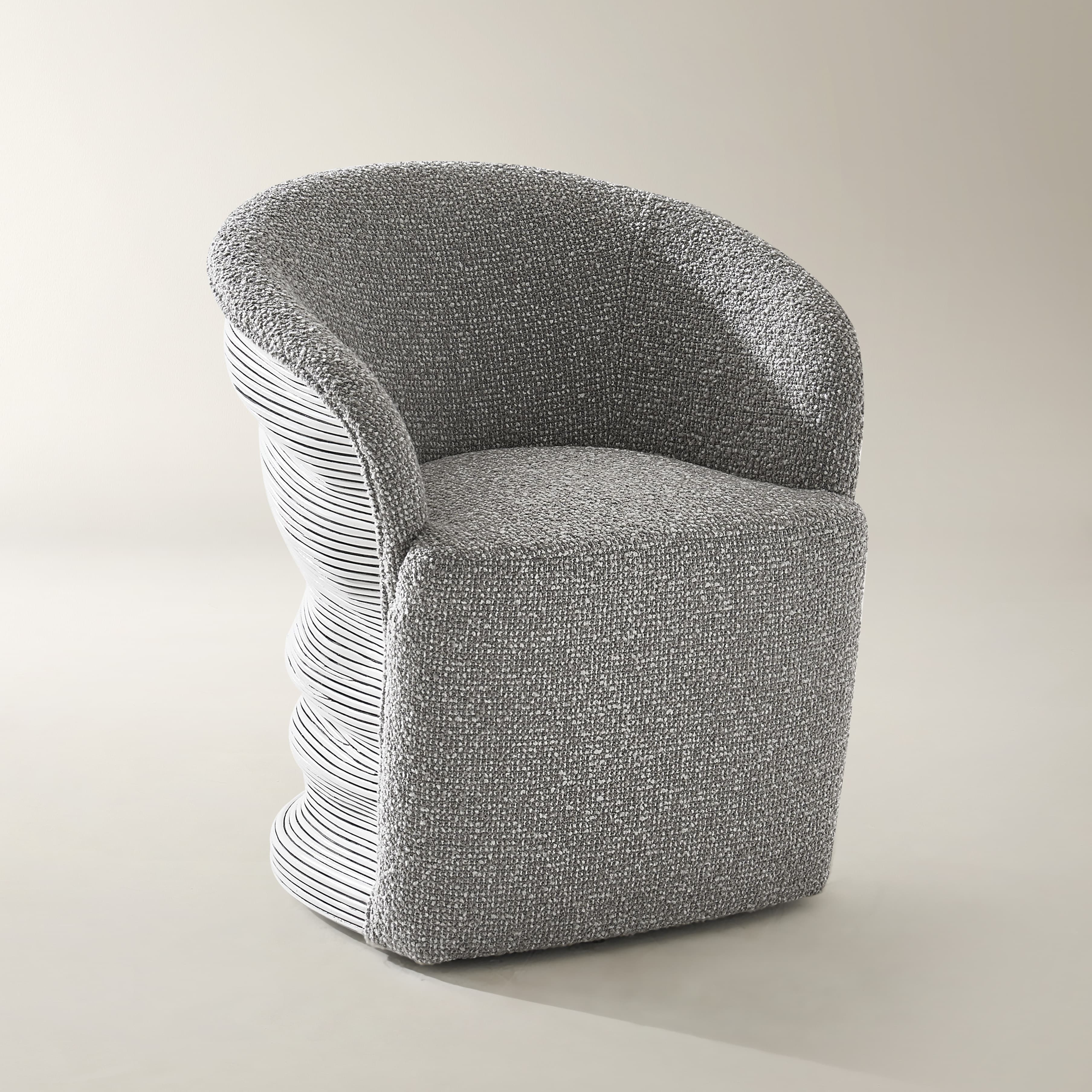
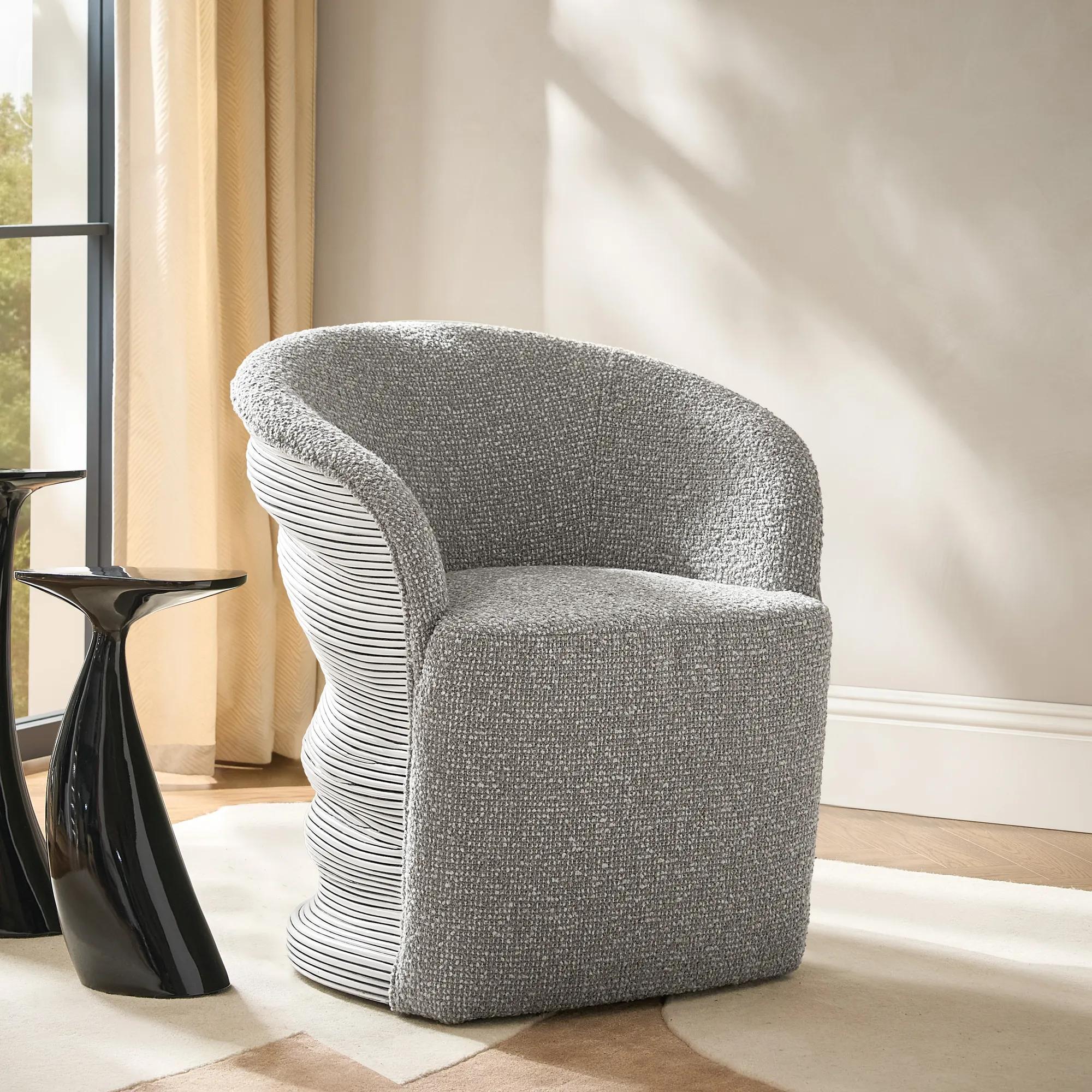 Cairo Rattan Grey Chenille Dining Chair$999
A handwoven natural rattan swivel chair in grey chenille, blending sculptural form with plush comfort.
Add To Cart -
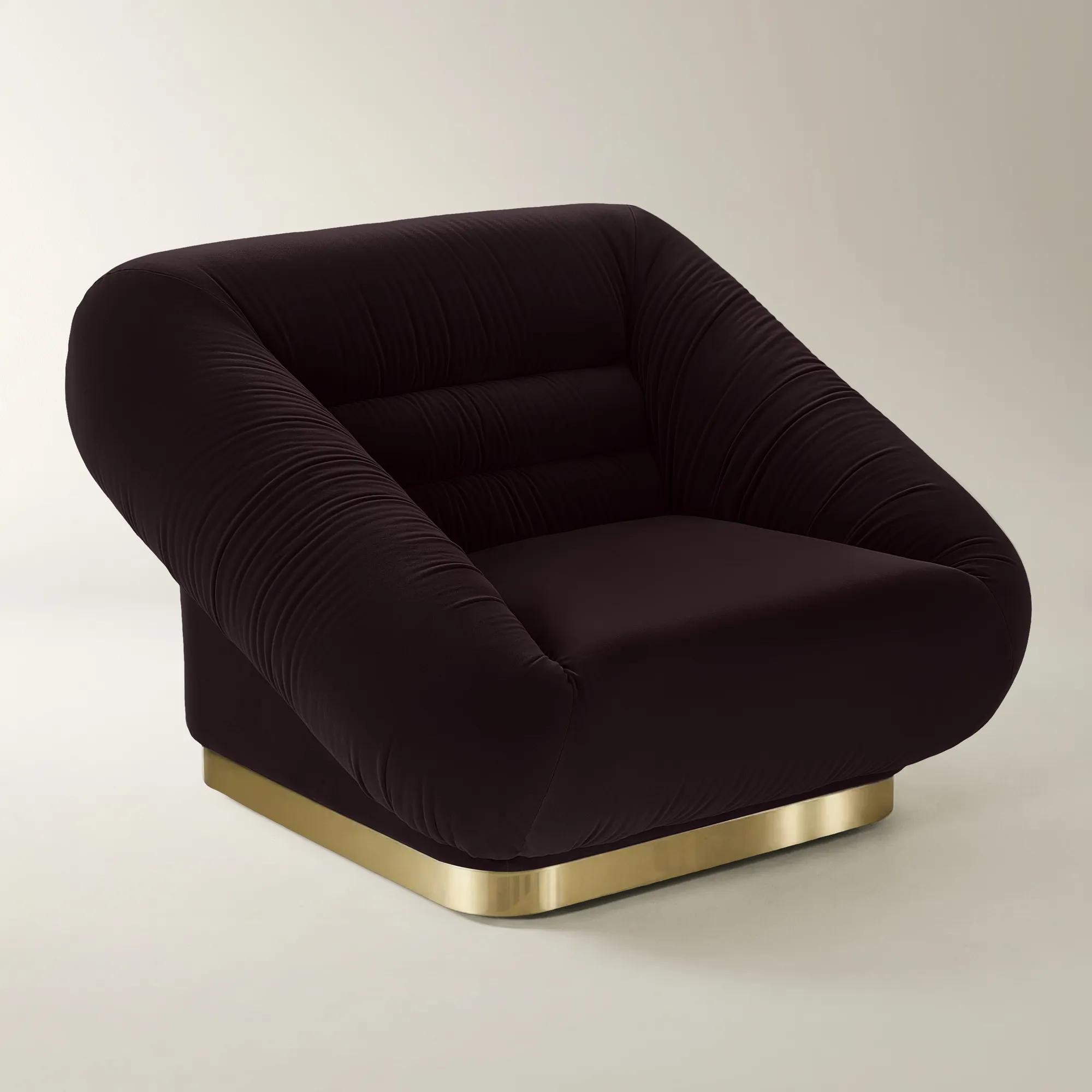 Dover Fig Velvet Swivel Accent Chair$1299
A sculptural fig velvet accent chair featuring soft gathered upholstery, gold-trimmed base, and smooth 360° swivel.
Add To Cart -
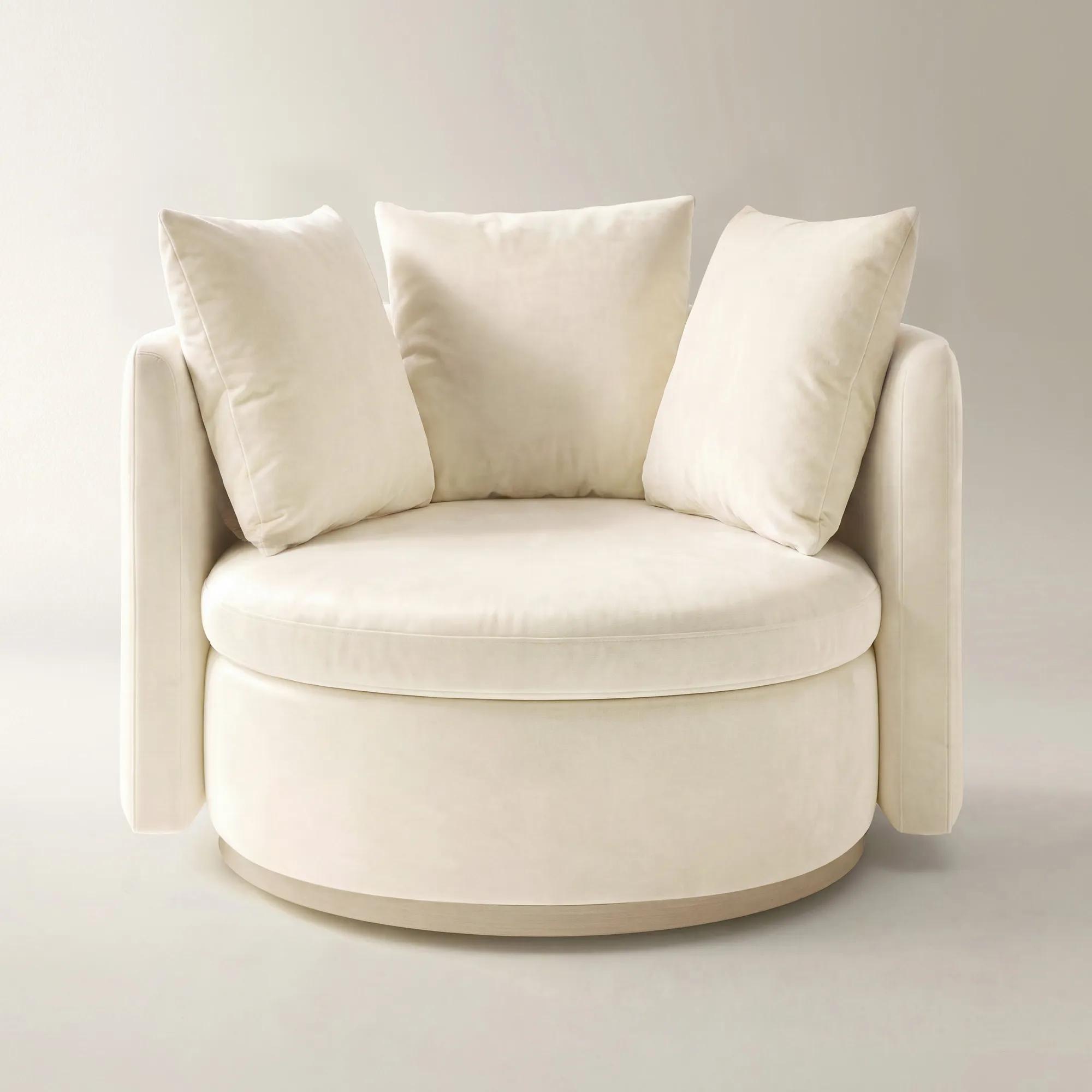 Stria Oatmeal Velvet Swivel Accent Chair$1499
An oatmeal velvet accent chair featuring enveloping curves, layered cushioning, and a concealed 360-degree swivel base.
Add To Cart -

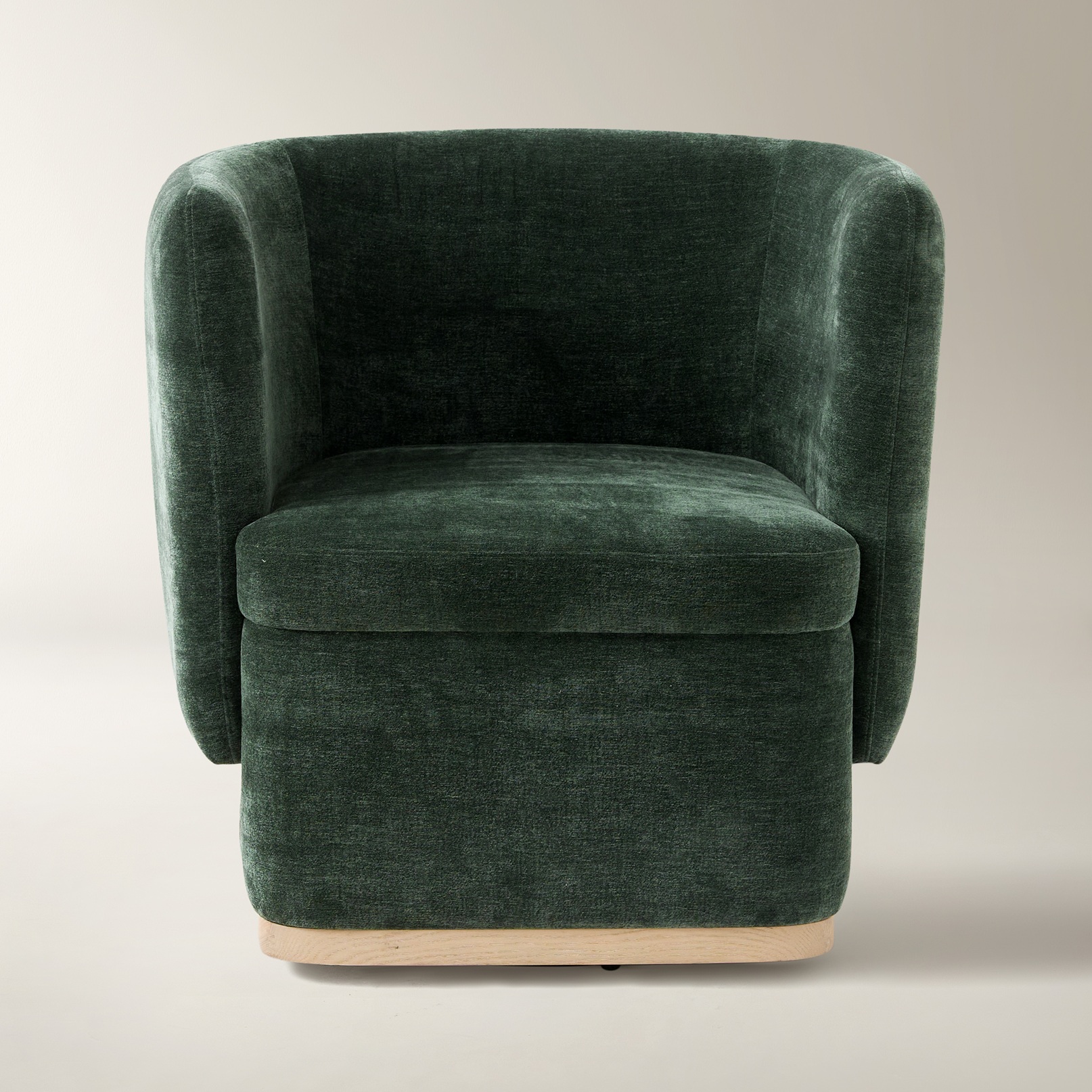 Stria Green Chenille Swivel Dining Chair With Oak Base$699
A green chenille dining chair with a sculpted curved profile, solid oak base, and 360° swivel.
Add To Cart -
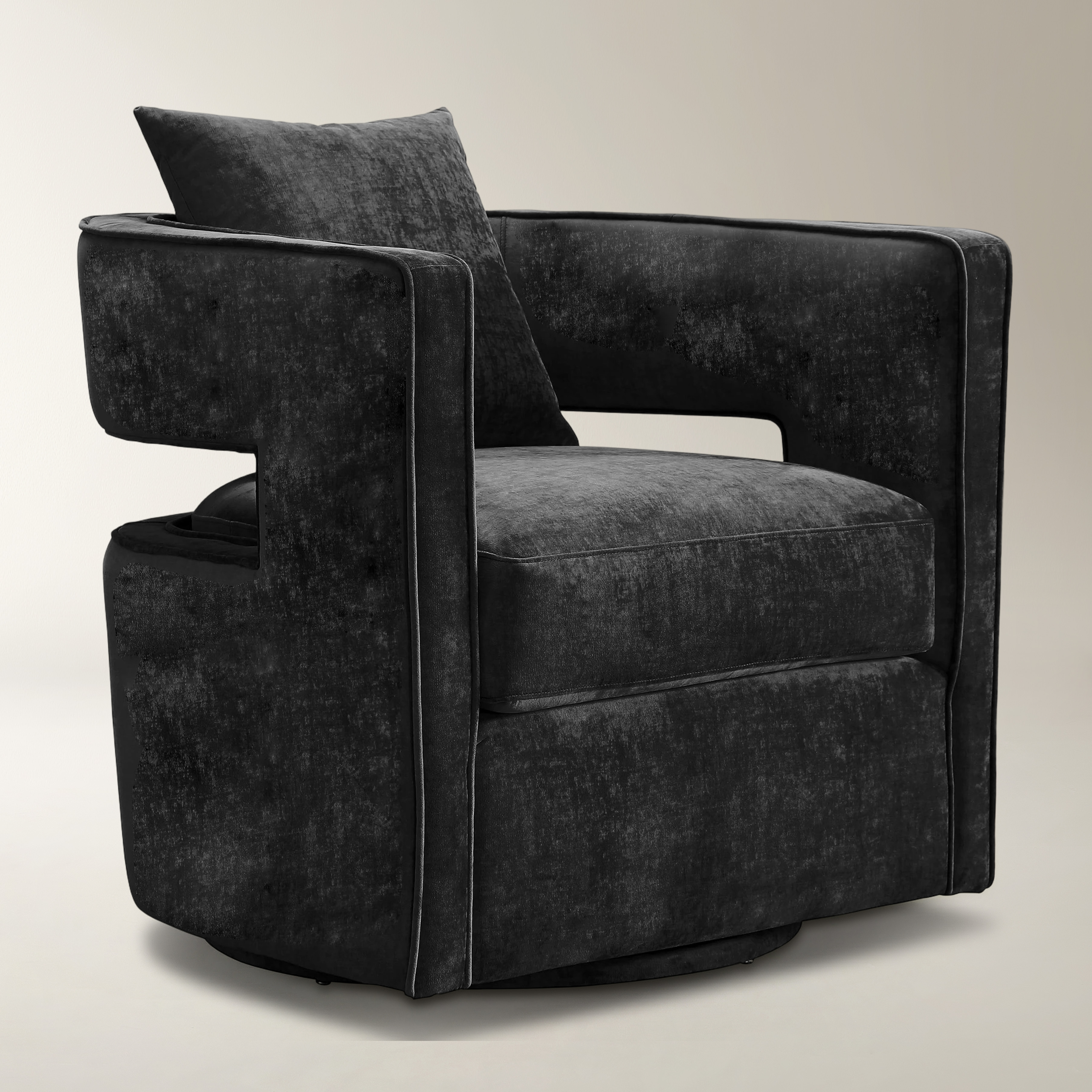 Lottie Black Velvet Swivel Accent Chair$999
A black velvet swivel accent chair with a sculpted barrel silhouette, open arms, and supportive cushioning.
Add To Cart -
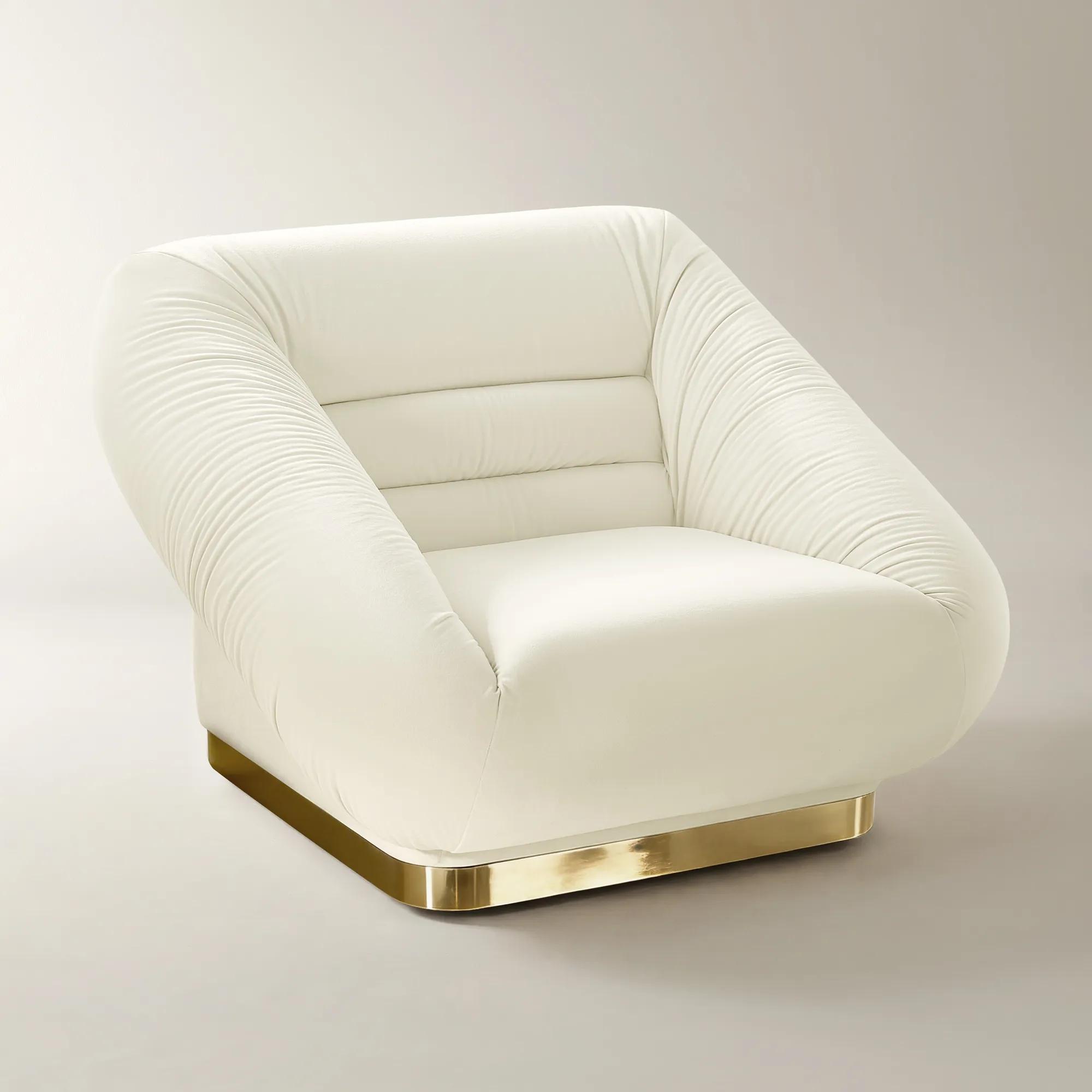 Dover Cloud Velvet Swivel Accent Chair$1299
A sculptural accent chair in cloud velvet with a gold-trimmed base and smooth 360° swivel function.
Add To Cart -
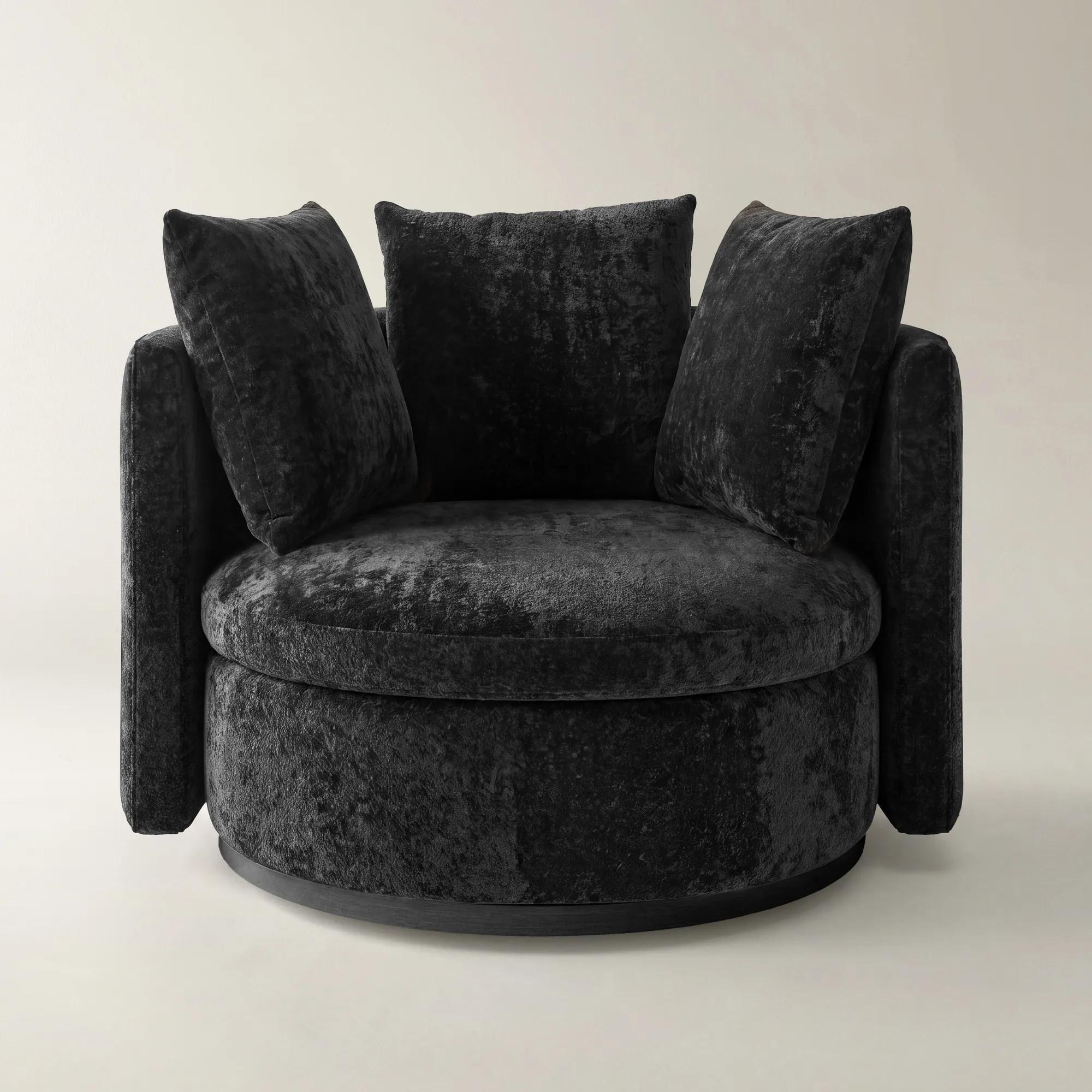 Stria Black Chenille Swivel Accent Chair$1599
A black chenille accent chair with enveloping curves, foam-and-down comfort, and a concealed 360-degree swivel.
Add To Cart -
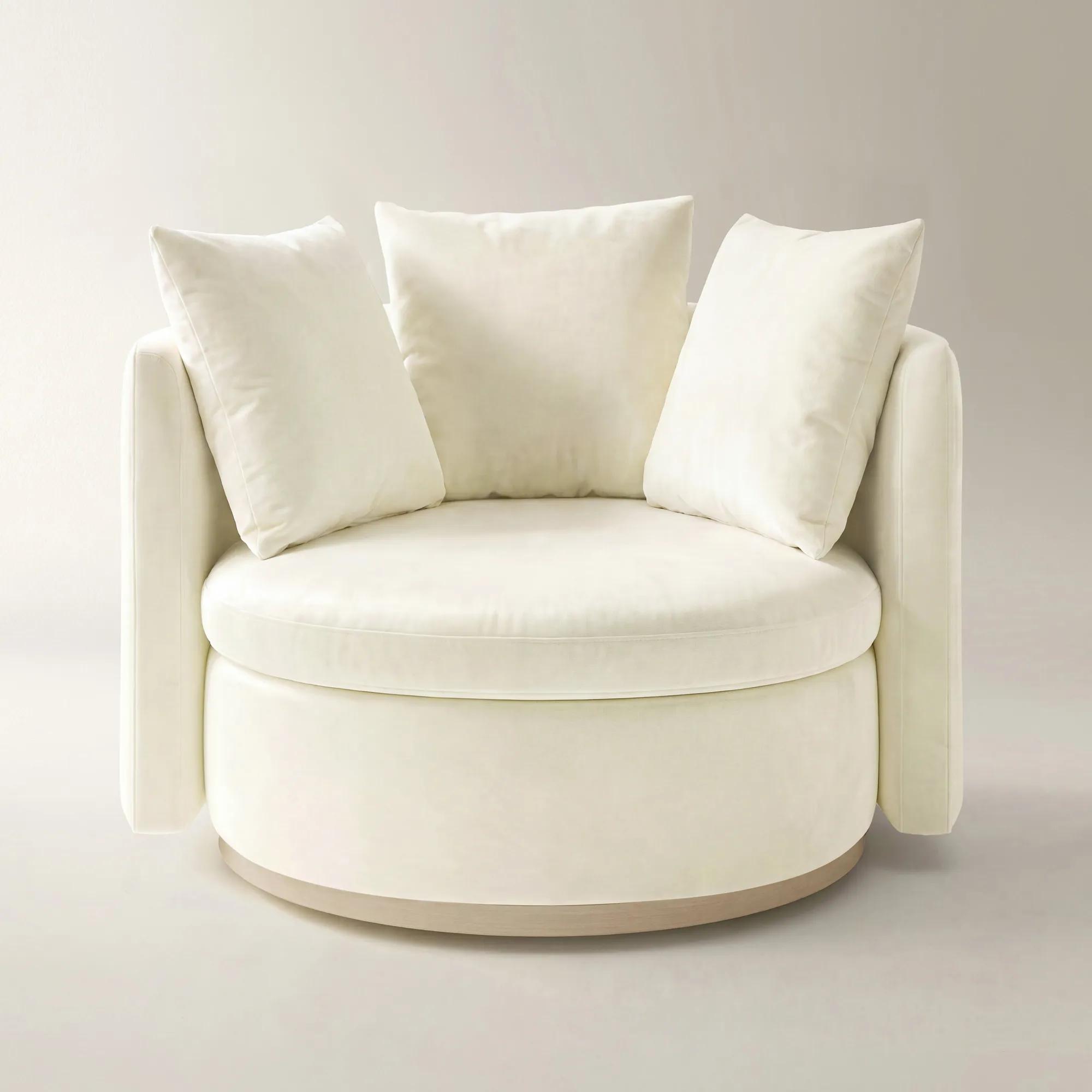 Stria Cloud Velvet Swivel Accent Chair$1499
A sculptural cloud-velvet accent chair with enveloping curves, layered cushioning, and a concealed 360-degree swivel base.
Add To Cart -
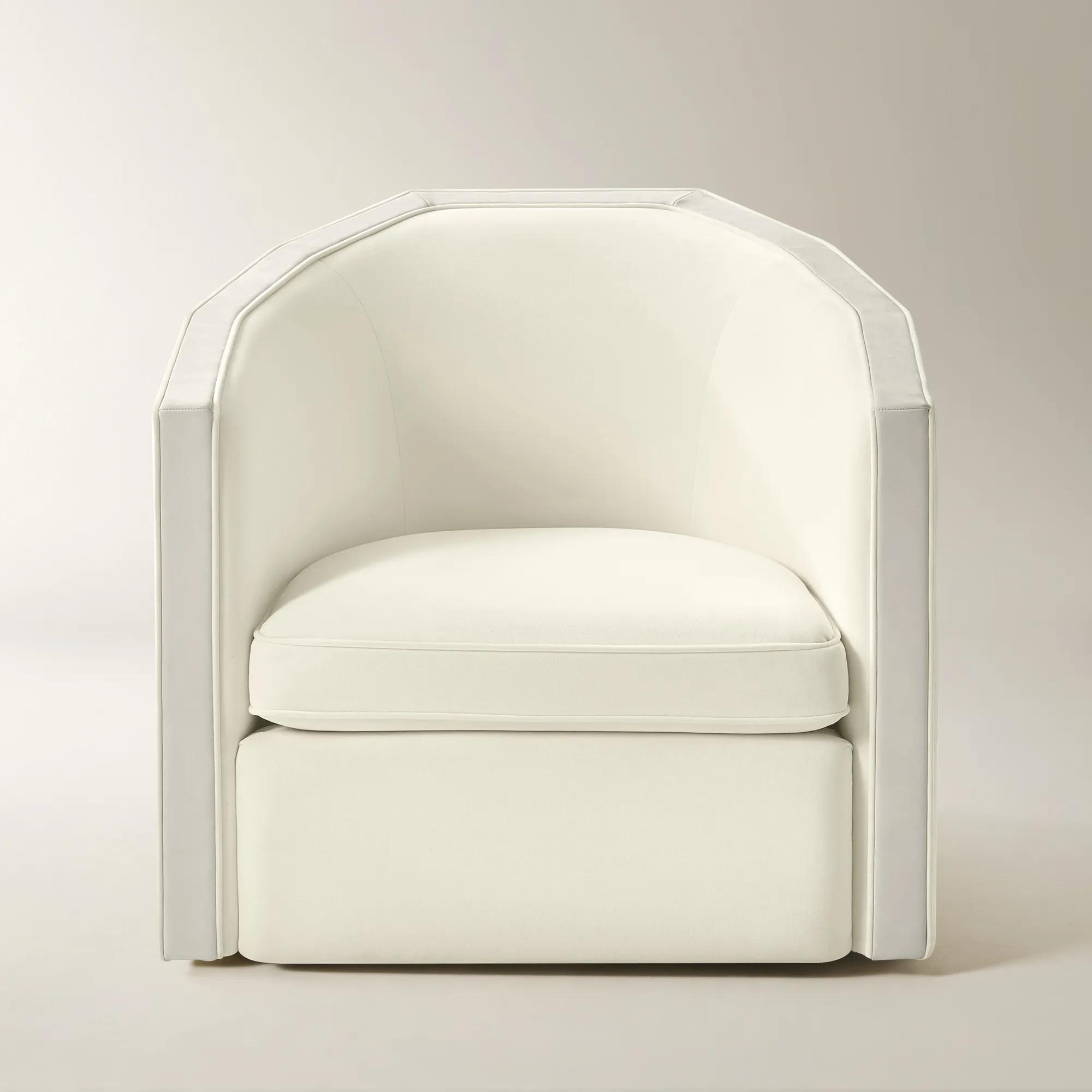 Vesper Cloud Velvet With Leather Swivel Accent Chair$999
A modern accent chair featuring cloud velvet upholstery, tonal leather trim, and a smooth 360° swivel base.
Add To Cart -
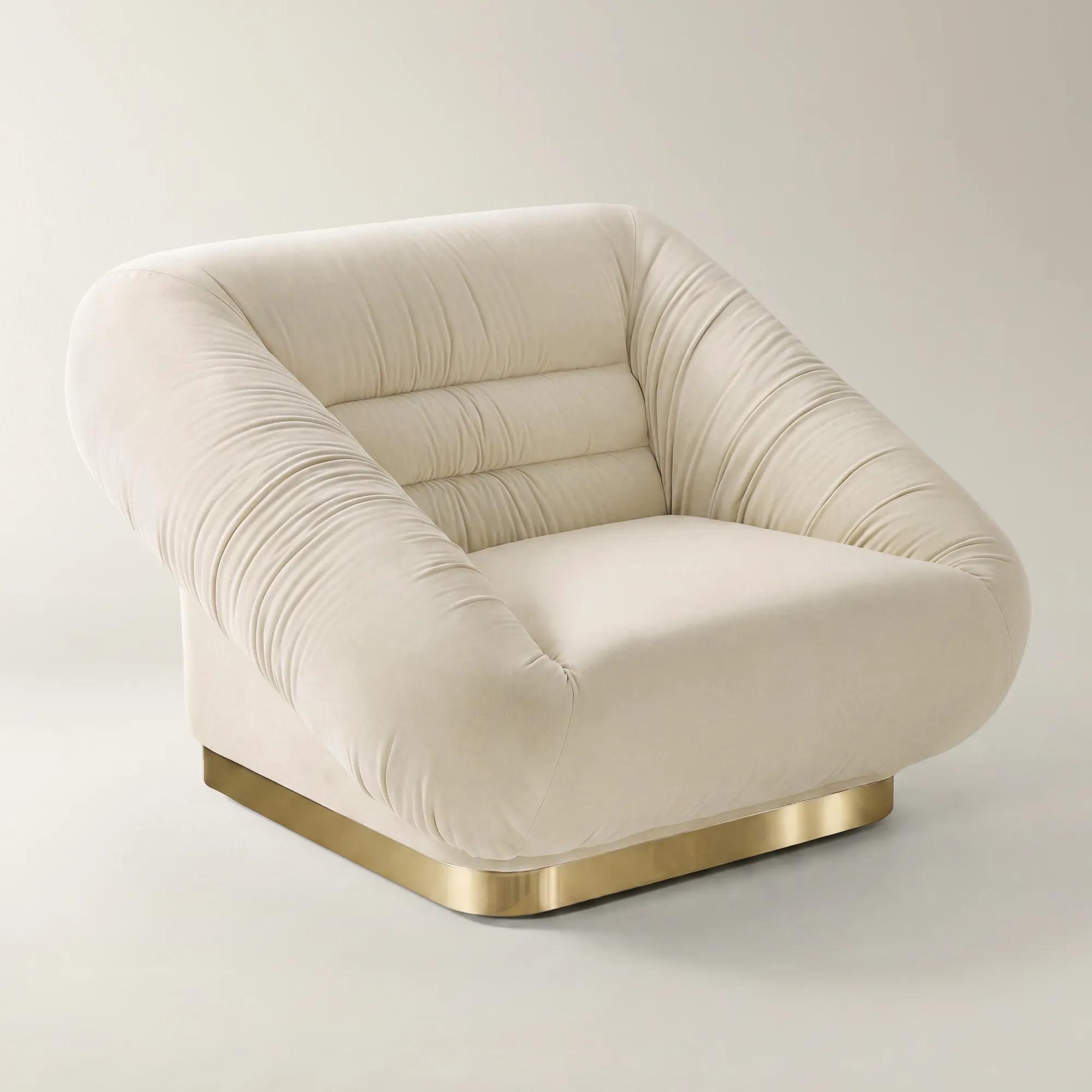
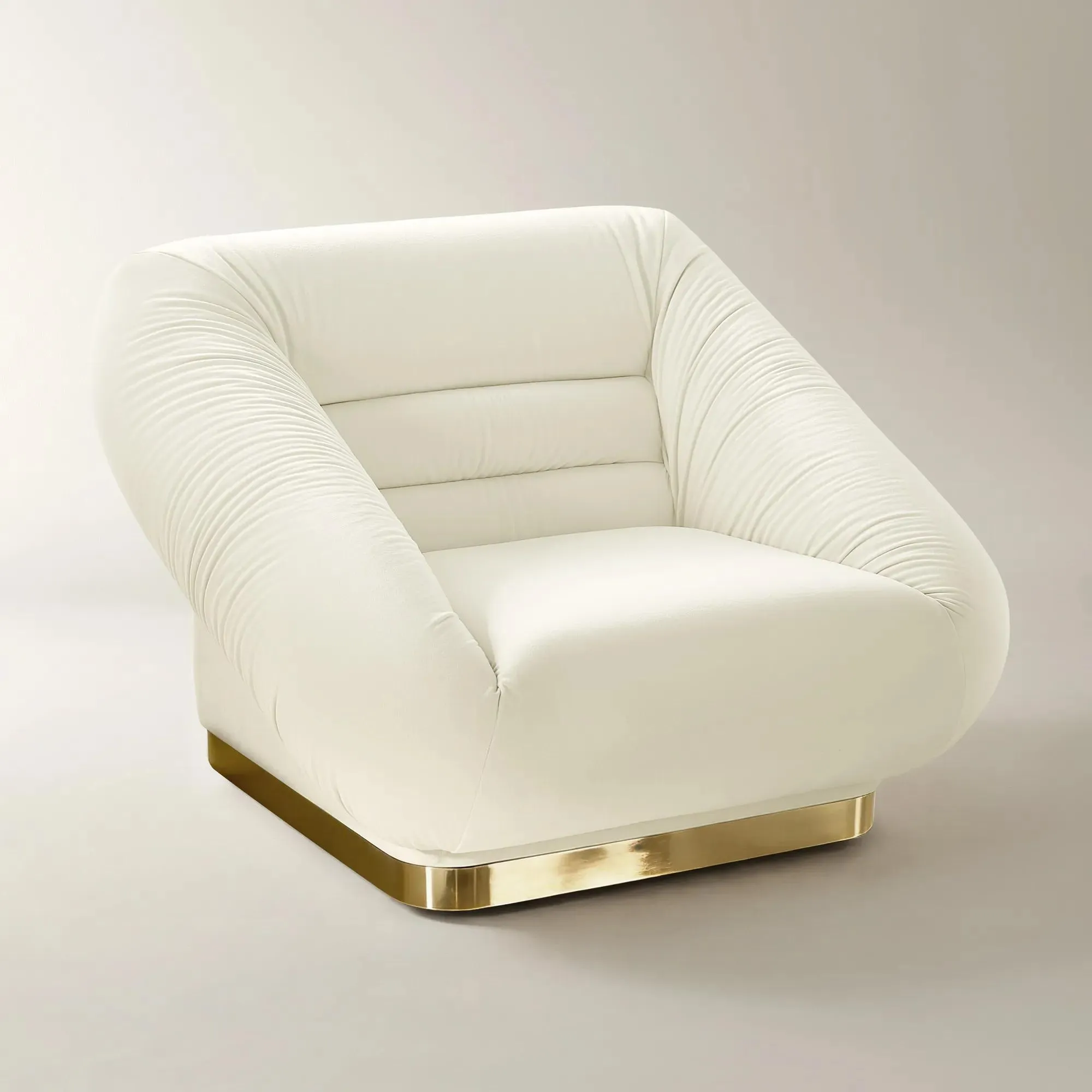 Dover Oatmeal Velvet Swivel Accent Chair$1299
A sculptural oatmeal velvet accent chair with gathered upholstery, a soft gold stainless steel base, and smooth 360-degree swivel functionality.
Add To Cart

Custom Upholstered Swivel Chairs
Explore custom upholstered swivel chairs that pair statement-making style with the freedom to turn toward conversation or the room’s focal point. Compare silhouettes, dimensions, and available upholstery options to find a chair that complements your space, whether you’re creating a dramatic living room arrangement or a reading corner with a distinctive point of view.
Custom upholstered swivel chairs pair a rotating seat with upholstery selected to suit a room’s palette, texture, and personality. Customization typically centers on fabric and color, while choices in silhouette, cushioning, trim, and base depend on the design. The result is seating with a distinct point of view: a sculptural accent that can turn toward conversation, a favorite view, or the center of the room without being lifted or repositioned. Some swivel mechanisms allow a full 360-degree rotation; others offer a more limited range or return the seat to its original position. That movement makes these chairs especially compelling in living rooms where several activities share the same space. A guest can turn from a conversation beside the sofa toward someone seated across the room, while a reader can shift away from the television without rearranging the furniture. Form gives that flexibility its visual character. A rounded barrel silhouette creates an enveloping presence, a low curved back preserves sightlines, and a taller profile brings a more pronounced architectural note. Generous arms and deep upholstery can lend a chair the richness of a private lounge, while a tailored shape with a defined seat keeps the composition crisp. A concealed swivel base lets the upholstered form take center stage; an exposed base introduces another material and a sharper line at floor level. For people who entertain, a pair can create a conversation area that feels composed without being rigid. For a quieter retreat, a single chair beside a reading lamp offers a place to settle without turning its back permanently on the rest of the room. Custom upholstery also allows an accent chair to connect furnishings that do not match exactly. A smoky blue fabric might echo a painting, while an ivory weave can soften the contrast between dark wood and gleaming metal. The most expressive rooms often repeat a color or texture rather than an entire furniture silhouette, giving each piece its own presence within a cohesive setting.
Fabric gives a custom swivel chair much of its character, but its everyday behavior matters as much as its initial impression. Velvet catches light across its pile, creating depth that can make a single color appear richly layered; that same surface may show shading or pressure marks as the fibers change direction. Chenille offers a plush, tactile effect, while bouclé introduces a more pronounced texture that brings dimension to rounded forms. Tightly woven upholstery can create a smoother, more tailored appearance, particularly on chairs with sculpted arms or precise seams. Fiber content, weave, backing, and finishing treatments all influence how a fabric feels and wears, so a material name alone does not tell the whole story. In a frequently used family room, documented abrasion resistance, seam strength, and resistance to pilling deserve attention alongside color. In homes with pets, open loops and loosely constructed textures may be more vulnerable to catching claws. Performance fabrics can offer useful resistance to certain spills or stains, but the term does not mean that upholstery is stainproof or suitable for every cleaning method. Fabric swatches help reveal these differences: viewed against the sofa, flooring, and wall color, they show undertones that can disappear in a small screen image. They also make it easier to judge whether a surface feels inviting against bare arms or catches on jewelry. Care should follow the upholstery’s specific cleaning code and manufacturer’s directions. Gentle vacuuming with an appropriate upholstery attachment helps remove dust before it settles into seams, while prompt blotting, rather than rubbing, can limit the spread of a spill. Any approved cleaning solution should be tested in an inconspicuous area first. Direct sunlight can alter some upholstery colors over time, and concentrated contact with rough clothing or sharp accessories can affect delicate surfaces. Where cushions are removable and designed to be rotated, regular repositioning can help distribute wear. These details preserve the fabric’s texture and the tailored definition that gives upholstered seating its polish.
Scale and comfort determine whether a beautiful chair becomes a favorite seat. Within a seating arrangement, upholstered living room swivel chairs offer flexibility, but their rotating footprint needs consideration beyond the dimensions of the stationary frame. A curved back or projecting arm can sweep outward as the seat turns, so sufficient clearance from walls, tables, draperies, and neighboring furniture protects both movement and finishes. The mechanism’s specified range of motion is more useful than assuming every chair can rotate freely in every setting. Overall width establishes how confidently a chair occupies the room; seat width, depth, and height determine how it accommodates the person sitting in it. A deep seat can feel indulgent for someone who likes to curl up, yet a shallower seat may offer more comfortable support for a person who prefers to sit upright with feet resting on the floor. Arm height matters when reading or holding a conversation, and back height affects where support meets the body. Cushion construction contributes another layer: resilient foam often produces a more defined sit, while softer fills may create a relaxed feel and require more frequent reshaping. Strong frame construction, secure upholstery seams, and a swivel mechanism suited to regular use support lasting performance, although no single construction detail guarantees longevity. In a compact living room, one substantial chair may make a more assured statement than several undersized pieces. In a larger space, two chairs angled near a sofa can establish an intimate conversation area without closing off the room. A nearby table should be easy to reach without obstructing rotation, and a rug can visually unite the seating while accommodating the base as directed by the chair’s specifications. Delivery access matters, too: doorways, hallways, and turns need to accommodate the chair’s full dimensions. With proportion, upholstery, and movement considered together, custom seating becomes more than a decorative accent. It gives a room a place to gather, pause, and turn toward whatever deserves attention.
FAQs
A custom upholstered swivel chair combines a rotating seat with upholstery chosen to express your personal style. Beyond its distinctive movement, it brings a tailored design element to a room—a place to introduce rich color, intriguing texture, or a bold pattern within your furniture arrangement.
Begin with the mood you want to create. Deep, saturated hues bring drama, while soft neutrals let the chair’s silhouette take the spotlight. For a cohesive composition, draw a color from your artwork or rug; for a more expressive statement, introduce a deliberate contrast.
Solid upholstery emphasizes sculptural lines and creates a polished foundation for layered accessories. Pattern turns the chair into an artistic focal point. Consider the surrounding room: a richly layered setting may call for a solid, while a quieter palette offers room for a more daring motif.
Your swivel chair can complement your sofa without matching it exactly. Connect the pieces through a shared undertone, related texture, or repeated accent color. Contrasting upholstery gives each silhouette its own presence while keeping the overall arrangement intentional and beautifully composed.
Create a richly layered vignette with a sculptural side table, an expressive lamp, and a thoughtfully chosen throw. Let the chair’s upholstery guide the accents: echo a subtle tone for harmony or introduce a gleaming finish for contrast. Artwork adds a final note of personality.