
Counter Stools For Home Entertaining
Counter Stools For Home Entertaining
-
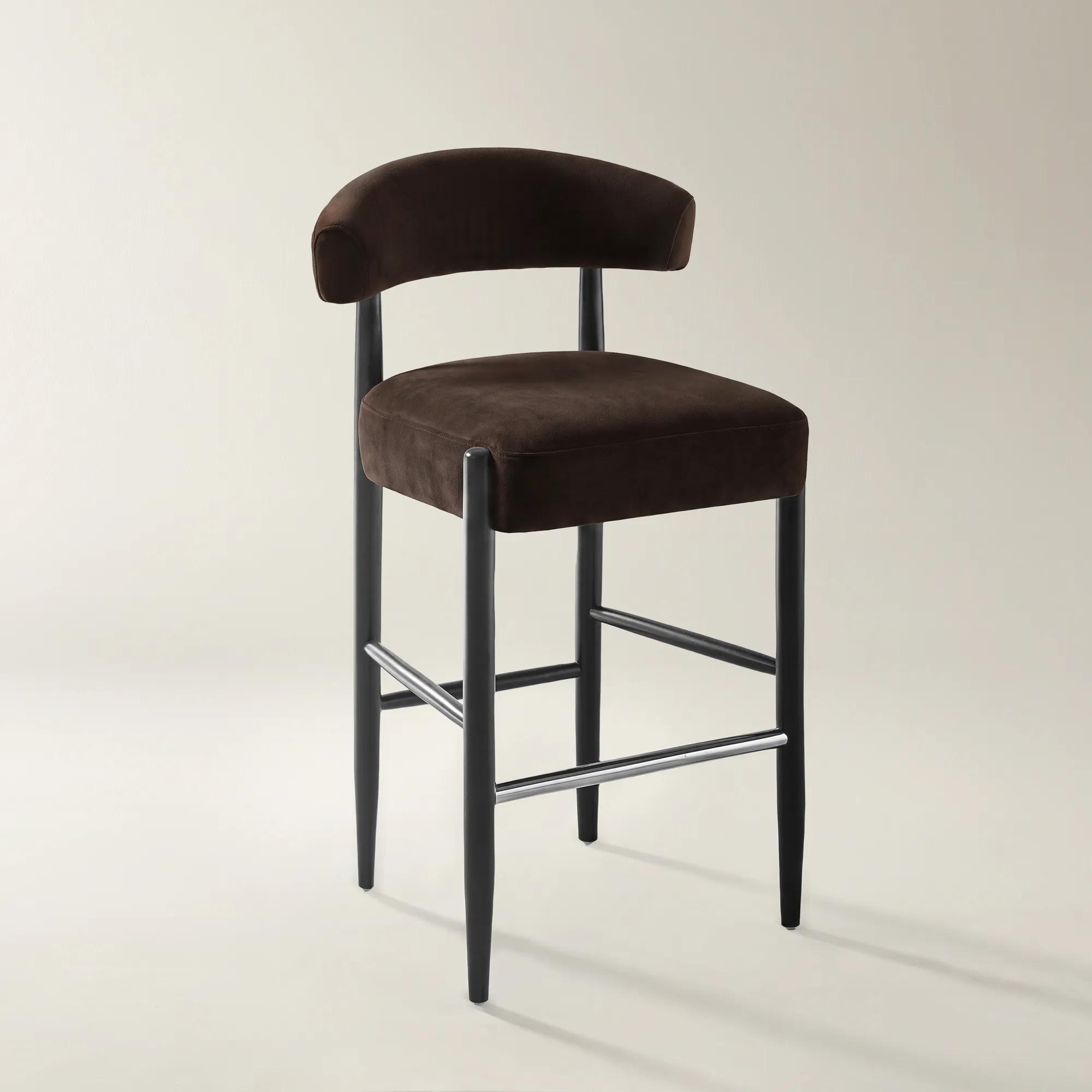 Anna Dark Chocolate Velvet Bar/Counter Stool$449
A dark chocolate velvet counter stool with a sculpted back, padded seat, and tapered solid-rubberwood legs.
Add To Cart -
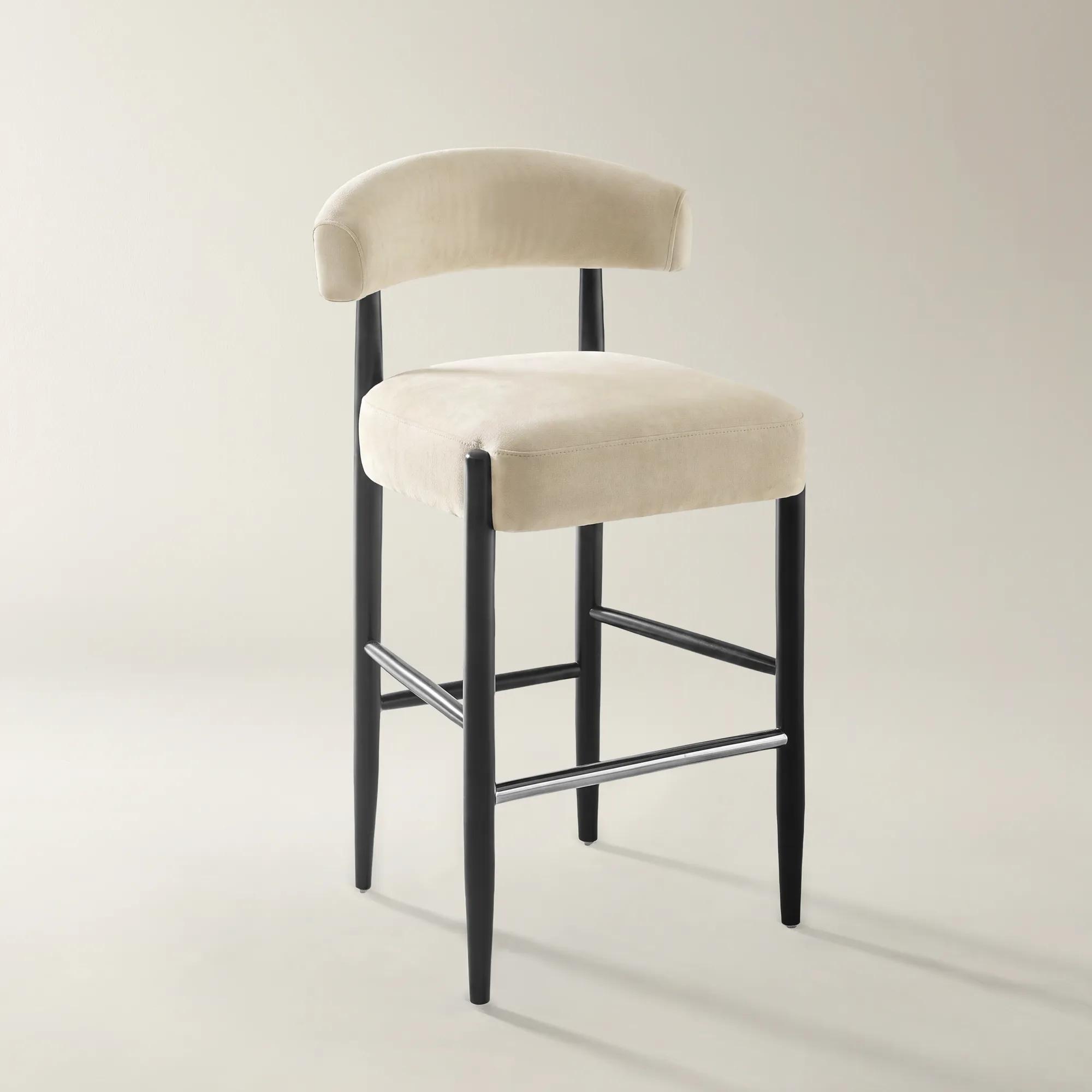 Anna Oatmeal Velvet Bar/Counter Stool$449
A counter stool with oatmeal velvet upholstery, sculpted back, padded seat, and solid rubberwood legs.
Add To Cart -
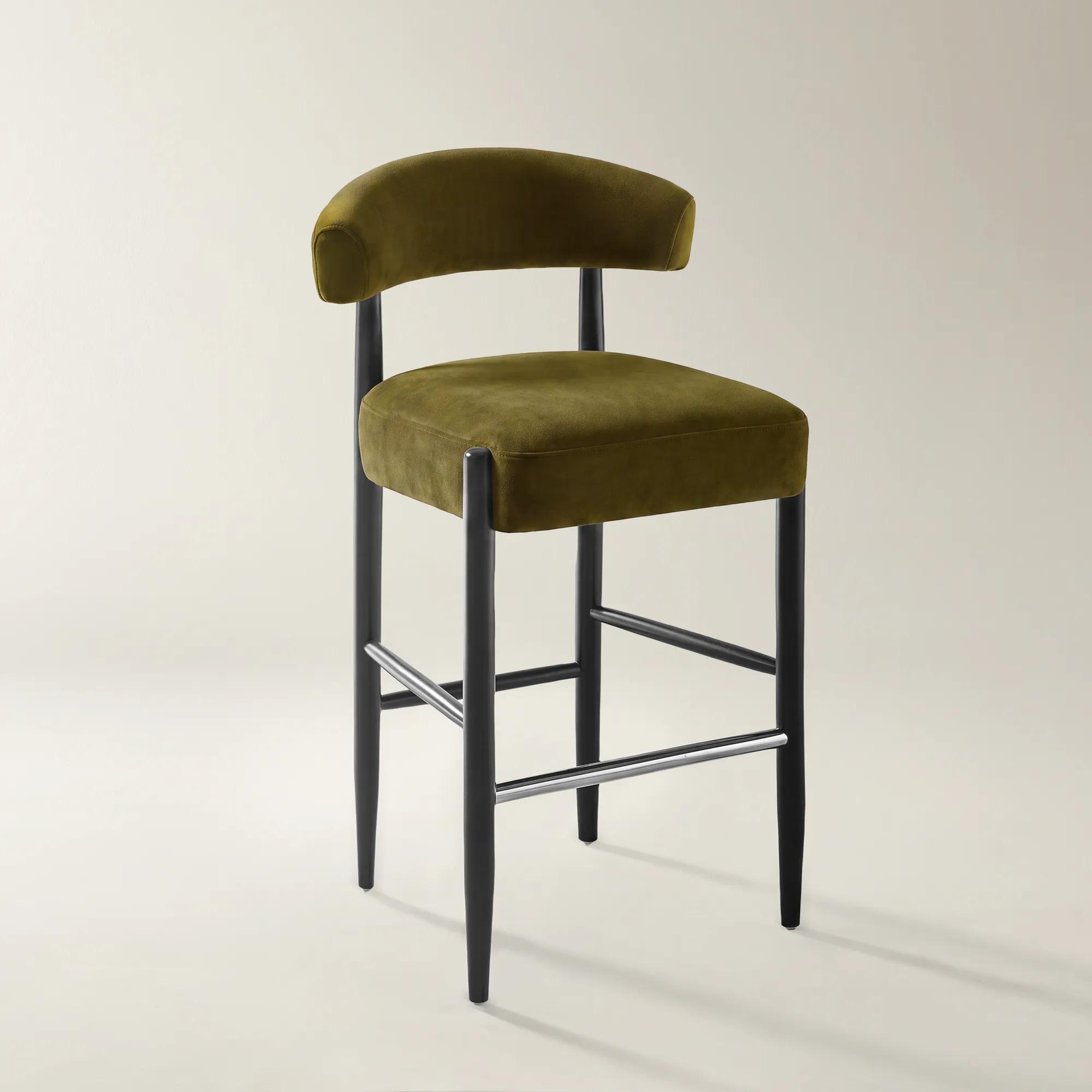 Anna Deep Olive Velvet Bar/Counter Stool$449
A green velvet bar stool with a sculpted padded seat, tailored upholstery, and tapered solid-rubberwood legs.
Add To Cart -
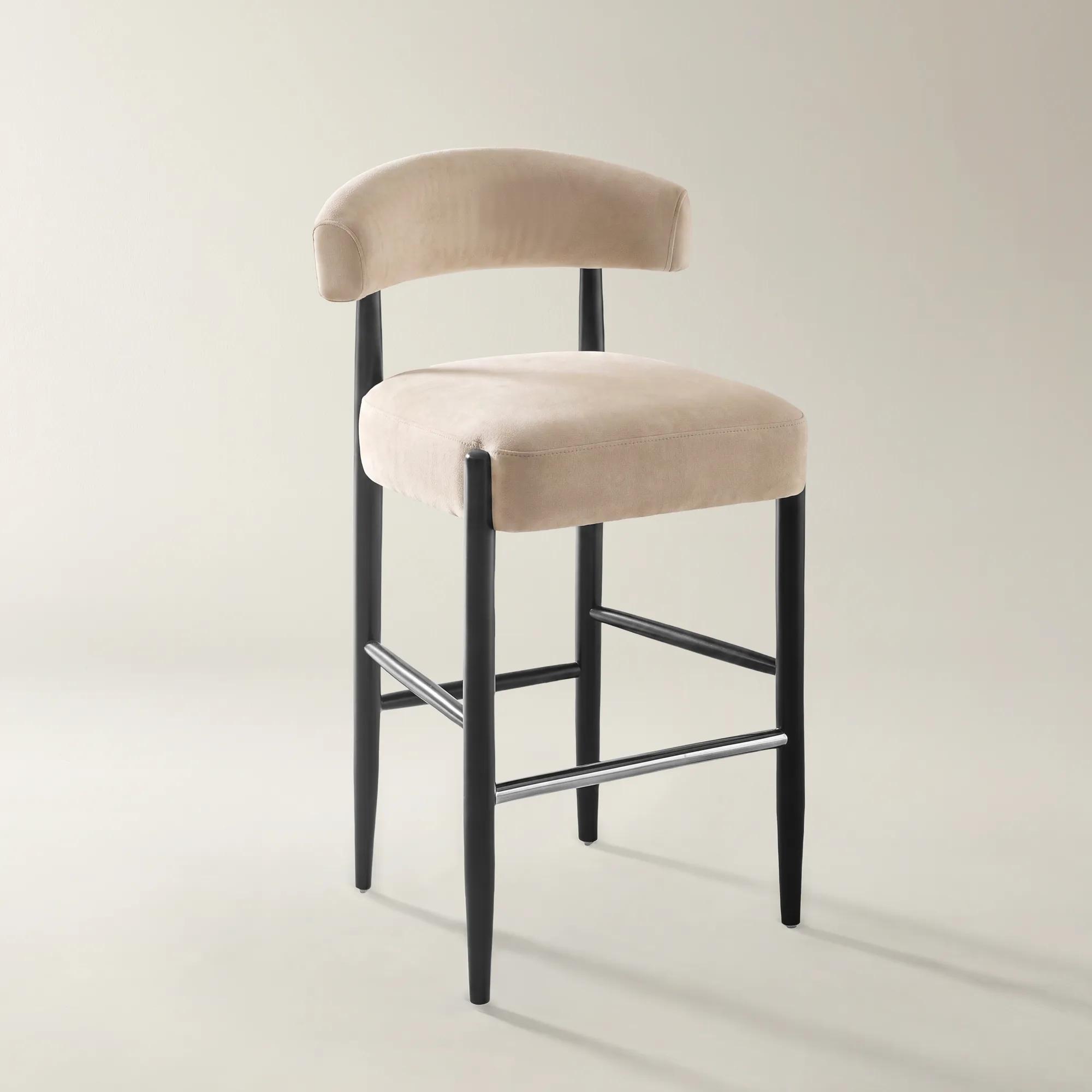 Anna Simply Taupe Velvet Bar/Counter Stool$449
A taupe velvet counter stool with a sculpted back, padded seat, and tapered solid-rubberwood base.
Add To Cart -
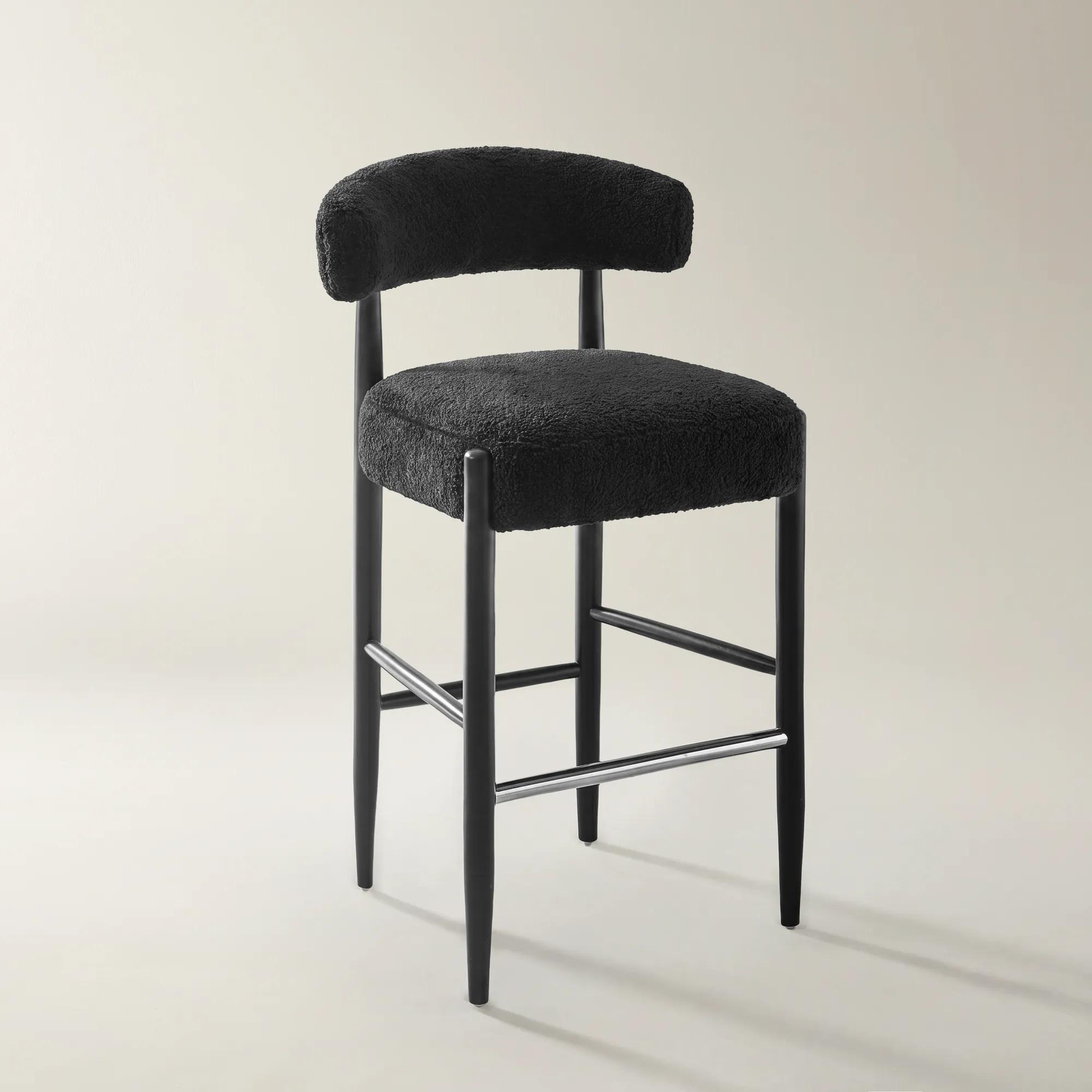 Anna Black Chenille Bar/Counter Stool$449
A black chenille counter stool with a sculpted padded seat and solid rubberwood legs.
Add To Cart -
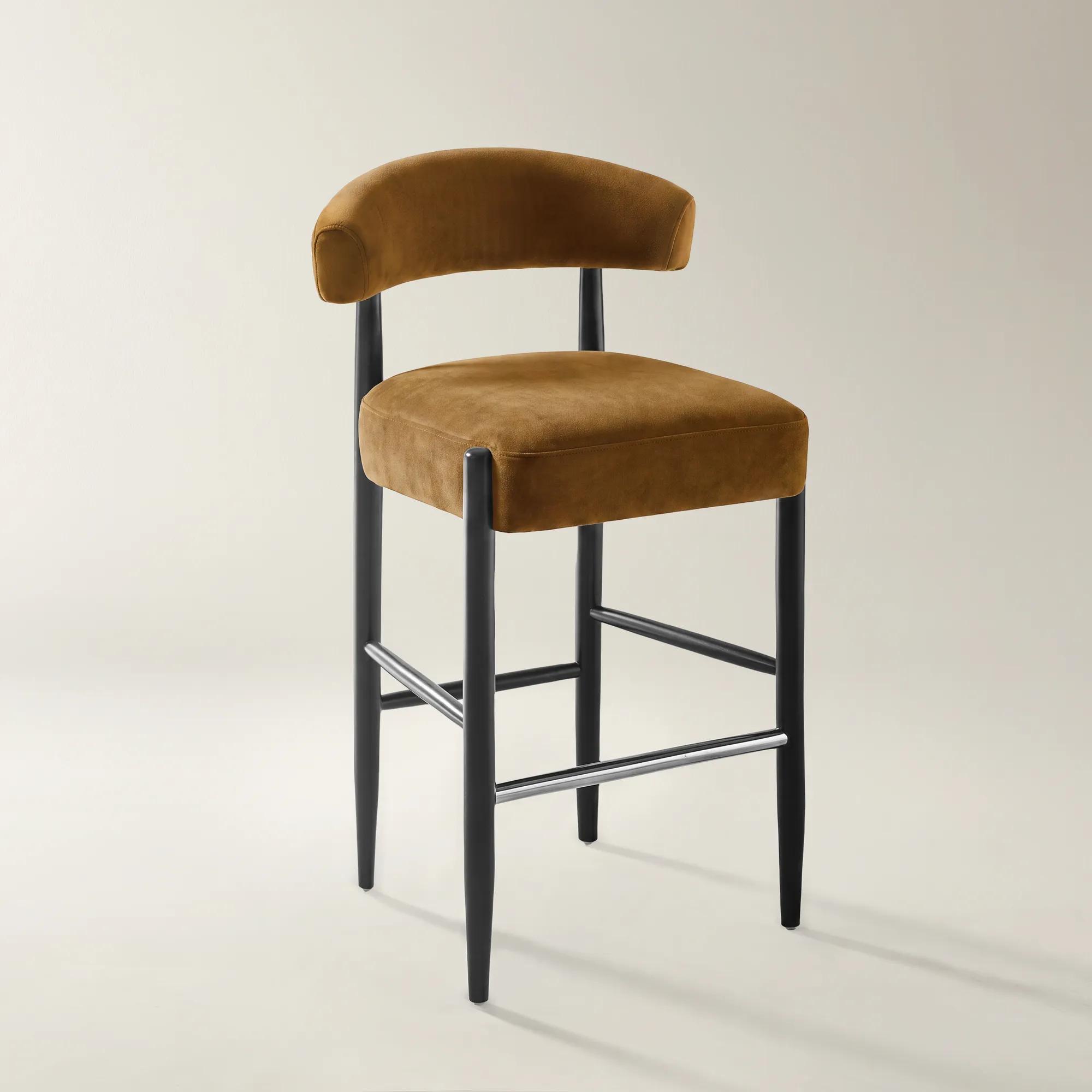 Anna Roasted Pecan Velvet Bar/Counter Stool$449
A roasted pecan velvet bar stool with a sculpted padded back, custom upholstery, and tapered solid-rubberwood legs.
Add To Cart -
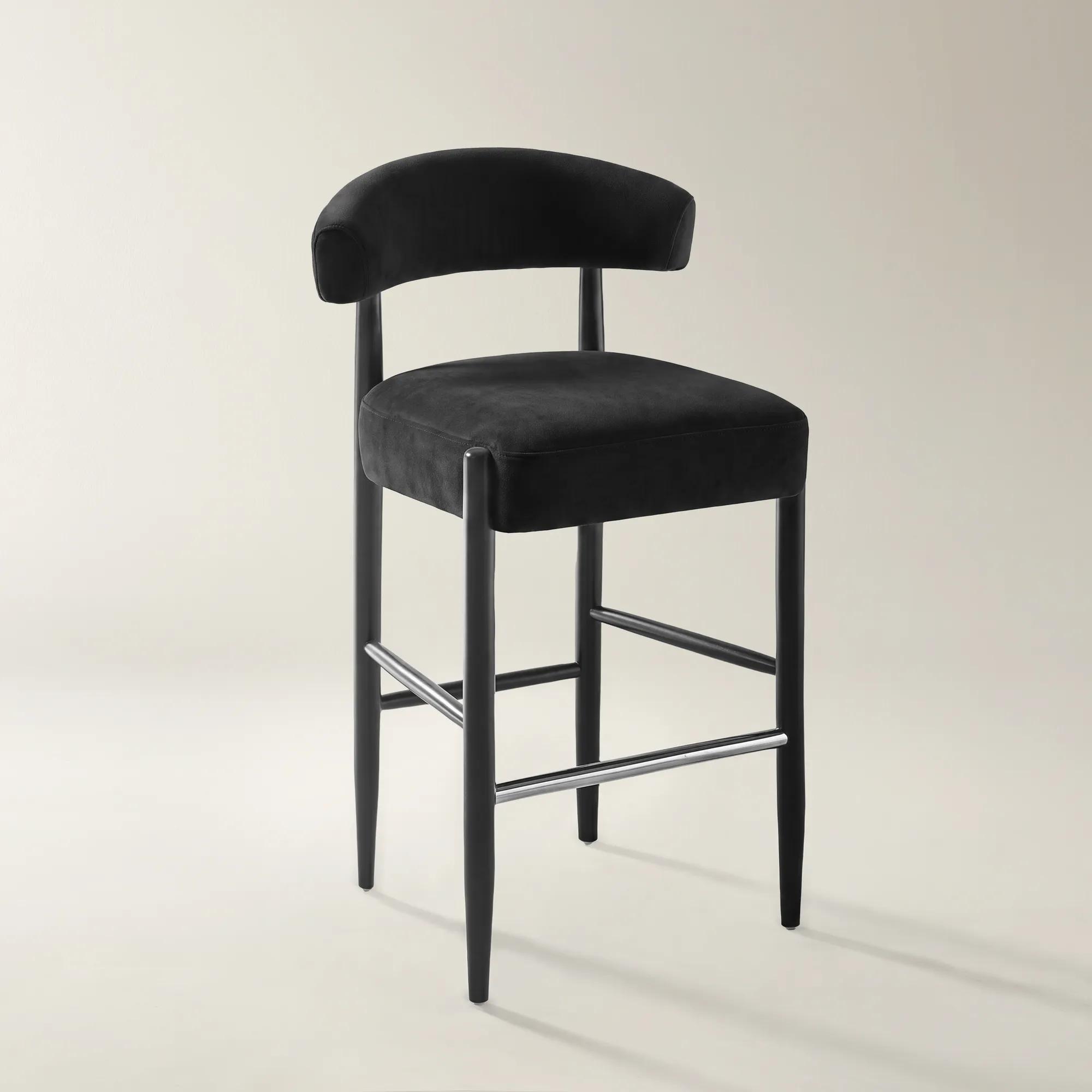 Anna Charcoal Velvet Bar/Counter Stool$449
A charcoal velvet bar stool with a sculpted padded seat and solid rubberwood legs.
Add To Cart -
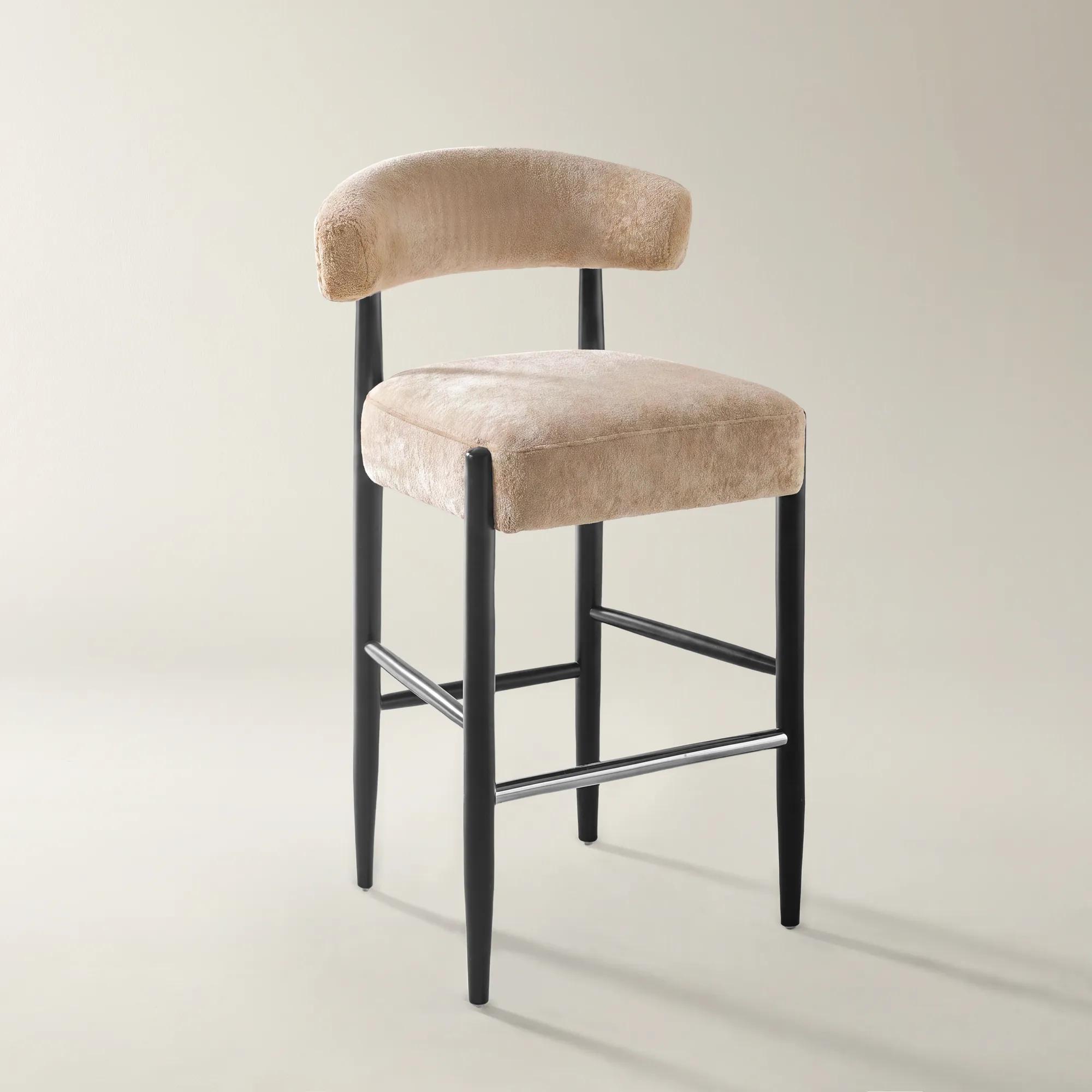 Anna Light Brown Chenille Bar/Counter Stool$449
A brown chenille counter stool with a sculpted back, padded seat, and tapered solid-rubberwood legs.
Add To Cart -
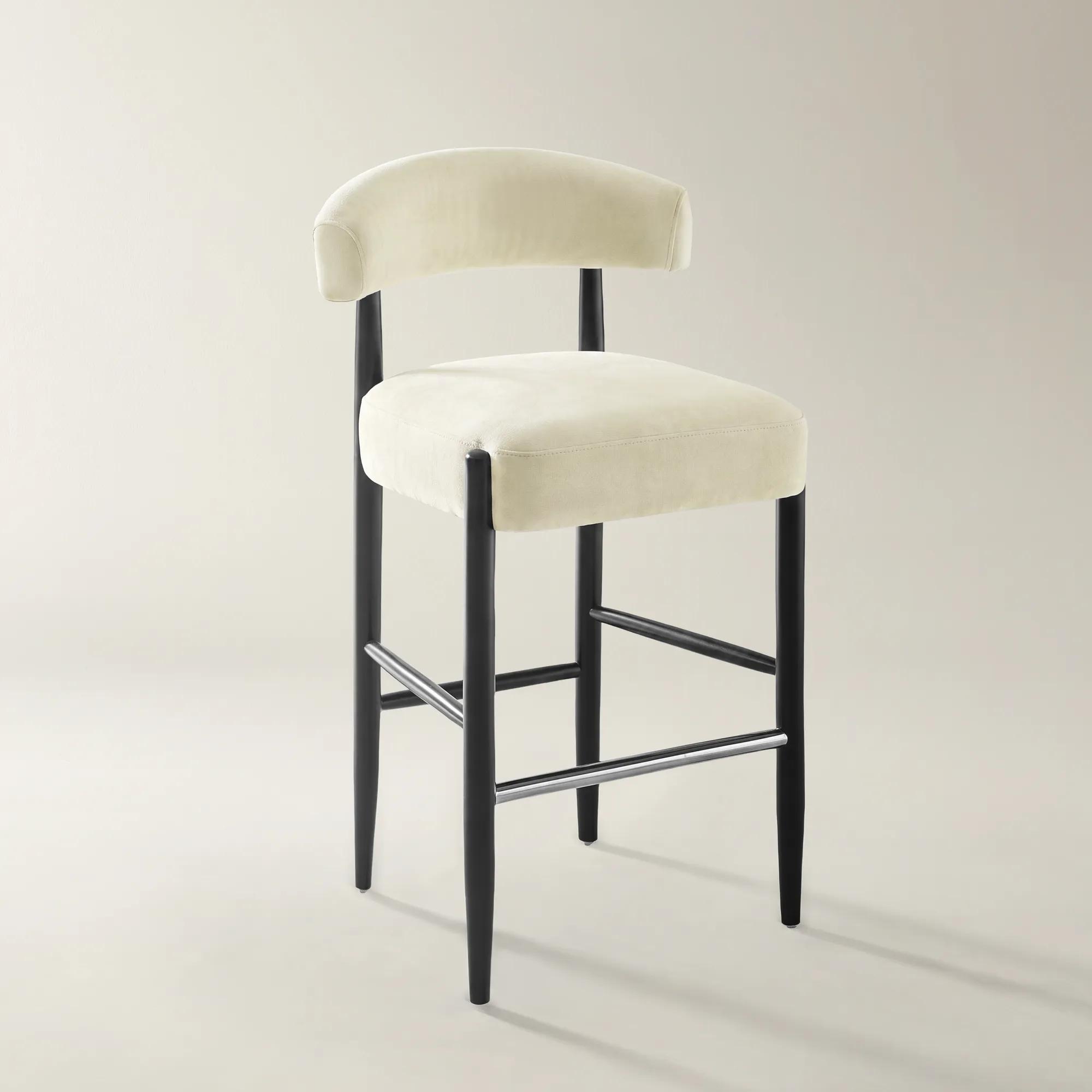 Anna Cloud Velvet Bar/Counter Stool$449
A cloud velvet counter stool with sculpted padded support and tapered solid-rubberwood legs.
Add To Cart -
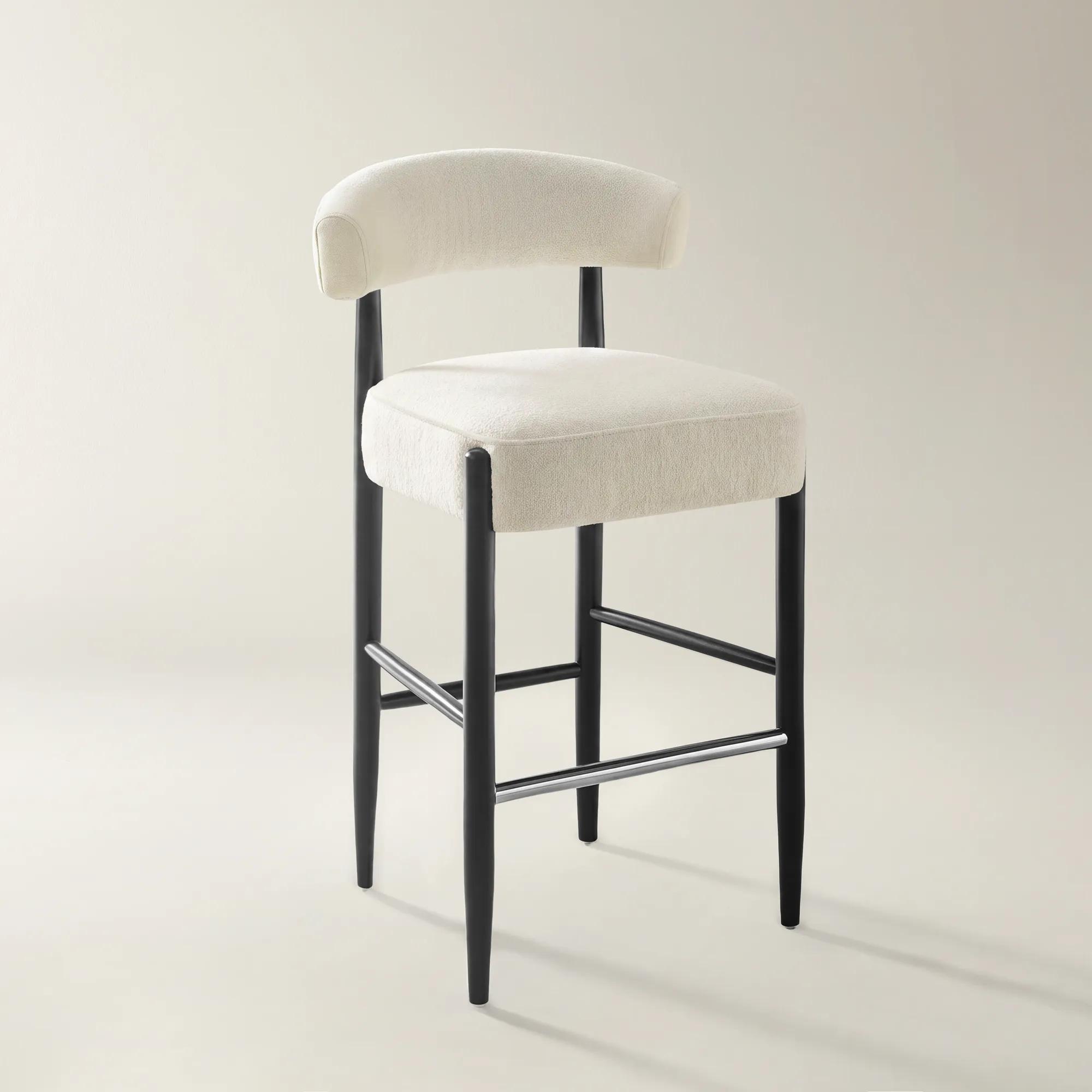 Anna Ivory Performance Chenille Bar/Counter Stool$449
An ivory performance-chenille bar stool with a sculpted back, padded seat, and tapered solid-rubberwood legs.
Add To Cart -
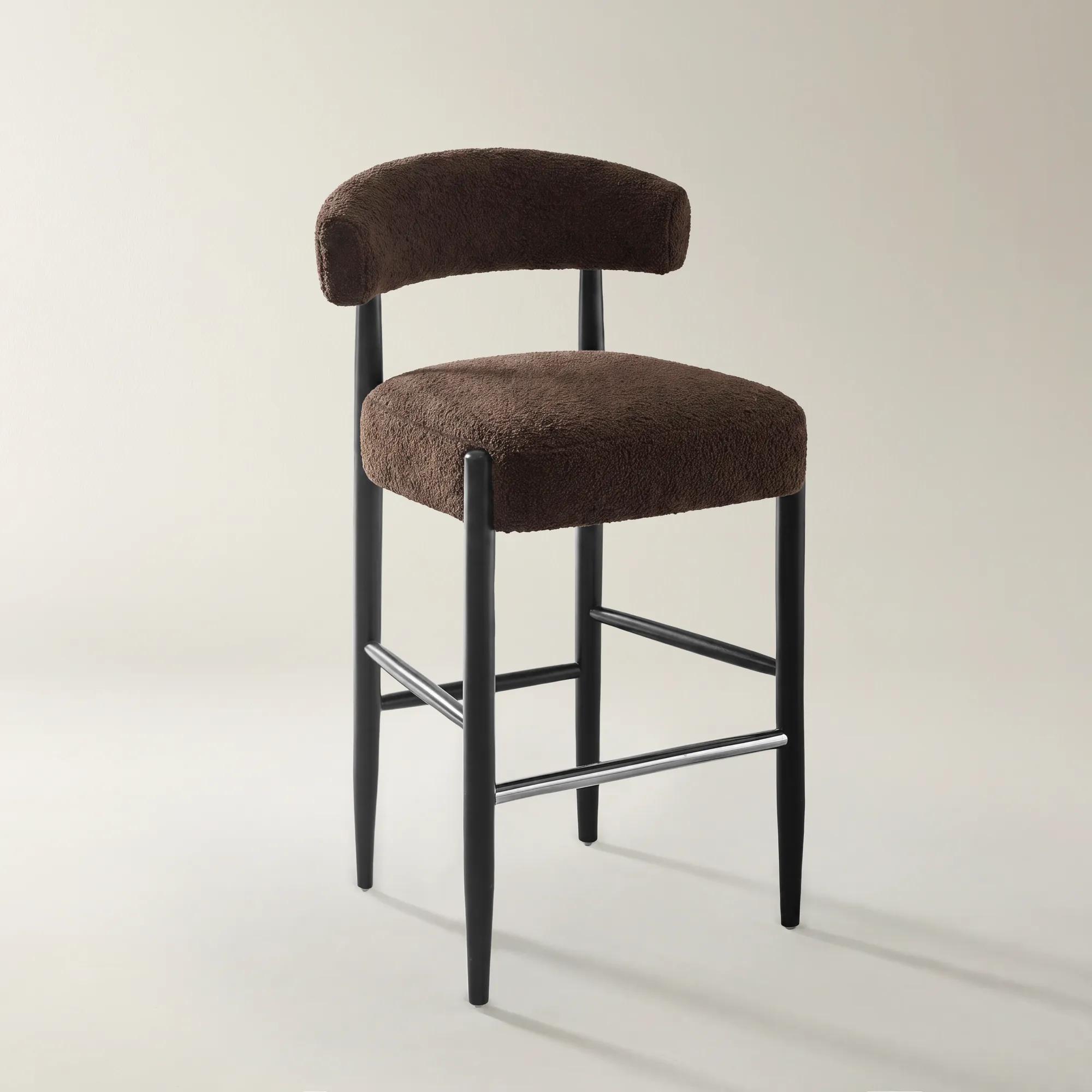 Anna Dark Chocolate Chenille Bar/Counter Stool$449
A dark chocolate chenille counter stool with a sculpted padded seat and solid rubberwood legs.
Add To Cart -
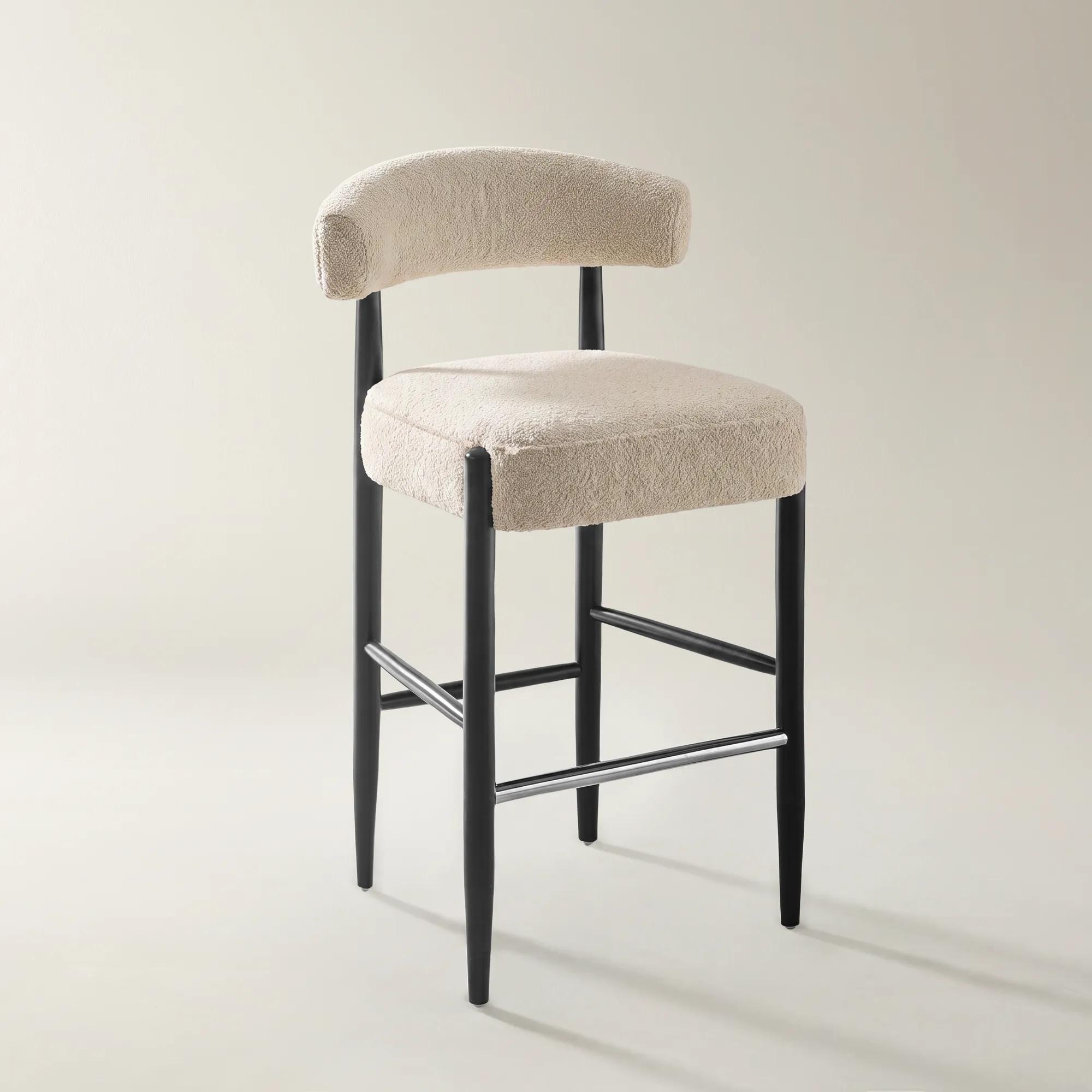 Anna Utopia Sand Chenille Bar/Counter Stool$449
A chenille bar stool with a sculpted padded seat, kiln-dried hardwood frame, and solid rubberwood legs.
Add To Cart -
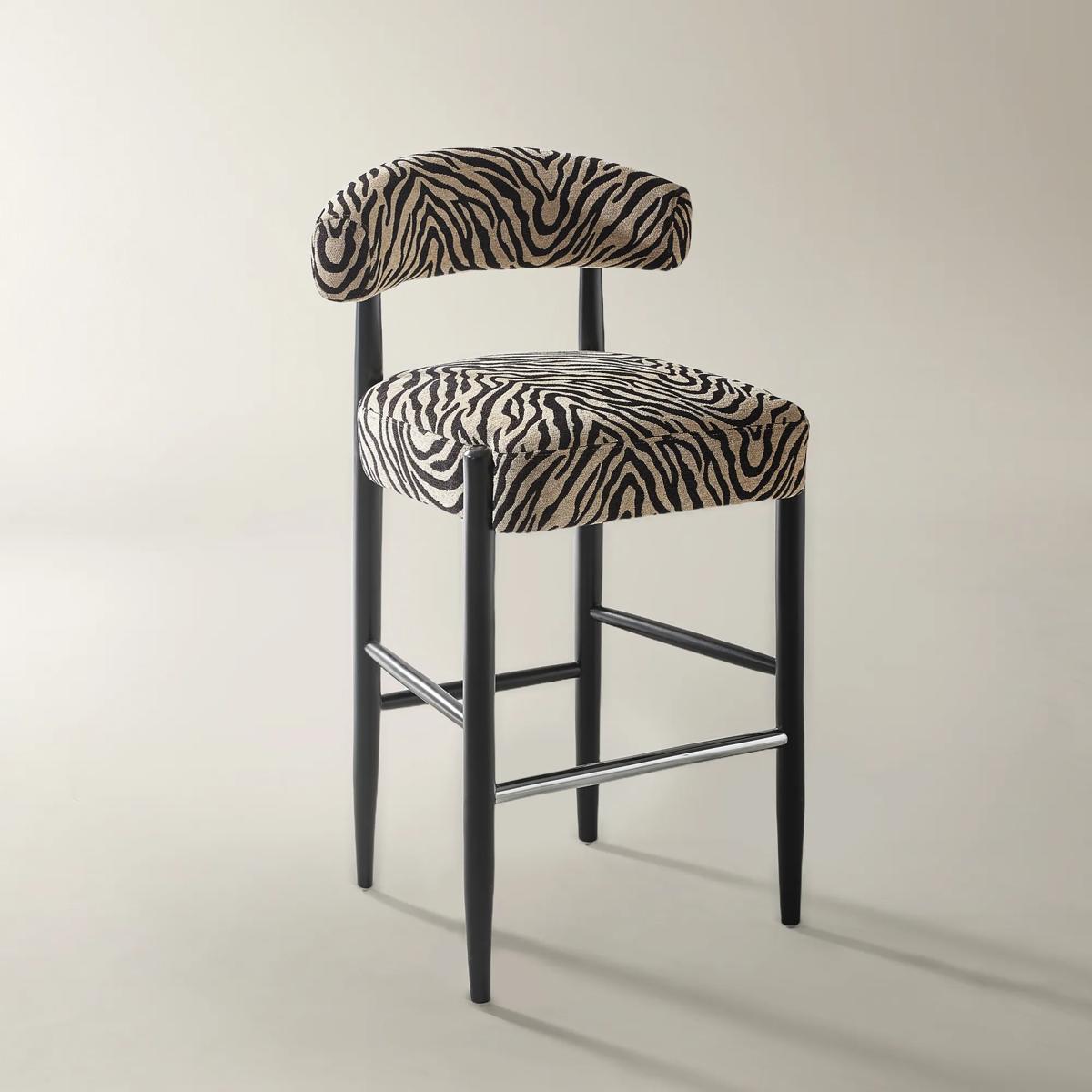
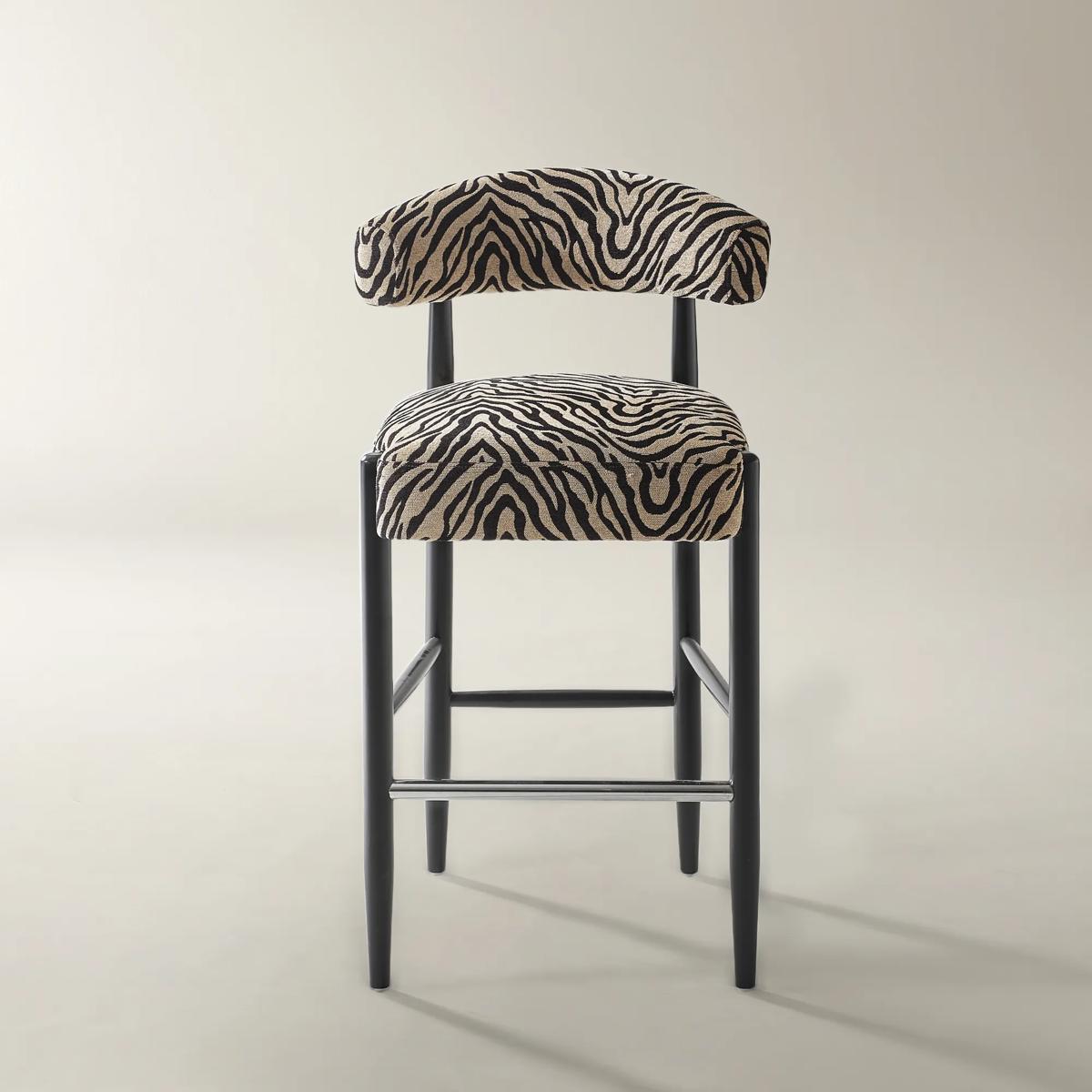 Anna Zebra Chenille Bar/Counter Stool$449
A bar stool with zebra-patterned chenille upholstery, sculpted padding, and tapered solid-rubberwood legs.
Add To Cart -
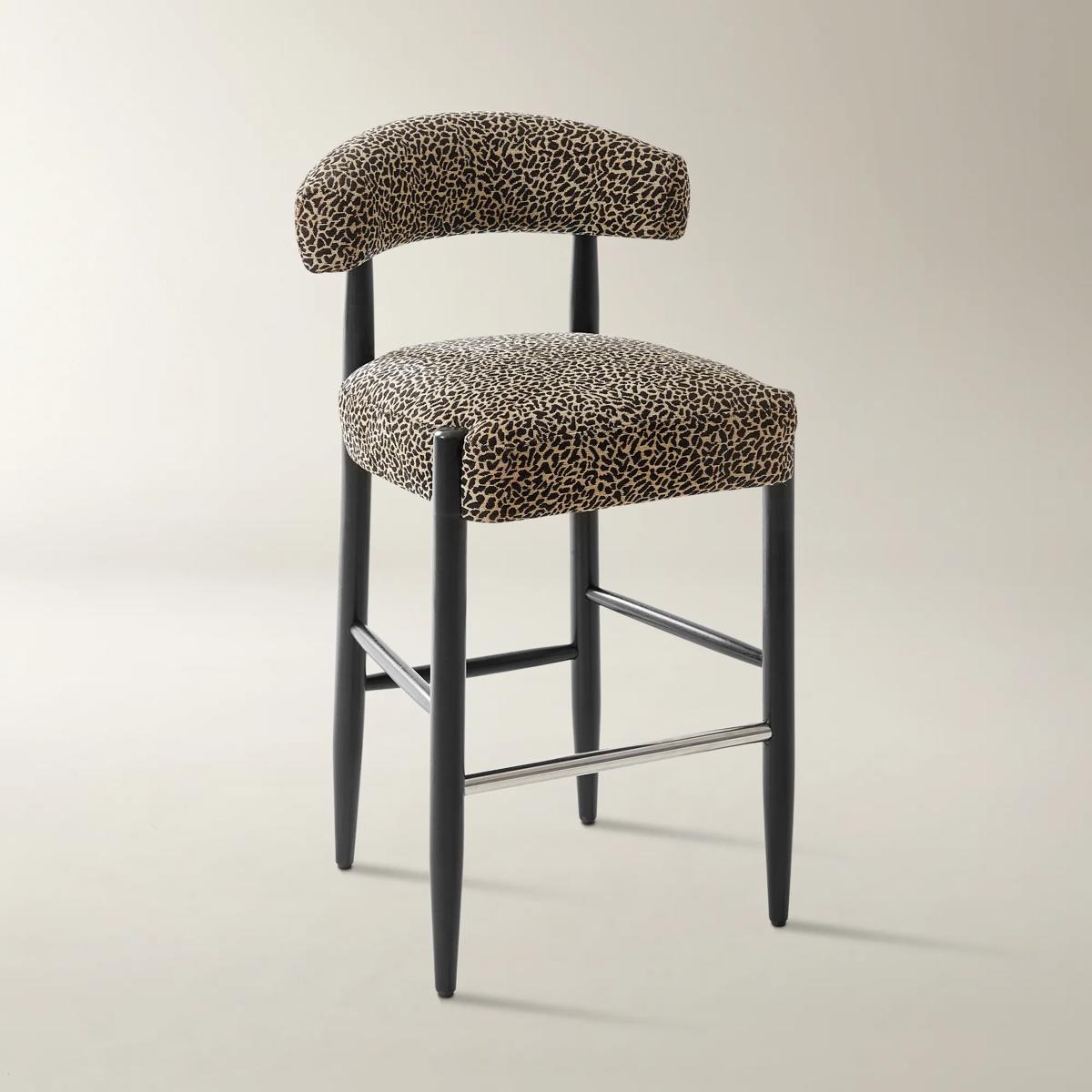
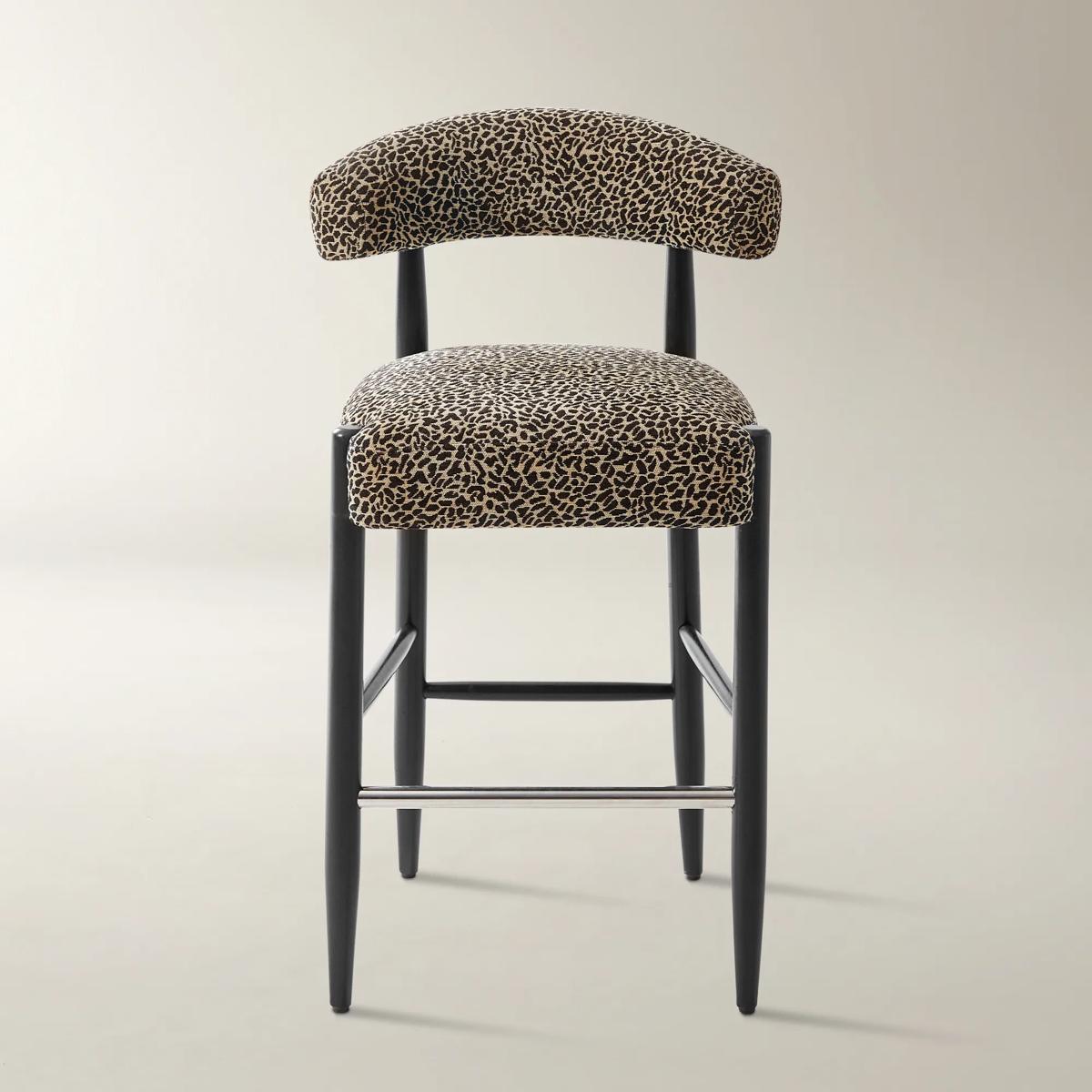 Anna Leopard Chenille Bar/Counter Stool$449
A leopard-patterned chenille bar stool with sculpted padded support and tapered solid rubberwood legs.
Add To Cart -
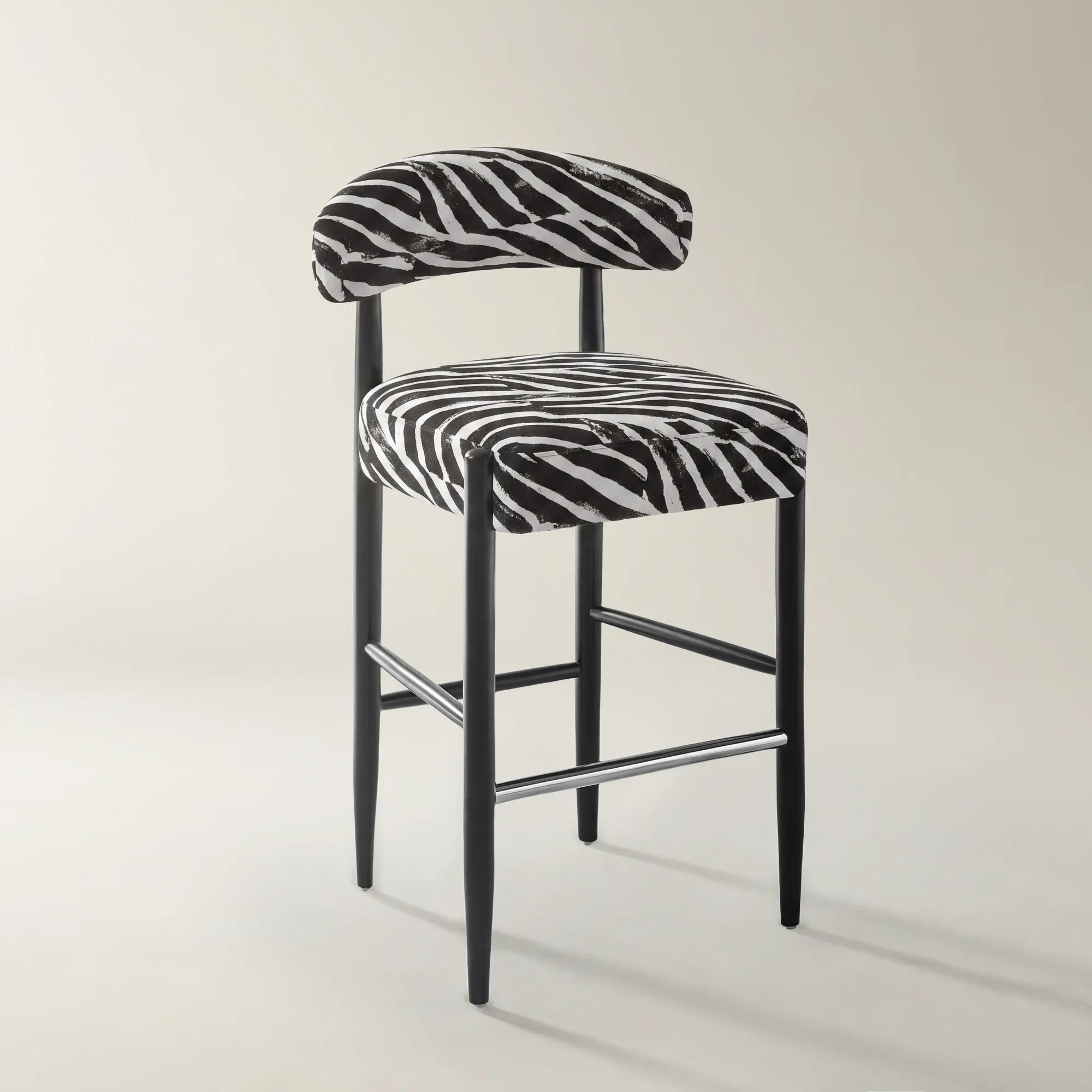 Anna White/Black Performance Chenille Bar/Counter Stool$449
A black-and-white chenille bar stool with a sculpted back, padded seat, and tapered solid rubberwood legs.
Add To Cart -
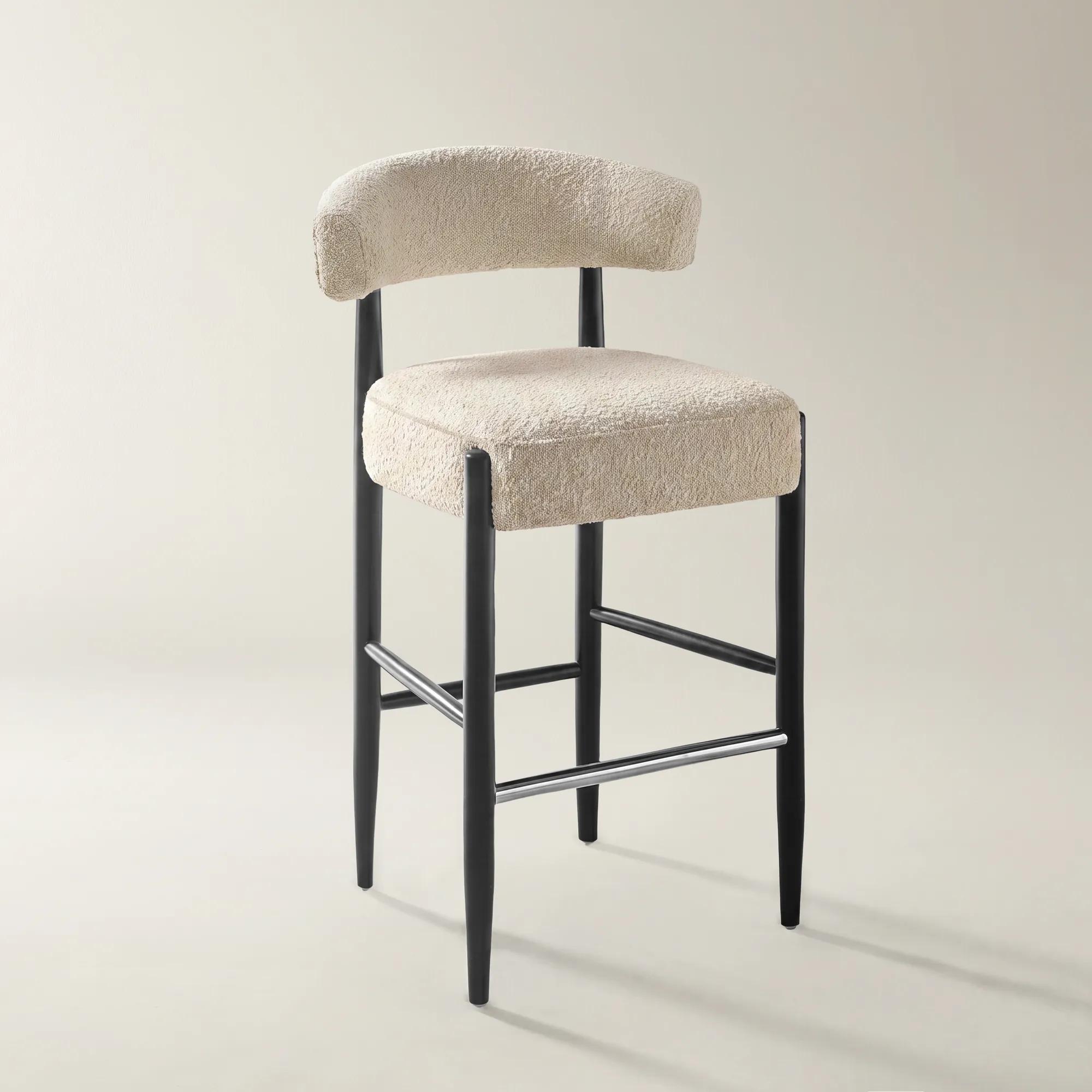 Anna Ivory Performance Boucle Bar/Counter Stool$449
A counter stool with ivory performance boucle upholstery, sculpted support, and tapered solid rubberwood legs.
Add To Cart -
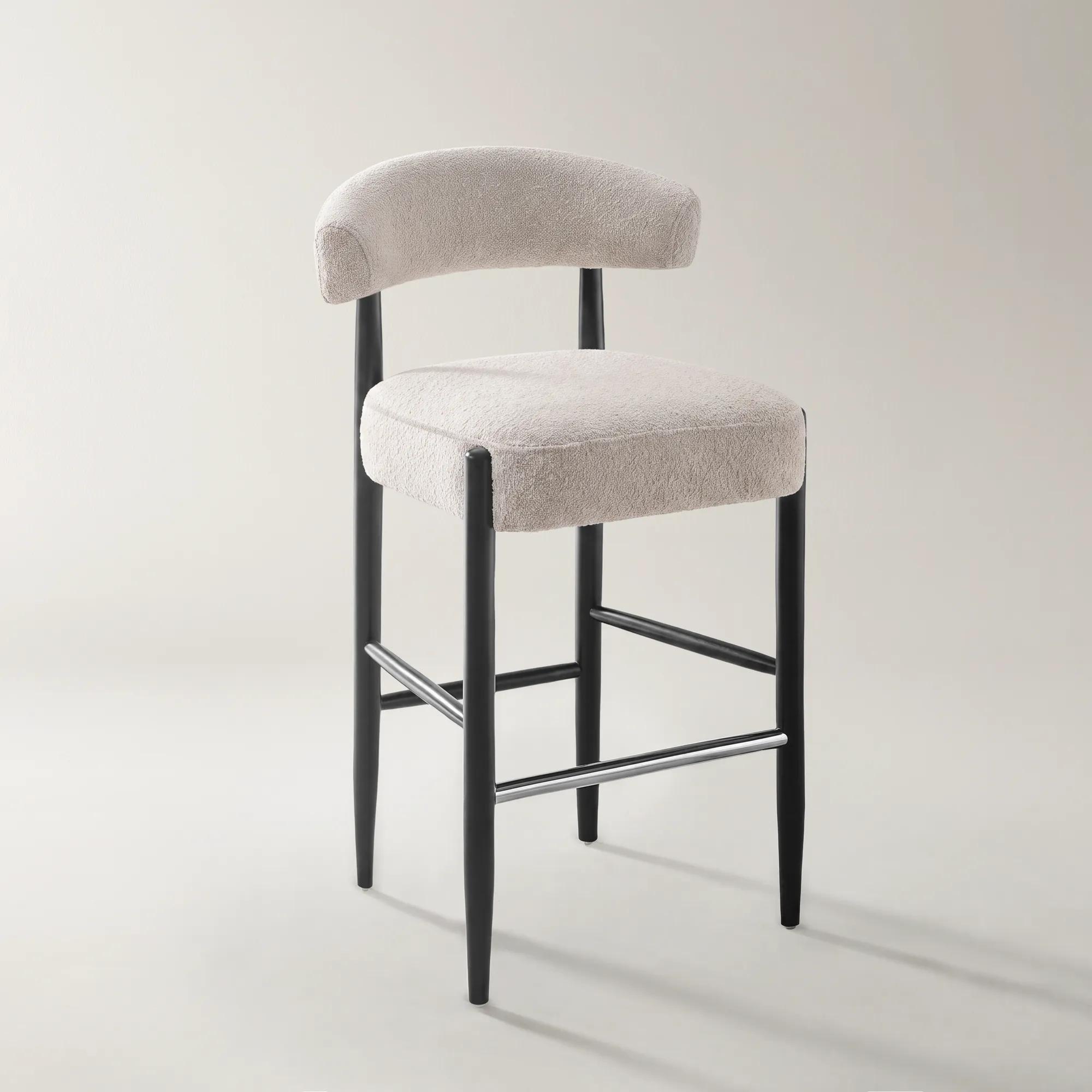 Anna Ivory Performance Boucle Bar/Counter Stool$449
An ivory performance-bouclé bar stool with sculpted padded support and tapered solid-rubberwood legs.
Add To Cart -
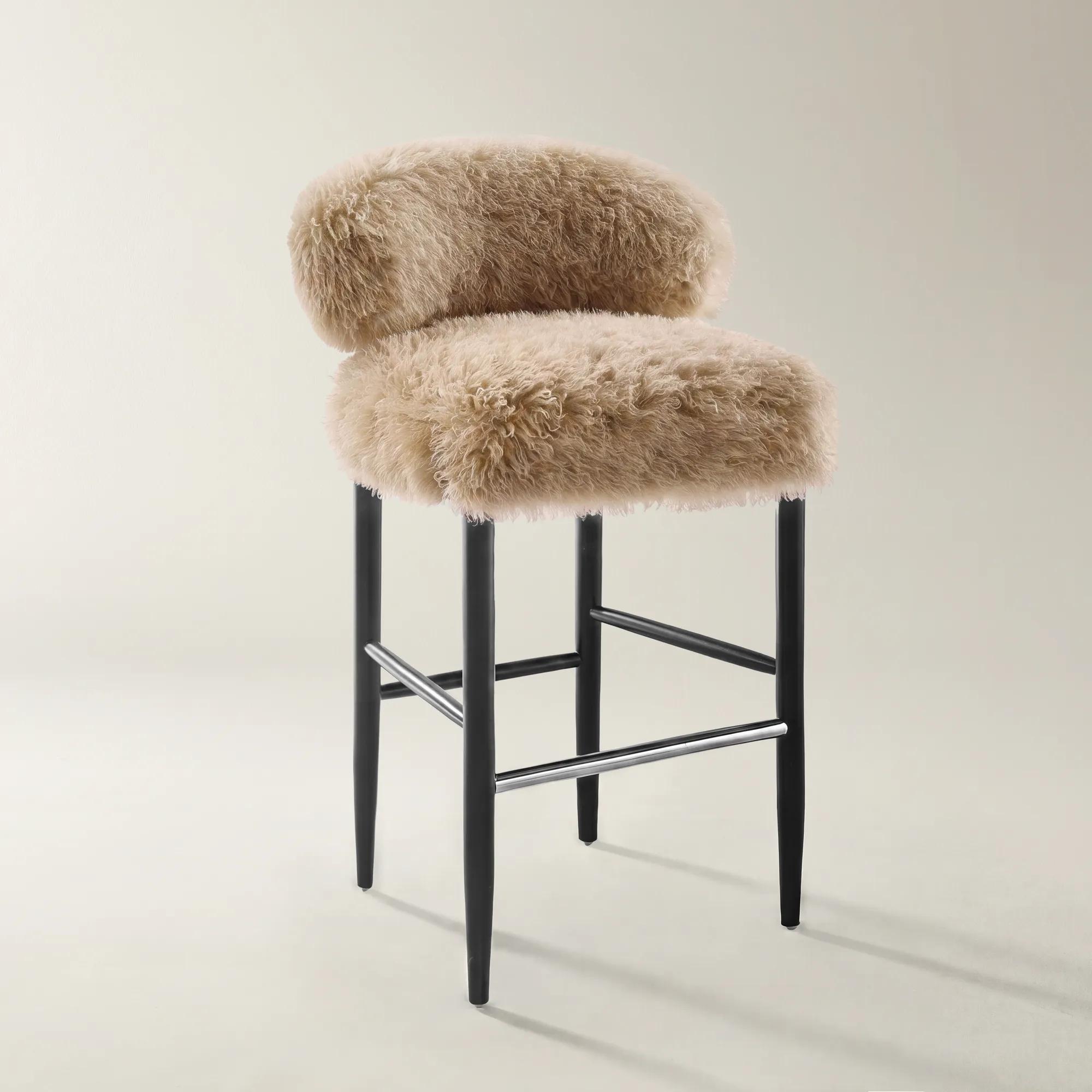 Anna Tan Faux Fur Bar/Counter Stool$549
A tan faux-fur bar stool with a sculpted padded seat and tapered solid-rubberwood legs.
Add To Cart -
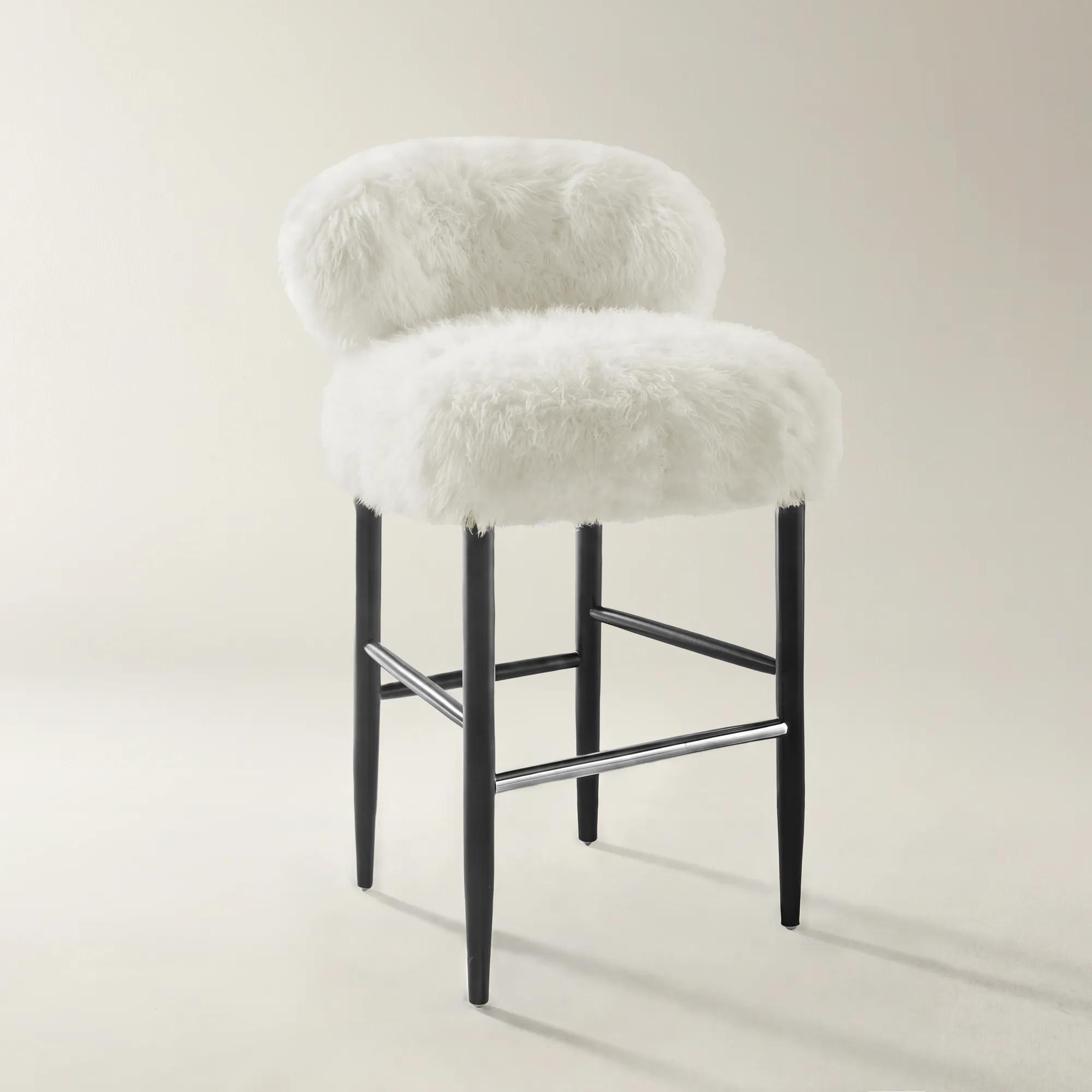 Anna Ivory Faux Fur Bar/Counter Stool$549
An ivory faux-fur counter stool with sculpted support, padded seating, and tapered solid-rubberwood legs.
Add To Cart -
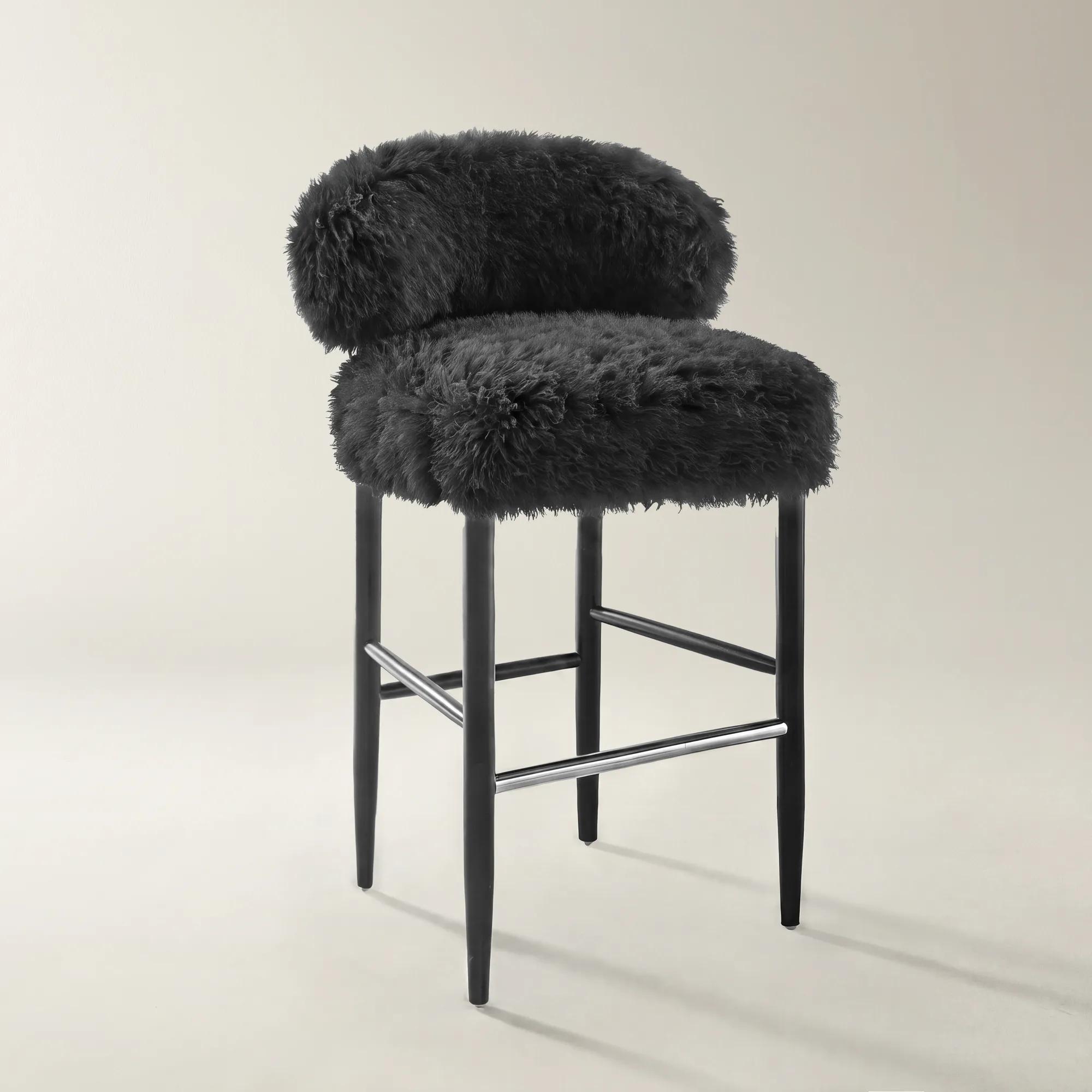 Anna Black Faux Fur Bar/Counter Stool$549
A black faux-fur bar stool with a sculpted back, padded seat, and solid rubberwood legs.
Add To Cart -
 Valerie Natural Outdoor Counter Stool$659
A natural-finished outdoor stool offering stylish counter-height seating.
Add To Cart -
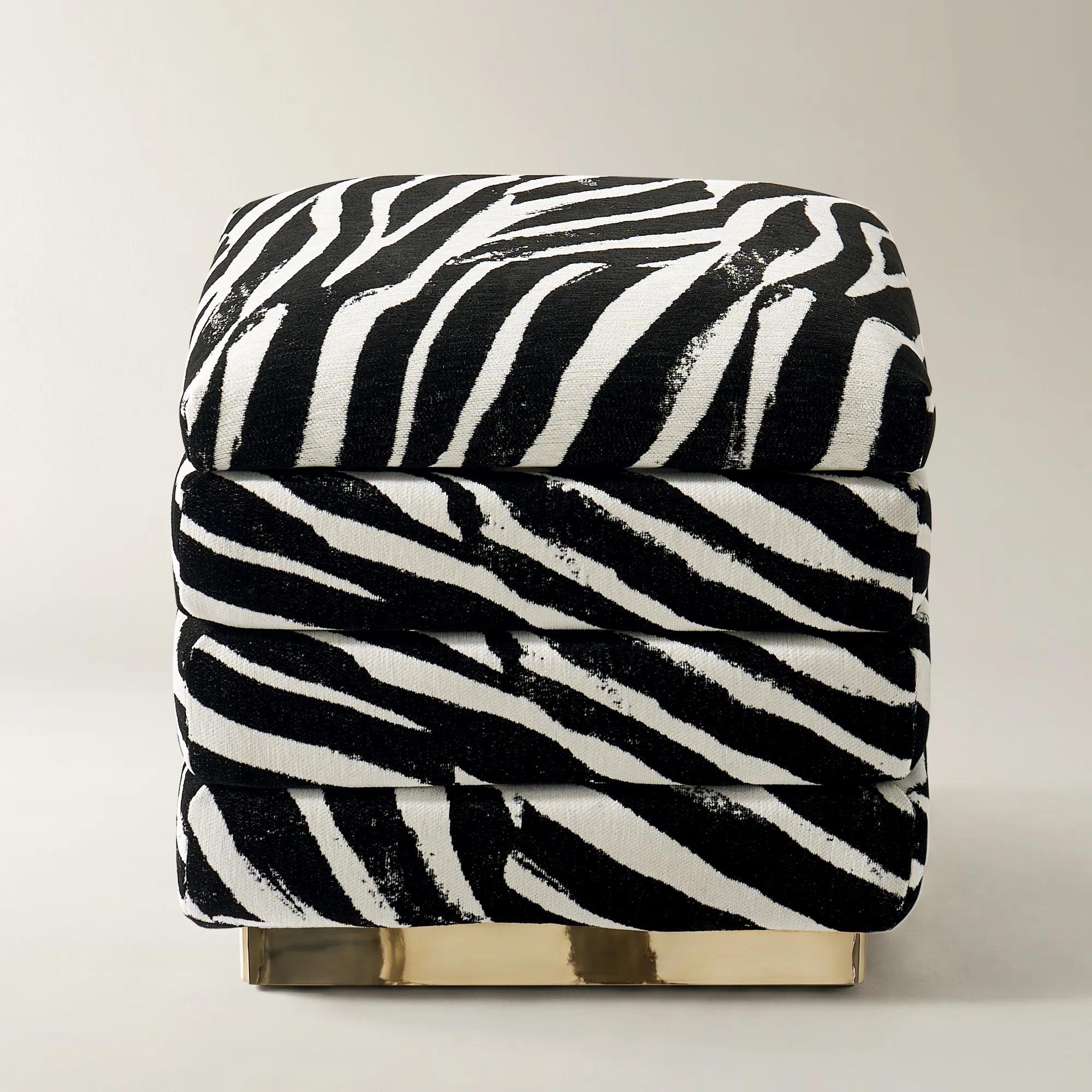
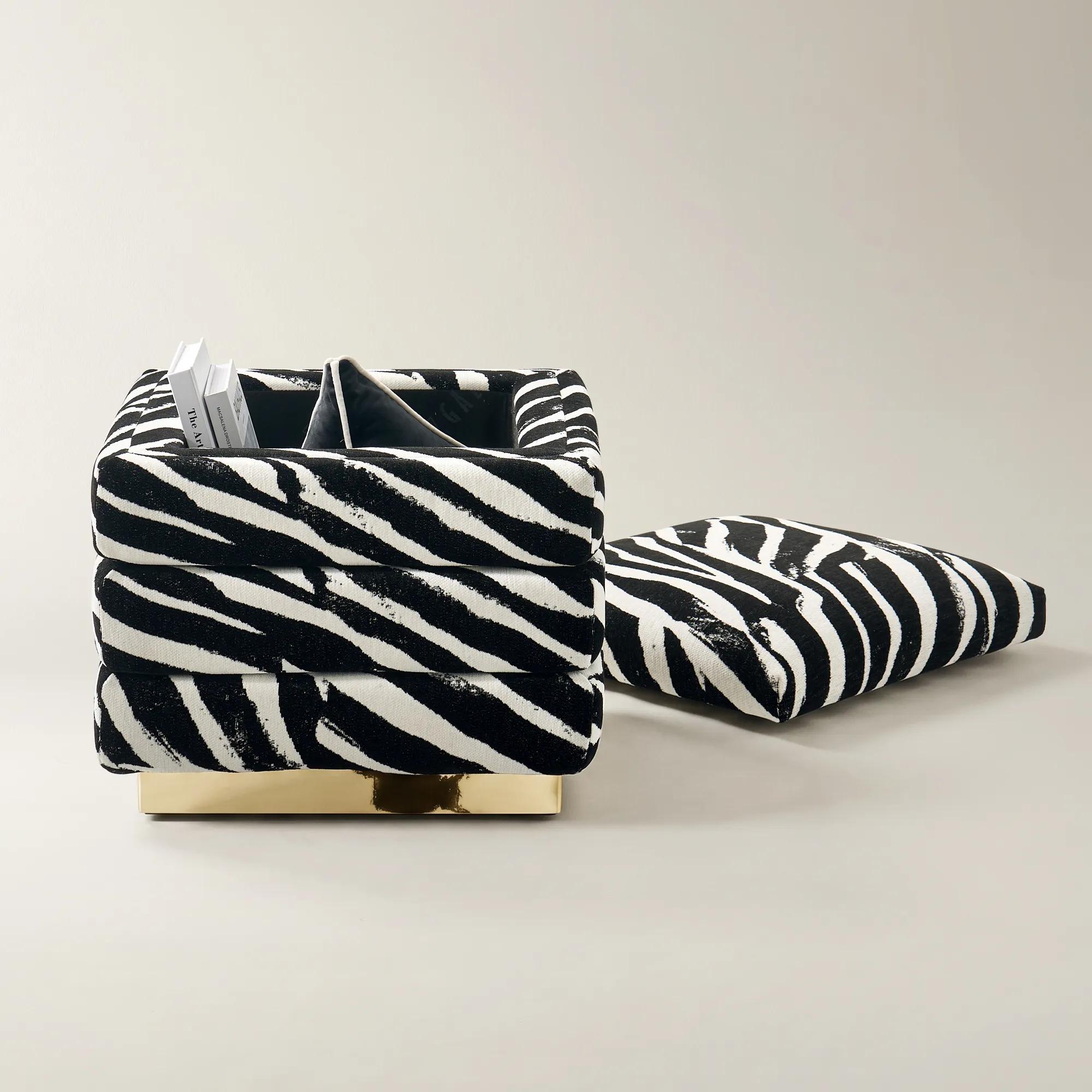 Gable White/Black Performance Chenille Stool$399
A plush white and black chenille stool with hidden storage and a polished gold stainless steel base.
Add To Cart -
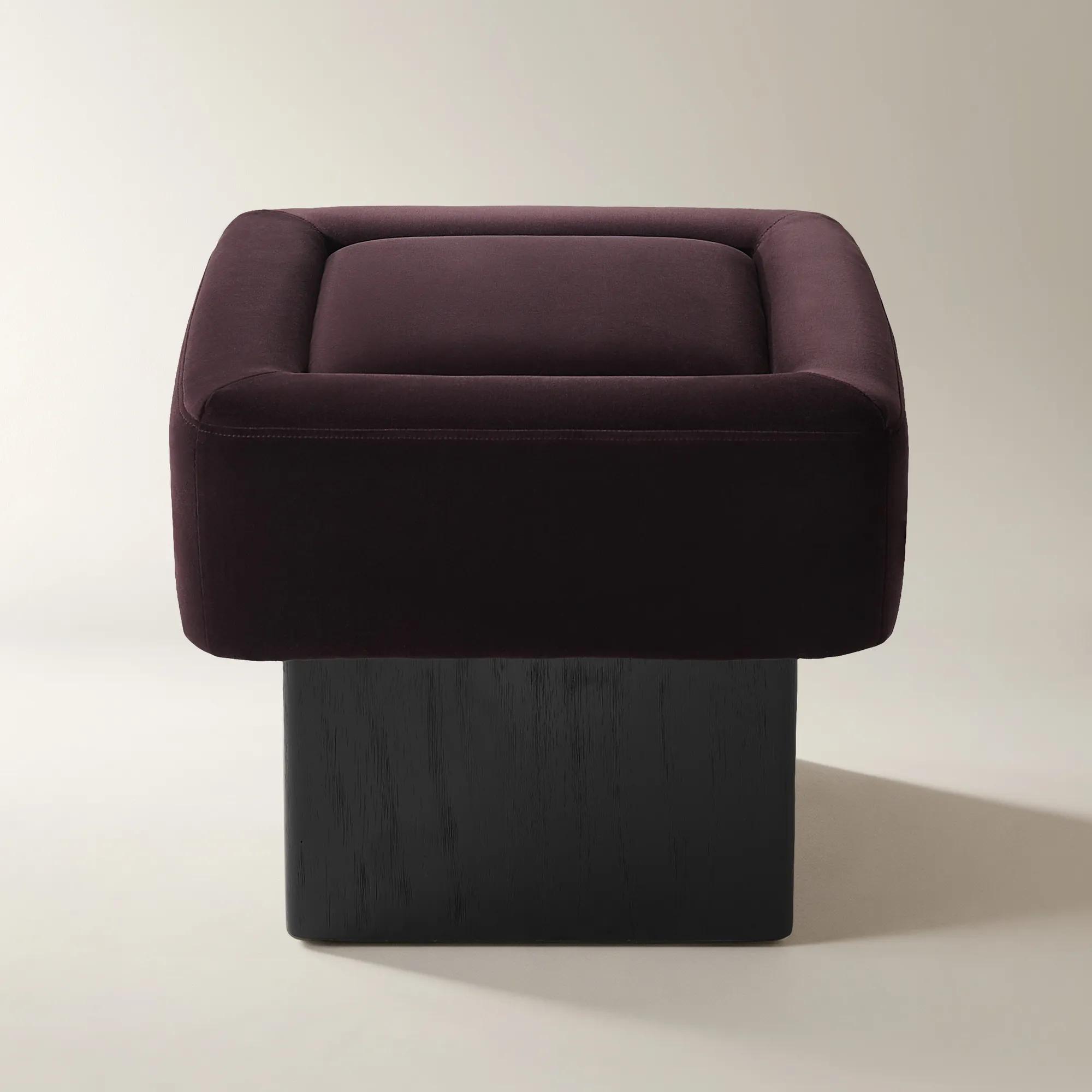 Reims Fig Velvet Stool$399
A plush fig-colored velvet stool featuring a sculpted cushion and a solid rubberwood base for modern contrast.
Add To Cart -
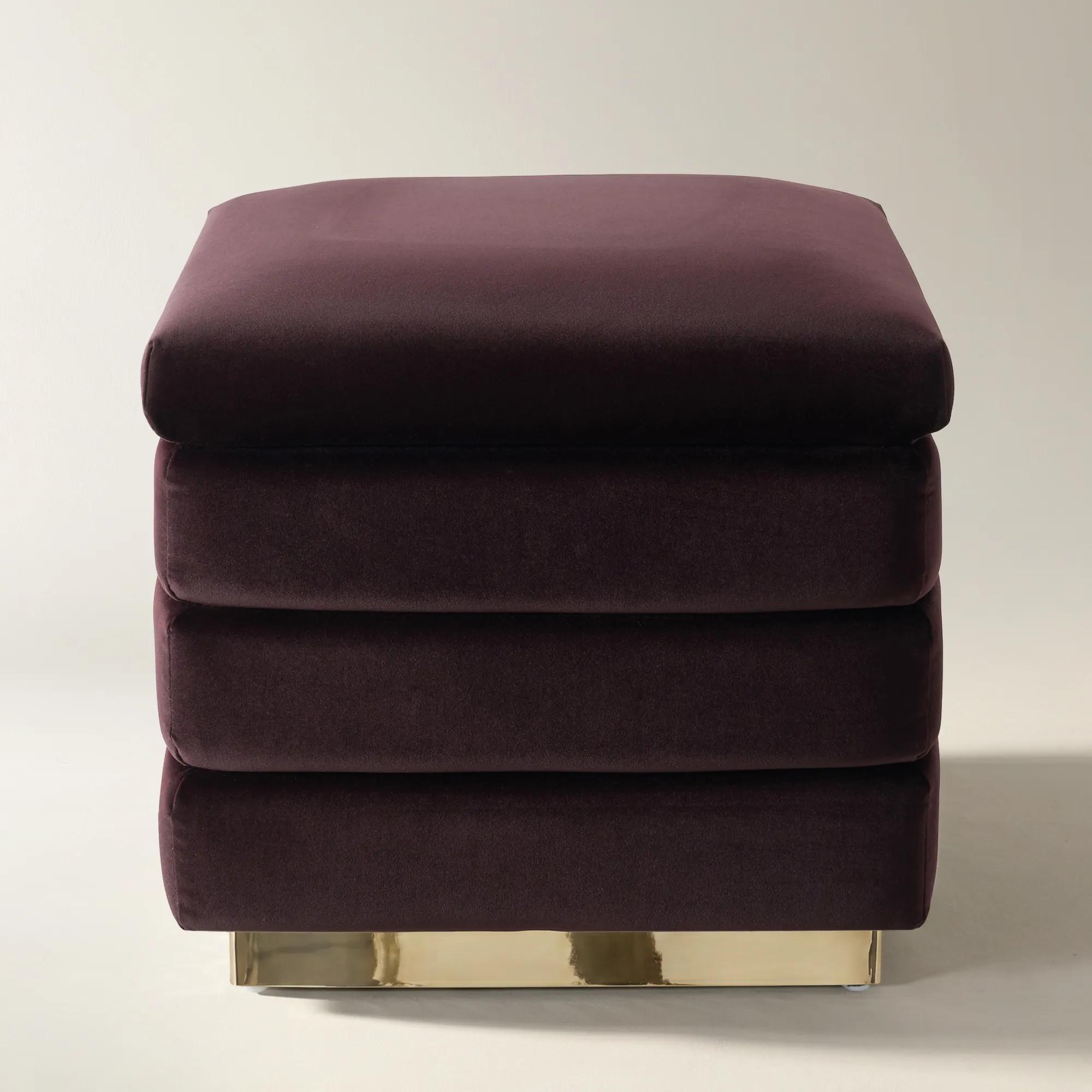
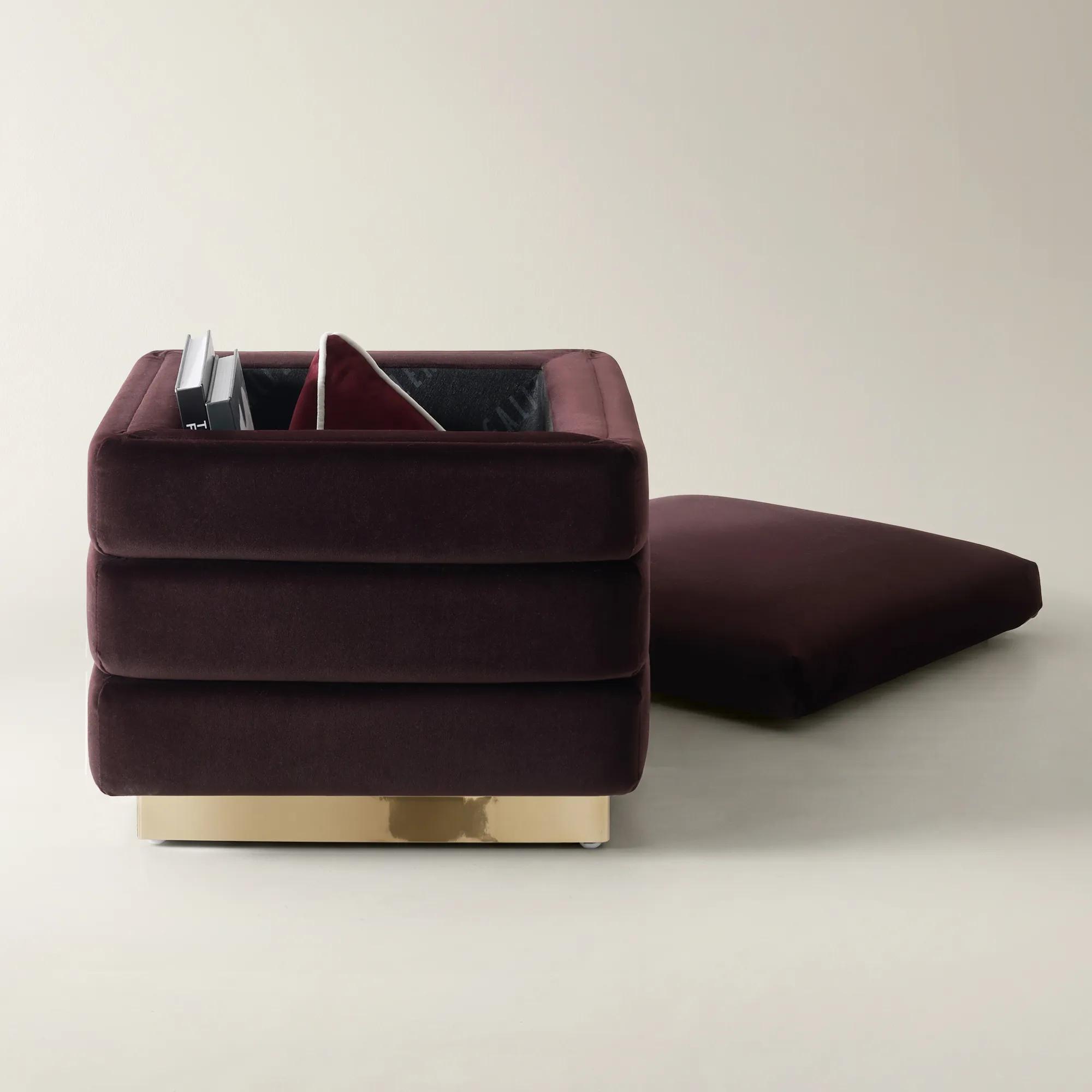 Gable Fig Chenille Storage Stool$399
A plush fig chenille stool with hidden storage, velvet upholstery, and a polished gold stainless steel base.
Add To Cart

Counter Stools For Home Entertaining
Elevate every gathering with counter stools for home entertaining that promise more than just a seat—they set the stage for unforgettable moments. Imagine guests lingering over laughter and cocktails, drawn to sculptural silhouettes and sumptuous finishes that transform your kitchen island or bar into the heart of the soirée. With each stool, artistry meets comfort, inviting conversation and infusing your space with undeniable allure. Discover how counter stools for home entertaining become the exclamation point in your room’s design—a bold statement where style and hospitality intertwine.
Counter stools for home entertaining turn the kitchen island into a place where the evening naturally gathers: a perch for a welcome cocktail, a seat beside the host finishing dinner, or an intimate setting for dessert after the dining table has cleared. The most inviting seating balances a striking silhouette with proportions that let guests settle in comfortably. For a standard 36-inch-high kitchen counter or island, counter stools with a seat height of approximately 24 to 27 inches generally provide suitable clearance. Aim for about 9 to 12 inches between the seat and the underside of the counter, accounting for any apron, drawer, or support that reduces usable knee space. Seat height is different from overall stool height, which includes the backrest; that distinction matters when comparing silhouettes. Bar-height stools are typically taller and are intended for higher surfaces, so the two categories are not interchangeable. Width deserves equal attention. Allow roughly 24 to 30 inches of counter frontage per stool, then check the actual seat width to preserve about 6 inches between neighboring seat edges. Generous upholstery, curved arms, and broad frames may call for more room. A trio of substantial stools can feel more gracious than four squeezed together, particularly when guests are balancing small plates or turning toward one another. The counter also needs enough overhang for knees, and the surrounding floor space should accommodate occupied seats without blocking a walkway, refrigerator, or dishwasher. In an open kitchen, these details shape the rhythm of the gathering: someone can pass appetizers while another guest slides into a seat without interrupting the conversation. A well-positioned footrest gives feet a resting place, while a supportive back encourages lingering. Armrests add a lounge-like quality, provided they clear the counter when the stool is tucked away. The result is seating that feels deliberately composed rather than added as an afterthought.
Materials give counter-height seating its decorative presence, setting a mood that reaches beyond the kitchen. Velvet upholstery lends depth to jewel tones and brings a sumptuous contrast to stone countertops, while a richly textured woven fabric can soften the crisp geometry of cabinetry. Leather offers distinctive grain and develops character with use; faux leather provides a different surface and care profile, with performance depending on its composition and construction. Neither should be assumed stainproof or maintenance-free. For homes where appetizers and drinks are part of frequent gatherings, upholstery labeled with specific performance features can be worth considering, but those claims should be checked against the fabric’s care requirements and intended use. A sculptural metal frame introduces a precise, architectural line; a polished finish reflects surrounding light, while a brushed surface offers a more subdued gleam. Wood brings warmth and visible grain, giving a glossy island or dramatic stone slab a grounded counterpart. Durability depends on more than the material name: sound joinery, stable construction, secure upholstery, and an appropriate weight rating all contribute to seating suited to repeated use. Within these practical boundaries, the design can be expressive. A curved back creates an enveloping profile, channel detailing adds rhythm, and an open frame allows the island’s base to remain visible. For a cohesive interpretation, modern counter stools for home offer a natural design direction for spaces where clean architecture meets richly layered decor. Repeating one finish from nearby lighting or cabinet hardware can connect the seating to the room without making every surface match. Upholstery may echo a color in the artwork, or introduce a deliberate contrast against pale cabinetry. Consider the view from the living room as carefully as the view from the counter: in an open floor plan, stool backs become part of the larger composition. Their height, shape, and spacing can create a graceful visual cadence even when every seat is empty.
The right stool configuration reflects the way a household entertains. Swivel counter stools allow seated guests to turn between the island and an adjoining living area, making conversation easier when the gathering spreads across the room. They also need clearance so rotating backs and arms do not strike the counter or neighboring furniture. Stationary stools offer a consistent orientation and can suit a more orderly arrangement along a narrow island. Backless silhouettes preserve sightlines and may tuck neatly beneath an overhang, though a full or partial back is often more accommodating for extended meals. Upholstered seats bring cushioning to longer conversations, while seat depth and firmness influence how comfortably different guests can sit with their feet supported. For a compact apartment, a pair of elegant stools can establish a defined dining spot without the footprint of a separate table; in a larger home, a coordinated row can connect food preparation, drinks, and conversation. Care keeps that setting inviting. Crumbs should be removed before they work into upholstery seams, and spills are best blotted promptly rather than rubbed into the surface. Follow the manufacturer’s cleaning instructions or upholstery cleaning code before using water, solvents, or a stain treatment, and test any approved cleaner in an inconspicuous area. Faux leather may tolerate a lightly damp cloth when its care directions permit, but harsh cleaners can damage coatings; leather may require a material-specific cleaner and conditioner. Dust wood and metal frames with a soft cloth, dry any permitted damp cleaning promptly, and avoid abrasive products that can dull a finish. Check accessible fasteners periodically according to the assembly instructions, especially on seating used frequently, and replace worn floor protectors before they expose hard edges. Lift stools rather than dragging them when rearranging the room. These small habits help preserve the upholstery, finish, and surrounding flooring, allowing the seating to retain its presence through countless dinners and impromptu invitations. With thoughtful proportions and a distinctive material palette, the island becomes more than a serving surface: it becomes a beautifully appointed place to stay.
FAQs
Luxury counter stools often feature sumptuous materials such as plush velvet, genuine or faux leather, polished metals, and hand-finished woods. These materials not only provide comfort and durability but also lend a sense of artistry and sophistication to your entertaining space.
Counter stools act as both functional seating and decorative accents, setting the mood for gatherings. Their design, color, and texture can create a focal point, add visual drama, and complement other elements like lighting or artwork, transforming the kitchen island or bar into a chic social hub.
Absolutely. Counter stools make inspired gifts for newlyweds, new homeowners, or anyone passionate about entertaining. Their blend of style and utility ensures they are both a practical and memorable present that can elevate any living space.
For entertaining, look for counter stools with features such as swivel bases for easy conversation, comfortable backrests, integrated footrests, and easy-to-clean upholstery. These elements ensure guests feel pampered and encourage them to linger longer.
Select counter stools that echo your aesthetic sensibilities, whether that means bold colors, sculptural shapes, or luxurious finishes. Consider how each piece interacts with your existing décor and how it contributes to the overall story and mood of your entertaining space.


