Cotton Back Decorative Pillows
Cotton Back Decorative Pillows
-

 Dylan Onyx Black Genuine Leather Pillow 22" x 22"$179
A sleek onyx leather pillow with double-stitched panels, feather-down insert, and cotton back.
Add To Cart -
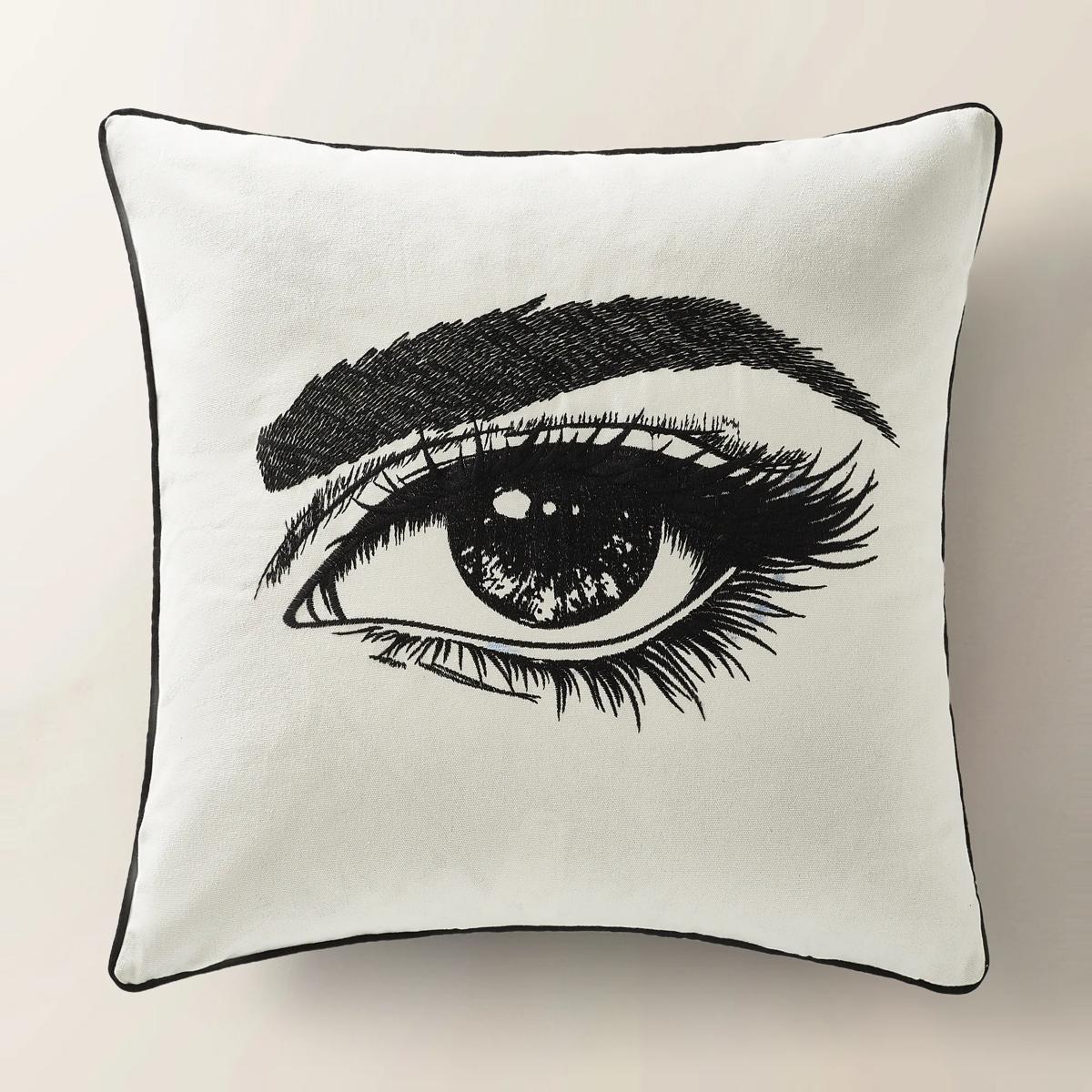
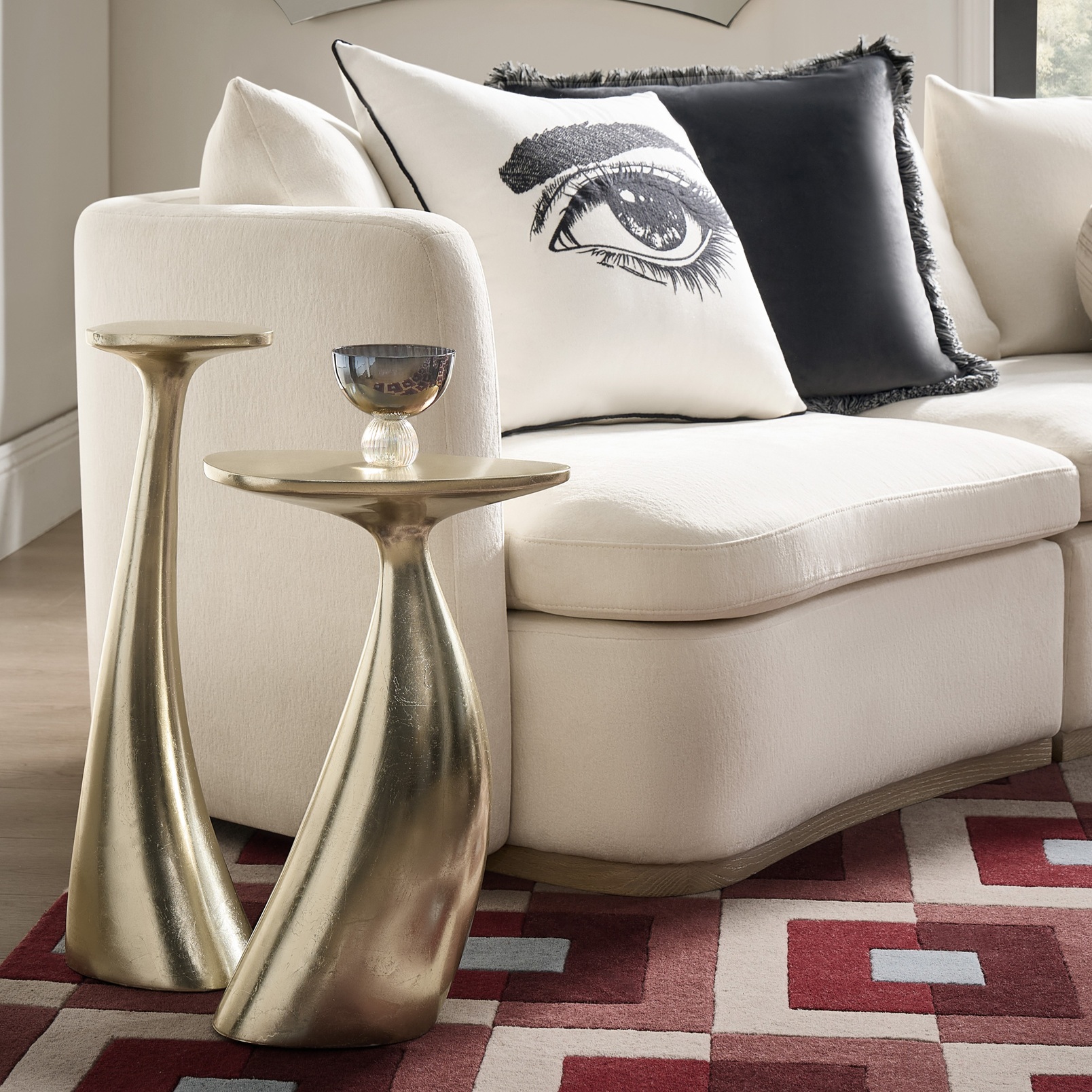 Demure Eye White/Black Embroidered Pillow 22" x 22"$89
A whimsical embroidered eye motif in black thread pops against crisp white cotton with tailored black piping.
Add To Cart -

 Dylan Chesnut Genuine Leather Pillow 22" x 22"$179
A supple chestnut leather pillow with double-stitched panels, feather-down insert, and cotton back.
Add To Cart -
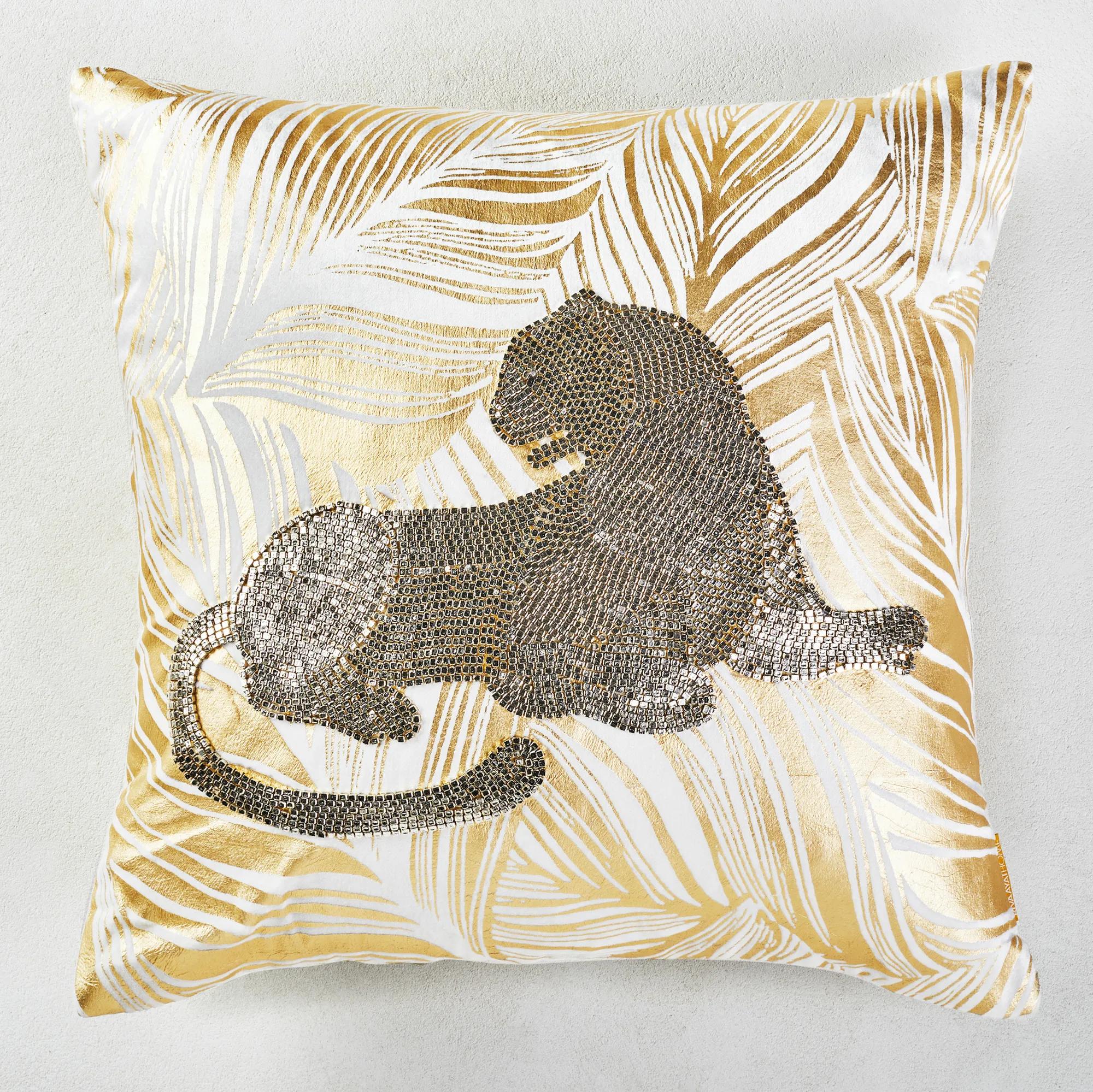 Mosaic Jaguar Pillow 20" - Gold$89
A gold and champagne pillow featuring hand-beaded jaguar detailing on a velvety cotton and polyester blend.
Add To Cart -
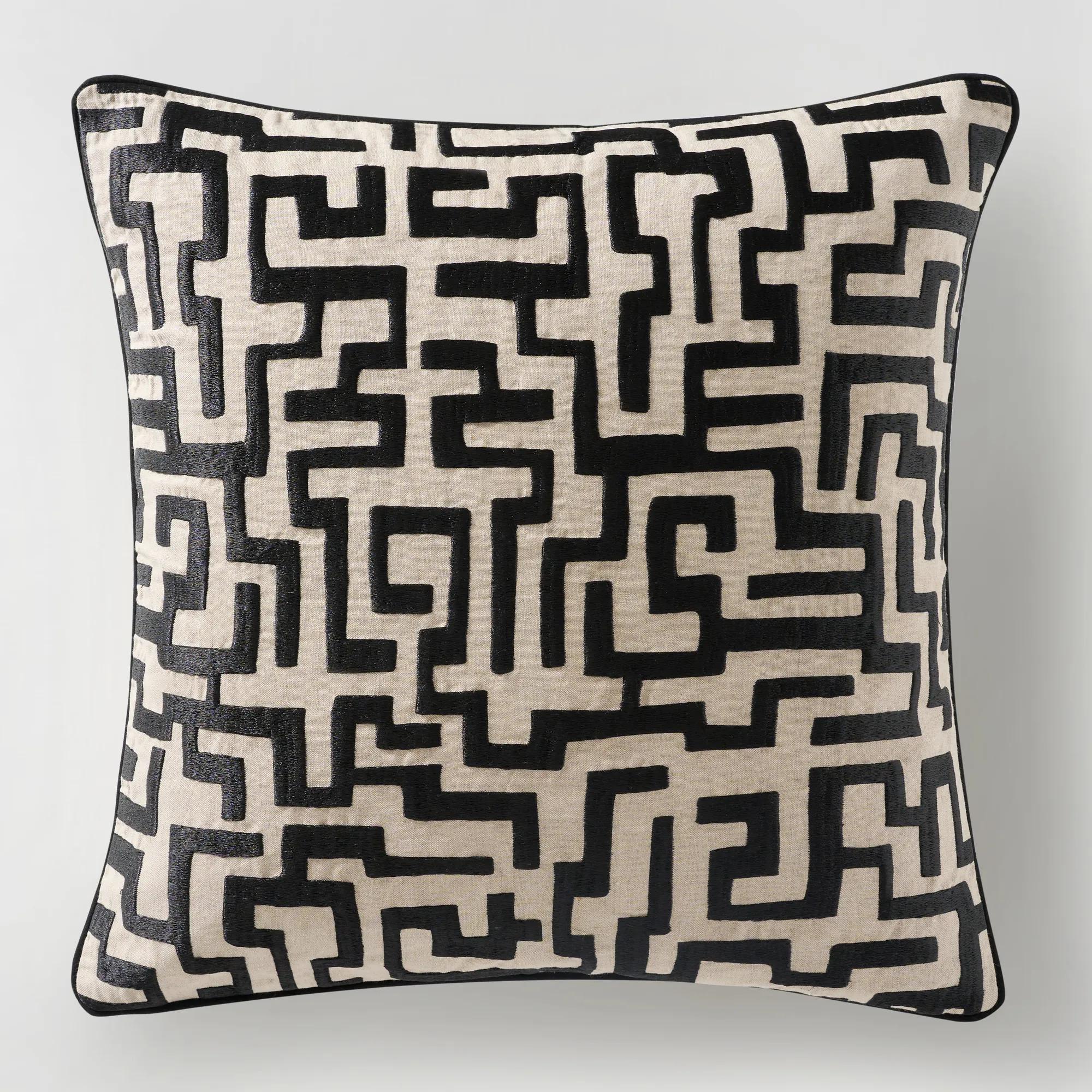 Mod Maze Pillow 22" - Black$149
A contemporary pillow featuring a black metallic geometric embroidery on a cotton-linen blend with piped edges.
Add To Cart -

 Joie De Vivre Pillow 22" - Boysenberry$99.95
A hand-dyed boysenberry velvet pillow featuring metallic foil print and shimmering hand-beaded glass and sequin accents.
Add To Cart -
 Joie De Vivre Pillow 22" - Blush$99.95
A blush velvet pillow featuring a hand-dyed ombré effect, metallic foil print, and hand-beaded accents.
Add To Cart -
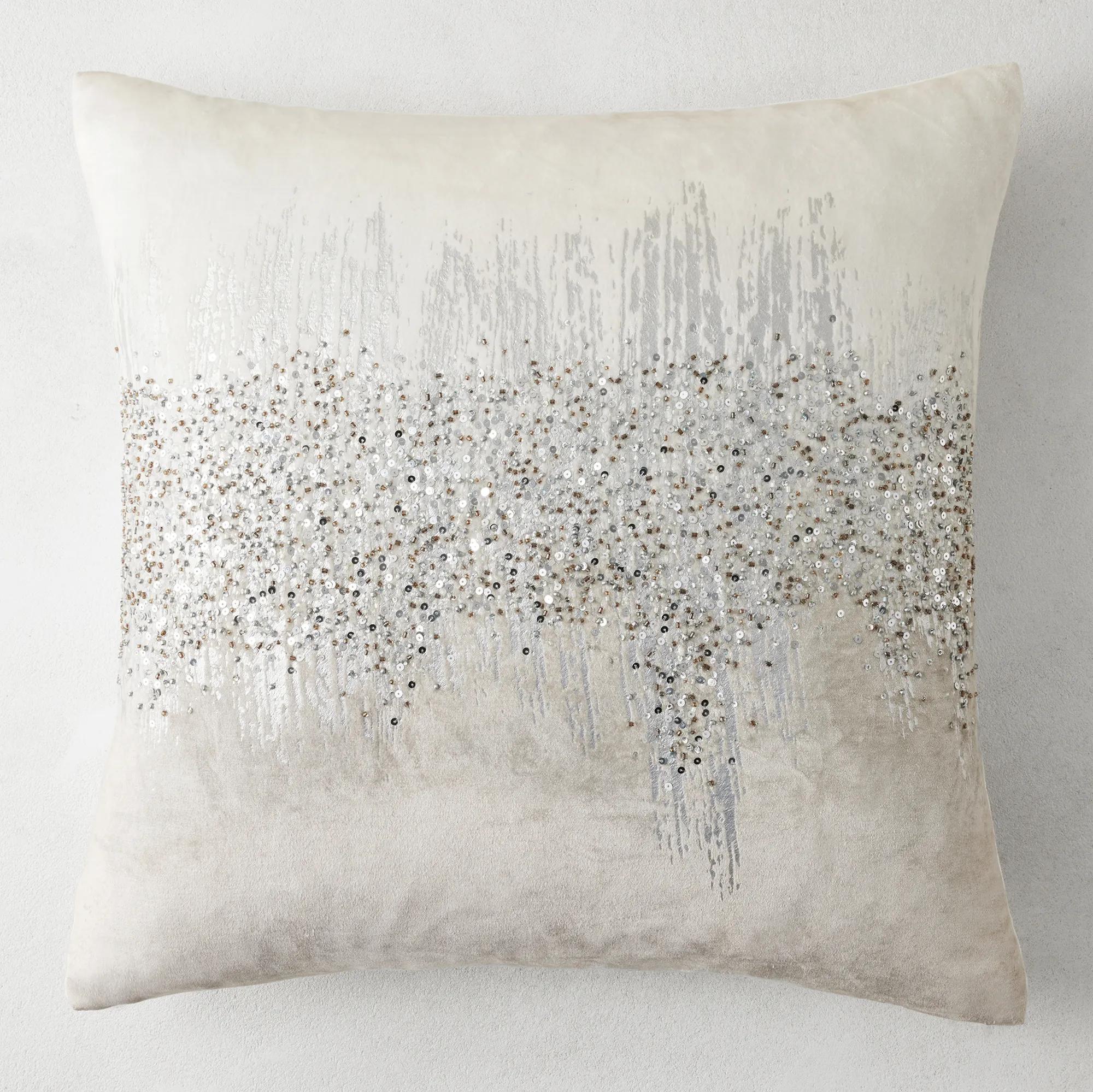
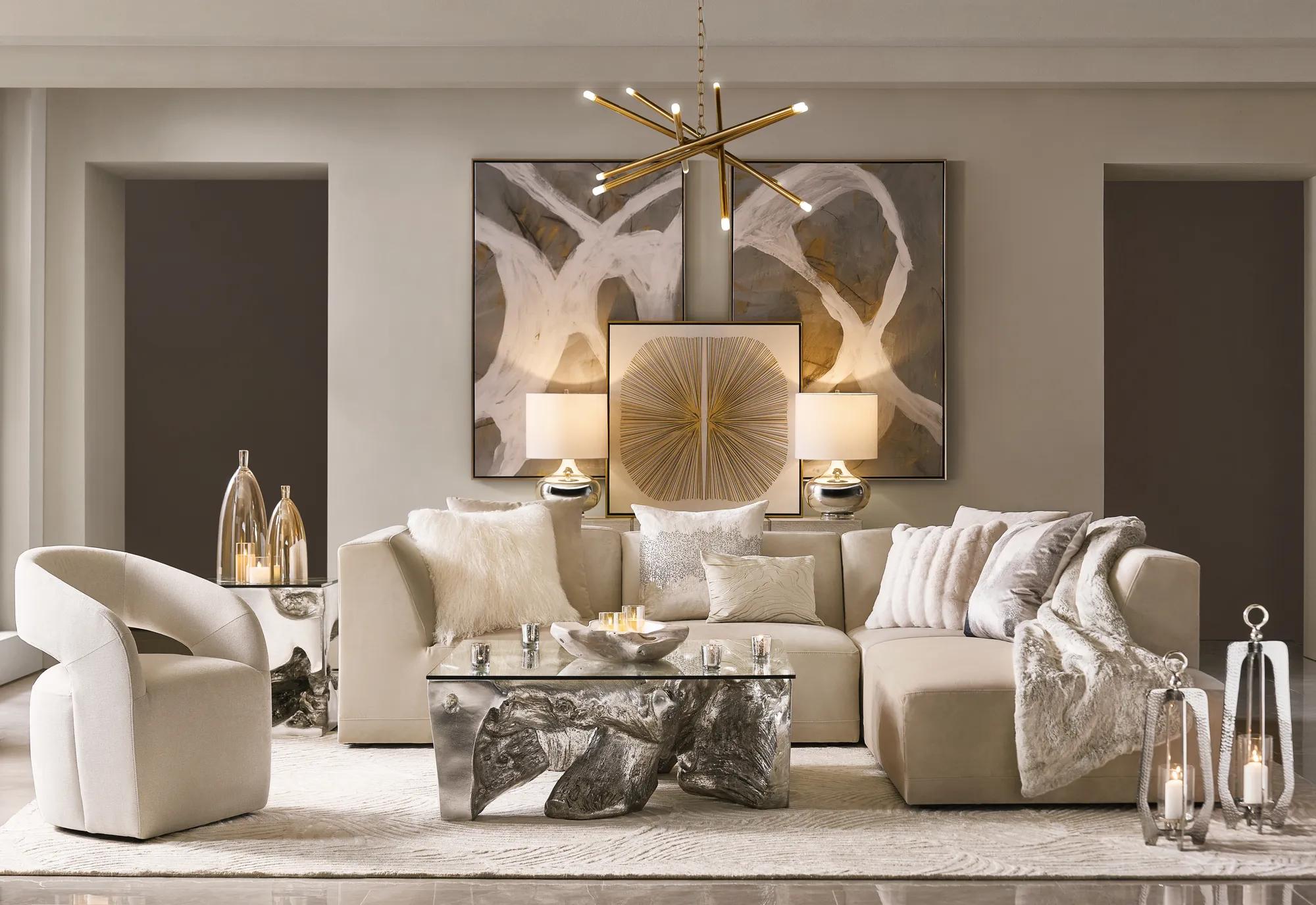 Joie De Vivre Pillow 22" - Grey$99.95
A hand-dyed grey velvet pillow featuring a shimmering metallic foil print and intricate hand-beaded details.
Add To Cart -

 Joie De Vivre Pillow 22" - Aqua$99.95
An artisan-dyed aqua velvet pillow featuring a shimmering metallic foil print and hand-beaded glass accents.
Add To Cart -
 Roary Beaded Pillow 20" - Smoked Pearl$129
A smoked-pearl decorative pillow featuring an elegant beaded design.
Add To Cart -
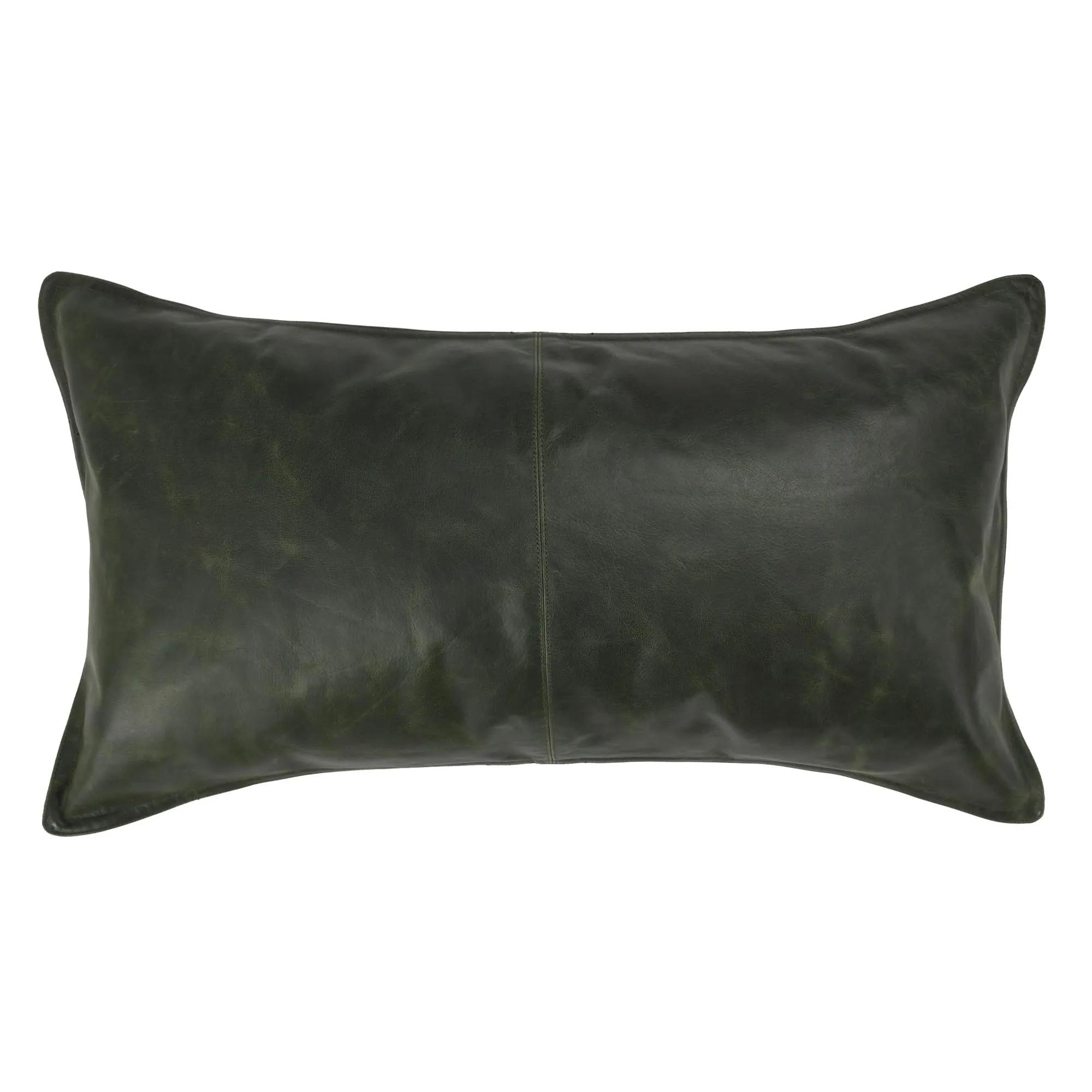
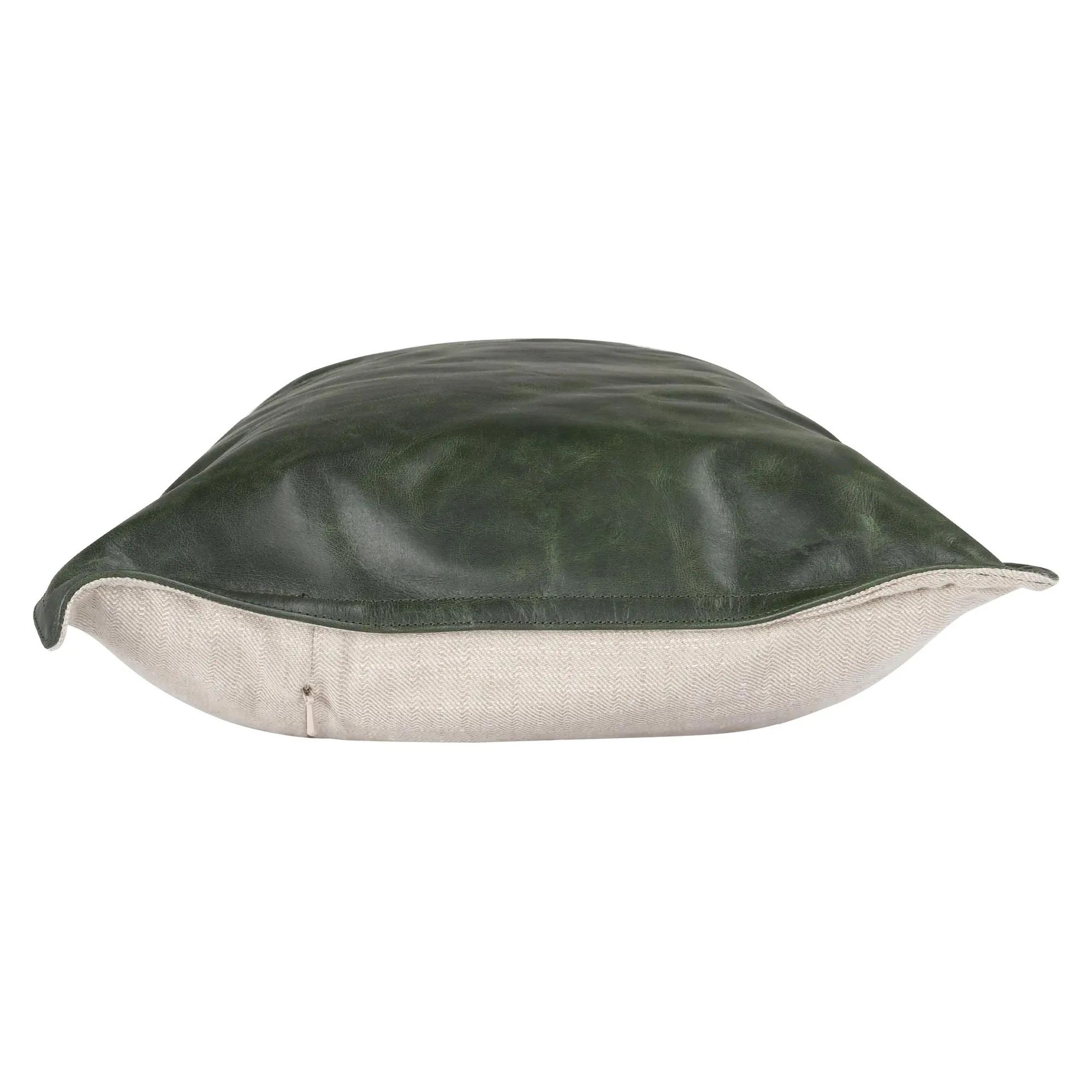 Dylan Forest Green Genuine Leather Lumbar Pillow 14" x 26"$179
A sleek forest green leather lumbar pillow with feather-down insert and double-stitched panels for style.
Add To Cart -
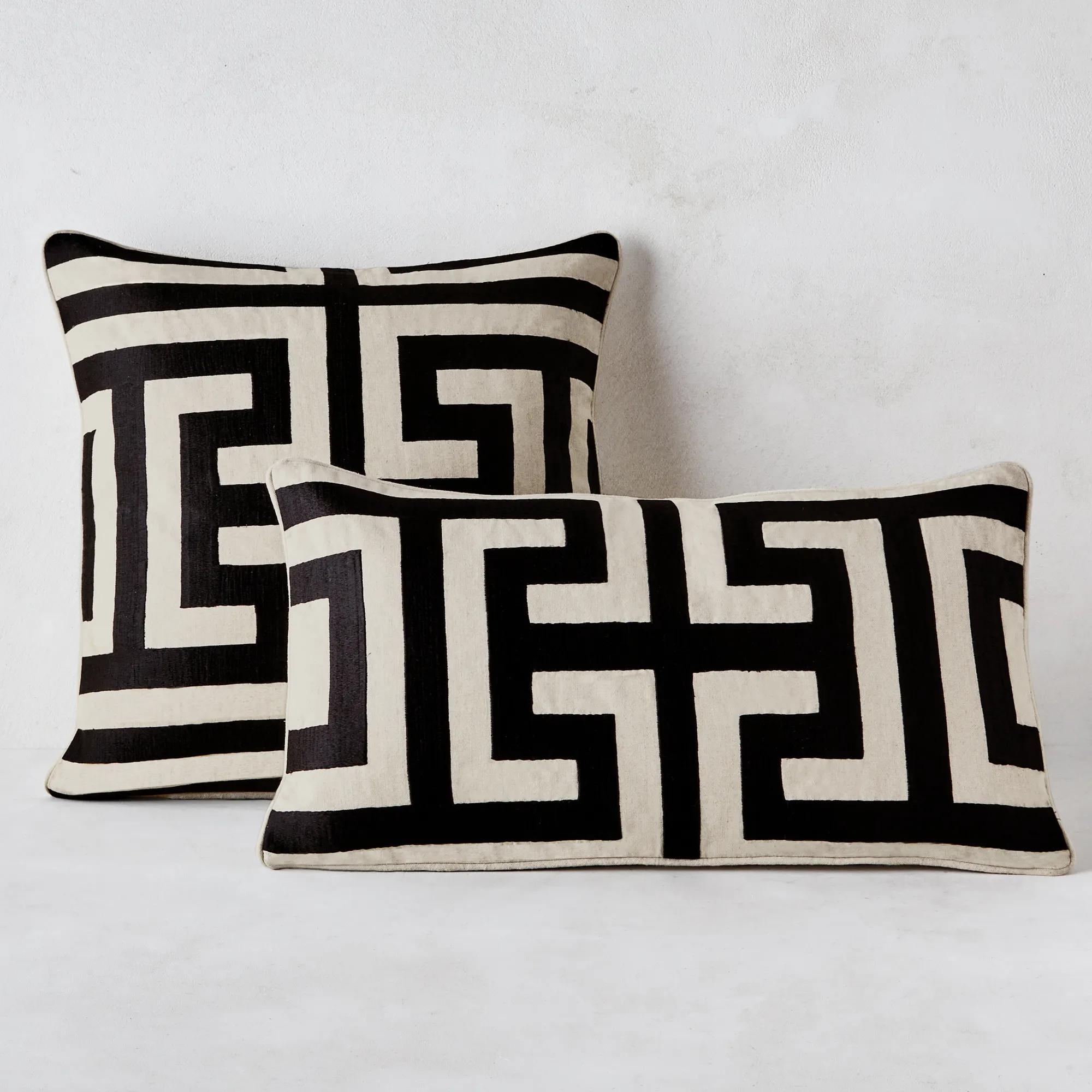 Cace Embroidered Black/Natural Linen Pillow 22" x 22"$129
A cotton-linen pillow featuring metallic Greek key embroidery in natural and black with a feather-down insert.
Add To Cart -
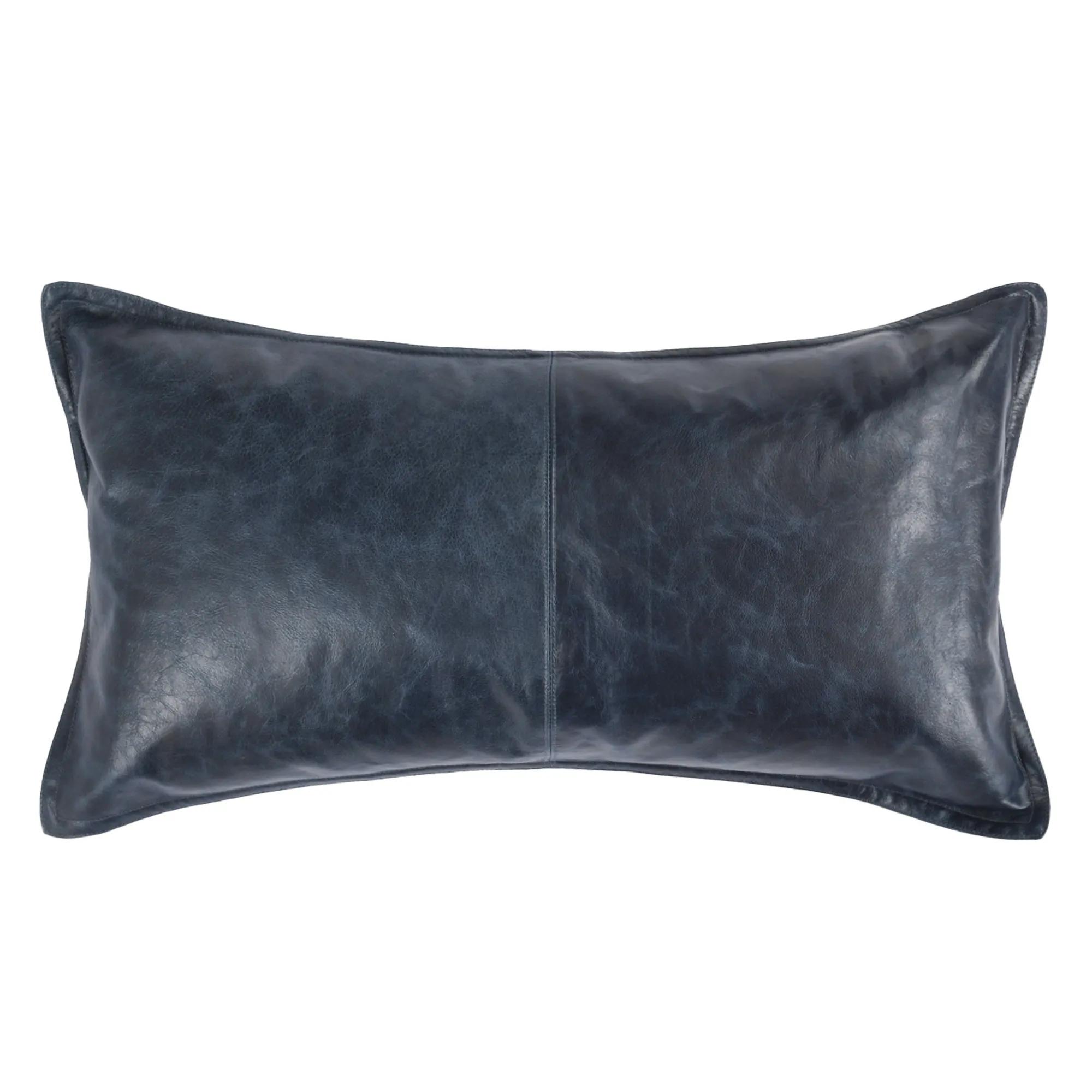
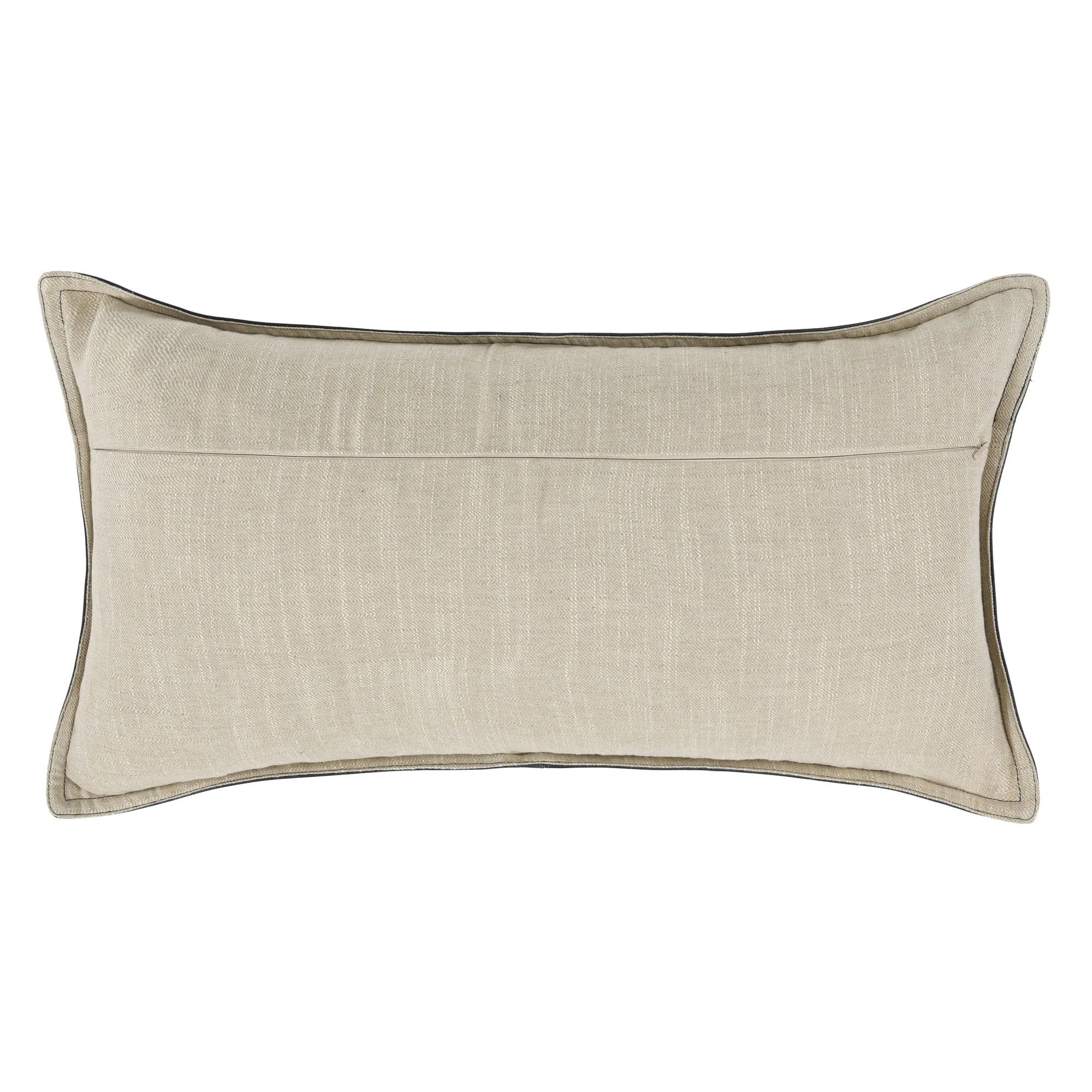 Dylan Navy Blue Genuine Leather Lumbar Pillow 14" x 26"$179
A sleek navy leather lumbar pillow with double-stitched panels, cotton back, and feather-down insert.
Add To Cart -
 Cace Embroidered Gold/Black Linen Pillow 22" x 22"$129
A cotton-linen pillow in black and gold with metallic Greek key embroidery and feather-down insert.
Add To Cart -
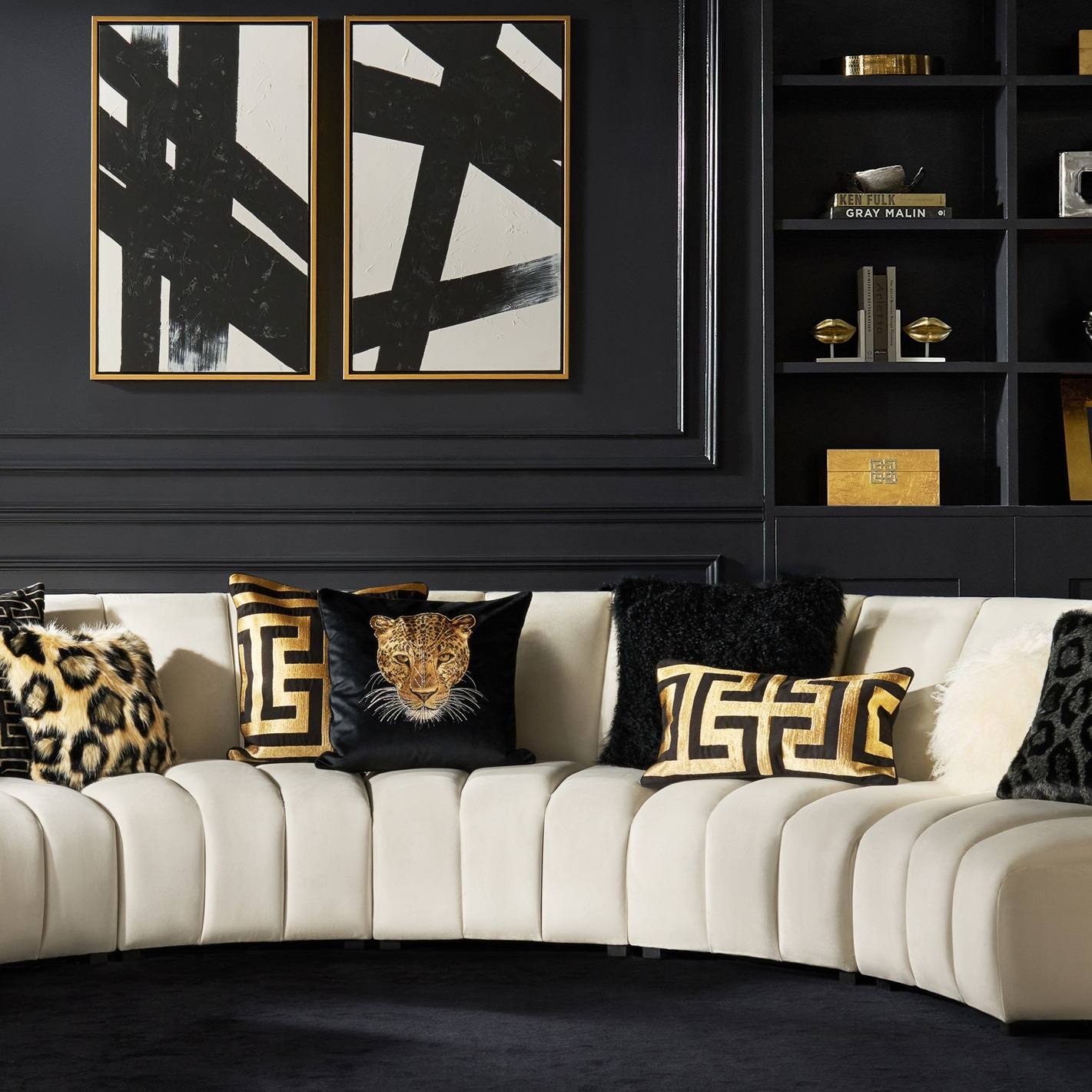 Cace Embroidered Gold/Black Linen Lumbar Pillow 26" x 14"$129
A cotton-linen pillow featuring metallic gold Greek key embroidery and a plush feather-down insert.
Add To Cart -
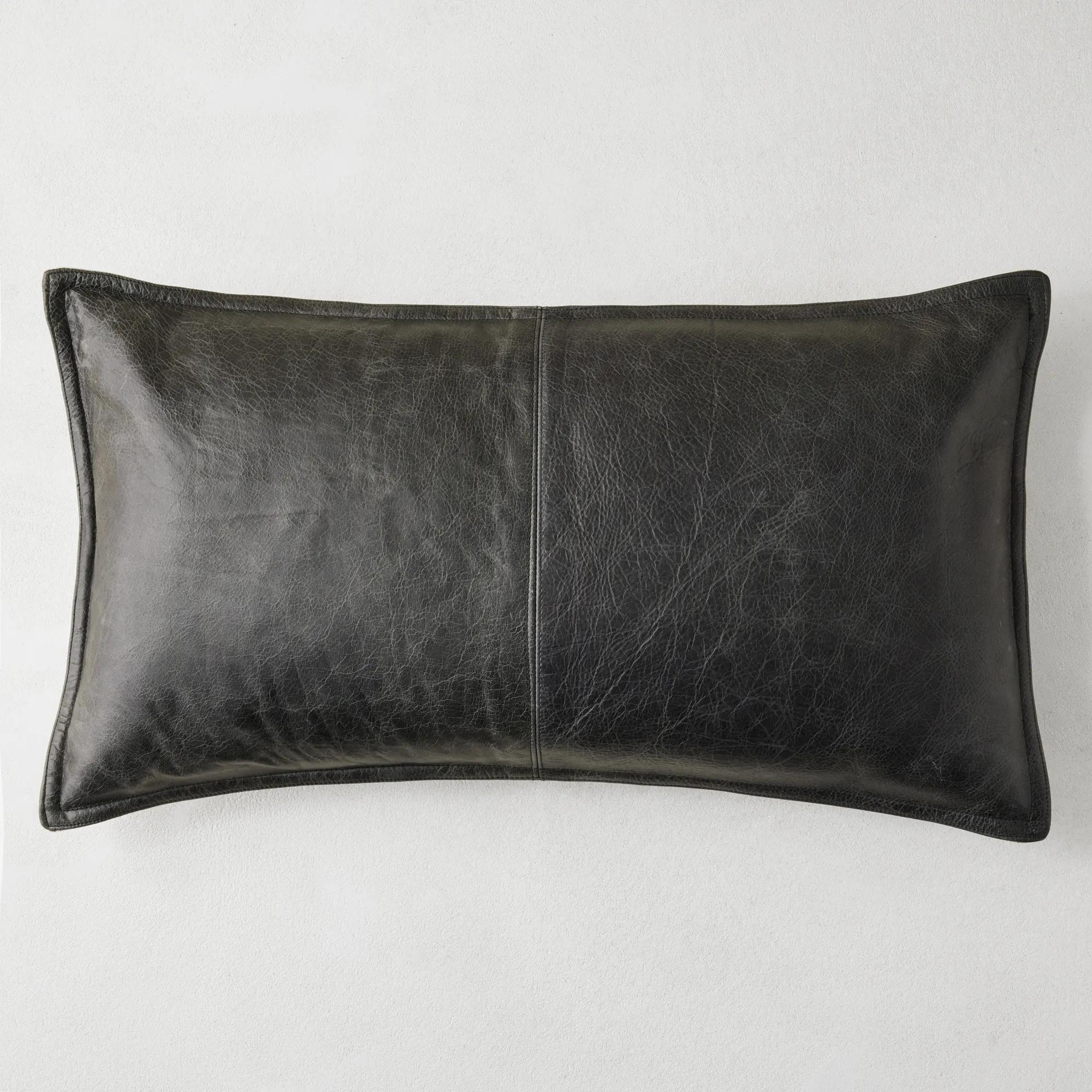 Dylan Onyx Black Genuine Leather Lumbar Pillow 14" x 26"$179
A sleek onyx leather lumbar pillow with double-stitched panels, cotton back, and feather-down insert.
Add To Cart -

 Frond Soft Nude Beaded Embroidered Velvet Pillow 20" x 20"$149
A soft nude velvet pillow featuring intricate beaded embroidery for a refined, textural accent.
Add To Cart -

 Nomi Beaded Embroidered White/Champagne Velvet Pillow 20" x 20"$119
A white and champagne velvet pillow adorned with intricate beadwork and embroidery for glamorous texture.
Add To Cart -
 Nimer Grey/Multi Printed Slubbed Cotton Pillow 22" x 22"$119
A bold Bengal tiger pillow crafted from multicolored slubbed cotton with a plush feather-down insert.
Add To Cart -

 Nimer Gold/Multi Printed Slubbed Cotton Pillow 22" x 22"$119
A bold Bengal tiger pillow in gold and multicolor slubbed cotton with a plush feather-down insert.
Add To Cart -

 Icicle Beaded Fringe White Lumbar Pillow 20" x 14"$119
A white velvet lumbar pillow featuring shimmering sequin and bead fringe with a plush feather-down insert.
Add To Cart -

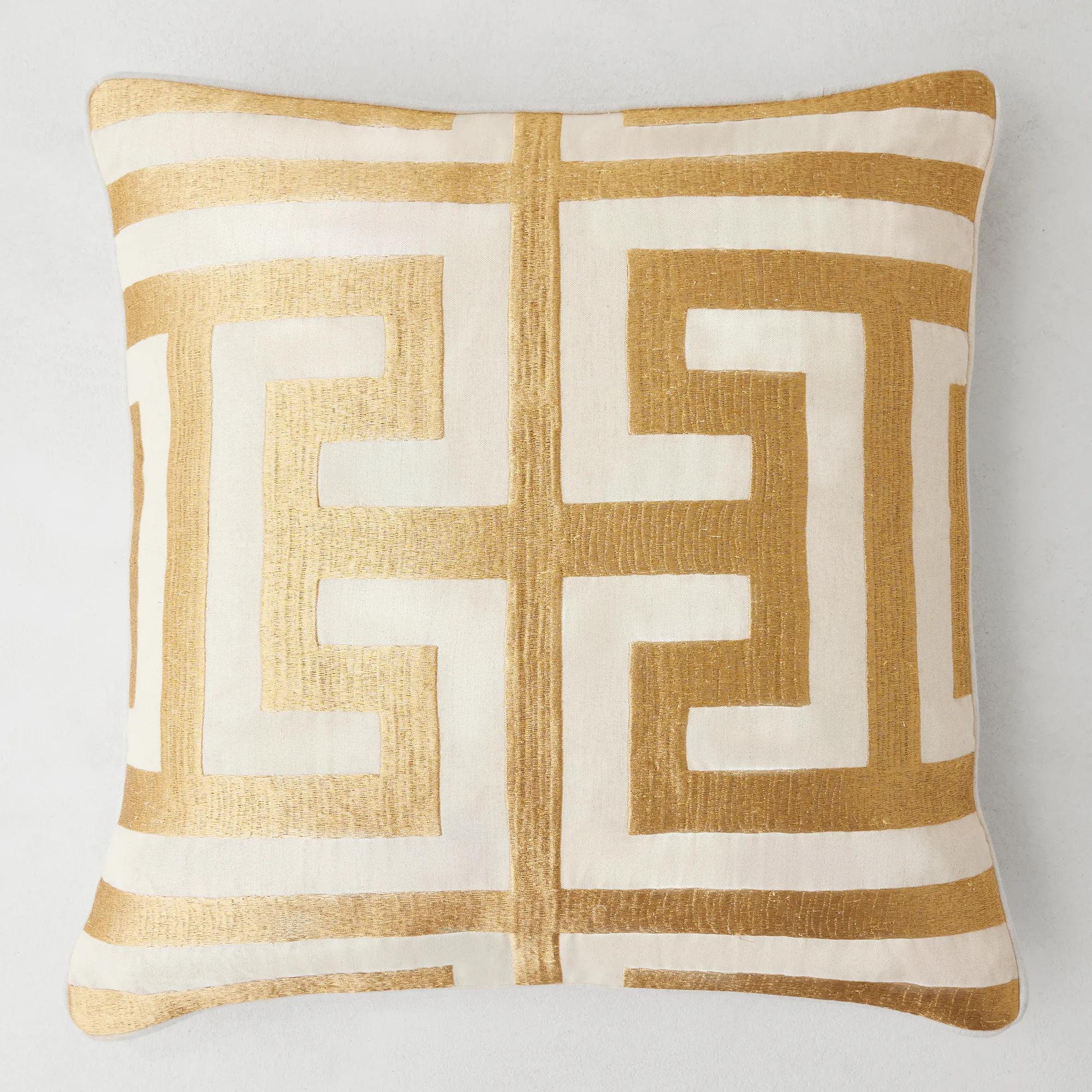 Cace Embroidered Gold/White Linen Pillow 22" x 22"$129
A gold cotton-linen pillow featuring metallic Greek key embroidery and a plush feather-down insert.
Add To Cart -
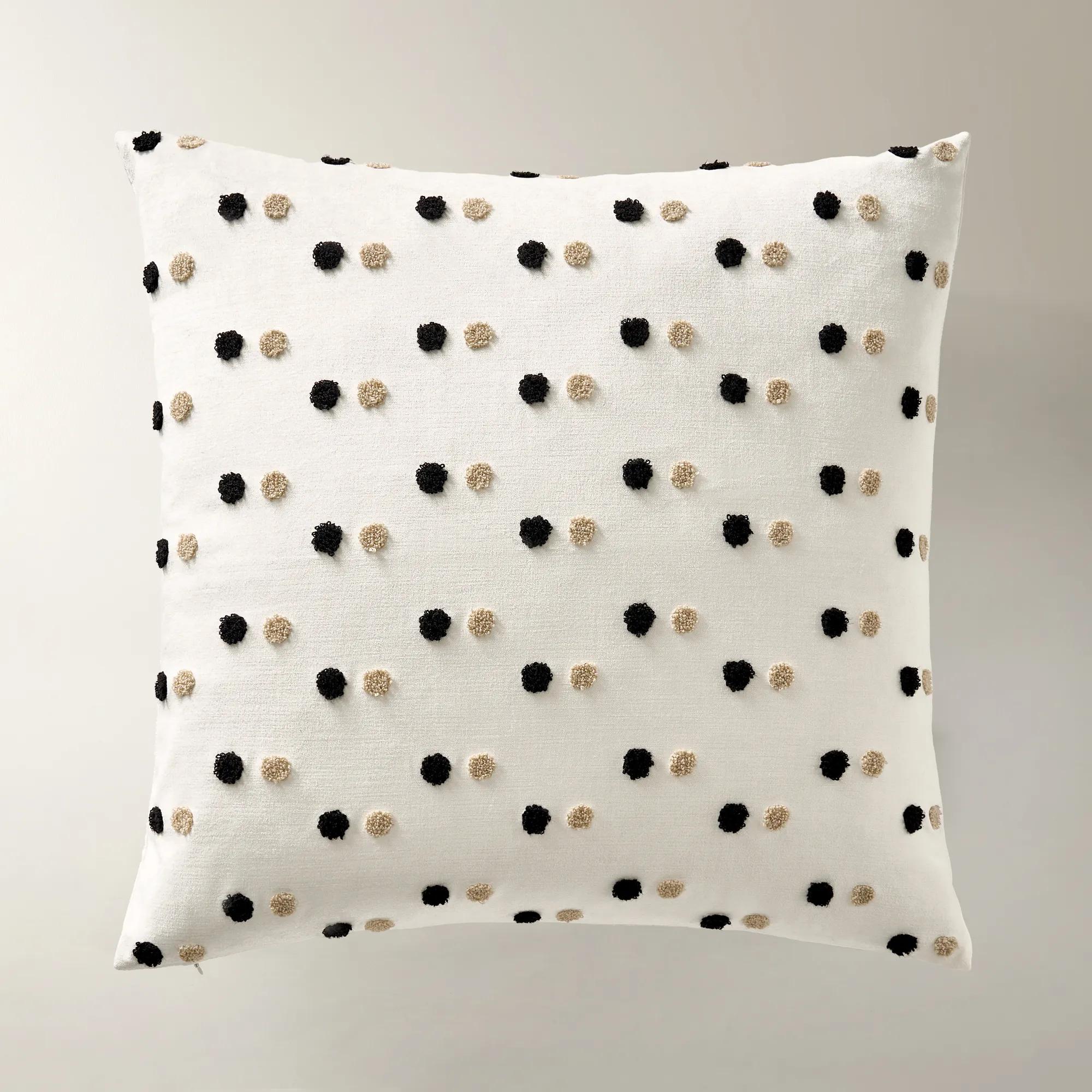
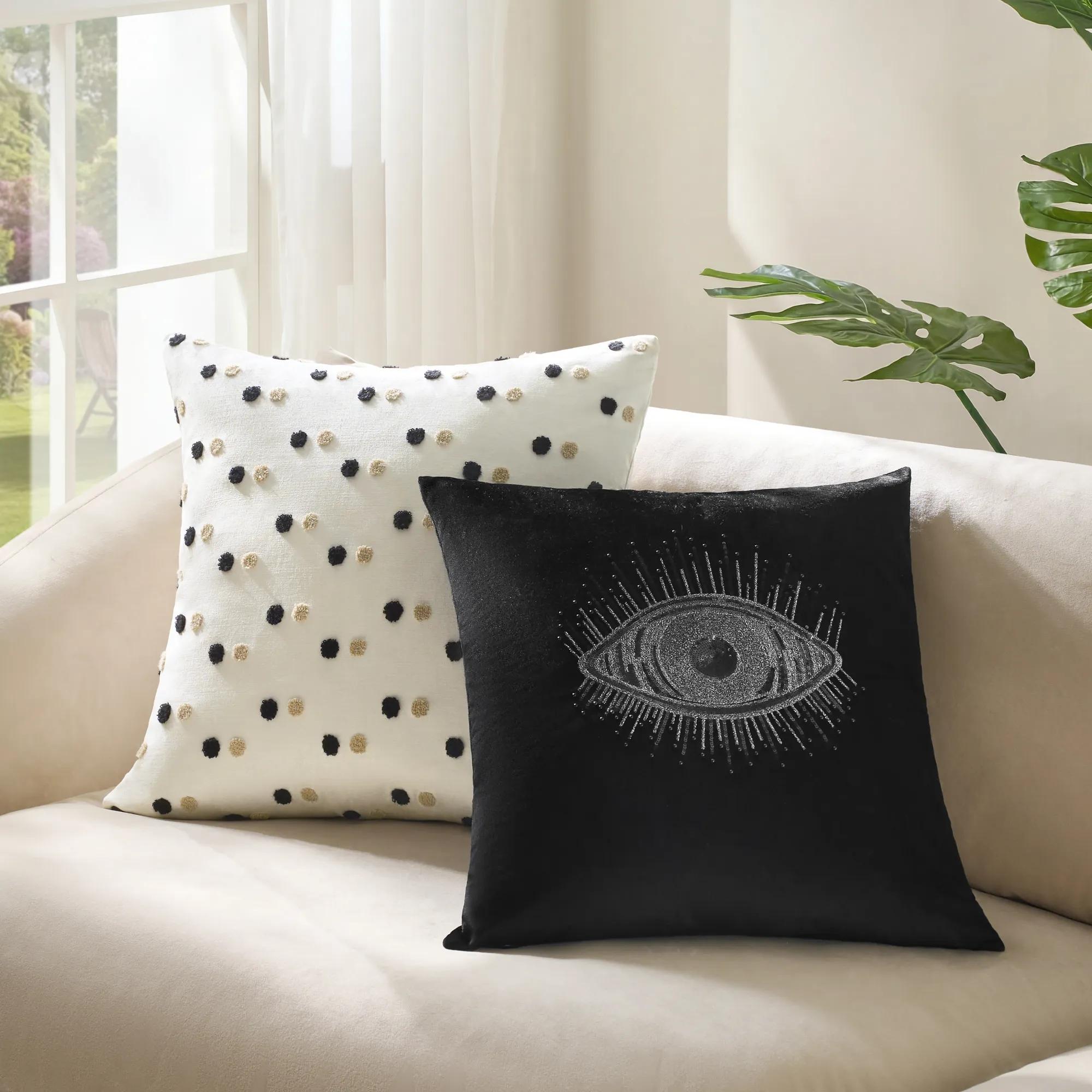 Dionne Polka Dot Embroidered Cloud White Velvet Pillow 22" x 22"$99
A cloud velvet pillow featuring embroidered taupe and black polka dots with a plush feather-down insert.
Add To Cart -
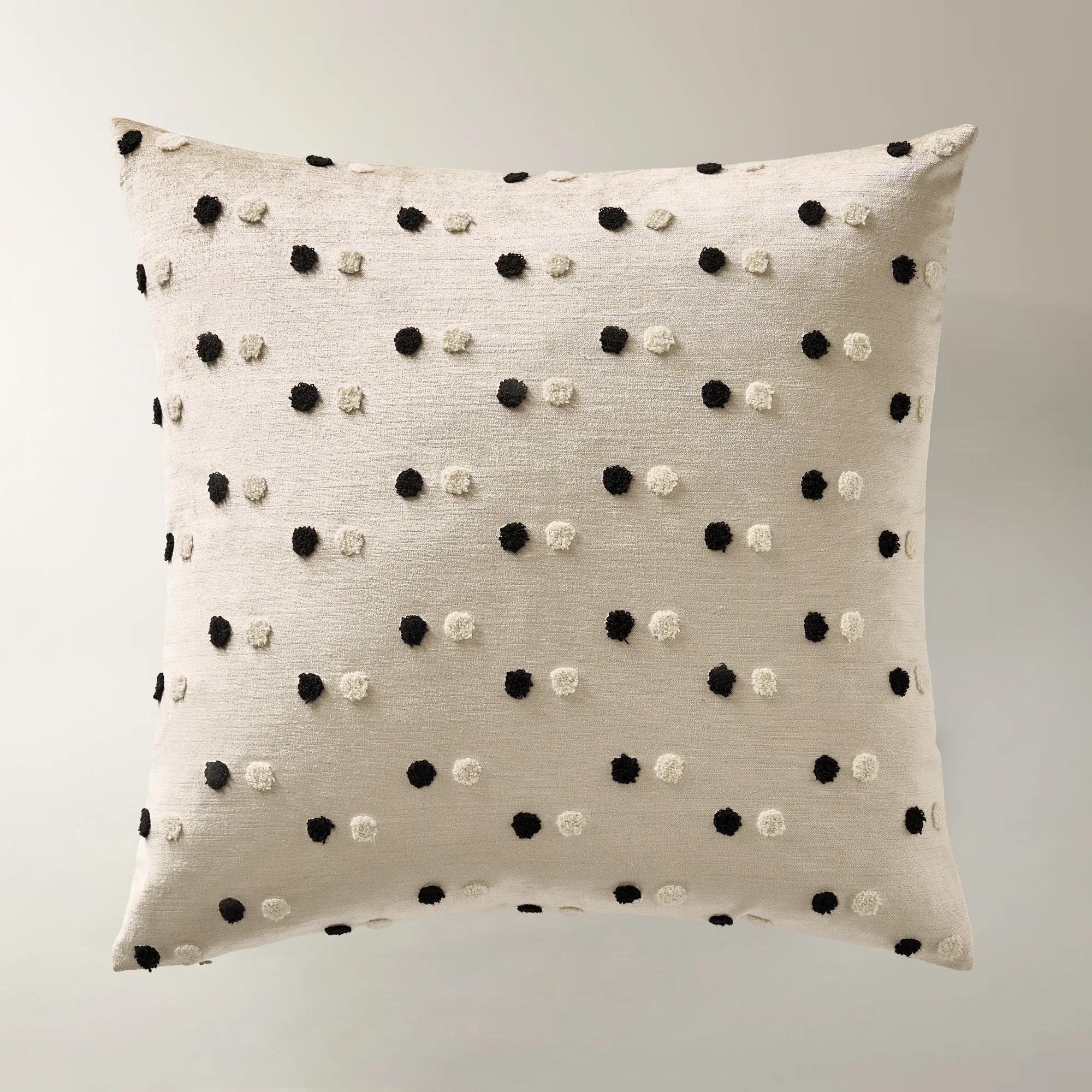
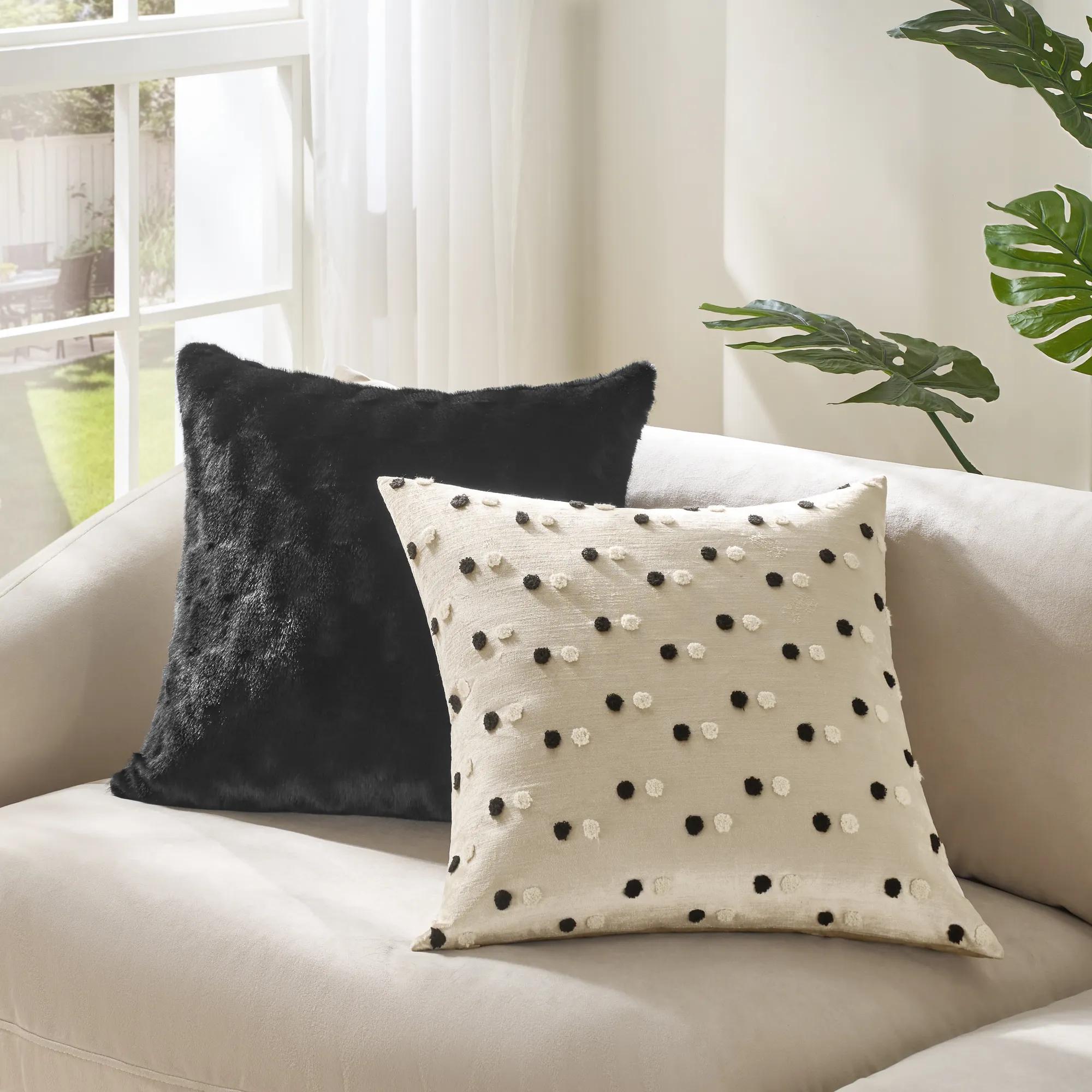 Dionne Polka Dot Embroidered Platinum Taupe Velvet Pillow 22" x 22"$99
A platinum taupe velvet pillow featuring embroidered ivory and black polka dots with a feather-down insert.
Add To Cart

Cotton Back Decorative Pillows
Cotton back decorative pillows invite a touch of everyday luxury into your living space, transforming sofas and beds into curated works of art. Each piece is designed to captivate—layering sumptuous textures, bold patterns, and expressive details for a look that’s anything but ordinary. Whether you crave an air of relaxed sophistication or a flourish of dramatic glamour, cotton back decorative pillows are the ultimate finishing touch—grounding your aesthetic with comfort while infusing every moment with artistry. Paint your home boldly; let each pillow tell its own story.
Cotton back decorative pillows feature cotton fabric on the reverse side, while the front may showcase a different material, pattern, or embellishment. The term describes the backing rather than the entire pillow: it does not necessarily mean the face, lining, or fill is cotton. This construction gives decorative detail a practical counterpart, pairing an expressive front with a softer, often simpler reverse. An embroidered motif, dimensional appliqué, or lustrous woven face can become the focal point of a sofa, while a cotton back offers a more understated surface when the pillow is turned. The contrast is particularly compelling in rooms that balance polished finishes with tactile fabrics—a gleaming console behind a velvet sofa, for example, or sculptural lighting above an upholstered reading chair. Cotton itself can take many forms, from a smooth, closely woven fabric to a slub weave with visible variations in the yarn. A chambray back typically combines differently colored warp and weft threads for subtle visual depth, while a solid cotton back lets the front’s pattern command attention. The precise fiber content matters, since a cotton blend may have a different feel and care requirements than pure cotton. Backing color matters, too: an ivory reverse creates a softer contrast against pale upholstery, while charcoal or ink can give a light-colored chair a striking outline. Neither the front nor the back needs to match the furniture exactly; a shared undertone often creates a more considered relationship. For anyone drawn to expressive interiors, cotton-backed decorative pillows offer a way to introduce artistry at an intimate scale. Their appeal lies in the combination of surfaces: ornament where it makes an impression, texture where it meets the hand, and a finished reverse that remains part of the room’s composition.
Scale gives that composition its confidence. Square pillows around 18 to 20 inches can suit many standard sofas and accent chairs, while larger squares around 22 to 24 inches tend to look more proportionate on deep seating or a generously sized sectional. These are starting points rather than fixed rules; seat depth, back height, and the amount of usable seating all influence the result. A compact chair may need only one lumbar pillow, whereas a broad sofa can carry larger squares with a rectangular accent in front. Common lumbar proportions, such as 12 by 20 inches or 14 by 26 inches, create a horizontal line that breaks up a grouping of squares without hiding the upholstery behind it. On a bed, an elongated decorative pillow can bring definition to the center of the arrangement, especially when its pattern echoes an accent color in the artwork or rug. The most persuasive combinations vary texture as deliberately as shape. A raised embroidered face feels more distinctive beside a smooth woven pillow than beside several equally intricate designs. Pearl, champagne, and ivory can create depth through subtle differences in sheen, while black against warm white produces a sharper, more architectural effect. A saturated jewel tone can connect a neutral sofa to a dramatic painting without repeating every color in the room. For a complementary fabric direction, Cotton Linen Blend Throw Pillows introduce another way to explore woven texture; fiber blends and surface treatments determine their particular character. The distinction is useful when comparing categories: a cotton back identifies one part of a pillow’s construction, while a cotton-linen blend describes a fabric’s fiber composition. Together, carefully chosen surfaces can make a seating arrangement feel layered rather than crowded. Leaving some upholstery visible allows both the furniture’s silhouette and the pillows’ decorative details to retain their presence.
Construction and care help preserve that presence beyond the first arrangement. A cotton backing alone does not determine durability; fabric weight, weave density, seam quality, embellishment attachment, and everyday handling all contribute. A tightly woven reverse and neatly finished seams are useful considerations for pillows that will be moved frequently between a sofa and a favorite chair. Heavily beaded or otherwise delicate faces are better suited to decorative placement than to being pressed against clothing, used for floor seating, or handled roughly. Cotton backs do not make decorative pillows suitable for outdoor exposure unless the complete pillow is specifically labeled for that use. Fill also changes the experience: feather-and-down inserts generally offer a moldable feel and benefit from regular fluffing, while many polyester inserts provide a springier shape, with firmness varying by construction. When choosing a cover and insert separately, compare their stated dimensions and the maker’s recommendations. A slightly larger insert can give some covers a fuller appearance, but excessive stuffing may distort embroidery, strain seams, or make a zipper difficult to close. A removable cover can simplify care, although a zipper does not automatically mean the fabric is machine washable. Always follow the care label for the complete cover, especially when the front combines cotton with velvet, metallic threads, beads, or other decorative materials. Cotton can shrink, and different components may respond differently to water, heat, or cleaning products. For permitted spot cleaning, test an inconspicuous area first and blot rather than scrub; avoid soaking trims or embellishments. Gentle surface dusting, appropriate vacuuming, and protection from prolonged direct sunlight can help maintain the finish. As a housewarming or wedding gift, a thoughtfully chosen decorative pillow feels personal when its palette relates to the recipient’s home and its care suits their routine. The result is a functional accent with genuine visual character—one that brings color, dimension, and a deliberate touch of glamour to the places people settle into every day.
FAQs
Cotton back decorative pillows blend the natural softness and breathability of cotton with striking front designs, creating a harmonious balance of comfort and style. The cotton backing ensures a gentle touch against the skin and long-lasting durability, making these pillows a sophisticated yet practical addition to any room.
To achieve a dramatic, layered aesthetic, mix cotton back decorative pillows with other textures such as velvet, silk, or faux fur. Play with varying shapes and bold patterns, and consider pairing them with statement pieces like metallic accents or sculptural lighting. This creates a visually rich and inviting atmosphere that feels curated and expressive.
Absolutely. The versatility of cotton back decorative pillows allows them to transition effortlessly between formal living rooms and relaxed family spaces. Their refined texture and elegant designs can elevate a sophisticated setting, while their inherent comfort and durability make them equally at home in more casual environments.
Cotton back decorative pillows are an inspired gift for housewarmings, weddings, or any occasion that celebrates new beginnings. Their blend of artistry and comfort appeals to a range of tastes, making them a thoughtful choice for anyone who values expressive, beautiful interiors.
During the winter, cotton back decorative pillows add warmth and inviting texture to your home. Their soft, breathable fabric provides comfort on chilly days, while their bold designs and rich colors can transform any space into a cozy, visually captivating retreat perfect for the season.