Comfortable Sofas For Seniors
Comfortable Sofas For Seniors
-
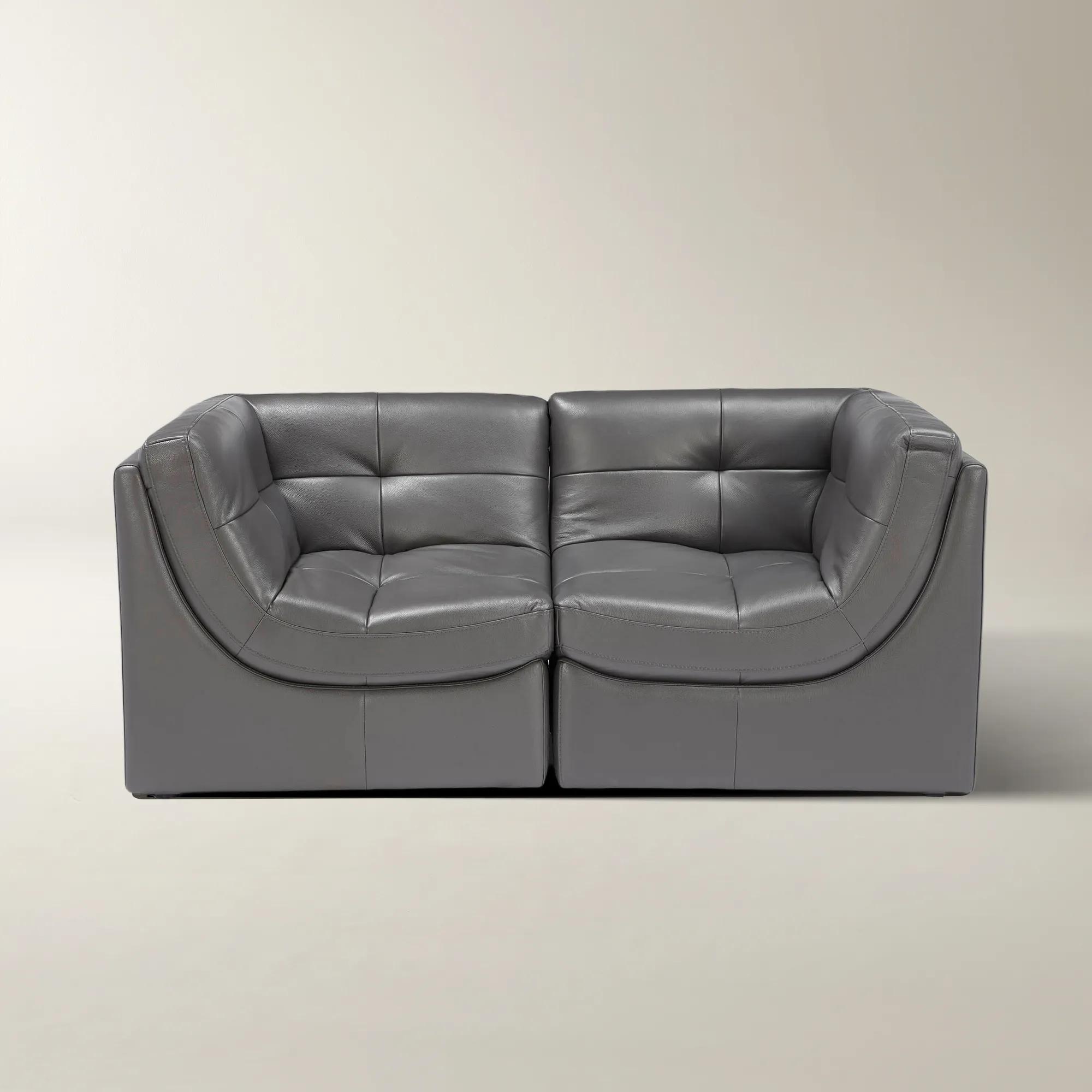 Convo 2-Piece Charcoal Leather Sectional Sofa$2799
A modular charcoal leather sofa with kiln-dried hardwood frame and blind-tufted, semi-aniline upholstery.
Add To Cart -

 Milo 3-Piece Reclining Ivory Performance Fabric Sectional Sofa$3399
A modular, power-reclining sofa in beige textured polyester with plush feather-blend cushions for ultimate comfort.
Add To Cart -
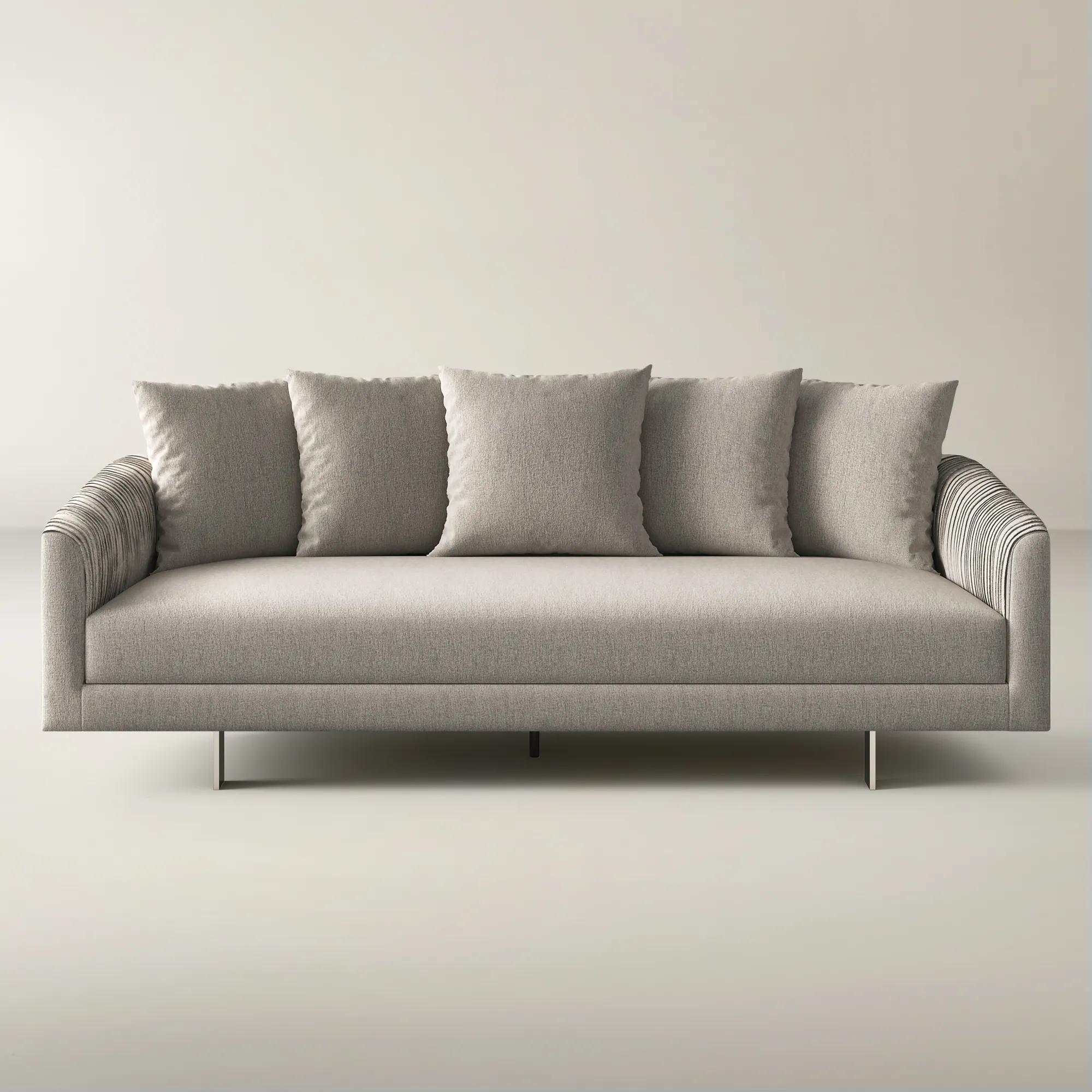 Isabel Moondust Chenille Sofa$2299
A luxurious hand-tufted sofa with plush feather and foam cushions, nickel-brushed legs, and five pillows.
Add To Cart -
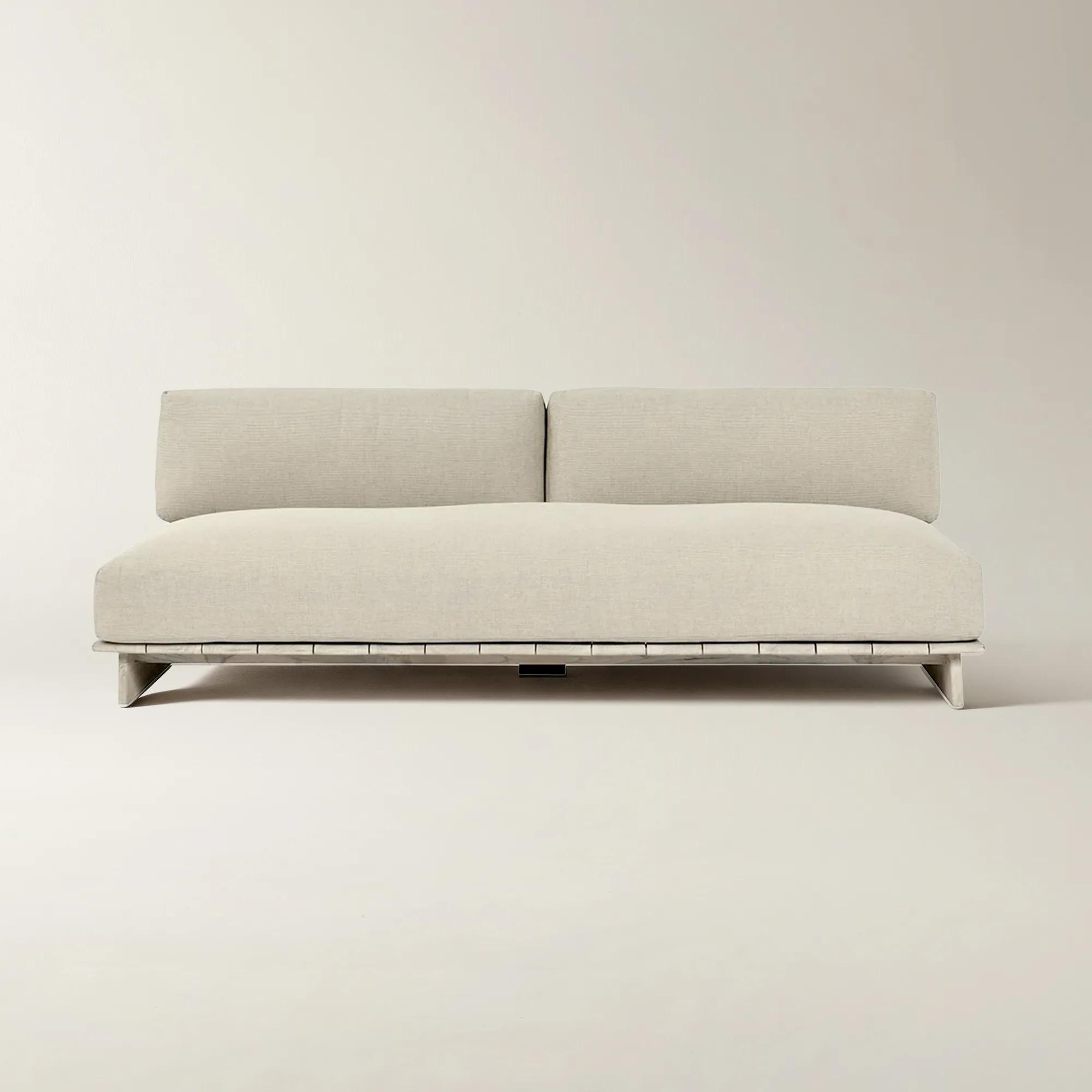
 Asheville Beige Boucle Sofa$2399
A light grey boucle sofa with feather-filled cushions, removable slipcover, and kiln-dried solid oak feet.
Add To Cart -
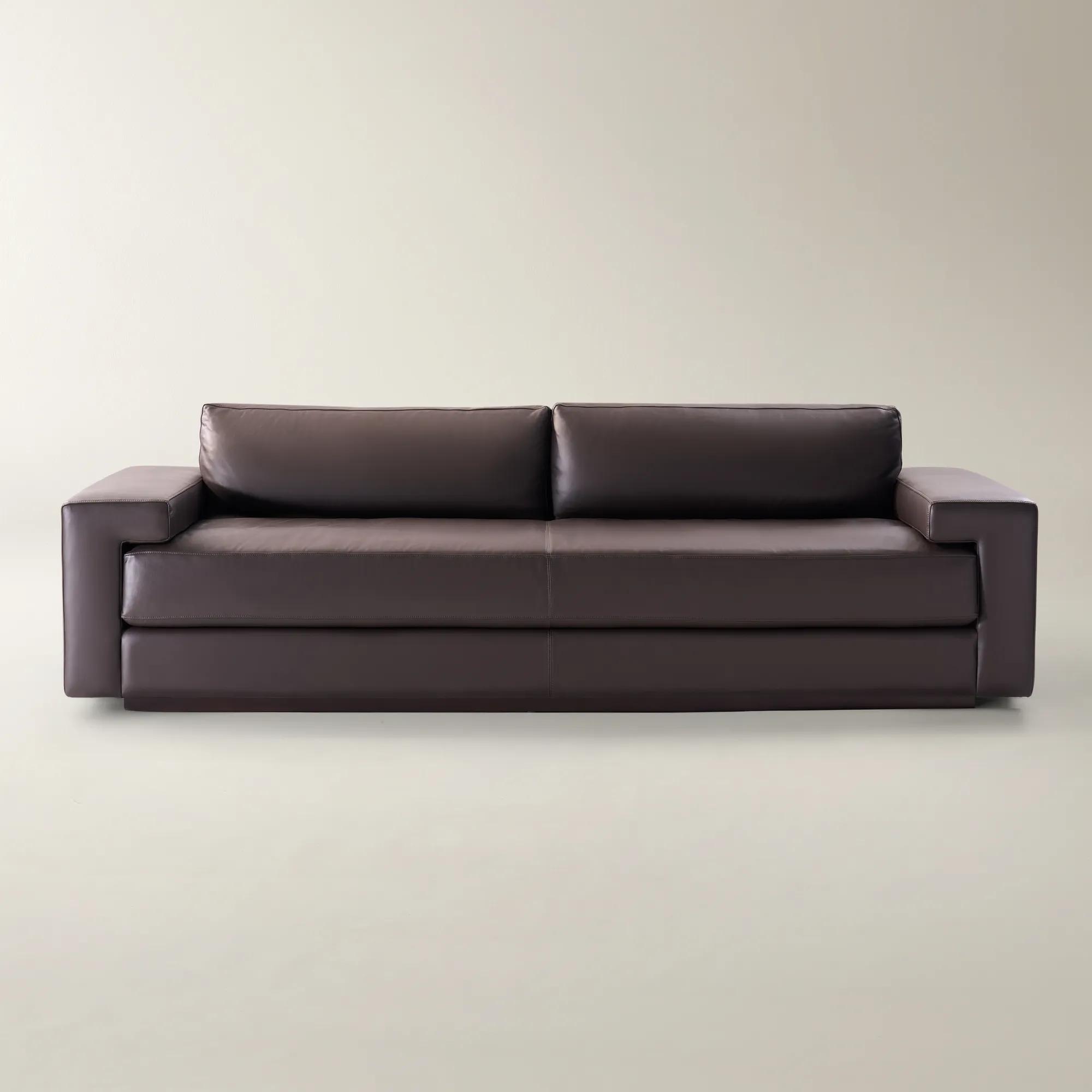
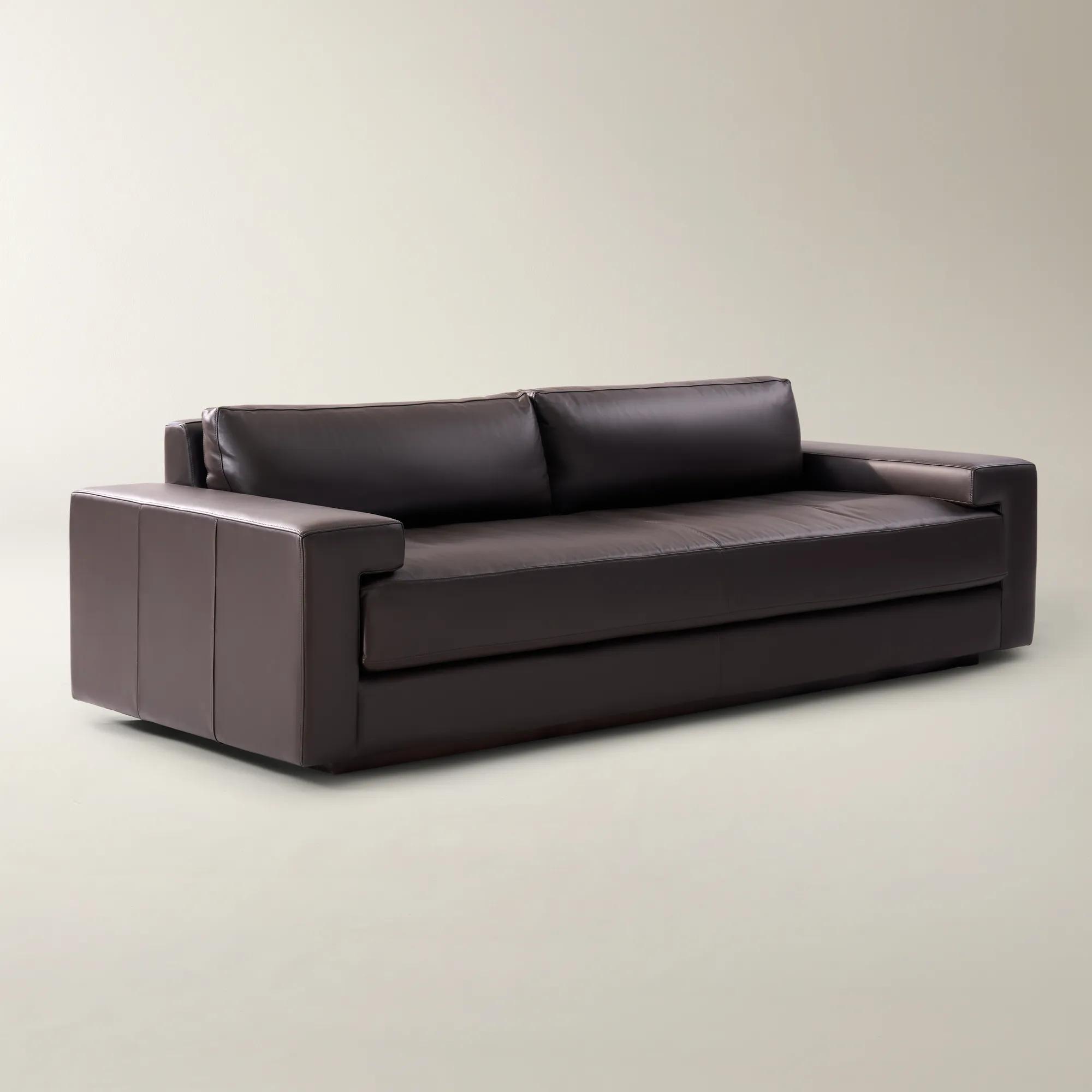 Ariel Brown Leather Sofa$4599
A sleek, hand-upholstered sofa in top-grain leather with plush feather and foam cushions for comfort.
Add To Cart -
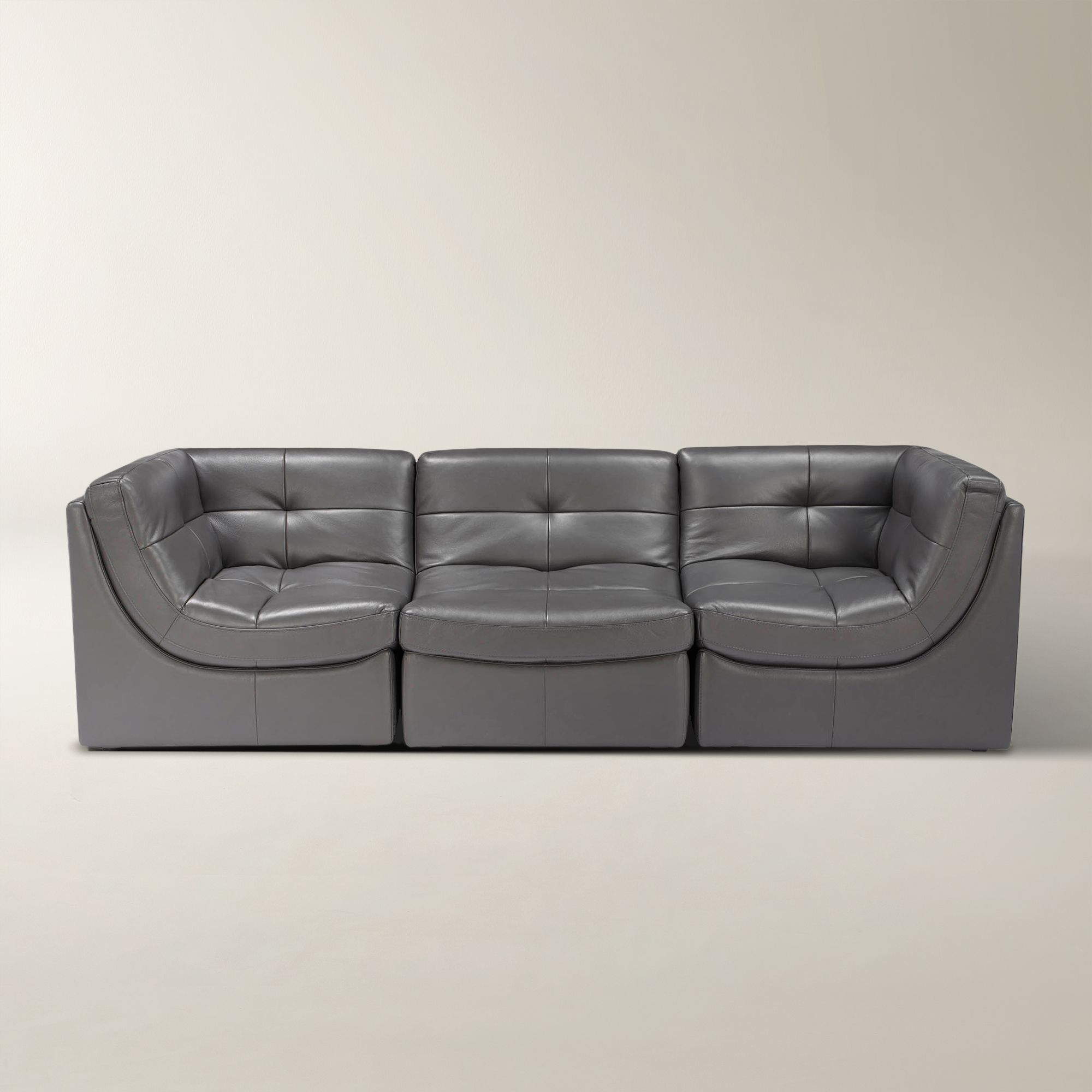 Convo 3-Piece Charcoal Leather Sectional Sofa$3999
A modular charcoal leather sofa with kiln-dried hardwood frame and gently curved, blind-tufted seats.
Add To Cart -
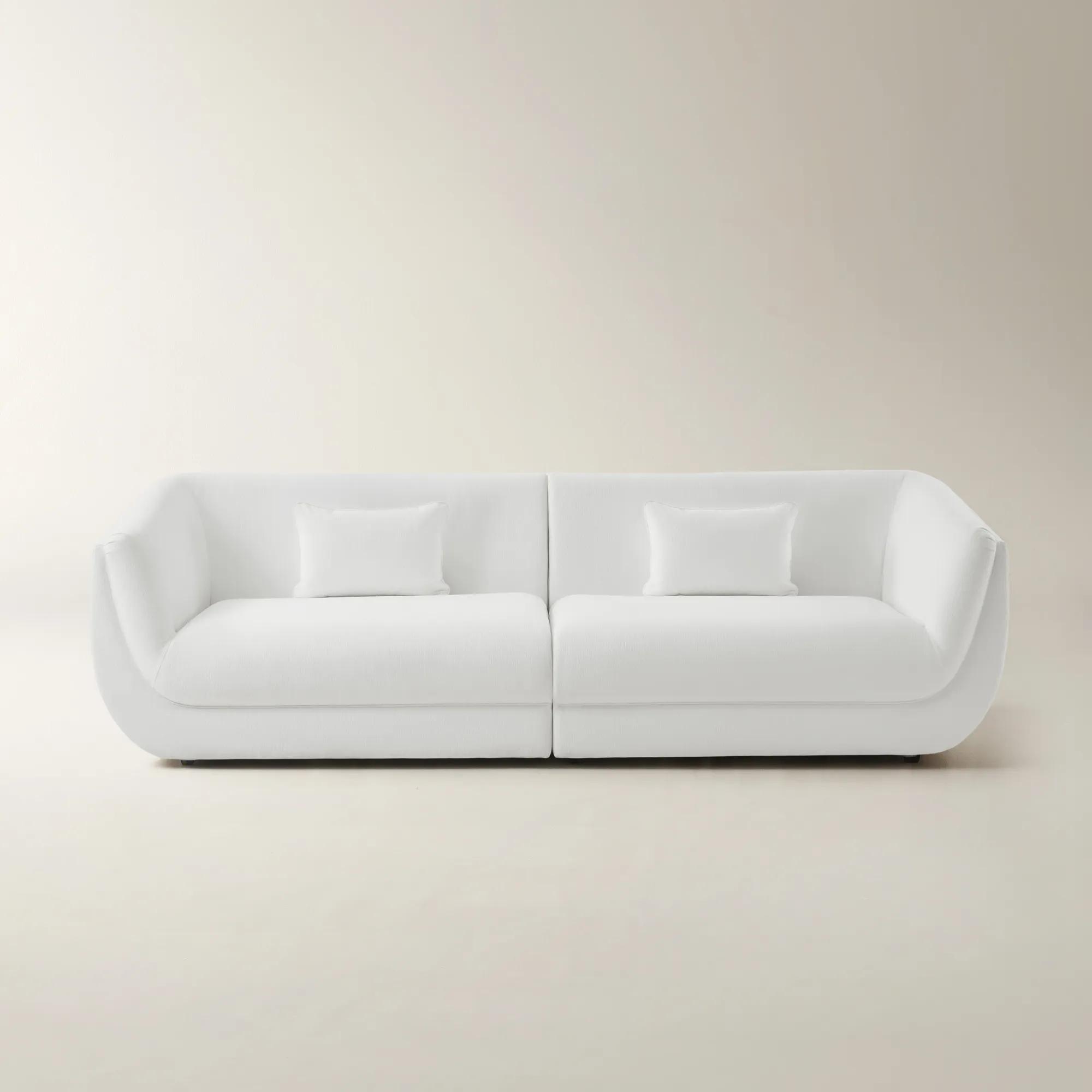
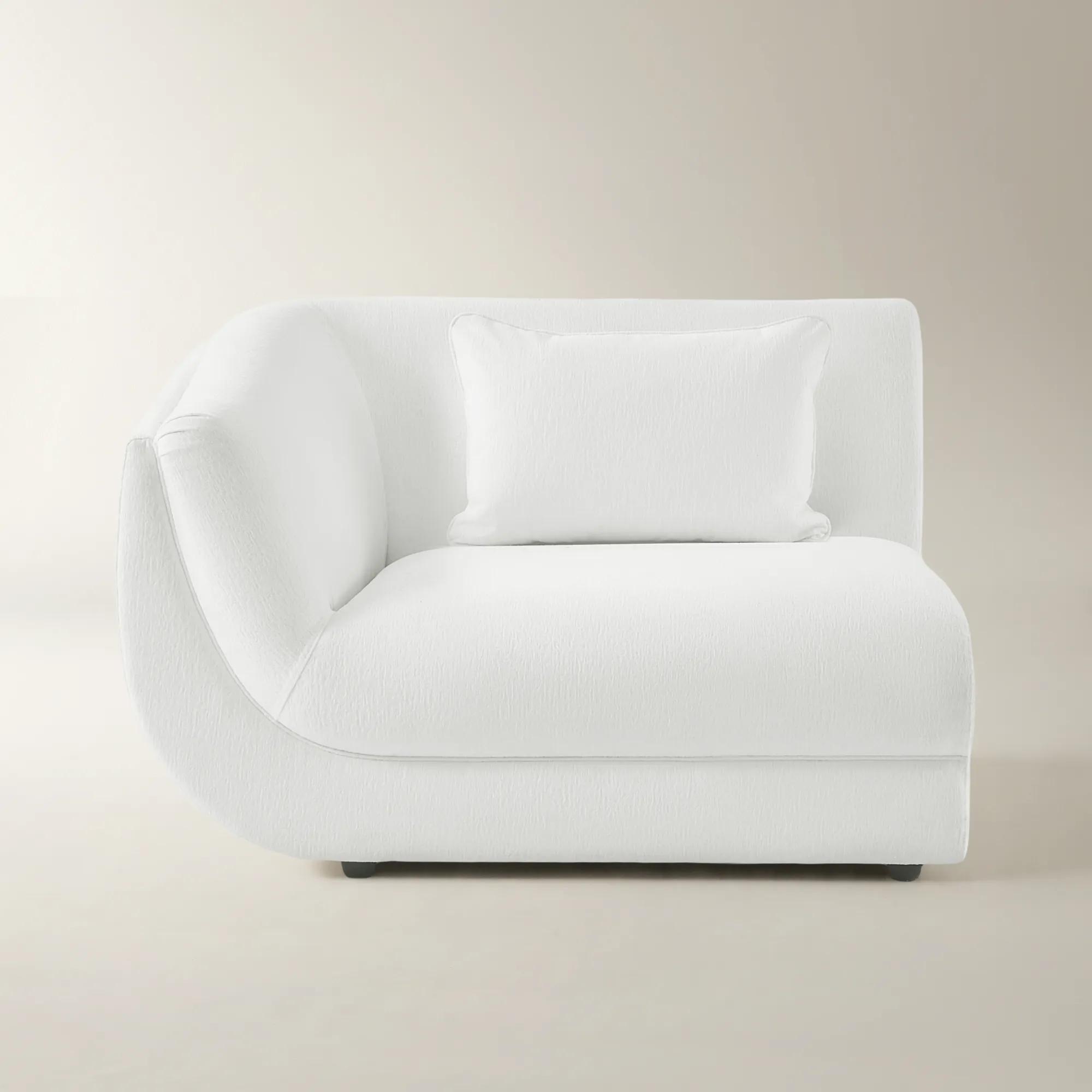
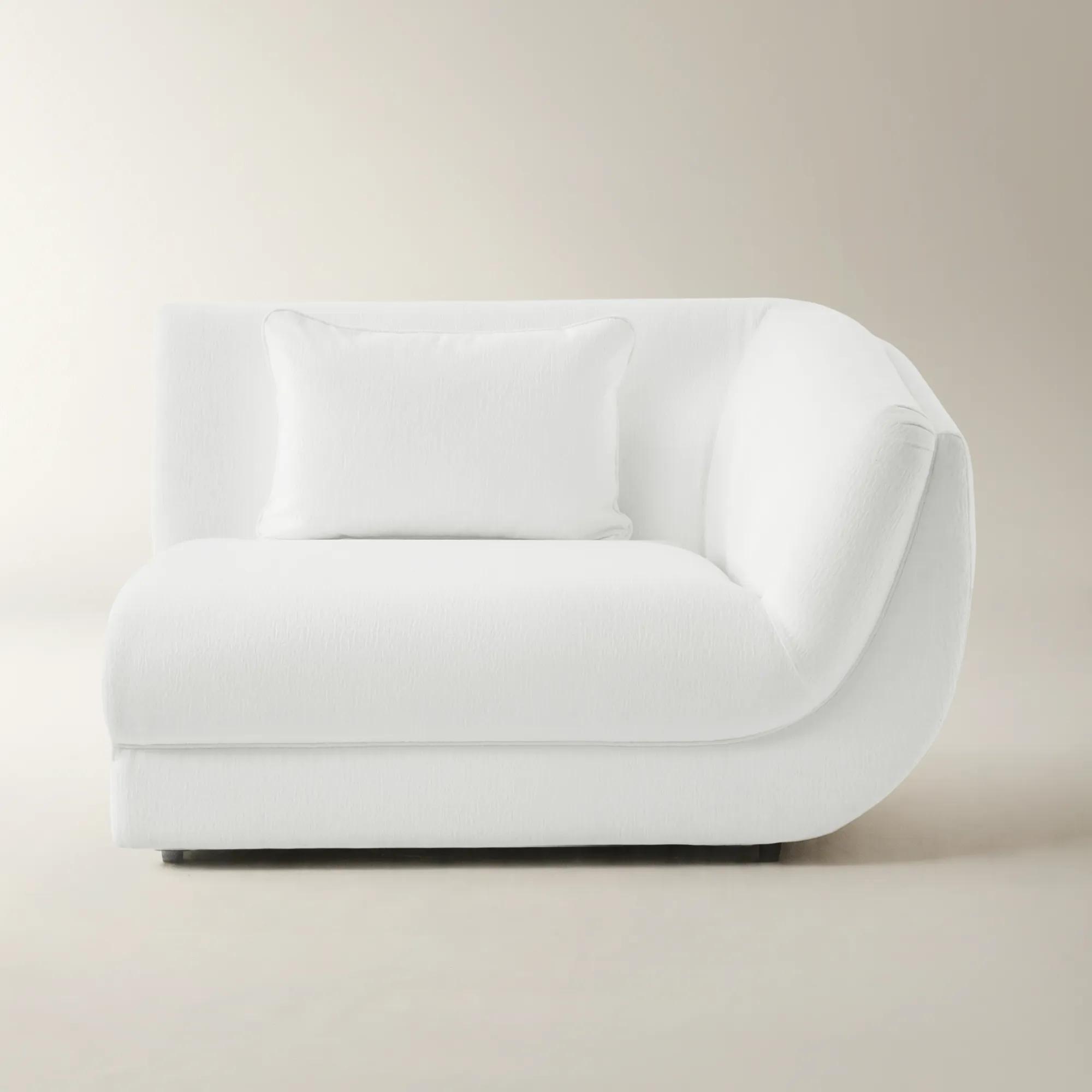
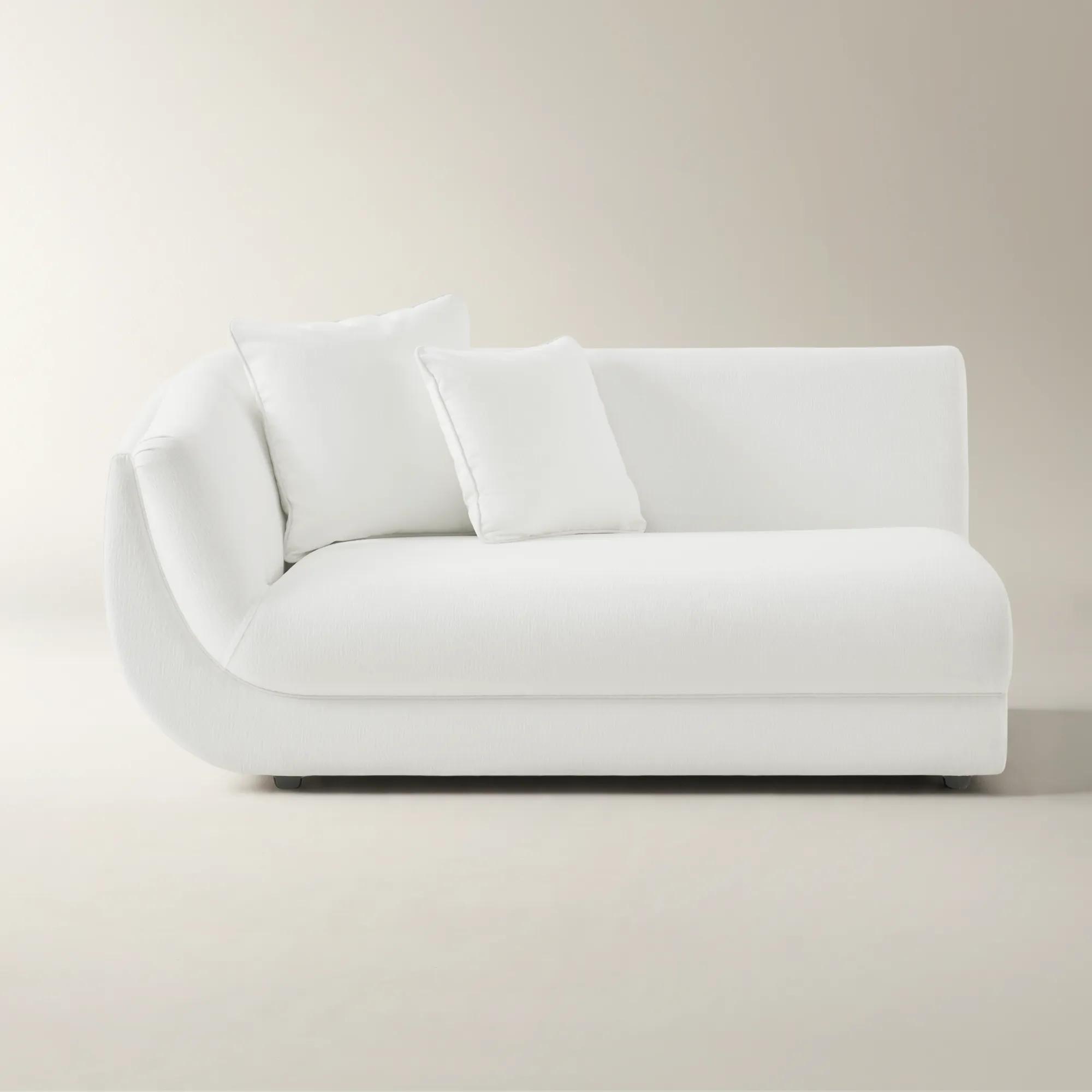
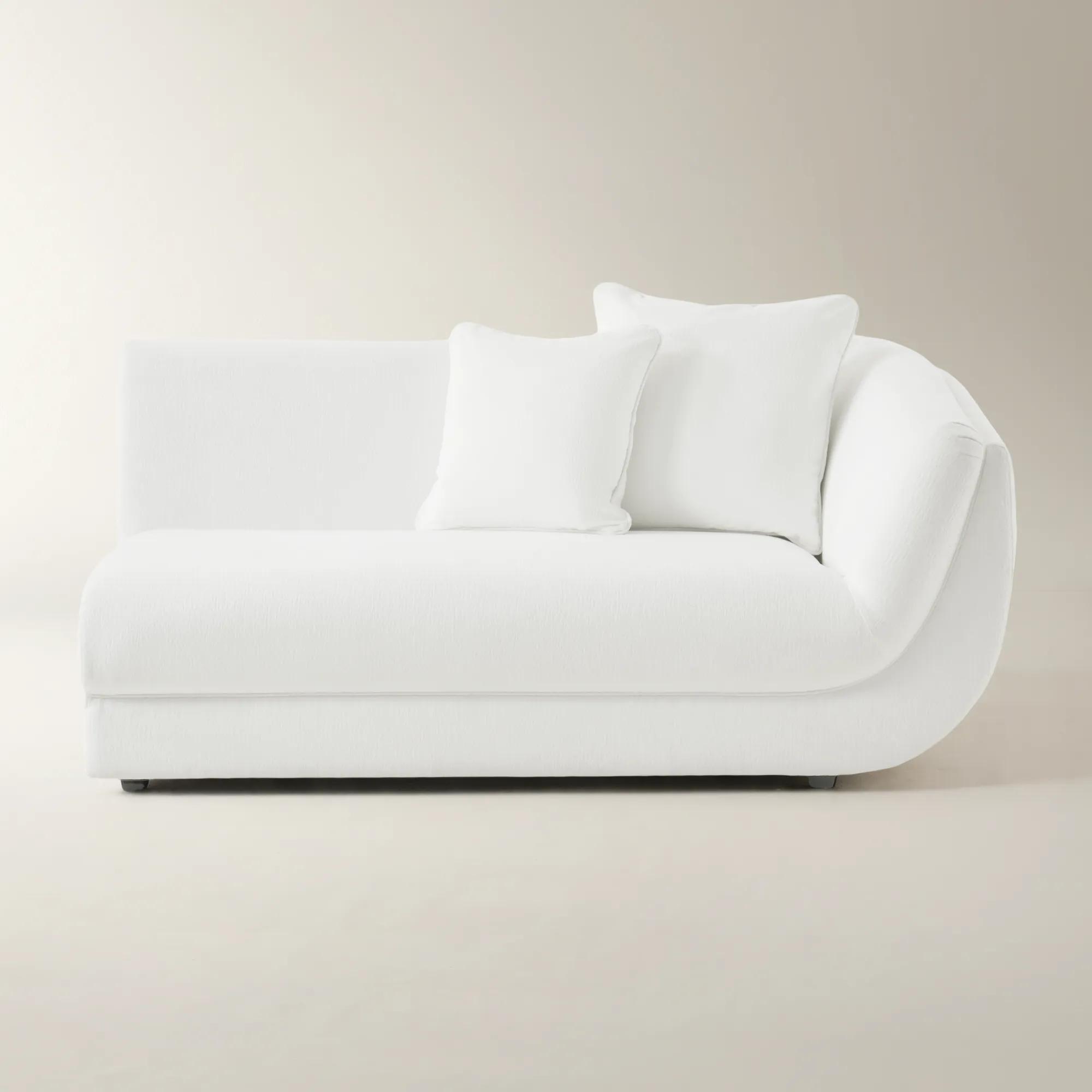
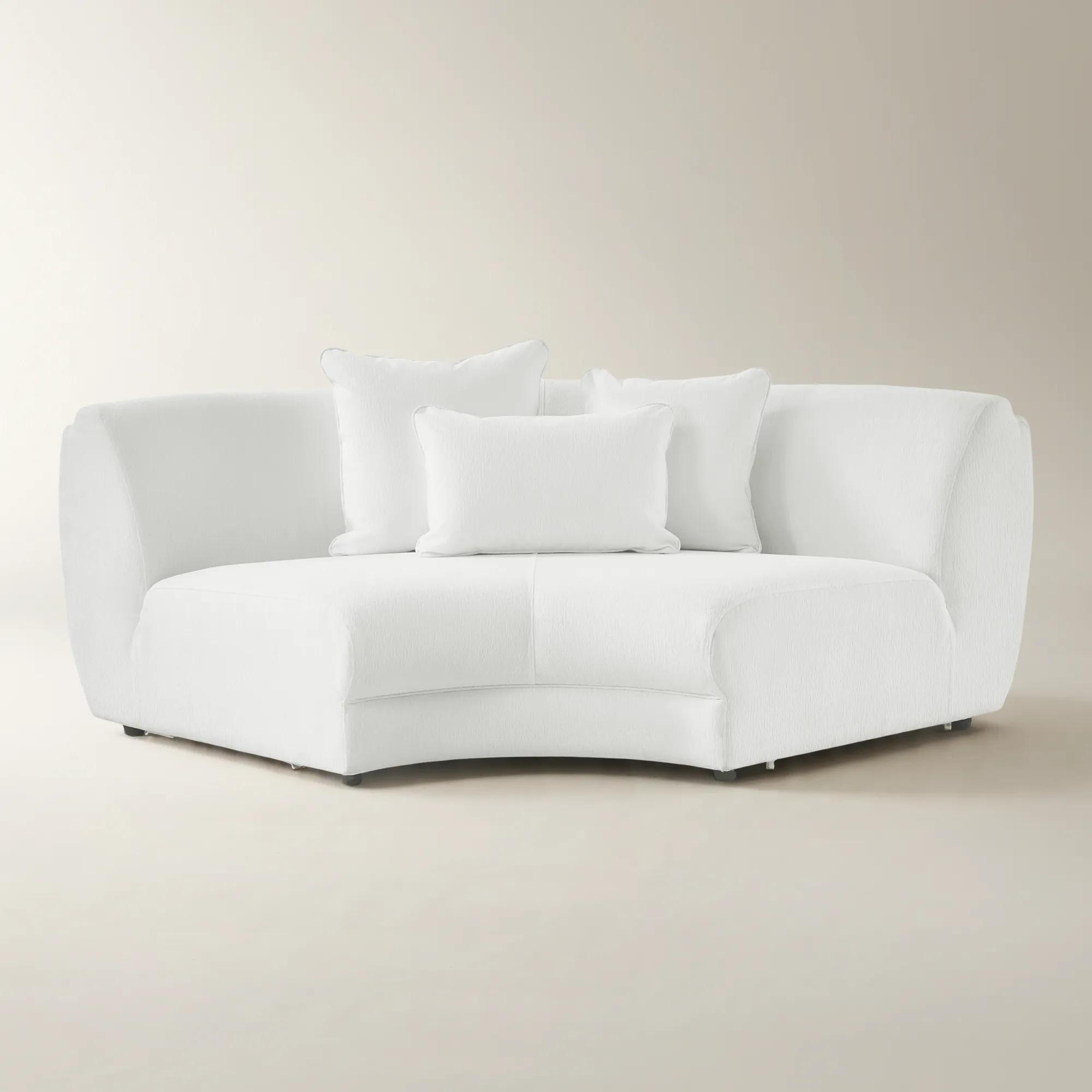
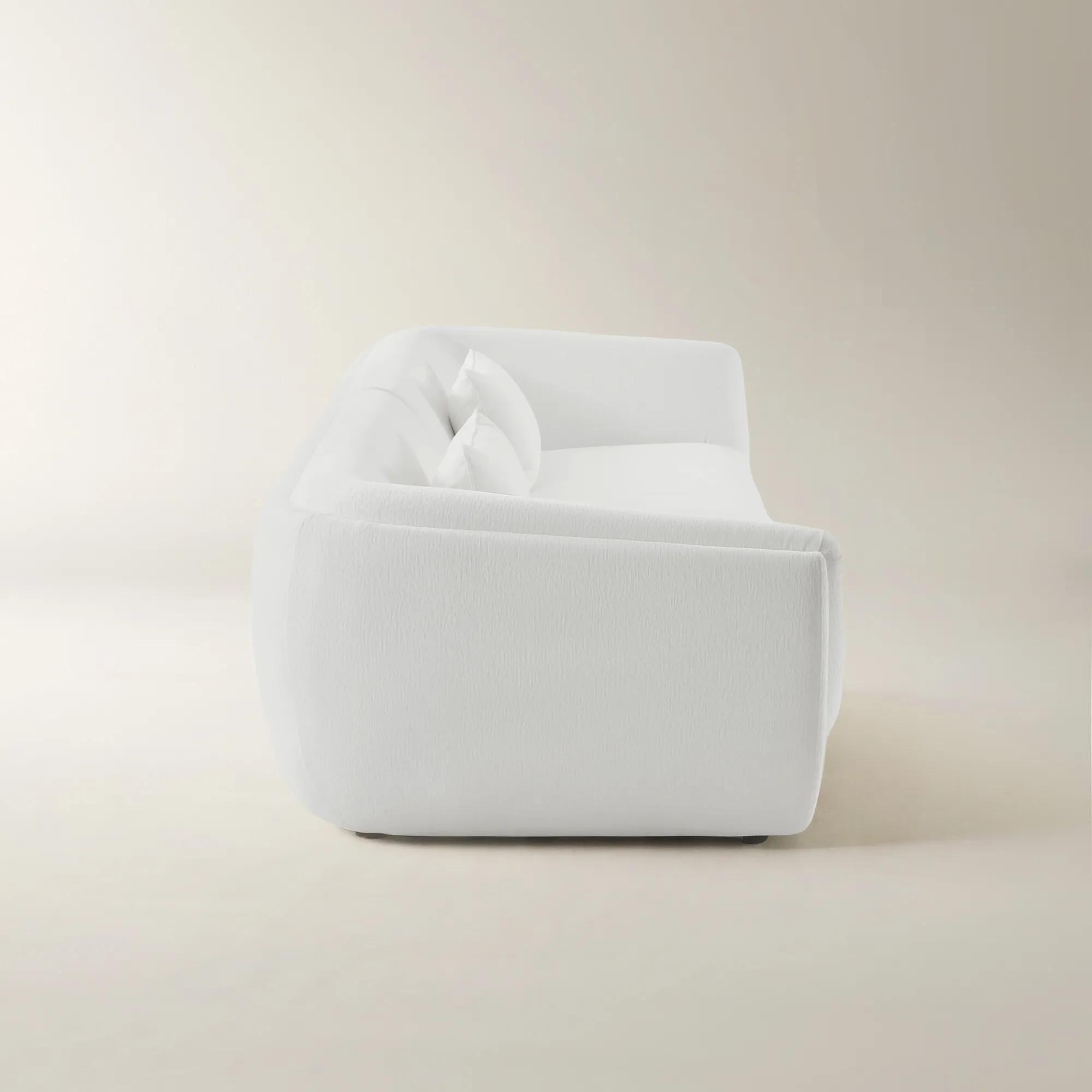 Curvia 2-Piece White Performance Chenille Indoor/Outdoor Sectional Sofa$2799
A sculptural white sectional sofa upholstered in performance chenille for luxurious indoor or outdoor lounging.
Add To Cart -
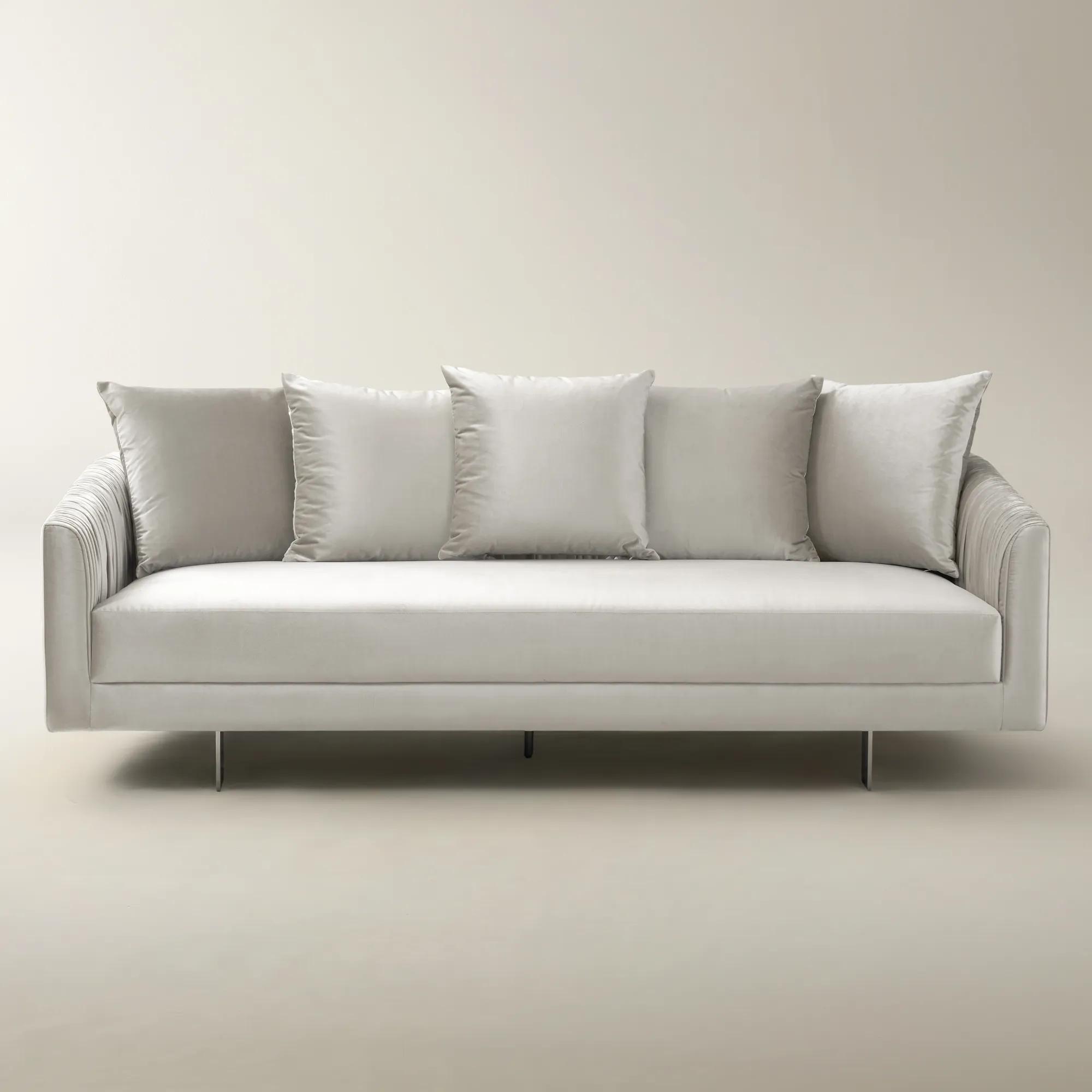
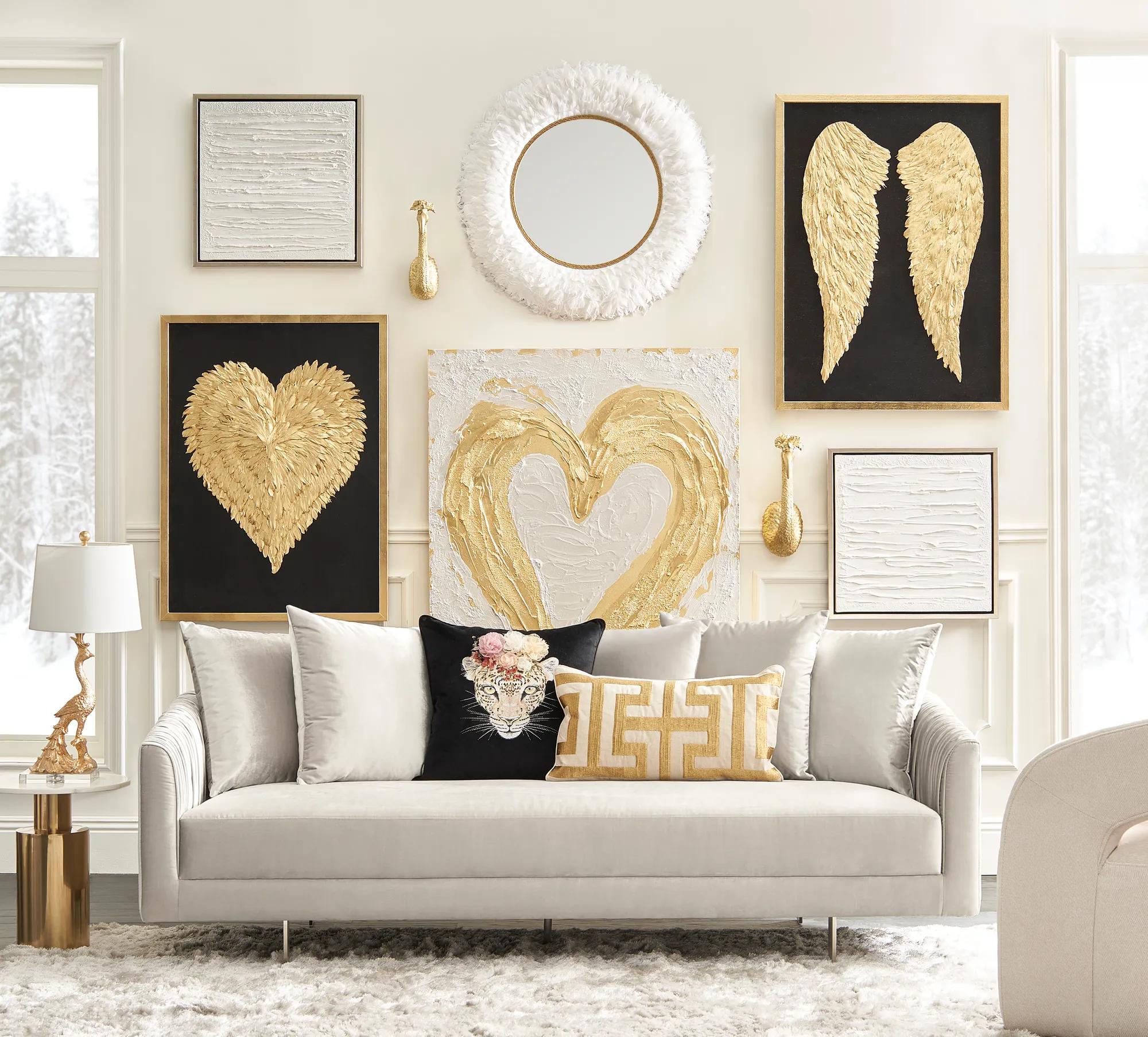 Isabel Softgrey Velvet Sofa$2599
A luxurious hand-tufted sofa with plush feather and foam cushions, nickel-brushed legs, and five pillows.
Add To Cart -
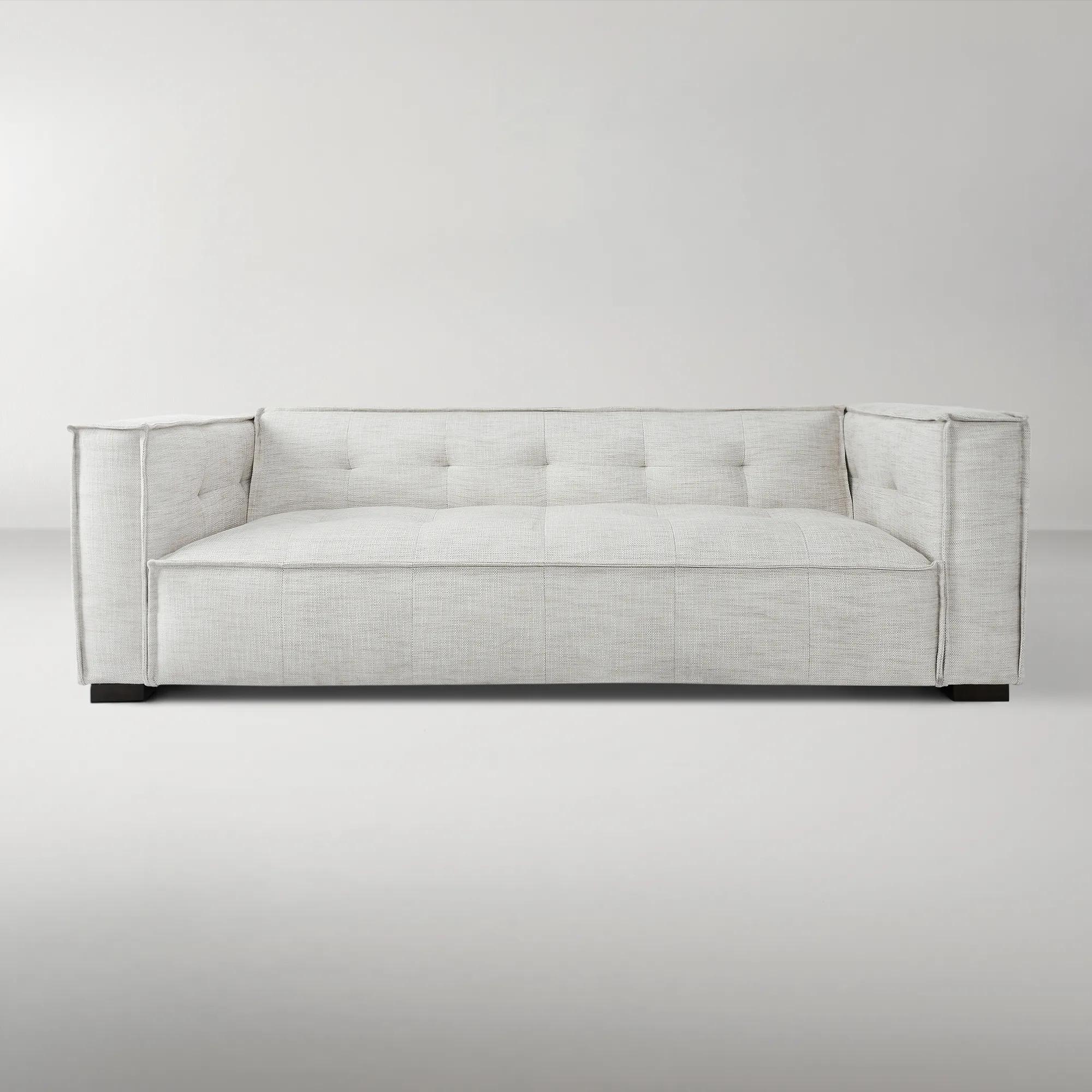
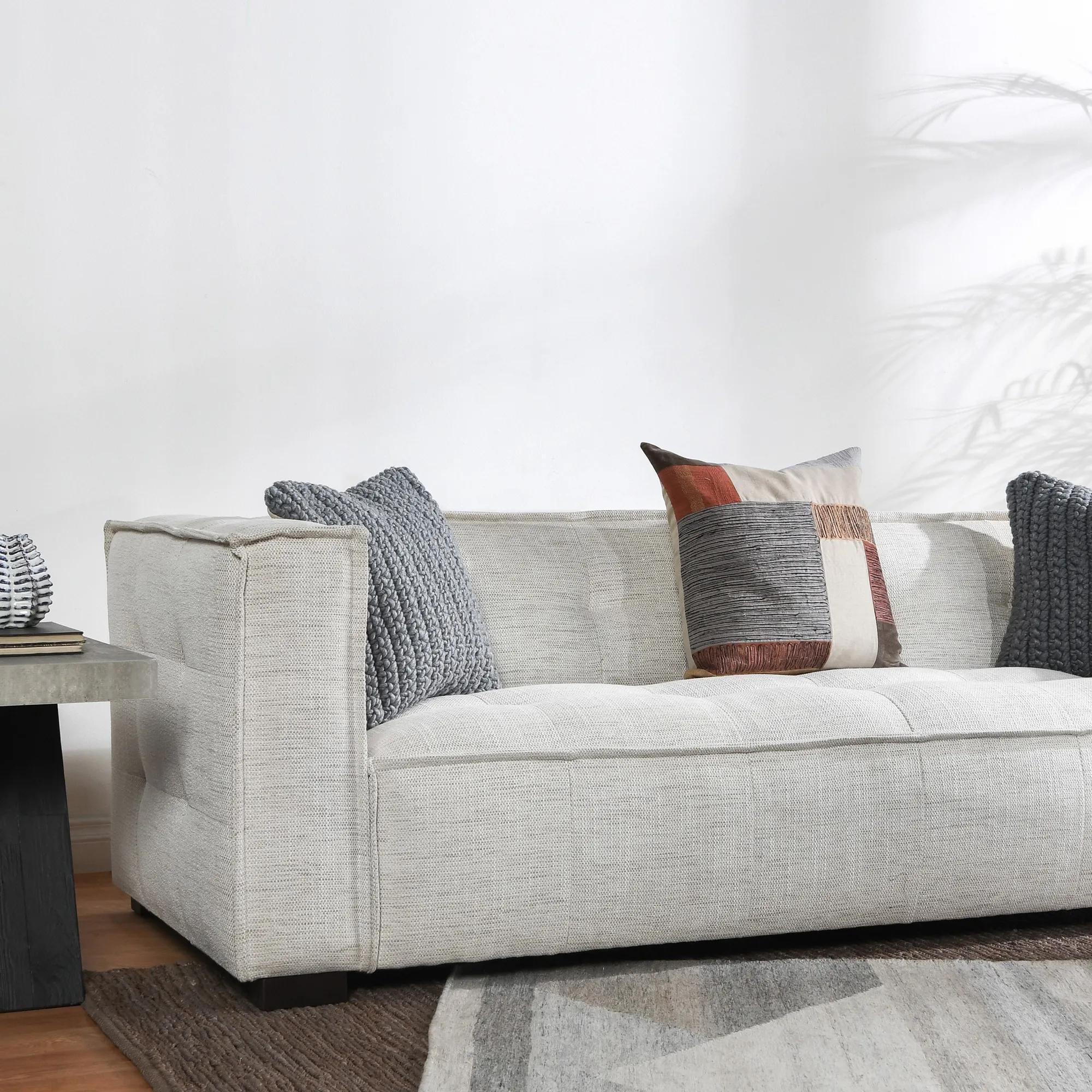 Element Box-Tufted Beige Sofa$2599
A transitional beige sofa handcrafted with a polyester blend and pine wood legs, seating up to four.
Add To Cart -

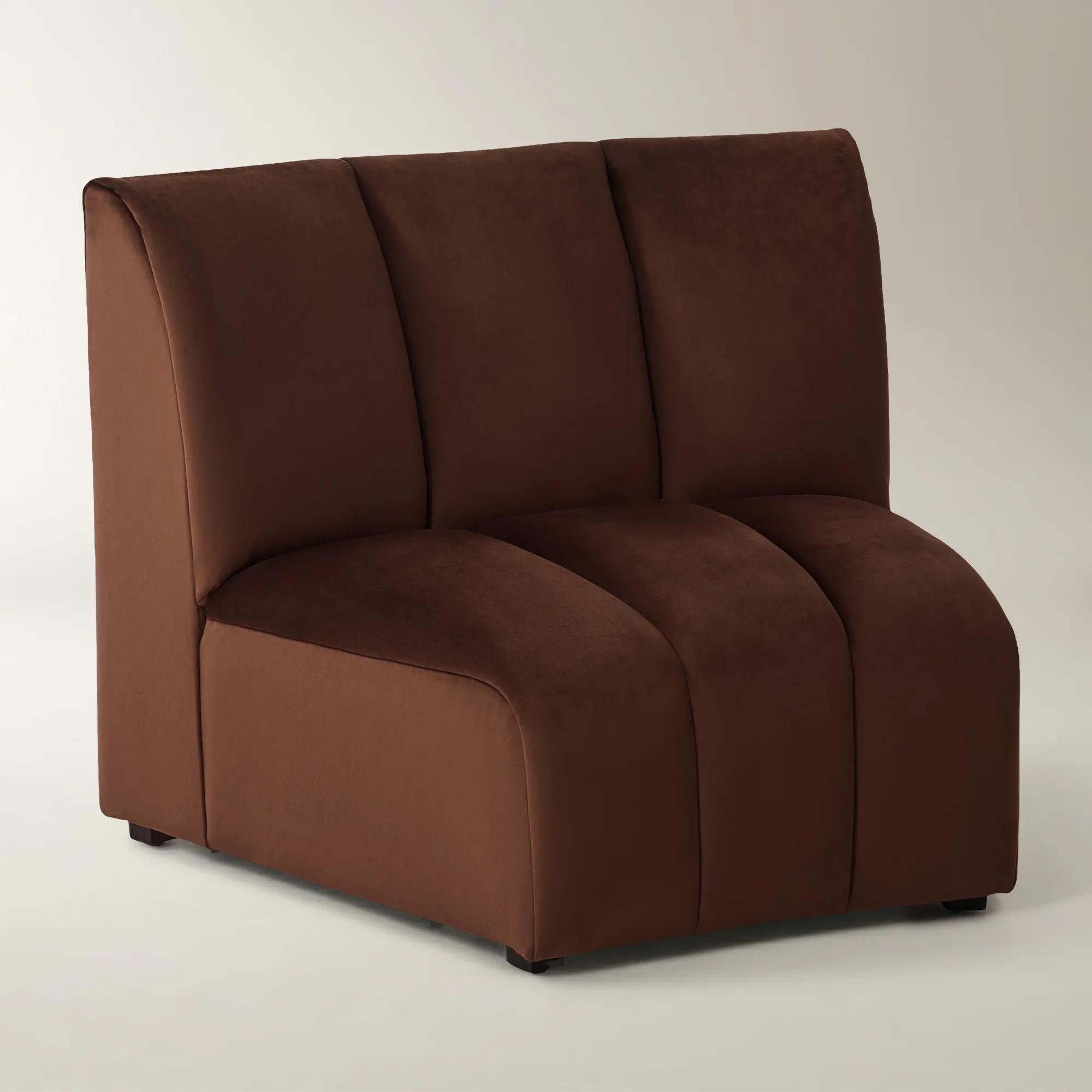
 Reina 3-Piece Tufted Oatmeal Velvet Sectional Sofa$2499
A plush oatmeal velvet sectional featuring channel tufting, deep seating, and an architectural winged silhouette.
Add To Cart -
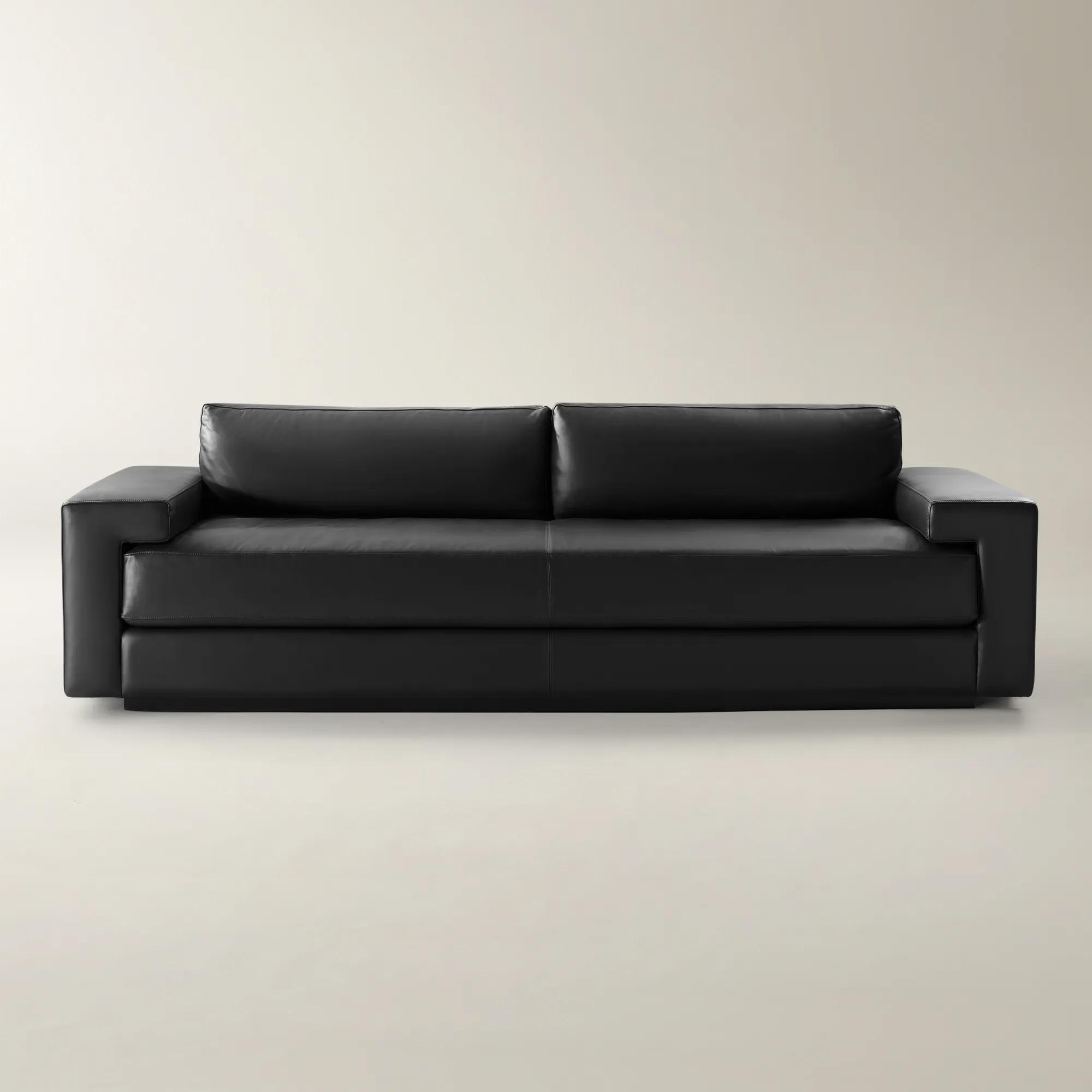 Ariel Black Leather Sofa$4599
A sleek, top-grain leather sofa with plush feather and foam cushions on a kiln-dried rubberwood frame.
Add To Cart -
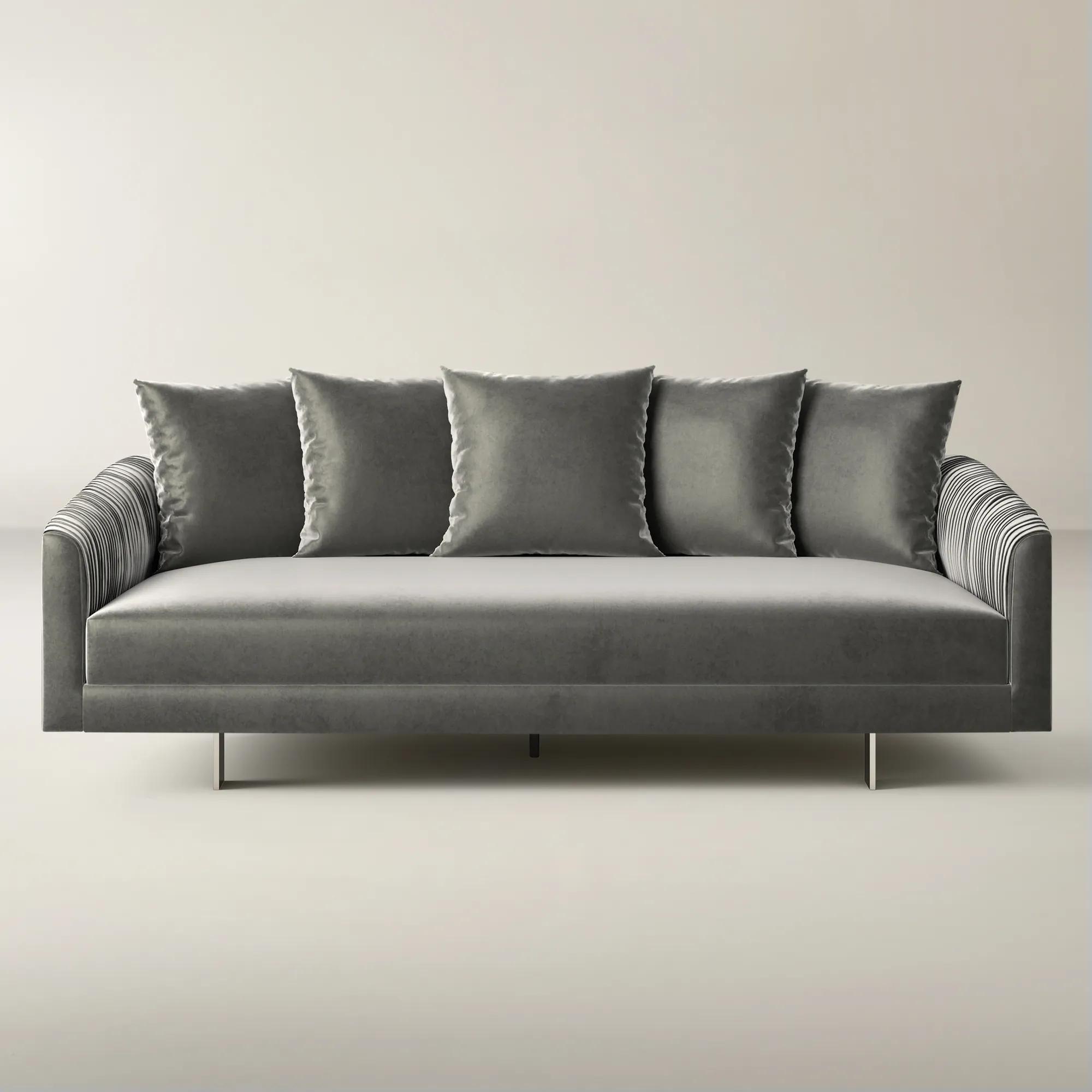 Isabel Ottergrey Velvet Sofa$2599
A luxurious hand-tufted sofa with plush feather-filled cushions, nickel-brushed stainless steel legs, and five decorative pillows.
Add To Cart -
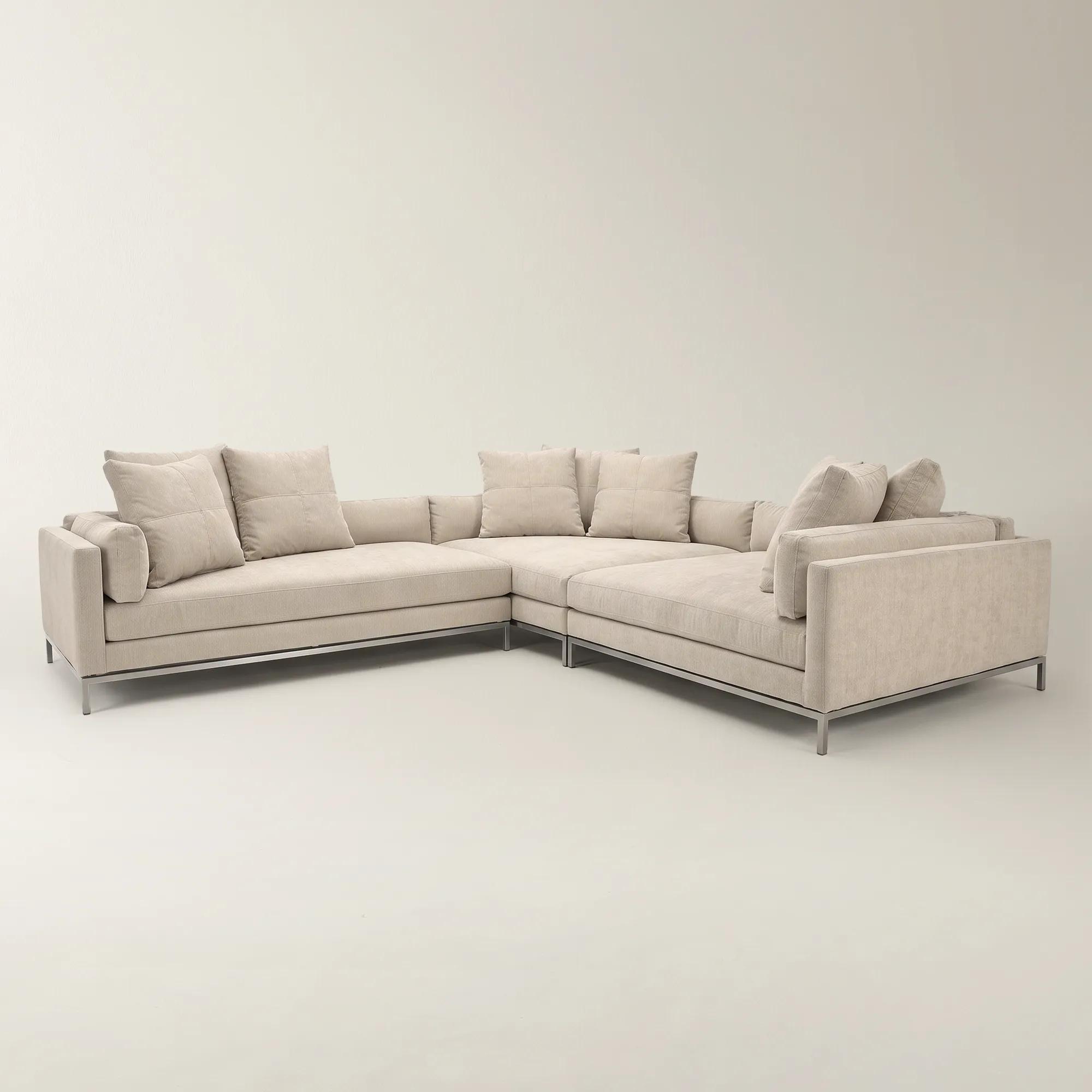
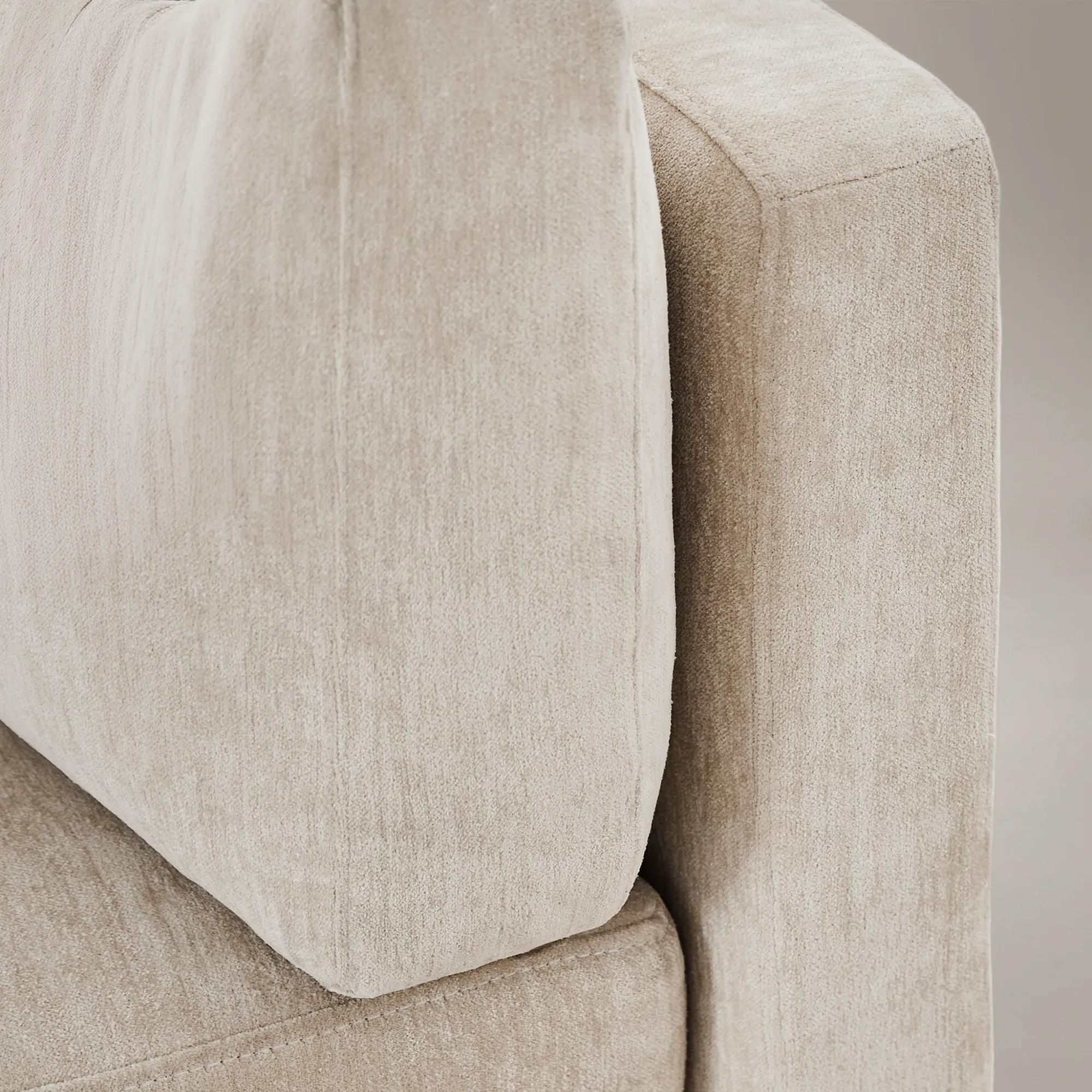 Ventura 3-Piece L-Shaped Snow Chenille Sectional Sofa With Left-Arm Chair$5999
A modern Snow chenille sectional with a stainless-steel base, plush feather pillows, and deep-seated comfort.
Add To Cart -
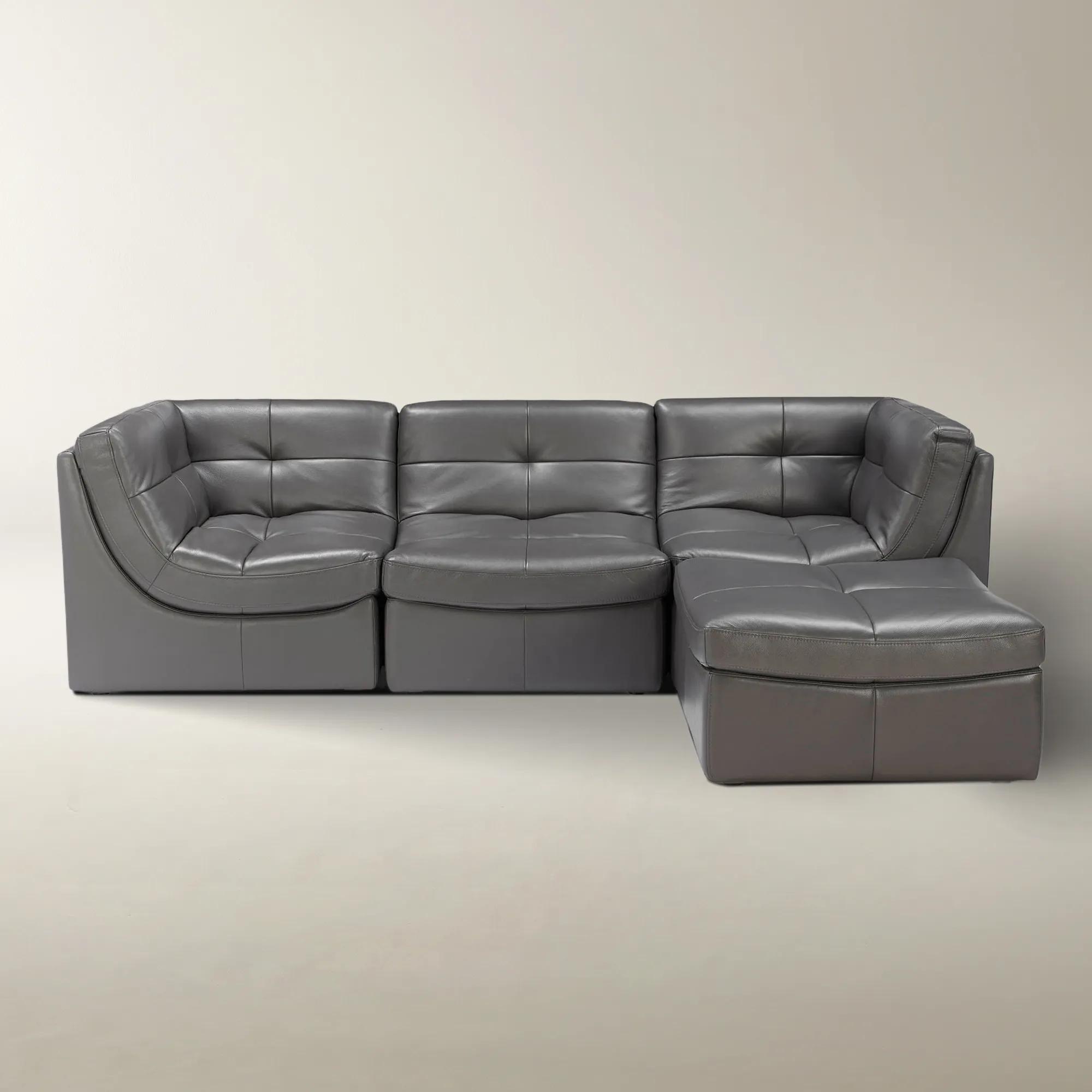
 Convo 4-Piece L-Shaped Charcoal Leather Sectional Sofa With Ottoman$4849
A modular charcoal leather sectional with kiln-dried hardwood frame and gently curved, blind-tufted seats.
Add To Cart -
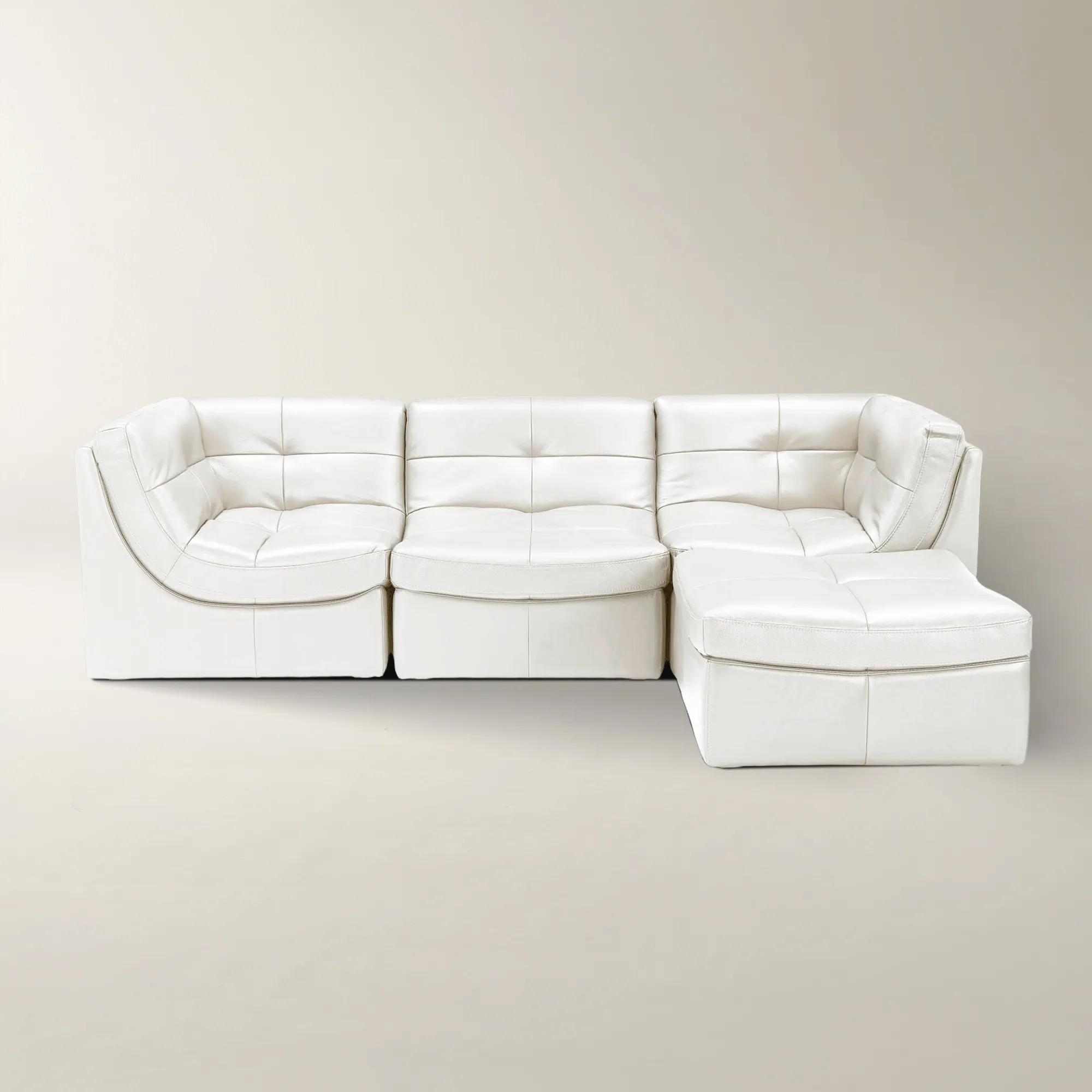
 Convo 4-Piece L-Shaped White Leather Sectional Sofa With Ottoman$4849
A modular sectional featuring gently curved seats and charcoal semi-aniline leather upholstery for modern versatility.
Add To Cart -

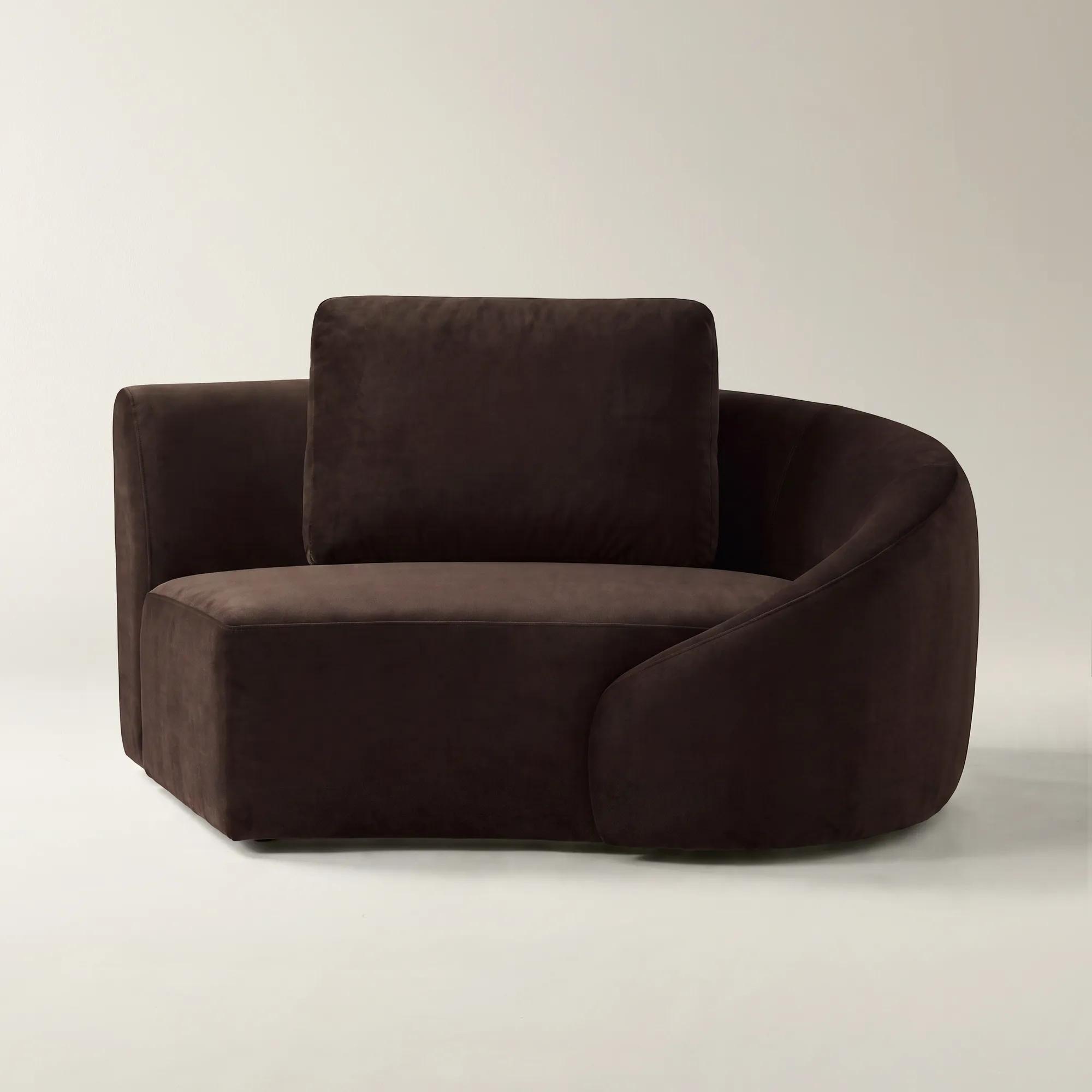
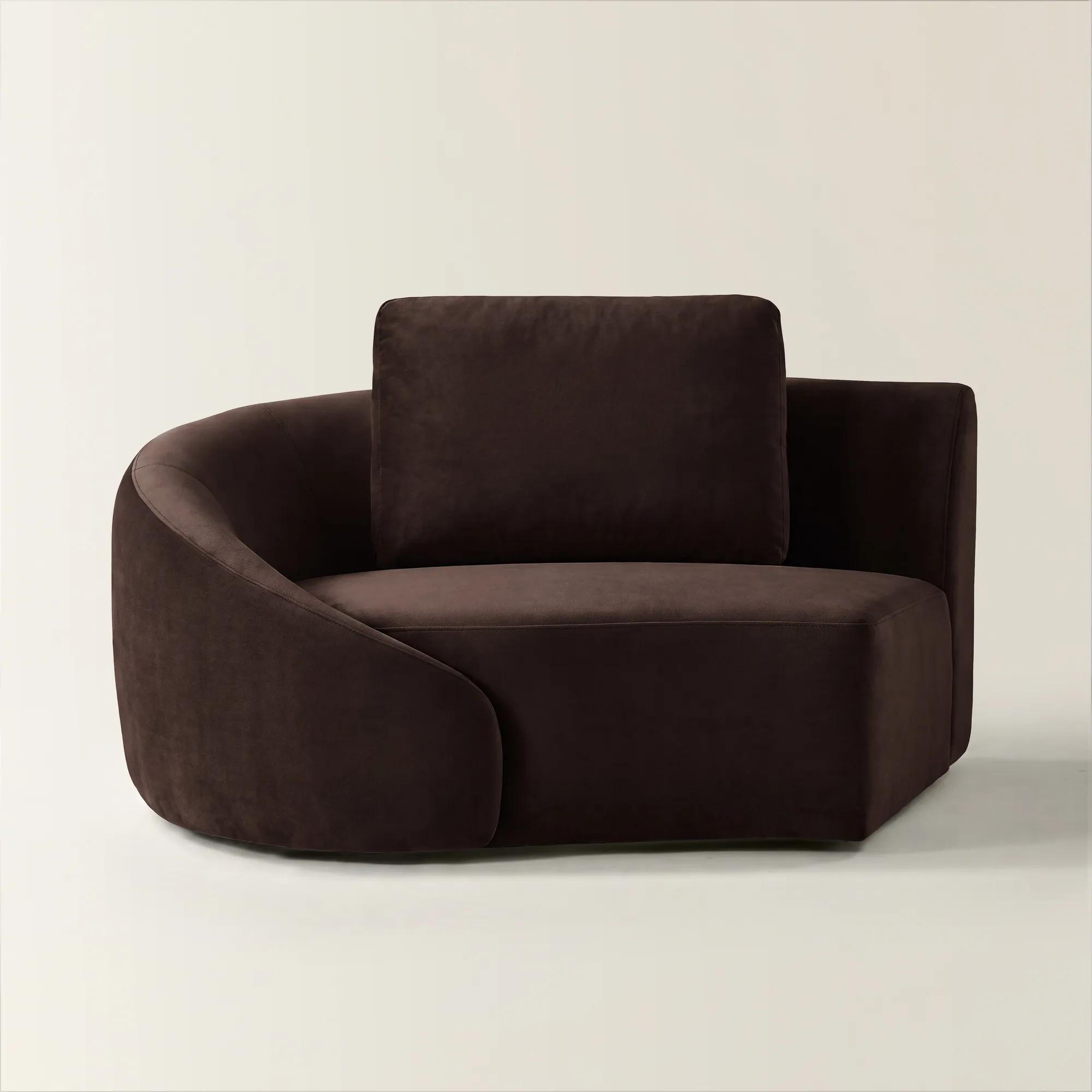
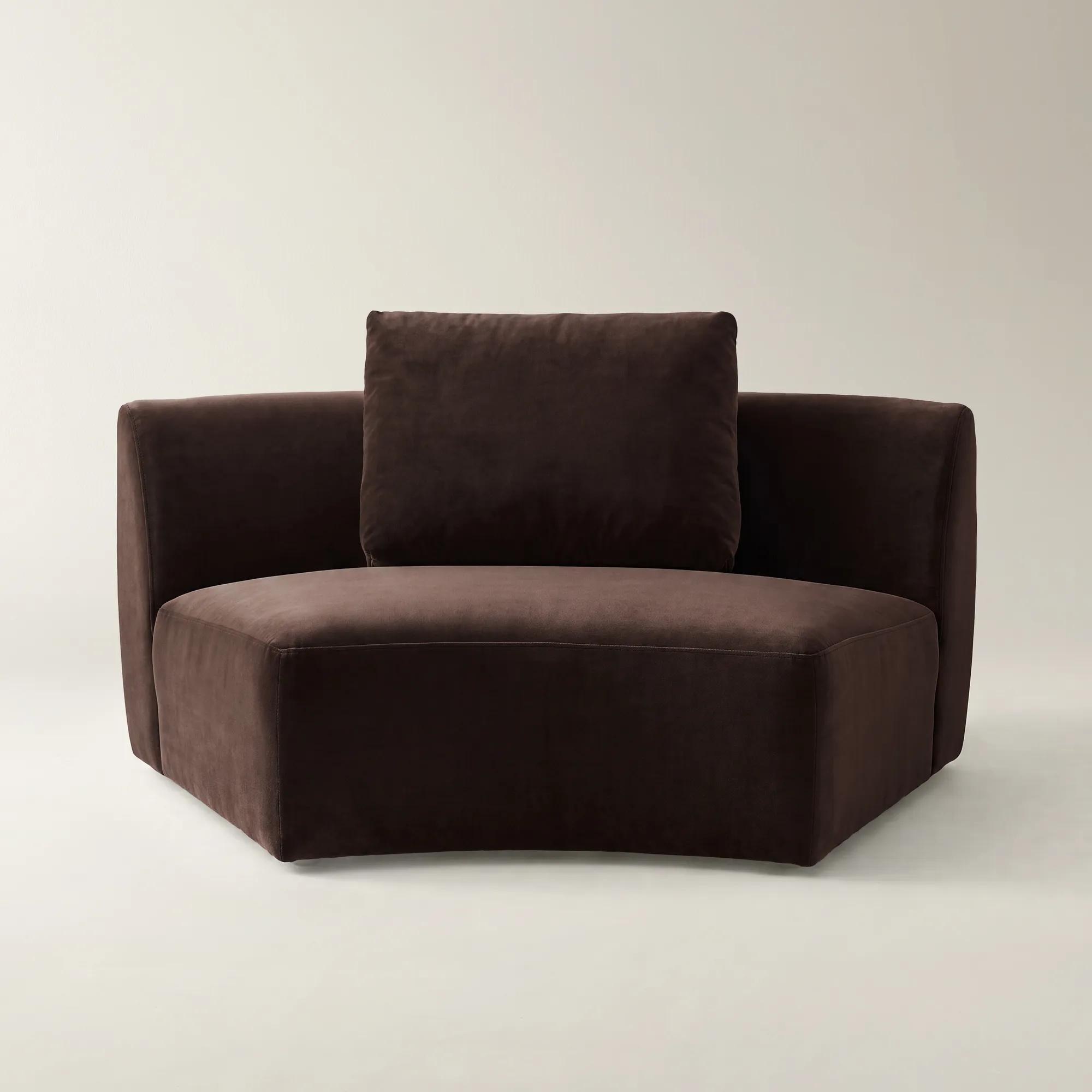
 Curvia 2-Piece Dark Chocolate Velvet Grand Sectional Sofa$2899
A modular sectional wrapped in dark chocolate velvet, featuring sculptural curves and deep, plush lounge seating.
Add To Cart -
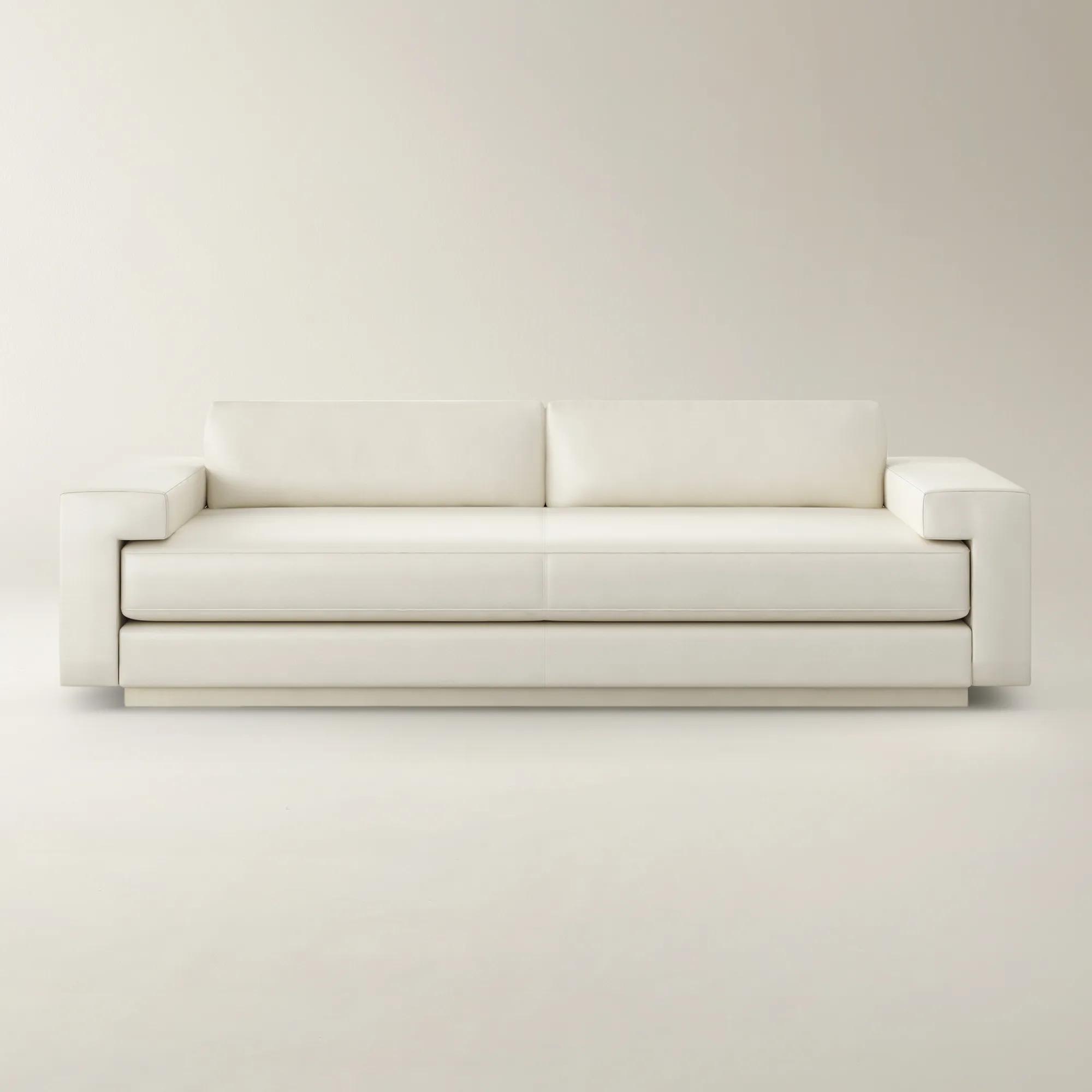 Ariel White Leather Sofa$4599
A sleek, hand-upholstered sofa in top-grain leather with plush feather and foam cushions for comfort.
Add To Cart -
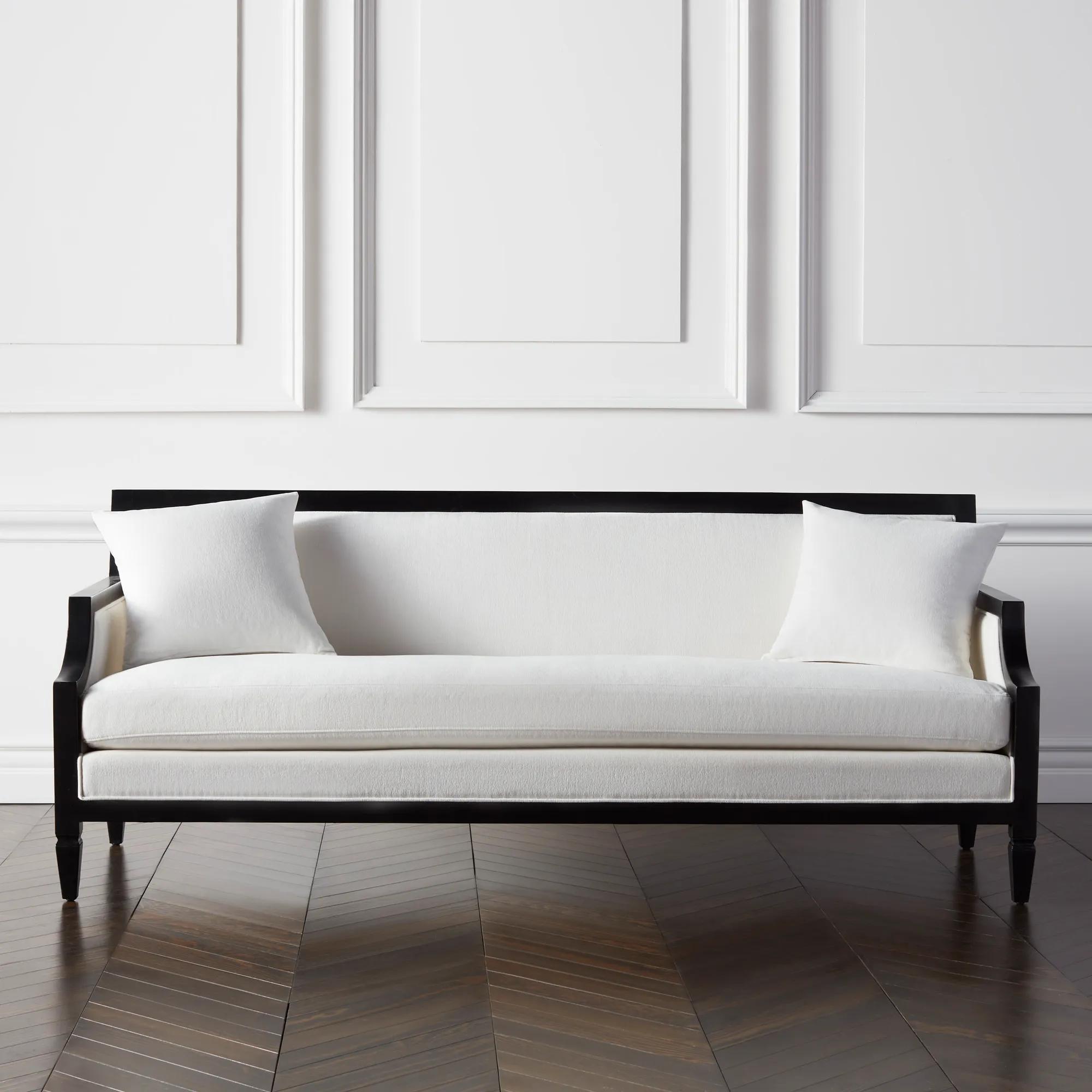
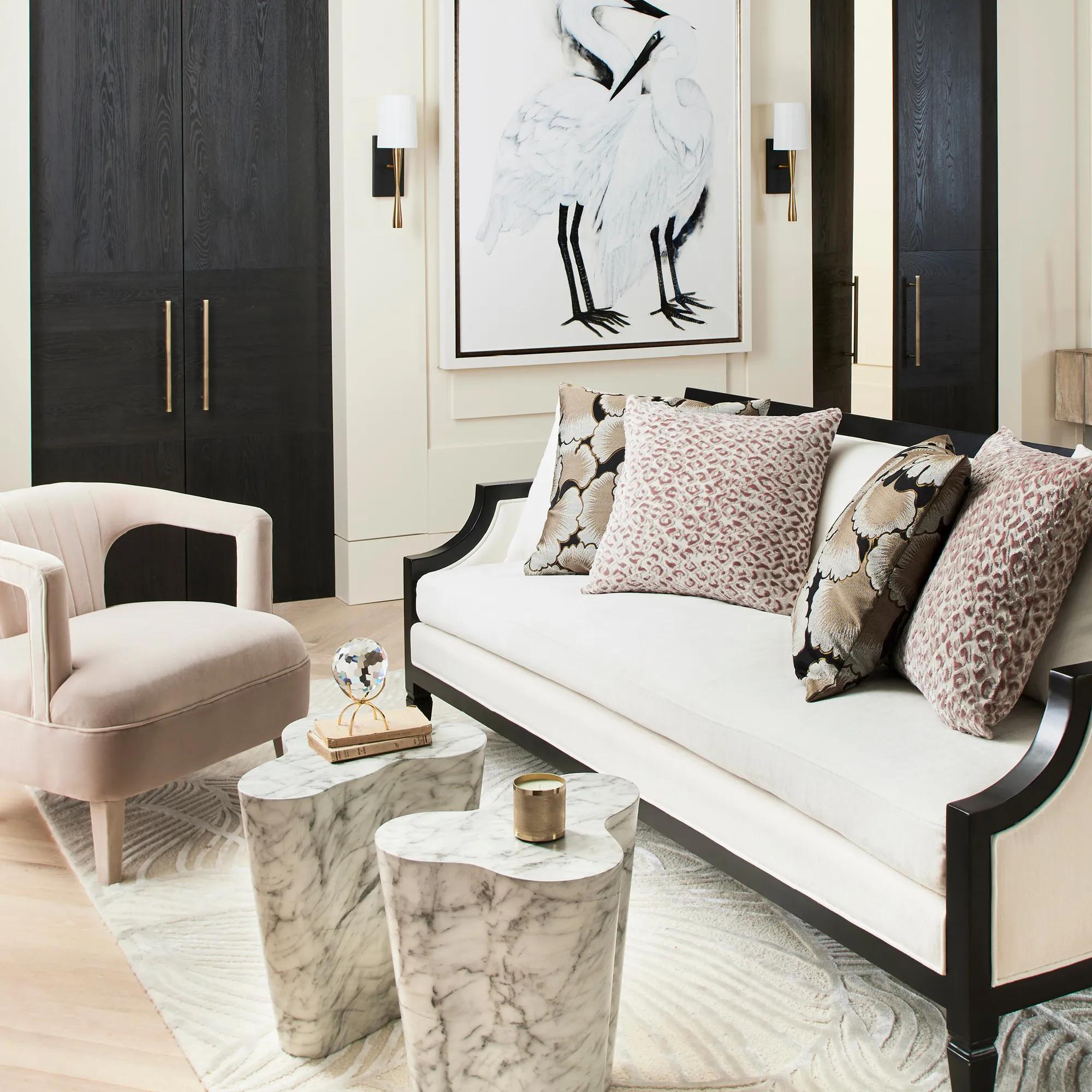 Kayla Sofa$3149
A plush, modern sofa featuring notched arms, matte black wood frame, and Kenley Chenille Snow upholstery.
Add To Cart -
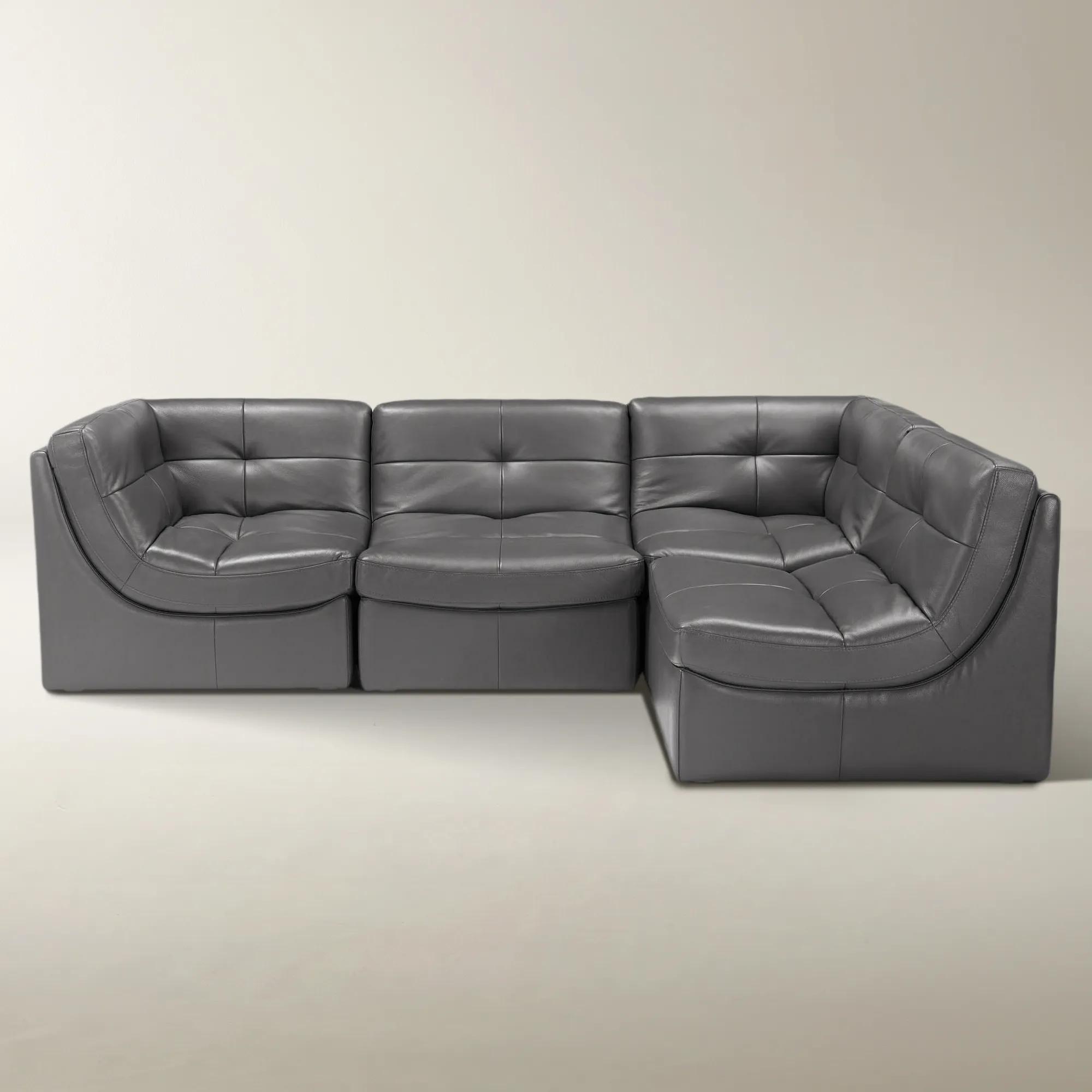 Convo 4-Piece L-Shaped Charcoal Leather Sectional Sofa With Armless Chair$5199
A modular charcoal leather sectional with kiln-dried hardwood frame and gently curved, blind-tufted seats.
Add To Cart -
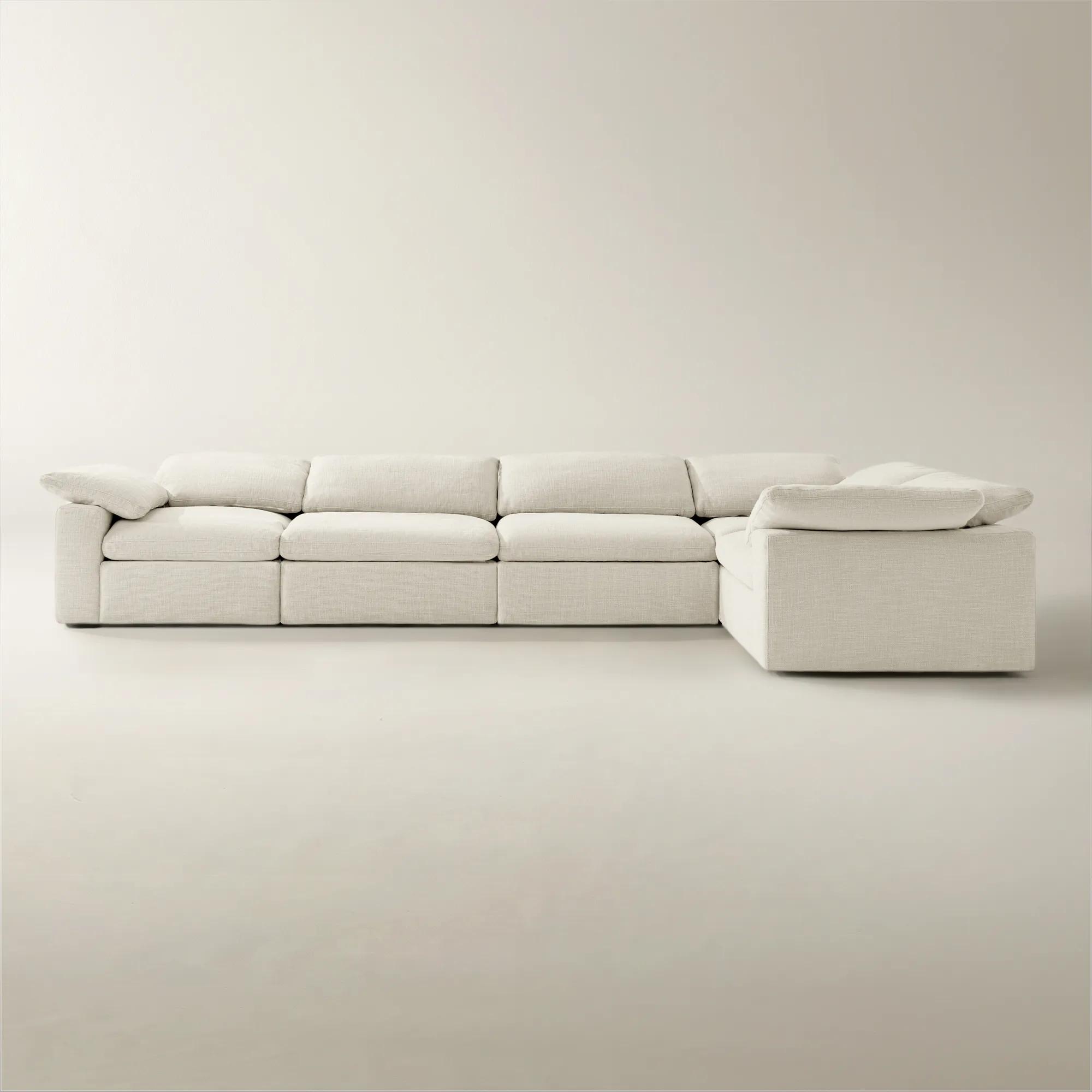
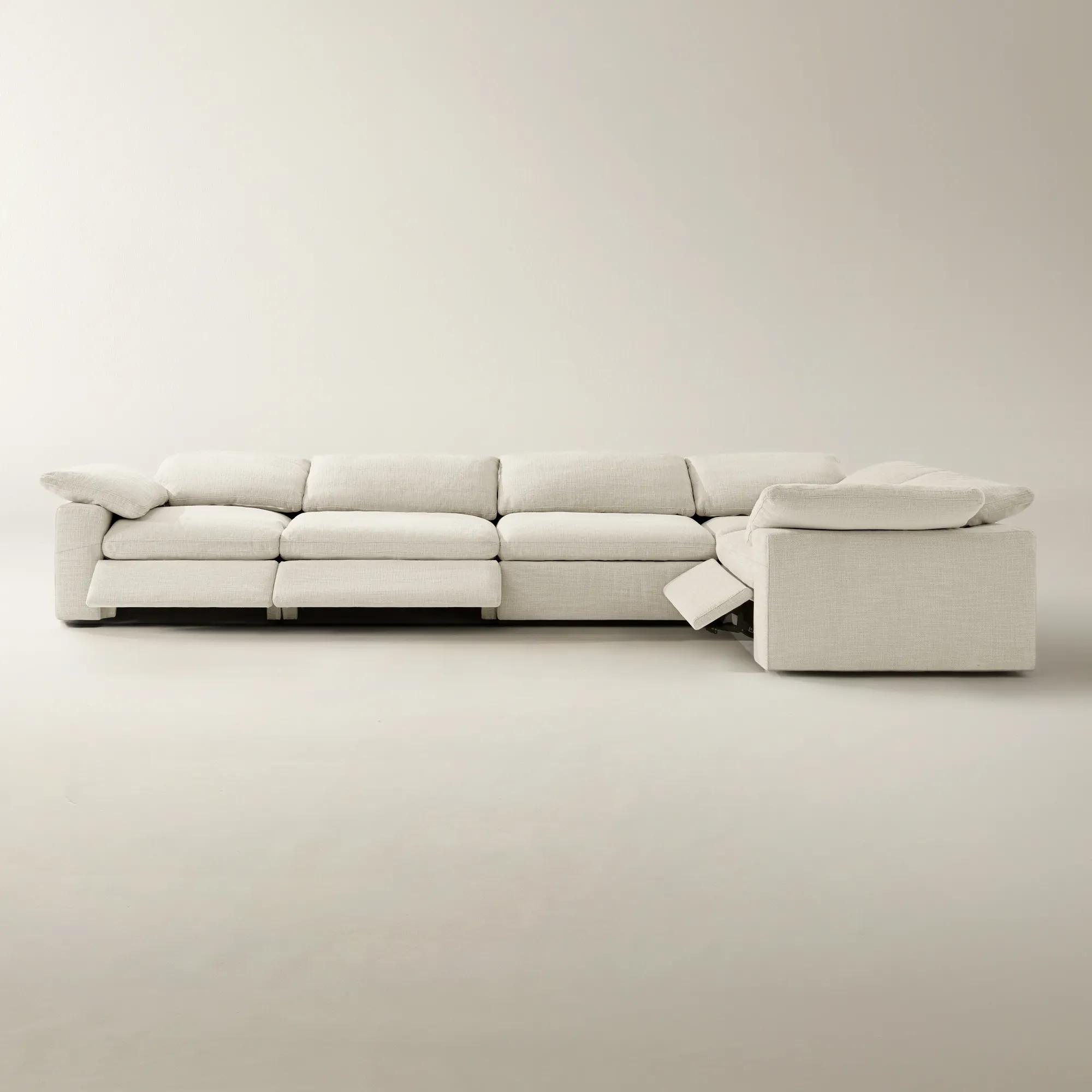 Milo 5-Piece Reclining Ivory Performance Fabric Sectional$5499
A modular sectional in beige or dove grey with plush feather cushions and power reclining footrests.
Add To Cart -
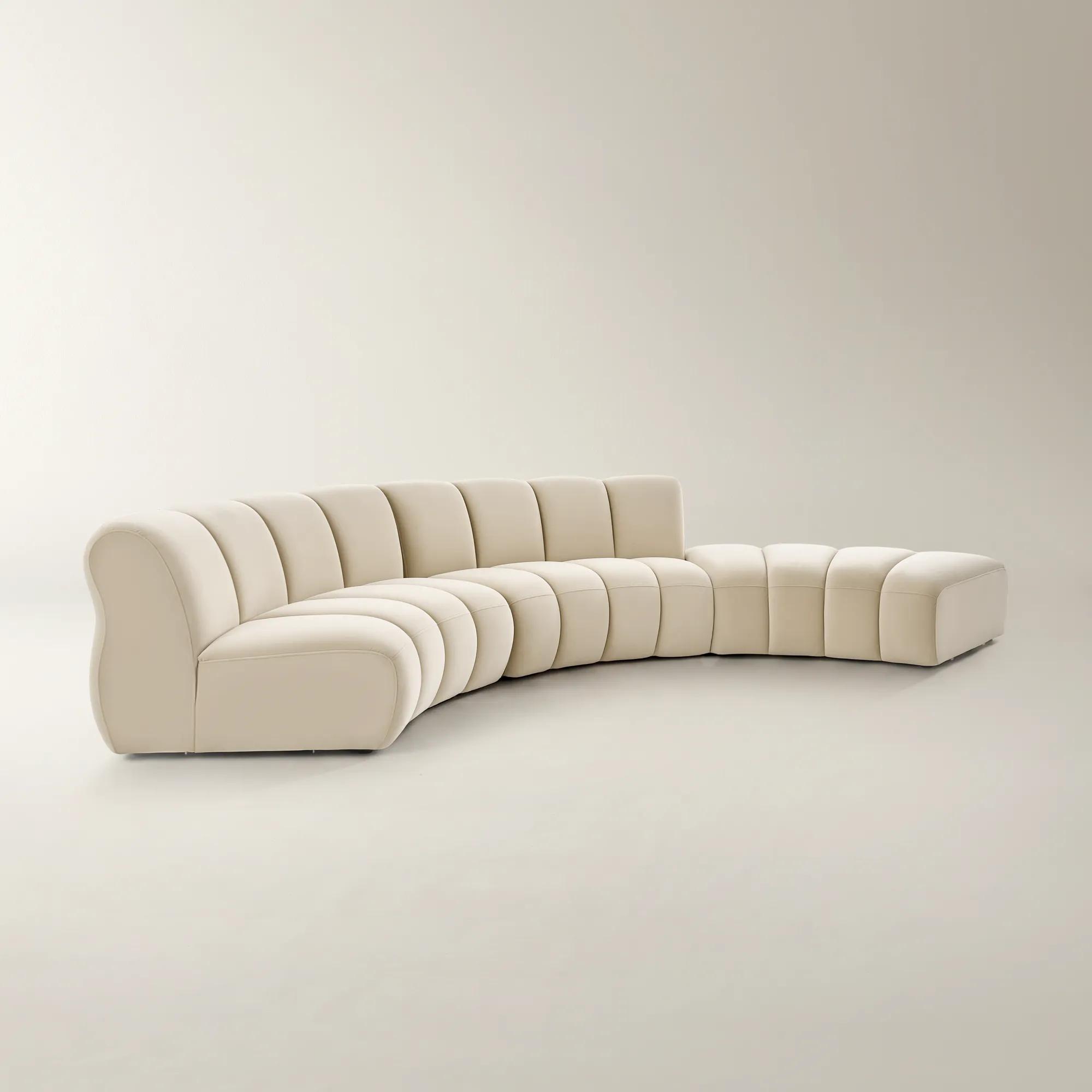 Jocelyn 3-Piece Channel-Tufted Oatmeal Velvet Sectional Sofa With Ottoman$3699
An oatmeal velvet sectional with deep channel tufting, curved silhouette, and modular design for versatile lounging.
Add To Cart -
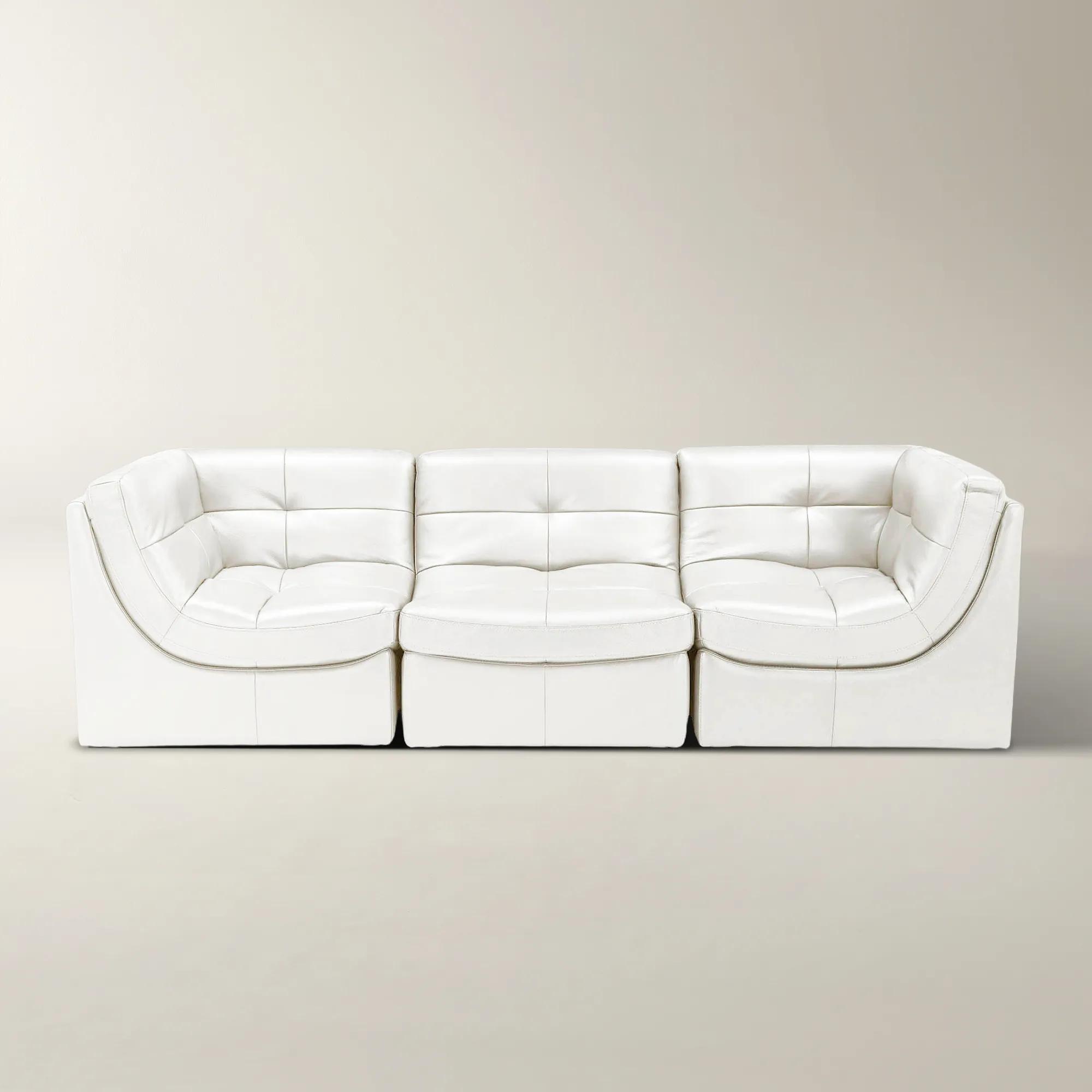 Convo 3-Piece White Leather Sectional Sofa$3999
A modular charcoal leather sofa with kiln-dried hardwood frame and blind-tufted, semi-aniline upholstery.
Add To Cart -
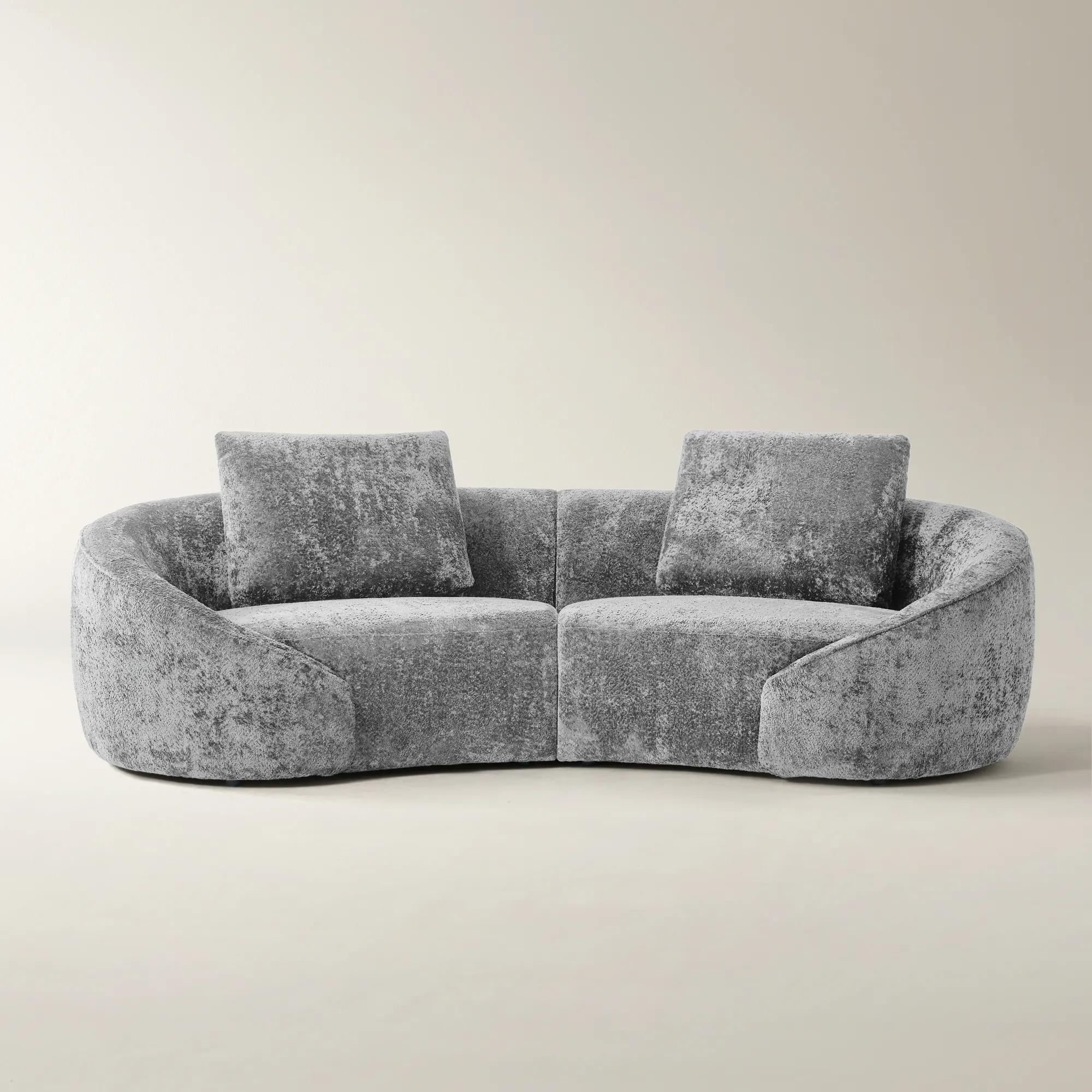 Irene 2-Piece Grey Chenille Sectional$2699
A modern curved sectional upholstered in plush Utopia Sand chenille with high-density foam cushioning for comfort.
Add To Cart -
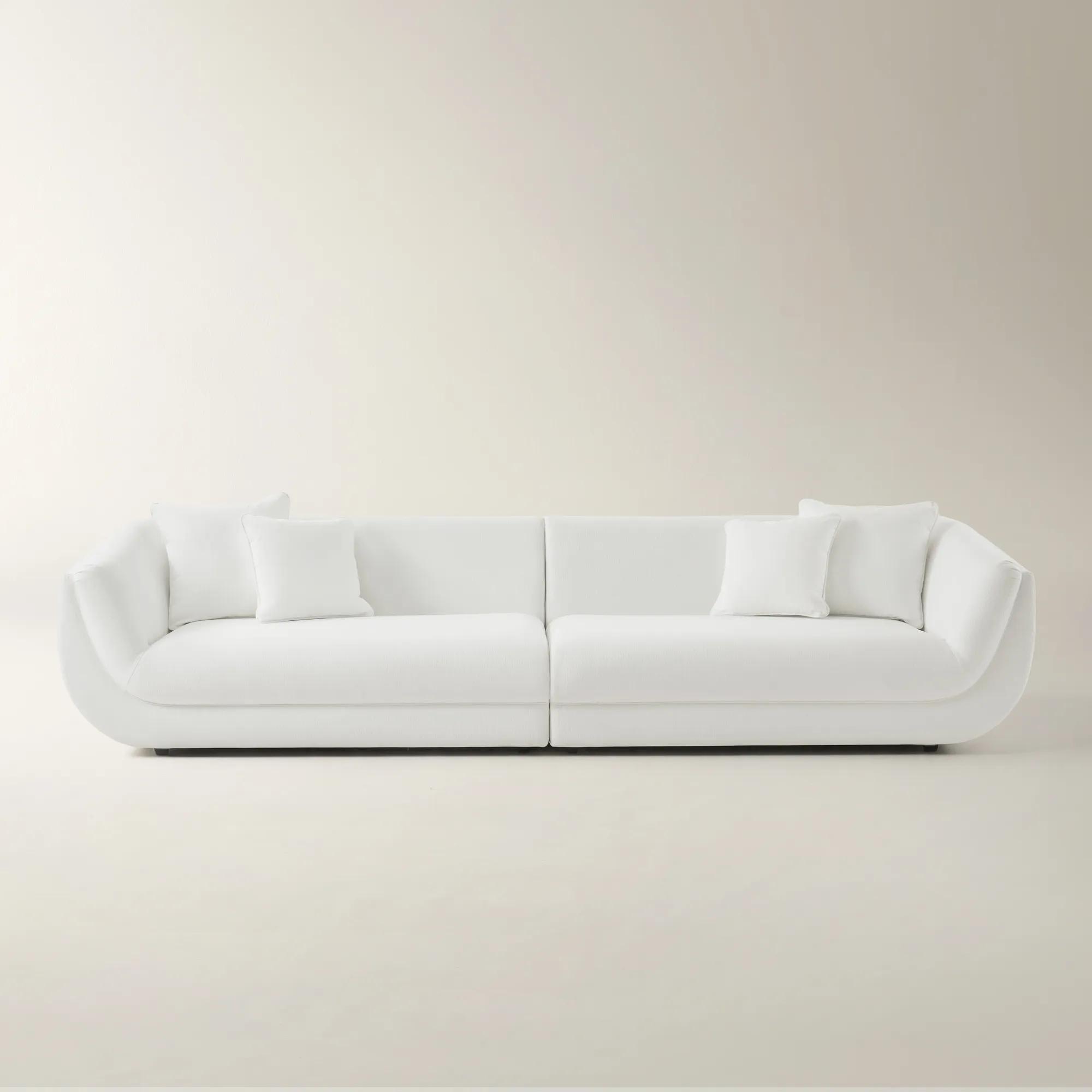
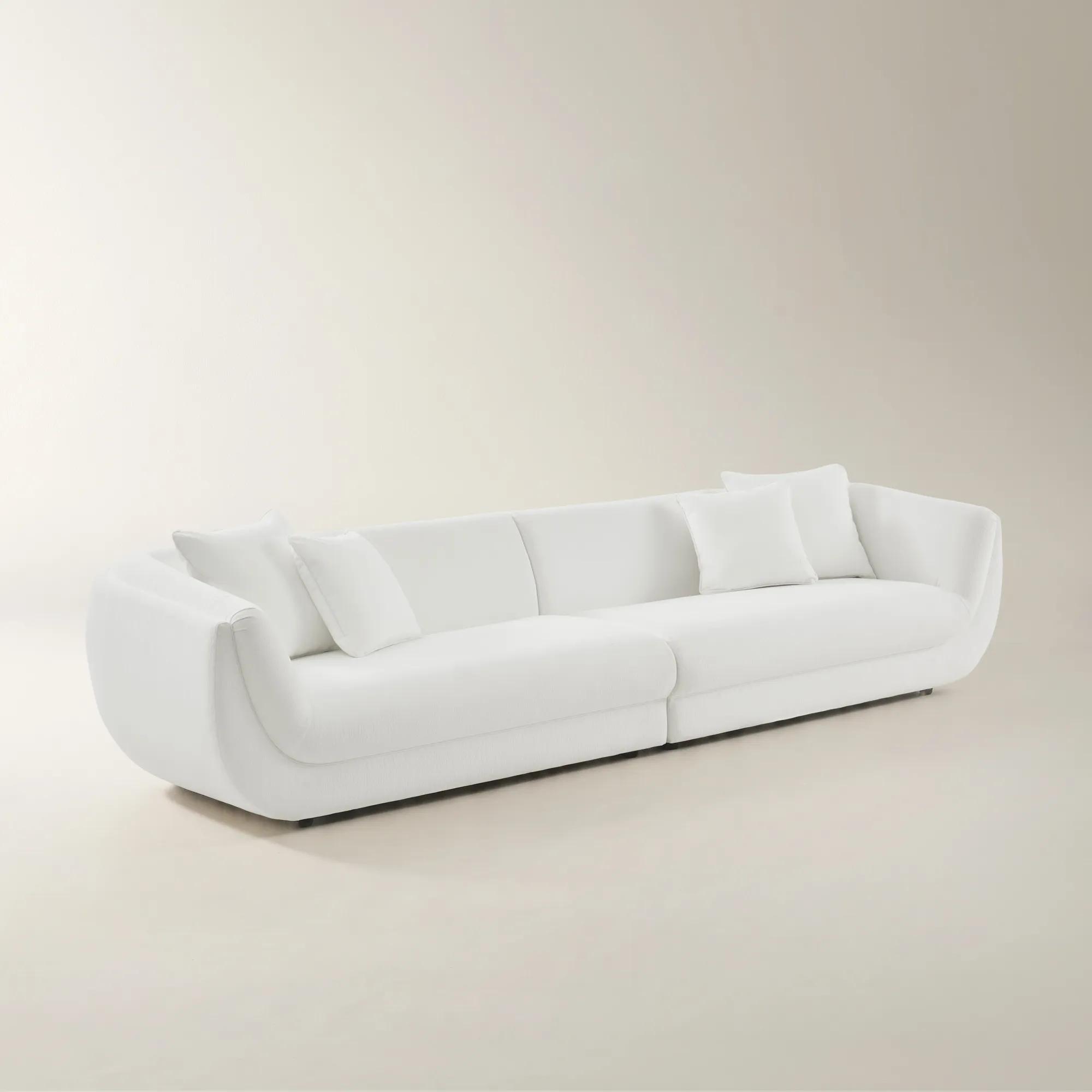 Curvia 2-Piece White Performance Chenille Indoor/Outdoor Grand Sectional Sofa$2999
A sculptural white sectional wrapped in performance chenille, designed for luxurious indoor or outdoor lounging.
Add To Cart

Comfortable Sofas For Seniors
Comfortable sofas for seniors transform relaxation into an art form—inviting you to unwind in spaces crafted for both elegance and ease. Imagine plush silhouettes that embrace every curve, supportive contours that offer sanctuary after a long day, and textures that beckon you to linger just a little longer. With each piece, comfort becomes a statement of style, blending sophistication with thoughtful design. Discover how comfortable sofas for seniors can elevate your living room into a haven of luxury, where every moment is savored and every detail speaks to refined living.
Comfortable sofas for seniors bring together poised design, supportive seating, and the pleasure of feeling at ease in a beautifully composed room. The most useful features often include a seat height that allows feet to rest flat on the floor, cushions that feel supportive rather than deeply yielding, a seat depth that accommodates upright sitting, and sturdy armrests within comfortable reach. A seat height of approximately 18 to 20 inches from the floor is a common starting point, not a universal requirement; the right height depends on leg length, cushion compression, and individual mobility. A taller seat is not necessarily more comfortable if it leaves feet dangling, just as a low silhouette can feel less inviting when standing requires extra effort. Equally important is usable seat depth: the distance from the front edge of the cushion to the supporting back cushion, rather than the sofa’s overall depth. A well-proportioned seat allows the back to meet the cushion while the feet remain grounded, without the front edge pressing behind the knees. For someone who enjoys reading upright, sharing conversation, or watching a favorite film, that balance can matter more than an expansive lounging surface. Older adults have varied preferences, and age alone does not determine the ideal sofa. A petite person may appreciate a shallower seat, while a taller person may need additional depth and a higher back. For shared seating, individual cushions and thoughtfully placed pillows can help accommodate different preferences without overwhelming the silhouette. A gently shaped back, tailored upholstery, and substantial arms can give these practical proportions a distinctly sophisticated presence. Think of a sculptural sofa anchoring a luminous living room, its cushions offering a composed seat rather than a dramatic sink. Comfort becomes part of the room’s artistry: welcoming enough for everyday rituals, refined enough for company, and proportioned for the person who will use it most.
Cushion construction gives comfortable seating much of its character, influencing both the initial feel and how the sofa performs over time. High-density foam can contribute to durability and shape retention, but density and firmness describe different qualities; a dense foam cushion is not automatically firm. For older adults who prefer easier transitions between sitting and standing, a supportive, medium-firm to firm feel may be more suitable than a cushion that compresses deeply. Foam cores with a softer wrap can offer a gentler surface while retaining underlying structure, depending on their construction. Feather- or down-rich cushions create a sumptuous, relaxed look, though they may require regular fluffing and can feel too yielding for someone who needs a more stable seat. A resilient suspension system and a well-constructed frame also help maintain consistent support, while secure connections and a stable base limit unwanted movement during ordinary use. Armrests deserve the same attention as the cushions. Firm, securely constructed arms at a comfortable height may provide useful support when changing position, although a sofa should not be treated as a substitute for a mobility aid. Broad, heavily padded arms can be visually striking but difficult for some people to grasp; slender decorative arms may offer less surface for the forearm. The best balance is personal, combining a comfortable resting position with a structure suited to its intended use. Back cushions should support the preferred sitting posture without requiring a mound of accent pillows. One modest lumbar pillow may feel more comfortable than several oversized cushions that push the sitter toward the edge. For people who enjoy changing position, reclining seating introduces another consideration: controls should be easy to reach and operate, with adequate clearance for moving parts and extended footrests. Power reclining and lift assistance are different functions, and neither should be assumed from appearance alone. Where significant mobility limitations are involved, individual fit and advice from an occupational therapist or another qualified clinician are more useful than any single dimension. Beautiful seating can accommodate practical priorities without suggesting that every sofa meets every support need.
Upholstery completes the experience, bringing touch, tone, and everyday care into the same conversation. Velvet lends depth to jewel tones and makes a softly contoured silhouette feel especially expressive, while tightly woven fabrics create a tailored finish with a more restrained texture. Performance upholstery may simplify care in a frequently used living room, but stain resistance, cleaning methods, and durability vary by fabric and treatment. A close, even weave may be preferable in households where jewelry, pet claws, or clothing fasteners could catch on pronounced loops. Leather offers distinctive grain and a surface that can often be dusted or wiped according to its care instructions, though its feel and resistance to marking depend on the finish. Some smooth upholstery can feel slippery beneath certain clothing, making the interaction between fabric and seating posture worth considering. Care should follow the manufacturer’s instructions: blot spills promptly, use only recommended cleaners, and avoid assuming that every upholstery fabric tolerates water or solvent-based products. Removable cushion covers are not necessarily machine washable. Rotating or reversing cushions, when their design permits, can distribute everyday wear, while keeping upholstery out of prolonged direct sunlight helps preserve its appearance. Scale matters just as much as surface. A compact sofa can create a gracious place for two without crowding circulation, while a longer silhouette gives visiting family room to gather. For more expansive seating arrangements, Large Comfortable Living Room Sofas offer a related direction to explore, with individual seat dimensions still deserving close attention. Leave clear routes around the seating, especially where a cane or walker is used, and position a side table so a book or glass is accessible without an awkward stretch. Delivery access also deserves consideration, including doorways, hall turns, and elevator dimensions. Whether chosen for an older adult’s own home or furnished by family for a shared living space, the sofa should reflect the primary user’s taste and comfort preferences. Rich texture, expressive color, and thoughtful proportions make supportive seating feel personal rather than purely practical—a confident foundation for a room designed to be enjoyed.
FAQs
For senior-friendly sofas, look for upholstery crafted from performance fabrics or high-quality leather. These materials are not only luxurious to the touch but also resist stains and are simple to clean, making them ideal for everyday living. Many options also feature removable and washable covers, combining elegance with effortless upkeep.
Elevate the ambiance by layering your sofa with plush throws, supportive accent pillows, and a chic side table for essentials. Choose accessories in soothing tones or bold metallics to reflect your personal flair, and incorporate soft lighting to bathe the space in a gentle, golden glow—perfect for relaxation or entertaining guests.
Absolutely. Traditional and transitional sofa designs often feature high backs, firm seating, and sculptural armrests, offering both refined style and essential support. These silhouettes are timeless, allowing you to create a space that feels both elegant and tailored to comfort.
Seek out sofas with medium-firm cushions, sturdy armrests, and supportive frames. Power recliner functions or high-seat designs can provide added ease when sitting down or standing up. These thoughtful elements transform the sofa into a haven for relaxation and effortless movement.
A beautifully crafted, supportive sofa is a meaningful gift that offers daily comfort and a touch of luxury. It’s a gesture that says you value both their well-being and their sense of style, making it perfect for milestones, holidays, or simply to show appreciation for a loved one.