Classic Living Room Chairs
Classic Living Room Chairs
-
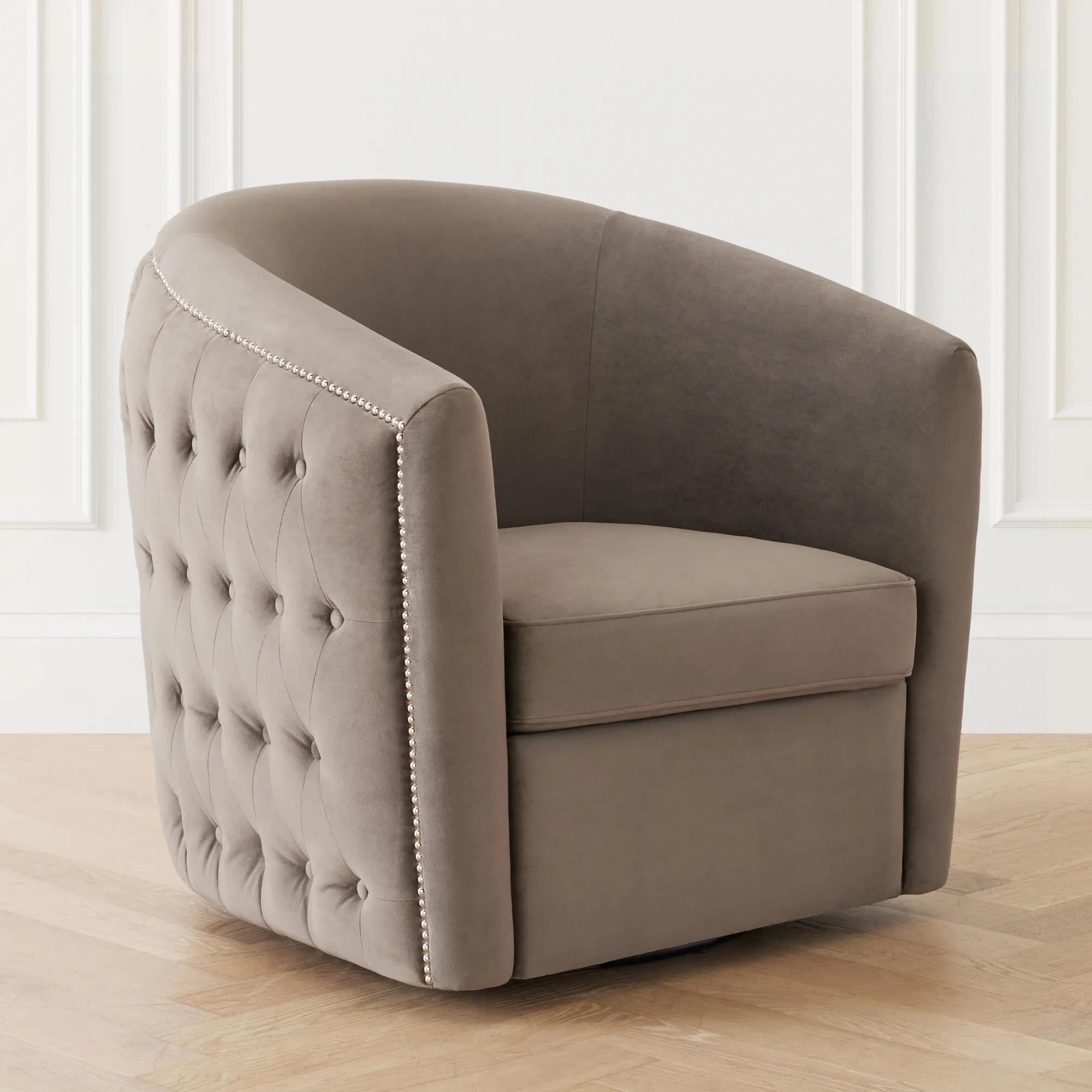
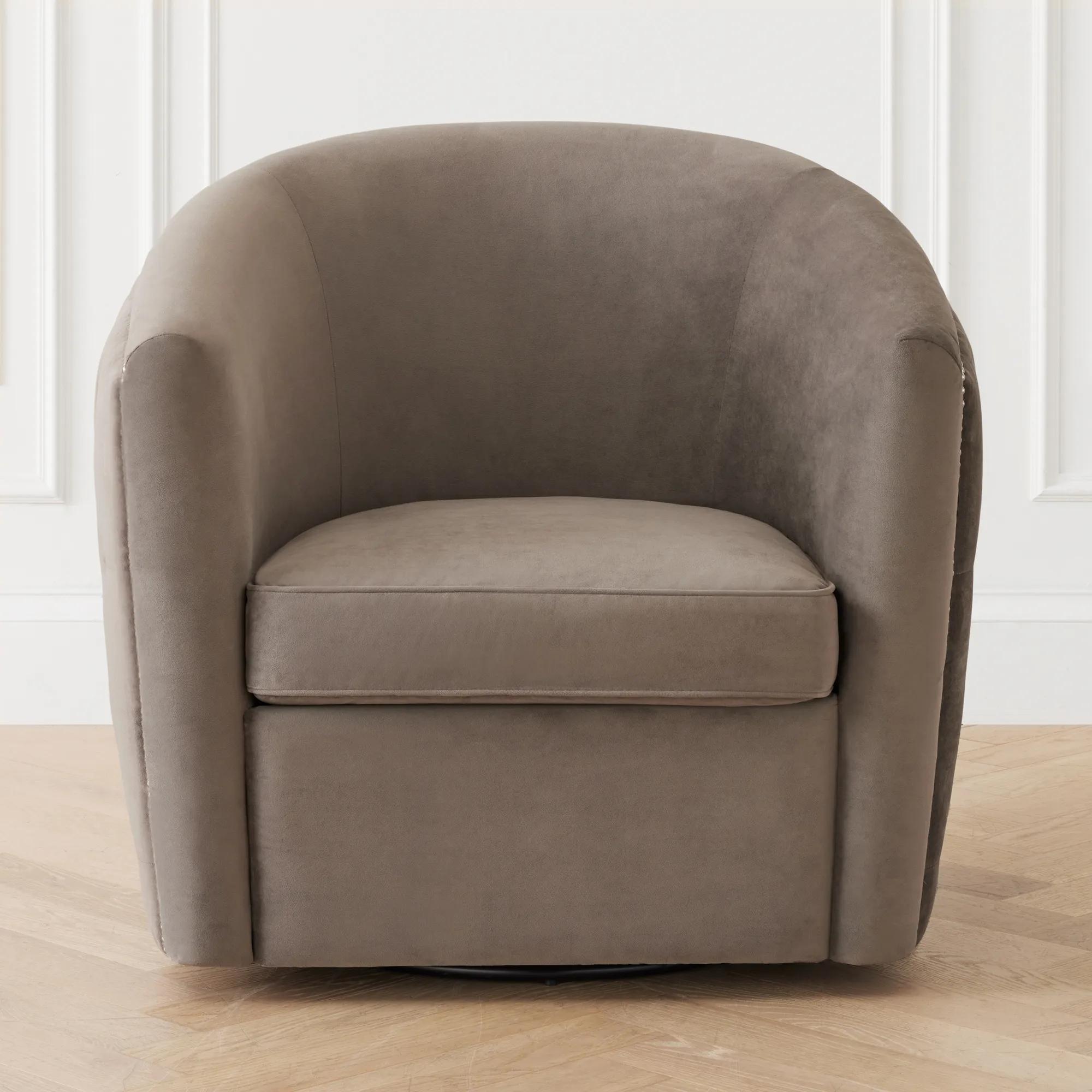 Aria Tufted Swivel Chair$1899
A barrel-style swivel chair in Bella Velvet Otter with tufted detailing and bright nickel nailhead trim.
Add To Cart -

 Aria Pleated Swivel Chair$1249
A barrel-style swivel chair crafted from kiln-dried hardwood and shown in luxurious Bella Velvet Pearl upholstery.
Add To Cart -
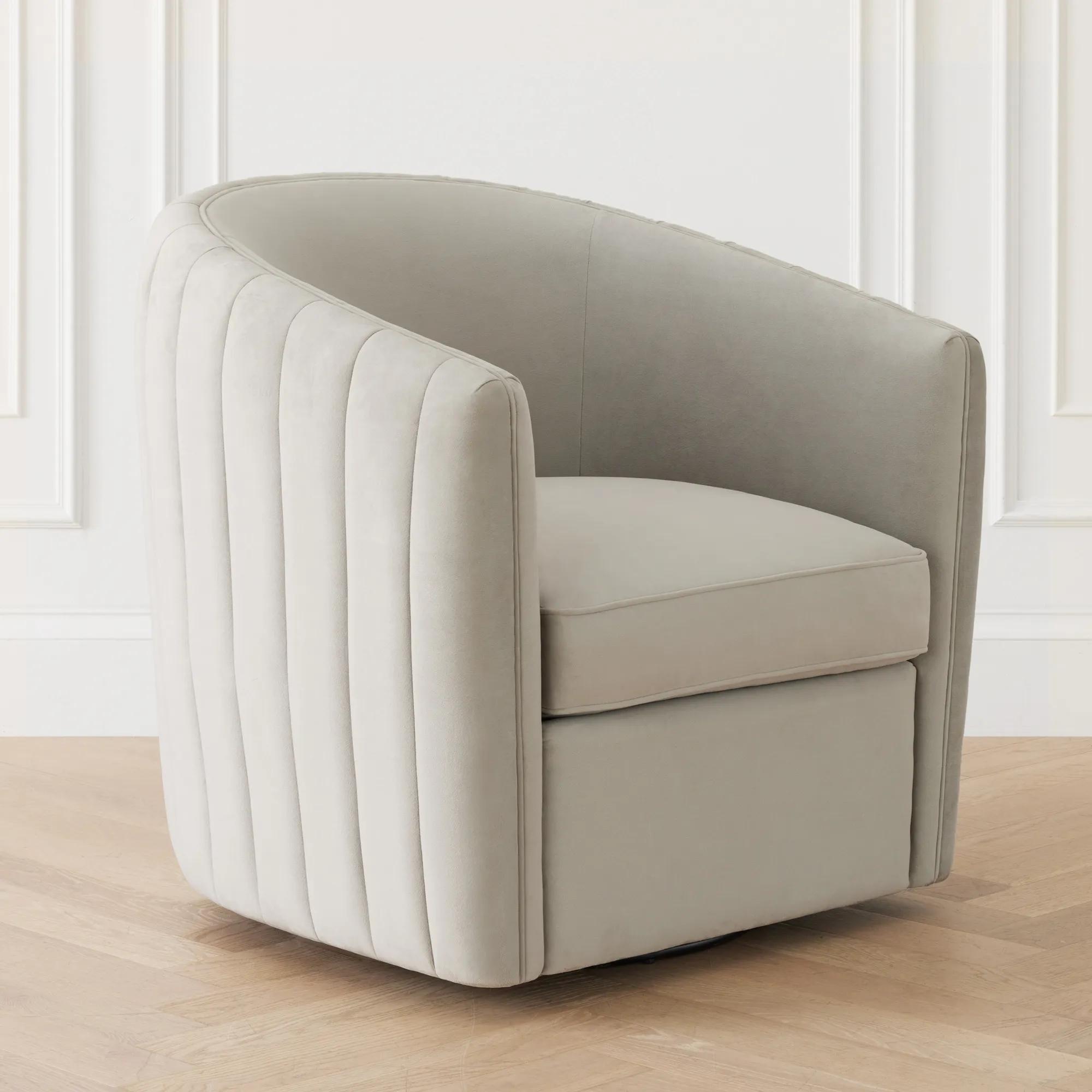
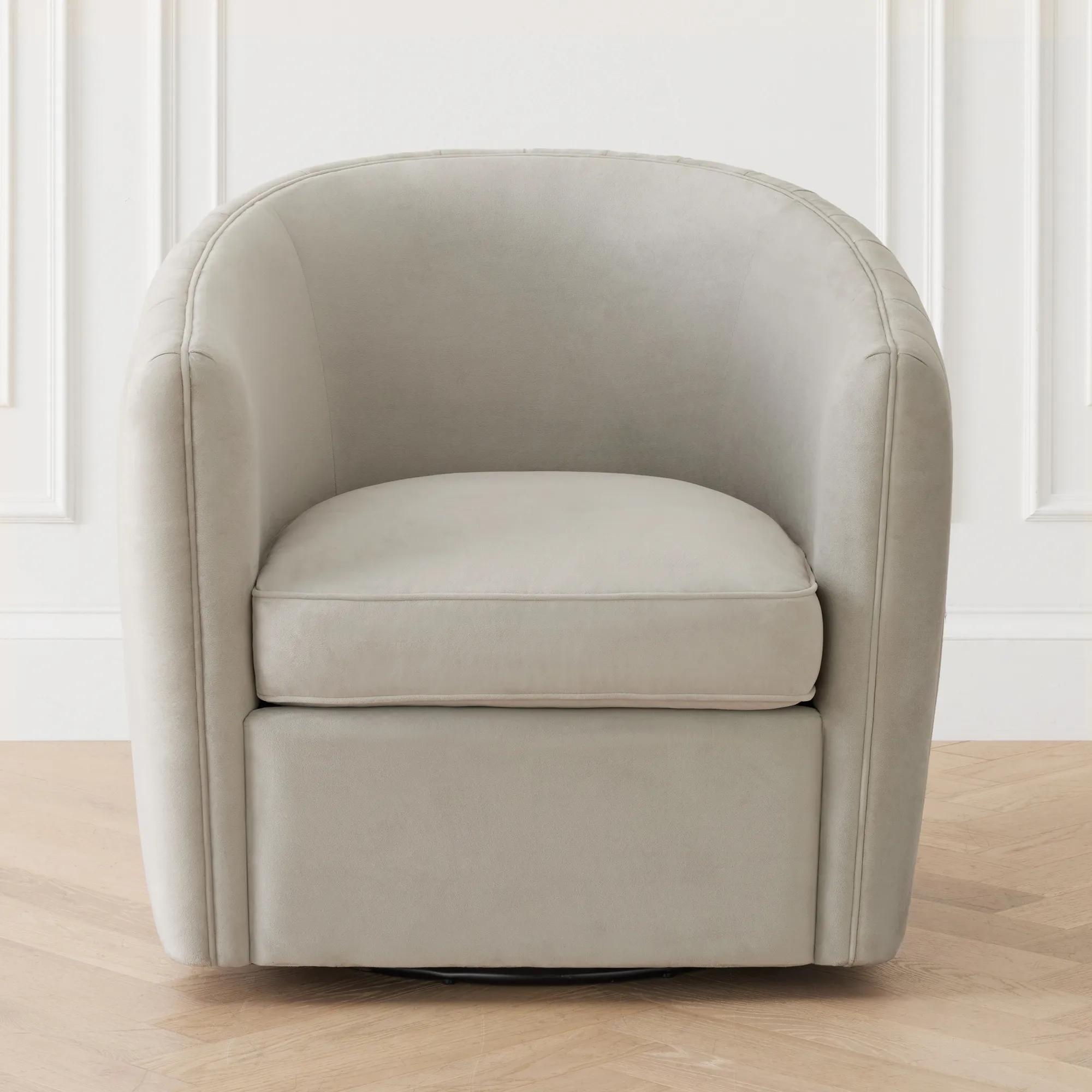 Aria Channeled Swivel Chair$1299
A modern barrel chair in kiln-dried hardwood with channeled velvet upholstery and a smooth swivel base.
Add To Cart -
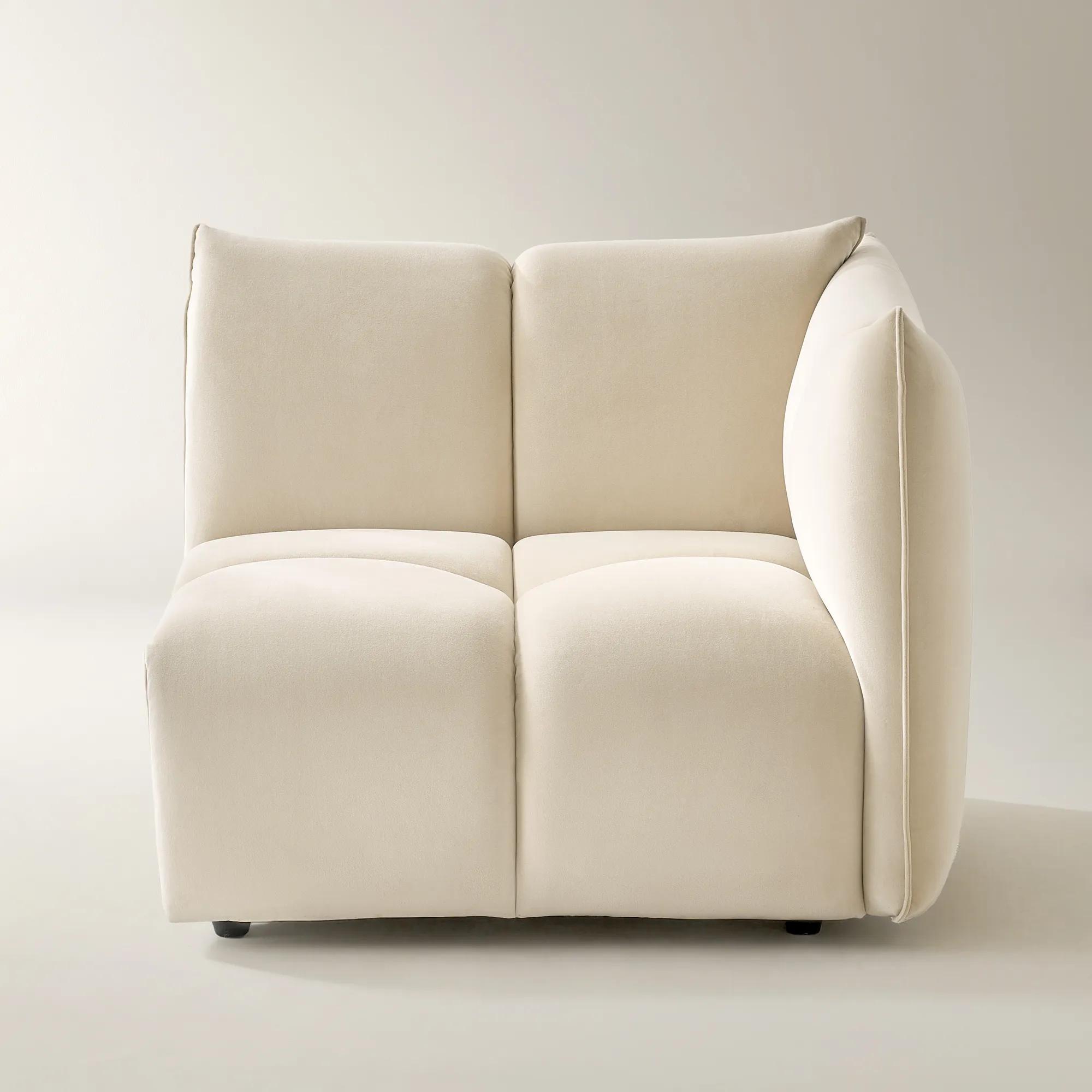
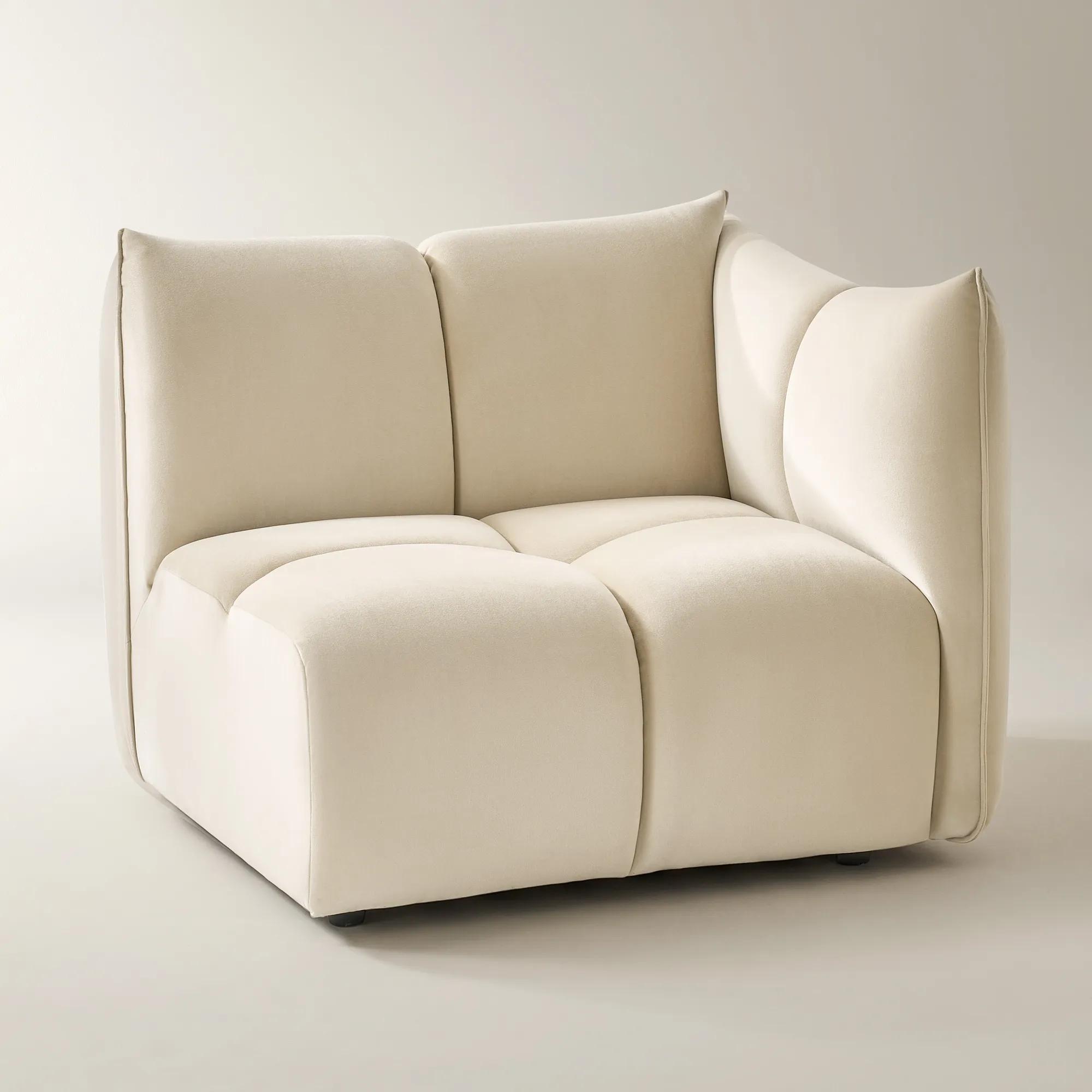 Reina Tufted Oatmeal Velvet Right-Arm Chair$899
A right-arm chair in oatmeal velvet featuring channel tufting, winged sides, and deep, plush seating.
Add To Cart -
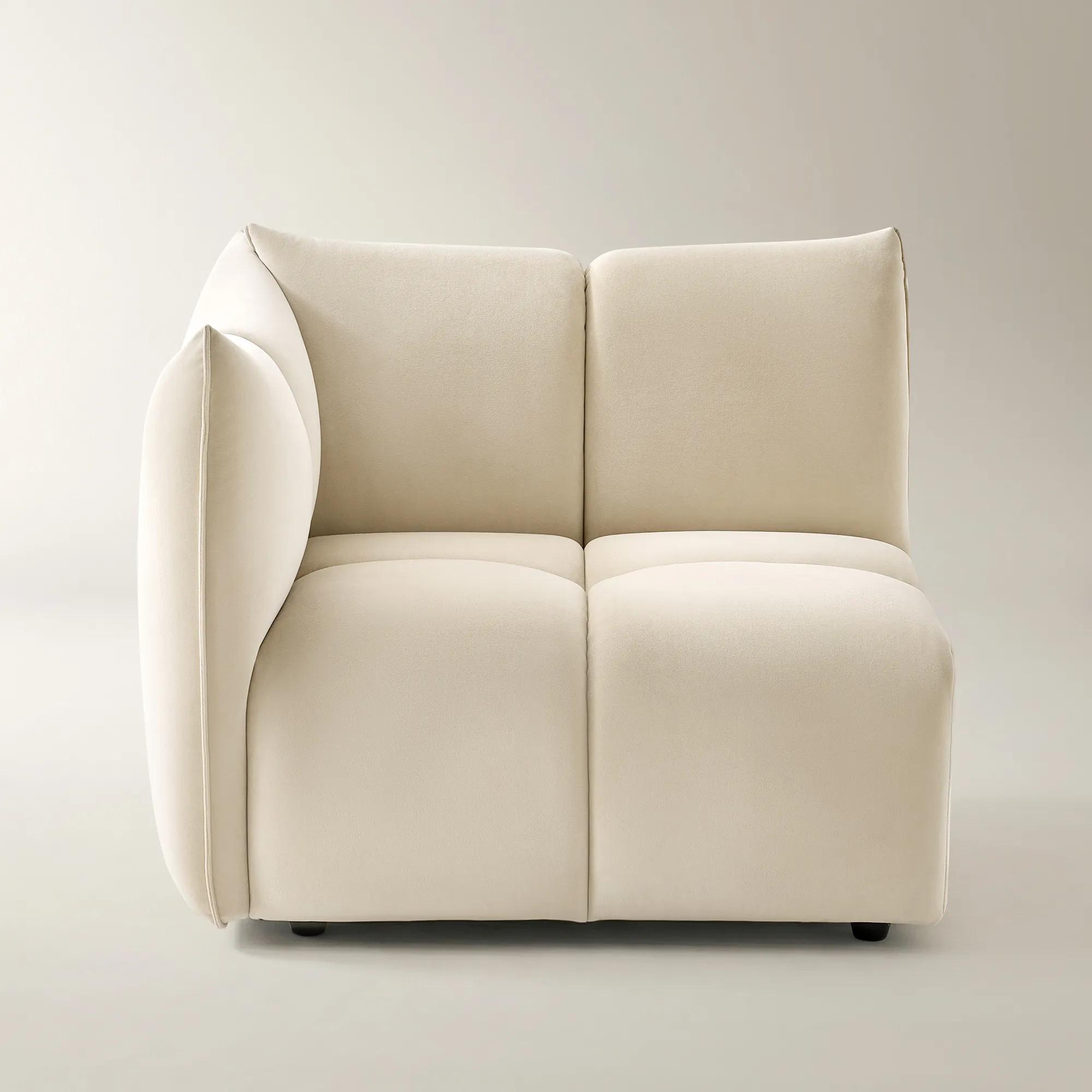 Reina Tufted Oatmeal Velvet Left-Arm Chair$899
A left-arm chair in oatmeal velvet featuring channel tufting, deep seating, and an architectural winged profile.
Add To Cart -
 Curvia Dusty Blue Velvet Right-Arm Chair$1399
A sculptural right-arm chair wrapped in plush dusty blue velvet with deep, lounge-worthy comfort.
Add To Cart -
 Reina Tufted Simply Taupe Velvet Swivel Chair$1099
A taupe velvet swivel chair with channel tufting, an architectural winged profile, and plush, sculpted comfort.
Add To Cart -
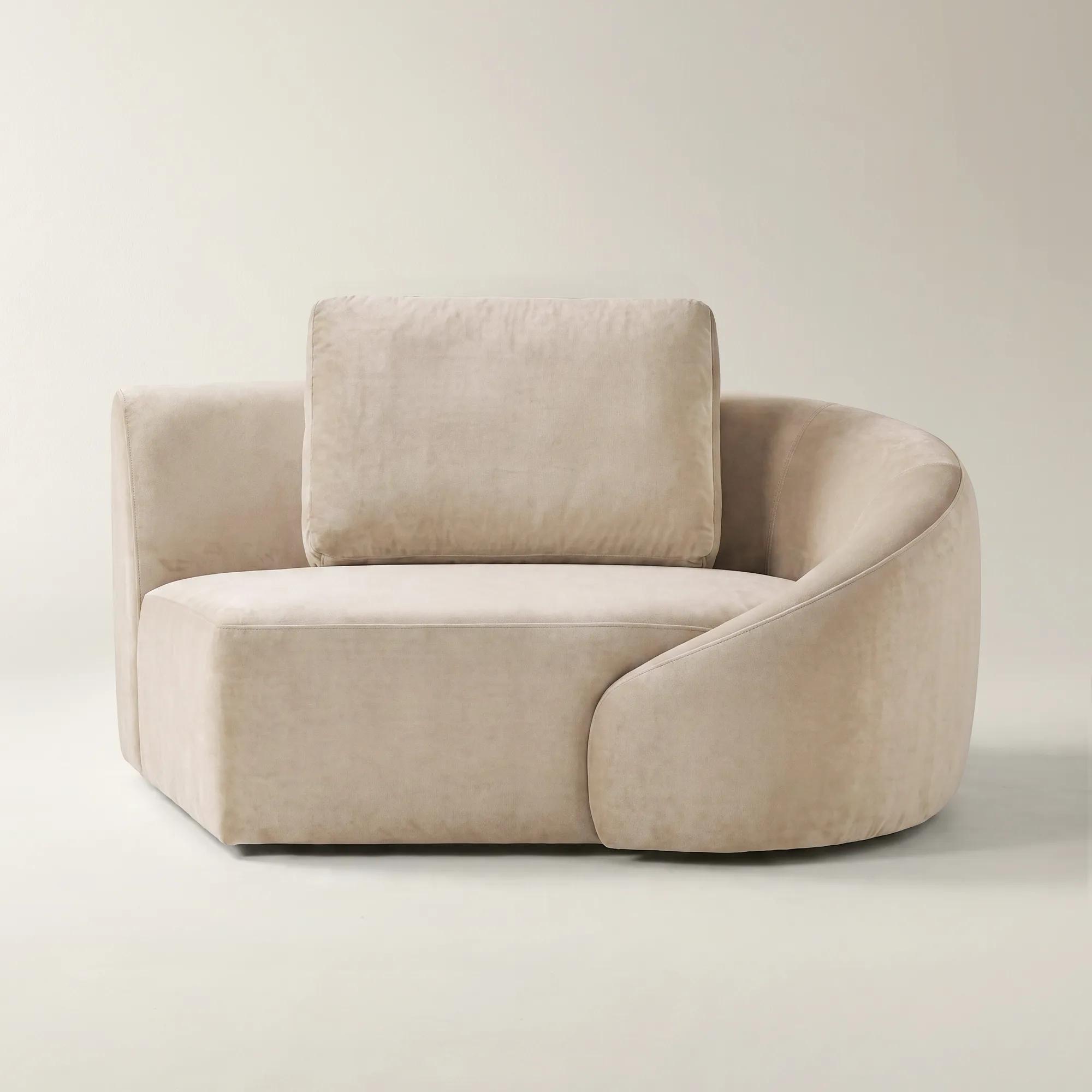 Irene Simply Taupe Velvet Right-Arm Chair$1399
A sculptural right-arm chair in simply taupe velvet with high-resiliency foam cushions and artisan detailing.
Add To Cart -
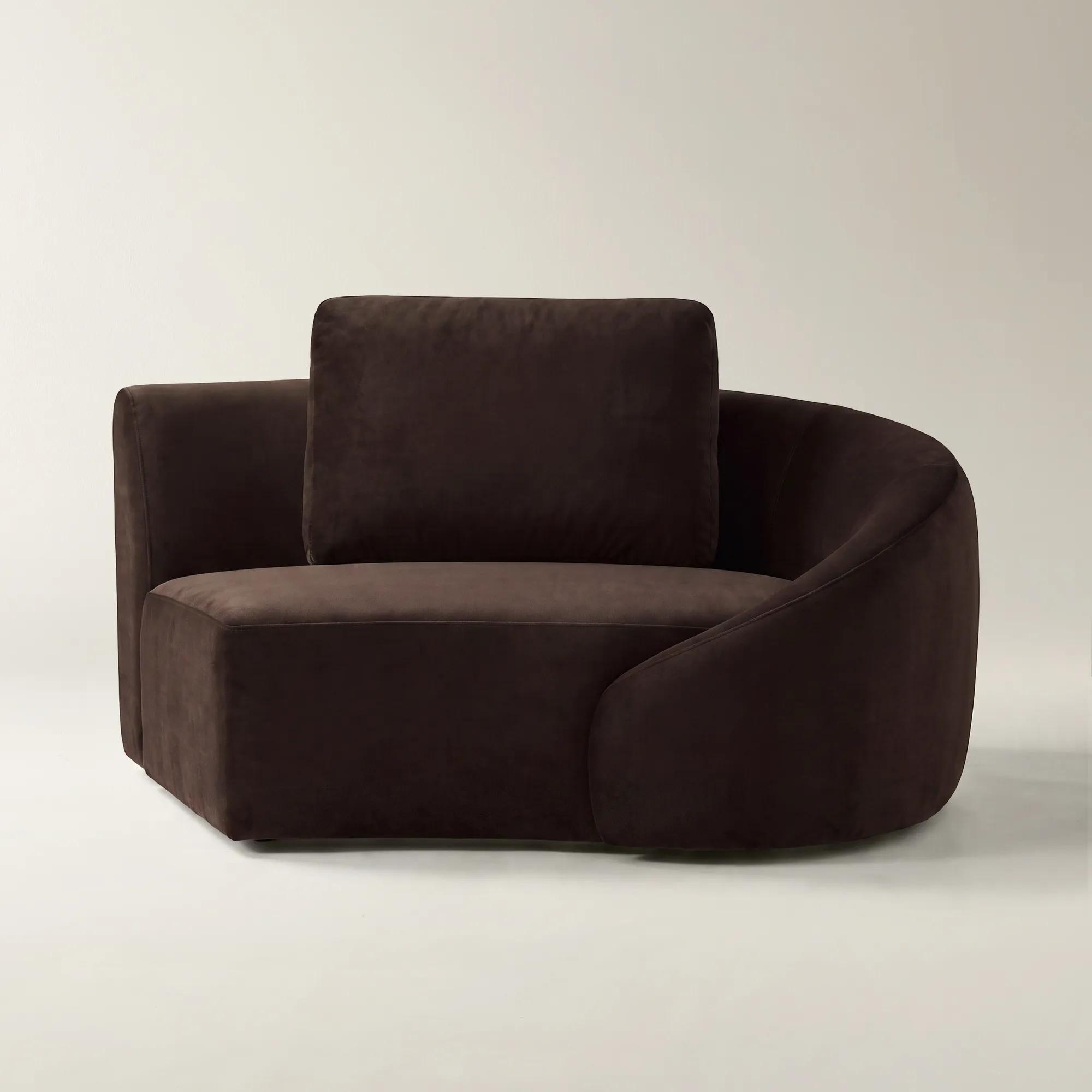
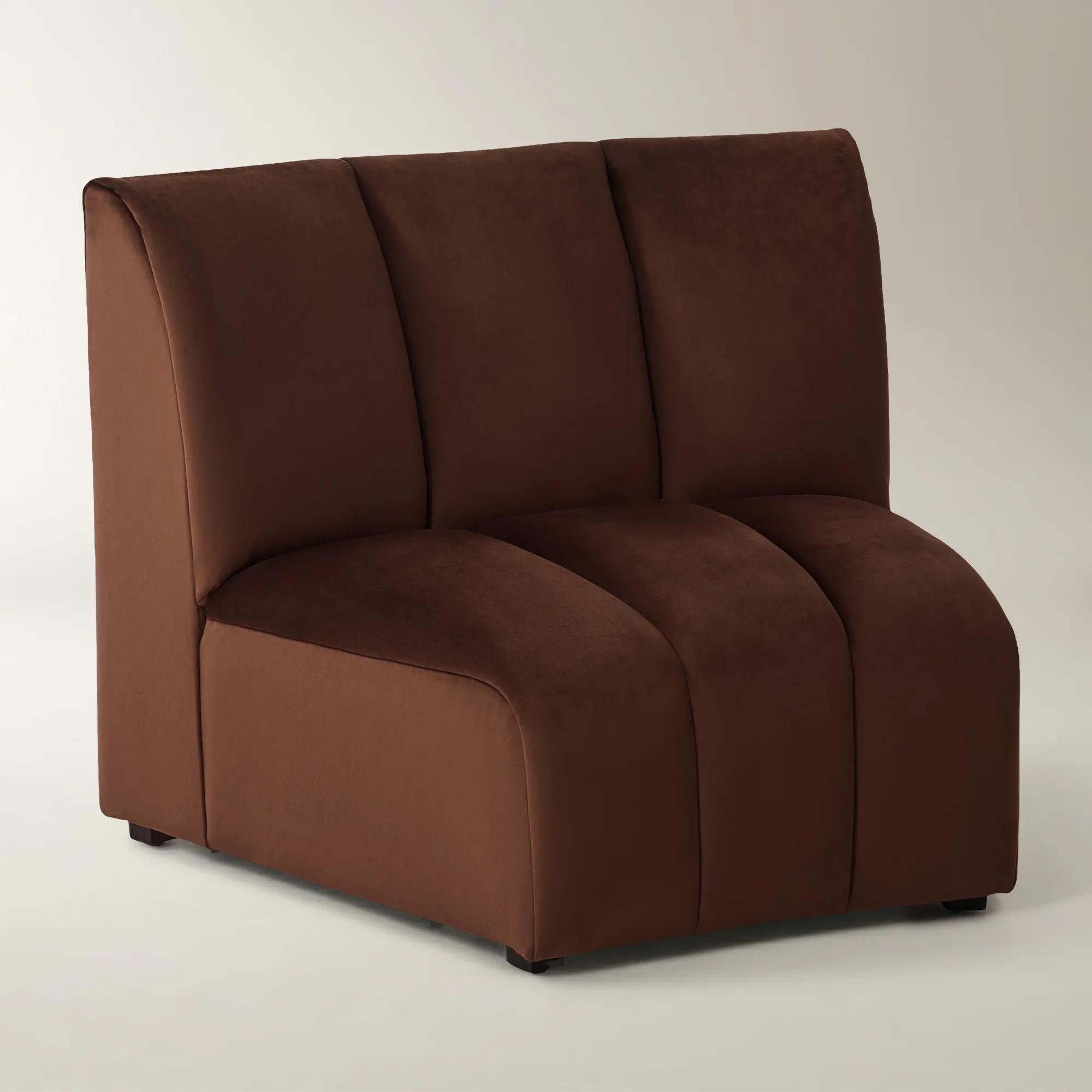
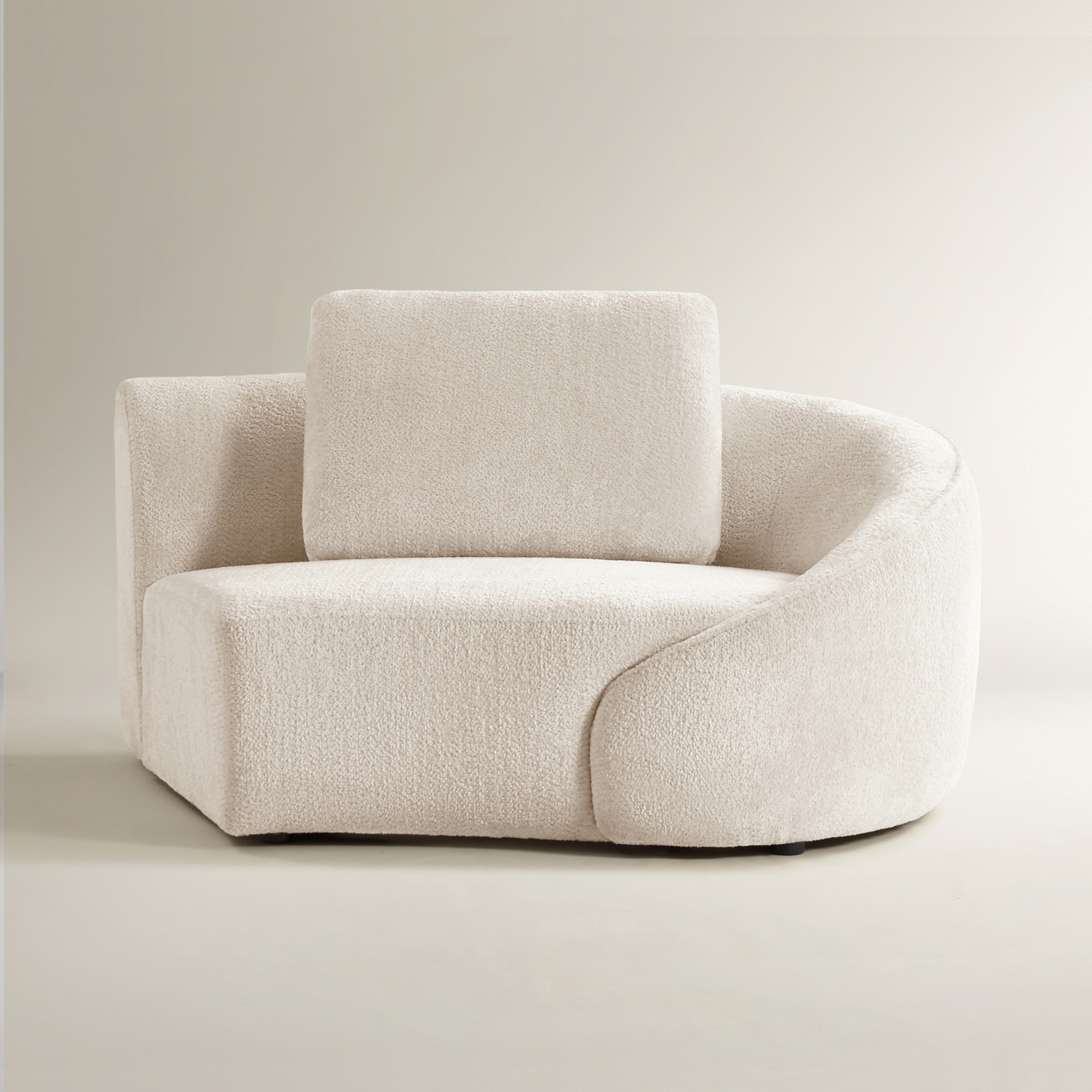 Irene Dark Chocolate Velvet Right-Arm Chair$1399
A sculptural right-arm chair in dark chocolate velvet with high-resiliency foam cushions and artisan detailing.
Add To Cart -
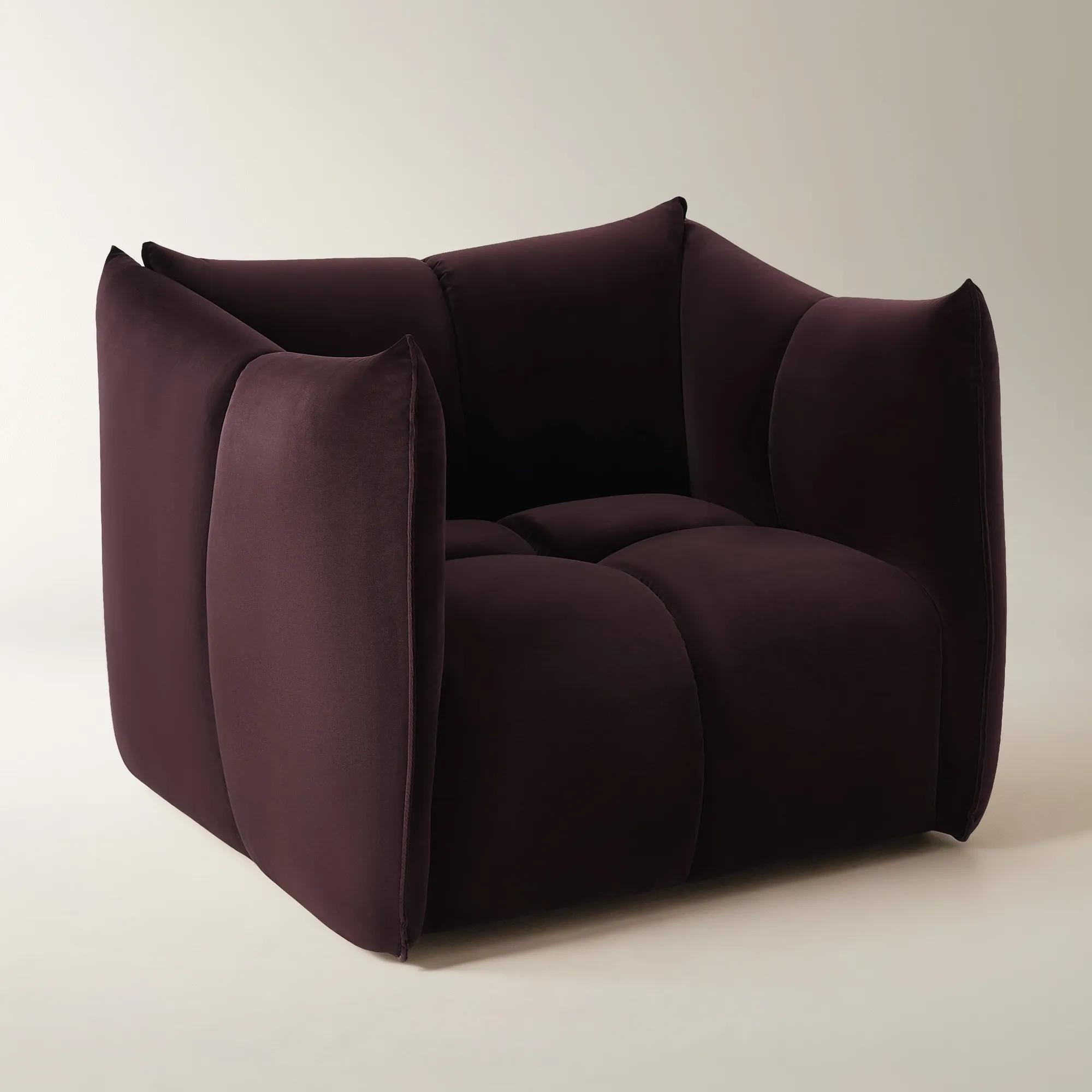 Reina Tufted Fig Velvet Swivel Chair$1099
A fig velvet swivel chair with channel tufting, a sculptural wingback profile, and plush foam cushioning.
Add To Cart -
 Curvia Dark Chocolate Velvet Grand Right-Arm Chair$1499
A sculptural right-arm chair in dark chocolate velvet with plush cushioning and modular, wraparound design.
Add To Cart -
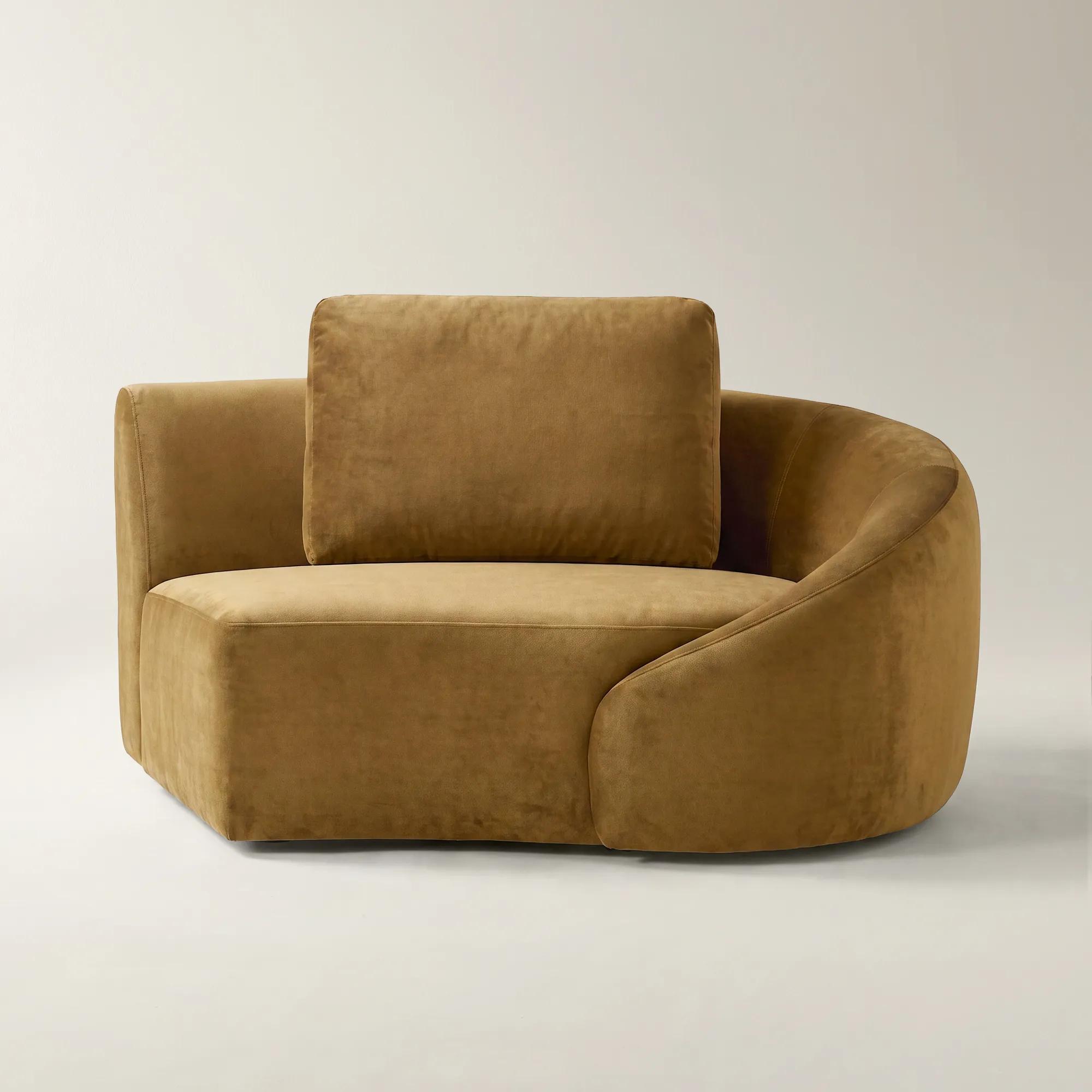 Irene Roasted Pecan Velvet Right-Arm Chair$1399
A sculptural right-arm chair in roasted pecan velvet with high-resiliency foam cushions and artisan detailing.
Add To Cart -

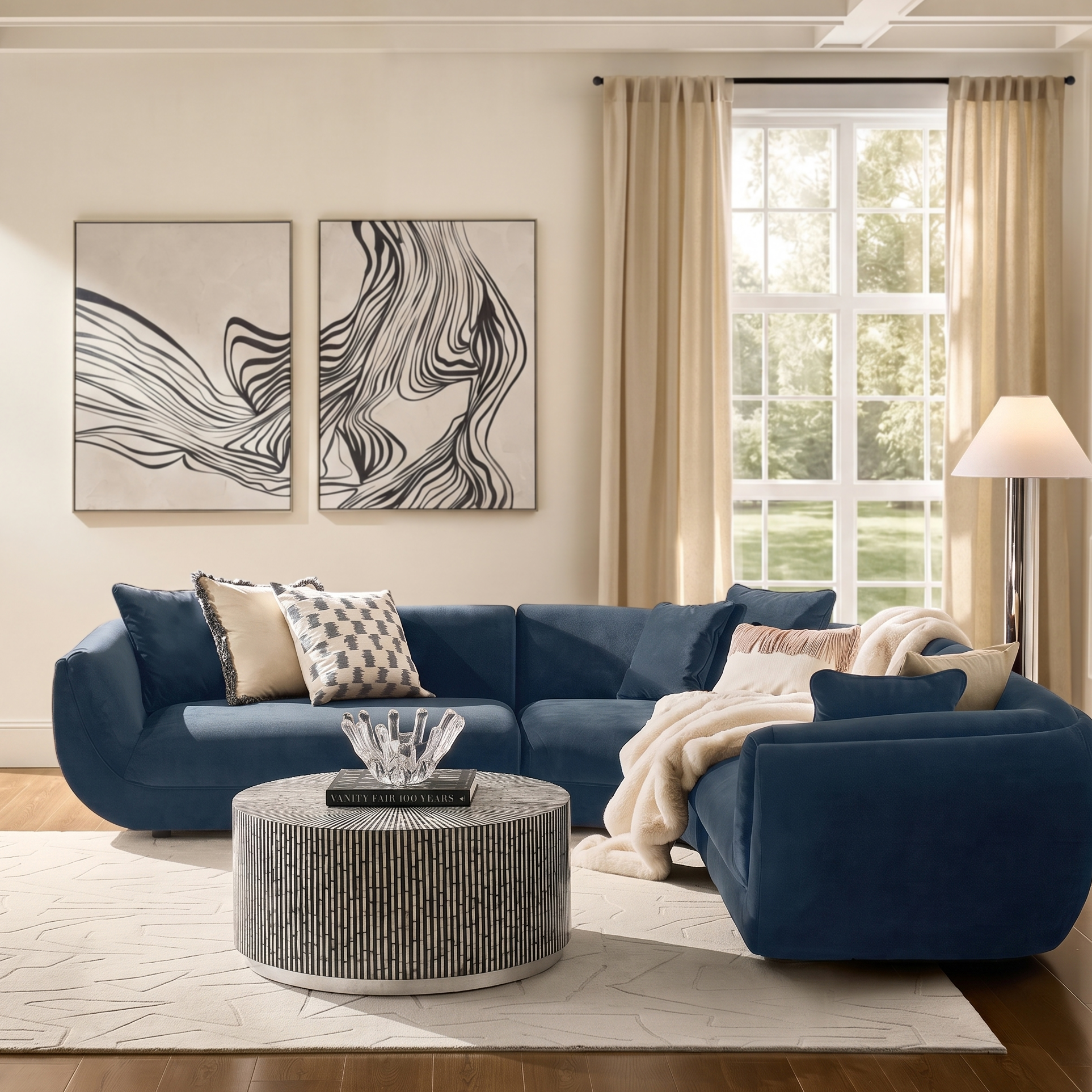 Curvia Dusty Blue Velvet Grand Right-Arm Chair$1499
A sculptural right-arm chair in plush dusty blue velvet with deep lounge comfort and modular versatility.
Add To Cart -
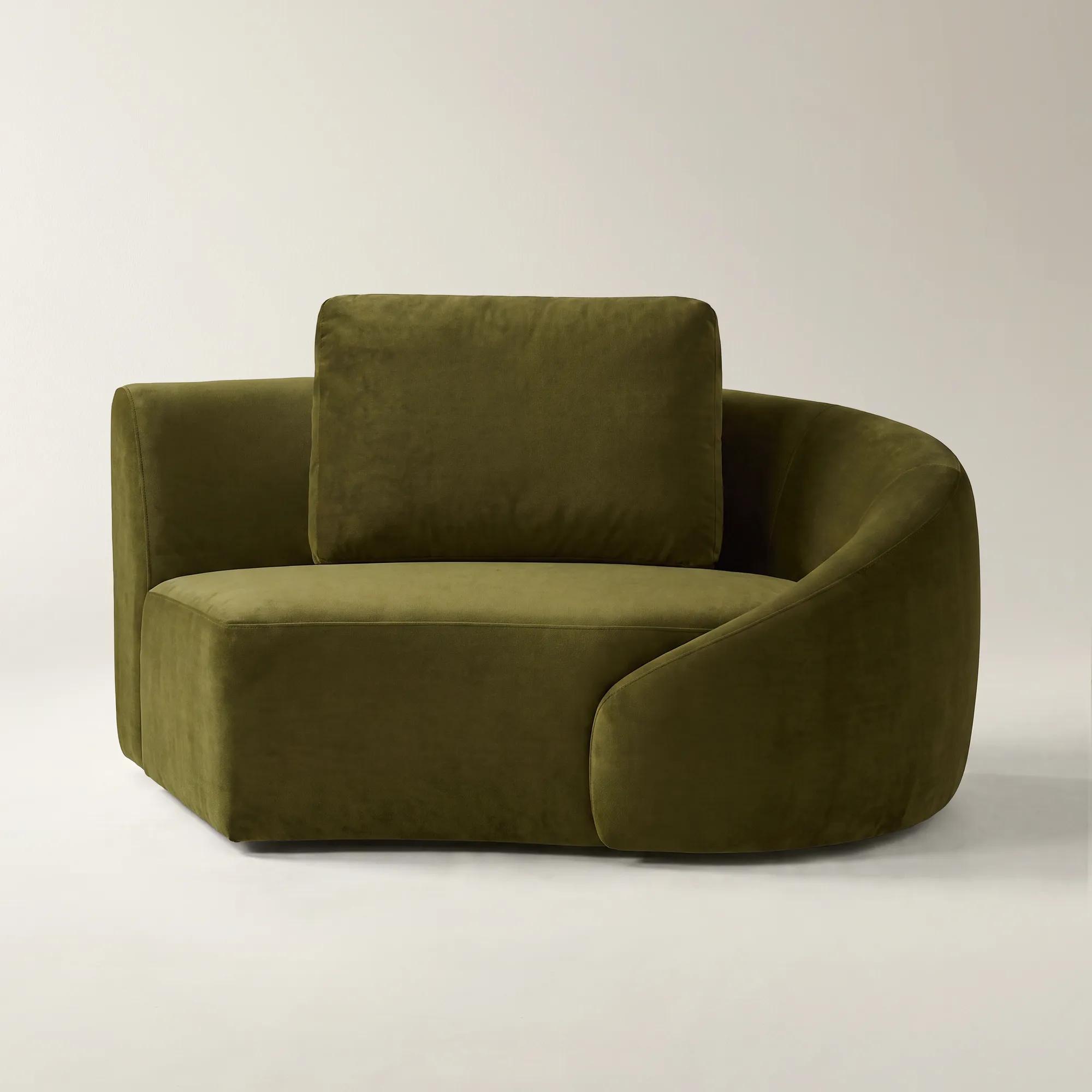 Irene Deep Olive Velvet Right-Arm Chair$1399
A sculptural right-arm chair in deep olive velvet with high-resiliency foam cushions and artisan detailing.
Add To Cart -
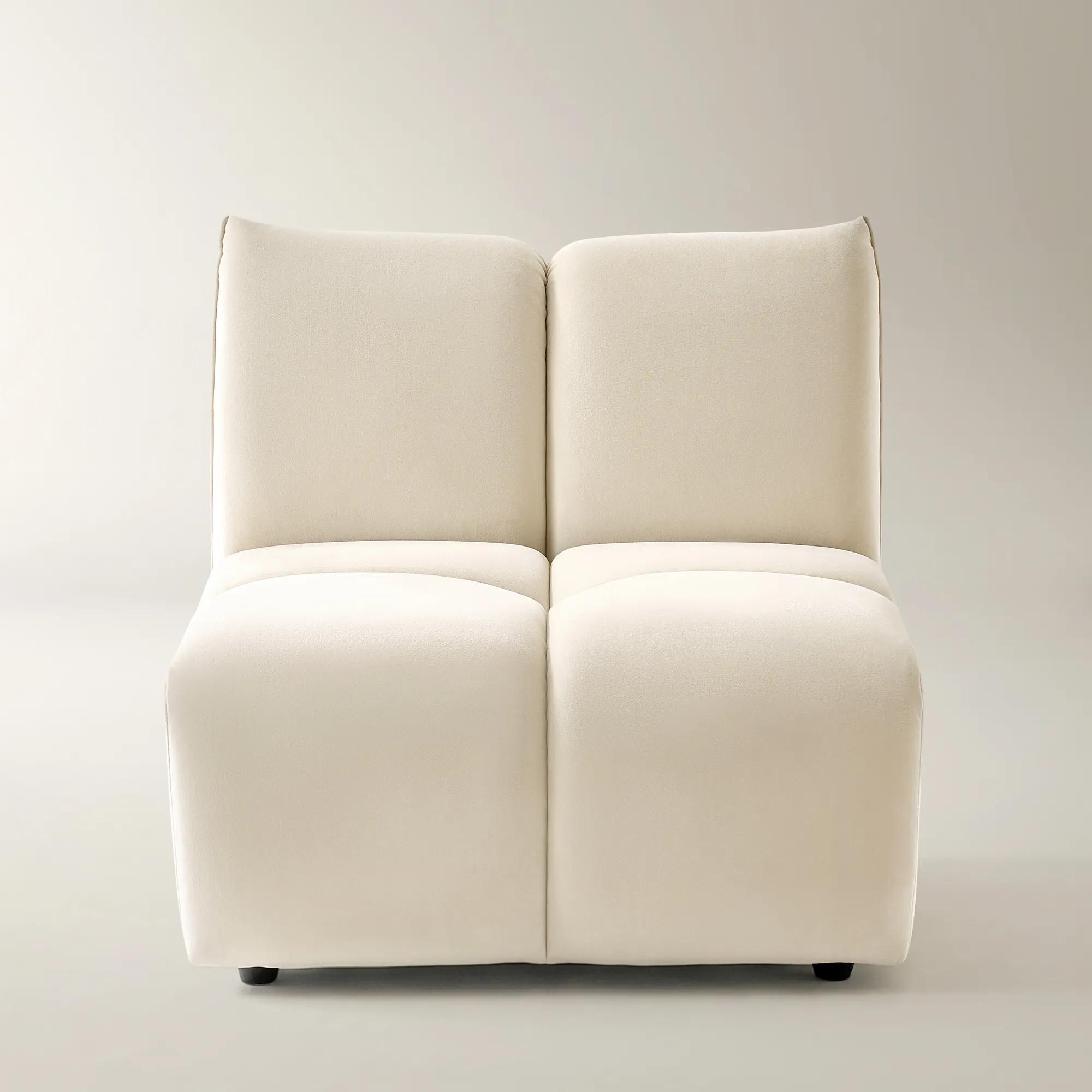
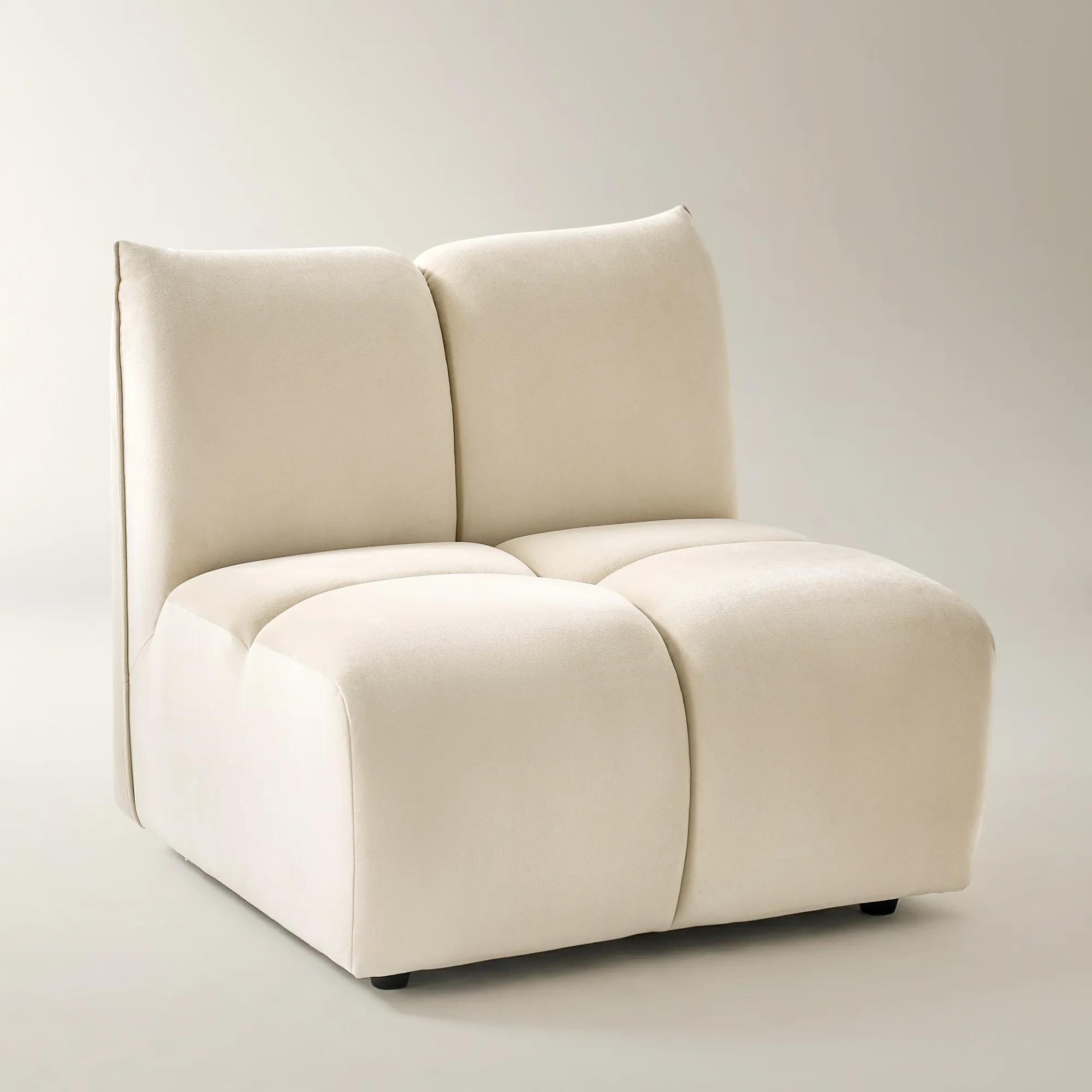 Reina Tufted Oatmeal Velvet Armless Chair$799
A plush oatmeal velvet armless chair featuring channel tufting, deep seating, and an architectural winged profile.
Add To Cart -
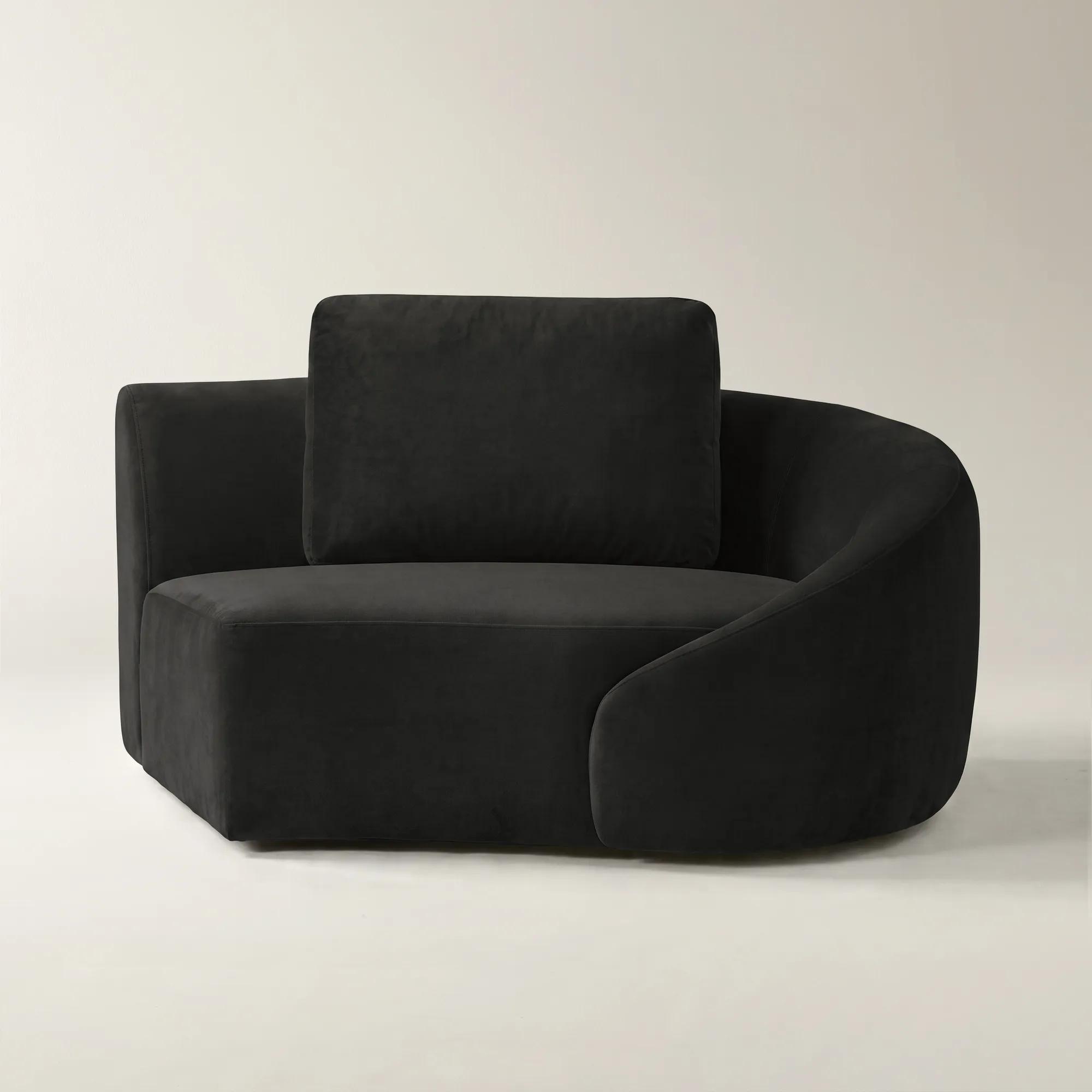 Irene Charcoal Velvet Right-Arm Chair$1399
A sculptural right-arm chair in charcoal velvet with high-resiliency foam cushions and artisan hand-finished details.
Add To Cart -
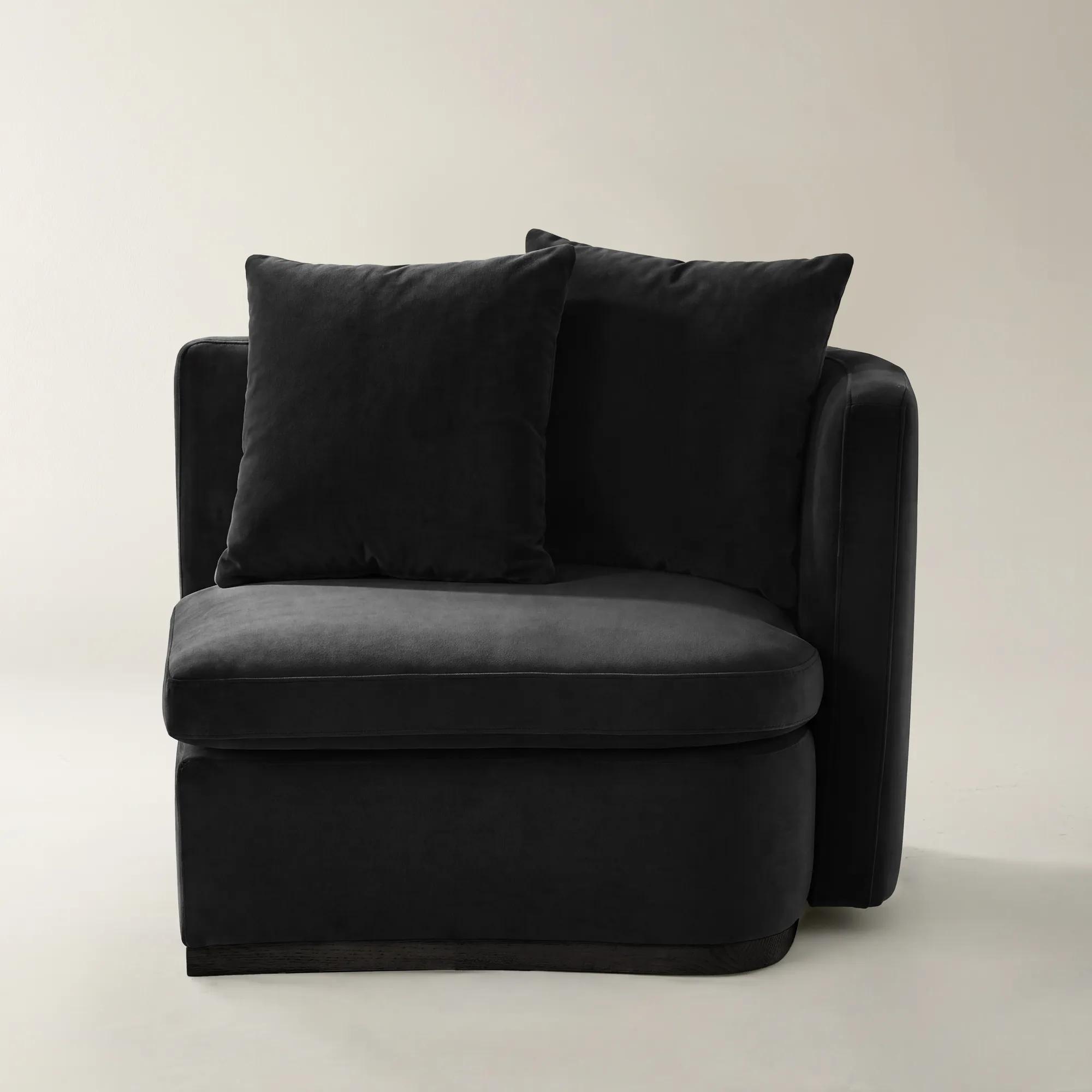 Stria Charcoal Velvet Right-Arm Chair$1199
A charcoal velvet chair featuring a kiln-dried wood frame, solid oak base, and layered down-blend cushioning.
Add To Cart -
 Curvia Dark Chocolate Velvet Right-Arm Chair$1399
A sculptural right-arm chair wrapped in dark chocolate velvet with plush cushioning and modular design.
Add To Cart -
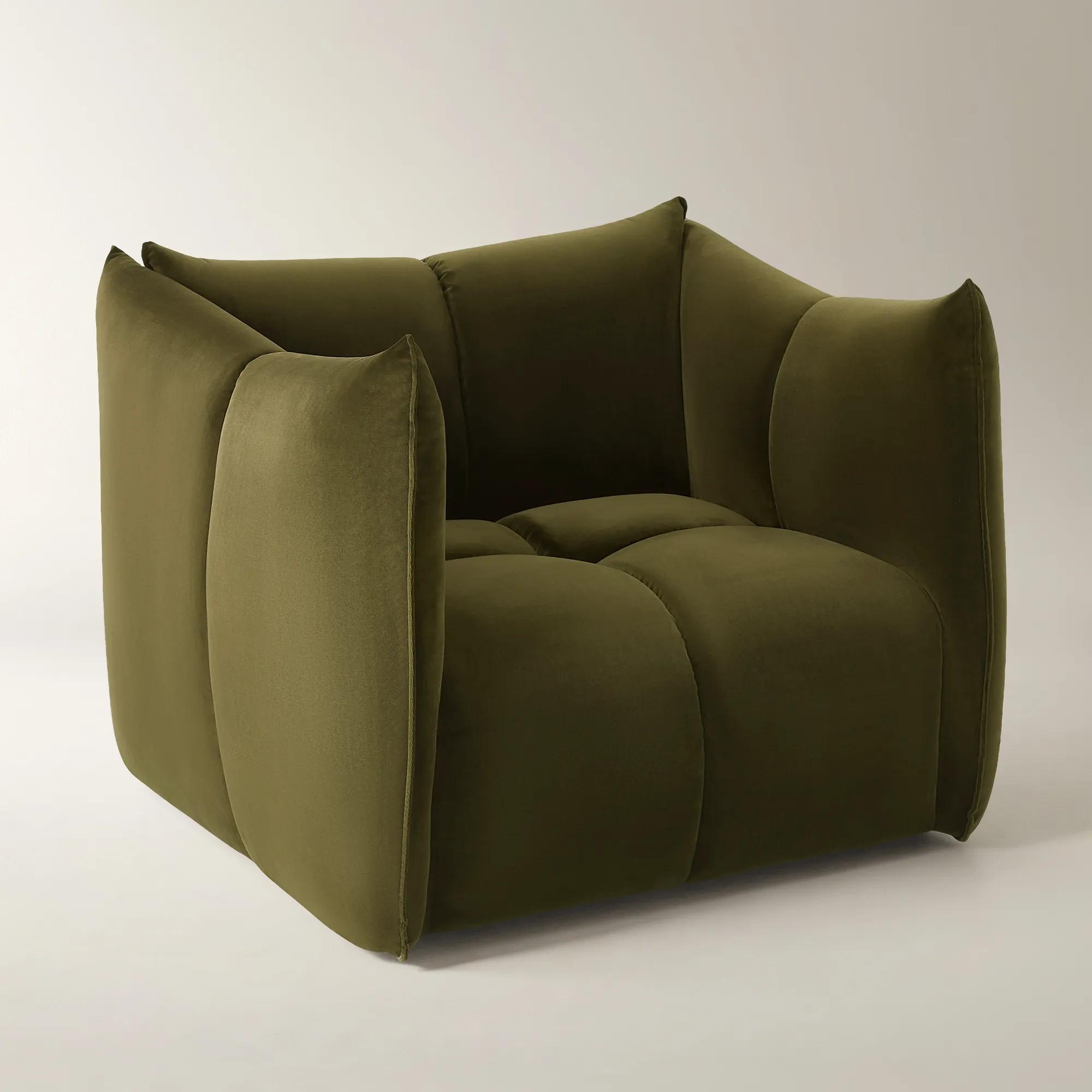 Reina Tufted Deep Olive Velvet Swivel Chair$1099
A green velvet swivel chair with channel tufting, winged architecture, and plush high-density foam comfort.
Add To Cart -
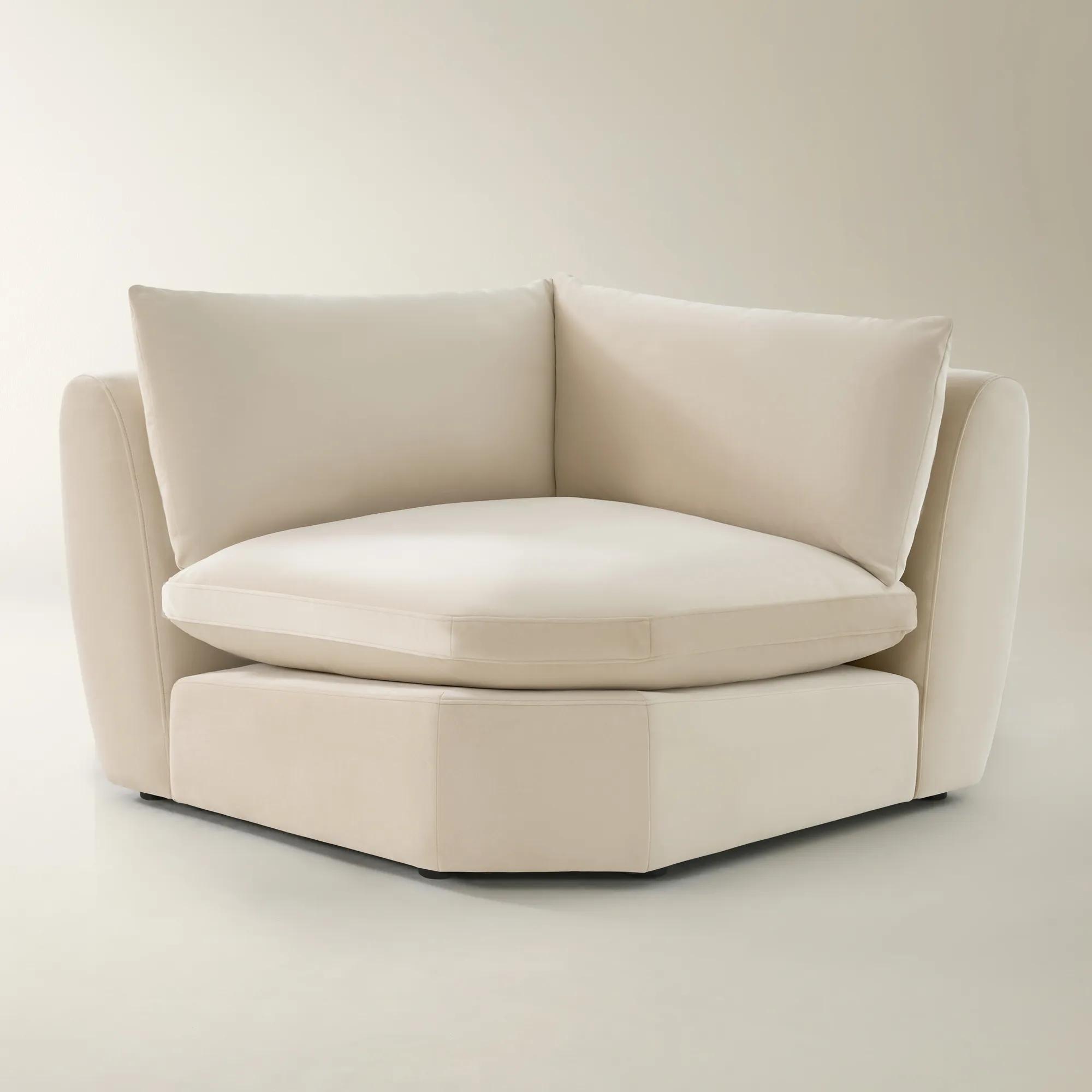
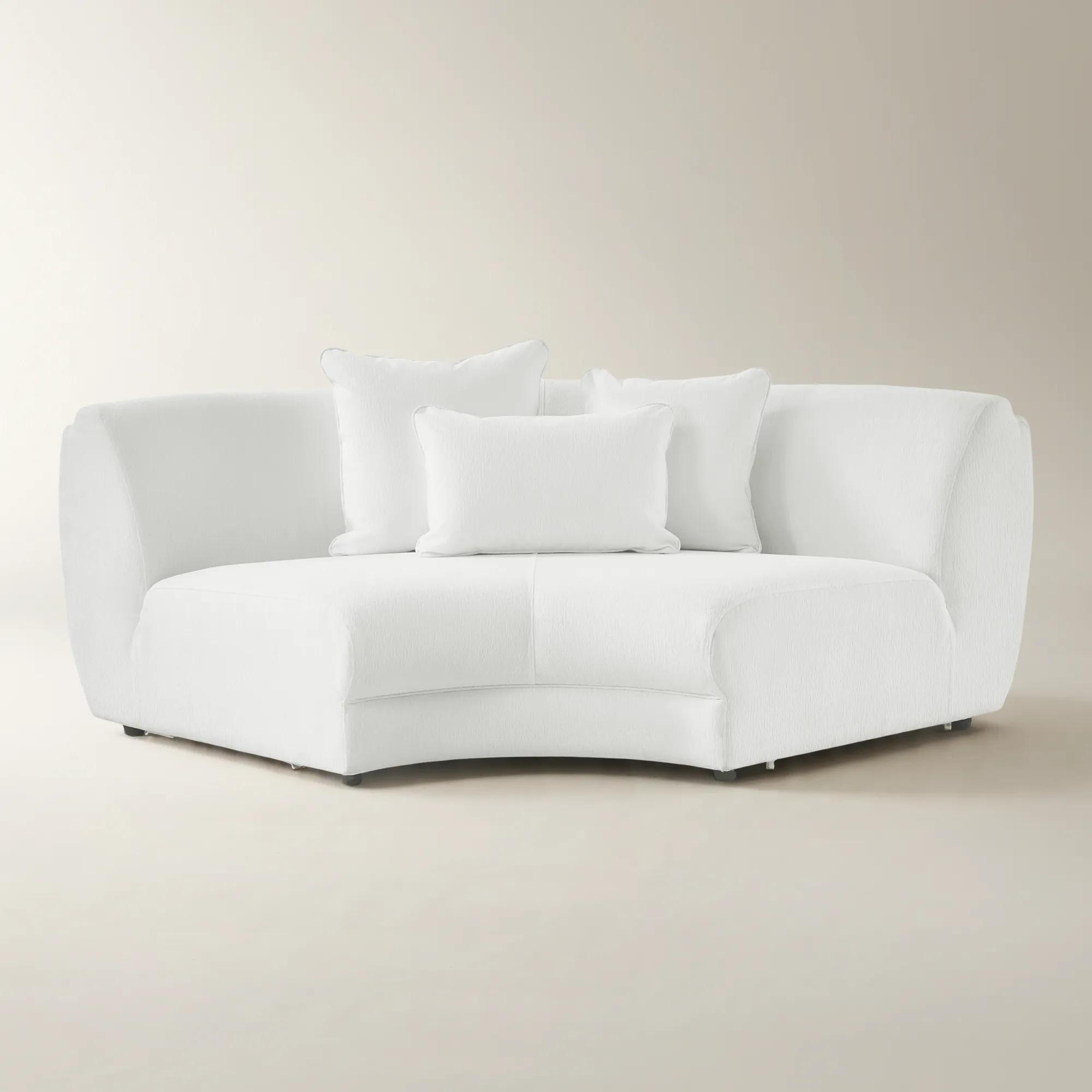
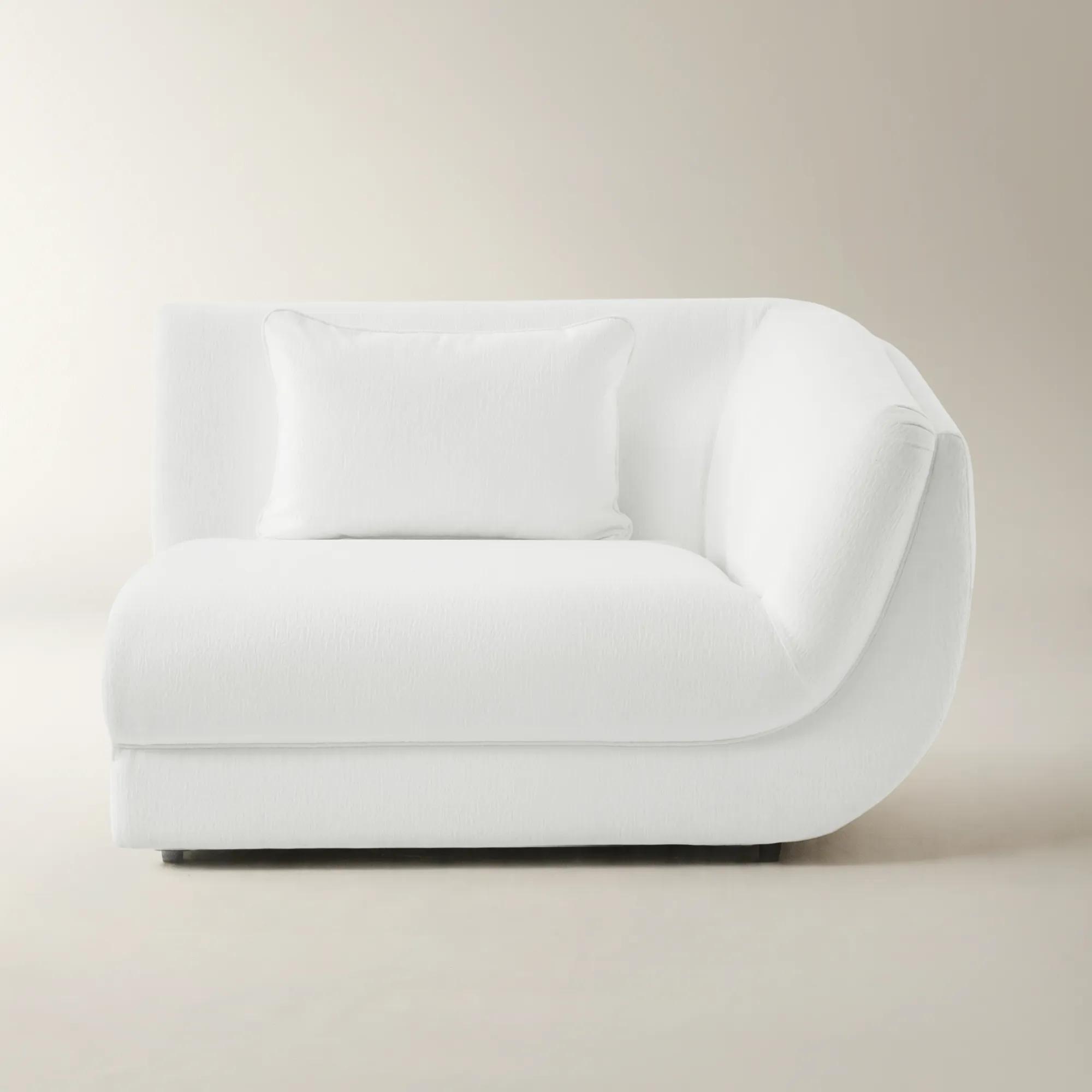
 Sabrina Oatmeal Velvet Corner Chair$1299
A modular sectional component in soft oatmeal velvet with feather-blend cushions and a sculptural curved silhouette.
Add To Cart -
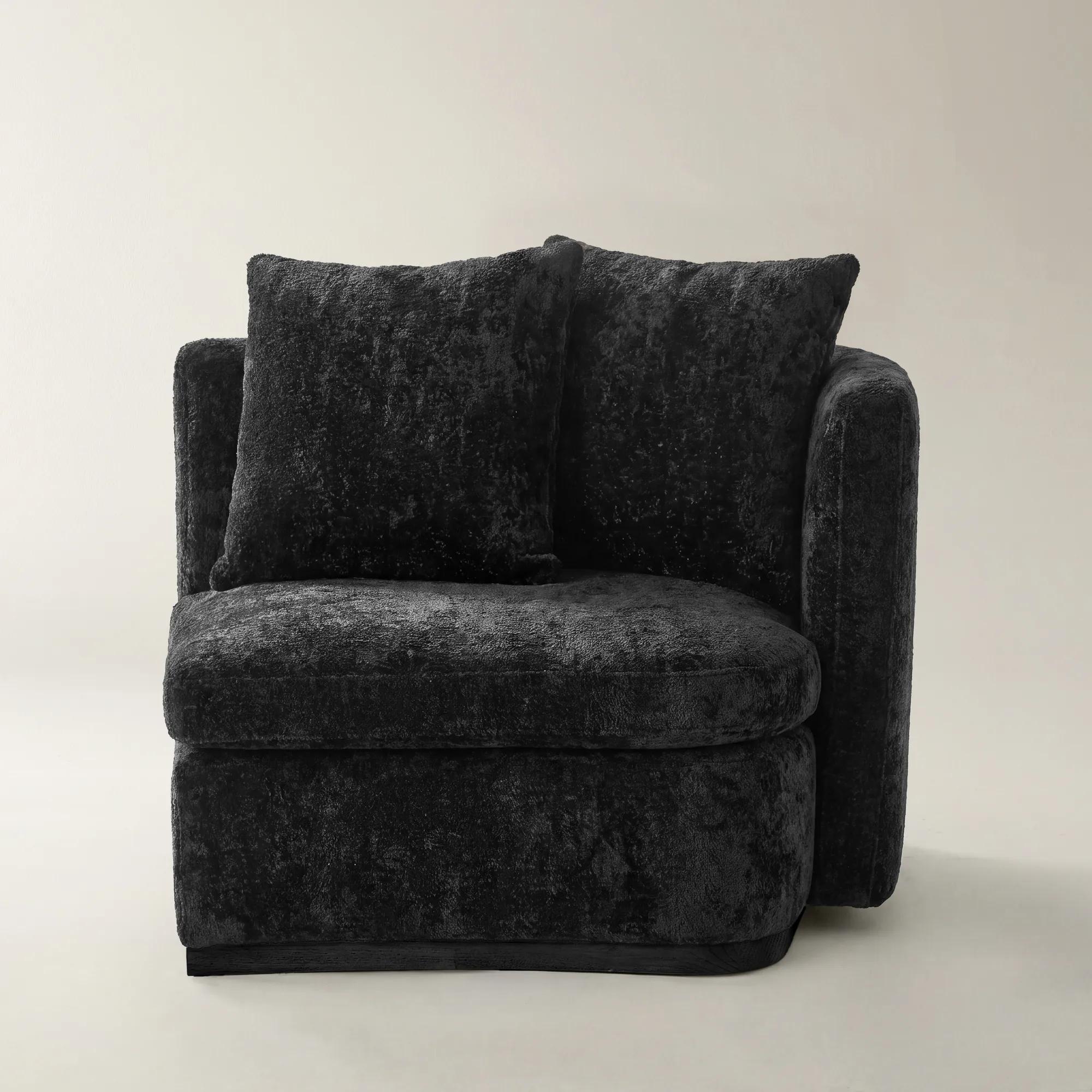 Stria Black Chenille Right-Arm Chair$1199
A sculptural black chenille chair featuring a flowing silhouette, layered foam-and-down cushioning, and modular connectors.
Add To Cart -
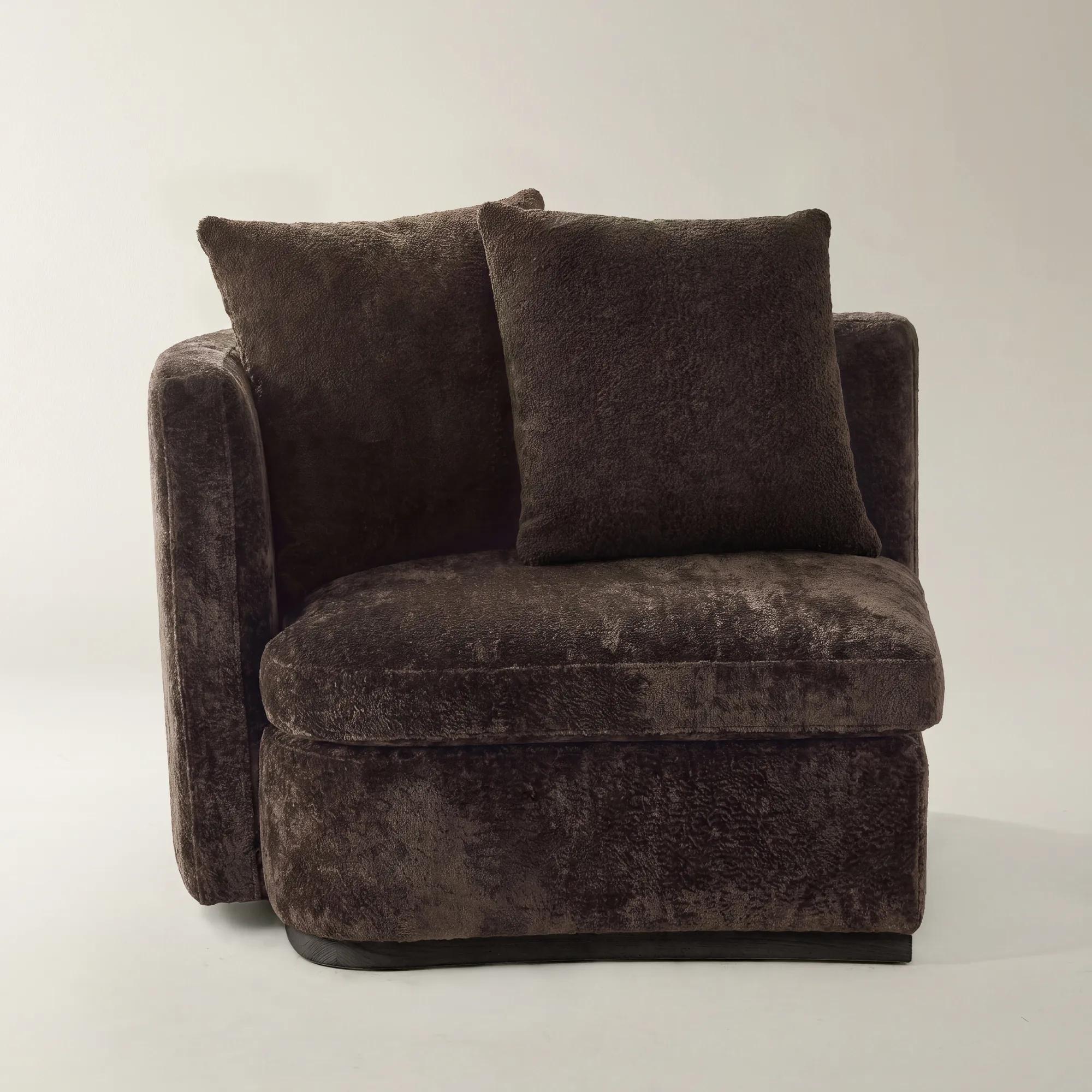 Stria Dark Chocolate Chenille Left-Arm Chair$1199
A sculptural dark chocolate chenille chair with curved edges, layered cushioning, and a kiln-dried wood frame.
Add To Cart -
 Curvia Dusty Blue Velvet Left-Arm Chair$1399
A sculptural left-arm chair wrapped in plush dusty blue velvet with deep, lounge-worthy comfort and modular design.
Add To Cart -
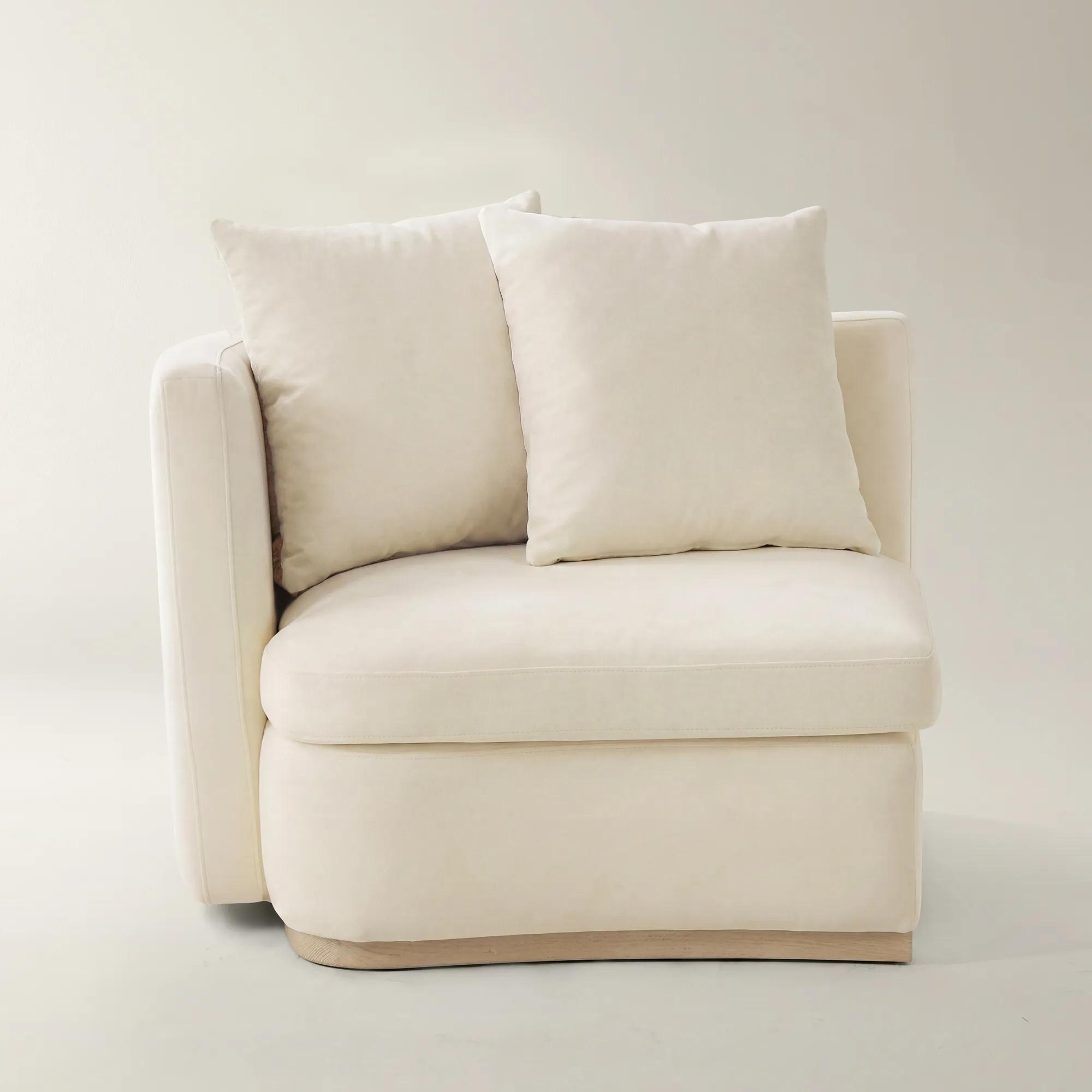 Stria Oatmeal Velvet Left-Arm Chair$1199
An oatmeal velvet chair with a kiln-dried wood frame, solid oak base, and layered down-blend cushioning.
Add To Cart

Classic Living Room Chairs
Classic living room chairs are the epitome of refined comfort, where timeless silhouettes meet the art of luxurious lounging. Each piece invites you to sink into a world of enduring elegance, transforming your space into a stage for both grand gatherings and quiet moments of reflection. With sculptural forms and graceful lines, these chairs evoke an effortless sophistication—anchoring your living room with a sense of history, harmony, and undeniable allure. Let your home tell a story steeped in tradition yet alive with personal expression, as classic living room chairs become the foundation for your most unforgettable scenes.
Classic living room chairs bring enduring silhouettes, inviting upholstery, and distinctive decorative details into the heart of a room. Familiar styles include wingback chairs with high backs and enveloping side panels, club chairs with generous seats and substantial arms, French-inspired bergère chairs with exposed wood frames, and Chesterfield-style armchairs distinguished by deep button tufting and rolled arms. Each offers a different expression of classic design, from the architectural presence of a wingback beside a fireplace to the graceful curve of a carved leg against a richly textured rug. Classic does not have to mean formal or ornate. A restrained silhouette upholstered in ivory fabric can feel quietly sophisticated, while a jewel-toned velvet chair with sculpted arms brings the intensity of a salon portrait into a contemporary interior. What connects these styles is a sense of proportion and permanence: details feel considered, upholstery complements the frame, and the chair has enough character to stand alone without overwhelming its surroundings. Traditional living room chairs are especially compelling alongside modern elements, where their curves soften angular tables, expansive sofas, and clean-lined cabinetry. A pair of matching armchairs can establish symmetry across from a sofa, while a single accent chair can lend a collected quality to a corner furnished with art, lighting, and a small table. Nailhead trim, welted seams, turned legs, and carefully placed tufting introduce visual rhythm, though these details need not appear together. One expressive feature often gives the silhouette all the definition it needs. Color changes the mood just as decisively. Cream, taupe, charcoal, and warm brown allow shape and texture to lead; sapphire, emerald, and plum create a more theatrical focal point. For homes that blend heirloom pieces with contemporary furnishings, classic accent chairs offer a natural connection between eras, giving the room depth without making every element match. Their appeal lies in that versatility: equally at home framing a lively conversation or creating a beautifully composed place to pause.
The experience of a classic chair begins with its proportions, not simply its appearance. Seat height, seat depth, back angle, and arm placement determine whether a chair feels upright and conversational or deep and leisurely. A shallower seat can suit someone who prefers to sit with feet comfortably on the floor, while a deeper cushion may appeal to a reader who likes room to settle in. Taller backs provide a greater sense of enclosure, although actual head and shoulder support depends on the chair’s dimensions and the sitter’s height. Rolled arms can feel substantial and reassuring, but they also increase the chair’s overall width without necessarily increasing usable seat space. In a compact living room, exposed legs and a visible wood frame can keep a traditional silhouette from feeling visually heavy. Larger rooms can accommodate fuller upholstery, broad arms, and more generous spacing around each seat. Overall measurements matter as much as seating measurements, particularly near doorways, walkways, and coffee tables; a chair should leave enough room for someone to pass without turning sideways or brushing against furniture. Upholstery brings another layer of personality and practicality. Velvet catches light across its pile, giving curved backs and tufted cushions a luminous, dimensional finish. Linen and linen blends offer a more relaxed surface with visible texture, while tightly woven fabrics can create a crisp, tailored effect. Leather develops character through use, with its appearance and care requirements varying by finish. Performance fabrics may offer added stain resistance or easier maintenance, depending on the textile, making their specifications worth considering in frequently used family spaces. Beneath the upholstery, frame construction, reinforced joints, suspension, and cushion fill influence comfort and longevity. Hardwood or quality engineered wood frames can provide a sound foundation when properly constructed. Foam tends to offer a defined seat, while fiber or feather-blend cushioning can create a softer feel and may require regular reshaping. A chair intended for daily reading deserves the same attention to support and construction as the room’s primary sofa.
Classic living room chairs feel most purposeful when their placement reflects how the room is actually enjoyed. Two armchairs angled slightly toward one another create an inviting setting for conversation, with a shared table providing space for glasses or a decorative tray. A wingback near a bookcase gains everyday usefulness from a reading lamp positioned to illuminate the page rather than shine directly into the sitter’s eyes. Beside a sofa, a chair can echo one element of the larger piece—its curved arms, wood tone, or upholstery undertone—without repeating its entire design. Coordinating seating with Classic Living Room Sofas creates opportunities to balance substantial silhouettes with lighter profiles, or smooth upholstery with a more tactile weave. A patterned chair can introduce movement into a room of solid fabrics, while a solid velvet chair can give richly patterned rugs and artwork space to command attention. Thoughtful care helps preserve those relationships as the furniture becomes part of daily life. Upholstery should be maintained according to its care label, with gentle vacuuming using an appropriate attachment to remove dust from seams, creases, and the space beneath removable cushions. Spills are best blotted promptly with a clean, absorbent cloth rather than rubbed into the surface; cleaning products should match the fabric’s designated cleaning method. Velvet may show changes in pile direction or pressure marks, so brushing or other treatments should follow the manufacturer’s instructions. Leather requires products suited to its particular finish, not general household cleaners, and exposed wood benefits from gentle dusting and protection from standing moisture. Keeping upholstered furniture away from prolonged direct sunlight can help reduce uneven fading. Where construction permits, rotating and reshaping loose cushions encourages more even wear. These practical details support the pleasure of owning a chair chosen for its beauty: the sweep of an arm, the depth of a color, the sculptural outline seen from across the room. With proportion, material, and placement working together, classic seating gives a living room an enduring sense of occasion without sacrificing the comfort that makes it welcoming.
FAQs
A classic living room chair is distinguished by its timeless silhouette, refined detailing, and luxurious materials. Expect features like tufted upholstery, elegantly carved wood frames, and graceful curves that evoke a sense of history and sophistication. These chairs transcend fleeting trends, offering enduring beauty that complements both traditional and modern interiors.
Blending classic chairs with contemporary décor creates a layered, curated look. Pair a traditional wingback or French-inspired armchair with sleek, modern tables or metallic accents for a striking contrast. Use bold fabrics or unexpected colors to bridge styles, allowing the chair to serve as a statement piece while harmonizing with the room’s overall palette.
Sumptuous fabrics such as velvet, linen, and silk are popular choices for classic chairs, each offering a unique tactile and visual experience. Velvet exudes opulence and warmth; linen brings an airy, tailored elegance; silk adds a luminous sheen. For added durability, consider high-quality performance fabrics that maintain their beauty through years of use.
Classic living room chairs make extraordinary gifts for housewarmings, weddings, or milestone celebrations. Their timeless appeal and exquisite craftsmanship ensure they become cherished pieces, adding a layer of luxury and artistry to any home. Gifting a classic chair is a gesture of both style and thoughtfulness, destined to be appreciated for years to come.
To achieve a cohesive look, balance the chair’s style with complementary pieces such as sofas, side tables, or rugs. Echo materials or color accents found elsewhere in the room, or introduce a classic chair as a bold focal point to energize the space. For a harmonious ensemble, consider referencing foundational pieces like Classic Living Room Sofas to anchor your design vision.