Black Marble Top Tables
Black Marble Top Tables
-
.jpg?w=1200&h=1200) Flare Black Marble Coffee Table (51")$1499
Flare Black Marble Coffee Table (51")$1499A dramatic black marble coffee table with unique veining and a polished stainless steel sculptural base.
Add To Cart -
.jpg?w=1200&h=1200)
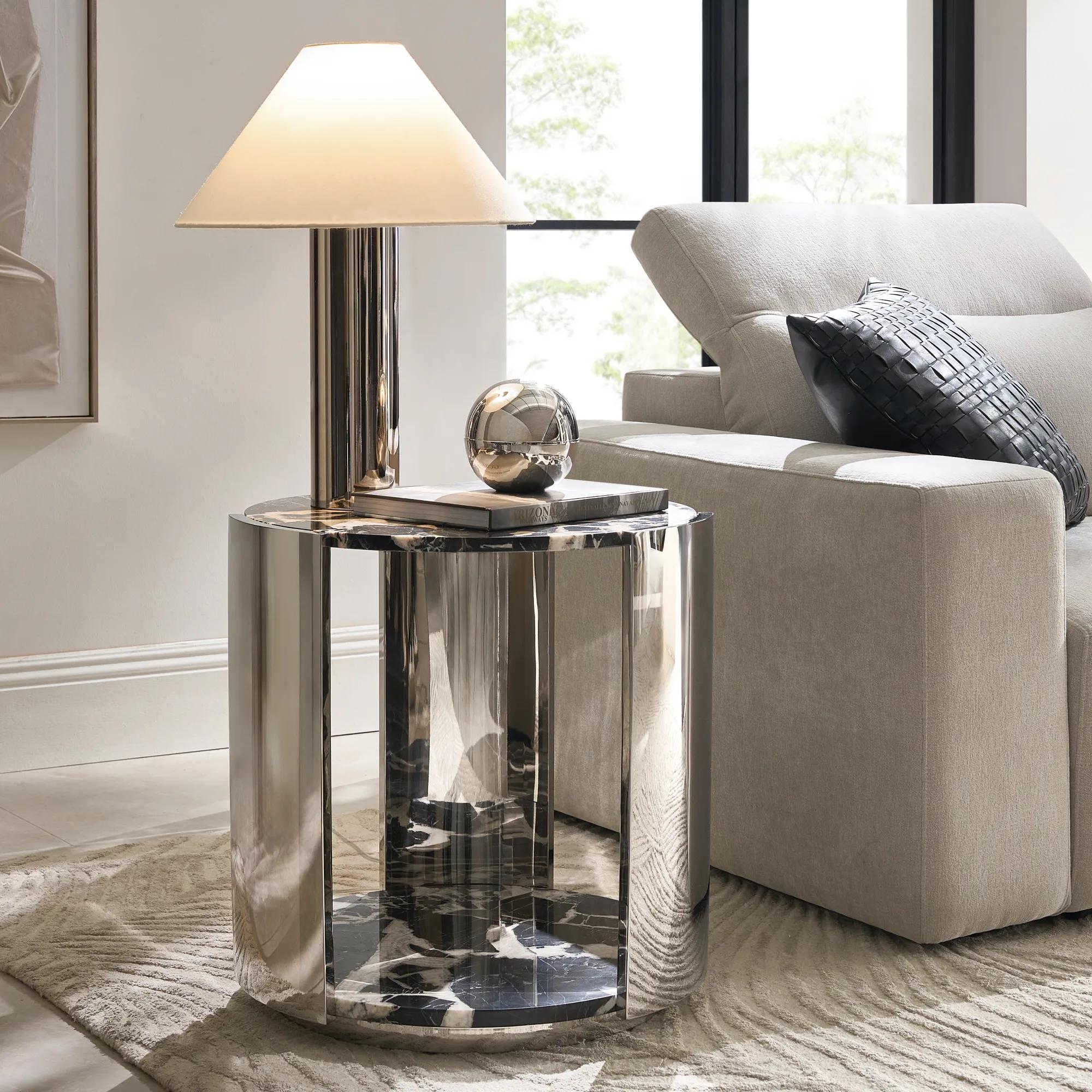 Flare Round Black Marble End Table (21.5")$799
A striking end table featuring natural black marble with dramatic veining and a polished stainless steel base.
Add To Cart -
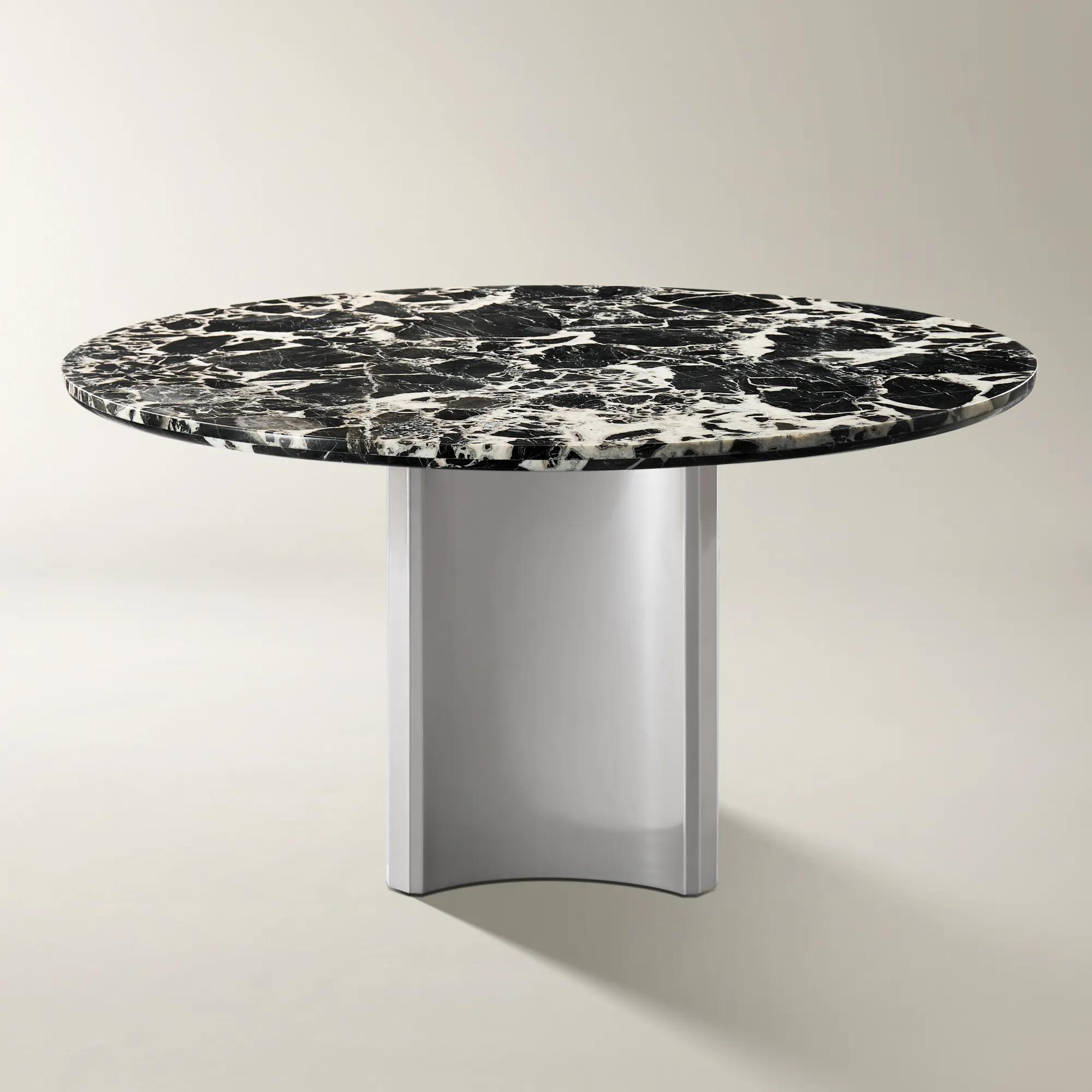
 Ventane Round Black Marble and Stainless steel Dining Table (58")$2999
A dramatic round dining table featuring a natural black marble top and polished stainless steel base.
Add To Cart -
.jpeg?w=1200&h=1200)
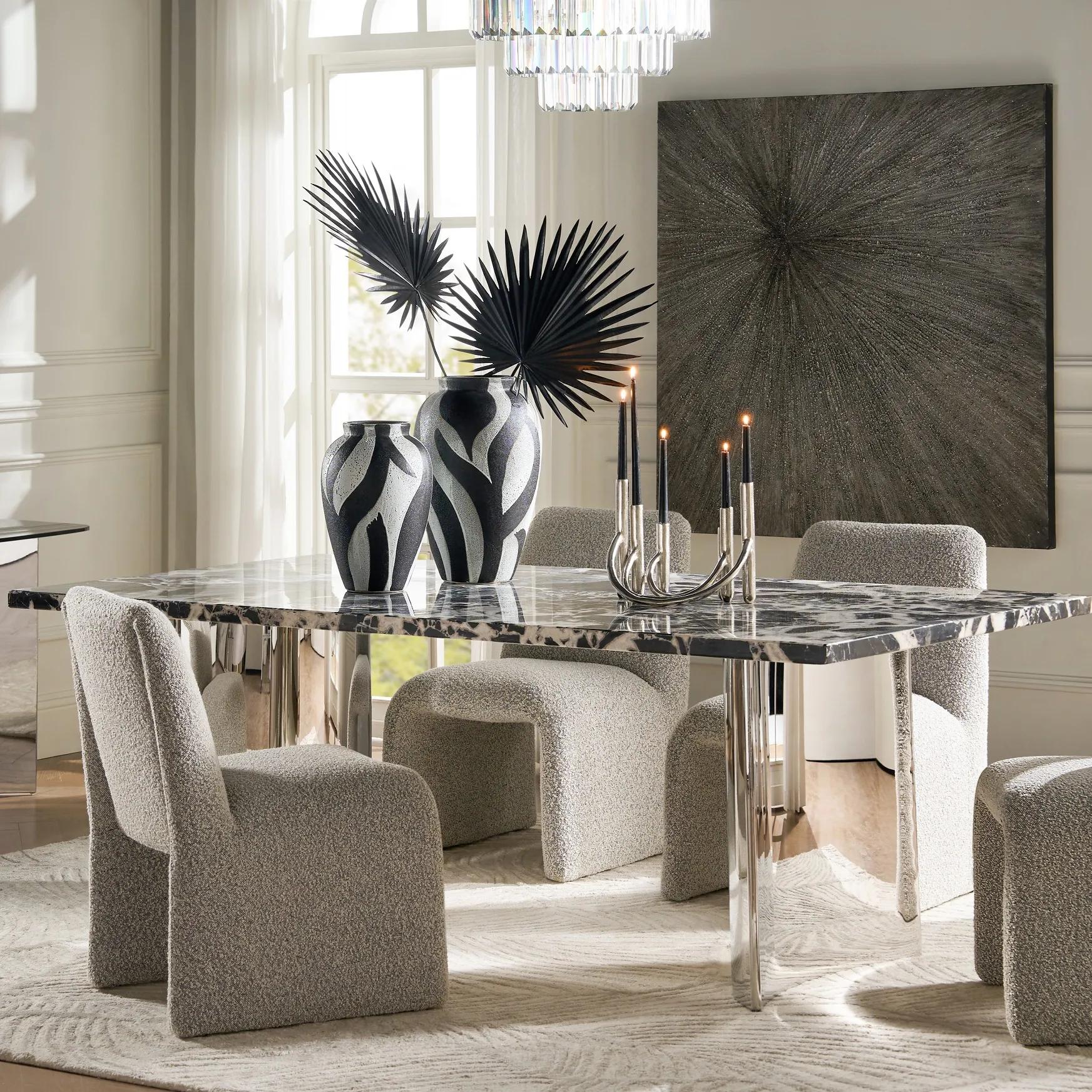 Muscat Rectangular Black Marble Dining Table With Stainless Steel Base (84")$3099
A dramatic black marble dining table with unique veining and a polished stainless steel base.
Add To Cart -
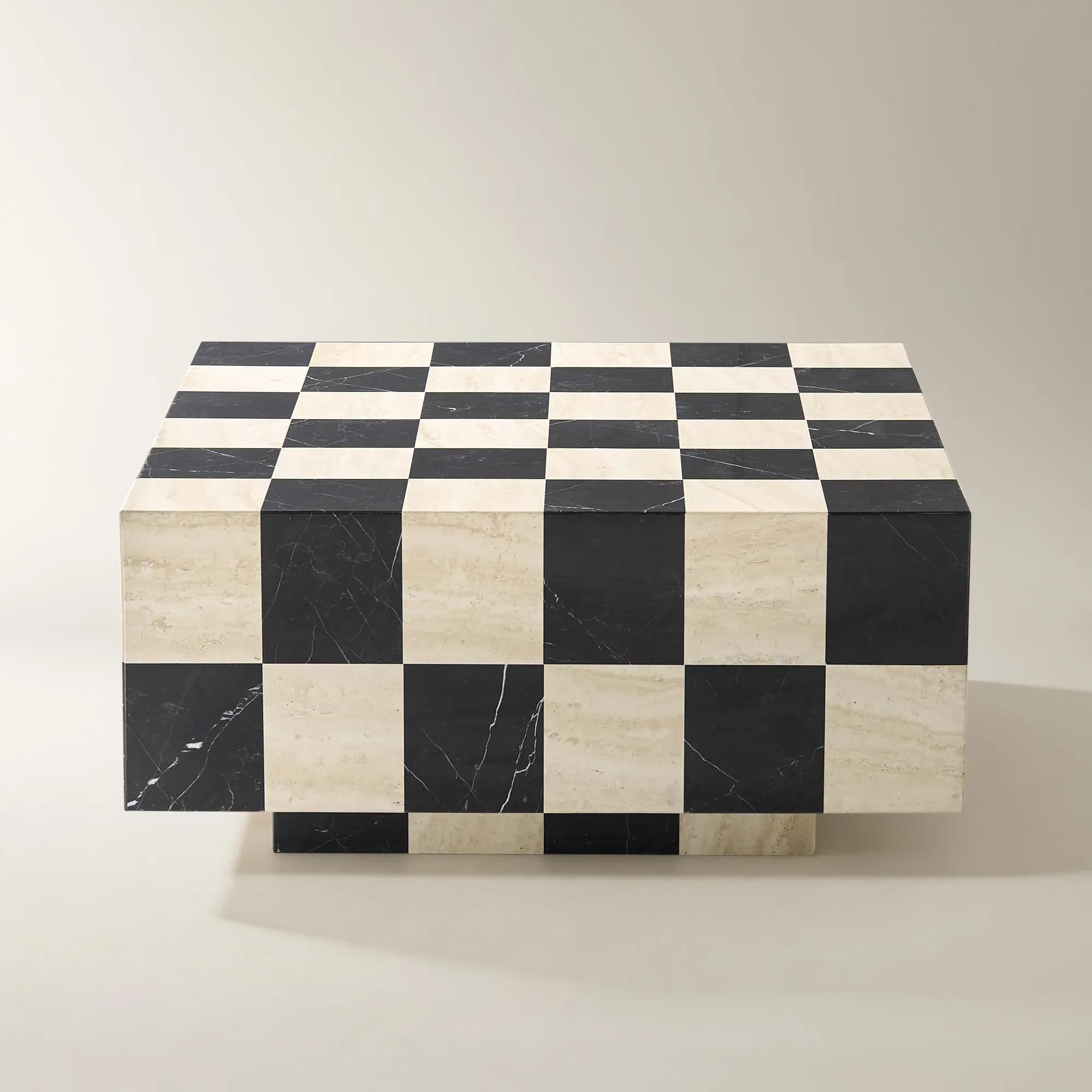
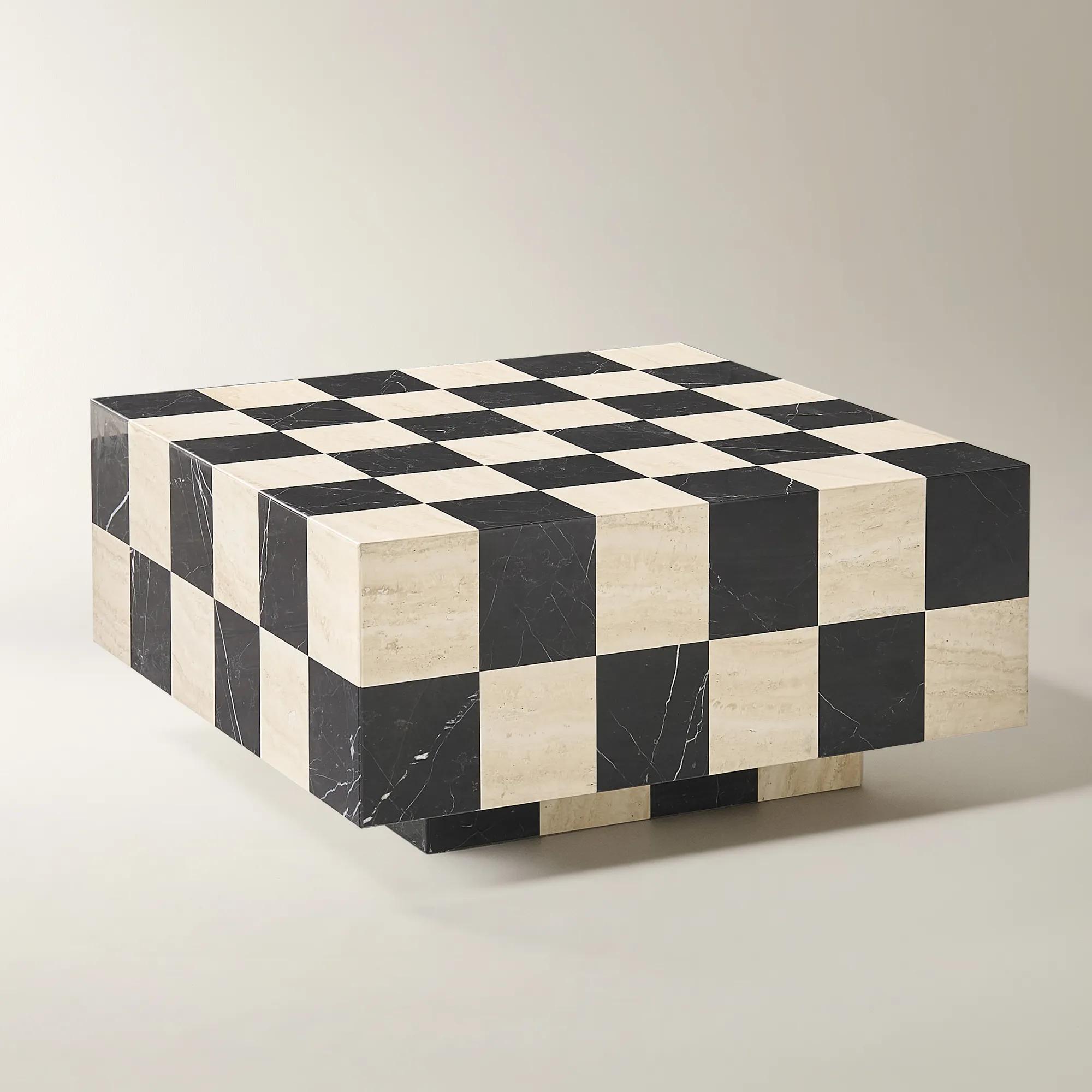 Chessa Square Chequered Marble Coffee Table (31.9")$1599
A striking coffee table featuring a dimensional black marble and travertine checkerboard mosaic with polished finish.
Add To Cart -
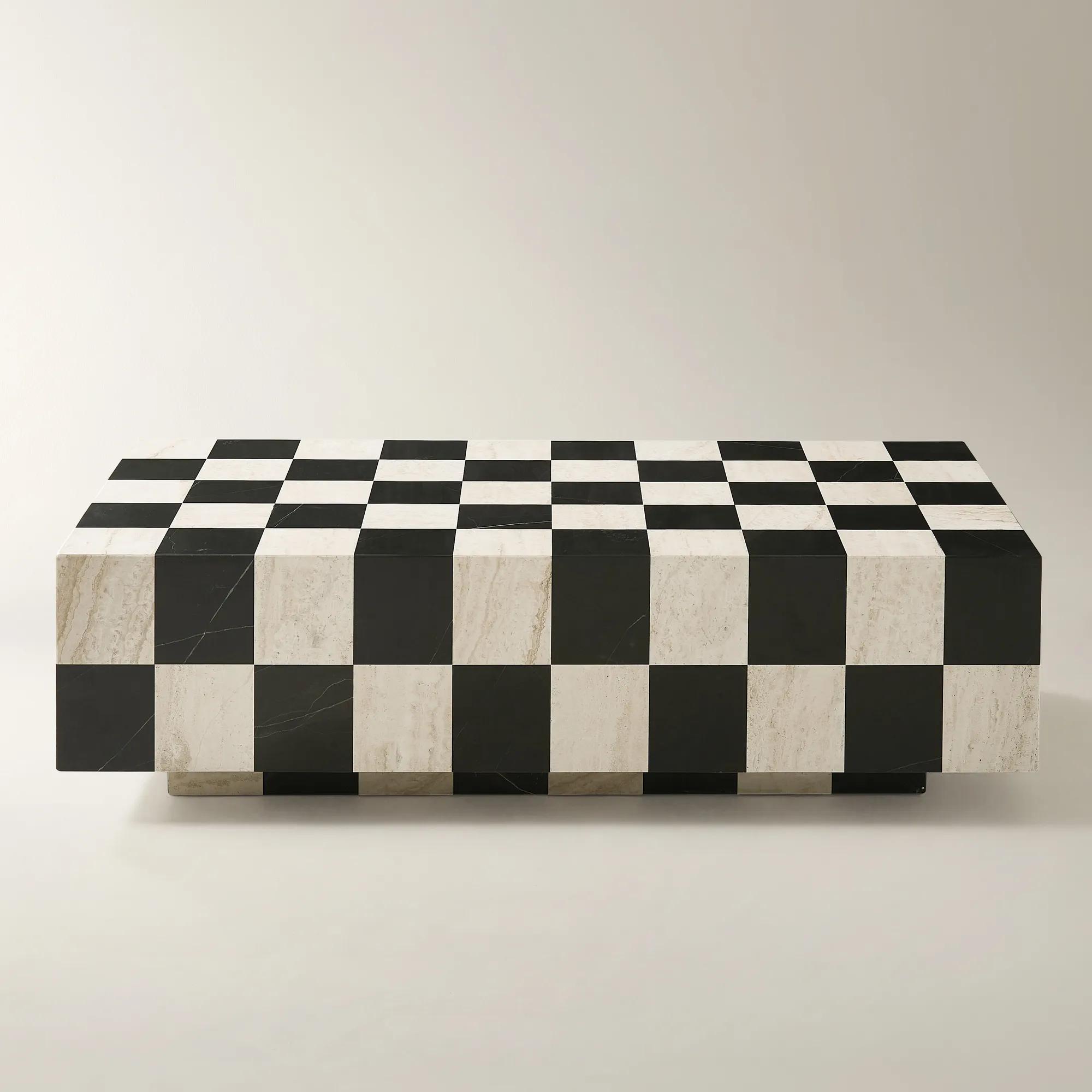 Chessa Rectangular Chequered Marble Coffee Table (53.1")$2399
A striking coffee table featuring a black marble and travertine checkerboard mosaic with sculptural precision.
Add To Cart

Black Marble Top Tables
Black marble top tables are the ultimate statement in modern sophistication—where drama meets timeless allure. Each piece is a celebration of contrast: inky marble veined with whispers of white, poised atop sculptural bases that command attention. These tables don’t just furnish a room; they set the stage for unforgettable moments, infusing every gathering with a sense of intrigue and refinement. Let your space revel in the bold elegance of black marble top tables—a canvas for your most daring design dreams.
Black marble top tables bring a distinctive kind of drama to a room: deep, inky color interrupted by pale veins, a substantial stone surface balanced against the architecture of its base. The effect is richly layered rather than simply dark. Against ivory upholstery, black marble creates a crisp focal point; beside cognac leather or jewel-toned velvet, it adds depth and a sense of collected luxury. Natural marble forms from limestone transformed by heat and pressure, a process that gives the stone its crystalline character and individual markings. Veining can appear as fine threads, broad ribbons, or cloudy mineral movement, so a tabletop may feel quietly graphic or almost painterly. Those variations are part of the appeal of natural stone, not a pattern that repeats with mechanical precision. A black marble coffee table can anchor a seating arrangement with the presence of sculpture while still making room for books, a decorative tray, and evening drinks. At dining scale, the same material becomes a generous backdrop for porcelain, textured linens, and gleaming flatware. Smaller accent and side tables introduce the look beside a reading chair or at the end of a sofa, where a luminous lamp can reveal subtle shifts across the surface. Console tables carry that richness into an entry or behind a floating sofa, giving transitional spaces a deliberate visual identity. Finish changes the mood as much as silhouette does: polished marble reflects light and emphasizes contrast, while a honed finish typically creates a softer, more understated sheen. Neither needs an elaborate setting to feel expressive. A single branch in a tall vessel, a sculptural bowl, or a restrained arrangement of objects can leave enough stone exposed for its markings to become part of the composition. For interiors that embrace contrast, black marble offers a compelling balance of mineral texture, tailored elegance, and visual weight.
The most successful black marble top table feels as considered in its proportions as it does in its finish. In a living room, a coffee table generally works well when its surface sits close to the height of the sofa cushions, with approximately 14 to 18 inches between the table and seating for comfortable reach and legroom. Its length should relate to the sofa rather than compete with it; roughly two-thirds of the sofa’s length is a useful starting point, adjusted for the room and seating arrangement. A broad rectangular top can hold its own opposite a long sofa, while a round silhouette softens an arrangement with strong angles. For a gentler outline that still gives stone a starring role, Round Marble Top Tables introduce curves that can make movement around a seating area feel less interrupted, provided adequate clearance remains. Dining tables call for a different measure of comfort: allow about 24 inches of table edge per diner as a starting point and, where possible, at least 36 inches between the table and surrounding walls or furniture so chairs can pull out. More space is helpful where people regularly walk behind seated guests. Look beneath the surface as carefully as across it. Pedestal bases can free up space around the perimeter, although the footprint still needs to accommodate feet; leg placement and apron depth affect whether dining chairs, especially those with arms, tuck in comfortably. Materials also shape both appearance and performance. A warm metallic base brings luminosity to dark stone, blackened metal creates a more graphic profile, and wood introduces grain and warmth. Construction details deserve attention because solid marble, marble veneer, and engineered surfaces with a marble look are not interchangeable. They differ in composition, weight, edge treatment, and maintenance needs. A substantial stone top requires a supportive base and secure assembly, and larger tables warrant careful planning for doorways, stairs, delivery paths, and their final position. The result should feel assured, never crowded.
Marble rewards thoughtful everyday habits, particularly in spaces where drinks, meals, and conversation gather around the same surface. It is durable stone, but it is not impervious to wear: marble can scratch, absorb staining liquids, and develop dull marks known as etching when exposed to acids such as citrus juice, vinegar, or wine. A polished black surface may make those changes especially noticeable because interruptions in the sheen catch the light. Coasters, placemats, and trays create a practical layer of protection without concealing the tabletop’s character. For a dining setting, lined chargers and soft-backed accessories help protect the finish; for a coffee table, a tray keeps glasses together and gives the arrangement a composed center. Use trivets beneath hot serving pieces, and avoid placing hot cookware directly on the stone. Blot spills promptly rather than spreading them across the surface, then clean according to the manufacturer’s directions, usually with a soft cloth and a cleaner formulated for natural stone. Acidic cleaners, abrasive powders, and harsh scrubbing tools can damage marble’s finish. Sealing requirements depend on the particular stone and any factory treatment, so follow the recommended schedule rather than assuming every tabletop needs the same routine. A suitable sealer can help reduce absorption, but it does not make marble stainproof or prevent acid etching. Protect the edges from hard knocks, avoid sitting or standing on the table, and use appropriate help when moving heavy pieces instead of dragging them across the floor. These considerations matter when choosing a table for a busy family dining area, a frequently used entertaining space, or a quieter room where its sculptural presence takes priority. Households that prefer an untouched finish may appreciate protective place settings and disciplined spill cleanup; those comfortable with subtle signs of use may welcome the evolving character of natural stone. During the cooler months, black marble looks particularly inviting alongside woven throws, plush upholstery, and pools of warm lamplight. Its appeal, however, extends well beyond a seasonal arrangement. With balanced proportions and considered care, it gives everyday rituals an elegant setting, from morning coffee beside a favorite chair to an unhurried dinner with friends.
FAQs
To create a dramatic dining experience, pair your black marble top table with statement lighting—think crystal chandeliers or sculptural pendants that cast a golden glow. Layer in rich textures like velvet dining chairs, metallic chargers, and bold floral arrangements to amplify the sense of opulence. The marble’s natural veining serves as an elegant backdrop for both minimalist and maximalist table settings, allowing you to express your unique aesthetic.
Black marble top tables are remarkably versatile, blending seamlessly with Art Deco, modern glam, contemporary, and even eclectic interiors. Their bold presence harmonizes with metallic accents, mirrored surfaces, and plush fabrics, while their classic elegance can also ground more playful or avant-garde décor. Whether your space leans toward the dramatic or the understated, a black marble table elevates the entire room.
Absolutely. Black marble top tables are designed to impress, making them ideal for hosting dinner parties, holiday gatherings, or intimate soirées. Their cool, polished surface is both luxurious and practical, providing a stunning stage for culinary presentations and lively conversation. Guests will be drawn to the table’s dramatic presence and the unique artistry of its natural stone.
Yes, even in more intimate settings, a black marble top table can become a captivating focal point. Choose a smaller, round or square design to maximize functionality without overwhelming the room. The table’s rich color and intricate veining add depth and sophistication, transforming a compact dining nook or entryway into an unforgettable vignette.
Each black marble top table is a one-of-a-kind creation, thanks to the natural variations in marble veining and coloration. No two slabs are ever identical, meaning your table will feature its own distinctive patterns and shimmers. This individuality not only enhances the sense of luxury, but also ensures your home reflects your personal style and appreciation for artisanal craftsmanship.
.jpeg?w=2999&h=3000)