Black And White Velvet Cushions
Black And White Velvet Cushions
-

 Calia Black/White Stripe Ball Pillow 12"D$69
A sculptural velvet pillow with bold black-and-white stripes and a fully stuffed spherical form.
Add To Cart -

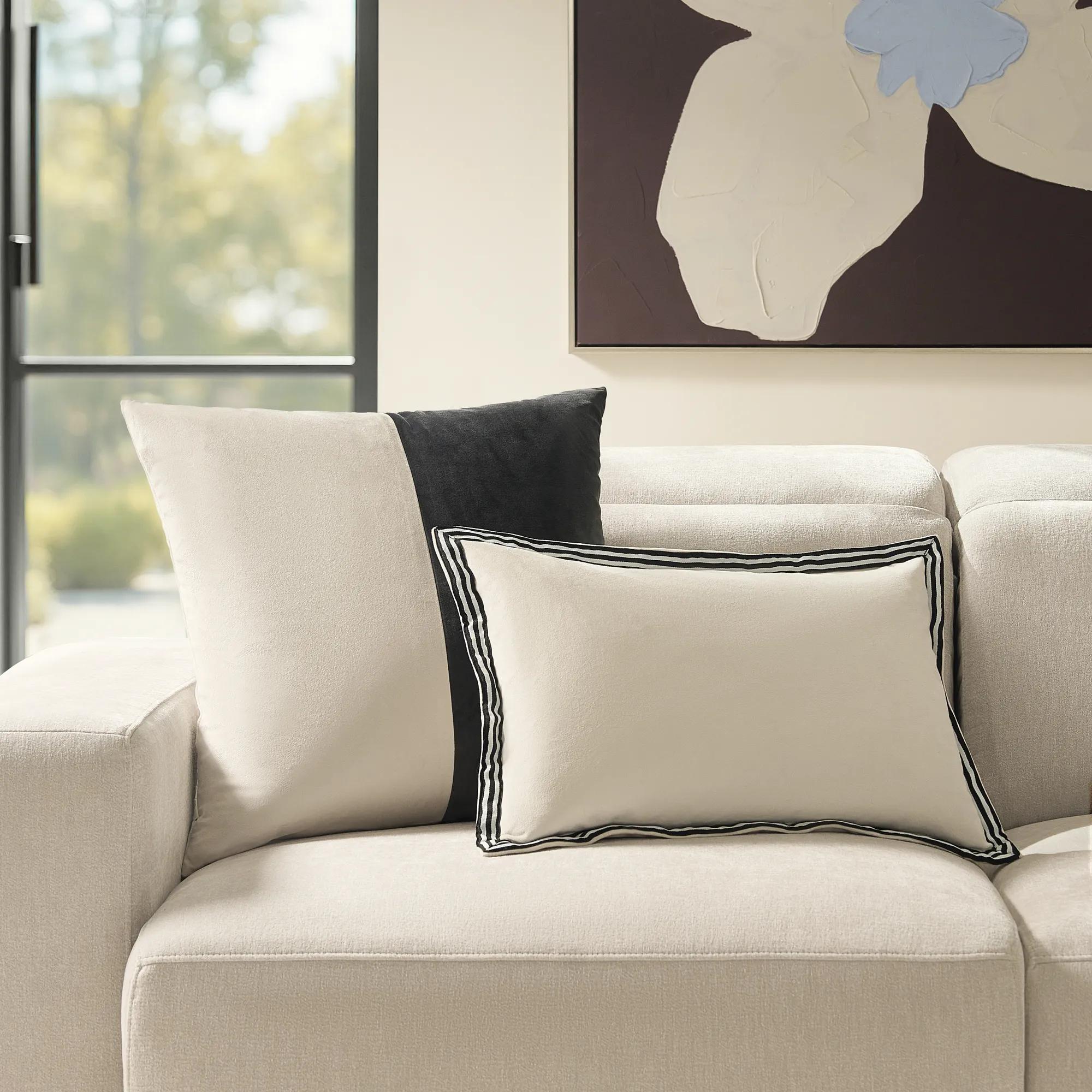 Dualis Black/Alabaster White Color Block Pillow 22" x 22"$79
A modern black and alabaster white color-block pillow adding bold contrast to contemporary spaces.
Add To Cart -

 Trist Black/White Triangle Velvet Pillow 13"$59
A striking black-and-white velvet pillow featuring a modern triangular pattern.
Add To Cart -

 Bea White/Black Embroidered Velvet Ball Pillow 12"D$69
A black and white embroidered velvet ball pillow adding sculptural texture and modern contrast to seating.
Add To Cart -
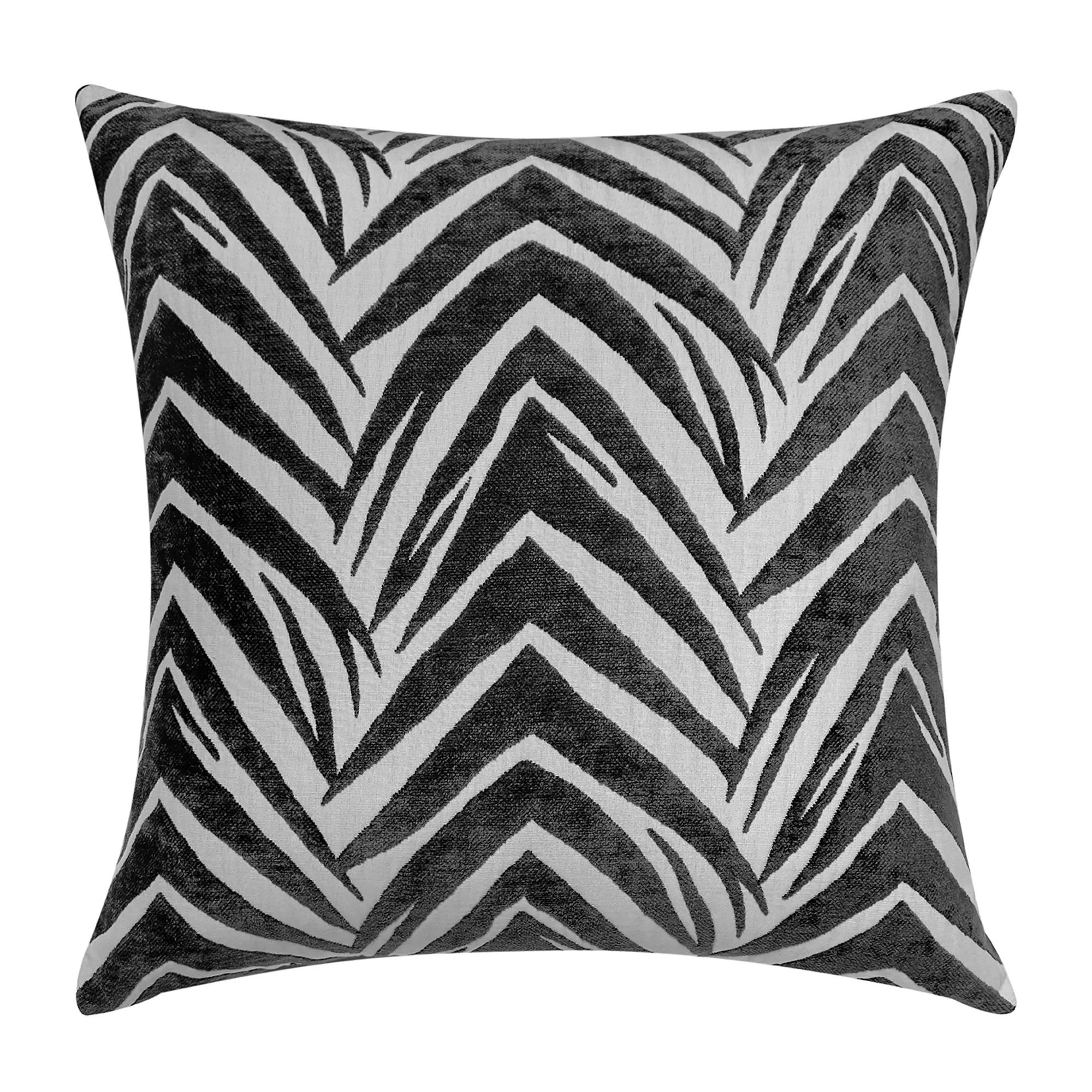
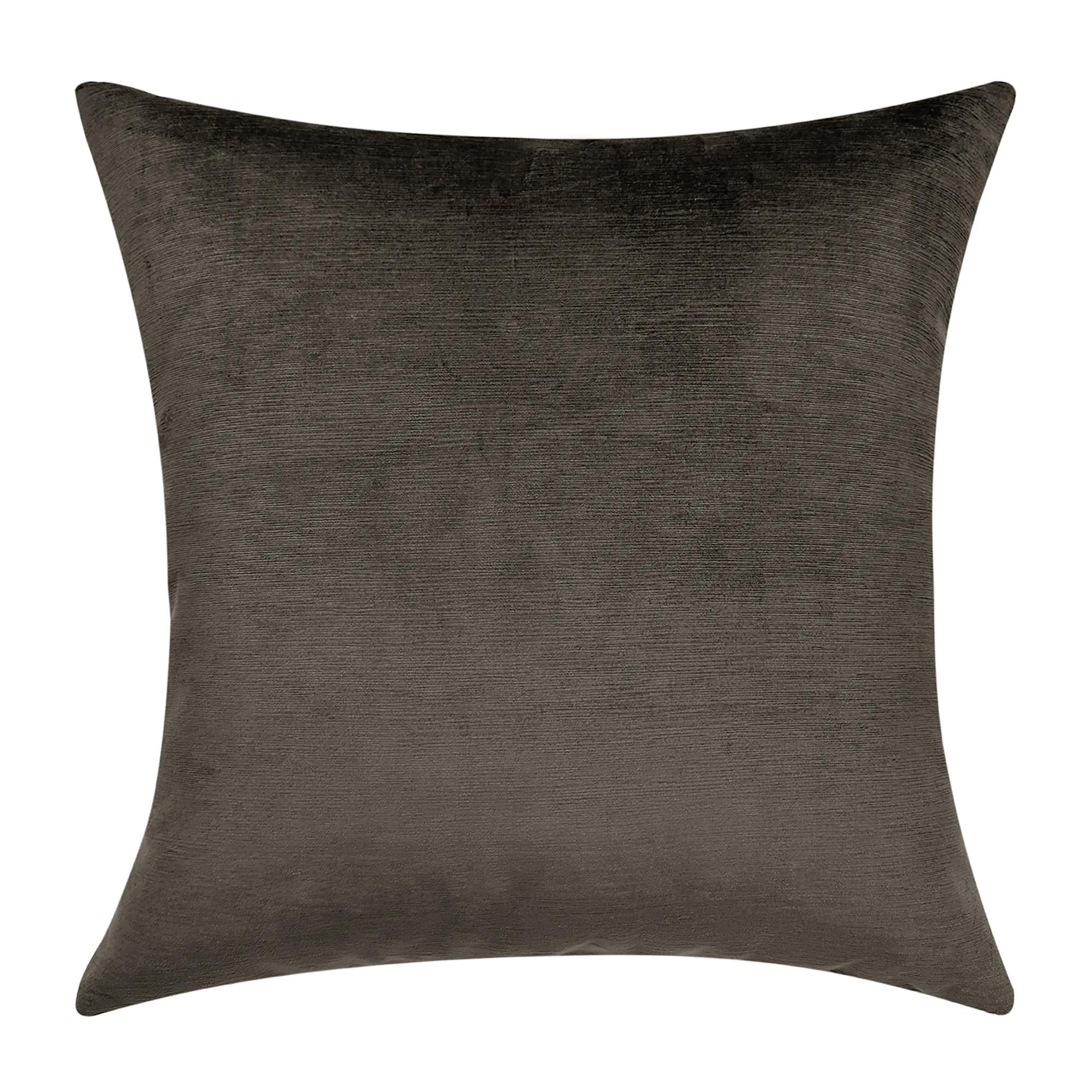 Zebby Black/White Zebra Print Velvet Pillow 22" x 22"$89
A luxurious jacquard chenille pillow featuring a bold black and white tiger print and plush feather down insert.
Add To Cart -
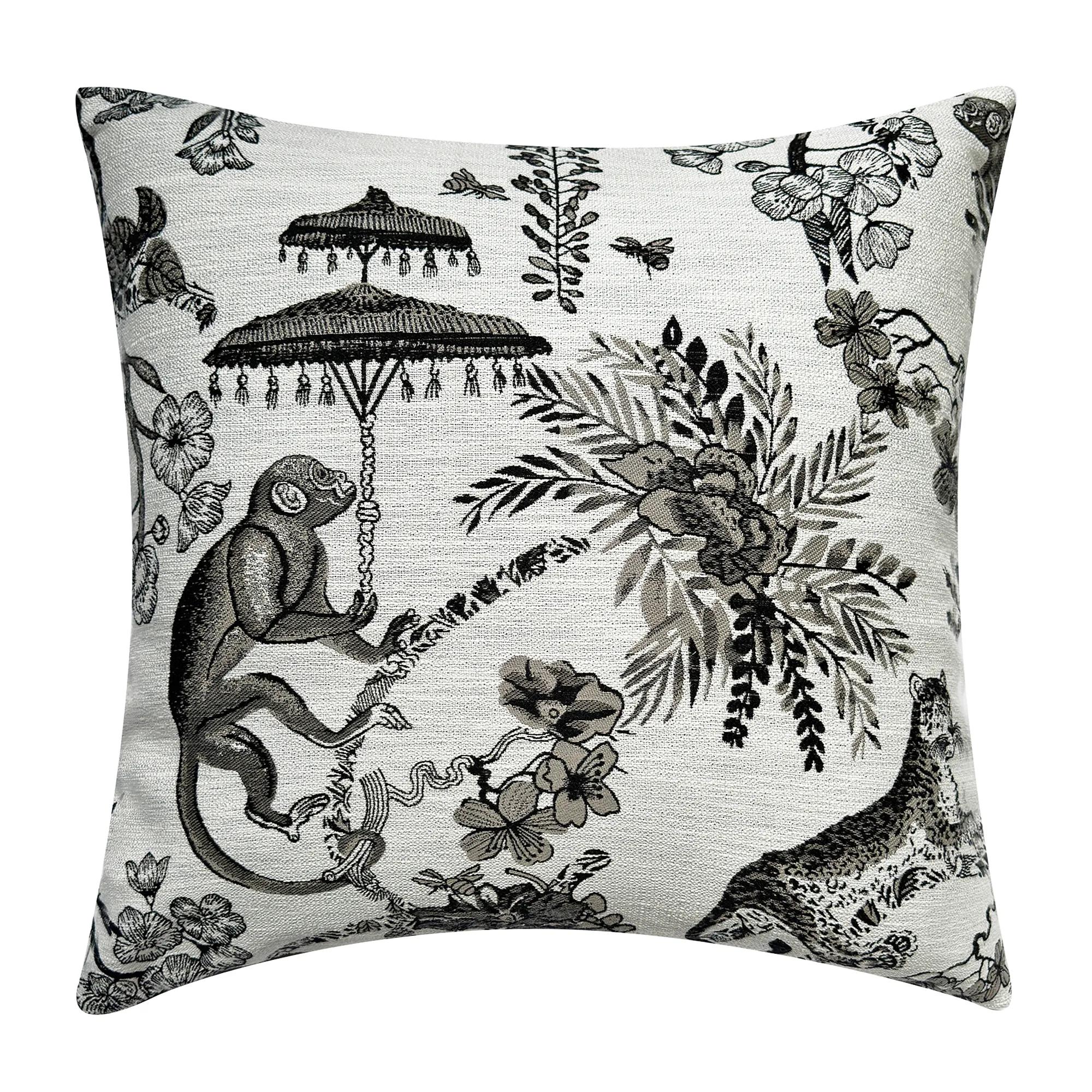 Monkey Jacquard Black Velvet Pillow 20" x 20"$119
A handmade jacquard pillow in black and white with a playful monkey pattern and plush feather-down insert.
Add To Cart -

 Bea Black/White Embroidered Velvet Ball Pillow 12"D$69
A sculptural black velvet ball pillow with white embroidered detailing and plush, fully stuffed construction.
Add To Cart -
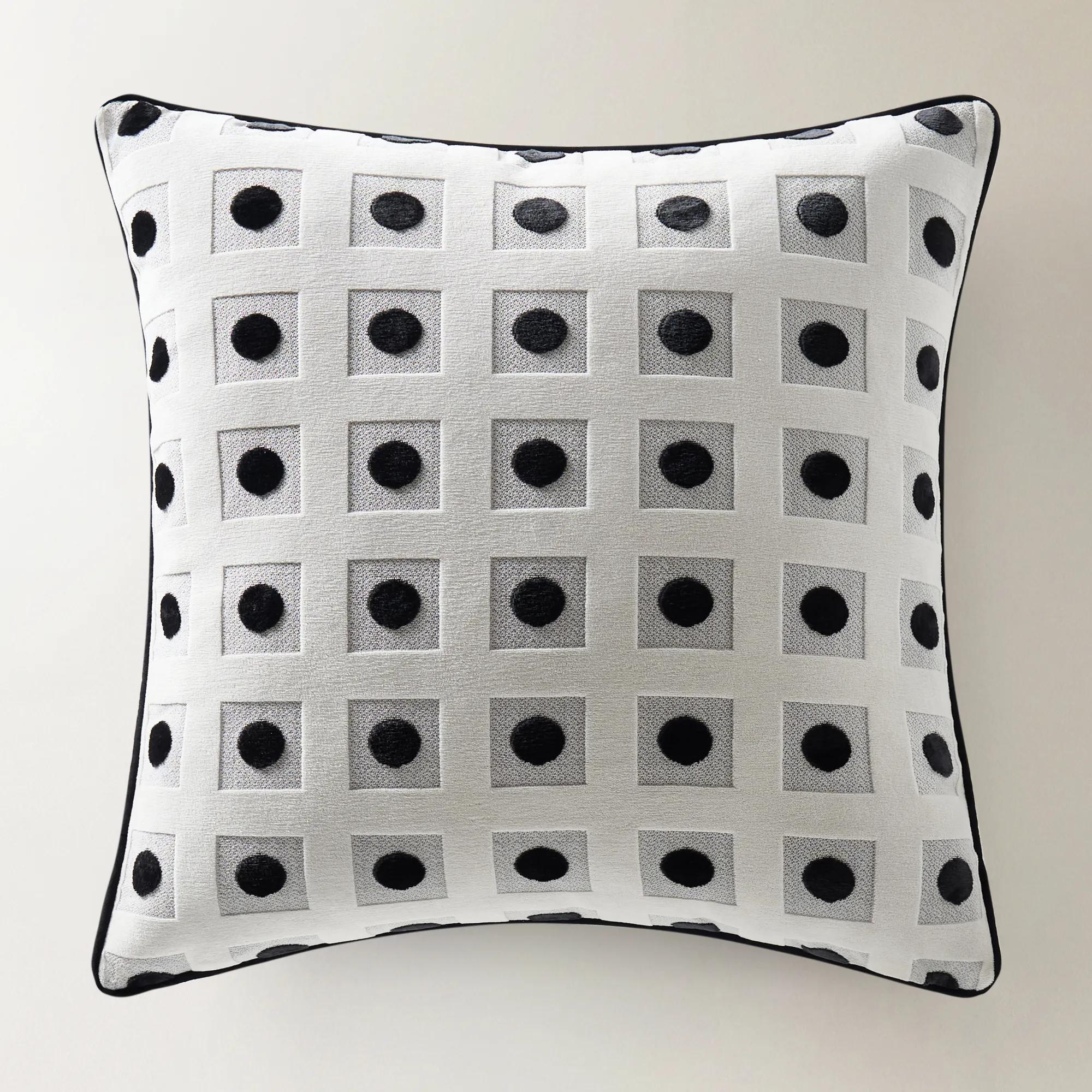
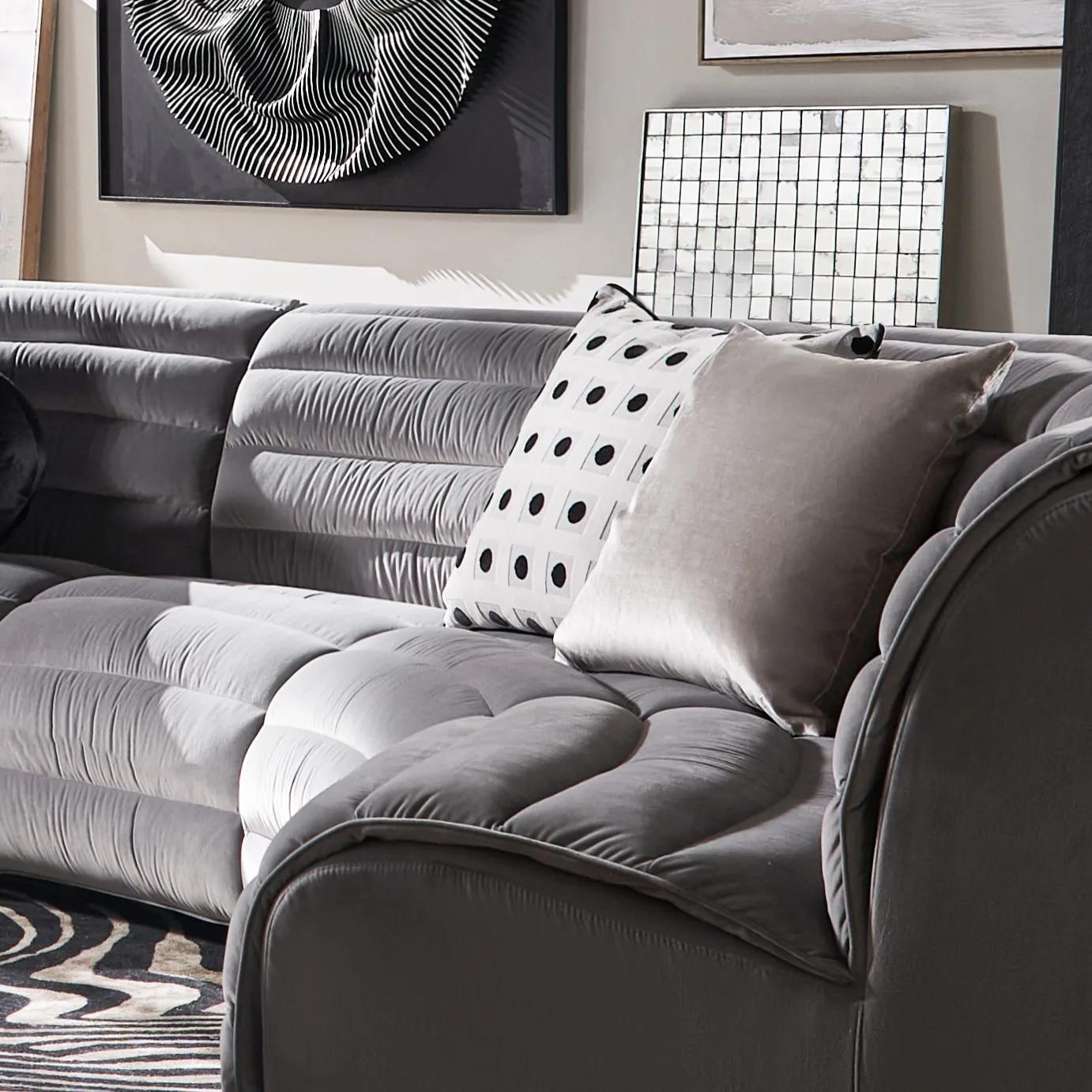 Geo Dot Cut Velvet White/Black Pillow 22" x 22"$89
A contemporary pillow featuring black and white cut velvet geometric patterns with sleek black piping.
Add To Cart -
 Ebba Black/Ivory Abstract Zebra Round Pillow 15"D$59
A plush velvet round pillow featuring a bold black and ivory abstract zebra print on both sides.
Add To Cart -

 Freja Alabaster/Black Fringe Pillow 22" x 22"$99
A sophisticated alabaster pillow accented with dramatic black fringe for modern contrast.
Add To Cart -
 Embroidered Dot Pillow 22"$79
An ivory velvet pillow featuring embroidered black dots and soft gold accents for a touch of shimmer.
Add To Cart -

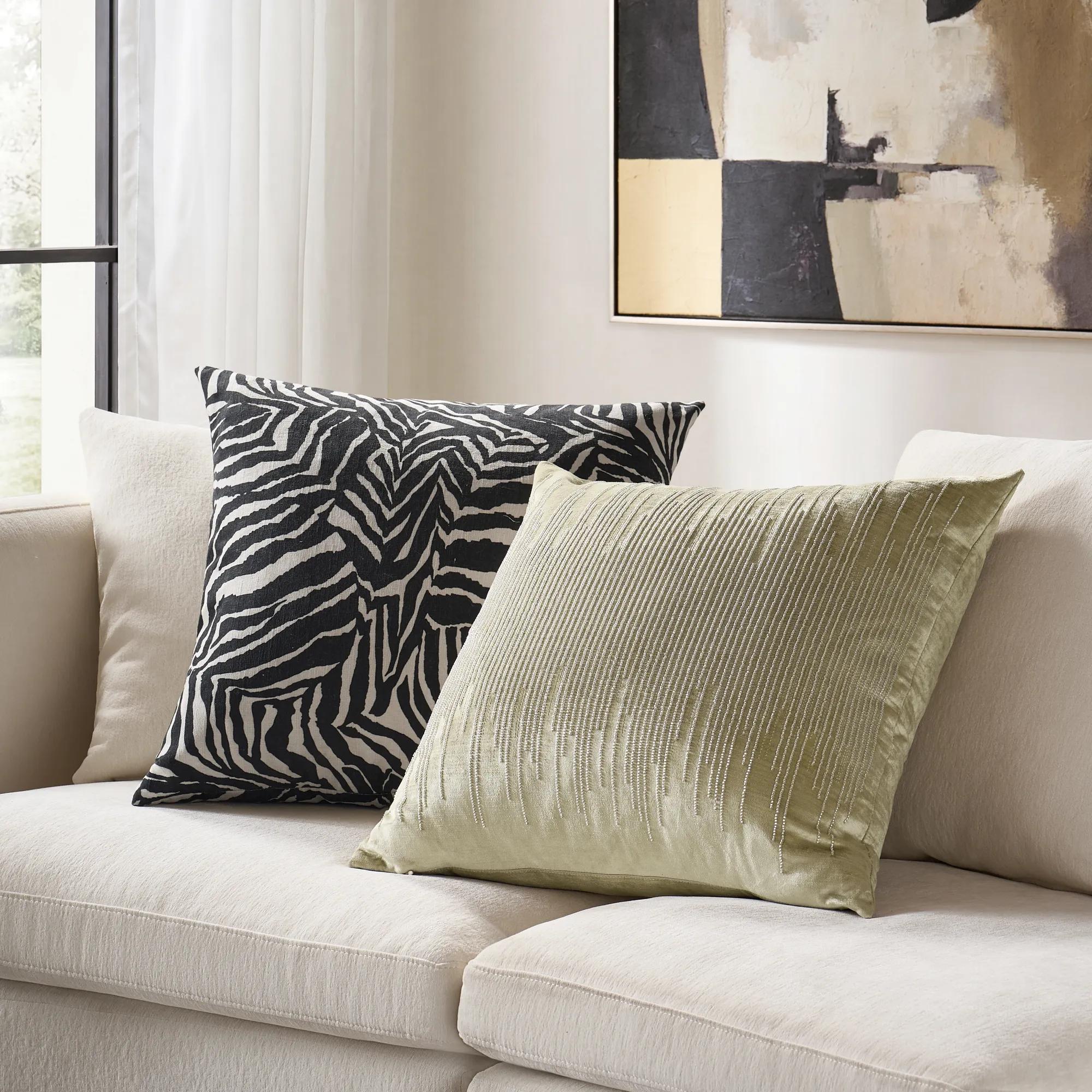 Ebba Black/Ivory Abstract Zebra Pillow 22" x 22"$79
A bold black and ivory velvet pillow featuring an abstract zebra print and plush feather-down insert.
Add To Cart -
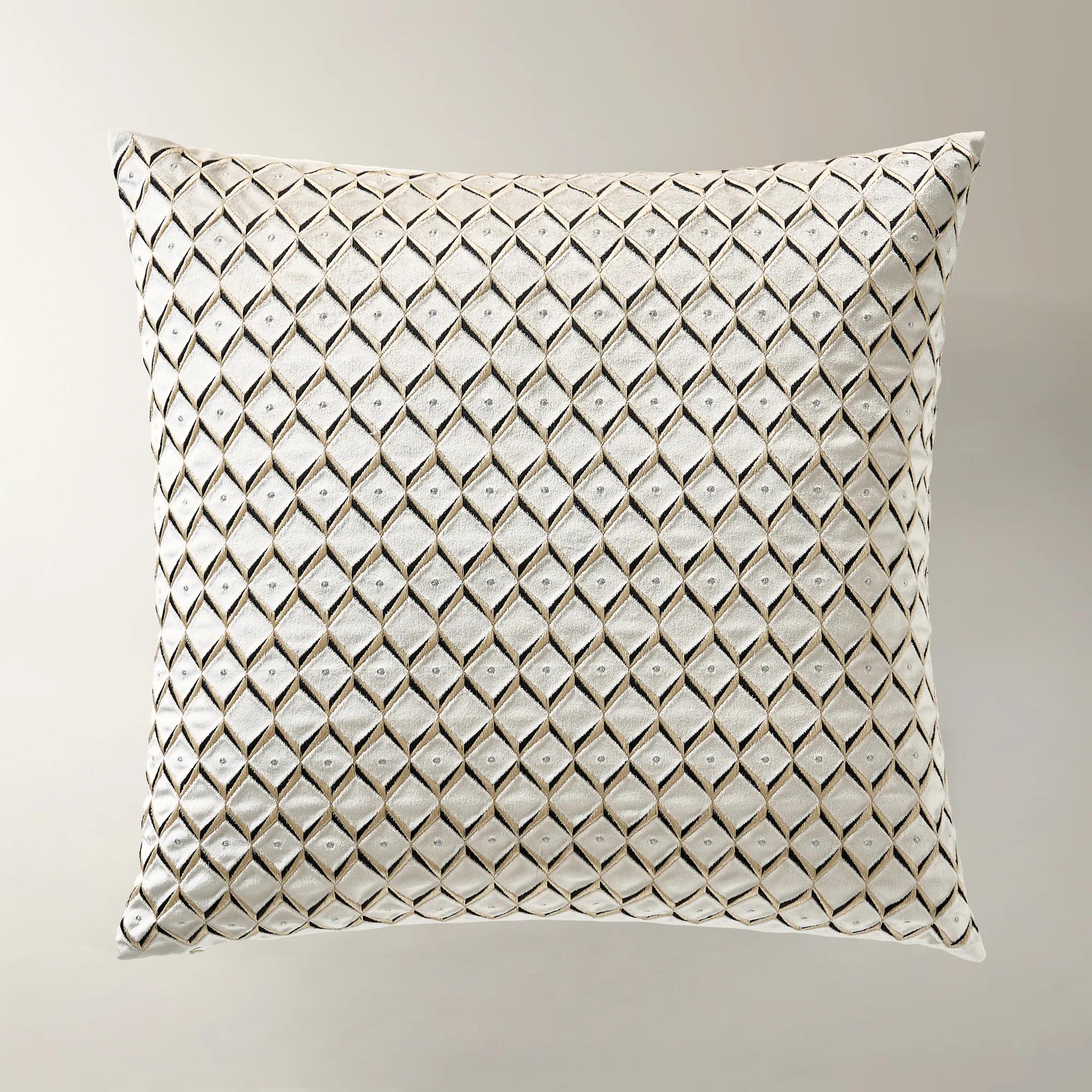 Boucard Diamond Check Embroidered Alabaster Pillow 22" x 22"$119
A luminous alabaster velvet pillow featuring metallic champagne and black diamond embroidery with a feather-down insert.
Add To Cart -
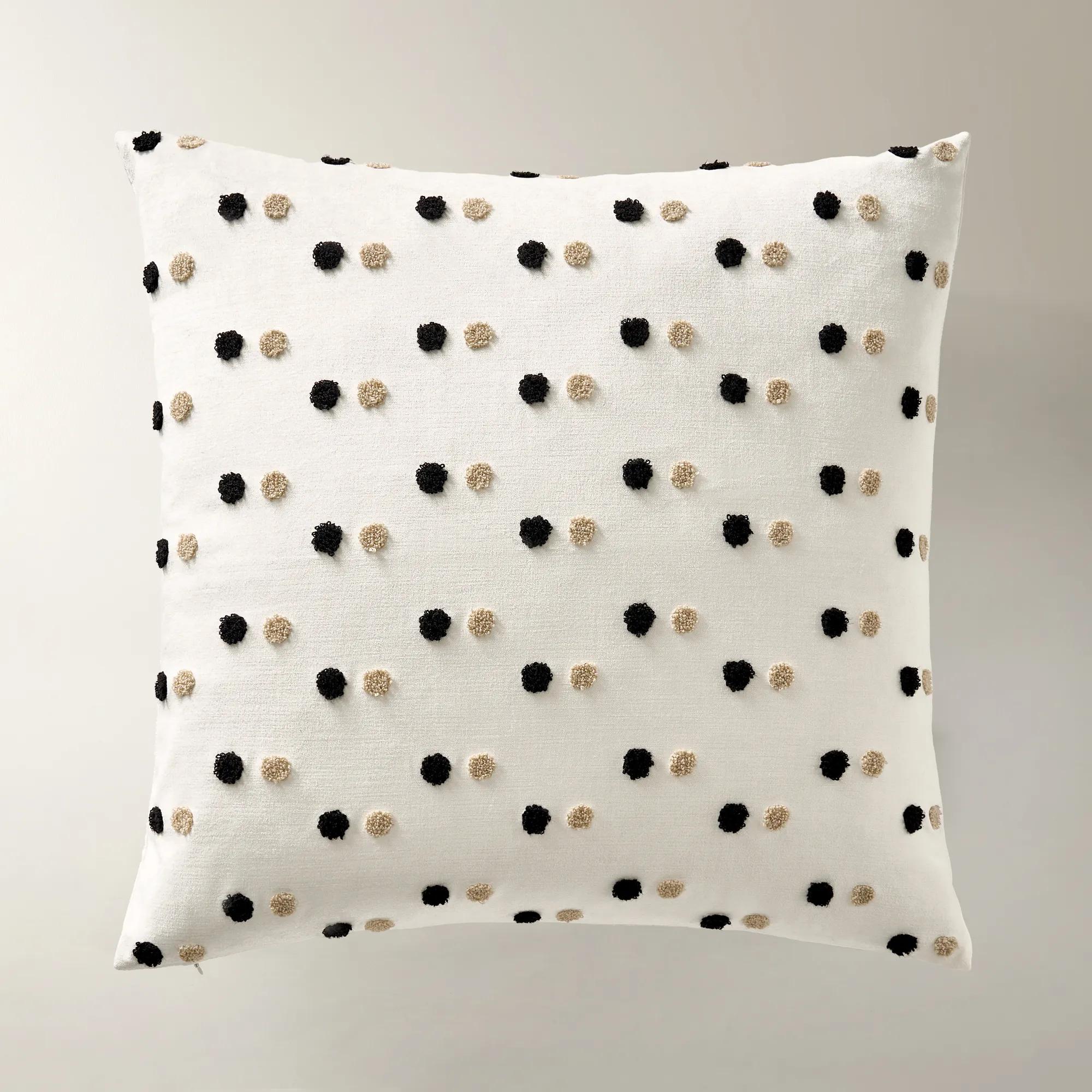
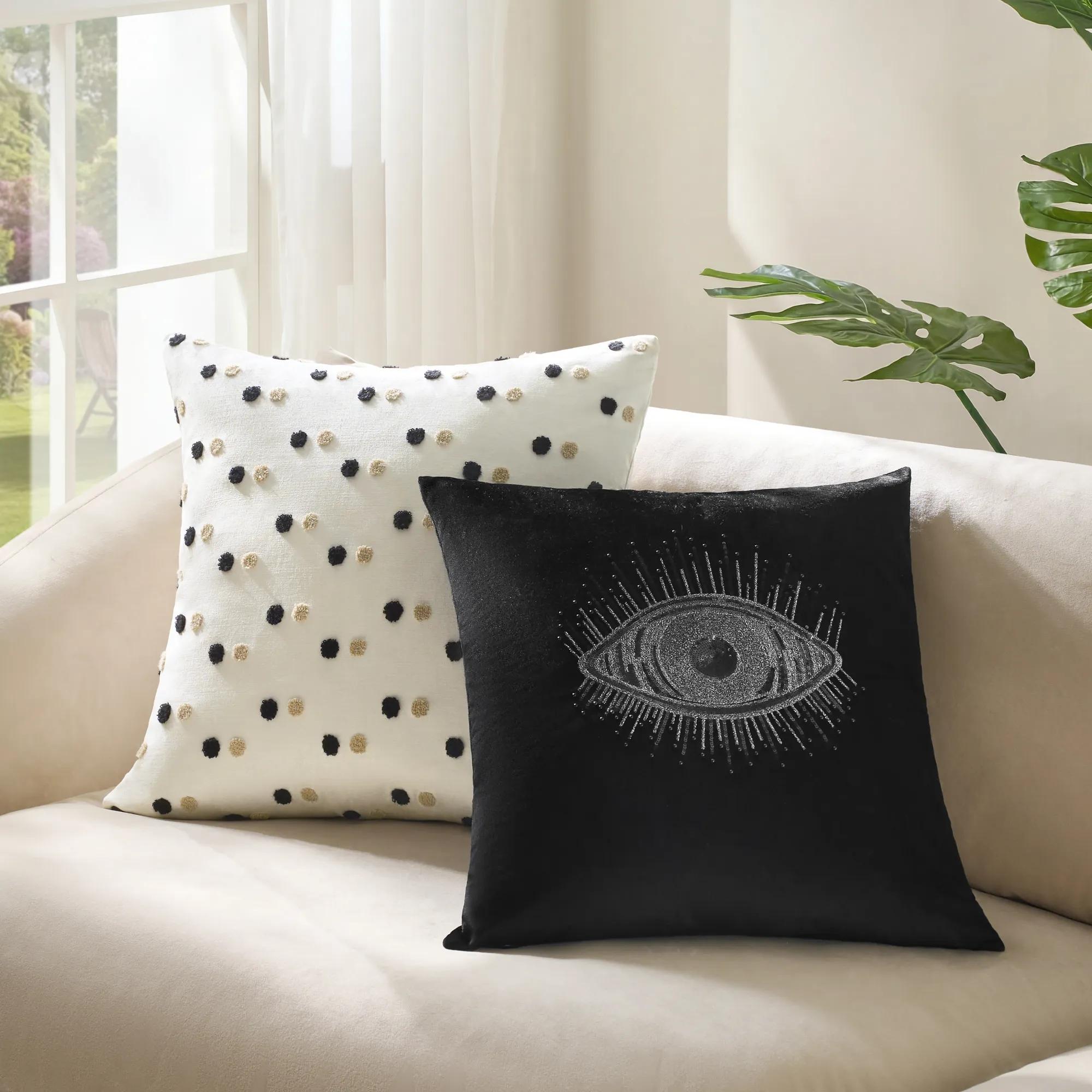 Dionne Polka Dot Embroidered Cloud White Velvet Pillow 22" x 22"$99
A cloud velvet pillow featuring embroidered taupe and black polka dots with a plush feather-down insert.
Add To Cart -
 Femi Black/Natural Velvet Pillow 20" x 20"$89
A velvet pillow featuring an artful female figure, black piping, hidden zipper, and removable feather-down insert.
Add To Cart -
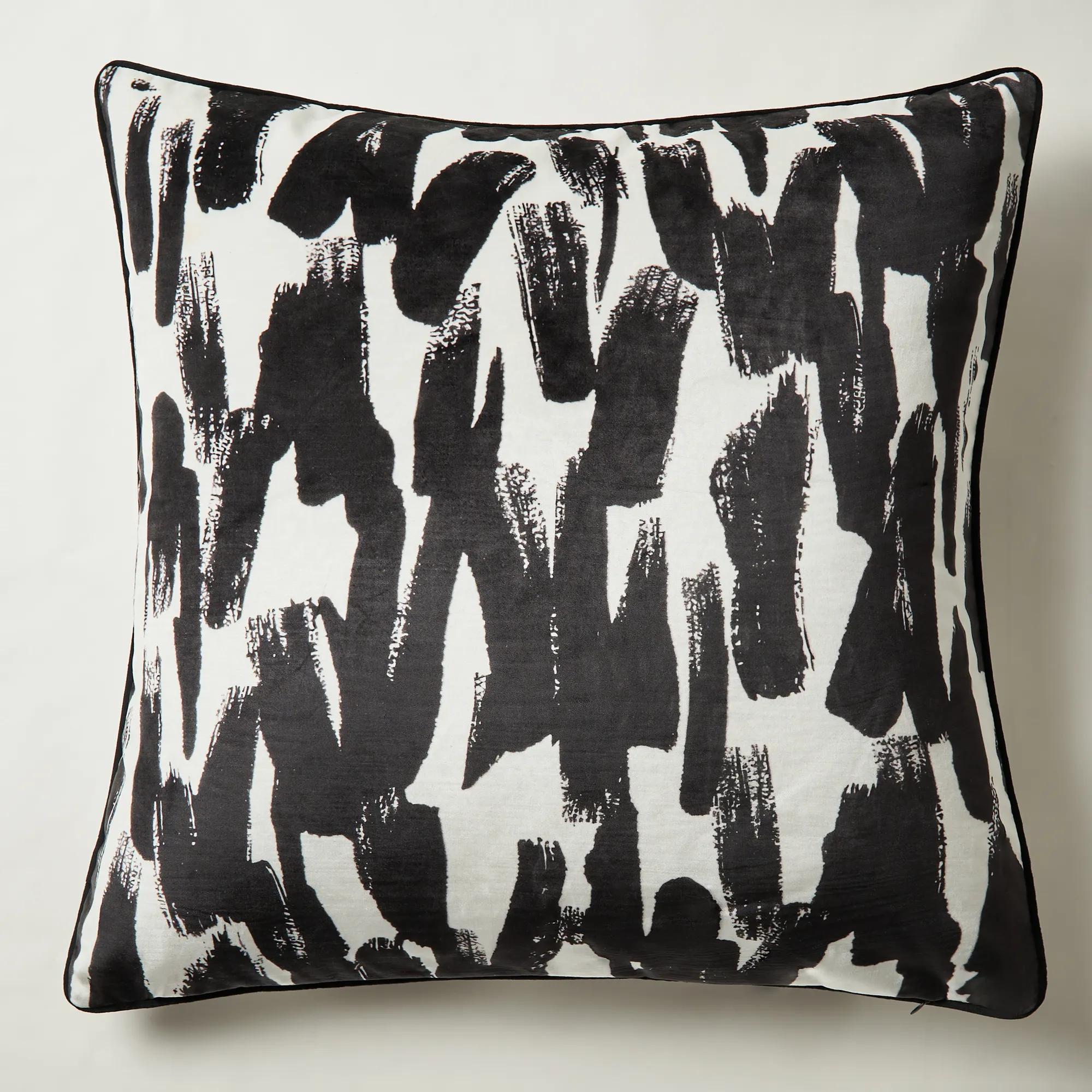 Adelaide Black/White Velvet Pillow 26" x 26”$109
A bold black and white abstract velvet pillow with feather insert and black cord trim.
Add To Cart -
 Jael Embellished Black/Ivory Abstract Animal Pillow 20" x 20"$119
A bold black and ivory velvet pillow featuring beaded abstract zebra embroidery and a plush feather-down insert.
Add To Cart -
 Trist Velvet Triangle Pillow 13" - Alabaster/Black$59
A luxurious velvet accent pillow featuring an alabaster and black triangular design.
Add To Cart -
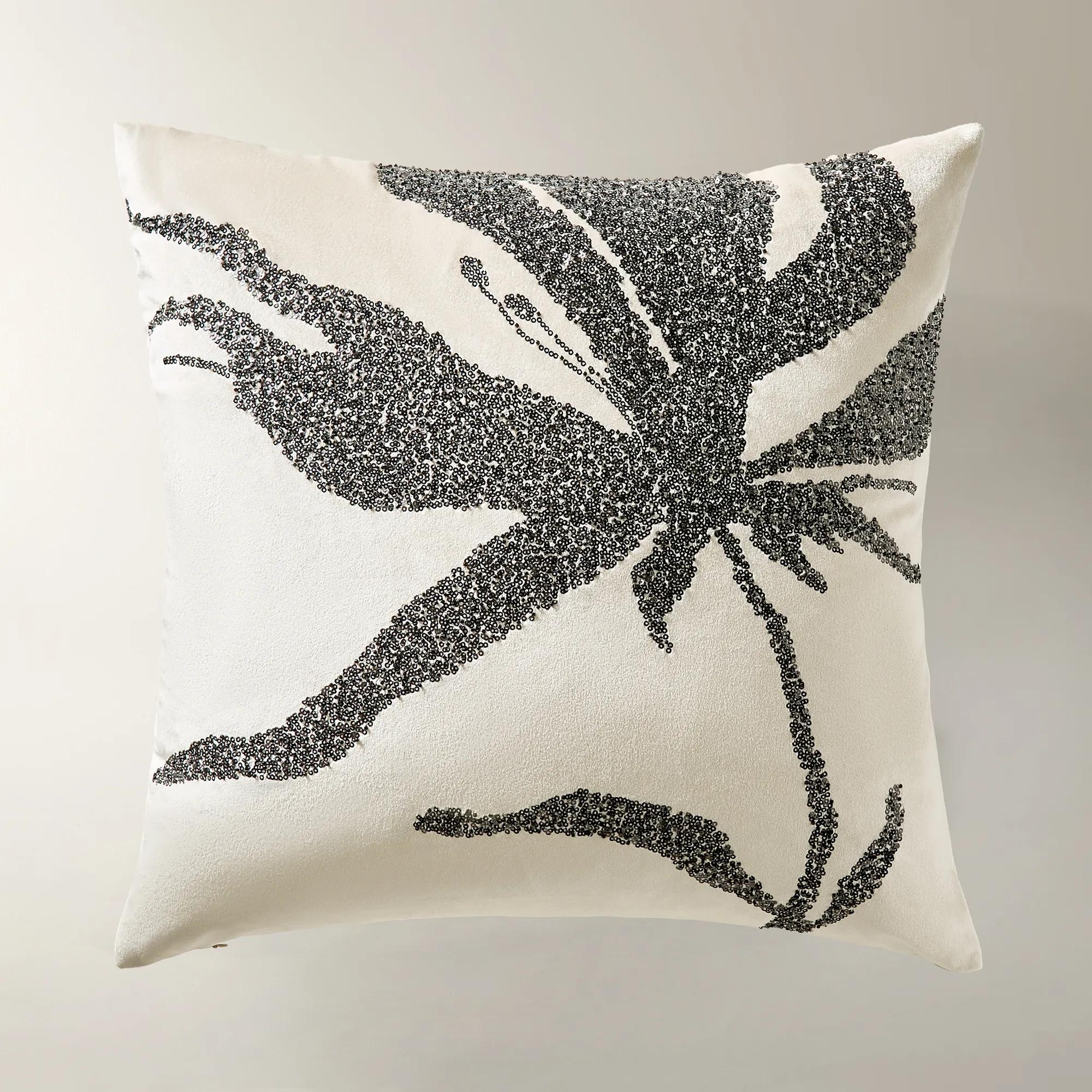 Leita Embellished Graphite/Cloud White Velvet Pillow 20" x 20"$129
A cloud velvet pillow featuring metallic sequin and bead floral embroidery in graphite with a feather-down insert.
Add To Cart

Black And White Velvet Cushions
Explore black and white velvet cushions to bring plush texture and sculptural contrast to sofas, accent chairs, and beds. With a palette that ranges from crisp white to dramatic black, these decorative accents can soften a monochrome room or add definition against richly colored upholstery.
Black and white velvet cushions bring plush texture, visual depth, and a striking monochrome contrast to sofas, armchairs, and beds. Their appeal lies in the meeting of opposites: deep black gives a seating arrangement definition, while white creates a luminous counterpoint. Velvet adds another dimension through its short, dense pile, which catches light differently as the fibers change direction. A black cushion can appear richly inky from one angle and softly lustrous from another; white velvet reveals delicate shadows that keep a pale surface from feeling flat. Together, the two colors create a composed backdrop for expressive interiors, whether the room centers on sculptural furniture, oversized artwork, or a richly patterned rug. Against a cream sofa, black velvet introduces a deliberate outline without requiring a larger change to the room. On charcoal upholstery, white cushions separate the silhouette of the furniture from its accents, bringing definition to a deep seating area. The pairing also complements warm wood, mirrored surfaces, and metallic finishes, allowing texture and reflection to carry the drama without adding another dominant color. Solid cushions emphasize the beauty of the fabric itself, while black-and-white patterns can introduce movement through bold geometry, sweeping curves, or smaller repeated motifs. Mixing the two approaches gives the eye both a focal point and somewhere to rest. A patterned cushion beside a solid black square feels intentional when the colors share a similar depth, while a white velvet accent can draw out pale details in nearby artwork. White shades deserve particular attention: a crisp, bright white has a different presence from ivory or warm cream, especially against neutral upholstery. Repeating a white already present in the room helps the arrangement feel connected rather than accidental. For interiors with an abundance of decorative detail, a restrained monochrome palette offers clarity while preserving a sense of opulence.
The most inviting arrangement begins with proportion, not quantity. Decorative velvet cushions should complement the furniture while leaving enough room to sit comfortably, so both the width of the seat and the height of the back matter. A deep sofa can accommodate generous square pillows, while a narrow accent chair often benefits from a single smaller square or a lumbar cushion that follows the chair’s proportions. On a bed, larger cushions can establish a structured backdrop, with a lower rectangular shape adding definition in front without concealing every layer behind it. Pairing white accents with Large Black Velvet Pillows creates a strong foundation for a composition that feels substantial rather than crowded. Before choosing a size, measure the furniture and consider the finished cushion’s depth as well as its face dimensions; a generously filled pillow occupies more usable seating space than its flat cover suggests. Insert compatibility also affects the result. A correctly fitted insert supports the corners and gives velvet a smooth, sumptuous surface, while excessive filling can strain seams or make the cushion feel rigid. Follow the cover’s sizing recommendations rather than assuming every insert should be larger. Fill influences both appearance and comfort: feather-and-down blends generally offer a moldable shape and may need regular fluffing, while polyester fills often provide a more consistent profile, depending on their construction. Material composition deserves equal consideration. Velvet describes the fabric’s pile construction, not a single fiber, so cotton, polyester, and blended velvets can differ in sheen, hand, and care requirements. A matte velvet brings quiet depth to a dramatic pattern; a more reflective finish creates a jewel-like highlight against subdued upholstery. Layering velvet with a woven throw or a textured rug keeps a monochrome room tactile and dimensional. For someone furnishing a first home, refreshing a reading chair, or giving a design-minded host a thoughtful housewarming gift, these distinctions help turn a decorative gesture into something genuinely suited to daily life.
Living beautifully with black and white velvet cushions also means choosing details that suit the household. Frequently used seating benefits from secure seams, well-finished closures, and fabric appropriate for the expected level of wear. Velvet’s durability depends on its fiber content, construction, and intended use; the plush feel alone does not establish how well a cushion will tolerate daily contact. In a family room where pillows are moved, leaned against, and rearranged, practical care requirements may matter as much as a lustrous finish. A removable cover can make maintenance more convenient, but it does not automatically mean the fabric is machine washable. Always follow the care label for both cover and insert, since they may require different treatment. For routine upkeep, gently remove surface dust using a method approved for the fabric, such as a suitable upholstery attachment on low suction when permitted. Address spills promptly by blotting with a clean, absorbent cloth rather than rubbing, which can spread a mark or disturb the pile. Test any permitted cleaning product in an inconspicuous area, and avoid improvised heat or steam treatments unless the manufacturer specifically allows them. Black velvet may reveal pale lint, while white velvet makes darker marks more noticeable, so placement is worth considering in homes with pets or heavy everyday use. Keeping cushions away from prolonged direct sunlight can help limit uneven fading, and rotating their positions distributes contact across the arrangement. Regular reshaping helps maintain the intended silhouette, although the right method depends on the fill. On a sofa used for conversation, leave a welcoming stretch of upholstery between cushion groupings; on a reading chair, place a single accent where it can be easily moved for comfort. Decorative cushions are finishing layers, not substitutes for supportive seating or sleep pillows. With thoughtful proportions and attentive care, black and white velvet cushions give everyday rooms a distinctive signature: bold contrast, touchable richness, and the sense that every detail belongs.
FAQs
Use black and white velvet cushions to create a striking focal point against your sofa’s upholstery. On a light sofa, emphasize black for graphic definition; on a dark sofa, let white bring luminous contrast. Arrange solids alongside a bold pattern for a composition that feels expressive rather than overly matched.
Black and white creates a dramatic foundation for jewel tones such as emerald, sapphire, and aubergine. For a softer mood, introduce ivory, camel, or warm taupe through surrounding furnishings. Gold or silver accents add a gleaming finishing note without competing with the cushions’ crisp contrast.
Yes—mixing patterns and solids gives a monochrome arrangement depth and personality. Pair an expressive geometric or abstract motif with solid black and white velvet cushions so the eye has somewhere to pause. Vary the visual density of the patterns while keeping the palette consistent for a richly layered, cohesive look.
Velvet’s light-catching pile brings dimension to a mix of contrasting textures. Style black and white velvet cushions near nubby woven upholstery, a plush throw, or smooth leather for tactile richness. Nearby mirrored or polished accents echo velvet’s subtle sheen, creating a room that feels composed yet full of movement.
Begin with the care label, as cleaning requirements vary by fabric composition and cushion construction. Follow the recommended method for routine care and spills, and never assume a removable cover is machine washable. If the instructions call for professional cleaning, leave that finishing touch to a specialist.