Bedding Sets For Guest Bedrooms
Bedding Sets For Guest Bedrooms
-
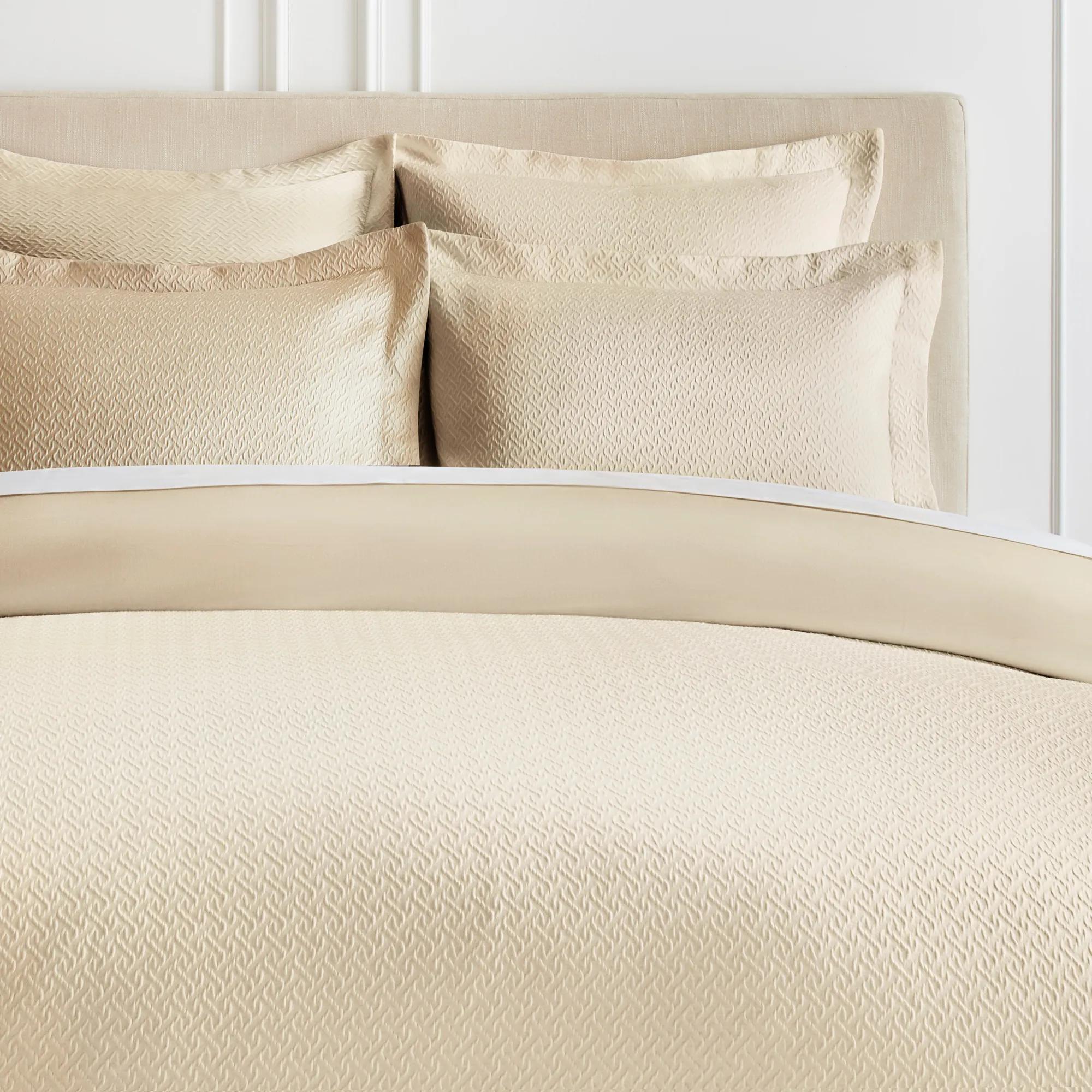
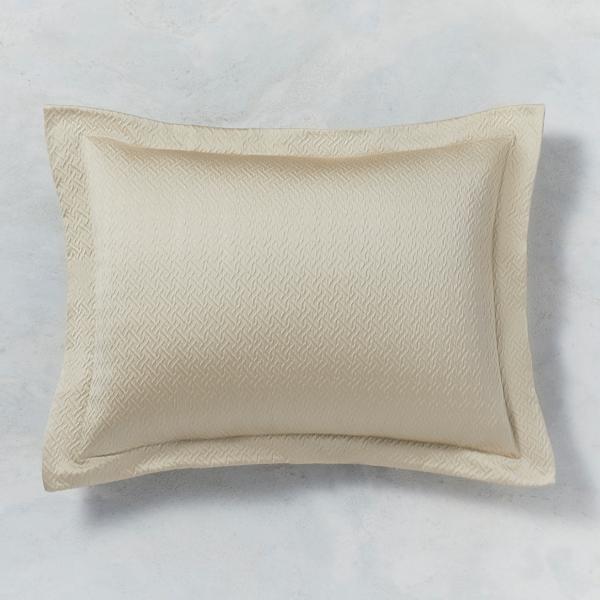 Marlowe Jacquard Gold Bedding Set$199
A jacquard-woven bedding collection in gold, featuring a subtle pattern and soft polyester-cotton blend.
Add To Cart -
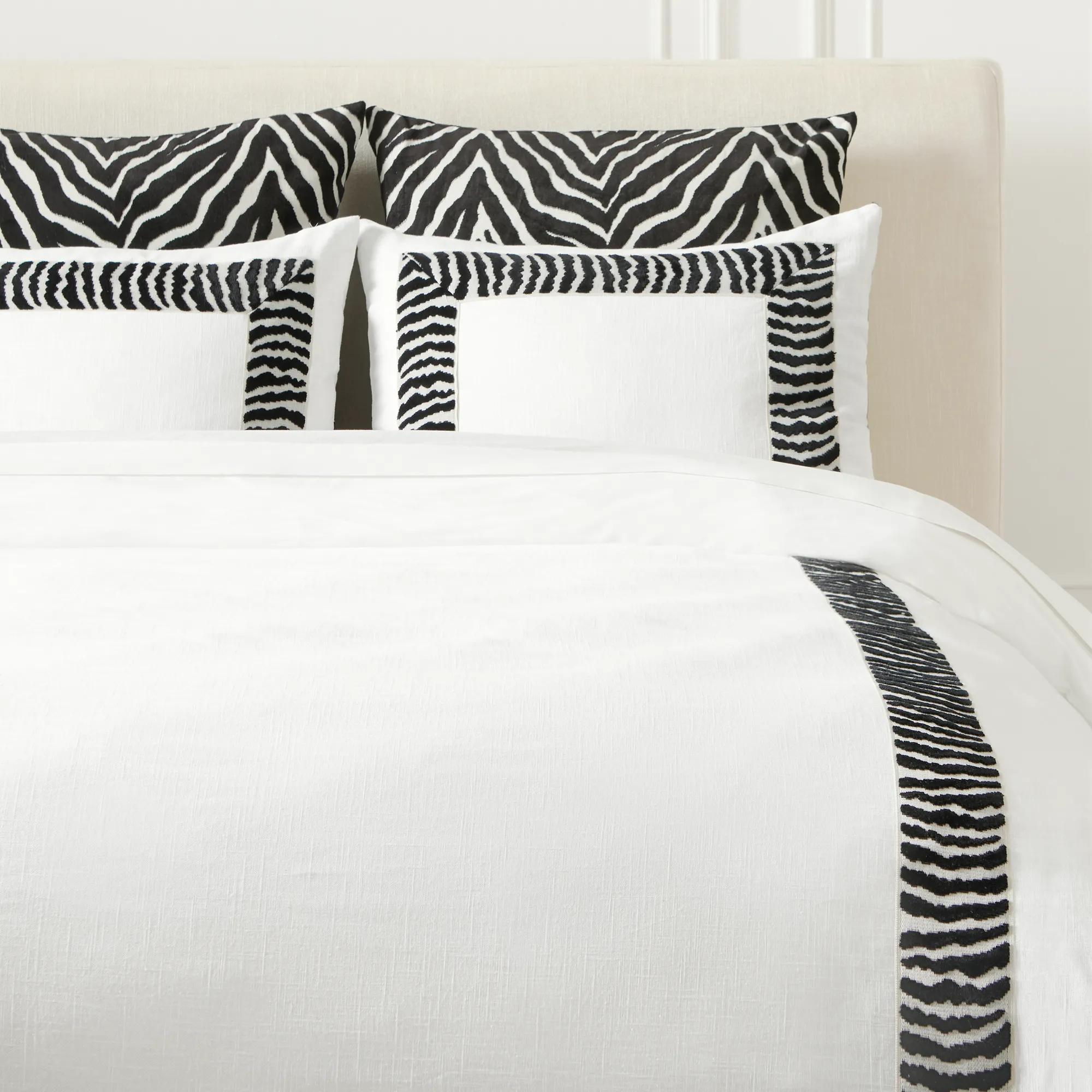
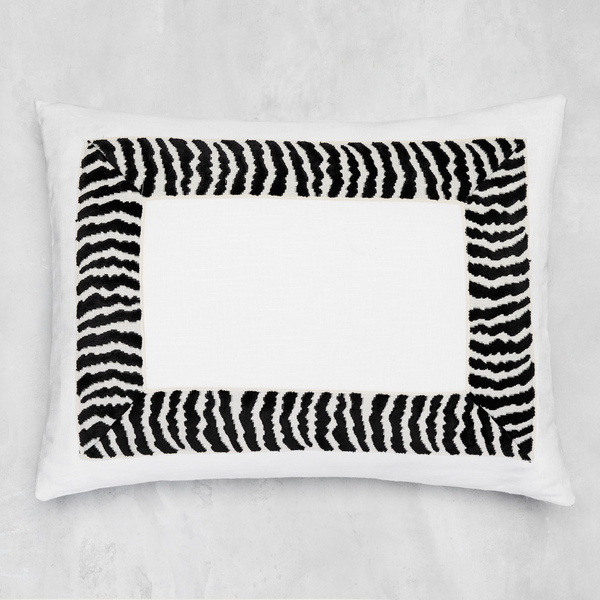 Nikki Chu Hasina Animal Print Black/White Velvet Appliqué Border Bedding Set$289
A bold black animal print borders ivory slubbed linen bedding for a textured, modern statement.
Add To Cart -
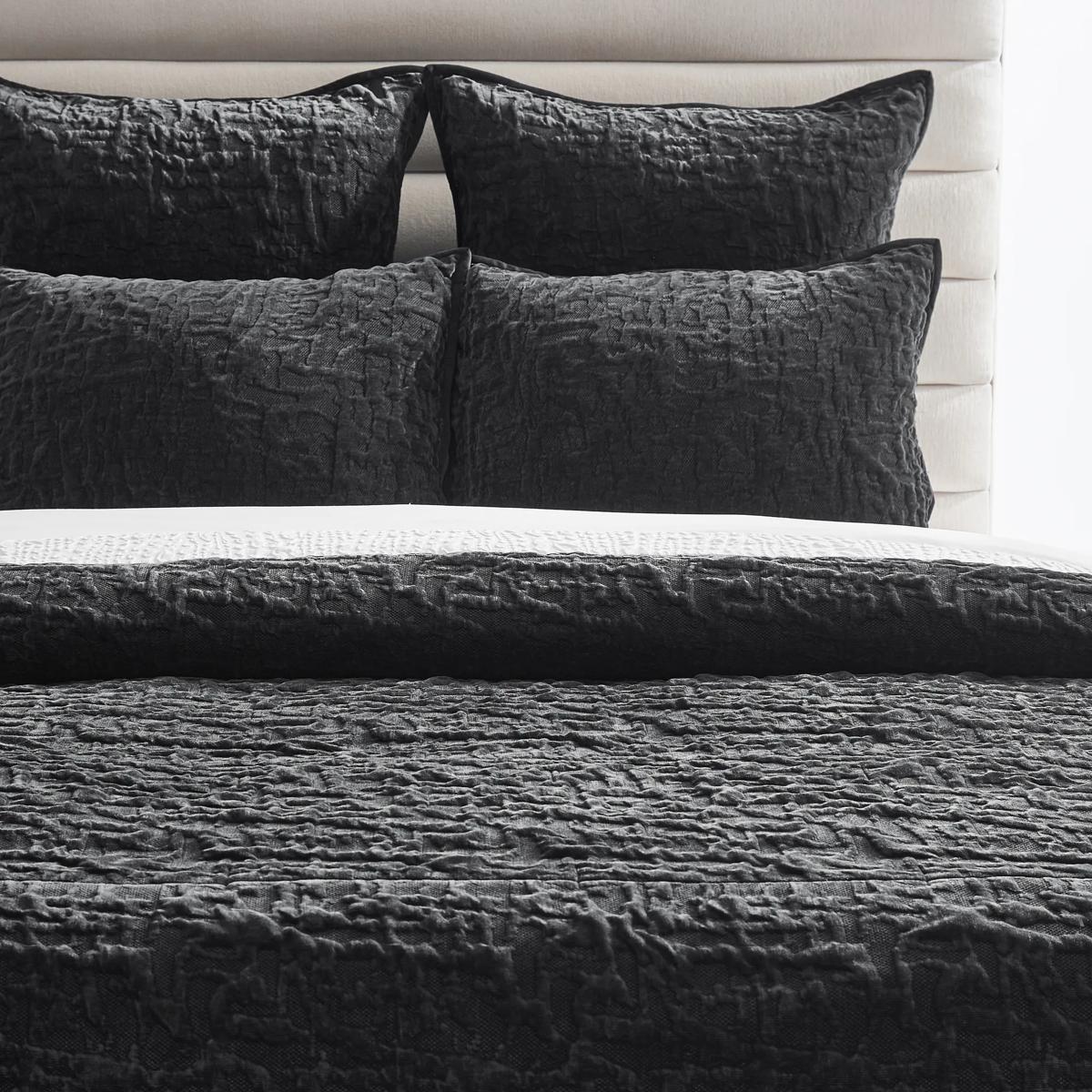
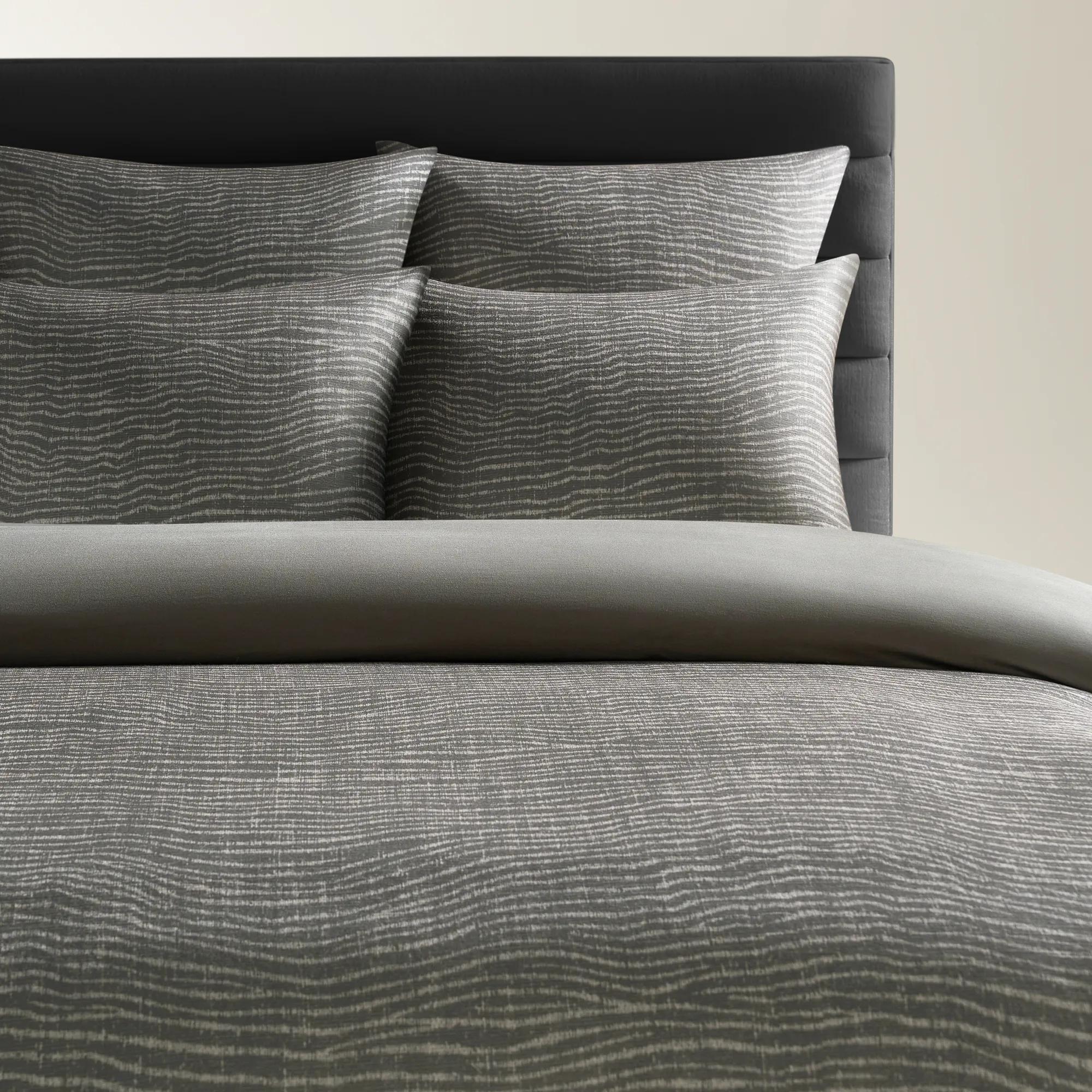 Sahara Bedding Set - Charcoal$199
A soft jacquard bedding set in calming charcoal with a subtle wave-inspired zebra print and refined details.
Add To Cart -
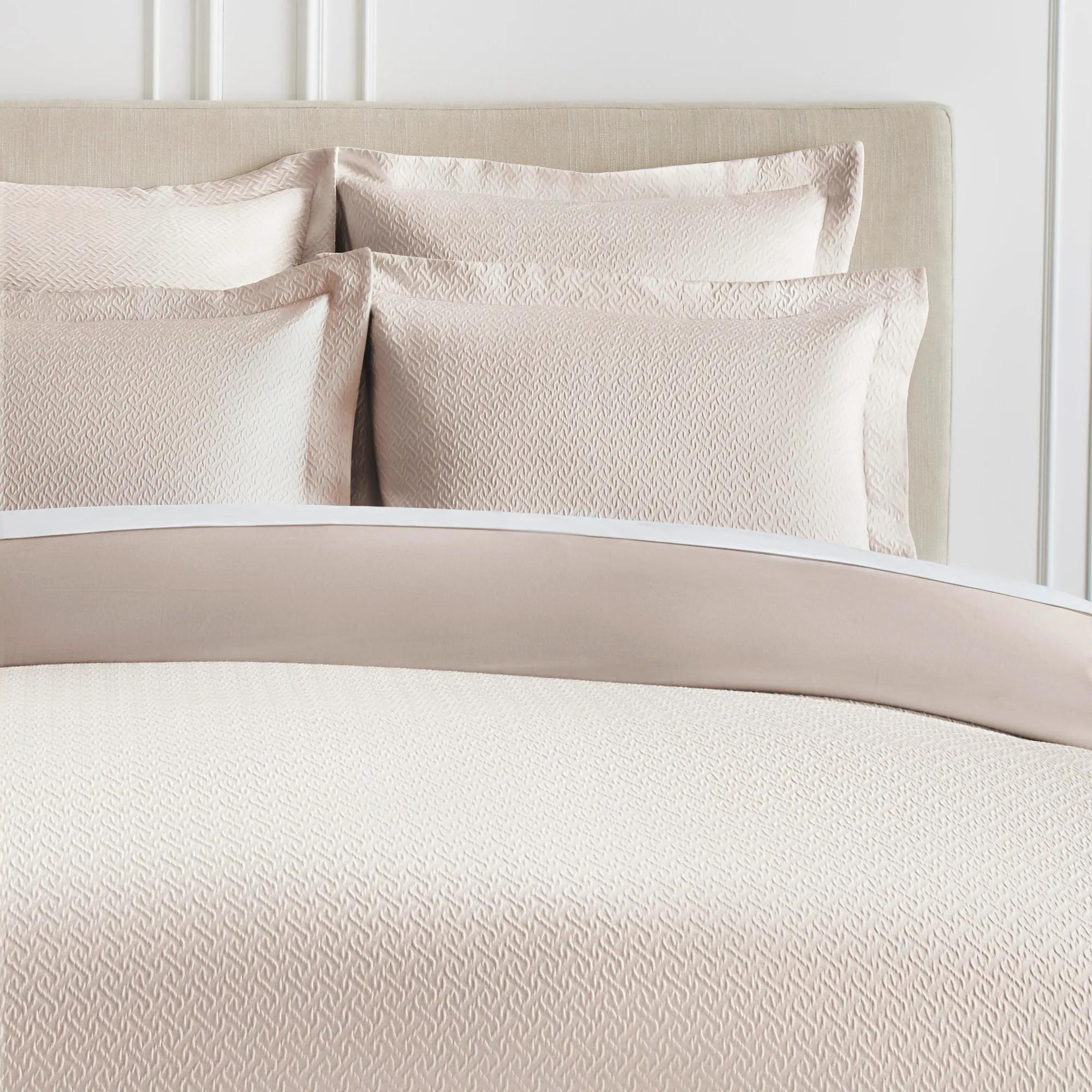
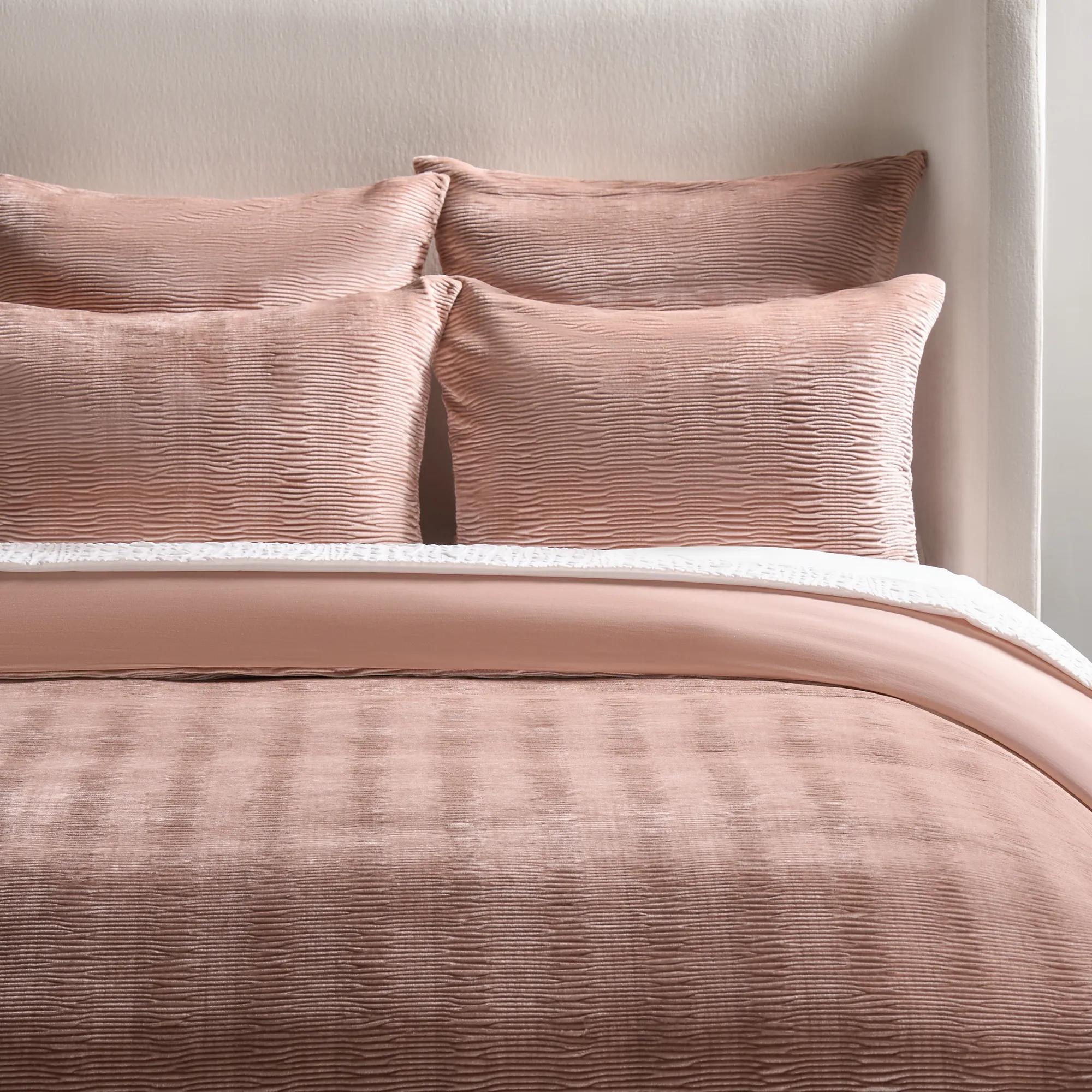
 Marlowe Jacquard Blush Bedding Set$199
A blush jacquard bedding collection offering subtle texture and year-round comfort with a soft cotton blend.
Add To Cart -

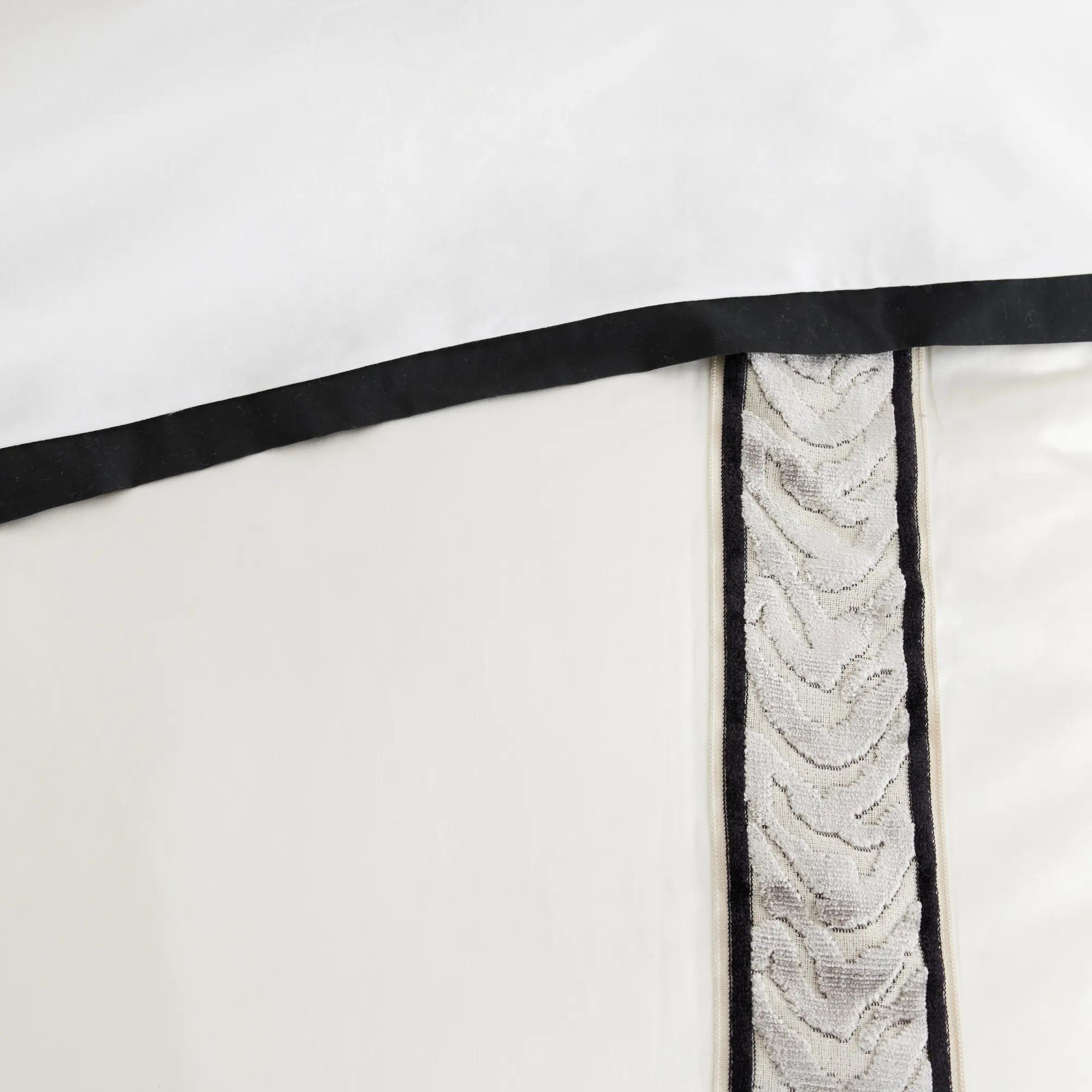 Gianna Grey/Black/White Animal Print Cut Velvet Appliqué Border Bedding Set$119
A luxurious grey and black bedding collection featuring a cut velvet tiger-stripe appliqué border for bold elegance.
Add To Cart -
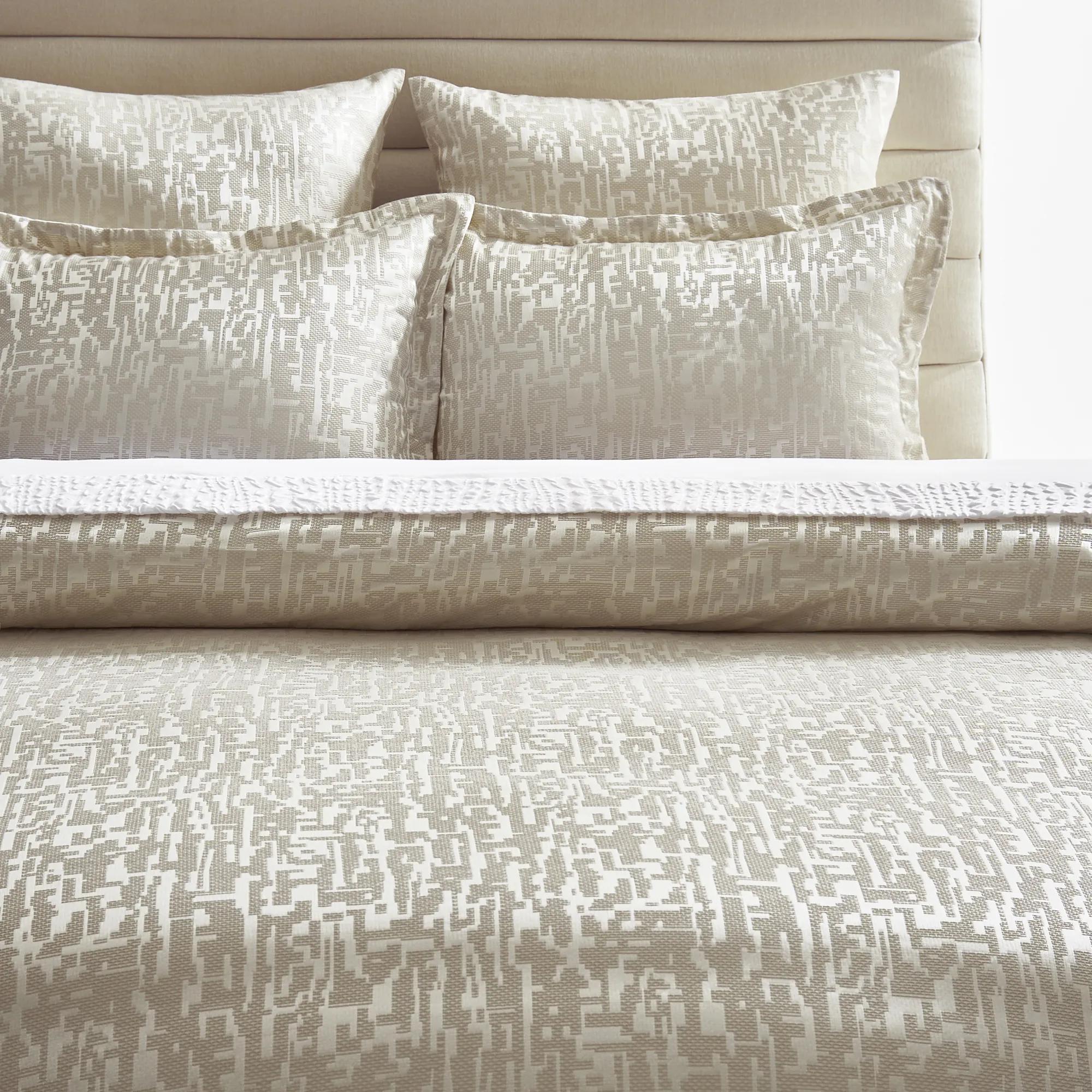
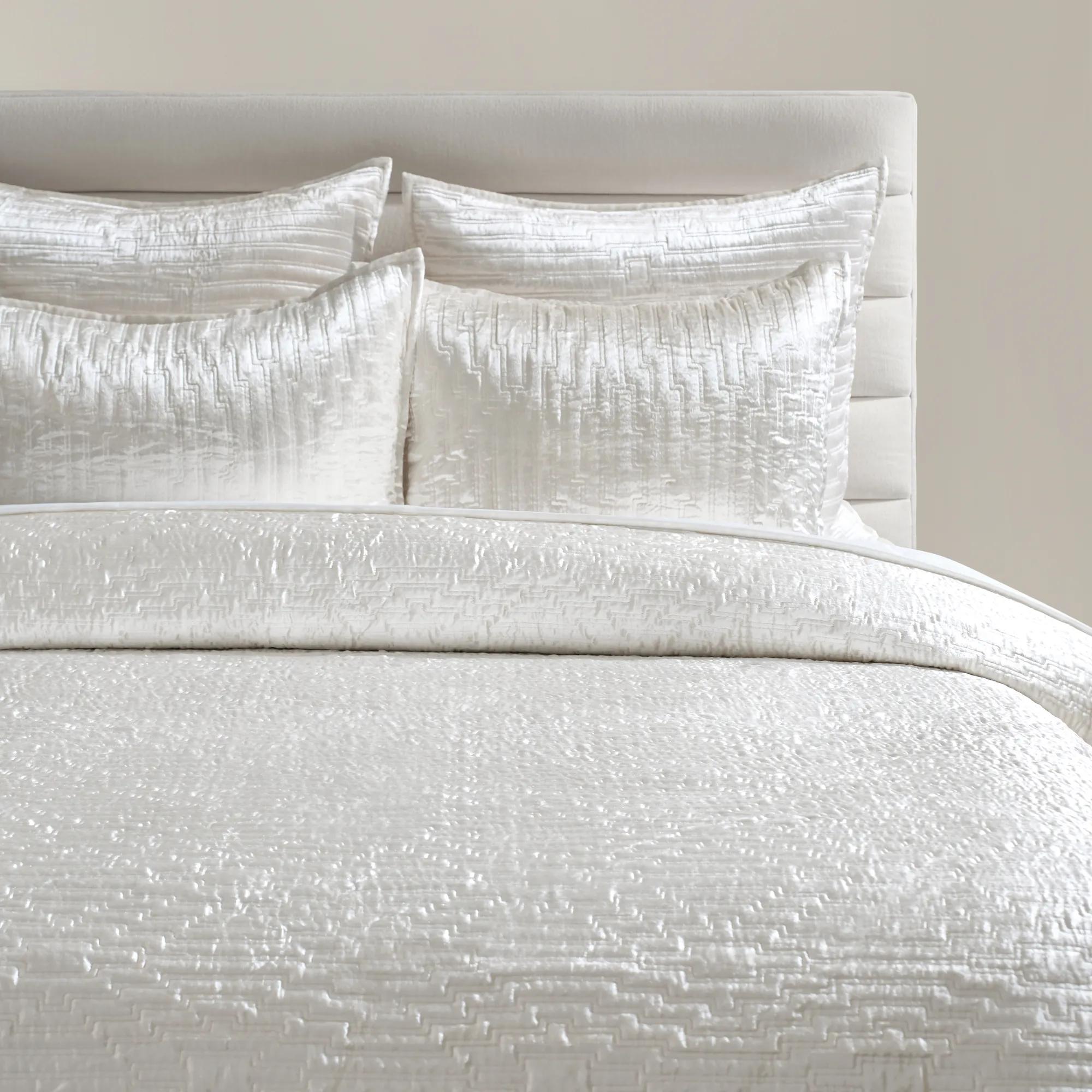
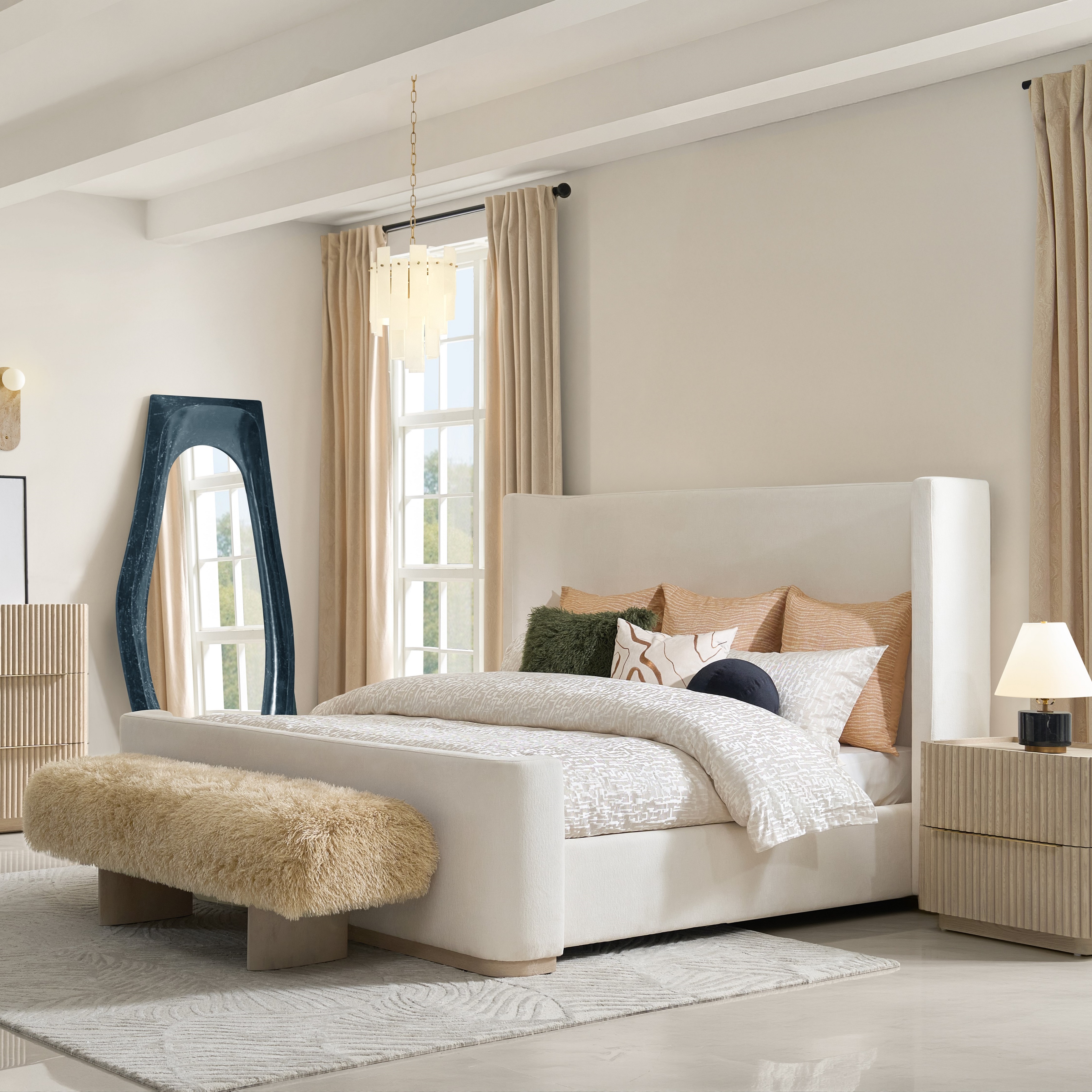 Podva Embroidered Pearl/Ivory Bedding Set$279
A serene pearl and ivory bedding set featuring a modern embroidered motif on smooth satin and cotton.
Add To Cart -
 Sarla Contrast Cotton Percale Bedding Set - White/Black$229
A crisp white cotton percale bedding set featuring modern black piping for a refined, graphic contrast.
Add To Cart -
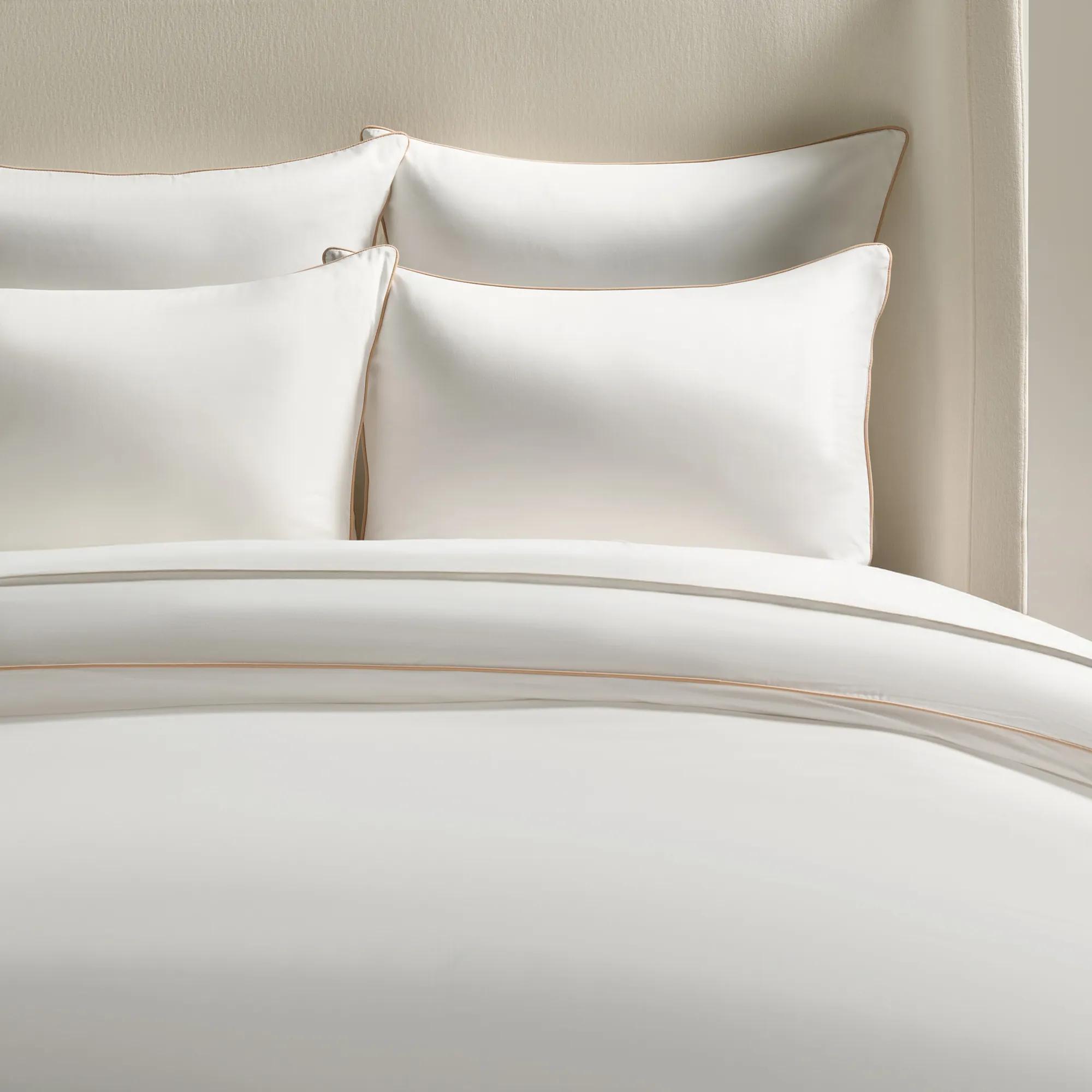
 Sarla Contrast Cotton Percale Bedding Set - White/Tan$199
A crisp cotton percale bedding set featuring white and tan contrast detailing.
Add To Cart -

 Jungle Toile Bedding Set - Pale Pink$189
A luxurious satin bedding set featuring a delicate black jungle print on a pale pink background.
Add To Cart -
 Eve Pistachio Green Textured Velvet Quilt Set$249
A pistachio green textured velvet quilt set with coordinating duvet and sham covers.
Add To Cart -
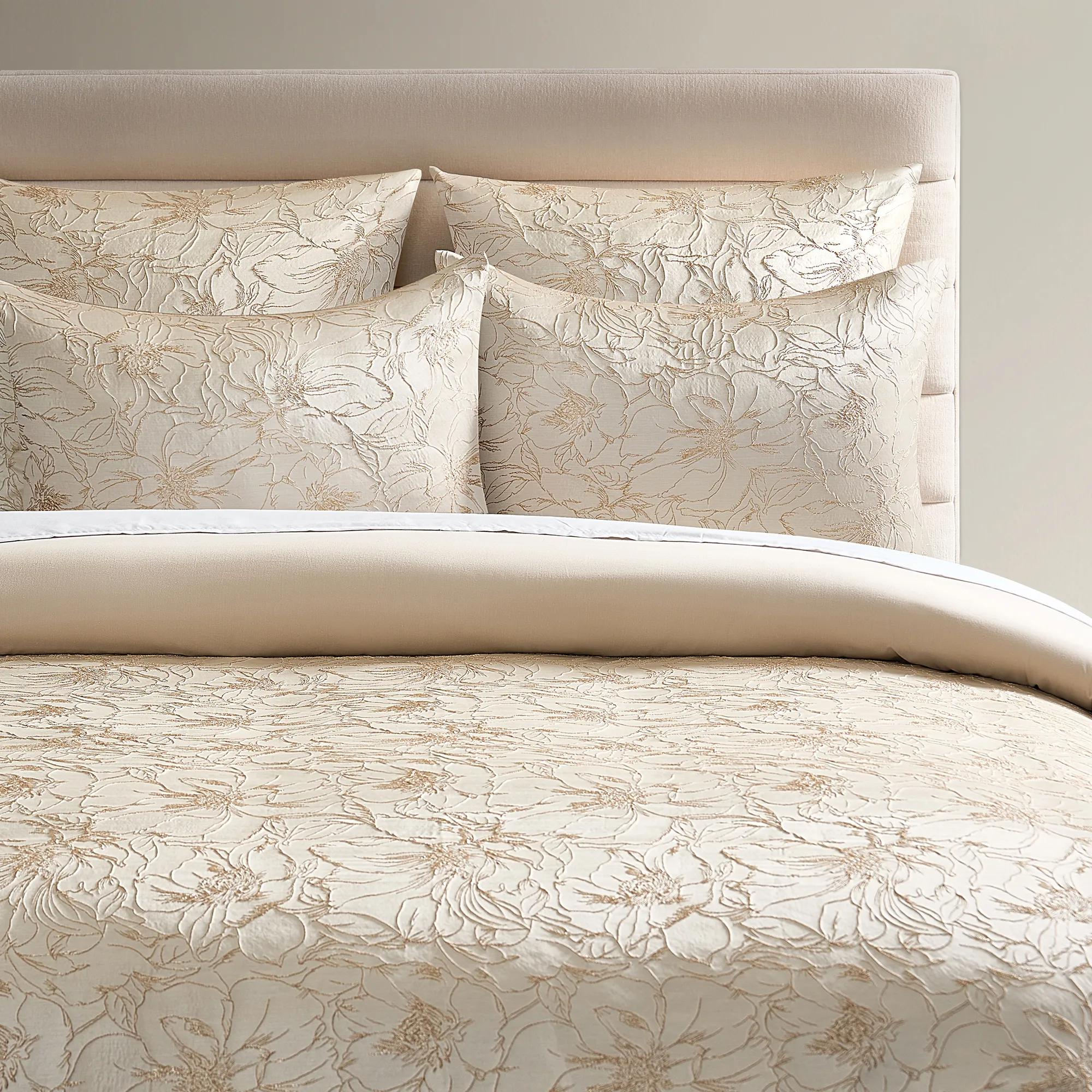 Mimoza Floral Jacquard Champagne Gold Bedding Set$229
A luminous champagne gold jacquard bedding set with delicate floral embroidery and polished knife-edge details.
Add To Cart -
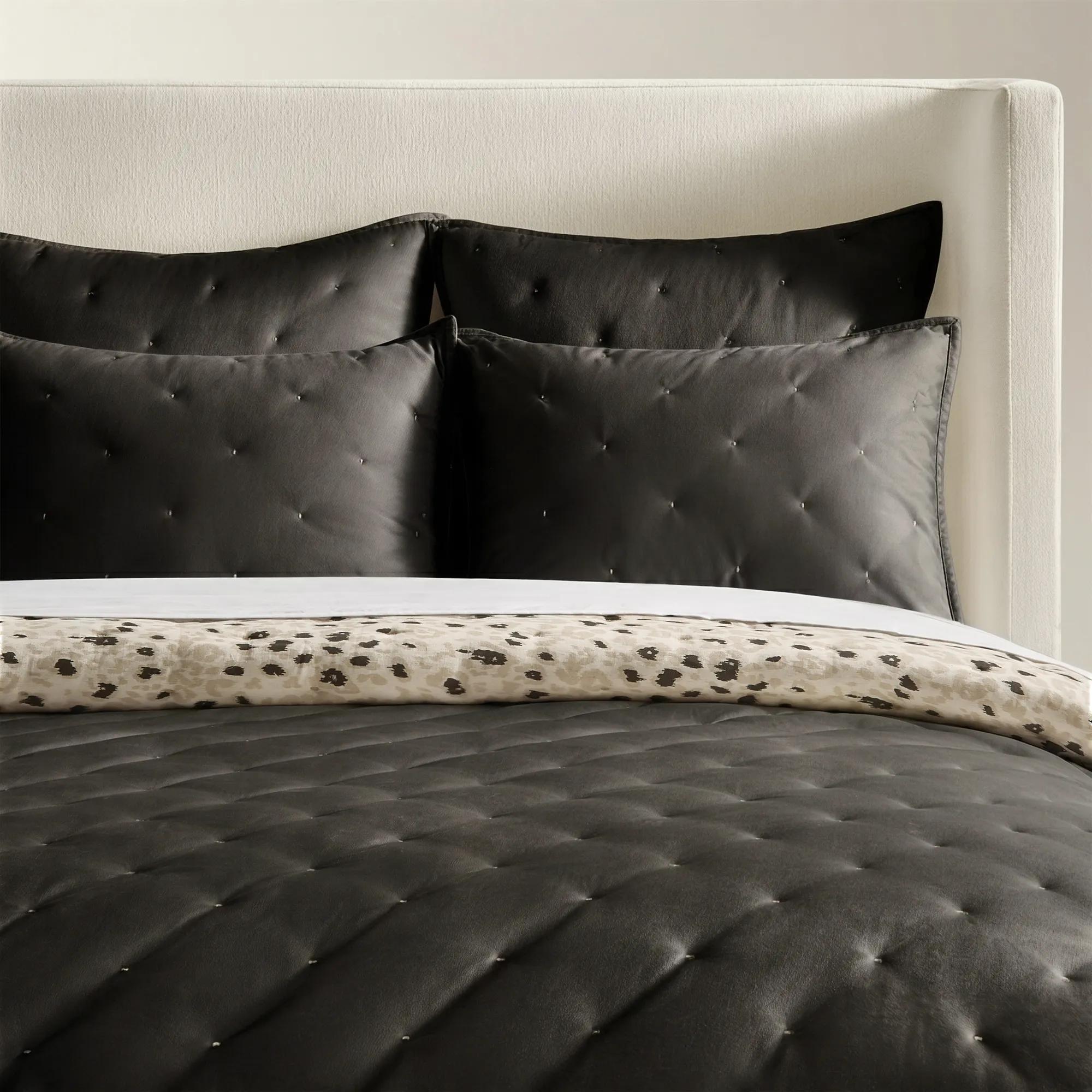
 Nemera Graphite/Leopard Reversible Velvet & Cotton Linen Quilt Set$299
A reversible quilt set featuring plush graphite velvet on one side and bold leopard print cotton-linen on the other.
Add To Cart -
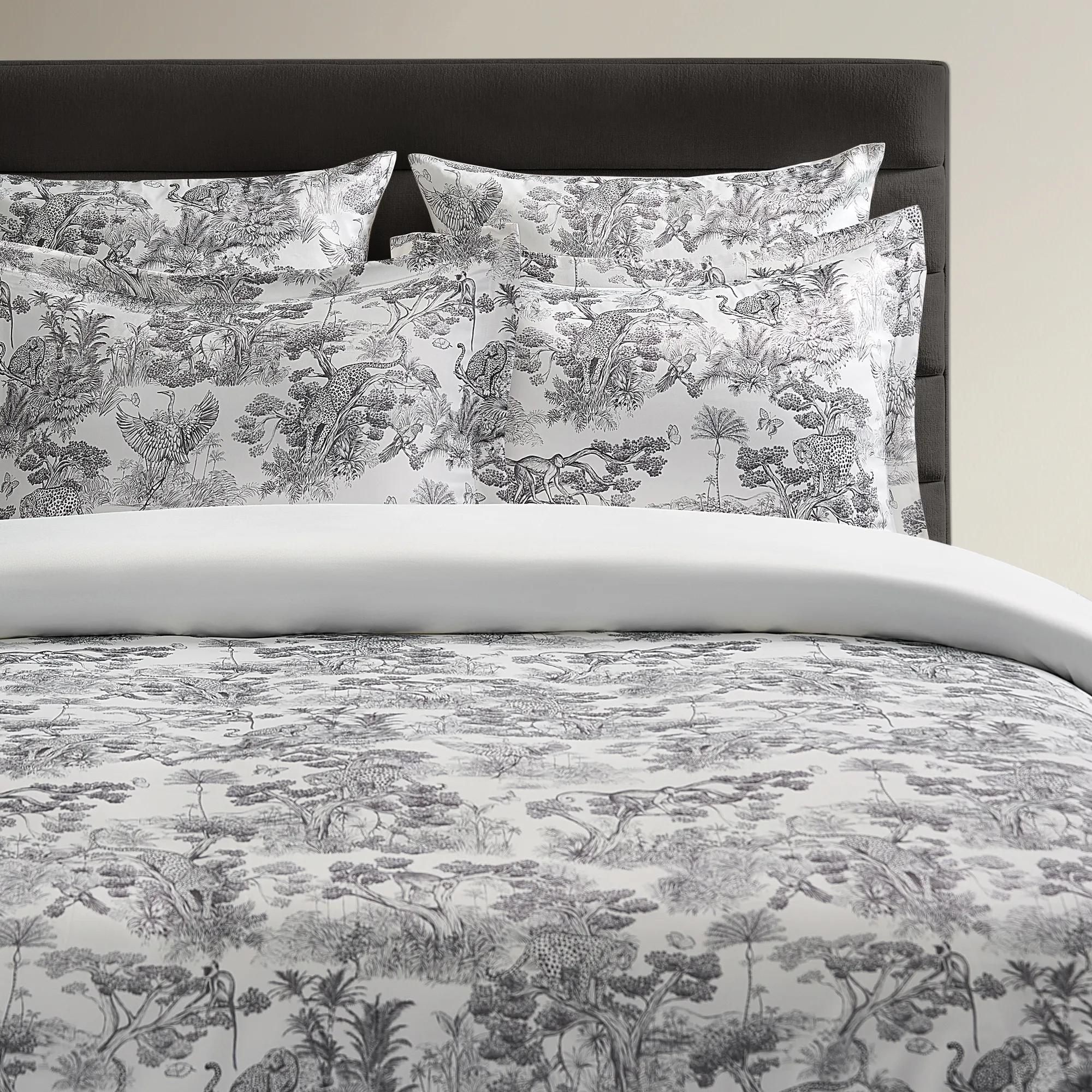
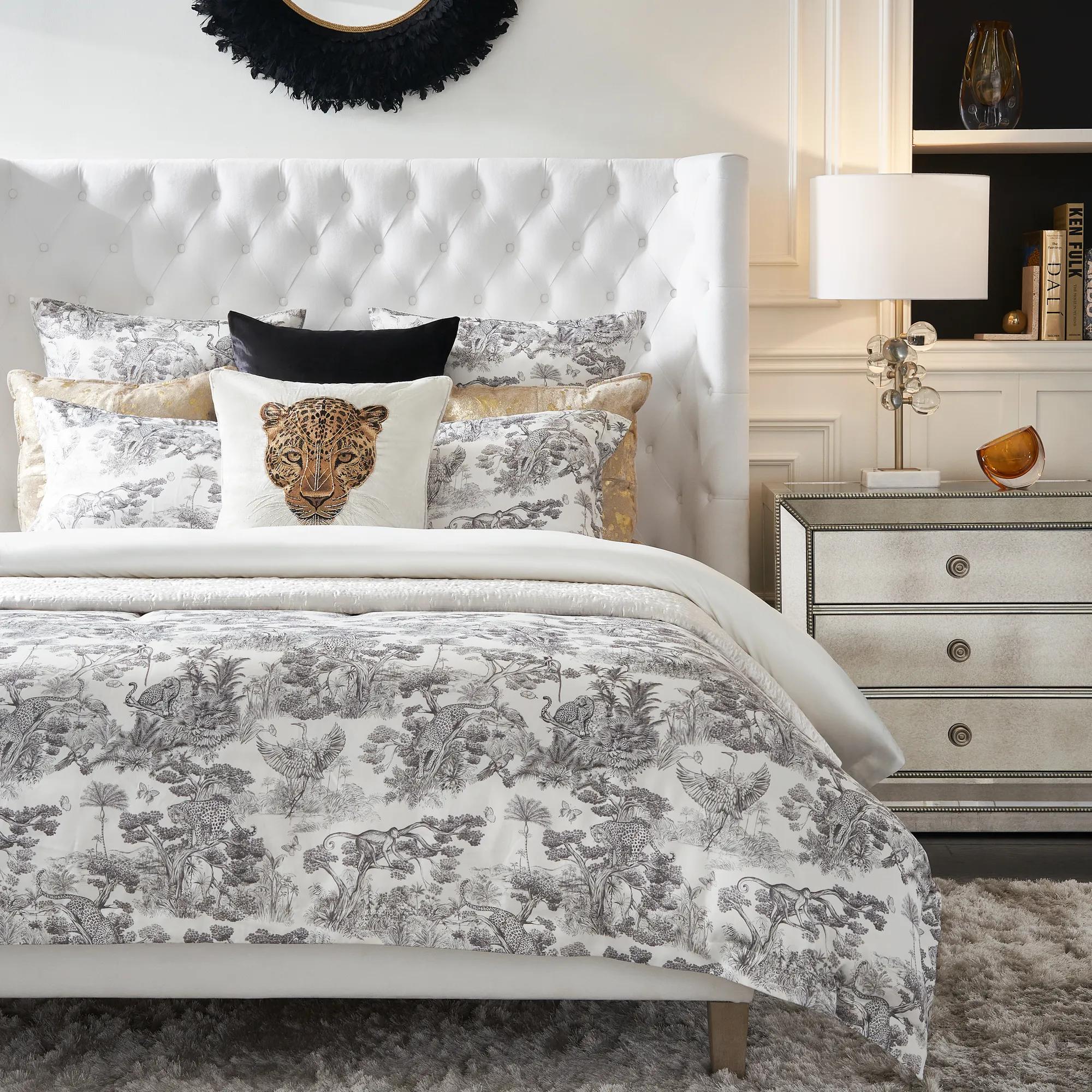 Jungle Toile Bedding Set - Ivory/Black$59
An elegant ivory and black satin bedding set featuring a delicate jungle print and refined flange edging.
Add To Cart -
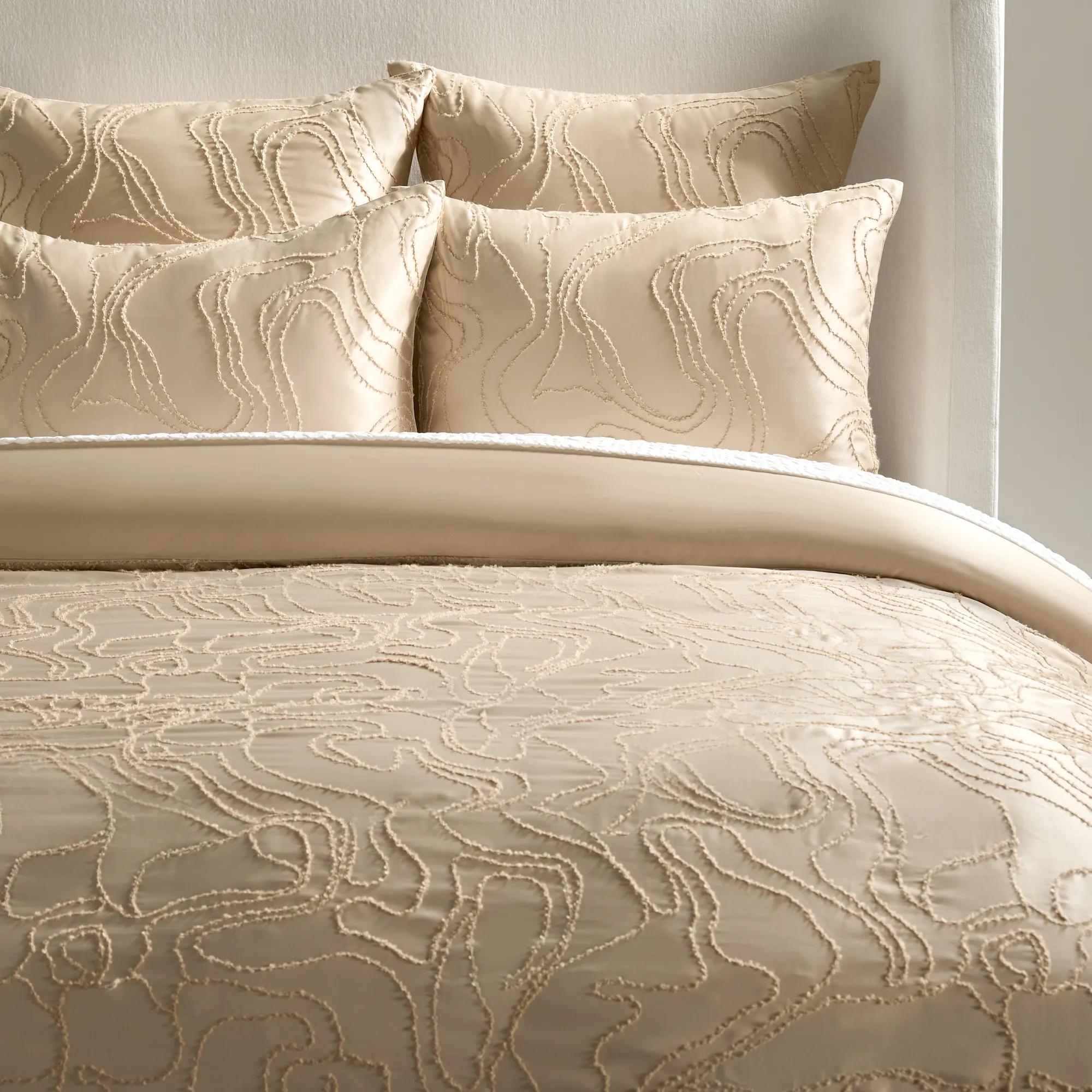 Noa Embroidered Champagne Beige Bedding Set$249
A champagne beige bedding set featuring elegant embroidered detailing for a refined bedroom aesthetic.
Add To Cart -
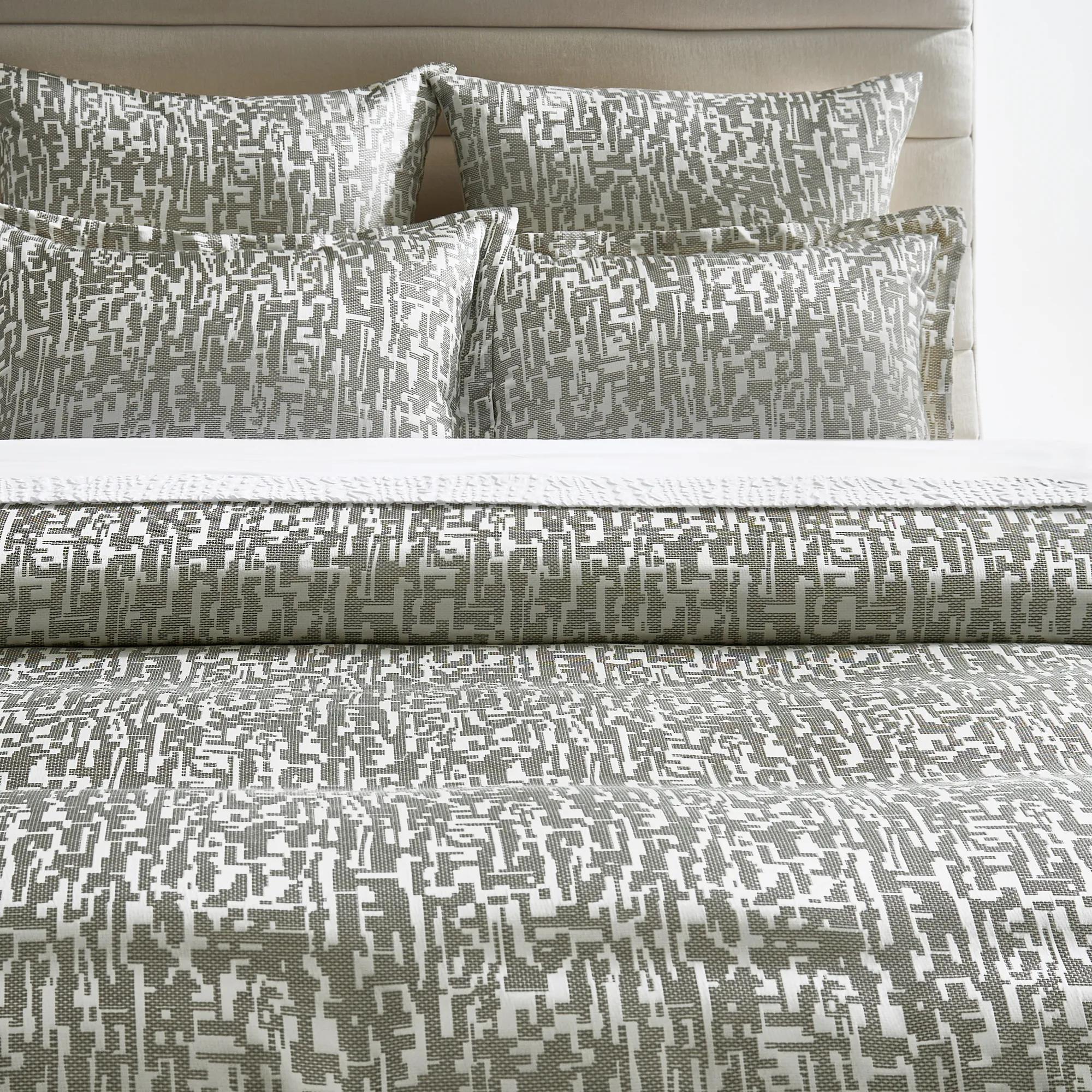
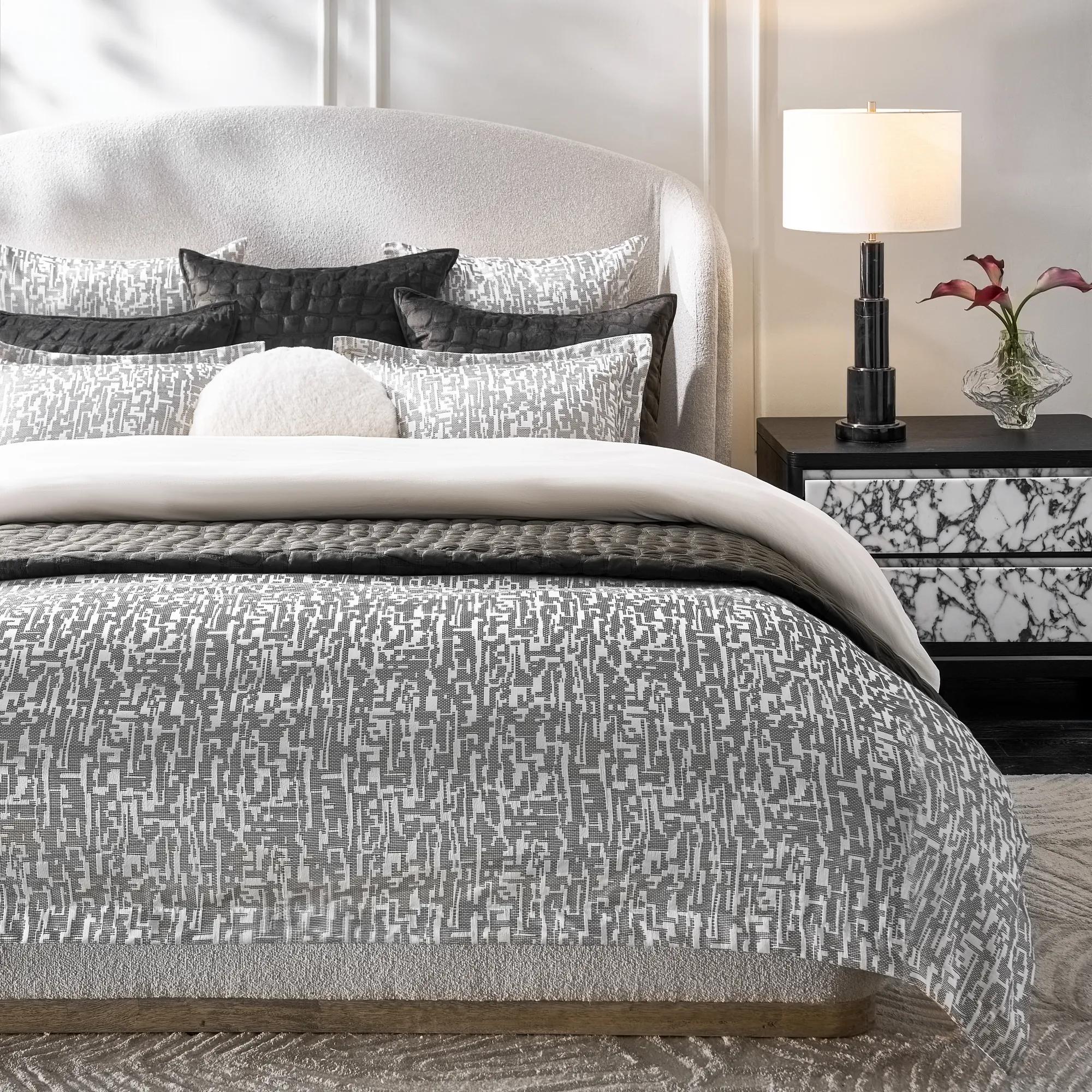 Podva Embroidered Bedding Set - Pearl/ Charcoal$69
A smooth satin bedding set in pearl and charcoal, featuring abstract embroidery and a polished flange edge.
Add To Cart -
 Cora Crane Multicolor Satin Bedding Set$179
A smooth satin bedding set featuring a whimsical fig, white, and charcoal crane print with tailored flange edges.
Add To Cart -
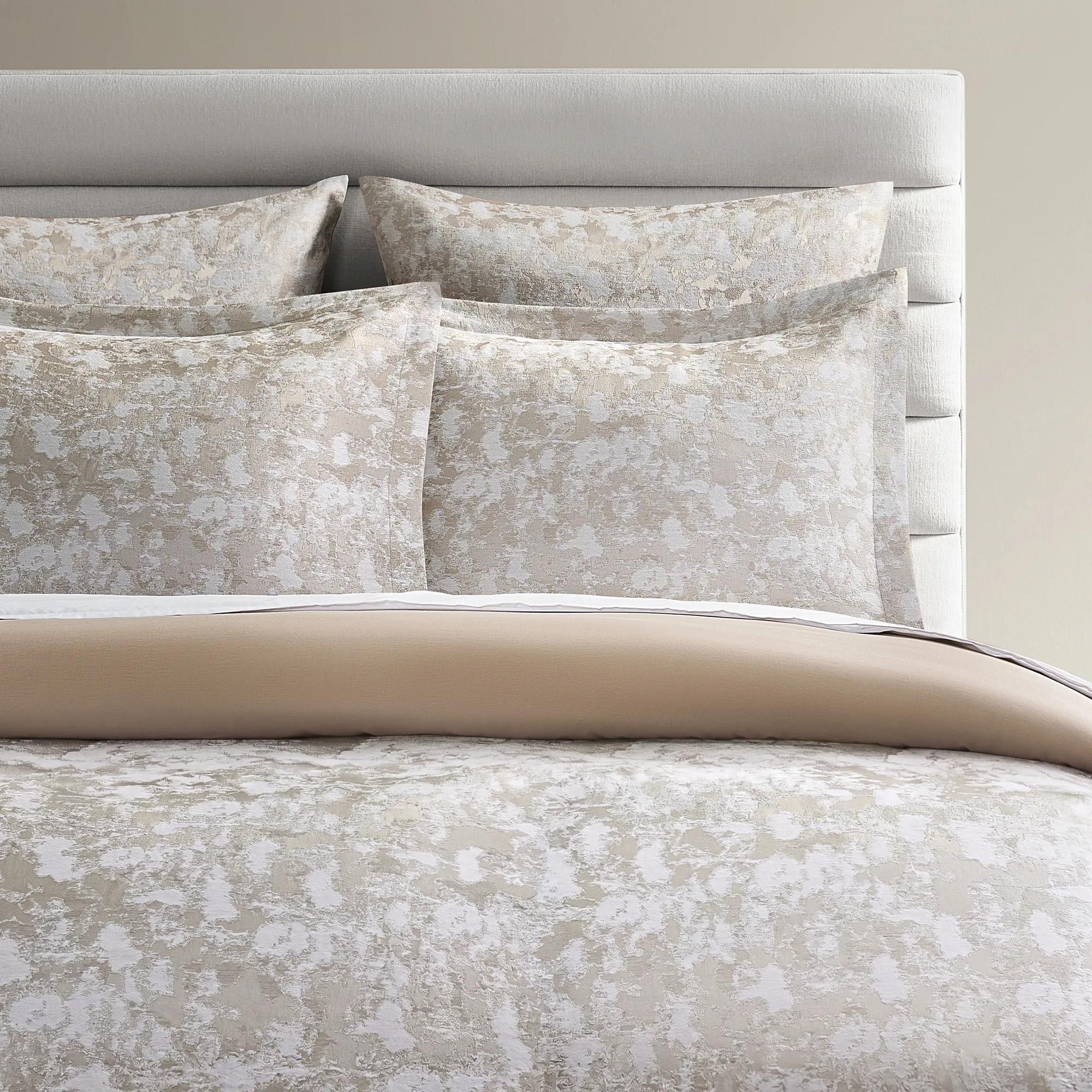 Nimbus Jacquard Metallic Champagne and Silver Bedding Set$49
A cloud-inspired bedding set in champagne and silver metallic jacquard with a soft marbled shimmer.
Add To Cart -
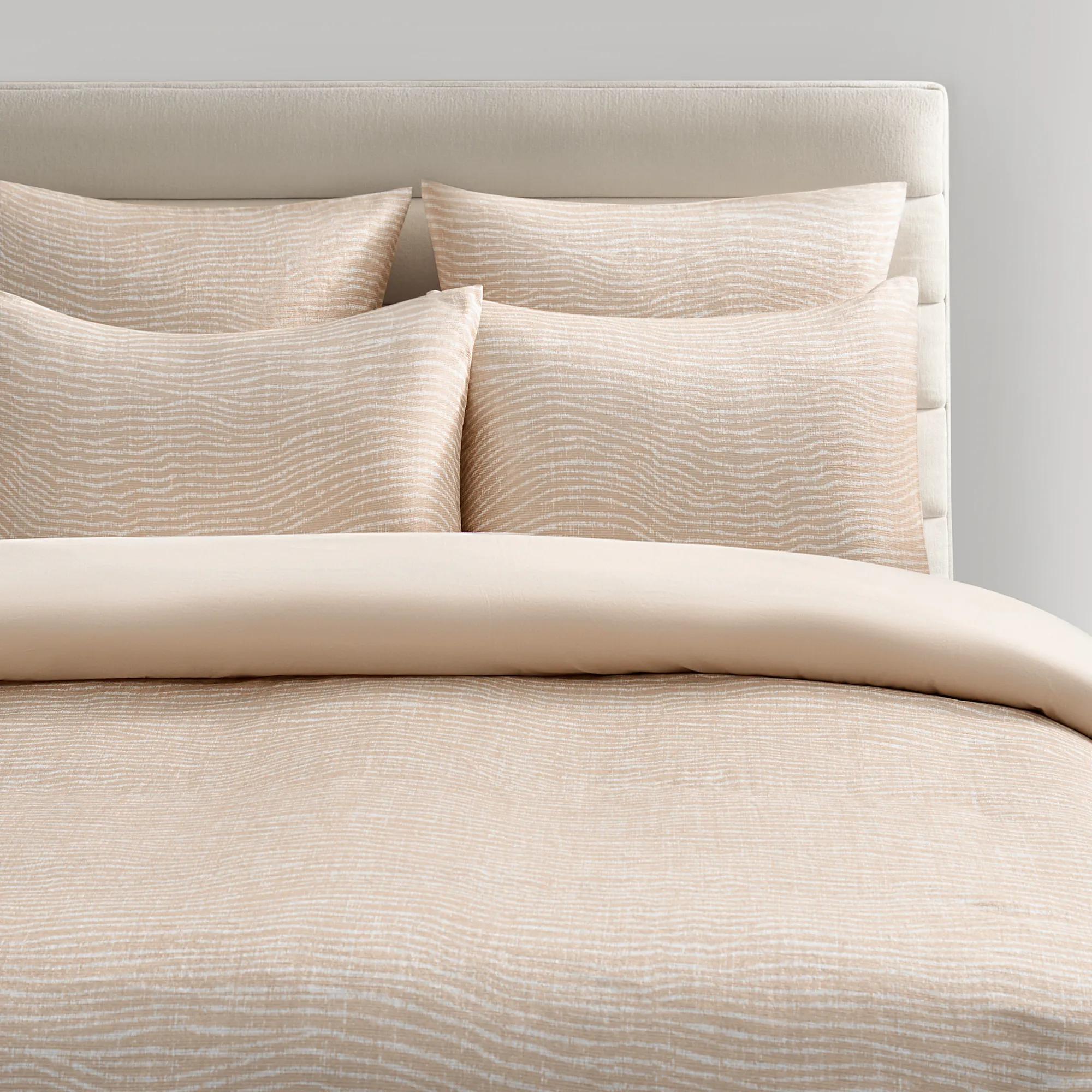 Sahara Bedding Set - Tan/Cream$199
A soft jacquard bedding set in tan and cream with a subtle wave-inspired zebra print and button closure.
Add To Cart -
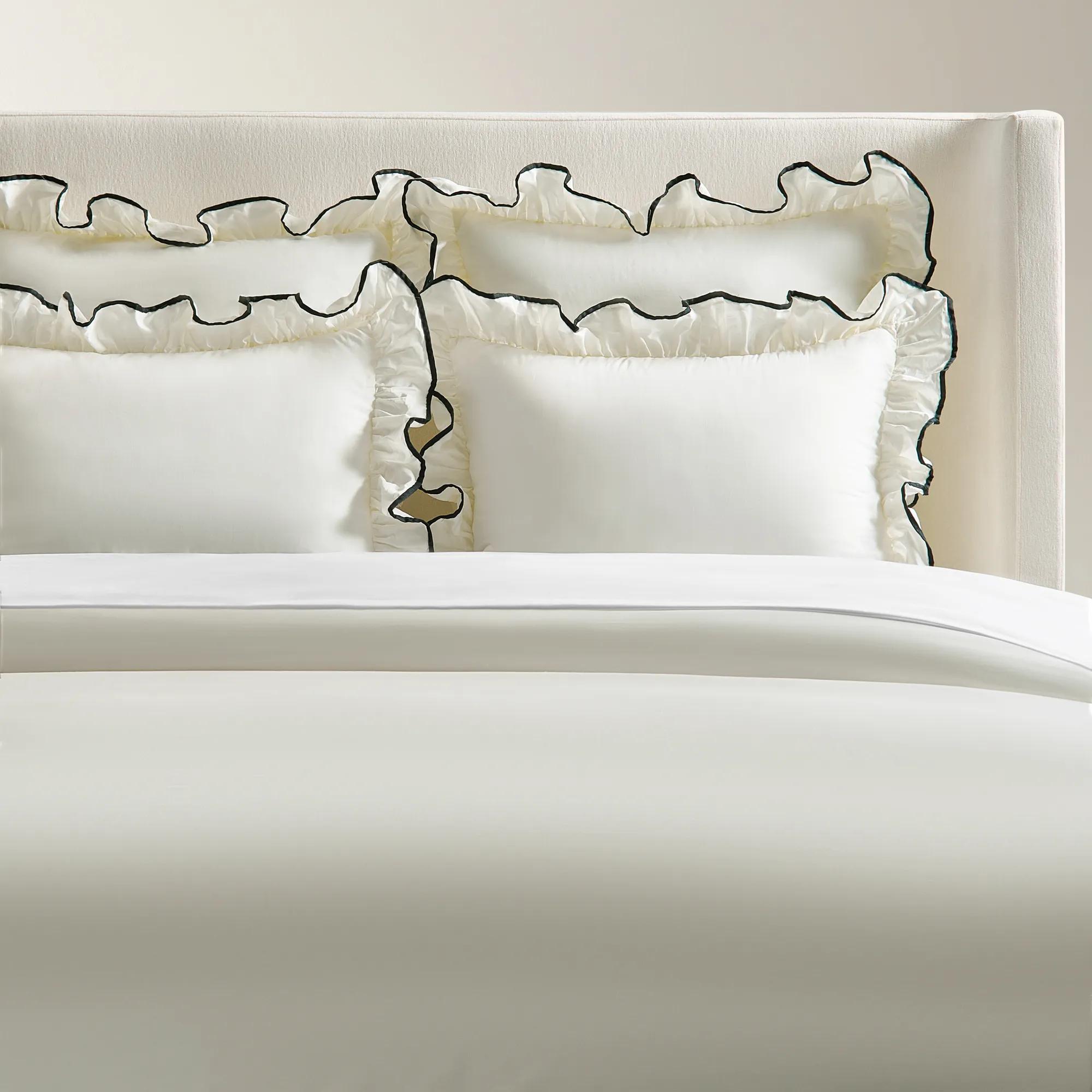
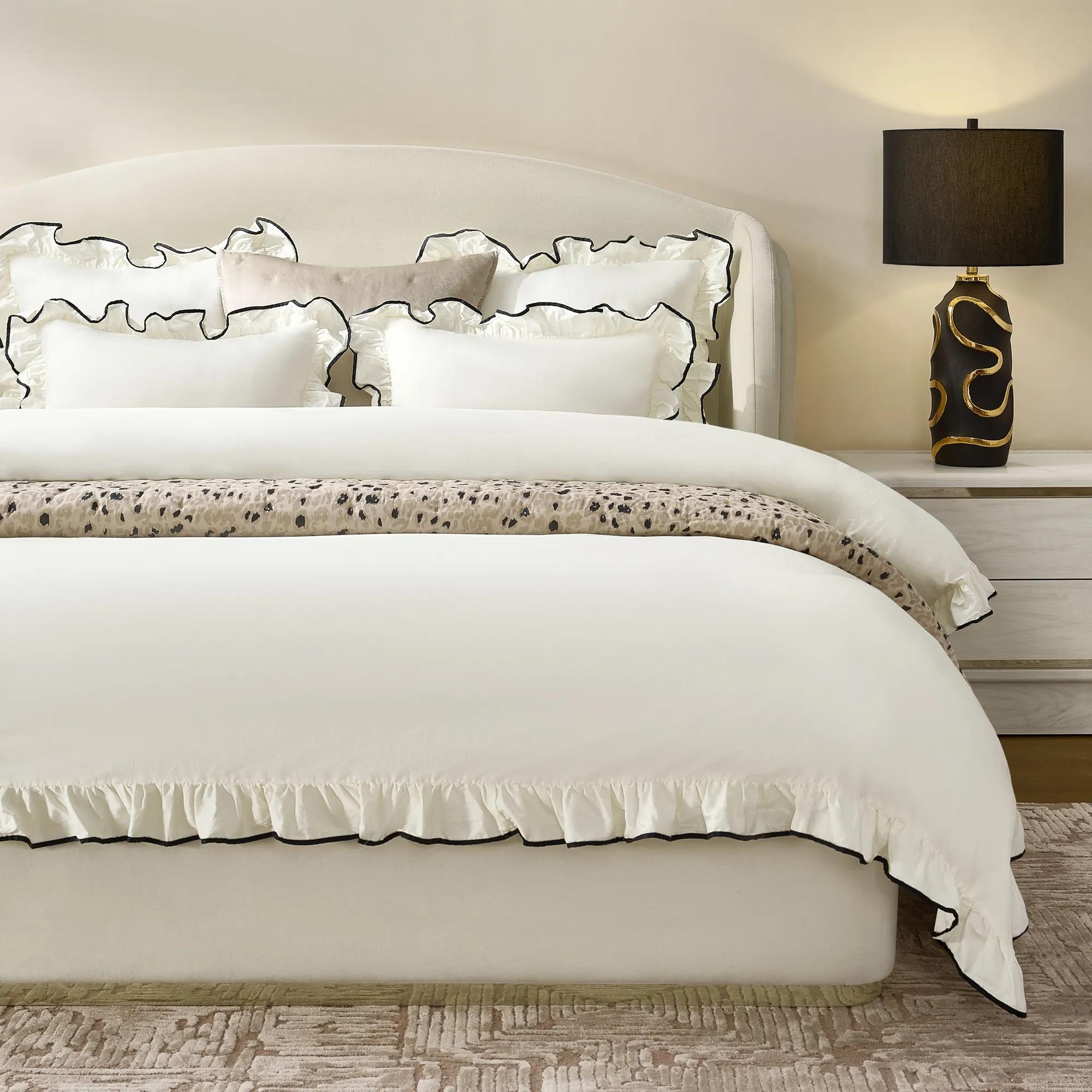 Vittoria Ivory/Black Cotton Percale Ruffle Bedding Set$79
An ivory cotton percale bedding set with dramatic black ruffle trim for a crisp, Deco-inspired look.
Add To Cart -
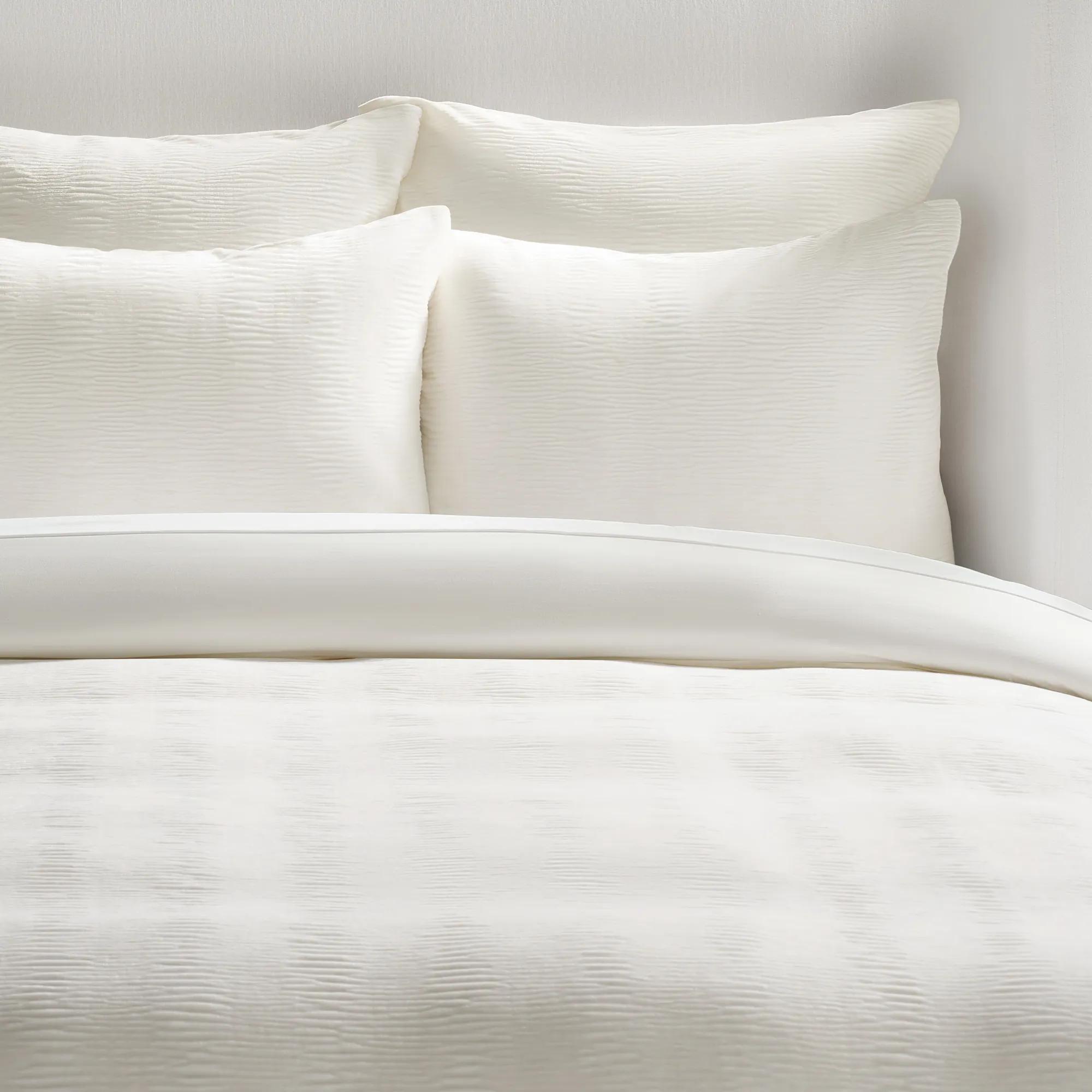 Vera Cloud White Soft Pleated Velvet Bedding Set$249
A cloud-white velvet bedding set featuring soft pleated texture and coordinating duvet and sham covers.
Add To Cart -
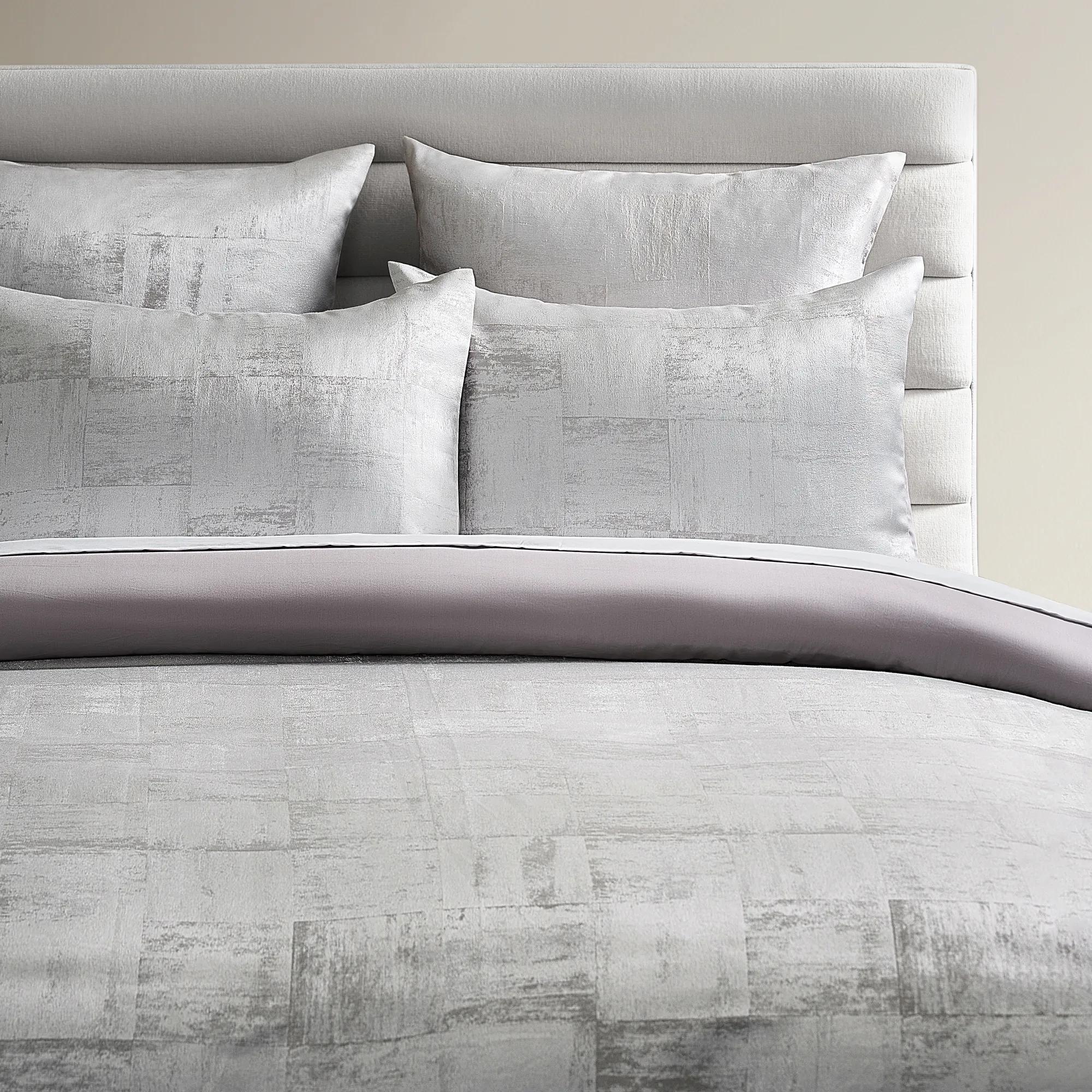 Auden Bedding Set - Platinum$229
A platinum jacquard bedding set featuring a subtle block pattern, knife-edge detail, and polished button closures.
Add To Cart -
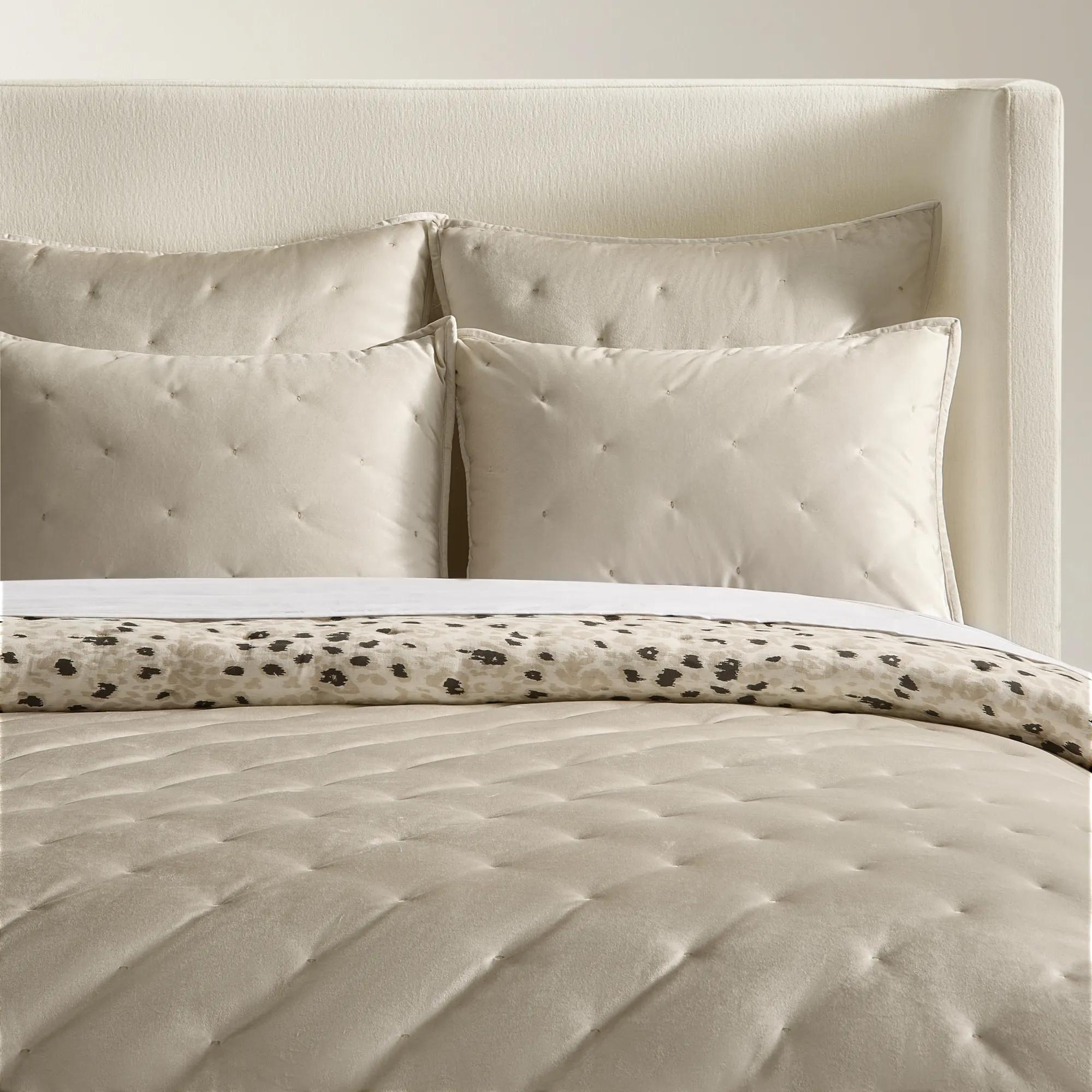 Nemera Alabaster/Leopard Reversible Velvet & Cotton Linen Quilt Set$349
A reversible quilt set featuring plush alabaster velvet on one side and bold leopard print cotton-linen on the other.
Add To Cart -
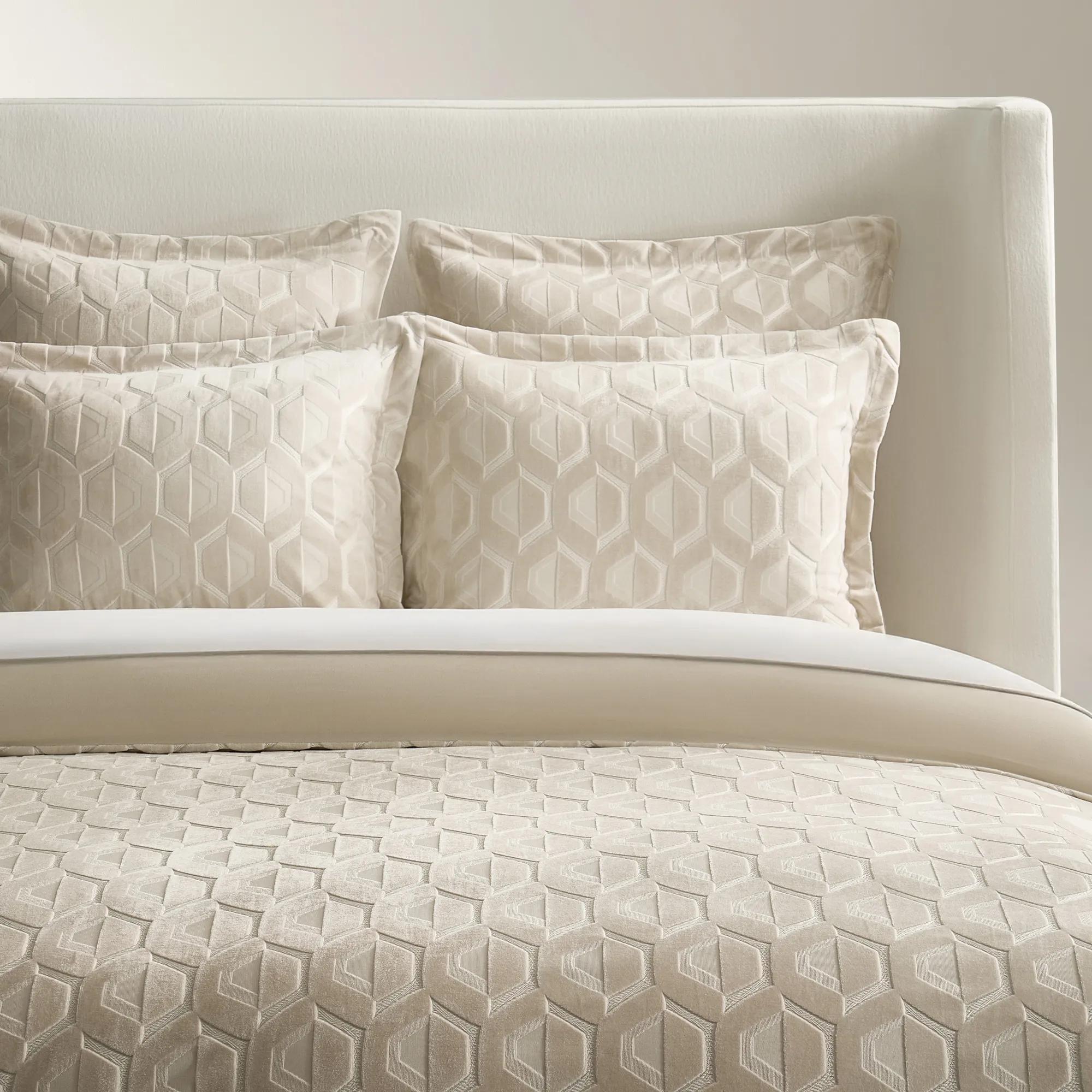 Cielo Alabaster White Geometric Cut Velvet Bedding Set$229
A luxurious alabaster-white bedding set featuring geometric cut velvet texture for sophisticated, layered styling.
Add To Cart -

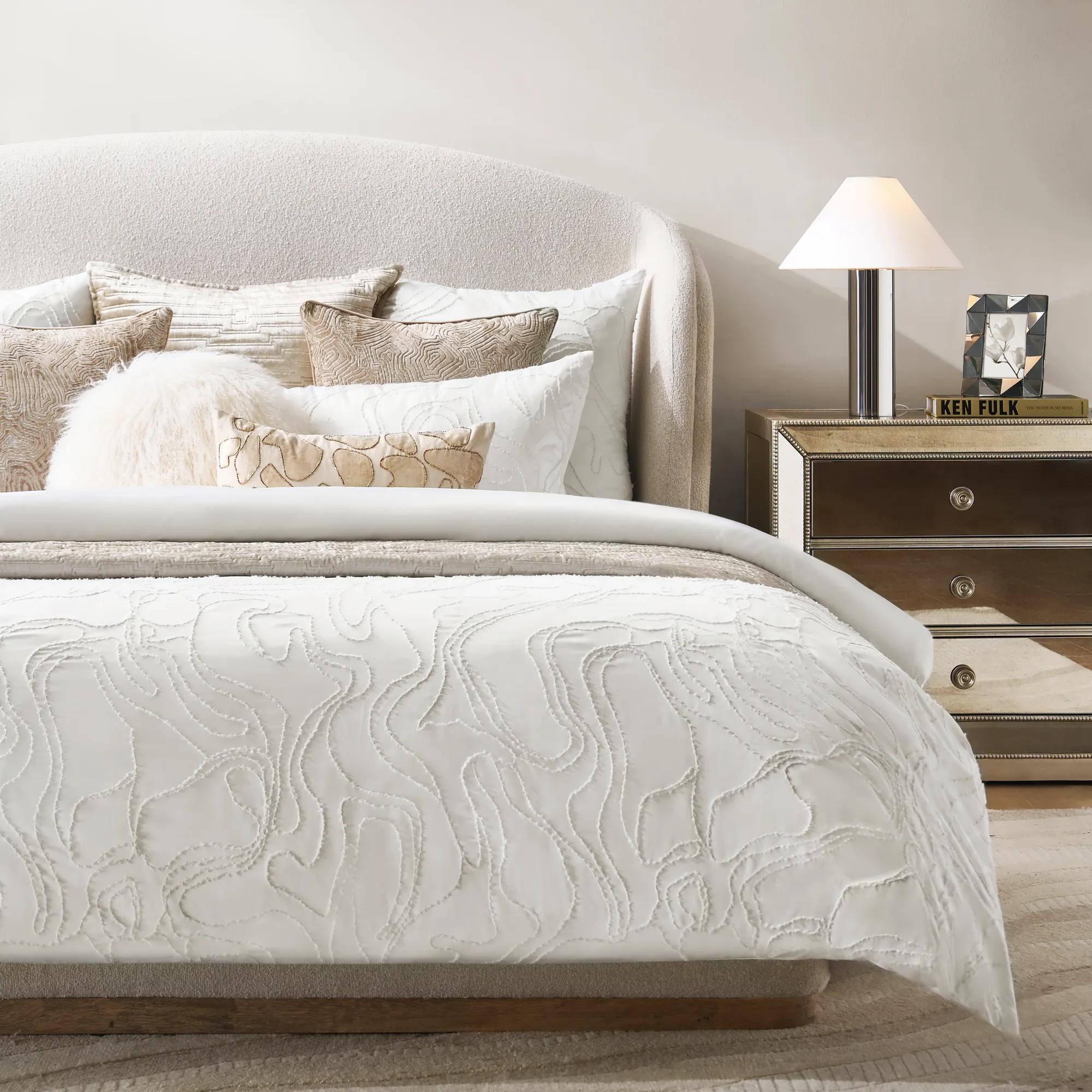 Noa Embroidered Pearl White Bedding Set$249
A luminous pearl satin bedding set featuring an embroidered swirl pattern for a touch of refined luxury.
Add To Cart

Bedding Sets For Guest Bedrooms
Bedding sets for guest bedrooms are the secret to transforming every overnight stay into a lavish retreat. Infuse your guest space with sumptuous layers, inviting textures, and a curated palette that whispers hospitality with an artful touch. Each thoughtfully chosen set turns the ordinary act of resting into an experience—one that envelops visitors in comfort and style, while showcasing your flair for dramatic detail and elevated design. Make every guest feel like royalty; let your guest bedroom become a sanctuary of bold self-expression and unforgettable luxury.
Bedding sets for guest bedrooms bring together the comfort of a thoughtfully prepared bed and the visual presence of a beautifully composed room. Breathable fabrics, washable construction, and proportions suited to the mattress create a welcoming foundation; coordinated color and texture give that foundation its distinctive character. A guest bed dressed in luminous ivory, soft gray, or warm taupe can feel serene without disappearing into the background, especially when subtle jacquard patterns or dimensional stitching catch the light. For a more expressive setting, saturated jewel tones and sweeping motifs turn the bed into the room’s focal point. The effect is especially striking in a space that also serves as a home office, where a cohesive bedding ensemble gives the sleeping area a deliberate identity rather than the appearance of an afterthought. Bedding sets vary in composition: a comforter set generally pairs a filled bed covering with coordinating pillow shams, while a duvet cover set typically includes a removable cover and shams, with the insert purchased separately unless otherwise stated. Quilt and coverlet sets offer another approach, emphasizing stitched texture and a more tailored profile. Sheet sets are a separate category, usually comprising a fitted sheet, a flat sheet, and pillowcases, though the exact pieces depend on the set and bed size. Understanding those distinctions makes it easier to create a complete guest bed without assuming every ensemble includes sheets, sleeping pillows, or decorative accents. Coordinated bedding supplies a strong visual foundation, but the room need not feel rigidly matched. A smooth sheet beneath a textured cover, shams that echo a color in the artwork, and one sculptural accent pillow can create depth with restraint. For visiting friends, relatives, or overnight guests, the most memorable arrangement balances an inviting first impression with an uncomplicated place to settle in.
Material shapes both the appearance of guest bedroom bedding and the experience of sleeping beneath it. Cotton is a versatile choice for its breathable feel and range of finishes: percale has a crisp, matte surface, while sateen typically feels smoother and carries a subtle sheen. Neither weave alone determines quality; fiber quality, construction, and finishing all contribute to how the fabric feels and wears. Linen offers a more relaxed expression, with visible texture and natural variation that lend character to a tailored room. Its tendency to soften with laundering can be appealing, provided the care requirements suit the household. Microfiber, commonly made from finely woven polyester fibers, offers a smooth hand and often resists wrinkling, though breathability and feel vary by construction. Cotton blends can balance softness with easier maintenance, making the fiber label more useful than appearances alone. Thread count is only one detail and should not stand in for fabric quality or suitability. On top of the bed, quilting adds dimension through stitched patterns, while a duvet cover allows the decorative outer layer to be removed from its insert for separate cleaning. Comforters combine the outer fabric and fill in one piece, creating an enveloping silhouette with fewer separate components to assemble. Down-alternative fill is another option, but the term does not automatically establish allergy suitability; fabric composition, fill details, and individual sensitivities still matter. For bedding that welcomes different guests over time, a soft surface, sound stitching, and manageable laundering requirements are particularly valuable. Care labels should govern washing and drying, including whether an oversized piece requires a larger-capacity machine or professional cleaning. Ornamental trims, embroidery, and textured finishes may need gentler treatment than plain woven fabrics. Complete drying before storage helps prevent lingering moisture, while a clean, dry linen closet keeps spare bedding ready for the next visit. Rich detail has its place, but lasting elegance also comes from fabric that remains comfortable and presentable through repeated use.
Fit gives a guest bed its polished proportions and makes everyday use more comfortable. Bedding sizes should correspond to the mattress, but the size name is only the beginning: a deep mattress, a topper, or a tall bed frame can change how a finished ensemble looks and functions. Fitted-sheet pocket depth needs to accommodate the full mattress height, including any topper, so the corners remain secure. Comforter, duvet cover, and quilt dimensions deserve separate attention because their width and length determine the visible drop at the sides and foot. A queen mattress is typically 60 by 80 inches, yet queen-size bed coverings can differ in their finished measurements. A generous drape creates a sumptuous silhouette, while a shorter, controlled drop suits a bed with an upholstered rail or decorative frame worth revealing. Duvet covers and inserts should have compatible dimensions; corner ties and secure closures, when included, help keep the insert aligned. Pillow proportions matter as well, since shams are decorative covers rather than substitutes for sleeping pillows, and standard and king pillows require appropriately sized cases. For a composed alternative to a fuller comforter, Quilt Sets For Guest Rooms offer a way to build the bed around stitched pattern and tactile detail. A folded additional layer can introduce contrast while giving guests more control over the weight and feel of their bedding. The most gracious arrangements also leave room for actual living: decorative pillows have a bench or basket nearby, a spare sheet set is easy to locate, and an extra sleeping pillow is stored with a clean cover. For a room used by several visitors in succession, removable washable layers and a repeatable bed-making arrangement simplify preparation without diminishing the sense of occasion. Whether the setting is a dedicated guest suite or a multipurpose room, coordinated bedding makes hospitality visible through considered texture, confident color, and details that let guests feel at ease.
FAQs
For guest bedrooms, natural fabrics such as 100% cotton, Egyptian cotton, or linen are highly recommended. These materials are breathable, soft, and adaptable to seasonal changes, ensuring guests stay comfortable whether it’s the warmth of summer or the chill of winter. Their durability and inviting texture also elevate the overall guest experience.
To create a truly inviting guest space, opt for bedding sets in calming, neutral tones like whites, grays, or soft blues, and layer them with textured throws and decorative pillows. Incorporate elements such as a plush comforter, a quilted coverlet, and elegant shams to evoke a hotel-inspired ambiance that feels both sophisticated and restful.
Absolutely. High-quality bedding sets are a luxurious and practical gift for anyone who loves to entertain or is setting up a new home. They offer the recipient the gift of comfort and style, making it easy to refresh a guest room or create a memorable retreat for visitors.
Begin with crisp, breathable sheets as a base, add a lightweight quilt or coverlet for warmth and texture, then finish with a plush duvet or comforter. Accent the bed with a couple of decorative pillows and a cozy throw at the foot to add visual depth and provide guests with options for personalized comfort.
Seasonal touches can be added by swapping out accent pillows, throws, or coverlets in colors and textures that reflect the time of year. For winter, opt for rich velvets or faux fur throws in jewel tones; in spring and summer, introduce lighter fabrics and soft pastel hues to keep the space feeling fresh and inviting.