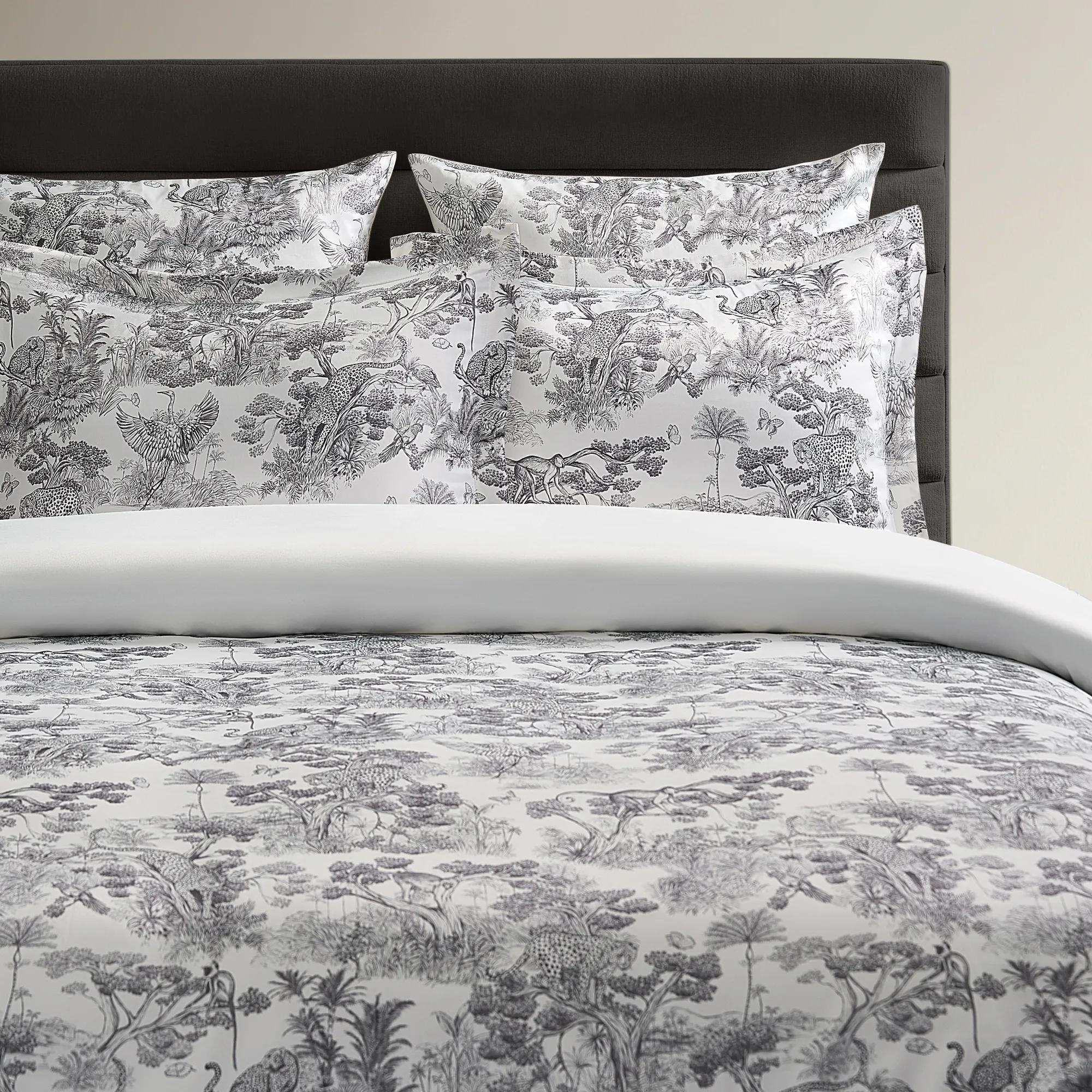
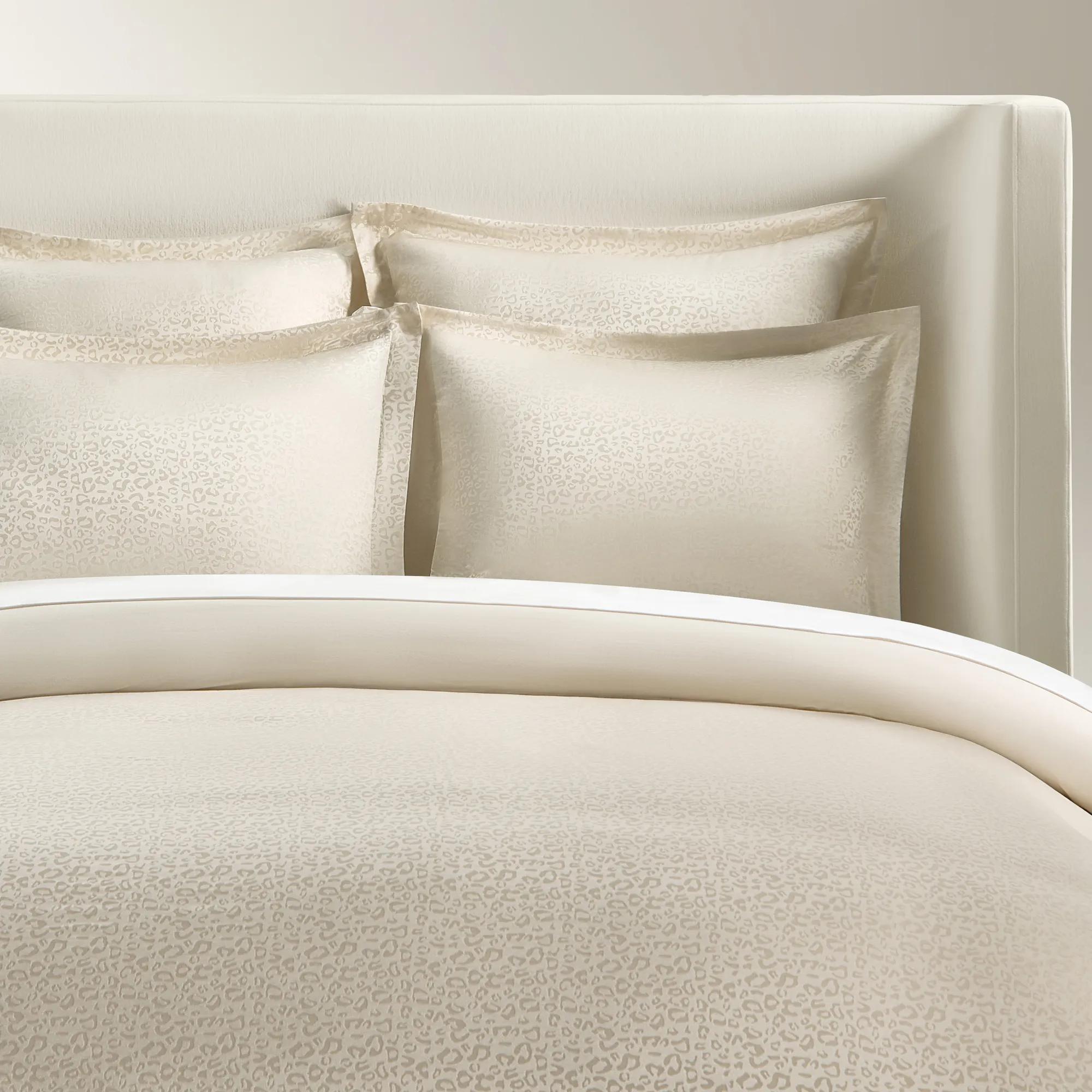
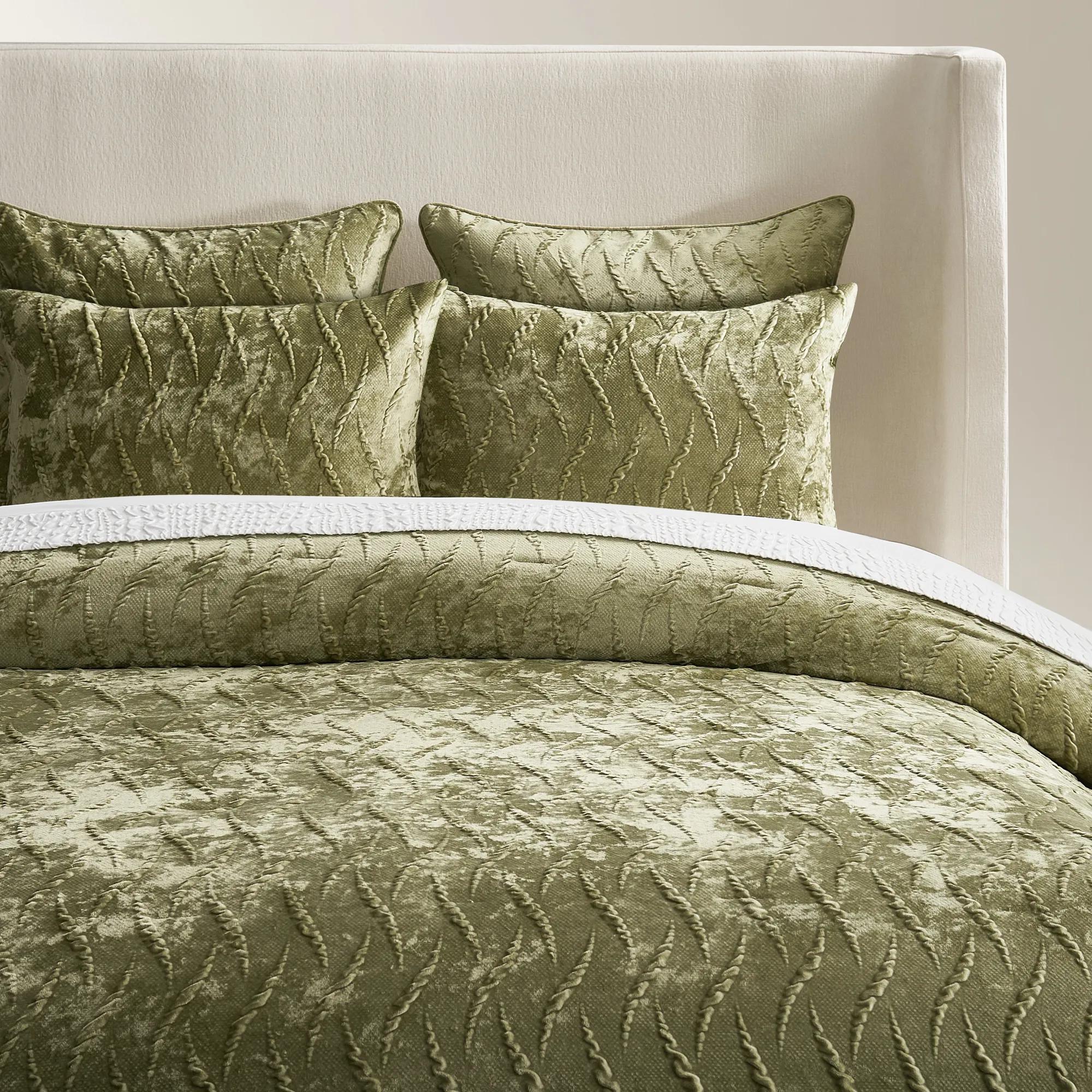
Bedding For Newly Renovated Homes
Bedding For Newly Renovated Homes
-
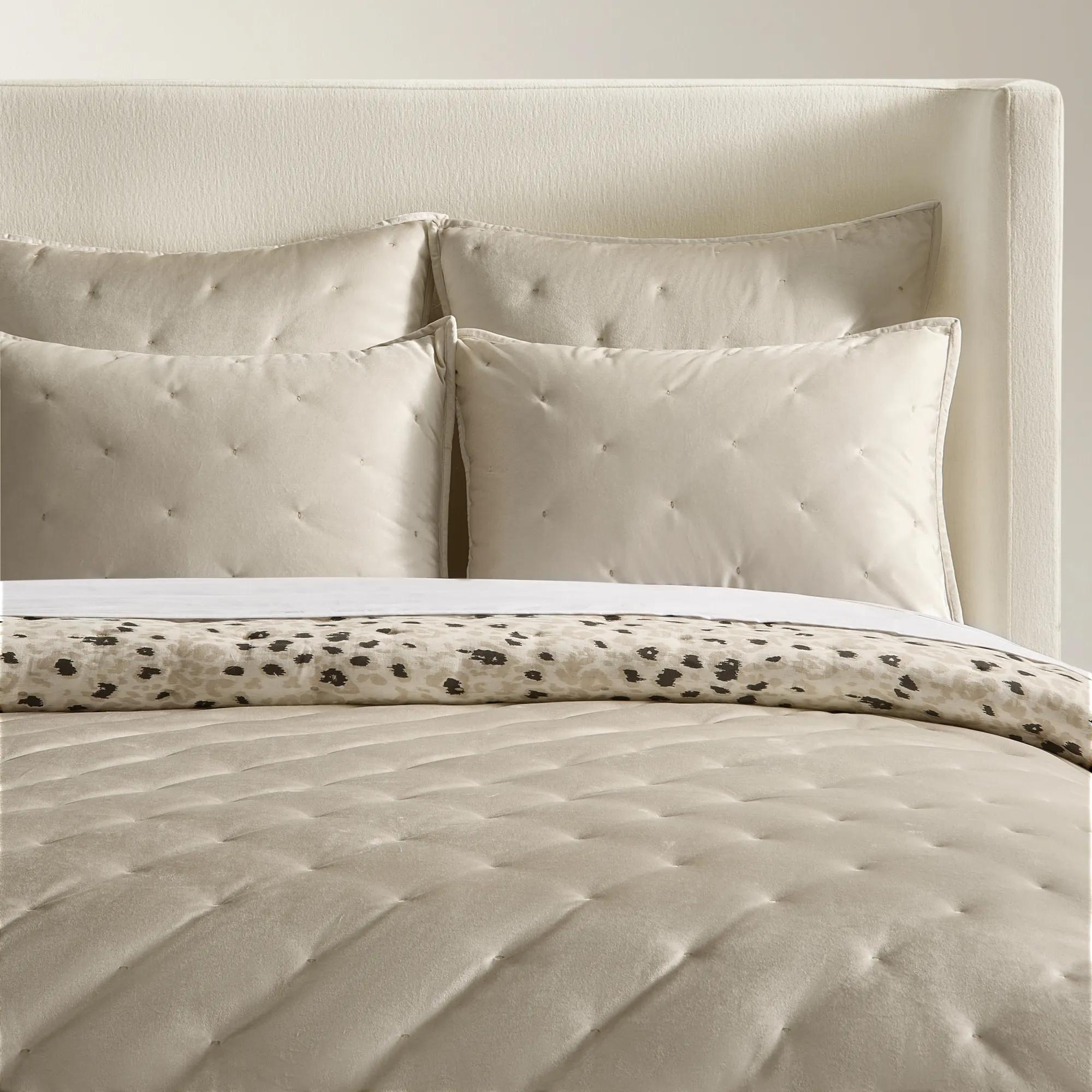 Nemera Alabaster/Leopard Reversible Velvet & Cotton Linen Quilt Set$299
A reversible quilt set featuring plush alabaster velvet on one side and bold leopard print cotton-linen on the other.
Add To Cart -
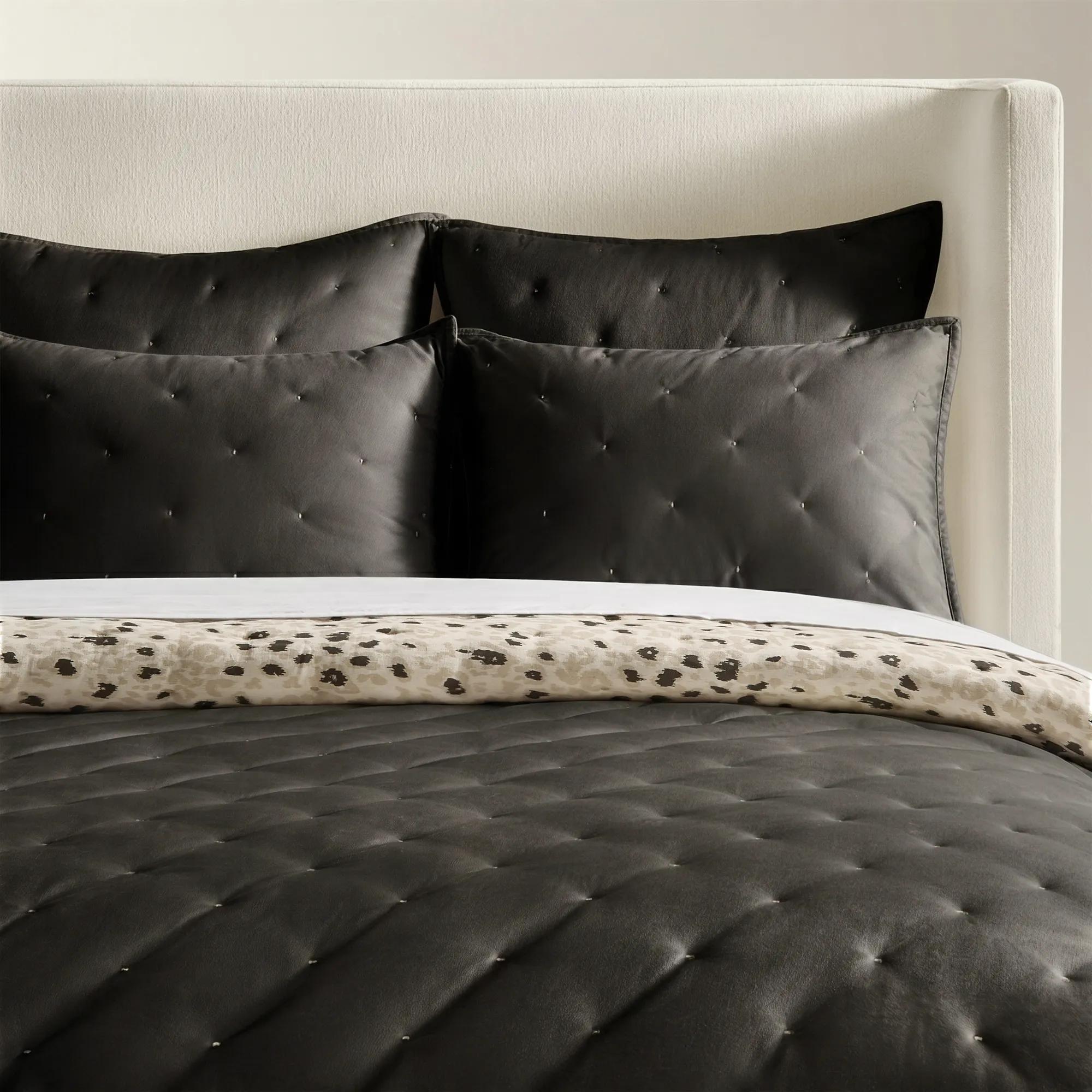
 Nemera Graphite/Leopard Reversible Velvet & Cotton Linen Quilt Set$299
A reversible quilt set featuring plush graphite velvet on one side and bold leopard print cotton-linen on the other.
Add To Cart -
 Eve Pistachio Green Textured Velvet Quilt Set$69
A green textured velvet bedding set with coordinating duvet and sham covers for polished comfort.
Add To Cart -
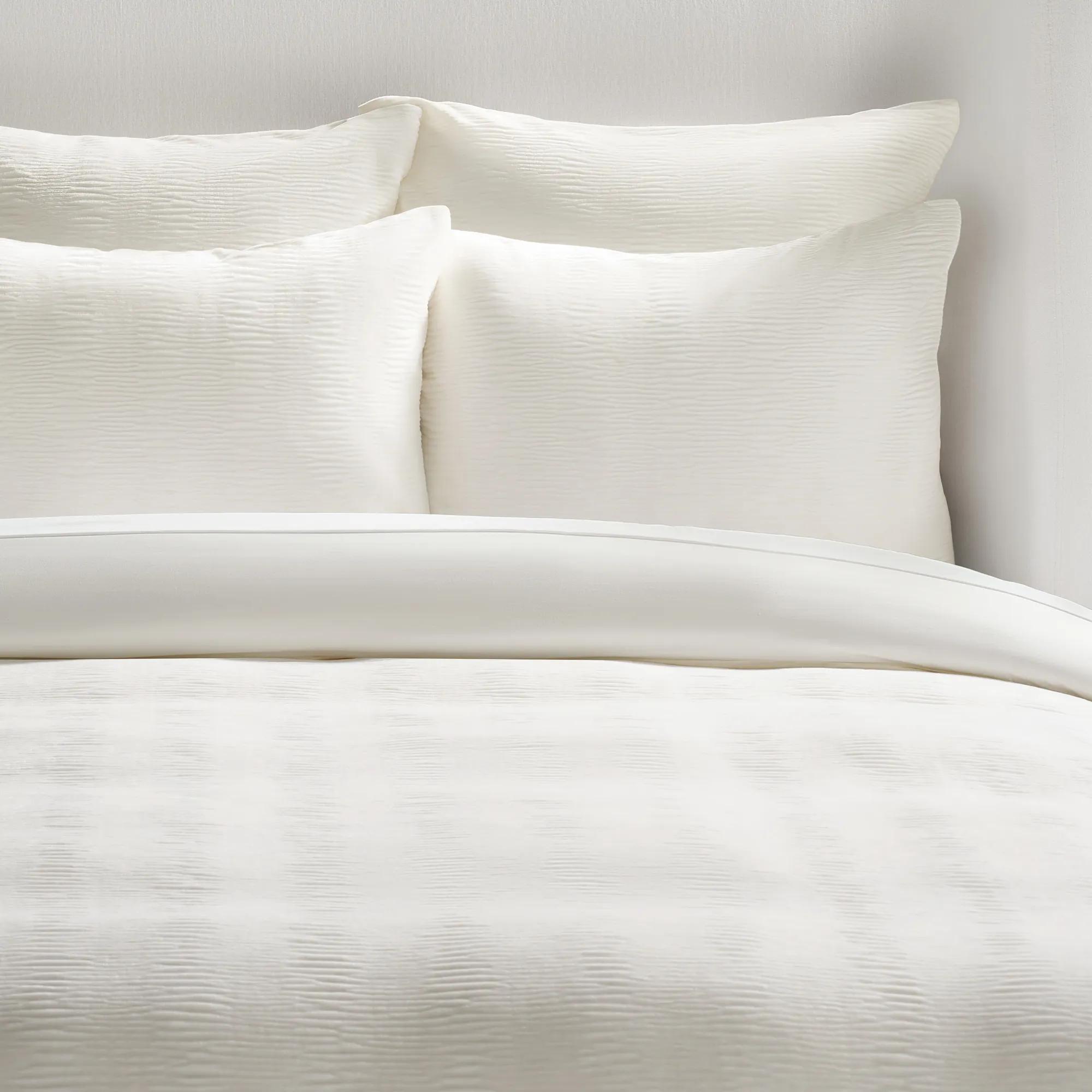 Vera Cloud White Soft Pleated Velvet Bedding Set$249
A cloud-white velvet bedding set featuring soft pleated texture and coordinating duvet and sham covers.
Add To Cart -
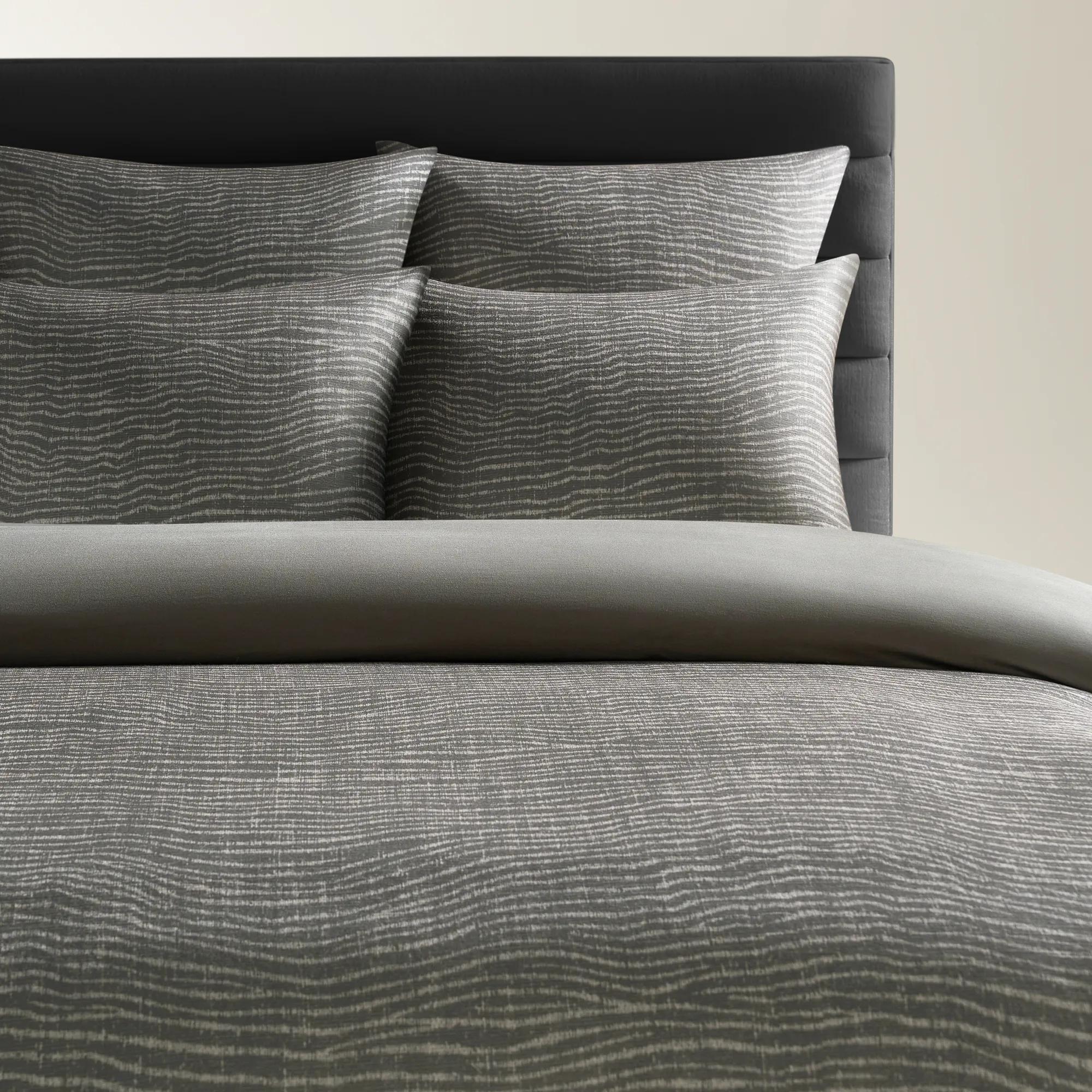 Sahara Bedding Set - Charcoal$229
A soft jacquard bedding set in calming charcoal with a subtle wave-inspired zebra print and refined details.
Add To Cart -
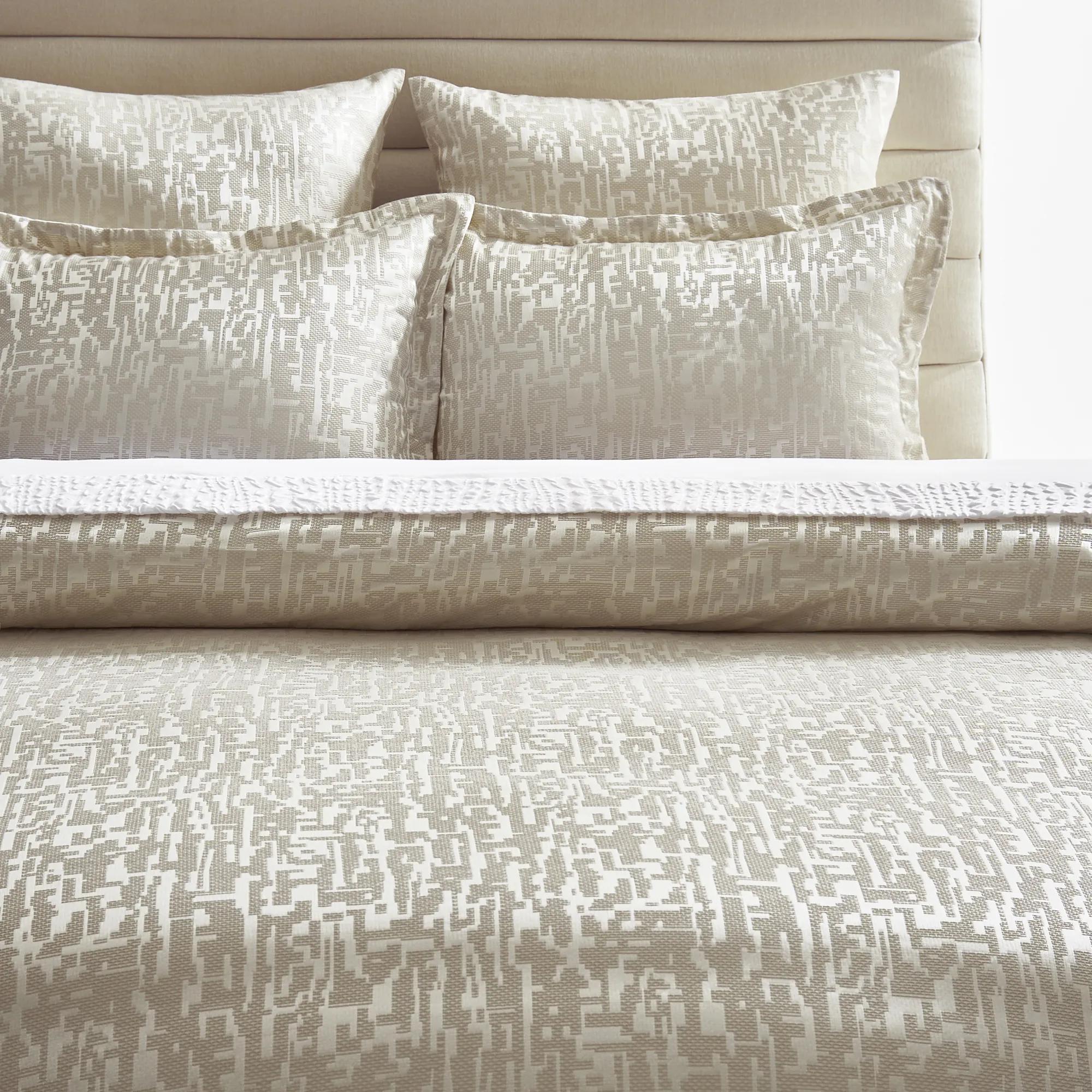
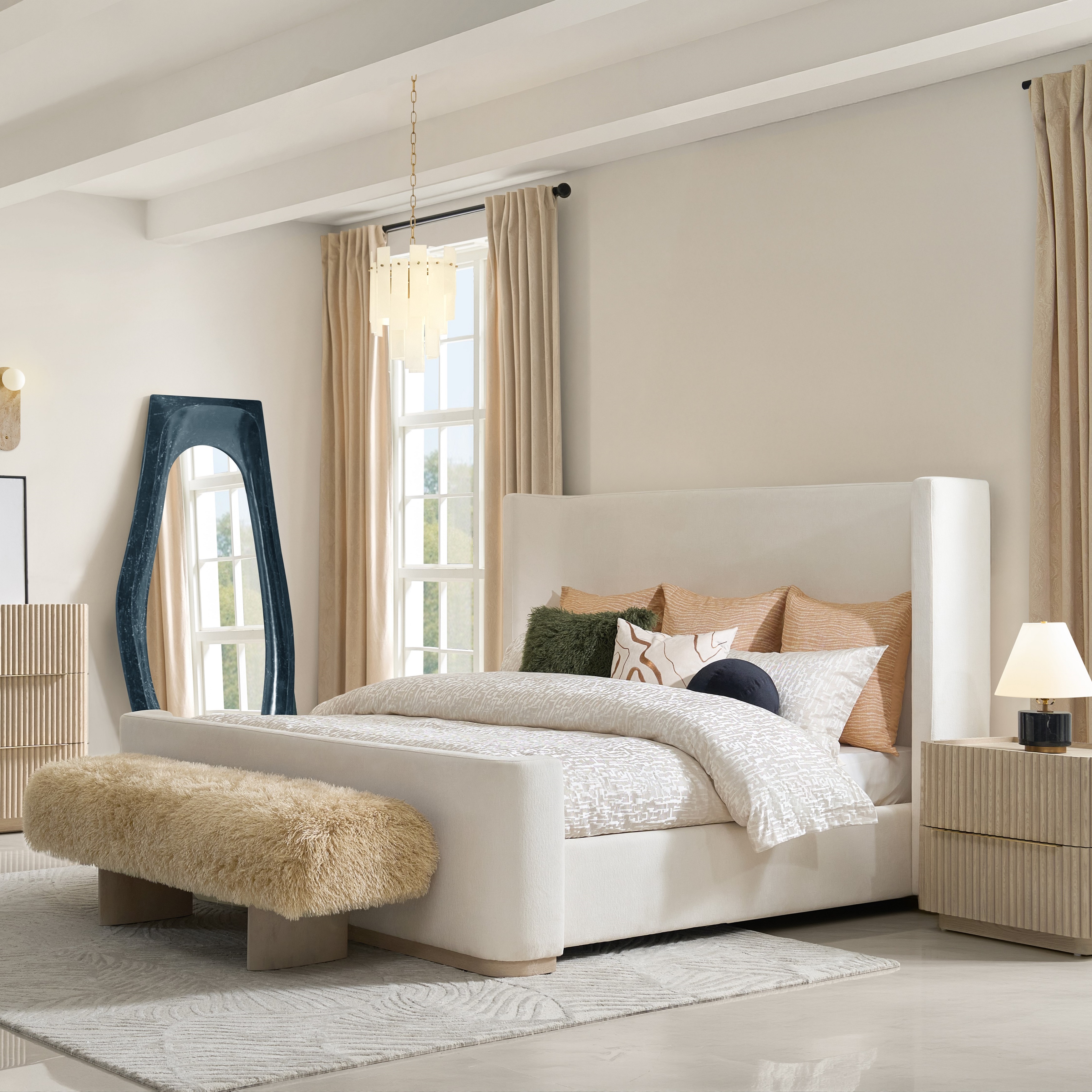 Podva Embroidered Pearl/Ivory Bedding Set$249
A satin and cotton bedding set in pearl and ivory, featuring modern embroidery and crisp flange edges.
Add To Cart -
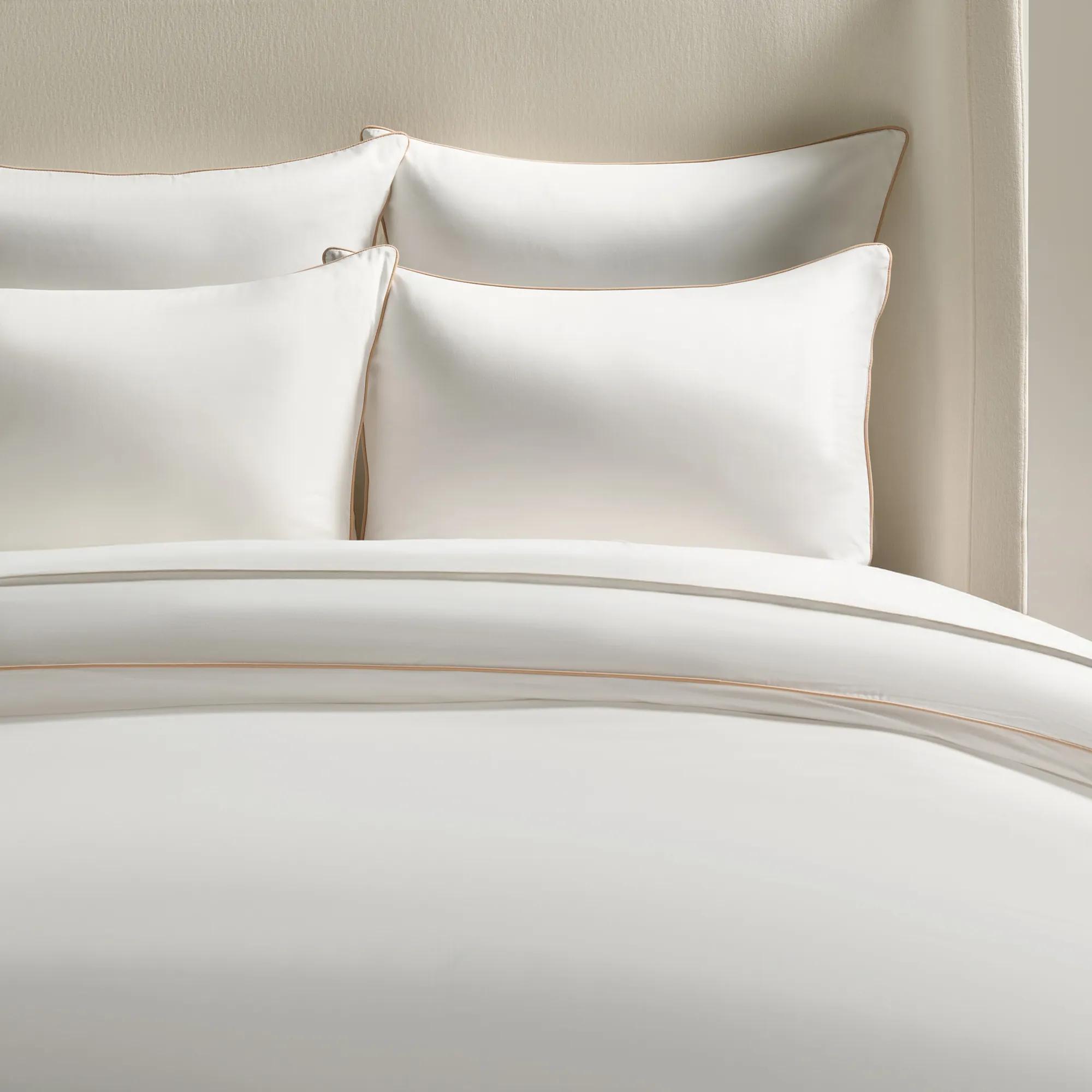
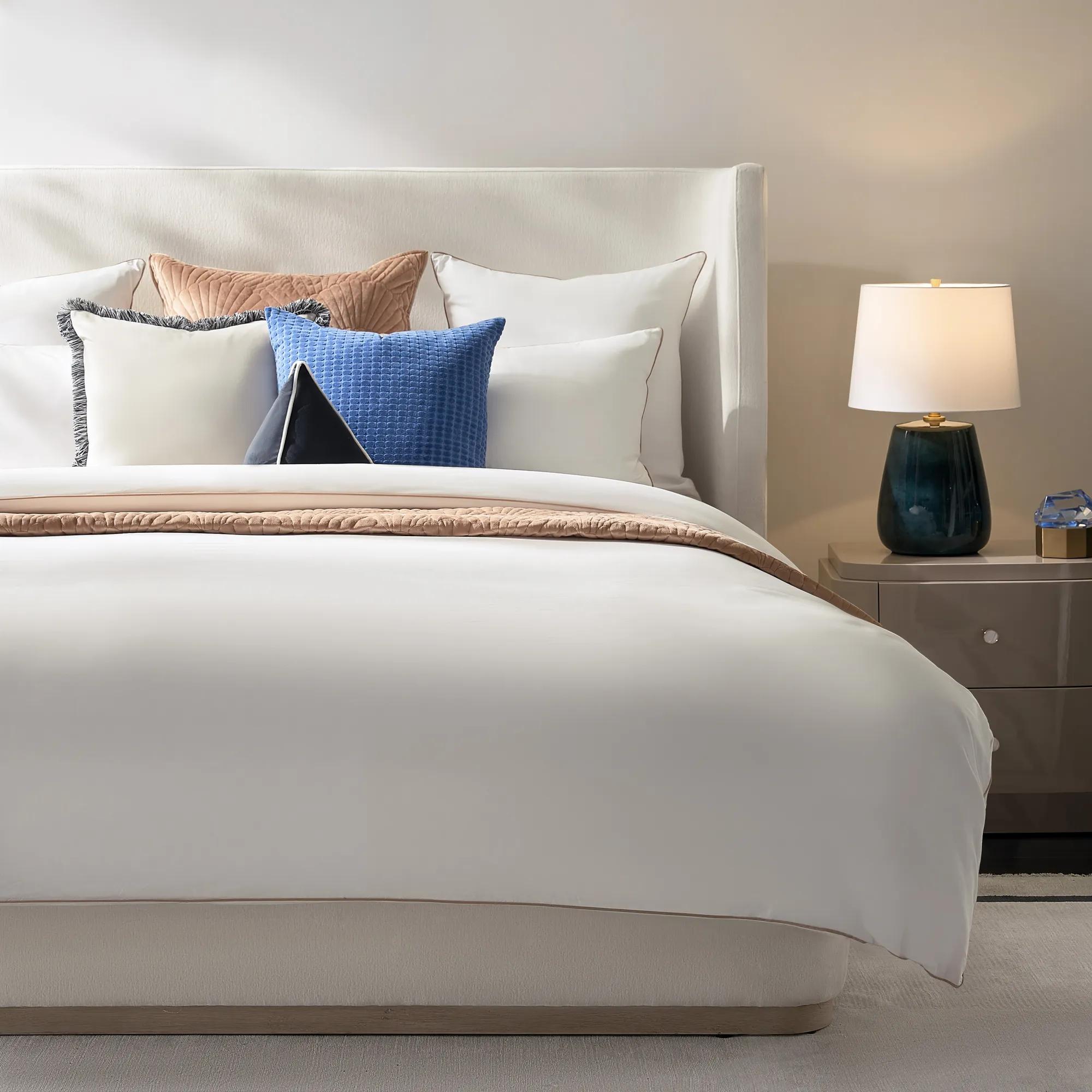 Sarla Contrast Cotton Percale Bedding Set - White/Tan$229
A crisp cotton percale bedding set in white and tan, featuring coordinating duvet and sham covers.
Add To Cart -
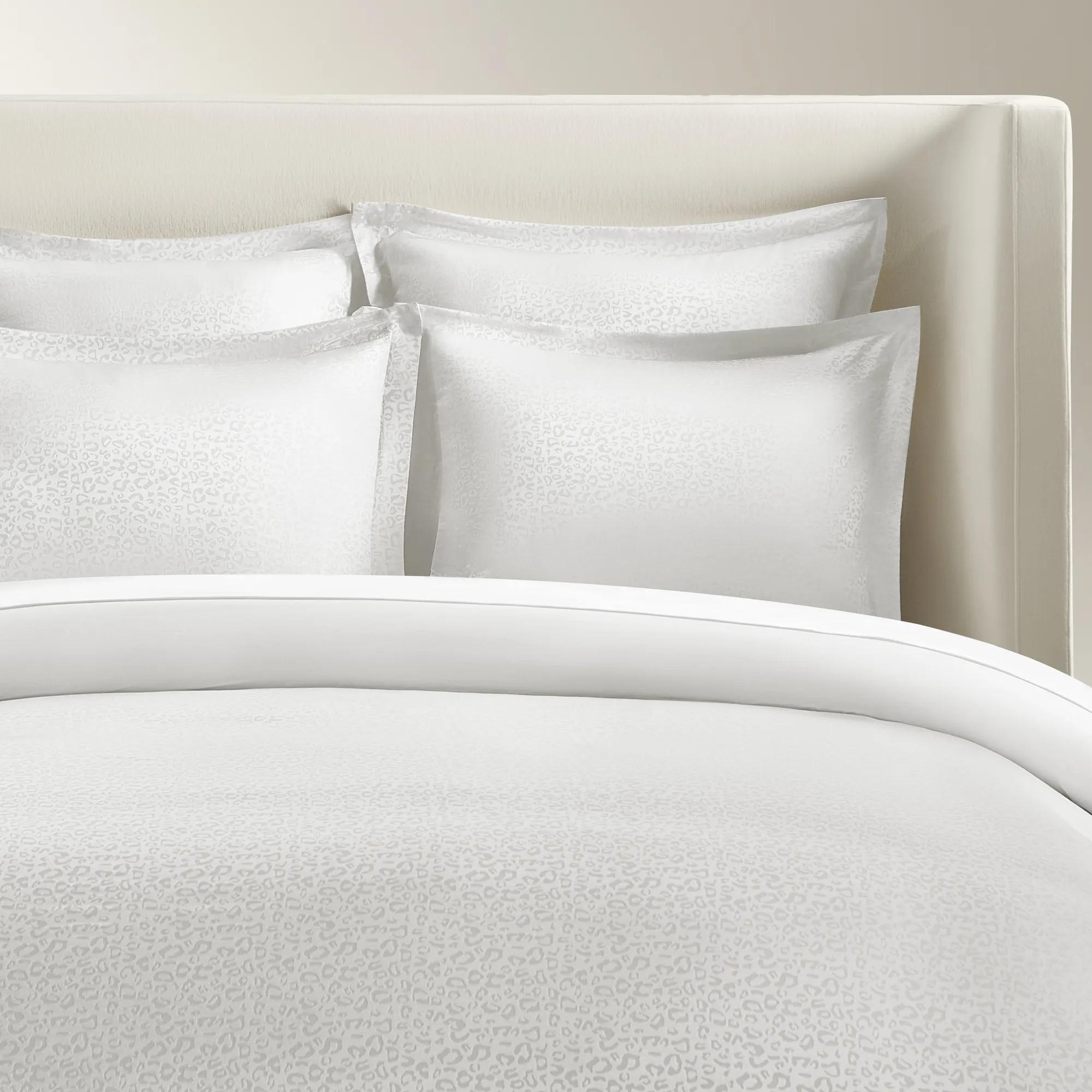
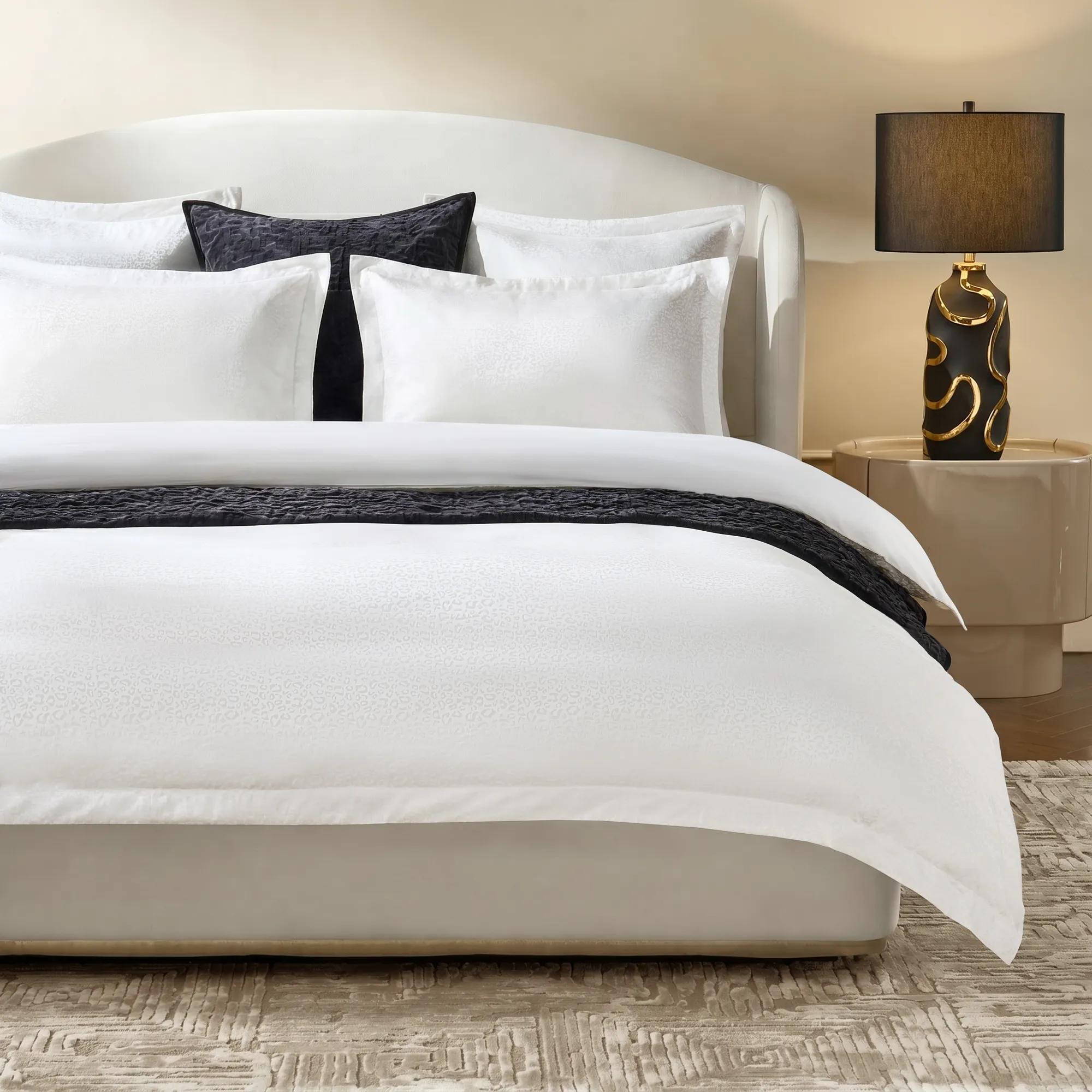 Abi Leopard Cloud White Tencel Bedding Set$249
A cloud white bedding set featuring a tonal leopard print in a smooth Tencel blend with cotton reverse.
Add To Cart -
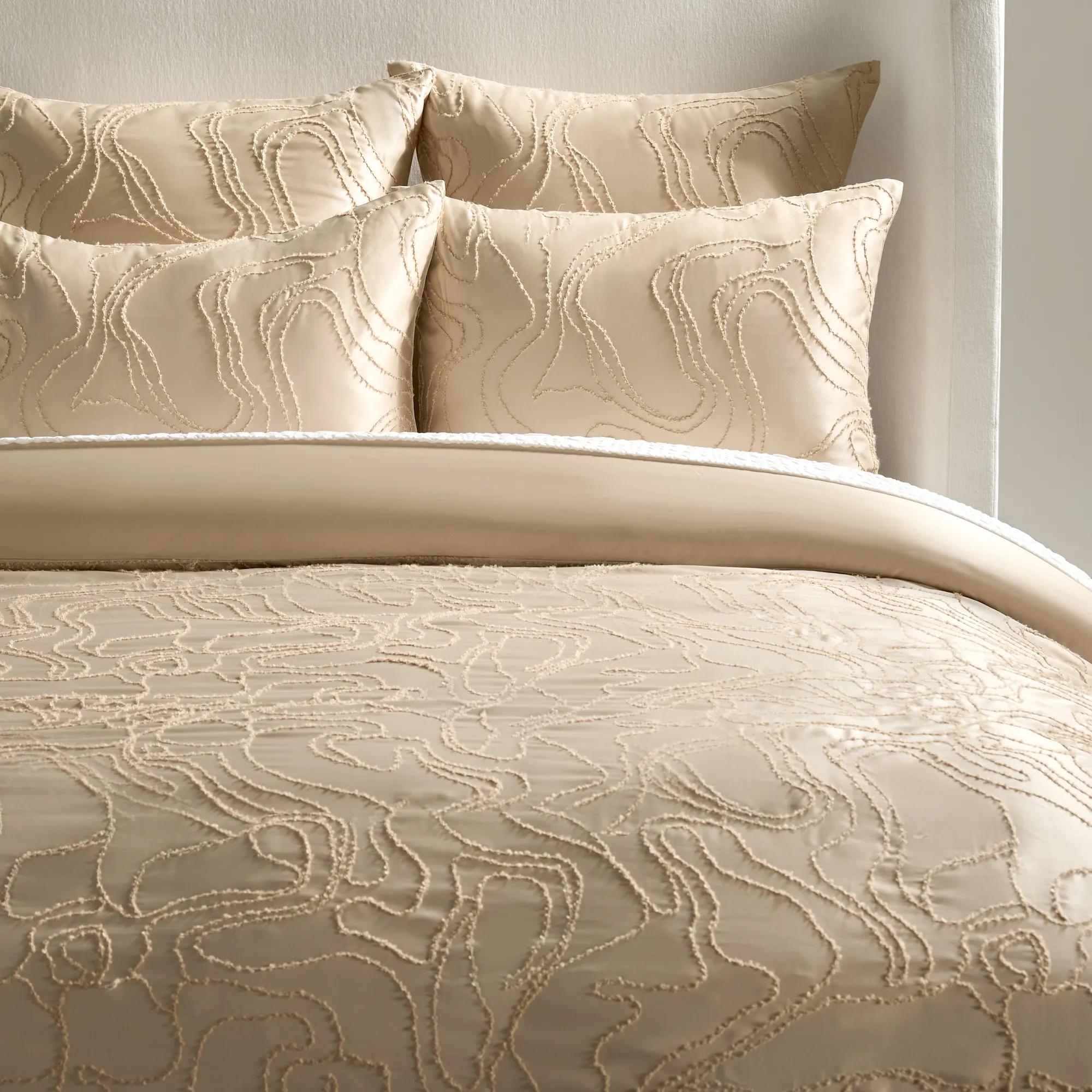 Noa Embroidered Champagne Beige Bedding Set$249
A champagne beige bedding set featuring elegant embroidered detailing for a refined bedroom aesthetic.
Add To Cart -
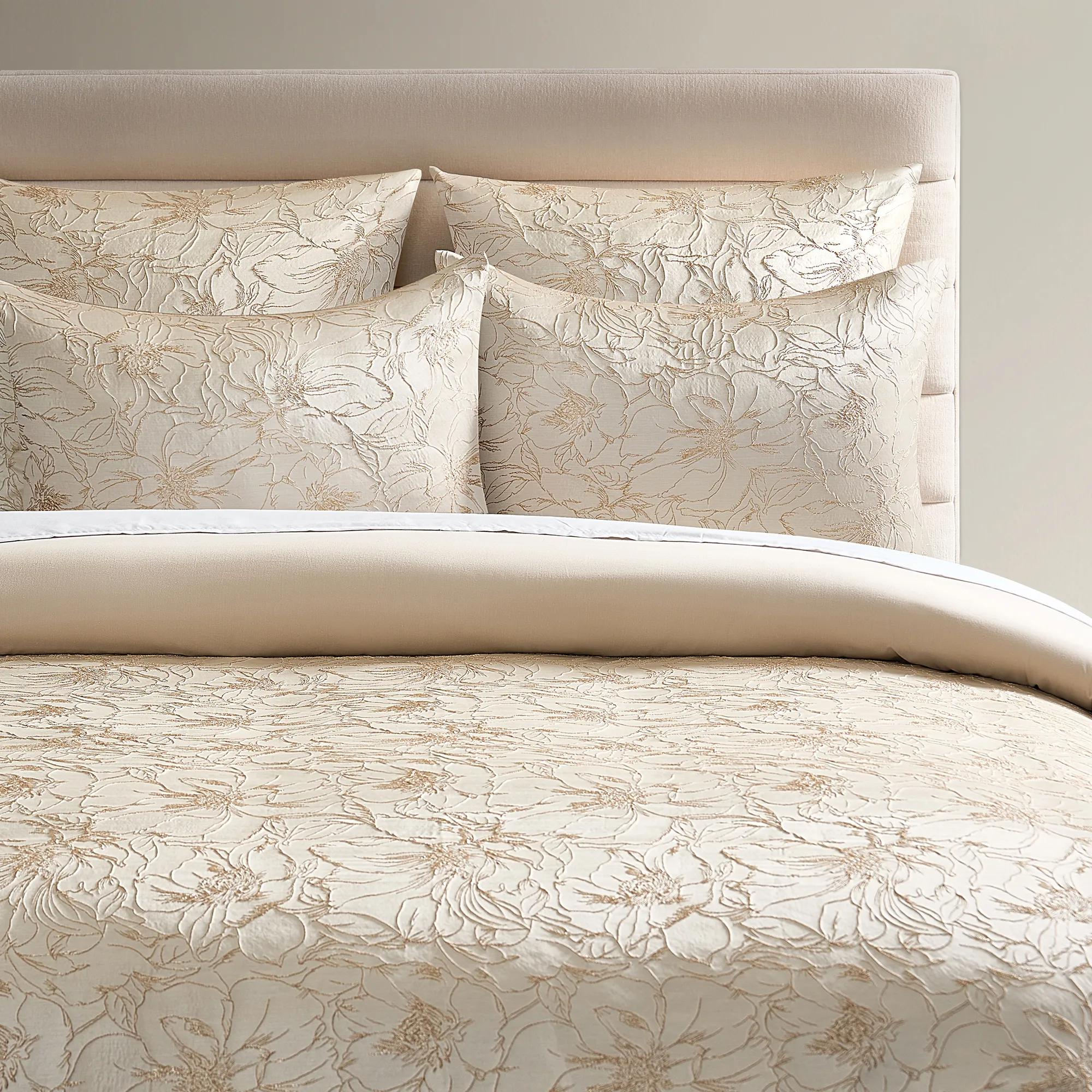 Mimoza Floral Jacquard Champagne Gold Bedding Set$199
A luminous bedding set featuring metallic champagne gold jacquard and delicate tonal floral embroidery.
Add To Cart -

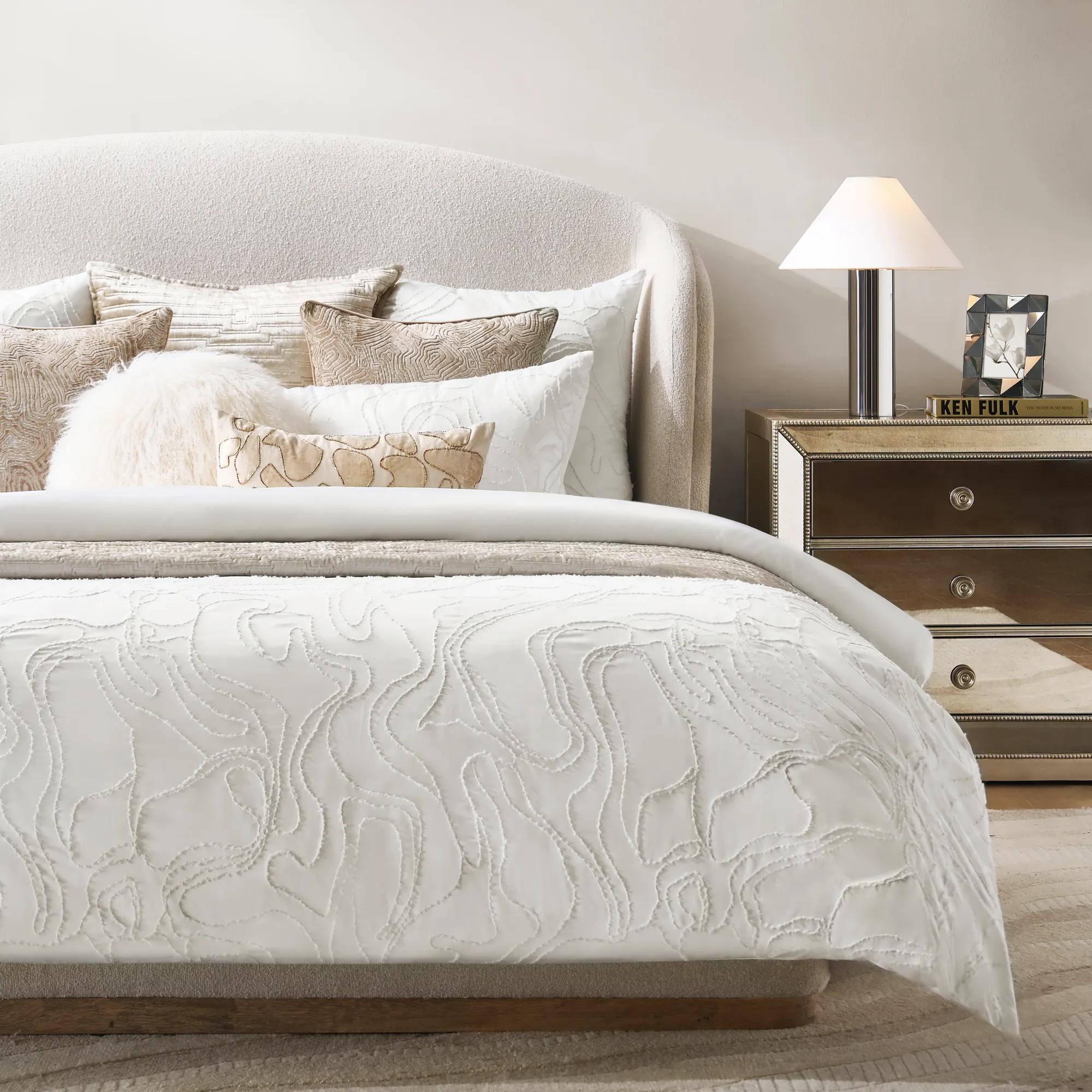 Noa Embroidered Pearl White Bedding Set$249
A luminous pearl satin bedding set featuring an embroidered swirl pattern for a touch of refined luxury.
Add To Cart -
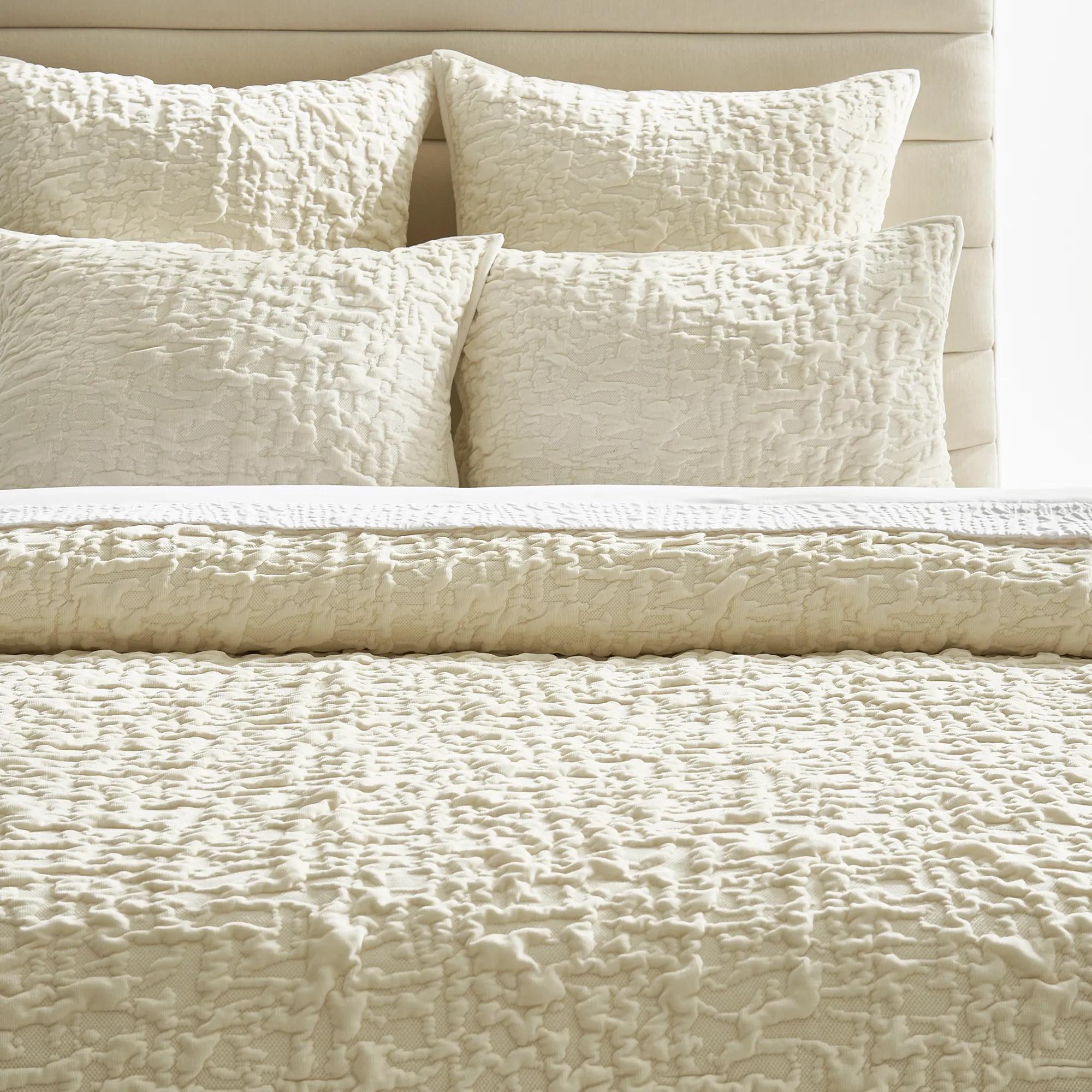
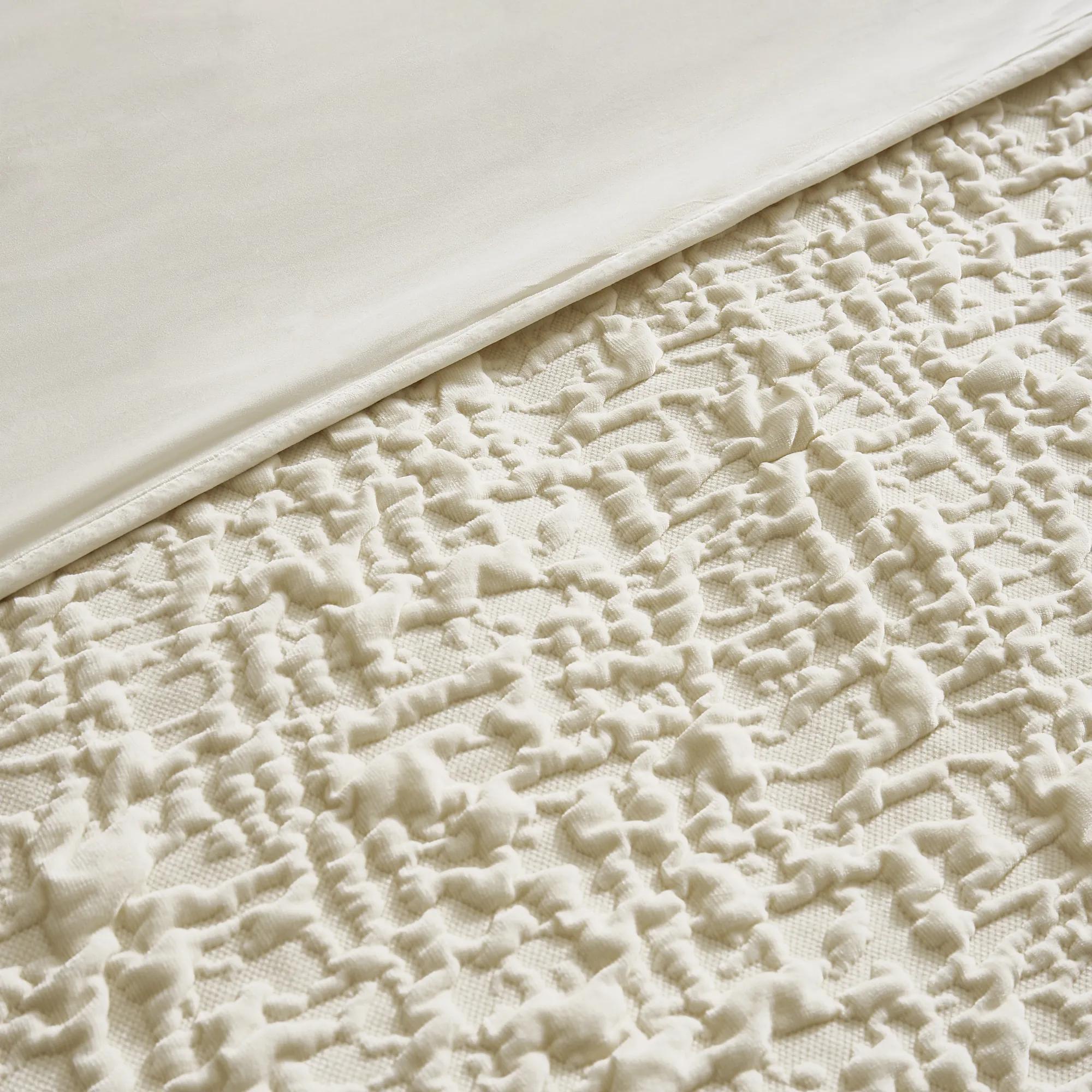 Madera Ivory Textured Velvet Bedding Set$299
A plush ivory velvet coverlet set with crushed embroidered texture and breathable cotton backing for serene style.
Add To Cart -
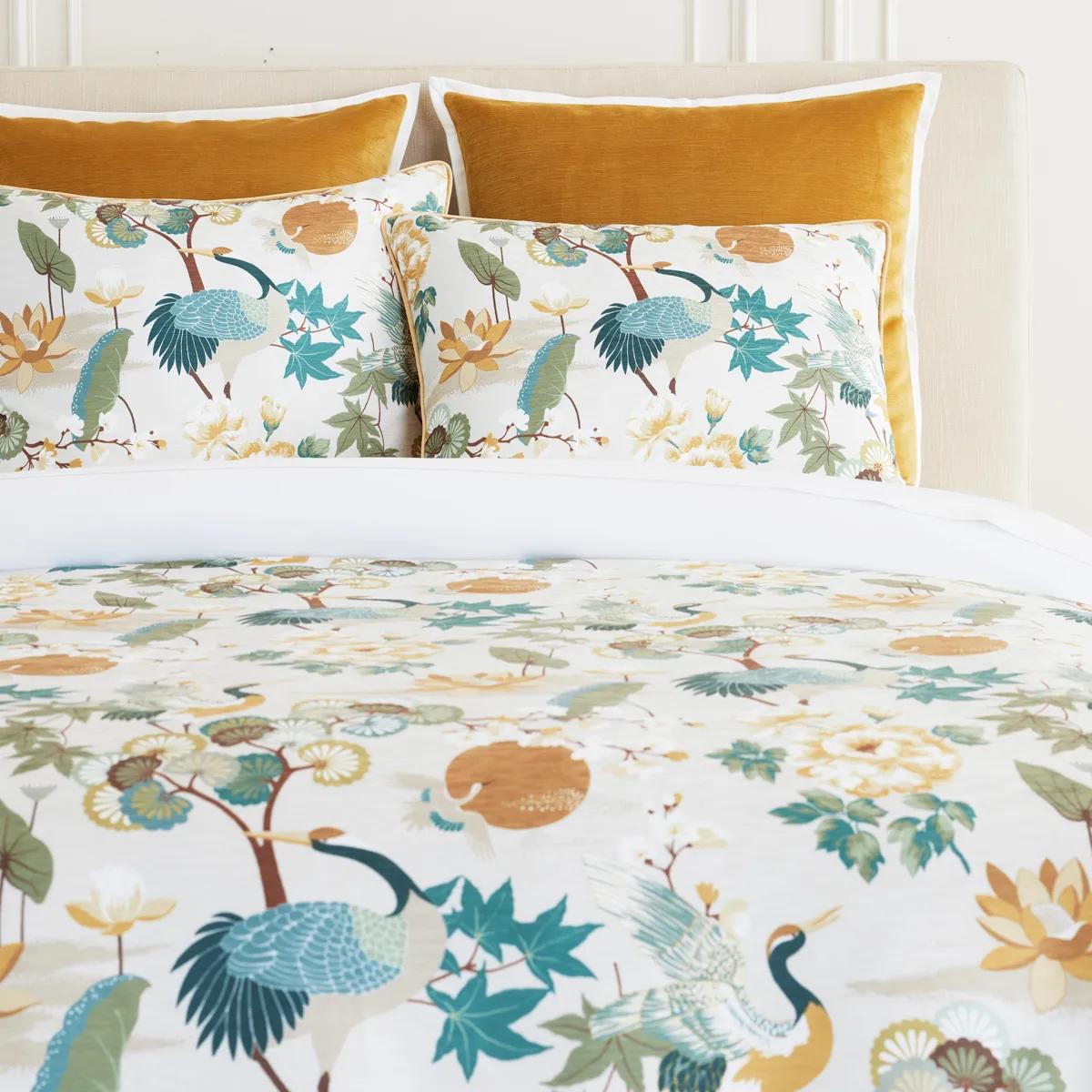
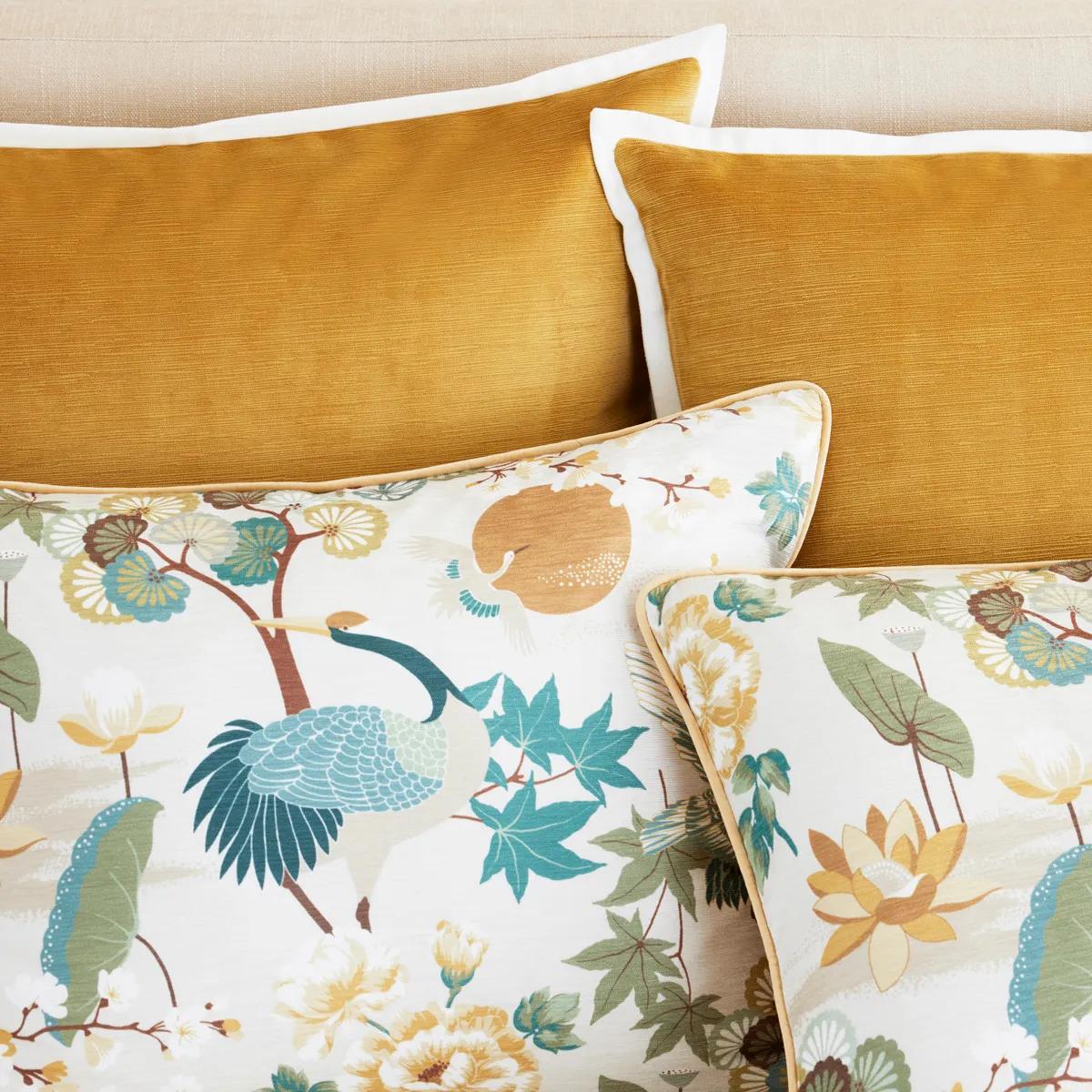 Sandhill Ivory/Multi Color Printed Bedding Set$229
An ivory bedding collection featuring earthy tones, gold velvet accents, and a soft cotton-polyester blend.
Add To Cart -
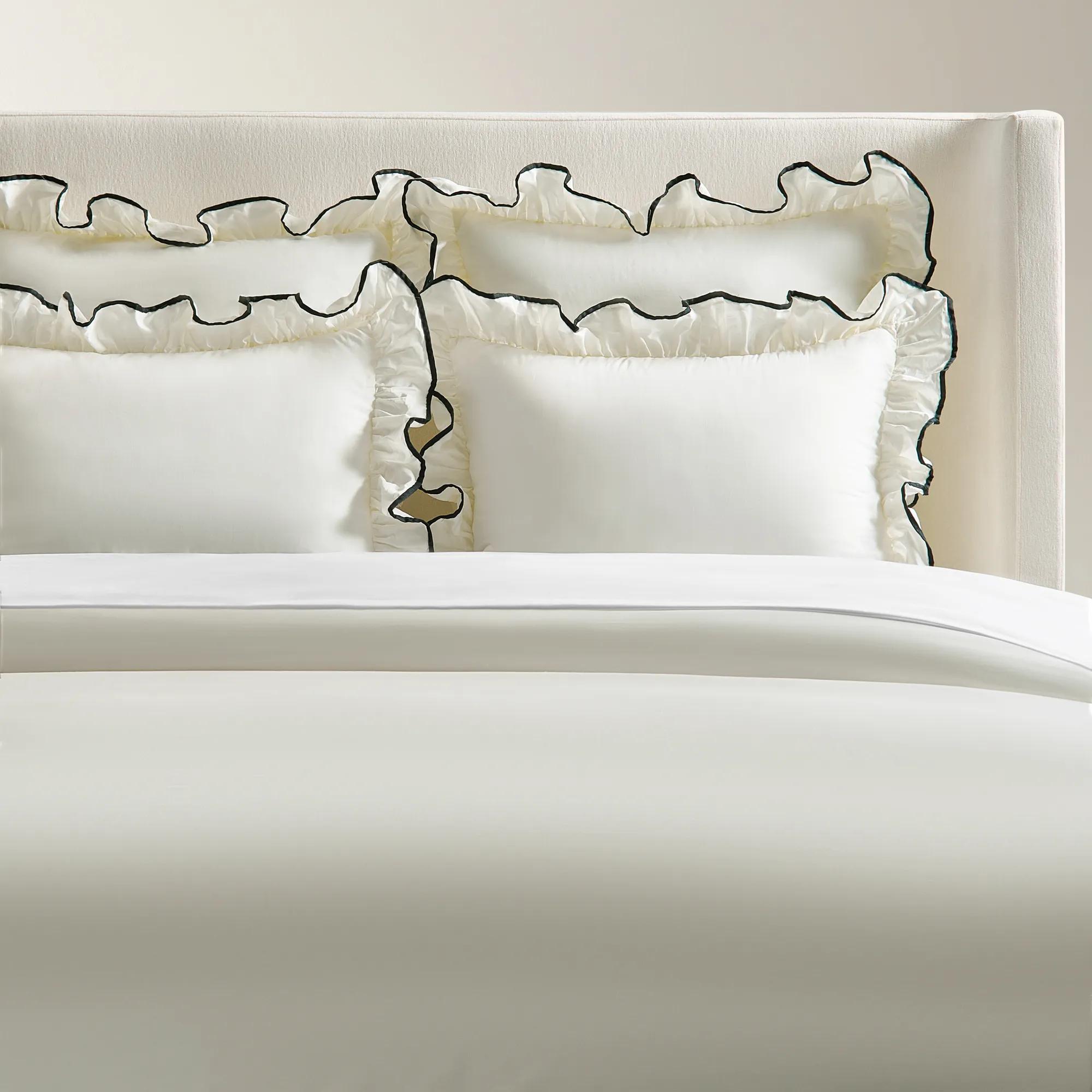
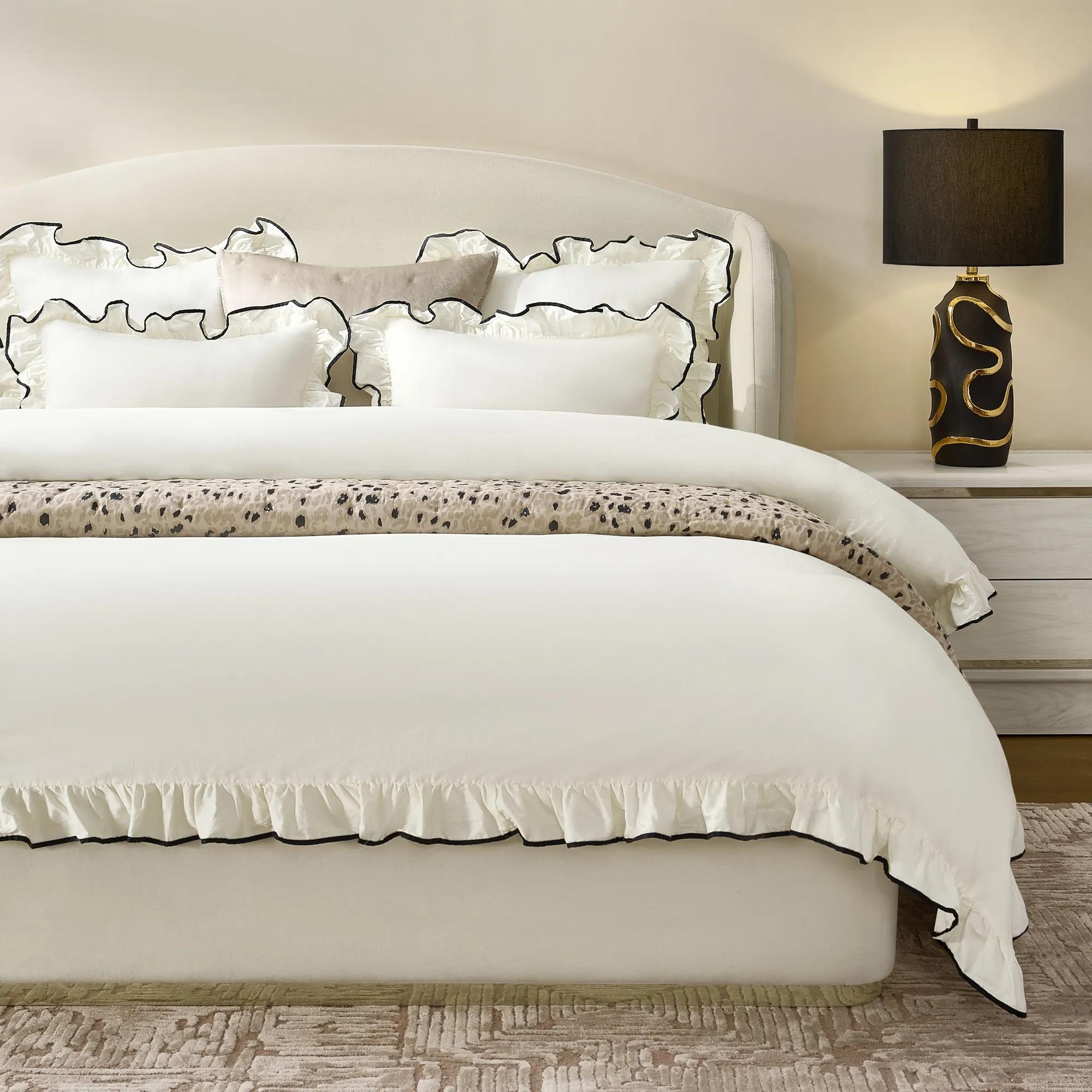 Vittoria Ivory/Black Cotton Percale Ruffle Bedding Set$299
An ivory cotton percale bedding set featuring dramatic black ruffle trim for a crisp, Deco-inspired look.
Add To Cart -
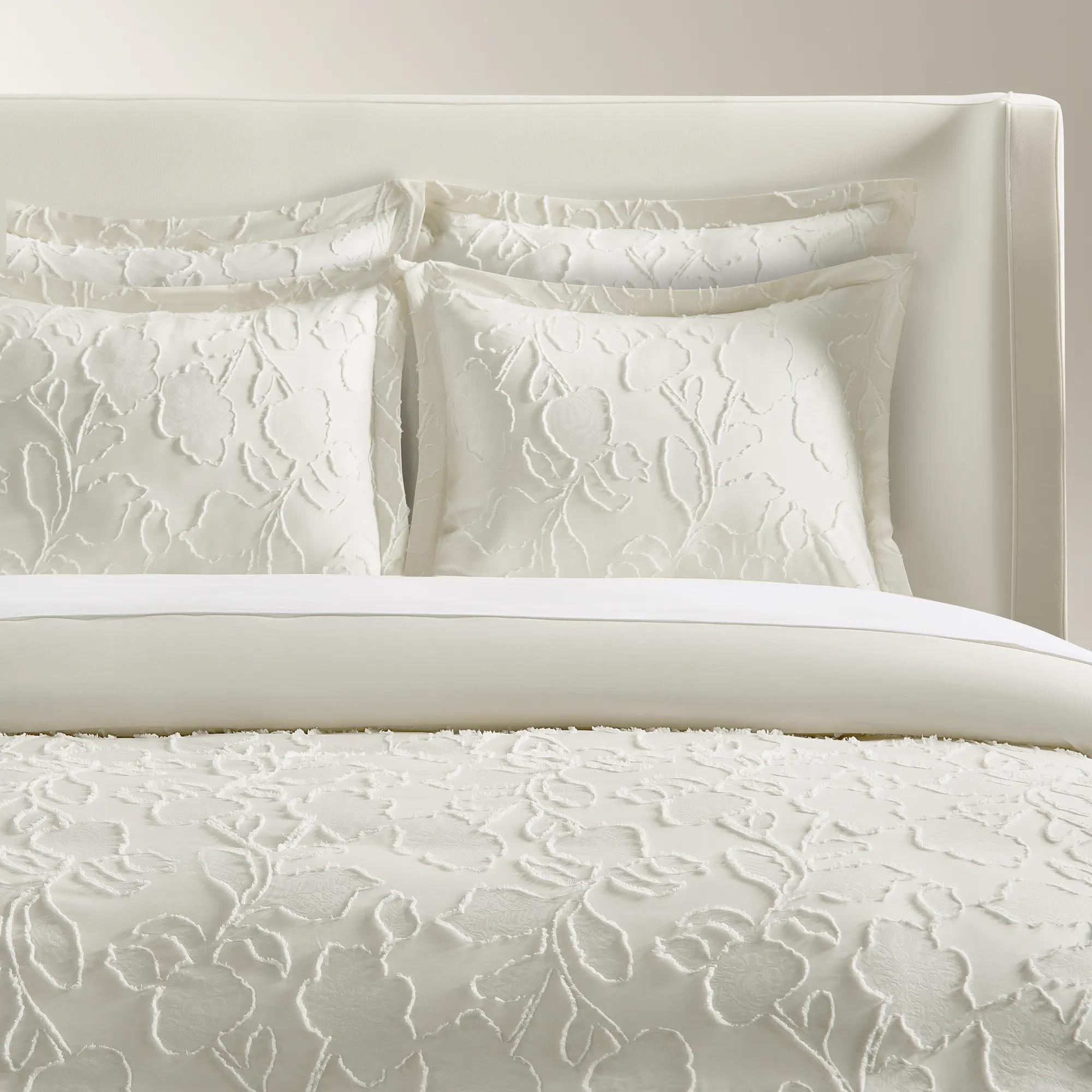
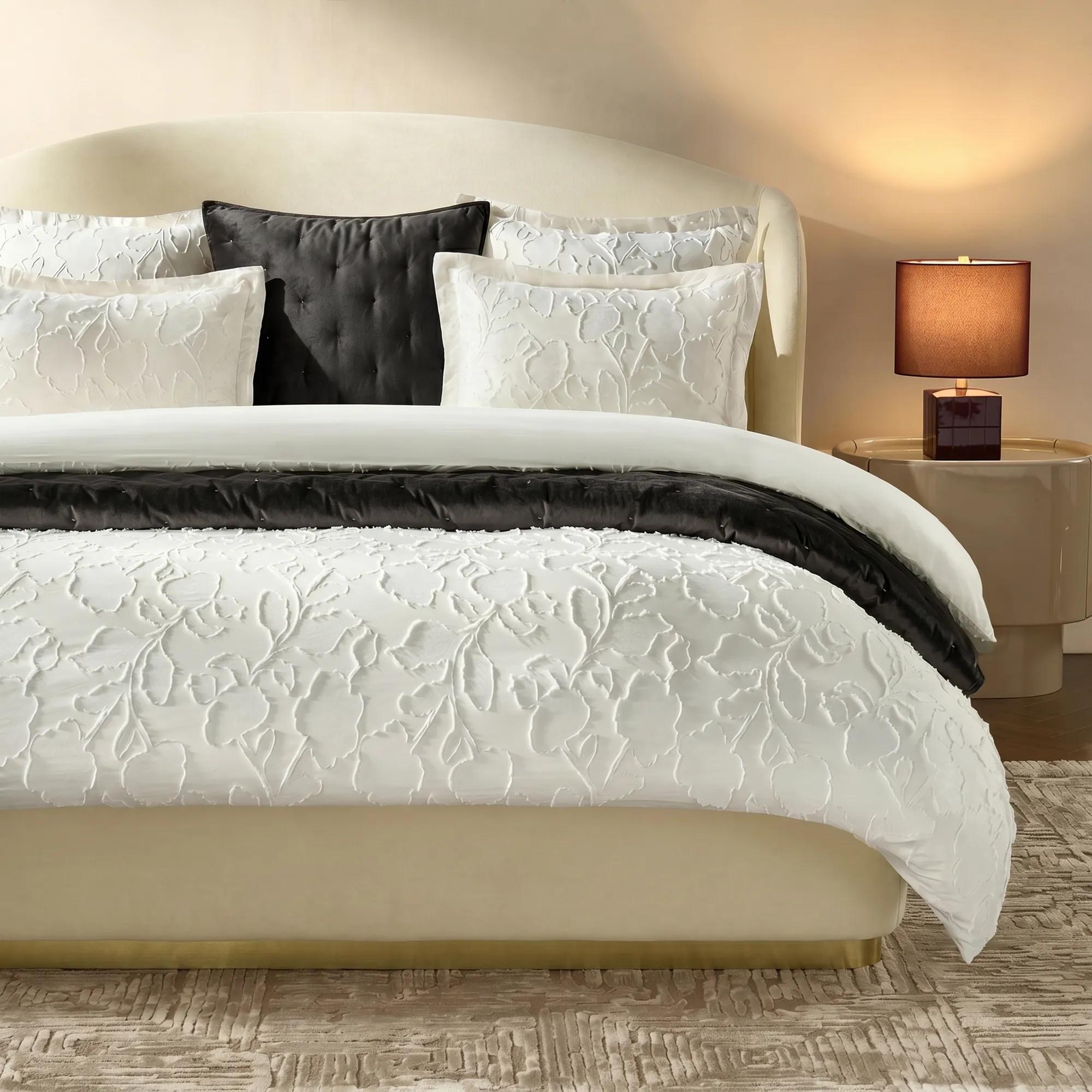 Cosette Ivory Cotton Floral Jacquard Bedding Set$229
A warm ivory bedding set featuring a tonal floral jacquard, eyelash fringe, and soft cotton backing.
Add To Cart -
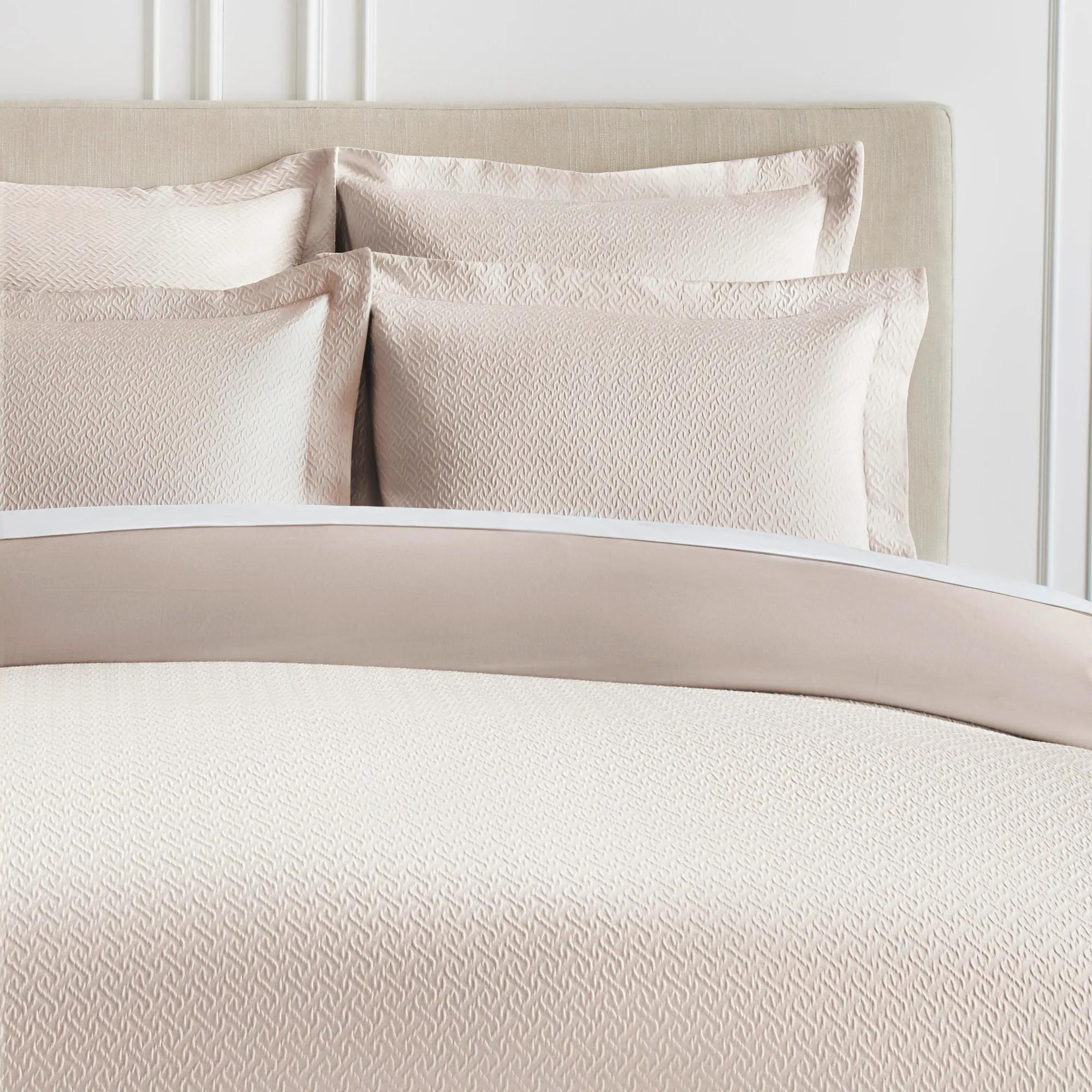
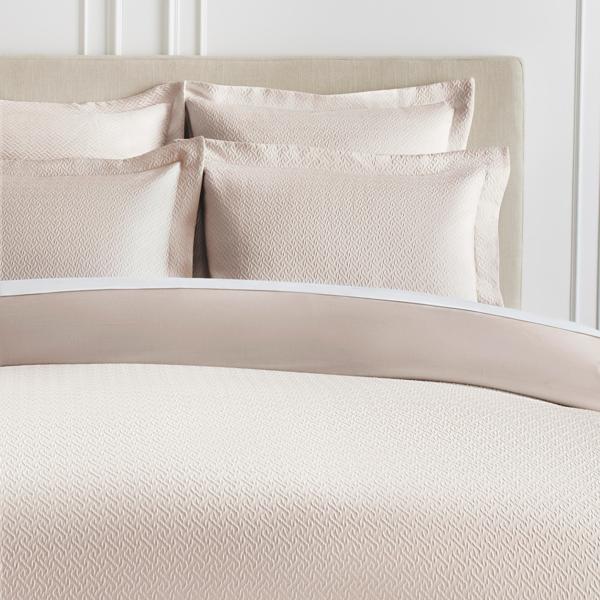 Marlowe Jacquard Blush Bedding Set$129
A blush jacquard bedding collection offering subtle texture and year-round comfort with a soft cotton blend.
Add To Cart -
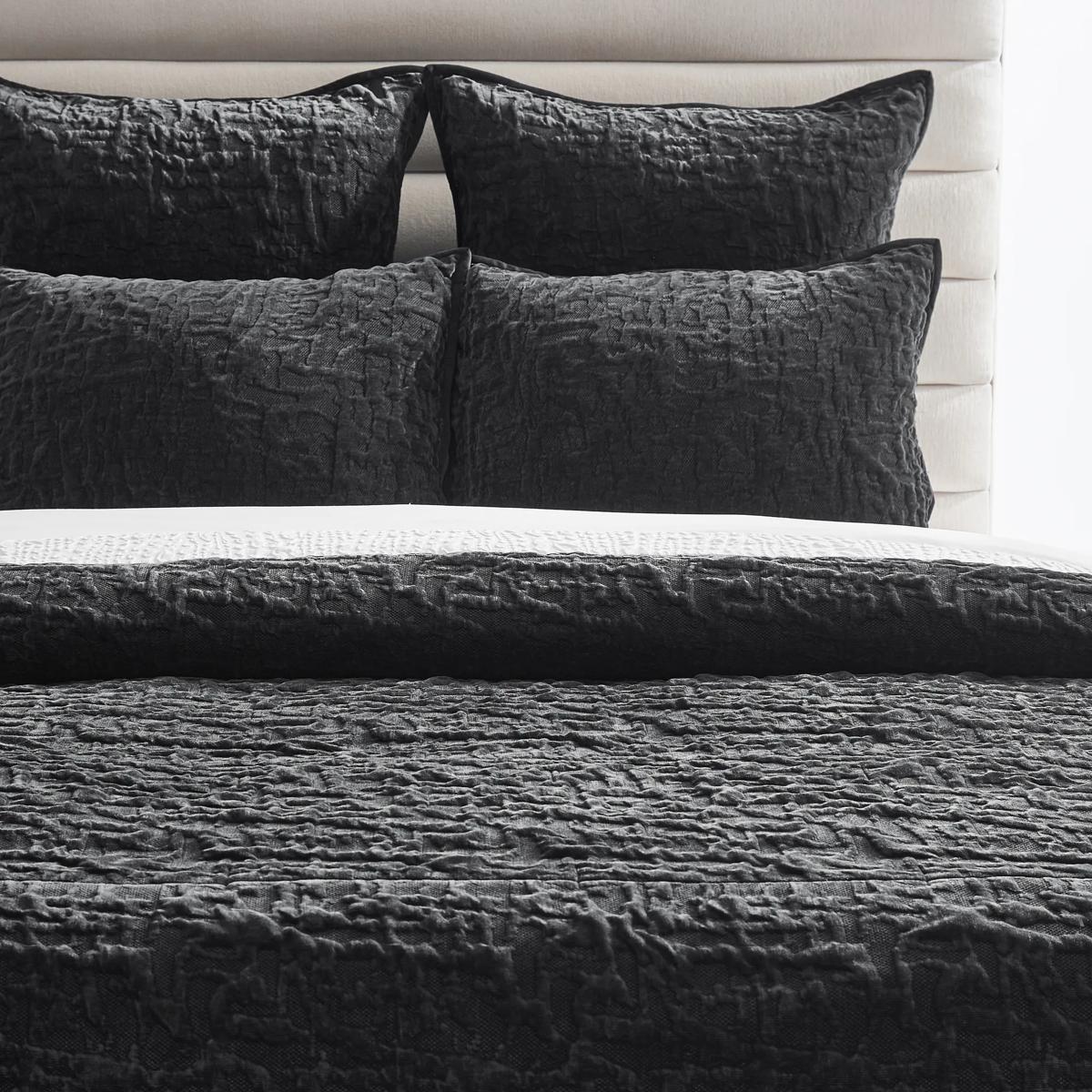
 Madera Black Textured Velvet Bedding Set$249
A sophisticated black crushed velvet coverlet set with tonal embroidery and a breathable cotton backing.
Add To Cart -
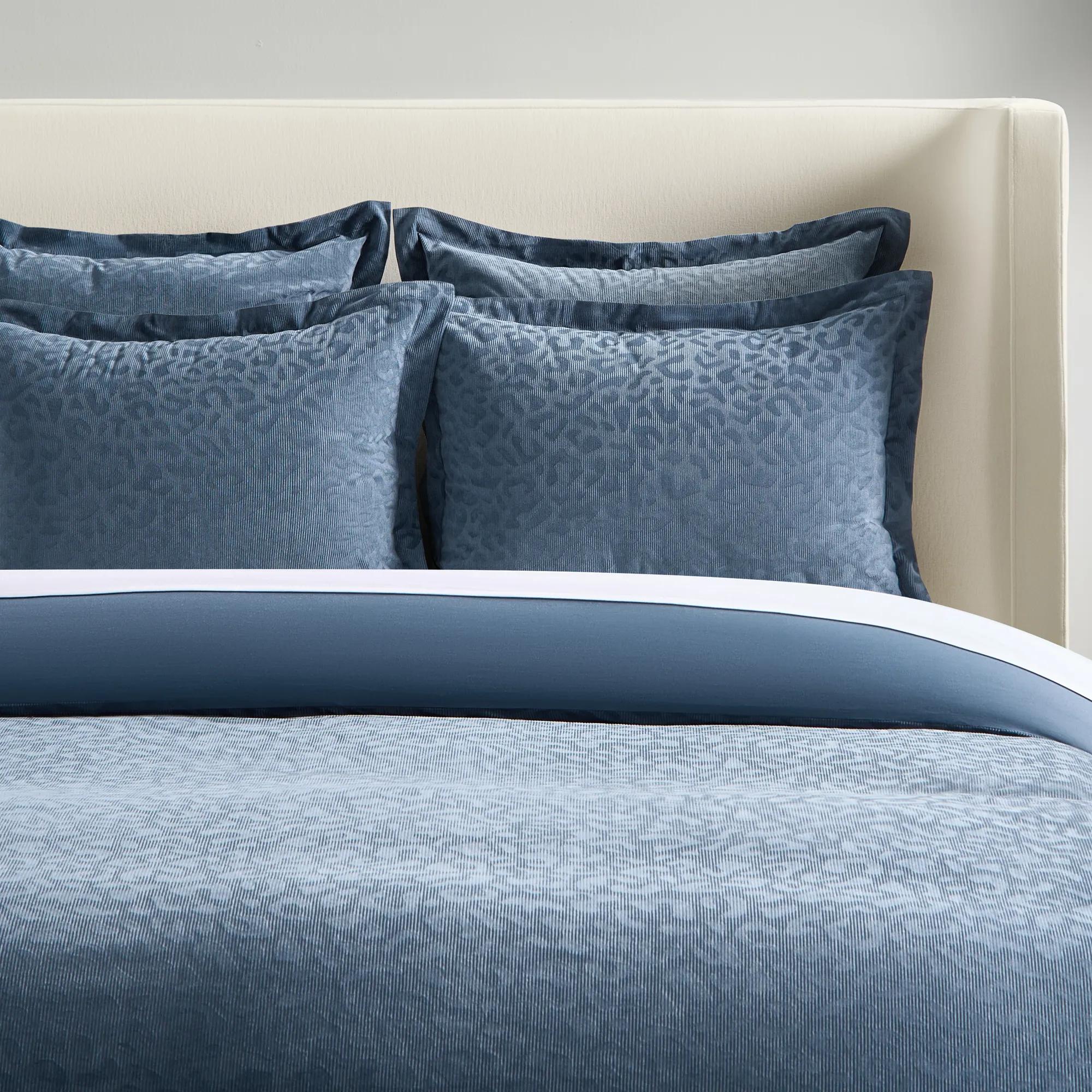
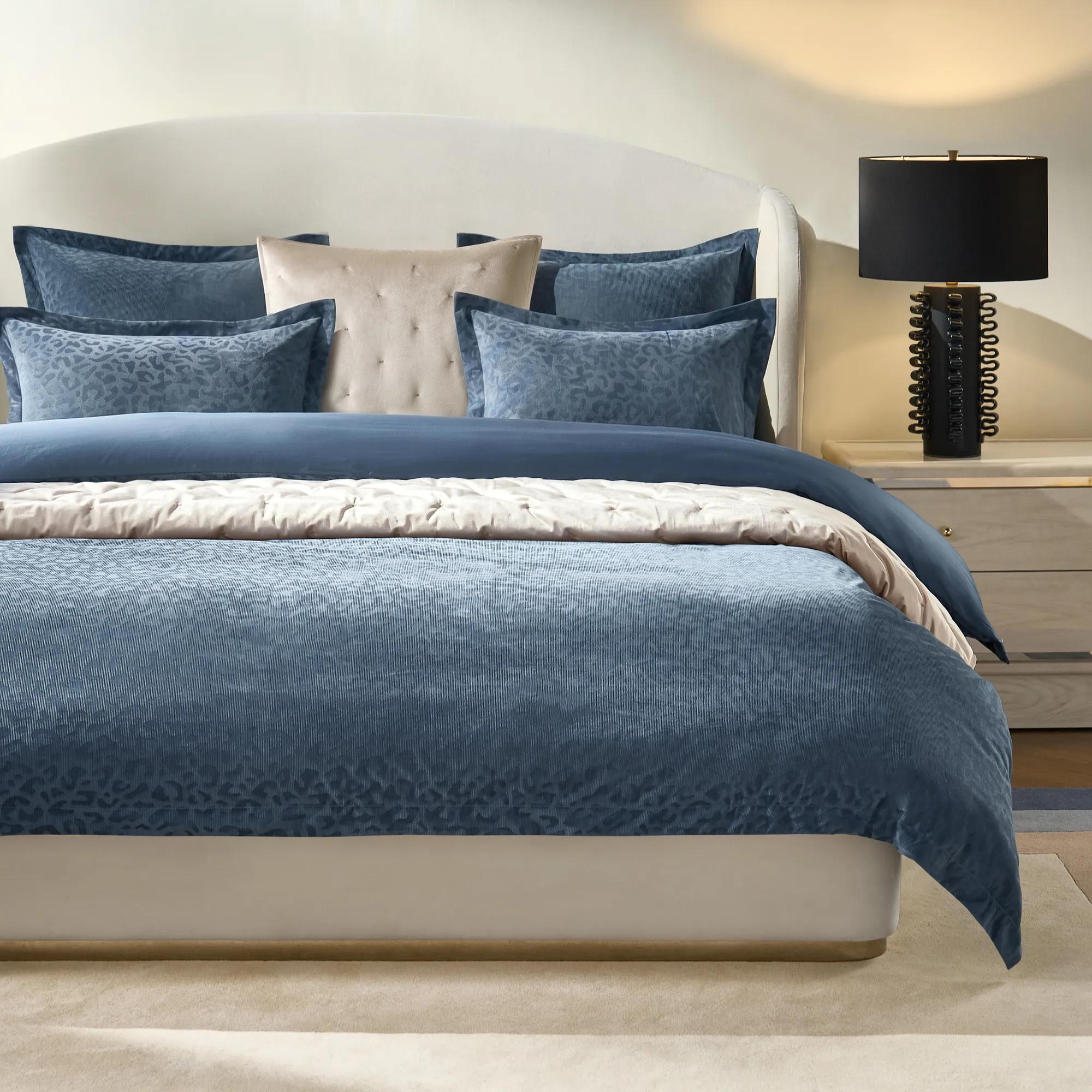 Leopard Dusty Blue Cotton Corduroy Velvet Bedding Set$249
A dusty blue velvet bedding set featuring a tonal leopard print and soft corduroy texture with cotton backing.
Add To Cart -
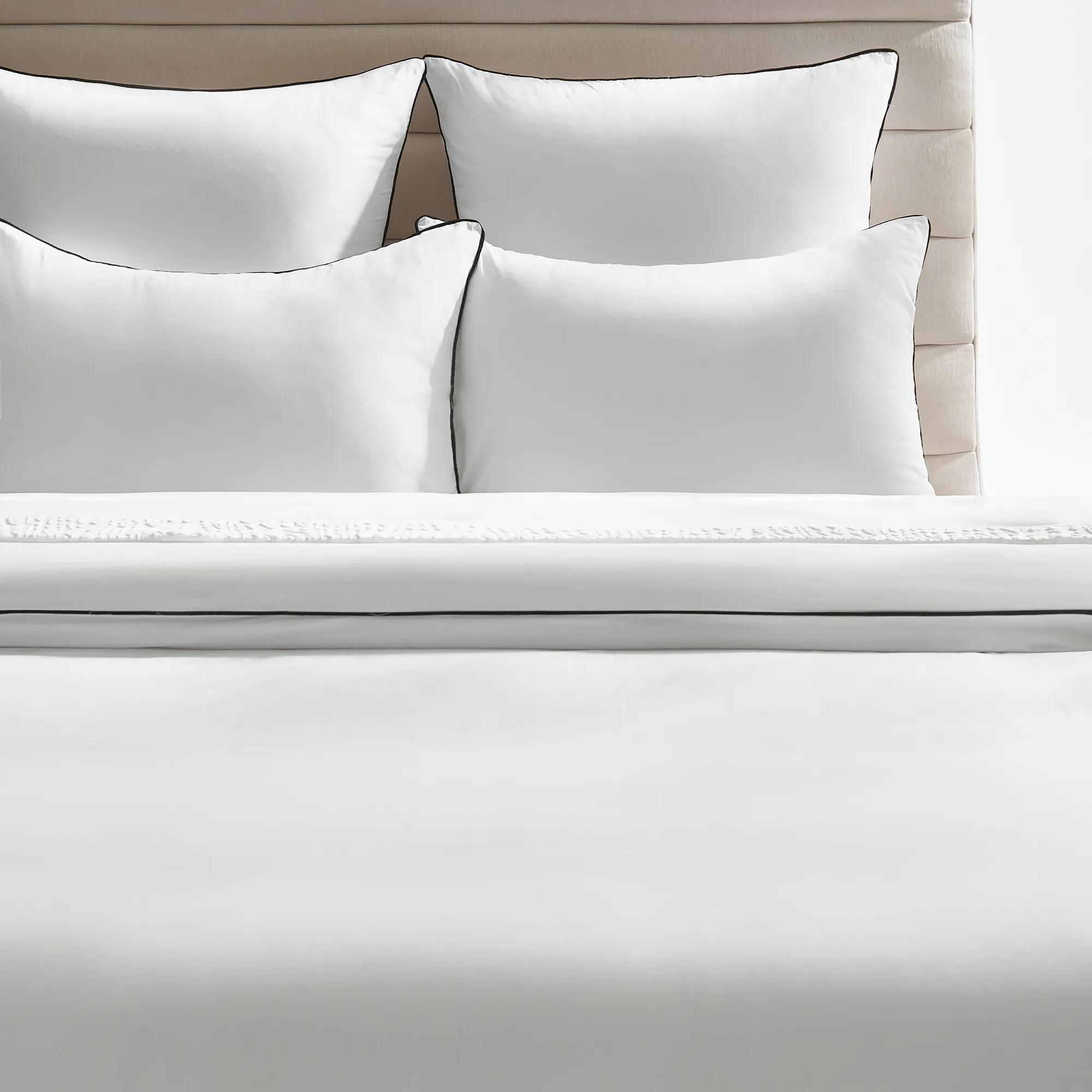 Sarla Contrast Cotton Percale Bedding Set - White/Black$229
A crisp white cotton percale bedding set featuring modern black piping for a refined, graphic contrast.
Add To Cart -
 Glam Grey Shiny Viscose Velvet Quilt Bedding Set$499
A lustrous grey velvet quilted bedding collection with geometric stitching and refined piped edges.
Add To Cart -
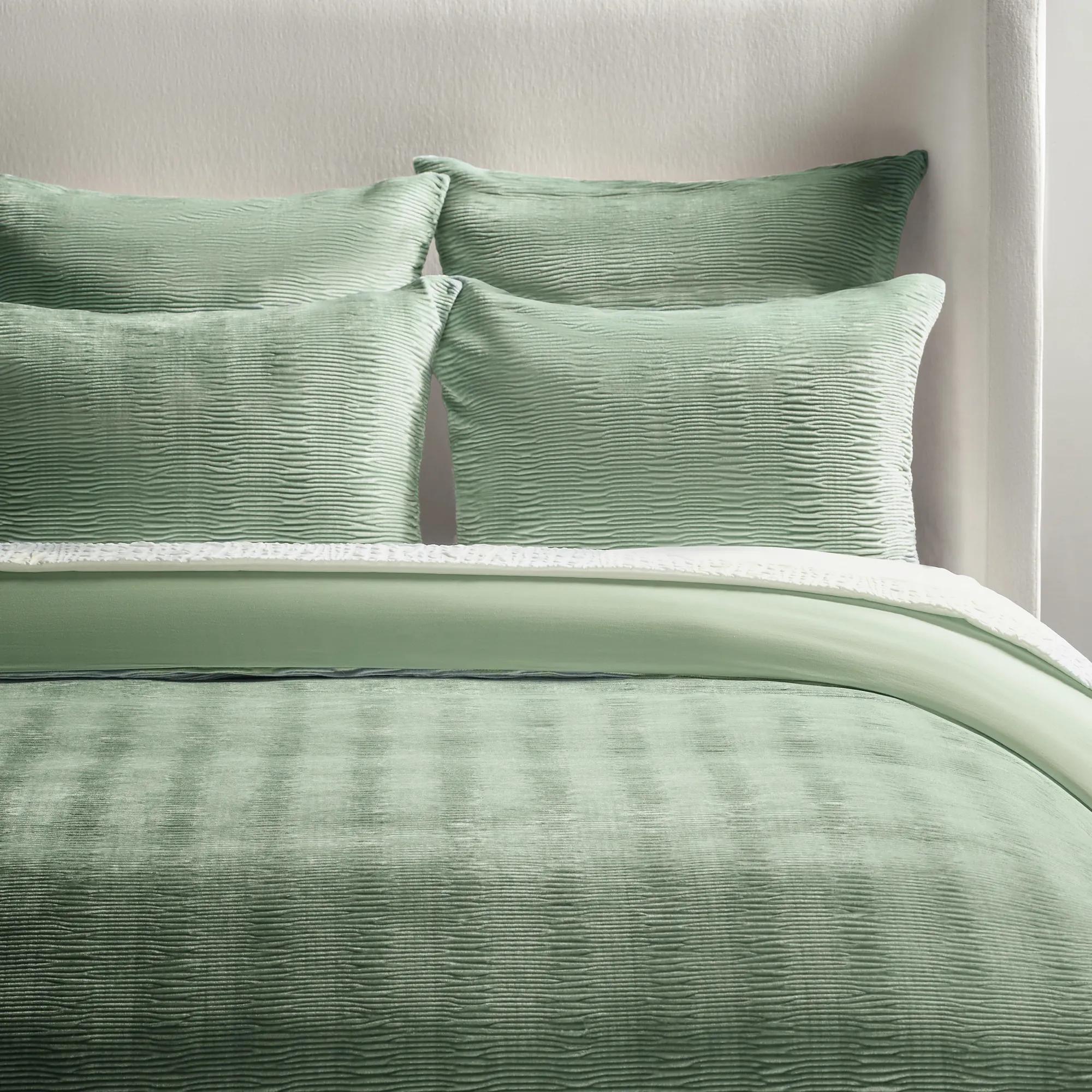
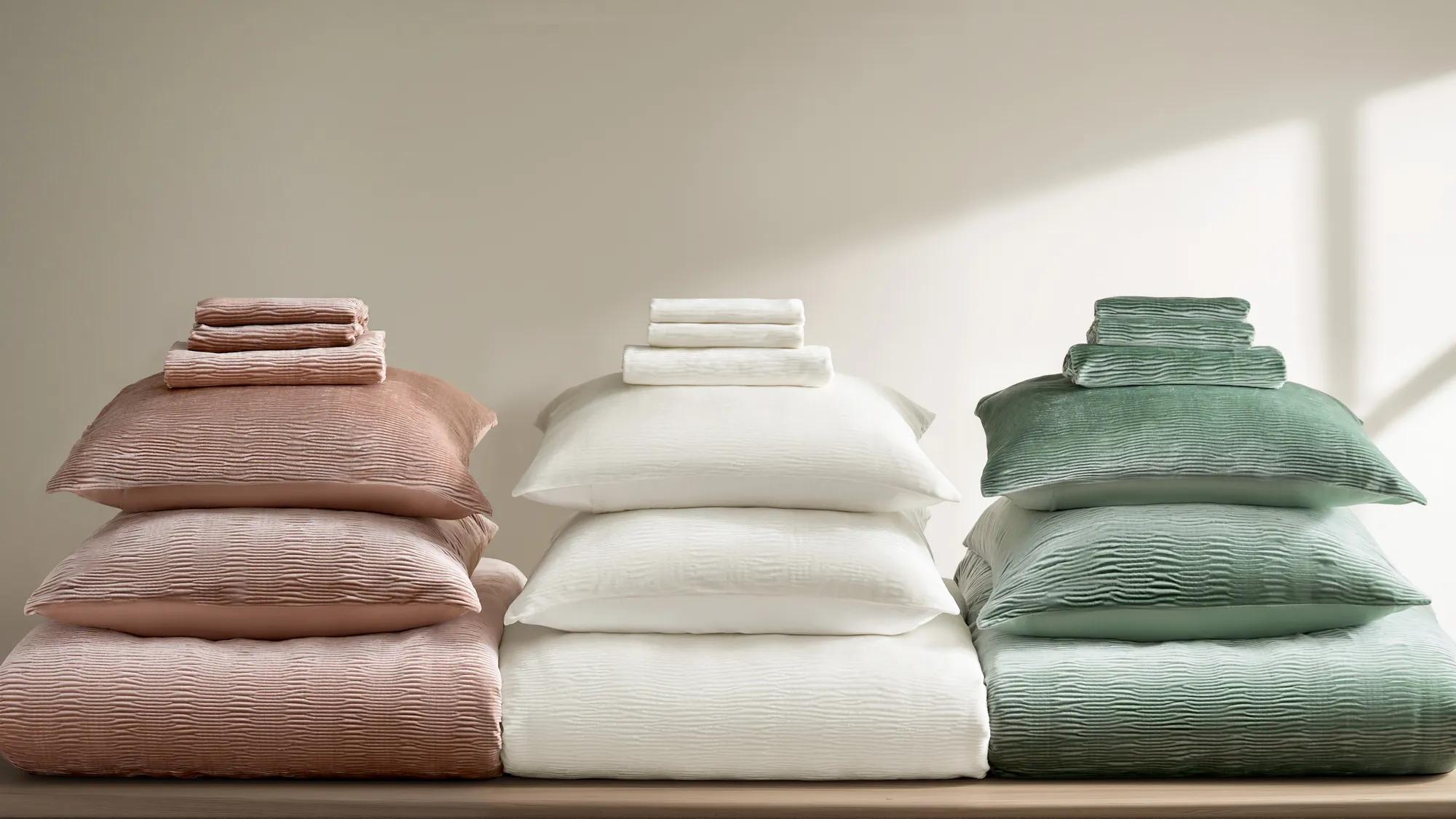 Vera Velvet Bedding Set - Malachite Green$229
A luxurious malachite green velvet bedding set with coordinating duvet and sham covers.
Add To Cart -
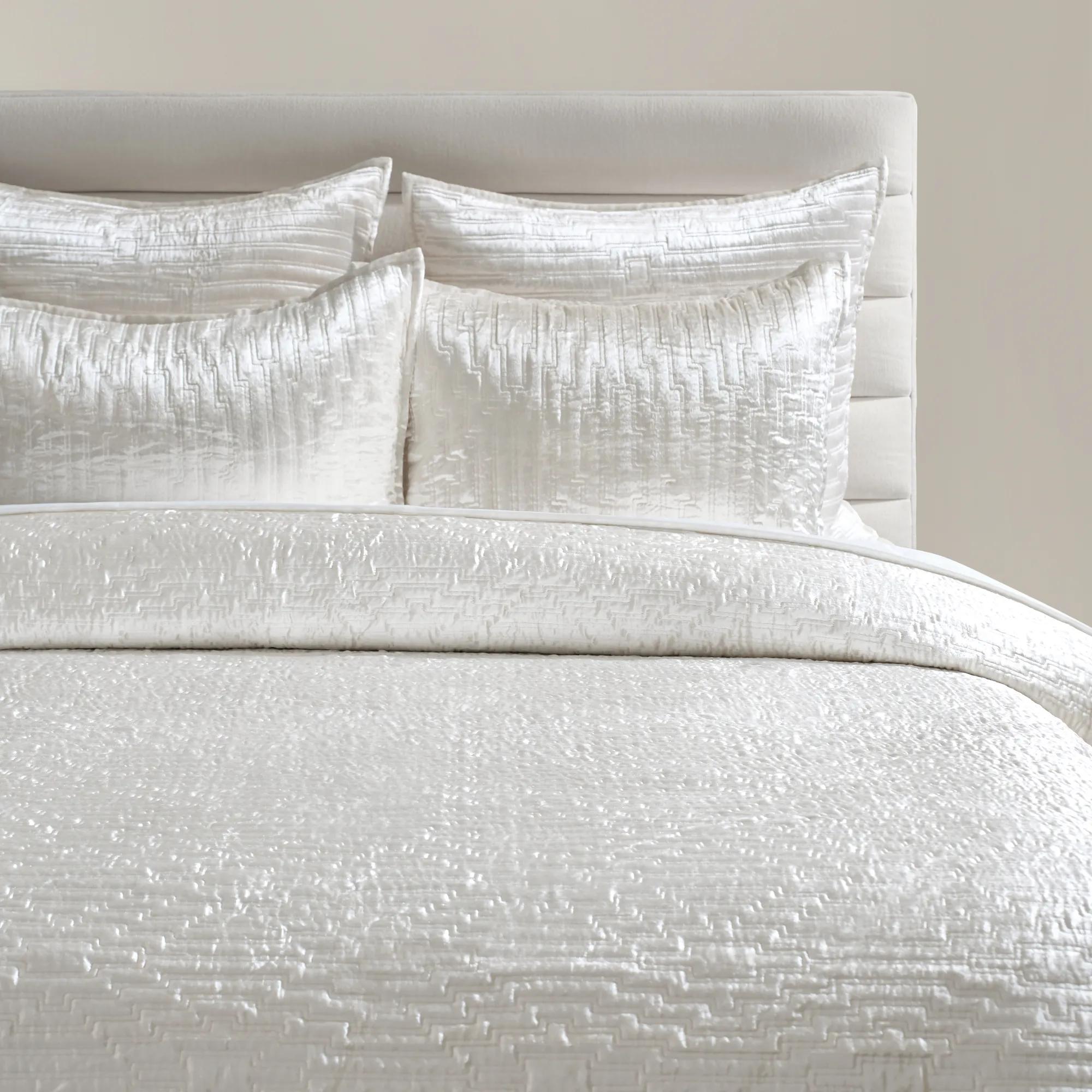
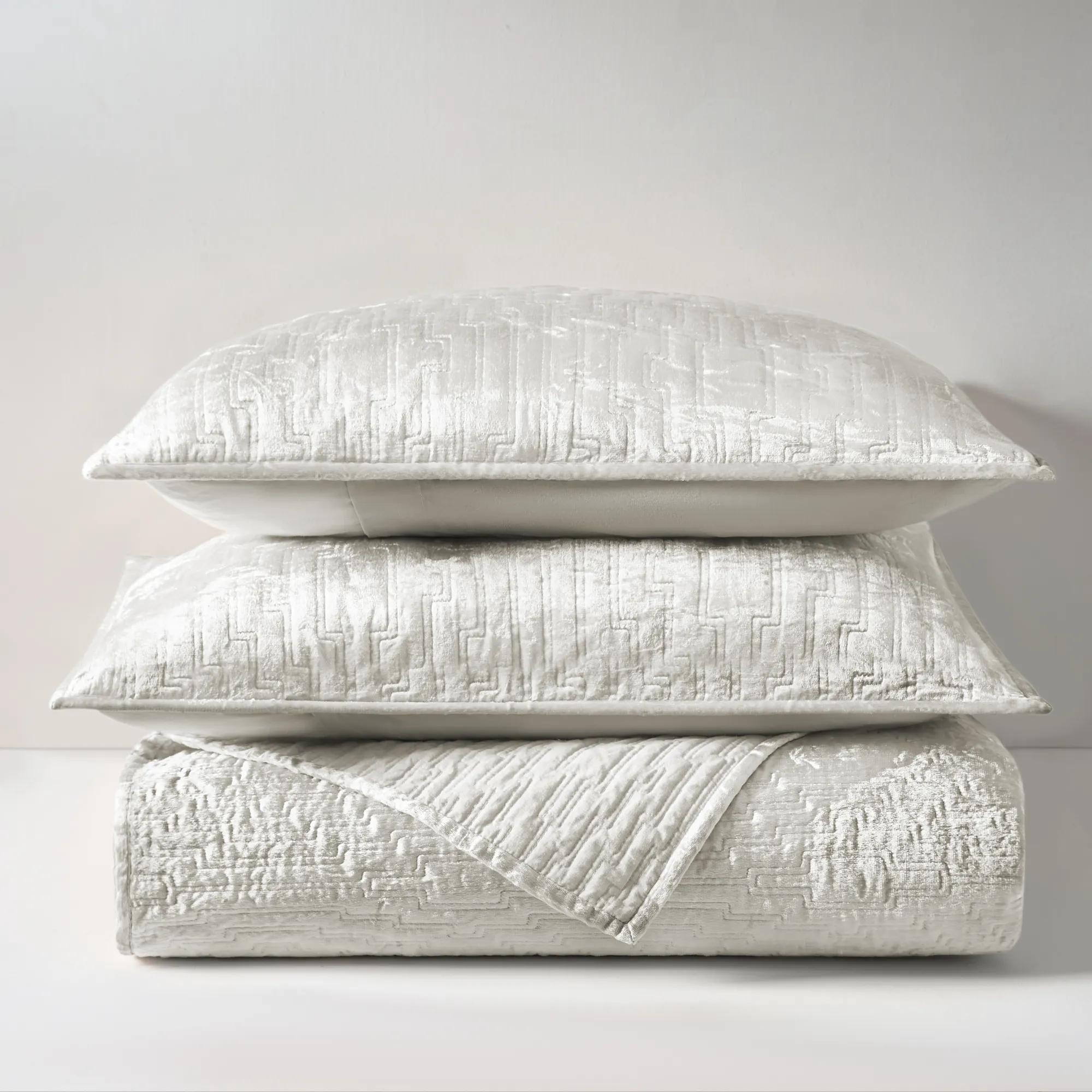 Glam Cloud White Shiny Viscose Velvet Quilt Bedding Set$109
A lustrous cloud-colored velvet bedding collection with modern quilted stitching and refined piped edges.
Add To Cart -
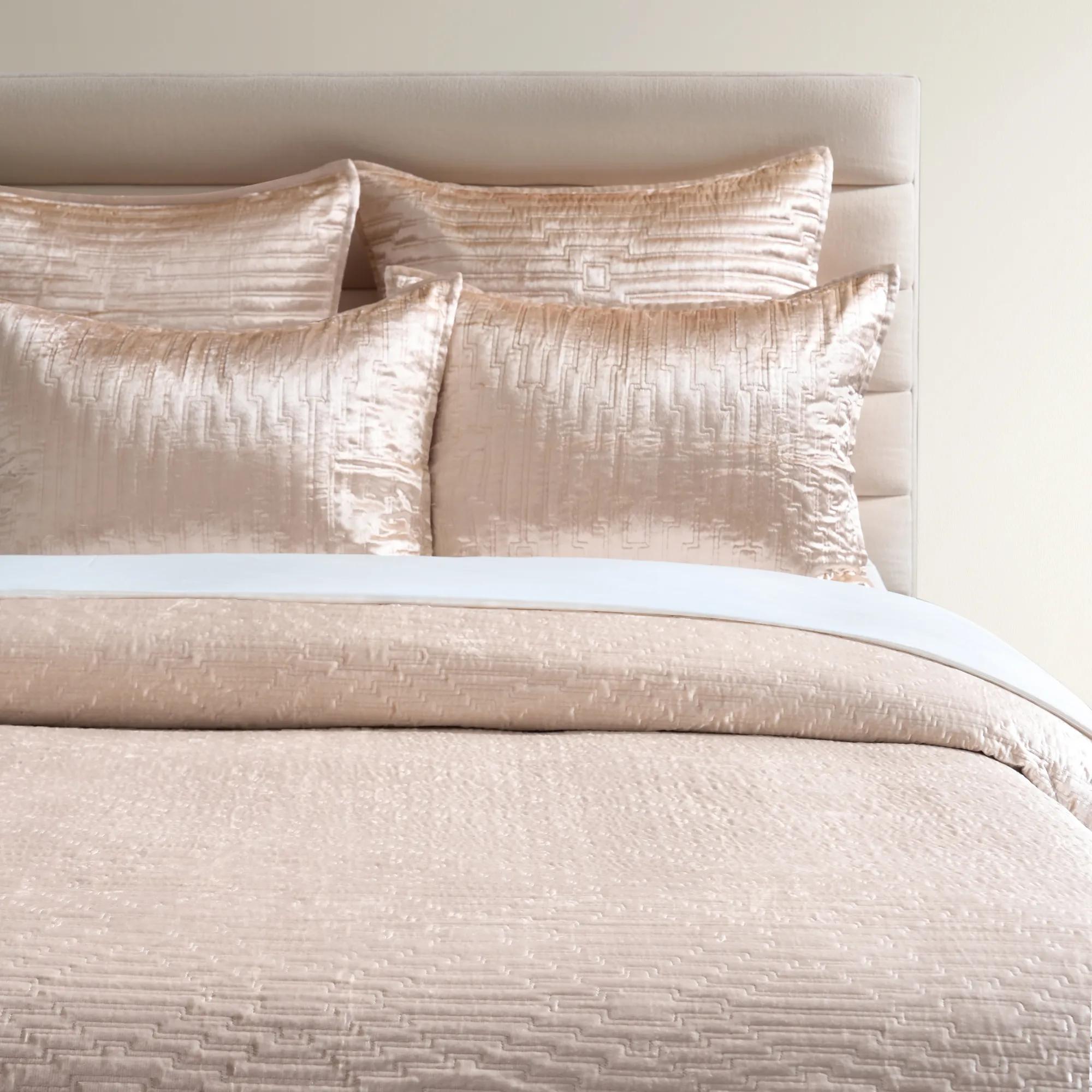
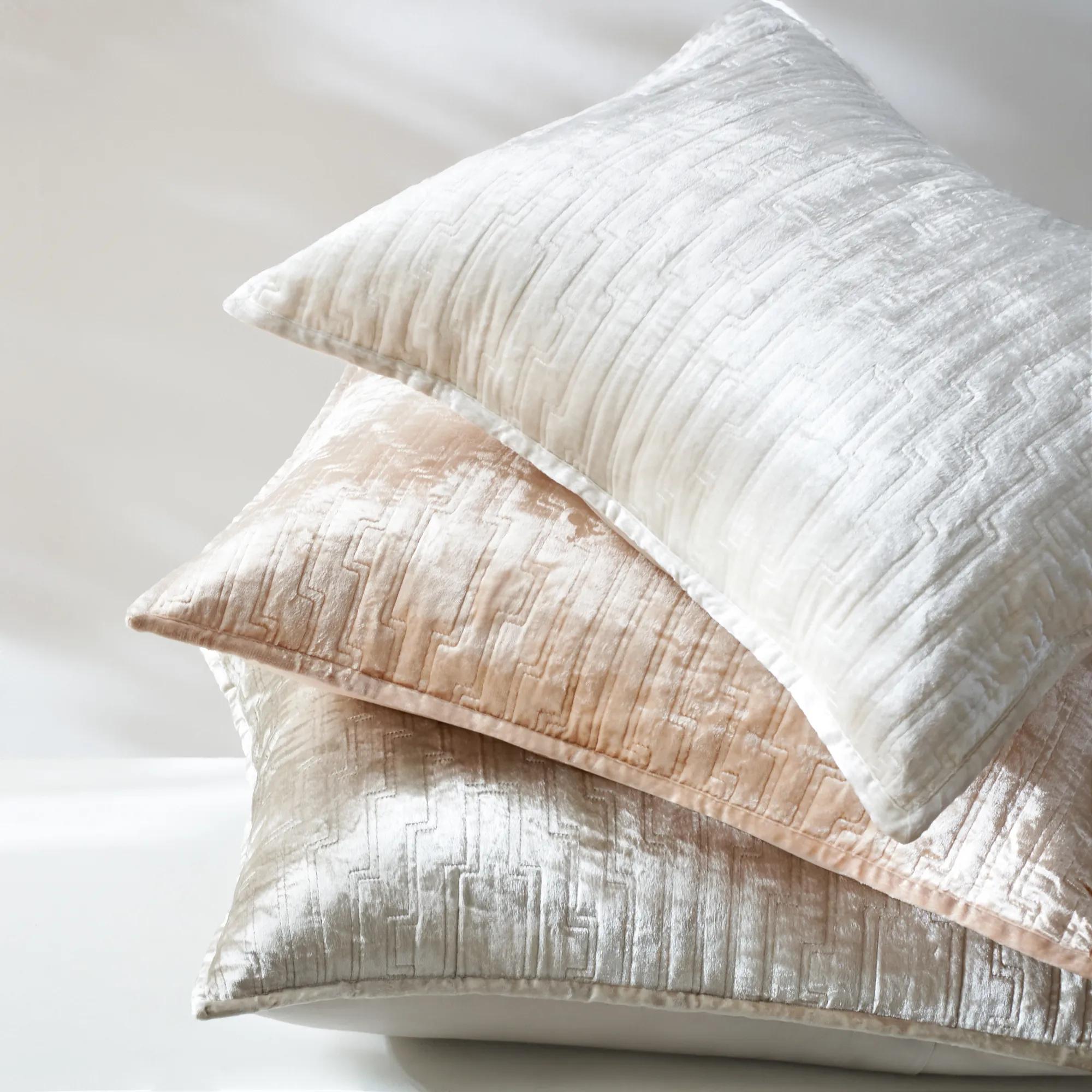 Glam Velvet Bedding - Blush$109
A blush pink quilted velvet bedding set with piped edges and a soft cotton backing for luxurious comfort.
Add To Cart -
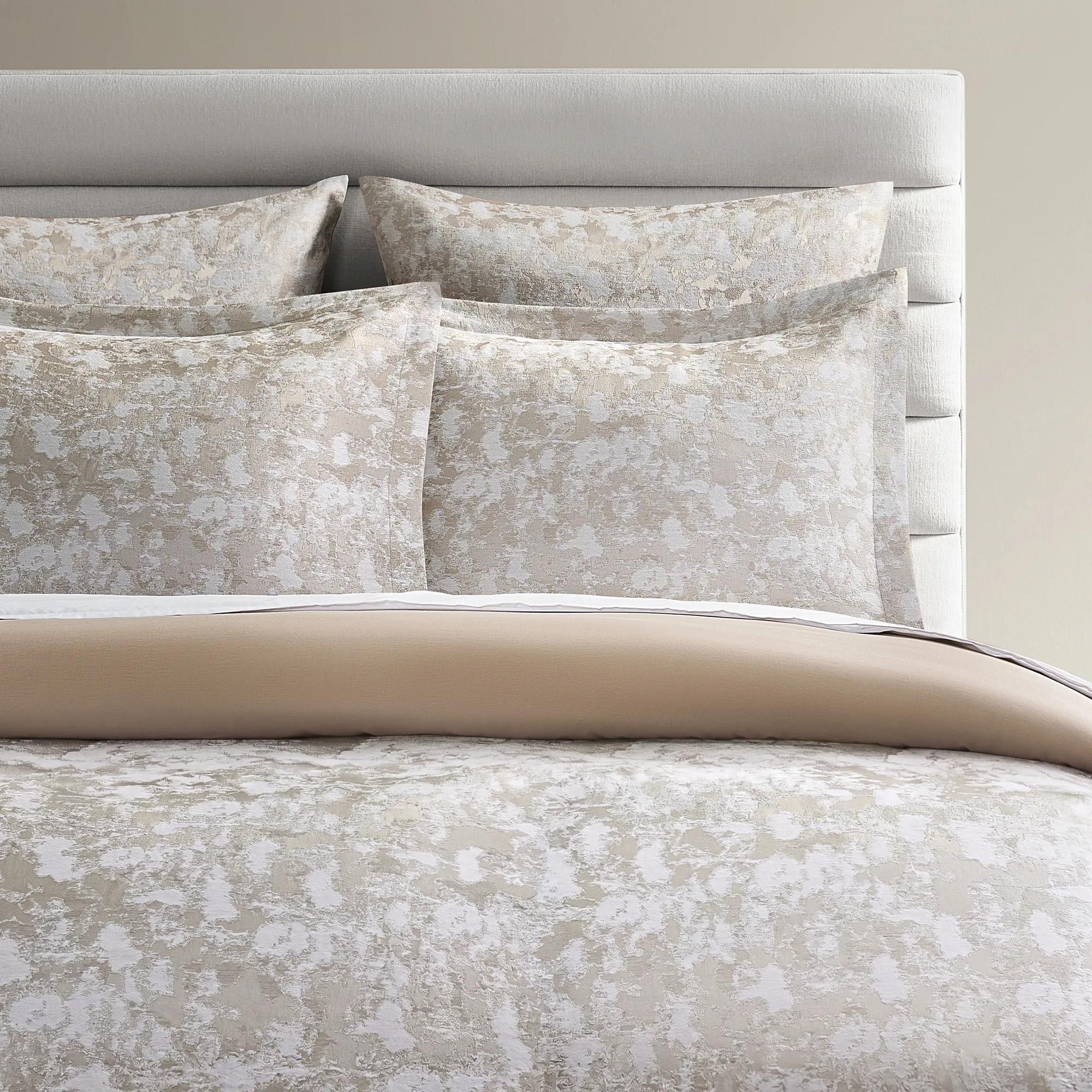 Nimbus Jacquard Metallic Champagne and Silver Bedding Set$49
A cloud-inspired bedding set in champagne and silver metallic jacquard with a soft marbled shimmer.
Add To Cart

Bedding For Newly Renovated Homes
Bedding for newly renovated homes is more than a finishing touch—it’s the exclamation point on your design masterpiece. Imagine sumptuous layers, artfully draped across your sanctuary, inviting you to indulge in comfort while elevating every detail of your refreshed retreat. Here, each piece transforms the everyday into the extraordinary, infusing your space with an unmistakable sense of luxury and intention. Let your bedroom become a canvas for self-expression, where bold textures and captivating hues reflect the spirit of renewal at the heart of your home’s transformation.
Bedding for newly renovated homes brings softness, dimension, and personal expression to rooms defined by fresh architectural details. Once the flooring, wall finishes, and lighting are in place, the bed becomes the room’s largest canvas for color and texture. A generous sweep of ivory against a charcoal accent wall creates a striking contrast; champagne tones beside pale wood introduce a luminous, quietly opulent mood. For a more expressive setting, sapphire, amethyst, or graphite bedding can give a newly remodeled bedroom a distinct identity without competing with its architecture. The most compelling combinations connect to the renovation rather than imitate every finish. A subtle sheen can echo polished hardware, a sculpted weave can complement textured plaster, and a tailored border can pick up the precision of new millwork. Sheets, duvet covers, coverlets, quilts, and pillow shams each contribute a different visual weight, allowing the bed to feel composed rather than crowded. A smooth foundation beneath a dimensional coverlet creates depth even within a single color family, while a patterned duvet paired with solid shams gives the eye a place to rest. Pattern scale matters, too: a sweeping motif has room to unfold across a king bed, while a smaller repeat can add detail to a compact guest room without overwhelming it. In a bedroom with an ornate headboard or dramatic wall treatment, quieter bedding gives those features breathing room. Where the renovation favors clean architectural lines, richly textured bedding introduces a more expressive counterpoint. The result is a room that feels finished without losing its individuality. For projects extending across several bedrooms, Bedding For Home Renovations offers another starting point for connecting spaces through a shared palette while giving each bed its own character. Continuity can come from a repeated ivory ground or an accent color carried subtly between rooms; identical arrangements are not necessary for a polished whole.
Material and construction shape the experience of bedding as much as its appearance. Cotton percale has a crisp, matte character that suits a precisely tailored bed, while cotton sateen offers a smoother hand and a gentle luster that complements more glamorous surroundings. Linen brings an expressive weave and natural creasing, lending depth to refined rooms without requiring a perfectly pressed finish. Fiber blends vary considerably, so the composition on the label is more informative than a broad description such as “silky” or “luxe.” Thread count alone does not establish quality; fiber quality, yarn construction, weave, and finishing all influence softness and durability. Against these foundations, velvet accents create plush contrast, while jacquard and matelassé introduce pattern or raised texture through the fabric’s construction. Decorative surfaces are especially effective where they can be appreciated without becoming the main contact layer for sleep. For everyday use, the feel of sheets and pillowcases against the skin deserves as much consideration as the dressed bed’s visual impact. A duvet cover surrounds a separate insert, making it possible to change the outer layer independently, while a comforter combines its outer fabric and fill in one finished piece. Quilts and coverlets generally create a flatter profile, although their weight and construction vary. These differences affect the silhouette: lofted bedding gives an upholstered bed a sumptuous presence, while a more closely fitted layer preserves the outline of a sculptural frame. Accurate fit keeps that effect intentional. Standard queen mattresses measure 60 by 80 inches, standard king mattresses 76 by 80 inches, and California king mattresses 72 by 84 inches, but mattress depth and bedding dimensions still require separate attention. A pillow-top mattress or added topper changes the pocket depth needed for a fitted sheet. Duvet inserts and covers should be checked against one another’s actual measurements, not simply their size names. On a low platform bed, a generous drop can look enveloping; beside statement rails or detailed upholstery, a shorter drop allows the furniture’s design to remain visible.
The most satisfying bedding for a renovated bedroom supports the way that room will actually be lived in. A primary suite used every night benefits from comfortable contact layers, dependable construction, and care requirements that fit the household. A guest bedroom calls for the same visual generosity, with an arrangement that is easy to straighten and welcoming to different sleepers. In a multipurpose room, a neatly layered quilt or coverlet can give the bed a composed presence alongside a desk or reading area. Decorative pillows add dimension, but their number should leave room for the bed to function comfortably; a few well-proportioned shapes often have more impact than a crowded display. For households with children or pets, tightly constructed fabrics, secure stitching, and manageable laundering requirements deserve particular attention, while delicate embellishments may be better reserved for accents that receive less handling. Care instructions should guide the entire arrangement, especially when fabrics with different washing or drying requirements share the bed. Removable covers can simplify routine upkeep, but not every cover, quilt, or embellished sham is machine washable. Following the stated wash settings, avoiding excessive detergent, and drying as directed help protect the fabric’s finish and construction. Any shrinkage allowances or special care requirements are worth understanding before selecting a close-fitting layer. A second set of sheets also makes laundry changes less disruptive, keeping the room composed while one set is being cleaned. For a newly completed renovation, bedding is best brought into the room after construction dust has been thoroughly removed, protecting that fresh, tactile finish from the outset. These layers can also make a thoughtful housewarming or renovation-completion gift when the recipient’s mattress size, preferred palette, and care preferences are known. Decorative accents offer more flexibility when exact sheet dimensions are uncertain. Whether furnishing a private retreat or preparing a guest suite, well-considered bedding turns the renovation’s hard surfaces and architectural gestures into a bedroom with depth, comfort, and a distinctly personal sense of luxury.
FAQs
For a truly elevated look and feel, opt for premium materials such as Egyptian cotton, linen, or sateen. These fabrics offer a sumptuous hand, exceptional breathability, and a sophisticated sheen that complements the crisp atmosphere of a freshly renovated space. Layering different textures—like a velvet throw or silk-accented pillows—adds depth and visual intrigue to your bedding arrangement.
Bedding can act as both a focal point and a supporting player in your overall design. Choose colors and patterns that echo or contrast with your room’s new finishes, such as wall color or flooring. Neutral bedding allows architectural details to shine, while bold prints or metallic accents draw the eye and create a sense of drama. Thoughtful layering and artful pillow arrangements can further emphasize your room’s unique character.
Absolutely. As the seasons shift, so should your bedding. In cooler months, opt for plush duvets, quilted coverlets, and heavier throws to create a cozy, inviting atmosphere. Lighter layers and breathable fabrics are ideal for warmer weather, ensuring comfort year-round while maintaining the luxurious aesthetic of your newly renovated space.
Bedding is both practical and deeply personal, making it a thoughtful gift for new homeowners or anyone celebrating a renovation. Luxurious bedding sets the stage for restful nights and stylish mornings, helping loved ones settle into their refreshed surroundings with comfort and elegance. Consider choosing versatile colors and tactile fabrics that suit a range of tastes and décor styles.
To achieve a harmonious design, coordinate your bedding with window treatments, rugs, and accent pieces. Echo colors and textures found elsewhere in the room, or use bedding as a canvas for introducing complementary shades and patterns. Mixing materials—like pairing crisp cotton sheets with a velvet throw—adds depth while ensuring every detail feels intentional and artfully curated.