Artistic Wall Sconces
Artistic Wall Sconces
-
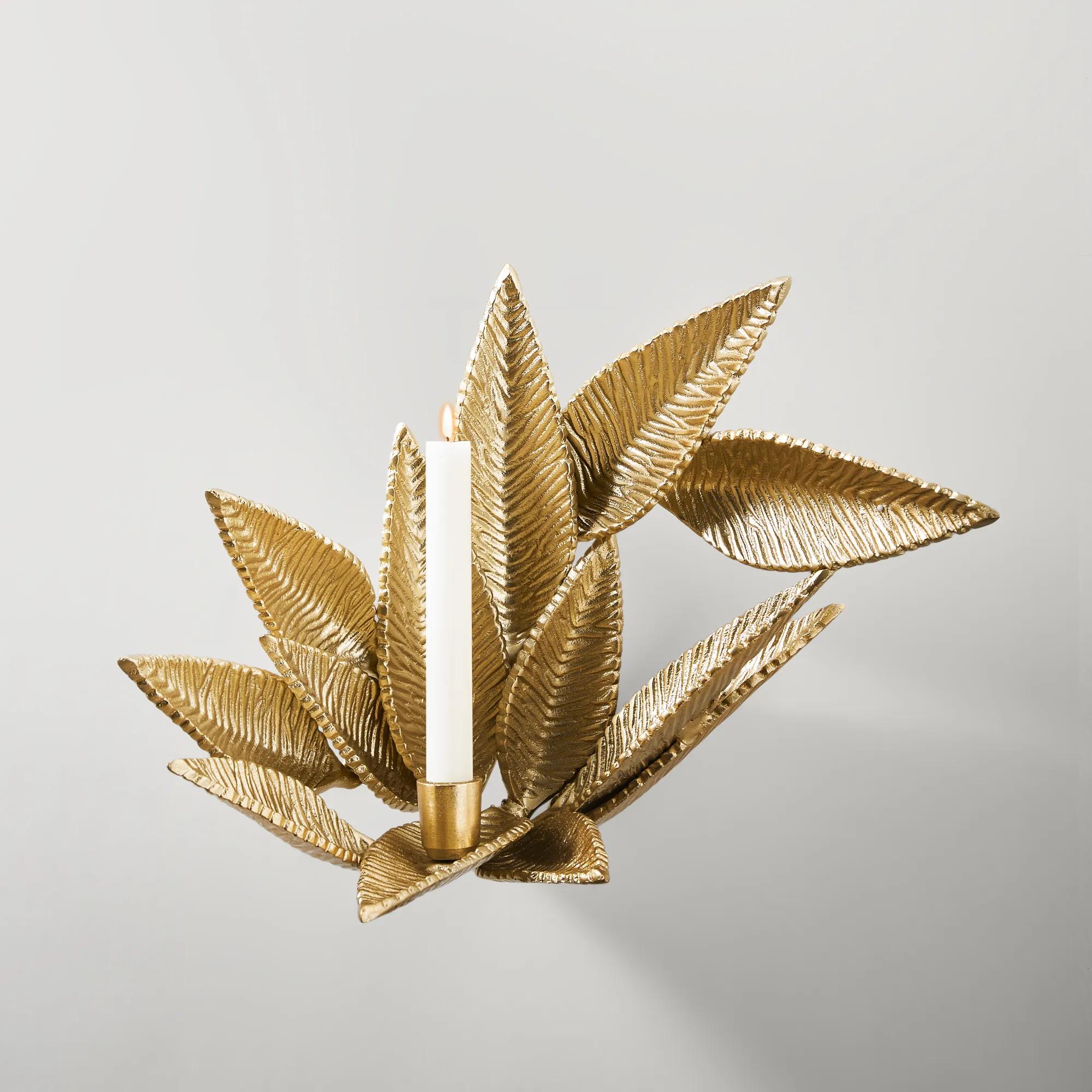
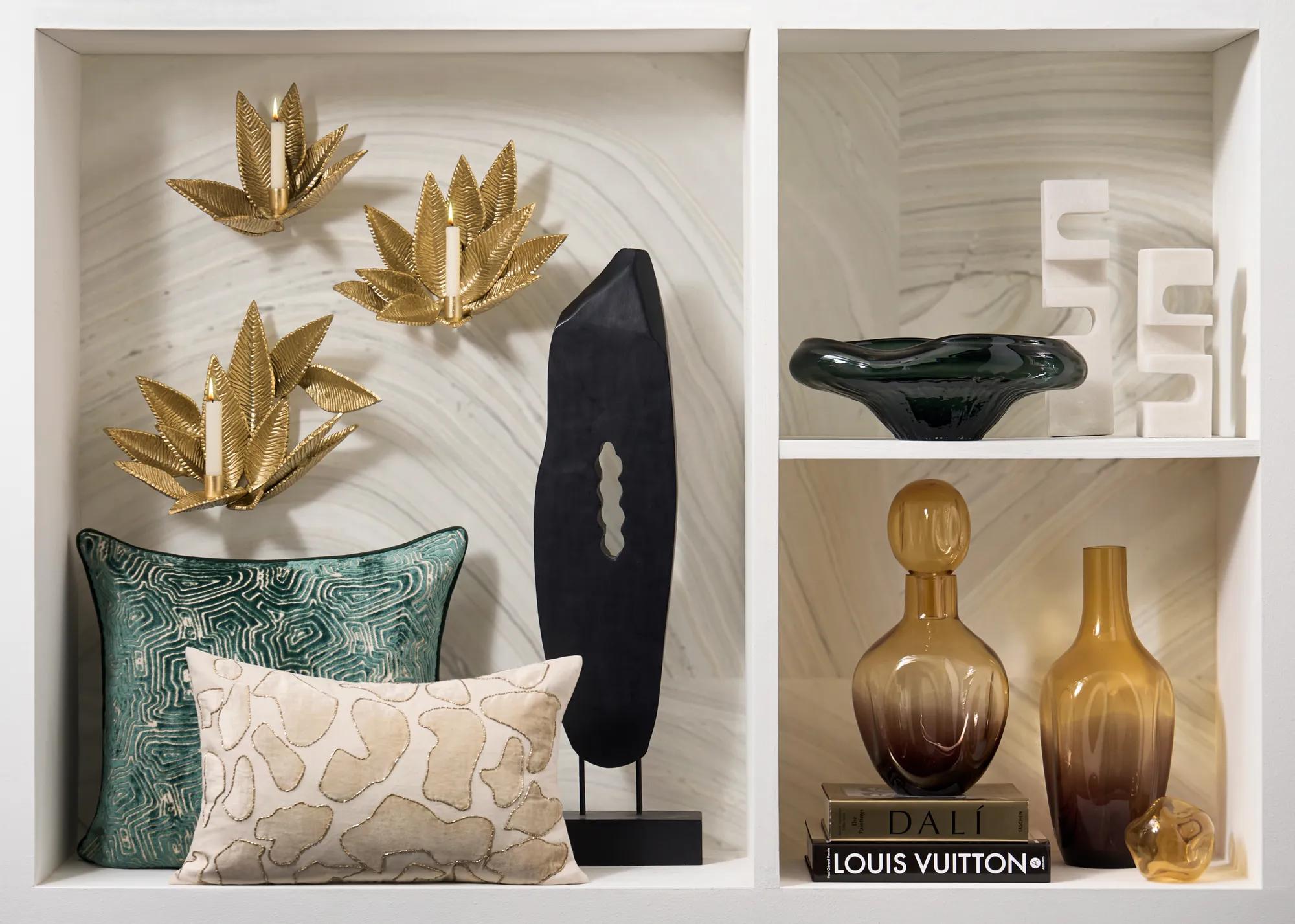 Bloom Wall Sconce$119
A gold-finished aluminum candle sconce with an organic texture and artful, jewelry-inspired silhouette.
Add To Cart -
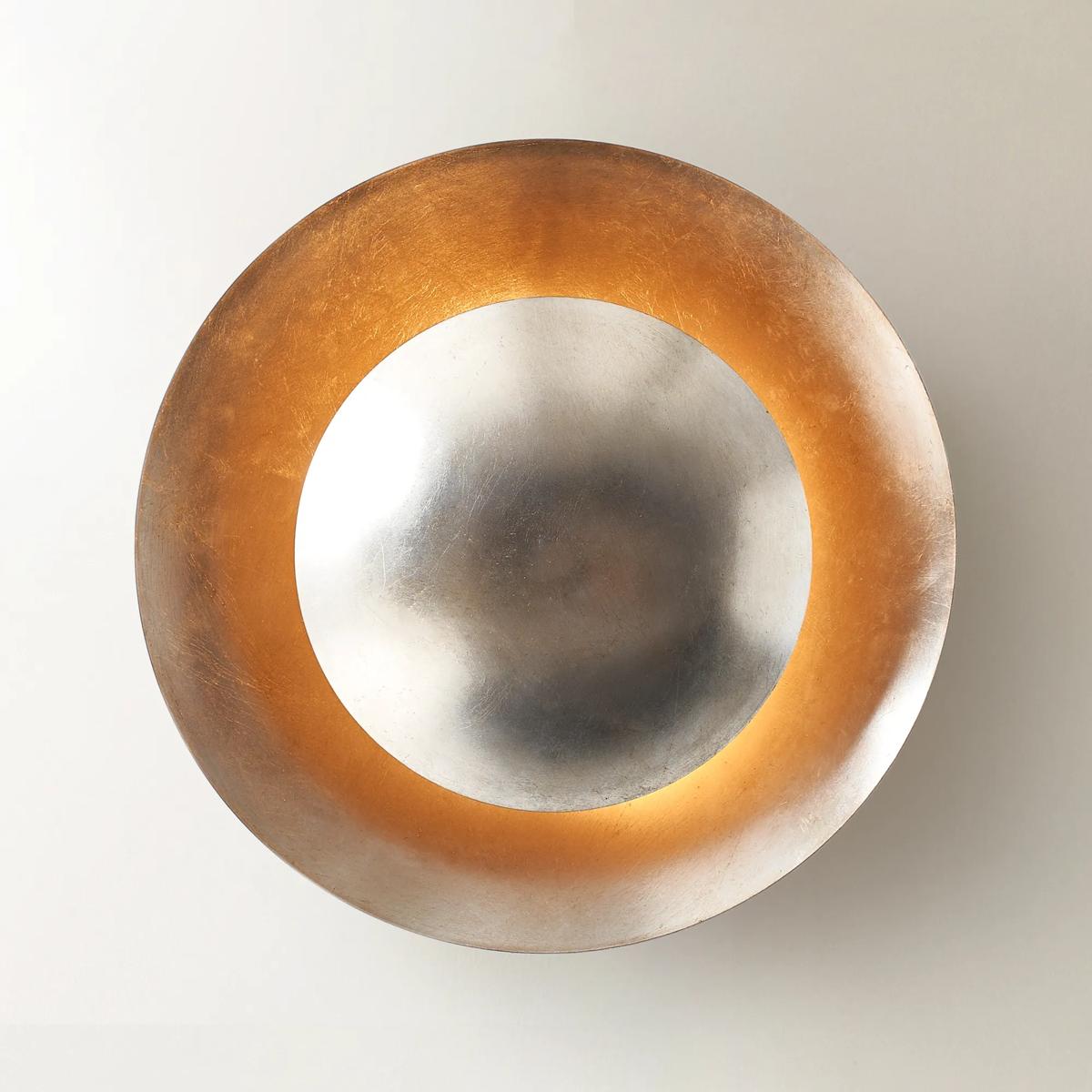
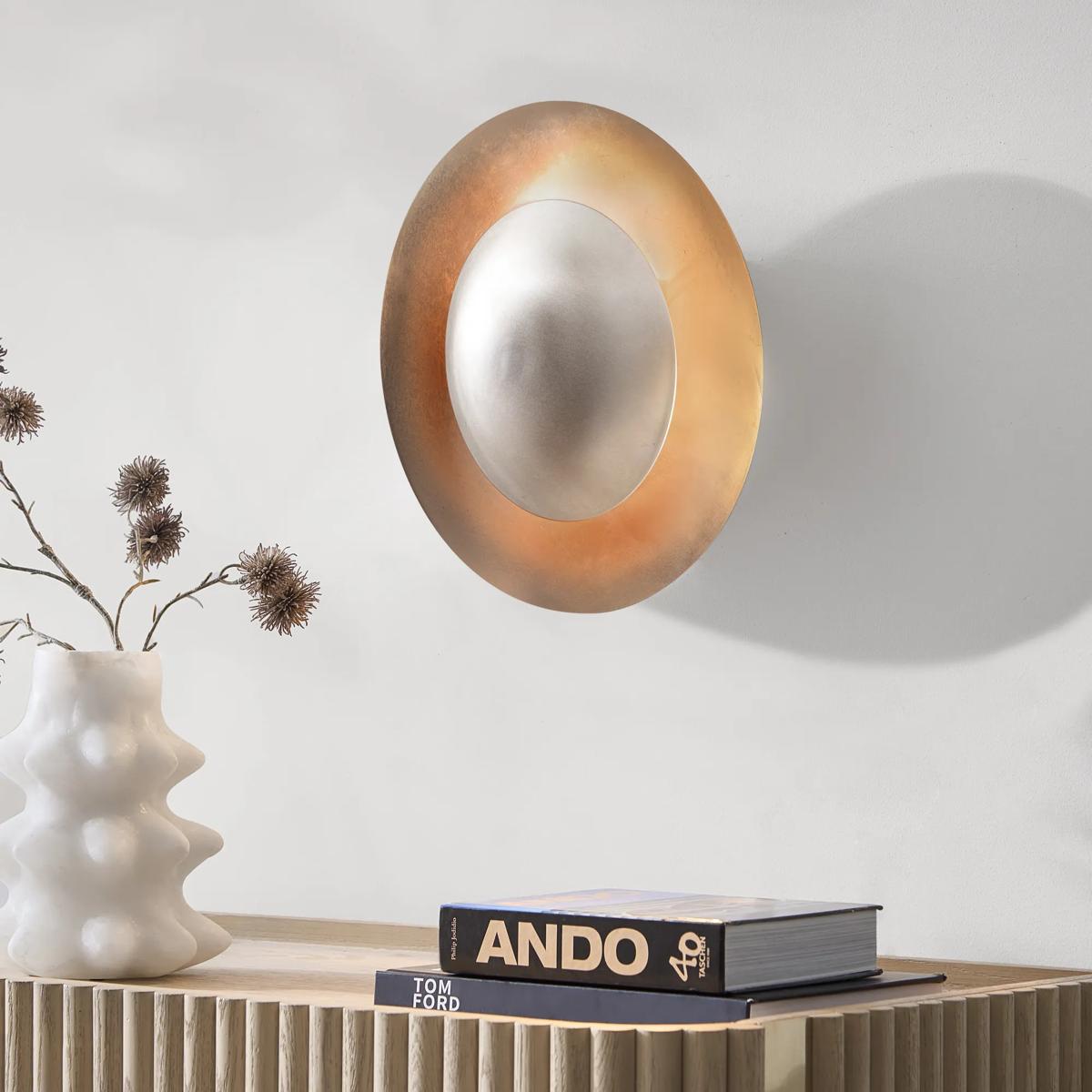 Ovid Wall Sconce 14" - Silver$199
A sculptural iron wall sconce in warm silver with a champagne gold backplate for modern ambiance.
Add To Cart -
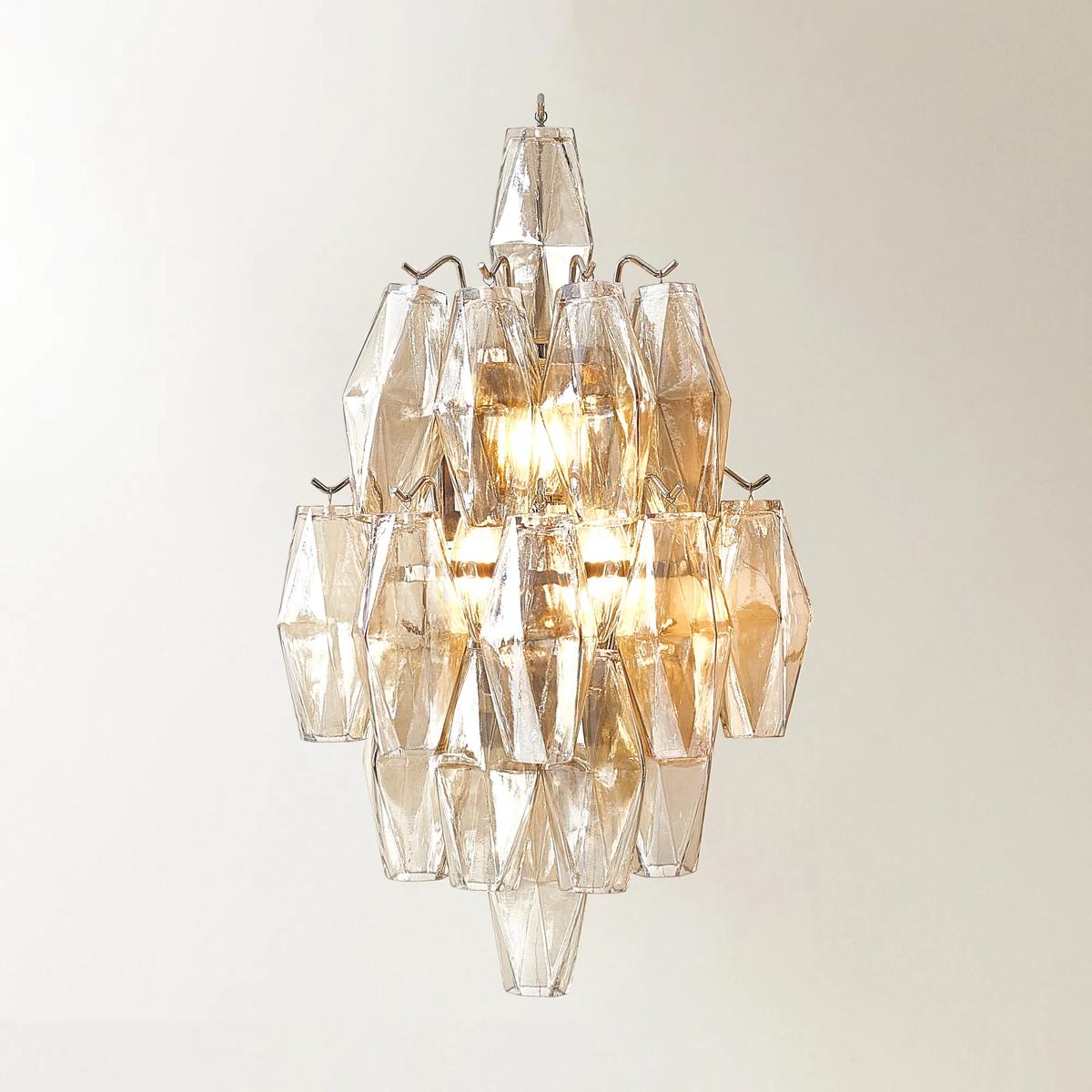
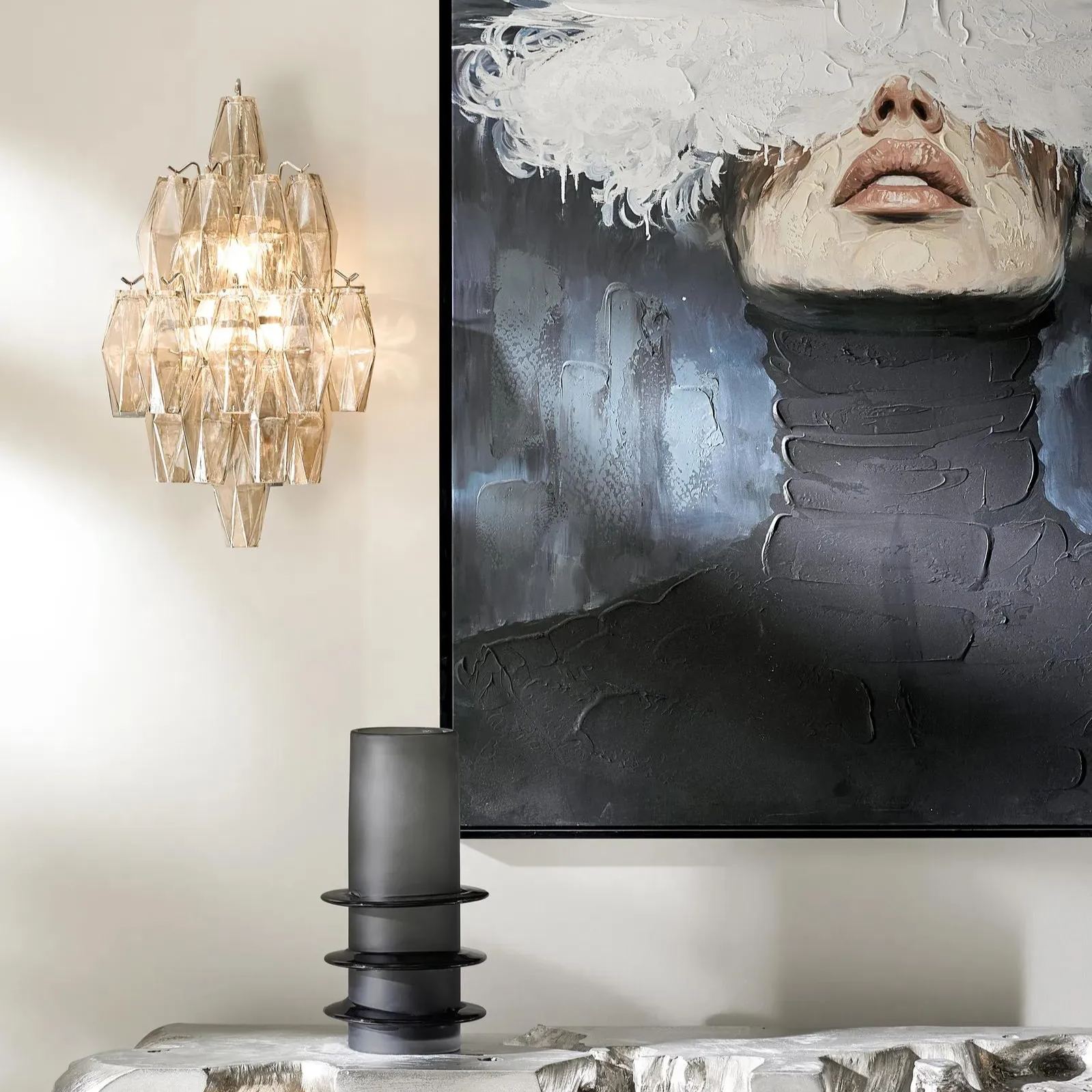 Cosima Champagne Hand-Blown Glass Electric Wall Sconce 19.75"$299
A cascading wall sconce featuring hand-blown champagne glass and a polished nickel backplate for elegant ambiance.
Add To Cart -
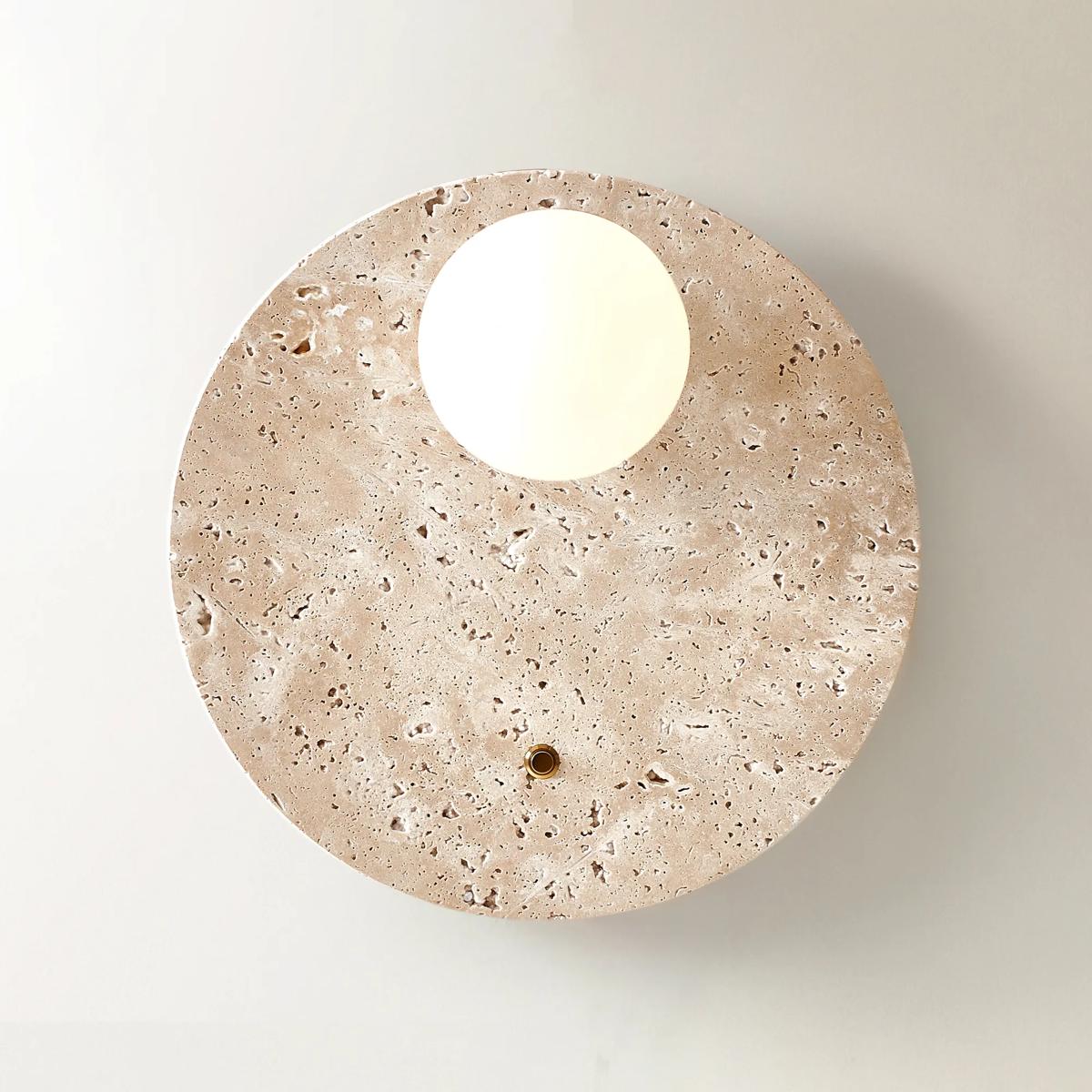
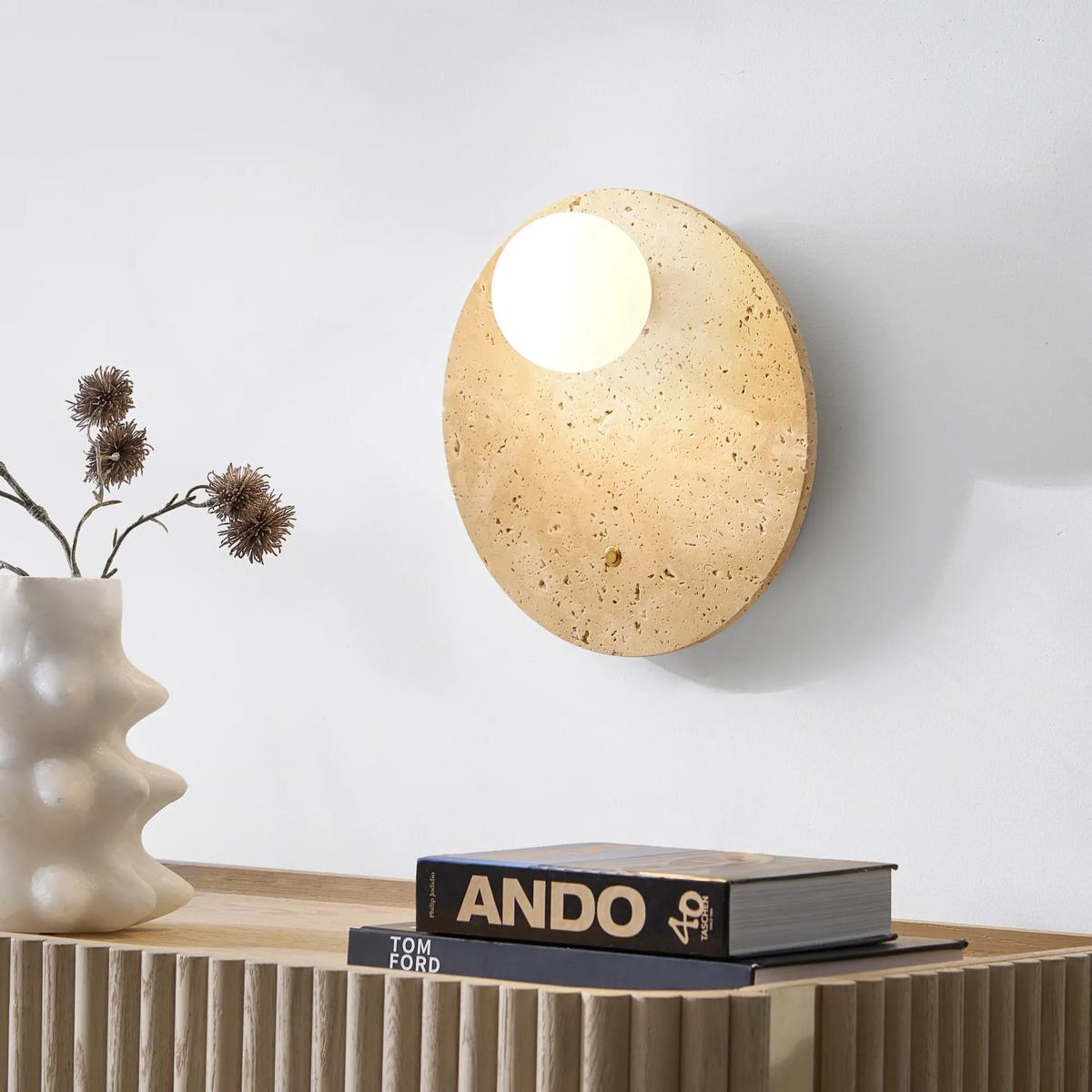 Eden Travertine Sconce 11.75"$149
A sculptural wall sconce crafted from genuine travertine and frosted glass for a softly diffused glow.
Add To Cart -
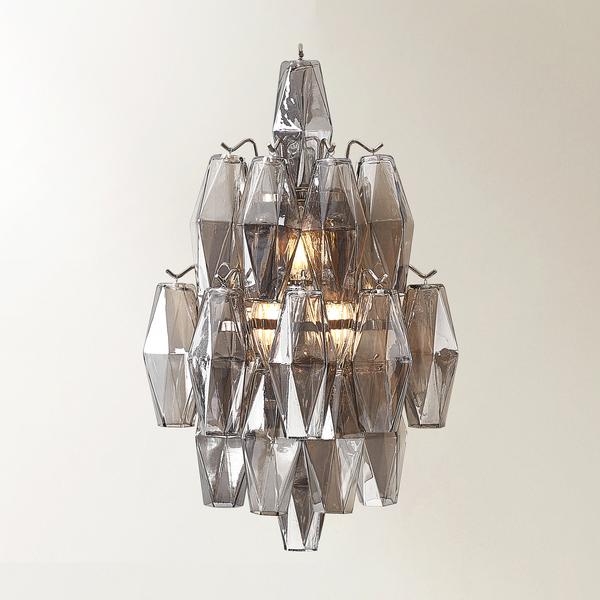
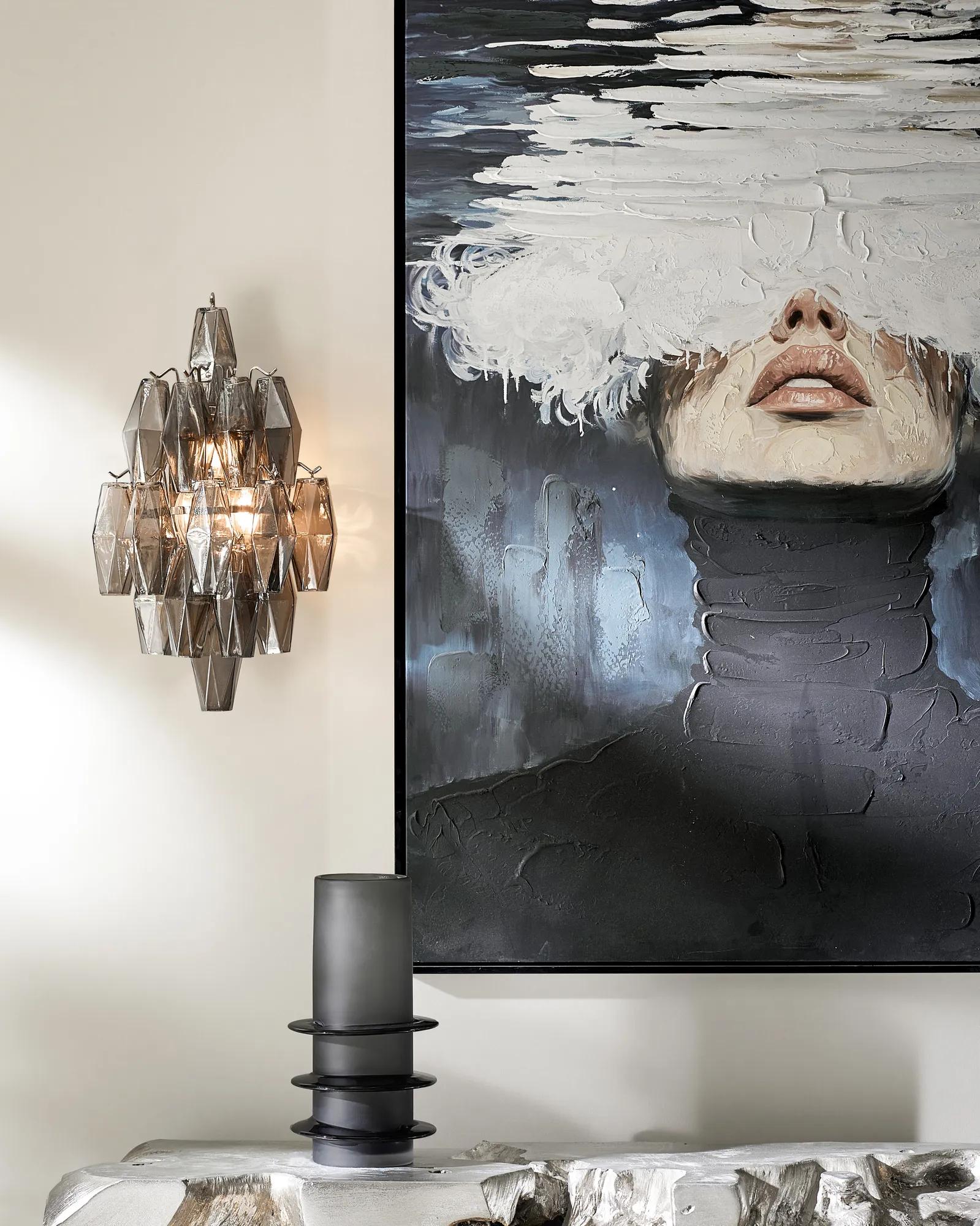 Cosima Glass Sconce 19.75" - Smoke$299
A sculptural sconce featuring hand-blown smoked gray glass and a polished nickel backplate for moody elegance.
Add To Cart -

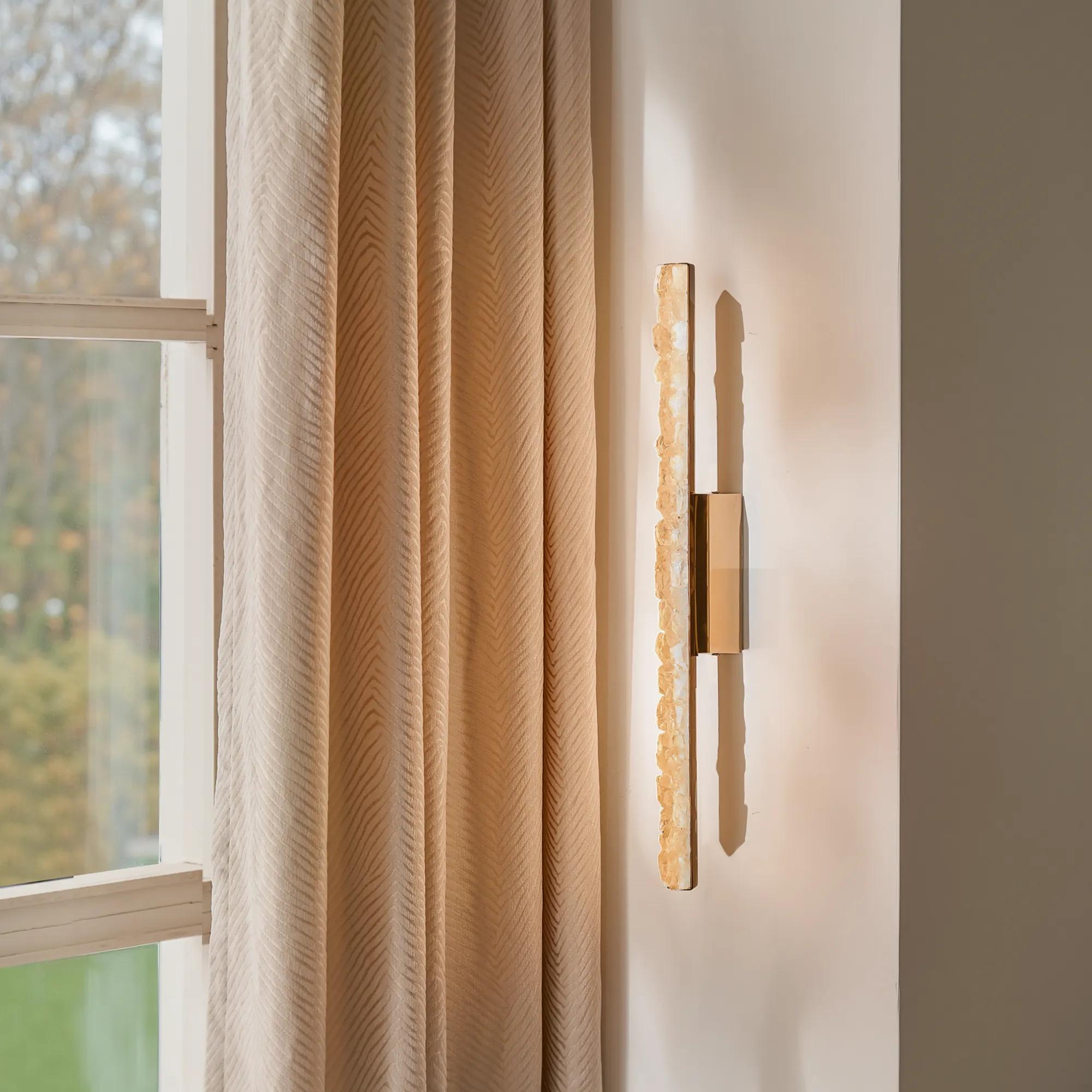 Demi LED Natural Quartz Crystal Wall Sconce 19.75"$229
An LED wall sconce featuring natural quartz crystals for an elegant, softly illuminated modern accent.
Add To Cart -

 Carved Silver Handcrafted Aluminum Candle Wall Sconce 19.75"$99
A handcrafted silver aluminum wall sconce featuring carved detailing for elegant candlelit ambiance.
Add To Cart -
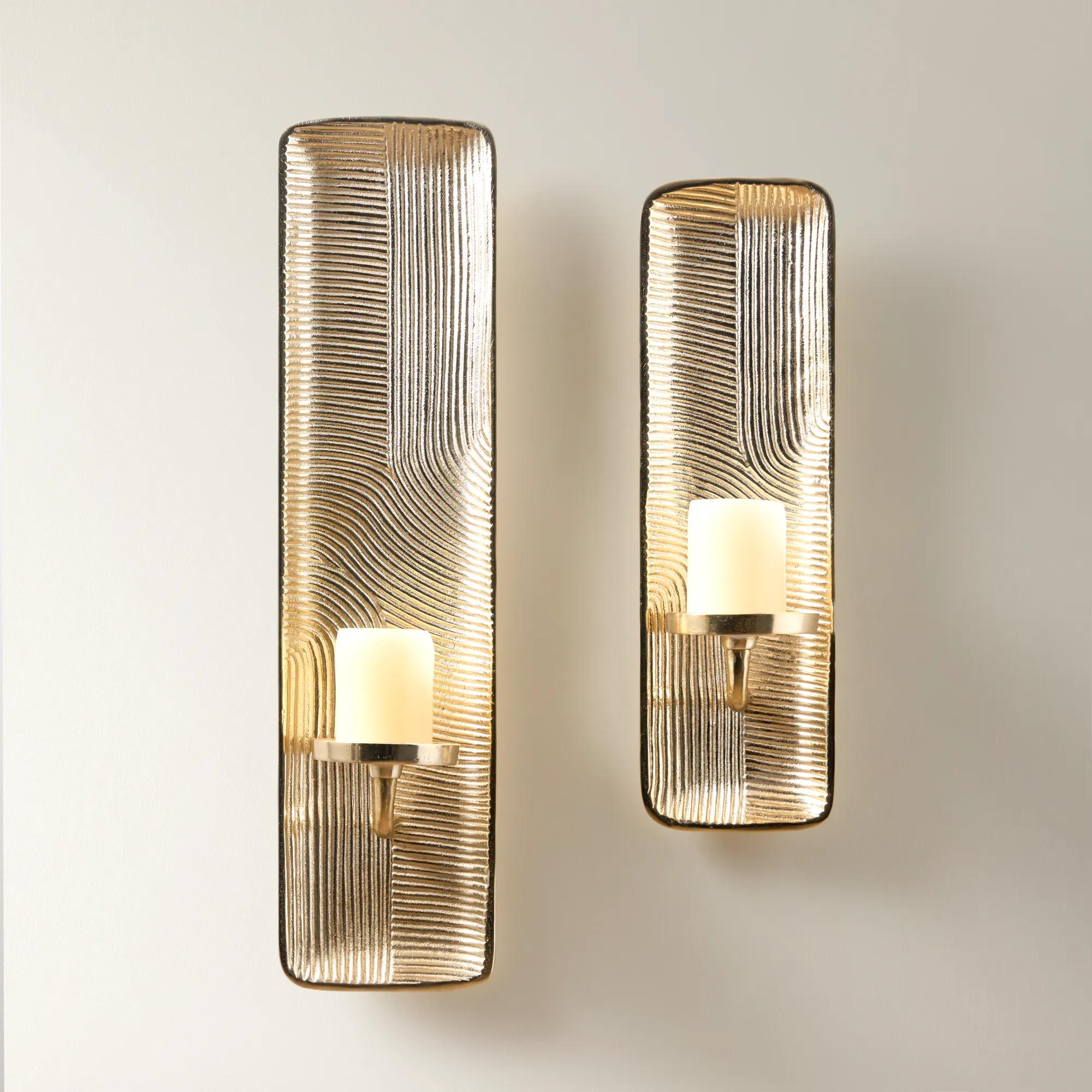
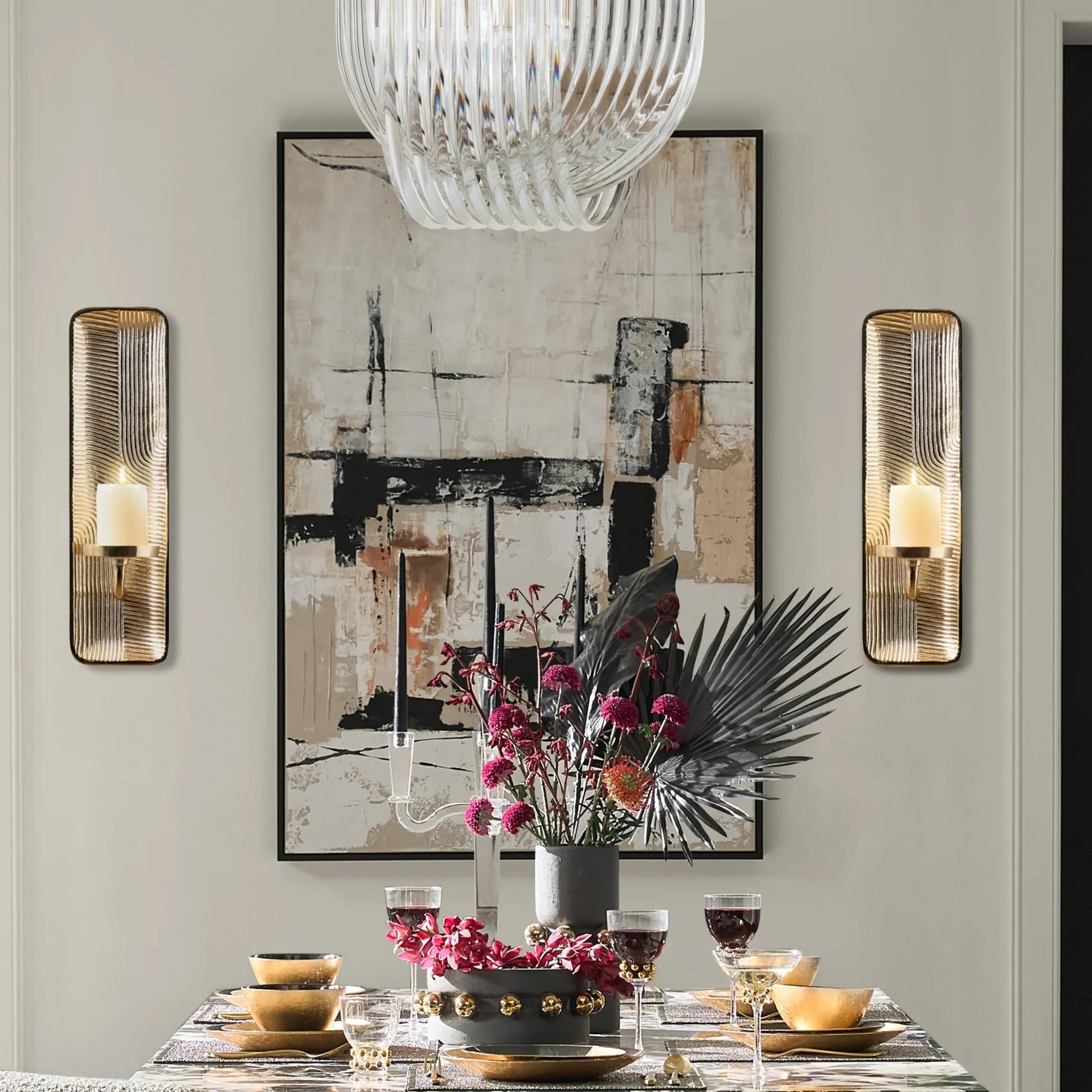 Ando Gold Aluminum Wall Sconces$69
A hand-textured gold aluminum sconce that adds understated elegance and a warm candlelit glow.
Add To Cart -
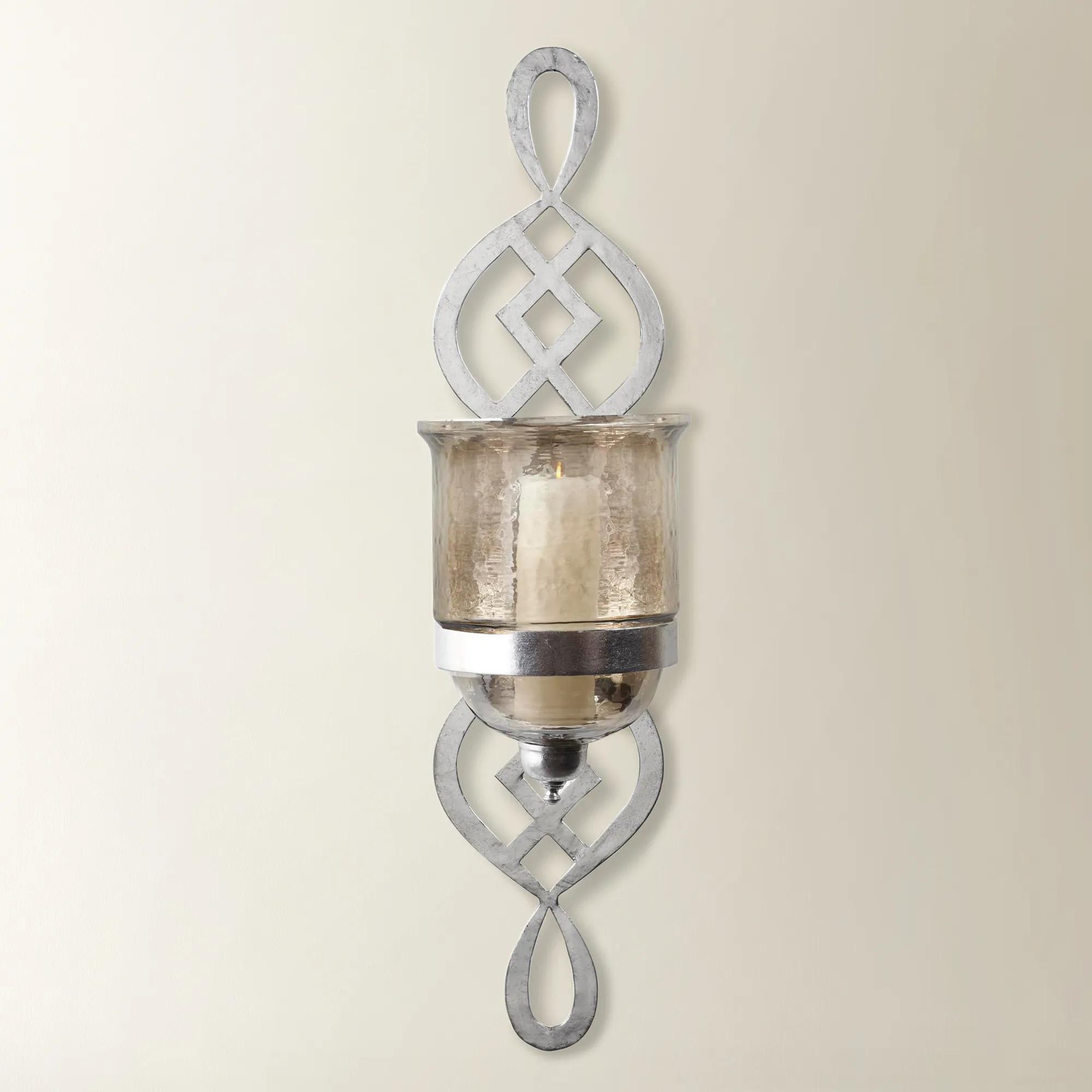 Beverton Wall Sconce$219
A striking wall sconce featuring a hand-finished stainless steel iron frame and hammered amber glass shade.
Add To Cart -
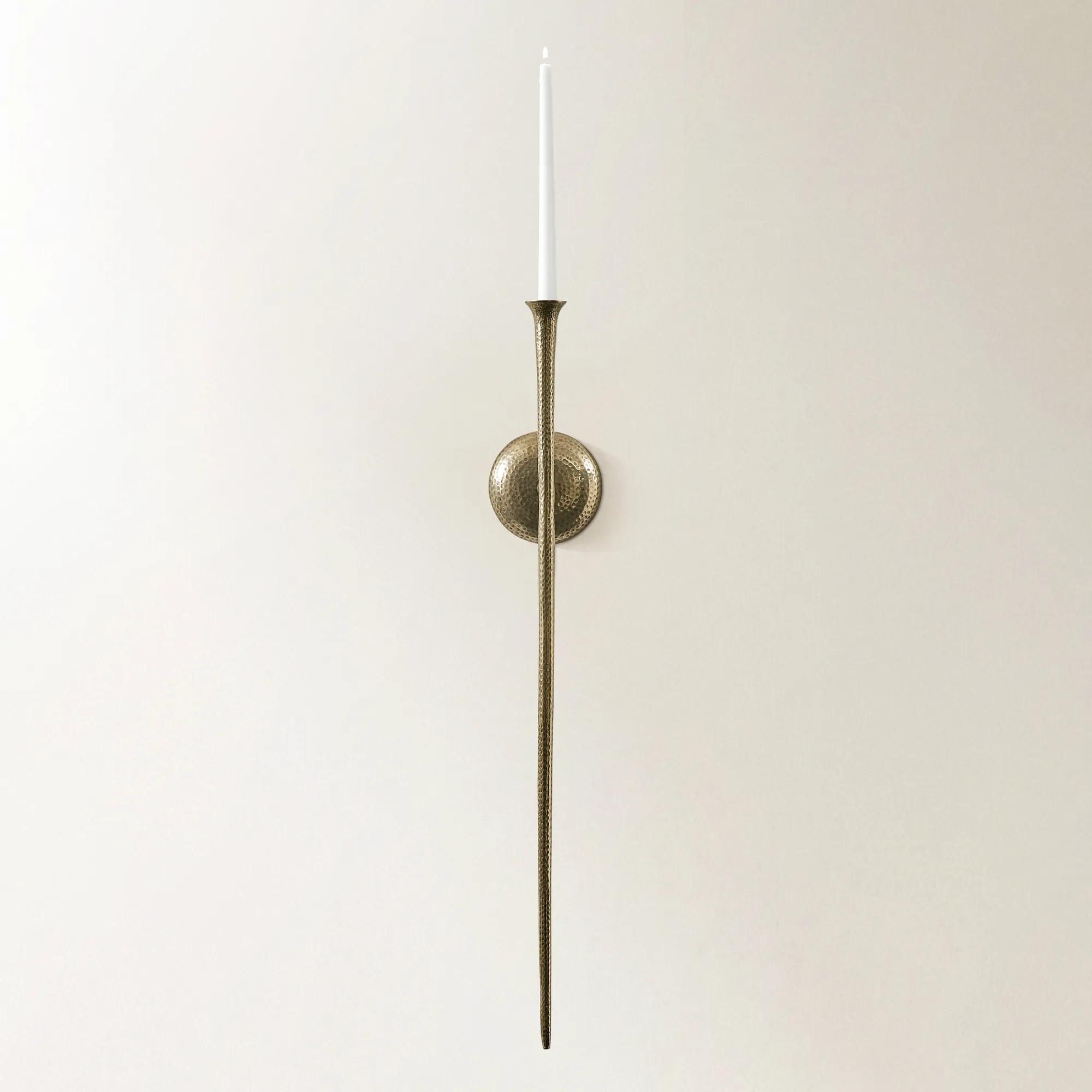 Aspar Hammered Antiqued Gold Aluminum Candle Wall Sconce Large 33"$79
A sculptural aluminum wall sconce featuring a hammered antiqued gold finish for rich texture and warmth.
Add To Cart -
 Vince Gold Aluminum Candle Wall Sconce 18.5"$79
A sculptural gold aluminum sconce that cradles a single taper candle for modern, luminous ambiance.
Add To Cart -
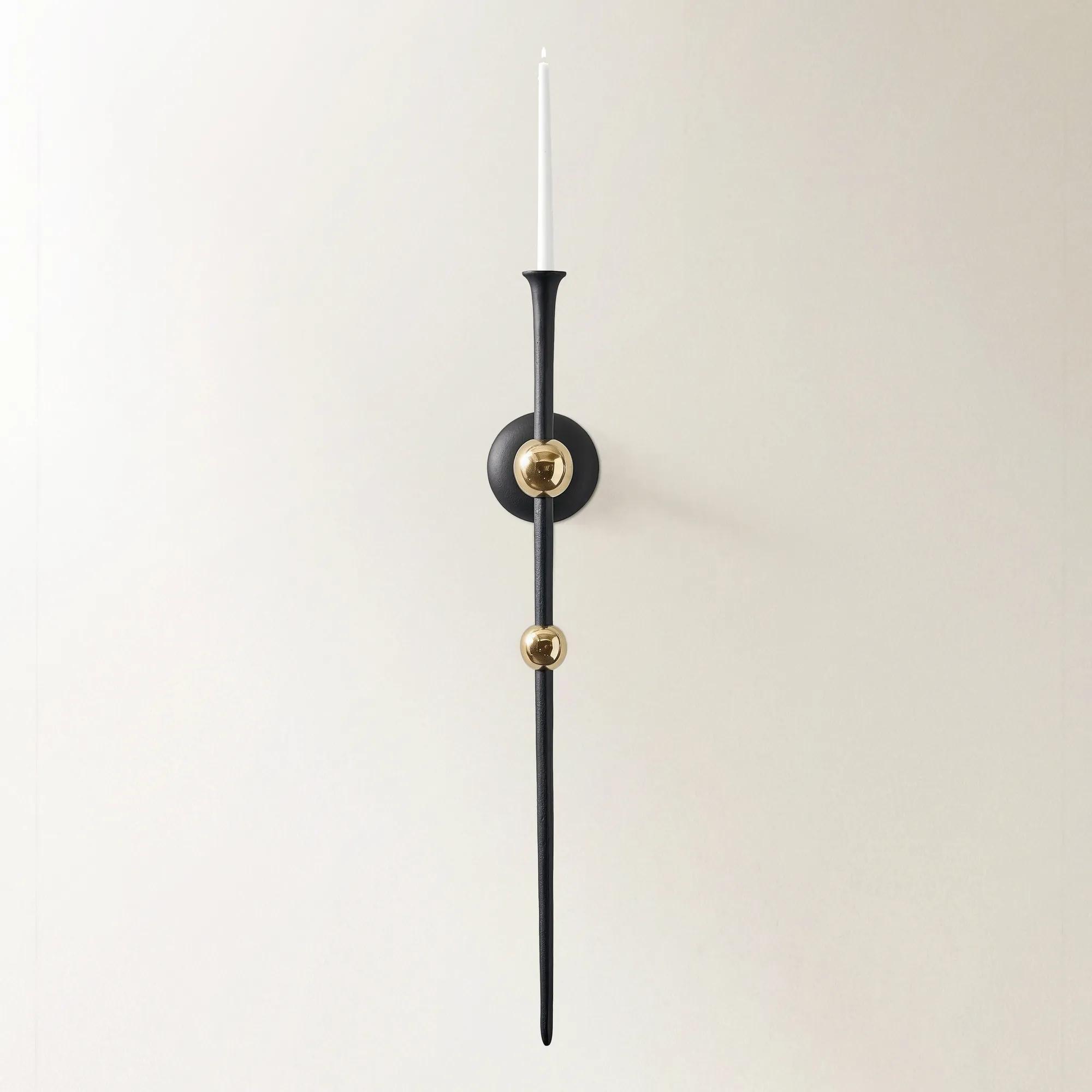 Aspar Soft Gold Bauble and Black Aluminum Candle Wall Sconce Large 33"$79
A sculptural aluminum wall sconce featuring a striking black finish with a soft gold bauble accent.
Add To Cart -
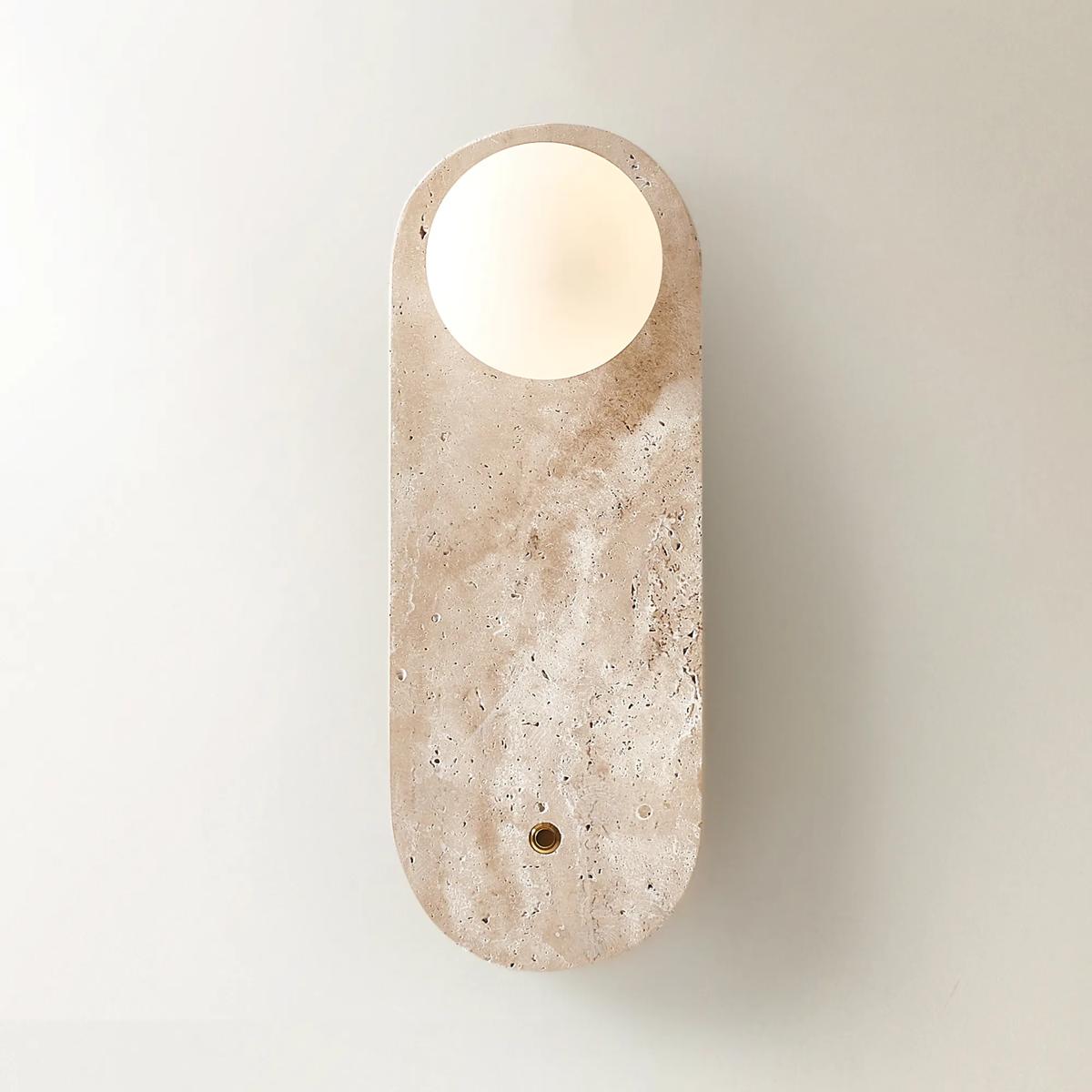 Eden Natural Travertine Electric Wall Sconce 15"$149
A handcrafted travertine sconce featuring a frosted glass globe and unique natural stone variations.
Add To Cart -
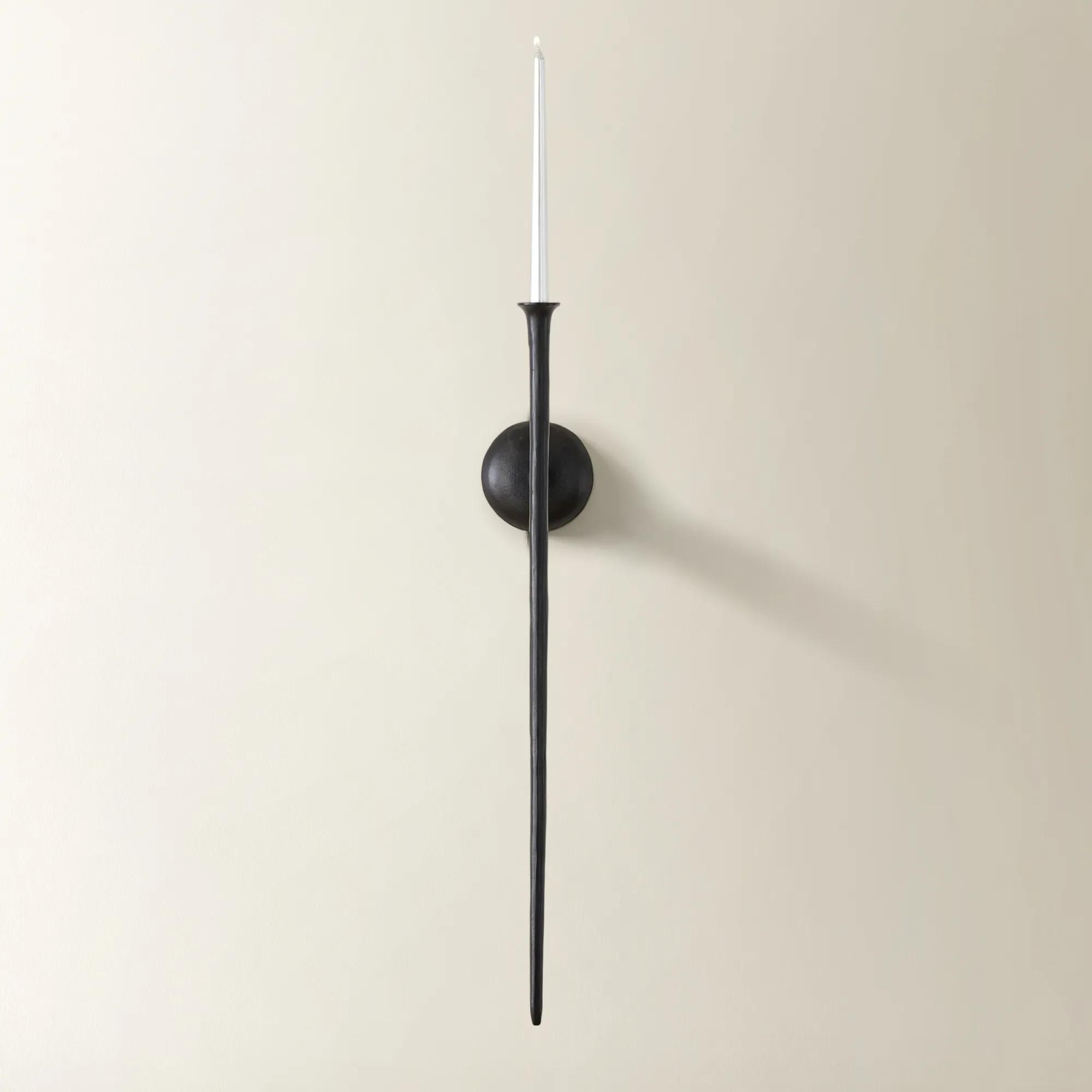 Aspar Black Aluminum Candle Wall Sconce Large 33"$59
A slender metal wall sconce available in silver, gold, or black, perfect for elegant candlelit ambiance.
Add To Cart -
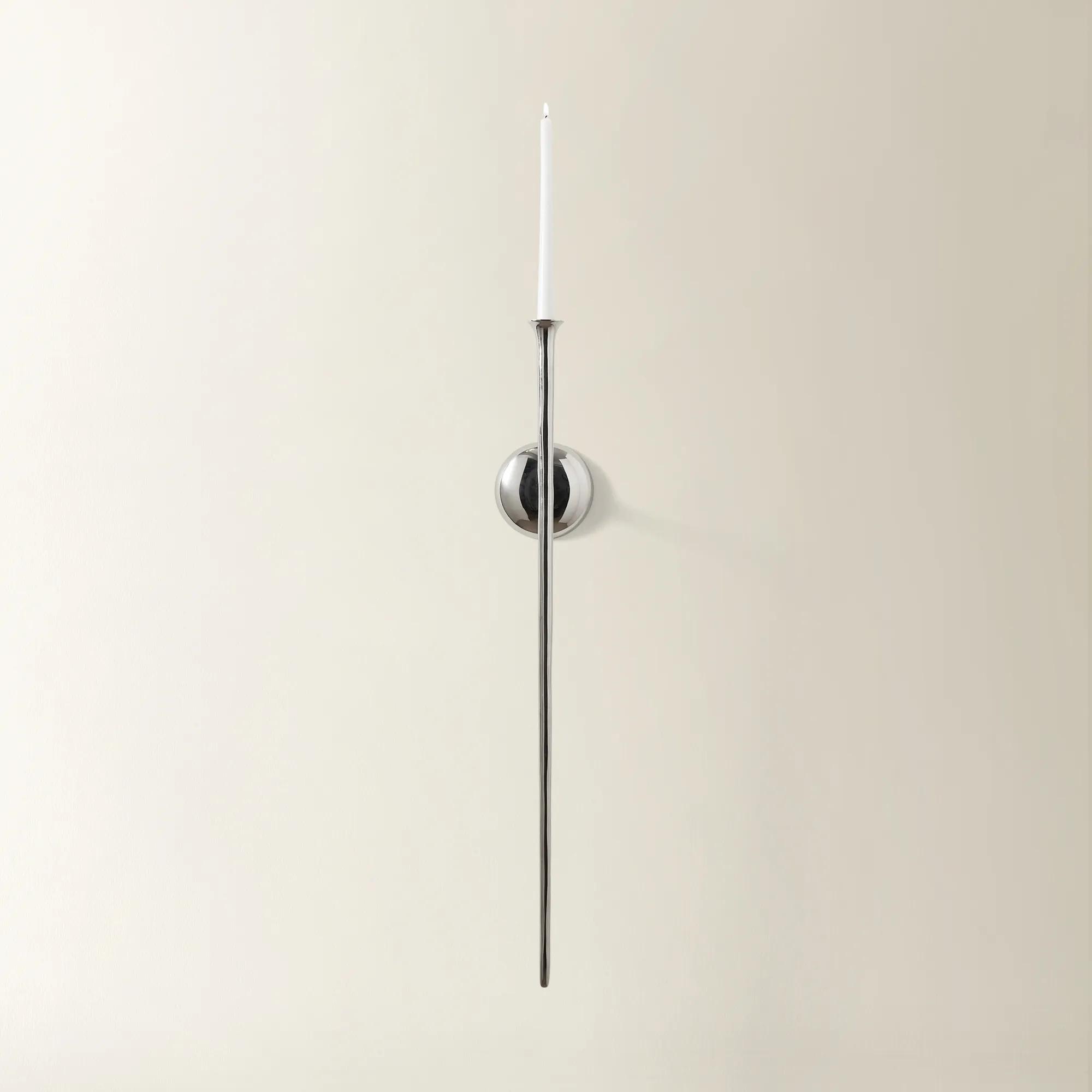 Aspar Wall Sconce$59
A slender, shiny silver aluminum sconce designed to hold a standard taper candle for elegant wall decor.
Add To Cart -
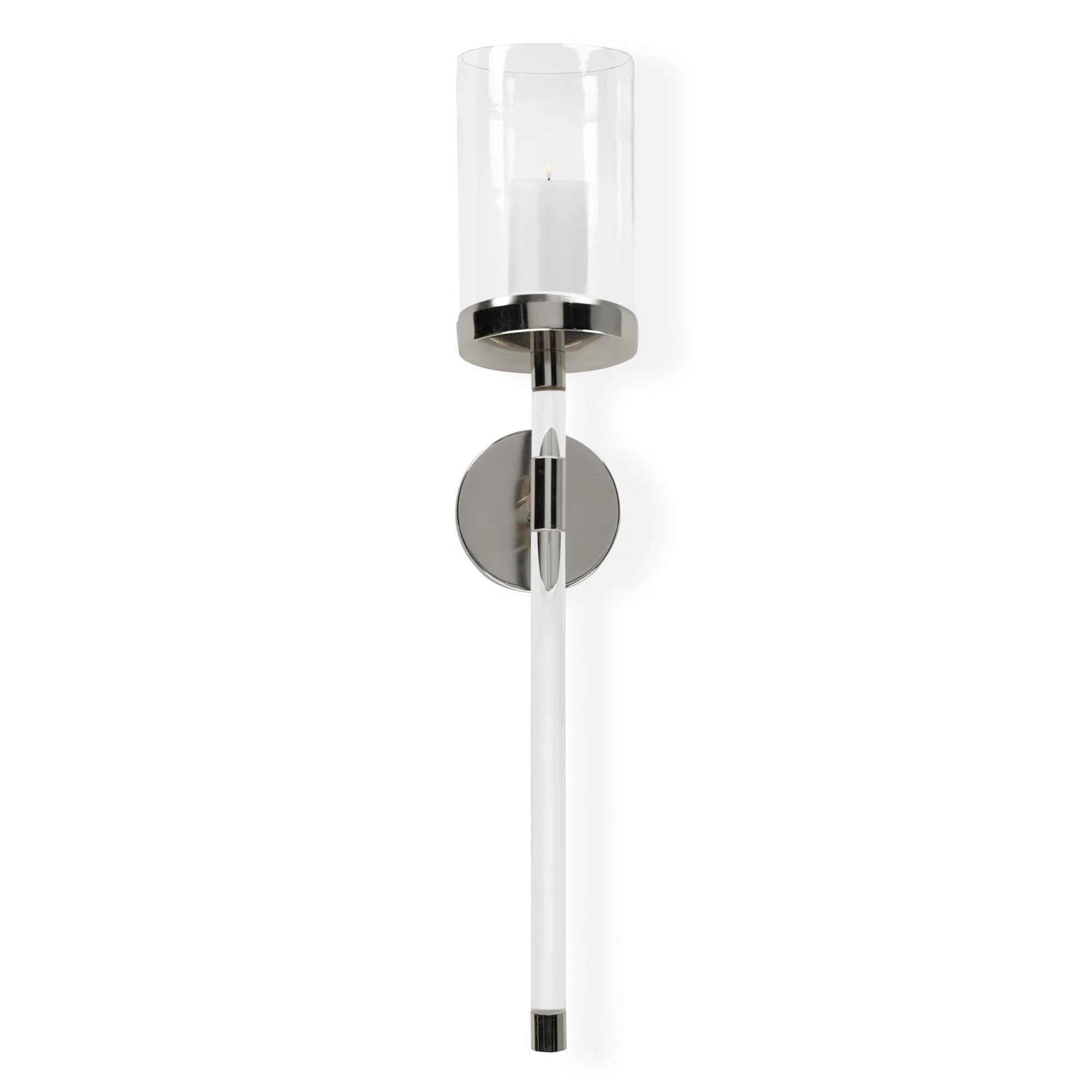
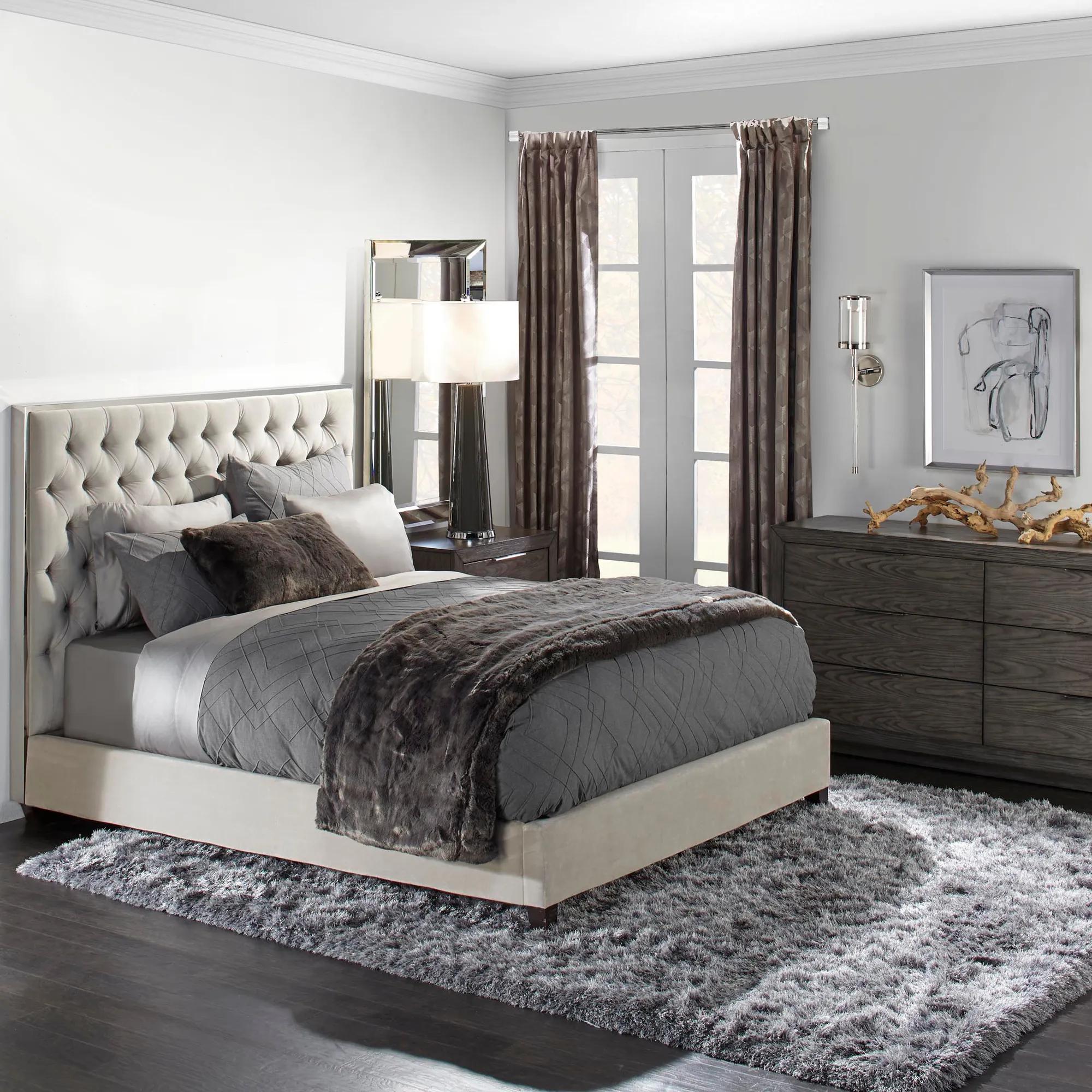 Ethan Sconce$99
A modern sconce featuring a clear glass shade, acrylic stem, and metallic aluminum base for contemporary flair.
Add To Cart -
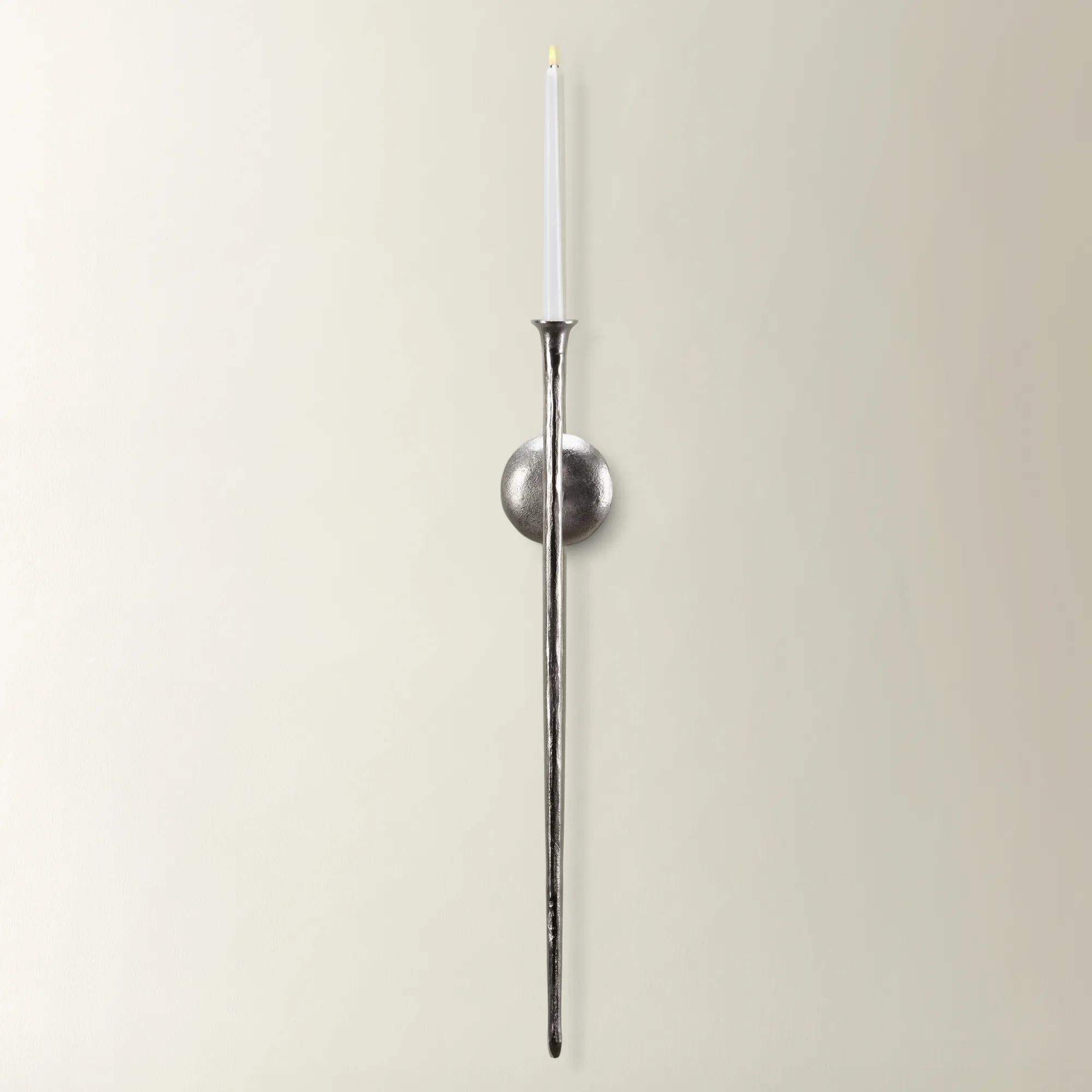
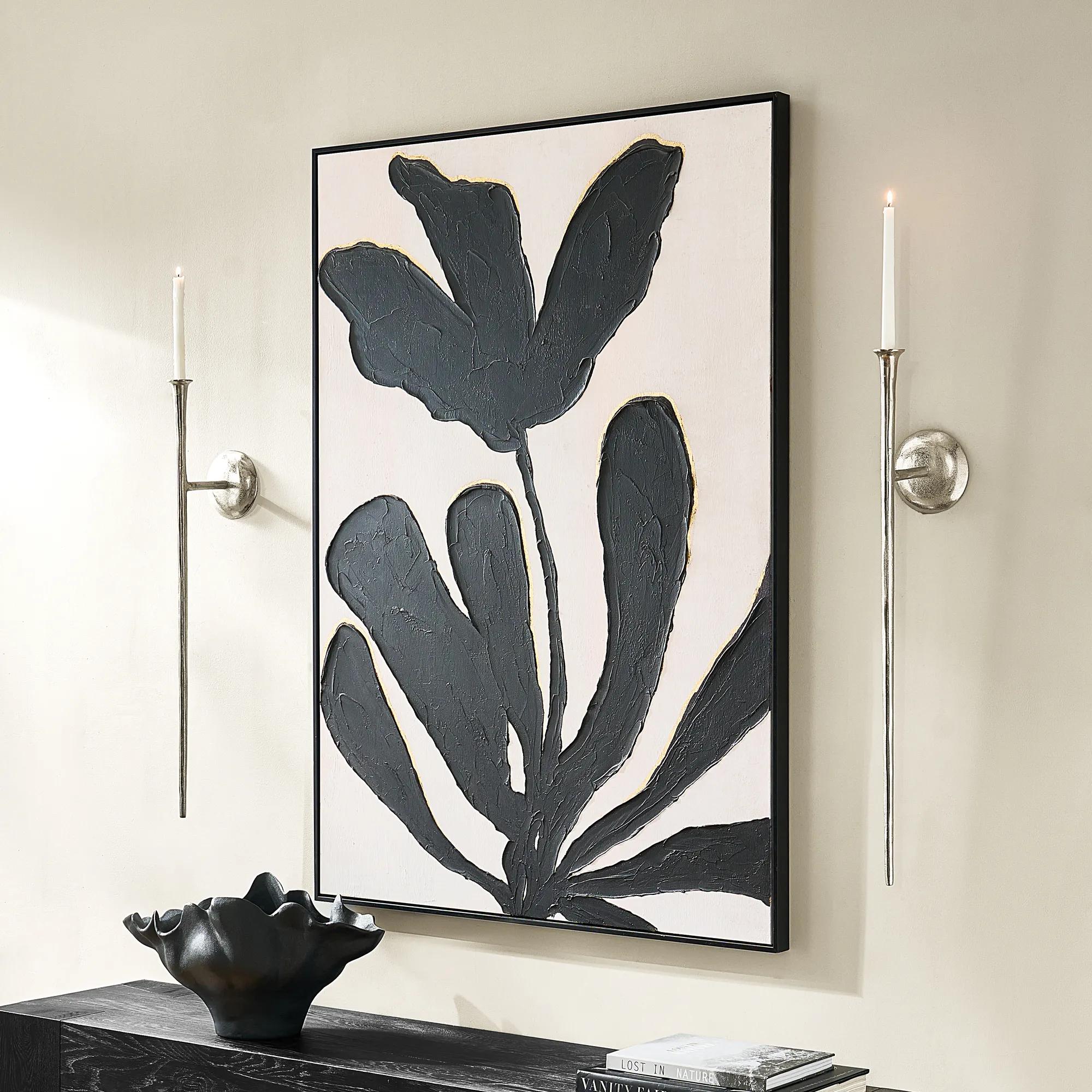 Aspar Silver Aluminum Candle Wall Sconce Large 33"$59
A slender metal wall sconce available in silver, gold, or black for elegant candlelit ambiance.
Add To Cart -
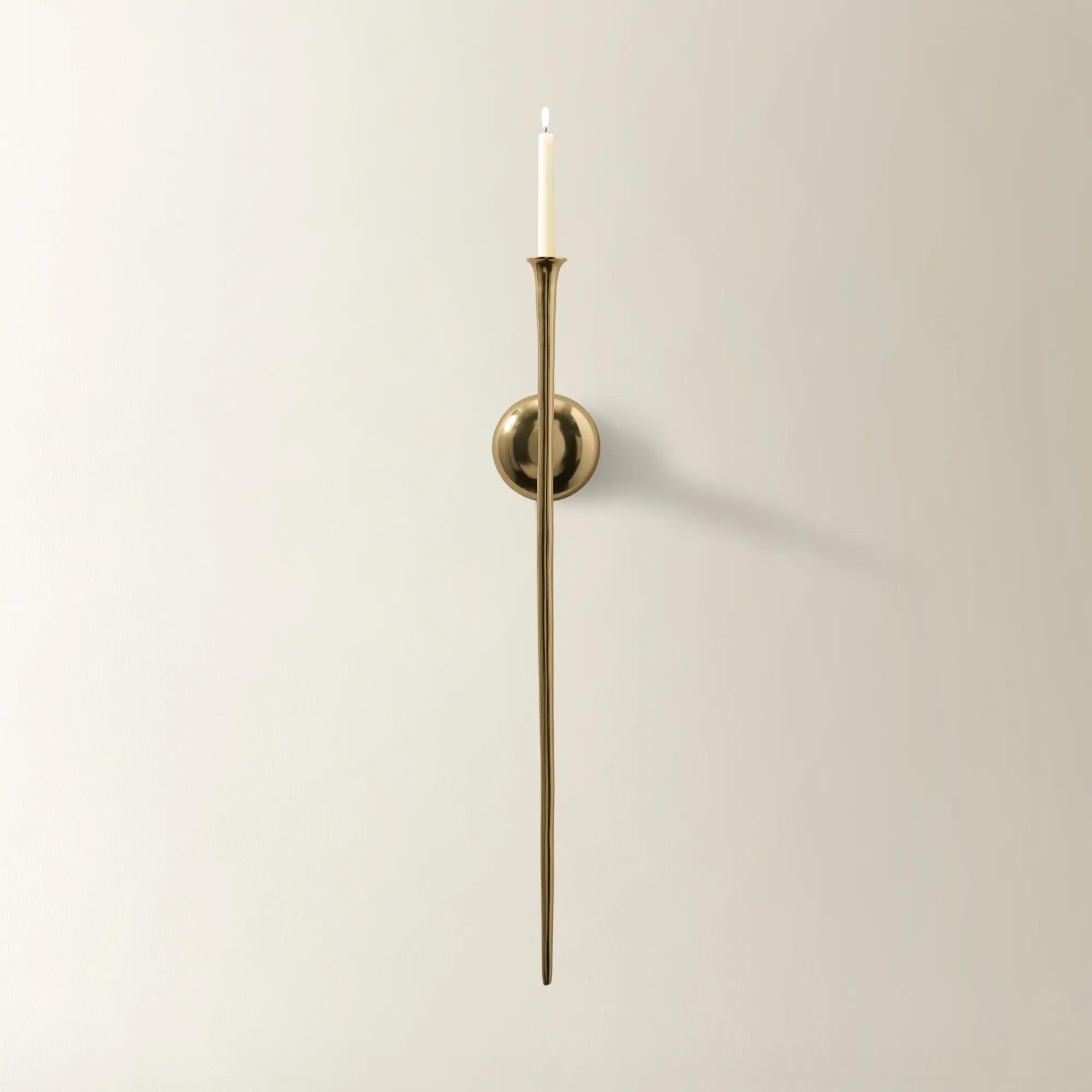
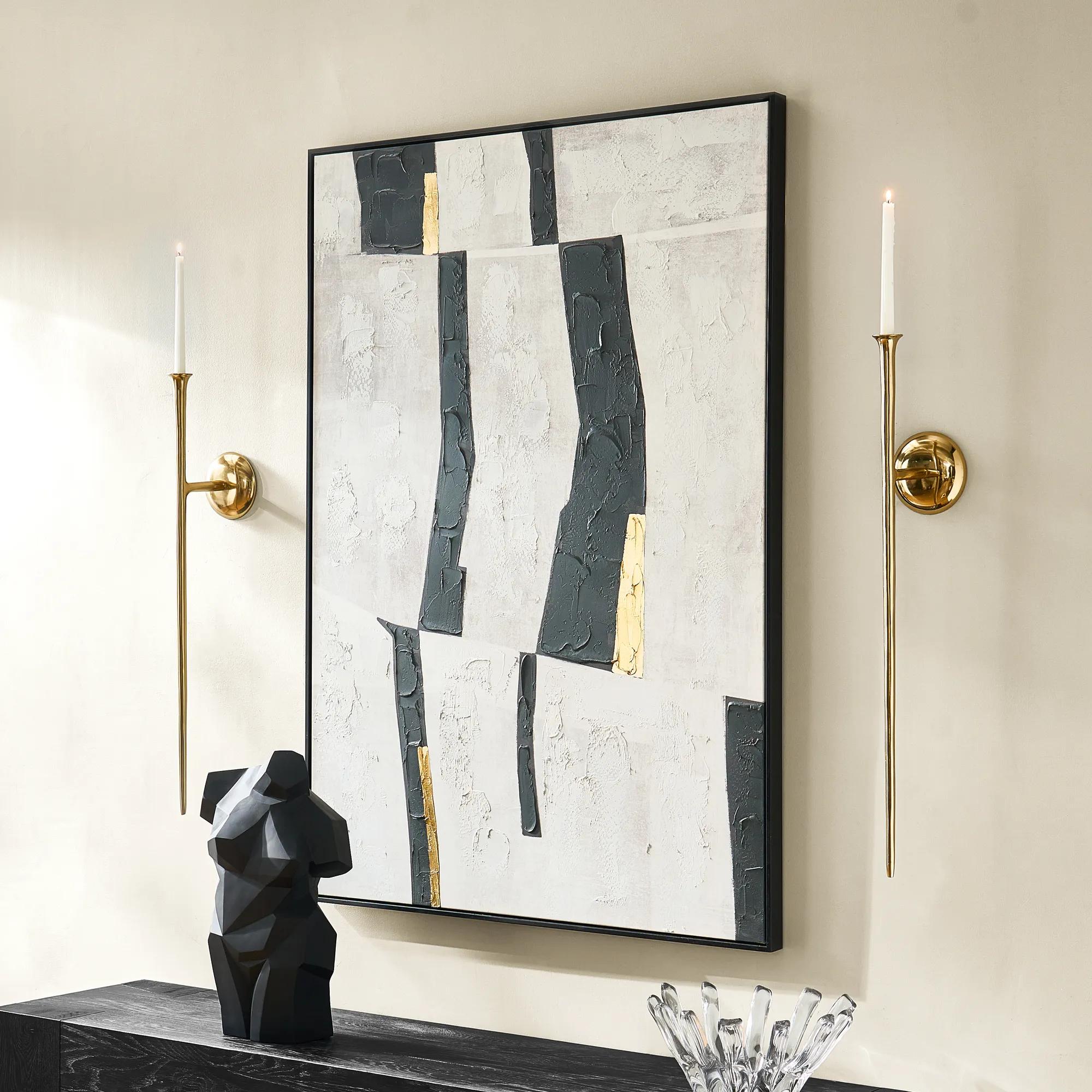 Aspar Shiny Gold Aluminum Candle Wall Sconce Large 33"$59
A slender aluminum wall sconce in shiny gold, designed to hold a standard taper candle.
Add To Cart -
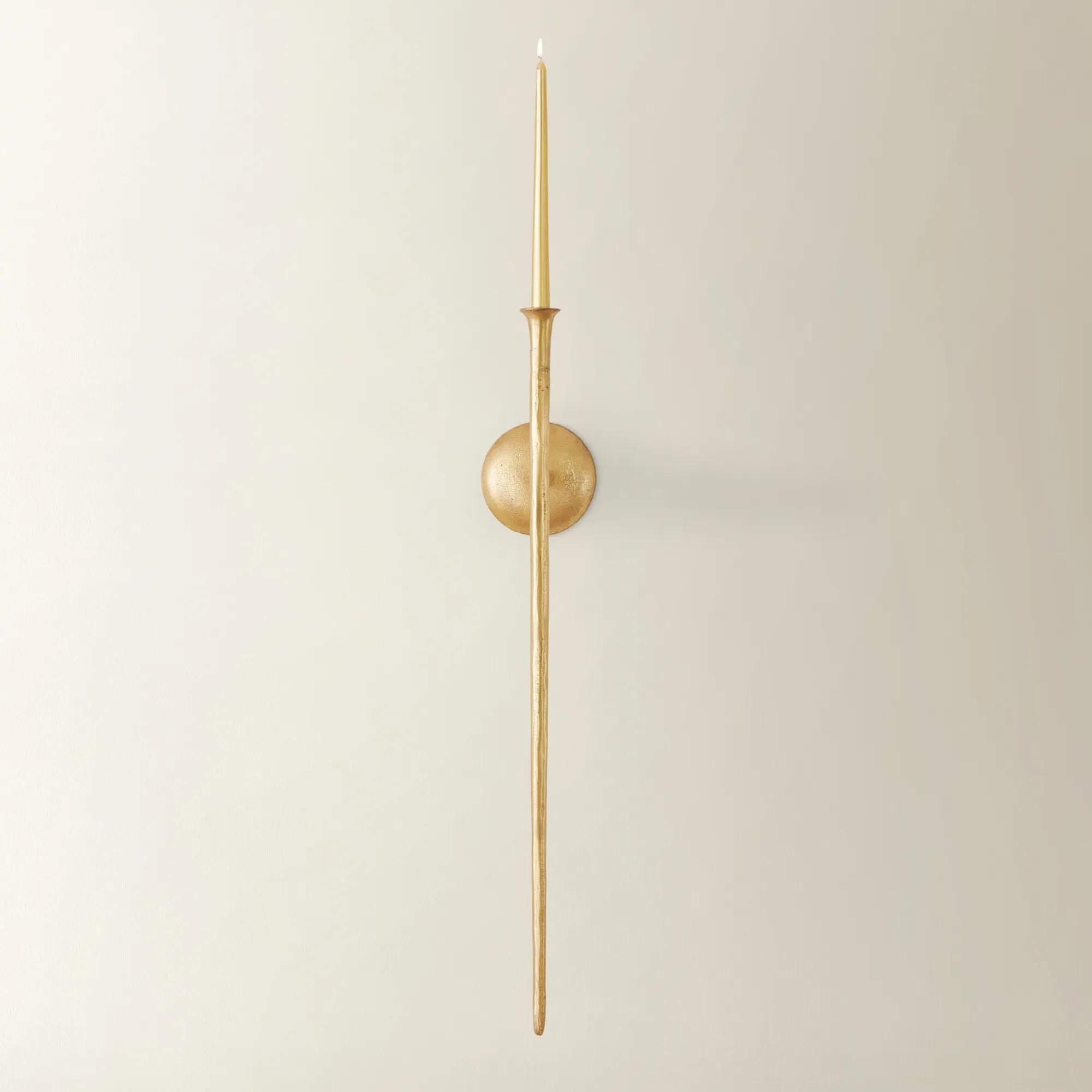 Aspar Gold Aluminum Candle Wall Sconce Large 33"$59
A slender metal wall sconce available in silver, gold, or black, perfect for displaying taper candles.
Add To Cart -

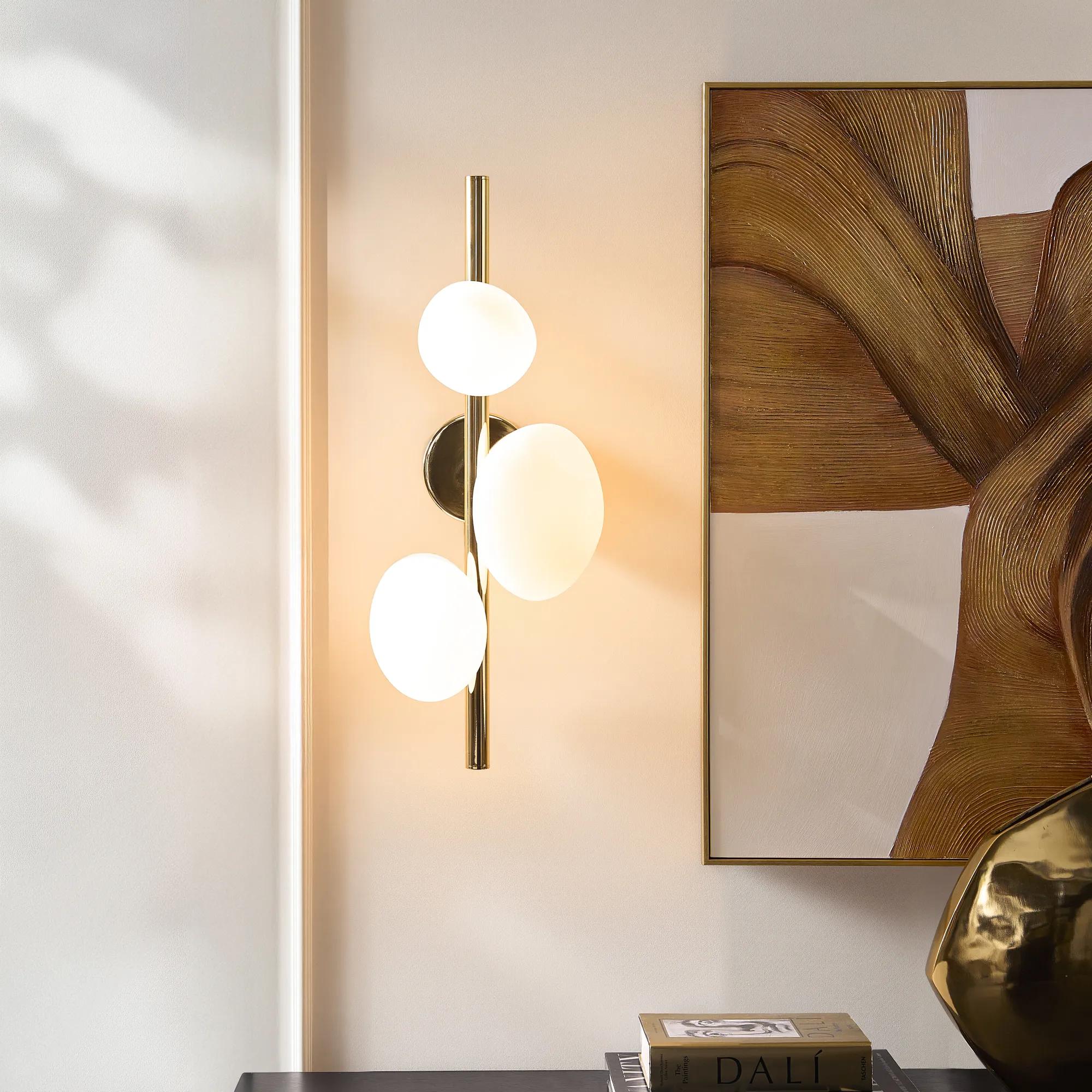 Radiante LED Globe Wall Sconce - Polished Gold$349
A polished gold LED wall sconce featuring a luminous globe design.
Add To Cart -
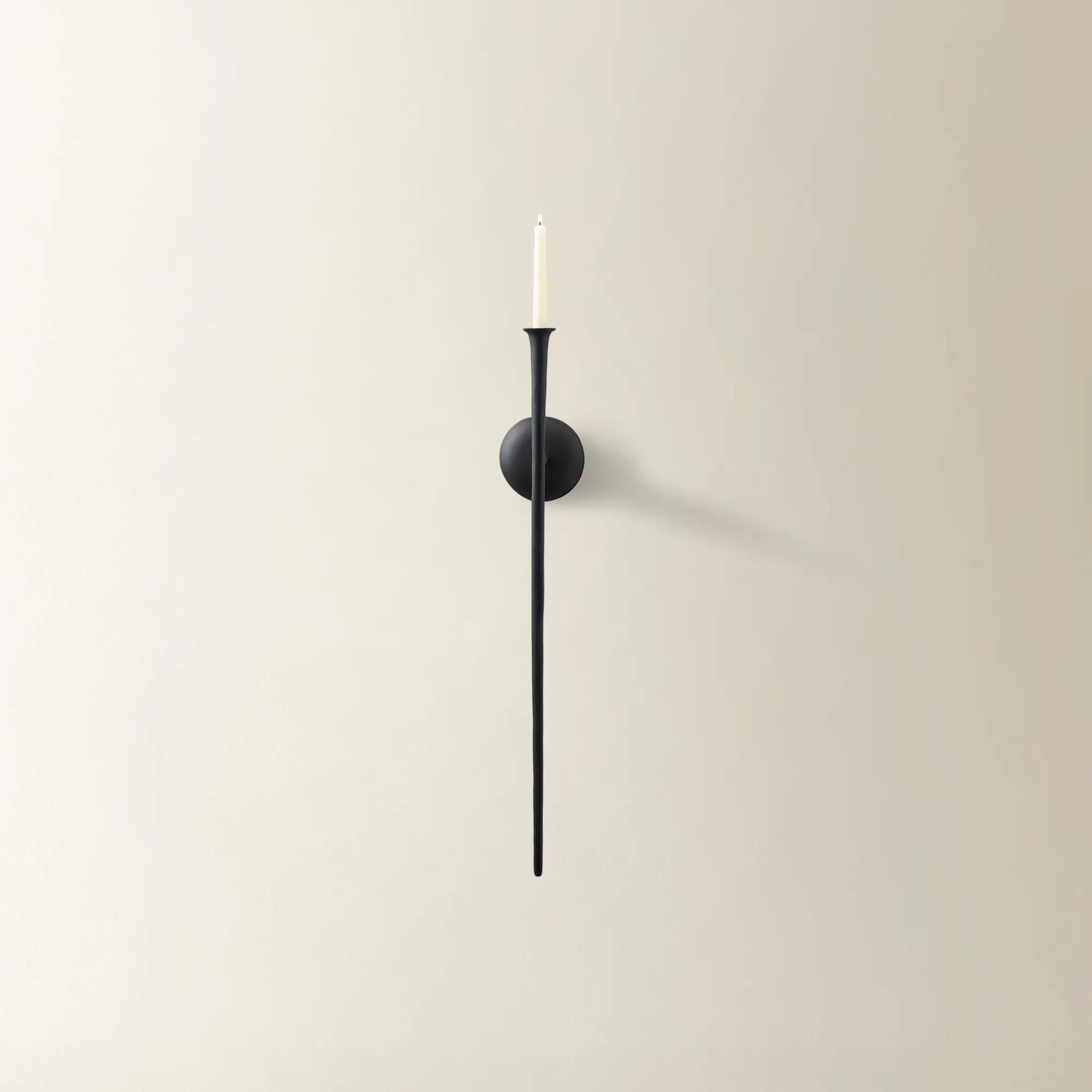
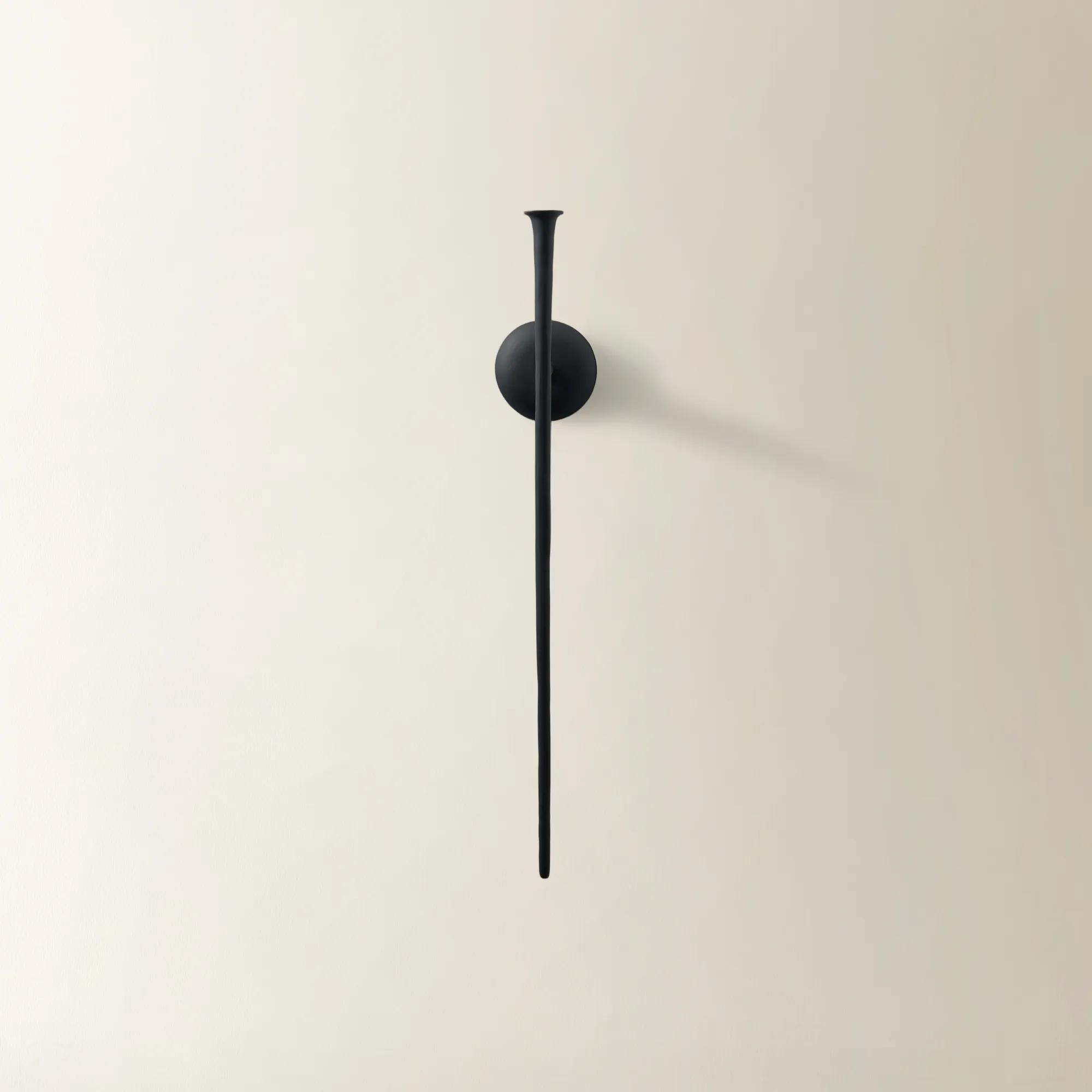 Aspar Black Aluminum Candle Wall Sconce Small 20"$39
A sleek black aluminum wall sconce designed to hold a standard taper candle for modern elegance.
Add To Cart -
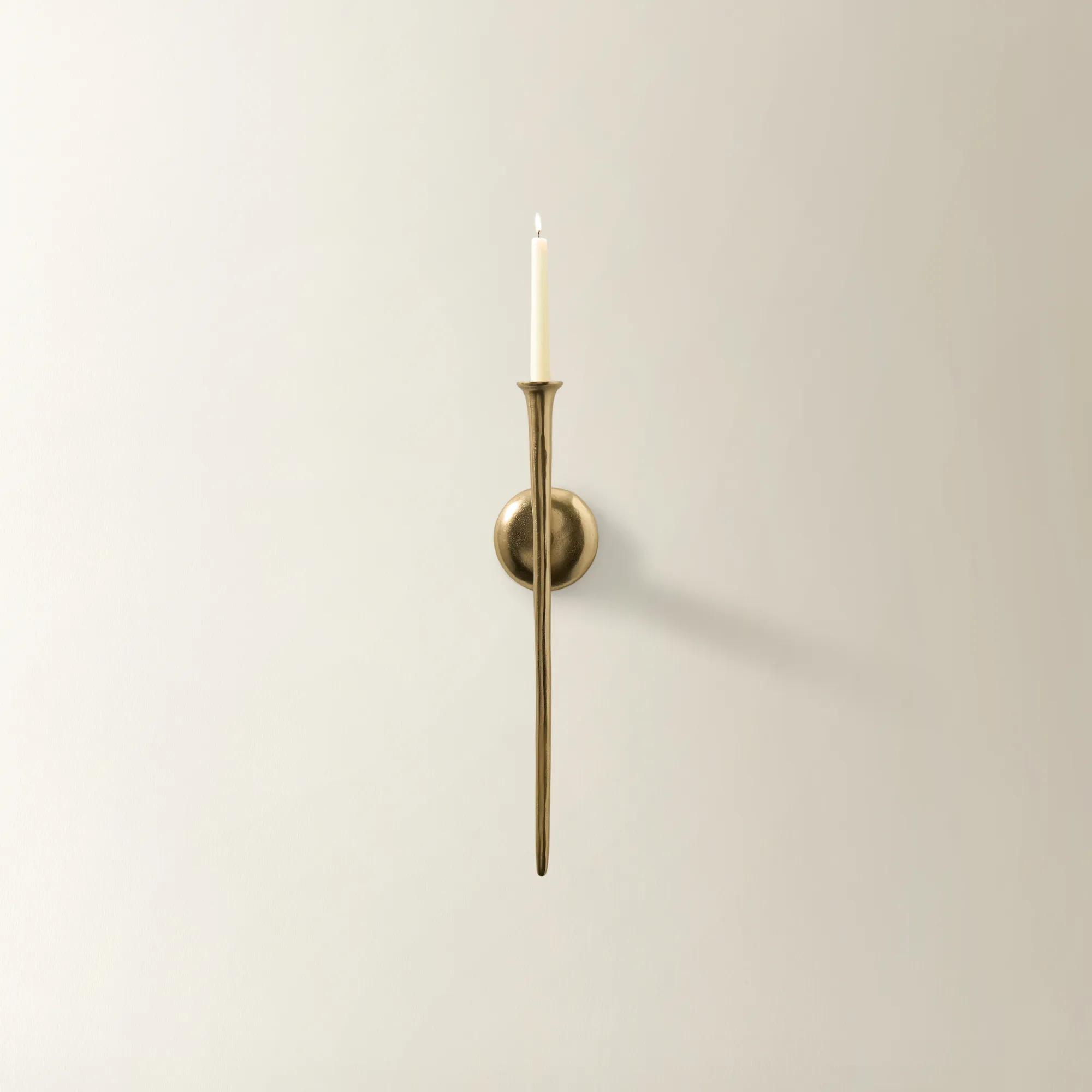
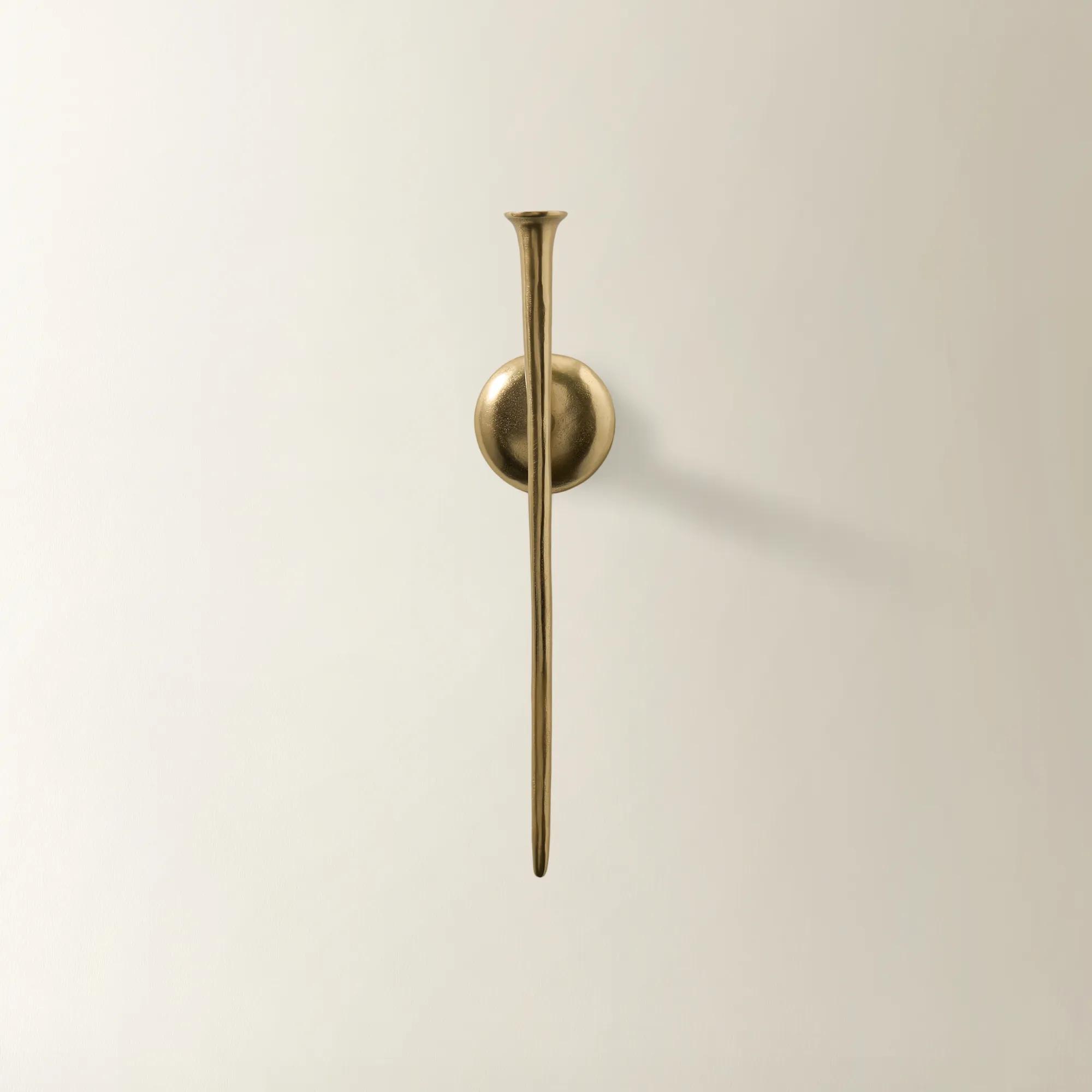 Aspar Gold Aluminum Candle Wall Sconce Small 20"$39
A sleek gold aluminum wall sconce designed to hold a standard taper candle for elegant ambiance.
Add To Cart -
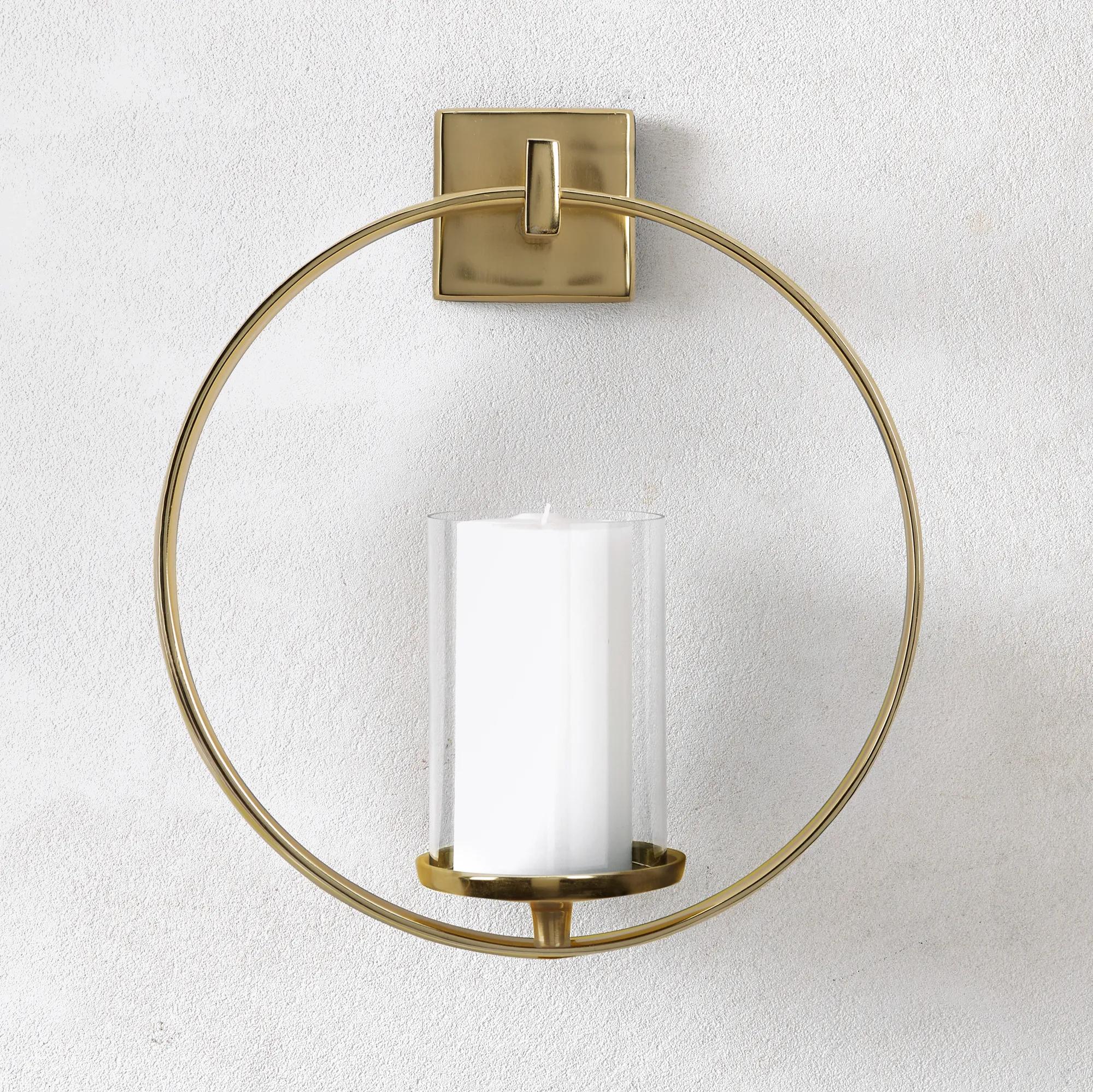
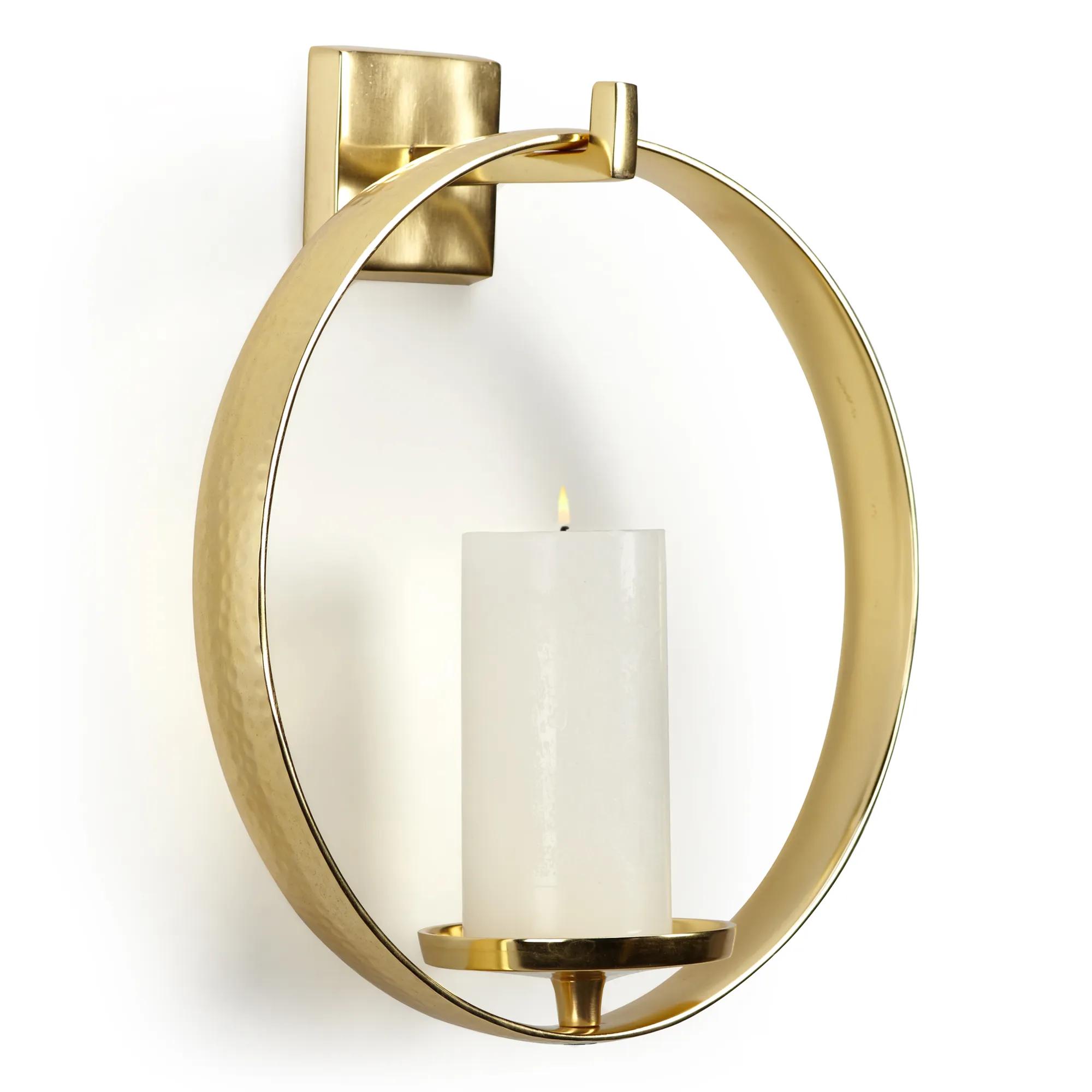 Cirque Hanging Sconce$79
A sleek aluminum wall sconce with a metallic finish, available in silver, gold, or black.
Add To Cart -
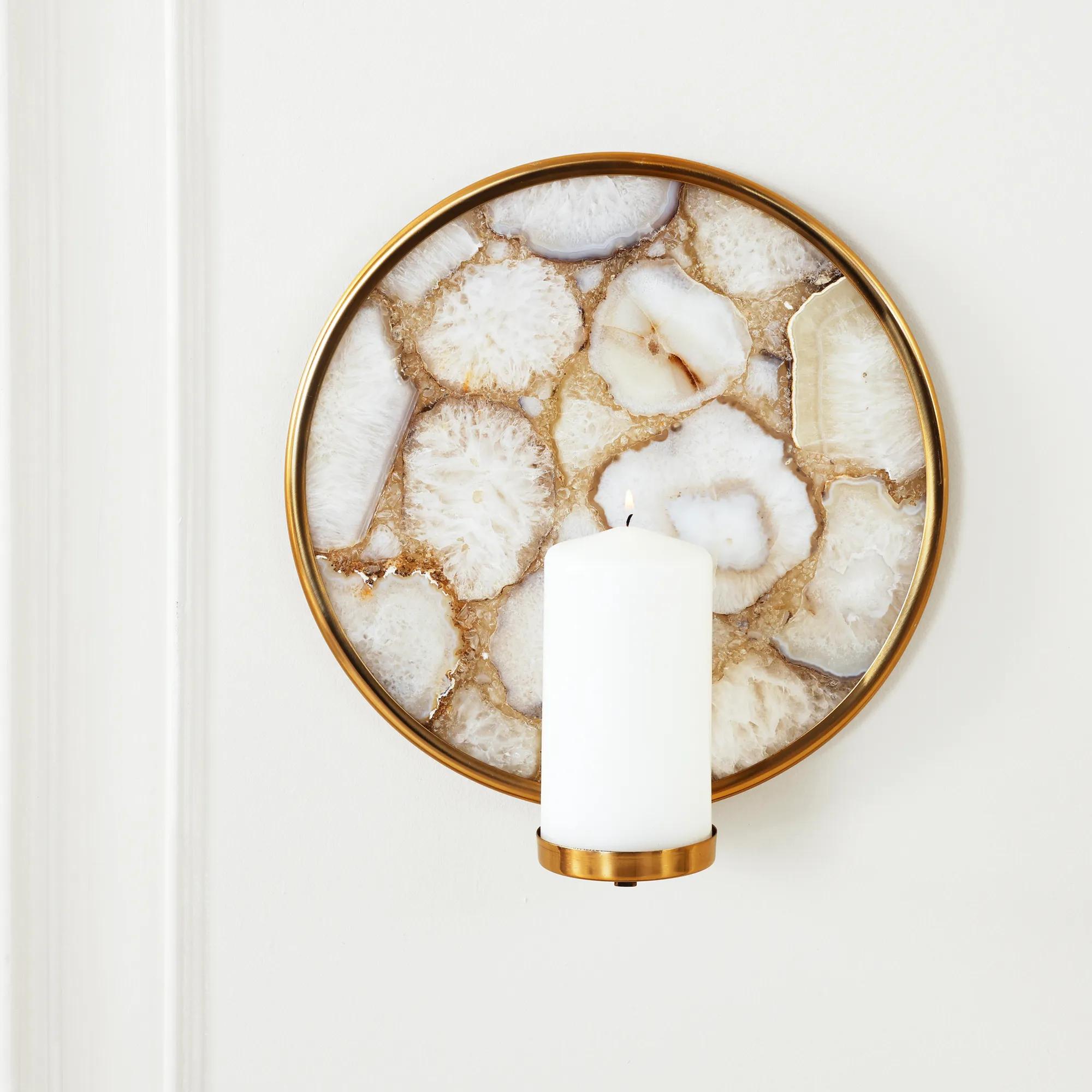 Diego Sconce$179
A neutral-toned agate sconce framed in gold, blending artistic elegance with functional lighting.
Add To Cart

Artistic Wall Sconces
Artistic Wall Sconces are the jewelry of the walls, transforming blank canvases into luminous works of art. Each sconce is a curated moment, casting light and shadow with sculptural intrigue and refined drama. Whether adorning a grand entryway or punctuating an intimate reading nook, these radiant accents infuse every space with a sense of wonder and creative flair. Elevate your interiors with pieces that don’t just illuminate—they captivate, inviting you to bask in the glow of expressive design.
Artistic wall sconces unite sculptural design with accent lighting, bringing dimension, texture, and a deliberate sense of drama to a room. Unlike fixtures chosen primarily to illuminate a space, these wall-mounted accents contribute to its visual composition even when unlit. A sweeping botanical silhouette can soften an angular interior, while a geometric arrangement introduces a crisp architectural rhythm. Layered glass catches light along its edges; a hammered metal surface scatters small reflections across an otherwise quiet wall. For interiors shaped by expressive artwork, sumptuous upholstery, and gleaming accents, an artistic sconce adds another medium to the composition without claiming precious floor or tabletop space. Materials influence both its presence and the quality of light it creates. Clear or textured glass can produce sparkle and visible patterns, while frosted or opal glass diffuses illumination for a gentler effect. Crystal elements introduce brilliance through reflected and refracted light, and metal shades can direct illumination upward, downward, or toward the wall. Brass tones suggest richness, polished silver finishes feel luminous, and deep black creates a striking outline against pale paint or richly patterned wallpaper. Resin and ceramic forms offer opportunities for dimensional leaves, fluid curves, and other expressive shapes, though their weight and finish requirements vary by construction. Surface texture matters as much as color: a brushed finish has a quieter sheen than a mirror-polished surface, while a deliberately aged finish adds tonal variation. The most compelling artistic wall sconces balance these details with the surrounding room. A highly articulated design has room to be appreciated against a restrained backdrop; a simpler sculptural form can hold its own beside patterned textiles or large-scale art. For design enthusiasts, art collectors, and anyone drawn to interiors with a distinct point of view, the appeal is both practical and emotional: light becomes part of the room’s artistic identity rather than an afterthought.
Placement gives that artistry its purpose. In an entryway, a pair of statement sconces can frame a console and mirror, establishing a composed arrival without crowding the surface below. Along a living room wall, they add a luminous layer beyond overhead lighting, allowing conversation areas to feel more intimate while architectural details remain visible. Beside a bed, a shaded or adjustable design may provide useful reading light, although a decorative glow alone may not deliver enough focused illumination for the page. In a dining room, sculptural wall lighting can echo the finish of a chandelier without repeating its shape, creating a more collected effect. Proportion depends on the entire arrangement: fixture height, width, and projection should relate to the wall, nearby furniture, and the space needed to move comfortably. A deep design that feels generous above a console may intrude into a narrow passage, while an undersized fixture can disappear beside a broad mirror. Mounting height is best considered in relation to seated or standing eye level, shade construction, and whether the bulb will be directly visible. Electrical requirements are equally important to the finished appearance. Hardwired sconces connect to the home’s wiring and call for suitable junction-box placement and qualified installation; plug-in designs require an accessible outlet and a considered cord path. For fixtures with replaceable bulbs, socket type, bulb dimensions, and maximum permitted wattage determine compatibility. Open shades may also make bulb shape and finish part of the design. Light output, measured in lumens, indicates brightness, while color temperature describes whether the light appears warmer or cooler. Warm white light around 2700–3000K often complements intimate living spaces, but the effect also depends on wall color and shade material. Dimming offers additional control only when the fixture, light source, and dimmer are compatible. Near a vanity, balanced facial illumination matters alongside decorative impact, and any fixture used in a bathroom must carry the rating appropriate to its location and moisture exposure.
Lasting beauty comes from matching the sconce’s construction and care requirements to everyday life. Weight is especially relevant with substantial metalwork, thick glass, or crystal details: the fixture needs appropriate mounting hardware and structural support, not simply a visually appealing position. In busy rooms, securely attached components and a projection that stays clear of passing shoulders help preserve both the design and the comfort of the space. Durability also depends on the finish and environment. Decorative coatings can be damaged by abrasive cleaners, and moisture may affect materials that are intended only for dry indoor settings. Routine care generally begins with switching off the light, allowing it to cool, and gently removing dust with a soft, dry cloth, always following the manufacturer’s instructions. Glass, crystal, ceramic, and metal may require different cleaning methods, so a single polish is not suitable for every surface. Accessible shades and clearly specified replacement bulbs can make ongoing maintenance more manageable; integrated LED designs have different service requirements that are worth understanding before installation. Candle sconces offer another expression of wall-mounted artistry, emphasizing the holder’s silhouette and the movement of light rather than electrical illumination. Appropriately sized flameless candles can create a candlelit effect without an exposed flame when the holder’s design accommodates them. Real candles require the specified candle size, stable placement, and the manufacturer’s clearances from walls, furnishings, and combustible materials, and must never be left unattended. Across these different forms, Decorative Wall Sconces can connect lighting with the broader language of a room. A recurring metal tone might link a sconce to a mirror frame, while translucent glass can provide a graceful counterpoint to dense velvet or deeply grained wood. Exact matching is less important than a purposeful relationship among shape, finish, and scale. With those elements in balance, a wall sconce becomes more than a finishing touch: it gives the wall depth, the room atmosphere, and personal style a luminous expression.
FAQs
Artistic wall sconces are designed to be statement pieces, blending form and function to create a dramatic visual impact. Unlike traditional wall lighting, which often prioritizes utility, these sconces feature sculptural shapes, luxurious materials, and creative finishes that turn illumination into an art form—elevating your space with unique character and style.
Hand blown glass sconces bring a sense of craftsmanship and individuality to any room. Their organic shapes and subtle color variations add depth and intrigue, making them perfect for accentuating entryways, flanking mirrors, or creating an artistic focal point above a mantel. Each piece is a one-of-a-kind work of art, infusing your home with personality and warmth.
Absolutely. Zgallerie sconces are curated to complement a variety of design aesthetics, from bold contemporary spaces to timeless, classic settings. Their artistic detailing and versatile finishes allow them to blend seamlessly or stand out as a dramatic contrast, making them a sophisticated choice for any interior vision.
Artistic wall sconces make exceptional gifts for design lovers, new homeowners, or anyone celebrating a special milestone. Their blend of artistry and function offers more than just lighting—it’s a gift of ambiance and self-expression, destined to become a cherished focal point in any space.
To achieve a cohesive look, consider selecting sconces with complementary materials, finishes, or design motifs. Arrange them symmetrically for a sense of order, or stagger them for a gallery-inspired effect. Layering different styles, such as pairing hand blown glass sconces with metallic accents, can add dimension while maintaining harmony throughout your décor.