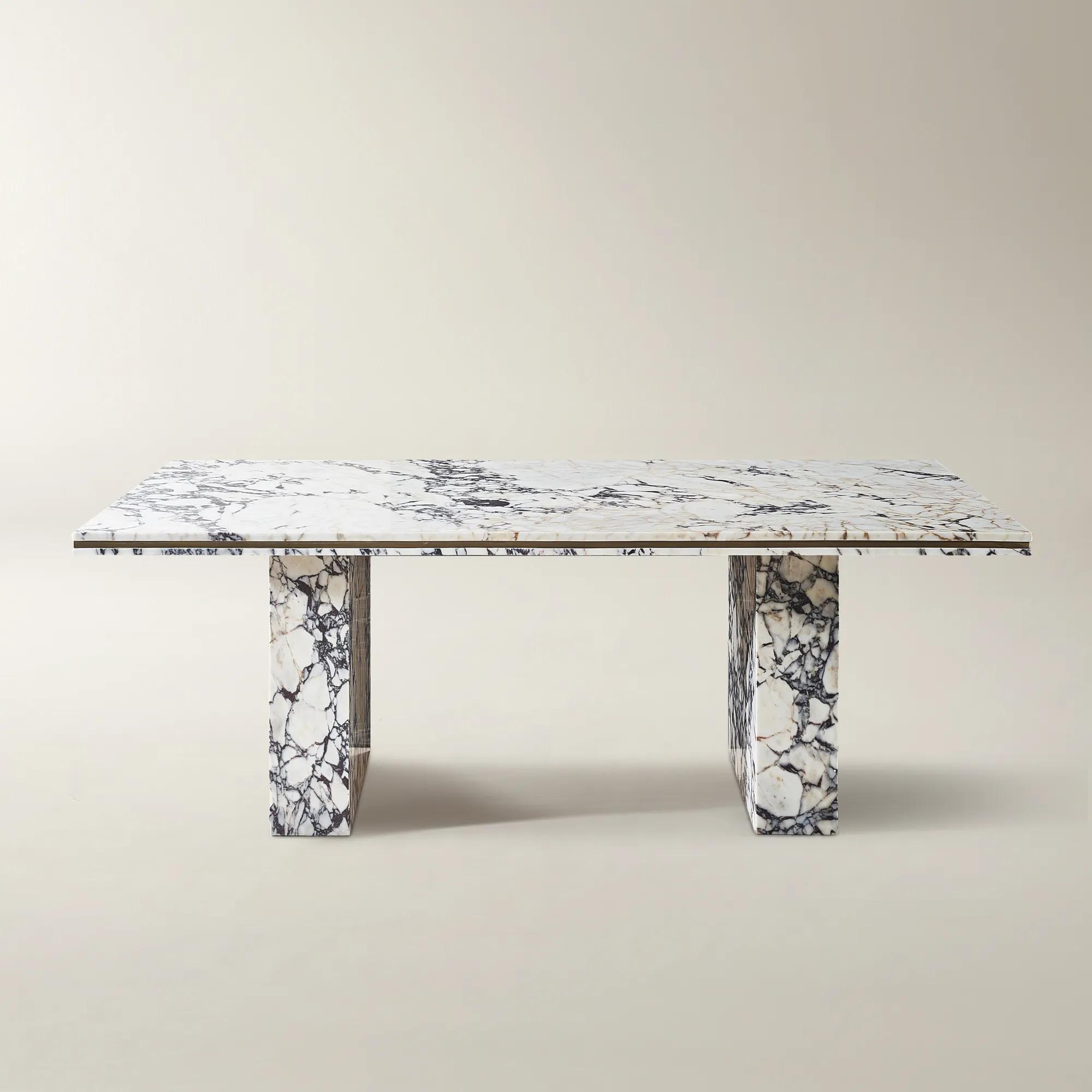
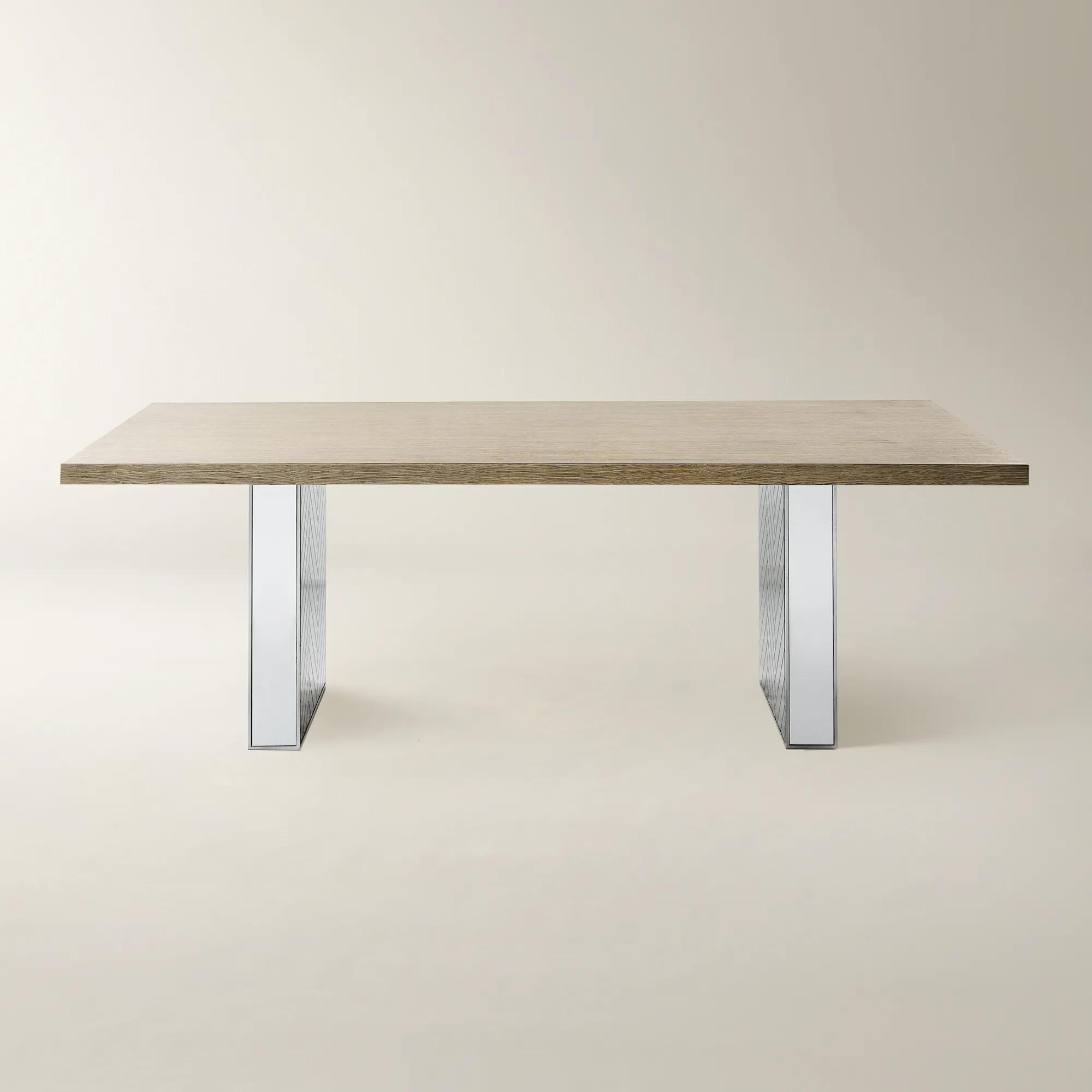
Artisanal Round Dining Tables
Artisanal Round Dining Tables
-
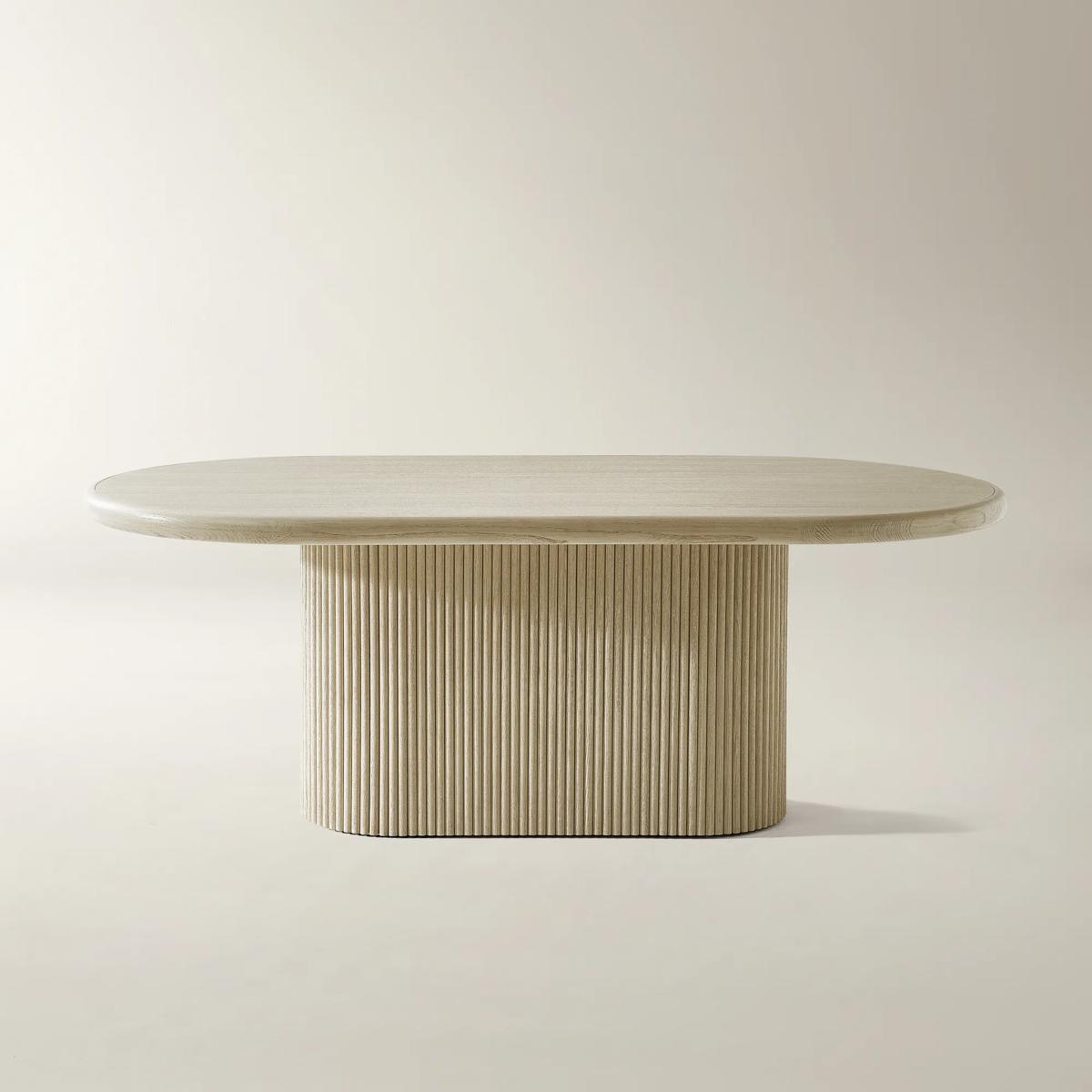
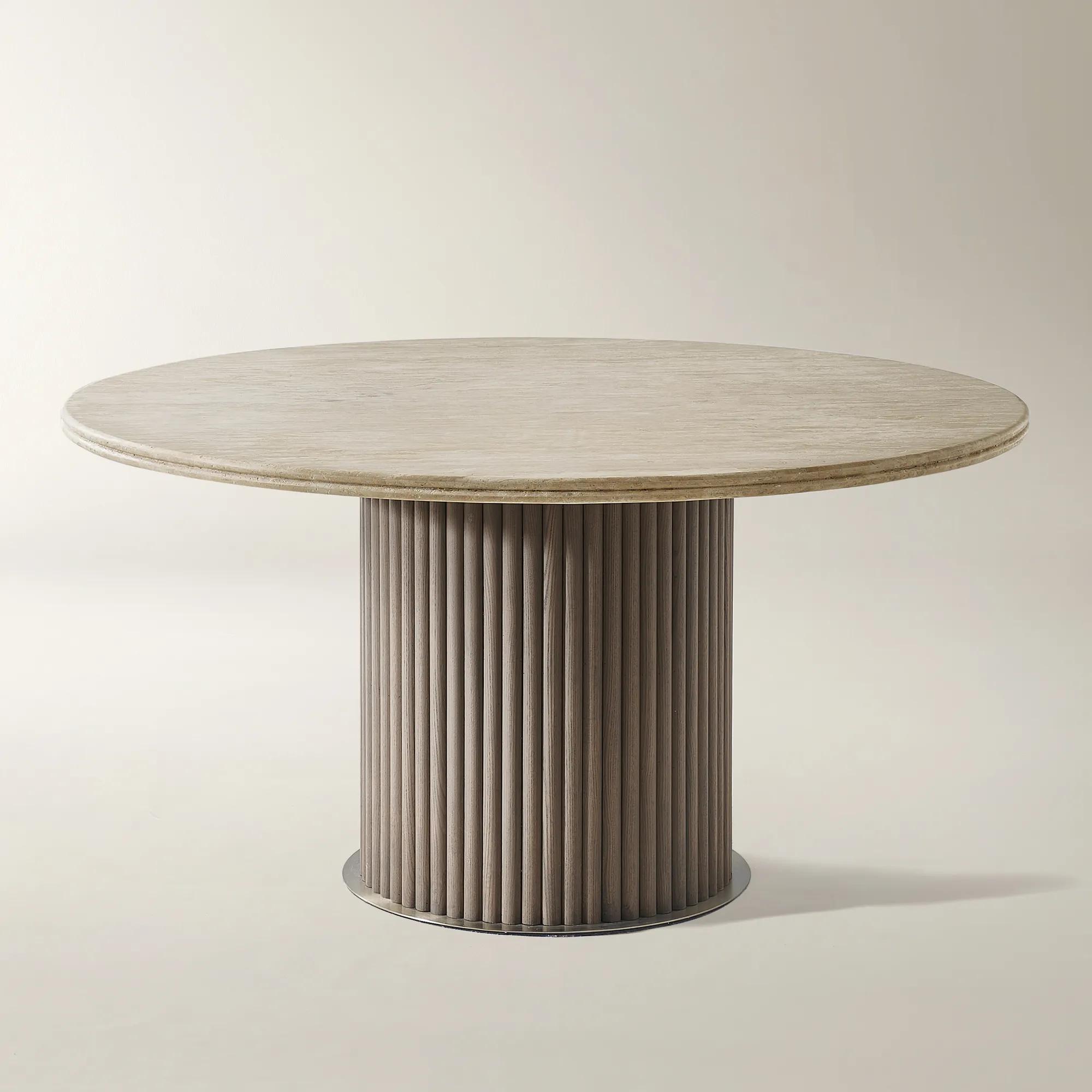 Bond Round Reeded Travertine and Wood Dining Table (59")$3499
A round dining table featuring a genuine natural travertine stone top and a fluted solid ash base.
Add To Cart -
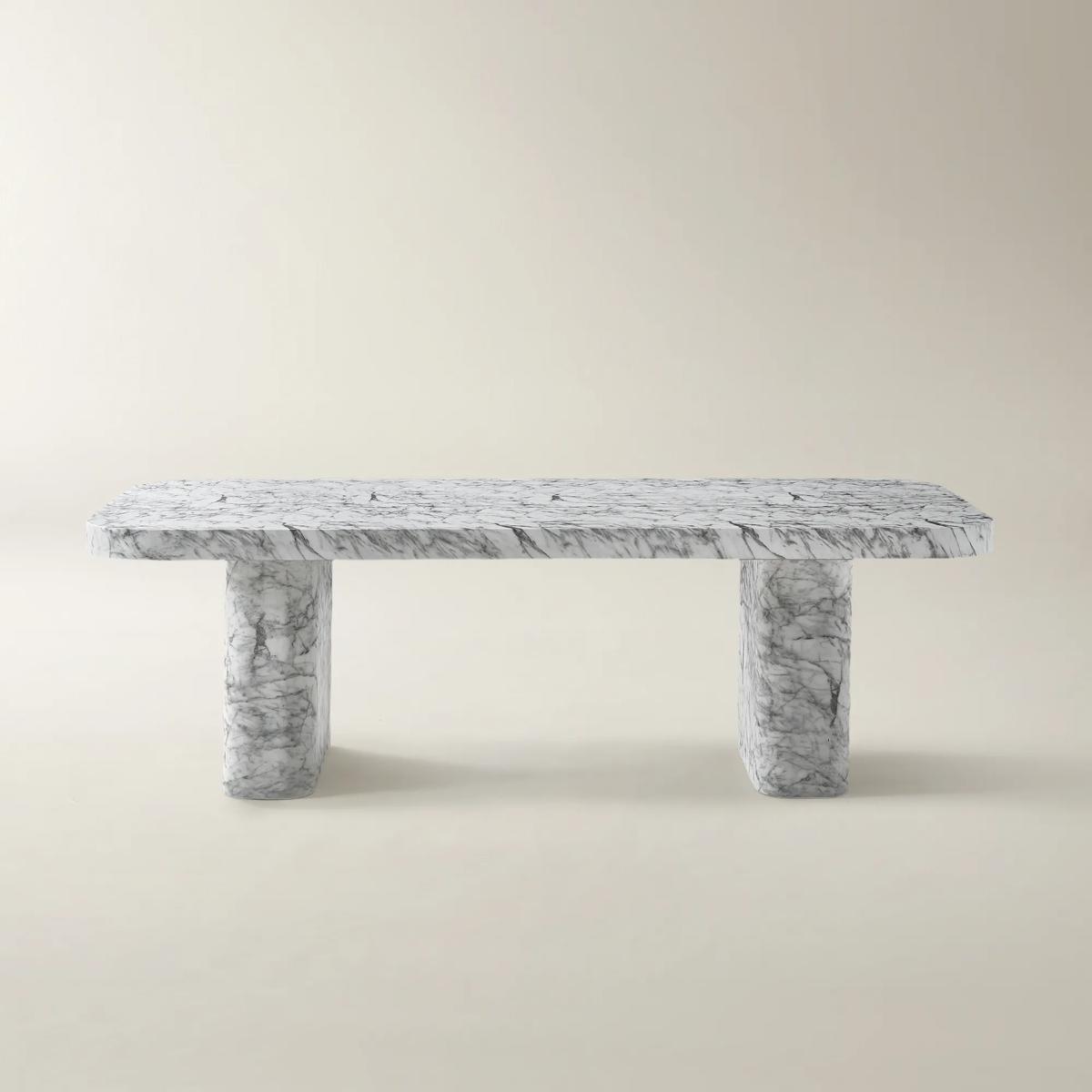
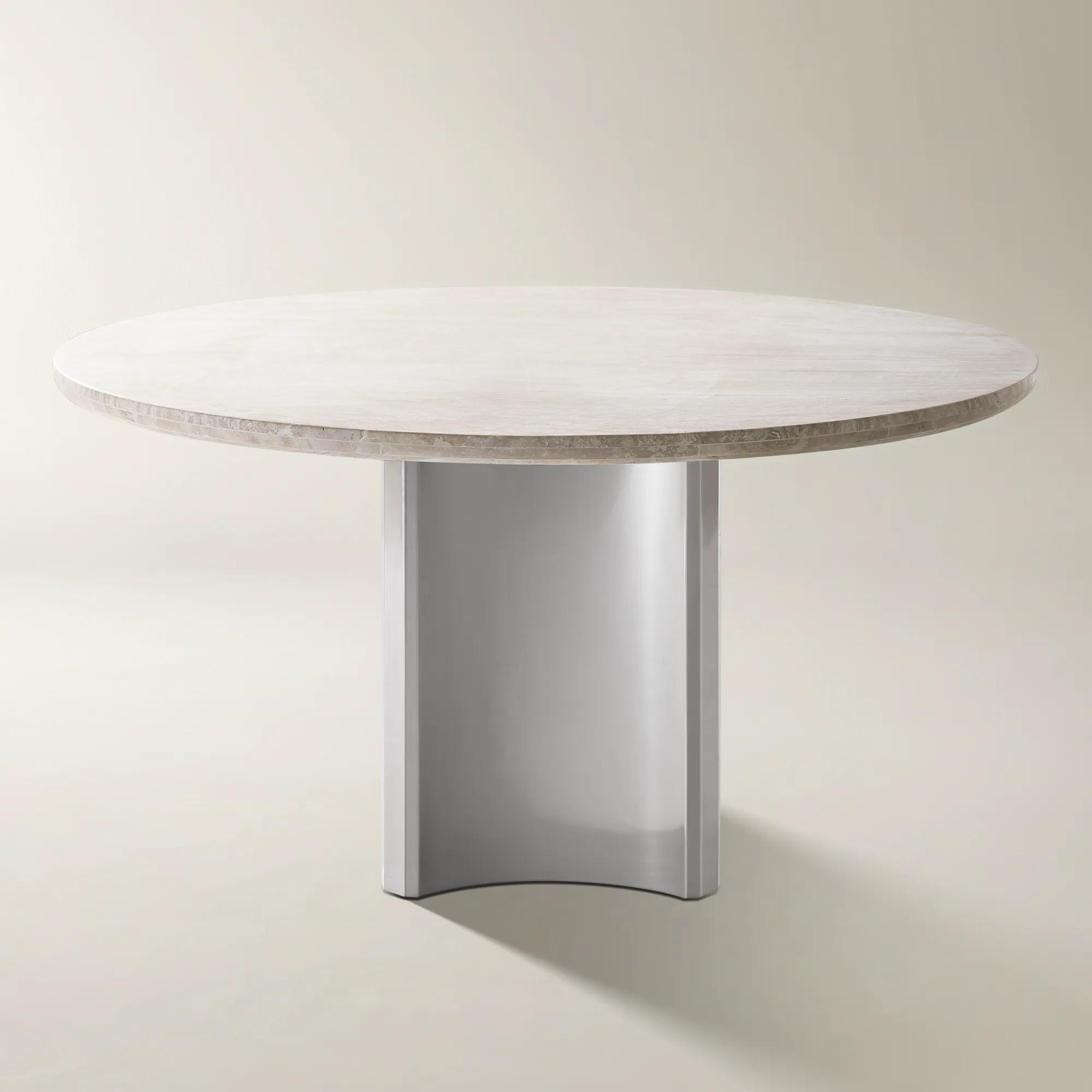 Ventane Round Tan Marble and Stainless steel Dining Table (58")$2999
A round tan travertine marble table with a polished stainless steel base for modern, elegant dining spaces.
Add To Cart -
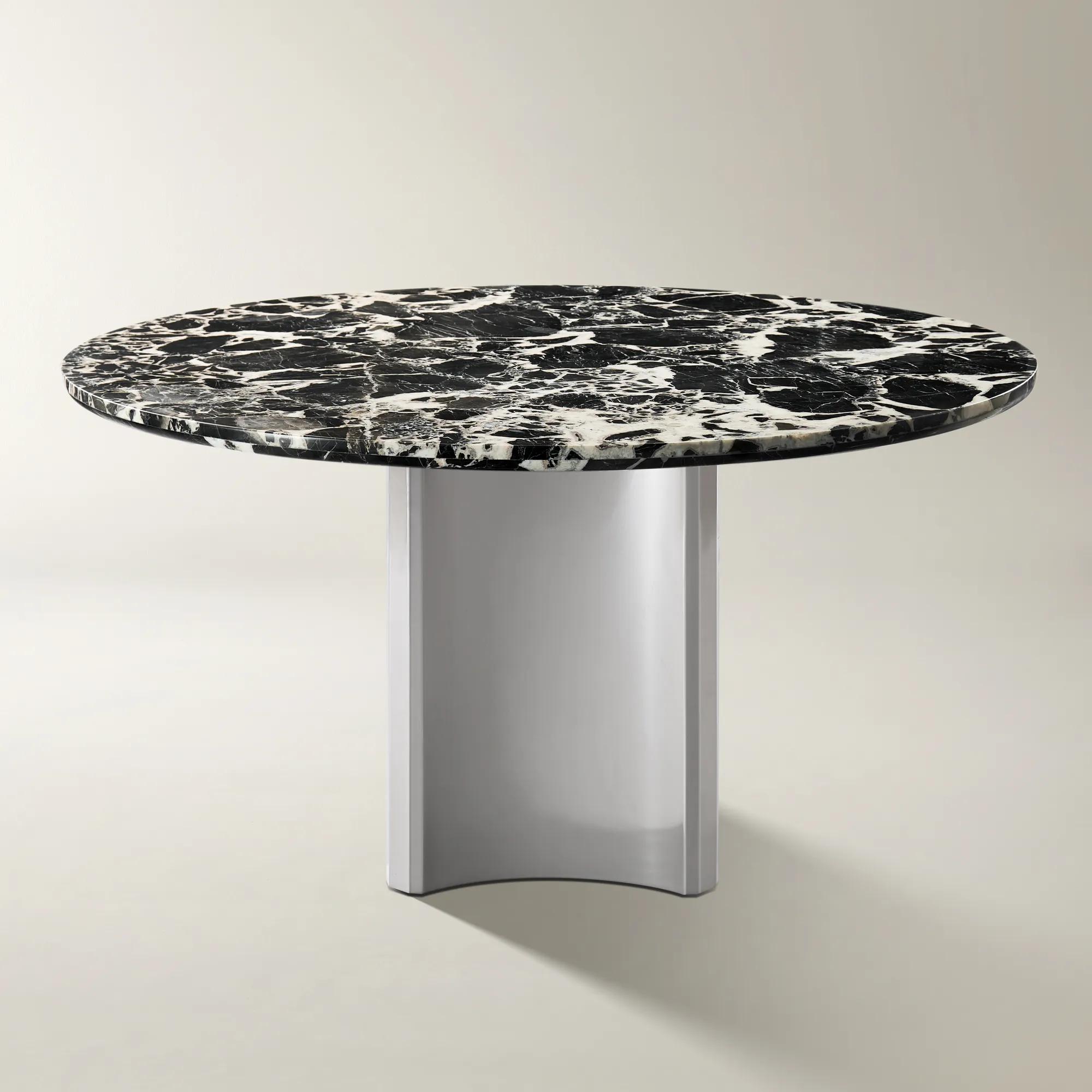
 Ventane Round Black Marble and Stainless steel Dining Table (58")$2999
A dramatic round dining table featuring a natural black marble top and polished stainless steel base.
Add To Cart -
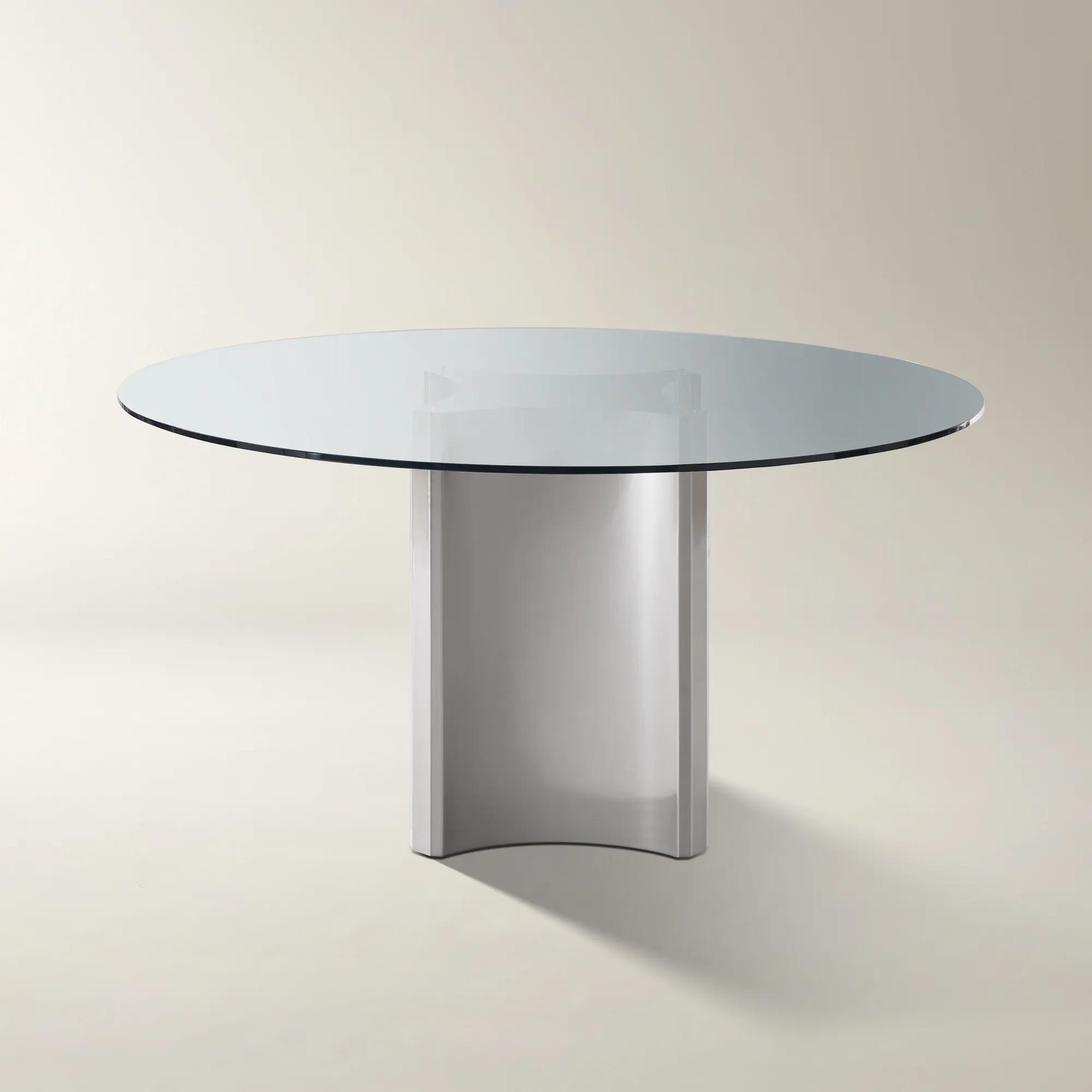 Ventane Round Clear Glass and Stainless steel Dining Table (58")$1499
A modern dining table featuring a clear tempered glass top and polished stainless steel base with anti-fingerprint finish.
Add To Cart -
 Paulina Round White Outdoor Table (31”)$999
A white outdoor round counter table offering stylish functionality for elevated alfresco dining.
Add To Cart -
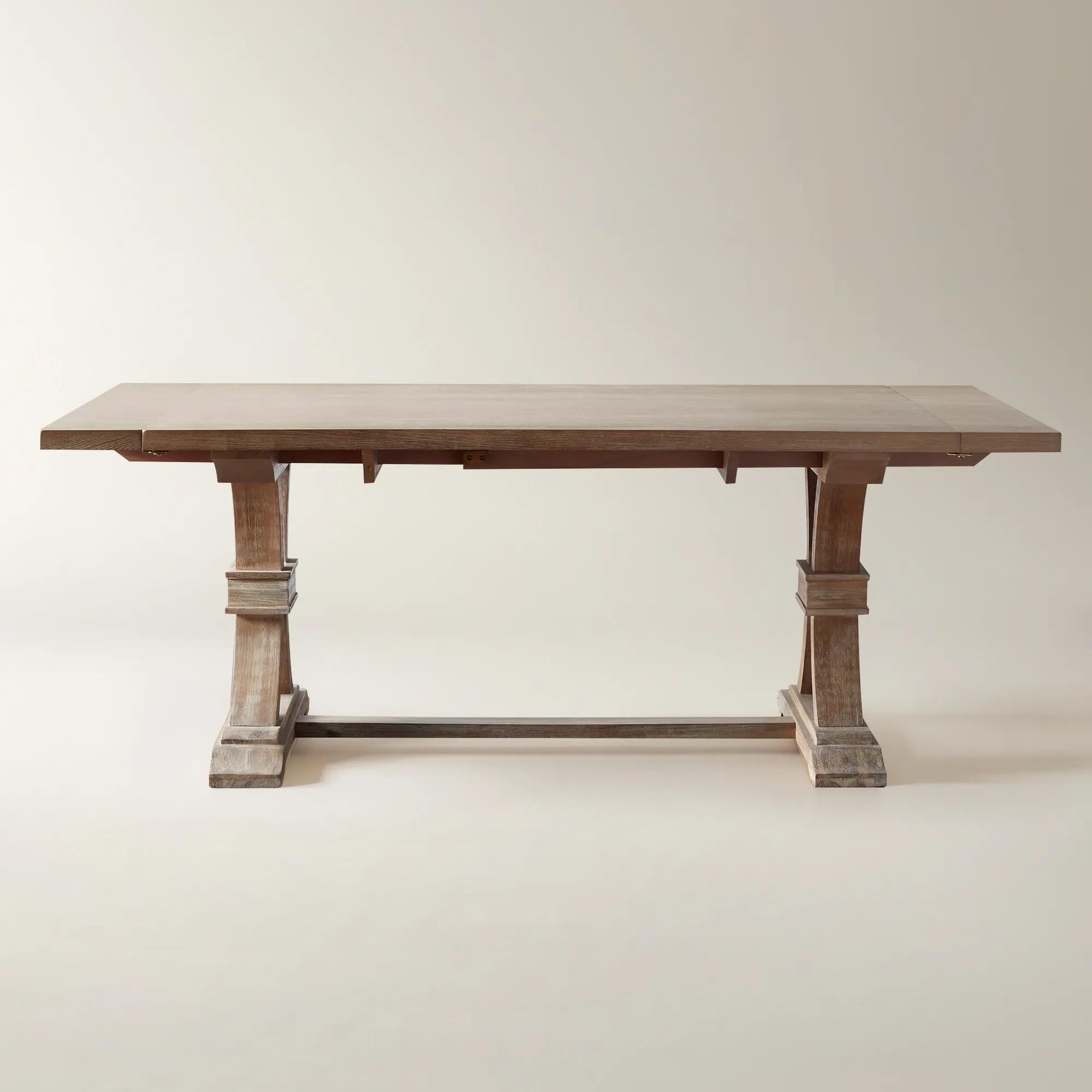
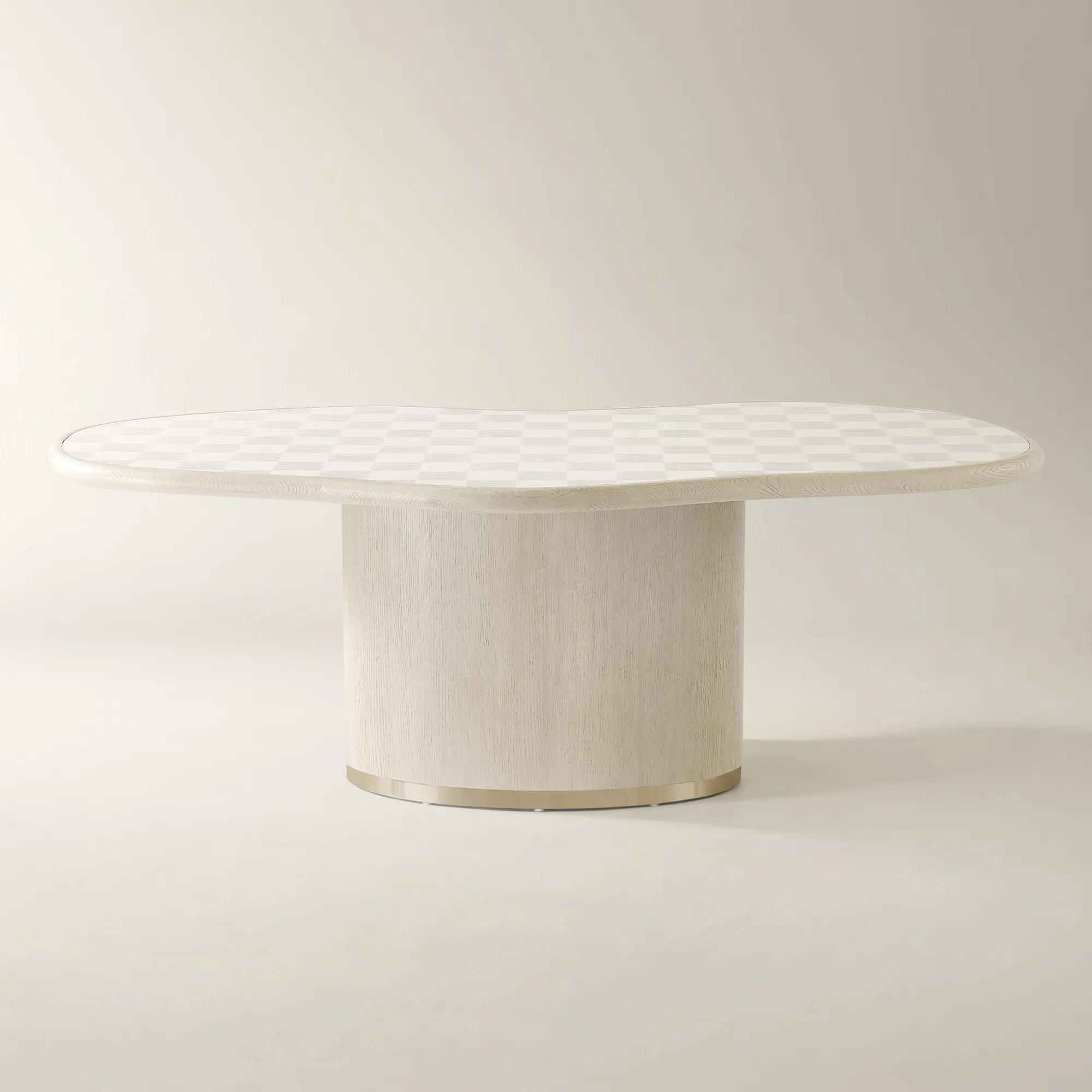 Vetra Checkerboard Oak and Maple Dining Table (84")$2399
A striking dining table featuring a hand-arranged oak and maple checkerboard veneer with soft gold accents.
Add To Cart

Artisanal Round Dining Tables
Artisanal round dining tables invite a sense of intimacy and artistry to every gathering, transforming ordinary meals into unforgettable occasions. Each curve and silhouette is crafted to captivate—where sculptural forms meet refined finishes, and every detail whispers of bespoke craftsmanship. These tables are more than mere furniture; they are conversation pieces that anchor a room with warmth, elegance, and undeniable presence. Let your dining space become a gallery of taste and tradition, where artisanal round dining tables set the stage for moments as memorable as their design.
Artisanal round dining tables bring expressive craftsmanship to the center of a room, pairing a circular silhouette with materials and details that invite a closer look. Often crafted from solid hardwoods such as oak, walnut, or maple, these tables emphasize the character of the wood, the shaping of the base, and the relationship between texture and finish. Their appeal lies in that interplay: a richly grained top above a sculptural pedestal, a softly beveled edge that feels considered beneath the hand, or a substantial base that gives an intimate dining setting architectural presence. The round shape encourages conversation across the entire table, creating a gathering place where every seat feels connected. For hosts who consider entertaining an expression of personal style, an artisanal dining table offers both a functional surface and a distinctive focal point. White oak can introduce visible grain and warm, honeyed tones, while walnut brings deeper brown color and an especially dramatic backdrop for porcelain and gleaming glassware. Maple typically has a finer, more understated grain that allows the table’s shape to command attention. Reclaimed pine can offer knots, color variation, and traces of its previous use, lending a collected quality to a polished interior. These characteristics vary by piece, wood selection, and finish; an artisanal appearance alone does not establish that a table is handmade or built entirely from solid wood. Construction details matter as much as the surface impression. A wood veneer over a stable core can deliver striking grain patterns, while solid wood offers its own tactile richness and responds naturally to changes in indoor humidity. Thoughtful joinery, a well-supported tabletop, and a protective finish contribute to lasting performance. Details such as a carved pedestal, faceted column, or hand-finished edge can make the silhouette feel distinctive without overwhelming the room. Whether the setting is a dedicated dining room or an open living space, the strongest designs balance visual drama with a surface made for meals, conversation, and the rituals that give a home its character.
The proportions of a round dining table shape both its presence and the way people gather around it. A diameter of approximately 42 to 48 inches commonly accommodates four diners, while a 54- to 60-inch round table often seats six, depending on chair width, base configuration, and the space needed for place settings. These are useful starting points rather than fixed capacities: broad upholstered chairs, generous armrests, and layered table settings require more room than slender side chairs and simple everyday service. Larger circular tops can create a magnificent focal point, although the reach to dishes at the center becomes longer as the diameter increases. A central pedestal can reduce interference from perimeter legs, but its footprint still affects where feet rest and how closely chairs pull in. Tables with multiple legs offer a different visual rhythm, and the placement of those supports influences seating flexibility. Around the table, roughly 36 inches between the tabletop edge and a wall or furniture generally provides room to move chairs; closer to 42 to 48 inches is more comfortable where people need to pass behind seated guests. In an open-plan room, that circulation space helps the dining area feel composed rather than crowded. A round table can soften the geometry of square rooms, contrast beautifully with a rectilinear sideboard, and create an inviting arrangement in a breakfast nook. Its curved edge removes projecting corners, though adequate clearance remains essential in compact spaces. Table height and the space beneath the apron also deserve attention, particularly when pairing the table with armchairs. Extendable designs, when offered, can accommodate a changing guest list, but the expanded shape and dimensions should suit the room as comfortably as the closed table does. For couples, smaller households, and frequent entertainers alike, the appeal is a setting that feels intimate during an ordinary dinner and equally considered when friends arrive. A shared celebration, a lingering weekend brunch, or a beautifully plated meal gains atmosphere from a table that brings faces, conversation, and thoughtful details into view.
Lasting beauty depends on choosing a material and finish suited to the way the dining room is used. A table that welcomes daily meals, occasional laptop sessions, and children’s creative projects faces different demands from one reserved primarily for entertaining. Hardwoods can provide durable service, but no wood surface is immune to scratches, moisture, or heat. Reclaimed wood may have a deliberately textured appearance, yet that character should not be mistaken for resistance to everyday damage. Protective finishes vary, and the manufacturer’s care directions are the best reference for cleaning products and maintenance. For many finished wood surfaces, a soft cloth and prompt attention to spills help preserve the finish; abrasive cleaners, prolonged moisture, and hot serving dishes placed directly on the tabletop can cause harm. Coasters, placemats, and heat-resistant trivets protect the surface while adding another layer to the table’s presentation. Solid wood naturally expands and contracts with changes in indoor humidity, making a reasonably consistent environment important for long-term care. Direct sunlight can also alter wood color over time. Stone-topped interpretations of artisanal round tables introduce a different kind of richness, with veining and weight that give the dining area a gallery-like presence, but porous stone may require sealing, and acidic spills can affect certain materials. The most compelling setting allows these material qualities to remain visible. Velvet dining chairs can amplify the warmth of a richly grained top, while a lustrous metal accent brings contrast to a softly finished wood base. A round rug can echo the tabletop’s curves; a larger rectangular rug can frame the entire arrangement, provided chairs remain on it when pulled out. Above, a well-proportioned chandelier creates a vertical connection to the table without competing with its craftsmanship. A low centerpiece preserves sight lines and leaves room for serving pieces. For a related expression of enduring circular design, Classic Round Dining Tables offer another perspective on this welcoming silhouette. An artisanal round dining table makes its most memorable impression when expressive materials, comfortable proportions, and considered surroundings come together, giving everyday gatherings a setting with depth and distinction.
FAQs
Artisanal round dining tables are distinguished by their handcrafted details, unique finishes, and the artistry of skilled makers. Each piece often features subtle variations in grain, texture, and form, creating a one-of-a-kind centerpiece that tells a story and adds character to your dining space.
To heighten the drama, pair your table with sculptural chairs, a statement chandelier, and layered textiles such as luxe velvet runners or metallic placemats. Incorporate bold centerpieces—think oversized florals, gleaming candleholders, or artful ceramics—to amplify the table’s artistry and make every meal feel like an occasion.
Absolutely. The circular silhouette of a z gallerie round dining table exudes versatility, lending itself beautifully to both grand entertaining and relaxed family meals. The artisanal craftsmanship elevates any setting, while the shape fosters a sense of warmth and connection, no matter the occasion.
Artisanal round dining tables often showcase a range of luxurious materials, including richly grained hardwoods, marble, glass, and hand-forged metals. These materials are chosen not only for their beauty but also for their ability to age gracefully, developing a patina that adds to the table’s character over time.
Yes, gifting a z gallerie round dining table is a gesture of enduring connection and artistry. It’s an inspired choice for weddings, milestone anniversaries, or housewarmings—offering the recipient a timeless piece that becomes the heart of their home and a canvas for new memories.