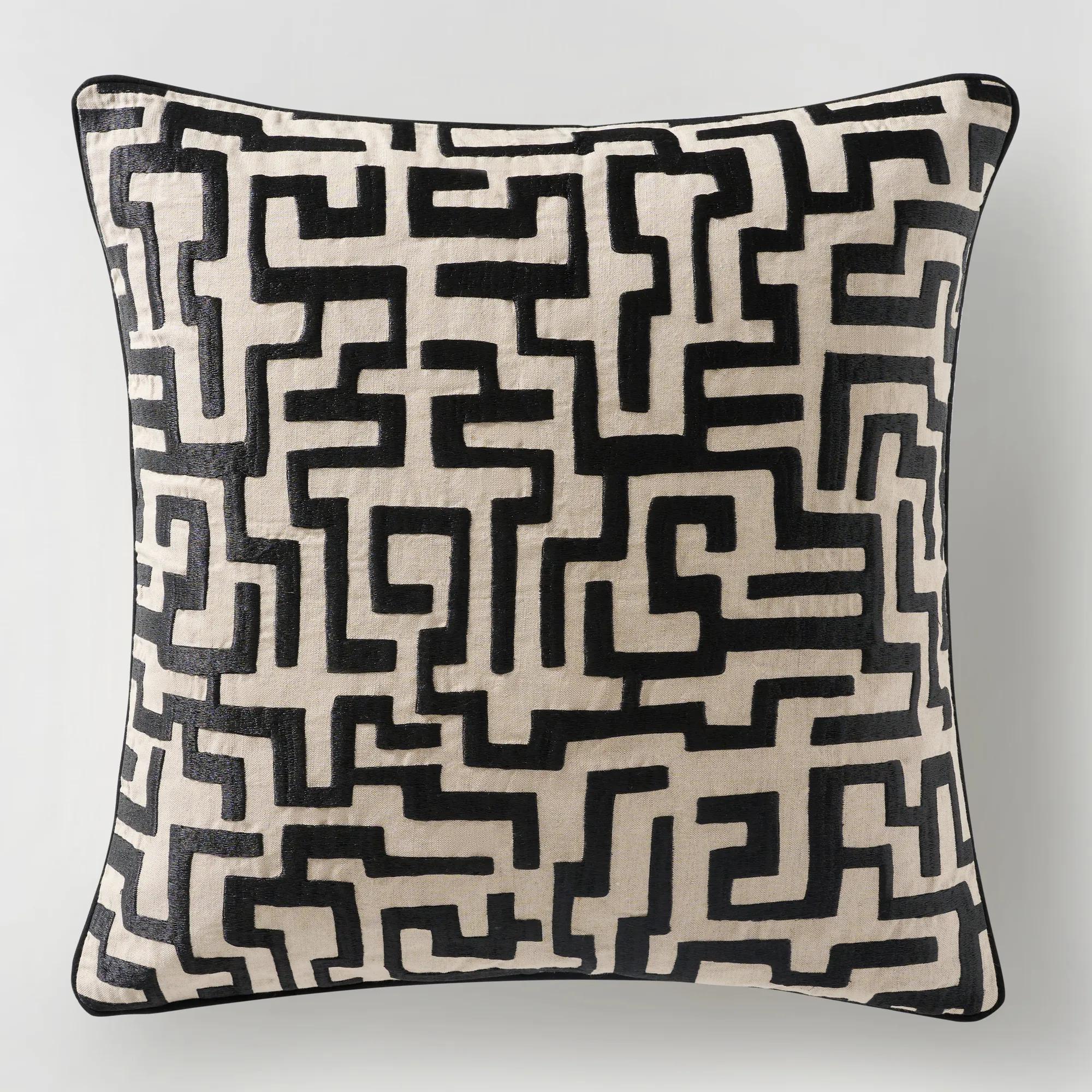
Artisan Hand Dyed Accent Pillows
Artisan Hand Dyed Accent Pillows
-

 Joie De Vivre Pillow 22" - Aqua$99.95
An artisan-dyed aqua velvet pillow featuring a shimmering metallic foil print and hand-beaded glass accents.
Add To Cart -

 Joie De Vivre Pillow 22" - Boysenberry$99.95
A hand-dyed boysenberry velvet pillow featuring metallic foil print and shimmering hand-beaded glass and sequin accents.
Add To Cart -
 Joie De Vivre Pillow 22" - Blush$99.95
A blush velvet pillow featuring a hand-dyed ombré effect, metallic foil print, and hand-beaded accents.
Add To Cart -
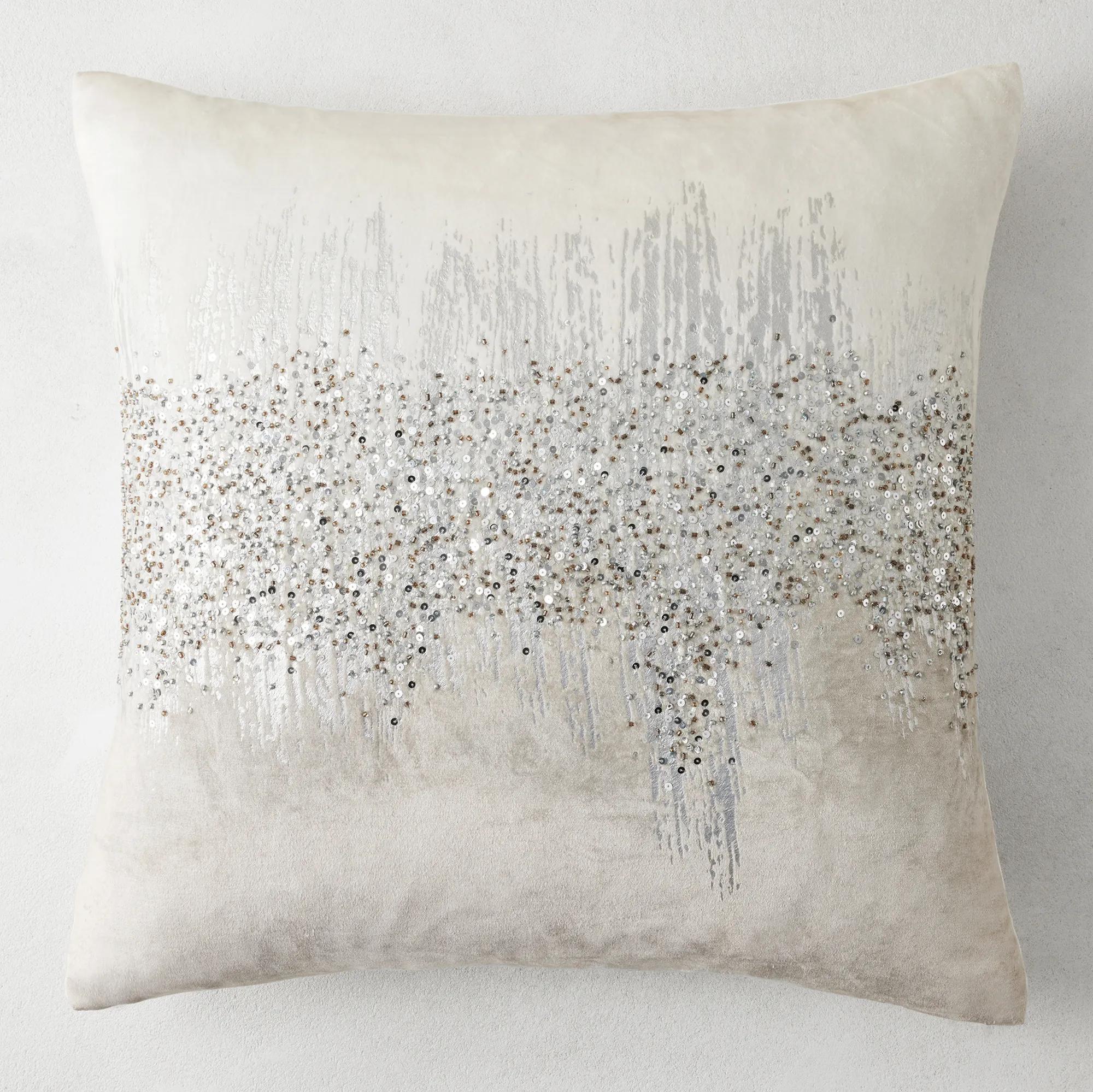
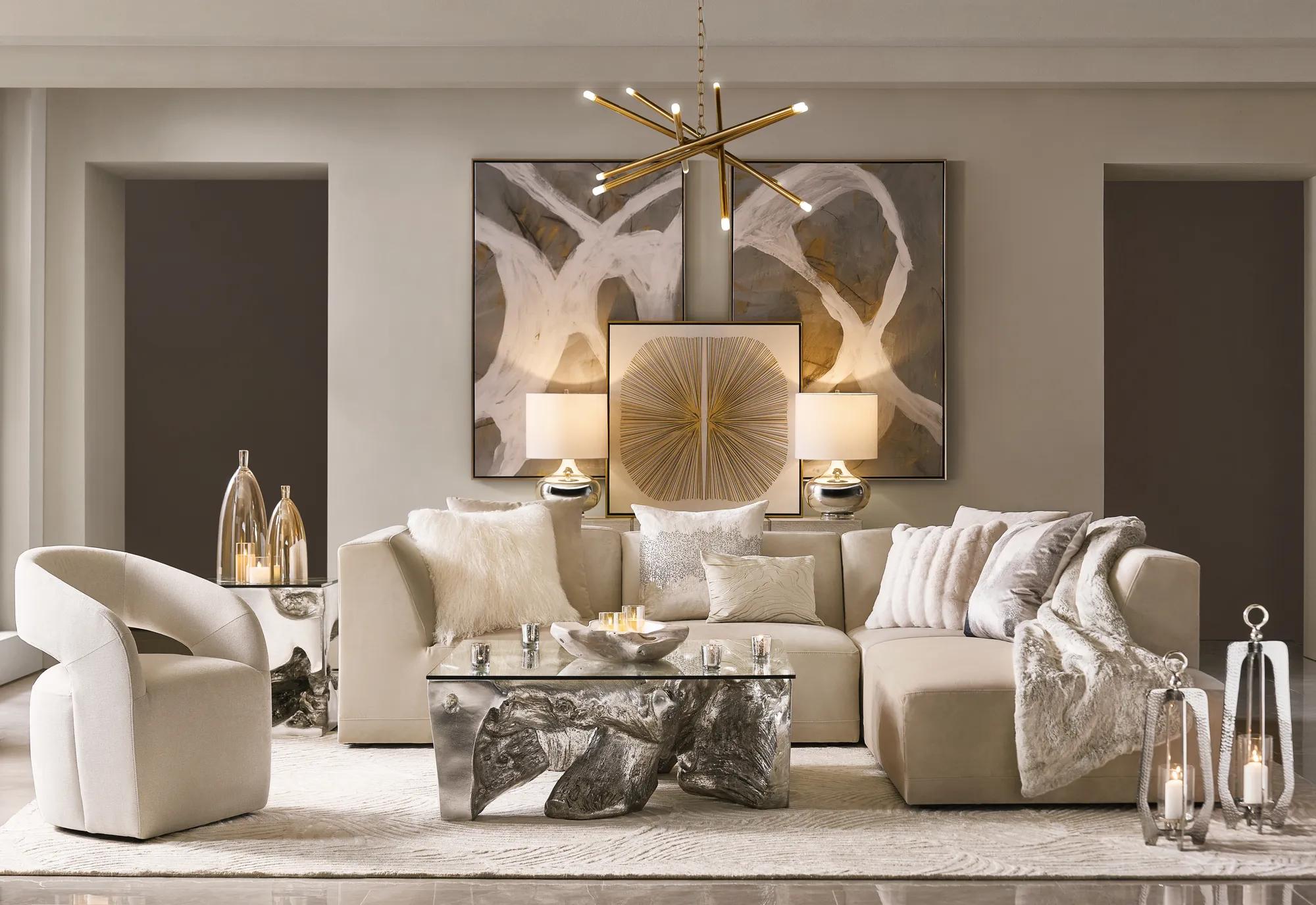 Joie De Vivre Pillow 22" - Grey$99.95
A hand-dyed grey velvet pillow featuring a shimmering metallic foil print and intricate hand-beaded details.
Add To Cart -
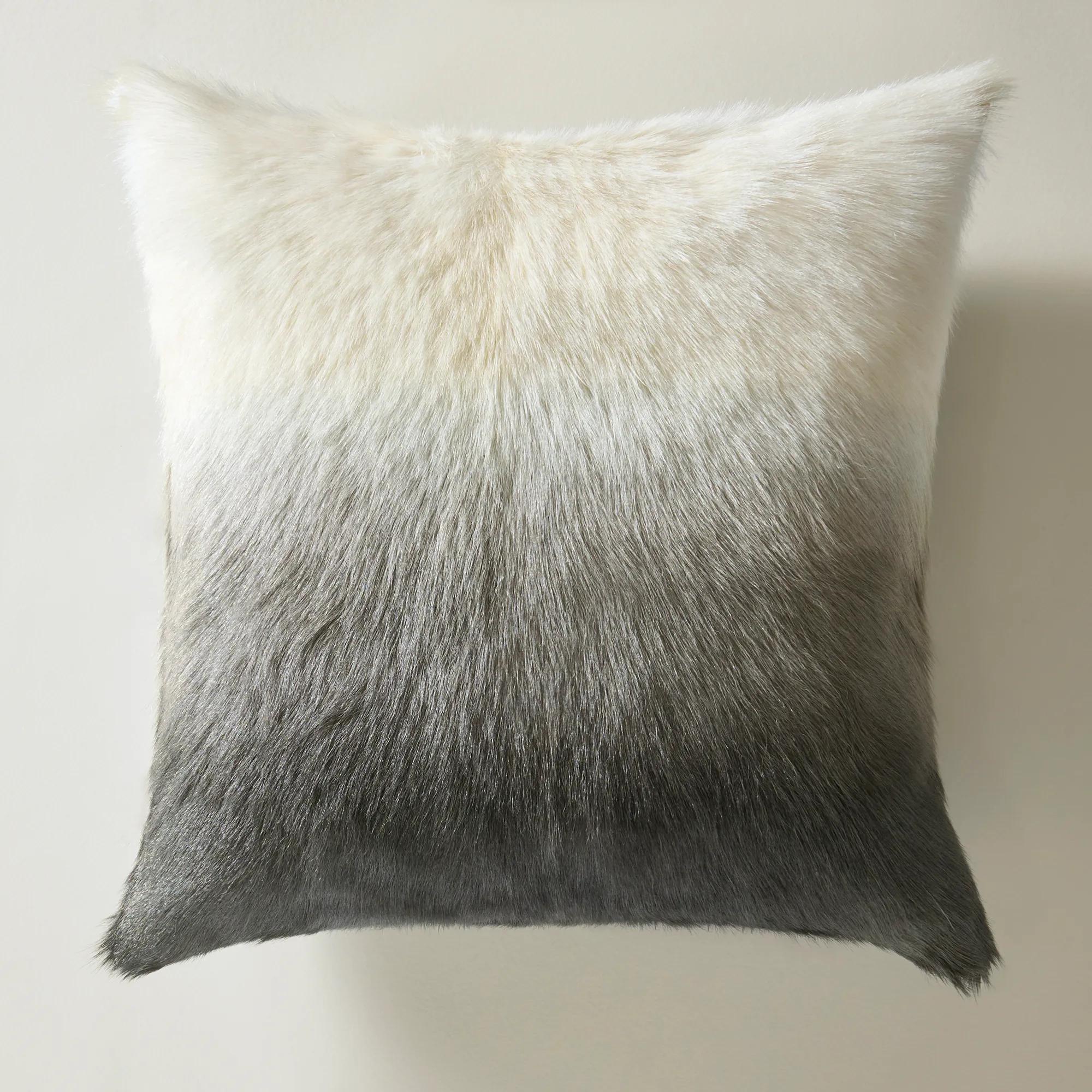
 Ombre Fur Pillow 22"$149
A luxurious goat fur pillow in a subtle grey ombre with a faux suede back and feather-down insert.
Add To Cart -
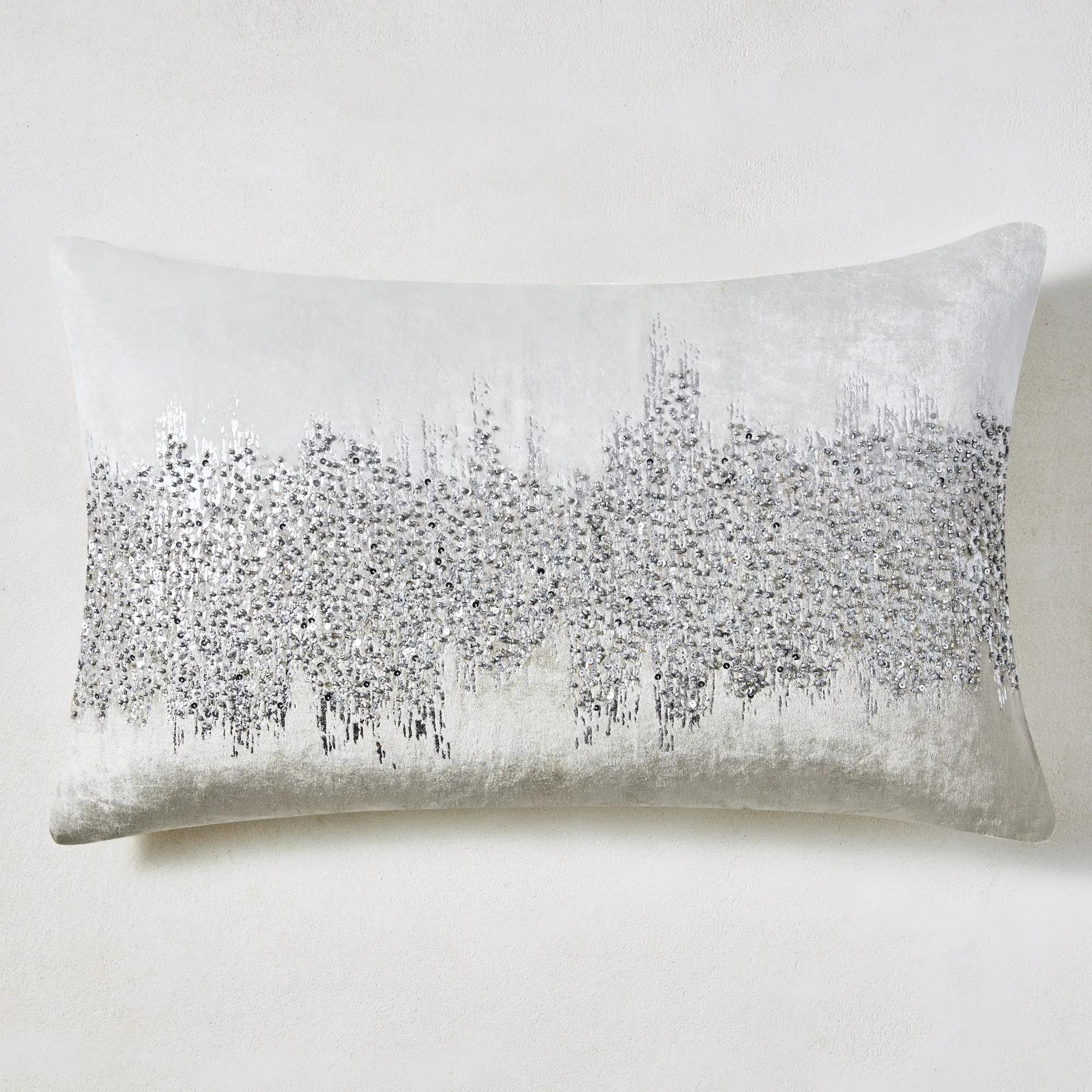 Joie De Vivre Lumbar Pillow 16" x 26" - Grey$99
A hand-dyed grey velvet lumbar pillow featuring metallic foil print and shimmering hand-beaded glass accents.
Add To Cart -
 Dragonfly Green/Ivory Beaded Embroidered Velvet Pillow 20" x 20"$119
A hand-embroidered velvet pillow featuring beaded dragonflies in green and ivory for whimsical elegance.
Add To Cart -
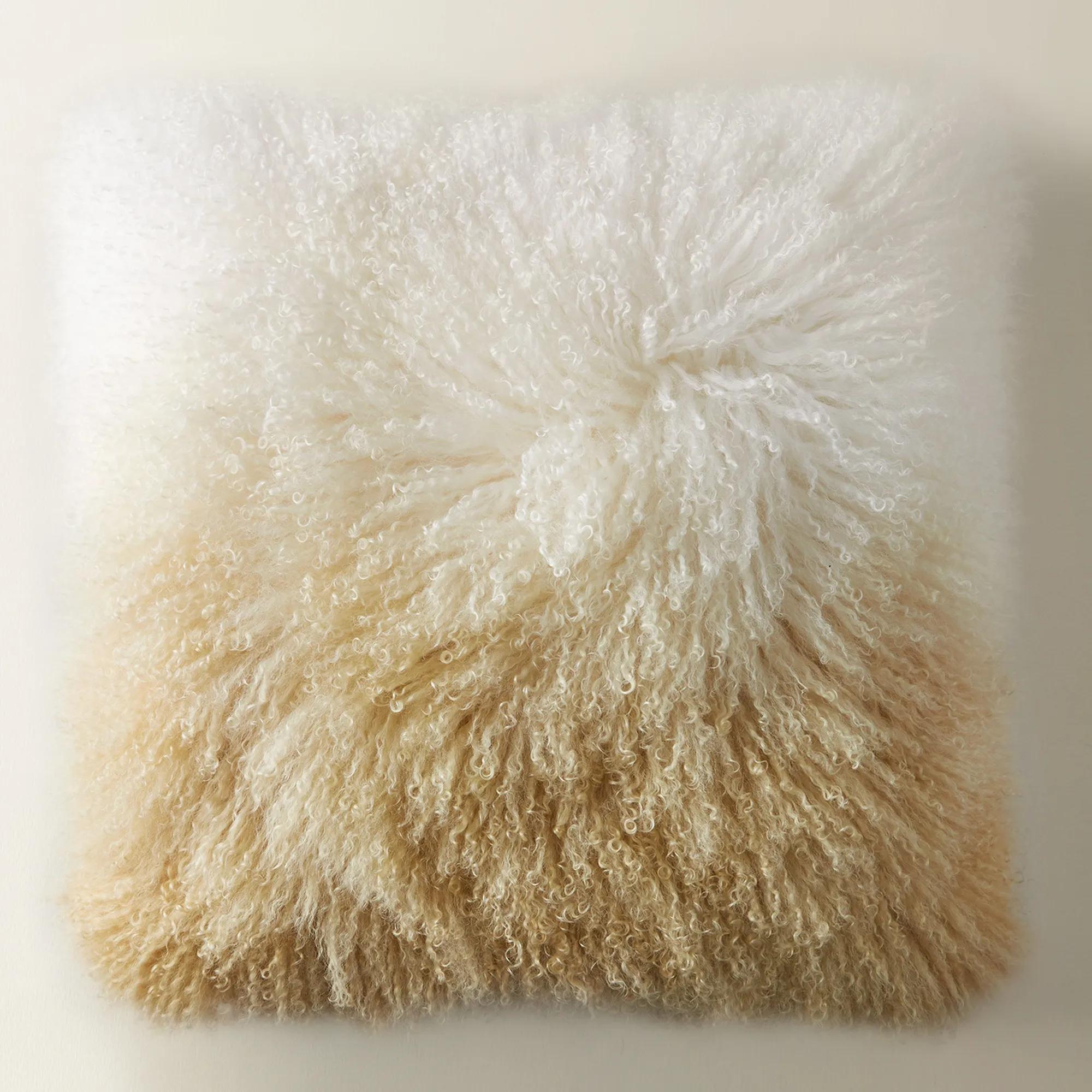
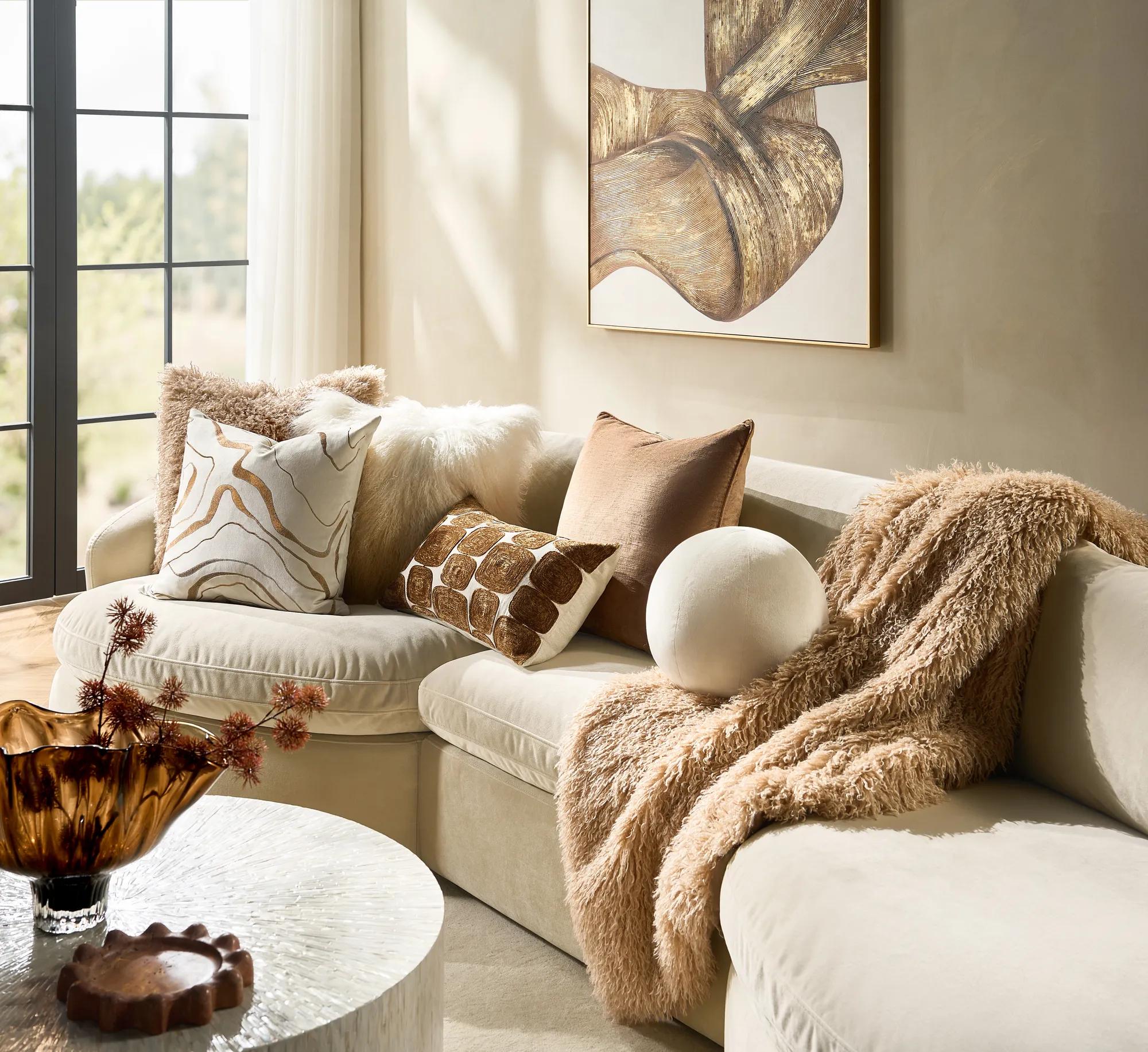 Mia Gold Ombre Mongolian Lamb Fur Pillow 22" x 22"$169
An ombre pillow featuring plush white and gold Mongolian lamb fur with a faux suede back.
Add To Cart -
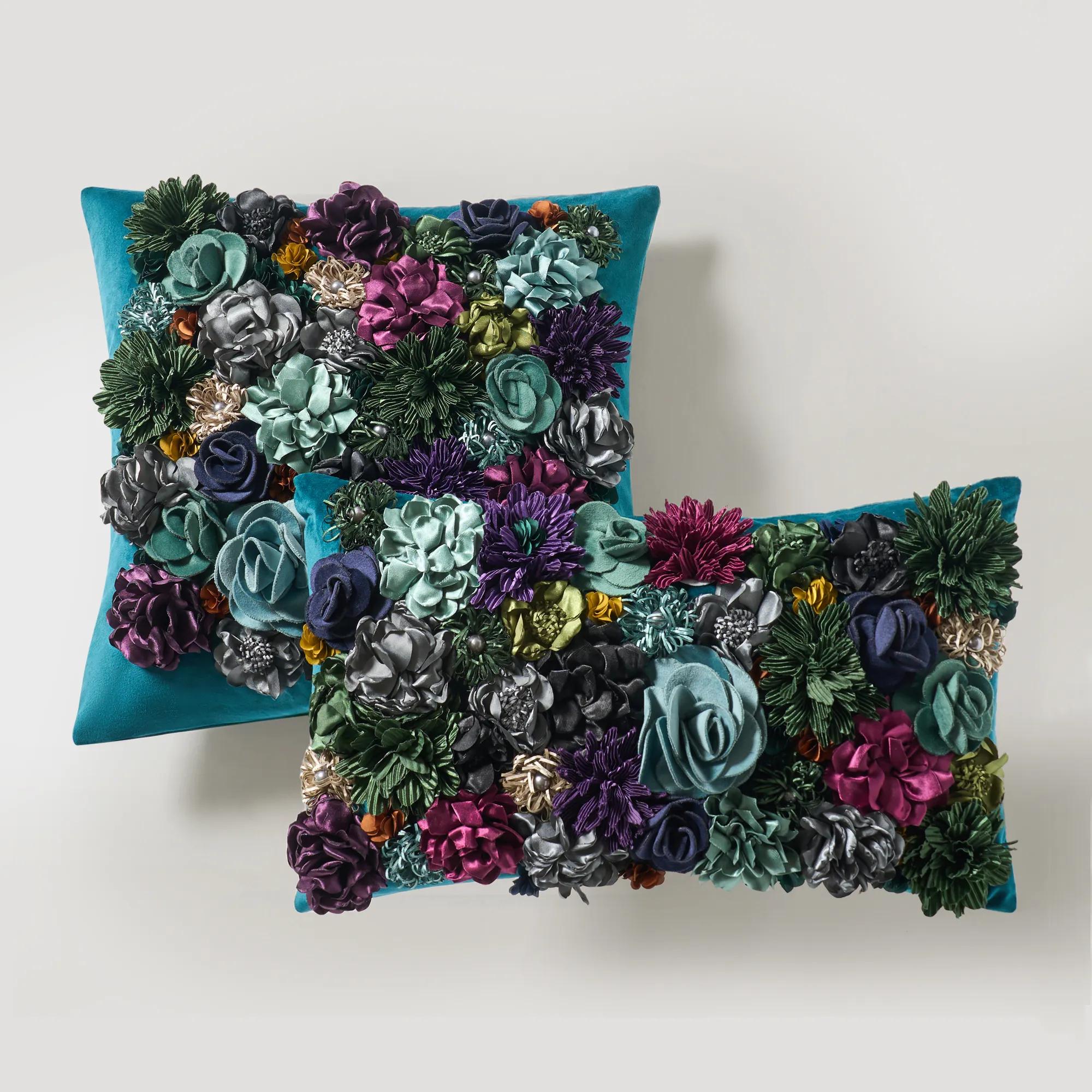
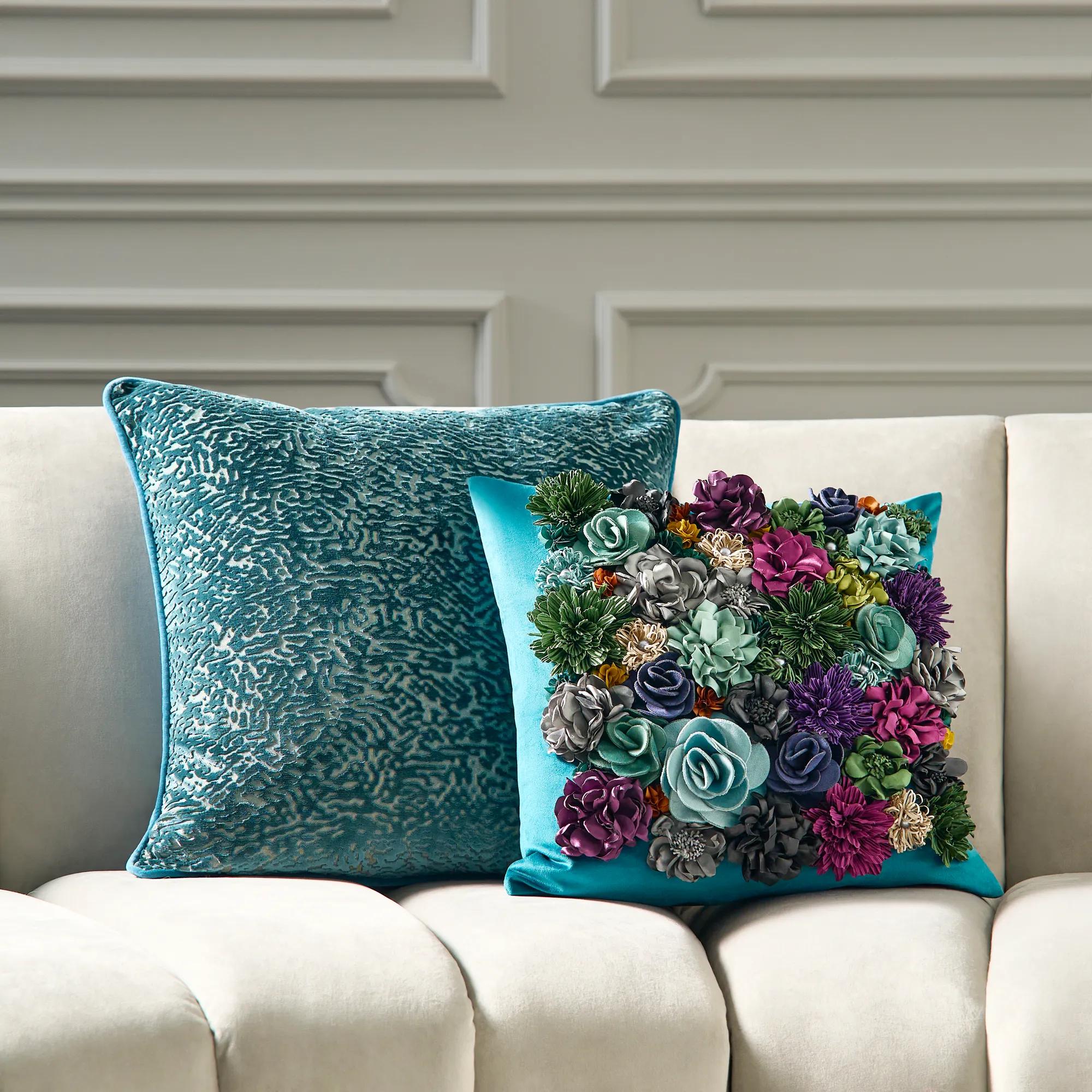 Posy Handcrafted 3D Floral Appliqué Multicolor Velvet Pillow 18" x 18"$149
A cerulean polyester velvet pillow adorned with dimensional floral blooms and a plush feather insert.
Add To Cart -
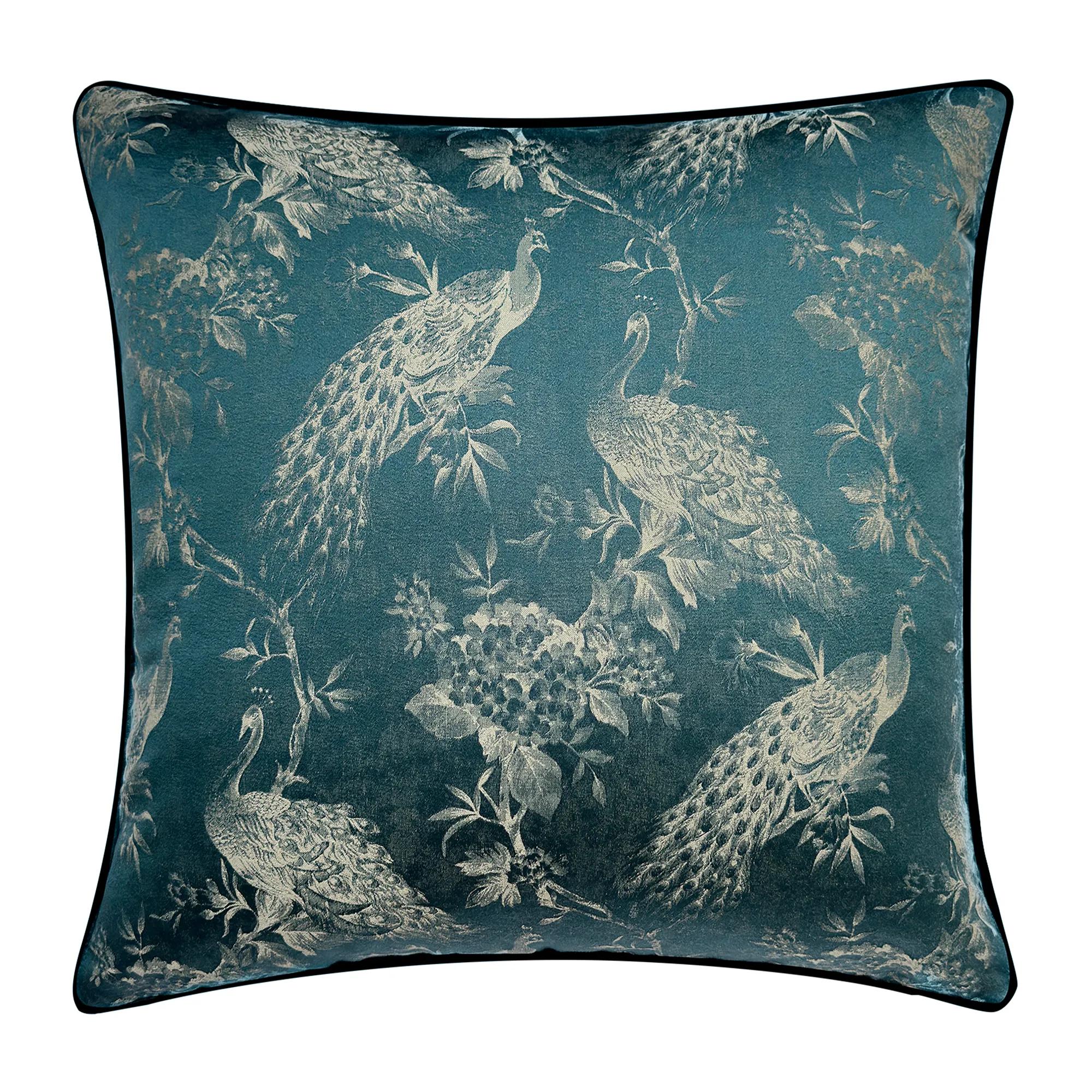
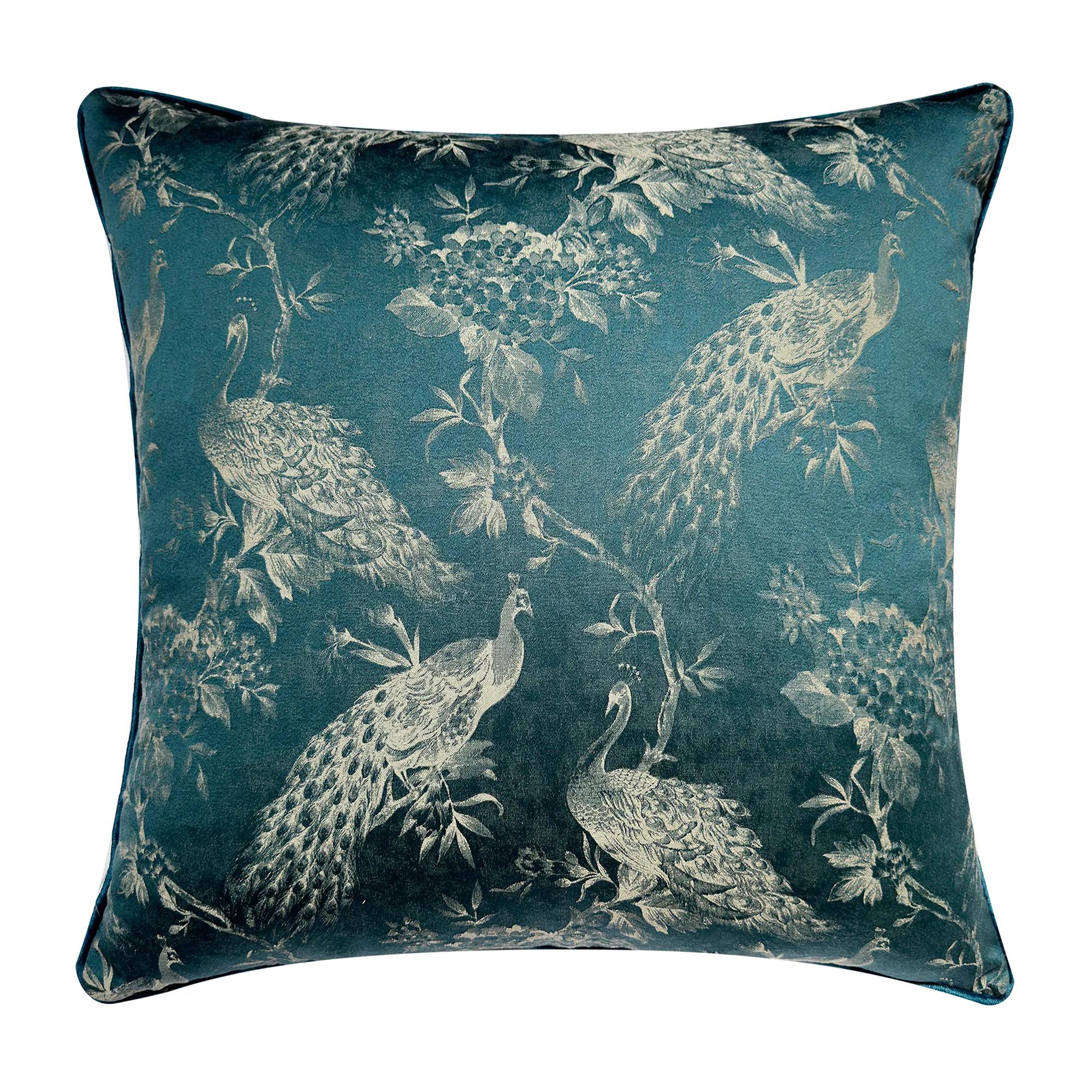 Peacock Teal Jacquard Pillow 20" x 20"$99
A teal jacquard pillow featuring an antique peacock pattern, plush feather down insert, and removable cover.
Add To Cart -
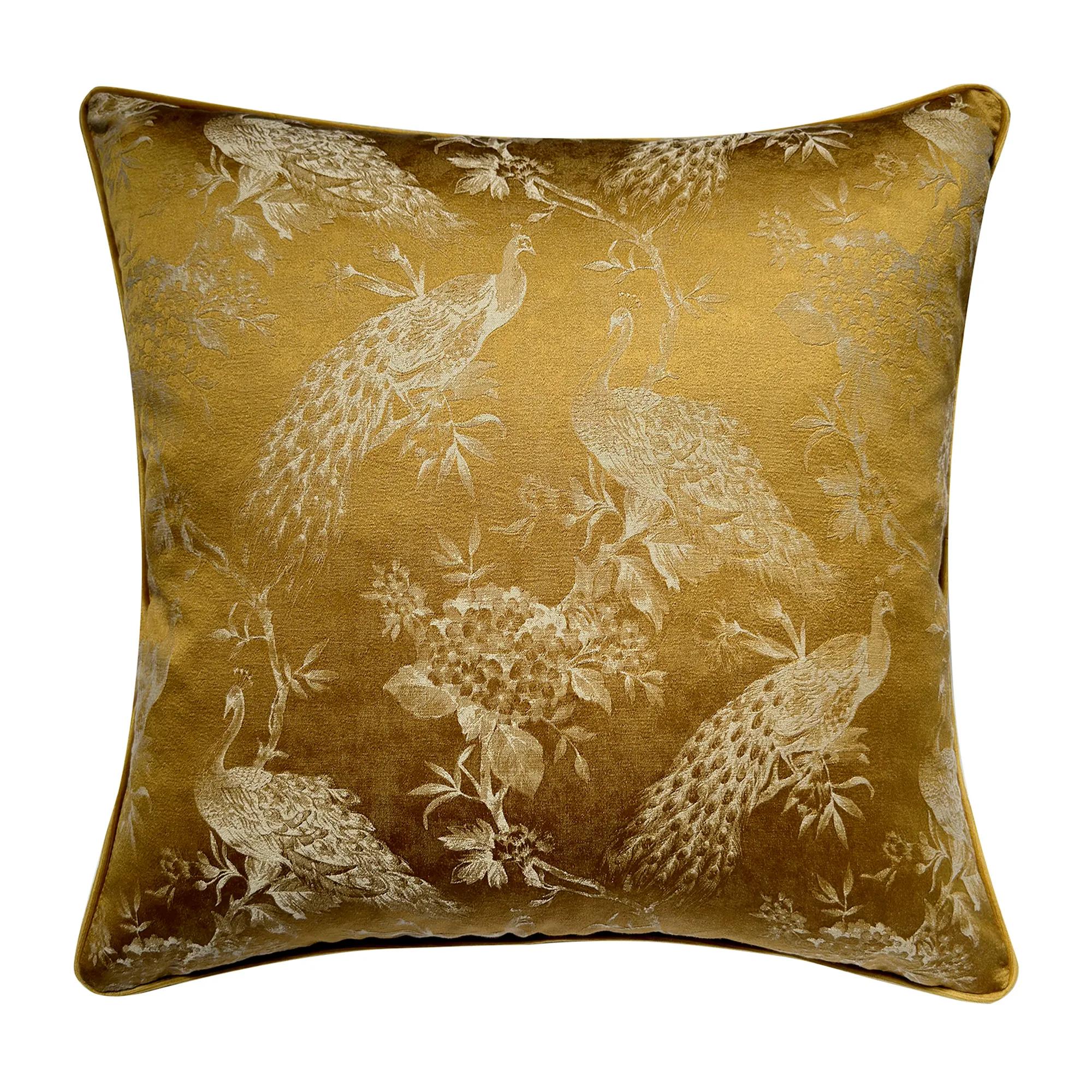 Peacock Mustard Yellow Jacquard Pillow 20" x 20"$99
A mustard jacquard pillow featuring an antique peacock pattern, solid piping, and a plush feather-down insert.
Add To Cart -
 Metallic Panther Print Ivory/Gold Velvet Pillow 20" x 20"$109
A handmade ivory velvet pillow featuring a gold foil panther print for a touch of opulent glamour.
Add To Cart -
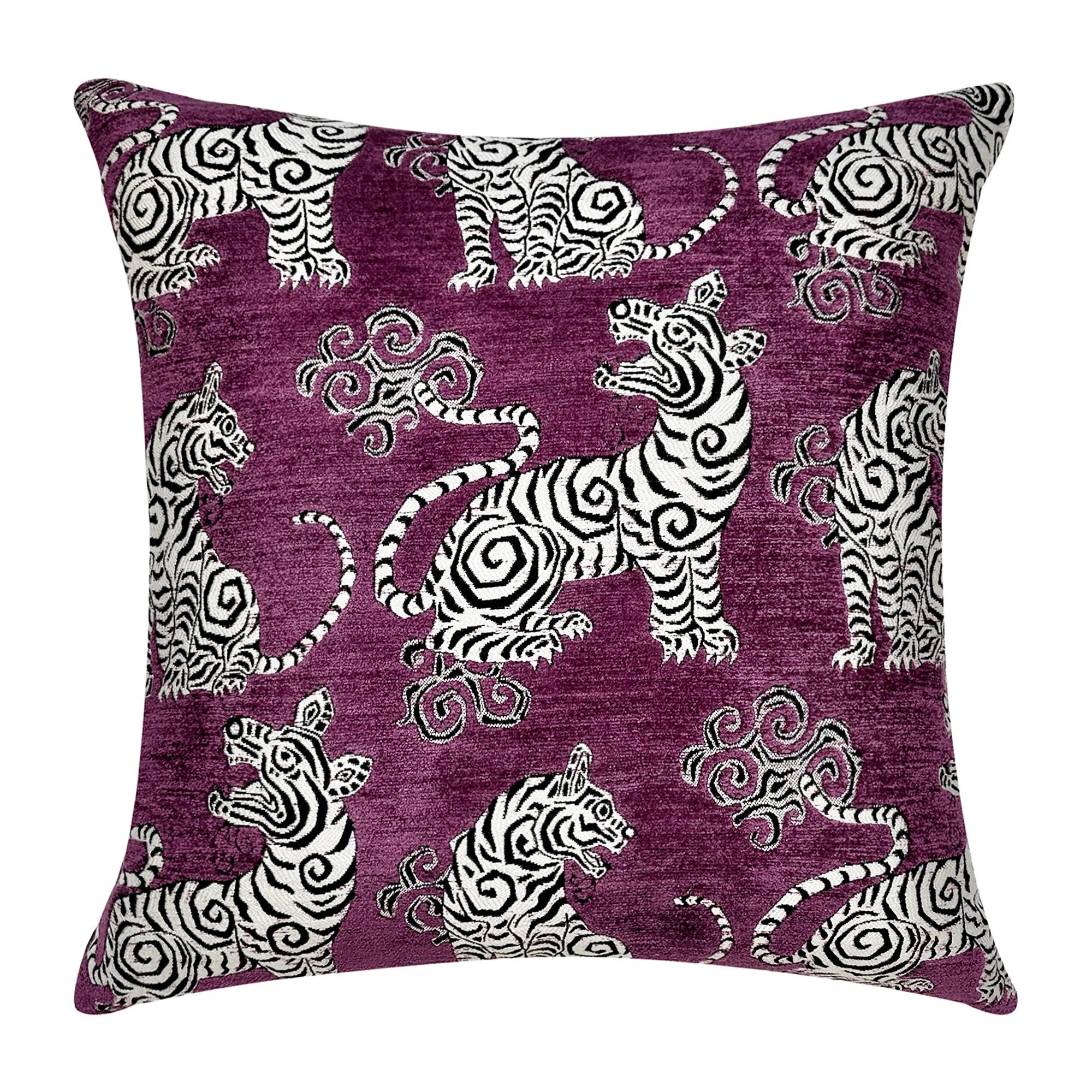 Tigress Magenta Purple Jacquard Chenille Velvet Pillow 20" x 20"$119
A magenta jacquard chenille pillow featuring a black and white mini tiger design and feather down insert.
Add To Cart -
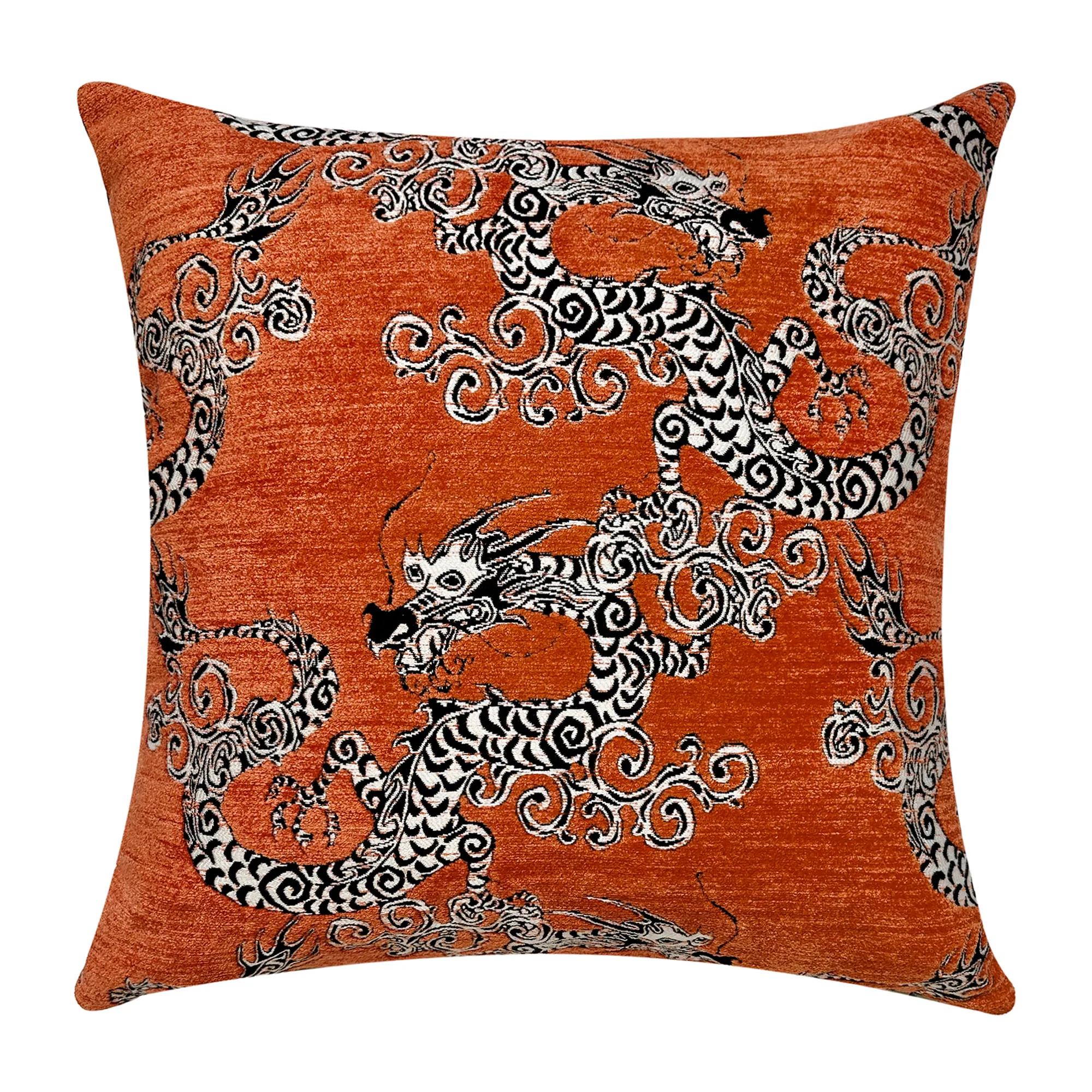
 Dragonette Orange Jacquard Chenille Pillow 20" x 20"$119
A luxurious orange jacquard chenille pillow featuring a black and white mini dragon design and feather down insert.
Add To Cart -
 Lowry Pleated Rich Olive Green Velvet Pillow 22" x 22"$89
A hand-pleated velvet pillow in rich olive green with a feather-down insert and hidden zipper closure.
Add To Cart -
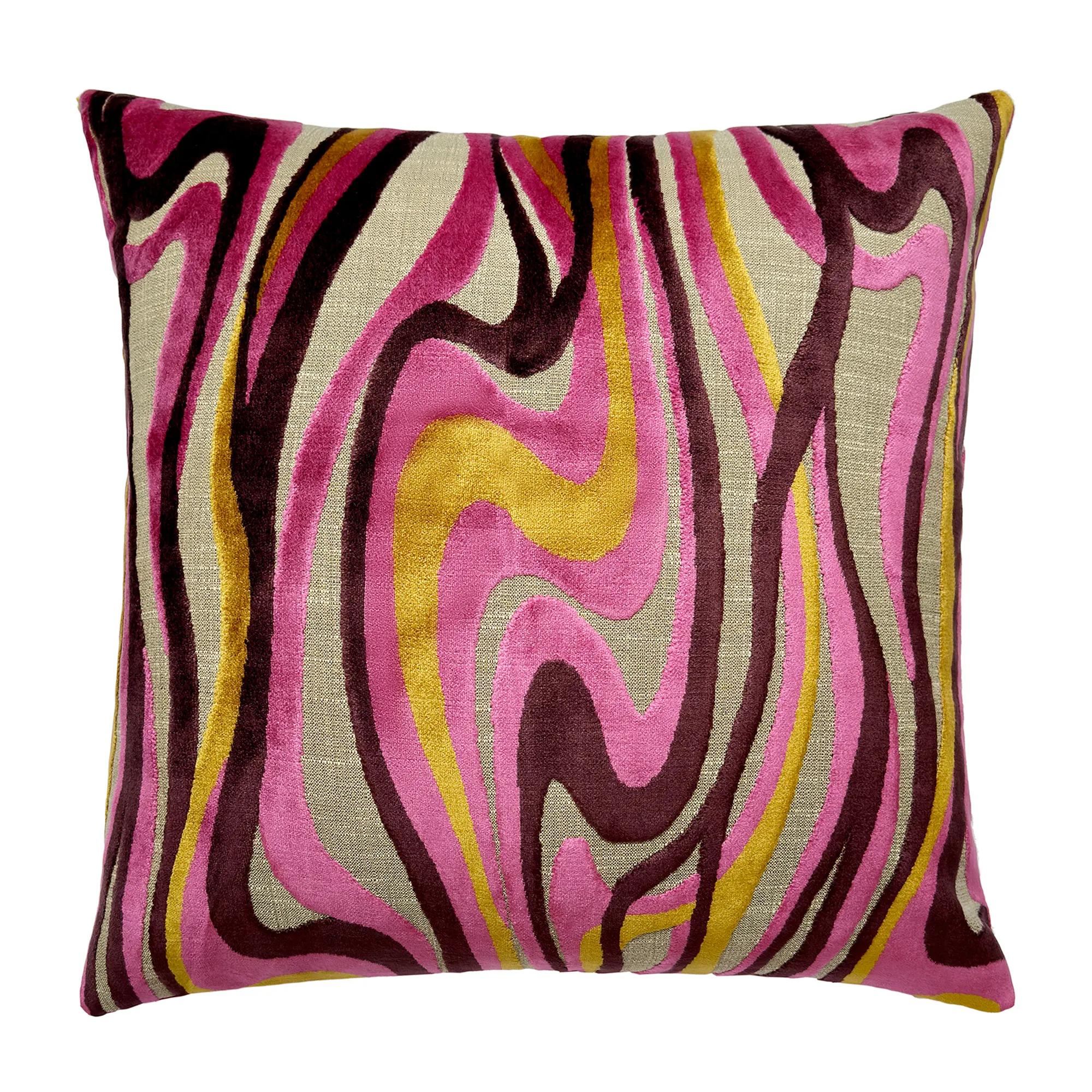
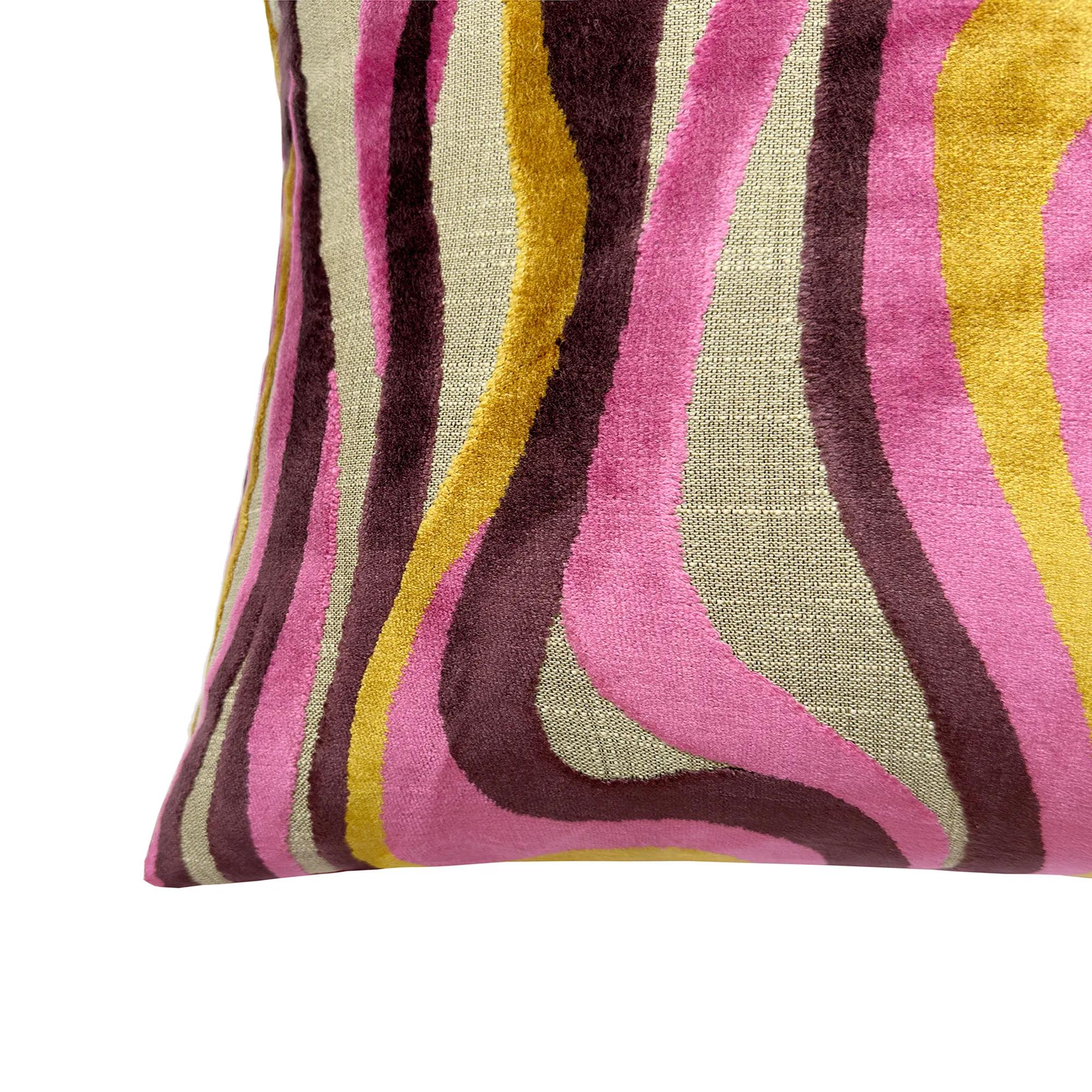 Sway Sorbet Jacquard Cut Velvet 22" x 22"$159
A luxurious jacquard cut velvet pillow in sorbet and fuchsia with a bold wavy pattern.
Add To Cart -
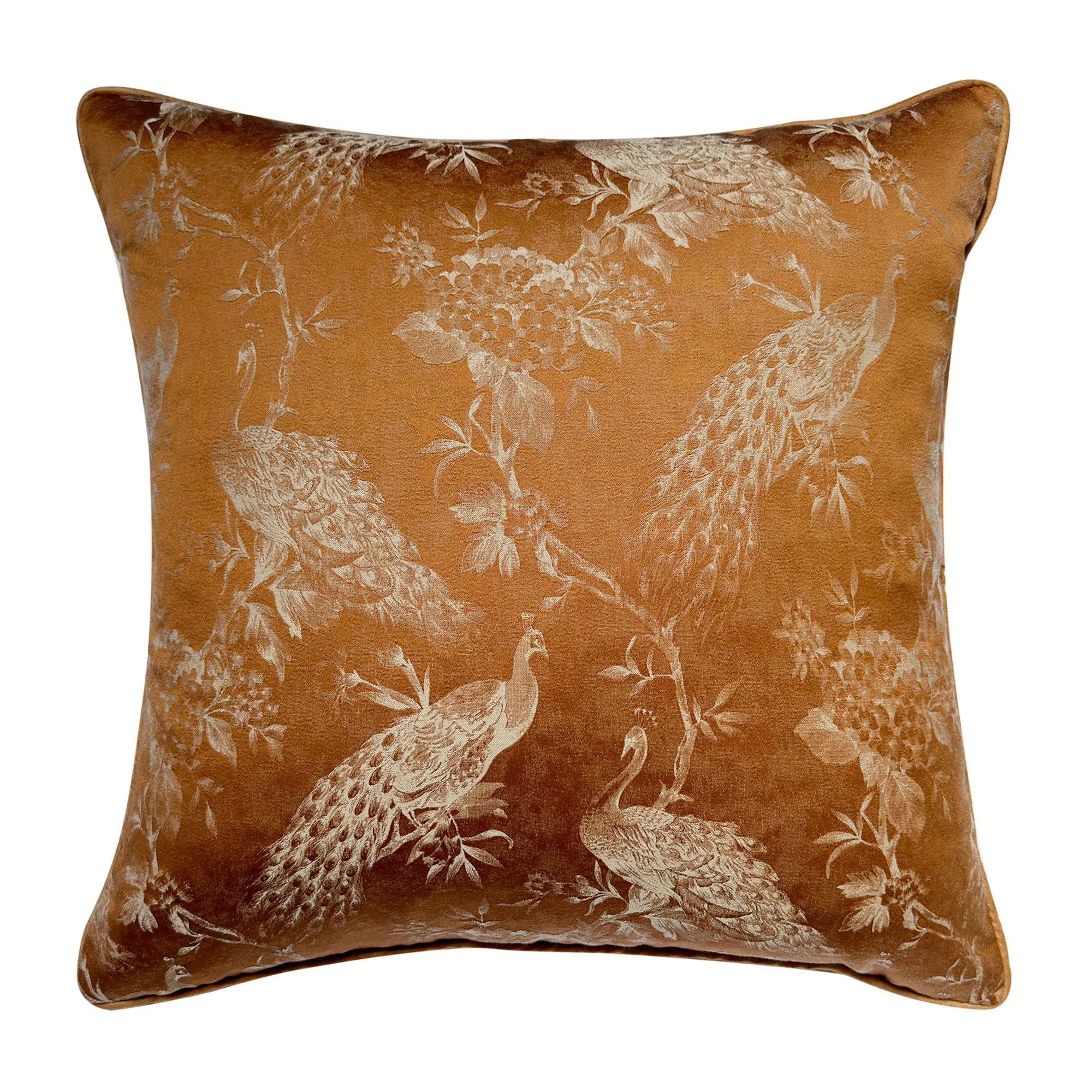
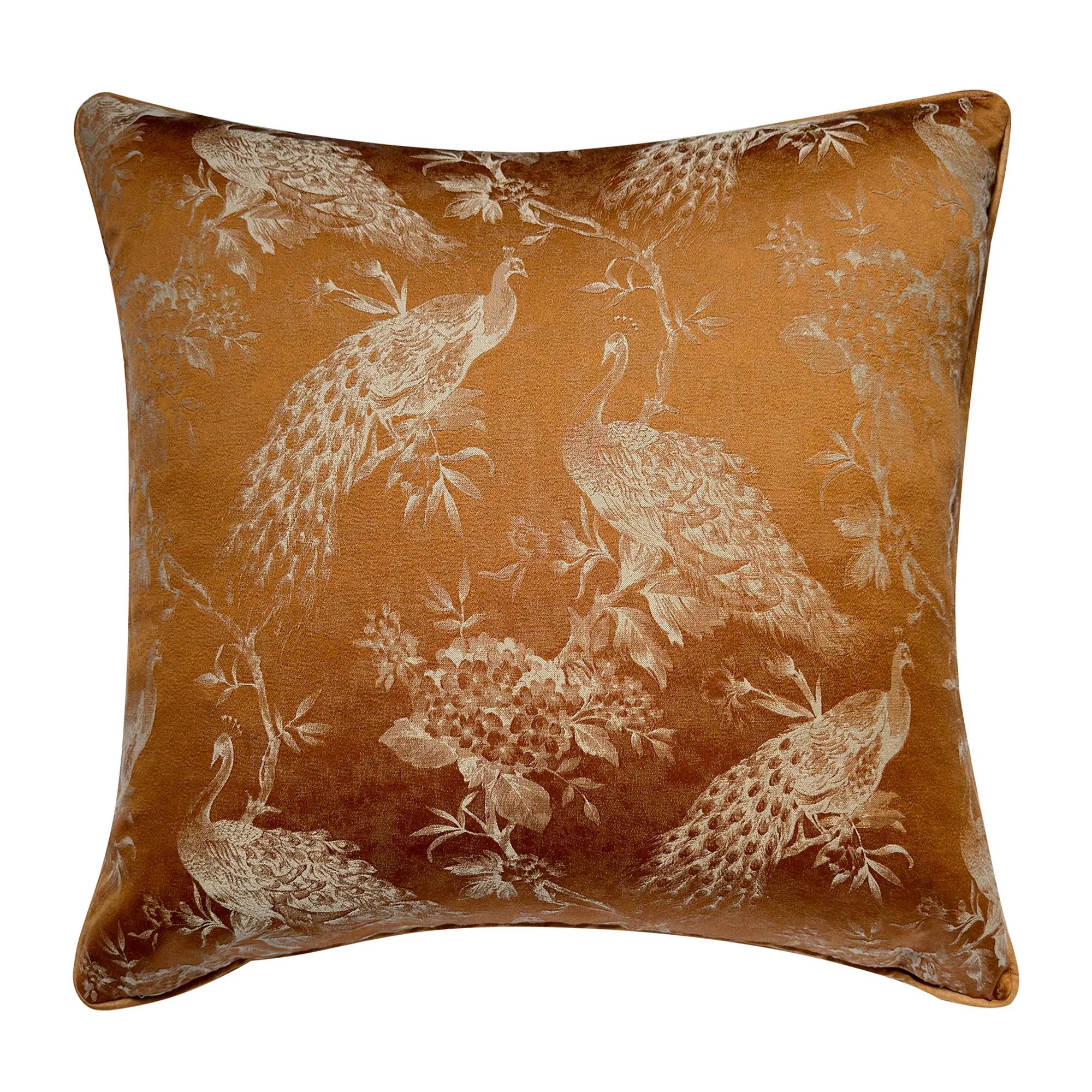 Peacock Copper Jacquard Pillow 20" x 20"$99
A handmade copper jacquard pillow featuring an antique peacock pattern and plush feather down insert.
Add To Cart -

 Nimer Gold/Multi Printed Slubbed Cotton Pillow 22" x 22"$119
A bold Bengal tiger pillow in gold and multicolor slubbed cotton with a plush feather-down insert.
Add To Cart -
 Namir Leopard Beaded Embroidered Dusty Blue/Gold Velvet Pillow 22" x 22"$129
A soft dusty blue velvet pillow featuring an embroidered beaded leopard face and feather-down insert.
Add To Cart -
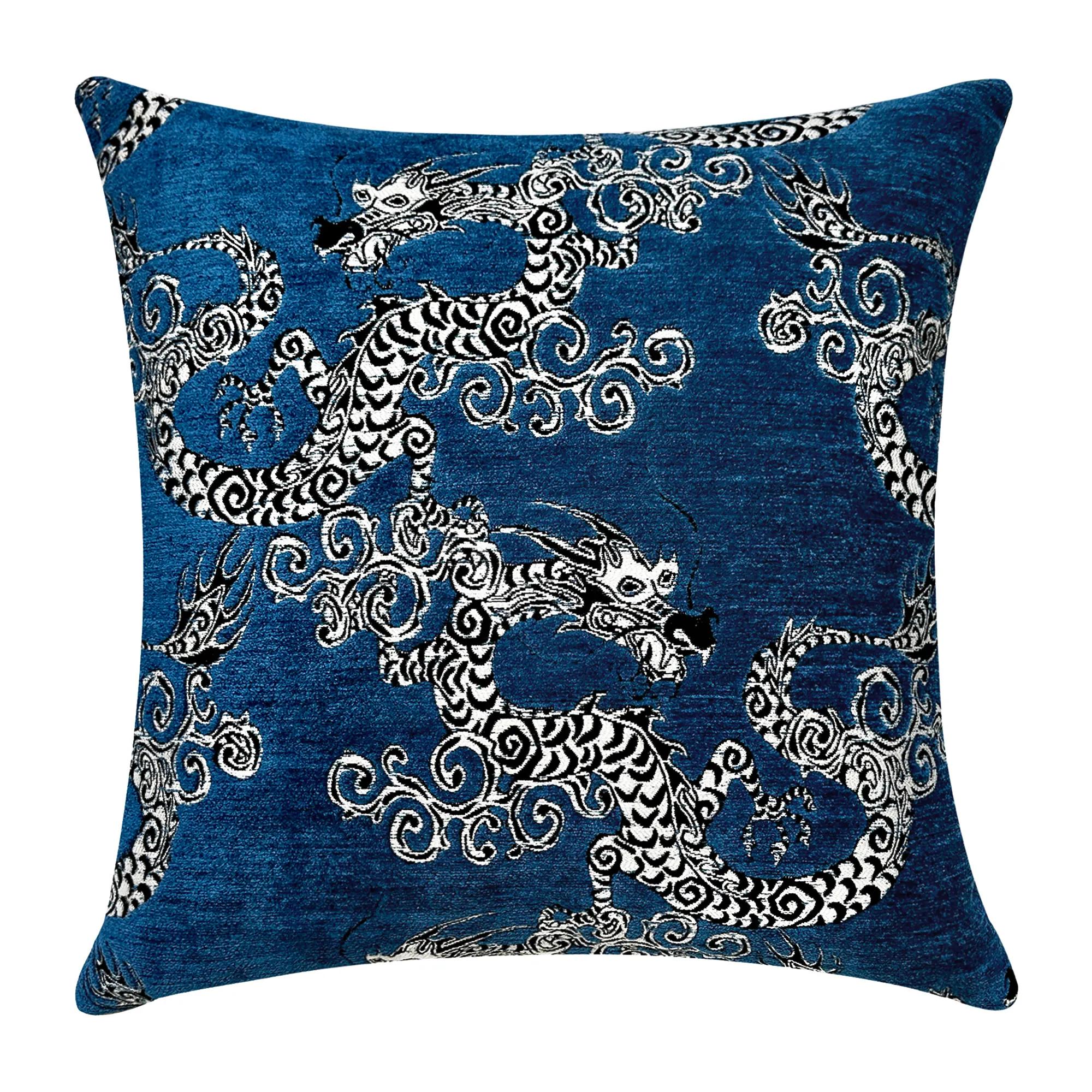
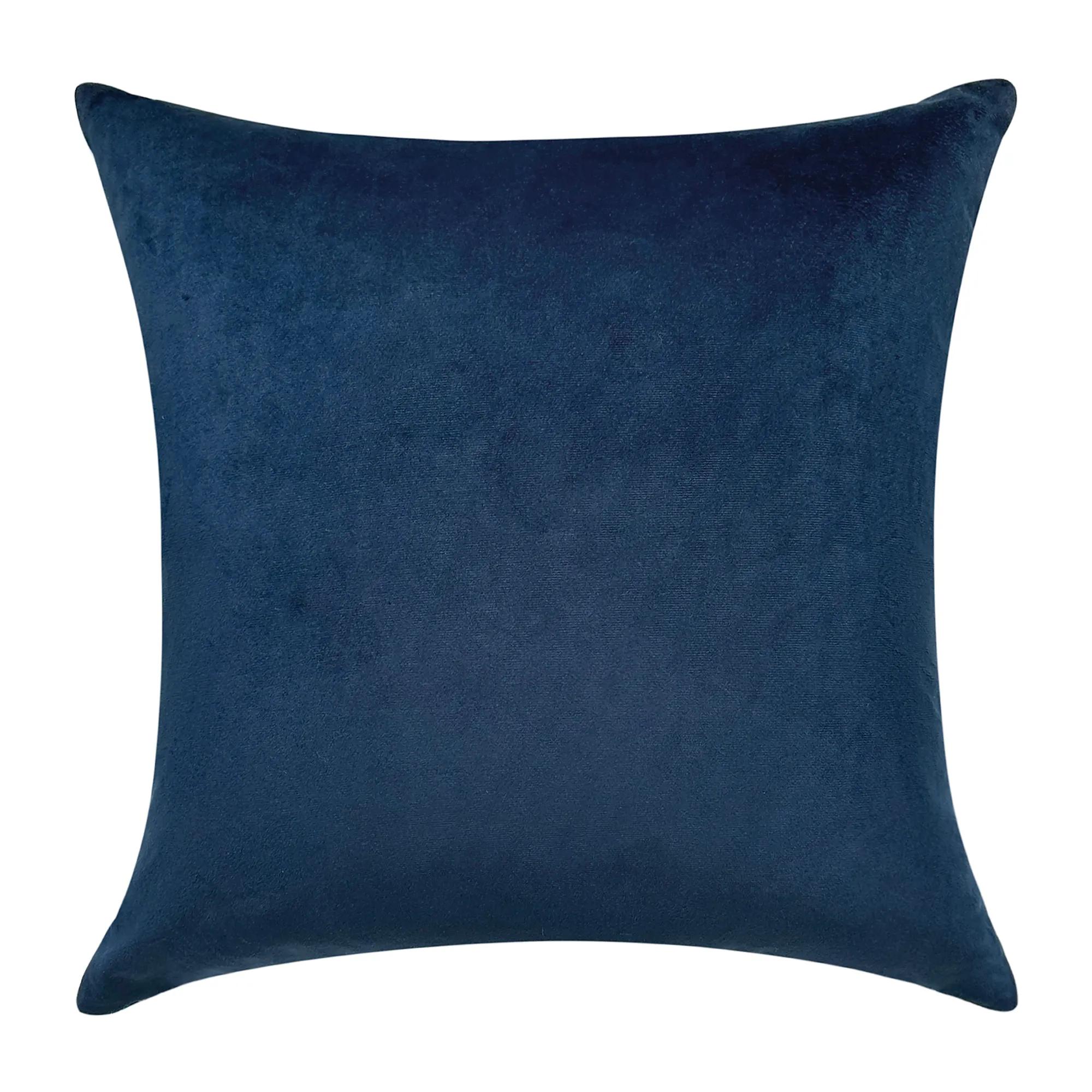 Dragonette Sapphire Blue Jacquard Chenille Pillow 20" x 20"$119
A luxurious sapphire jacquard chenille pillow featuring a black and white mini dragon design and feather down insert.
Add To Cart -
 Moiré Embroidered Sea Glass Satin Pillow 22" x 22"$99
A sea glass satin pillow featuring tonal moiré embroidery and a plush feather-down insert for comfort.
Add To Cart -
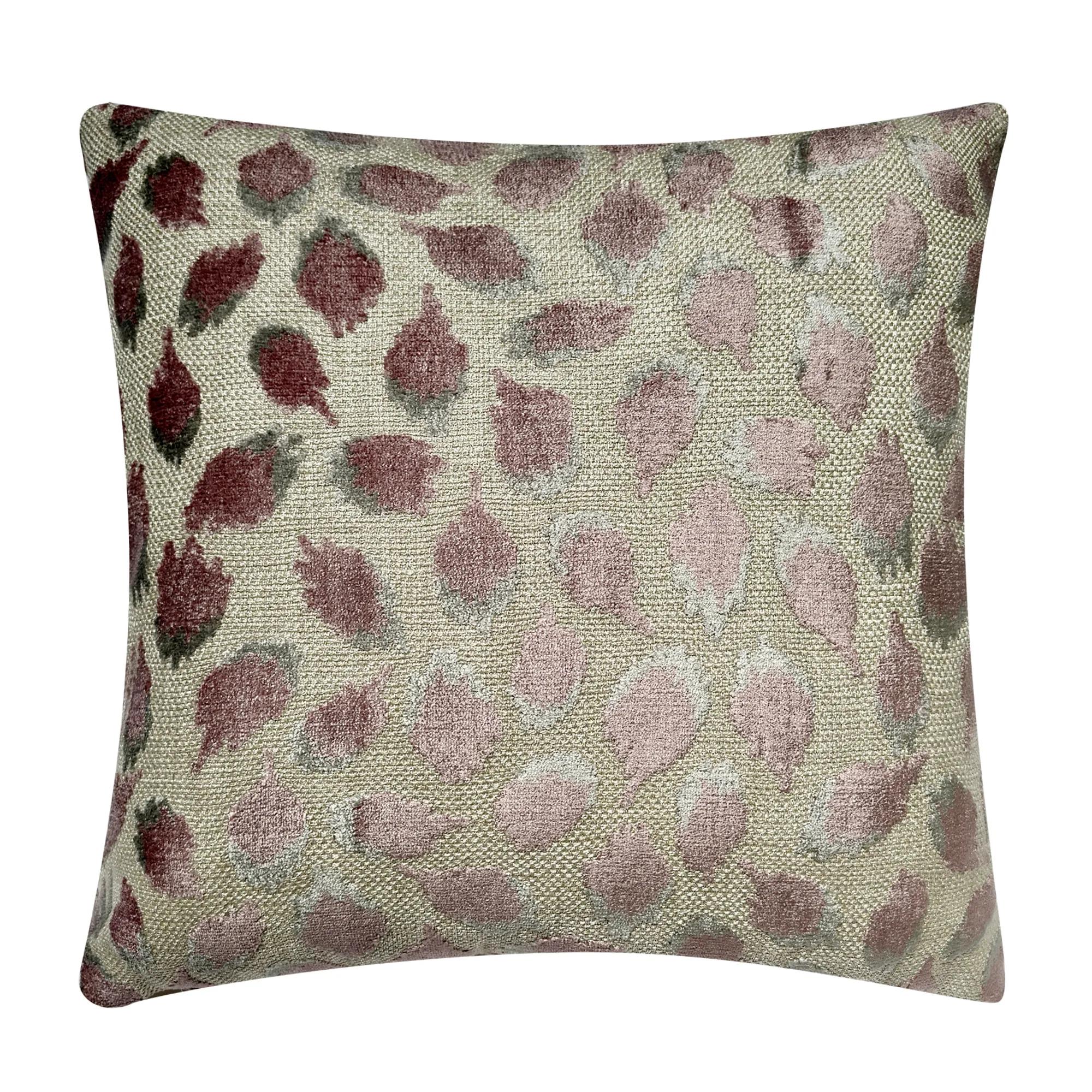
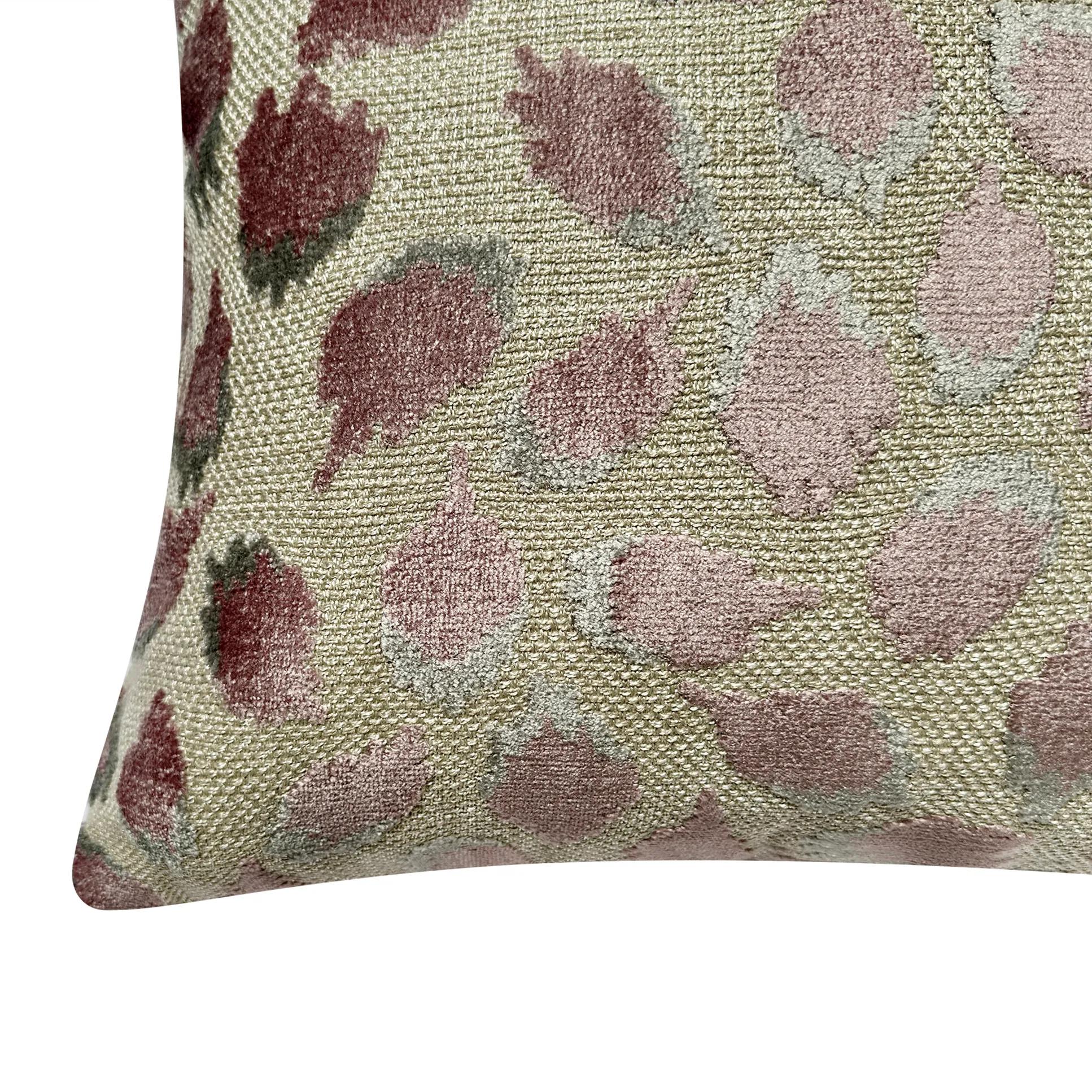 Gianna Pink/Grey Velvet Pillow 22" x 22"$129
A plush feather-down pillow featuring a textured pink and grey abstract leopard design with a removable cover.
Add To Cart -

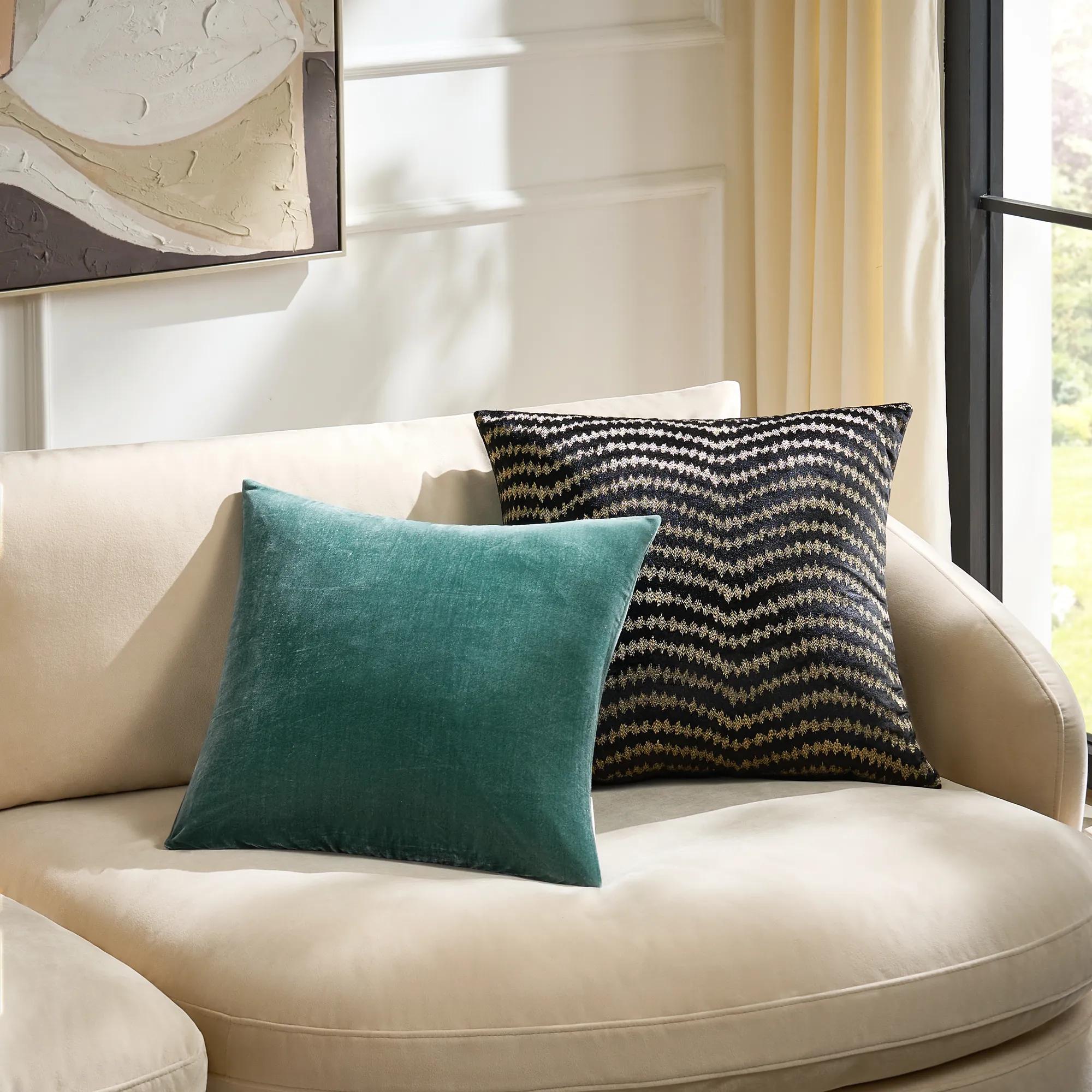 Delia Deep Teal Silky Velvet Pillow 20" x 20"$79
A deep teal silk-like velvet pillow with a light-reflecting sheen and plush feather-down insert.
Add To Cart -
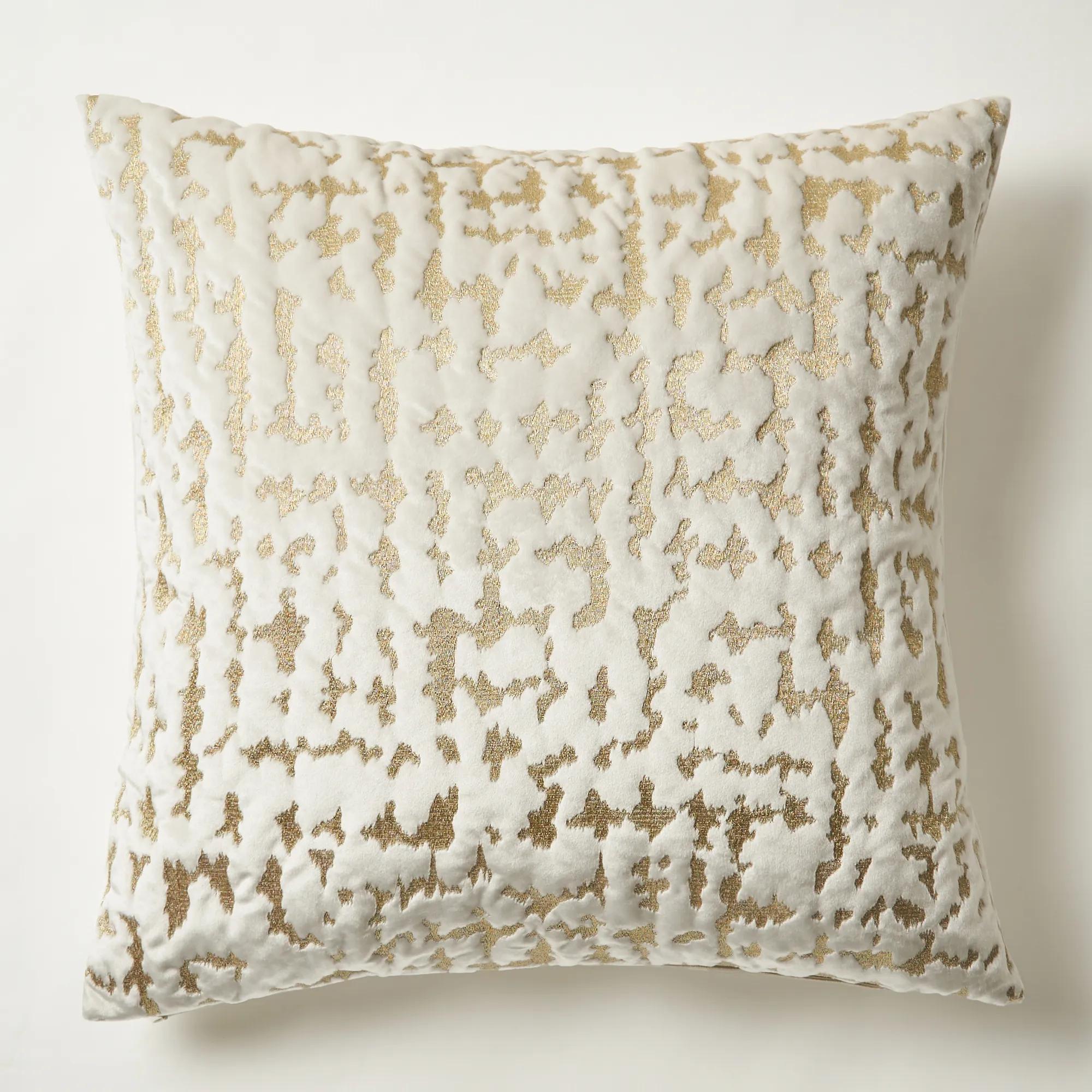
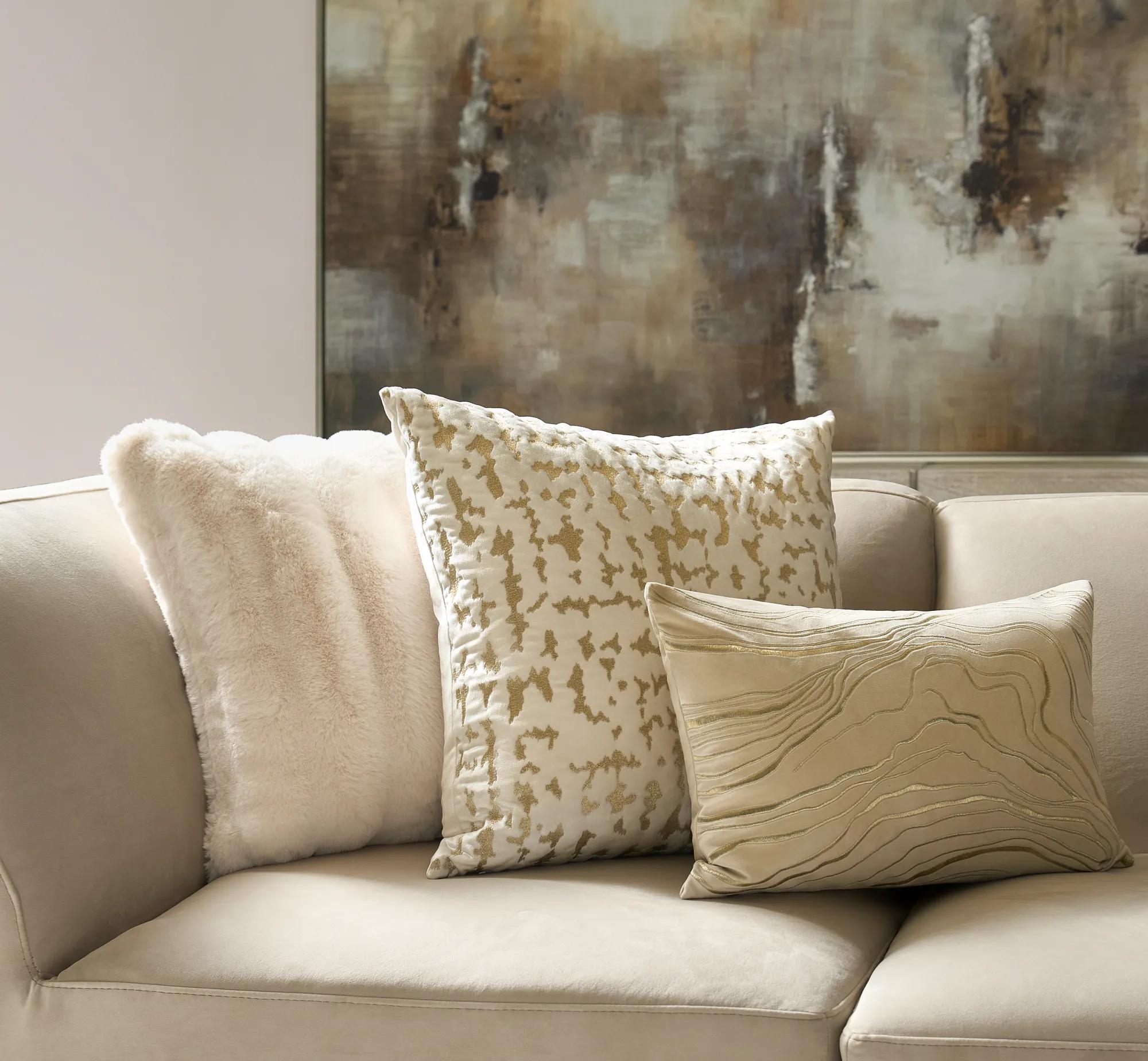 Solenne Embroidered Gold/Ivory Velvet Pillow 22" x 22"$89
An ivory velvet pillow with gold metallic 3D quilting and a plush feather down insert.
Add To Cart

Artisan Hand Dyed Accent Pillows
Artisan hand dyed accent pillows are the secret to a room that radiates individuality and allure. Each pillow is a captivating work of art—alive with nuanced color, painterly textures, and the unmistakable touch of human craftsmanship. Drape your sofa or bed in these sumptuous statements and watch as every hue and pattern transforms your space into a gallery of self-expression. With artisan hand dyed accent pillows, ordinary moments become extraordinary, inviting admiration and conversation at every glance. Elevate your décor with pieces that celebrate artistry, depth, and the irresistible drama of true originality.
Artisan hand-dyed accent pillows are decorative cushions made with fabric colored by hand, giving sofas, chairs, and beds an expressive layer of pattern, texture, and tonal variation. Their appeal lies in the character of the dye work: a wash of color that deepens along a fold, a softly feathered edge, or a rhythmic arrangement of marks shaped by the maker’s process. Depending on the textile and technique, artisans may use plant-derived dyes, mineral-based colorants, or other textile dyes to create effects ranging from delicate marbling to saturated, painterly fields. Hand-dyed does not automatically mean naturally dyed, and handwoven fabric is a separate attribute; product descriptions should identify those details when they apply. Resist-dye methods, including shibori, use folding, binding, stitching, or compression to limit where color reaches the cloth, leaving distinctive patterns when the fabric is opened. Other approaches build depth through dipping, brushing, or layering color. These processes can produce subtle differences between pillows, making variation part of their visual character rather than a promise that every piece will look exactly alike. The underlying fabric shapes the finished effect just as much as the dye. Cotton can provide a soft, familiar hand and a clear foundation for pattern, while linen brings visible texture and a more relaxed surface. Velvet introduces a plush pile that catches light, adding dimension to rich color; silk lends a luminous finish suited to a more decorative setting. Fiber blends offer their own combinations of texture, drape, and care requirements. A hand-dyed pillow’s material, weave, and finish matter more to its performance than the handmade label alone. On a clean-lined sofa, a fluid dye pattern can soften the geometry without diminishing its presence. Against a tufted headboard, a luminous textile adds another layer of detail. The strongest choice feels considered from both across the room and close at hand: color that belongs in the composition, texture that invites attention, and craftsmanship that rewards a second look.
Color and scale determine whether hand-dyed throw pillows become a quiet bridge between furnishings or the focal point of an entire seating arrangement. A pillow with several shades can connect elements that might otherwise feel separate, drawing a smoky tone from artwork, a warm neutral from upholstery, and a deeper accent from a rug. Rather than matching every surface precisely, look for a shared undertone. A blue with a gray cast sits differently beside silver finishes than a blue with a green cast, and a dusty rose reads differently against cream than against bright white. For a softer palette with an expressive finish, Handcrafted Pink Accent Pillows introduce another direction for rooms built around blush, rose, and nuanced pink tones. Pattern deserves the same attention as color. Broad washes and oversized resist motifs remain legible from a distance, while small marks and delicate variations invite closer inspection. One fluid pattern beside a solid velvet pillow lets both surfaces retain their individuality; several intricate patterns work best when their colors share a clear connection. Proportion keeps the arrangement comfortable as well as striking. On a deep sofa, larger square pillows can create a substantial backdrop, with a narrower lumbar pillow adding contrast in front. On a compact accent chair, a single appropriately scaled cushion preserves the silhouette and leaves room to sit. Bed arrangements benefit from a similar sense of hierarchy, with larger cushions behind smaller accents so the dye work remains visible instead of disappearing into a crowded stack. Measure the seating area and check the listed pillow dimensions, noting whether a measurement refers to the cover or the filled cushion. Confirm whether an insert is included before choosing a shape or fill. Feather and down blends can offer a yielding feel, while synthetic fills may suit those who prefer an alternative; firmness and loft vary by construction. A pillow used behind the lower back needs a different balance of support and softness from one placed mainly for its sculptural presence.
Thoughtful construction and appropriate care help preserve the distinction of artisan hand-dyed accent pillows through everyday use. Secure seams, neatly finished edges, and a well-installed closure contribute to longevity, while a removable cover can make maintenance more manageable when the care instructions allow it. Fabric weight and weave also influence durability: a delicate, loosely woven textile may be better suited to a decorative chair than a heavily used family sofa. Hand-dyed fabric is not inherently stain-resistant, fade-resistant, or suitable for outdoor use, and natural dye ingredients do not by themselves establish washability or colorfastness. Read the care label for the finished pillow rather than relying on a general rule for cotton, linen, velvet, or silk, since the dye treatment, lining, trim, and insert can each affect cleaning requirements. Machine washing, soaking, or treating a mark with household cleaners may alter the color or texture when those methods are not approved. Follow the recommended spot-cleaning or professional-cleaning directions, and test an approved cleaning method in an inconspicuous area when instructed. Strong sunlight can affect dyed textiles, so placement away from prolonged direct exposure helps protect the intended color. Before setting a deeply colored pillow against pale upholstery, check any manufacturer guidance about dye transfer, particularly where moisture or friction may be involved. For frequently occupied seating, a resilient fabric and an easy-to-manage care routine make the artistry more compatible with daily life. More delicate finishes can take pride of place on a bedroom bench or occasional chair, where their surface receives less wear. These pillows also make thoughtful housewarming or milestone gifts for someone whose taste in color and texture is familiar. Choosing a hue already present in the recipient’s artwork or furnishings gives the gift a natural place in the home without requiring an entire room to change. Whether selected for an intimate reading corner or a dramatic living room composition, a hand-dyed accent pillow brings the human touch of textile craft into view, turning a small surface into a richly expressive detail.
FAQs
Artisan hand-dyed accent pillows are crafted individually by skilled artisans using traditional dyeing techniques such as shibori, tie-dye, or dip-dyeing. Each pillow showcases a one-of-a-kind pattern and color variation, reflecting the hands and artistry behind its creation. This process ensures that no two pillows are exactly alike, offering a level of character and authenticity that mass-produced options simply cannot replicate.
Artisan pillows serve as statement pieces, infusing your space with artistic flair and tactile richness. Their vibrant colors and unique patterns can anchor a room’s palette, add depth to layered vignettes, and create a welcoming ambiance. Whether displayed on a sofa, bed, or reading chair, these pillows invite warmth, conversation, and a sense of curated luxury.
Absolutely. These pillows make memorable gifts for housewarmings, birthdays, or special occasions. Their handcrafted nature and singular beauty convey thoughtfulness and care, making them ideal for friends or family who appreciate artistry, sustainability, and meaningful home accents.
Most artisan hand-dyed accent pillows are made from luxurious natural fibers such as linen, cotton velvet, or even upcycled vintage textiles like silk kimono panels. These materials not only enhance the tactile experience but also hold dye beautifully, resulting in rich, enduring color and texture.
Many artisan throw pillows are crafted with sustainability in mind, utilizing eco-friendly dyes, natural fibers, and repurposed or leftover textiles. By supporting handcrafted goods, you’re also contributing to the preservation of traditional techniques and supporting artisan communities, making each pillow an ethical and environmentally conscious addition to your home.