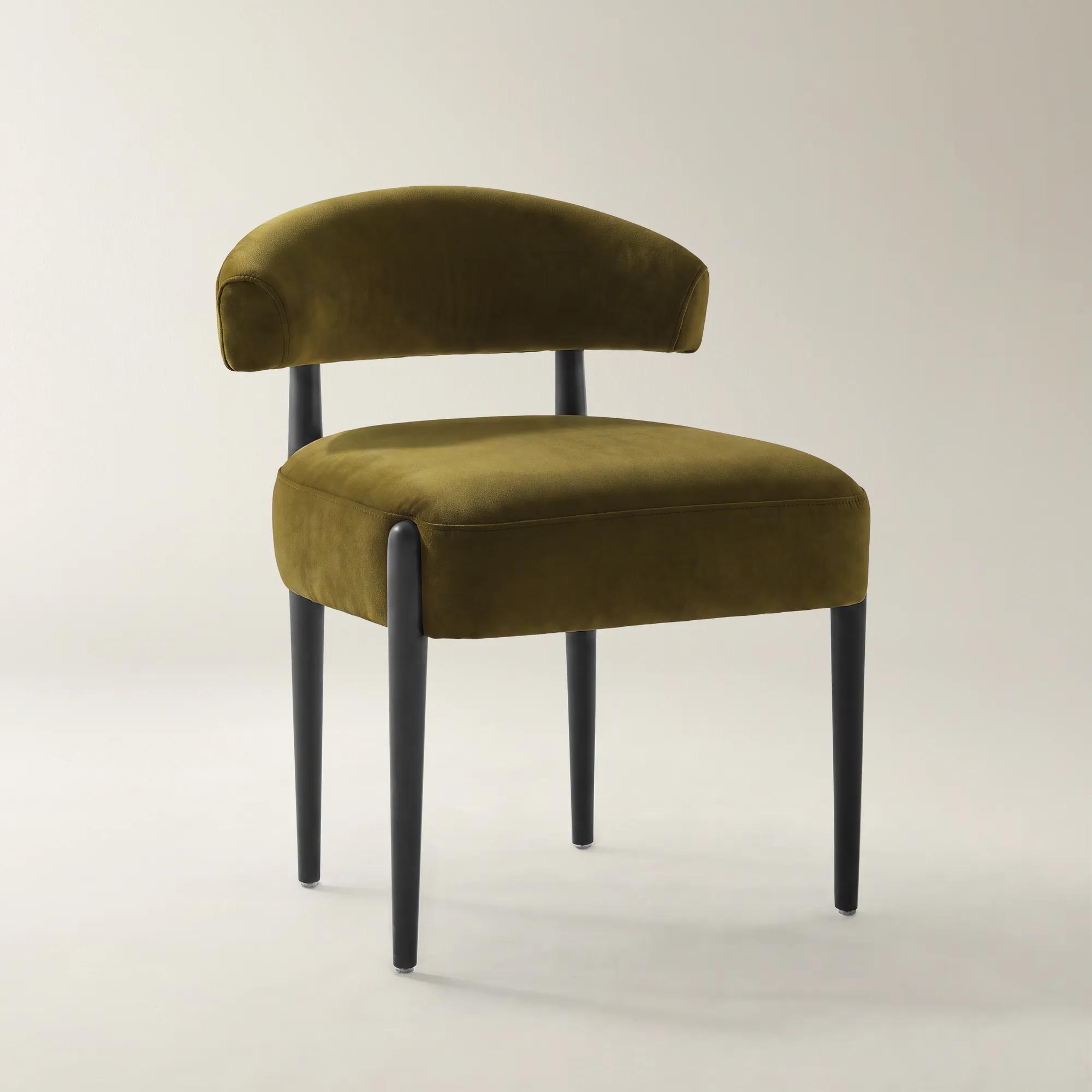
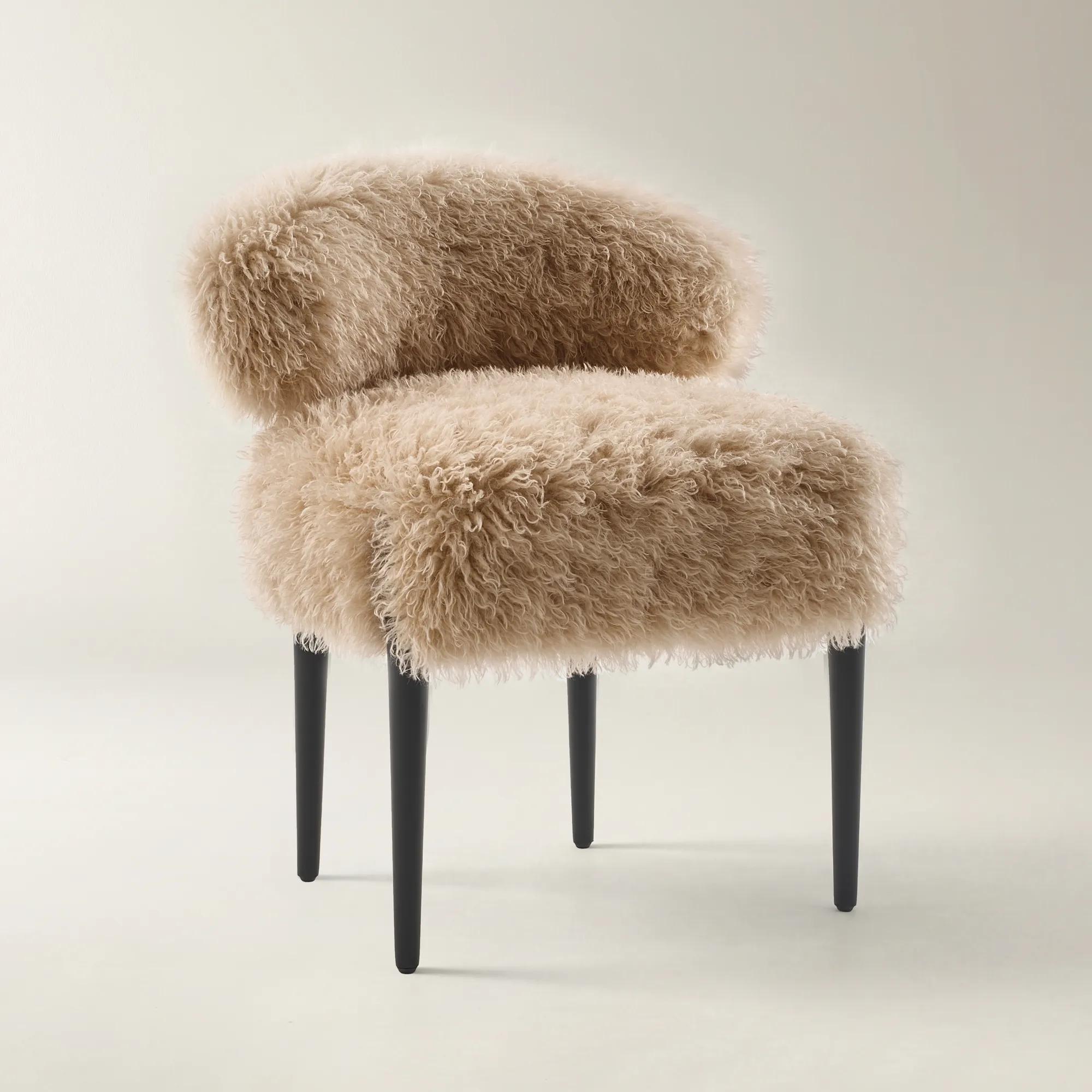
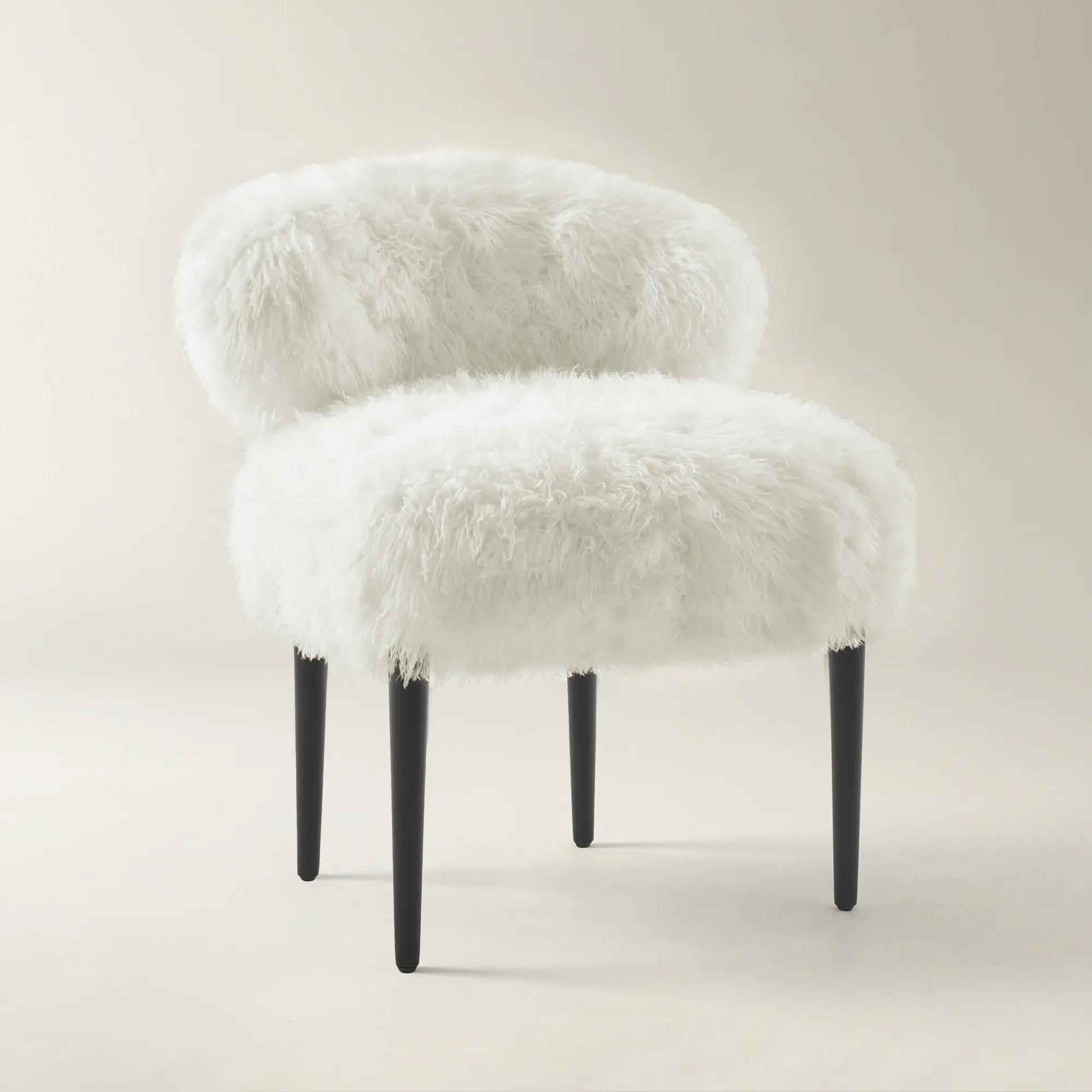
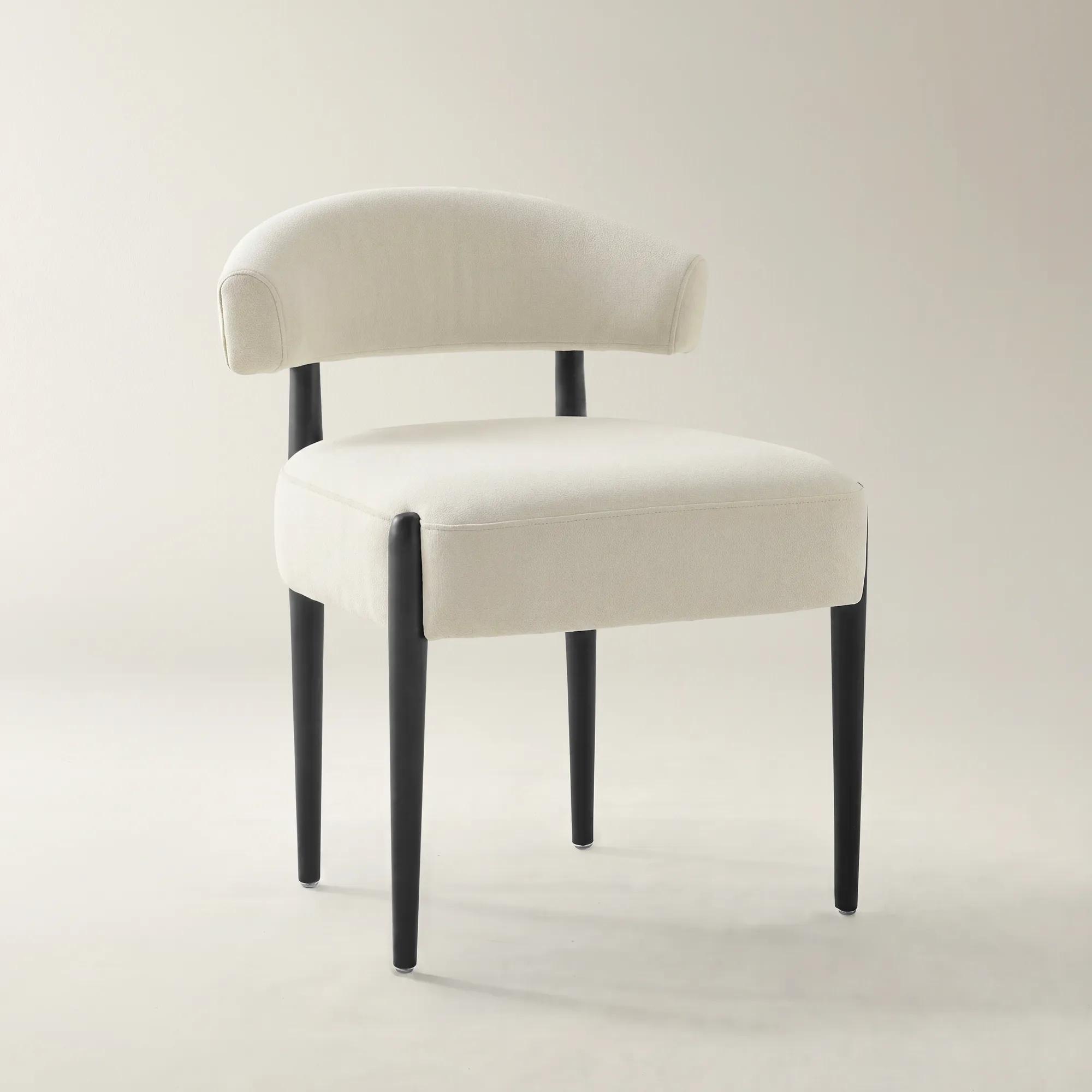
Accent Dining Chairs With Arms
Accent Dining Chairs With Arms
-
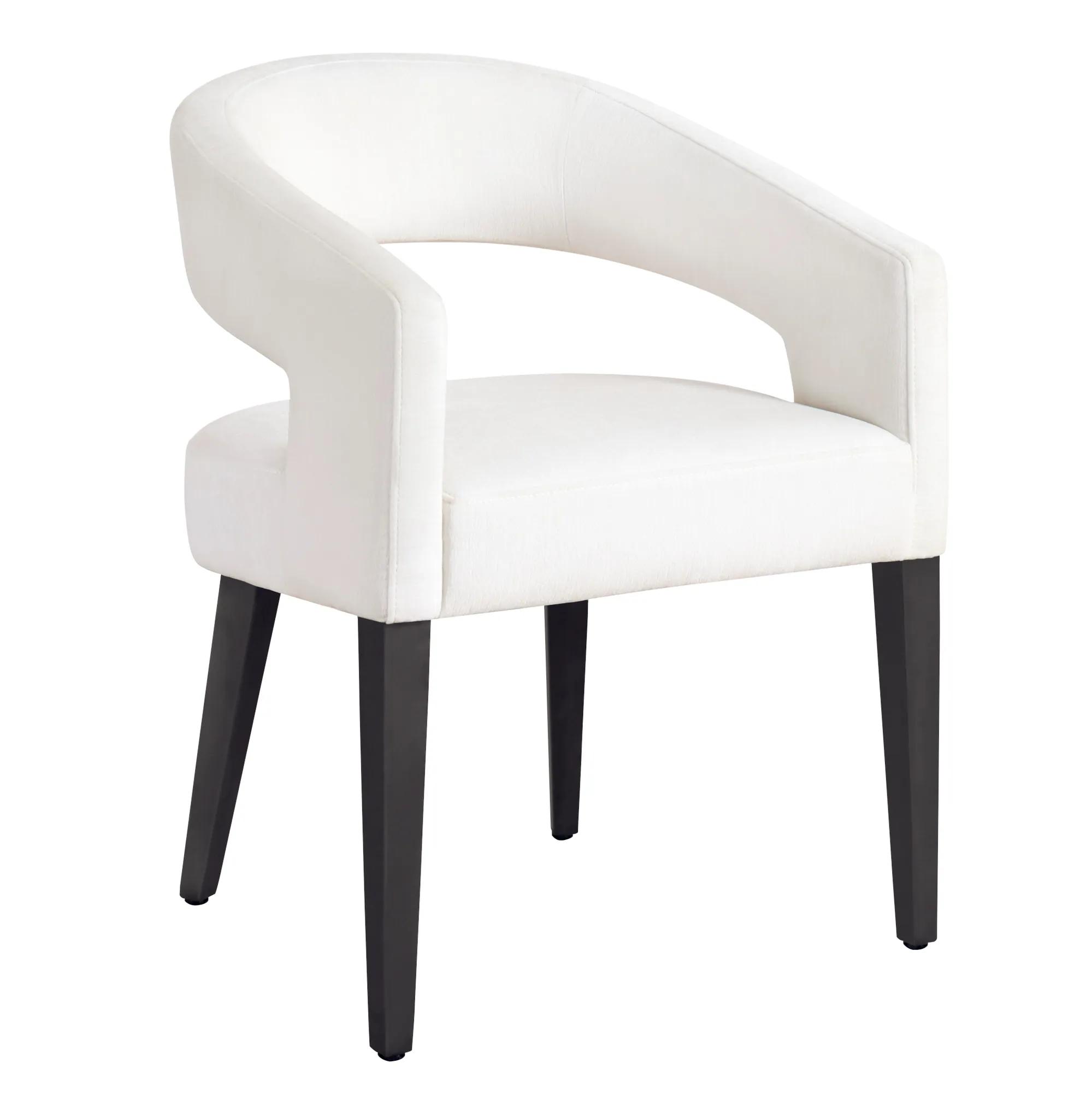
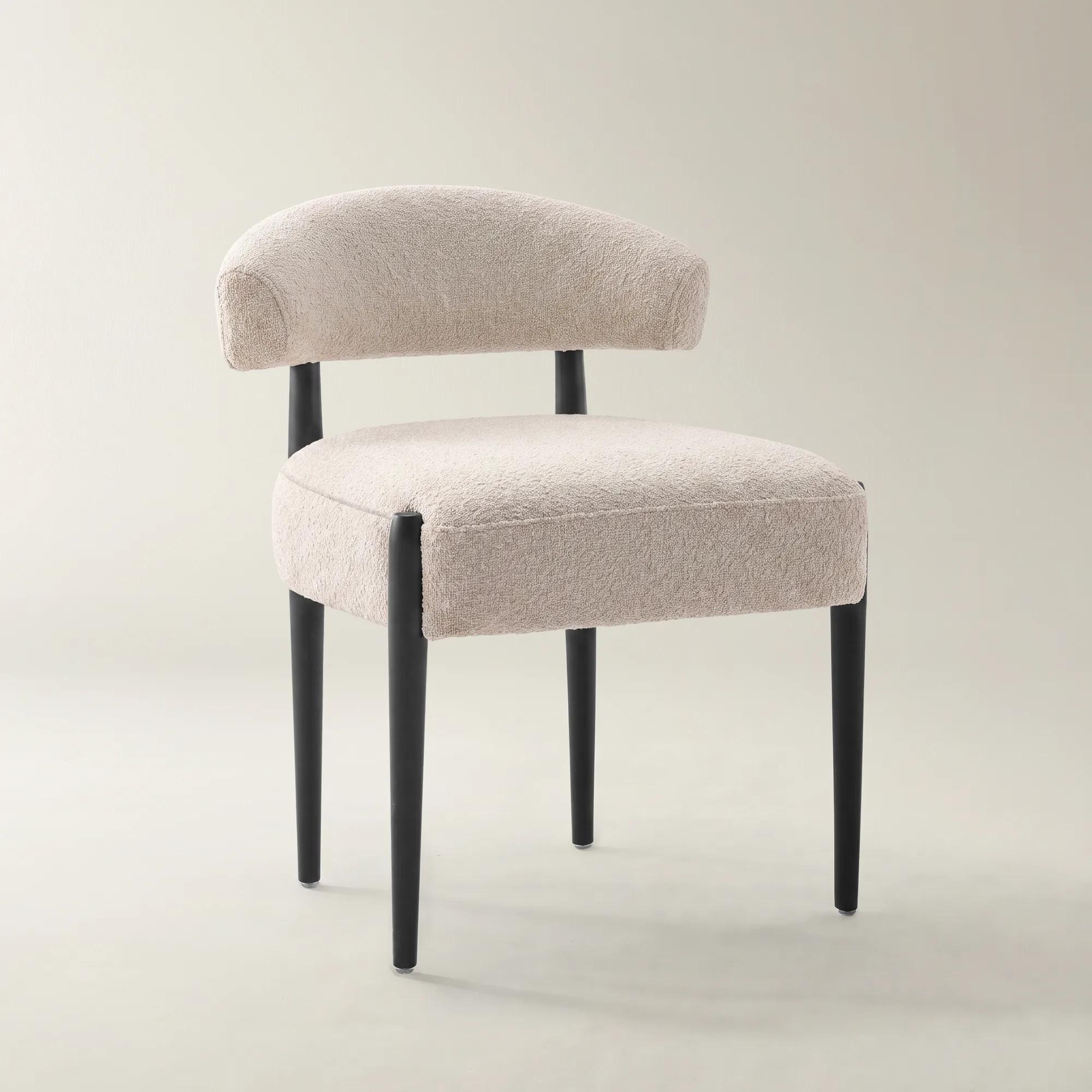
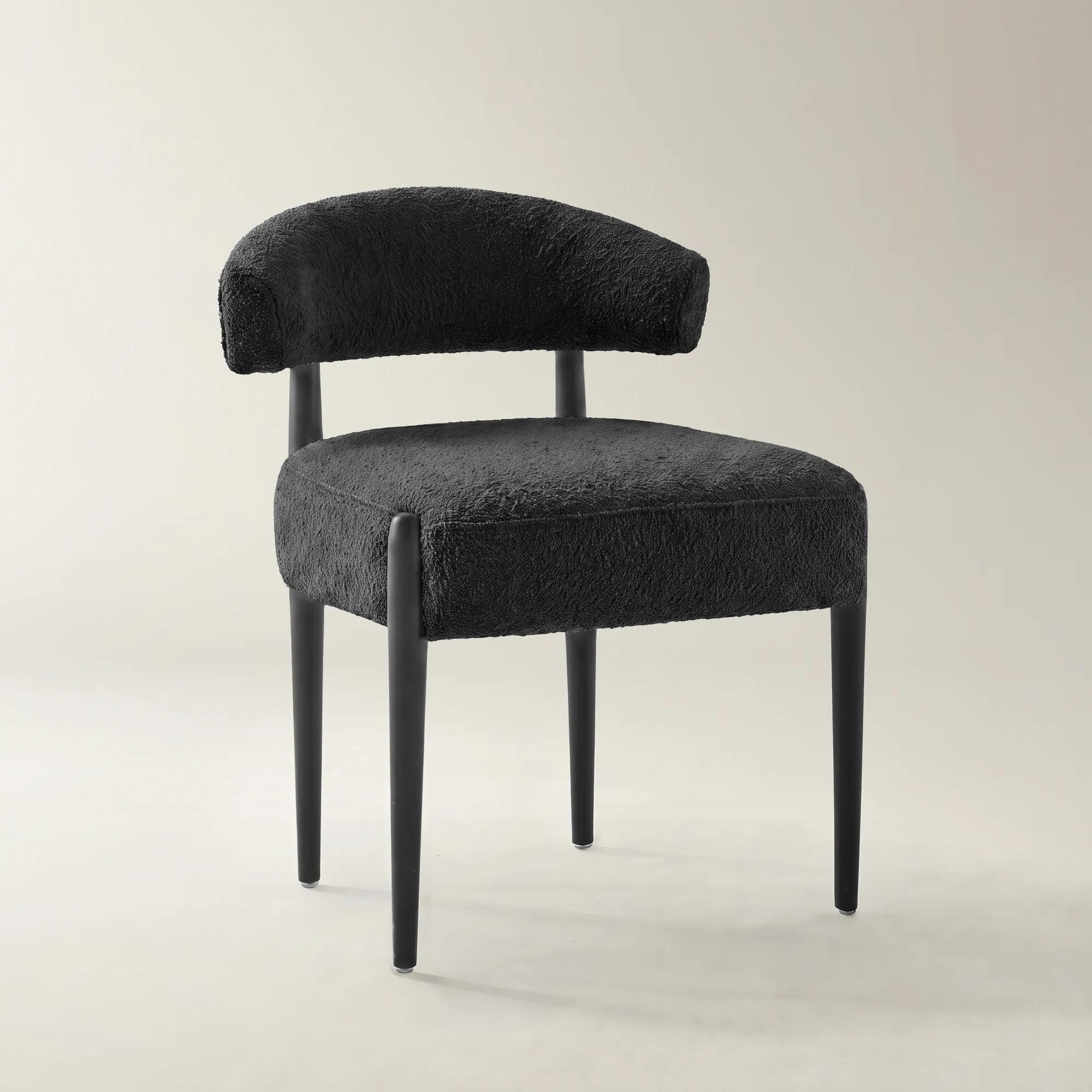
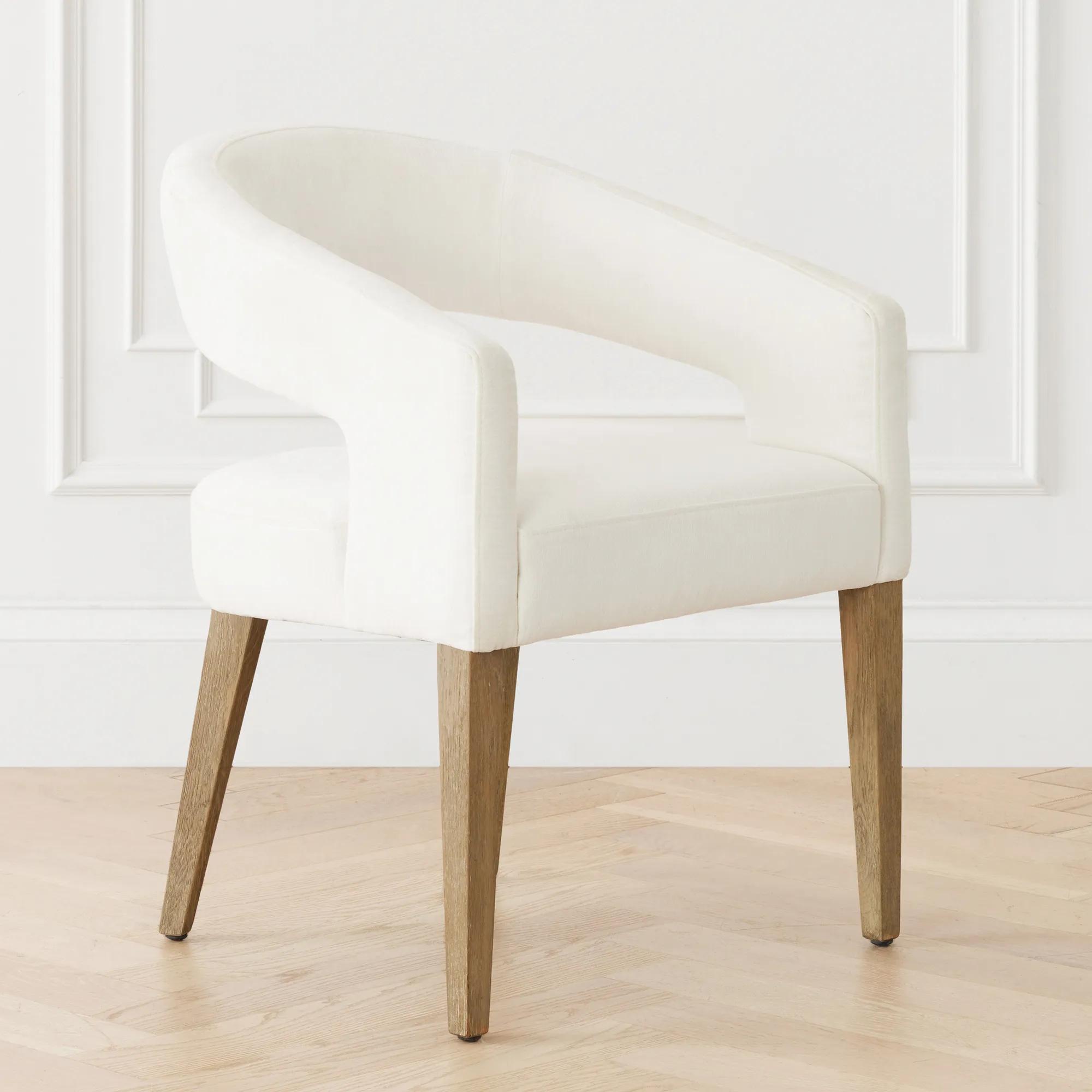 Philippa Dining Chair - Natural Grey$649
A modern dining chair featuring grey upholstery, a curved silhouette, and a kiln-dried hardwood frame.
Add To Cart -
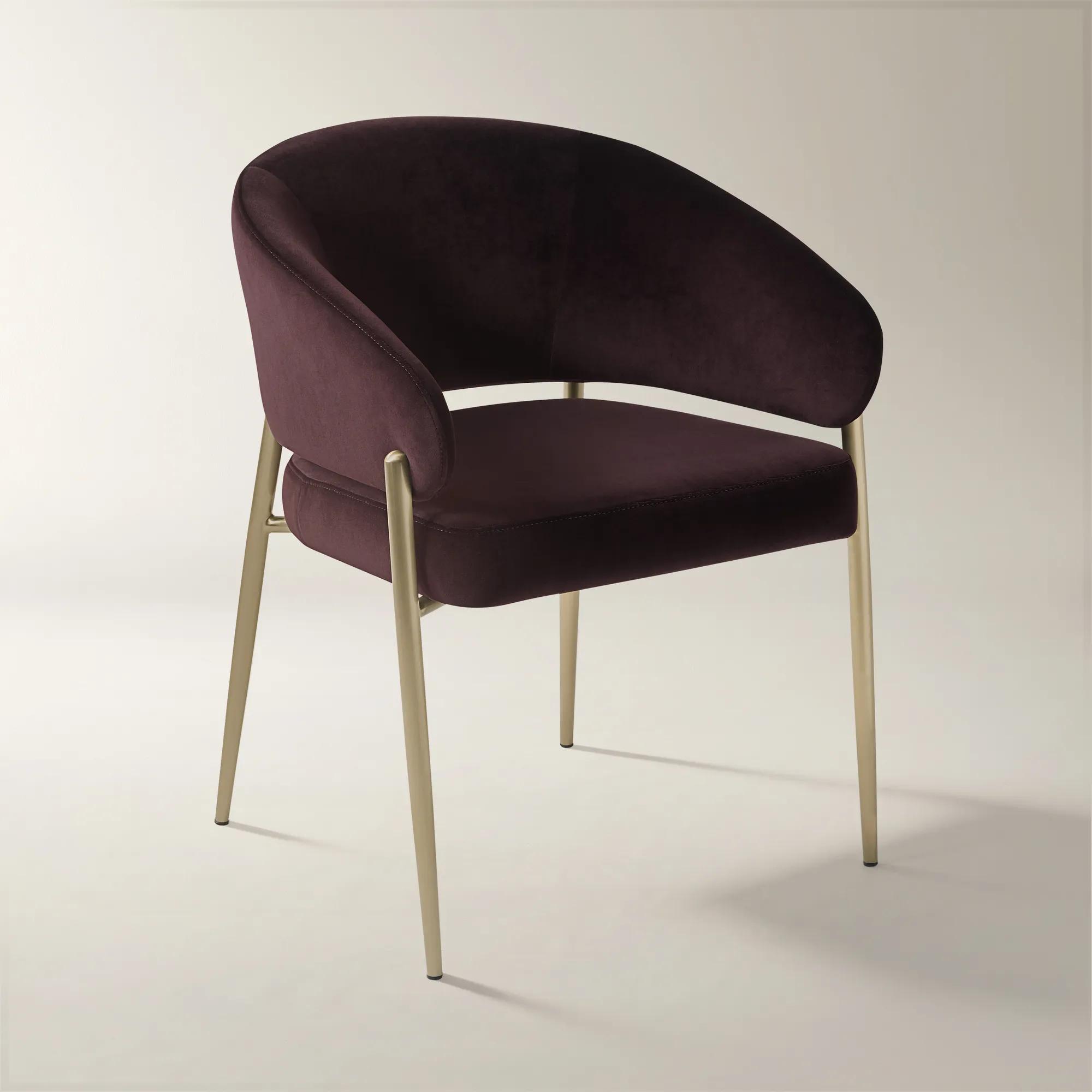 Nara Fig Velvet Dining Chair Set Of 2$599
A set of two dining chairs featuring plush fig velvet upholstery and brushed brass stainless-steel legs.
Add To Cart -
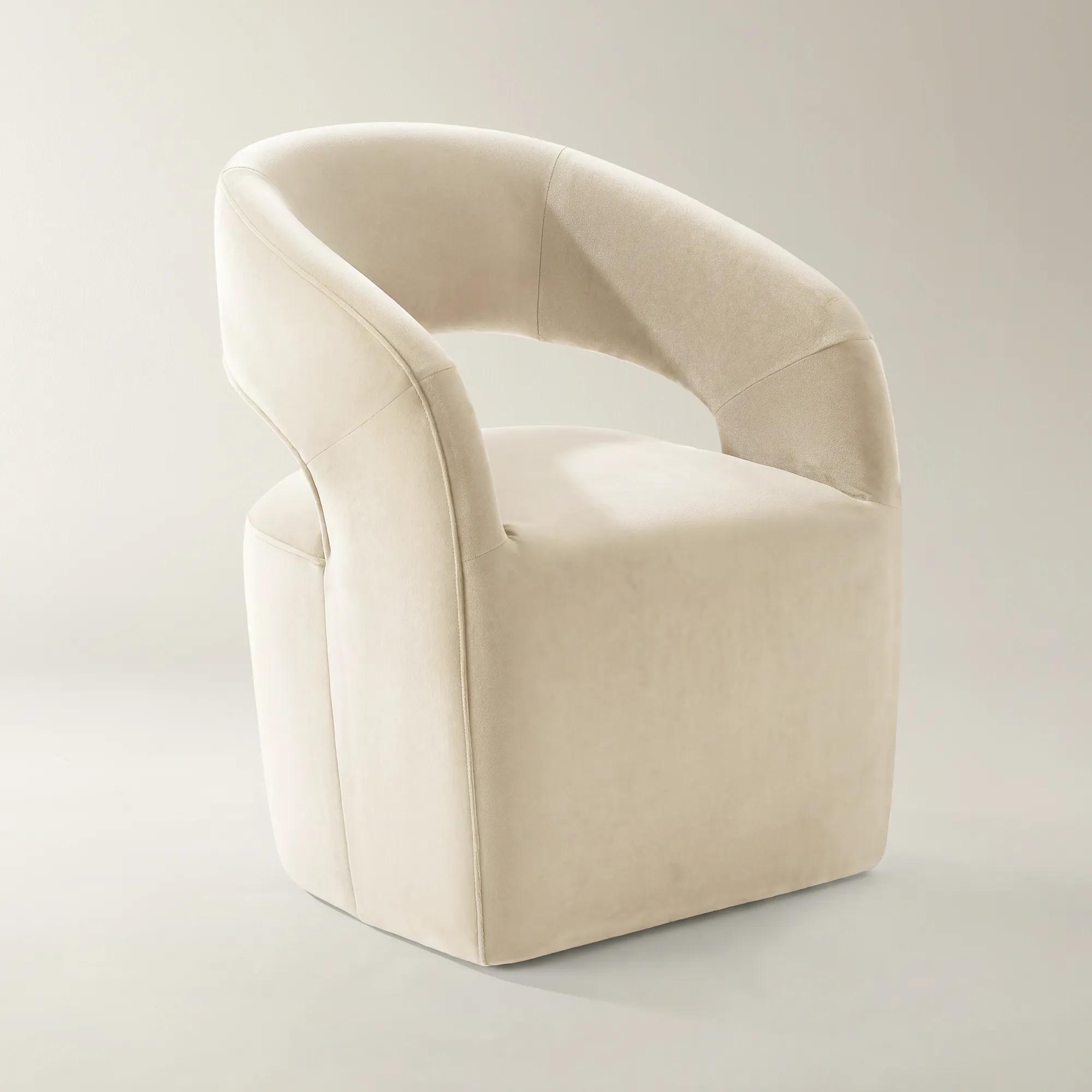
-2.jpg?w=1200&h=1200) Harrison Oatmeal Velvet Dining Chair$449
Harrison Oatmeal Velvet Dining Chair$449A sculptural dining chair upholstered in oatmeal velvet with a curved back, feather-blend seat, and integrated arms.
Add To Cart -
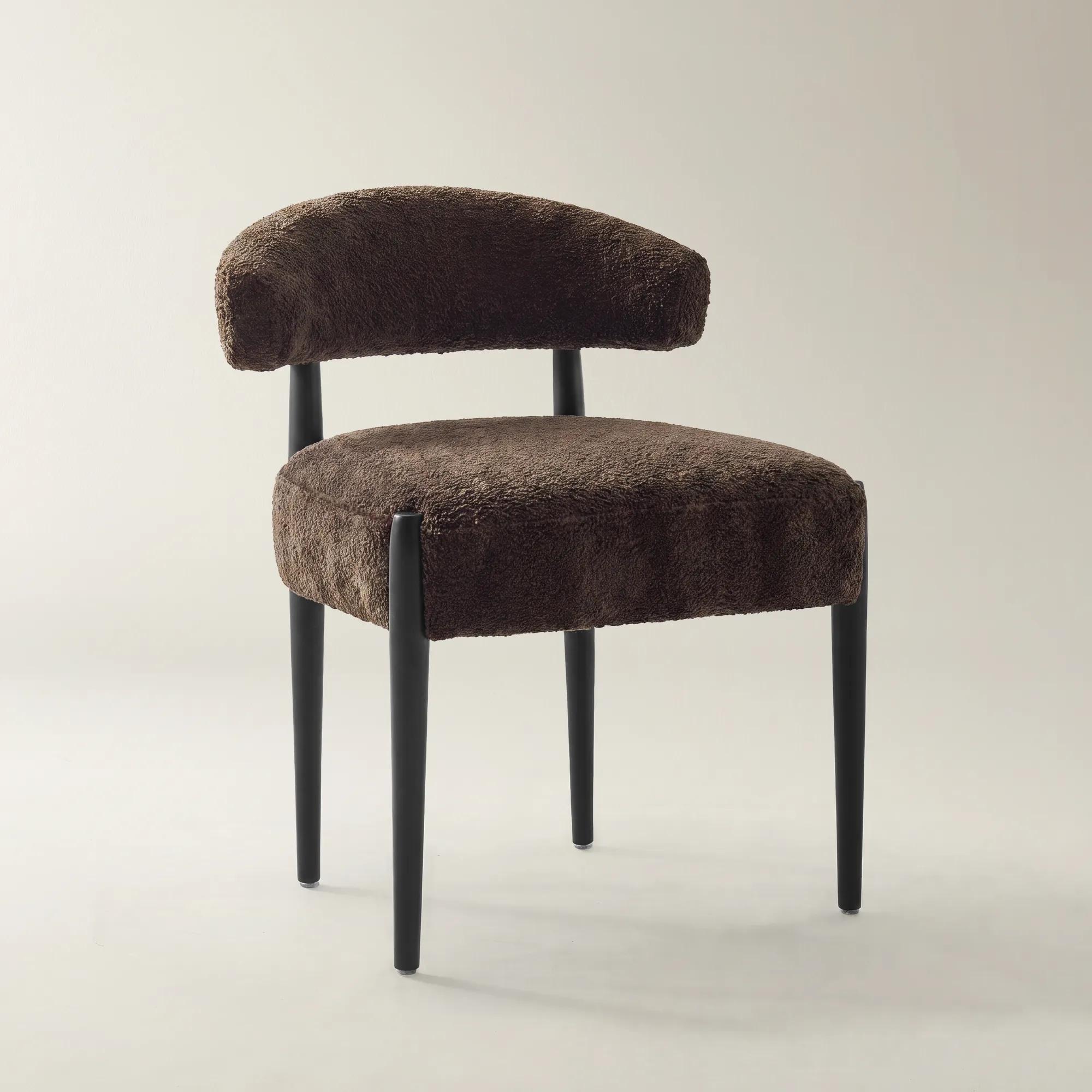
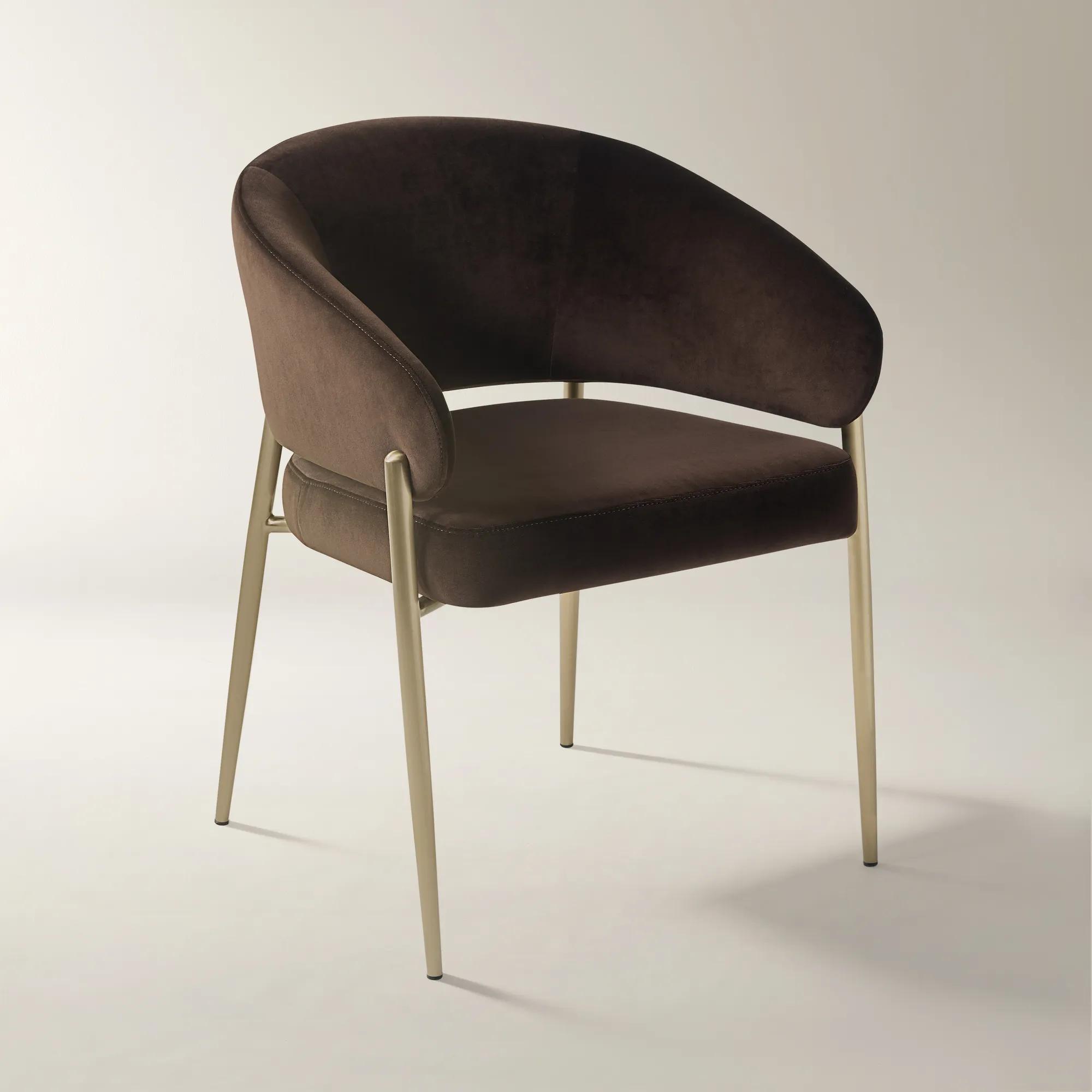 Nara Dark Chocolate Velvet Dining Chair Set Of 2$599
A pair of dark chocolate velvet chairs with curved backs and brushed brass stainless-steel legs for modern elegance.
Add To Cart -
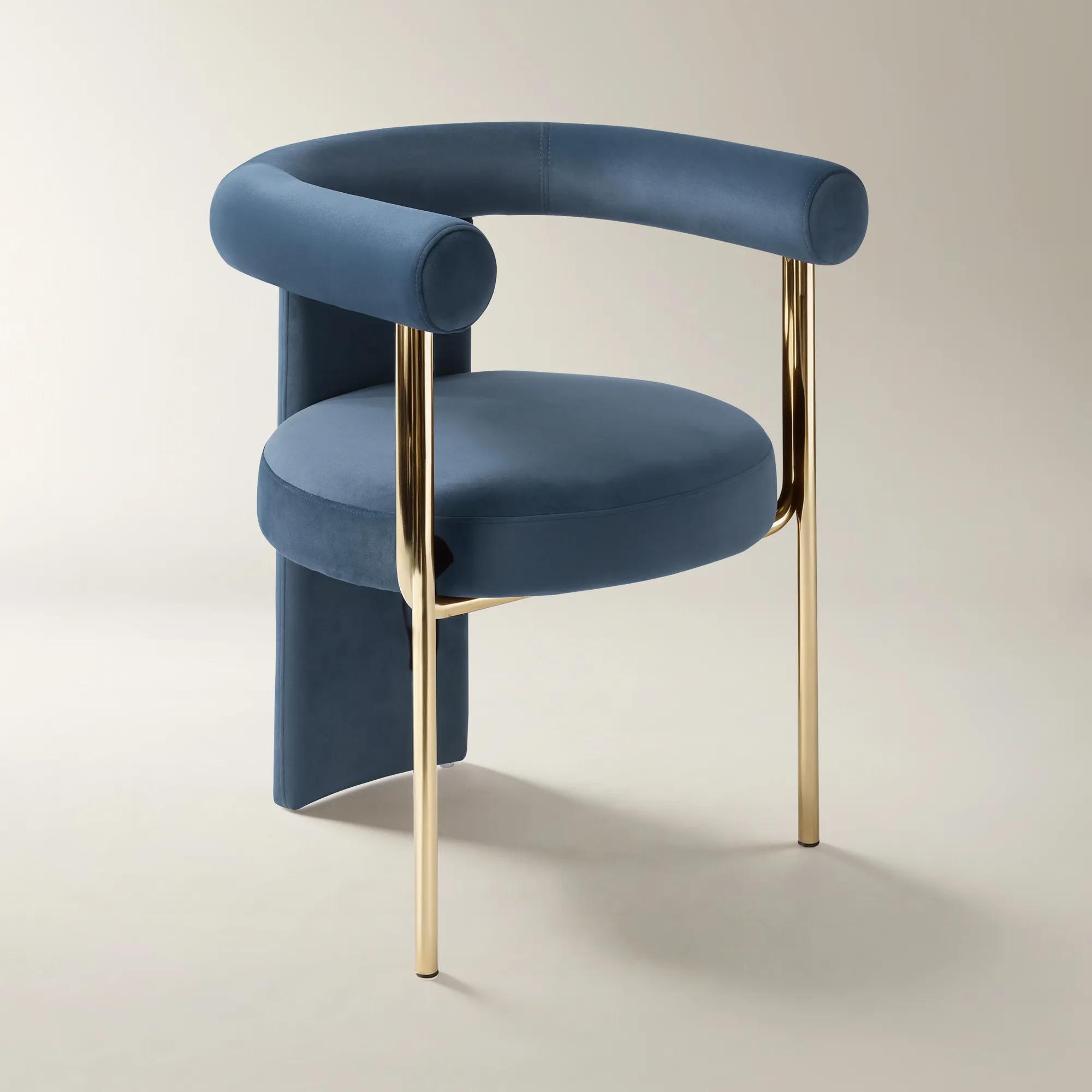 Davina Dusty Blue Velvet Dining Chair Set Of 2$799
A set of two dining chairs featuring dusty blue velvet upholstery and a polished gold metal frame.
Add To Cart -
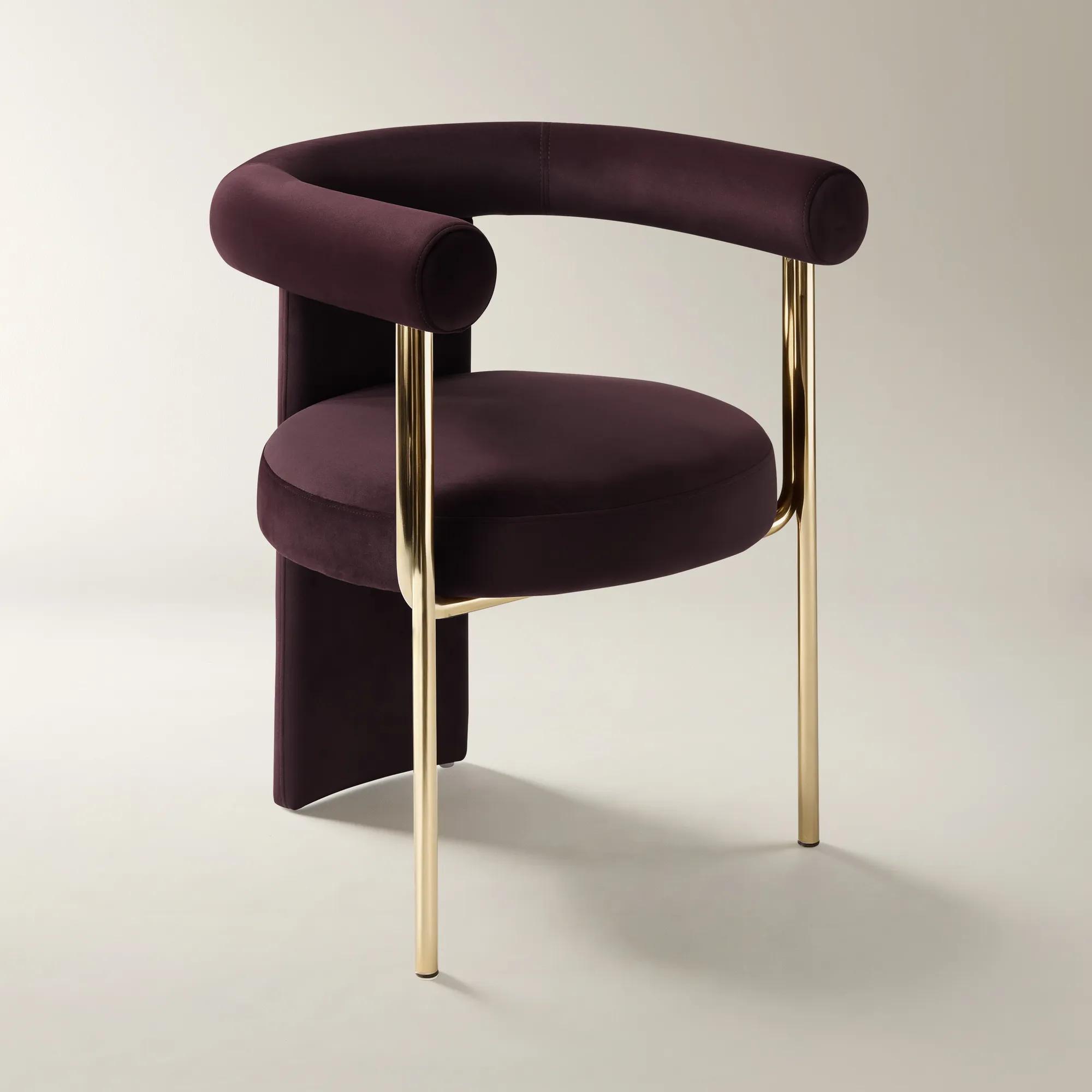 Davina Fig Velvet Dining Chair Set Of 2$799
A set of two dining chairs featuring plush fig velvet upholstery and a sleek gold-finished metal frame.
Add To Cart -
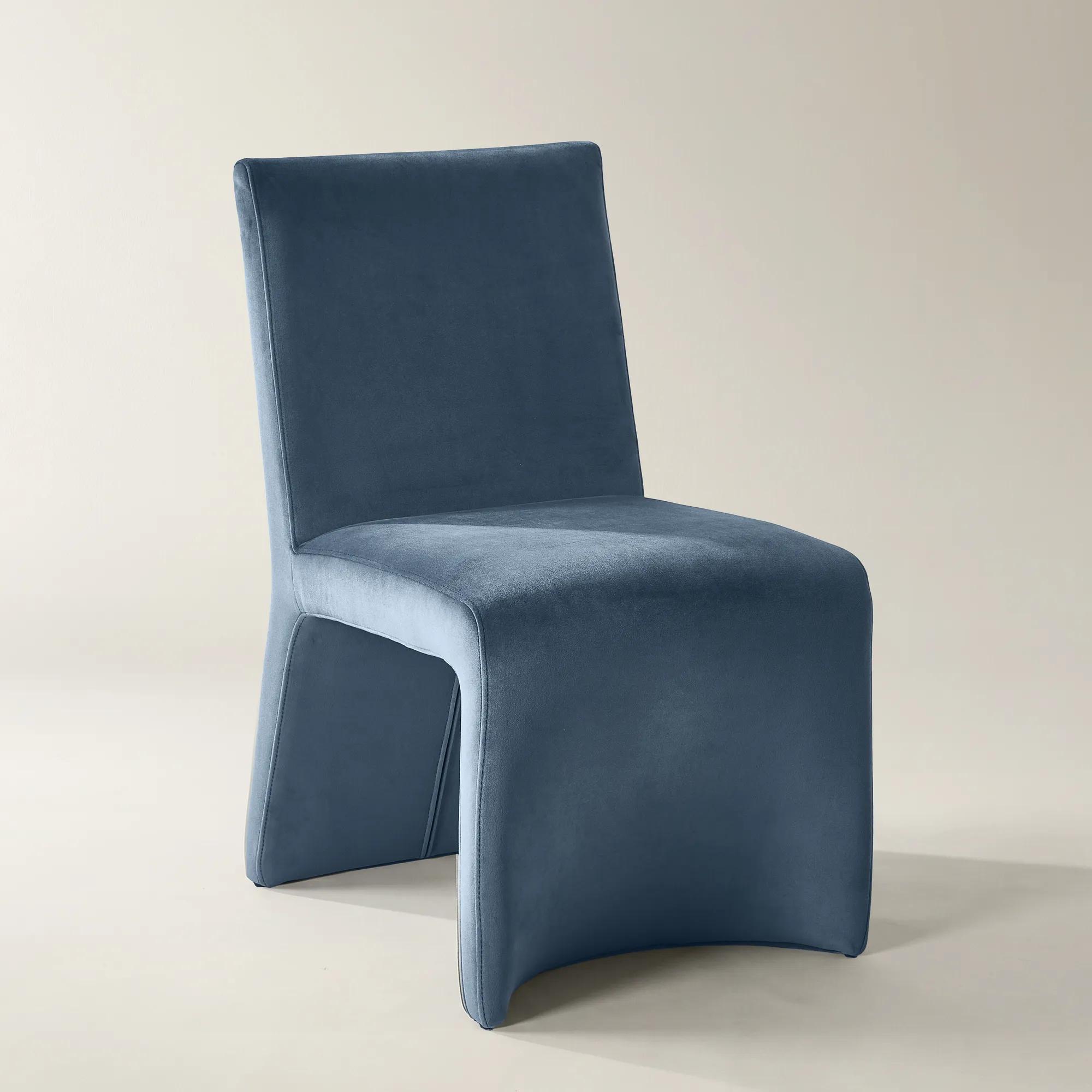 Elara Dusty Blue Velvet Dining Chair Set Of 2$649
A set of two dining chairs featuring plush dusty blue velvet upholstery and a seamless, artful silhouette.
Add To Cart -
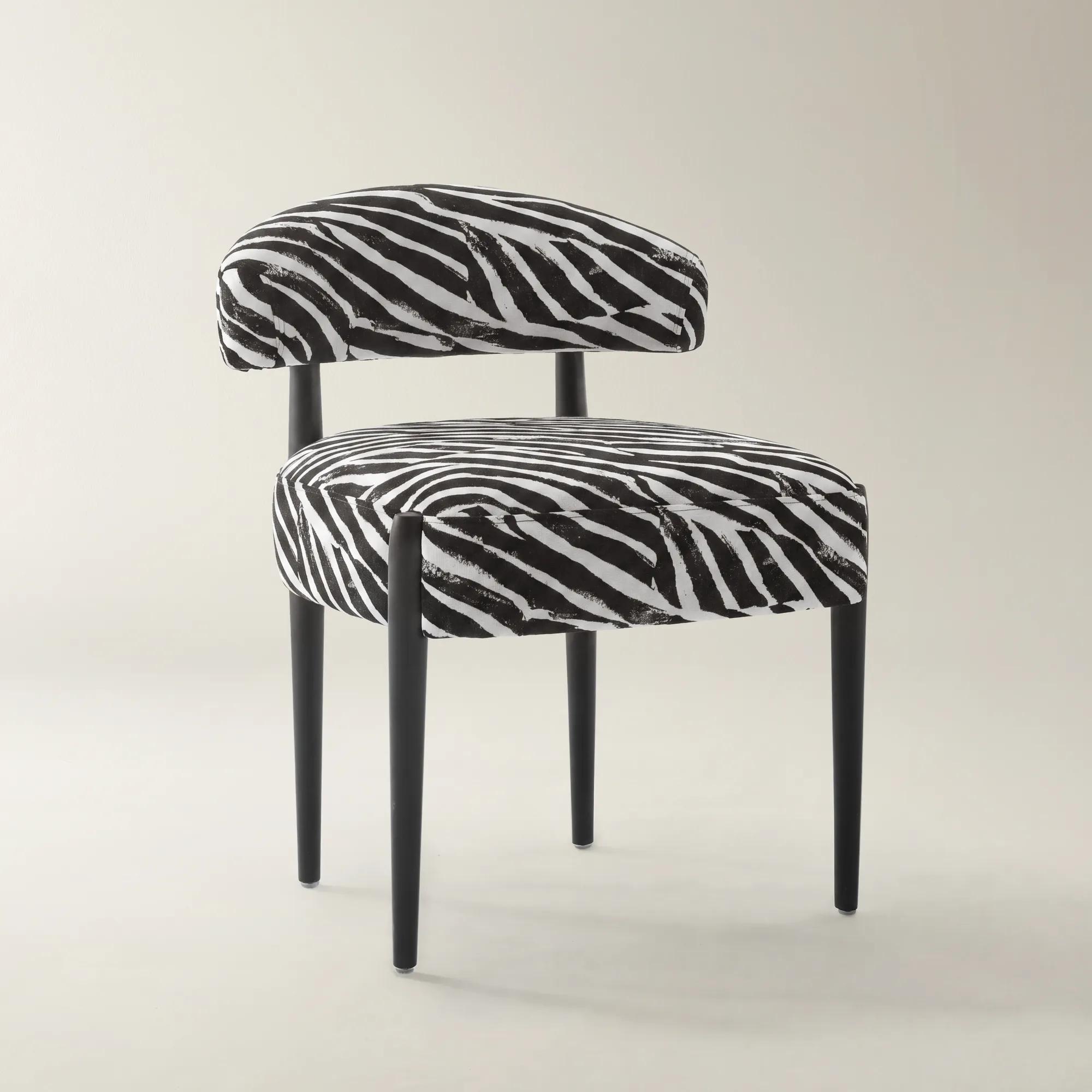
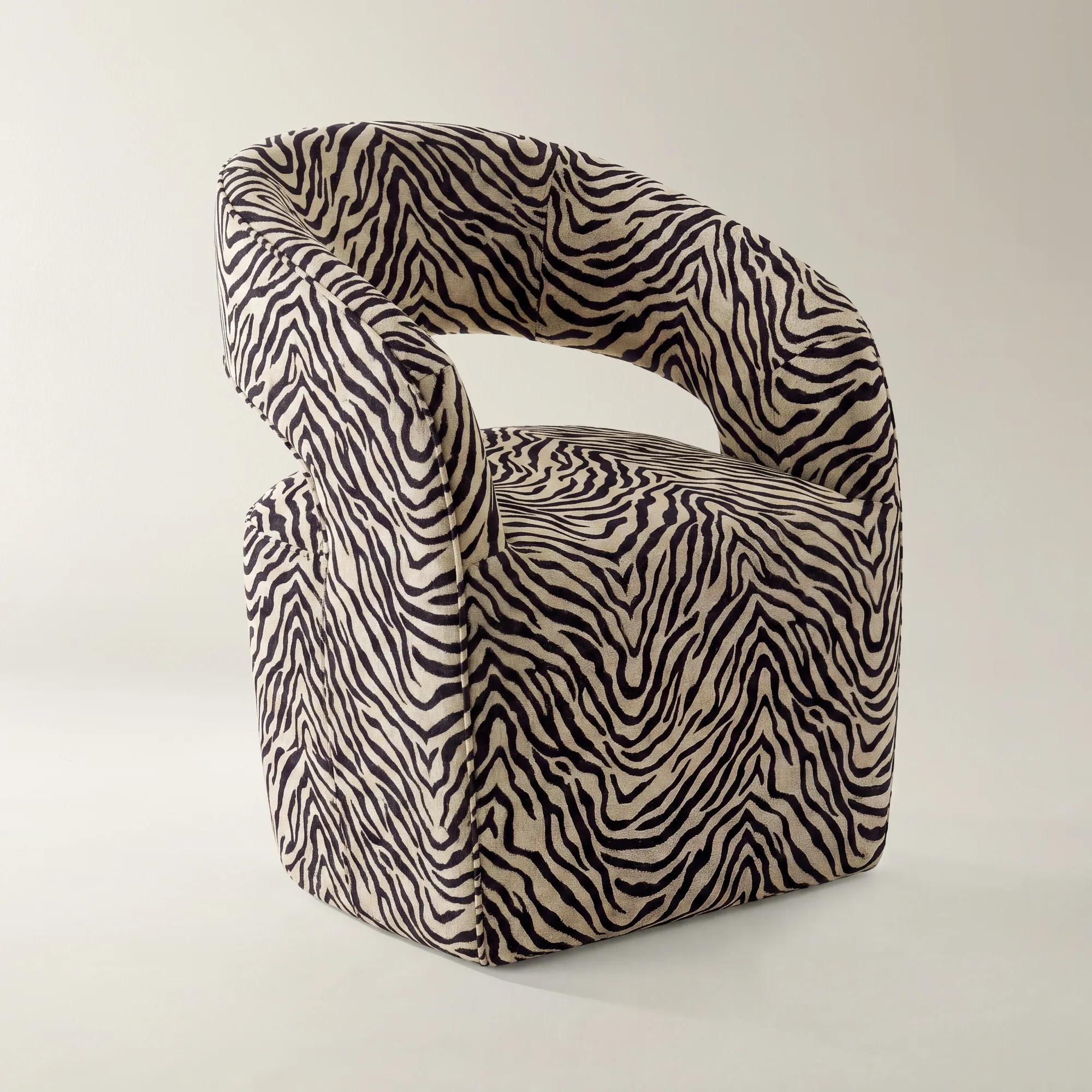 Harrison Zebra Performance Chenille Dining Chair$449
A sculptural dining chair upholstered in zebra performance chenille with a curved back and feather-blend comfort.
Add To Cart -
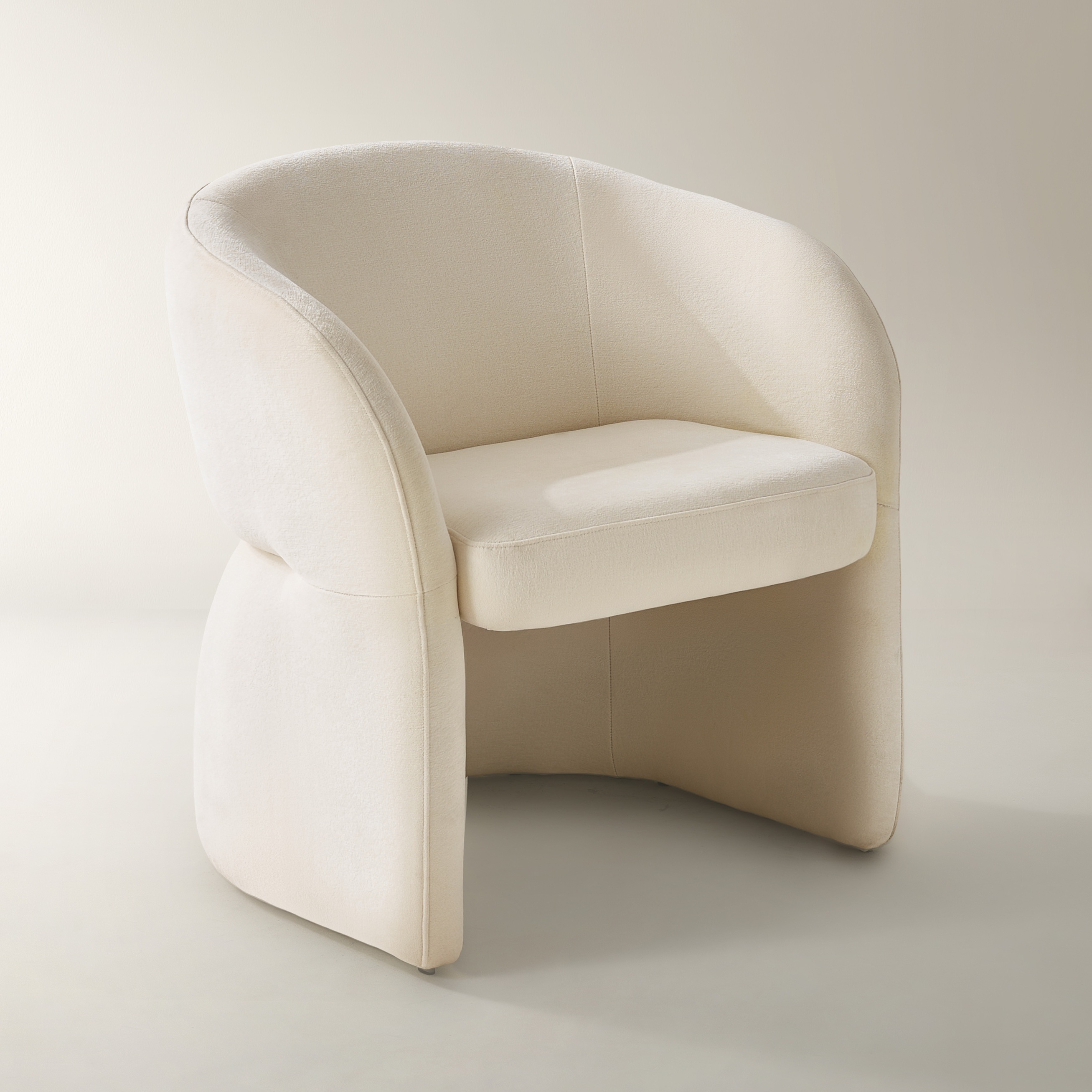
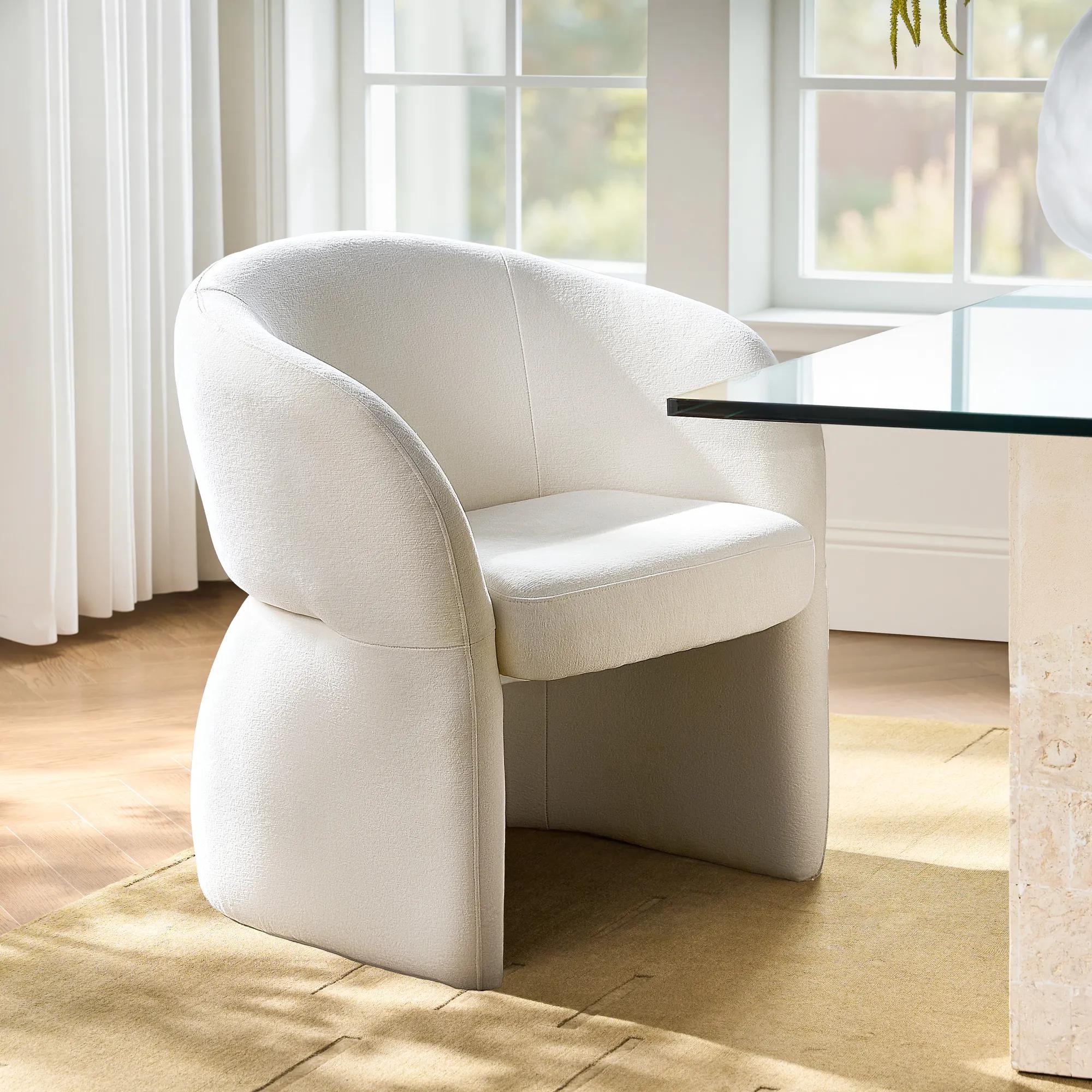 Sierra Oatmeal Velvet Dining Chair$499
An elegant accent chair in oatmeal velvet with gracefully arched arms, curved back, and plush cushioning.
Add To Cart -
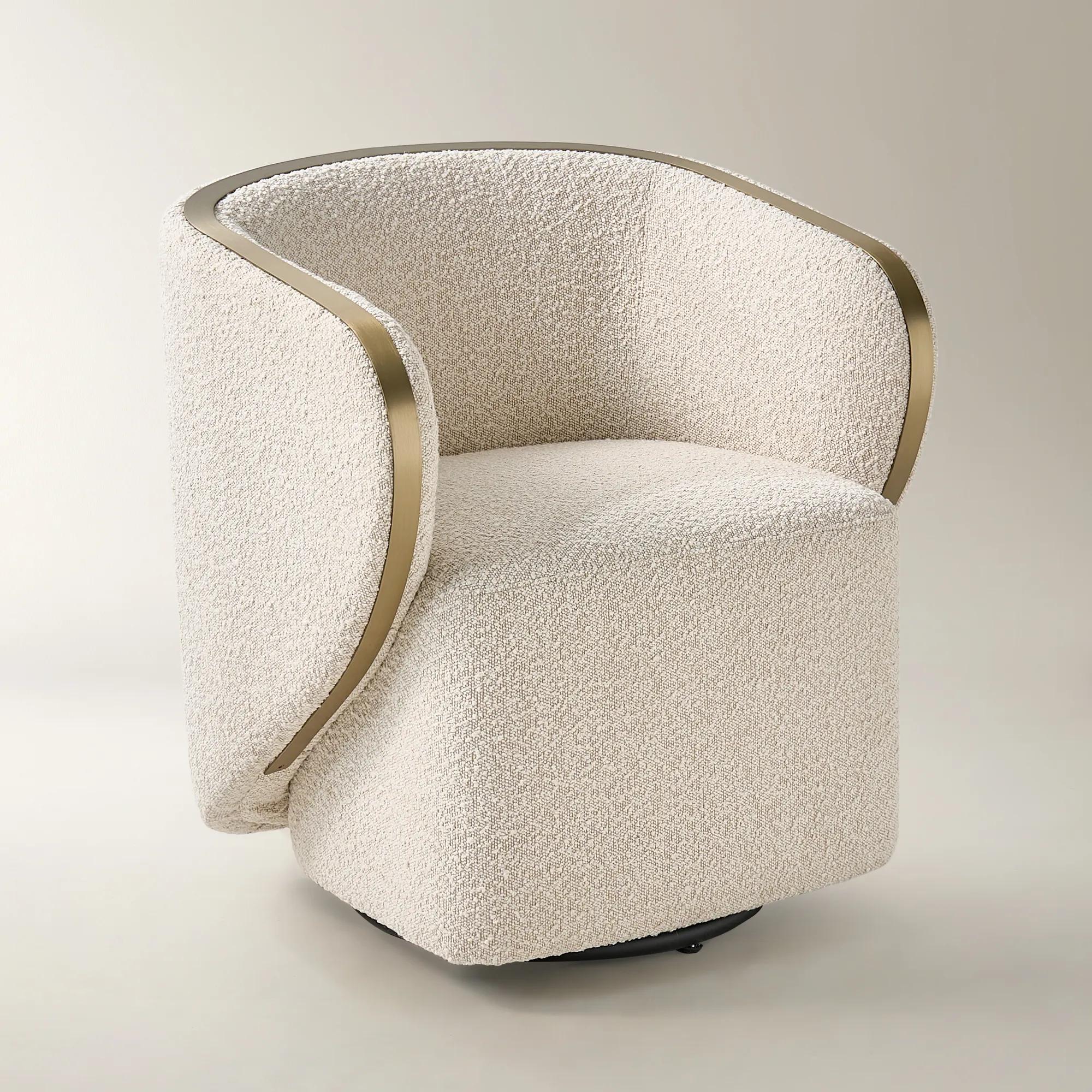 Nova Ivory Performance Boucle Swivel Dining Chair$599
An ivory boucle swivel chair featuring a sculptural wraparound silhouette and elegant metallic trim accents.
Add To Cart -
-6.jpg?w=1200&h=1200) Stria Roasted Pecan Velvet Swivel Dining Chair With Oak Base$599
Stria Roasted Pecan Velvet Swivel Dining Chair With Oak Base$599A khaki chenille swivel armchair with a handcrafted solid oak base and plush, modern comfort.
Add To Cart -
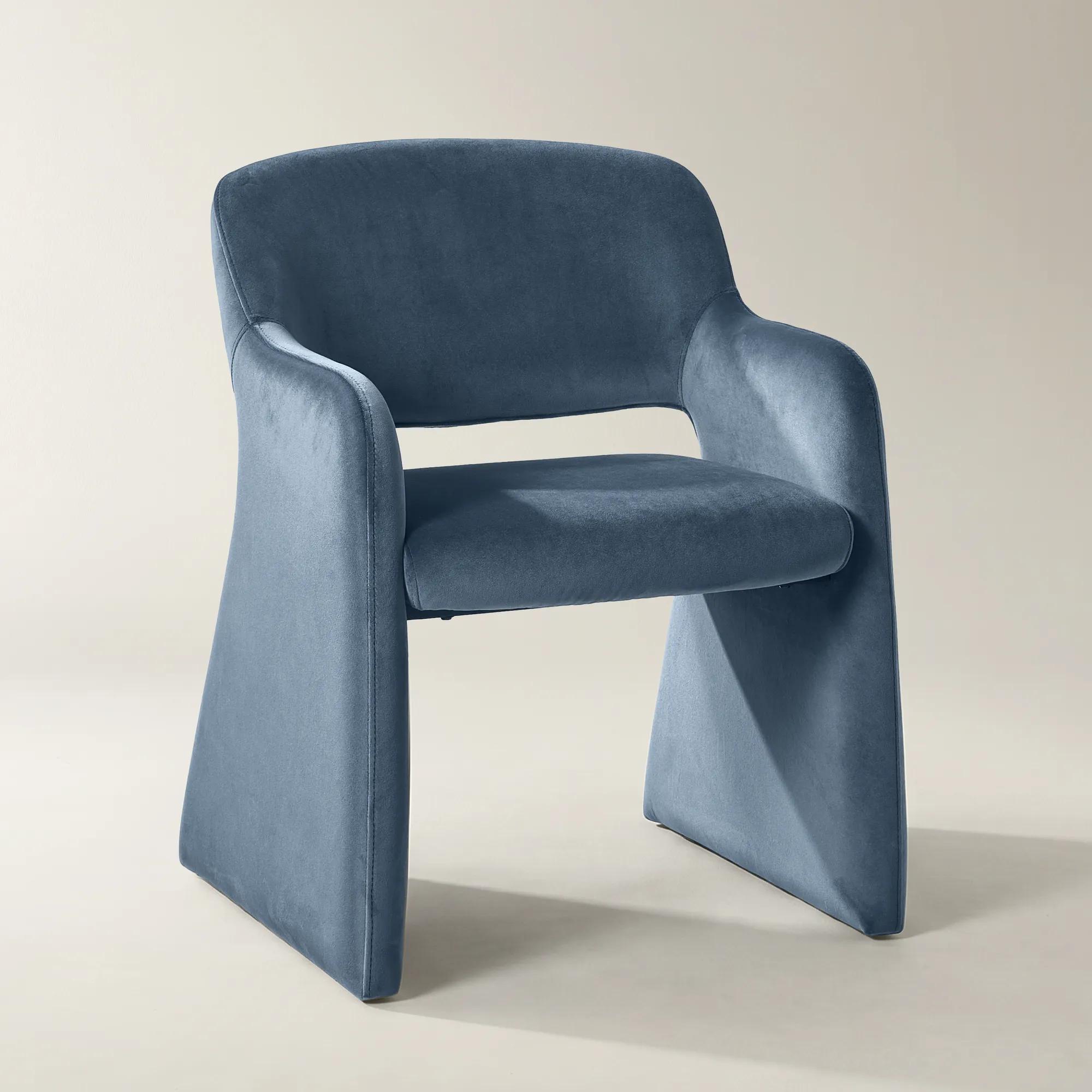 Elara Dusty Blue Velvet Dining Chair$399
A graceful dining chair featuring dusty blue velvet upholstery, integrated arms, and a seamless cantilevered silhouette.
Add To Cart -
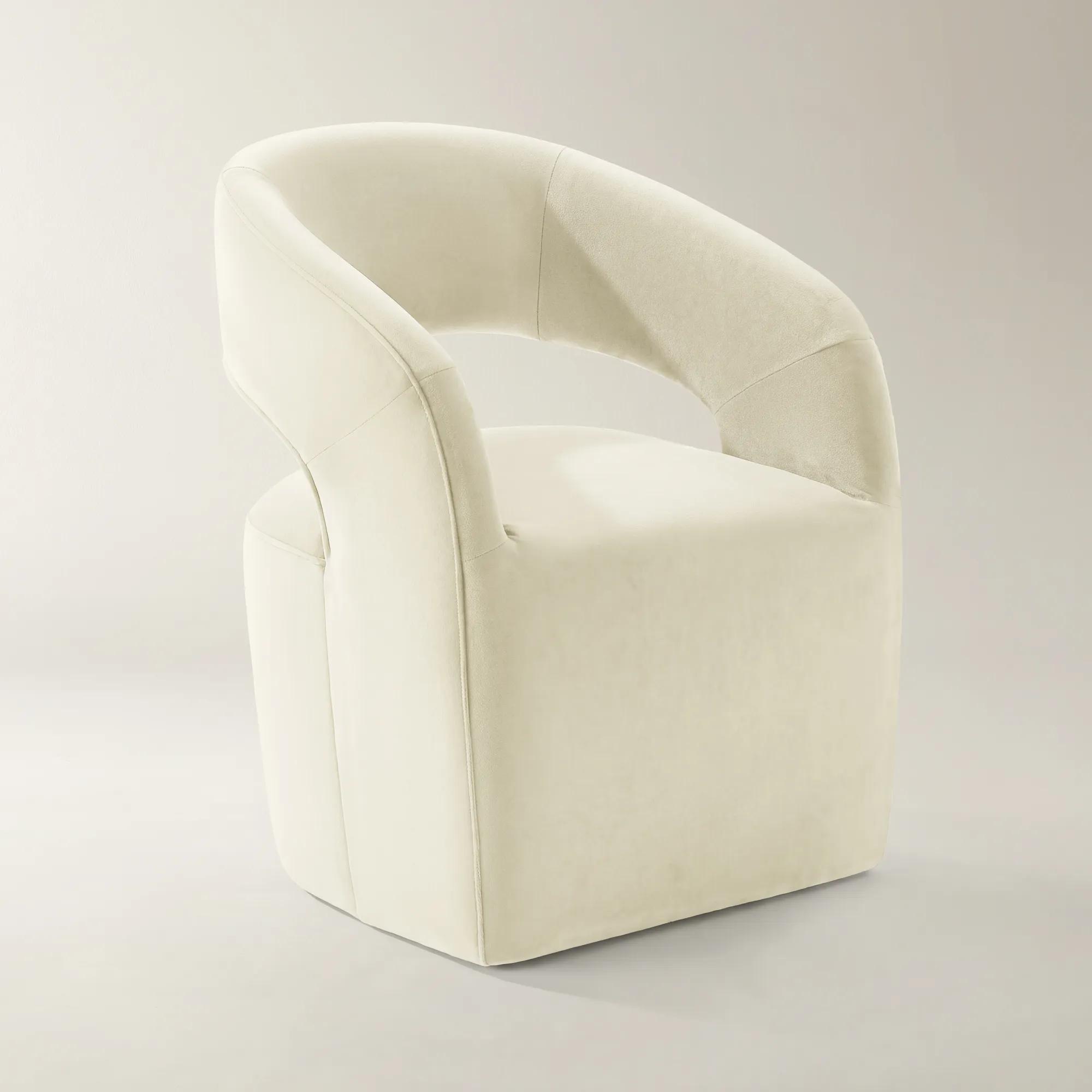 Harrison Cloud Velvet Dining Chair$449
A sculptural dining chair featuring cloud velvet upholstery, feather-blend cushioning, and a continuous curved back.
Add To Cart -
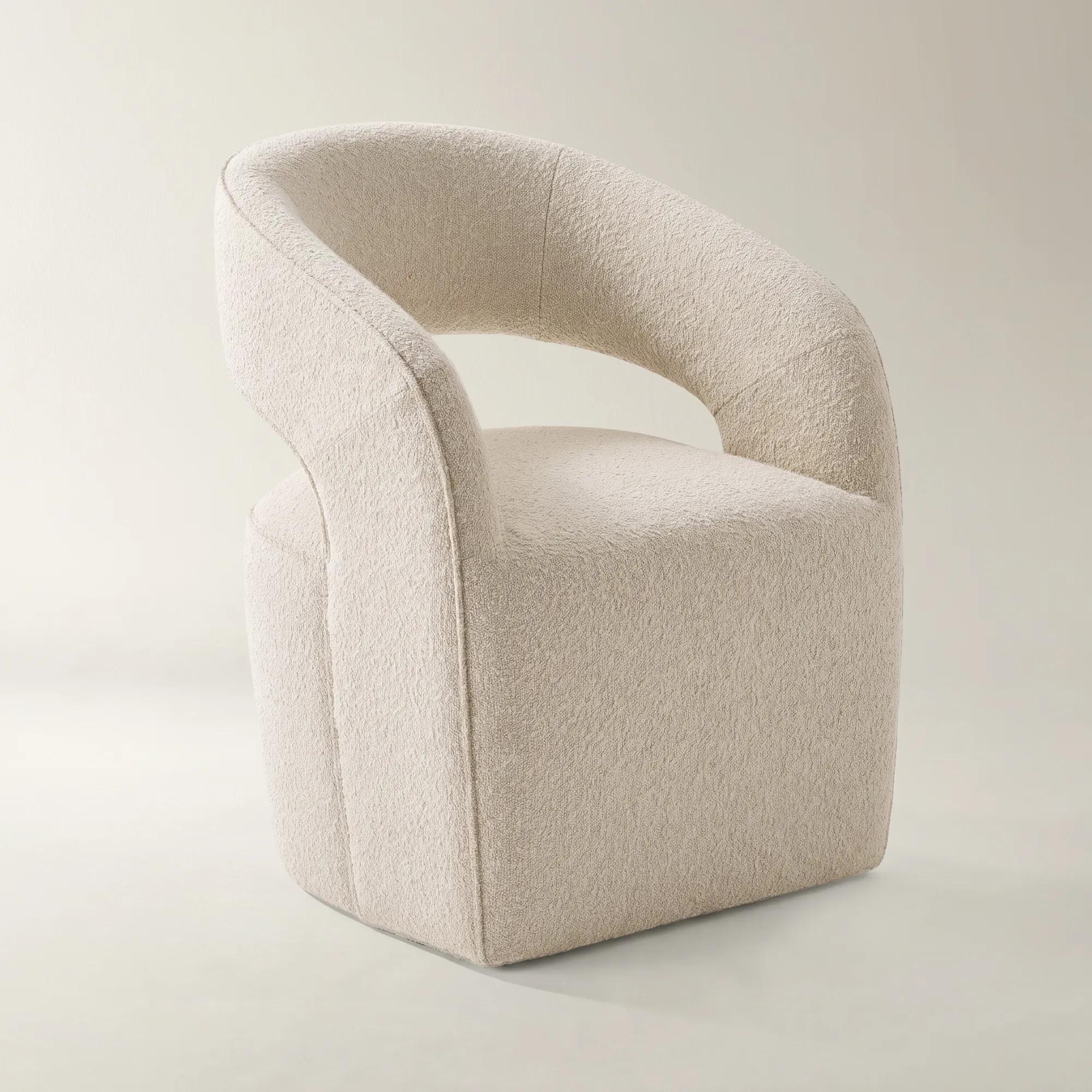 Harrison Ivory Performance Boucle Dining Chair$449
A sculptural dining chair in ivory performance boucle with a curved back, integrated arms, and feather-blend comfort.
Add To Cart -
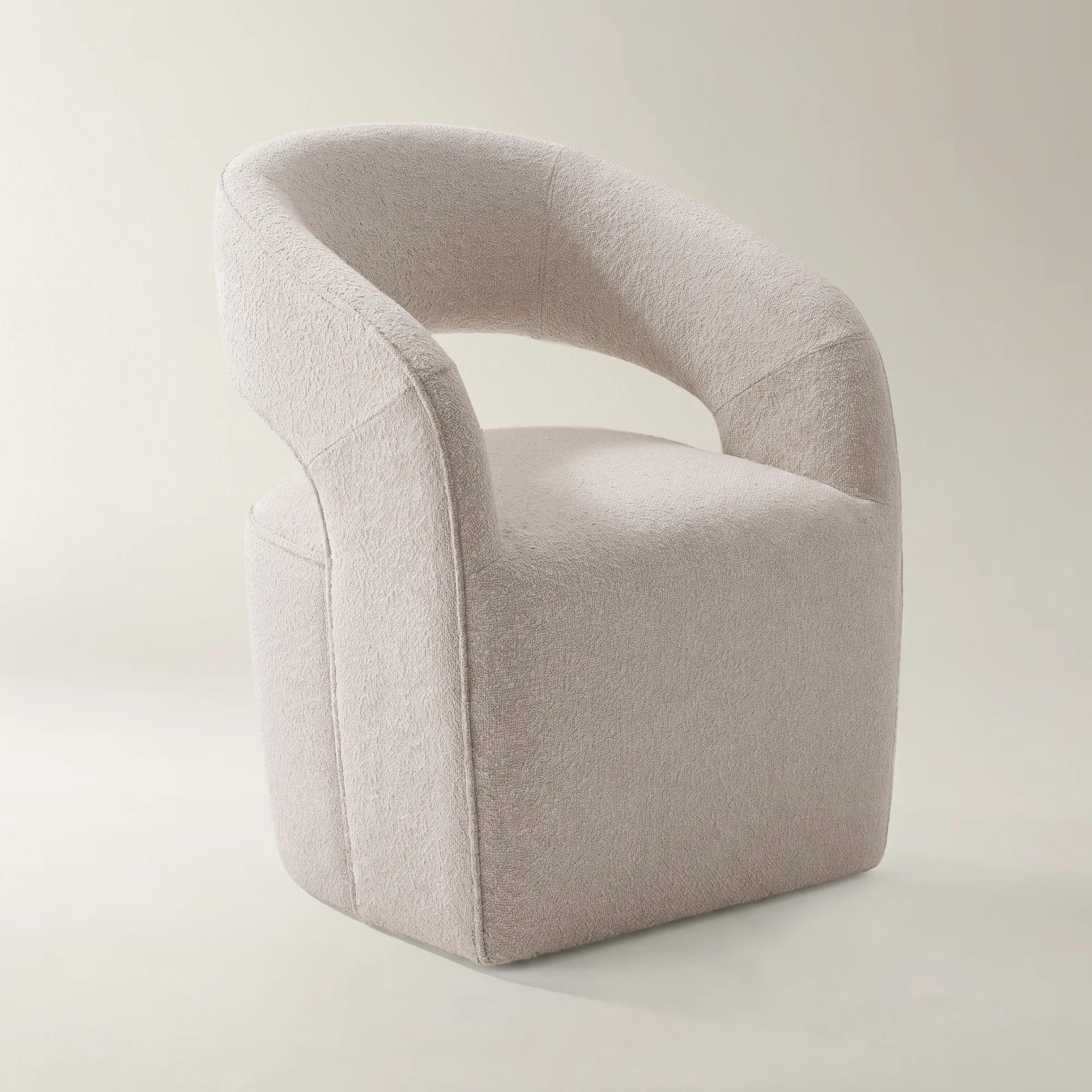 Harrison Ivory Performance Boucle Dining Chair$449
A sculptural dining chair in ivory performance boucle with a curved back, feather-blend seat, and modern elegance.
Add To Cart -
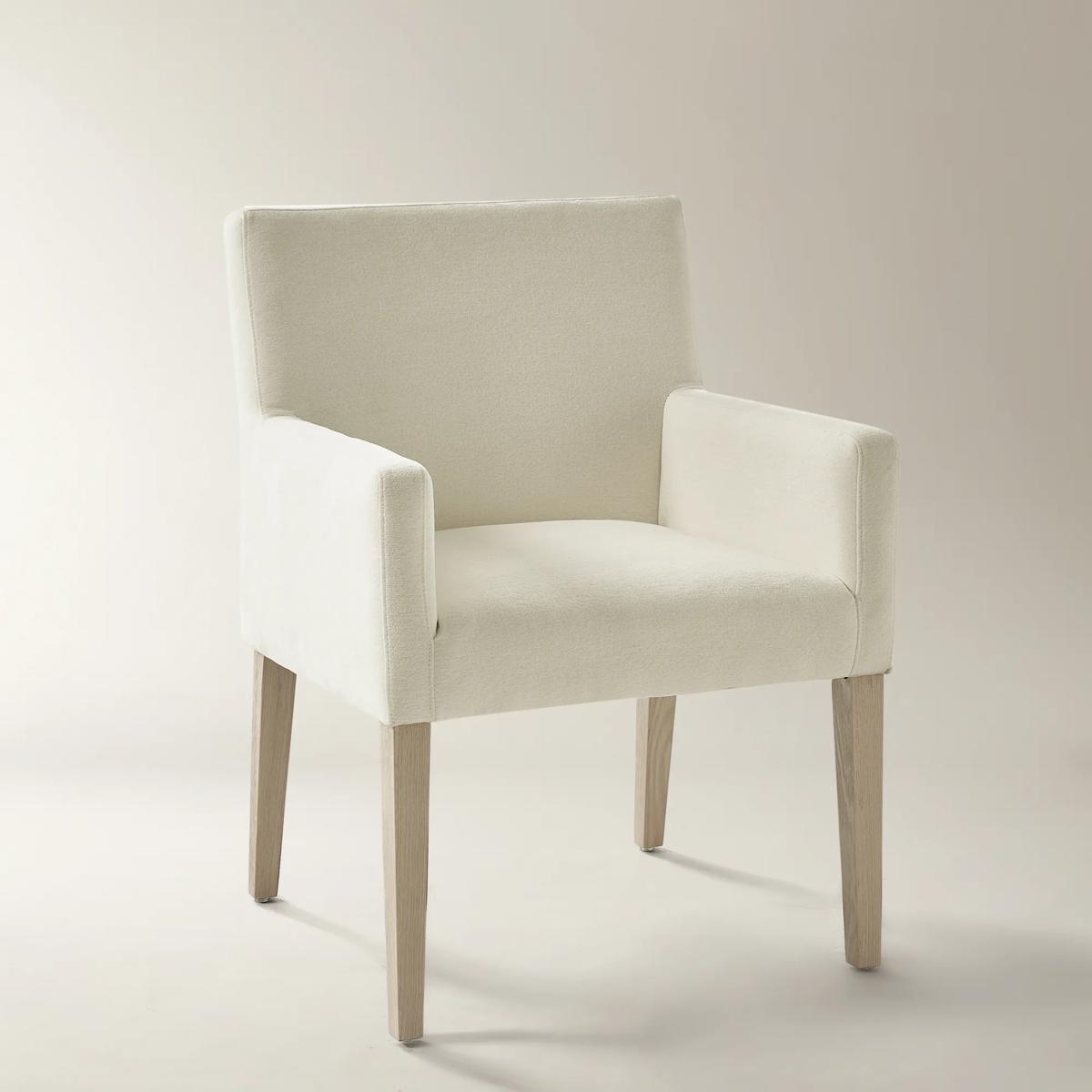
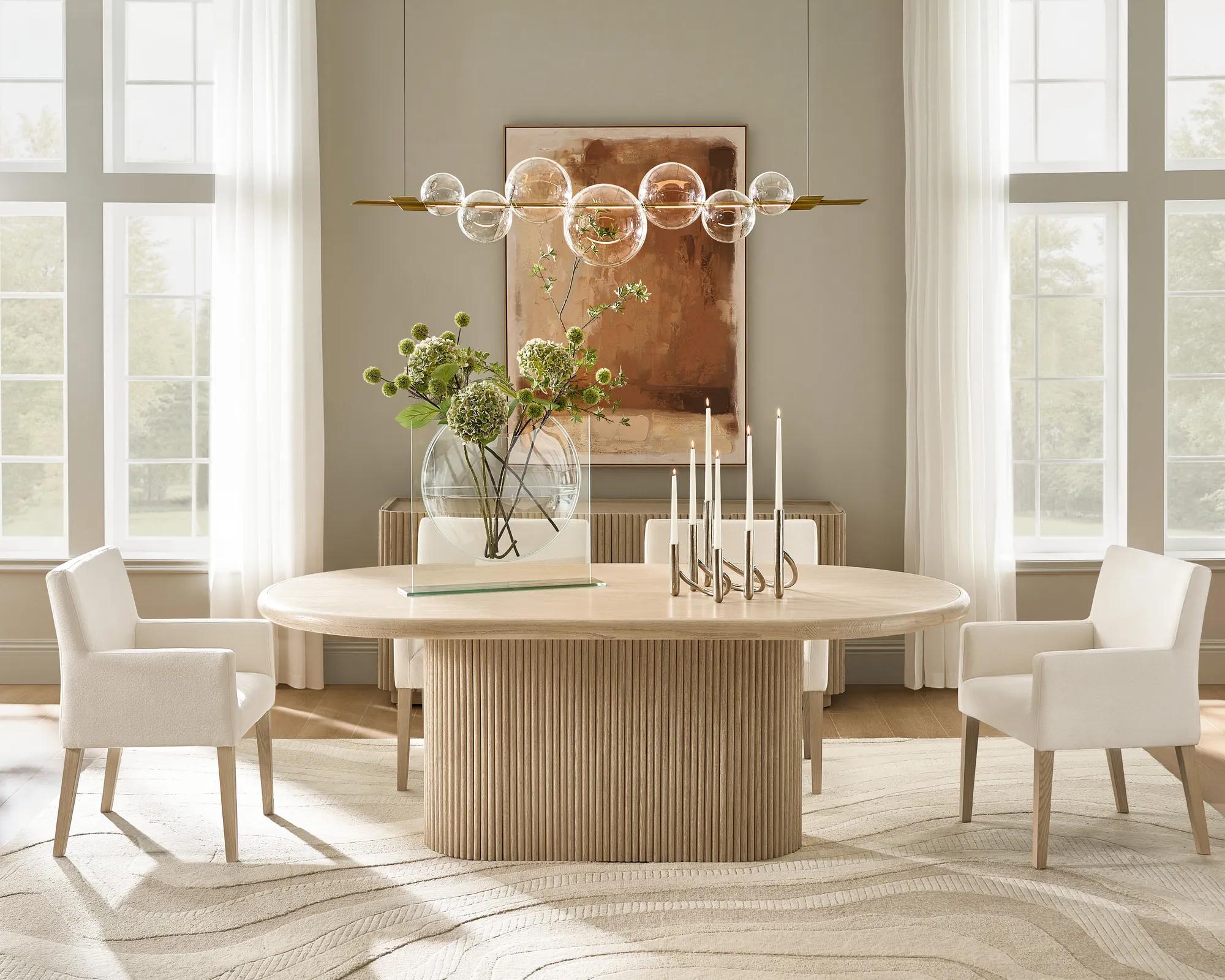 Stria Ivory Chenille Dining Chair Set Of 2$599
A pair of ivory chenille arm chairs with natural oak legs, offering plush comfort and modern elegance.
Add To Cart -
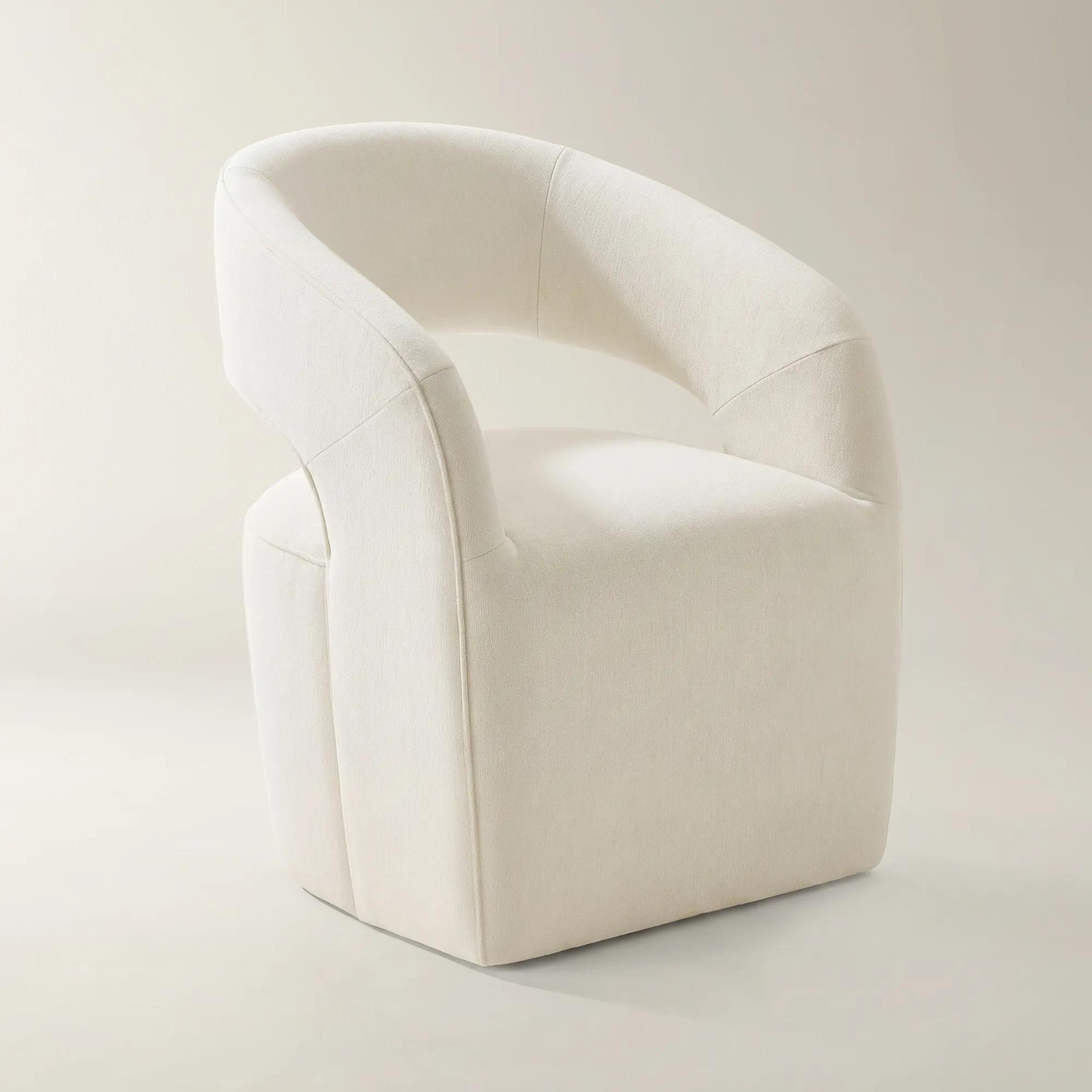 Harrison Ivory Performance Chenille Dining Chair$449
A sculptural ivory chenille chair featuring a continuous curved back, feather-blend comfort, and performance upholstery.
Add To Cart -
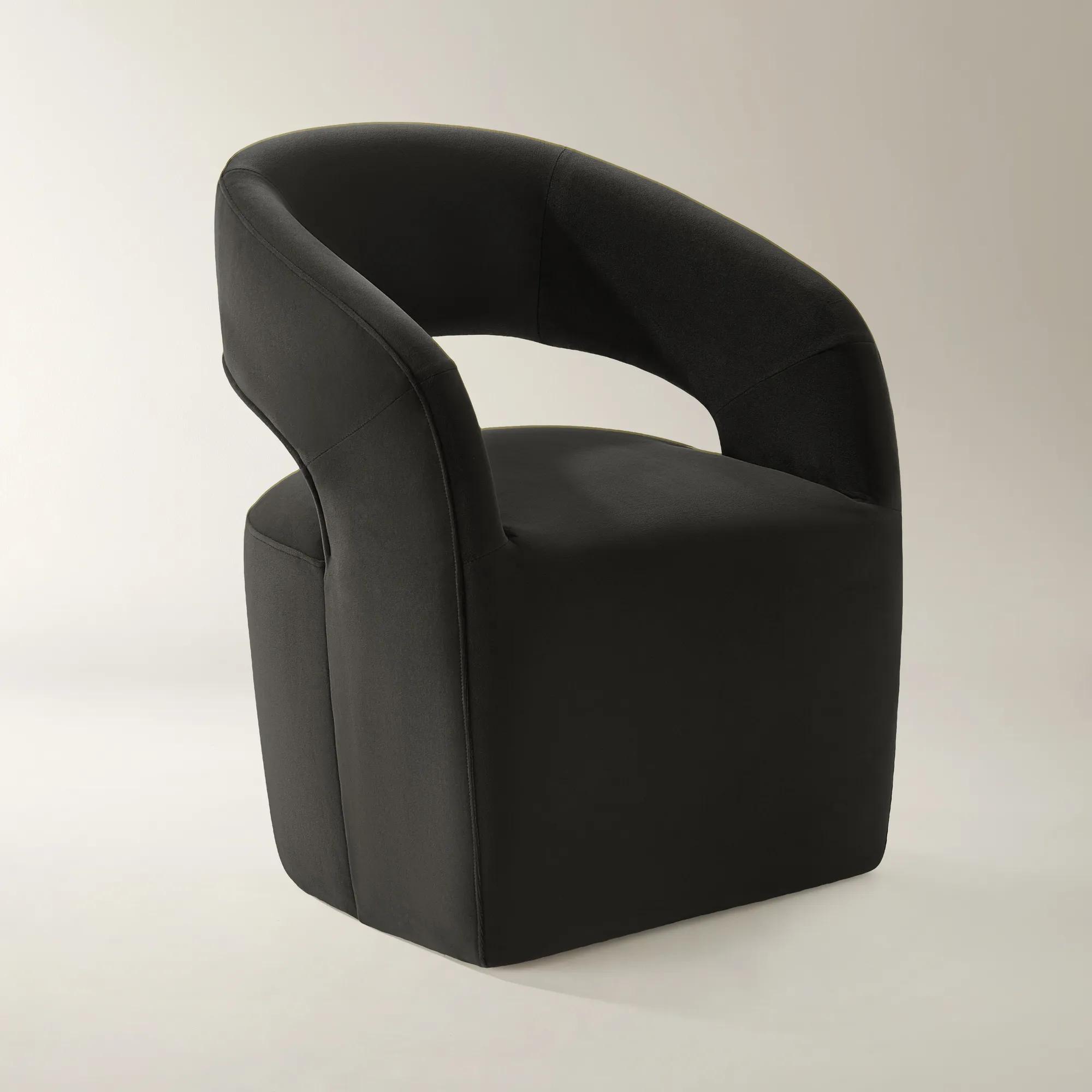 Harrison Charcoal Velvet Dining Chair$449
A sculptural dining chair upholstered in charcoal velvet with a continuous curved back and feather-blend comfort.
Add To Cart -
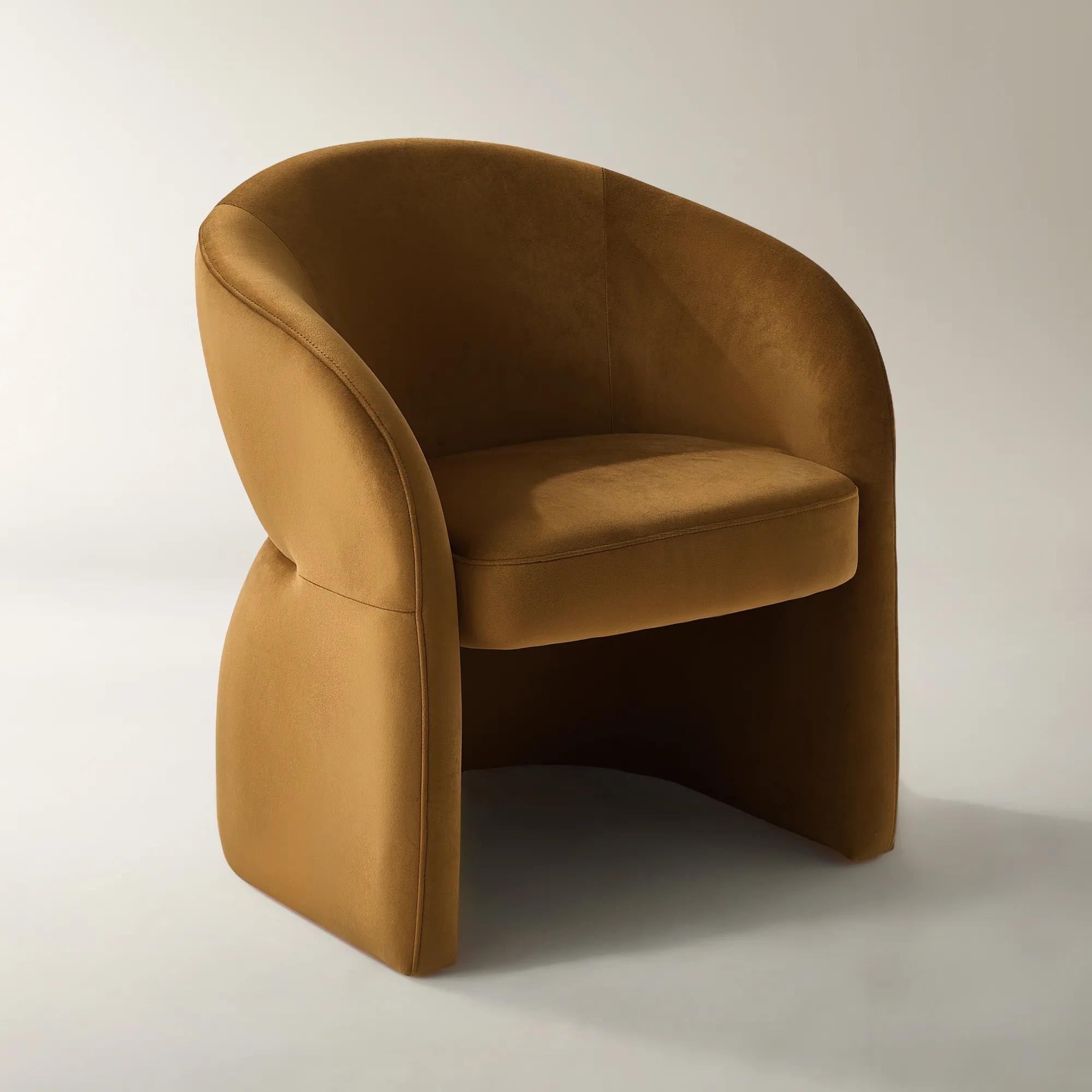
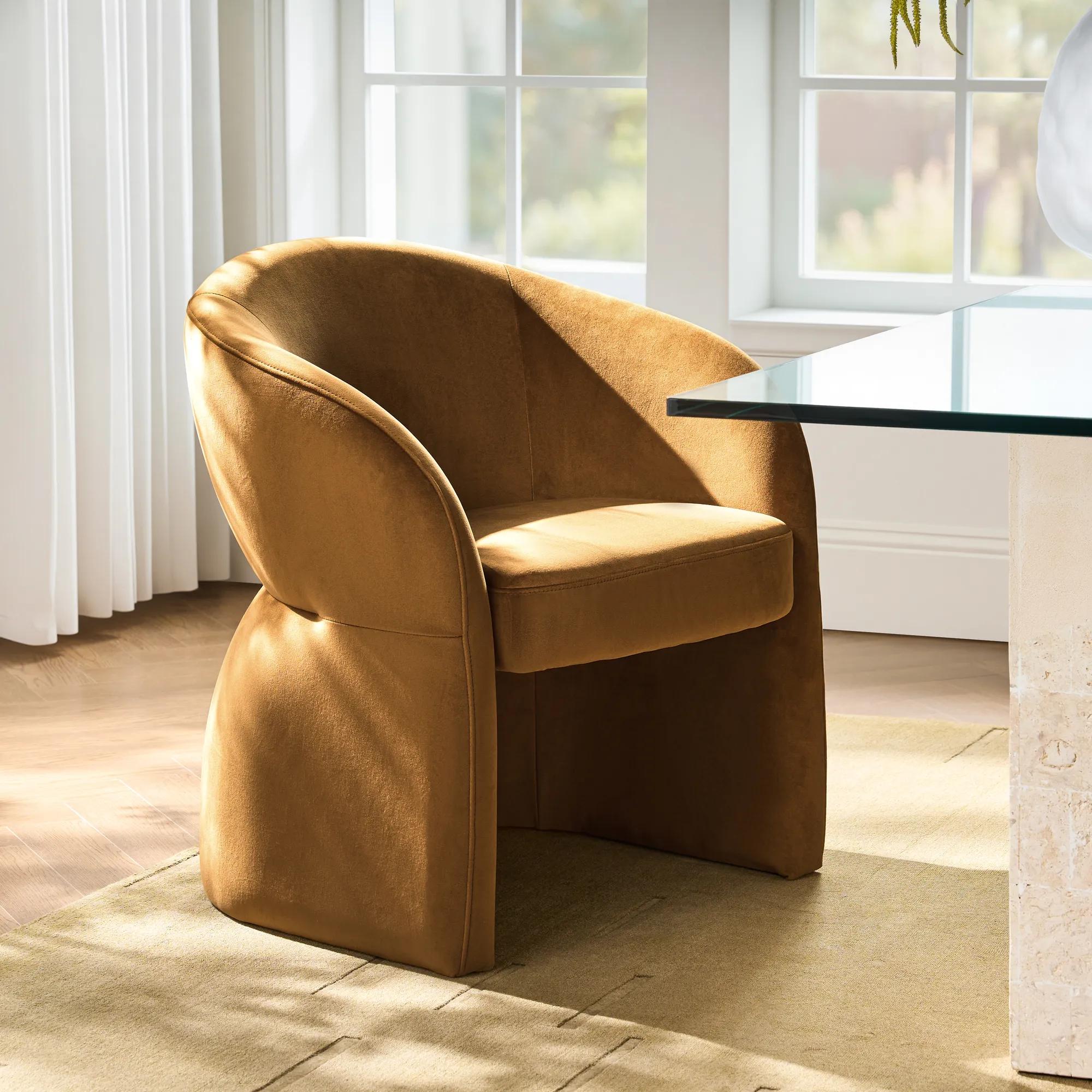 Sierra Roasted Pecan Velvet Dining Chair$499
A sculptural accent chair in roasted pecan velvet with arched arms, curved back, and plush cushioning.
Add To Cart -
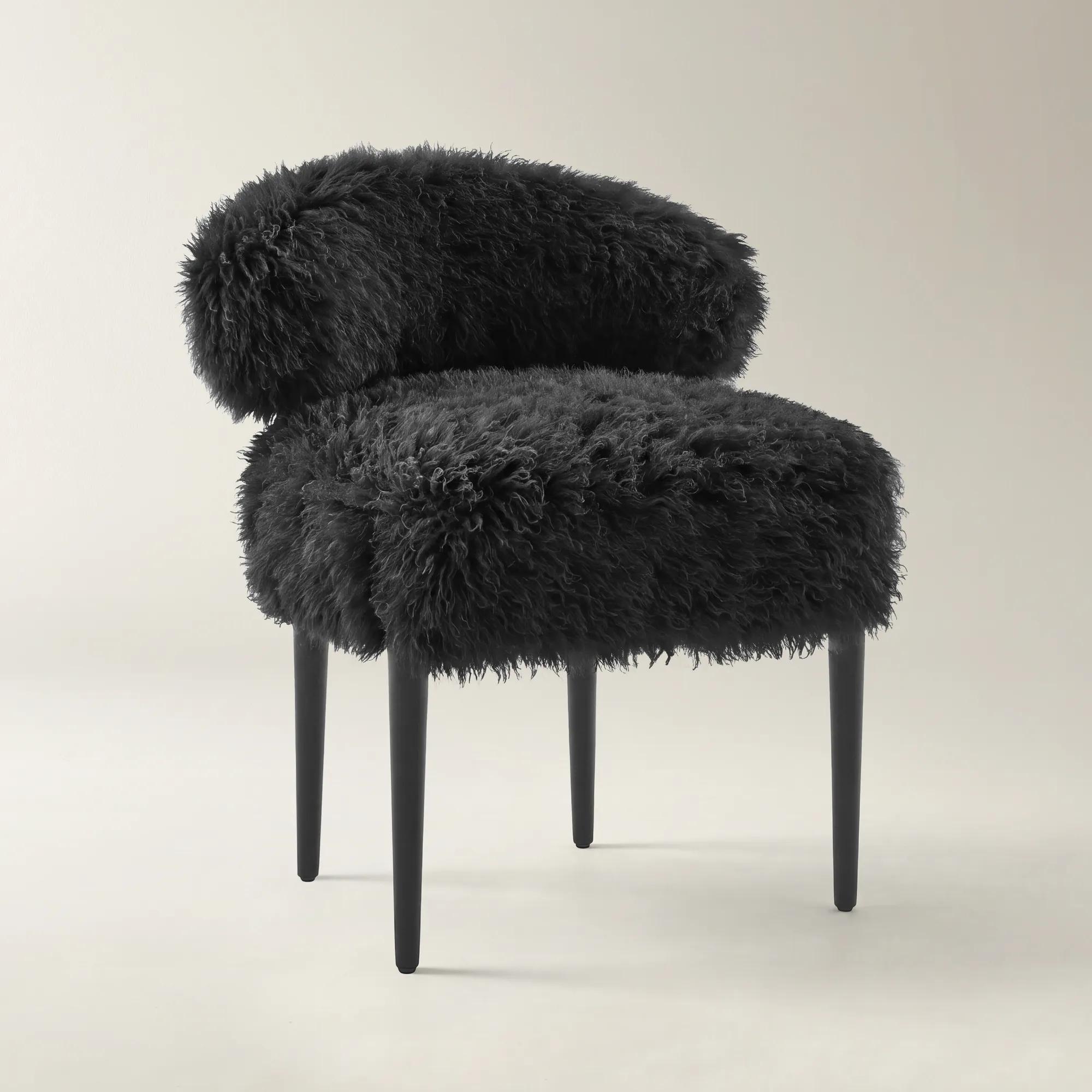
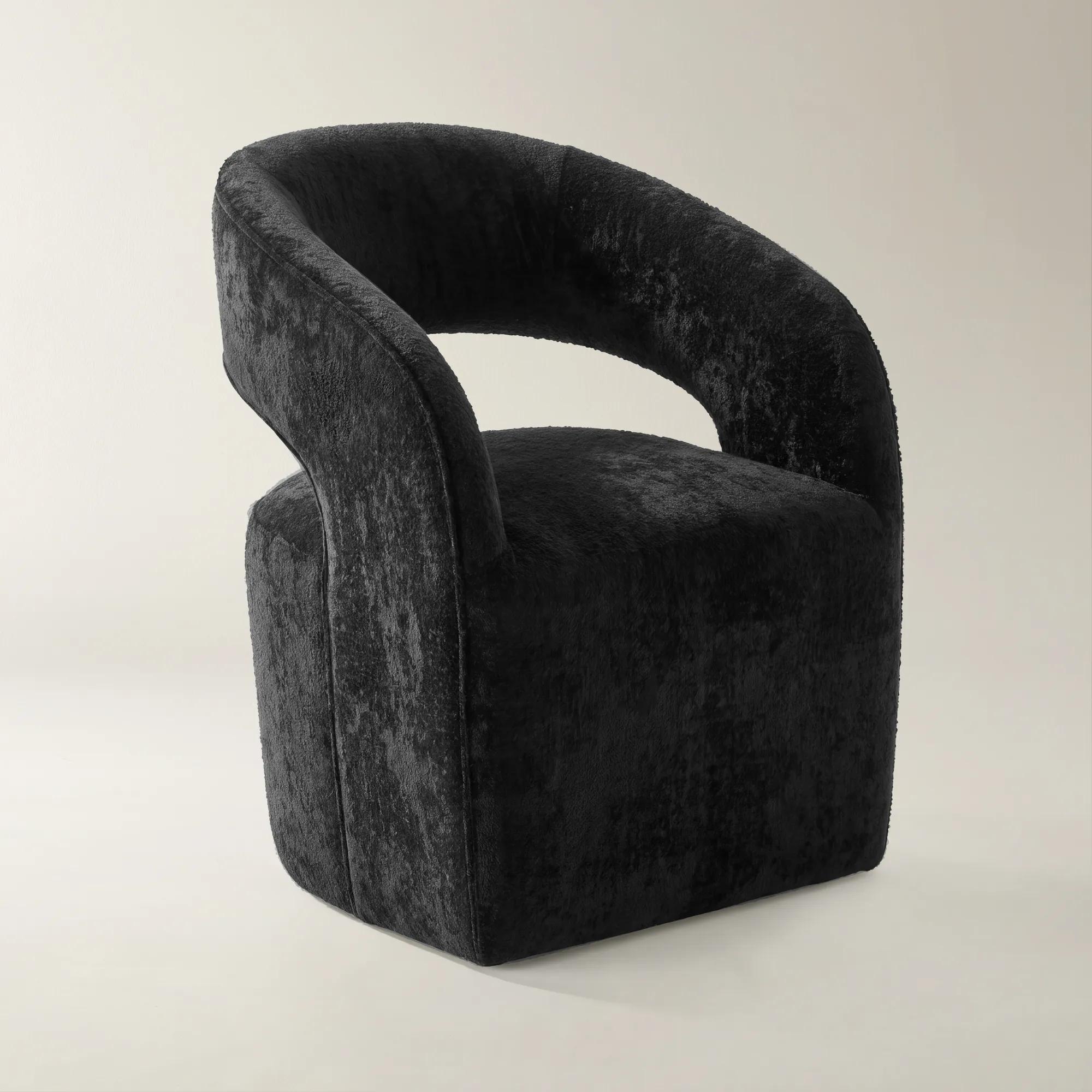 Harrison Black Chenille Dining Chair$449
A sculptural dining chair upholstered in charcoal chenille with a curved back, feather-blend seat, and integrated arms.
Add To Cart -
.jpg?w=1200&h=1200) Stria Ivory Chenille Swivel Dining Chair With Oak Base$599
Stria Ivory Chenille Swivel Dining Chair With Oak Base$599An inviting ivory chenille arm chair with a solid oak swivel base and hand-crafted details.
Add To Cart -
.jpg?w=1200&h=1200)
 Stria Green Chenille Swivel Dining Chair With Oak Base$599
Stria Green Chenille Swivel Dining Chair With Oak Base$599A green chenille arm chair with a solid oak swivel base, offering cozy comfort and modern versatility.
Add To Cart -
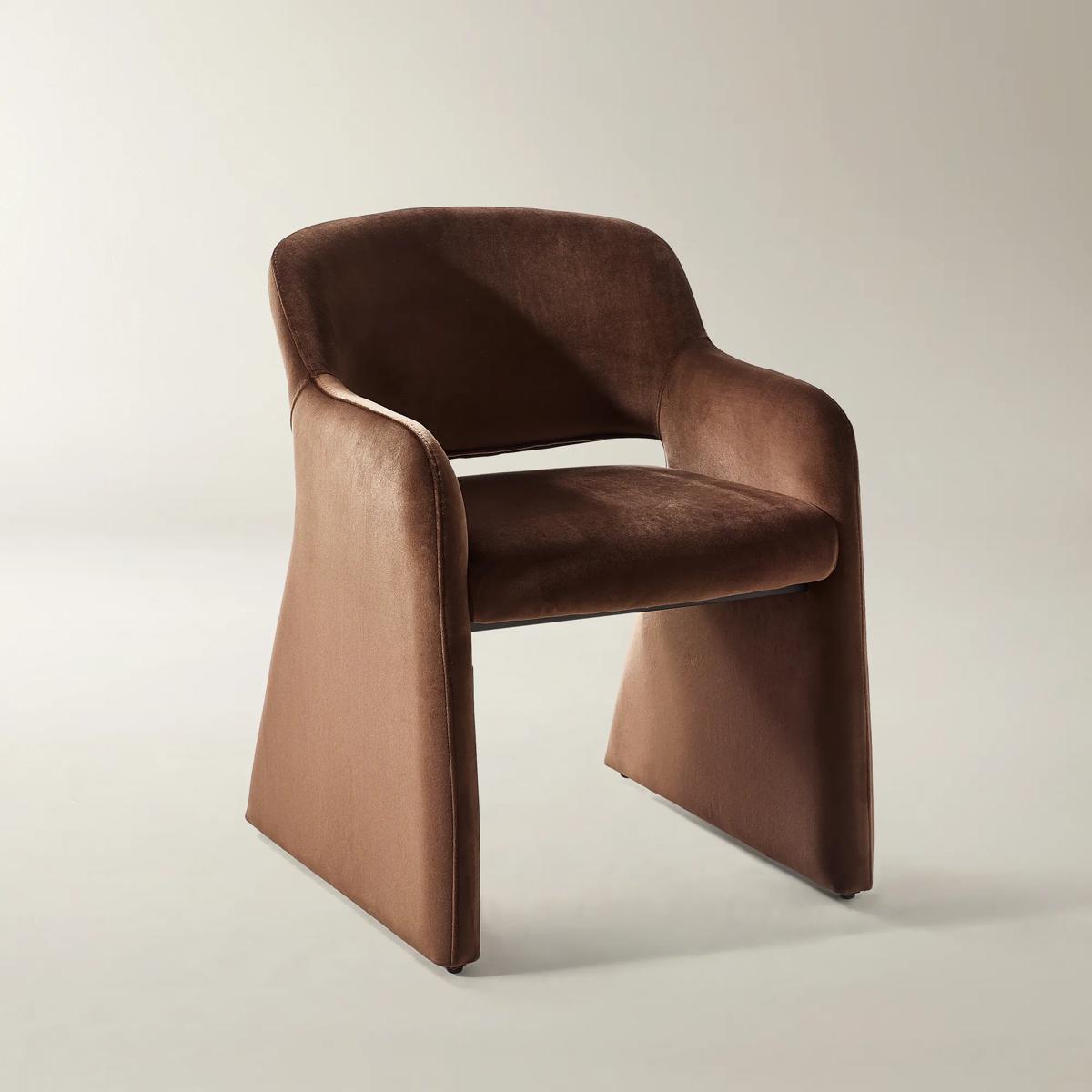
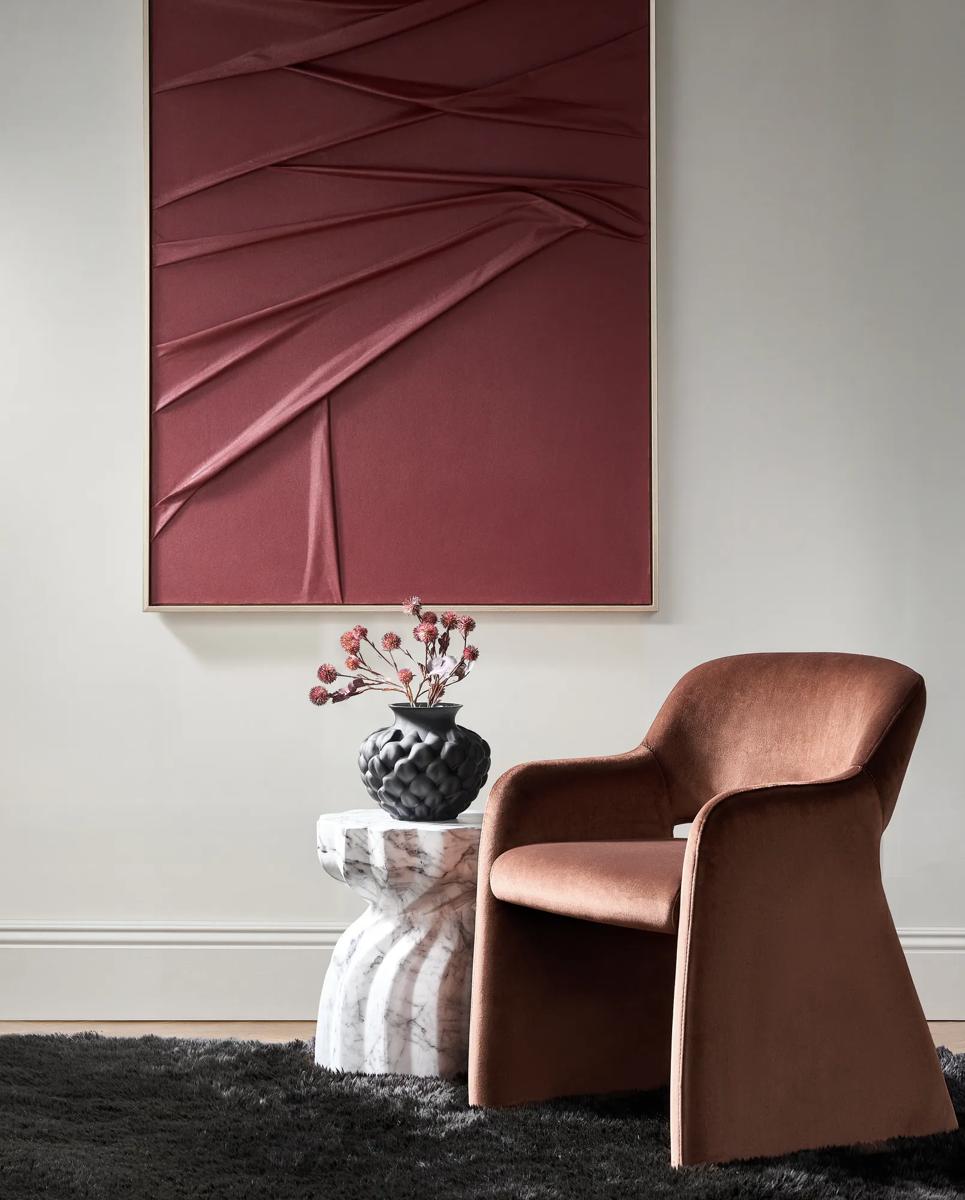 Elara Burnt Umber Velvet Dining Chair$399
A plush brown velvet armchair with sinuous curves, ergonomic support, and hand-crafted, reinforced details.
Add To Cart -
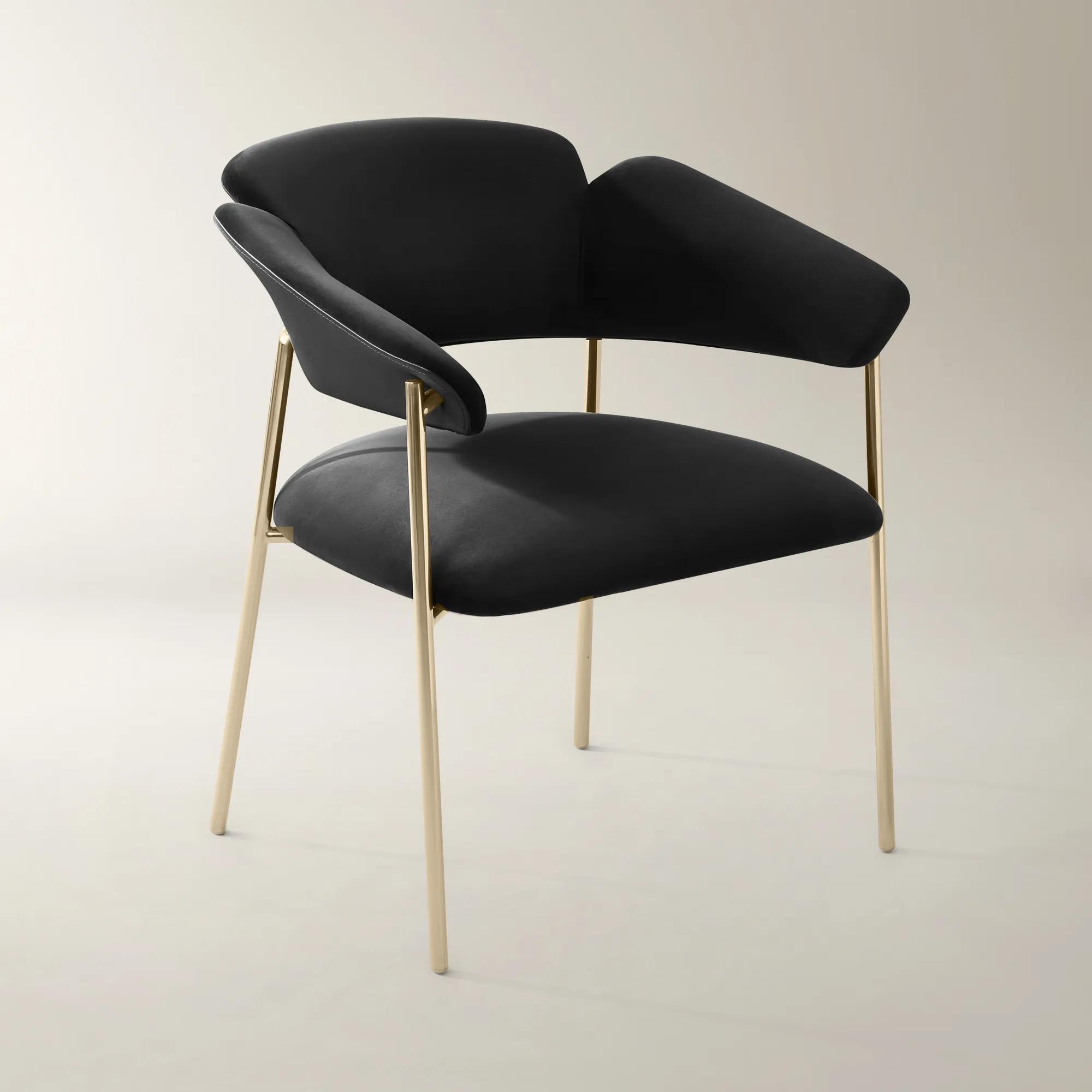 Odette Charcoal Velvet Dining Chair$499
A charcoal velvet chair featuring a wraparound open-back design, tonal faux leather accents, and gold metal legs.
Add To Cart

Accent Dining Chairs With Arms
Explore accent dining chairs with arms that bring expressive style and a more enveloping seat to your dining space. Dining armchairs can anchor the ends of a table or create a coordinated arrangement with presence. As you browse, consider chair width, seat height, and arm clearance to find a silhouette that complements your table and leaves room to gather comfortably.
Accent dining chairs with arms bring a more expressive silhouette to the table, framing each place setting with shape, texture, and presence. Their appeal lies in the balance between the intimacy of a dining chair and the enveloping character of an accent chair: a defined seat, a supportive back, and arms that give the design a sense of occasion. Around a glass tabletop, sculptural upholstery becomes part of the view; beside richly grained wood, a lustrous fabric or gleaming metal frame creates a striking contrast. A pair positioned at the ends of a rectangular table can establish a graceful hierarchy without making every seat identical. Along the sides, simpler chairs allow those statement silhouettes to hold attention, especially when the upholstery shares a color, texture, or finish with another element in the room. For a round table, a repeated curved profile creates a cohesive composition, provided the chairs have enough space to sit comfortably without crowding one another. Color sets the mood just as decisively as form. Ivory and champagne tones create a luminous backdrop for patterned dinnerware, while charcoal, ink blue, and saturated jewel tones lend depth to a room filled with reflective accents. The effect need not depend on elaborate ornament. A sweeping back, a tailored seam, or an open frame can introduce drama through proportion alone. Upholstered arms make the silhouette feel generous and inviting, while exposed wood or metal arms keep the lines more visibly architectural. These chairs suit dining rooms where lingering conversation is as important as the meal, but they also bring distinction to a breakfast area or an open-plan space that remains visible throughout the day. A chair seen from the living room deserves attention from every angle: the back, legs, and junction between frame and upholstery all contribute to the composition. Even an ordinary dinner feels more considered when the seating has a deliberate relationship to the table, lighting, and artwork surrounding it.
Materials give accent dining chairs with arms their visual identity while shaping how they feel and function over time. Velvet offers a rich surface that catches light differently across the seat and back, giving a single color surprising dimension. Its pile may show shading or pressure marks, so that changing appearance is worth understanding before choosing it for a frequently used dining space. Woven upholstery creates a different kind of depth, with fine threads or more pronounced texture lending definition to a tailored silhouette. In homes where chairs see daily meals, homework, and frequent entertaining, tightly woven fabrics and upholstery with clearly stated performance characteristics can be practical considerations. A performance designation does not make a fabric immune to spills; the manufacturer's care instructions remain essential. Leather has its own expressive character, from a smooth, structured appearance to the gradual patina of certain finishes, while leather-look upholstery requires care suited to its particular composition rather than treatment intended for genuine leather. Beneath the surface, frame construction, secure joints, and the quality of the seating support matter as much as the fabric. A firm seat can feel reassuring at a dining table, whereas a deeply cushioned, lounge-like seat may position the sitter too low or too far from the tabletop. Wood brings grain and tonal variation into the room; metal can introduce a slender outline or a polished accent that echoes lighting and hardware. Finish durability is especially relevant at armrests, where hands make frequent contact, and along legs that may encounter shoes or cleaning tools. Regular care preserves the design's detail without requiring an elaborate routine. Gentle vacuuming with an appropriate upholstery attachment helps remove crumbs from seams and crevices, and spills are best addressed promptly according to the care label, without vigorous rubbing. Harsh cleaners can compromise finishes or fabrics, and prolonged direct sunlight may alter some upholstery colors. Suitable floor protectors also help reduce scraping as chairs move across wood or tile. These small considerations protect both the seating and the polished setting around it.
Proportion determines whether a dining chair's beautiful silhouette becomes a pleasure to live with. The relationship between the seat and tabletop matters more than the chair's overall height: there should be comfortable room for legs beneath the table, with the sitter positioned naturally for eating rather than reaching upward or leaning forward. Arm height deserves a separate measurement because a tabletop apron can prevent arms from sliding underneath even when the table's surface appears high enough. If the chairs must tuck in neatly after meals, that clearance becomes part of the design decision, not an afterthought. Width matters, too. A generous armchair can create a luxurious place at the head of the table, but several broad chairs arranged close together may leave little room for elbows or make it difficult to enter and leave a seat. Pedestal bases, corner legs, and stretchers each affect where feet and chairs can comfortably go. In a compact dining area, an open-sided frame or a less expansive back can preserve visual breathing room while still delivering sculptural impact. A larger room may accommodate fuller upholstery and a more commanding silhouette, though space behind the chair remains important for pulling it out and passing through. Chair weight and ease of movement also deserve attention when seating is rearranged often. For households with children, arm openings, upholstery care requirements, and the chair's stability should suit everyday use; an elegant design still needs to work for the people gathering around it. Beyond the main dining room, an accent dining chair with arms can lend definition to a writing desk, provided its seat height and arm clearance fit the work surface. It can also offer an additional perch near a console without the deeper footprint of a lounge chair. For a separate conversation area, classic accent chairs with arms offer a complementary design direction while serving a different seating purpose. Repeating a fabric tone or frame finish between dining and living spaces creates continuity without requiring identical furniture. The strongest arrangements preserve that distinction: dining chairs poised for the table, lounge seating shaped for relaxation, and a shared visual language that makes the entire room feel thoughtfully composed.
FAQs
Accent dining chairs with arms bring the expressive character of an accent chair to the dining table. Defined by armrests and distinctive silhouettes, they can introduce sculptural curves, sumptuous upholstery, or gleaming finishes to a dining room. They make seating part of the room’s artistic composition, rather than simply a supporting detail.
Place accent dining chairs with arms at the heads of a rectangular table to create elegant focal points, then pair them with complementary side chairs. For a more enveloping, cohesive look, repeat one armchair style around the table. Echo a detail from the chairs—such as a warm metallic finish or a rich upholstery color—in your lighting or centerpiece to give the arrangement a deliberate point of view.
Velvet lends dining armchairs rich color and a light-catching sheen, while bouclé introduces tactile depth and a softly sculptural mood. Leather creates a tailored impression, and textured woven fabrics offer a more understated expression of luxury. Let the upholstery set the tone: jewel hues invite drama, while ivory and champagne shades create a luminous backdrop for expressive table settings.
Mixing dining chair styles creates a layered room with a collected sensibility. Pair upholstered armchairs with wood side chairs for a compelling contrast, or combine curved backs with more architectural lines. A shared color, finish, or design detail gives the mix cohesion while allowing each silhouette its own moment.
Glass dining tables let sculptural chair frames remain in view, while marble tables create an opulent counterpoint to plush upholstery. Wood tables introduce warmth alongside metallic accents or richly colored fabrics. For a distinctive composition, contrast a restrained table base with expressive armchairs, or pair a dramatic table with elegantly tailored seating.