Abstract Art Gifts
Abstract Art Gifts
-
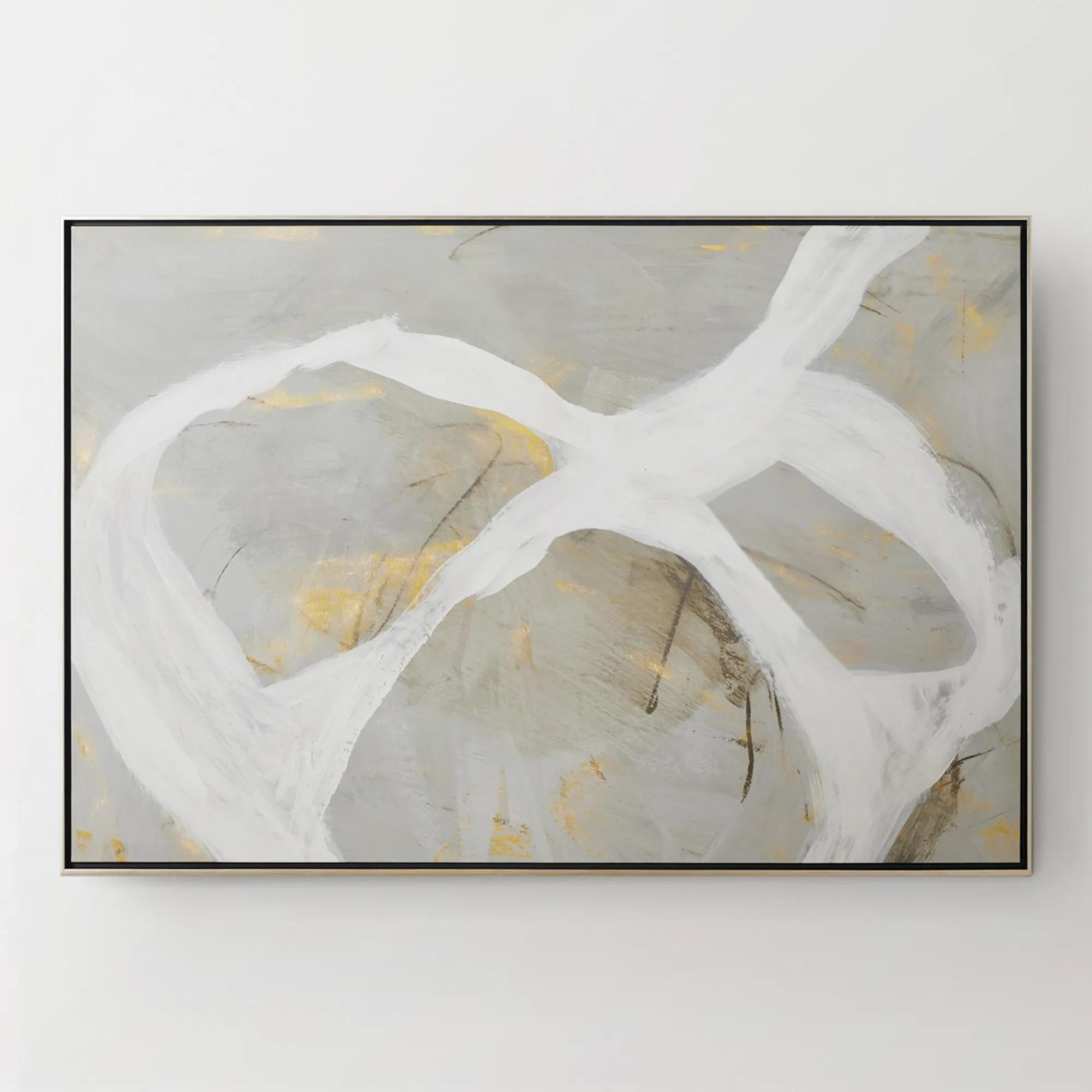
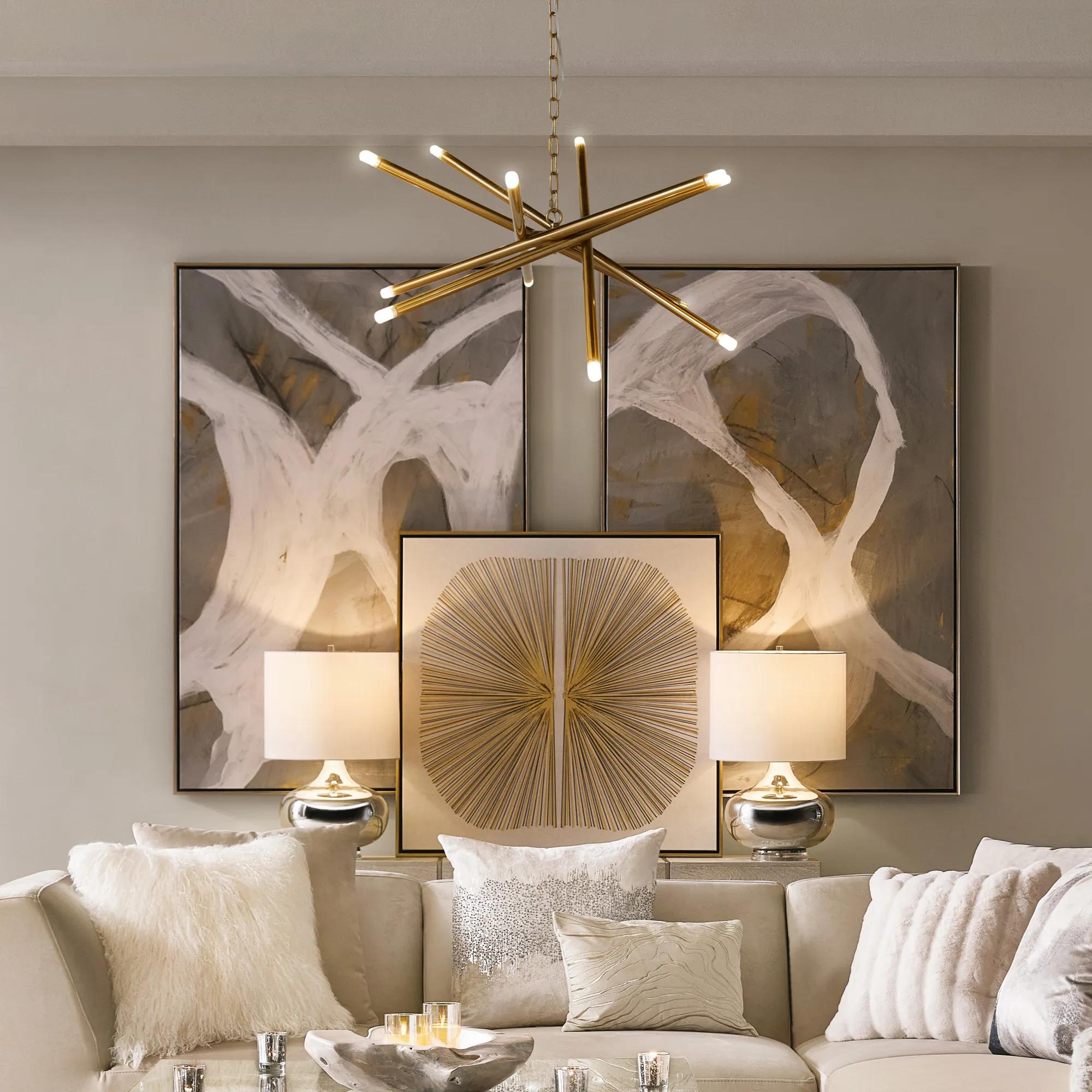 Les Series Framed Painted Wall Art I 61" x 41"$1099
An abstract canvas artwork featuring bold brushstrokes, hand-applied gold accents, and a silver floater frame.
Add To Cart -
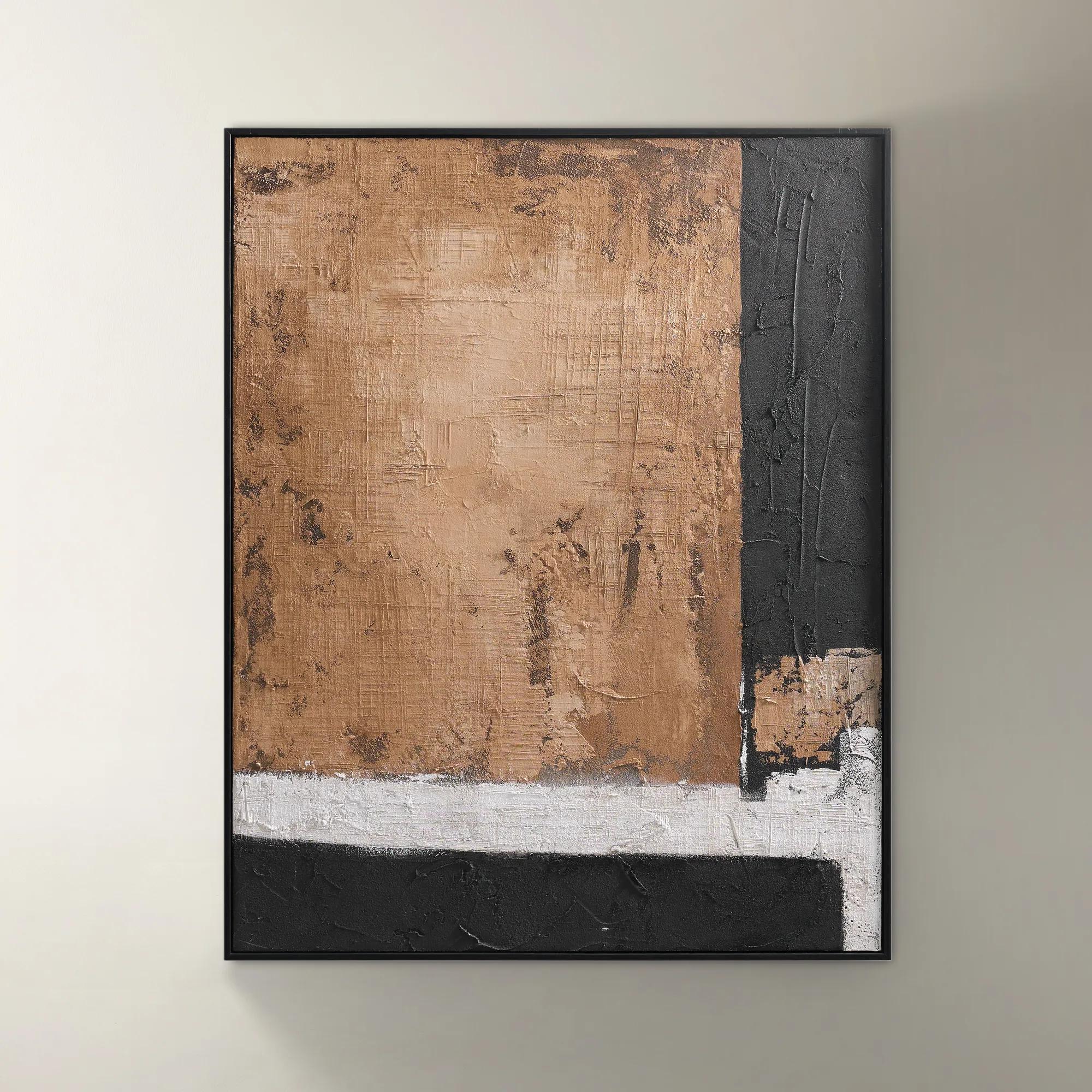 Drift Framed Painted Wall Art I 39.4" x 31.5"$299
A bold hand-painted abstract artwork featuring layered brown tones in a sleek black floater frame.
Add To Cart -
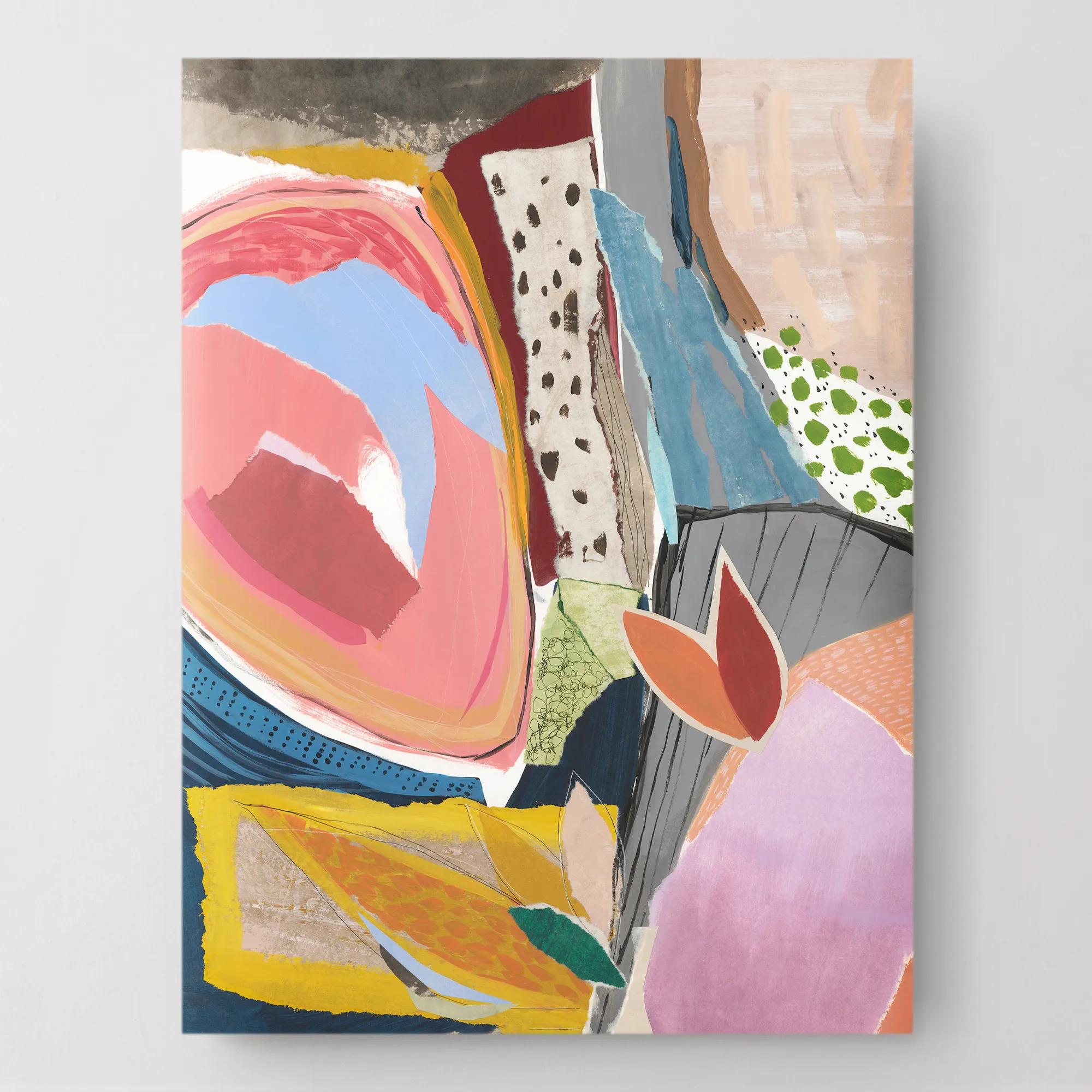
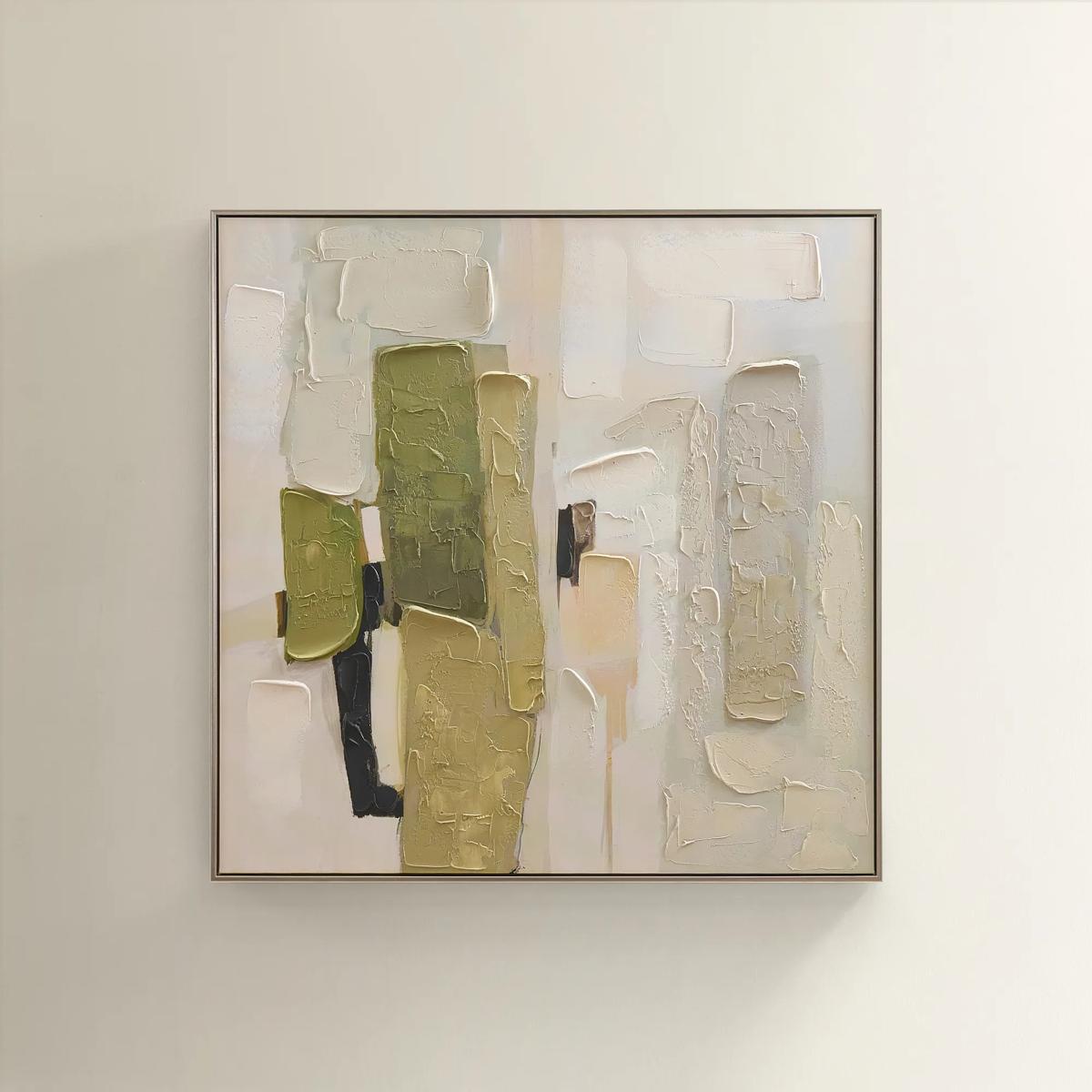 Verde Crush Framed Painted Wall Art 39.25" x 39.25"$349
A hand-painted abstract canvas featuring rich green tones, layered neutrals, and a champagne floater frame.
Add To Cart -
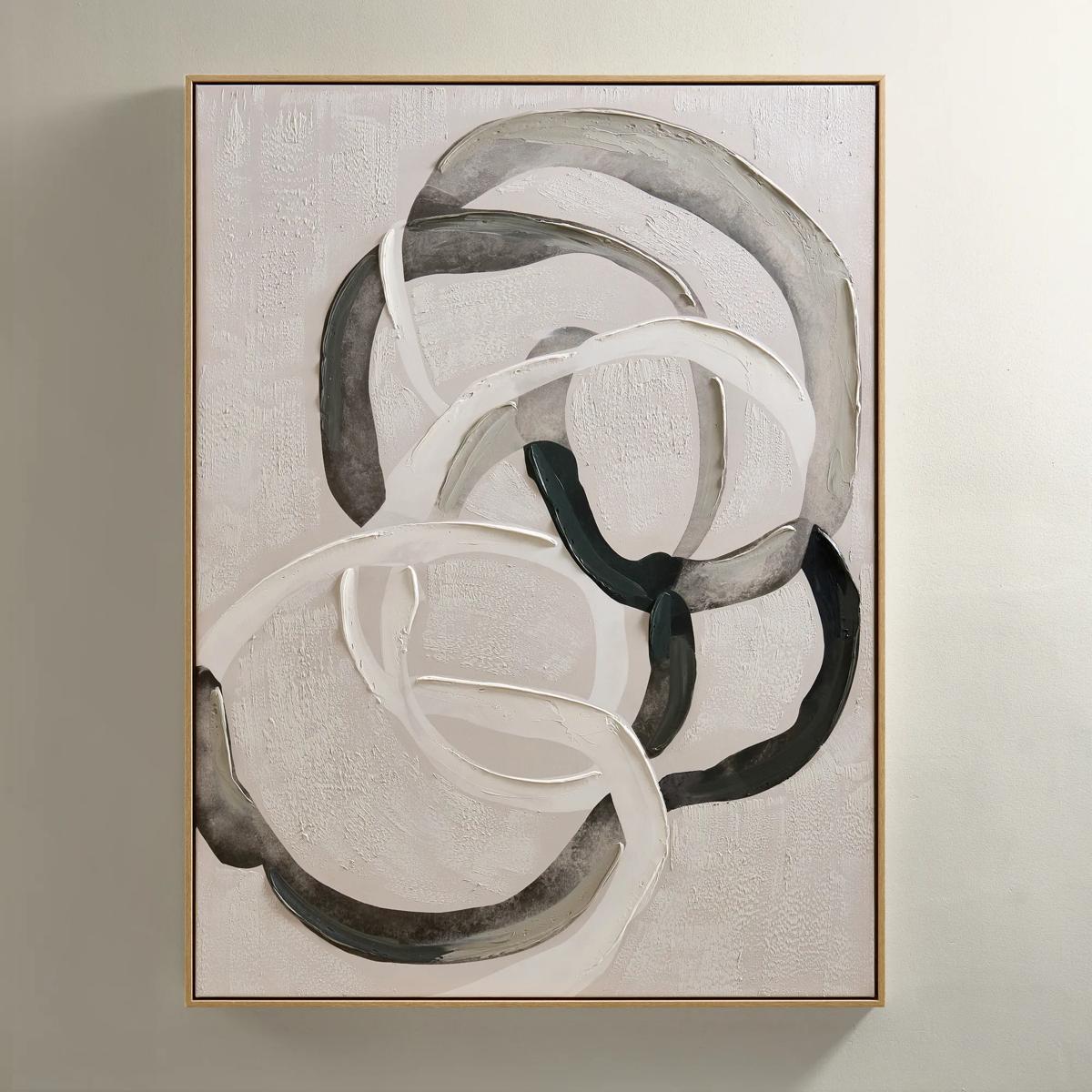
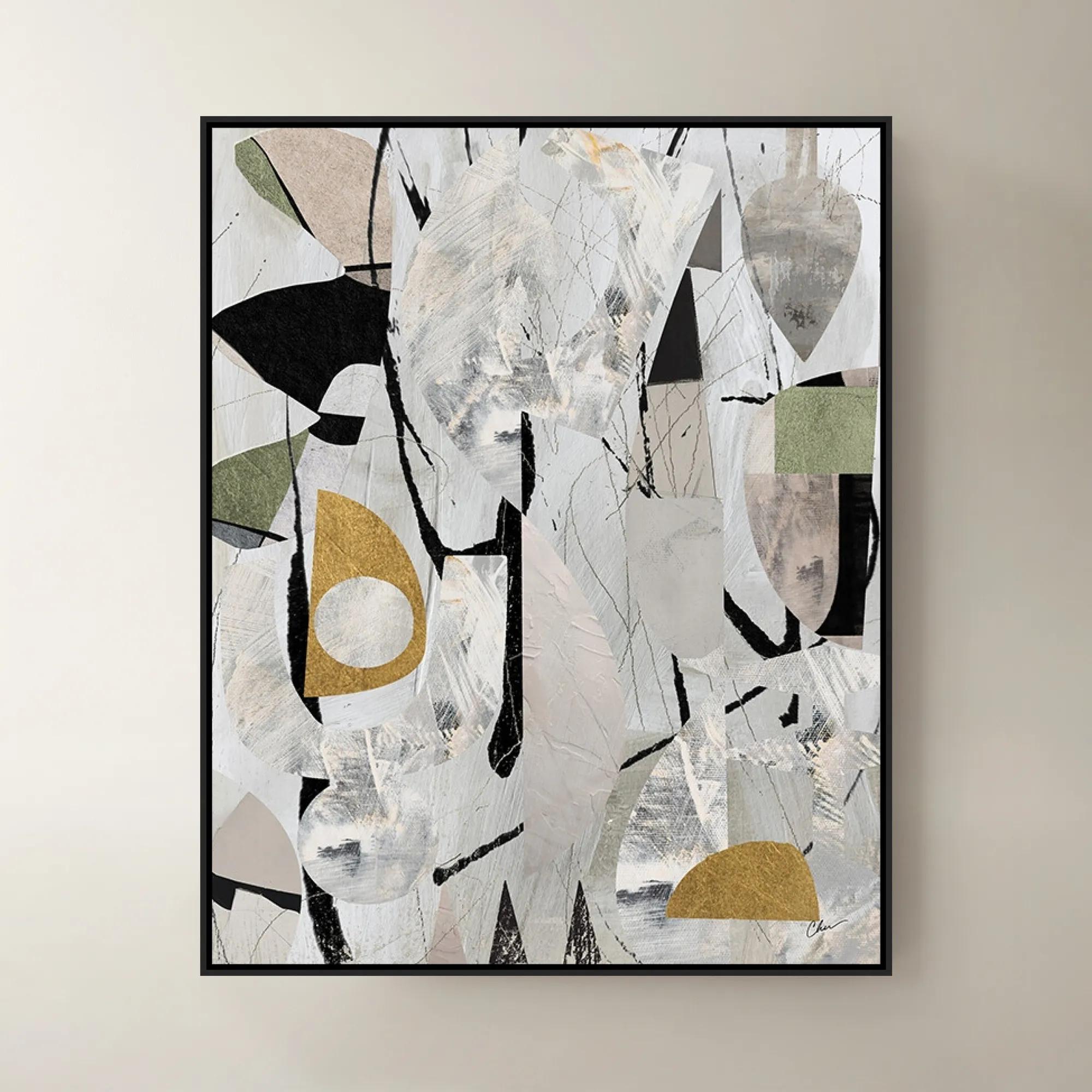
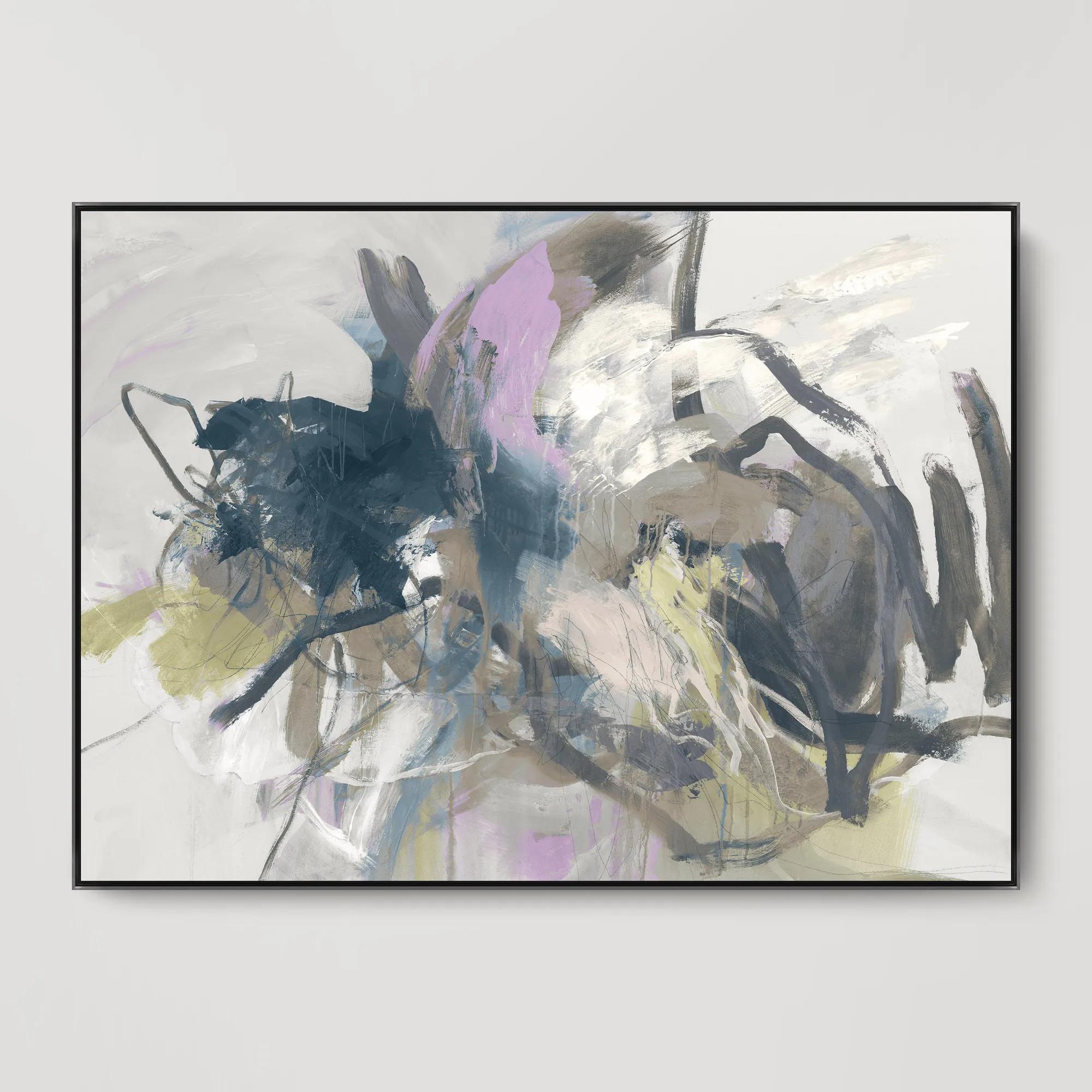
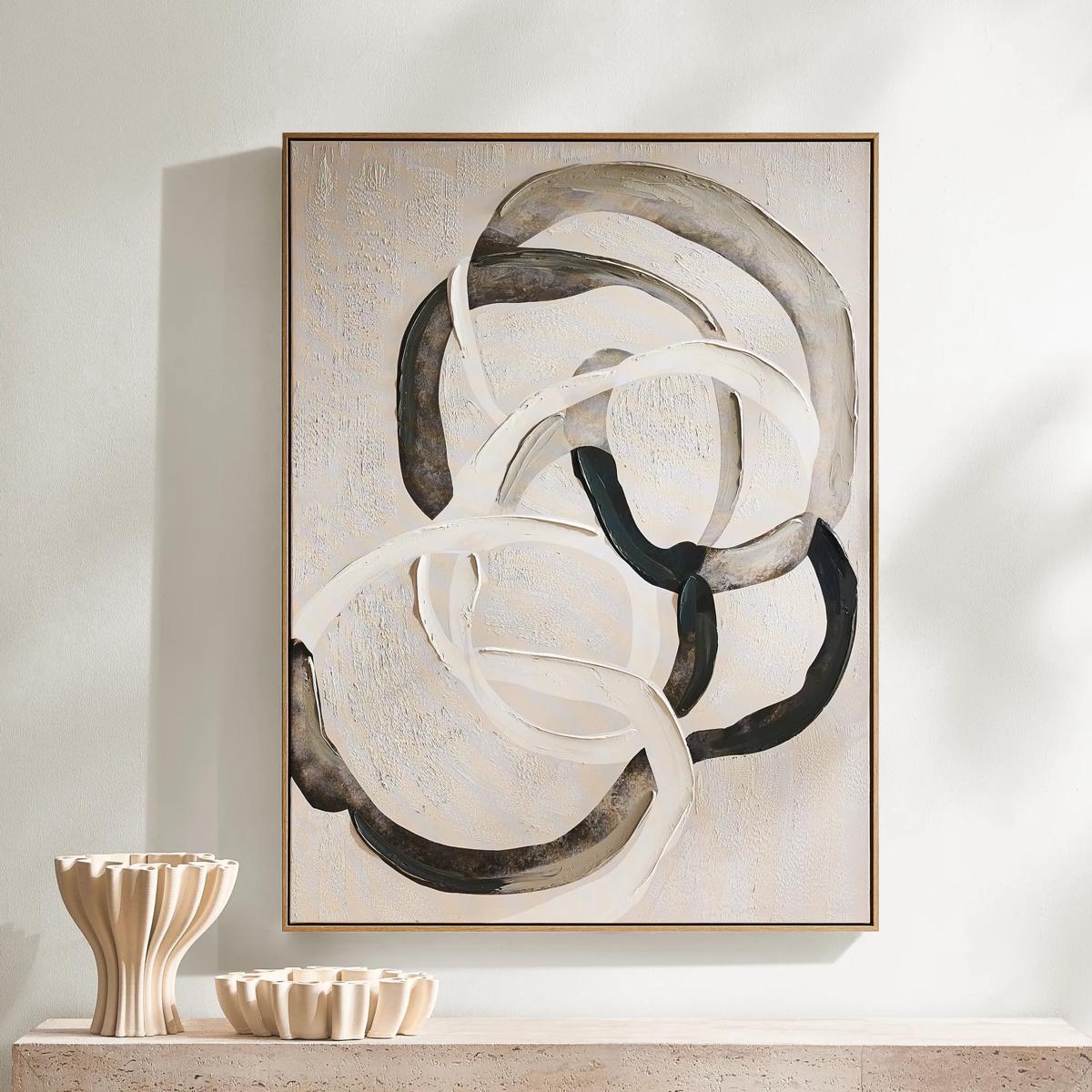 Round About Framed Painted Wall Art 35.25" x 47.25"$349
An abstract hand-painted canvas with tonal whites, charcoals, and taupes in a light wood floater frame.
Add To Cart -
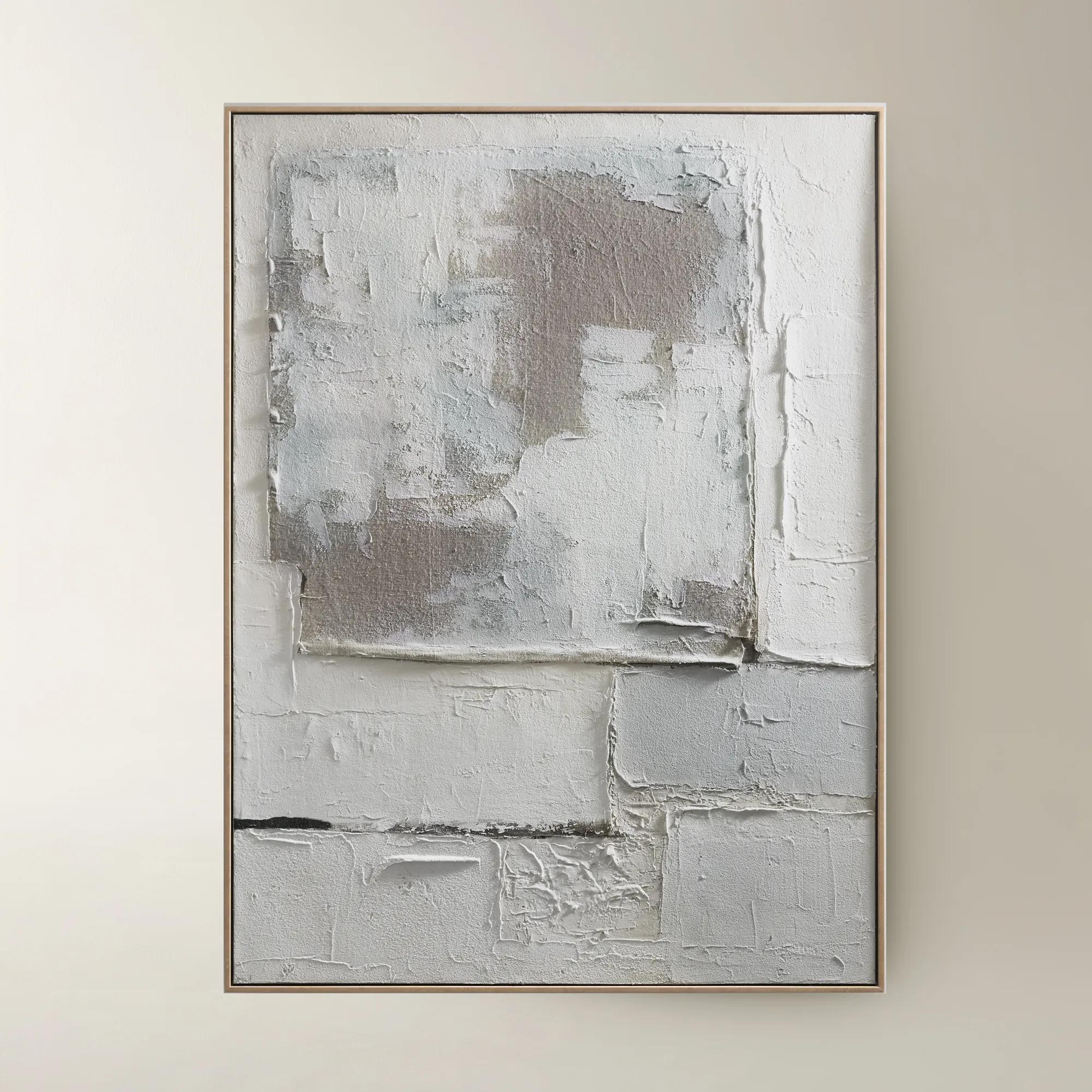
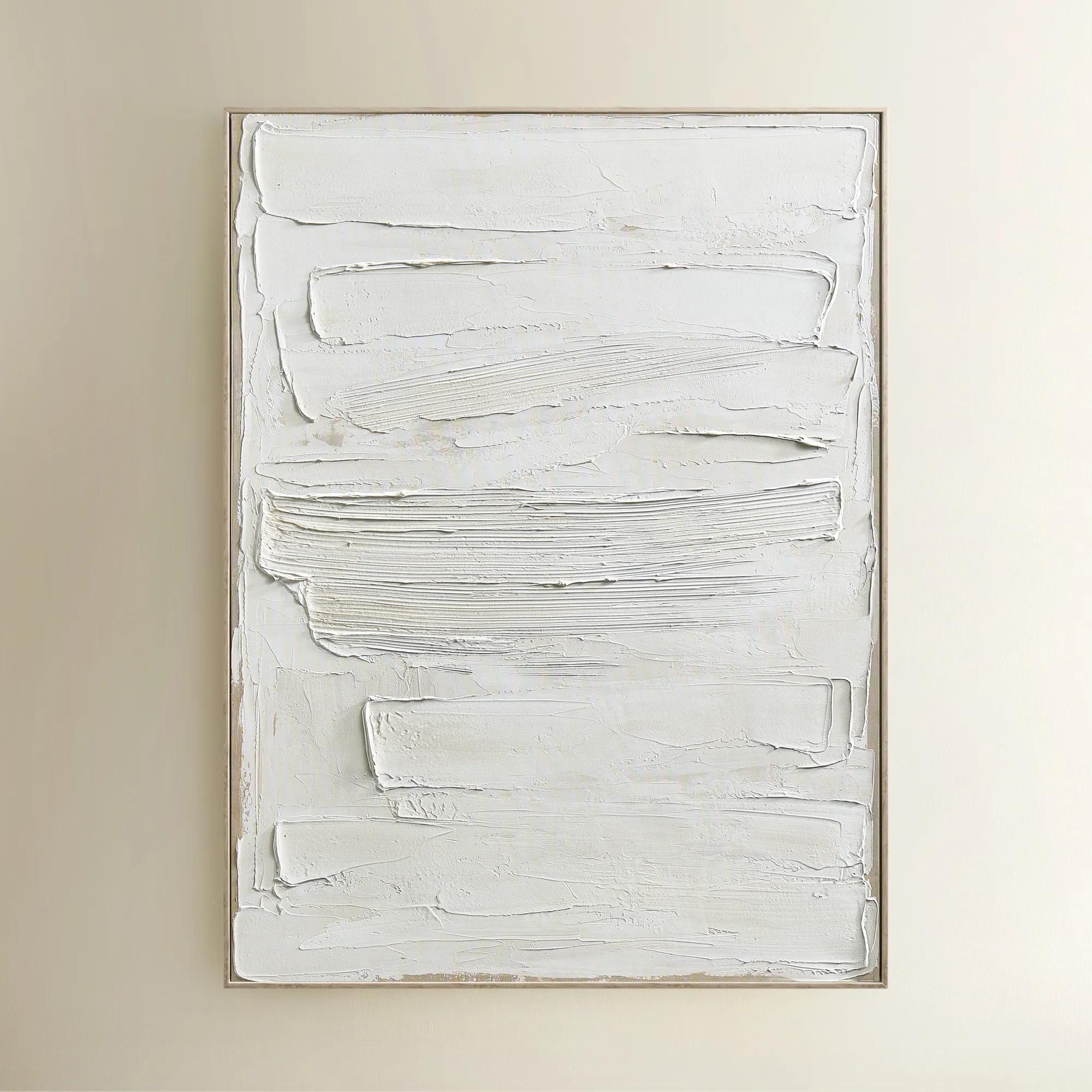
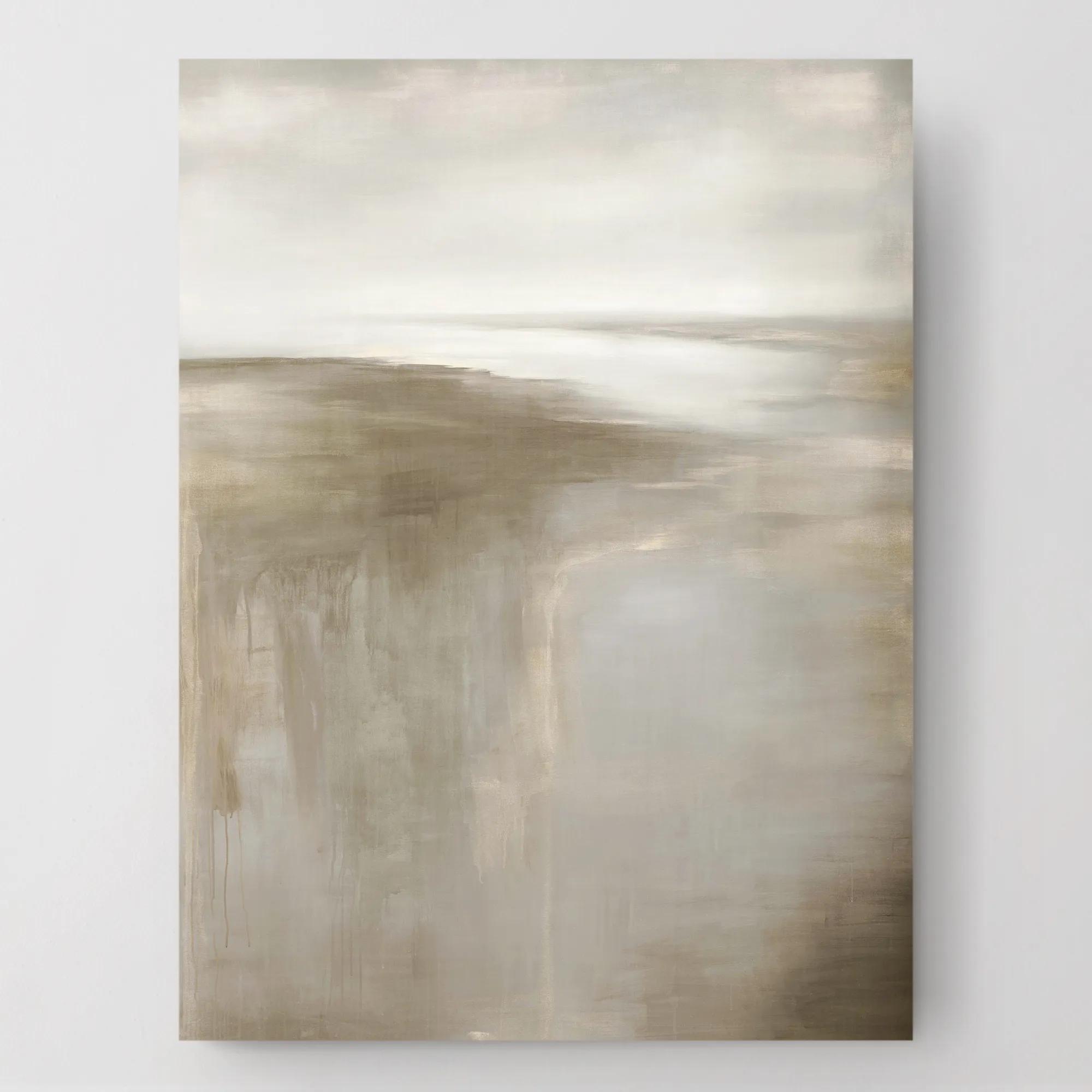
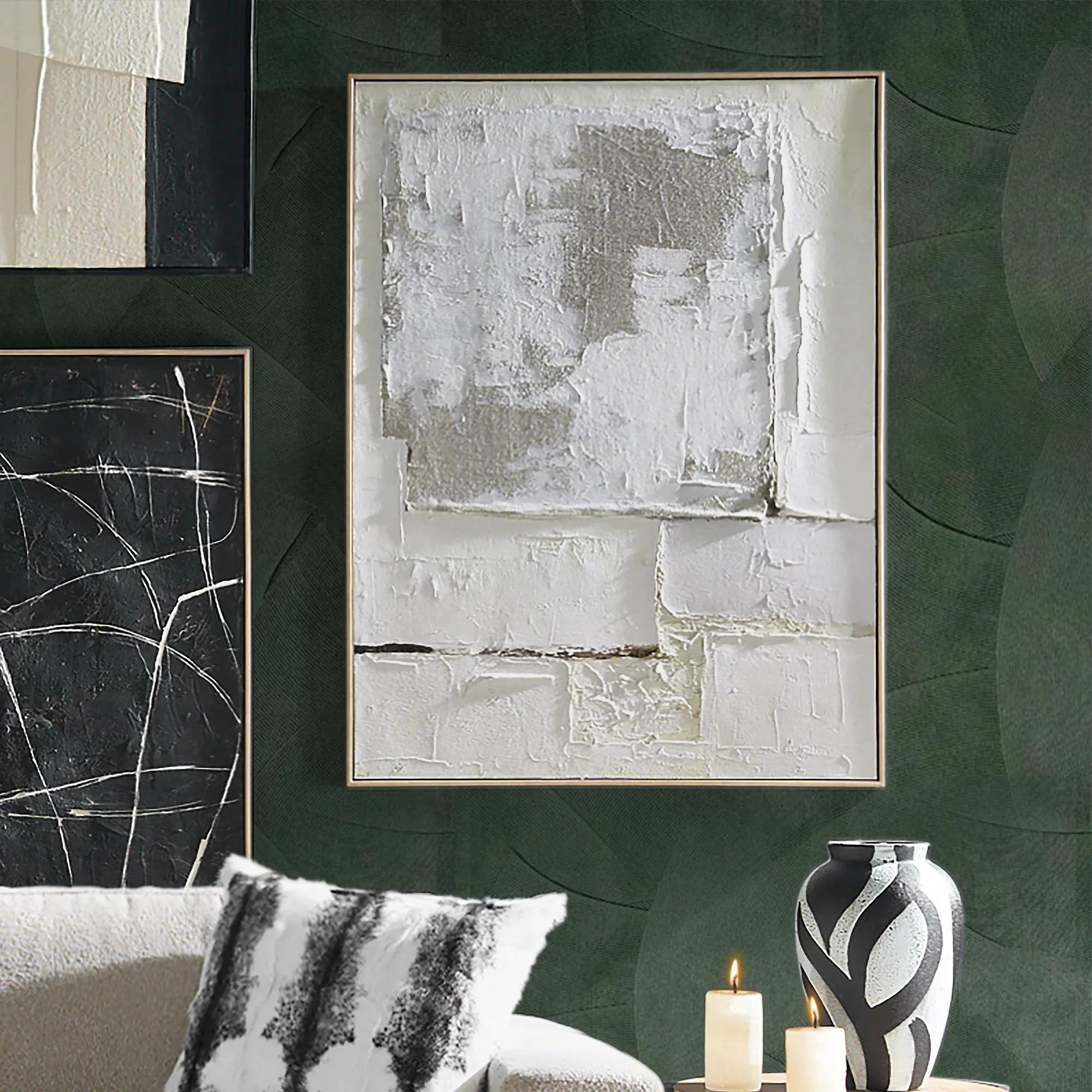 Marrow Painting$399
A hand-painted abstract canvas in subtle beige hues, elegantly framed in a warm beech wood floater.
Add To Cart -
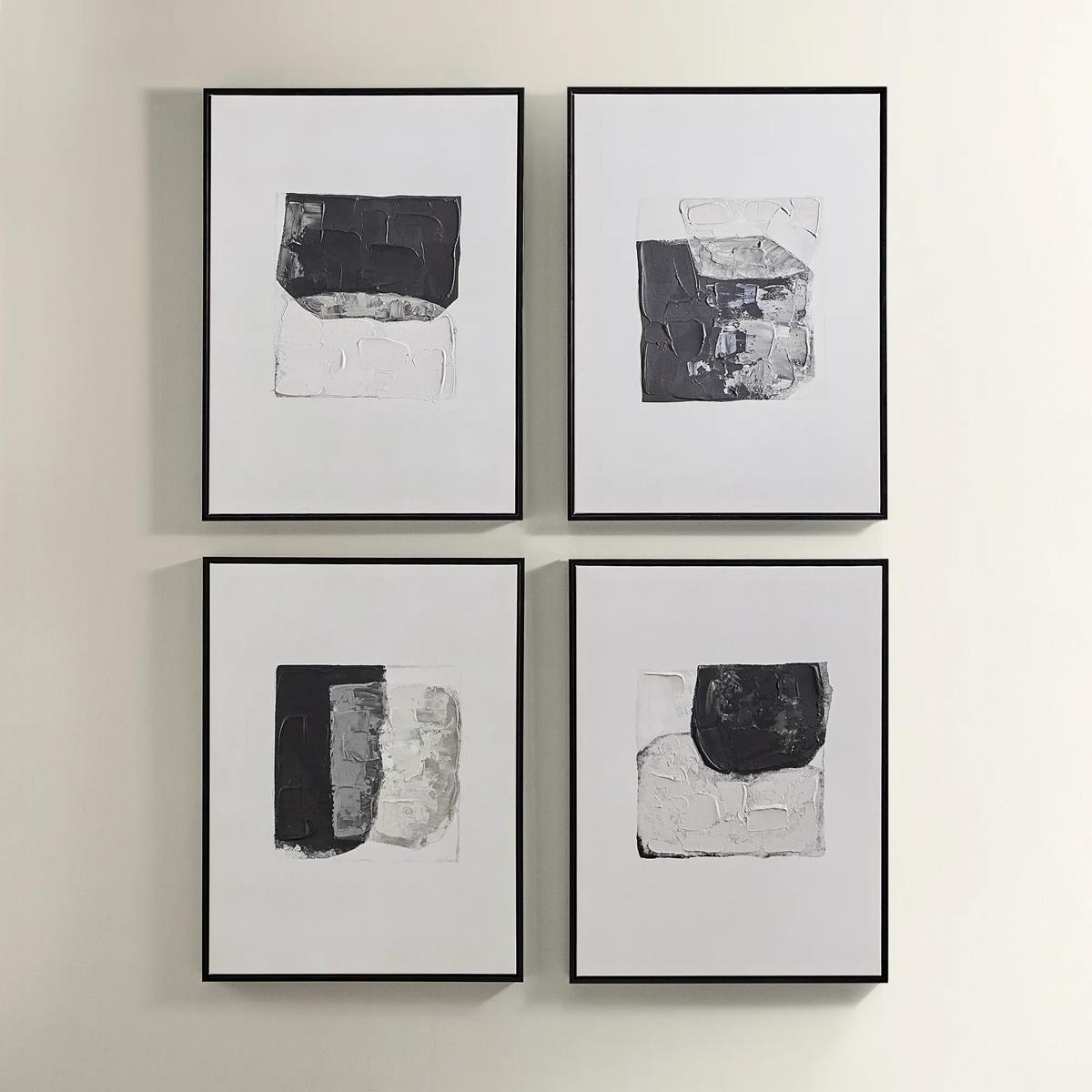
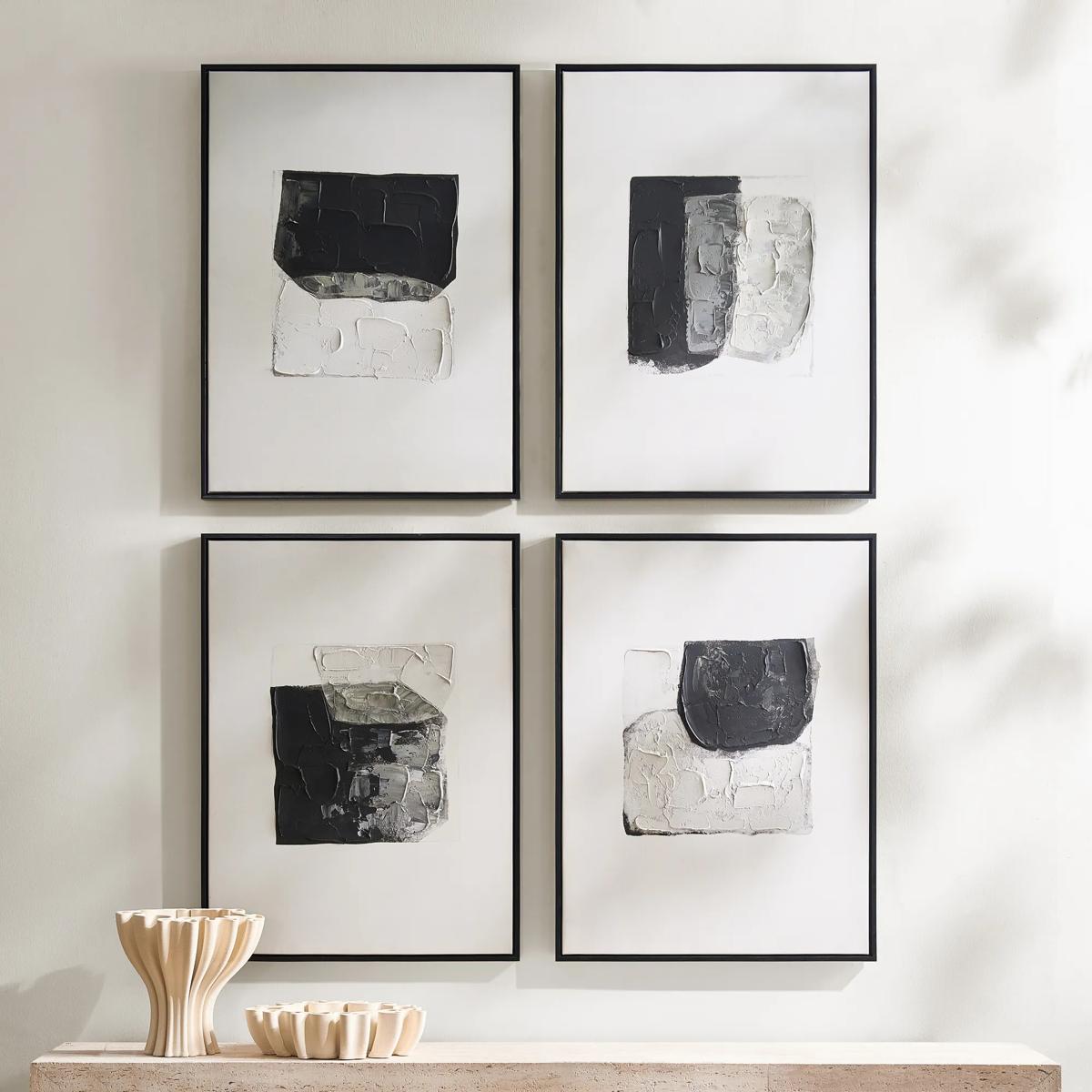 Shadows Framed Painted Wall Art Set of 4$299
A set of four hand-painted abstract canvases featuring black, white, and gold accents in black frames.
Add To Cart -
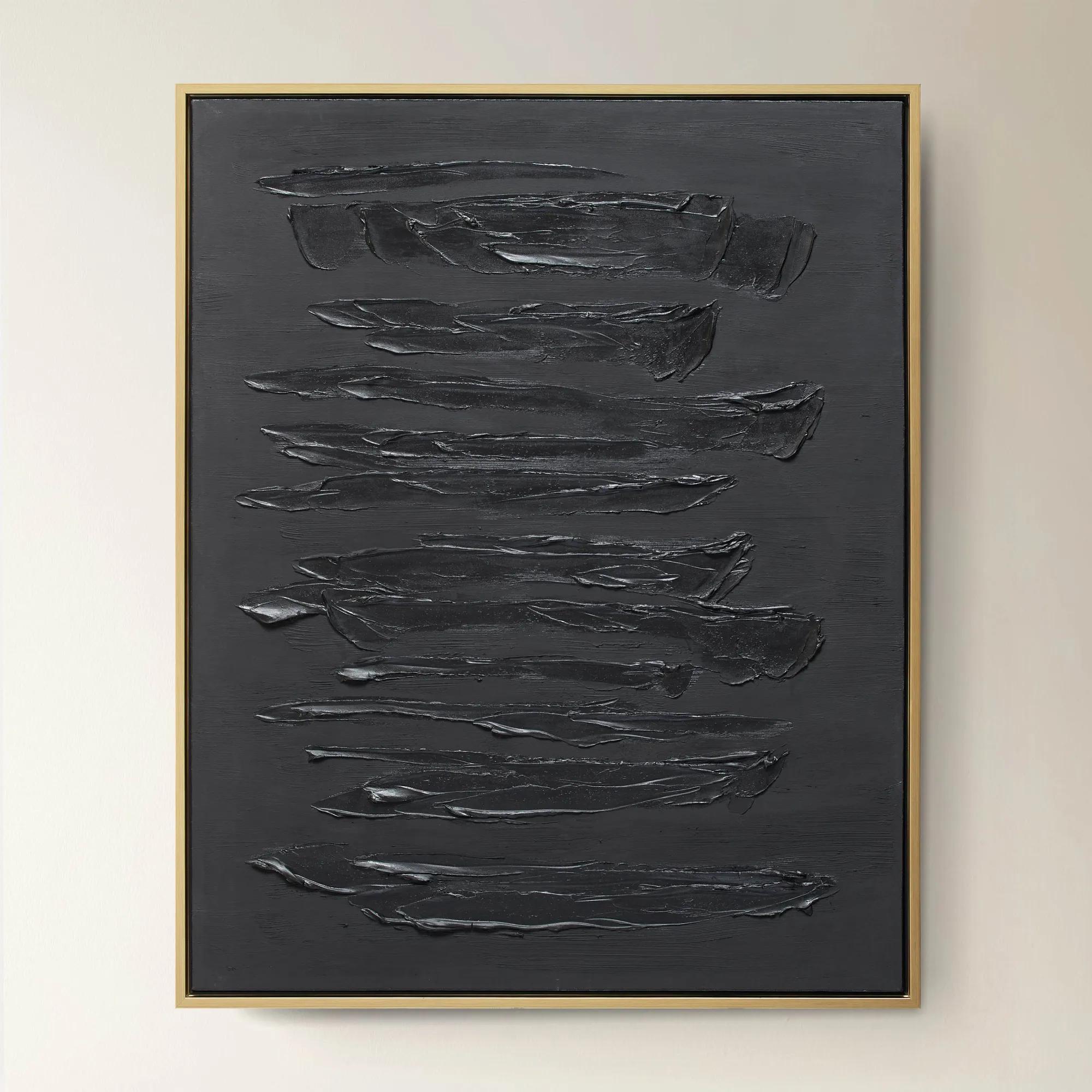
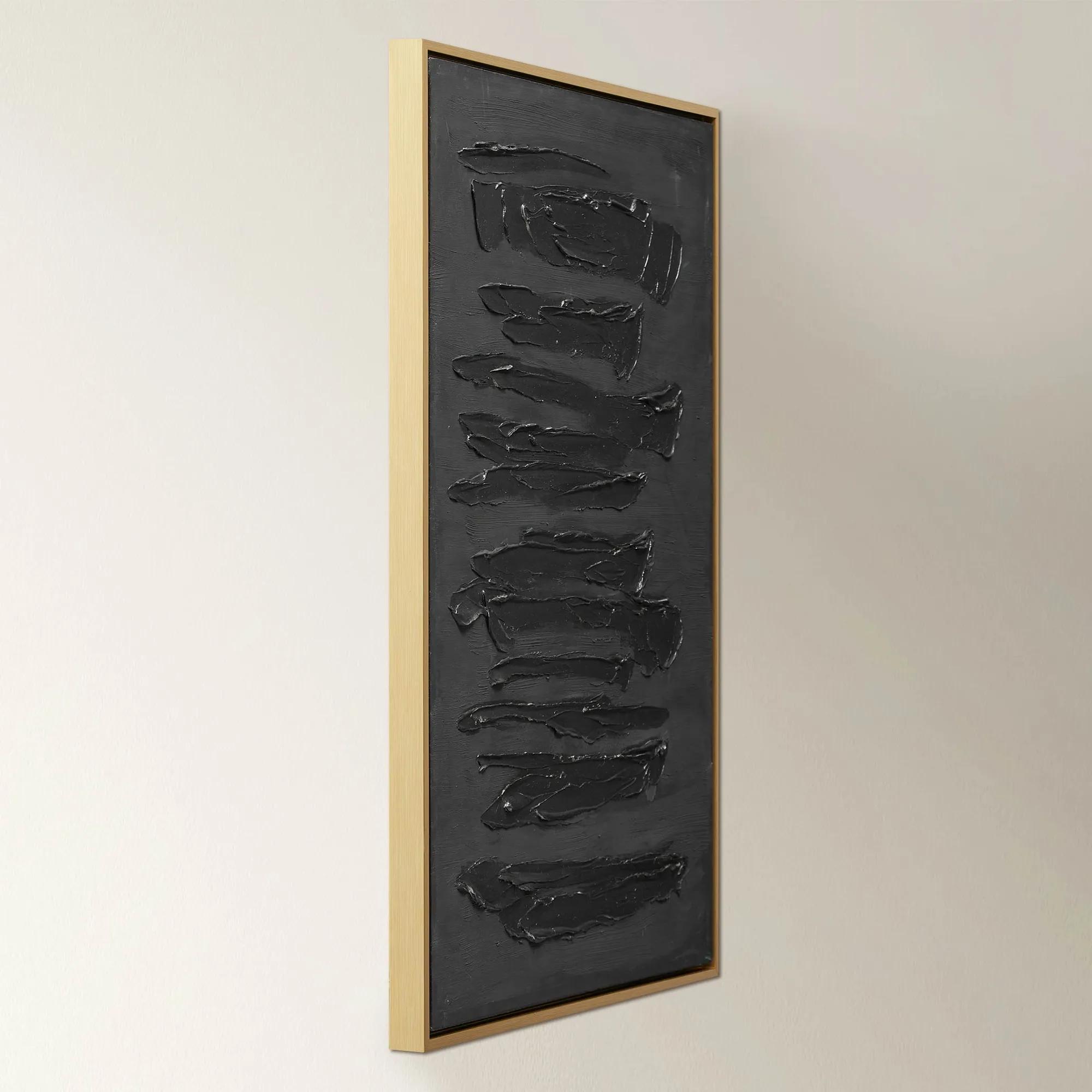 Nocturne$599.95
A dramatic abstract artwork featuring bold, dark brushstrokes on hand-painted canvas in a gold floater frame.
Add To Cart -

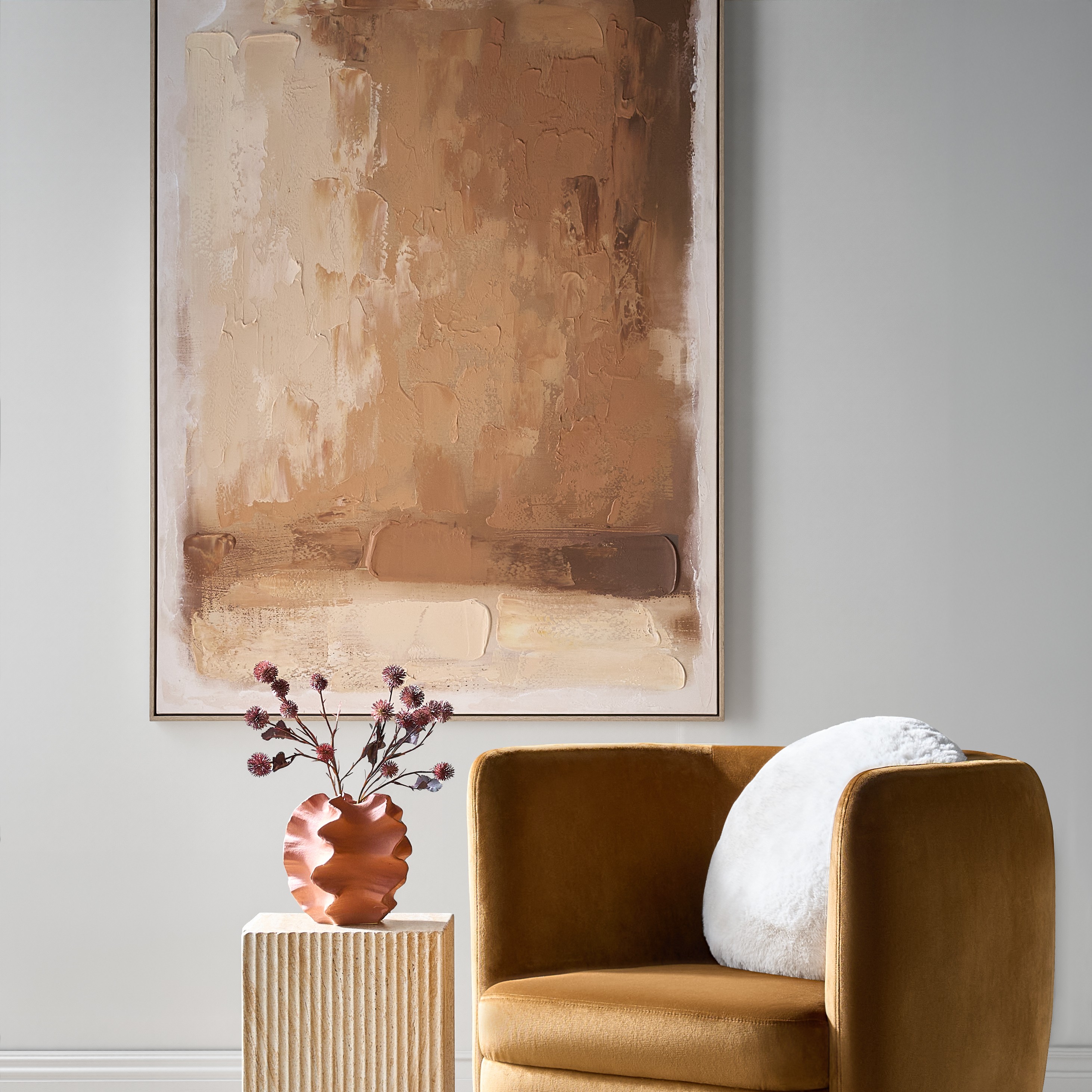 Ember Glow Framed Painted Wall Art 39.25" x 55"$499
A hand-painted abstract canvas blending ochre, terracotta, and golden clay hues in a light natural frame.
Add To Cart -
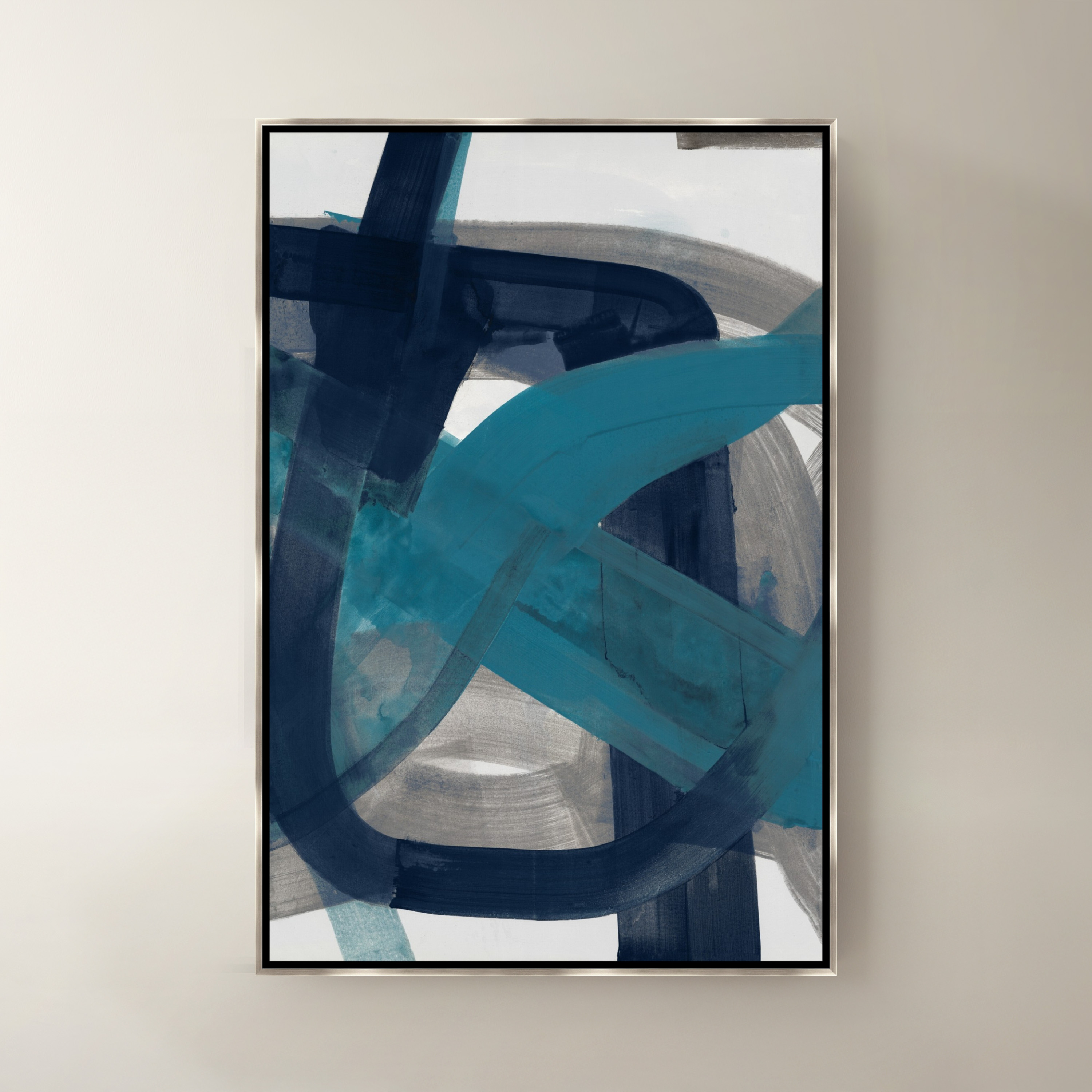
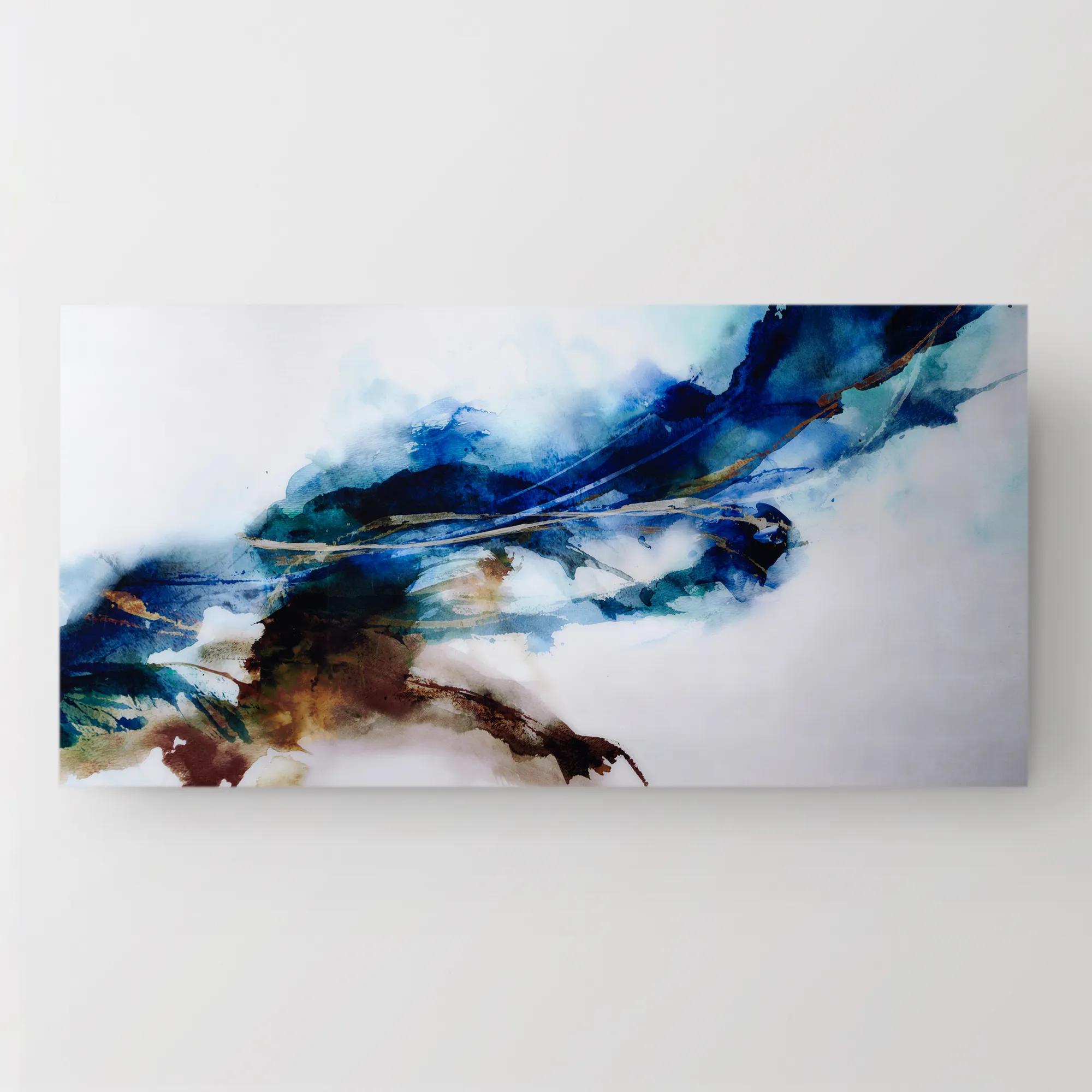 Cerulean Movement Acrylic Art 72" x 36"$1299
A vibrant abstract artwork printed on high-gloss acrylic, infusing your space with dynamic energy and movement.
Add To Cart -
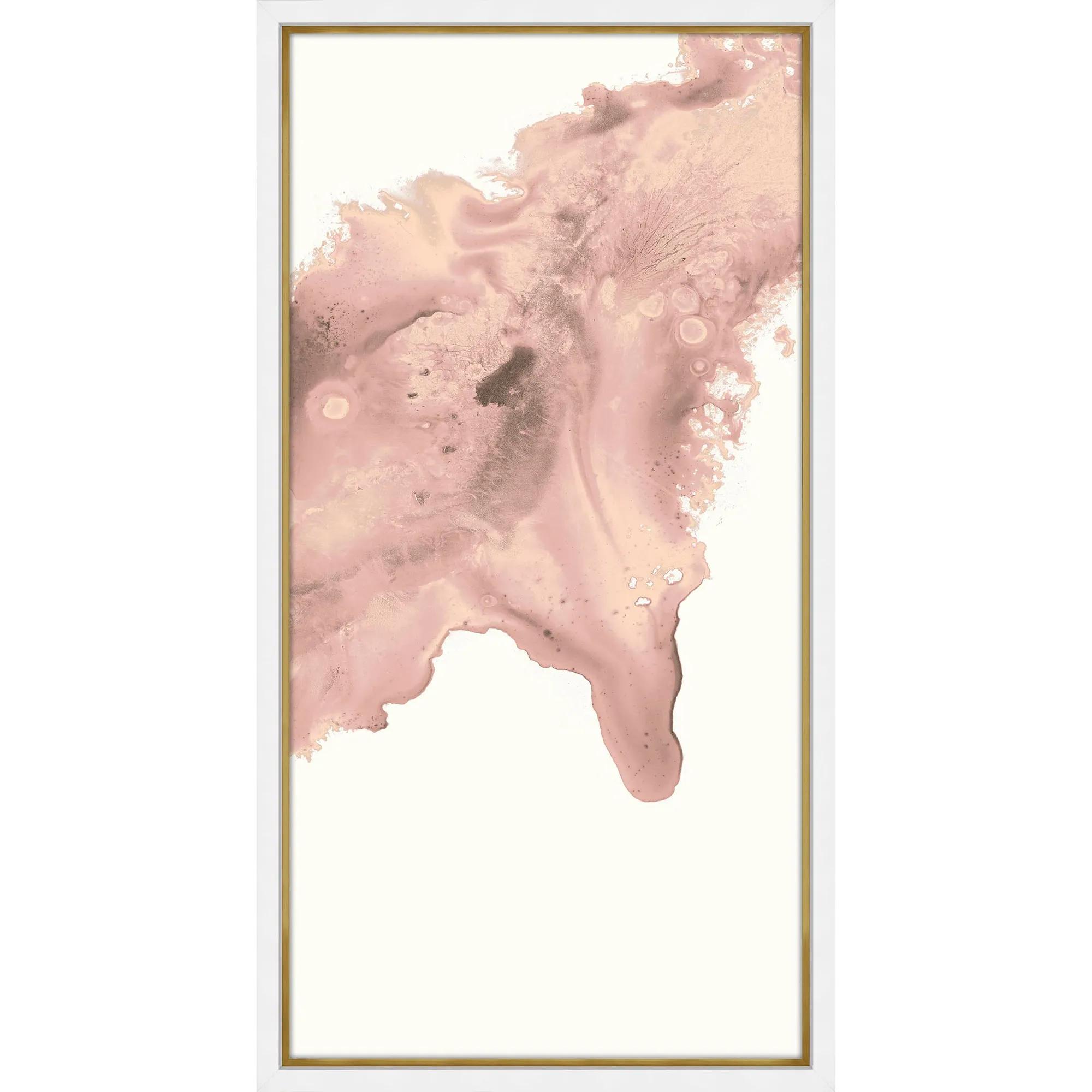
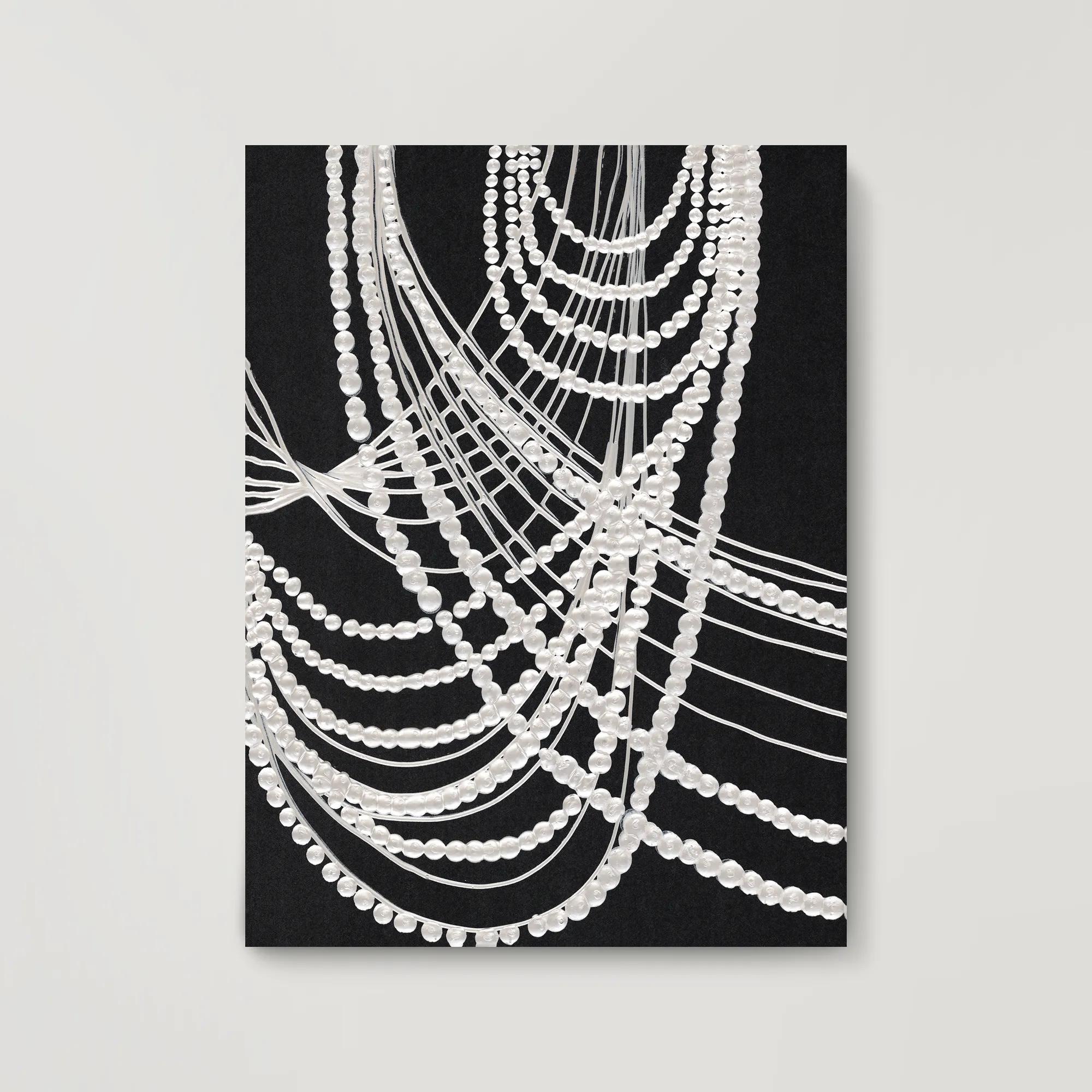 Dripping Pearls Painted Wall Art 36" x 48"$949
A striking hand-painted abstract artwork featuring layered acrylic and watercolor textures in a modern design.
Add To Cart -
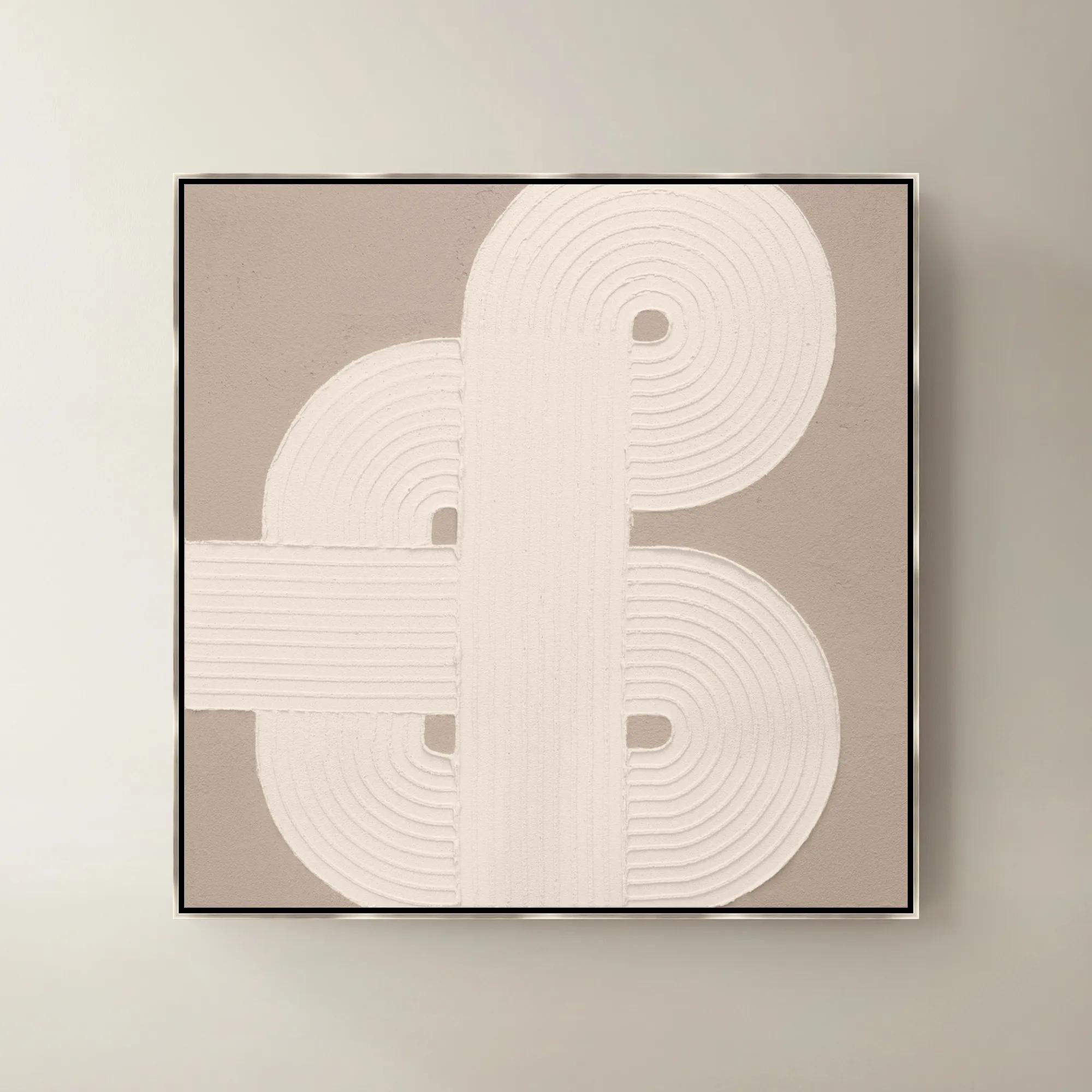
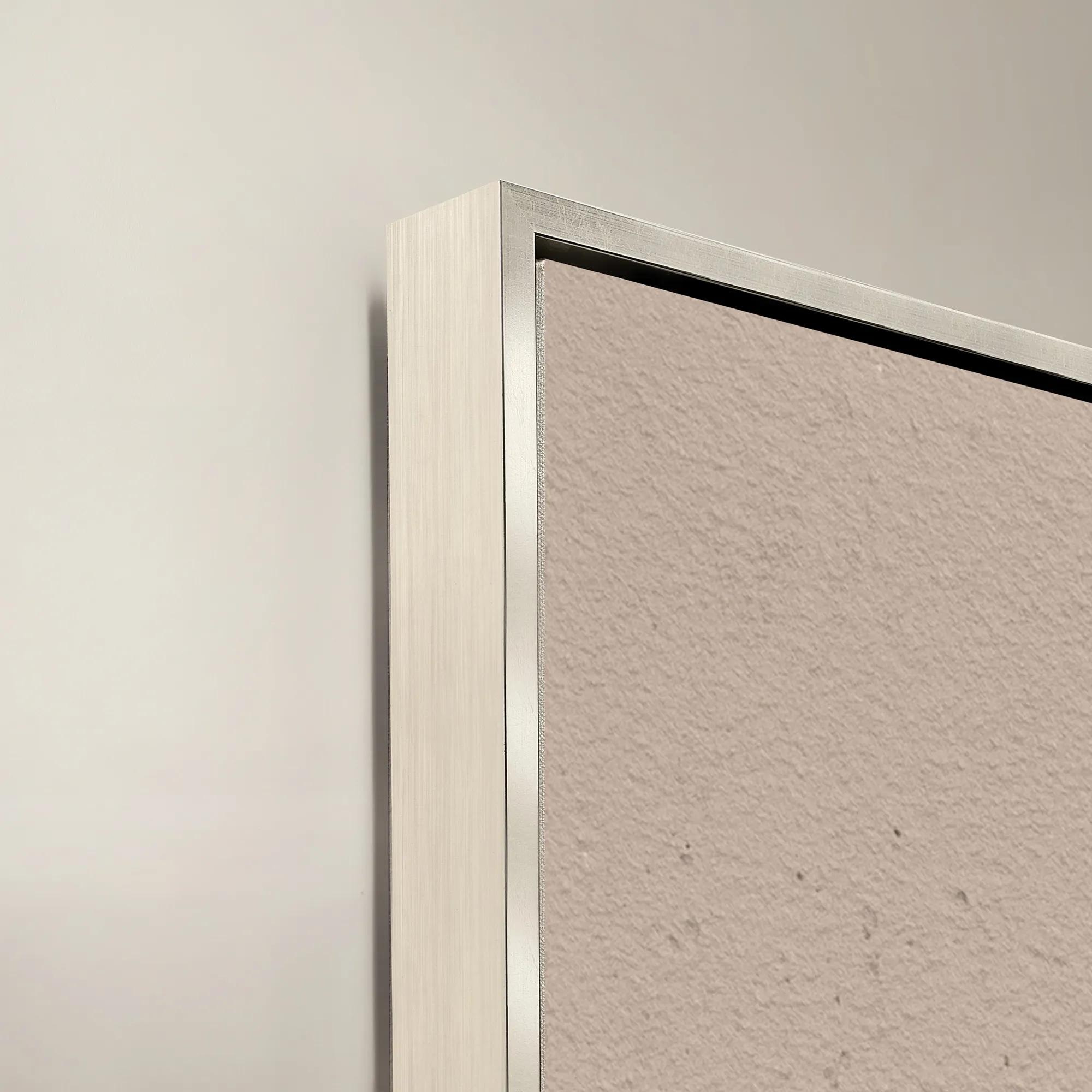 Sacred Geometry IV Framed Painted Wall Art 40" x 40"$1099
A striking abstract art piece featuring bold geometric patterns for a modern, sophisticated touch.
Add To Cart -
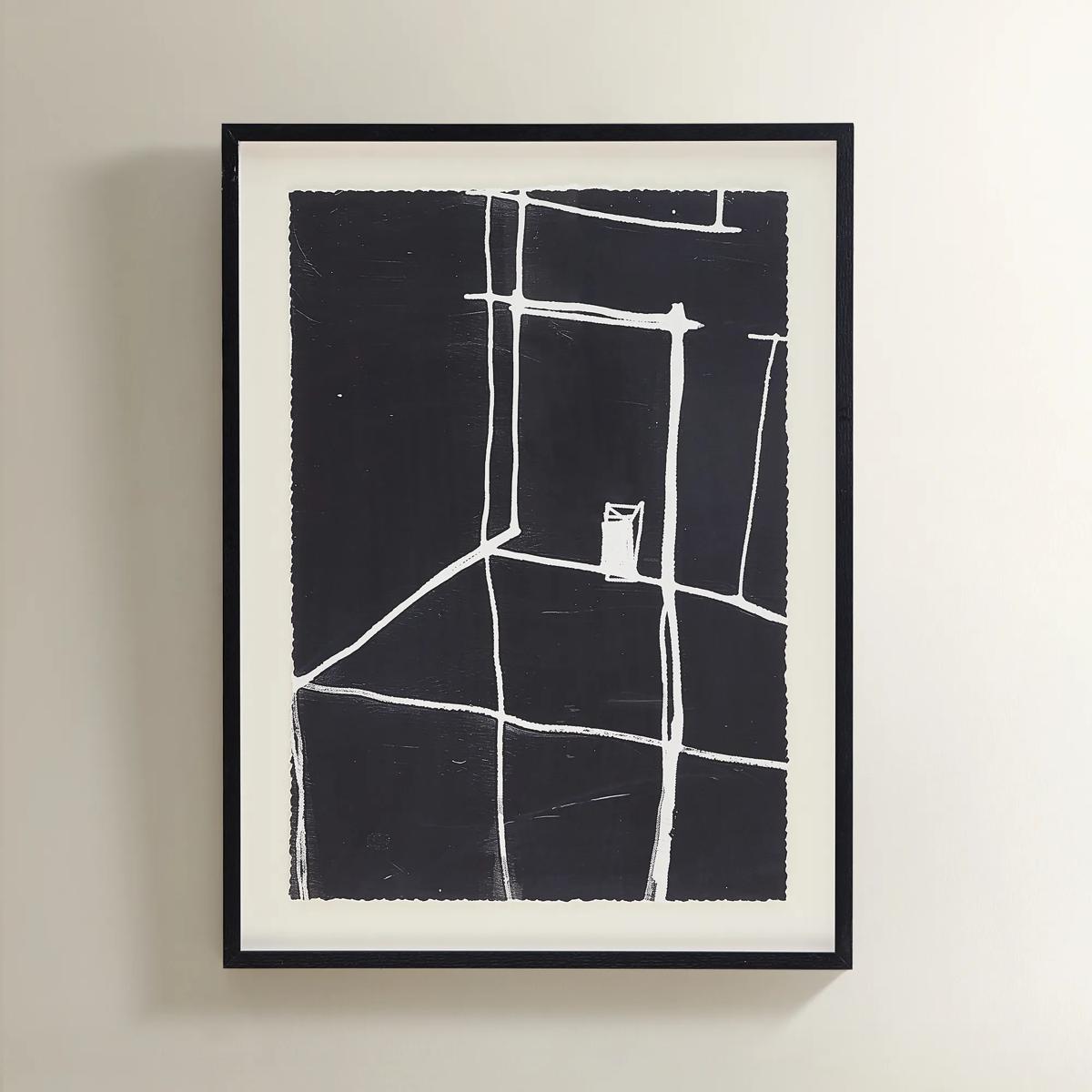 Solitude Art$269
A minimalist black-and-white abstract print featuring bold white lines in a sleek black polyresin frame.
Add To Cart -
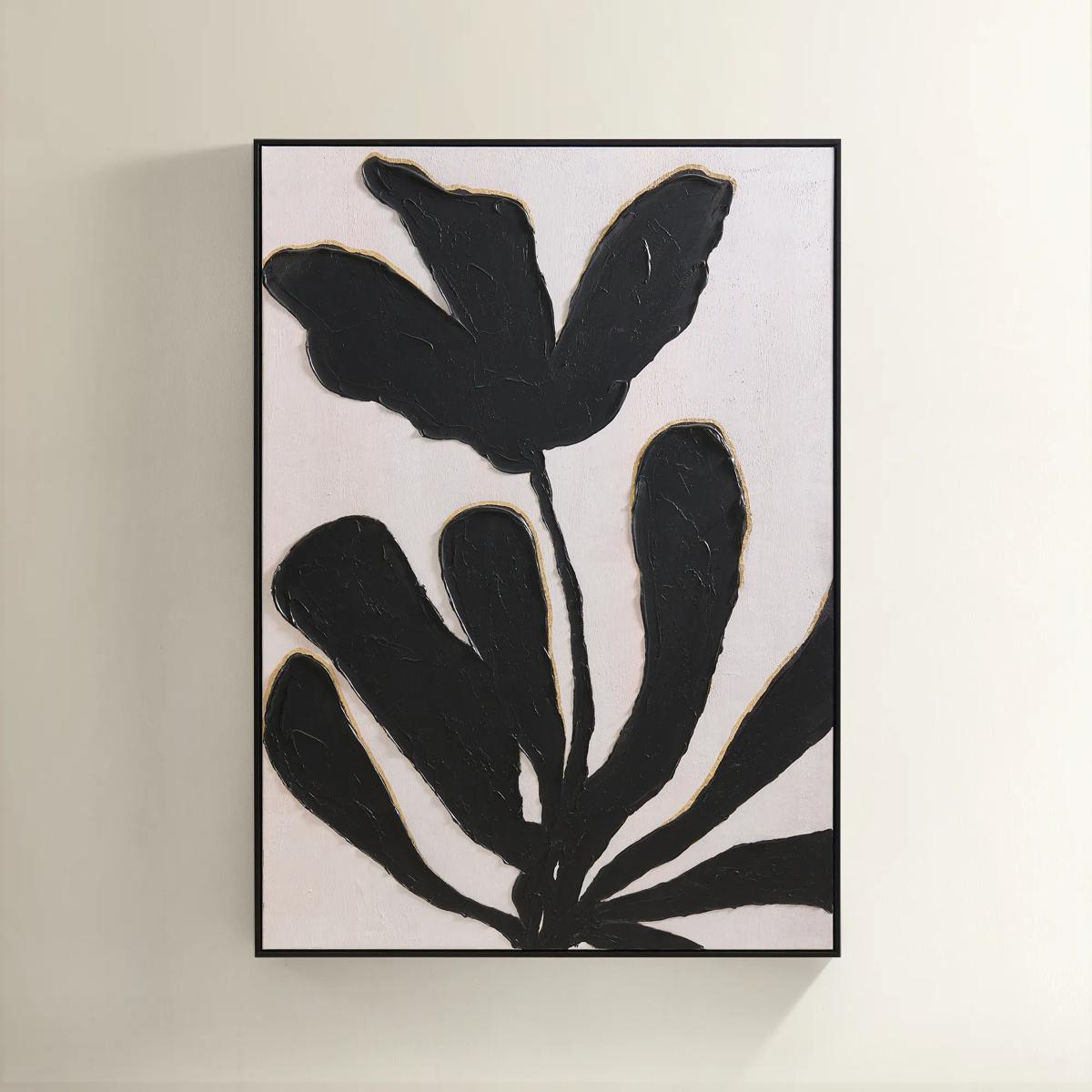
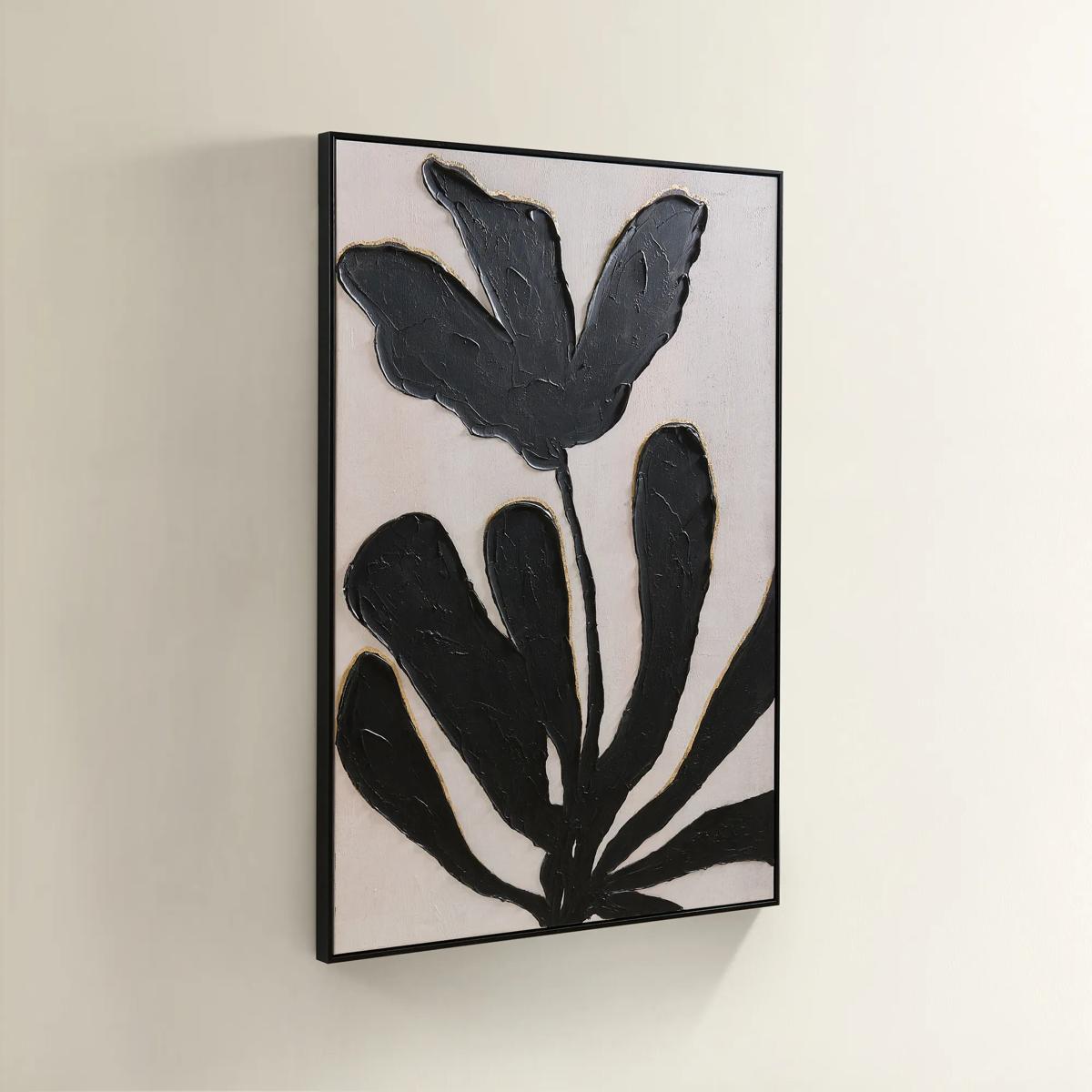 First Bloom Framed Painted Wall Art 39.25" x 55"$499
A hand-painted canvas featuring black abstract leaves and gold leafing on an ivory background in a black frame.
Add To Cart -
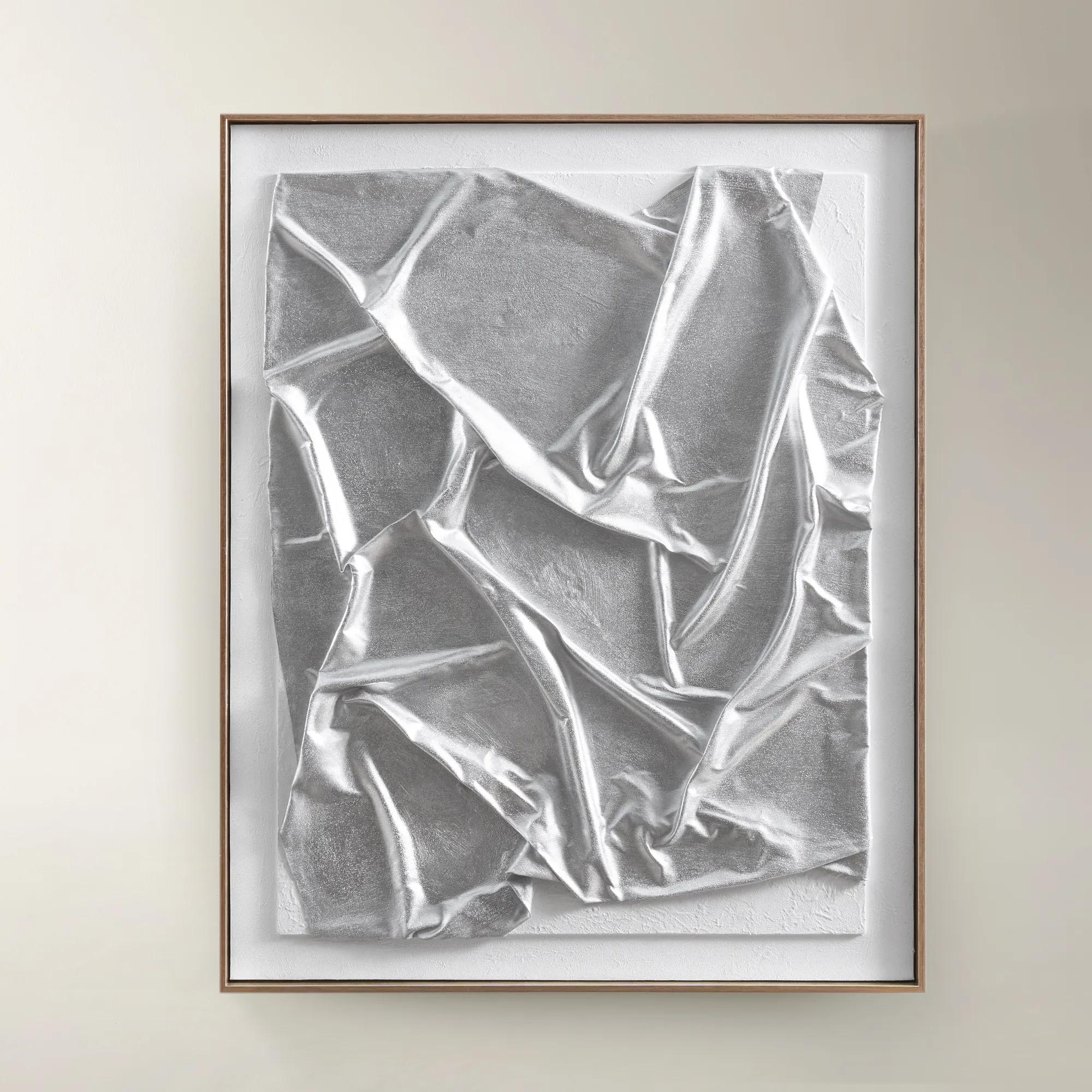
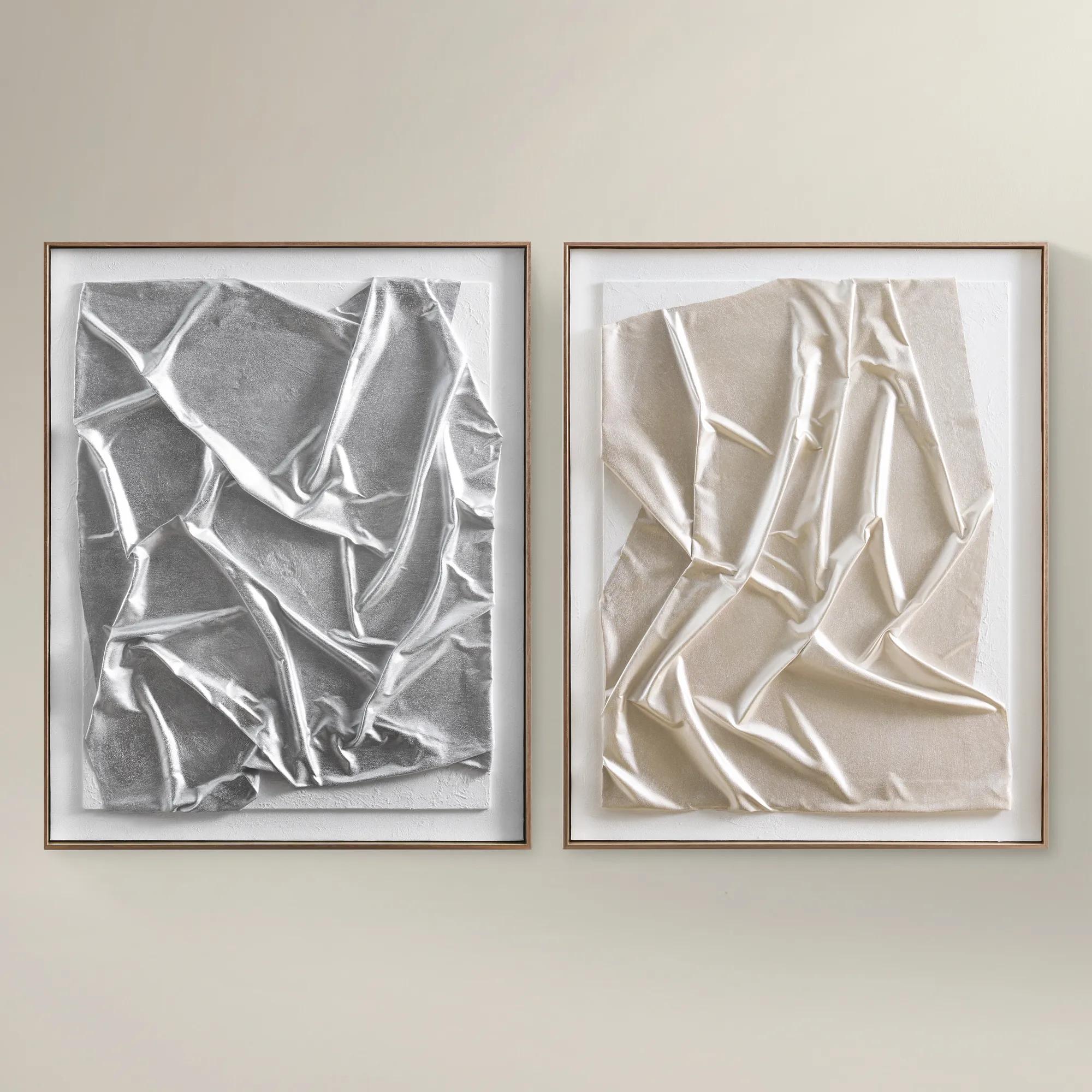 In the Mood Framed Painted Wall Art 31.5" x 39.5"$199
A hand-painted abstract canvas in shimmering silver tones, set in a warm champagne floater frame.
Add To Cart -
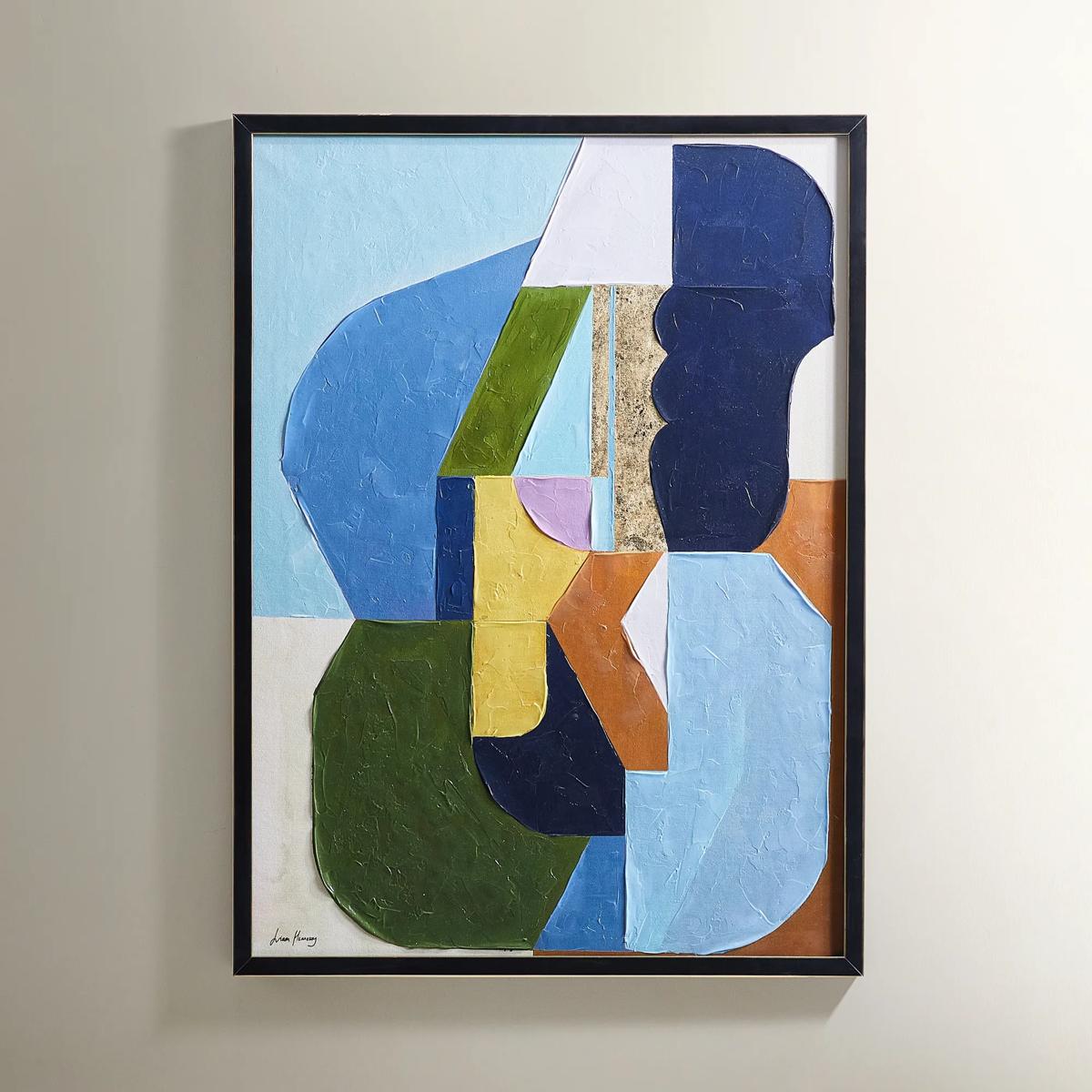
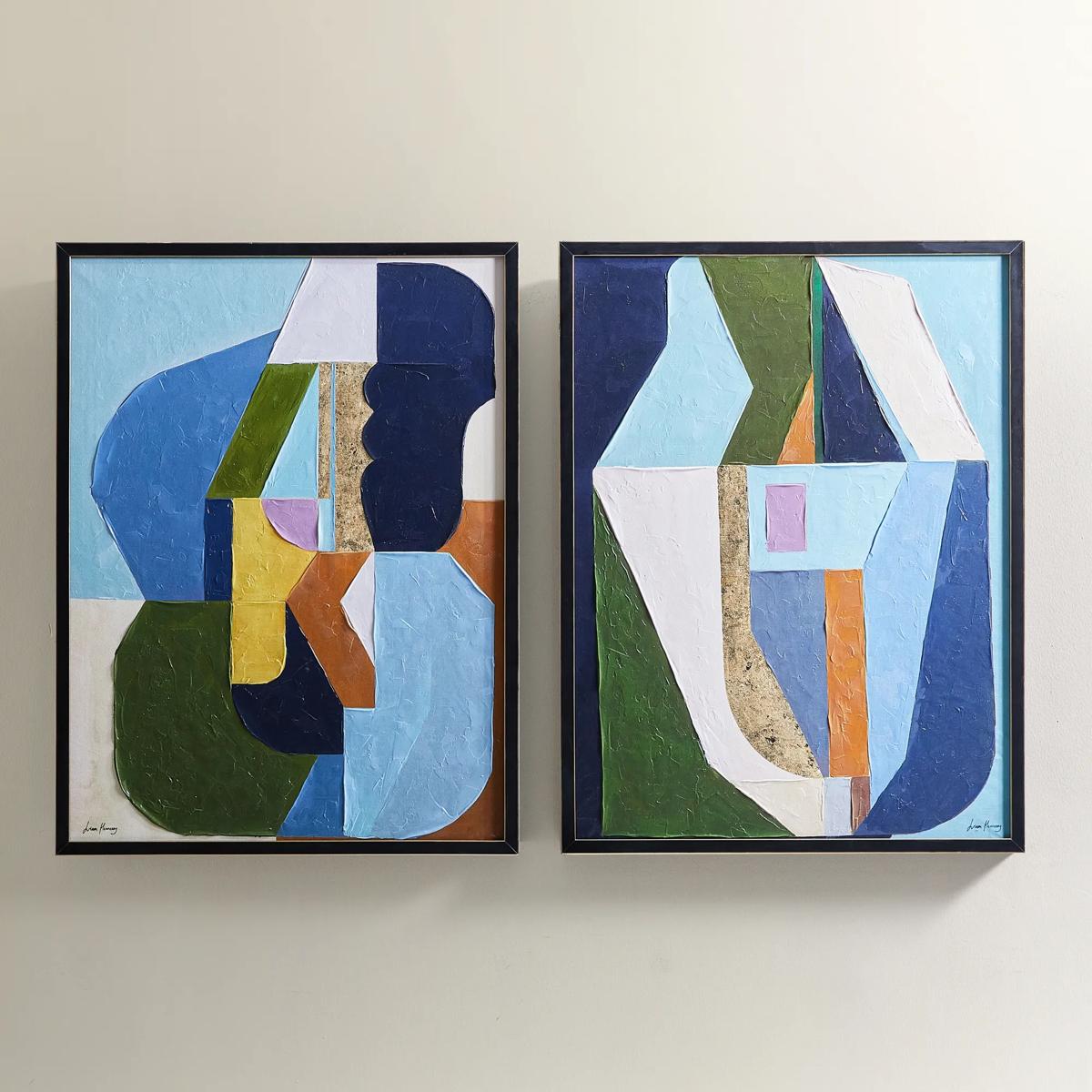 Thought Provoking Painting 1$249
A hand-embellished canvas artwork featuring textured strokes in deep blue, olive green, and gold accents.
Add To Cart -
 Fossil Painting$299
A bold hand-painted abstract artwork featuring textured black shades in a sleek black floater frame.
Add To Cart -
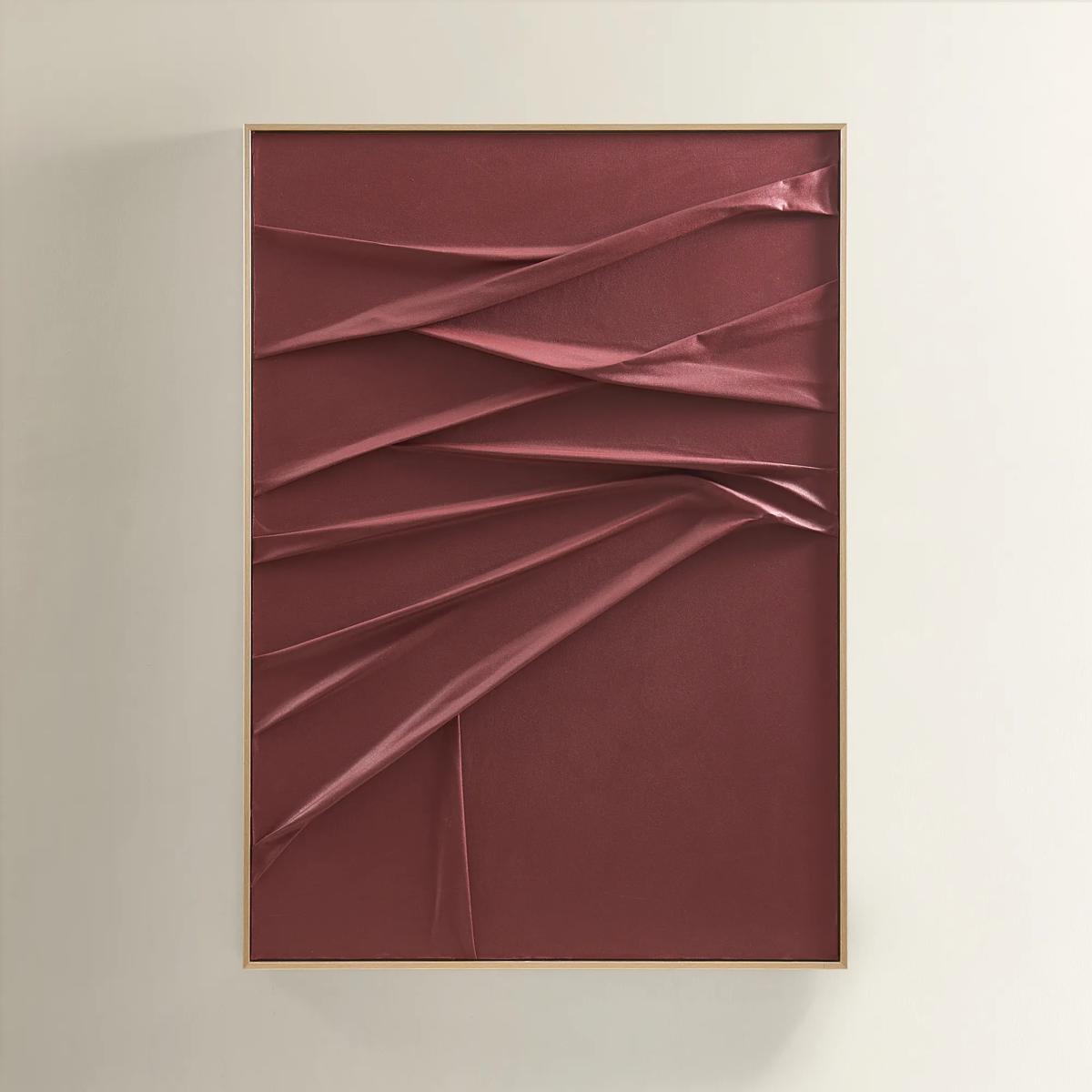
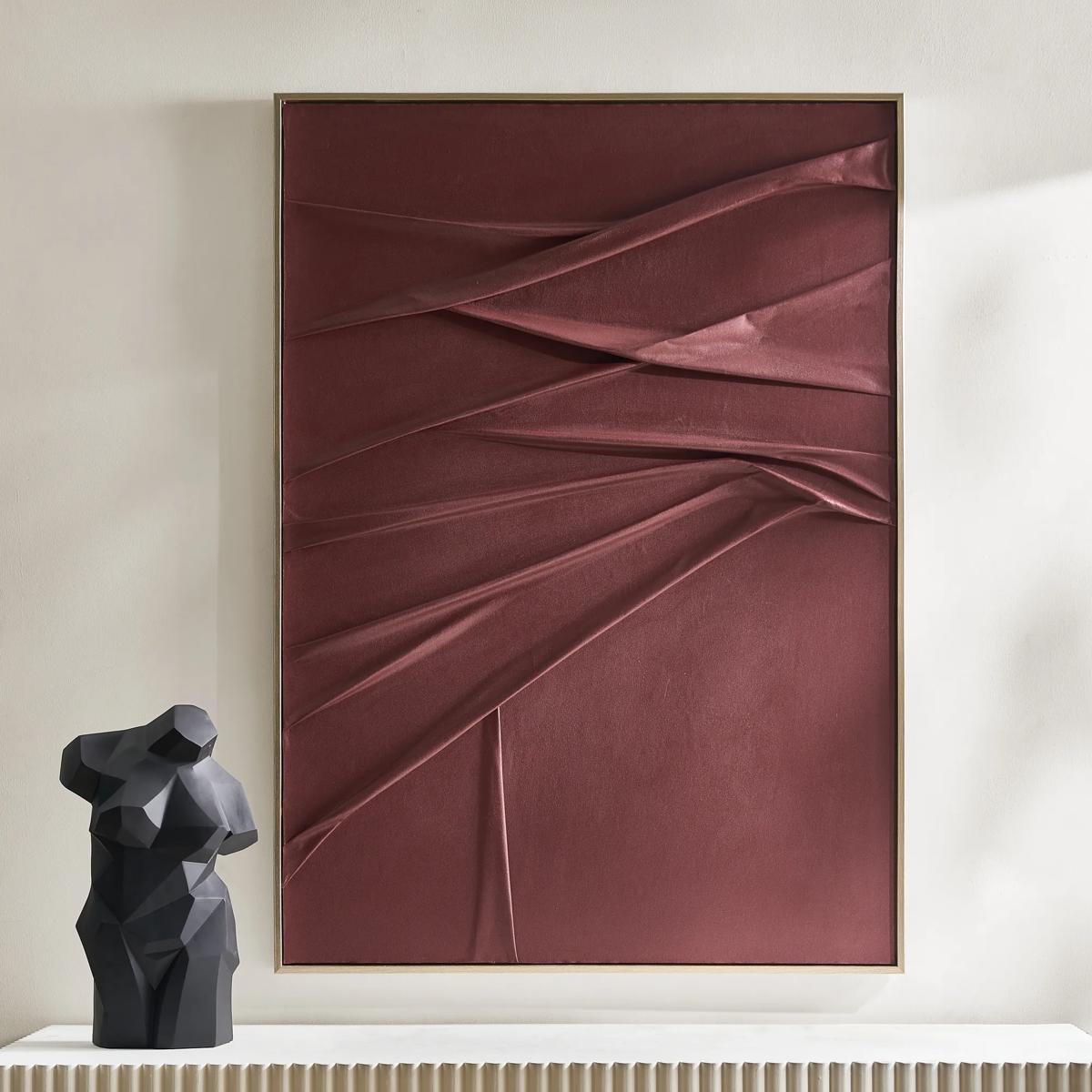 Crimson Painting$599
A handcrafted burgundy canvas artwork with sculptural folds, framed in champagne for a dramatic, textured effect.
Add To Cart -
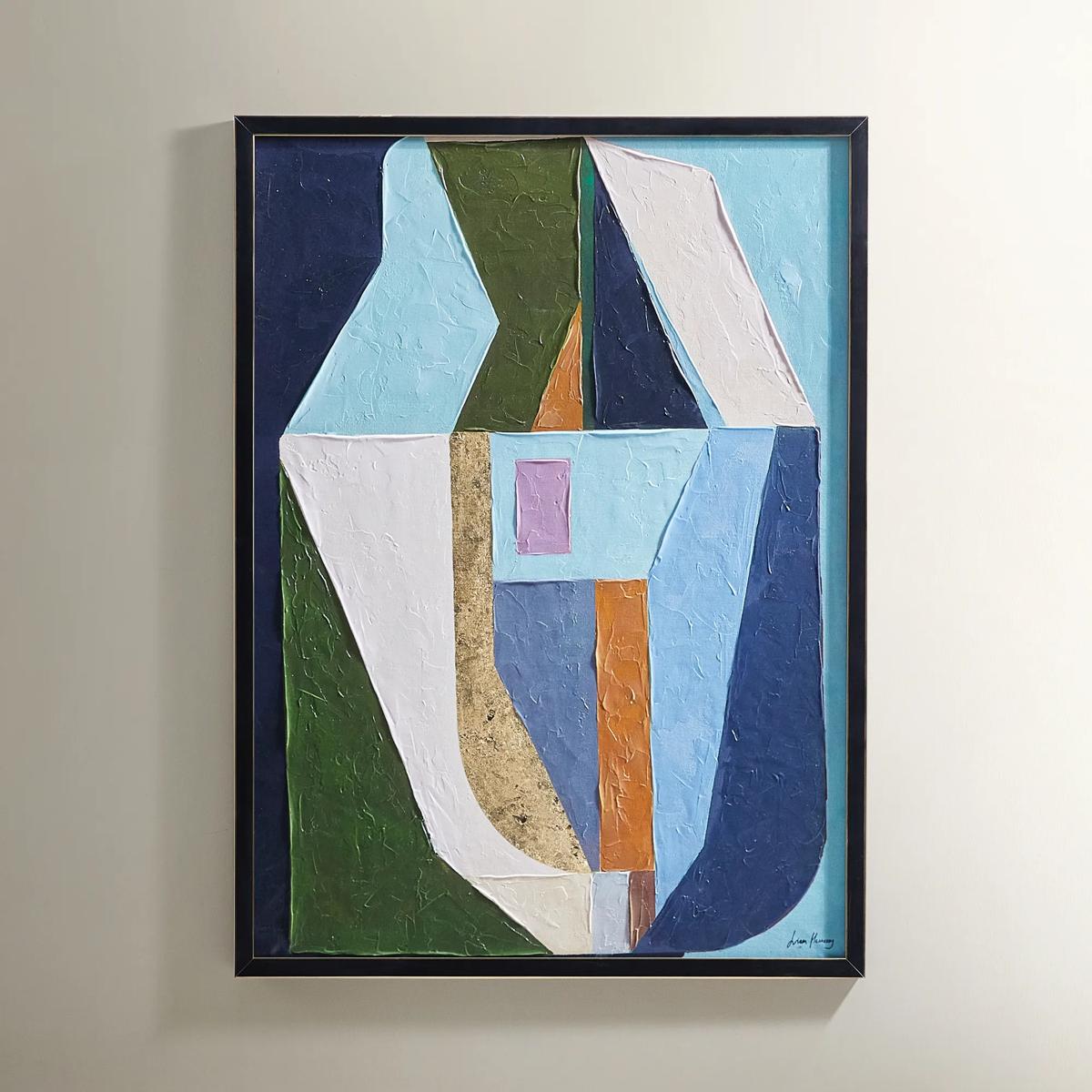 Thought Provoking Painting 2$249
A hand-embellished canvas artwork featuring textured strokes in deep blue, olive green, and gold accents.
Add To Cart -
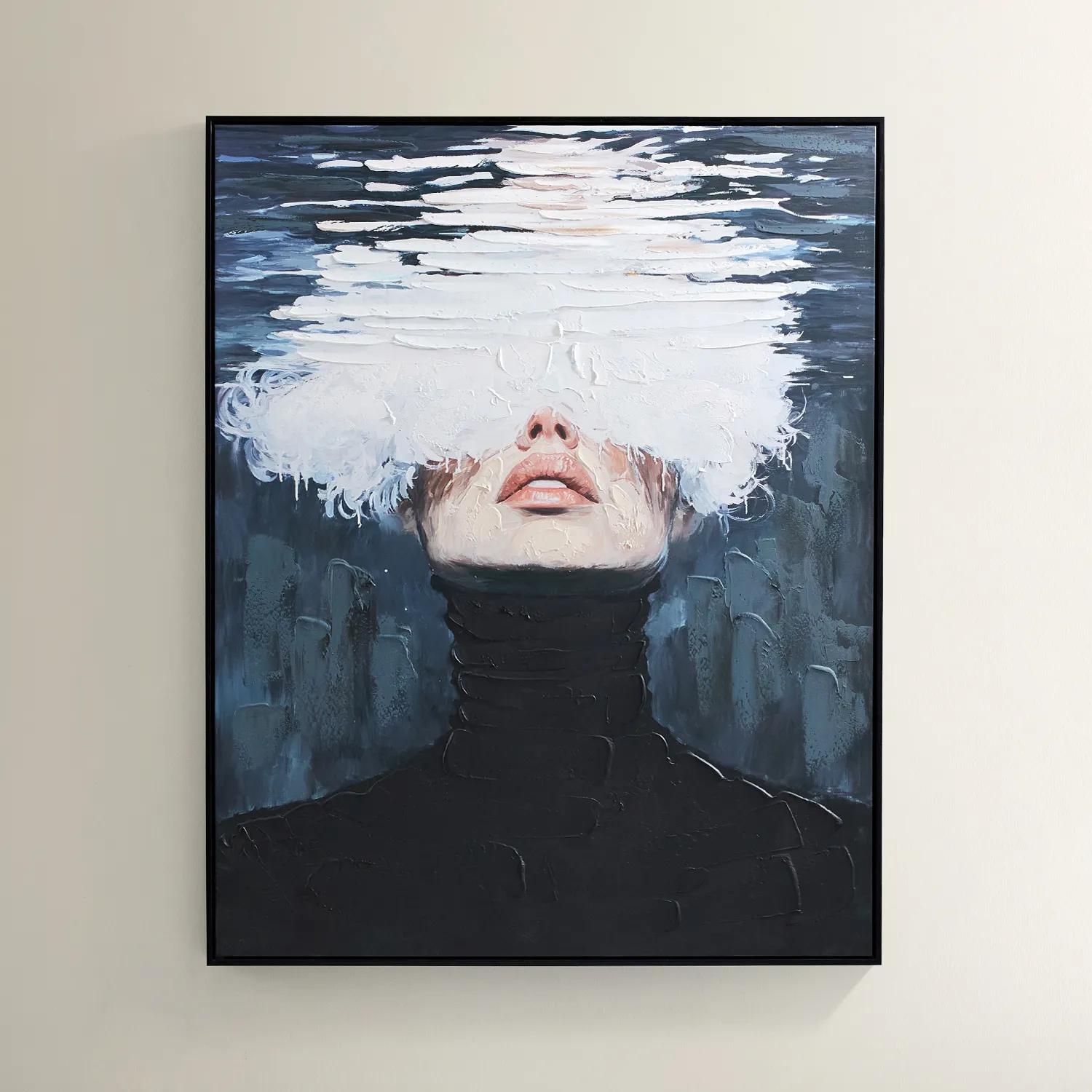
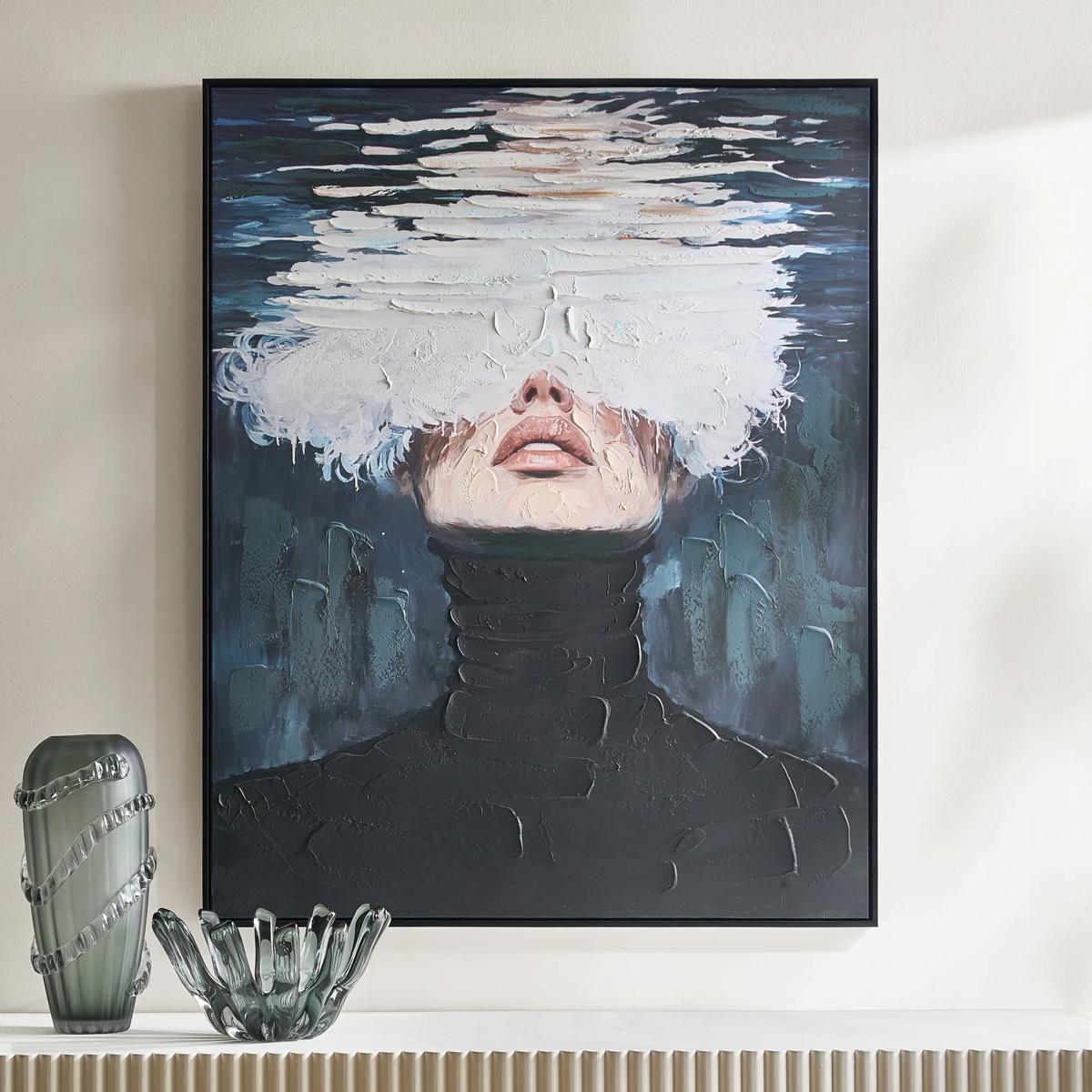 Submerged Framed Painted Wall Art 40" x 50"$599
A hand-painted canvas featuring a surreal portrait in black, blue, and white with a black floater frame.
Add To Cart -
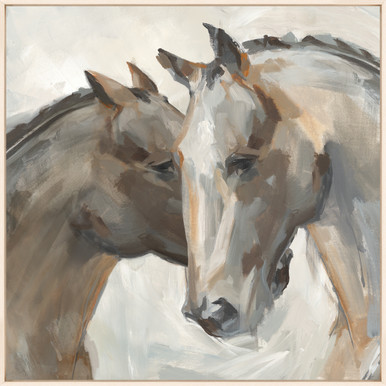
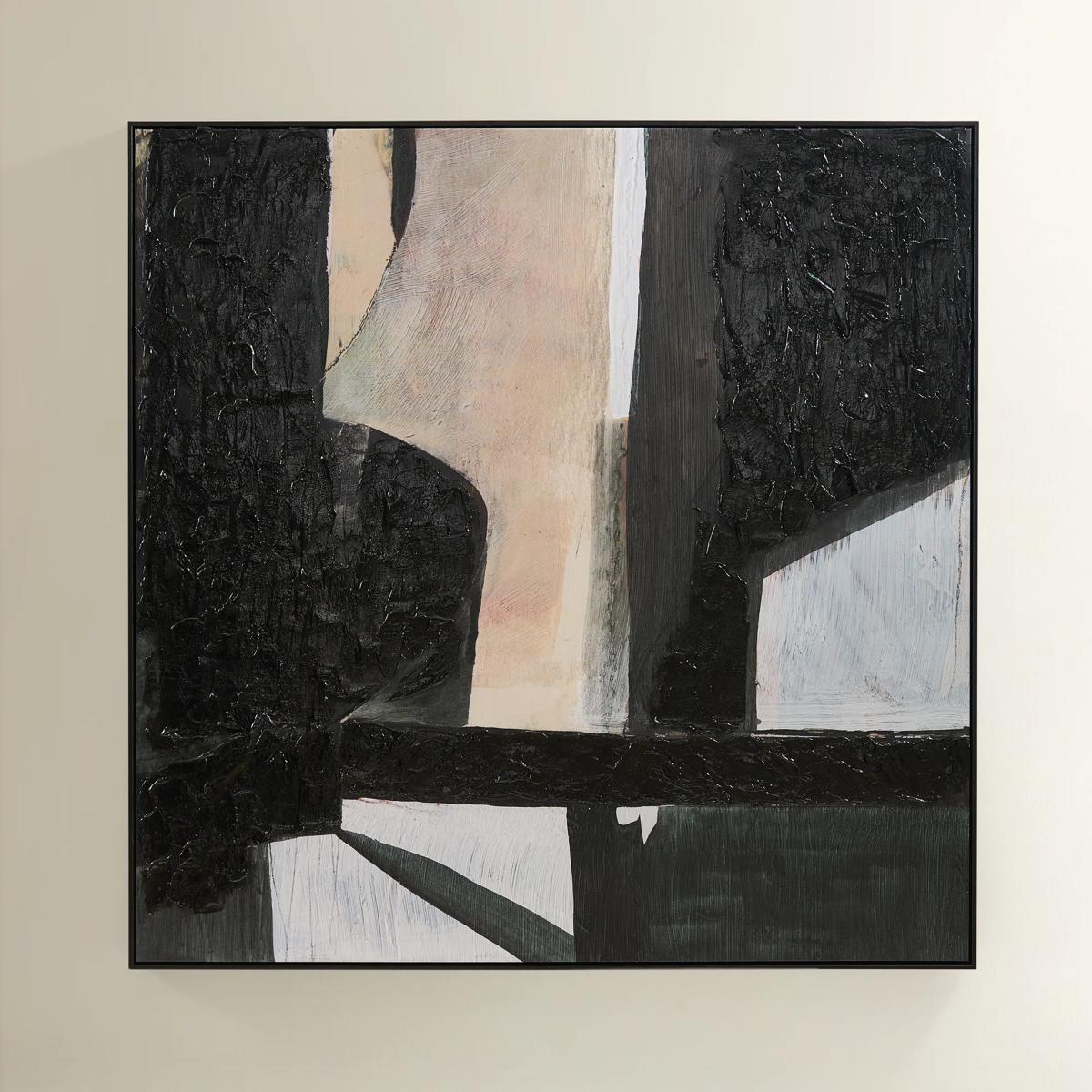 Grounded Painting$699
A hand-painted abstract canvas featuring black, cream, and earth tones in a sleek black floater frame.
Add To Cart -
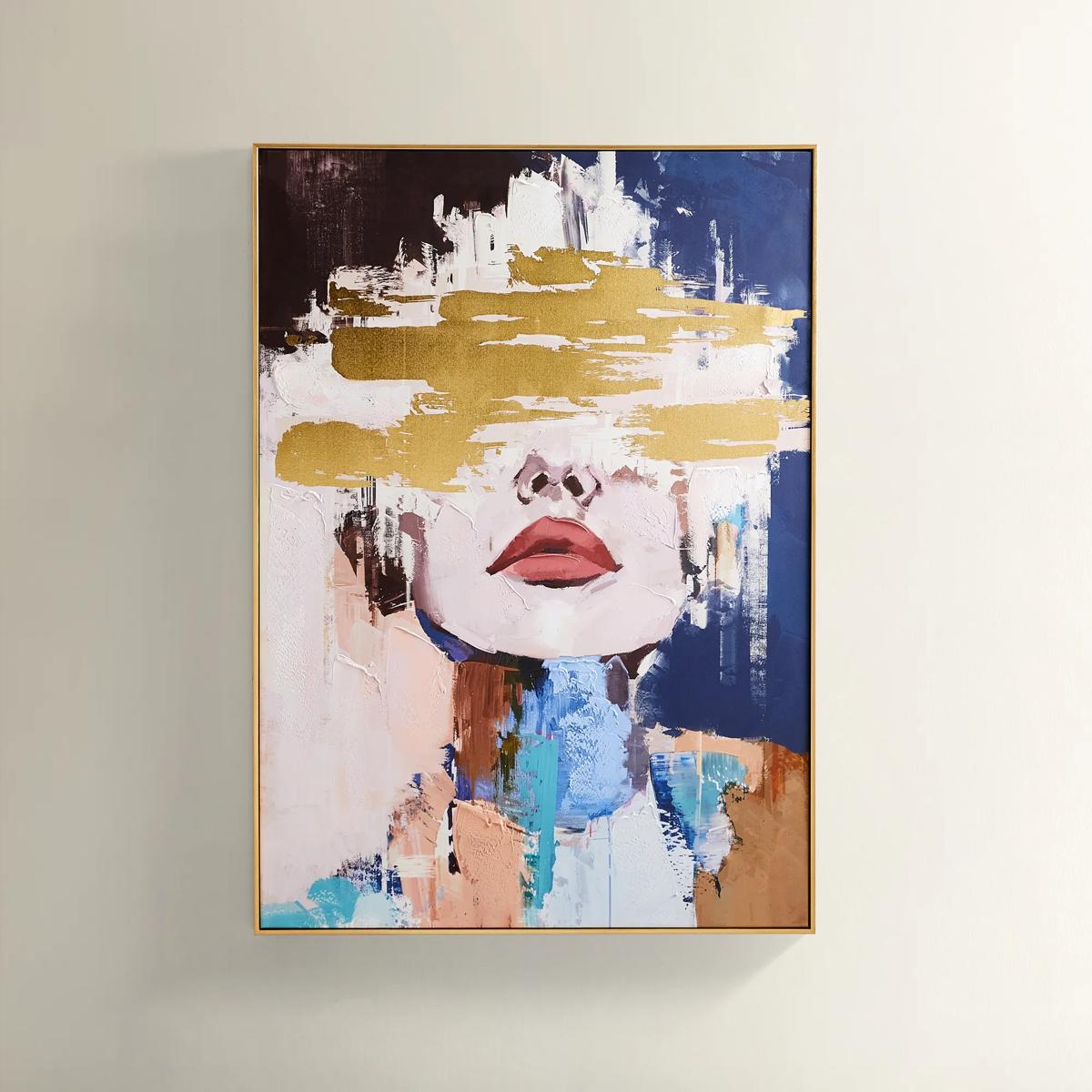
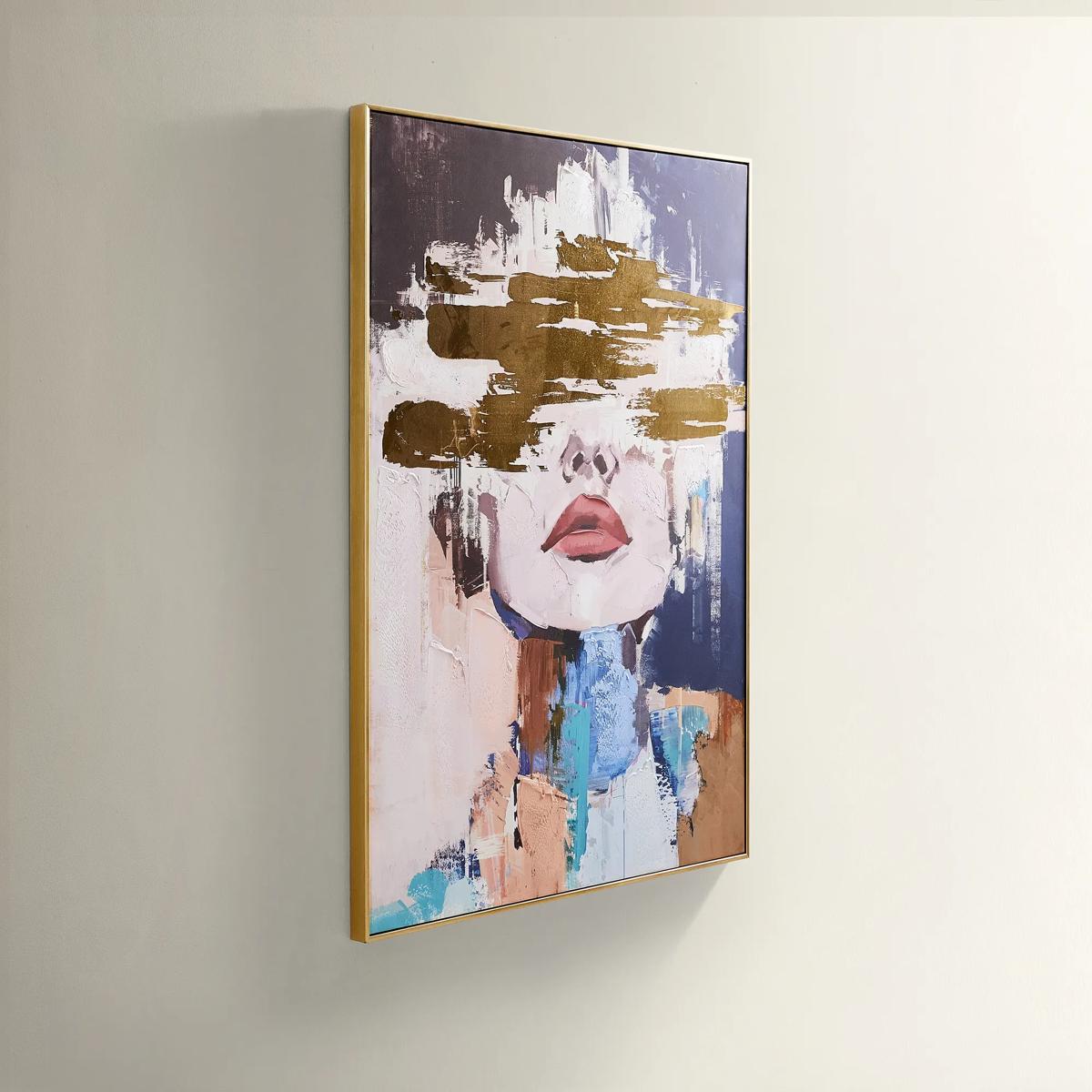 Waiting in Color Gold Foil Painted Wall Art 39.25" x 55"$499
A hand-painted abstract portrait in vivid blue, blush, and gold foil, framed in luxe gold.
Add To Cart -
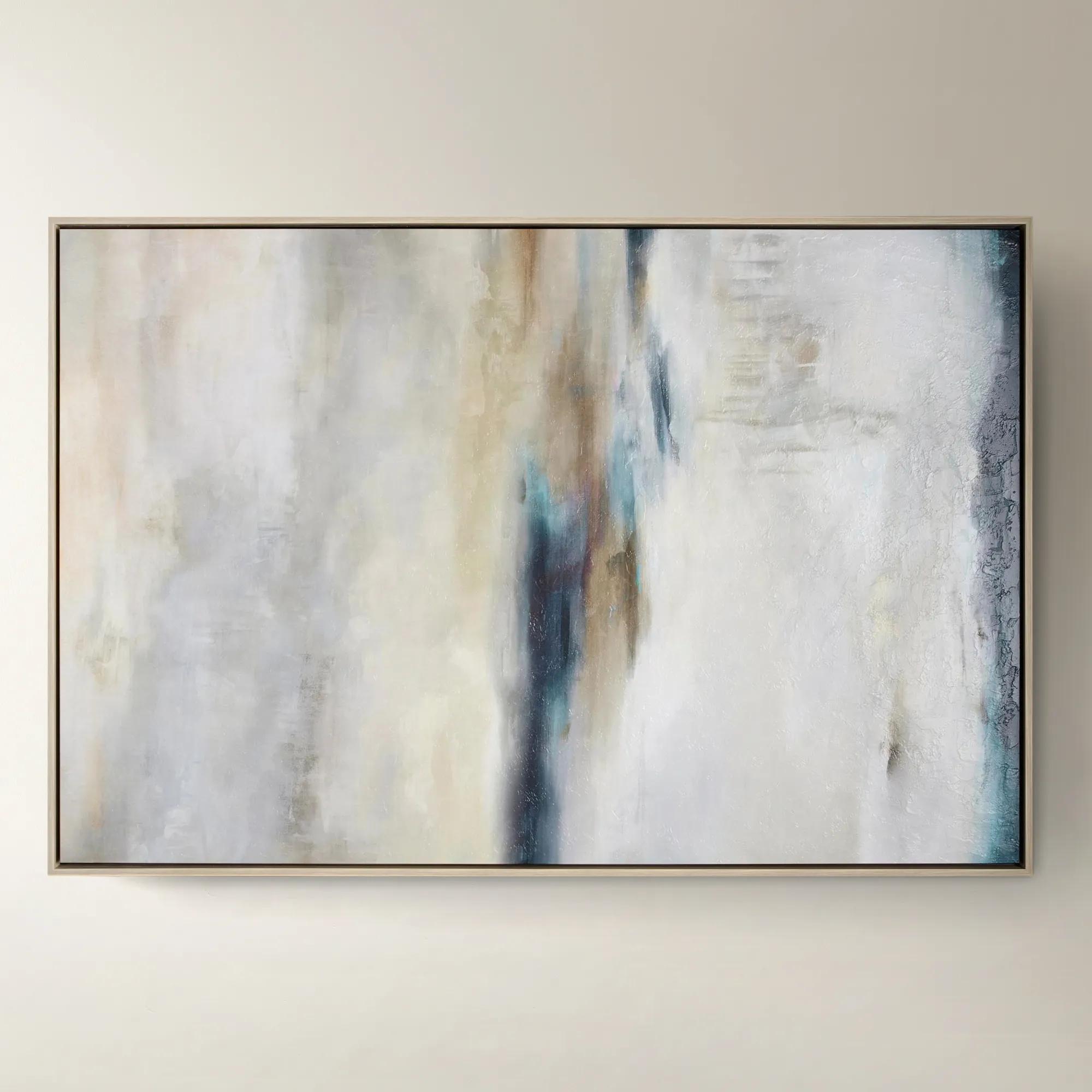
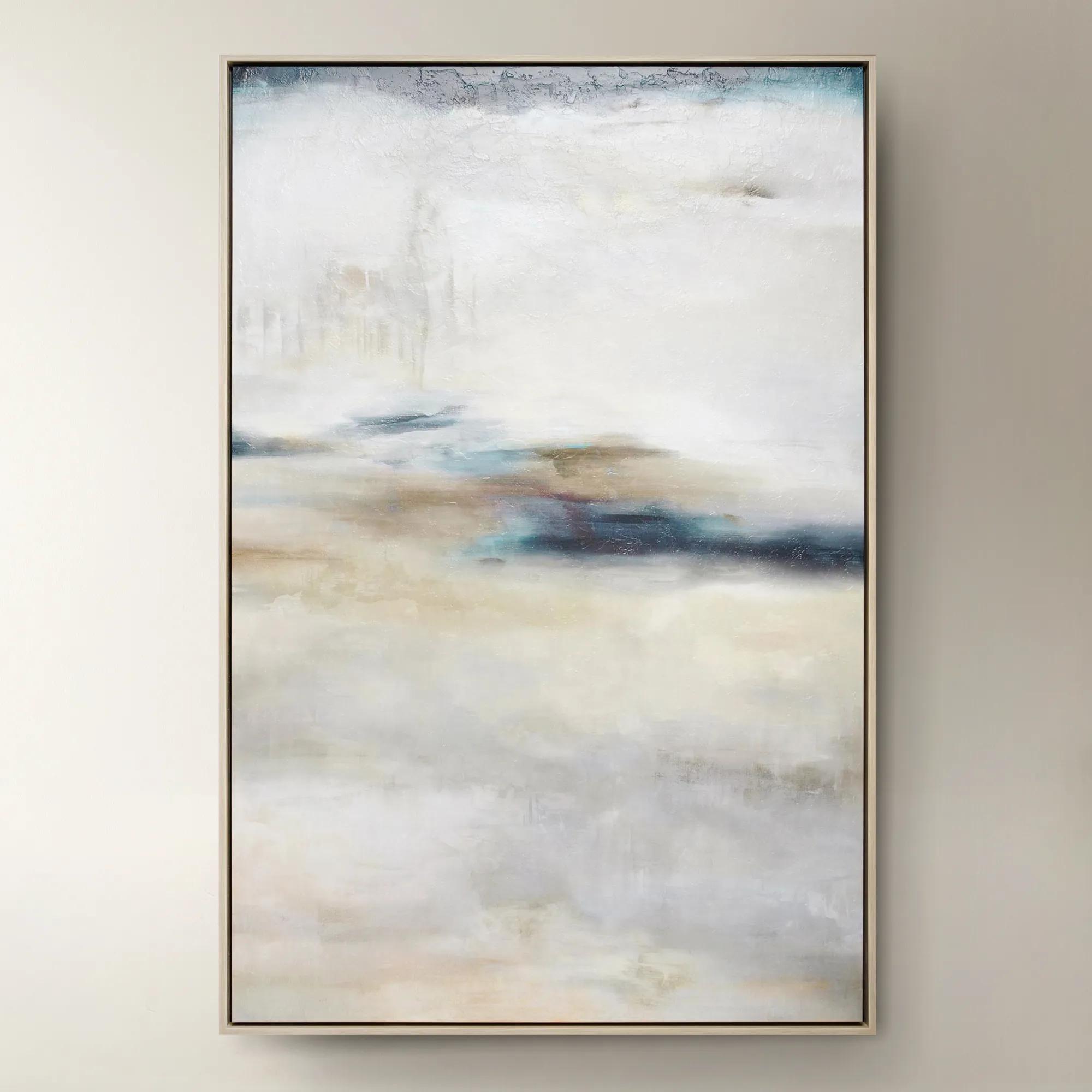 Forward Looking$1299
A softly layered abstract canvas print with a gel finish, set in a natural-hued floater frame.
Add To Cart -
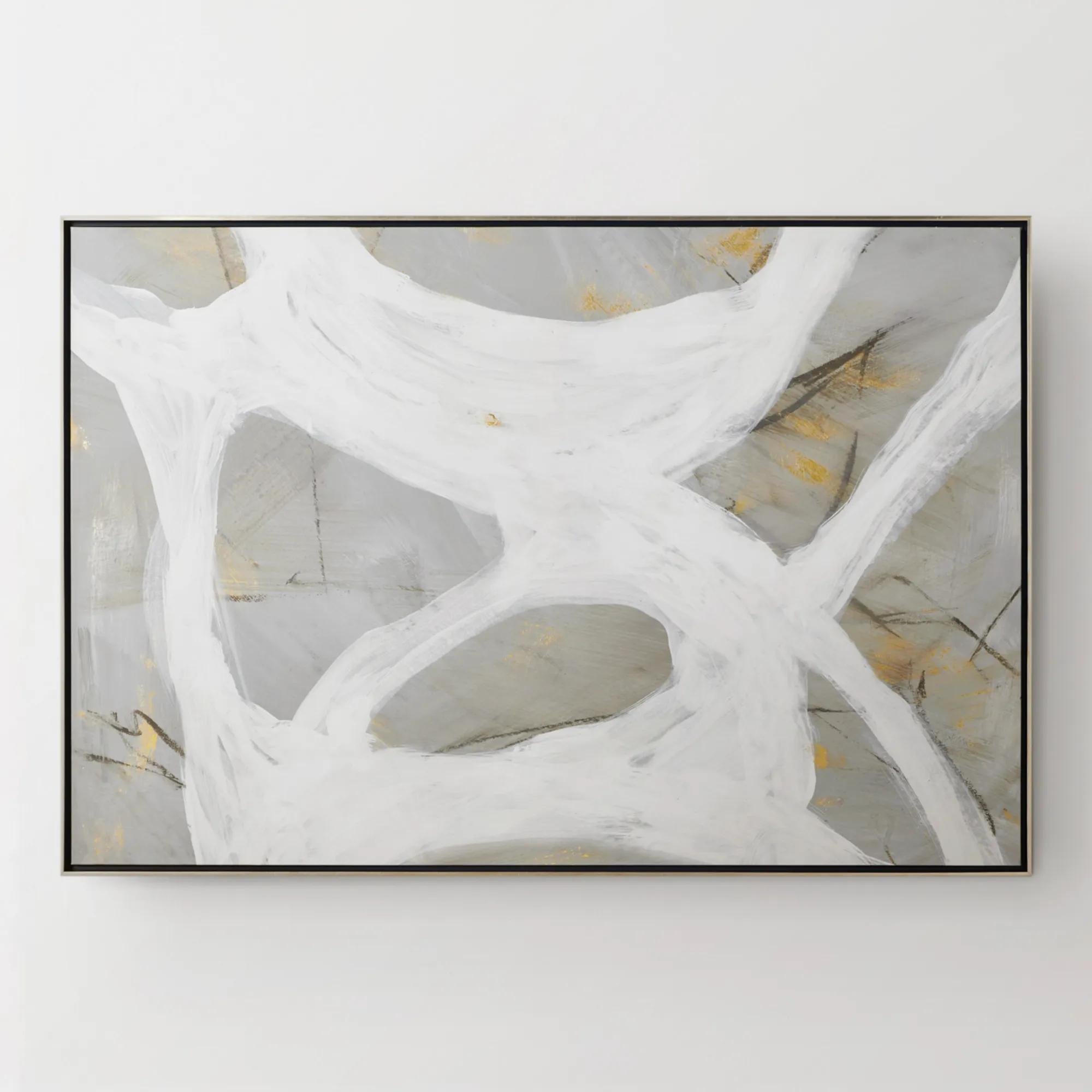
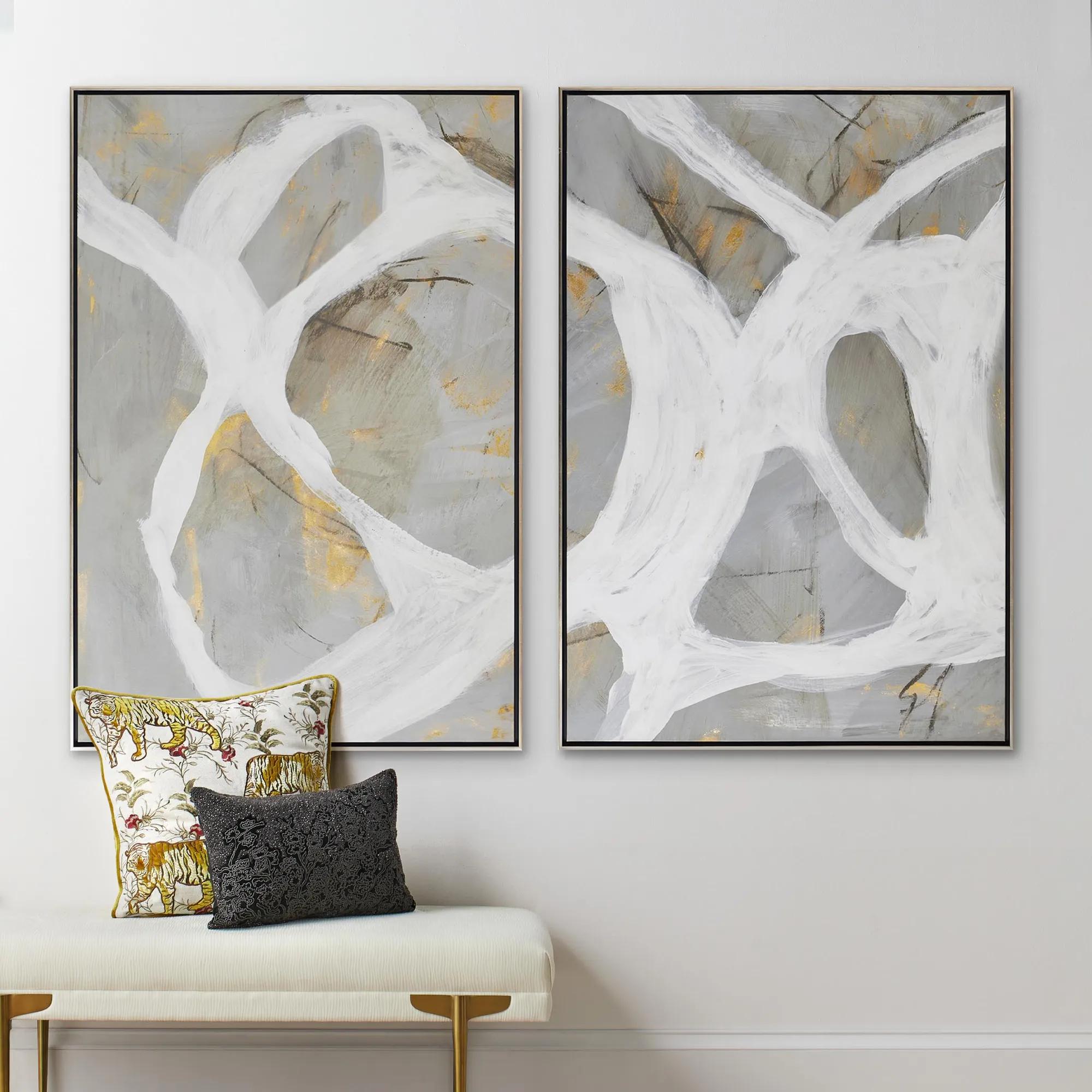 Les Series Framed Painted Wall Art II 61" x 41"$1099
An abstract canvas artwork featuring bold brushstrokes, hand-applied gold accents, and a silver floater frame.
Add To Cart -
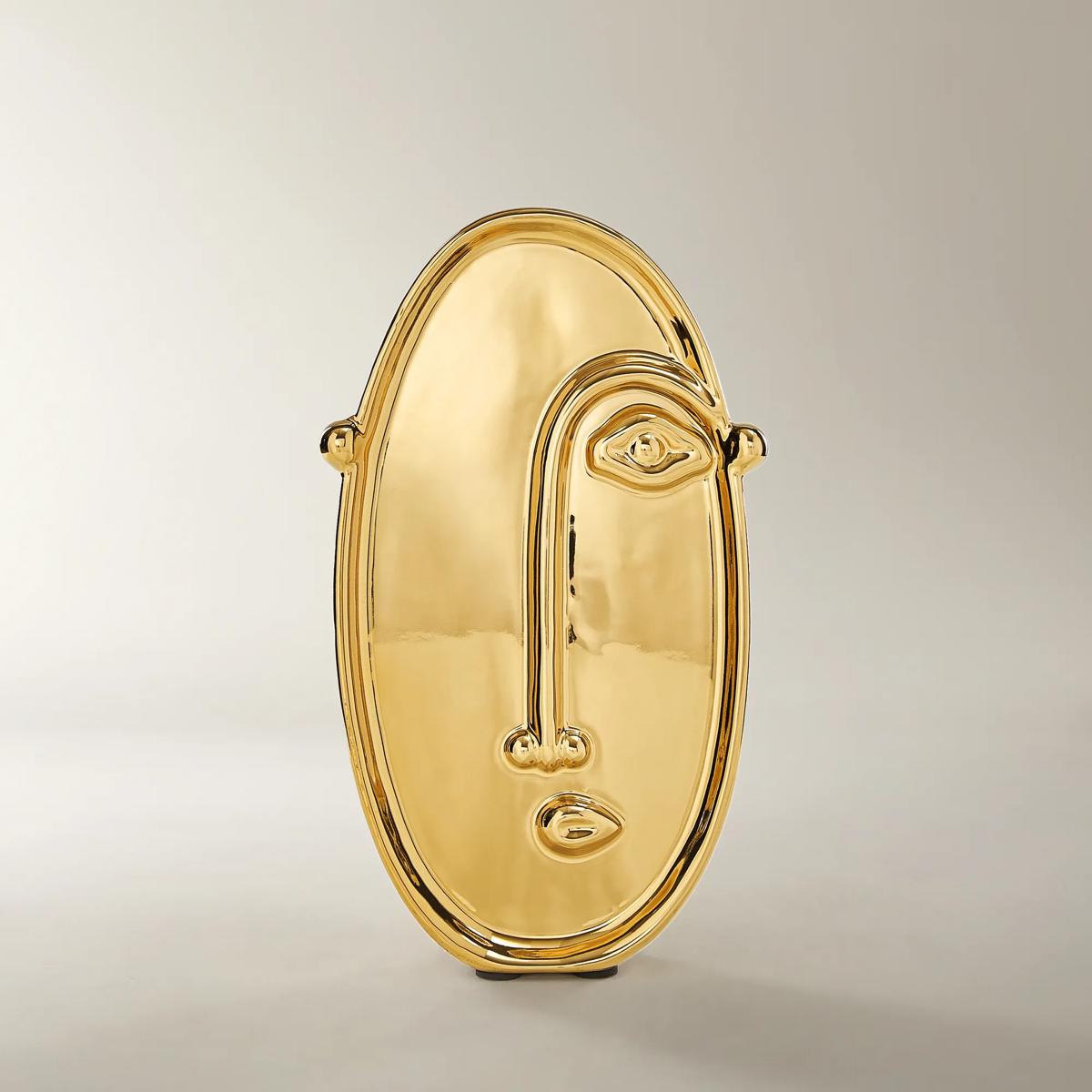
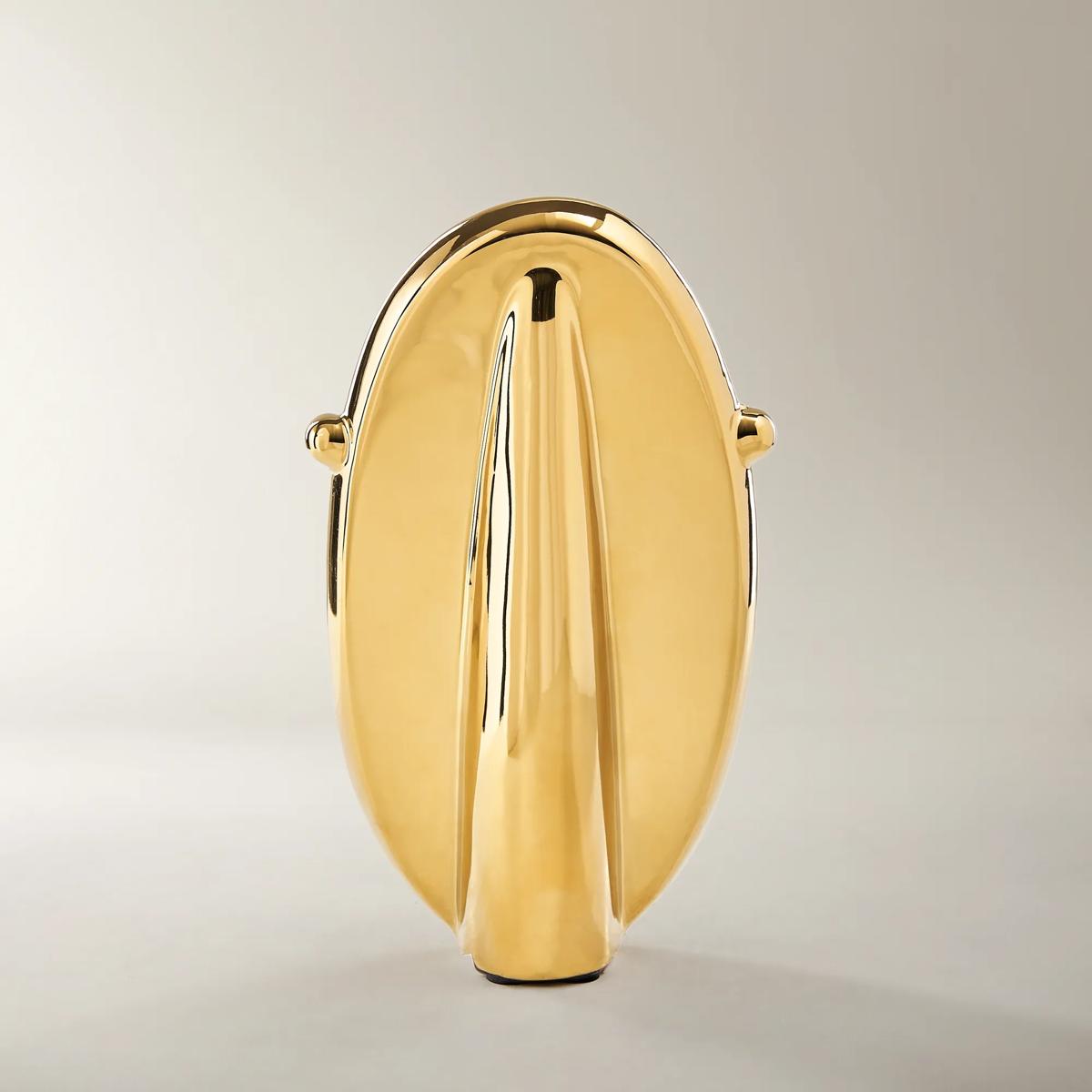 Golden Eye Ceramic Decorative Object 8"$39
A radiant gold ceramic sculpture featuring abstract, elongated facial details for a bold, modern accent.
Add To Cart

Abstract Art Gifts
Find abstract art gifts for someone who appreciates expressive color, unexpected forms, and a distinctive point of view. Explore the selection with their personal style in mind, considering how a gift’s palette and visual mood might complement their space or create a striking contrast.
Abstract art gifts include canvas artwork, framed prints, and sculptural accents that bring expressive color, intriguing forms, and dimensional texture into a home. Rather than relying on a literal subject, abstract design draws its character from gesture, composition, contrast, and the relationship between shapes. That openness makes it especially personal to give: a sweeping brushstroke might suggest movement to one person and a moment of stillness to another. For a housewarming, birthday, wedding, or anniversary, the strongest choice often reflects something already visible in the recipient’s world. Someone drawn to tailored upholstery and polished metal may appreciate a disciplined composition with crisp lines and a luminous accent. A person whose rooms feature collected objects, tactile fabrics, and saturated hues may connect with layered color or a richly textured surface. The artwork does not need to match every furnishing. A single repeated tone can establish a connection, while an unexpected shape or contrasting finish gives the room a more expressive point of view. Soft ivory and charcoal can feel striking rather than restrained when the composition has generous scale; jewel tones can introduce depth without overwhelming a space when balanced by quieter surroundings. Metallic details, where present, interact with light and can echo the gleam of a nearby lamp or decorative object. For a recipient whose taste is less familiar, look beyond the dominant color and consider the overall mood: fluid and atmospheric, architectural and precise, or energetic and gestural. A beautifully resolved composition gives each of these directions its own presence. Abstract art also makes a thoughtful gift for someone marking a personal milestone, establishing a home office, or settling into a first apartment. Its meaning can develop over time, becoming associated with the giver, the occasion, and the place it occupies. The most memorable selection feels attentive rather than presumptuous, leaving room for the recipient’s interpretation and allowing an interior to express a little more of the person who lives there.
Materials and construction shape both the visual effect of an abstract art gift and the way it should be displayed. Canvas has a woven surface that can lend depth to printed imagery or painted marks, while paper-based artwork can emphasize fine detail, delicate tonal changes, and the clean definition of a composition. Neither material alone establishes whether a work is an original or a reproduction; the description should clarify the medium and production method. Raised textures and applied elements create shadows that shift with the angle of light, giving a wall a more sculptural presence. Framing adds another layer of character: a slender profile keeps attention on the image, a floating frame defines the edges of a canvas, and a broader frame can give a composition greater architectural weight. Glass and acrylic glazing have different handling considerations, and protective glazing should never be treated as permission to expose artwork to prolonged direct sunlight. For dimensional accents, ceramic, glass, metal, and resin each offer distinct combinations of surface, weight, and fragility. A glossy finish catches highlights; a matte surface allows contours and shadows to carry the drama. Size deserves equal attention. Measure the intended wall or display surface, including the full framed dimensions, and consider nearby furniture, switches, shelving, and doorways. Above a sofa or console, artwork generally looks more connected when its width relates to the furniture rather than extending awkwardly beyond it. On a desk or narrow shelf, a smaller sculptural form needs a stable base and enough open space to be seen without interfering with everyday use. Check weight, hanging requirements, and the wall type before installation; substantial artwork may require appropriate anchors or professional assistance. Durability depends on the complete construction, not simply the visible surface. Secure framing, suitable mounting, and careful placement help protect the gift while preserving the confident, finished appearance that makes art so compelling.
Living with abstract art should feel inspiring, with care that respects the materials rather than complicates the experience. Follow the care instructions supplied with the artwork, since a textured canvas, glazed print, and polished sculpture may require different treatment. A soft, dry cloth may be suitable for some frames and decorative surfaces, but fragile paint, loose texture, and delicate finishes should not be rubbed. Avoid spraying cleaner directly onto framed artwork, and keep moisture away from paper, canvas, backing, and frame joints. Where glazing requires cleaning, use the method recommended for that material; products suitable for glass may damage acrylic. Bathrooms, areas above cooking surfaces, and locations close to heat sources can expose art to conditions that affect its longevity. A well-chosen position also improves the viewing experience. Opposite a bright window, reflective glazing may obscure an otherwise captivating composition, while a location with gentler light can reveal the subtleties of line and texture. In an entryway, an abstract work creates an immediate impression; in a bedroom, a more atmospheric composition can support a sense of retreat. For a home office, consider the recipient’s sightlines and daily routine, including whether the piece will sit behind a desk or become a focal point across the room. Explore Modern Wall Art For Gifting for another perspective on choosing expressive artwork with a recipient’s space in mind. When wall dimensions are uncertain, a freestanding abstract accent can offer greater flexibility, provided there is a secure surface away from busy edges, children, or pets. Keep presentation thoughtful: protect corners and delicate surfaces during transport, retain material and care information, and let the recipient make the final placement decision. A note explaining the connection—a color reminiscent of a cherished place, a shape that recalls a shared interest—adds intimacy without dictating meaning. Given with that degree of attention, abstract art becomes a distinctive part of a home’s story, carrying both visual drama and personal significance.
FAQs
Abstract art invites personal interpretation, making it an expressive gift for someone with a distinctive point of view. From sweeping gestures to rhythmic geometry, an abstract composition offers a connection through color, movement, and mood—without prescribing a single story.
Let the recipient’s interiors guide your eye. Notice whether they favor dramatic contrasts, tonal layers, or vibrant accents, then look for artwork that echoes that sensibility. The most considered abstract art gifts reflect their taste while introducing an unexpected artistic note.
Geometric abstraction can appeal to someone drawn to architectural lines, while fluid, gestural compositions suit a taste for expressive movement. Tonal abstracts offer a nuanced approach to drama; vivid color fields celebrate a more daring sensibility. Choose a style that feels connected to the recipient, rather than following a trend.
Abstract art makes a distinctive gift for weddings, anniversaries, housewarmings, and milestone birthdays. It is especially thoughtful when someone is creating a new home or celebrating a new chapter—a chance to honor the occasion with something deeply expressive.
Choose a composition whose palette, energy, or forms recall a shared memory or a place the recipient loves. Include a handwritten note explaining the connection while leaving room for their own interpretation. That personal perspective turns an artistic gesture into a meaningful part of their home.