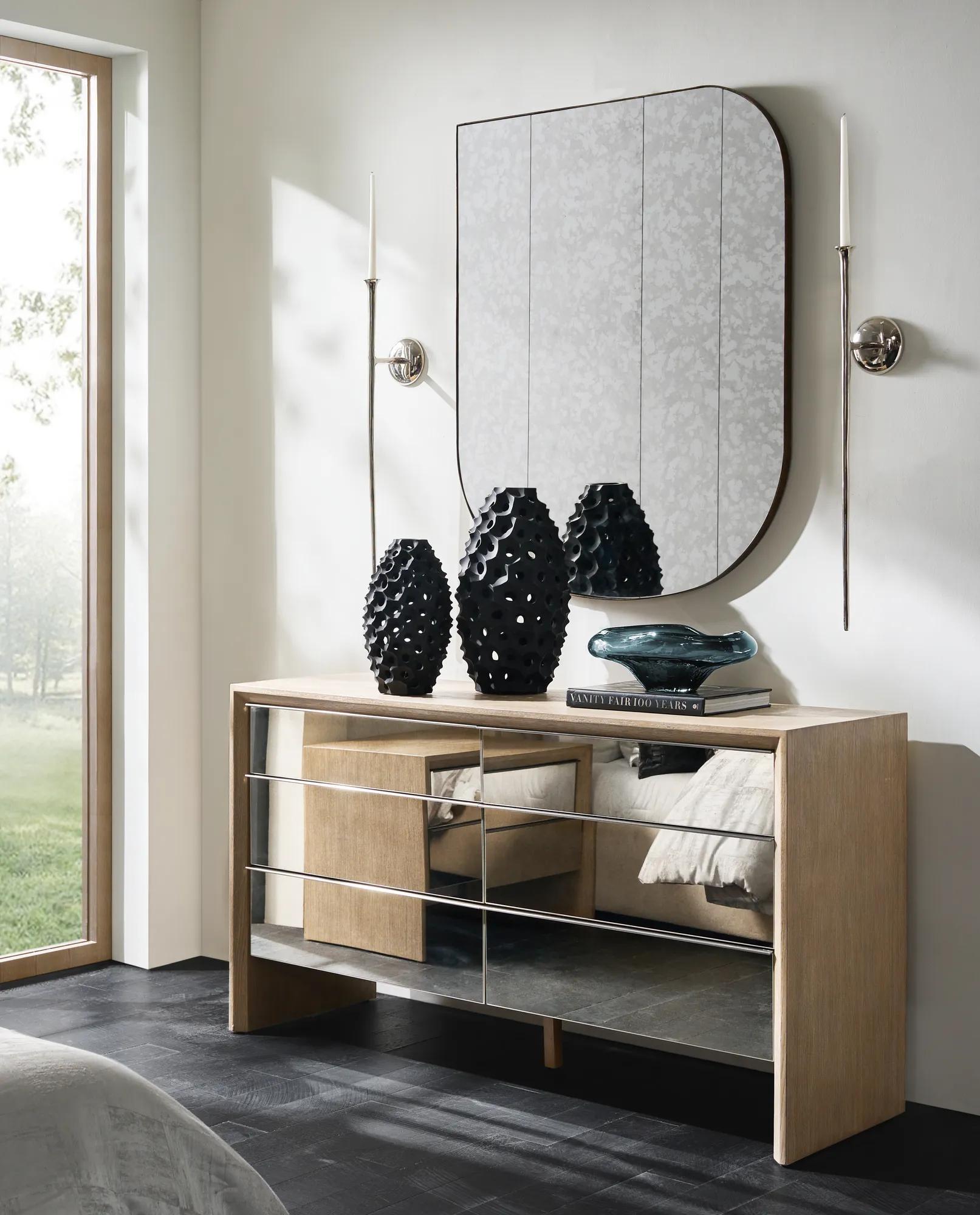
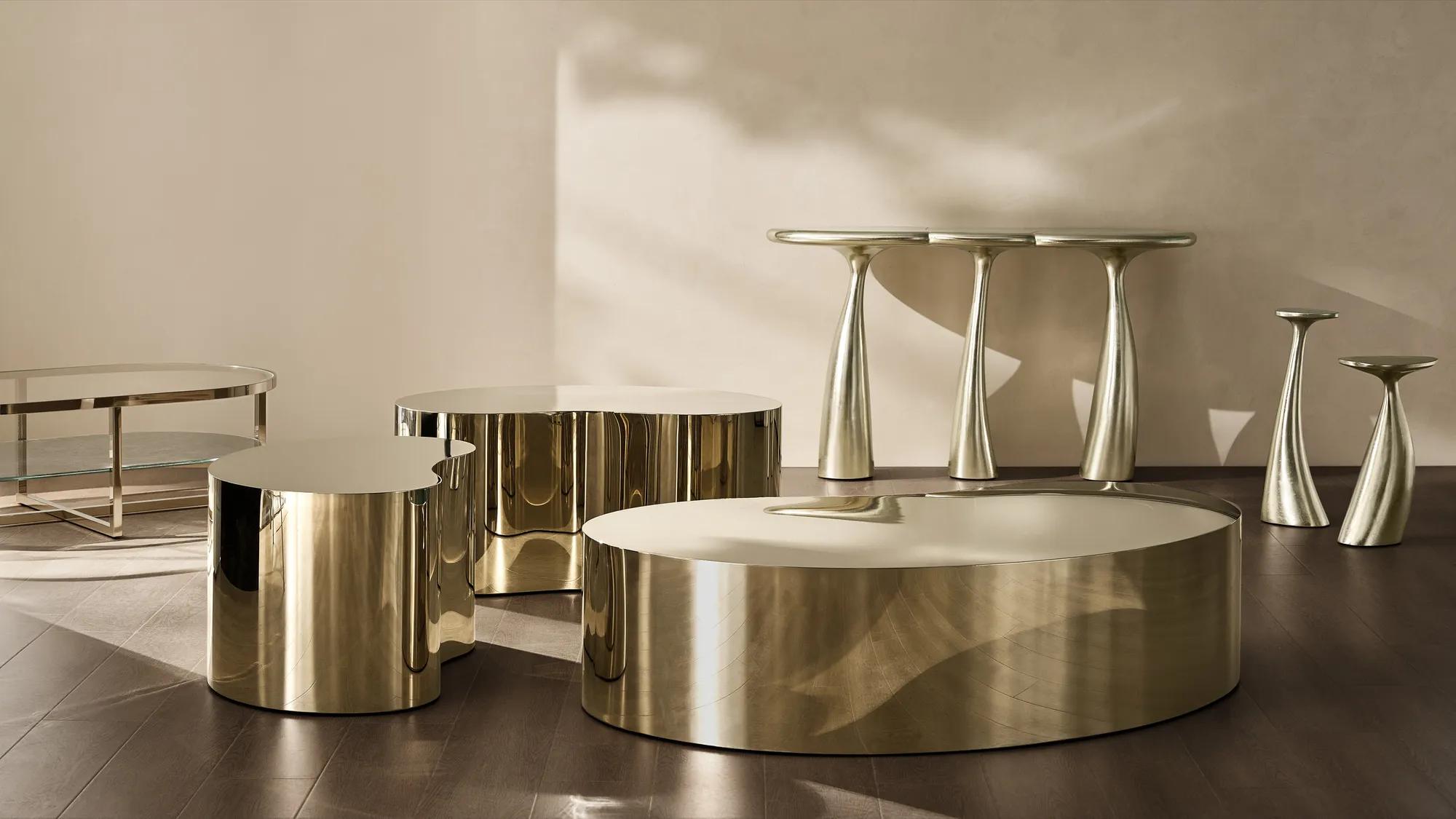
The most polished rooms begin underfoot, where proportion, texture, and material set the tone long before the finishing touches arrive.
There is a reason the most memorable rooms feel grounded before they feel decorated. The secret is often underfoot. Knowing how to choose a rug is less about filling empty floor space and more about shaping the room’s proportion, softening its lines, and setting its mood from the first glance.
A beautiful rug can quiet a space or sharpen it. It can bring warmth to sculptural furniture, create definition in an open plan, and make every surrounding piece feel more considered. In Z Gallerie’s official rug buying guide, the focus is clear: the right rug affects proportion, durability, construction, and long-term design impact, because the most finished rooms begin with what is underfoot.
This is where a true rug buying guide becomes useful. Not just as a checklist, but as a design point of view. If you are wondering how to choose the right rug size, how to select the right material, or how to make a living room or bedroom feel fully resolved, the answer starts with intention.
In This Story
-
How scale becomes the quiet luxury of a room
-
Which materials work best for living, dining, and bedroom spaces
-
The styling rules that make a rug feel collected rather than accidental
-
How to choose a rug for living room, dining room, and bedroom layouts
-
The finishing details that give a rug lasting impact
The Design Codes
The most elegant approach to how to choose a rug begins with five design codes: palette, materials, silhouette, shine level, and texture.
Palette
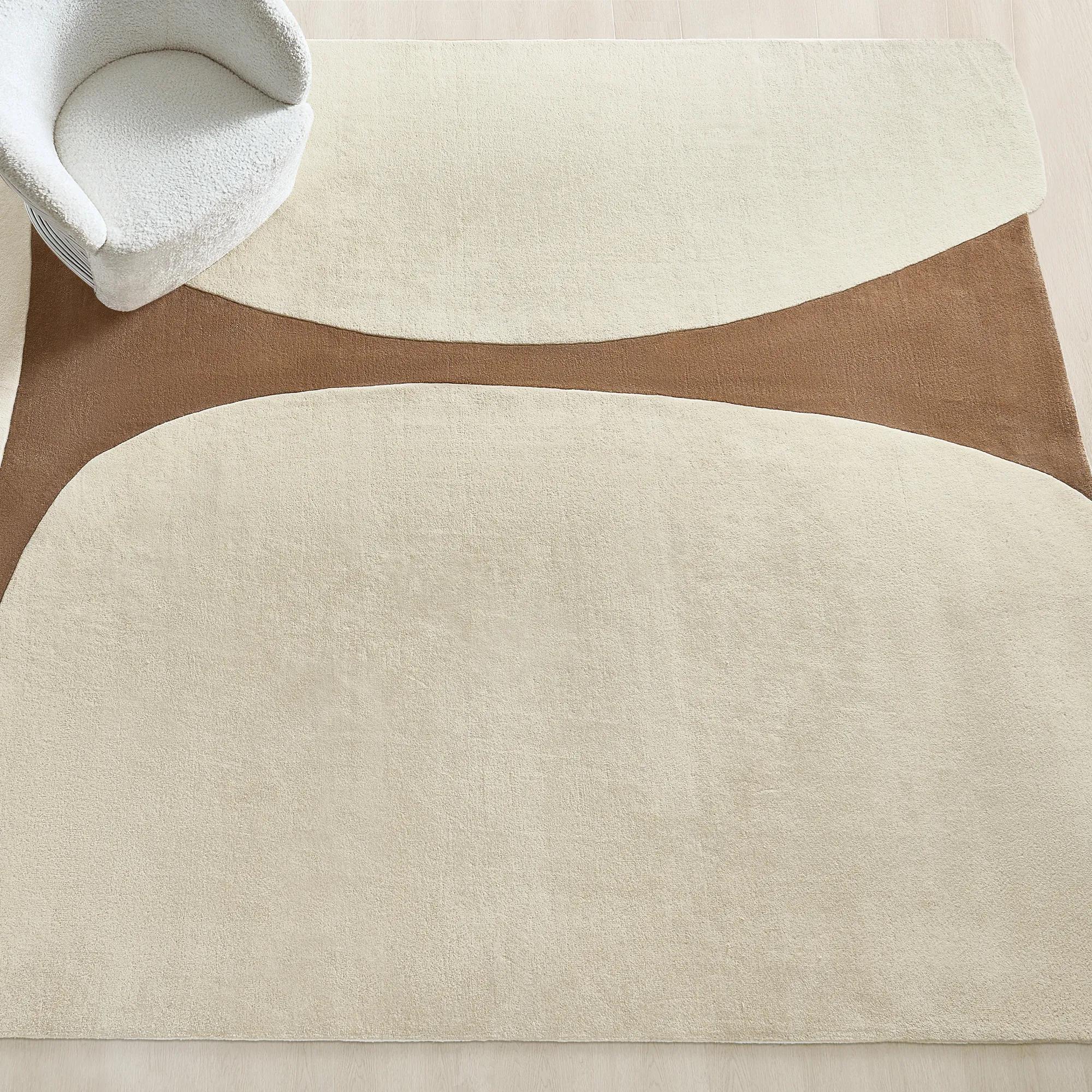
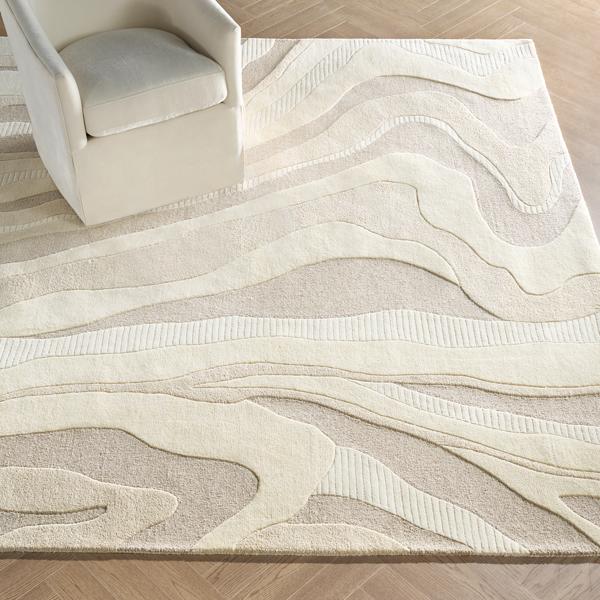
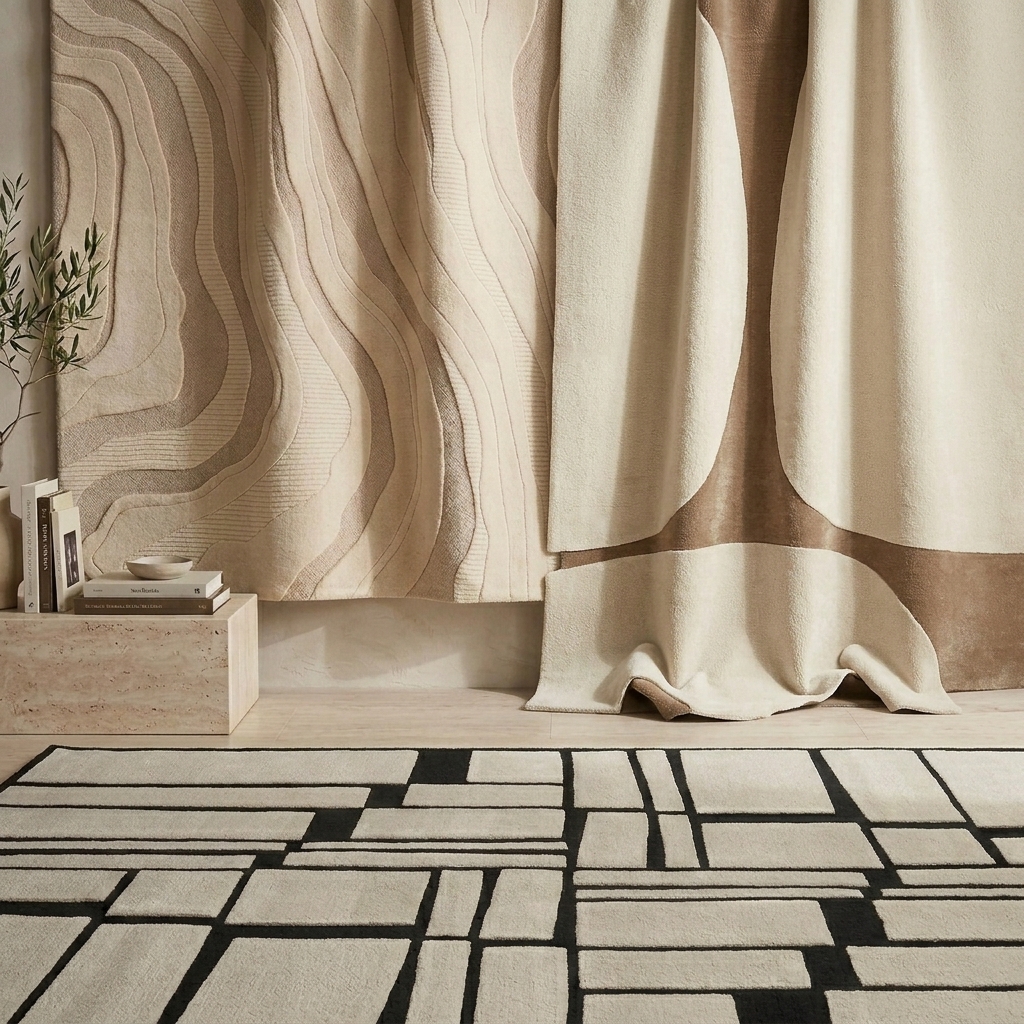
A rug should either steady the room or define it. If your furniture already carries sculptural shape, bold upholstery, or dramatic lighting, a tonal rug creates visual calm. Z Gallerie’s guide leans into texture-driven neutrals for exactly this reason, describing them as quiet, refined, and ideal for layering finishes without visual noise.
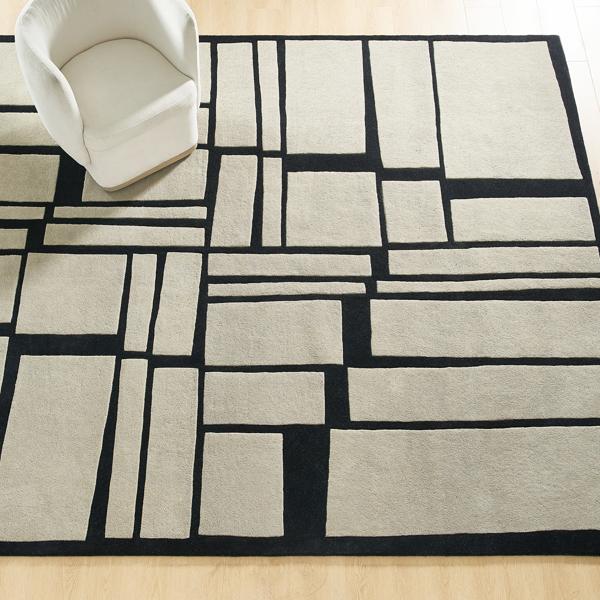
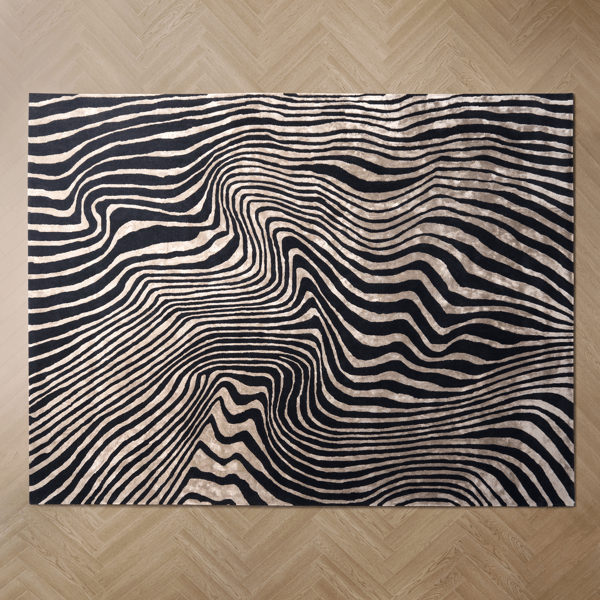
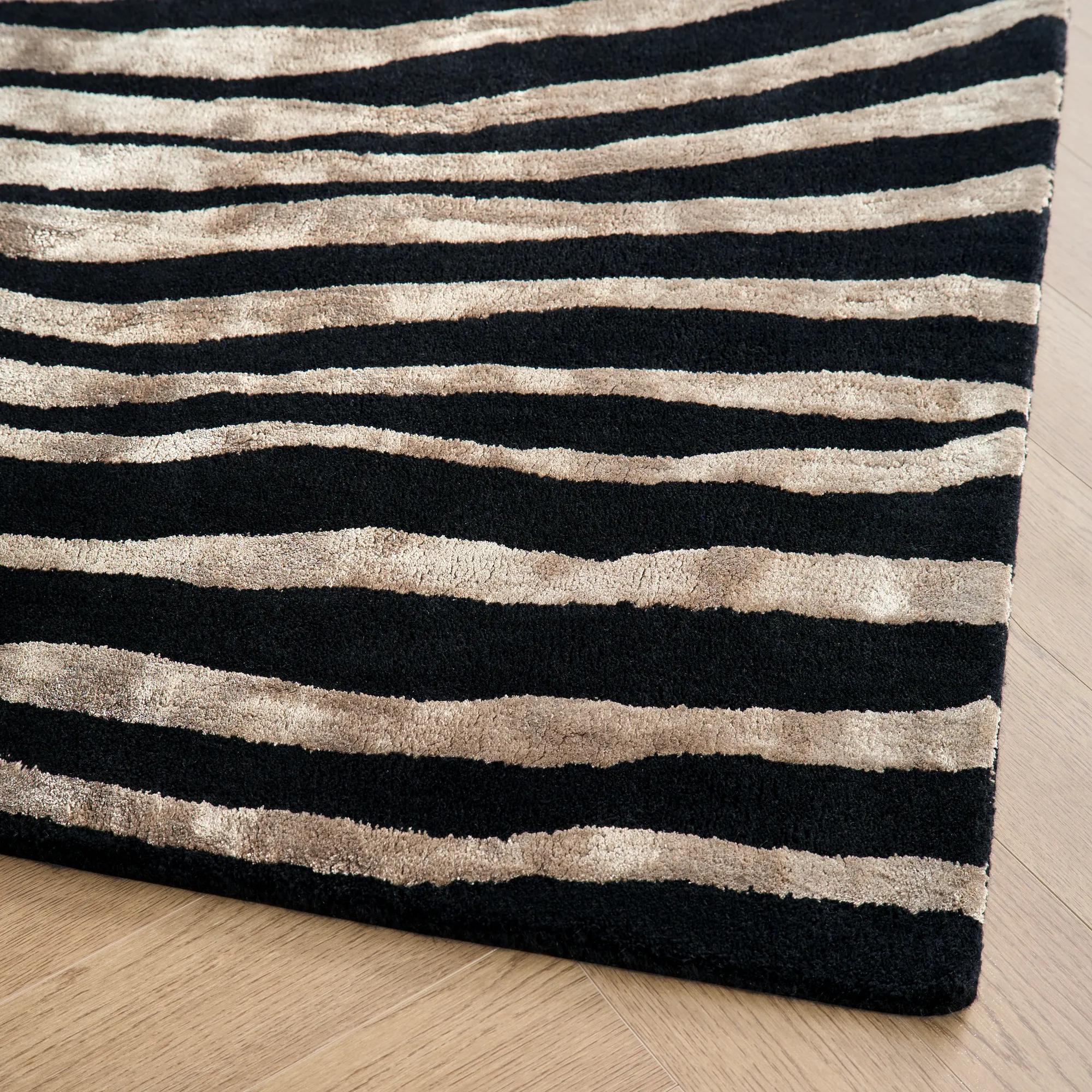
If the room feels too quiet, a rug can take on the role of art. Statement finishes, bold graphics, and high-contrast patterning bring energy to a room that needs a focal point, especially when the surrounding furnishings stay edited.
Materials
Material is where beauty meets function. Wool remains the gold standard for many interiors because it is naturally durable, softly textured, and resilient enough to hold color and shape over time. Synthetic performance fibers are better suited to high-traffic homes, pet households, and busier zones where easier maintenance matters. Viscose or silk-blend rugs offer luminous sheen and are best reserved for lower-traffic rooms where they can be appreciated without being overworked.
Silhouette
Most rooms call for a classic rectangular rug, but the shape should always support the furniture plan. Clean-lined rooms benefit from generous, oversized silhouettes that keep the layout feeling composed. Smaller spaces can use a more compact rug to define a conversation area, but the shape should still feel intentional, never incidental.
Shine Level
Not every room needs shimmer, but the right amount of sheen can transform the mood. Matte wool and textural neutrals feel grounded and architectural. Silk-blend or viscose styles bring light play, glamour, and polish. The key is balance. The more reflective the rug, the more edited the rest of the room should feel.
Texture
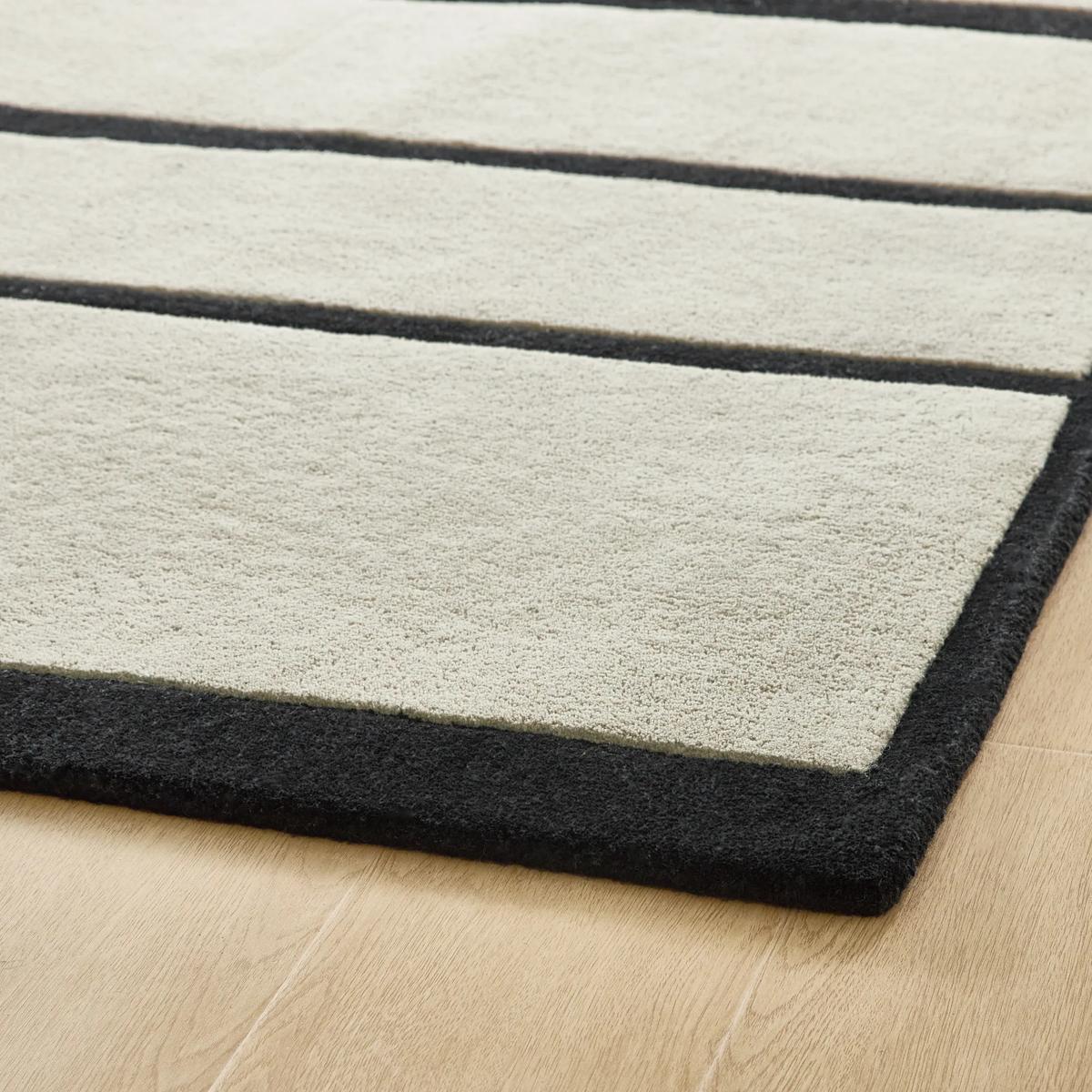
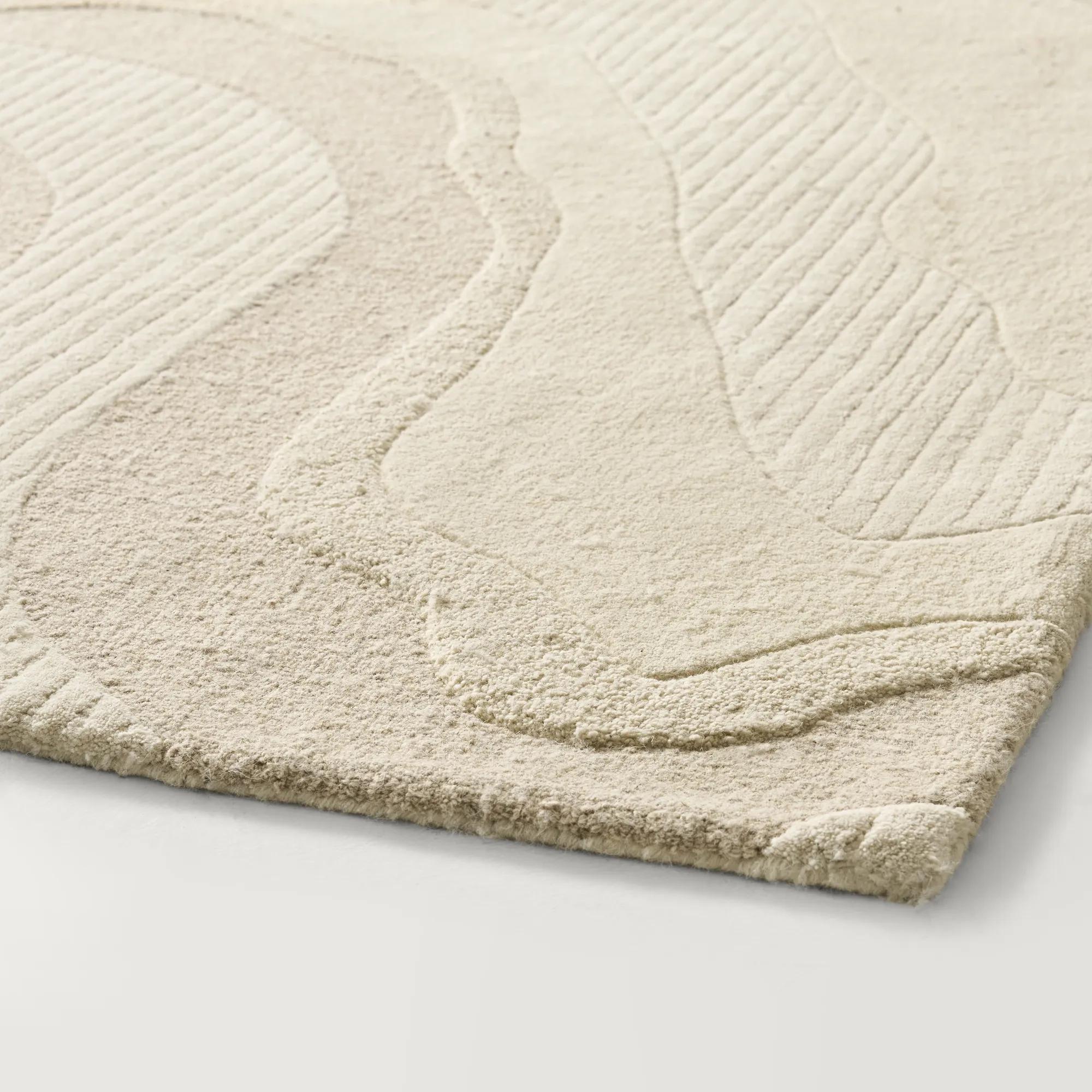
Texture is often what makes a room memorable. Sculpted high-low surfaces, dimensional neutrals, plush pile, and tactile hand feel all create visual depth even in restrained palettes. Z Gallerie positions rugs not as fillers, but as focal points, with many styles designed to anchor a room through texture and dimensionality.
Stylist Note: When a room feels unfinished, the issue is often scale or texture, not color. Start by asking what the floor is contributing, then style upward from there.
-0.jpg?h=2007&q=90&w=2007)
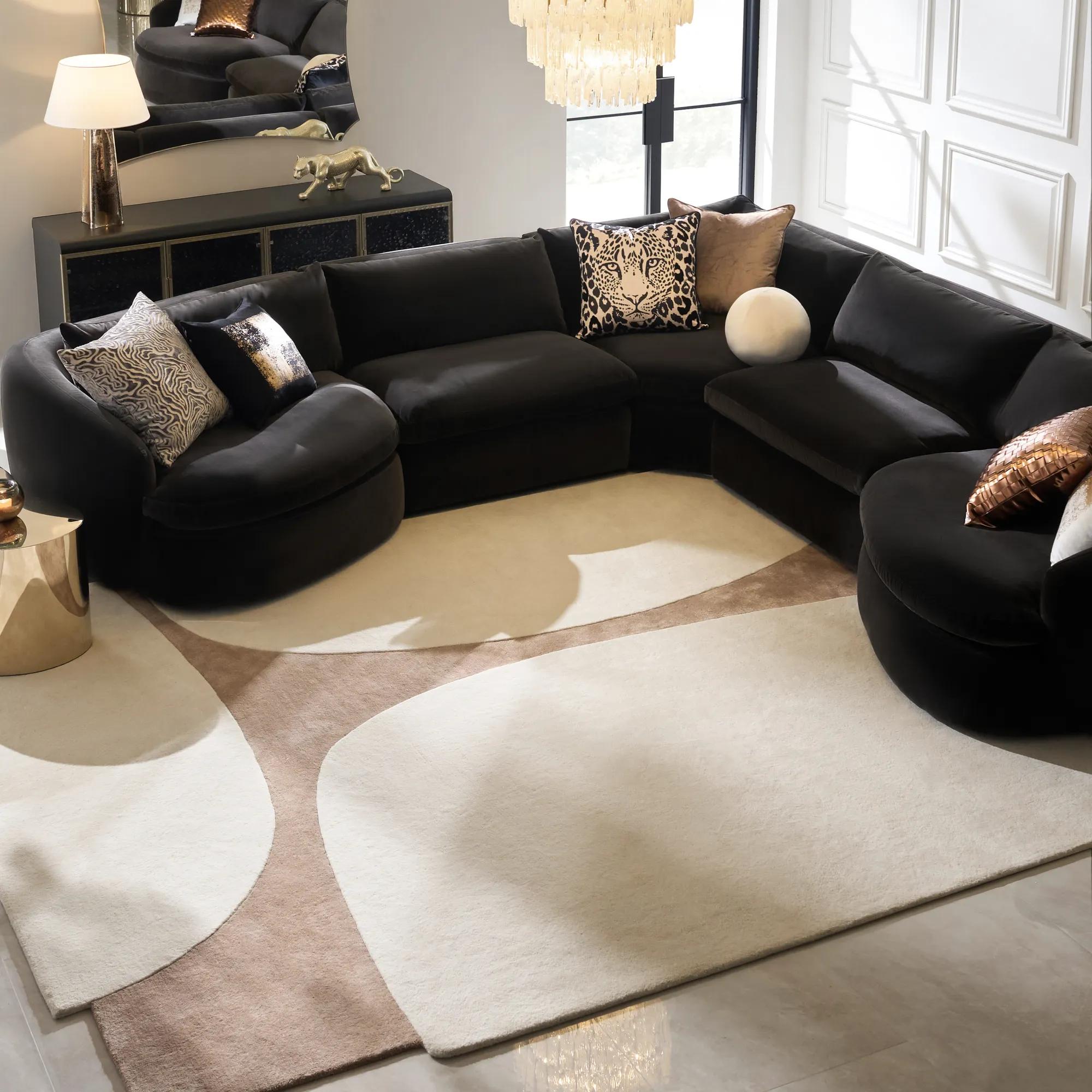
A tonal oversized rug grounds the seating plan and lets statement furniture feel even more intentional.
Explore Living Room Furniture.
The Stylist’s Rules
A polished room rarely comes down to more pieces. It comes down to better decisions. These are the rules designers return to again and again.
Let proportion lead
The best rug size guide is the one that reminds you to go larger than instinct suggests. In living rooms, a 9' x 12' rug is a strong starting point for larger seating areas. In dining rooms, the rug should extend about 24 inches beyond the table so chairs remain comfortably on the rug when pulled out. In bedrooms, an 8' x 10' rug brings softness and balance beneath a queen or king bed, while runners can be layered on the sides or at the foot for added coziness. Z Gallerie’s guide also notes that bedroom rugs should extend roughly 36 inches around the bed for a more complete look.
Choose for the way you live
A rug should support the room’s rhythm. High-traffic living rooms benefit from durable wool or performance blends. Dining rooms work best with low-pile construction that allows chairs to glide easily and avoids heavy texture underfoot. Bedrooms invite plush pile, softer hand feel, and layered comfort.
Do not let a rug float
A rug that is too small makes even beautiful furniture feel disconnected. In a living room, either place all furniture on the rug or at minimum let the front two legs of each major piece rest on it. Small rugs can define a coffee table moment, but they should look deliberate, not undersized.
Avoid heavy texture where movement matters
A dining room is not the place for deep pile or exaggerated shag. Texture should never interrupt function. If chairs scrape, catch, or wobble, the rug is working against the room.
Think beyond decoration
The right rug does more than soften a floor. It defines the room, introduces rhythm and material contrast, and gives the entire space an interior point of view. Z Gallerie’s guidance states it simply: a well-chosen rug defines proportion, introduces texture, and sets the tone for the room.
Did you know? Most dining tables need a rug that is at least 8 feet wide to comfortably accommodate pulled-out chairs.
Stylist Note: A quiet rug is not a boring rug. Texture, pile variation, and tonal shifts can bring just as much presence as pattern, often with more longevity.
The Room Formula
If you are looking for a practical answer to how to choose a rug for living room or how to choose a rug for bedroom spaces, this is where the decision becomes easier.
Living Room
This is the room where scale matters most. A large living room rug should anchor the full seating zone, not just the coffee table. Start with 9' x 12' for larger layouts, or size up to 10' x 14' if the furniture sits more centrally in the room. Neutral tonal rugs work beautifully here because they steady statement upholstery, sculptural tables, and bold lighting. Wool or high-performance blends are ideal for durability and everyday use.
For smaller layouts, a 6' x 9' or 8' x 10' rug can still work, especially when the front legs of the sofa and chairs remain on the rug. The goal is connection, not coverage for its own sake.
Dining Room
A dining room rug should look effortless, but it needs to be highly functional. The simplest rule is to extend the rug at least 24 inches beyond the table on all sides. This keeps the chairs fully grounded whether they are tucked in or pulled back. Low-pile rugs are the most practical choice here, and heavy texture should be avoided. Suggested sizes often begin at 8' x 10', with 9' x 12' and 10' x 14' working well for larger tables.
Bedroom
Bedroom rugs are about softness, balance, and the feeling of arrival. An 8' x 10' rug is a strong starting point under a queen or king bed, while a 9' x 12' can add even more generosity in a larger room. Ideally, the rug extends around the bed rather than disappearing beneath it. If you prefer a layered look, runners on either side or at the foot of the bed add warmth and create a boutique-hotel finish. Plush pile and softer textures are especially effective here.
Material guide, by mood and room
-
If your space needs structure, choose wool.
-
If your room needs resilience, choose performance fibers.
-
If your design calls for glow, choose viscose or silk-blend.
-
If your room needs quiet depth, choose dimensional neutrals.
-
If it needs drama, choose a graphic or high-contrast statement rug.

In a dining room, proportion is practical. The rug should remain generous enough for chairs to move with ease.
Discover Neutral Rugs Collection
The Edit
A great edit is selective. These are the rug directions worth considering, each with a clear role in the room.
-
The Oversized Tonal Anchor
Best for large living rooms
Role: Foundation
Choose this when you want the architecture of the room to feel calm, polished, and complete -
The Sculpted Neutral
Best for layered, textural interiors
Role: Depth
This is the rug that adds interest without asking for attention. Think dimensional pile, carved texture, and quiet luxury.
-
The Performance Pattern
Best for family rooms and high-traffic spaces
Role: Resilience
A subtle pattern helps disguise wear while keeping the room elevated and composed.
-
The Low-Pile Dining Classic
Best for dining rooms
Role: Function
This is the polished workhorse. It allows chairs to glide and keeps the room visually clean.
-
The Plush Bedroom Field
Best for primary bedrooms
Role: Softness
A generous pile underfoot changes how a room feels in the morning and at the end of the day.
-
The Bedside Runner Pair
Best for layered bedroom styling
Role: Finish
Use runners to frame the bed and add softness without fully covering the floor.
-
The Silk-Blend Glow
Best for quieter, low-traffic rooms
Role: Light
A little sheen catches the eye and gives the room an elevated, evening quality.
-
The Graphic Statement Rug
Best for edited, contemporary spaces
Role: Contrast
This is the piece that reads almost like art. It works best when the rest of the room is restrained.
-
The Small-Space Definition Rug
Best for apartments and secondary seating areas
Role: Zone
A compact rug can still be chic, as long as it clearly defines a purpose, such as a reading corner or cocktail area.
Stylist Note: The most luxurious rug is rarely the loudest one. It is the one that makes everything else in the room look better.
Common Mistakes to Avoid
Even the strongest room can lose clarity when the rug decision is rushed. Avoid these common missteps:
-
Choosing a rug that is too small for the furniture plan
-
Prioritizing pattern before proportion
-
Using deep pile in a dining room
-
Choosing delicate sheen for a heavily trafficked area
-
Forgetting a rug pad, especially in living and bedroom spaces
-
Treating the rug as an afterthought instead of the foundation
Did you know? A rug pad adds cushion and helps prevent slipping, and rotating a rug based on foot traffic helps it wear more evenly over time. Z Gallerie’s care guide also recommends regular vacuuming, immediate spill cleanup, and professional cleaning every couple of years.
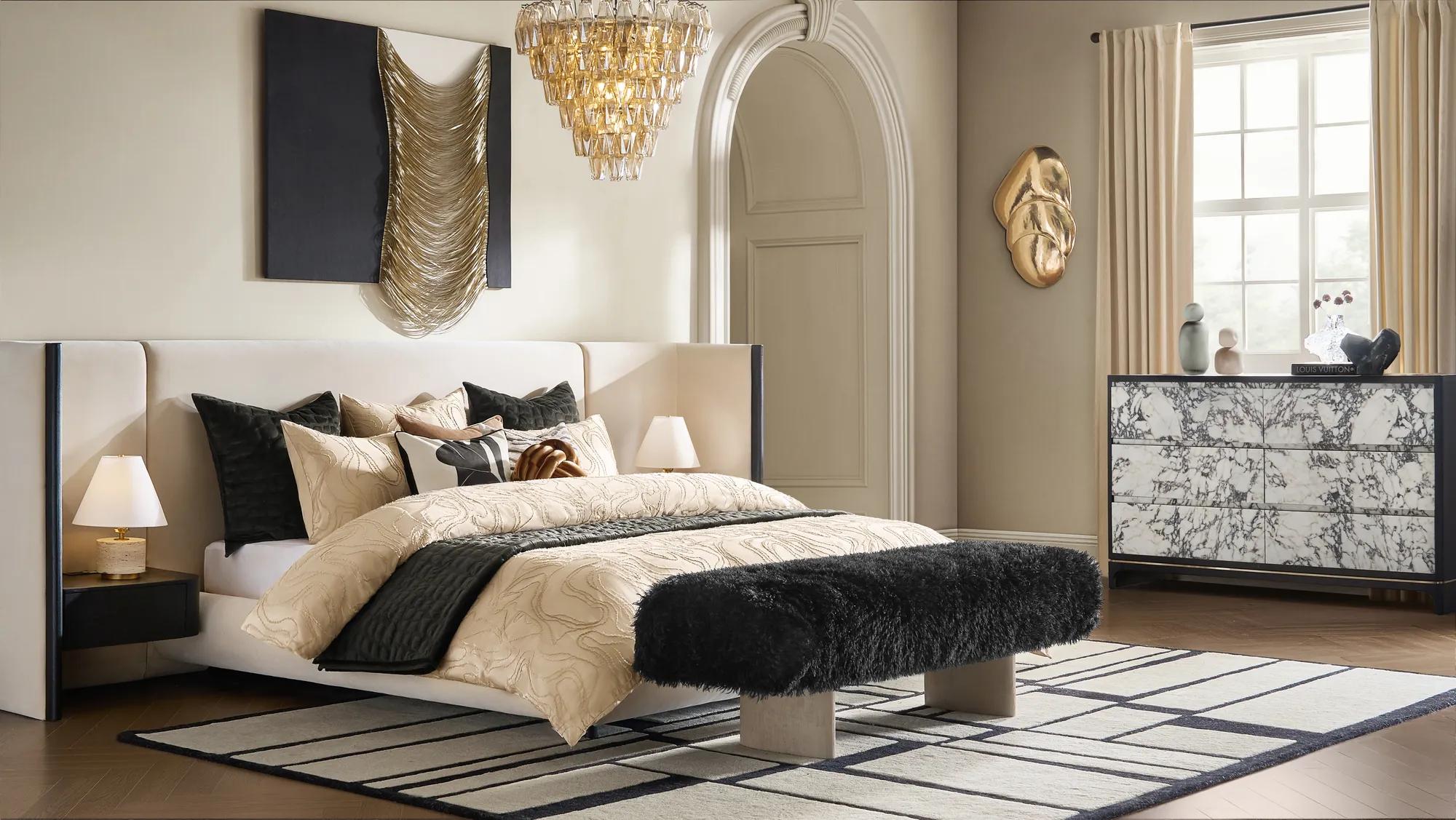
In a bedroom, the right rug should feel generous enough to soften the first step of the day.
Frequently Asked Questions
How do I choose the right rug size for a living room?
Start with the furniture plan. In a larger seating area, a 9' x 12' rug is a strong baseline, and in smaller rooms the front legs of the main furniture should still sit on the rug so the arrangement feels connected.
How do I choose a rug for bedroom spaces with a queen or king bed?
An 8' x 10' rug is one of the most reliable options for a queen or king bed. It should extend beyond the sides and foot of the bed to create softness and visual balance. Runners also work beautifully for a layered approach.
What is the best rug material for high-traffic homes?
Wool and performance fibers are the strongest choices. Wool is naturally durable and stain-resistant, while synthetic performance fibers are especially easy to maintain in busy homes.
Should a dining room rug go under all the chairs?
Yes. A dining room rug should extend about 24 inches beyond the table so chairs remain on the rug when pulled out. Low-pile construction is the most functional choice.
Do I need a rug pad under an area rug?
In most cases, yes. A rug pad adds comfort, helps prevent slipping, and supports the rug’s longevity.
How long should a quality rug last?
A well-made wool rug can last 10 to 20 years or more with proper care, especially with regular vacuuming and periodic professional cleaning.
The Last Layer
The answer to how to choose a rug is ultimately about more than color or size. It is about proportion, texture, and the kind of life a room is meant to hold. Choose with intention, and the rug becomes more than a finishing touch. It becomes the layer that makes the entire room feel resolved.