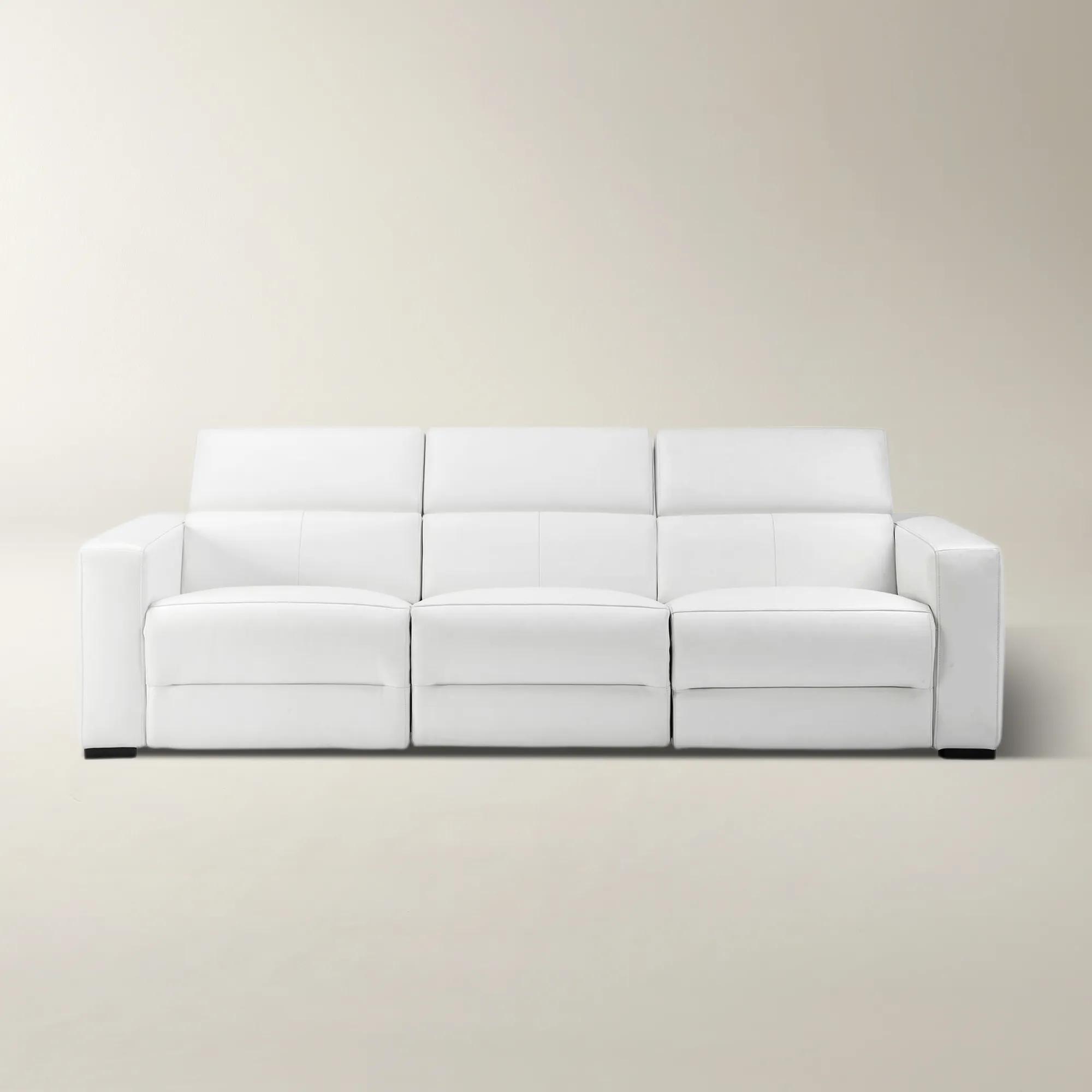
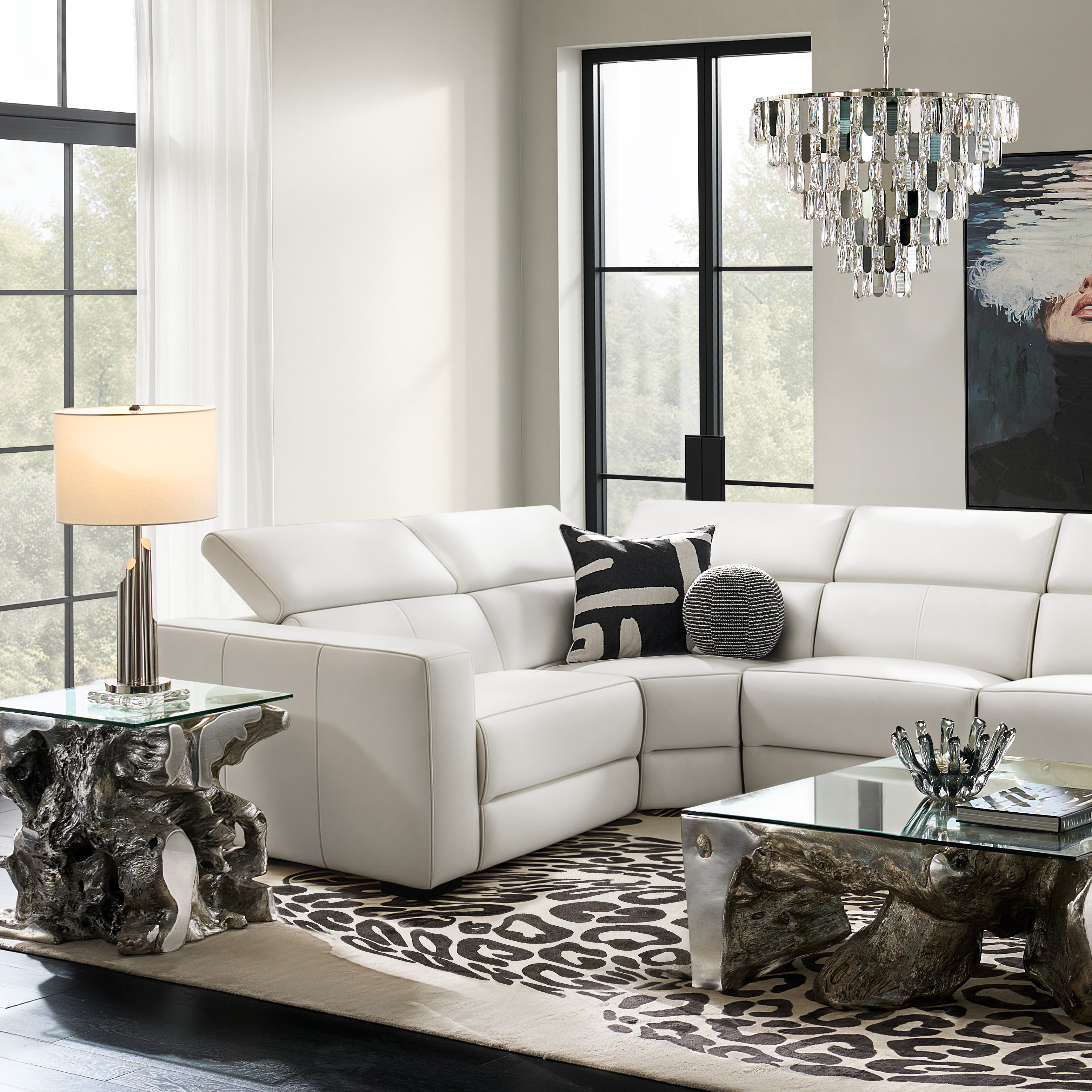
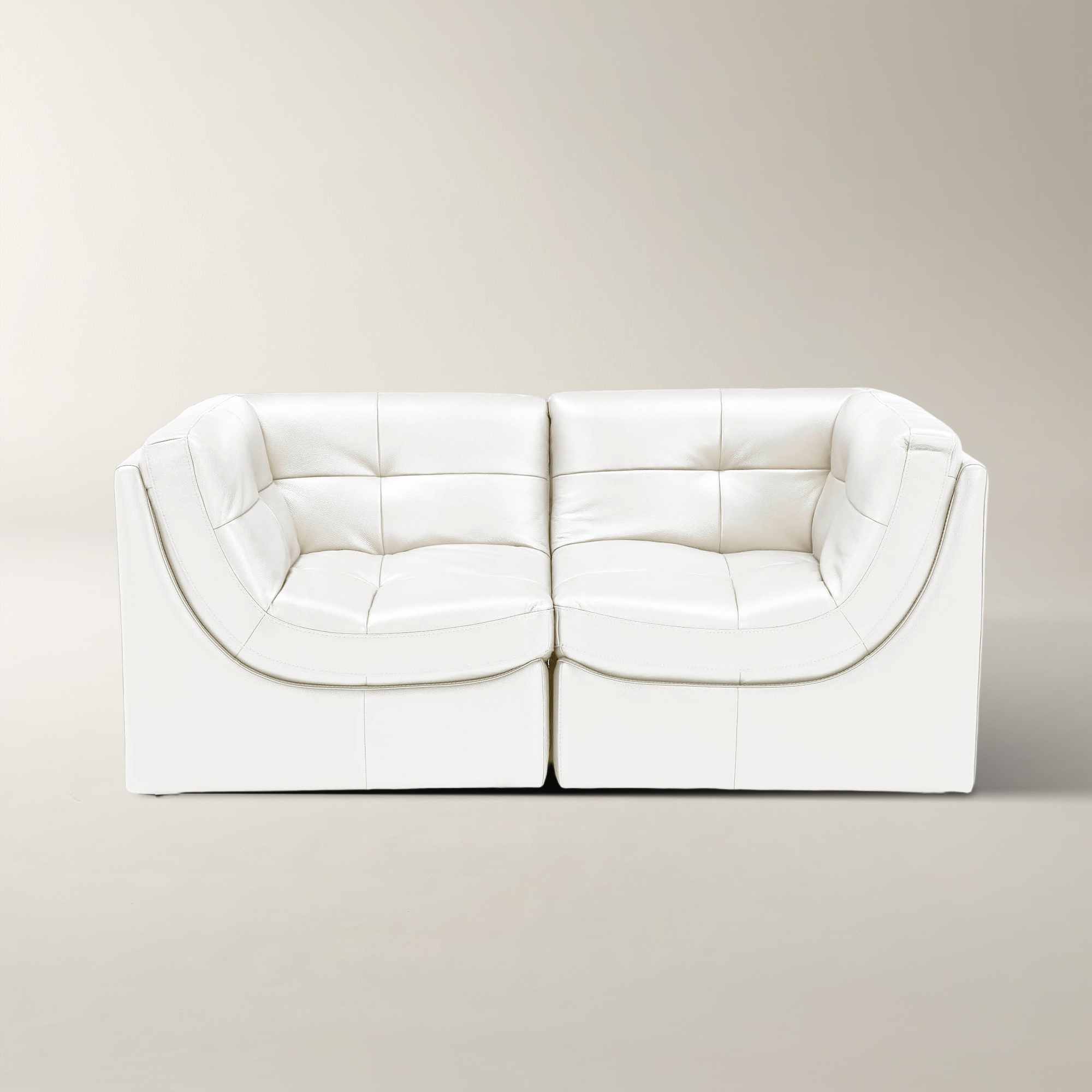
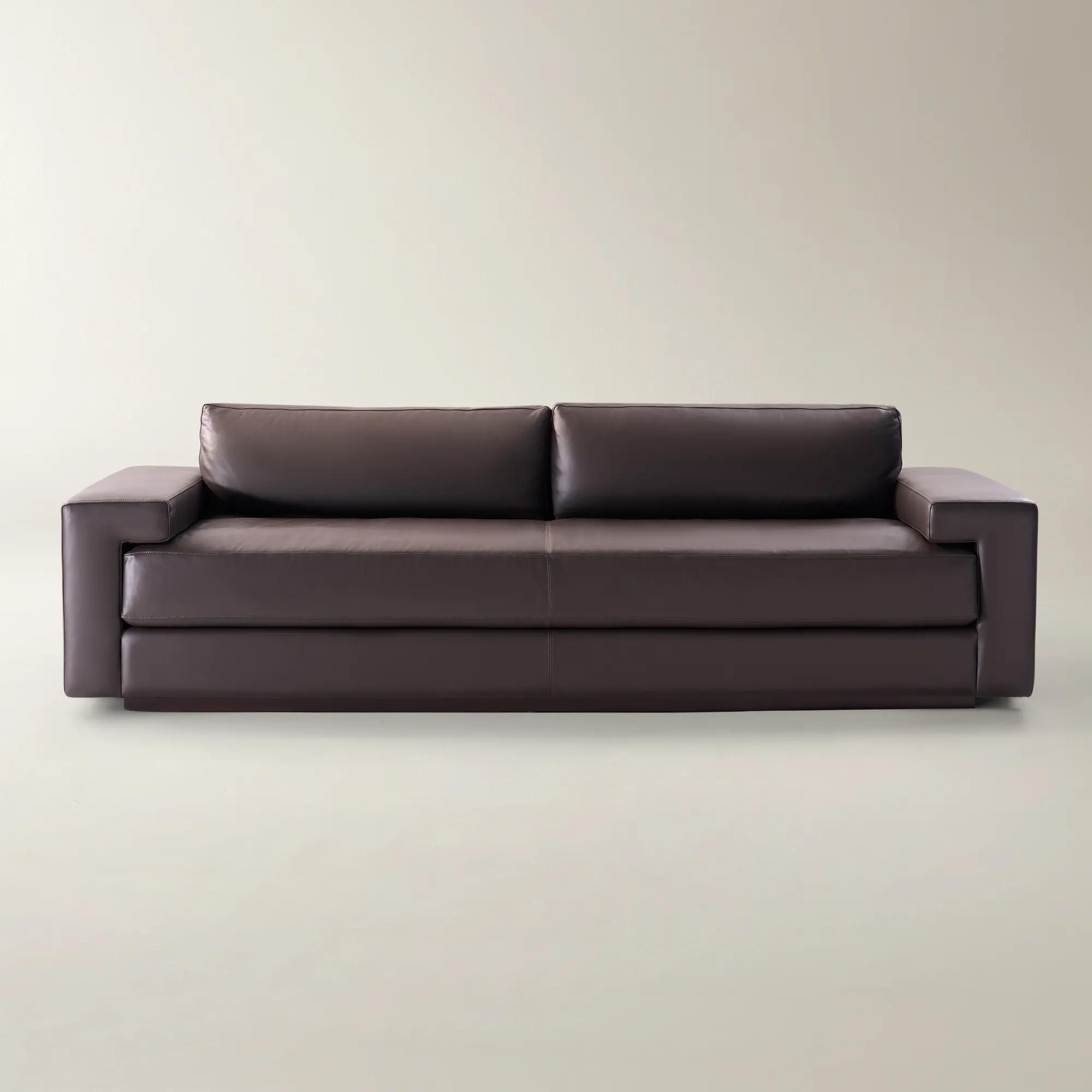
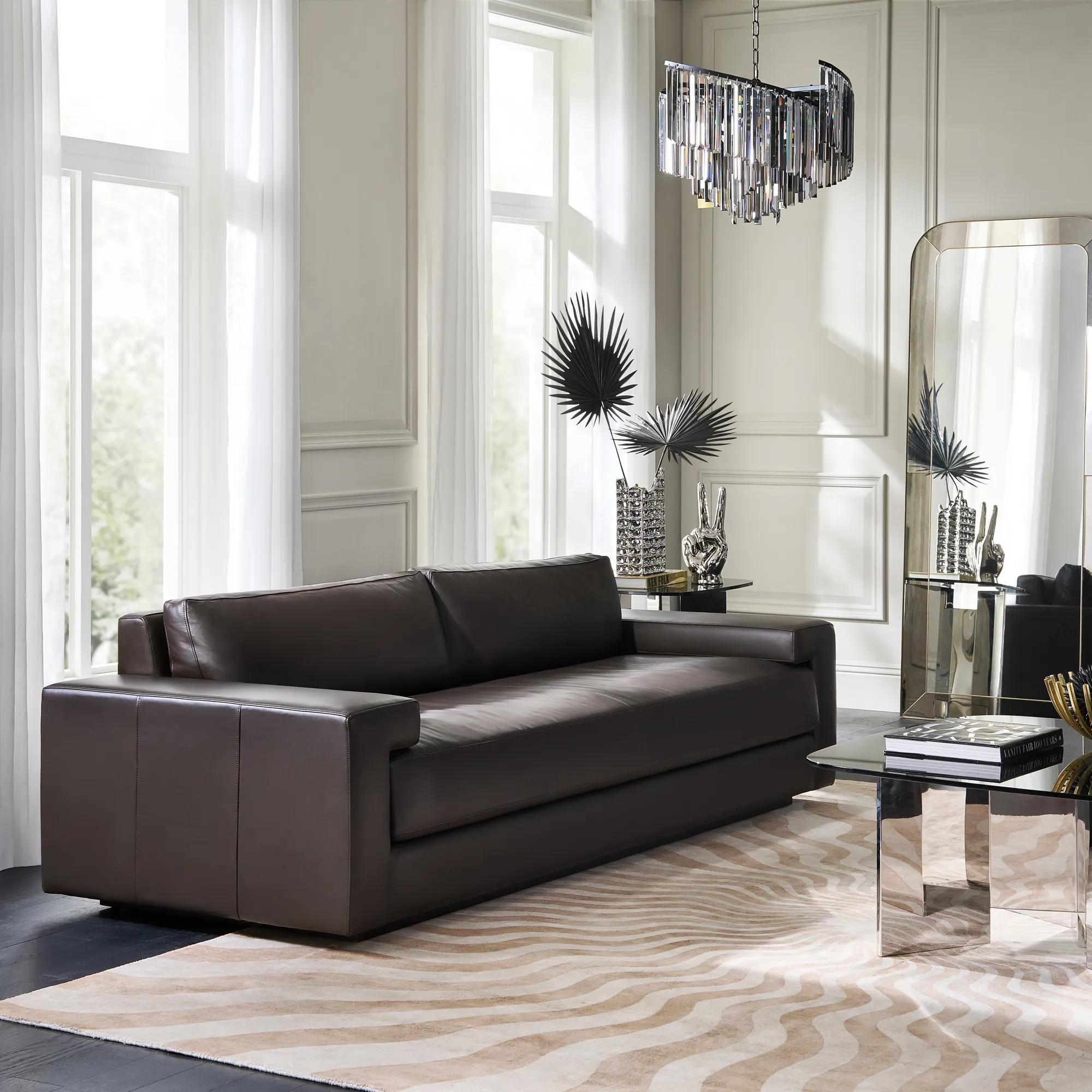
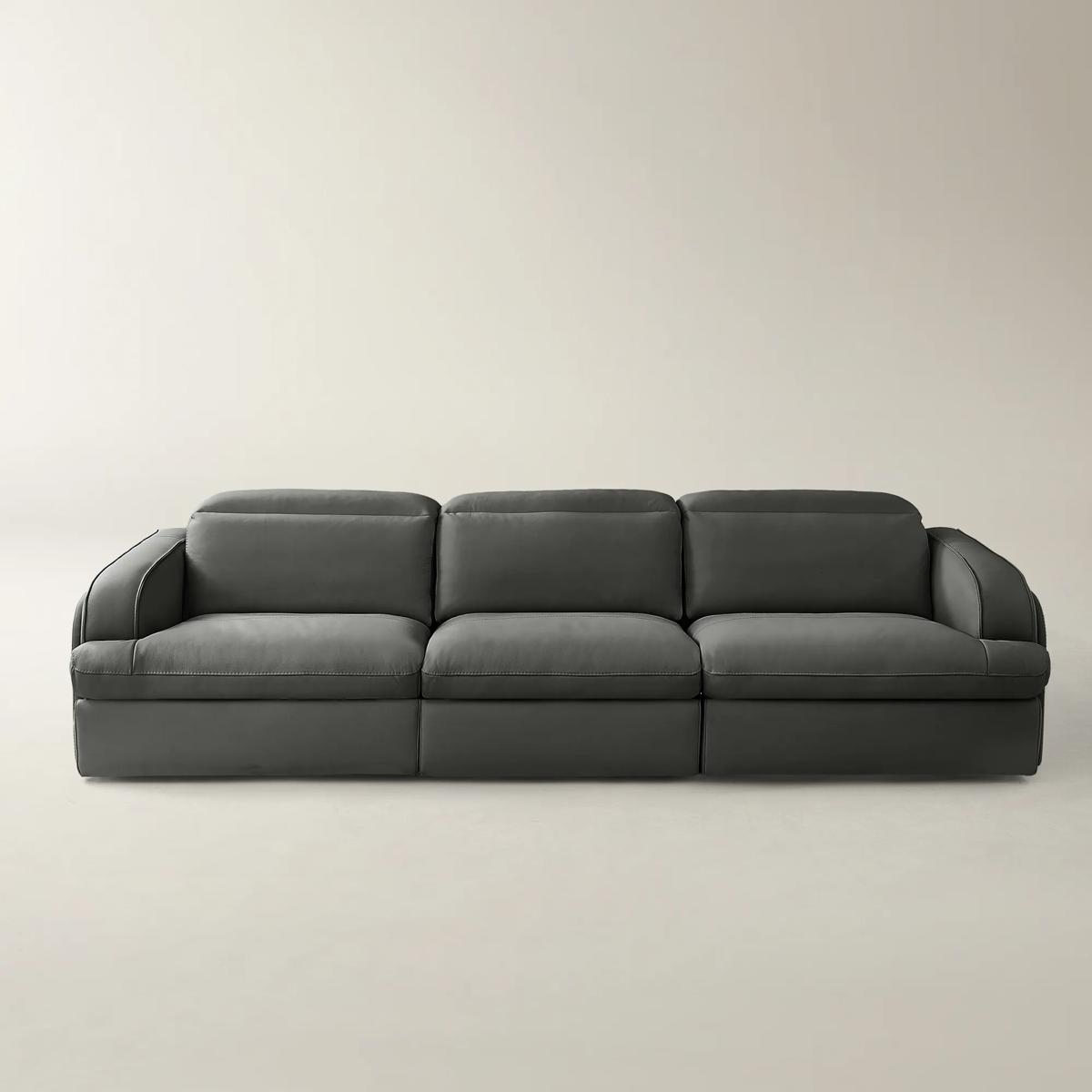
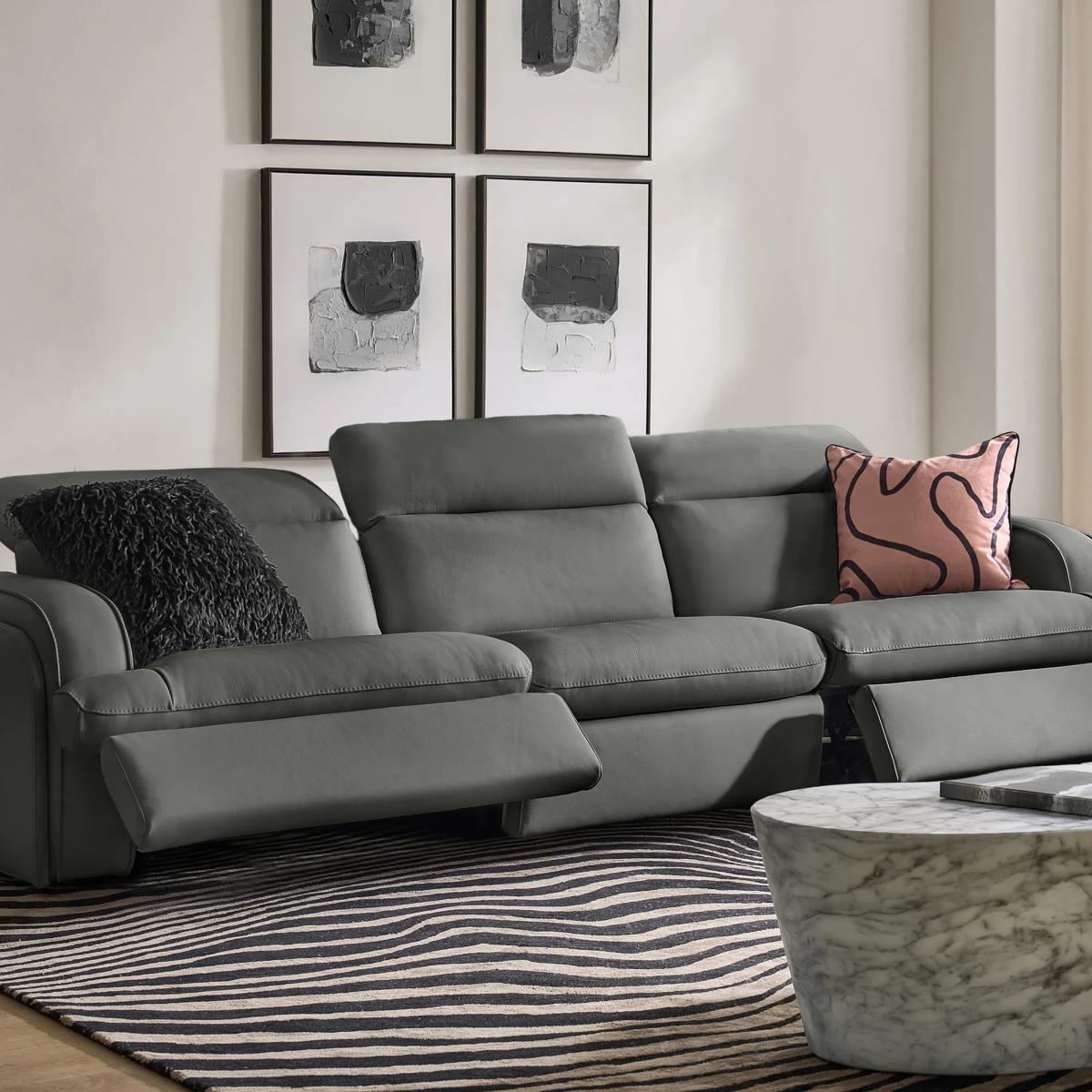
Leather furniture has a way of transforming a room. It brings richness, texture, and timeless sophistication, whether styled as a sculptural accent chair, a tailored sofa, or a full living room statement. With the right care, leather becomes even more beautiful over time, developing character while maintaining its elevated look.
The key is simple: clean gently, protect consistently, and treat leather like the natural material it is.
Know Your Leather Before You Clean
Before reaching for any cleaner, take a moment to understand the type of leather you have. Some leathers are more protected and forgiving, while others, like aniline or semi-aniline leather, may show natural markings, color variation, and patina more visibly. This is part of leather’s beauty, but it also means care should be thoughtful and gentle.
Always check the manufacturer’s care instructions first. Then, before applying any product, test it on a hidden area, such as the back or underside of the furniture. A few minutes of testing can help prevent discoloration, darkening, or unwanted changes in texture.
Dust Weekly to Keep Leather Looking Refined
Dust, crumbs, and everyday debris can settle into seams, creases, and cushion edges. Over time, that buildup can dull the surface and make cleaning more difficult.
Once a week, wipe your leather furniture with a soft, dry microfiber cloth. For corners, tufting, and seams, use a vacuum with a soft brush attachment. Avoid stiff brushes or anything abrasive, which can scratch or weaken the finish.
This small routine keeps leather looking polished without over-cleaning it.
Clean Spills Immediately
When spills happen, speed matters. Blot the area right away with a clean, dry cloth. Do not rub, scrub, or press too aggressively, as this can push liquid deeper into the leather or disturb the surface finish.
For most light spills, a slightly damp cloth may be enough. Use distilled water when possible, and dry the area with a separate soft cloth. For anything oily, inky, deeply pigmented, or stubborn, consult a professional leather cleaner rather than experimenting with harsh products at home.
Avoid bleach, ammonia, acetone, window cleaner, alcohol-based cleaners, and all-purpose sprays. Leather needs a pH-balanced cleaner made specifically for upholstery.
Use Leather Cleaner Sparingly
Leather does not need to be washed the way fabric does. In fact, over-cleaning can strip away the oils and protective finishes that help leather stay supple.
For routine cleaning, use a leather-specific cleaner only when needed. Apply it to a cloth first rather than directly onto the furniture, then wipe gently in soft circular motions. Follow with a clean, dry cloth to remove any excess.
Never soak leather. Too much moisture can cause staining, stiffness, or damage.
Condition Leather Twice a Year
Conditioning helps keep leather soft, flexible, and less prone to cracking. Think of it as moisturizing the material. A quality leather conditioner can help nourish the surface and preserve its natural richness.
In most homes, conditioning every six months is a good rhythm. High-use pieces, sunny rooms, or dry climates may need more attention, while lower-use pieces may need less. Always use a conditioner approved for leather upholstery, test it in a hidden spot first, and apply a small amount with a soft cloth.
Let the conditioner absorb according to the product directions, then buff away any excess so the surface feels smooth, not sticky. Crate & Barrel’s care guide also recommends conditioning leather twice a year and testing products before full application.
Protect Leather from Sun and Heat
Leather loves a beautiful room, but not direct sunlight. Prolonged exposure can fade color, dry the surface, and contribute to cracking. Heat sources can have a similar effect.
Keep leather furniture away from radiators, fireplaces, heating vents, and windows with intense sun exposure. If your favorite leather sofa sits near a bright window, use drapery, blinds, or UV-filtering window treatments to soften the light during peak hours.
A little placement strategy can make a dramatic difference in how your leather ages.
Rotate Cushions and Fluff Regularly
If your leather sofa or sectional has removable cushions, rotate them every few months to help distribute wear evenly. Favorite seats tend to soften faster, so rotating cushions can prevent one area from looking more lived-in than the rest.
Fluff back cushions gently, smooth the leather by hand, and adjust pillows or throws so the piece keeps its shape.
Style with Protection in Mind
Throws and accent pillows are more than finishing touches. They can help protect high-contact areas from body oils, denim dye transfer, pet hair, and everyday wear.
For a layered Z Gallerie look, pair leather with plush textures, sculptural pillows, or a luxe throw. The result feels intentional and styled while adding a soft barrier in the areas that get the most use.

Be Mindful of Pets, Denim, and Sharp Objects
Leather is durable, but it is not indestructible. Pet claws, belt buckles, keys, and jewelry can leave scratches or punctures. Dark denim and saturated fabrics may also transfer dye onto lighter leather.
Keep sharp objects away from leather seating, trim pets’ nails regularly, and use throws in favorite lounging spots. For light surface scratches, gently warming the area with your fingertips may help soften the appearance, but deeper damage should be handled by a leather repair professional.
What Not to Use on Leather Furniture
Avoid these common household products:
-
Bleach
-
Ammonia
-
Acetone
-
Alcohol-based cleaners
-
Window cleaner
-
All-purpose sprays
-
Furniture polish not made for leather
-
Abrasive sponges or stiff brushes
-
Excess water
-
Baby wipes or disinfecting wipes
Even when a product seems gentle, it may contain ingredients that dry, discolor, or break down leather over time.
Leather Furniture Care Schedule
-
Weekly: Dust with a microfiber cloth and vacuum seams with a soft brush attachment.
-
As needed: Blot spills immediately and spot clean with a leather-safe cleaner.
-
Every 3 months: Rotate removable cushions and inspect high-use areas.
-
Every 6 months: Condition with an upholstery-approved leather conditioner.
-
Yearly: Assess fading, dryness, scratches, or stains and schedule professional care if needed.
FAQs About Leather Furniture Care
How often should I clean leather furniture?
Dust weekly, spot clean as needed, and use leather cleaner only when the piece truly needs it. Over-cleaning can dry out the leather.
Can I use soap and water on leather?
A lightly damp cloth may work for minor spills, but avoid soaking the leather. If soap is needed, use only a very mild solution and test first. For best results, choose a cleaner made specifically for leather upholstery.
How do I keep leather from cracking?
Keep leather away from direct sunlight and heat, avoid harsh cleaners, and condition it about twice a year. Dryness is one of the biggest causes of cracking.
Is leather furniture good for homes with pets?
Yes, with a little care. Use throws in favorite pet spots, keep claws trimmed, and clean up hair and debris regularly. Avoid letting pets scratch or dig into the leather.
Does leather furniture get better with age?
Quality leather can develop a beautiful patina over time. Natural creasing, softening, and subtle color variation are part of its character. With consistent care, those changes feel rich and lived-in rather than worn out.
The Art of Keeping Leather Beautiful
Leather furniture is an investment in comfort, craftsmanship, and enduring style. Care for it gently, protect it from the elements, and allow it to evolve with your home. With a thoughtful routine, your leather pieces will remain polished, inviting, and effortlessly elegant for years to come.
Design boldly. Live beautifully.