Understanding how to measure furniture for delivery is one of the most overlooked yet essential steps in furnishing a home. A beautifully designed piece may feel perfectly suited to a room, yet the journey from the front door to its final placement can introduce unexpected constraints. Doorways, hallways, staircases, and architectural features all shape the path that furniture must travel before it settles into place.
Professional designers approach this process with the same care they apply to spatial planning. They evaluate scale, circulation, and architectural conditions before finalizing a layout. In the same way, learning how to measure furniture for delivery ensures that a statement piece moves smoothly through the home and arrives exactly where it belongs.
This furniture delivery measurement guide explains how to measure your space, evaluate entry points, and confirm that large furniture pieces can safely pass through the delivery path. With a thoughtful approach, measuring furniture for delivery becomes part of the design process itself, protecting both your furniture and your home.
Why Measuring Furniture for Delivery Matters
Before focusing on style, materials, or finishes, experienced designers consider scale and access. Even the most carefully selected piece must first navigate the architecture of the home.
When evaluating how to measure furniture for delivery, the key principle is simple. Furniture must fit through every point along the delivery route, not just the room where it will ultimately live.
This means measuring:
-
Entry doors
-
Interior doorways
-
Hallways
-
Staircases
-
Elevators
-
Corners and turning areas
These measurements together create the furniture delivery path measurement. The narrowest or lowest clearance along this route determines whether a piece can be delivered safely.
Without careful planning, delivery teams may encounter obstacles such as narrow hallways, low ceilings, or tight turns beyond a doorway. By understanding how to measure furniture for delivery, homeowners can avoid these complications and ensure that furniture arrives exactly as intended.
Step 1: Plan the Room Before Measuring the Delivery Path
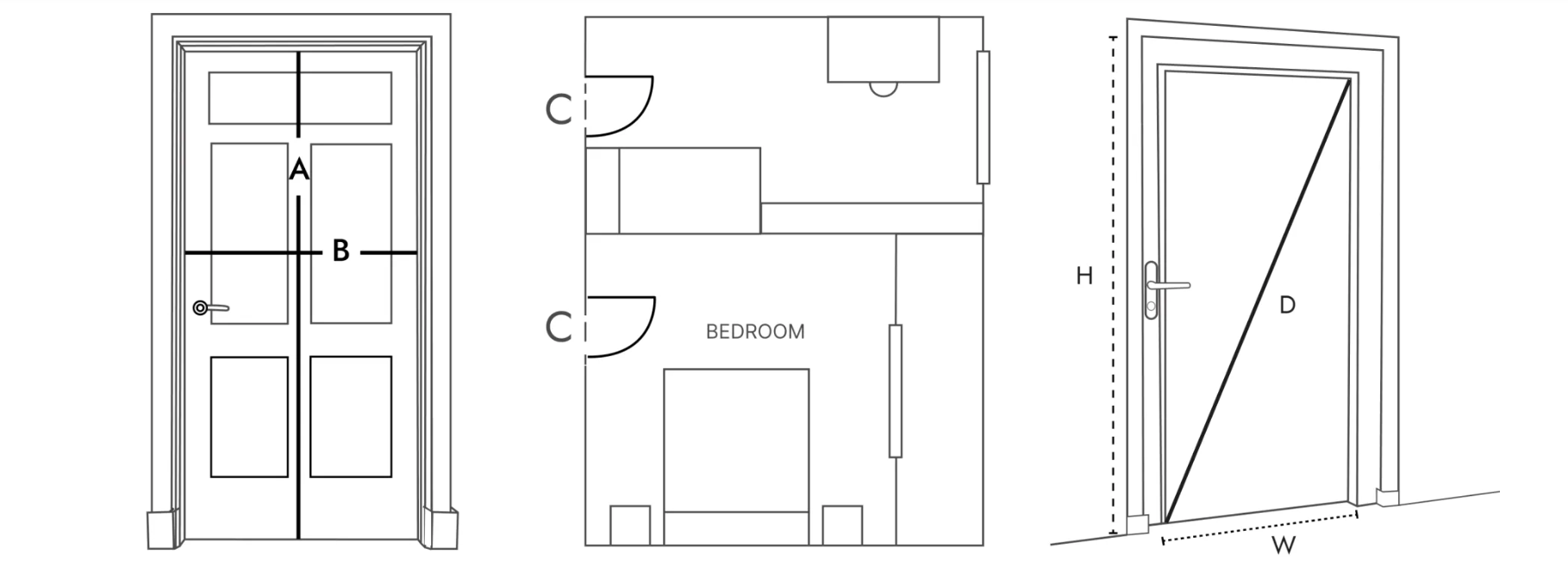
The first step in how to measure furniture for delivery begins inside the room itself. Designers start by understanding the scale of both the space and the furniture.
Every furniture piece includes three fundamental measurements:
-
Width (W)
-
Height (H)
-
Depth (D)
These dimensions determine how the piece will occupy the room and establish the baseline for furniture delivery clearance measurements.
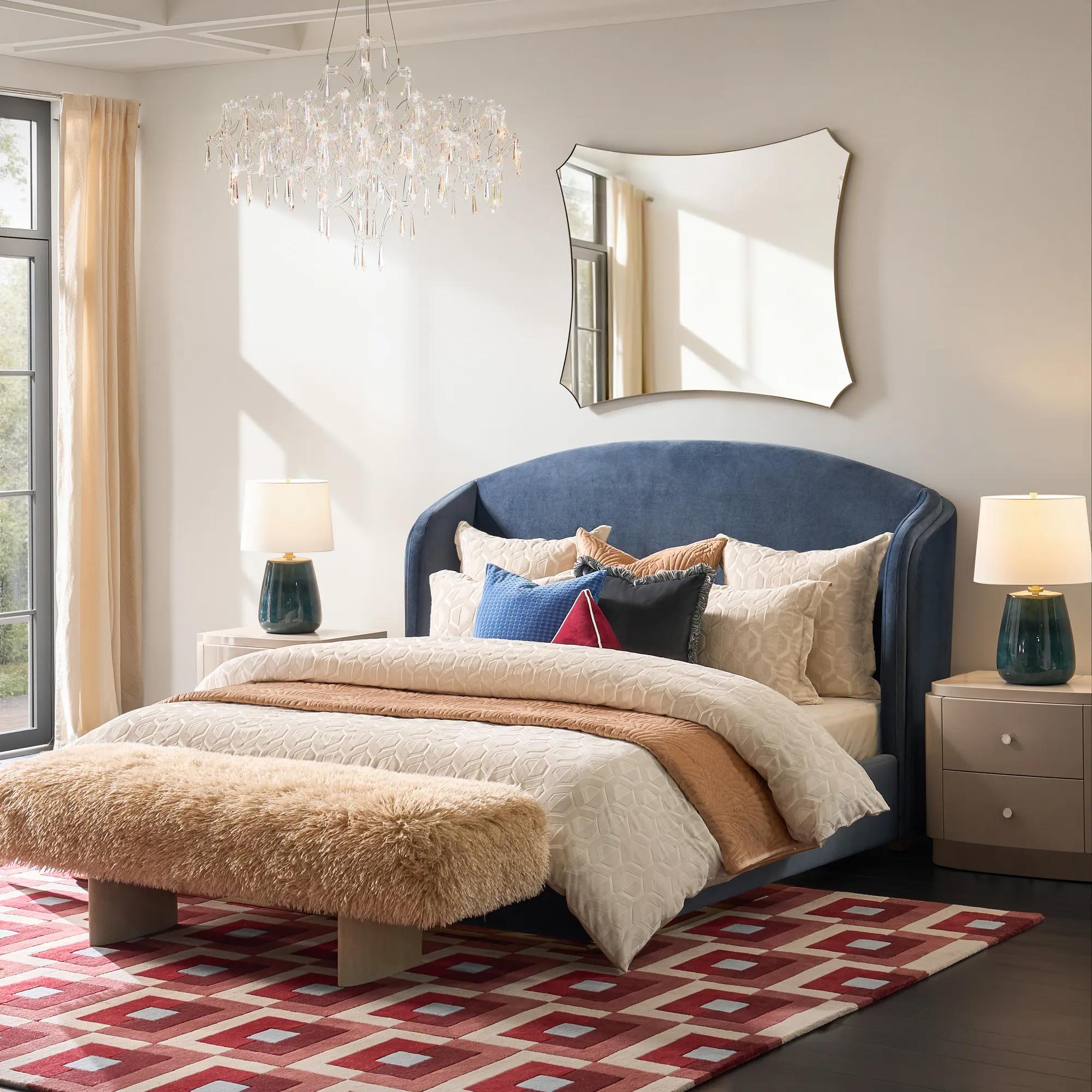
Begin by measuring the room where the furniture will be placed. Record the length and width of the space, noting any architectural features that influence layout. Fireplaces, windows, built in shelving, and wall openings can all affect placement.
Creating a simple floor plan is often helpful. Designers frequently sketch rooms to scale, mapping existing furniture and leaving room for circulation. This exercise clarifies proportion and confirms that the piece will feel balanced within the room.
Understanding how to measure a room for furniture placement allows you to evaluate both aesthetics and practicality before the delivery process begins.
Step 2: Measure Every Entry Point Along the Delivery Path
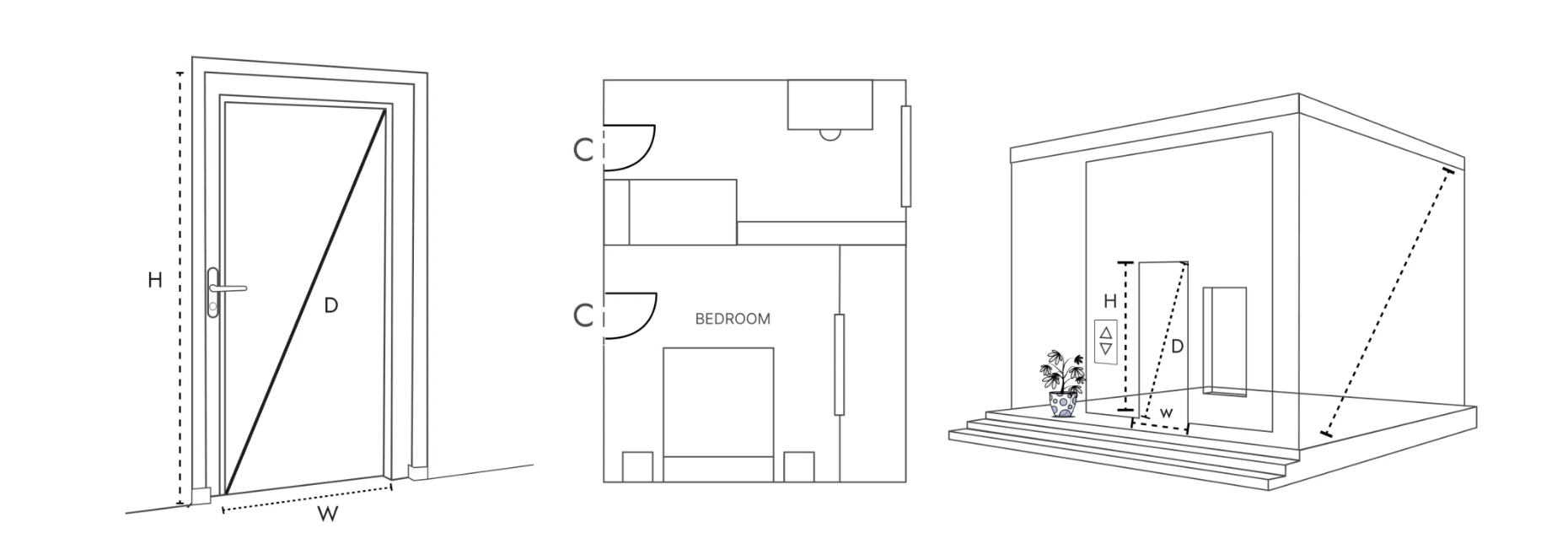
Once the room has been evaluated, the next step in how to measure furniture for delivery is measuring every opening along the route from the entrance to the final room.
Each entry point should include three measurements:
-
Height
-
Width
-
Diagonal clearance
These measurements apply to:
-
Exterior doors
-
Interior doors
-
Hallway openings
-
Stairwells
-
Elevator doors
This stage is often referred to as measuring doorways for furniture delivery.
It is also important to measure the clearance beyond each doorway. Some delivery challenges occur not at the doorway itself but immediately inside the room where furniture must rotate.
When measuring entryways, remember to account for elements that reduce usable space. Door frames, hinges, handles, and decorative moldings can narrow the available opening.
Carefully documenting these dimensions creates an accurate furniture delivery planning guide for the delivery team.
Step 3: Identify Architectural Obstacles
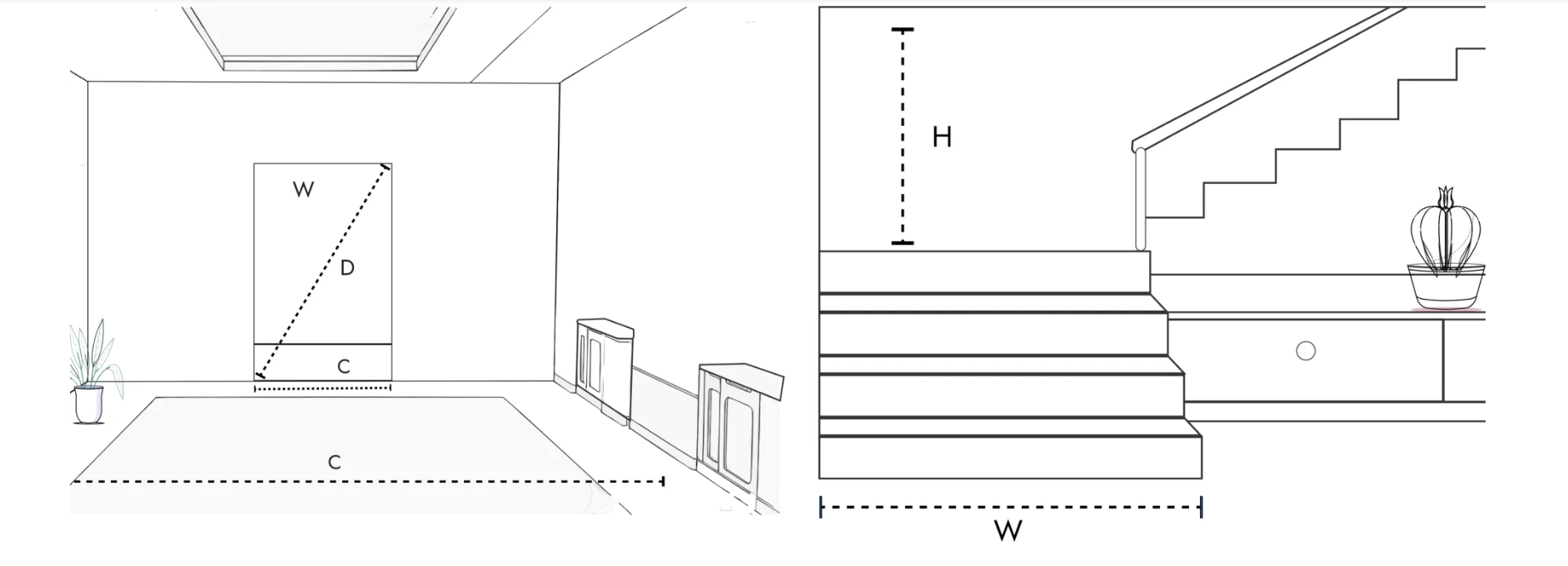
Architecture plays a significant role in determining whether furniture can move through a space. In addition to doorways and hallways, designers evaluate features that may interfere with maneuvering large pieces.
When completing a furniture delivery path measurement, take note of architectural details such as:
-
Light fixtures
-
Chandeliers
-
Ceiling beams
-
Moldings
-
Bulkheads
-
Stair railings
-
Interior walls
-
Tight turning radii
Low ceilings or narrow corners can prevent furniture from tilting or rotating during delivery. Even when a doorway appears large enough, the surrounding architecture may restrict movement.
Recognizing these obstacles in advance is a critical part of how to measure furniture clearance for delivery.
Step 4: How to Measure a Sofa for Delivery
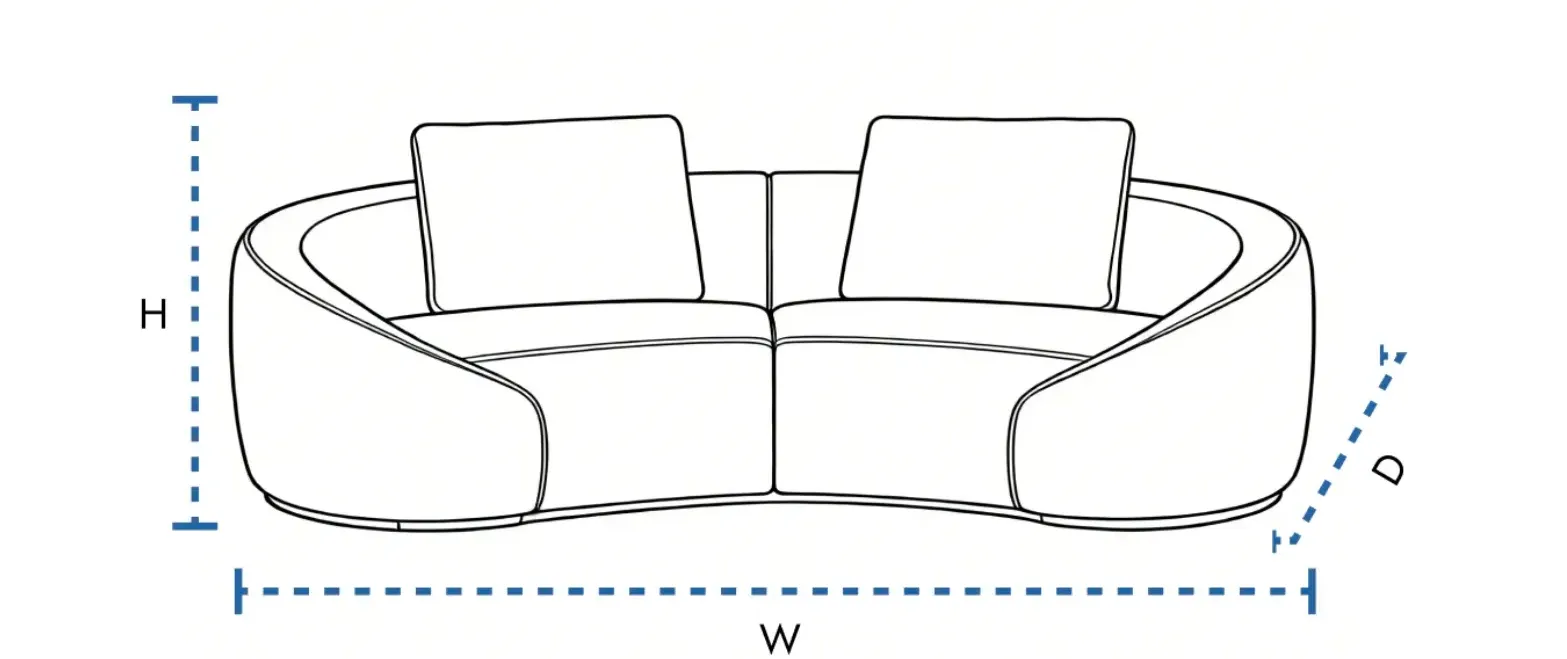
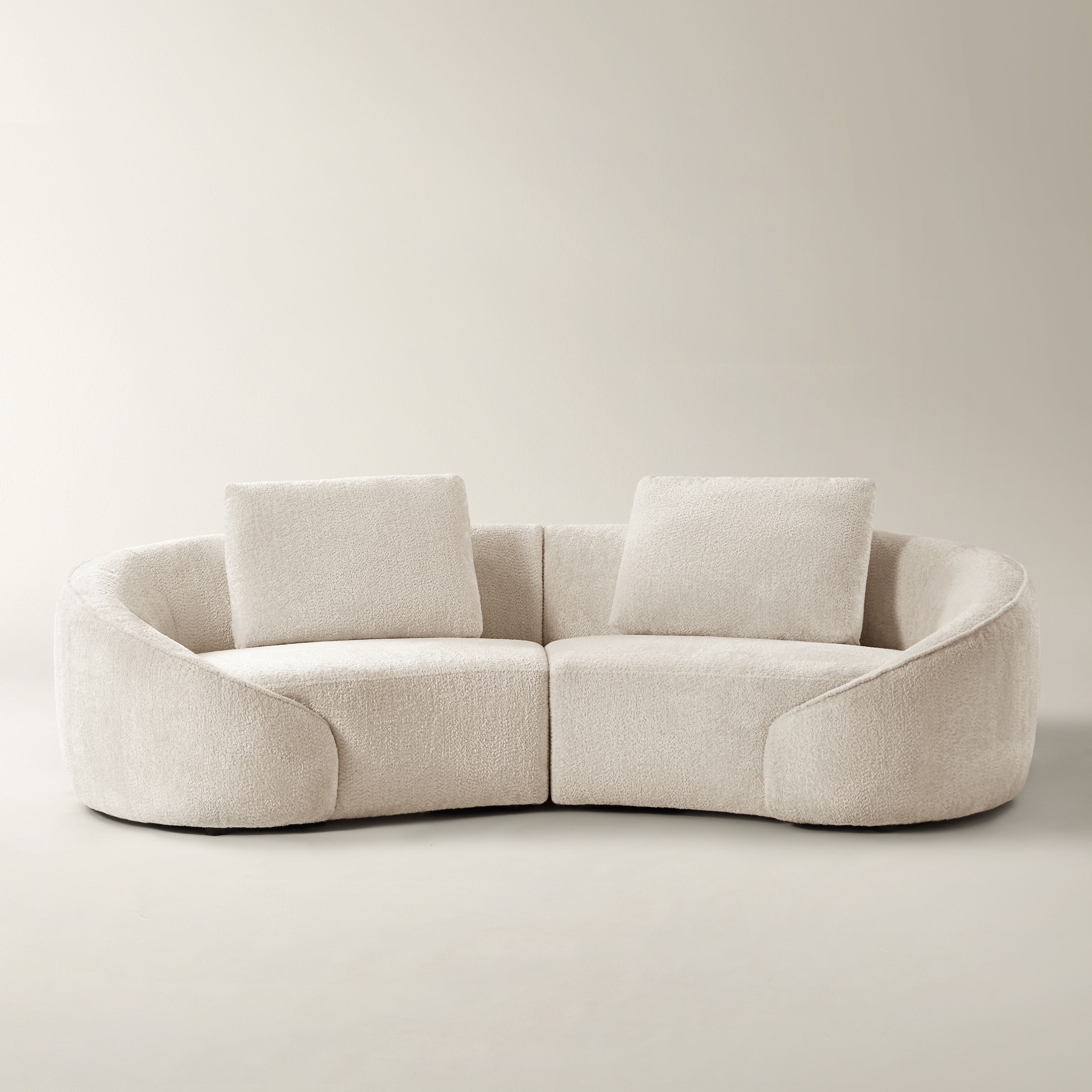
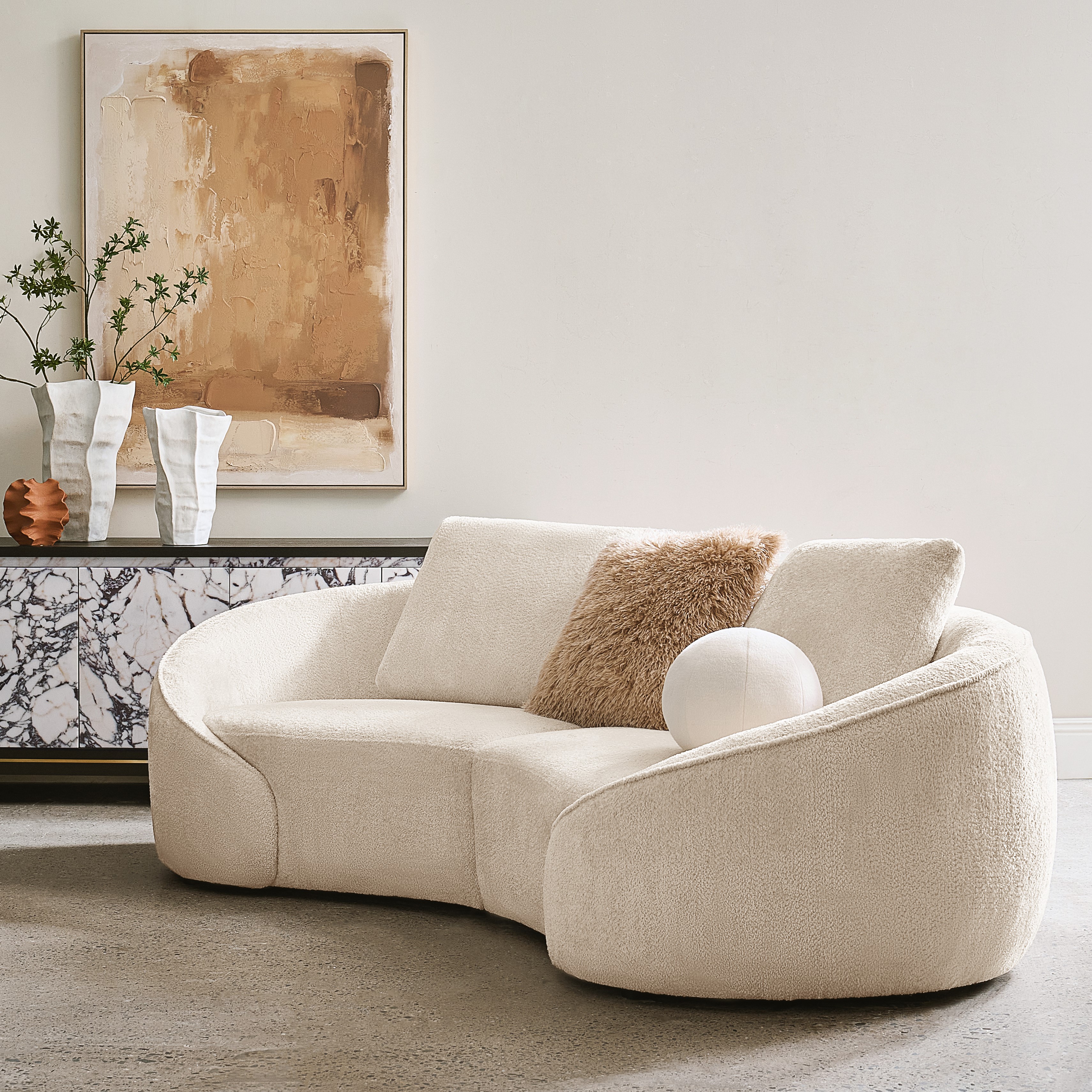
Large upholstered furniture requires a specific measurement that many homeowners overlook. When evaluating how to measure a sofa for delivery, the most important dimension is the diagonal depth.
Standard sofa measurements include:
-
Overall width
-
Overall depth
-
Overall height
However, delivery teams often need to tilt a sofa when passing through a doorway. This is where measuring diagonal depth sofa delivery becomes essential.
To measure diagonal depth:
Measure from the lower back corner of the sofa to the midpoint between the top of the back and the top of the arm.
This measurement determines whether the sofa can rotate through an entry point.
For a sofa to pass through a doorway safely:
-
The overall width must be less than the height of the entry point and the available clearance beyond the doorway.
-
The diagonal depth must be less than the width of the doorway.
These measurements determine whether the sofa can be carefully angled through the opening.
Understanding these relationships is a central part of how to make sure furniture fits through the door.
Step 5: Measuring Case Goods and Storage Furniture
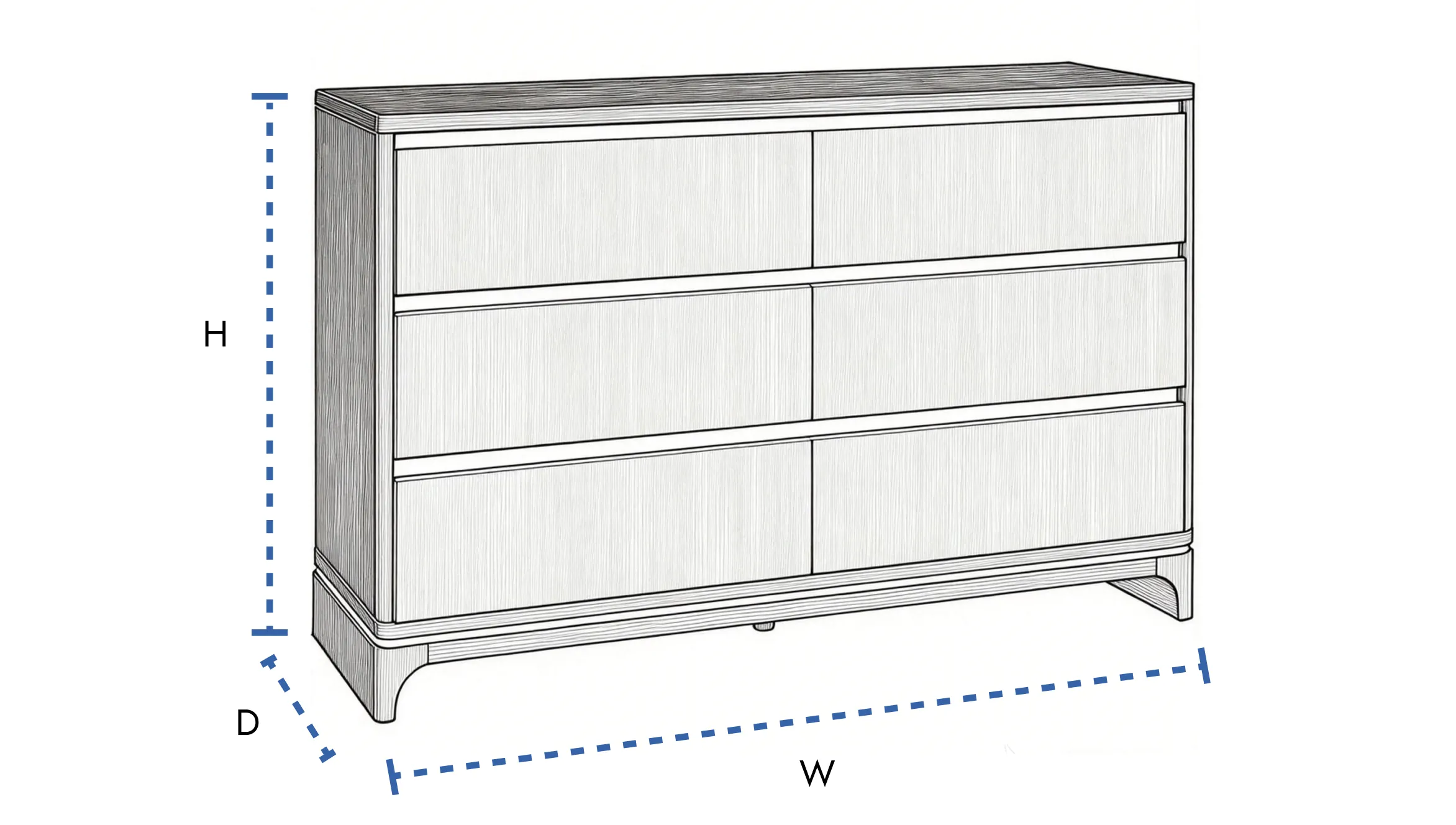
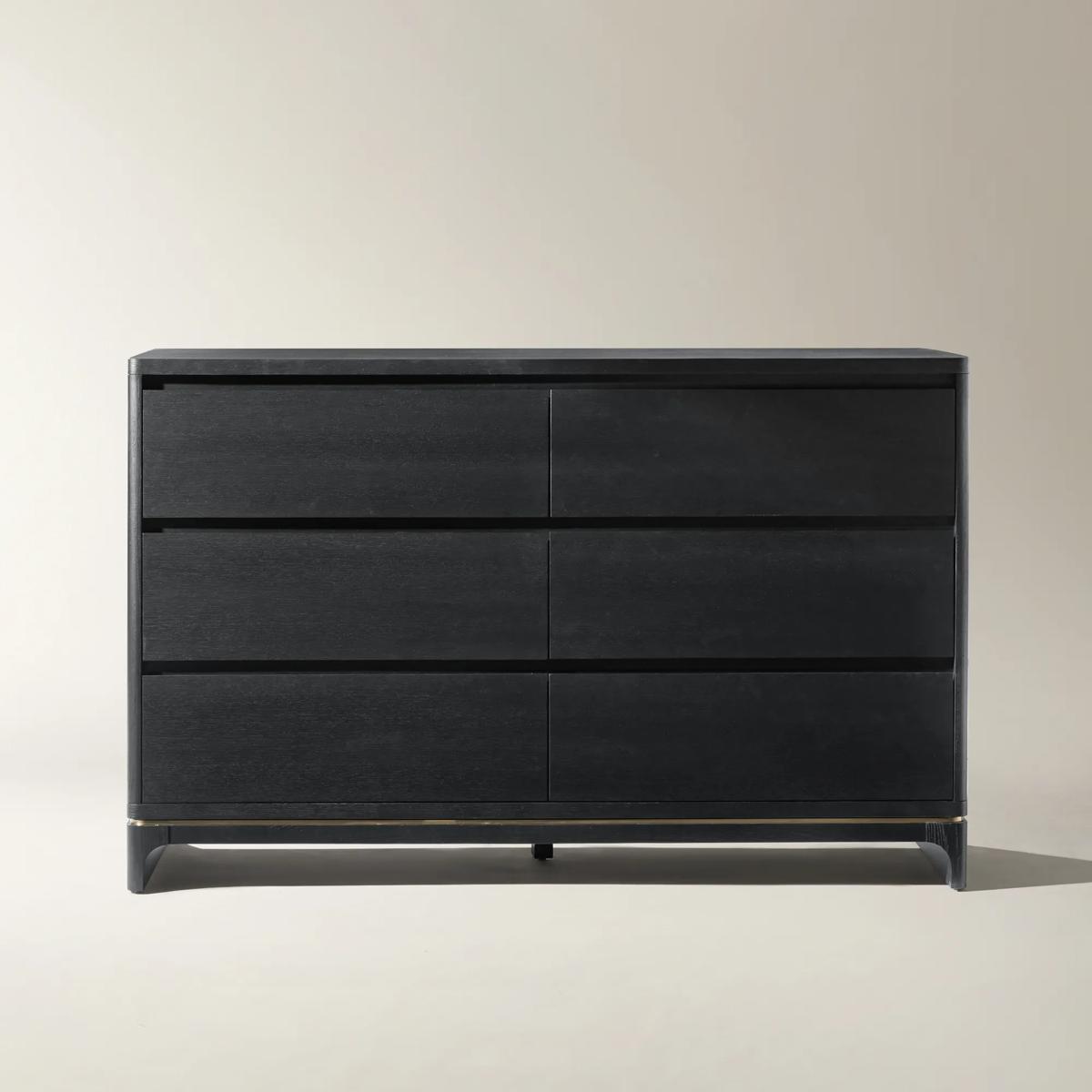
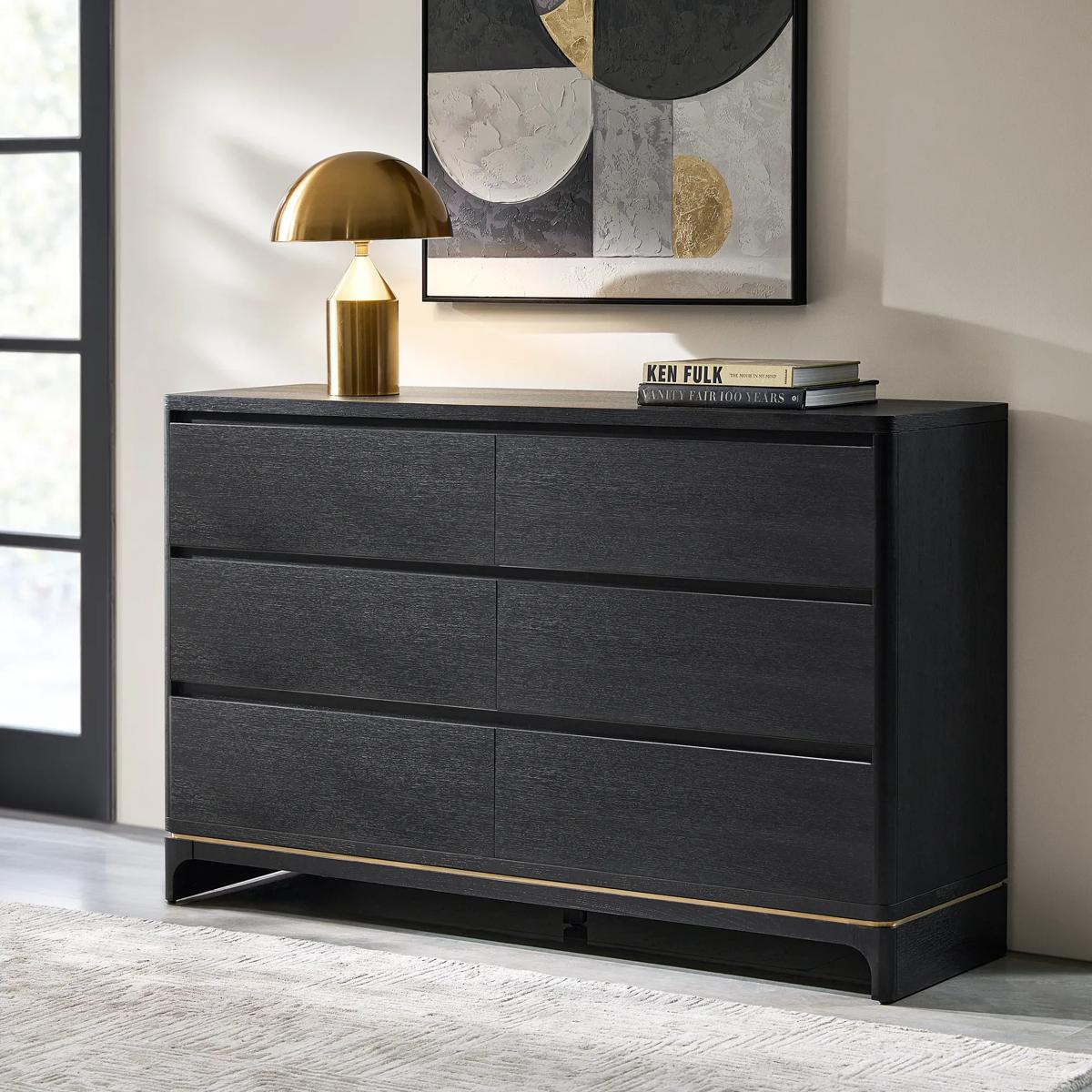
Case goods such as buffets, dressers, cabinets, and sideboards require a slightly different approach when evaluating how to measure furniture for delivery.
For these pieces, measure:
-
Overall height
-
Overall depth
-
Diagonal height
The diagonal height furniture delivery measurement runs from the bottom corner of the piece to the opposite top corner.
This measurement determines whether the furniture can be tilted while passing through a doorway.
For safe delivery clearance:
-
The diagonal height must be less than the height of the entry point and the clearance beyond the doorway.
-
The overall depth must be less than the width of the entry point.
These furniture delivery clearance measurements allow delivery teams to angle the piece carefully through the doorway.
Before purchasing storage furniture, it is also helpful to review drawer depth and shelf height to ensure the piece functions well within your space.
Preparing Your Home for Delivery Day
Once you understand how to measure furniture for delivery, preparing the home for arrival becomes simple.
Clear the delivery path in advance. Remove wall art, mirrors, or accessories located along hallways or staircases. Secure pets and ensure children remain away from the delivery area during installation.
Protecting flooring can also be helpful, particularly in homes with hardwood or delicate surfaces.
Professional delivery teams will evaluate the route upon arrival, but when homeowners have already completed the necessary measurements, the process becomes significantly smoother.
Measuring With Intention
Furniture transforms a room not only through form and material but through the way it inhabits space. Every piece must travel through the architecture of the home before it becomes part of the interior composition.
Learning how to measure furniture for delivery ensures that this transition happens with precision and ease. Doorways become part of the spatial plan. Hallways and staircases become extensions of the design process.
When measurements are taken carefully and the delivery path is considered in advance, furniture arrives exactly as envisioned.
Measure thoughtfully. Plan the path. Allow each piece to enter the home as seamlessly as it will live within it.