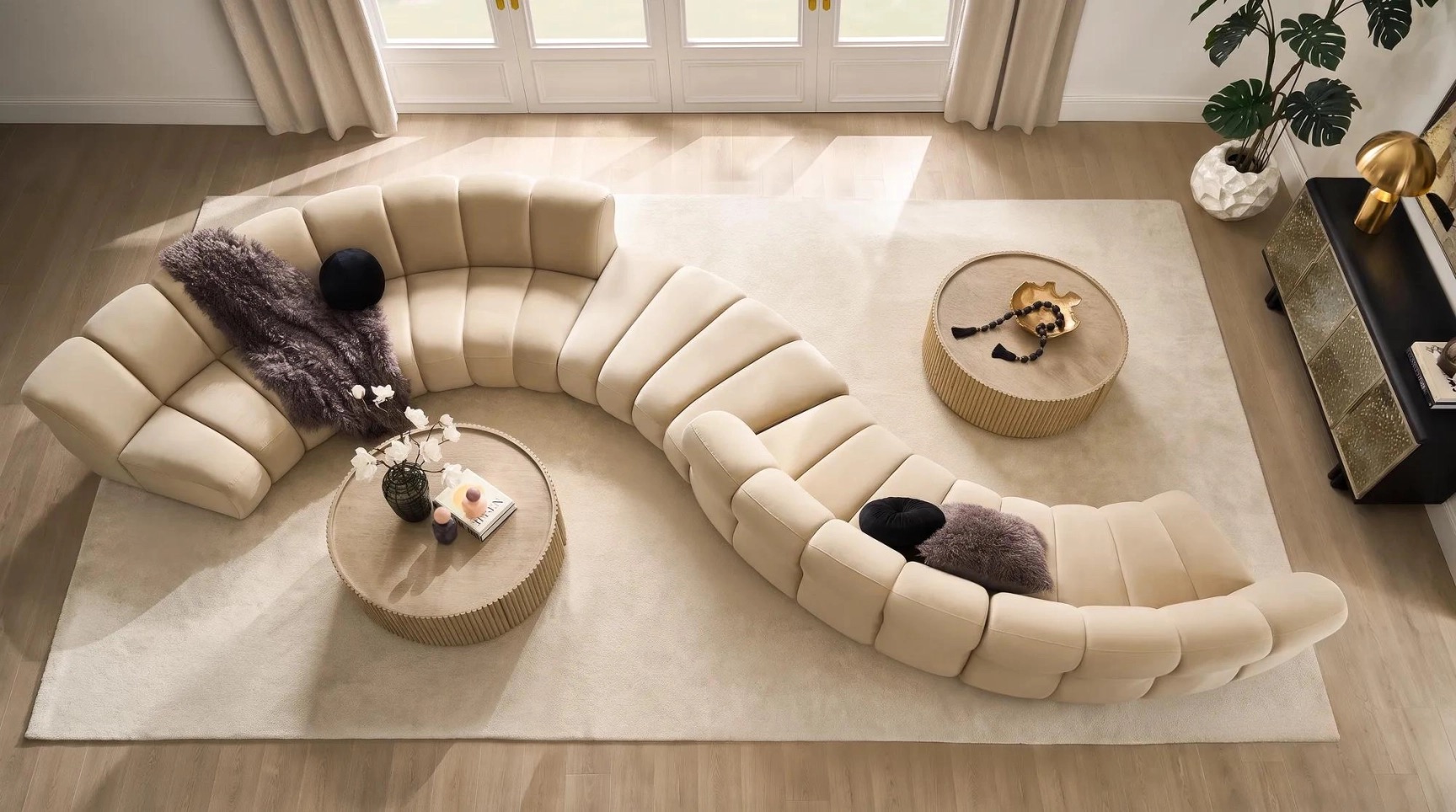
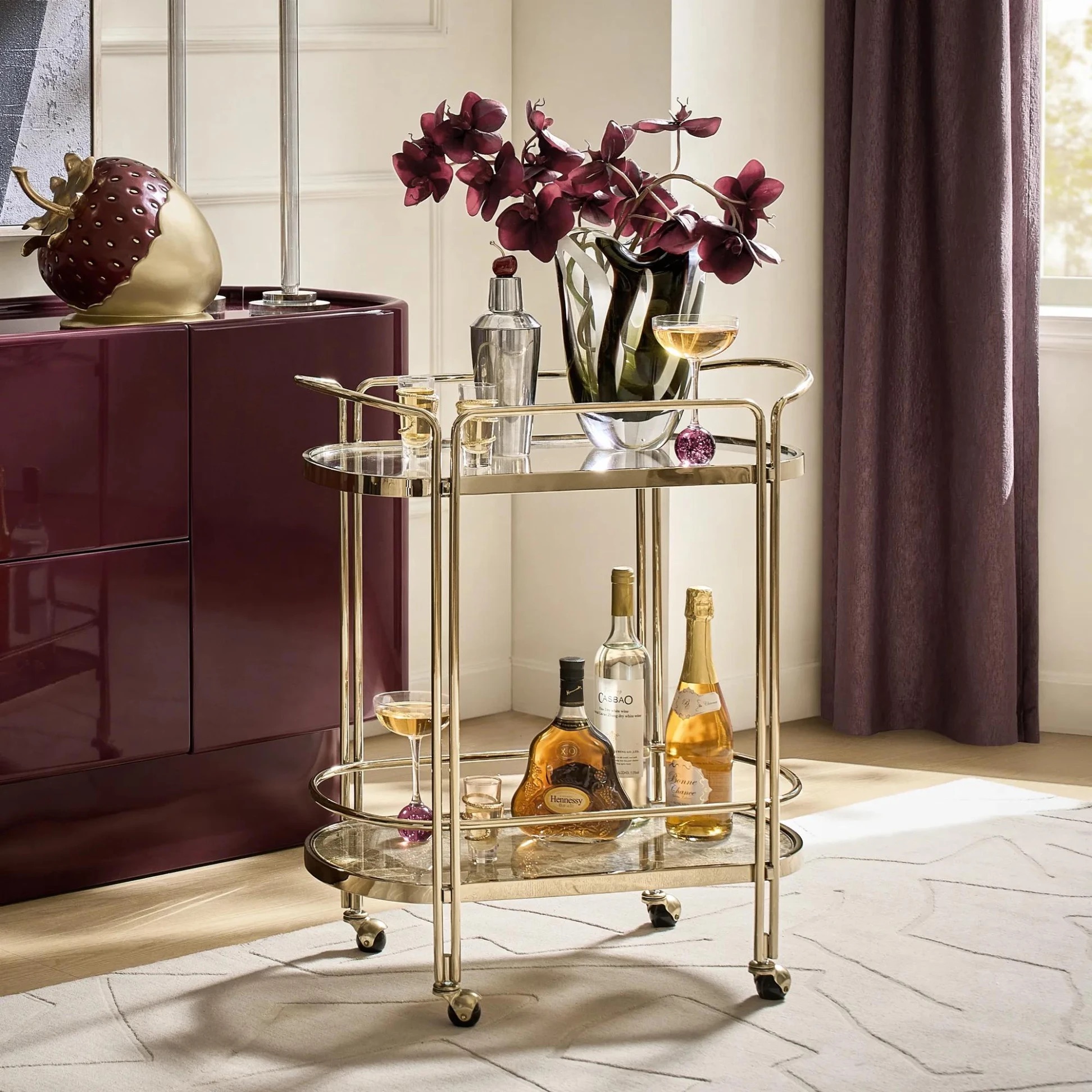
In the most memorable rooms, metals don’t match—they converse. Warm and cool finishes meet, gloss answers to grain, and a hint of noir keeps everything poised. If you’ve wondered how to mix metals in home decor without chaos, this guide is your confident starting point.
You’ll learn the designer logic behind temperature (warm vs. cool), texture (polished vs. brushed), and balance (where each finish appears in a room). We’ll translate principles into room-by-room moves and offer subtle ways to test the look with small pieces before committing to big ones.
The result? A space that feels curated over time—not bought all at once.
Key Takeaways
-
Choose a lead metal, then layer accents. A quiet 70/30 balance (dominant to supporting finishes) keeps the mix cohesive.
-
Contrast temperature and texture. Warm brass/gold glows; cool chrome/nickel clarifies. Pair polished with brushed or matte for depth.
-
Balance by sightline, not symmetry. Repeat each finish at different heights—ceiling, eye level, and floor—so the eye reads the room calmly.
-
Edit the shine. Mirrors and glass amplify metals; not every surface needs to glow.
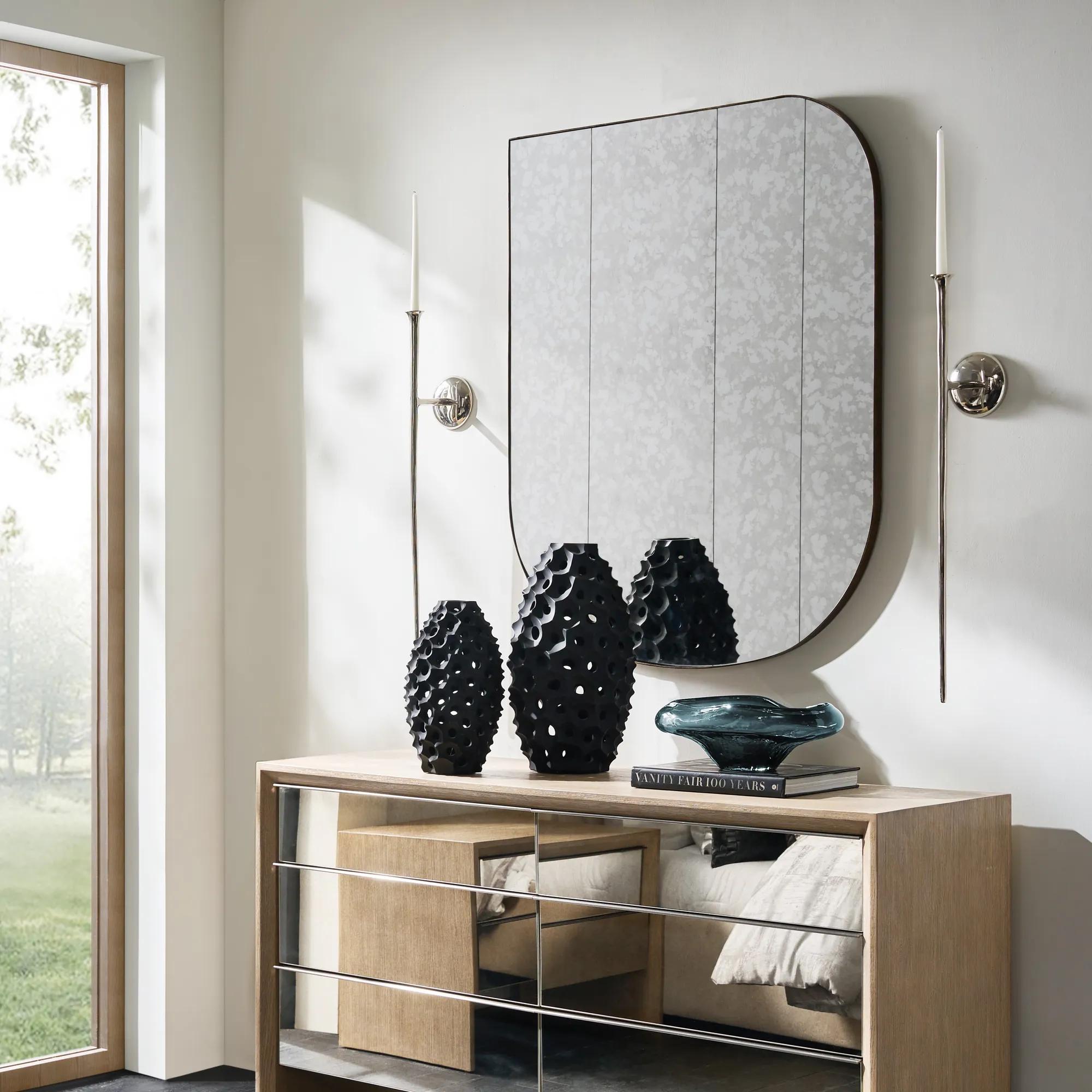
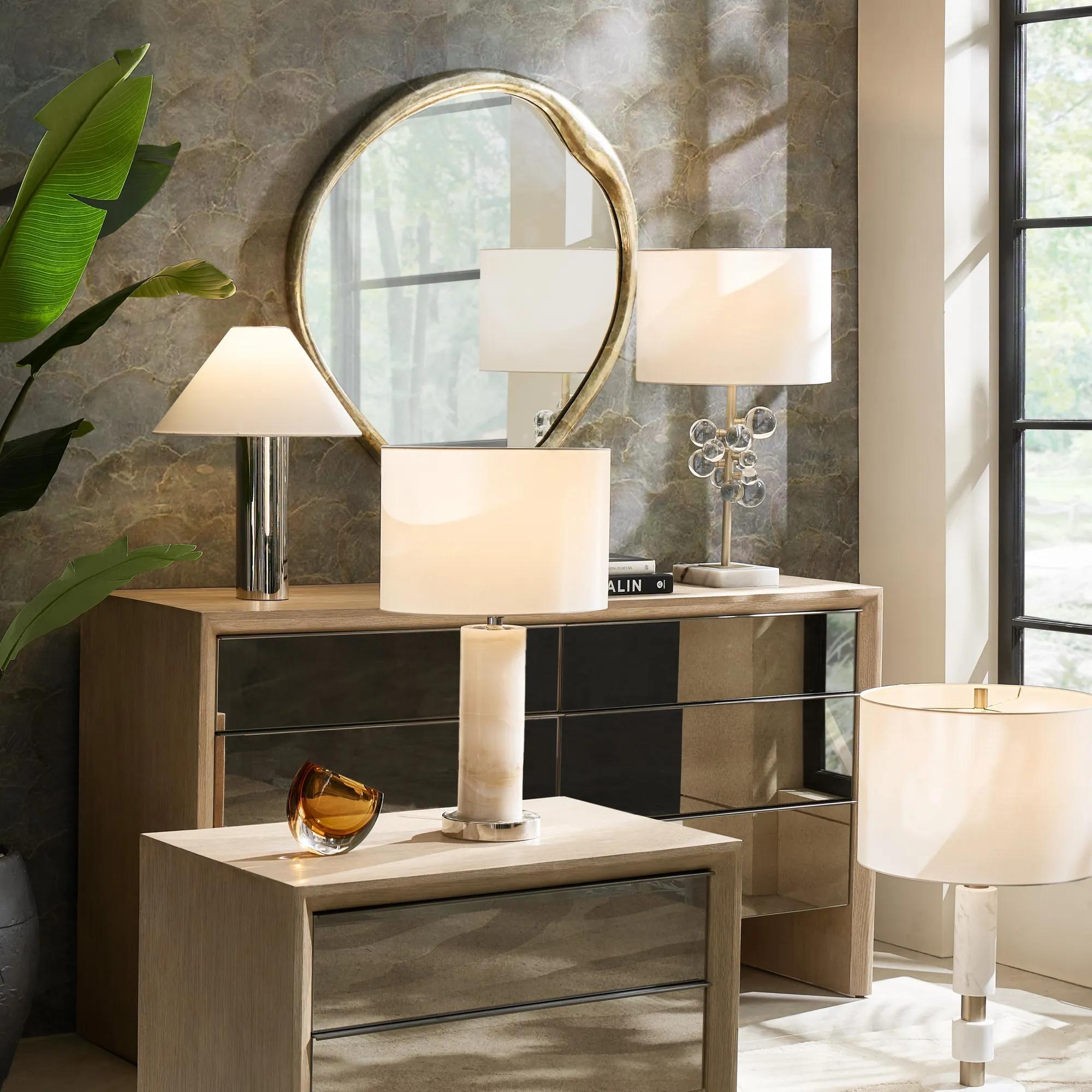
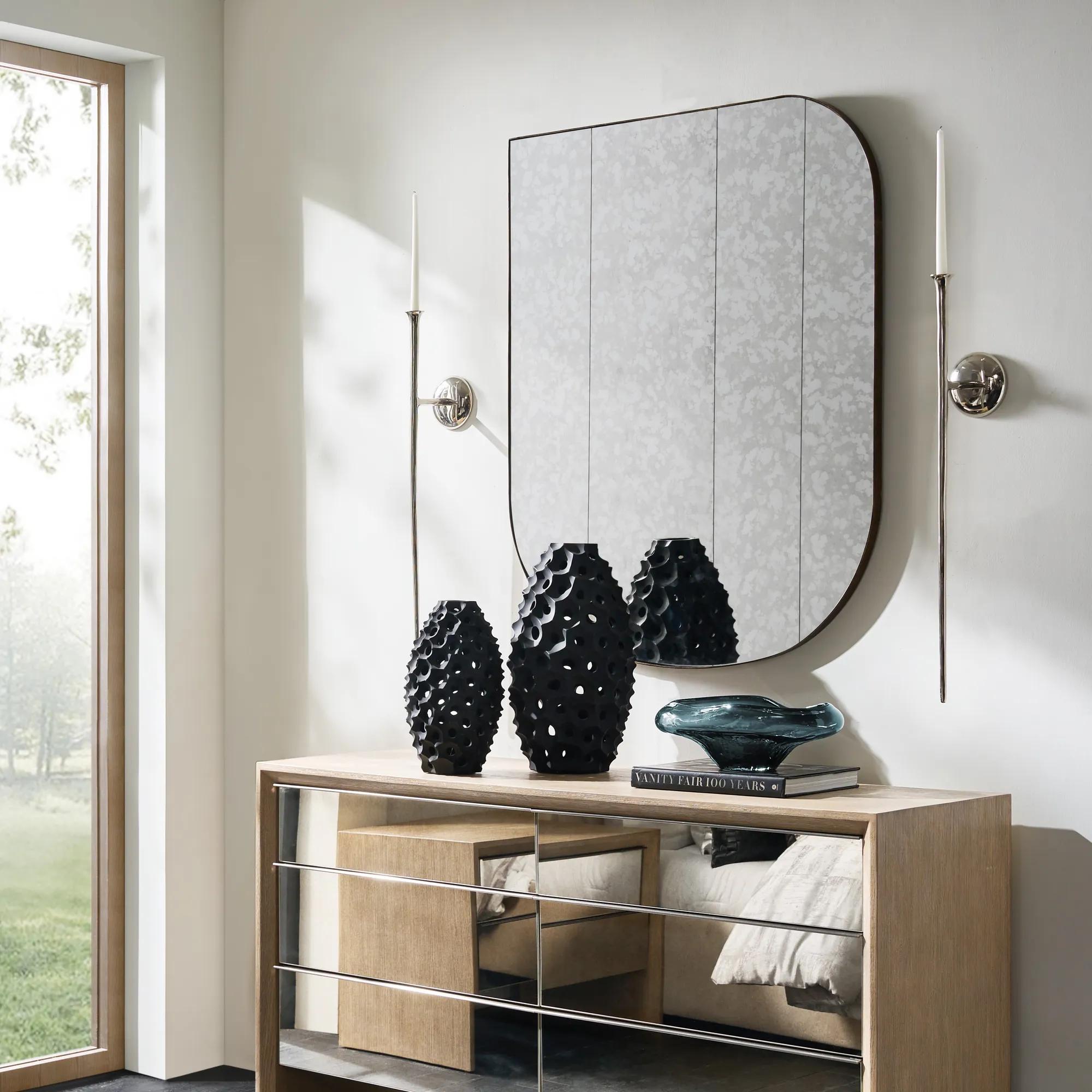
Aspar Wall Sconce flanks a cool-edged mirror while mirrored lines and matte black ceramics ground the glow—mixed metals, composed not matched.
Explore mixed-metal-friendly categories: lighting, mirrors, decor, and modern coffee tables & side tables.
Why Mixed Metals Work (and Why Your Room Will Love Them)
A single finish everywhere can look flat. Mixing metals introduces rhythm: warm tones like brass and gold cast a soft glow, while cool tones—chrome and polished nickel—sharpen edges and add architectural clarity. Matte black or blackened steel acts like punctuation, grounding the palette so it never tips into glare.
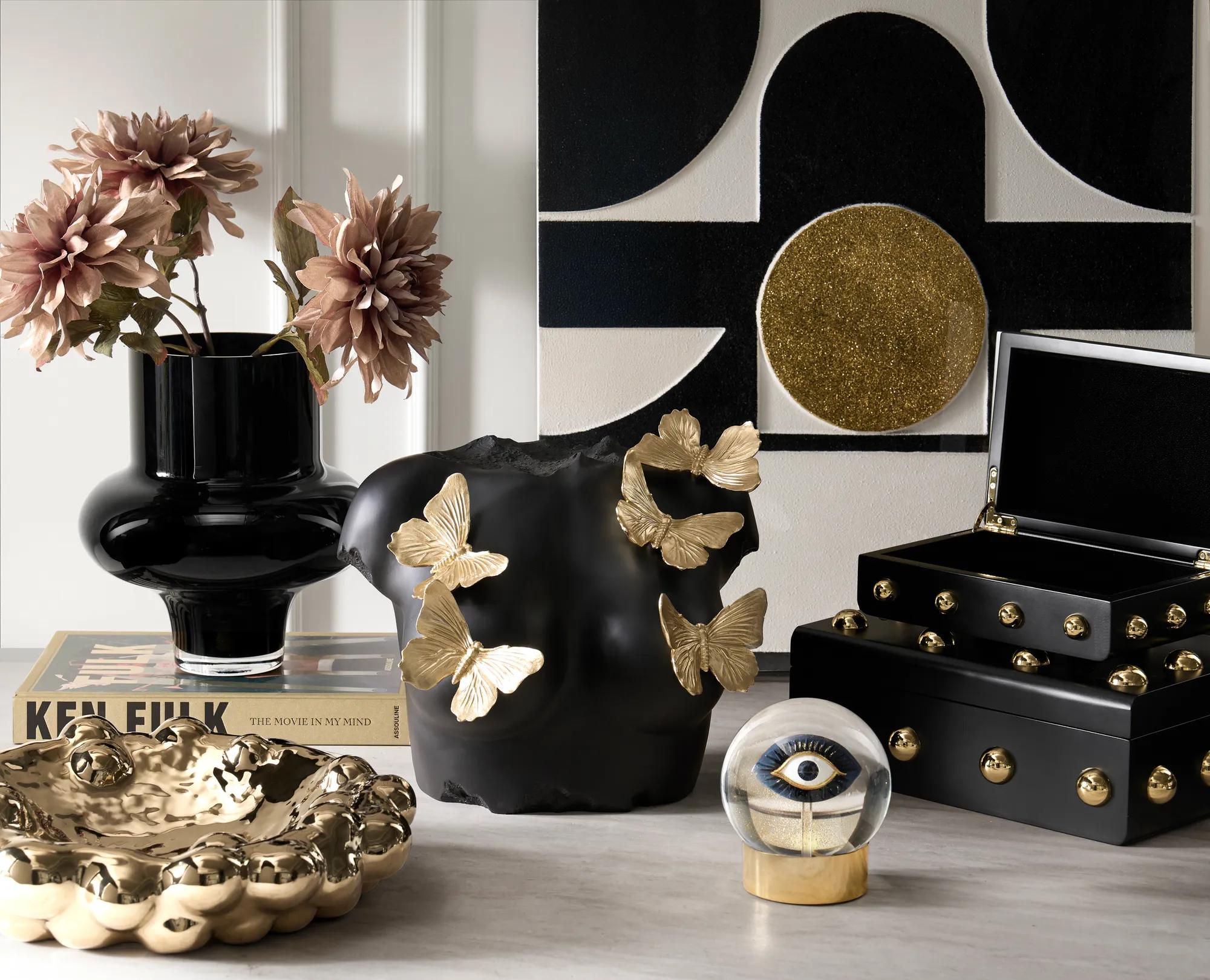
Expert tip: Think outfits, not “sets.” Your dominant metal is the blazer; your accents are the jewelry.
Start with a Lead, Then Let the Room Answer Back
When you’re deciding how to mix metals in home decor, begin by choosing a lead finish that sets the room’s temperature and lets every other metal respond in harmony.
Pick one finish to headline your largest visual moment: a ceiling fixture, statement mirror, or sculptural table base. That’s your anchor. Then let a second finish “answer” on the walls (sconces), shelves (vases, frames), or furniture details (legs, pulls). Repeat each finish at least three times across different heights for balance that feels natural, not staged.
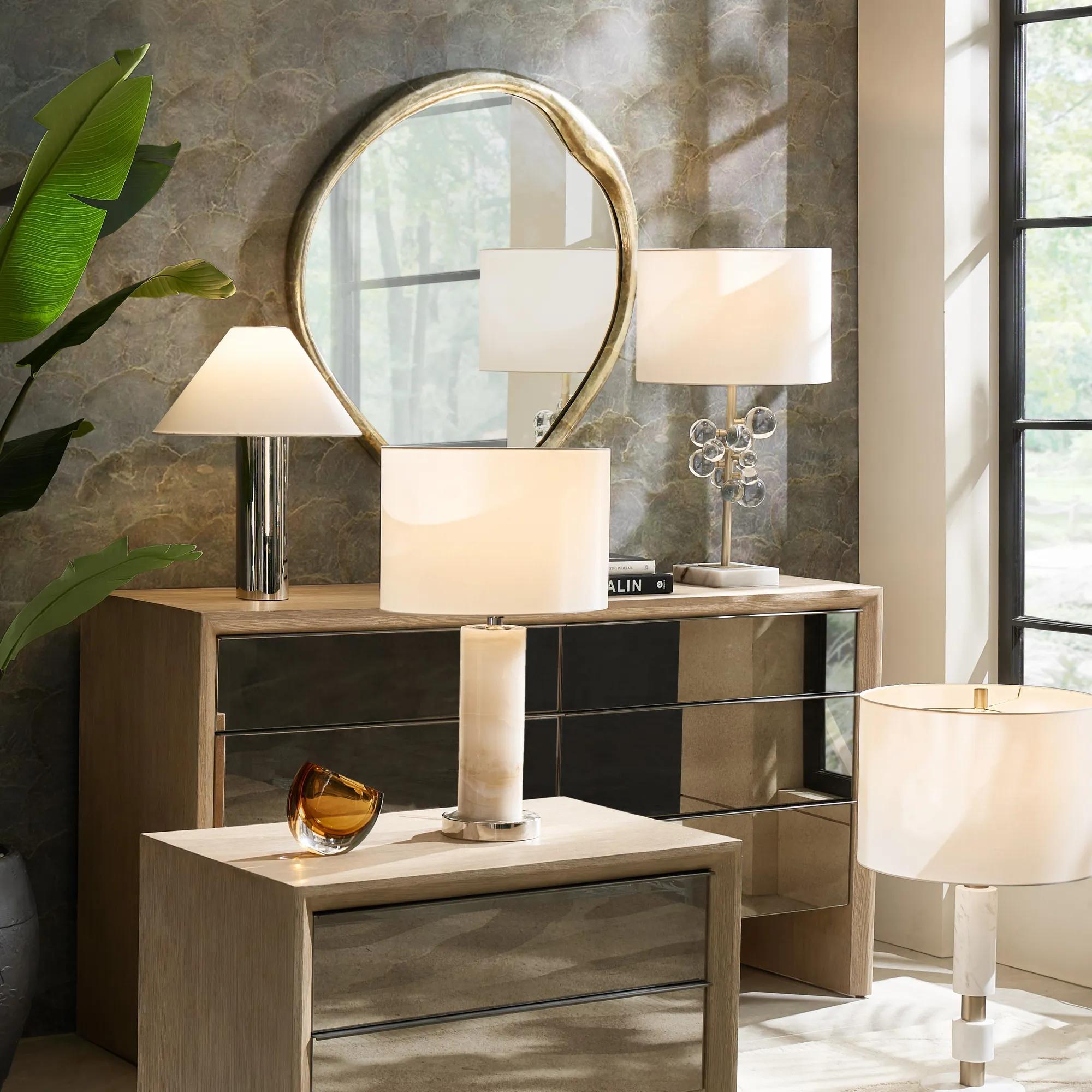
Quietly iconic anchors to consider:
-
A cool, sculptural mirror such as Organa Wall Mirror to introduce crisp clarity.
-
A warm, hand-worked frame like Cara Wall Mirror for a candlelit edge.
-
A polished-meets-stone silhouette like Flare Coffee Table (marble top, metal base) to bridge temperatures gracefully.
-
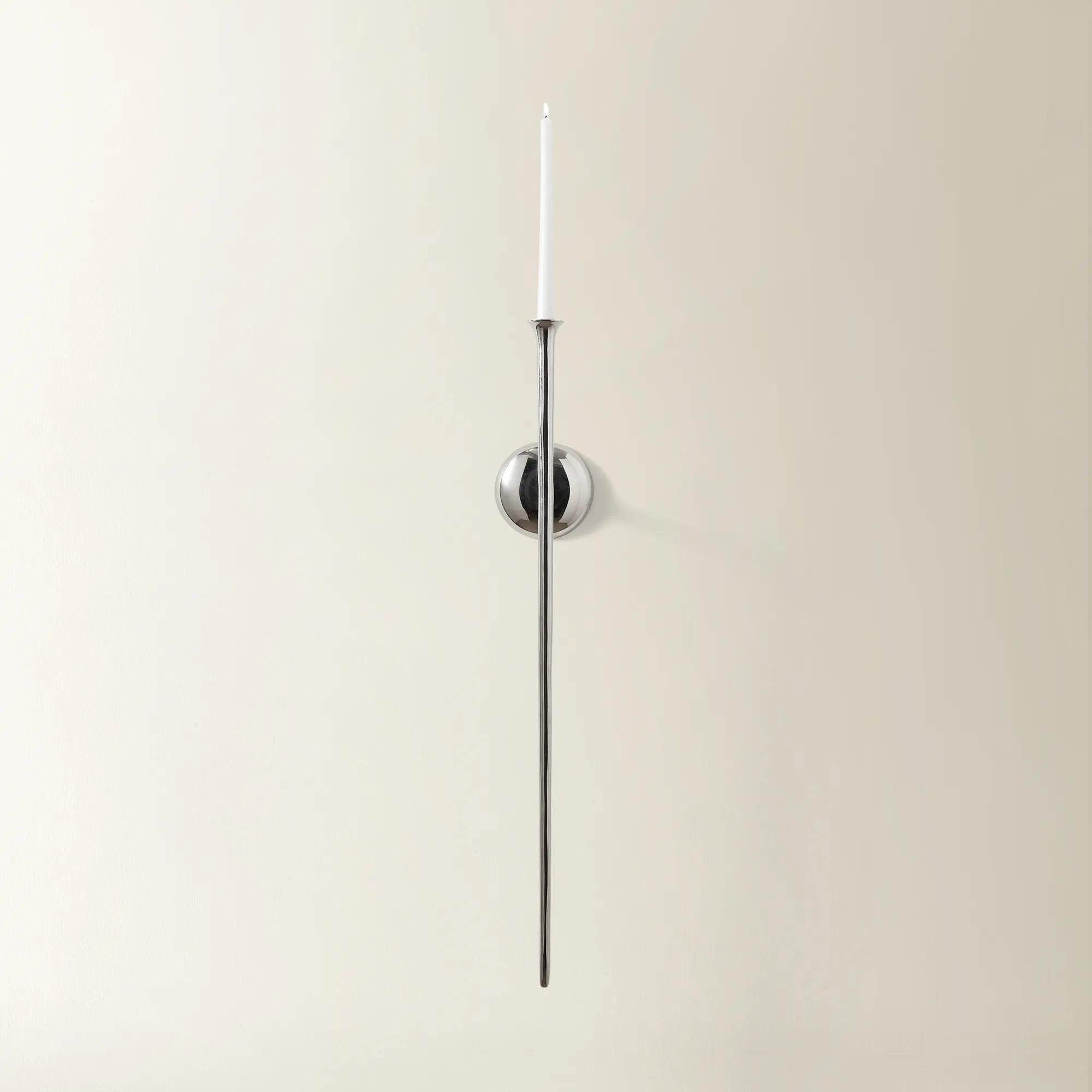
Architectural “jewelry” on the wall with Aspar Wall Sconce (Gold, Silver, Black) to repeat or counterpoint your lead.
Temperature & Texture: Your Secret Design Tools
Warm vs. Cool (and the Neutral That Grounds Them)
-
Warm: brass, gold, bronze, copper → romance, glow
-
Cool: chrome, polished nickel, stainless → clarity, structure
-
Neutral/dark: matte black, blackened steel → graphic grounding
Polished vs. Brushed
-
Polished behaves like water: reflective and lively.
-
Brushed/antiqued feels time-softened and tactile.
-
Matte/blackened rests the eye and keeps shine in check.
Did you know? Mirrors aren’t metal, but they behave like it—bouncing luminance and tying disparate tones together.
How to Mix Metals in Home Decor (Room by Room)
Living Room: Let the Materials Do the Talking
Lead with a sculptural mirror at eye level. If it’s cool-toned (e.g., Organa), answer with a warm wall glow (e.g., Aspar in Gold). Anchor the floor with a table that carries both temperatures—Flare in marble and polished metal is an elegant bridge. Add a small dark note (matte black or iron) in a lamp stem or side-table base to steady the palette.
-
Try a reflective tray to collect smaller metallic objects.
-
Repeat warm and cool finishes in at least three places each.
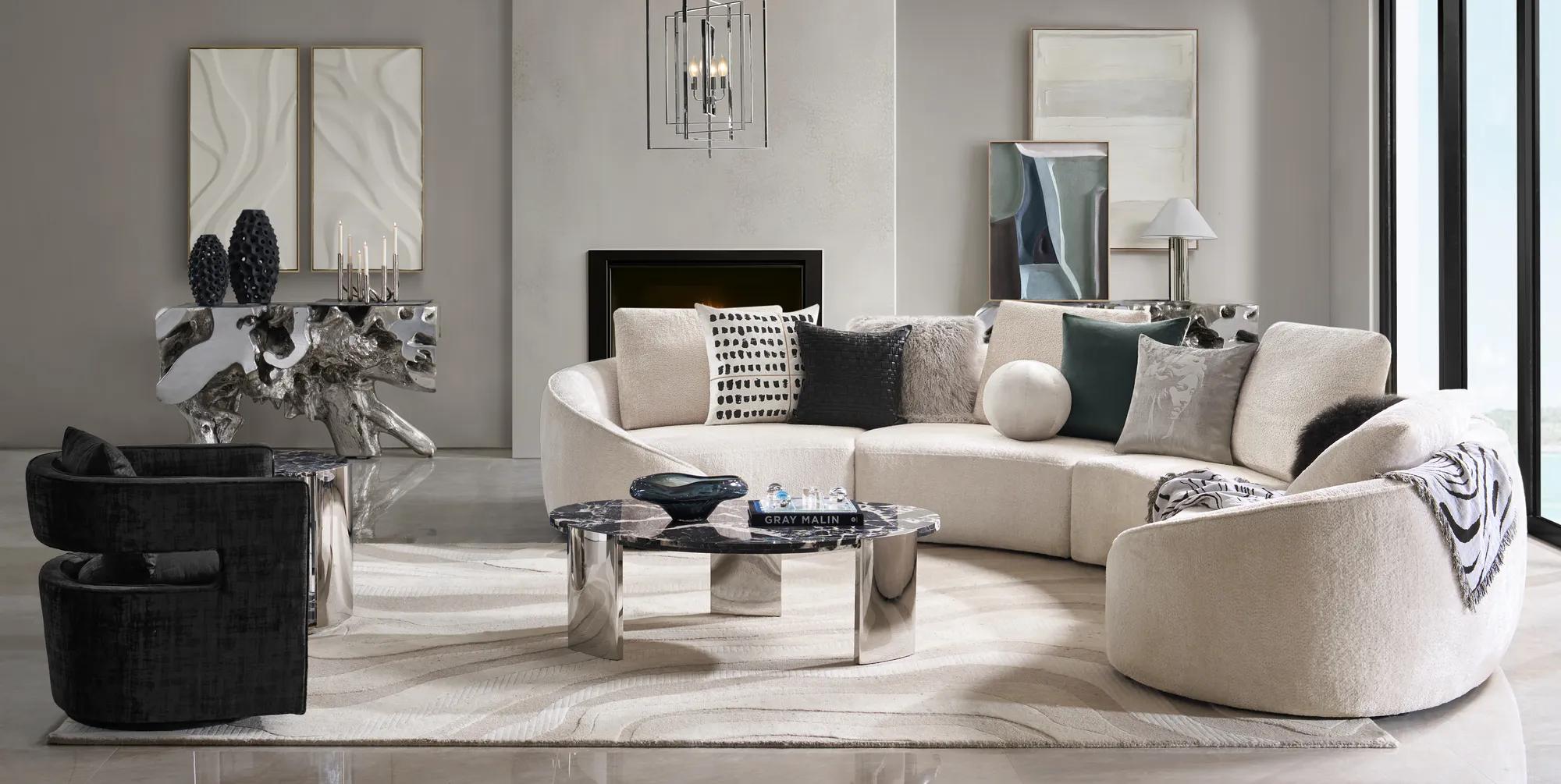
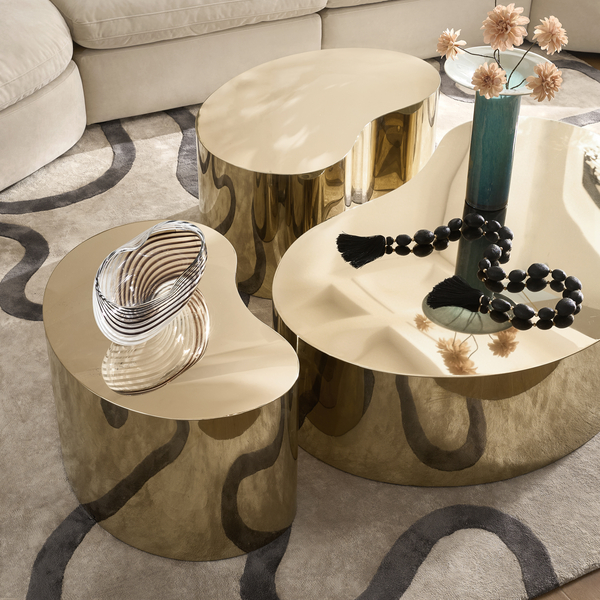
Black marble & polished stainless on the Flare Coffee Table set a cool cadence, while curved seating and plush textiles tune the room to a quietly collected rhythm.
Dining Room: Candlelight Loves Contrast
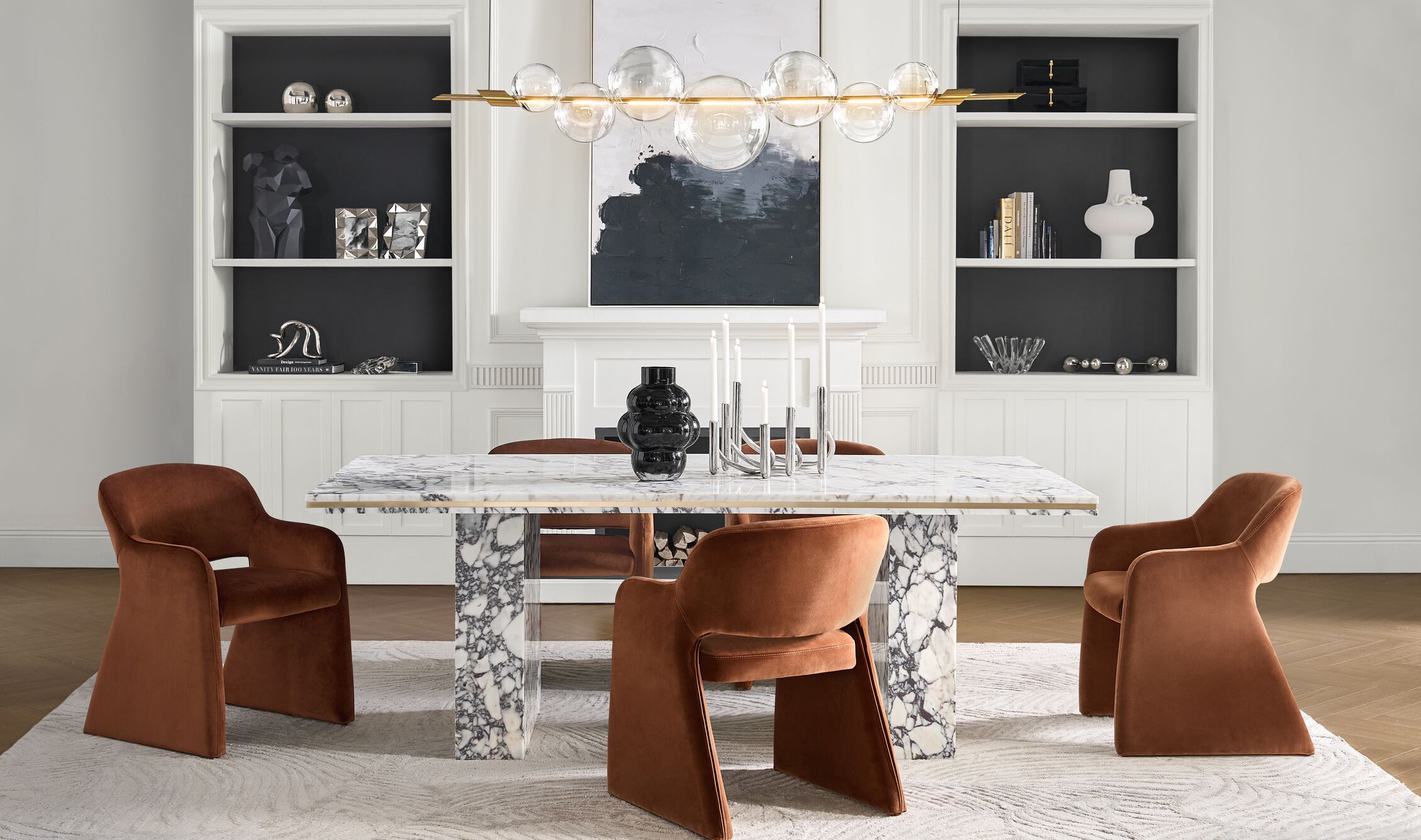
Let a warm chandelier set the ceiling note. On the table, mix cool-rimmed glass with brushed warm accents (chargers, napkin rings). Across the room, echo the cool tone with a metallic-edged mirror above a sideboard; it multiplies candlelight and keeps the glow from feeling heavy.
-
Consider a sleek rail or bar cart with a complementary metal to repeat the finish at floor height.
-
Keep tabletop metals varied in finish (polished and brushed) for depth.
Kitchen: Function Meets Finish
If your appliances are stainless (cool), warm the space with brass or bronze pendants and hardware. Or flip it: keep the faucet warm and the pulls cool. The key is repeating each finish across the room’s verticals so nothing reads as a random outlier.
-
Test with a small metallic bowl or tray first; scale up once the balance feels right.
Bathroom: Jewelry for a Small Space
Because baths are compact, every metal reads louder. Pair a cool faucet with a warm-framed mirror, or vice versa. Add a blackened hook or shelf bracket to ground the mix. A petite sculptural piece—like a metallic vase—can echo your secondary finish without clutter.
-
Keep finishes consistent within each micro-zone (vanity, shower, shelving) and let the whole room carry the mix.
Bedroom: Soft Glow, Gentle Contrast
Aim for hush, not glare. A warm bedside glow, a cool frame above the dresser, and a mirrored or metal-accented chest creates a composed rhythm. Finish with a single polished object to catch the lamp’s halo.
-
A disc-like metallic vessel such as Lamberton Vase delivers a small but elegant “echo” of your secondary finish.
.jpeg?w=3360&h=1890)
Styling Principles That Keep It Editorial (Not Matchy)
-
Compose, don’t collect. Start with one decisive sculptural gesture—mirror or table—then let smaller metals answer.
-
Distribute, don’t clump. Avoid “islands” of one finish; place each tone in at least three zones across the room.
-
Edit the shine. Choose one or two true gloss moments (mirror, polished base). Let the rest be brushed or matte.
-
Let black be your comma. A small blackened element rests the eye and refines the mix.
Expert tip: If everything shines, nothing speaks. The most luxurious rooms are edited.
The Edit: Start Small, Style Smart
Start small, learn your preferences, then scale up with assurance.
-
One anchor:
A sculptural mirror—Organa (cool) or Cara (warm)—instantly sets temperature and tone. -
One bridge:
A mixed-material table—Flare Coffee Table—brings gloss and grain together in one form. -
One echo:
Architectural wall jewelry—Aspar Wall Sconce—repeats or counterpoints your lead. -
One punctuation mark:
A metallic vase (e.g., Lamberton) adds a precise glint where you need it most.
Frequently Asked Questions
Can you mix gold and silver in the same room?
Yes—and the tension is the point. Add a grounding element—matte black, iron, or dark stone—to bridge temperatures.
How many metal finishes should I use?
Two, sometimes three. Let one lead (about 70% presence) and keep the others as accents for harmony.
Do fixtures and hardware need to match?
No. Cohesion comes from silhouette and style more than identical finishes. Repeating each finish across different heights matters more than matching everything.
How do I keep mixed metals from feeling busy?
Vary texture (polished vs. brushed) and edit shine. Use mirrors strategically to amplify light and unify tones without adding another finish.
What’s the easiest place to start?
Make one sculptural move—mirror or table—then echo a secondary finish twice with a sconce and a small metallic object. Adjust from there.
Confidence Looks Good on a Room
Learning how to mix metals in home decor is less about rules and more about rhythm—temperature, texture, and light finding their balance. Lead with a confident gesture, let the room answer back, and edit until the glow feels effortless. That’s modern glam with a collected soul.
Take your next step:
Browse a few hero categories and let one piece start the conversation:
Mirrors · Lighting · Decor · Coffee &. Side Tables.
.jpeg?w=1080&h=1080)
.png?w=2000&h=2000)
.jpeg?w=4217&h=4217)