A living room can be beautifully furnished and still feel unfinished. The sofa may be right. The rug may be right. The coffee table may be right. But without one piece that adds shape, contrast, and personality, the room can feel more assembled than designed.
That is where the statement accent chair comes in.
More than extra seating, a great accent chair gives a living room its point of view. It can soften clean lines, introduce rich texture, bring in color, or create a sculptural moment that makes the entire space feel more intentional. The right chair does not simply fill a corner. It changes the rhythm of the room.
In This Story
- How one sculptural chair can take a living room from furnished to finished
- Why curves, texture, and color make seating feel more intentional
- The case for mixing, not matching, accent chairs with sofas
- Where a statement chair creates the most visual impact
- The finishing details that make an accent chair feel designer
What Makes an Accent Chair Feel Like a Designer Choice?
A designer-looking accent chair usually has one clear point of distinction. It might be a curved silhouette, a plush velvet finish, a bouclé texture, a dramatic color, or an architectural frame. The key is intention.
A chair does not need to be oversized or ornate to make a statement. Sometimes the most impactful choice is a soft ivory chair with a rounded back. Sometimes it is a jewel-toned velvet piece that adds depth to a neutral room. Sometimes it is a sculptural form that feels almost like functional art.
The best statement accent chairs do two things at once: they stand out, and they make the rest of the room look better.

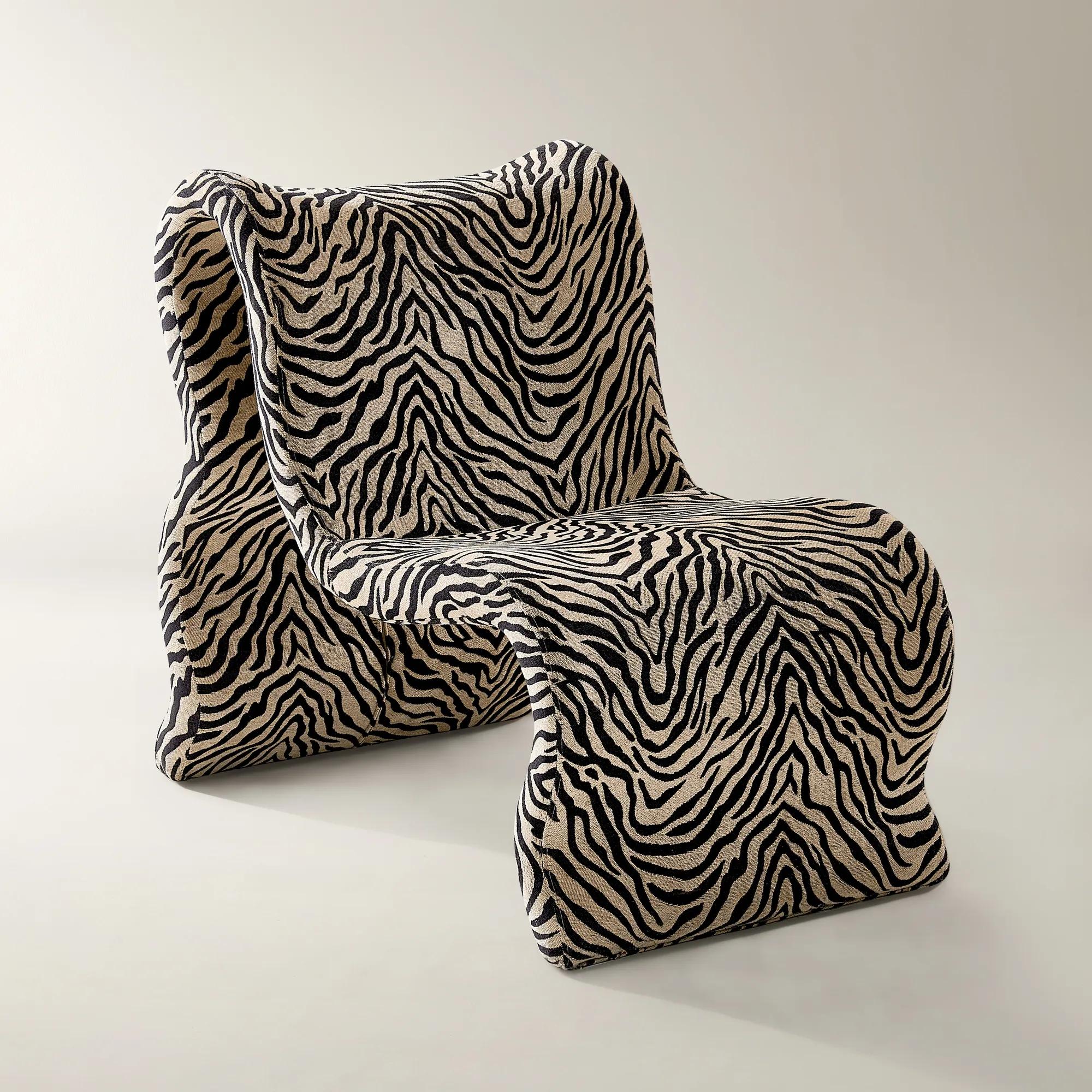
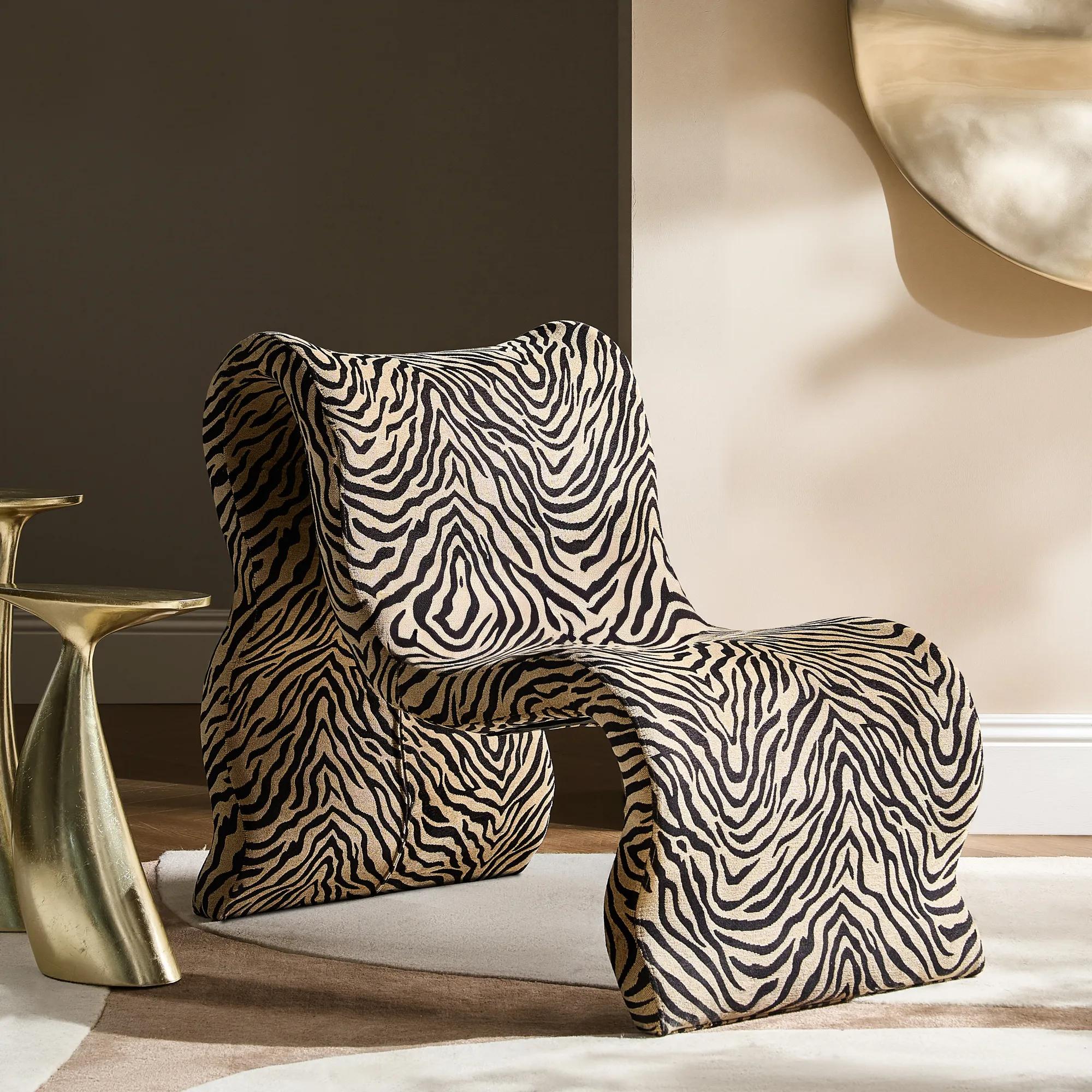
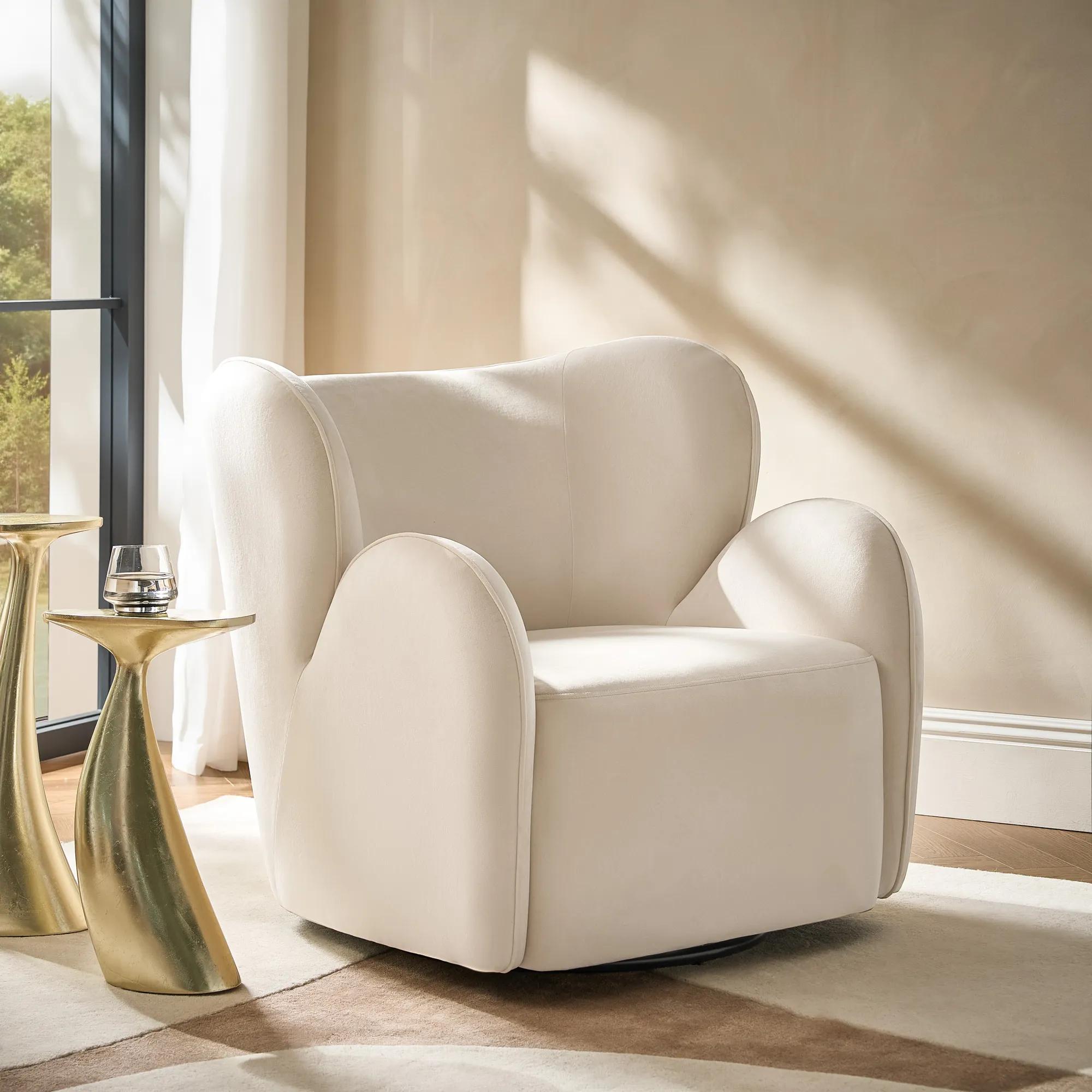
Romy Performance Chenille Accent Chair
Use Shape to Add Movement
If your living room feels flat, start with silhouette. A sculptural accent chair can bring dimension to a space filled with straight lines and rectangular furniture.
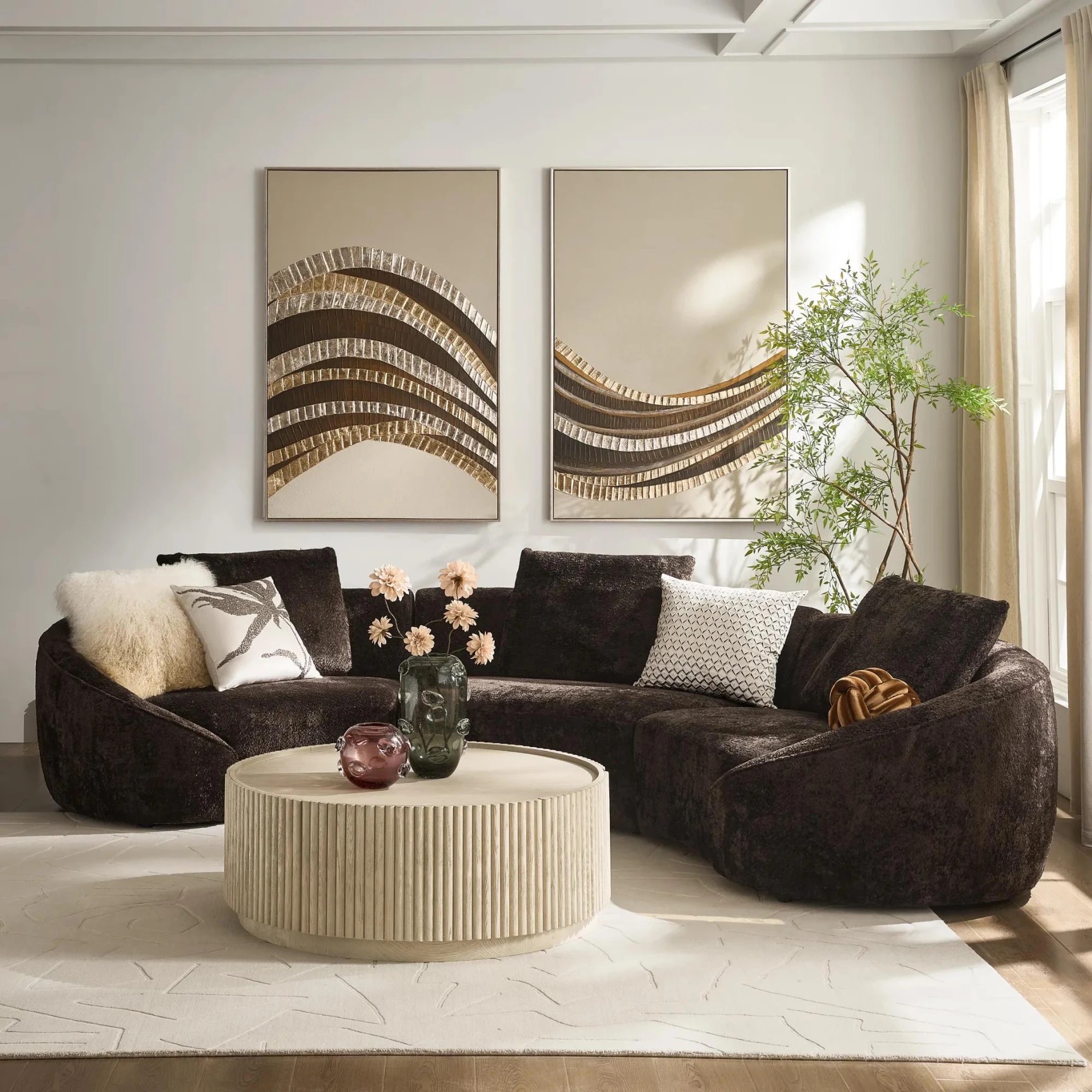
Curved backs, sloped arms, rounded seats, and barrel-style forms create a softer visual flow. They are especially useful beside a structured sofa or across from a sectional, where they help break up heavier shapes and make the seating area feel more conversational.
This is the design move that often separates a finished room from a furnished one. The chair introduces movement. The room starts to breathe.
Use Texture to Make the Room Feel Richer
Texture is one of the easiest ways to make a living room feel layered and expensive. A velvet accent chair brings polish, depth, and a subtle sense of glamour. A bouclé accent chair feels soft, modern, and inviting. A woven, channel-tufted, or faux-fur chair can add even more tactile interest.
The most elevated rooms usually mix textures rather than repeat the same finish everywhere. If your sofa is smooth, try a chair with a plush or nubby texture. If your room has a lot of wood, stone, glass, or metal, an upholstered chair can soften the overall effect.
That contrast is what gives a space dimension.
Use Color as a Focal Point
A statement accent chair is one of the safest places to be bold. Unlike a sofa, which often sets the tone for the entire room, an accent chair can bring in color without overwhelming the space.
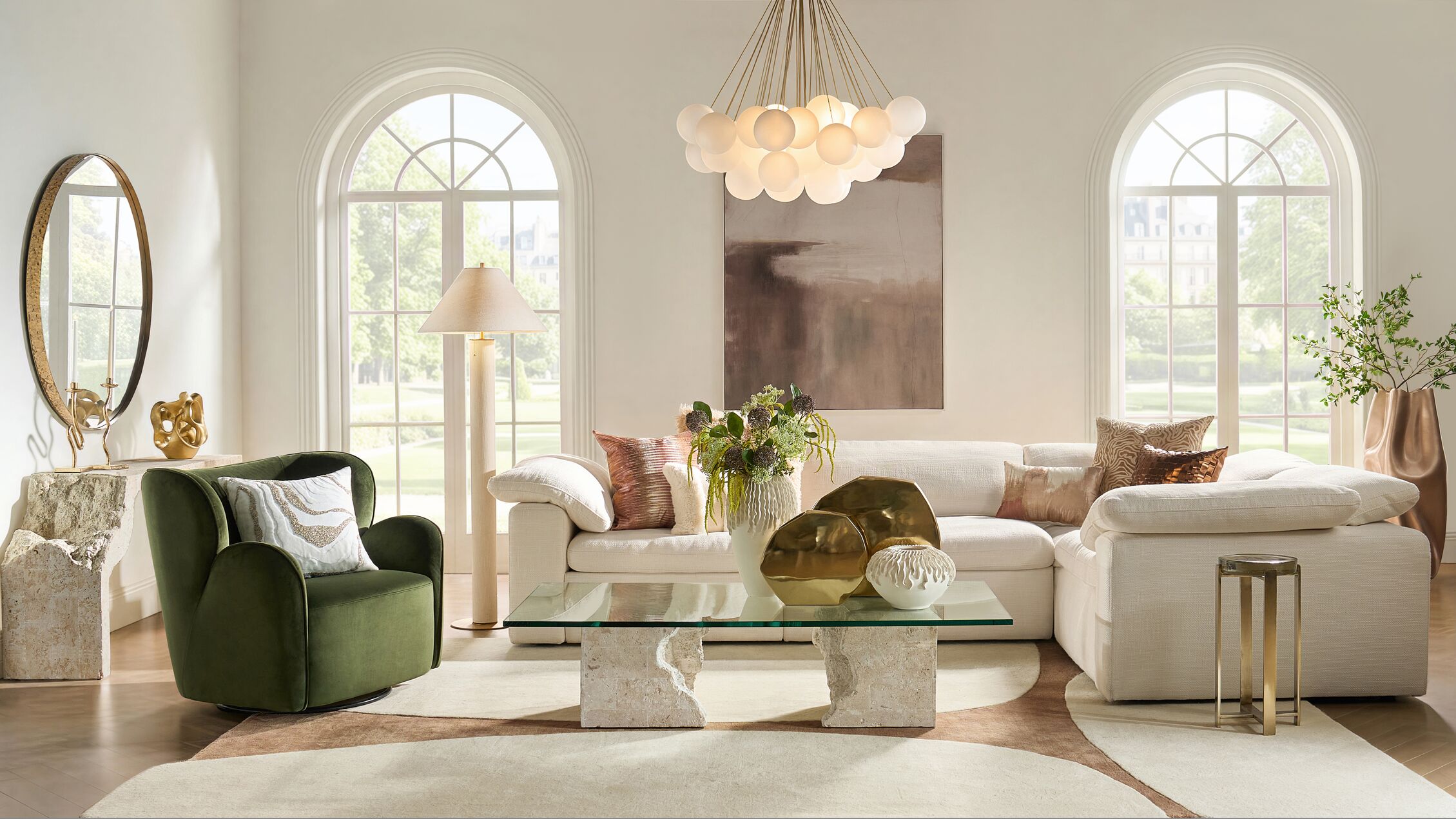
Deep green, sapphire, blush, ivory, charcoal, rust, and animal-inspired prints can all work beautifully depending on the room. The secret is to repeat the color somewhere else, even in a small way. A pillow, vase, artwork, throw, or rug detail can make the chair feel connected to the room rather than dropped into it.
For a quieter version of the same idea, choose a neutral chair with a bold shape. A cream bouclé chair with a sculptural profile can be just as eye-catching as a colorful velvet one.
No, Your Accent Chair Does Not Have to Match Your Sofa
In fact, it usually looks better when it does not.
A living room feels more collected when the sofa and accent chair complement each other instead of matching exactly. Pair a clean-lined sofa with a curved chair. Pair a neutral sofa with a textured or colorful chair. Pair a bold sofa with something softer and more restrained.
The goal is balance, not duplication.
A good rule: your chair should share one element with the room, such as a color, finish, material, or mood, while still adding something new.
.jpeg?w=2260&h=1272)
Where to Place a Statement Accent Chair
Placement gives the chair purpose. Try one beside a sofa with a side table and floor lamp to create a reading moment. Use two chairs across from a sofa to create a conversation area. Place one near a fireplace, window, or artwork to build a visual destination.
In an open living room, accent chairs can also help define zones. They make the space feel styled from every angle, not just arranged around a television.
Leave a little breathing room around the chair. A statement piece works best when it has space to be seen.
The Finishing Touch
A statement accent chair is not just about the chair. It is about what the chair does for the room.
It adds contrast. It brings softness. It creates a focal point. It gives the space a more layered, curated, designer-finished feeling.
Choose one with shape, texture, color, or presence, then style around it with intention. Add a side table, a sculptural object, a floor lamp, or a pillow that pulls the palette together.
The result is a living room that feels less expected and more expressive: polished, personal, and beautifully designed.
Shop Z Gallerie accent chairs to bring sculptural style, rich texture, and designer polish to your living room.
FAQs
What accent chair style is best for a living room?
The best accent chair style depends on what your living room needs. For softness, choose a curved or barrel chair. For texture, choose bouclé, velvet, faux fur, or channel tufting. For visual impact, choose a sculptural silhouette, bold color, or statement print.
Should accent chairs match the sofa?
Accent chairs do not have to match the sofa. They should complement it. A living room often feels more designed when the sofa and accent chair vary in shape, texture, or color while still sharing a common element, such as tone, material, finish, or overall mood.
How do you make a living room look designer?
To make a living room look designer, layer different shapes, textures, materials, and heights. Start with strong foundation pieces, then add accent chairs, lighting, art, pillows, and décor that create balance and personality. Statement accent chairs are especially effective because they add both function and visual interest.
Where should an accent chair go in a living room?
An accent chair works well beside a sofa, across from a sectional, near a fireplace, by a window, or in an empty corner that needs purpose. The best placement creates balance, supports conversation, and gives the chair enough space to feel intentional.