
Your cart contains items =

  • |
  • |

Texture Theory Living Room

Recommended
Sort:
14 items
Filter(14)
Filter
14 items
Availability
0 selected Reset
Color
0 selected Reset
Material
0 selected Reset
Size
0 selected Reset
Width
0 selected Reset
Height
0 selected Reset
Price
Maximum price is $898.99 Reset
$
$
Clear
Recommended
Sort:
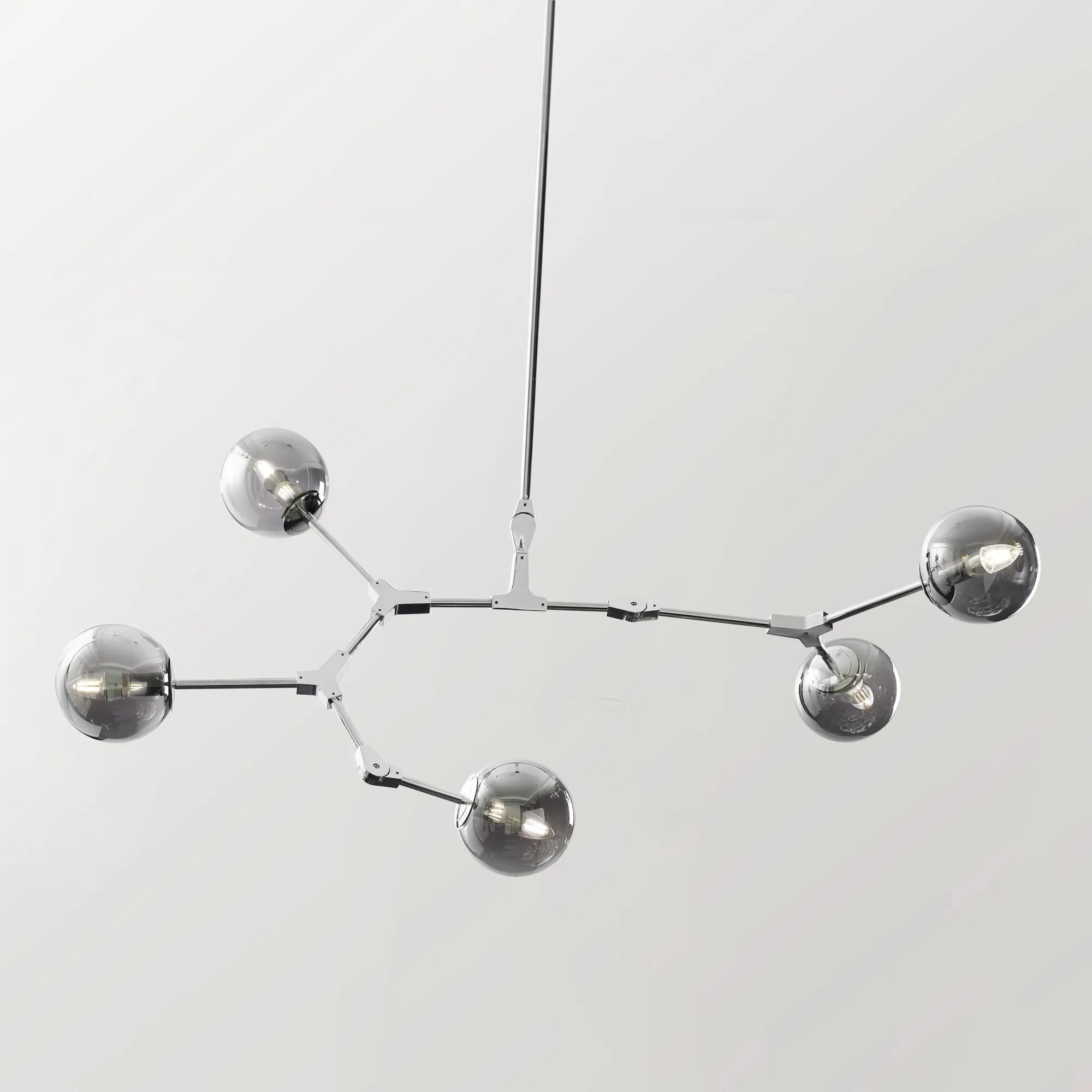
  • Axel Chandelier Axel Chandelier
    $499.00
    Add to Cart
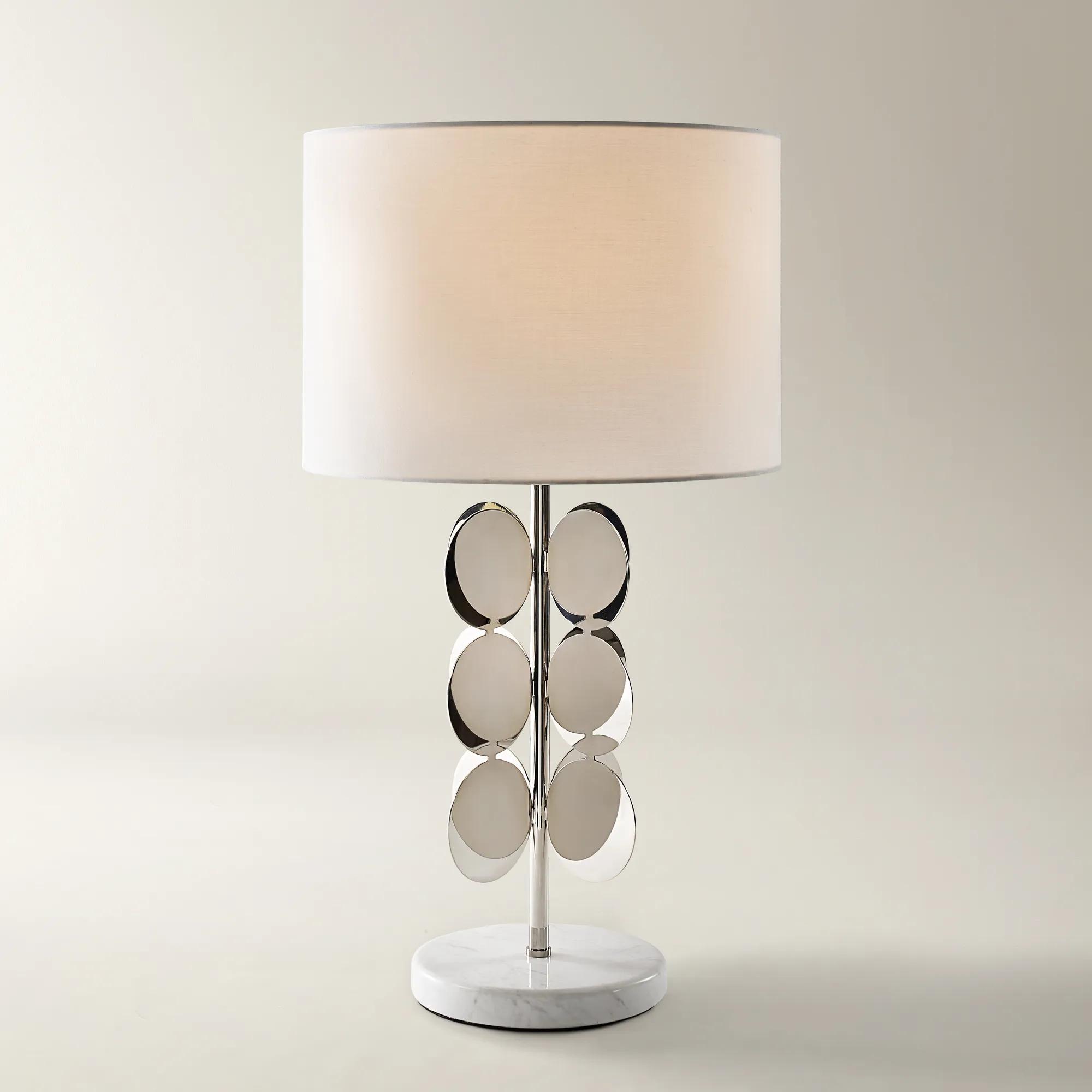
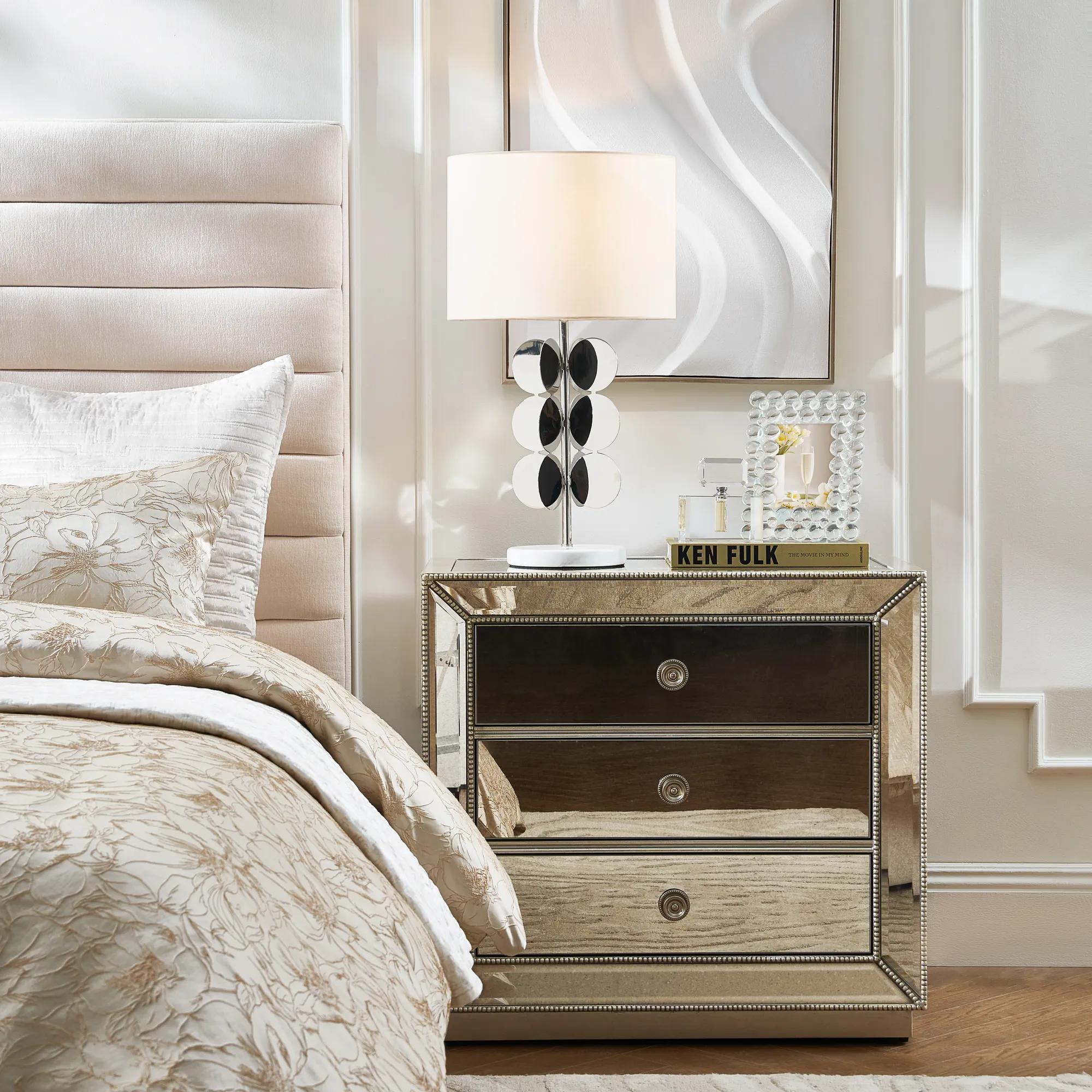
  • Orion Table Lamp Orion Table Lamp
    $329.00
    Add to Cart
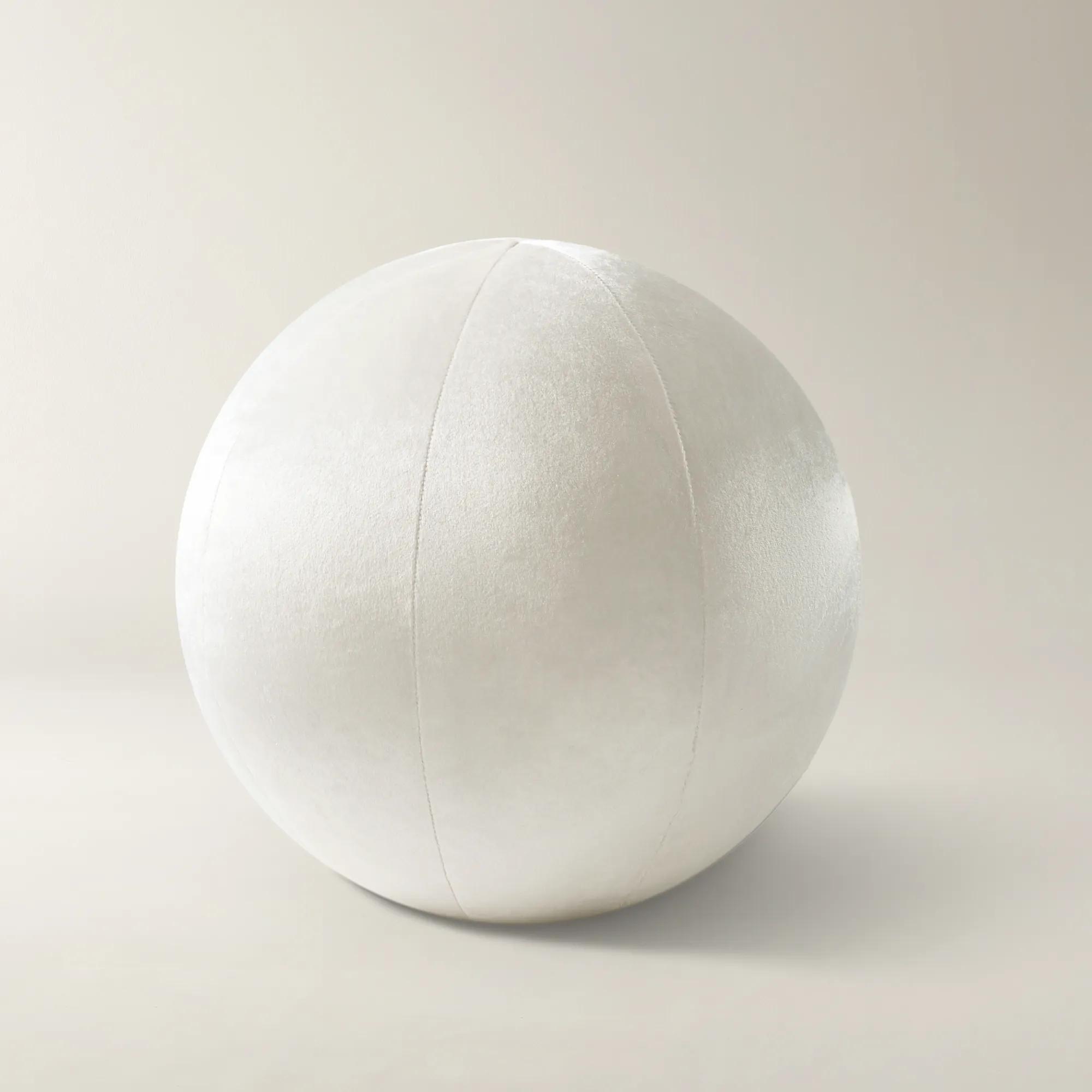
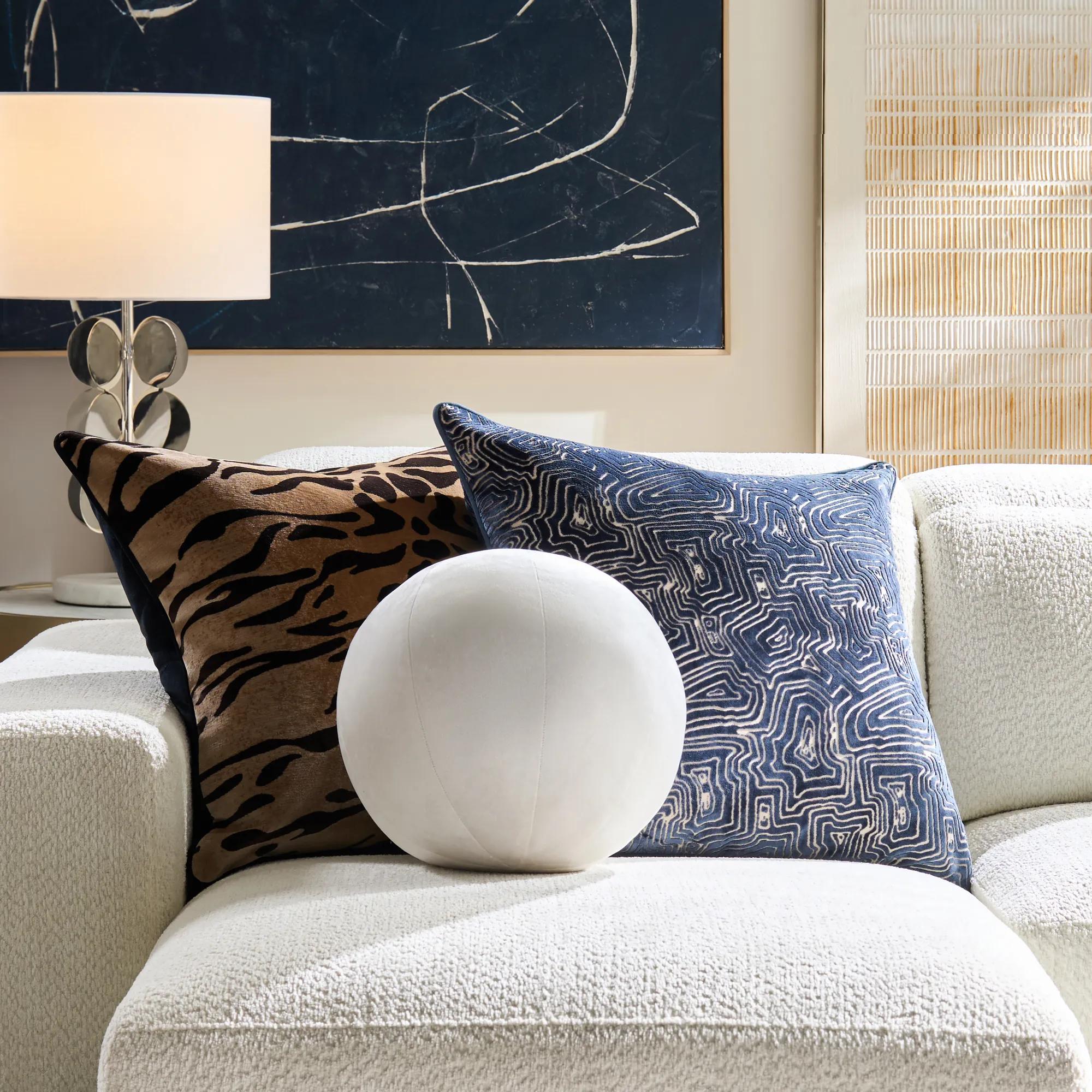
  • Velvet Ball Pillow 12" - Ivory Velvet Ball Pillow 12" - Ivory
    $69.00
    Add to Cart
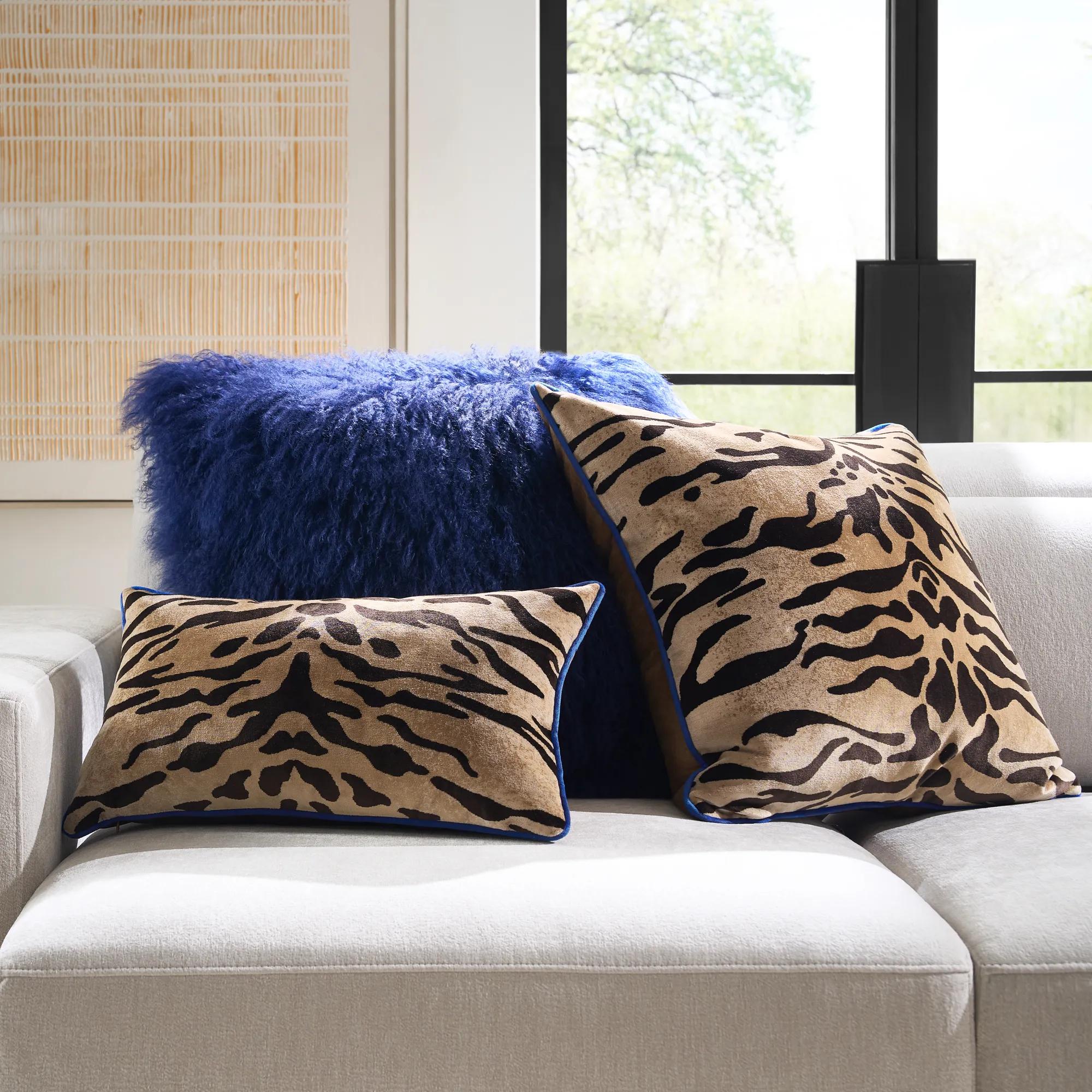
  • Mongolian Pillow 22" - Eclipse Mongolian Pillow 22" - Eclipse
    $169.00
    Add to Cart
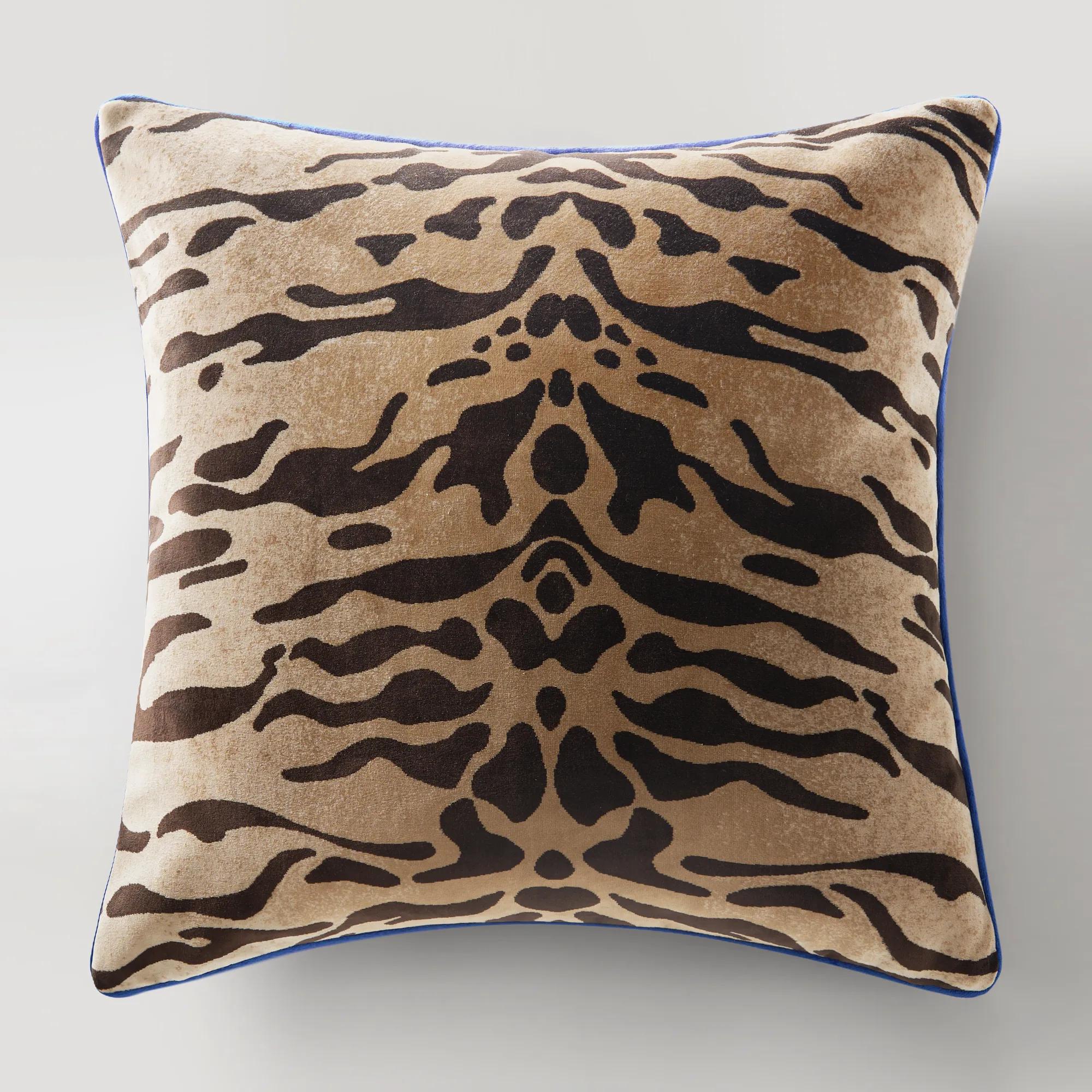
  • Bronze Tiger Pillow 22" - Blue Piping Bronze Tiger Pillow 22" - Blue Piping
    Best Seller
    $79.00
    Add to Cart
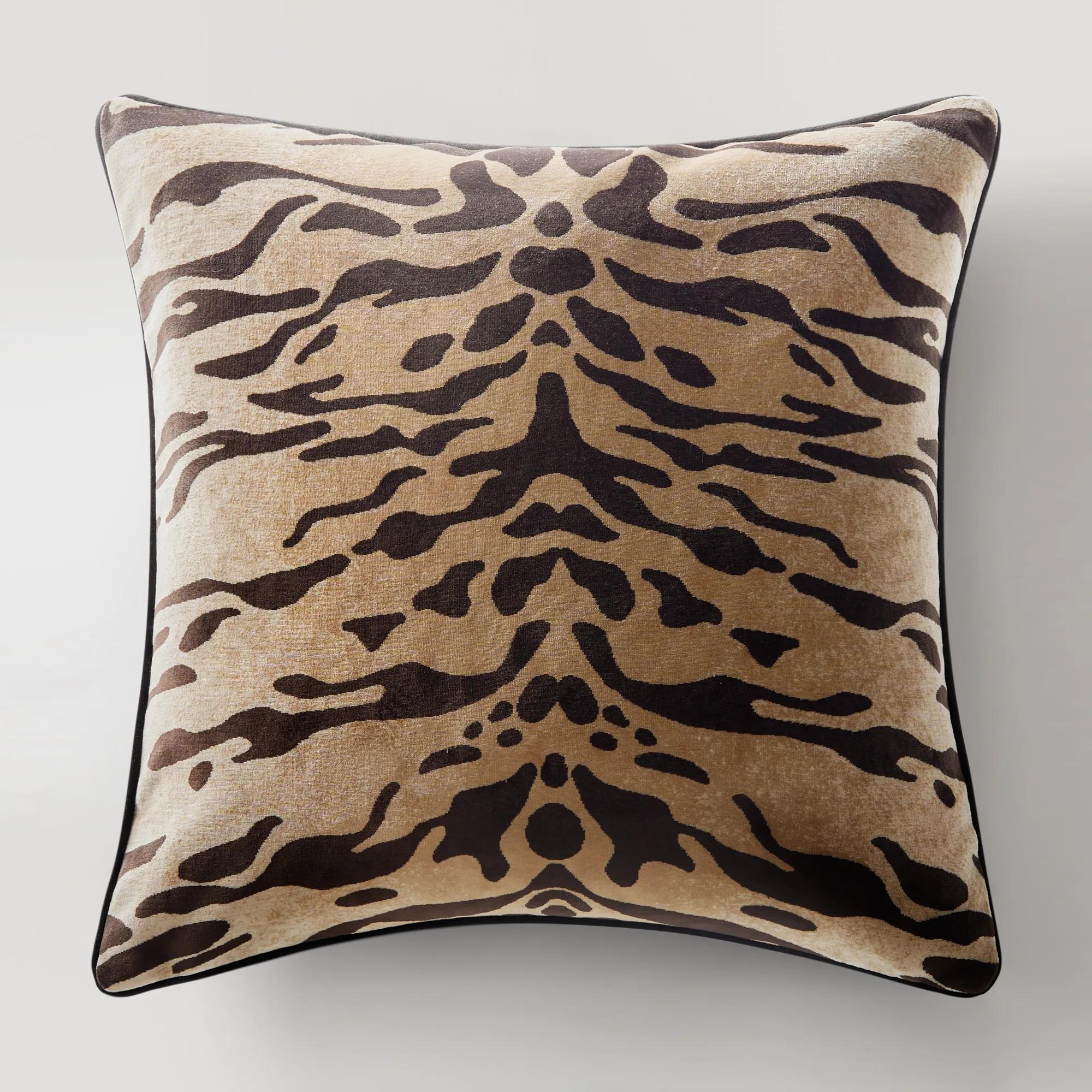
  • Bronze Tiger Pillow 22" Bronze Tiger Pillow 22"
    Best Seller
    $79.00
    Add to Cart
  • Flare Coffee Table Flare Coffee Table
    $1,499.00
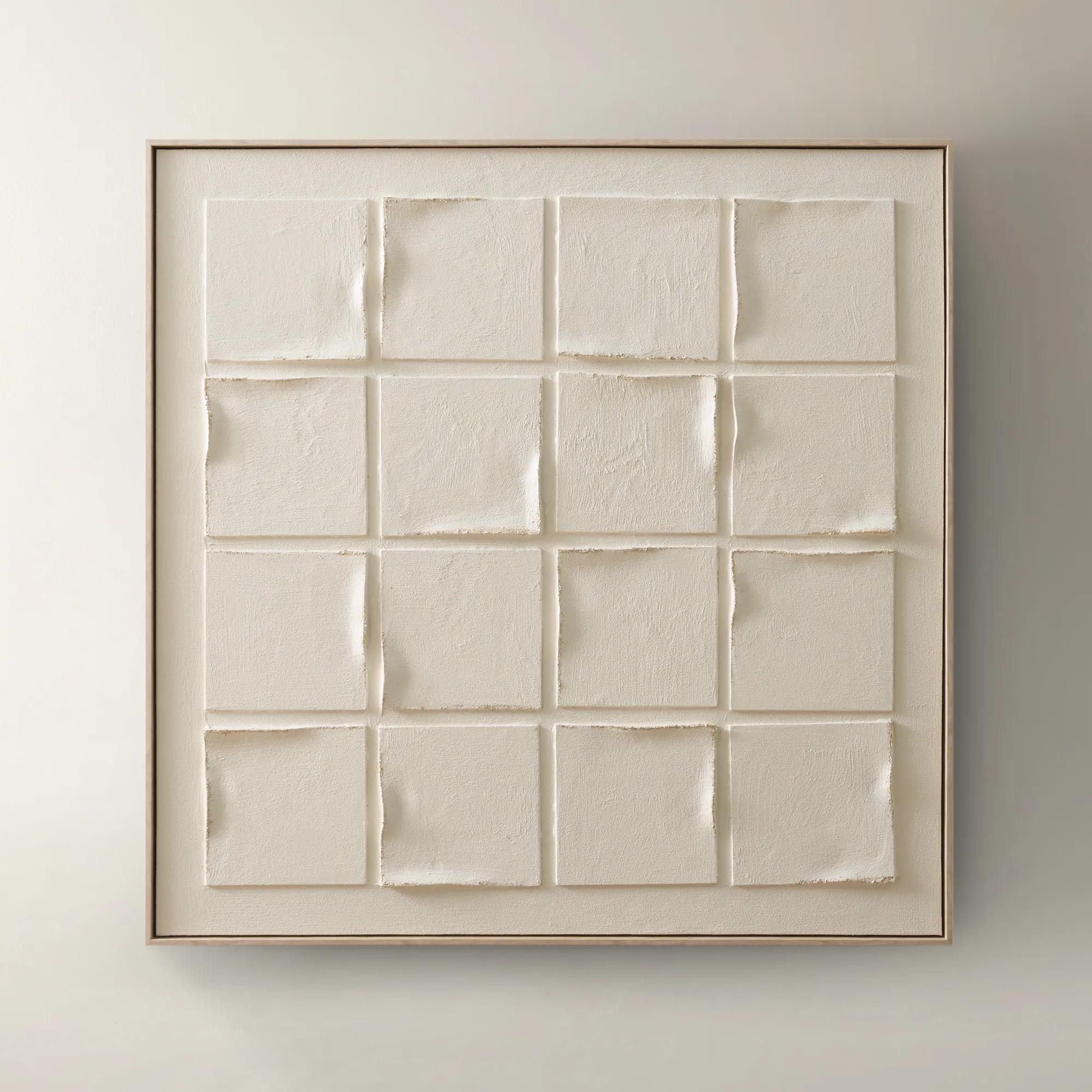
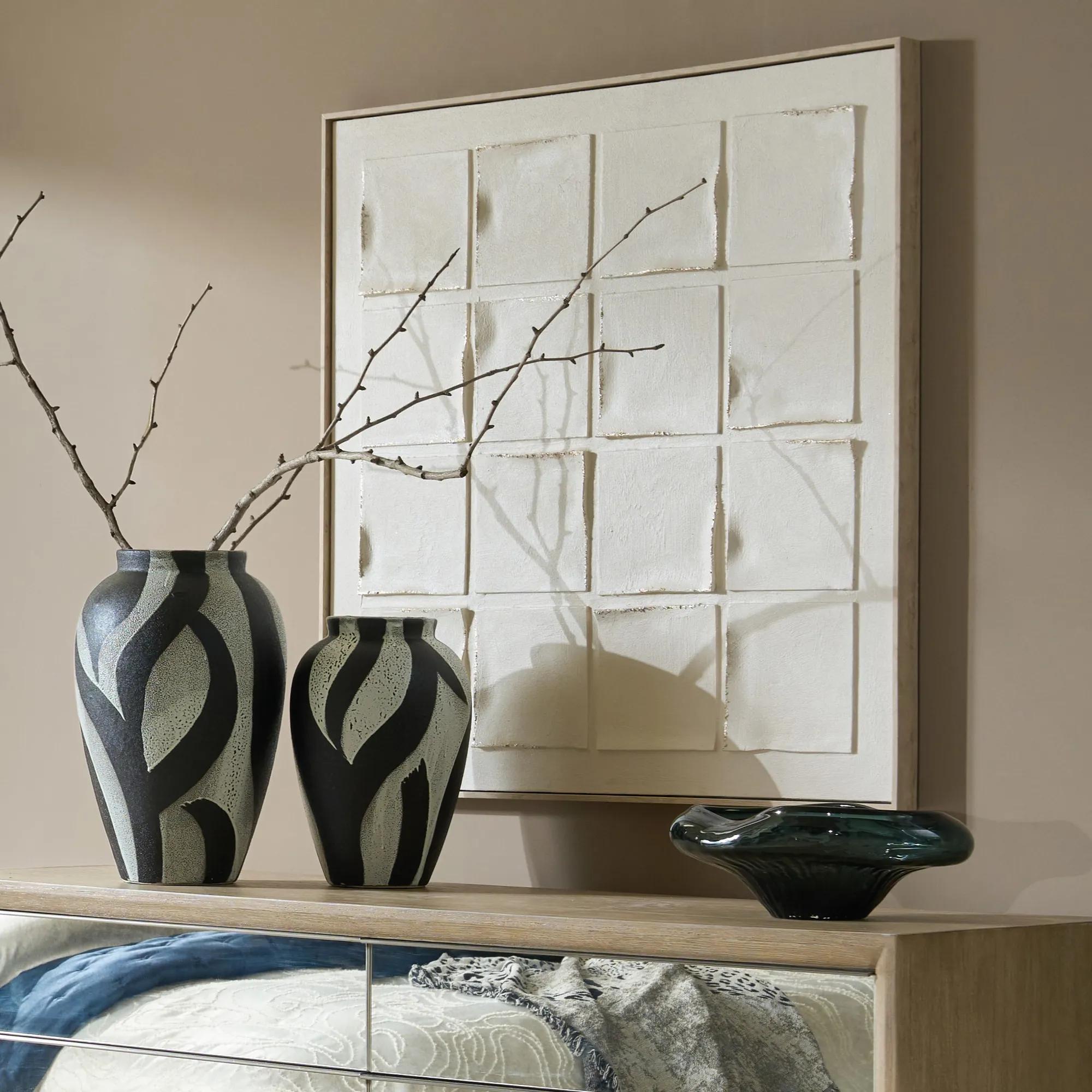
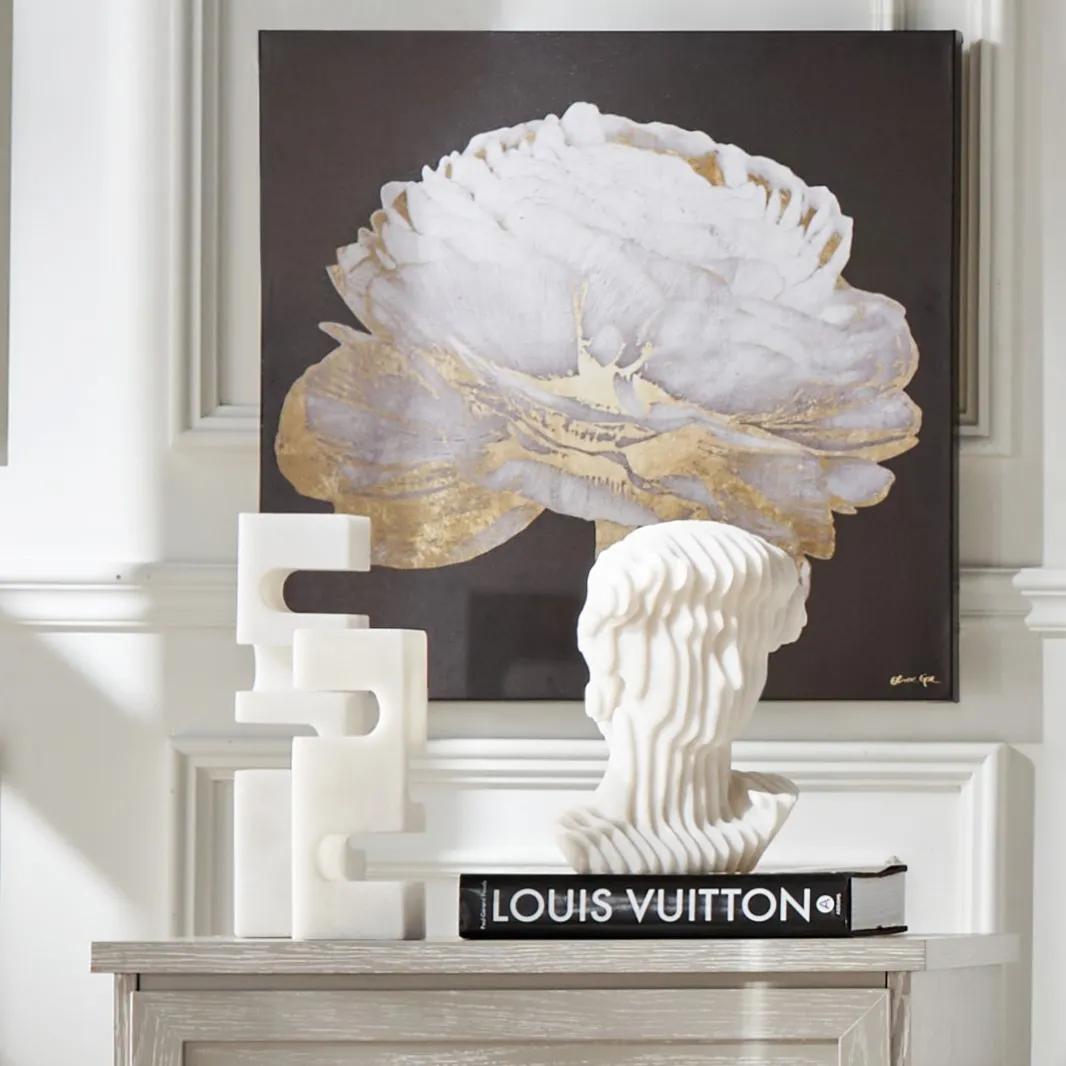
  • Gaze Painting Gaze Painting
    $329.00
    Add to Cart
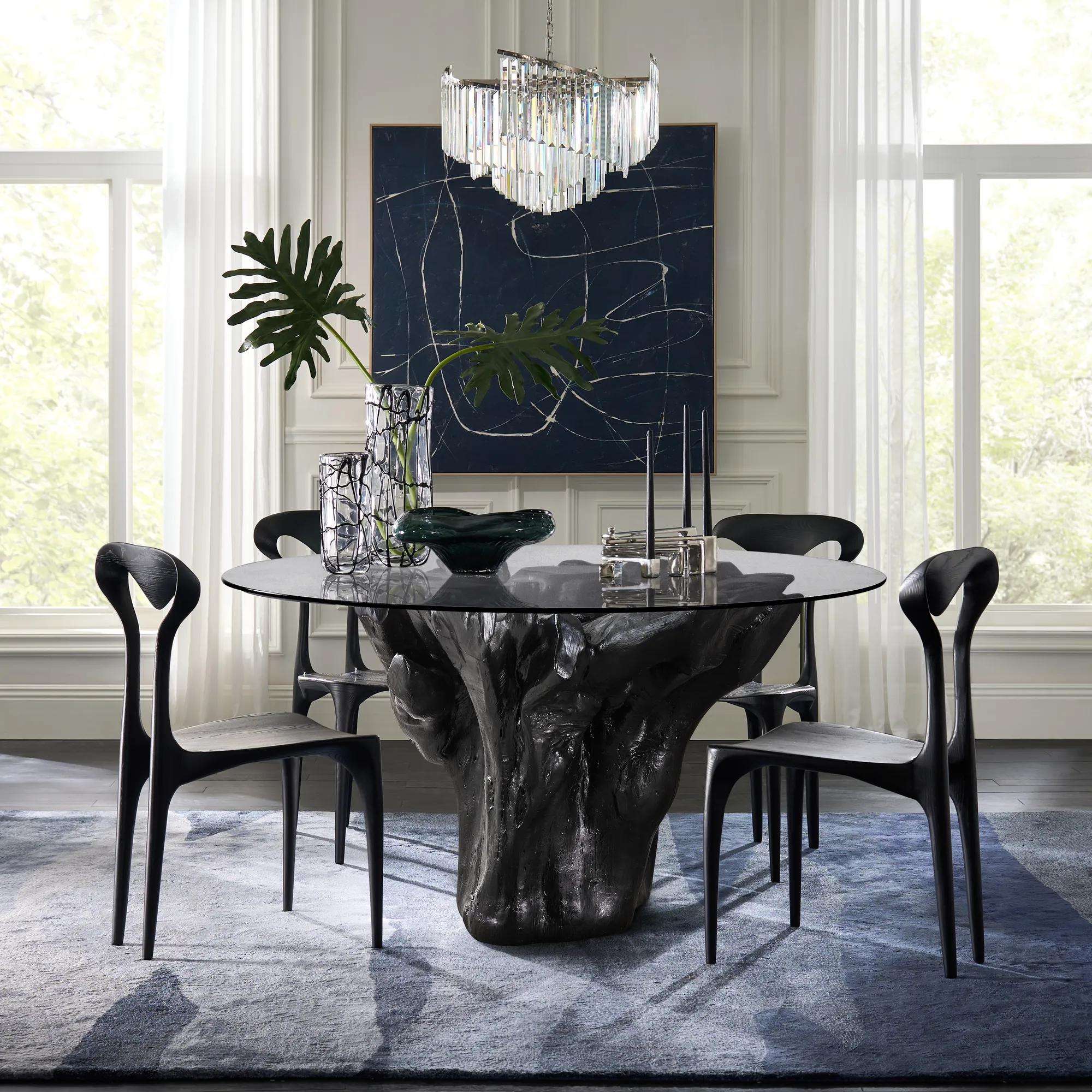
  • Almost Midnight Painting - Blue Almost Midnight Painting - Blue
    $439.00
    Add to Cart
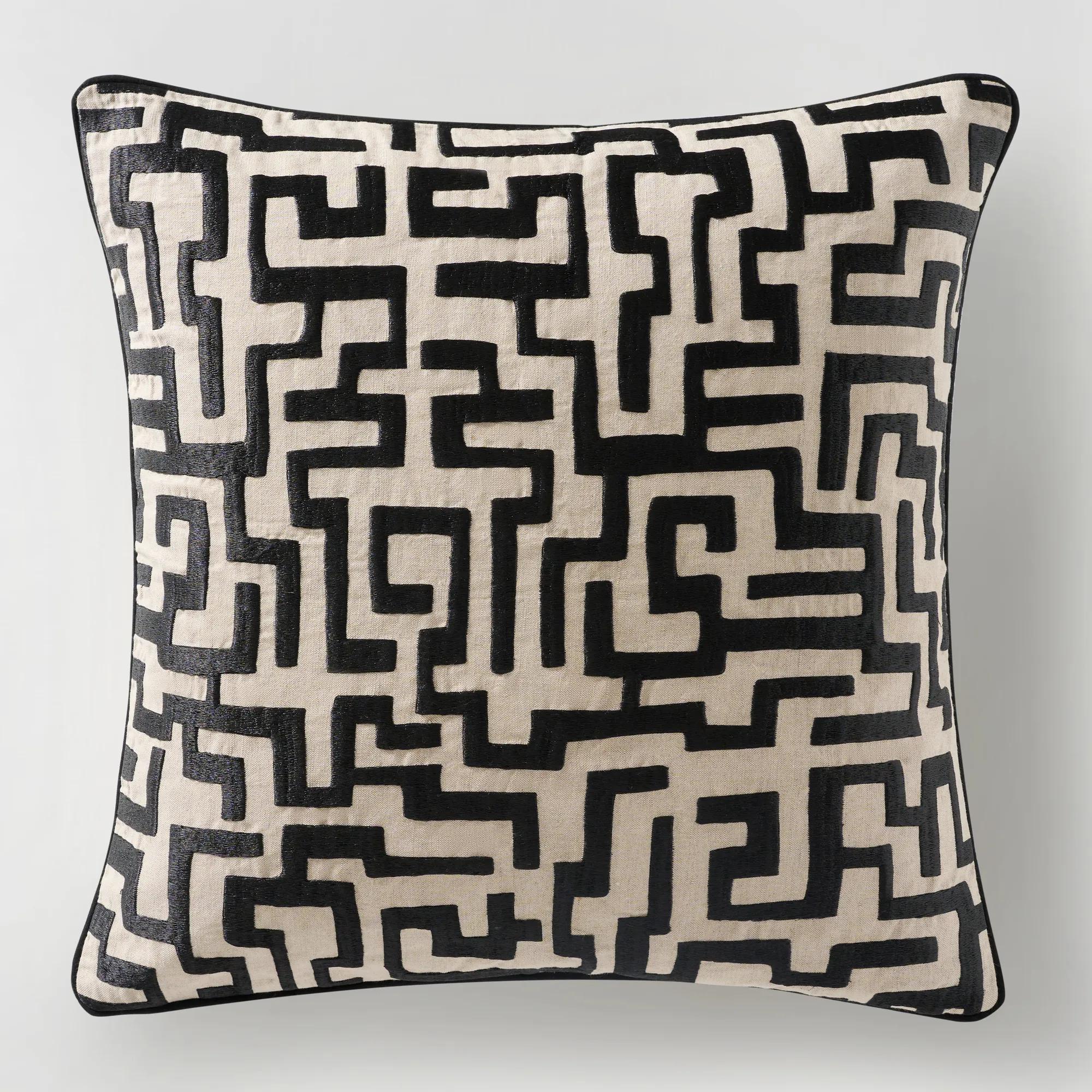
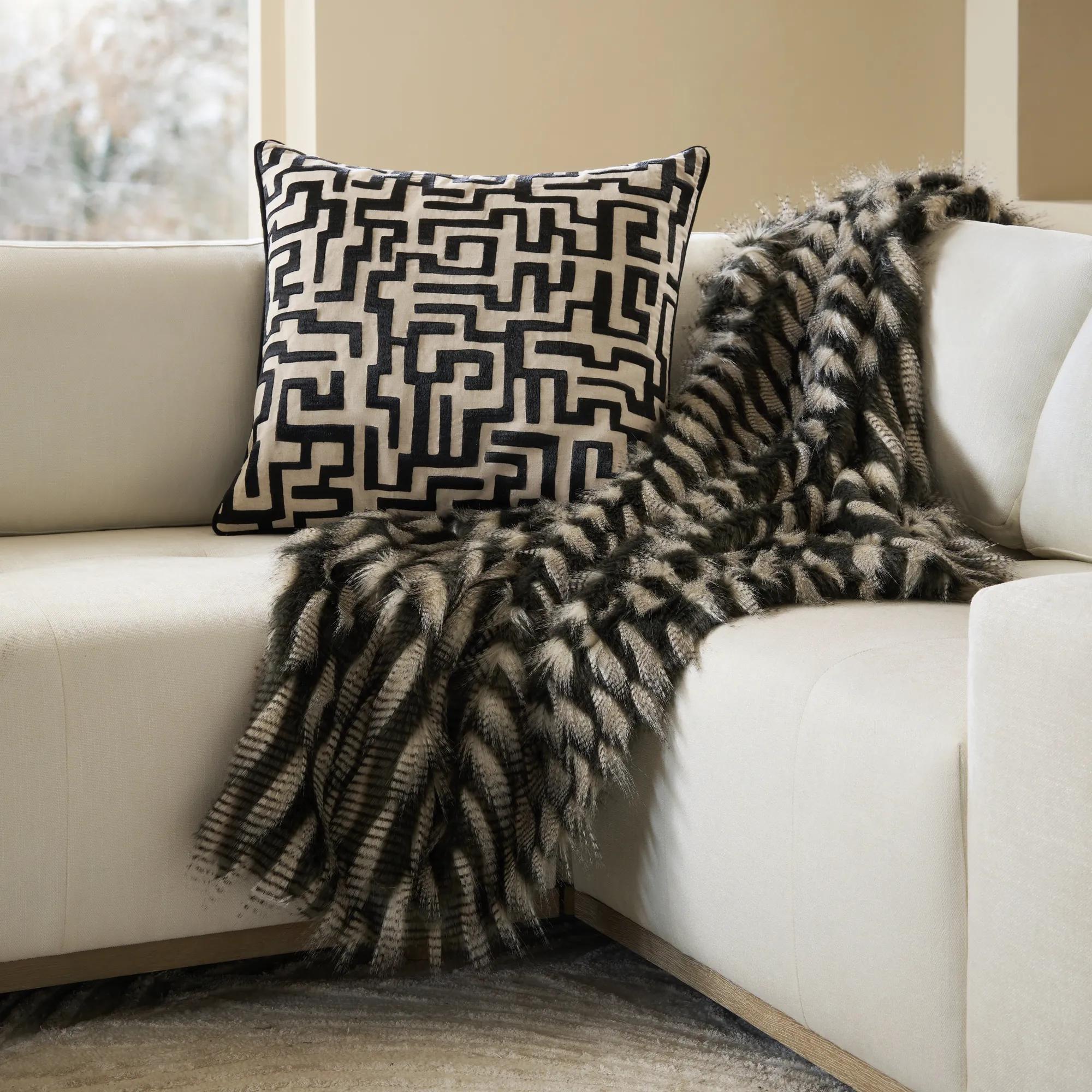
  • Mod Maze Pillow 22" - Black Mod Maze Pillow 22" - Black
    $149.00
    Add to Cart
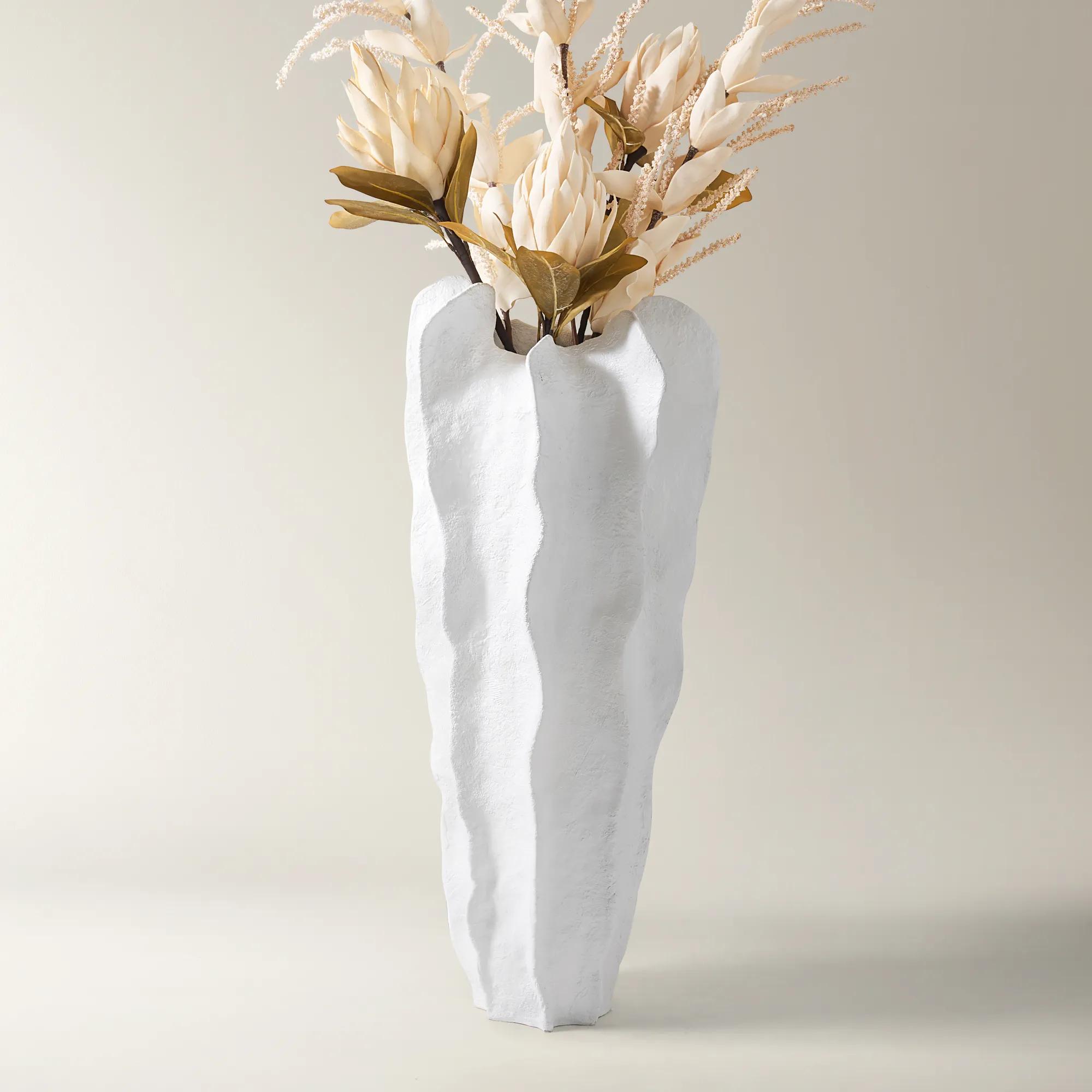
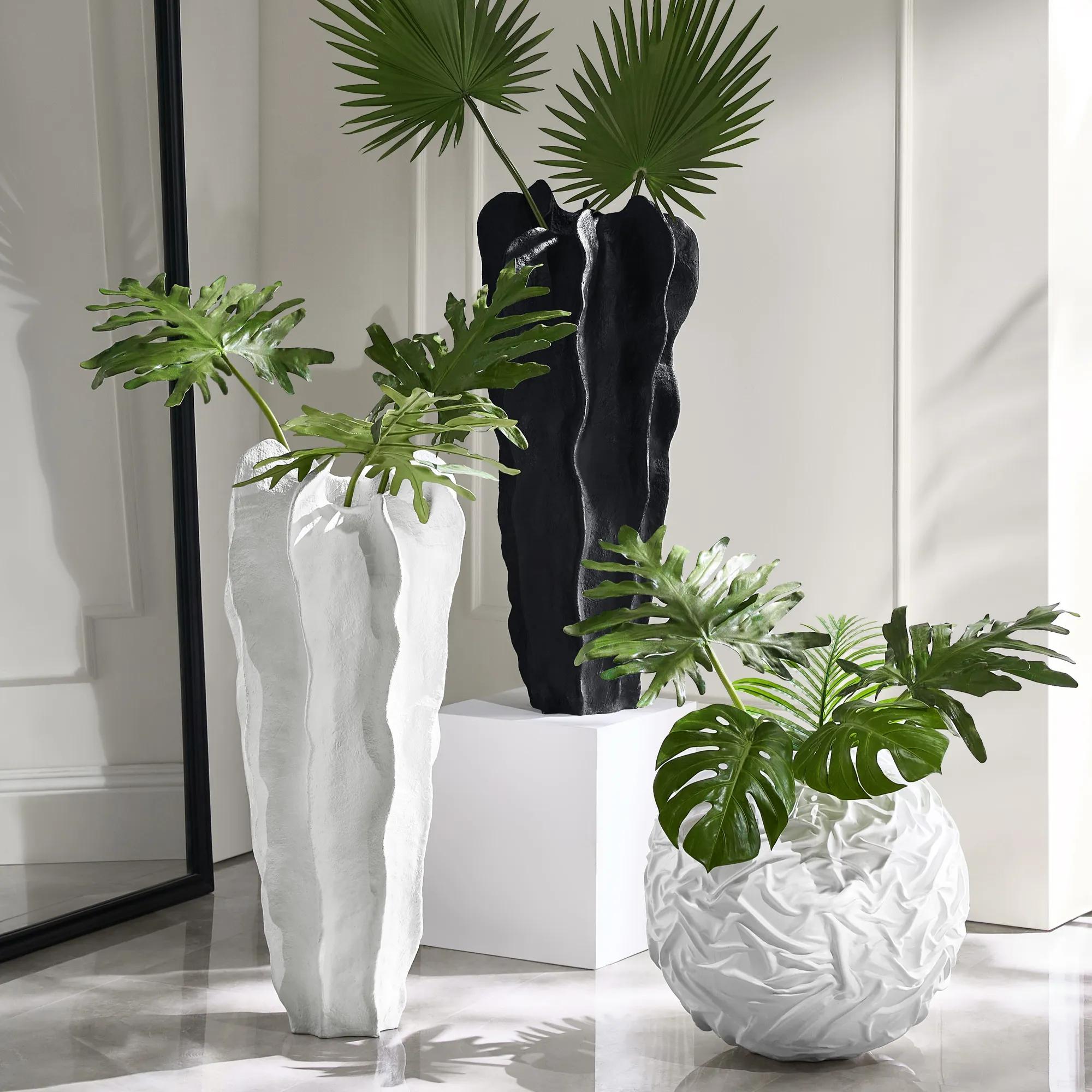
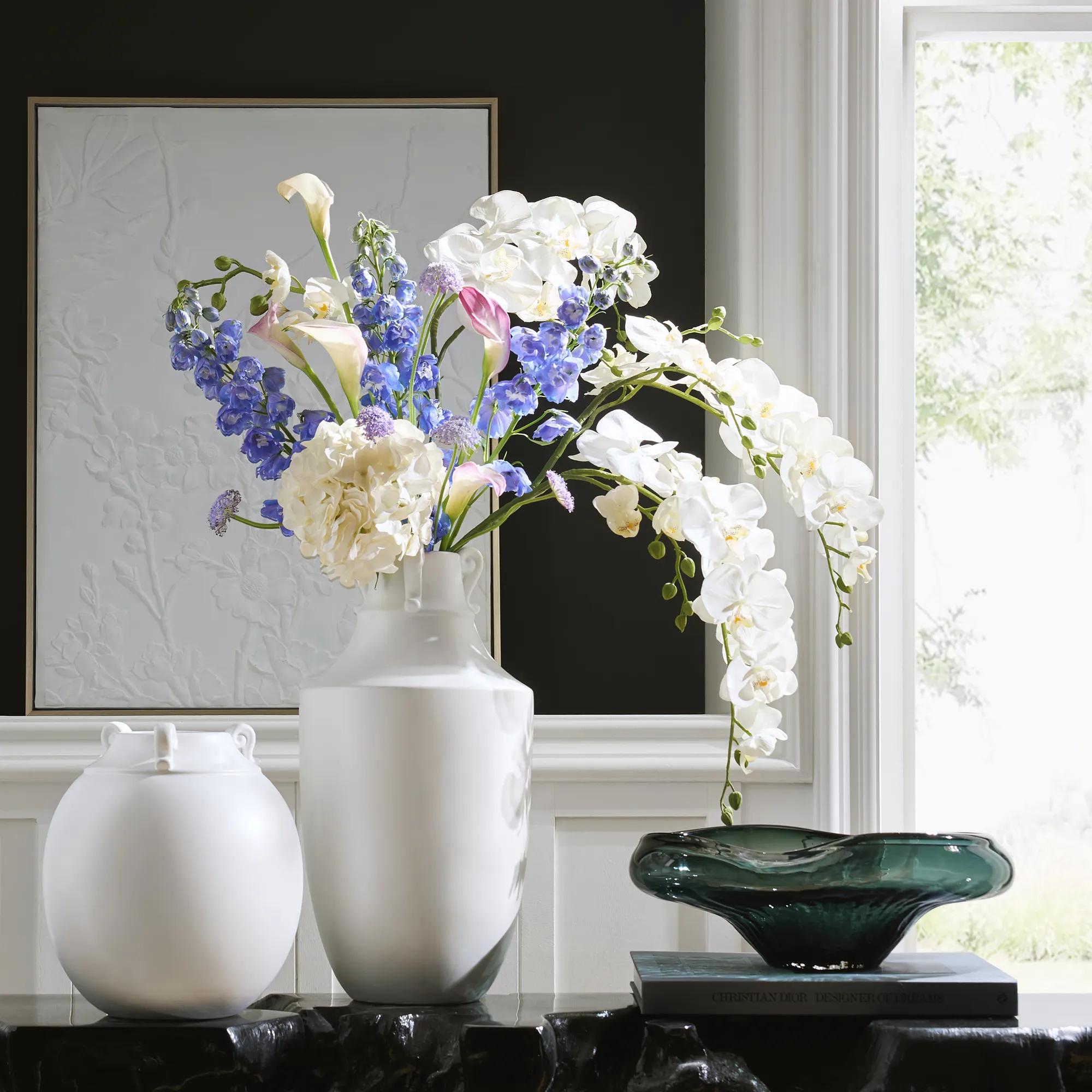
  • Playa Floor Vase - White Playa Floor Vase - White
    $299.00
    Add to Cart
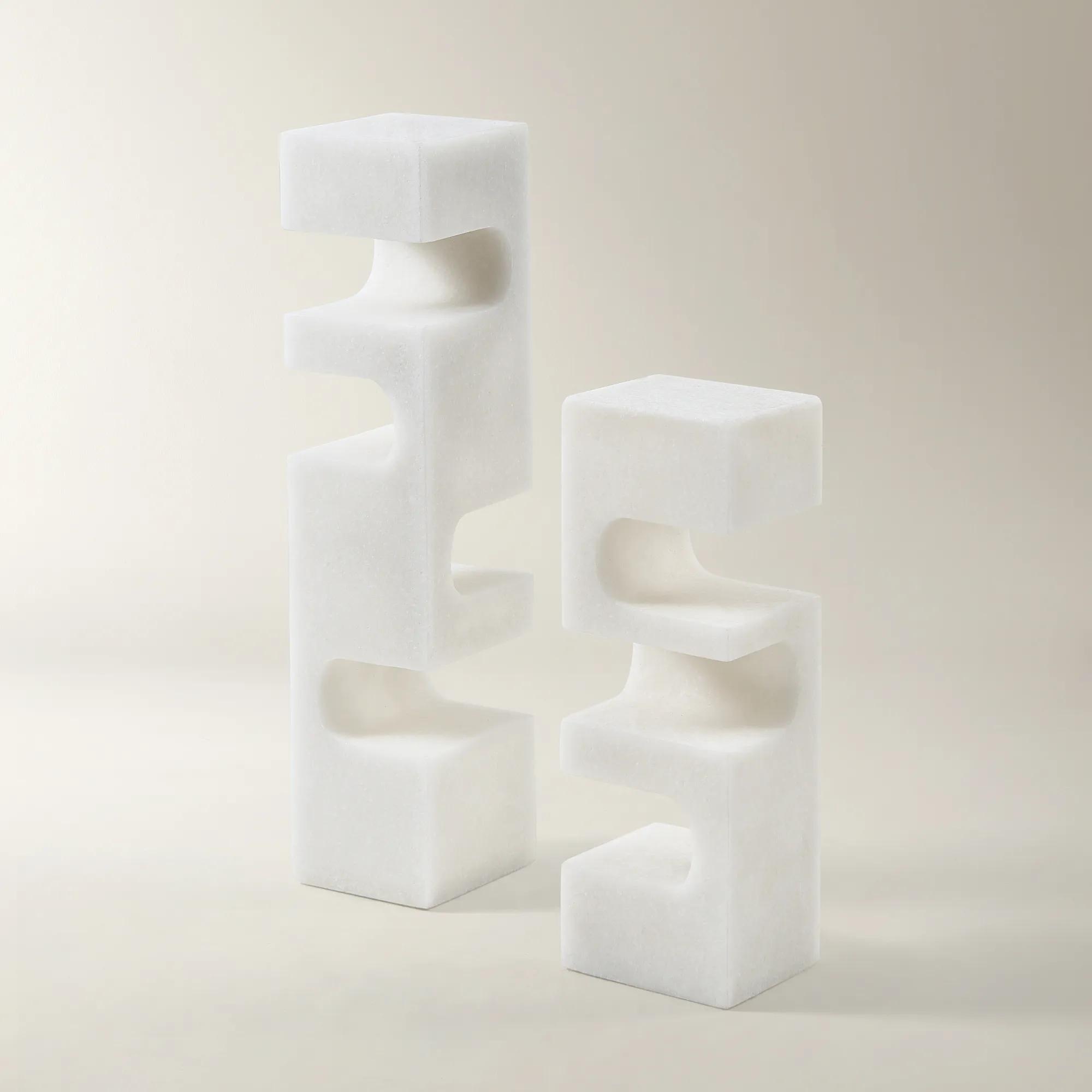
  • Enna Sculpture Enna Sculpture
    $39.00 - $49.00
    Free Shipping Over $199
    Add To Cart
  • Calla Decorative Bowl Calla Decorative Bowl
    Best Seller
    $79.00
    Add to Cart
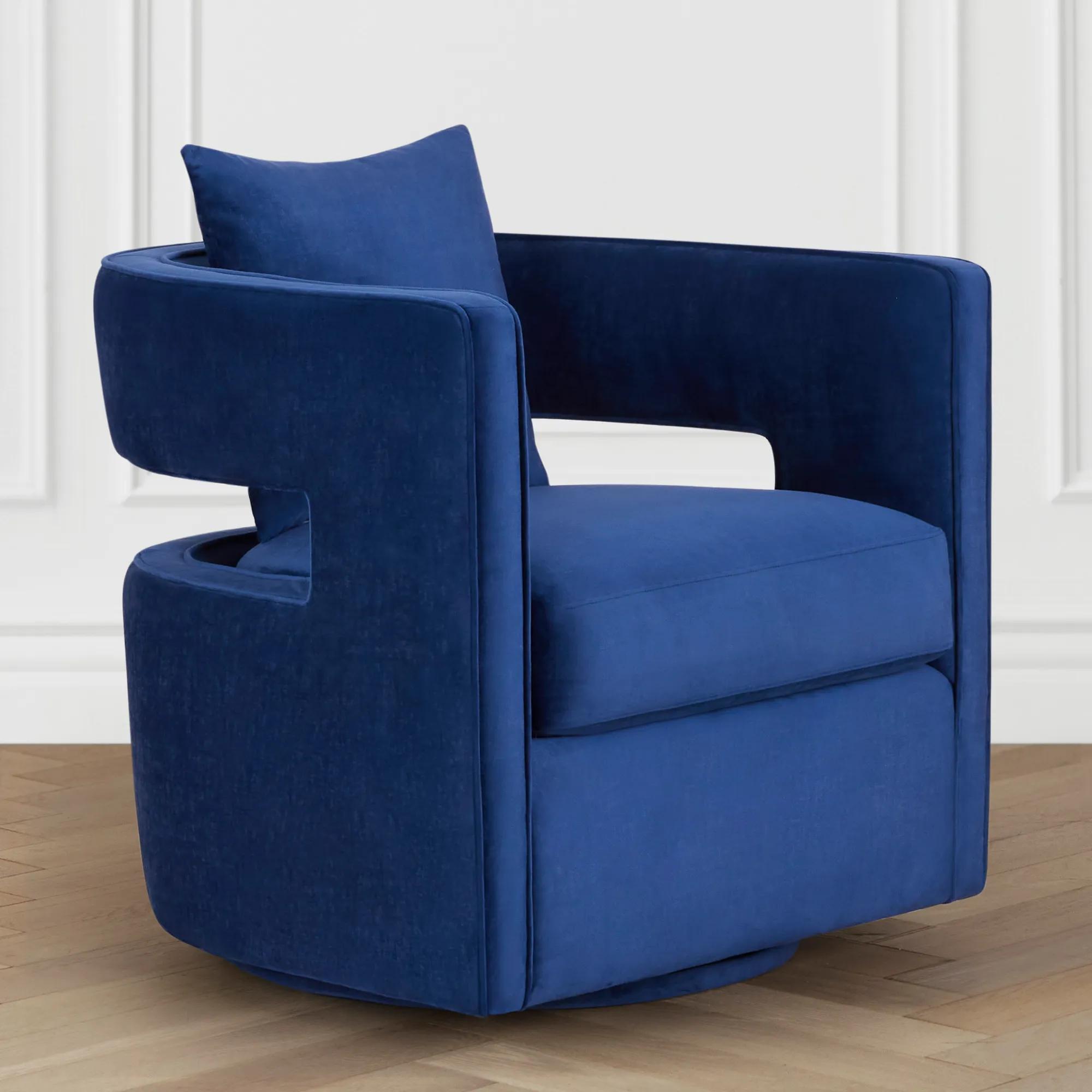
  • Lottie Swivel Chair Lottie Swivel Chair
    $999.00
    Add to Cart

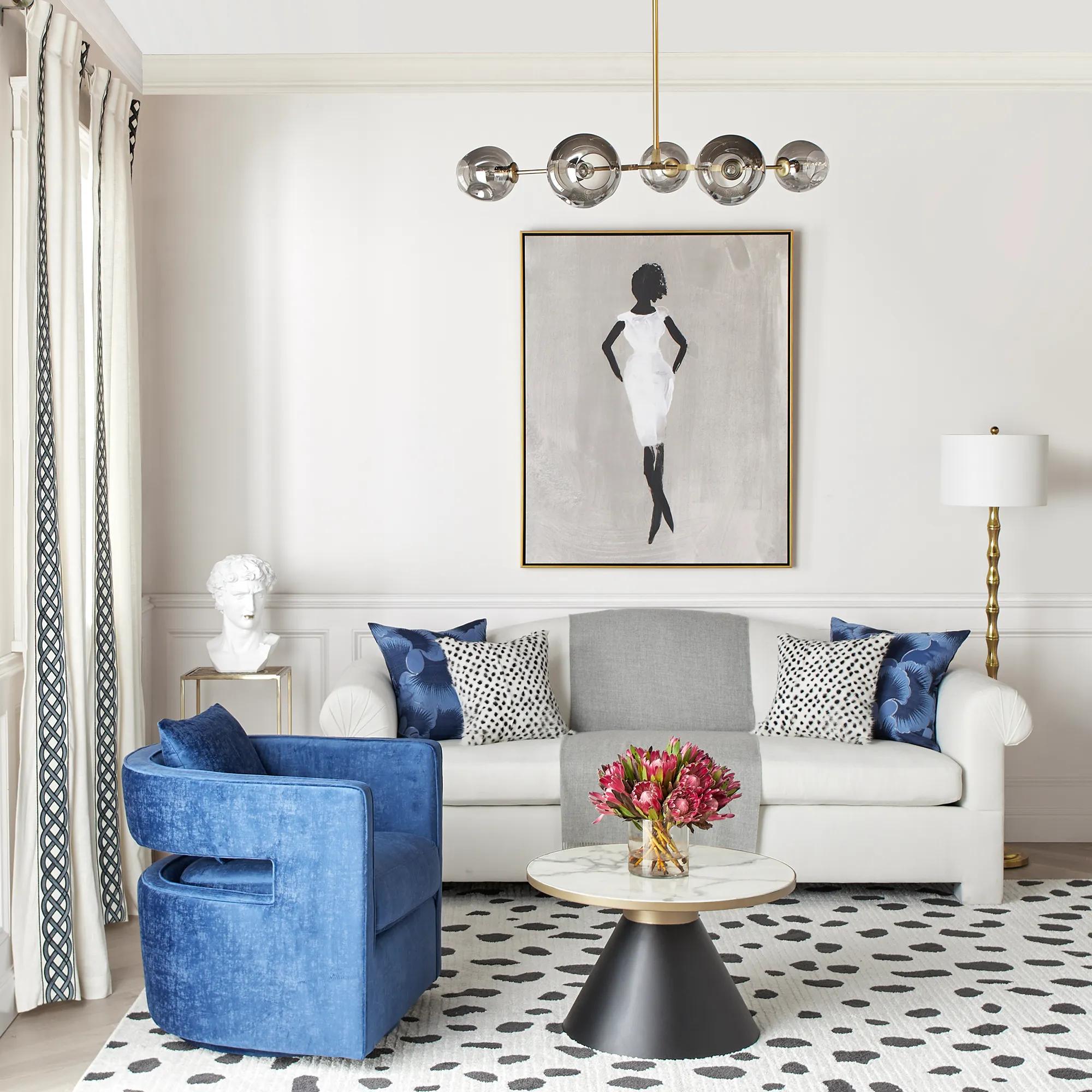
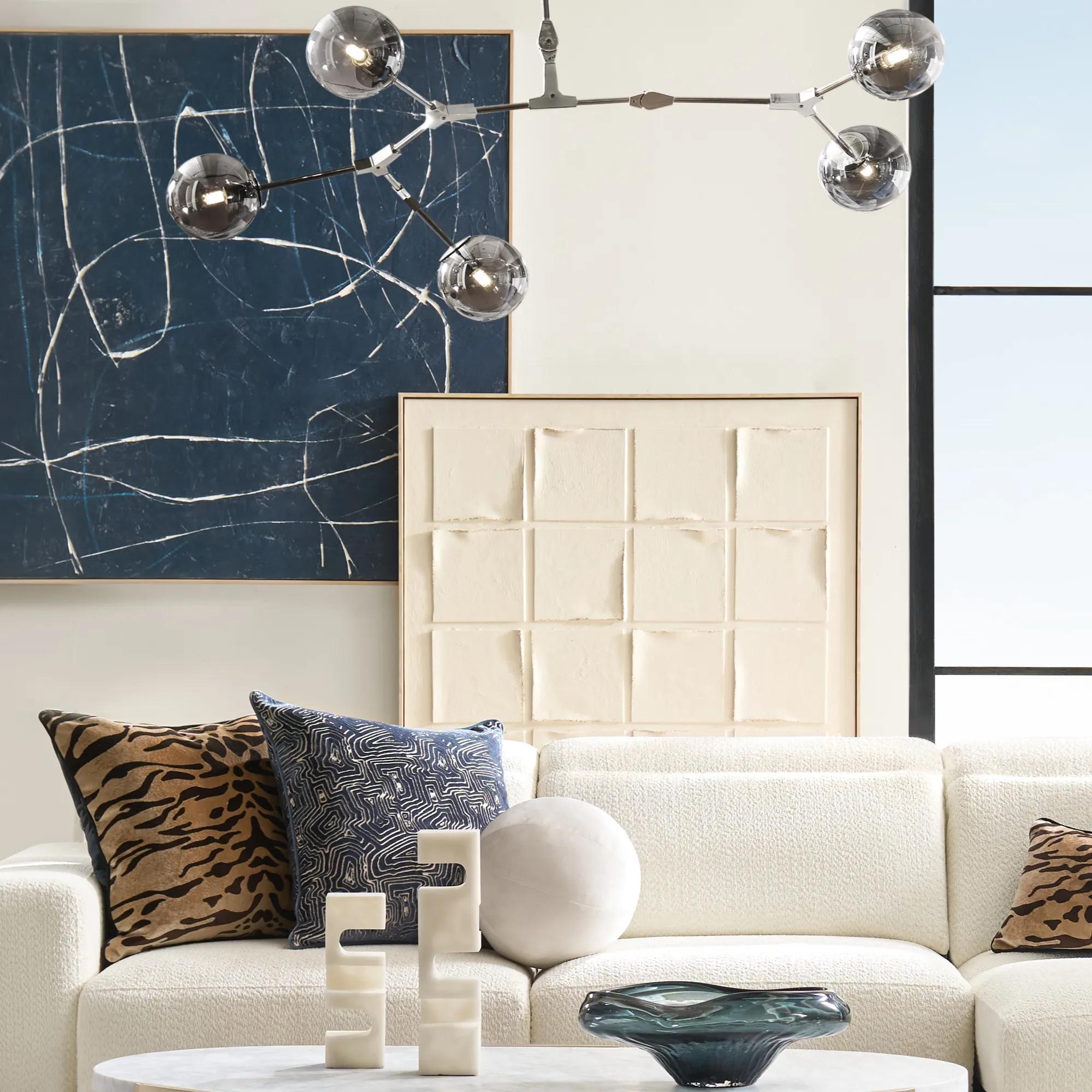
Let texture lead in the Texture Theory Living Room. The room celebrates the variety of materials available in modern interiors: boucle, velvet, leather, woven natural fiber, marble, wood, and metal, all combined into a layered, deeply tactile space.

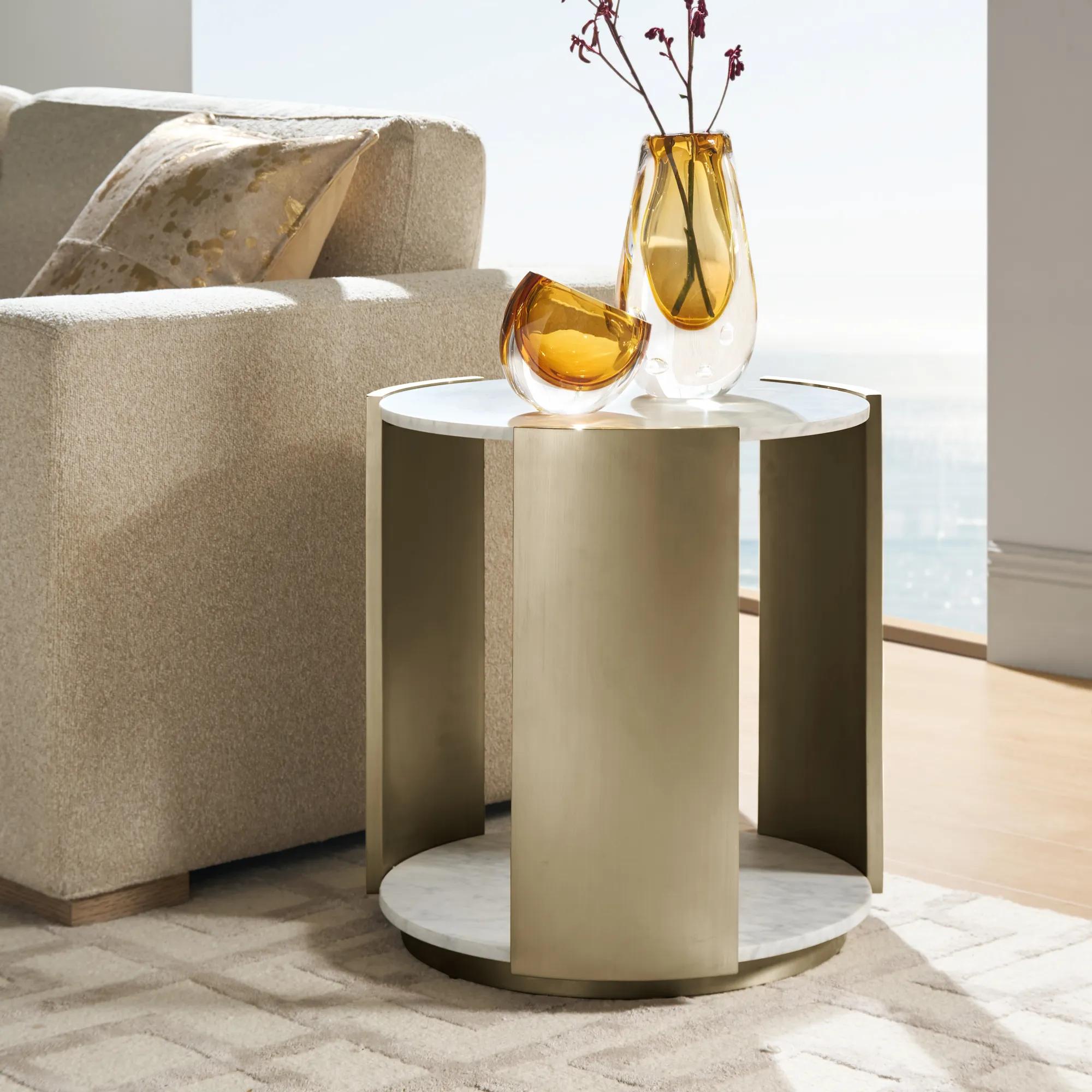
The palette stays neutral (cream, soft taupe, warm beige) so the textures lead visually. A boucle sofa pairs with a leather accent chair; a marble-top side table sits beside a natural-fiber rug; a sculptural wood-and-metal lamp anchors the corner. The look proves that material variation can do as much design work as bold color, especially in rooms where you want quiet sophistication.


Frequently Asked Questions


Why prioritize texture over color?
Texture creates depth and visual interest in a room without committing to a strong color story. It also makes a room feel more inviting; tactile materials draw people in physically and visually. A texture-led room reads sophisticated and considered while staying flexible to update later.
How many textures should I use in one room?
Aim for four to six varied textures across the main pieces. Examples: boucle upholstery, leather accent chair, velvet pillow, woven rug, marble table, wood console. Mix more than that and the room can feel chaotic; fewer than that and it can feel under-layered.
What textures pair well together?
Smooth with nubby, polished with matte, hard with soft. Boucle next to smooth velvet, marble beside woven natural fiber, leather against linen, polished metal next to brushed metal. The contrast is what makes the texture mix read as designed rather than coincidental.
Can this style work in a colorful room?
Texture and color can coexist, but the room reads less 'texture theory' when color leads. If you want a colorful room with strong textures, keep the color palette tight (two or three colors maximum) so texture still has room to be noticed. Bold color tends to overshadow texture.
How do I keep a texture-heavy room from feeling overwhelming?
Stay within a neutral or tonal color palette so the textures don't compete with strong colors. Vary the scale of textures (some fine, some coarse, some smooth) so they read as a deliberately layered mix. Edit ruthlessly; not every piece needs visible texture.