A beautifully styled room is often defined by its surfaces.
The coffee table that feels collected, but not crowded. The console that makes an entryway feel intentional. The shelves that hold more than books. The dining table with one sculptural gesture at its center. These are the places where a room reveals its point of view.
That is the power of home decor accessories. Decorative bowls, vases, and objects may be smaller than the sofa, the rug, or the chandelier, but they carry extraordinary visual weight. They add shape, shine, texture, color, and personality. They turn furniture into composition. They make a surface feel finished.
The secret is not adding more. It is styling with intention.
When chosen and arranged well, decorative accessories bring the final layer of polish to a room. They create rhythm. They guide the eye. They make a space feel curated, elevated, and effortless.
In This Story
- How to style home decor accessories with designer balance
- Where to place decorative bowls, vases, and objects throughout the home
- How to use height, scale, texture, and material to create visual interest
- The difference between a styled surface and a cluttered one
- How to make coffee tables, consoles, shelves, and dining tables feel more refined
- Why Decorative Accessories Matter
A room can be beautifully furnished and still feel unfinished.
That is because furniture creates the foundation, but accessories create the feeling. A sculptural vase adds artistry. A decorative bowl creates a quiet focal point. A ceramic object brings dimension. A glass vessel catches the light. A metallic accent adds polish.
These pieces are not afterthoughts. They are the finishing language of the room.
The best home decor accessories tell the eye where to pause. They add contrast to clean lines, softness to hard surfaces, and richness to neutral palettes. They also reveal personality without overwhelming the space.
A room without accessories can feel staged. A room with too many can feel crowded. A room with the right pieces feels designed.
Start With the Surface
Every styling moment begins with the surface itself.
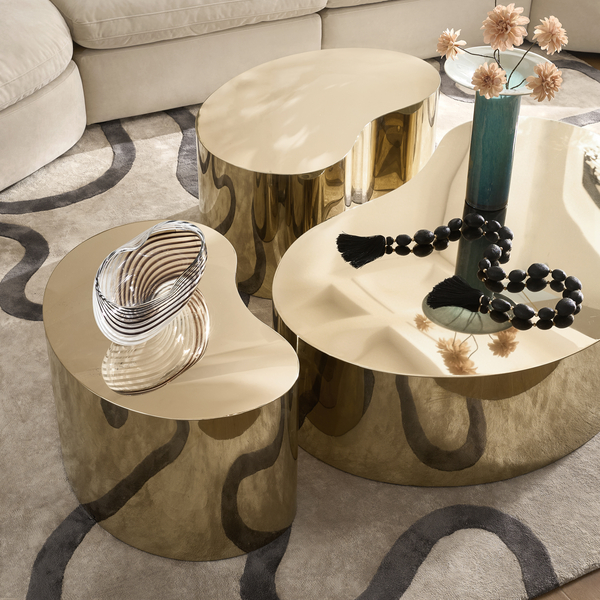
A coffee table calls for pieces that can be seen from above and around the room. Decorative bowls, trays, low objects, books, and small vases work beautifully here.
A console table benefits from height and vertical movement. Taller vases, sculptural objects, lamps, mirrors, and artwork can turn a hallway or entryway into a true design moment.
Shelves need variation. Mix upright pieces with horizontal stacks, small objects with larger vessels, and negative space with layered texture.
A dining table usually needs restraint. One oversized bowl, a pair of vases, or a sculptural centerpiece can feel more elegant than a crowded arrangement.
A nightstand should feel personal and edited. A small vase, a decorative object, and a lamp may be all it needs.
Before you style, ask what the surface is meant to do. Is it functional, decorative, or both? The answer should guide the arrangement.
Use the Rule of Three
Designers often style in odd numbers because they feel natural to the eye.
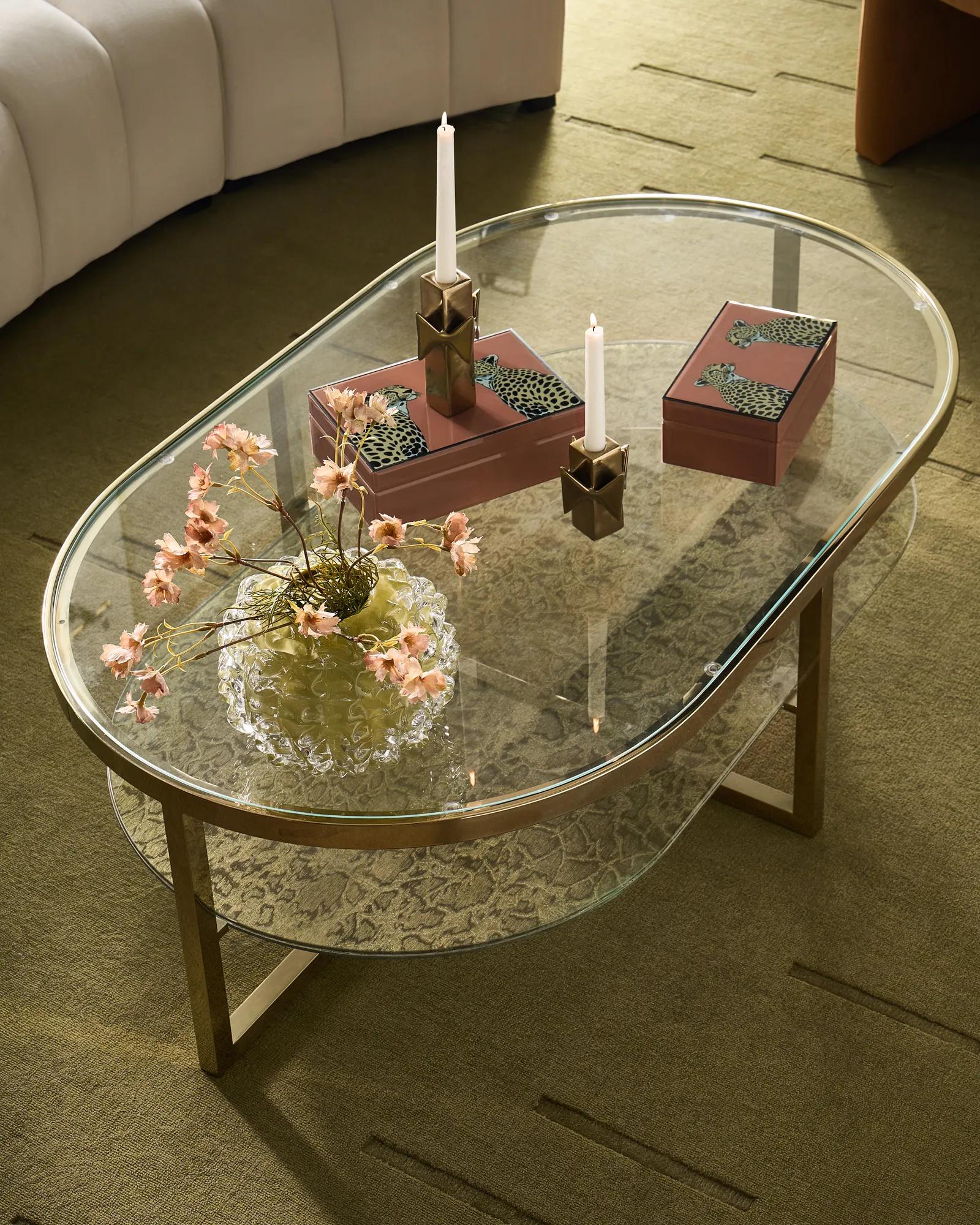
Three pieces create balance without symmetry. A vase, a bowl, and a sculptural object can feel collected and complete. The pieces should not be identical. In fact, they are more interesting when they vary in height, shape, and material.
Try pairing a tall vase with a low decorative bowl and a smaller object. Or place a sculptural vase beside stacked books and a metallic accent. The goal is to create a visual triangle, where each piece relates to the others without looking overly arranged.
The rule of three is especially useful for coffee table decor, console styling, and shelf styling. It gives the surface structure while still allowing it to feel effortless.
Mix Heights for Movement
Flat styling falls flat.
One of the easiest ways to make home decor accessories look designer-styled is to vary height. A tall vase creates lift. A low bowl grounds the arrangement. A medium sculptural object connects the two.
This range keeps the eye moving.
On a coffee table, combine a low decorative bowl with a medium object and a taller floral arrangement. On a console, pair tall vases with a lower tray or bowl. On shelves, alternate heights from one section to the next so the entire wall feels rhythmic.
Height should feel balanced, not forced. Avoid lining up pieces that are all the same size. A styled surface needs peaks and pauses.
Let Bowls Ground the Arrangement
A decorative bowl is one of the most versatile accessories in a room.
It can sit at the center of a coffee table, anchor a console, hold decorative filler, or stand alone as a sculptural statement. Unlike a vase, which usually draws the eye upward, a bowl adds weight and grounding.
Choose a bowl based on the mood of the room. Glass feels light and reflective. Marble feels substantial and luxe. Ceramic feels artisanal. Metal feels polished and dramatic. Wood feels warm and organic.
A large decorative bowl can be beautiful on its own, especially when the material has movement, veining, texture, or shine. Smaller bowls work well when layered on books or trays.
For a more styled look, place a decorative bowl slightly off-center rather than perfectly in the middle. This creates movement and keeps the surface from feeling too formal.
Shop decorative bowls to bring shape, texture, and function to coffee tables, consoles, and shelves.
Style Vases With or Without Stems
A vase does not need flowers to be beautiful.
In fact, some of the strongest decorative vases are sculptural enough to stand alone. A tall ceramic vase, a textured glass vessel, or a metallic vase can act like a piece of art on a console, shelf, or dining table.
When using stems, keep the arrangement intentional. Tall branches create drama. A few sculptural stems feel modern. Full florals feel softer and more romantic. Dried or faux botanicals can add height and texture without requiring constant care.
For designer balance, vary vase shapes. Pair a tall narrow vase with a shorter rounded one. Place a smooth glass vase beside a textured ceramic vessel. Mix opaque and translucent finishes for depth.
Vases are especially powerful when grouped in pairs or trios, but they should not all be the same height. Let one lead and the others support.
Shop decorative vases to add height, movement, and sculptural beauty to styled surfaces.

Add Objects for Personality
Decorative objects are where a room becomes personal.
A sculptural object, abstract form, ceramic figure, glass accent, or metallic piece can add artistry without needing a practical function. These pieces create intrigue. They invite a closer look. They make a surface feel curated rather than simply filled.
The key is restraint.
One sculptural object can be more powerful than several small pieces scattered across a table. Choose objects with strong form, interesting material, or a finish that connects to the rest of the room.
A glossy black object can echo a black mirror frame. A brass accent can connect to a lamp or chandelier. A ceramic sculpture can repeat the tone of a vase or bowl. This creates cohesion, even when the pieces are different.
Shop decorative objects to add personality, artistry, and visual presence to every room.
Layer Materials Like a Designer
The most elevated surfaces are layered in material, not cluttered with quantity.
Glass adds reflection. Stone adds weight. Metal adds polish. Ceramic adds texture. Wood adds warmth. Lacquer adds shine. Bouclé, velvet, or woven details can soften the look.
When styling home decor accessories, aim for contrast. Place a smooth glass vase beside a textured ceramic bowl. Pair a metallic object with a matte stone surface. Layer a glossy tray under a sculptural vase. Let each material make the others more interesting.
This is especially important in neutral rooms. When color is quiet, texture and material do the work.
A room filled with beige can feel flat. A room layered with ivory ceramic, champagne metal, smoked glass, marble, and soft textiles feels rich.
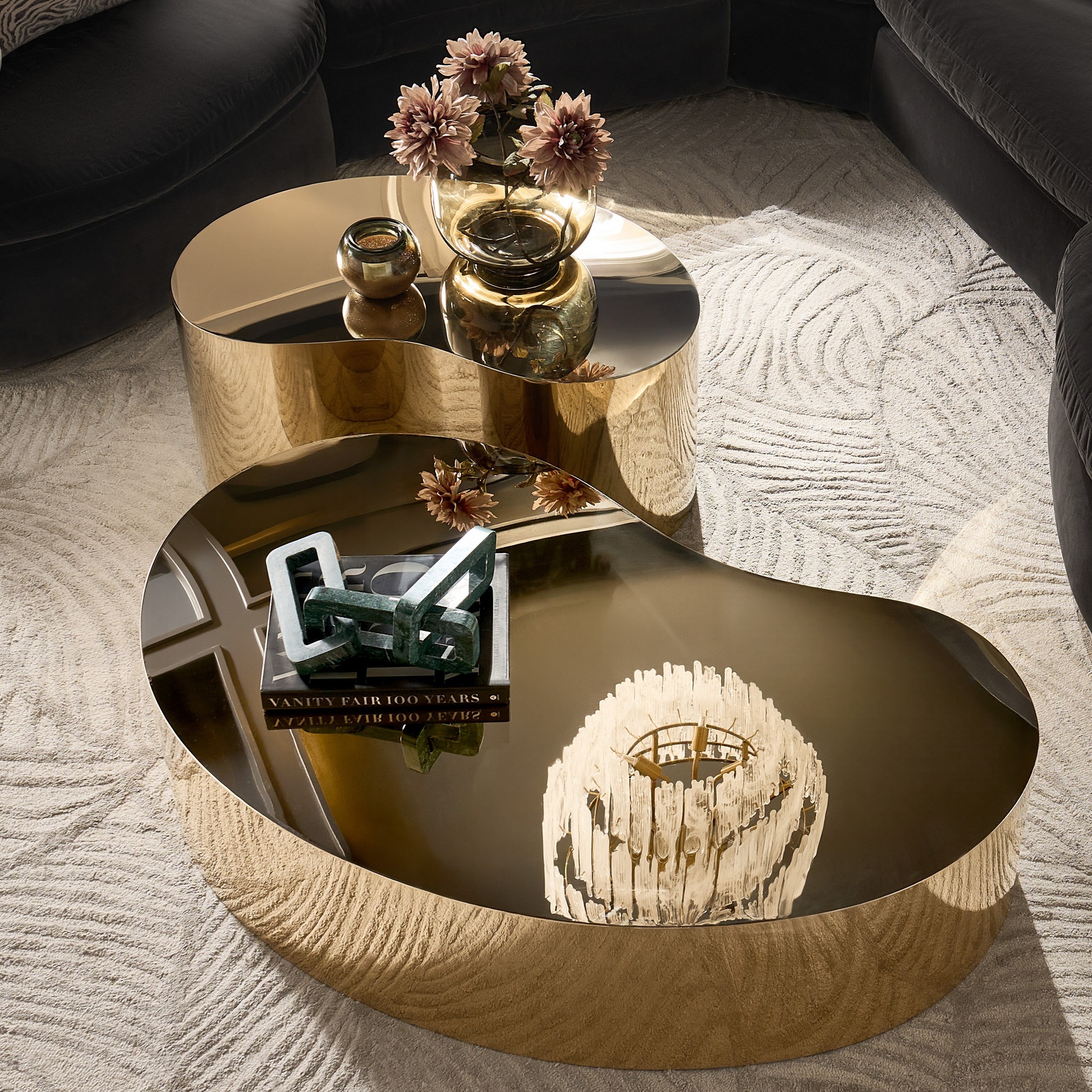
Create a Coffee Table Moment
A coffee table is one of the most visible styling opportunities in a living room.
Start with a foundation, such as a tray or a stack of books. Then add height with a vase, weight with a bowl, and personality with an object. Keep enough open space so the table still feels usable.
A strong coffee table arrangement might include a decorative bowl, two books, a sculptural object, and a small vase. Another might include a large tray, a candle, a glass vessel, and a metallic accent.
The goal is not to cover the surface. The goal is to create a moment that feels intentional from every angle.
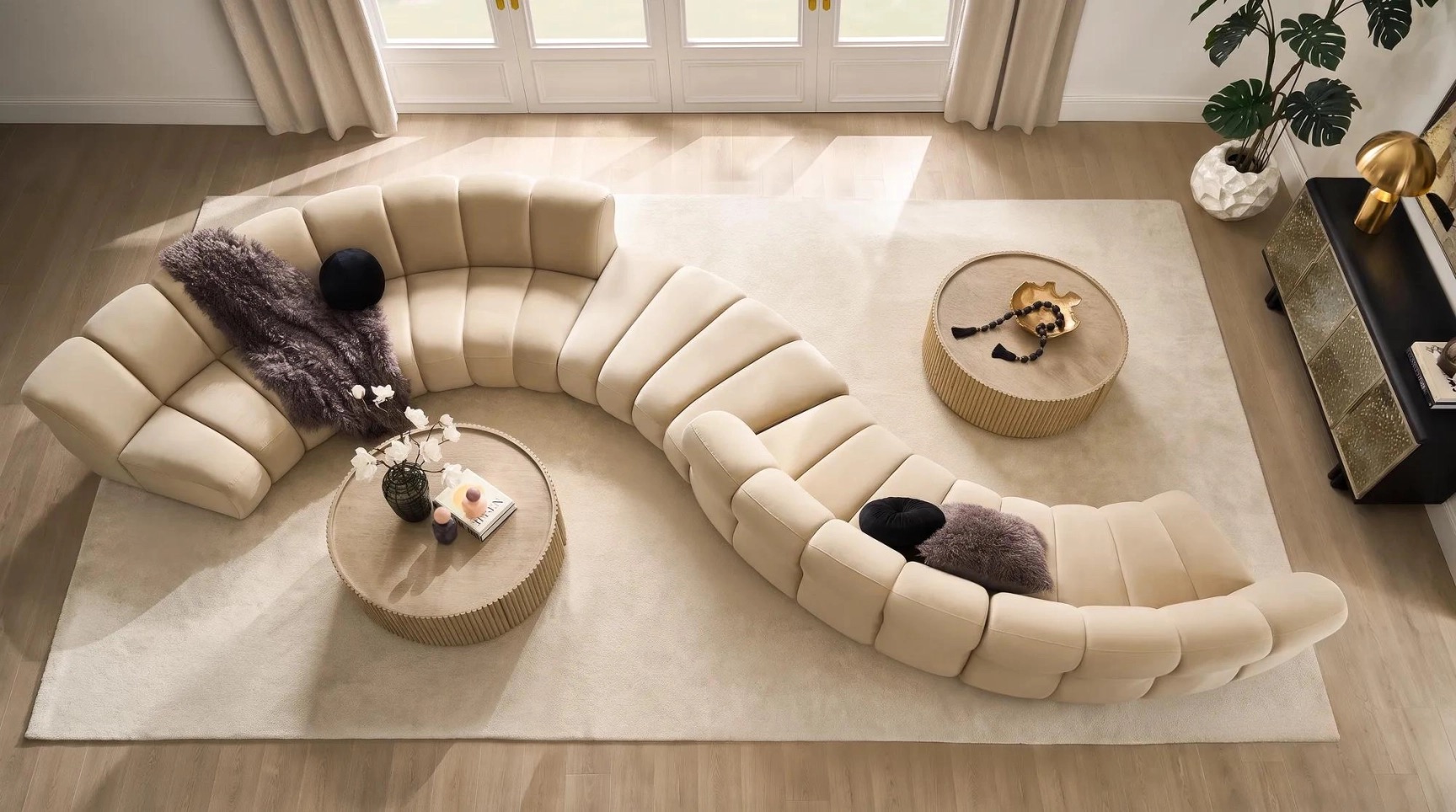
For a polished living room, pair your accessories with sofas and sectionals, accent chairs, and area rugs that support the same mood.
Give Consoles a Sense of Ceremony
A console table is often the first surface guests see, especially in an entryway.
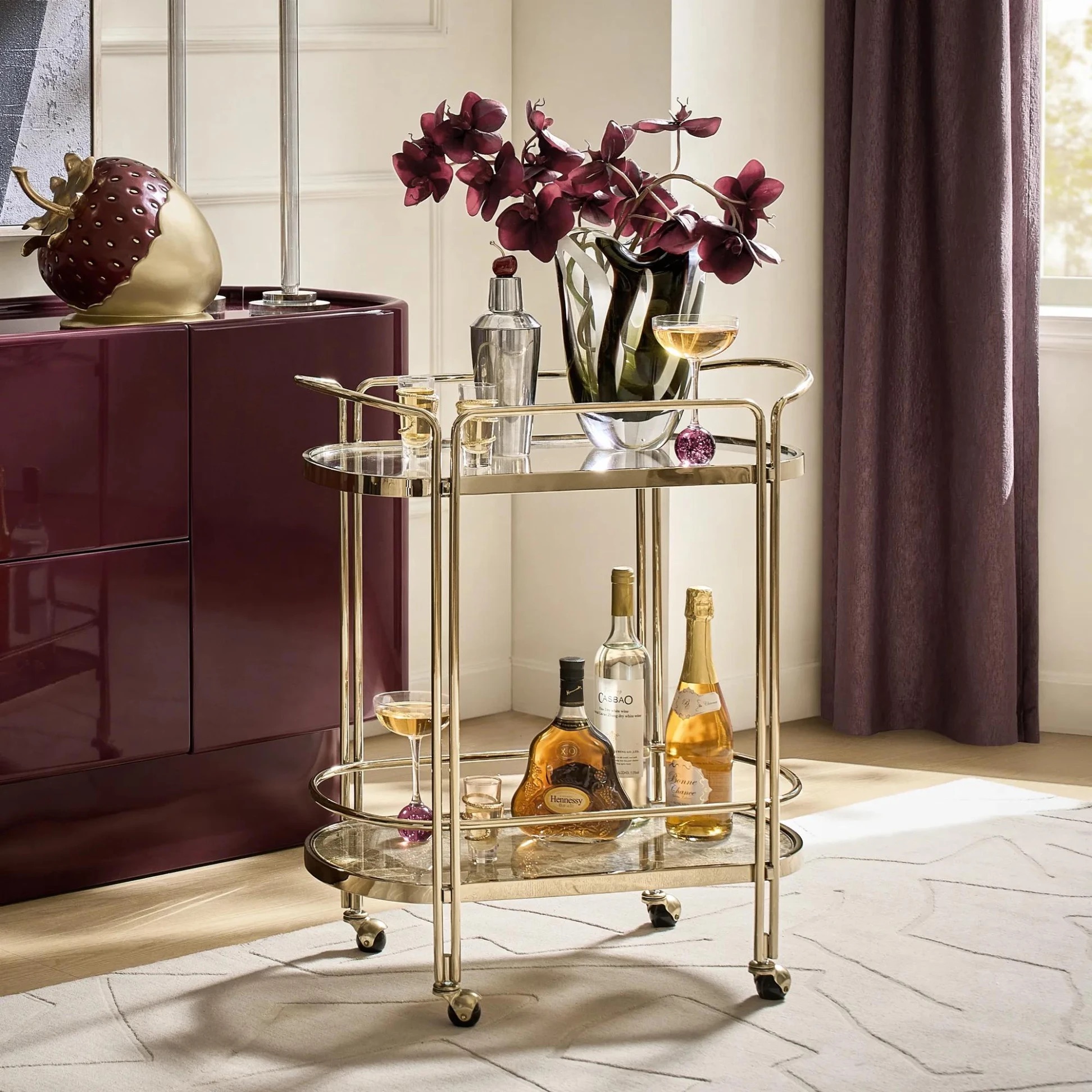
This is where home decor accessories can set the tone for the entire home. Start with one vertical piece, such as a tall vase, lamp, or mirror. Add a lower piece, such as a decorative bowl or tray. Finish with a sculptural object for personality.
Above the console, consider a mirror or wall art to create height and architecture. Below, an ottoman, bench, or basket can add balance.
A console should feel styled, but not busy. It is a place for impact, not excess.
Think of it as a preview of the home’s personality.
Style Shelves With Space to Breathe
Shelves can quickly become crowded, which is why negative space matters.
Instead of filling every inch, create small compositions. A vase beside stacked books. A bowl on one shelf. A sculptural object on another. A framed piece leaning behind a smaller accent. Each shelf should feel connected, but not identical.
Vary the shapes. Mix round bowls with tall vases, angular objects with soft forms, and glossy finishes with matte ones.
Repeat a few materials or colors throughout the shelves to create continuity. For example, touches of brass, black, ivory, or glass can move across the arrangement and make the whole wall feel intentional.
The most elegant shelf styling allows the pieces to breathe.
Keep Dining Tables Refined
Dining table styling should feel generous, but not obstructive.
A large decorative bowl can make a beautiful centerpiece, especially in marble, ceramic, glass, or metal. A pair of vases can add symmetry without feeling too formal. A sculptural object can create a gallery-like focal point.
For everyday styling, keep the centerpiece low enough for conversation or easy to move when entertaining. For a more dramatic setting, add height with branches, florals, or candleholders.
Pair the table styling with dining tables and chairs and lighting to create a complete room moment.
The dining table is not only for meals. It is a stage for atmosphere.
Know When to Edit
The most common mistake with decorative accessories is adding too many.
A surface should have rhythm, not noise. If every object is small, the arrangement can feel scattered. If every piece is bold, nothing stands out. If every surface is filled, the room has nowhere to rest.
Step back and look at the room as a whole. Does the eye know where to go? Are the materials repeating with intention? Is there enough empty space around the pieces?
Editing is what makes styling feel expensive.
Remove one piece. Then remove one more if needed. The right accessories should feel chosen, not accumulated.
Designer Styling Formula
Use this simple formula for styling home decor accessories on almost any surface:
One tall piece for height
One low piece for grounding
One sculptural piece for personality
One textural or reflective piece for depth
One area of negative space for polish
This formula works on coffee tables, consoles, shelves, dressers, and dining tables. It gives you structure without making the result feel predictable.
The goal is a surface that looks composed, but not overworked.
The Surface, Styled
Decorative bowls, vases, and objects are small pieces with remarkable influence.
They can soften a room, sharpen it, brighten it, ground it, or make it feel more personal. They bring the finishing layer that turns a furnished space into a curated one.
Choose pieces with presence. Mix heights with intention. Let materials contrast. Give every object room to breathe. When styled with restraint, home decor accessories do more than decorate a surface. They define it.
Shop Z Gallerie home decor accessories to discover decorative bowls, vases, sculptural objects, metallic accents, and modern pieces made to bring every surface into focus.
FAQs
What are home decor accessories?
Home decor accessories are the finishing pieces that add style, texture, and personality to a room. They include decorative bowls, vases, objects, trays, candles, sculptures, mirrors, pillows, and other accents that complete a space.
How do you style decorative bowls?
Style decorative bowls on coffee tables, consoles, dining tables, shelves, or dressers. Use them alone as a sculptural centerpiece or pair them with books, vases, trays, or decorative objects for a layered look.
Can vases be styled without flowers?
Yes. Many decorative vases are designed to stand alone. A sculptural vase can add height, texture, color, and shape even without stems or florals.
How do you style decorative objects without making a room feel cluttered?
Choose fewer pieces with stronger presence. Vary height, shape, and material, then leave negative space around each arrangement. A few intentional objects will look more elevated than many small accents.
What should I put on a coffee table?
A designer-styled coffee table often includes a decorative bowl, a vase, stacked books, a tray, and one sculptural object. Keep the arrangement balanced and leave space for everyday use.
How do I make shelves look professionally styled?
Style shelves with a mix of books, vases, bowls, objects, art, and open space. Vary heights and shapes, repeat a few colors or materials, and avoid filling every inch.
What materials make home decor accessories look expensive?
Glass, marble, stone, ceramic, metal, lacquer, velvet, and textured finishes can make home decor accessories feel more elevated. Strong proportion and thoughtful placement matter just as much as material.