A dining table is never just a surface. It is where the room gathers, where the evening begins, where everyday meals become rituals and special occasions find their center.
Its shape matters more than most people think.
The best dining table shape can make a room feel open or grounded, intimate or expansive, formal or effortlessly relaxed. A rectangular table brings structure and ceremony. A round table invites conversation. An oval table adds softness and movement. A square table creates a sense of closeness that feels tailored and personal.
Choosing well is not only about how many people you want to seat. It is about how you want the room to feel.
In This Story
• How the shape of a dining table changes the mood, movement, and balance of a room
• Why rectangular tables remain the classic choice for hosting and larger dining spaces
• The quiet magic of round and oval tables in rooms that need softness, flow, or intimacy
• What to measure before buying, from chair clearance to rug proportions
• How material, finish, and silhouette turn a dining table into the room’s focal point
Explore modern dining tables for your home.
What Is the Best Dining Table Shape?
The best dining table shape depends on your room size, seating needs, and entertaining style.
A rectangular dining table is best for long rooms, formal dining rooms, open layouts, and larger gatherings. It creates a strong architectural line and typically seats the most guests.
A round dining table is best for small spaces, square rooms, breakfast areas, apartments, and conversation-first dining. Its lack of corners makes the room feel softer and easier to move through.
An oval dining table is best when you want the length and seating potential of a rectangular table with softer edges and more graceful flow.
A square dining table is best for compact dining areas, square rooms, and intimate meals for two to four people.
Rectangular Dining Tables: Best for Large Rooms and Hosting
There is a reason the rectangular dining table has never lost its place. It is generous, grounding, and naturally suited to the architecture of most dining rooms.
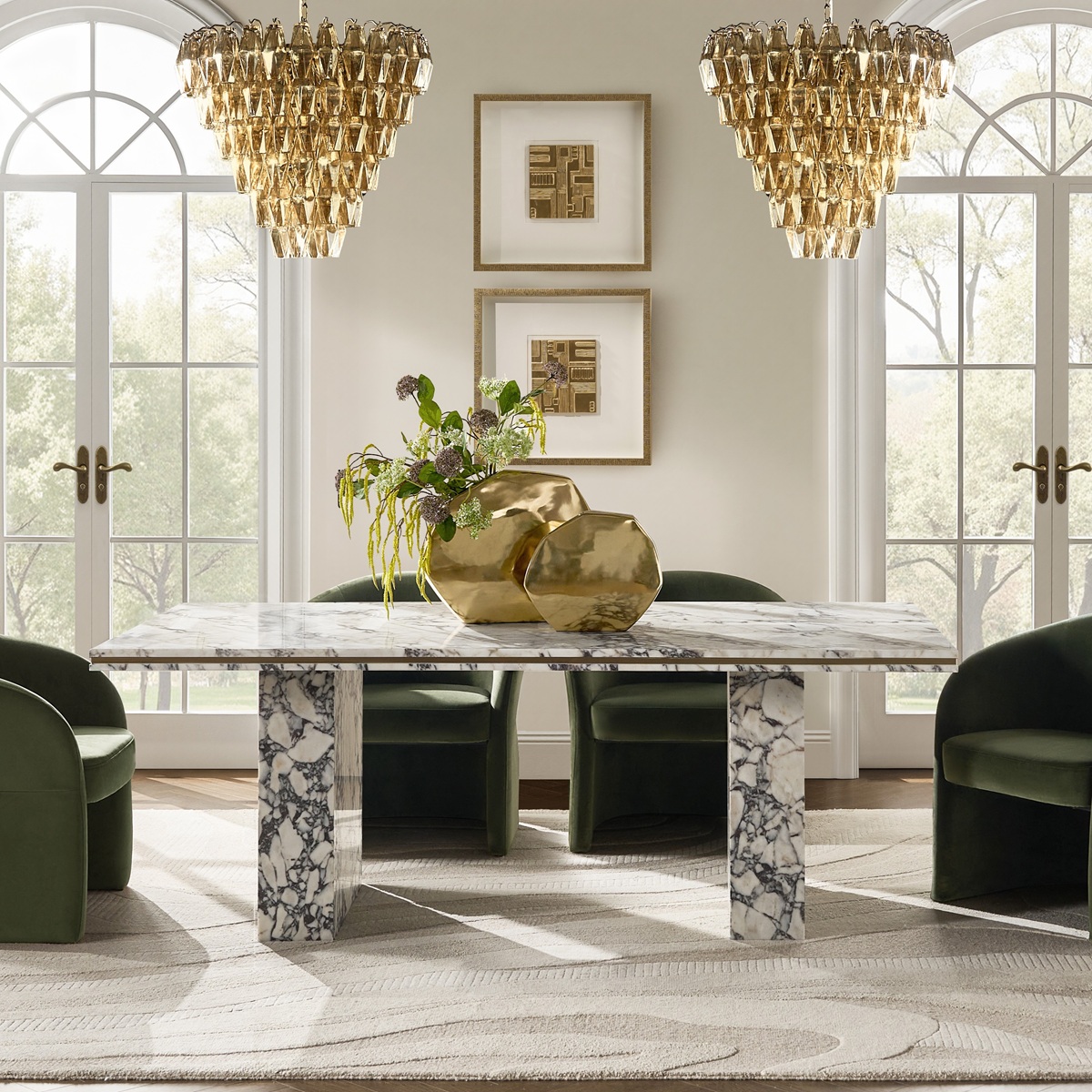
In a long room, a rectangular table feels balanced and intentional. In an open floor plan, it helps define the dining zone with a clear sense of structure. For holidays, dinner parties, and evenings that call for layered place settings, serving pieces, candles, and flowers, it offers the space to make dining feel like an occasion.
A rectangular table also has presence. It gives the eye a strong line to follow, especially when styled beneath a chandelier or paired with a rug that frames the full dining area.
Choose a rectangular dining table if your room is long, your gatherings are frequent, or you want the table to act as the visual anchor of the space.
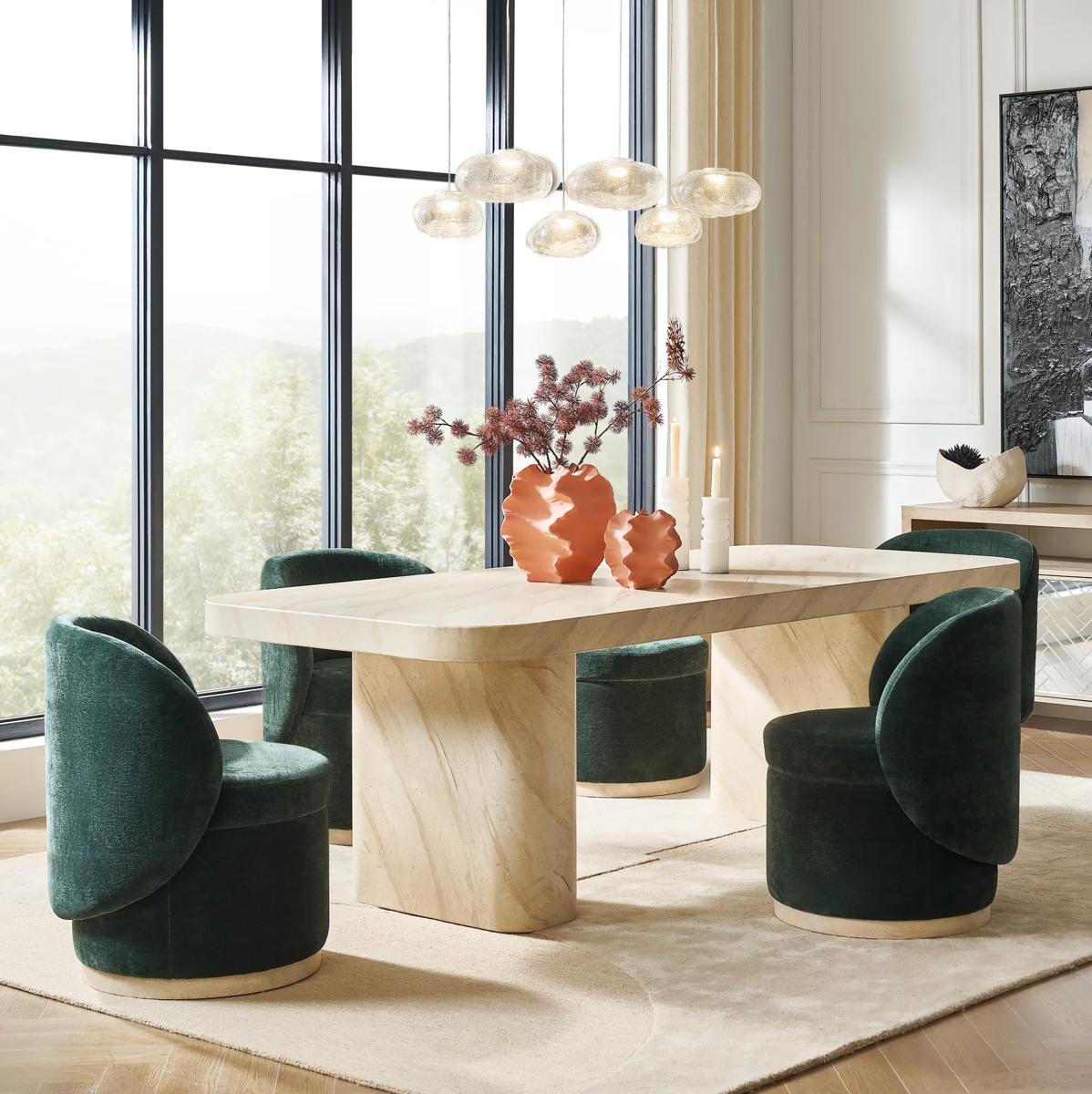
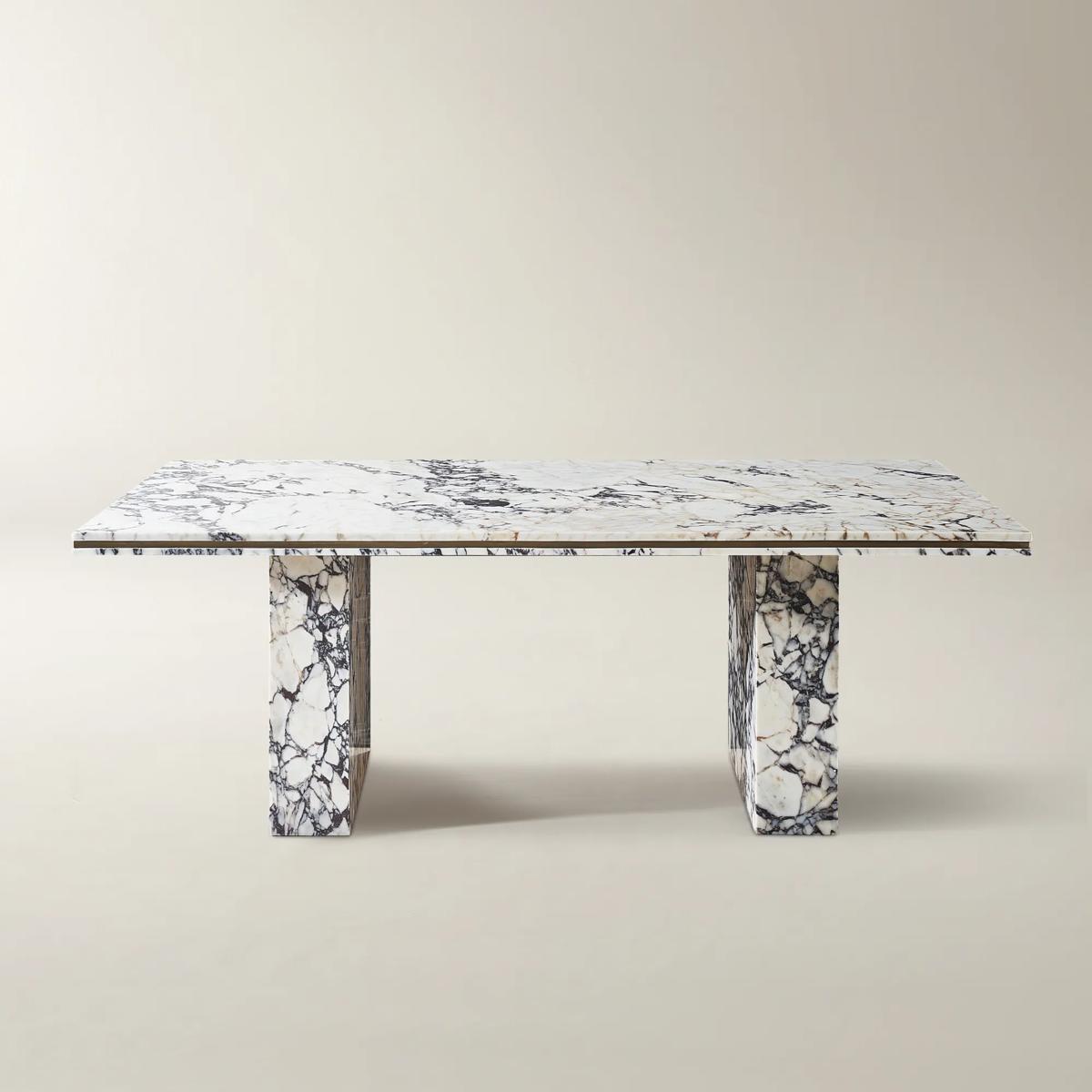
Silex Faux Marble Dining Table
Round Dining Tables: Best for Small Spaces and Conversation
A round dining table changes the tone of a room instantly. It feels open, welcoming, and easy to gather around. With no head of the table and no sharp corners, everyone feels equally part of the conversation.
This shape is especially useful in smaller dining rooms, square rooms, apartments, and breakfast areas. It makes movement feel easier and gives the room a lighter visual footprint.
Round does not have to mean simple. A sculptural base, glass top, rich wood finish, stone surface, or high-gloss detail can give a round table the same drama as a larger formal piece, just in a more compact silhouette.
Choose a round dining table if your space is smaller, your room is square, or your dining style is intimate, relaxed, and conversation-led.
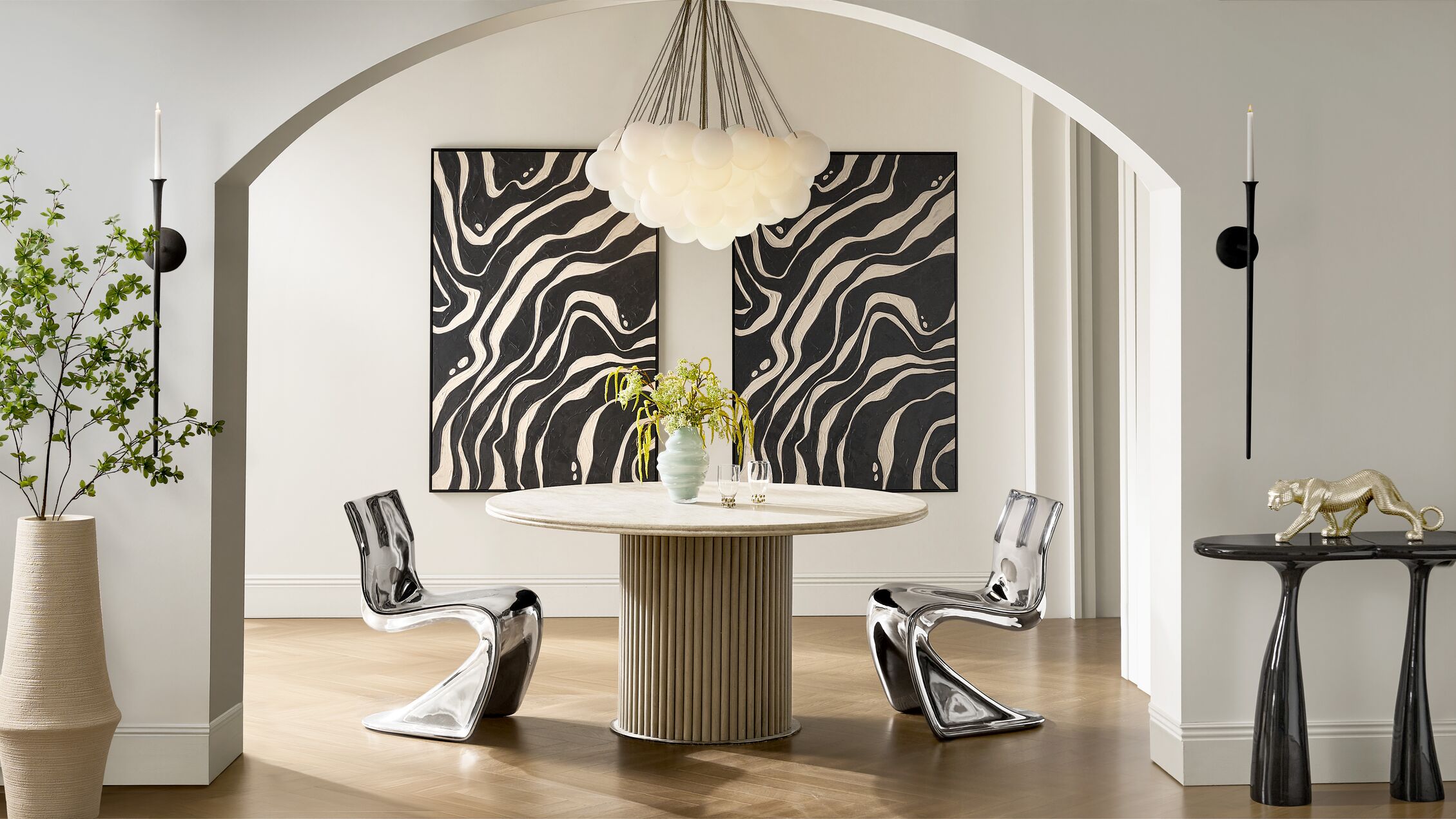
Oval Dining Tables: Best for Narrow Rooms and Soft Flow
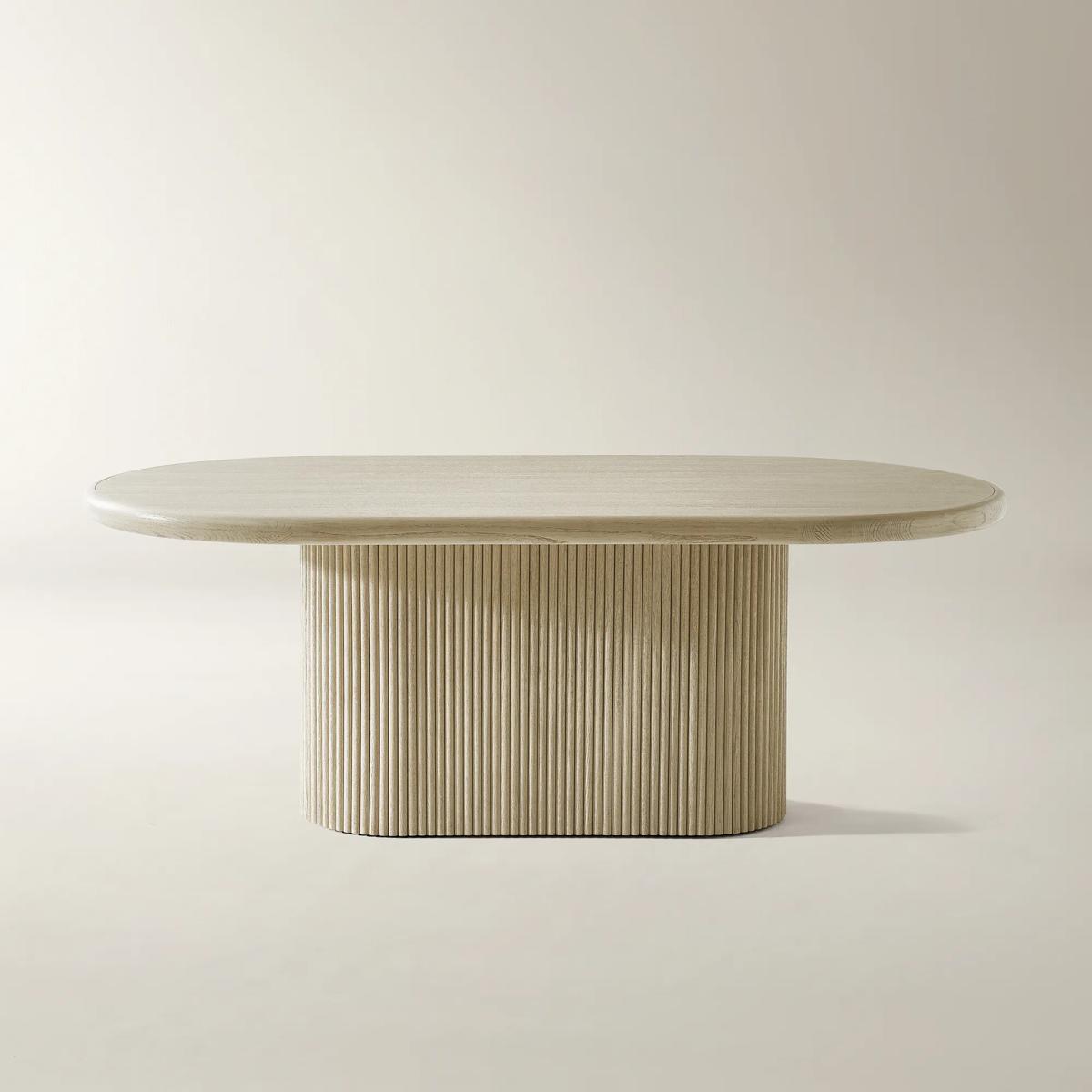
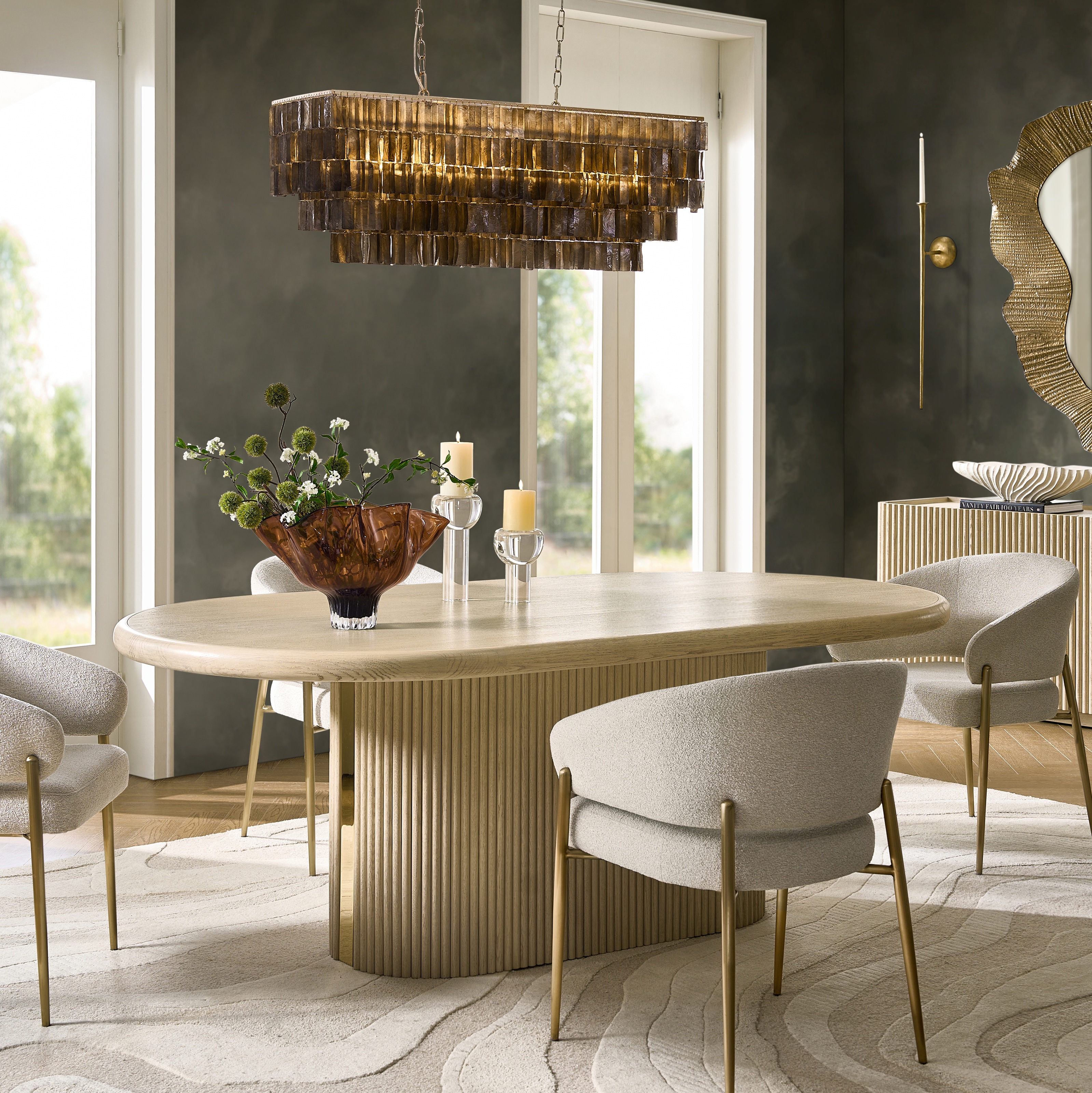
An oval dining table is the elegant in-between. It offers the length of a rectangle, but the curved edges make it feel softer, lighter, and easier to move around.
That makes it especially smart for narrow dining rooms or open layouts where flow matters. The rounded ends help reduce visual weight, while still offering generous seating. Oval tables also bring a graceful sense of movement to rooms with a lot of straight lines, such as rectangular rugs, linear lighting, built-ins, or angular architecture.
An oval table feels polished without feeling rigid. It is formal enough for entertaining, but fluid enough for everyday living.
Choose an oval dining table if you want seating capacity, visual softness, and a more refined sense of movement.
Square Dining Tables: Best for Compact, Intimate Dining
A square dining table works beautifully when the room itself has balance. In a square dining area, it can create a calm, symmetrical look that feels thoughtful and composed.
This shape is best for smaller gatherings, usually two to four people. It is ideal for compact dining rooms, apartments, game nights, casual meals, and spaces where the table needs to feel intentional without dominating the room.
The key is scale. A square table needs enough space on all sides so chairs can pull out comfortably. If the room is narrow, a round or oval table may be easier to live with.
Choose a square dining table if your room is compact, your layout is symmetrical, and your gatherings tend to be smaller and more personal.
Dining Table Shape Comparison Chart
| Table Shape | Best For | Design Effect | Seating Style |
|---|---|---|---|
| Rectangular | Long rooms, formal dining rooms, open layouts, frequent hosting | Architectural, classic, substantial | Typically seats the most guests |
| Round | Small spaces, square rooms, breakfast areas, apartments | Soft, intimate, conversational | Best for smaller groups |
| Oval | Narrow rooms, open floor plans, graceful entertaining | Fluid, refined, visually softer | Generous seating with easier flow |
| Square | Compact rooms, square layouts, intimate dining | Symmetrical, tailored, personal | Best for two to four |
Measure Before You Fall in Love
The most beautiful dining table in the world still has to work in the room.
Before choosing a shape, measure the entire dining area, not just the empty space where the table will sit. Include walls, buffets, cabinets, kitchen islands, windows, walkways, and any nearby furniture.
Aim for about 36 inches of clearance from the table edge to surrounding walls or furniture so chairs can pull out comfortably. In tighter layouts, 30 inches can work as a minimum walkway.
Also think about the chairs. Upholstered dining chairs, curved backs, and wider silhouettes need more room than slimmer designs. If the chair is generous, the table should be generous enough to let each seat breathe.
For the rug, choose one that extends at least 24 inches beyond each side of the table so chairs stay on the rug when pulled out. This simple proportion helps the dining area feel polished and complete.
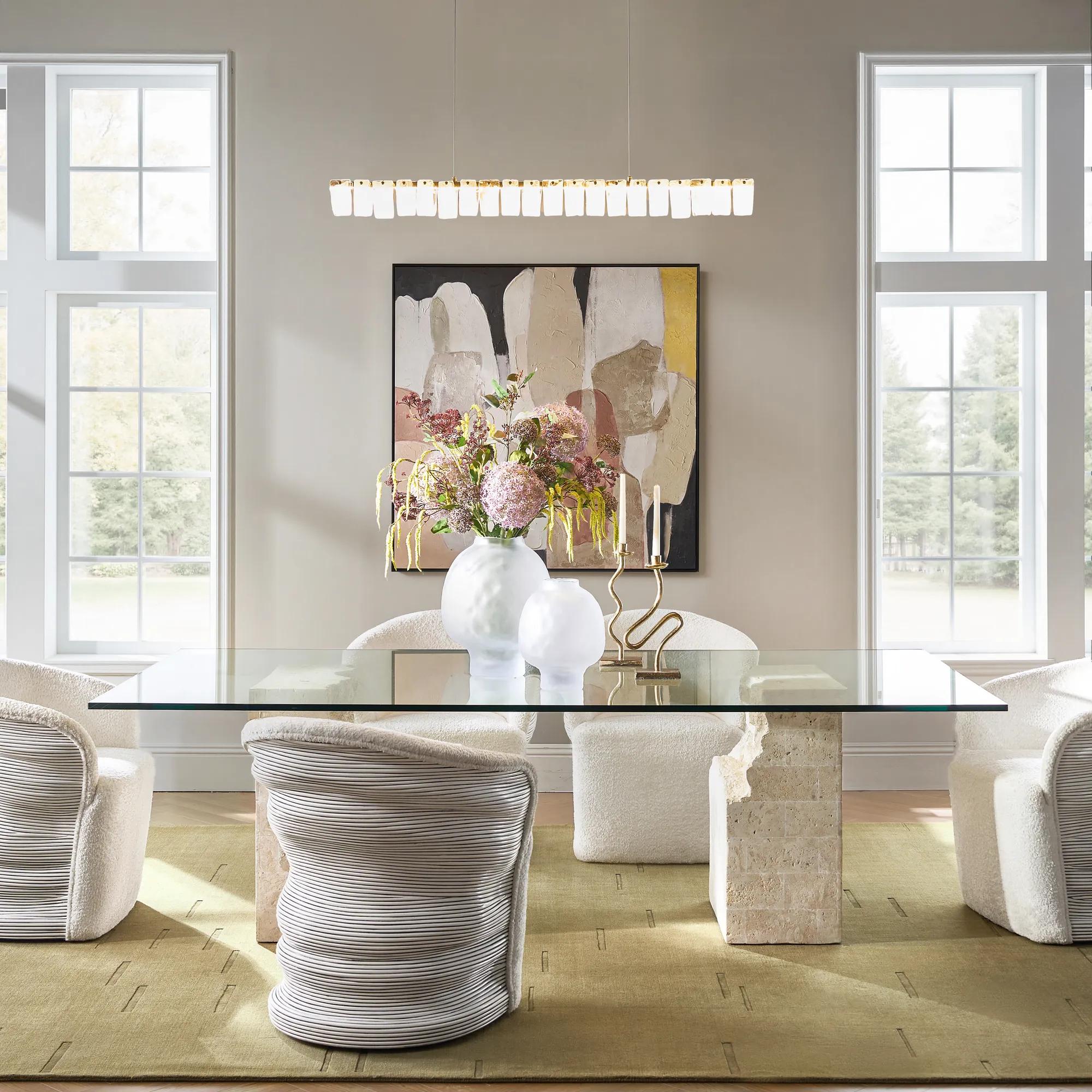
Cairo Mactan Stone Dining Table
Match the Shape to the Way You Host
The right dining table shape is not only about dimensions. It is about rhythm.
If the room is for everyday meals, choose a shape that feels easy to move around and simple to style. Round, oval, and smaller rectangular tables often work beautifully for daily use.
If the room is for entertaining, prioritize generous length, statement materiality, and space for serving pieces, layered place settings, and guests. Rectangular and large oval tables are usually the strongest choices for hosting.
If the dining area is part of an open floor plan, let the table define the zone. A rectangular table creates structure. A round table softens the transition between living and dining. An oval table gives you a little of both.
If the room is meant to make a statement, shape is only the beginning. Look for sculptural bases, marble, stone, glass, reflective finishes, or silhouettes that read like functional art.
Let Material Set the Mood
Shape determines flow. Material creates atmosphere.
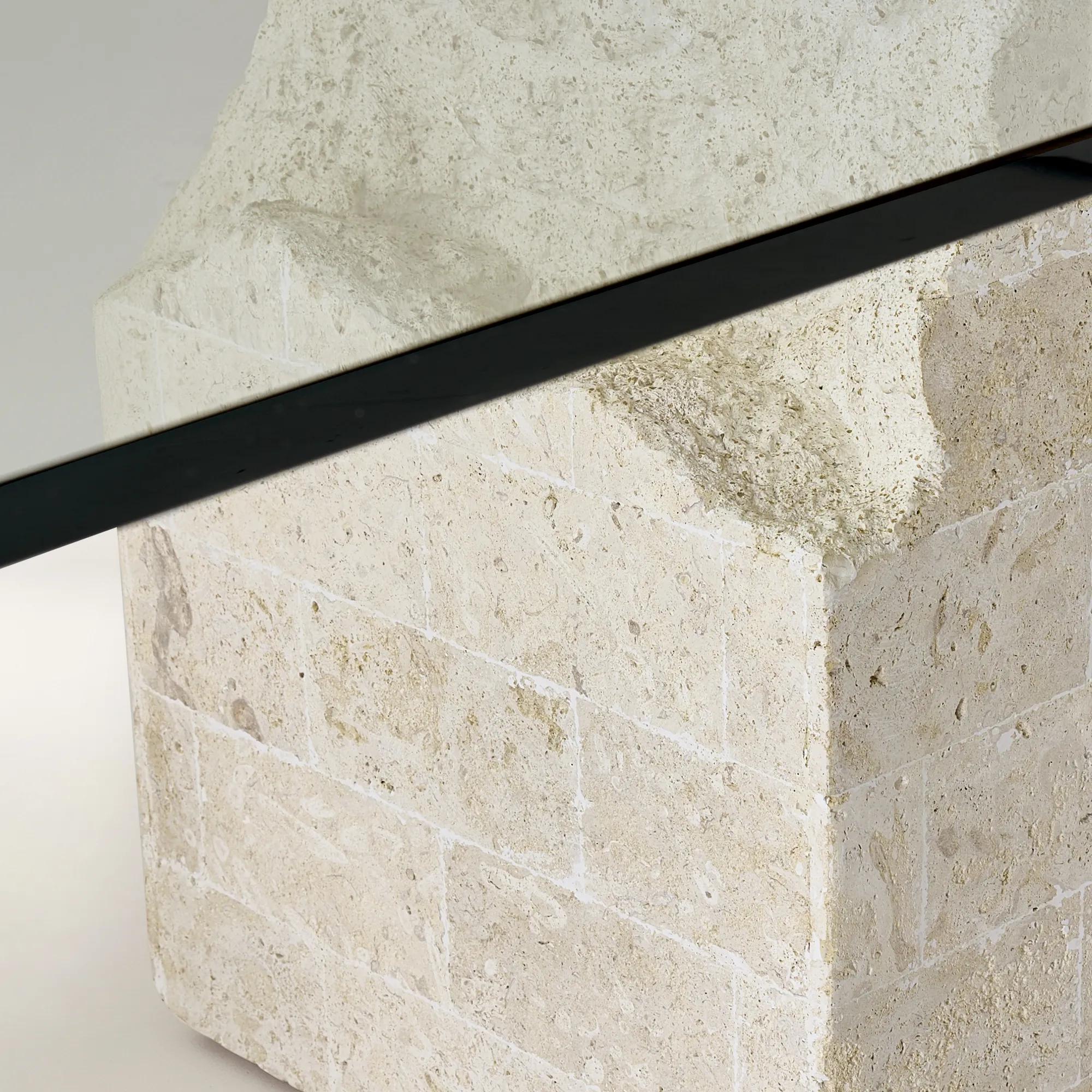
A marble or stone dining table feels dramatic, elevated, and naturally expressive. The veining gives each piece its own movement, making the table feel like a focal point before it is even styled.
A wood dining table brings warmth and versatility. It is grounded, welcoming, and easy to layer with upholstered chairs, textured rugs, and sculptural lighting.
A glass dining table helps a room feel open and luminous. It is especially effective in smaller spaces or when the base is designed to be seen.
Concrete-look finishes feel architectural and modern, while metal, mirror, stainless steel, and gold-finish details bring brightness and polish. Z Gallerie’s own guide notes that marble and stone add natural drama, wood adds warmth, glass opens the room, concrete-look finishes feel architectural, and metal or mirror details add modern glamour.
The best dining tables combine shape and material with intention. A round glass table can feel airy and sculptural. A rectangular marble table can feel grand and gallery-like. An oval wood table can feel warm, graceful, and quietly luxurious.
The Final Choice
The best dining table shape is the one that makes the room feel balanced and the gathering feel effortless.
Choose rectangular for structure, scale, and hosting. Choose round for softness, smaller spaces, and conversation. Choose oval for flow, elegance, and narrow rooms. Choose square for symmetry, intimacy, and compact dining.
Then refine the choice through material, chair pairing, lighting, rug size, and the way the table sits within the room. That is where a dining space begins to feel designed, not just furnished.
Shop Z Gallerie dining tables to find the perfect shape for your space.
FAQs
What dining table shape is best?
The best dining table shape depends on your room and how you use it. Rectangular tables work well in long rooms and for larger gatherings. Round tables are ideal for small spaces and conversation. Oval tables offer generous seating with softer edges. Square tables are best for compact, intimate dining areas.
What shape works best in small spaces?
Round dining tables usually work best in small spaces because they have no corners, allow easier movement, and create a softer visual footprint. Glass round tables can make a small dining area feel even more open.
Which dining table shape seats the most people?
Rectangular dining tables usually seat the most people, especially in longer sizes or extendable styles. Large oval tables can also seat generous groups while offering softer edges and easier movement around the room.
Is a round or rectangular dining table better?
A round dining table is better for smaller rooms, square layouts, and conversation. A rectangular dining table is better for long rooms, formal dining areas, and larger gatherings. The better choice depends on your room shape, seating needs, and hosting style.
Is an oval dining table good for a narrow room?
Yes. An oval dining table is a strong choice for a narrow room because it offers useful length without sharp corners. The curved edges help movement feel easier and give the room a softer, more graceful look.
How much space should you leave around a dining table?
Aim for about 36 inches from the table edge to surrounding walls or furniture so chairs can pull out comfortably. In tighter spaces, 30 inches can work as a minimum walkway.